Friday, December 26, 2025
Home Blog Page 4183

Iranians Will Be Able to Obtain Azerbaijan’s Visa in 3 Days

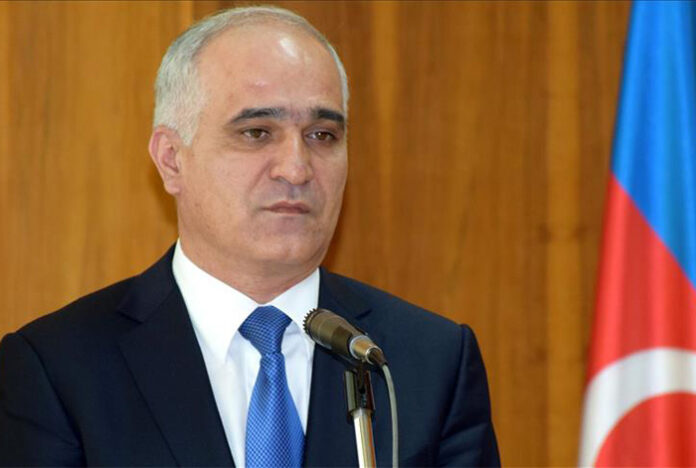
Shahin Mustafayev
Azerbaijan’s Economy Minister Shahin Mustafayev

Starting from January 10, 2017, Iranian citizens will be able to register visas for entry into Azerbaijan via the ASAN Viza system, as a result of which, they will be able to obtain visas within three days, Mustafayev noted.

The minister made the remarks during the 11th meeting of the Azerbaijan-Iran intergovernmental commission on economic, trade and humanitarian cooperation in Baku on Tuesday, Trend reported.

2500-Year-Old Iranian Carpet Kept in Russia’s Hermitage Museum

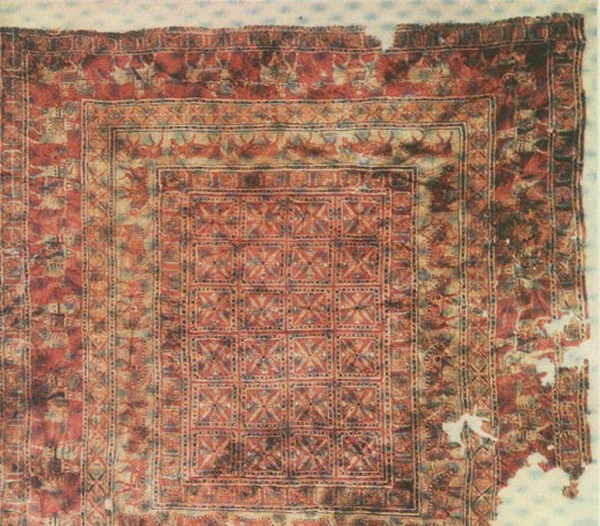
Persian carpet

According to a Farsi report by YJC, a room in Hermitage Museum, one of the world’s largest museums of art and human culture, is decorated with the most ancient carpet of Iran and the world.

This rug was discovered underneath frozen areas of “Pazyryk” near Russia’s border with Mongolia by Sergei Rudenko, a prominent Russian archaeologist, in 1949.

Pazyryk carpet was found in burial chariot of a Scythian nobleman beside his mummified body. Experts believe that this carpet, which dates back to the 5th century BC based on radiocarbon testing, had been used as horse cover and is a product of the contemporary Achaemenids.

This carpet is 183 by 200 centimetres (72 by 79 inches) and has 36 symmetrical knots per cm² (232 per inch²).

The design of the carpet already shows the basic arrangement of what was to become the standard oriental carpet design: A field with repeating patterns, framed by a main border in elaborate design, and several secondary borders.

Its fine weaving and elaborate pictorial design hint at an advanced state of the art of carpet weaving at the time of its production.

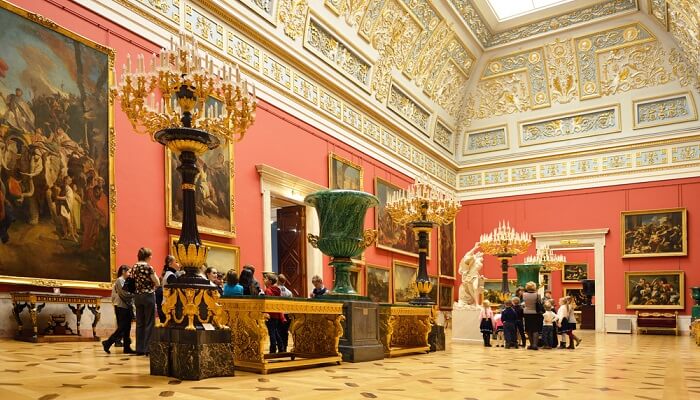
Russia’s Hermitage MuseumIn Hermitage Museum, which is located in Saint Petersburg, Russia, more than 3 million excellent items are publicly displayed in six building. The main building- the Winter Palace- has been the residence of Tsars. The luxurious palaces and rooms of museum have been designed by well-known architects in different periods.

Hermitage Museum contains the largest collection of ancient gold pieces of Eastern Europe and western Asia, as well as several other collections for medallions, cloths and royal jewellery. The collection of paintings comprises the artworks of great artists such as Leonardo da Vinci, Michelangelo, Vincent van Gogh and Pablo Picasso.

There is also an important collection of inscriptions, epigraphs, small sculptures and applied art of Sumerian culture and civilization, founders of the Mesopotamian civilization, and ancient Mediterranean people. Iranian ancient artworks can be found there.

Iranian Man Cycles around World in His 60s

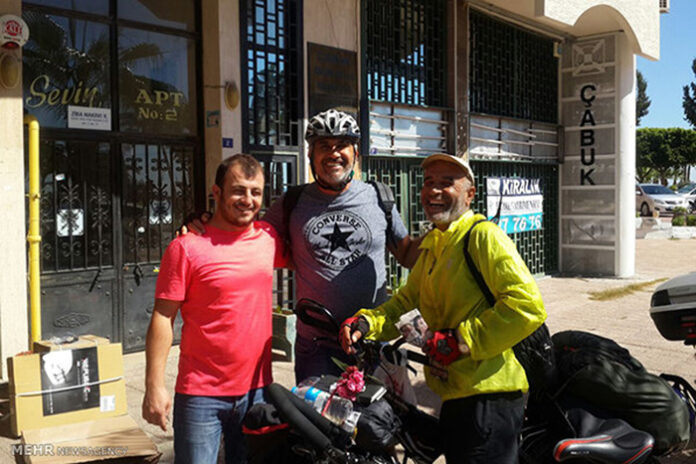
Iranian Man-Tourist

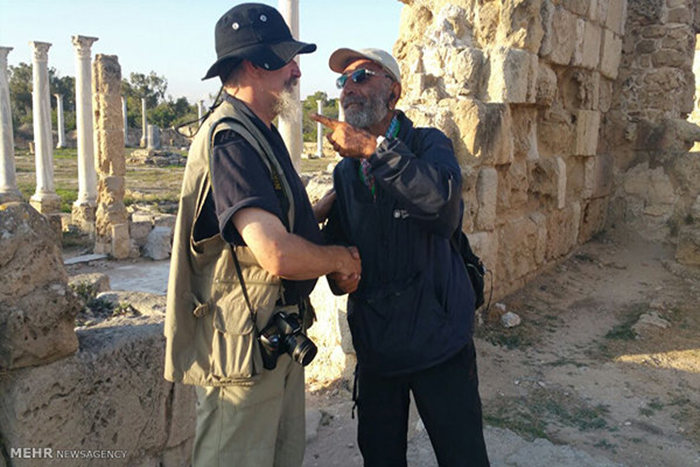
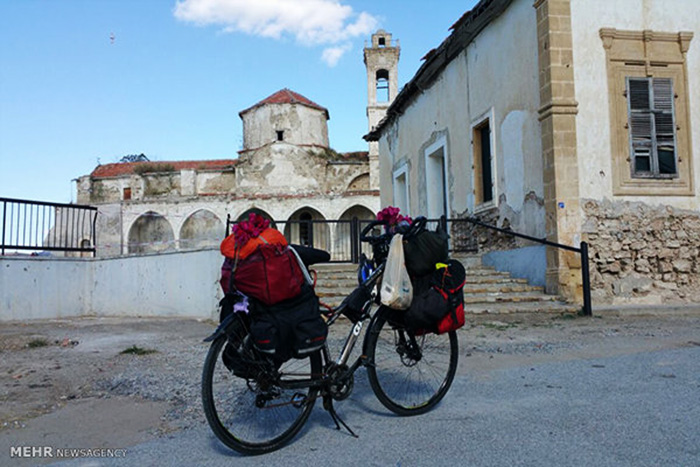
In the seventh decade of his life, Hamidreza Mir-Saeed Qazi, a retired military member, has decided to change his lifestyle: he tried to become a vegetarian, did more exercise, improved his language skills, and started to collect what is necessary for a globetrotter cyclist! 10 years ago, he started to overcome all barriers to his adventure around the world.

According to a Farsi report by Mehr, Mir-Saeed Qazi served for Iranian military for 27 years; has worked as a ceramic artist who printed the faces of martyrs and celebrities on tiles; and now, he is spending his 60s riding bike in the nature.

In the age of technology, when the cyberspace has dominated the lives of many, this 62-year-old man put all he had in a backpack and travelled to far lands by bike.

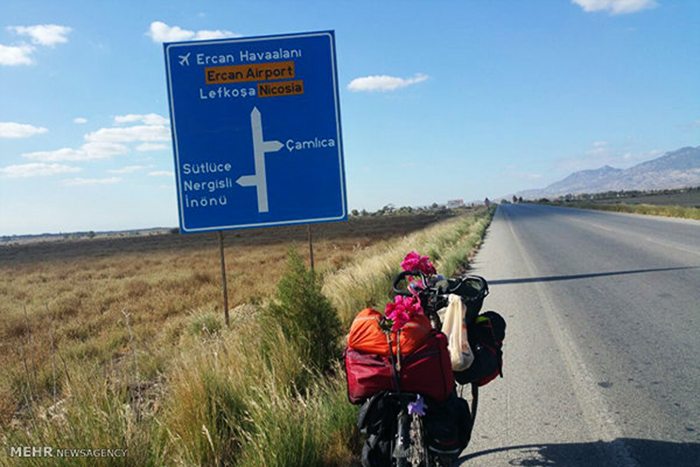
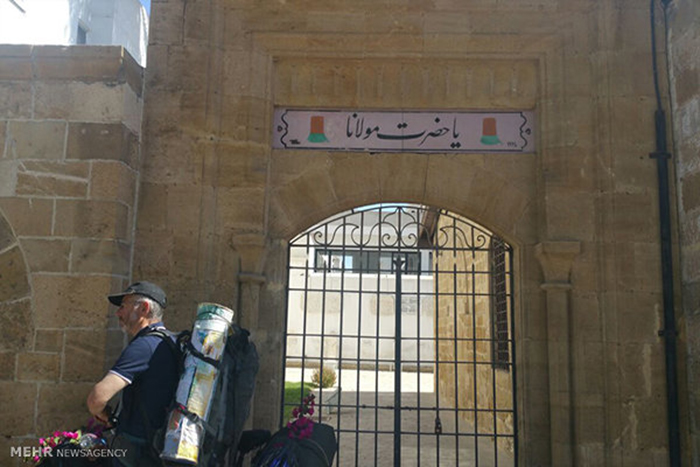
His first destination was Turkey, so he began to learn the language of this country. He pedalled for about 1600km across Turkey and Cyprus for two and a half months. Mir-Saeed Qazi plans to write a book about travelling at low cost.

“I am an energetic man, and doing sport is the best way to use your energy. Because of my good physical conditions at this age, I wanted to do something not everyone does; so I chose travelling by bike.”

Iranian Man-Tourist

Paulo Coelho inspired me

“Strongly inspired by Paulo Coelho’s ‘The Alchemist’, I started to prepare for my journey 10 years ago. Coelho writes in this book that God didn’t create us by tossing a coin: he has assigned us a definite goal. I looked at myself, and realized that being healthy at an old age was an opportunity to pass a massage to the people of world.”

“When you are 60-year-old and do something generally done by young people, you offer hope to others. There are very few people who cycle around the world at my age. Plus, most cyclists are financially supported by federations, societies or governments to carry the flag of their country around the world as a messenger. I had no support, so I tried to keep my expenses at minimum.”


Cycling is an expensive activity

“A few years ago I met two young Belgian cyclists in the road of Semnan [central Iran] and invited them to my house. When they saw my equipment they wondered how I was able to travel around the world with them!”

“Despite what it seems, cycling around the world is an expensive activity. I made a living out of my pension and didn’t have much money, so I bought the needed equipment over time. I tried to get what was necessary so that I wouldn’t need to ask for the help of others in the road. I carried the flag of my country; it was a matter of pride for me.”

Iranian Man-TouristThe laughing man

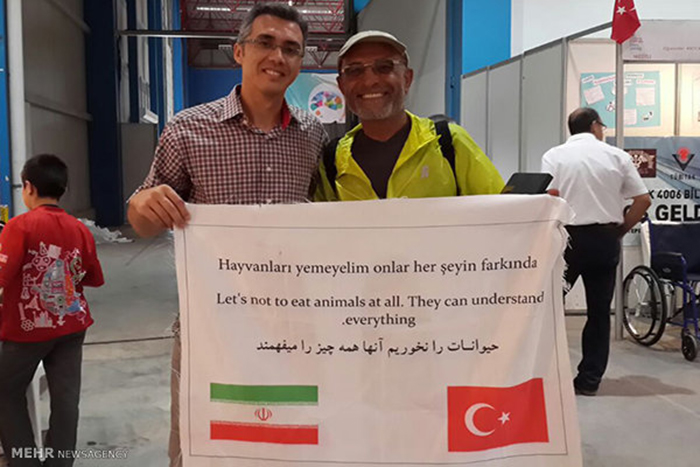
“In Turkey I drew the attention of people because of my old age. Plus, I had two placards. On one of them, I had written “Replace tobacco with sports”. I stood in the squares with the placard in my hand. Turkish press said that by carrying banners beside a backpack, I acted like in comic strips and caught people’s attention. They had called me ‘the laughing man’.”

 Iranian Man-Tourist

Iranians are really kind

“Early in my path, I had to ride for 50km. I got lost and ran out of water. I stood by the roadside with my water bottle upside-down in the hand. Finally a truck stopped to help me and I learned that the driver was Iranian. This happened again a month later; this time I waited four hours for the help until another Iranian truck driver gave me some water one thousand kilometres away from Iran! Foreigners have reason to say that Iranian people are kind.”

 Iranian Man-Tourist

Five hot meals in two and a half months

“I tried not to take food from other people. A cyclist can’t carry fireplace and cookware, so I ate only about five hot meals during my journey. I drank very little tea. My main food included bread, dates, olives and sesame. At the end of the day, it was in my favour because I felt so heavy if I would eat hot food every day, and I couldn’t keep on pedalling. Despite all obligations, everything ended well: I kept my body in good shape, improved my language skills and enjoyed beautiful landscapes I couldn’t see if travelled by car.”


Cycling is risky

“Cycling is risky, especially when you carry a 40kg backpack in crowded roads. Sometimes trailers passed by me very closely to pull a stunt, causing small whirlwinds which could be deadly. When you pedal downhill, you must be careful because the bike speeds up and a clod under your wheels can make you fall.”

“I slept in a tent, and some nights I was tired of Mediterranean rains … I was wounded once, and I had to pay $300 for three stitches.”

Iranian Man-Tourist

Journey to Africa

Mir-Saeed Qazi is resolved to continue his travels. This time he is going to Africa, Senegal:

“I have been preparing very well for my journey to Turkey. Now I have gone to a village near Damghan [central Iran] to do exercise in fresh air in order to prepare for my next journey. With no financial support, I have to progress slowly and remain hopeful.”

Newly-Developed Touchscreen Helps Blind People Read Digital Content Faster

digital-braille

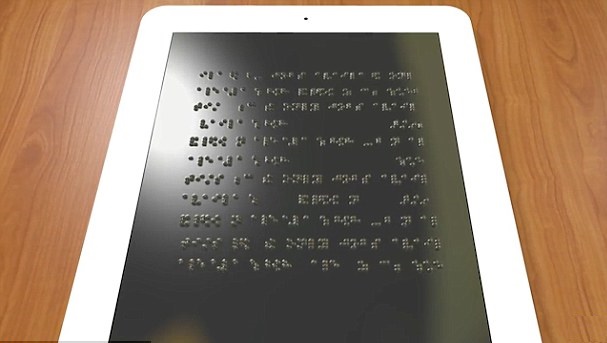
Iranian researchers in Yazd Science and Technology Park have made a touchscreen for the blind that transforms digital information to braille.

“We released ‘the braille touchscreen’ in order to make the digital information accessible to the blind,” said Moslem Azamfard, the project manager of this new product, according to a Farsi report by ISNA.

“Because of its special structure, this touchscreen is capable of reading digital texts and devises a method for arranging braille letters continuously. In this method, the letters move in a circular-linear direction, pass under user’s fingers respectively and become readable through the sense of touch.”

He noted that by using this type of touchscreen, the blind can read the texts faster. “Meanwhile, other existing braille touchscreens read the texts line by line. Furthermore, the price of our product is about one tenth of foreign samples.”

He went on to say that Iranian braille touchscreen, which won the innovation prize in the 17th Khwarizmi International Awards, is in the process of being registered in the United States.

“We hope that with government’s cooperation, our touchscreen would be commercialized,” he added.

Iranian President Calls for Enhanced Ties with Italy

President Hassan Rouhani

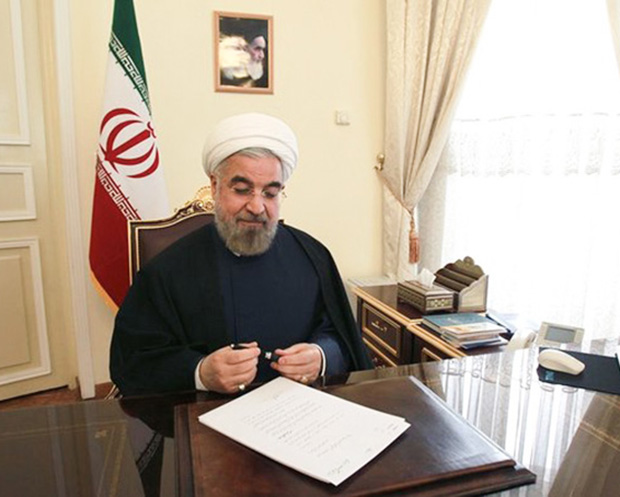
President Rouhani sent a message to Paolo Gentiloni on Wednesday to congratulate him on his appointment as Italy’s prime minister-designate.

“The Islamic Republic of Iran has always had friendly ties with Italy, and the two countries have great capacities to promote cooperation in the political, economic and international arenas,” the Iranian president noted.

He also expressed the hope that during Gentiloni’s tenure, bilateral relations would grow to serve the mutual interests in light of political will of officials in the two countries.

Italian Foreign Minister Paolo Gentiloni was appointed prime minister-designate on December 11, saying he had accepted President Sergio Mattarella’s request to form a new government.

If successful, he will need Parliament’s approval to officially assume the office of prime minister.

Gentiloni would replace caretaker Prime Minister Matteo Renzi, who officially resigned after a crushing defeat in a referendum on constitutional changes he proposed.

Gentiloni, 62, is a former journalist who became spokesman for the Mayor of Rome in 1993 and was elected a member of Parliament in 2001. He served as Minister for Communications from 2006 to 2008 in Prime Minister Prodi’s government. He was also one of the 45 members of the national founding committee of the Democratic Party in 2007.

A Look at Iranian Newspaper Front Pages on December 29

Newspapers on Thursday highlighted the remarks made by various Iranian officials about the pro-Establishment demonstrations of December 30, 2009.

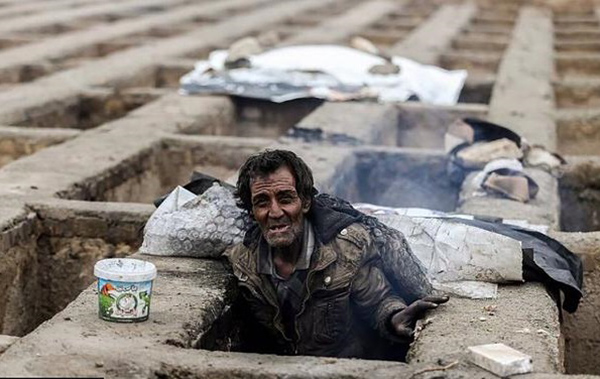
The reactions to a recent report by Shahrvand newspaper about dozens of homeless people who sleep inside graves in a cemetery near Tehran also received great coverage.

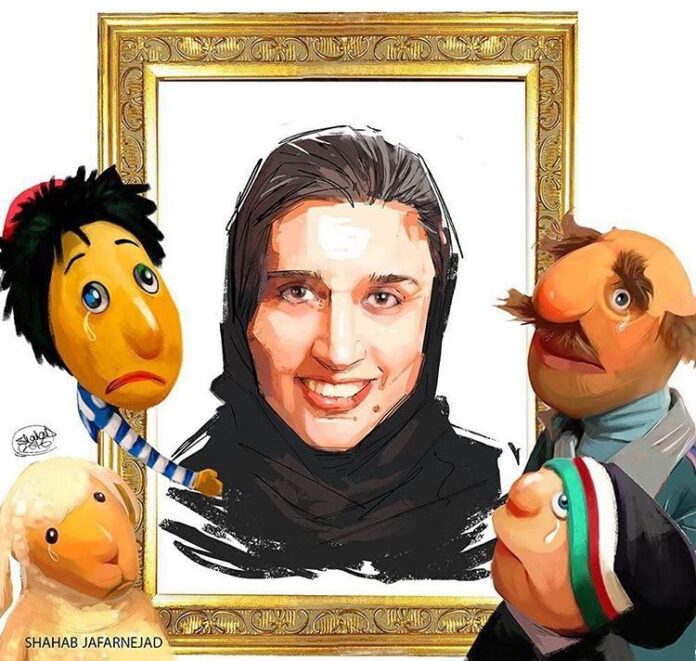
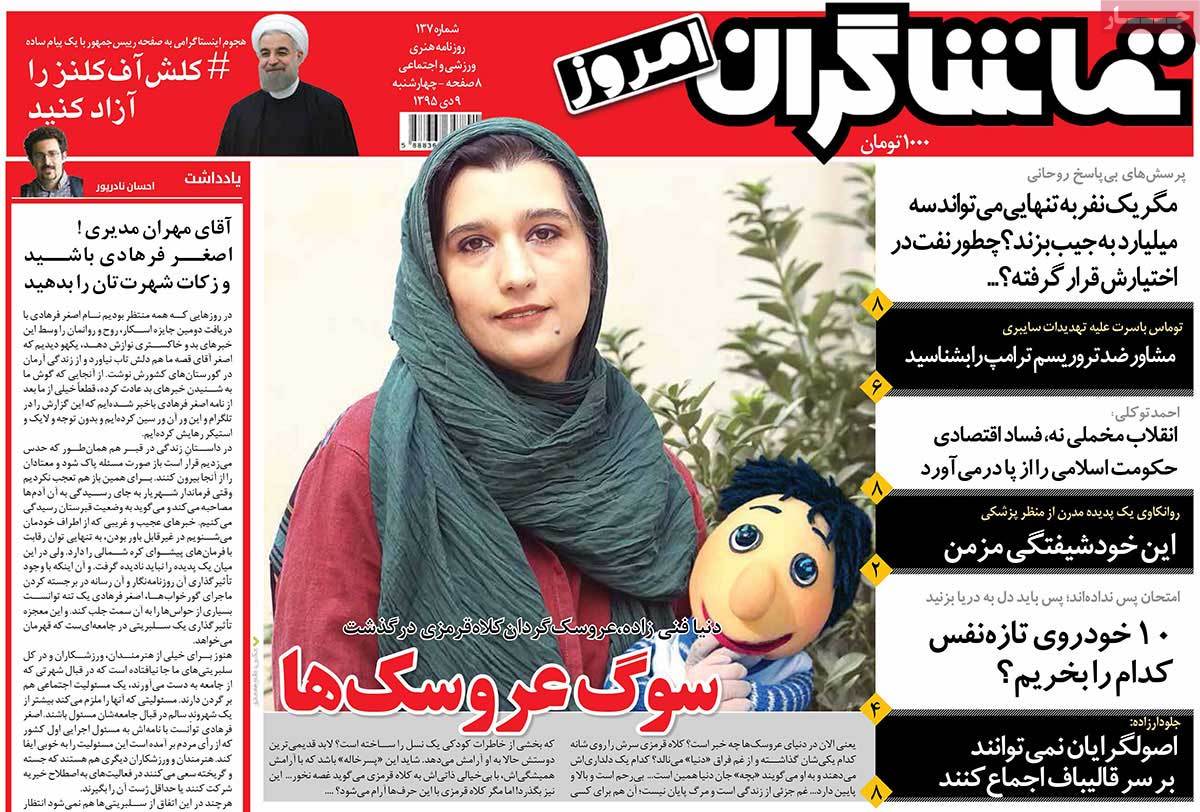
Papers also widely covered the death of Donya Fannizadeh, the master of popular Iranian puppet character Kolah Ghermezi [the One with the Red Hat], who passed away at the age of 49 because of hand cancer.

The above issues, as well as many more, are highlighted in the following headlines:


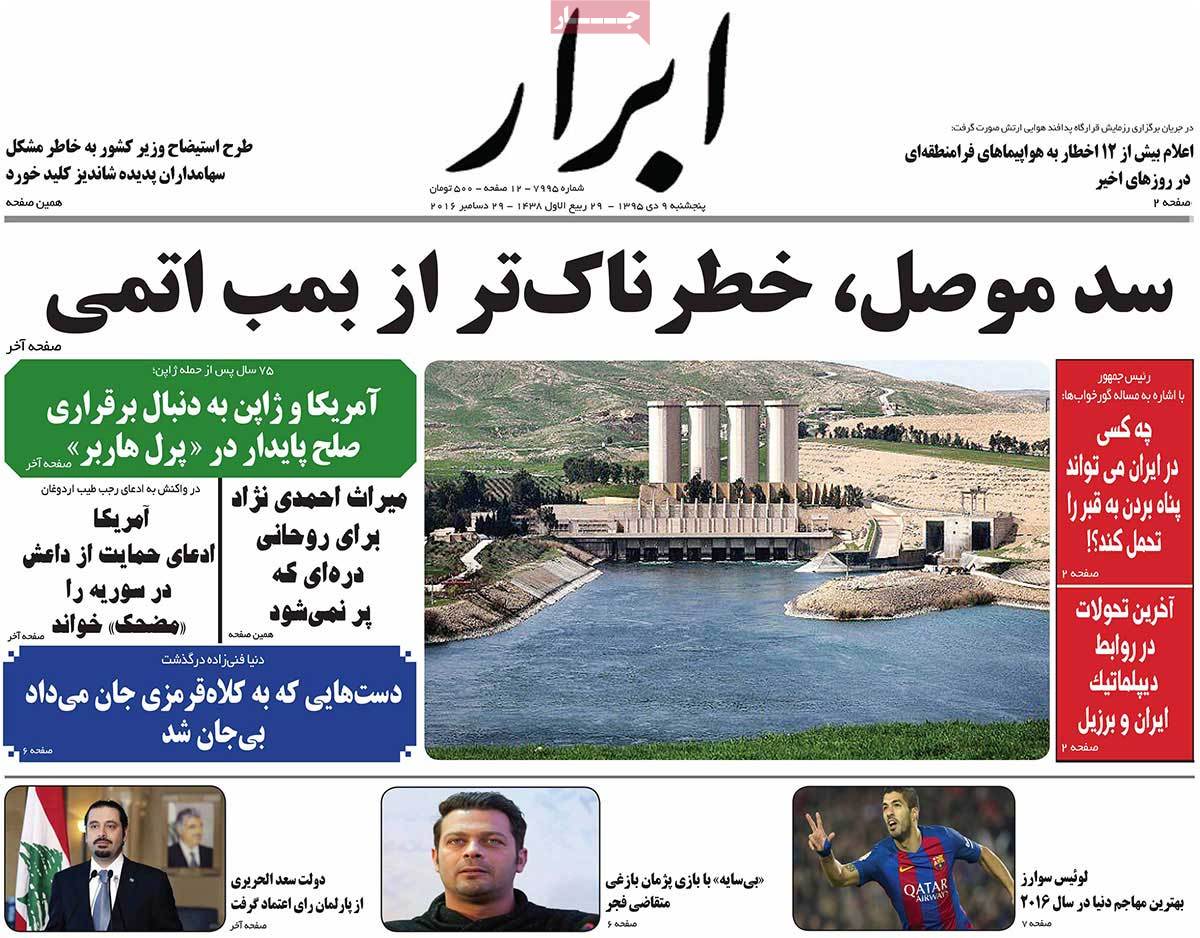
Abrar:

1- Mosul Dam, More Dangerous than Atomic Bomb

2- 75 Years after Japan’s Attack: US and Japan Looking for Sustainable Peace in Pearl Harbour

3- Ahmadinejad’s Heritage for Rouhani: A Hole Which Can’t Be Filled

4- US Says Allegations about Its Support for ISIS in Syria Are Ridiculous
A Look at Iranian Newspaper Front Pages on December 29


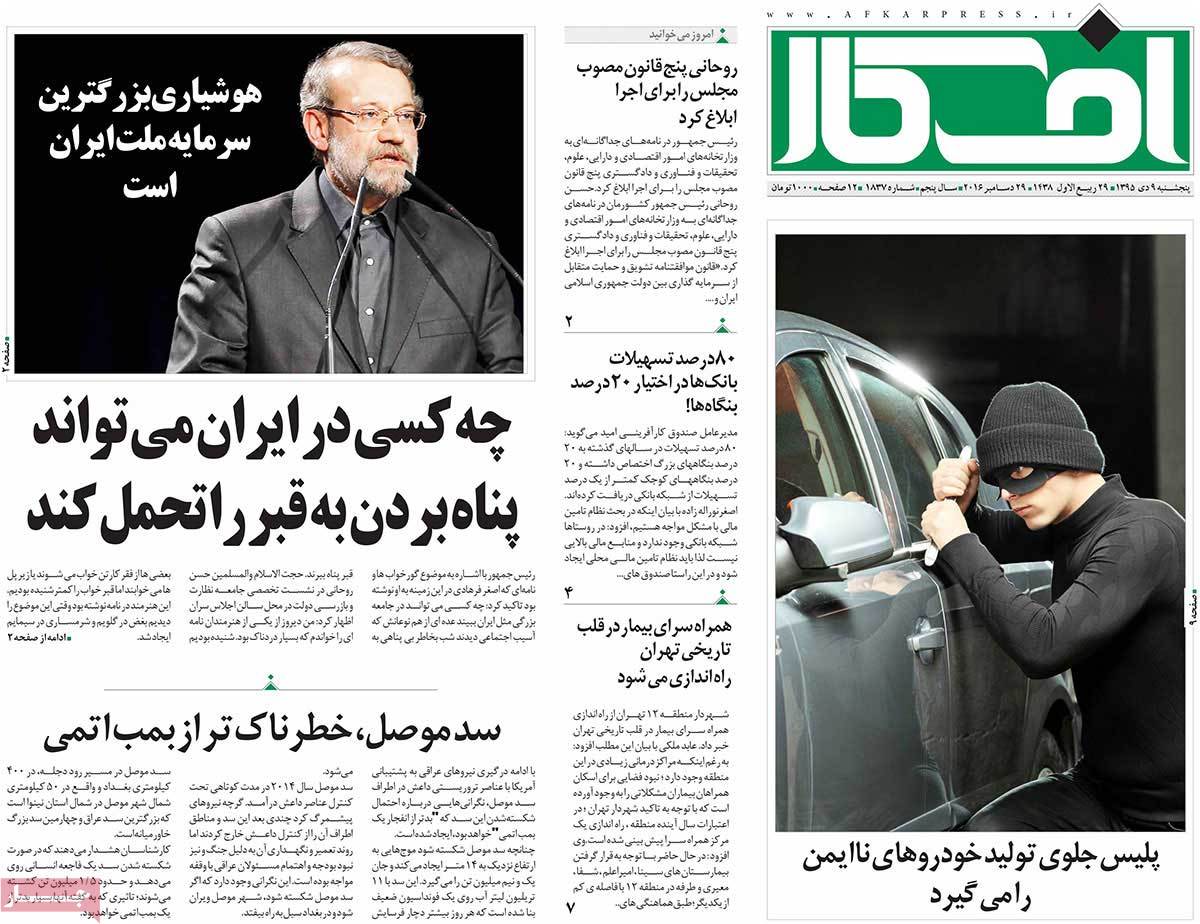
Afkar:

1- Vigilance Is Iranian Nation’s Biggest Asset: Parliament Speaker

2- Police Will Prevent Production of Unsafe Cars
A Look at Iranian Newspaper Front Pages on December 29


Aftab-e Yazd:

1- Going towards Failure? How Much Chance Does Qalibaf, the Mayor of Tehran and Possible Conservative Candidate, Have to Win Presidency?

2- [Popular Iranian Puppet] Kolah Ghermezi [literally Red Hat] Stops Moving: Puppeteer Donya Fannizadeh Dies at 49
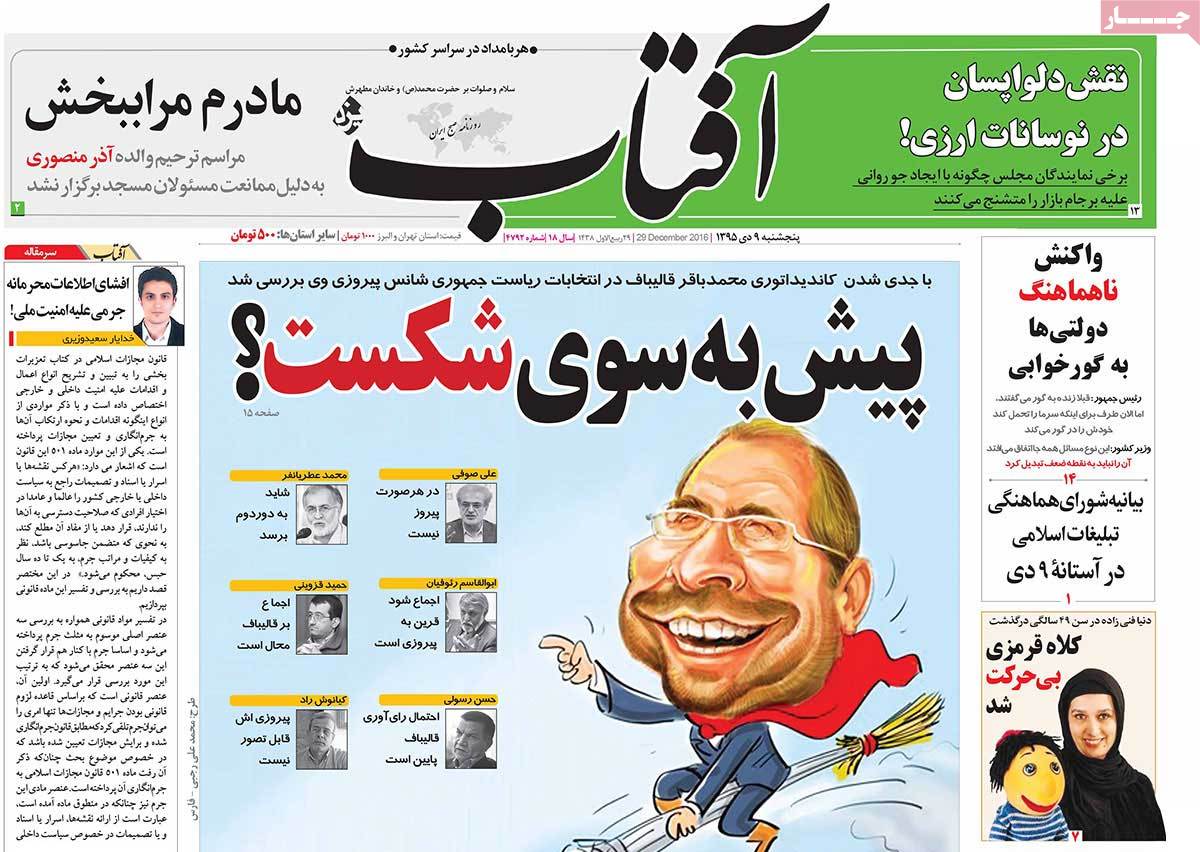
A Look at Iranian Newspaper Front Pages on December 29


Ebtekar:

1- The World Is Thirsty for Cooperation with and Making Investment in Iran: Rafsanjani

2- Kolah Ghermezi and the End of ‘Donya’

3- People Like Asghar Farhadi Should Roll Up Sleeves: A Look at Celebrities’ Moves to Resolve Social Harms

4- President Rouhani: Who in Iran Can Tolerate Taking Shelter in a Grave?
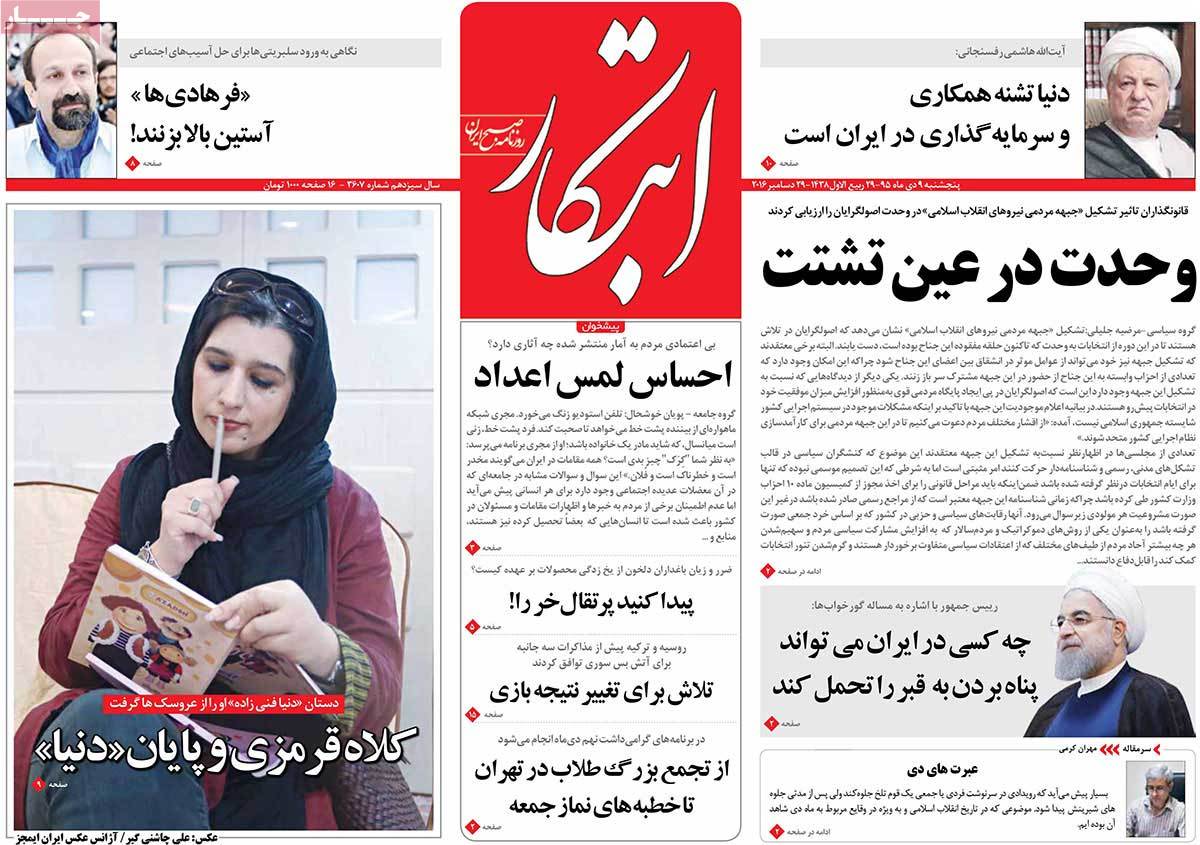
A Look at Iranian Newspaper Front Pages on December 29


Etemad:

1- Sleeping in Graves Turned to a Political Issue

2- Trump Threatens in Twitter: Horrible Iran Deal Was End of Friendship with Israel

3- John Kerry’s Late Move to Reveal Obama’s Prescription for Peace

4- Sleeping in Graves Is Not Tolerable, We Are All Responsible: Rouhani
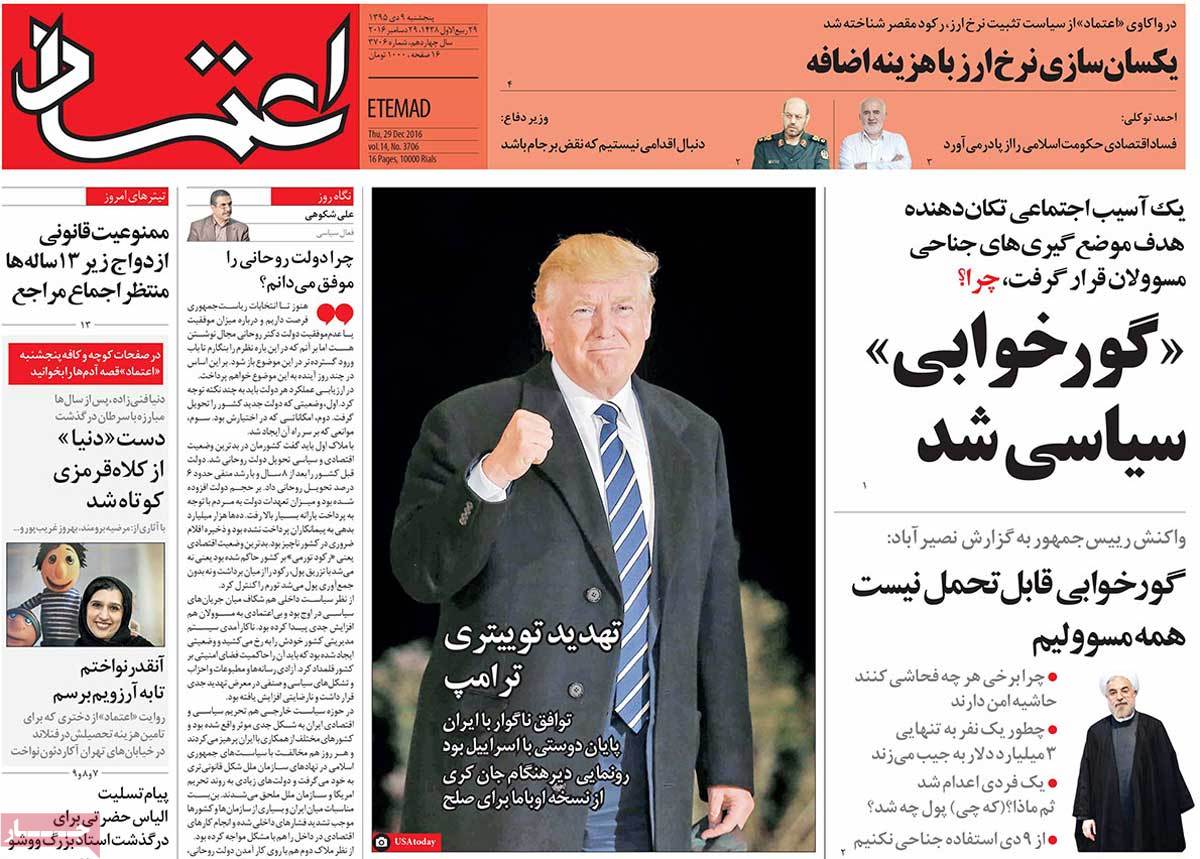
A Look at Iranian Newspaper Front Pages on December 29


Ettela’at:

1- Fight against Corruption without Any Discrimination Is a Prerequisite for Improving Economy and Ethics: President

2- Charter on Citizens’ Rights Aimed at Strengthening Religious Democracy

3- ISIS Commanders Captured in Intelligence Operation by Iraqi Forces

4- Police Commander: Portal to Be Launched for Stolen Properties
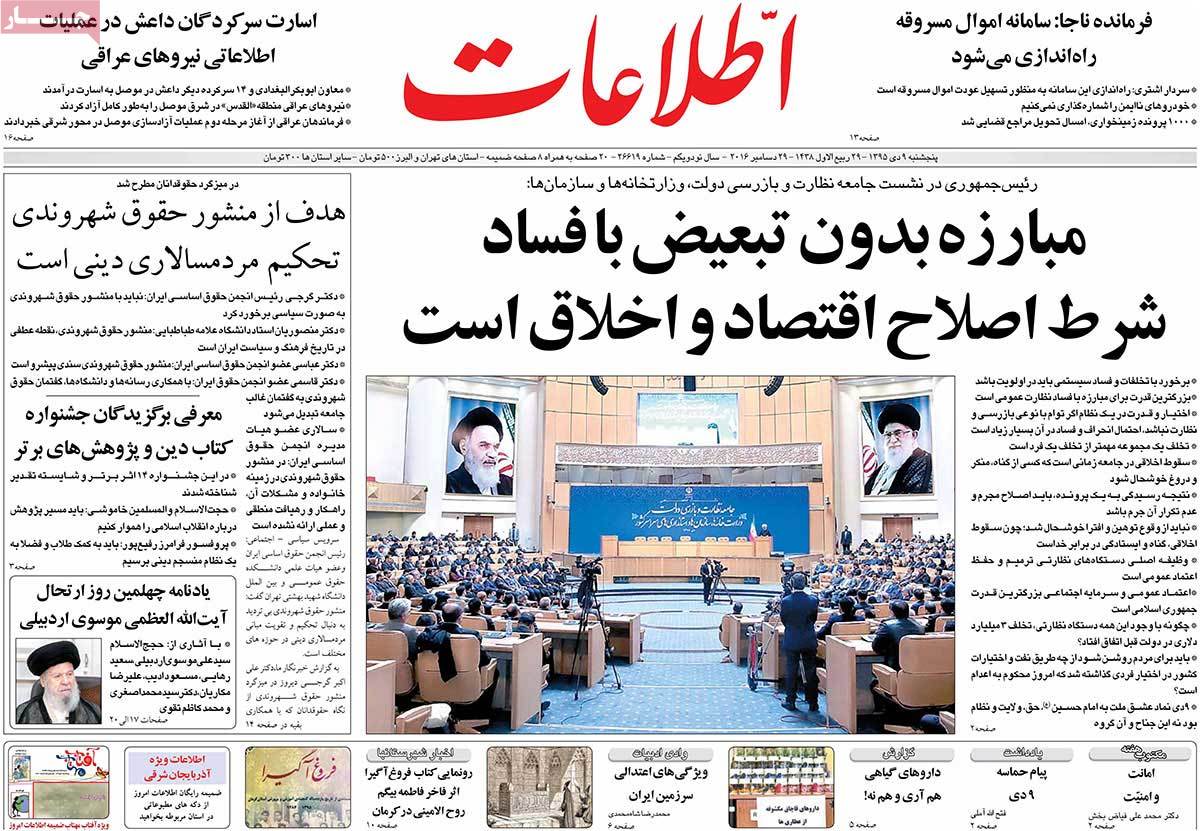
A Look at Iranian Newspaper Front Pages on December 29


Ghanoon:

1- Kolah Ghermezi’s Life Was Dependent on Donya

2- Christmas Supper: Russia and Turkey Prepare Plan for Syria Ceasefire
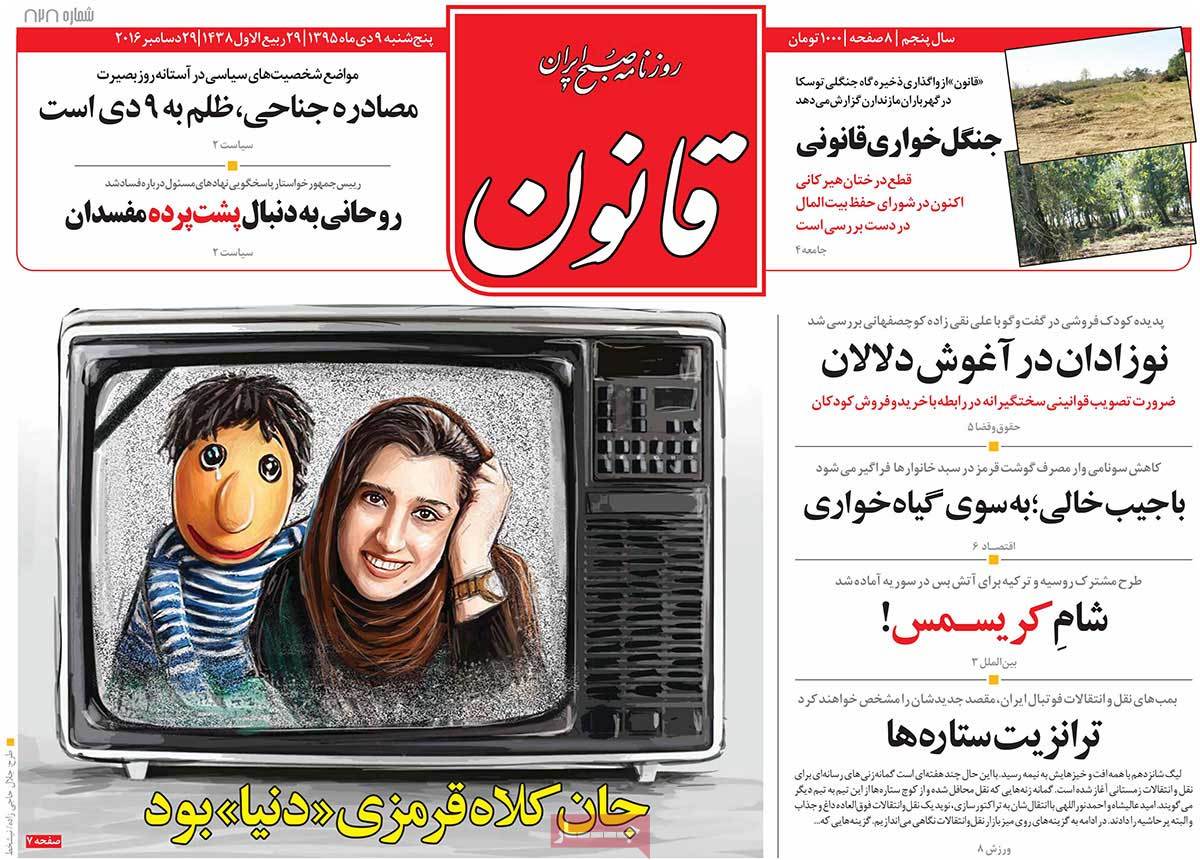
A Look at Iranian Newspaper Front Pages on December 29


Haft-e Sobh:

1- Goodbye Donya [literally the World]: Donya Fanizadeh, the Puppeteer of Kolah Ghermezi Dies at 49

2- Mashhad, the Political Capital of Conservatives

3- My Christian Compatriot [Editorial]
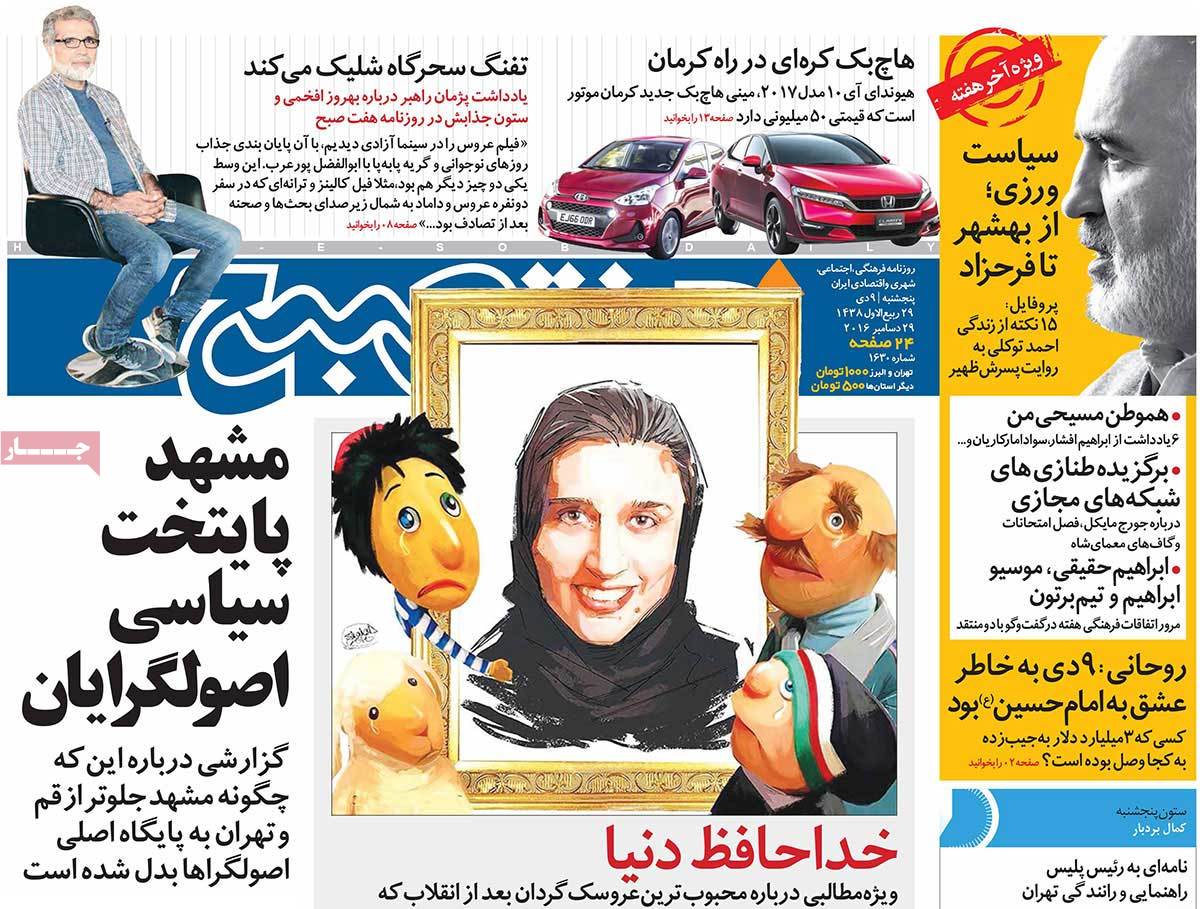
A Look at Iranian Newspaper Front Pages on December 29


Hemayat:

1- Secretary of Guardian Council Praises Judiciary’s Firmness in Taking Action against Corrupt People and Those Who Create Sedition

2- Deputy Head of Judiciary: We Are Not Opposed to Amending Law of Fight against Illicit Drugs
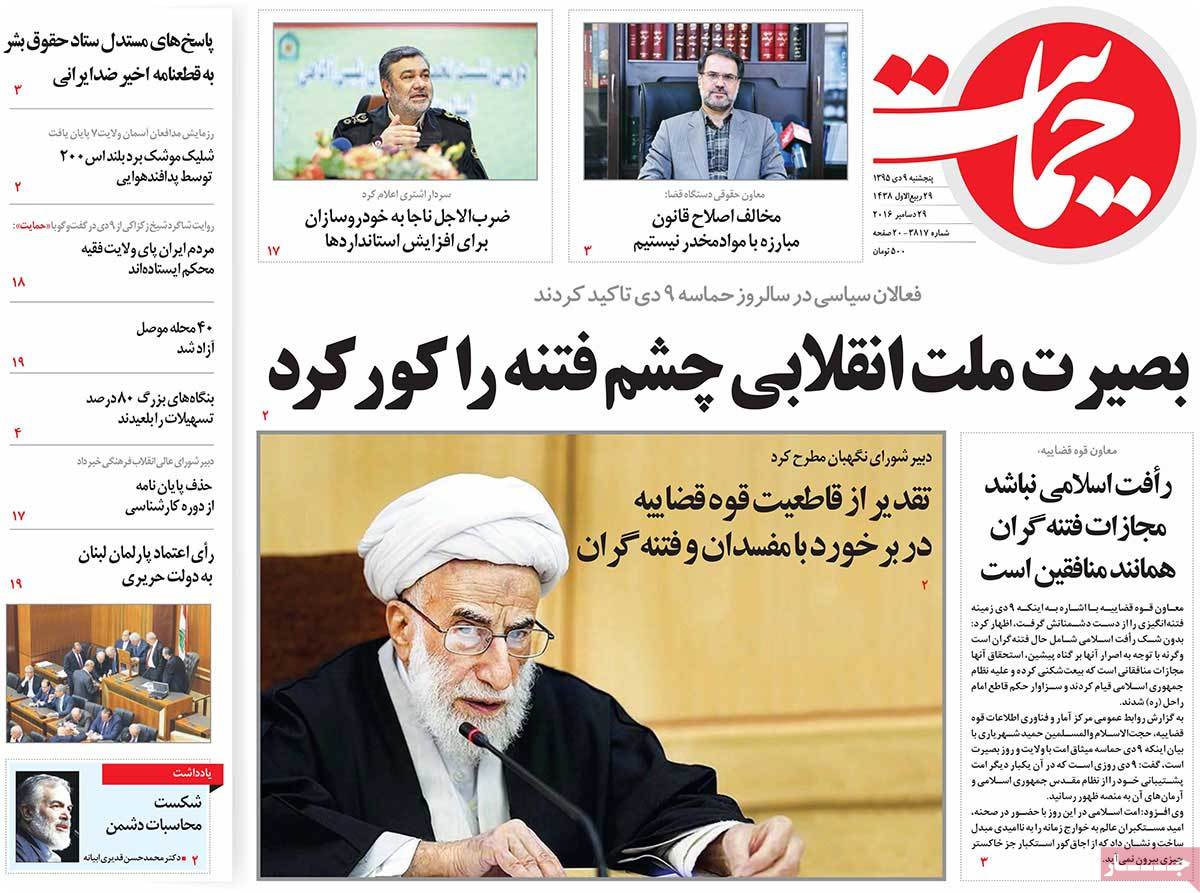
A Look at Iranian Newspaper Front Pages on December 29


Jame Jam:

1- Anniversary of People’s Pro-Establishment Demonstrations on December 30, 2009:

  • President: People Made a Great Move to Defend the Islamic Establishment
  • Parliament Speaker: People on December 30 Determined the Future Path of Iran
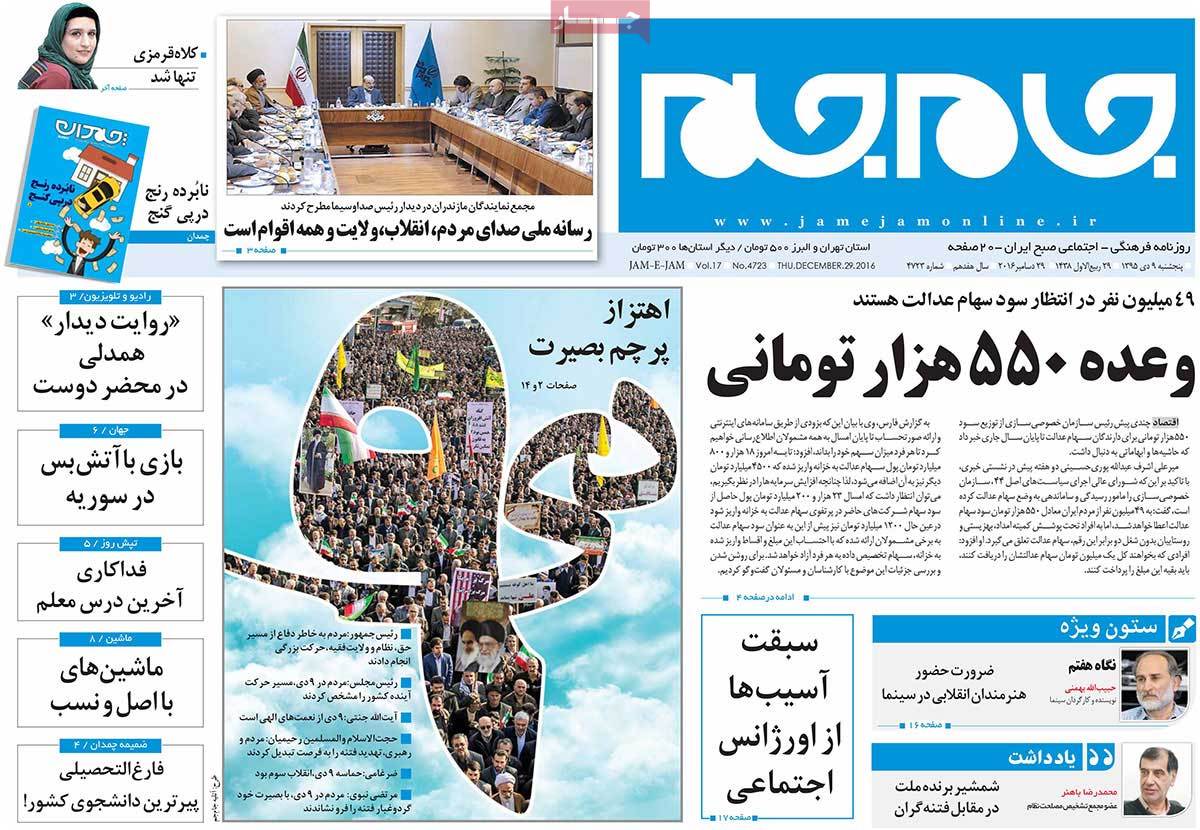
A Look at Iranian Newspaper Front Pages on December 29


Javan:

1- President Rouhani: People’s Move on December 30 Was Aimed at Defending the Right Path

2- French Company that Had Sold Iran Infected Blood Opens Office in Iran
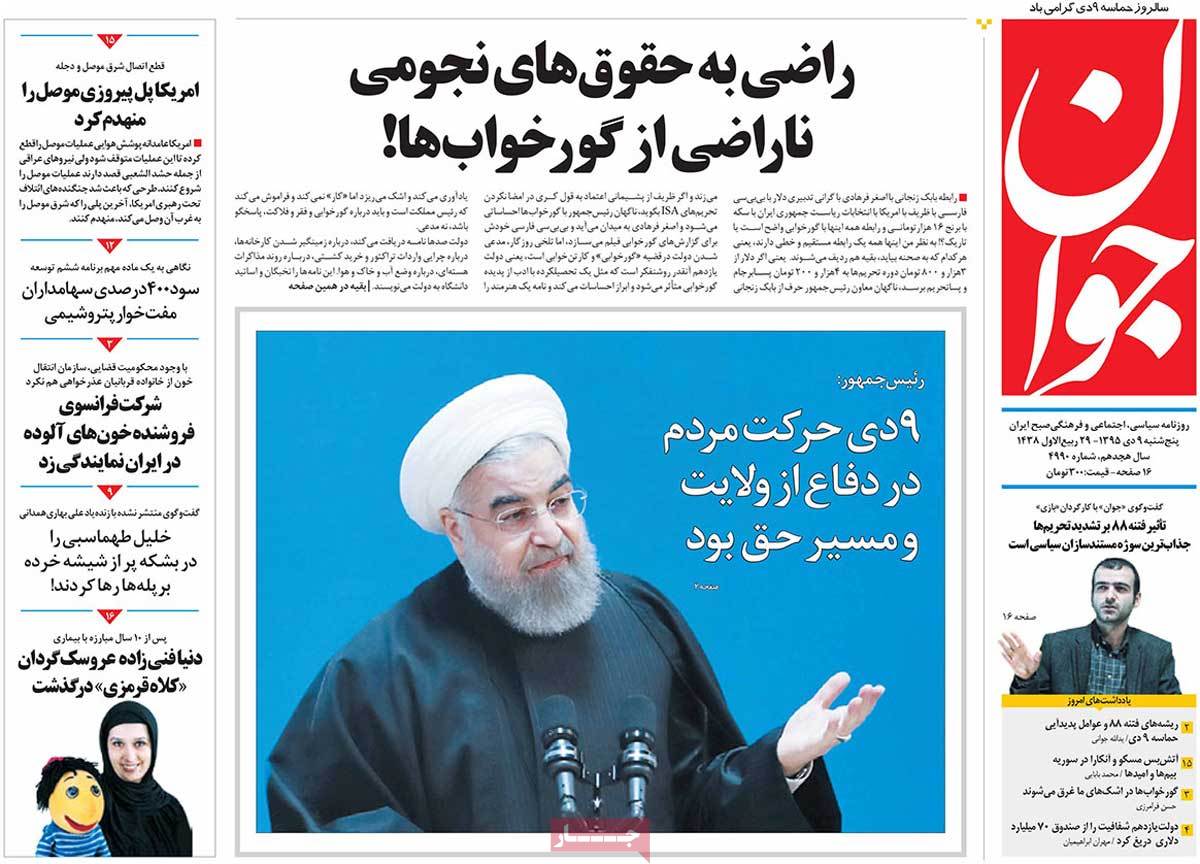
A Look at Iranian Newspaper Front Pages on December 29


Jomhouri Eslami:

1- People’s Questions about Public Funds Wasted [by Previous Gov’t] Should Be Answered: Rouhani

2- Asian Countries’ Import of Iran’s Crude Oil More than Doubled

3- Iraqi PM in Reaction to Riyadh: Popular Forces Units Are a Legal Organization
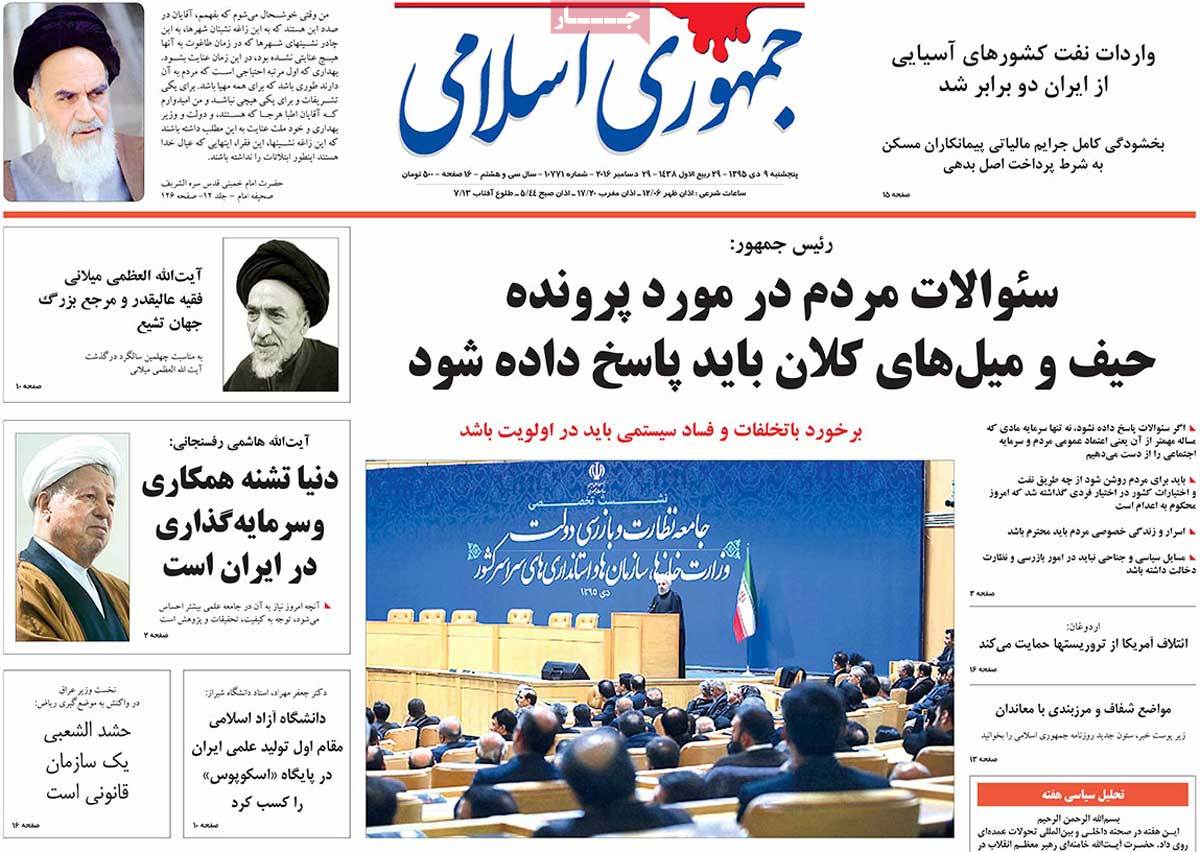
A Look at Iranian Newspaper Front Pages on December 29


Kayhan:

1- These People Are Obeying Their Leader that They Don’t Create a Storm [against those who created 2009 sedition]
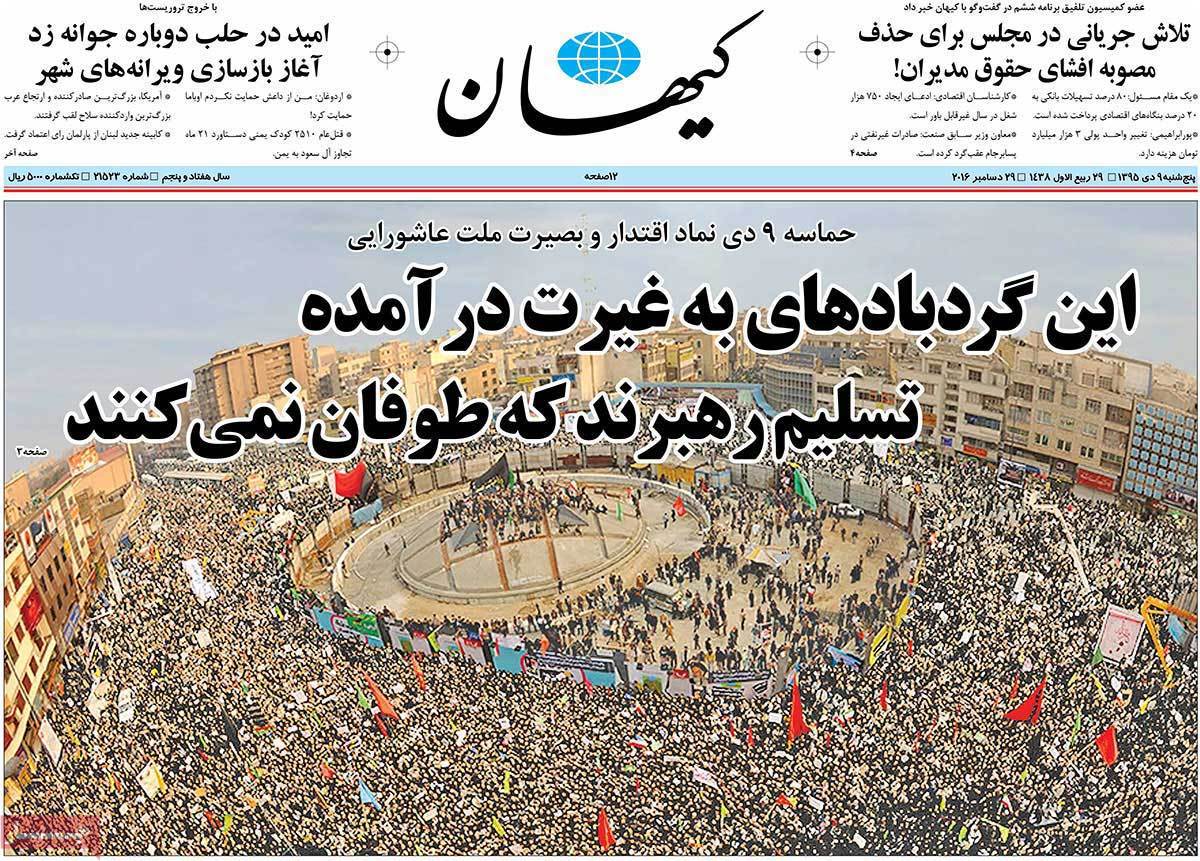
A Look at Iranian Newspaper Front Pages on December 29


Resalat:

1- Parliament Speaker: People’s Political Vigilance on December 30, 2009, Was Unique in the World

2- If It Wasn’t for Leader’s Prudence in 2009 Sedition, Iran Would Have Turned Worse than Libya and Egypt: Senior Cleric

3- Erdogan: US-Led Coalition Supports Terrorists

4- Assad Will Strongly Remain in Power US and Britain Lose the Game in Syria
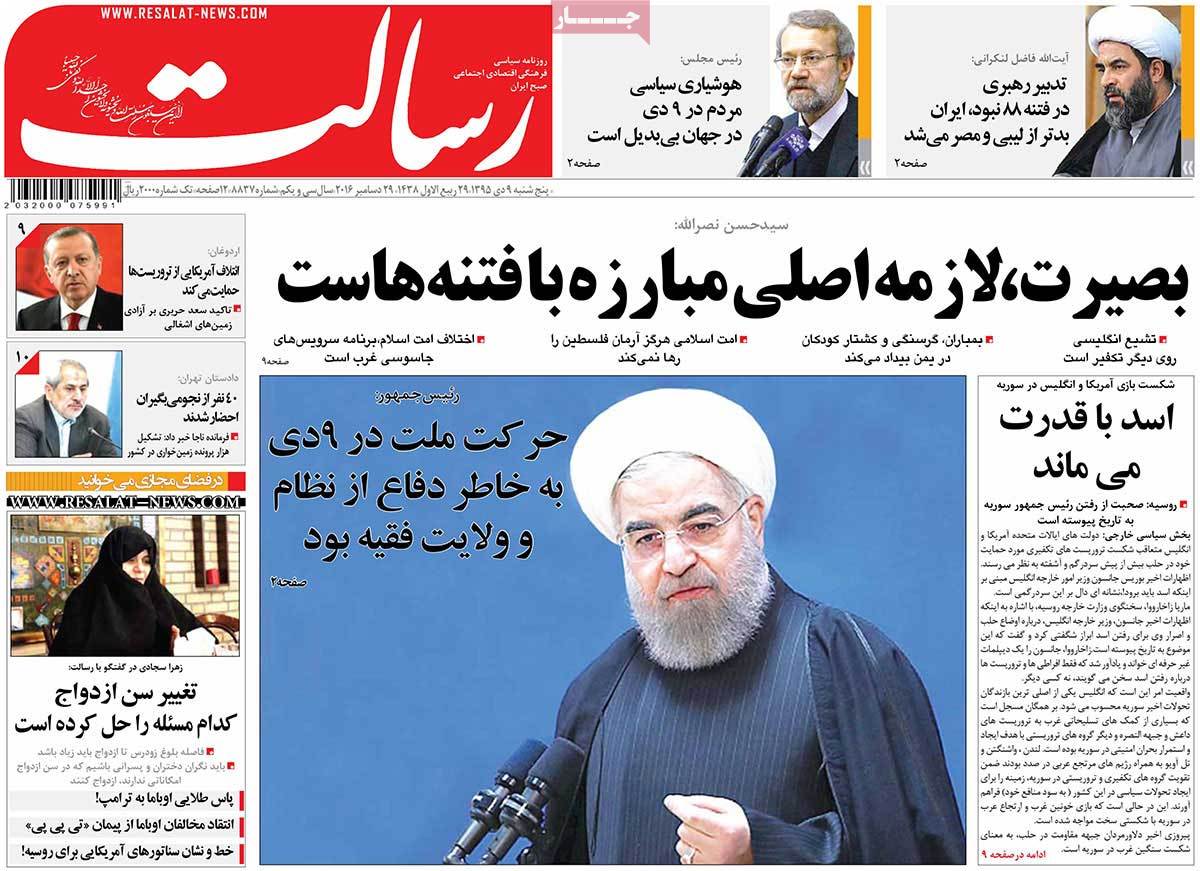
A Look at Iranian Newspaper Front Pages on December 29


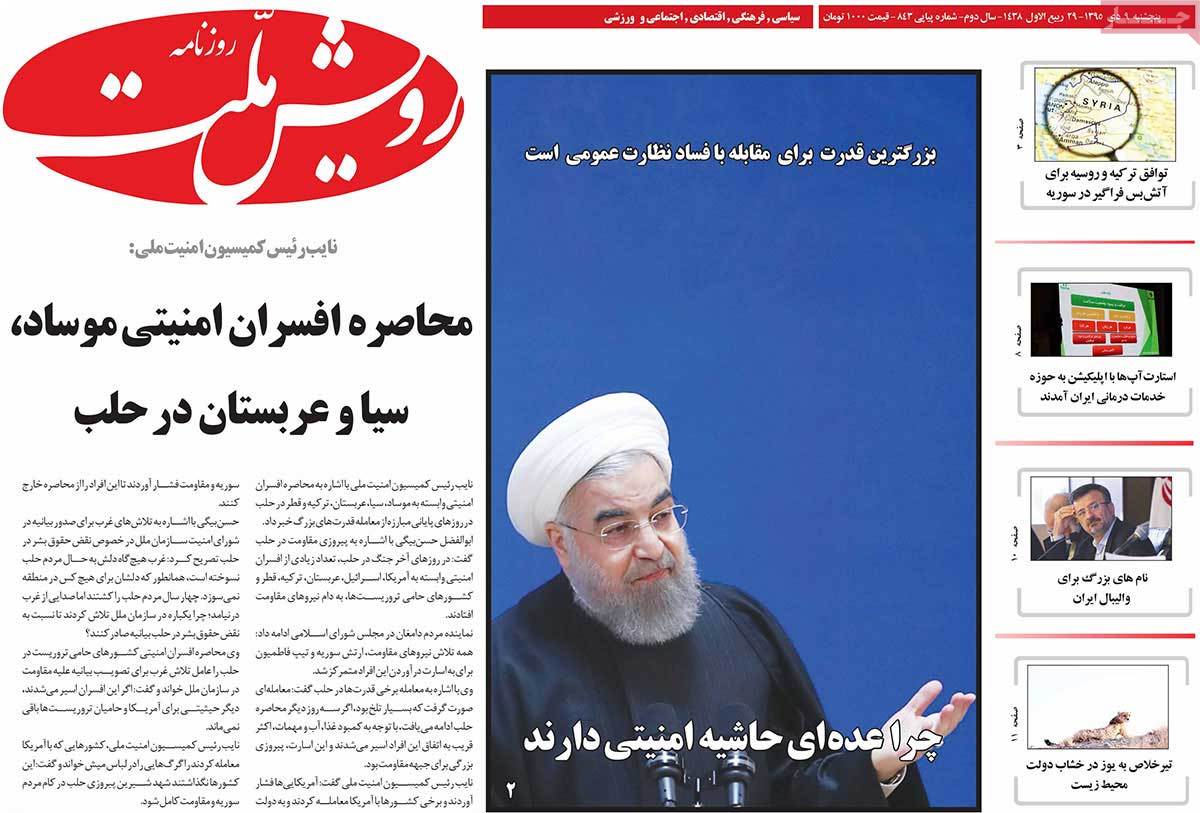
Rooyesh-e Mellat:

1- Mossad, CIA, and Saudi Intelligence Officers Surrounded in Aleppo: Senior MP

2- Public Surveillance Is Biggest Power to Fight Corruption: Rouhani
A Look at Iranian Newspaper Front Pages on December 29


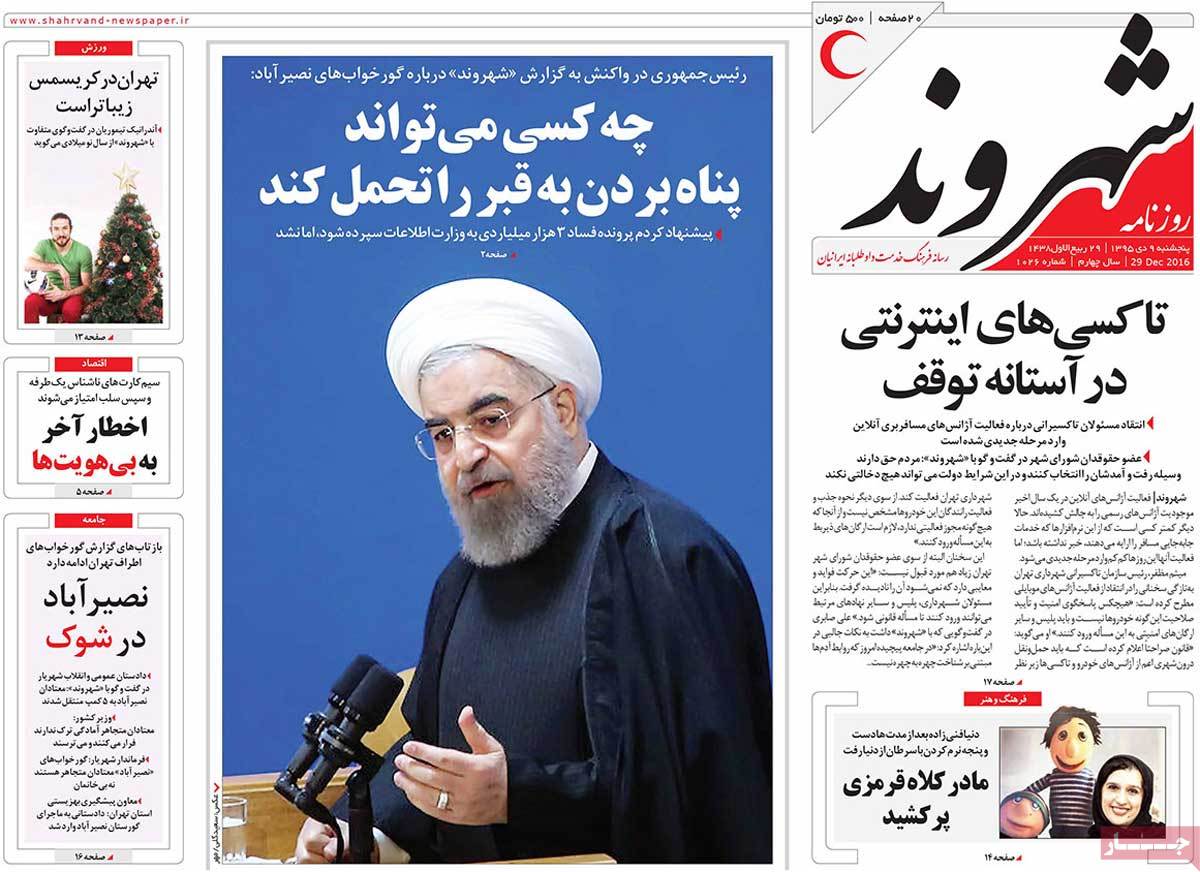
Shahrvand:

1- Online Taxis Might Be Closed: Taxi Organization’s Criticism of Online Taxis Enters New Phase

2- City Council Jurist: People Have the Right to Choose Their Transportation Vehicle, and Government Can Refuse to Interfere

3- Tehran Is More Beautiful in Christmas: An Interview with Armenian Captain of Iran’s National Football Team
A Look at Iranian Newspaper Front Pages on December 29


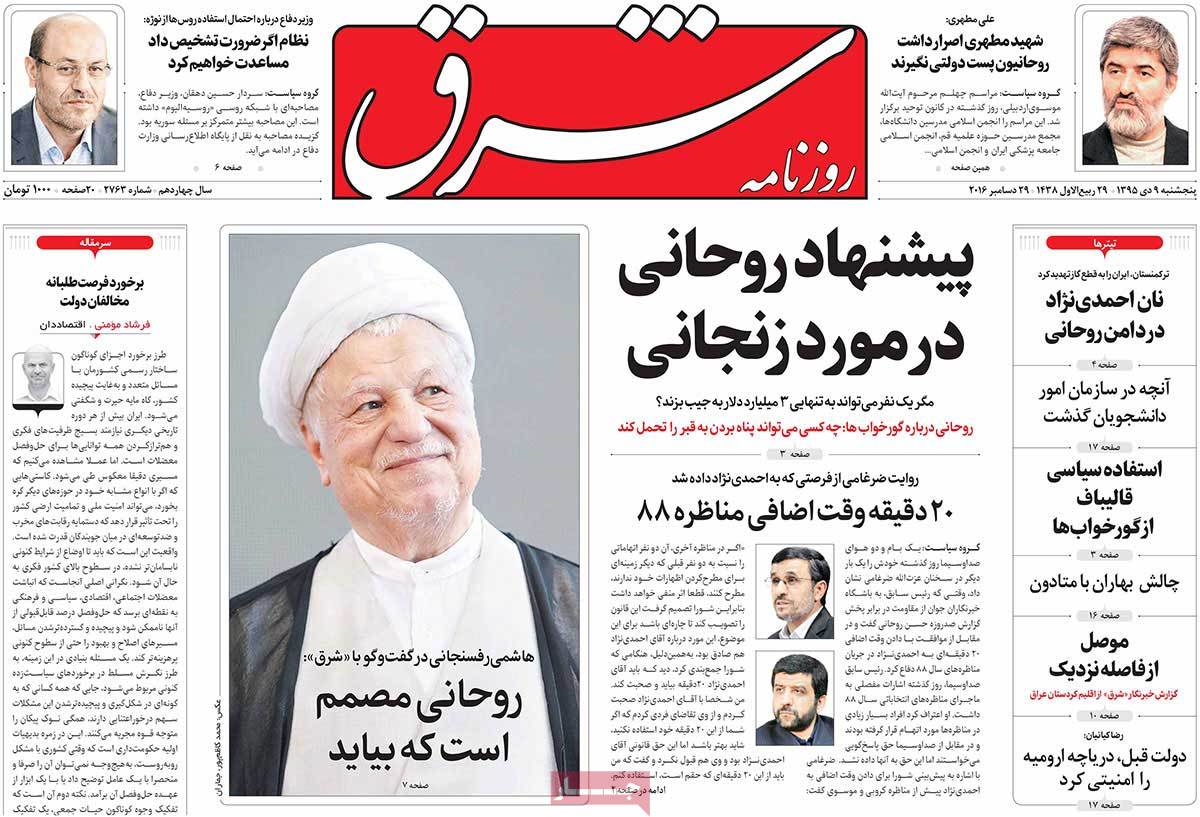
Shargh:

1- Rouhani Resolved to Run for Presidency: Rafsanjani

2- If Iran’s Establishment Decides So, We’ll Help: DM about Russia’s Possible Use of Nojeh Airbase
A Look at Iranian Newspaper Front Pages on December 29


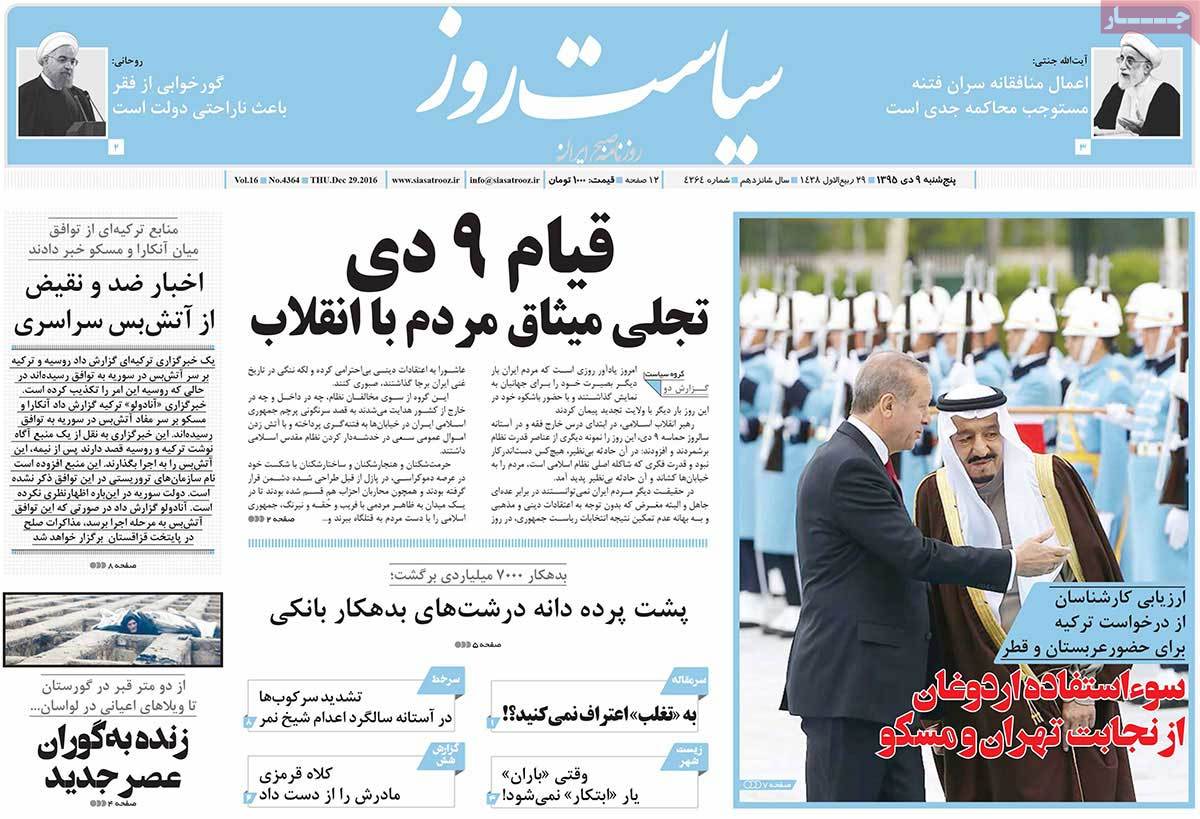
Siasat-e Rooz:

1- People Renewed Allegiance to Islamic Revolution on December 30, 2009

2- Erdogan Abusing Decency of Iran and Russia: Experts’ Evaluation of Turkey’s Call for Presence of Saudi Arabia and Qatar in Syria Peace Process
A Look at Iranian Newspaper Front Pages on December 29


Tamashagaran-e Emrooz:

1- Sorrow of Puppets [Death of Fannizadeh]
A Look at Iranian Newspaper Front Pages on December 29

40% Increase in Iran’s 9-Month Car Production

Renault in Iran

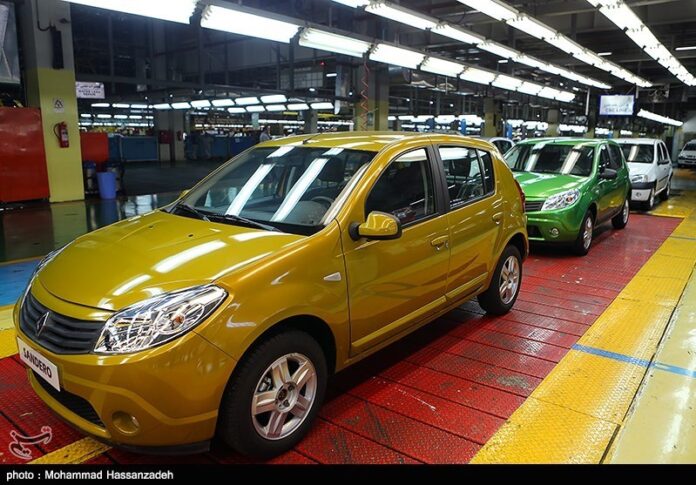
From March 20 to December 20, nearly 950,000 four-wheeled vehicles of various types, including automobiles, buses and trucks, have been produced in Iran.

The figure indicates a 39.1 percent growth in the number of domestically-made vehicles compared to the nine-month period last year.

The total production of sedans in the nine months stood at 881,935, which shows a 40.9 increase compared to the same period in 2015.

Iran’s automotive industry is the second largest in the country after its oil and gas industry, accounting for 10% of the country’s Gross Domestic Product (GDP).

The industry is expected to grow significantly after Iran and six world powers in July 2015 reached a conclusion over the text of a comprehensive deal on Tehran’s nuclear program and started implementing the agreement on January 16.

The nuclear deal between Iran and the Group 5+1 (Russia, China, the US, Britain, France and Germany) terminated all nuclear-related sanctions imposed on Iran.

Master of Popular Iranian Puppet Kolah Qermezi Dies at 49

Fanizadeh and Kolah Ghermezi

The 49-year-old artist, a daughter of Iranian actor Parviz Fannizadeh, died in a hospital in the capital Tehran on Wednesday morning.

The character of Kolah Qermezi was co-created by Iranian actors and directors Iraj Tahmasb and Hamid Jebelli in the 1980s.

Kolah Qermezi is a playful, lazy, kind and sweet character that cannot pronounce words correctly.

For more than two decades, Fannizadeh portrayed Kolah Qermezi, which changed to a cultural phenomenon influencing many Iranians, including children, adults and elderly people.

In addition to Kolah Qermezi, Fannizadeh was the master of several other puppets, including Gorbeyeh Avazeh Khan (Singing Cat) and Khaleh Qourbagheh (Auntie Frog).

The first film featuring Kolah Qermezi, which was released in 1994, is on the list of blockbuster Iranian films.

Homeless Junkies Living inside Graves Draw Widespread Reactions in Iran

Social harms

According to a report by IFP, Shahrvand newspaper on Tuesday, December 27, published an article about the life of homeless people who have to sleep in prefabricated graves in a cemetery near the Iranian capital at the freezing nights of winter.

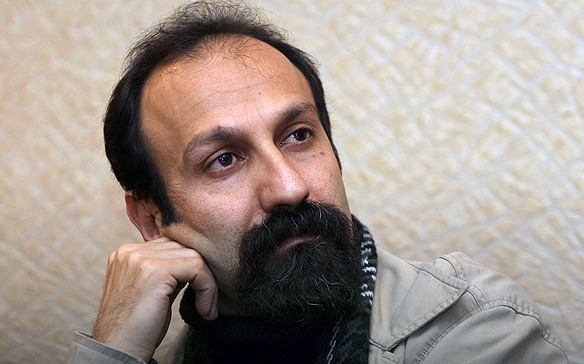
In reaction to the report, acclaimed Iranian director Asghar Farhadi wrote an open letter President Hassan Rouhani, which reads as follows:

Asghar Farhadi“Today, I read this moving report about the living conditions of the men, women and children who sleep in prefabricated graves in one of the cemeteries in the outskirts of Tehran to brave the freezing nights of winter. Now, I am overwhelmed by shame and have a lump in my throat. Through this very letter, I would like to share with all those who have held positions over these thirty some years [after 1979 Revolution], this feeling of embarrassment and shame.
I know certain pseudo-politicians will exploit such reports for fanning the flames of their abrasive political wishes in the upcoming election campaigns, but these flames would do no warming for the feeble bodies of the children, women and men who lie in the graves or in parks or beneath city bridges these nights.

According to this report, the name of one of these men is Arman (which literally means Ideal). He is one of those who endure the penetrating cold of winter nights in Tehran graveyards. As the report said, these people are living the death! I cannot forget Arman, a forgotten ideal found in graves. Shame on us!

There have been rulers throughout history who would disguise themselves in plain clothes to walk in the society without being surrounded by their toady entourage to directly see and feel people’s pains. I propose that today’s officials may do the same in order to make some changes in a history that would leave the future generations stunned to read. Visits can be made to remote villages and cities. If not possible, to adjacent areas, outskirts of Tehran; so that they [the officials] will see brushed faces of the destitute who have spent their lives in this country. If even that is not practical, they can visit emergency centers in the city in plain clothes and secretly get on an ambulance which is supposed to carry a patient to a hospital to see how the following cars heinously compete with each other in heavy traffic to follow the ambulance so they would get to their destinations sooner!

This is just one bitter, simple but recurring incident in our lives. Who is responsible for such covert cruelties? How come and when exactly did we become like this? We have become people that have forgotten how to love each other; and our daily violence, either overt or covert, has become a tool for us to seek only our own interests in the society. We are a bunch of people who deal with lies as a life skill and teach it to our children.

We are just the forgetful viewers and hearers of pains. Who would now speak about the father who hanged himself from a bridge in Tehran’s Mirdamad St. and had this letter found in his pocket which wrote: “I did this because I could not afford treatment of my eyes”? Even the very few that speak about such things are criticized by others who say they are mere “black-washers”. They use this term as a way to shirk their responsibilities, or what they call the “blacks”.

Is this the promised city? Is this the city of ideals?”

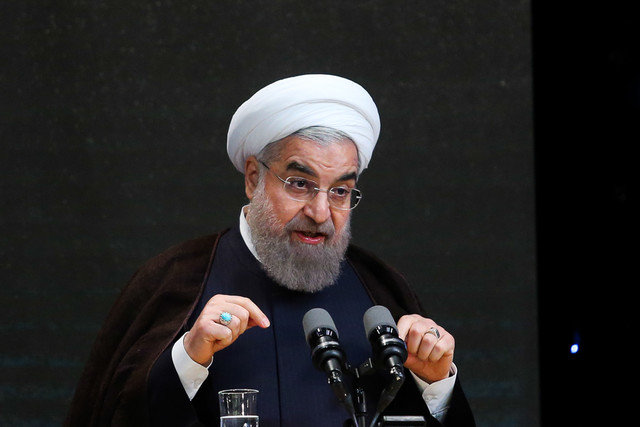
RouhaniIn reaction to Farhadi’s letter, Iranian President Hassan Rouhani said on Wednesday, “I read a letter by an acclaimed artist which was pretty painful.”
“I had already heard there are homeless people who sleep on cardboards or under bridges, but graves! Not heard much of that before.”

He said the artist had said he felt this lump in his throat after learning about this issue, which is not tolerable neither by the administration nor the nation.

“We all must unite to resolve such issues and stop partisan tug-of-wars and instead, be focused on the country’s main issues,” the Iranian president said.

After Shahrvand’s report went viral in social media, the President’s office and the local governor also announced that measures will be taken to resolve the problems of these homeless people.

Meanwhile, certain media outlets have been taking advantage of the issue to achieve their anti-Iran objectives. The news website Arabi21 was one of those which covered the report in a way to suggest extreme poverty in Iran. It did not at all mention that these people were a bunch of junkies.

Such cases are not unusual in other countries. In 2012, Daily Mail reported that homeless drug users in Cambridge, England, were seen pushing the stones off the top of tombs and using them as beds for the night.

Horrified passers-by spotted the disrespectful squatters sitting in the graves in Mill Road Cemetery, Cambridge, while injecting themselves and drinking.

There are numerous similar cases in other countries as well, with the number of such people exceeding thousands and even millions.

However, such issues should be dealt with at any level, and the widespread reactions in Iran indicate that people have become sensitive, at least thanks to the smart name “Grave-Sleepers” coined in this case and turned to a hashtag in social media.

Malaysian Journalist Says Iran Is a Must-See Destination

“With a variety of monuments, exclusive architecture, picturesque gardens, a 4,500-year-old cypress and locally-engineered buildings, Iran is a unique destination for tourists,” wrote Tan Siok Choo, a Malaysian journalist, about his journey to Iran.

21 Iranian sites have been registered in the list of UNESCO’s World Heritage Sites, and this gives Iran the third rank in Asia after China and India (with 50 and 35 sites), he added, describing it as an indication of the country’s glorious history.

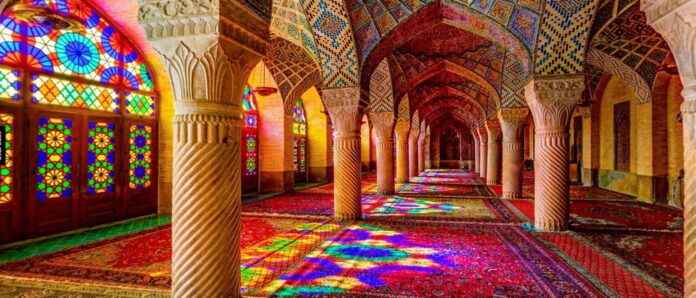
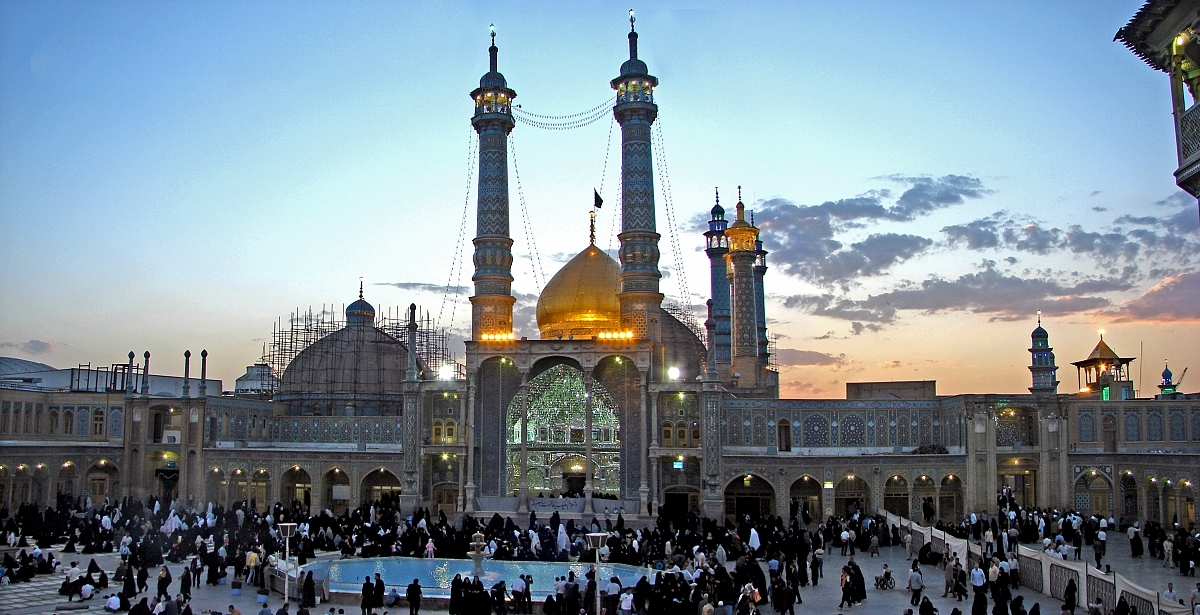
“We were 10 people who travelled from Shiraz to Tehran by motorbike, visiting wonderful places like Persepolis and Pasargadae in Fars province, the cities of Yazd, Meybod, Isfahan, Kashan and Qom, and the historic village of Abyaneh in this 980km journey,” he wrote in an article in Sun Daily, according to a Farsi report by IRNA.

Referring the high status of Imam Hussein (AS) – the third Shiite Imam – among Iranians, he also talked about Fātimah al-Ma‘sūmah, sister of Imam Reza (AS), the eighth Shiite Imam, who is buried in Qom.

Malaysian Journalist Says Iran Is a Must-See Destination

“There was only one Muslim in our group. Others were Christians. Imam Hussein said that Jews, Christians and Muslims worship the same unique God; so we should respect each other’s religions. Islam conveys the message of friendship, not hostility. I had accepted this vision from the bottom of my heart.”

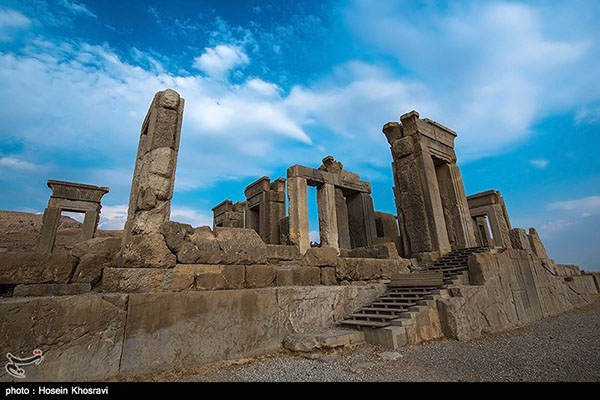
Tan Siok Choo considered Persepolis as the most prominent Iranian monument. It was founded by Darius the Great in 515 BC. In this 13ha area, there are several palaces, including one with 100 columns, and stairways with figures of Achaemenid kings receiving gifts.

Takht-e JamshidLater in his article, the Malaysian journalist wrote about thousands of little mirrors, arranged in specific ways to create great reflection and stun the visitors, in three main buildings, including Golestan Palace in Tehran, and the shrines of Ali Ibn Hamza and Shah Cheragh in Shiraz.
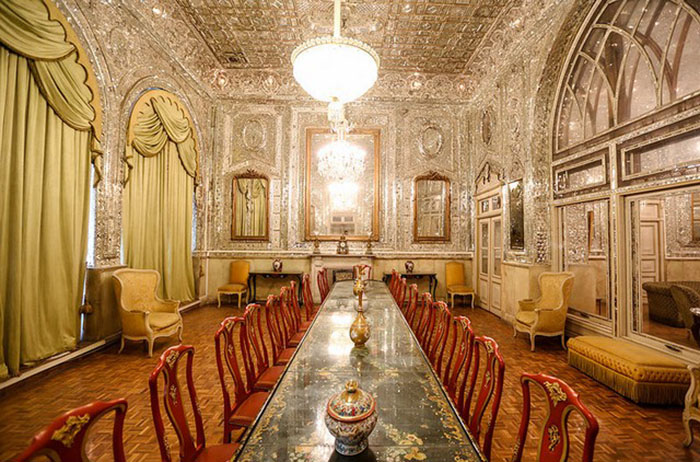
golestanOther places he wrote about include Dad Hotel and Zein-o-Din Caravanserai in Yazd, Jameh Mosque of Isfahan, and the buildings of Abyaneh and Kashan.
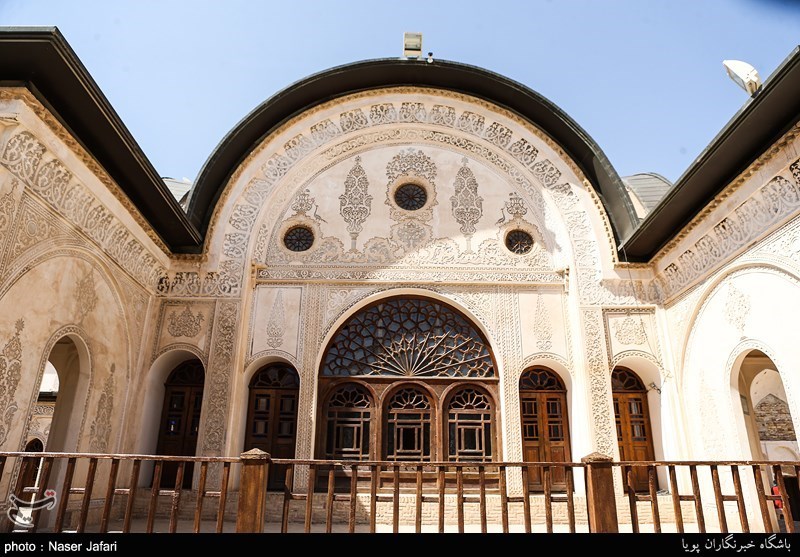
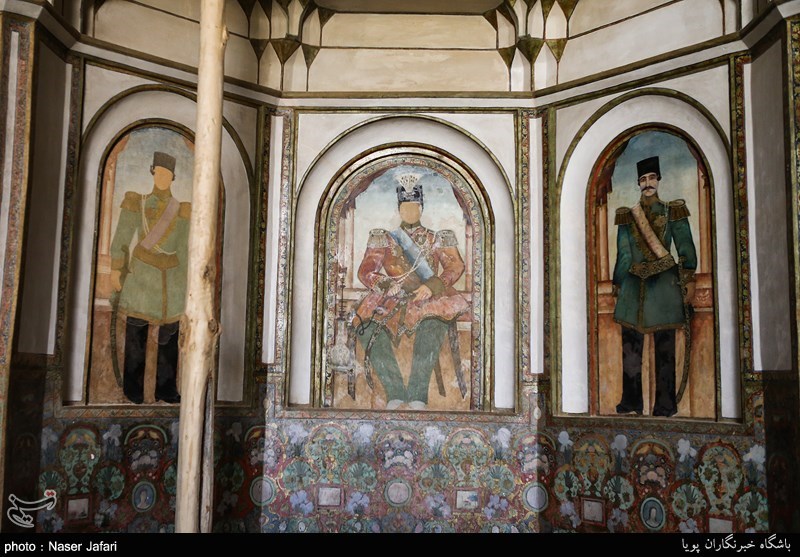
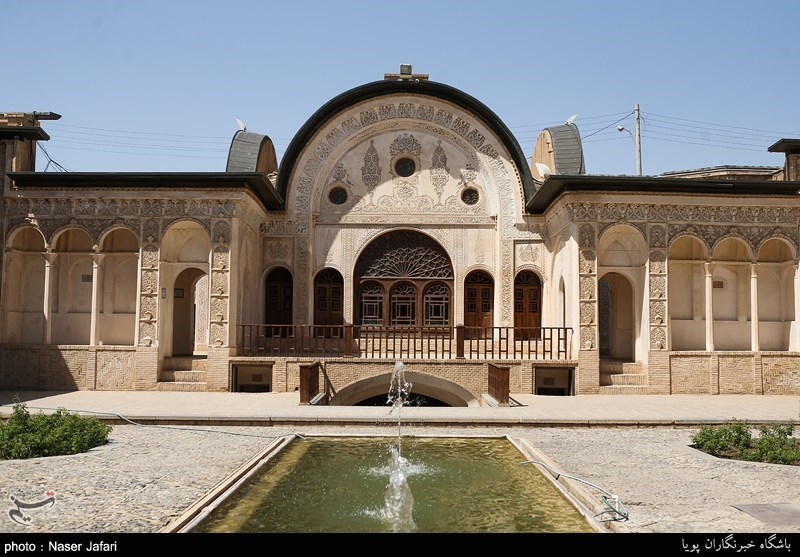
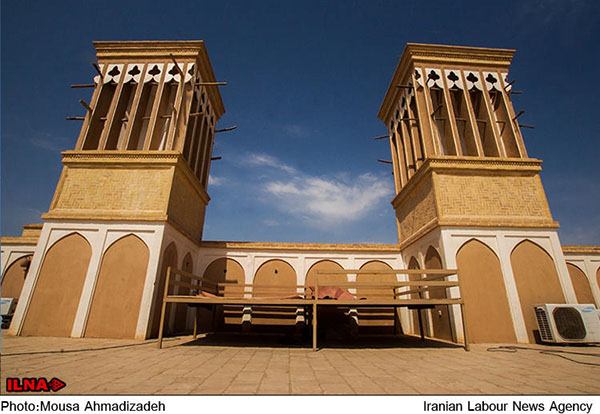
In his opinion, ancient Iranians not only excelled in masonry, but were also inventive, adept civil engineers: they made wind catchers to direct the wind to basements to keep them cold and conserve the goods.

At the end, Tan Siok Choo described Iran as a treasury of handicrafts and nutrition. Tourists in Iran can buy miniature paintings, pictorial carpets, rugs, embroideries, wooden or inlayed boxes, cotton textiles and etched designs, as well as local foodstuffs like saffron, pistachio, cashew nuts, peanut, chocolates and coffee.