Tuesday, April 14, 2026
Home Blog Page 4172

Syrians Should Shape Their Destiny: Iranian MP

Astana Talks

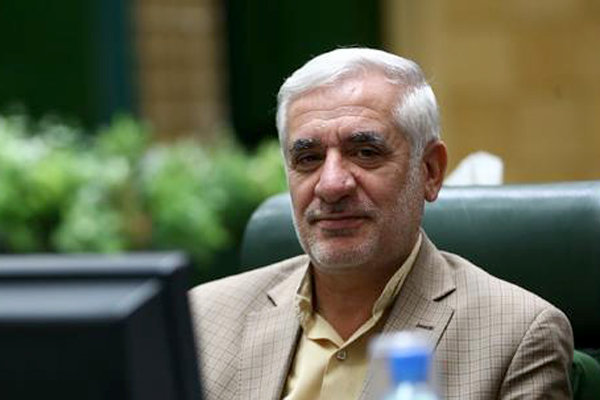
Any decision made in the peace talks underway between Damascus and opposition groups in the Kazakh capital, Astana, is required to safeguard the interests of the Syrian nation, said the Iranian lawmaker Hossein-Ali Haji-Deligani, according to a Farsi report by ICANA.

“Astana talks are being held at Iran’s initiative. A number of other countries are also cooperating with Iran is this regard. It is good news that these meetings are being held. The US and those states that have helped form terrorist groups in Syria and are backing them should not be authorized to play a decisive role in these talks.”

He said Iran favours an integrated Syria, a feature the country already has, adding, “We also maintain that the Syrian people must be in control of their own destiny. We have earlier shown this. The country’s President Bashar al-Assad has also been elected with the majority of the votes.”

Astana talks could lead to solutions for resolving the Syrian crisis, said Haji-Deligani.

“This is while the terrorists in Syria have come to the end of the road and no longer maintain a firm foothold in the region. We are required to believe that we have the upper hand in the negotiations as the terrorists are not as powerful as they were.”

He concluded that Astana talks are a prelude to overcoming the crisis in Syria.

Iranian Striker Tops Dutch Football League’s Scoring Table

Ghoochan Nejad

Ghoochannejhad has played a total of 1,651 minutes (more than 18 matches) for Heerenveen and has scored one goal every 138 minutes.

The Iranian forward shares the top spot in the table with Feyenoord’s Danish striker Nicolai Jørgensen who has had 18 appearances (1,626 minutes) for his team, scoring a goal every 136 minutes.

With only two assists to his name, Ghoochannejhad lags considerably behind his Danish rival having eight.

In the most thrilling match of the 19th week at the Philips Stadion, PSV scored two late goals to steal a thoroughly entertaining 4-3 win over Heerenveen.

The host found itself behind in the fifth minute when Ghoochannejhad broke the deadlock, but went into halftime ahead after goals from Davy Propper (32′) and Gaston Pereiro (40′).

Ghoochannejhad was again the man to get his side back into the game when he made it 2-2 in the 54th minute before Pereiro missed a 76th minute penalty.

It seemed as if PSV was going to pay dearly for that miss when Ghoochannejhad completed his hat-trick to put Heerenveen ahead, Iran Daily reported.

However, a stunning late surge from PSV produced goals from Marco van Ginkel (89′) and Hector Moreno (90′) as it stole the win at the death.

PSV Eindhoven scored two late goals to secure a thrilling 4-3 victory over Heerenveen in the Eredivisie on Sunday.

The result kept PSV within three points of Ajax and eight of Eredivisie leader Feyenoord.

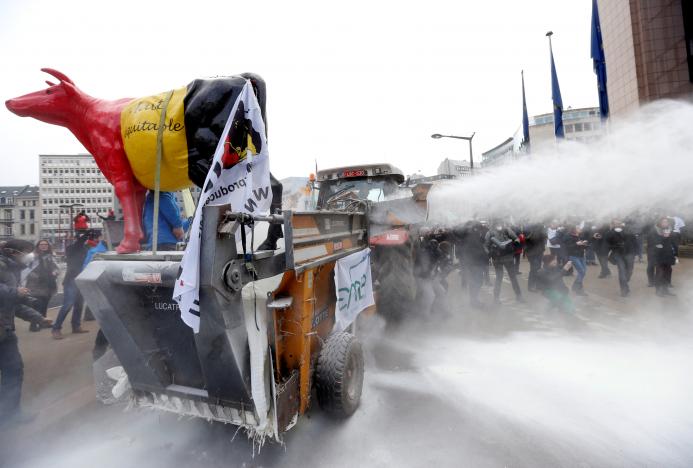
EU Summit Centre in Brussels Covered with Milk Powder

Milk producers spray powdered milk to protest against dairy market overcapacity in Brussels
Milk producers spray powdered milk to protest against dairy market overcapacity outside a meeting of European Union agriculture ministers in Brussels, Belgium, January 23, 2017. REUTERS/Francois Lenoir

The European Union has bought large quantities of skimmed milk powder to stabilise the market but said in November it would start disposing of some of it after prices had improved.

Hundreds of farmers protesting in front of the European Council’s Justus Lipsius building, where EU governments regularly meet, said they feared that putting the milk powder back onto the market would depress prices in the EU and abroad.

Protesters used farm machinery to cover the building and nearby police officers in a thick coat of the sticky, white powder, Reuters reported.

People in Iran Question Competency of Tehran Mayor after Plasco Building Collapse

Pelasco

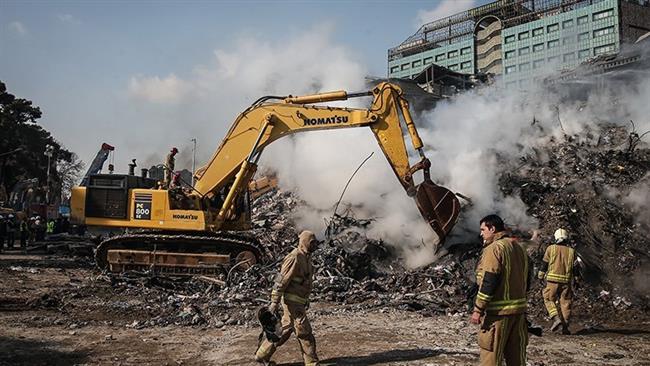
The Plasco building came down after fire engulfed the top floors of the 17-story building on Thursday morning. Iranian rescuers Sunday night recovered four bodies from the rubble of the high-rise, bringing the death toll to at least seven, with more than 20 people still missing. At least 194 people were also injured in the tragic incident.

The four bodies, found in the basement of the shopping center, have been turned over to the coroner’s office for identification. The Tehran mayor had earlier said 20 firefighters lost their lives trying to contain the flames.

Rescue officials have announced that they were unlikely to find any survivors due to the extreme heat caused by fires that reignited as debris was removed.

Days after the campaign was launched against the Tehran mayor, a video was released on Sunday which showed Qalibaf warning about the poor safety standards and weak structure of the Plasco building, built some 54 years ago.

Speaking in a pre-sermon address to worshipers at the weekly Friday Prayers on January 20, Mehdi Chamran, the head of Tehran’s City Council, criticized such rumors and messages on social media and said people’s lives must not be toyed with.

He said repeated warnings were issued over the past three years about the lack of safety of the building.

Chamran also emphasized that there were other unsafe buildings like Plasco in Tehran and urged the adoption of measures to improve their safety.

Tehran deputy mayor Ahmad Sadeqi also on Sunday dismissed all claims about the municipality’s failure to carry out its obligations to secure the safety of buildings.

“In the Plasco incident, the [Tehran] municipality has not been at fault at all,” he said.

The building was one of the capital’s oldest high-rises, which housed 600 production workshops.

Material damage from the collapse is estimated to stand at IRR 15,000 billion (nearly $500 million).

What Iran Can Learn from Plasco Building Collapse

Plasco-Triangle

Plasco Building in the Iranian capital of Tehran caught fire in early Thursday, January 19, and came down only hours later, with at least 25 people entrapped under the rubble. Efforts are still underway to recover the bodies.

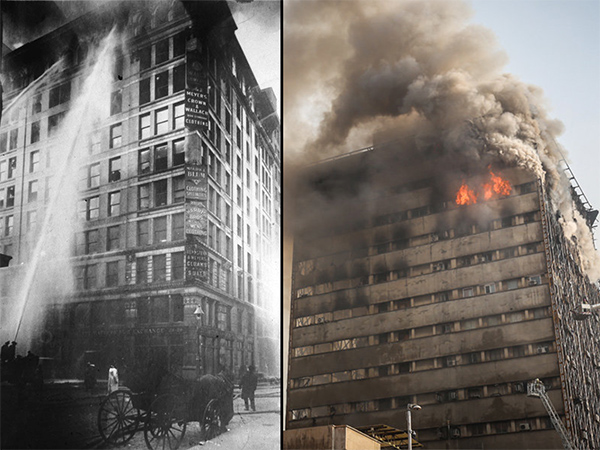
On his Facebook page, Mahan Shirazi, an Iranian architect, urban decision-making expert and researcher currently living in New York City, has made a comparison between Plasco Building collapse and the Triangle Shirtwaist Factory fire [in 1911] and has drawn a number of conclusions about what Iranians can do to prevent such tragic events in the future.

Here are excerpts from Shirazi’s Farsi post:

About a century ago, a blaze swept through a 10- storey building at the centre of New York City, leaving more than 100 dead.

The short ladders of the New York City Fire Department, which were only as tall as the building’s sixth storey, were to blame for a portion of the incident’s unanticipated casualties and damages. This was while, the fire had broken out on the 8th to 10th stories of the Asch Building, where a shirt factory was located.

The building’s fire exit had been so poorly constructed that it failed to bear the weight of the workers who had swarmed to it and, thus, was detached from the wall, resulting in the death of all those who had flocked to it.

The owner of the factory was not the [Iranian] Mostazafan Foundation [the owner of Plasco Building]. Nevertheless, he/she had locked all the doors leading to the fire escape, lest the workers steal something from the factory and escape stealthily through it. It is said about the 1911 tragic event that all the nearby streets were crammed with people, who, although did not have smartphones, could do nothing but to watch the workers dying.

After the catastrophe, the court ordered that the factory owners, who later received $400 for each death from their insurer as compensation, had to pay $75 for each dead worker as their penalty.

Following the disastrous event in the New York City, the citizens started a movement demanding greater security for their buildings and job environment. Those who launched the movement insisted upon their demands so strongly that they could turn the Triangle Shirtwaist Factory fire into a turning point for making fire prevention regulations.

They basically changed the function of their fire department into an organization responsible for enforcing rules and regulations and taking measures to prevent fire, rather than merely extinguishing it.

The New York State Office of Fire Prevention and Control was set up as an organisation actively operating in the municipality of the metropolis. It became mandatory to equip all buildings with fire sprinkler. In addition, tougher regulations were enforced on building fire escapes.

Iran’s National Construction Regulations have not been written by inaccessible people. The members of Tehran City Council are also easy to get in touch with. It is high time to stop moaning and mourning and do something pragmatic to prevent such disasters in the future.

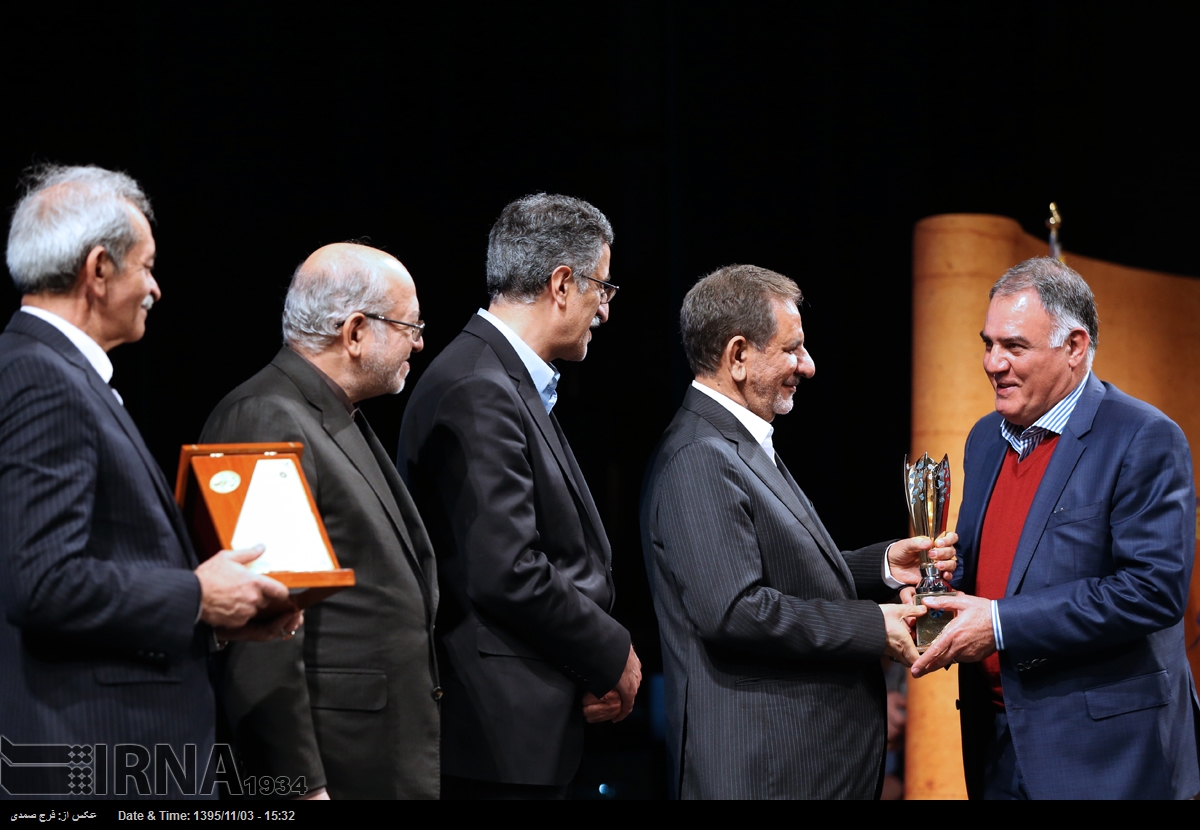
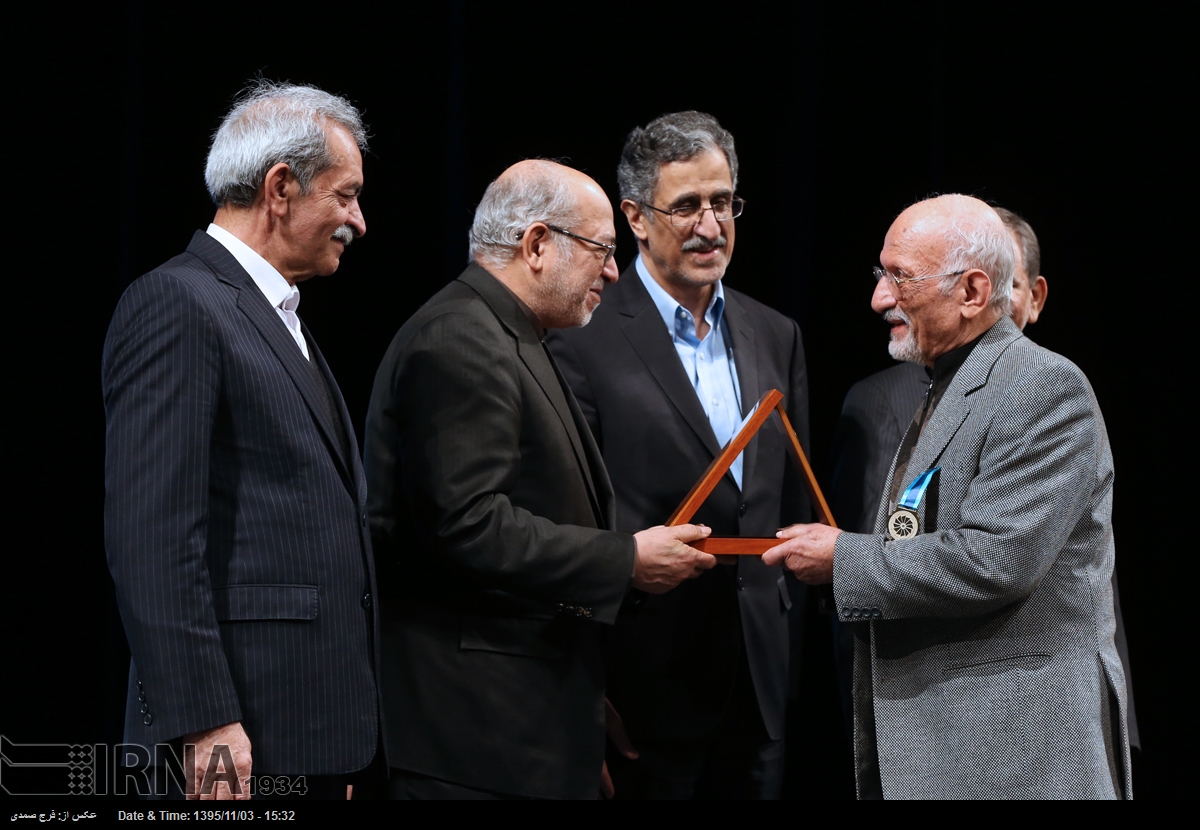
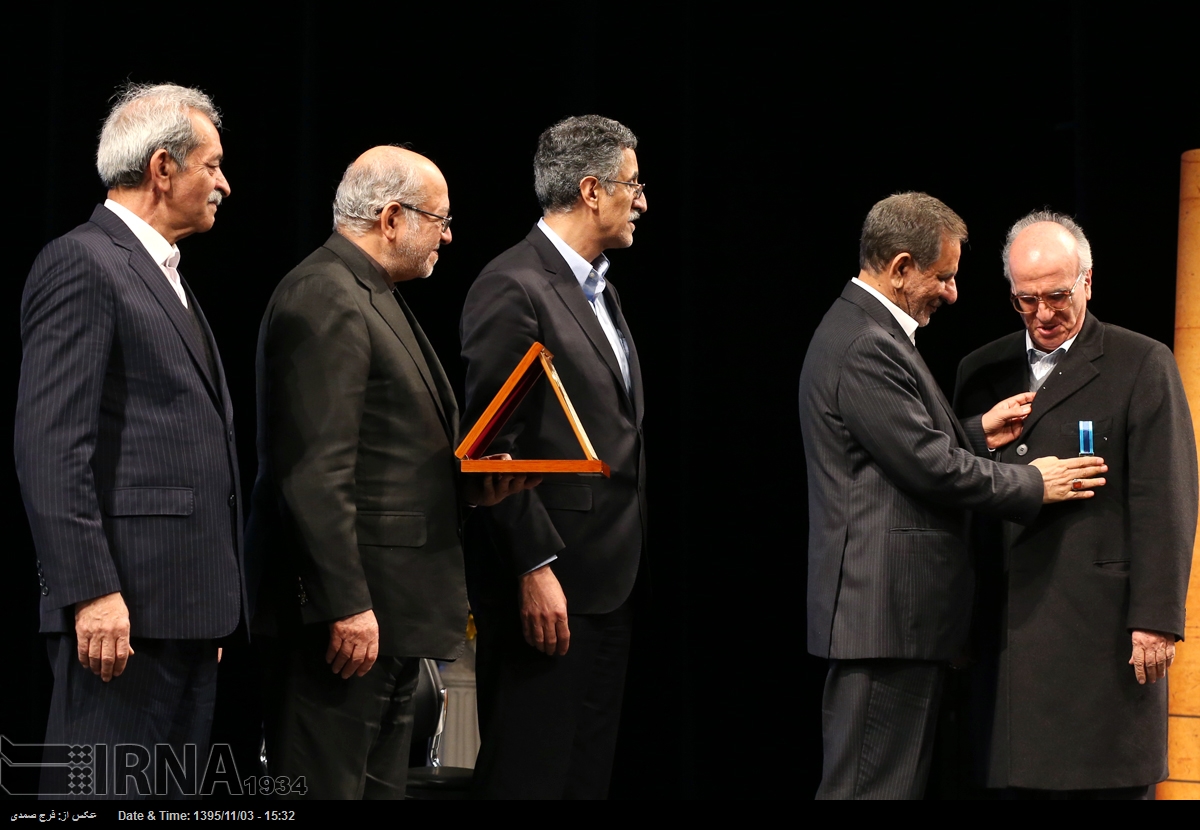
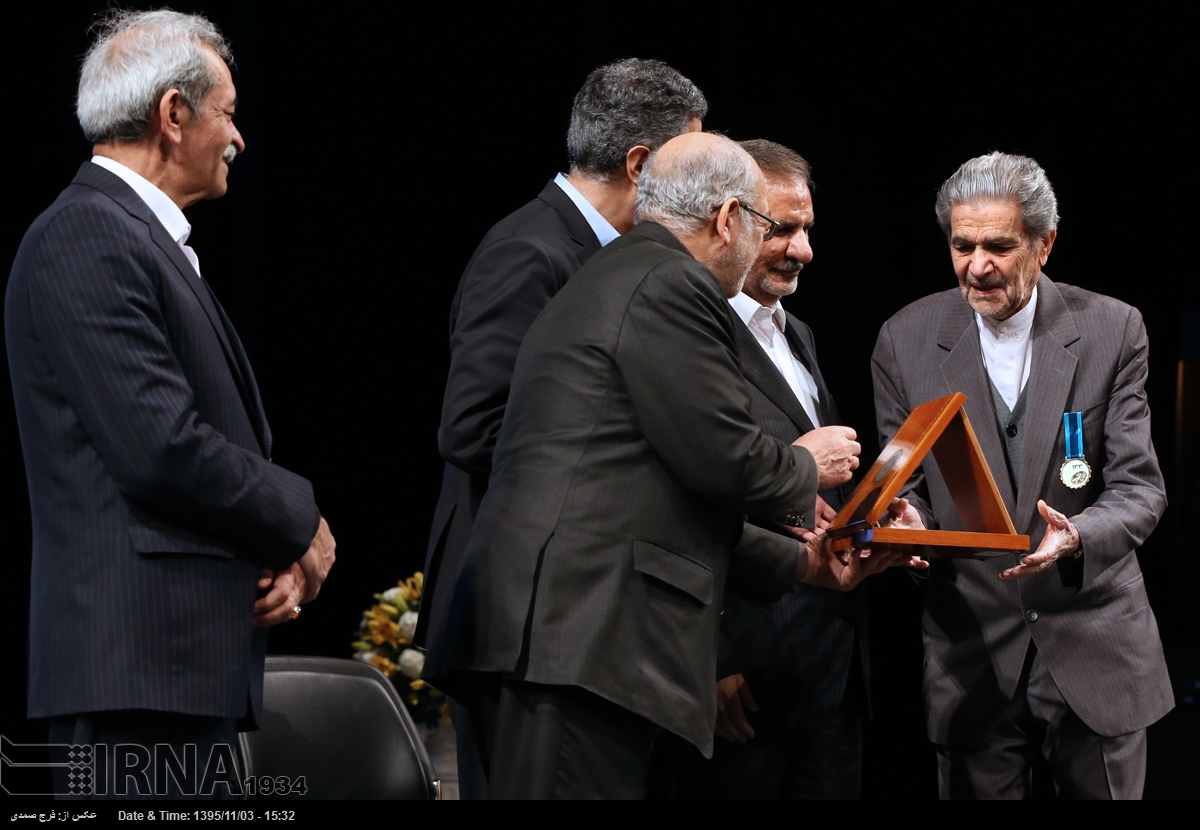
Iran Awards National Medal to Top Entrepreneurs

Amin al-Zarb

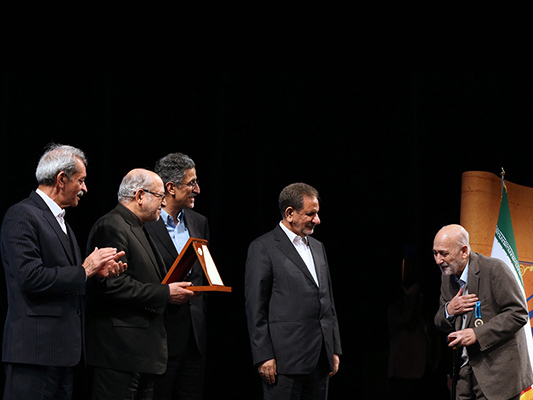
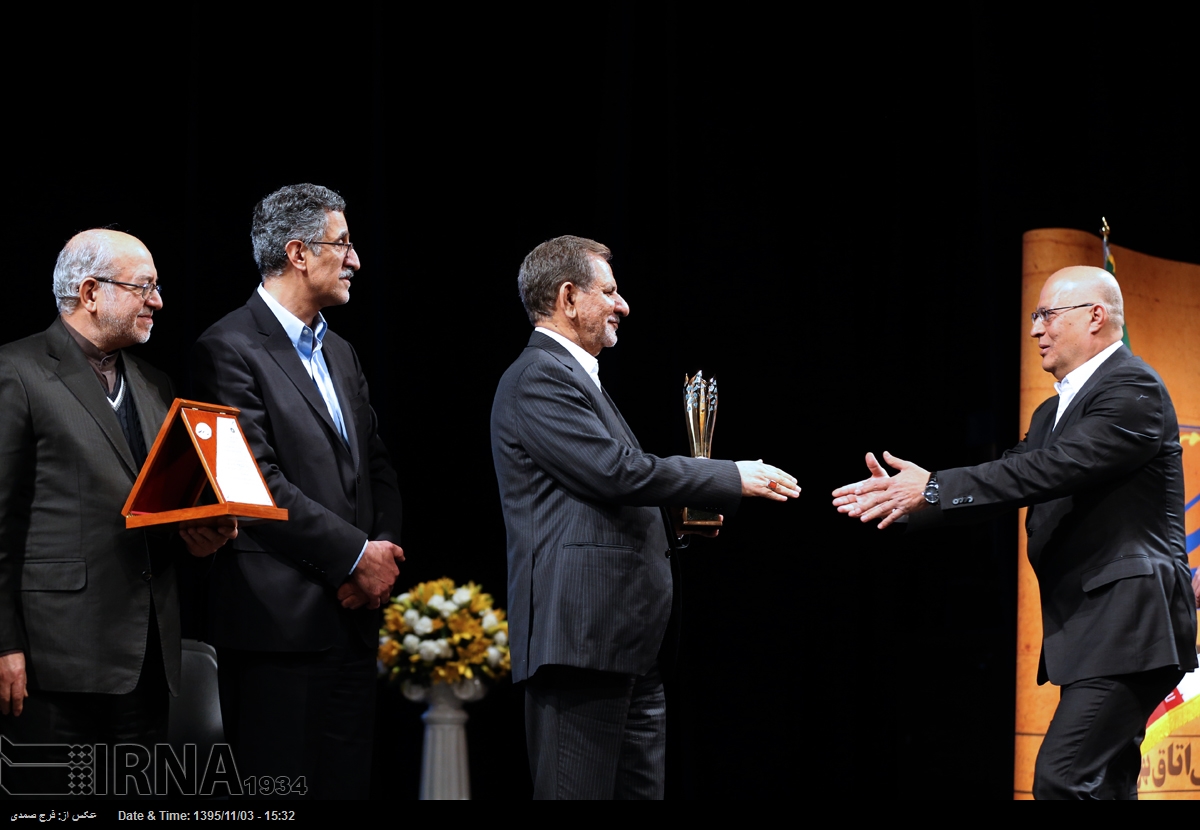
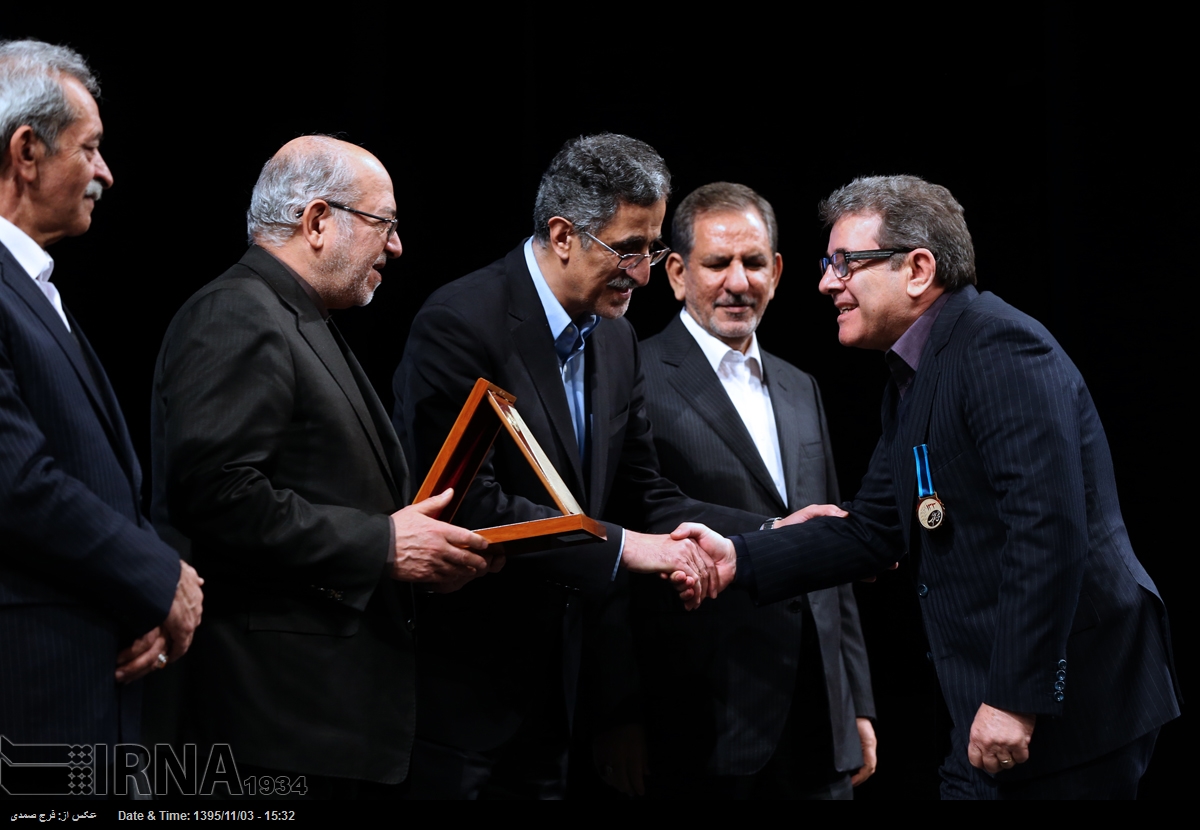
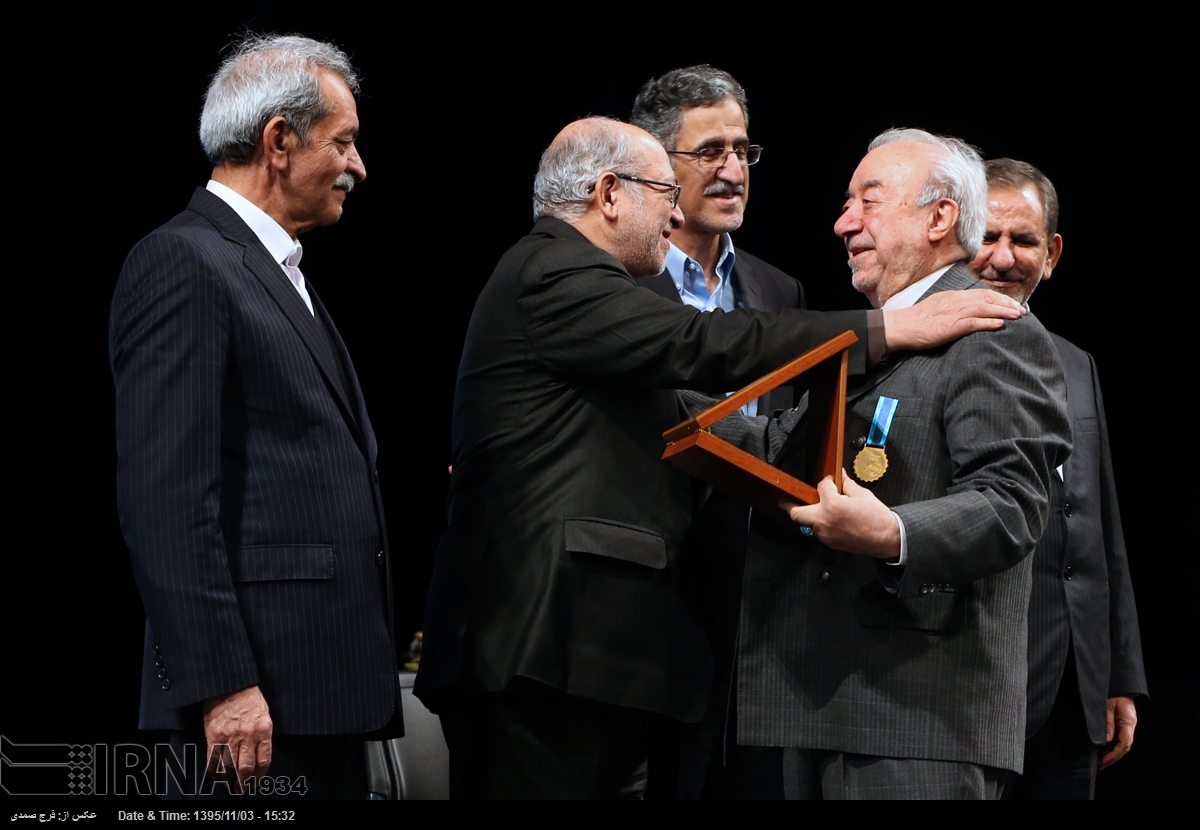
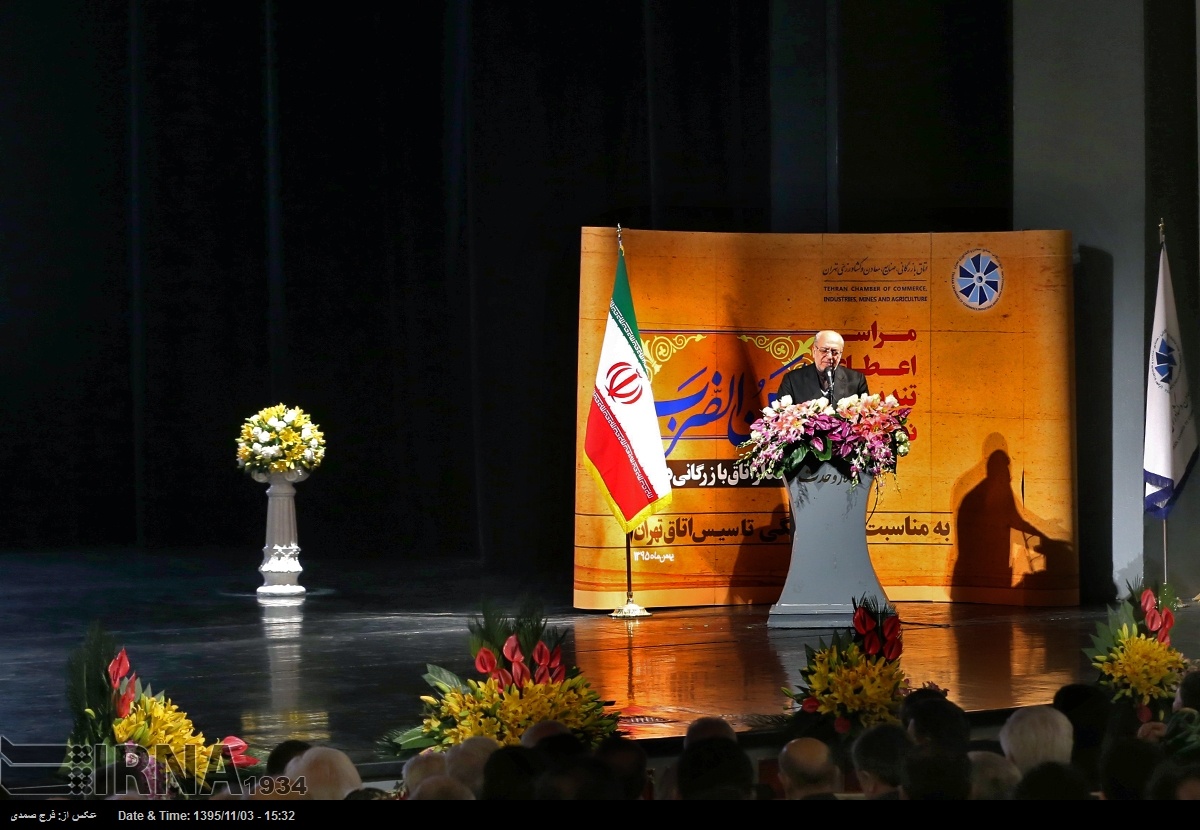
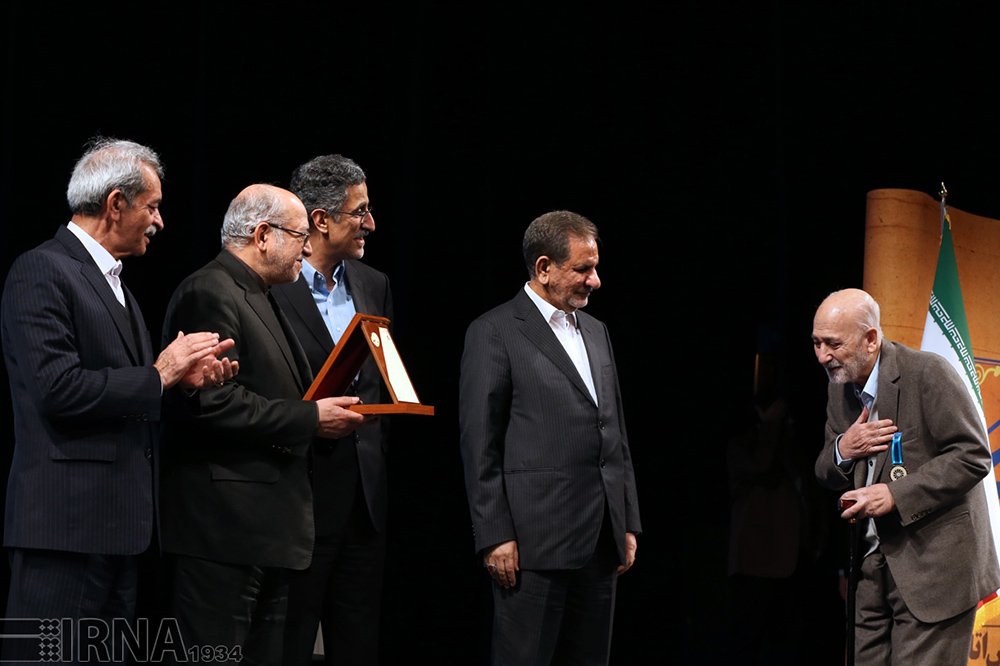
Tehran Chamber of Commerce, Industries, Mines and Agriculture (TCCIM), founded more than a century ago, hosted the event at Tehran’s Vahdat Hall to extol excellence in entrepreneurship, celebrate lifetime achievements in manufacturing and business, and recognize individuals whose contributions have been key to economic progress, reports the official news website of TCCIM.

First Vice President Eshaq Jahangiri, Minister of Industries, Mining and Trade Mohammad Reza Nematzadeh, Mohsen Hashemi, the son of late Ayatollah Akbar Hashemi Rafsanjani, the TCCIM chief Masoud Khansari, and Gholamhossein Shafei, the head of Iran Chamber of Commerce, Industries, Mines and Agriculture were present at the event attended by more than 700 industry players.

Gholamali Soleimani who founded the dairy and food company Kalleh, Morteza Soltani, a prominent figure in the foundry industry, and Iran’s electricity industry pioneer, Mohammad Mehdi Fanaei, were among the award recipients.

Asadollah Asgaroladi, with a history of six decades of industrial work, and other outstanding players in the cement, stationery, livestock, milk, and tea industries, among others, were conferred the honorary badge because of their years of distinguished work.

The prize is named after Mohammad Hossein Amin al-Zarb, an immensely influential Iranian businessman who was a pioneer in bringing electricity to Iran and founded the Assembly of Merchants in 1926, which later morphed into what is now the Tehran chamber of commerce.

Amin al-Zarb held the office of the chamber’s director from the time of its founding up to his death in 1932.

Khansari, the TCCIM chief, had earlier noted that plans are underway to raise the value of the national ‘Amin al-Zarb’ medal to the level of Nobel Memorial Prize in Economic Sciences.

Thousands of Lives in Danger as ISIS Leaves Gates of Syrian Dam Open

ISIS

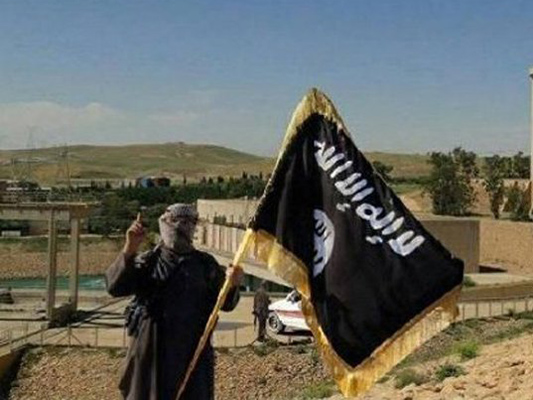
After the ISIS terrorists opened the dam’s gates, the Euphrates River’s water has risen to the highest level in the past 25 years.

According to a Farsi report by IRNA, the water level is as high as 10 metres in certain areas, and such a level is unprecedented in decades.

The terrorists have declared they have left the gates open for fear of the US-led coalition’s bombs that may break the dam.

Thousands of hectares of fields have been flooded in both sides of the river from Raqqa to Deir ez-Zor.

Many little islands in the Euphrates and tens of pumps installed around the river have been drowned according to a Syrian official in Raqqa.

The report came after the Syrian Democratic Forces (SDF) announced their forces have closed in on Tabqa Dam thanks to the US-led coalition’s air cover.

“Our forces today liberated the Suwaydiya town from ISIS. We are currently approaching the strategic Tabqa Dam,” Abdullah al-Ahmadi, an SDF officer, told ARA News.

“Soon we’ll attack ISIS at the key dam in order to cut off a main ISIS supply line between the town of Tabqa and Raqqa city,” al-Ahmadi said.

Khaled Hussein, an SDF fighter, also confirmed the route. “We are now very close to taking the Tabqa Dam from ISIS,” he said.

“The Syrian Democratic Forces YPG and YPJ are prepared to storm the dam and liberate it from ISIS,” Hussein said.

Iran’s Foreign Policy Based on Cooperation with Regional Countries: MP

Jamali Nobandegani

Khalid al-Jarallah, the Deputy Foreign Minister of Kuwait, announced last week that his country was to convey a message from Persian Gulf Cooperation Council (GCC) to Iran.

“All the governments of Islamic Republic of Iran have insisted on having good relationships and interactions with our neighbouring countries,” said Mohammad Jamali Nobandegani, an Iranian lawmaker, in reaction to Kuwait’s mediation.

“Iran and its adjacent countries share a common culture and religion. Some illusions, however, lead to problems,” he added. “Some neighbours strive for the leadership of Arab countries over the region or serving as the US proxy in regional operations.”

“Unfortunately, some countries have no accurate perception of Iran and regional issues. So they have problematic relationships with Iran. We suggest that they get a real understanding of problems.”

According to a Farsi report by ICANA, he went on to say that others should consider Iran a powerful country. “Iran uses its power to boost integration and unity among regional countries, and to prevent non-regional forces from interfering in their affairs.”

“Iraq and Syria are Arab countries; Iran, nevertheless, has supported them.”

Jamali Nobandegani noted that Iran has been supportive of post-Saddam Iraq despite a history of war with this country.

He also compared the terrorist coalitions to a scorpion that pours its poison within regional countries. “I hope these countries seriously consider their cooperation with Iran, as Iran insists on it.”

“The Iranophobia project pursued by the US and Britain has harmful effects on regional countries,” he noted.

ISIS Continues to Steal Iraq’s Oil

ISIS

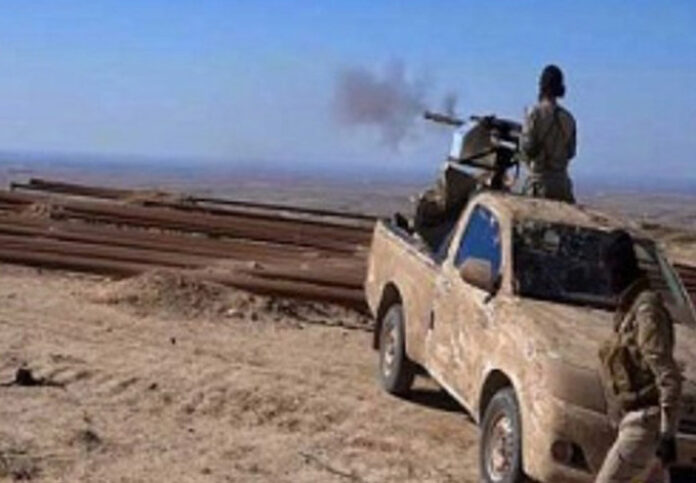
“Tens of wells in Allas oilfield in Iraq’s Saladin Governorate are still under the occupation of ISIS,” announced Oday alKhidran, a commander of the Iraqi Popular Mobilisation Forces, according to a Farsi report by Al-Alam.

He went on to say that the terrorist group steals 100 tankers of crude oil per day. The oil is transferred to Turabia, then to Hawija to be smuggled out of the country; and help the war machine of ISIS work.

“ISIS is highly dependent on the money earned by stealing Allas oil to cover the costs of its battles,” he told the Iraqi channel Al Sumaria.

AlKhidran also emphasized the necessity of striving to liberate all the occupied oil wells.

Allas wells constitute a large oilfield in eastern Saladin, Iraq. Before the ISIS invasion in June 2014, over 30,000 barrels of oil per day used to be exploited there.

Spokesman Lashes Out at Bahraini FM’s Anti-Iran Claims

“Bahrain is entangled in an internal crisis and is after a foreign enemy to divert the public opinion from the issue and [making] such remarks are repeated,” Foreign Ministry Spokesman Bahram Qassemi told reporters in his weekly press conference in Tehran on Monday.

He underlined that if the Bahraini officials open their eyes to realities, they will understand that “such claims are baseless”.

Qassemi advised the Bahraini rulers to restore the law and resolve their internal problems peacefully.