Wednesday, January 7, 2026
Home Blog Page 4155

Iranian FM Hails Progressing Ties between Tehran and Yerevan

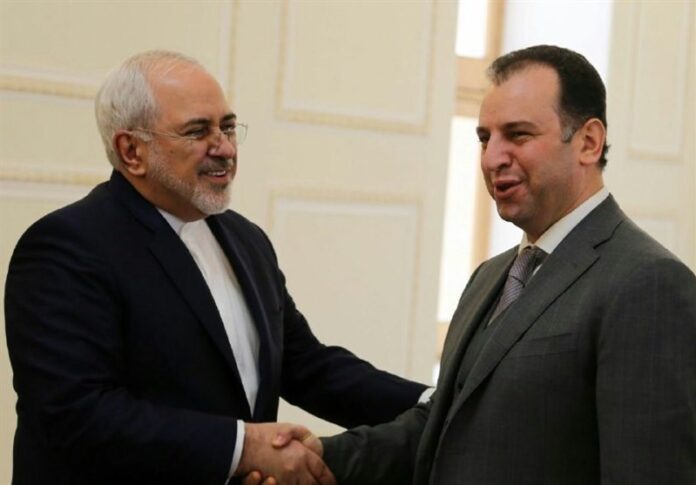
Zarif and Armenian DM

“In today’s world where extremist tendencies are growing in the name of different religions, the ties between Iran and Armenia can be exemplary,” Zarif said Wednesday in a meeting in Tehran with Armenia’s Defense Minister Vigen Sargsyan.

“We are witnessing the growth of relations in different fields,” he added.

The Iranian top diplomat described cooperation between the two countries as necessary in order to counter the threat of extremism, expressing the hope that such cooperation will lead to establishment of peace and security in the region.

Sargsyan, for his part, said Armenia attaches great significance to its ties with the Islamic Republic of Iran, which plays a major role in resolving issues and problems in the region.

He also referred to a recent visit to Yerevan by Iranian President Hassan Rouhani, saying that since the trip, there have been new developments in the bilateral ties.

President Rouhani paid a one-day official visit to Armenia in December.

During his stay in Yerevan, the Iranian chief executive held talks with his Armenian counterpart Serzh Sargsian and attended a joint meeting of the two countries’ high-ranking officials where five cooperation documents were signed for enhancement of bilateral ties between the two neighbors.

Lawmakers Back Iran’s Missile Program

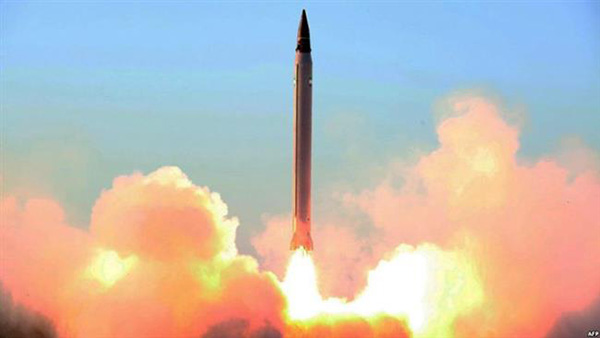
 Emad ballistic
Iran successfully test-fires its domestically-built Emad ballistic missile on October 11, 2015.

In a statement issued on Wednesday, a total of 220 lawmakers voiced their “full-fledged support” for Iran’s Armed Forces, saying “the reinforcement of the defense capabilities of the Islamic Republic of Iran in line with deterrence strategy” is an absolute necessity to ensure the country’s security.

Iran, “unlike other major world powers, has not defined its power based on [the possession of] weapons of mass destruction (WMD), including atomic, chemical and biological ones,” the Iranian legislators said.

The sole way to ward off any act of aggression against Iran is to boost the country’s missile might, the MPs added, describing certain countries’ opposition to Iran’s defense might as “illogical.”

They said the country’s missile tests were by no means in violation of UN Security Council (UNSC) resolutions, including Resolution 2231, which was adopted in July 2015 to endorse a nuclear agreement, known as the Joint Comprehensive Plan of Action (JCPOA), between Iran and the P5+1 group of countries.

The statement by the Iranian lawmakers came a day after the United States called an urgent meeting of the UNSC to discuss a recent missile test by Iran, which Washington alleges is against Resolution 2231.

Iranian officials say the country has carried out the missile launch as part of its program to boost defense capabilities, rejecting claims that the test was in violation of Resolution 2231.

Iran’s defensive ballistic missile program has been a bone of contention with the West. Tehran says its missile tests do not breach UN resolutions because they are solely for defense purposes and not designed to carry nuclear warheads.

Arms control experts have also said that Iran’s missile tests are not banned under the nuclear agreement and the UNSC resolution, because Iran’s missiles are not meant to deliver nuclear warheads.

‘No permission needed to boost national missile work’

Meanwhile, Secretary of Iran’s Supreme National Security Council Ali Shamkhani said Iran needed no permission to develop its missile capabilities.

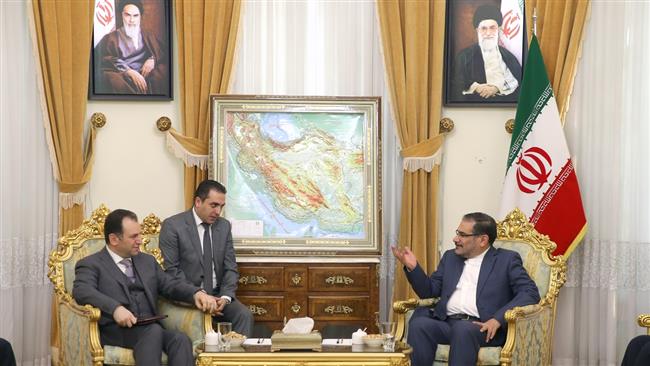
Secretary of Iran's Supreme National Security Council Ali Shamkhani (R) meets with Armenian Defense Minister Vigen Sargsyan in Tehran on February 1, 2017. (Photo by IRNA)
Secretary of Iran’s Supreme National Security Council Ali Shamkhani (R) meets with Armenian Defense Minister Vigen Sargsyan in Tehran on February 1, 2017. (Photo by IRNA)

“We will not ask permission from any country or international organization to expand our conventional defense capabilities,” Shamkhani said in a meeting with visiting Armenian Defense Minister Vigen Sargsyan on Wednesday.

“We will firmly counter any foreign interference when it comes to defense matters, including the Islamic Republic of Iran’s missile might,” he added.

Also on Wednesday, Iranian Deputy Foreign Minister Majid Takht-e-Ravanchi, who was a member of Iran’s nuclear negotiating team, rejected claims that Tehran’s missile tests violated UNSC Resolution 2231.

“The issue of our missile [program] is by no means a breach of UNSC Resolution 2231, because our missiles have not been designed to carry a nuclear warhead and we have stressed this issue both verbally and in the form of registered Security Council documents,” the diplomat said during a meeting with members of the Iranian Parliament’s Committee on National Security and Foreign Policy.

‘Iran missile tests don’t breach JCPOA’

Meanwhile, Nabila Massrali, the spokeswoman for European Union foreign policy chief Federica Mogherini, told reporters in Brussels on Tuesday that “the Iranian ballistic-missile program was not part” of the 2015 nuclear deal and “hence the tests are not a violation of it.”

Separately, Russia’s Deputy Foreign Minister Sergei Ryabkov, who was part of the Russian negotiating team in the talks that resulted in the conclusion of the JCPOA, rejected the US claims that Iran’s missile tests violated the UN resolution, saying the resolution calls on Tehran only to abstain from launching missiles that can “carry nuclear warheads.”

Russia is confident that Iran has no nuclear weapons program, he added.

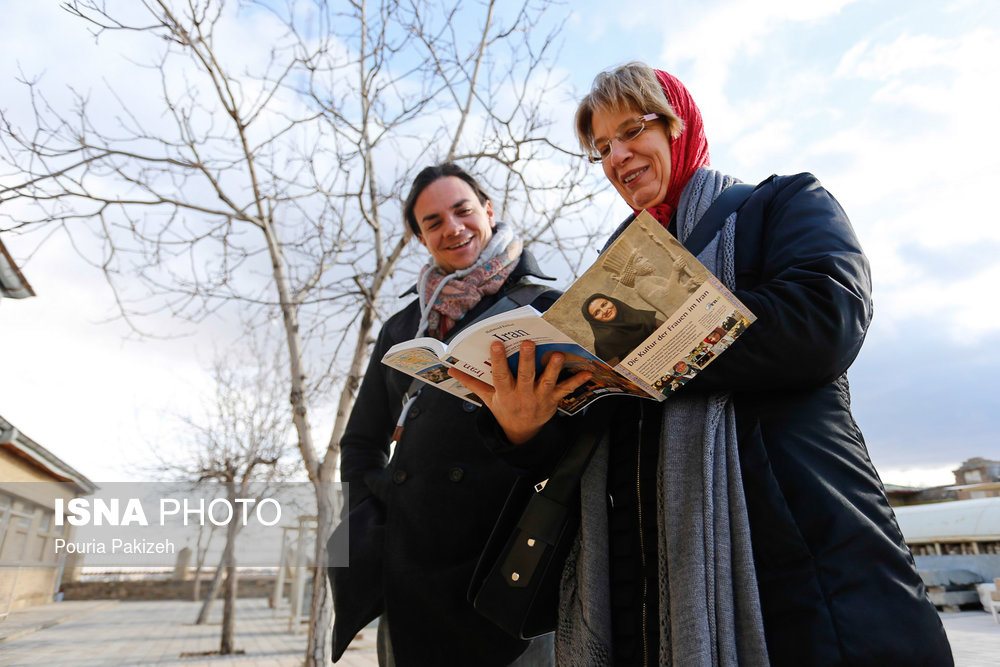
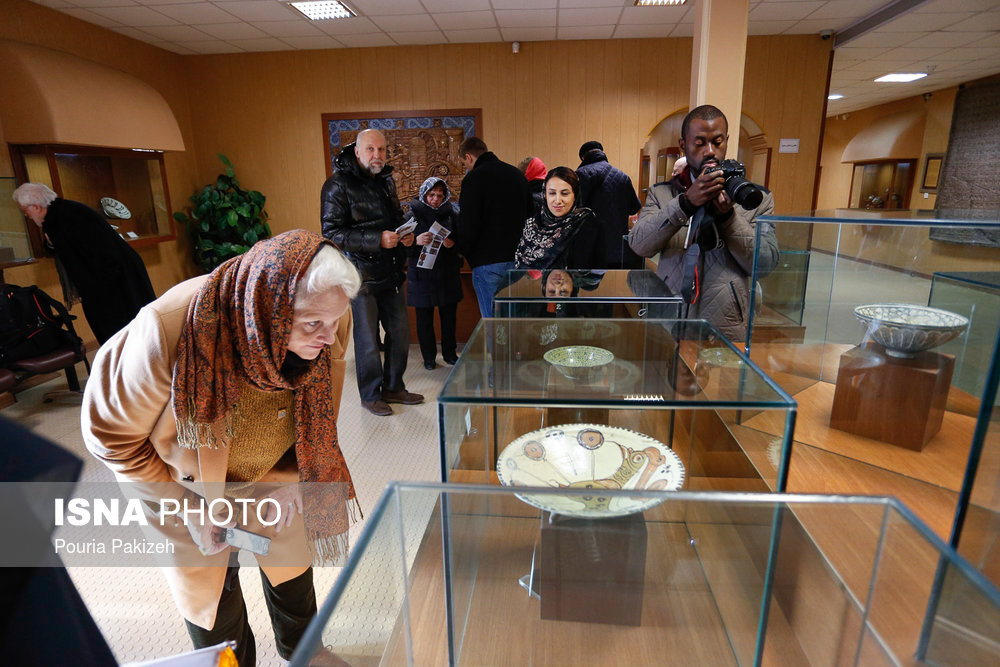
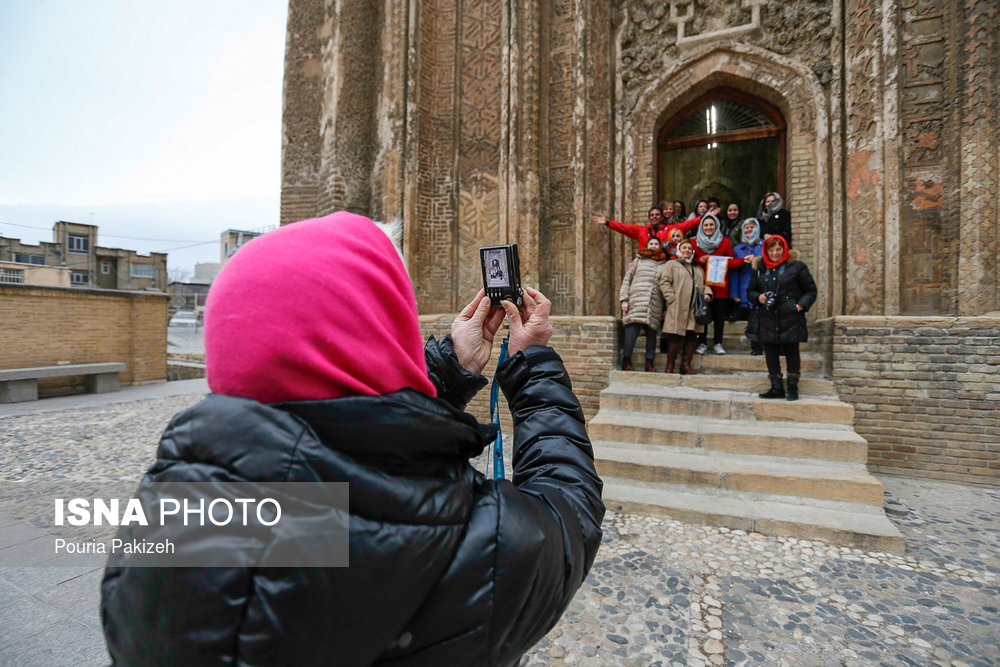
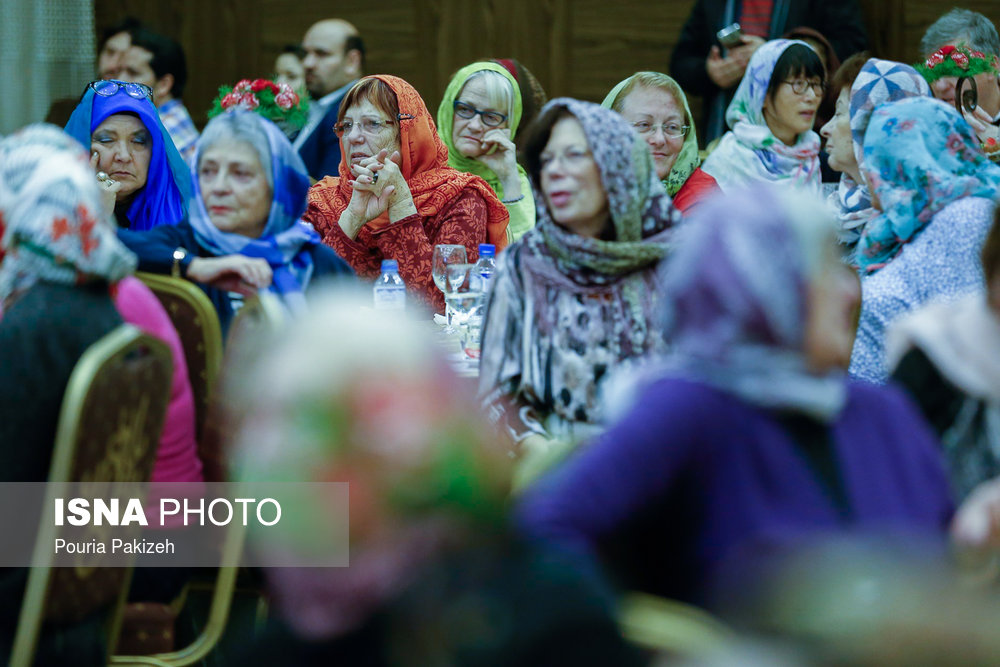
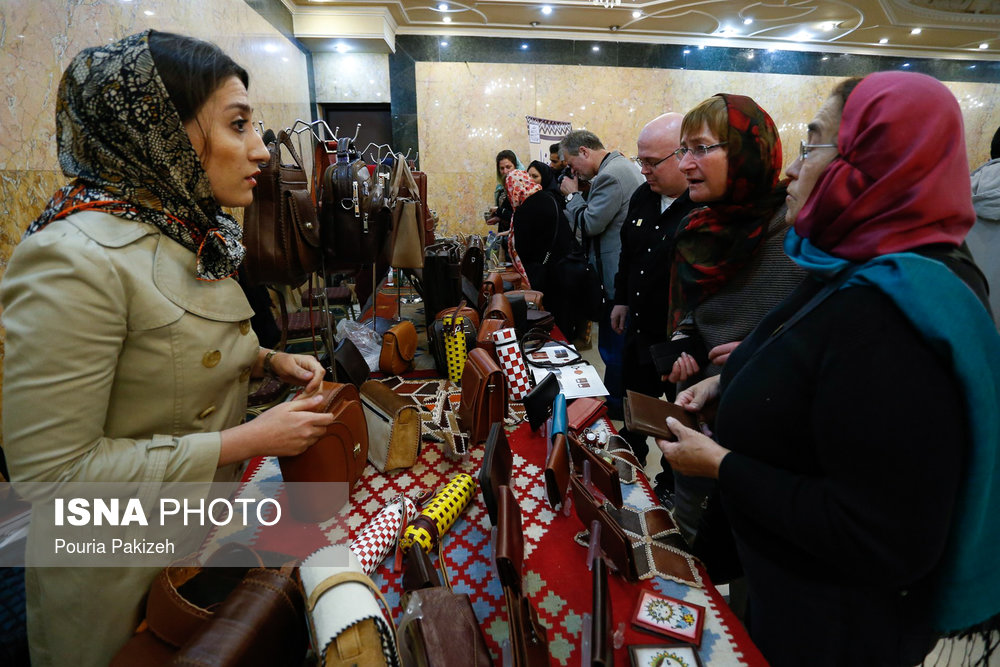
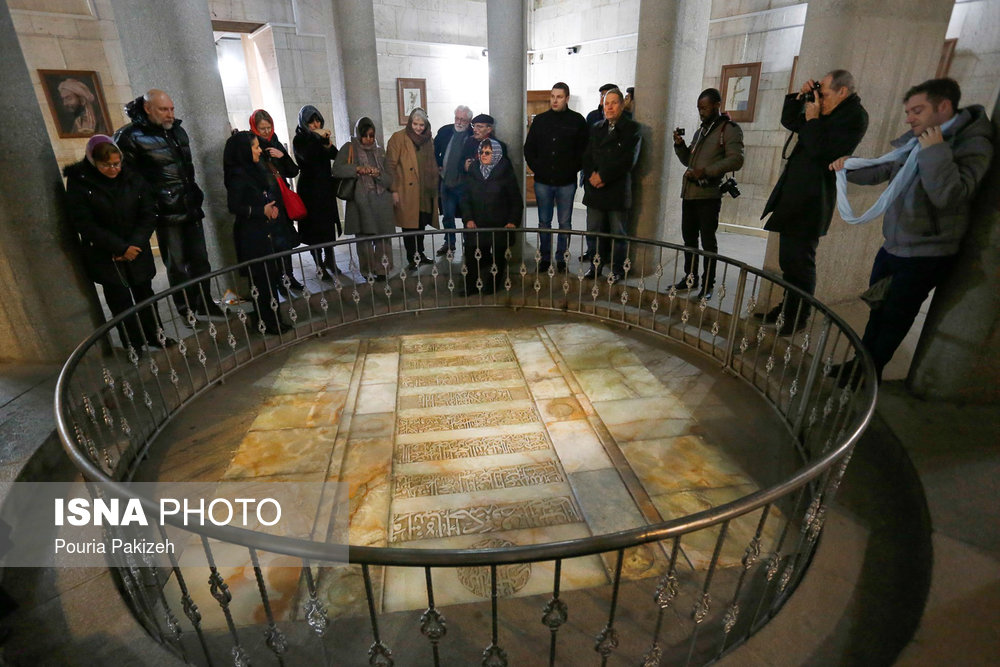
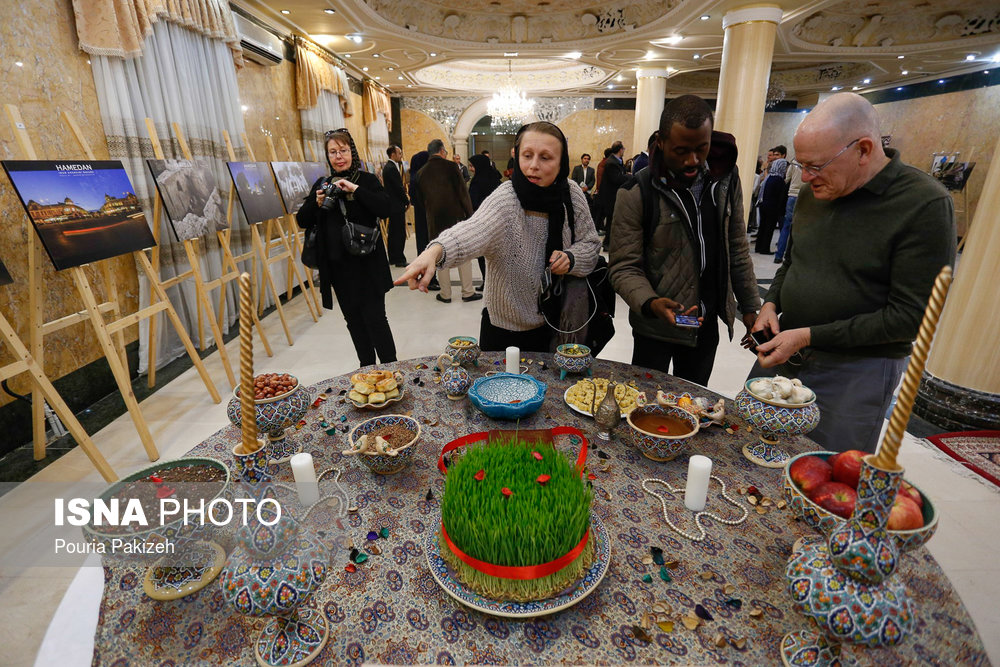
Iran Hosts 320 Tour Guides in Annual WFTGA Convention

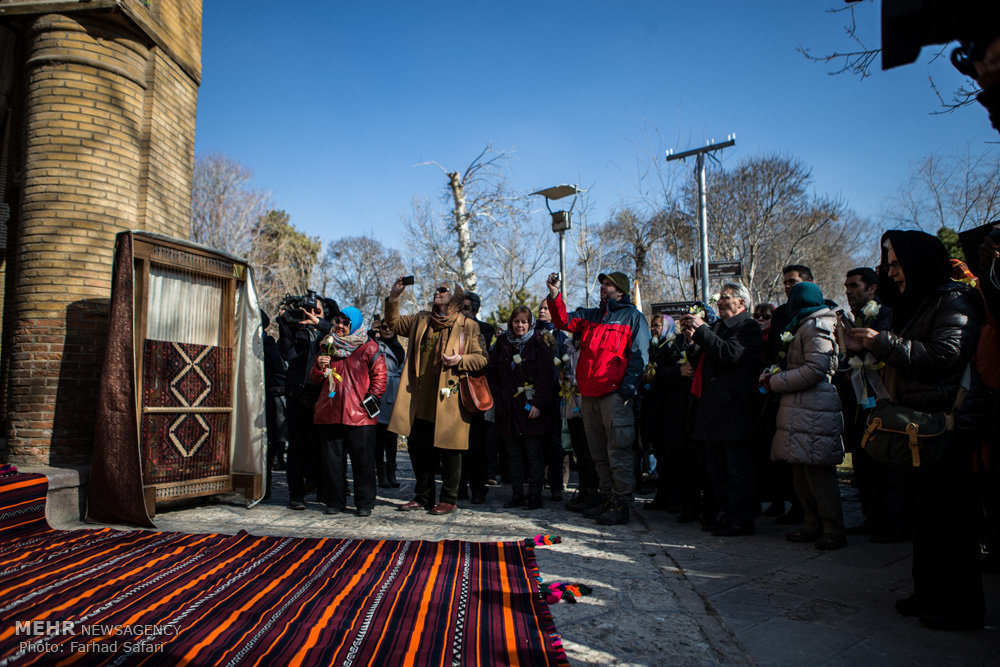
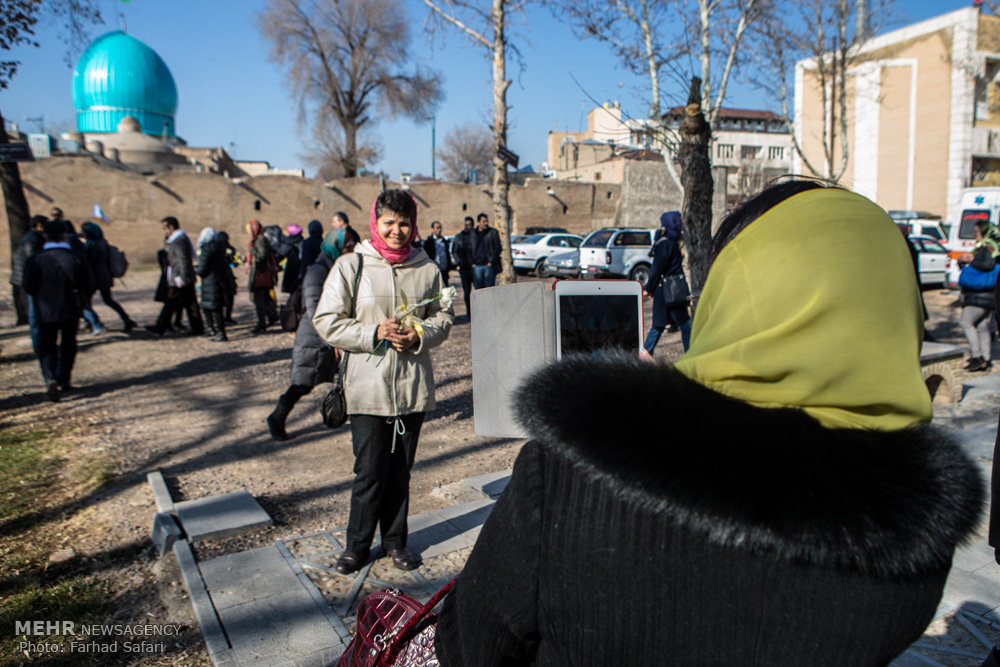
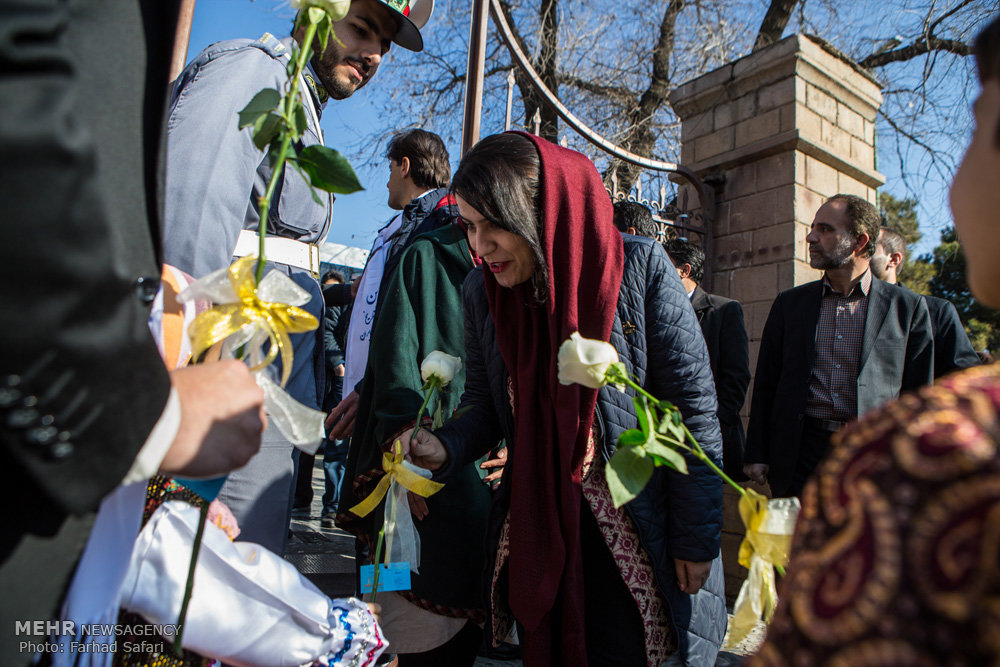
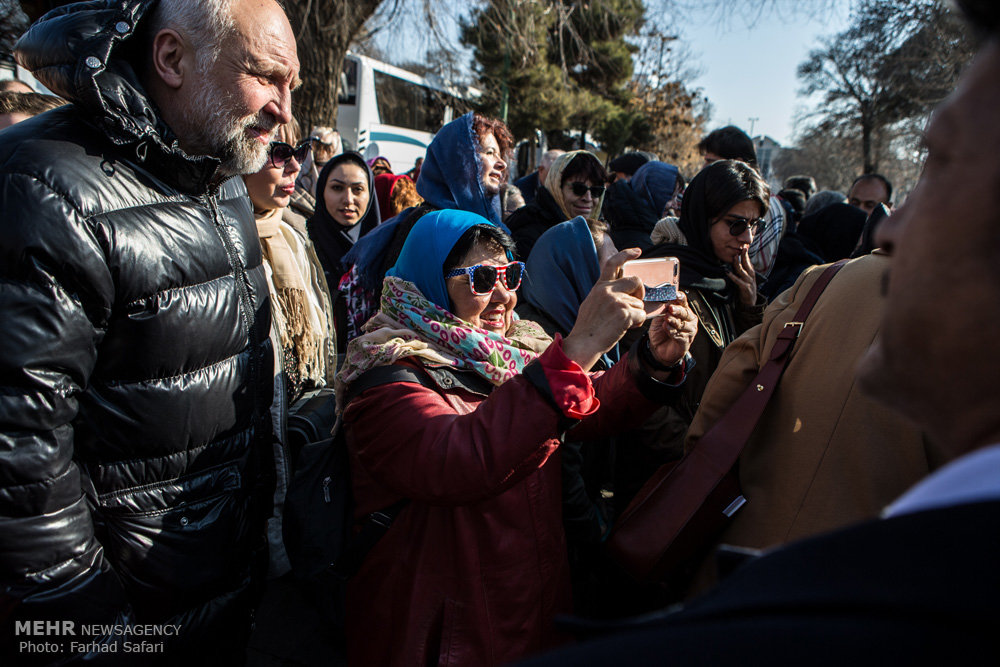
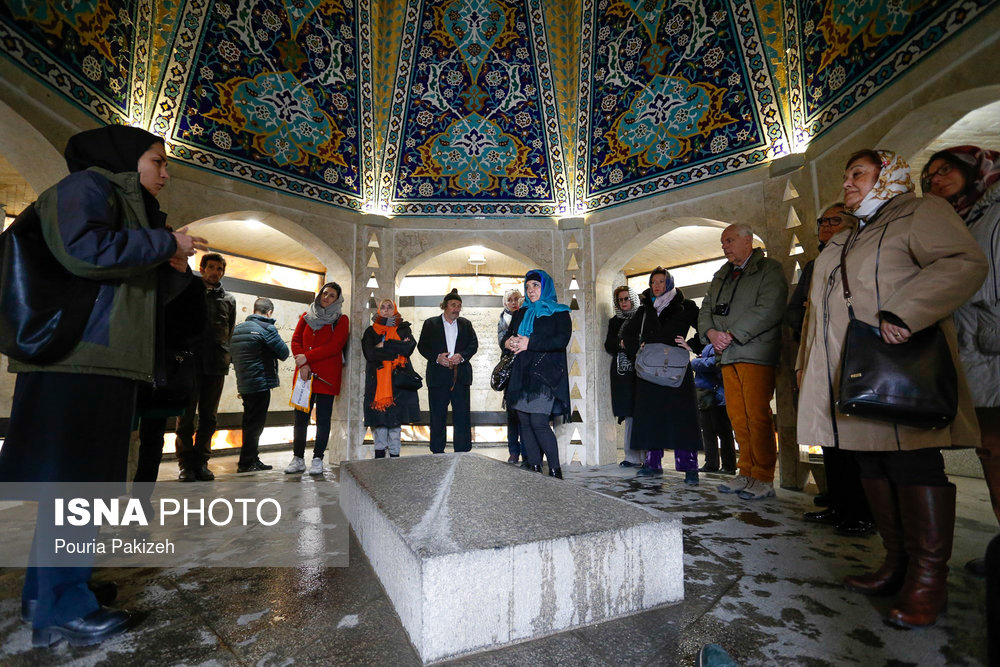
WFTGA-Hamedan

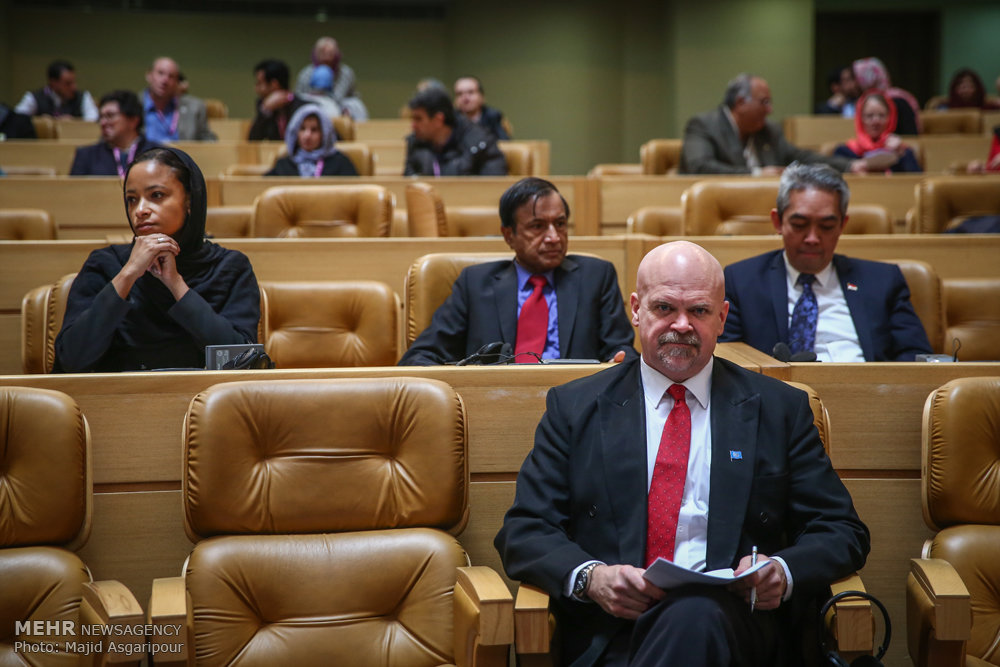
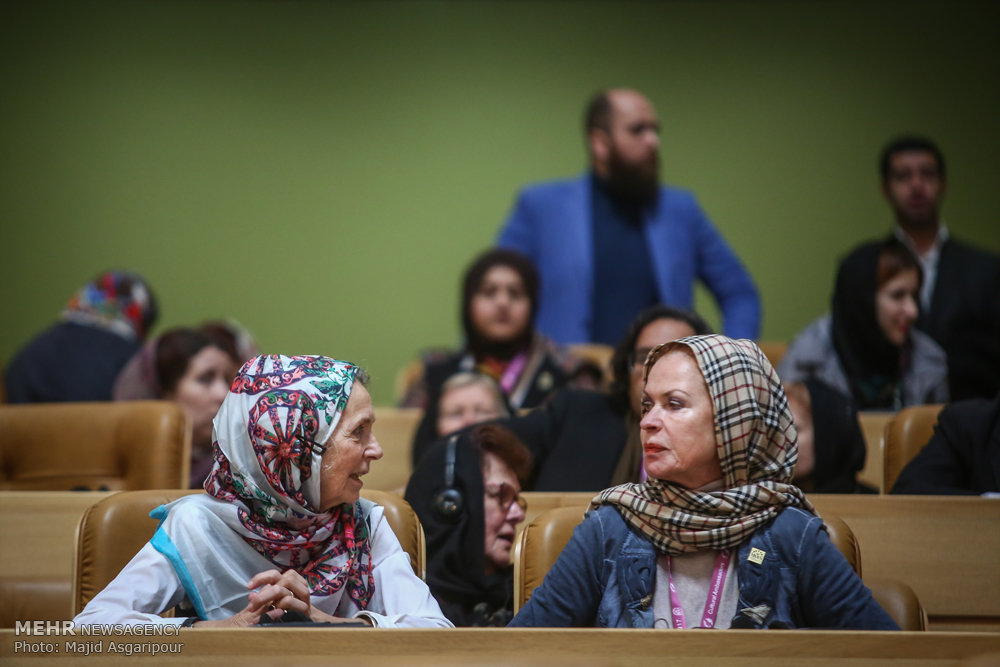
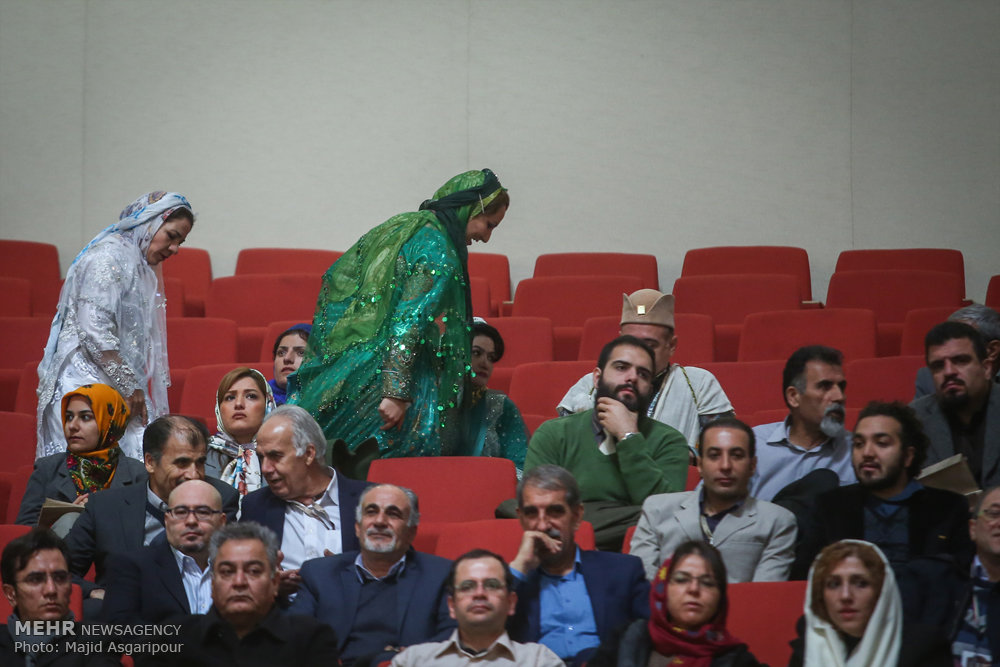
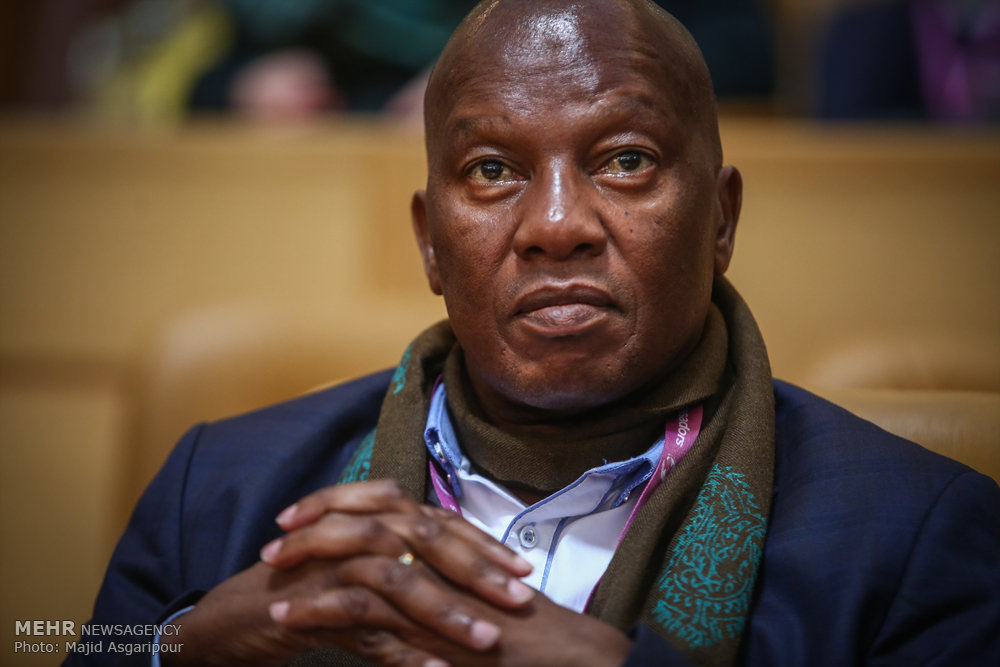
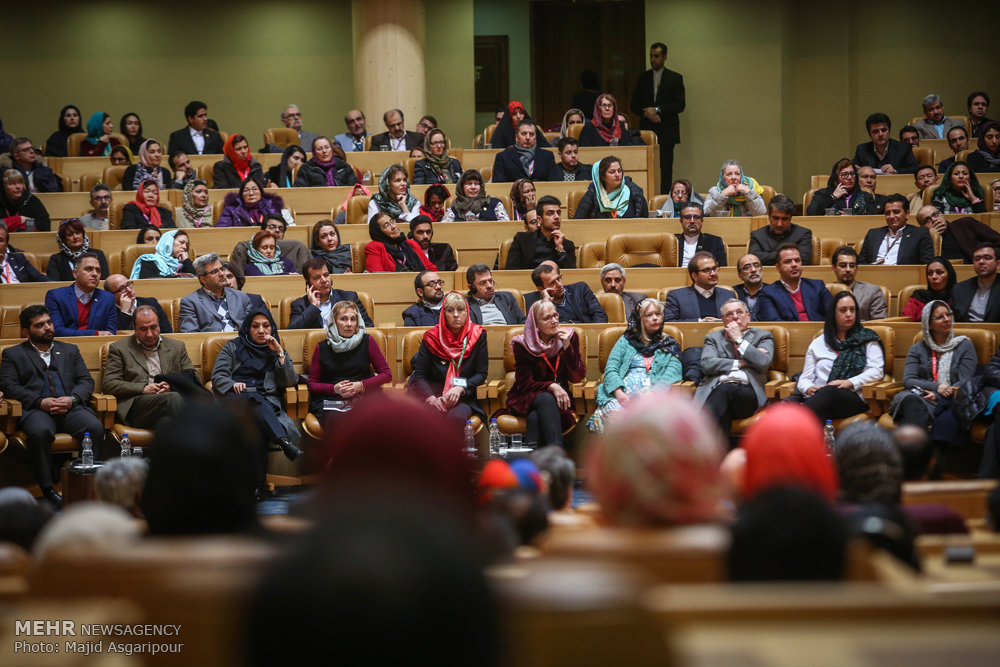
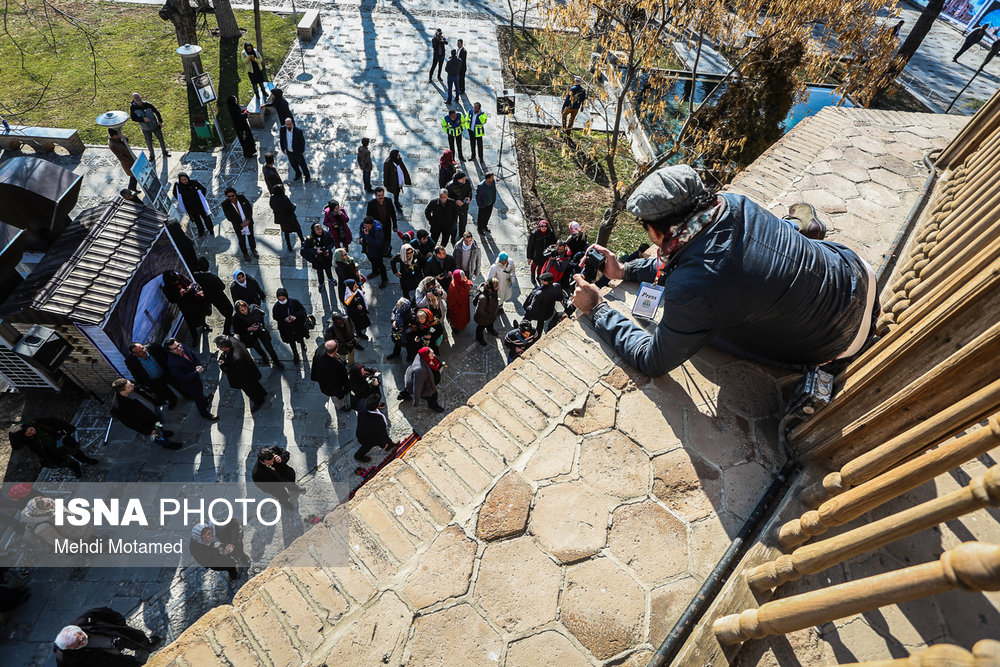
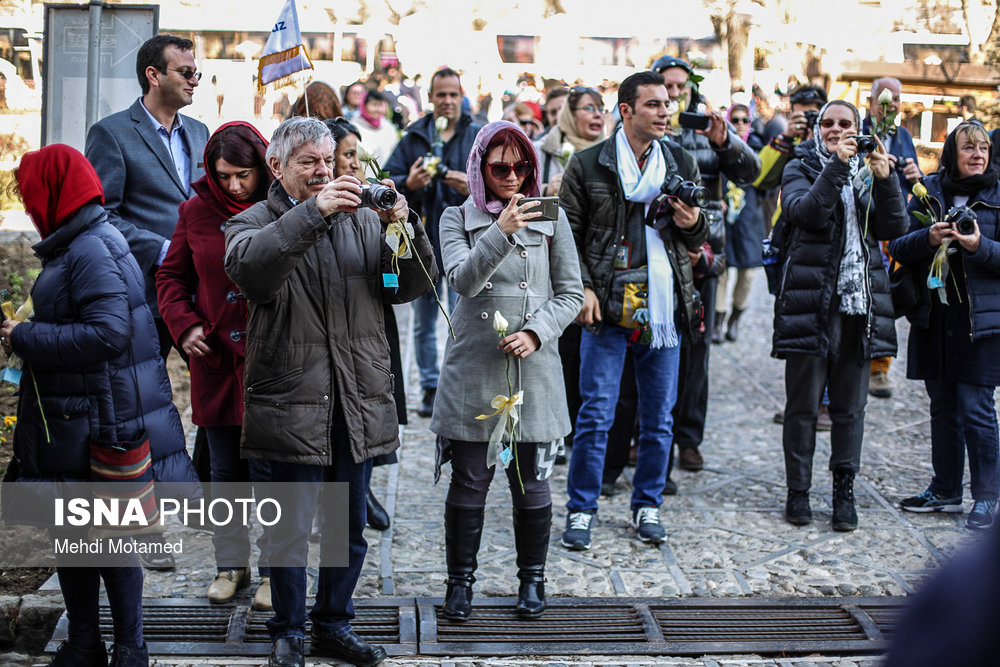
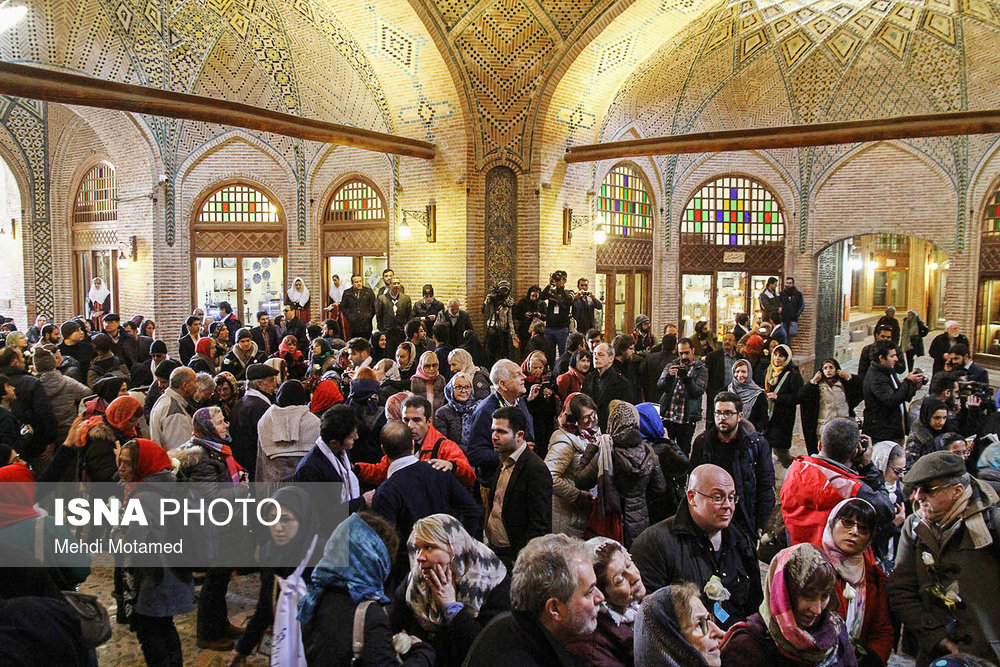
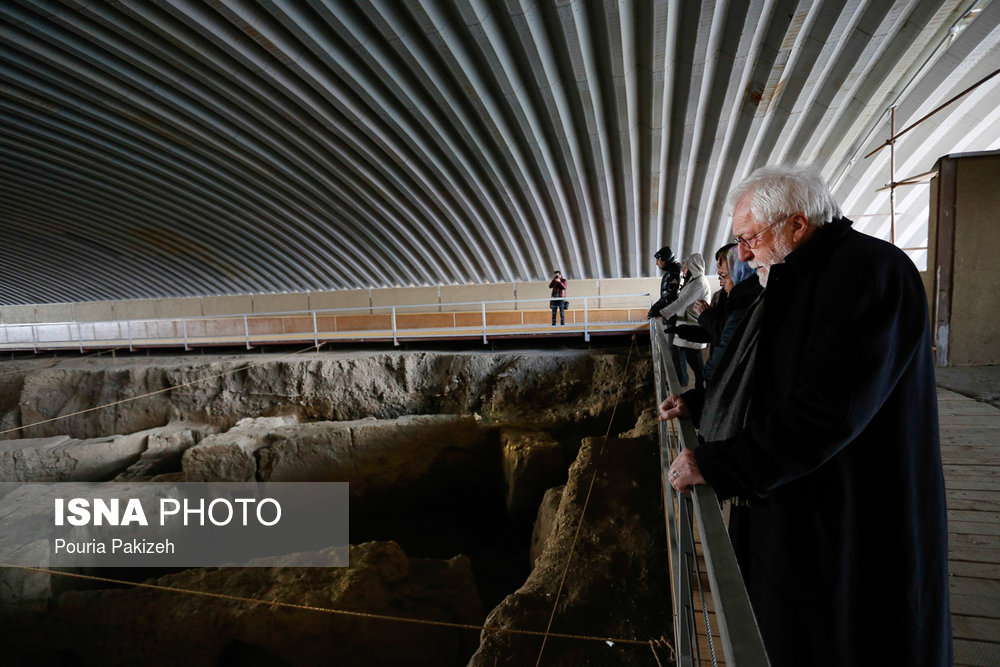
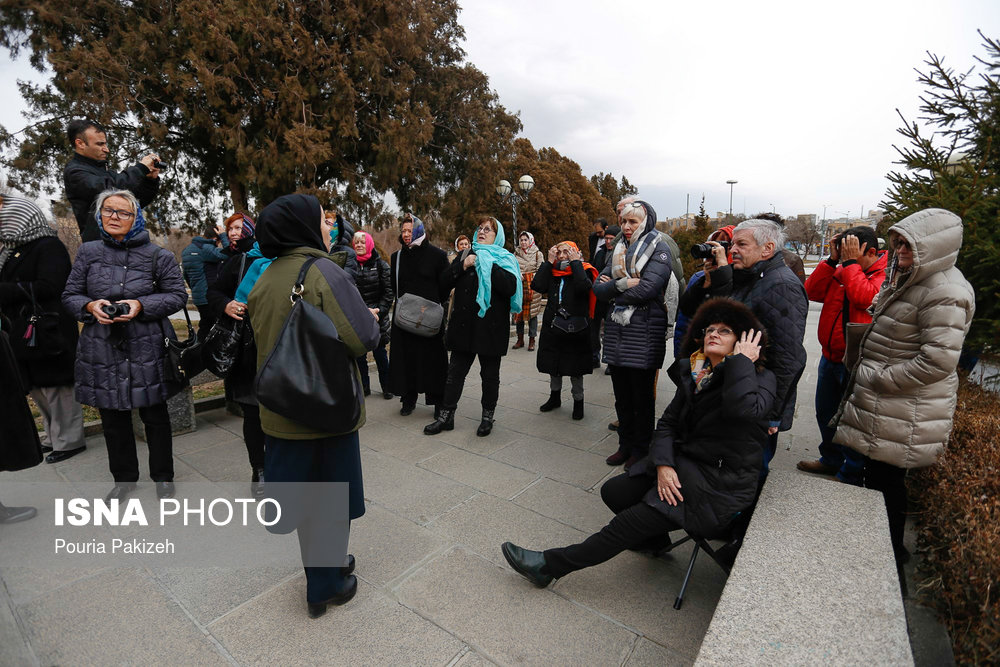
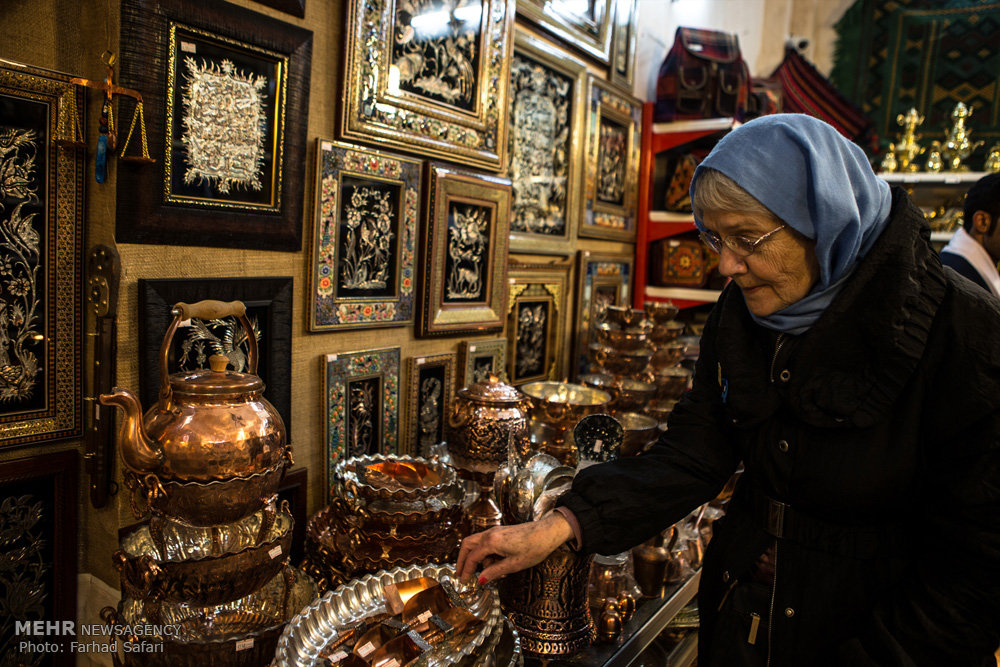
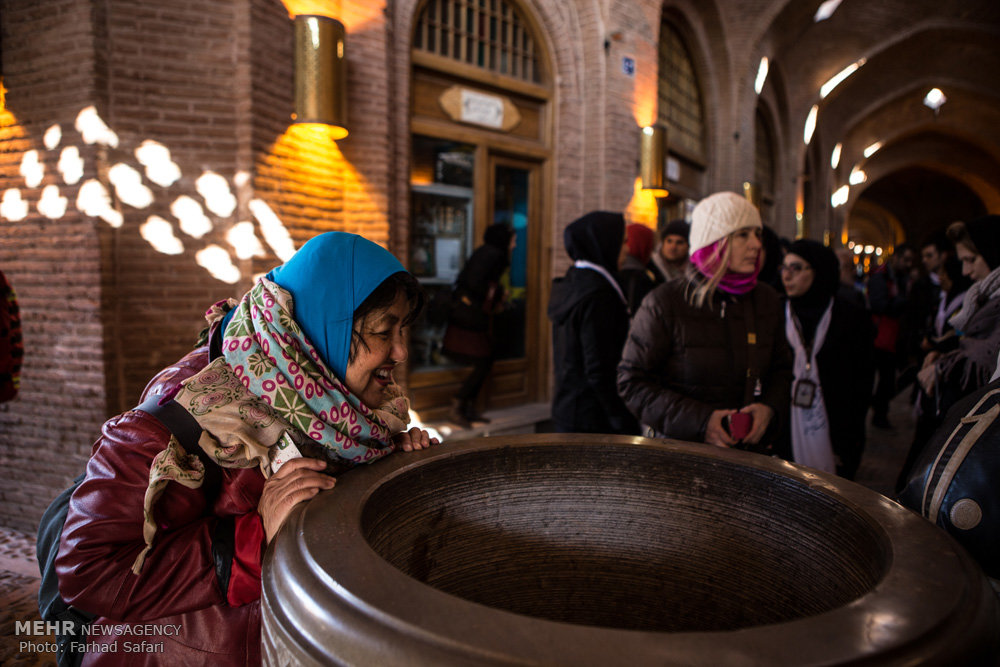
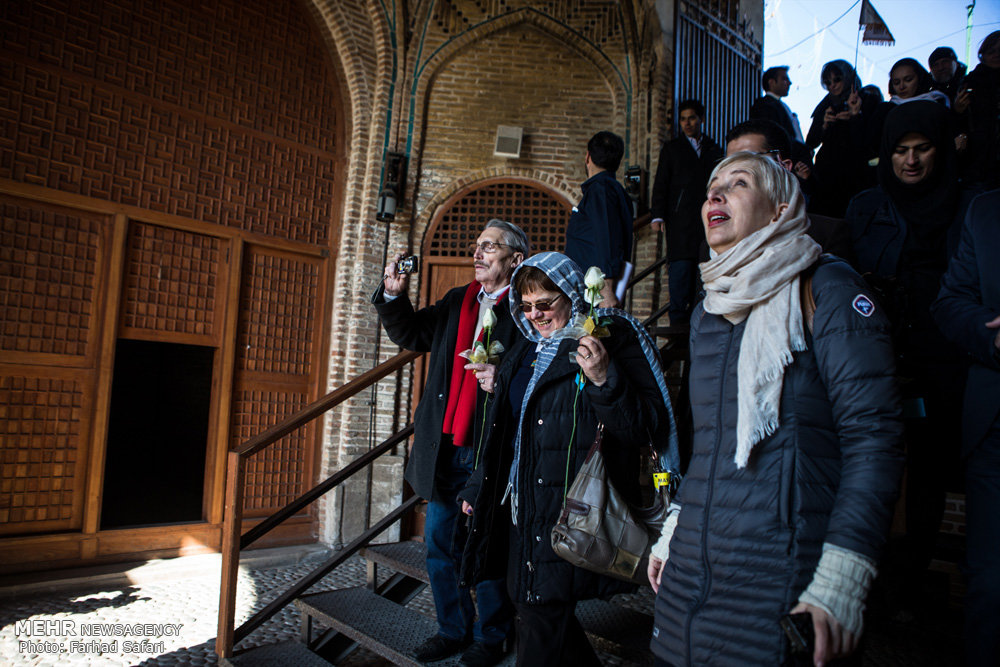
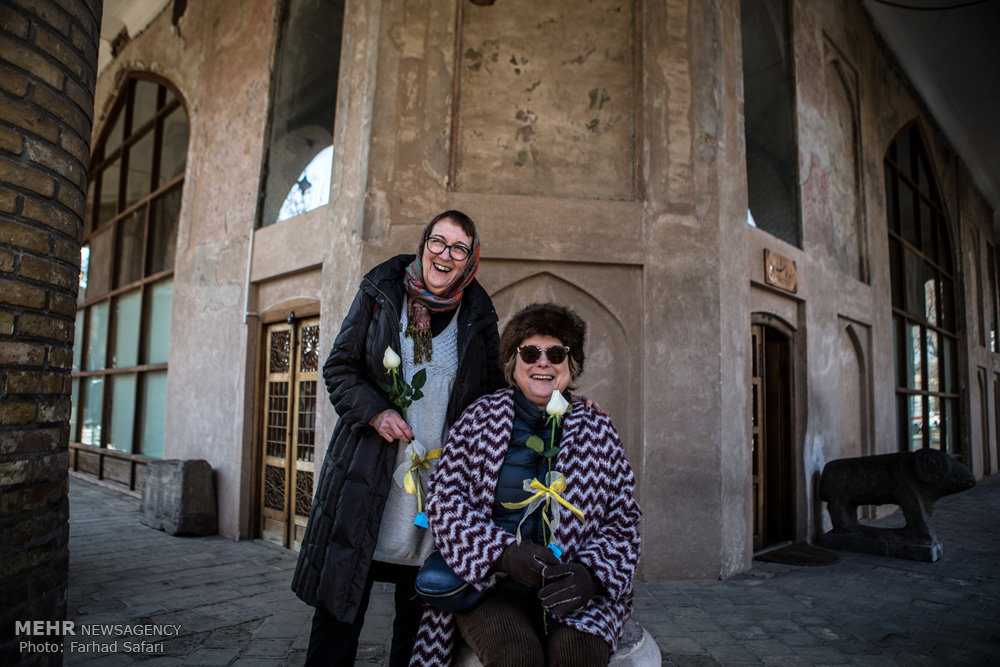
According to a report by IFP, Iran hosted the WFTGA’s 17th International Convention from January 28 to February 1.
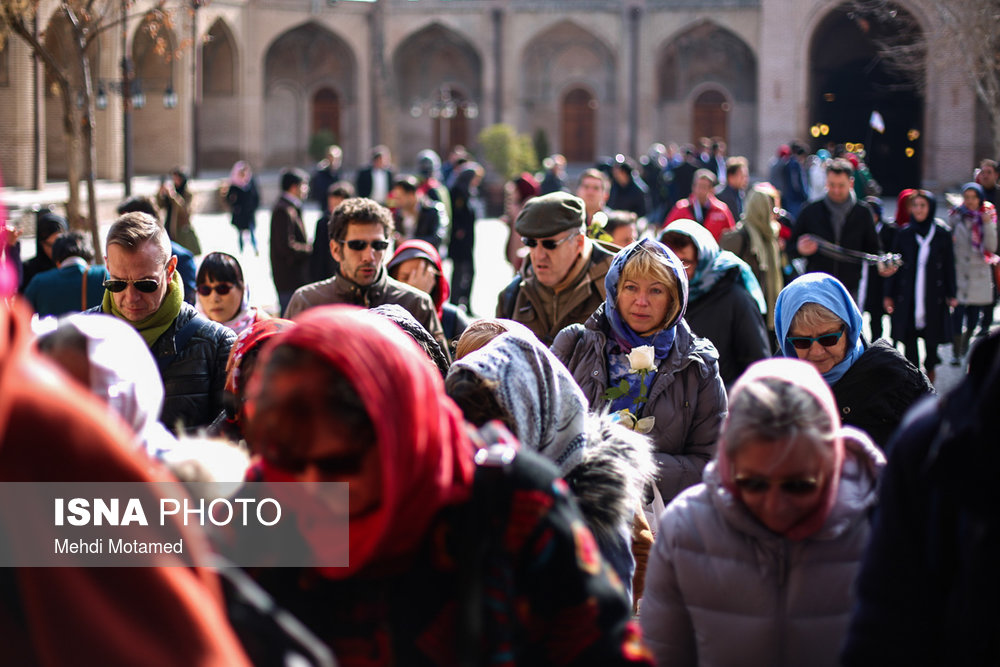
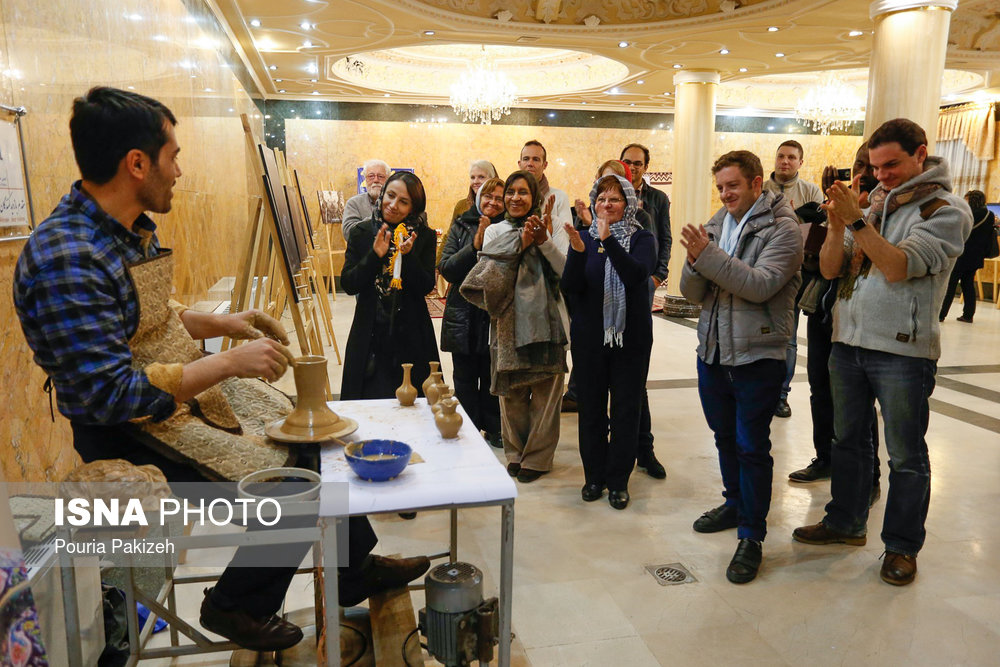
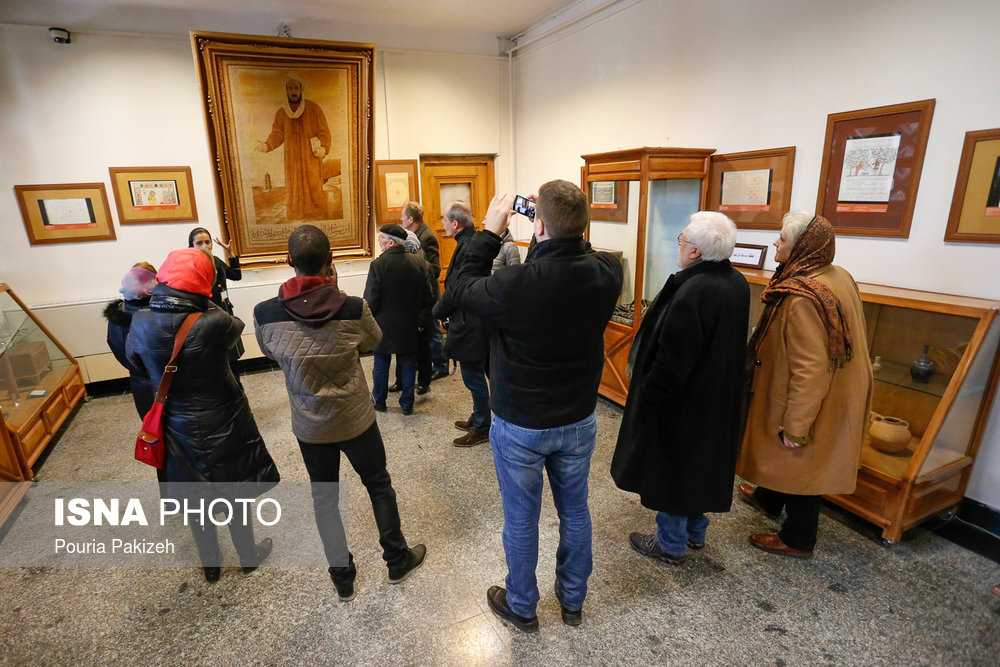
320 tourist guides from 45 countries attended the event, Tasnim reported.
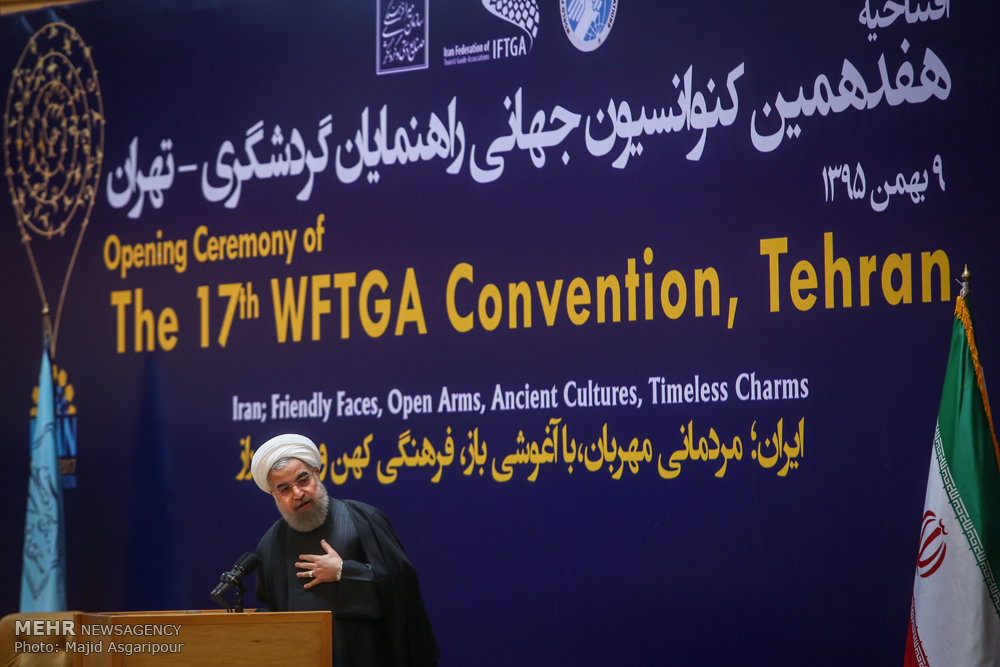
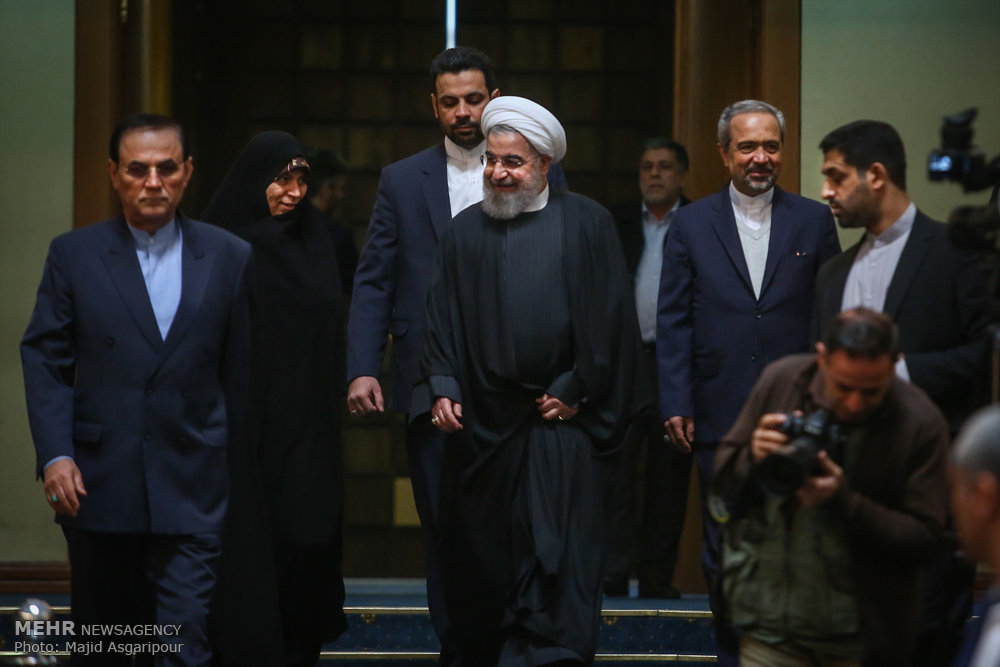
These tour guides took part in the Convention on January 28 in Tehran’s International Conference Centre in a ceremony attended by Iran’s President Hassan Rouhani.

Tourism, a Bridge between Nations

“It is impossible to separate different nations in today’s world,” stated Iranian President during the opening day of this convention, according to a Farsi report by IRNA,

“This is the era of adjacency: regarding the culture, science and civilisation, all countries have become adjacent to each other. The new communication technologies have shortened the distances,” he added.

“So no one can struggle against the globalization today.”

He then referred to terrorism as a major threat to all the people in the world, and said, “We need to be more close, cooperative and unified today.”

“Tourism is a bridge between nations,” Rouhani noted.

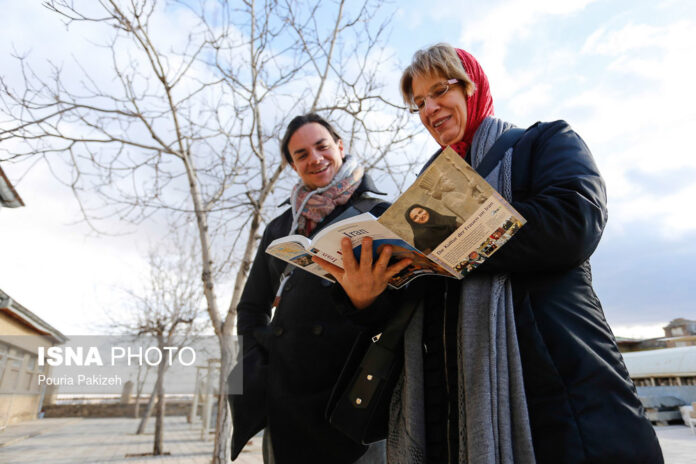
Tour Guides Visit Iran’s Tourist Attractions

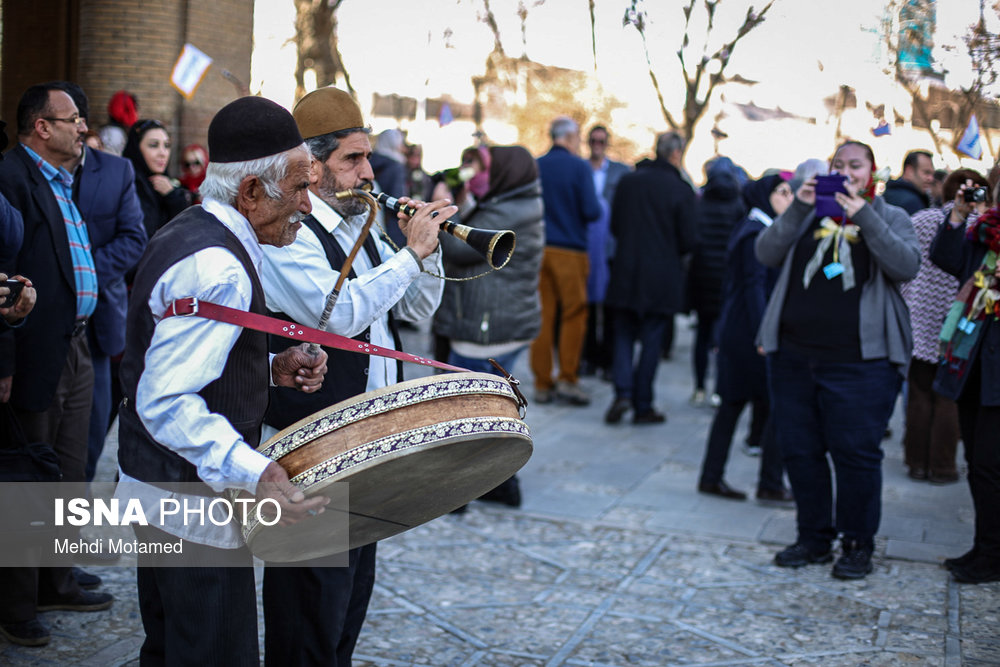
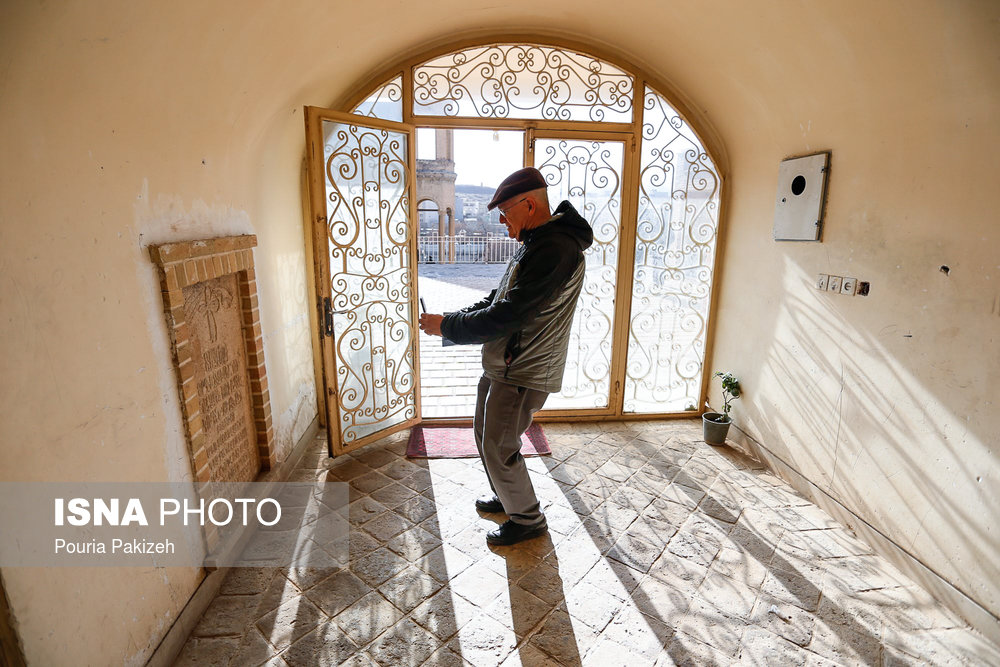
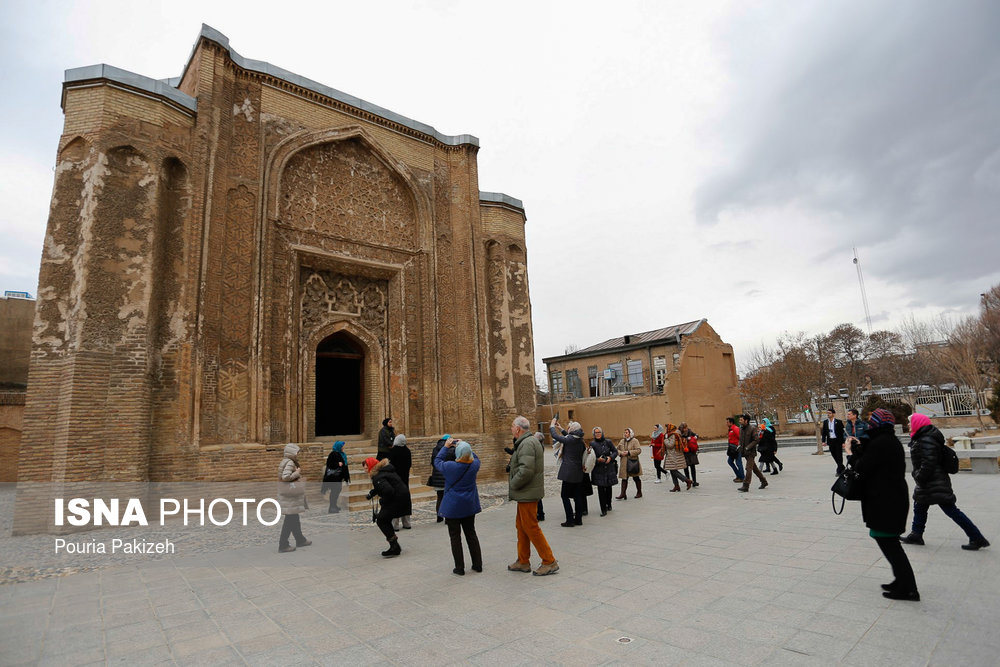
Before the Convention in Tehran, trips to Zanjan, Hamedan and Qazvin provinces were organized for tourist guides. Iranian tourism officials believe that it is a good opportunity to promote Iranian tourism.

“By hosting the 17th WFTGA convention, Iran takes effective measures to defeat the ‘Iranophobia’ project of its enemies,” stressed Mohammad-Ali Hazratiha, Head of Qazvin Cultural Heritage, Handicrafts and Tourism office, according to a Farsi report by Tasnim.

“We should seize this good opportunity to present the monuments of Qazvin,” he added.

“Unfortunately there is a negative view about Iran in some countries because of the sanctions and anti-Iran propaganda. Now the tourist guides from the same countries would convey the message of Iran’s safety and peace all over the world.”

Mehr wrote that trips are also planned for these tour guides after the Convention. These trips are due to begin on February 1, after the end of convention meetings.

What is WFTGA?

As defined in its official website, The WFTGA shall be a non-profit making professional organization dedicated to the promotion of high standards of training and ethics within the profession.

As a member of WFTGA, Iran received 18 votes at last year’s convention in Prague, the Czech capital, staving off competition from Singapore and Denmark to win the right to host the event in 2017, IRNA wrote. The country was only the second after Canada to win the needed votes to host the event in the first attempt.

ISIS Shows No Mercy Even to Poor Animals in Mosul Zoo

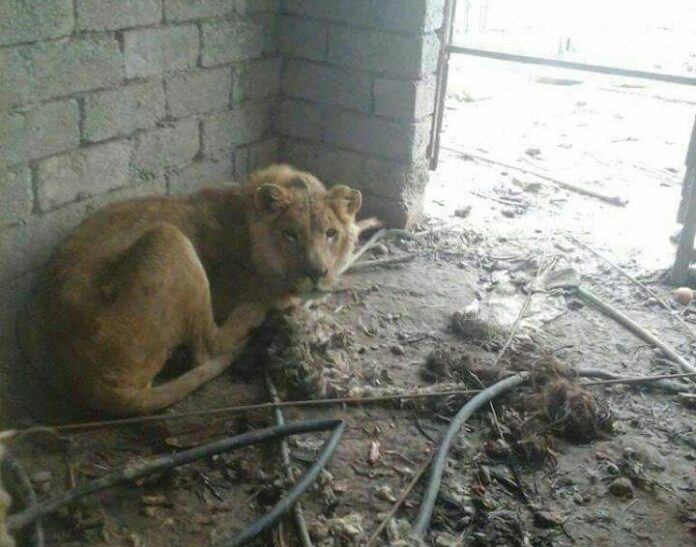
The latest victims of ISIS barbarism have been revealed – the starving and cowering animals of Mosul’s zoo.

Heart-breaking pictures have been released of a terrified and emaciated lioness laid in a filthy and rubbish-strewn enclosure.

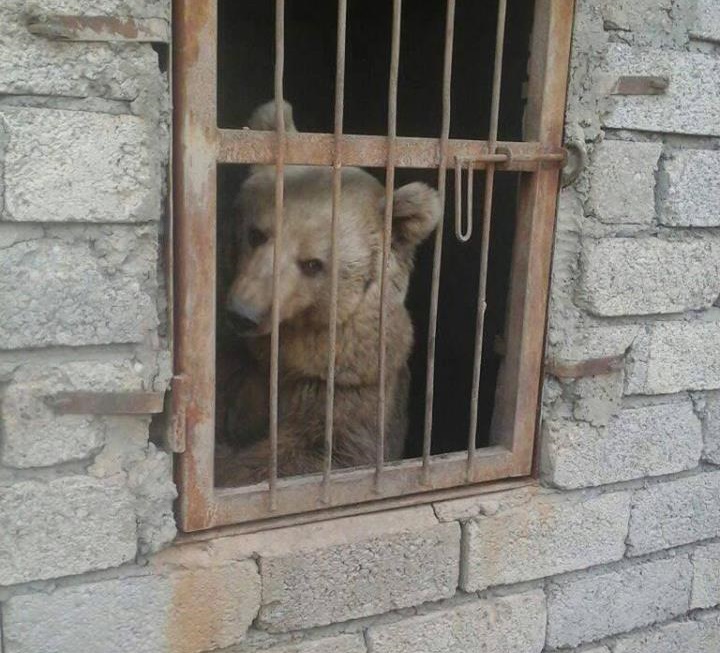
nother picture shows a bear mournfully looking through a barred window.

Anti-ISIS group Mosul Eye appealed to the world for help with saving the animals on Twitter, saying: “Alion, a bear and other animals, recently liberated from ISIS, are in need of an urgent assistance at Al-Murur public park.”


alalam_636215541292542740_25f_4x3

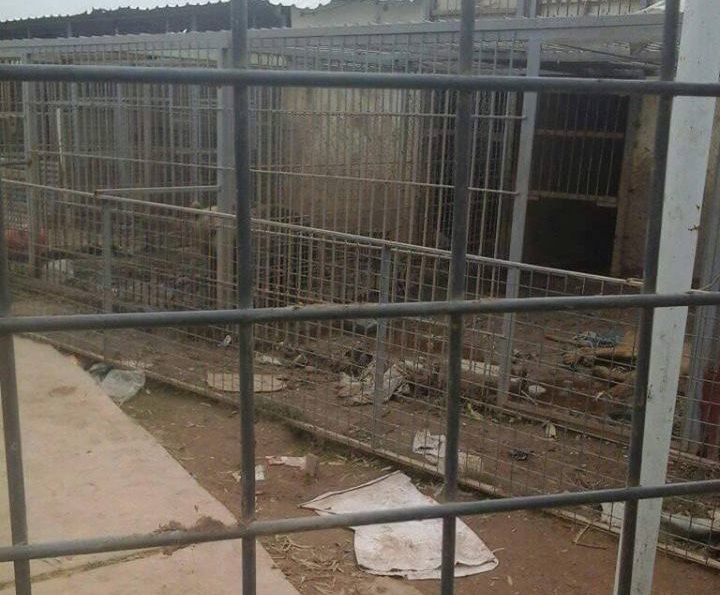
They also released pictures of ranks of ramshackle cages and later reported the big cat’s death.

The group also uploaded an aerial shot of the animal park which is located on the edge of Mosul – currently being liberated from ISIS by Iraqi and Kurdish forces, The Sun reported.

They later added that an expert from neighbouring Kurdistan had contacted them and agreed to care for the remaining animals after they were inundated with experts and well-wishers offering help.


alalam_636215541032326721_25f_4x3

Mosul Eye said on its Facebook page: “Dr. Solomon of Feta in Kurdistan will provide food and medicine for these poor animals. Also took charge moving them and care for them.”

“Humanity is to consider every creature and spirit of the value it deserves protection, because when you learn to care for the animal and be kind to them, then you will know the value of human life, in this life.

“Everything is connected. There’s no part that is worthless.”

Israeli Dual Nationals Exempted from Trump’s Travel Ban

trump

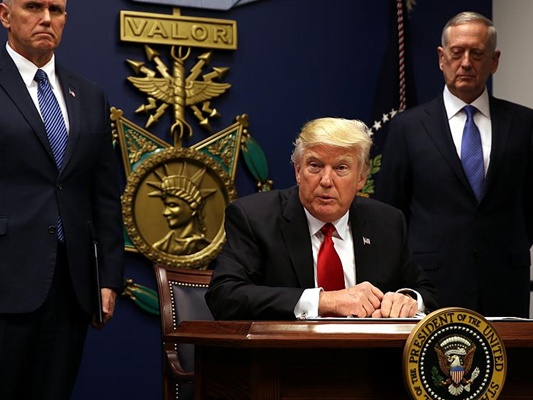
“Travelers with an existing valid visa in their Israeli passport may travel to the United States, even if they are also a national of or born in one of the seven restricted countries (Iraq, Iran, Libya, Somalia, Sudan, Syria, and Yemen),” the US Embassy in Tel Aviv announced in a statement.

“Embassy Tel Aviv will continue to process visa applications and issue visas to eligible visa applicants who apply with an Israeli passport, even if born in, or a dual national of, one of the seven restricted countries,” it added.

“Final authorization to enter the United States is always determined at the port of entry,” the US embassy noted.

The majority of Israelis living in the occupied territories are Jews who have emigrated from other parts of the world to this place in a move to help occupy Palestine and stabilise the Jewish state.

Meanwhile, thousands of Zionists living in these territories had also come from the seven countries banned by Trump’s executive order, and the controversial visa ban could prevent them from visiting the US.

US Warship Helps out Iranian Vessel Stranded in Sea of Oman

US warship

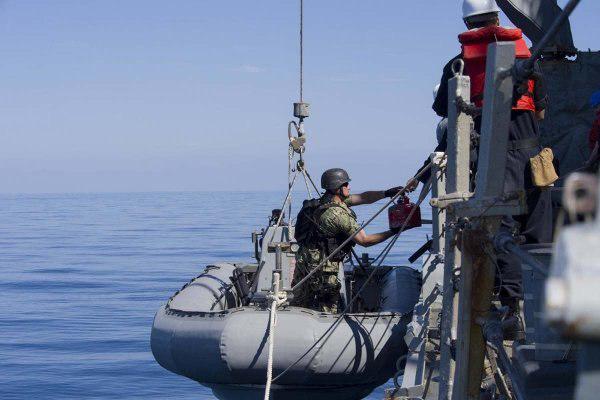
The Norfolk-based guided-missile destroyer supplied 17 gallons of diesel fuel on Friday to the distressed 75-foot dhow belonging to Iran, a Navy statement said, according to a report by Military.com.

“We have an important role and responsibility to aid our fellow mariners in distress,” Cmdr. David Wroe, the Cole’s commander, said in the statement. “It was a pleasure to use our training to support the sailors with something even as little as a few cans of fuel.”

Iran’s Parliament Supports Domestic Video Games Production

Firefighters

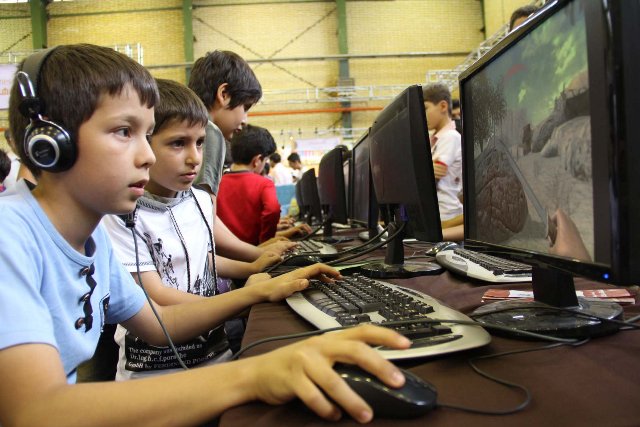
Nasrollah Pejmanfar, an Iranian lawmaker, announced that the Iranian Parliament is following up the confirmation of Imported Computer Games Taxation bill.

“By taxing the imported computer games based on a particular approach, we will contribute to the domestic games; as it is anticipated that the taxation will yield an estimated income of about $3.1bn in 2017, which is to be spent for Iranian producers and clients,” he said, according to a Farsi report by ICANA.

“Unfortunately as the government didn’t approve the bill, it wasn’t put to vote in the budget commission,” he added. “After undergoing some modifications, however, this proposal is to be discussed again in this commission and the Parliament’s open session.”

He referred to the low amount of provided funds, and the disturbance of financial discipline, as the Iranian government’s main reasons to refuse this proposal.

“Although the tax paid by video games importers doesn’t generate a high income, such a move will have great cultural effects on the society. It supports the domestic computer games producers as well,” he noted.

 “Unfortunately, the massive imports of video games not only economically damages Iranian manufacturers, but makes huge negative impacts on Iranian society because of cultural differences.”

Currently, video games importers are subject to general taxes which are not forceful enough to limit their trade, Pejmanfar went on to say, adding that more than 90% of computer games played in Iran are foreign-made.

“Economic management is necessary to upset this balance in favour of domestic games by varied plans and methods.”

“The credit provided by taxes would be allocated to computer games production organizations, affiliated with the Culture and Islamic Guidance Ministry, to support the domestic production and allocate subsidy for the clients of Iranian games,” he noted.

Increased Gas Consumption with Precipitation in 24 Iranian Provinces

gas

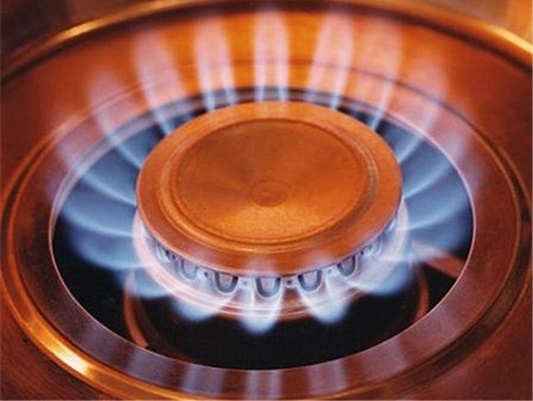
With the arrival of a new cold front in Iran, there are snow and rain in 24 Iranian provinces. The quite cold weather has led to an increased consumption of natural gas in households.

According to a Farsi report by Tasnim, Iranian households currently consume more than 490 million cubic meters (mcm) per day. It is anticipated that after a sharp drop in the temperature in February 2, the country’s gas consumption will exceed 500 mcm per day.

At the moment, liquid fuel is being used in Iranian power plants so as to allocate more natural gas to the household sector.

South Pars Gas Company transmits about 420 mcm, and other companies about 280 mcm of sweet gas per day to the consumption network. So the total amount of transmitted sweet gas reaches 700 mcm per day.

Iran’s President Urged to Respond in Kind to Trump’s Travel Ban

trump33

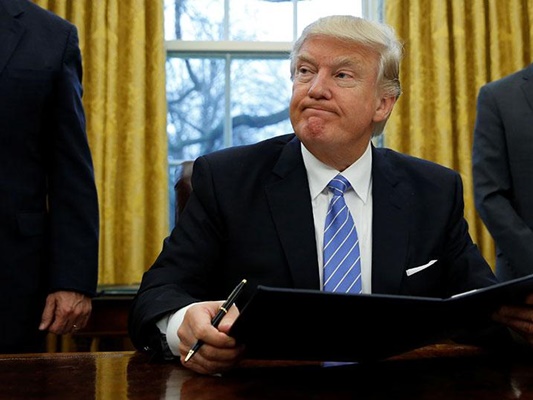
The conservative newspaper Javan has covered Iran’s reactions to the recent ban introduced by US President Trump on citizens of several Muslim states including Iran, calling on President Rouhani to respond to the travel ban in kind.

Here is the full text of the article:

Trump’s executive order to slap a 90-day visa ban on the nationals of countries that “harm US interests,” including Iran, and putting the Islamic Republic on the list of “state-sponsors of terrorism” and regarding it as a “threat” to Washington have drawn reaction from some senior officials in Tehran.

Iranian Parliament Speaker Ali Larijani said Trump’s move shows US statesmen’s unwise behaviour. Larijani also lauded the stance adopted by an Iranian artist vis-à-vis the travel ban [Iranian actress’s move to boycott Oscars ceremony.]

President Rouhani also criticized the move on his Twitter page.

“Today’s world is one in which cultures and civilizations should live side by side, not a world where a distance is created and walls are built between nations. We should not forget the Berlin Wall which came down years ago,” wrote the president.

Iranian Foreign Minister Mohammad Javad Zarif also tweeted, “While respecting American people and drawing a line between them and the US government’s hostile policies, we will reciprocate Trump’s move in order to support our nationals.”

Now the key question is what measure should be adopted to counter the new wave of anti-Iran moves by the new US administration, and whether the positions adopted by Iranian authorities on their Twitter pages have been effective and enough, or should a stance be adopted by the Iranian Parliament on the issue.

  1. During the 33 months of nuclear talks and the 13 months after the JCPOA implementation, the deal was violated by Washington at least once. During that period, the Iranian Parliament did not play a determining role at several key junctures. If the lawmakers had reciprocated many of the anti-Iran acts passed by the US Congress, approved prudent legislation and obliged the Iranian government to enforce it, definitely the path to adopting anti-Iran measures would not be as smooth as it is today.

So, the Parliament speaker and other legislators, who are people’s representatives, are expected to pass legislation called “Temporary Restrictions on US Nationals Travelling to Iran” and instruct the Rouhani administration to put it into force. The law would have several important benefits:

  1. The approval of such legislation can have a message for the new US administration, and that is Iran, unlike in the past 42 months, is determined to adopt retaliatory measures, which would serve as a major obstacle to putting of new anti-Iran laws on the US agenda.
  2. Taking reciprocal action can make it difficult to breach the JCPOA, and makes Washington realize that any violation of the nuclear deal in the future will be met by Iran’s effective action.
  3. Responding in kind can give the Iranian Parliament an edge over the US Congress and make up for its ineffective role in the past. Reciprocation will see Parliament action gain momentum to secure national interests as the implementation of the JCPOA continues on a path full of ups and downs.

The Parliament has not taken any effective action vis-à-vis repeated violations of the JCPOA in recent 13 months, while such action would complement efforts made by Rouhani’s administration. Therefore, Iran’s anti-Trump action would serve as a good opportunity for lawmakers to shift out of the defensive position.

  1. In parallel with “reciprocation” mentioned above, the Rouhani administration and Parliament should put on their agenda “taking punitive measures” as an accepted principle in international law.

In cases where it is not possible to respond in kind, or reciprocal action would not be as effective as the action taken by the US, then taking “punitive measures” should be put on the agenda.

Trump’s executive order which slaps a visa ban on Iranian travellers to the US is in contravention of two principles of the JCPOA. First, the order runs counter to the principle of goodwill stipulated in the preamble to the JCPOA and in some provisions of the deal such as Article 36. Moreover, Trump’s decision is not in conformity with the nature of the deal, which is an international document.

Under the nuclear agreement and international law, Iran and the P5+1 group of countries are obliged to deliver on their commitments with goodwill, but Trump’s decision is a blatant instance of “ill will.” It is stipulated in Article 26 of the JCPOA that “the United States will make best efforts in good faith to sustain this JCPOA and to prevent interference with the realization of the full benefit by Iran of the sanctions lifting specified in Annex II.”

In fact, one of the objectives pursued by Iran through the JCPOA was to get the sanctions lifted. One of the prerequisites to the lifting of sanctions would be to remove restrictions on tourists, businessmen and other travellers coming to Iran.

“The EU and its member States and the United States, consistent with their respective laws, will refrain from any policy specifically intended to directly and adversely affect the normalisation of trade and economic relations with Iran,” reads Article 29 of the JCPOA.

Therefore, based on Article 51 of the UN Charter, the Iranian government, as the party affected by the violation of the deal, can suspend the fulfilment of its commitments in response to Trump’s executive order and in line with adopting a proportionate and reciprocal measure, so that US calculations about Iran will be left in tatters in the coming months.

In the meantime, one should not ignore the role of Iran’s Foreign Ministry and missions overseas in issuing visas to American nationals. These institutions can directly respond in kind to Trump’s move.

Lukoil Looking for Opportunities in Middle East and Iran

lukoil-in-romania

The Moscow-based company plans to add output from the region to existing operations in Iraq and Egypt as long as it finds projects with production costs as low as those in Russia, Gati Al-Jebouri, Lukoil’s head of upstream for the Middle East, told reporters in Dubai.
“Iran is our target area at the moment,” Al-Jebouri said.

Lukoil is in talks with National Iranian Oil Co., the Persian Gulf country’s state producer, about the Ab Teymour and Mansouri oil fields in western Iran, he said. Al-Jebouri said he hoped the companies could agree on a common development program for the fields in the first half of the year before proceeding to commercial negotiations and a partnership.

Iran has outlined about 70 oil and natural gas fields that it said it will open to foreign investors as the country seeks funding and technology after international sanctions eased last year, Bloomberg reported.

In Iraq initial results of Lukoil’s exploration at the Block 10 area are “very positive” and the company plans to drill one or two more wells at the deposit in the country’s south this year, he said. Crude from the deposit will probably be similar in quality to that from the nearby West Qurna field, where Lukoil operates a production venture, Al-Jebouri said.

Elsewhere, Lukoil is exploring opportunities in Abu Dhabi and Kuwait, he said. The company is leaving a natural gas exploration venture with Saudi Arabian Oil Co. after the project in the kingdom’s Empty Quarter desert didn’t find commercially viable deposits of the fuel, he said. Lukoil returned four gas exploration wells to Saudi Aramco, as the state producer is known, at the end of last year and will shut joint the venture by the middle of 2017, he said.