Wednesday, January 14, 2026
Home Blog Page 4131

Iran Keen to Increase Investments in Iraqi Projects

689239

The Iranian Chairman of Iran-Iraq Chamber of Commerce, Yahya Ale Eshaq, says Tehran plans to boost investments in Iraqi projects.

Commenting on Iraq’s efforts to achieve economic growth and self-sufficiency in a trade conference, Ale Eshaq said according to the latest statistics, following China and the UAE, Iraq is Iran’s third trade partner.

According to a Farsi report by Mizan, he went on to say that in case Iran organizes its trade with Iraq, the country will turn into a major market for Iranian techno-engineering services.

In its post-war era, Iraq is more interested in expanding trade cooperation rather than merely importing products, Ale Eshaq stressed, noting that, “In my meeting with Iraqi Minister of Trade and Minerals Naseer Al Esawi, he said they did not want to be a mere importer of Iranian or other countries’ products. They plan to achieve self-sufficiency, develop their industries and draw up a long-term plan for their country.”

To achieve this, he said, a joint committee has been set up between the two countries to organize mutual trade as well as long-term economic cooperation and identify fields of investment by holding frequent sessions.

Referring to the suspension of Iran’s cement exports to Iraq, Ale Eshaq stressed that it was due to a lack attention by Iranian investors to have a more significant presence in Iraqi projects.

“Cement was among Iran’s major export items to Iraq. The country’s growing demand for the Iranian cement was the sole reason for establishing Ilam Cement Company in west of Iran. Nevertheless, at present, given the Iraqi government’s supportive projects to develop its industries and step up its domestic cement production, Baghdad is no longer interested in Iran’s cement.”

He said recently, French companies have also voiced willingness to finance Iraqi cement production projects, adding, thus, to maintain and develop its economic relations with Iraq, Iran is also required to make joint investments in the country.
US President Accuses Iran of Seeking to Develop Nukes

trump

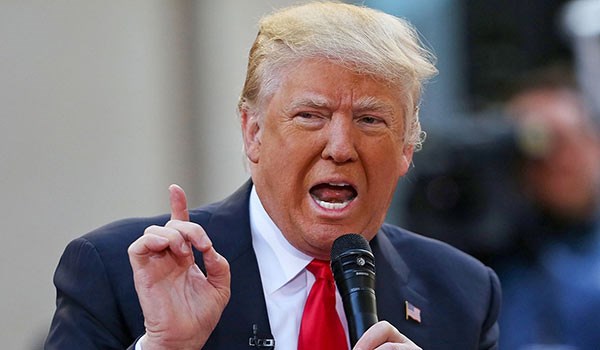
“I will do more to prevent Iran from ever developing, I mean ever, a nuclear weapon,” Trump said on Wednesday during a joint press conference with Israeli Prime Minister Benjamin Netanyahu at the White House.

He also called Iran’s atomic program a threat to Israel, which is believed to possess the only nuclear arsenal in the Middle East.

“The security challenges faced by Israel are enormous, including the threat of Iran’s nuclear ambitions, which I’ve talked a lot about,” he said.

Iranian Officials Obliged to Fully Report Amount of Properties

635390594510591035

As per a recent bill passed by Iranian lawmakers, all the officials addressed by the Article 142 of the Constitution have been obliged to present a full report of their possessions and properties, before and after taking the post, to the country’s Judiciary Chief.

Iran’s Leader, president, vice-presidents, ministers, and their family members are the ones included in the Article 142 of Iran’s Constitution.

According to a Farsi report by Mizan, refusing to submit the information or any failure to present a complete report of the assets and belongings is considered a crime and would be subject to the sixth-degree penalty, which is deprivation of social rights.

Iran’s Parliament has focused on this issue over the course of approving the Sixth Five-Year Economic Development Plan (2016-21). This is while the topic was not dealt with during the ratification of the fifth plan.

Imposition of a sanction to guarantee the strict observance of the law is indicative of the Iranian Parliament’s changed attitude towards the subject.

All bills passed by the Iranian Parliament have to be ratified by the Guardian Council before being signed into law.

One will have to wait and see what would be the stances of Iran’s Guardian Council towards the newly-passed law.

Iranian Billionaire Not to Be Executed before Repaying His Debts

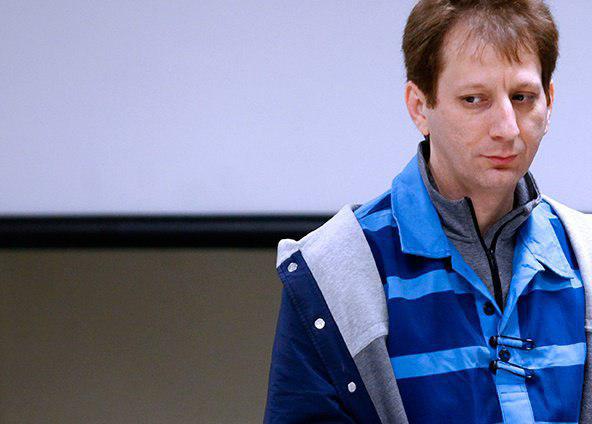
Mohammad Jafar Montazeri, the Iranian Prosecutor General, announced that Babak Zanjani’s death sentence is final, but he won’t be executed until he returns the money he has stolen, the majority of which is kept outside Iran, according to a Farsi report by Basij Press.

Zanjani was arrested in December 2013 over accusations that he withheld more than $2.7 billion in revenues from oil that he had sold on behalf of the Oil Ministry and the National Iranian Oil Company (NIOC).

In March 2016, the Court of First Instance convicted him and two accomplices, Hamid Fallah-Heravi and Mahdi Shams-Zadeh, of “spreading corruption on earth,” and sentenced them to death. The three defendants were also ordered to repay funds owed to the NIOC and other state organizations.

Later in December, Iran’s Supreme Court upheld the death sentence issued by the Court of First Instance.

Iran Trying to Cope with Environmental Crisis in Southwest

khuzestan

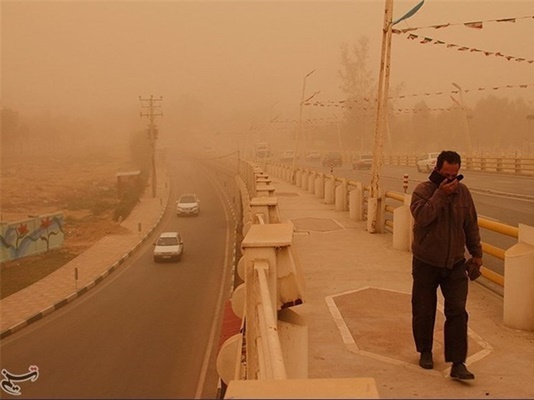
As Iranian people are grappling with a dangerous dust pollution crisis in southwestern province of Khuzestan, the country’s administration and parliament are taking several measures to resolve this problem.

Agriculture Minister Mahmoud Hojjati travelled to Khuzestan as the representative of Iranian President and his administration on Tuesday morning, according to a Farsi report by ISNA.

He has been assigned to cope with the dust problem by controlling its domestic origins.

At the beginning of his mission, Hojjati visited the origins of the dust pollution in a 130,000ha area in southern and eastern Ahvaz, the capital of Khuzestan.

The representatives of Khuzestan in Iran’s Parliament also met Ali Larijani, the Parliament Speaker, on February 15, according to a Farsi report by ICANA.

Pointing to the history of Khuzestan in the Islamic Revolution, the representatives complained about the Iranian authorities’ failure to address the province’s problems.

They called for immediate action to cope with the crisis, conveying Khuzestan people’s discontent with current problematic situation: environmental issues, the dust pollution, water shortage, defective water system in some areas, and insufficient funds.

They called for a workgroup to sort out these various problems by taking swift and serious measures.

“There may be problems with the constructional funds,” Larijani affirmed, “As they aren’t properly allocated in Iran. With a population of 80 million, 90% of the state’s budget is spent on current costs, leaving only 10% for the construction.”

“It was agonizing to see the dust pollution and the following power and water cut in Khuzestan,” he stressed, confirming Khuzestan’s grave situation.

Iran Earns Second Victory in Persian Beach Soccer Cup

1395112710041575110013244

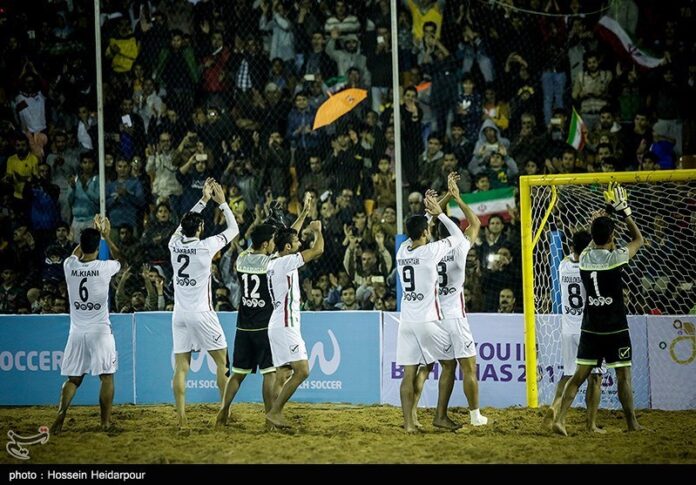
The Iranian team defeated Ukraine 8-7 in penalty shootout after the two teams finished 3-3 in regular time.

Iran started the tournament with a 3-1 victory against Poland.

The Persian Beach Soccer Cup is underway in the southern city of Bushehr between February 14- 16.

Team Melli moved top of the standing with two victories, followed by Italy, Poland and Ukraine.

Iran has been scheduled to meet Italy on Thursday.

Mohammad Hossein Mirshamsi’s side will head to Malaysia for the AFC Beach Soccer Championship in early March and know that a solid tournament on home sand will serve as ideal preparation.

IRGC’s Gyrocopters Pose Challenges to Persian Gulf States: American Enterprise

gyrocopters

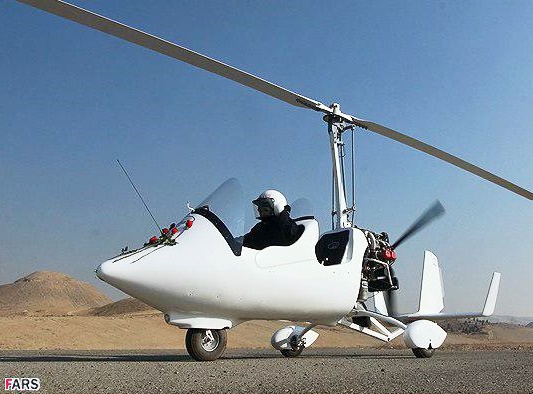
“If the IRGC is successful at developing the gyrocopter for Special Forces missions, it could pose some challenge to neighboring states and the [Persian] Gulf Cooperation Council,” Michael Rubin wrote in a recent article in American Enterprise.

“After all, the relatively quiet and low-flying craft can evade radar notice,” the report added.

“Iran has long faced security challenges along its rugged and sparsely populated border regions, especially in its Kurdish and Baluch areas which are prone to insurgency and smuggling,” it went on to say.

American Enterprise further noted that in recent years, Iran has used unmanned aerial vehicles to conduct surveillance in these regions.

However, it added, media reports indicate the country has recently switched to using lightweight, manned gyrocopters for surveillance, and these light aircraft pose a challenge to Iran’s neighbours.

US Should Expect Further Shockwaves after Flynn’s Resignation

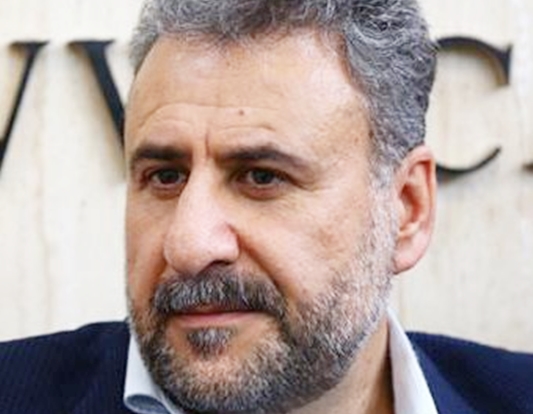
Heshmatollah Falahatpishe

“Under the current political circumstances in the United States, it can be said that fault lines are beginning to surface in US politics and larger quakes than Flynn’s resignation will likely occur in the future,” Heshmatollah Falahatpisheh also said in a talk with ICANA on Tuesday.

Flynn stepped down after revelations that he had discussed US sanctions on Russia with the Russian ambassador to the United States before Trump took office on Jan. 20 and misled Vice President Mike Pence about the conversations, Reuters reported.

Hours earlier, it was reported that the Justice Department had warned the White House weeks ago that Flynn could be vulnerable to blackmail for contacts with Russian envoy Sergey Kislyak.

Flynn’s departure was a sobering development in the early days of Trump’s presidency, a 24-day period during which his White House has been repeatedly distracted by miscues and internal dramas.

 Second Blow

“It is the second shock blow that the US ruling system has dealt to Trump after a US court ruled to suspend an immigration ban ordered by him,” Falahatpisheh said.

Trump’s executive order, issued on January 27, blocked the citizens of seven predominantly Muslim countries, including Iran, from entering the US for 90 days and suspended the entry of all refugees for 120 days, except for Syrians who faced an indefinite ban.

However, US District Judge James Robart in Seattle challenged Trump’s executive powers by putting on hold the travel bans, which drew a widespread international outcry.
The US Justice Department filed an appeal against the ruling of the Seattle court on behalf of Trump’s administration, but has so far failed to quash the ruling.
Flynn submitted his resignation hours after Trump, through a spokesman, pointedly declined to publicly back Flynn, saying he was reviewing the situation and talking to Pence.

Flynn had promised Pence he had not discussed US sanctions with the Russians, but transcripts of intercepted communications, described by US officials, showed that the subject had come up in conversations between him and the Russian ambassador.

Such contacts could potentially be in violation of a law banning private citizens from engaging in foreign policy, known as the Logan Act.

Retired General Keith Kellogg, who has been chief of staff of the White House National Security Council, was named the acting national security adviser while Trump determines who should fill the position.

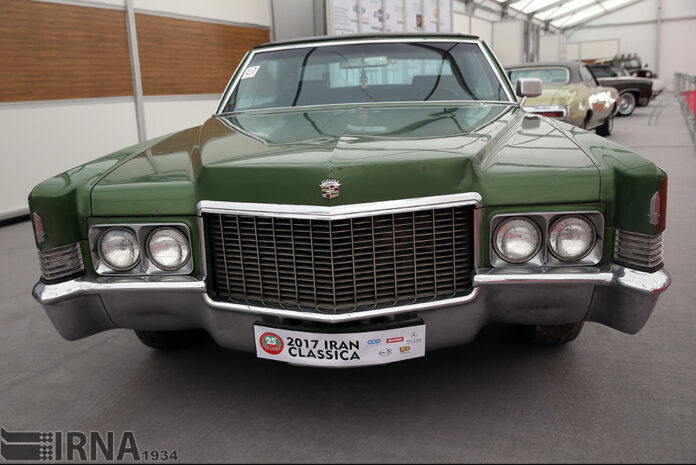
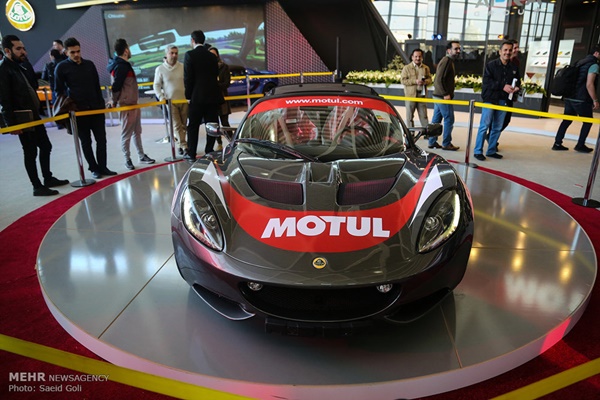
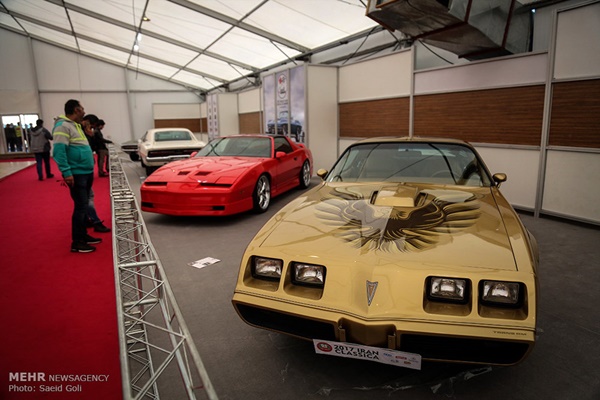
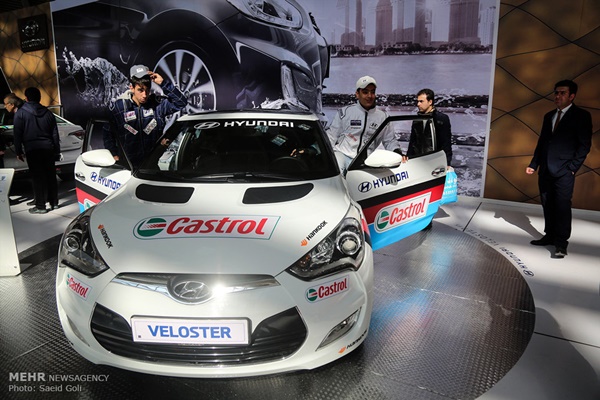
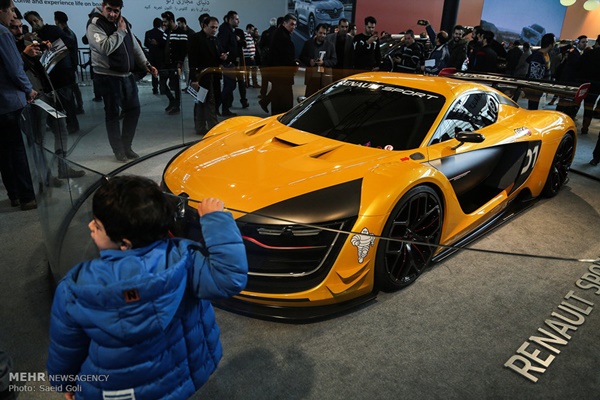
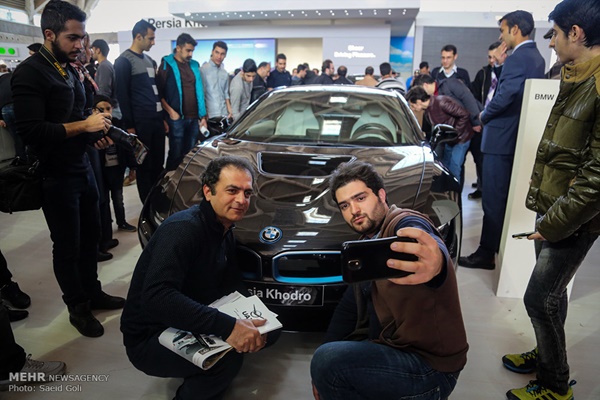
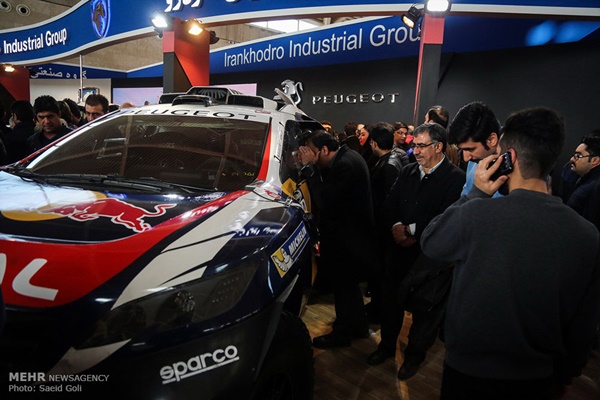
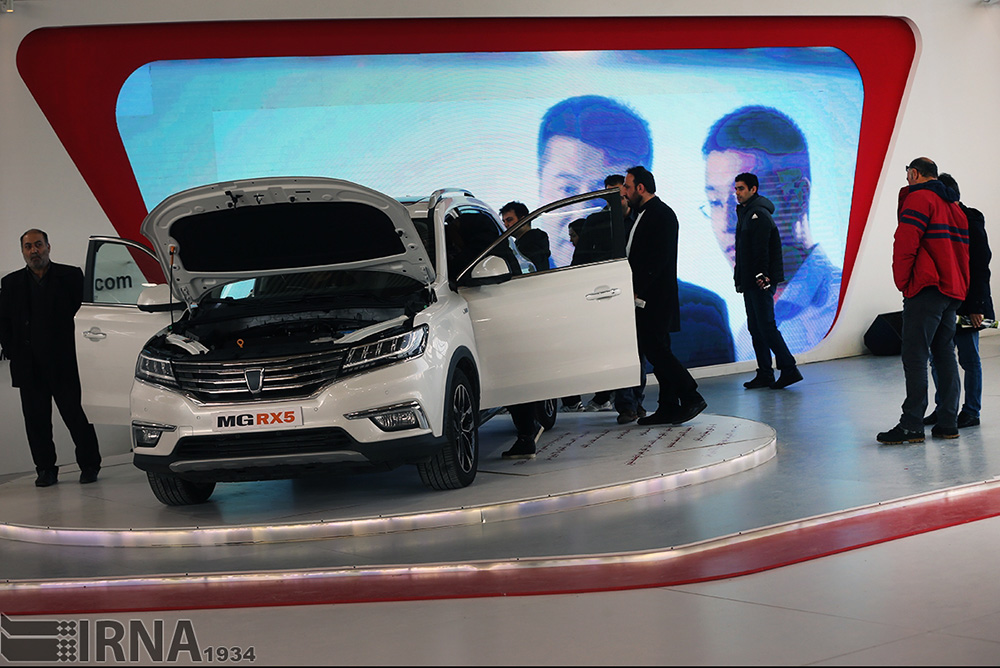
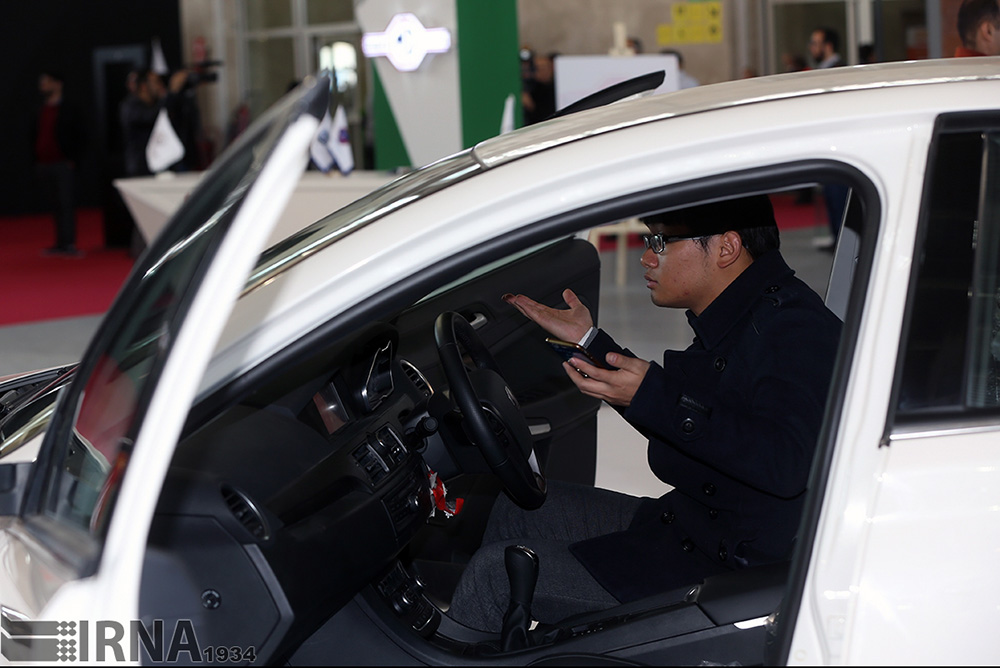
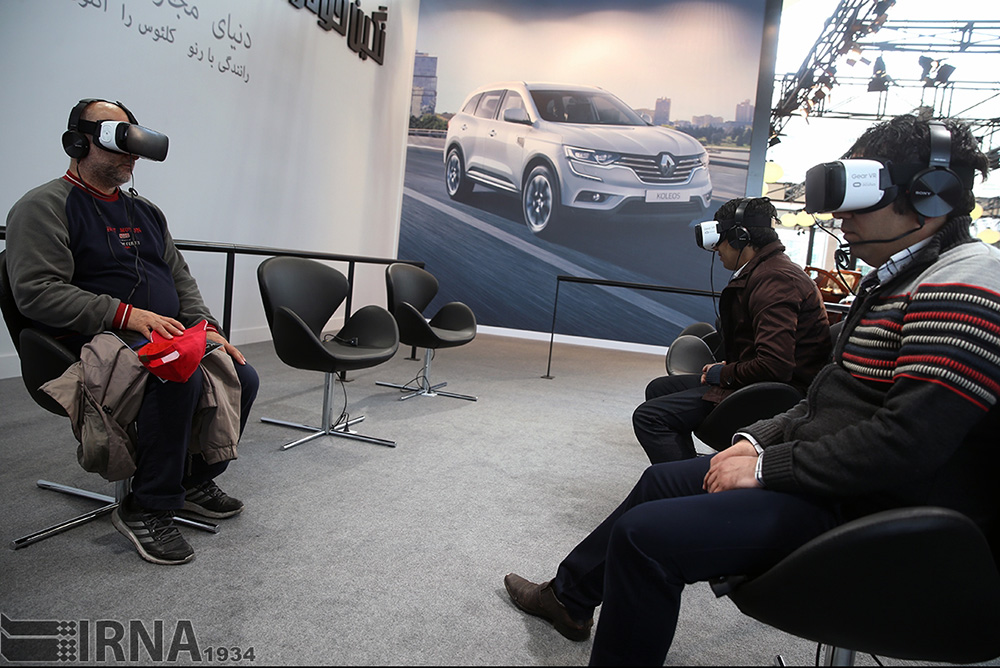
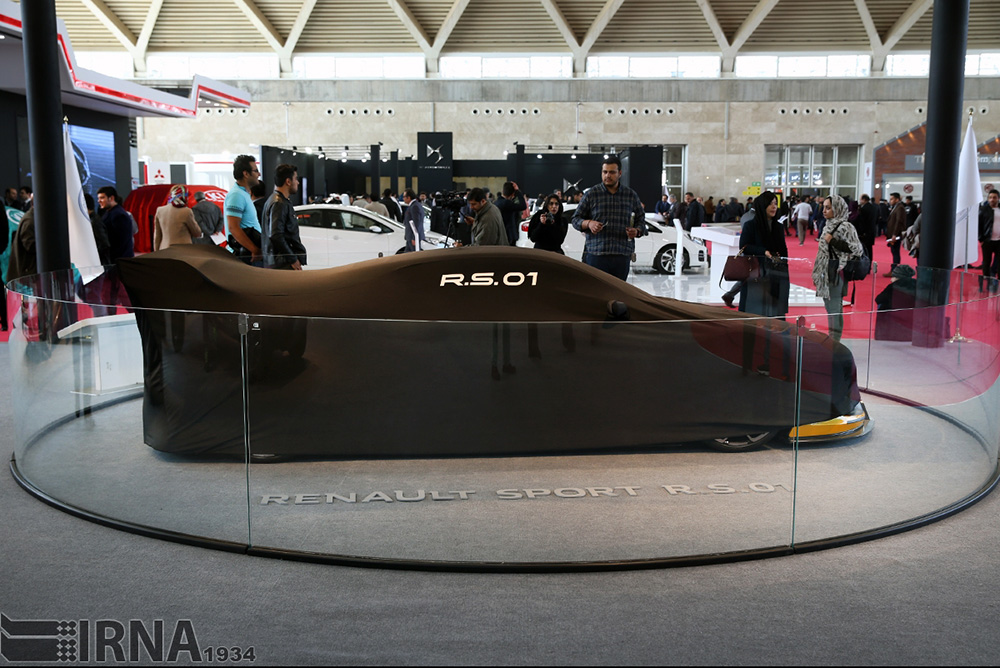
Int’l Car Exhibition Kicks Off in Tehran

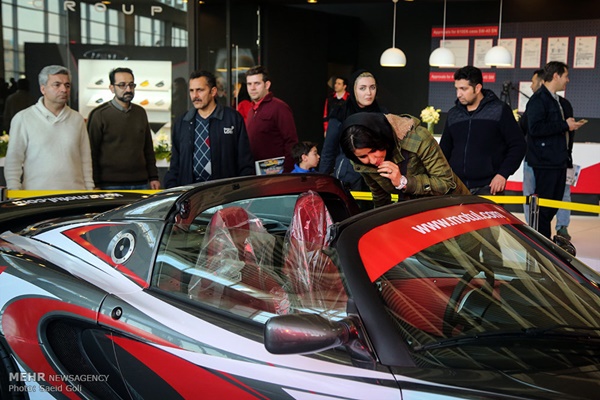
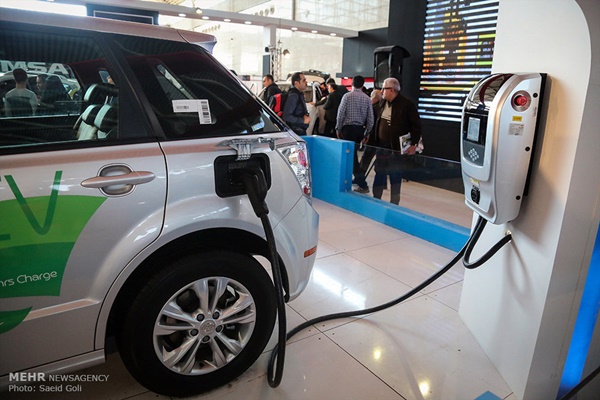
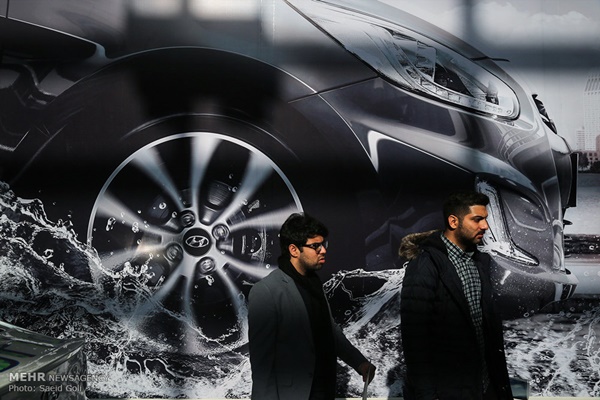
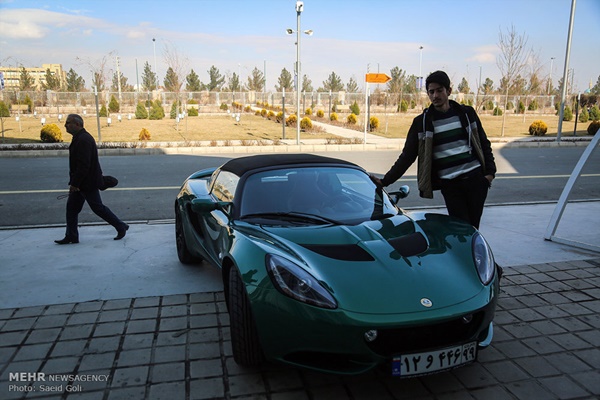
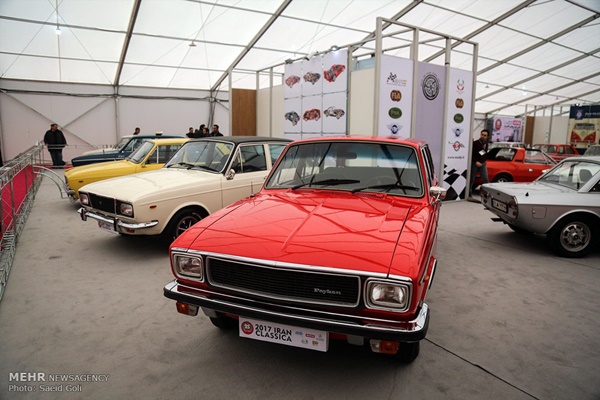
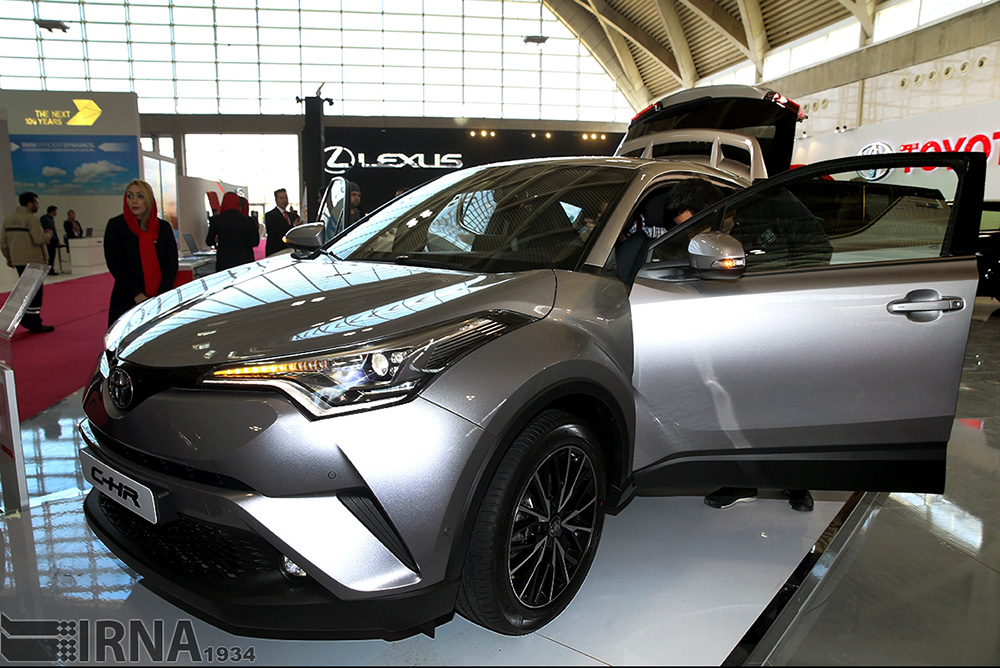
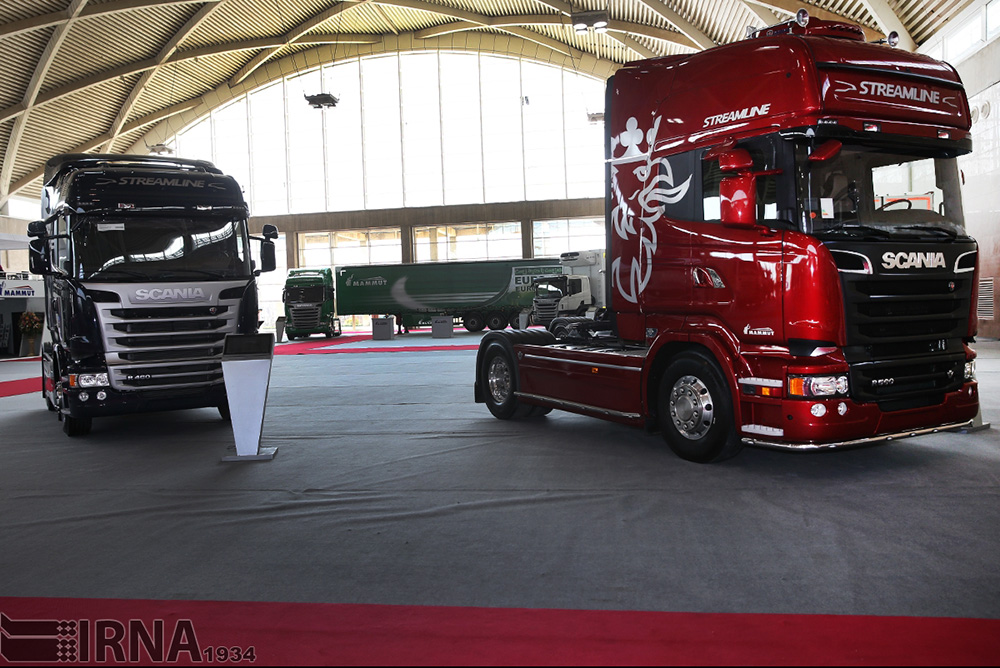
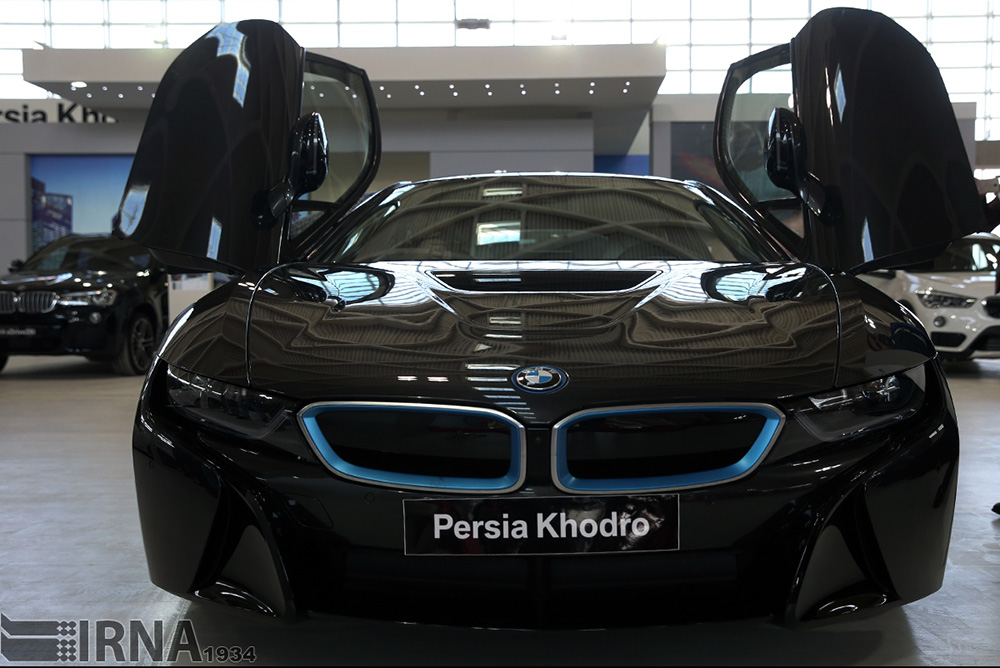
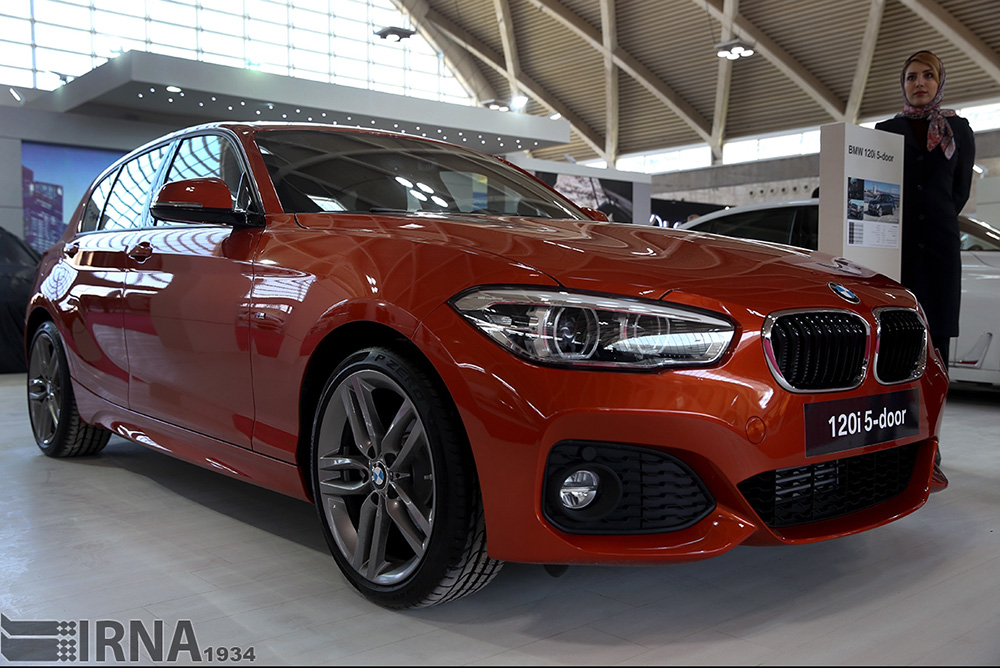
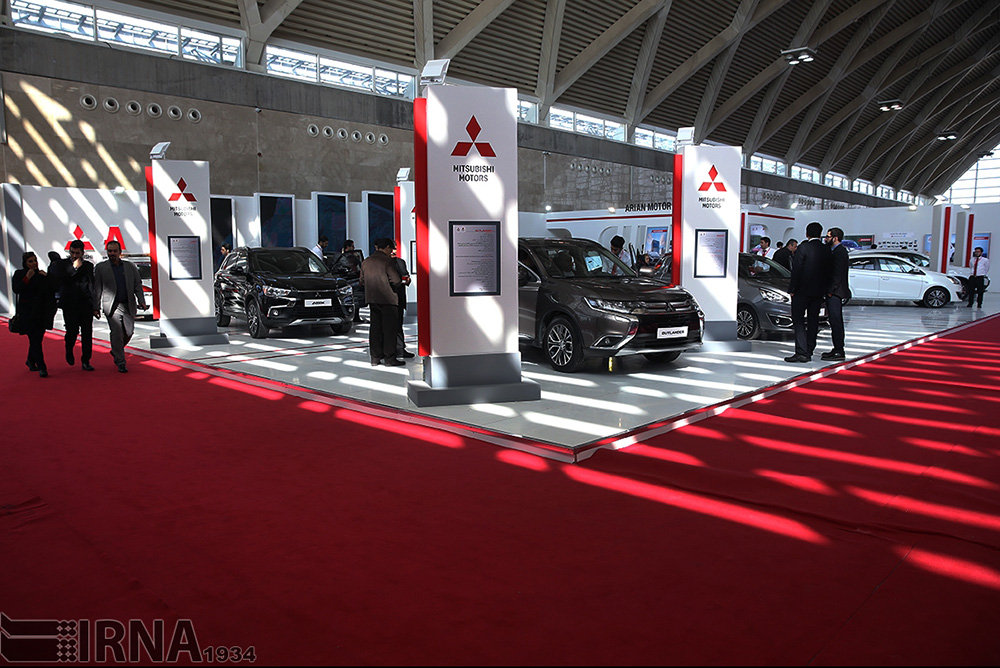
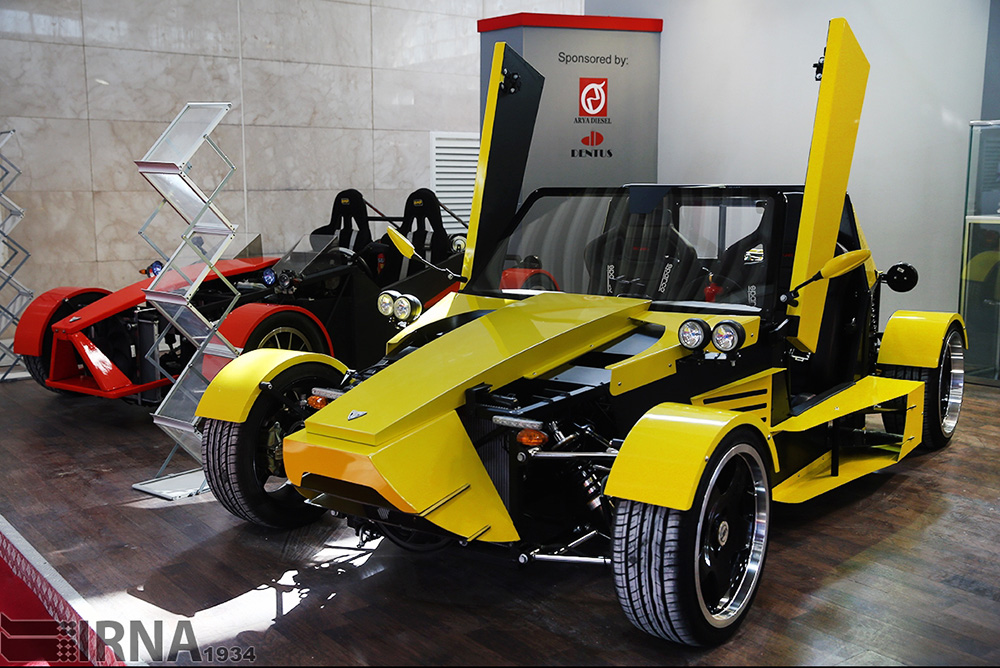
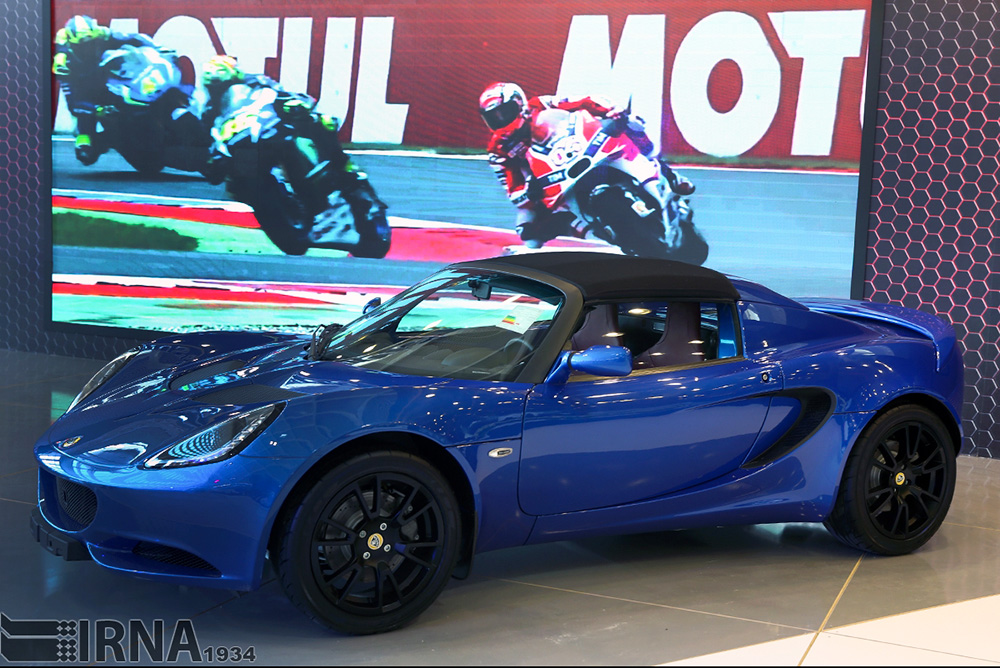
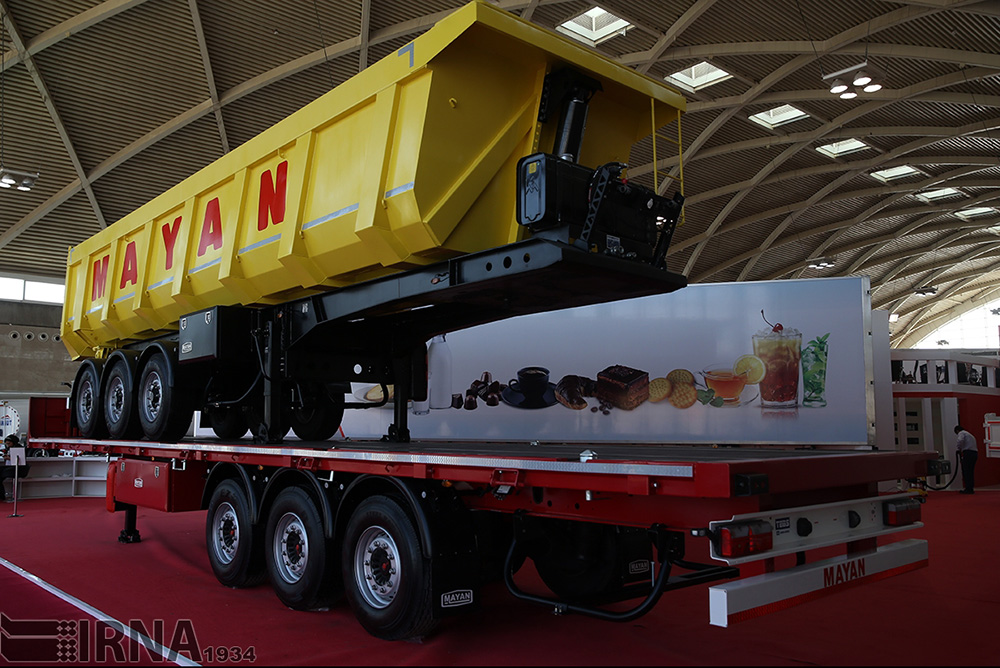
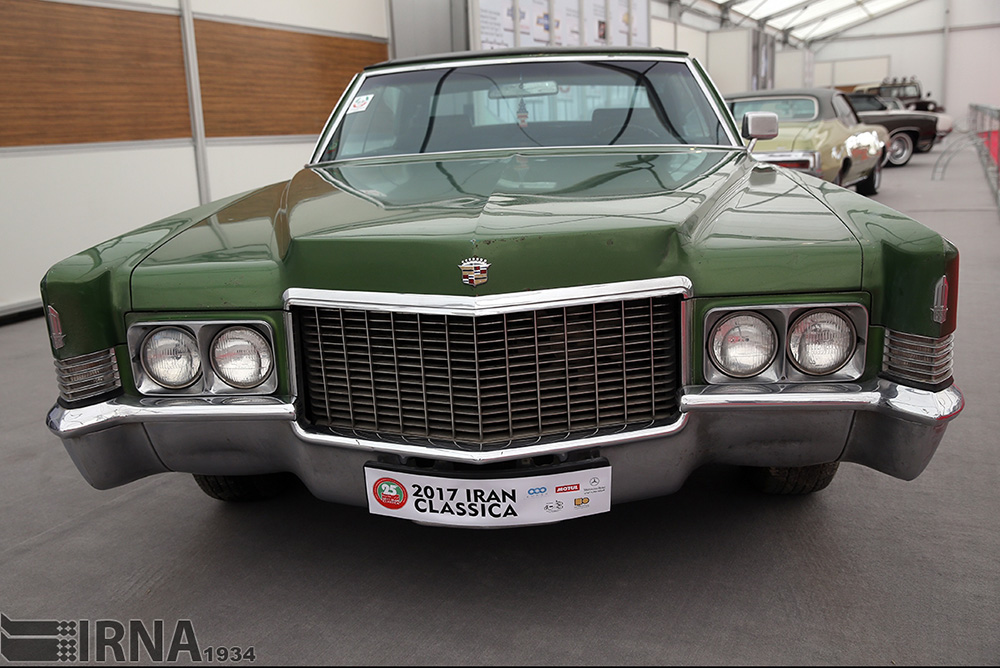
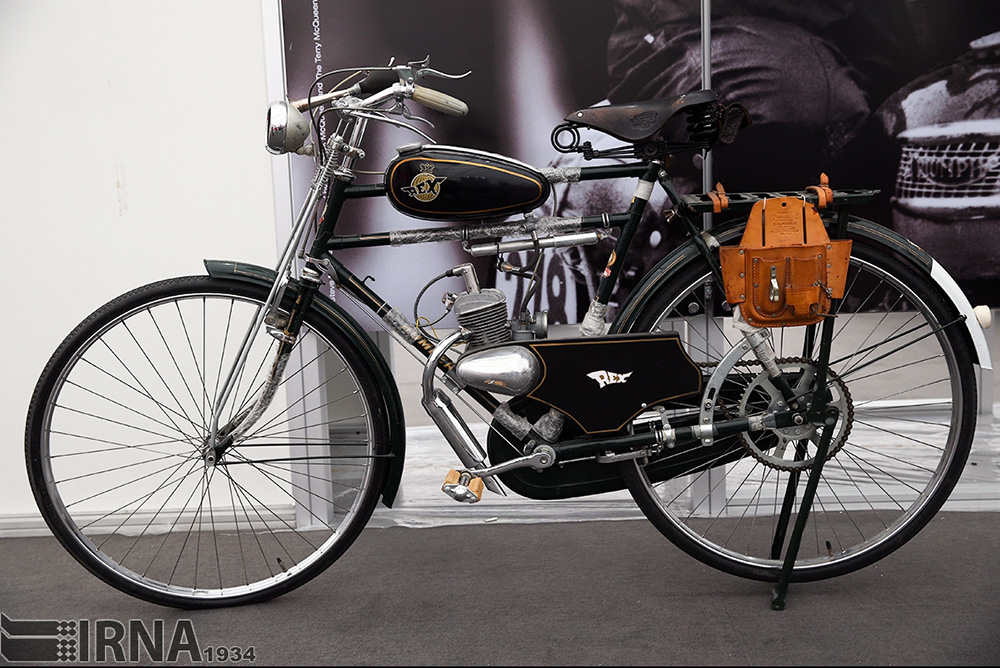
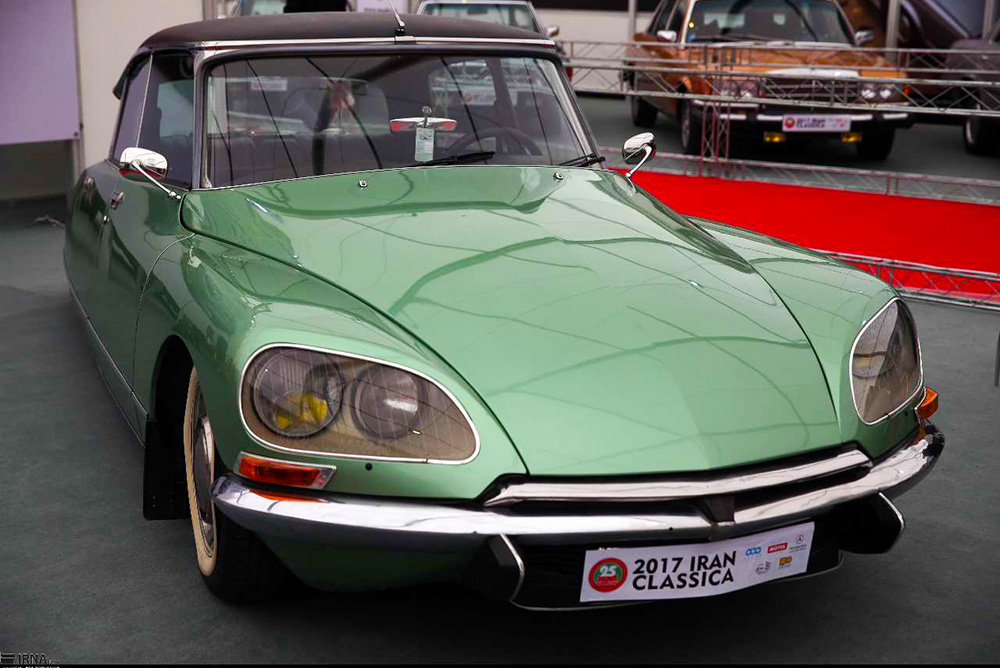
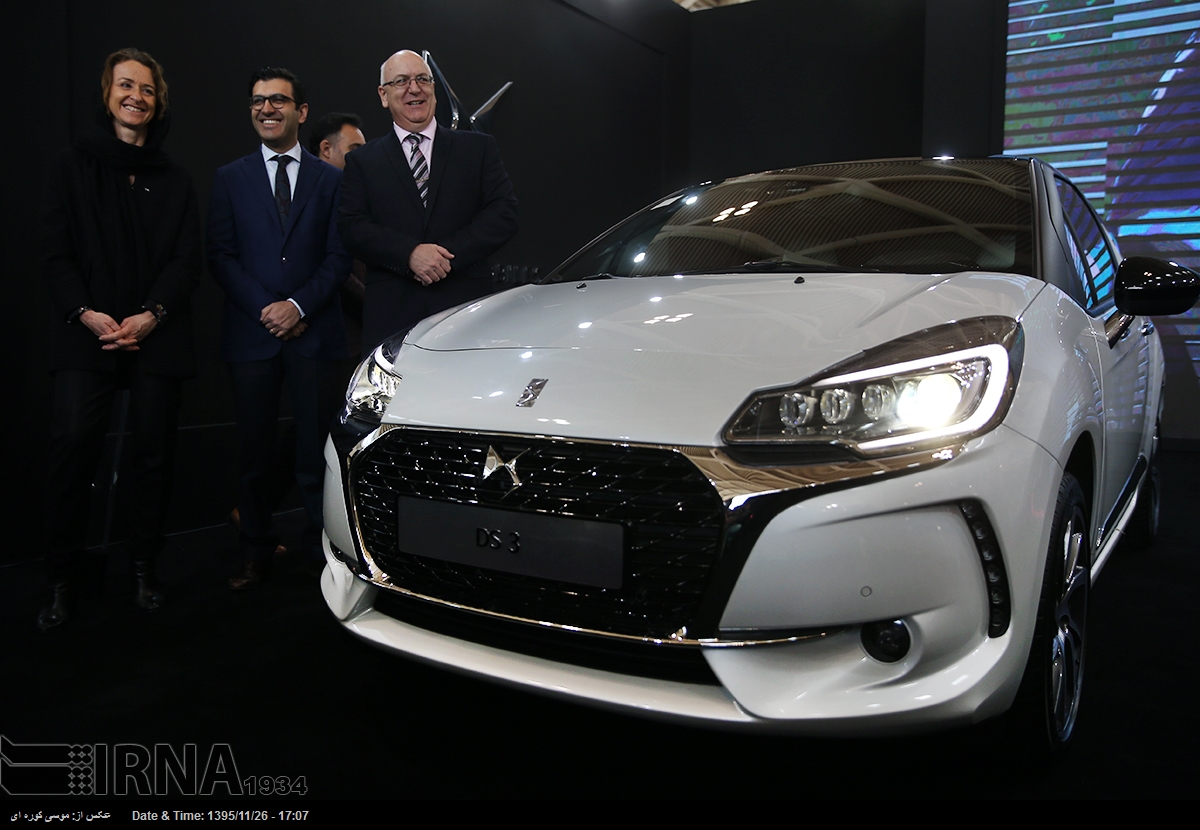
Every car brand in the country and those looking to make market entry are attending this year’s Tehran Auto Show.

The auto show started on Tuesday and will run through Saturday, February 18. The expo has dozens of new cars on display from European and East Asian car firms. Local automakers like Iran Khodro Group (IKCO), Pars Khodro and SAIPA have also participated in the event.

According to a report by Financial Tribune, there is a significant shift in car producers’ offers this time. As with several other developing economies, SUVs and smaller crossovers are playing an increasingly important role. Acknowledging this level of interest, several local and foreign brands are now responding to that new market.

In the case of crossovers, many are looking to Chinese, Korean and Japanese brands to get a good deal on a new car; however, even the Russians are now making a move into this sector with the UAZ Patriot, which would be the first Russian car to enter Iran’s market in over a decade.

BYD has also taken pride of place with their new vehicles including the BYD e6 and S6 crossover models. In the case of BYD it will be the first fully fledged fully electric car on show.

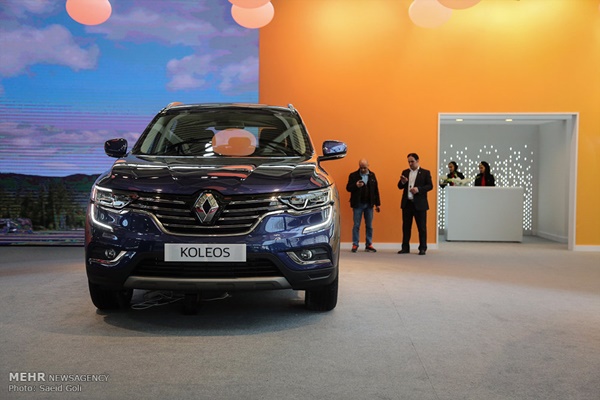
Meanwhile Renault’s new Koleos has taken pride of place at that company’s stand with dozens of people looking to get a sit in the new car.

But new cars like the Koleos, Tiggo7 from Chery aside, many of the vehicles looking to make market entry in Iran continue to be out of the price range of most car buyers in Iran.

Iran is now officially the largest car producer in the wider Middle East  and Central Asia region with an expected 1.35 million cars produced by the end of the current Iranian year. SUVs and crossovers are likely to take a larger slice of total sales by April.

Car industry analysts, enthusiasts and car producers alike see this week’s show as a litmus test in terms of what the public think of the current offering. They are also like be taking notes on how many of the new models are received.

In the last year alone, SAIPA and Iran Khodro signed deals to produce the Changan CS35, DongFeng H30 Cross and also the Haima S7 and even with those models coming from China they were 80% more expensive than their original price in mainland China.

The 2017 edition of the show is being held at Shahr-e Aftab (Sun City) at the south side of the capital and is accessible by car and also Tehran Metro.

Iran Boosting Production and Export of Its Medicinal Herbs

Medicinal Herbs

At present 140,000 hectares are under the cultivation of medicinal herbs in Iran. The Agriculture Ministry plans to increase the figure to 500,000 hectares within 10 years, IRNA reported.

According to Fariborz Gheibi of Forests, Range and Watershed Organization, every year locals harvest some 20 million tons of medicinal herbs from rangelands.