Friday, January 16, 2026
Home Blog Page 4103

Iran Hails China’s Offer to Help Resolve Tehran-Riyadh Tension

Iran Hails China's Offer to Help Resolve Tehran-Riyadh Tension
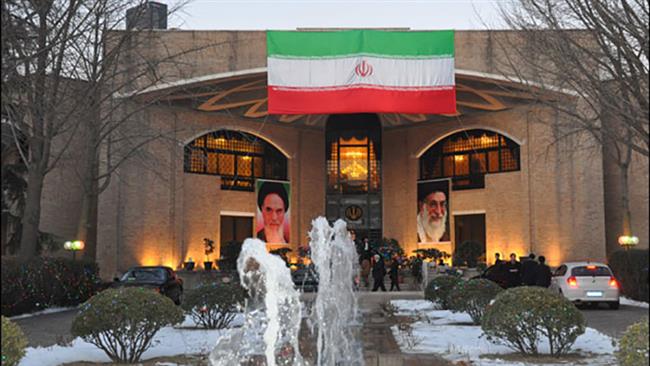
A view of Iran’s Embassy in Beijing

In a Friday statement, the Iranian Embassy in Beijing criticized Saudi Arabia’s foreign policy, saying Riyadh has destabilized the region and the entire world by “inciting sectarian and religious disputes and sponsoring terrorist and Takfiri groups.”

“The country’s overt interference in the internal affairs of neighbors, its destabilizing role in the region and the nearly two-year cruel aggression against the defenseless people of Yemen have turned Saudi Arabia into a rouge element against all accepted international norms,” it added.

The statement pointed to Iran’s efforts to minimize tensions with its neighbors against the backdrop of the sensitive circumstances across the Middle East and noted that Tehran “has still not lost hope for some of the regional Muslim countries to understand such a need.”


“Contrary to the Saudi regime, Iran welcomes all constructive efforts. In the latest instance, Iran has welcomed a proposal by the Emir of Kuwait to facilitate dialogue and understanding in the region. Accordingly, [Iran] also welcomes a constructive role by the People’s Republic of China.”


On Wednesday, Chinese Foreign Minister Wang Yi expressed hope for the resolution of the problems facing Iran and Saudi Arabia, saying Beijing was ready to help eliminate the differences.

The Saudi ambassador in China, however, reacted negatively and rejected the proposal.

Saudi Arabia severed diplomatic relations with Iran on January 3 following demonstrations held in front of Riyadh’s diplomatic premises in Iran by angry protesters censuring the Al Saud family for the execution of prominent cleric Sheikh Nimr al-Nimr.

Some people mounted the walls of the consulate in Mashhad while incendiary devices were hurled at the embassy in Tehran. Some 100 people were detained over the acts of transgression. Iranian officials also strongly condemned the attacks.

Tehran-Riyadh relations worsened after a deadly human crush occurred during Hajj rituals in Mina, near Mecca in September 2015.

Days into the incident, Saudi Arabia published a death toll of 770 but refused to update it despite gradually surging fatality figures from individual countries whose nationals had been among the victims of the crush. Iran said about 4,700 people, including over 465 of its nationals, lost their lives in the incident.
Old Iranian Painting Repaired, Displayed in Tehran

Old Iranian Painting Repaired, Displayed in Tehran
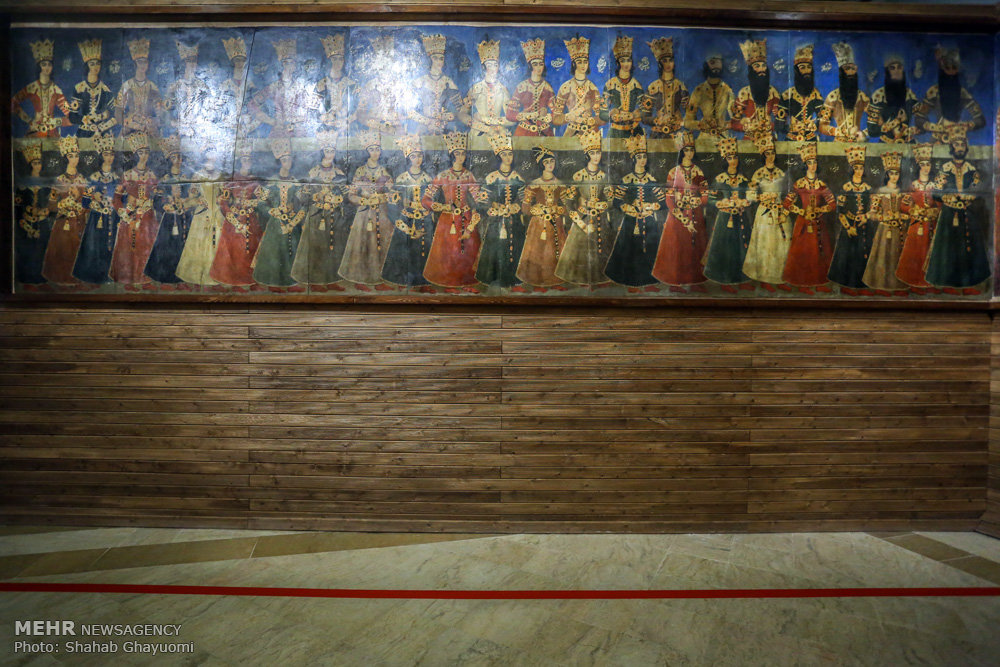
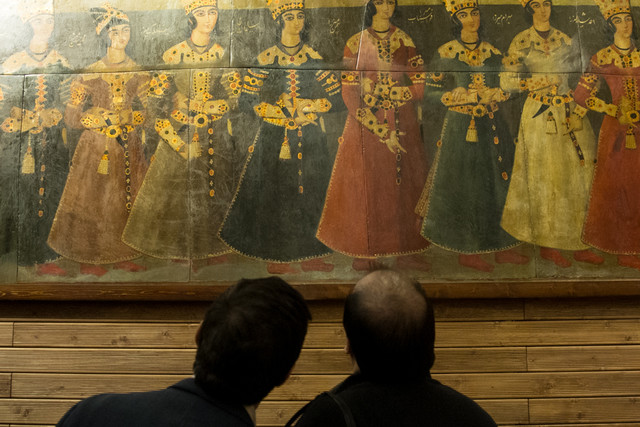
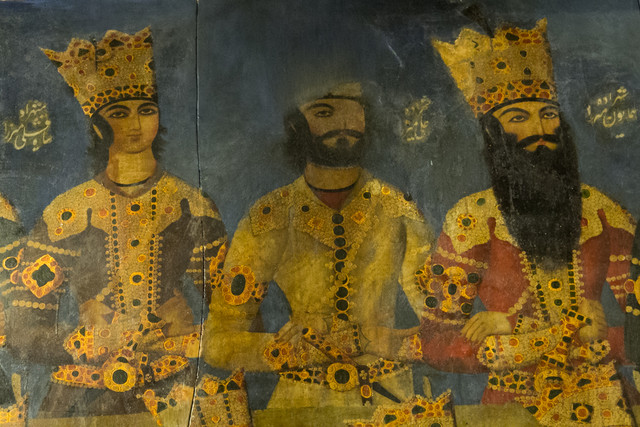
old Persian painting dating back to the time of Fath-Ali Shah Qajar

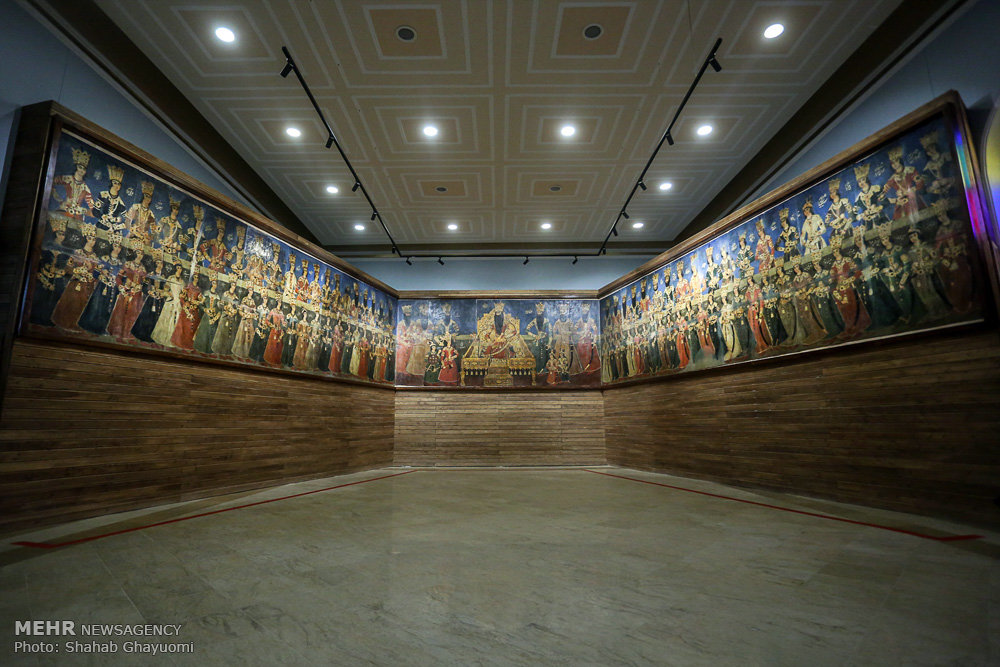
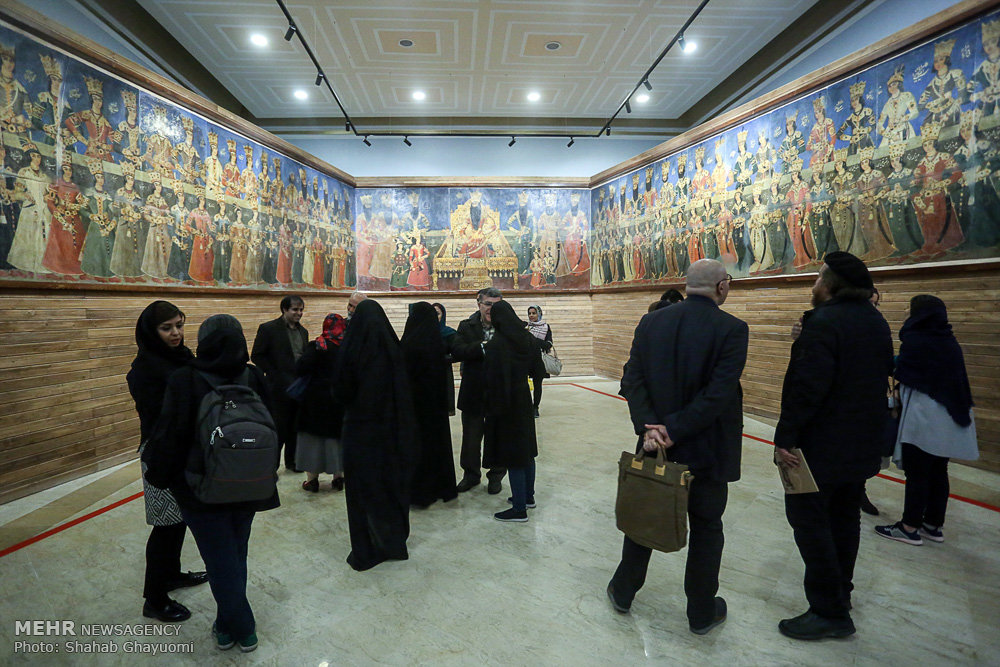
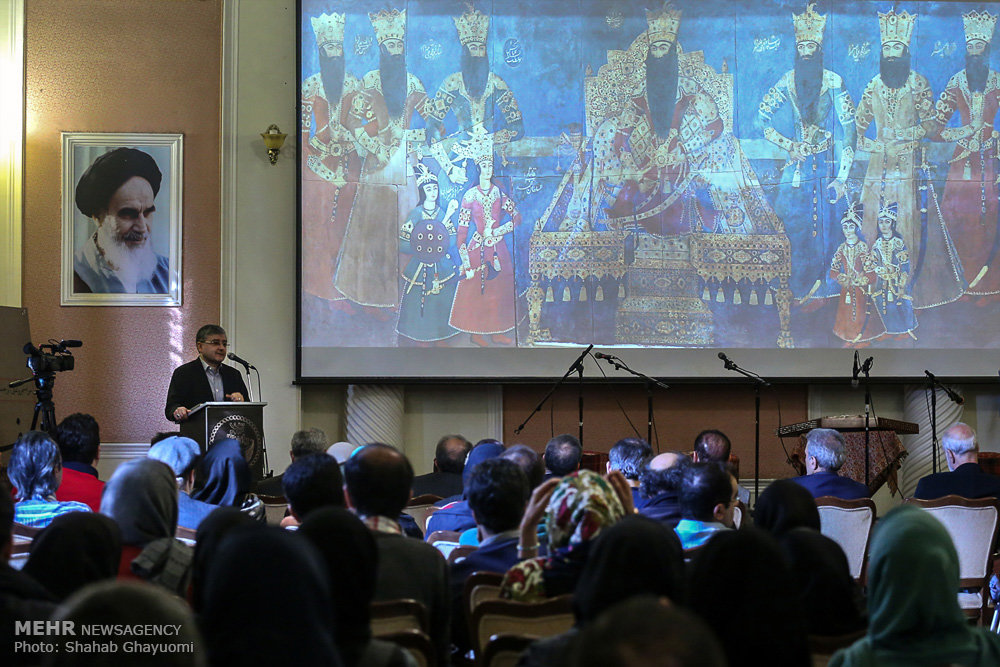
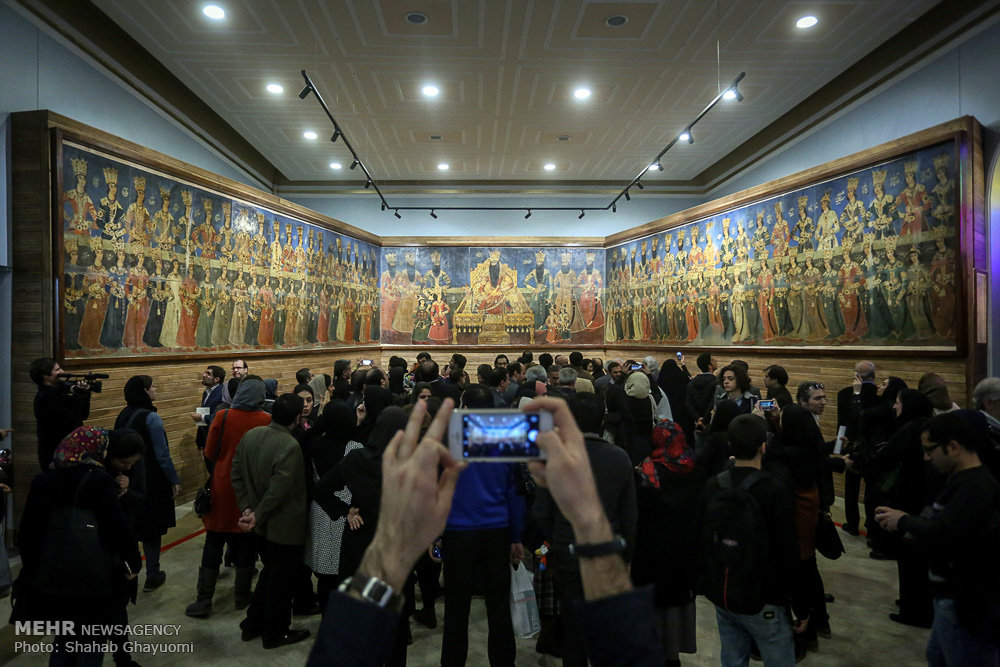
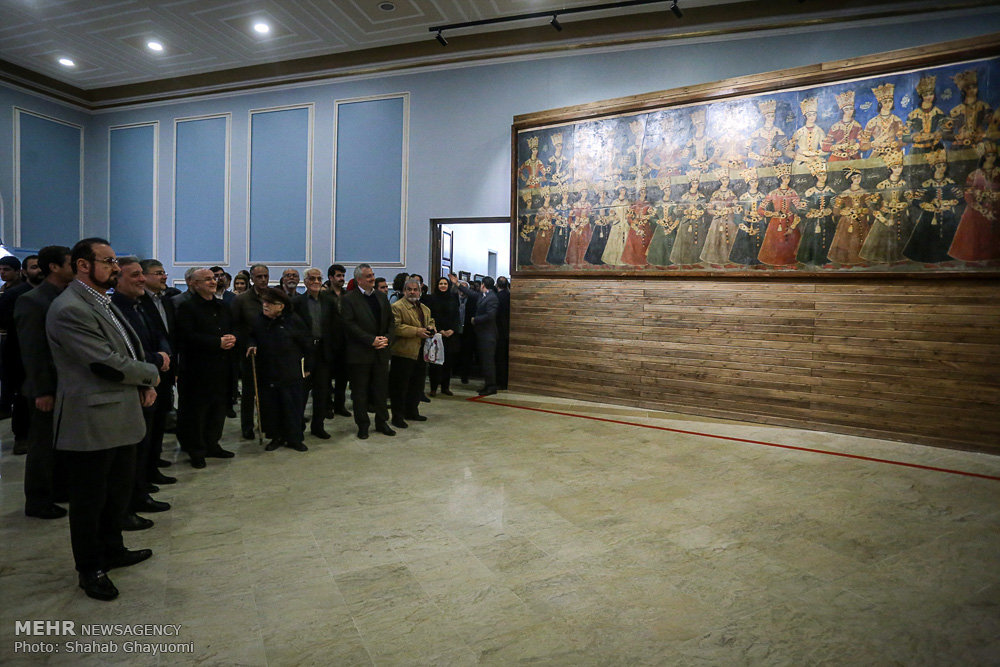
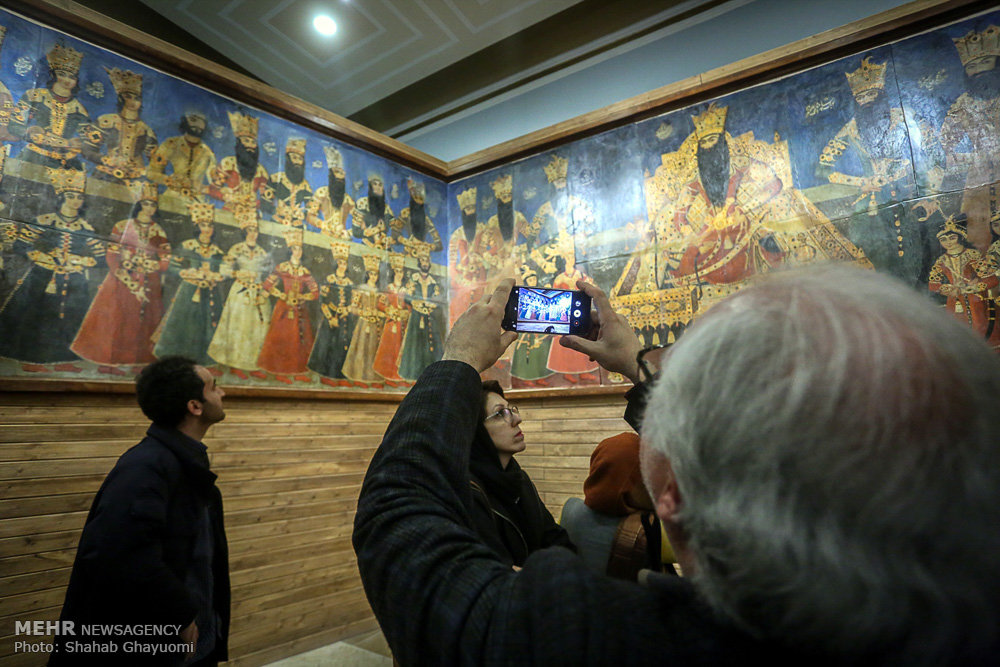
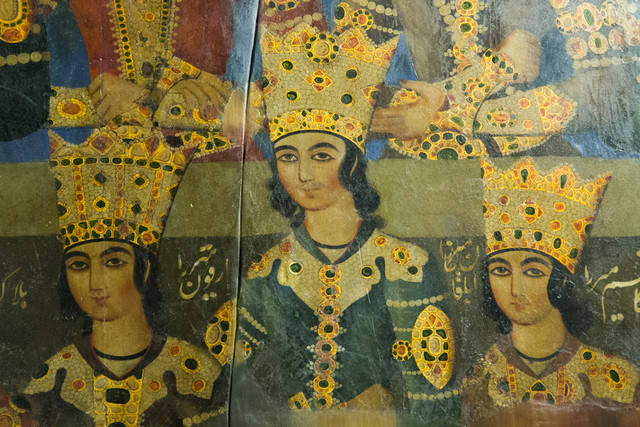
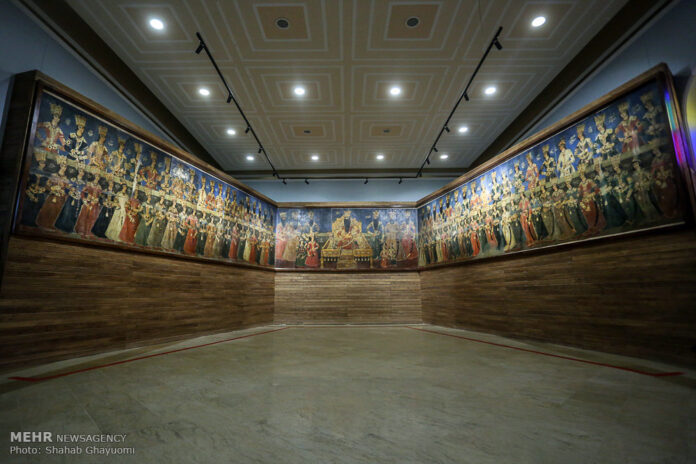
Saf-e Salam” (saluting line), an old Persian painting dating back to the time of Fath-Ali Shah Qajar, the Iranian king of early 19th century, has been hung on the walls of Tehran’s Negarestan Garden Museum, where it was unveiled during a ceremony on March 4.

According to a Farsi report by ISNA, torn into about 50 pieces, the precious painting of Saf-e Salam was missing for many years. It was transferred to University of Tehran two years ago to be repaired before being permanently displayed in Kamal-ol-Molk Hall of the Negarestan Museum.

Disappearance and Transfer

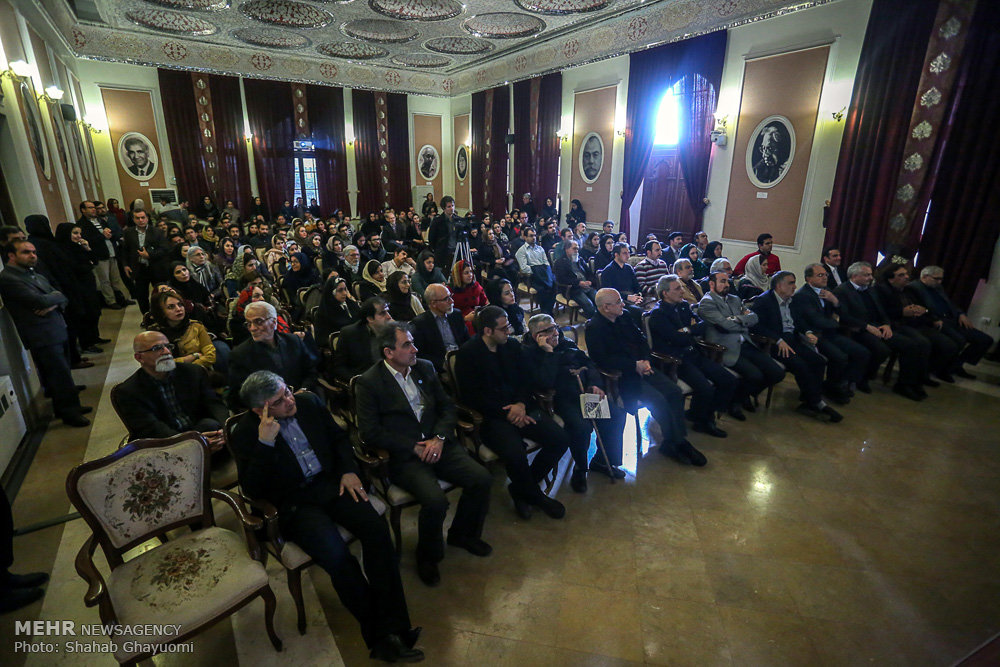
“Disappeared for many years, Saf-e Salam is an important Iranian artwork of Qajar era,” Majid Sarsangi, the deputy head of University of Tehran, noted during the ceremony, where the repairers, museum curator, and a member of Iranian Museums General Offices were praised.

“We tried hard to transfer it to the Negarestan Museum,” he added. “Some parts of the painting were severely damaged and needed repair, which was done by specialists.”


Old Iranian Painting Repaired, Displayed in Tehran
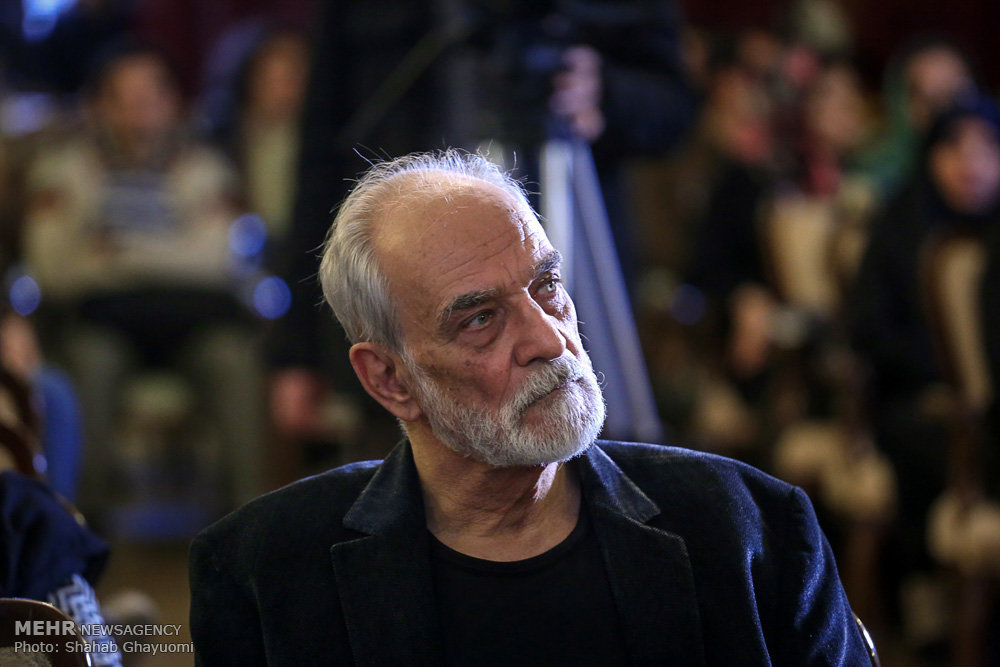
Aydin Aghdashloo
Repair

Aydin Aghdashloo, the famous Iranian painter, was one of the artists who took part in the painting’s repair process.

“The painting was so damaged that we suggested at first glance it was destroyed by a mortar bomb,” he expressed, “Natural causes and negligence were leading to the complete destruction of such a historical artwork.”

Aghdashloo went on to say that fortunately, the problem solving attitude of cultural officials saved the old Iranian painting.

“I looked at it very carefully. Painted with vivid colours, the painting revives the history,” he said about Saf-e Salam. “However, we have to keep in mind that these types of artworks mustn’t be repaired in a uniform way. The old and the new parts should be distinguishable.”

The reign of Fath-Ali Shah Qajar – 1797 to 1834 – has been somehow the beginning of Iran’s political and governmental decline. “A certain kind of greatness and authority is seen in this era, but it was not the reality,” Aghdashloo explained.

“Such paintings remained as the memories of Fath-Ali Shah’s magnificent court. We should imagine how difficult it was for him to pay reparations to Russia. It was a humiliating scene.”

He then referred to Saf-e Salam as an excellent, notable example of art persistence. “It is an example of how the man illustrates his ideals, desires and success; the Iranian man who built the great complex of Persepolis 2,500 years ago to flaunt its grandeur and win the respect of posterity.”

Aghdashloo referred to the Zand and Qajar eras as the peaks of post-Islamic painting in Iran, and said the art in these two eras depict the moderation of Iran’s national art.”

Iran Books Place in 2017 Beach Soccer World Cup in Bahamas

Iran Books Place in 2017 Beach Soccer World Cup in Bahamas

Team Melli will play the UAE in the Pantai Batu Buruk, Kuala Terengganu on Saturday.

Iran also qualified for the 2017 FIFA Beach Soccer World Cup in Bahamas.

The Japanese will now play Lebanon in the tournament’s third-place Play-off for Asia’s final slot in the Bahamas on Saturday.

Japan drew first blood through Takasuke Goto’s neat header, but Iran equalized soon after thanks to a fine strike by skipper Mohammad Ahmadzadeh.

It was Japan who were to regain the lead as Takuya Akaguma struck home from distance after catching custodian Hamid Behzadpour unaware, before Moslem Mesigar delivered a free-kick which skipped off the sand and into the goal to level matters for a second time.

Japan scored a third courtesy of Takaaki Oba, only for Mohammadali Mokhtari to make it 3-3 at the end of an entertaining first period.

Japan duly made it 4-3 following skipper Ozu Moreira’s magnificent free-kick a minute into the second period. Iran hit back yet again, Abdollahi’s set-piece striking the post before going in to continue the game’s roller-coaster nature.

Iran went ahead for the first time when Mokhtari claimed his second in the match a minute before the buzzer, and they duly increased their advantage as Ahmadzadeh fired home to double his tally after the restart.

Akaguma then reduced the deficit with an impressive volley, only for Iran to score yet again through Abdollahi and, despite Goto giving Japanese hopes a brief lift with a late effort, secure a hard-fought victory.

US, Russia Unlikely to Kiss and Make up: Analyst

US, Russia Unlikely to Kiss and Make up: Analyst

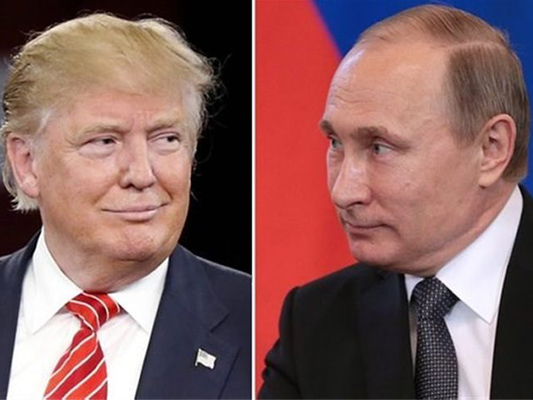
In an interview with the Etemad daily newspaper, Amir Abolfat’h, a senior political expert, said Trump is withdrawing from its positions on Russia, and that the White House believes Russian President Vladimir Putin seeks to revive the Soviet empire.

Here are excerpts from his remarks in the Farsi interview:


Trump’s triumph and the Republicans coming to power have not led to any changes in the political structures of the United States and the international system. The issue of US-Russia relations is not a revolutionary and electoral issue. So, we cannot assume that one of the American parties favours the amelioration of ties with Russia and the other party is against it. There exists a major influential current in the US which, regardless of partisan and electoral issues, is strongly opposed to Russia, and includes many Republicans as well as Democrats.

Anti-Russian currents are so powerful that they do not allow any shift in policy on the kind of US-Russia relations for now, unless the Kremlin revisits its regional and international policies, something that Moscow is unlikely to do.

The anti-Russia current within the US ruling elite has not settled for Trump’s verbal retreat from his earlier position, and seeks to paint an anti-Russian picture of him. Republicans and Democrats agree on one thing, and that is although they do not believe in impeaching Trump and removing him from power, they would like him to return to the same policy that former US administrations had adopted on Moscow, and that is the “containment of Russia.”

There is a wide gap between Trump’s words and deeds before and after his election victory regarding different issues, including Russia. Moreover, Europeans have enough influence in the US to be able to mobilise powerful currents against the Trump administration on the Russia issue.

Although the White House and Capitol Hill do not see eye to eye on issues pertaining to Russia, their differences of opinion are not so much and will not lead to the impeachment of somebody who is from their own party. When it comes to fighting terrorism, there is always an opportunity for cooperation even between countries which are divided on the kind of campaign which should be launched against terror. This chance could exist for Russia or Iran or any other country. From the American ruling elite’s standpoint, Putin is reviving Russia’s power and influence and rebuilding the Soviet empire without reliance on ideological concepts.

Americans begin to engage with a country only when they are confident that they are the ones who call the shots in the process. However, Russians have the upper hand in Syria both in the political arena and in the field, and they have secured numerous achievements in Syria on the back of Iran’s support. It is unlikely that they will submit to the US and follow Washington when it comes to establishing peace and fighting terror.

Currently, a serious economic and cyber war is going on between Russia and the US. Now the US is on the horns of a dilemma in Ukraine. Washington can neither ratchet up the sanctions, nor scrap them. Moscow has adopted the policy of patience at the moment, but it does not mean the Kremlin will continue to exercise restraint to the end. Maybe after the temporary calm created due to Moscow’s policy, Russia will see their hopes have been dashed and the anti-Russian current has managed to wreck all existing opportunities. Then we would see a kind of confrontation with the White House by the Kremlin.

Spears of Mysterious Army Rising out of Kazakh Lake

Spears of Mysterious Army Rising out of Kazakh Lake
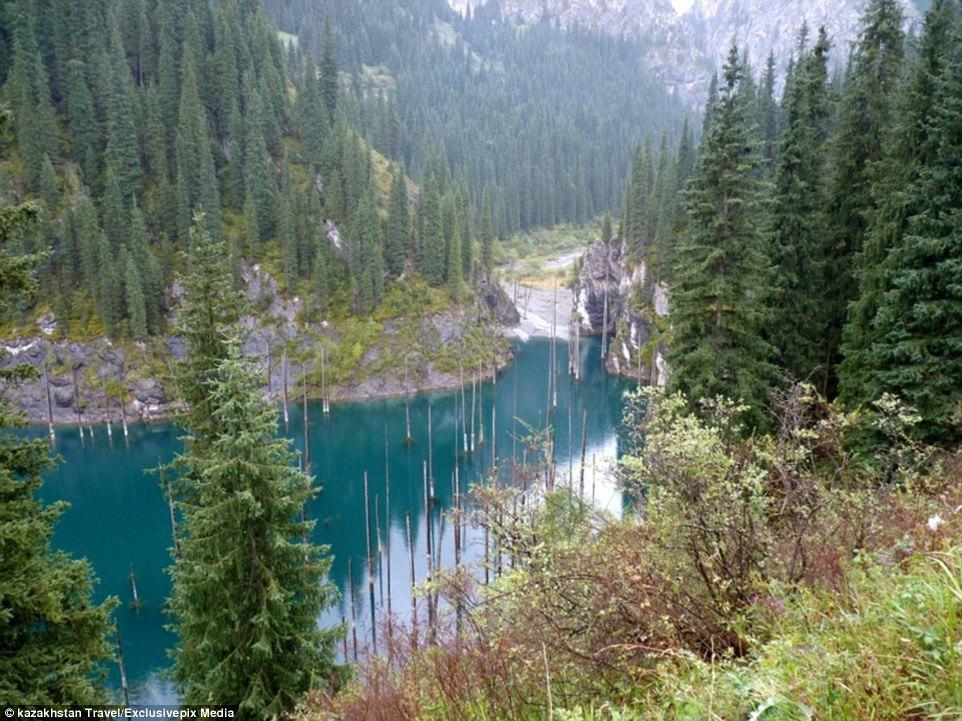
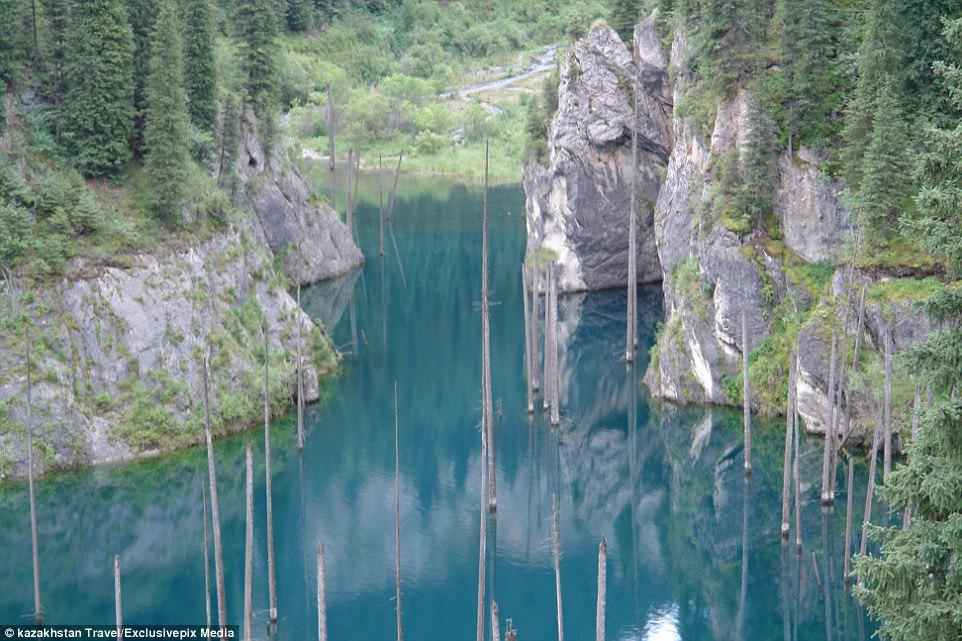
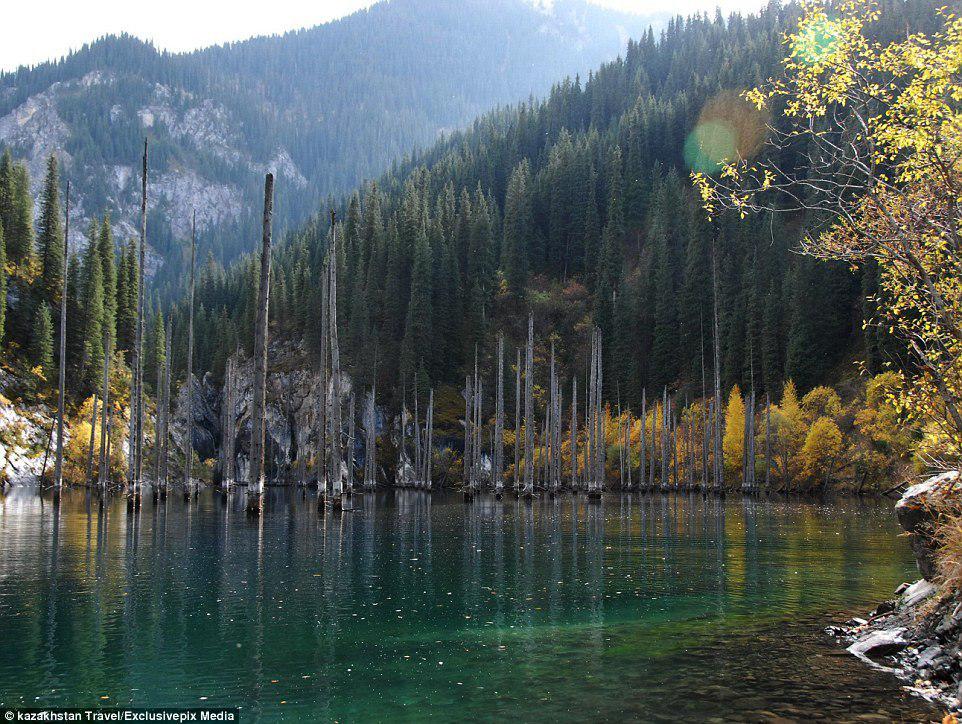
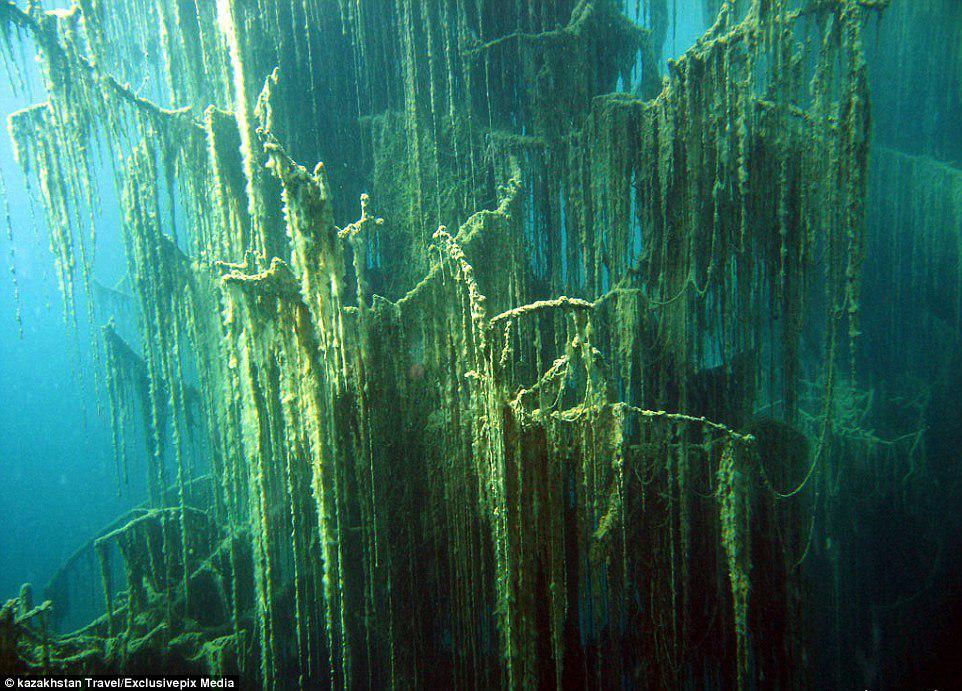
The lake has become famous for the submerged forest and the imposing trunks of spruce trees, seen here rising from the lake.

Lake Kaindy, located in the Tian Shan Mountains some 130km from the city of Almaty, was created after an earthquake in 1911 that triggered a huge landslide blocked the gorge, forming a natural dam.

Eventually, rainwater filled the valley and created the lake, which has become famous for its scenic beauty and in particular the submerged forest and the imposing trunks of spruce trees that rise out of the lake water.

Above water, the sunken trees have been compared to large masts from lost ghost ships and the spears of a mysterious army hiding and waiting for the right time to emerge.


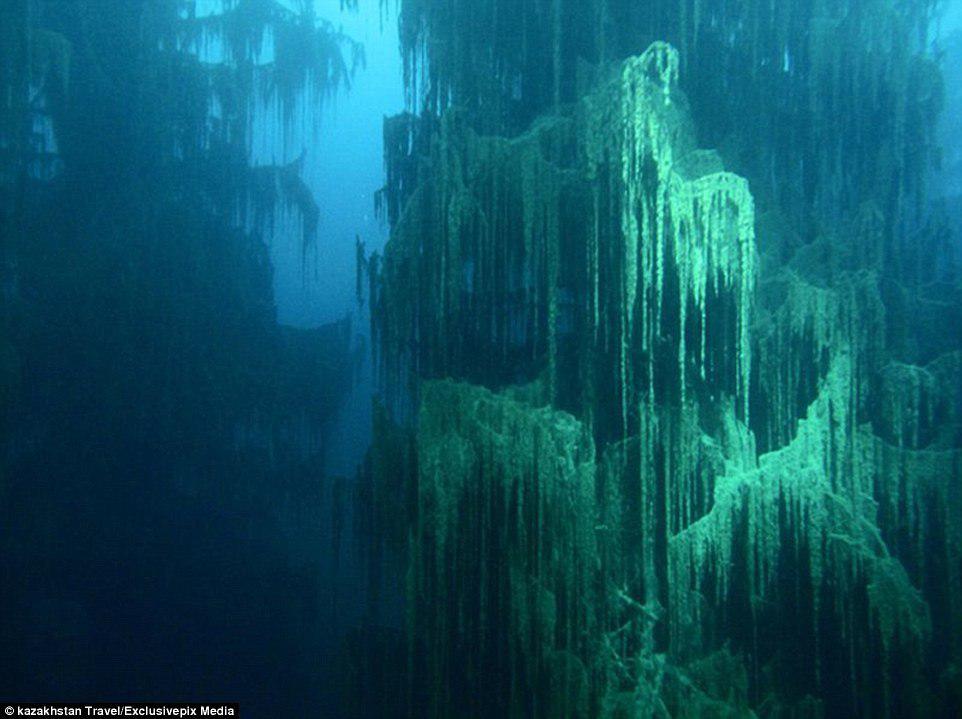
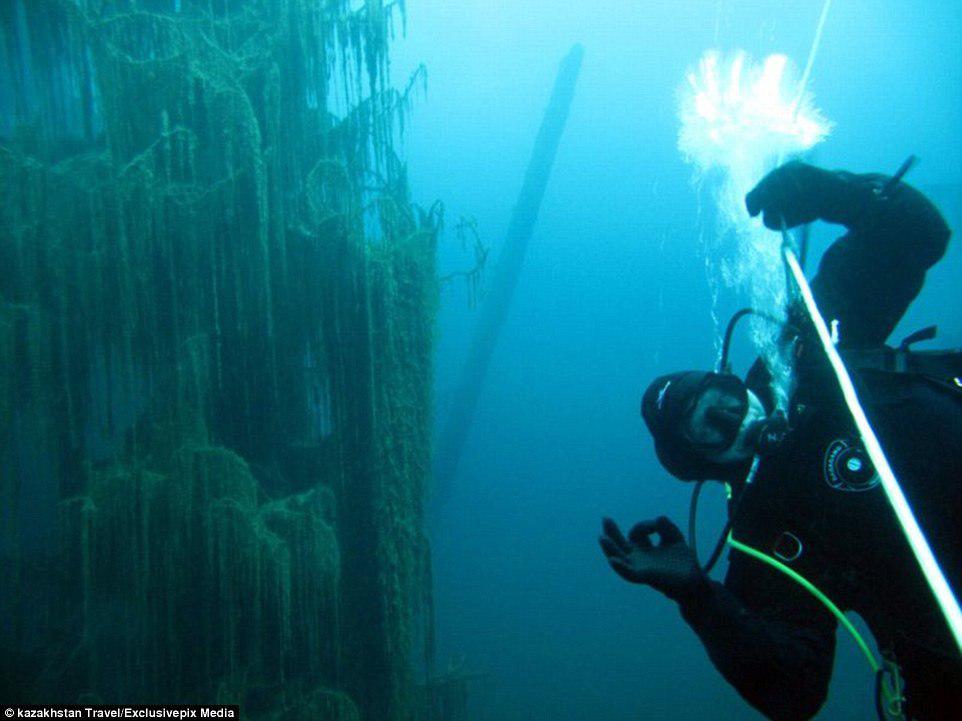
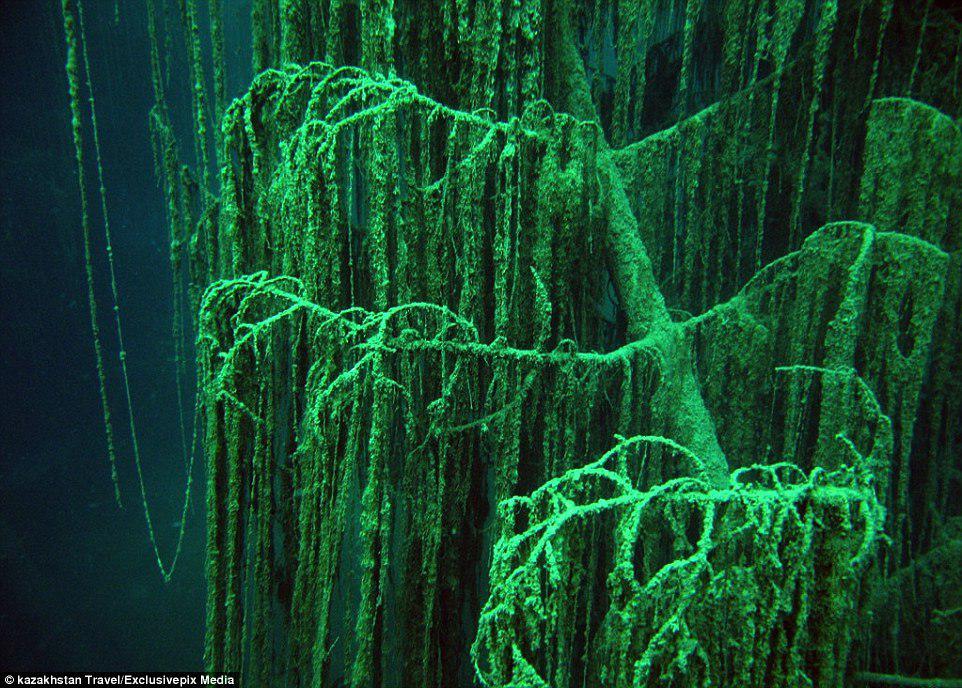
The water is so cold – even in summer the temperature does not exceed six degrees – that the great pines still remain on the trees, even 100 years on.

Because of the clear mountain water, you can see deep into the depths of the lake, Main Online reported.

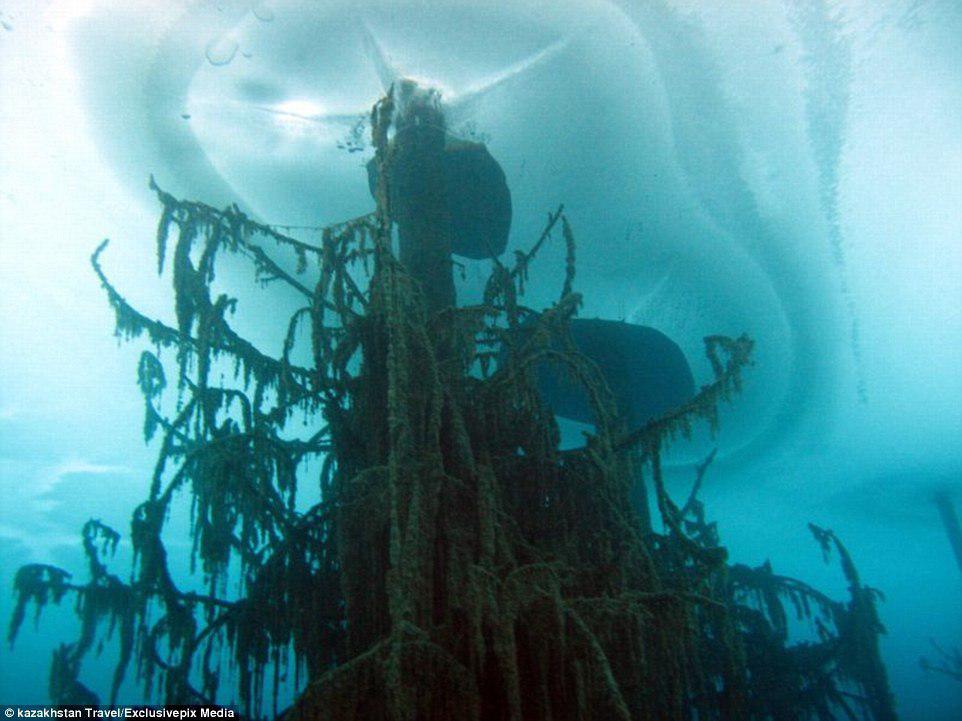
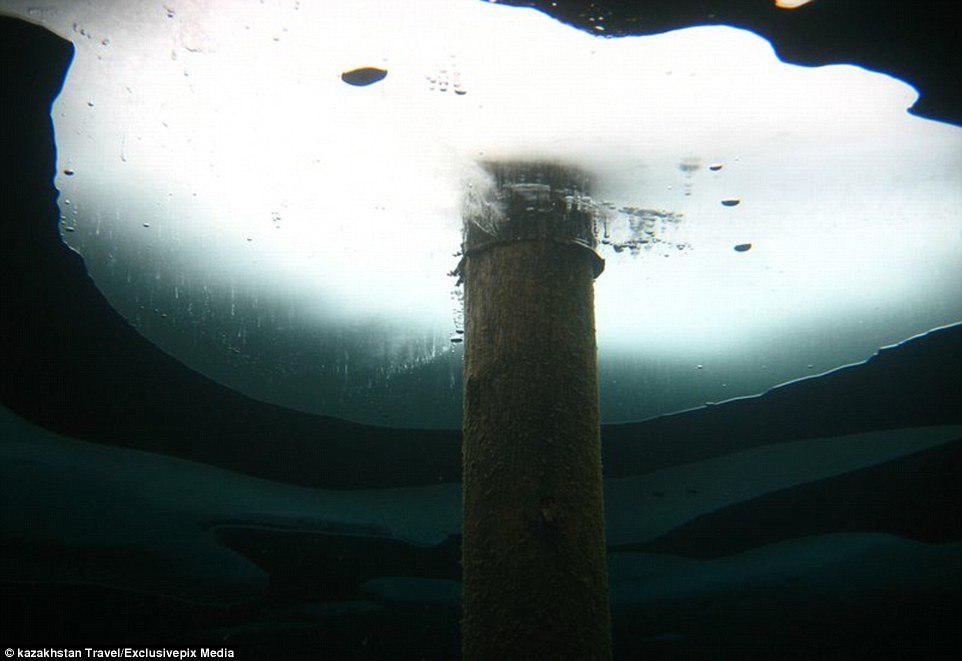
In winter, the surface of the lake freezes over and during this time, Lake Kaindy becomes a great spot for trout fishing and ice diving.

Iran’s War Games Have Nothing to Do with Foreign Threats: Top Commander

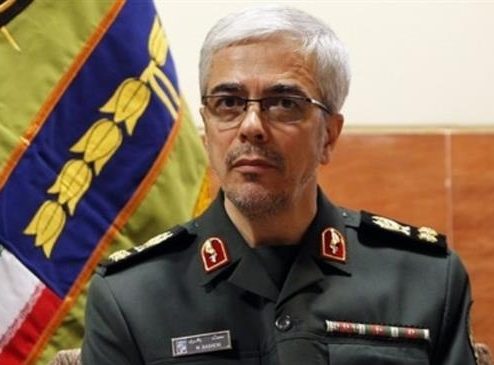
General Mohammad Hossein Baqeri

Speaking on the sidelines of a meeting in Tehran, the chief of staff of the Iranian Armed Forces, Major General Mohammad Baqeri, stressed that Iran’s military exercises are not carried out to address the threats uttered by some states or to show the country’s stance towards political developments of the day.

“Iran has predetermined plans for its war games,” he noted, according to a Farsi report by Tasnim.

General Baqeri said currently, Iran has the friendliest relations of all time with its neighbouring states and is beset with no problem concerning its borders and security.

He added, “Even in the Persian Gulf and the Sea of Oman, where foreign ships ply, everybody knows that the Armed Forces of the Islamic Republic of Iran are fully prepared to defend the borders and interests of their country. Therefore, all of them carefully observe the international laws and regulations. They know that they are not authorized to trespass on Iranian waters. We do not feel any security concerns about our air, land and sea borders.”

General Baqeri said Iran’s war games are carried out according to a pre-determined plan, adding at the end of the military training operations and courses, military exercises are required to be carried out for greater coordination between different sectors of the Armed Forces.

He reiterated that Iran’s military exercises are, by no means, conducted in response to the threats issued by certain countries or related to the political issues of the day.

Iraq Allowed to Strike ISIS Targets in Syrian Territory: PM

haider-al-abadi

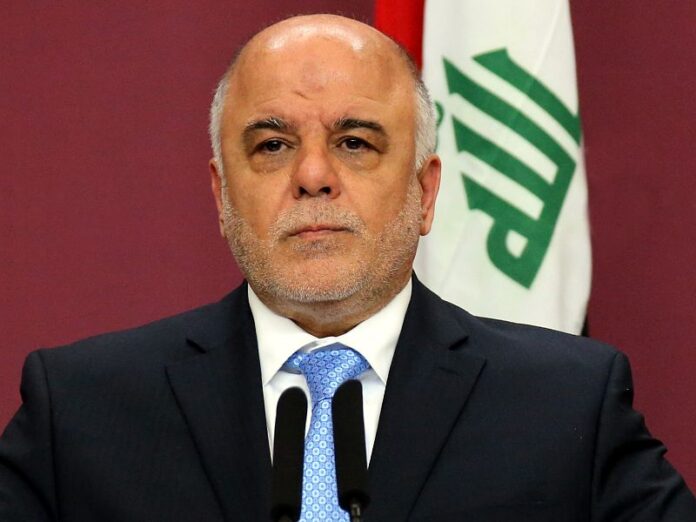
“I respect the sovereignty of states, and I have secured the approval of Syria to strike positions (on its territory),” Iraqi PM Haider al-Abadi told a conference in the Iraqi Kurdish city of Sulaimaniya.

Iraq will continue to hit the ISIS terrorist group’s targets in Syria, as well as in neighbouring countries if they give their approval, al-Abadi added.

Abadi on February 24 announced the first Iraqi air strike inside Syrian territory, targeting ISIS positions in retaliation for bomb attacks in Baghdad, Reuters reported.

“I will not hesitate to strike the positions of the terrorists in the neighboring countries, we will keep on fighting them,” Abadi said.

MP Slams UN Report on Iran’s Human Rights Conditions

MP Slams UN Report on Iran’s Human Rights Conditions

“Western countries are trying different ways to engage in dialogue with Iran and find ways for putting pressure on the country and blackmail it,” said Ehsan Qazizadeh Hashemi, an Iranian Parliament member.

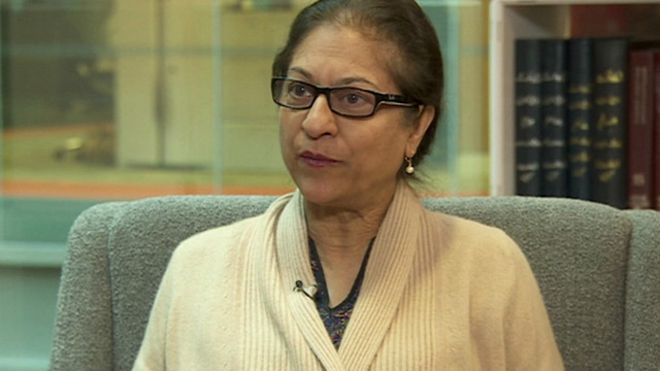
He made the remarks in reaction to the recent UN report on Iran’s human rights conditions, prepared by Asma Jahangir, the new UN special rapporteur on Iran, according to a Farsi report by ICANA.

“A usual scenario of the US-dominated UN is to prepare such anti-Iran, anti-human rights reports. They are looking for problems to undermine the Islamic Republic’s actions.”

He went on to say that the West also intended to blackmail Iran during the nuclear negotiations. “Their scenario failed to work due to our powerful presence.”

“We should extend our influence beyond our country, also the region and the geographical zone that surrounds us so that such actions would not affect the international public opinion negatively,” he noted.

In her report, Jahangir repeated the anti-Iran accusations leveled by Ahmed Shaheed, the former UN rapporteur, including the executions, allegations about torture and freedom of speech in the country.

She advised Iran to stop the abovementioned punishments, and accelerate the reforms of the narcotics law by finding alternatives to death sentence.

Jahangir also questioned the independence of Iranian judicial system, and estimated Iran’s progress towards the elimination of discrimination against women and girls to be slow and limited. Meanwhile, she described the publication of Iranian government’s bill of civil rights as a “positive step”.

Ayatollah Khamenei Downplays US Claims on Iran Elections

Ayatollah Khamenei Downplays US Claims on Iran Elections
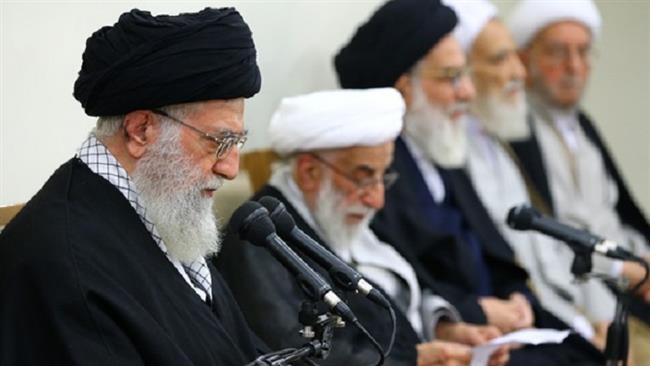
Leader of the Islamic Revolution Ayatollah Seyyed Ali Khamenei meets members of the Assembly of Experts, the top leadership supervisory body, in Tehran on March 9, 2017. (Photo by Khamenei.ir).

“The Americans, who have close cooperation with the most evil and inhumane regimes in the region and caused such a huge scandal in their own recent election, are now targeting and criticizing Iranian nation’s election,” Ayatollah Khamenei said at a Thursday meeting with the members of the Assembly of Experts, the top leadership supervisory body.

The Leader was reacting to the 2016 human rights report released by the US Department of State on March 3, questioning the electoral process in the Islamic Republic.

Ayatollah Khamenei praised Iran’s strategic influence in the world, particularly in West Asia, as one of the Islamic Republic’s major achievements over the past four decades.

“Iran’s growing influence as well as [other] nations’ support for the Islamic establishment are our firm backbone. This has enraged the Americans, prompting their policy makers to look for a way to counter Iran’s” influential role, the Leader added.

As a major tactic to disappoint the Iranian nation, the Leader added, the enemy is resorting to political and economic pressure and other measures including cultural invasion.

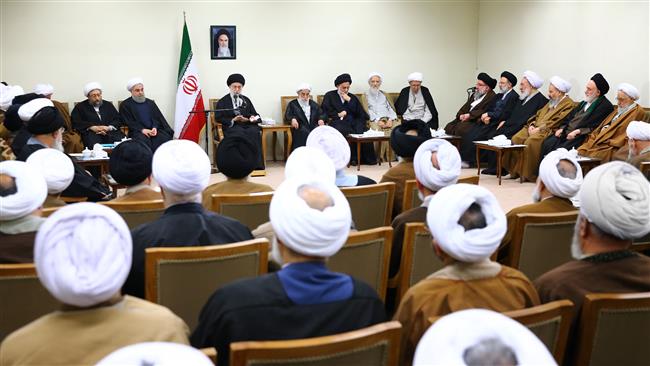
Leader meeting with Assembly of Experts
Leader of the Islamic Revolution Ayatollah Seyyed Ali Khamenei meets members of the Assembly of Experts, the top leadership supervisory body, in Tehran on March 9, 2017. (Photo by khamenei.ir)

“Their major objective is to disappoint the people with the Islamic establishment and deprive the officials of the fundamental [public] support in their resistance against the enemy,” Ayatollah Khamenei said.

Ayatollah Khamenei added that the current young generation of Iranians is more prepared compared to youth in early years following the victory of the Islamic Revolution to defend the revolution and make sacrifice in various fields.

“Despite incessant onslaught from all superpowers and the Zionist media empire, the Iranian nation has progressed in all fields after the revolution,” the Leader said.

On Tuesday, Iranian President Hassan Rouhani also dismissed the recent US report criticizing elections in the Islamic Republic, urging American officials to focus on the internal affairs of their own country.

The Iranian president emphasized that both parties in the US – Democratic and Republican – had protested the results of the recent presidential election in the country, adding that even the current US president himself was skeptical about the cleanness of the polls before being elected as president.
Religious Minorities Can Improve Iran’s Global Image: Minister

Religious Minorities Can Improve Iran's Global Image: Minister
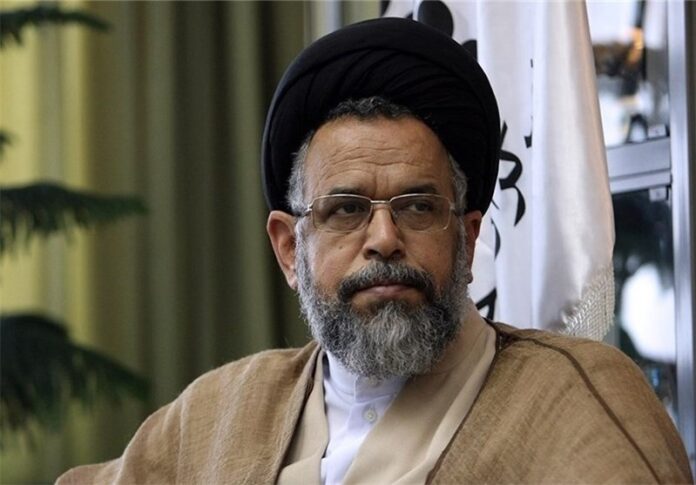
Iran's Intelligence Minister Seyyed Mahmoud Alavi

In a meeting with leaders of religious minorities in Tehran on Wednesday, the intelligence minister said the true image of Iran has been very well introduced to the international community by the Iranian Christian, Jewish and Zoroastrian leaders.
He also pointed to representatives of religious minorities’ membership in the Iranian parliament, saying the Islamic Republic’s move to allocate separate seats to Armenians and Assyrians, two Christian minorities who have been ethnically diversified, has made the non-Muslim citizens feel stronger bonds with their motherland.

Religious minorities enjoy a favorable position in the Islamic Republic of Iran.

Under the Iranian Constitution, the recognized religious minorities have the right to elect parliamentary representatives of their own.

Five seats of the country’s parliament are reserved for religious minorities. There is one Zoroastrian, one Jewish and three Christian (two for Armenian Christians and one for Assyrians) lawmakers in the Iranian parliament.