Monday, December 22, 2025
Home Blog Page 4099

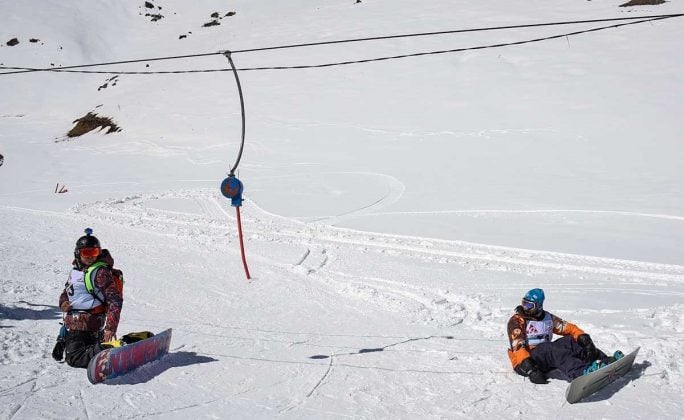
Beach Volleyball World Tour Wraps Up in Iran’s Kish Island

Volleyball

The Russian duo Liamin/Krasilnikov defeated Poland’s Kantor/Losiak in the final match to win the top position in the beach volleyball world tour in Kish Island.

The other Russian team, Stoyanovskiy/Yarzutkin, also won their game with Germans Lorenz Schümann and Julius Thole in the match for third place.

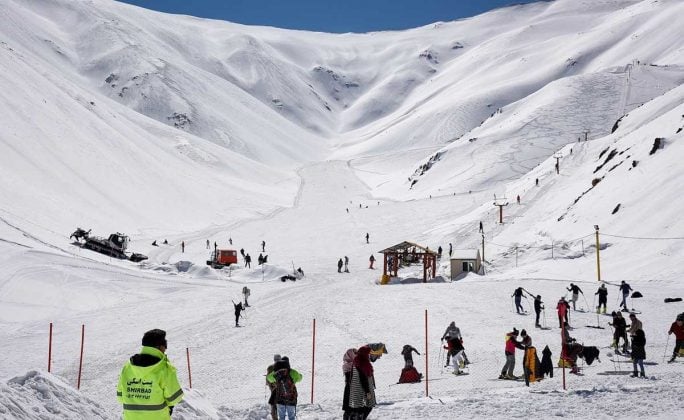
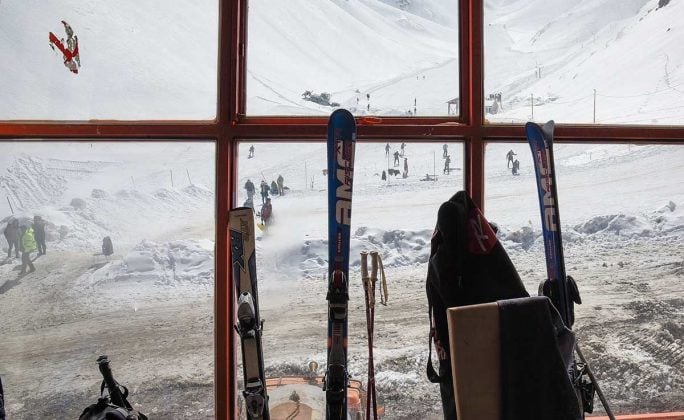
Here are photos of the previous rounds released by IRNA:


Simplicity of Iranian Architecture’s Complex Geometry

“The art of creating complexity by using many incredibly simple elements is one that has been mastered in Iran,” Arch Daily says in a recent report about Iranian architecture.

Here is the full text of the report, with photos taken by Ariana Zilliacus:


Iran’s geography consists largely of a central desert plateau, surrounded by mountain ranges. Due to the country being mostly covered by earth, sand, and rock, Iranian architecture makes fantastic use of brick or adobe elements.

Most of the buildings seen in larger cities such as Tehran and Isfahan are constructed using similar brick-laying methods as can been seen in other parts of the world, but certain constructions, usually ones that date further back, contain incredible geometrical treasures. And it doesn’t stop there – old Iranian architecture often contains a layer of tiles over the brick constructions that can create just as mesmerizing geometrical wonders.

The art of creating complexity by using many incredibly simple elements is one that has been mastered in Iranian architecture. In an architectural world where construction has become hidden by layers of plaster and plywood, we could learn a lot from the beauty of Iran’s structural geometry, where skin and structure are (almost always) one and the same.

Complex Geometry of Iranian Architecture


Brick/Adobe

The common brick used in buildings is something we are all quite familiar with; fired clay in the shape of a rectangular cuboid.

Adobe, which most people are less familiar with, is the name for a compressed mixture of sand, silt, clay, water, and sometimes straw, to form the shape of an extruded square that is often seen in Iranian architecture. Different combinations are used to create different forms such as arches or ornamentation. Sometimes the adobe or brick is covered in plaster as protection, creating the impression of a single carved form.


Tiles

Most commonly seen in the Iranian architecture mosques, the brick or adobe domes, arches and decorative entrances are occasionally covered in brightly coloured tiles. The tiles, like the clay elements, are small individual pieces that come together to form a complex, organic geometry. From afar they appear to be one continuous facade, but up close one can easily see the gaps in between each crooked tile.


Wood

Before architects began installing glass in the buildings, windows and doors were often made up of beautiful geometric wooden webs, constructed of hundreds of small, wooden sticks, cut to fit together perfectly – another example of the skilled ways in which Iranian craftsmen took a simple element, multiplied it and arranged it in order to create something incredibly intricate.


Carvings

At Persepolis, a site estimated to be over 2500 years old, exists another example of the complexity achieved by building up a series of elementary components. Along the stone walls of the ruins are carvings of people, soldiers, kings, queens, and animals all very nearly perfect in relation to one another.

The ability to carve the exact same solider over 10 times in a row without using a template or an automatic machine was achieved by carving them out step by step, just like building a wall brick by brick. One craftsman carved out the general form, another defined it, a third carved out the details, and a fourth focused on the beard and hair.

Iran_Carvings


Contemporary Architecture

At the architecture school in the desert city of Yazd, students have explored contemporary ways of combining simple elements in a building with a goal of creating a final structure that is geometrically advanced. Examples include textiles, string, and wires, using the design concepts of traditional Iranian handicraft to produce something just as exciting within modern architecture.

Kuwait Not Interested in Following Saudi Policies on Iran: MP

rouhani

In a Farsi interview with ICANA, Mohammad Javad Jamali Nobandegani weighed in on a message to Tehran by six members of the [Persian] Gulf Cooperation Council concerning holding talks with Iran.

“Considering the current situation in the region and the issues Saudi Arabia has dragged everyone into, the [P]GCC member states are showing an interest in holding negotiations with Iran,” said Jamali Nobandegani, who sits on the Presiding Board of the Parliament’s National Security and Foreign Policy Commission.

He noted the gains achieved by popular and resistance forces have worried opponents.

“Oman and Kuwait have good relations with Iran. In certain cases, Kuwait has wanted to maintain its independence against Saudi Arabia and does not seem to be able to remain defiant alongside Saudi Arabia in the long run,” the legislator underlined.

“Iran as an influential country with numerous elements of power and [the ability to make] cultural and religious contributions stands ready to open up a new chapter in relations with these countries,” said the lawmaker.

The legislator underscored that Riyadh continues to level accusations against Tehran despite sending a message to Iran for holding talks.

He said Saudi Arabia has not forsworn its enmity toward Iran.

“Saudi Arabia’s status has been weakened vis-à-vis Iran, and its hostile moves have been a nonstarter,” said the parliamentarian.

Elsewhere in his remarks, he also said it has been several months that Iran has no ambassadors to Syria and Oman, and asked the government to name an ambassador to Oman.

“Of course, the [Iranian] Foreign Ministry believes a long mechanism is required to pick that person,” he said.

Iranian Diplomat Hails ‘More Peaceful Atmosphere’ in Syria Talks in Astana

Jaberi Ansari

Speaking to IRIB at the conclusion of the Astana talks on Friday, Iranian Deputy Foreign Minister for Arab and African Affairs Hossein Jaberi Ansari said the plenary meeting was held in a more peaceful atmosphere in comparison to the first round of the talks, something that was obvious in the tone of the Syrian opposition groups.

He also expressed the hope that the process of Astana negotiations and efforts by Iran, Russia and Turkey would lead to a swift end to a crisis that has engulfed Syria for six years.

Jaberi Ansari also stressed that Iran has done its utmost in the course of the peace negotiations by “setting aside the problems and differences” – without forgetting them- in order to pave the way for the achievement of a greater goal.

The Iranian diplomat had announced earlier that a communiqué has been finalized by a joint committee monitoring the ceasefire in Syria, which has been established by Iran, Russia and Turkey.

According to a preliminary agreement that would be finalized in diplomatic consultations, the next round of the talks will be held in less than a month, Jaberi Ansari said.

Diplomatic efforts to end fighting in Syria have gained momentum in recent weeks with the announcement of a ceasefire in the Arab country in early January.

The truce, which was negotiated between Russia, Iran, Turkey, the Damascus government and the Syrian opposition, excludes terrorist groups such as Daesh and Jabhat Fateh al-Sham.

The ongoing meeting in Astana is the second time key players have brought the warring sides together, and comes ahead of a new round of UN-led talks on Syria in Geneva on February 23.

Iran’s Leader Thanks Wrestling Team for Efforts Leading to World Title

Leader

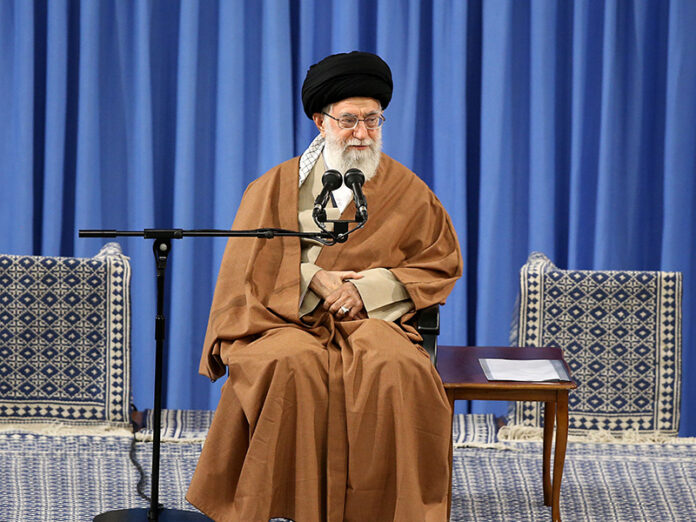
In his Saturday message, Ayatollah Khamenei thanked the efforts made by the federation officials, the coaches, and champions of Iran’s national team, which led to Iran’s world title in Freestyle World Cup in Kermanshah, and brought honour and pride for the Iranian nation.

The message was delivered by the Leader’s office to the President of Iran’s Wrestling Federation Rasoul Khadem in a phone conversation today, according to a Farsi report by ISNA.

Iranian national freestyle wrestling team won the 2017 Freestyle World Cup for the sixth time in a row on Friday.

The Iranian team defeated the strong USA Wrestling Team 5-3 in the western Iranian city of Kermanshah in front of vibrant spectators.

Iran had earlier defeated Turkey, Mongolia and India in group action.

Iranian Airline to Purchase 100 Rolls-Royce Jet Engines

Jet Engines

The Iranian airline and the British engine manufacturer have made a deal over purchasing fanjet engines as well as facilitating supply of spare parts for repairing engines in Iran. Meanwhile, full implementation of the agreement is subject to resolving financial transfer issues.

Since the US has a limited share in the production of Fokker 100 aircraft, there will be no need for obtaining OFAC permit. As such, Aseman Airline has so far purchased one Fokker 100 engine from Britain’s Rolls-Royce though negotiations are underway for inking contracts to buy more engines.

Other post-sanction measures taken by Aseman Airlines in the aviation sector include signing a contract with Lufthansa Airline for the transfer of Airbus A340 turbofan engine to Germany for overhaul as well as the German side’s sale of aircraft to the Iranian airline.

Furthermore, talks are underway with Germany’s TUI Group Tourism company for hiring three Boeing 738 aircraft for three years.

Iran’s Ministry of Roads and Urban Development has announced that, in view of the Joint Comprehensive Plan of Action (JCPOA), a deal has been sealed with a leasing company for financing purchase of 77 new aircraft. Talks are also underway for funding purchase of 17 Airbus, six Boeing and eight ATR aircrafts with their respective manufacturers.

What’s more, negotiations are being pursued with Germany’s MTU Friedrichshafen Commercial Company over repairing jet engines and spare parts.

The Iranian Ministry has so far in the post-JCPOA era inked a deal worth 16.6 billion dollars for purchasing 80 Boeing passenger planes as well as deals to buy 100 Airbus worth 17 billion dollars and 20 ATR aircraft worth 400 million dollars.

In the same line, the agreement to purchase three radars has been inked between Iran Airports Company and Thales Group of France. A final contract has been also sealed with Vinci of France for expansion of Mashhad and Isfahan airports, investment in and equipment of Tabriz airport’s new terminal. Additionally, a consulting contract was signed with NACO, Netherlands Airport Consultants, to carry out the airport city in Imam Khomeini International Airport (IKA).

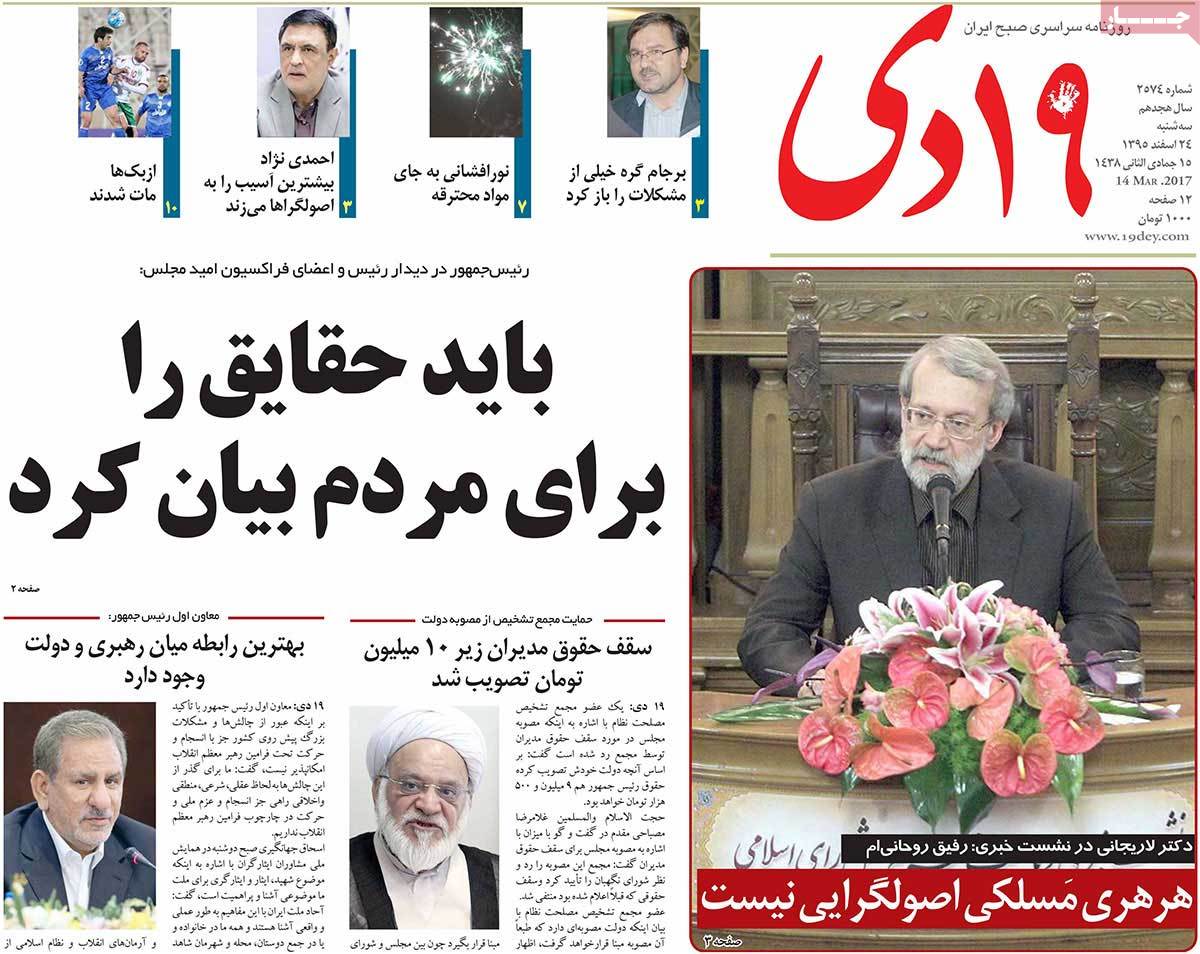
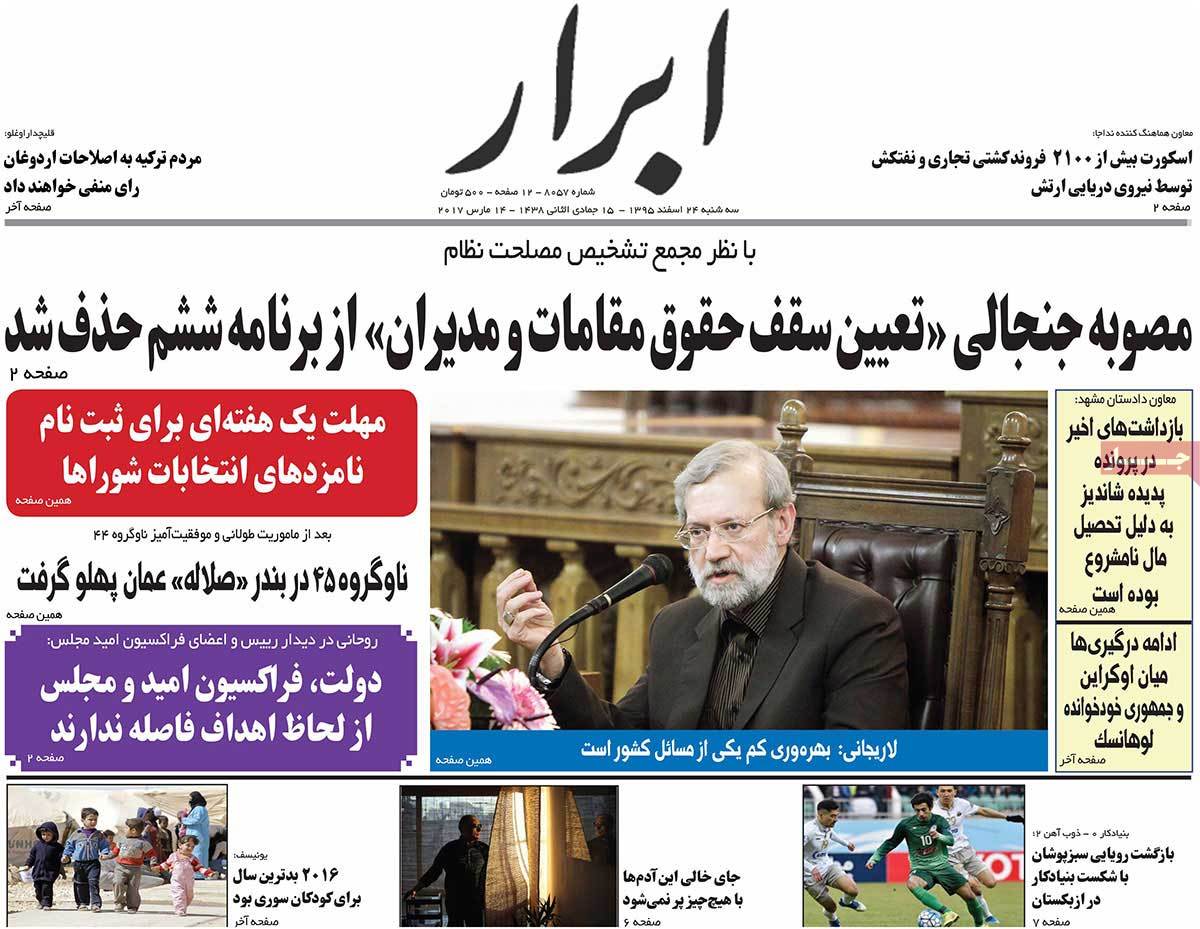
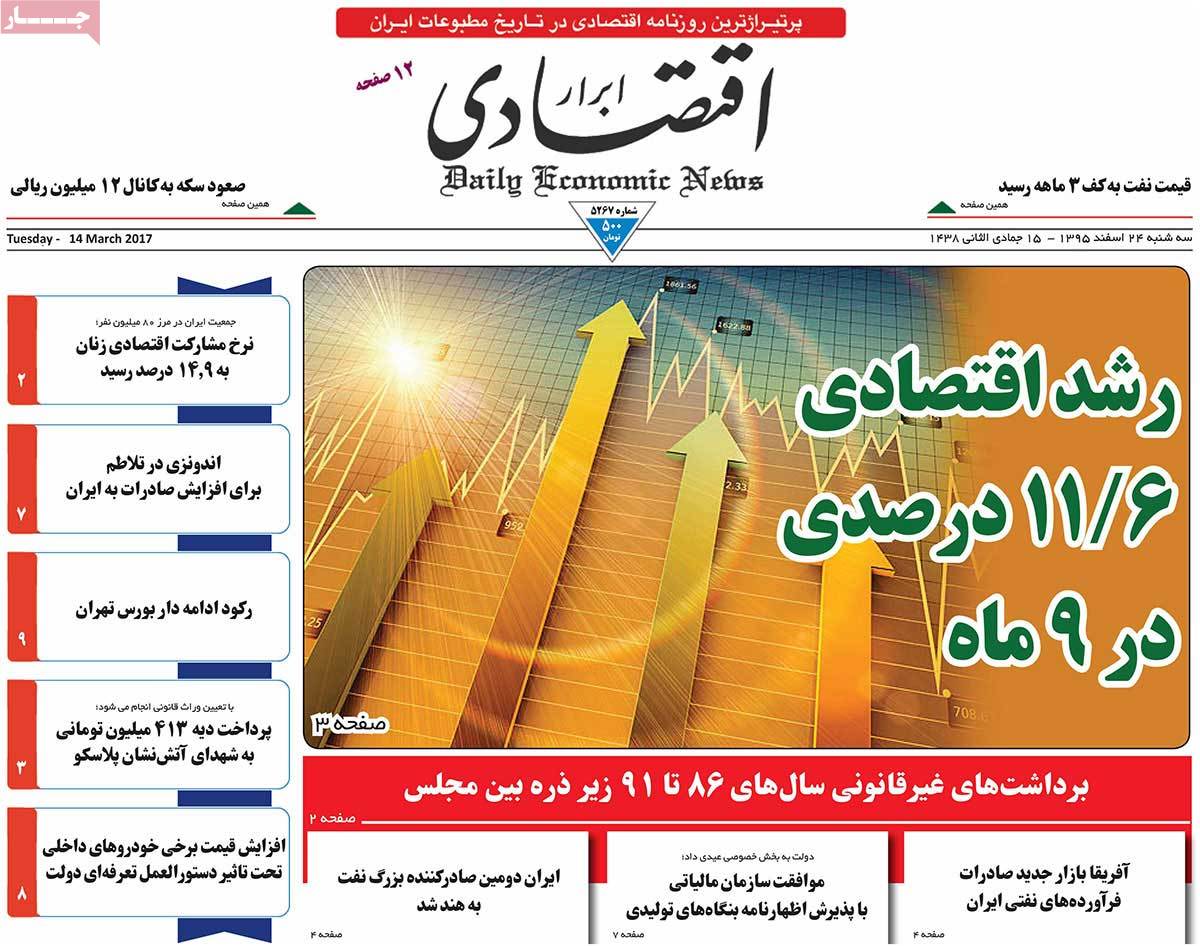
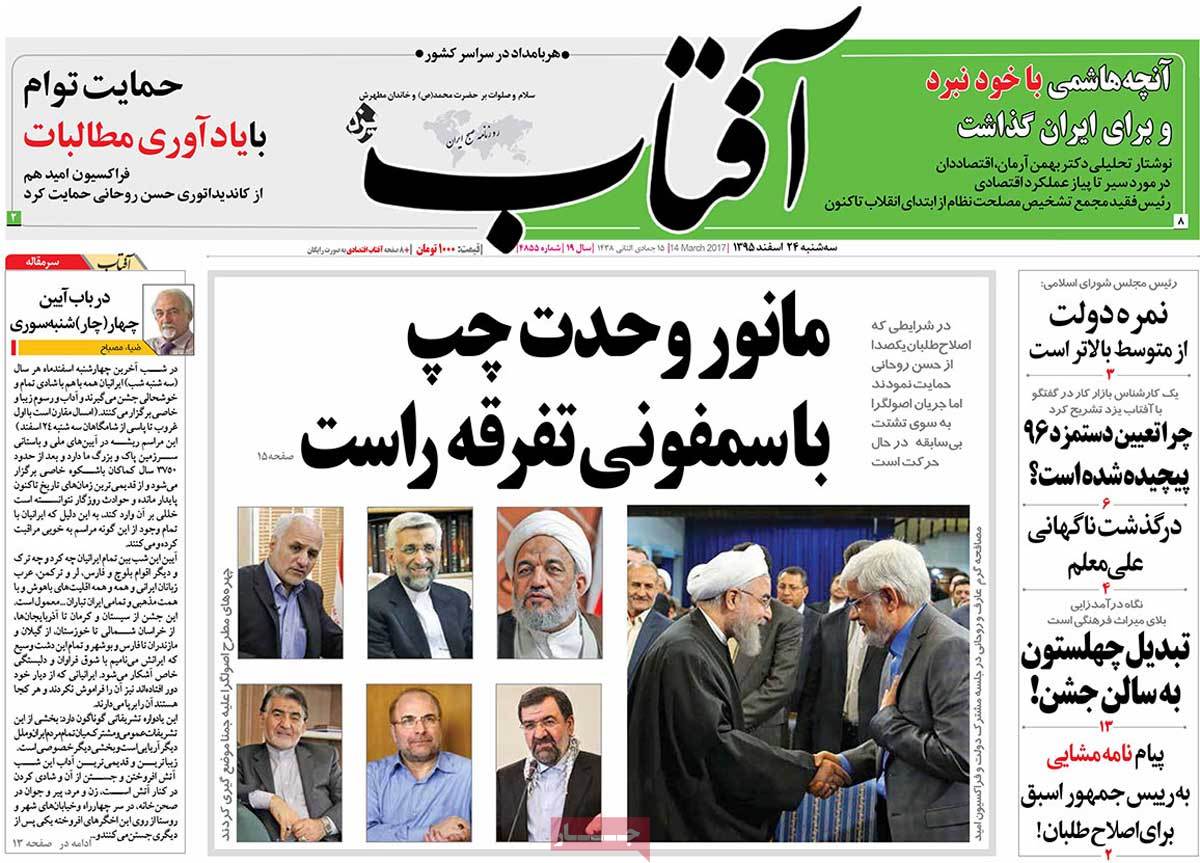
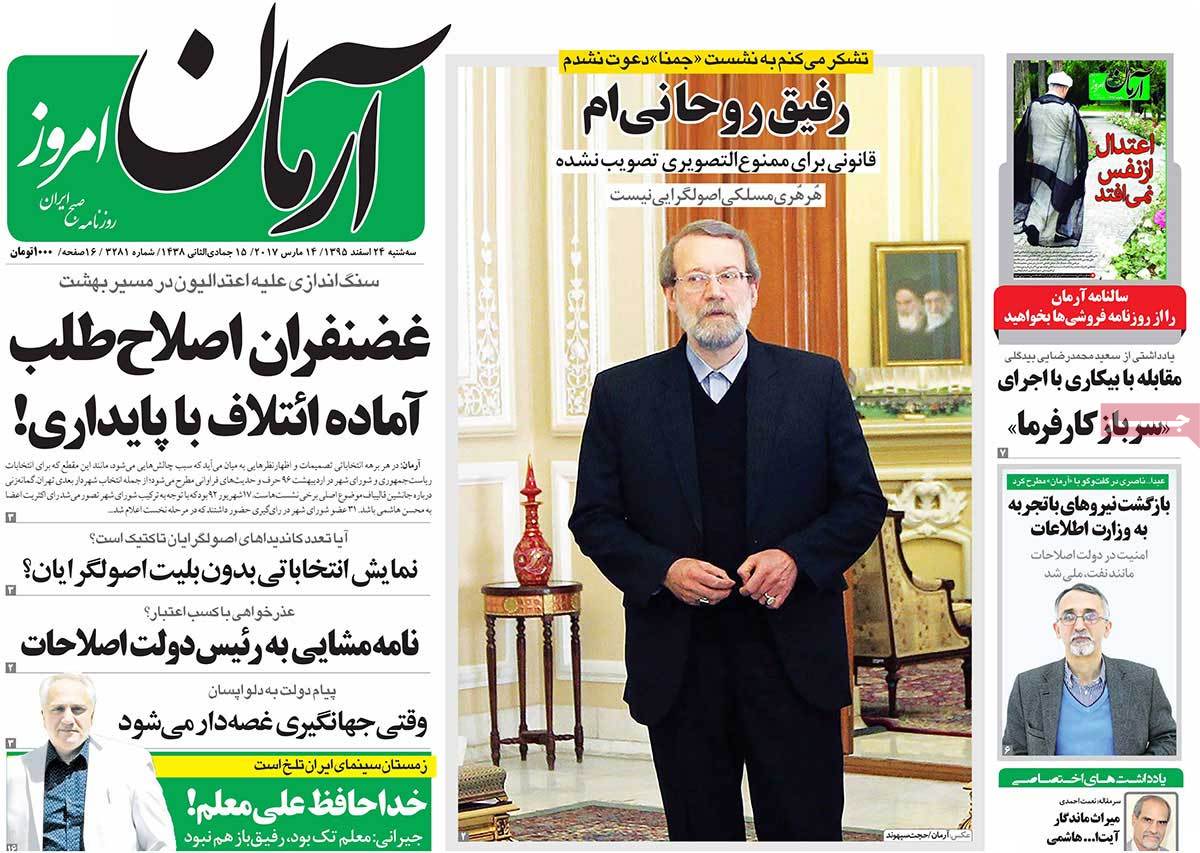
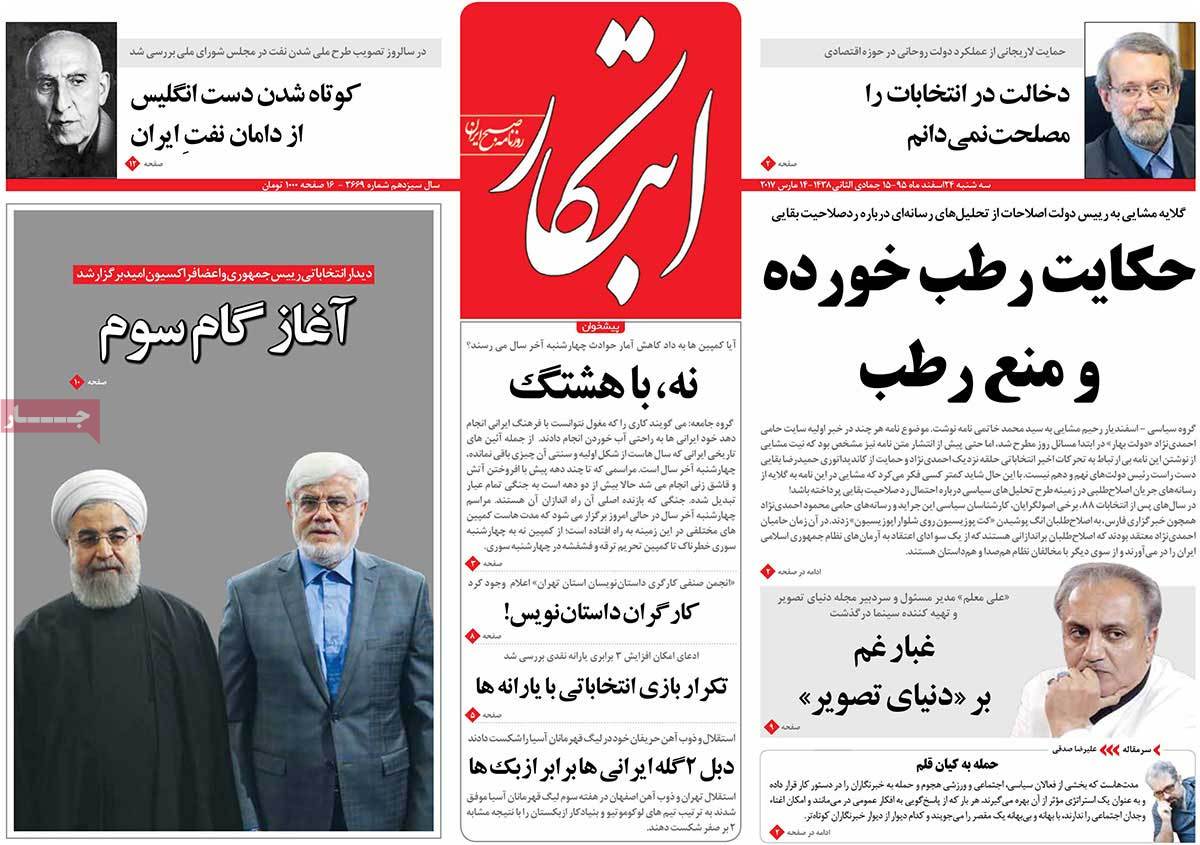
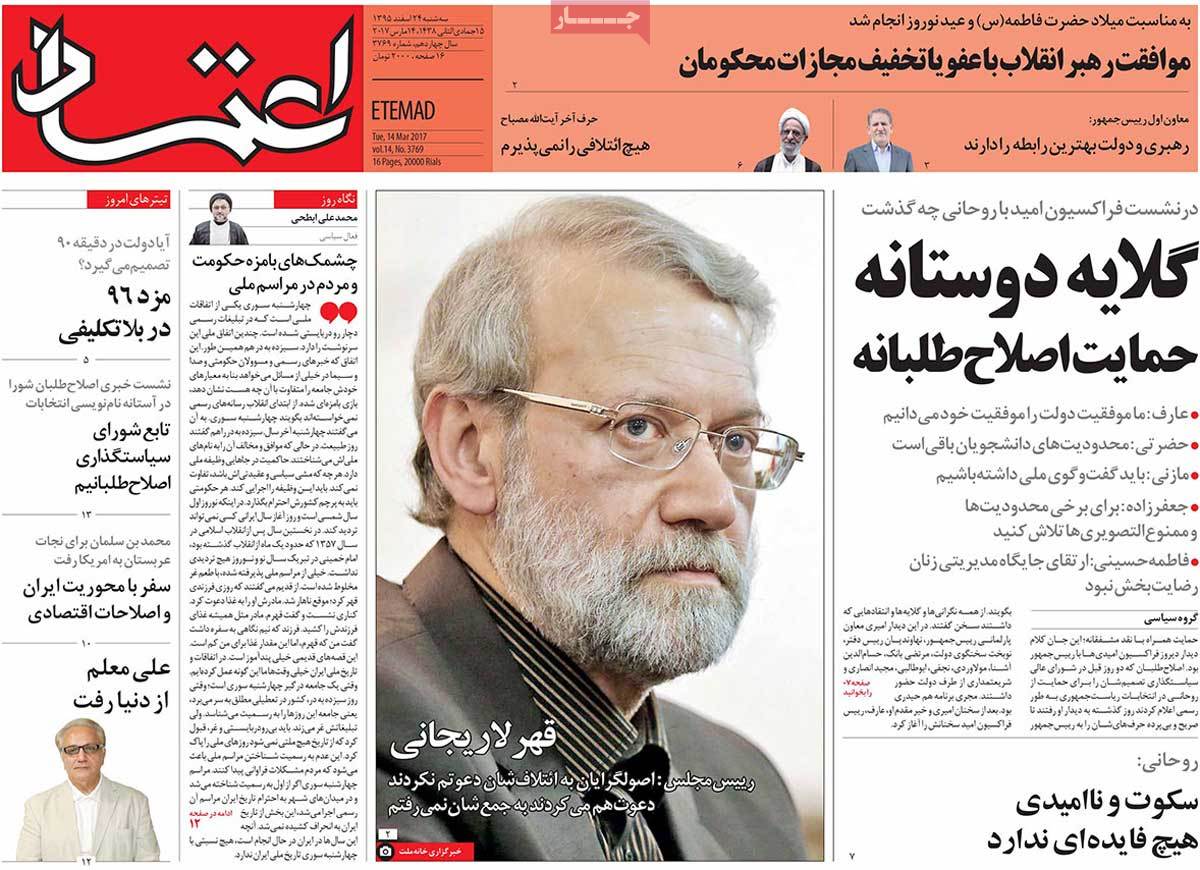
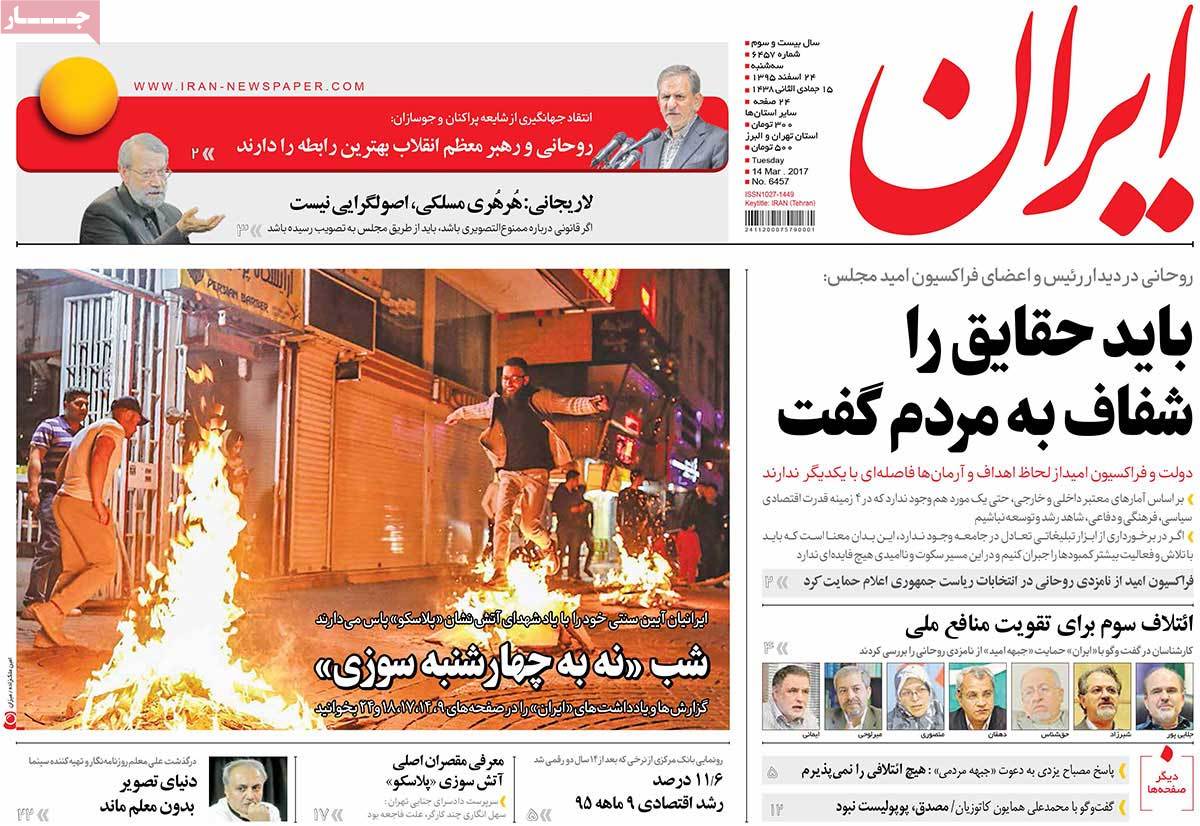
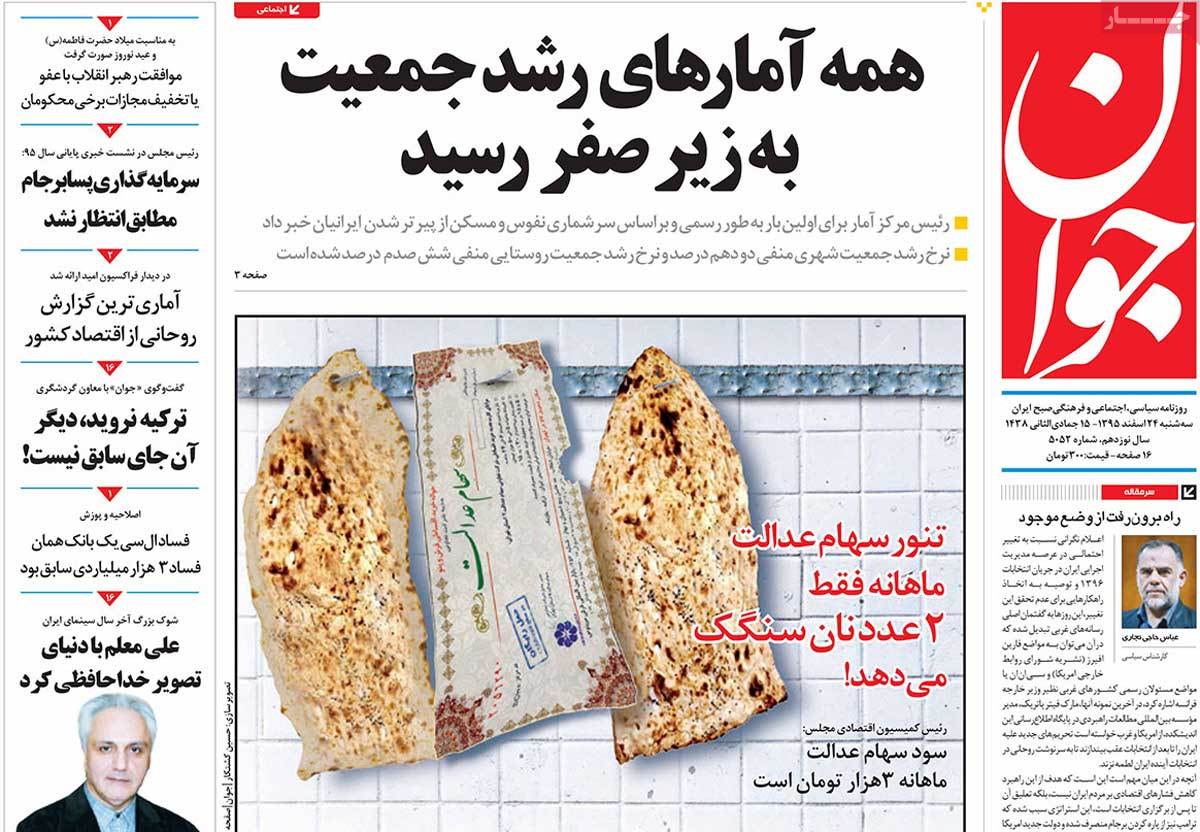
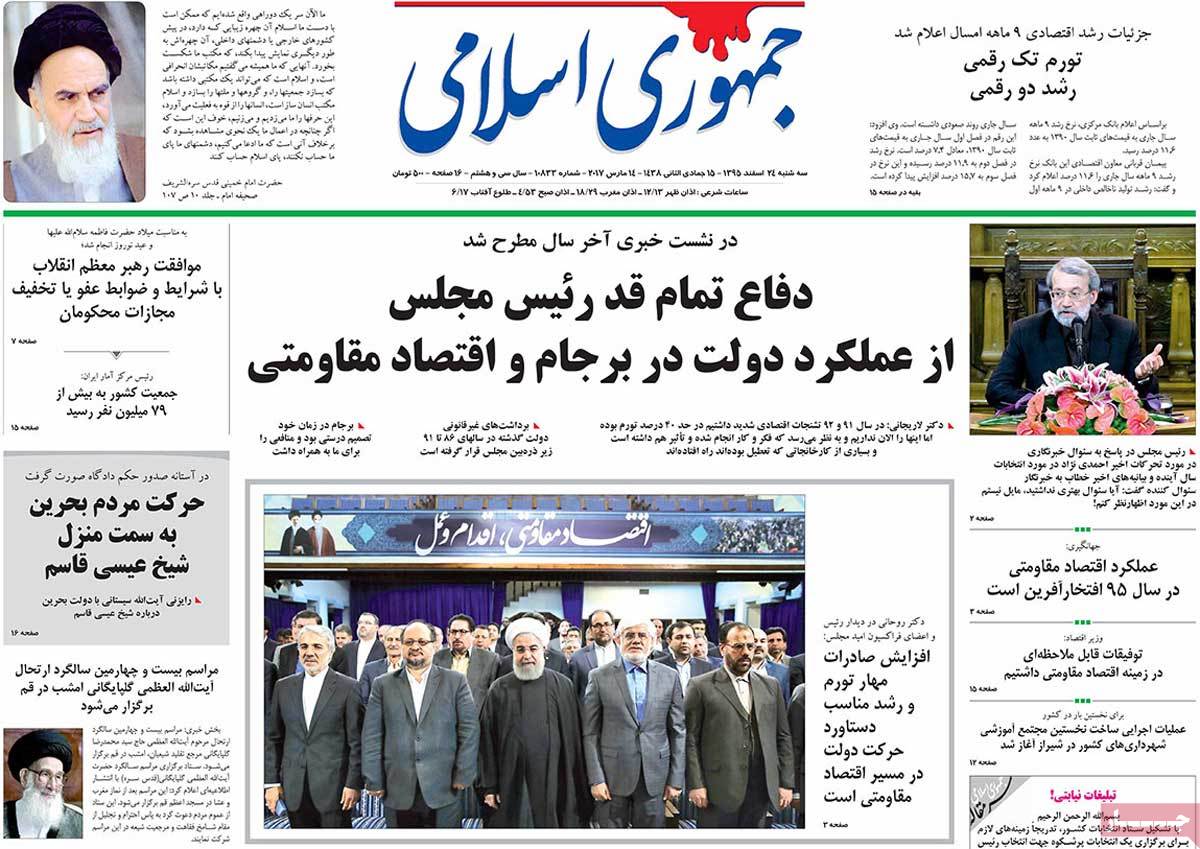
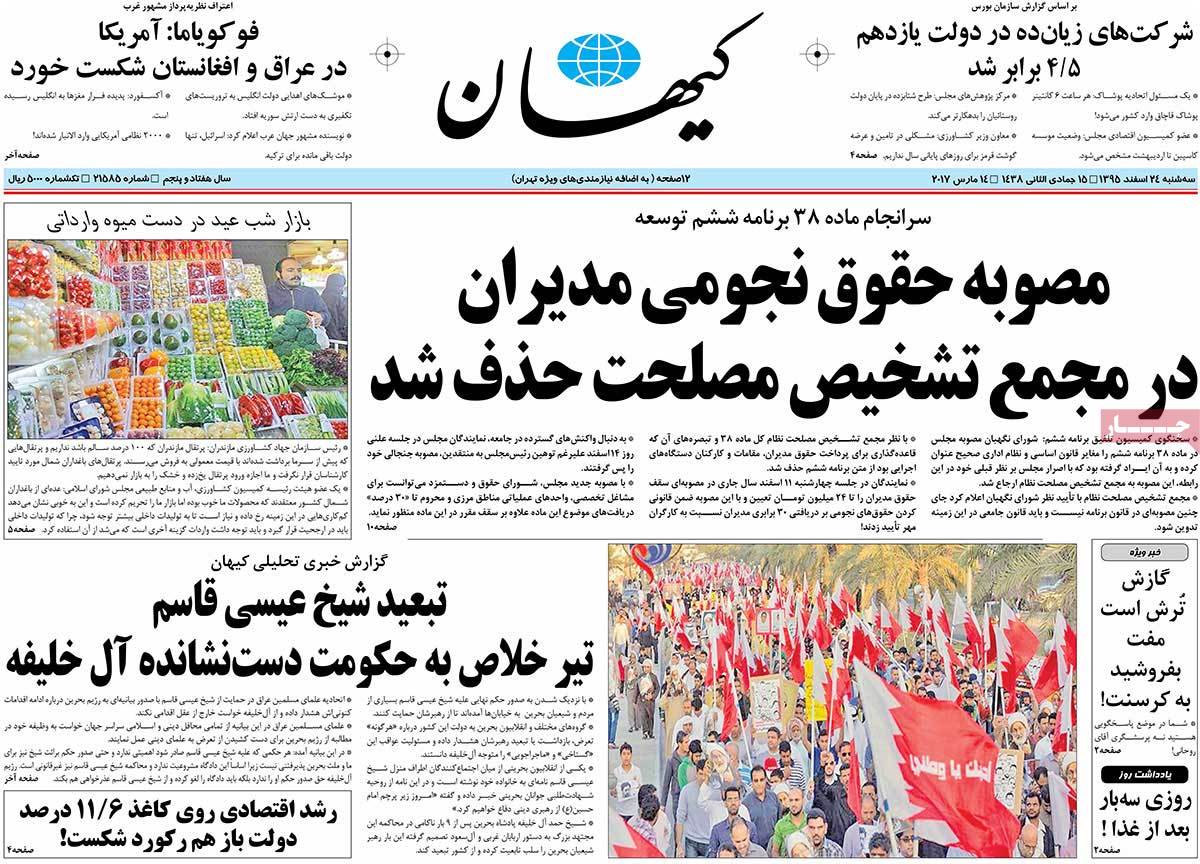
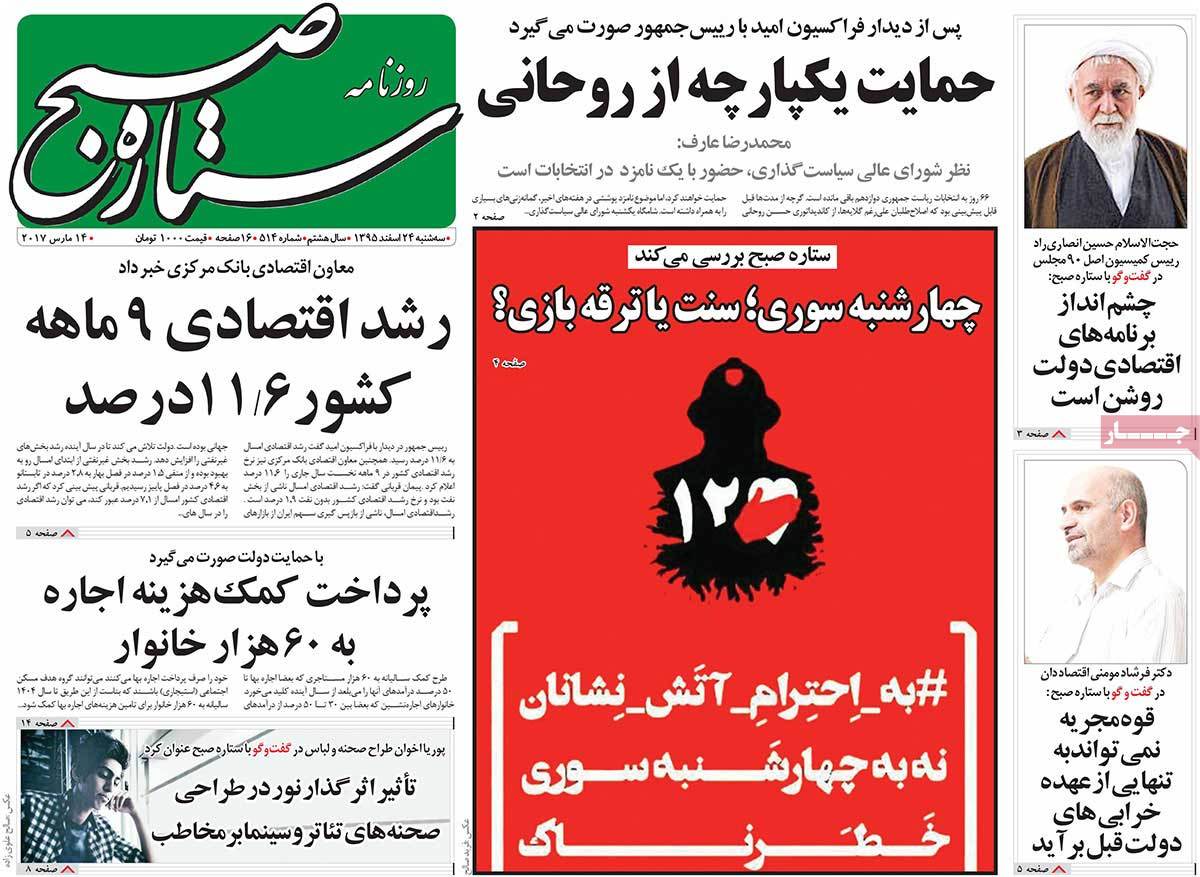
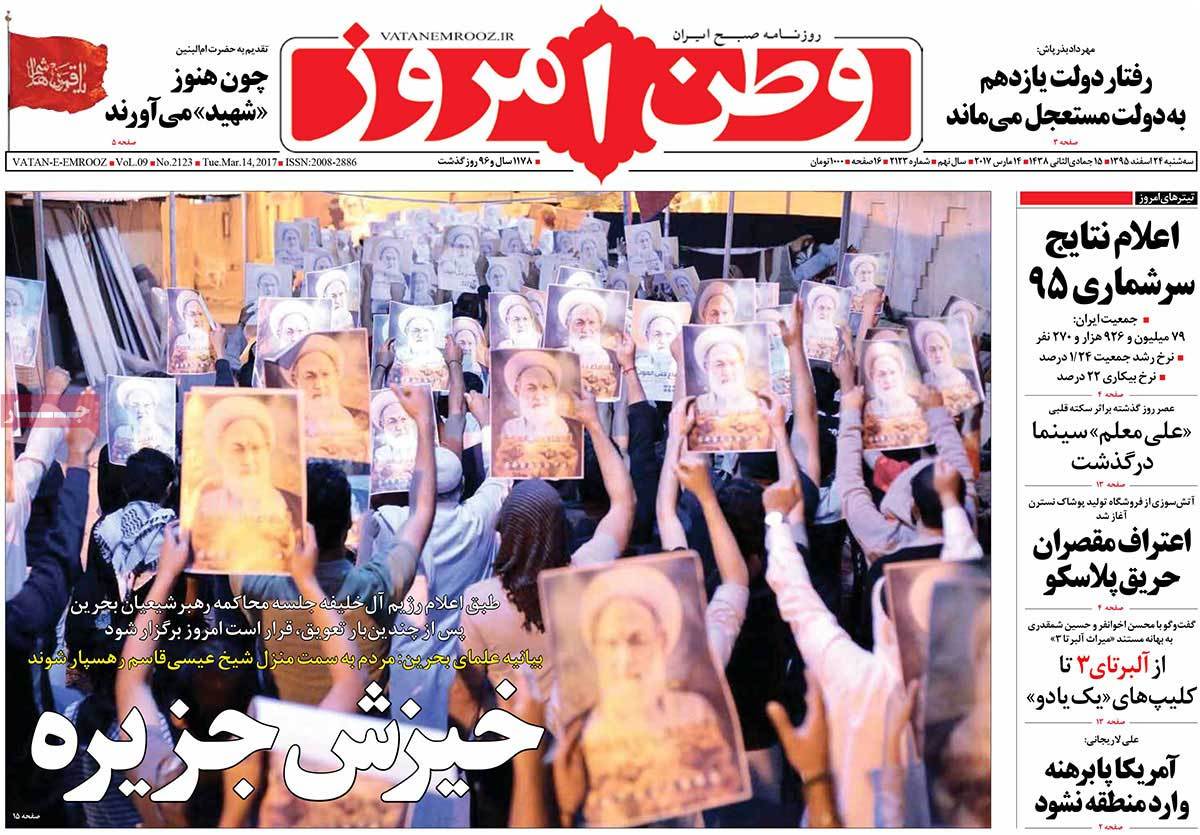
A Look at Iranian Newspaper Front Pages on February 18

Almost all newspapers today covered the ongoing climatic crises across Iran, including the flood in southern provinces and the heavy snow in northern Iran.

The dust pollution and its consequences in Khuzestan province were also widely covered by newspapers today.

Another top story was the world title claimed by Iran’s wrestling team, which defeated the US in the final match in Kermanshah, western Iran, to win the top position.

Newspapers also covered the ceremony held in commemoration of Ayatollah Akbar Hashemi Rafsanjani in the 40th day after his demise.

The above issues, as well as many more, are highlighted in the following headlines:


19 Dey:

1- People Commemorate the One Who Loved Them: 40th Day after Death of Ayatollah Hashemi Rafsanjani Commemorated Gloriously

2- Trump: Iran Shouldn’t Know What I’m Going to Do!


A Look at Iranian Newspaper Front Pages on February 18


Abrar:

1- Iran and Eurasia to Establish Joint Free Trade Zone

2- Netanyahu: Iran’s Behaviour Has Not Changed after Nuclear Deal

3- Deputy FM: Iran Has Invited Syrian Groups to Peaceful Negotiations with Syrian Government

4- ISIS Attack on Western Tal Afar Foiled


A Look at Iranian Newspaper Front Pages on February 18


Abrar-e Eqtesadi:

1- Oil Price Stands near $60: Possibility of Deal Extension Raises Oil Price

2- Iran Resumes Power Exports to Iraq

3- Central Bank Governor: We Don’t Have Any Frozen Assets in Oman


A Look at Iranian Newspaper Front Pages on February 18


Afkar:

1- Netanyahu: Iran Intends to Dominate the World!

2- Foreign Ministry Spokesman Underlines Global Unity against Terrorism


A Look at Iranian Newspaper Front Pages on February 18


Aftab-e Yazd:

1- Iran’s Climate Is Changing; Climatologist Says Iran’s Vulnerability to Precipitations Has Increased

2- Trump’s US Is Not a Big Fan of Israel Either: A Report on Future of Tel Aviv-Washington Ties in New Era


A Look at Iranian Newspaper Front Pages on February 18


Amin:

1- Former Culture Minister Explains Three Plans Followed by Opponents to Remove Rouhani from Politics


A Look at Iranian Newspaper Front Pages on February 18


Arman-e Emrooz:

1- Winners of the Cup: Iran’s Wrestling Team Claims World Title

2- Iranian FM May Meet US Secretary of State; Zarif to Deliver Speech at Munich Security Conference

3- Analyst: It Is Possible to Make a Deal with Trump as a Businessman


A Look at Iranian Newspaper Front Pages on February 18


Bahar:

1- People Have the Right to Protest: Cleric’s Reaction to Crisis in Khuzestan Province


A Look at Iranian Newspaper Front Pages on February 18


Besharat-e Now:

1- A Day of Woman, Earth, and Love: Sepandarmazgan Can Be the Valentine’s Day for Iranians


A Look at Iranian Newspaper Front Pages on February 18


Ebtekar:

1- Sports Triumph over Politics: Iran’s Wrestling Team Defeats US to Win World Cup

2- Trump and Series of Confrontations with Media


A Look at Iranian Newspaper Front Pages on February 18


Etemad:

1- Iran Shows Its Power; Iranian Wrestlers Claim World Title

2- Coach of Iran’s Freestyle Wrestling Team: We Both Won Ethics in Politics and Top Position in World Cup

3- Zarif to CNN: JCPOA Will Remain in Place


A Look at Iranian Newspaper Front Pages on February 18


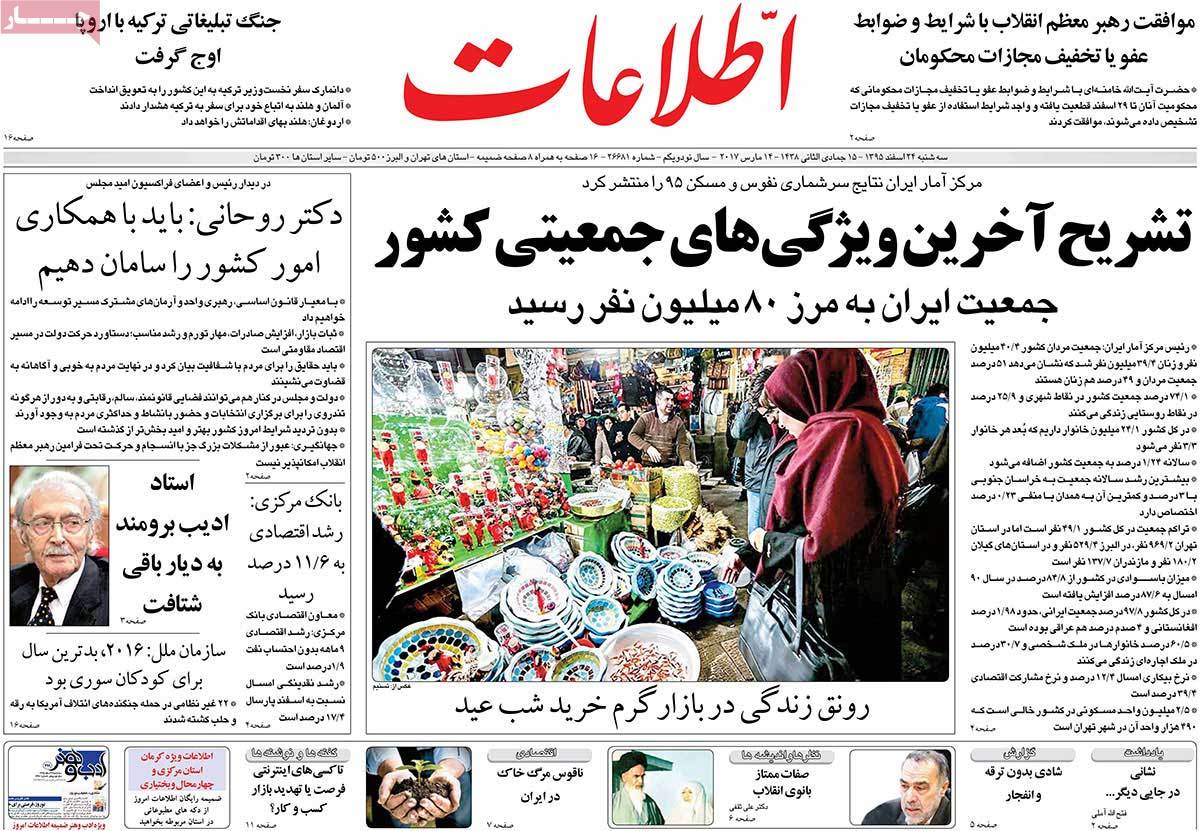
Ettela’at:

1- At the End of Astana Talks: Iran, Russia, and Turkey Form a Team to Follow up on Syria Truce

2- Senior Analysts to Ettela’at: Water Conditions Are Critical in Iran; the Country Should Be Industrialised

3- ISIS Terrorist Attack on Shrine in Pakistan’s Sindh Kills 80 and Wounds 250


A Look at Iranian Newspaper Front Pages on February 18


Haft-e Sobh:

1- Nature’s Outrage: Flood in the South and Snow and Blizzard in the North


A Look at Iranian Newspaper Front Pages on February 18


Iran:

1- 21 Cities in 11 Provinces Grappling with Heavy Rain: Southern Provinces Surrounded by Flood

2- Beginning of Plan to Control Dust Pollution

3- New Chapter of Iran-Arab Dialogue Opened; Kuwait’s Deputy FM: Rouhani’s Visit Manifestation of Iran-GCC Agreement


A Look at Iranian Newspaper Front Pages on February 18


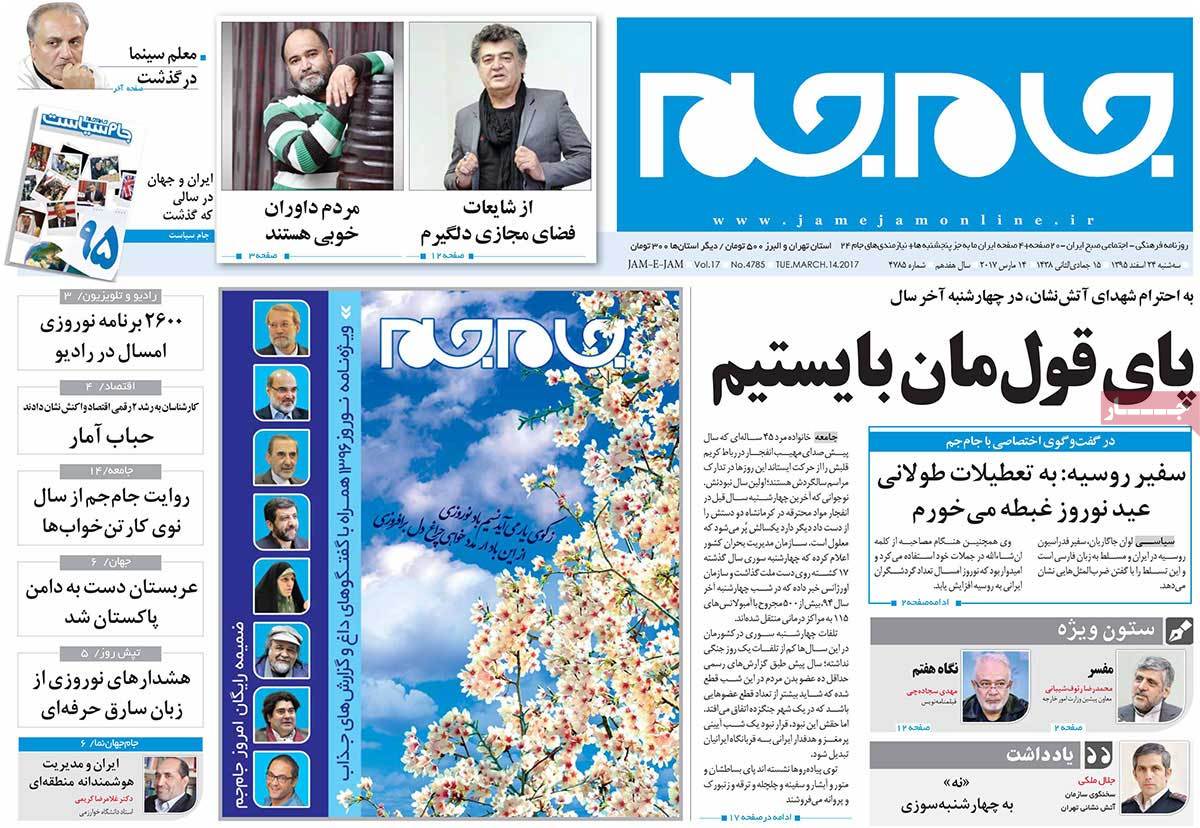
Jame Jam:

1- Fars, Bushehr, and Kerman Provinces Have Suffered Damages Caused by Flood in Past Days

2- US Defeated by Iran in Wrestling


A Look at Iranian Newspaper Front Pages on February 18


Javan:

1- Threatening Israel to Nuclear Attack Using Its Own Nukes; Nasrallah: You Know What Would Happen If Hezbollah Fires Missiles on Dimona!

2- Unique Situation of Shiraz [Fars Province]: Mohammad Abad Dam Broken, River Has Flooded, 78 Units Destroyed in Jahrom, and Red Crescent Chopper Cannot Fly!


A Look at Iranian Newspaper Front Pages on February 18


Jomhouri Eslami:

1- Loyal People of Islamic Republic of Iran Commemorate Ayatollah Rafsanjani

2- Saudi Warplanes Pound Mourning Ceremony in Sana’a, Yemen


A Look at Iranian Newspaper Front Pages on February 18


Ka’enat:

1- Last Meeting in Munich: First Encounter in Post-Trump US and Zarif’s Last Encounter in Current Iranian Calendar Year [due to end in mid-March]


A Look at Iranian Newspaper Front Pages on February 18


Kayhan:

1- Distance between Statistics and Realities: A Test of Government’s Economic Report

2- Achievement of Swedish PM’s Visit to Iran: Proposing Anti-Iran Resolution!


A Look at Iranian Newspaper Front Pages on February 18


Resalat:

1- Hezbollah Secretary General Urges Israel to Get Rid of Its Nuclear Warheads in Dimona

2- Trump: We’re Not Going to Decrease Pressure on Iran


A Look at Iranian Newspaper Front Pages on February 18


Saheb Qalam:

1- Reviving Wetlands Is Only Way to Save Khuzestan Province


A Look at Iranian Newspaper Front Pages on February 18


Setareh Sobh:

1- G20 Summit and Pressure on US Secretary of State

2- Analyst: Russia Not in a Position to Form New World Order along with US


A Look at Iranian Newspaper Front Pages on February 18


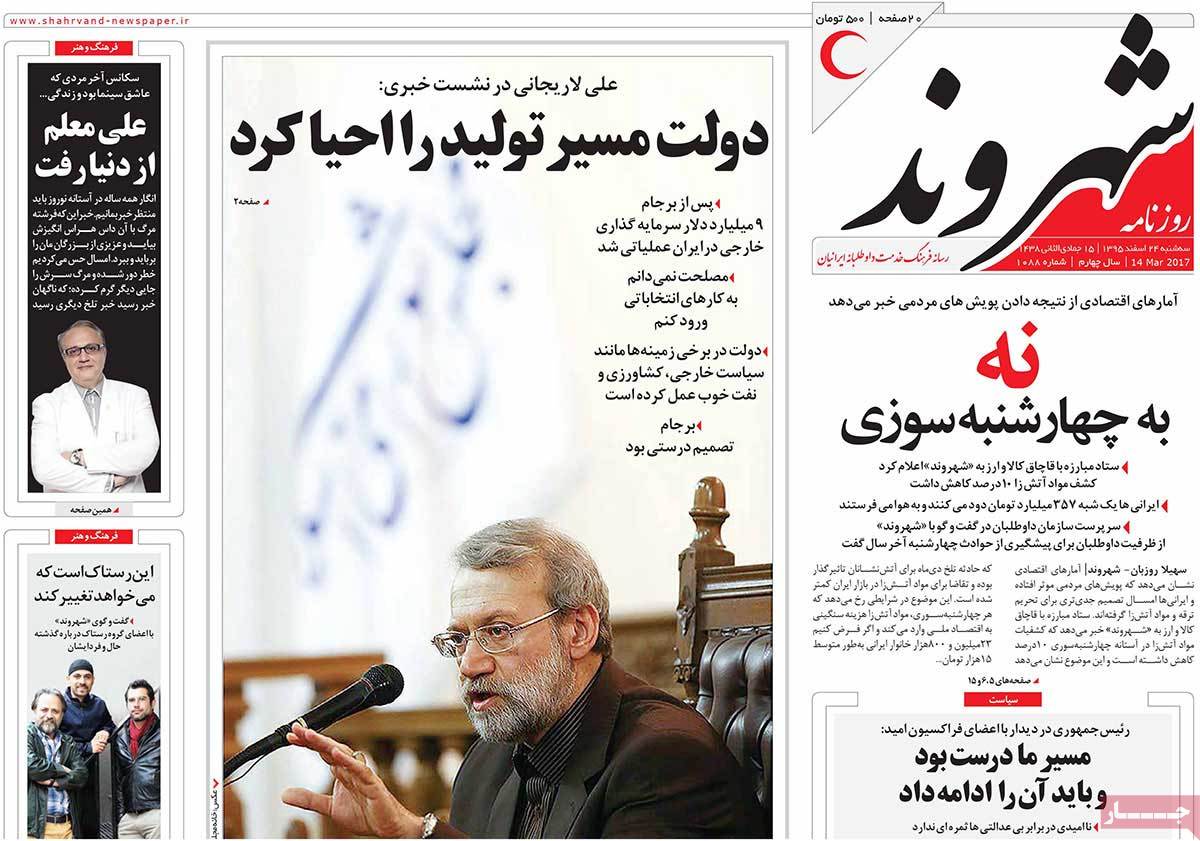
Shahrvand:

1- Our Mouths Taste like Dust: People of Ahvaz Talk about Their Lives without Water and Power, and with Heavy Dust Pollution

2- Rescue Operations from South to North: Over 60,000 People Stranded in Snow and Flood Receive Relief


A Look at Iranian Newspaper Front Pages on February 18


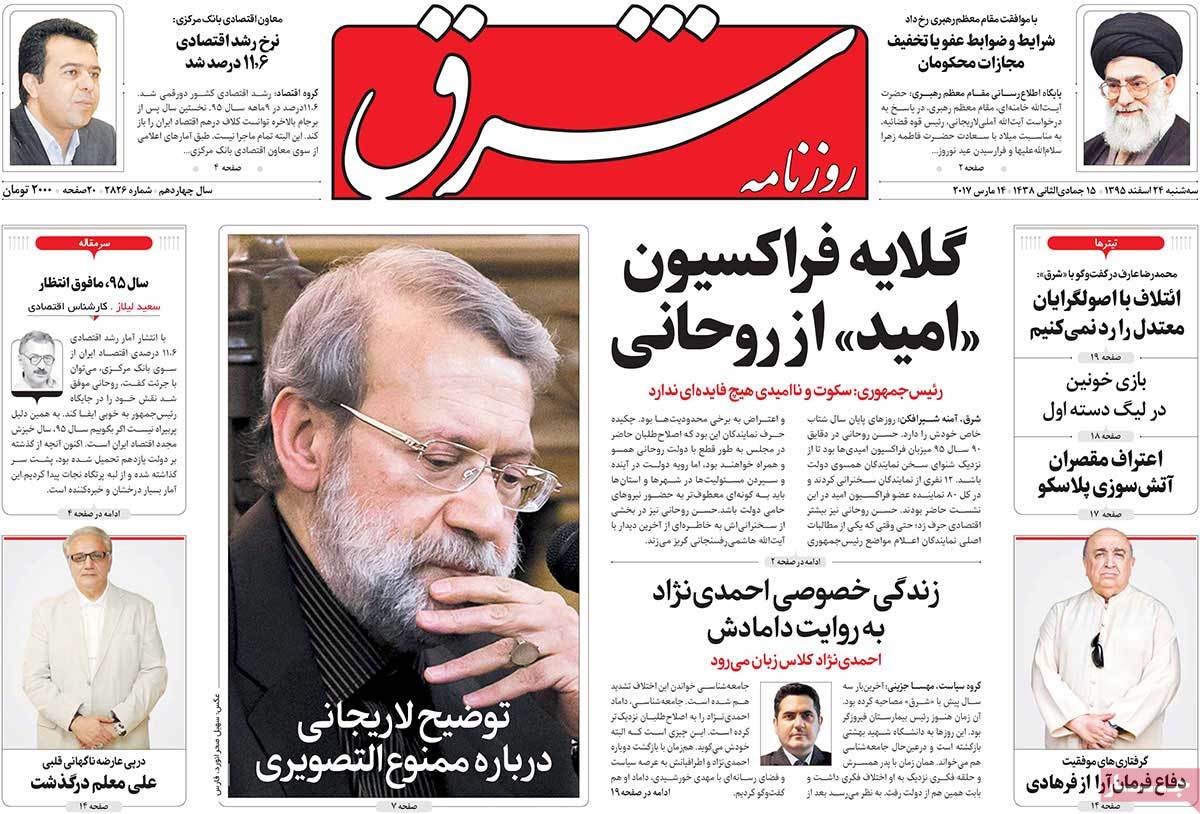
Shargh:

1- Parliament and Impeachment Test: MPs Consider Transport Minister’s Impeachment as a Politically-Motivated One Aimed at Damaging Rouhani Government’s Image


A Look at Iranian Newspaper Front Pages on February 18


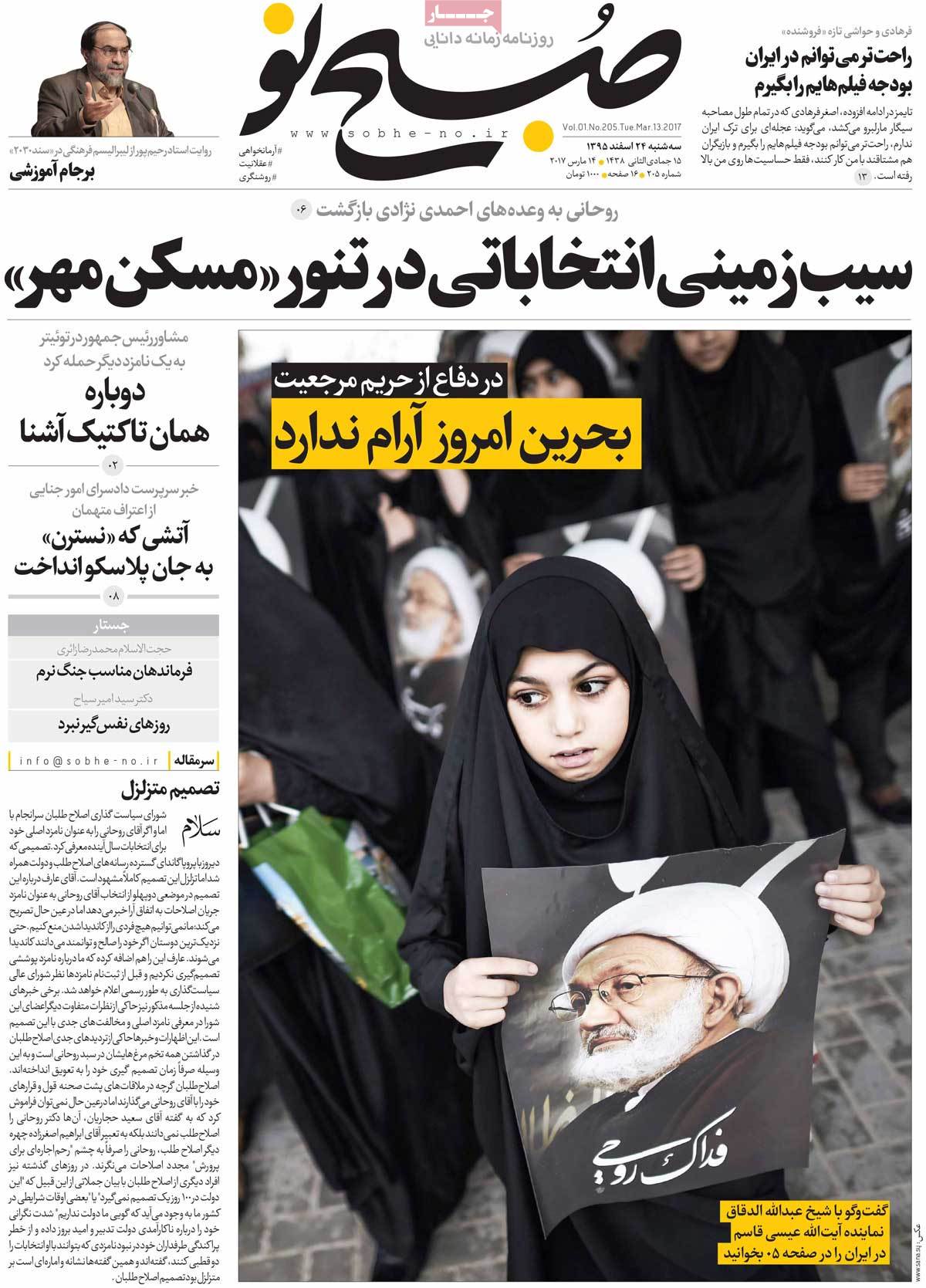
Sobh-e Now:

1- Flood in the South: MP Says We’re Not Prepared to Manage Such Crises; Jahrom’s Old Urban Structure on Verge of Collapse


A Look at Iranian Newspaper Front Pages on February 18


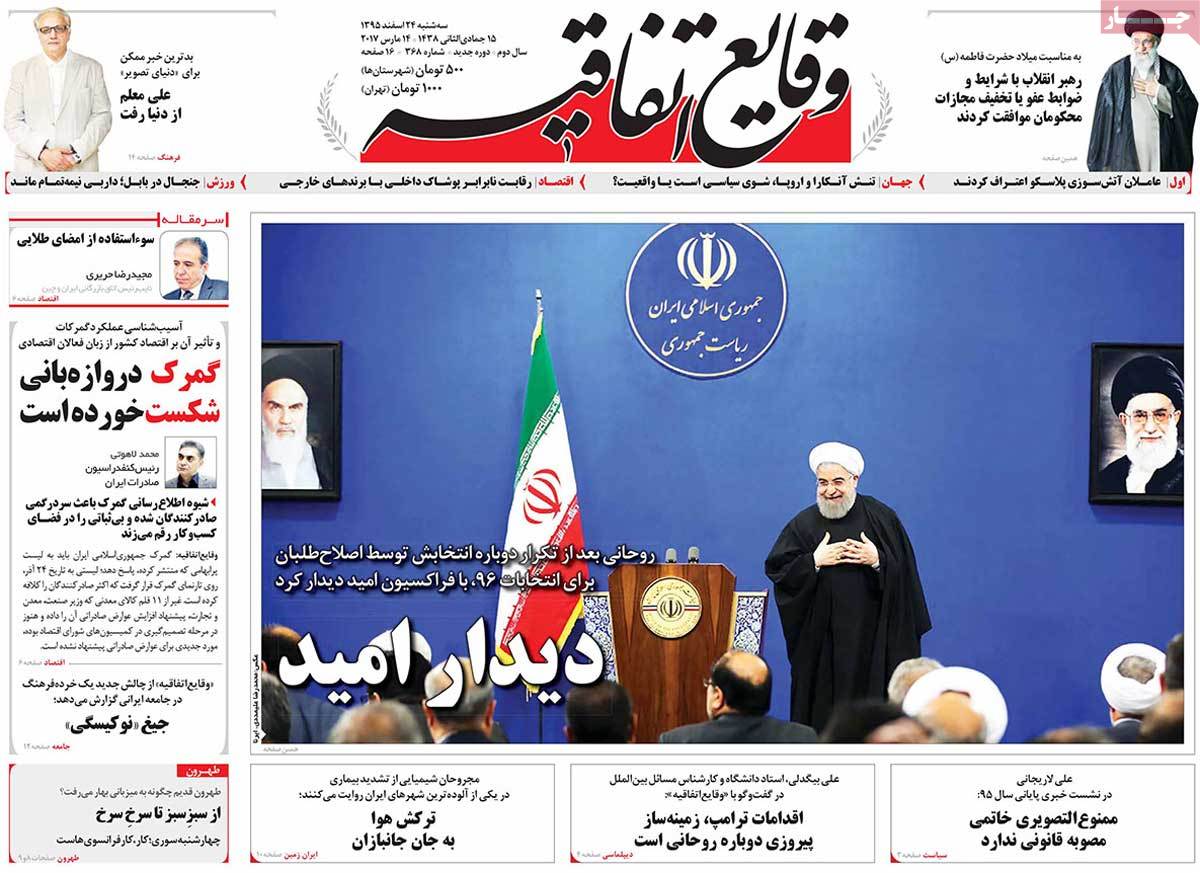
Vaghaye Ettefaghieh:

1- Munich Afraid of Trump’s Evil: Representatives of 60 Countries Convene to Discuss World Security


A Look at Iranian Newspaper Front Pages on February 18


Vatan-e Emrooz:

1- Trump: No to War, Yes to Sanctions; US President Stresses Exacerbation of Anti-Iran Sanctions

2- Two New Crimes by ISIS: 48 Killed in Baghdad Explosion


A Look at Iranian Newspaper Front Pages on February 18

Israel Only Mideast Regime Possessing Nukes: Iranian FM

“The only regime in ME with nukes, ICBMs & a history of aggression whines about Iran’s means of defense,” Zarif said on his twitter account late on Friday.

“Fear-mongering hype is fake news,” the Iranian top diplomat added.

Israeli Prime Minister Benjamin Netanyahu, in his visit to the US, said Tel Aviv and Washington have a mission to confront what he called “the threat of a nuclear Iran”.

Iran, one of the original states to sign the Non-proliferation Treaty, completed its Safeguards Agreement with the IAEA in 1974. Areas covered include the application and implementation of safeguards, materials control, provision of information to the IAEA, and the non-application of safeguards to nuclear material to be used in non-peaceful activities.

The Islamic republic has been a major proponent of a nuclear-weapons-free Middle East, whose efforts and those of other regional countries have been hampered by Israel, which is thought to be in possession of a sizeable nuclear weapons arsenal.

Israel is believed to possess anywhere from 75 to as many as 400 nuclear weapons, including thermonuclear weapons in the megaton range. Israel has never confirmed or denied being in possession of the arms in line with its policy of “nuclear ambiguity.”

Iranian Reformists Propose Motion to Punish Speech Disruptors

Speech Disruptors

A number of Iranian reformist and moderate pro-government lawmakers have codified a double-urgency plan, not positively reacted to by the conservative party, to ensure the security of [holding] official, religious and other common ceremonies by imposing punishments on those who seek to disturb them.

Members of the conservative party maintain that the plan’s main target is covering up the Rouhani administration’s inefficiencies and silencing criticisms [to be] levelled at the government’s performance.

According to a report by IFP, it is stipulated in the plan’s single article that:

  • Anybody who in any way, for instance by raising a tricky or probing question, disturbs or interrupts an official ceremony, including speeches or conventions which are held without official permits, or distracts participants or creates tensions, will be convicted to imprisonment from six months to two years.
  • The disciplinary forces are responsible for the immediate arrest of the disruptor(s) or interrupter(s) and handing them over to judicial bodies.
  • All state officials including administrative, military, disciplinary or political authorities are required to guarantee the security of the ceremonies or meetings and prevent any move leading to their disturbance, disruption or cancellation. In case of any failure in fulfilling their responsibility, they will be dismissed from their position of responsibility, temporarily or permanently, in proportion to the case (seriousness of the crime perpetrated by the disruptor and severity of its consequences).
  • Iran’s Judiciary is also required to consider the cases and issue the verdicts in less than a month.

This plan, however, has not been yet discussed in the Parliament’s open session. In addition, in case of being ratified by the parliamentarians, it is required to be approved by the Guardian Council to be executed.

Conservative Disagreement

Commenting on the plan, Parviz Sorouri, the secretary-general of the Society of Path-Seekers of the Islamic Revolution — an Iranian conservative party — said it is quite surprising and upsetting that those who publically claim to be liberals and advocates of freedom and democracy, are, after coming into power, seeking to annihilate their adversaries.

“This political circle intends to stifle any dissenting voice on the spot and seeks to ineffectively manage the public opinion.”

The plan is in contrast to the main slogan of Iran’s 1979 Islamic Revolution calling for “Independence, Freedom, Islamic Republic”, he said, adding the Leader of the Islamic Revolution Ayatollah Seyyed Ali Khamenei has repeatedly stressed that ideal conditions are required to be created for the freedom of speech and free expression of ideas and viewpoints in the society.

“Although we are against the disturbance of ceremonies, we maintain that this plan is a trick aimed at exploitation and a plan to cover up the government’s inefficiencies. This is while, such plans challenge the soundness of the bases of the Islamic Revolution.”

Referring to the present harsh climatic condition in the southwestern province of Khuzestan, created by dust storms, he said such problems make people impatient and restless, compelling them to voice and put forward their complaints and demands respectively, adding the reformists’ plan seeks to deprive them of this opportunity.

Iran’s Oil Output Slightly Affected by Power Cut in Khuzestan

khuzestan

Iran’s Deputy Oil Minister Ali Kardor announced that the power cut in Khuzestan province [caused by the ongoing dust pollution] has slightly reduced Iran’s oil output.

However, he added, it will not influence Iran’s commitments to the Organisation of Petroleum Exporting Countries (OPEC) as it is a temporary (one- to three-day) cut.

“Iran has sufficient oil reserves, and we can reserve as much as 20 million barrels,” he added, according to a Farsi report by ISNA.

Iranian people in southwestern province Khuzestan has been suffering from a severe dust pollution, which has led to prolonged water, power and telephone communication cut.