Tuesday, December 30, 2025
Home Blog Page 4083

How Iranian and Saudi Clerics View Cinema

Ayatollah Abdollah Javadi Amoli-Mufti Abdul-Aziz

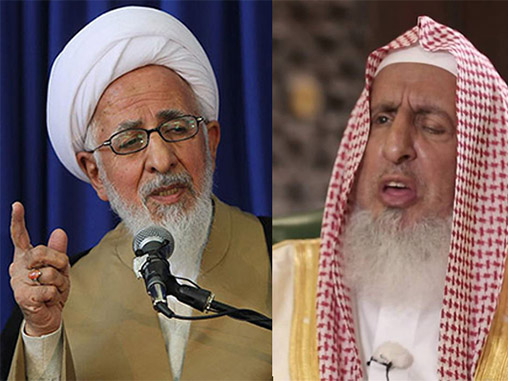
Since cinema incorporates and caters to all perceptive dimensions and aspects of human beings, it appeals to people’s taste, Grand Ayatollah Abdollah Javadi Amoli said, according to a Farsi report by Entekhab news website.

Commenting on the higher impact of cinema on people compared with other media, the Iranian cleric said human has had different tools to pass on religious teachings and divine truths in different eras.

However, cinema has proven more effective to these ends compared with other media outlets, he added.

He went on to say that in case artists believe in what they say, they will be able to have a greater impact on the audience’s perception.

Ayatollah Javadi Amoli’s remarks came after Saudi Arabia’s Grand Mufti (top religious cleric) said cinema and concert are totally depraved, and put an end to the recent heated discussions in the Arab country on cinema and issuing permits for holding concerts.

Cinemas “might show movies that are libertine, lewd, immoral and atheist, because they rely on films imported to change our culture,” said Grand Mufti Abdul-Aziz ibn Abdullah Al ash-Sheikh in a televised interview on Friday, adding there is also “no good” in singing concerts.

According to the head of the Saudi supreme council of clerics, both concerts and cinemas represent a “call for mixing between sexes.”

At Least 32 Killed after Turkish Cargo Plane Crashed in Kazakhstan

Turkish Cargo Plane

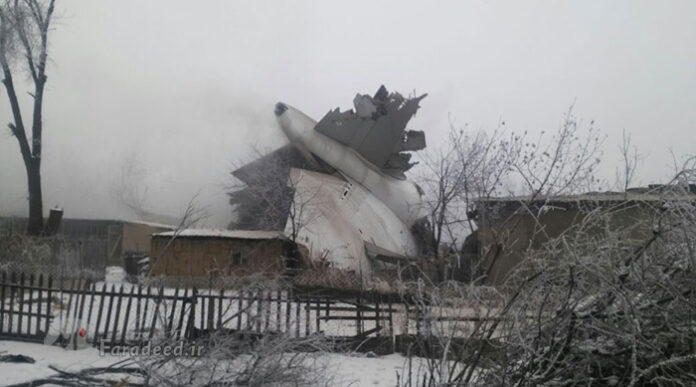
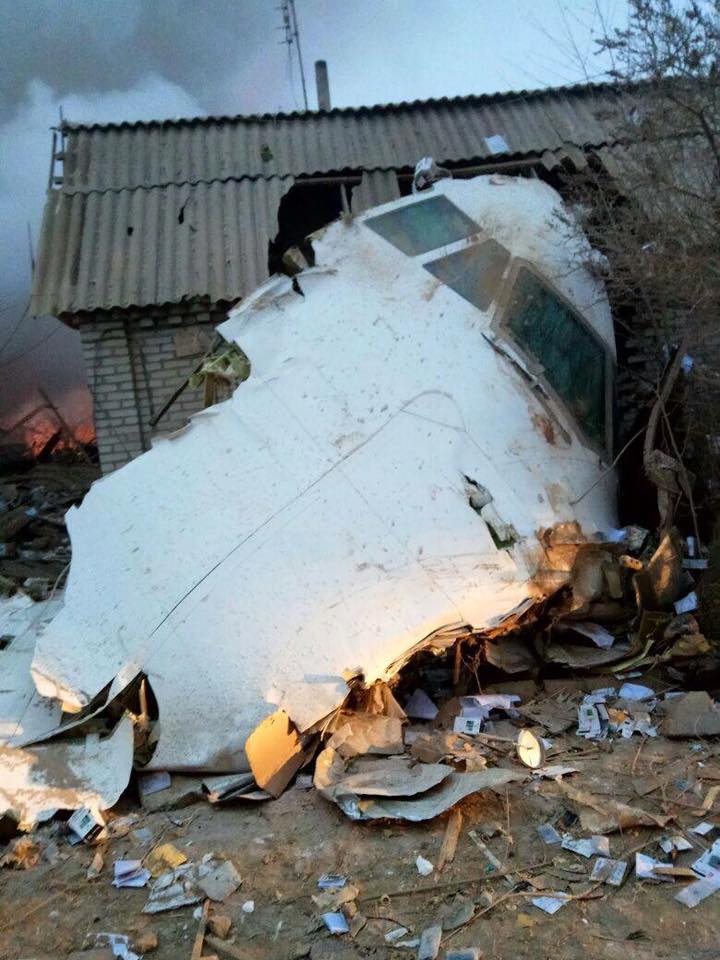
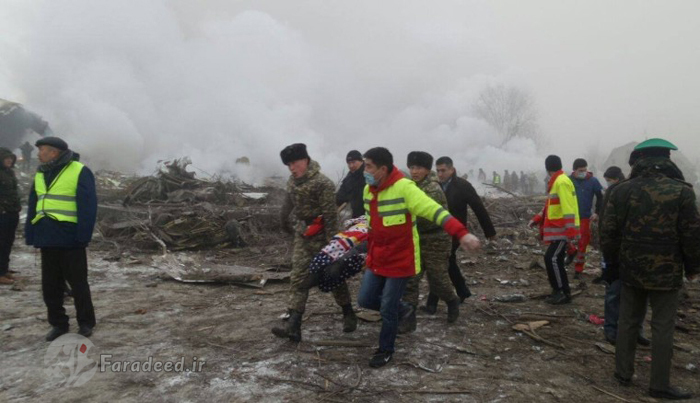
Many of those killed were residents of Dacha-Suu village where the plane crashed. Many others are reported injured.

Turkish Cargo PlaneKyrgyz officials said the Boeing 747 cargo plane went down several kilometers away from Manas International Airport early on January 16.

Government spokeswoman Tolgonai Stamaliyeva said the plane — which was en route from Hong Kong to Istanbul — was going to land at Manas airport to refuel and crashed in a populated area, damaging some 20 houses.

The area where the plane crashed was reported to be foggy at the time, RFL/RE reported.

Airport officials said there were an unknown number of crew aboard the plane but no passengers.

At least four pilots on the flight were among the dead, the emergency services ministry said, with one pilot’s body yet to be found.

“The plane crashed into the houses, it killed entire families,” one eyewitness told AFP, speaking on condition of anonymity, according to a report by AFP.

“There’s nothing left of the houses, people were killed with their whole family, their children. Many people were sleeping.”

Turkish Cargo Plane

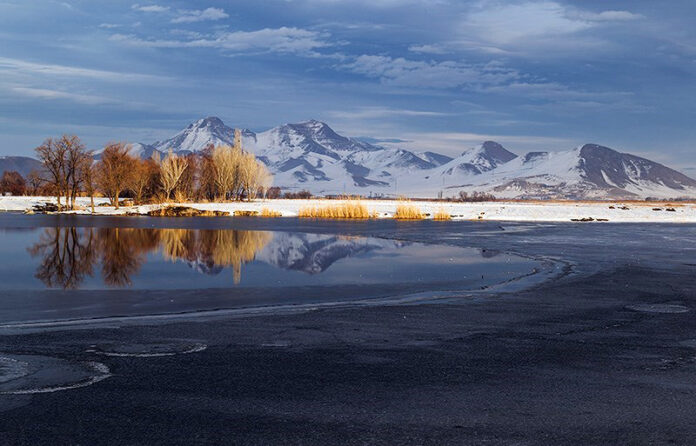
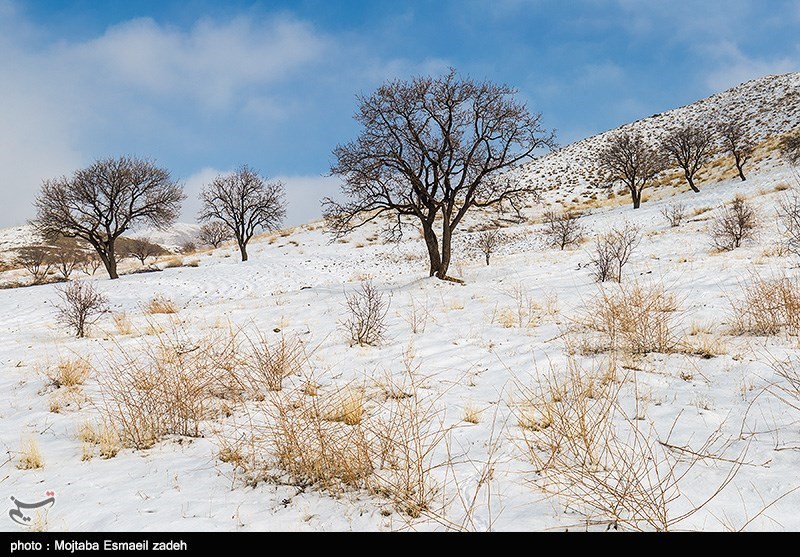
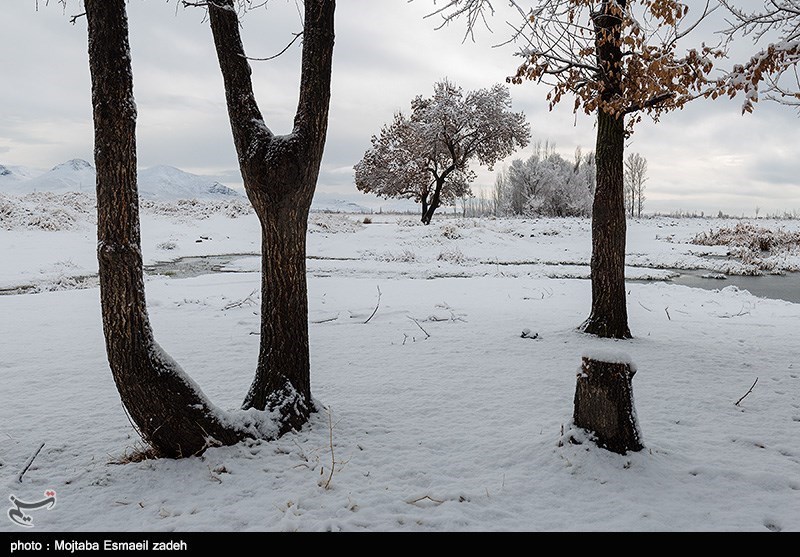
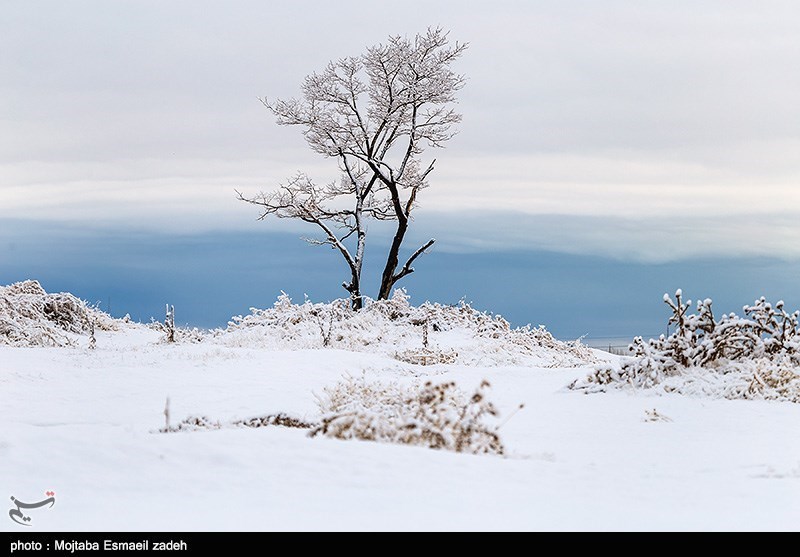
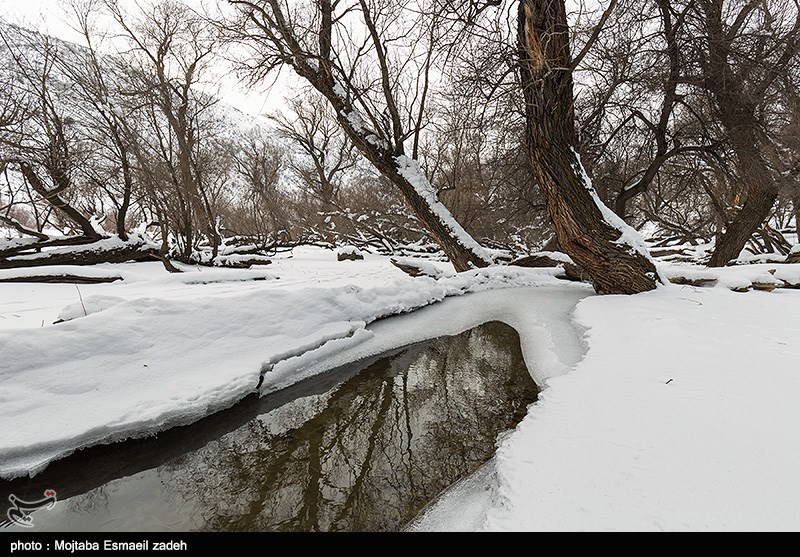
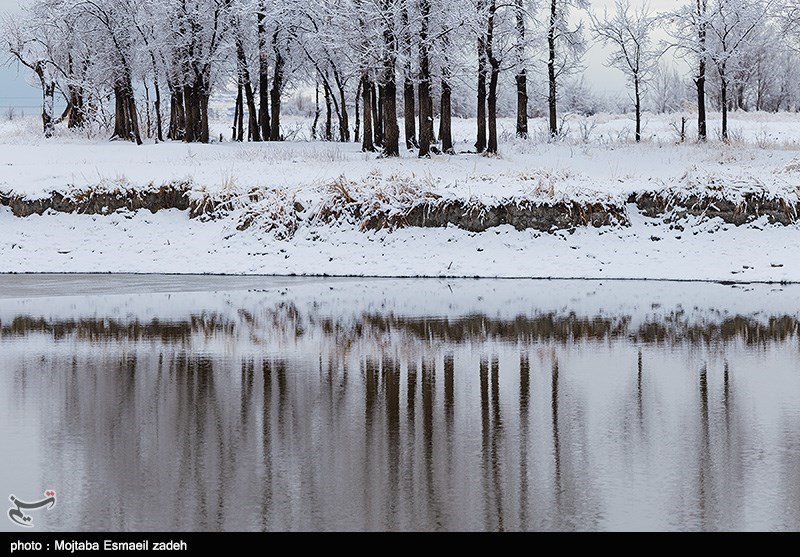
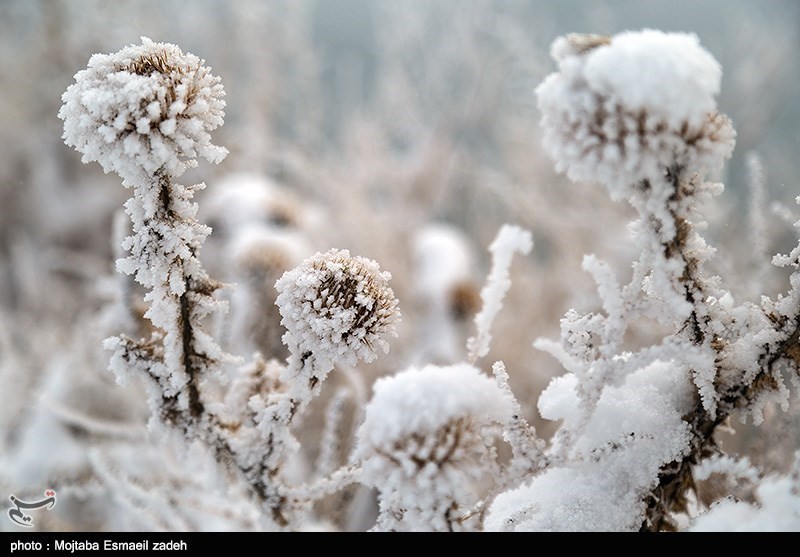
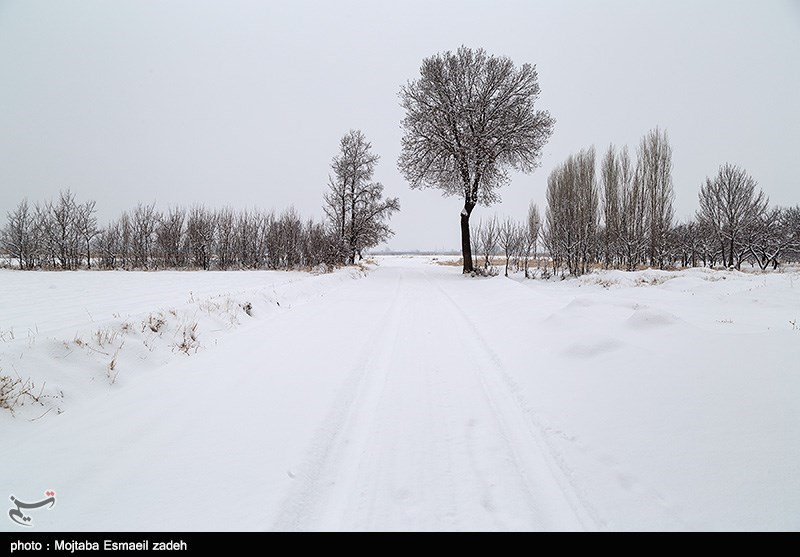
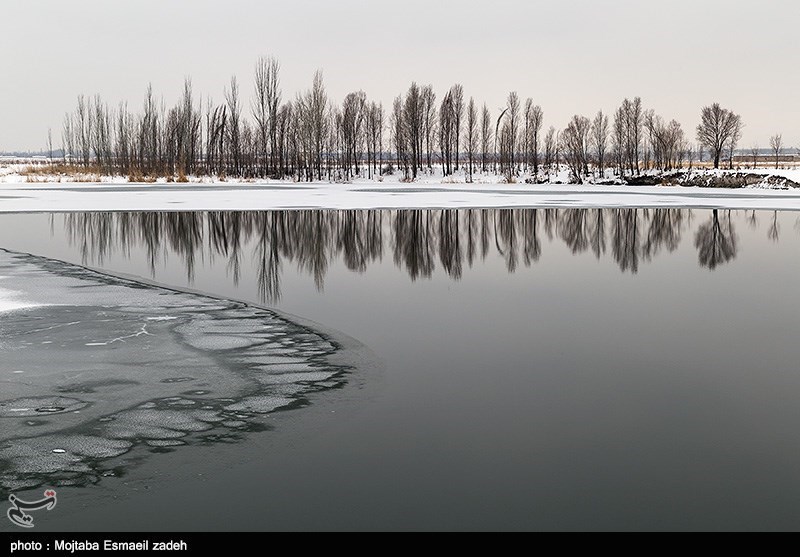
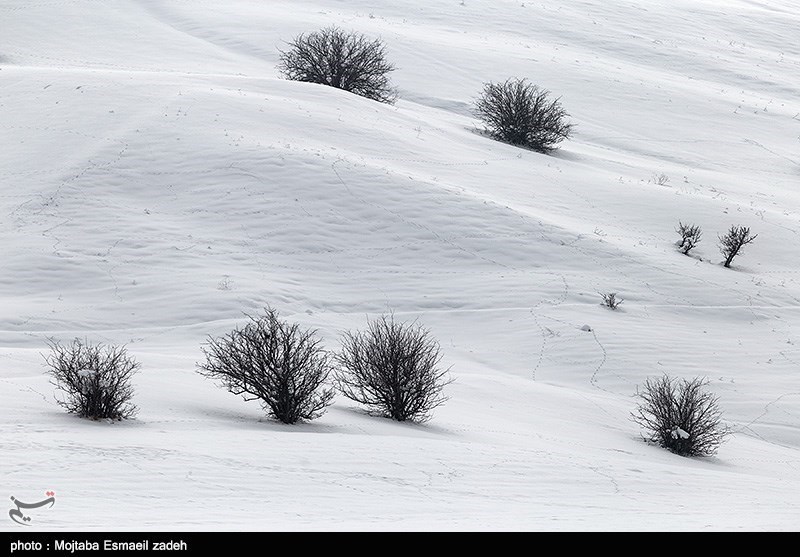
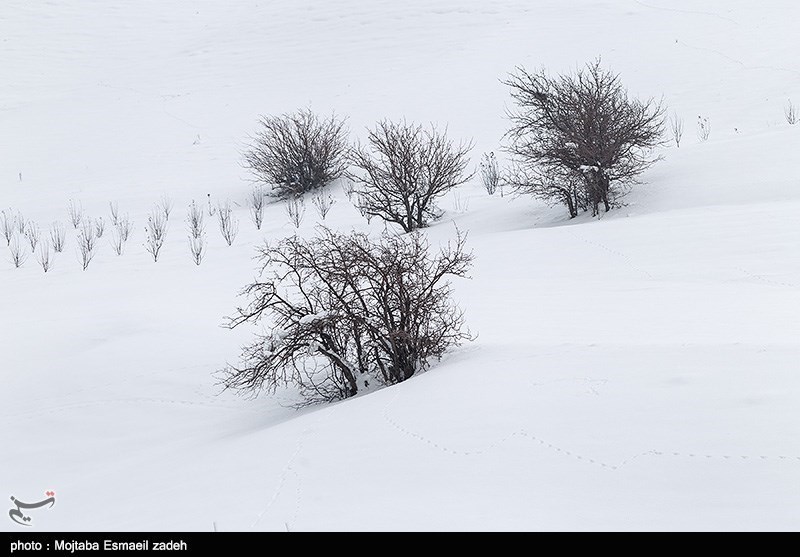
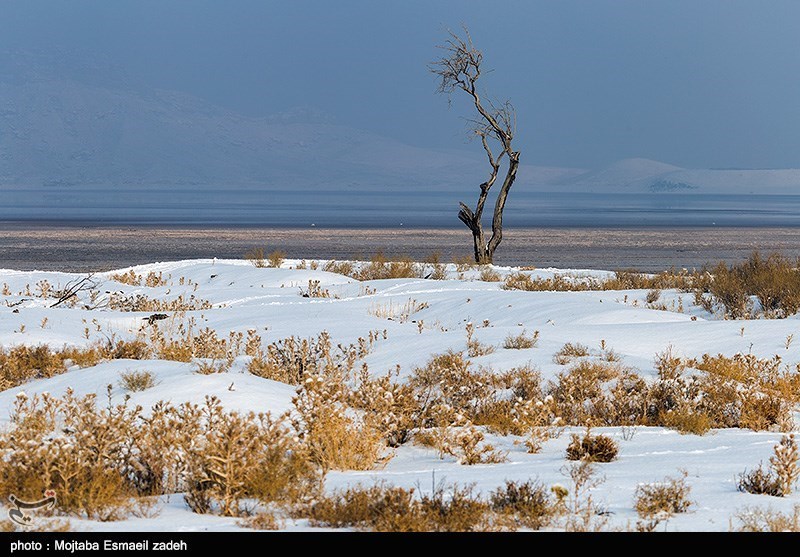
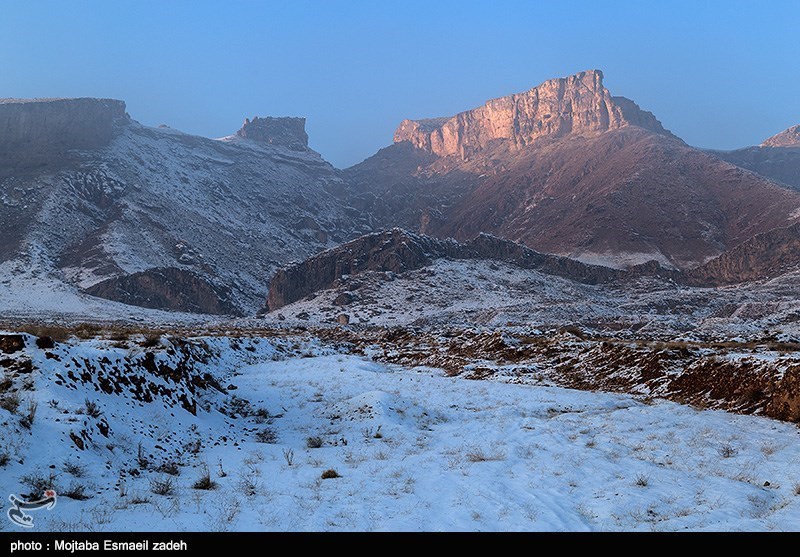
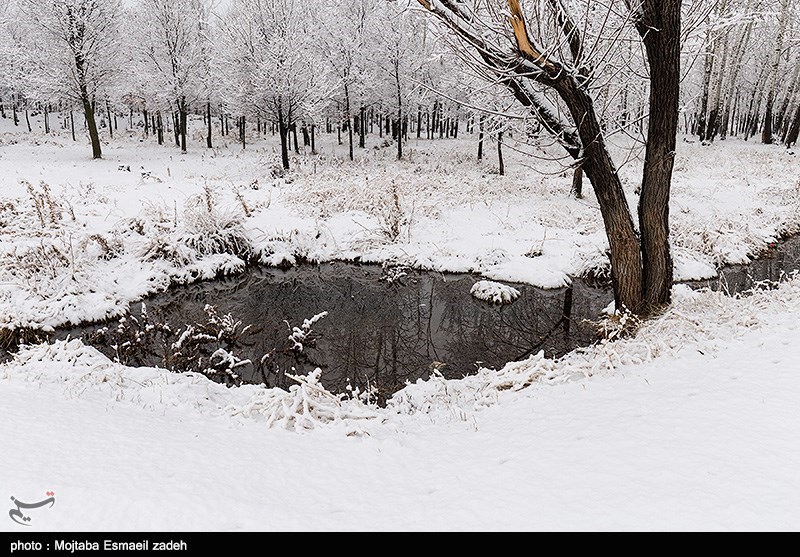
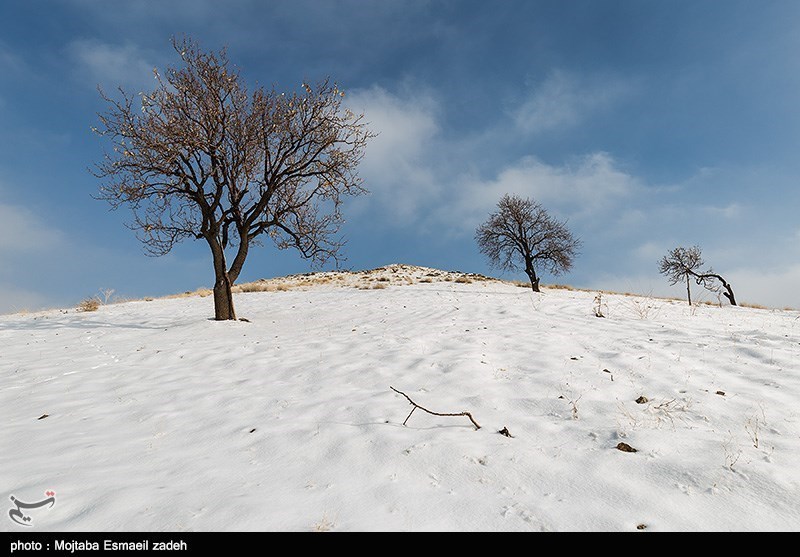
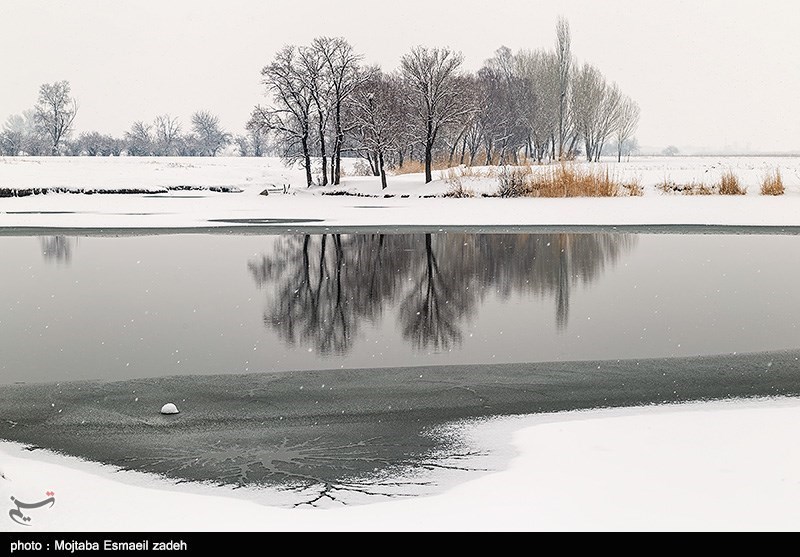
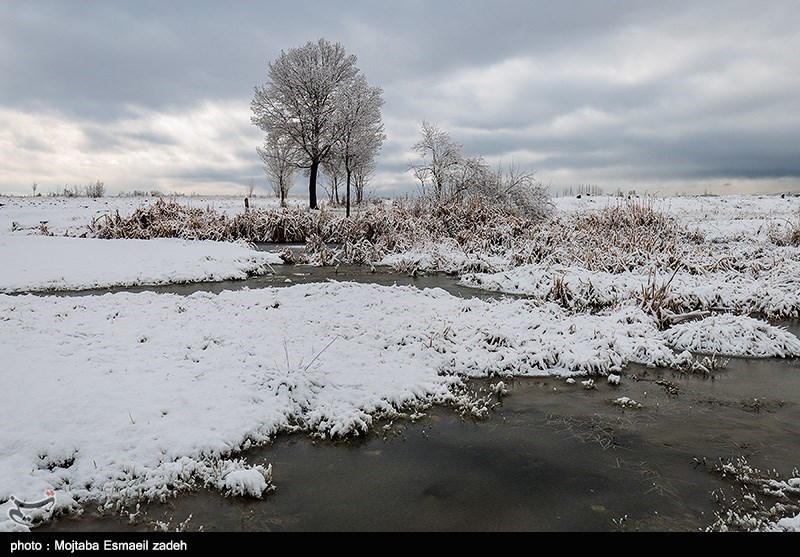
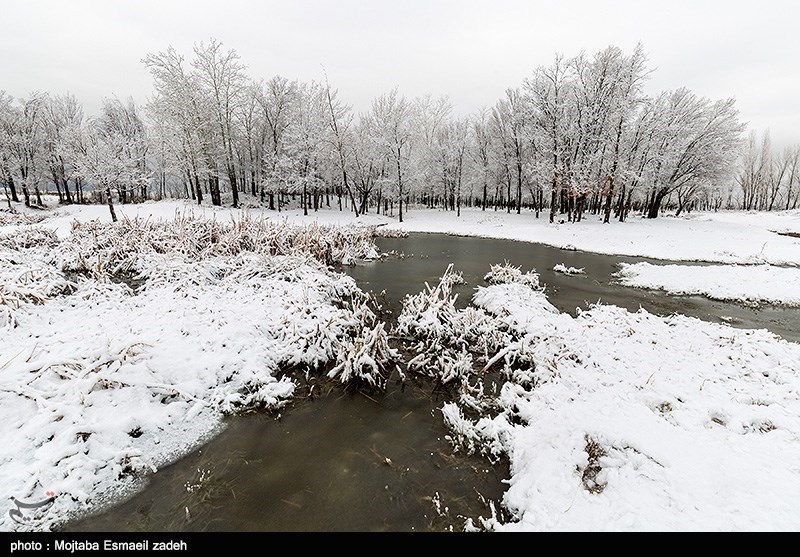
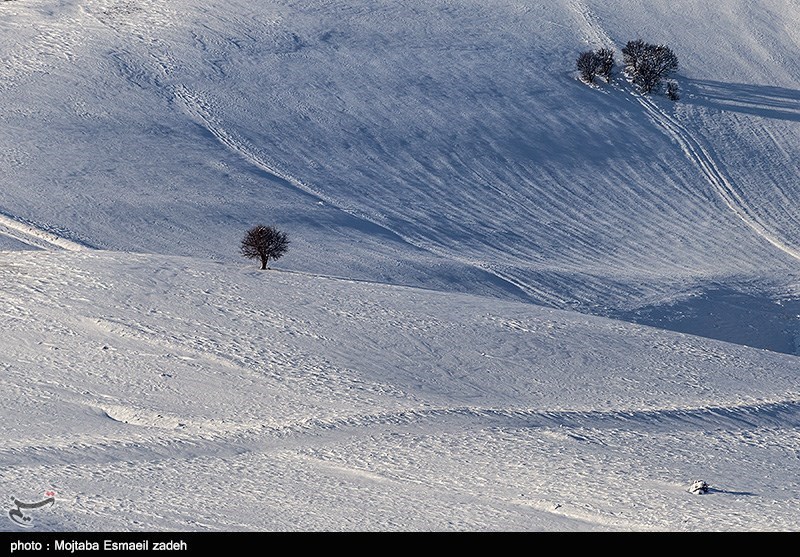
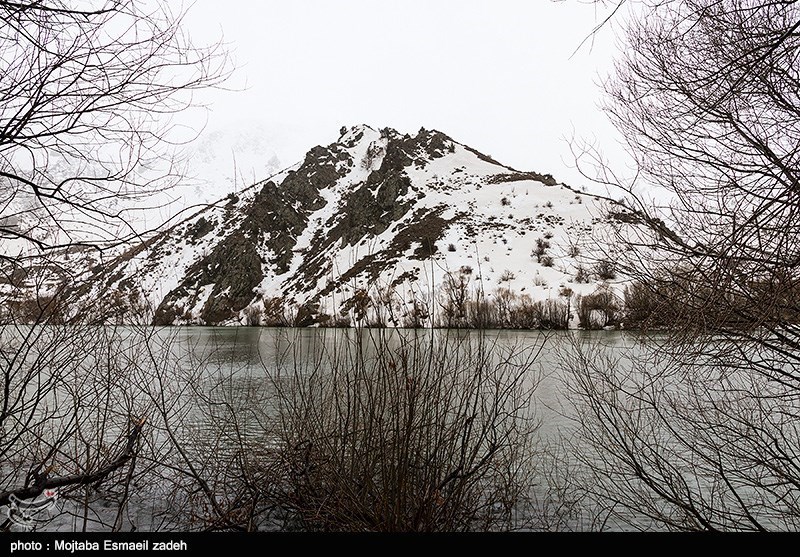
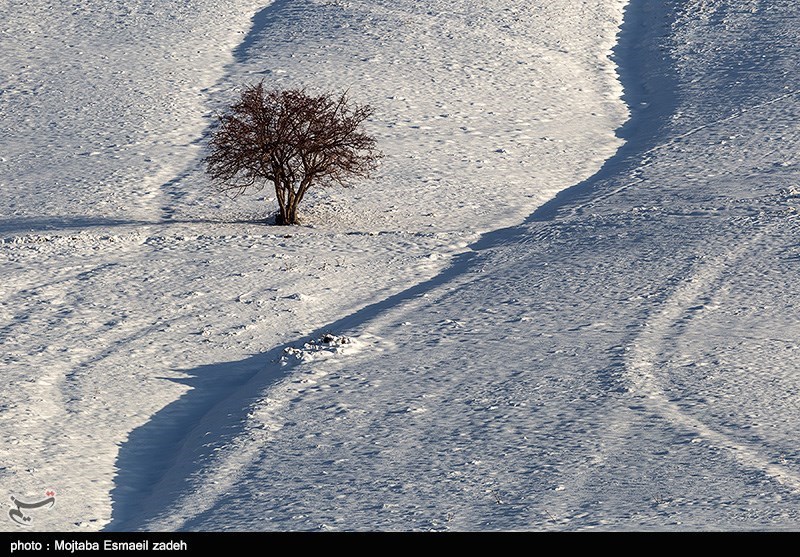
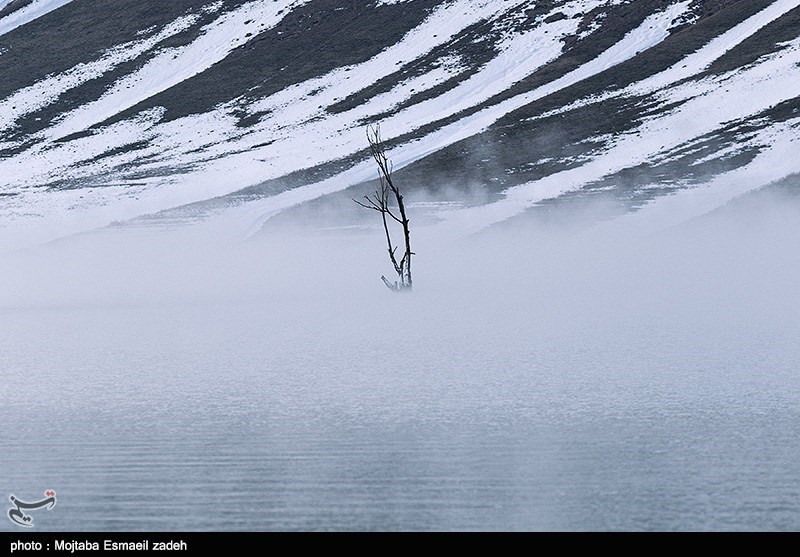
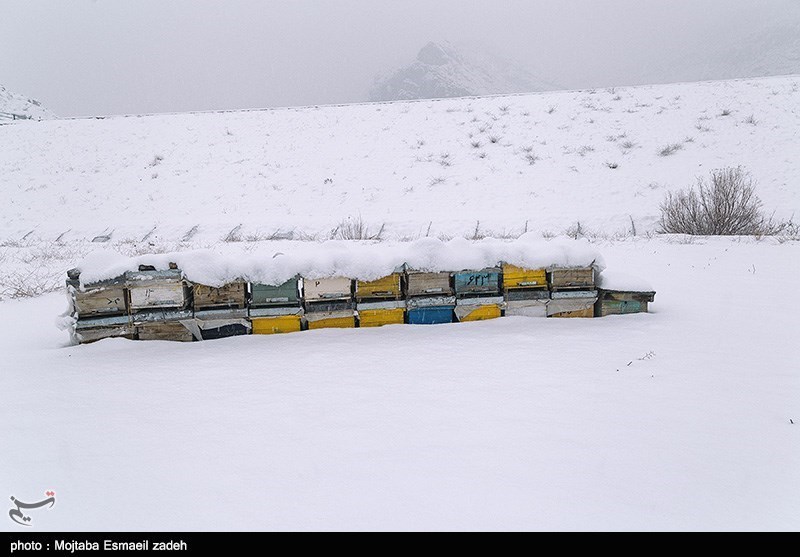
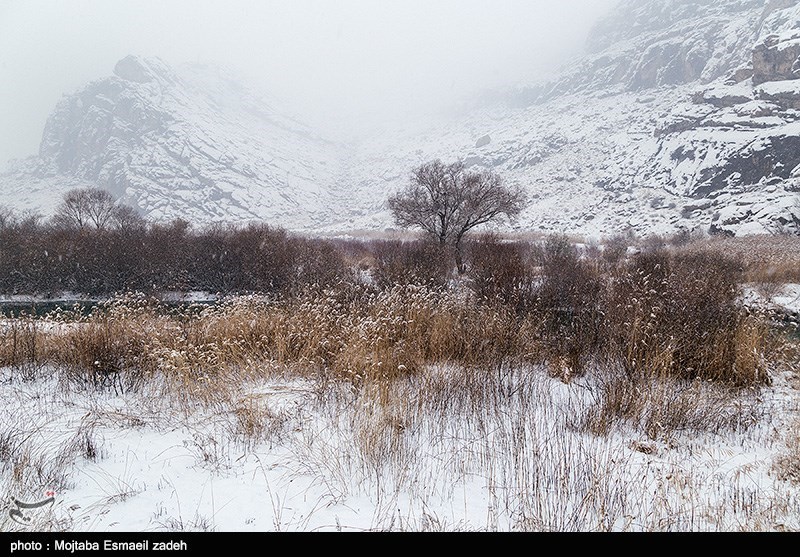
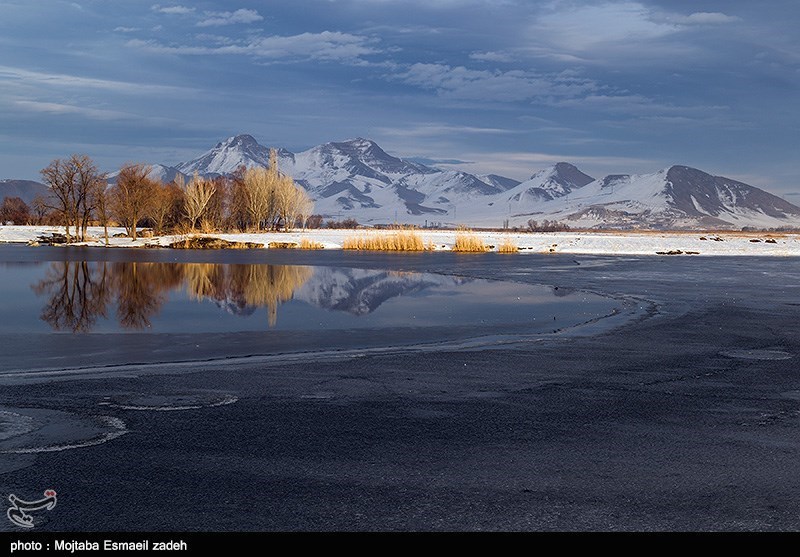
Winter Nature of Northwestern Iran

Urmia-Snow

Here are Tasnim’s photos of Urmia’s beautiful nature in winter:


Iran Denounces Bahrain’s Execution of Young Activists

Bahram Qassemi

“The lack of transparency in the process of unfair trial of those three (executed) citizens has been acknowledged by the international and human rights institutions and all non-governmental organizations around the world,” Foreign Ministry Spokesman Bahram Qassemi said on Sunday.

He also slammed the “imprudent action” as a testimony to the Al Khalifa’s reluctance to opt for peaceful ways out of crisis in Bahrain.

“As always, the Bahraini government is insisting on security and oppressive approaches and brutal killing of defenseless protesters,” the spokesman deplored.

Qassemi also warned the Manama regime that crackdown and mounting pressure on the opposition leaders and political prisoners will block the path for political dialogue and will take Bahrain to the brink of full political deadlock.

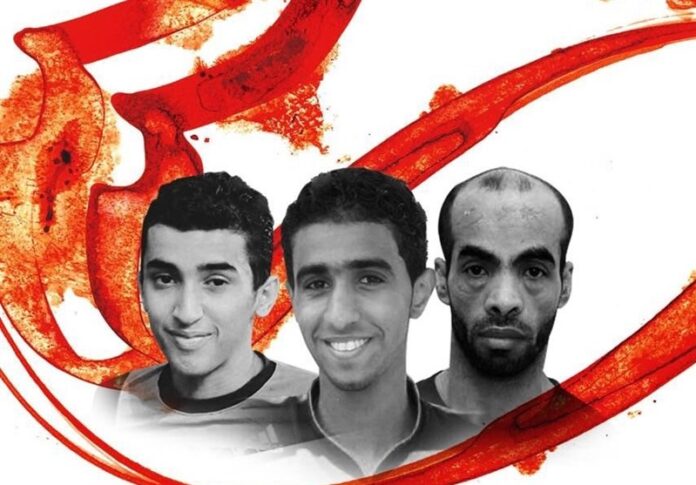
On Sunday, the Al Khalifa regime executed three anti-regime activists over their alleged role in a 2014 bomb attack, amid widespread public anger against the death verdicts.

On January 9, Bahrain’s Court of Cassation upheld the death penalties given to Sami Mushaima, Abbas Jamil Tahir al-Sami’ and Ali Abdulshahid al-Singace over allegations of killing a member of Emirati forces who had been assisting Manama in its suppression of Bahraini protesters in the northern village of al-Daih back in March 2014. Seven other convicts have also been sentenced to life in prison in the case.

Tehran’s Longest Cave in Austria Caving Guidebook

Burnik Cave

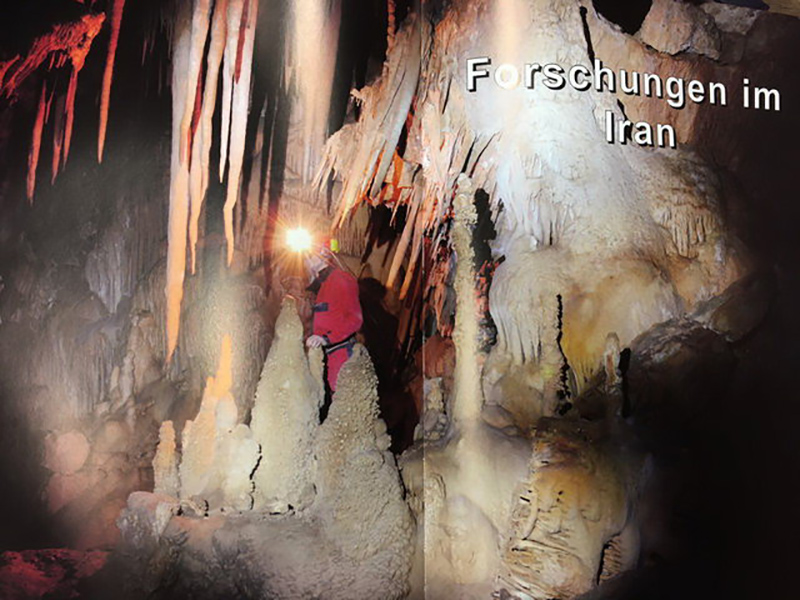
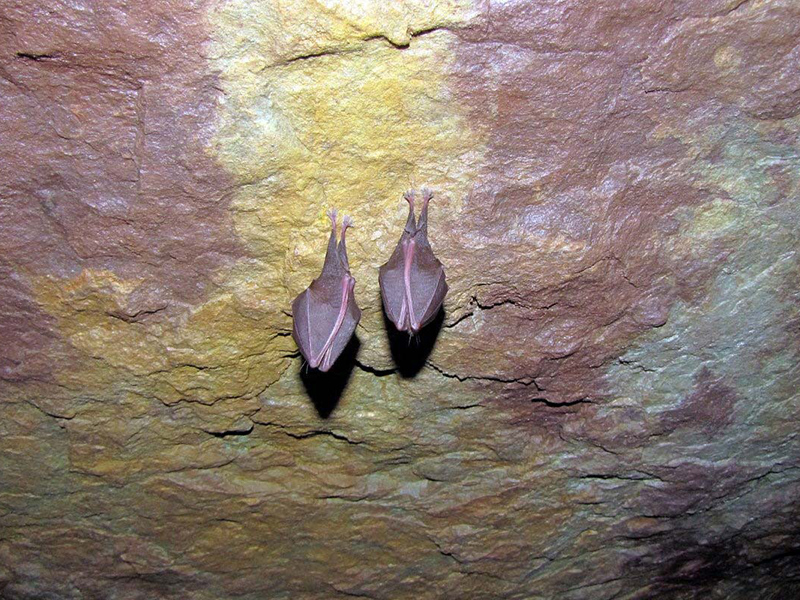
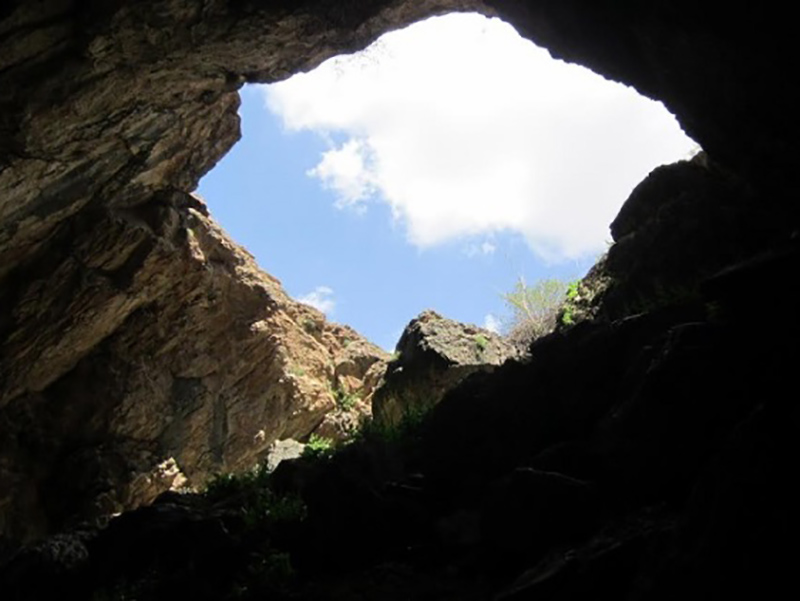
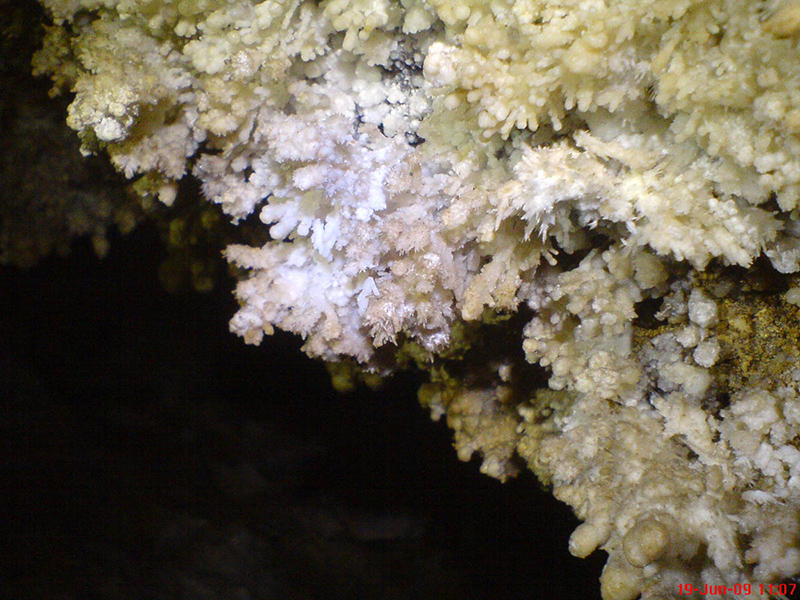
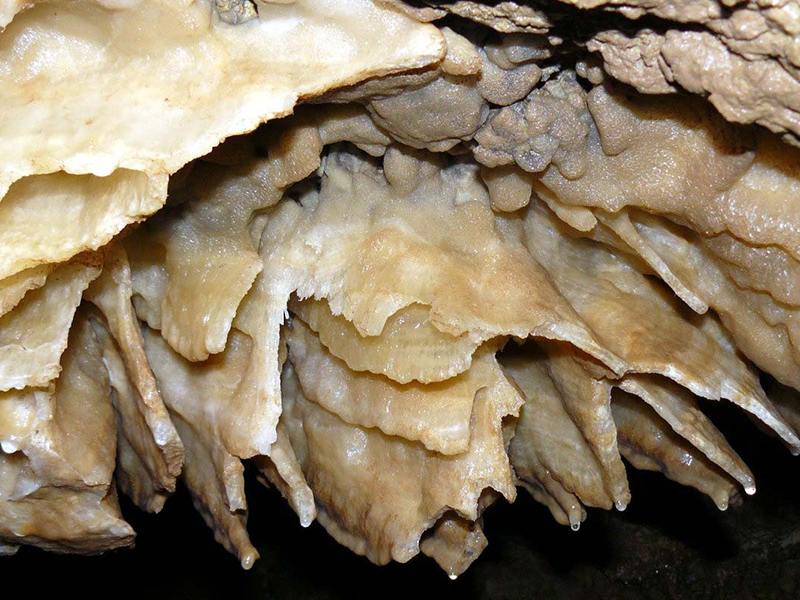
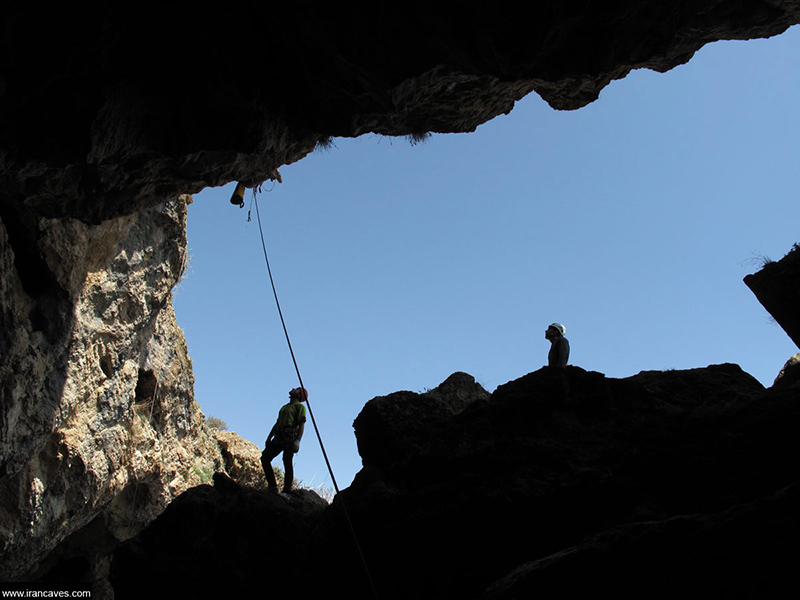
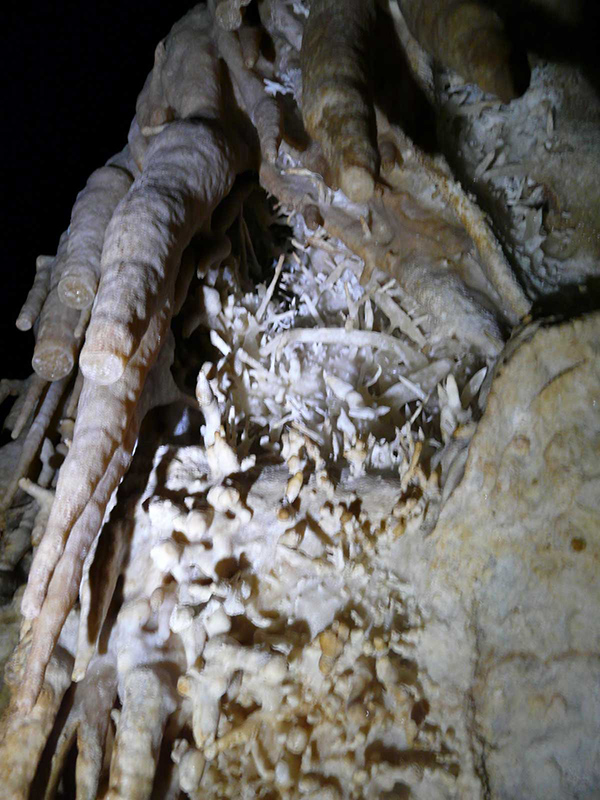
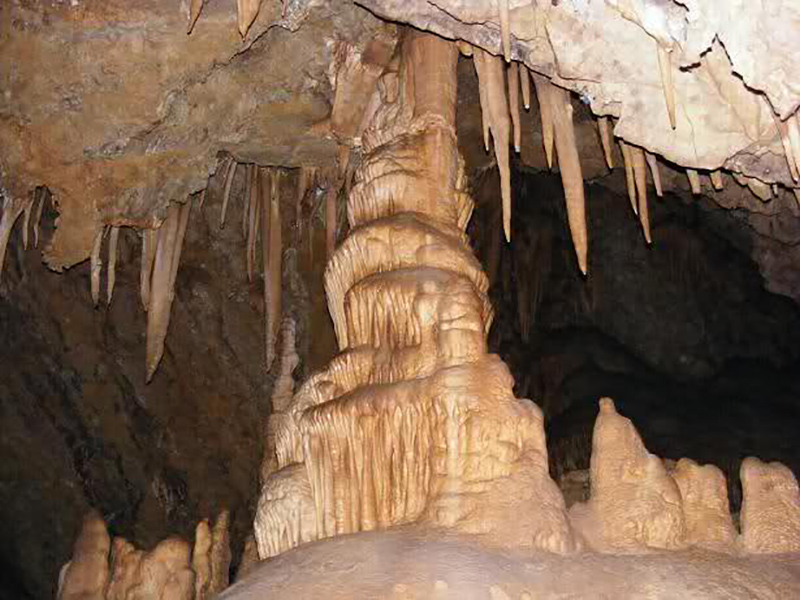
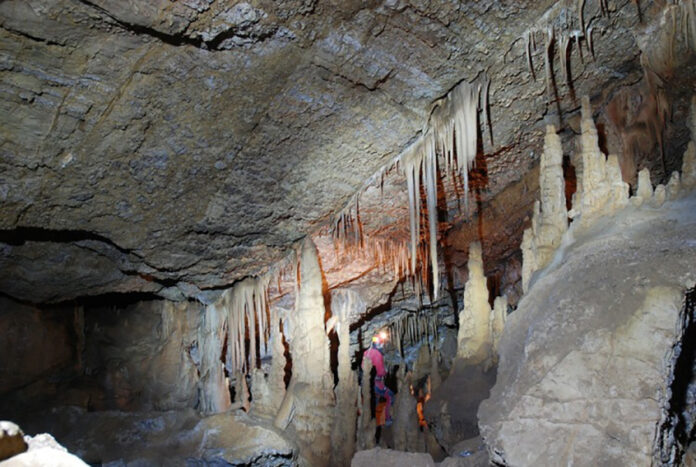
Burnik Cave“Burnik” is the name of a cave 135km away from Tehran in south-west of Firouzkouh.

Topographical maps show Burnik as one of the longest virgin caves of Iran.

The evidence inside the cave proves that it had been served as a lodgement for cavemen. An important archaeological site, Burnik was registered as a national heritage in 2002.

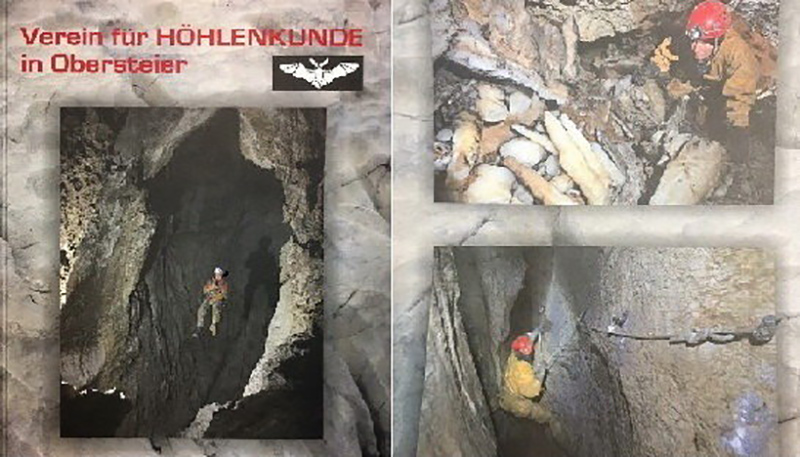
Now Ernest Gayer, an Austrian researcher and caver who started gauging and mapping Burnik alongside Iranian cavers in 2007, has published some information about this long, virgin cave in a guidebook for Austrian cavers.

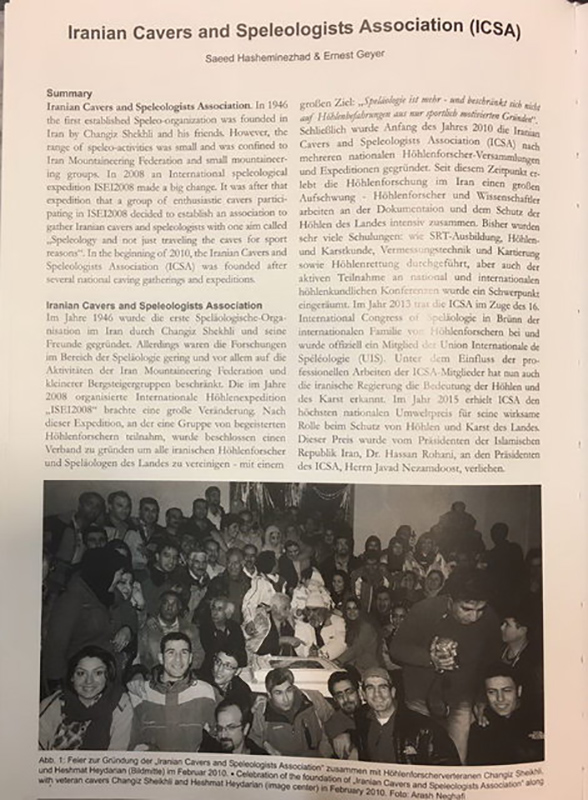
This book has been recently published in 380 pages, 15 pages of which are about Iran, Burnik cave in particular. Gayer has worked on the map of this cave for about a decade.

The Austrian guidebook, which is published and distributed throughout Europe once in every three years, can serve as an international reference book for caving and speleology for many years until the information is updated.

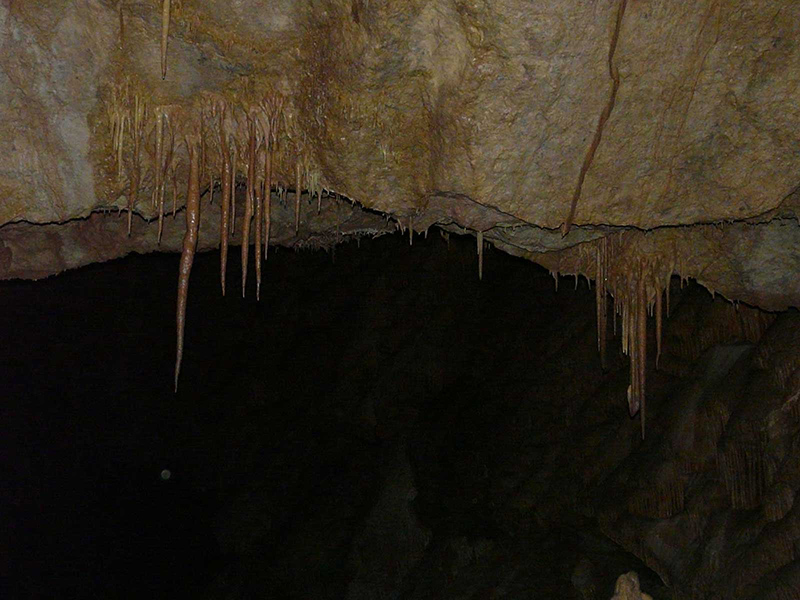
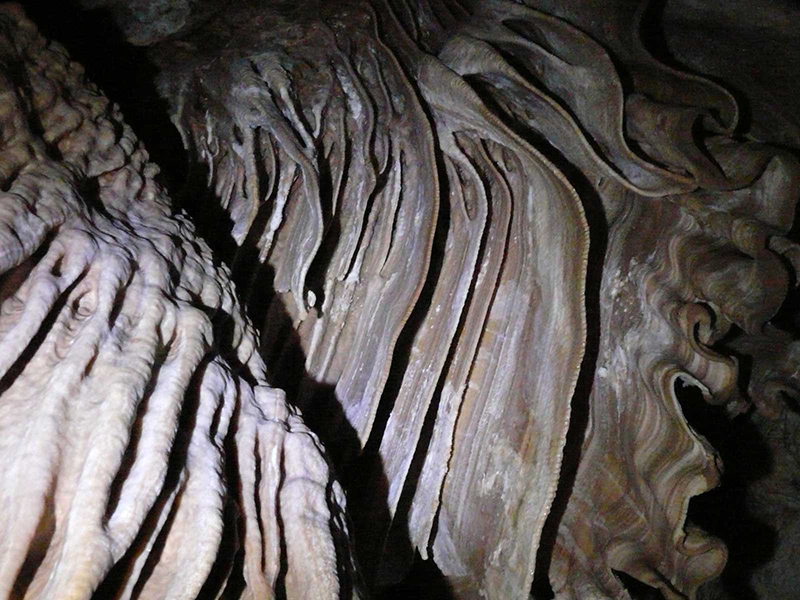
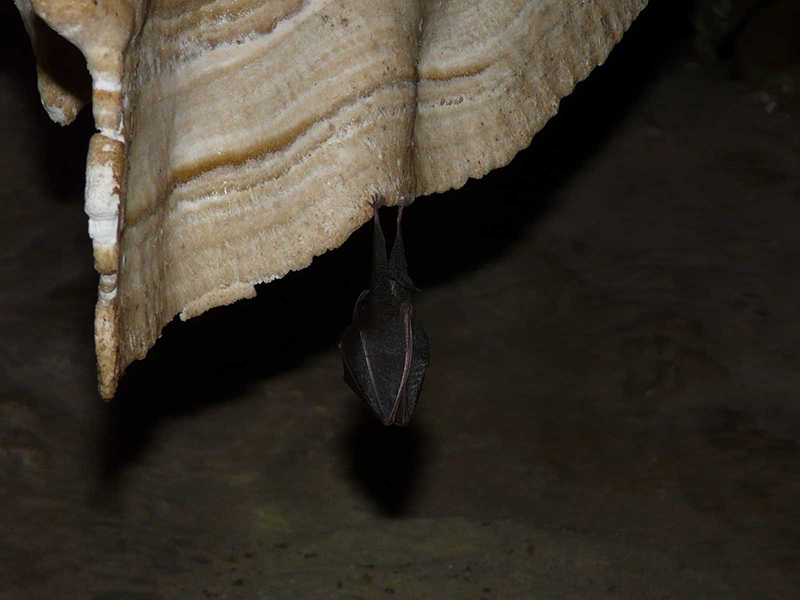
Here are photos of the guidebook and the cave taken by ISNA and Irancave:

New Obligations for Iran Following JCPOA Joint Commission Meeting

On the verge of first anniversary of JCPOA implementation day (January 16), the JCPOA Joint Commission issued a statement during its meeting on January 10, 2017 in Vienna.

According to this statement, all parties to the nuclear deal reaffirmed their strong commitment to the complete and effective implementation of JCPOA, and confirmed that the extension of ISA – Iran Sanction Act – won’t affect the removal of anti-Iran sanctions based on this program, nor will it impose limitations on commercial relationships of international companies with Iran.

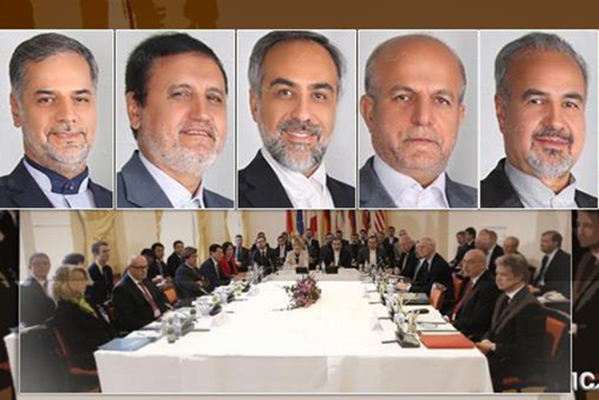
“The meeting was held to handle Iran’s complaint against the violation of JCPOA by the US,” announced Hossein Naqavi Hosseini, an Iranian lawmaker, according to a Farsi report by ICANA.

“Seemingly, Iran has made two new nuclear commitments; to reduce its supply of enriched uranium from 300kg to 200kg, and to purge the nuclear site of Natanz from uranium. We should wait for our authorities, however, to make things clear about it.”

That said, Naqavi believes that Iran gained nothing from this meeting, but rather went under new obligations.

However Morteza Saffari Natanzi, another lawmaker, has a different opinion: “This was absolutely a positive move.”

“American officials confirmed that they are trying to prevent ISA from violating JCPOA,” he stated. “The US acknowledgment of ISA’s negative effects on JCPOA is an important achievement.”

“It seems that during this meeting, the US has retreated from its plans that affect JCPOA, including the approval of ISA.”

“Iran isn’t the only country that doesn’t trust Washington,” commented Kamal Dehqani Firouzabadi, an Iranian Parliament member. “Iran was the first to disclose the US paradoxical behaviour in national and international levels. Now we see all members of P5+1 approve Iran’s positions by expressing their concerns about the US violation of its agreement.”

“Washington’s admission of its false moves and deceitfulness was a positive outcome of the meeting.”

For Heshmatollah Falahatpisheh, another Member of Parliament, the problems of JCPOA won’t be resolved by mere statements. “The United States practically didn’t allow the lifting of sanctions, and is looking for excuses to extend them.”

“We expect the Iranian Foreign Ministry officials not to be satisfied with statements and to raise the subject of Iran’s JCPOA-related demands in official meeting of P5+1 Foreign Ministers so that a resolution is adopted to remove the obstacles to nuclear deal implementation.”

“When we agree to let the JCPOA Joint Commission make all decisions about our complaint against nuclear deal violators, no better results are expected,” said Mohammd-Javad Abtahi, another Iranian lawmaker.

“This commission is formed by European countries who are under Washington’s influence and pressure.”

“The statement of Joint Commission doesn’t consider the enactment of ISA as the violation of JCPOA, because this act isn’t to be implemented! Who guarantees that the US won’t implement it against Iran?” he added.

Iran’s Global Image Promoted Thanks to Nuclear Deal: Deputy FM

Abbas Araqchi

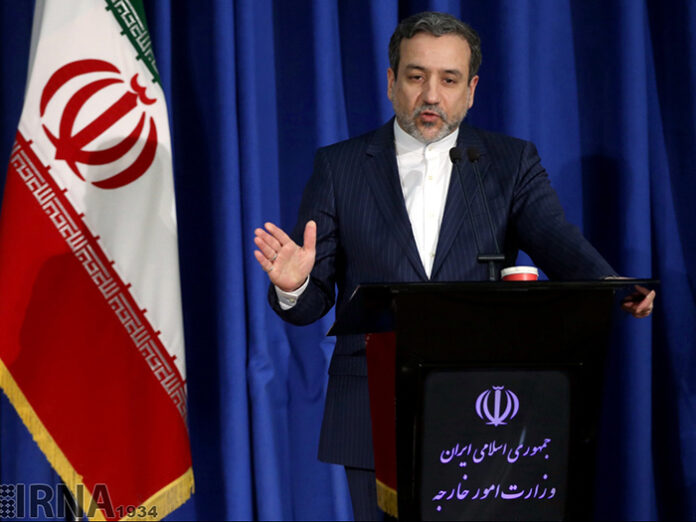
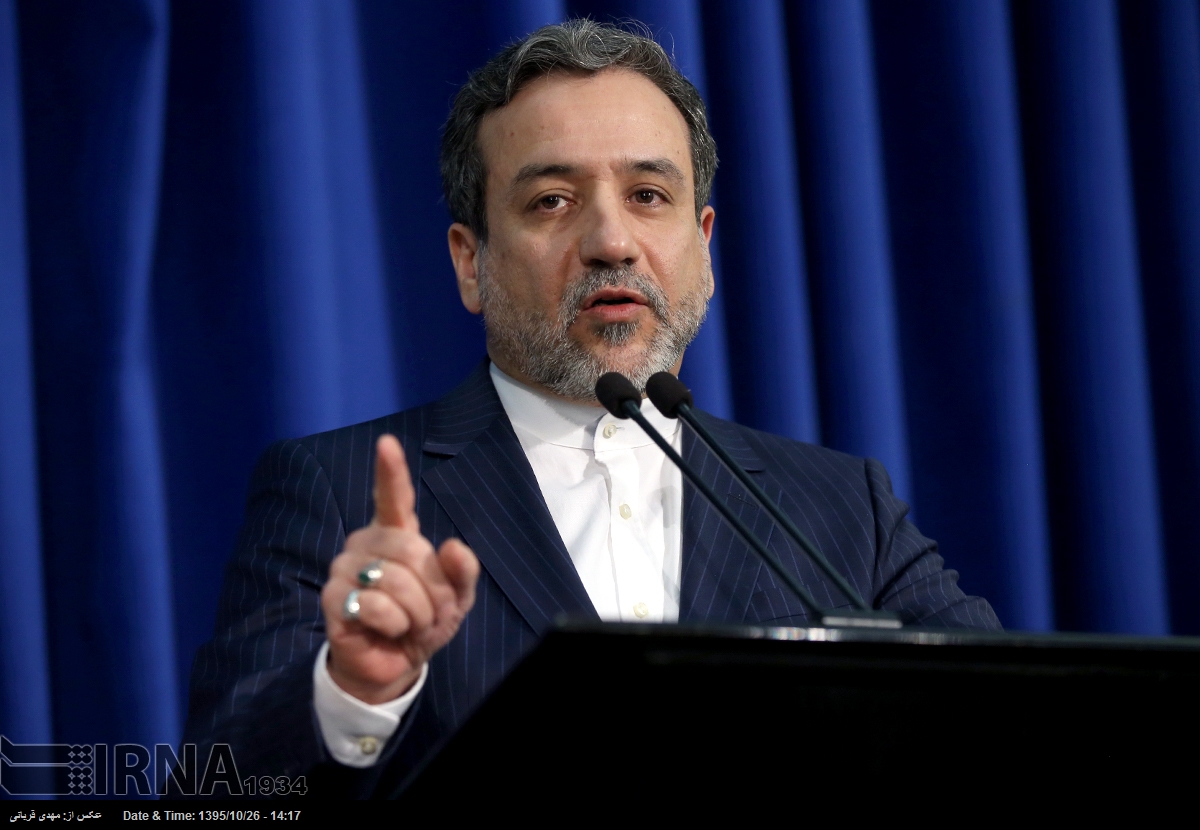
Iran’s Deputy Foreign Minister for Legal and International Affairs Abbas Araqchi made the remarks at a press conference in Tehran on Sunday, marking the first anniversary of the implementation of the nuclear deal, known as the Joint Comprehensive Plan of Action (JCPOA).

Araqchi, who is the head of the JCPOA follow-up committee, further said the 2015 deal foiled the attempts by the US and enemies to sell a “false image” of the Islamic Republic using Tehran’s peaceful nuclear activities as a tool.

In the pre-JCPOA era, enemies were trying to portray Iran as “a threat to international peace” by hyping up Iran’s nuclear program and claiming that the Islamic Republic was “after nuclear weapons,” said Araqchi, stressing, however, that the nuclear deal thwarted all those attempts.

Iran and the P5+1 countries – the United States, Britain, France, China and Russia plus Germany – succeeded in finalizing the text of the JCPOA, in Vienna on July 14, 2015, following intense negotiations, in what was praised as a win for diplomacy.
Abbas AraqchiUnder the JCPOA, limits were put on Iran’s nuclear activities in exchange for, among other things, the removal of all nuclear-related bans against the Islamic Republic.

The UN Security Council later unanimously endorsed a draft resolution turning the JCPOA into international law. All 15 members of the body voted for the draft UN resolution, setting the stage for the lifting of the Security Council sanctions against Iran.

Araqchi added that the nuclear deal helped nullify the six anti-Iran resolutions passed by the United Nations Security Council under Chapter VII of the UN Charter, and fully closed the case of the so-called possible military dimensions (PMD) of Iran’s nuclear program.

Chapter VII of the Charter allows the Security Council to “determine the existence of any threat to the peace, breach of the peace, or act of aggression” and to take military and non-military action to “restore international peace and security.”

Araqchi further said, “The Islamic Republic of Iran has now been recognized as a legitimate and powerful player on the international stage,” adding that Tehran’s nuclear activities are now viewed as “a legitimate” in the international community.

The UNSC is now encouraging world countries to cooperate with Iran on its peaceful nuclear activities, he further pointed out.

Araqchi further highlighted the achievements of the JCPOA in the domestic areas, saying Iran’s nuclear program continues to make progress.

He said nuclear-related bans had affected Iran’s different parts of the Iranian economy, including energy, oil and gas, transportation, as well as the financial and banking sector, he said, noting that problems have been resolved in the first two fields, Araqchi said.

The situation has been normalized in oil sales, shipping industry, oil tankers and civil aviation, but the functions of the banking system have not fully returned to normal due to hurdles not related to the JCPOA, he noted.

Elsewhere in his comments, the Iranian diplomat accused Washington and its allies of having done whatever in their power, over the past year, to throw a wrench in the implementation of the JCPOA, but Iran’s vigilance foiled all such plots.

Araqchi said Tehran will not re-negotiate the JCPOA, adding that if US-president-elect Donald Trump goes ahead with his campaign pledge to “tear apart the deal, Iran will burn it.”

Trump can choose either to accept or reject the JCPOA, but he has to face the consequences, he added.

Sri Lanka Keen to Purchase Iran’s Crude Oil

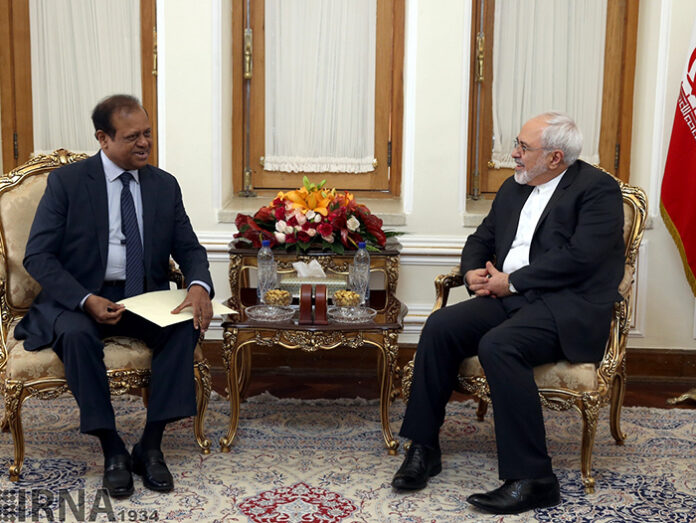
Mohammad javad zarif-Susil Premajayantha

Sri Lanka’s Minister of Science, Technology and Research Susil Premajayantha told Iran’s Foreign Minister Mohammad Javad Zarif that Sri Lanka hopes to resume oil imports from Iran after resolving the outstanding financial issues between the two countries pertaining to previous purchases.

Premajayantha, on a visit to Iran upon the invitation of Iran’s Vice President for Science and Technology Affairs Sorena Sattari, also expressed hope that energy relations between Sri Lanka and Iran would expand now that the sanctions against Iran have been removed.

Zarif, for his part, described as important the expansion of Iran’s relations with Asian countries including Sri Lank.

He also emphasized that the removal of sanctions against Iran could provide an opportunity for Iran and Sri Lanka to boost their relations in all areas.

Sri Lanka was dependent almost entirely on Iran for its crude oil supplies before halting imports in what appears to have been a result of US-led sanctions over the past few years.

Before the sanctions, the Asian country bought almost all of the 50,000 barrels of oil which it needs per day from Iran. Sri Lanka’s only refinery, the Sapugaskanda plant, is configured to run on Iranian light crude.

The sanctions had left Sri Lanka struggling, with its sole refinery facing shutdown from time to time amid shortfalls in the absence of Iranian crude.

The sanctions were removed last January after a nuclear deal sealed between Iran and the permanent members of the Security Council plus Germany – the so-called P5+1 group of countries – came into effect.  The deal removed a limitation on Iran’s oil exports that had been in place for several years in return for steps by the country to restrict certain aspects of its nuclear energy activities.

Rokneddin Javadi, the former managing director of the National Iranian Oil Company (NIOC), told the media in November 2015 that talks had started to resume oil exports to Sri Lanka.

However, no significant progress in that connection appears to have been made as of yet.

Bahrain’s Execution of 3 Young Activists Stirs Public Outrage

Bahrain

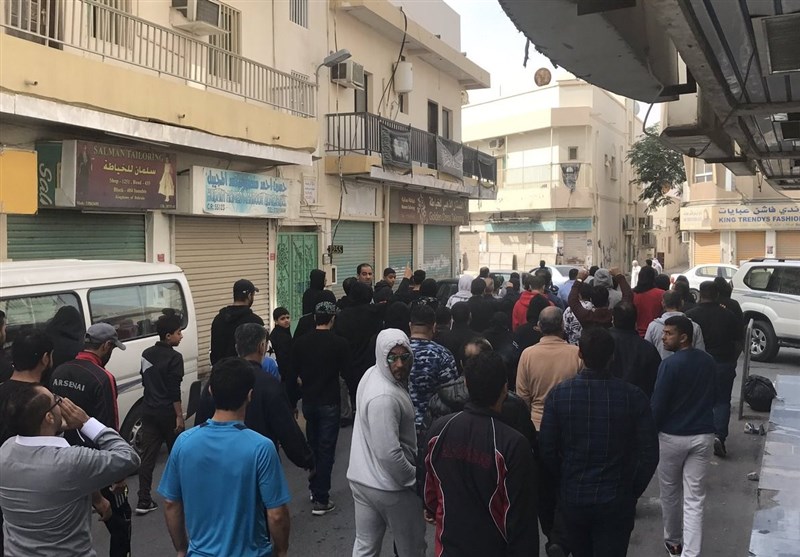
The regime in Manama carried out the death verdicts on Sunday in defiance of ongoing protest rallies across the kingdom.

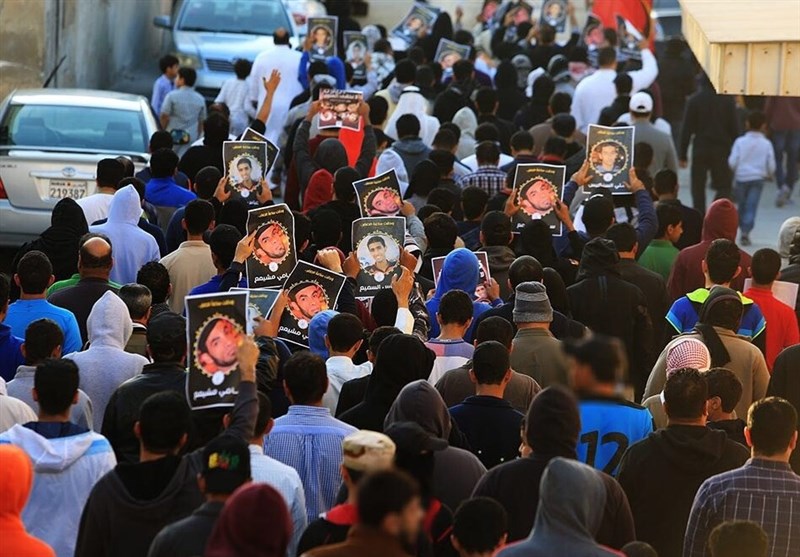
The rallies began on Saturday and lasted into Sunday, when the outraged public marched across the capital Manama and the northeastern villages of Nuwaidrat and al-Dair after the morning prayers, Press TV reported.

On January 9, Bahrain’s Court of Cassation upheld the death penalties given to Sami Mushaima, Abbas Jamil Tahir al-Sami’ and Ali Abdulshahid al-Singace over allegations of killing a member of Emirati forces who had been assisting Manama in its suppression of Bahraini protesters in the northern village of al-Daih back in March 2014. Seven other convicts have also been sentenced to life in prison in the case.

The defendants had denied the charges.

The latest wave of anti-regime protests came after Bahraini religious scholars called on the nation to take to the streets “in a bid to save the lives of the three innocent activists.”

“Your rage is the hope which will change all the equations, as well as the way that will save our youths,” the statement said in an address to Bahraini people.

Bahrain's Execution of 3 Young Activists Stirs Public Outrage

Manama has given a heavy-handed security response to peaceful popular protests, which first began in early 2011. The clampdown has cost scores of lives. Later during the popular uprising, the regime called in Saudi and Emirati reinforcements to help it muffle dissent.

During the overnight rallies, protesters shouted slogans against the ruling Al Khalifah dynasty and demanded the release of political prisoners.

Authorities have stepped up security measures in the capital, where they blocked al-Badee’ Street.

Regime forces also fanned out across the village of Sanabis in the city’s suburbs. The protests were met with a repressive police response.

On Saturday, the Interior Ministry claimed a police patrol had come under gunfire in the northwestern village of Bani Jamra, which lies to the west of the capital, injuring an officer.

Following the report, regime forces deployed to the area and raided houses for eight straight hours.

Bahrain's Execution of 3 Young Activists Stirs Public Outrage

5-Month-Old Baby Shows How Ridiculous Are Spanish Laws!

Baby

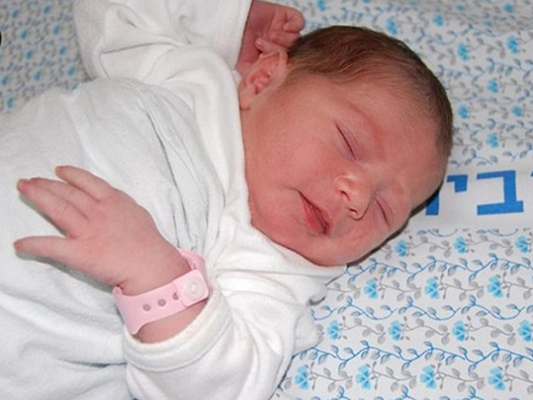
Officials in Seville, Spain, refused to issue residence permit for a 5-month old baby because she hadn’t applied for it “in person”!

The Spanish website El Diario wrote that the mother of this Moroccan baby girl, who lives in Madrid, had applied for residence permits of her two daughters in November 2016.
They reside in Spain to treat the baby’s cancer, according to a Farsi report by Al-Alam.

The Spanish government has set a one-month deadline for the mother to appeal against the vote. She can file a complaint in Seville’s court, otherwise.