Tuesday, December 30, 2025
Home Blog Page 4082

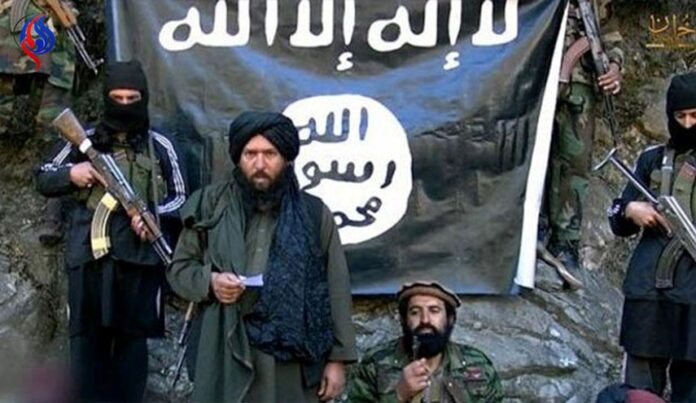
ISIS Terrorists Abduct 13 Afghan Teachers

ISIS

At least 13 seminary teachers were abducted by the ISIS terrorist group in eastern Nangarhar province of Afghanistan. The local officials said that the incident took place in Haska Mina district after a group of ISIS militants stormed into a religious school in Deh Bala area, reports the Khaama Press.

An official speaking on the condition of anonymity confirmed that the 13 abducted teachers were taken to an unknown location.

The terror group has, however, not commented regarding the report so far.

This comes as the loyalists of the terror group torched at least 65 houses in Kot district which was once under its control.

The latest movements by ISIS loyalist in Nangarhar come as the terror group received major blows during the counter-terrorism operations during the recent months.

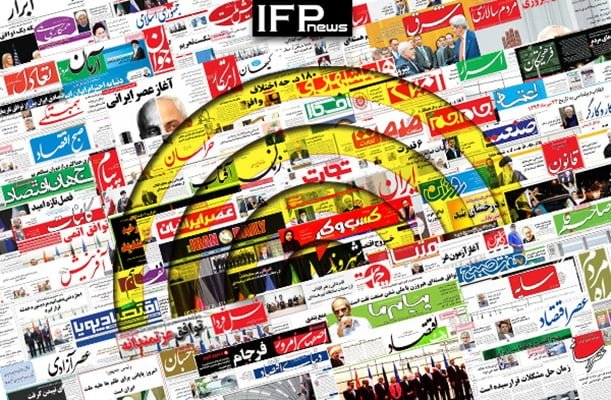
A Look at Iranian Newspaper Front Pages on January 16

A Look at Iranian Newspaper Front Pages on November 19

Newspapers today covered the remarks made by Ali Akbar Nateq Noori, a senior conservative politician and an old companion of Ayatollah Akbar Hashemi Rafsanjani, in a memorial service held for the late chairman of Iran’s Expediency Council on the seventh day after his demise.

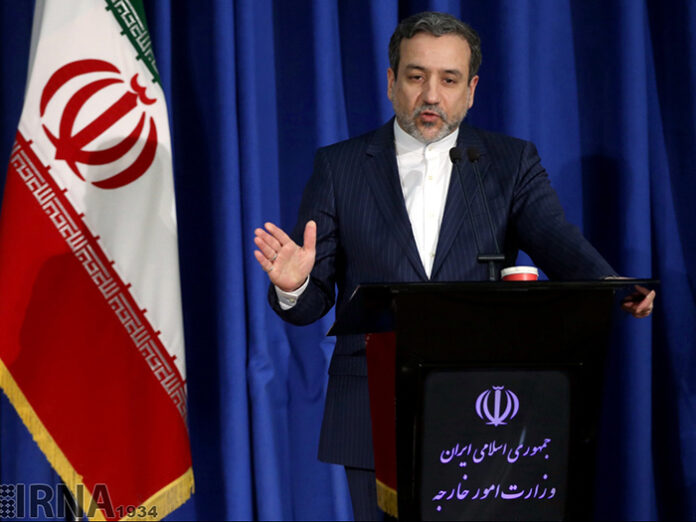
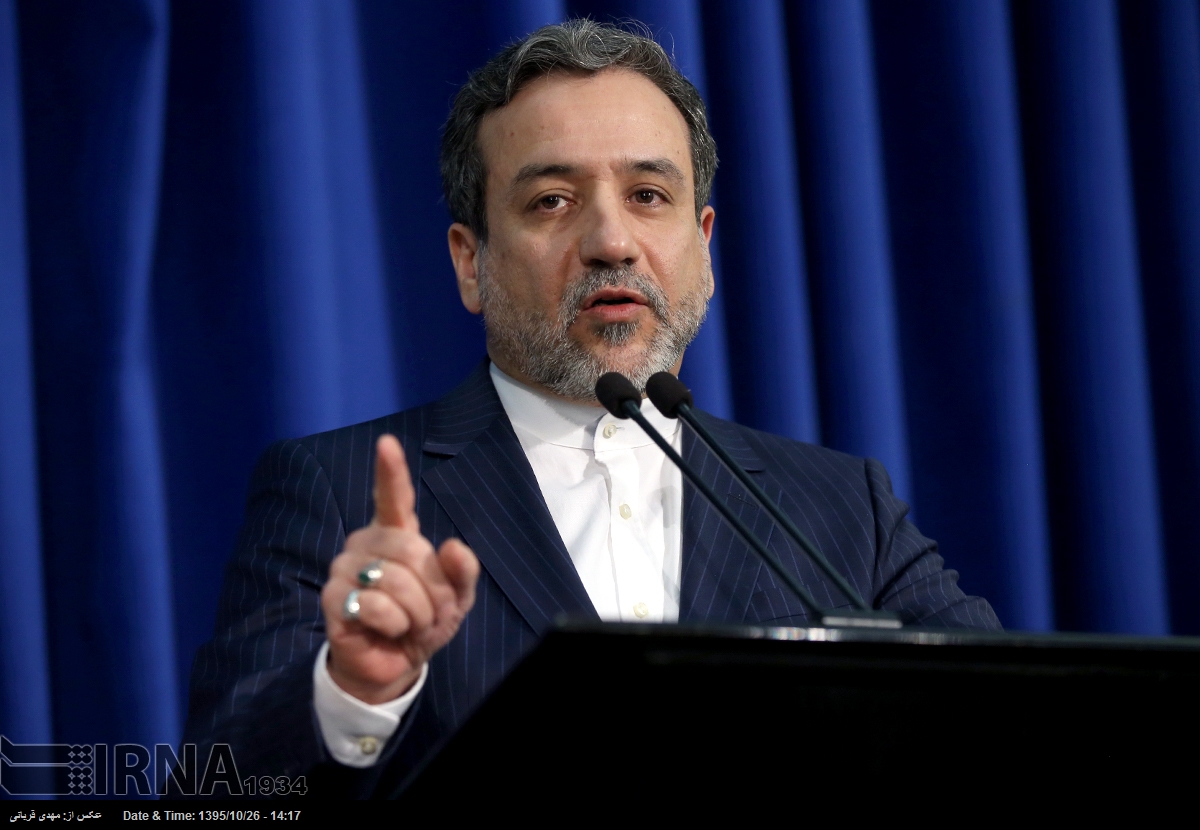
They also highlighted the press conference of Abbas Araqchi, the Iranian deputy foreign minister and a nuclear negotiator, on the first anniversary of JCPOA implementation.

The ongoing outrage in Bahrain caused by the Al Khalifa regime’s execution of three young activists also received great coverage.

The above issues, as well as many more, are highlighted in the following headlines:


Abrar:

1- Parliament Allows Law Enforcement and Customs Office to Launch a System to Control Cars

2- Fugitive ISIS Leader Arrested in Russia

3- Turkish PM: We Share Our Food with Displaced People, but We Don’t Share Our Territory

4- 130 Tons of Uranium Will Be Imported to Iran Soon
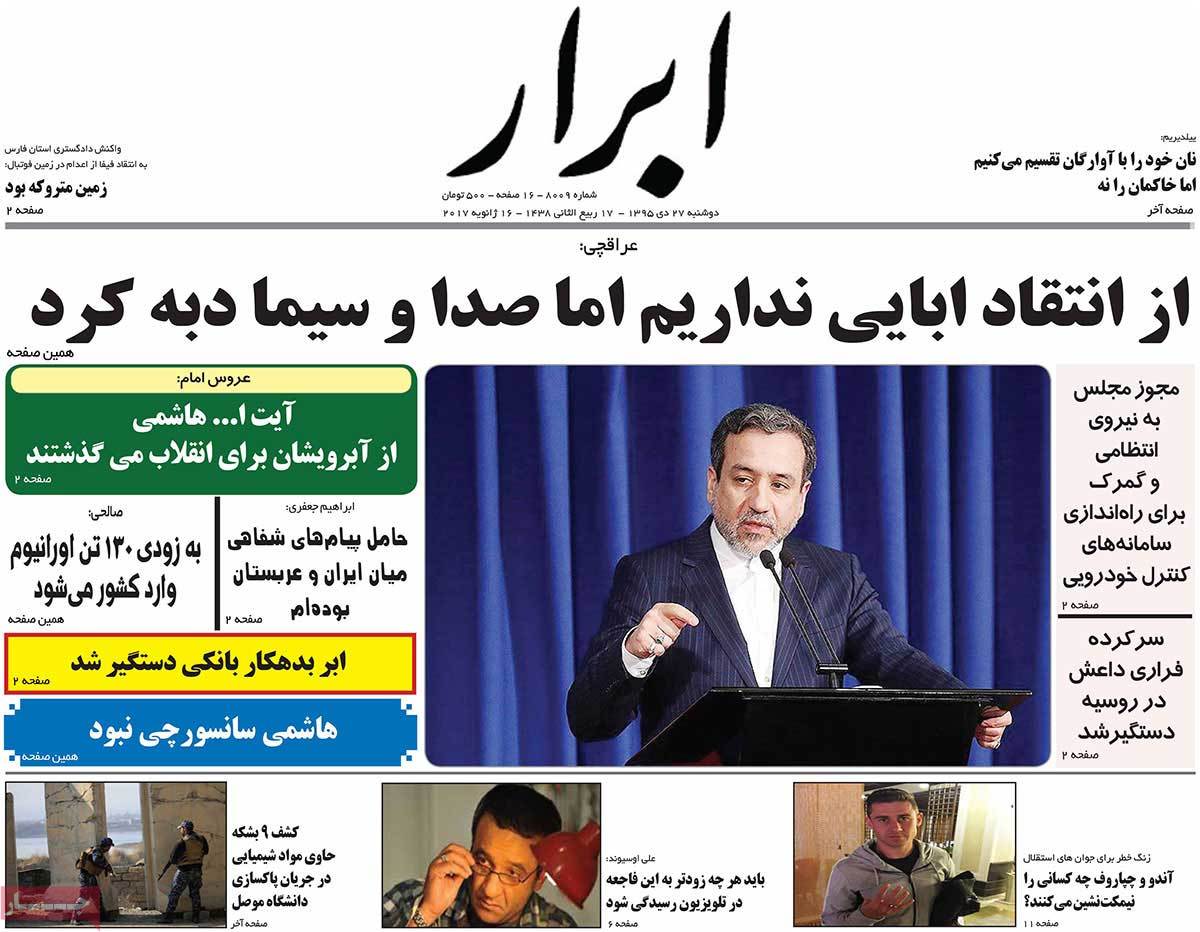
A Look at Iranian Newspaper Front Pages on January 16


Aftab-e Yazd:

1- Still Main Player in 2017 Presidential Votes: Although Ayatollah Hashemi Rafsanjani Has Passed Away, Political Observers Believe He Still Can Change Equations in Presidential Election

2- Iranian Students’ Growing Interest in Receiving Ph.D. Degree
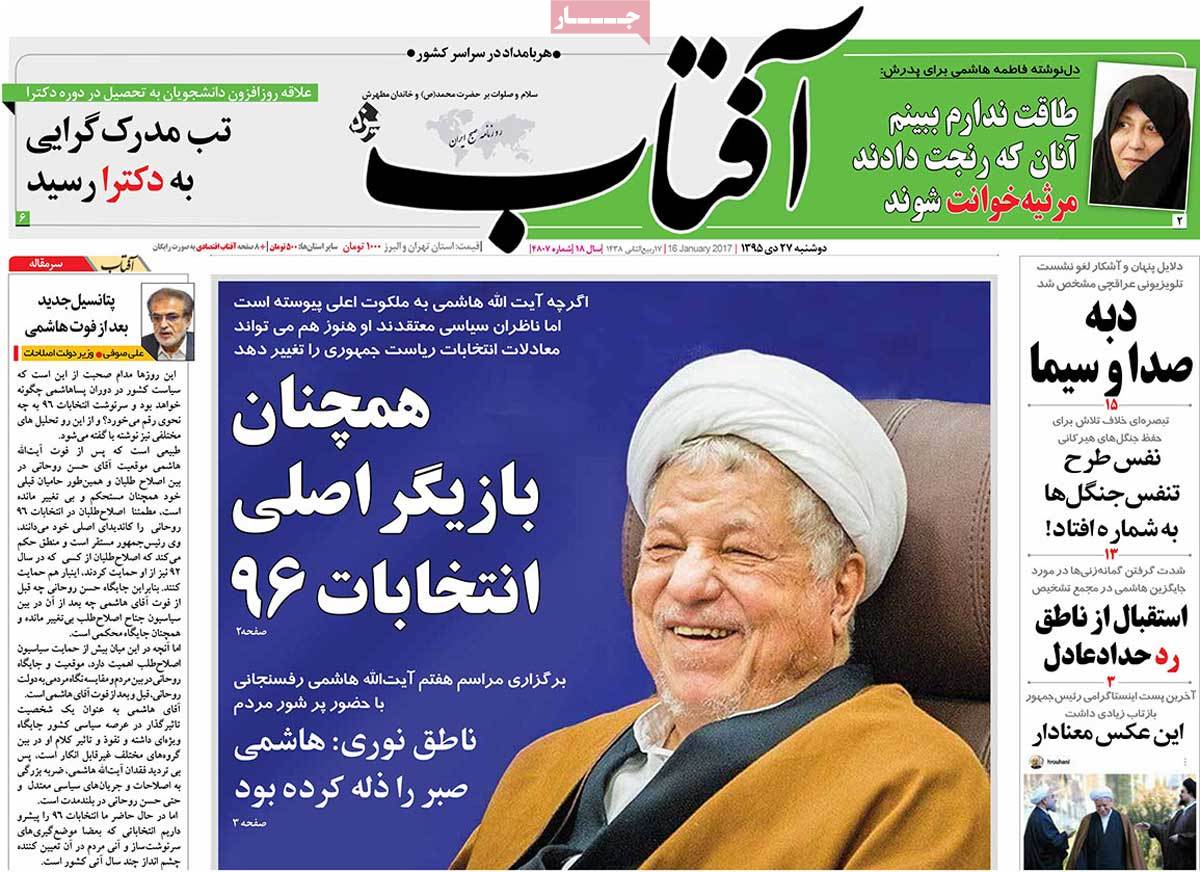
A Look at Iranian Newspaper Front Pages on January 16


Arman-e Emrooz:

1- Ayatollah Hashemi Rafsanjani Is Still Alive: People’s Massive Participation in His Memorial Service on 7th Night after His Death
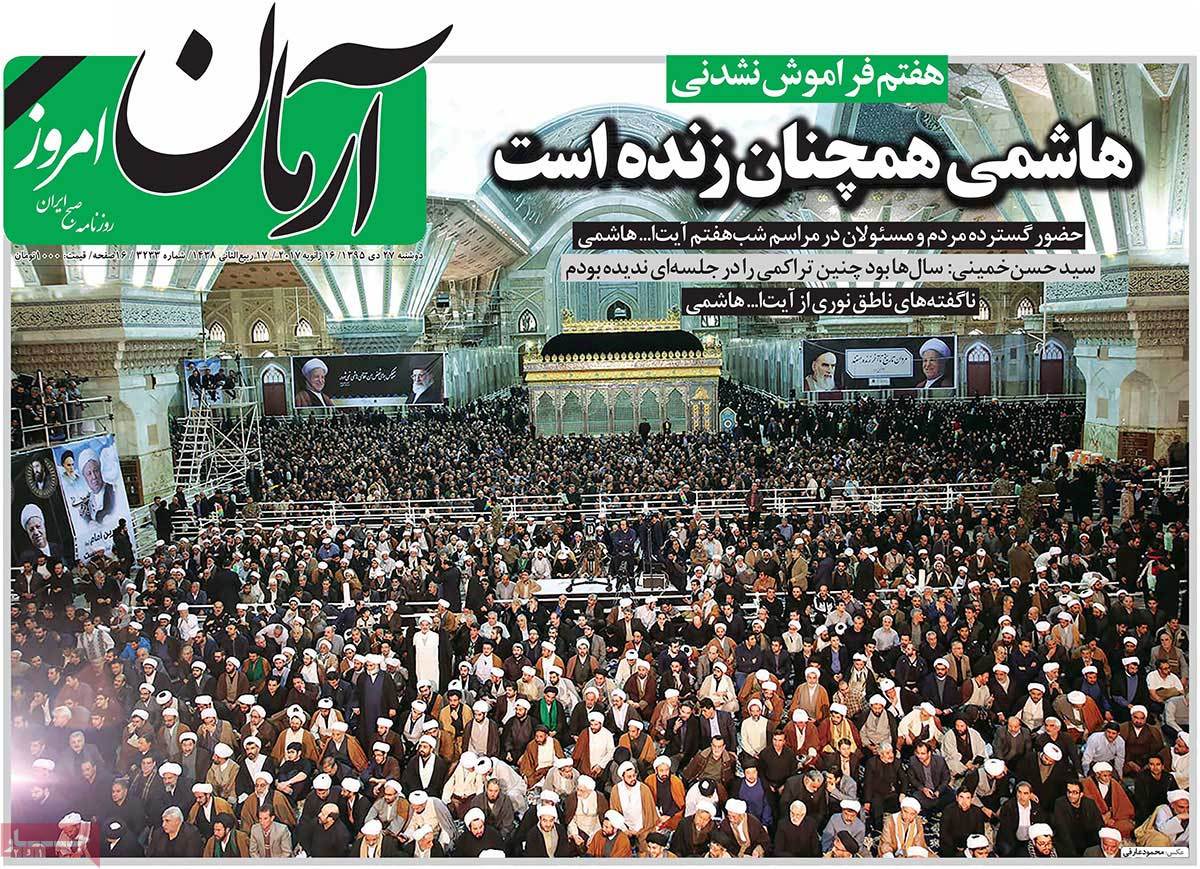
A Look at Iranian Newspaper Front Pages on January 16


Ebtekar:

1- We Should Consider JCPOA as Result of Iranian Effort: Deputy FM Araqchi in First Anniversary of Nuclear Deal Implementation
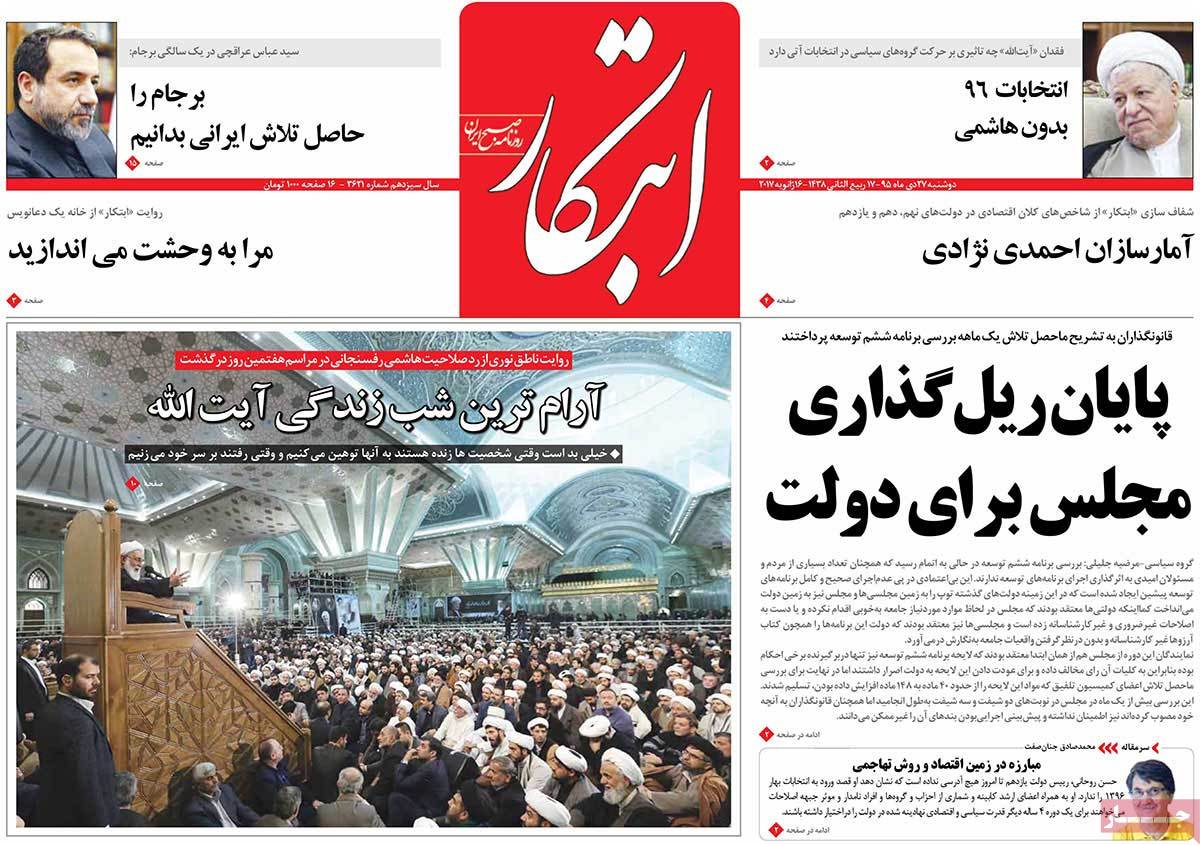
A Look at Iranian Newspaper Front Pages on January 16


Emtiaz:

1- Air Pollution Is Third Cause of Death in Iran: Official

2- US Prevented Certain Foreigner from Attending Iran’s Int’l Fajr Theatre Festival
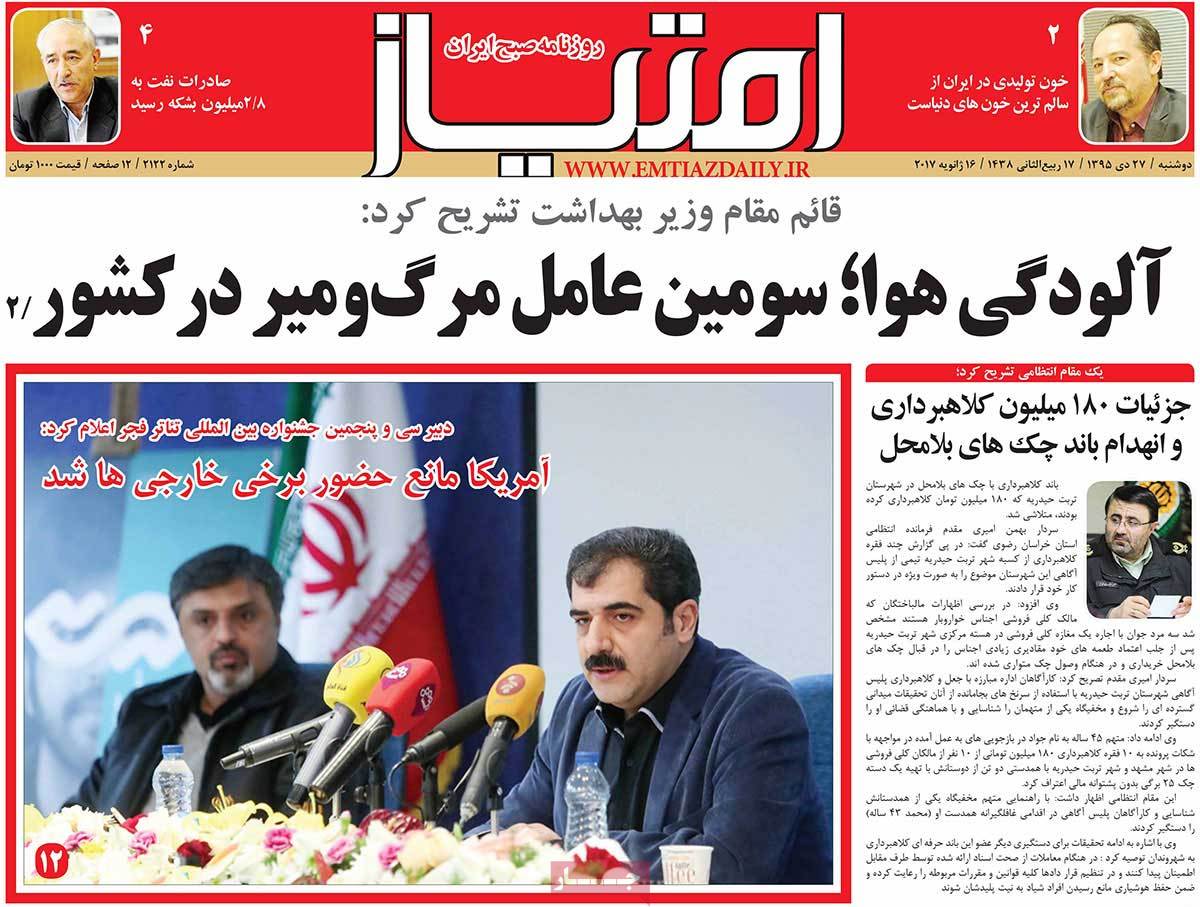
A Look at Iranian Newspaper Front Pages on January 16


Etemad:

1- We Won’t Negotiate with Trump: Iran’s Nuclear Negotiator Araqchi

  • We Don’t Have Any Political Negotiation neither with Current nor with Future US Administration
  • If They Scrap Nuclear Deal, We’ll Set It on Fire
  • Those Who Scrap the Deal Should Face Its Consequences
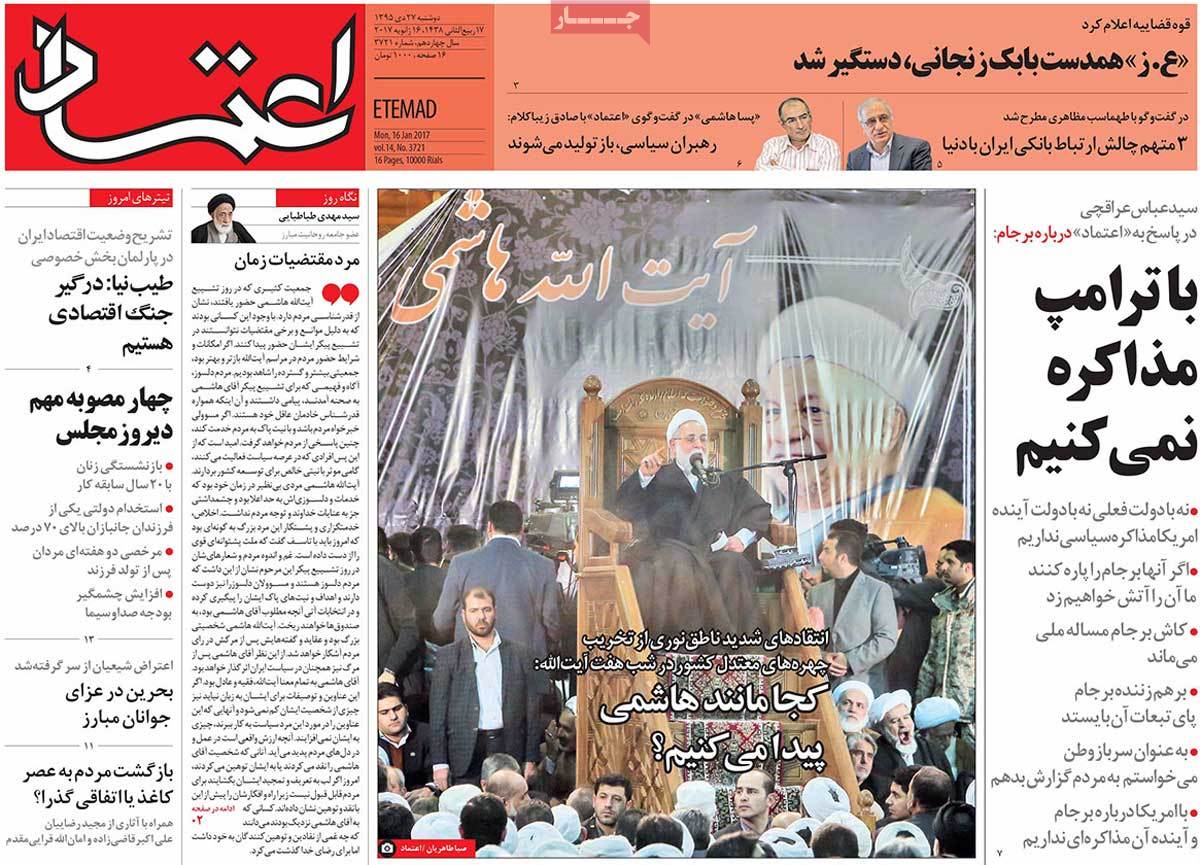
A Look at Iranian Newspaper Front Pages on January 16


Ettela’at:

1- Ayatollah Hashemi Rafsanjani Sought a Developed and Globally Powerful Iran: Senior Conservative Nateq Noori

2- 3 Shiite Dissidents Executed by Al Khalifa Regime: Islamic Resistance of Bahrain Calls for Popular Mobilisation

3- President: Iran Ready to Cooperate with Other Countries in Fight against Terror

4- Charter on Citizens’ Rights, a Demand that Had Been Forgotten
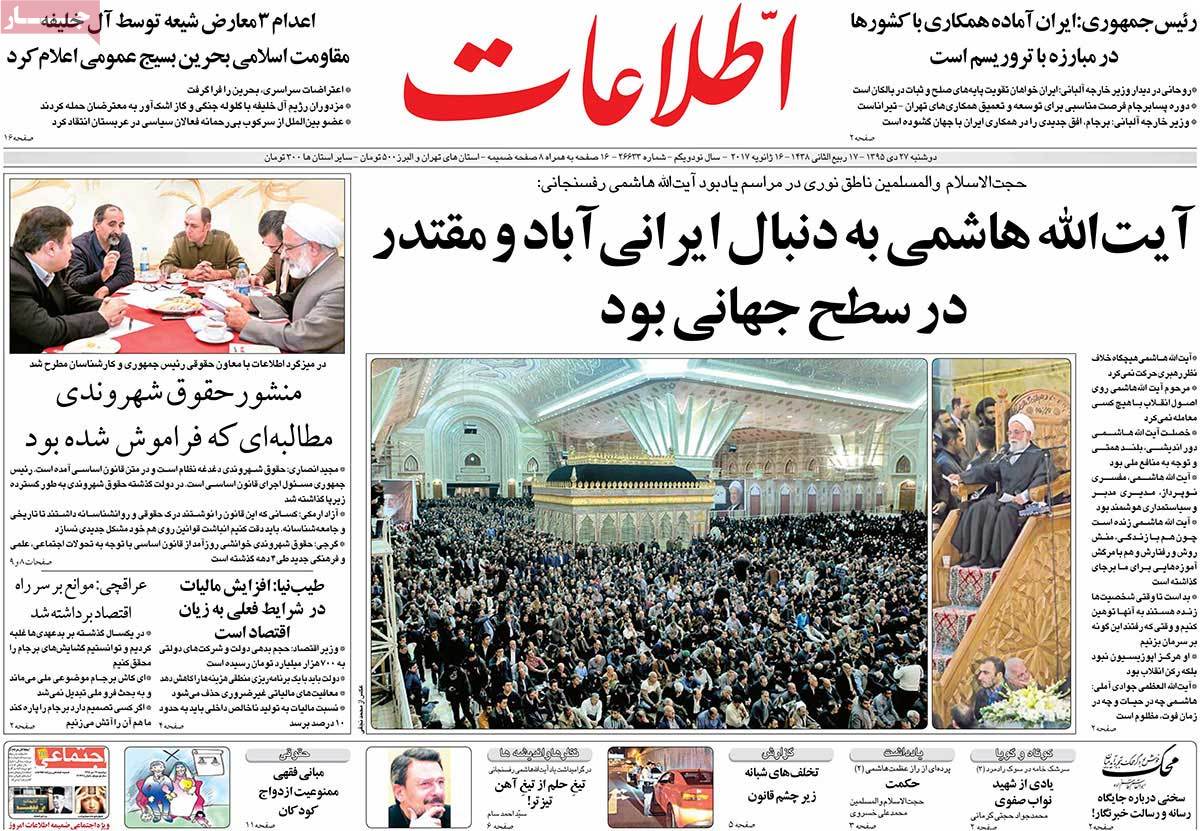
A Look at Iranian Newspaper Front Pages on January 16


Haft-e Sobh:

1- Fever of Saint-Exupéry’s ‘Little Prince’ in Iran Making It Platitudinous: 15 Different Translations of the Book Have Been Published This Year, Increasing the Number of Farsi Translations to 73 in Past 60 Years!

2- Telegram Messaging App Serves as a Thermometer: Ranking of 15 Telegram Channels with Highest Number of Members in Iran Show How Much Iranian People Are Interested in News and Politics
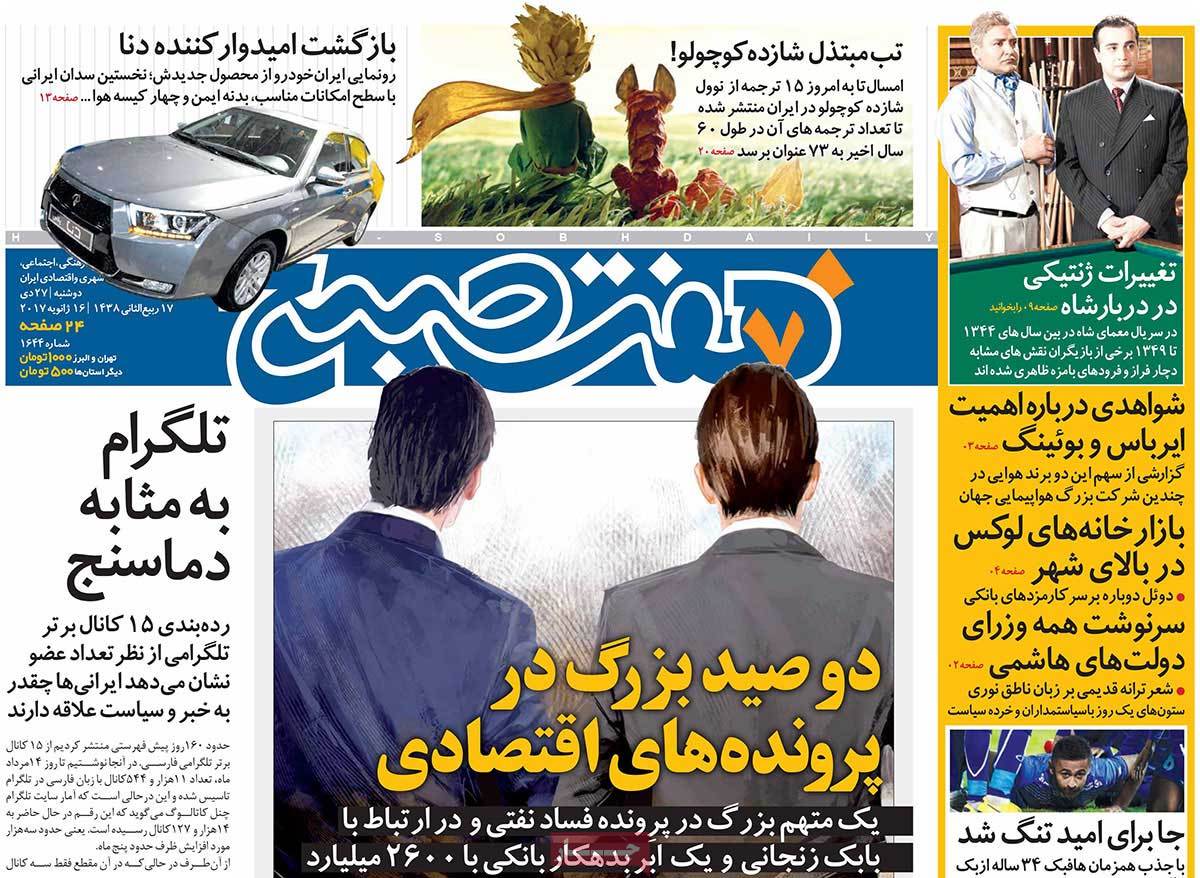
A Look at Iranian Newspaper Front Pages on January 16


Iran:

1- Argue with Each Other, but Don’t Raise Accusations: Senior Conservative Nateq Noori’s Advice to Reformists and Conservatives in Memorial Service for Ayatollah Rafsanjani

2- Deputy FM Urges JCPOA Critics Not to Lie
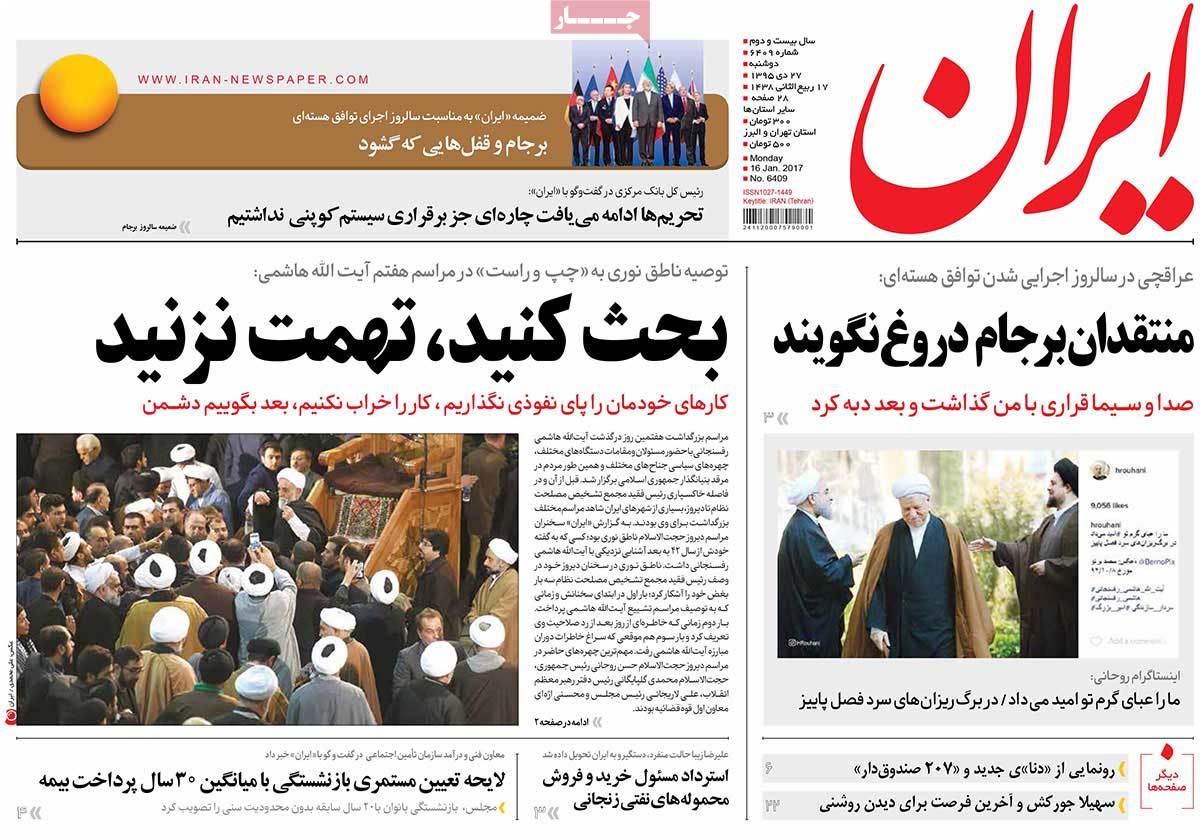
A Look at Iranian Newspaper Front Pages on January 16


Jame Jam:

1- Immediate Achievements and Promised Outcomes: A Review of JCPOA Implementation

  • Some Experts Believe the Other Side Has Failed to Fulfil Its Commitments
  • Past Year’s JCPOA Experience Once Again Proved US Is Untrustworthy

2- Memorial Service on 7th Day after Ayatollah Rafsanjani’s Demise
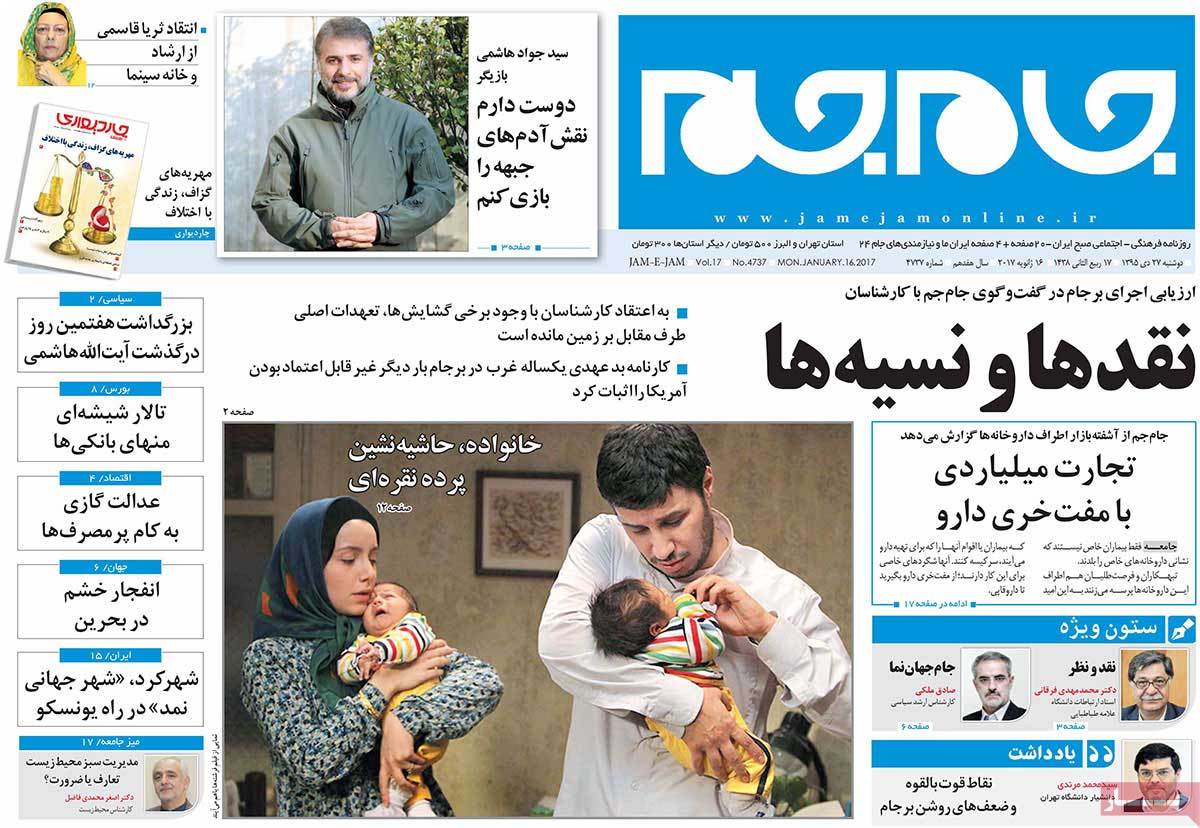
A Look at Iranian Newspaper Front Pages on January 16


Javan:

1- Bahrain on Verge of Explosion

2- People’s Presence in Ayatollah Rafsanjani’s Funeral Changed Enemies’ Equations: Nateq Noori

3- Deputy FM Araqchi Says Iran Will Set Fire on JCPOA If US Scrap Nuclear Deal
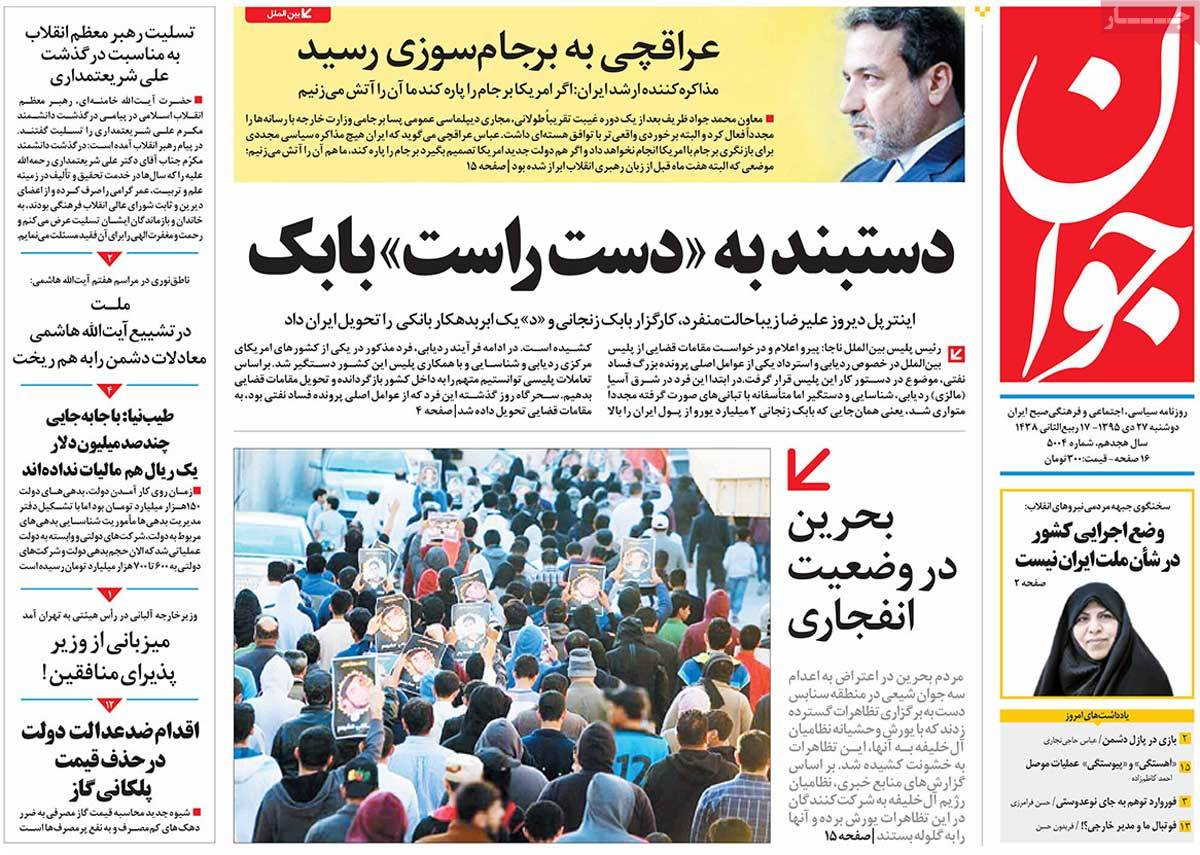
A Look at Iranian Newspaper Front Pages on January 16


Kayhan:

1- JCPOA Achievements: Government Claims, People Don’t See!

2- Deputy FM Araqchi: All Sanctions against Iran’s Economy Removed after Nuclear Deal!

3- EP Member: Terrorist Attacks in Europe Result of Our Support for ISIS

4- Al Khalifa Executes 3 Young Bahrainis; Resistance Vows to Retaliate
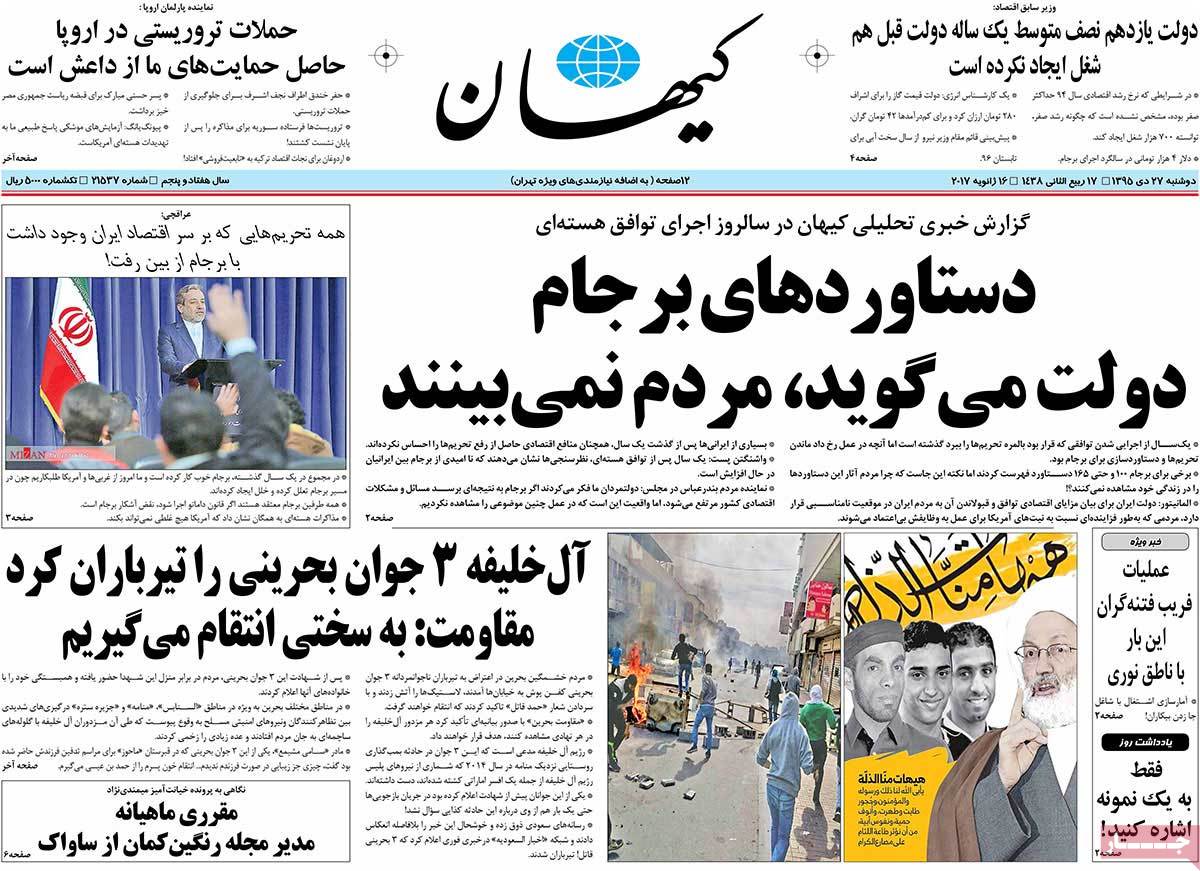
A Look at Iranian Newspaper Front Pages on January 16


Khorasan:

1- Women’s Retirement Facilitated: Parliament Approves a Bill that Allows Female Workers to Retire with 20 Years of Service without Any Age Limit

2- Anger Demonstrations in Bahrain
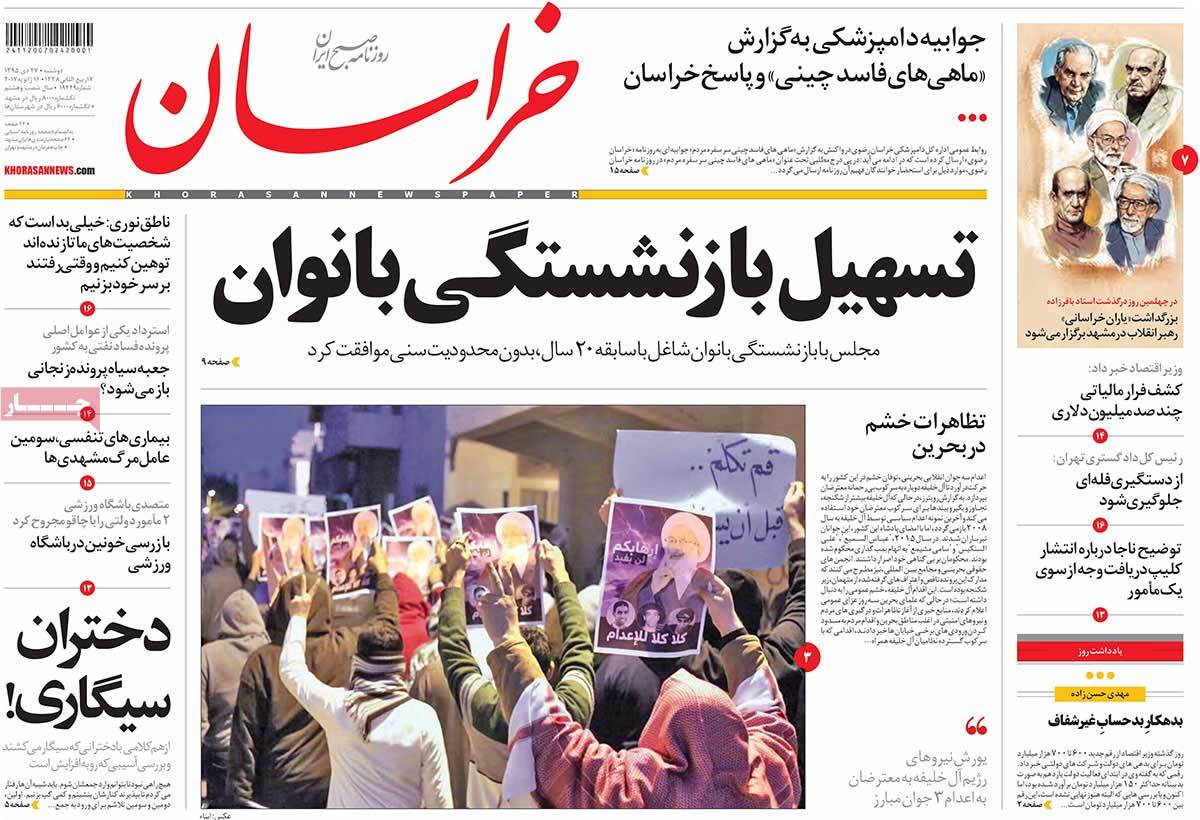
A Look at Iranian Newspaper Front Pages on January 16


Resalat:

1- Don’t Let Corrupt People Become Role Models for Iranian Society: Ayatollah Javadi Amoli

2- Al Khalifa Executes Three Young Revolutionaries amid Massive Demonstrations of Anger in Bahrain

3- Trump’s Nuclear Symphony: One Government and Two Signals
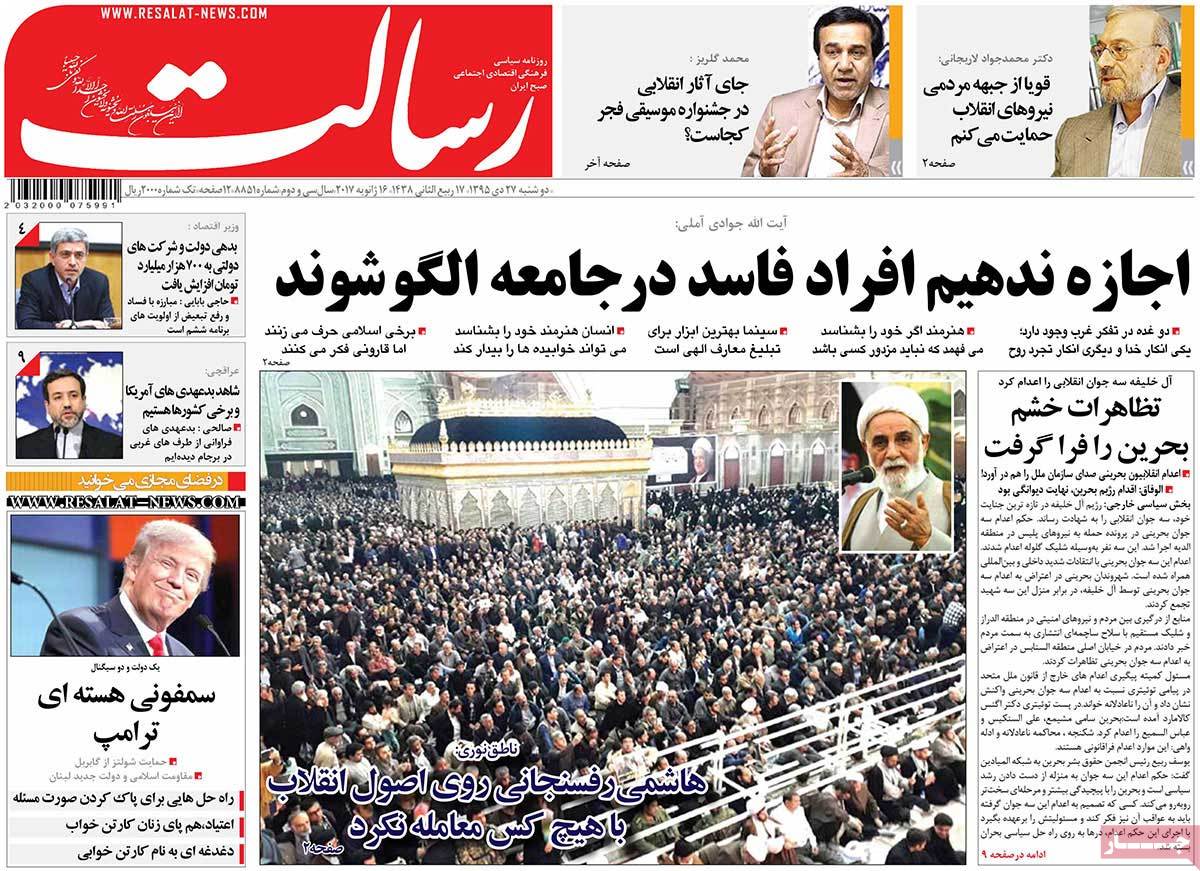
A Look at Iranian Newspaper Front Pages on January 16


Rooyesh-e Mellat:

1- Tehran’s Water Conditions Critical
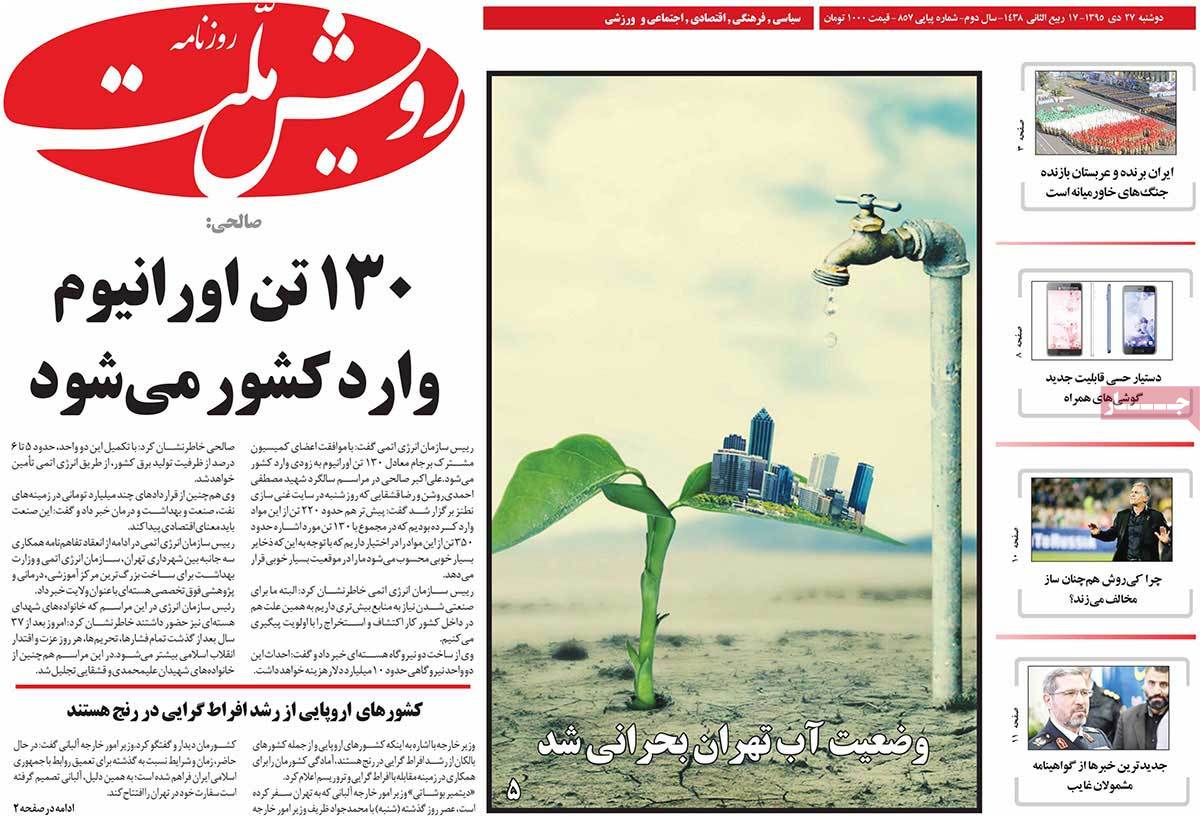
A Look at Iranian Newspaper Front Pages on January 16


Sayeh:

1- Iran Will Have No Forest in 30 Years: Trees in Need of Artificial Respiration
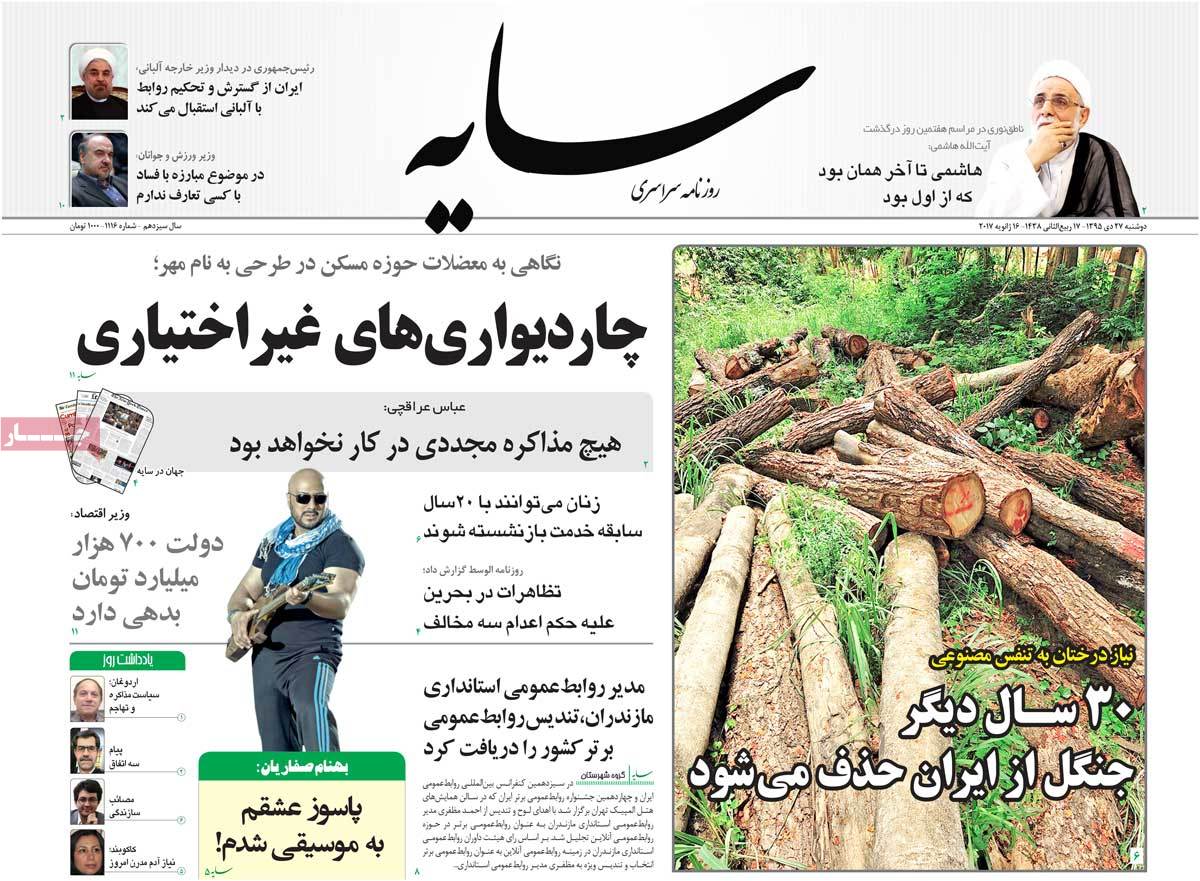
A Look at Iranian Newspaper Front Pages on January 16


Setareh Sobh:

1- Trump Accused of Secret Relations: A Report on Increasing Opposition to US President-Elect
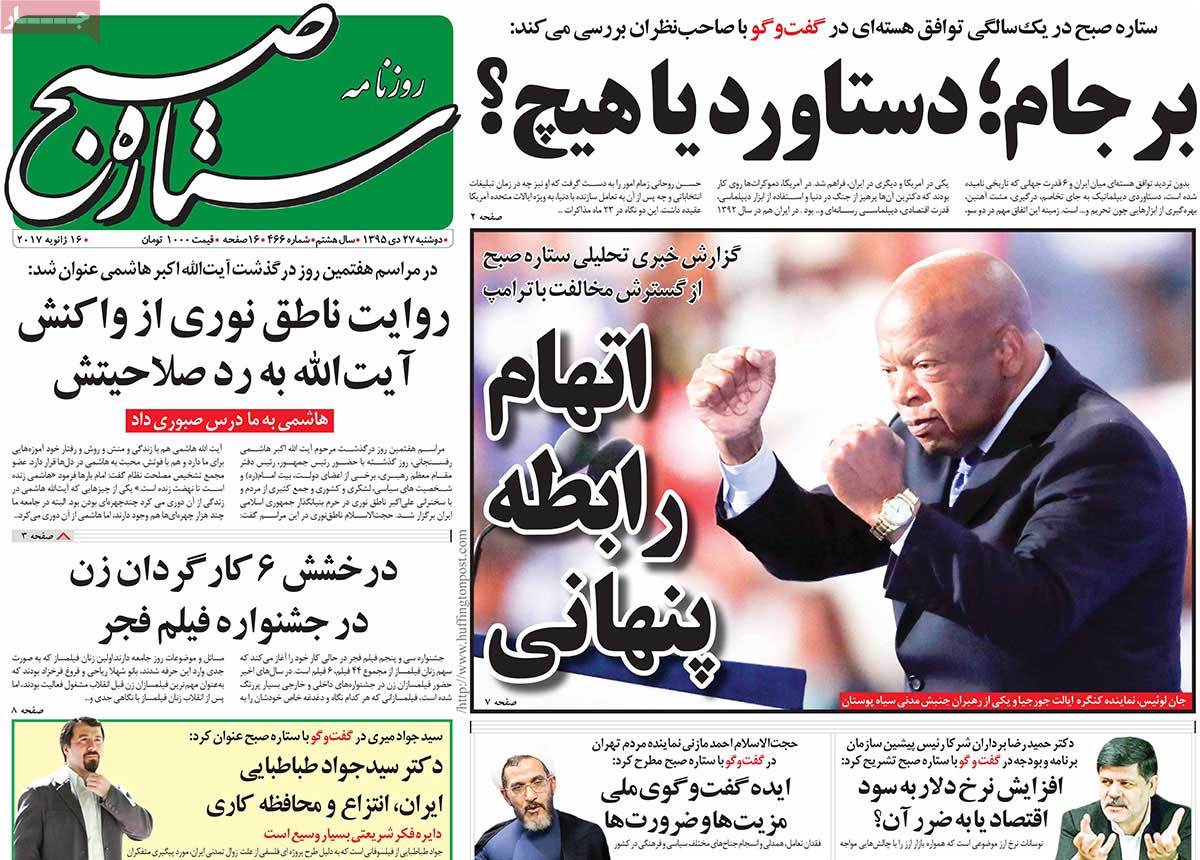
A Look at Iranian Newspaper Front Pages on January 16


Shargh:

1- Babak Zanjani’s Accomplice Arrested by Interpol in Latin America

2- Ayatollah Hashemi Was Not an Opposition Figure, He Was Iran’s Pillar: Nateq Noori

3- We Won’t Have Any Re-Negotiation: Deputy FM
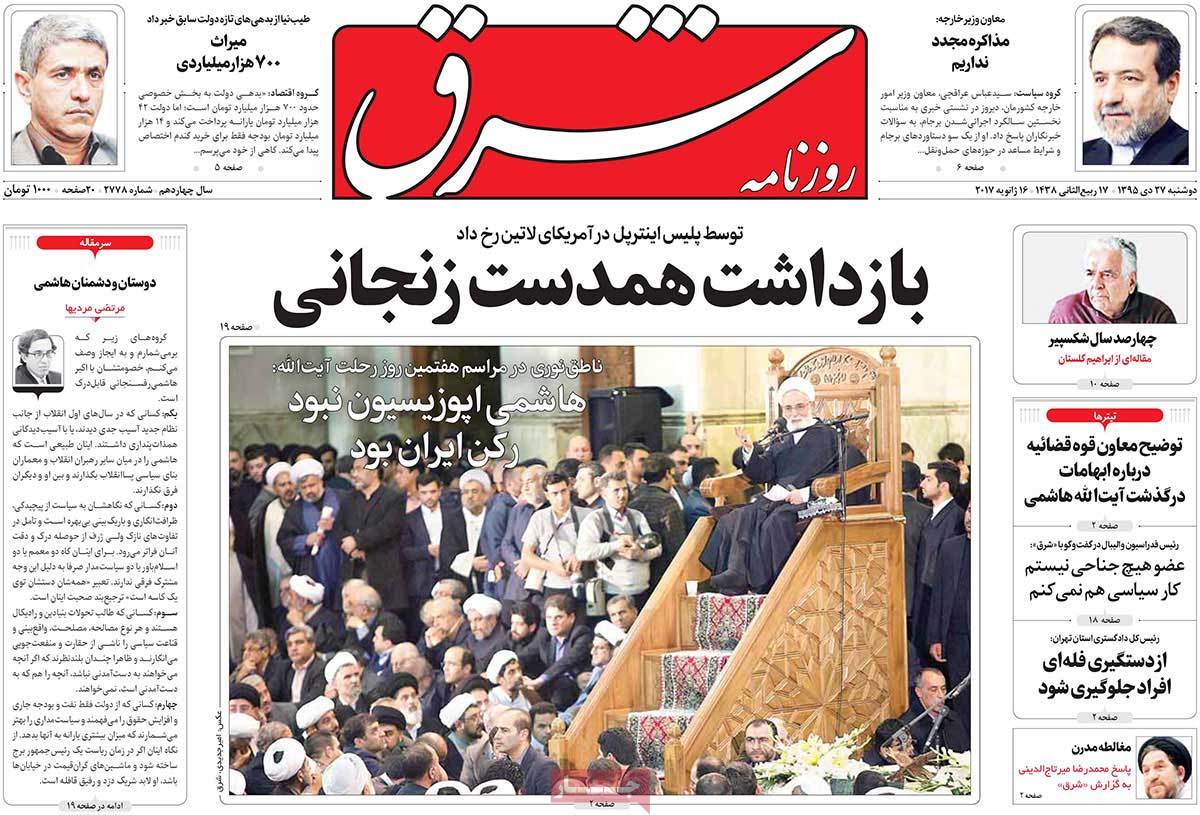
A Look at Iranian Newspaper Front Pages on January 16

Ayatollah Sistani’s Influence in Iraq from Le Monde’s Point of View

Iran's President Lauds Ayatollah Sistani’s Vital Role after Controversy

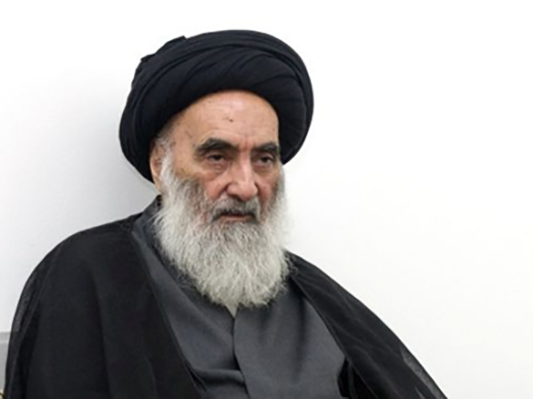
In a recent report, the famous French newspaper Le Monde described Ayatollah Ali al-Sistani, the grand religious leader of Iraqi Shiites, as the most influential figure in this country: a man whose absence will leave a large void in Iraq.

“Ayatollah Ali Al-Sistani receives his visitors at his place; on a modest bench in an almost empty room of his decrepit office in the old town of Najaf; a humility commensurate with his power. This man has no equal in Iraq, nor in the entire Shiite world: his aura extends from Iran to Lebanon, from Afghanistan to India, and to South Asia,” wrote Le Monde.

“In Baghdad, the rulers bow before the edicts of this taciturn clergyman who openly blames their corruption, impotence and turpitude.”

“He never speaks in public, nor receives the press,” Le Monde added. “His relatives update him on latest news, which he follows carefully.”

“His skin is gray and his face is covered with a white beard, under the black turban of the descendants of Prophet. One day he will die. The seminarians of Najaf regularly evoke his succession: his death will be a large void in a country already at war. The Shiite people love and revere him; Sunni leaders respect him. He is a bulwark against sectarian hatred, a crutch for the collapsing Iraqi state.”

“Ali Al-Sistani acquired his aura in April 2003, when the US invasion put an end to Saddam Hussein’s thirty-four years of reign. Najaf was then a bleeding town. Persecuted by the Baathist regime, its clerics had fled from the heart of Shi’ism, the mausoleum of Imam Ali [AS] – the first imam of the Shiites – to take refuge in Qom, Iran. The seminaries were filled with shadows. Ayatollah Sistani, who was living in quasi-house arrest, did not teach at that time. He had published no work, had no political expression. But was already, by far, the most followed among the marja-e taqlids, top Shiite religious leaders,” Le Monde added.

According to a Farsi report by Fars News Agency, Sayyed Ali Hosseini Sistani was born in Mashhad, Iran. He became the head of Najaf seminaries after the demise of Ayatollah Sabzevari. Then he became famous in Iraq, Persian Gulf countries, India and Africa, among the youth in particular.

He began to appear at the top of news after playing a key role in unity and security of Iraq after US invasion of the Arab country in 2003.

How Iranian and Saudi Clerics View Cinema

Ayatollah Abdollah Javadi Amoli-Mufti Abdul-Aziz

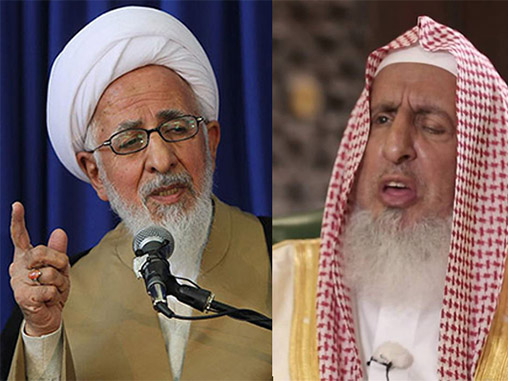
Since cinema incorporates and caters to all perceptive dimensions and aspects of human beings, it appeals to people’s taste, Grand Ayatollah Abdollah Javadi Amoli said, according to a Farsi report by Entekhab news website.

Commenting on the higher impact of cinema on people compared with other media, the Iranian cleric said human has had different tools to pass on religious teachings and divine truths in different eras.

However, cinema has proven more effective to these ends compared with other media outlets, he added.

He went on to say that in case artists believe in what they say, they will be able to have a greater impact on the audience’s perception.

Ayatollah Javadi Amoli’s remarks came after Saudi Arabia’s Grand Mufti (top religious cleric) said cinema and concert are totally depraved, and put an end to the recent heated discussions in the Arab country on cinema and issuing permits for holding concerts.

Cinemas “might show movies that are libertine, lewd, immoral and atheist, because they rely on films imported to change our culture,” said Grand Mufti Abdul-Aziz ibn Abdullah Al ash-Sheikh in a televised interview on Friday, adding there is also “no good” in singing concerts.

According to the head of the Saudi supreme council of clerics, both concerts and cinemas represent a “call for mixing between sexes.”

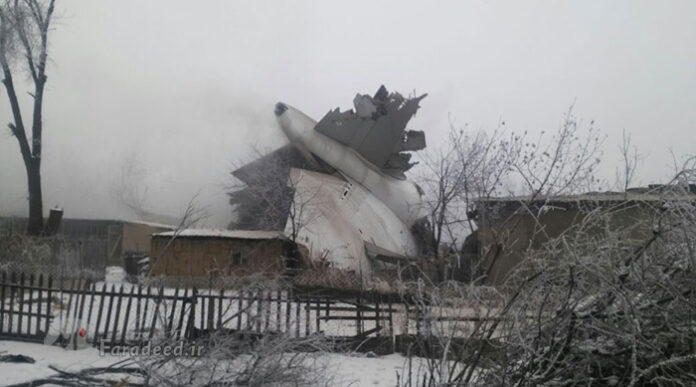
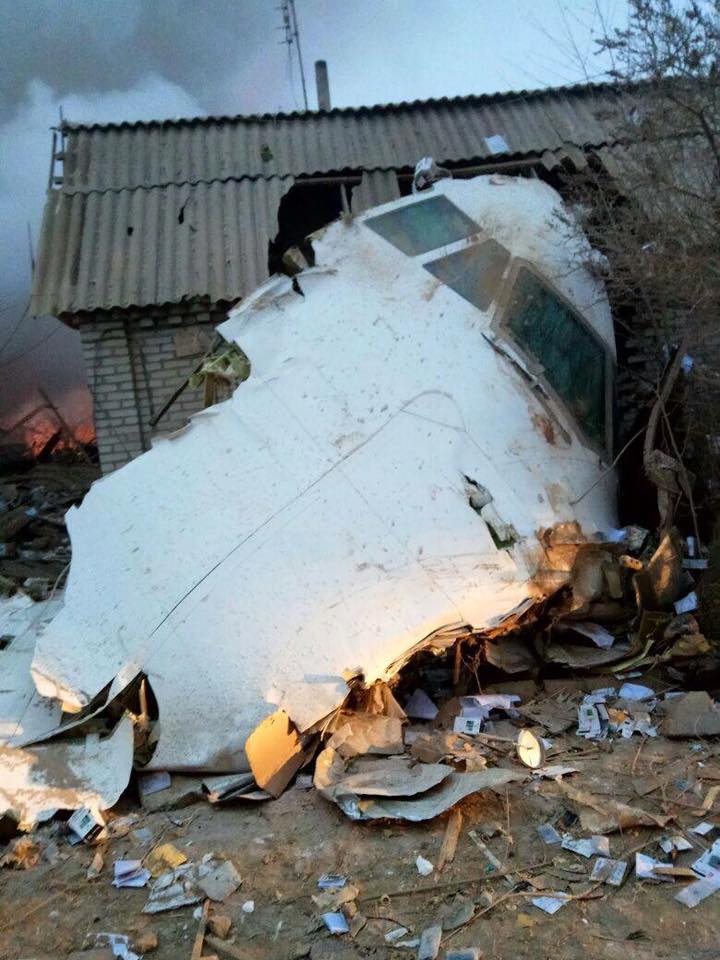
At Least 32 Killed after Turkish Cargo Plane Crashed in Kazakhstan

Turkish Cargo Plane

Many of those killed were residents of Dacha-Suu village where the plane crashed. Many others are reported injured.

Turkish Cargo PlaneKyrgyz officials said the Boeing 747 cargo plane went down several kilometers away from Manas International Airport early on January 16.
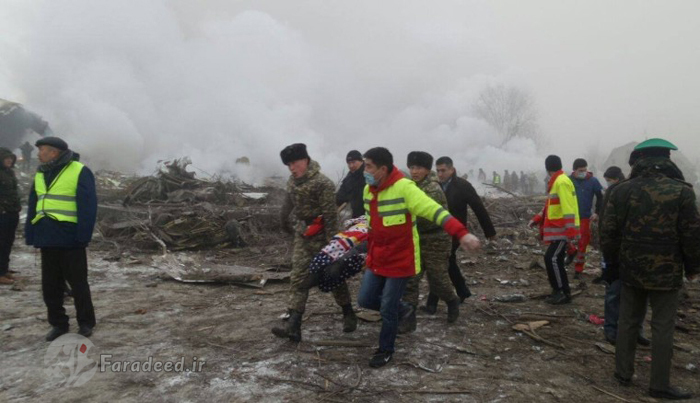
Government spokeswoman Tolgonai Stamaliyeva said the plane — which was en route from Hong Kong to Istanbul — was going to land at Manas airport to refuel and crashed in a populated area, damaging some 20 houses.

The area where the plane crashed was reported to be foggy at the time, RFL/RE reported.

Airport officials said there were an unknown number of crew aboard the plane but no passengers.

At least four pilots on the flight were among the dead, the emergency services ministry said, with one pilot’s body yet to be found.

“The plane crashed into the houses, it killed entire families,” one eyewitness told AFP, speaking on condition of anonymity, according to a report by AFP.

“There’s nothing left of the houses, people were killed with their whole family, their children. Many people were sleeping.”

Turkish Cargo Plane

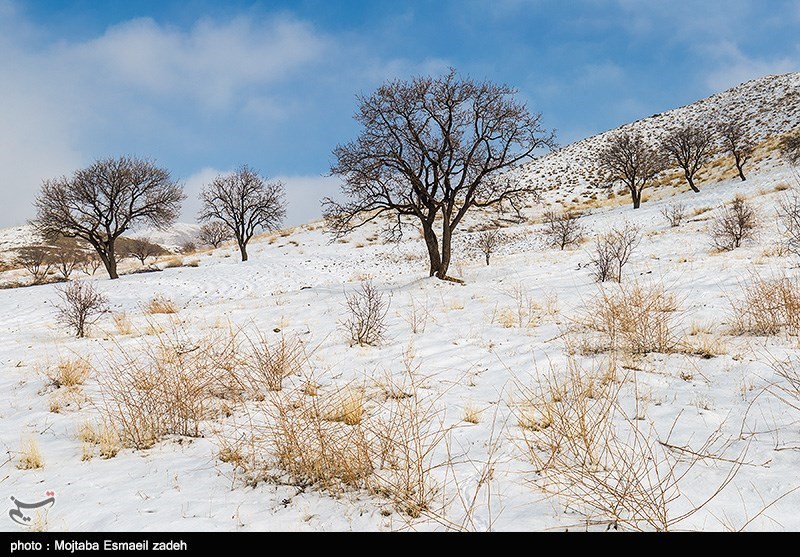
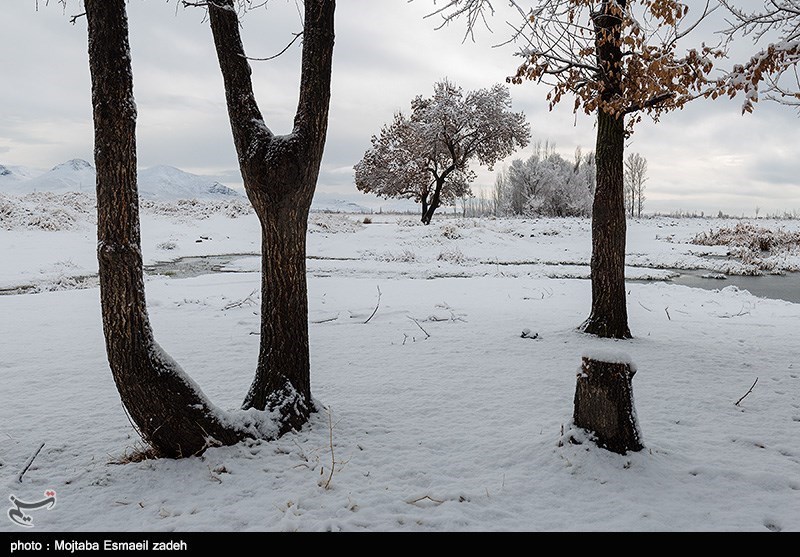
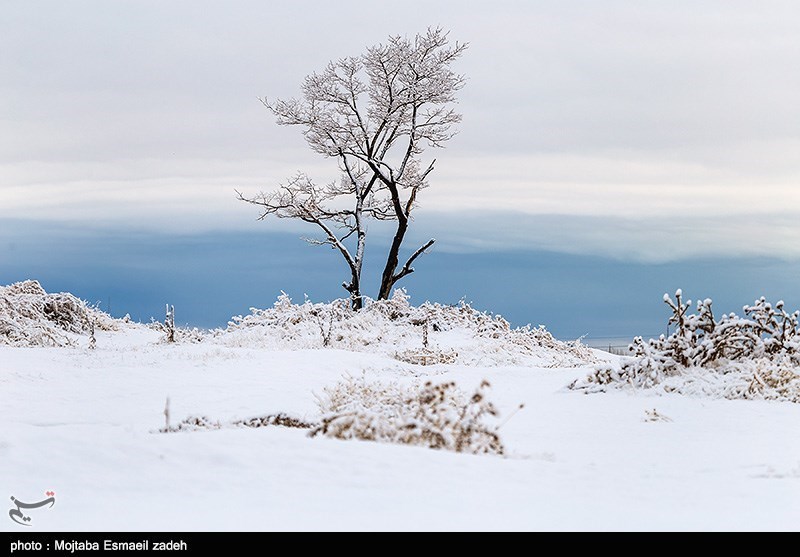
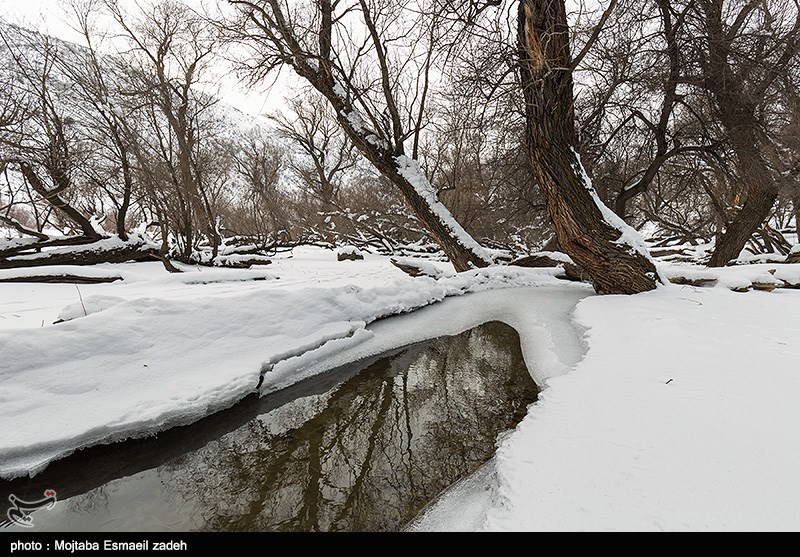
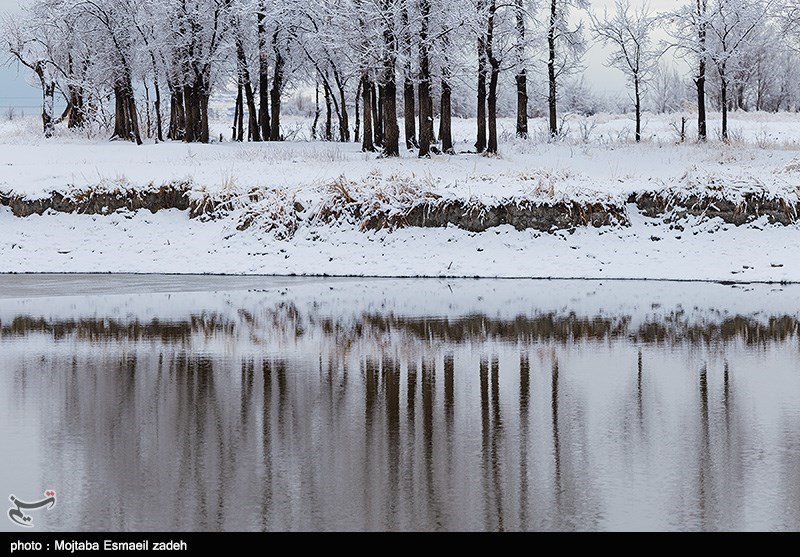
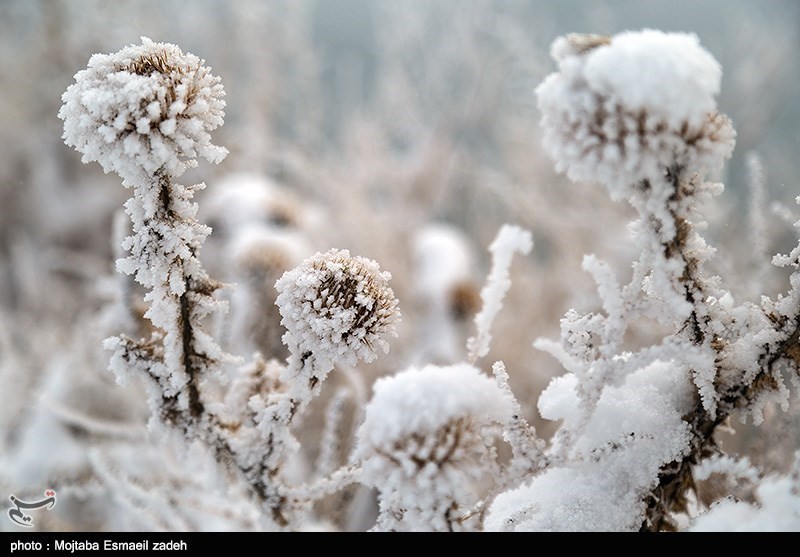
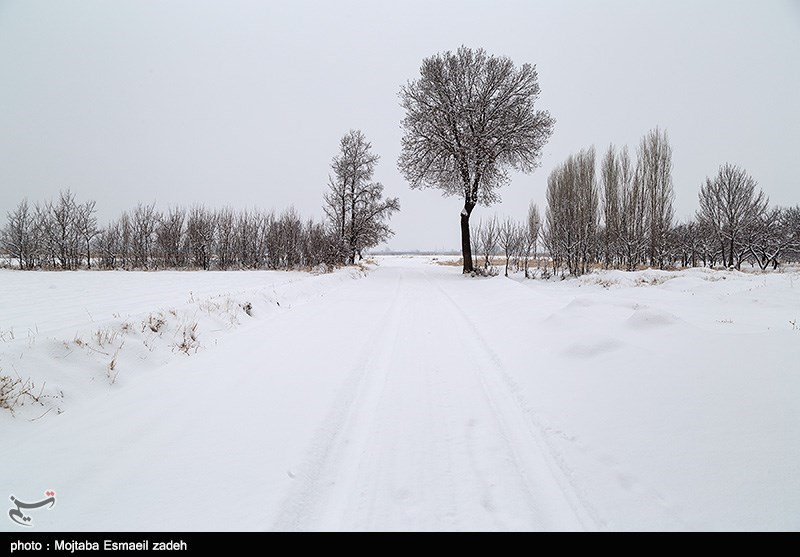
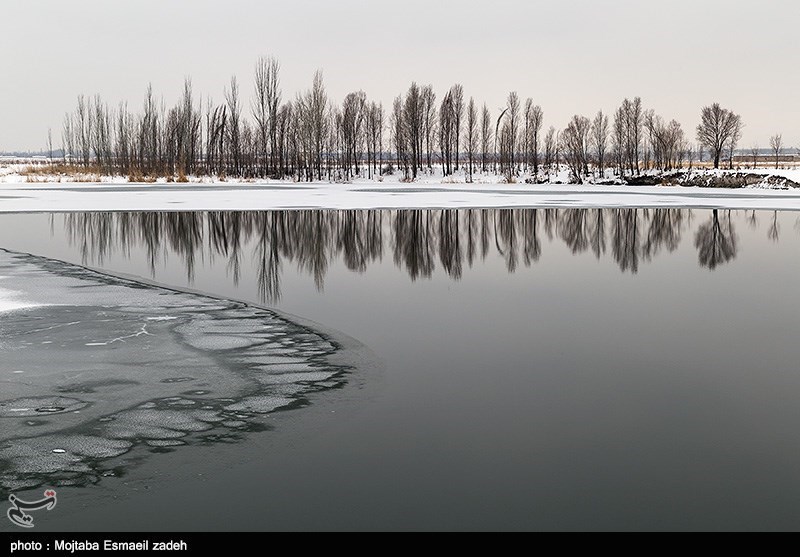
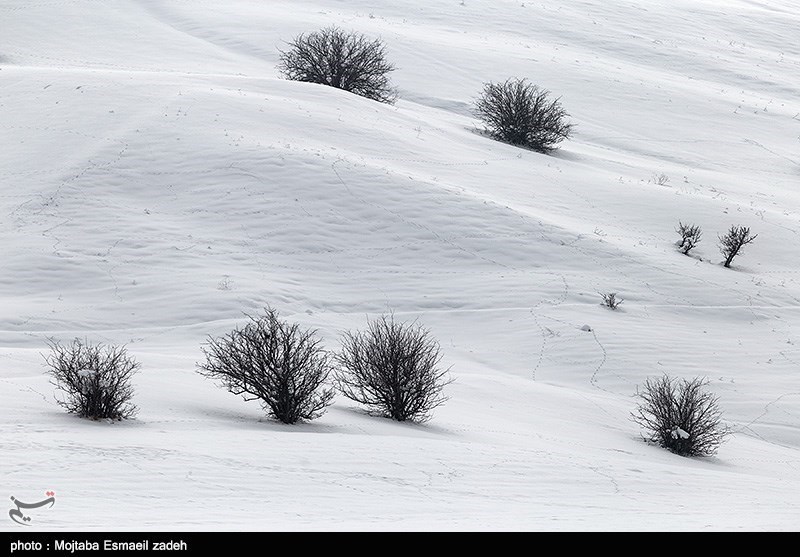
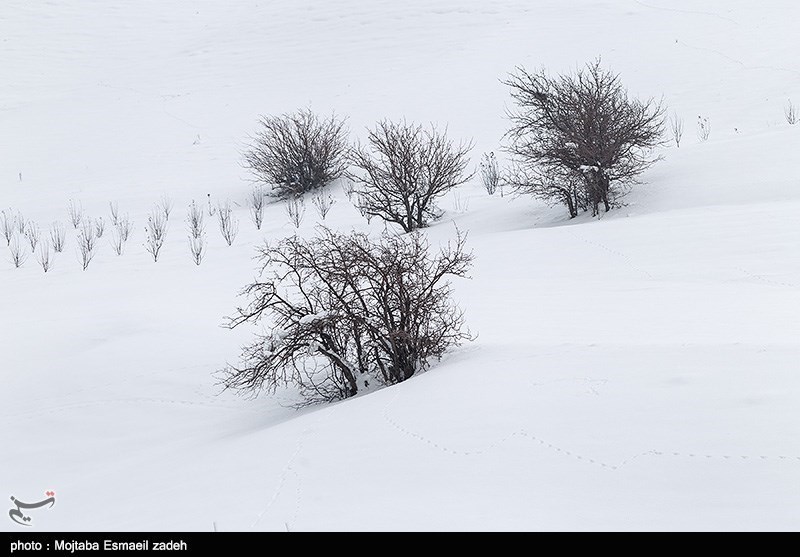
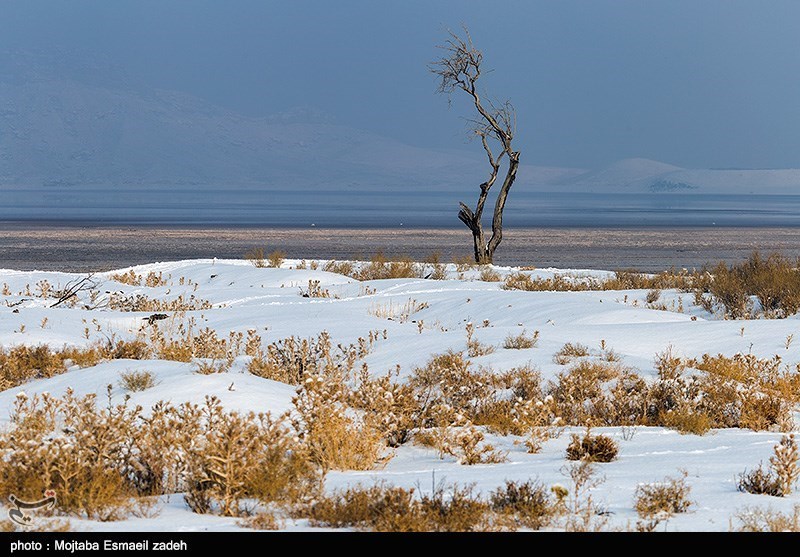
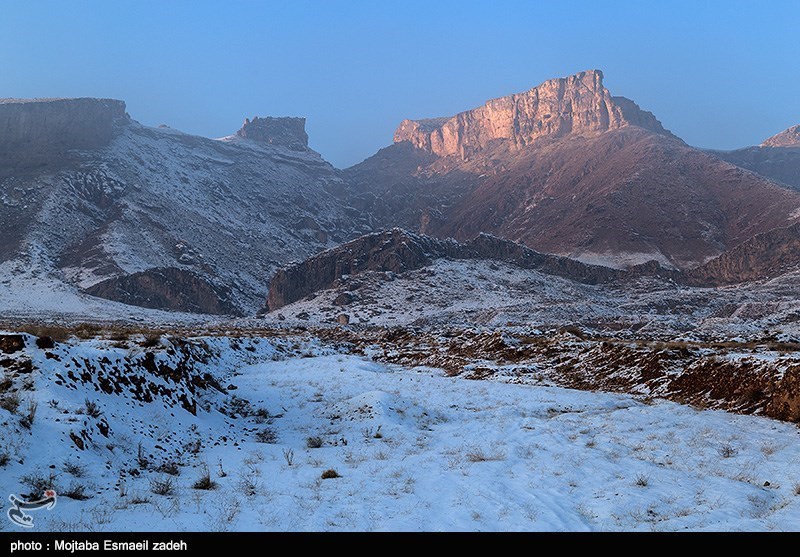
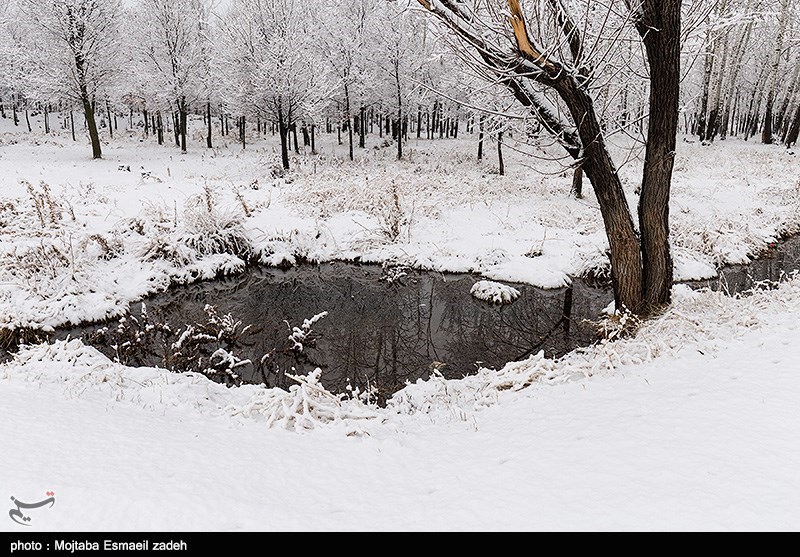
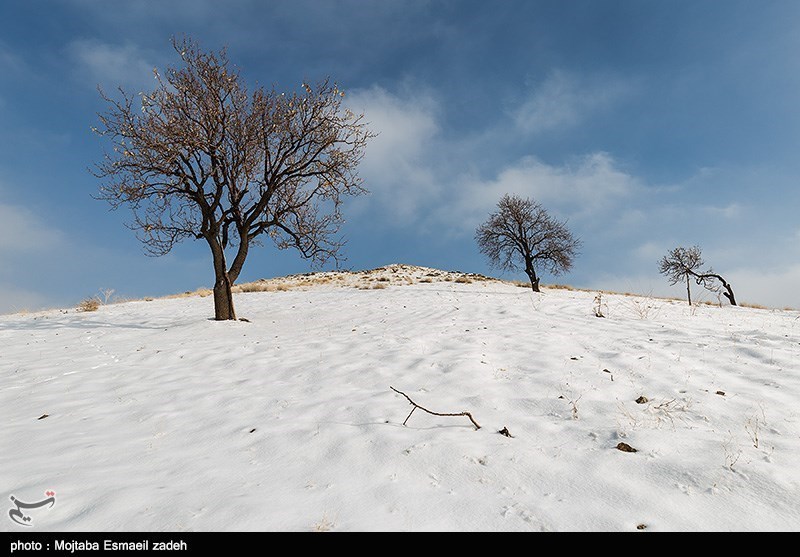
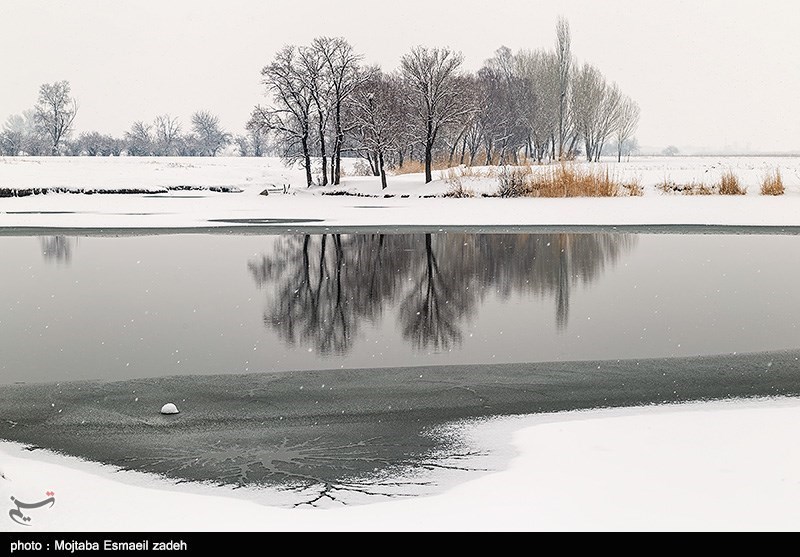
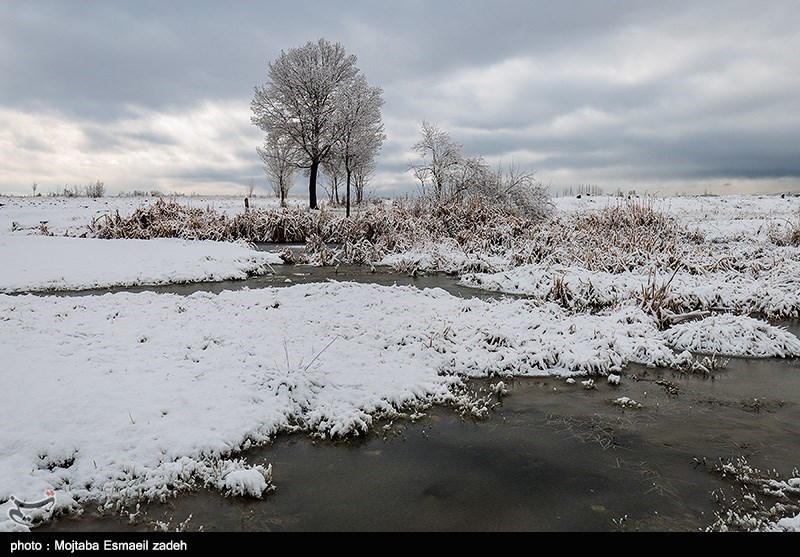
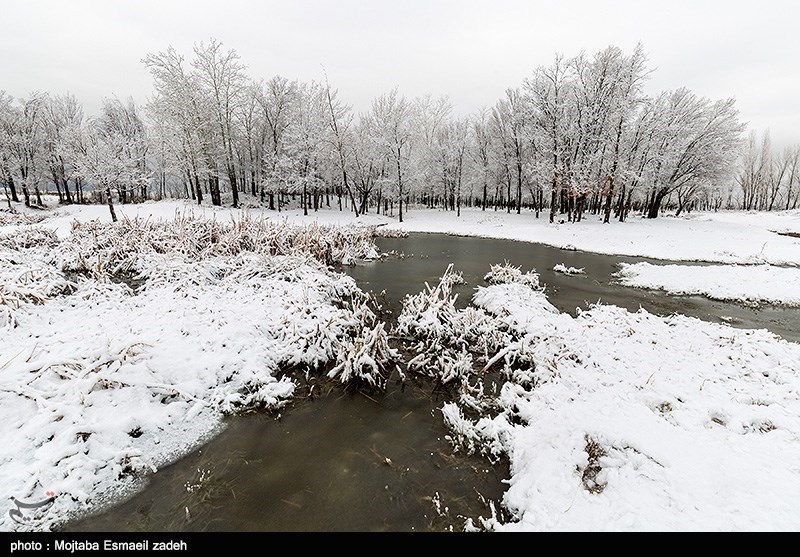
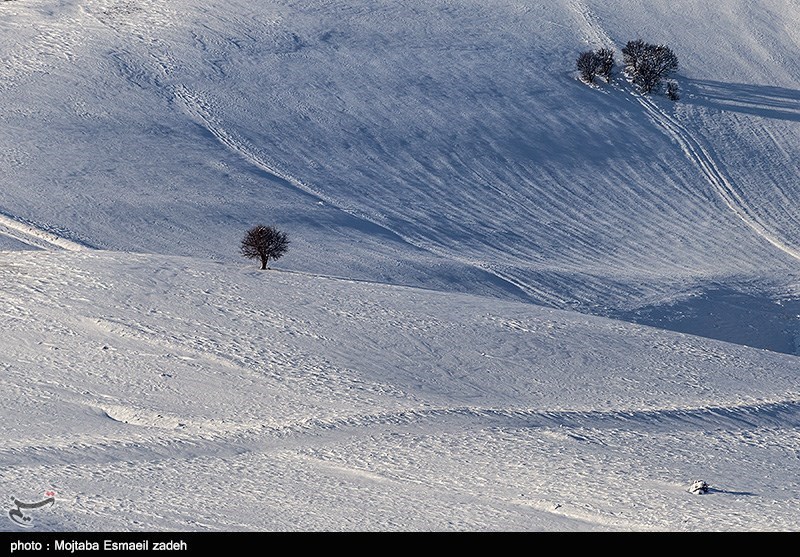
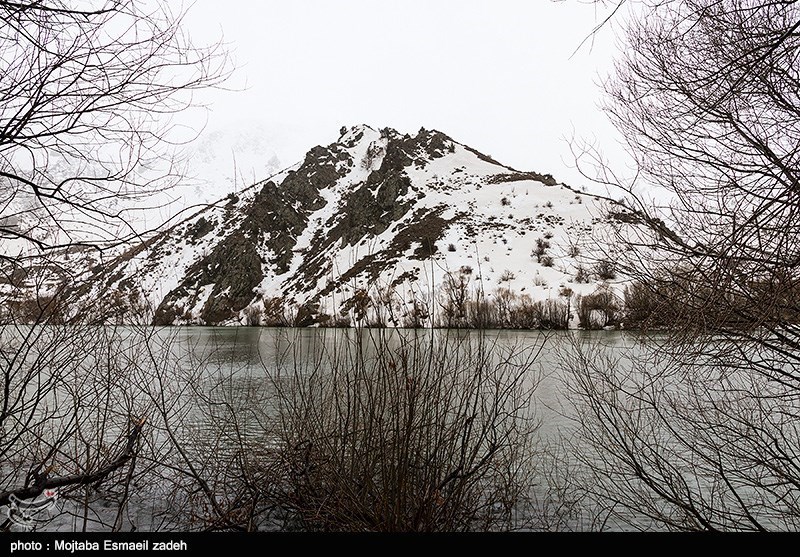
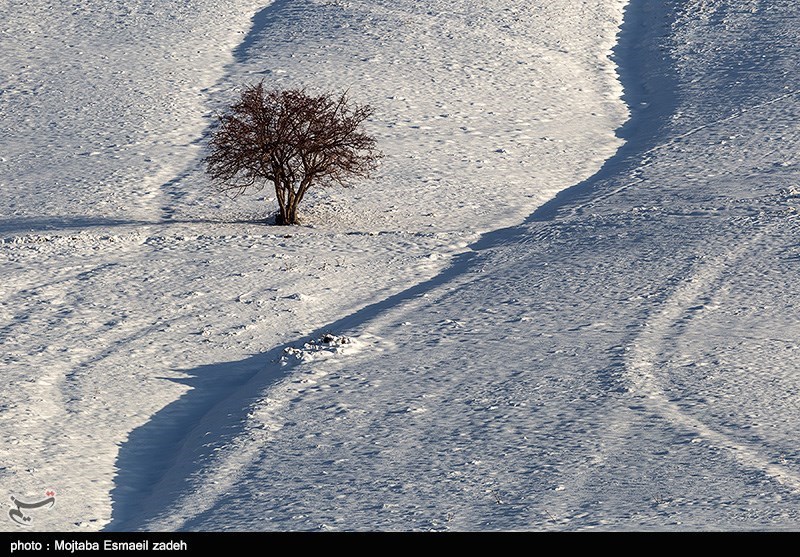
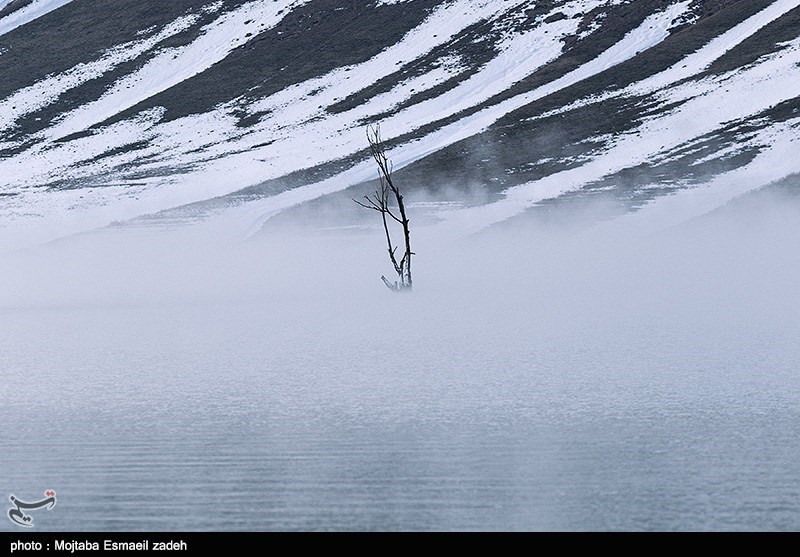
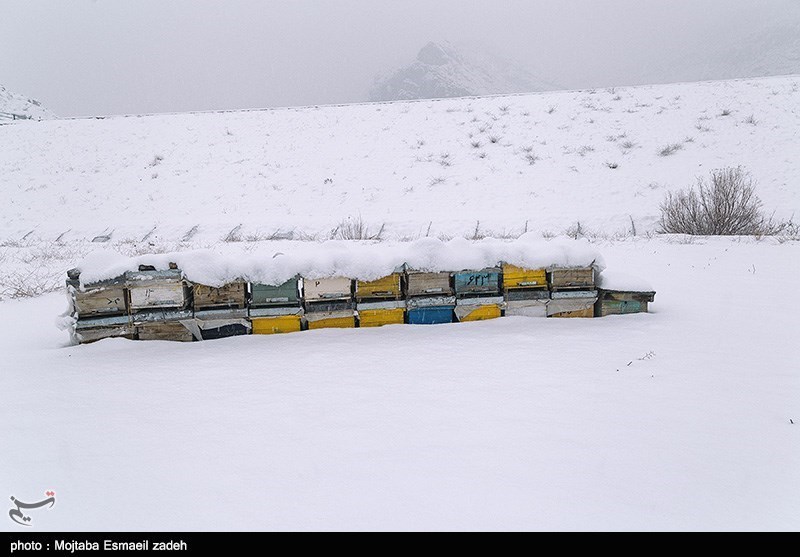
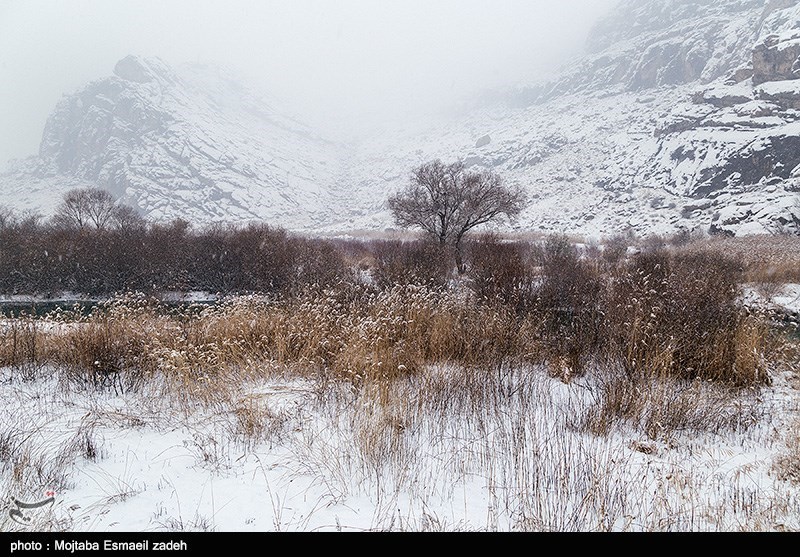
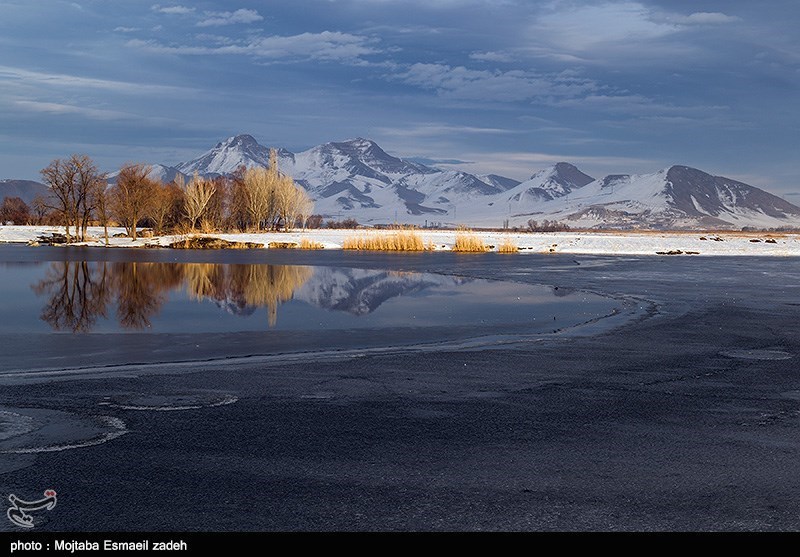
Winter Nature of Northwestern Iran

Urmia-Snow

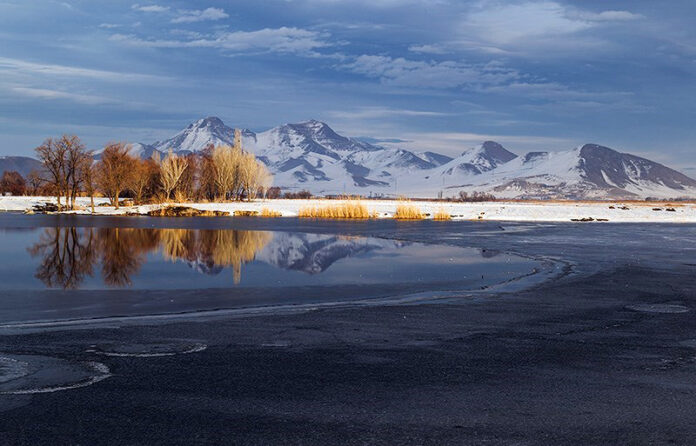
Here are Tasnim’s photos of Urmia’s beautiful nature in winter:


Iran Denounces Bahrain’s Execution of Young Activists

Bahram Qassemi

“The lack of transparency in the process of unfair trial of those three (executed) citizens has been acknowledged by the international and human rights institutions and all non-governmental organizations around the world,” Foreign Ministry Spokesman Bahram Qassemi said on Sunday.

He also slammed the “imprudent action” as a testimony to the Al Khalifa’s reluctance to opt for peaceful ways out of crisis in Bahrain.

“As always, the Bahraini government is insisting on security and oppressive approaches and brutal killing of defenseless protesters,” the spokesman deplored.

Qassemi also warned the Manama regime that crackdown and mounting pressure on the opposition leaders and political prisoners will block the path for political dialogue and will take Bahrain to the brink of full political deadlock.

On Sunday, the Al Khalifa regime executed three anti-regime activists over their alleged role in a 2014 bomb attack, amid widespread public anger against the death verdicts.

On January 9, Bahrain’s Court of Cassation upheld the death penalties given to Sami Mushaima, Abbas Jamil Tahir al-Sami’ and Ali Abdulshahid al-Singace over allegations of killing a member of Emirati forces who had been assisting Manama in its suppression of Bahraini protesters in the northern village of al-Daih back in March 2014. Seven other convicts have also been sentenced to life in prison in the case.

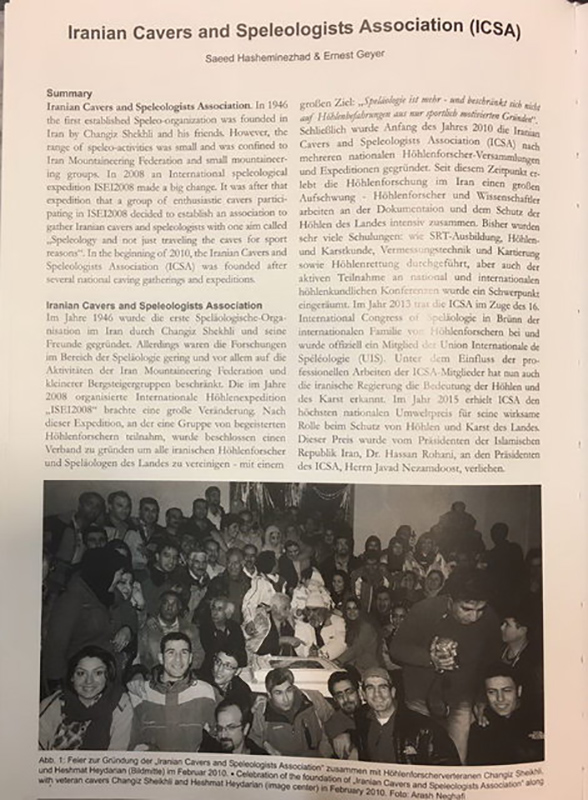
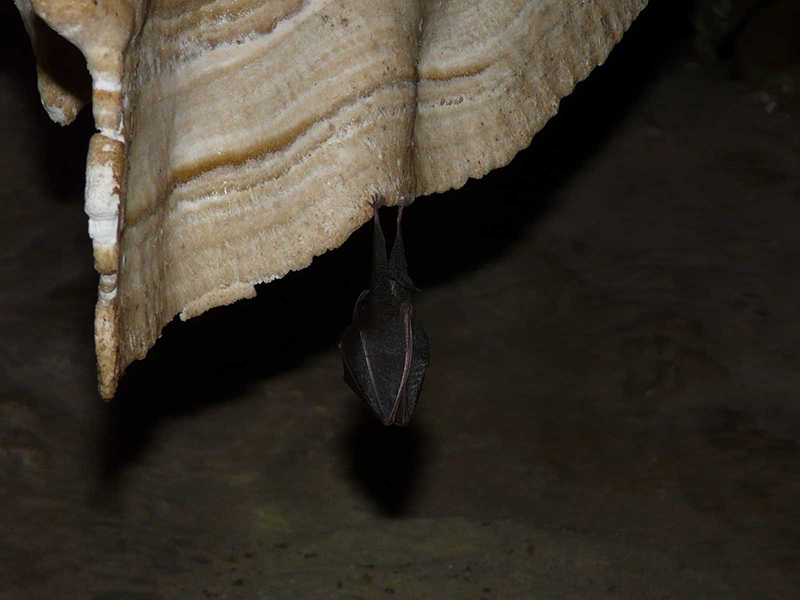
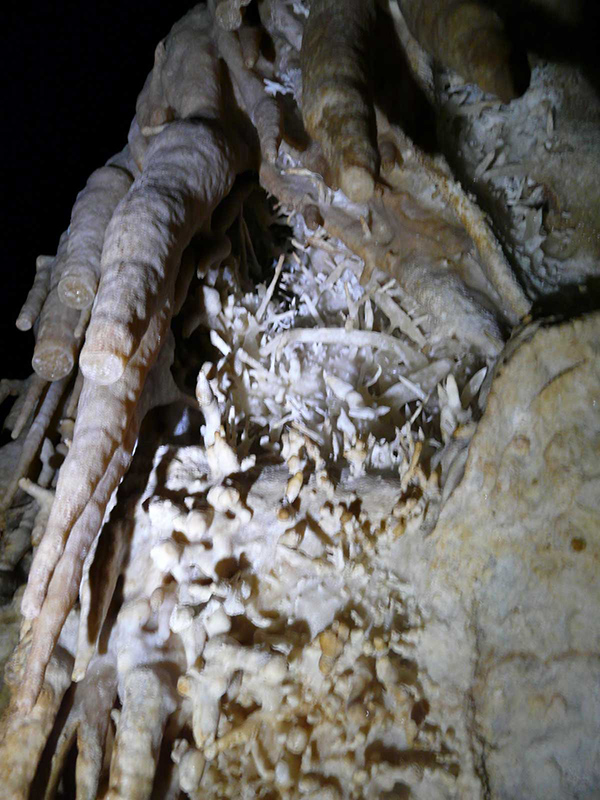
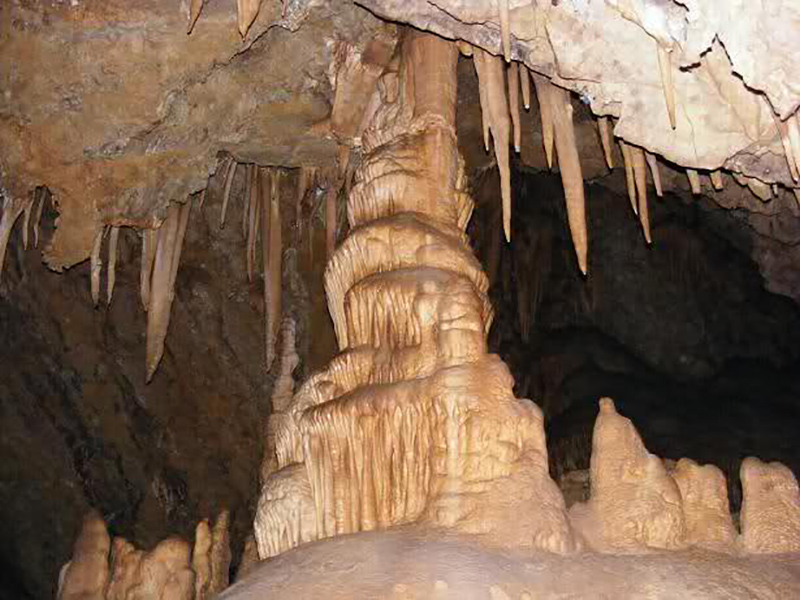
Tehran’s Longest Cave in Austria Caving Guidebook

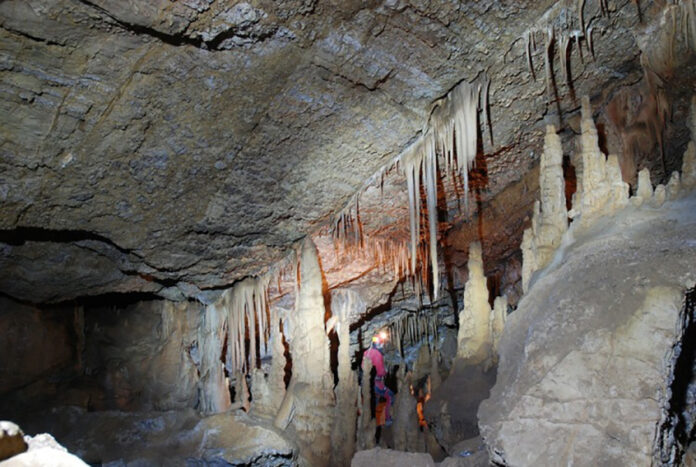
Burnik Cave

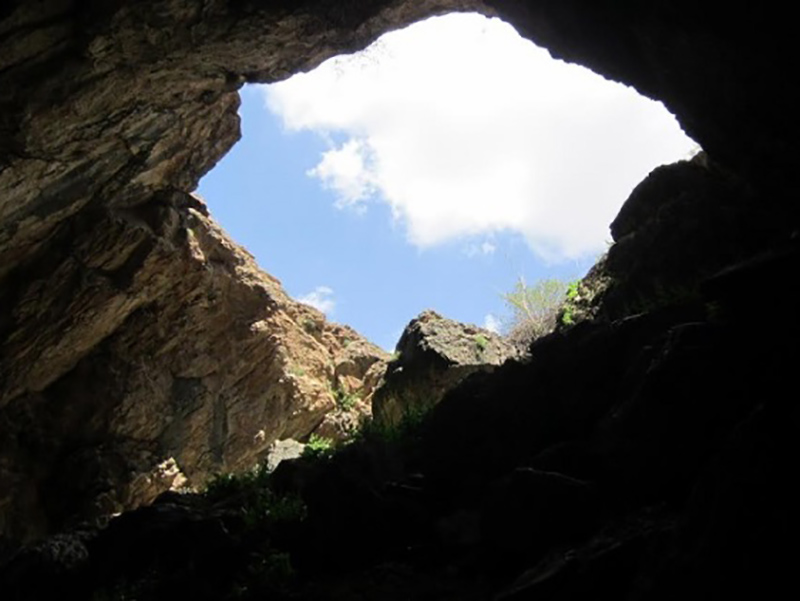
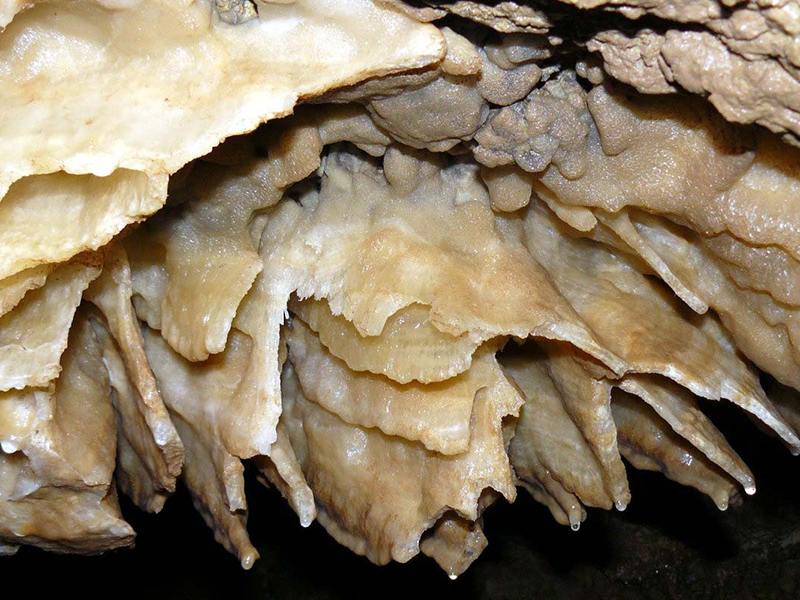
Burnik Cave“Burnik” is the name of a cave 135km away from Tehran in south-west of Firouzkouh.
Topographical maps show Burnik as one of the longest virgin caves of Iran.

The evidence inside the cave proves that it had been served as a lodgement for cavemen. An important archaeological site, Burnik was registered as a national heritage in 2002.

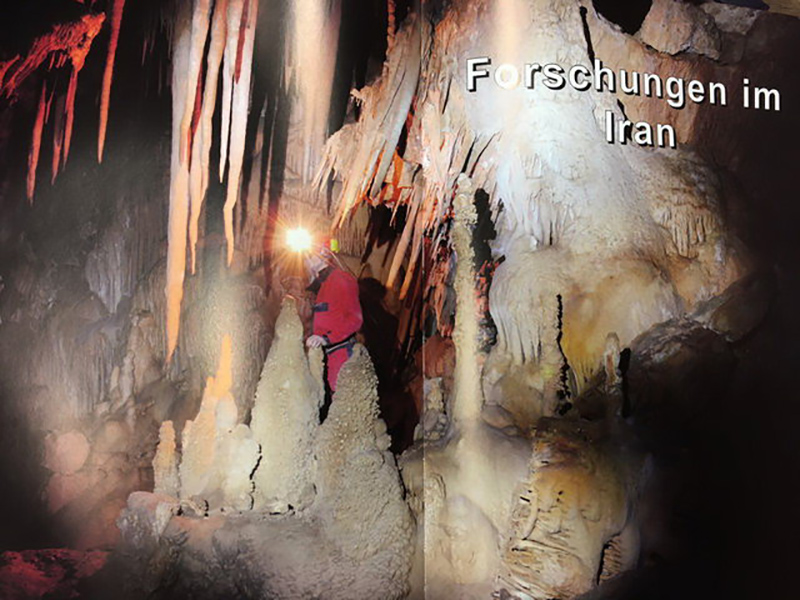
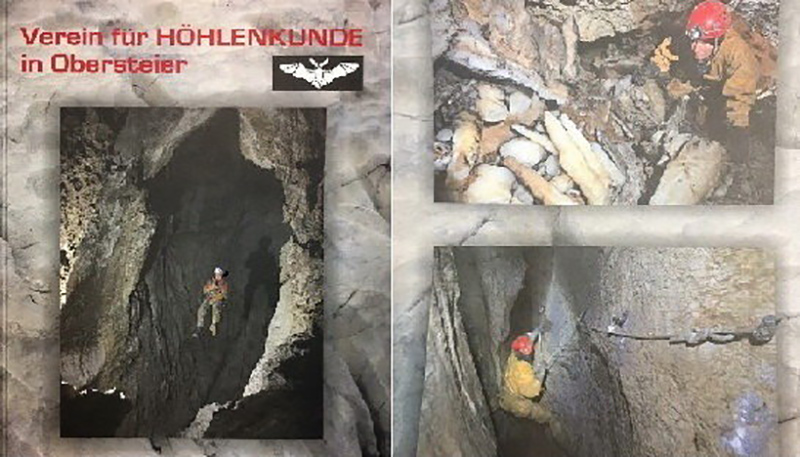
Now Ernest Gayer, an Austrian researcher and caver who started gauging and mapping Burnik alongside Iranian cavers in 2007, has published some information about this long, virgin cave in a guidebook for Austrian cavers.

This book has been recently published in 380 pages, 15 pages of which are about Iran, Burnik cave in particular. Gayer has worked on the map of this cave for about a decade.

The Austrian guidebook, which is published and distributed throughout Europe once in every three years, can serve as an international reference book for caving and speleology for many years until the information is updated.

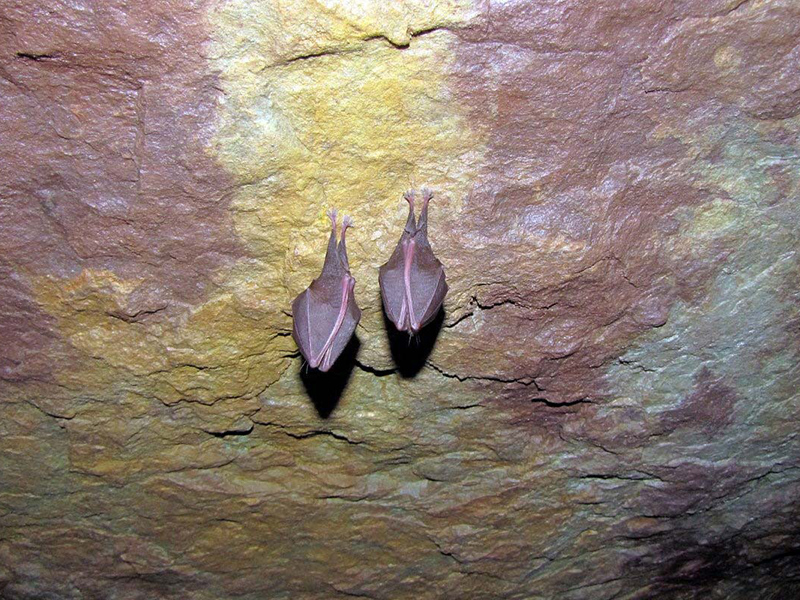
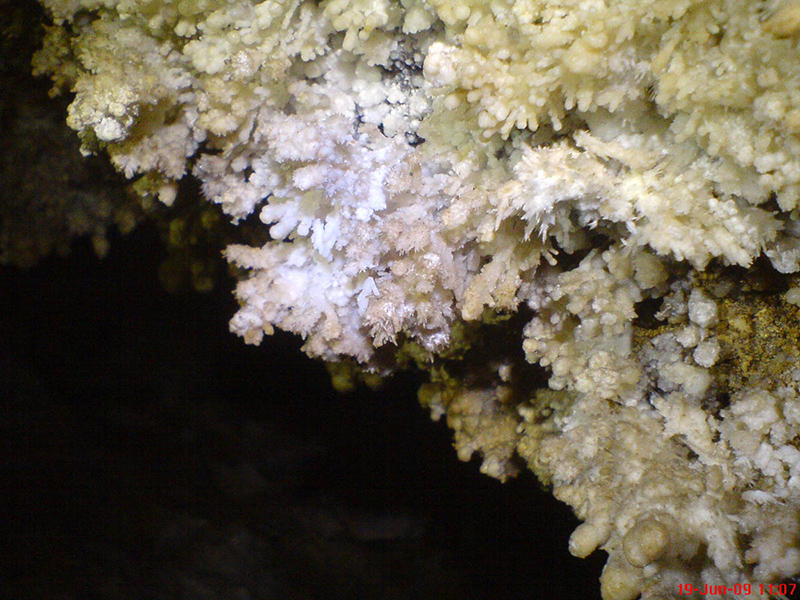
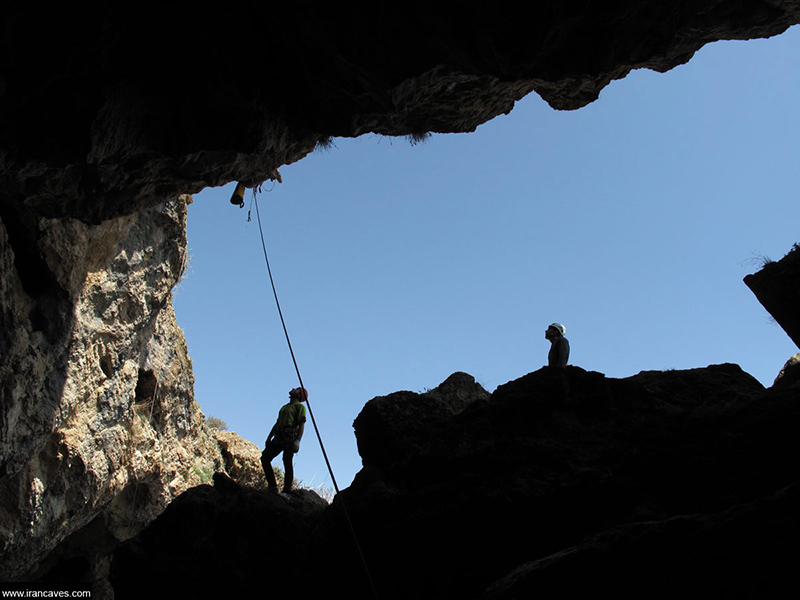
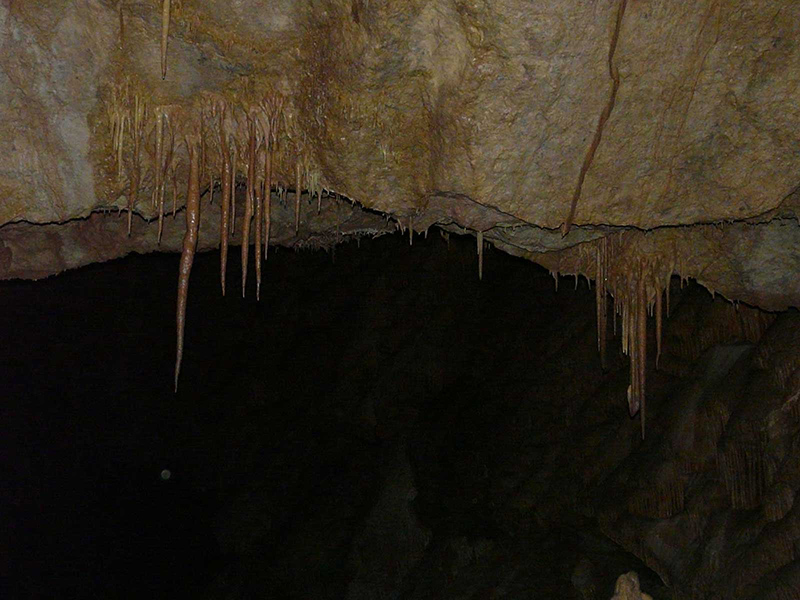
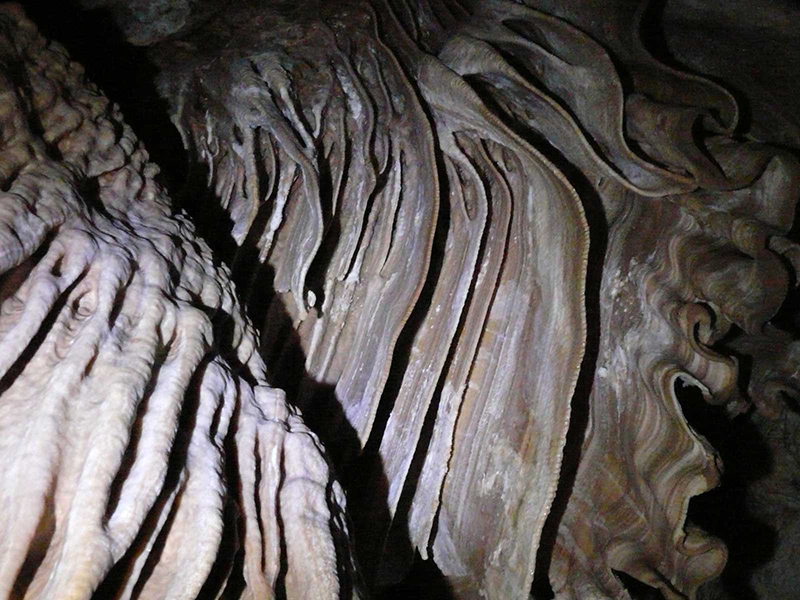
Here are photos of the guidebook and the cave taken by ISNA and Irancave:

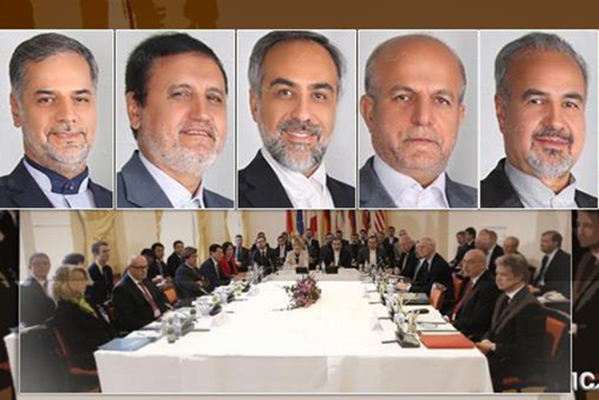
New Obligations for Iran Following JCPOA Joint Commission Meeting

On the verge of first anniversary of JCPOA implementation day (January 16), the JCPOA Joint Commission issued a statement during its meeting on January 10, 2017 in Vienna.

According to this statement, all parties to the nuclear deal reaffirmed their strong commitment to the complete and effective implementation of JCPOA, and confirmed that the extension of ISA – Iran Sanction Act – won’t affect the removal of anti-Iran sanctions based on this program, nor will it impose limitations on commercial relationships of international companies with Iran.

“The meeting was held to handle Iran’s complaint against the violation of JCPOA by the US,” announced Hossein Naqavi Hosseini, an Iranian lawmaker, according to a Farsi report by ICANA.

“Seemingly, Iran has made two new nuclear commitments; to reduce its supply of enriched uranium from 300kg to 200kg, and to purge the nuclear site of Natanz from uranium. We should wait for our authorities, however, to make things clear about it.”

That said, Naqavi believes that Iran gained nothing from this meeting, but rather went under new obligations.

However Morteza Saffari Natanzi, another lawmaker, has a different opinion: “This was absolutely a positive move.”

“American officials confirmed that they are trying to prevent ISA from violating JCPOA,” he stated. “The US acknowledgment of ISA’s negative effects on JCPOA is an important achievement.”

“It seems that during this meeting, the US has retreated from its plans that affect JCPOA, including the approval of ISA.”

“Iran isn’t the only country that doesn’t trust Washington,” commented Kamal Dehqani Firouzabadi, an Iranian Parliament member. “Iran was the first to disclose the US paradoxical behaviour in national and international levels. Now we see all members of P5+1 approve Iran’s positions by expressing their concerns about the US violation of its agreement.”

“Washington’s admission of its false moves and deceitfulness was a positive outcome of the meeting.”

For Heshmatollah Falahatpisheh, another Member of Parliament, the problems of JCPOA won’t be resolved by mere statements. “The United States practically didn’t allow the lifting of sanctions, and is looking for excuses to extend them.”

“We expect the Iranian Foreign Ministry officials not to be satisfied with statements and to raise the subject of Iran’s JCPOA-related demands in official meeting of P5+1 Foreign Ministers so that a resolution is adopted to remove the obstacles to nuclear deal implementation.”

“When we agree to let the JCPOA Joint Commission make all decisions about our complaint against nuclear deal violators, no better results are expected,” said Mohammd-Javad Abtahi, another Iranian lawmaker.

“This commission is formed by European countries who are under Washington’s influence and pressure.”

“The statement of Joint Commission doesn’t consider the enactment of ISA as the violation of JCPOA, because this act isn’t to be implemented! Who guarantees that the US won’t implement it against Iran?” he added.

Iran’s Global Image Promoted Thanks to Nuclear Deal: Deputy FM

Abbas Araqchi

Iran’s Deputy Foreign Minister for Legal and International Affairs Abbas Araqchi made the remarks at a press conference in Tehran on Sunday, marking the first anniversary of the implementation of the nuclear deal, known as the Joint Comprehensive Plan of Action (JCPOA).

Araqchi, who is the head of the JCPOA follow-up committee, further said the 2015 deal foiled the attempts by the US and enemies to sell a “false image” of the Islamic Republic using Tehran’s peaceful nuclear activities as a tool.

In the pre-JCPOA era, enemies were trying to portray Iran as “a threat to international peace” by hyping up Iran’s nuclear program and claiming that the Islamic Republic was “after nuclear weapons,” said Araqchi, stressing, however, that the nuclear deal thwarted all those attempts.

Iran and the P5+1 countries – the United States, Britain, France, China and Russia plus Germany – succeeded in finalizing the text of the JCPOA, in Vienna on July 14, 2015, following intense negotiations, in what was praised as a win for diplomacy.

Abbas AraqchiUnder the JCPOA, limits were put on Iran’s nuclear activities in exchange for, among other things, the removal of all nuclear-related bans against the Islamic Republic.

The UN Security Council later unanimously endorsed a draft resolution turning the JCPOA into international law. All 15 members of the body voted for the draft UN resolution, setting the stage for the lifting of the Security Council sanctions against Iran.

Araqchi added that the nuclear deal helped nullify the six anti-Iran resolutions passed by the United Nations Security Council under Chapter VII of the UN Charter, and fully closed the case of the so-called possible military dimensions (PMD) of Iran’s nuclear program.

Chapter VII of the Charter allows the Security Council to “determine the existence of any threat to the peace, breach of the peace, or act of aggression” and to take military and non-military action to “restore international peace and security.”

Araqchi further said, “The Islamic Republic of Iran has now been recognized as a legitimate and powerful player on the international stage,” adding that Tehran’s nuclear activities are now viewed as “a legitimate” in the international community.

The UNSC is now encouraging world countries to cooperate with Iran on its peaceful nuclear activities, he further pointed out.

Araqchi further highlighted the achievements of the JCPOA in the domestic areas, saying Iran’s nuclear program continues to make progress.

He said nuclear-related bans had affected Iran’s different parts of the Iranian economy, including energy, oil and gas, transportation, as well as the financial and banking sector, he said, noting that problems have been resolved in the first two fields, Araqchi said.

The situation has been normalized in oil sales, shipping industry, oil tankers and civil aviation, but the functions of the banking system have not fully returned to normal due to hurdles not related to the JCPOA, he noted.

Elsewhere in his comments, the Iranian diplomat accused Washington and its allies of having done whatever in their power, over the past year, to throw a wrench in the implementation of the JCPOA, but Iran’s vigilance foiled all such plots.

Araqchi said Tehran will not re-negotiate the JCPOA, adding that if US-president-elect Donald Trump goes ahead with his campaign pledge to “tear apart the deal, Iran will burn it.”

Trump can choose either to accept or reject the JCPOA, but he has to face the consequences, he added.