Friday, April 17, 2026
Home Blog Page 3935

Mosques in Iran; Cultural Havens with Impressive Architecture

Mosques in Iran; Cultural Havens with Impressive Architecture
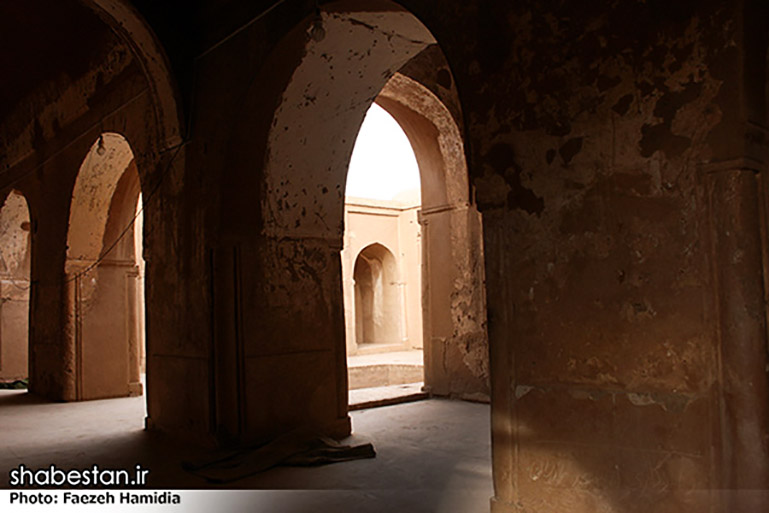
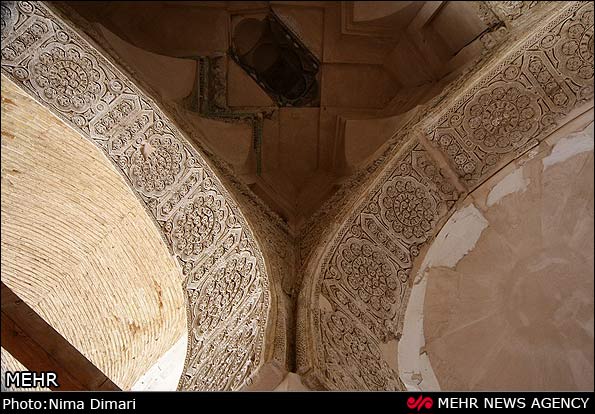
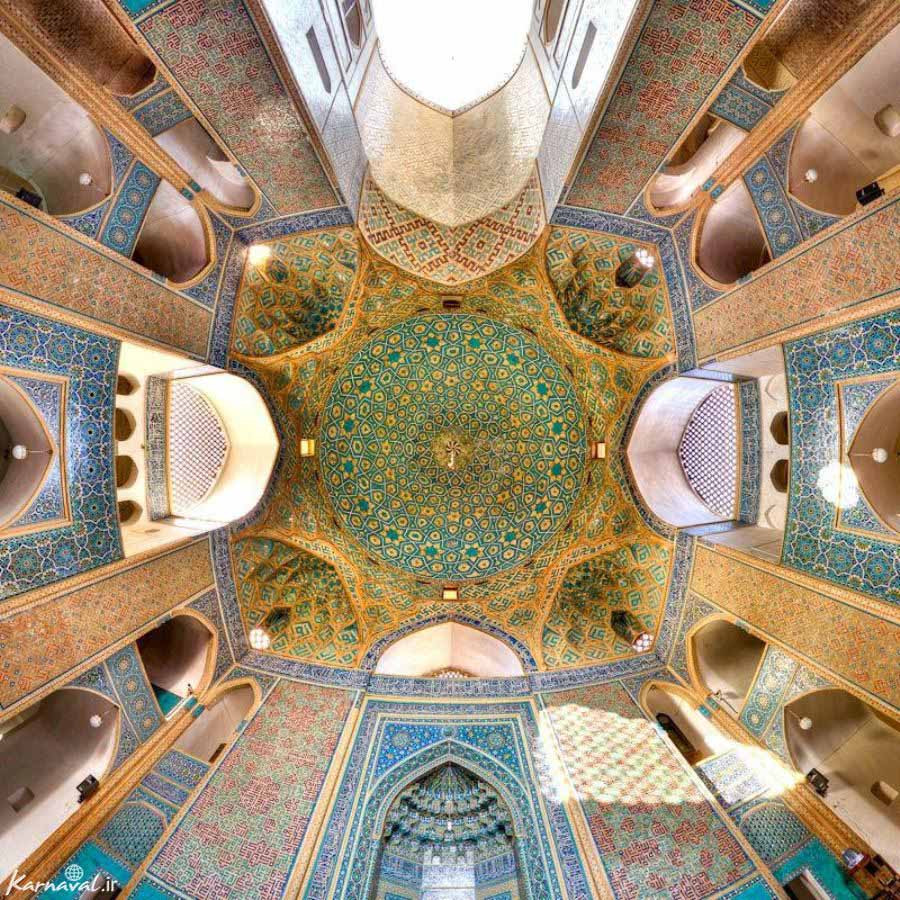
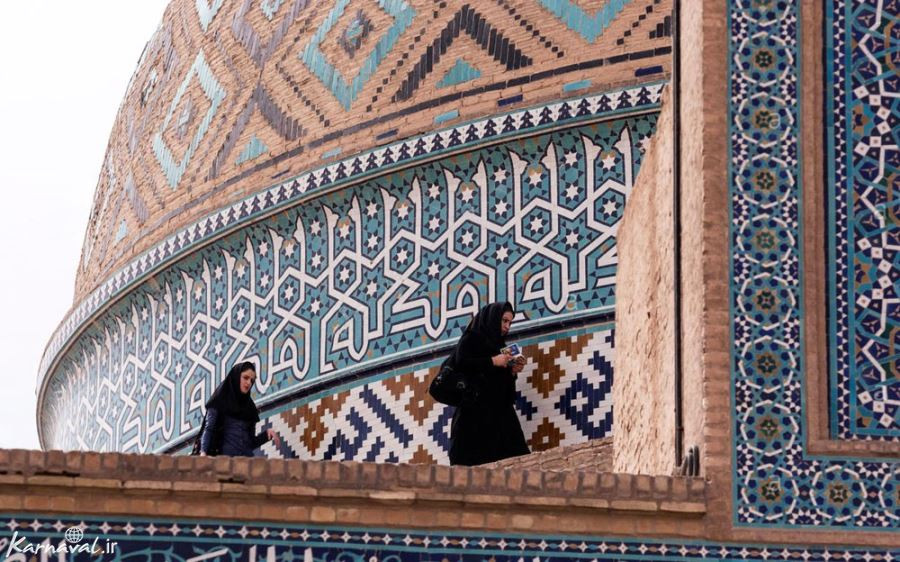
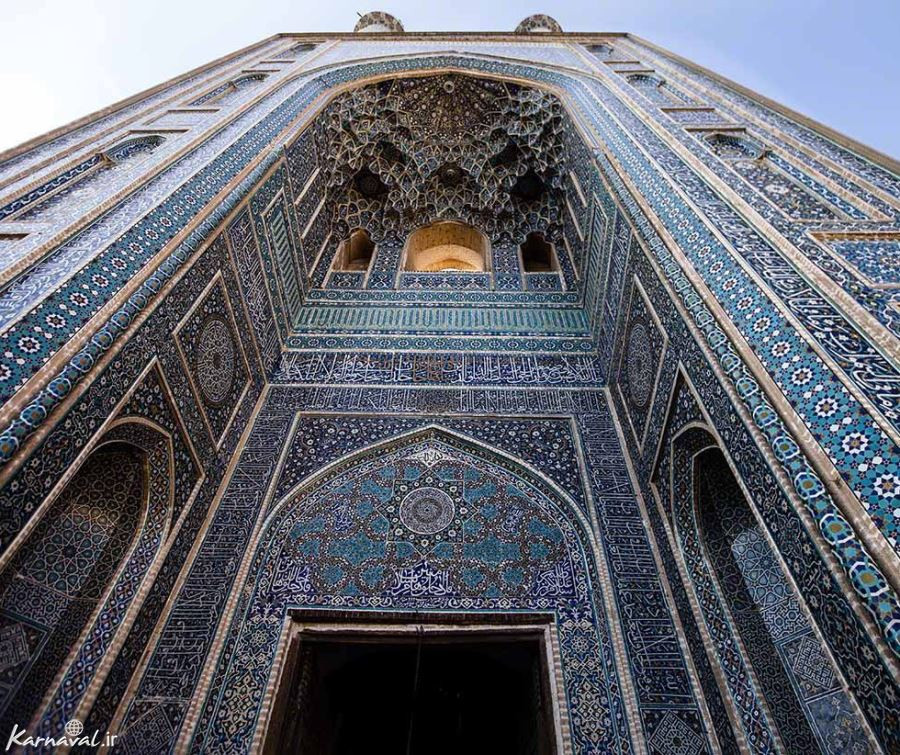
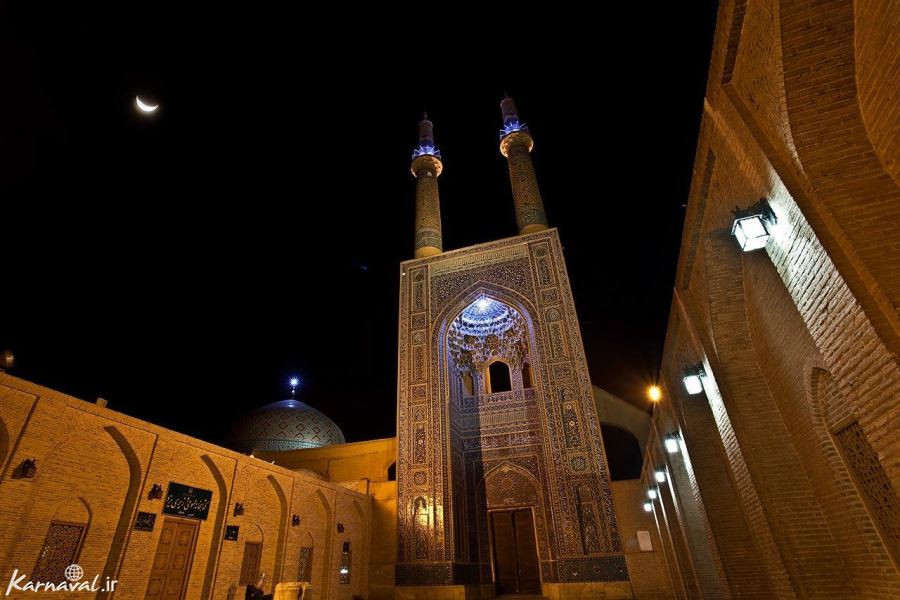
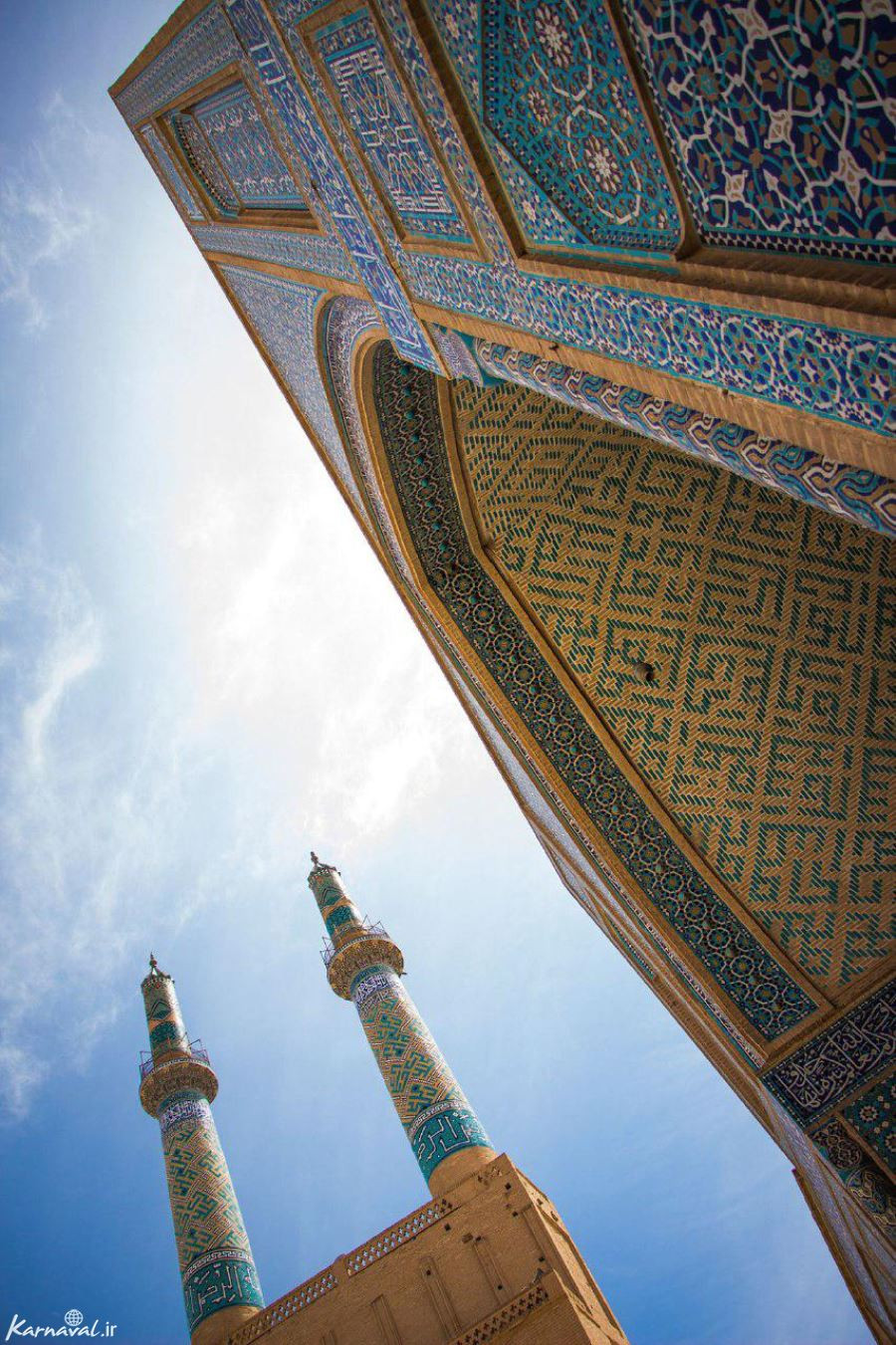
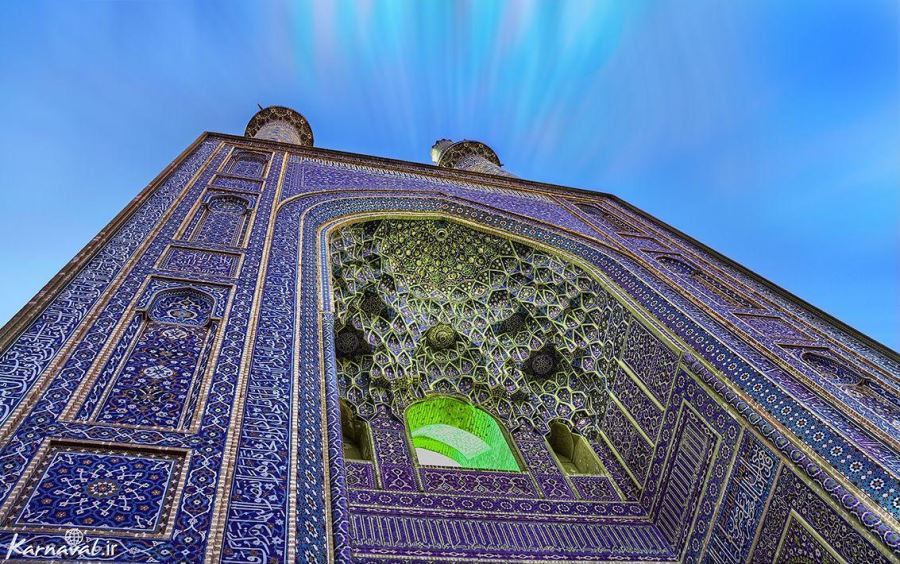
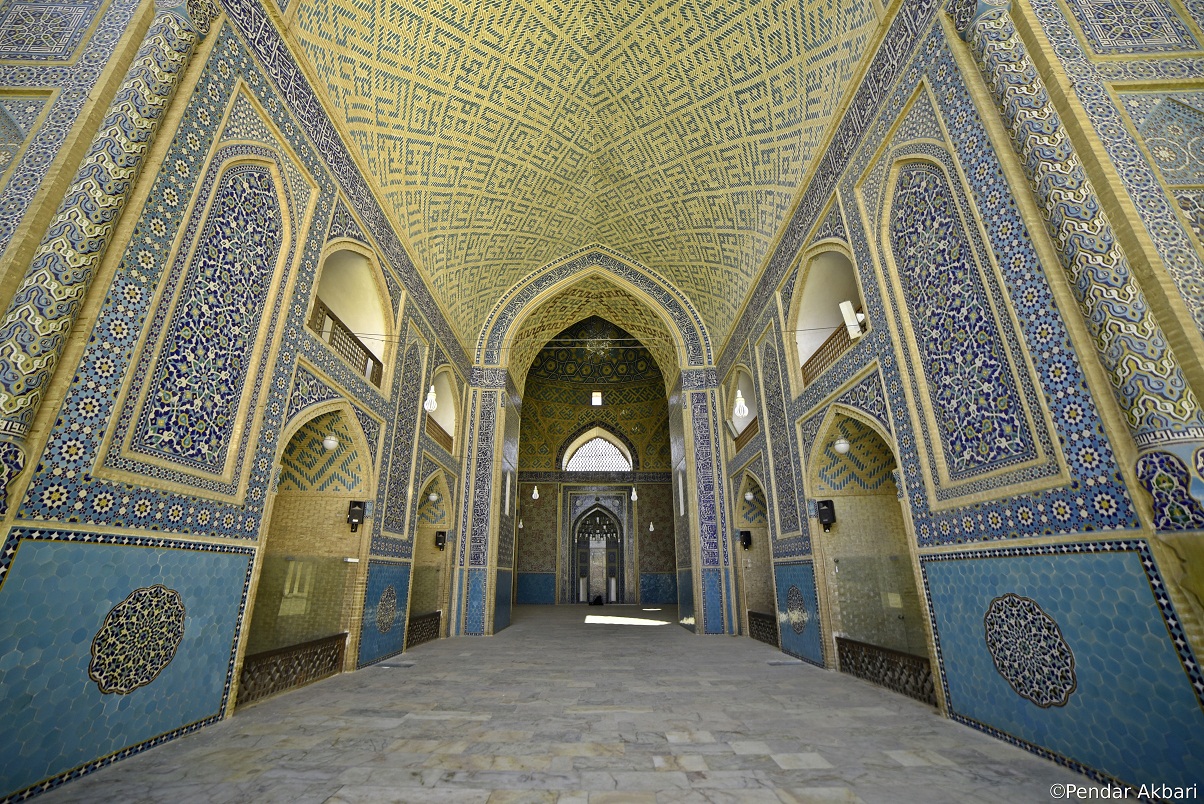
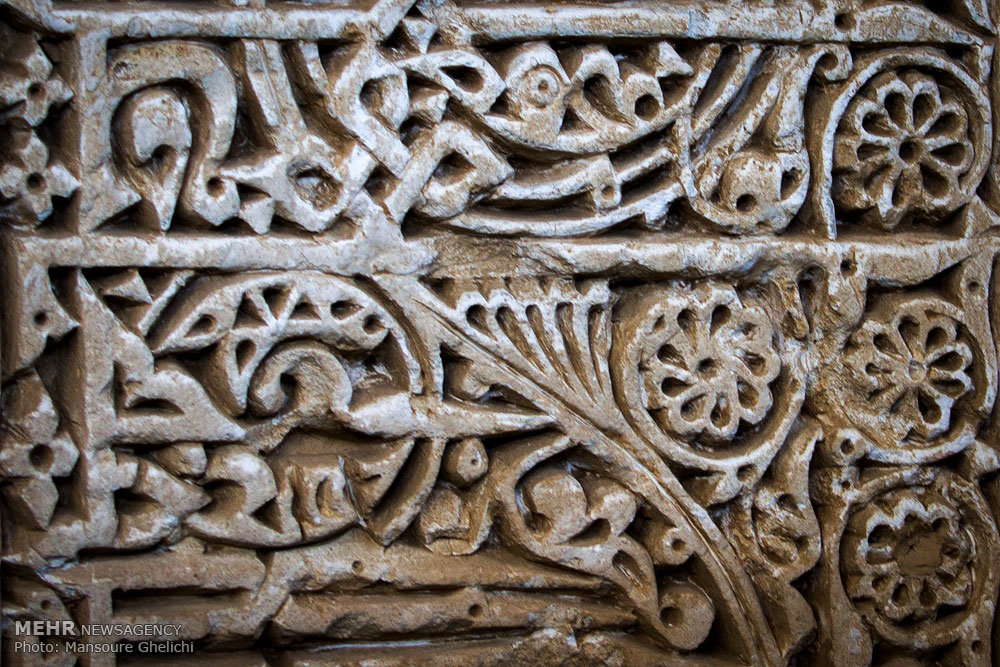
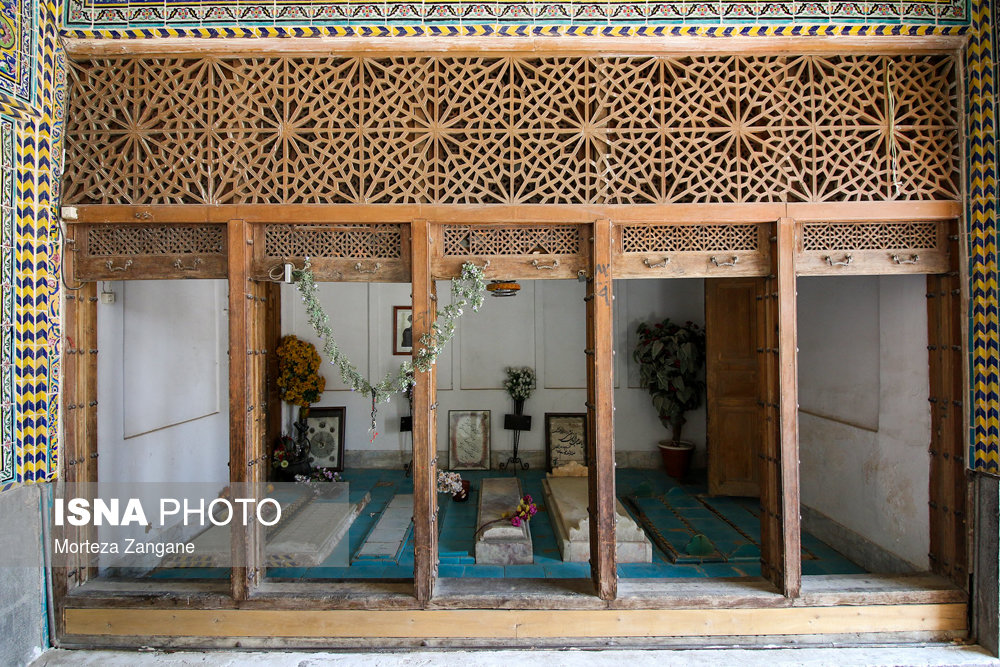
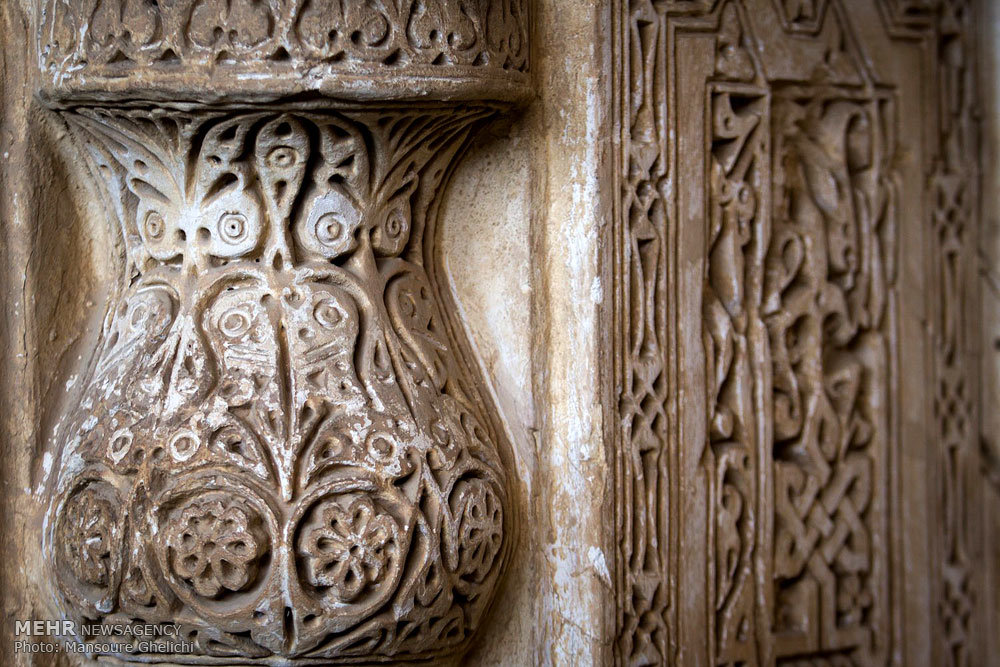
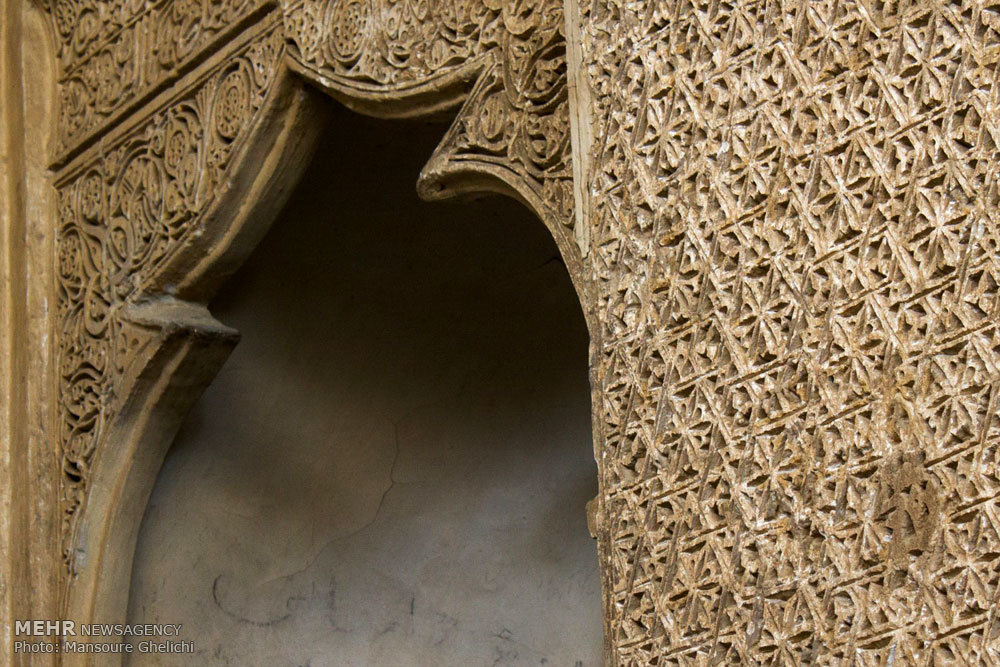
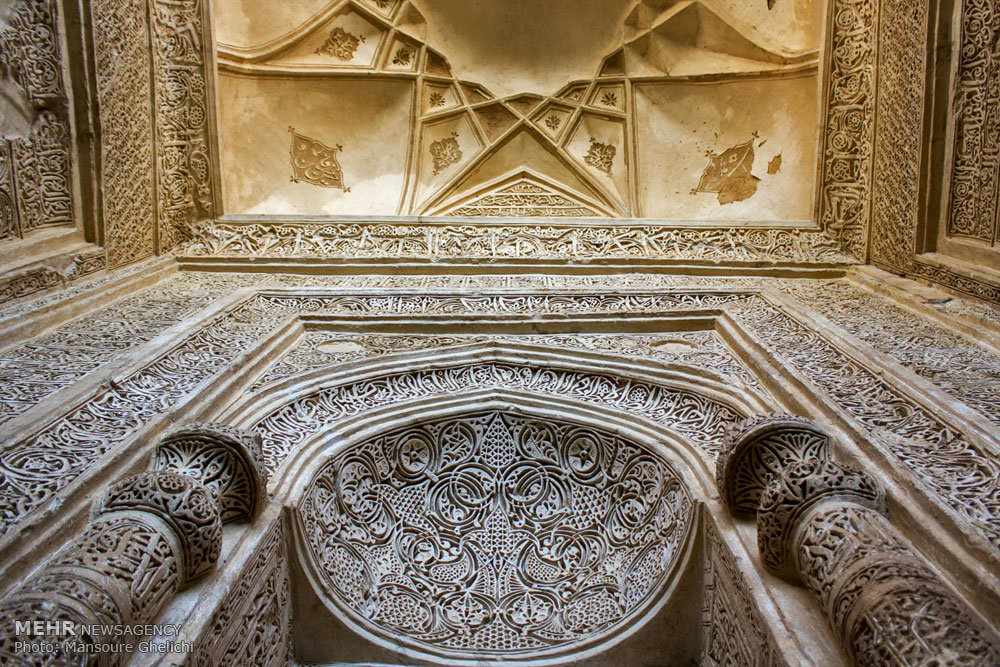
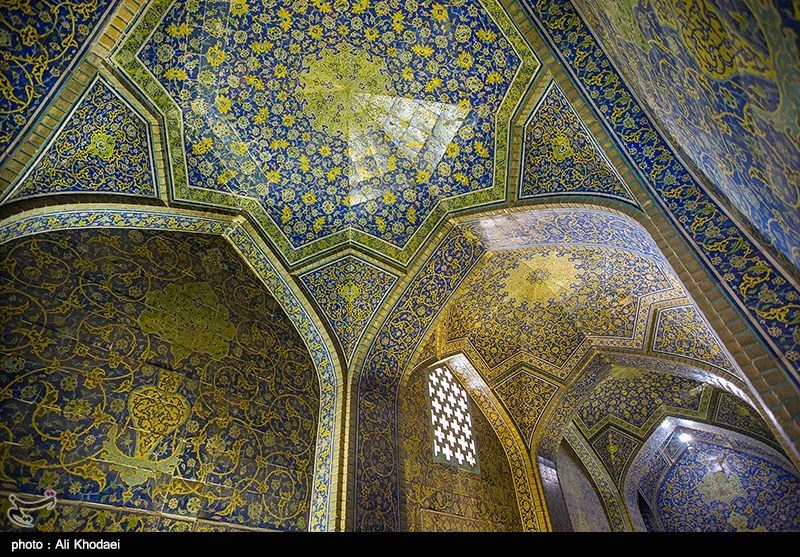
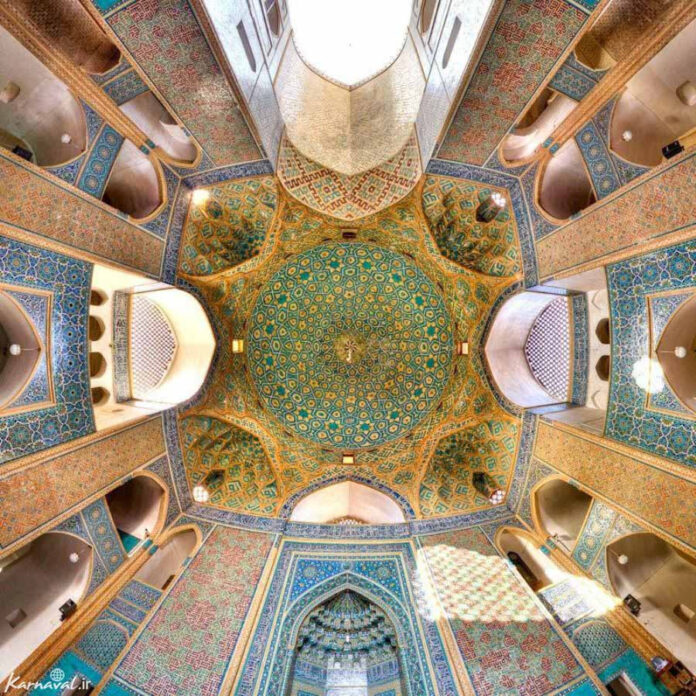
The Jame’ Mosque of Yazd is the grand, congregational mosque of Yazd in central Iran

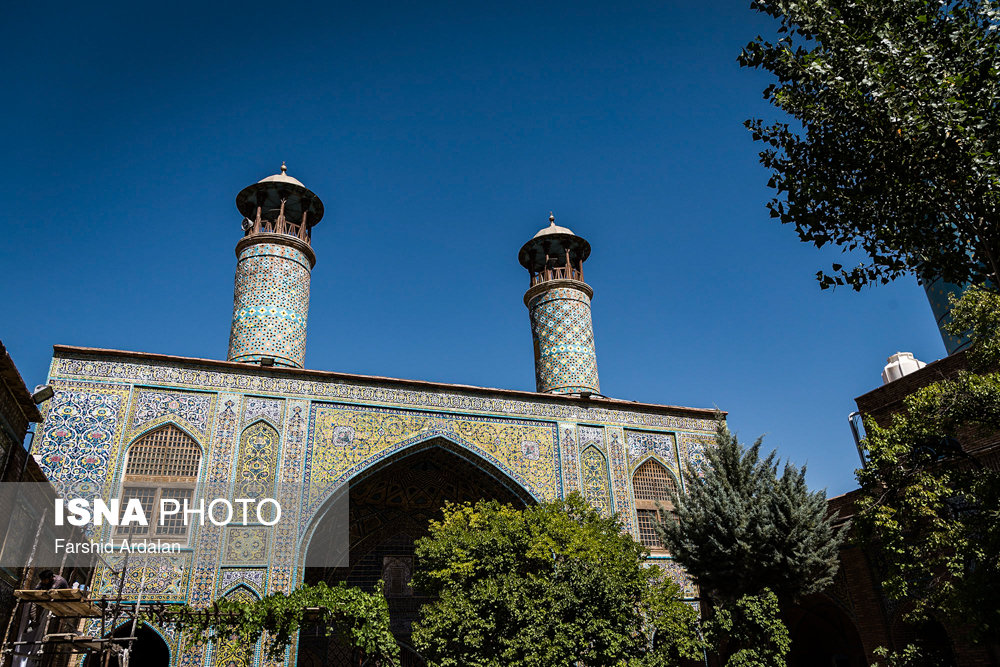
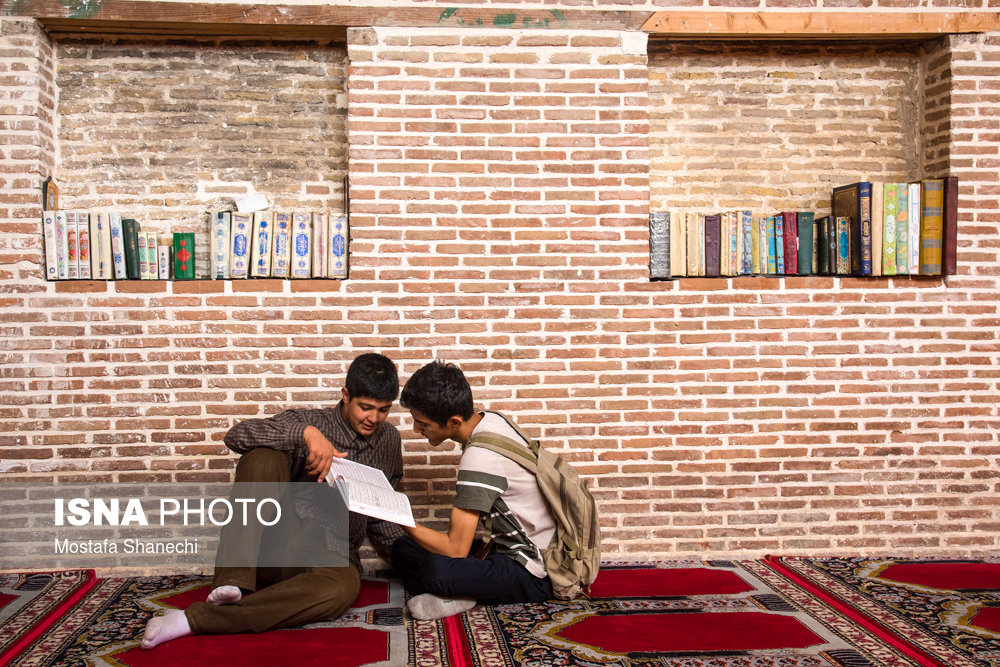
Mosques are the most important works of architecture in Iran since the advent of Islam. The mosques built in the most remote areas across the country indicate the huge significance of these buildings in Iranian people’s lives.

August 21, the day when Al-Aqsa Mosque in the Holy Quds was set on fire by Zionists in 1969, has been named as the World Mosque Day by the Organisation of Islamic Cooperation (OIC).

The following are some of the most prominent and oldest mosques located in various parts of Iran:

Qoba Mosque of Sanandaj

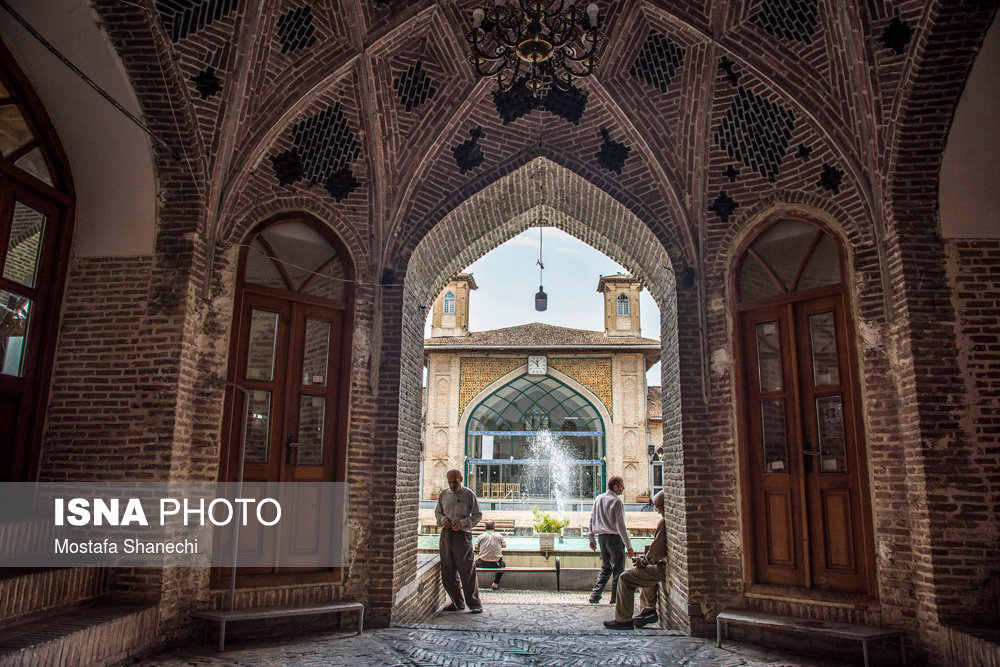
The mosque is located in the old part of the Kurdish-majority city, western Iran. The building was constructed in 1812 by Amanollah Khan Ardalan, the then governor of Kurdistan.
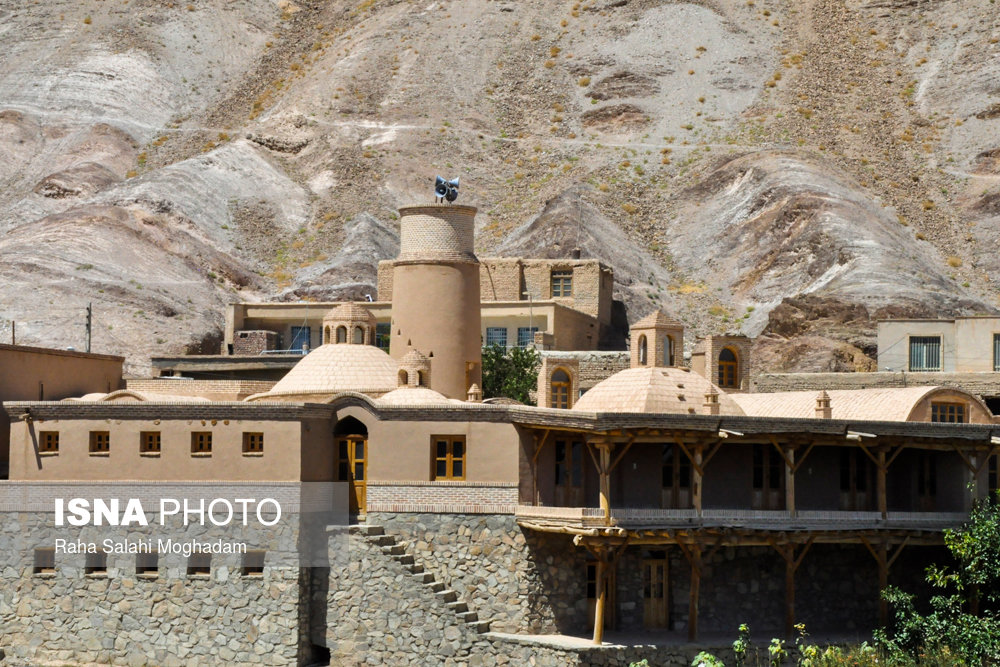
Furg Mosque

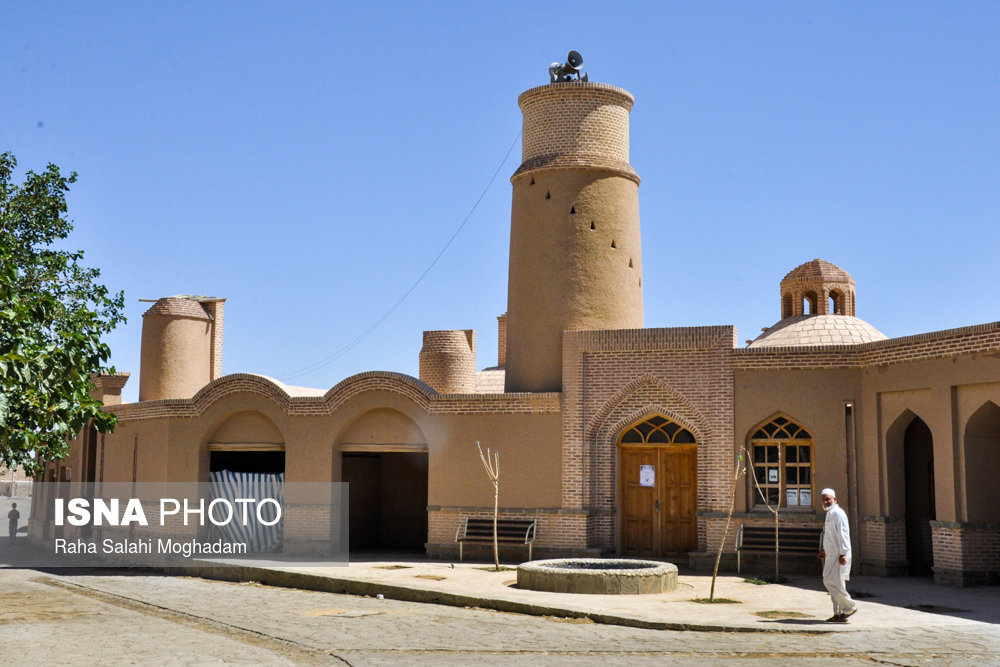
It is a Sunni mosque in a village with the same name, has a special style of architecture. It is located 110km east of Birjand, eastern Iran.
The Grand Mosque of Sari

This is one of the few mosques in Iran with one Iwan. The mosque has been repaired and renovated in various eras, particularly in the 19th and early 20th centuries.

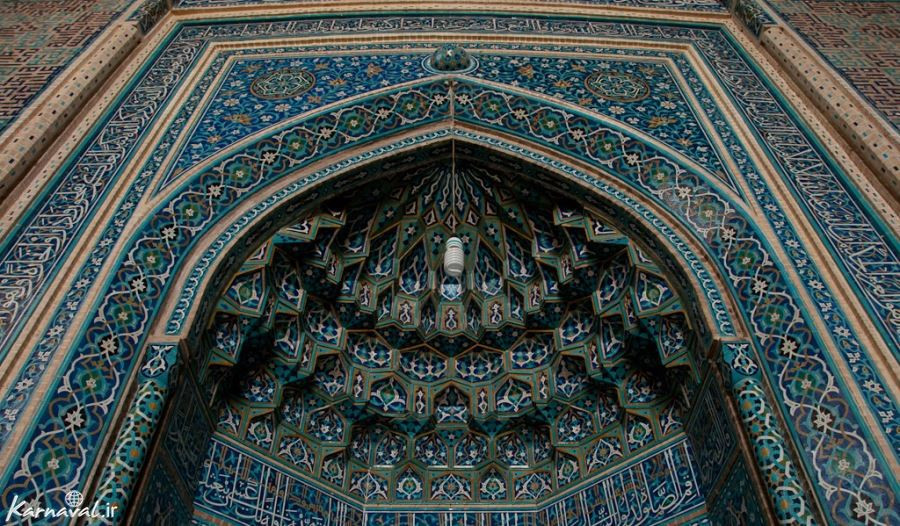
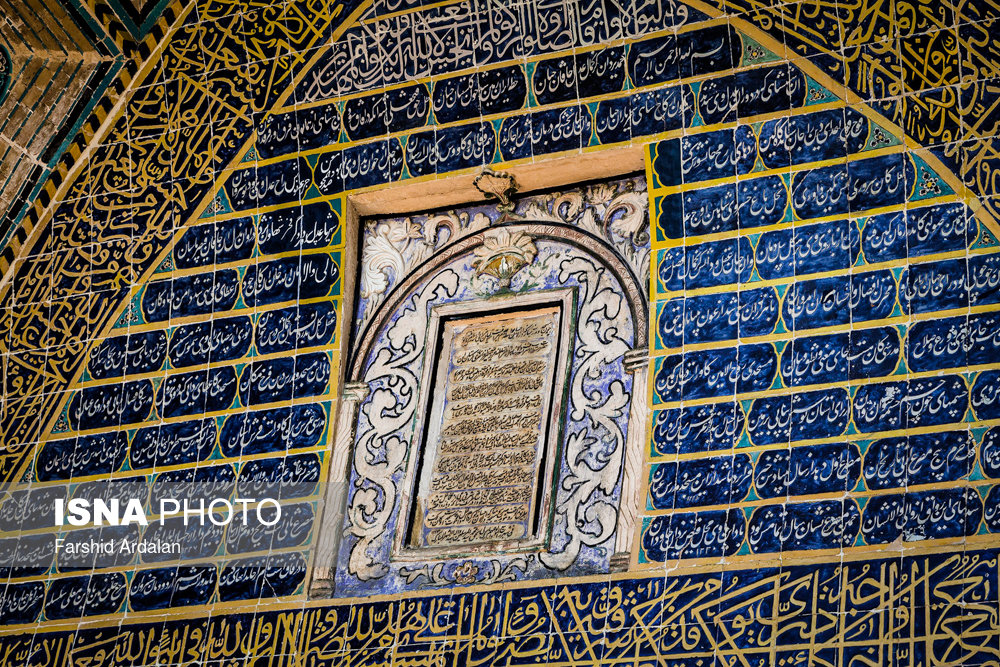
Seyyed Mosque

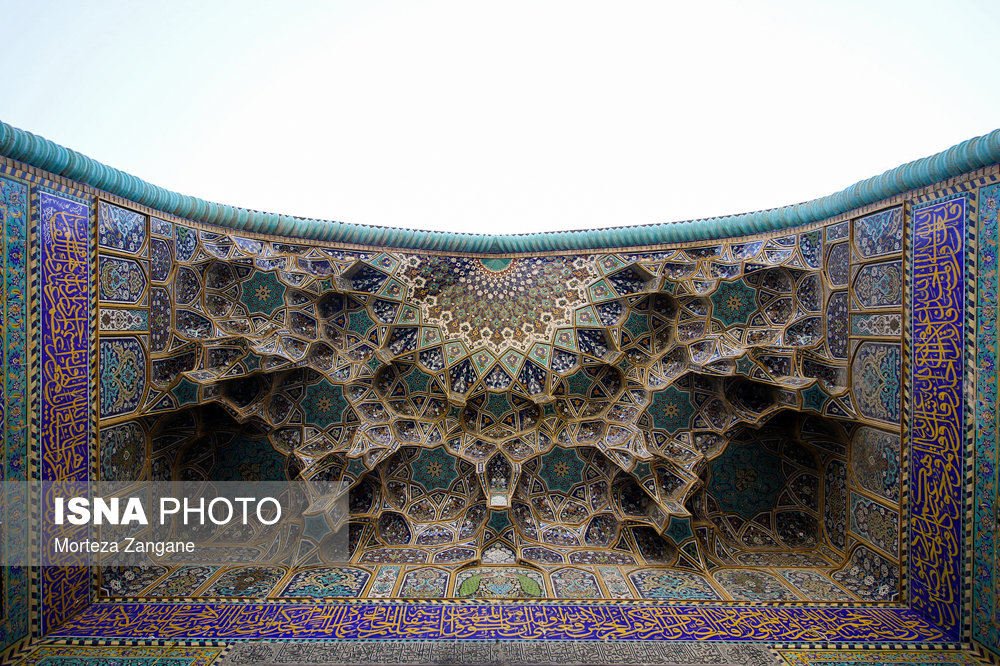
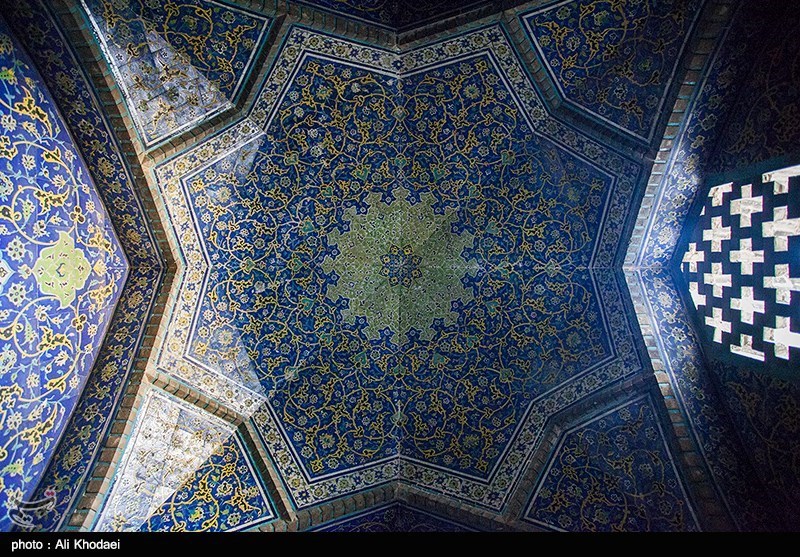
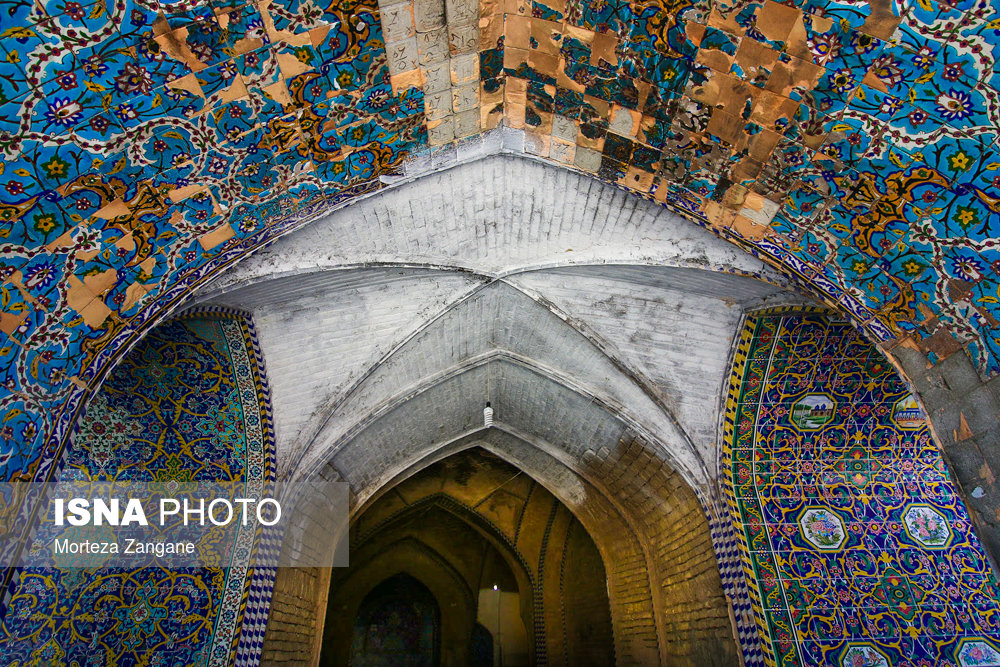
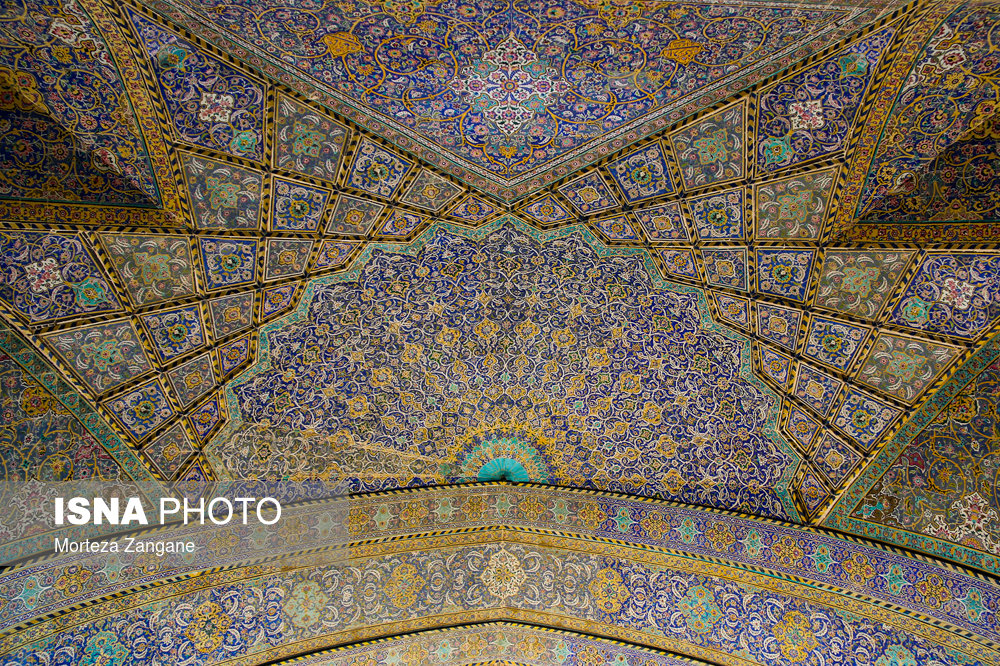
It is the biggest and the most famous mosque from the Qajar era in Isfahan. It was founded by Seyyed Mohammad Bagher Shafti, one of the most famous clergymen in Isfahan, in the middle of the 19th century, but its tiling lasted until the end of the century. The Seyyed mosque is the best sample for studying the tiling art in the Qajar era.
 

Fahraj Mosque 

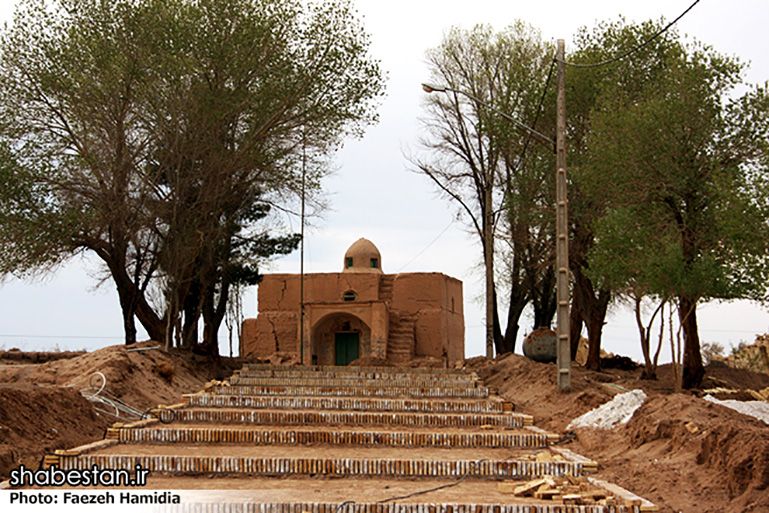
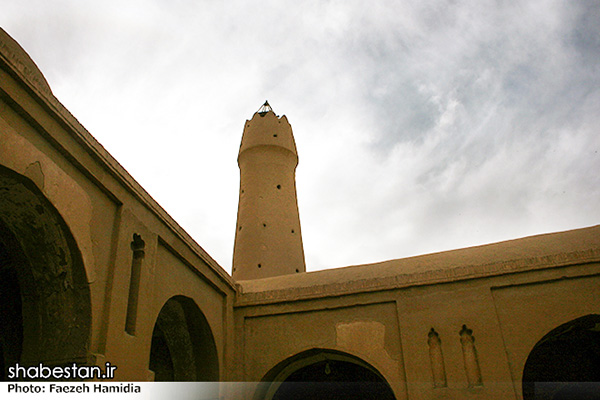
The oldest Muslim house of worship in Iran,it  is the only ancient mosque across the Muslim world whose structure has remained intact. The mosque located in a town with the same name in Yazd Province was built about 1,400 years ago.
 

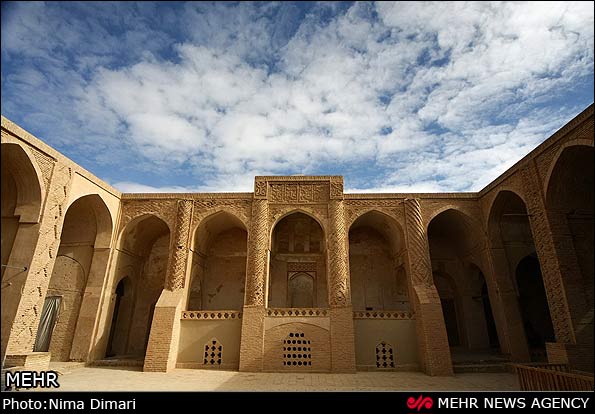
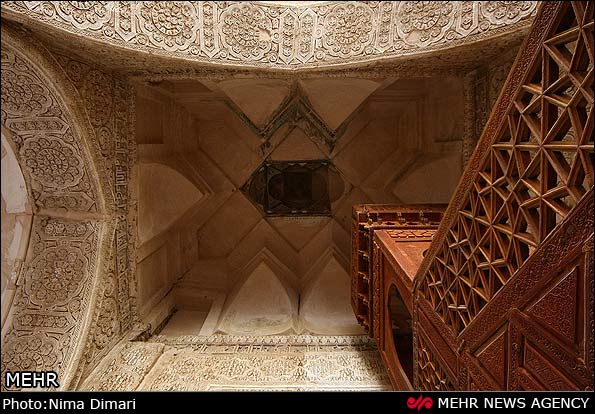
The Grand Mosque of Naein

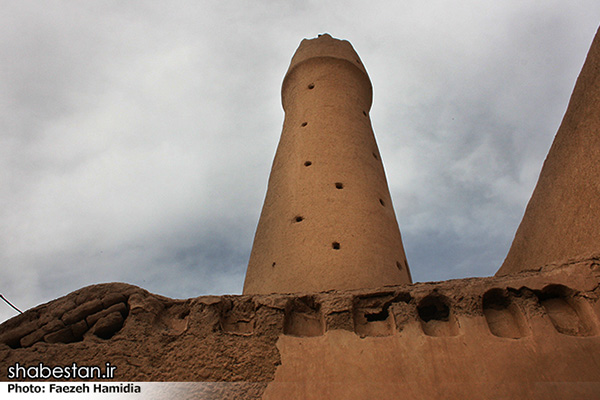
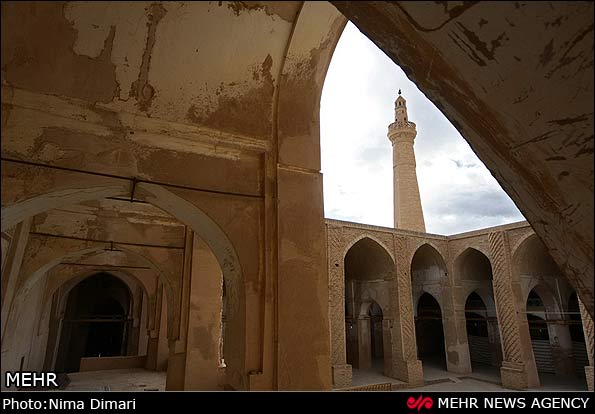
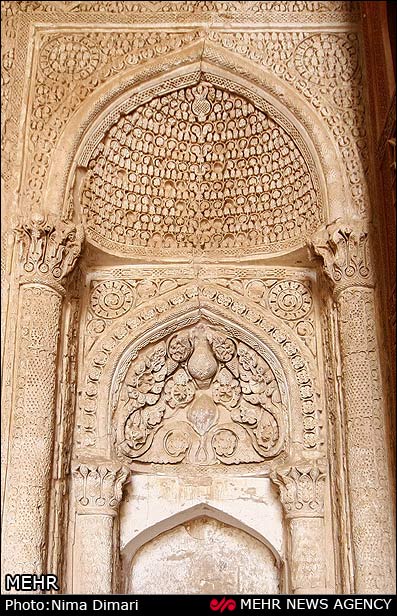
This mosque in Isfahan province is the city’s premier historical attraction, though with a 28m high minaret, it is also probably the city’s tallest building. In Islamic architecture reference books, Naein mosque is the third oldest one in Iran.

The mosque has been built on the site of an abandoned fire temple belonging to the Sassanid dynasty. The basement of this mosque, however, appears to be from a different religious and historical period. It seems that it was a temple belonging to a pre-Zoroastrian era. The alabaster stones used in the ceiling of the basement are the only source of light for the dark hall. It is estimated that this part of the structure is more than 2,000 years of old.
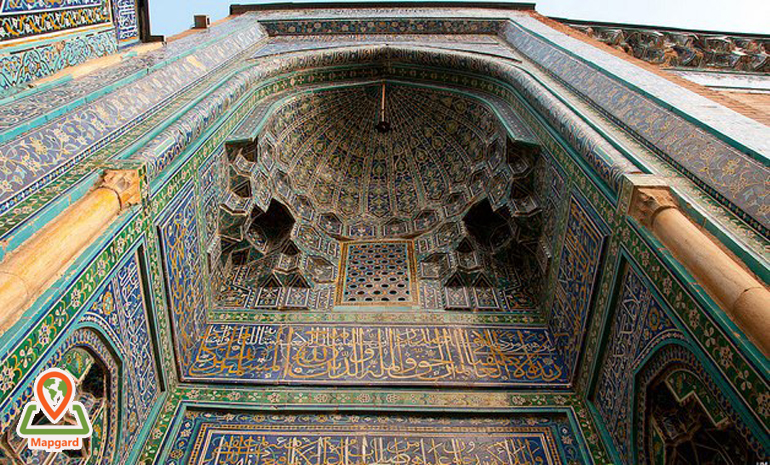
The Jame’ Mosque of Yazd

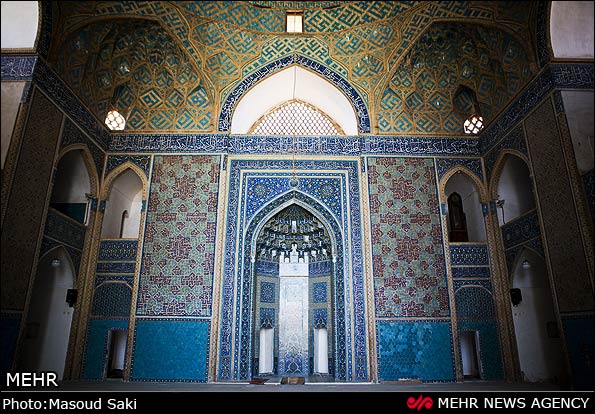
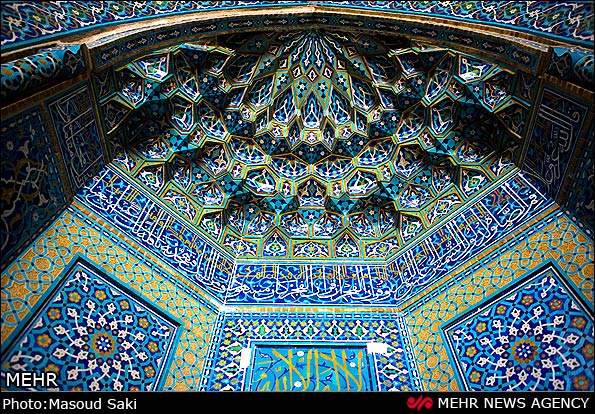
It is the grand, congregational mosque of Yazd in central Iran. The mosque is depicted on the obverse of the Iranian 200 rials banknote. The 12th-century mosque is still in use today. It was first built under Ala’oddoleh Garshasb of the Al-e Bouyeh dynasty. The mosque was largely rebuilt between 1324 and 1365, and is one of the outstanding 14th century buildings of Iran.

The old mosque is one of the most beautiful, outstanding, and important tourist attractions in Iran.
Bastam Grand Mosque

This mosque is located at a distance of 200 metres from the tomb of Bayazid, a famous Persian Sufi, south of the city of Bastam, in Iran’s east-northern province of Semnan. It was constructed in the 1st century AH.

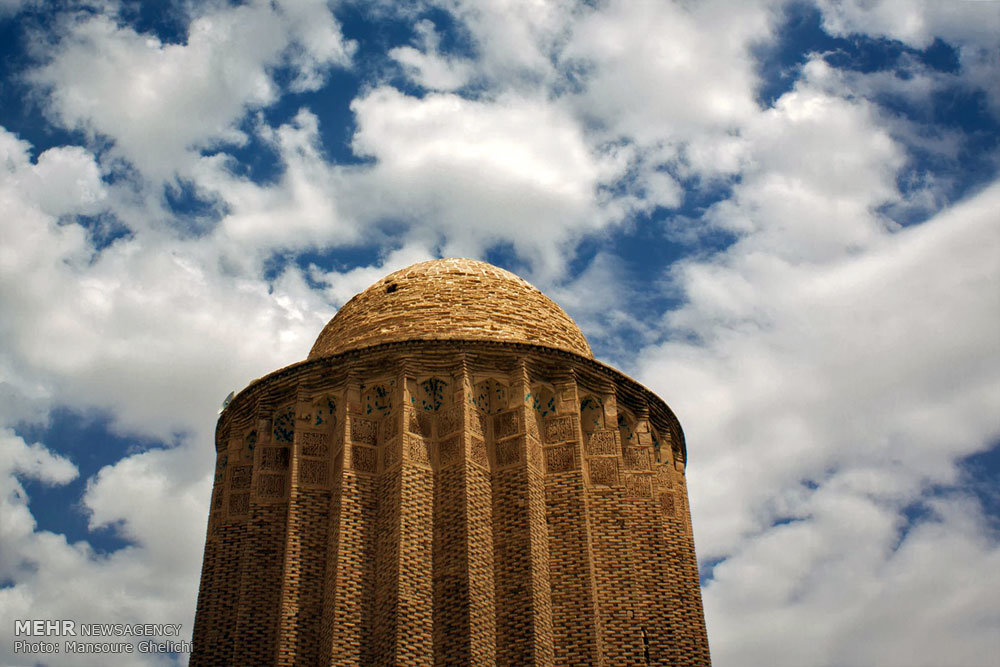
The historic mosque is connected to the Kashaneh Tower in the southeast. The tower has 30 sides. Some researchers believe this structure is a relic from the times of Qazan Khan Mongol and it was previously known as Qazaneh.
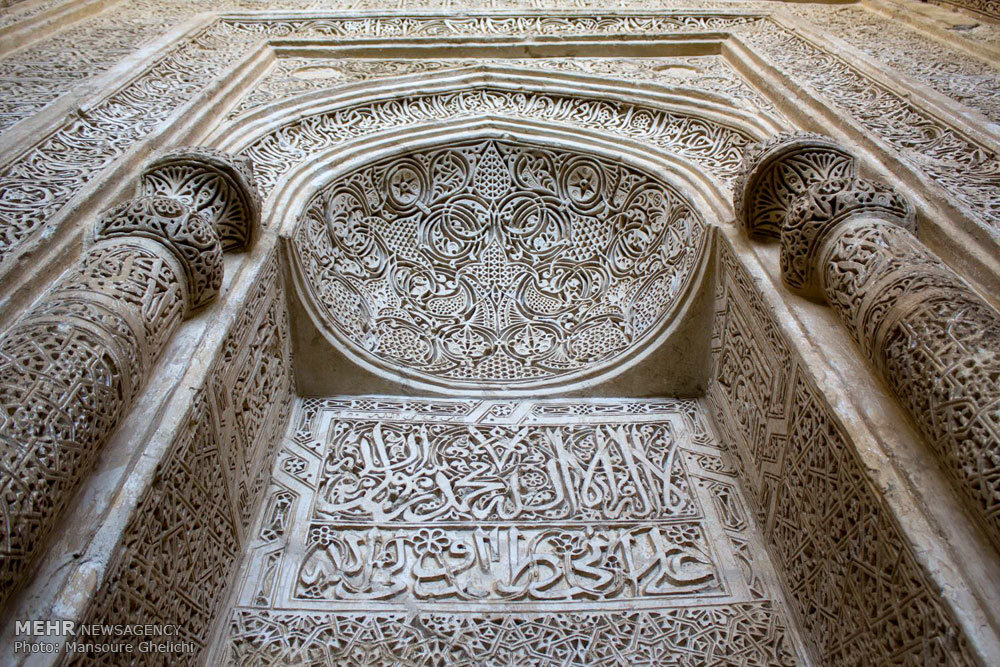
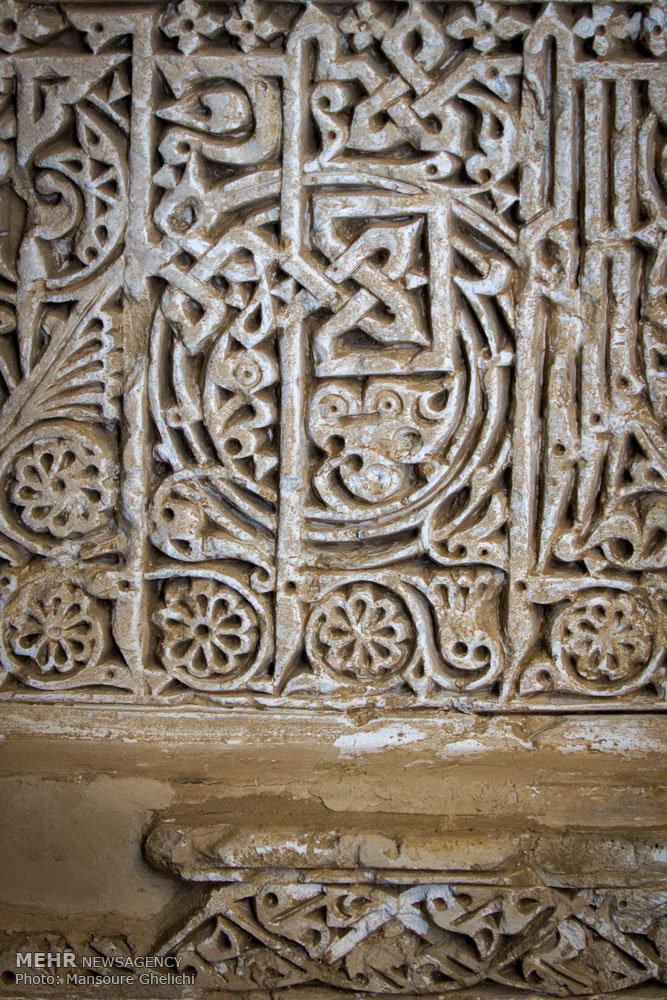
 

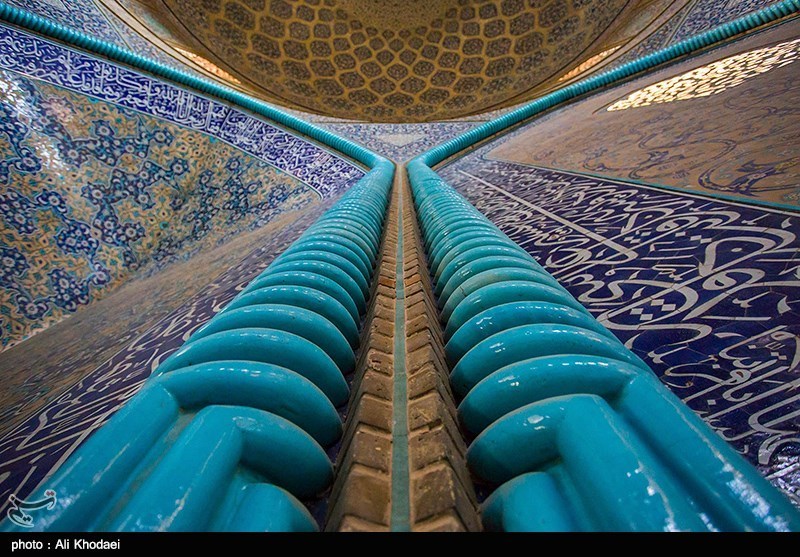
Sheikh Lotfollah Mosque

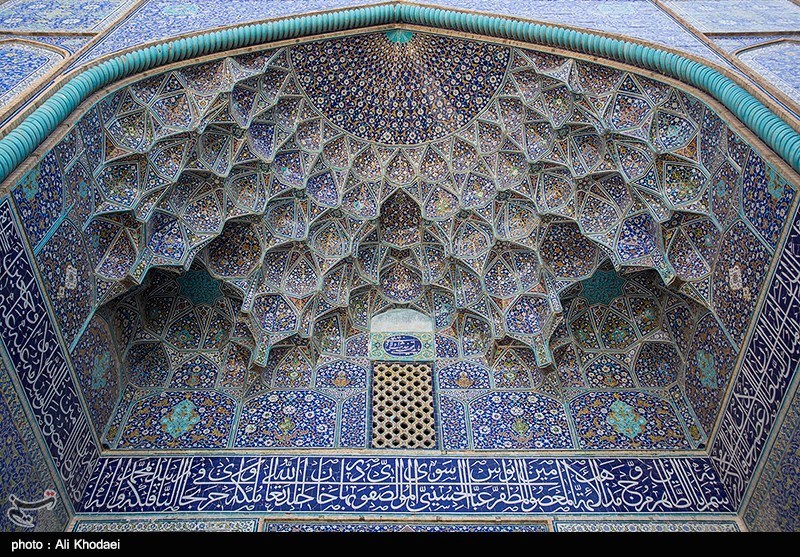
It is one of the architectural masterpieces of Iranian architecture that was built during the Safavid Empire, standing on the eastern side of Naqsh-e Jahan Square, Isfahan, central Iran.

The construction of the mosque started in 1603 and was finished in 1619. It was built by the chief architect Sheikh Bahai, during the reign of Shah Abbas I of Persia.
Iran to Establish Joint Chambers of Commerce with Italy, Switzerland, Tajikistan

The head of Tehran Chamber of Commerce, Industries, Mines & Agriculture (TCCIM), Gholam-Hossein Shafei, says the groundwork has been laid for the establishment of joint chambers of commerce between Iran and Italy, Switzerland, and Tajikistan.

According to a Farsi report by the Tasnim News Agency, he went on to say that forming joint commerce chambers is among the moves and measures placed on TCCIM’s agenda to develop trade relations with other countries.

“Those involved in [domestic] private sector are expected to play a significant role in these processes.”

The TCCIM head expressed regret that currently, there is a turbulence in the country’s demand and supply market, which highlights the need to pay special attention to exports and double the efforts to improve the condition.

Increasing exports should be a priority to achieve the targets of the Resistance Economy set by the Leader of the Islamic Revolution Ayatollah Seyyed Ali Khamenei, he stressed.

Male Persian Leopard to Return Home from Portugal for Mating

Male Persian Leopard to Return Home from Portugal for Mating

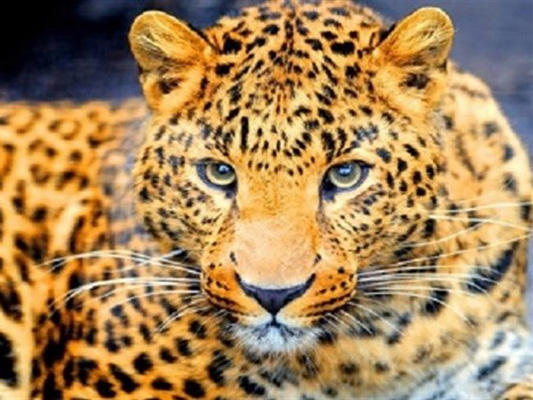
The managing director of Eram Zoo, Iraj Jahangir, declared that on August 25, a male Persian leopard will be brought back to the country from the Portuguese capital of Lisbon.

It will be transferred to Eram Zoo in Tehran, according to a Farsi report by Tasnim News Agency.

Jahangir went on to say that the plane carrying the leopard will land at Imam Khomeini Airport in Tehran at 10:30 am.

He added the rare animal, which had in a way migrated to Portugal, is being handed over to Iran for mating with a female Persian leopard and breeding.

Jahangir noted, “We already have a pair of leopards in the park. However, due to the old age of the male leopard, which has led to the infertility of the female animal, we decided to transfer another male leopard to the park. Mating and breeding are our two main goals.”

The leopard, which is in fact returning to his hometown, is purebred, he said.

The move is aimed at preventing the extinction of Persian leopard, Jahangir stressed.

“We are not purchasing the leopard from Portugal. In fact, the European Association of Zoos and Aquaria (EAZA) is giving him to us.”

He said the EAZA is responsible for controlling, maintaining and supervising all the European zoos, adding the association is also involved in exchanging animals between zoos.

“Iran is the only Asian country which has gained EAZA’s membership since three years ago. By paying a modest membership fee, we receive a wide array of services from the association, an instance of which is the delivery of the male leopard. We are duty-bound to only pay the costs involved in transferring the leopard to Iran.”

After entering Iran, the leopard will be quarantined for 20 days to prevent transmission of any sort of diseases from him to other animals in the park, Jahangir said.

Following this period, he added, the leopard will be put in a cage so that after a few days, the mating process begins.

The area where the leopard is to be kept is not fenced, he said, adding the cage is made of glass and built in compliance with international standards.

Iranian City Collecting Child Labourers from Streets

Iranian City Collecting Child Labourers from Streets (4)

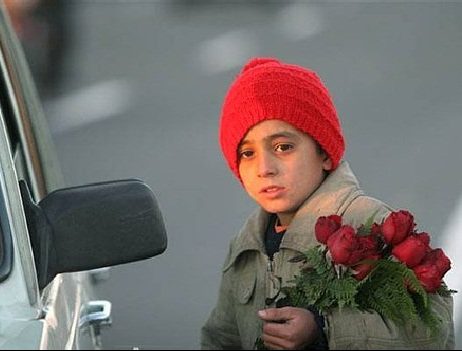
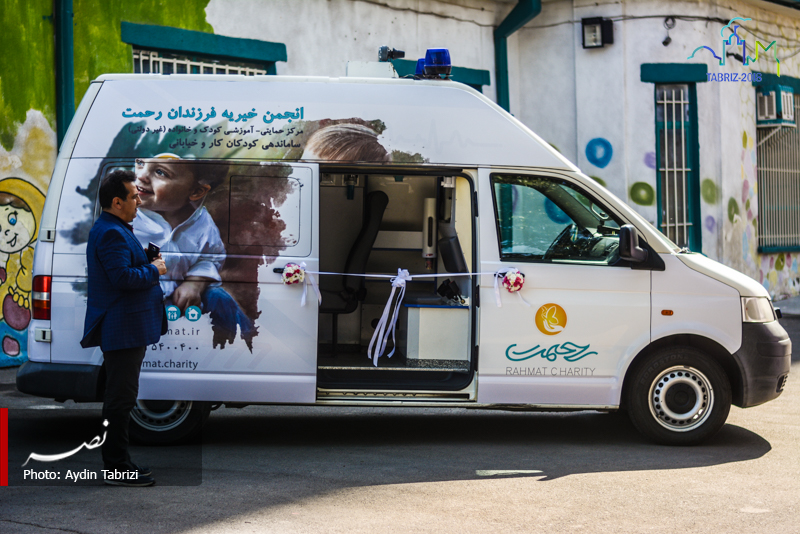
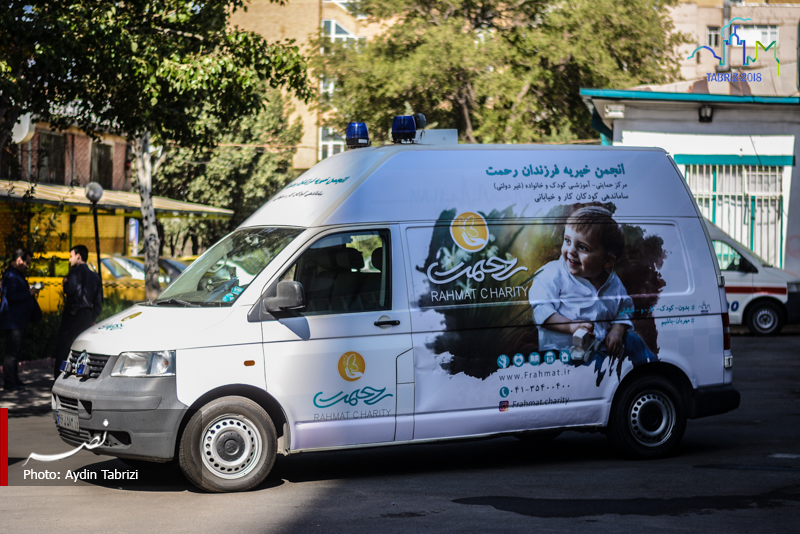
The head of the Welfare Organization of the northwestern Iranian province of East Azarbaijan, Mohsen Arshadzadeh, says special vans are being used in the streets of the provincial capital, Tabriz, to collect child labourers and organize them.

According to a Farsi report by the Kayhan daily newspaper, he noted that the vans are intended to replace police and municipality cars for accomplishing the purpose.


Iranian City Collecting Child Labourers from StreetsArshadzadeh added those children who peddle things on the streets of Tabriz are collected and transferred to sanitary places where they are provided with security and welfare.
Since the beginning of the current Iranian year (started mid-March), 33 children have been collected from the streets of Tabriz, while the figure stood at 56 last year, he went on to say.

Tabriz is planning to host a huge number of tourists as the tourism capital of Islamic countries in 2018.

Back in December 2015, ministers of tourism of the Organization of Islamic Cooperation (OIC) member states approved the selection of Medina in Saudi Arabia and Tabriz as the capitals of Islamic tourism in 2017 and 2018 respectively.

Iranian City Collecting Child Labourers from StreetsTabriz predates the Islamic conquest of Persia. It served as the capital city of a number of dynasties following the conquest.
During its long history, the city was ransacked by Mongolian raiders and Ottoman invaders and razed by devastating earthquakes, but was rebuilt every time.

Tabriz hosts a number of famed religious sites, including the Jame’ Mosque of Tabriz and Arg of Tabriz, and it boasts a UNESCO World Heritage Site in the Bazaar of Tabriz.


Iran Leader Appoints New Army Chief

In a decree on Monday, Ayatollah Khamenei appointed Major General Ataollah Salehi as new second-in-command for the Iranian Armed Forces’ chief of staff upon a proposal by Chief of Staff of the Iranian Armed Forces Major General Mohammad Baqeri.

The Leader said the appointment was made in view of Salehi’s past record and valuable work experience.

Ayatollah Khamenei thanked great efforts by Major General Abdolrahim Mousavi who previously held the post.

In another decree, the Leader named Mousavi, who was promoted from the rank of brigadier general, as the new commander of Iran’s Army given his commitment, competency and experience.

Ayatollah Khamenei thanked Salehi, who previously held the post, for his loyal services to the Islamic Republic during his tenure.

Iranian Crafts Put on Display in Hungarian Festival

Iranian Crafts Put on Display in Hungarian Festival

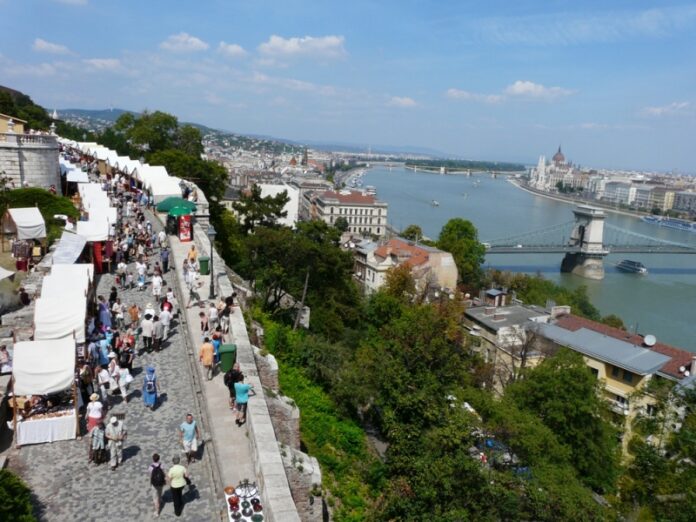
The Festival of Crafts in Buda Castle Budapest is a celebration of crafts every August, around the 20th of August when Hungary’s birthday takes place.

The 31st edition of the 4-day festival was inaugurated on Friday, August 18, with artefacts from nine countries including Iran showcased in more than 100 booths.

According to a Farsi Report by IRNA, this was the first time that the Iranian artists from the southern province of Shiraz were taking part in the festival. During the festival, the Iranian artists will put on display their crafts including pieces of wood-carving and inlay.

The opening ceremony of the festival was attended by Iran’s ambassador to Hungary, Gholam-Ali Rajabi-Yazdi and his Hungarian counterpart in Tehran, Janos Kovacs.

Meanwhile, an Iranian artist played some pieces of Iranian traditional music which were warmly received by the audience.

Rajabi-Yazdi also held talks with the festival director, Gabriella Igyártó, on the sidelines of the opening ceremony.

During the talks, the Iranian official said Iran attaches great importance to showcasing its cultural and historical heritage for the Hungarians.

The participation of Iranian artists in the festival is a big step in making Hungarians more familiar with the Iranian culture.

For her part, the festival manager warmly welcomed the presence of Iranians in the festival and expressed hope that the Iranian artists help the Hungarians get more familiar with the rich culture of Iran by attending the festival in the coming years.

Iran Dispatches 15,000 Sunni Pilgrims to Hajj: Official

“This year, nearly 15,000 of Iranian pilgrims are Sunnis, which is a record compared with previous years,” Qazi Askar added.

“It shows that the Islamic Republic views Hajj as a non-sectarian issue and attaches great significance to the unity of the Islamic society (Ummah),” Qazi Askar added, according to a Farsi report by the Khabar Online news agency.

He also expressed hope that the flow of Iranian pilgrims flying to Saudi Arabia and their return to Iran would go on without any problem.

He went on saying that this year’s pilgrimage has its own sensitivity and added the sensitivity is mainly due to Iran’s decision to boycott Hajj until its conditions for the security and dignity of Iranian pilgrims are met.

Following two tragic events in Masjid al-Haram and Mina about two years ago which left a large number of Iranian pilgrims dead, Tehran boycotted last year’s Hajj pilgrimage, saying its decision will not change until its demands are met.

“As Iran’s Leader stressed in his statements, for the time being, the dignity, security and health of our pilgrims is of greatest significance for us,” he noted.

“As repeatedly announced earlier, we did not have any role in the last year’s absence of Iranian pilgrims from Hajj. We didn’t seek to boycott Hajj and if the Saudi side had met our conditions, we could perform our Hajj pilgrimage last year.”

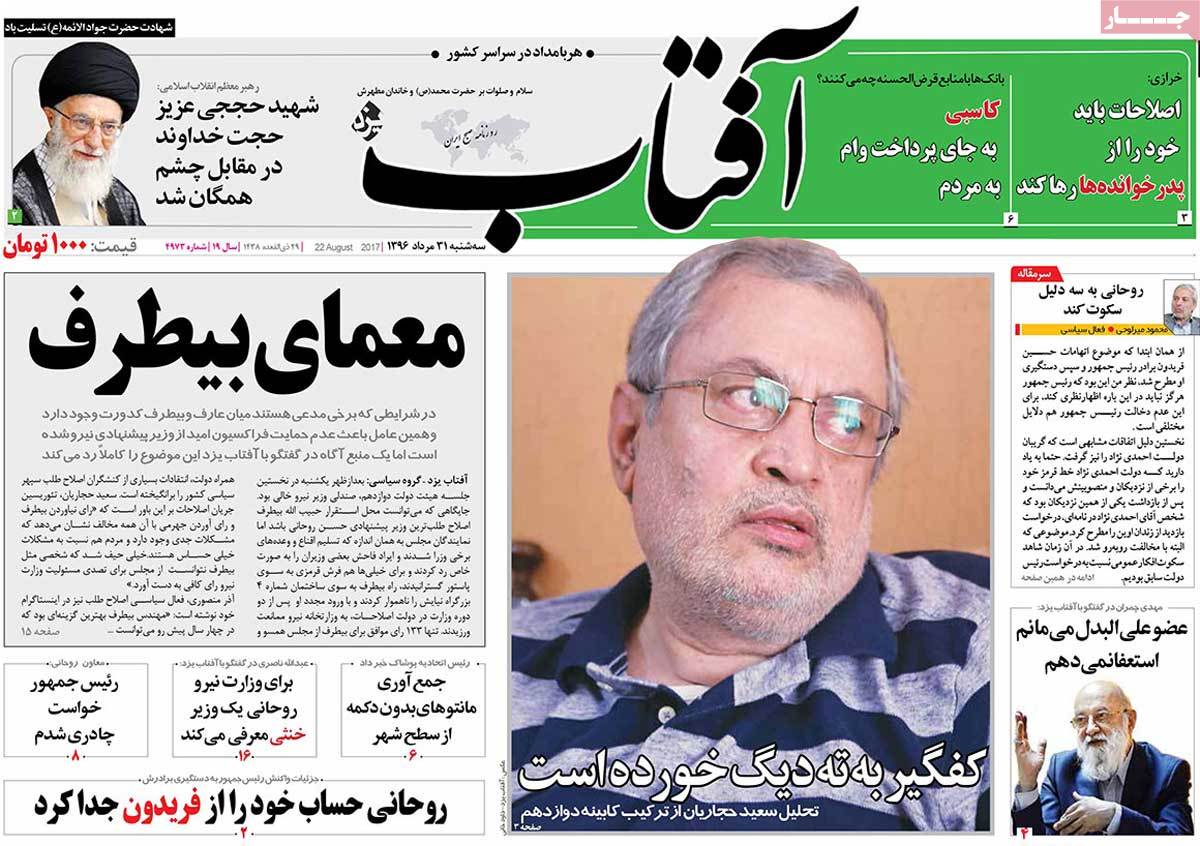
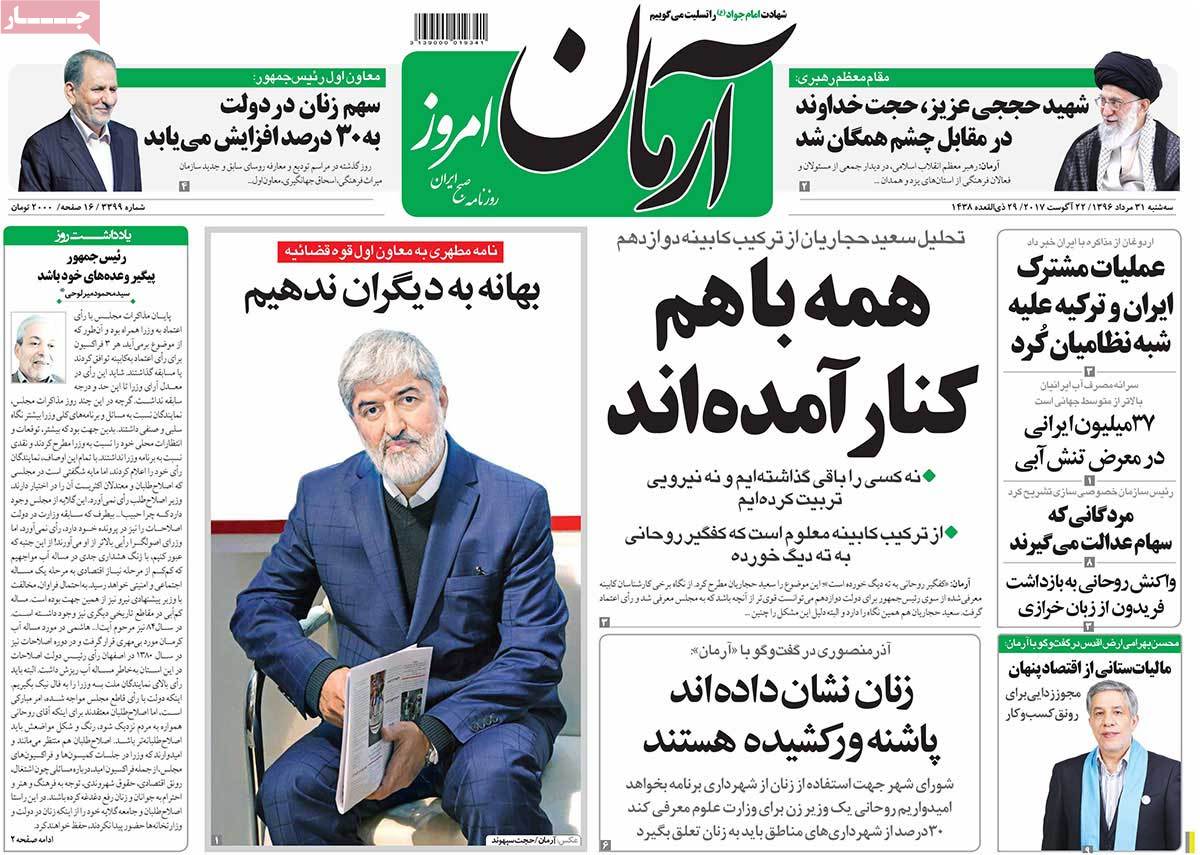
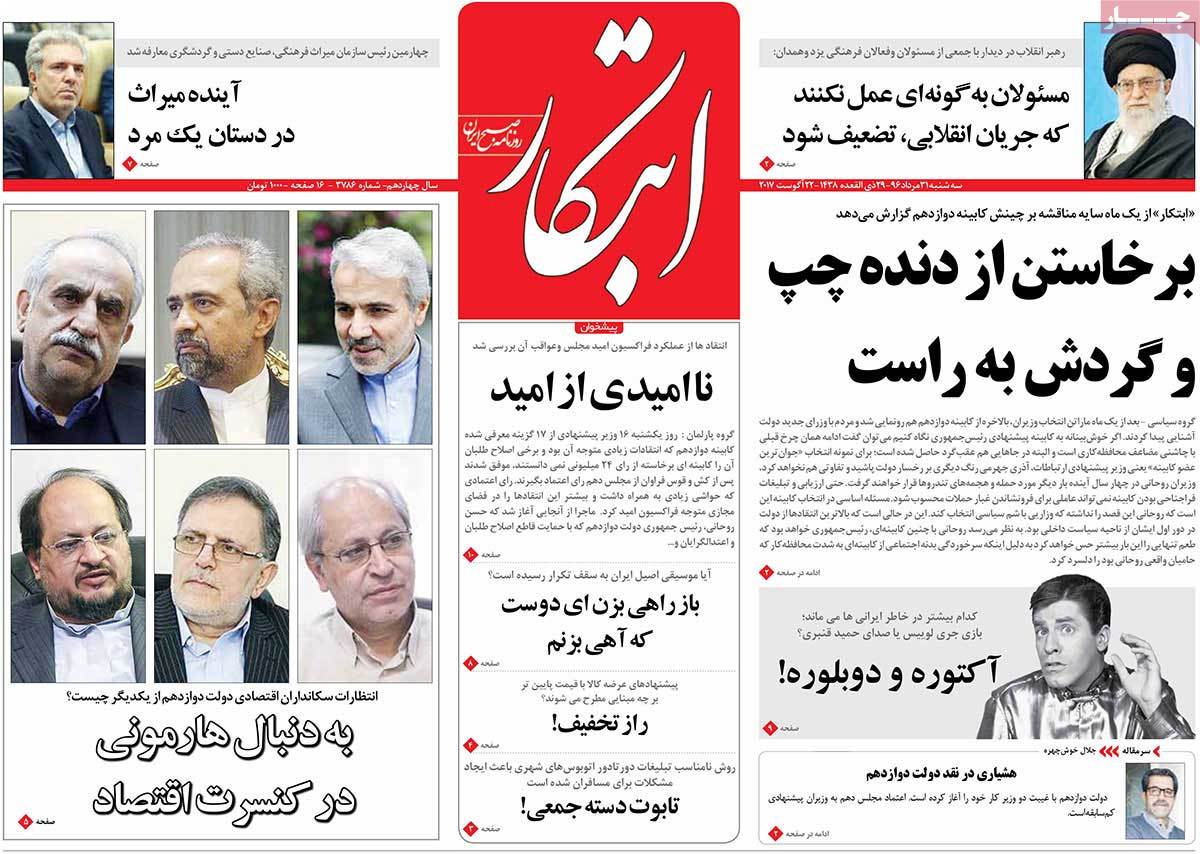
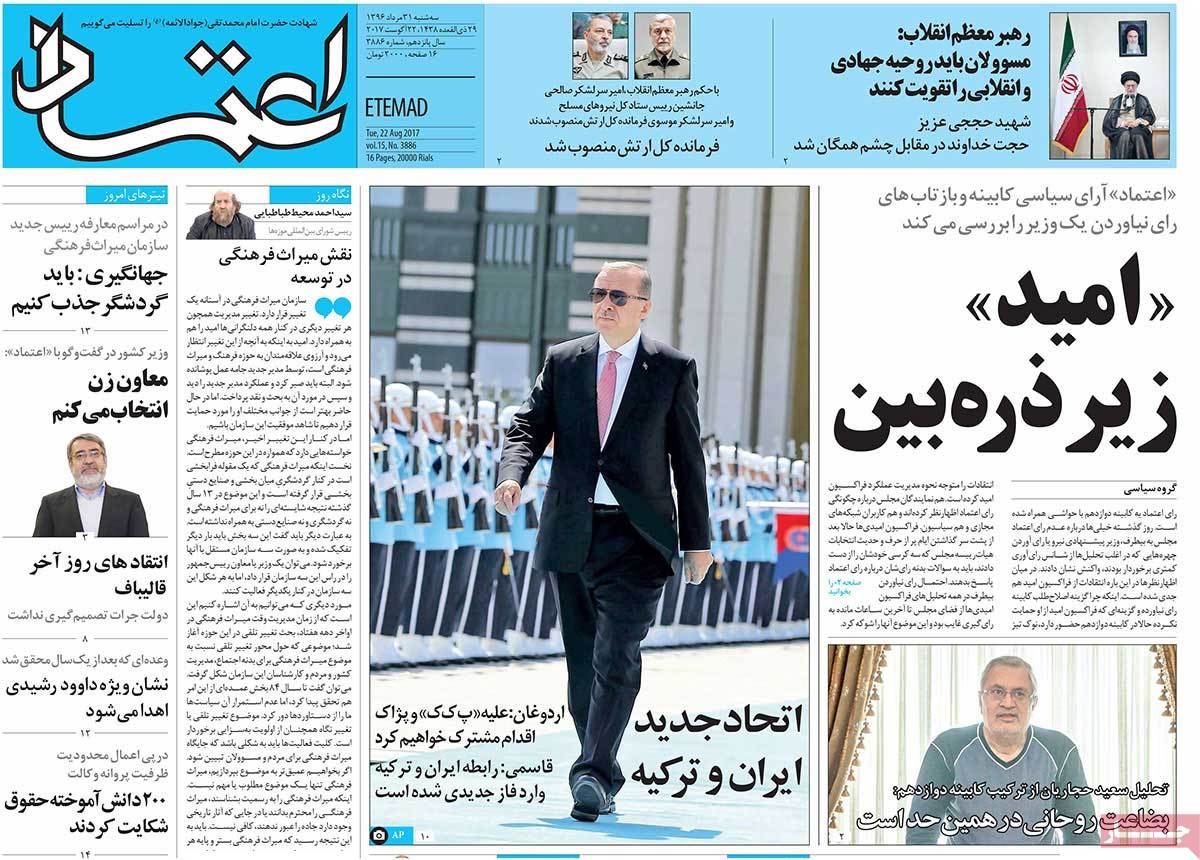
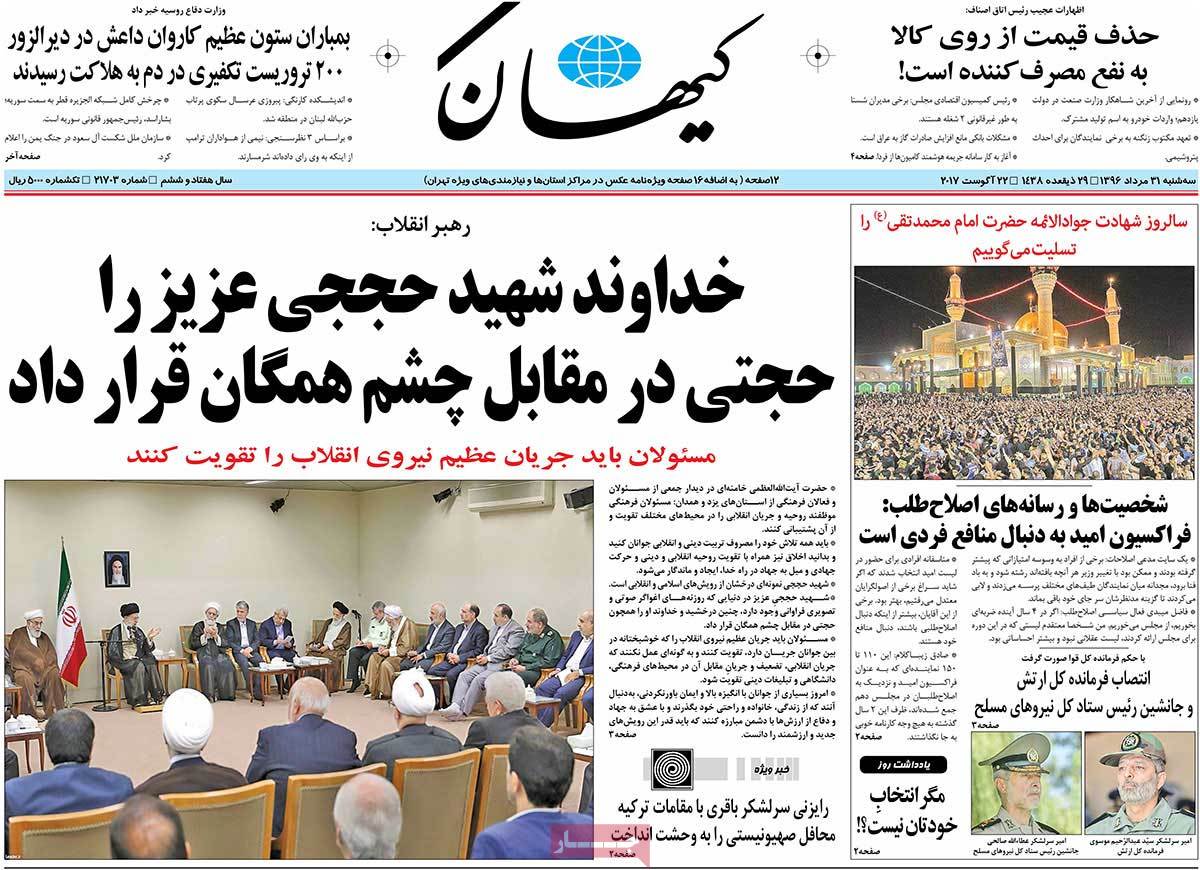
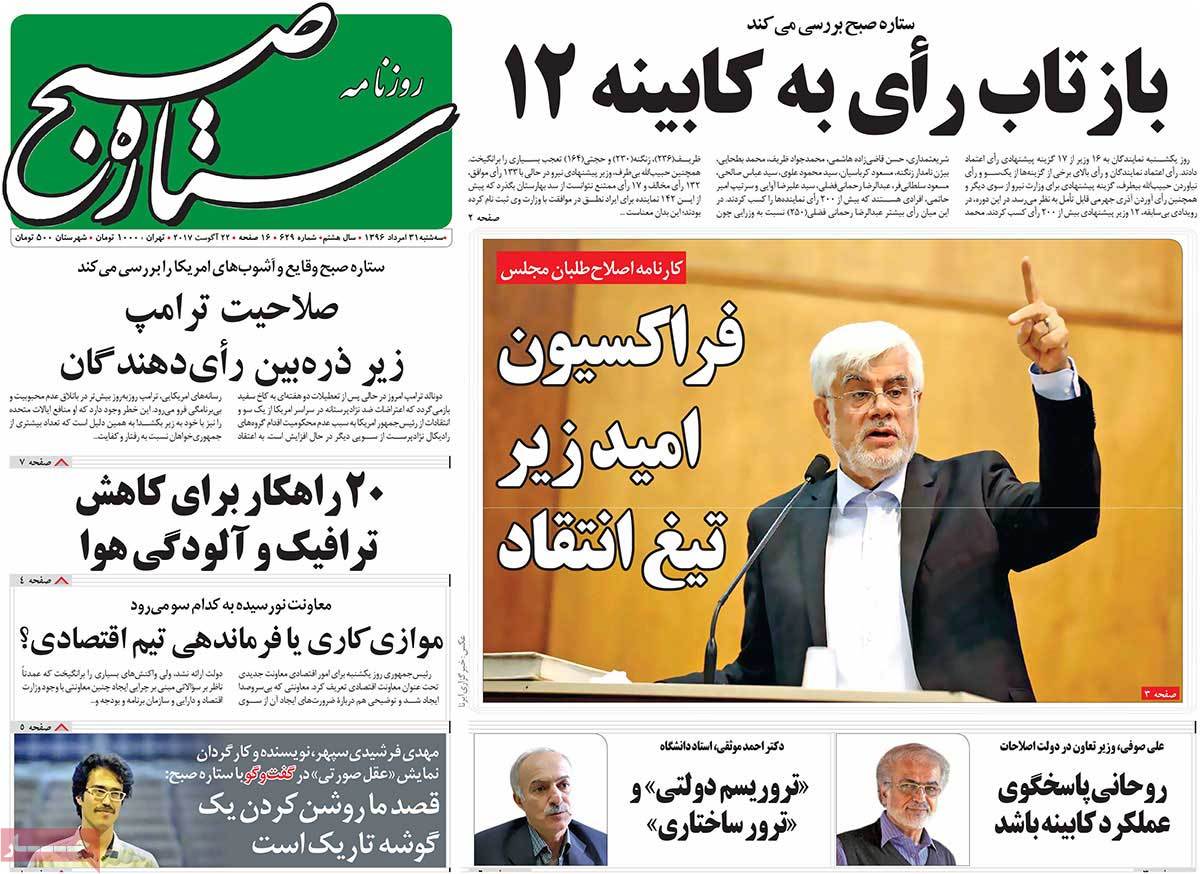
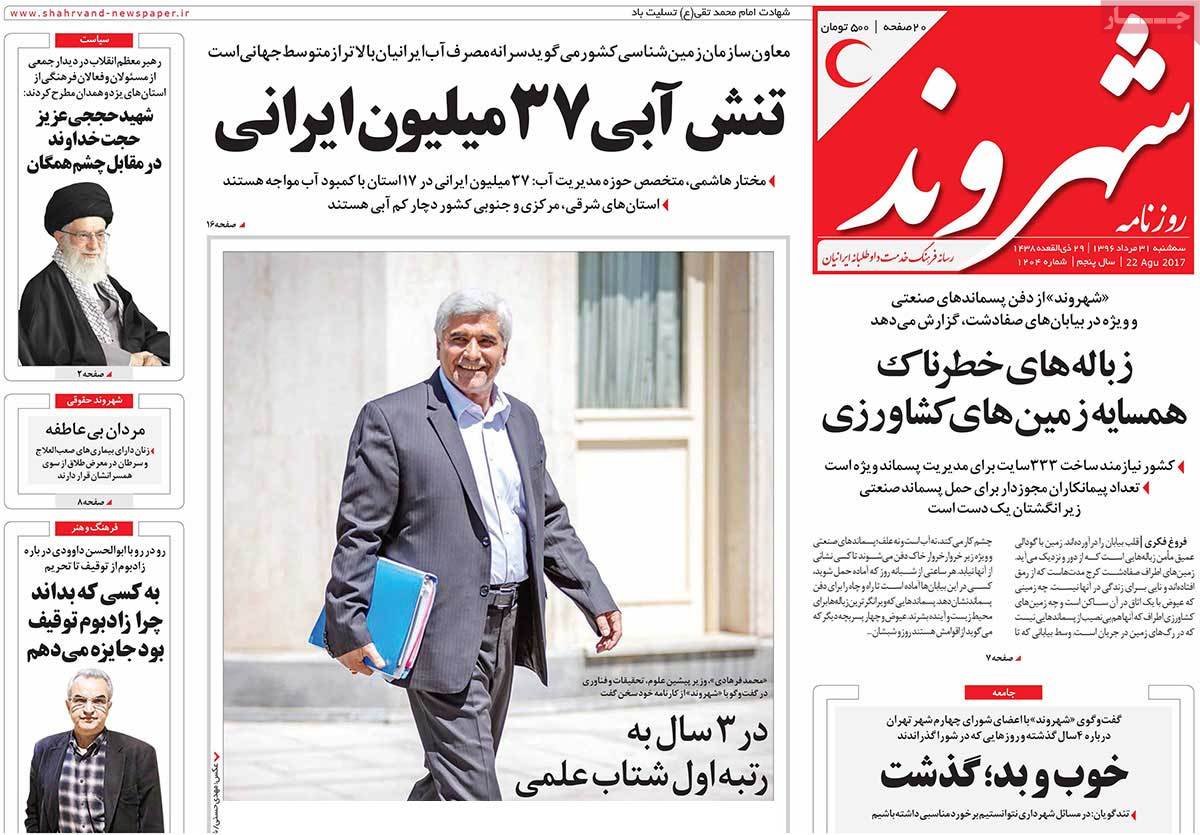
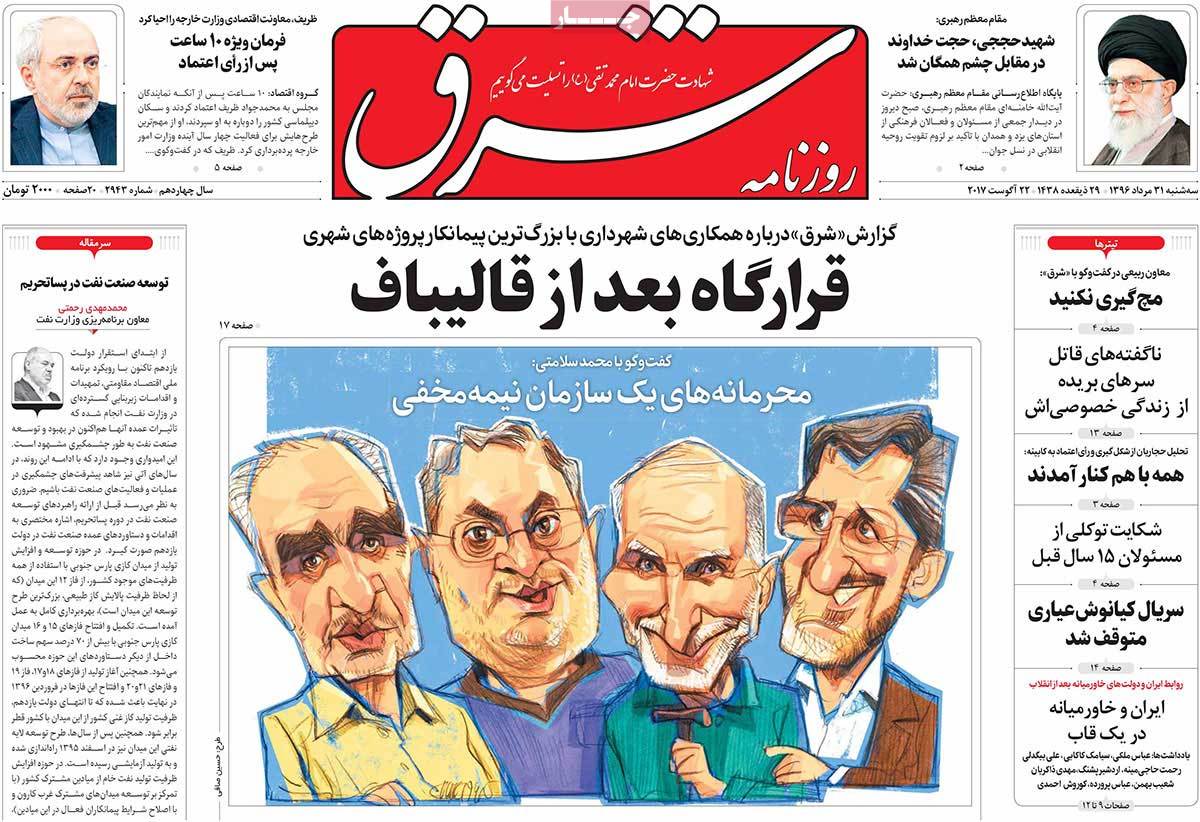
A Look at Iranian Newspaper Front Pages on August 22

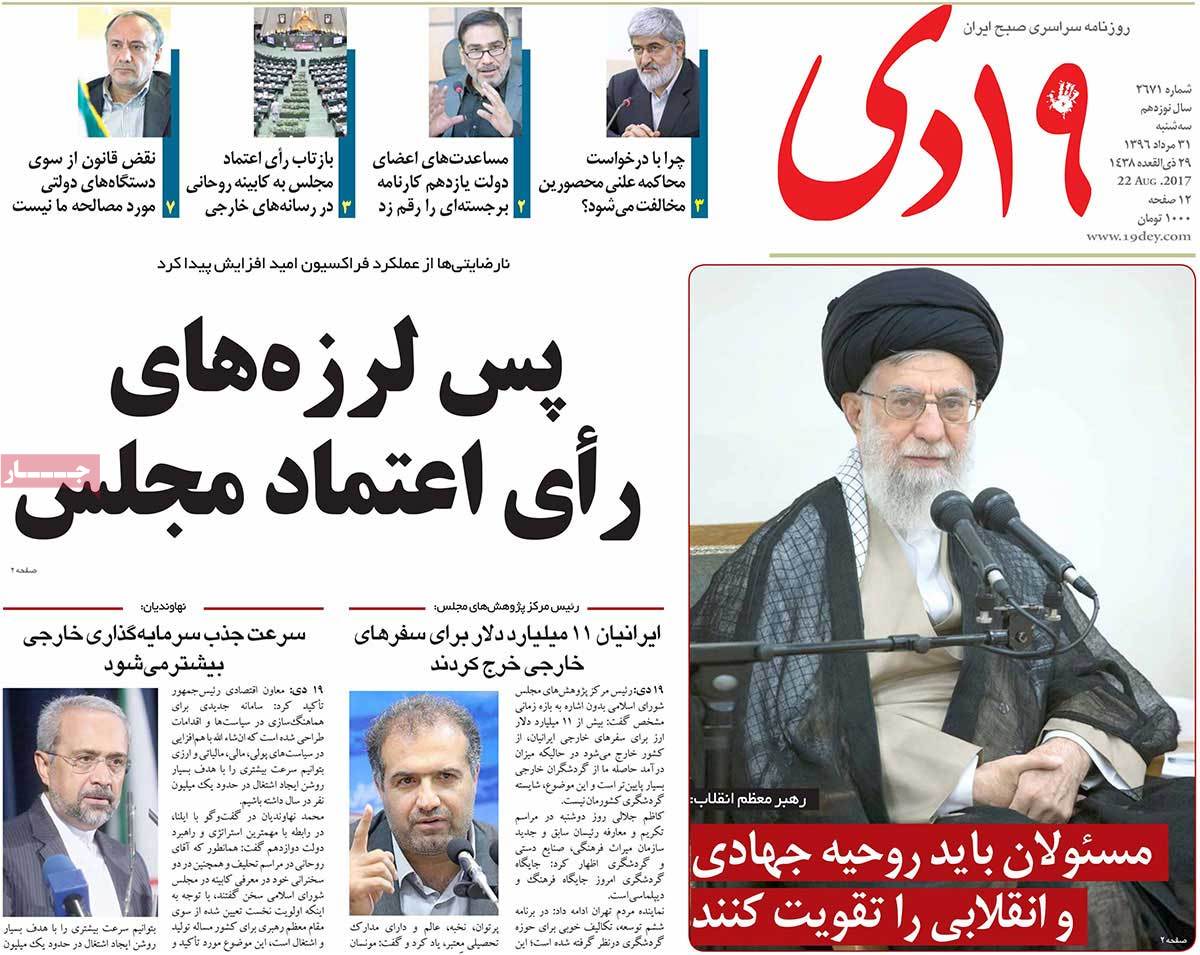
Newspapers today continued to review the vote of confidence Rouhani’s ministers received from the Parliament. Reformist papers particularly analysed the behaviour of leftist lawmakers during the recent months.

The Iraqi army’s offensive to retake the city of Tal Afar from ISIS terrorists and the Russian airstrikes on ISIS positions in Syria were also highlighted in today’s papers.

Another top story was Turkish President Recep Tayyip Erdogan’s comments about the possibility of a joint operation by Iran and Turkey against Kurdish militants, particularly PKK in Turkey and PJAK in Iran.

The above issues, as well as many more, are highlighted in the following headlines and top stories:


19 Dey:

1- Aftershocks of Parliament’s Vote of Confidence

2- Iranians Spend $11bn on Visiting Other Countries: Research Centre

A Look at Iranian Newspaper Front Pages on August 22 - 19dey


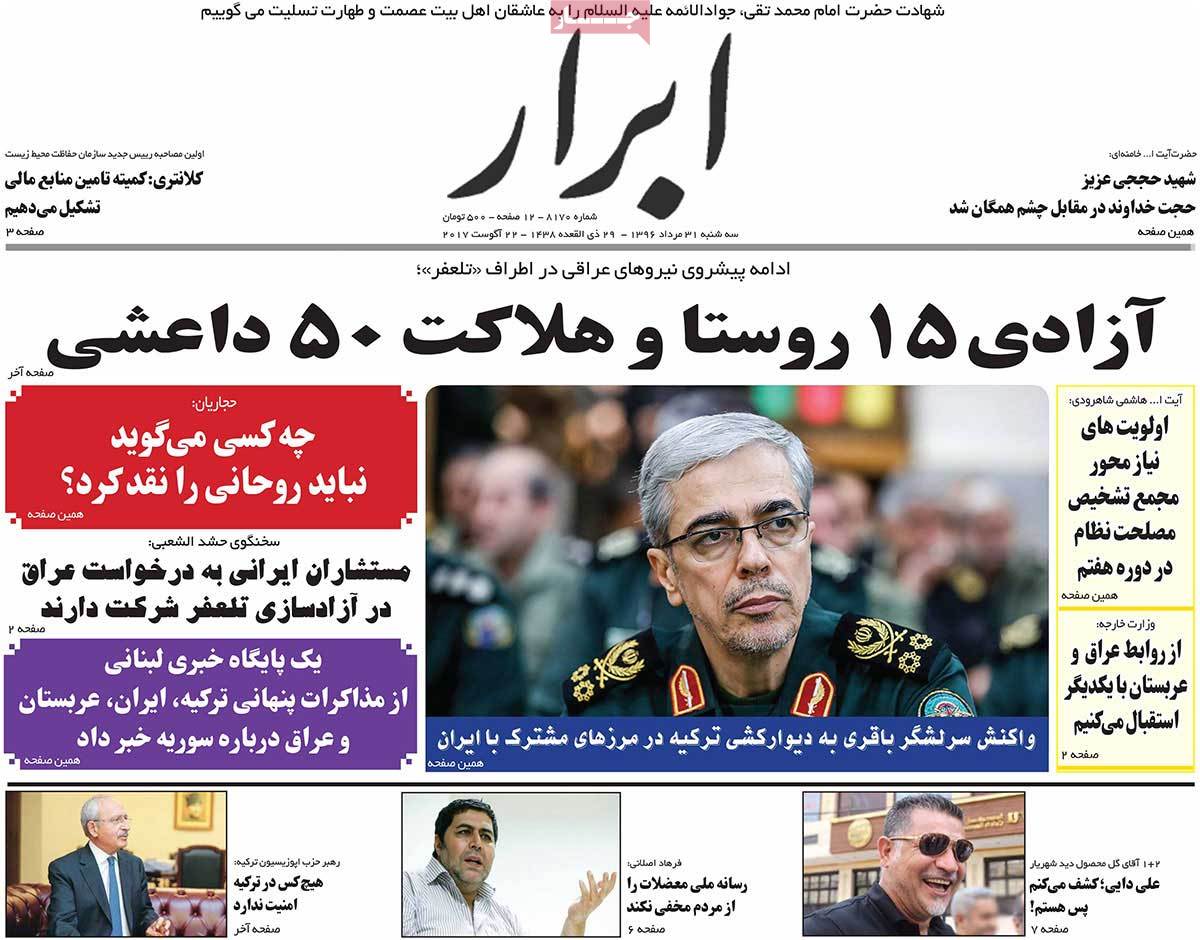
Abrar:

1- Iraqi Forces Continue Their Progress around Tal Afar

  • 12 Villages Liberated, 50 ISIS Elements Killed

2- Foreign Ministry: We Welcome Relations between Iraq, Saudi Arabia

3- Iranian Advisors Taking Part in Operation to Liberate Tal Afar on Baghdad’s Request

4- Reformist Theorist: Who Says Rouhani Shouldn’t Be Criticized?

A Look at Iranian Newspaper Front Pages on August 22 - abrar


Aftab-e Yazd:

1- Iran Leader: Dear Mohsen Hojaji Became God’s Sign before Our Eyes

2- No Other Politician Left for Rouhani to Put in His Cabinet: Reformist Figure

A Look at Iranian Newspaper Front Pages on August 22 - aftab


Arman-e Emrooz:

1- First VP: Women’s Share of Gov’t to Be Increased to 30%

2- Erdogan Says Iran, Turkey May Launch Joint Operation against Kurdish Militia

3- 37 Million Iranians in Danger of Water Tension

  • Iran’s Water Consumption per Capita More than Global Average

A Look at Iranian Newspaper Front Pages on August 22 - arman


Ebtekar:

1- Disappointment with Hope [Faction]

  • A Review of Reformists’ Performance in Parliament

A Look at Iranian Newspaper Front Pages on August 22 - ebtekar


Etemad:

1- New Alliance between Iran, Turkey

2- Interior Minister: I’ll Choose Female Deputy

A Look at Iranian Newspaper Front Pages on August 22 - etemad


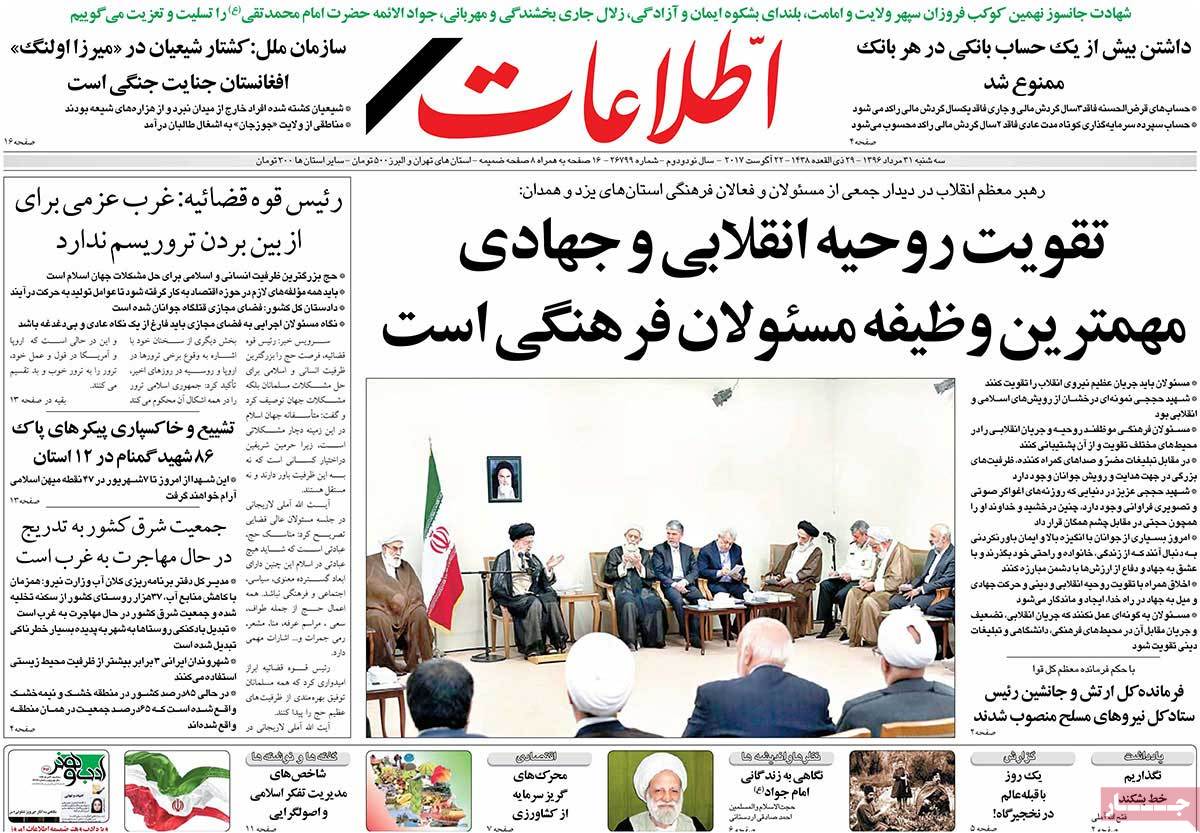
Ettela’at:

1- Judiciary Chief: West Has No Resolve to Eradicate Terror

2- UN: Massacre of Shiites in Afghanistan’s Mirza Olang Was War Crime

3- People in Eastern Iran Gradually Migrating to West

A Look at Iranian Newspaper Front Pages on August 22 - etelaat


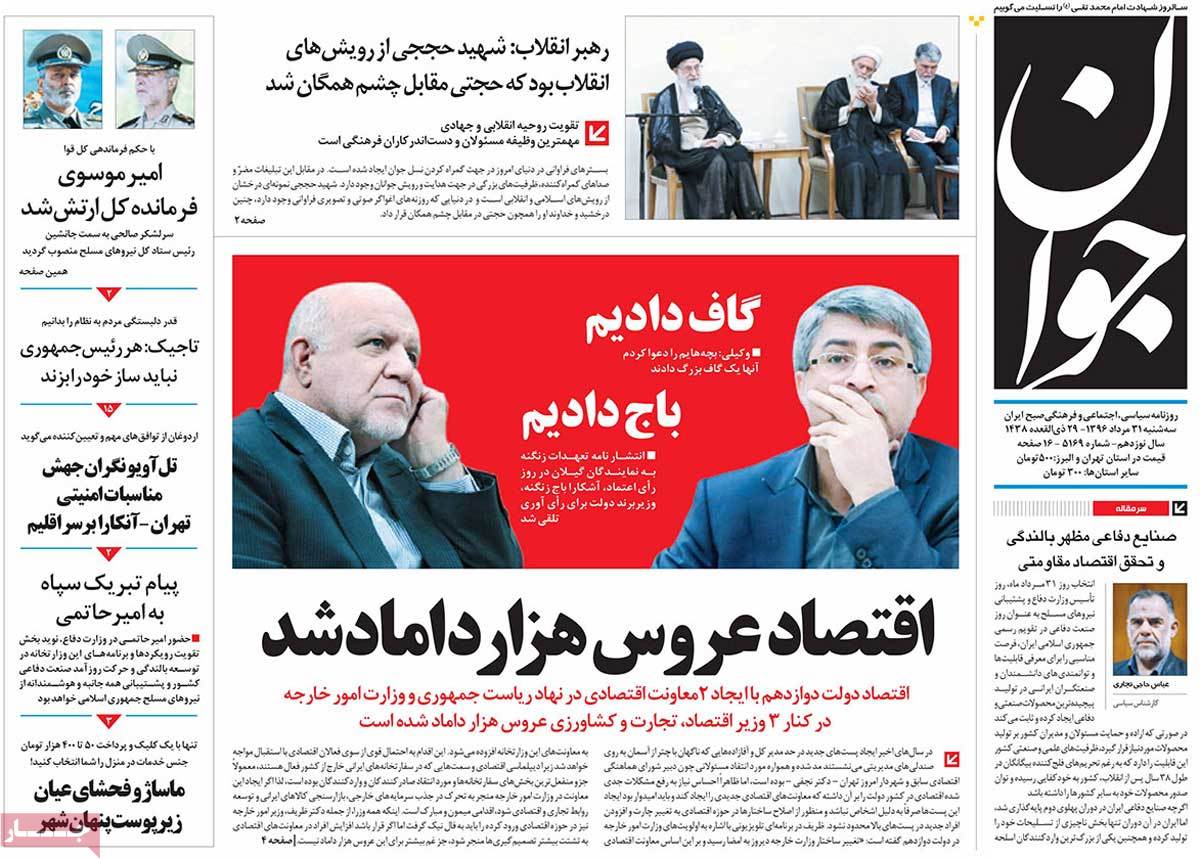
Javan:

1- Erdogan Talks of Important, Decisive Deals with Iran

  • Tel Aviv Concerned about Tehran-Ankara Enhanced Ties on Kurdistan

2- Iranian Economy’s Bride Has Thousands of Grooms!

  • Several People in Rouhani’s Gov’t in Charge of Iran’s Economy

3- IRGC Congratulates DM Hatami

A Look at Iranian Newspaper Front Pages on August 22 - javan


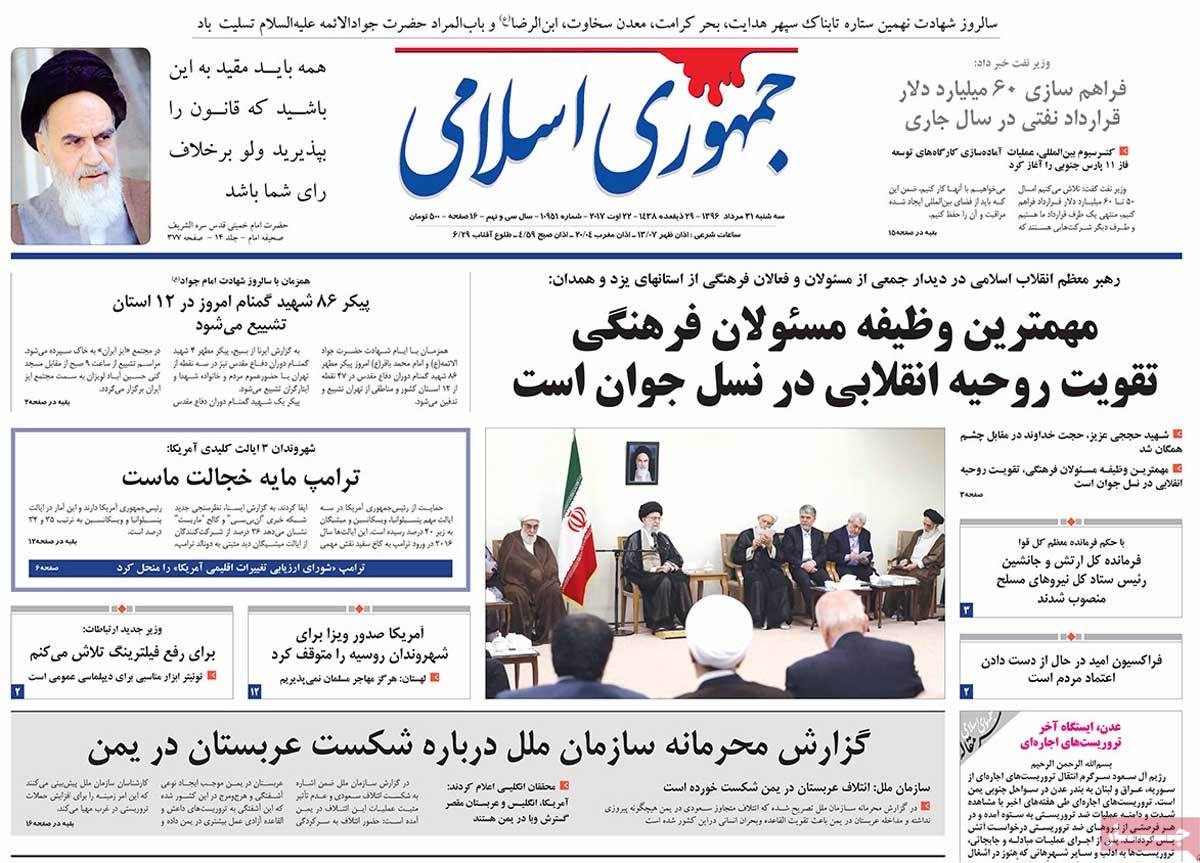
Jomhouri Eslami:

1- Citizens of 3 Key US States: Trump Source of Shame

2- UN’s Confidential Report on Saudi Arabia’s Defeat in Yemen

A Look at Iranian Newspaper Front Pages on August 22 - jomhori


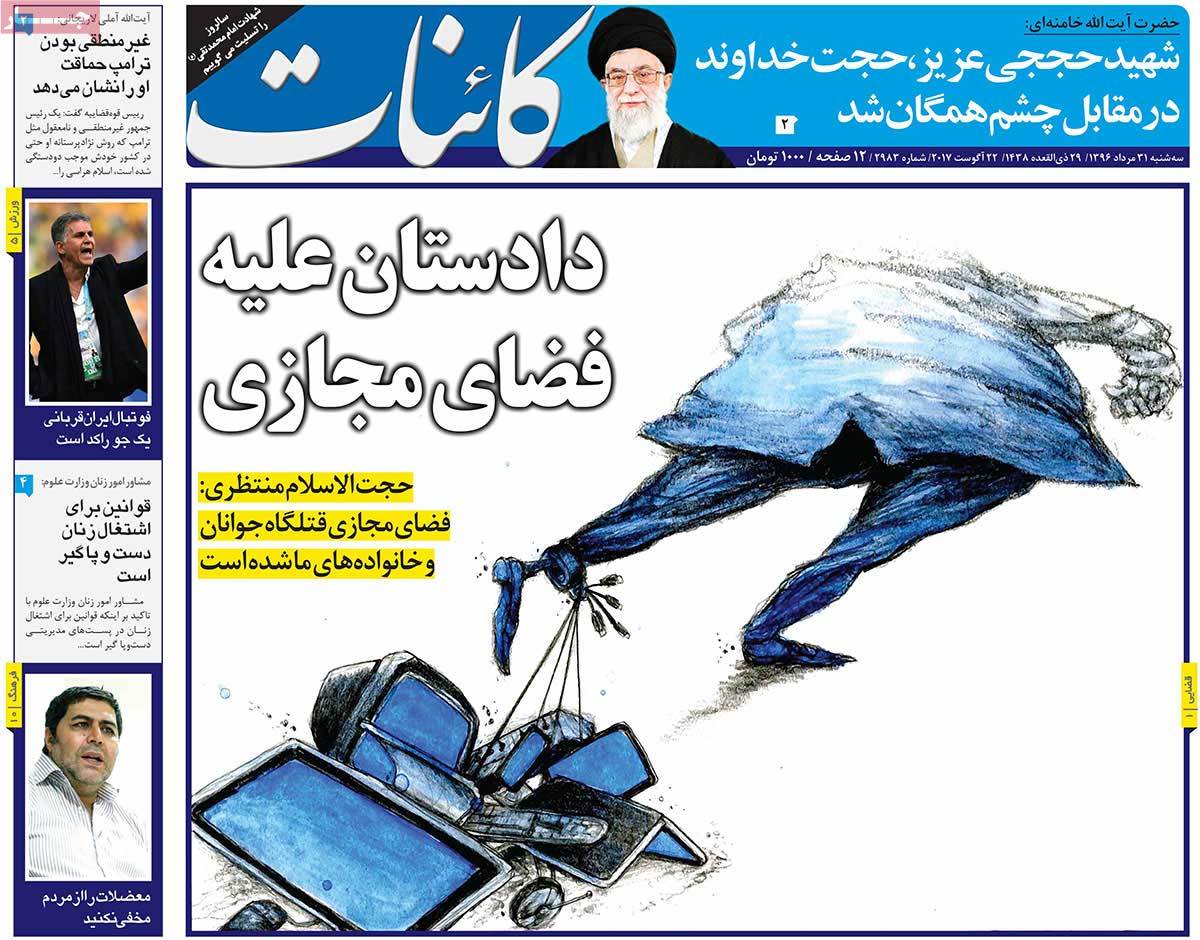
Ka’enat:

1- Prosecutor-General against Cyberspace

  • Young People, Families Are Being Killed in Cyberspace

A Look at Iranian Newspaper Front Pages on August 22 - kaenat


Kayhan:

1- Russia Defence Ministry: ISIS Convoy Bombed in Deir ez-Zor

  • 200 Takfiri Terrorists Killed

A Look at Iranian Newspaper Front Pages on August 22 - kayhan


Setareh Sobh:

1- Reformist MPs under Fire

2- Trump’s Qualification under Scrutiny of Voters

A Look at Iranian Newspaper Front Pages on August 22 - setareh


Shahrvand:

1- Emotionless Men: Husbands Divorcing Wives with Hard to Treat Diseases, Cancer

A Look at Iranian Newspaper Front Pages on August 22 - shahrvand


Shargh:

1- Special Order 10 Hours after Vote of Confidence

  • Zarif Revives Foreign Ministry’s Economic Department

A Look at Iranian Newspaper Front Pages on August 22 - shargh


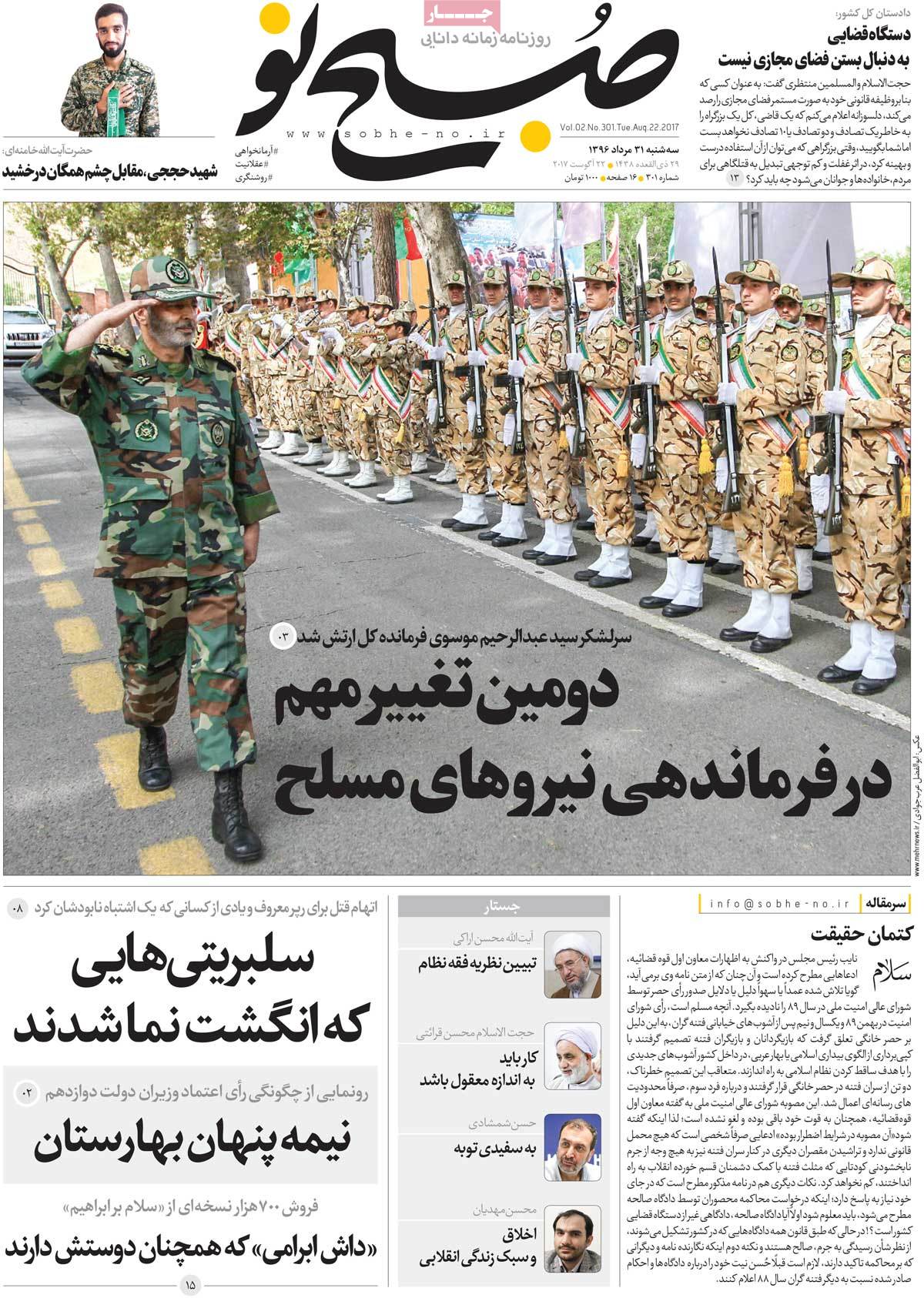
Sobh-e Now:

1- Prosecutor-General: Judiciary Not after Shutting Down Cyberspace

A Look at Iranian Newspaper Front Pages on August 22 - sobheno


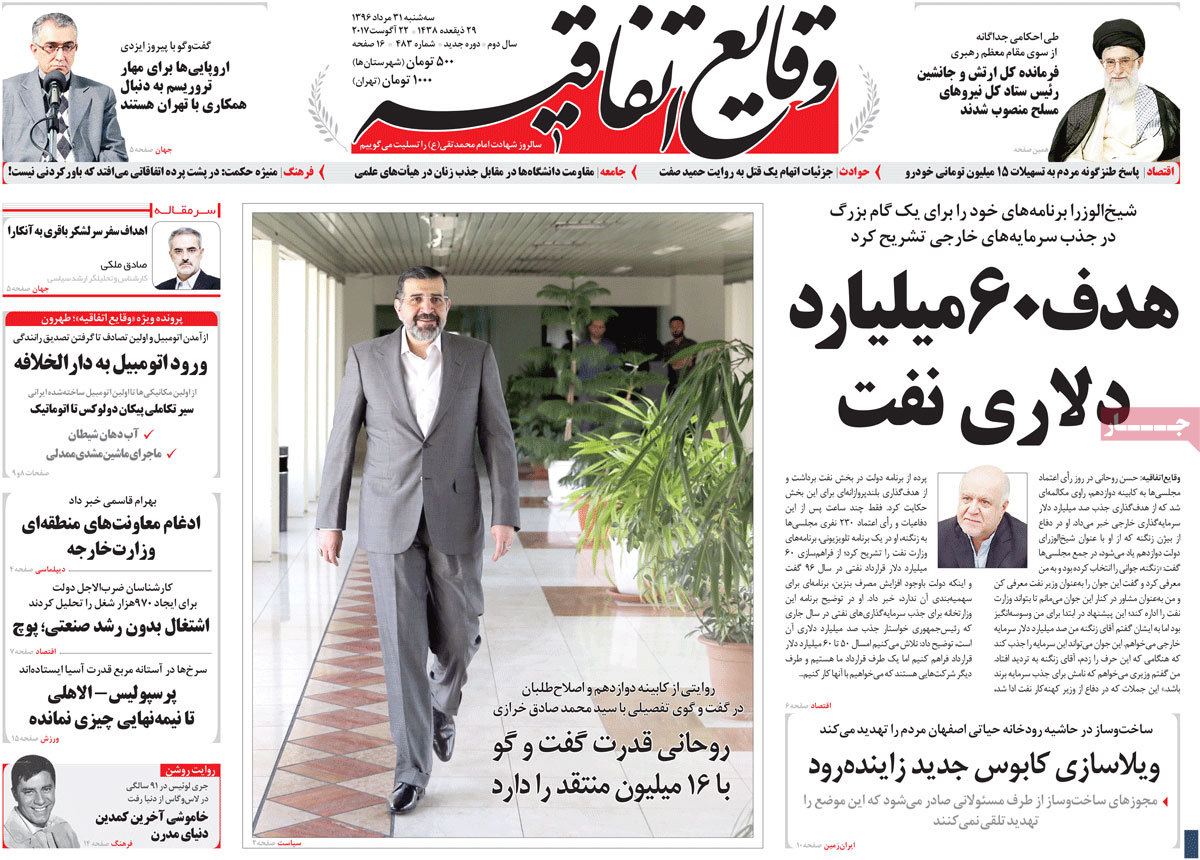
Vaghaye Ettefaghieh:

1- Reformist Figure: Rouhani Has Power to Hold Dialogue with 16m Critics

A Look at Iranian Newspaper Front Pages on August 22 - vagaye


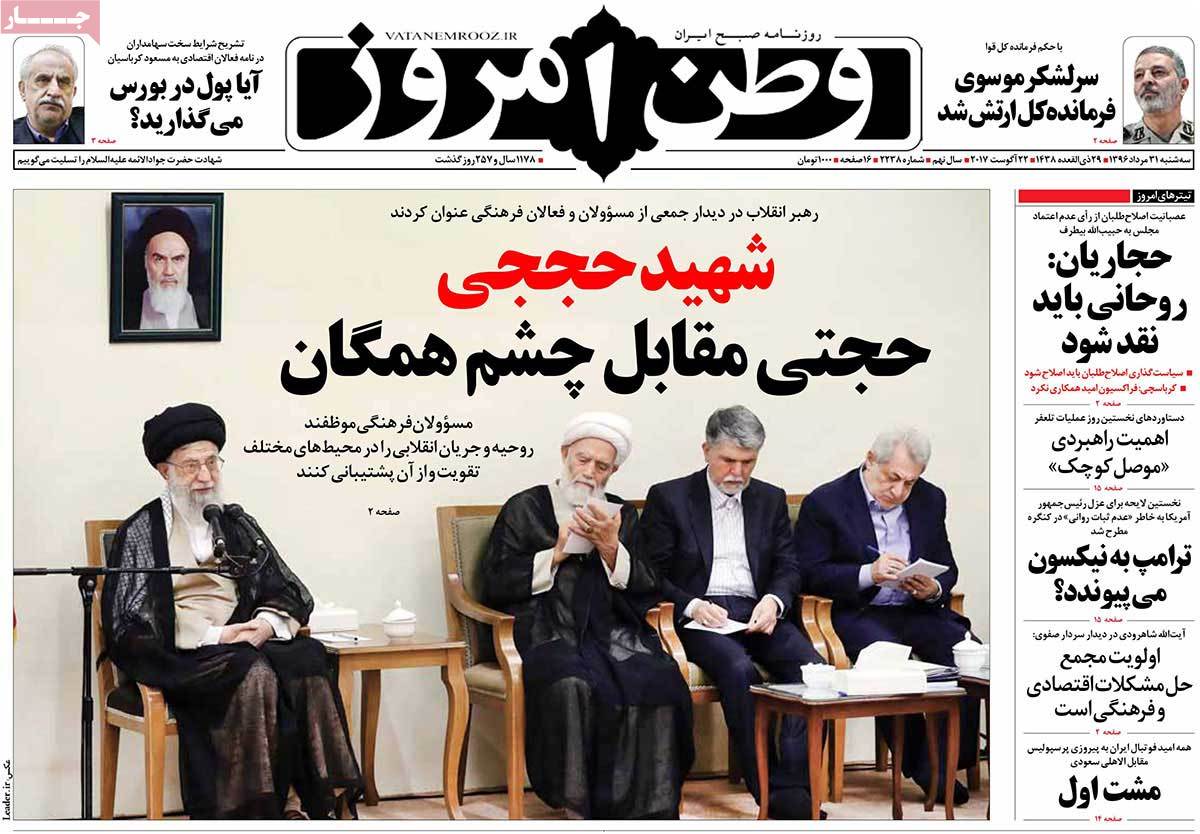
Vatan-e Emrooz:

1- Would Trump Join Nixon? First Bill in Congress to Impeach Trump for Mental Instability

A Look at Iranian Newspaper Front Pages on August 22 - vatane emrooz


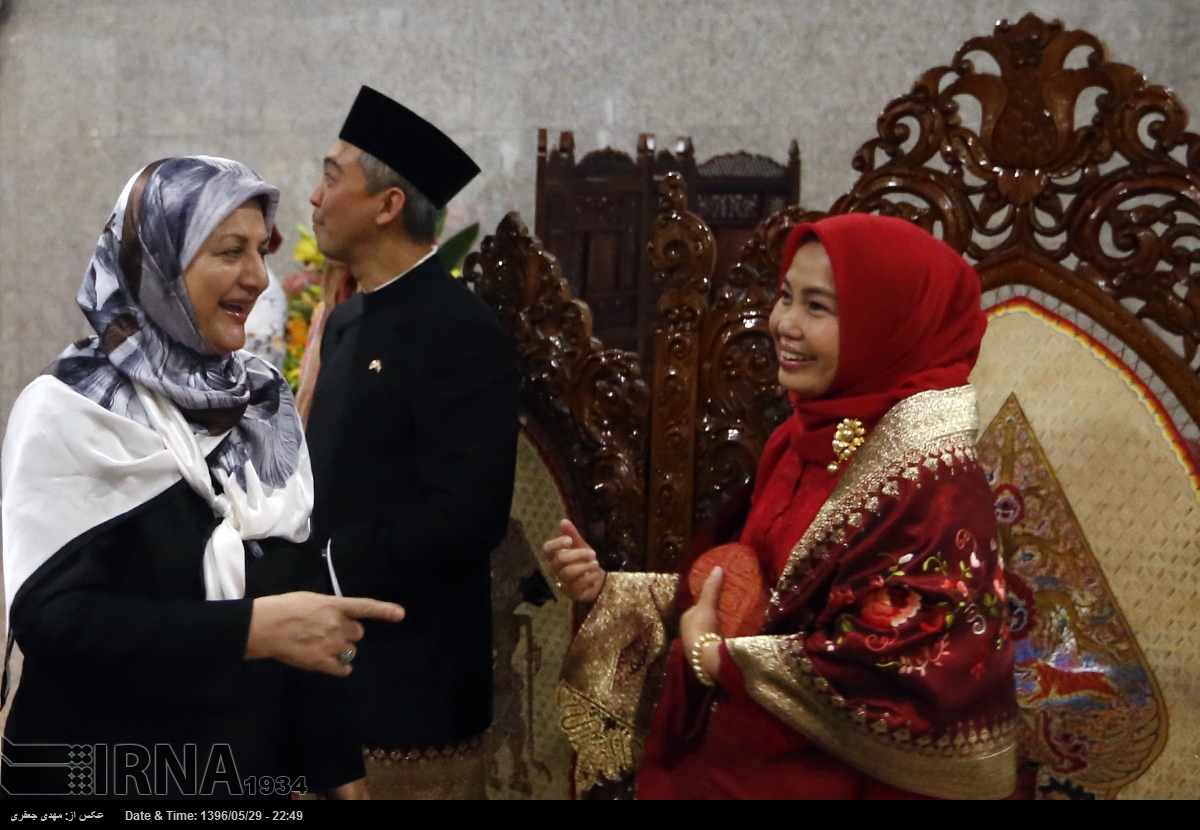
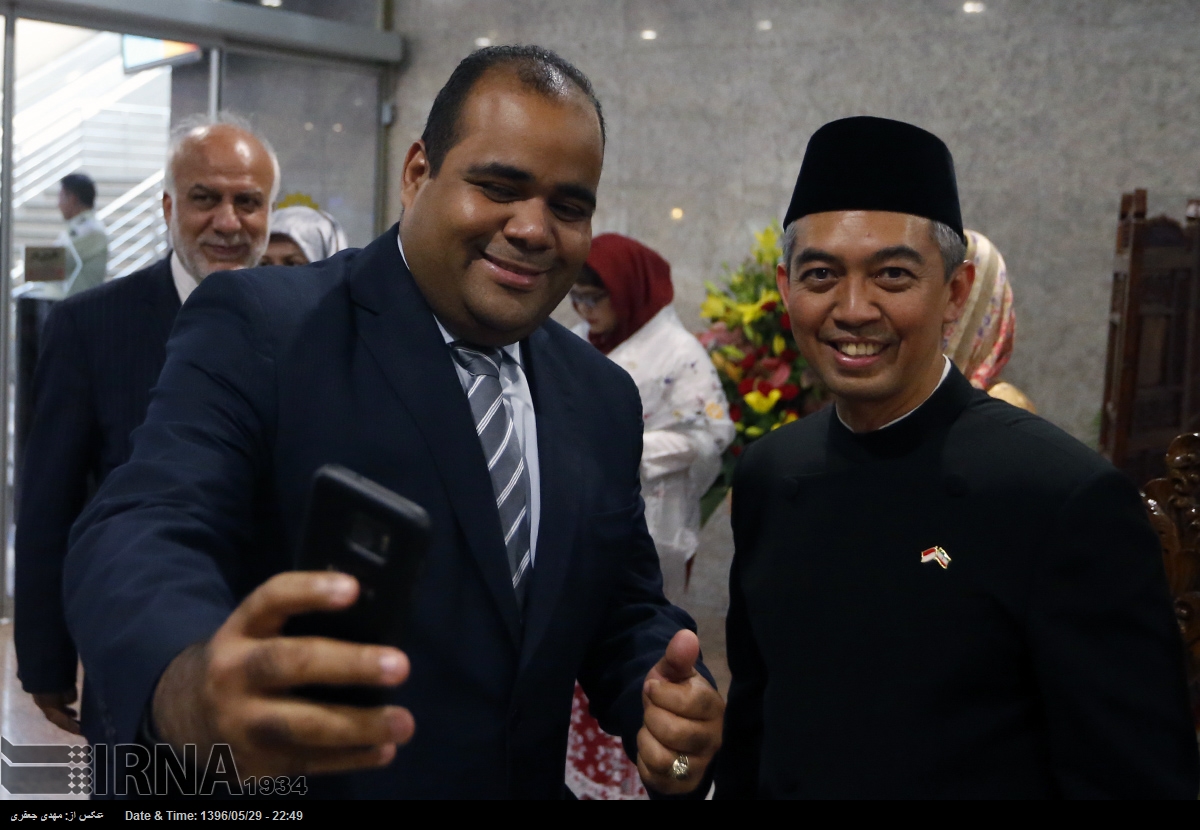
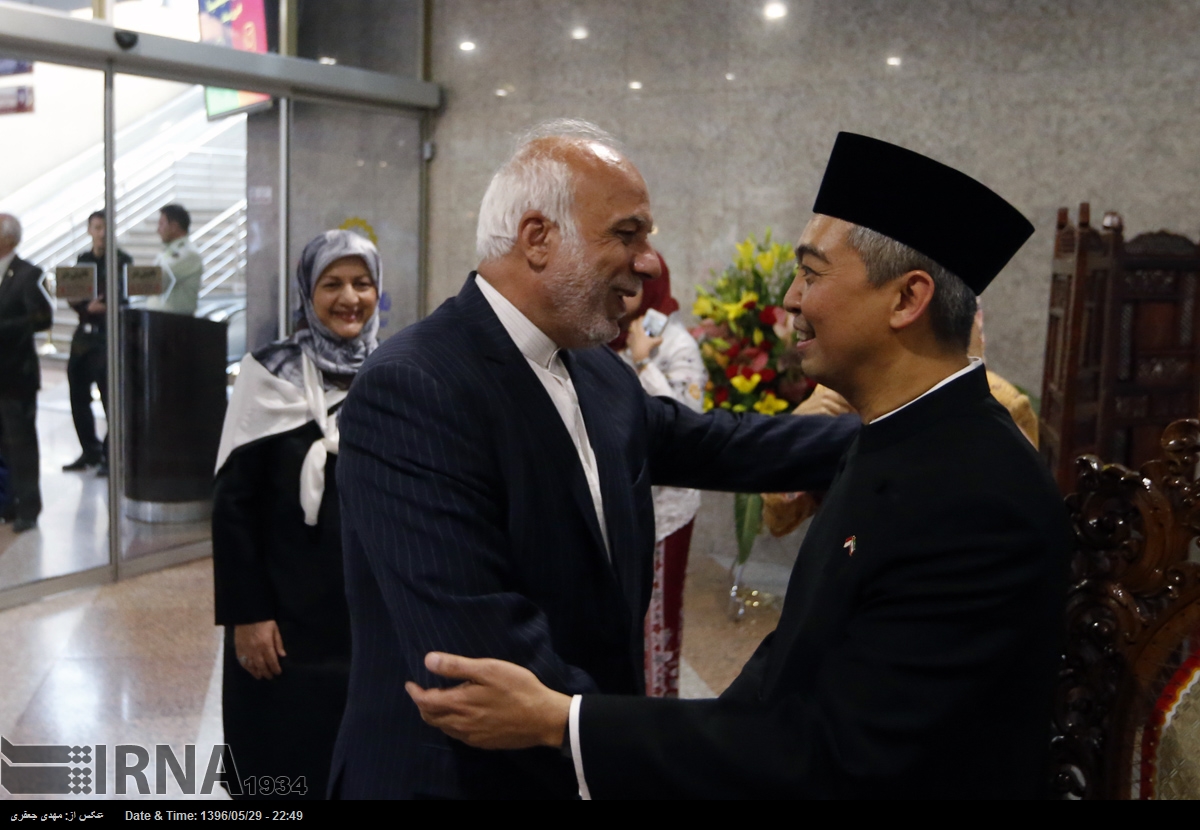
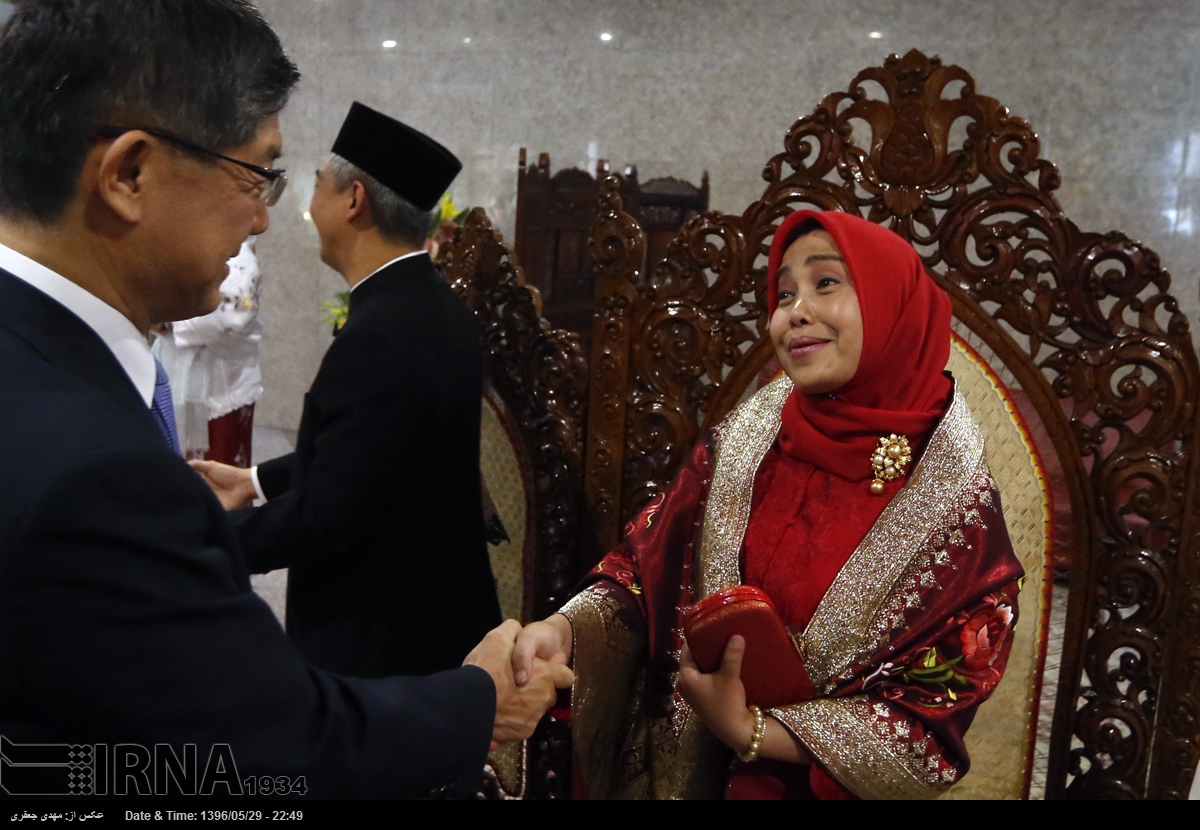
Indonesia Independence Anniversary Marked in Tehran’s Milad Tower

Indonesia Independence Anniversary Marked in Tehran's Milad Tower6

Indonesia had remained a Dutch colony for over 300 years until a group of revolutionaries started the diplomatic and armed resistance of the Indonesian National Revolution, fighting against the forces of the Netherlands and pro-Dutch civilians.

17 August 1945 was the day when the Proclamation of Indonesian Independence was read, and the anti-colonialist struggles began. The Netherlands finally officially acknowledged Indonesia’s independence in 1949.

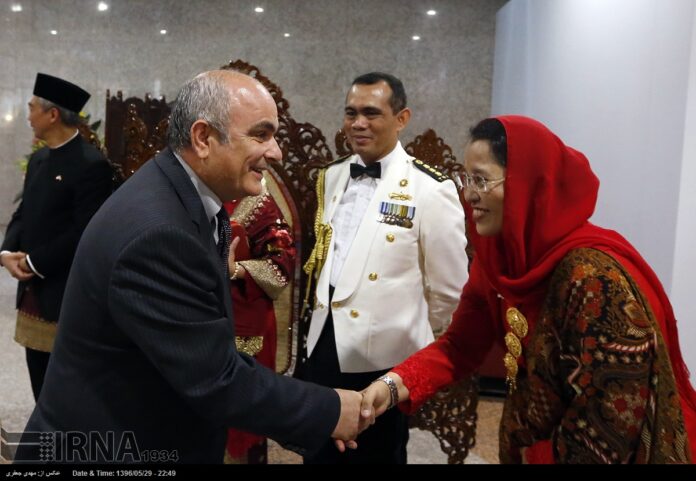
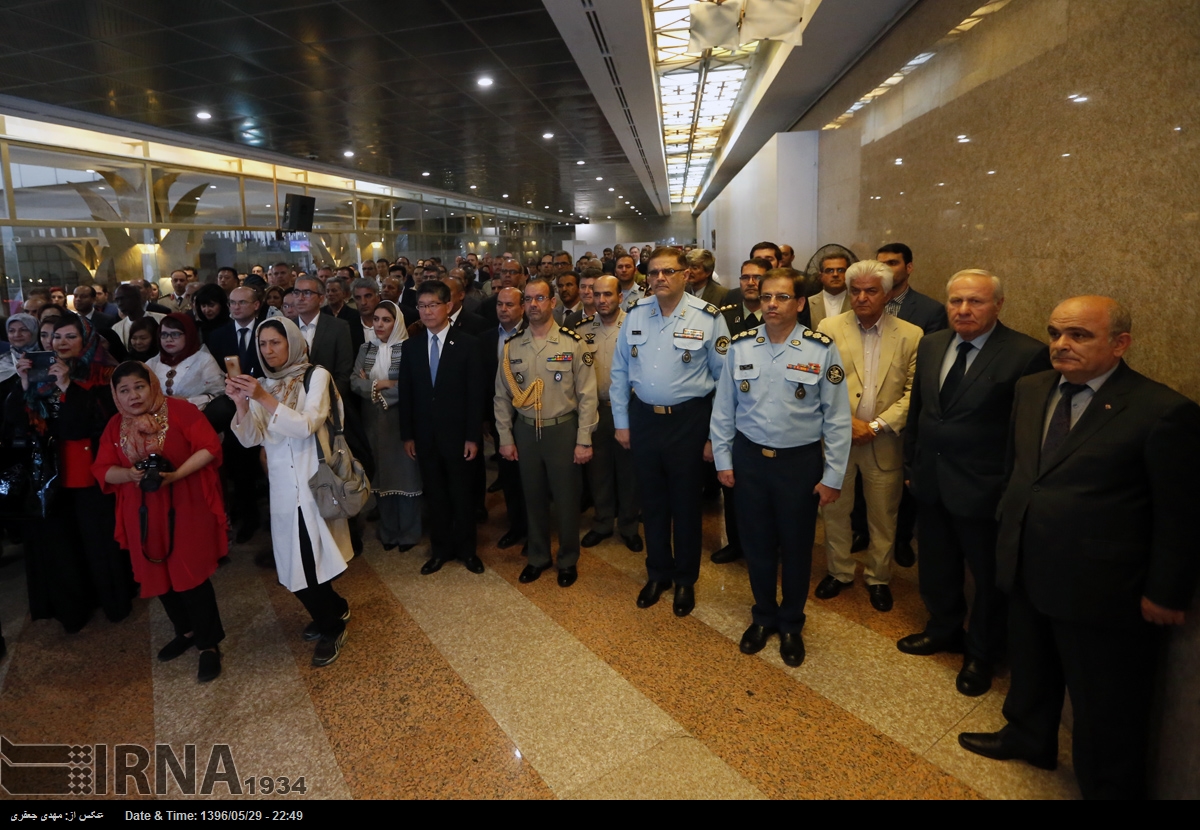
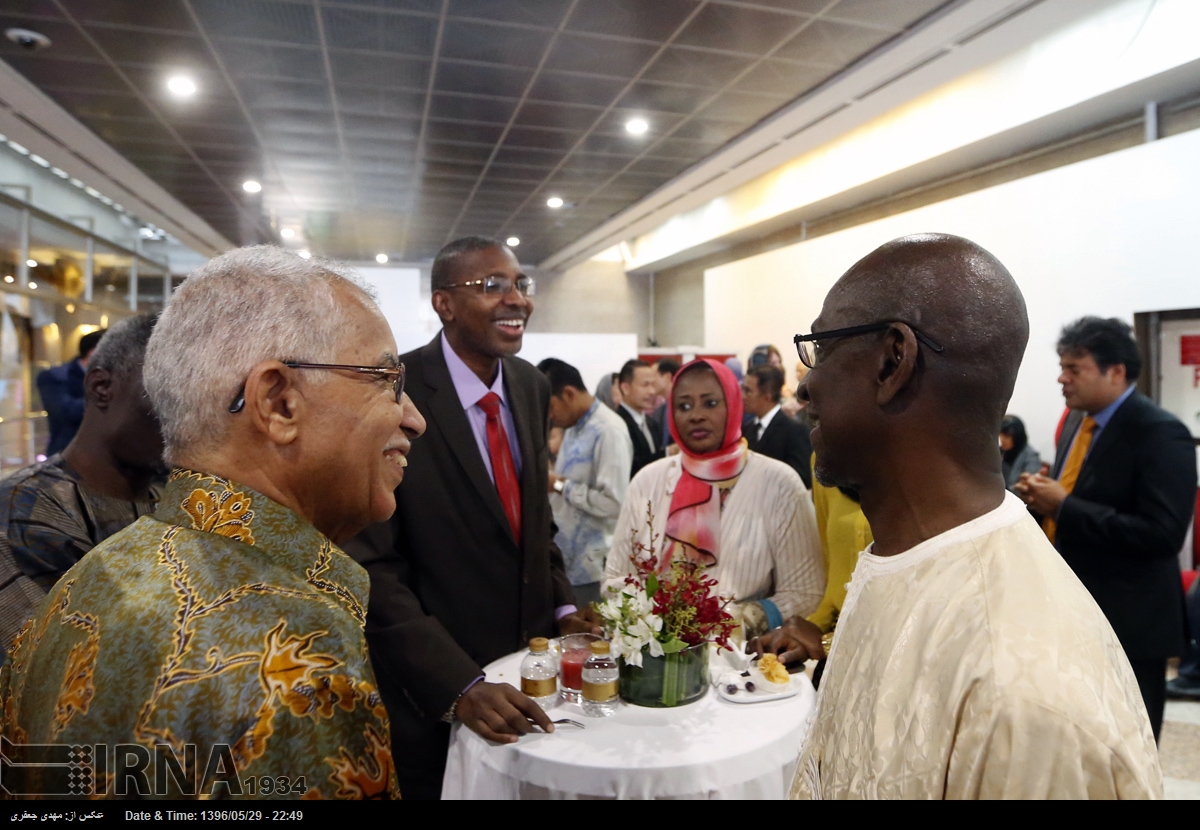
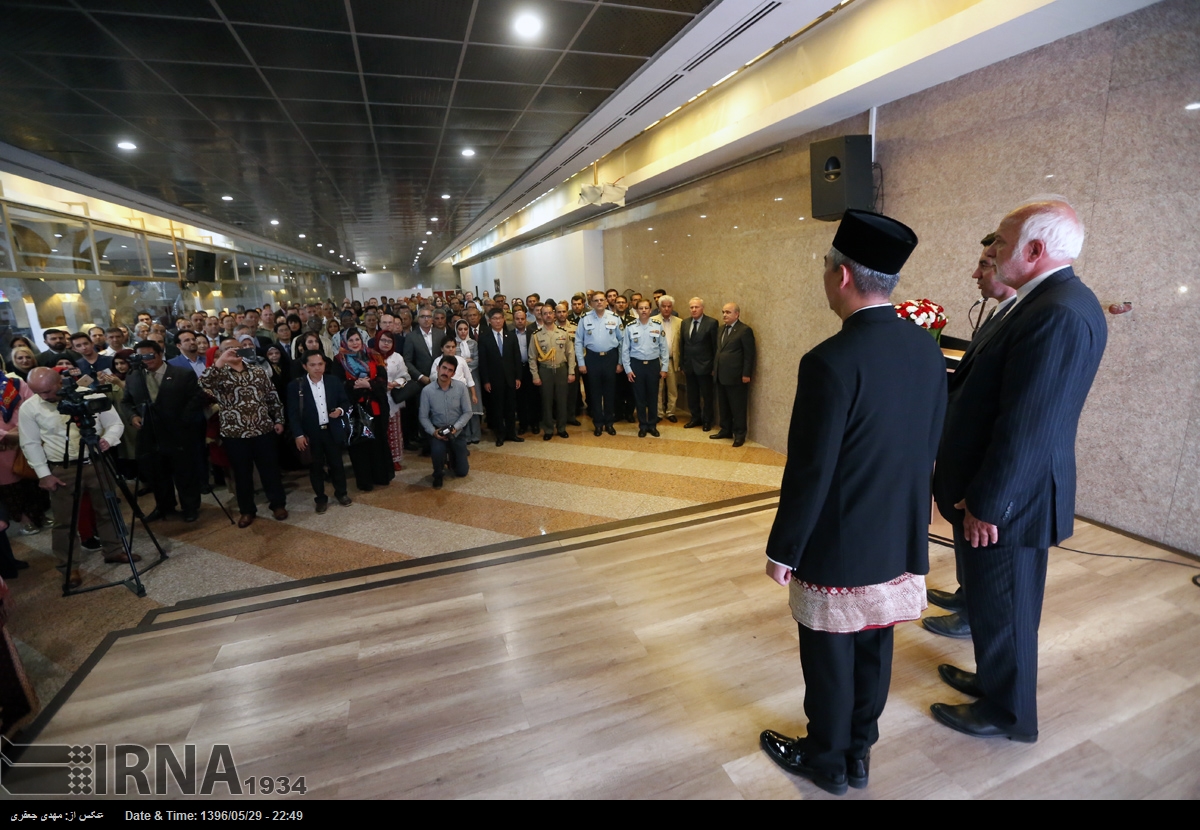
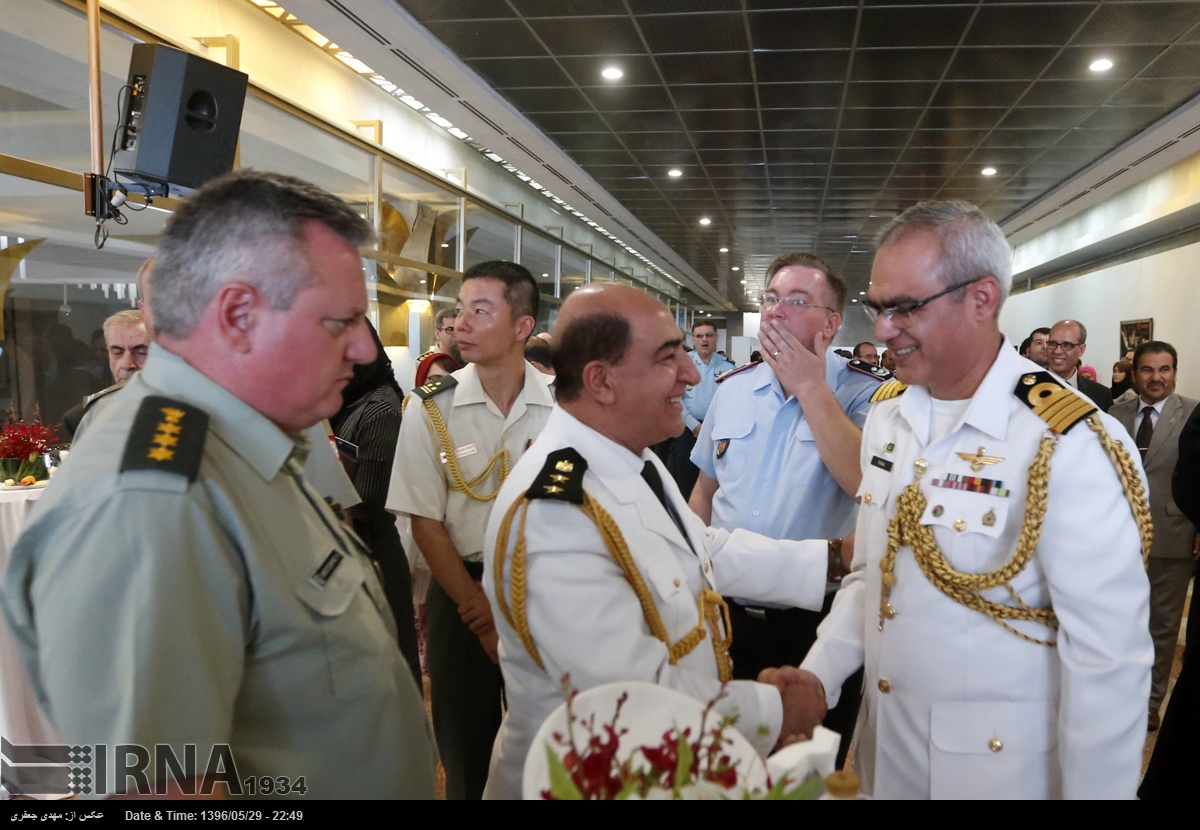
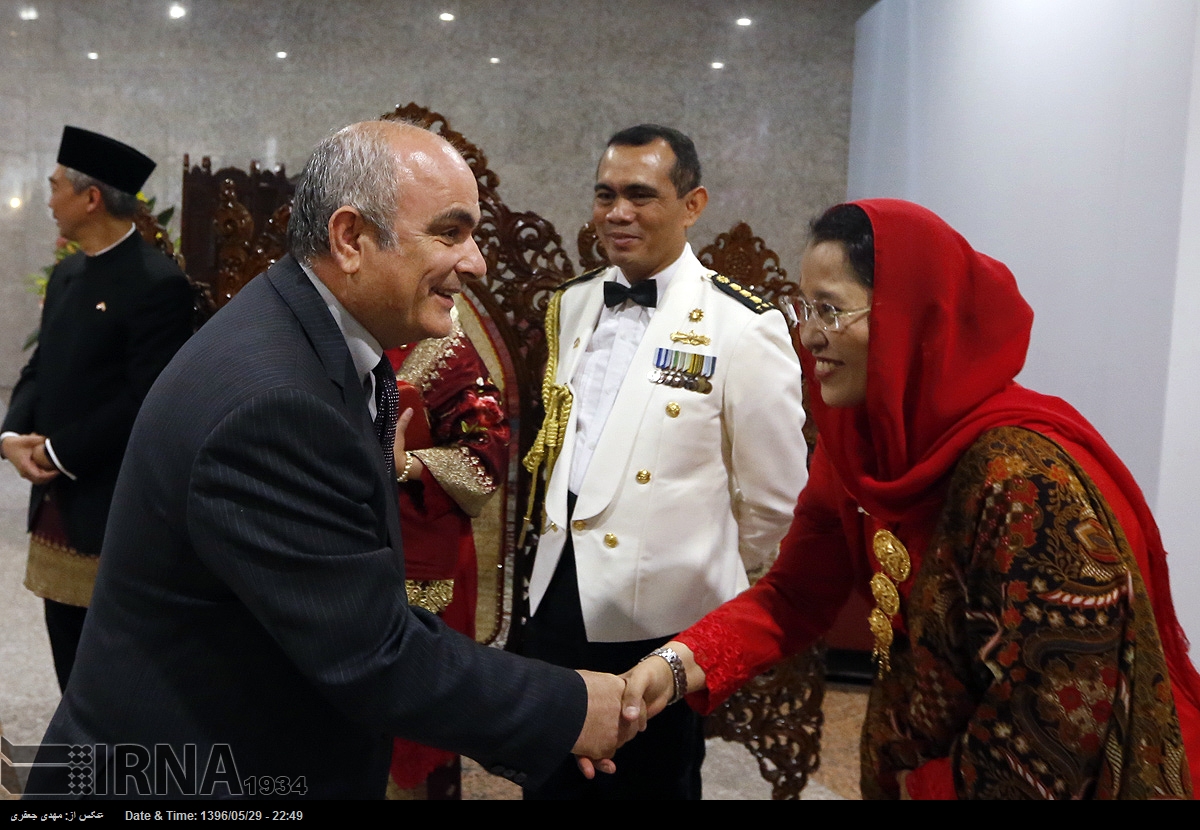
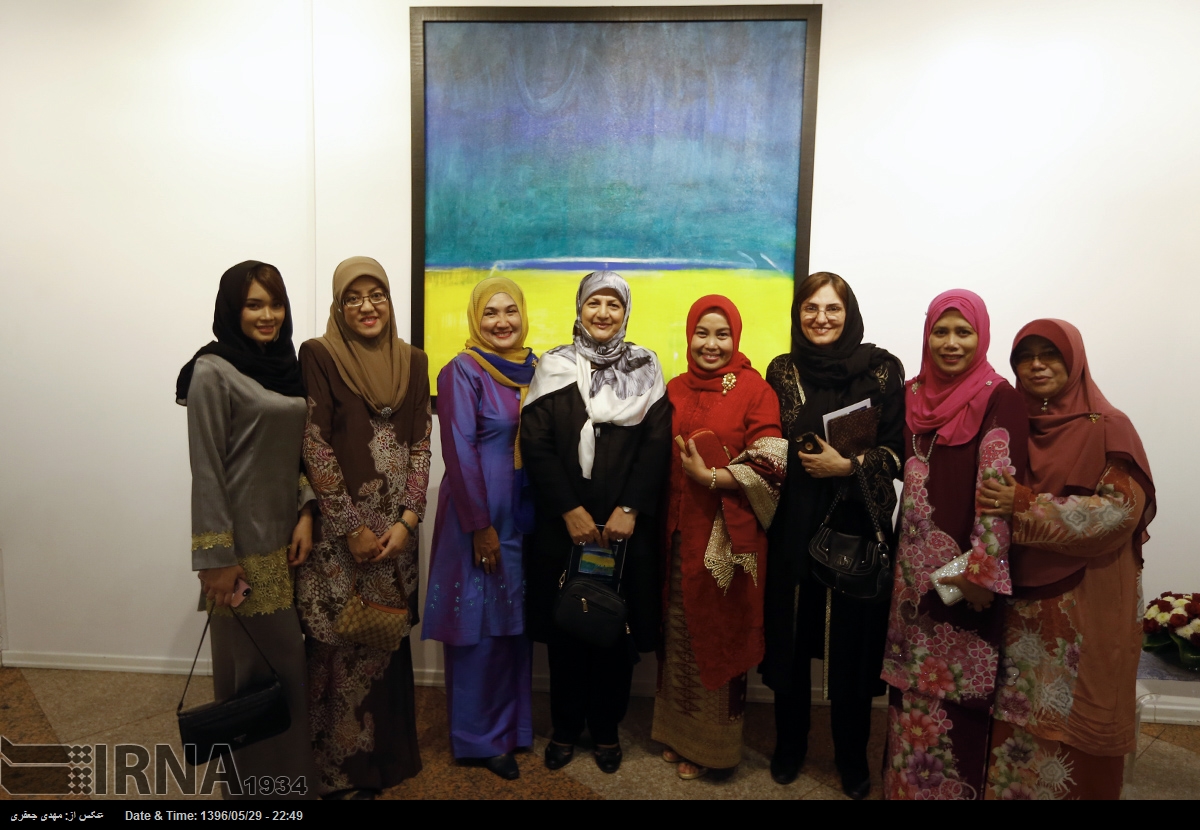
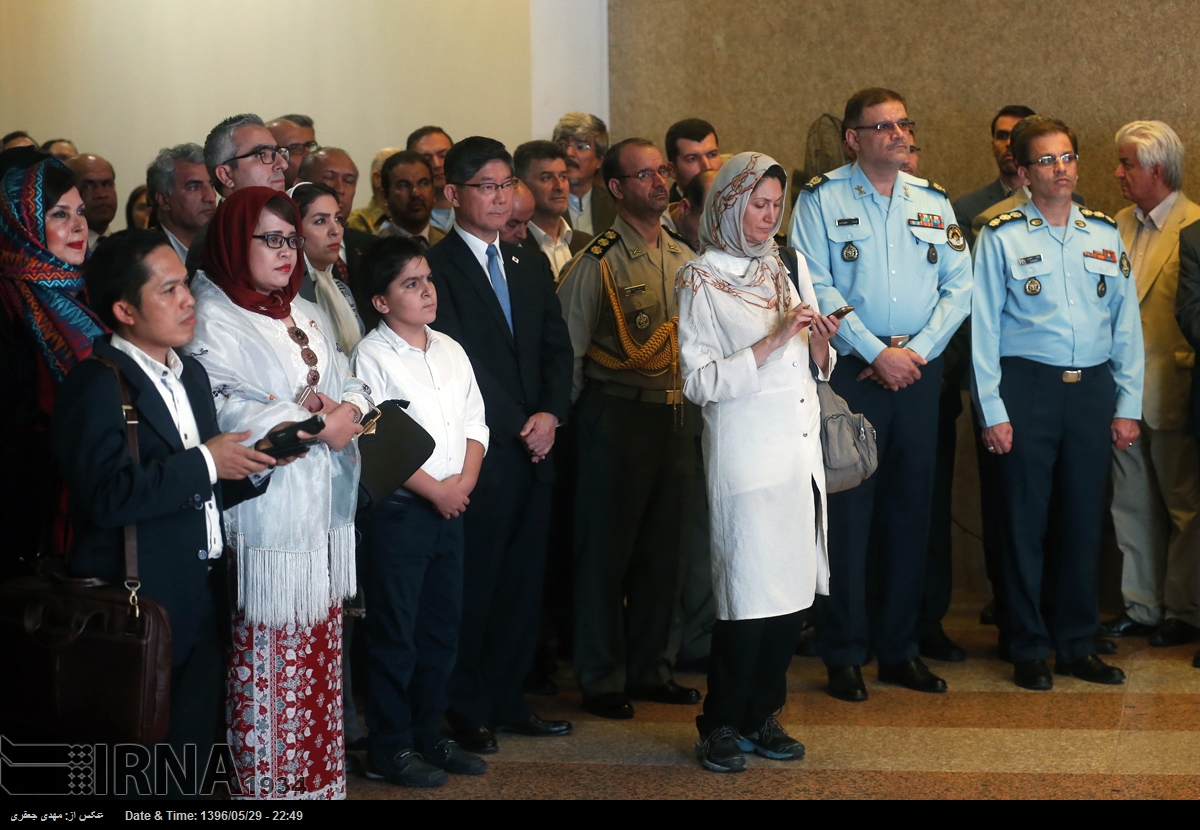
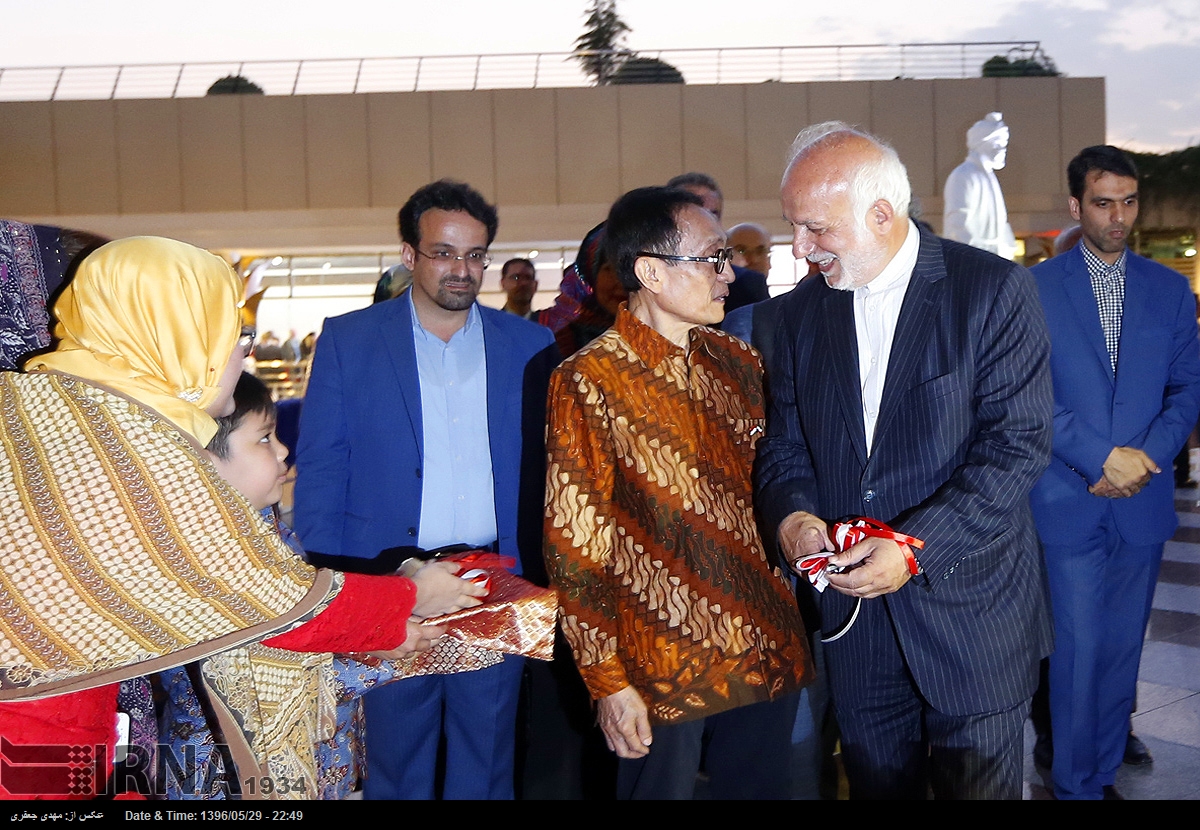
In a Sunday ceremony in Tehran, ambassadors of several countries gathered to celebrate the Indonesian Independence Day in Milad Tower.

On the sidelines of the ceremony, an exhibition of artworks by renowned Indonesian painter Jeihan Sukmantoro was also opened. The ‘Culture of Peace’ exhibition will be open to visitors until August 25.

Here are IRNA‘s photos of the ceremony:

‘Iran Not after Materialistic Interests in Iraq, Syria’

Speaking in a Sunday ceremony, General Soleimani highlighted the importance of the way Iran contributed to efforts aimed at tackling the crises in Iraq and Syria.

“When we went to Iraq to defend Iraqi people, we never drew a line between Iran’s interests and those of Iraq. We considered Iraqi people’s interests as our own. We worked to secure their victory, freedom and interdependence. Our interests lie in these things,” said General Soleimani.

“We were not after [taking control of] oil wells or seizing cities like Mosul or Kirkuk, as some other countries do. We did not and do not have monetary demands, either,” he added.

He noted that Iran has never sought to “secure a share” and ensure its own interests in Iraq and Syria.

According to a Farsi report by Basij Press, General Soleimani further noted that Iran enjoys real and impregnable power in the region today.

“I don’t think Iran has ever been as powerful in its history as it is now,” he said, adding this power has brought Shiites and Sunnis closer together.

The top general then highlighted the key role of Leader of the Islamic Revolution Ayatollah Seyyed Ali Khamenei’s wisdom in getting to know the circumstances and understanding the situation.

“ISIS had created a country which was larger than Iraq and Syria combined. The group called it the Islamic State of Iraq and the Levant,” he said.

He then said Iran is located at the centre of the Muslim world, so that it can play a stabilizing role in the region, including in Syria.

He then touched upon the terrorist groups created and organized by Saudi Arabia, and added, “They set up 120 military structures against Iran in a bid to launch a religious war.”

“But no army can stand up to a [sectarian] military conflict,” he noted.

He said it was the “reality of religion,” and not military power, which managed to tackle the religious war.