Sunday, May 3, 2026
Home Blog Page 390

Details emerge on Iranian women’s rights advocate, media personality Zahra Mirzaei’s murder 

According to her family, the cousin claimed he was experiencing serious relationship issues and sought confidential help. Trusting his request, Mirzaei invited the couple to her home.

Once inside, the attackers assaulted her with a hammer and then fatally slashed her throat.

Investigators say the perpetrators wrongly assumed Mirzaei possessed a significant amount of gold. After the murder, they discovered she owned little of value.

They were arrested hours later, with the stolen jewelry still in their possession.

Mirzaei lived with her mother and sister in a three-story family home. Her sister discovered the body after repeated unanswered calls. Authorities found signs of an attempted arson at the scene.

Mirzaei’s last public statement was a tweet criticizing the return of the anti-violence bill against women from parliament to the government.

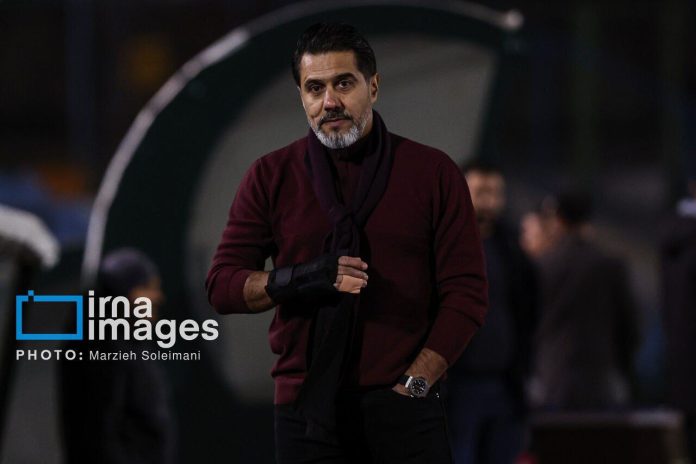
Two Kheybar FC support leaders suspended following assault on Persepolis manager 

The incident occurred after a Premier League match between Persepolis and Kheybar on Thursday night at Takhti Stadium in Khorramabad, the provincial capital of Lorestan.

According to the association, a post-match altercation led to Peyrovani being attacked by two Kheybar supporter leaders.

Reza Davoudnejad, spokesperson for the Lorestan Football Association, confirmed that the disciplinary committee of the Iranian Football Federation has issued an immediate ban on both individuals, preventing them from attending any football stadiums until further notice.

“This is a preliminary ruling. A final decision will be made after a thorough review of the evidence and witness reports,” Davoudnejad said.

The match ended in a 2-1 victory for Persepolis, part of the 29th week of Iran’s Premier League season.

The incident has drawn criticism from fans and officials alike, prompting calls for stricter regulations on fan conduct.

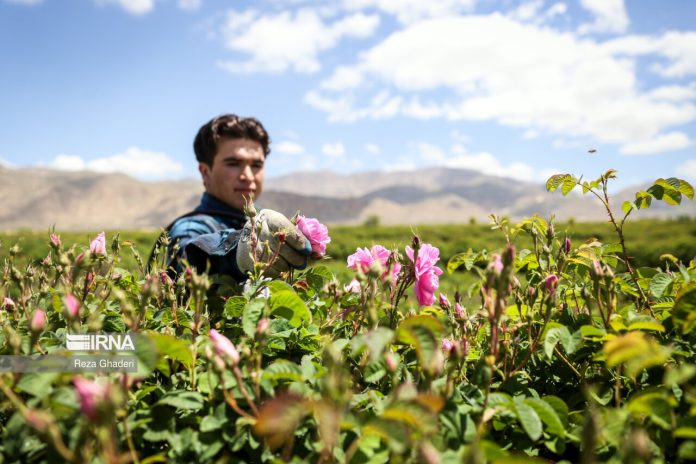
Kashan’s traditional rosewater festival gains intl. recognition

Alireza Abdollahzadeh, Head of Kashan’s Cultural Heritage Department, announced the registration on May 2, marking a milestone in Iran’s efforts to professionalize and elevate its cultural festivals on the global stage.

Celebrated each spring, the rosewater festival is much more than a local tradition—it is a symbol of Iran’s intangible cultural heritage. The ritual involves the early morning handpicking of Damask roses, followed by the distillation of rosewater in large copper pots, producing one of the region’s most cherished artisanal goods.

The resulting rosewater is not only a staple of Kashan’s economy and a treasured souvenir, but also plays a sacred role in religious rituals, such as cleansing the shrines of revered figures and use during the Hajj pilgrimage.

Abdollahzadeh emphasized that the inclusion of this event in the international tourism calendar opens a new chapter in introducing Iran’s rich cultural identity to the world and attracting global visitors seeking authentic heritage experiences.

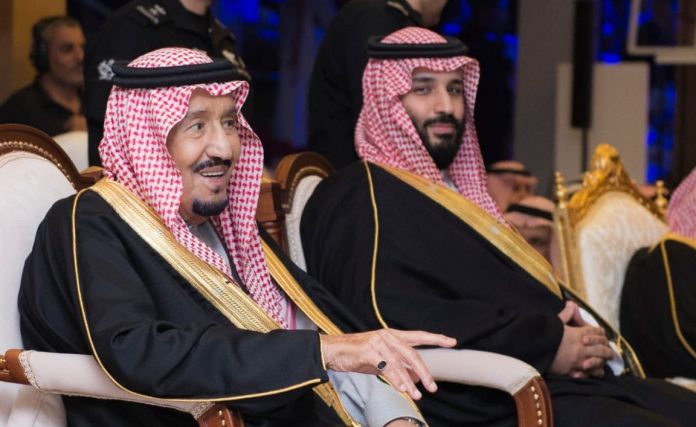
Saudi civil nuclear talks delinked from Israel recognition under Trump: Reuters

MbS King Salman

Dropping the demand that Saudi Arabia establish diplomatic relations with Israel would be a major concession by Washington. Under former President Joe Biden, nuclear talks were an element of a wider U.S.-Saudi deal tied to normalisation and to Riyadh’s goal of a defence treaty with Washington.

The kingdom has repeatedly said it would not recognise Israel without a Palestinian state, frustrating Biden administration attempts to expand the Abraham Accords signed during Trump’s first term. Under those accords the United Arab Emirates, Bahrain and Morocco normalised relations with Israel. Progress towards Saudi recognition of Israel has been halted by fury in Arab countries over the war raging in Gaza. The nuclear talks had also stumbled over Washington’s non-proliferation concerns.

In a possible sign of a new approach, U.S. Energy Secretary Chris Wright said that Saudi Arabia and the United States were on a “pathway” to a civil nuclear agreement when he visited the kingdom in April.

“When we have something to announce, you will hear it from the President. Any reports on this are speculative,” U.S. National Security Council spokesman James Hewitt told Reuters in response to a request for comment.

Saudi Arabia’s government media office did not immediately respond to a request for comment.

Even without the normalisation requirement for civil nuclear talks to progress, and despite unpacking the issue from a wider defence treaty, a deal is not yet in close reach, one of the sources said.

One sticking point is Section 123 of the U.S. Atomic Energy Act that allows cooperation with other countries developing civil nuclear capabilities but specifies nonproliferation criteria including limiting uranium enrichment.

Saudi Arabia’s energy minister Prince Abdulaziz bin Salman has said that the kingdom would seek to enrich uranium and sell the product.

One of the sources stated the kingdom was still not willing to sign a so-called 123 agreement, which would prevent enrichment or reprocessing of plutonium made in reactors – two routes that have the potential to culminate in nuclear weapons.

Secretary Wright previously told Reuters a 123 agreement would be a prerequisite to any deal.

However, there are several ways to structure a deal to achieve both countries’ objectives, Wright has said.

One solution being discussed is a “black box” arrangement where only U.S. personnel would have access to a uranium enrichment facility on Saudi soil, the same source noted.

Riyadh wants to build nuclear generation capacity as it seeks to diversify its economy away from oil. Nuclear power could also help free up more crude barrels for export.

Arms control advocates have previously expressed concern about a Saudi nuclear programme because de facto ruler Crown Prince Mohammed bin Salman has said the kingdom would seek to quickly develop nuclear weapons should its regional rival Iran do so.

The U.S. and Iran are currently holding talks over Tehran’s nuclear programme, which Washington and Western allies say is geared towards producing weapons. Iran insists it is purely for civil purposes.

U.S. Vice President JD Vance on Wednesday described the talks with Iran as “so far, so good” and stated there was a deal to be made that would reintegrate Iran into the global economy while preventing it from getting a nuclear weapon.

Saudi Arabia and the United States are set to discuss a number of blockbuster economic deals during Trump’s visit next week, with the U.S. poised to offer Saudi Arabia an arms package worth well over $100 billion, sources have told Reuters.

Trump has said Riyadh should “round up” a planned investment package in the U.S. to $1 trillion from an initial $600 billion.

The trip is Trump’s second visit abroad, after a short trip to Rome for the pope’s funeral, since he returned to office in January. In his first term a lavish trip to Saudi Arabia marked his first overseas stop.

Trump fostered close ties with Persian Gulf states including Saudi Arabia during his first term.

The country invested $2 billion in a firm formed by Jared Kushner, Trump’s son-in-law and former aide, after Trump left office, and there are plans to build two Trump towers in Jeddah and Riyadh.

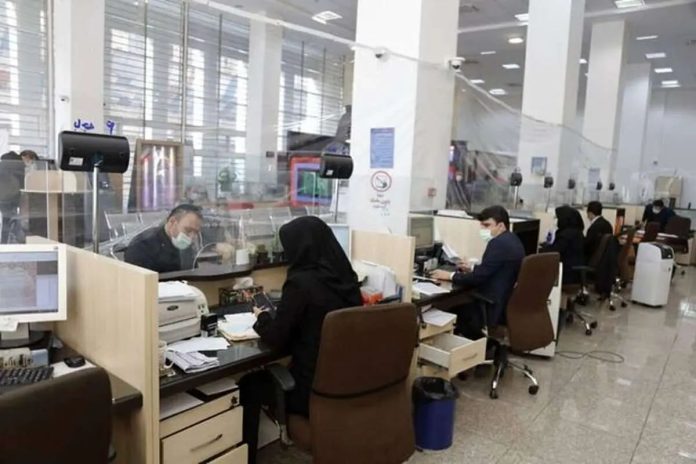
Iran implements new work hours, Thursday closures to conserve energy 

In Tehran, government offices, banks, insurance companies, municipalities, and public institutions will operate from 6:00 a.m. to 1:00 p.m., Saturday through Wednesday, starting May 9.

Thursdays will be considered a non-working day across all counties in the province.

Emergency and essential service centers are exempt from the directive.

According to Moshirolhaq Abedi, Deputy Governor of Tehran for Development and Resource Management, the decision follows a directive from the Ministry of Interior aimed at reducing electricity consumption and managing national power grid demand during peak summer months.

Similar measures have been announced in several other provinces. Most have adopted identical working hours and Thursday closures, with some regions implementing partial remote work to comply with labor regulations.

Authorities stress that these changes are temporary and subject to review based on energy usage and climate conditions. Provincial officials have been instructed to ensure full compliance with the new schedule.

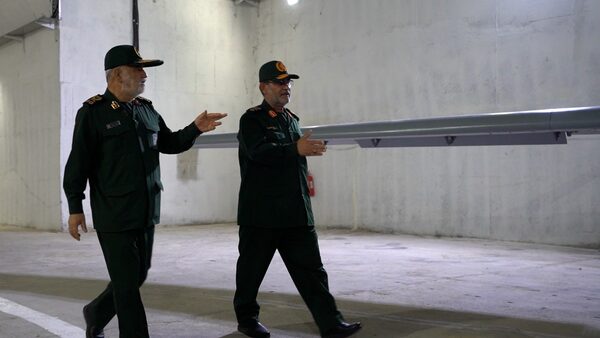
IRGC Navy unveils underground drone hangar 

During the unveiling of the underground drone facility, Major General Salami stated: “The IRGC Navy possesses all elements required for full-scale warfare – from precision-guided anti-ship ballistic missiles to cruise missiles with varying ranges capable of hitting both stationary and mobile targets.”

The senior commander emphasized that the IRGC Navy can independently sustain and successfully manage extended military operations.”

He noted that “what the Iranian people witness today represents only a fraction of the IRGC Navy’s substantial drone capabilities.”

Salami warned adversaries that “our enemies should properly understand the extent of our power to avoid miscalculations stemming from ignorance of our capabilities.”

He reiterated Iran’s defense doctrine, declaring: “Our fundamental principle remains that any hostile action against our interests will be met with strikes against both the origin of aggression and any location housing enemy assets.”

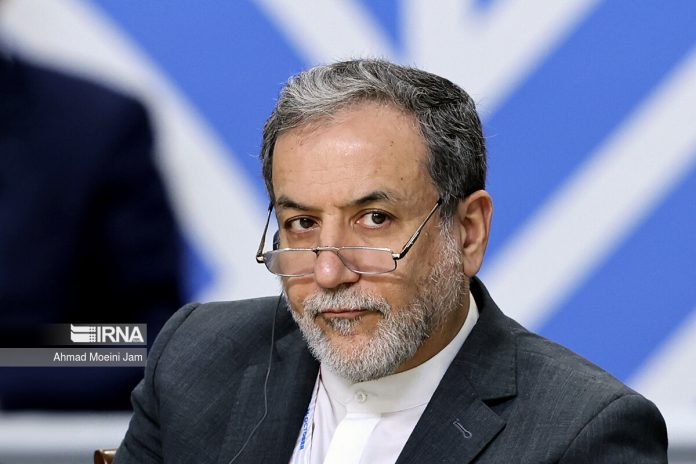
FM: Netanyahu behind Fox News claim about Iran 

Abbas Araghchi

Araqchi wrote on X

Social media platform: “As always, as the resumption of indirect nuclear talks between Iran and the US approaches, more ‘highly alarming’ satellite images are being released.”

He added Benjamin Netanyahu, the Israeli Prime Minister whose credibility has been severely tarnished and who has been exposed as a saboteur, is pursuing his own policy to dictate what US President Donald Trump can and cannot do.

Araqchi said Netanyahu has turned to his old and new puppets.

Referring to the MEK’s collaboration with Saddam Hussein’s regime, the former Iraqi dictator, during the imposed war against Iran in the 1980s, he added recruiting a terrorist cult that comes cheap reflects the height of desperation.

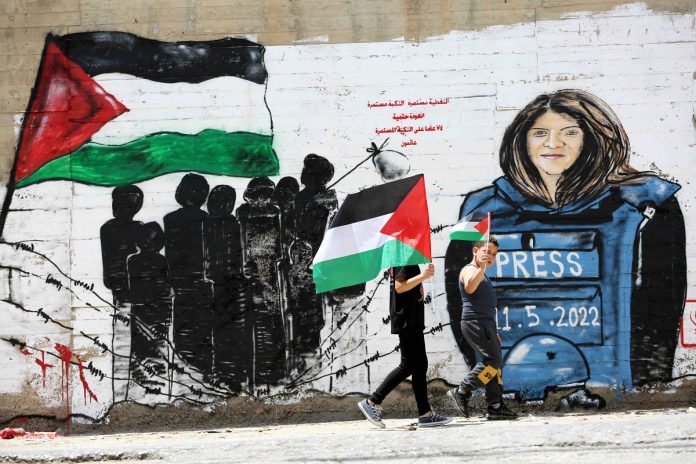
Documentary uncovers identity of Israeli soldier who shot Al Jazeera journalist

Shireen Abu Akleh

Who Killed Shireen?, a 40-minute investigative documentary released on Thursday by Washington, DC-based media company Zeteo, identifies the killer as a 20-year-old Israeli soldier who was on his first combat tour in the occupied West Bank and lifts the lid on attempts by the United States to avoid holding ally Israel accountable for the murder.

Dion Nissenbaum, the executive producer of the documentary, told Al Jazeera that its makers had set out to uncover exactly who was behind the killing – a secret closely guarded by Israel up to now, according to Zeteo – and that they hoped the findings would lead to further investigations by the US.

The administration of former US President Joe Biden had “concluded early on that an Israeli soldier had intentionally targeted her, but that conclusion was overruled internally”, he said.

“We found some concerning evidence that both Israel and the Biden administration had covered up Shireen’s killing and allowed the soldier to get away without any accountability,” he added.

Anton Abu Akleh, Shireen’s brother, said the documentary was “really important” for her family.

“I’m sure it will shed more light and prove that she was systematically targeted like other journalists in Palestine by the Israeli army,” he stated.

The documentary features exclusive interviews not just with ex-US officials but also former top Israeli officials and soldiers, as well as journalists who knew Shireen personally.

“We hope that people will be reminded of what an icon Shireen was,” added Nissenbaum.

Abu Akleh was wearing a helmet and a clearly marked press vest when she was killed while covering an Israeli raid on the Jenin refugee camp on May 11, 2022, an act that the Al Jazeera Media Network condemned as a “cold-blooded assassination”.

Investigations into her killing carried out by news agencies, rights groups and the United Nations have all concluded that Abu Akleh was killed – likely deliberately – by Israeli soldiers.

Israel initially tried to deflect blame for the incident and suggested that Palestinian fighters killed the journalist, but it eventually walked back that claim and acknowledged its troops were responsible for her death, saying it was “an accident”.

A year later, Israel’s military announced it was “deeply sorry” for the death of Abu Akleh, but said it would not launch criminal proceedings against the soldiers believed to be behind the killing.

The US dropped its request for an Israeli criminal investigation after Israel’s apology.

Abu Akleh’s death shocked the world and focused an international spotlight on Israeli killings of Palestinian journalists.

Reporters Without Borders said on Friday that Israeli forces killed nearly 200 journalists in the first 18 months of Israel’s all-out assault on Gaza, at least 42 of whom were slain while doing their job.

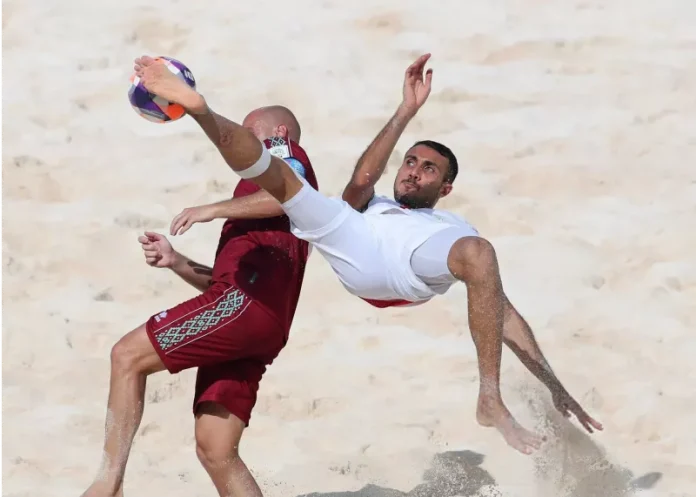
Iran eliminated from beach soccer world cup after 4–3 defeat to Belarus

The match, held in Seychelles, saw the Iranians fall short in a tightly contested game, ending their hopes of advancing further in the tournament.

This early exit comes as a disappointment for the team, which had previously been tipped as one of the tournament’s stronger contenders.

Speculation had circulated in local media suggesting that Iran’s earlier group-stage loss to Portugal may have been strategic, aimed at securing an easier path in the knockout rounds—a tactic that ultimately did not pay off.

With this defeat, Iran leaves the competition without delivering any major surprises or fulfilling expectations of being a tournament dark horse.

Eternal Persian Gulf: Iranian media, public reject reported US name change

Trump also said on Wednesday he will make a decision on how the US refers to the “Persian Gulf” during an upcoming visit to the region.

“I’ll have to make a decision,” Trump said in response to a question about whether he would make an announcement on the body of water’s name.

“I don’t want to hurt anybody’s feelings. I don’t know if feelings are going to be hurt.”

The comments triggered immediate backlash in Iran, where the term “Persian Gulf” is seen as a deeply rooted historical and cultural designation, recognized in centuries of maps, documents, and international agreements.

The response has not been limited to officials or scholars. Social media users, journalists, and institutions have collectively reaffirmed the legitimacy of the name “Persian Gulf,” calling any attempt to rename it an affront to Iranian identity and a distortion of historical truth.
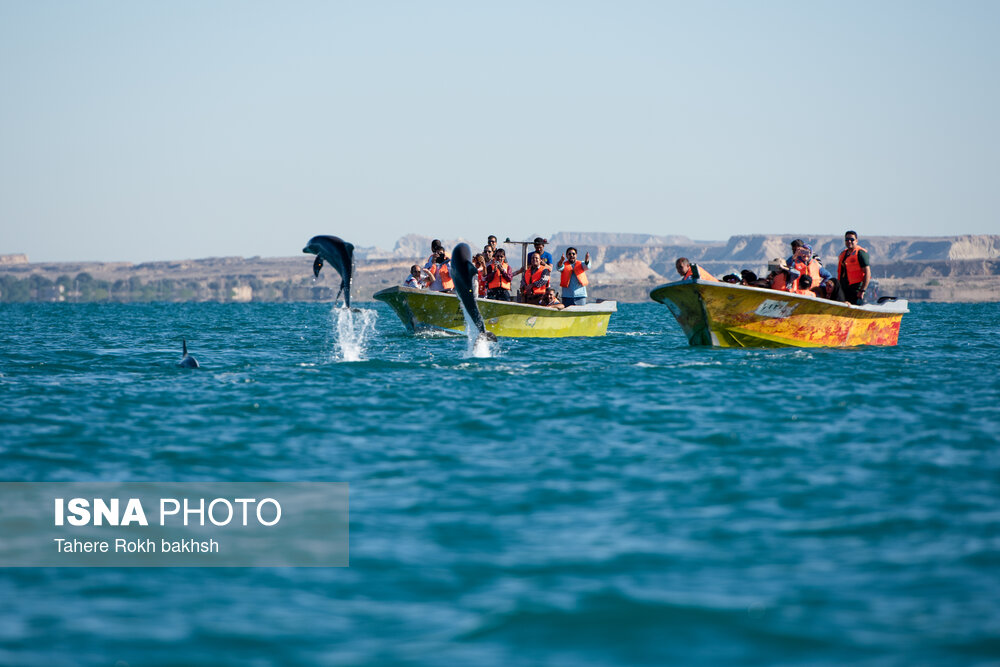
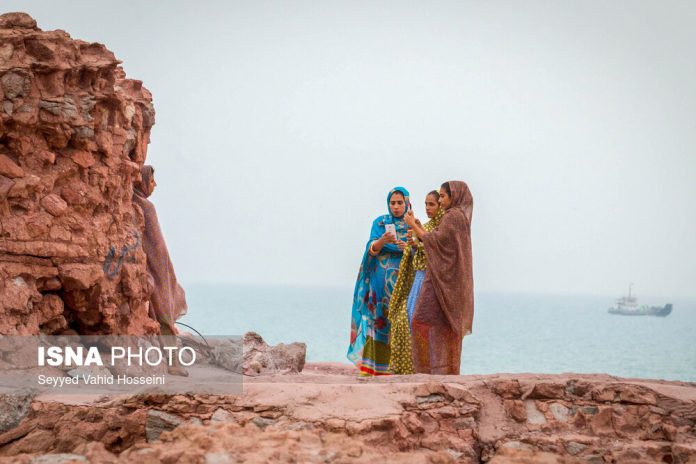
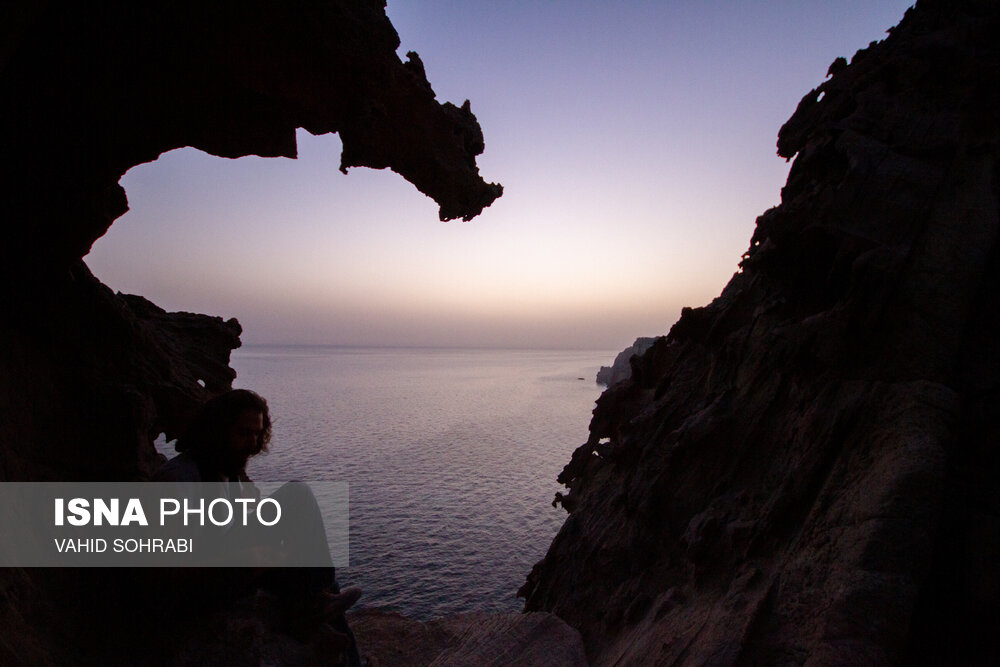
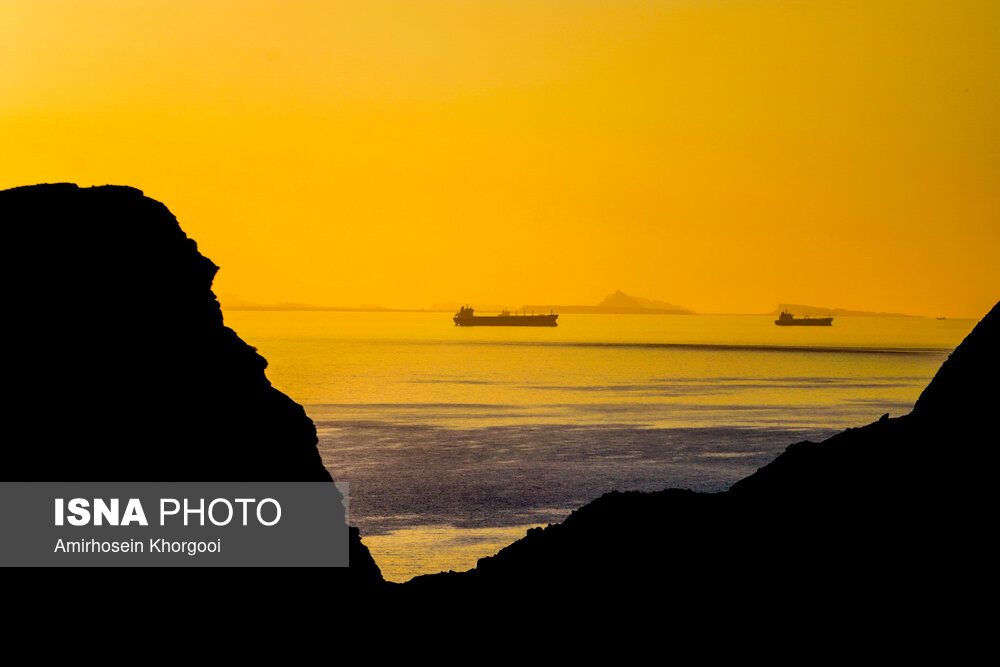
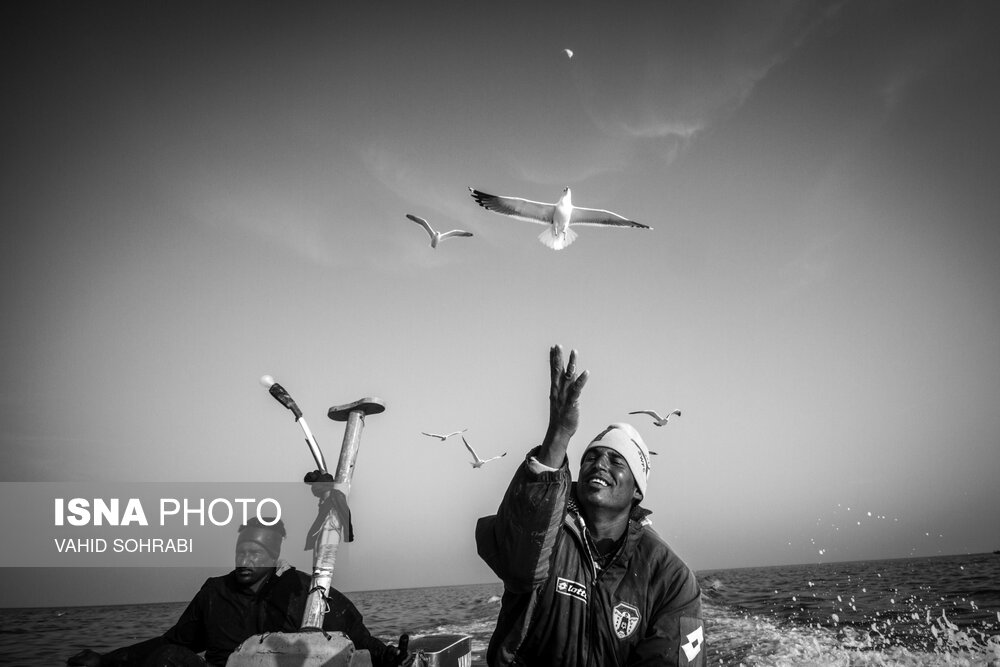
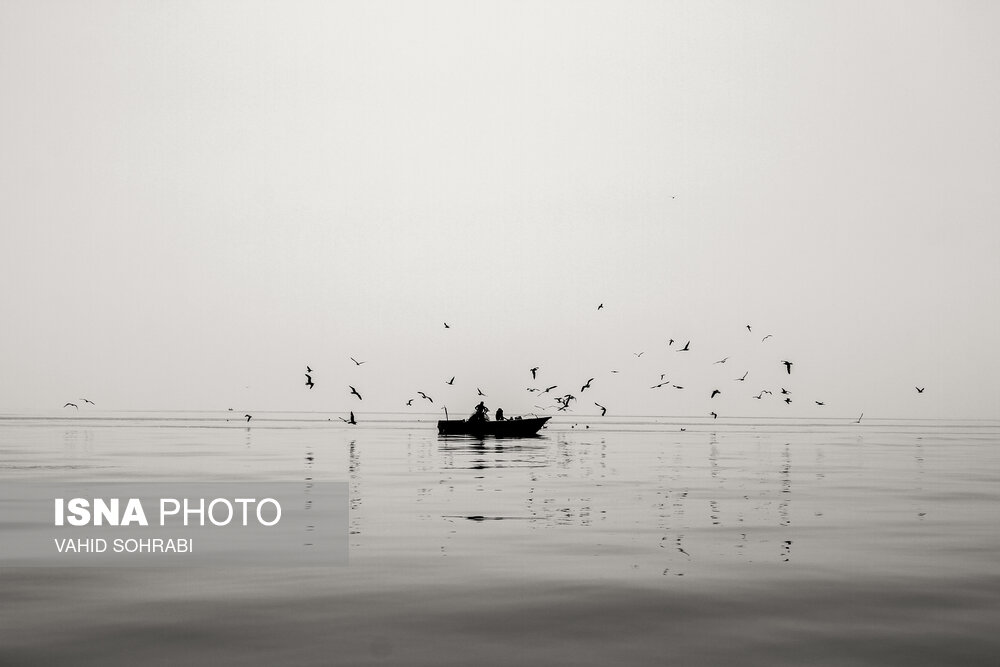
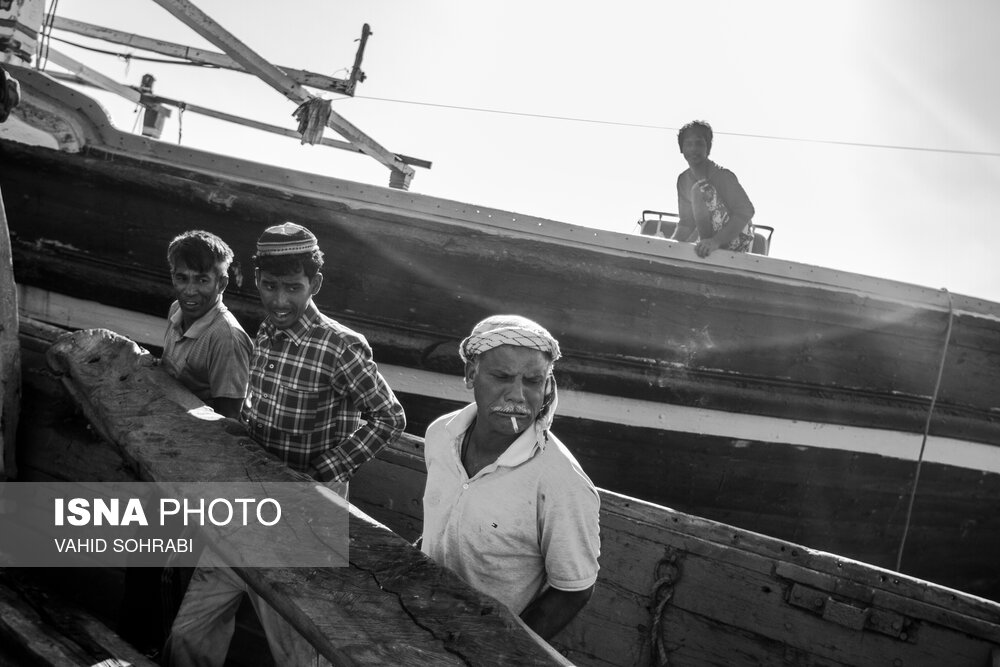
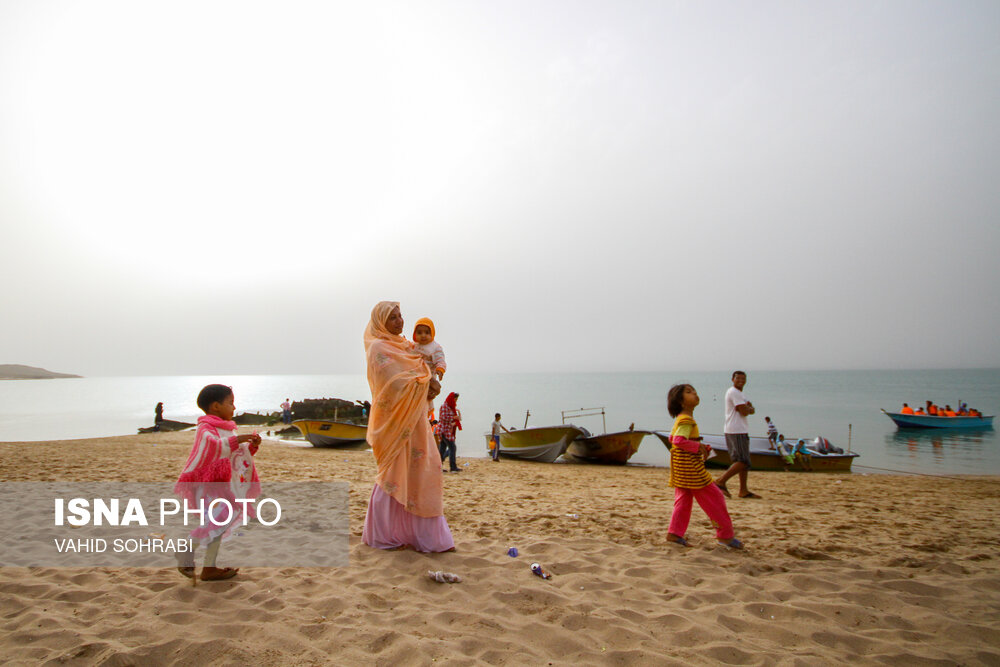
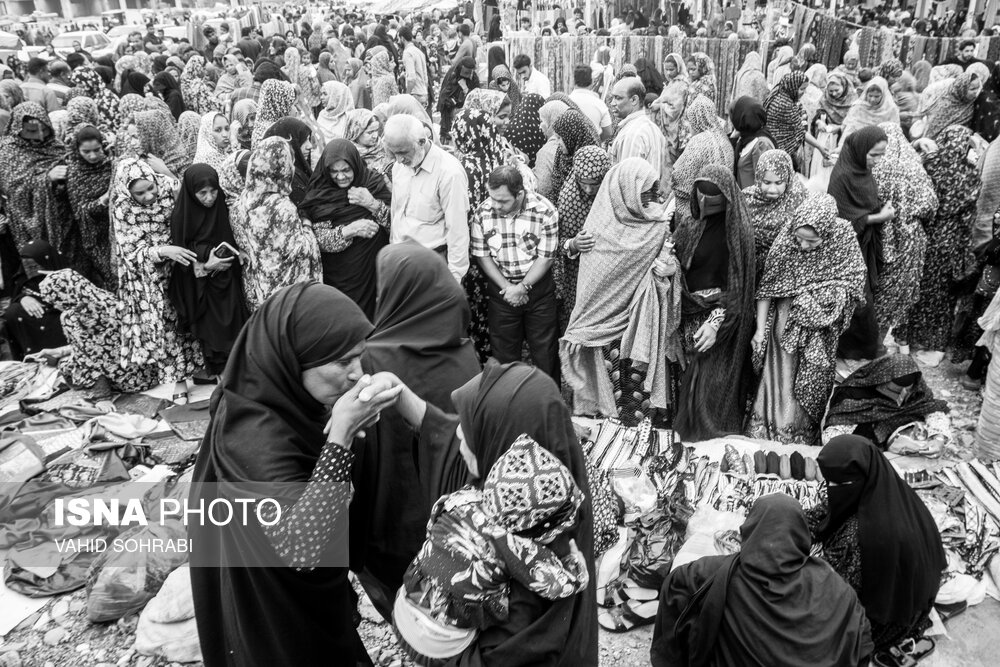
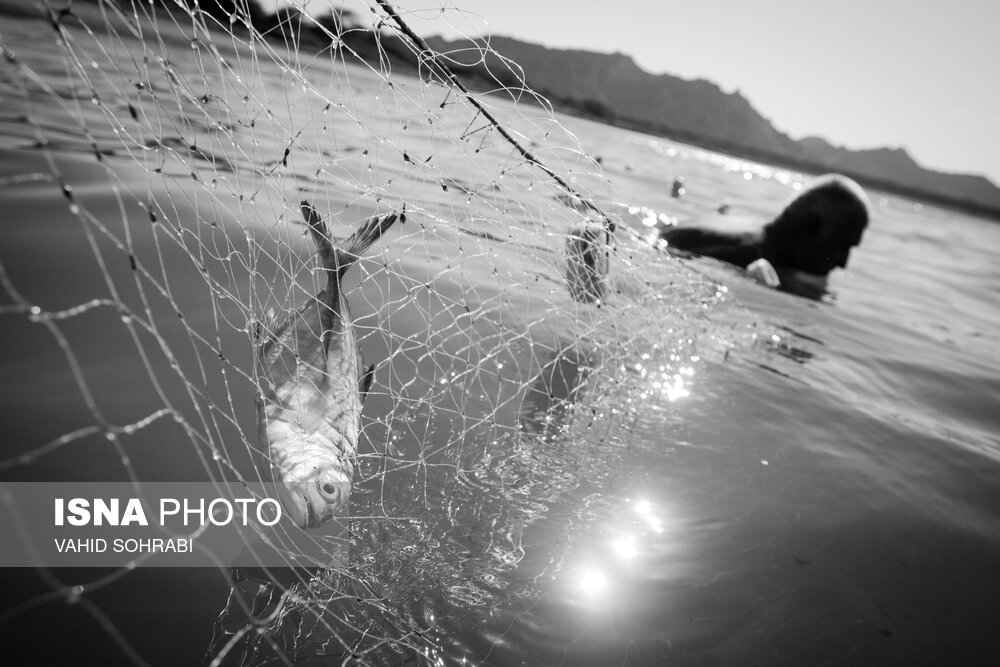
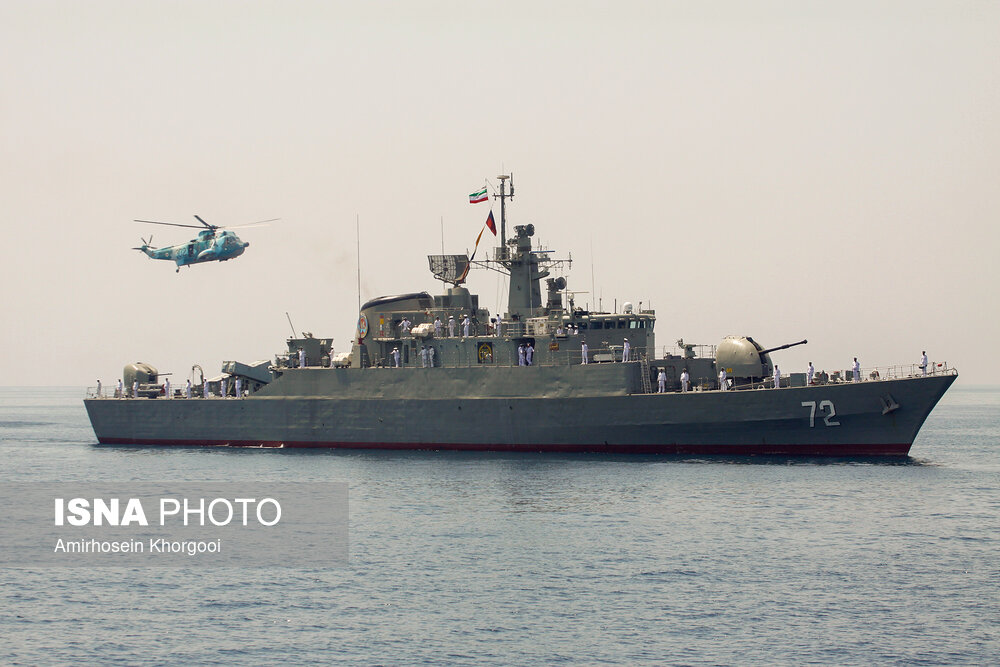
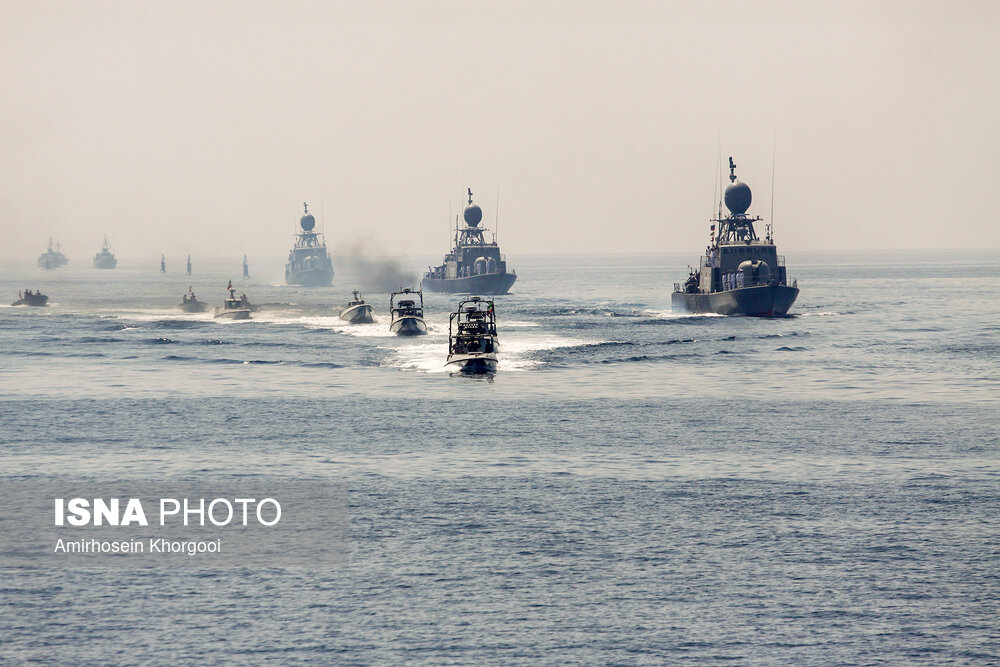
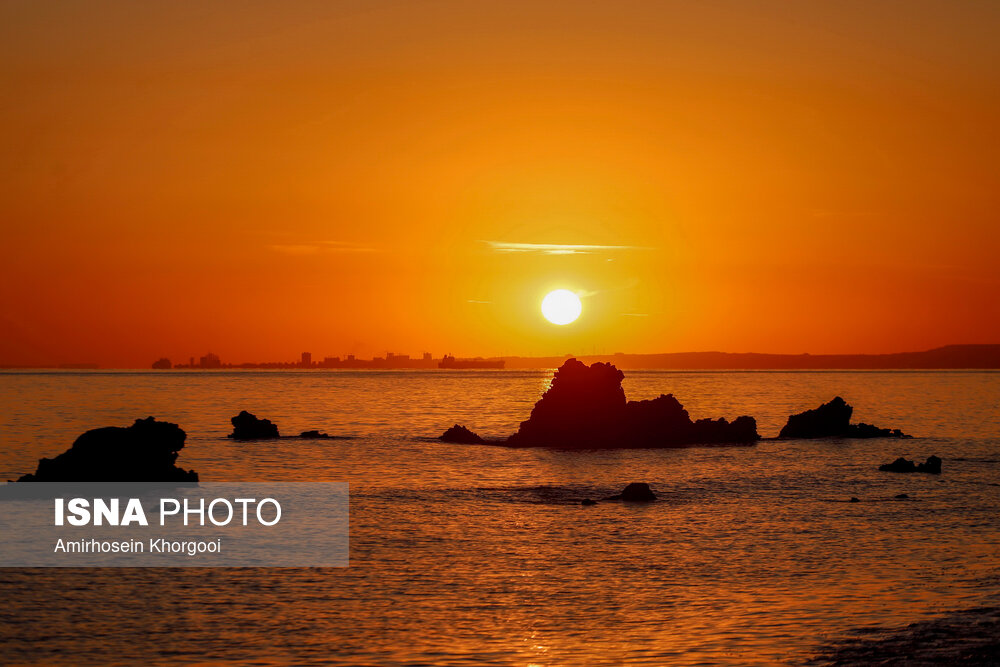
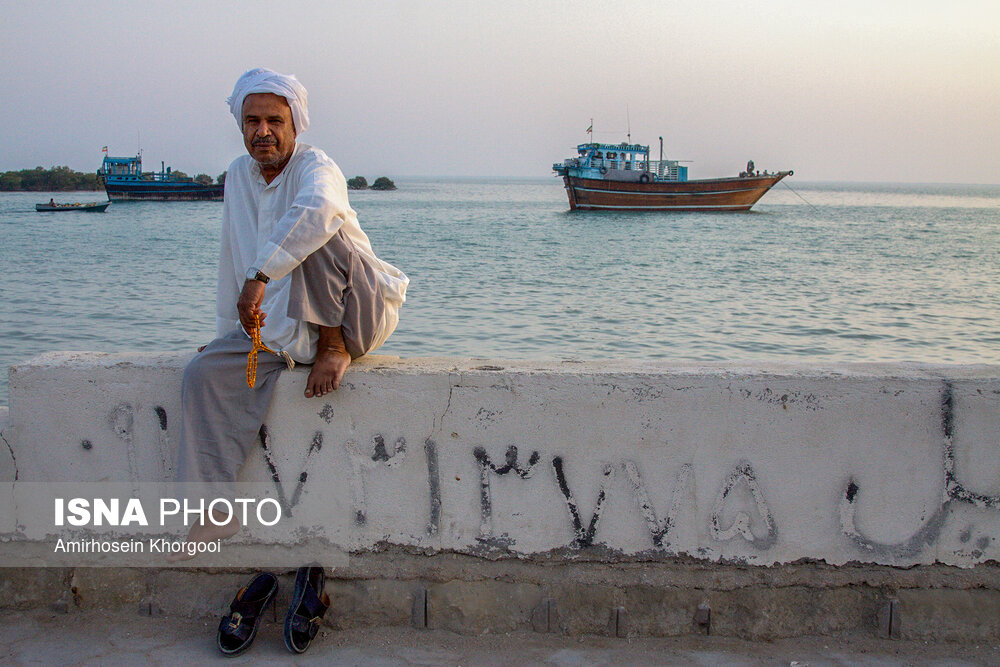
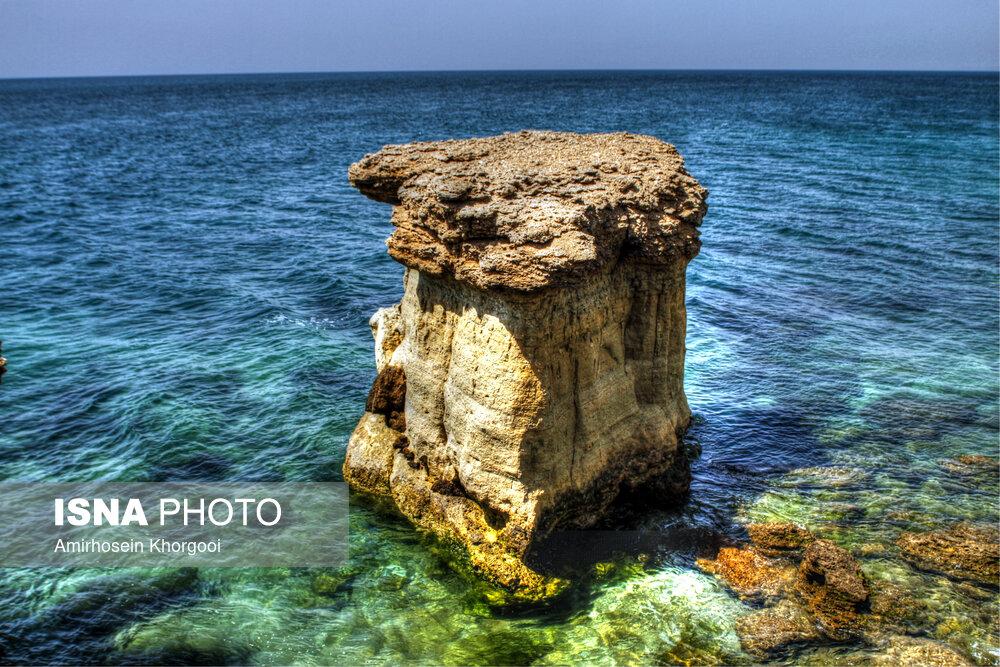
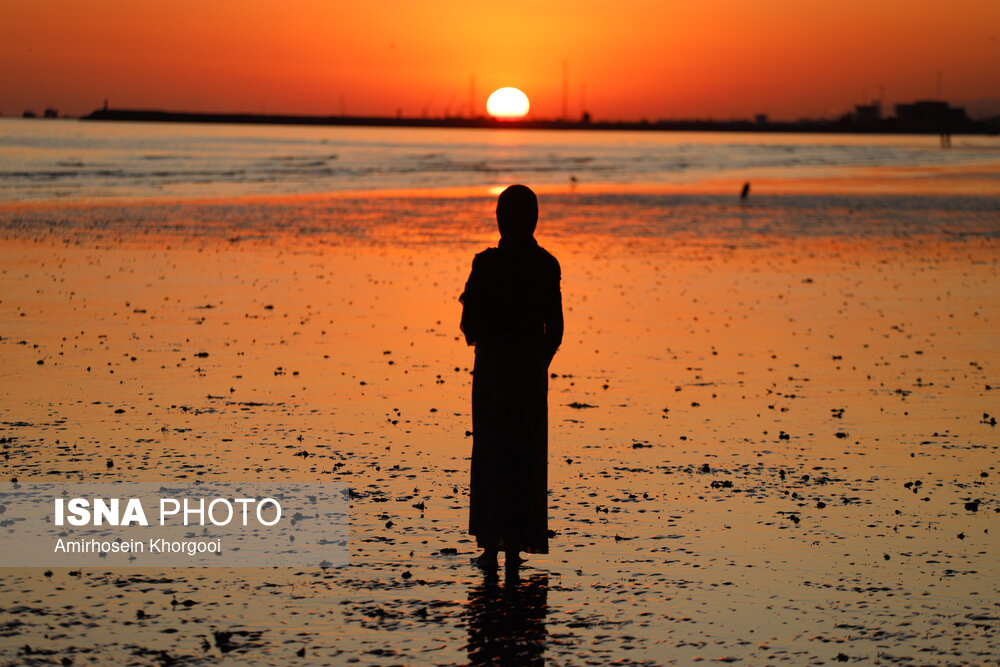
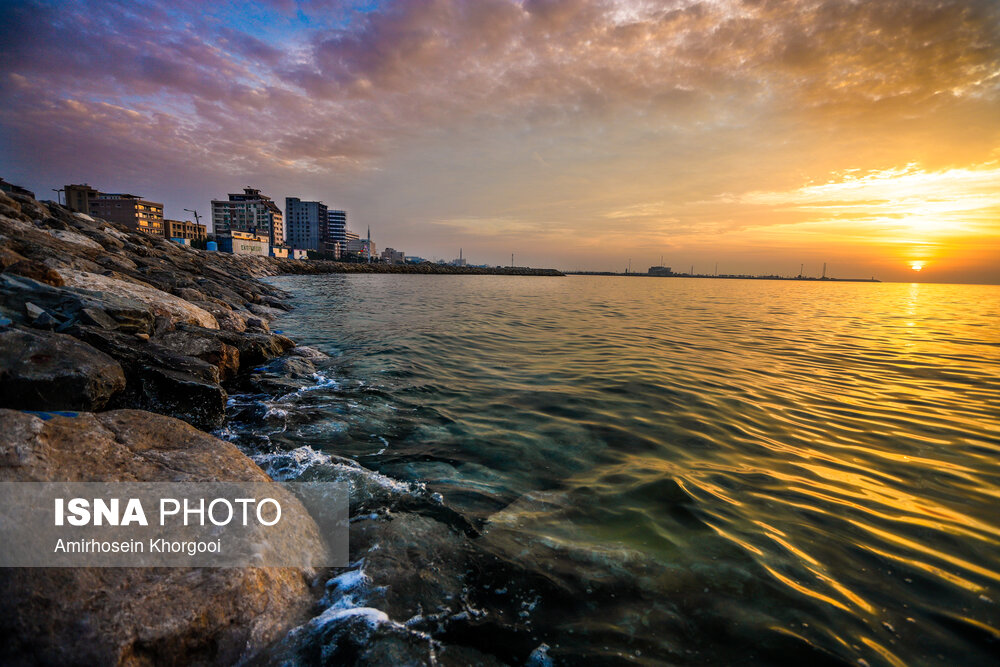
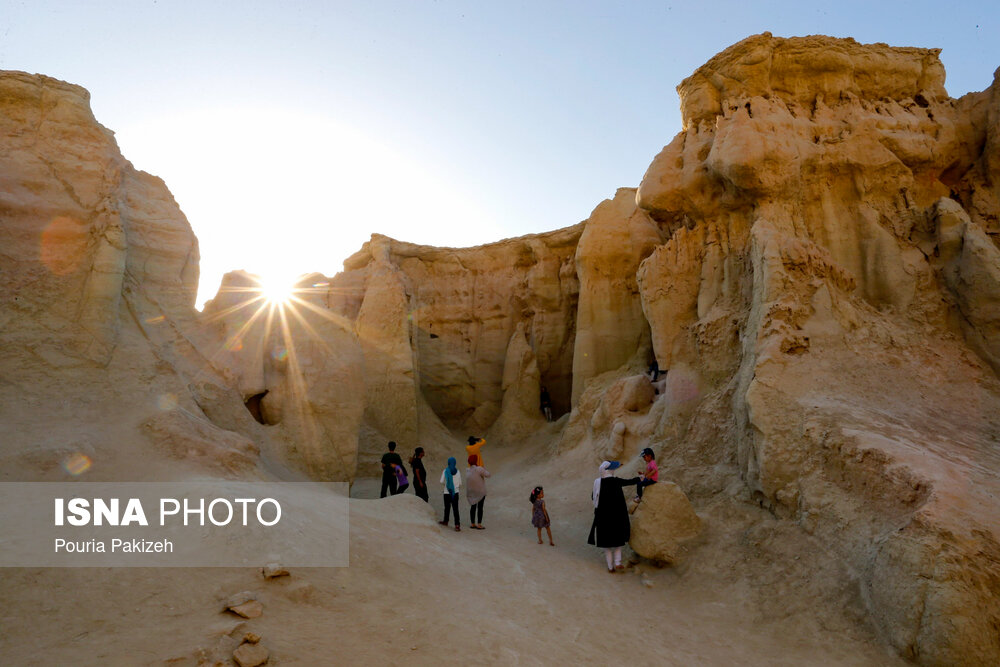
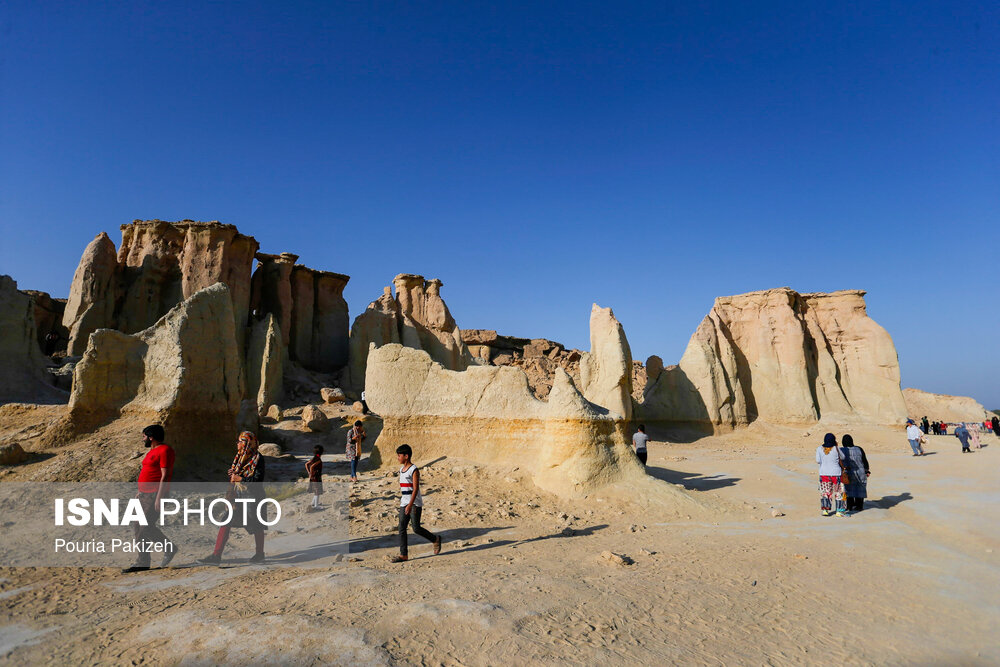
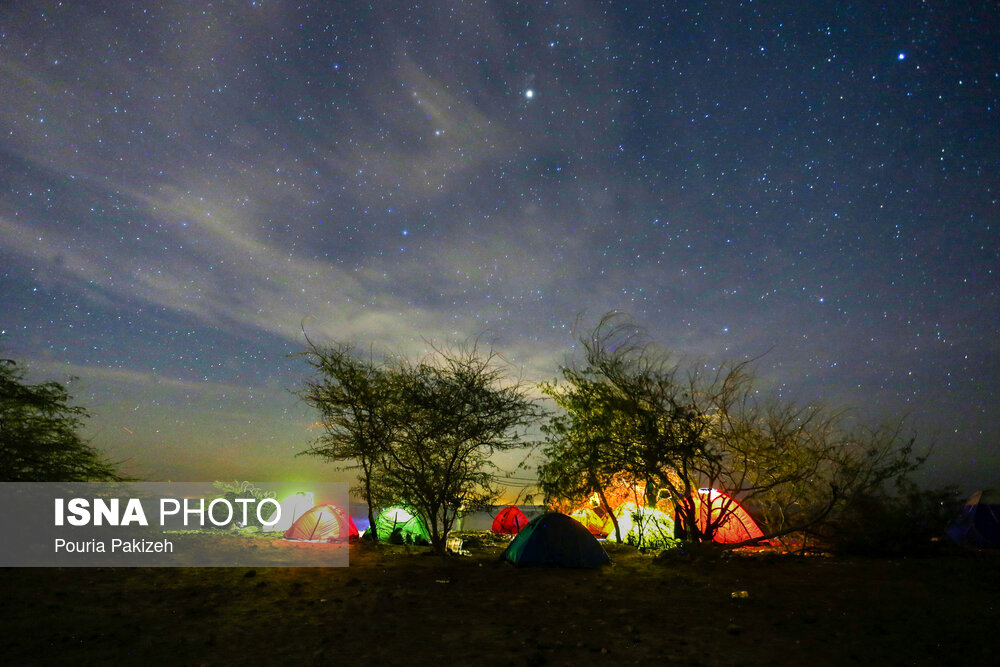
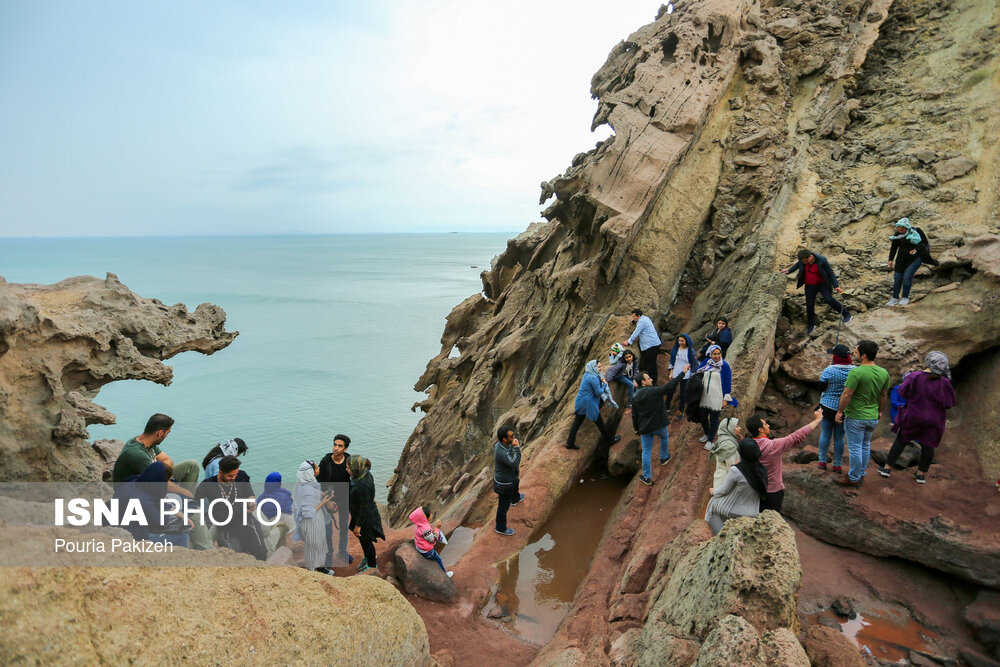
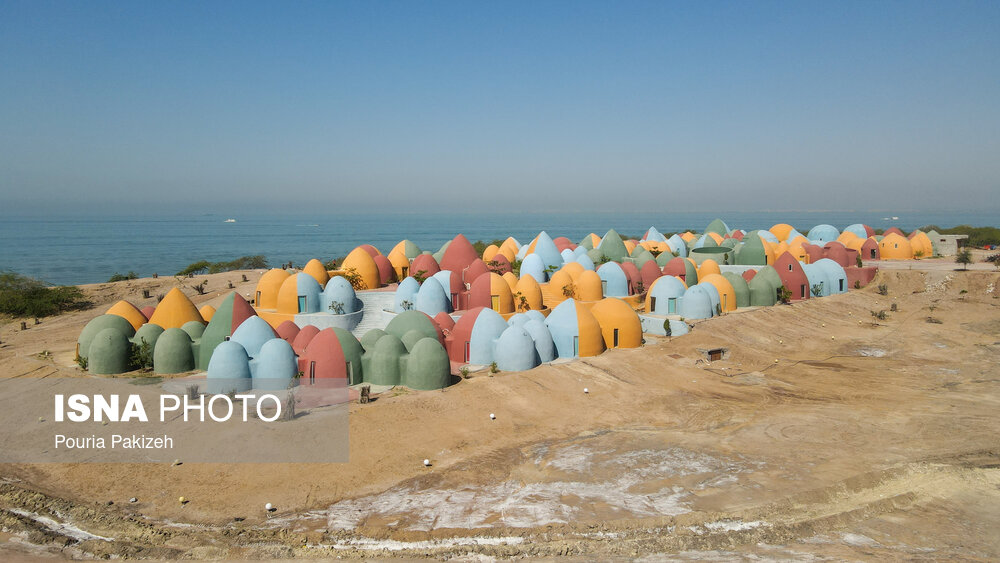
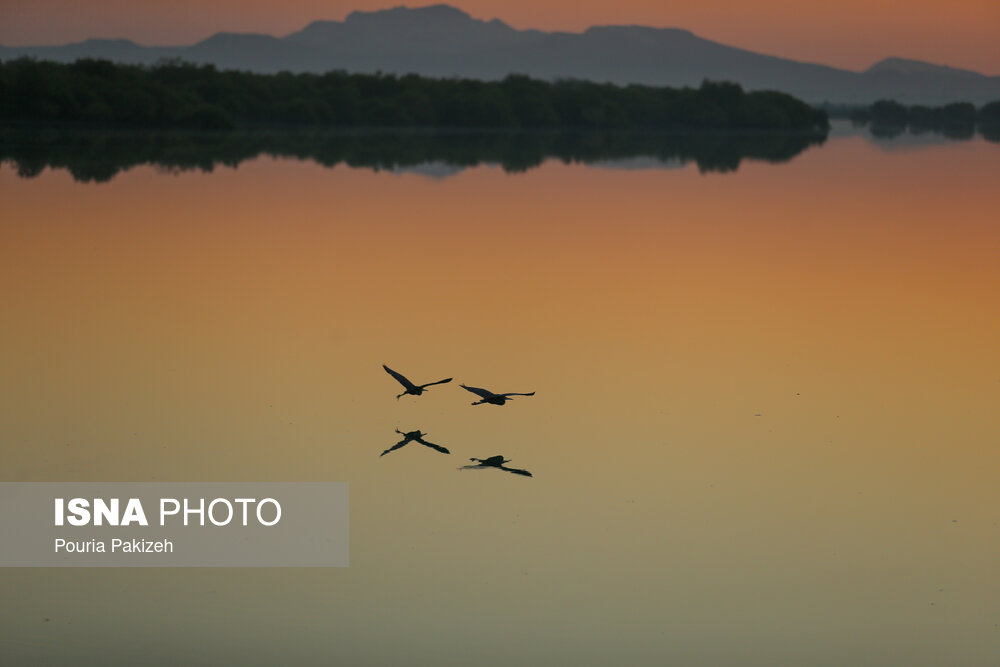
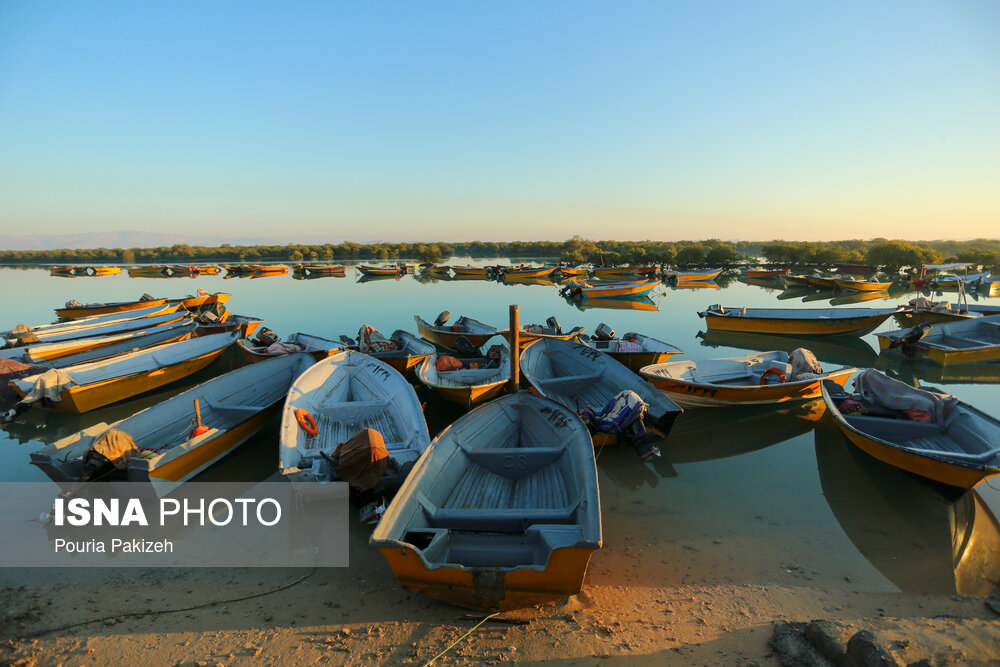
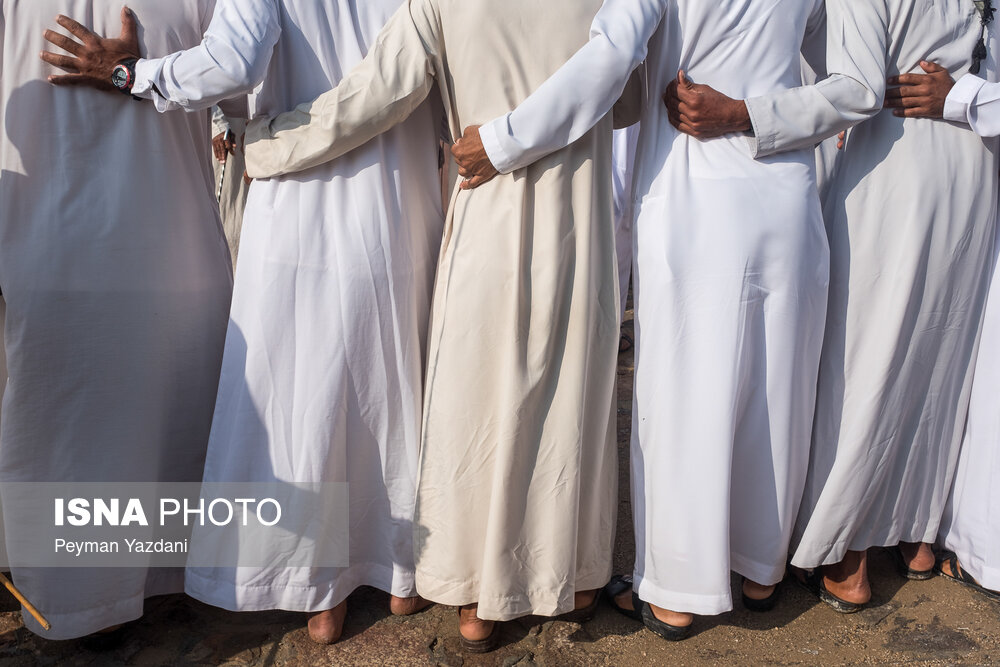
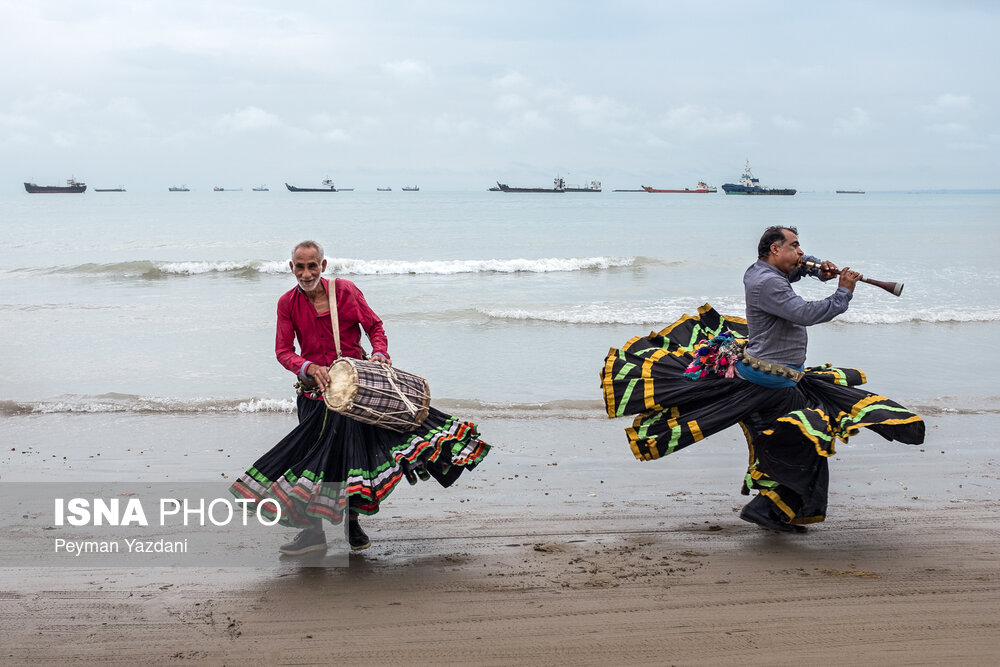
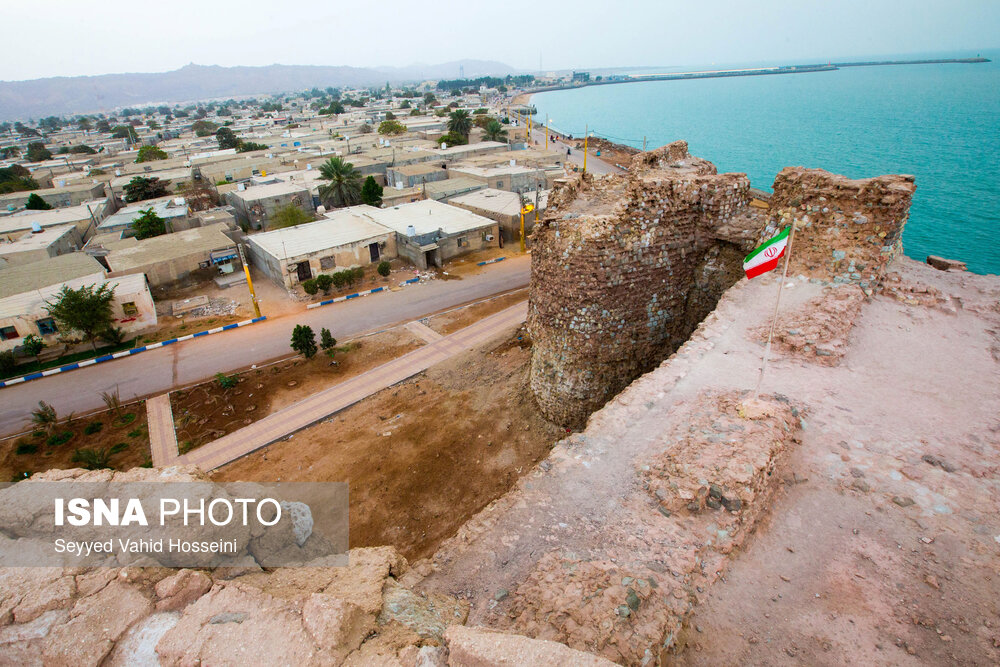
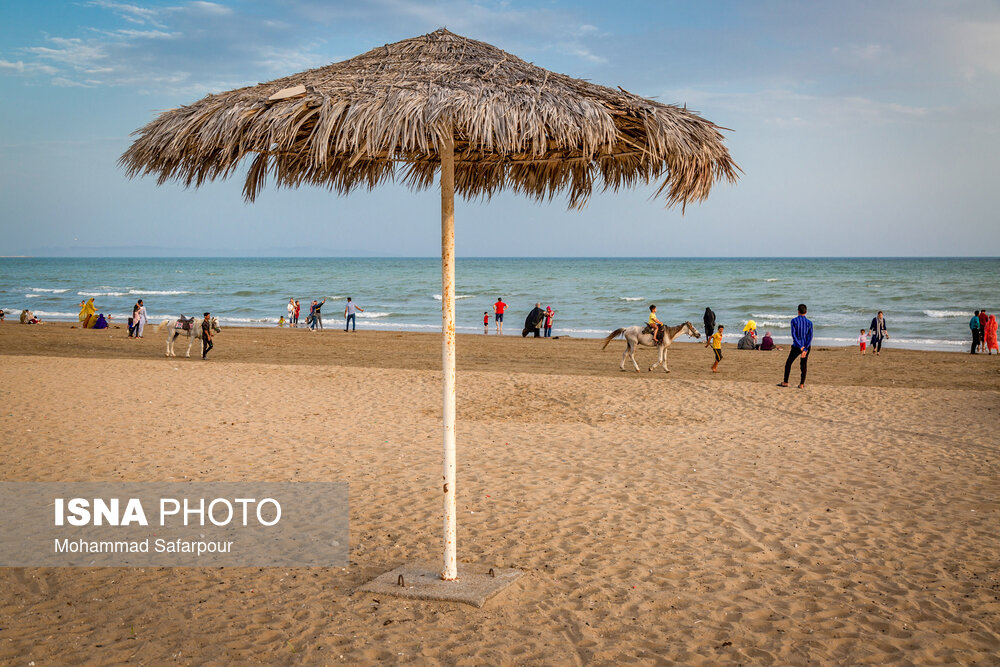
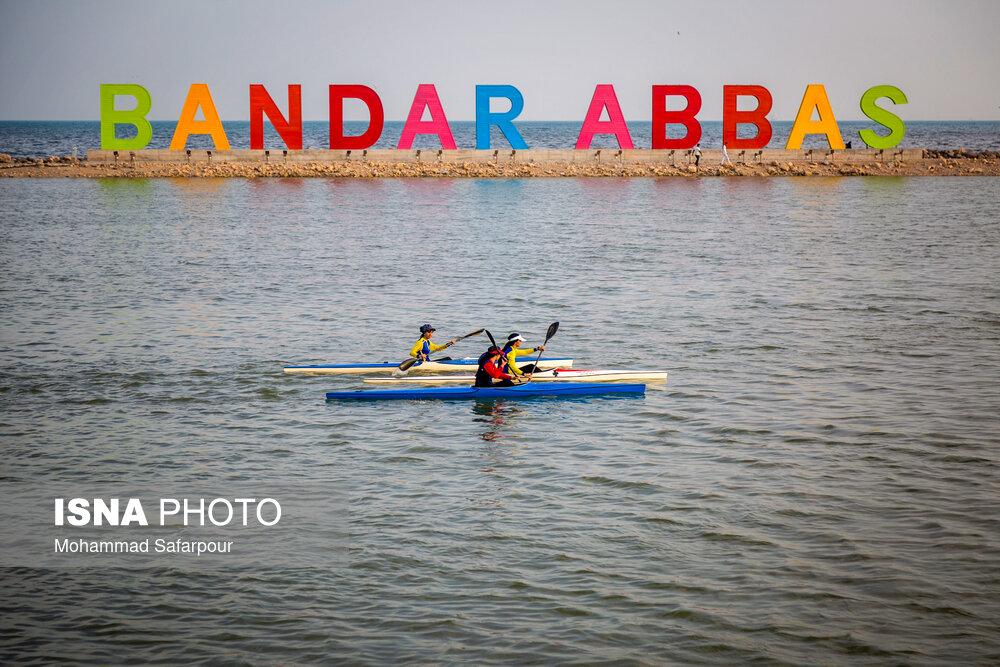
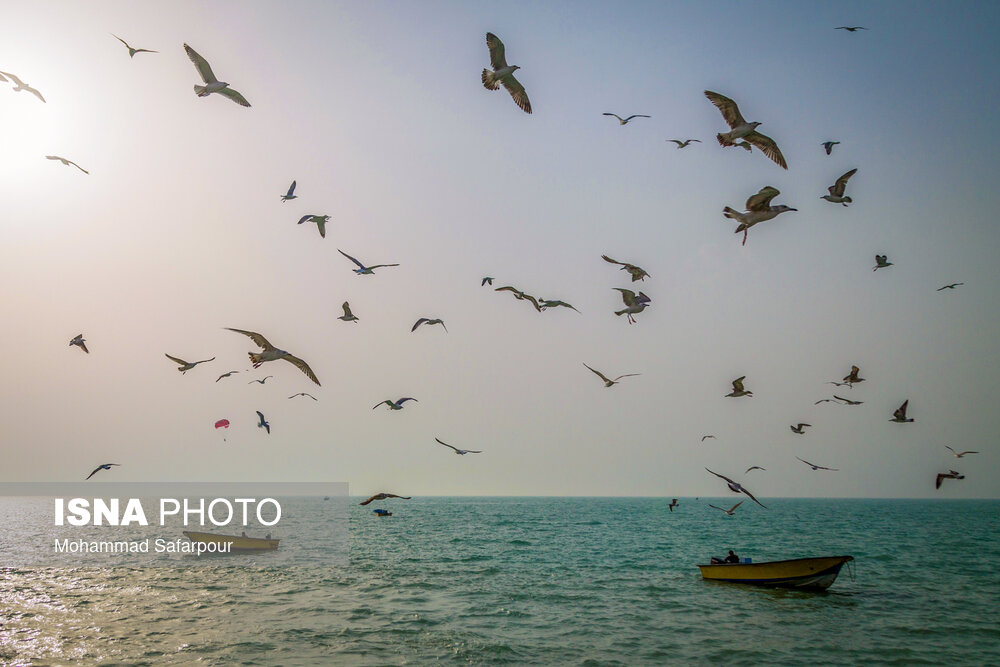
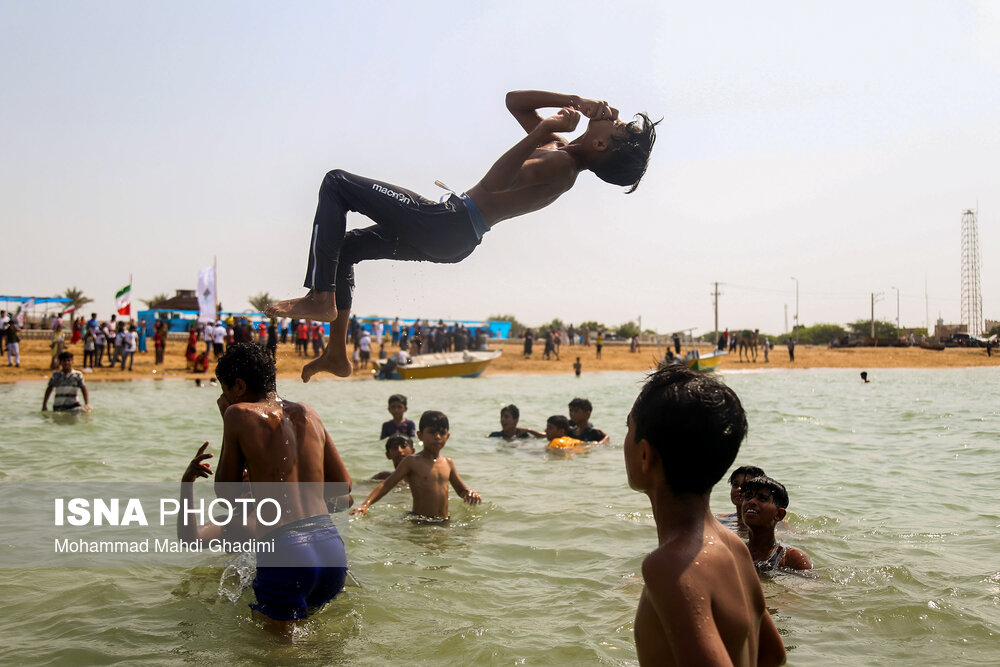
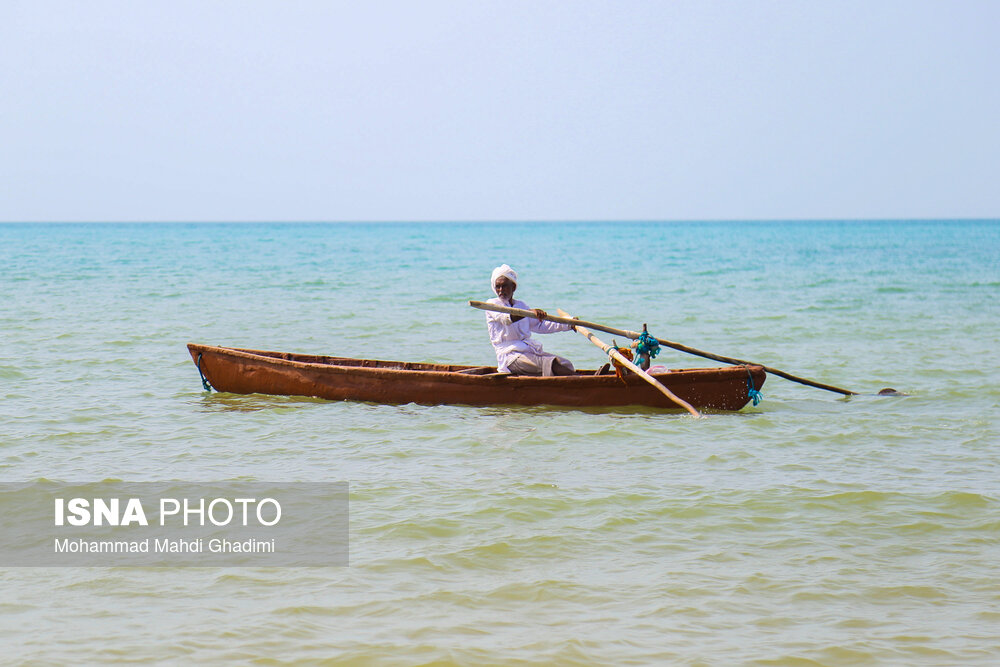
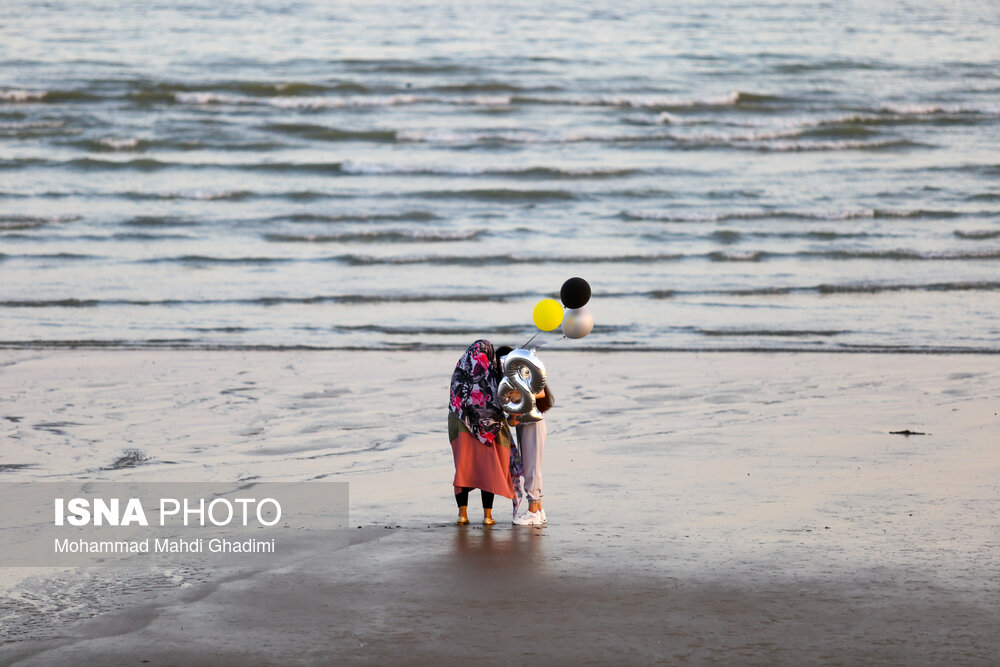
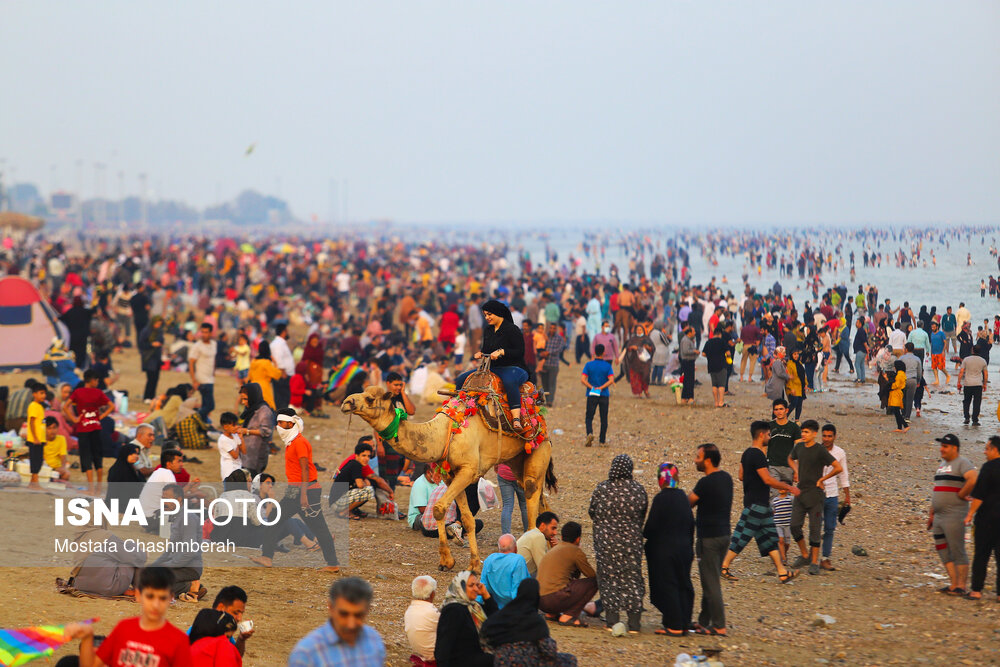
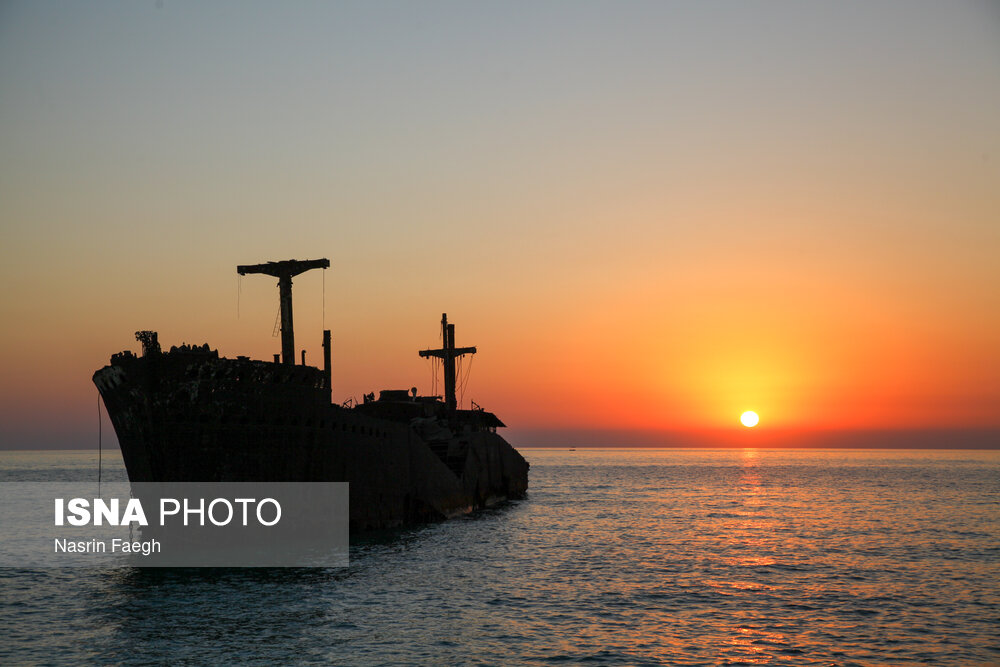
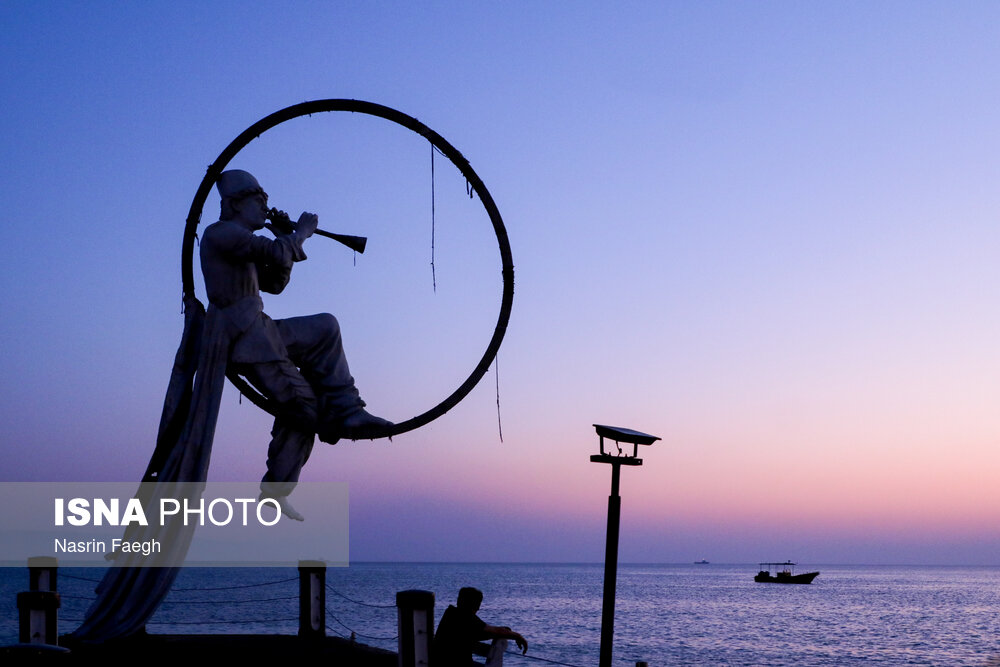
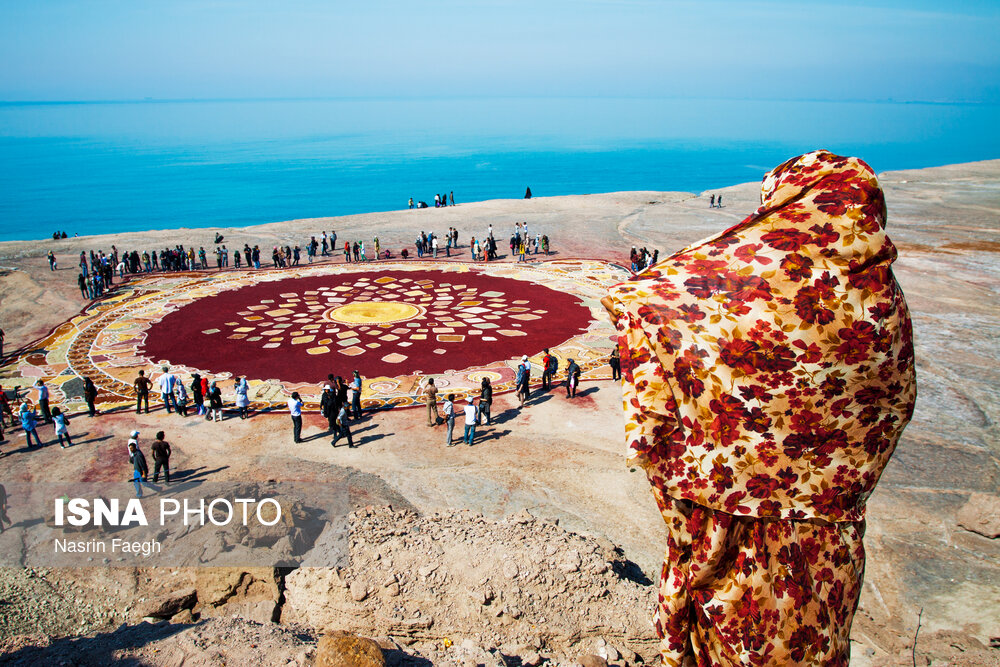
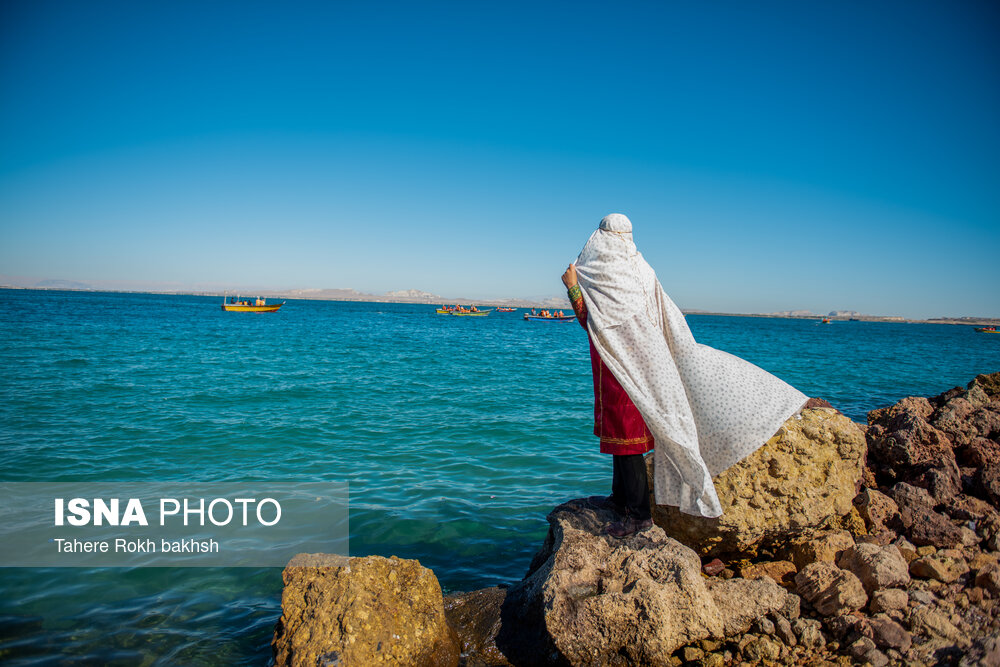
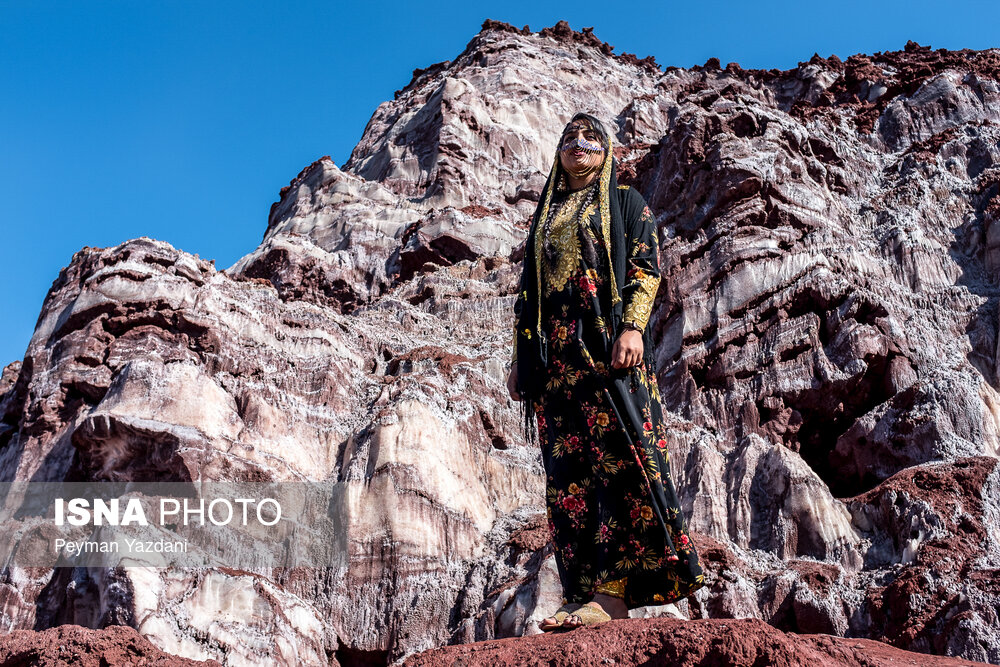
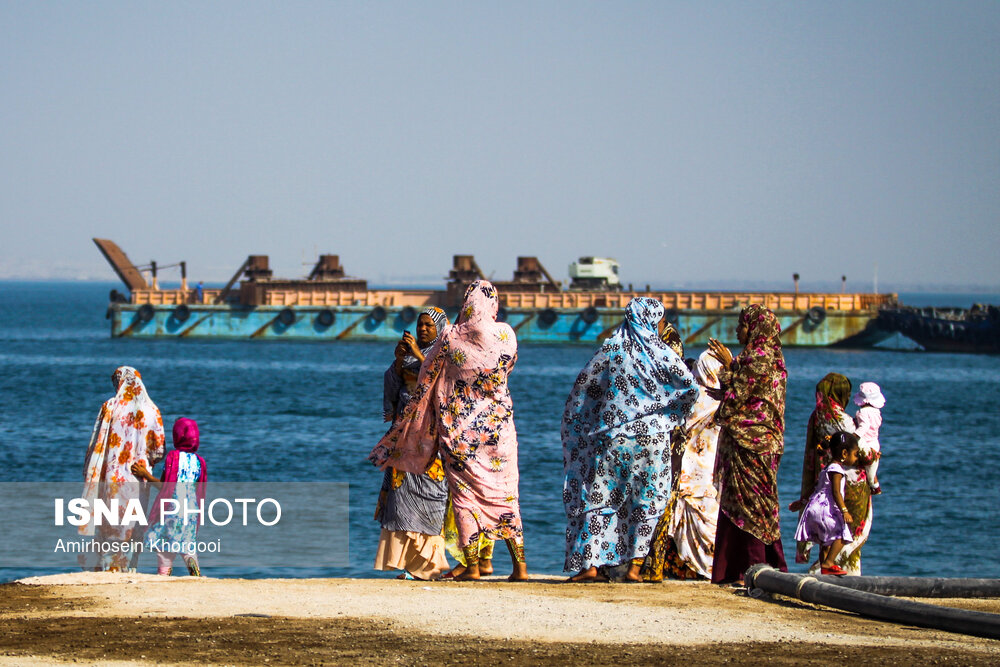
In honor of Persian Gulf Day, Iranian news agency ISNA published a photo series from its archives, showcasing images that celebrate the geographic and cultural legacy of the Persian Gulf. The message from across Iranian society is unified: the name “Persian Gulf” is timeless and unchangeable.