Saturday, December 27, 2025
Home Blog Page 3815

A Look at Iranian Newspaper Front Pages on November 6

The top story in all newspapers today was the resignation of Lebanese Prime Minister Saad Hariri and the global reactions to the surprise decision.

Iranian papers particularly covered the remarks made by the Secretary General of the Lebanese Resistance Movement Hezbollah, Sayyed Hassan Nasrallah, about Hariri’s resignation and Saudi Arabia’s role in this decision.

The recent purge in Saudi Arabia, where Crown Prince Mohammed bin Salman arrested several high-ranking princes and officials on the pretext of fighting corruption, also received great coverage.

The above issues, as well as many more, are highlighted in the following headlines and top stories: 

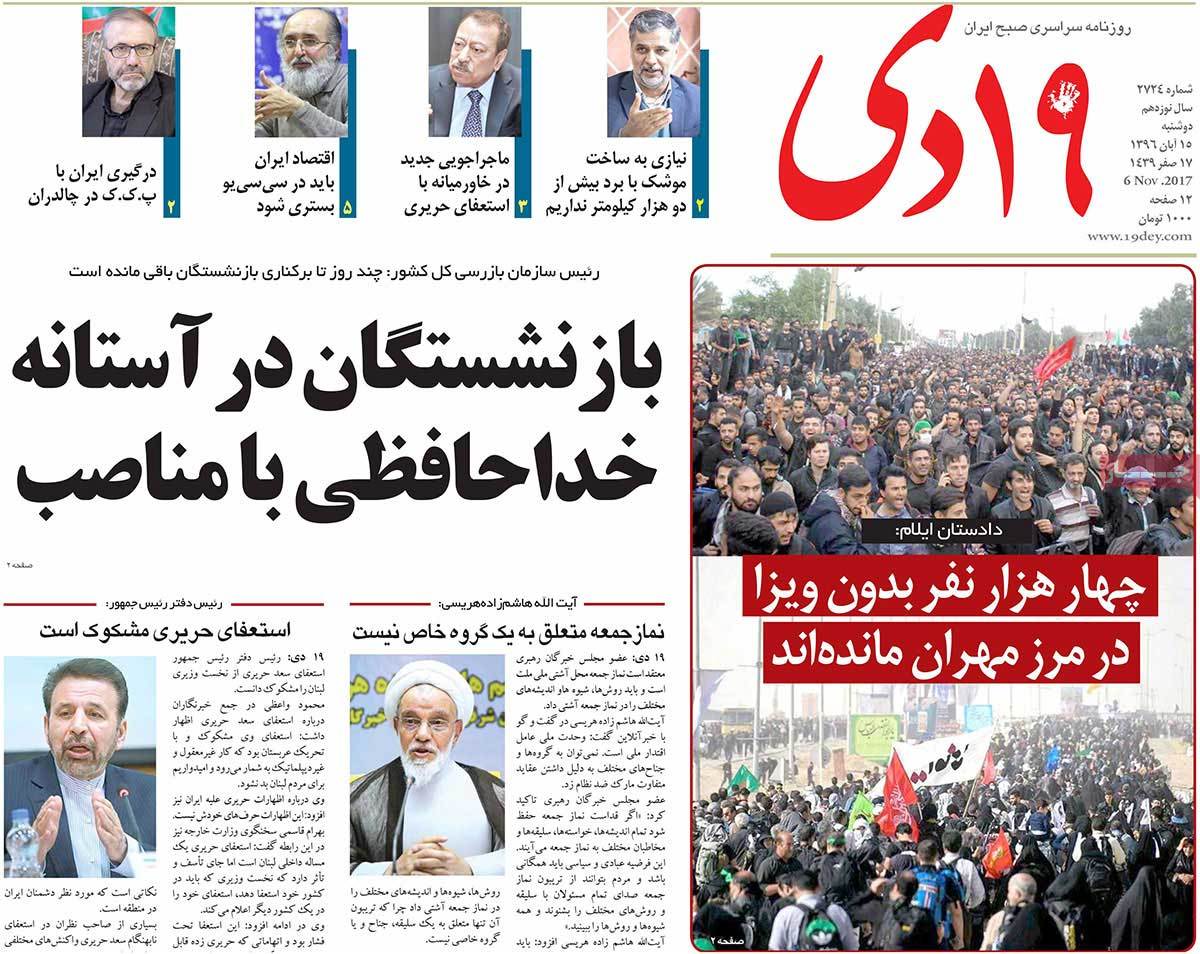
19 Dey:

1- 4,000 People Stranded in Iran-Iraq Border Crossing without a Visa
A Look at Iranian Newspaper Front Pages on November 6


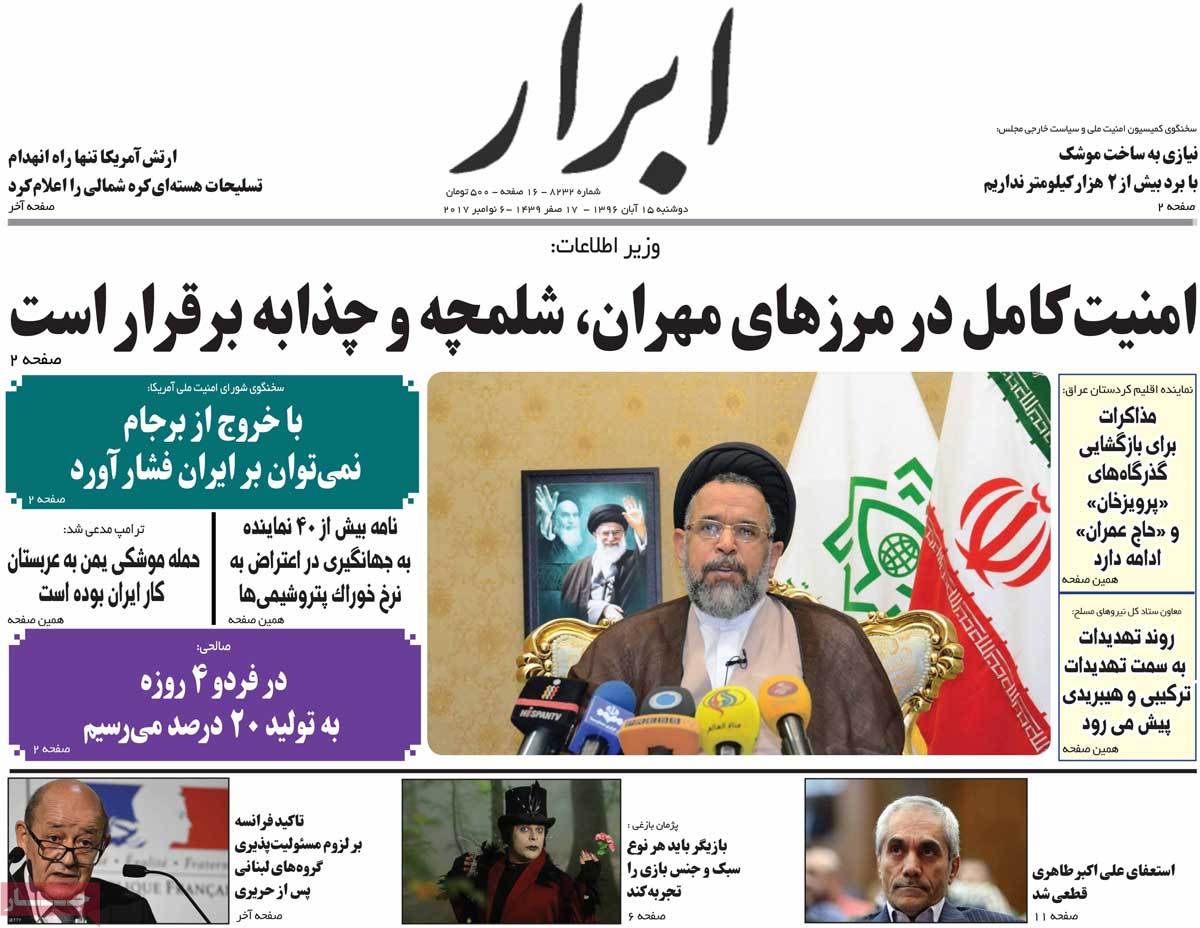
Abrar:

1- US Spokesman: Withdrawal from Nuclear Deal Not to Put Iran under Pressure

2- Intelligence Minister: Full Security in Mehran, Shalamcheh, Chazzabeh Border Crossings
A Look at Iranian Newspaper Front Pages on November 6


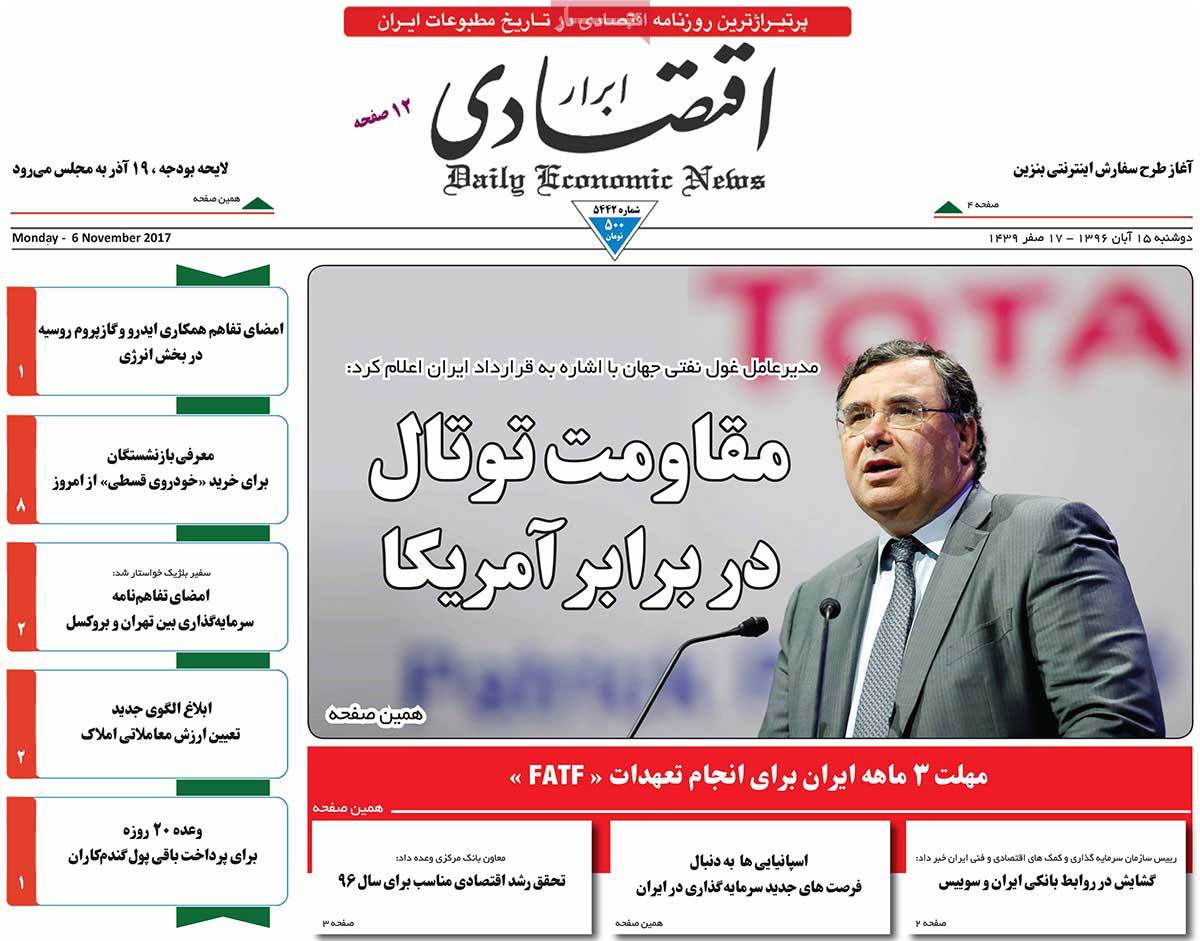
Abrar-e Eqtesadi:

1- Total Showing Resistance to US

2- Iran Given 3-Month Ultimatum to Implement FATF Commitments
A Look at Iranian Newspaper Front Pages on November 6


Aftab-e Yazd:

1- Iran Leader Makes Three New Appointments in Army

2- Anti-Putin Protesters Arrested
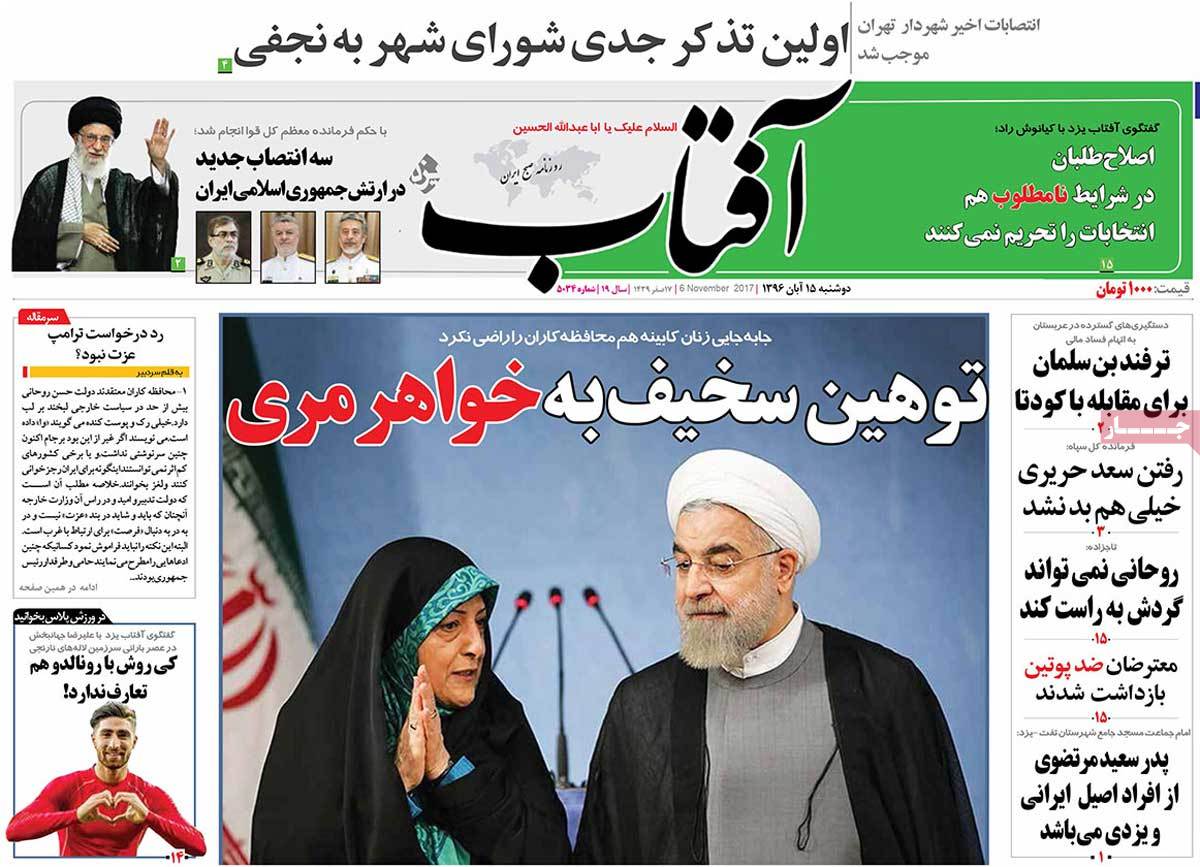
A Look at Iranian Newspaper Front Pages on November 6


Arman-e Emrooz:

1- Iran Parliament against Three Ministers

  • MPs Plan Impeachment of Ministers of Education, Labour, Interior

2- Welfare Organization: 21 Divorces Registered in Every Hour!
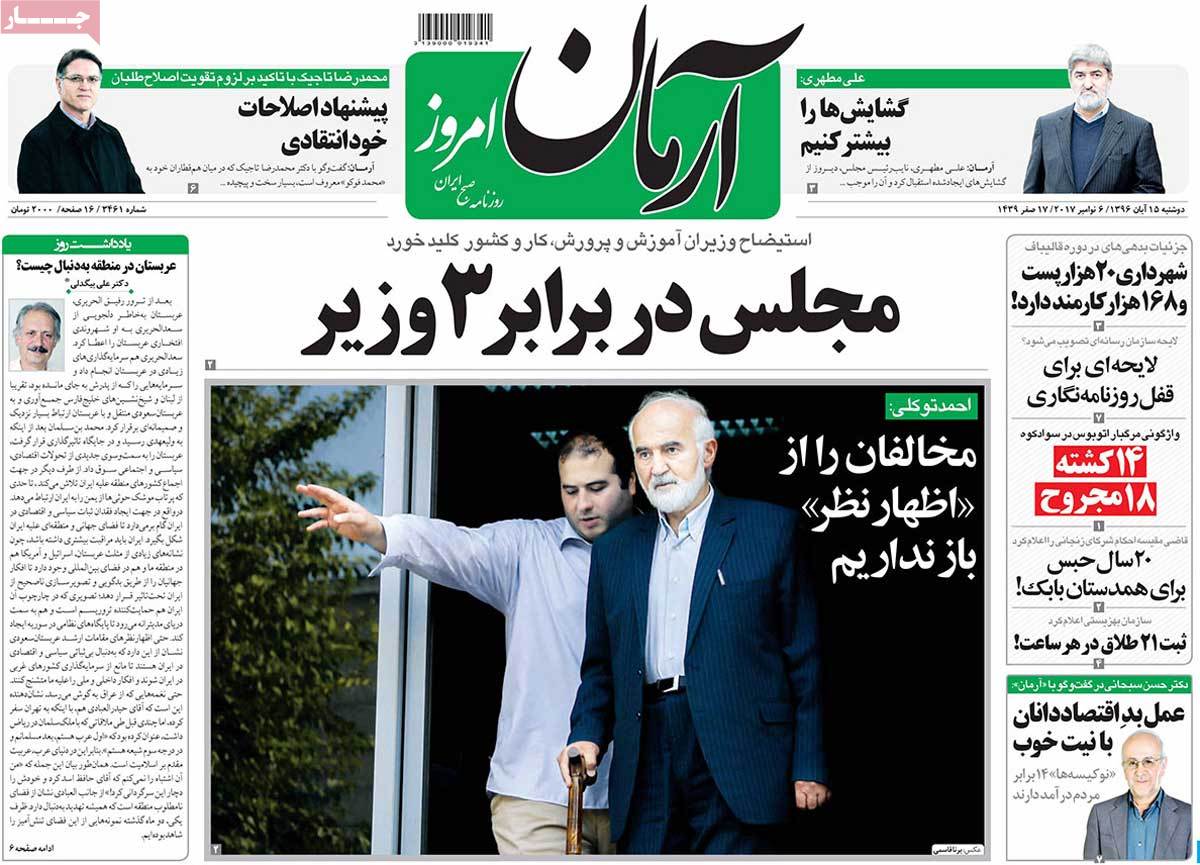
A Look at Iranian Newspaper Front Pages on November 6


Ebtekar:

1- Millions of People in Arba’een Walk

2- Trump’s New Game from Far East
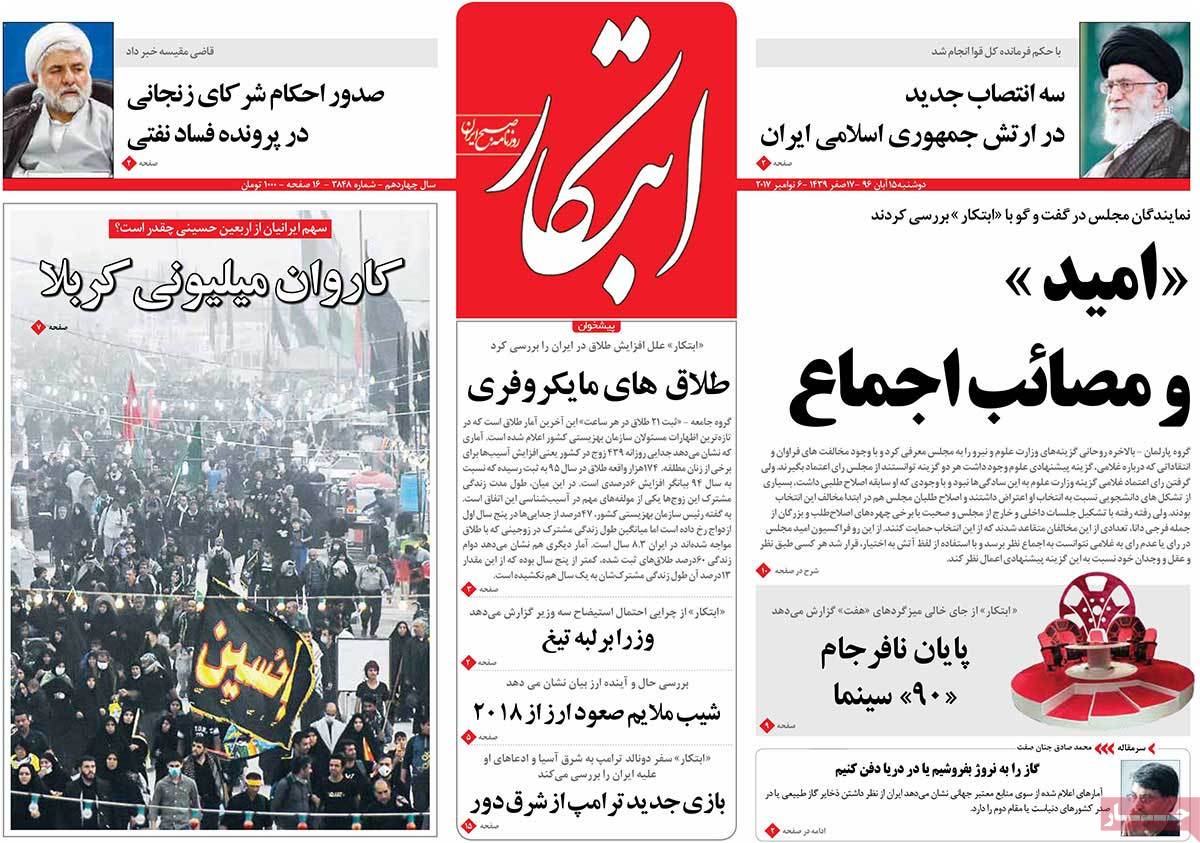
A Look at Iranian Newspaper Front Pages on November 6


Etemad:

1- Challenge of Change

  • Has Rouhani Turned His Back to Reformists, Turned to Conservatives?

2- Nasrallah: Reasons for Hariri’s Resignation Are in Riyadh Not Beirut
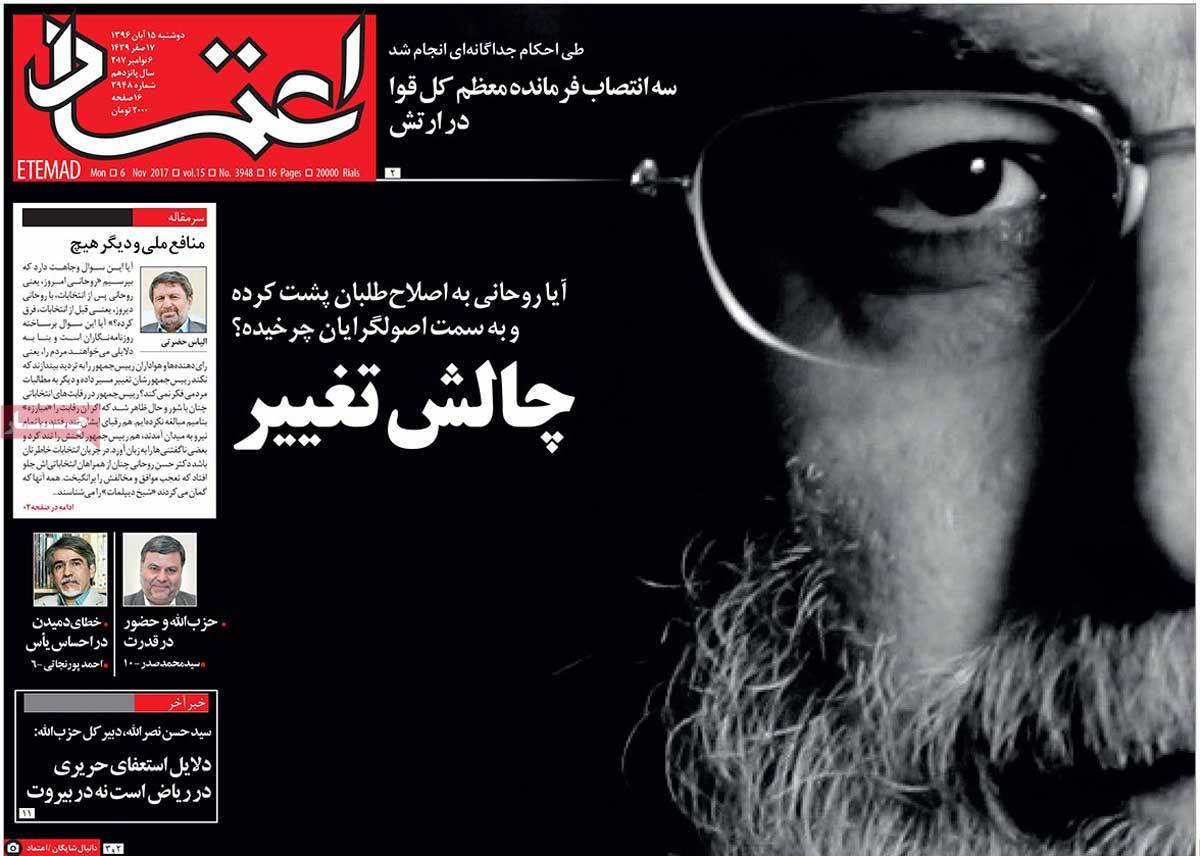
A Look at Iranian Newspaper Front Pages on November 6


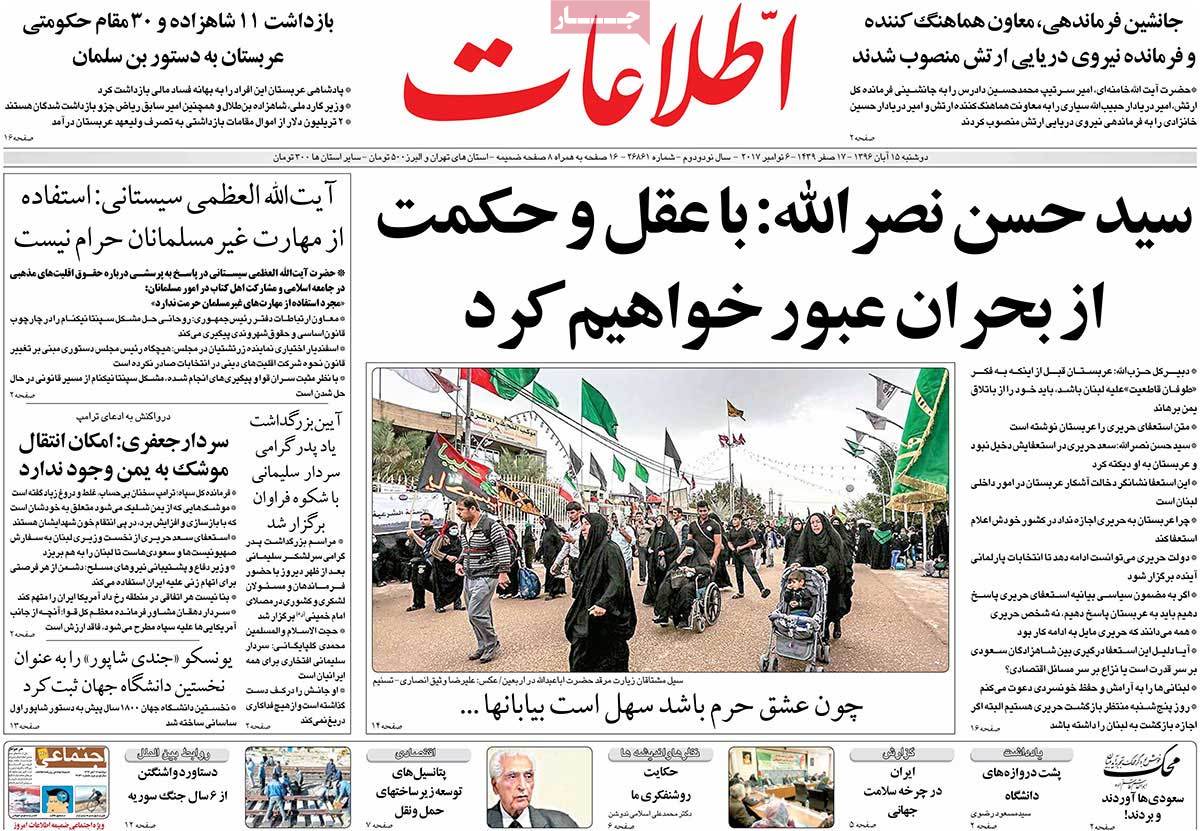
Ettela’at:

1- Nasrallah: We’ll Overcome Crisis through Wisdom

2- Ayatollah Sistani: Use of Non-Muslims’ Skill Not Forbidden

3- IRGC Chief-Commander: Transfer of Iran’s Missiles to Yemen Not Possible

4- UNESCO Inscribes Iran’s 1,800-Year-Old Gondishapur as World’s First University
A Look at Iranian Newspaper Front Pages on November 6


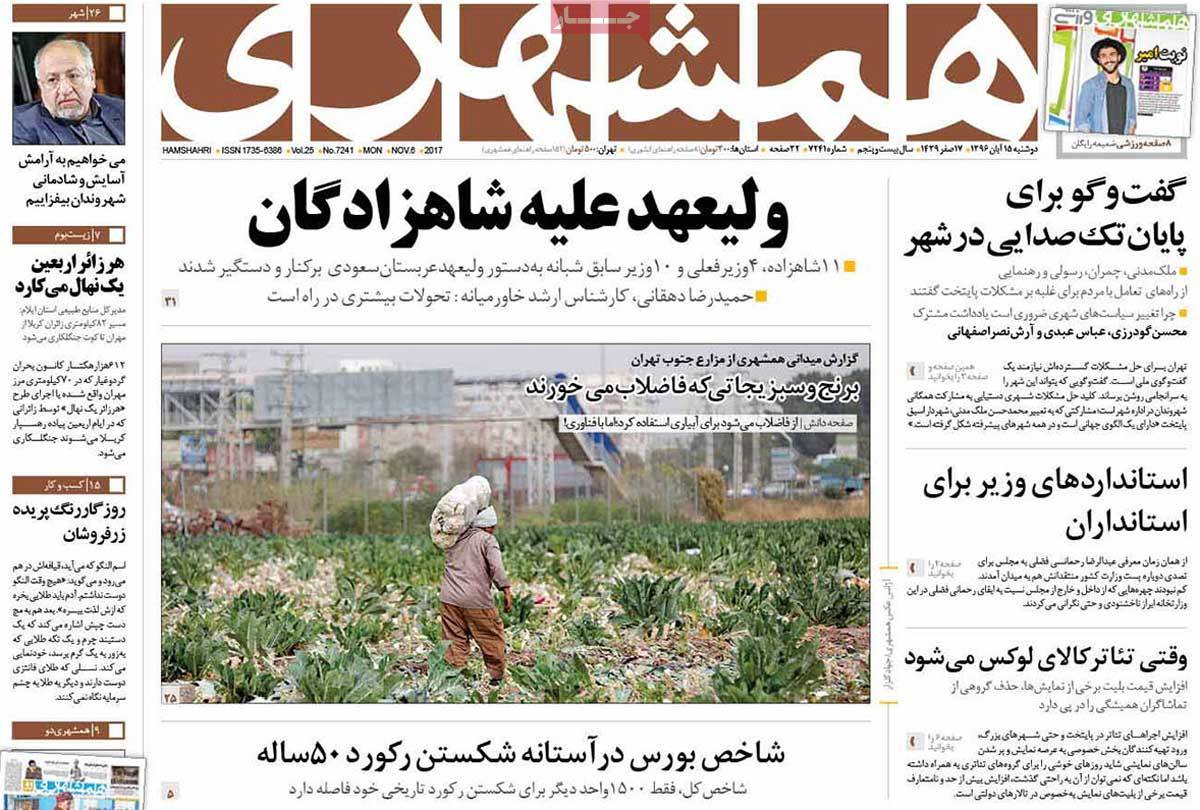
Hamshahri:

1- Every Arba’een Pilgrim to Plant a Sapling

  • Saplings to Be Planted in a Path of 82 Kilometres
A Look at Iranian Newspaper Front Pages on November 6


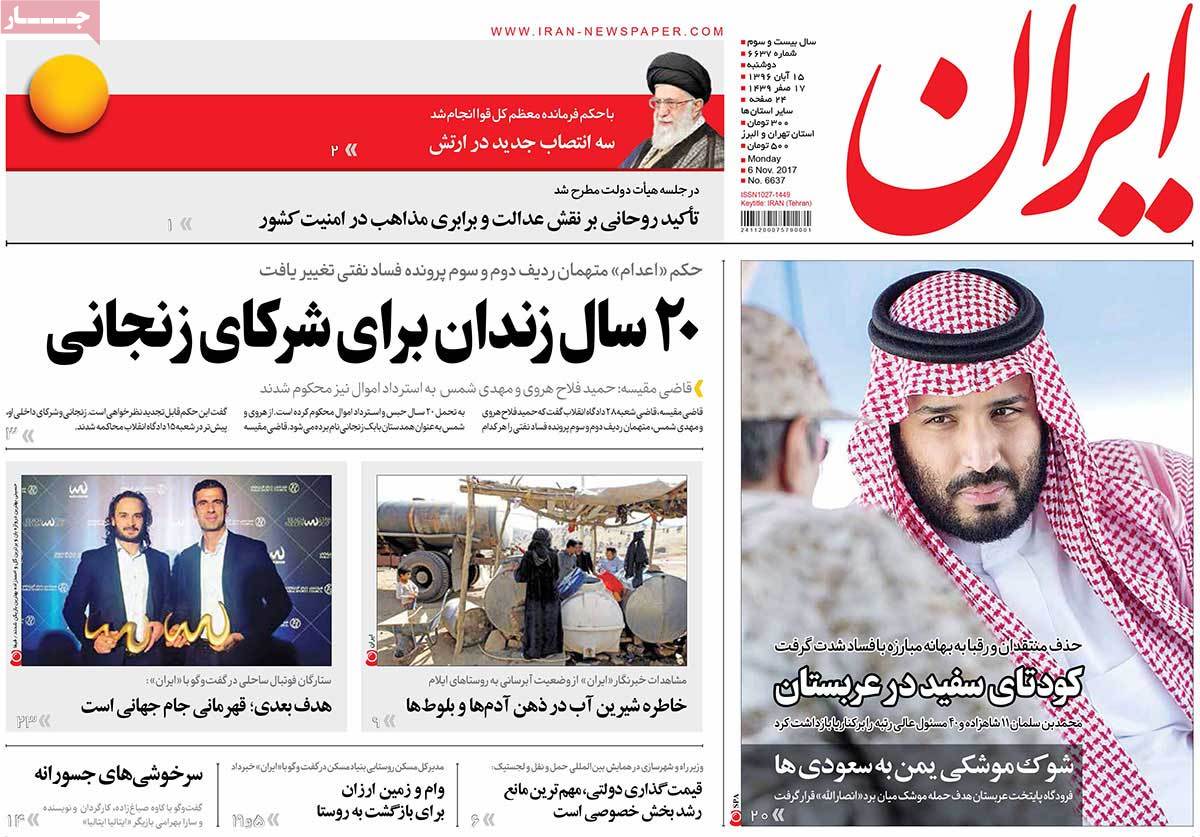
Iran:

1- White Coup in Saudi Arabia

  • Critics, Opponents Removed on Pretext of Fight against Corruption

2- Iran’s Beach Soccer Stars: Our Next Goal Is to Win World Cup
A Look at Iranian Newspaper Front Pages on November 6


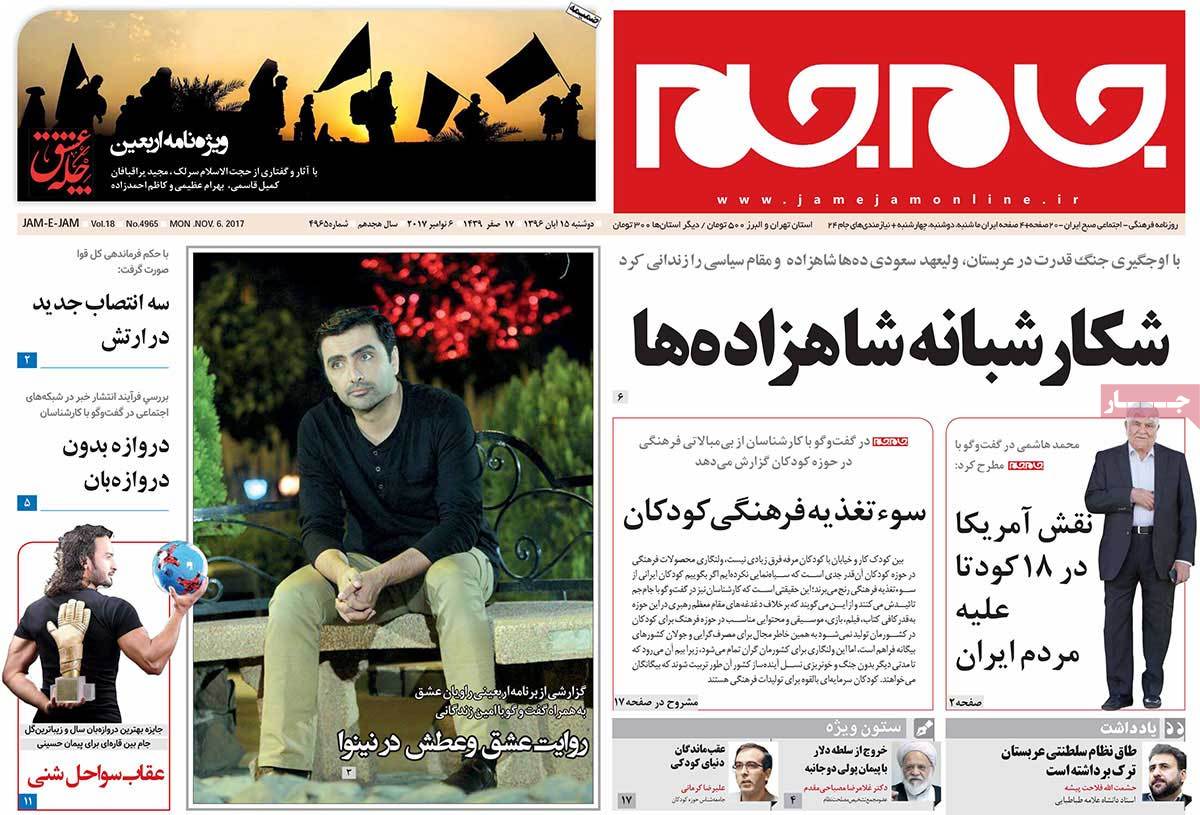
Jame Jam:

1- Overnight Hunt of Princes: Saudi Crown Prince Imprisons Tens of Princes, Officials
A Look at Iranian Newspaper Front Pages on November 6


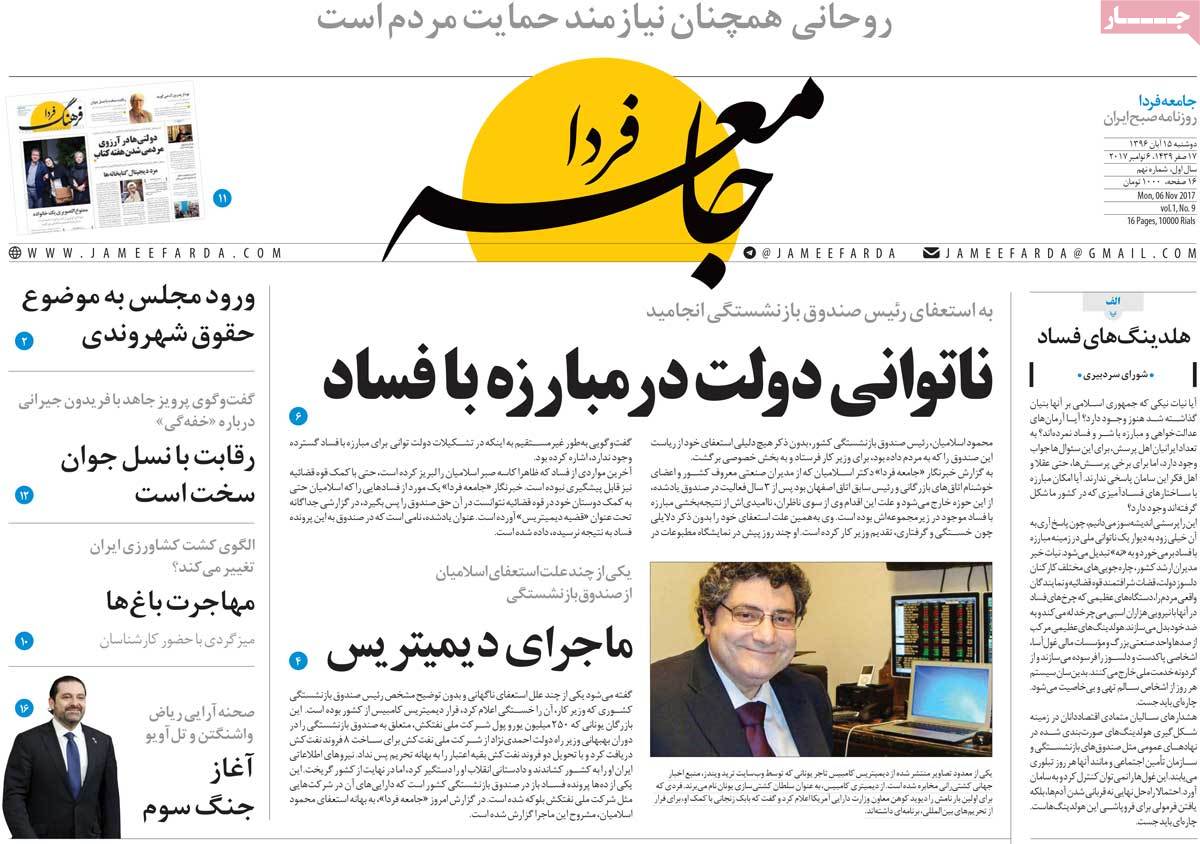
Jame’eh Farda:

1- Beginning of World War III: Riyadh, Washington, Tel Aviv Setting Stage
A Look at Iranian Newspaper Front Pages on November 6


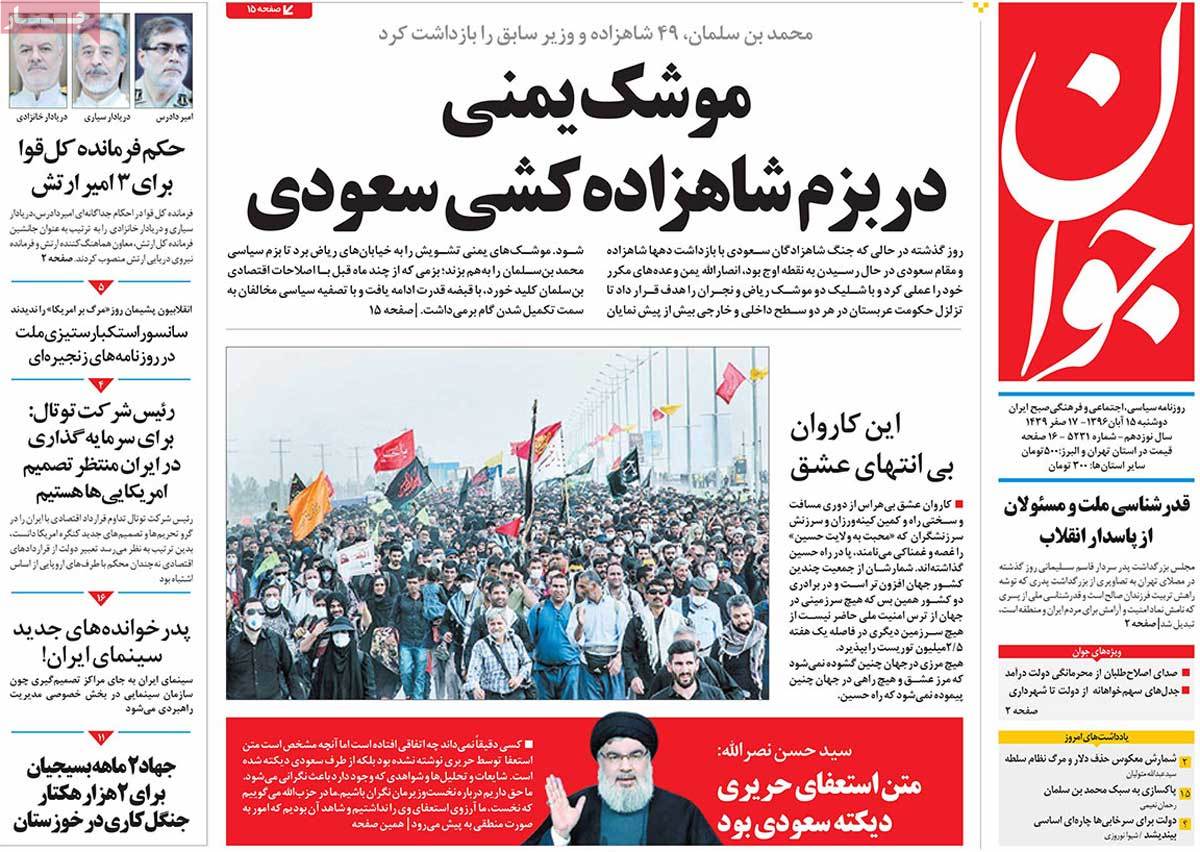
Javan:

1- Yemeni Missile Hits Saudis’ Prince-Killing Party

  • Bin Salman Arrests 49 Princes, Former Ministers

2- Hezbollah Chief: Text of Hariri’s Resignation Dictated by Saudis
A Look at Iranian Newspaper Front Pages on November 6


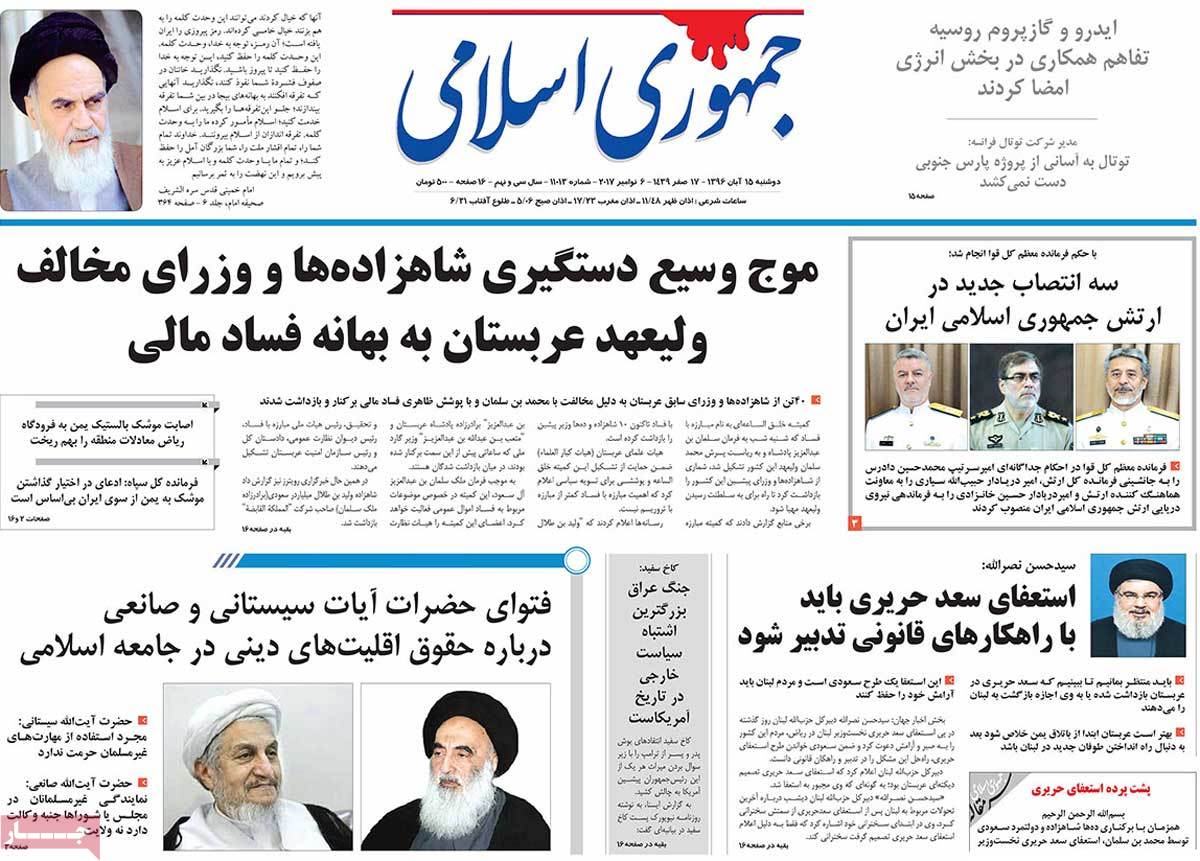
Jomhouri Eslami:

1- CEO: Total Not to Withdraw from South Pars Project Easily
A Look at Iranian Newspaper Front Pages on November 6


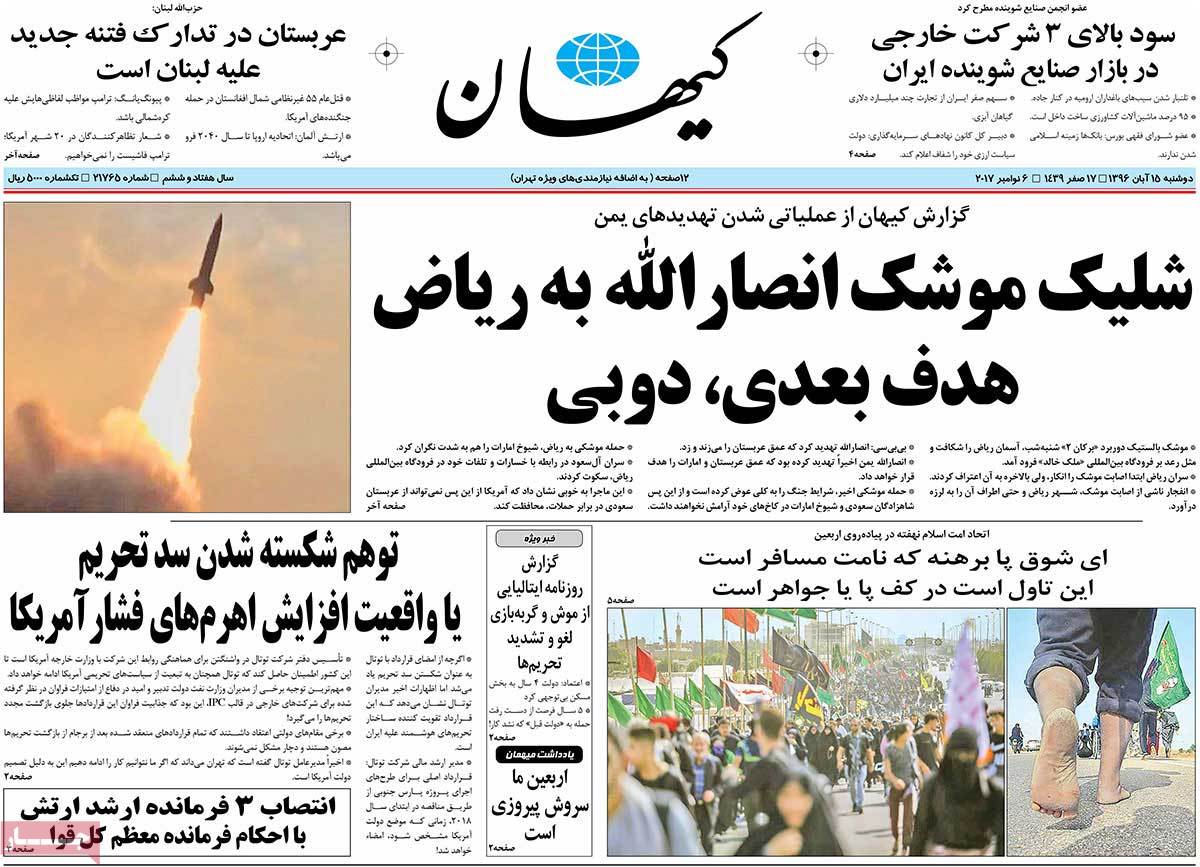
Kayhan:

1- Illusion of a Break in Dam of Sanctions or Reality of Increased Leverage for US Pressure

2- Lebanese Hezbollah: Saudi Arabia Preparing for New Sedition against Lebanon
A Look at Iranian Newspaper Front Pages on November 6


Seda-ye Eslahat:

1- Netanyahu Cannot Do Anything against Iran but Making a Fuss

  • Israel’s Tied Hands in Region, Global Community

2- Iran’s Stock Exchange Market Connected to Over 30 Major Markets in World: Official
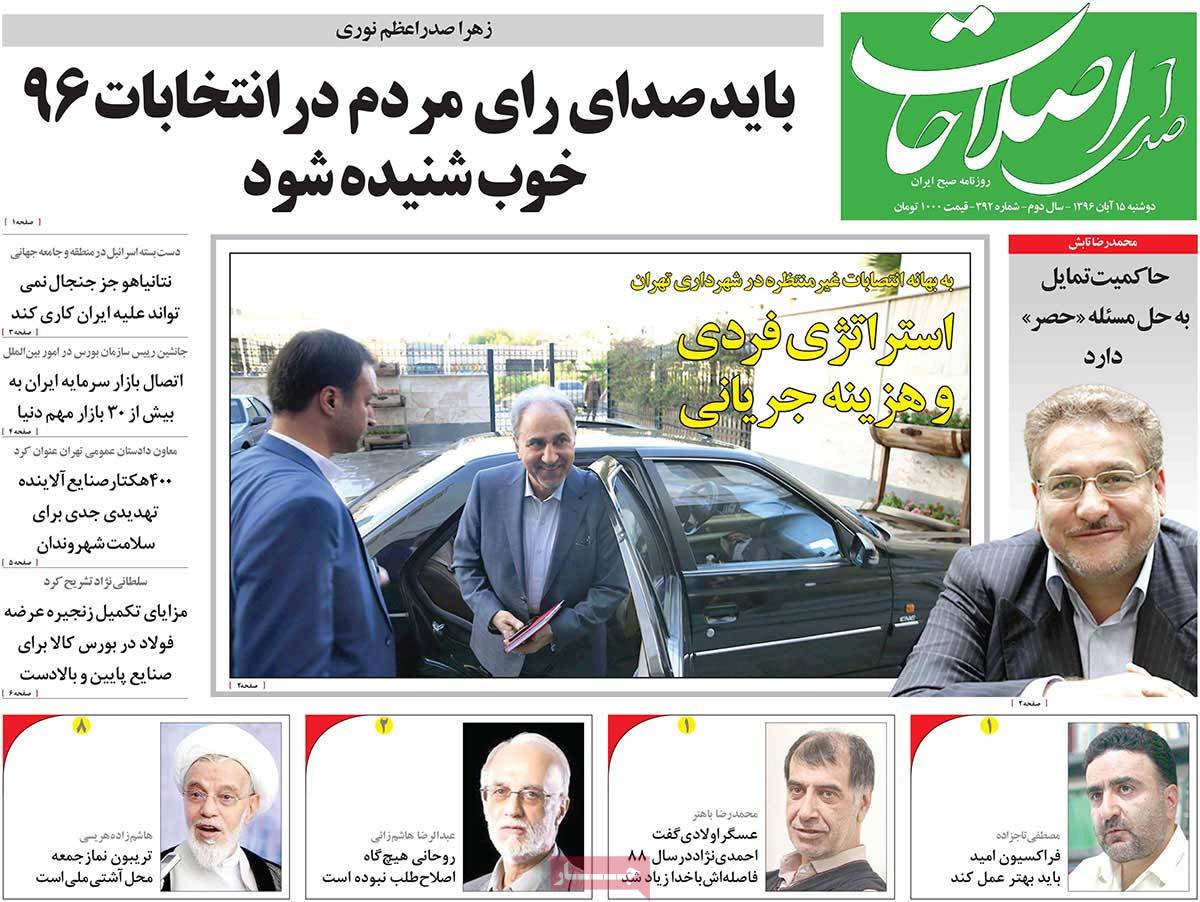
A Look at Iranian Newspaper Front Pages on November 6


Shargh:

1- Saudi Arabia’s Conflict with Iran in Lebanon [Editorial]
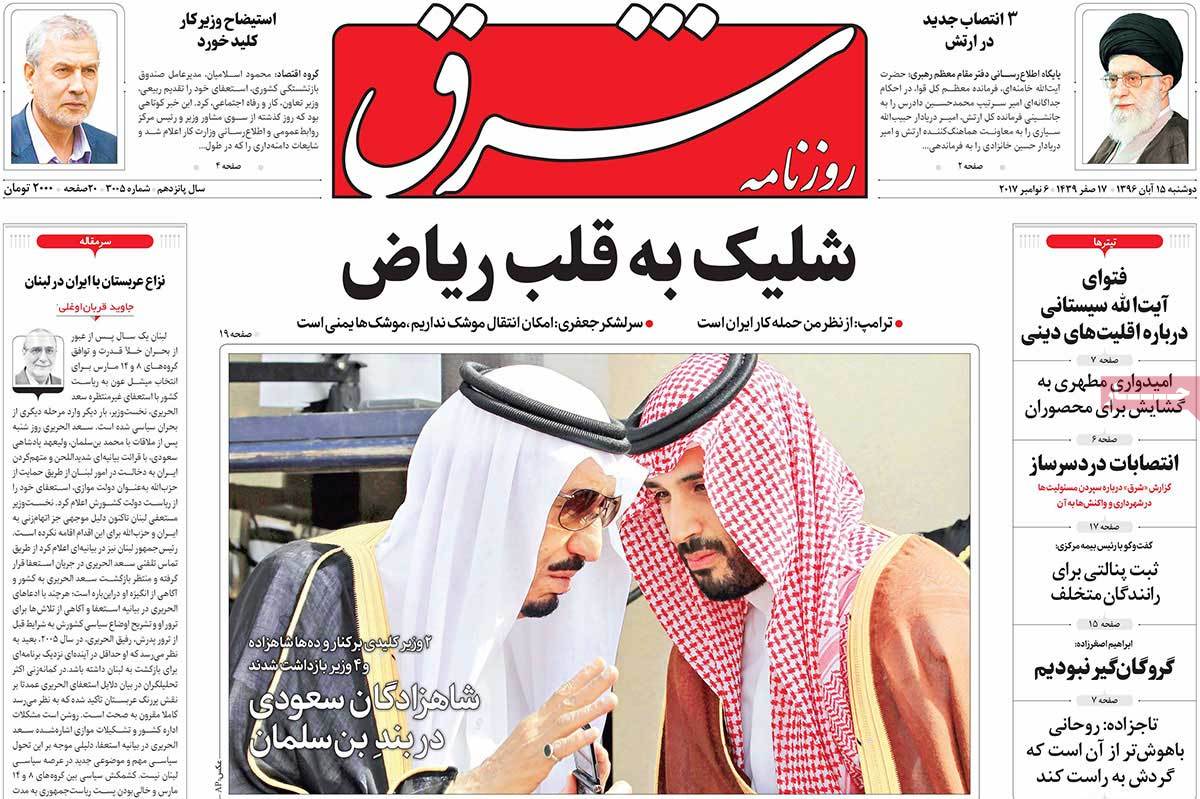
A Look at Iranian Newspaper Front Pages on November 6


Vatan-e Emrooz:

1- Last Season of Saudis’ Game of Thrones

2- IRGC Chief-Commander: Trump Has Told Many Lies
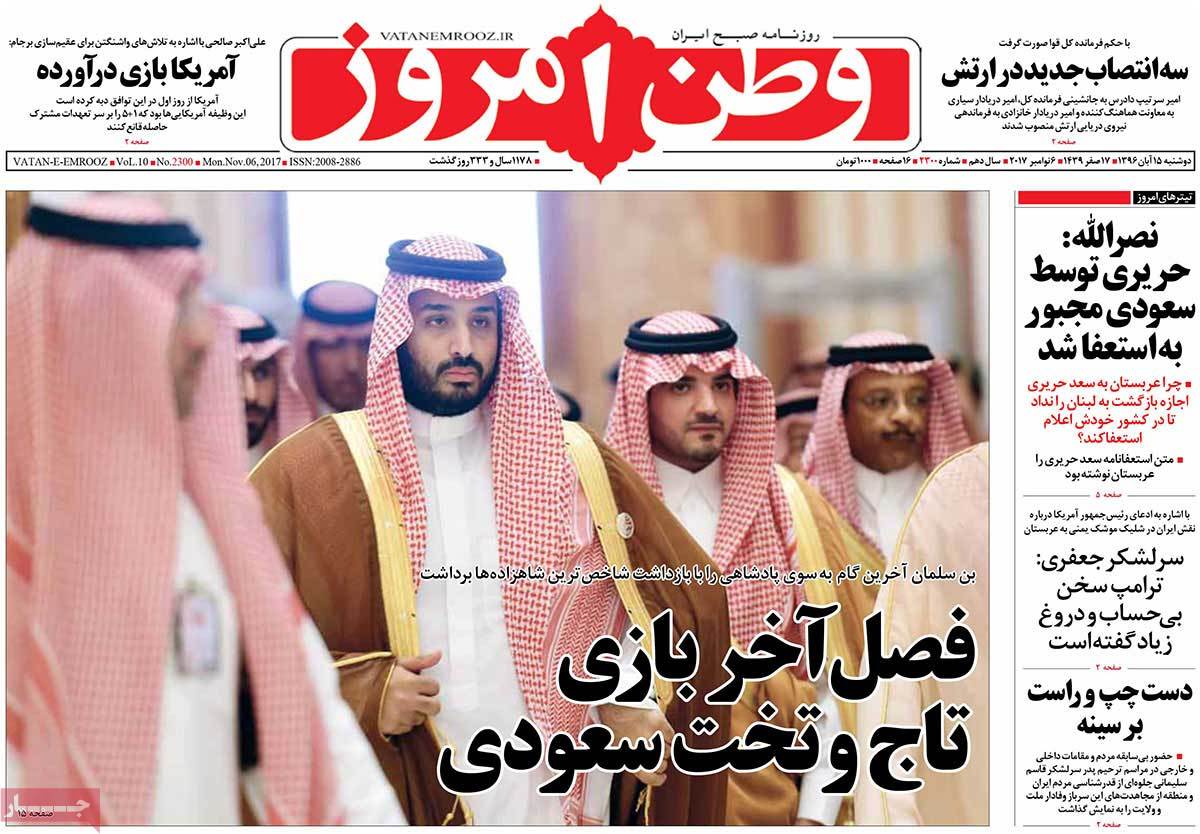
A Look at Iranian Newspaper Front Pages on November 6


Iran-India-Afghanistan Cooperation Not against Pakistan: Spokesman

Iran-India-Afghanistan Cooperation Not against Pakistan: Spokesman

“We do not regard it as any kind of alliance against us. Our trade with Afghanistan, Iran and China continues as before,” Business Recorder quoted Foreign Office Spokesperson Mohammad Faisal as saying.

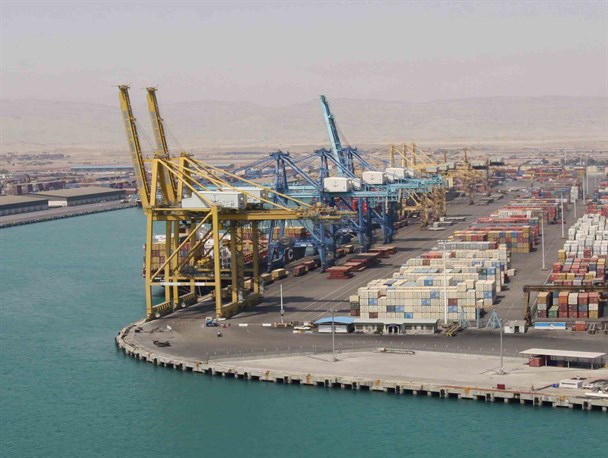
Commenting on the first shipment of Indian wheat to Afghanistan via Chabahar Port, the official said, “Transport of wheat and other commodities to Afghanistan is nothing new, as Pakistan has been traditionally providing goods to Afghanistan.”

He stated that it is Pakistan’s consistent position that Afghanistan as a landlocked country has a right of transit access through any neighboring country according to its needs.

On Chabahar Port, he reiterated, what the Iranians said earlier stated that “Chabahar and Gwadar Ports are complementary [to each other] in nature.”

India launched a trade route to Afghanistan via Iran through shipping its first consignment of wheat to Afghanistan on October 29, bypassing longtime rival Pakistan, AP reported.

The shipment was sent from the western seaport of Kandla to be taken by trucks to Afghanistan from Chabahar Port.

The new trade route follows an air freight corridor introduced between India and Afghanistan in June last year to provide greater access for Afghan goods to the Indian market.

Indian External Affairs Minister Sushma Swaraj said the shipment marked the convergence among India, Afghanistan and Iran to spur an unhindered flow of commerce and trade throughout the region.

India, Afghanistan and Iran last year decided to jointly establish a trade route for land-locked Central Asian countries. India committed up to $500 million for the development of Iran’s Chabahar Port along with associated roads and rail lines.

Hariri’s Resignation Dictated by Saudi Arabia: Hezbollah Chief

Sayyid Hassan Nasrallah

In a televised speech aired on Al-Manar TV, Nasrallah stressed that all circumstances surrounding Hariri’s resignation prove that the move was a pure Saudi decision and that the Lebanese PM was forced to make such announcement.

The way he declared his resignation violates Lebanon’s sovereignty and harms Hariri’s dignity, Nasrallah said, calling for calm until more details are known about the issue.

Nasrallah further noted that Hezbollah is keen to preserve Lebanon’s national security and stability. He also called on all Lebanese political factions and media outlets to behave with high responsibility until Hariri says whether he will come back to Lebanon.

Meanwhile, the Hezbollah chief assured the Lebanese nation and dismissed rumours regarding possible Israeli or even Saudi aggression on Lebanon.

Nasrallah said that Hariri’s resignation was a surprise one, noting that Hariri had earlier assured the ministers in the Lebanese cabinet that the situation was good and that Saudis want stability in Lebanon.

The Hezbollah chief, however, pointed to threats made by a Saudi minister earlier last week, who threatened to “curb” Hezbollah and called for “confronting” the Lebanese resistance movement.

He further noted that Hariri’s resignation was exclusively reported by Saudi-owned Al-Arabiya news network in a recorded video.

“Up till now, nobody knows what really happened. We, the Lebanese know each side’s rhetoric, and the statement read by Hariri in the video represents the Saudi rhetoric and not that of Hariri.”

“We believe that the government had the ability to continue and to hold elections,” he said, noting that Saudis stood in the way to do so.

“It was more appropriate that PM Hariri would return to Lebanon and announce his resignation to the President (Michel Aoun).”

“We have to know the reasons behind the resignation in Saudi Arabia,” Hezbollah chief said, referring to recent purge which took place late Saturday, when dozens of princes including ministers and high-ranking figures were detained in Saudi Arabia in a move widely seen as clearing the way for Crown Prince Mohammed bin Salman to take office from his father King Salman.

Meanwhile, Nasrallah wondered if Riyadh was not satisfied with Hariri and wanted to replace him by one of his Sunni rivals.

Nuclear Deal Implementation Shows US Not Reliable: Iran

“Today, we have reached a consensus and we know that the US is not reliable,” Iranian parliamentarian Javad Hosseinikia said, according to a Farsi report by ICANA.

He made the comment while presenting a report by parliament’s National Security and Foreign Policy Commission on the trend of the implementation of the Joint Comprehensive Plan of Action (JCPOA).

“Two years ago, those who were realistic believed holding talks with the bullying and illogical US would not be useful, but optimists thought that negotiating with the United States would solve the country’s (Iran) problems,” the lawmaker said.

“We saw that [Iranian] President [Hassan Rouhani] said in his recent speech that holding talks with the US would be a crazy thing to do,” the legislator said.

He said some individuals tried to depict a good picture of the US and convince people to be optimistic about that country.

“There were also some others who were pessimistic about negotiations with the US, and despite support [for dialogue] by the country’s negotiators tried to persuade them to stand up to illegitimate demands, but these very people were accused of being unwise at the end of the day,” said the MP.

“The most important result of the talks is that everybody now believes that the US cannot be trusted, and we have unfortunately ignored our domestic potential during the implementation of the JCPOA,” he added.

The lawmaker said sanction are still in place despite the fact that Iran has stopped some of its nuclear activities under the JCPOA.

“Today, the crazy Trump only thinks about destroying our country, and it will be a pious hope to think that others care about us,” he noted.

The lawmaker underlined Iran should rely on its own economy and pay attention to the Economy of Resistance (economic resilience) as stressed by the Leader.

Pakistan’s Top General Arrives in Tehran for Security Talks

Pakistan's Top General

Bajwa’s plane touched down in the Iranian capital on Sunday. He has traveled to the Islamic Republic at the invitation of Chairman of the Chiefs of Staff of the Iranian Armed Forces Major General Mohammad Baqeri.

The two sides are to address enhancement of the level of defense and security interaction, as well as provision of security on the common border and other issues of common interest.

Iranian Foreign Minister Mohammad Javad Zarif traveled to Pakistan in May and the countries agreed to increase cooperation towards boosting security in their border areas by setting up a joint security committee.

The visit at the head of a high-ranking political, military, law enforcement, and security delegation came a month after 10 Iranian border guards were killed and two others injured in an ambush near the town of Mirjaveh in the southeastern Iranian province of Sistan and Baluchestan.

Iran Resolved to Support Syria in Post-war Era: DM

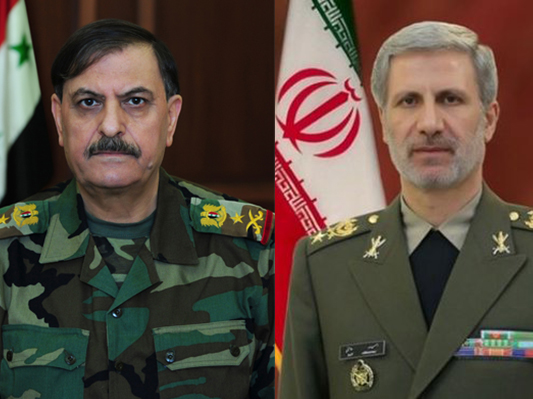
Speaking in a Sunday phone conversation with his Syrian counterpart General Fahd Jassem al-Freij, the Iranian minister expressed the hope that the Syrian army’s victories against the terrorists would be continued and security would be restored to Syria.

Brigadier General Hatami congratulated Syrian President Bashar al-Assad, the Syrian minister of defence, the brave and tireless Syrian soldiers, army commanders and the Syrian people on the recent field victories, especially the liberation of Deir ez-Zor.

“Five years of resistance by the Syrian armed forces and nation against terrorist groups is admirable and must be recorded in the history of a nation’s legitimate defence of their identity and integrity,” added Hatami, according to a Farsi report by Tasnim.

The two sides also discussed the latest regional and international developments, especially the developments in Syria, and emphasized further cooperation and efforts to eliminate the terrorists.

The Syrian general, in turn, said the excellent coordination between the Islamic Republic of Iran and Syria has guaranteed peace, stability and security in the two countries and region.

Iran Leader Appoints New Army Commanders

Iran Leader Appoints New Army Commanders

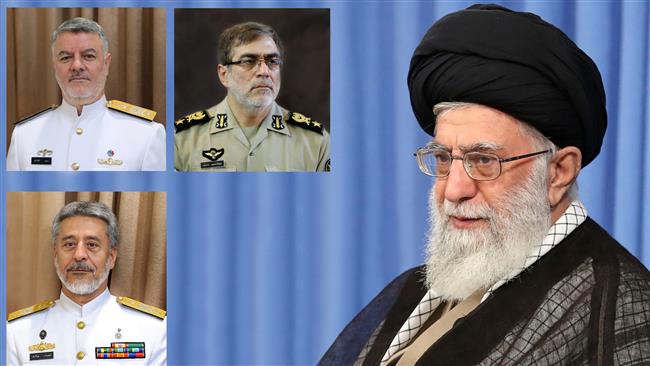
In a decree on Sunday, Ayatollah Khamenei appointed Brigadier General Mohammad Hossein Dadras as the new second-in-command of the Iranian Army.

The Leader stated that the installation was made in view of loyal services and work experience of Dadras, urging him to boost the intelligence and operational preparedness of the Army.

Ayatollah Khamenei also thanked Brigadier General Ahmad Reza Pourdastan, who previously held the post, for his efforts.

In another decree, the Leader named Rear Admiral Habibollah Sayyari as the deputy chief of the Army for coordination.

The Leader urged Sayyari to increase the efficiency and agility of the Army to meet its key needs and promote coordination, coherence and synergy across various sections of the Army.

Ayatollah Khamenei also thanked Dadras, who previously held the post, for his endeavors.

The Leader, in another directive, designated Rear Admiral Hossein Khanzadi as the new Navy commander.

Ayatollah Khamenei said the appointment was made due to Khanzadi’s track records and urged him to make the utmost use of capabilities and capacities of the Army, the Armed Forces and the country to promote the Iranian Navy through firm determination, hard effort and constructive interaction.

Ayatollah Khamenei thanked Sayyari for his relentless efforts during the time that he held the post.

The Leader said in the decrees that the appointments were made upon a proposal by Commander of Iran’s Army Major General Abdolrahim Mousavi.

Iran Produces Nano-Absorbers to Reduce Greenhouse Gas Emission

Iran Produces Nano-Absorbers to Reduce Greenhouse Gas Emission

Carbon dioxide (CO2) is a greenhouse gas which accounts for about 82 percent of the greenhouse gases in the world. Given the fact that the amount of the gas is growing fast in the earth’s atmosphere, the necessity to control the gas has gained momentum over the past years. To this end, a number of Iranian scientists have managed to find a way to limit the emission of the greenhouse gases, particularly CO2.

Chairman of the Board of Directors of the IUST, Mansour Anbia, says exploring new ways to separate carbon dioxide from different gas flows is inevitable particularly when it comes to Iran with its huge amount of activities in oil and gas fields, a Farsi report by ISNA said.

He went on saying nanoporous materials play a key role in separation processes of the greenhouse gasses and added the materials enjoy a high capacity to be used in the separation process.

Anbia stressed that the method offered by the Iranian scientists is totally practical and also cost-effective and environment-friendly.

“In our studies, we used MOF-199 for absorbing CO2 and CH4,” he noted.

The new nano-absorbers are produced in a cost-effective way and are capable of absorbing a high level of greenhouse gases. Today, more than 90 percent of the required energies in the world including power and heat are made out of fossil fuels and this in turn has dramatically increased the emission of carbon dioxide (CO2).

Anbia and his team have published their research paper in Energy & Fuels journal with a 3.09 impact factor.

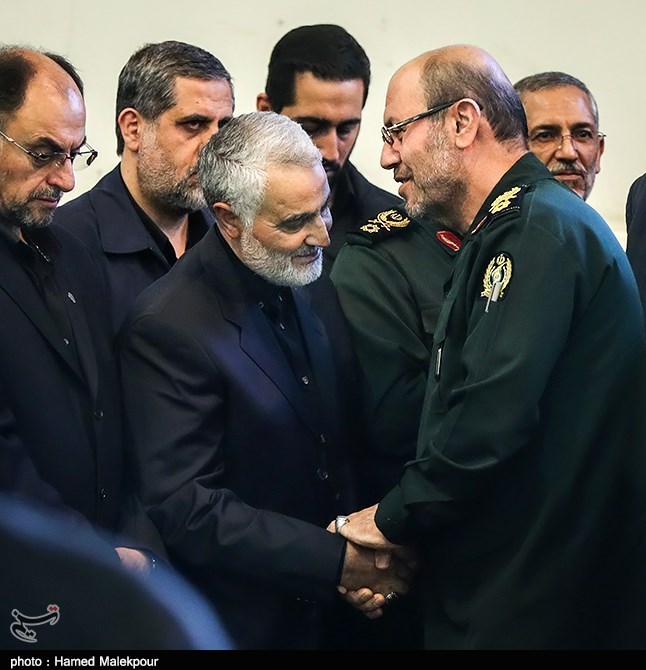
Masoud Barzani Condoles with General Soleimani over Father’s Death

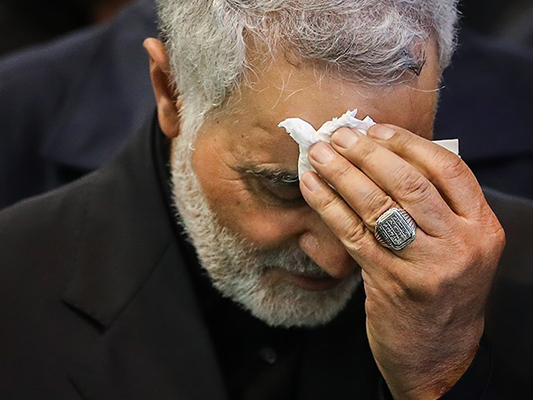
In his Sunday message, Barzani offered sympathy to General Soleimani and his bereaved family, wishing good health for the Iranian commander.

Barzani and General Soleimani had reportedly held several meetings before the Iraqi Kurdistan’s independence vote in late September. General Soleimani, according to various sources, repeatedly warned Erbil of the consequences of the referendum, which finally led to Barzani’s resignation.

Masoud Barzani Condoles with General Soleimani over Father’s Death


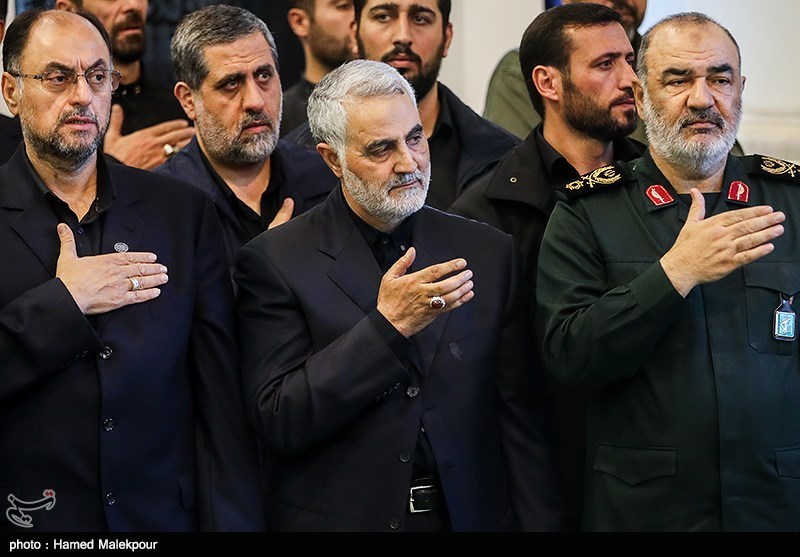
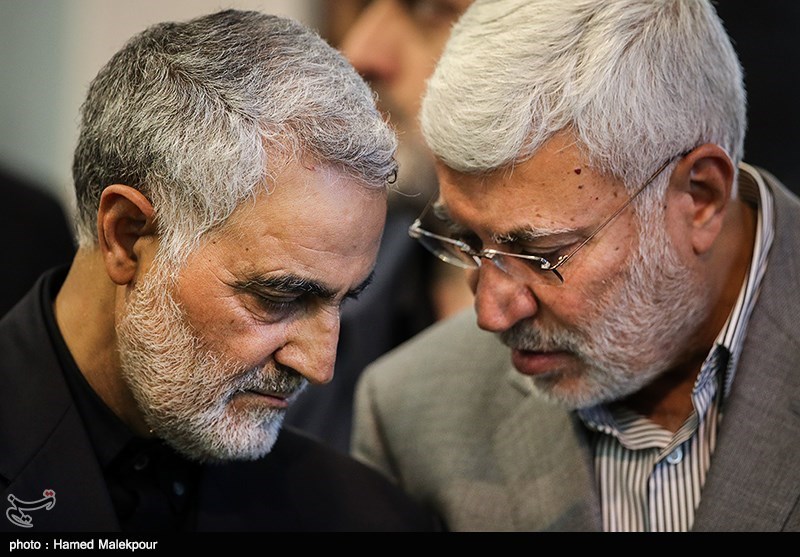
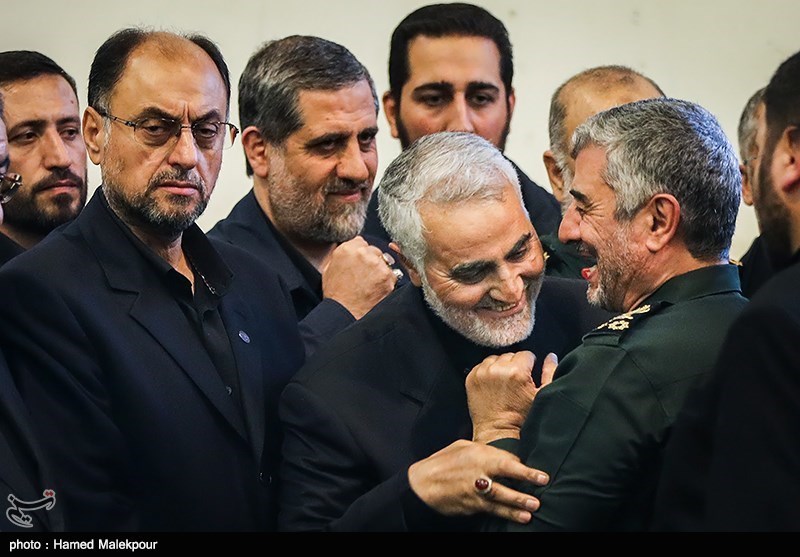
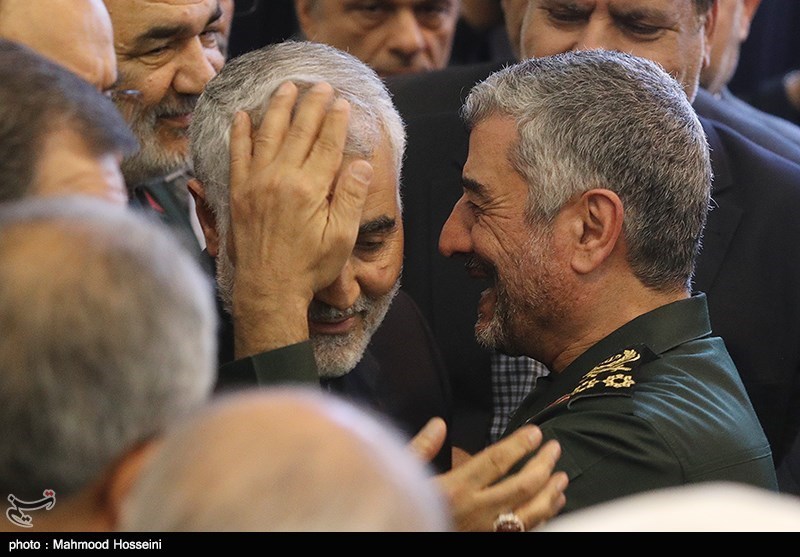
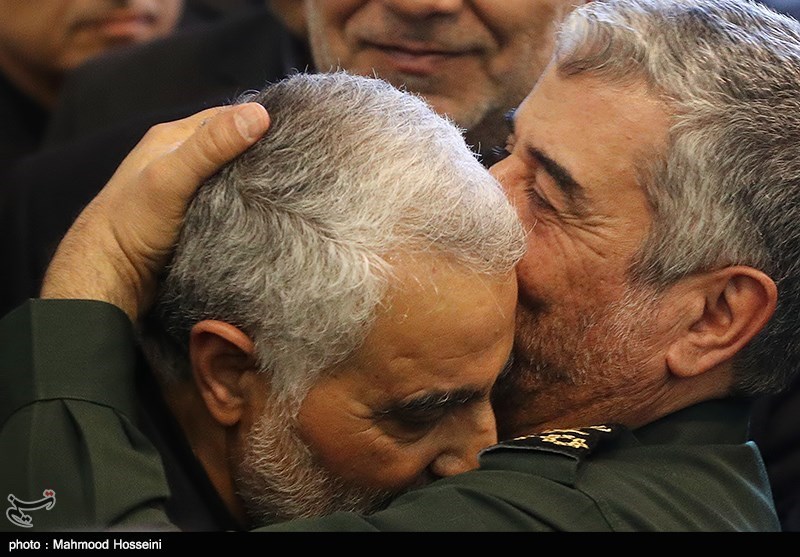
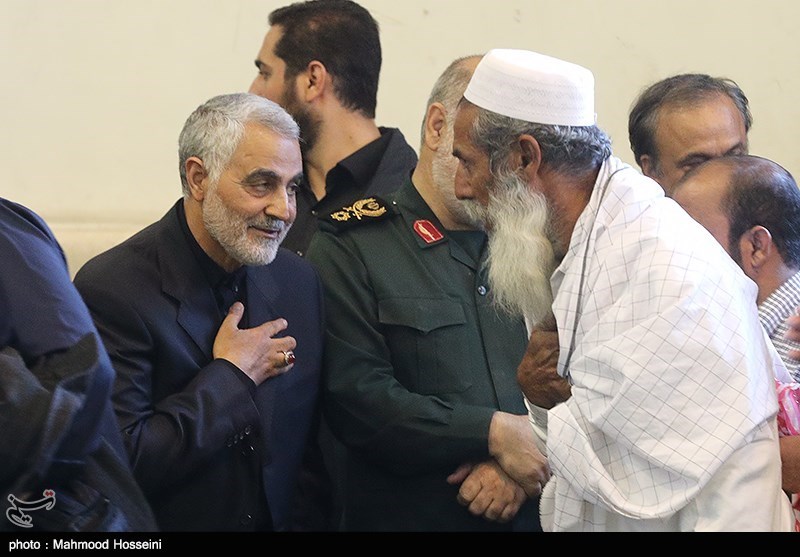
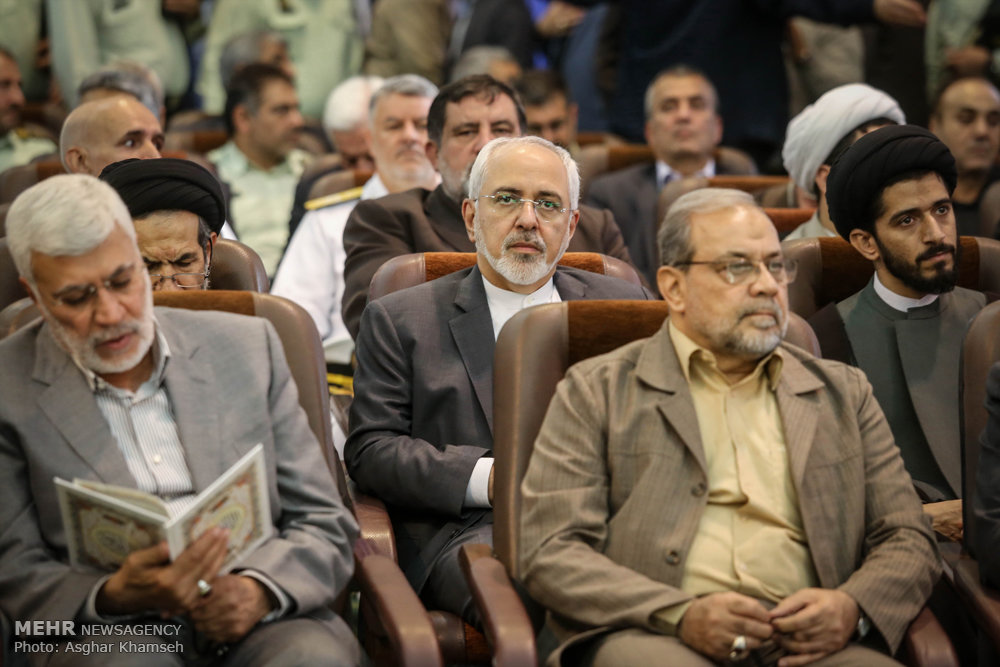
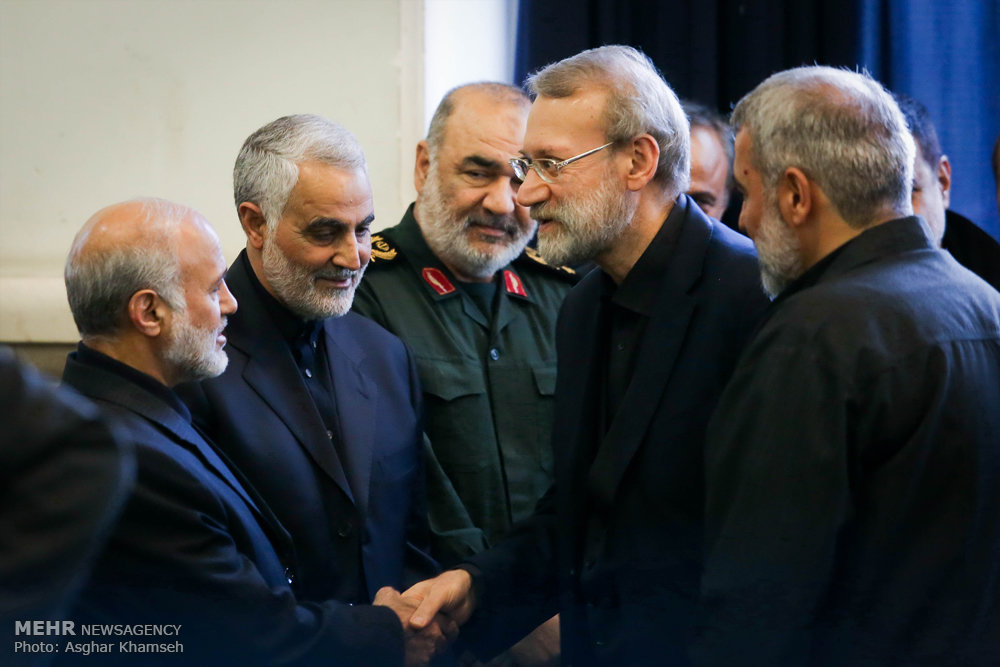
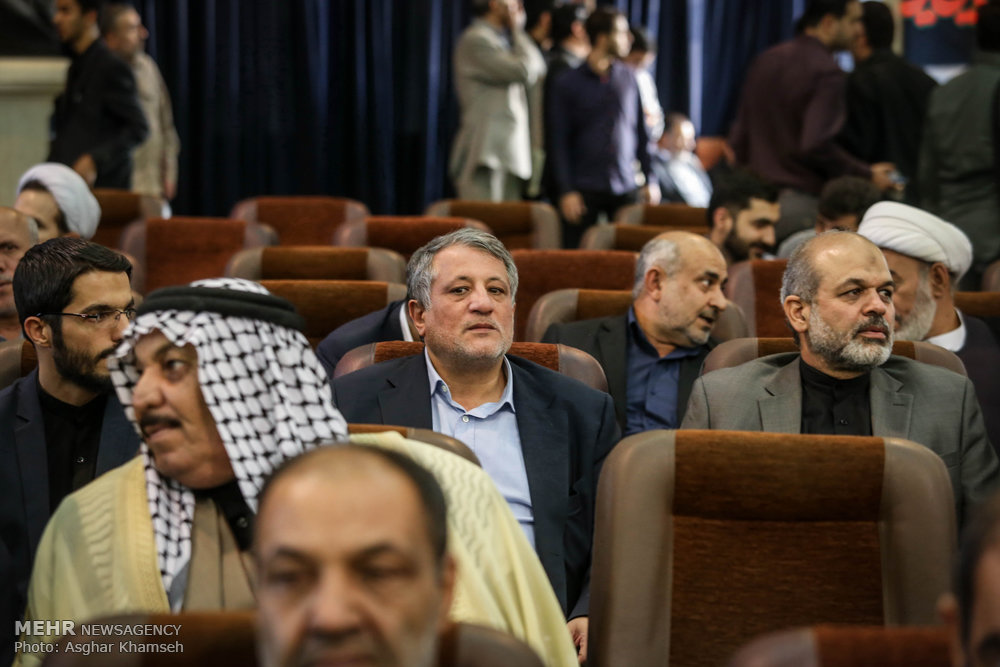
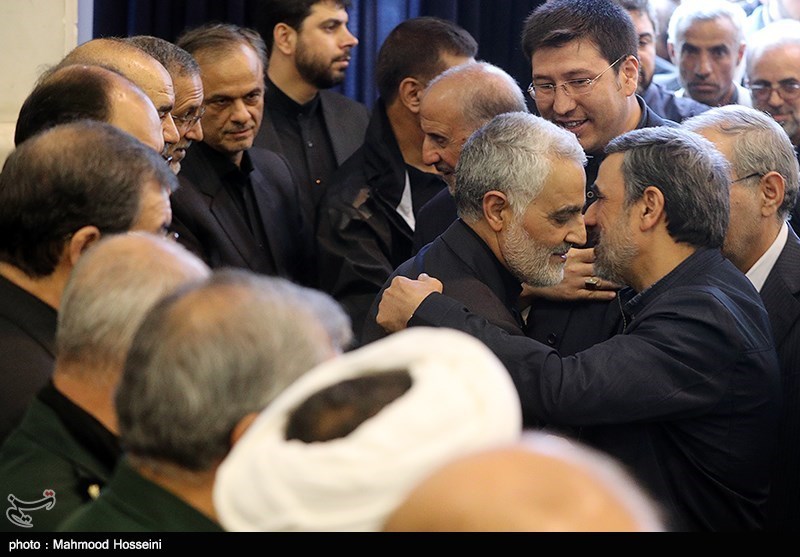
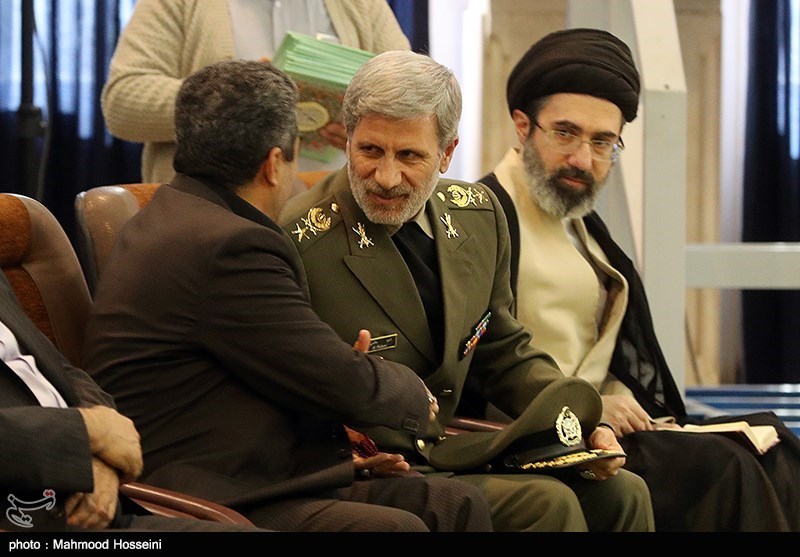
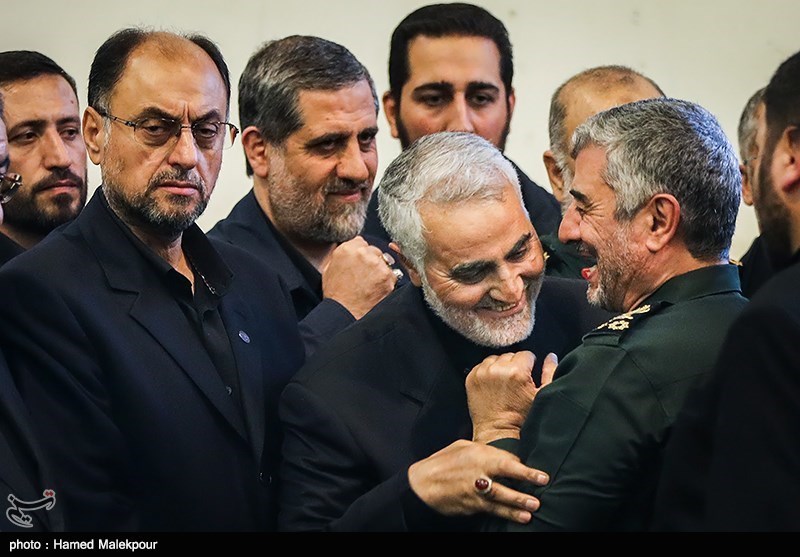
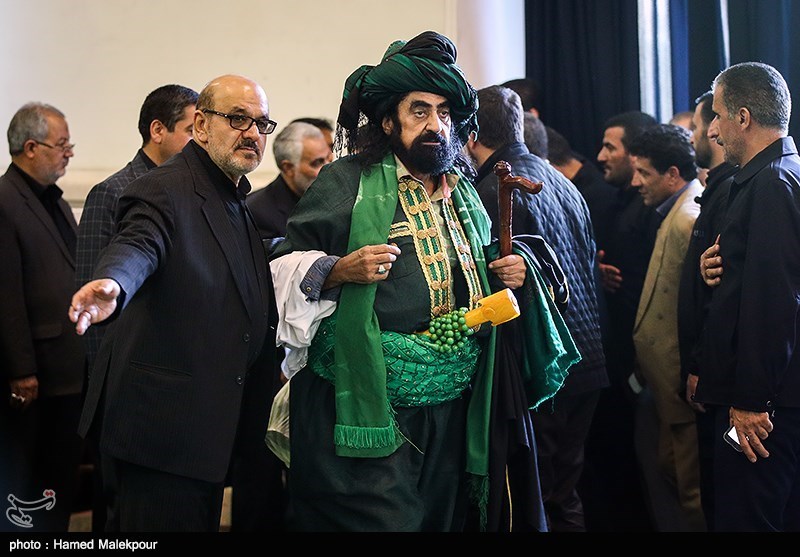
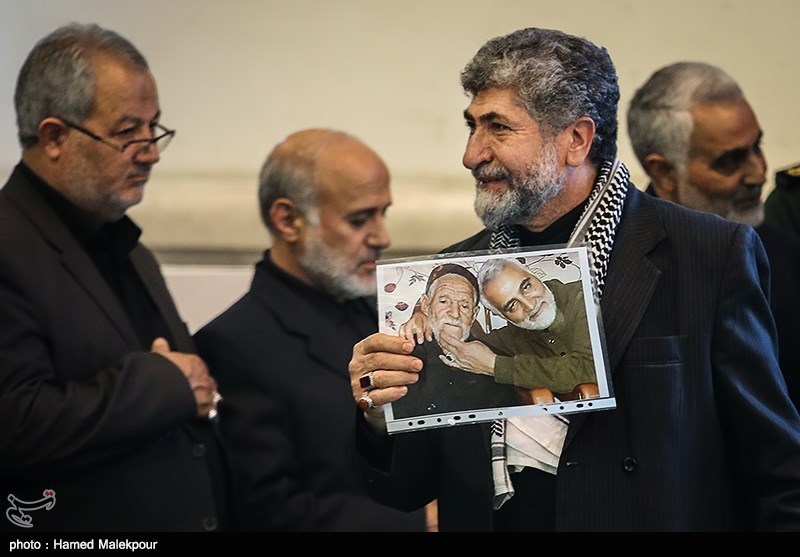
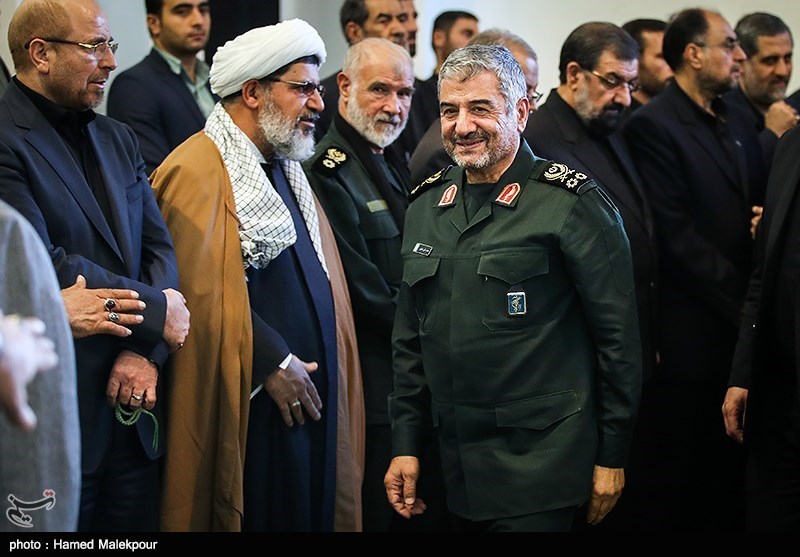
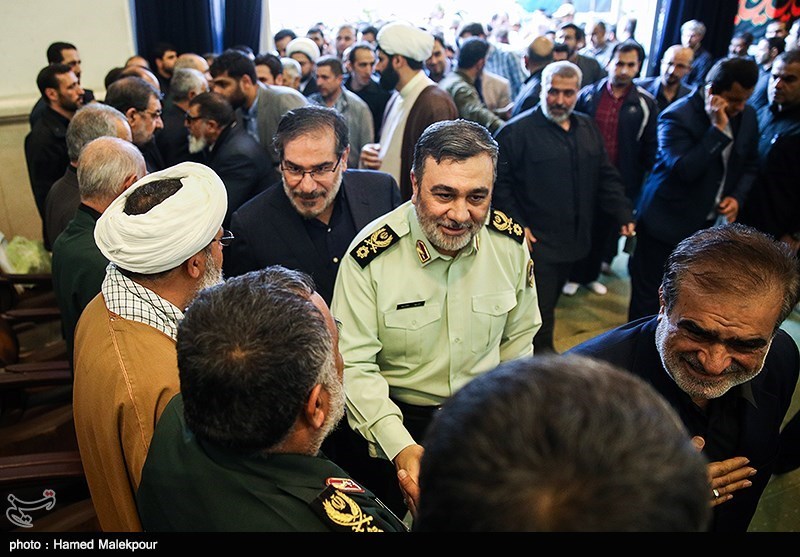
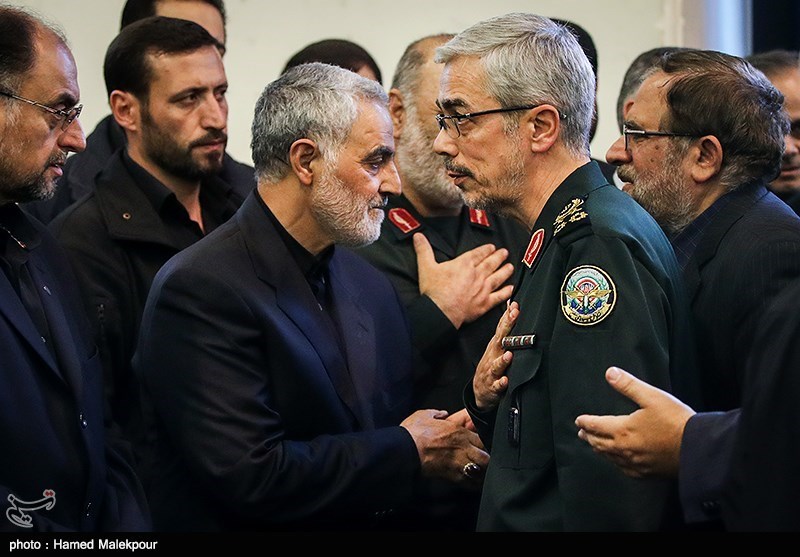
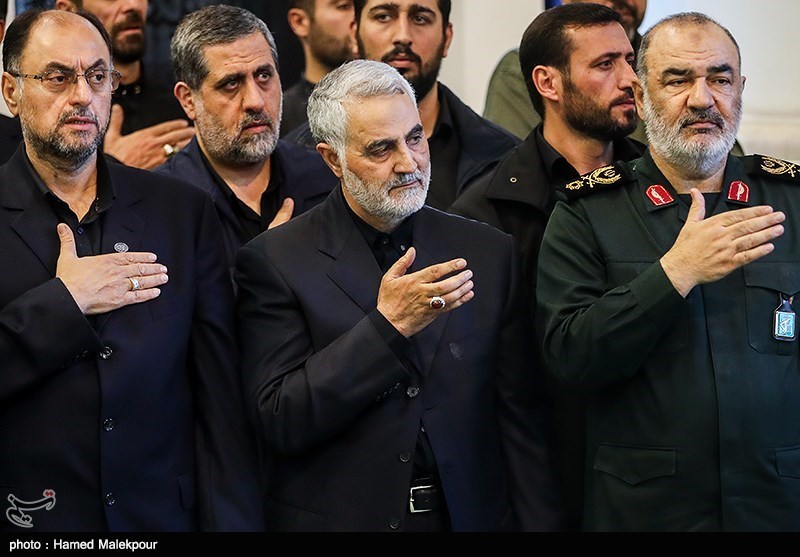
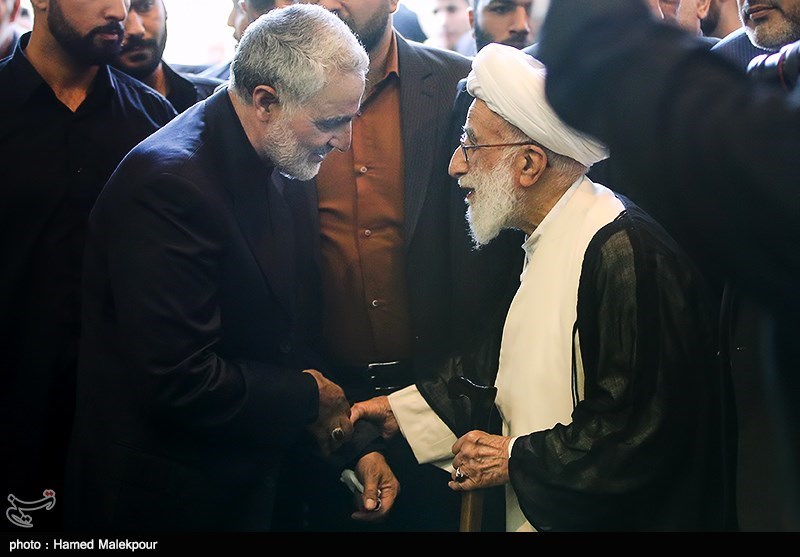
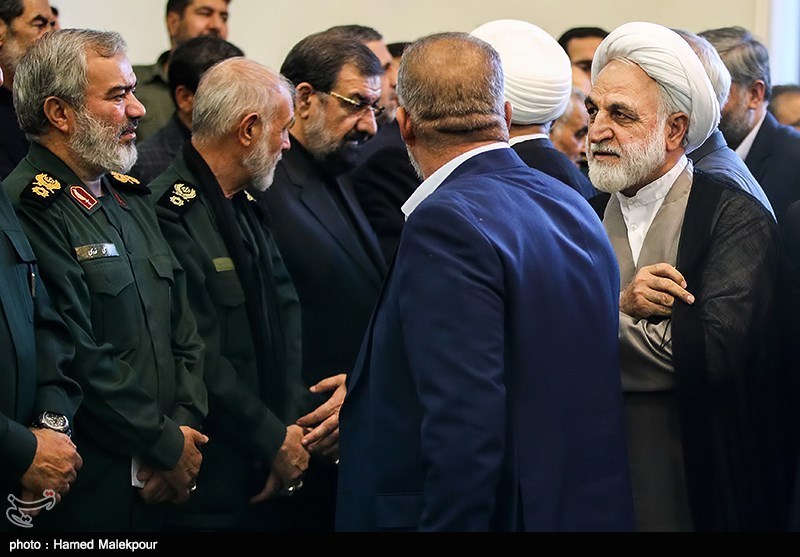
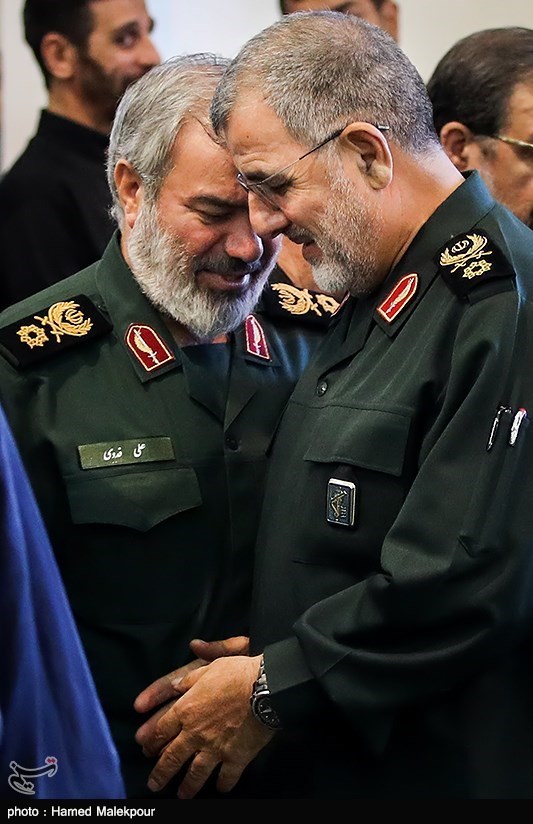
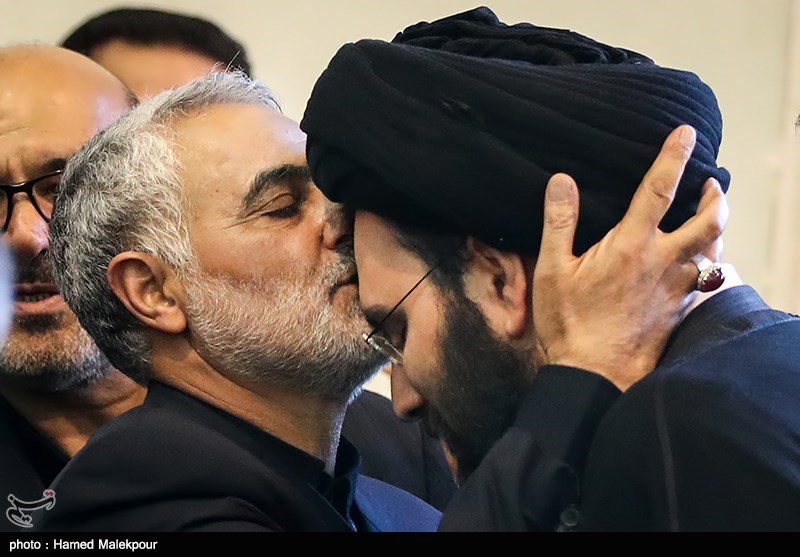
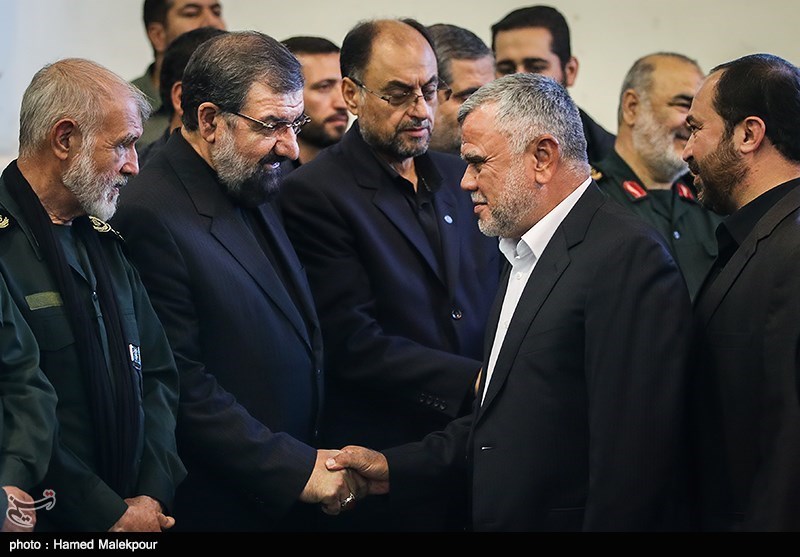
Hundreds of top Iranian officials and military chiefs on Sunday attended a memorial ceremony held for the late father of General Soleimani in Tehran. A number of foreign envoys also took part in the ceremony, and some like Syrian President Bashar al-Assad sent wreaths to offer their condolences.

Here are photos of the memorial ceremony retrieved from various news agencies:


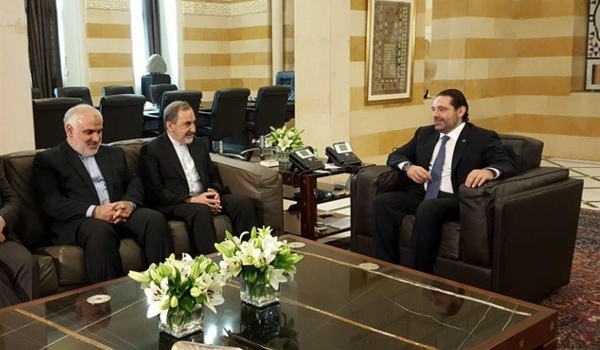
What Prompted Hariri to Resign after Meeting with Iranian Envoy?

Velayati-Saad Hariri

A source close to Ali Akbar Velayati, the senior aid to Iran’s Leader, has revealed the secret contents of a Friday meeting between Velayati and Lebanese PM Saad Hariri.

“Hariri, who had just came back from his trip to Saudi Arabia, held talks with the Iranian envoy in Beirut and immediately left the Lebanese capital for Riyadh to announce his resignation through Saudi media,” the source said.

The source, who spoke on condition of anonymity, also said during the talks in Beirut, Hariri raised Saudi Arabia’s demands, urging Iran to stop supporting the oppressed nation of Yemen and improve its ties with the Persian Gulf Cooperation Council members.

“In response, Velayati called on Hariri to have the Saudis stop their airstrikes against the innocent and besieged nation of Yemen and establish dialogue with the Yemenis to resolve the crisis underway in the country,” the source told the Fars News Agency.

According to the source, with their inappropriate demands, Hariri and the Saudis expected Iran to leave alone the Yemenis to their fate “but after receiving Iran’s negative response, the Saudis called back Hariri and urged him to resign.”

Referring to the resignation letter of Hariri, the source went on saying a short review of the wording of the letter leaves no doubt that it was the Saudis who had dictated the resignation on Hariri.

“Hariri hoped that he could convince Iran on the part of Saudi Arabian officials to stop its opposition to the inhumane policies of Riyadh towards Yemen including conducting airstrikes against the innocent women and children and imposing siege on the impoverished nation which is suffering from lack of food and medicines. But after facing Iran’s strong objection, he decided to resign,” the source noted.

The informed source also referred to the scarcity of basic medicines and foods in Yemen and said today 700,000 people in Yemen are being infected with cholera. “The Islamic Republic of Iran is not ready to withdraw its support for the oppressed people of Yemen.”