Friday, December 26, 2025
Home Blog Page 3791

Iran Says Trump’s Oil Embargo Violates Nuclear Deal

Iran Says Trump’s Oil Embargo Violates Nuclear Deal

Trump issued a statement last Saturday, saying because there was enough supply of oil from other countries, it was possible to limit the purchase of oil and its derivatives from Iran.
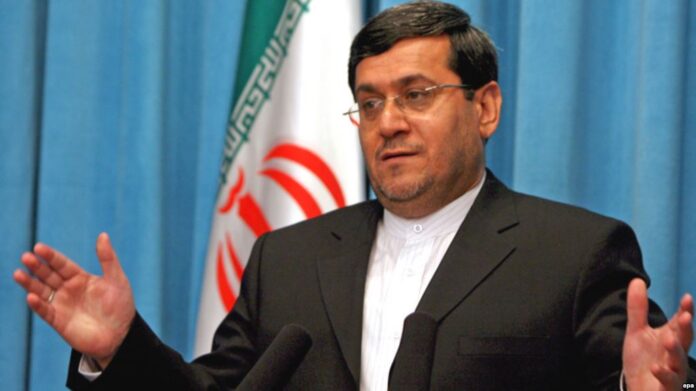
In reaction to the remarks, Chairman of the National Security and Foreign Policy Commission of Iran’s Parliament, Alaeddin Boroujerdi, said by such statements, the US once again violates the Joint Comprehensive Plan of Action (JCPOA).

According to a Farsi report by Alef news website on Saturday, he went on to say it seems Trump views himself as the chief of the global village. “This comes as he is just the president of the US and a hated one.”

The Iranian lawmaker said throughout the US history, there has been no president weaker than Trump.

“Trump is not in a position to decide about the share of countries in the international oil market. Iran is a member of the Organization of the Petroleum Exporting Countries and will defend its rights within the organization,” he noted.

Boroujerdi also pointed out Trump is not entitled to meddle in such issues and his declaration lacks legal credibility.

In his declaration, Trump said the international oil market would remain normal by cutting purchases from Iran.

“I determined that there is a sufficient amount of oil and oil products from countries other than Iran, and this allows a significant reduction in the volume of oil and petroleum products that are purchased from Iran,” Trump said in a November 17 memorandum sent to the US finance and energy ministers.

According to Iranian Oil Minister, Bijan Namdar Zanganeh, Iran is supplying up to 2.5 million barrels of oil per day to the world market and cutting this amount will definitely affect the market.

“Mr. Trump talks too much,” Zanganeh said, responding to Trump’s remarks in the document extending an embargo on the supply of oil from Iran, first introduced in 2012.

23,000 Children Die in Yemen Due to Preventable Causes: UNICEF

“In 2016, 23,000 newborns died due to preventable causes,” the UNICEF said in a post in its Twitter account, quoting its Friday report on the latest situation of Yemen.

Meanwhile, the UNICEF says that by March 2017, at least 1,546 children were killed and 2,450 others maimed in Yemen under the airstrikes of the Saudi-led coalition.

23,000 Children Die in Yemen Due to Preventable Causes: UNICEFSince March 2015, Saudi Arabia and some of its Arab allies have been launching airstrikes against the Houthi Ansarullah movement in an attempt to restore power to the fugitive former President Abd Rabbuh Mansour Hadi, a close ally of Riyadh.

The coalition’s airstrikes on the innocent people of Yemen has led to the epidemic of various diseases like cholera in the impoverished state.

In its Friday report, the UNICEF further elaborated on its measures to help the children in the war-torn country, saying, “Today, Yemen launches 2017-2021 Maternal Newborn Strategy which is supported by UNICEF, UNFPA, and WHO.”

“When implemented, care units for sick newborns will be ready to help them survive and live to their full potential,” it added.

Iran’s Hassanzadeh to Be Named AFC Futsal Player of Year

Hassanzadeh

While the official winners of AFC awards are expected to be announced on Wednesday, Hassanzadeh is reported to be the chosen as the AFC Futsal Player of the Year.

He is going to attend the awards ceremony, which is due to be held in Bangkok on November 29, according to Iranian media reports.

Hassanzadeh, who first won the AFC Futsal Player of the Year accolade in 2014 and then in 2016, has been instrumental in Iran’s achievements in recent years.

Currently playing for Giti Pasand in the Iranian Futsal Super League, Hassanzadeh has also won the AFC Futsal Club Championship on two occasions – in 2010 with Foolad Mahan and five years later whilst representing Tasisat Daryaei.

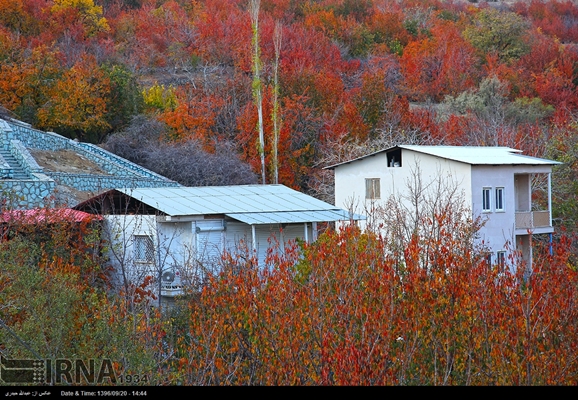
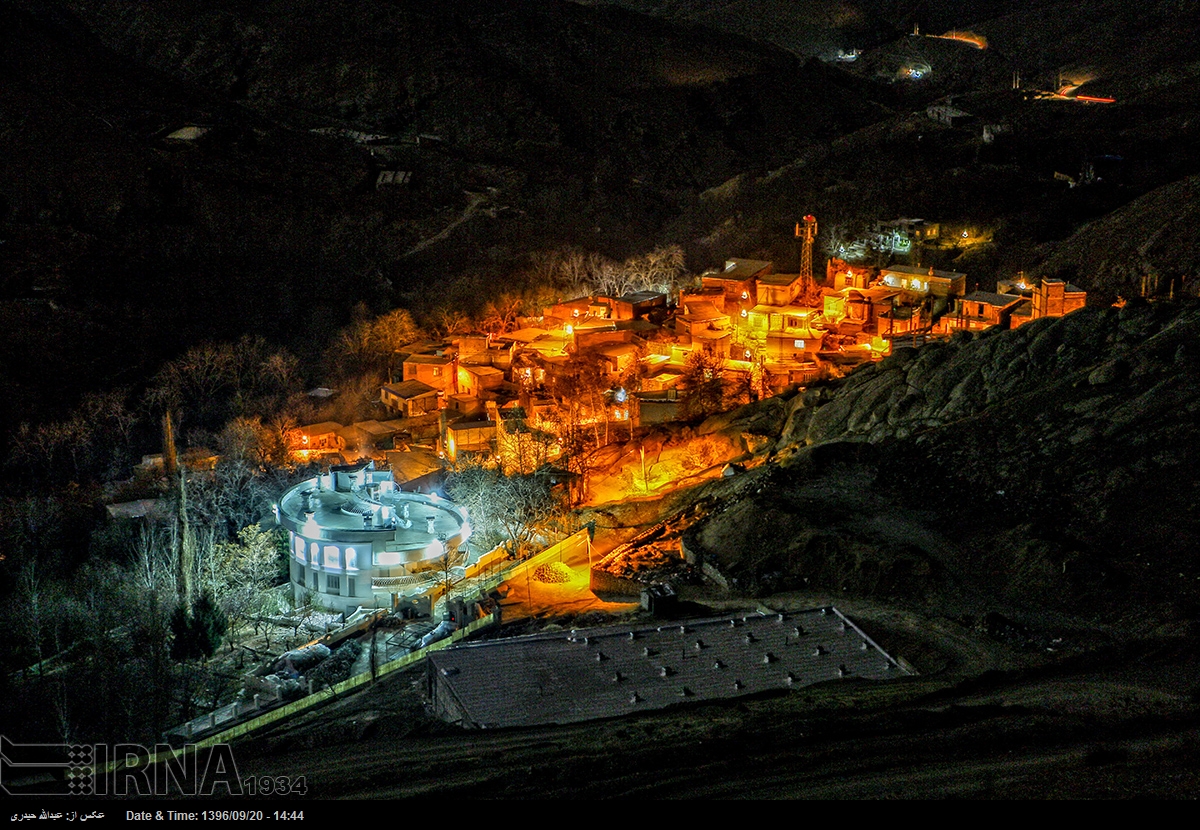
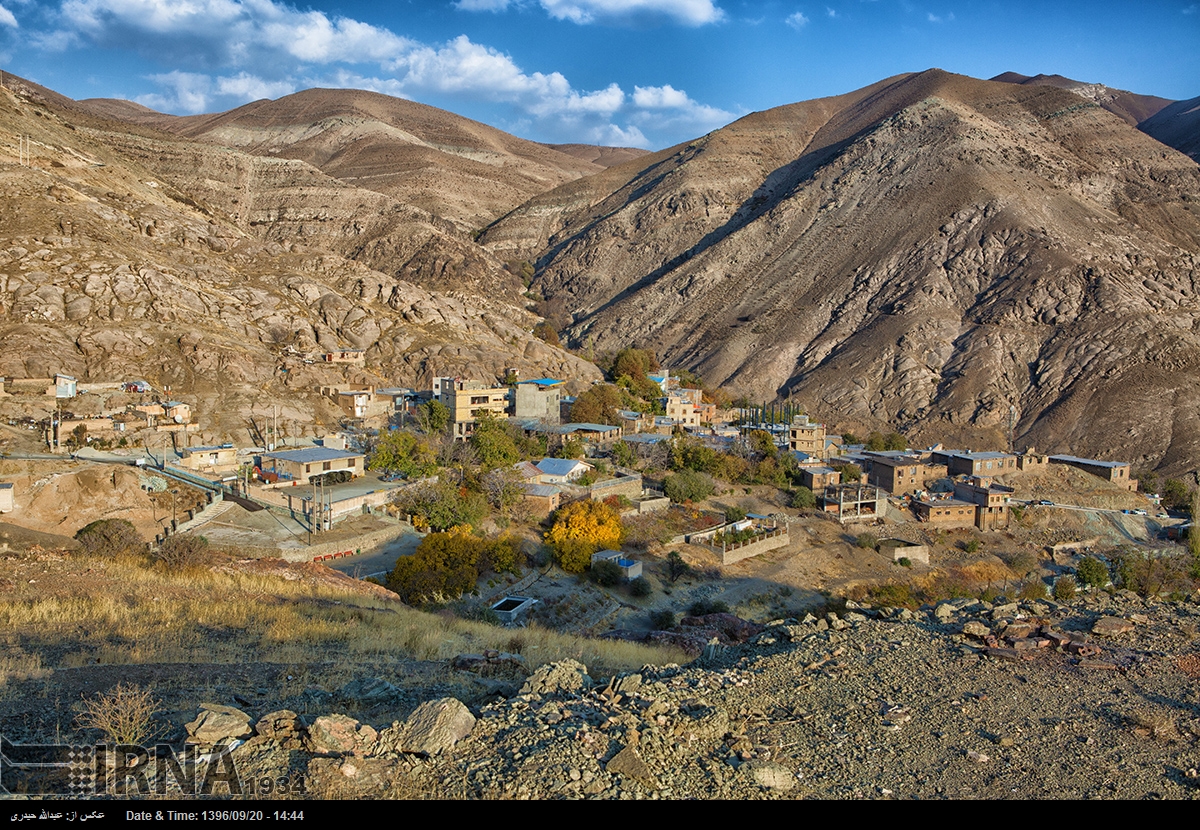
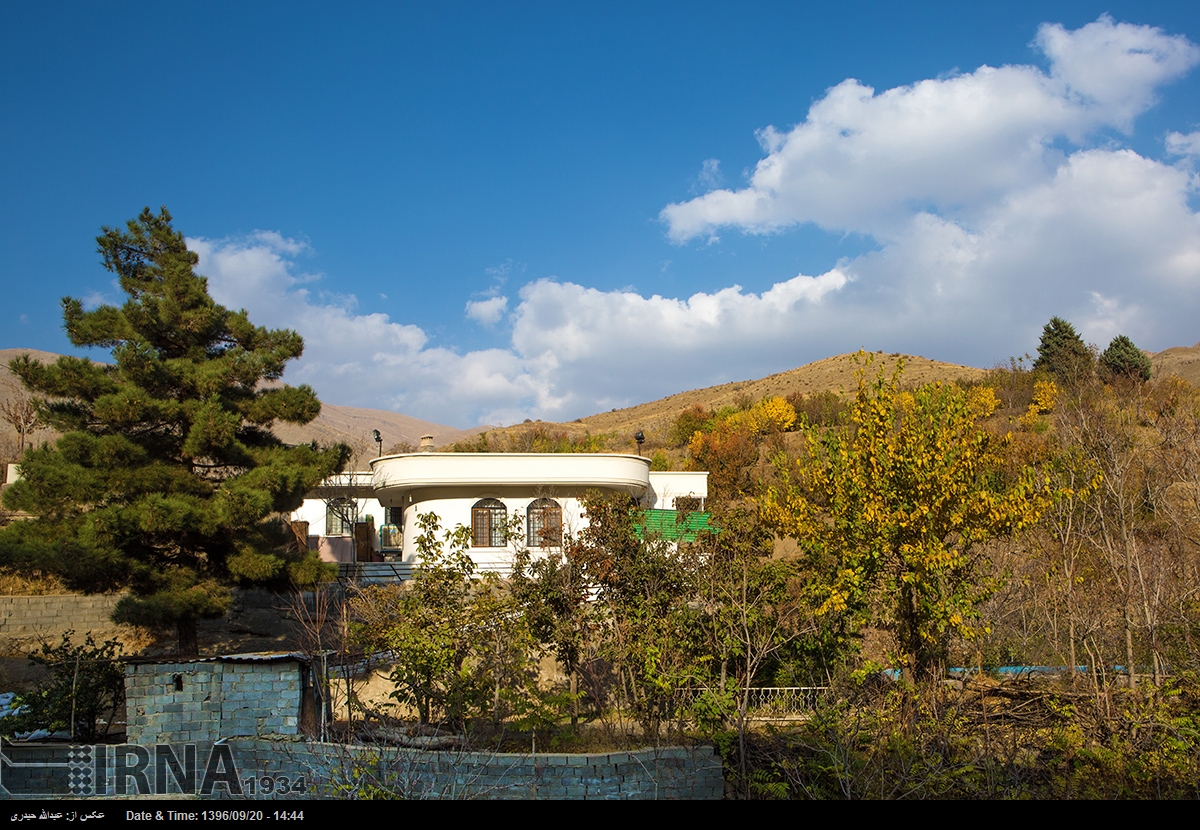
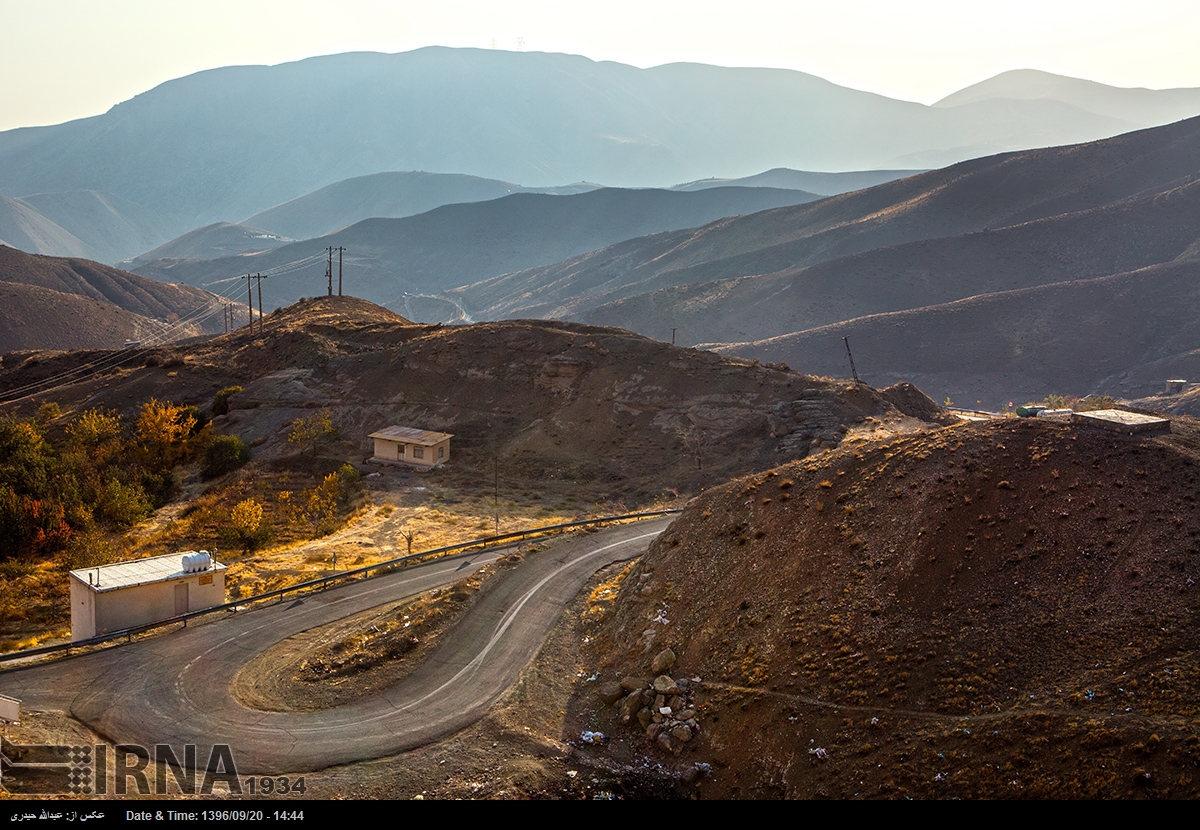
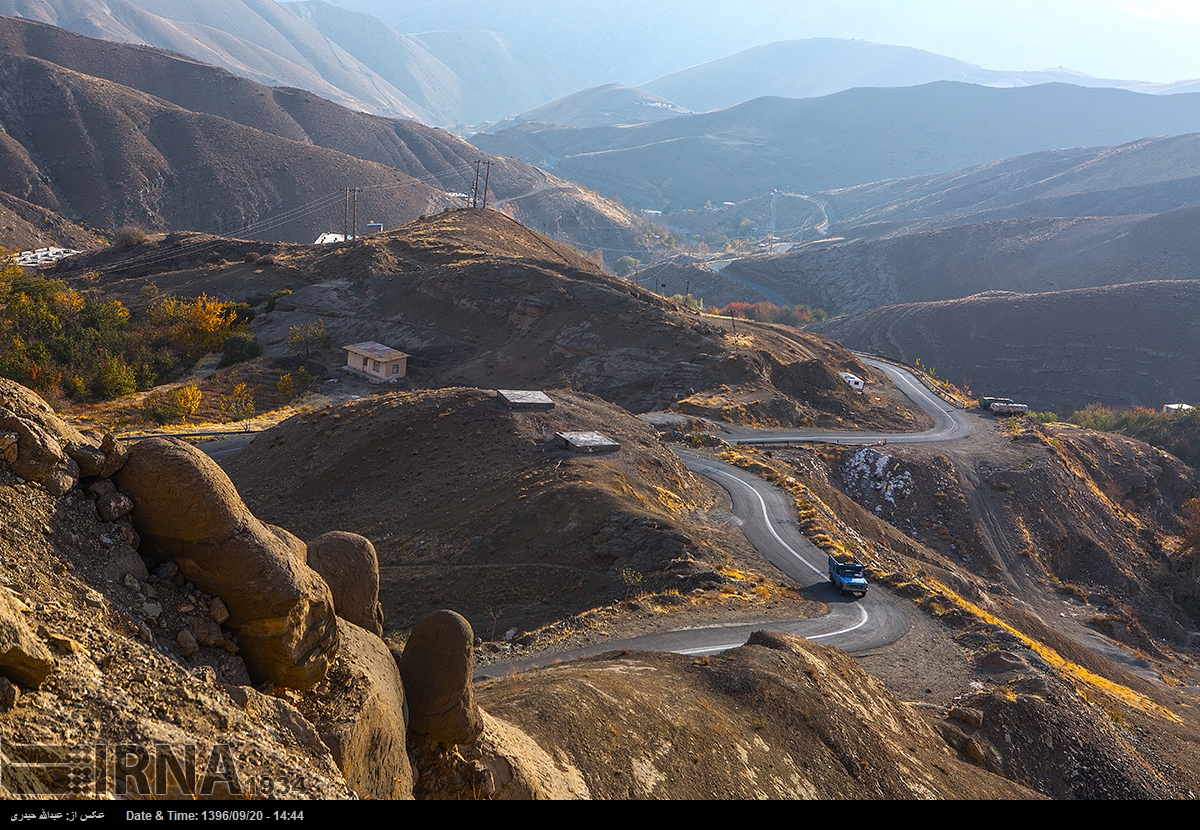
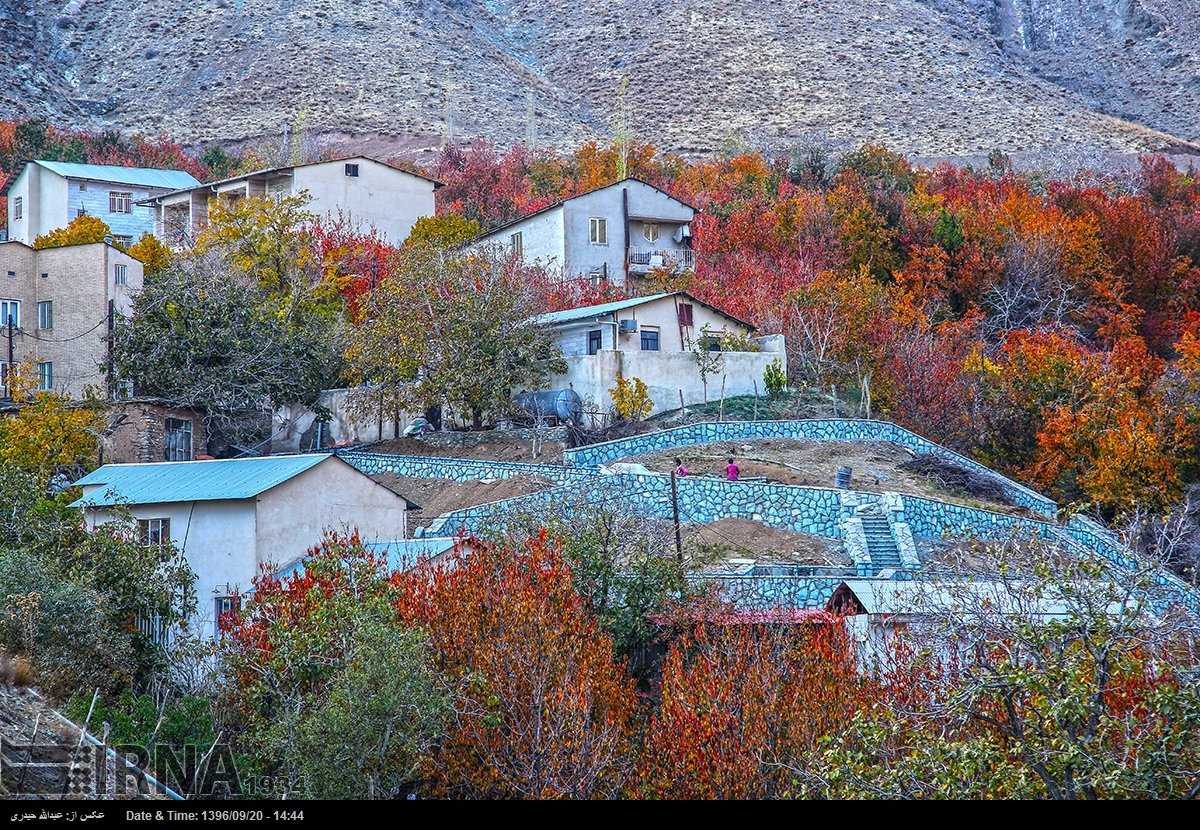
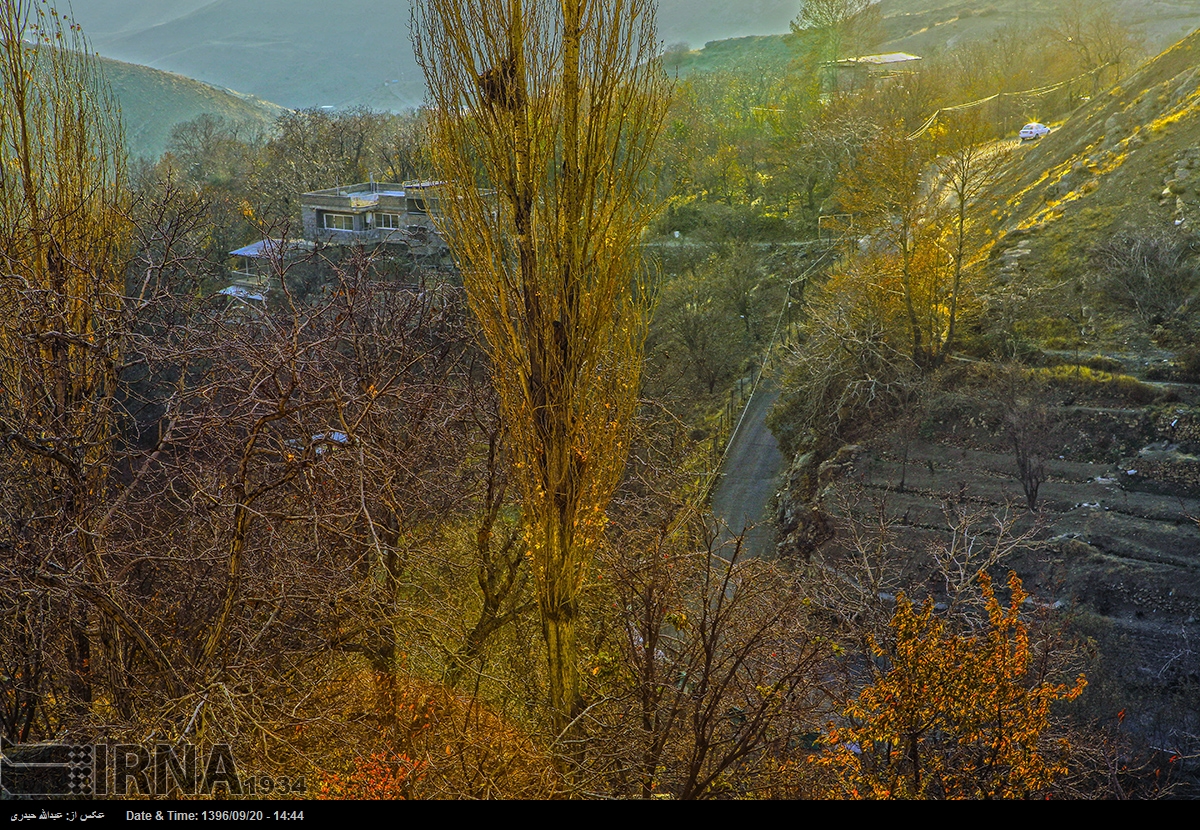
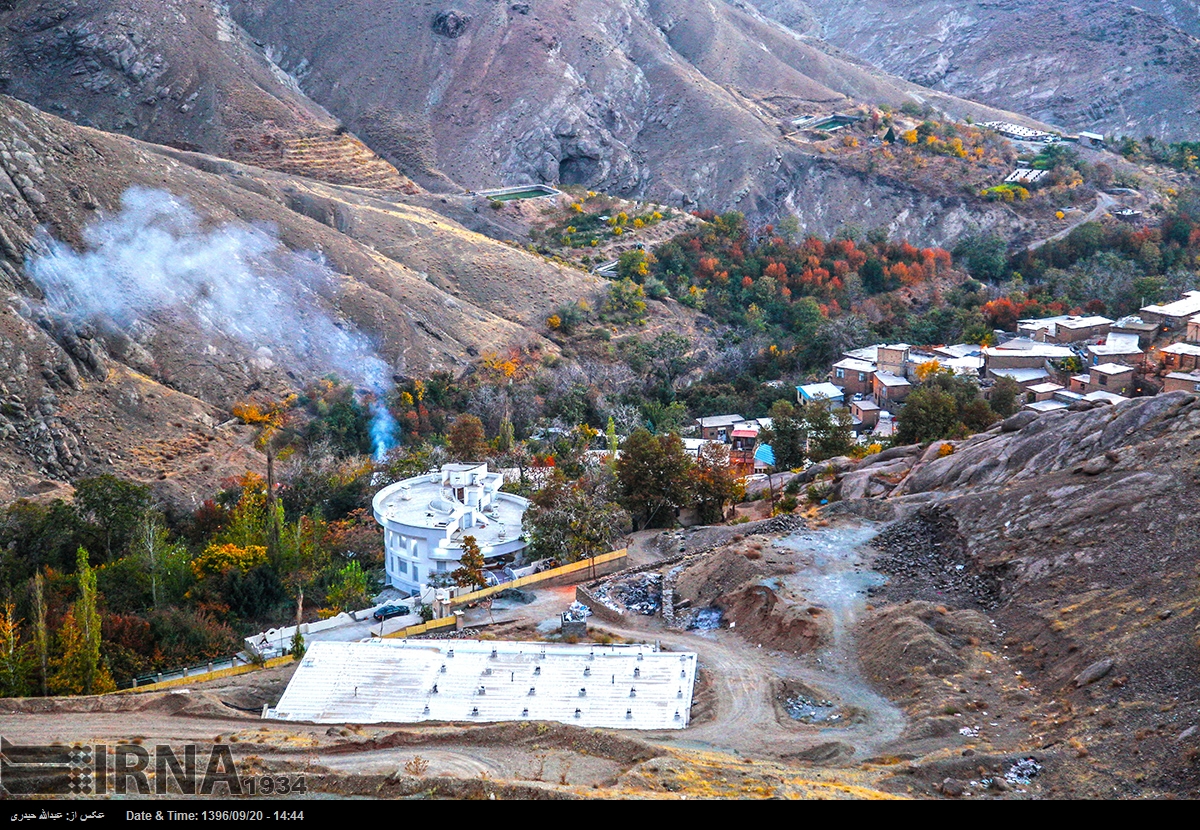
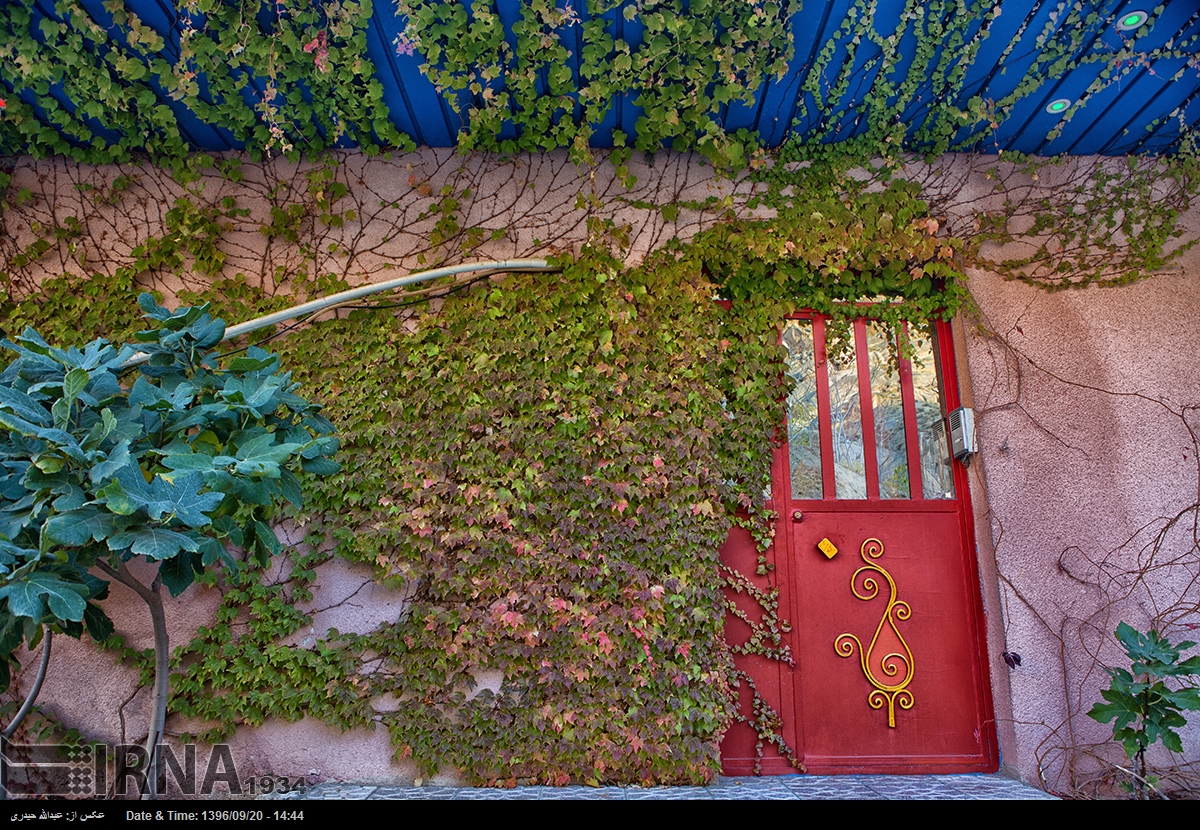
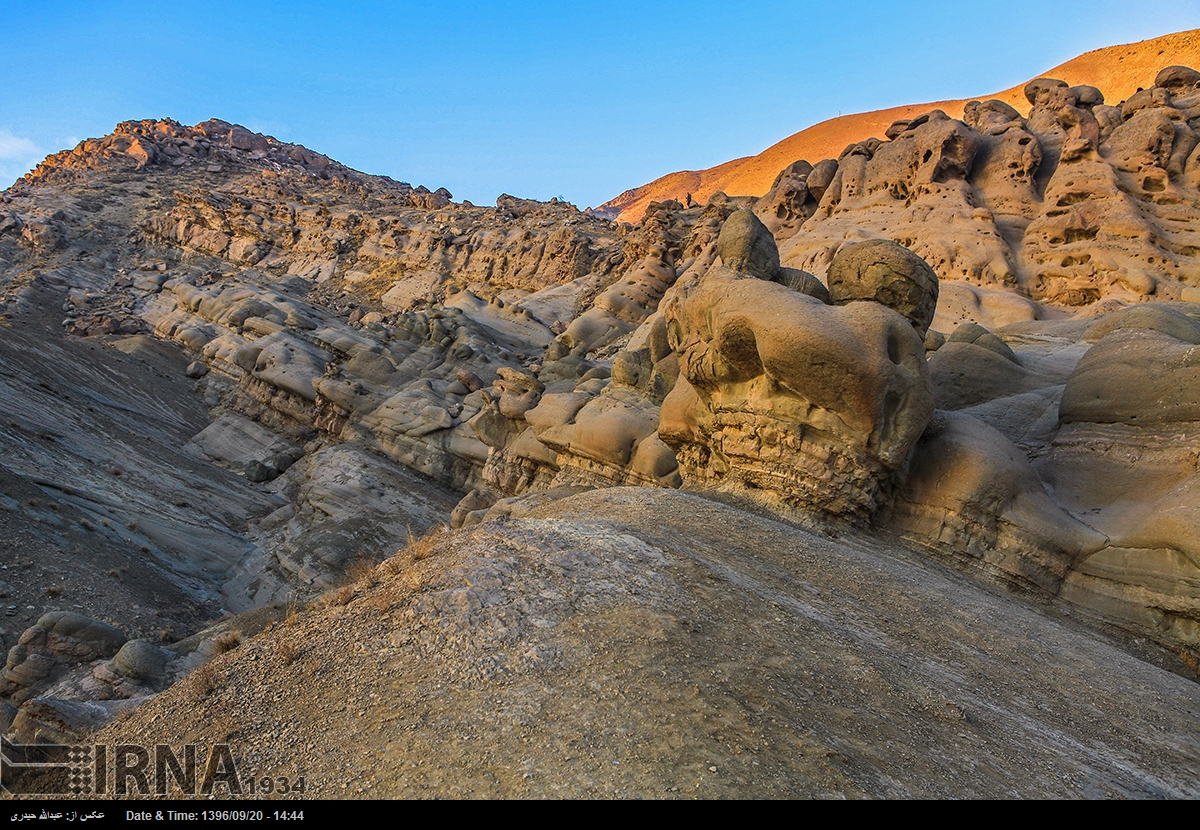
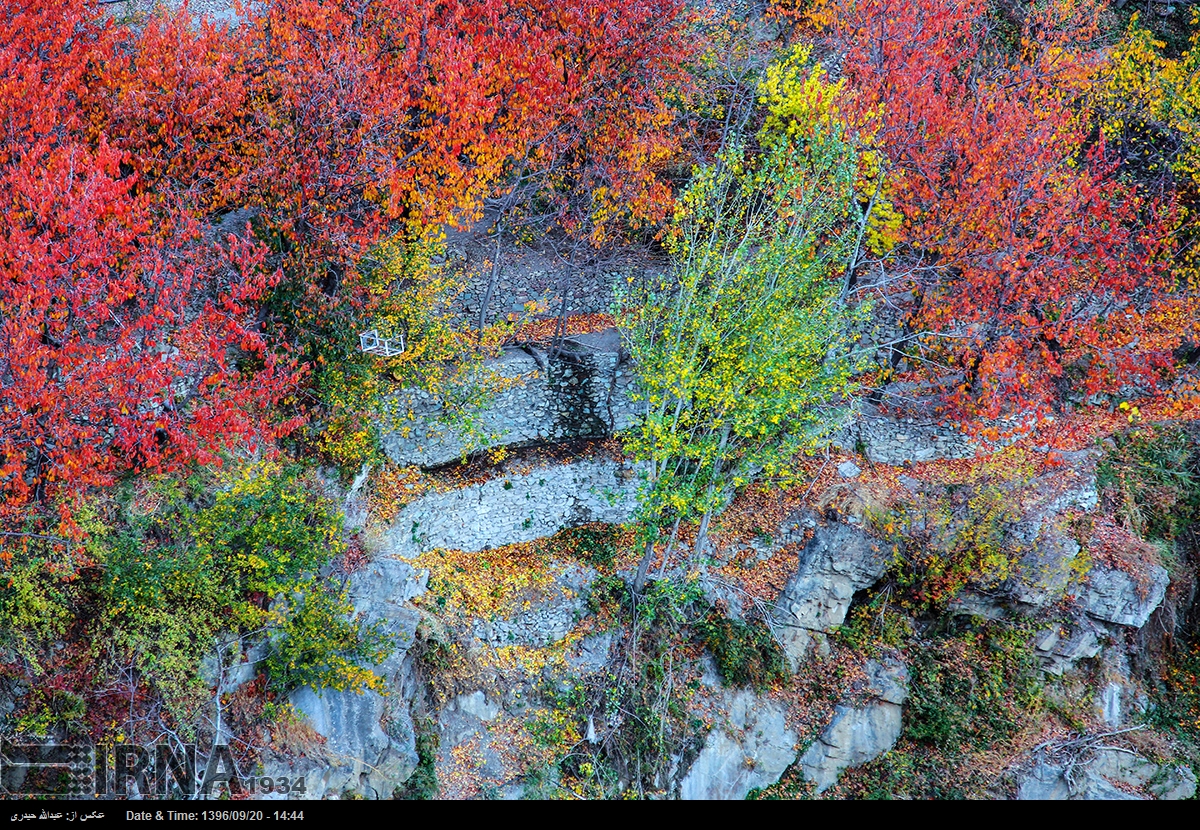
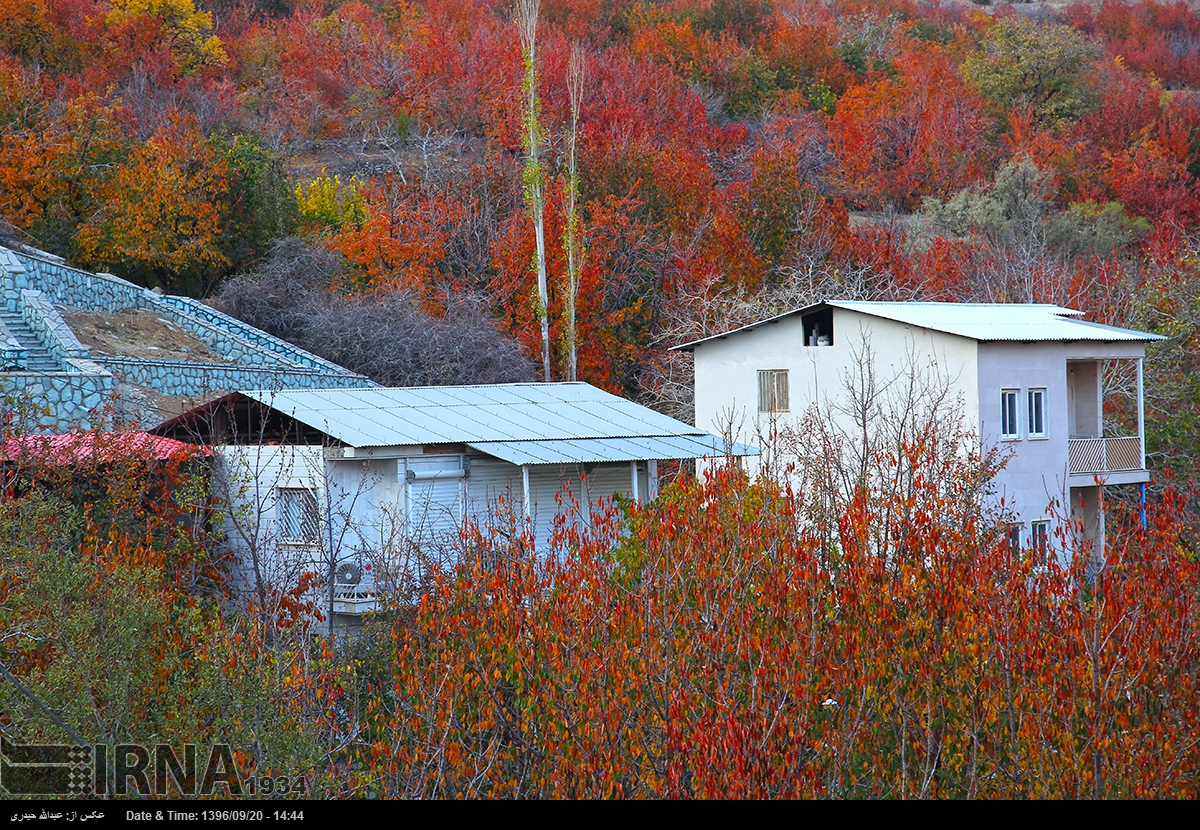
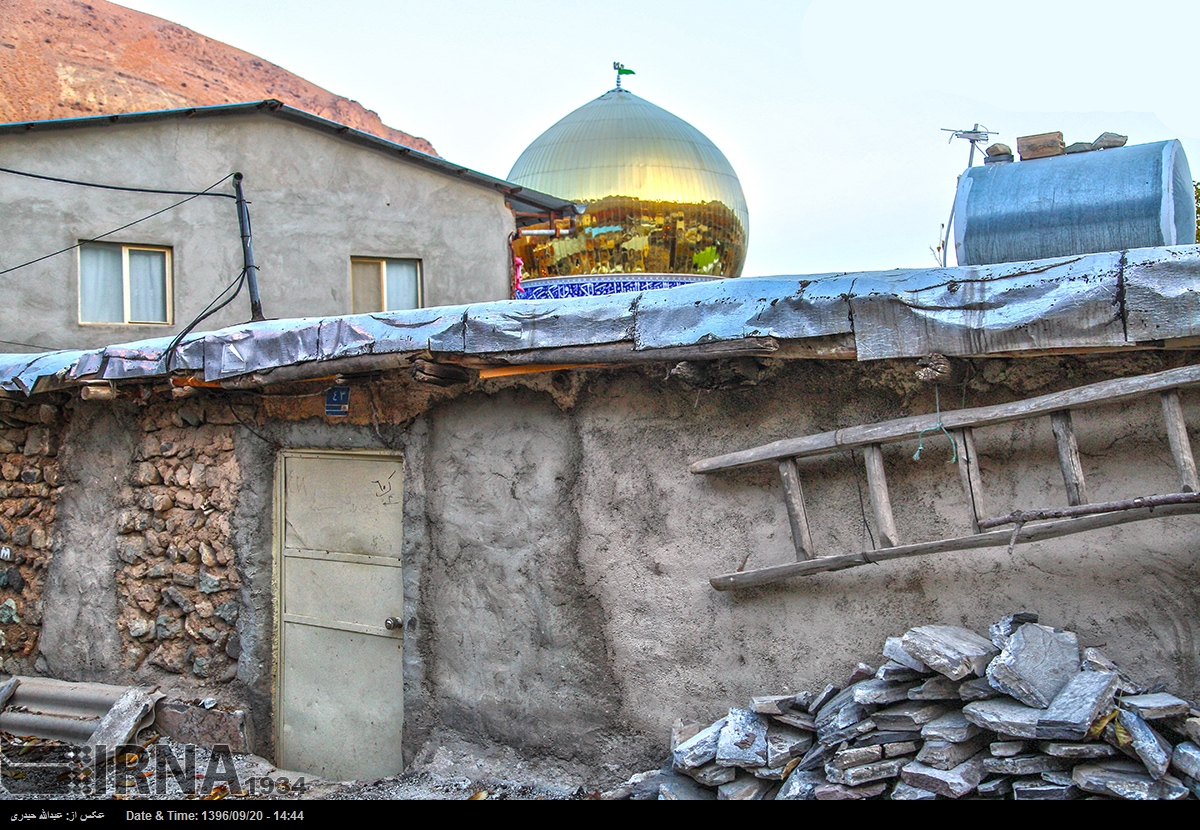
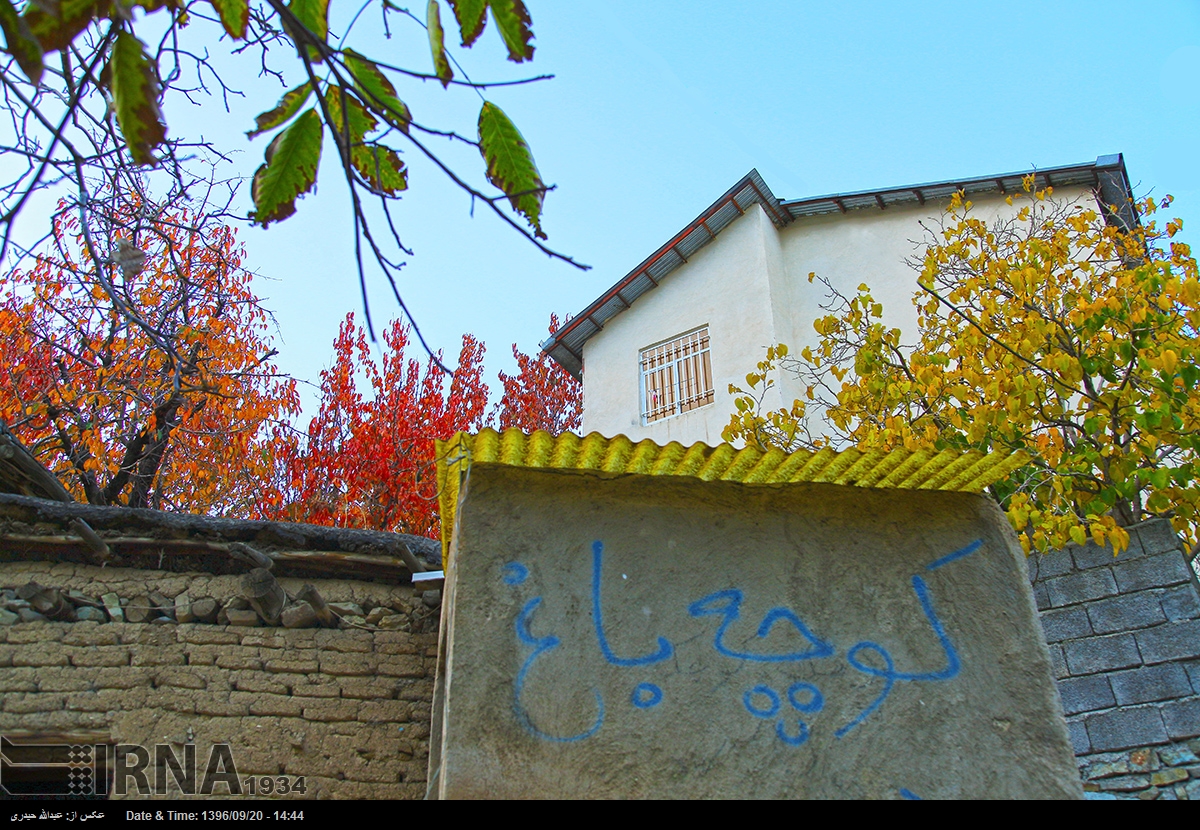
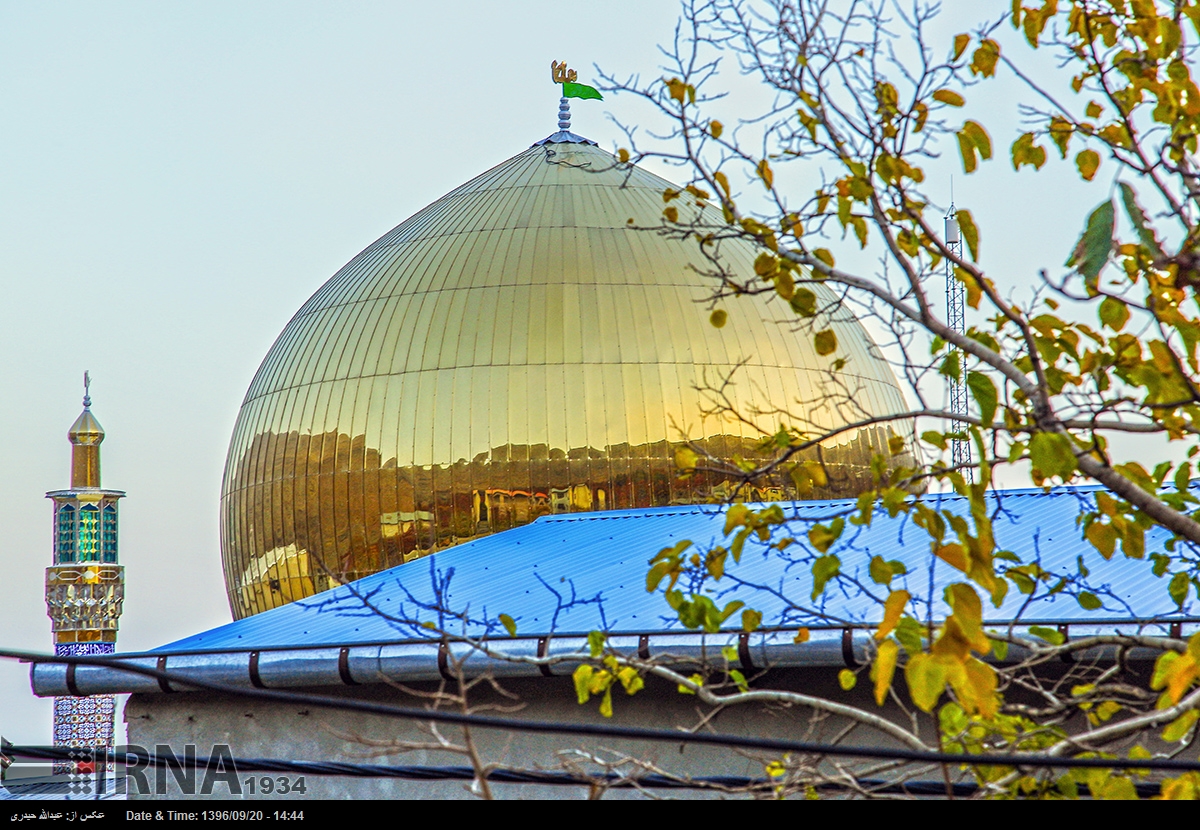
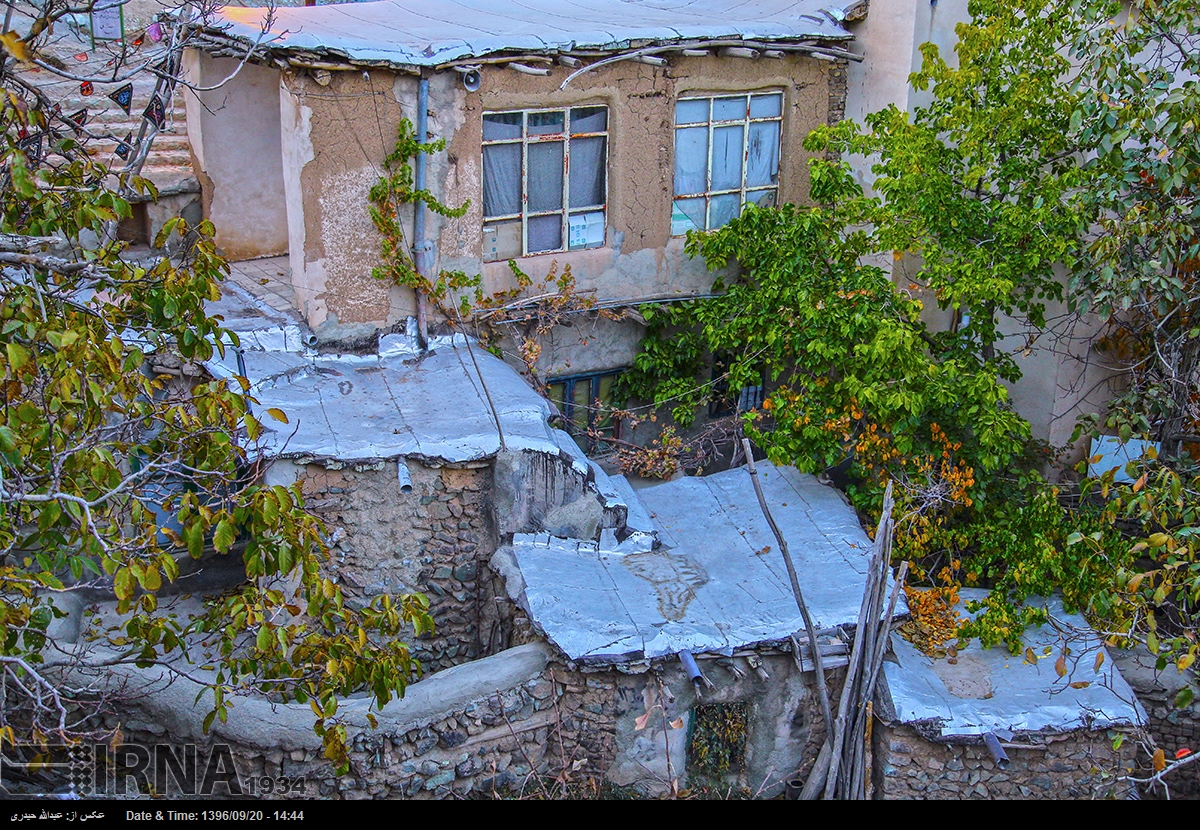
Iran’s Beauties in Photos: Autumn in Mashhad

The city is named after and known for housing the tomb of Imam Reza, the eighth Shiite Imam. Every year, millions of pilgrims visit the Imam Reza shrine and pay their tributes to Imam Reza.

Mashhad features a steppe climate with hot summers and cool winters. The city only sees about 250 millimetres of precipitation per year, some of which occasionally falls in the form of snow.

Mashhad also has wetter and drier periods with the bulk of the annual precipitation falling between the months of December and May. Summers are typically hot and dry, with high temperatures sometimes exceeding 35 °C. Winters are typically cool to cold and somewhat damper, with overnight lows routinely dropping below freezing. Mashhad enjoys on average just above 2,900 hours of sunshine per year.

What follows are Tasnim’s photos of Mashhad’s beauty in autumn:

Iran Says Israel’s Nuclear Arsenal Threatens Mideast Security

Reza Najafi

Addressing a meeting of the IAEA’s 35-member Board of Governors in Vienna on Friday, Najafi denounced the West’s double standard approaches on Israel’s move to develop its nuclear program in violation of all international regulations.

The Iranian envoy also highlighted the repeated demands of the international community and the IAEA resolutions that the Israeli regime immediately join the NPT and Israel’s nuclear installations be subjected to the full monitoring of IAEA safeguards..

“The Zionist regime [of Israel] has unfortunately overlooked legitimate demands of the international community over the past years and continued to advance its military nuclear program in blatant violation of all international regulations and with the blind support of certain countries,” he said.

He added Israeli military nuclear activities are the main cause of concern among regional nations and the international community and urged the UN nuclear agency to closely and seriously attend to the issue.

Najafi also urged a complete ban on any type of nuclear cooperation with Israel.

Israel is estimated to have 200 to 400 nuclear warheads in its arsenal. The regime, however, refuses to either accept or deny having the weapons.

It has also evaded signing the NPT amid staunch endeavor by the United States and other Western states on international levels in favor of its non-commitment to the accord.

A Look at Iranian Newspaper Front Pages on November 25

Several papers today covered the remarks made by the Leader of Iran’s Islamic Revolution Ayatollah Seyyed Ali Khamenei in a meeting with a group of Muslims clerics from around the world. During the meeting, the Leader particularly highlighted the need for unity among Muslim countries and the removal of the ‘cancerous tumour’ of Israel.

A deadly terrorist attack on a mosque in Egypt’s Arish also received great coverage. Iran has strongly condemned the attack, which has so far killed at least 235 people.

Also a top story was Saudi Crown Prince Mohammed bin Salman’s anti-Iran comments, which were downplayed by the Iranian foreign ministry spokesman.

The above issues, as well as many more, are highlighted in the following headlines and top stories:


19 Dey:

1- Bloody Prayers in Egypt: Over 300 Killed, Wounded in Mosque Attack

2- Iran Leader: Unity of Muslim Society Very Necessary

3- Urban Development Minister: We’ll Stand by Quake-Hit People until Last Reconstruction

A Look at Iranian Newspaper Front Pages on November 25


Abrar:

1- Rouhani: Iran Sees Afghanistan’s Peace, Stability Beneficial for Region

2- Larijani: Terrorists Migrating to Libya and Afghanistan

3- Bin Salman: With Trump’s Support, We Seek to Create Anti-Iran Coalition

A Look at Iranian Newspaper Front Pages on November 25


Aftab-e Yazd:

1- Iran Leader: We’ll Help Wherever Our Presence Needed for Countering Arrogance

2- IRGC Chief-Commander: We’re Providing Yemen with Advisory Help

A Look at Iranian Newspaper Front Pages on November 25


Etemad:

1- Waiting for the Government: Latest Efforts to Legalize Ban on Violence against Women

A Look at Iranian Newspaper Front Pages on November 25


Ettela’at:

1- Iran Top General: We’re Ready to Prevent Seditions Similar to ISIS

2- Rouhani to Afghan President: We Should Be Vigilant against Divisive Enemy Plots

A Look at Iranian Newspaper Front Pages on November 25


Iran:

1- Reconstruction of Quake-Hit Areas Started Today

  • People to Live in Their Permanent Houses in Less than One Year: Minister

2- Iran First VP: No Country Benefits from Global Threats

A Look at Iranian Newspaper Front Pages on November 25


Javan:

1- IRGC Chief-Commander: For Now, We Exercise Self-Restraint towards Saudi Arabia

2- Expensive Bread for Domestic Market, Cheap Gas for Other Countries

  • Two Reports on Poor Supply of Bread, Waste of $135bn by Gas Dealers

A Look at Iranian Newspaper Front Pages on November 25


Jomhouri Eslami:

1- Iran Leader: Love for Prophet Muhammad’s Descendants Proper Ground for Muslim Unity

2- Iran Urges Saudi Crown Prince to Think about Regional Dictators’ Fate

3- Robert Fisk: Time Has Chanted, US No Longer Has Final Say in Mideast

A Look at Iranian Newspaper Front Pages on November 25


Kayhan:

1- American Torturers Hanging Saudi Princes Opposed to Bin Salman Upside Down

2- Formation of ISIS Increased Preparedness of Resistance Front: IRGC Chief

A Look at Iranian Newspaper Front Pages on November 25


Quds:

1- Over 500 Shiite, Sunni Clerics from 94 Countries Gather in Imam Reza Shrine

2- AFC Says Saudi Football Teams Should Come to Iran for ACL Matches

A Look at Iranian Newspaper Front Pages on November 25


Resalat:

1- Iran Leader: US, Zionism Won’t Stop Hostility towards Islam

2- IRGC Chief-Commander: We’ll Show Restraint towards Saudi Arabia’s Hostile Approach

A Look at Iranian Newspaper Front Pages on November 25


Saheb Qalam:

1- First VP: Cooperation with Latin America Crucial in Iran Foreign Policy

2- Velayati: We’re Proud of Iran’s Regional Influence

A Look at Iranian Newspaper Front Pages on November 25


Shahrvand:

1- Iran Earthquake Causes $1.4 Billion in Damage, 11 Times More than Province’s Annual Budget

A Look at Iranian Newspaper Front Pages on November 25


“Macron Should Recall France’s Arming of Saddam against Iran”

French-President

Reza Nasri, an Iranian expert in international law, has, in an elaborate interview with the Persian-language reformist newspaper Jame’eh Farda, has weighed in on the policies of the new French government and the reasons behind President Macron’s position on Iran.

Nasri, who resides in Geneva, has also expounded on the structure of the American institutions making decisions on the country’s international relations and the trend of regulating the country’s foreign policy.

Nasri says the US State Department, traditionally and historically, mostly relies on scientific data and consultation with think-tanks and universities in order to adopt its foreign policy. However, he says, the White House is mostly dependent on experience rather than drawing on scientific consultations, and is engaged with powerful lobbies. He says the non-scientific approach adopted by the White House is more noticeable at this juncture than ever.

The highlights of Nasri’s views on Iran-France relations, translated by the IFP News, follow:


The Macron administration tries to consolidate France’s position in the European Union and turn the country into the pivot of the bloc’s common foreign policy.

A viewpoint prevailing in part of France’s ruling elite is that with the Brexit coming into force and Britain leaving the European Union, France will practically be the only country in the bloc to enjoy the right of veto at the UN Security Council and possess the nuclear deterrence capability. Moreover, France believes its special relationship with the Arab world and the country’s colonial background makes it all the more necessary for Paris to play a more independent and more active role in settling regional conflicts.

France seeks to talk to Iran with a different tone, i.e. from a position of power, so that it might be able to play a role as a replacement for Mogherini to act as an intermediary between Iran and Saudi Arabia or Iran and the US.

It seems that so far, France’s harsh tone vis-à-vis Iran and its missile program, especially in comparison with the more logical and moderate position adopted by Mogherini and EU officials, has backfired.

The Rouhani administration is highly capable of establishing interaction and rapport with world powers. It can prevent the formation of consensus both inside and outside countries through different ways, namely through public diplomacy and enhancement of trade and economic ties with private players. What is more, a legal/political framework called the Joint Comprehensive Plan of Action (JCPOA) exists between Iran, European countries, China and Russia, a framework which has many advocates and no country can easily violate it by imposing different sanctions.

Another point is that I do not think that in the ballistic missile issue, Iran will face problems which have the same weight as the ones in the nuclear dossier.

Mogherini has stressed that there are no anti-Iran sanctions on the agenda. Moreover, Iran’s situation is geopolitically and strategically very much different from its previous position, so much so that Iran will be able to safeguard its interests in the balance of power.

Also, I agree with Dr. Velayati’s position due to several reasons. Furthermore, the president has the same position as well.

From a legal perspective, Iran’s missile program is not in contravention of any of the country’s commitments and international regulations. Iran’s ballistic missiles are conventional weapons which are not banned under any resolutions and agreements, and Iran is entitled to possess them. By the United Nations’ own admission, Iran’s missile activities are not in violation of Resolution 2231. So, Macron has no justification for opposing Iran’s missile program.

From a strategic and security point of view, Iran legitimately and logically has the right to possess missiles. Let’s not forget that Saudi Arabia and certain Persian Gulf countries have, over the past three years, purchased hundreds of billions of dollars in weapons and, hence, have left Iran’s security and regional balance on shaky ground. From a security perspective, Velayati’s position is logical while Macron has no strong argument up his sleeve.

Politically speaking, it will not be in Iran’s interest to accept restrictions in the field of missile activities. In fact, if Iran accepts limitations on its ballistic missile program without any legal and humanitarian justification, there will be no guarantee that this dangerous precedent will not spread into the domain of Iran’s other conventional arms. There will also be no guarantee that the restrictions will not be incorporated into other areas such as flights, shipping, etc. Therefore, the position of the Iranian government and of Velayati is right.

From a historical perspective, Iran’s possession of ballistic missile is justified and legitimate as well. In other words, the French government, as one of the key suppliers of weapons to former Iraqi strongman Saddam Hussein during the Iraqi imposed war on Iran in the 1980s, should know better than any other government why Iran is sensitive about its ballistic missile program and deterrence capability.

In fact, Macron, who has called for transparency on Iran’s missile industry, should not forget that it was French Mirage, F-1 and Super Etandard planes as well as Alouette and Super Frelon helicopters plus air-to-ground missiles and the chemicals produced by the Protec SA company that somehow encouraged Iran to develop a deterrence capability and a missile program. So, even from a historical point of view, Macron is not in a position to ask questions.

And finally, the resolution issued by Arab states has no legal value. In fact, a UN panel has rejected Saudi Arabia’s claim against Iran and has reported that the Saudi kingdom has presented no evidence, whatsoever, that suggests Iran provided Houthis with the missile that they recently fired at Riyadh.

Iran FM Blasts “Cowardly” Mosque Attack in Egypt

 In an Arabic post on his Twitter account on Friday, Zarif condemned the deadly terror incident in Egypt’s Arish, which killed and wounded hundreds of people.

“Once again a cowardly act of terrorism dealt a blow to the dear Egyptian nation and once again proved that terrorism does not differentiate between divine and human values [and other things], as it does not differentiate between places, even if they are mosques and place of worship.”

“I strongly condemn this terrorist act and ask God to bestow his blessing and mercy upon the martyrs of the incident and to bring rapid recovery to the wounded,” he added.

At least 235 people were killed when gunmen opened fire and bombed a mosque in Egypt’s volatile Sinai Peninsula on Friday. Government officials said 109 more had been injured in the attack — among the deadliest in Egypt’s history.

Images from inside the building showed dozens of bodies wrapped in blood-soaked cloth lined up on the carpeted floor.

Police sources told The Associated Press that men in four off-road vehicles opened fire on worshippers in the al-Rawdah mosque in the town of Al Rawdah.

Iran Praises Kabul’s Efforts to Create Unity in Afghanistan

In a telephone conversation with his Afghan counterpart Ashraf Ghani on Thursday evening, President Rouhani expressed sorrow over recent terrorist attacks in Afghanistan and said the Kabul government has adopted a vigilant stance against terrorism in line with efforts to preserve unity and foil plots to sow discord in the region.

“The Islamic Republic of Iran wants sustainable peace, stability, and security in Afghanistan and considers them in line with (efforts to) develop its own security and in favor of regional peace and stability,” he noted.

The Afghan president, for his part, expressed condolences over the deadly earthquake in Iran’s western province of Kermanshah, saying that the two nations have always sided with each other.

Ghani further emphasized that one of the principled policies adopted by his government is to strengthen brotherly ties and unity among Shiites and Sunnis, adding that Afghanistan will never allow enemies to sow division in the country.

Back in May, Iranian Foreign Minister Mohammad Javad Zarif paid an official visit to Afghanistan and held talks with senior officials of the country on a range of issues, including ways to boost the relations between the two countries.

President Ghani had traveled to Iran in May 2016 to sign a trilateral agreement between Iran, Afghanistan, and India on the establishment of an international transit corridor via the Iranian port city of Chabahar.

While in Tehran, Ghani met with Rouhani, during which he voiced Kabul’s willingness to cement closer regional cooperation with Tehran.

Iran Urges Bin Salman to Think about Fate of Regional Dictators

In a Friday statement, Qassemi said given the past immature, absurd and unconsidered statements and behaviours of Saudi Crown Prince Mohammed bin Salman, the world community gives no credit any more to his remarks.

“The mistakes made by the adventurist Saudi crown prince, including his latest scandalous interference in the internal affairs of Lebanon which used to be the traditional ally of Saudi Arabia, have put the kingdom in deep trouble,” he noted.

Now that Bin Salman has begun to follow in the footsteps of the notorious dictators of the region, the Islamic Republic of Iran seriously advises him to think more about their doomed fates over the recent years, he added.

In an interview with the American daily The New York Times on Thursday, the Saudi crown prince said Saudi Arabia prefers a confrontational approach to “appeasement” in dealing with Iran.

Bin Salman also made an analogy between Iran’s growing regional influence and Germany’s hegemonic policies in the Hitler era and said, “We learned from Europe that appeasement does not work.”