
Kolakchal is located 3,350 metres above the sea level.
What follows are IRNA’s photos of Kolakchal heights, from Jamshidieh Park to mausoleum of martyrs and the tourists’ camp:
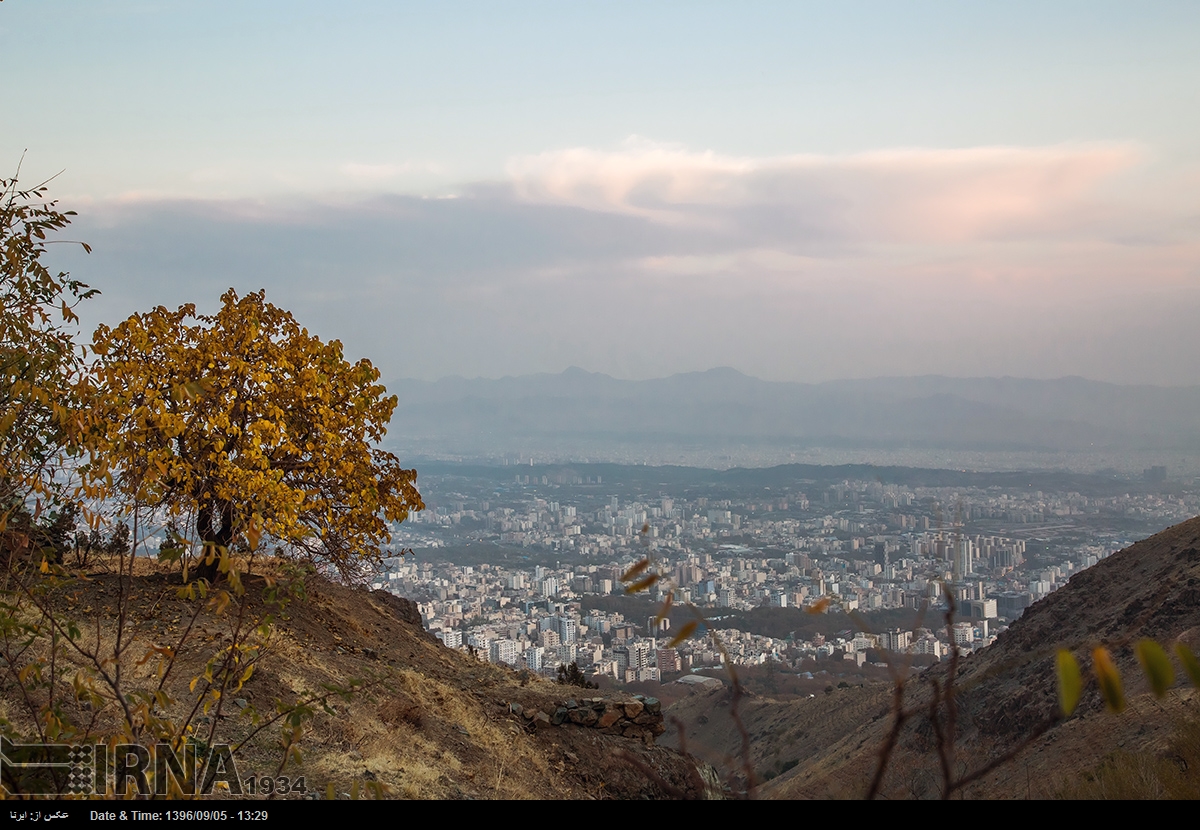


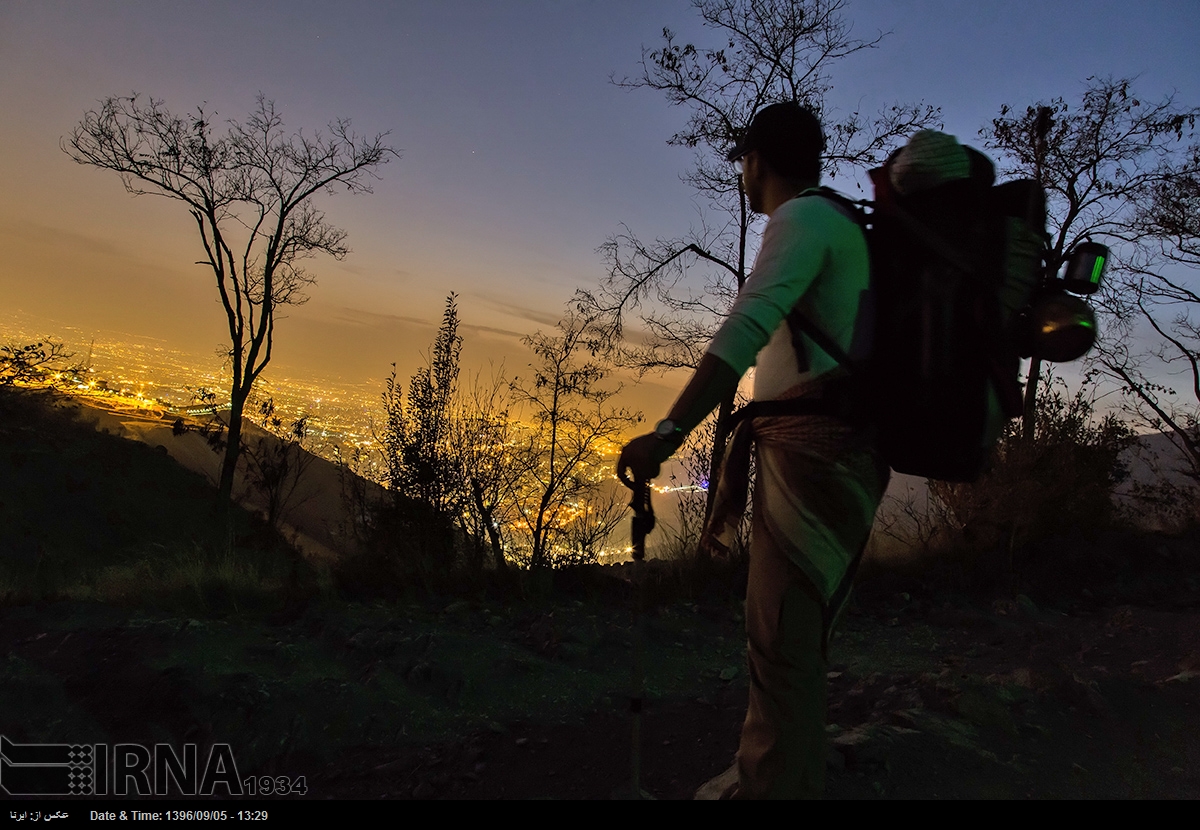

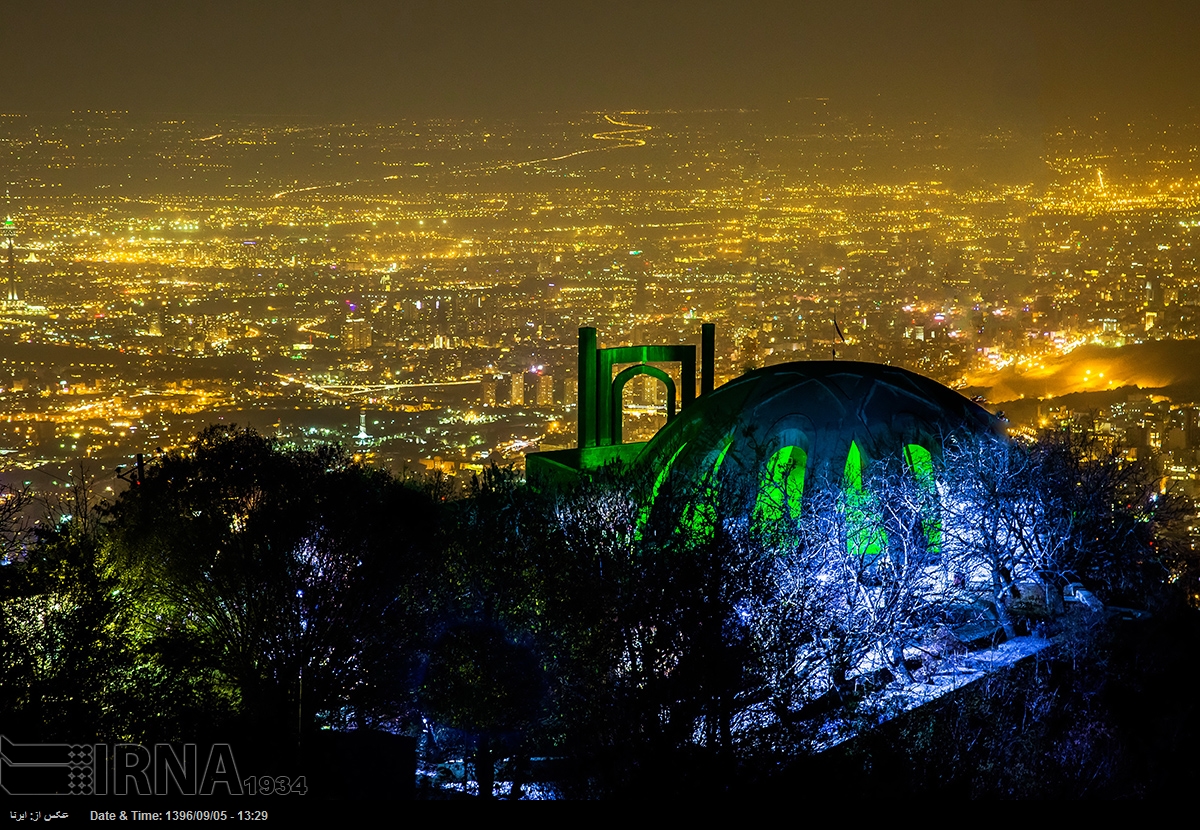


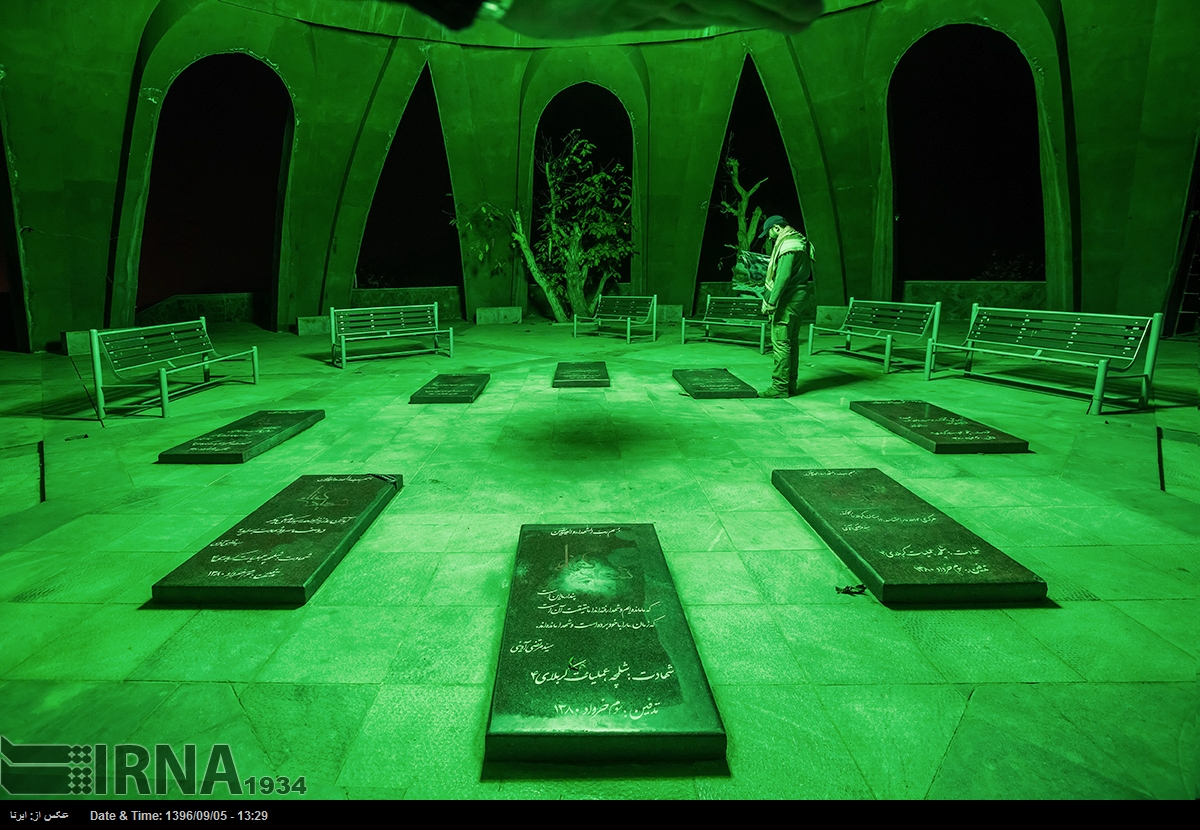
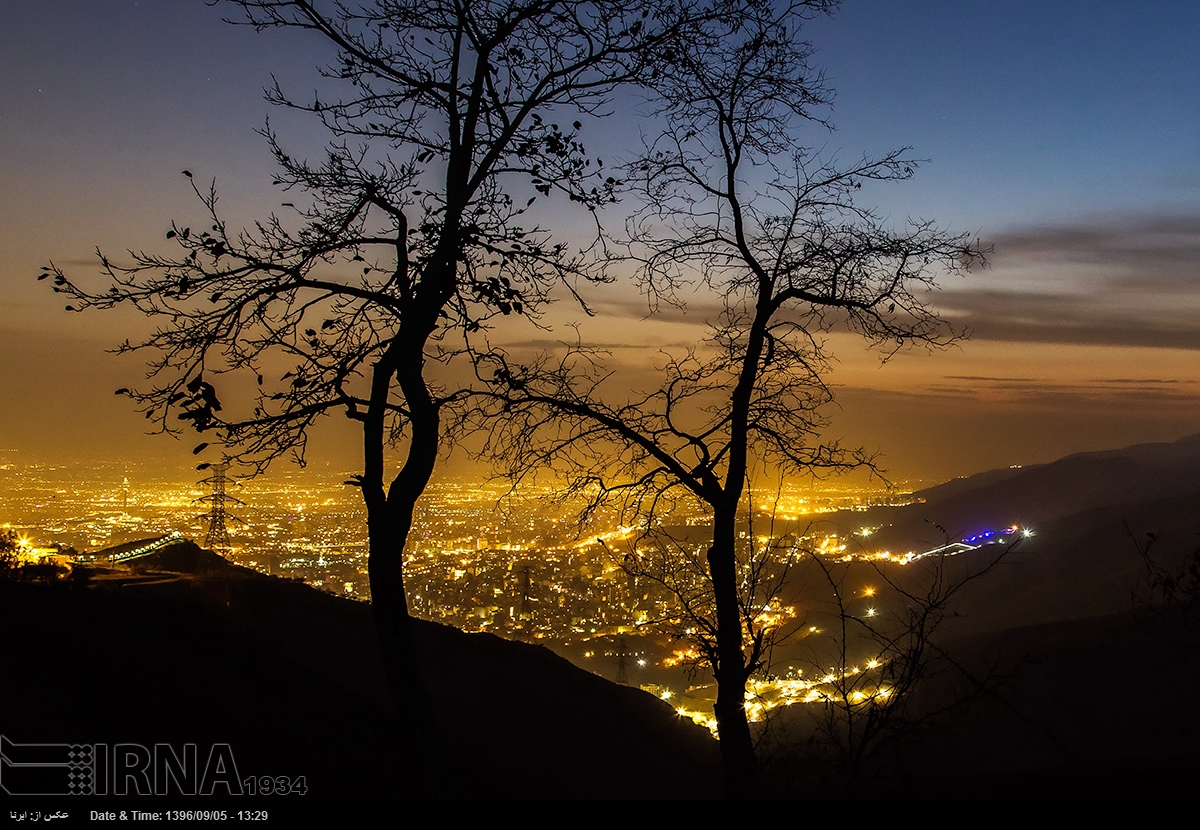
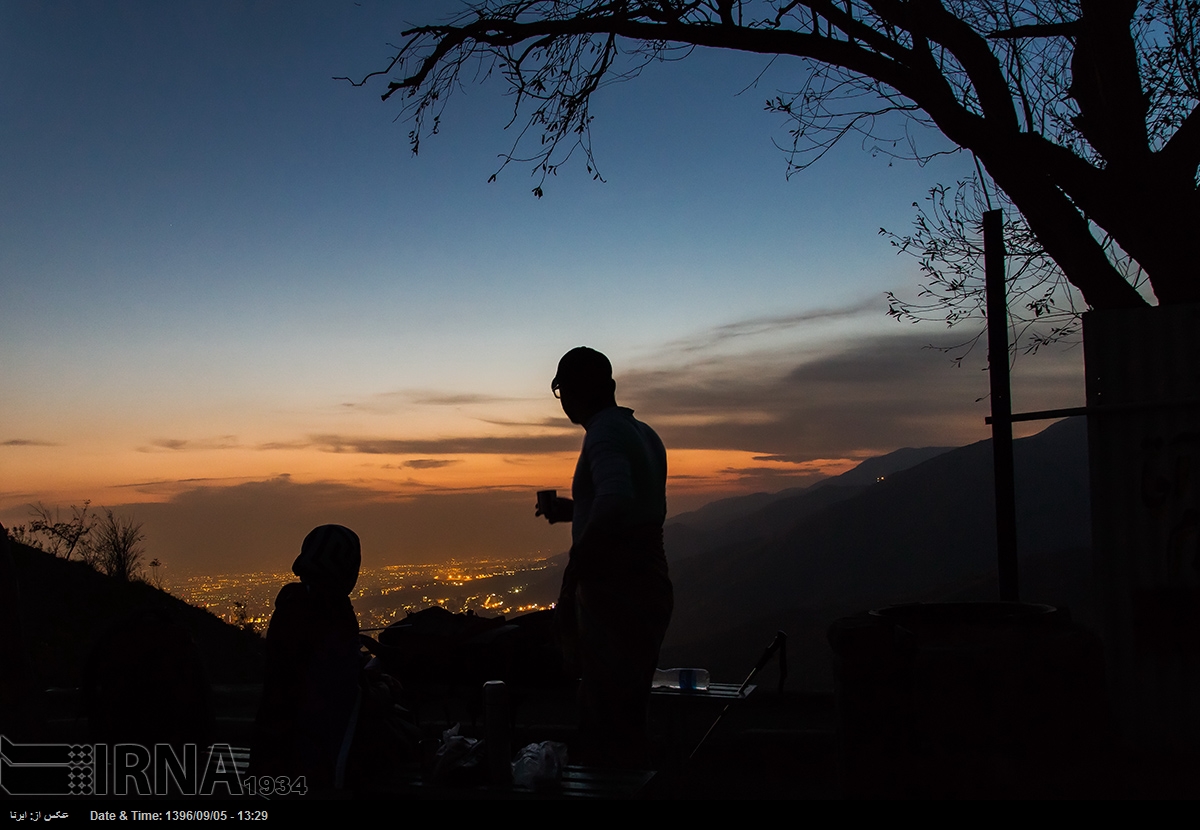
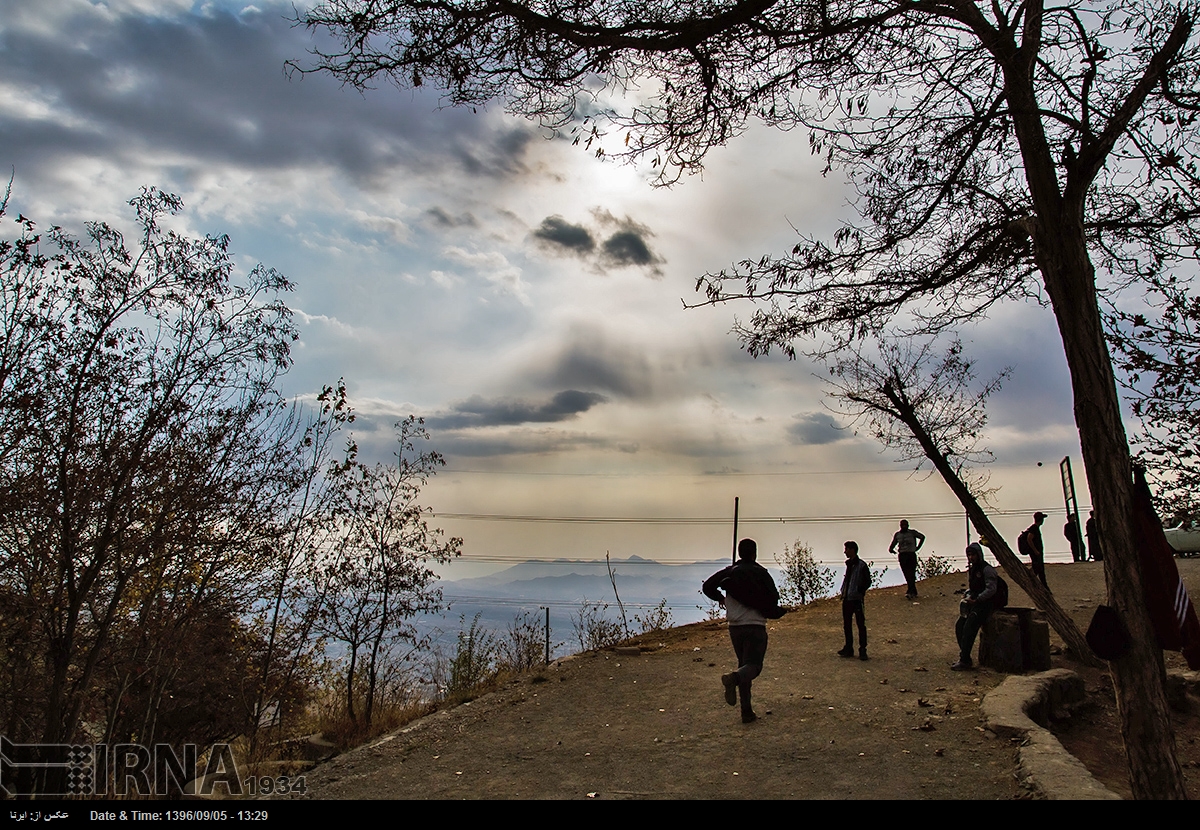
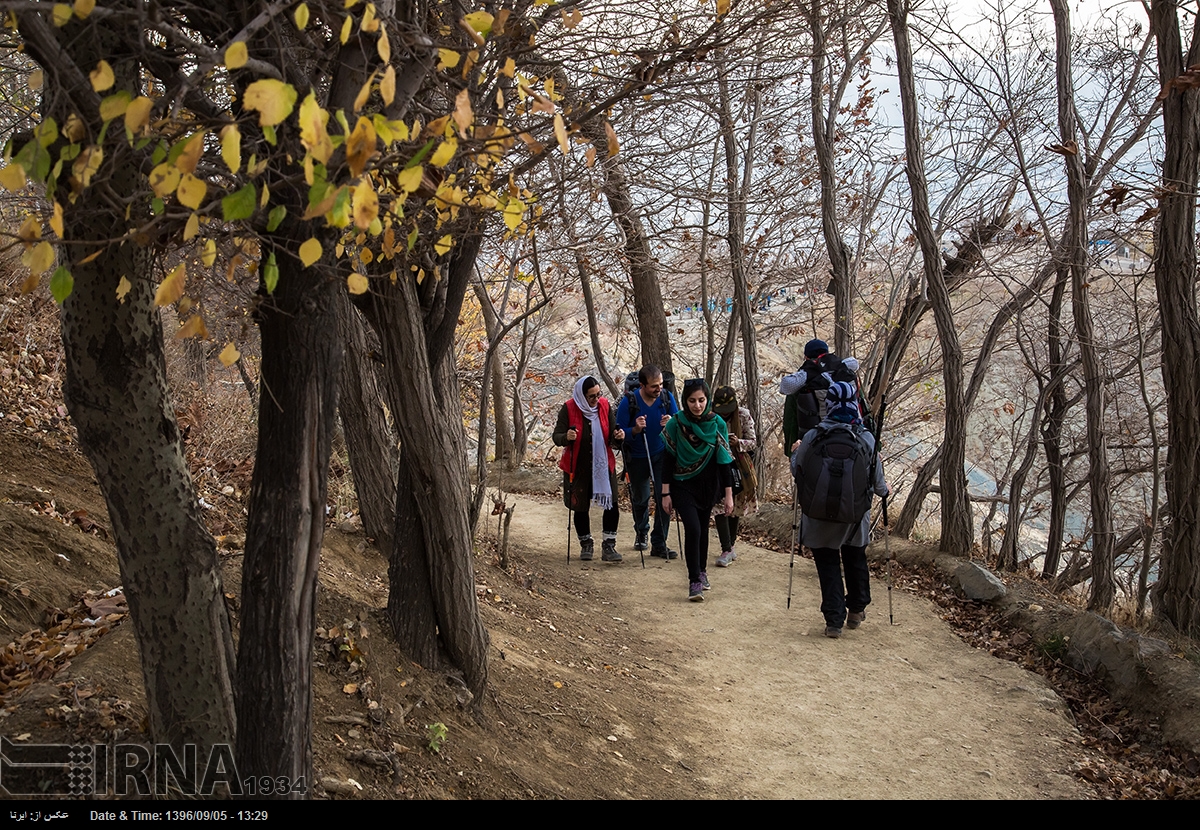
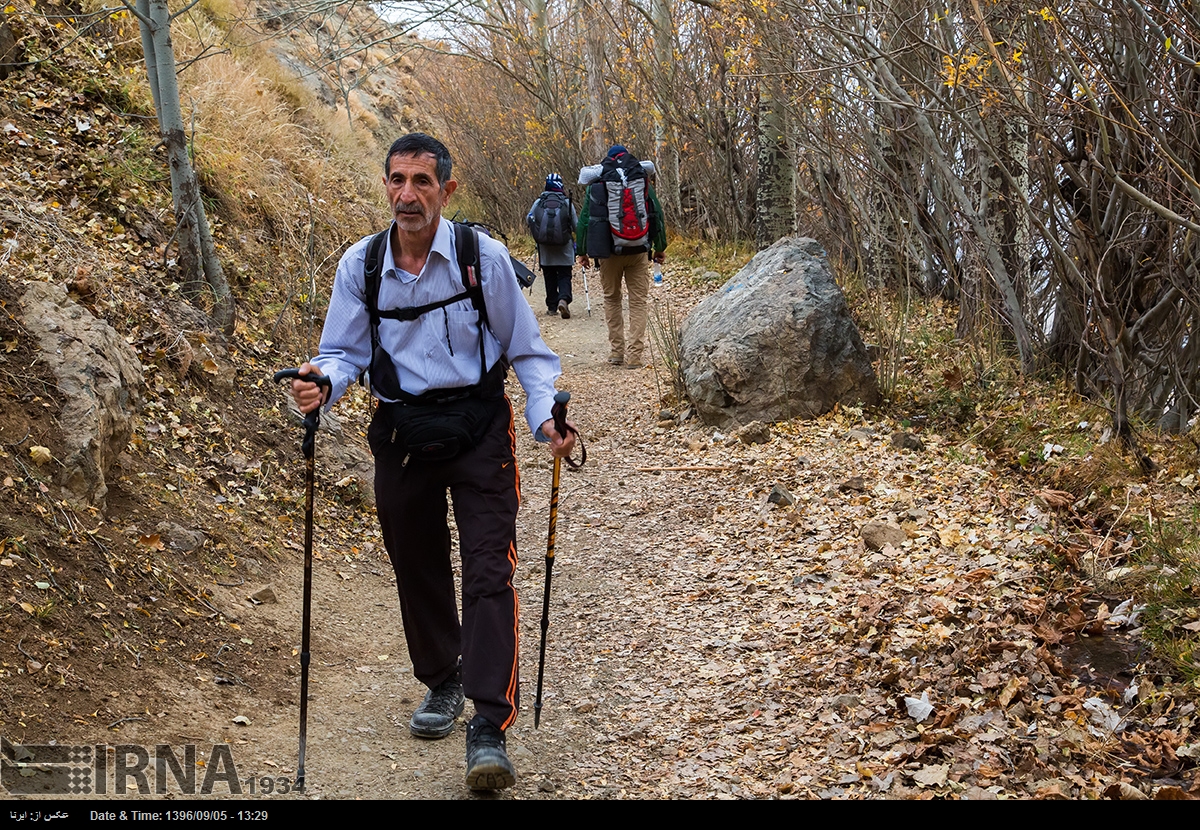
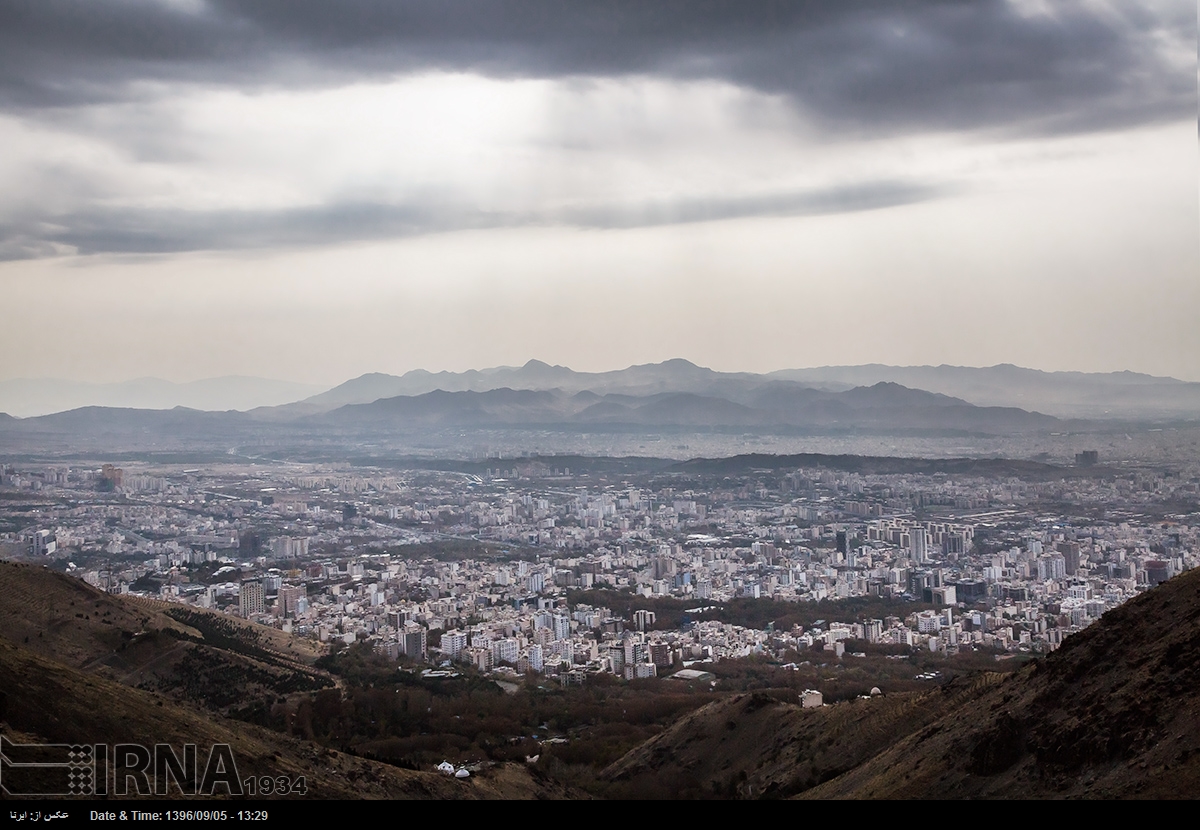
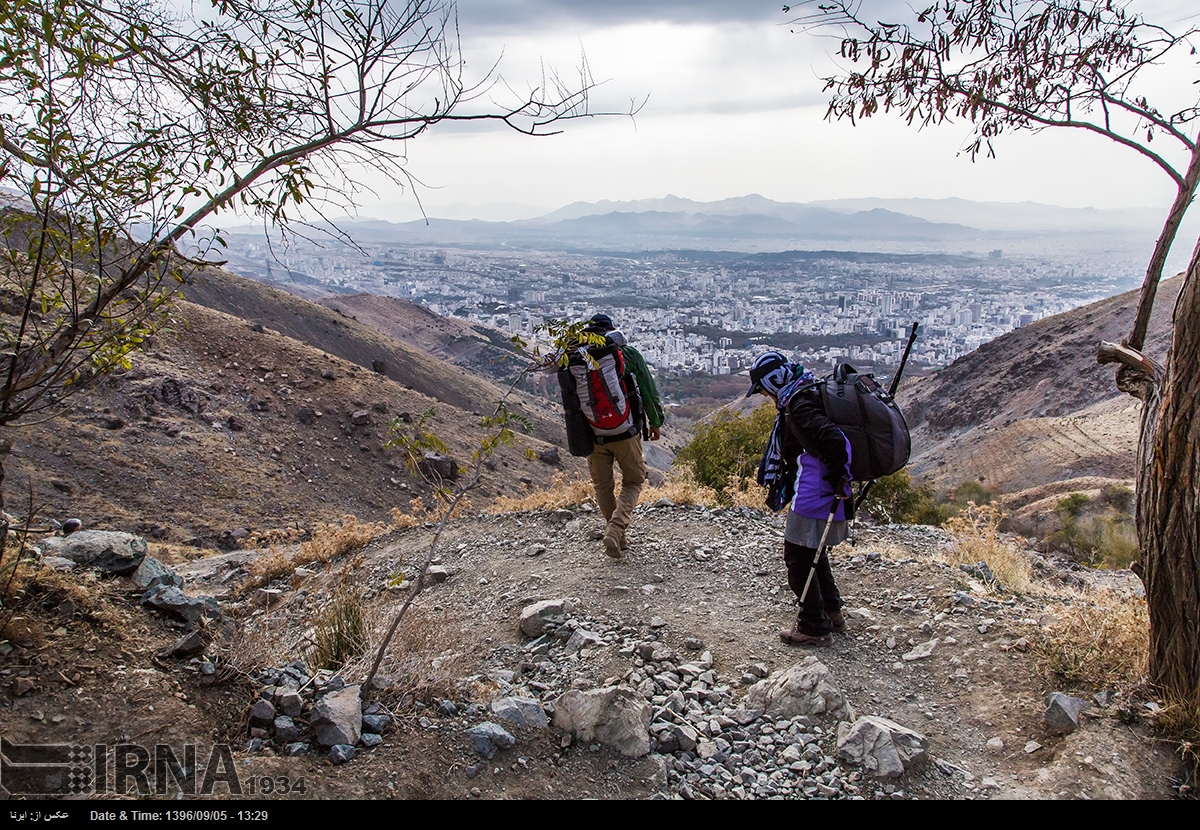

Kolakchal is located 3,350 metres above the sea level.
What follows are IRNA’s photos of Kolakchal heights, from Jamshidieh Park to mausoleum of martyrs and the tourists’ camp:
The Persian-language Jomhouri Eslami newspaper has published an editorial on an anti-terrorism coalition of forty countries. The full text of the article follows.
An anti-terror alliance of 40 Arab and Islamic countries has been formed in the Saudi capital, Riyadh. Nowadays, Riyadh has turned into a hub of efforts to restore its reputation, but the point is that such measures by Saudi Crown Prince bin Salman are doomed to fail and regarded as an abortive attempt to revive paper coalitions.
It is claimed that defense ministers of 40 Arab and Islamic states were present in Riyadh to announce the formation of the alliance, but reports suggest not all the representatives of those countries were defense ministers and some had taken part in the meeting at lower levels such as the ambassador, chargé d’affaires and military attaché.
So far, the formation of the alliance is a sign of Salman and his son’s failure to establish a military-security-political alliance comprising 54 Arab and Muslim countries. In fact, Salman and his son announced the formation of such an alliance in the presence of US President Donald Trump, but it did not last a single day and it was proved that it was not even a paper coalition.
Now, the absence of 14 countries on the new list of the alliance despite months of hard effort by Salman and his son indicates a drop in the power and popularity of the Al Saud dynasty in the Islamic world, especially in the Arab world. Moreover, some countries have already announced to Riyadh that their ceremonial presence will not go beyond the current level. Moreover, even the current alliance has faced uncertainty in regional and Western media. Even in the US, the Americans have reacted to the unexpected developments in Riyadh with reluctance. Despite attending previous meetings and calling Saudi Arabia the hub of war on terror, Trump had to announce that he had asked Salman and his son to end support for terrorists.
Washington is still grappling with the consequences of this overt contradiction, and has failed to make its closest allies ponder on this question: How is it possible for Saudi Arabia to seek to export terrorism and be the standard-bearer of terrorists, and at the same time be regarded as the hub of fighting terrorism and lead others in the campaign against terror? Such a big political scandal has been met with objection even from within Trump’s team, particularly the US departments of state and defense as well as different sections of the army and Central Intelligence Agency. If fact, the United States’ remaining global credibility has come under the hammer for the sake of Al Saud more than ever before.
It is highly unlikely that even official members of the new alliance would want to, or would be able to throw their weight around more than previous alliances. With the formation of the alliance Decisive Storm, Saudi Arabia claimed that it had won the backing of 10 countries against Yemen. However, it became evident in practice that only the Saudis are actively present in the alliance, and that they have not been able to maintain even one infantry soldier on Yemeni soil.
Bin Salman then declared the formation of an anti-terror coalition comprising 34 Arab and Islamic countries, but failed to bring together even ten of the countries on the alleged list under one roof for a media show. That means bin Salman is very skillful in forming such weak alliances which will not last even one week.
Suppose such an alliance is going to be formed against terrorism; then where is it going to go into action? Syria? Iraq? Lebanon? Yemen? Bahrain? Or …? Regional nations and governments, and, on a larger scale, the Muslim world, may not be aware of that, but the US and its allies within NATO know well that at a time when terrorists were under siege in Aleppo, the Saudis were insisting that they should go into action in favour of terrorists in Syria and deal a blow to the Syrian army and Bashar Assad.
The Saudis even opted to pressure Obama’s US as well to get it on board with them to launch military action against Russia, Iran and the resistance front in Syria and Iraq. Of course, then US Secretary of State John Kerry gave the Saudis the cold should. He suggested that if Riyadh was seriously determined to launch such an operation, it needed to go into action on its own and accept the repercussions as well.
Now, with the domination of the ISIS terrorist group in Syria, Iraq and Lebanon coming to an end, what can the formation of an anti-terror alliance comprising 40 Arab and Islamic countries mean and what application will it have? Moreover, experience shows if support and assistance for terrorists are cut off and they are put under complete siege, their major strongholds will fall in a short time. Therefore, in order to destroy the terrorists’ remaining bastions, Saudi Arabia is urged to immediately stop exporting terrorists and sending assistance to them and not further fuel the scandal gripping them.
The isolation of the Saudis today and revelation of different dimensions of bin Salman and his son’s isolation not only in Saudi Arabia, but within the al Saud government, show the political-propaganda moves by Salman are aimed at deflecting public attention and covering up the divisions within the ruling elite and the power structure in Riyadh. Reports on the mass arrests of defiant members of the royal family in Saudi Arabia and other Saudi authorities who believe the current trend in Saudi Arabia has reached a stalemate show Saudi statesmen do not see eye to eye on this issue, and are isolated within the ruling elite and have been left alone.
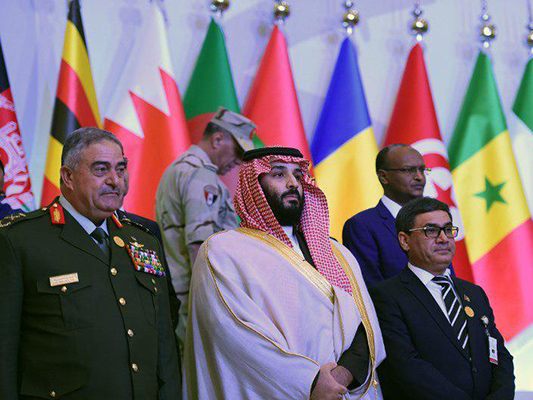
I wish Salman and his son had not published the picture and pictorial report on the officials taking part in a meeting of the 40-strong alliance of Arab and Islamic states because the release of photos and videos brought to light the fact that the ceremonial meeting was more ceremonial that previous ones, and that many of the participants were among the ambassadors, chargé d’affaires and military attaches of certain countries which are still in Riyadh’s camp. Even their defense ministers were not present, and even if they had been, their presence would not have contributed to the credibility of the paper alliance a bit.
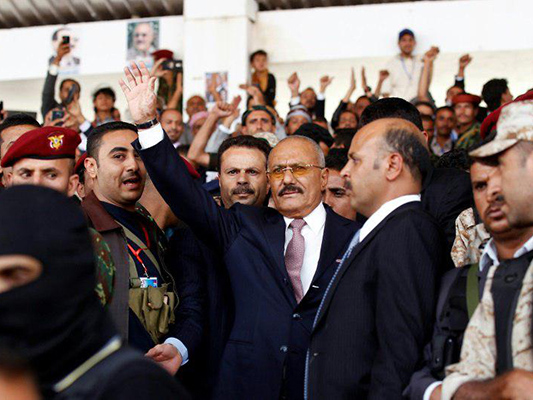
Mujtahid who is well-known for his revelations about Saudi family has said in a post on his Twitter account that Saoud Alqahtani known as Delim, a top advisor to the Crown Prince Mohammed bin Salman, has called on Saudi Arabia’s state-run media as well as its cyber army to use “ex-president” instead of “ousted president” when referring to Ali Abdullah Saleh.
Saleh, who led Yemen for more than 30 years, was deposed after 2011 Arab Spring uprisings that swept the Middle East. In late 2014, Houthis took control of the capital and much of the north.
Alqahtani’s call has been translated into reality immediately so that Al Arabia TV changed the “ousted president” into “ex-president” for Saleh in its news reports just within four minutes, a Farsi report by Fars News Agency said on Sunday.
Mujtahid who has managed to access Alqahtani’s call on the cyber army and media through a WhatsApp channel, added the top advisor has also urged the media and the cyber army to represent Ansarullah Movement as “terrorist and ethnic group backed by Iran.”
According to the report, these moves are part of a larger plan by Saudi Arabia to support Saleh in its struggle to get back to power.
This comes as the capital Sana’a has been the scene of clashes between the forces loyal to Saleh and Ansarullah Movement. The Saudi-led coalition which is delighted by the clashes has called the clashes an underway “revolution.”
With the deteriorating situation in Sana’a, Leader of Ansarullah Movement, Abdul-Malik Badreddin al-Houthi, has called for vigilance against the enemies’ plots. He has also called on all conflicting sides in Yemen to sit for talks to resolve their problems.
Ansarullah Movement has also expressed concerns over the recent statements of Saleh.
Earlier, Saleh called Ansarullah an “outlawed” movement. He also expressed his readiness to hold talks with Saudi Arabia and its neighbouring states.
In reaction to the statements, Ansarullah movement called the forces loyal to Saleh “criminal militias” adding their move to create chaos in Sana’a is unprecedented and has no legal justification.
Saleh Nephew Arrested in Sana’a
On the other hand, the security forces of the Ansarullah Movement in Yemen managed to arrest the nephew of Saleh.
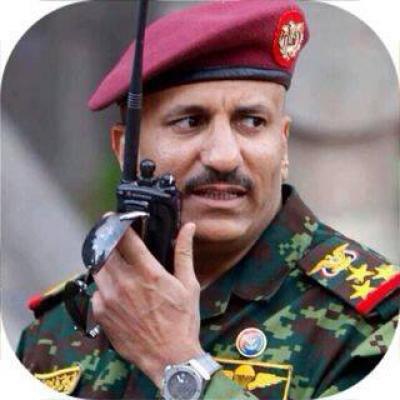
Tariq Abdullah Saleh was arrested along with a number of his comrades in the capital Sana’a over sabotage and creating chaos in the city. Violent clashes between Ansarullah Movement and forces loyal to Saleh the capital continued for the fourth straight day on Saturday.
Fighting intensified on Saturday according to eyewitnesses who said loud explosions were heard overnight across the city and into the morning. Mediation efforts by tribal elders and officials over the past few days have come to no avail.
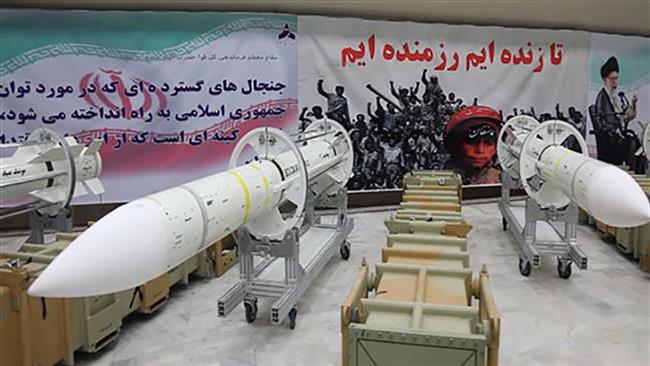
“Our country’s defense prowess, as the main deterrent against the enemies of the Islamic Revolution, will always be on the path to progress,” Deputy Chief of Staff of Iran’s Armed Forces Brigadier General Massoud Jazayeri said on Saturday.
He added that in addition to clear guidelines issued by Leader of the Islamic Revolution Ayatollah Seyyed Ali Khamenei on boosting the country’s defense power, the Iranian nation and officials are also in agreement in this regard.
The senior commander advised all those who pass opinions about the Islamic Republic not to meddle in the country’s defense and missile program.
Speaking at a graduation ceremony for Iran’s Army cadets in October, Ayatollah Khamenei said Iran’s defense might was not up for negotiation, stressing the country’s resolve to strengthen its defense capabilities despite enemy attempts to weaken the nation.
France has called for an “uncompromising” dialogue with Iran about its ballistic missile program and possible negotiations over the issue separate from the multilateral nuclear agreement, known as the Joint Comprehensive Plan of Action (JCPOA), reached between Tehran and the P5+1 group of countries more than two years ago.
Iran and the five permanent members of the United Nations Security Council – the United States, France, Britain, Russia and China – plus Germany signed the nuclear agreement on July 14, 2015 and started implementing it on January 16, 2016.
Under the JCPOA, Iran undertook to put limitations on its nuclear program in exchange for the removal of nuclear-related sanctions imposed against Tehran.
Iran has repeatedly said its missile program is defensive and rejected the possibility of any negotiation on it.
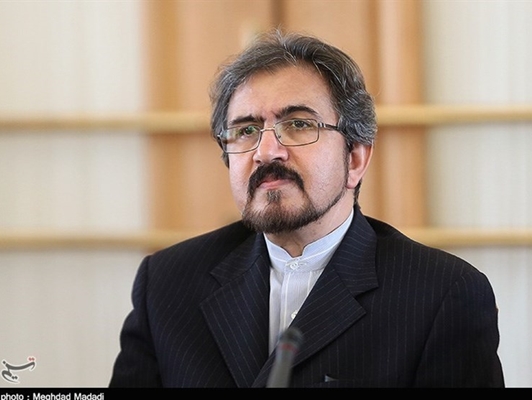
“This is a completely inaccurate story and a clear buildup with specific intentions,” Qassemi said on Saturday in reaction to certain foreign media reports.
Qassemi added that the news is basically false as the two ministers visited the Italian capital of Rome on two different days to address the Mediterranean Dialogue Conference.
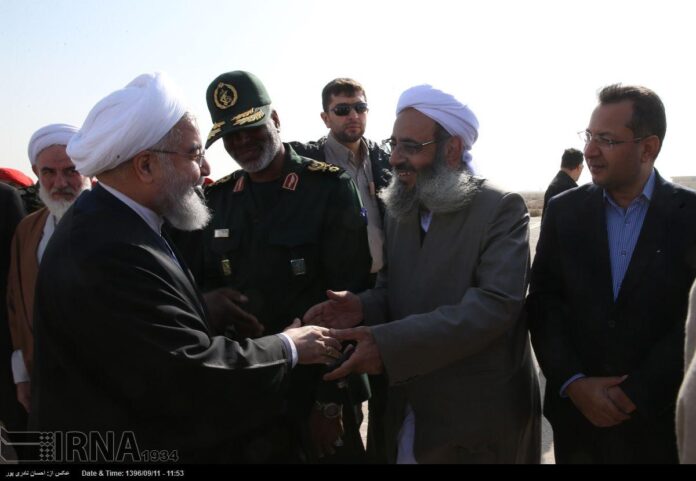
“We love Prophet Mohammed (PBUH). Our guidance book is the holy Quran and our only way of salvation is maintaining unity, solidarity and brotherhood. We have one Qibla, one prophet and one book, and we all believe in ethics of prophet Mohammed (PBUH). All the Sunnis and Shiites love the Prophet,” Rouhani noted, calling for further unity among Muslim nations in the region.
He made the remarks in an address to a large group of Iranian people in the Sunni-majority province of Sistan and Baluchestan.
“At a time when the region was devoured by tribal and religious conflicts and wars, the brave Iranian nation including Shiites and Sunnis from across the country maintained their unity and kept faith while the terrorists were penetrating into all other countries except Iran,” Rouhani said on Saturday.
Islam in Iran has never had a relationship with violence, and people in this land have never provided an opportunity for the spread of violence and terrorism, he added.
Rouhani also expressed satisfaction with the victory of regional people over terrorism with the help of their military forces and friendly countries saying that the United States and the Zionist regime had a sinister plan for the region.
“It was not expected that ISIS would soon be eradicated. ISIS was designed for the whole Mideast, and it was supposed to spill over from Iraq and Syria to the whole Central Asia, Iran and other regions. In this way, they wanted to present a negative image of Islam in order to strengthen Israel in the region, so as to strengthen the position of enemies in the region as well. However, the vigilant nations of the region could foil their plots and stand up against global arrogance.”
Rouhani went on to say that “we are happy that the main bases of ISIS in the region have been destroyed. We hope that the roots of violence and terrorism in this region will be eradicated as soon as possible.”
Iranian president further noted that [people of] Sistan and Baluchestan by preserving unity have played their role of guarding Iran’s borders in the best way. He further added that [the people of Sistan and Baluchestan] at all times, including the Islamic Revolution, the 8-year war against Iraq (known as holy defence), and very recently, in the aftermath of the earthquake in Kermanshah, rushed to help their compatriots to become a symbol of unified Iran.
Rouhani expressed satisfaction with his visit to the great land of Sistan and Baluchestan and its capital city Zabol saying throughout the history of Iran and the history of the Islamic Revolution, the people of this province have always shouldered the responsibility of guarding the borders of Iran and Islam.
He also stressed that Islam and Farsi language have been able to find their way to the subcontinent and Bengal from Sistan and Baluchestan.
“Although Sistan and Baluchestan, apparently, has religious and ethnic diversity, but in fact all sects come from a single solid entity called Islam, Prophet Muhammed (PBUH) and the Holy Quran. All ethnicities also originate in Iran, and this is an honour that we are all Iranians and Muslims.”
Rouhani heading a high-ranking delegation arrived in Sistan and Baluchestan Province on Saturday to inaugurate development projects and attend meetings with provincial officials. Upon his arrival at Zabol Airport, Rouhani was welcomed by governor general of the province, Zahedan Friday prayer leader and provincial members of the parliament. During his first provincial visit since the beginning of his second term in office, the president is scheduled to inaugurate a number of projects through video conference and to meet university students
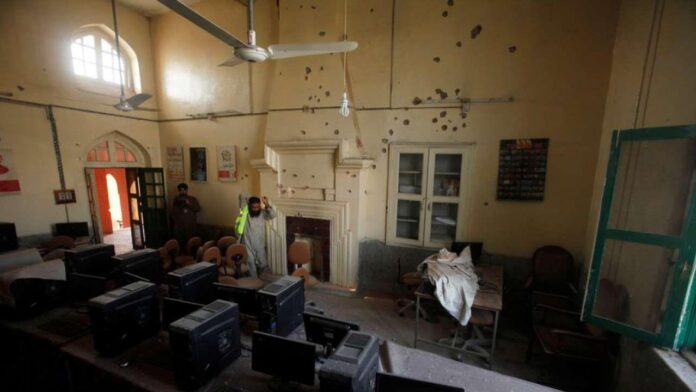
In a Saturday statement, the spokesman expressed sympathy with the Pakistani government, nation and the families of the victims of Peshawar terrorist attack and said, “Terrorist groups never hesitate even for a moment to resort to any heinous measure to first express themselves and then to achieve their nasty goals.”
“To this end, the terrorists pay respect neither to sacred places like mosques and other religious centres nor to the scientific centres,” he said.
Qassemi said to reach their dirty goals and intensions the terrorist groups are even ready to kill innocent people including women and children in the public and religious centres and students in universities and their hostels.
“Amid such situation, the only key to nations’ success and victory is remaining vigilant and preserving their unity against the measures and policies of any terrorist groups and their sponsors,” Qassemi added.
He also said in parallel with the serious fight underway against the terrorist groups, the students and researchers can launch cultural projects and play a key role, as the promoters of public awareness across the world, in unveiling the deep roots as well as sponsors and producers of the dangerous and anti-human phenomenon of terrorism.
At least nine people were killed and more than 30 others injured after terrorists attacked the student hostel inside the Directorate of Agriculture Extension on University Road, Peshawar, early Friday morning. The security forces later managed to kill all the terrorists after a gunfight which lasted over an hour.
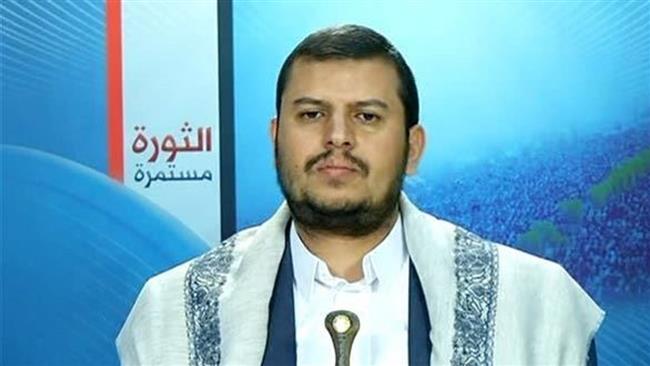
Speaking in a televised address on Saturday, Houthi said there had to be negotiations between the two sides to close the rift.
The forces loyal to the former president have been in an alliance with the Houthi Ansarullah fighters against a Saudi Arabian-led invasion. Their supporters have, however, become engaged in an armed conflict in the capital, Sana’a, over the past few days amid a strain in relations between the two sides.
Houthi called on all Yemeni groups to work on maintaining peace and stability in the country, and urged Saleh to be wise and consider the national interests of Yemen.
He demanded that Yemeni parties focus on the Saudi aggression, noting that division among Yemeni factions only served the interests of the Saudi-led coalition, which has been bombing Yemen for more than two years killing over 12,0000 people.

Head of Tourism Department at Tabriz Cultural Heritage, Handicrafts and Tourism Organization, Farshad Rostami, said, “In a meeting of JICA, Tabriz was selected as a centre of tourism and cultural heritage studies along the Silk Road.”
During the meeting, the spokesperson of JICA referred to the studies conducted by the agency, saying among the cities of Ahvaz, Shiraz, Isfahan, Yazd and Tabriz which are located along the two corridors of Ancient Civilization and the Silk Road, JICA has selected the city of Tabriz as a tourism and cultural heritage studies centre, a Farsi report by the Mehr News Agency quoted Rostami as saying.
“Given the presence of globally registered ancient sites in its neighbouring provinces, Tabriz and its tourist sites will be studied as part of a larger tourism project by JICA in the region.”
He also referred to the huge tourist capacities of Tabriz 2018 international event, saying the event can pave the way for attracting further tourists to the region.
For his part, Akira Ohara, a senior fellow researcher at JICA, congratulated the Iranian officials on the selection of Tabriz as the centre of tourism studies along the Silk Road, and added since long time ago, Tabriz has been viewed as a channel connecting Europe and East Asia.
“Meanwhile, the country enjoys a great capacity for the development of its historical and cultural tourism section.”
Ohara referred to the tourist attractions of Tabriz like Kandovan village as well as its eco-tourism capacities as the main criteria taken into account by JICA members.
He called for the participation of public associations in the implementation of the tourism plans in the city and added raising public awareness about the tourism capacities of Tabriz is highly important.
Ohara said holding some training courses for the people as well as launching some fundamental and infrastructural projects to further develop the tourist capacities of the city can significantly contribute to the projects to attract further tourists to the city.
The Japanese researcher also said establishing direct flight to Tabriz from around the world will connect the city to an international network of tourist destinations. He then said ground and rail connections to the network are also important.
A team from JICA is set to visit Tabriz’s historical as well as cultural and natural sites in the coming days. The visit follows their earlier visit to the city last month aimed at evaluation the tourism capacities of Tabriz.
The Iranian city of Tabriz in East Azarbaijan Province has been selected by the Organization of Islamic Cooperation (OIC) as the 2018 capital of Islamic Tourism, and the entire Iran is now getting prepared to host the highest number of tourists through the project Tabriz 2018.
Tabriz hosts a number of famed religious sites, including Grand Mosque and Tabriz Citadel, as well as a UNESCO World Heritage Site in Tabriz Bazaar. It has been declared a World Craft City by the World Craft Council, which, along with Isfahan, makes it one of Iran’s only two cities to boast the title.
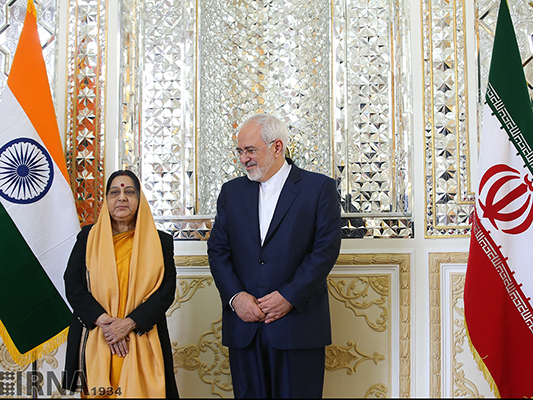
During the Saturday talks, Zarif hailed the “good” and “growing” ties between Tehran and New Delhi.
He further pointed to the opening of Shahid Beheshti Port of Chabahar in southeastern Iran, and said it reinforces Iran-India mutual and regional cooperation.
“It also shows the importance of the port in the development of the region and the routes that connect Central Asian states to other countries in the world through the Sea of Oman and the Indian Ocean,” he added.
Swaraj, for her part, underlined the significance of ties with the Islamic Republic, and the need for expansion and deepening of bilateral relations.
The two sides also exchanged views on regional issues.
Chabahar is the closest and best access point of Iran to the Indian Ocean and Iran has devised serious plans to turn it into a transit hub for immediate access to markets in the northern part of the Indian Ocean and Central Asia.
The Chabahar Agreement, a trilateral deal between Iran, India, and Afghanistan, is a regional transport network initiative of the trio governments.
It aims to create a reliable transport corridor for the smooth transport and transit of goods and services through Chabahar Port between the Islamic Republic of Afghanistan, Republic of India, and Islamic Republic of Iran.
The agreement was signed by the three countries’ high ranking officials in Tehran in May 2016.
During the past month, two ships with major wheat cargos for Afghanistan have arrived in the port which is gradually emerging as a key transit point in a corridor that bypasses Pakistan.
The ships – one of them carrying a cargo 110,000 tonnes of wheat in 655 containers and another one 15,000 tonnes of wheat – arrived earlier this month in Chabahar Port from India’s western port of Kandla.
© All Content by IFP News ( Iran Front Page ) is licensed under a Creative Commons Attribution 4.0 International License.
