Tuesday, December 30, 2025
Home Blog Page 378

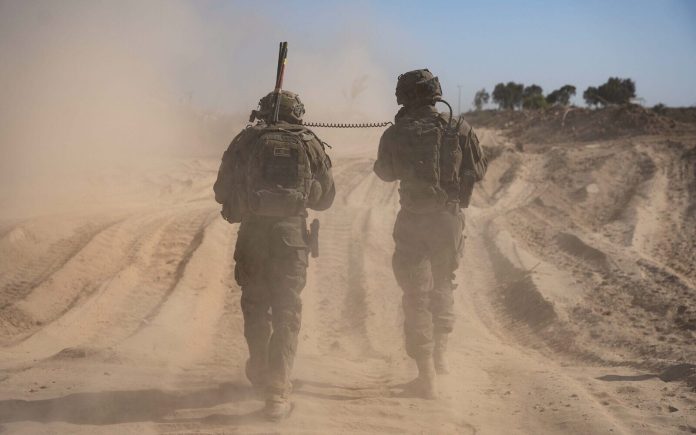
Israeli military prepares mass reserve call-up to expand Gaza offensive amid shortage of soldiers: Report

Israeli Army

According to the daily Yedioth Ahronoth, “With the 36th Division continuing its offensive in Rafah (southern Gaza), the Israeli army is preparing to ramp up its military efforts in Gaza next week if no progress is made in negotiations over a potential agreement.”

Prime Minister Benjamin Netanyahu is expected to hold high-level security consultations with senior ministers and military officials regarding plans to expand the offensive, the newspaper claimed, adding that the Security Cabinet is set to convene on Sunday evening to make final decisions on the matter.

Hamas has offered a proposal to exchange all Israeli captives for a full ceasefire, complete Israeli withdrawal from Gaza, and the release of Palestinian prisoners from Israeli jails, a proposal rejected by Tel Aviv.

“In recent days, several reserve officers have alerted their units to prepare for a sudden call-up,” the paper said.

Over the weekend, the Israeli army issued a statement indicating that reserve deployments would be carried out “with care and responsibility, based on objective and professional considerations.”

Tensions escalated further Thursday when Netanyahu declared that completing the Gaza war was a higher priority than rescuing Israeli captives.

This statement sparked outrage among the families of captives, who have been urging the government to prioritize their release even if it requires halting the war.

On April 21, Finance Minister Bezalel Smotrich similarly angered families by saying retrieving the captives was “not the most important objective.”

Israel estimates that 59 of its citizens are held captive in Gaza, 24 of whom are believed to be alive. Meanwhile, over 9,900 Palestinians are currently imprisoned in Israeli jails, where they suffer from torture, starvation, and medical neglect, leading to numerous deaths, according to Palestinian and Israeli rights groups.

As Israel threatens to expand its offensive, the military is grappling with a severe shortage of troops.

Chief of Staff Eyal Zamir has warned that the army cannot fulfill its missions without substantial reinforcement from reserve forces.

Yedioth Ahronoth reported that the army had originally planned to limit each reservist’s service to two and a half months in 2025.

However, this limit was exceeded three weeks ago after two battalions were called up for a second round of duty due to increasing operational pressure.

Amid what is described as “severe force depletion,” Zamir has called for imposing “civil penalties on draft dodgers,” a reference to the widespread exemption of ultra-Orthodox Jews (Haredim) from military service.

According to the daily, the military is expected to issue around 24,000 preliminary draft notices to Haredi youth by the end of June.

However, only about 300 of these draft orders have been formally processed, and enforcement has been weak due to the Israeli government’s policies.

Netanyahu is reportedly pushing legislation to grant blanket exemptions to Haredim, facing strong opposition from the military and political opponents alike.
US approves $3.5 billion missile sale to Saudi Arabia

Washington is poised to offer Saudi Arabia an arms package worth well over $100 billion during U.S. President Donald Trump’s visit to the kingdom in May.

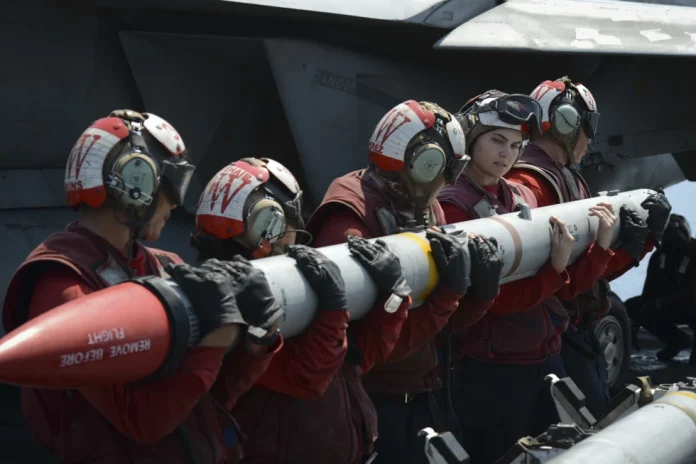
The Kingdom of Saudi Arabia requested 1,000 Advanced Medium Range Air-to-Air Missiles (AMRAAM), 50 AMRAAM guidance sections and other equipment including spares, missile containers, and spare parts, and logistics support services.

The Pentagon’s Defense Security Cooperation Agency notified Congress of the possible sale on Friday.

Despite approval by the State Department, the notification does not indicate that a contract has been signed or that negotiations have concluded.

The principal contractor will be RTX Corp according to the Pentagon.

Data: Iran faces longest sustained high inflation in modern history

Iran Bazaar

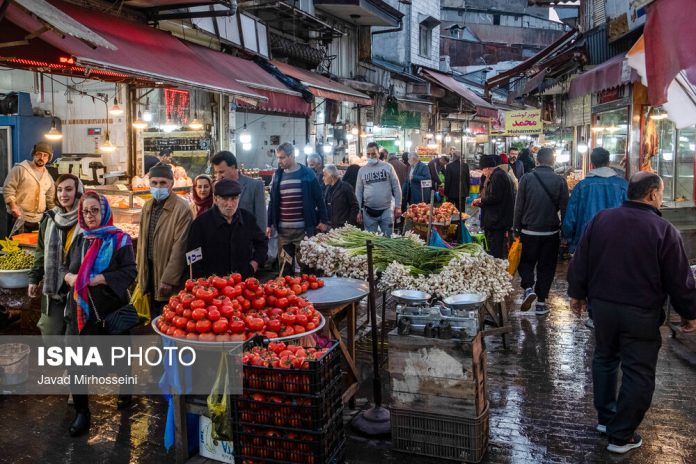
The point-to-point inflation rate has remained above 30% for 57 straight months – an unprecedented stretch in Iran’s economic records that surpasses even wartime inflationary periods.

The sustained price surges have devastated purchasing power, with the rial losing 99% of its value against the US dollar since 2005.

“What cost 890 rials in 2005 now requires about 81,000 rials, rendering savings worthless and forcing citizens toward hard assets like gold and foreign currency,” the paper wrote.

Economic analysts point to multiple structural causes, including excessive money printing to fund budget deficits, mismanaged banking policies, and the compounding effects of international sanctions.

This inflationary crisis has created severe economic distortions. Manufacturers struggle with unpredictable costs, banks face deposit flight, and households increasingly abandon the national currency for stable-value alternatives.

According to the report, the middle class has been particularly hard-hit, with many families sliding into poverty as wages fail to keep pace with soaring prices.

While economic theory offers clear solutions – including central bank independence, fiscal discipline, and monetary restraint – implementation has proven politically challenging.

The government continues to rely on inflationary financing methods, and policy reforms remain incomplete, the paper concluded.

US approves possible sale of F-16 training, sustainment for Ukraine

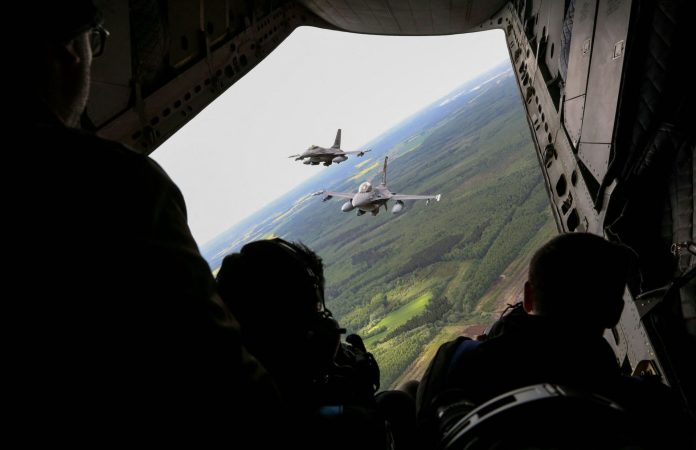
F-16

Days before the deal, Ukraine and the U.S. signed a deal heavily promoted by U.S. President Donald Trump, to give the U.S. preferential access to new Ukrainian minerals deals and fund investment in Ukraine’s reconstruction.

Ukraine has previously received F-16 jets from U.S. allies under a jet transfer authorized by former President Joe Biden’s administration. Trump has not been as eager to assist Kyiv with weapons support, instead relying on transfers authorized by Biden.

Under Biden, more than $31 billion worth of weapons and equipment was pledged to Ukraine under the Presidential Drawdown Authority (PDA), which allows the president to approve rapid transfers to foreign countries from U.S. military stockpiles, without having to seek congressional approval.

These weapons and others purchased with U.S. funds on behalf of Ukraine and shipped via the same channels continue to flow. This sale is separate from that, and represents an actual weapons deal whose principal contractors include Lockheed Martin Aeronautics, BAE Systems and AAR Corporation, the Pentagon said in a statement.

The sale could include aircraft modifications and upgrades, flight training, maintenance, and sustainment support; spare parts, repair, ground handling equipment, classified software, classified publications and support.

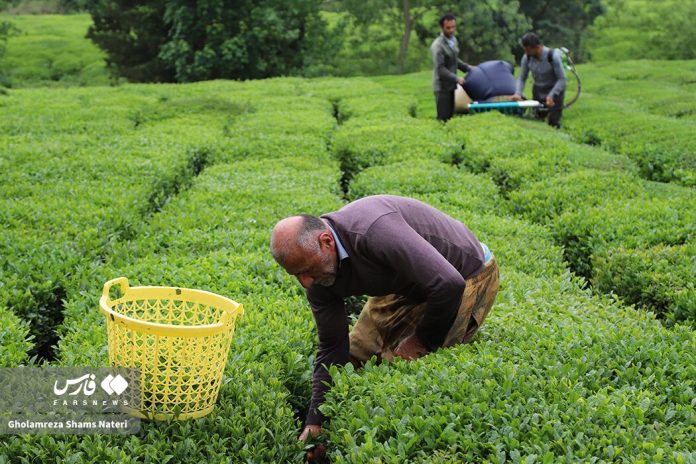
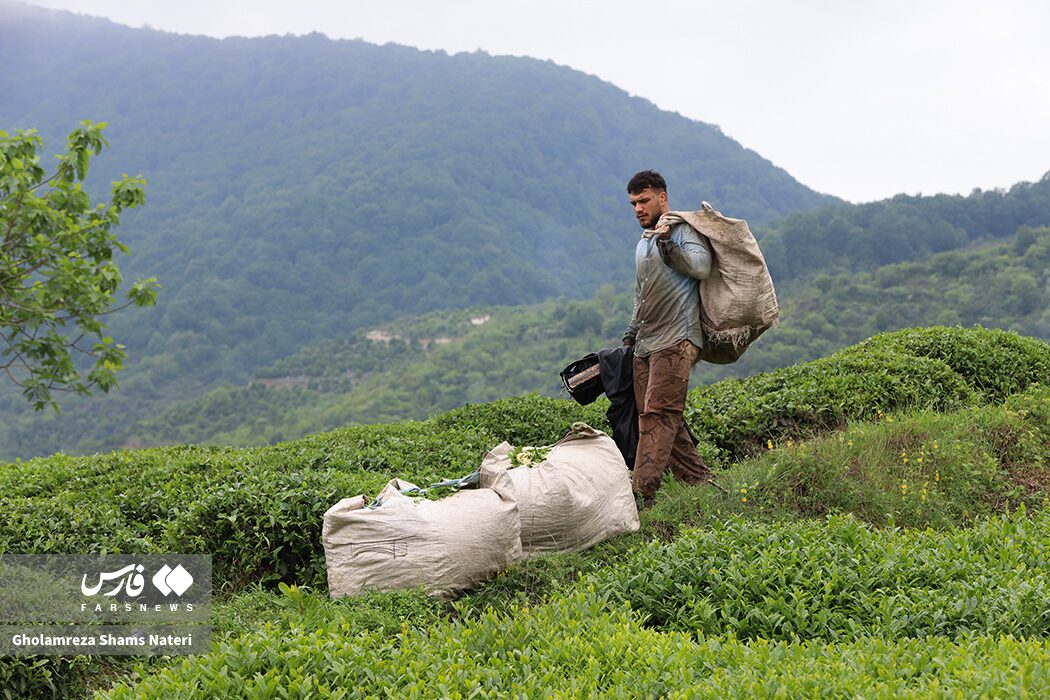
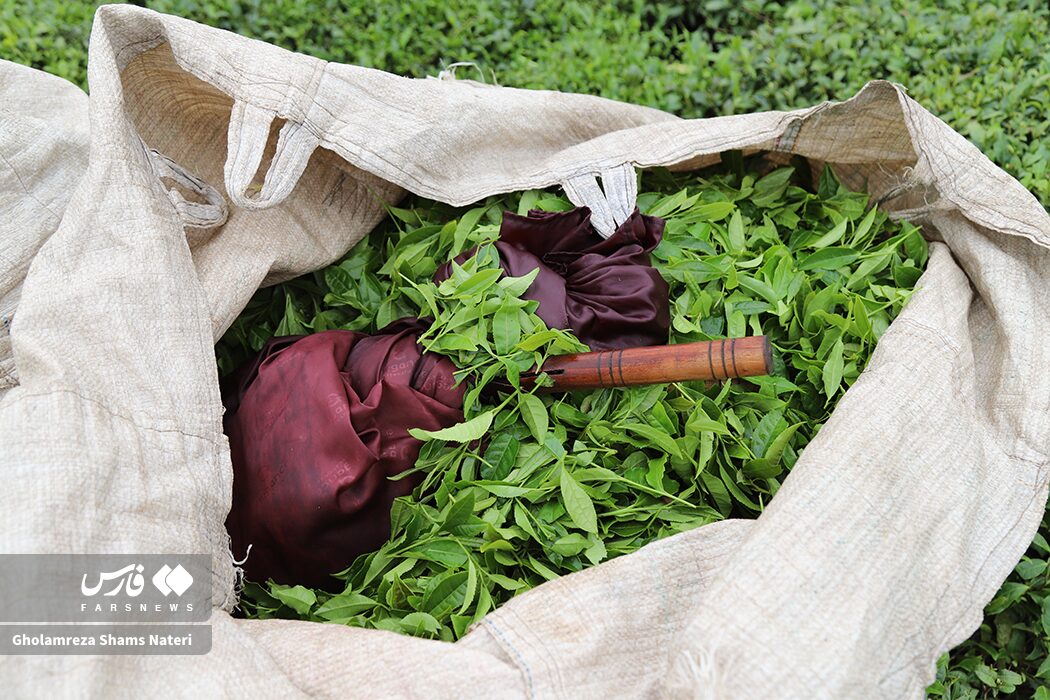
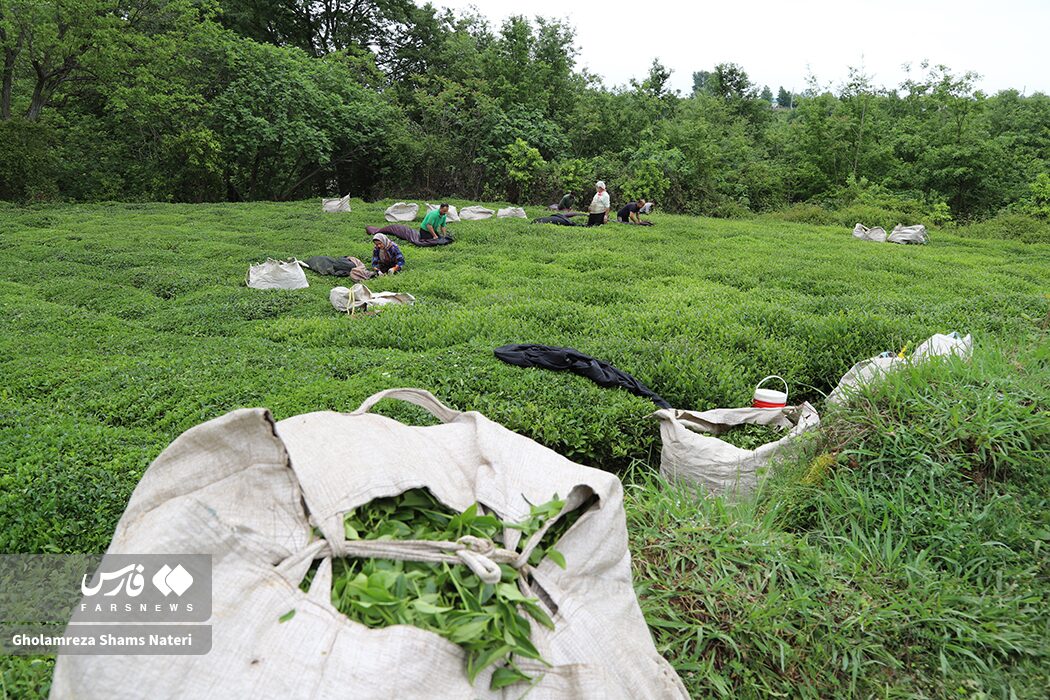
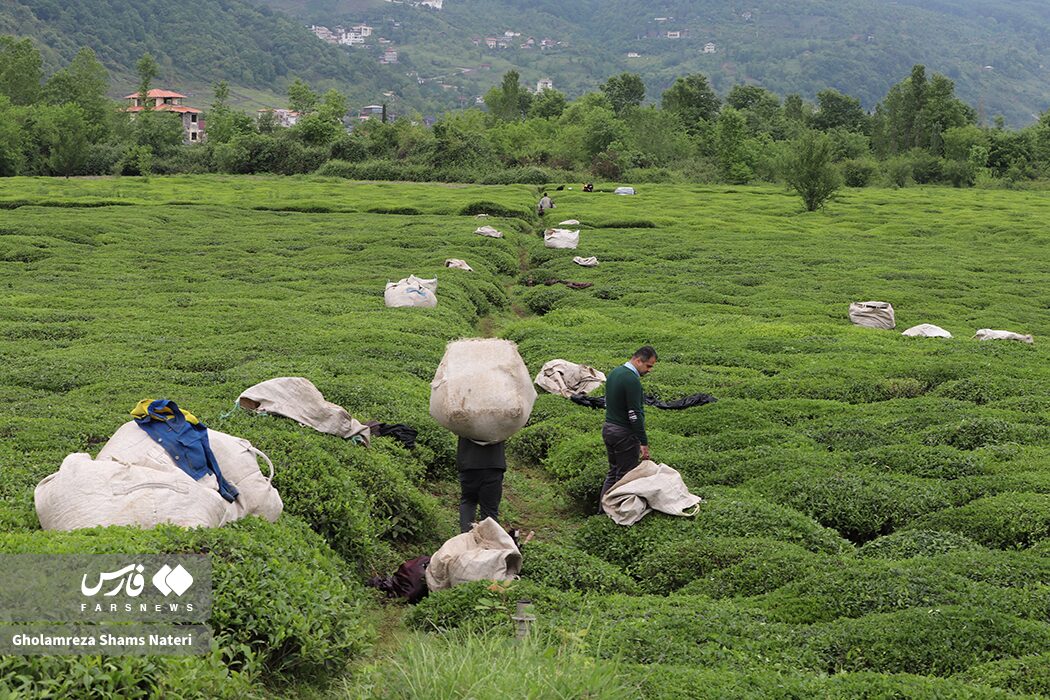
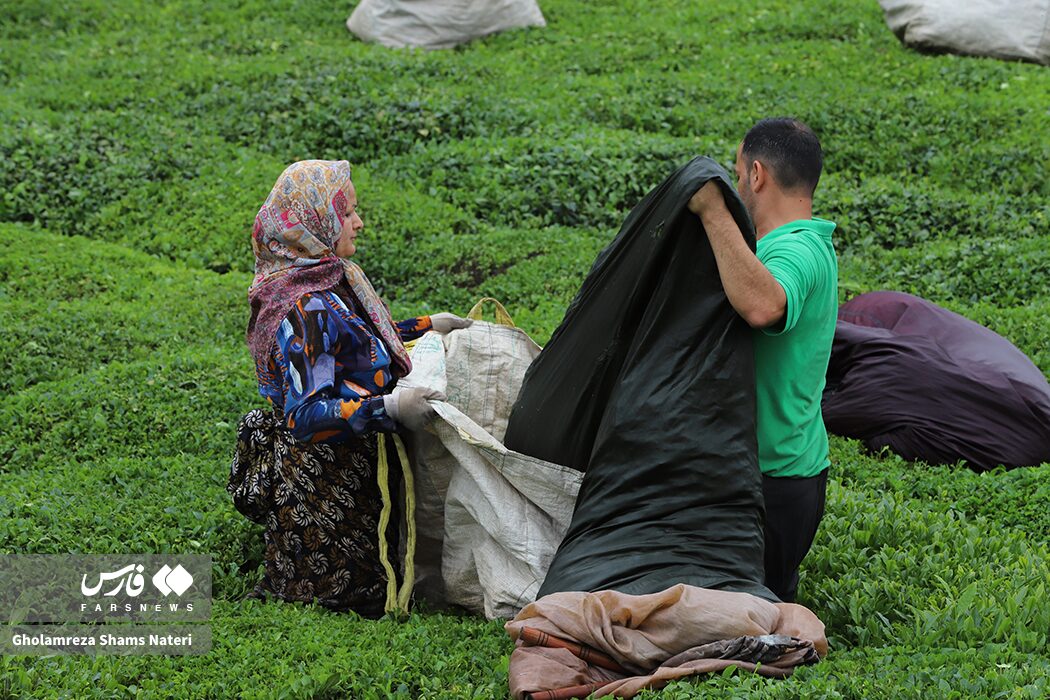
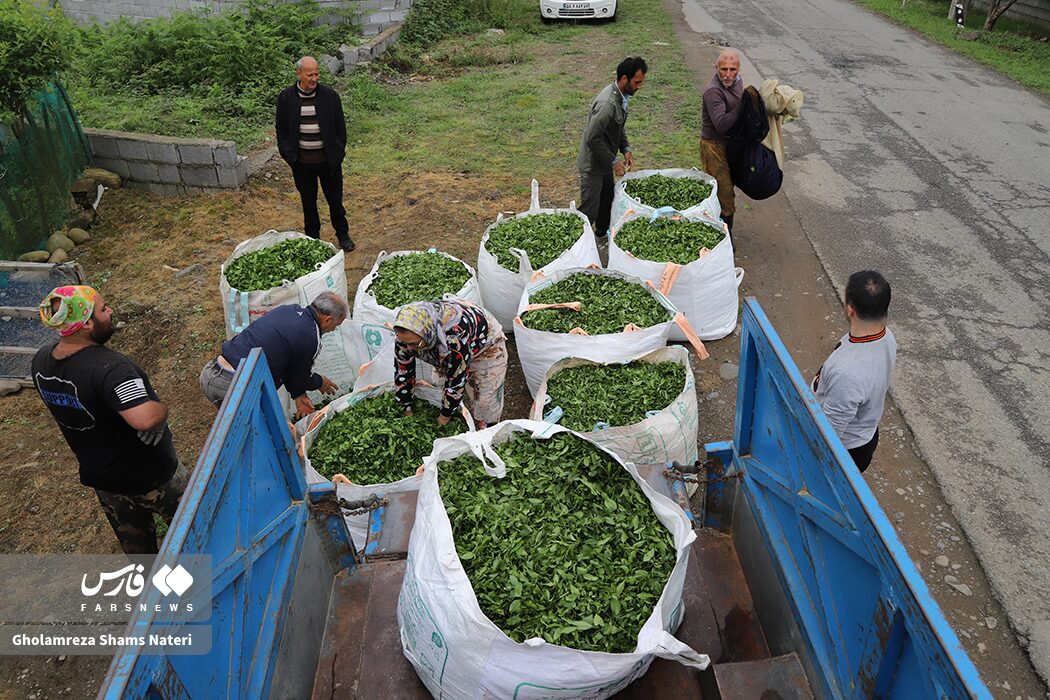
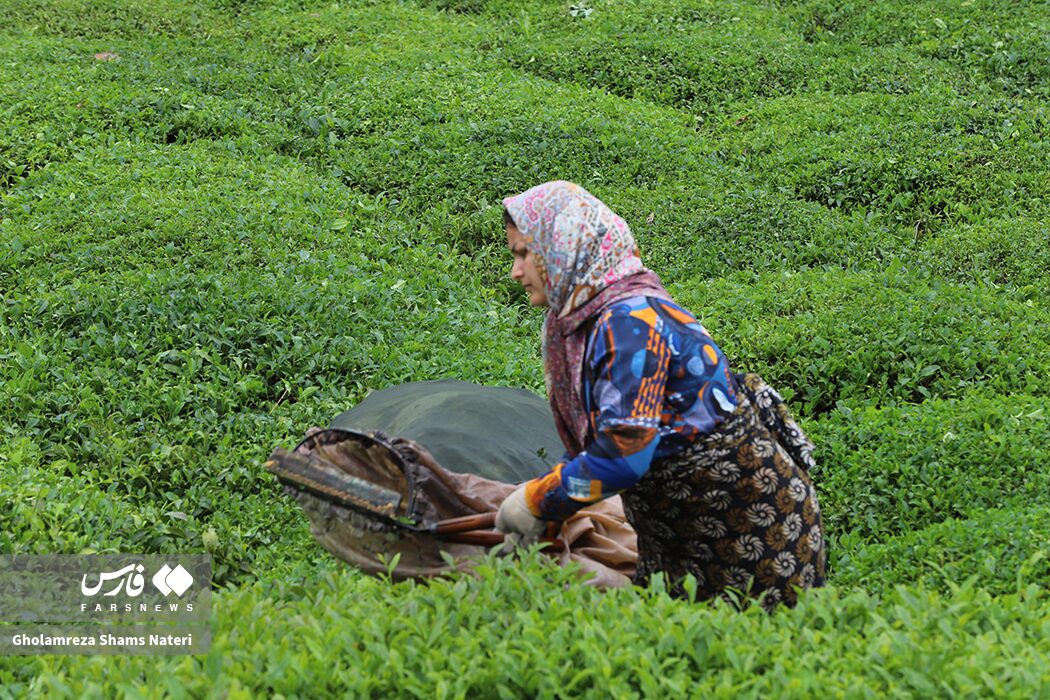
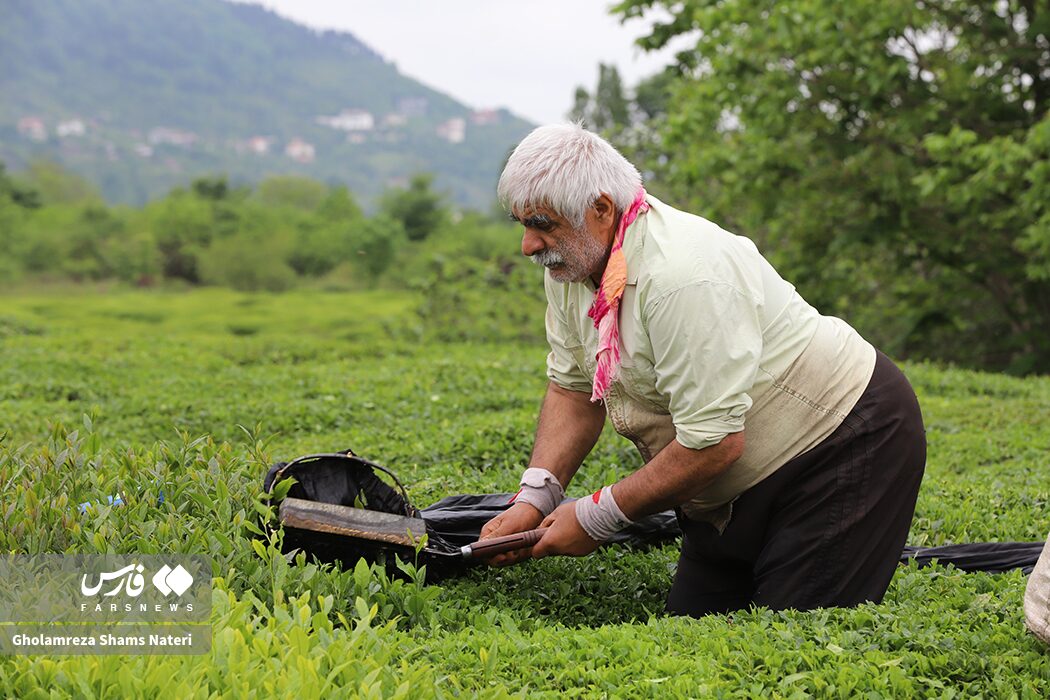
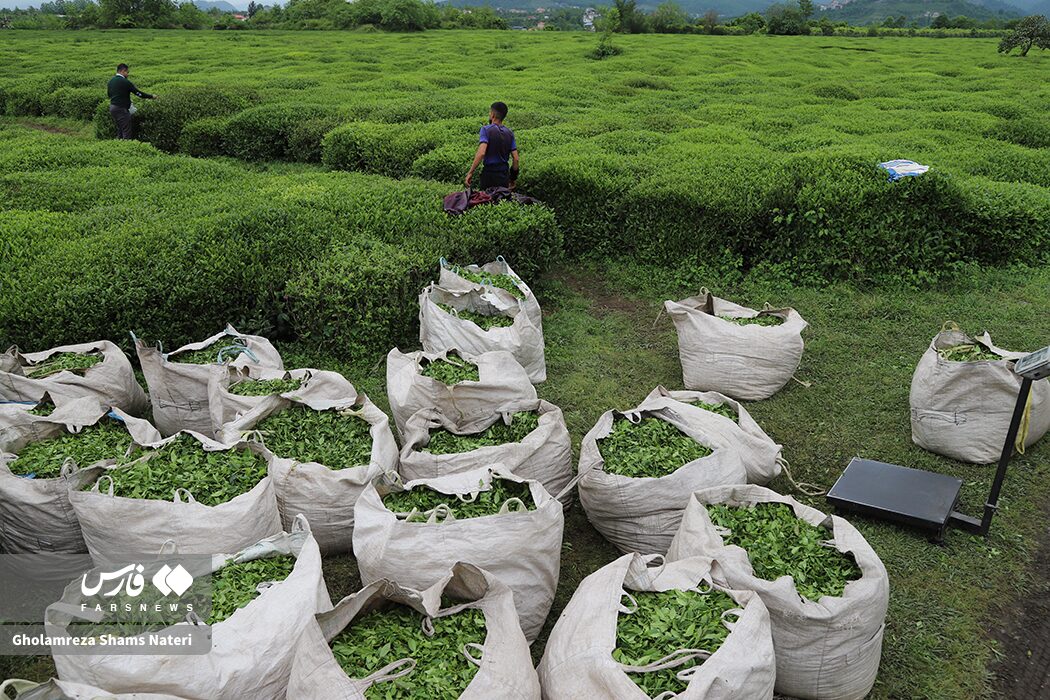
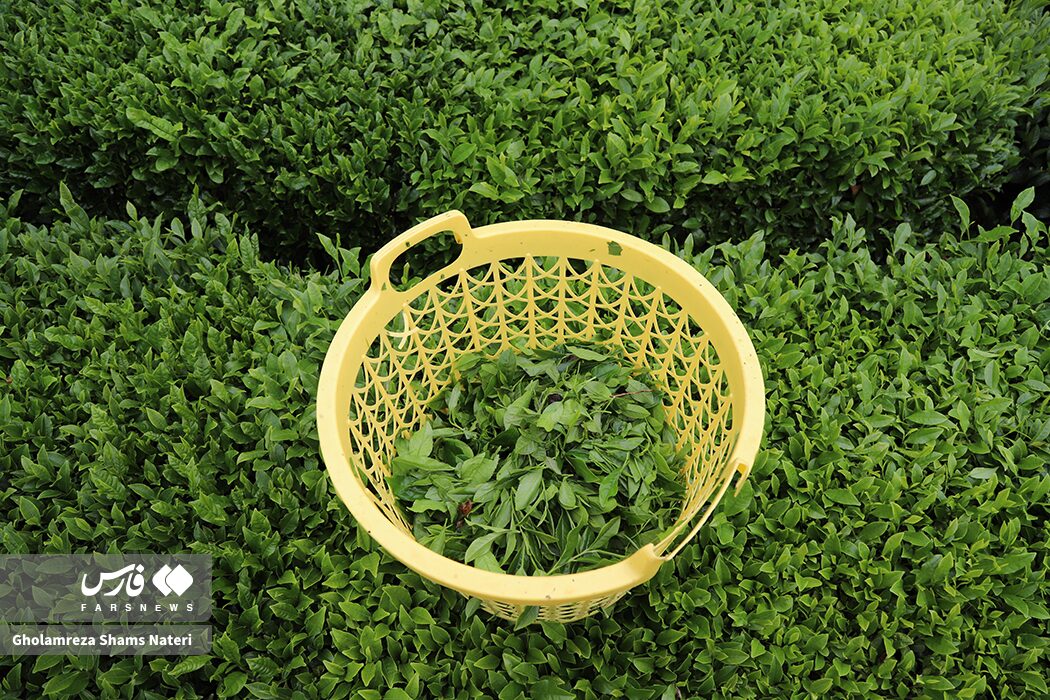
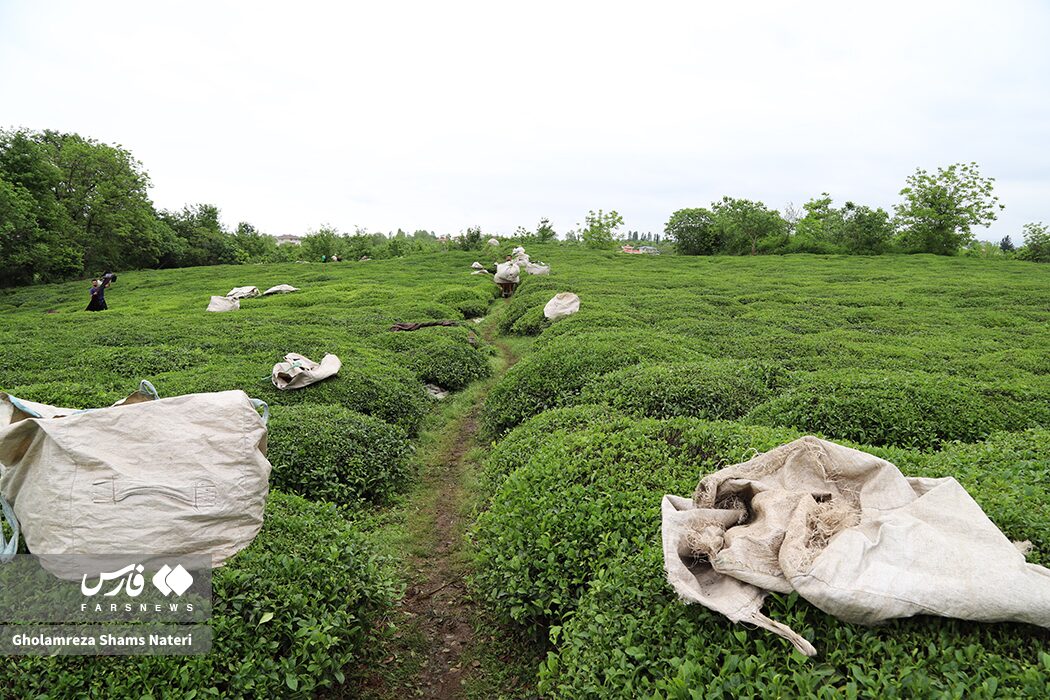
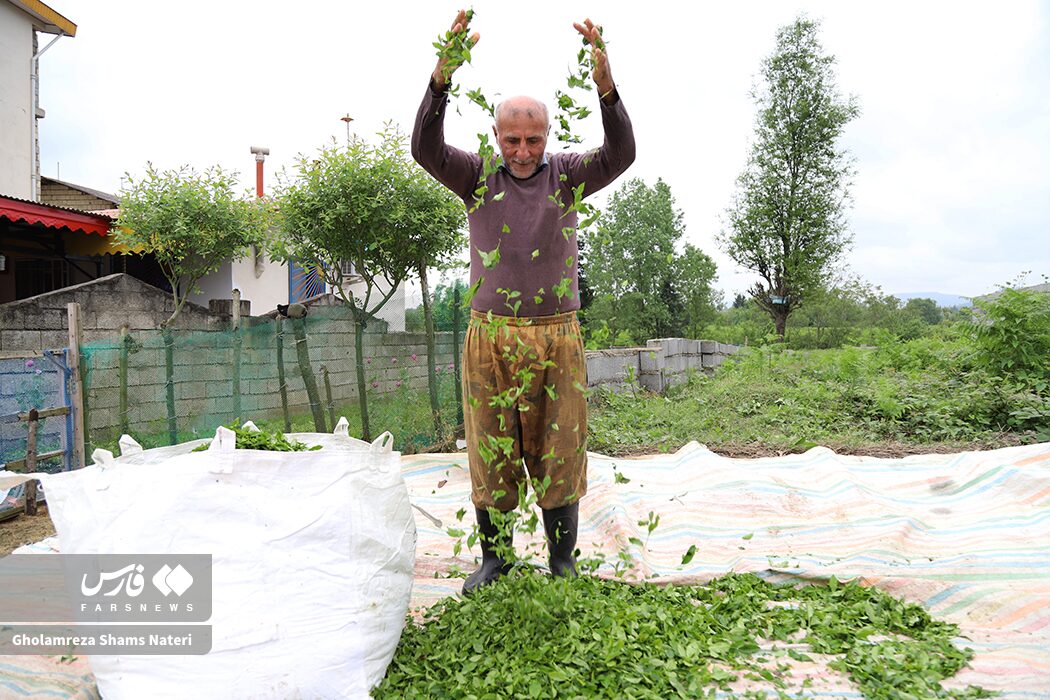
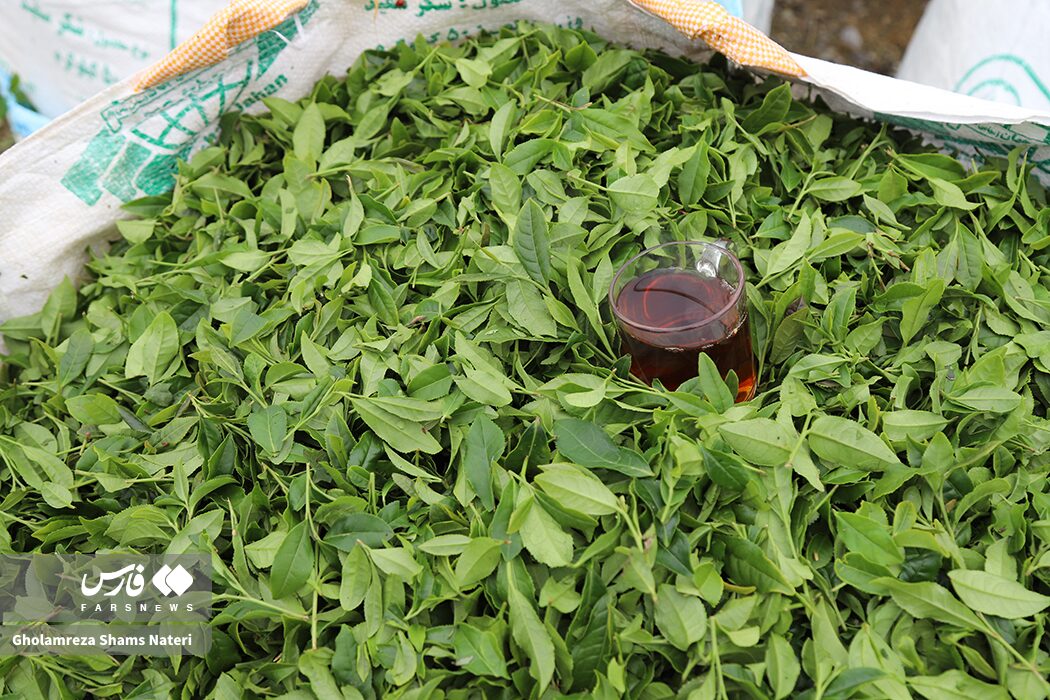
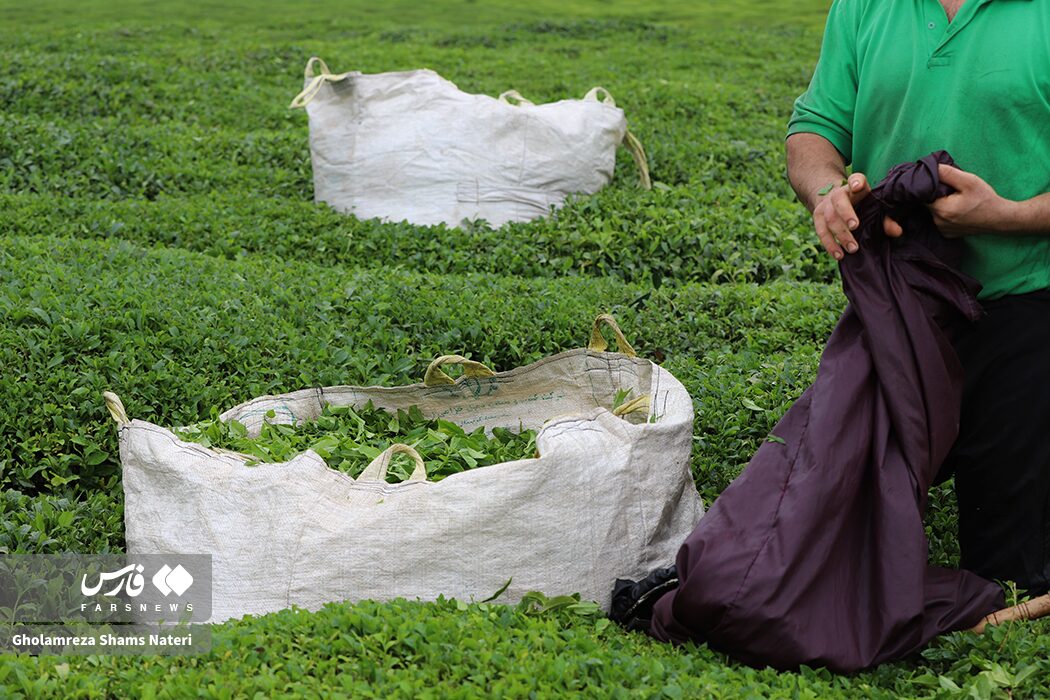
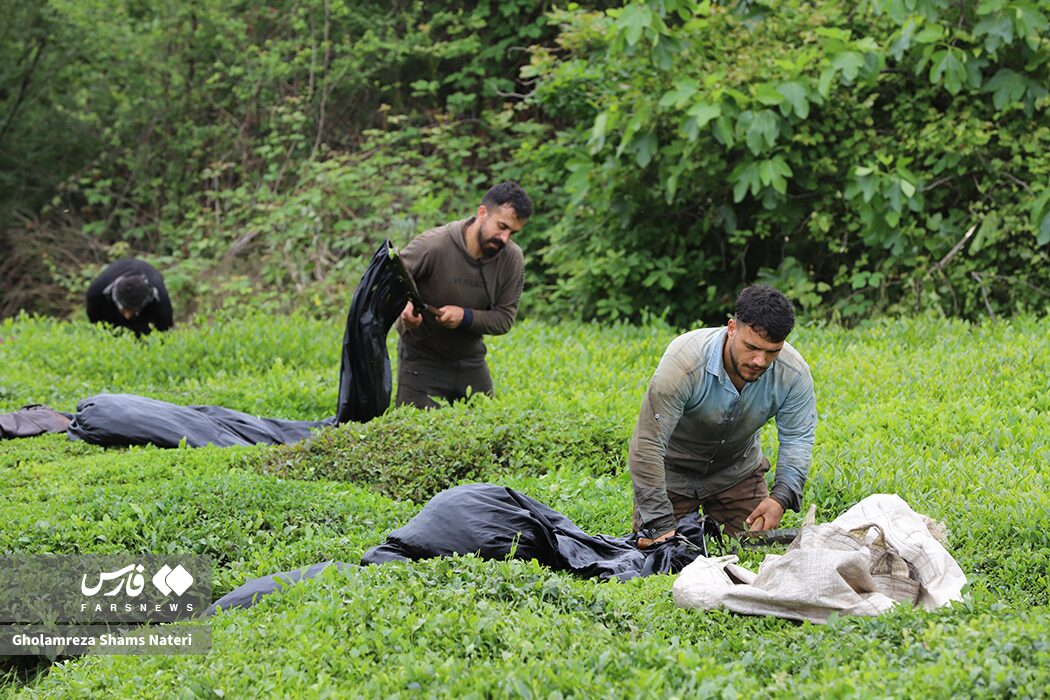
Spring tea harvest begins in Iran’s Tonekabon

Local farmers expect to collect approximately 3,200 tons of fresh tea leaves this season.

The western Mazandaran and eastern Gilan provinces remain Iran’s primary tea-producing regions, known for their ideal growing conditions.

Workers carefully hand-pick the tender young leaves during this crucial early harvest period, which typically yields the highest quality product.

More in pictures:

US, Israel near agreement on aid delivery to Gaza: Axios

After the Gaza ceasefire accord collapsed two months ago, Israel halted all humanitarian aid delivery of food, water and medicine into the enclave, exacerbating the humanitarian crisis.

UN aid agencies say food supplies in Gaza will run out within days.

The suspension of aid deliveries and the resumption of Israeli strikes have once again displaced thousands of Palestinian civilians, delving the enclave further into a chaotic situation that has resulted in widespread looting and lawlessness.

President Donald Trump on Sunday stated he pushed Israeli Prime Minister Benjamin Netanyahu to allow food and medicine into the devastated Gaza Strip.

In recent weeks, Israeli and U.S. officials, representatives of an international humanitarian foundation and private companies have been discussing a new aid delivery mechanism, officials say.

Netanyahu briefed Trump about the discussions during their phone call last week, Israeli officials said.

You got to be good to Gaza. Those people are suffering. There’s a very big need for food and medicine, and we’re taking care of it,” Trump told reporters aboard Air Force One on Sunday regarding his call with Netanyahu.

A source familiar with the issue told Axios the new mechanism will meet Trump’s objective of allowing humanitarian aid into the besieged enclave while honoring the Israeli cabinet’s directive that no aid reach Hamas.

A State Department official said the new mechanism was “something to celebrate” and resulted from discussions between Israel and the foundation with the backing and endorsement of the Trump administration.

“We understand that the mechanism will deliver aid to the people who need it in line with our principals: we support the flow of humanitarian aid with safeguards to ensure assistance is not diverted, looted, or misused by terrorist groups such as Hamas and Palestinian Islamic Jihad,” the official stated.

“President Trump and Secretary Marco Rubio expect all UN and international aid agencies to work within the mechanism’s framework to ensure Hamas lacks access to these critical resources,” the official added.

According to the agreement under discussion, aid operations in Gaza would be channeled through an internationally governed foundation, backed by nation states and philanthropic entities,.

The foundation would be led by humanitarians with an advisory board of prominent international figures.

Israeli officials say that according to the plan, several compounds would be built in part of Gaza and Palestinian civilians will be able to go there once per week to receive one aid package per family that will be sufficient for seven days.

“Israel has committed to fund and execute the massive engineering work required to build the infrastructure for the Secure Aid Distribution Sites,” a source familiar with the plan stated.

According to the source, the parties are in advanced discussions with donor countries that would fund the Foundation’s operation, including the purchasing of the humanitarian aid.

A private U.S. company would be in charge of the logistical delivery and of providing security in and around the humanitarian compounds, the source added.

Israeli officials say the Israeli Defense Forces (IDF) will not be involved in the delivery of the aid and will not be present in the compounds, but will provide security in the broader area.

Israeli officials said they want the mechanism to be operational before Israel’s military expands its ground operation in Gaza, which is expected to happen later this month if the stalemate in the blockaded Strip hostage and ceasefire negotiations continues.

The Israeli security cabinet is going to convene on Sunday to approve the mobilization of more reserve troops and approve the plans to expand the ground operation.

Gaza Children ‘face growing risk of starvation, illness, death’ as Israeli aid blockade continues: UNICEF

Gaza War

“For two months, children in the Gaza Strip have faced relentless bombardments while being deprived of essential goods, services and lifesaving care. With each passing day of the aid blockade, they face the growing risk of starvation, illness and death – nothing can justify this,” UNICEF Executive Director Catherine Russell said in a statement.

Russell highlighted the severe challenges families are facing, with destroyed farmland, restricted access to the sea, and critical shortages in food and water.

“Bakeries are closing, water production is declining, and market shelves are almost bare. Humanitarian aid has provided the only lifeline for children, and now it is close to running out,” she added.

Over 75% of households in Gaza have reported declining access to water, according to the UN agency.

“They don’t have enough water to drink, are unable to wash their hands when needed, and often forced to choose between showering, cleaning, and cooking,” said Russell.

The UN agency warned of a rapid spread of disease and rising malnutrition, especially among children under five.

“Vaccines are quickly running out and diseases are spreading – especially acute watery diarrhea, which now accounts for 1 in every 4 cases of disease recorded in Gaza. Most of these cases are among children under five, for whom it is life-threatening,” she continued.

“Malnutrition is also on the rise. More than 9,000 children have been admitted for treatment of acute malnutrition since the beginning of the year,” Russell added.

The UNICEF chief reiterated calls for Israeli aid blockade to be lifted and for humanitarian access to be restored.

“We reiterate our call for the aid blockade to be lifted, for the entry of commercial goods into Gaza, for the release of the hostages, and for the protection of all children,” she stated.

Since March 2, Israel has closed Gaza’s crossings, blocking essential supplies from entering the enclave despite multiple reports of famine in the war-devastated territory.

The Israeli army renewed its assault on Gaza on March 18, shattering a Jan. 19 ceasefire and prisoner exchange agreement with the Palestinian resistance group Hamas. It has killed more than 52,000 Palestinians in the enclave since October 2023.

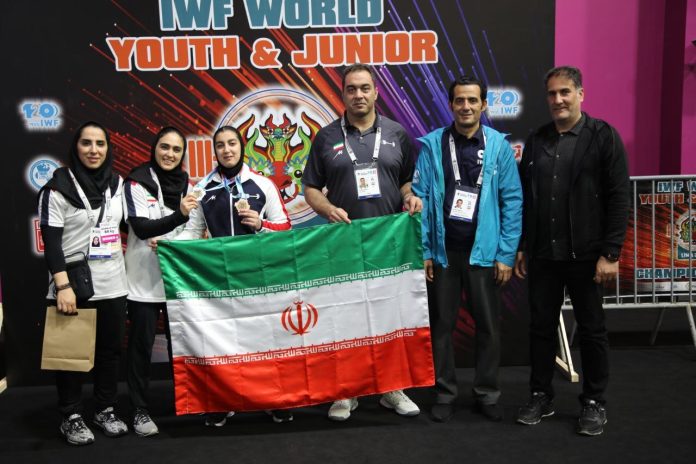
Iranian teen weightlifter wins medals, breaks records at world championships

The 16-year-old athlete claimed silver in the clean and jerk with a lift of 111kg and bronze in the total category with 197kg in the 64kg weight class.

She narrowly missed another medal in the snatch, finishing fourth with 86kg.

Hosseini broke all three Iranian youth records in her weight category. She improved her own national snatch record by 4kg to 86kg, broke the clean and jerk record by 10kg to 111kg, and set a new total record of 197kg, surpassing the previous mark by 14kg.

The previous records were 82kg in snatch and 183kg total held by Hosseini herself, while the clean and jerk record of 101kg belonged to Seyedeh Ghazal Hosseini.

This achievement marks only the second time an Iranian female weightlifter has won medals at the World Youth Championships, following Yekta Jamali’s success in 2021.

US prepares economic options against Russia: Bloomberg

Kremlin

Shortly after his inauguration, Trump threatened to impose tariffs and sanctions on Russia to force Moscow into negotiations, saying “we can do it the easy way or the hard way.” So far, these threats have failed to materialize.

However, Trump recently questioned Russia’s intentions to achieve peace given Russian ongoing attacks against Ukraine. Kyiv has repeatedly urged Trump to increase pressure on Russia.

It is unknown what options are on the table. The sources told Bloomberg that Trump is yet to make a decision, as diplomatic efforts to end the war are still underway.

Any decision, they added, rests solely with the U.S. president.

A day prior, State Department spokesperson Tammy Bruce said that the U.S. remains committed to supporting peace efforts in Ukraine but will scale back its direct role as mediator.

The remarks reflect a significant shift in Washington’s approach after months of stalled diplomacy aimed at brokering a ceasefire in Russia’s full-scale war against Ukraine.

The U.S. intensified its diplomatic outreach earlier this year, including negotiating proposals for a 30-day ceasefire and partial truces aimed at halting attacks on civilian energy infrastructure.

Moscow has rejected these initiatives, and Russian forces have intensified strikes across Ukraine.

In contrast, Kyiv has accepted the U.S.-backed ceasefire plan and continues to demand an unconditional cessation of hostilities.

Republican Senator Lindsey Graham said on May 1 that at least 72 senators are ready to vote for sweeping new sanctions and tariffs against Russia, should Putin continue to avoid serious peace negotiations.

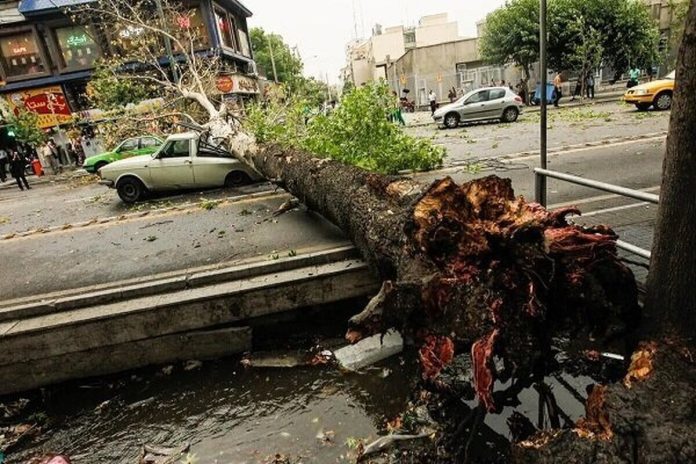
Severe storms claim 7 lives, injure 67 across Iran

Four victims died due to high winds, while three others were killed by lightning strikes.

Tehran Province recorded the highest number of injuries with 53 cases.

Fatalities were reported in Tehran, Mazandaran, Lorestan, South Khorasan, Markazi, and East Azarbaijan provinces.

The storms caused widespread damage, including fallen trees, collapsed billboards, building facade and roof failures, reduced visibility accidents, livestock deaths from lightning strikes, and increased air pollution.

Authorities have urged citizens to adhere to safety precautions during weather alerts and avoid hazardous conditions.