Thursday, December 25, 2025
Home Blog Page 3765

Chabahar Port City; Undiscovered Gem in Southern Iran

Chabahar is Iran’s southernmost city. Located near the equatorial area, it has a slight temperature variation in different seasons of the year.

Chabahar is home to different natural and historic phenomena which are considered as tourist attractions. For example, mangrove forest is a habitat for valuable species of seabirds such as flamingo, eagle, heron, etc.

Moreover, the Chabahar beaches enjoy one of the most scenic coastal areas in the entire Iran. Chabahar beaches are suitable for many water sports and activities including swimming, diving, snorkelling, canoeing, water skiing, and surfing, among others.

Historic villages, monuments, next to a beautiful lagoon, are the other sites that could be interesting for tourists.

Here are Mehr News Agency’s photos of Chabahar port city:


Iranian Media Urged to Report Corruption at All Levels

Iranian Media Urged to Report Corruption at All Levels

Secretary of Iran’s Supreme National Security Council Ali Shamkhani has highlighted the need to constantly fight corruption as the key contributor to diminishing public trust in the efficiency of the establishment.

He said media, while enjoying judicial immunity, should precisely and openly report proven cases of corruption at any level, said a Farsi report by the Islamic Republic News Agency (IRNA).

Shamkhani went on to say that the most important threat facing the country today is a drop in public confidence in the effectiveness of the establishment on different fronts.

“Honest words and deeds of officials in different executive, judicial and legislative branches constitute the main indicator for maintaining and developing the efficiency of the establishment in the minds of people in society,” said the top official.

Shamkhani further touched upon the importance of human rights.

“We should not allow our judicial issues to turn into national security issues, and at the same time try to become the flag-bearers of human rights in the world,” he stressed.

The top official noted that Iran pays due regard to human rights as a fundamental responsibility and a constitutional obligation.

“Although the hegemonic system seeks to launch biased and politically-motivated propaganda in order to challenge the Islamic Republic of Iran under rights-related pretexts, this should not keep us from constantly monitoring [the situation] and removing possible weak points,” said the official.

Elsewhere in his remarks, Shamkhani said the Code of Criminal Procedure must be observed while different judicial cases in the country are being reviewed.

He also underscored that different orders and injunctions should be issued carefully, and arrests should be made based on legal reasons.

Where Did Yemen’s Ballistic Missiles Come from?

US Ambassador to the UN Nikki Haley on Thursday appeared standing before parts of a ballistic missile that she claimed Iran delivered to Houthis in Yemen, who then fired it at the Riyadh airport in Saudi Arabia last month.

In reaction, Iran’s Mission to the UN has published a document to prove wrong the US accusations.

According to a Farsi report by Fars News Agency, the document, which was published in English on the Iranian mission’s website on Friday and was also tweeted by Iranian Foreign Minister Mohammad Javad Zarif, has set forth Tehran’s explanations to prove that Nikki Haley’s claims are false.

“In an age of alternative evidence, some inconvenient facts about the war in Yemen (are presented here),” reads the document, which is called “Yemen: A refutation of alternative evidence”.

Following are highlights of the document:


Facts & Figures

  • Saudi Arabia and the United Arab Emirates (UAE) have since March 2015 instigated a humanitarian catastrophe of Biblical proportions in the poorest of Arab nations. More than 10,000 people in Yemen have been killed in over two years of heavy airstrikes and fighting which have destroyed countless schools, hospitals, factories and other civilian targets. These attacks constitute war crimes.
  • Indeed, at least 3,158 aerial attacks over the past two years have struck non-military sites.
  • Having imposed a naval blockade, Saudi Arabia has created a man-made famine that has put 17 million Yemenis on the brink of disaster.
  • The worst outbreak of cholera in recorded history has afflicted over one million Yemenis. Aid organizations are now warning of a diphtheria epidemic.


US’ Direct Complicity in this Calamity

  • Last year, Saudi Arabia was the world’s second largest weapons buyer, increasing its intake by 212% – mainly from the United States.
  • President Donald Trump’s trip to Riyadh in May featured the signing of a $110 billion arms deal.
  • As recently as late last month, it was confirmed that Raytheon and Boeing will sell thousands of ‘precision guided munitions’ worth $7 billion as part of this mega agreement.
  • The Western munitions dropped by Saudi warplanes are mainly Joint Direct Attack Munitions (JDAMs) and Paveway missiles. But Riyadh’s aerial attacks on Yemen have, according to the Stockholm International Peace Research Institute, also included US-supplied cluster munitions. These bombs are banned under a treaty signed by 119 nations.
  • Apart from being armed by the United States, the Saudi military also relies on the Trump administration to conduct war in Yemen. The Saudi-led bombing campaign has been directly bolstered by the provision of targeting information, logistical support and daily refuelling of warplanes by US personnel.


Interconnection between Trump & Obama

  • The United States has supported the Saudi-led bombing campaign from the very beginning, including by refuelling Saudi-led warplanes in mid-air.
  • In 2015, a sales process began for more than 8,000 laser-guided bombs for the Saudi air force.
  • The Obama administration signed a total of 42 weapons deals with Saudi Arabia. Worth over $115 billion, they were highest level of arms sales offers by any administration in the history of the US-Saudi relationship.
  • Saudi Arabia’s naval blockade of Yemen has directly cut off imports of everything from food to energy supplies, putting 17 million people on the brink of famine. Mindful of this, the United States in October 2015 announced a $10 billion deal to supply Riyadh with Multi-Mission Surface Combatant (MMSC) ships. According to the Pentagon, the aim of this included “support [for the] strategic objectives of the United States.”


US Bombs & Missiles

  • The munitions which are being used by Saudi Arabia in Yemen include Raytheon’s Paveway IV missile. This weapon has been found at scenes including vital food stores and civilian sites.


Where Did Yemen’s Ballistic Missiles Come from?
Photo: Paveway IV missiles. Raytheon concluded a $475 million deal to deliver Paveway systems to Saudi Arabia in 2011.


Lethal projectiles with ominous names such as Brimstone and Storm Shadow, as well as PGM500 bombs and ALARM missiles have also been sold to Saudi Arabia.


Where Did Yemen’s Ballistic Missiles Come from?
Photo: MBDA has sold Saudi Arabia approximately 1,000 Brimstone missiles.


Where Did Yemen’s Ballistic Missiles Come from?
Photo: US Cluster Bomb Unit, CBU 58 A/B. This outlawed weapon has also been deployed in Yemen.


Where Did Yemen’s Ballistic Missiles Come from?
Photo: Remainder of US-made cluster bombs dropped by Saudi-led forces in Yemen.


Where Did Yemeni Ballistic Missiles Come from?

  • Ballistic missiles in Yemen are nothing new. Both South and North Yemen imported such weapons in the decades since the 1970s, mainly from the Soviet Union. Indeed, several SCUD missiles were deployed during their civil war in 1994.
  • Late dictator Ali Abdullah Saleh further replenished his relatively expansive ballistic missile arsenal by purchasing North Korean SCUDs.
  • The latter missiles were interdicted by Spanish forces in December 2002 and handed over to the US Navy.
  • Ultimately evading both censure and seizure of these munitions – on account of being a staunch US and Saudi ally – Saleh was allowed to keep the North Korean missiles by the George W Bush administration.
  • Thus, at the time of the outbreak of the war in Yemen in 2015, the country had an estimated 300 SCUDs. Some of these munitions, reportedly modified by Yemeni engineers, have been fired at Saudi Arabia in retaliation for the countless airstrikes over the past two years.
  • South Korean intelligence confirmed in July 2015 that SCUDs which had been fired into Saudi Arabia were the very North Korean missiles which the United States and Saudi Arabia had green-lighted for delivery to Yemen in 2002.
  • The UN panel tasked with investigating Saudi and US claims of Iranian missile transfers to Yemen has neither found evidence of such supposed deliveries nor proof of foreign assistance with the use of such weapons.
  • On the contrary, the panel has established that exclusively Yemeni experts fired the missiles in question, and that no missile components are likely to have been smuggled into the country via the Red Sea – directly contradicting the Saudi rationale for blockading Yemen.
  • Curiously, the UN panel has reportedly found both US and Iranian components in the said missile fragments. On the basis of the logic presented by Saudi Arabia and the Trump administration, both the United States and Iran are thus apparently aiding Yemenis in their missile development.
  • Last but certainly not least, neither Saudi nor US officials have provided any information on when the supposed weapons deliveries took place. In fact, the Trump administration has indicated that it does not know when the alleged transfer of Iranian arms was made.
  • Furthermore, US officials appear unaware of when and where some of the weapons in question were supposedly used.


Conclusions:

  • Yemenis are capable of firing missiles either tweaked or assembled in Yemen.
  • No missile components have entered Yemen via blockaded ports.
  • UN experts have found both US and Iranian components in Yemeni missile fragments.
  • Neither the US nor Saudi Arabia have provided any information on the dates in which the alleged Iranian weapons were delivered, and when and where some of them are claimed to have been used.


The US-Saudi Lies

  • Nothing stated by the Trump administration and its regional allies thus has any basis in truth but rather in ‘alternative evidence’ or ‘alternative facts’.
  • The world has seen this show before. It won’t entertain it again.


Iran’s Proposed Plan

  • Iran has since the outset of the war in Yemen offered a reasonable and practical approach to address this painful and unnecessary crisis—and it’s time to recognize that there is no military solution.
  • Iran’s plan calls for an immediate ceasefire, humanitarian assistance and facilitation of intra-Yemeni dialogue, leading to the formation of an inclusive, broad-based national unity government.
  • Iran is therefore hopeful that responsible actors outside the Middle East will focus their efforts on urging their allies in its region to take seriously its longstanding proposal for a regional dialogue forum.
  • It holds the promise of a good start, and Iran once again invites all of its neighbours to participate. No one should want this suffering to continue.

Iran Inks Deal with Turkey on Countering Money Laundry

The roadmap was signed at the end of the second session of the joint working group of interior ministry officials of Iran and Turkey held in Ankara from Wednesday to Friday.

Iranian Deputy Interior Minister for Security Affairs Hossein Zolfaqari and his Turkish counterpart headed the delegations of the two countries in the session.

In the three-day session, the two sides focused on various areas of cooperation, including efforts to combat drug smuggling, human trafficking, organized crimes, illegal border crossing, terrorism and money laundering.

In early October, Turkish President Recep Tayyib Erdogan paid an official visit to Iran with a high-ranking delegation to attend the fourth round of strategic meetings between Iran and Turkey and to discuss the latest regional developments and the status of bilateral ties with Iranian officials.

Iran and Turkey signed a number of cooperation agreements during the presidential visit.

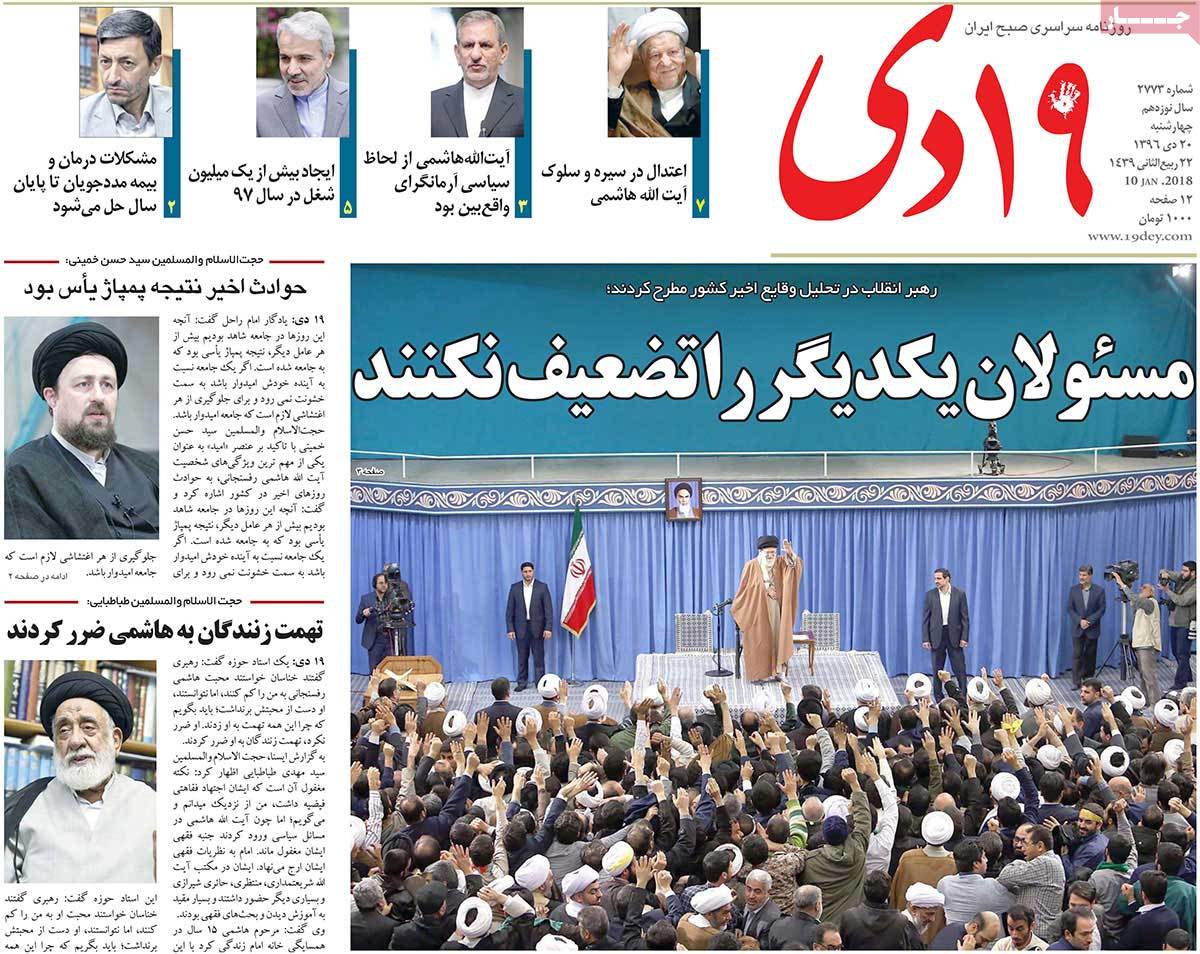
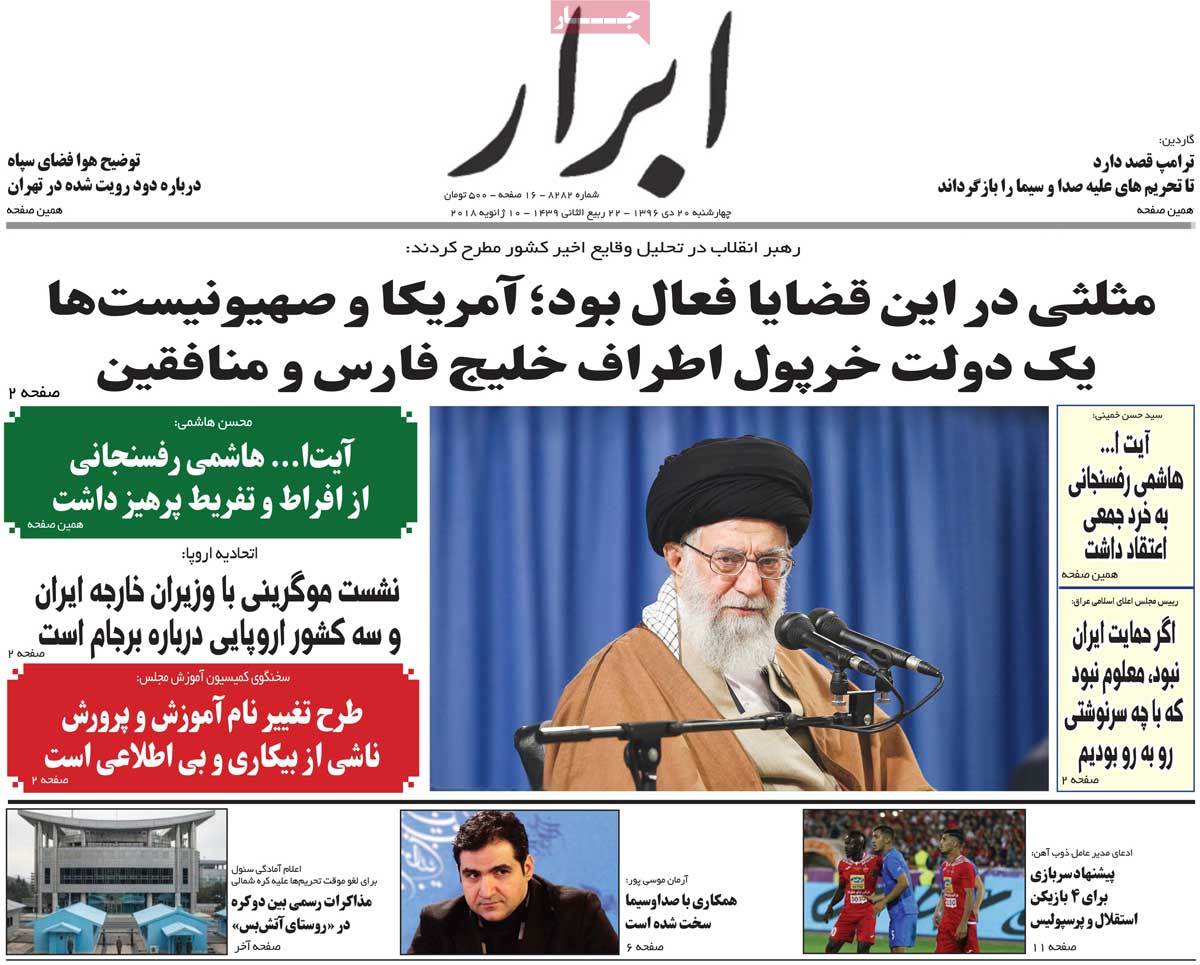
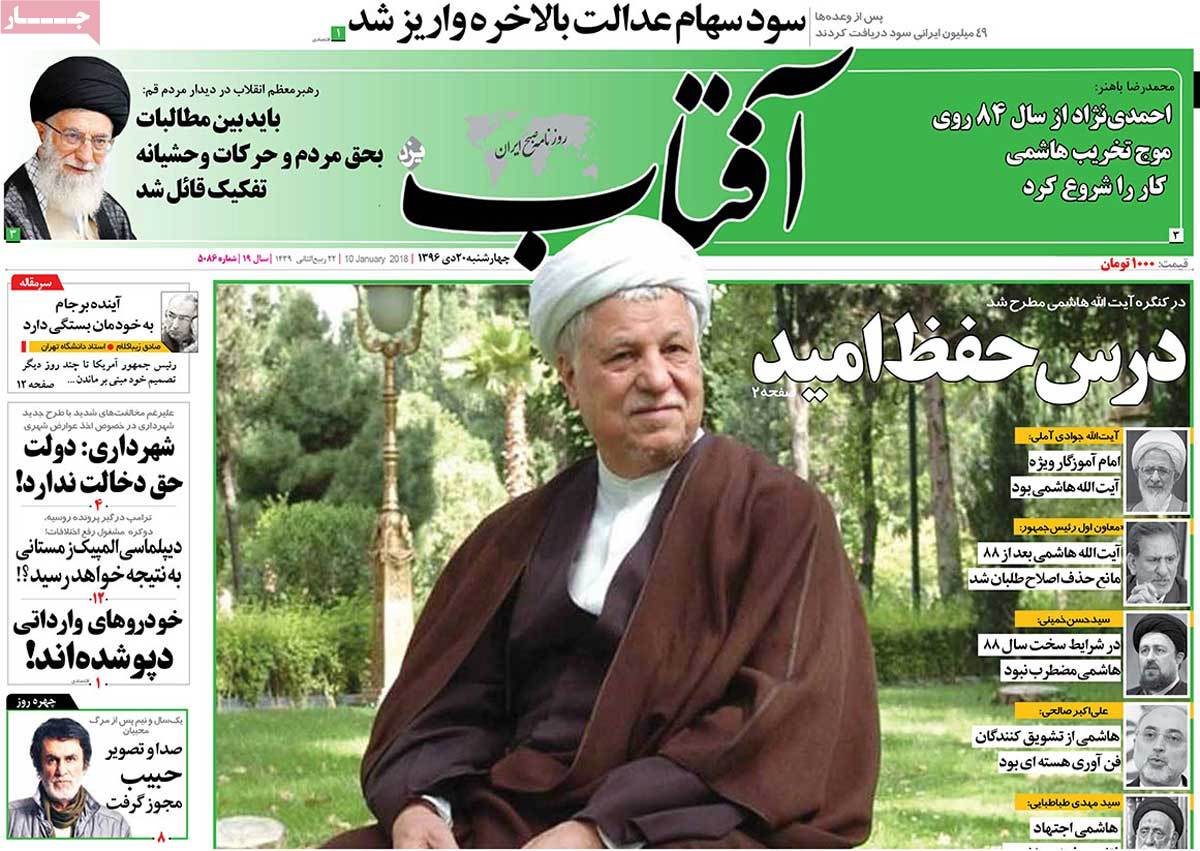
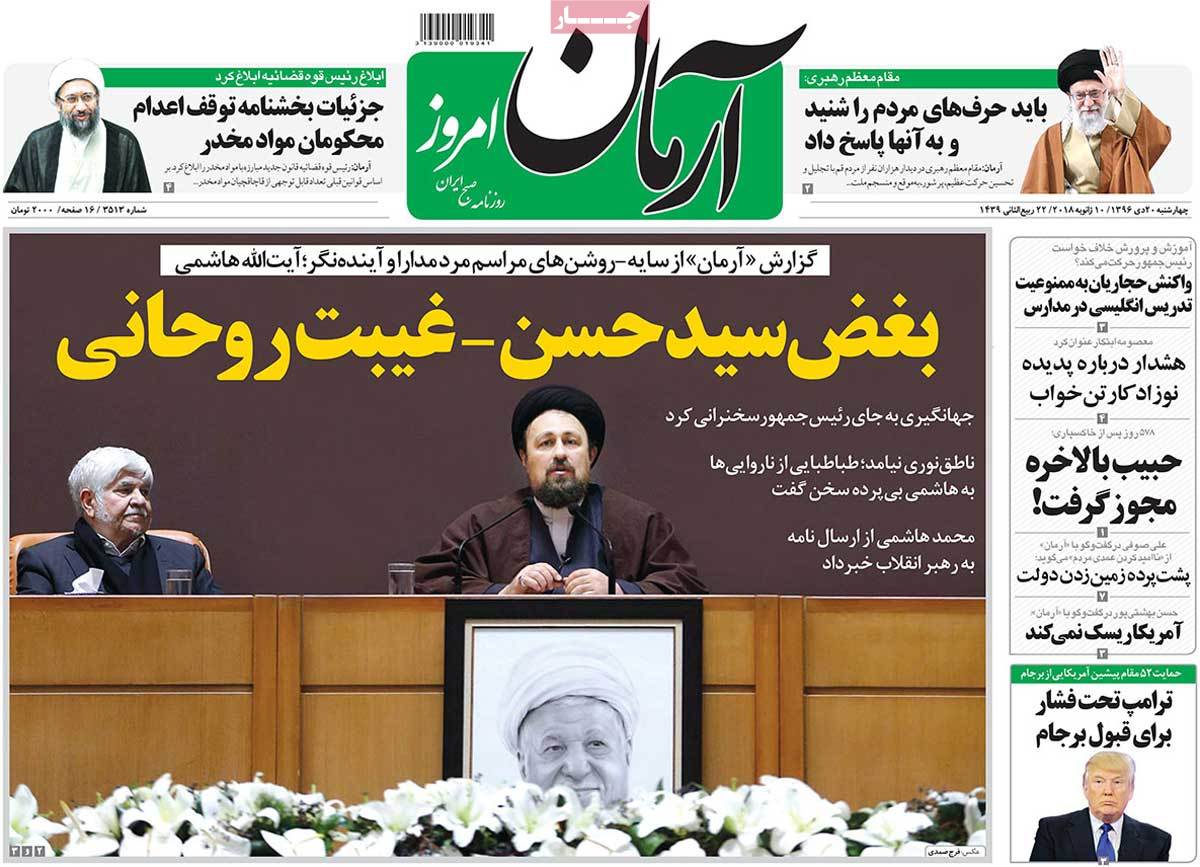
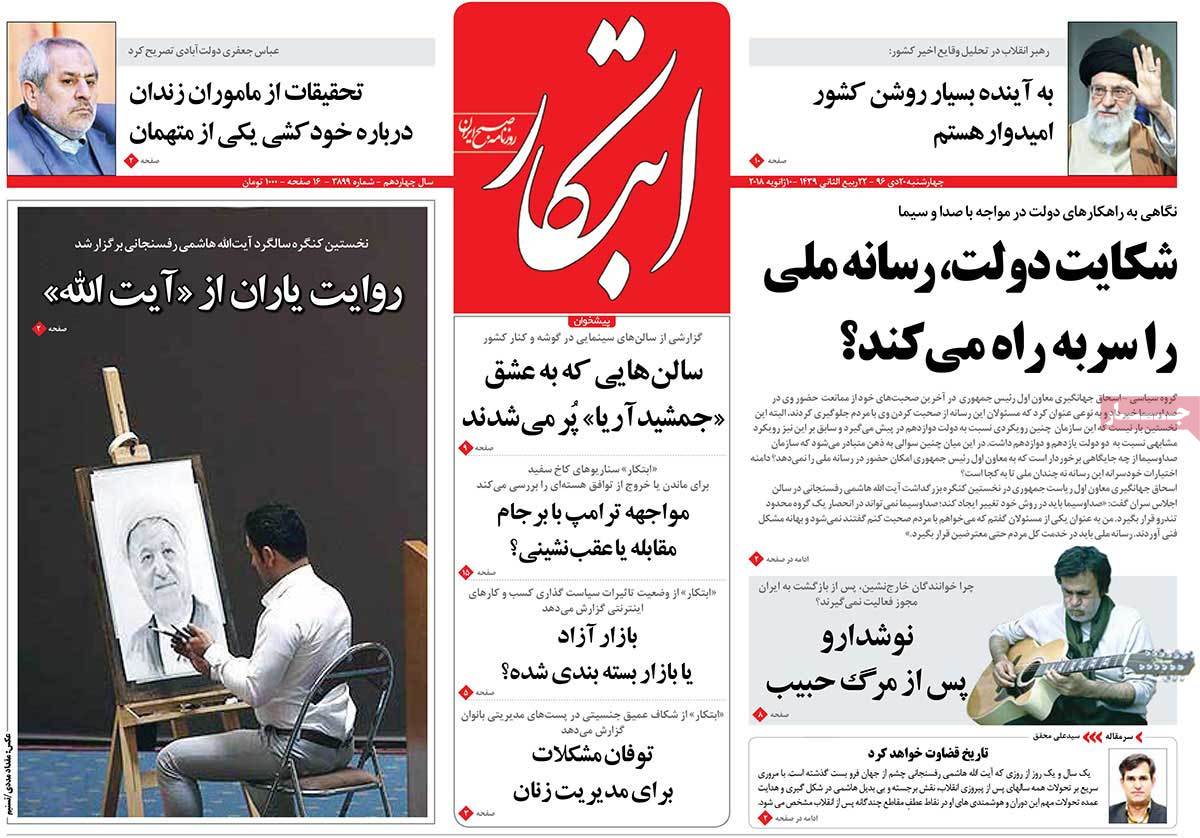
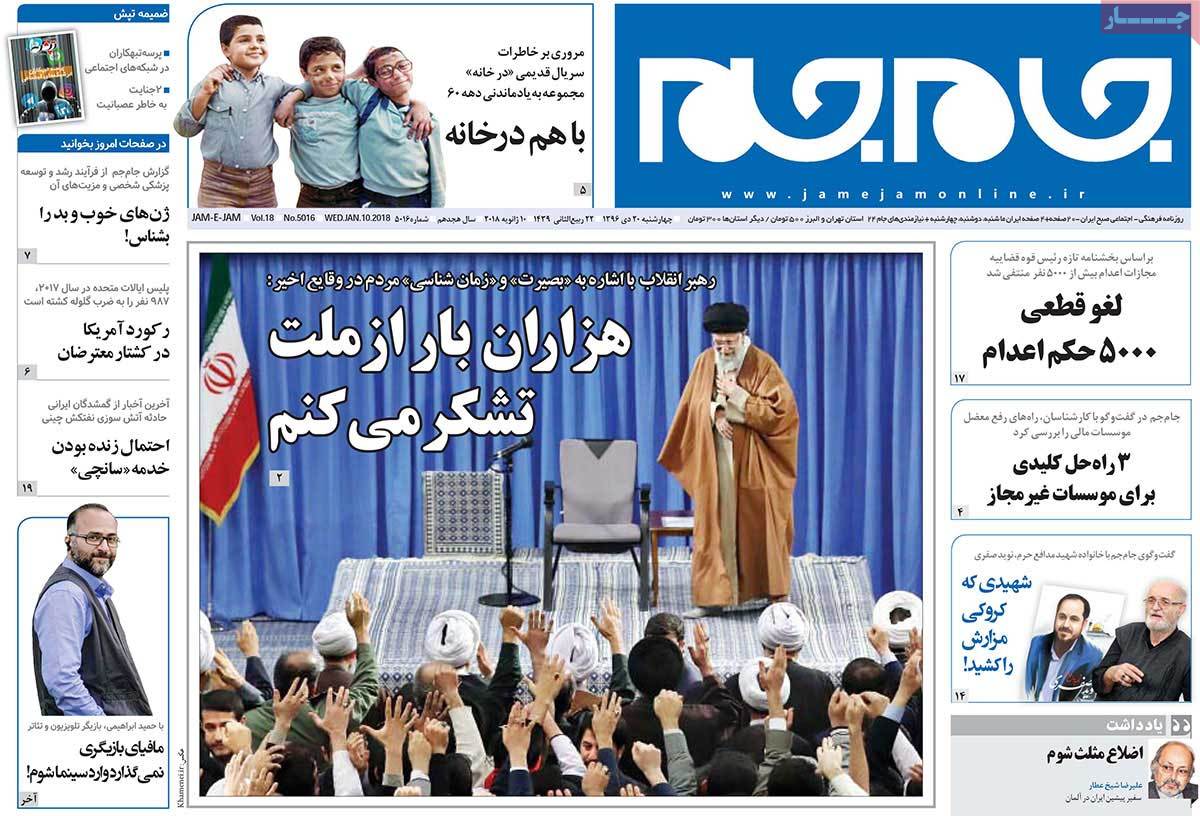
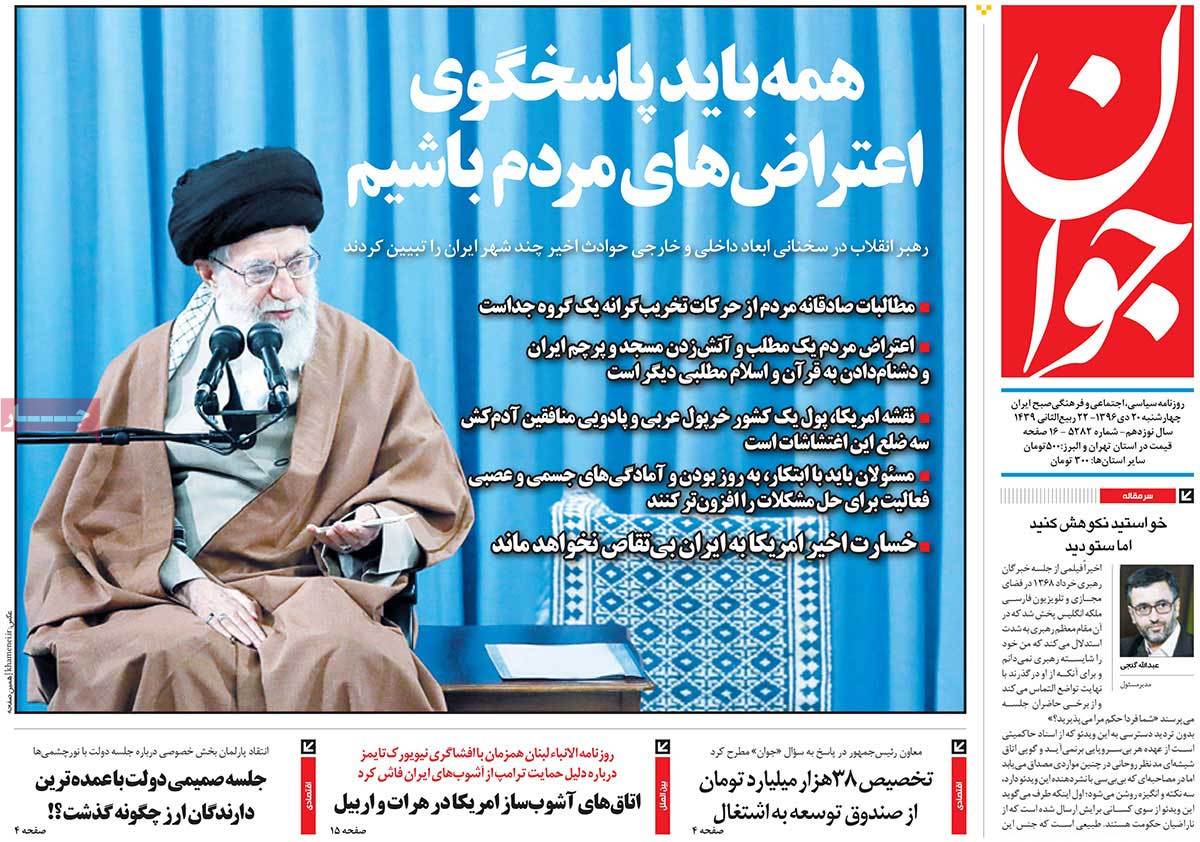
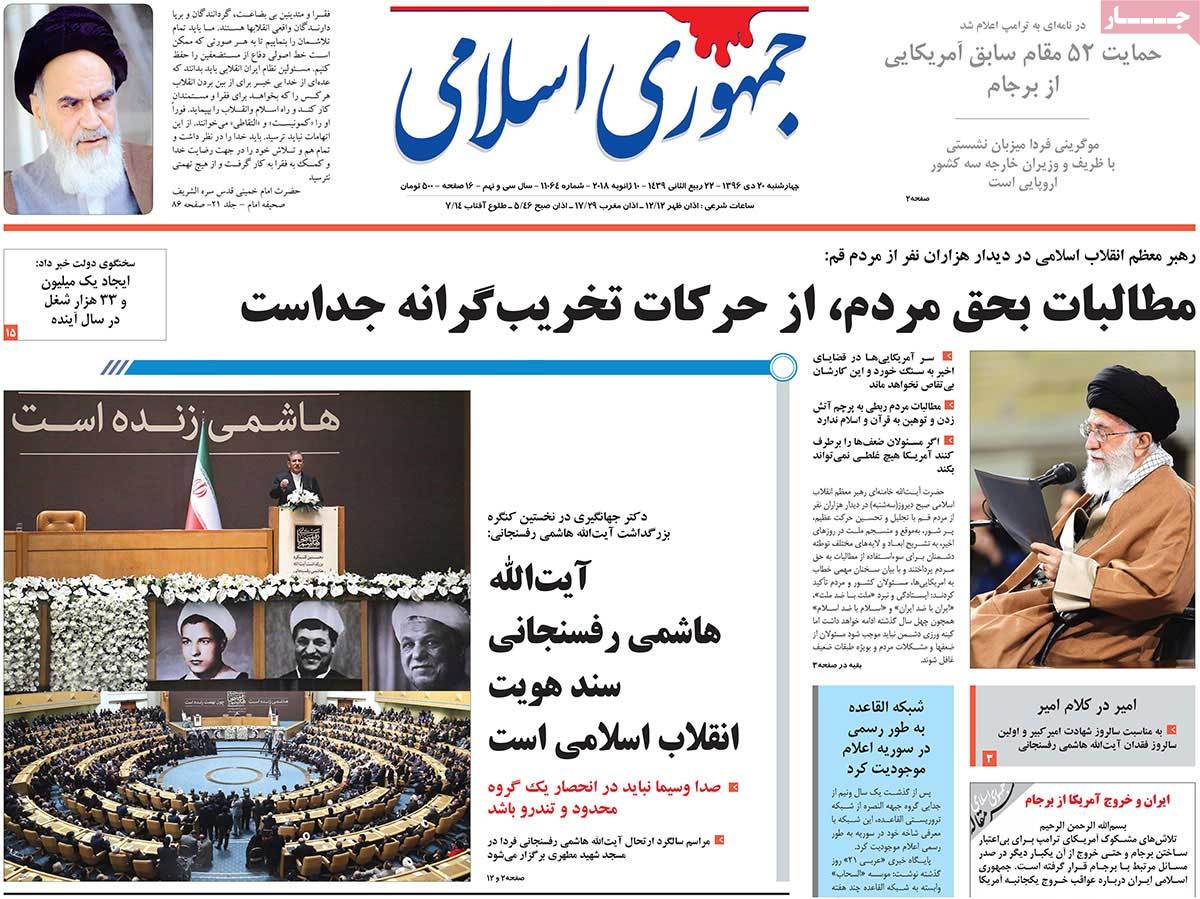
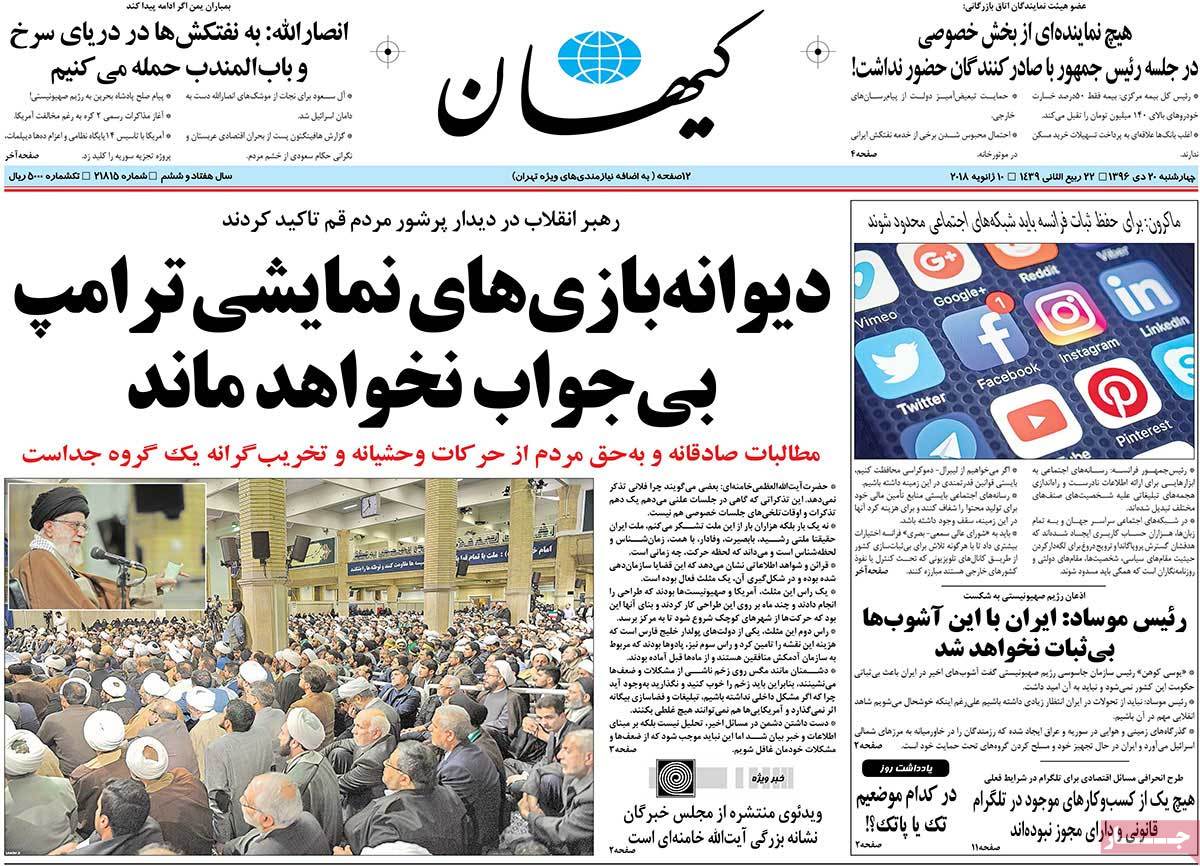
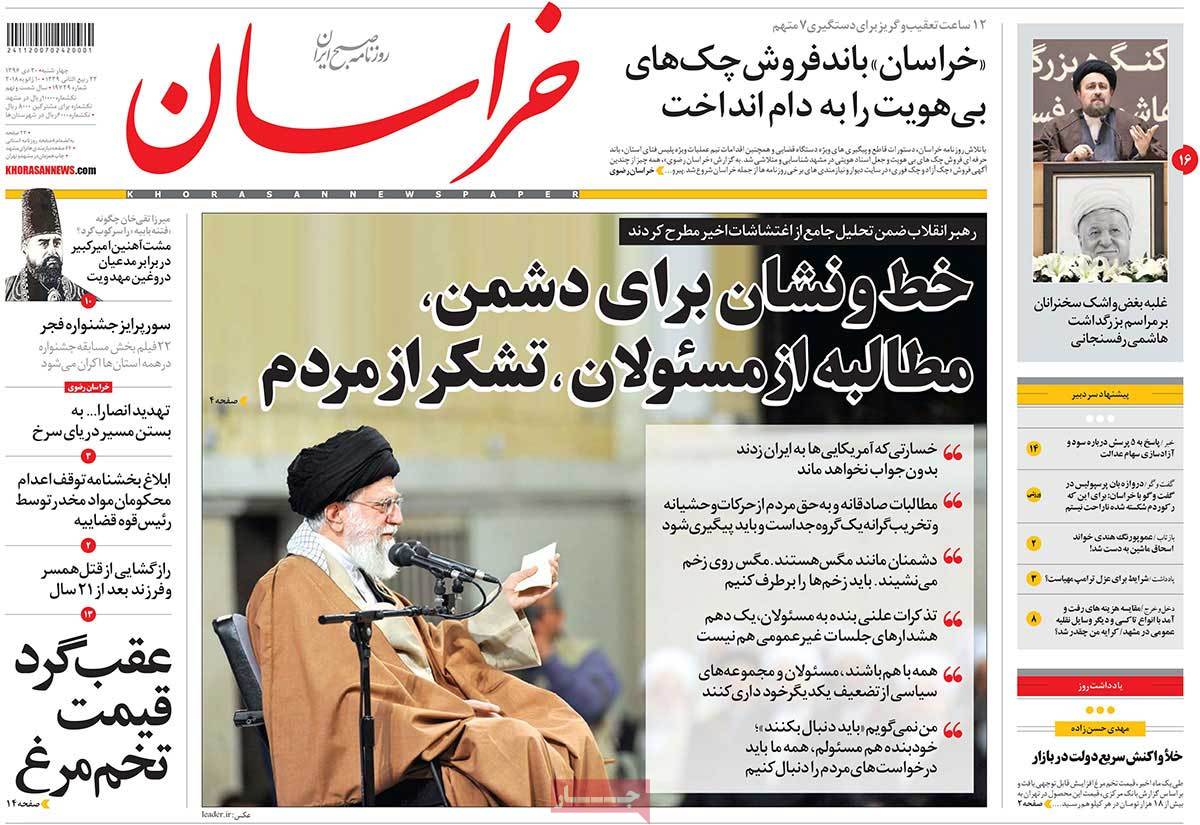
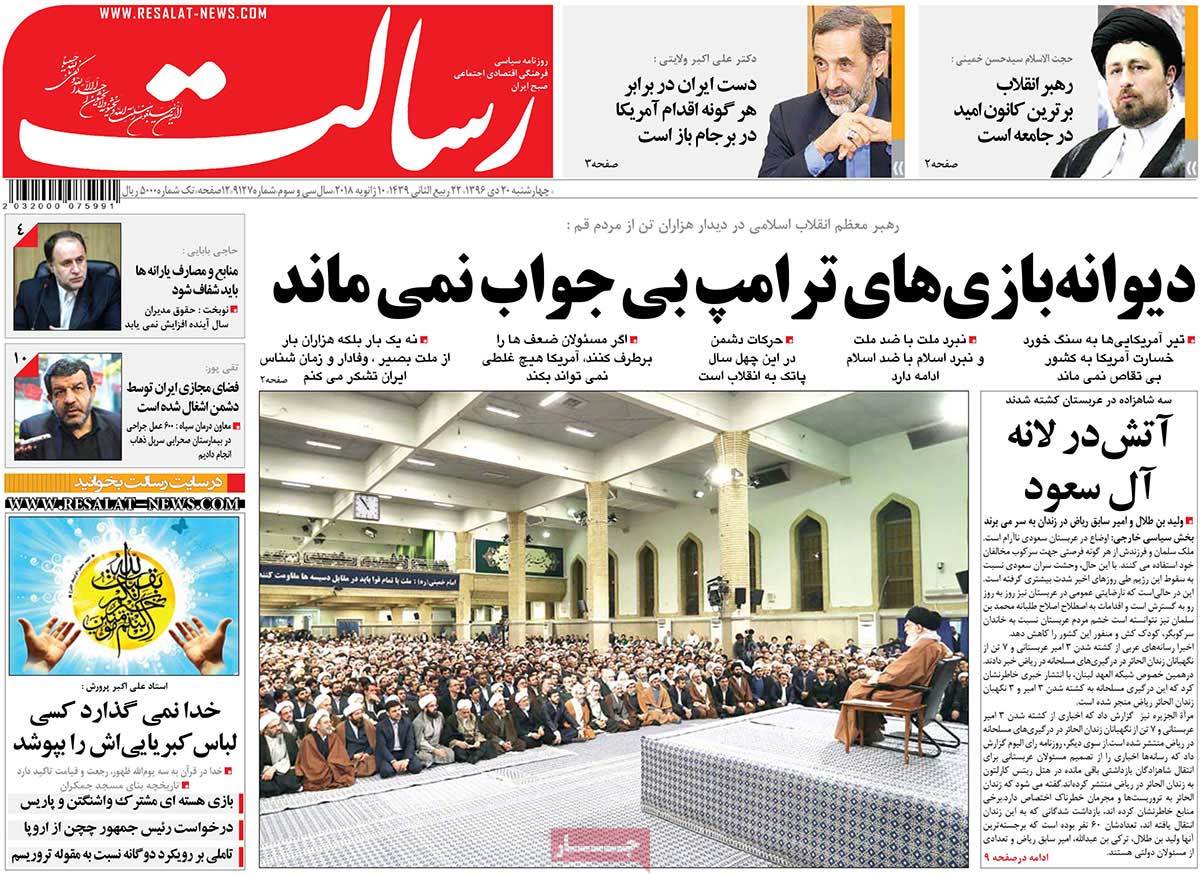
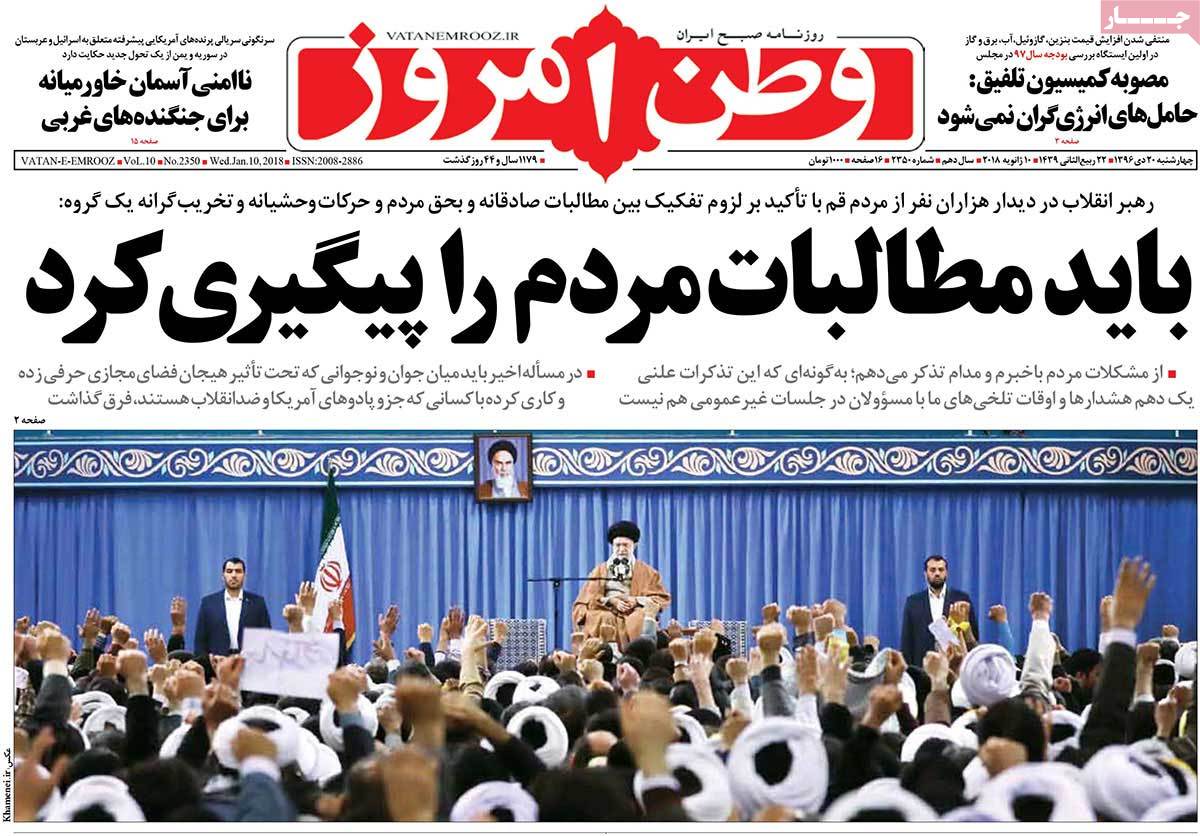
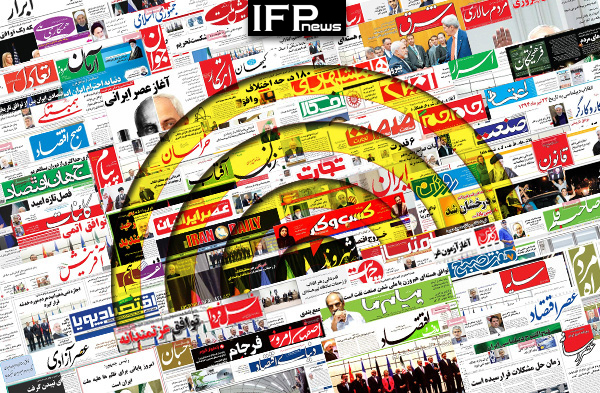
A Look at Iranian Newspaper Front Pages on December 16

A Look at Iranian Newspaper Front Pages on November 5

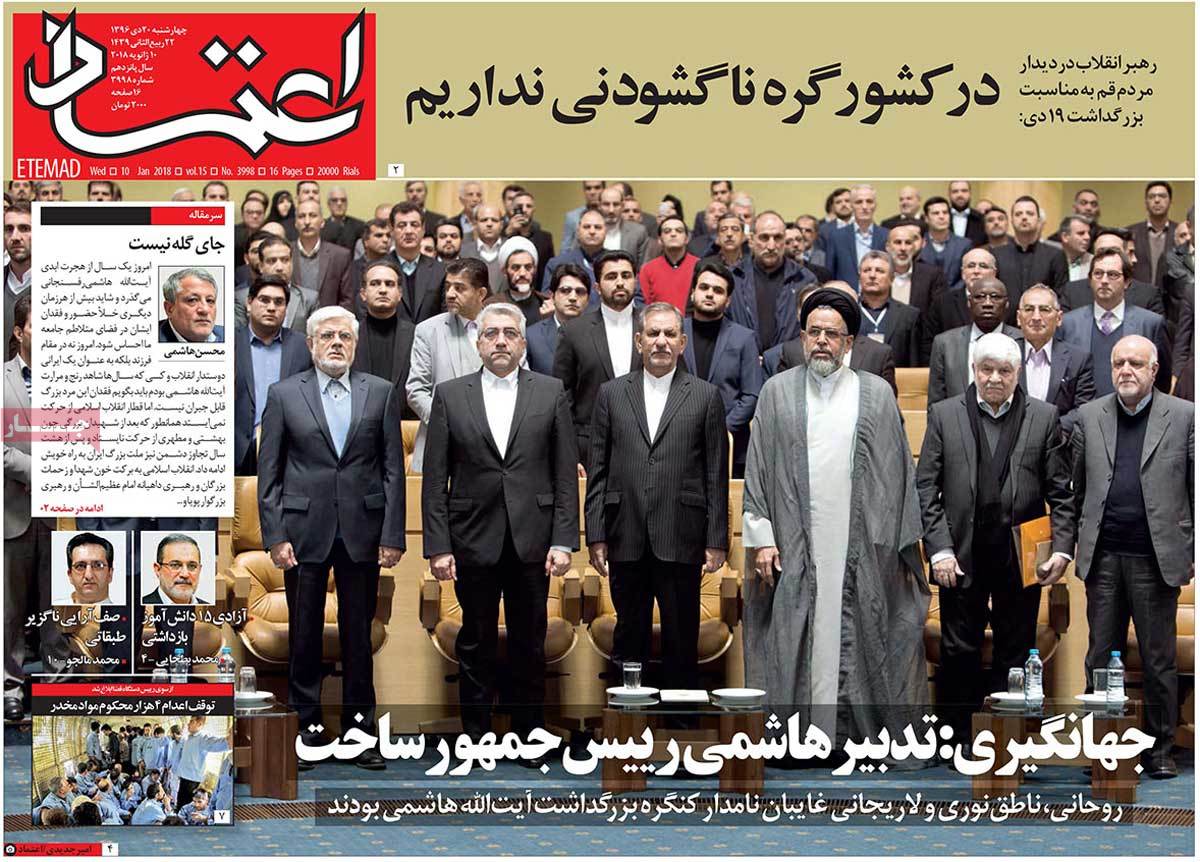
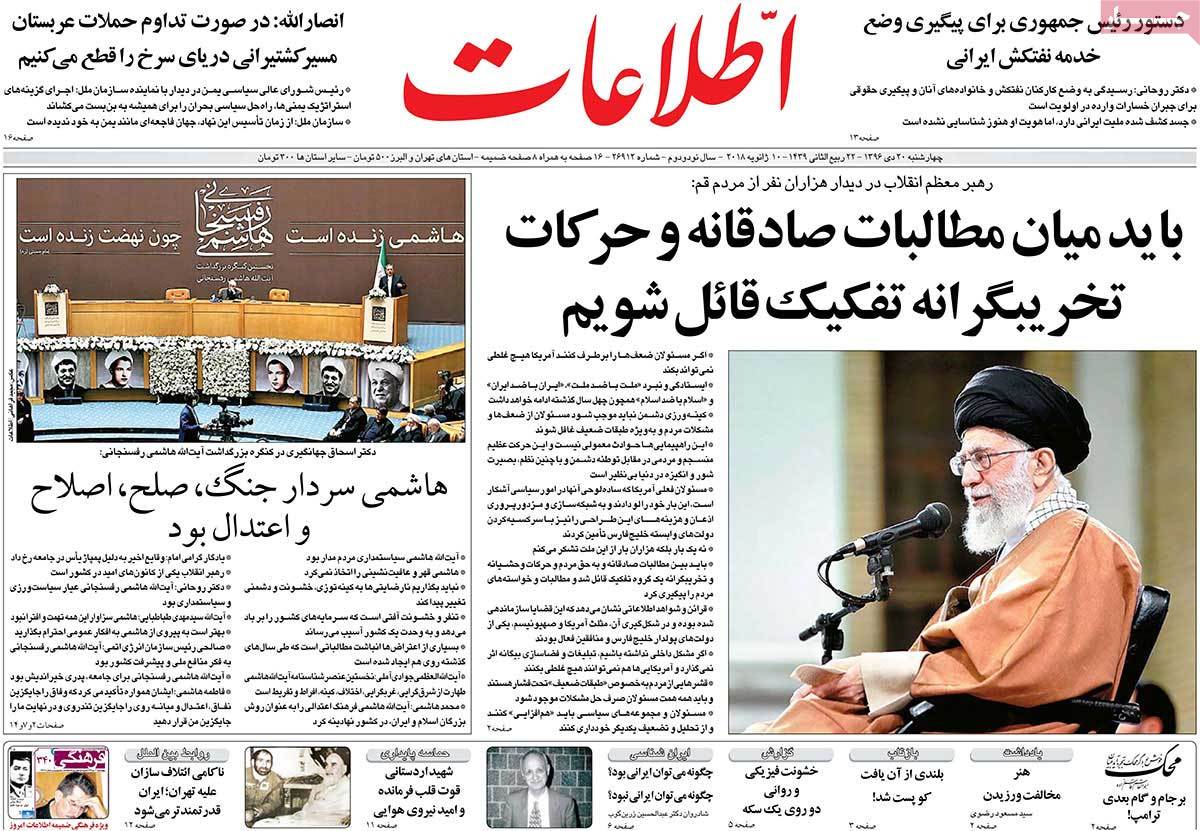
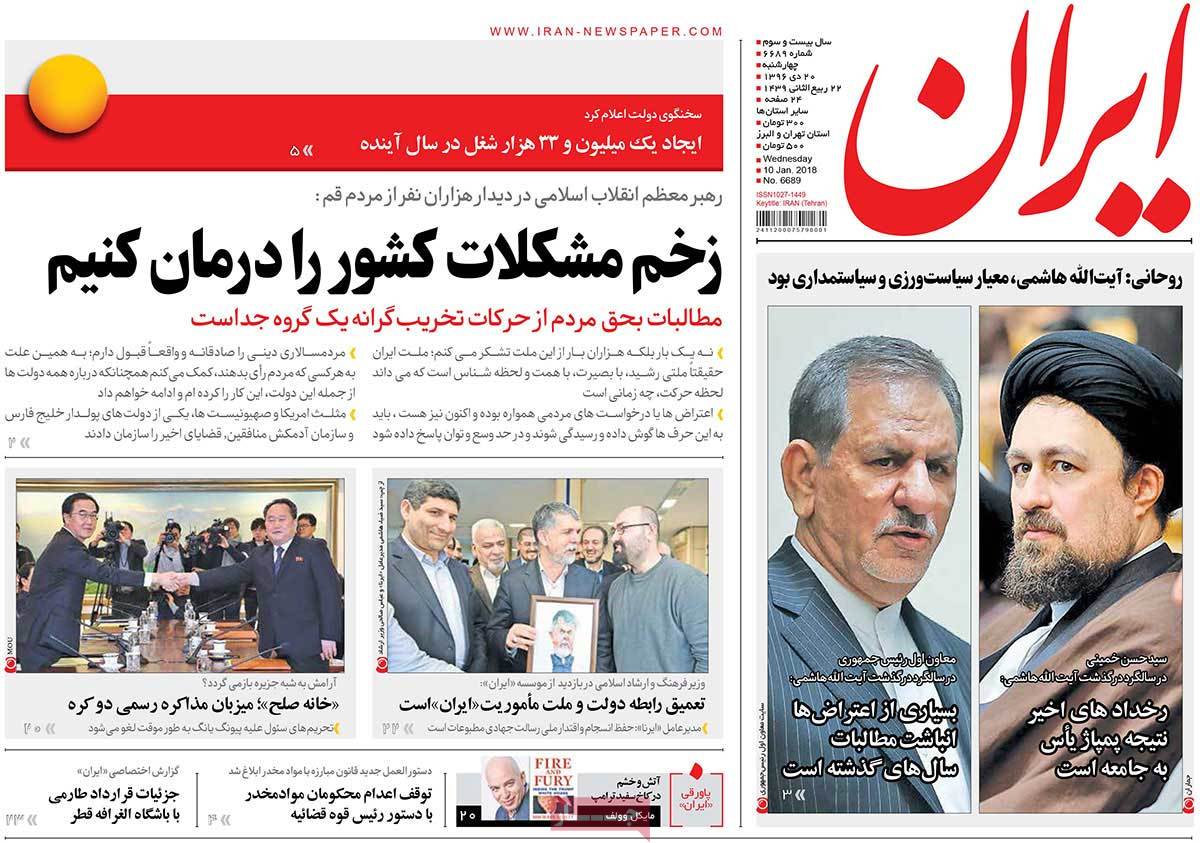
The top story today was the US claims about Iran’s supply of ballistic missiles to Yemen and the Iranian officials’ reactions to the accusations.

Several papers today covered the remarks made by the Iranian Government’s Spokesman Mohammad-Baqer Nobakht about a decision to increase the fuel prices. He was widely criticized, by both reformists and conservatives, for saying that the increase in prices is aimed at creating more job opportunities.

The ongoing uprising in Palestine and the Israeli regime’s violent reaction to the protest rallies also received great coverage today.

The above issues, as well as many more, are highlighted in the following headlines and top stories:


Abrar:

1- IRGC Chief-Commander: Iran Can Now Easily Respond to Security Threats

2- UN Chief: There’s No Clear Evidence that Shows Origin of Missiles Fired at Saudi Arabia

3- Iran: Issue of Caspian Sea Demarcation Not Finalized

A Look at Iranian Newspaper Front Pages on December 16


Aftab-e Yazd:

1- Gov’t Spokesman: We’ll Increase Petrol Price to Create More Jobs for You!

2- Children in Kermanshah Scream of Earthquake Nightmare at Nights

A Look at Iranian Newspaper Front Pages on December 16


Asrar:

1- Minister: People Should Feel Calm When They Here Name of Intelligence Ministry

2- Americans Seek to Divert Global Attention Away from Issue of al-Quds: Iran UN Envoy

A Look at Iranian Newspaper Front Pages on December 16


Ebtekar:

1- Iran Deputy FM: West Asia Not to Be Better Place without JCPOA

2- Playing Blame Game at Expense of Drought-Hit Children’s Blood

  • Realities about Yemen War Ignored by Haley

A Look at Iranian Newspaper Front Pages on December 16


Emtiaz:

1- Iran’s Kish Island May Host FIFA World Cup 2022

  • Persian Gulf Island Being Prepared in Qataris’ Presence

A Look at Iranian Newspaper Front Pages on December 16


Ettela’at:

1- Weak-Minded Arab Regimes Emboldened Trump on al-Quds: Palestinian Jihad Envoy

2- Gov’t Spokesman: Iran Economy Only Treatable through Surgery

A Look at Iranian Newspaper Front Pages on December 16


Iran:

1- British Research Centre: American, Saudi-Supplied Arms in Hands of ISIS

2- Bloody Uprising: Israeli Forces Kill 3 Palestinian Protesters, Wound 263

A Look at Iranian Newspaper Front Pages on December 16


Jame Jam:

1- Nikki’s Missile Show: A Report on Reactions to US Envoy’s Anti-Iran Accusations

  • US Once Again Isolated in Reviving Iranophobia Project

2- Gov’t Spokesman: Rouhani Upset by Increase in Dollar Rate

A Look at Iranian Newspaper Front Pages on December 16


Javan:

1- Gov’t: We’ll Raise Fuel Prices because There Are 3 Unemployed People in Every Family!

2- IRGC Chief-Commander: We Easily Counter Any Security Threat

3- UN Rejects US’ Show of Missile Wreckage

A Look at Iranian Newspaper Front Pages on December 16


Jomhouri Eslami:

1- US’ Failed Attempt to Divert Attentions Away from al-Quds

2- Zarif: US Complicity in Yemen War Crimes Cannot Be Covered up

3- Saudi FM Admits: Saudi Arabia Has Full Road-map for Diplomatic Ties with Israel

4- Putin: US Preventing Fight against Terrorists in Syria

5- Health Minister: South Korea to Build 3 Hospitals in Iran

A Look at Iranian Newspaper Front Pages on December 16


Kayhan:

1- US Equips ISIS with Modern Arms under Cover of Fight against Terror: EU Findings

2- Latest US Achievement: US Congress Approves 2 Other Anti-Iran Bills

A Look at Iranian Newspaper Front Pages on December 16


Resalat:

1- Judiciary Chief: Judicial Offences Decreased through Covert Supervision

2- Spokesman: Judiciary’s Budget Halved

A Look at Iranian Newspaper Front Pages on December 16


Shargh:

1- Haley Makes Anti-Iran Speech at UN

  • Zarif: I Had Earlier Seen This Show

2- Total Doubtful about Staying in Iran

A Look at Iranian Newspaper Front Pages on December 16

Autumn in Ancient Iranian Village of Abyaneh

Autumn in Ancient Iranian Village of Abyaneh

At the first glance, Abyaneh seems to be a multi-storey village that in some cases up to four storeys are visible.

The rooms are decorated with wooden windows and often have wooden porches and patios overlooking the dark and narrow alleys, which all have created interesting scenes.

Women in Abyaneh typically wear a white long scarf which has a colourful pattern and an under-knee skirt. They have persistently maintained this traditional costume.

Characterized by a peculiar reddish hue, the village is one of the oldest ones in Iran, attracting numerous native and foreign tourists year-round, especially during traditional feasts and ceremonies.

Here are Tasnim News Agency’s photos of the village:

Qatar to Use Iran’s Kish Island for World Cup 2022

Iran-Qatar-Football

Iranian Football Federation officials have invited president of the Qatar Football Association, Sheikh Hamad al-Thani, to visit Kish Island in southern Iran to see the possibilities of setting up camps for 2022 World Cup teams.

Sheikh Hamad has welcomed the proposal, but due to a lack of direct flights from Qatar to the island, the Qatari official may travel to Kish with a dedicated flight or a ship from Doha.

As soon as the dates for 2022 World Cup are confirmed, Iran would be informed about the details, the Varzesh3 news website said in a Farsi report.

Sheikh Hamad al-Thani also promised to send a high-level delegation representing the 2022 World Cup executive committee to visit Kish Island in a bid to take care of any possible lack of facilities.

Mehdi Taj, president of the Iranian Football Federation and his deputy Ali Kaffashian on Thursday made a trip to Qatar. During the visit, two MoUs were signed between Iran’s Football Federation and Qatari Football Association.

Based on one of these MoUs, Kish Island could be a tourist destination for the 2022 World Cup spectators. At the same time, it seems that a direct flight from Doha to Kish will be provided so that the island could accommodate spectators.

The Qatari side also agreed to provide Iran’s men and women national teams at all levels with special facilities and equipped academies.

Iran, S. Korea Ink Documents on Health Cooperation

Iran, S. Korea Ink Documents on Health Cooperation

The agreements were signed in Seoul between visiting Iranian Minister of Health, Treatment and Medical Training Seyyed Hassan Qazizadeh Hashemi and South Korean Minister of Health and Welfare Park Neunghoo.

According to a Farsi report by the Islamic Republic News Agency (IRNA), one of the documents was a memorandum of understanding (MoU) on cooperation in the field of health and medical equipment.

An MoU on hospital construction was also inked between some South Korean companies and Iranian hospitals.

The second document of the Iran-South Korea Joint Health Working Group was also signed between the two countries’ health ministries.

An MoU on health insurance and one on hospital information systems were also among the documents signed in the ceremony.

Iran’s health minister heading a delegation arrived in South Korea last Wednesday. During his trip, the minister is accompanied by a team comprising officials from the health ministry as well as the Parliament’s Health and Treatment Commission. Hashemi winds up his trip on South Korea on Saturday, December 16, 2017.

300% Increase in Departure Tax Sparks Controversy in Iran

300% Increase in Departure Tax Sparks Controversy in Iran

Speaking to ISNA, Mohammad Ebrahim Larijani, director of the tourism, rail and air travel company affiliated to the Social Security Organization, said people are not expected to react in such a way, according to travel psychology.

“People might refrain from traveling abroad for a short time due to the sudden shock or to express protest, but will adapt themselves in less than two months and resume their travels,” he predicted.

Experience shows that the hike in travel costs for various reasons, including peak travel season, exorbitant visa prices, extra costs inflicted by lack of services like direct reservation, money transaction hurdles and transit flight, has not dissuaded Iranians from traveling to foreign countries.

“Contrary to what is aimed, those who cannot afford the extra cost will cut down on their domestic trips to save for outbound travels,” he said.

Parvaneh Salahshouri, a member of the parliament’s tourism faction, also believes that the move will not boost domestic tourism.

“Domestic trips are too expensive and many will still prefer to travel abroad,” she was quoted as saying by Chamedanmag.ir.

Speaking to the Persian daily Donya-e-Eqtesad, Reza Abazari, the head of Travel Agencies Guild Association, said the policy will not only fail to achieve its goal, but would also lead to a downturn in tourism.

“It will cause challenges for travel agencies, discourage investors from putting their money in tourism and eventually cause a recession in the industry,” he said.

According to Abazari, the policy might lead to the curtailment of outbound travel and a rush toward domestic destinations, but that would not be favorable because most travel spots lack adequate infrastructure to host a huge population.

“To increase inbound tourism and encourage Iranians to travel inside the country, essential measures such as raising awareness, advertising, marketing and developing transport infrastructure need to be given higher priority,” he said.

Ja’far Kheirkhahan, an economist, believes that the high tendency for traveling abroad and the consequent imbalance between inbound and outbound tourism have been caused by the government’s policy to control exchange rates.

According to the economist, the tax increase is probably a method of addressing the budget deficit resulted from such a policy.

“If exchange rates reach their real value, domestic travel will be able to compete with outbound tourism and more foreigners will show interest in traveling to Iran because it will become more affordable,” he said.

The government last Sunday submitted the budget bill to the parliament in which it proposed a threefold increase in departure tax.

As per the bill, the departure tax will reach 2.2 million rials ($52) from the current 750,000 rials ($17). The new fee is to rise by 50% for the second trip and 100% for the third and subsequent visits over a one-year period.

US-Made Jet Fighters Dropping American Bombs on Yemen: Iran

Speaking to reporters on Saturday in Tehran, Zarif once again dismissed the “baseless” claims raised by the US Ambassador to the UN, Nikki Haley, about Iran’s supply of missiles to Yemen.

“The US raises groundless accusations against Iran by displaying a piece of wreckage in a bid to put a lid on its war crimes in the region,” he went on to say, according to a Farsi report by Mizan.

“The clear thing is that the planes bombarding Yemen and the bombs they drop are American-made,” he added.

Earlier in a tweet, Zarif had highlighted Washington’s complicity in war crimes committed in Yemen, saying that since the beginning of the war, “the US has sold weapons enabling its allies to kill civilians and impose famine”.

“While Iran has been calling for ceasefire, aid and dialogue in Yemen from day 1, the US has sold weapons enabling its allies to kill civilians and impose famine,” Zarif said on his Twitter account on Friday.

“No amount of alternative facts or alternative evidence covers up US complicity in war crimes,” he added in his tweet.

In the post on his official Twitter account, Zarif also attached a link to a report on the US complicity in war crimes committed against the Yemeni people.

Zarif made the remarks in response to Haley, who claimed that the Islamic Republic has supplied Yemen with ballistic missiles.

During her press conference on Thursday, Haley appeared standing before parts of a ballistic missile that she claimed Iran delivered to Houthis in Yemen, who then fired it at the Riyadh airport in Saudi Arabia last month.

In another tweet earlier on Thursday, the Iranian top diplomat had likened Haley’s speech to former US Secretary of State Colin Powell’s claim in 2003 that Iraq possessed WMD.

Powell’s 2003 speech to the UN laid out the Bush administration’s case for a war in Iraq. Powell in 2016 called the speech “a great intelligence failure”.