Tuesday, January 13, 2026
Home Blog Page 3735

“Iran Can Help Resolve Armenia-Azerbaijan Issues”

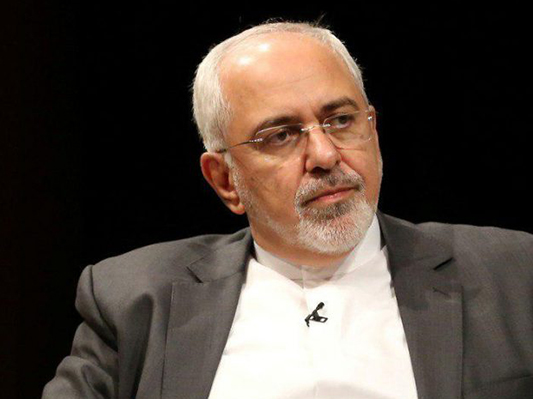
Iranian Foreign Minister Mohammad Javad Zarif heading a political-economic delegation paid a day-long visit to Armenia Tuesday to promote the country’s economic diplomacy.

Armenia is of significance to Iran as it has no common trade borders with countries around it other than Iran and Georgia. So, Armenia is very beneficial to Iran trade-wise.

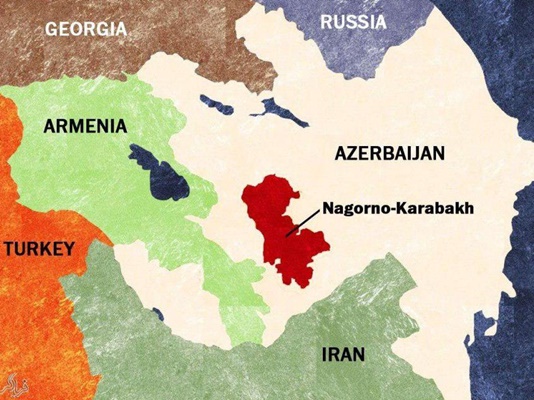
Among other issues discussed by Iran and Armenia in recent years is the issue of Karabakh and differences between Yerevan and Baku. To discuss that further, the Persian-language Khabar Online news agency has conducted an interview with former Iranian Ambassador to the Azerbaijan Republic Afshar Soleimani.

The full text of the interview conducted follows.


Explain to us the reason behind Dr. Zarif’s trip to Armenia.

Our foreign minister’s trip to Armenia came at the invitation of his opposite number Edward Nalbandian. Zarif made the trip leading a political-economic delegation. During the trip, Zarif not only met his Armenian counterpart, but sat down with the Armenian president as well. A joint economic meeting was also set up by the two countries.

Armenia, a Christian neighbour, is of significance to Iran in the South Caucasus. The foreign ministers of both countries make mutual trips to the other country on a regular basis to review the enhancement of relations and identify and remove obstacles to the promotion of reciprocal ties.

As Armenia has no territorial and political relations with the Azerbaijan Republic and Turkey, and it only has open borders with Iran and Georgia, Yerevan pays due regard to its relations with Iran, especially when the Islamic Republic meets a great part of Armenia’s needs for natural gas and food as well as industrial and petrochemical products.

How do you evaluate the strong and weak points of the two countries? In your opinion, can Iran’s diplomatic apparatus settle the differences between Baku and Yerevan?

The two countries have constructive cooperation with one another in international organizations and circles, and defend each other’s rights. Given that 20% of Azerbaijan Republic’s territory is occupied by Armenia, and with regard to the circumstances surrounding Tehran-Yerevan ties, Tehran-Baku relations have always been impacted by Tehran-Yerevan relations. So, the Iranian diplomacy apparatus should try its best to urge Armenia to pull out of the Azerbaijan Republic’s occupied territories in conformity with UN Security Council resolutions and play an effective role in settling the Karabakh issue.

Can we say that part of the trip is related to the European Union’s demand regarding the nuclear power plant in Armenia?

Given that the Metsamor nuclear power plant in Armenia is dangerous, and that waste material from aluminum and copper factories in the country go into the Aras River, the Iranian foreign minister should have held meetings with Armenian officials during his trip in line with the closure of the Metsamor atomic facility as demanded by the EU as well. Also, Zarif should have talked Armenian authorities into preventing waste material from pouring into the Aras River, which creates environmental problems and jeopardizes the people living around the river.

Our ambassador to Armenia has told ISNA that the extent of Tehran-Yerevan relations is not satisfying. What does that mean? Will it harm mutual ties?

Armenia is mostly influenced by Russia, and the Russians have established a military base in Armenia’s Gyumri, and the country’s energy is under Moscow’s sway. That is why the Russians did not allow Iran’s natural gas pipeline to be linked to Georgia via Armenia. Moreover, Armenia’s borders with its neighbours are controlled by Russian troops. So, Armenia’s foreign relations are affected by its ties with Russia. As a result, Iran should hold the necessary consultations with Russia for regional cooperation in the Caucasus and bilateral relations with the countries there.

It seems Zarif must have also discussed bilateral issues as well as key regional and international developments with Armenian officials during his trip, and must have informed Armenian authorities of the latest situation of the Iran nuclear deal and Washington’s breach of promises.

As an Armenian lobby exists in the US and France, the Iranian foreign minister must have considered talks on how to make the most of this lobby in line with Iran’s national interests.
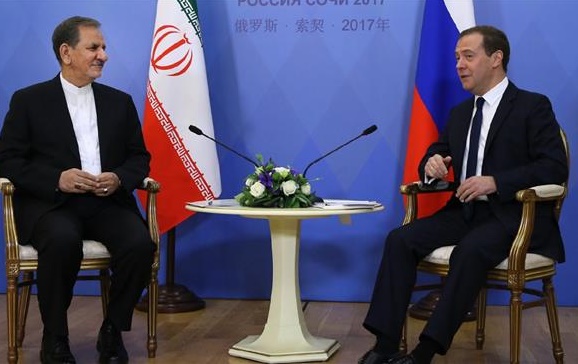
Iran First VP, Russia PM Discuss Regional Affairs in Sochi

During the meeting, which took place at Sochi Olympic Park on Thursday, the two senior officials called for the expansion of Tehran-Moscow cooperation in different areas, including in the energy and economic sectors.

The two sides also discussed their countries’ joint fight against terrorism, with Jahangiri praising it “as a successful model for the world.”

Iran and Russia have been assisting the Syrian military in its counter-terrorism operations. The Iranian military advisory support and Russian aerial backup have proved fatefully instrumental in Syria’s efforts to recapture militant-held areas and end the Daesh terror group’s territorial rule in the country.

Jahangiri added that Tehran-Moscow relations are witnessing progress in all areas, especially economy, politics and culture.

Bilateral economic ties have seen a boost over the past year and a half, he added, noting, “The countries’ economic capacities can enhance the current level of commercial bilateral trade.”

The Iranian official said since the conclusion in 2015 of the nuclear deal between Iran and world countries, including Russia, Tehran-Moscow banking ties have improved.

He expressed hope that they would be able to conduct bilateral trade in their respective currencies in the future, saying, “[Potential] approaches to this [prospect] are being examined by both countries.”

He emphasized the need for the development of mutual cooperation in various areas, including oil and gas production.

Iran welcomes presence and investment by great Russian oil companies on its soil, Jahangiri said, expressing Tehran’s readiness for joint investment with Russia both in those areas as well as the pharmaceutical industry.

Medvedev, for his part, said talks with Jahangiri “is a good opportunity for exchanging information on how Russian-Iranian cooperation develops on all trajectories, including to a great degree in economic issues,” Russia’s ITAR-TASS news agency said.

The prime minister also hailed “diversified” dialog between Russia and Iran.

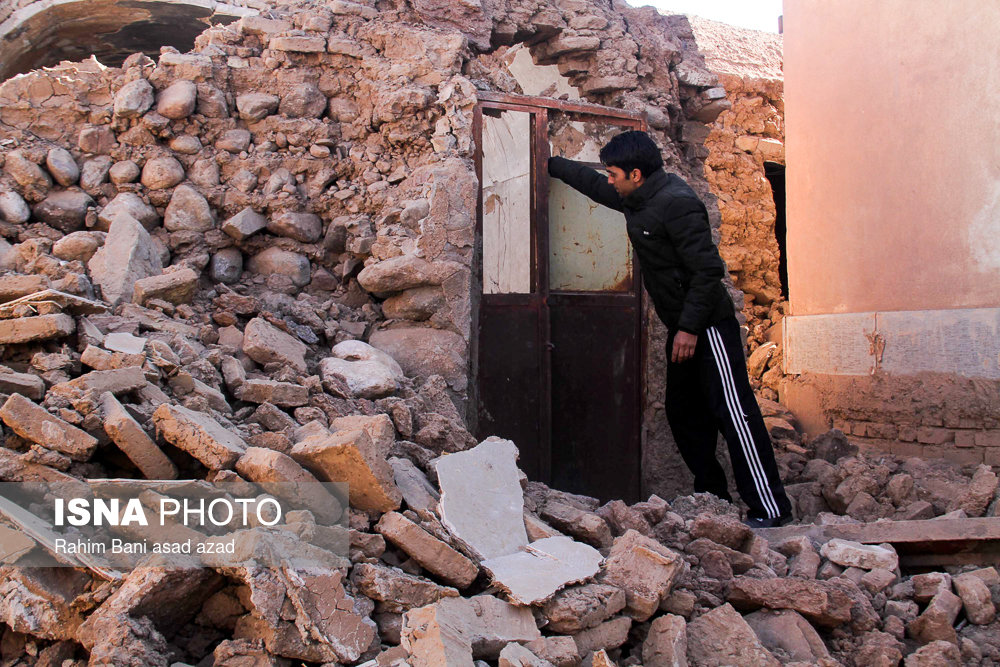
Massive Earthquake in Southeast Iran Wounds 51 People

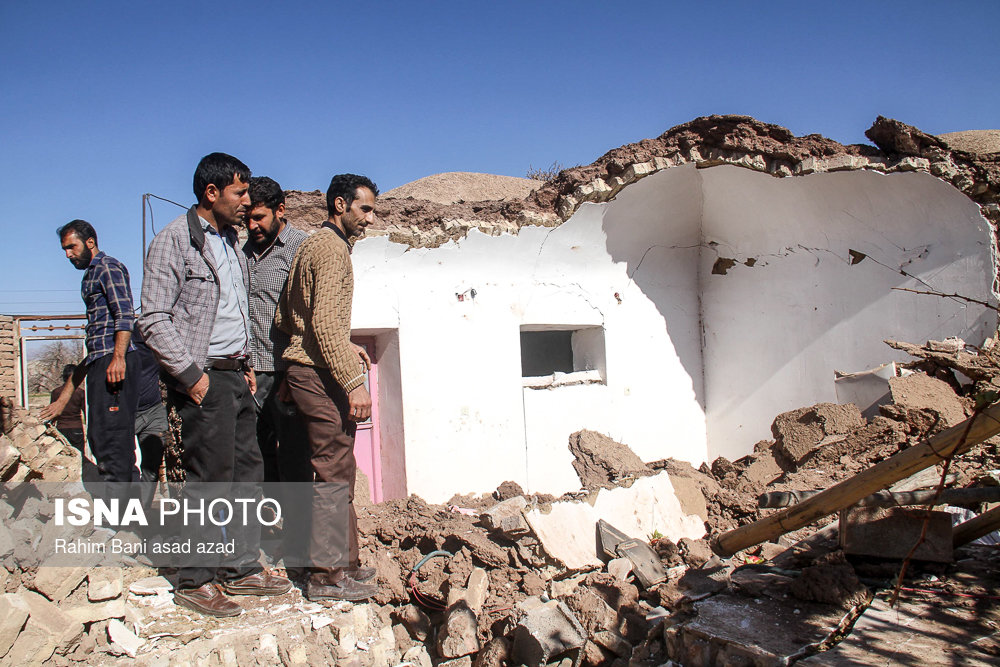
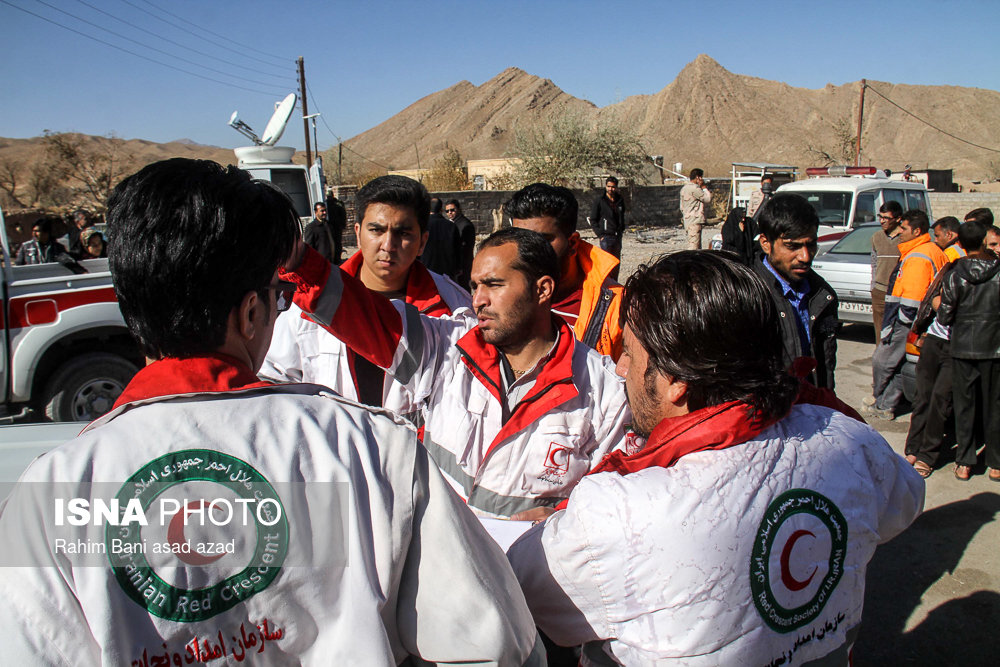
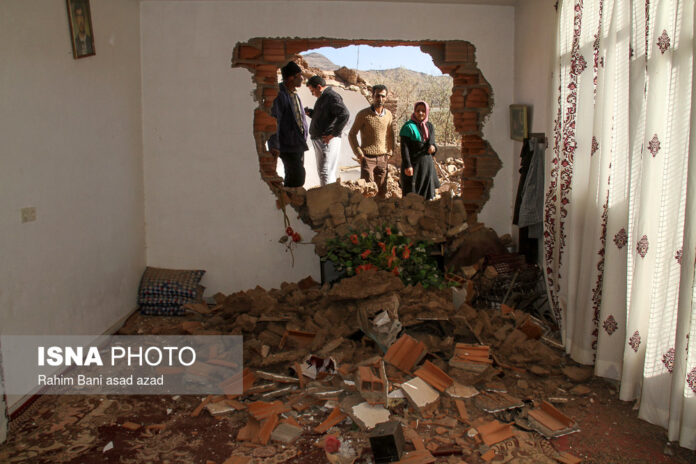
The massive earthquake struck the cities and villages of Kerman province at 6:32 a.m. (0232 GMT) on Friday, which is a holiday in Iran and all schools, universities, and public offices are closed.

Emergency officials say at least 51 people have been wounded so far, but no fatalities was reported.

Shortly after the quake, Iranian President Hassan Rouhani ordered Interior Minister Abdolreza Rahmani Fazli to accelerate relief and rescue efforts.

Rescue workers, special teams with sniffer dogs and units of IRGC have been deployed in the quake-hit areas in Kerman province.

State TV said many residents rushed out of houses in Kerman city and nearby villages and towns, fearing more tremors after some 30 aftershocks following the quake.

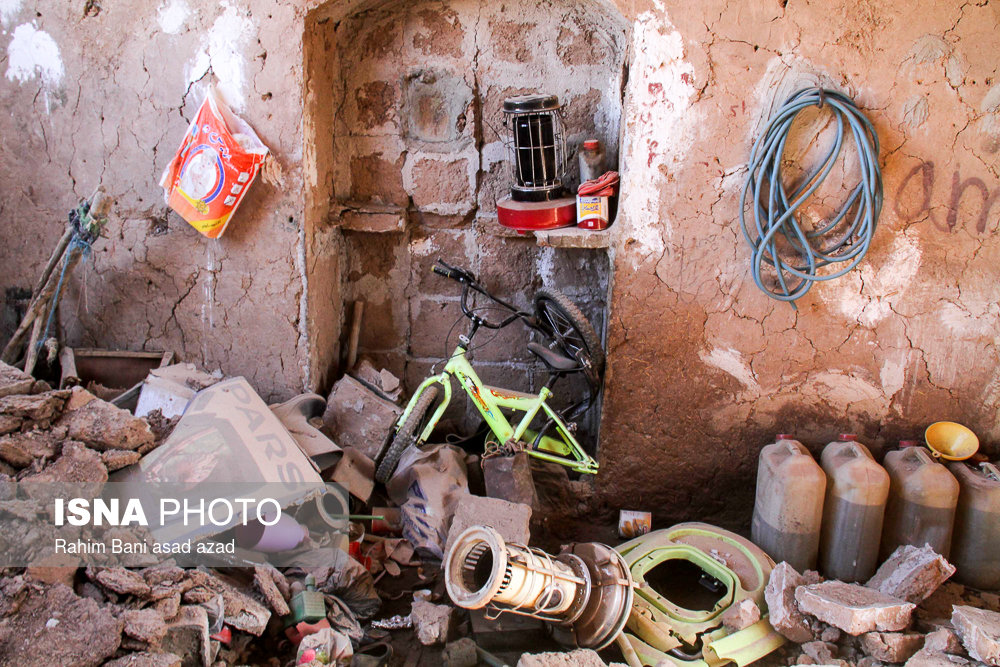
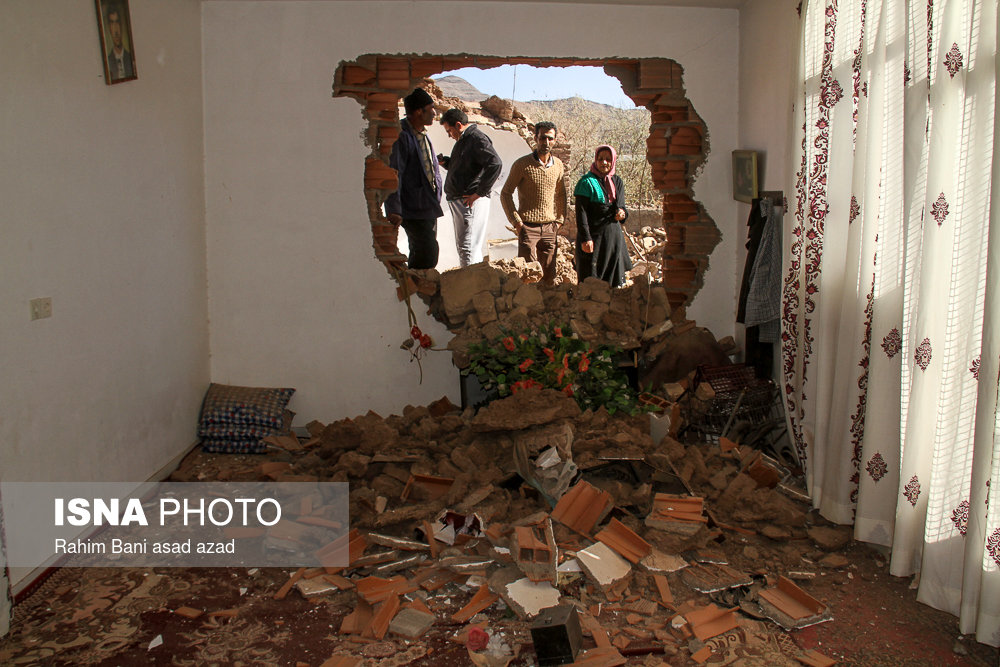
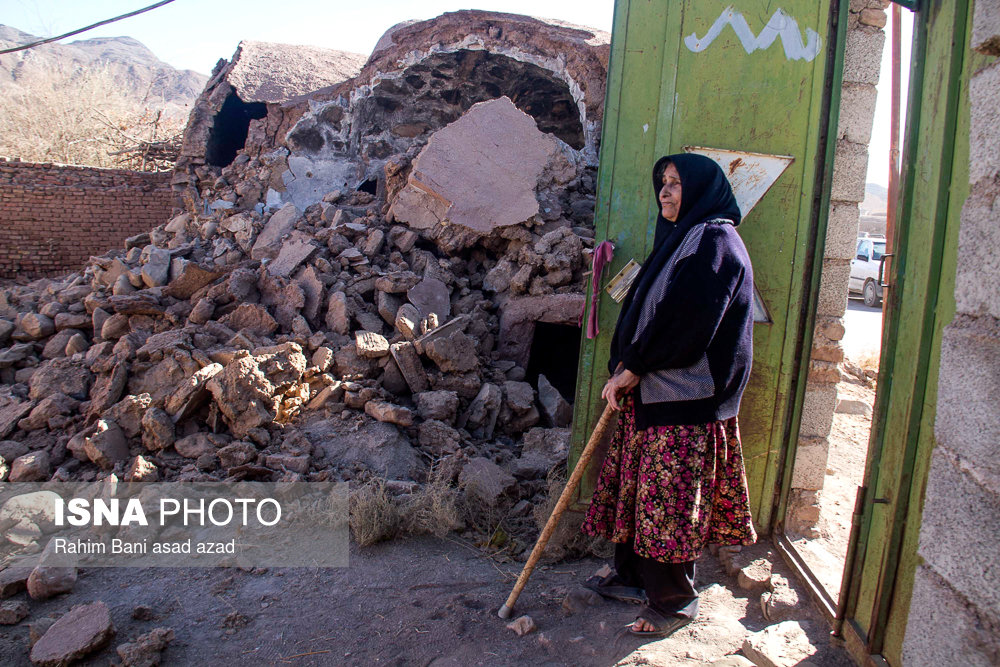
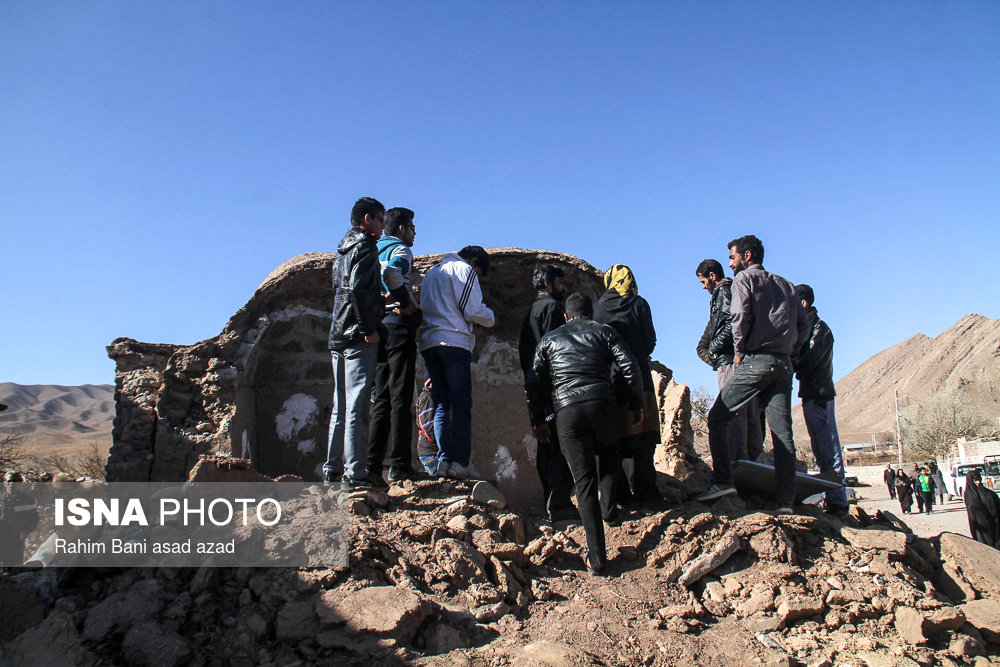
“The quake destroyed some houses in eight villages but so far there has been no fatalities,” a local official told state TV.

The US Geological Survey said the quake, at first reported as magnitude 6.3, was centered 36 miles (58 km) northeast of Kerman city, with a population of more than 821,000. The quake was very shallow, at a depth of 6.2 miles (10 km), which would have amplified the shaking in the poor, sparsely populated area, Reuters reported.

“Assessment teams are surveying the earthquake-stricken areas and villages in Kerman province,” IRNA quoted local official Mohammadreza Mirsadeqi as saying.

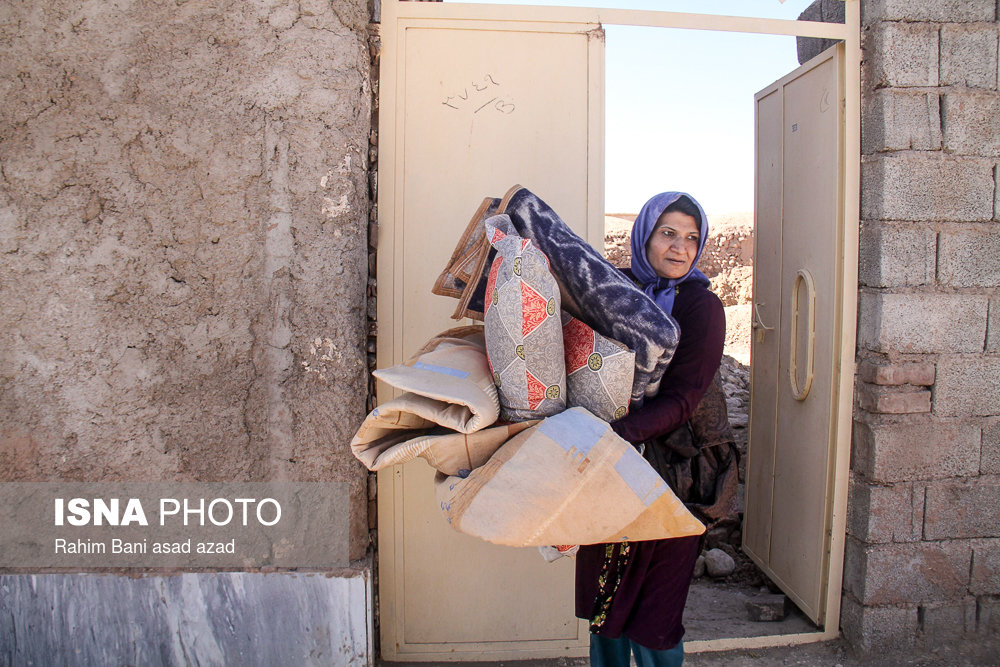
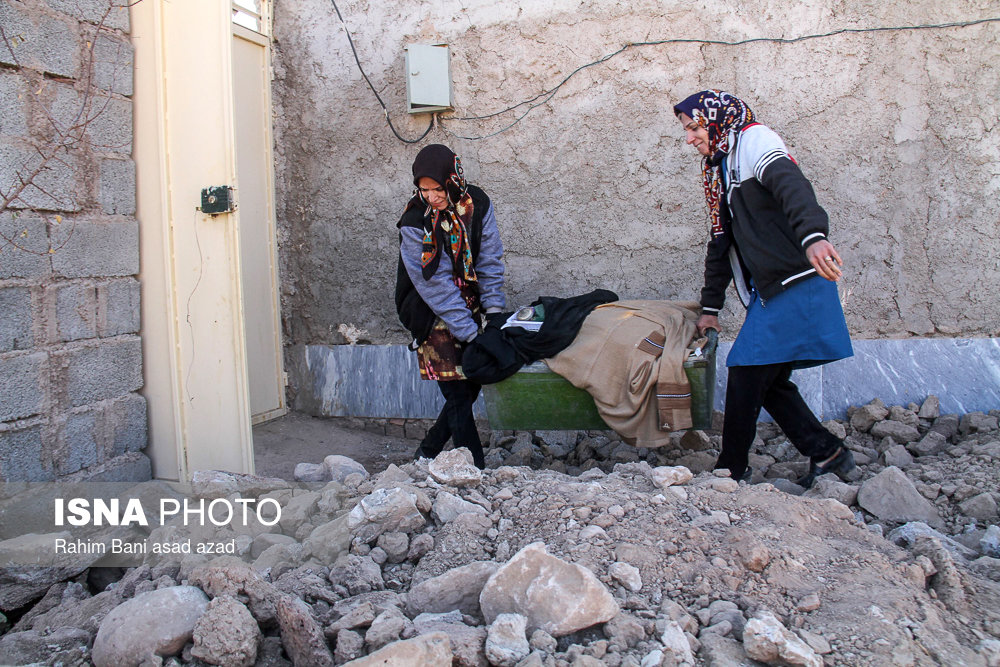
The Tasnim news agency said the quake had caused heavy damage in Hajdak village and some villages hit by power and water cuts. Iran’s Red Crescent said emergency shelter, food and water had been sent to the quake-hit areas.

Criss-crossed by several major fault lines, Iran is one of the most earthquake-prone countries in the world. In 2003, a magnitude 6.6 quake in the Kerman province killed 31,000 people and flattened the ancient city of Bam.

Last month, a magnitude 7.3 earthquake struck villages and towns in Iran’s western Kermansheh province along the mountainous border with Iraq, killing 530 and injuring thousands of others.

“Iran’s General Soleimani Declines CIA Chief’s Letter”

General Soleimani

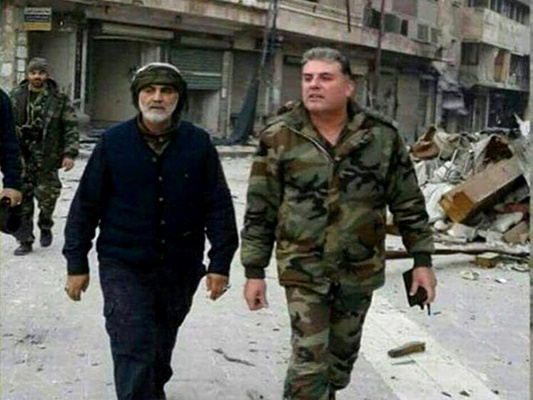
Chief of Staff of Iran’s Leader Mohammad Mohammadi Golpayegani has revealed that just recently, while in Syria’s Bukamal town, Major General Soleimani received a letter from the CIA chief through one of his intermediaries in the region.

“Our commander refused to receive the letter saying we don’t have anything in common for talk,” he was quoted as saying by Fars News on Thursday.

Golpayegani praised Major General Soleimani’s move, saying people like him are the fruits of the Islamic Revolution.

The CIA has not yet commented on the report.


Iran, Russia Ink MoU to Expand Judiciary Cooperation

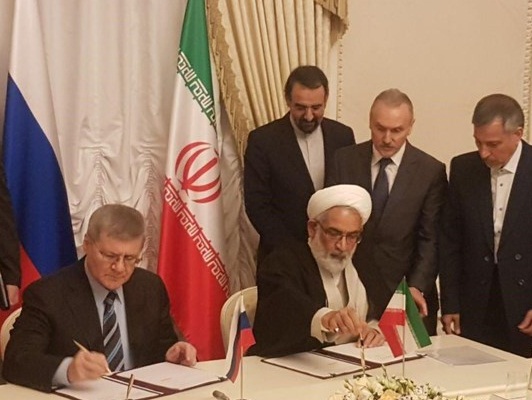
In a meeting on the sidelines of the 15th Session of Prosecutors General of the Shanghai Cooperation Organization (SCO) Member States in Russia, Iranian Prosecutor General Mohammad Jafar Montazeri and his Russian counterpart Yury Chaika explored avenues for enhanced judiciary cooperation between Tehran and Moscow.

They also discussed extradition of criminals and joint efforts in dealing with crimes connected with new technologies.

The two officials signed the cooperation agreement at the conclusion of the meeting.

Heading a high-ranking delegation, Montazeri has travelled to Russia’s St. Petersburg to join his counterparts from the SCO states.

The SCO is an intergovernmental international organization, established in June 2001 in Shanghai by Kazakhstan, China, Kyrgyzstan, Tajikistan, Russia and Uzbekistan.

At a summit in Uzbekistan in June 2016, the SCO leaders signed memorandums on the accession of India and Pakistan to the organization.

The organization seeks to strengthen mutual trust and good neighborly ties between the member countries, contribute to regional stability and facilitate cooperation in different sectors, including political, trade, economic and energy issues.

Iran’s Regional Influence Result of Making Right Choices: FM

Addressing a group of Iranian expatriates living in Italy on Thursday, Zarif said, “Iran is a country with endogenous security, legitimacy, development and progress, and has overcome all problems and crises by relying on its own people.”


“Iran’s influence in the region is because it has not supported Al-Qaeda, Saddam Hussein, Daesh (ISIS), Nusra Front, and similar groups,” the Iranian top diplomat said, adding that Iran has made right choices.

“Iranian nationals, wherever they are, remain Iranian and their hearts beat for their country. Iranian expatriates are representatives of the honourable nation of Iran, and the foreign ministry is proud to serve the knowledgeable community of Iranian expatriates,” he added.

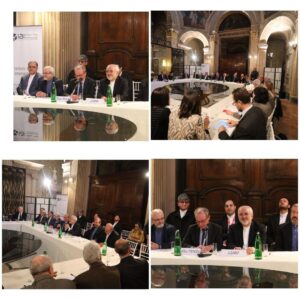
Zarif, who is on a one-day visit to Italy, also took part in a gathering of thinkers at Rome’s Istituto Affari Internazionali (IAI) earlier in the day.

During the meeting, Zarif outlined the Islamic Republic’s stances on the Iran nuclear deal, its relations with Europe, fight against terrorism, and regional issues.

The Iranian top diplomat also replied to the questions raised by other participants.

Iran’s Regional Influence Result of Making Right Choices: FM

A Look at Iranian Newspaper Front Pages on November 30

Several newspapers today covered the remarks made by President Hassan Rouhani in his televised interview on Tuesday night. During the interview, Rouhani briefed the nation on his administration’s performance during the first 100 days of his second term in office.

Another top story was the ongoing efforts to resolve the problems of those who had deposited their money in illegal financial institutions. The government, the parliament, and the Judiciary are working to settle the problems after the institutions went bankrupt and people lost access to their money.

The above issues, as well as many more, are highlighted in the following headlines and top stories:


Aftab-e Yazd:

1- Resign!

Certain reformist circles are raising a strategy based on which First VP Es’haq Jahangiri should resign from his post to give the reformists the upper hand in 2021 presidential election

2- Kerry: Israel, Egypt Asked Us to Bomb Iran

A Look at Iranian Newspaper Front Pages on November 30


Arman-e Emrooz:

1- Problems of Iranian Depositors Being Resolved

2- Black Gold Waiting for White Smoke: New OPEC Deal or Extension of Previous Pact?

3- MP: Ahmadinejad Should Be Tried in Public Court

A Look at Iranian Newspaper Front Pages on November 30


Donya-ye Eqtesad:

1- North Korea Breaks Its Missile Silence: Kim’s Surprise for Trump

2- Europe-US Finale on Iran Nuclear Deal

  • France, UK, Germany Form United Front

3- Deciphering Rouhani on 100th Day

  • A Report on Rouhani’s Economic Policies

A Look at Iranian Newspaper Front Pages on November 30


Ebtekar:

1- Central Bank Governor: Bubble of Coin Market to Burst

2- Rouhani’s Chief of Staff Rejects Reports about His Conflict with First VP Jahangiri

  • We Have Best Relations, Cooperation with Each Other

3- Kim Jong-un’s New Game

  • UNSC Once Again Holds Emergency Meeting on North Korea

A Look at Iranian Newspaper Front Pages on November 30


Ettela’at:

1- Parliament Approves Law to Allow Religious Minorities to Become City Councilors

2- Putin: I Support Liberation of Palestine from Israeli Occupation

3- Huffington Post: Saudi Arabia Should Learn from Fate of Saddam after Attacking Iran

4- Iran VP: Problem of 1.2 Million Depositors Resolved

5- UN Praises Ayatollah Sistani for Role in Fighting Corruption in Iraq

A Look at Iranian Newspaper Front Pages on November 30


Iran:

1- Do Online Ride Hailing Services Spy on Their Users?

A Look at Iranian Newspaper Front Pages on November 30


Javan:

1- Installments of Mortgages Three Times Higher than Minimum Wage

2- Entire US Territory within Range of North Korean Missile

3- Iran Nuclear Deal No Longer Central Point in US Policies: Tillerson

4- IRGC-Army Unity Key to Iran’s Deterrence Power

A Look at Iranian Newspaper Front Pages on November 30


Kayhan:

1- Mandela’s Grandson in Occupied Territories: Israel Worst Apartheid Regime

  • I’ll Never Shake Hands with Zionist Regime’s Officials

2- Economic Realities or 100-Day Report: Which One Should People Believe?

3- Bin Salman! Learn from Fate of Saddam! Iran Will Wipe You, Al Saud Off World Map

A Look at Iranian Newspaper Front Pages on November 30


Khorasan:

1- Signals for New Sanctions: Dangerous Whispers about Missile Talks

2- Parliament Speaker Warns Economy Ministry about Problems of Depositors

A Look at Iranian Newspaper Front Pages on November 30


Shargh:

1- Putin Giving Guidelines to Bin Salman: Chief of Vienna Energy Studies Group

A Look at Iranian Newspaper Front Pages on November 30


Real Madrid Ex-Captain Raises Funds for Iran Quake-Hit People

Salgado, who had once travelled to Iran for a charity match, donated his shirt through one of his friends in Iran to play a role in the international contributions pouring into Iran over the devastating earthquake which shattered Kermanshah province earlier this month.

Real Madrid Ex-Captain Raises Funds for Iran Quake-Hit People

A 7.3-magnitude earthquake struck villages and towns in Iran’s western province of Kermanshah on November 12, killing over 500 people and injuring thousands.

Since then, international sympathies and contributions have been pouring in.

Earlier, American world and Olympic champion in freestyle wrestling Jordan Burroughs extended condolences to the families of the victims of the recent deadly earthquake in Iran.

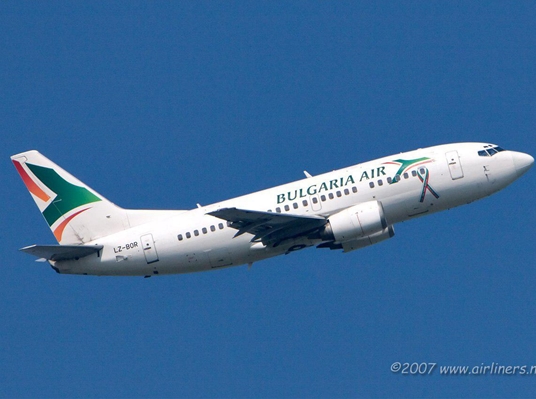
Iran Denies Reports It Refused to Issue Flight Permit for Bulgarian Plane

“Reports that Iran did not issue a permit are not true, whatsoever,” Iran’s Foreign Ministry Spokesman Bahram Qassemi said in a statement on Thursday, rejecting the reports by some foreign media outlets suggesting Iran had declined to issue a permit for an aircraft carrying Bulgarian Prime Minister Boyko Borissov to pass through the Iranian airspace.

“After the Bulgarian embassy in Tehran presented its official request for a permit for the plane carrying the respected premier of that country, the flight permit was issued,” the spokesman noted.

Qassemi said the pilot made a mistake while announcing to the control tower the flight information and the code of the permit already issued to the aircraft, and that was the reason why the plane was not identified by Iranian air traffic controllers.

He expressed regret over the incident, saying, “The announcement of wrong information as well as contradictions in the information and the flight permit code could have been due to the changes made by the pilot in the last moments.”

“The Islamic Republic of Iran has one of the safest air transit routes in the region and in the whole world, and civilian aircraft keep passing through it (Iran’s airspace). Definitely, Iran’s airspace is always open to airplanes coming from friendly countries like Bulgaria, which has very good relations with Iran.”

Iran Dismisses US VP’s ‘Baseless’ Accusations

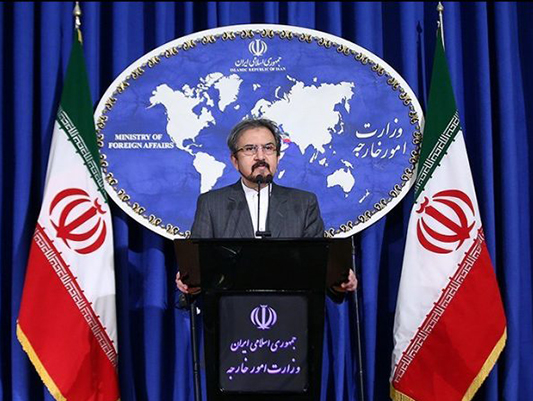
Bahram Qassemi

In a Thursday statement, Foreign Ministry Spokesman Bahram Qassemi said, “The US officials’ move to repeat baseless accusations against Iran reveal either they have intentionally closed their eyes to the reality of ISIS’ huge defeats in Iraq and Syria or they are deeply shocked by the collapse of the terrorist group and their loss of control over the territories in the region.”

“Accusing Iran of sponsoring terrorism by the US officials comes as the Islamic Republic of Iran has always viewed the security of the region as its own security.”

Qassemi said it is more than five years that Iran has responsibly stood by the nations and governments of both Iraq and Syria with the main goal of preserving the regional peace and security.

“We remained steadfast in our fight against terrorism to witness today, along with the concerned people and victims of the killings, violence and terrors of ISIS in different parts of the world, the eradication of the terrorist group in Iraq and Syria.”

The spokesman stressed no individual or state can deny the constructive and positive role of Iran in fight against the ‘nasty phenomenon’ of terrorism in the region and the whole world.

Qassemi also referred to the deceptive approach of the US towards the Middle East, ‘which is based on sowing the seed of divisions among the regional states’, and said the approach has led to growing insecurity, expansion of terrorism and increase of potential and current regional tensions.

“Regardless of the baseless, worn-out, and invalid accusations levelled by the US officials, the Islamic Republic of Iran still maintains that dialogue, cooperation and mutual respects among regional states are the only way to cleanse the Middle East of terrorism, tensions and catastrophic and destructive wars.”

“Meanwhile, we believe it is the only option available which can guarantee the security and stability of the regional nations in the near future,” he added.

The spokesman recommended that the trans-regional states either play a constructive and effective role to end the current plight in the region or stop causing rift among the regional states and abandon their policy of coercing and creating artificial threats among regional states, which consequently increases mistrust among them.

“Undoubtedly, establishing peace and security, respecting the sovereignty of the regional states, refraining from interference in the domestic affairs of others, fighting against terrorism, and avoiding double-standard policies, all in all, end up in the interest of all regional and world states,” he concluded.

Qassemi’s remarks came after US Vice-President Pence referred to President Trump’s decision to attempt redefining the terms of the Iran nuclear deal, saying, “We will no longer tolerate Iran’s support for terrorism across the region and across the entire world.”

In an address to an event in New York organized by the Israeli mission to the United Nations and the World Jewish Congress on Tuesday, Pence stressed the US will not allow Iran to develop a nuclear weapon.