Tuesday, December 23, 2025
Home Blog Page 3700

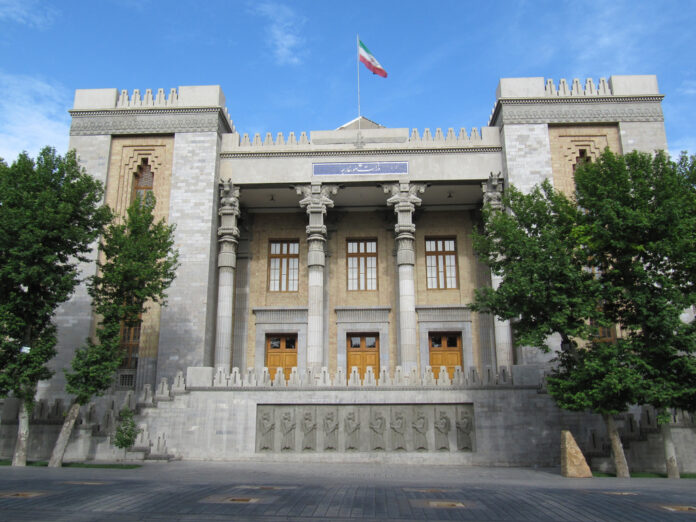
Museum of Nations Art; Tourist Attraction in Heart of Tehran

Museum of Nations Art in Tehran

The first king of Pahlavi, Reza Shah, ordered the construction of the White Palace in 1932; and the project was completed by 1937.

Many artists and engineers were involved in building the palace. The palace has been built in an area of 2,164 square metres; it is a two-storey building and a basement with a total area of 5,000 square metres. This building has 54 units including ten large ceremonial saloons which were the official reception hall of Mohammad Reza Pahlavi.

At the order of the then queen Farah Pahlavi, the basement of White Palace was turned into a special art museum. After the Islamic Revolution and in 1992 the name was changed to Museum of Nations Art.

A unique collection of art works from all over the world could be found in the museum including those belonging to pre-Islamic civilization, Islamic era, and the African and Indian works of art, next to those coming from the Far East, Malaya, and also contemporary Iran and world.

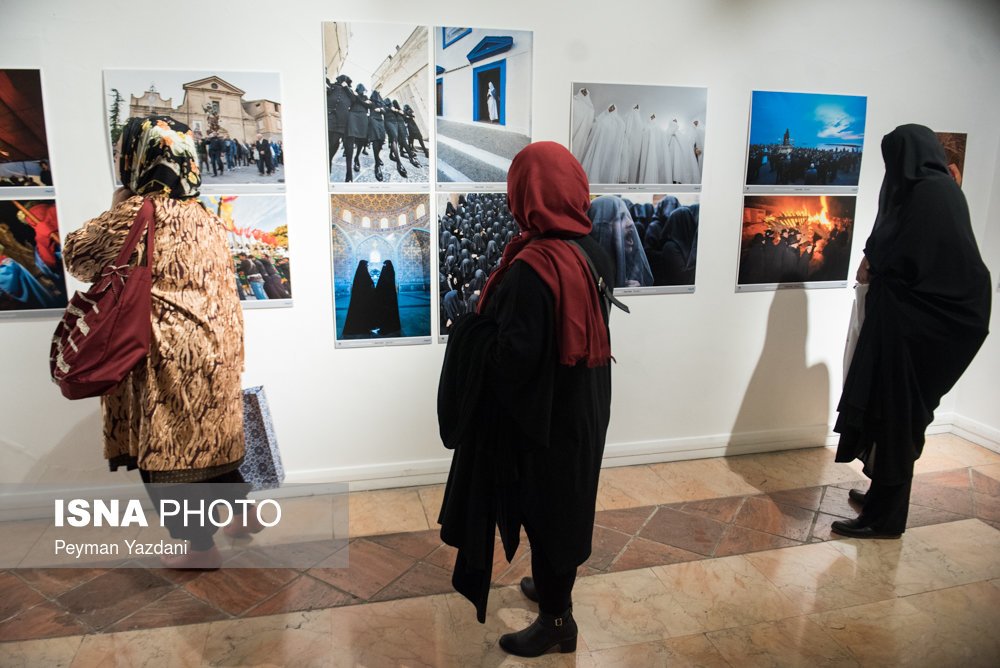
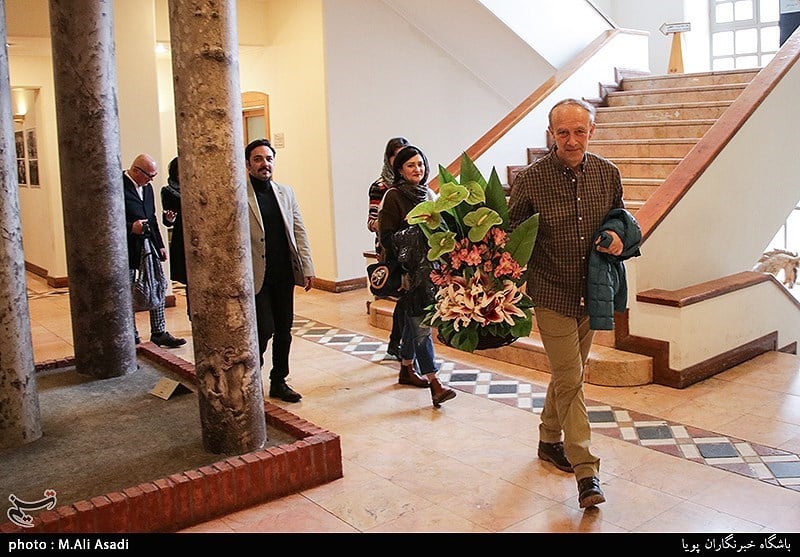
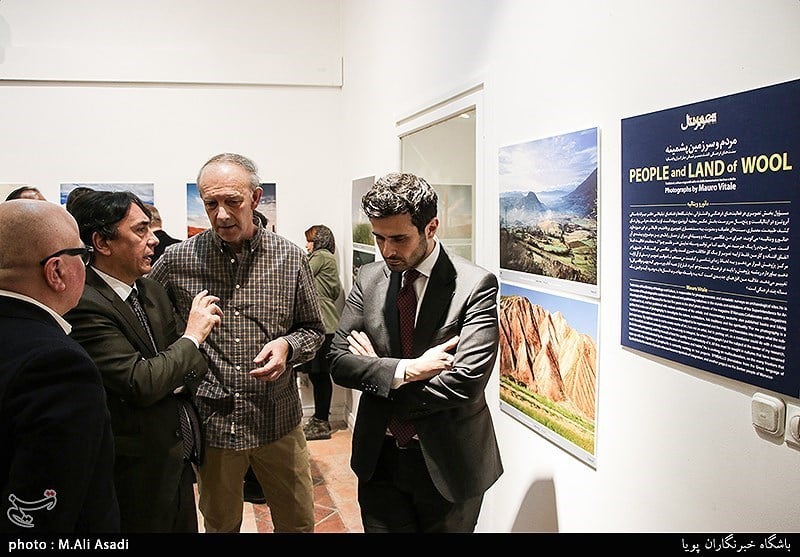
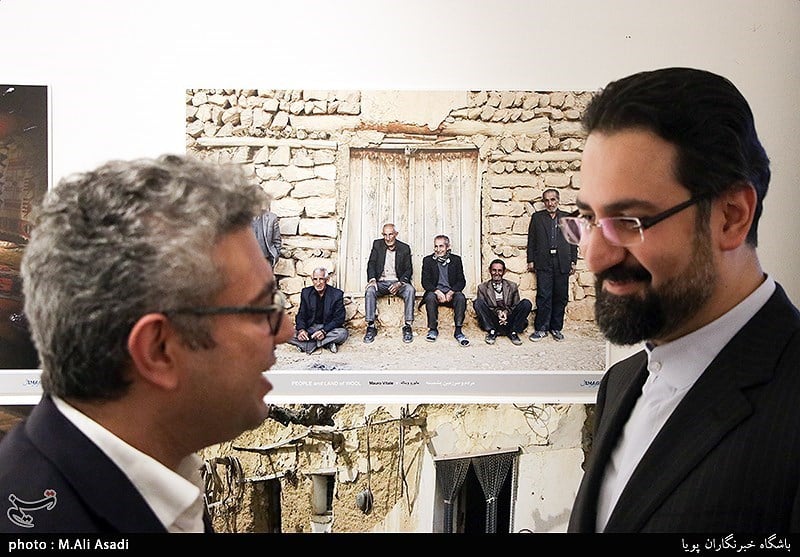
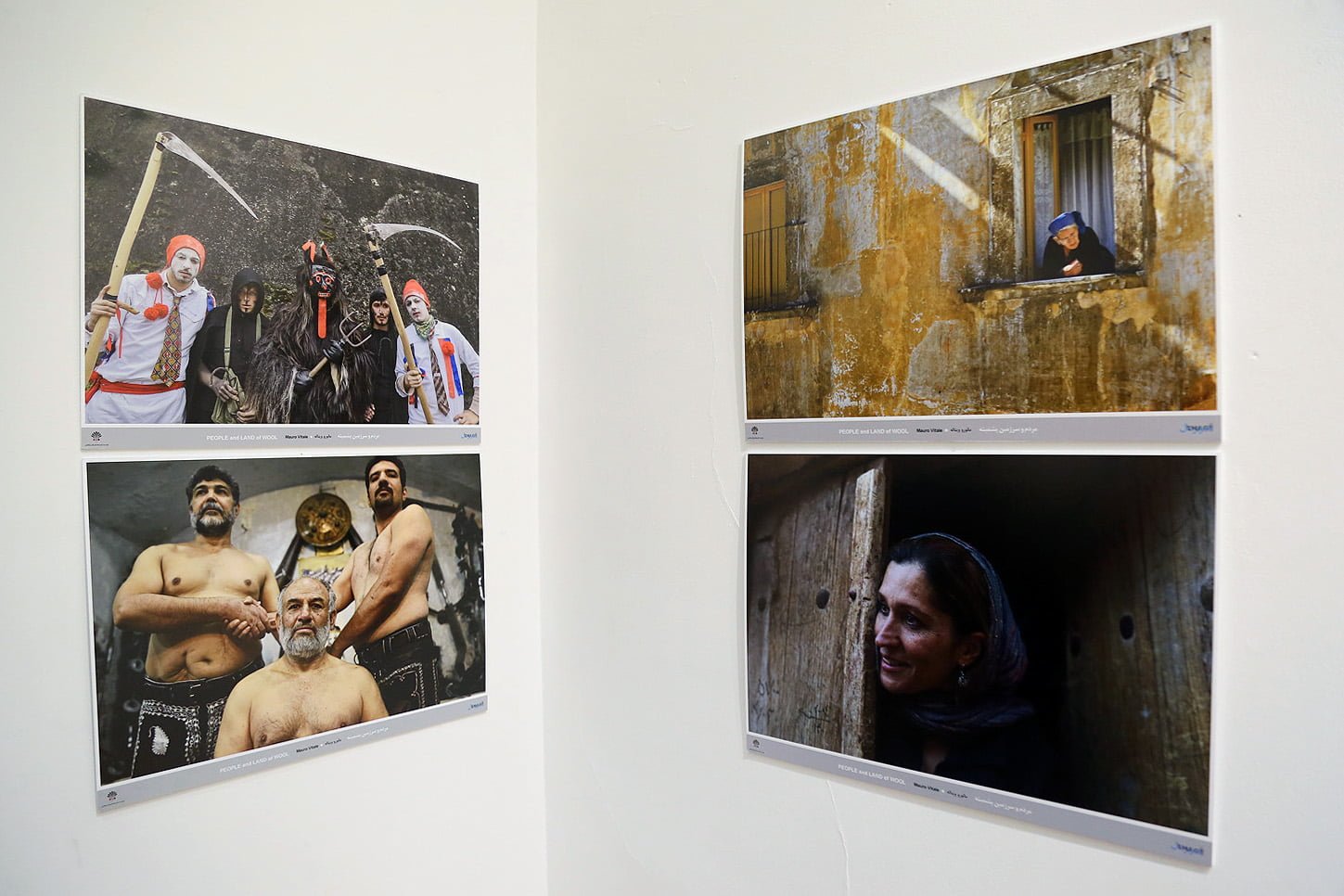
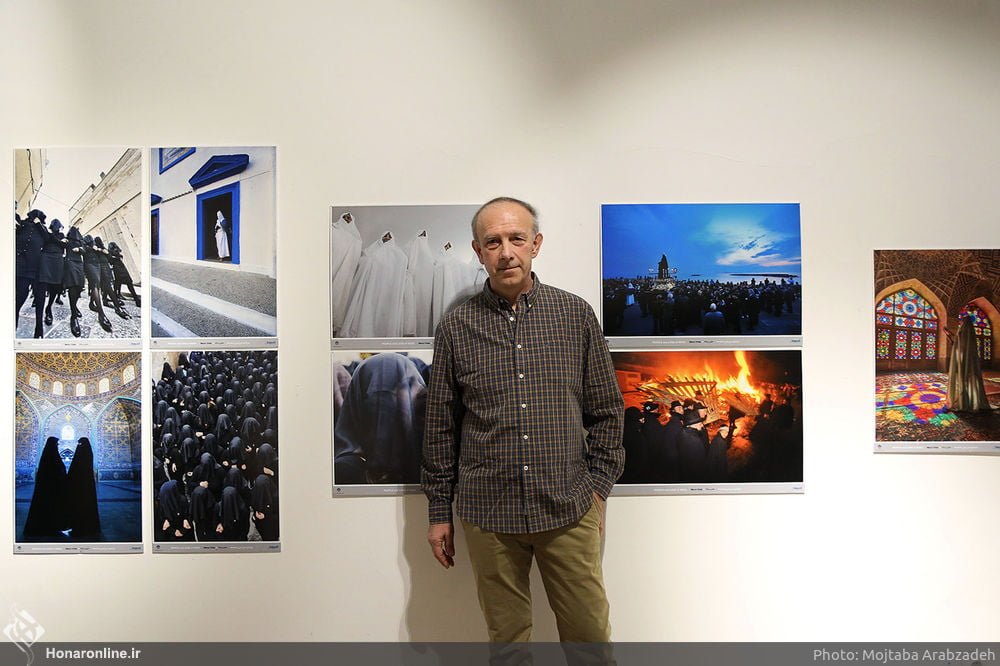
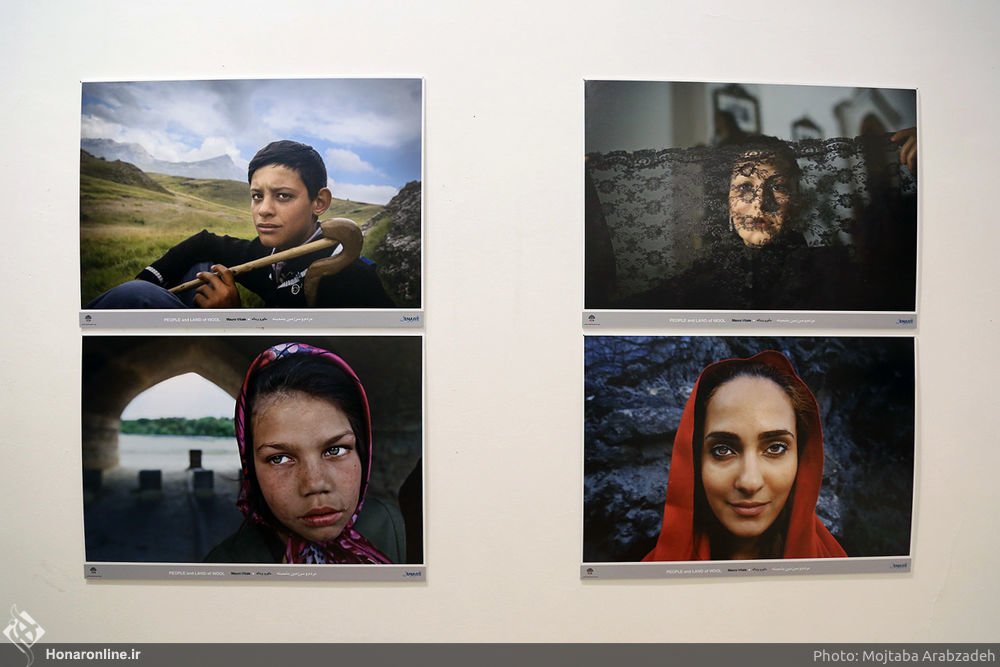
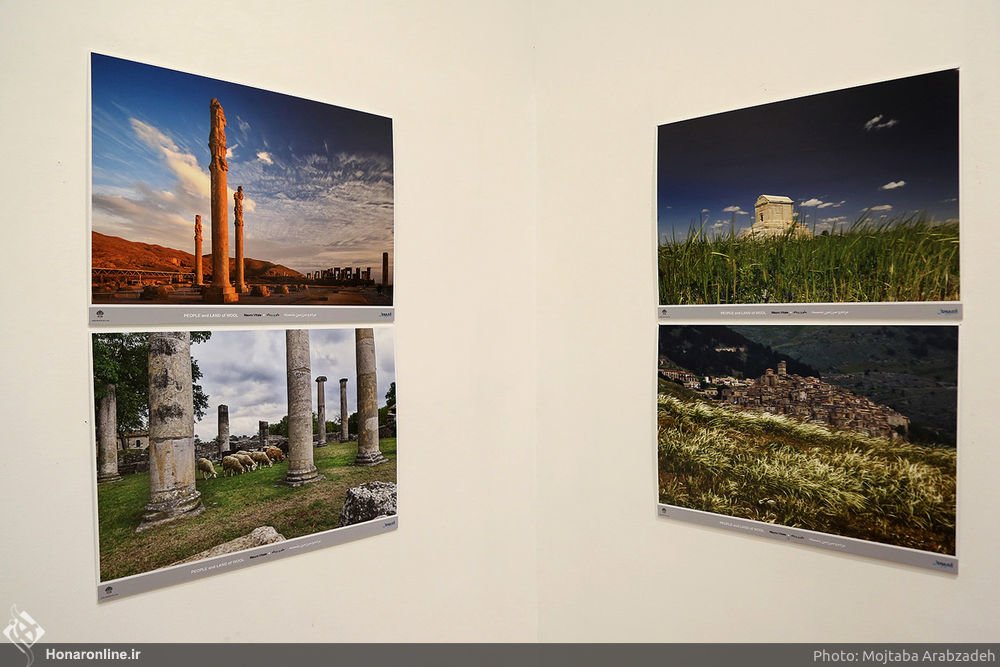
What follow are the photos of the museaum of Nations Art retrieved from Tasnim News Agency:

Iranian Navy’s Flotilla Berths at Sri Lanka Port

According to the Navy’s public relations office, the operational-training naval fleet, comprising Shahid Naghdi and Bayandor destroyers and Tonb logistic-combat warship, has travelled to Sri Lanka to convey the message of peace and friendship and enhance the relations between the two countries.

During their stay in Colombo, the commanders of the flotilla are planned to meet with senior Sri Lankan military officials.

There will also be visits to a number of military centers as well as cultural and historical sites.

In recent years, Iran’s naval forces have increased their presence in international waters to secure naval routes and protect merchant vessels and oil tankers against pirates.

Iran’s Rouhani Calls for Muslims’ Unity in Address to Indian Worshippers

Rouhani made the remarks after attending the Friday prayers at Makkah Masjid in the city of Hyderabad, the capital of the southern Indian province of Telangana.

Rouhani also censured the US for recognizing Jerusalem al-Quds as the “capital” of Israel, calling on the Muslims to support the Palestinian cause.

He also lashed out at Washington for imposing a ban on travelers from six largely Muslim countries.

Extending the Iranian people’s regards to the Indian nation, the president recalled Prophet Muhammad (PBUH)’s teachings on the need for unity among Muslims and said “all Muslims’ prayers should be along these lines.”

“If part of the Muslim society in the Islamic world today is suffering from a problem, it is because Islam’s teachings and advice are not acted upon and that real Islam is not dominant,” he said.

The Iranian chief executive arrived in India on Thursday on a three-day trip at the invitation of Indian Prime Minister Narendra Modi. He is heading a political and economic delegation, including Foreign Minister Mohammad Javad Zarif and a number of representatives from the Iranian private sector.

Earlier, Rouhani and other Iranian officials held a meeting with a group of elites, religious clerics and leaders of the Muslim community in Hyderabad, where he warned of Western attempts to sow discord among Muslims by creating Takfiri outfits.

On Saturday, the Iranian president is to meet with Modi, Indian President Ram Nath Kovind, and Foreign Minister Sushma Swaraj, besides taking part in a joint economic gathering.

Regional and international developments as well as bilateral trade ties top the agenda of Rouhani’s talks with Indian authorities.

Iran Rejects “Baseless” Claims about Environmentalist’s Suicide

“Following intense attacks by foreign media spreading baseless and hostile claims against the Islamic Republic of Iran with regard to suicide committed by Kavous Seyed Emami, Iran’s High Council for Human Rights has released a statement to shed light on the truth about the case,” the Council said in a Friday statement.

The following is the full text of the statement:

In the name of God, the Compassionate the Merciful

Following the suicide committed by Kavous Seyed Emami who was under arrest for espionage charges under the cover of environmental activities, Executive Director of the United Nations Environment Programme Mr. Erik Solheim has stated that “Environmental rights are human rights, and we all have an obligation to protect them. We are closely following these cases in Iran and urge that the work of environment defenders – both in Iran and around the world – be promoted and respected.”

In this regard, the Islamic Republic of Iran’s High Council for Human Rights would like to raise the following points to be considered by Mr. Solheim.

First, the United Nations and its family of affiliated organizations are neither Non-Governmental nor media organizations, but organizations formed by independent countries, thus necessary to respect authority of member states and consider consultations with the respective country and request an official interpretation from a country before publishing any official statement about any country. Unfortunately, this point has not only been ignored, but also turned into a precedent.

Second, the Islamic Republic of Iran, while confirming supports for and development of environmental activities, assertively warns against cover-up abuse of such activities pursuing hostile objectives, particularly military invasion or terrorist activities. The United Nations and its related organizations are expected to strongly warn the United States and other countries who are deliberately taking advantage of “environmental activist” to pursue their covert illegal, hostile and aggressive objectives. In fact, credit of the UN and its family of organizations is the main victim of such abuses.

Third, a wider abuse has been accompanied by unjustifiable negligence of the UN which is providing a cover for terrorist activities under the pretext of “human rights defenders.”

The UN secretary general and his colleagues are certainly aware that in recent years, members to dangerous terrorist organizations such as MKO, PJAK, Komala, Rigi, etc. who have committed numerous crimes against innocent Iranian citizens and have exploded mosques and worshipping places filled by people, have been introduced and supported in official reports by representatives of the UN as supporters of human rights!

Fourth, the insistence on and significance of protection of environment in the Islamic Republic of Iran which roots in Islamic teachings, is evident given the vast budget annually allocated to this area. Iran expects honest supports, free of tendentious infections by dangerous countries and enemies of environment like the US and its subordinates.

It needs no assertion that the Islamic Republic of Iran’s High Council for Human Rights considers it a basic and essential duty of itself to defend the rights of every single citizen, including suspects and convicts and inmates and works closely with judicial authorities to fulfill this responsibility.

Today, the High Council of Human Rights of the Islamic Republic of Iran is the main defender of civil rights and its honest activities has made it the place for every single citizen, whether inside or outside the country, to refer to it for seeking justice.

“US Must Tackle Internal Security Challenges Instead of Foreign Meddling”

shamkhani

Secretary of the Supreme National Security Council of Iran, Ali Shamkhani, referred to the latest mass shooting in the US which left 17 dead and said the US government is incapable of meeting even the basic needs of its own people.

“Instead of carrying out its main duty to address America’s internal security challenges, the US government meddles in the internal affairs of other countries and supports killing the innocent people in Syria and Yemen,” he was quoted as saying in a Farsi report by the Fars News Agency.

He then referred to the latest accusations leveled by the US and Israel about what they call Tehran’s role in Syria’s shoot-down of an Israeli jet and said the accusations reveal the “US and Israel’s deep hatred as well as fear of the anti-occupation, anti-terror and anti-arrogance power of the Islamic Republic of Iran.”

The Iranian official underlined that the enemies have waged a soft war against Iran through dissemination of false information about Iran’s presence in Syria.

Shamkhani said Iran only provides Syria with military advice at the request of the country’s legal government, adding the enemies’ campaign is aimed at inflicting a blow on the national will of Iranians in fight against terrorism.

Following the shooting down of an Israeli jet by Syrian army last week, Israeli army said Tel Aviv held Iran directly responsible for the crash of its jet. “This is a serious Iranian attack on Israeli territory. Iran is dragging the region into an adventure which it doesn’t know how will end,” the army said in a statement.

Iran has vehemently dismissed the accusations as baseless.

“Iran’s Cooperation with FATF to Increase Impact of Sanctions”

FATF’s Blacklisting of Iran; Threat or Opportunity?

The Iranian Parliament is reviewing a bill proposed by the government on the country’s full accession to the FATF, an intergovernmental organization founded in 1989 to develop policies to combat money laundering.

However, Kayhan has quoted a report by Iran Technology Analysts Network (ITAN) as saying that Tehran’s current cooperation with the FATF has created a vicious circle which only enhances the impact of the US’ sanctions on Iran without providing the country with any tangible achievement.

The report titled ‘An Analytical Look at Iran-FATF Interactions’ has addressed the cooperation between Iran and FATF from different viewpoints.

“Despite earlier predictions by the Iranian officials, Iran’s international relations never returned to normal following the implementation of the JCPOA in the early days of 2016. According to Iranian economic and monetary officials, the FATF’s blacklisting of Iran was the main obstacle hampering the normalization process. So, to remove Iran’s name from the list, the Islamic Republic began to establish a better cooperation with the FATF from February 2016 to July 2017. The JCPOA is among the main fruits of the cooperation,” the report said.

According to Kayhan, the report also underlined that the US has weaponized international financial relations to inflict blows on certain states and organizations and to hamper their inter-banking relations.

“Iran has been the main victim of this weaponization since 2010 and an economic war was waged against the country,” the ITAN report reads.

Kayhan went on to say that the FATF played a key role in pressing ahead with an economic war against Iran through weaponization of international financial relations.

“This means that FAFT is not only a technical body but a special organization tasked with carrying out a special mission to advance the US foreign policy,” Kayhan added.

ITAN report also said despite the FATF’s decision to suspend anti-Iran measures over the past one and a half years in the wake of the JCPOA implementation, the country is still struggling with banking problems without any improvement made so far.

“This reveals that Iran’s presence in the blacklist of FATF is the main obstacle to resolving the inter-banking problems of Iran. The US’ latest sanctions as well as the presence of a number of Iranian individuals and organizations in the black list serve as the main elements hampering the normalization process,” Kayhan added.

Because of the two obstacles, Iran is paying a heavy price for its cooperation with FATF, according to the report.

“The more Iran tries to become more transparent to lessen the risks of its cooperation with FATF, the more US would expand the scope of its sanctions to include other Iranian individuals and organizations in order to enhance the impact of its sanctions and neutralize Iran’s transparency effects.”

Meanwhile, the newspaper wrote the US is seeking to increase the price of violation of the sanctions for Iran through passing laws like KATSA or labeling more Iranian organizations as terrorist.

“It goes without saying that this is a vicious circle of cooperation which not only does not serve the national interests of Iranians but also enhances the impact of the US latest sanctions on them,” Kayhan concluded.

MEP Calls for Promotion of Iran-EU Parliamentary Ties

David McAllister, who was on an official visit to Tehran along with 12 other European parliamentarians as part of a tour of the Middle East, says during their visit to Iran, they held friendly talks with a number of Iranian lawmakers and exchanged views on the foreign policies of certain countries.

Speaking in an interview with ICANA, he noted during the talks the two sides sought to reach a complete understanding of each other’s views.

McAllister also noted during the visit of the European delegation to Iran, the two sides agreed to continue to promote their ties to higher levels.

“We hope the talks would continue further particularly on other states’ foreign policies. We also call for further enhancing of our inter-parliamentarian relations with Iran as well as more reciprocal visits of Iranian and European delegations,” he concluded.

West Plotting to Divide Muslims, Create Terror Groups: Rouhani

In an address to a group of Muslim scholars in India’s Hyderabad, Rouhani said the colonial powers of the West have always adopted an “unfair” approach toward Muslim communities.

“To provide raw materials for their larger industrial hubs, the West’s colonial powers turned to Islamic states in Asia and Africa and adopted an unfair approach toward them by exploiting their rich natural resources,” a Farsi report by the Fars News Agency quoted him as saying on Thursday.

The Iranian president also said unlike the Muslims in the past, today the westerners never share their scientific knowledge with others.

“Coming together against the enemies and making hard efforts to gain the latest scientific knowledge are the only ways available for Muslims to get out of the current plight,” he noted.

Rouhani said the West has sown the seeds of division among the Islamic world to divert Muslims’ attentions from serious issues and added the plot to divide Muslims comes as Shiites and Sunnis have peaceful coexistence in Iraq and Syria.

“India is a main scene of peaceful coexistence among different religions in the world.”

The Iranian president said today Muslim scholars can play a key role in spreading knowledge and strengthening religious and cultural relations.

He underlined that establishing brotherly relations with all Islamic states is among the main priorities of the Islamic Republic of Iran. “We don’t want to have a distance with any brotherly nation in the region. We maintain that the Muslim world’s problems cannot be resolved through military means.”

Rouhani noted that enemies of Islam are seeking to portray a violent image of the religion. “This comes as Islam is a religion of peace and brotherhood. To protect Islam against the enemies plot, we need to understand it correctly,” he concluded.

President Rouhani arrived in India’s Hyderabad earlier on Thursday, starting a three-day visit aimed at discussing key issues with Indian officials. He will later leave Hyderabad for New Delhi, where he is going to meet Prime Minster Narendra Modi.

Israeli Regime Not to Last Long: Iran’s General Soleimani

“This regime (Israel) is not going to survive. The measures of this mercenary regime show that it is not permanent, as there are no factors or signs of permanence in the (Zionist) regime,” Commander of the Islamic Revolution Guards Corps Quds Force Major General Soleimani said in a ceremony in Tehran.

The cultural event was held in commemoration of Imad Mughniyeh, a senior member of Lebanon’s Islamic Jihad Organization and Hezbollah who was assassinated in February 2008 in a car bomb blast near Syria’s Damascus.

Elsewhere in his remarks, the Iranian commander pointed to the obvious clues to impermanence of the Israeli regime, saying the “horror, the lunatic struggles and the futile (military) operations” explain the Tel Aviv regime’s “vain last-ditch attempts.”

He further said that the price for the blood of Mughniyeh and all those martyred in Israeli plots in Palestine, Lebanon, Iran and elsewhere would be “eradication of the child-murdering Zionist regime.”

His comments came a few days after IRGC Lieutenant Commander Brigadier General Hossein Salami warned the Israeli regime of a hell that Iran could create for Zionists, recommending Israel to abandon the dream of conquering lands from “the river to the sea”, a term Zionists use to refer to territories from the River Jordan to the Mediterranean Sea.

Maani-Pilaf; A Local Gourmet Iranian Food

Maani-Pilaf is one of the local foods of the city of Damghan in the north-central Iranian province of Semnan. It is a very delicious, colourful and mouth-watering food. Noodles, barberries and sultanas are used in cooking Maani-Pilaf. The ingredients usually include beef, or sometimes sautéed chicken with onions.


Ingredients:

Rice: 3 cupfuls

Split peas: 1 cupful

Barberries: 100gr

Sultanas: 200gr

Noodles: 200gr

Onions: 1 big onion

Chopped beef or lamb: 300gr

Brewed saffron: a quarter of a cupful

Salt, pepper, turmeric: as much as needed

Oil: as much as needed


For the Scorched Rice:

Cooked rice: 1 cupful

Greek yogurt: 2 spoonfuls

Eggs: 1 egg

Brewed saffron: 2 spoonfuls

Butter to grease the bottom of the dish


Recipe:


Phase One:

Shred the onion and fry it. When the onion shreds begin to turn gold, add some turmeric and continue frying until it gets crispy and dark gold. Then add chopped meat and put the mixture on mild flame until its colour changes and is no longer pink. Then add some salt, pepper and turmeric. After one or two minutes, add a cupful of water and put the lid on the pan, and wait for the meat to be cooked through.
 

Phase Two

With two cupfuls of water and some salt, cook the split peas which you have already kept in water for at least two hours and changed the water several times.


Phase Three;

Fill a casserole dish two-thirds full of water and let it boil. Then add washed riced in the boiling water. Add the noodle as well as the cooked and sieved split peas 3-4 minutes before the rice is cooked through. Sieve the ingredients after they remain on the flame for another 2-3 minutes.


Phase Four

Put some oil on the bottom of the dish (oil keeps butter from burning). The ingredients for scorched rice, namely a cupful of rice, two spoonfuls of Greek yogurt, one egg and two spoonfuls of brewed saffron, should be mixed with some salt and pepper and pressed on the bottom of the dish (The mixture should not be too hard or too soft). Afterwards, put the mixed rice on the ingredients and leave the mixture to cook.


Phase Five

Sauté the sultanas and barberries separately in a little oil. Mix the cooked rice with saffron and put barberries and sultanas in the middle as you dish it out. At the end, garnish the pilaf with a mixture of meat, fried onion, sultanas and barberries.
 

Notes:

  1. If you add the split peas to the rice too early, the rice will become sticky.
  2. Maani-Pilaf can be made without meat.
  3. You had better lie the split peas in water the night before and leave them in water till the following day.
  4. You may add one teaspoonful of cumin when cooking the rice.