Wednesday, December 31, 2025
Home Blog Page 369

Iran eliminated from beach soccer world cup after 4–3 defeat to Belarus

The match, held in Seychelles, saw the Iranians fall short in a tightly contested game, ending their hopes of advancing further in the tournament.

This early exit comes as a disappointment for the team, which had previously been tipped as one of the tournament’s stronger contenders.

Speculation had circulated in local media suggesting that Iran’s earlier group-stage loss to Portugal may have been strategic, aimed at securing an easier path in the knockout rounds—a tactic that ultimately did not pay off.

With this defeat, Iran leaves the competition without delivering any major surprises or fulfilling expectations of being a tournament dark horse.

Eternal Persian Gulf: Iranian media, public reject reported US name change

Trump also said on Wednesday he will make a decision on how the US refers to the “Persian Gulf” during an upcoming visit to the region.

“I’ll have to make a decision,” Trump said in response to a question about whether he would make an announcement on the body of water’s name.

“I don’t want to hurt anybody’s feelings. I don’t know if feelings are going to be hurt.”

The comments triggered immediate backlash in Iran, where the term “Persian Gulf” is seen as a deeply rooted historical and cultural designation, recognized in centuries of maps, documents, and international agreements.

The response has not been limited to officials or scholars. Social media users, journalists, and institutions have collectively reaffirmed the legitimacy of the name “Persian Gulf,” calling any attempt to rename it an affront to Iranian identity and a distortion of historical truth.

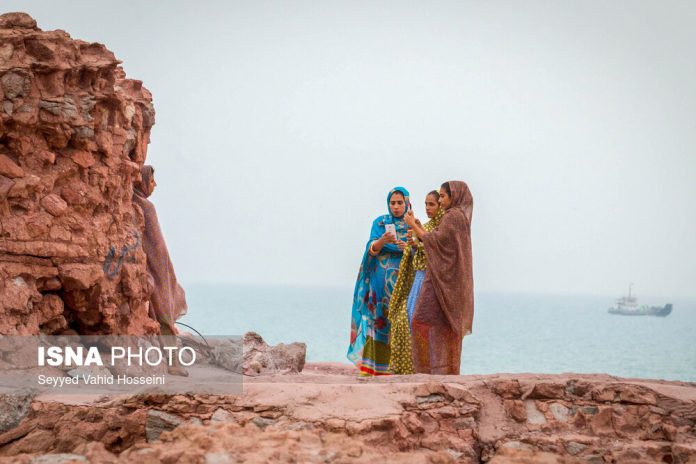
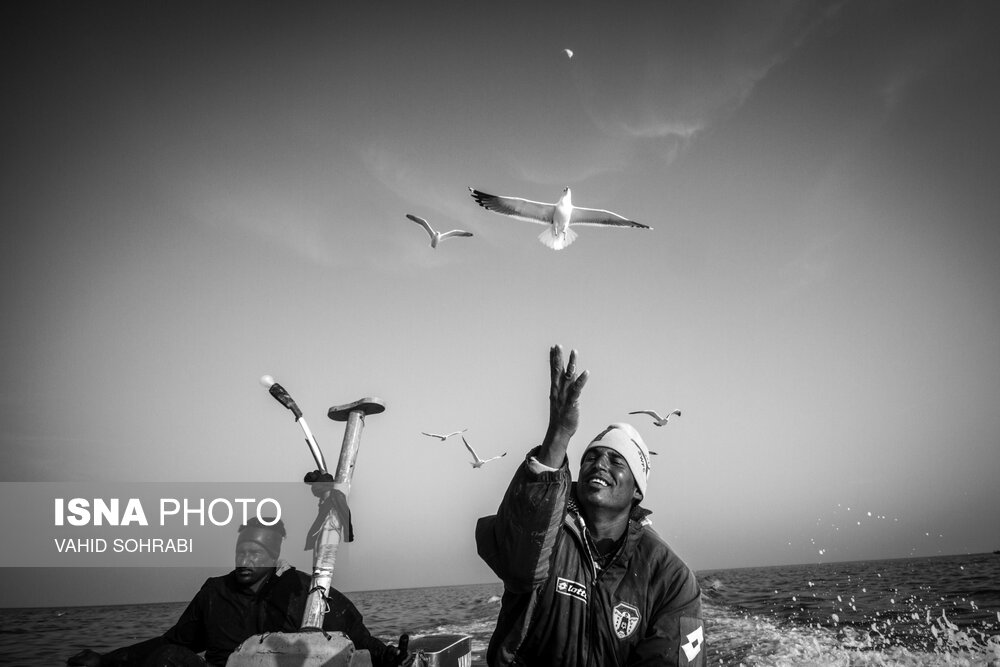
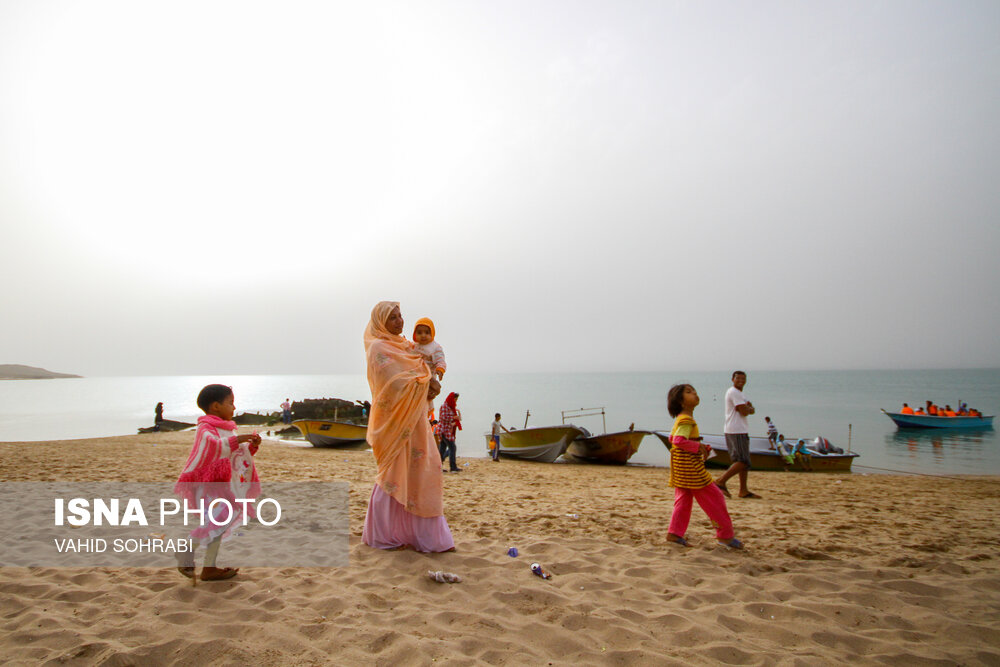
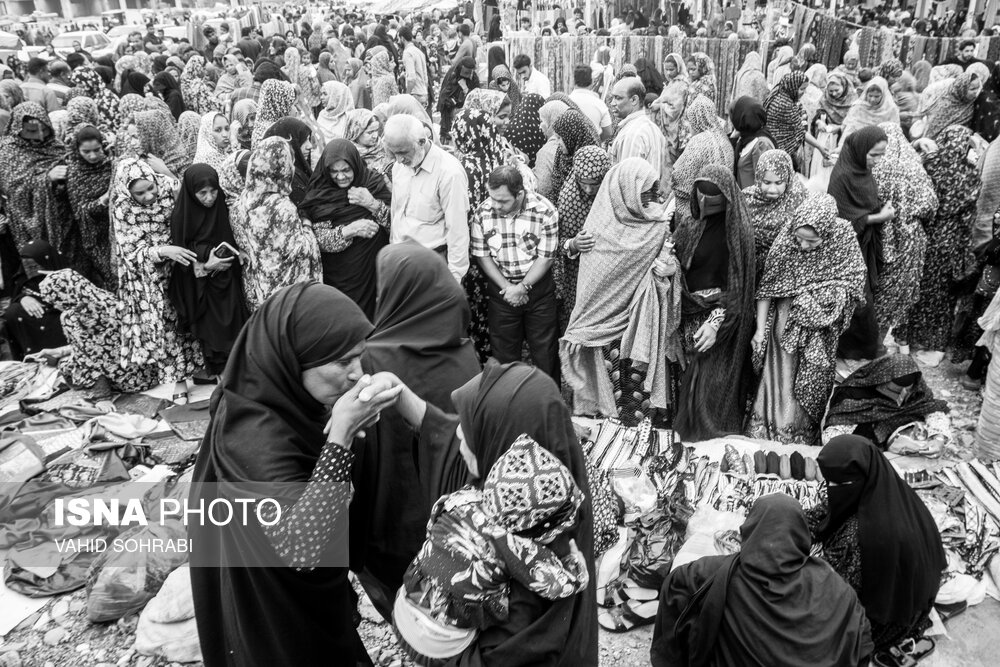
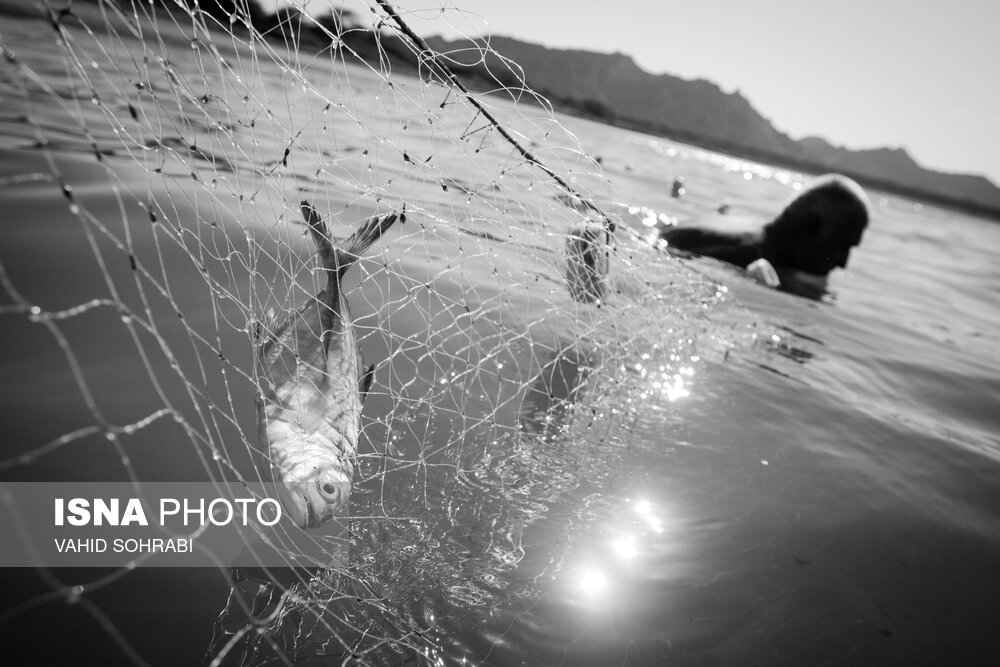
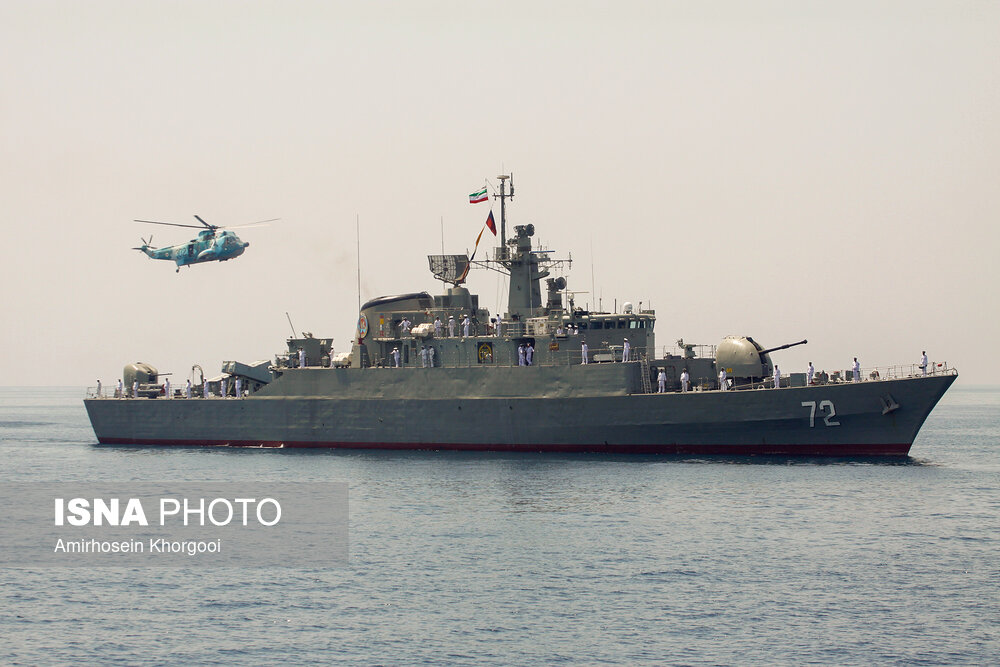
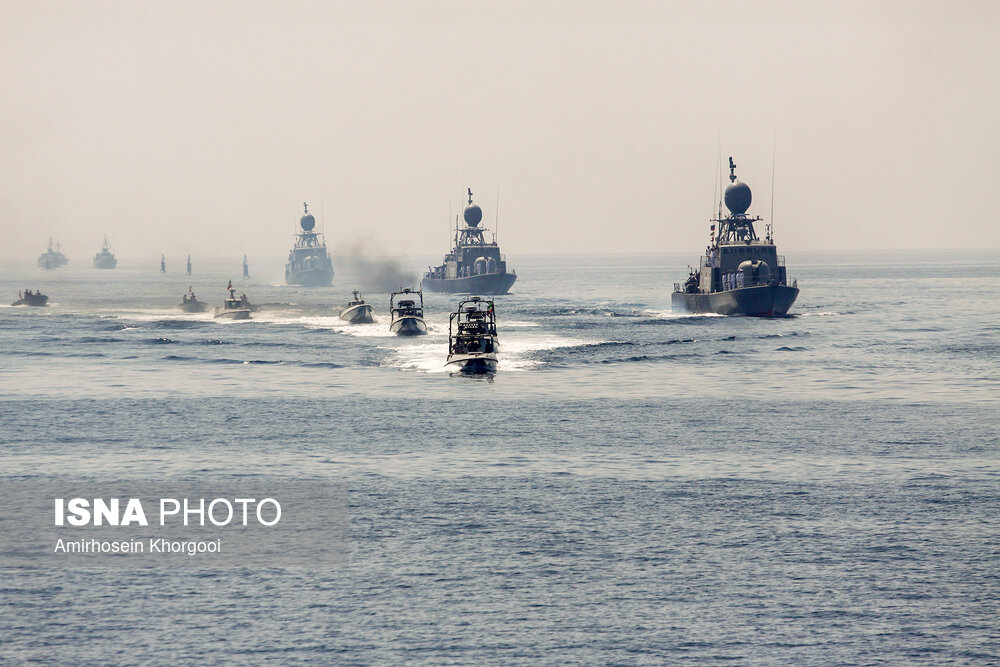
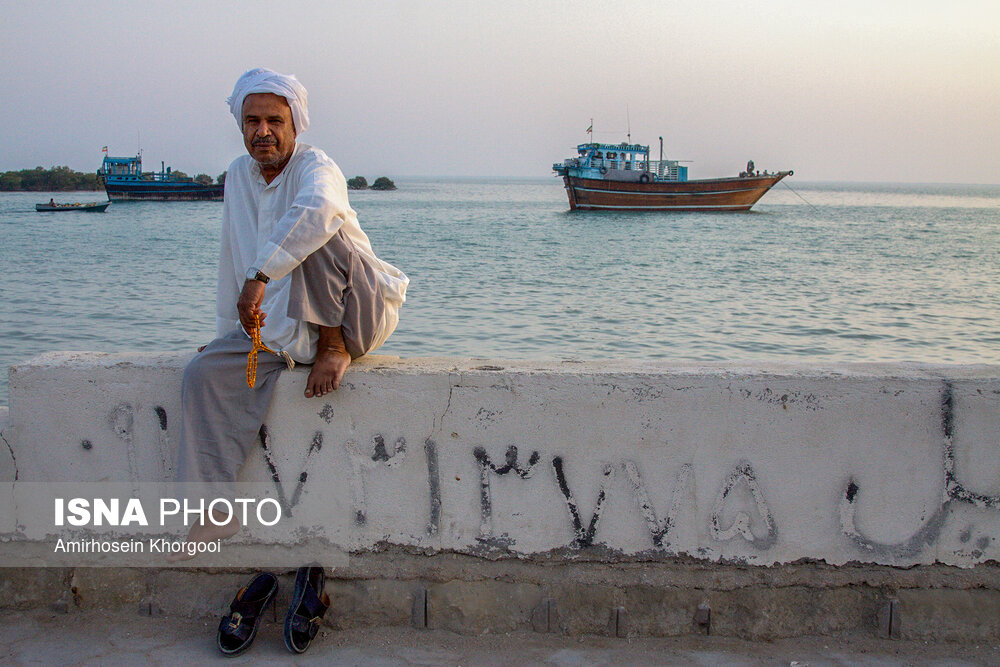
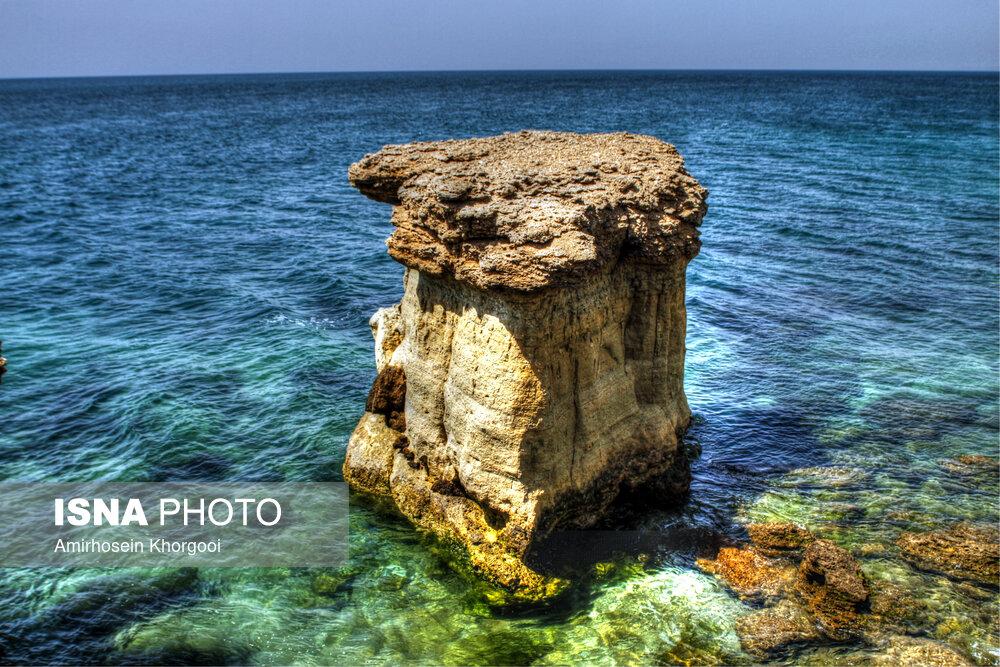
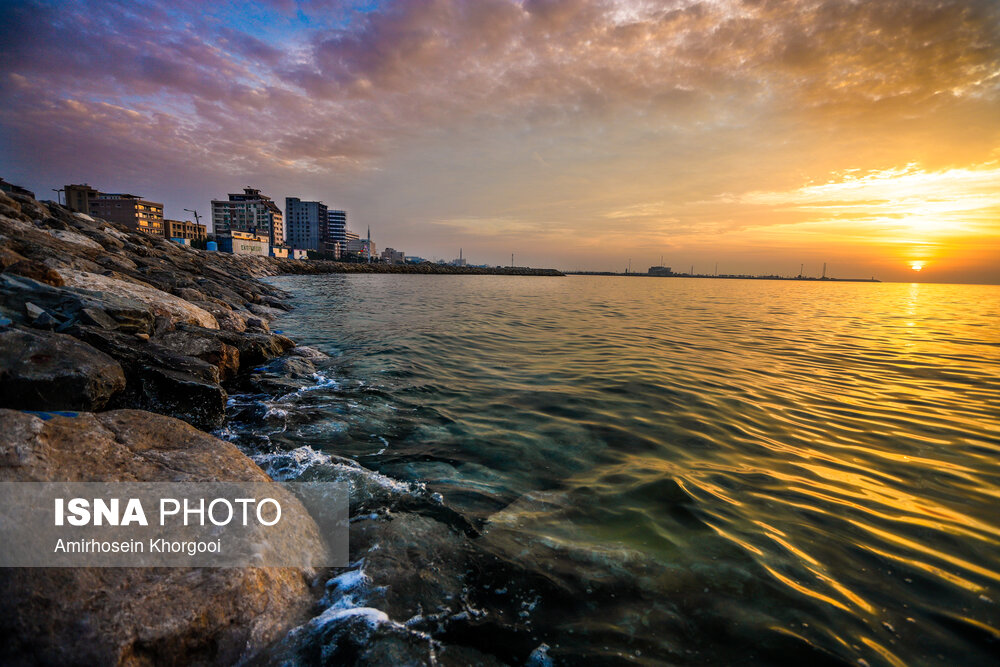
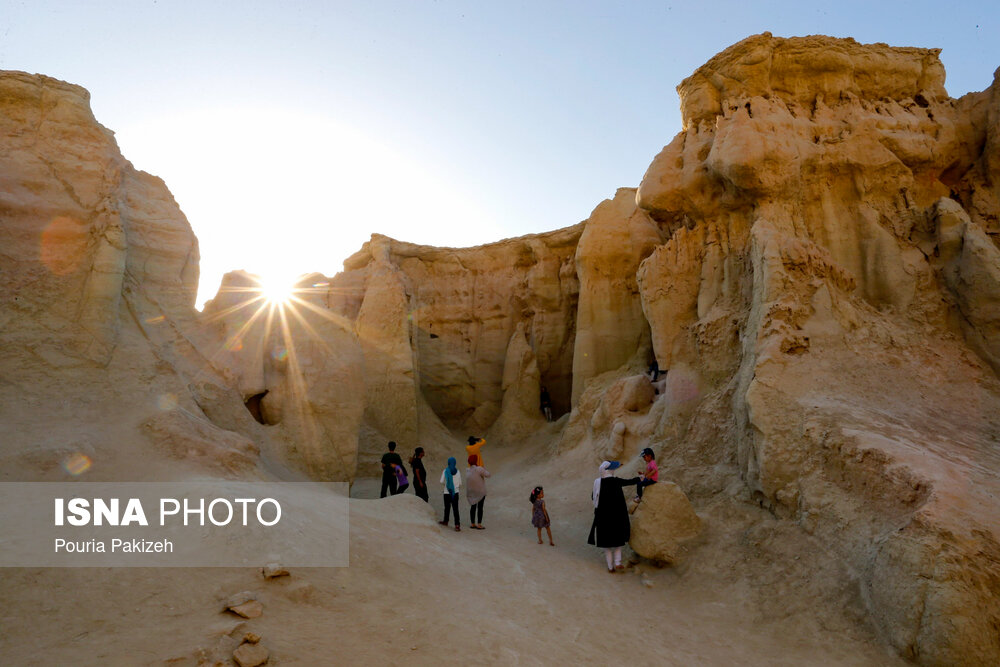
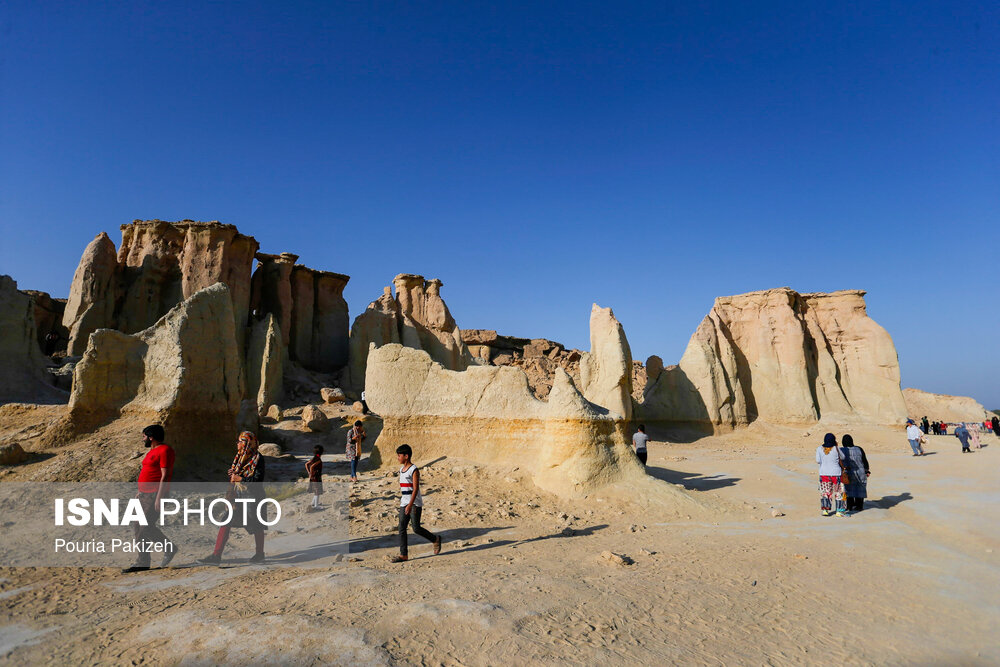
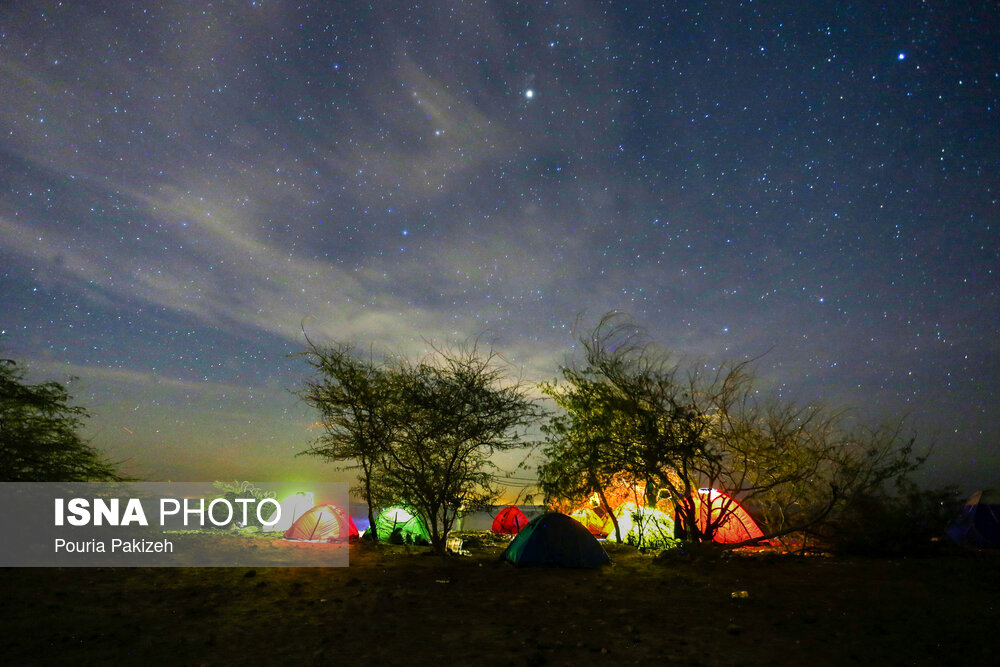
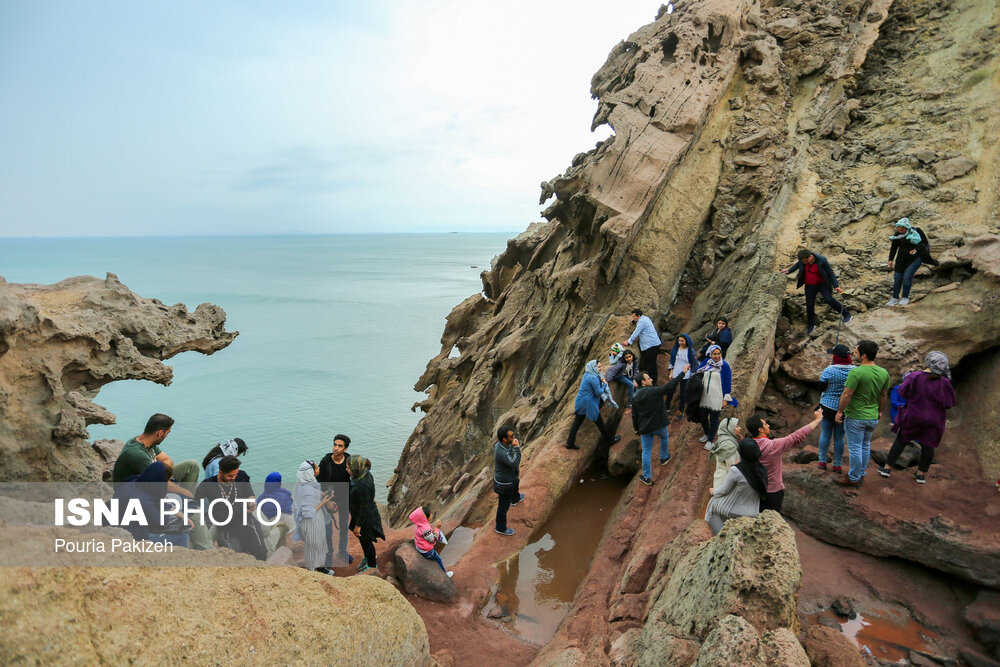
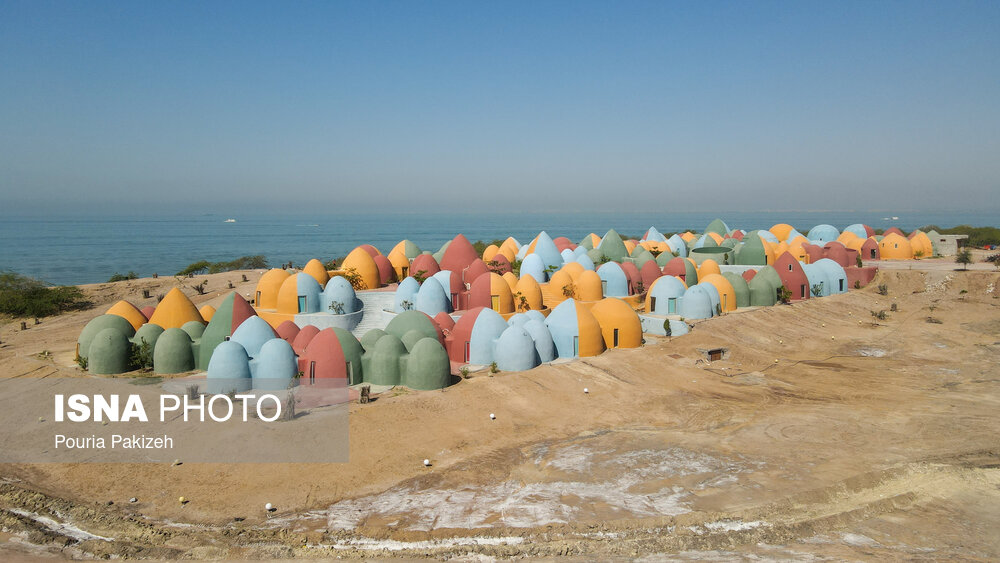
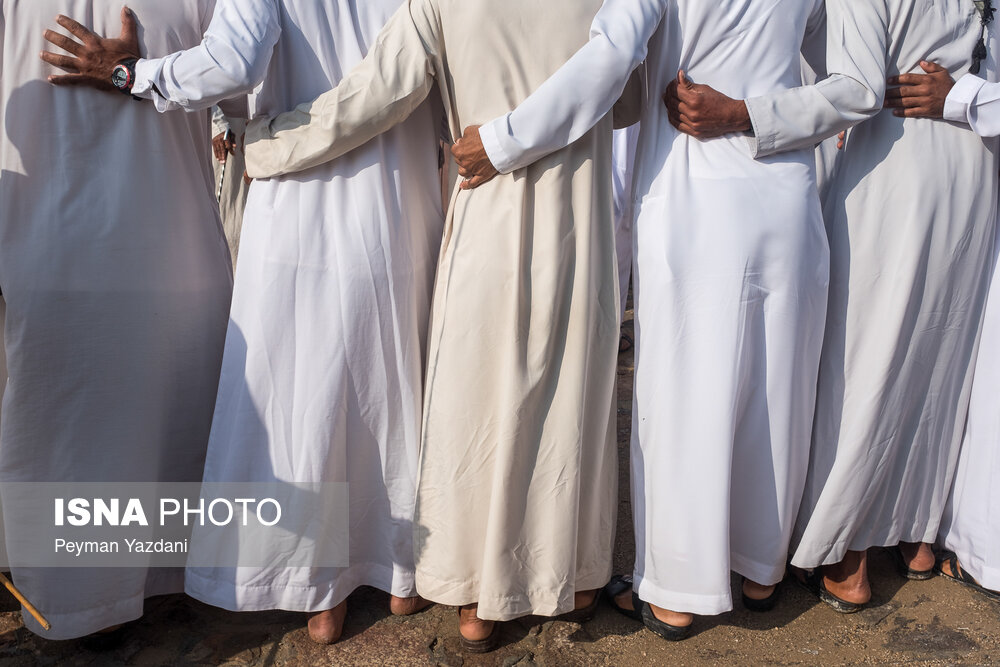
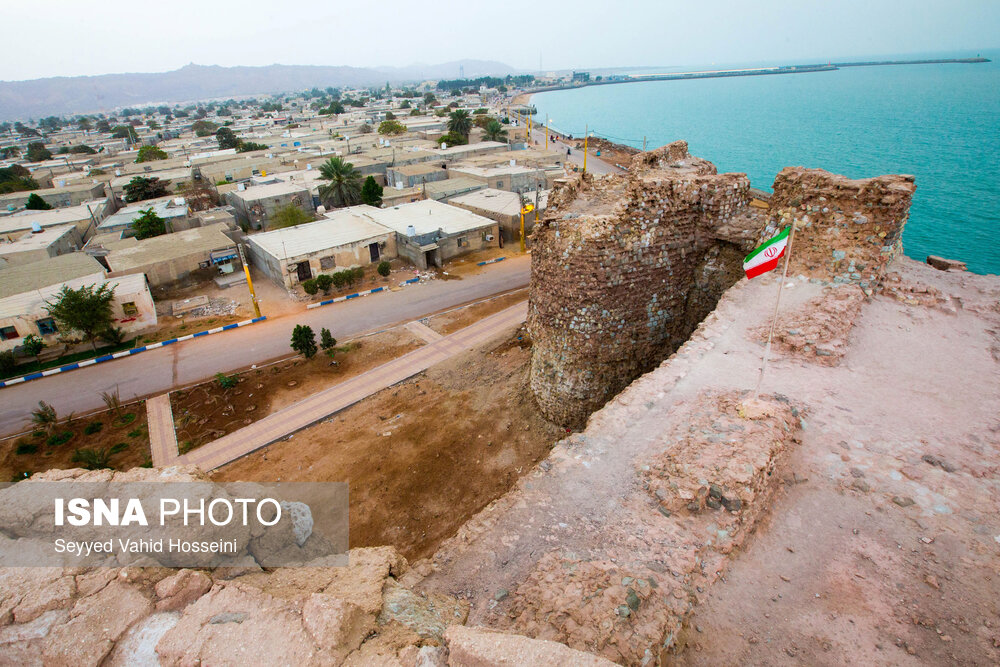
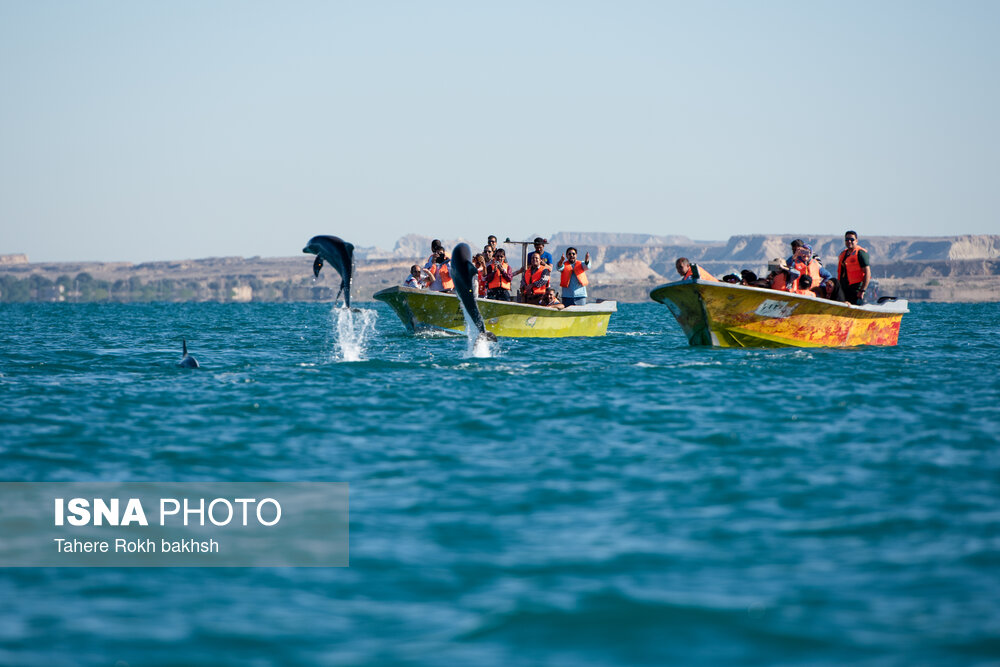
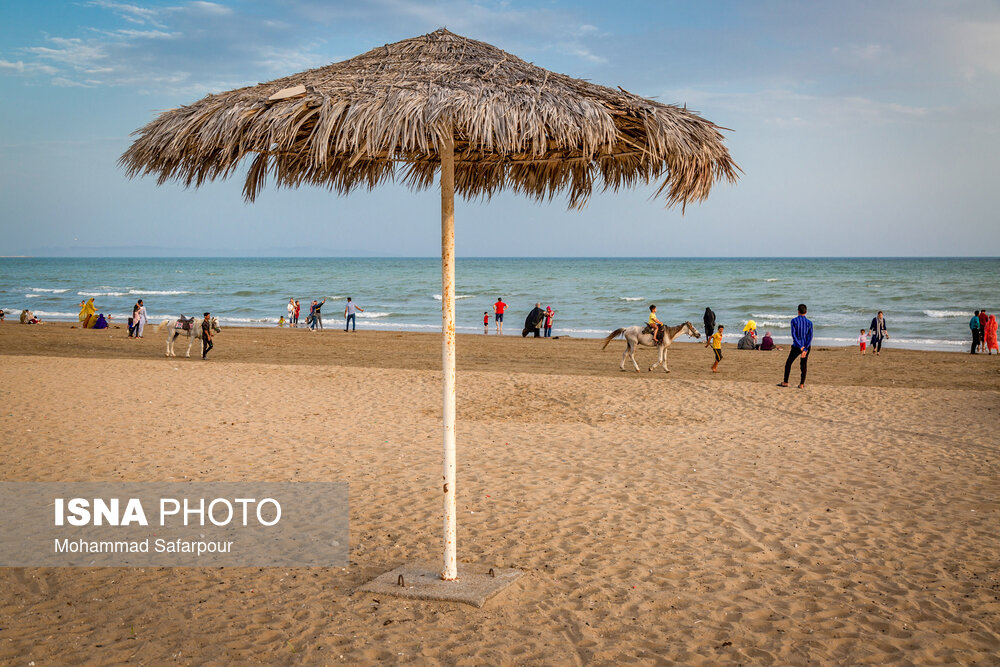
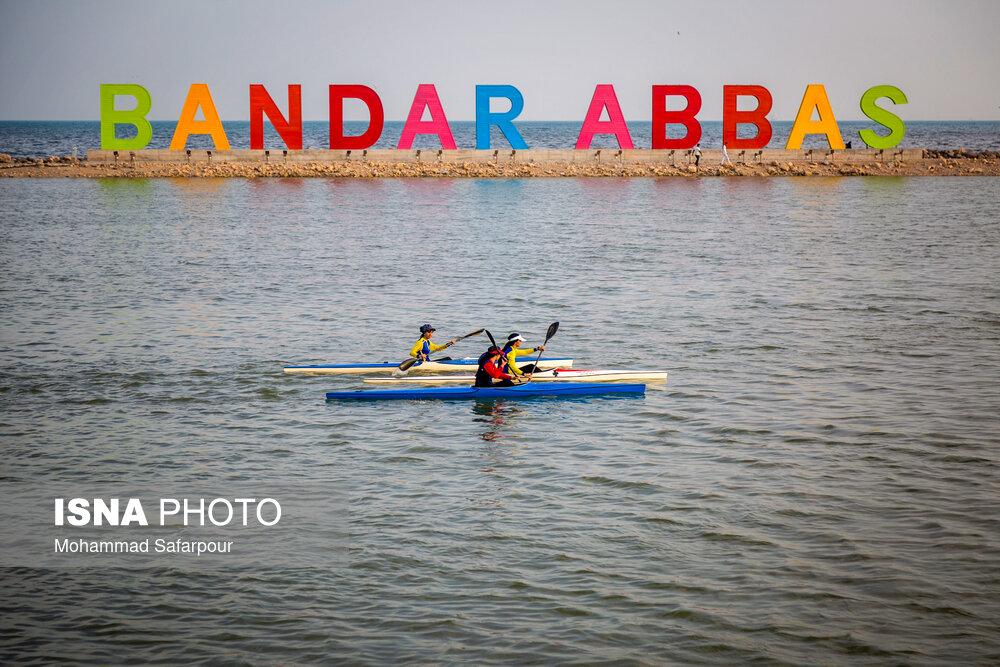
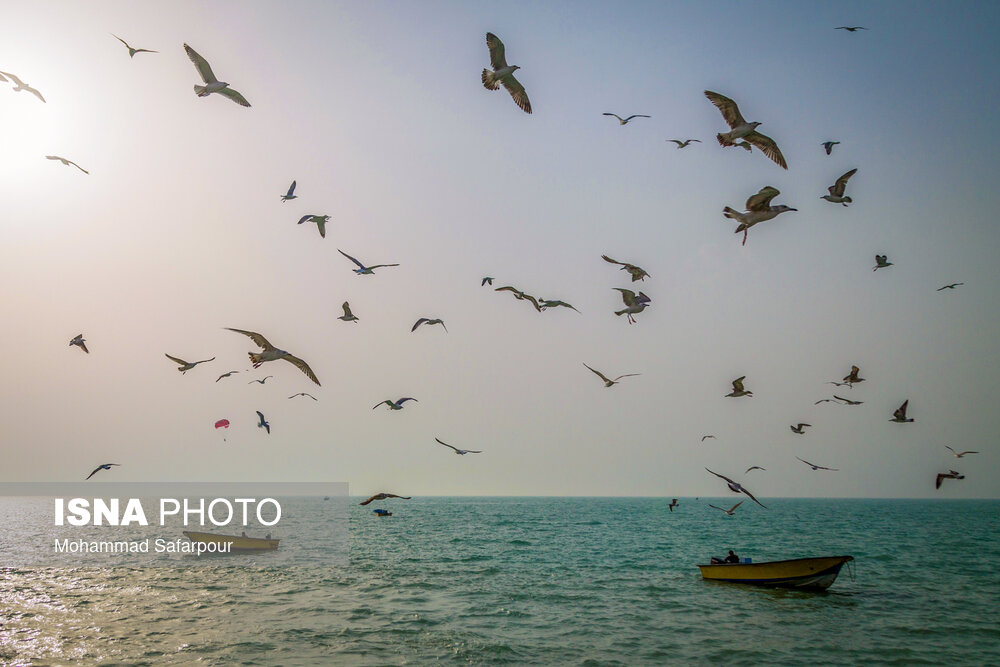
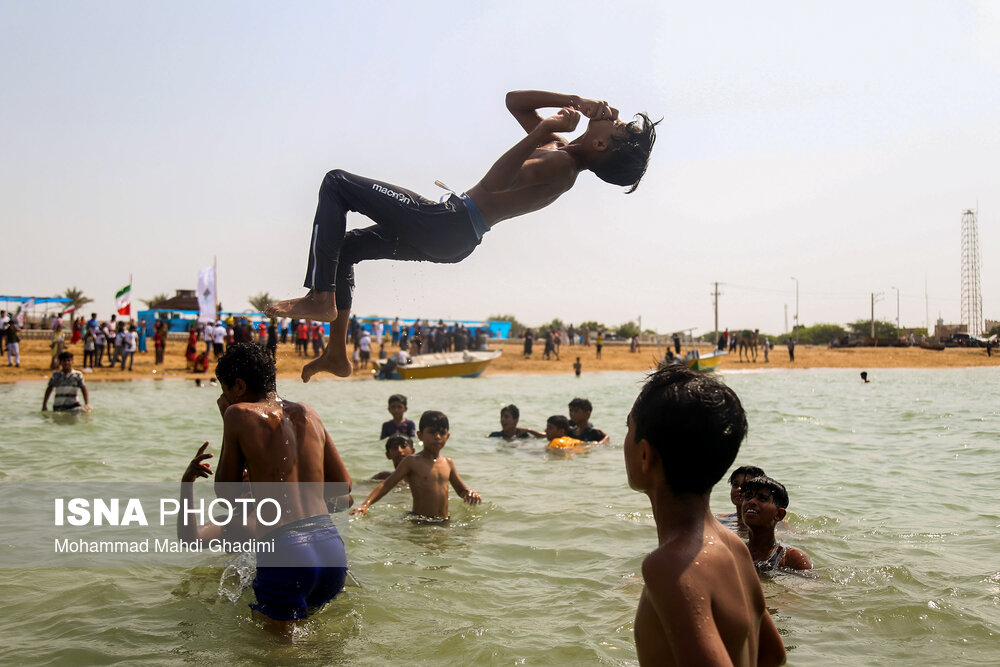
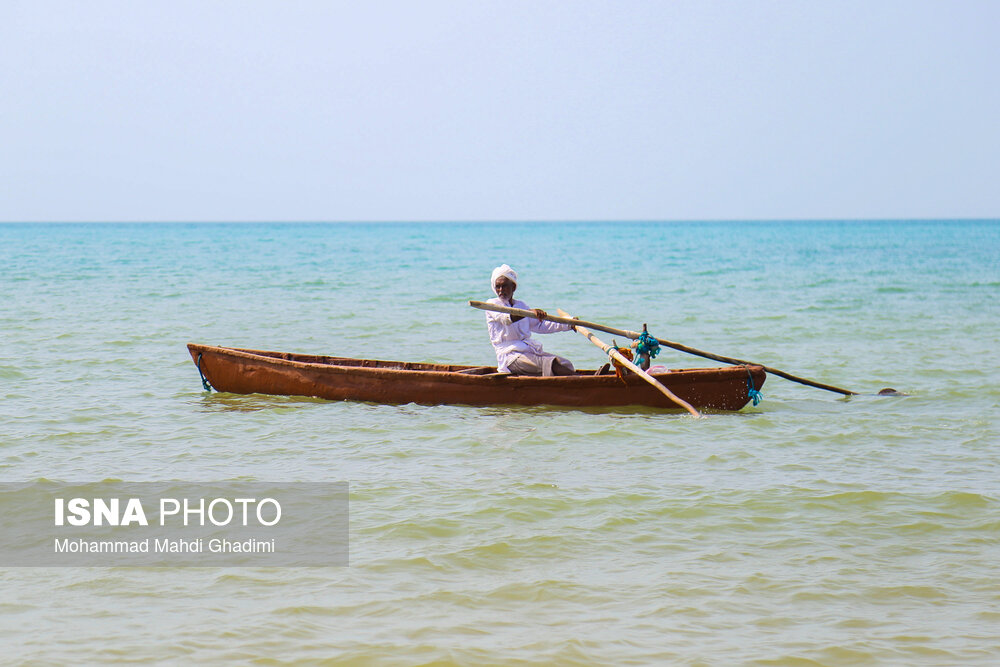
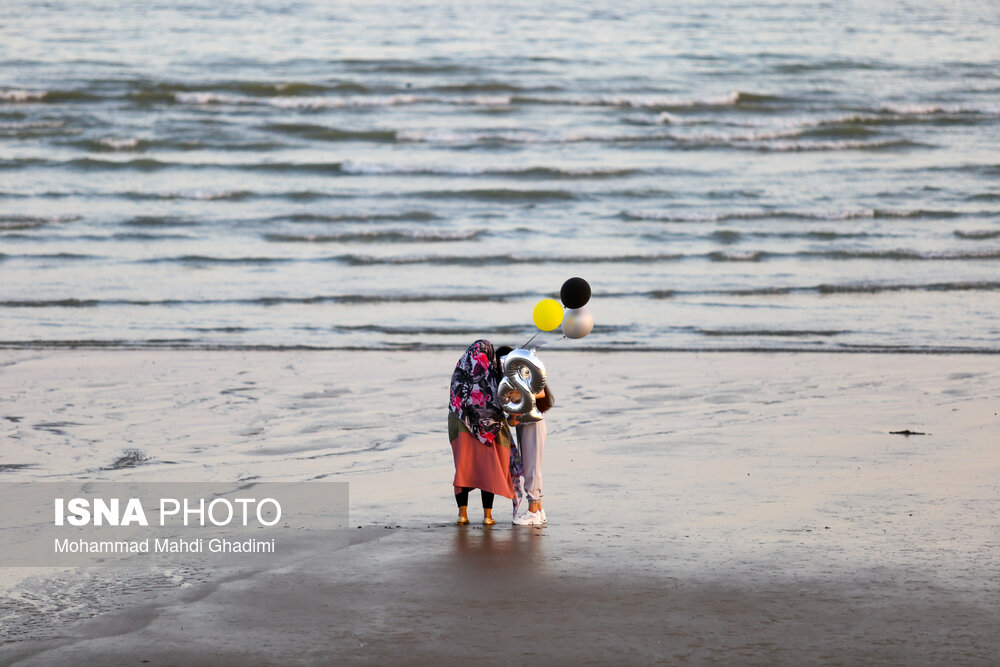
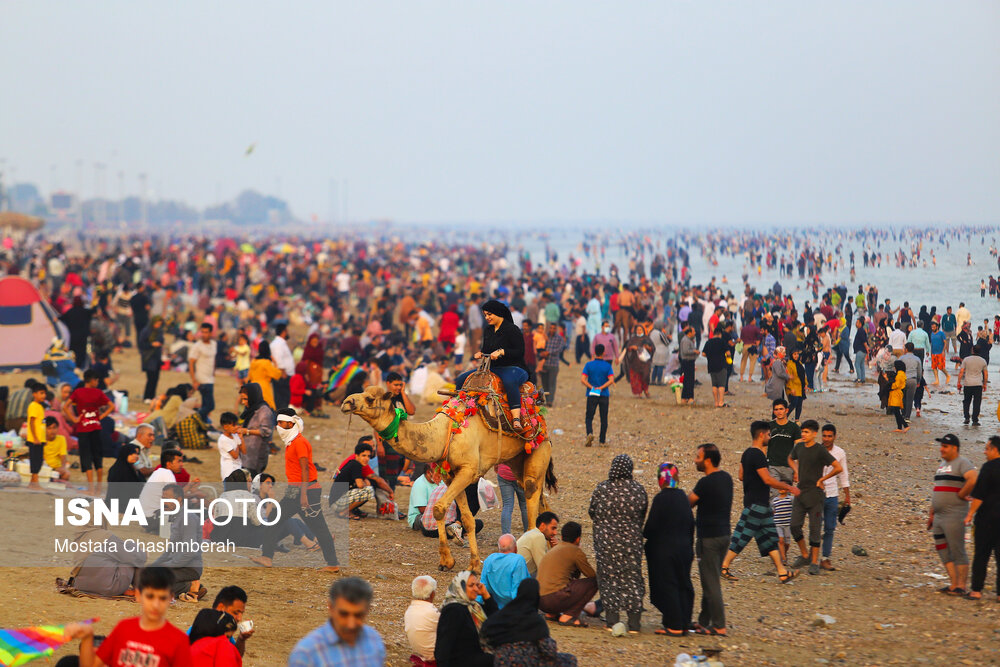
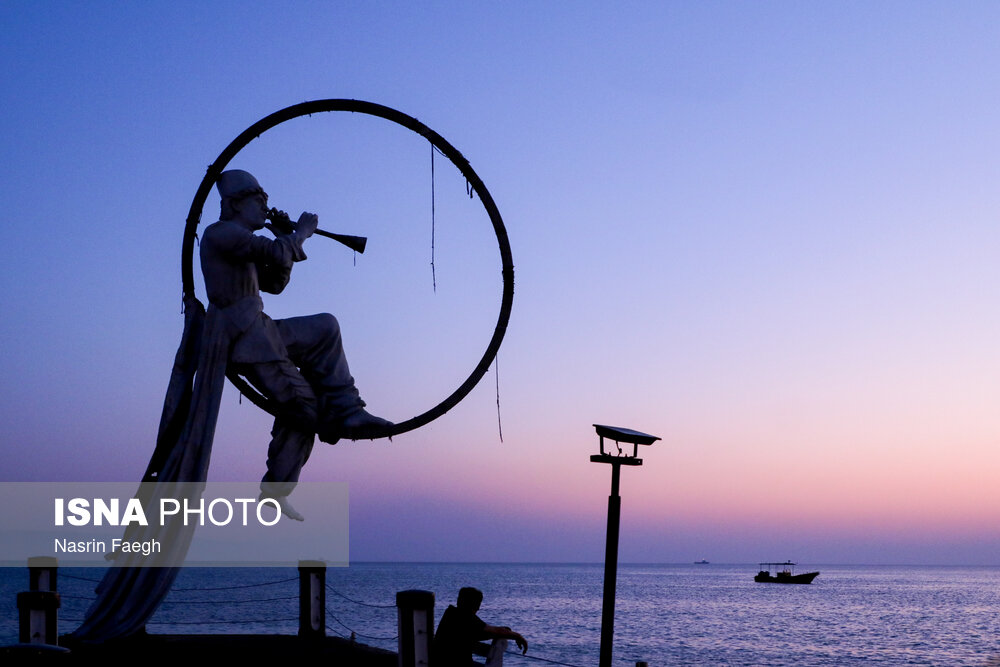
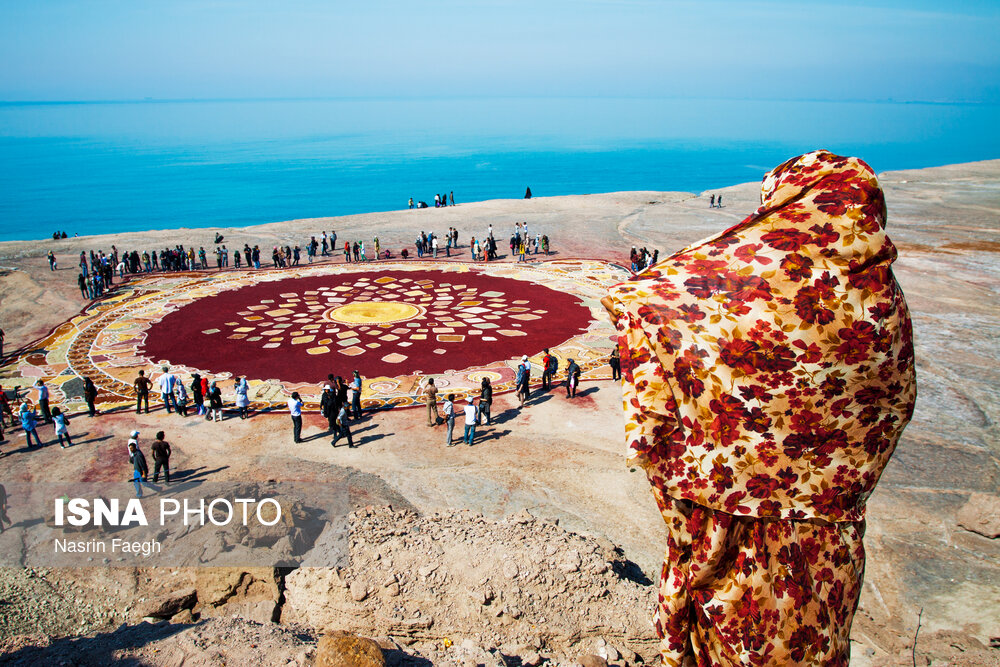
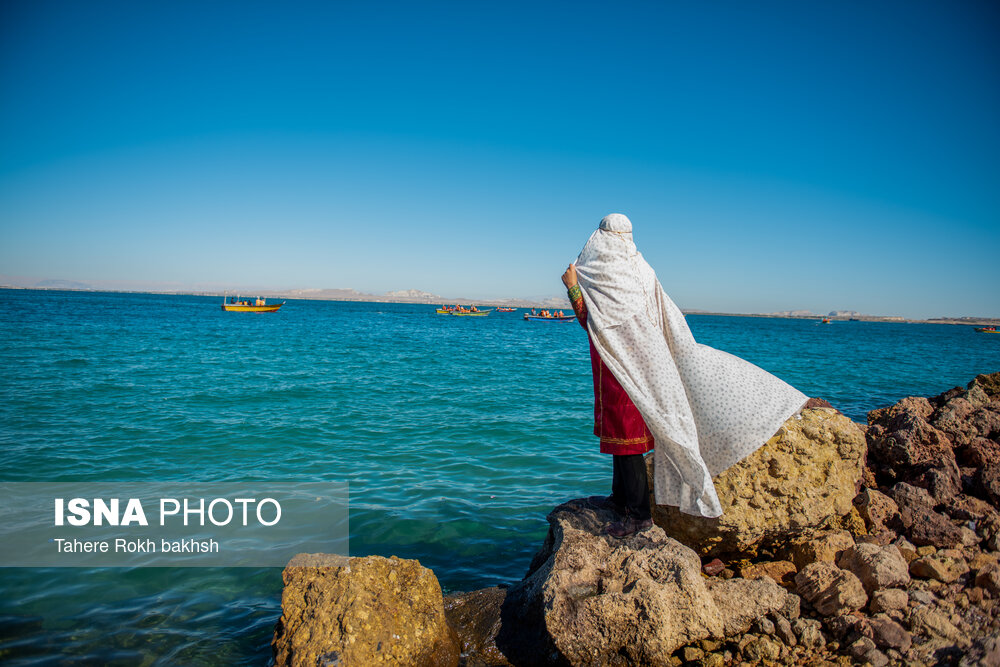
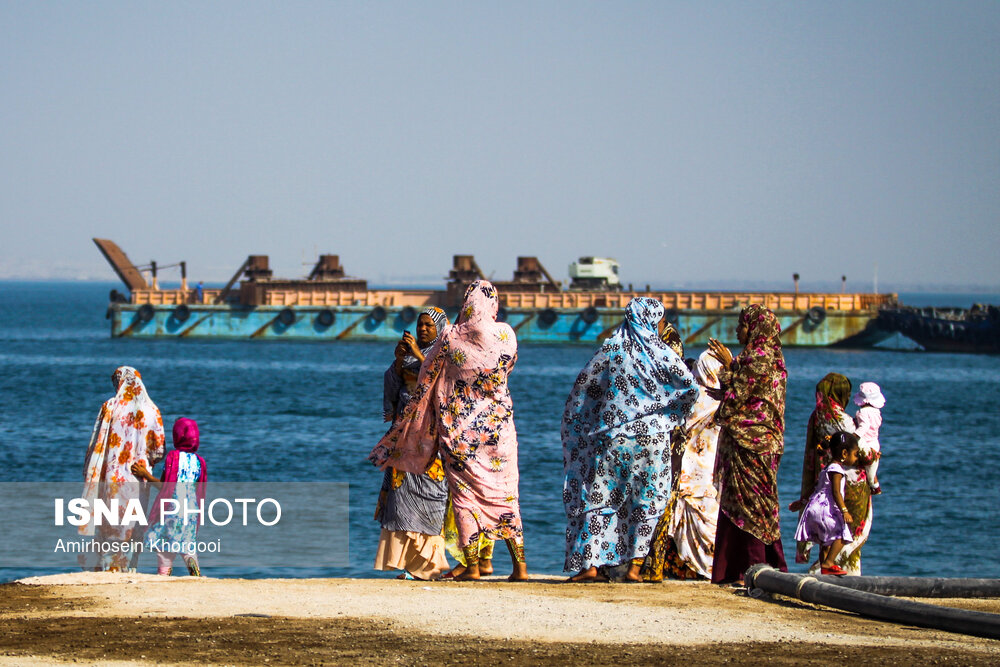
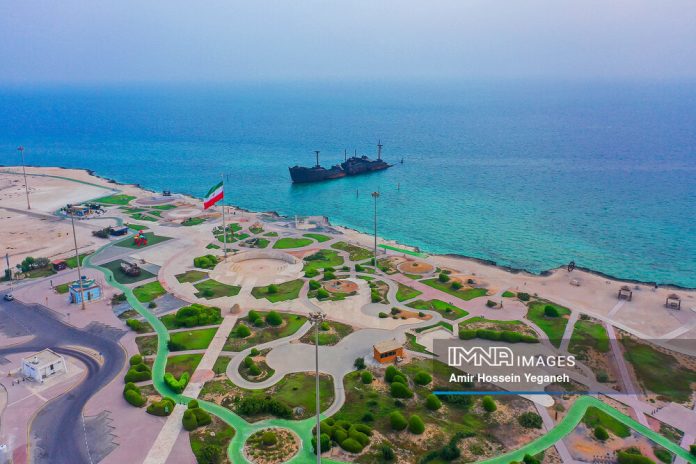
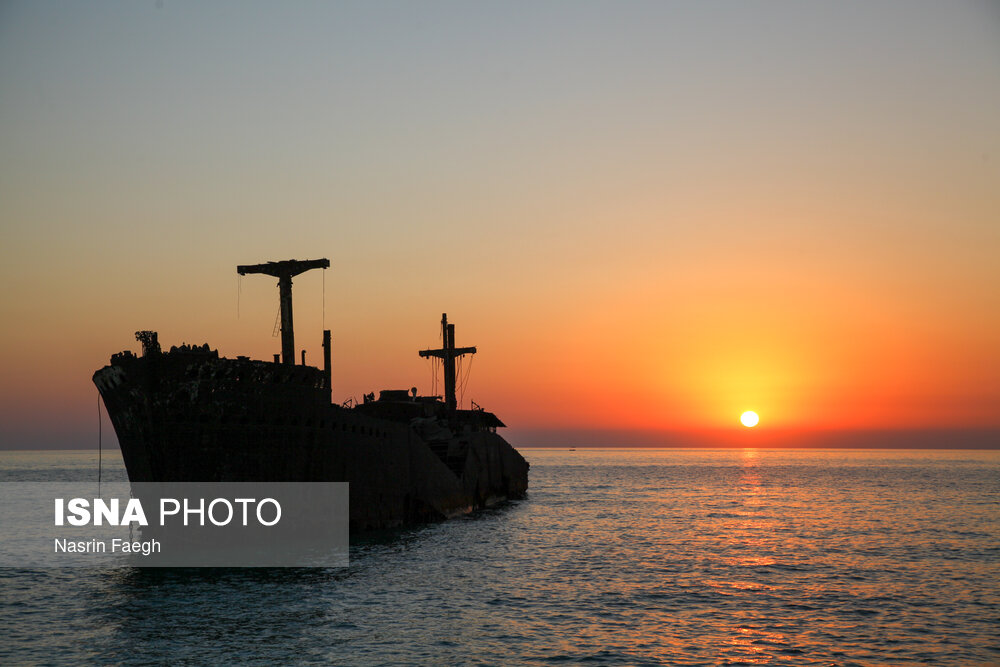
In honor of Persian Gulf Day, Iranian news agency ISNA published a photo series from its archives, showcasing images that celebrate the geographic and cultural legacy of the Persian Gulf. The message from across Iranian society is unified: the name “Persian Gulf” is timeless and unchangeable.

Russia damaged, destroyed over 2,300 medical infrastructure facilities in Ukraine since start of war: Health Ministry

Ukraine War

Russia deliberately targets critical infrastructure on a regular basis in Ukraine, including medical facilities, resulting in severe destruction and numerous civilian casualties.

Some 2020 medical facilities were partially damaged, while another 305 were completely destroyed, the ministry’s statement read.

Medical facilities in Kharkiv, Donetsk, Mykolaiv, Kyiv, Chernihiv, Dnipropetrovsk, Kherson, and Zaporizhzhia oblasts were most affected.

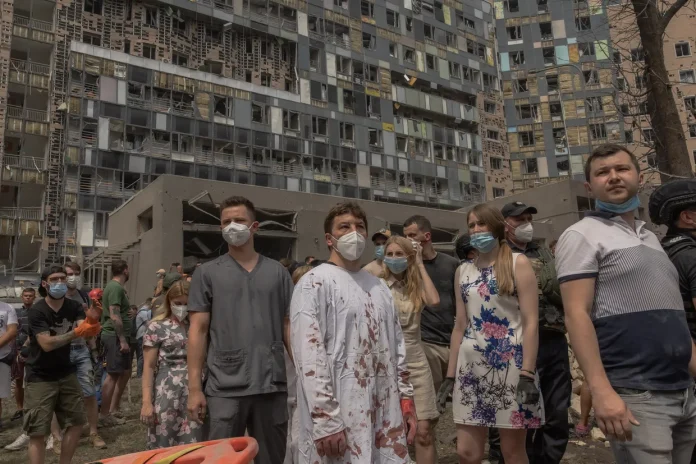
Throughout the all-out war, one of the most destructive Russian attacks on medical facilities in terms of casualties was on the Ohkmadyt children’s hospital in Kyiv.

Russian forces hit Ukraine’s largest children’s medical center on July 8, killing two adults and injuring at least 34 people, including nine children. Footage showed that the building suffered a direct hit by a Russian missile rather than being damaged by fallen debris.

The missile, fired from a plane of the 22nd Guards Heavy Bomber Aviation Division, kept maneuvering and changing its flight path, indicating an intention to bypass Ukrainian air defenses and hit the medical facility, according to Ukraine’s Security Service (SBU).

Apart from hospitals, outpatient clinics, and maternity hospitals, Russian troops regularly attack ambulances. Since the beginning of the full-scale invasion, 116 ambulances have been damaged, 274 destroyed, and 80 seized.

Ukraine and its international partners have managed to fully rebuild 700 medical facilities and partially restore 312, including critical hospitals and primary health care centers in the frontline regions.

Iran’s oil minister unveils major reforms to boost private sector participation and investment in energy projects

Iran Oil

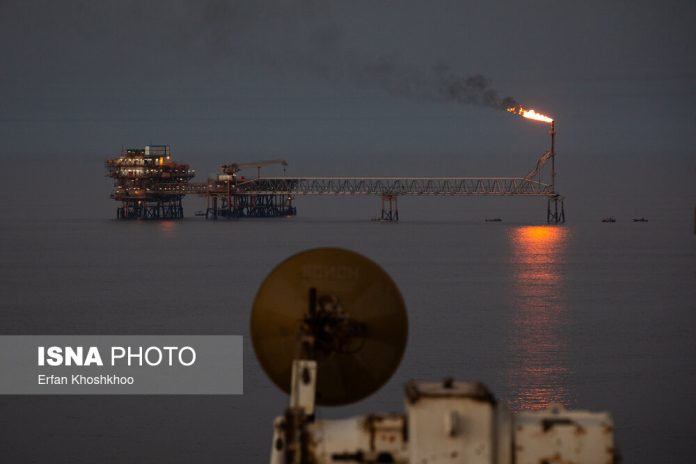
Speaking on the sidelines of the International Oil, Gas, Refining, and Petrochemical Exhibition on Thursday, Paknejad highlighted efforts to streamline contract processes, attract domestic and foreign investment, and increase transparency in upstream and downstream operations.

“We’ve significantly reduced the contract ratification period from three years to under one,” he said, citing recent economic council approvals.

Paknejad emphasized record growth over the past nine months, including a 150,000-barrel daily increase in oil output and a 30 million cubic meter rise in daily gas production. Gasoline and diesel output also rose by 7 and 8 million liters per day, respectively.

The ministry plans to complete over 30 major projects by 2026 with an investment of $10 billion, aiming to boost oil capacity by 250,000 barrels per day and raw gas production by 30 million cubic meters, the minister said, adding over 200 upstream investment opportunities have been introduced to the private sector.

He also revealed ongoing efforts to finalize Iran’s role as a regional energy hub, citing recent gas swap agreements and expanded cooperation with Russia and neighboring countries.

Russia’s 72-hour ‘Victory Day’ truce starts

Kremlin

The pause in fighting, set to last until midnight on May 10–11, has been described as a humanitarian gesture marking the 80th anniversary of the Soviet victory over Nazi Germany. The Kremlin announced the ceasefire also aims to create space for direct peace talks with Ukraine, without preconditions.

”Yes, this is an initiative by the Russian side, by President Putin. It remains in force,” Kremlin spokesman Dmitry Peskov confirmed on Wednesday, stressing that Moscow is committed to honoring the truce despite Ukraine’s record-breaking drone assault ahead of its start.

Ukraine’s President Volodymyr Zelensky has refused to back the ceasefire, denouncing it as an “attempt at manipulation” and accusing Russia of using humanitarian overtures to gain a tactical advantage.

Kiev has recently intensified its drone campaign, with high-ranking Russian diplomat Rodion Miroshnik stating that Ukrainian UAV strikes over the past week have caused a record number of civilian casualties — 15 killed and 142 injured.

Earlier in the week, Russian Foreign Ministry spokeswoman Maria Zakharova accused Zelensky of engaging in “classic terrorist behavior” by threatening civilians in Russia while soliciting additional funding from Western donors.

Peskov condemned the continued attacks, accusing the “Kiev regime” of revealing “its essence and inclination toward terrorist actions.” He noted that Russia’s special services and military are taking all necessary measures to ensure that Victory Day events proceed safely across the country.

Despite calls from some lawmakers for an “asymmetrical” response to the drone strikes, the Kremlin has reiterated its positio.n

“All instructions have been given, there are no new elements here,” Peskov stated when asked about potential retaliation during the ceasefire window.

Victory Day, celebrated on May 9, commemorates the defeat of Nazi Germany in 1945 and remains one of the most significant public holidays in Russia.

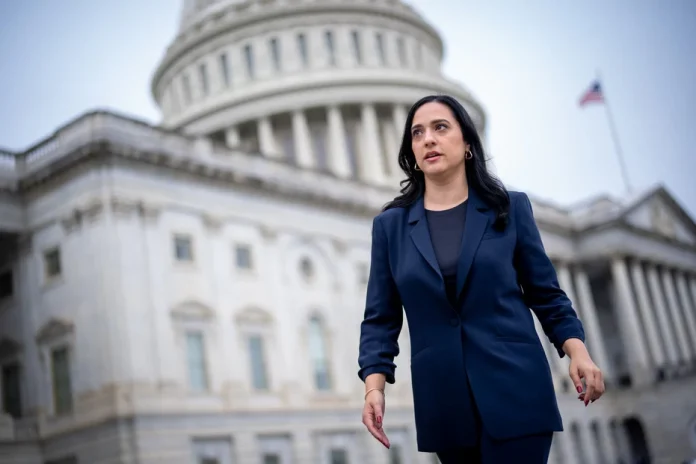
Iranian-American Congresswoman Yassamin Ansari condemns attempt to rename Persian Gulf

In a post on the social media platform X, Ansari wrote, “The Persian Gulf has been recognized as such by international bodies for centuries, and politically-motivated attempts to rename it will never succeed.”

Ansari’s remarks came in response to speculation that US President Donald Trump, during his upcoming trip to the region, may support rebranding the Persian Gulf with an alternative name – a move that has triggered widespread backlash in Iran and among the global Iranian diaspora.

She added pointedly, “Donald Trump needs to stop trying to rename bodies of water and focus on doing his job.”

Ansari joins a growing number of voices – including Iranian officials and diplomats – condemning the potential name change as a politically driven provocation with no legal or historical basis.

Washington, Tel Aviv discuss possible US-led administration for Gaza: Reuters

Gaza

The United States and Israel have discussed the possibility of Washington leading a temporary post-war administration of Gaza, according to five people familiar with the matter.

The “high-level” consultations have centered around a transitional government headed by a U.S. official that would oversee Gaza until it had been demilitarized and stabilized, and a viable Palestinian administration had emerged, the sources stated.

According to the discussions, which remain preliminary, there would be no fixed timeline for how long such a U.S.-led administration would last, which would depend on the situation on the ground, the five sources added.

The sources, who spoke on condition of anonymity as they were not authorized to discuss the talks publicly, compared the proposal to the Coalition Provisional Authority in Iraq that Washington established in 2003, shortly after the U.S.-led invasion that toppled Saddam Hussein.

The authority was perceived by many Iraqis as an occupying force and it transferred power to an interim Iraqi government in 2004 after failing to contain a growing insurgency.

Other countries would be invited to take part in the U.S.-led authority in Gaza, the sources said, without identifying which ones. They added the administration would draw on Palestinian technocrats but would exclude Hamas, which has ruled Gaza since 2007, and the Palestinian Authority, which holds limited authority in the occupied West Bank.

The sources said it remained unclear whether any agreement could be reached. Discussions had not progressed to the point of considering who might take on core roles, they added.
The sources did not specify which side had put forward the proposal nor provide further details of the talks.

In response to Reuters questions, a State Department spokesperson did not comment directly on whether there had been discussions with Israel about a U.S.-led provisional authority in Gaza, saying they could not speak to ongoing negotiations.

“We want peace, and the immediate release of the hostages,” the spokesperson said, adding: “The pillars of our approach remain resolute: stand with Israel, stand for peace.”

The office of Israeli Prime Minister Benjamin Netanyahu declined to comment.

In an April interview with Emirati-owned Sky News Arabia, Israeli Foreign Minister Gideon Saar stated he believed there would be a “transitional period” after the conflict in which an international board of trustees, including “moderate Arab countries”, would oversee Gaza with Palestinians operating under their guidance.

“We’re not looking to control the civil life of the people in Gaza. Our sole interest in the Gaza Strip is security,” he continued, without naming which countries he believed would be involved. The foreign ministry did not respond to a request for further comment.

Ismail Al-Thawabta, director of the Hamas-run Gaza government media office, rejected the idea of an administration led by the United States or any foreign government, saying the Palestinian people of Gaza should choose their own rulers.

A U.S.-led provisional authority in Gaza would draw Washington deeper into the Israeli-Palestinian conflict and mark its biggest Middle East intervention since the Iraq invasion.
Such a move would carry significant risks of a backlash from both allies and adversaries in the Middle East, if Washington were perceived as an occupying power in Gaza, two of the sources said.

The United Arab Emirates – which established diplomatic relations with Israel in 2020 – has proposed to the United States and Israel that an international coalition oversee Gaza’s post-war governance. Abu Dhabi conditioned its involvement on the inclusion of the Western-backed Palestinian Authority and a credible path toward Palestinian statehood.

Israel’s leadership, including Netanyahu, firmly rejects any role in Gaza for the Palestinian Authority, which it accuses of being anti-Israeli. Netanyahu also opposes Palestinian sovereignty.

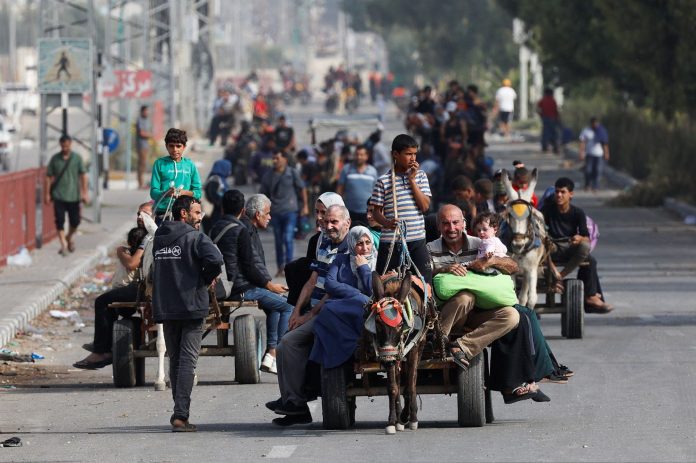
Netanyahu stated on Monday that Israel would expand its attacks in Gaza and that more Gazans would be moved “for their own safety”. Israel is still seeking to recover 59 hostages being held in the enclave. Its offensive has so far killed more than 52,000 Palestinians, according to Gaza health ministry data.

Some members of Netanyahu’s right-coalition have called publicly for what they describe as the “voluntary” mass migration of Palestinians from Gaza and for the reconstruction of Jewish settlements inside the coastal enclave.

But behind closed doors, some Israeli officials have also been weighing proposals over the future of Gaza that sources say assumes that there won’t be a mass exodus of Palestinians from Gaza, such as the U.S.-led provisional administration.

Among those include restricting reconstruction to designated security zones, dividing the territory and establishing permanent military bases, said four sources, who include foreign diplomats and former Israeli officials briefed on the proposals.


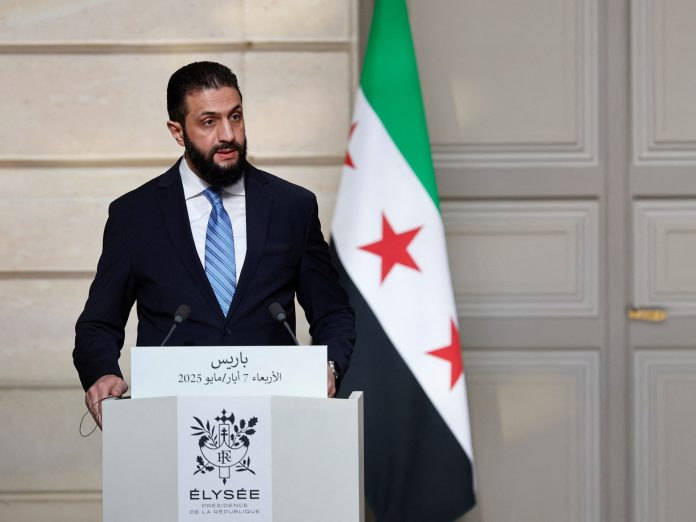
Syria’s new president confirms indirect talks with Israel amid soaring tensions

The announcement comes after an escalation in Israeli attacks on Syria last week, including a strike that landed just 500 metres (1,640 feet) from the presidential palace in Damascus on Friday.

Iran’s UN mission says “facts won’t change in Oval Office” amid name dispute over Persian Gulf

Persian Gulf

In a statement on social media platform X, Iran’s UN mission said, “Facts do not change in the Oval Office. Everyone must stand against the distortion of reality. Understanding history and geography is essential to governance.”

The comments follow growing speculation that the US administration, before Trump’s upcoming trip to the region, may officially adopt the name “Arabian Gulf” for historically verified millennia-old Persian Gulf, a move Tehran sees as politically motivated and historically unfounded.

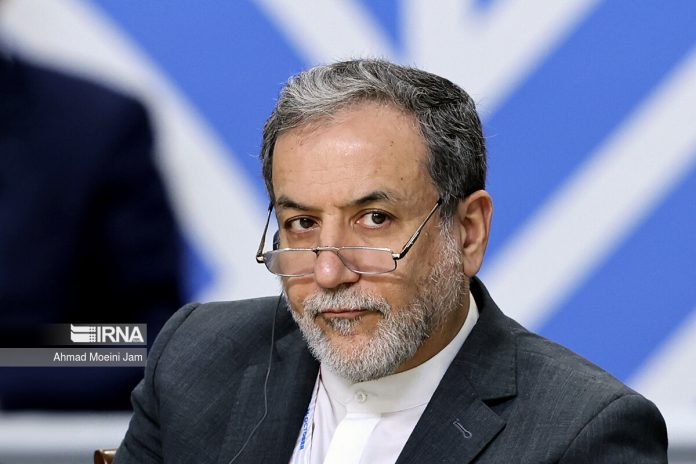
Iranian Foreign Minister Abbas Araghchi also weighed in via X, calling such efforts a “hostile provocation” and a “disrespect to all Iranians.”

He emphasized that while Iran respects names like the Arabian Sea, Indian Ocean, or Red Sea – acknowledging them as shared heritage – it will not tolerate attempts to rename the Persian Gulf, whose name has been universally recognized for centuries.
Araghchi further asserted that no political maneuver can alter established historical and geographical facts, warning that such a move would ignite outrage among Iranians worldwide.

Iran refutes involvement in alleged plot to attack Israeli embassy in UK

Abbas Araghchi

In a post on his X account on Thursday, Iranian Foreign Minister Abbas Araghchi said Tehran has not been informed of any allegations via “proper diplomatic channels”.

“Iran stands ready to engage to shed light on what has truly transpired, and we reiterate that UK authorities should afford our citizens due process,” he wrote.

The United Kingdom has arrested eight men, including seven Iranian nationals, as part of two investigations regarding alleged threats to national security.

London’s Metropolitan Police confirmed the arrests on Sunday, saying five men, including four of the Iranian nationals, were detained on suspicion of “preparation of a terrorist act” while the other three were being held under national security legislation introduced in 2023 to counter the actions of hostile states.

They were arrested as part of a “pre-planned” investigation into an alleged plot to “target specific premises,” the Metropolitan Police said, adding that the “affected site” was made aware and is being supported by police.

As part of a separate investigation led by the Met, three other Iranian men were arrested in London on Saturday.

The Met said three men — aged 39, 44 and 55 — were arrested under section 27 the National Security Act at separate addresses in north-west and west London, and had been taken into custody while searches continued.

In his post, Araghchi pointed to the stories in the media about the alleged involvement of Iranian nationals in a supposed plot to target the Israeli embassy in London and urged the UK to engage so that Tehran may assist any probe into credible allegations.

The top Iranian diplomat warned that third parties are resorting to desperate measures, including false flag operations, to derail diplomacy and provoke escalation.

“Timing and lack of engagement suggest that something is amiss,” he added.

In a post on his X social media account on Tuesday, the Iranian foreign minister called on the UK to respect the rights of Iranians arrested in Britain, underscoring Tehran’s readiness to assist investigations in the incident.

“Disturbed to learn that Iranian citizens have reportedly been arrested by UK security services,” Araghchi wrote.