Wednesday, December 31, 2025
Home Blog Page 370

Trump says he’ll decide on name of ‘Persian Gulf’ during ME trip

Trump

Speaking to reporters at the White House on Wednesday, Trump stated he expected his hosts to ask about the name the US uses for the waterway during his first trip to the Middle East since retaking the White House.

“I’ll have to make a decision,” Trump said in response to a question about whether he would make an announcement on the body of water’s name.

“I don’t want to hurt anybody’s feelings. I don’t know if feelings are going to be hurt.”

“I’m going to be given a briefing on that and I’ll make a decision,” Trump added.

Trump’s comments came after US media reported that he plans to use the May 13-16 trip to announce that the US will begin referring to the body of water as the Arabian Gulf or the Gulf of Arabia.

The name of the waterway has long been a source of tensions between Arab nations and Iran.

Iran argues that the “Persian Gulf” is the appropriate name in light of historical evidence, including ancient maps, that shows it is part of its territory.

In 2012, Iran threatened to sue internet giant Google for leaving the waterway nameless on its online map services.

Iranian Foreign Minister Seyed Abbas Araghchi condemned the latest suggestions of a name change as “indicative of hostile intent toward Iran and its people”, and warned that such a move would “only bring the wrath of all Iranians from all walks of life”.

“Such biased actions are an affront to all Iranians, regardless of their background or place of residence,” Araghchi said in a post on X early on Thursday.

“Let’s hope that the absurd rumours about the PERSIAN Gulf that are going around are no more than a disinformation campaign by ‘forever warriors’ to anger Iranians all over the world and agitate them,” he added.

In one of his first actions as president, Trump in January signed an executive order to rename the Gulf of Mexico as the “Gulf of America”.

Qatari financing of Syrian salaries gets US greenlight: Reuters

Qatar, which is among Syrian President Ahmed al-Sharaa’s strongest international backers, had been reluctant to act without the blessing of Washington, which imposed sanctions when ousted leader Bashar al-Assad was in power.

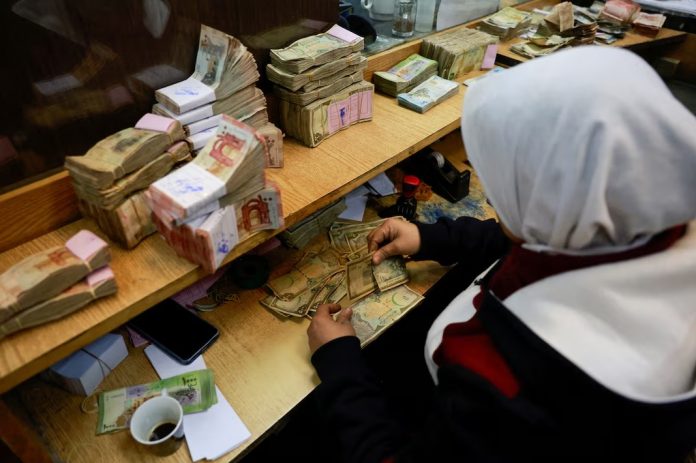
The Syrian finance minister confirmed in a statement on Wednesday that Qatar was set to provide Syria with $29 million monthly for three months, which can be extended, in order to pay salaries to civilian public-sector workers.

The grant was given a U.S. sanctions exemption, the finance minister said, adding that it will be operated by the United Nations Development Programme.

Sanctions, 14 years of conflict and decades of crony rule under Assad have bankrupted the state and left civil servants living on a pittance. Meanwhile, Sharaa’s government has achieved only partial success in convincing wary Western states that he has turned his back on his past.

Two people briefed on the matter told Reuters that Qatar had been informed about the U.S. green light and stated the U.S. Treasury Department’s office of Foreign Assets Control was expected imminently to provide a letter confirming that the initiative was exempt from U.S. sanctions.

The move suggests a softening of Washington’s position, while European states have moved more swiftly to ease their sanctions.

A Syrian financial source said the funding was conditional, and could go only to civilian Syrian public-sector civil servants, with the interior and defence ministries not included.

That reflects Western concerns over the fundamentalist history of the group that now rules Syria and is reconstituting its security forces, the source and diplomats stated.

The financial source added the funding was expected to come through starting next month, allowing for a long-awaited 400% salary rise to be gradually rolled out to more than a million state employees over several months.

All sources spoke on condition of anonymity because they were not authorised to speak on the matter.

Syria’s government would come up with the funds to match the salary rise for employees not included in the Qatari-backed initiative, the Syrian source said.

Qatar had planned to provide salary support since soon after Assad was toppled by rebels Hayat Tahrir al-Sham (HTS) last year. The initiative has been held up by ambiguity over U.S. sanctions and the Donald Trump administration’s Syria policy.

But there are signs that Persian Gulf Arab states have been able to make modest headway in lobbying the U.S. to at least allow for engagement with Damascus, with Saudi Arabia and Qatar last month paying off Syria’s debts to the World Bank, which opened the door to grants and loans.

Saudi Arabia also co-hosted a high-level Syria-focused meeting at the IMF and World Bank Spring Meetings in Washington last month, attended by Syria’s finance minister and central bank governor for the first time in more than a decade.

The previous U.S. administration issued a sanctions exemption on January 6 to allow transactions with Syria’s governing institutions for six months, though states and entities seeking to engage with Syria have sought additional guarantees.

Known as a general licence, it marked an effort to ease the flow of humanitarian assistance and allow work with the Syrian energy sector, while keeping sanctions in place overall.

Sharaa has called repeatedly for the lifting of Western sanctions, imposed to isolate Assad for his crackdown during Syria’s war, which started in 2011.

Boosting the economy, which has now been opened up in a free market experiment after decades of protectionism, is a top priority for Sharaa.

The United Nations says nine out of 10 Syrians live in poverty.

The country’s interim finance minister in January announced that pay for public-sector workers would be increased by 400% from February at an estimated monthly cost of 1.65 trillion Syrian pounds ($130 million).

He had cited regional aid as one source of funding for the increase.

Western policy in Syria is complicated by the jihadist origins of HTS, the armed group that led the push that ousted Assad and is designated a terrorist group by world powers.

HTS emerged from the Nusra Front, an al Qaeda affiliate in Syria until Sharaa broke ties in 2016. HTS was officially dissolved in January.

Trump says prefers ‘deal with Iran’ that enables military onslaught

Iran nuclear program

“It’s that simple,” he stated during an exchange with conservative radio host Hugh Hewitt, on Wednesday.

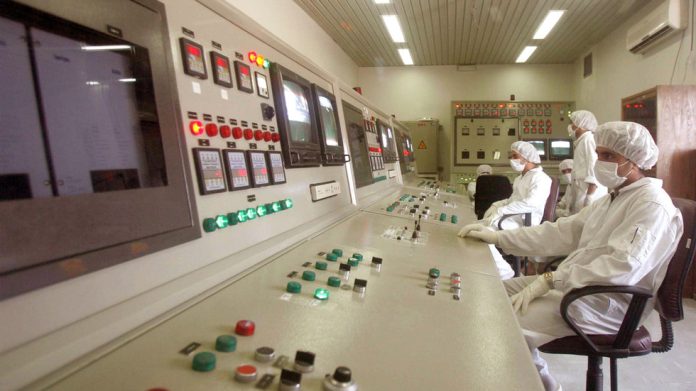
“I would much prefer a strong, verified deal where we actually blow them up…,” Trump said, referring to Iran’s nuclear facilities.

The 78-year-old former president added that there were only two possible outcomes, namely “blowing them up nicely or blow them up viciously.”

This is not the first time, Trump and other American officials have urged “total dismantlement” of Iran’s nuclear energy program. The US president had last made the insistence during comments on the NBC’s “Meet the Press” program.

Observers said such statements underline the US administration’s continued aggressive approach towards the Islamic Republic and its nuclear energy program.

The adversarial standing comes while Washington and Tehran have been engaging in indirect talks since March. The talks’ initiation marked drawn-out absence of such engagement between the two sides that had been caused by Washington’s illegal and unilateral withdrawal from a historic nuclear deal between Tehran and others in 2018.

Most recently, Trump’s regional envoy Steve Witkoff stated, “The president wants to see this solved diplomatically if possible, so we’re doing everything we can to get it going.”

Trump’s remarks, though, diagonally contradict Witkoff’s statement about the president’s alleged interest in a diplomatic solution.

Trump also added potential American aggression against Iran’s nuclear sites had to result in “de-nuking them.”

The US and its allies have for long been trying to accuse the Islamic Republic of pursuing “nuclear weapons,” despite the country’s repeated avowal not to either pursue, develop, or stockpile such weaponry as per moral and religious imperatives.

Tehran’s peaceful nuclear policy has been verified unexceptionally by the International Atomic Energy Agency (IAEA) which has never found any indication of such pursuit, as it has put the country’s nuclear activities under the most extensive investigative processes compared to any other member of the United Nations nuclear agency.

The Western narrative, though, has been used extensively to try to justify escalating sanctions, military threats, and covert operations targeting Iran and its nuclear infrastructure.

Nevertheless, the Islamic Republic has invariably vowed to deal effectively with attempts on the part of the US, its allied states, or proxies at engaging in military adventurism against the country.

The assertion was last reiterated by Amir Saeid Iravani, Iran’s permanent ambassador to the United Nations, who underscored on Monday that the country would unquestionably defend its sovereignty against any threat or use of force.

Gaza govt. warns of Israeli plot to create ‘forced isolation camps’ for Palestinians

Gaza War

“We categorically reject the occupation’s plans to establish forced isolation camps akin to Nazi ghettos through control over humanitarian aid and its distribution as part of a systematic segregation policy, in clear violation of all principles of international law,” the Government Media Office said in a statement.

The office described the Israeli plans as “an inhumane model that is unacceptable by all standards.”

It stressed that “the Palestinian people in all their components will confront these criminal schemes, which aim to turn humanitarian aid into a tool of siege, starvation and subjugation, in flagrant violation of international humanitarian law and the principles of justice and human dignity.”

The government called on the international community and all humanitarian, legal and human rights organizations to assume their legal and moral responsibilities by intervening immediately to stop “the ongoing farce and to end the systematic chaos carried out by the occupation against our people in the Gaza Strip.”

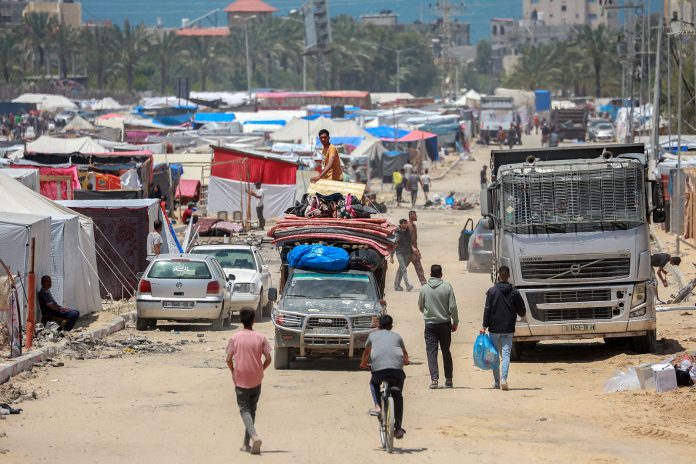
Since Israel closed Gaza’s border crossings on March 2, the enclave’s humanitarian crisis has deepened, with severe shortages of food, medicine, fuel and clean water.

According to Palestinian health authorities, 57 people—mostly children—have died from hunger, and the toll is expected to rise.

Israel’s security Cabinet approved a joint Israeli-American plan Sunday to resume limited aid to Gaza through an international fund and private firms. Aid would be delivered to “humanitarian compounds” in southern Gaza—an approach rejected by Palestinian officials and international organizations as inhumane and inconsistent with global humanitarian standards.

A recent World Bank report confirmed that Gaza’s 2.4 million residents now rely almost entirely on aid after 20 months of genocide and a blockade have decimated the territory’s economy and infrastructure.

Iran disproves Russian Duma member’s claims about Iranian watermelon safety with scientific evidence

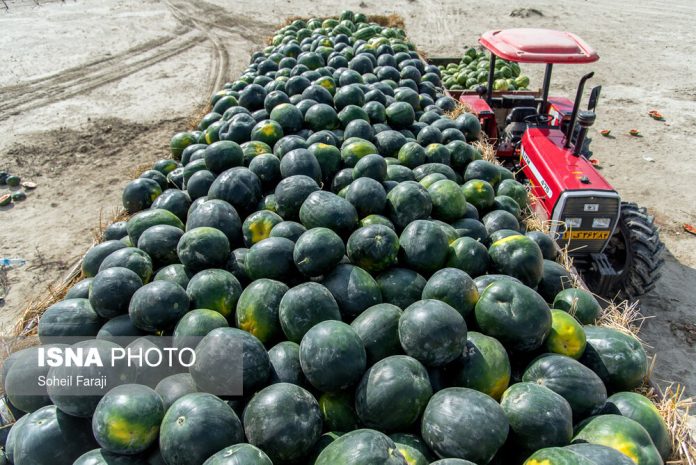
Director General of the Office of Vegetables and Cucurbits at the Ministry of Agriculture Hossein Asghari said Iran’s agricultural products meet the “strictest international standards” for nitrate residue, including those enforced by Russia.

“The permissible nitrate limit in watermelons is 60 milligrams per kilogram in both Iran and Russia”, he noted.

Asghari questioned the origin of the watermelon shown in a recently circulated video showing a Russian Duma member casting doubt on Iranian produce.

He said there is no clear evidence that the watermelon in the video was from Iran.

Asghari also highlighted critical flaws in the testing method, noting that accurate nitrate measurements must be taken from the edible part of the watermelon, not the rind, and questioned the reliability of the device used in the video.

Also citing a study by Iran’s Soil and Water Research Institute, Asghari revealed that the average nitrate concentration in watermelons produced in Iran is under 10 mg/kg.

“This result is based on 433 samples collected from the country’s main watermelon-producing provinces”, he added.

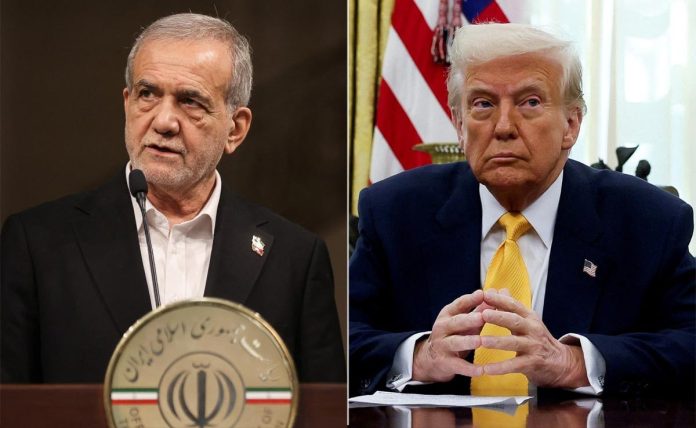
Iran denies ‘rumors’ of Pezeshkian-Trump meeting

He described the claims as “fabricated and baseless”.

Baqaei also refuted related allegations, including supposed dissatisfaction among negotiating parties with Oman’s mediation as well as reports of a proposed direct dialogue initiative by Iran with the US.

“All such claims are fake news and completely unfounded”, the Foreign Ministry spokesman said.

Baqaei also underlined that any updates regarding the diplomatic activities of the Islamic Republic, including indirect talks between Iran and the US, are communicated clearly, professionally, and in a timely manner through official Foreign Ministry channels.

Source: Iran talks with US will be indirect

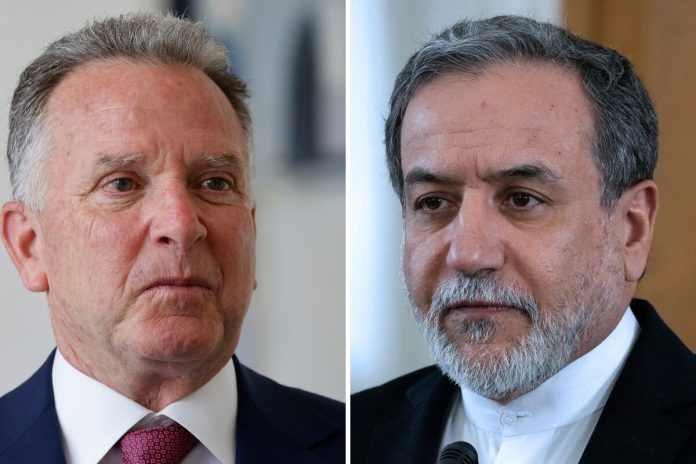
Araghchi Witkoff

The source noted that Israeli media are trying to negatively influence the talks.

On Wednesday, an Israeli news outlet claimed that Iranian Foreign
Minister, who is the lead negotiator of Iran in the talks, has got in touch with chief US negotiator Steve Witkoff and asked for direct talks with him.

This is while Iran has repeatedly reaffirmed its position on the issue, saying the talks with be indirect with Oman being the mediator.

The fourth round of talks between Iran and the US is expected to be held in the near future.

Iran has reiterated it will only hold talks over the nuclear issue and that no other issue will be discussed in negotiations with the US.

Iranian geneticist develops 1st homegrown saliva collection kits and advanced DNA tests

Science and Technology in Iran

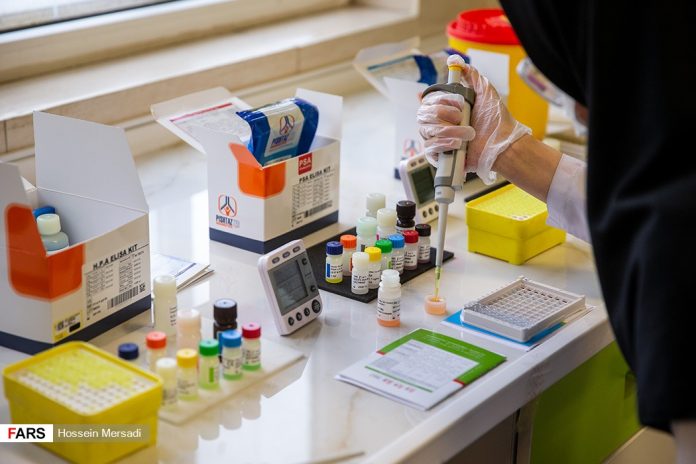
His journey began in 2017, during his final semester of PhD studies in genetics, when he explored international DNA health testing companies from the US and UK. Initially seeking to become a distributor, he eventually realized the potential for designing similar products locally without the need to send DNA samples abroad.

In 2018, Ebn Rasouli registered his idea at the Science and Technology Park of Islamic Azad University. A year later, he launched the first DNA-based sports test under his own brand.

The test helps users understand their unique genetic traits related to fitness, nutrition, and overall health. One of the main challenges was the lack of locally available saliva collection kits.

After months of research and testing, in 2022, Ebn Rasouli and his team succeeded in designing and producing Iran’s first saliva sampling kit, approved by the National Genetic Resources Center.

In 2024, the second-generation genetic tests were launched, analyzing over 240 genetic traits—far exceeding the capabilities of earlier versions. These tests provide insights into dietary needs, physical performance, obesity risk, sleep patterns, hormone responses, and even reactions to environmental pollutants.

The kits are available for both in-person and remote testing. Users simply send in a saliva sample by mail and receive personalized reports within 3 to 4 weeks, helping them make smarter lifestyle decisions based on their unique DNA.

Yemen’s Houthis say attacks on Israel not in US ceasefire accord in ‘any way’

Mohammed Abdulsalam told the Reuters news agency on Wednesday that attacking Israel was not included in “any way, shape or form” in the agreement mediated by Oman.

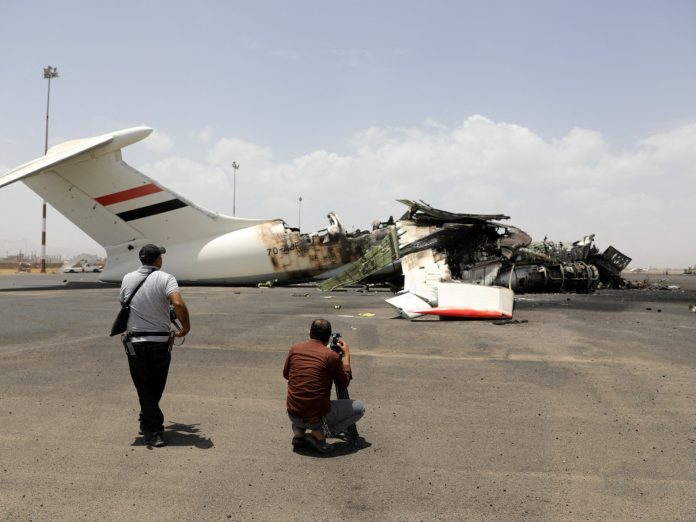
The announcement of the deal came hours after Israeli warplanes targeted Yemen’s Sanaa airport. Airport director Khaled al-Shaief told Al Masirah on Wednesday that “around $500 million in losses were caused by the Israeli aggression” on the airport.

The deal was announced a day earlier by US President Donald Trump, who said attacks on Yemen against the Houthis would stop, effective immediately, after the group agreed to stop targeting vessels in the Red Sea.

In a statement on Tuesday, Omani Foreign Minister Badr Albusaidi said that “following recent discussions and contacts … with the aim of de-escalation, efforts have resulted in a ceasefire agreement between the two sides”.

“Neither side will target the other … ensuring freedom of navigation and the smooth flow of international commercial shipping” in the Red Sea, he added.

Since Israel began its war on Gaza in October 2023, the Houthis have targeted Israel and vessels in the Red Sea in solidarity with Palestinians under fire.

During the fleeting ceasefire in Gaza earlier this year, the Houthis paused their attacks but restarted following Israel’s decision to enforce a total blockade on the enclave in early March, followed soon after by its full resumption of the war.

The group also threatened to restart attacks on shipping, which had been paused since January, which triggered a response from the US military in the form of near-daily air strikes.

But announcing the agreement on Tuesday, Trump said the Houthis “don’t want to fight any more”.

“And we will honour that, and we will stop the bombings, and they have capitulated,” he added.

“They say they will not be blowing up ships any more, and that’s… the purpose of what we were doing.”

But Abdulsalam told Houthi-affiliated news outlet Al Masirah TV that any US action would result in a response following the deal.

“If the American enemy resumes its attacks, we will resume our strikes,” he stressed.

“The real guarantee for the accord is the dark experience that the United States has had in Yemen,” he added.

Houthi political leader Mahdi al-Mashat also said attacks on Israel “will continue” and go “beyond what the Israeli enemy can withstand”.

A ballistic missile attack fired by the Houthis on Ben Gurion International Airport on Sunday hit the perimeter of the airport, injuring eight people, damaging a road and a vehicle and forcing air traffic to stop.

The Israeli military confirmed its defence system failed to shoot down the projectile, despite several attempts to intercept it, adding that an investigation was under way.

UK continuing to dispatch arms to Israel despite ban: Report

Gaza War

The report released by three campaign groups says parts for the jet, which has been critical for Israel’s war on Gaza, appear to have arrived in Israel as recently as March, five months after the UK said it had suspended its direct exports over concerns they might be used in serious violations of international humanitarian law.

Data from the Israeli Tax Authority cited by the Palestinian Youth Movement, Workers for a Free Palestine and Progressive International shows that 8,630 separate munitions have been sent from the UK to Israel since the suspensions.

The munitions fall under a category of import labelled “bombs, grenades, torpedoes, mines, missiles and similar munitions of war and parts thereof”.

Most of the shipments cited in the report happened after the government’s arms suspension.

Soon after the suspensions, Foreign Secretary David Lammy told parliament that “much of what we send is defensive in nature. It is not what we describe routinely as arms”.

The report’s authors write: “On the basis of the evidence in this report, it appears that David Lammy has misled parliament and the public about arms shipments to Israel.”

In response to the study, nearly two dozen MPs have written to Lammy, calling on him to come before parliament to respond to the allegations.

“We urge the government to disclose the details of all arms exports to Israel since October 2023 and to immediately halt all arms exports to Israel,” they wrote.

“This could not be more urgent given the risk that British-made weapons could be used to enact Benjamin Netanyahu’s plan to annex Gaza and ethnically cleanse the Palestinian people.”

They said that the public “deserves to know the full scale of the UK’s complicity in crimes against humanity”.

The report’s release comes a week before the government is set to return to the High Court to face a legal challenge, brought by Palestinian rights group Al-Haq and the Global Legal Action Network, to its arms exports to Israel.

Over a year into the judicial review, the case has most recently focused on the government’s decision to continue sending UK-made F-35 parts to Israel through third countries.