Wednesday, December 24, 2025
Home Blog Page 3682

Iran Prepared for US Withdrawal from Nuclear Deal: Envoy

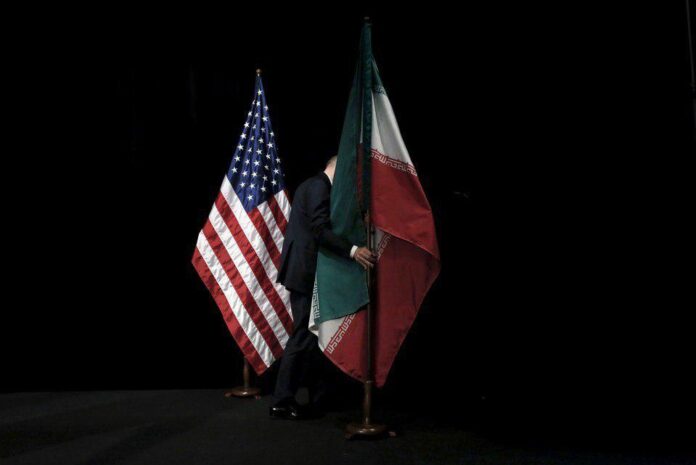
In remarks made on Saturday, Mehdi Sanaei said Iran has always been fully aware of the West’s unreliability in the Iran nuclear deal.

“Tehran has always had this point in mind that the US, as one of the signatories of the nuclear deal, may one day decide to pull out of it without fulfilling its commitments,” he was quoted as saying in a Farsi report by Fars News Agency.

Sanaei noted Tehran is completely prepared to give an appropriate response to the US possible exit from the deal.

The Iranian diplomat underlined that despite its pessimism towards the reliability of the western countries during the JCPOA talks, the Islamic Republic pressed ahead with the marathon talks to reach a deal with them.

“Iran had been aware of the other sides’ shortcomings particularly the US in the nuclear deal,” he said, stressing that is why Iran has prepared itself for the US pull-out of the JCPOA.

Back in January, US President Donald Trump declared that if what he called the “disastrous flaws” in the nuclear deal with Iran were not fixed within 120 days, he would pull America out of it.

He renewed the presidential waiver that lifts sanctions on Iran, but signalled that this was a final reprieve rather than a change of heart.

Black Box of Iranian Crashed Plane Found

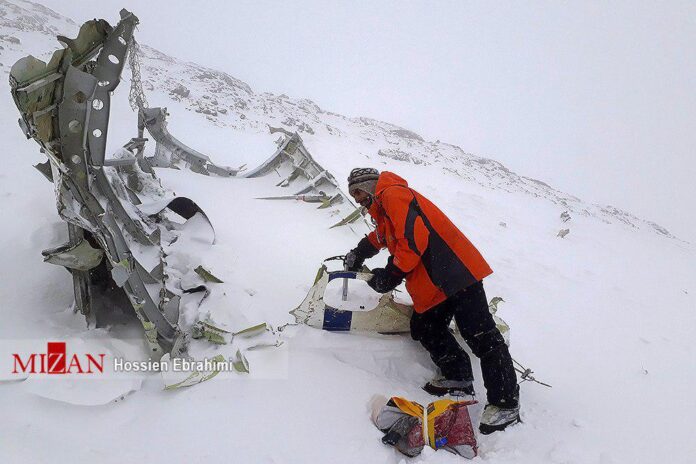
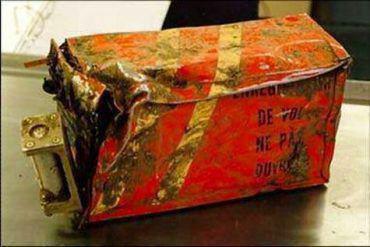
Hossein Derakhshan, the spokesperson of the Iranian Red Crescent Society’s Relief and Rescue Organisation, announced on Saturday that the new pieces of the plane might include the doomed ATR plane’s black box, but they need to be investigated after being transferred down.

Along with the plane wreckage, further remnants of the victims have been found, which will be soon transferred to the bottom of the mountains, he added in a Farsi interview with Mizan.

Mohammad Saeed Sharafi, a Civil Aviation Organisation official, also told IRNA that examinations by CAO experts were needed to confirm if the black box has been found.

Black Box of Iranian Crashed Plane FoundAn Iranian lawmaker also announced that once the black box is found, it will be handed over to the prosecutor’s office to be investigated.

The ATR-72 flight operated by the Iran Aseman Airlines crashed on February 18 into areas near the peak of Dena Mountain, 50 minutes after taking off from Tehran’s Mehrabad Airport and before making it to Yasuj in western Iran.

There were no survivors among the 65 passengers and crew members on the plane, whose bodies were buried under ice and snow.

The search and rescue operation started shortly after the tragic incident in mountains adjacent to the crash site, but bad weather, including dense fog, snow, and high winds have slowed down the recovery efforts in the Dena mountain range. The severe weather has also prevented helicopters from landing in the area and accelerating the search operation.

Agricultural Collaboration Could Greatly Boost Iran-France Trade

“The ground is prepared for cooperation in the agricultural field and the recent trip by Iran’s agriculture minister to France that led to the conclusion of four memorandums of understanding confirms the fact,” Iranian Ambassador to Paris Abolqasem Delfi said, referring to a visit to France by Mahmoud Hojjati in October.

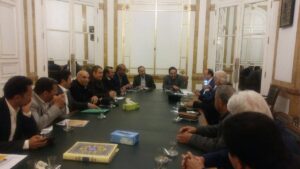
The ambassador was speaking in a recent meeting with an economic delegation comprising representatives of private firms from Markazi Province, who were visiting France to attend the 2018 edition of Paris International Agricultural Show.

Agricultural Collaboration Could Greatly Boost Iran-France Trade
Iranian Ambassador to France meeting with an Iranian business delegation in Paris / Photo retrieved from IRNA

According to a Farsi report by IRNA, Delfi said the volume of bilateral trade between Tehran and Paris stood at $3.8 billion in 2017, in a great progress that was made thanks to the 2015 nuclear deal.

The deal, officially called the Joint Comprehensive Plan of Action, removed the EU and UN sanctions and part of the US embargos on Iran in return for confidence-building curbs on Tehran’s nuclear work.

Days after the deal came into effect in January 2016, Iranian President Hassan Rouhani paid a historic visit to France, during which he signed an array of deals estimated to be worth $33 billion.

French Foreign Minister Jean-Yves Le Drian is expected to visit Iran on Monday, March 5, to discuss expansion of Tehran-Paris cooperation.

Iran to Ink Three Oil Deals This Month

“North Azadegan is our first experience” for development under the new Iran Petroleum Contract (IPC) model, Ali Kardor told the international exploration and production conference, Iran E&P 2018, in Tehran.

Kardor did not name the other fields, nor the companies which are about to develop the fields.

China National Petroleum Corp (CNPC) brought online the first phase of North Azadegan with 75,000 barrels per day (bpd) of output more than a year ago.

Iran had asked international companies to bid for the second phase of development of Yadavaran and North Azadegan oilfields last year, with officials saying France’s Total, Malaysia’s Petronas, and Japan’s Inpex Corp. had presented technical surveys.

Royal Dutch Shell, Italy’s oil and gas group Eni, and China National Petroleum Corp (CNPC) were also interested in the tender, they said.

The first phases of the Yadavaran and North Azadegan fields as well as the North Yaran field were officially launched by President Hassan Rouhani in November 2016.

Yadavaran was launched with a production of up to 115,000 bpd and around $2 billion of investment by China’s Sinopec.

Yadavaran has reserves of 31 billion barrels of light and heavy crude oil while North Azadegan has 5.7 billion barrels of crude reserves.

For the second phases, Chinese companies were told to compete with other firms after they asked to have their contracts extended, Iranian officials said last year.

The first phases of the oilfields were carried out under the buy-back deals which have been phased out and replaced with the IPC model of contracts.

Iranian officials have described the IPC a more attractive contract than the buy-back scheme but Kardor said the new framework had not met their expectations.

“We expected more deals to be signed,” he said, complaining that the process of receiving licenses for new contracts was time-consuming.

“In the new contracts, the winners of the contracts will take over the operation of the field for 20 years,” Kardor said.

Buy-backs were production deals under which foreign companies recouped their costs via exports of oil and gas.

Minister of Petroleum Bijan Zangeneh has said buy-back deals were not suitable any more for Iran which needed enhanced recovery modalities to revive its aging oilfields.

“Dismantling of US Nukes Precondition for Talks on Iran’s Missile Program”

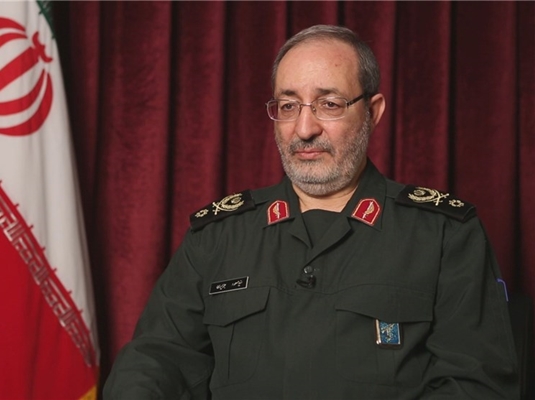
Brigadier General Massoud Jazayeri, a senior spokesperson for the Iranian Armed Forces, says the dismantling of the US and the West’s atomic arms and long-range missiles is the prerequisite for negotiations on Iran’s missiles.

According to a Farsi report by Fars News, he said the Americans are saying, out of desperation, that a cap should be put on Iran’s missile capability, but such a word “is their unattainable goal and emanates from their failures and defeats in the region.”

He said Iran has not allowed its defence power to be subject to political talks.

“If our defence capabilities were to be affected by some negotiations as well as political and diplomatic relations, we wouldn’t be in the situation we are today when the US is in a position of weakness to such an extent,” said the commander.

He said Washington’s failures and defeats in the region will subside only when the US leaves West Asia.

The top general also touched upon the Israeli regime and its occupation of Palestinian territories, saying, “From the Islamic Republic of Iran’s standpoint, Israel, as the usurper of the Palestinian territory and holy Quds, is [an] illegitimate and illegal [entity] which is going through a period of annihilation and destruction, and this unchangeable principle holds in all areas, including the sports arena.”

Gen. Soleimani Provides Iran Gov’t with Documents on US- ISIS Collusion

US Had Grudge against Soleimani for His Role in Fighting Terror: Iran

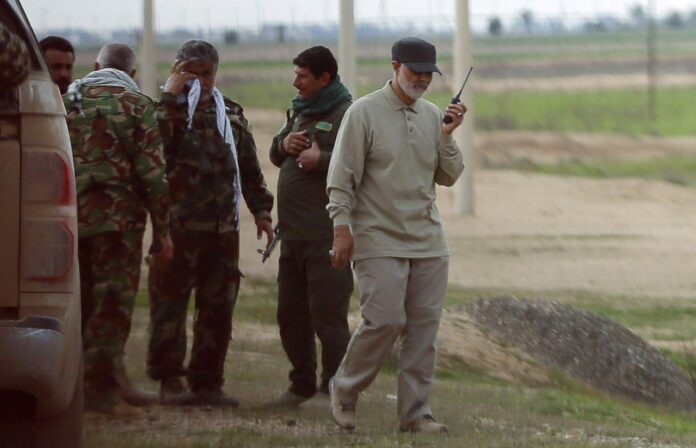
Hossein Amir-Abdollahian, a special aide to Iranian Parliament Speaker Ali Larijani, says IRGC Quds Force Commander Major General Qassem Soleimani has provided the Iranian foreign ministry with documents which prove Washington has been working in cahoots with ISIS terrorists.

“In a meeting I had with General Soleimnai, he presented documented evidence containing information on the geographical location, time and precise details [of US collusion with ISIS,” said Amir-Abdollahian, adding that the top general asked him to tell Foreign Minister Mohammad Javad Zarif he must use these documents to embarrass the UN, the EU, and the US in bilateral negotiations.

“For example, when Mosul in Iraq was under the occupation of ISIS, an American … plane had landed at Mosul airport,” said the Iranian official in a televised interview with state TV, as quoted by Fars News.

According to the documents, says Amir-Abdollahian, American generals got off the aircraft and military equipment was unloaded.

“At the airport’s VIP hall, ISIS leaders in Mosul held talks with the American generals for 3 hours and 22 minutes before they got on the airplane and returned.”

The ISIS ringleaders talked about the weapons and equipment they needed, and finally they reached agreement with the Americans, said Amir-Abdollahian.

Elsewhere in his remarks, he touched upon the Iran nuclear deal, and added the West, including the US, are keen to see a regional agreement similar to the JCPOA is reached to pave the way for their negotiations with Iran on the Middle East issues.

Iran Calls for Promotion of Economic Ties with Japan

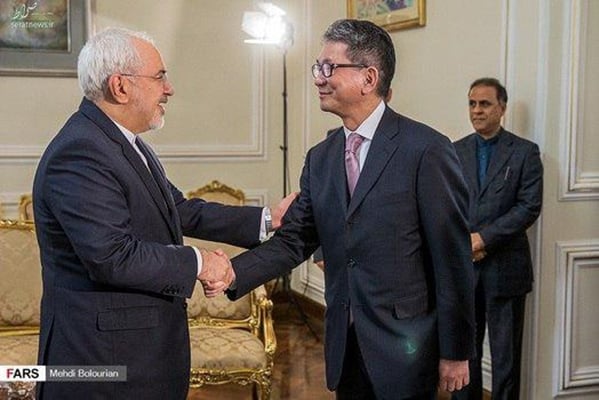
Speaking in a Saturday meeting with Japanese Deputy Minister for Foreign Affairs Takeo Mori in Tehran, Zarif hailed the good relations between the two countries in various fields.

However, the Iranian top diplomat said, business cooperation between Iran and Japan still needs to be enhanced.

The two sides also discussed bilateral, regional, and international issues as well as the Iran nuclear deal, also known as Joint Comprehensive Plan of Action (JCPOA).


Iran, Japan Hold Fresh Round of Political Talks

During the Japanese diplomat’s visit to Tehran, the two countries also held the 25th round of their bilateral political negotiations/

The Saturday talks were attended by Iranian Deputy Foreign Minister Abbas Araqchi and Japan’s Mori.

In the meeting, the two sides discussed bilateral relations, ways of boosting mutual cooperation and the latest regional and international developments.

During the talks, the Japanese official reiterated his country’s unflinching support for the Iran nuclear deal, saying Tokyo stands ready to expand its relations with Tehran.

Iran is Japan’s third-largest oil supplier after Saudi Arabia and the United Arab Emirates.

The balance of trade between Iran and Japan is heavily weighed in favour of Iran, with Japan exporting automobiles and electrical products and importing petroleum and petrochemical products. As of 2010, Japan has been cooperating with Iran on several major projects.

Thousands of Kuwaitis Travelled to Iran in 2017

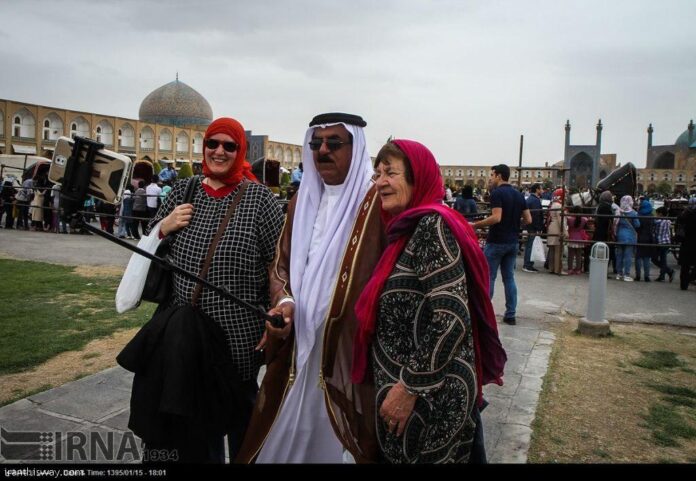
Describing tourism as the “connecting link” across the globe, Ali Enayati urged the Kuwaiti media and travel agencies to focus on introducing Iran’s attractions to Kuwaiti people to help consolidate “brotherly” relations between the two neighbours.

According to a Farsi report by IRNA, Enayati made the statement while addressing a ceremony marking the 56th founding anniversary of Iran Air in Kuwait City on Friday.

Commercial airlines play a crucial role in bridging divisions among nations and bringing them closer together to turn the globe into an interconnected global village, he said.

Iran has ambitious plans to attract millions of tourists, as part of its Resistance Economy policies, which aim to wean the country off heavy dependence on oil revenues to make the economy immune to economic wars.

Iran’s annual revenue from tourism is just over $8 billion, generated by roughly five million visitors.

The country’s declared goal is to draw 20 million tourists by 2025, which should theoretically generate about $30 billion.

Regional countries make up the bulk of inbound tourists, with no European country among the top 10 source markets for Iran.

A Look at Iranian Newspaper Front Pages on March 3

A Look at Iranian Newspaper Front Pages on November 18

All newspapers today covered the remarks made by the Leader of Iran’s Islamic Revolution Ayatollah Seyyed Ali Khamenei in a Thursday meeting with a Syrian delegation.

Also a top story was the visit of FIFA President Gianni Infantino to Tehran and his meeting with Iranian President Hassan Rouhani. A particular focus of today’s reports was the presence of women in football stadium, which was emphasized by the FIFA president and vowed to be pursued by Rouhani.

The ongoing water crisis in Iran and ways to cope with it, as well as a parliamentary motion to oblige Iranian officials to restitute their ill-gotten properties and wealth also received great coverage today.

The above issues, as well as many more, are highlighted in the following headlines and top stories:


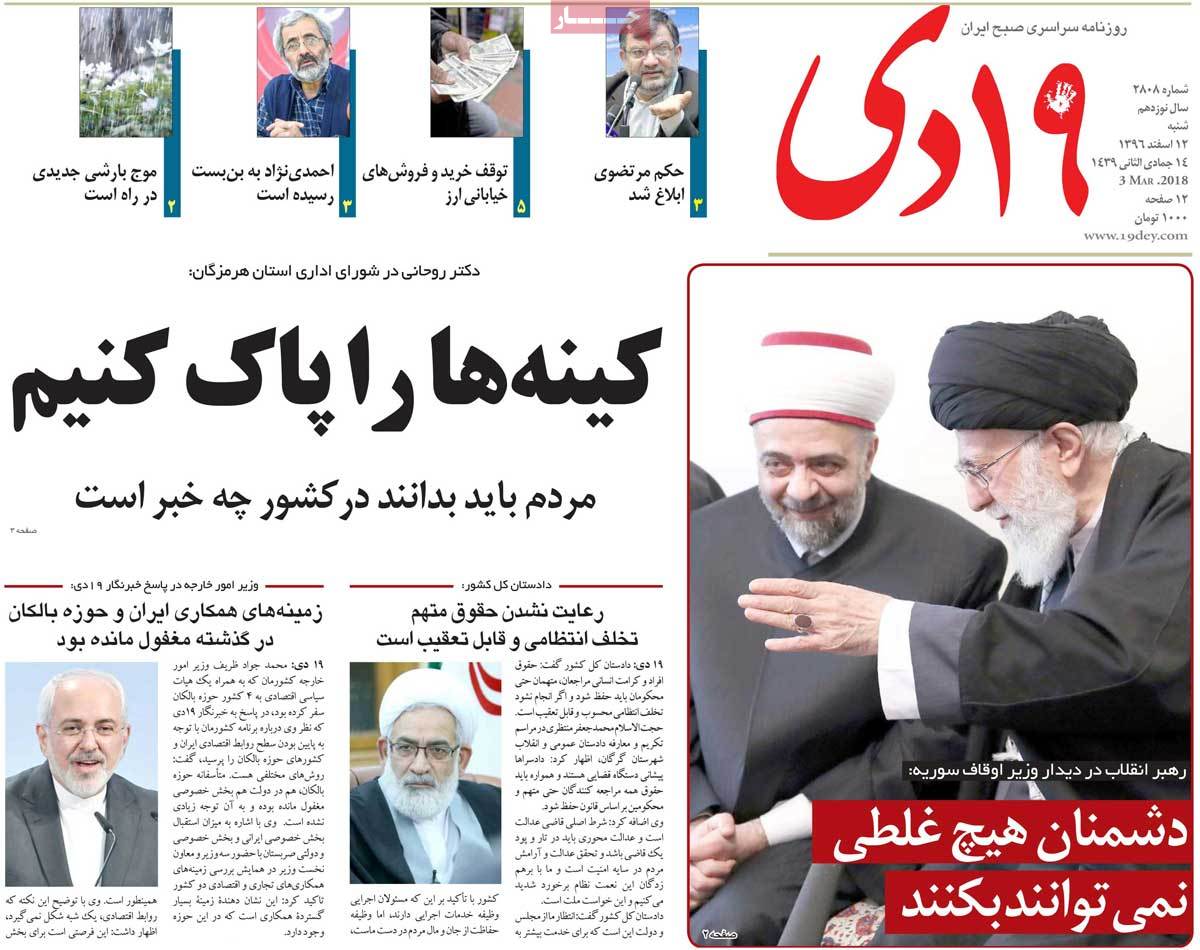
19 Dey:

1- Iran Leader: Enemies Cannot Do a Damn Thing
A Look at Iranian Newspaper Front Pages on March 3


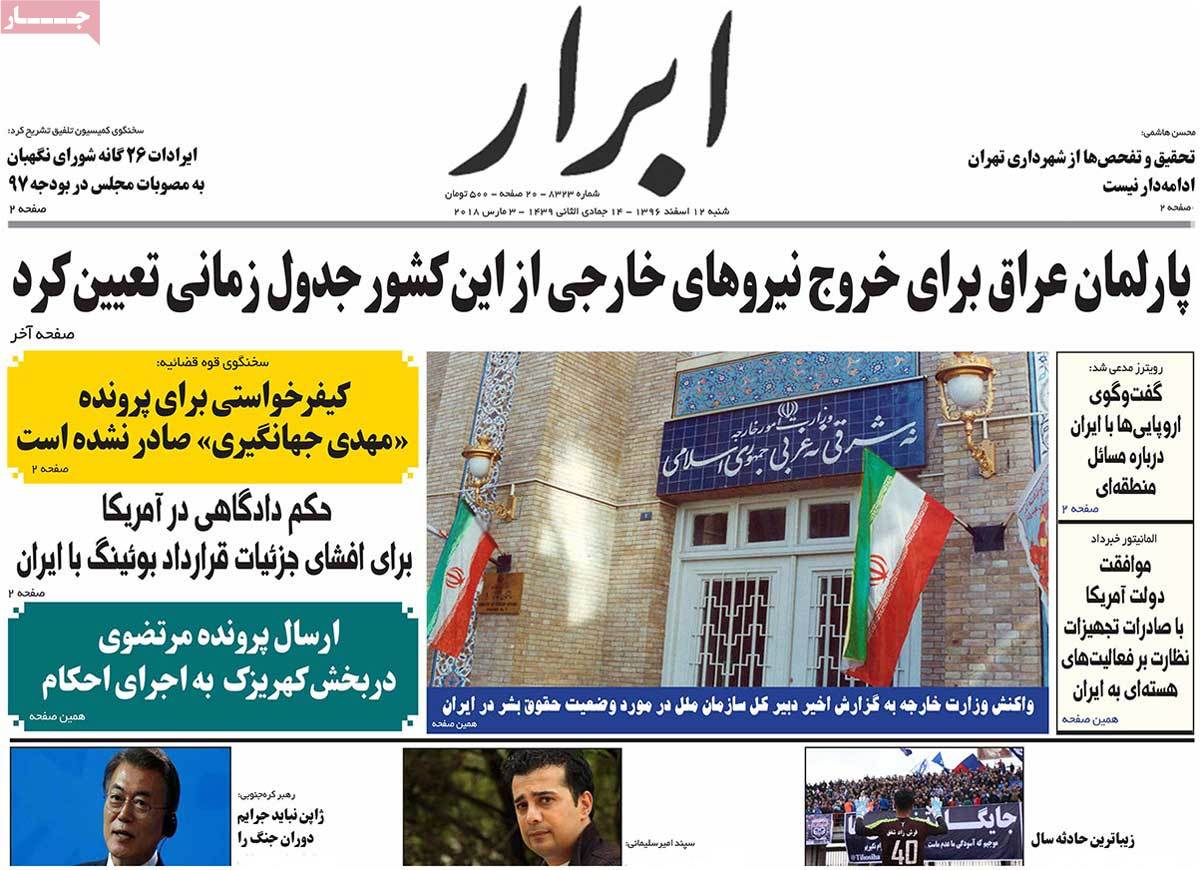
Abrar:

1- Iraqi Parliament Sets Deadline for Withdrawal of Foreign Forces

2- US Court Rules Details of Boeing Deal with Iran Must Be ReleasedxA Look at Iranian Newspaper Front Pages on March 3


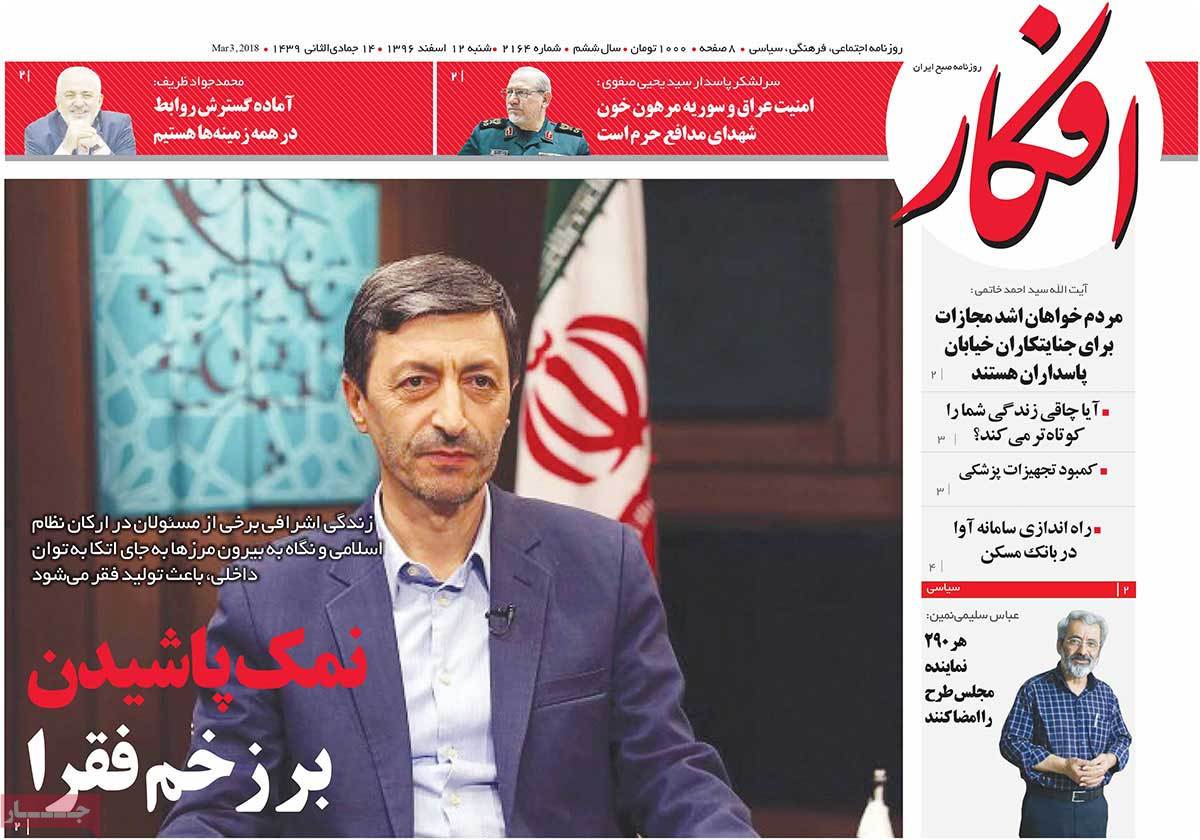
Afkar:

1- IRGC General Rahim-Safavi: Security of Iraq, Syria Indebted to Blood of Iranian Martyrs
A Look at Iranian Newspaper Front Pages on March 3


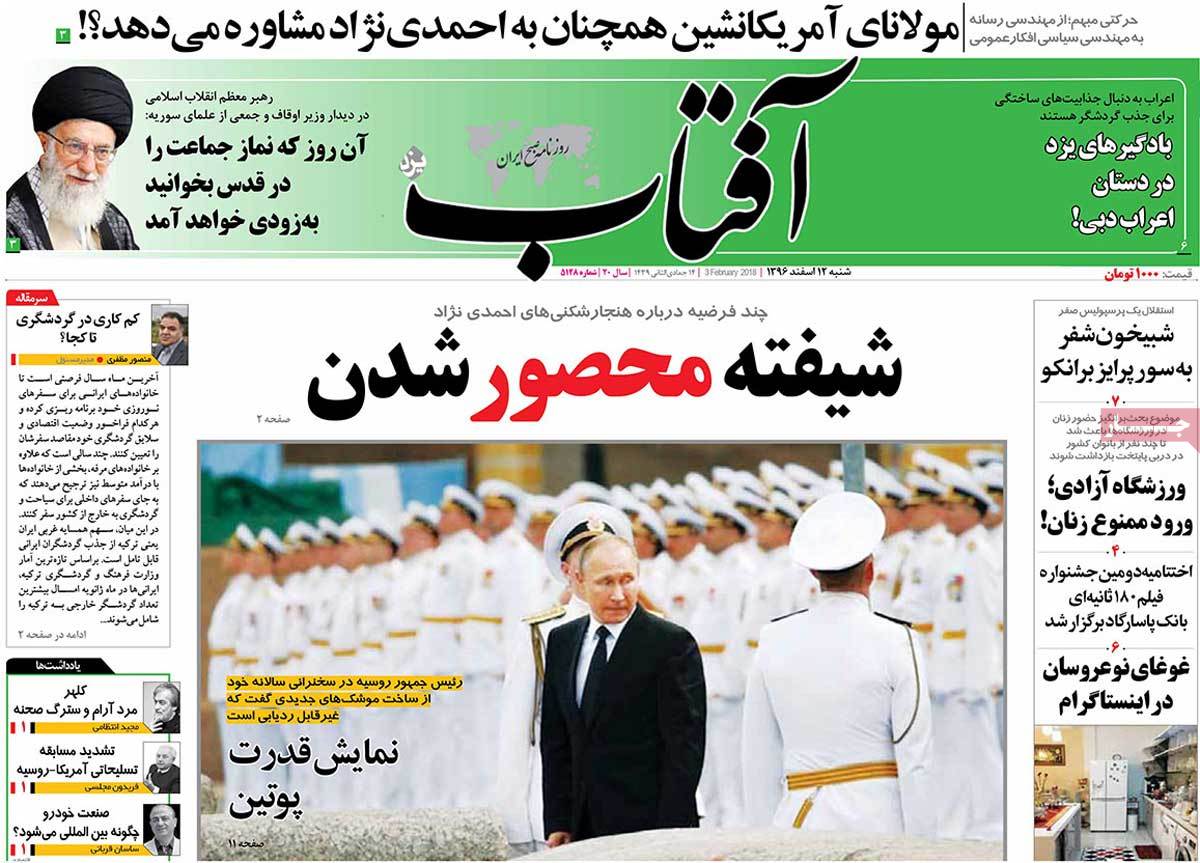
Aftab-e Yazd:

1- Putin Shows Off Moscow’s Power

  • Russian President Talks of New Missiles that Can’t Be Intercepted

2- Yazd’s Wind-catchers in Hands of Dubai’s Arabs!

  • Arabs Seek to Create Man-made Attractions to Attract Tourists
A Look at Iranian Newspaper Front Pages on March 3


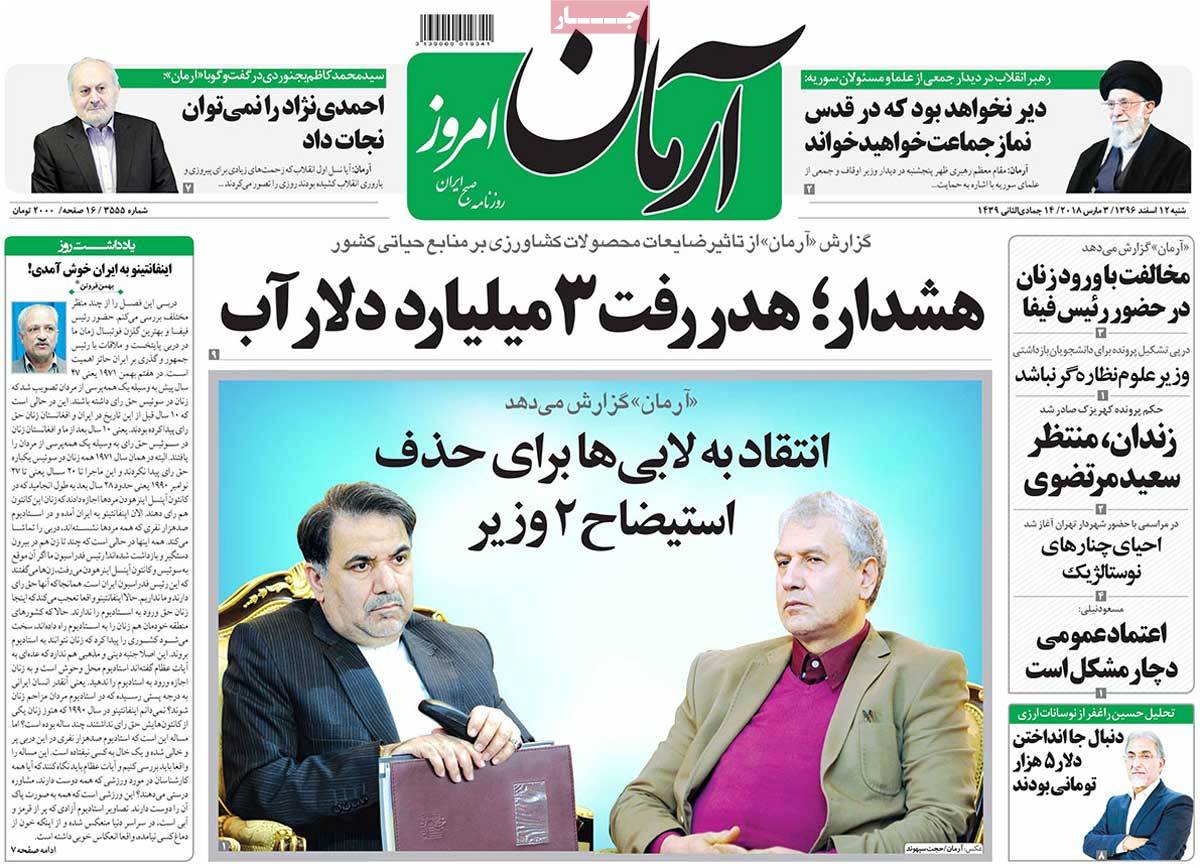
Arman-e Emrooz:

1- Iran Leader to Syrian Delegation: You’ll Soon Say Your Prayers in Al-Aqsa Mosque

2- Lobby Groups Criticized for Blocking Impeachment of Two Ministers

3- Warning: 3 Billion Dollars’ worth of Water Wasted
A Look at Iranian Newspaper Front Pages on March 3


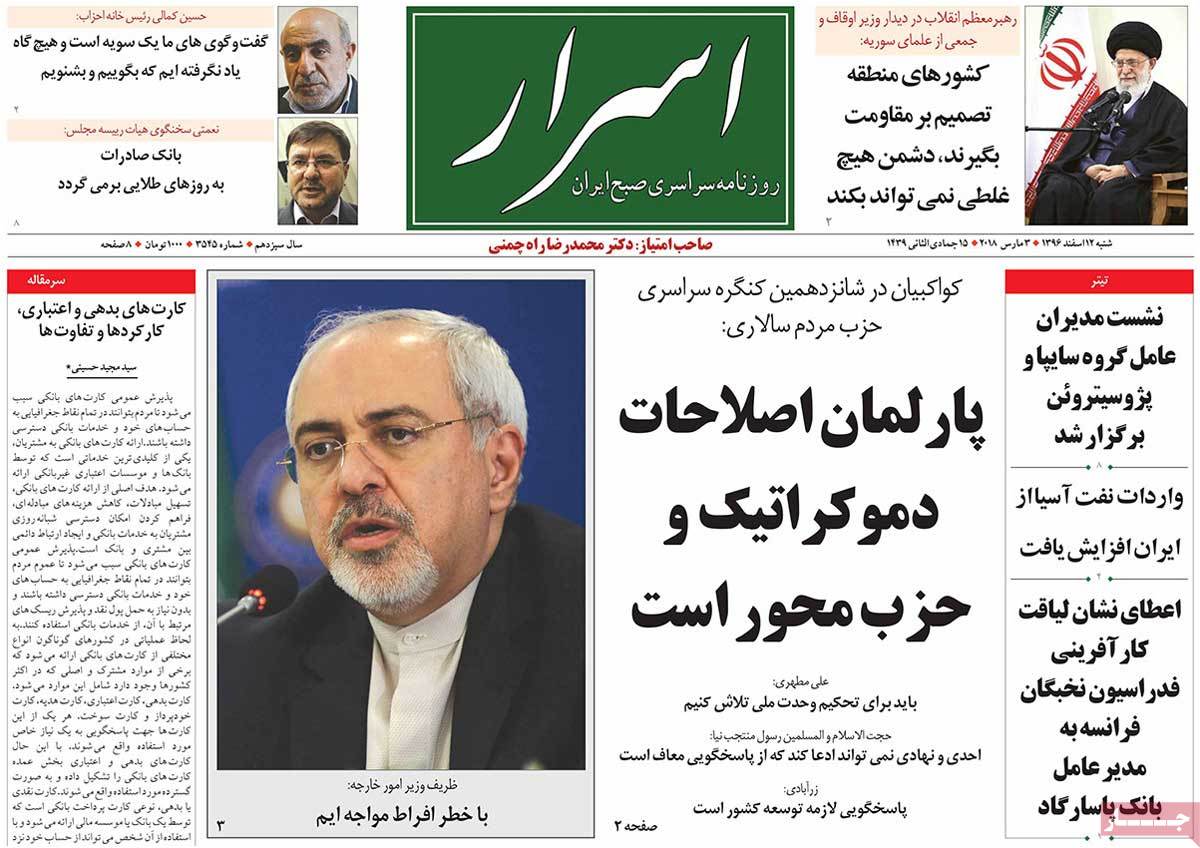
Asrar:

1- Asia’s Oil Imports from Iran Increased
A Look at Iranian Newspaper Front Pages on March 3


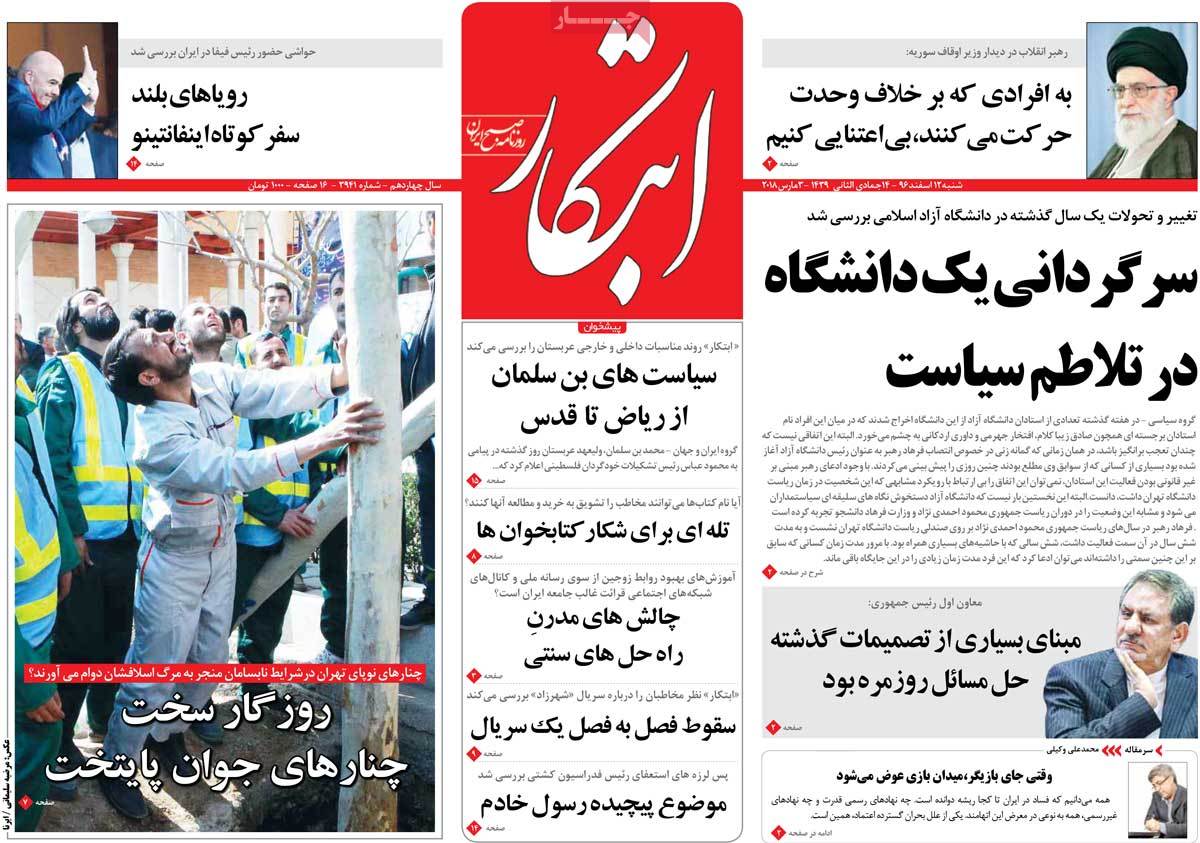
Ebtekar:

1- Iran Leader: We Must Ignore Those Whose Actions Are against Muslim Unity

2- Bin Salman’s Policies: From Riyadh to Quds
A Look at Iranian Newspaper Front Pages on March 3


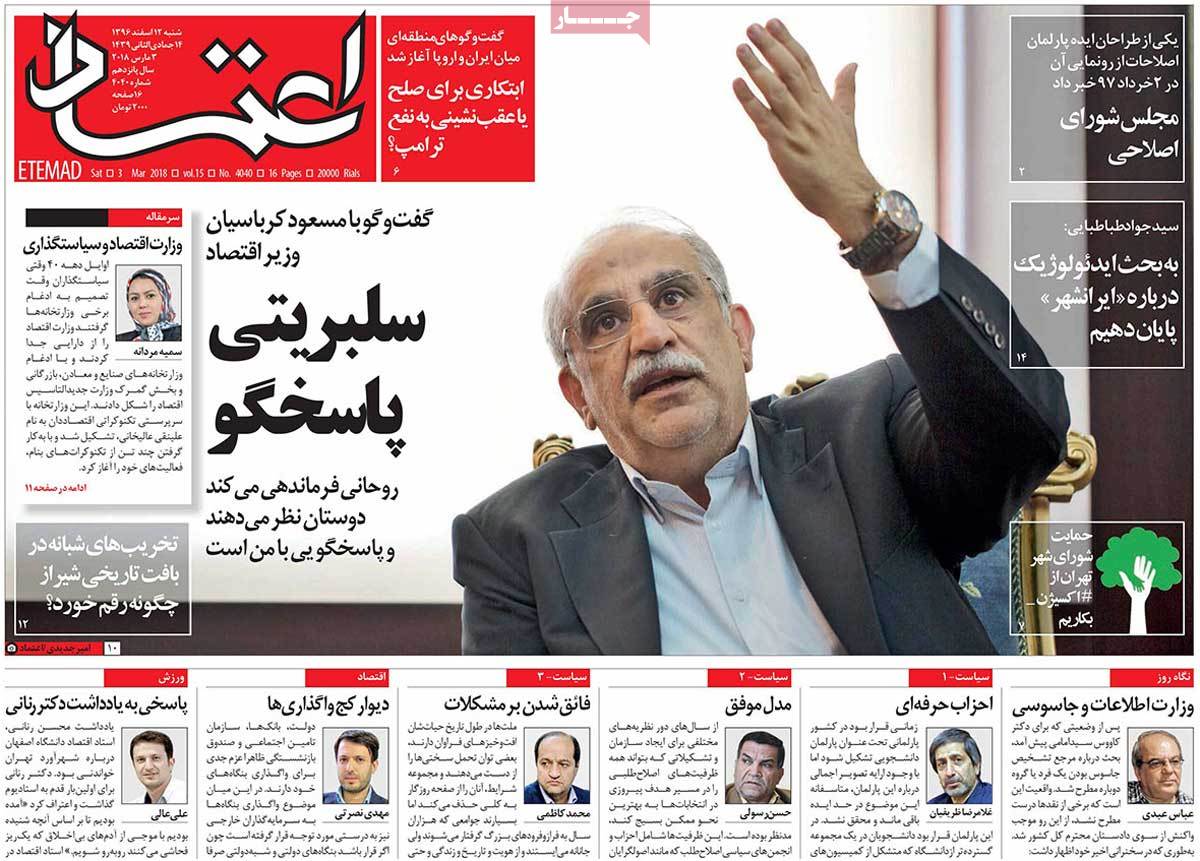
Etemad:

1- An Initiative for Peace or Withdrawal in Trump’s Favour?

  • Iran, Europe Start Regional Negotiations
A Look at Iranian Newspaper Front Pages on March 3


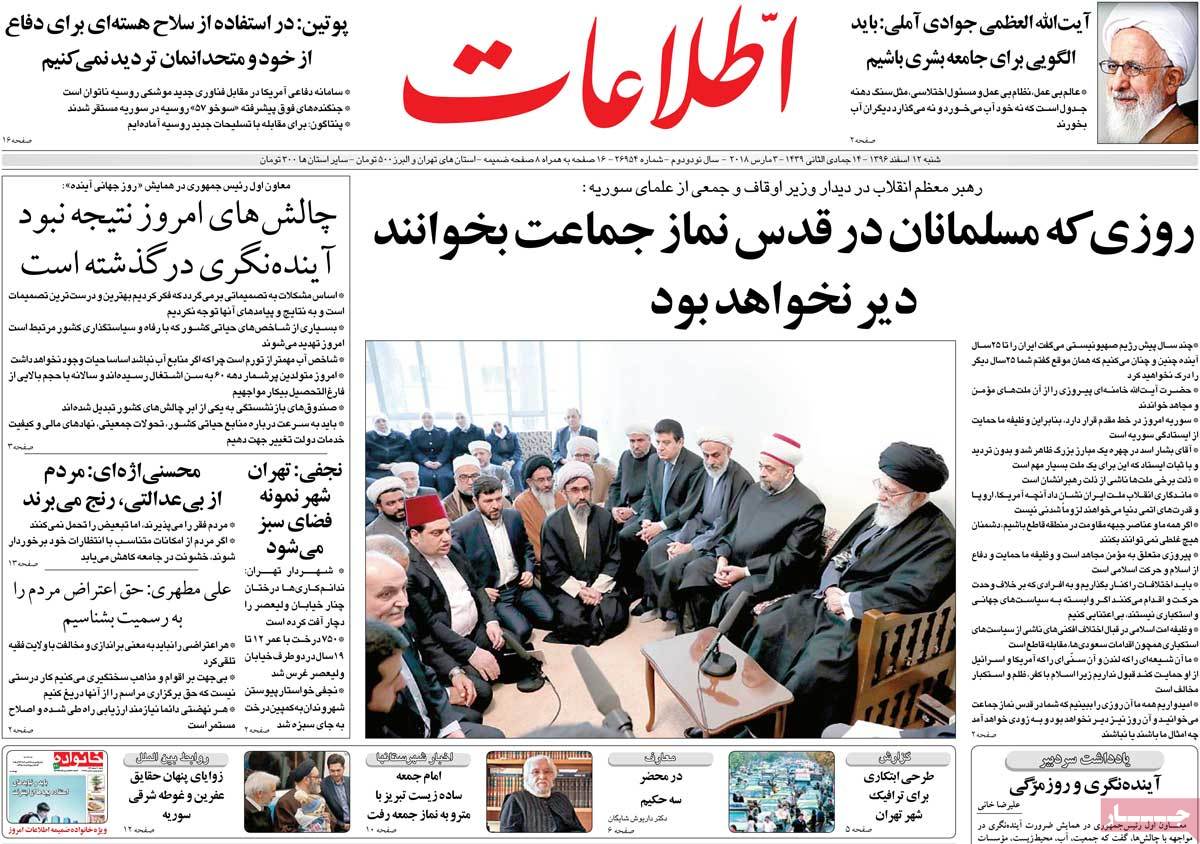
Ettela’at:

1- Putin: We Won’t Hesitate in Using Nukes to Defend Ourselves, Our Allies

2- Mayor: Tehran to Turn into Best City in Terms of Green Spaces
A Look at Iranian Newspaper Front Pages on March 3


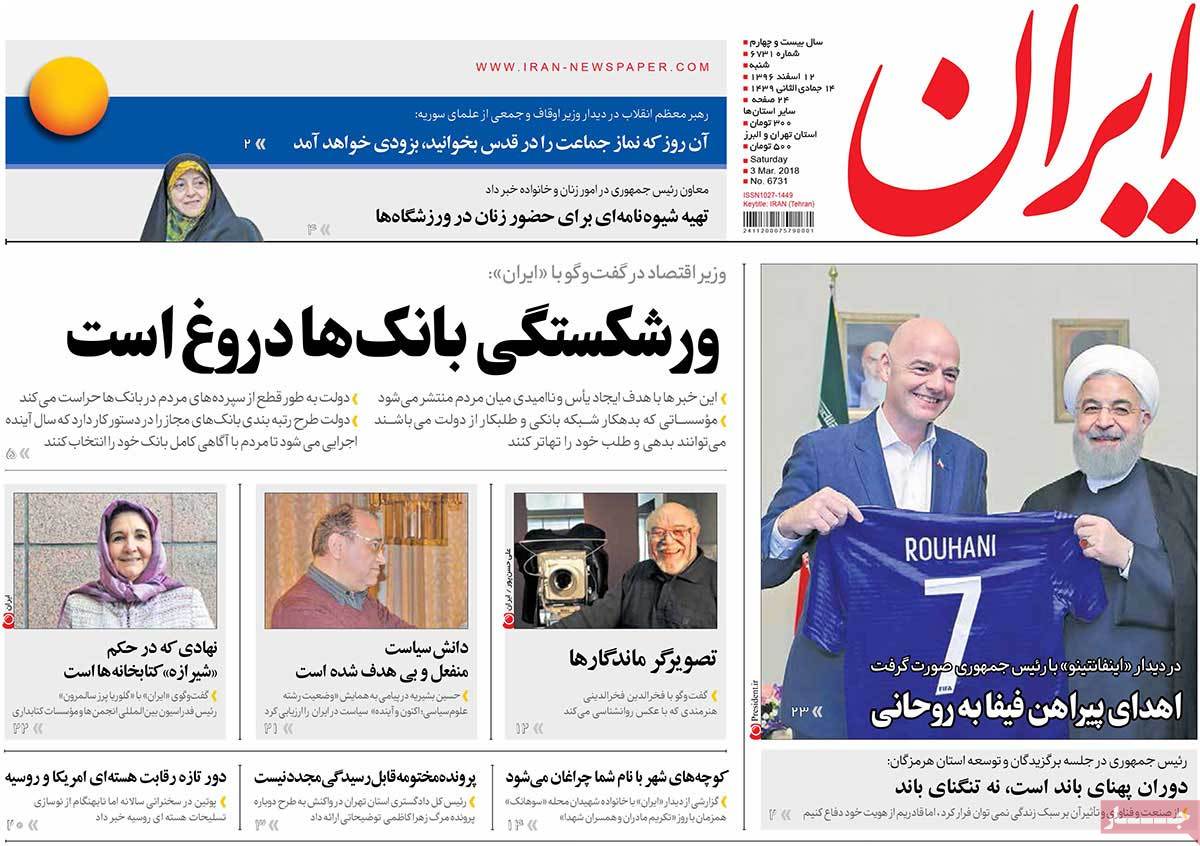
Iran:

1- Economy Minister: Bankruptcy of Iranian Banks Sheer Lie

2- Iran President Rouhani Receives FIFA Shirt as a Gift

3- Instructions Being Issued for Women’s Presence in Stadiums: VP
A Look at Iranian Newspaper Front Pages on March 3


Javan:

1- Rouhani: IRGC Tasked with Fighting Contraband Goods in Persian Gulf

2- Massive Support for Parliament’s Plan to Oblige Officials to Give Back Properties Illegally Gained
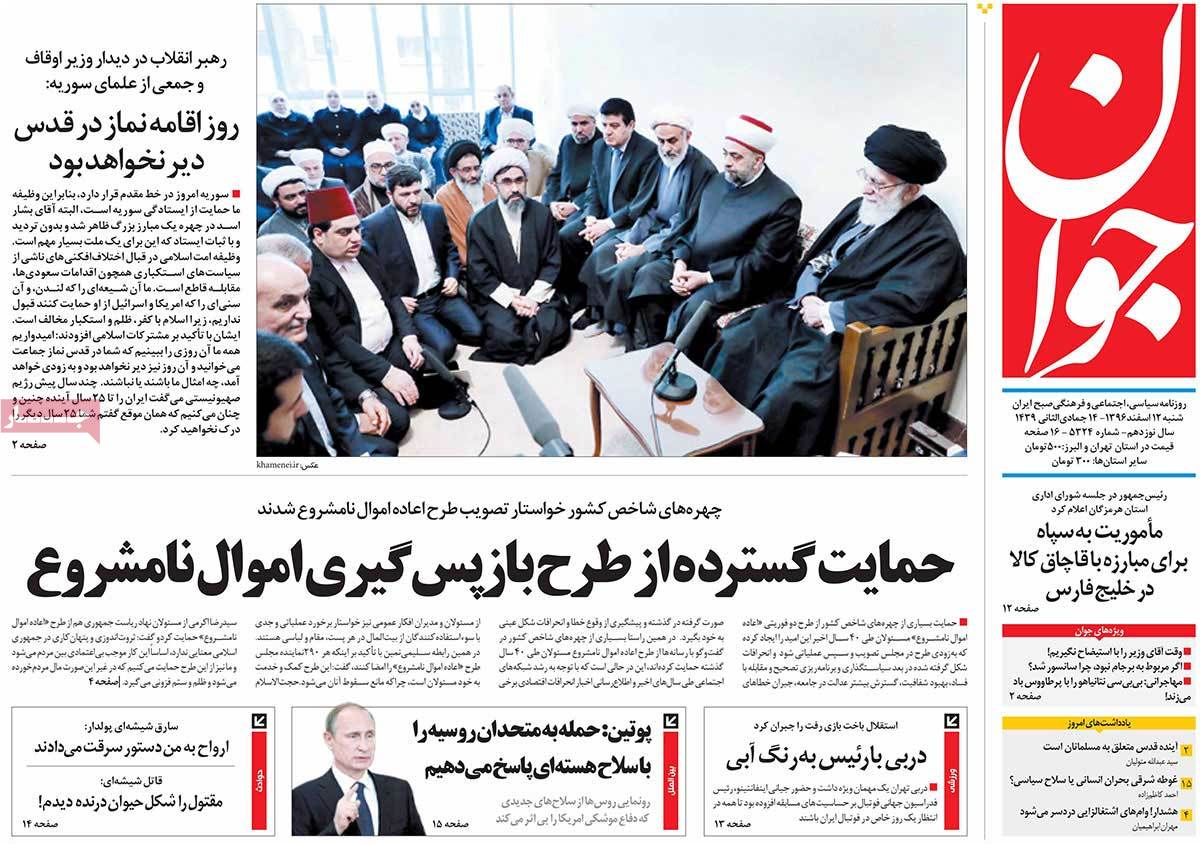
A Look at Iranian Newspaper Front Pages on March 3


Jomhouri Eslami:

1- Iran Leader: It Is Muslim Society’s Duty to Strongly Counter Divisive Plots

2- Russia Warns US against Looking for Pretexts to Attack Syria

3- Americans Believe Trump Is a Racist Man

4- Israeli Rabbi: Bahraini King Led Efforts to Designate Hezbollah as Terrorist Organization
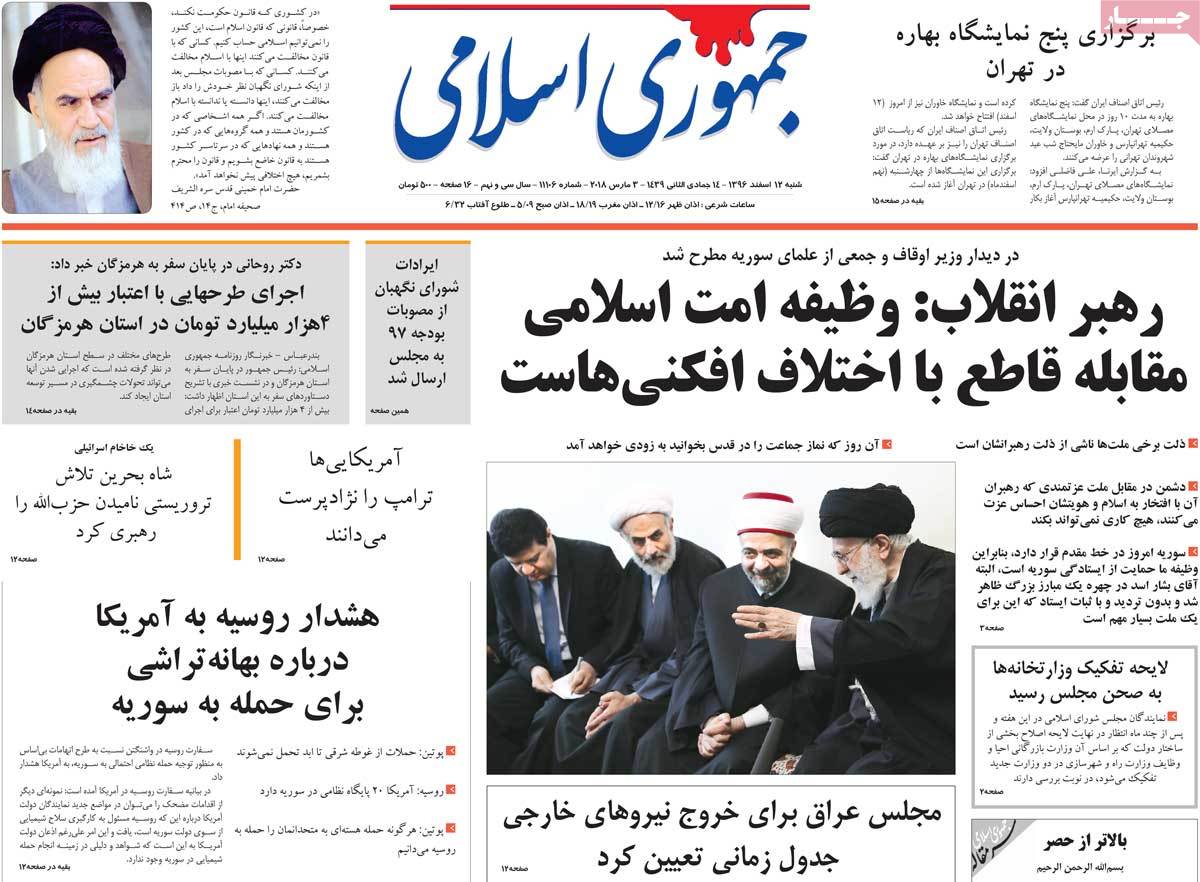
A Look at Iranian Newspaper Front Pages on March 3


Kayhan:

1- Iran Leader: Friday Prayers in Holy Quds Imminent

2- Prosperity of France’s Economy Hinges on Iran’s Market
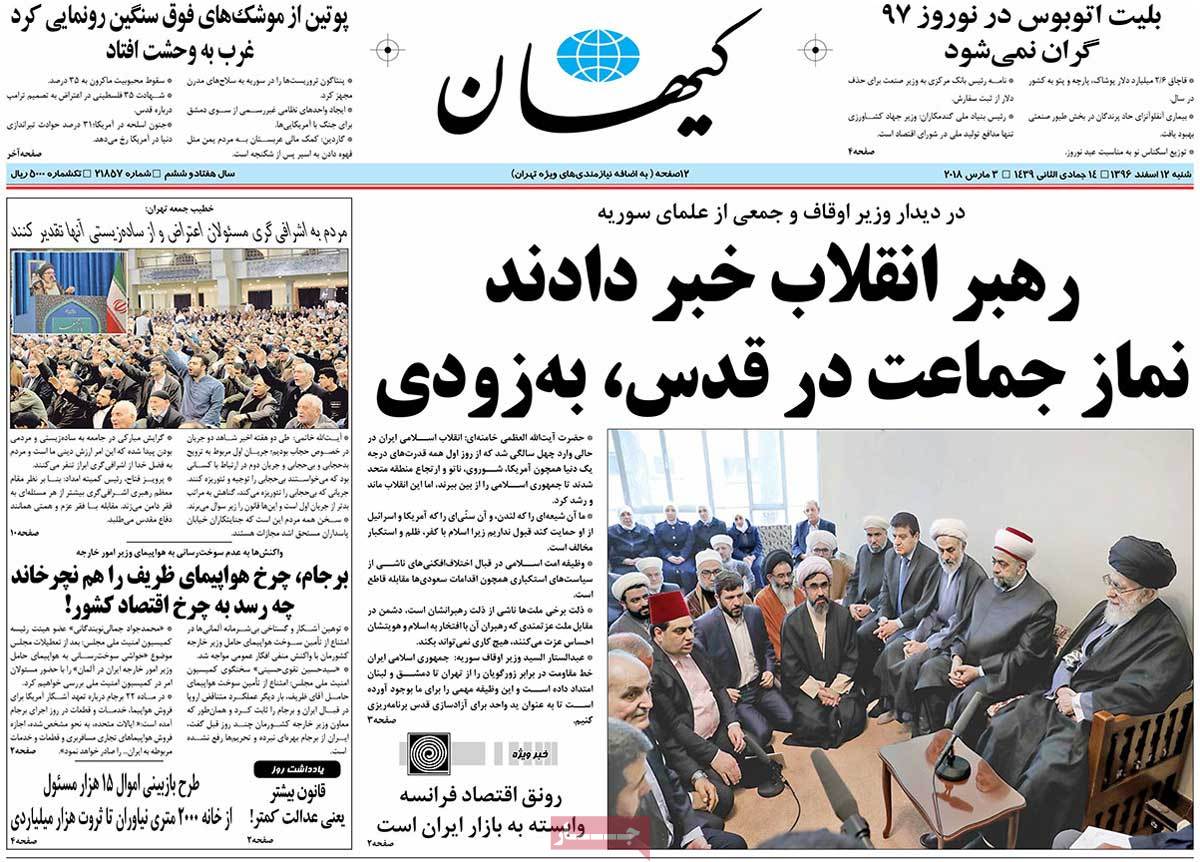
A Look at Iranian Newspaper Front Pages on March 3


Khorasan:

1- Waiting for Infantino’s Decision to Resolve Iran-Saudi Dispute
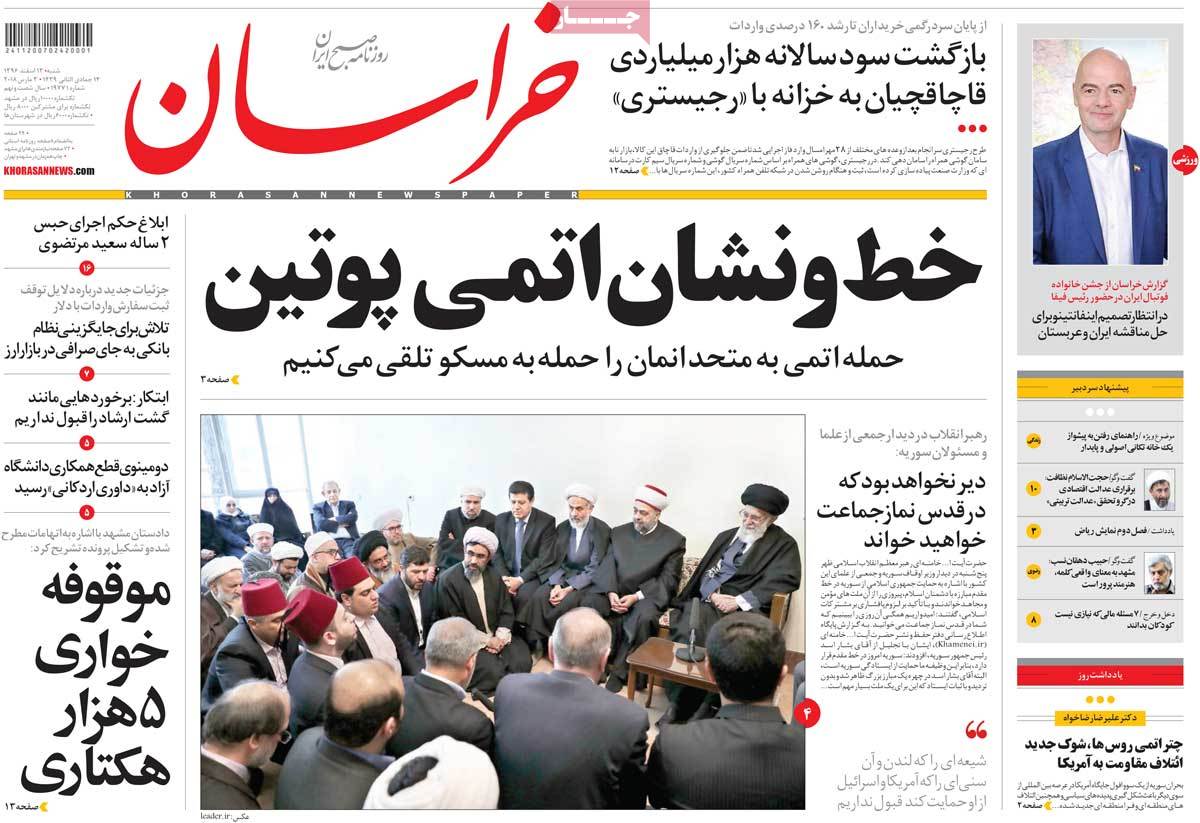
A Look at Iranian Newspaper Front Pages on March 3


Payam-e Zaman:

1- Future of JCPOA and Three Viewpoints

  • Iran Won’t Pay the Price for Europe’s Playing with Politics

2- Alarming Level of Water Resources in Iran
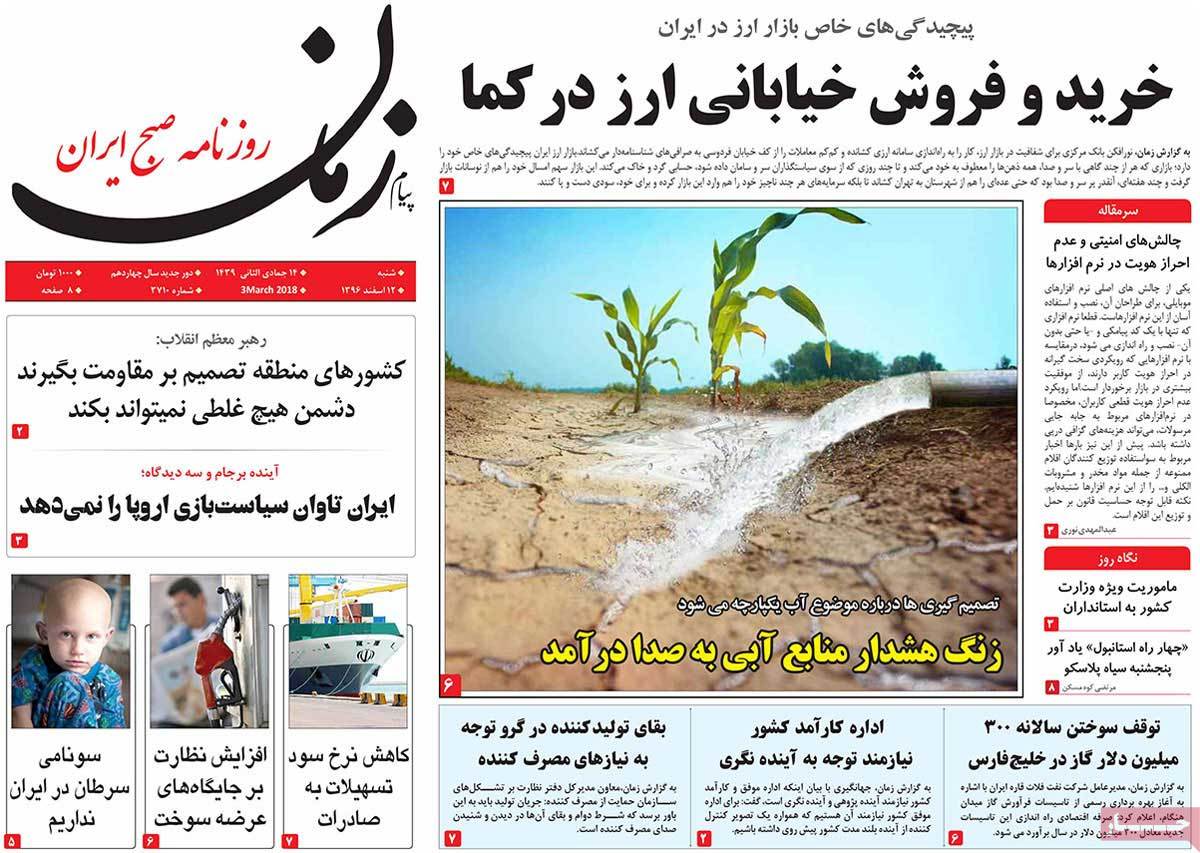
A Look at Iranian Newspaper Front Pages on March 3


Rah-e Mardom:

1- Coalition of Elites to Resolve Water Issue
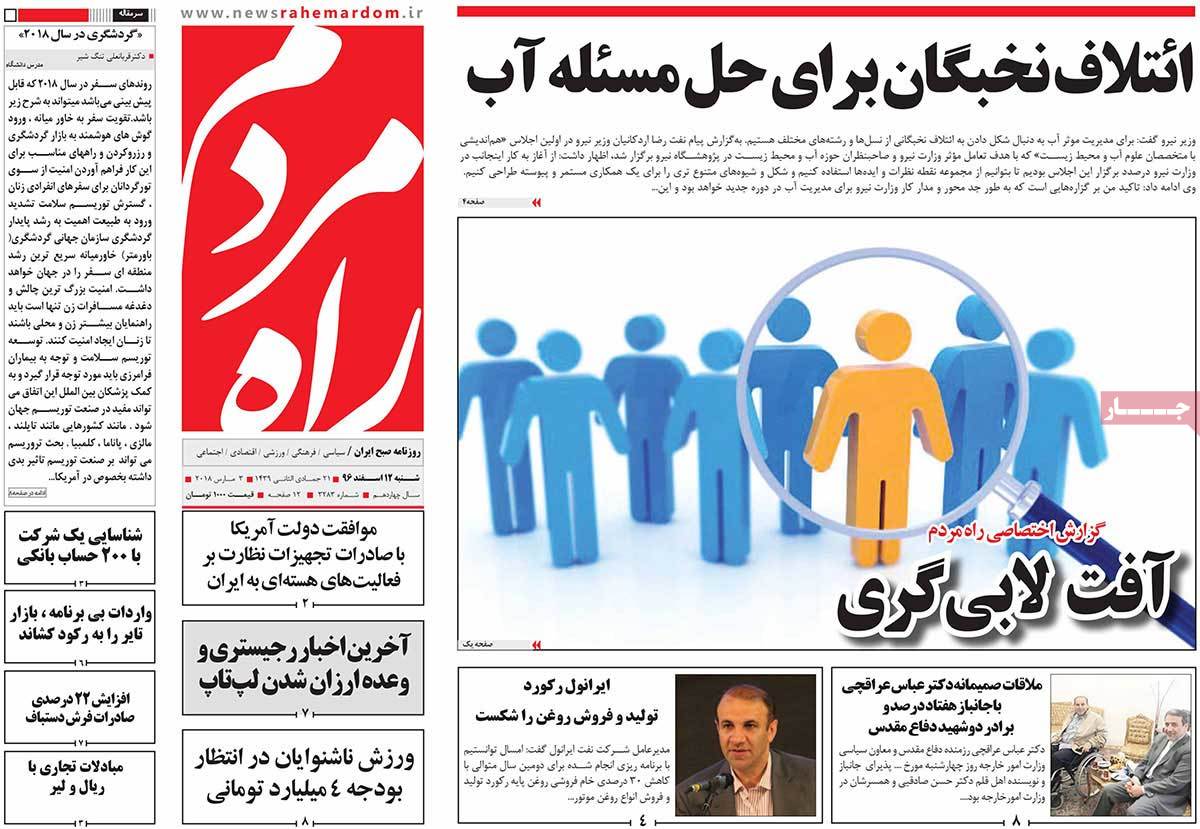
A Look at Iranian Newspaper Front Pages on March 3


Sayeh:

1- FM: Fight against Terrorism Common Concern of Iran, EU
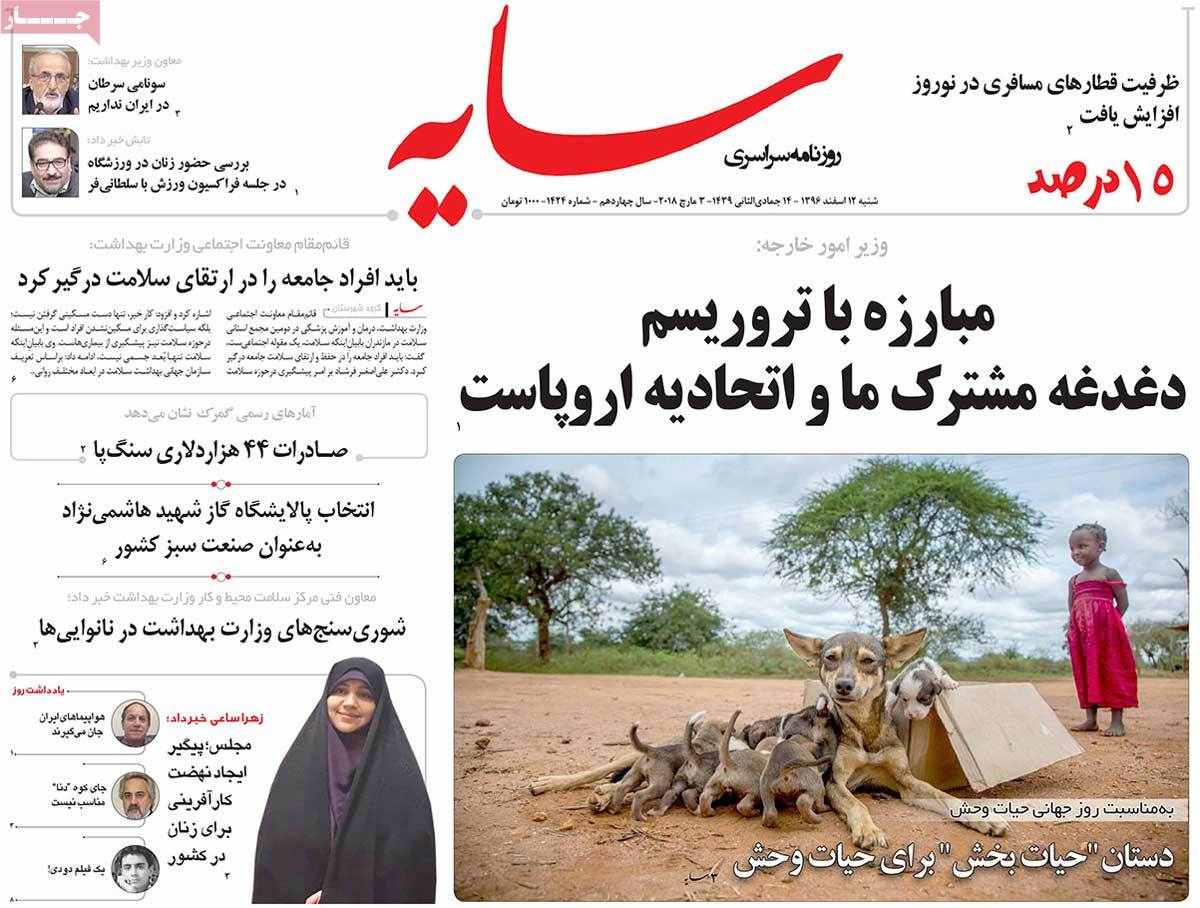
A Look at Iranian Newspaper Front Pages on March 3


Sazandegi:

1- Friend or Foe?

  • Russia Once Again Uses Veto Right in Favour of Iran
  • Russia Can Be Iran’s Ally Strategically, Not Ideologically
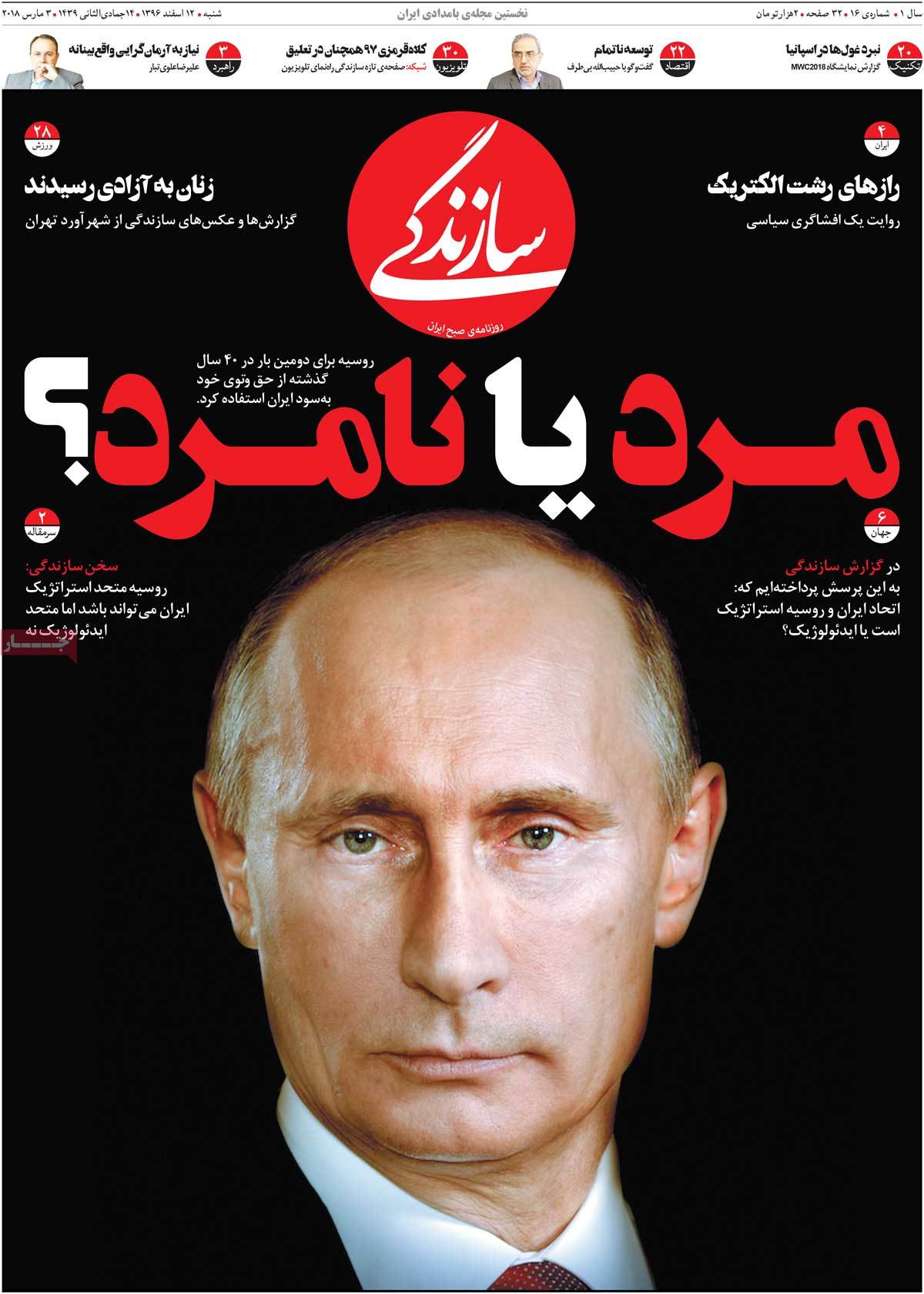
A Look at Iranian Newspaper Front Pages on March 3


Shahrvand:

1- Infantino Threatens Iran and Go Away!

  • FIFA Won’t Support Iran Anymore If Broadcast Rights Not Paid for
  • Rouhani Vows to Pursue Issue of Women’s Presence in Stadiums
  • FIFA President Invites Rouhani, Sports Minister to Attend FIFA World Cup Opening Ceremony
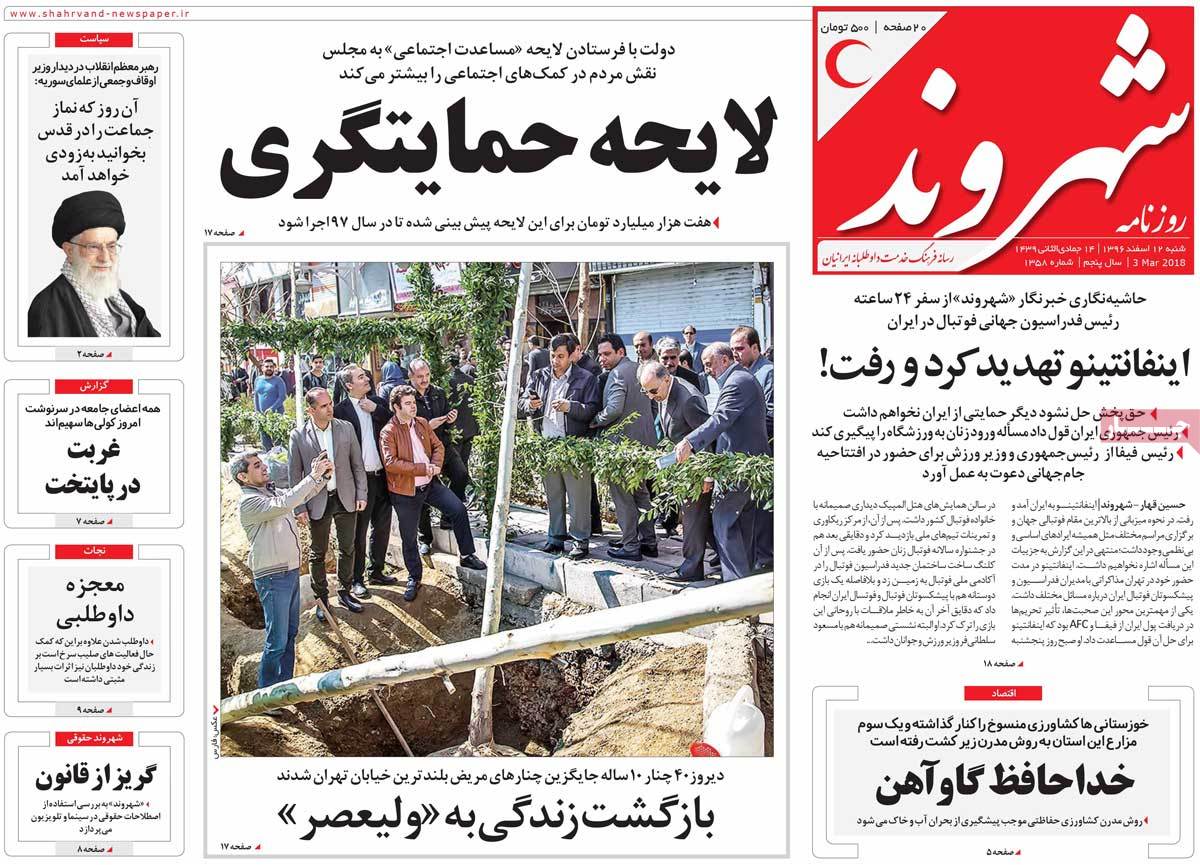
A Look at Iranian Newspaper Front Pages on March 3


Shargh:

1- Iran Leader: Mr Bashar Assad Appeared as a Great Warrior
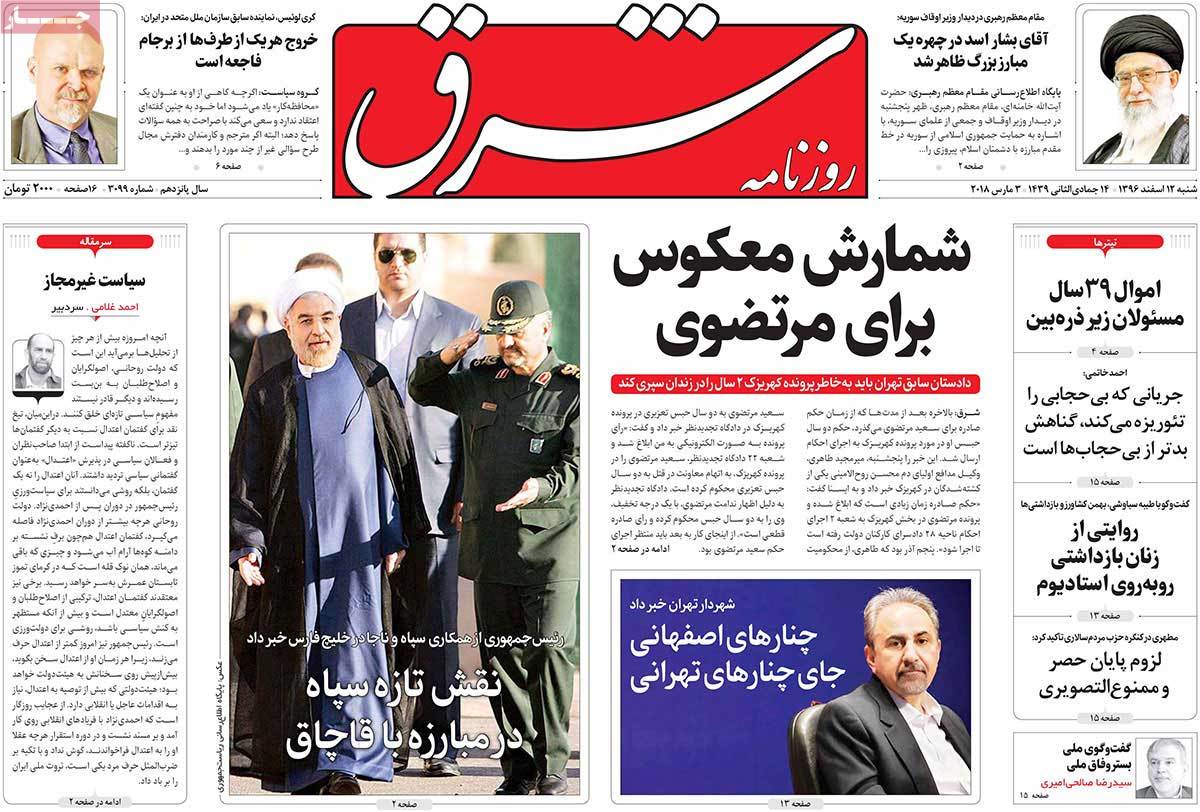
A Look at Iranian Newspaper Front Pages on March 3


Sobh-e Now:

1- Ghouta Filled with Blood: Israeli-Made Weapons in Hands of Syrian Dissidents
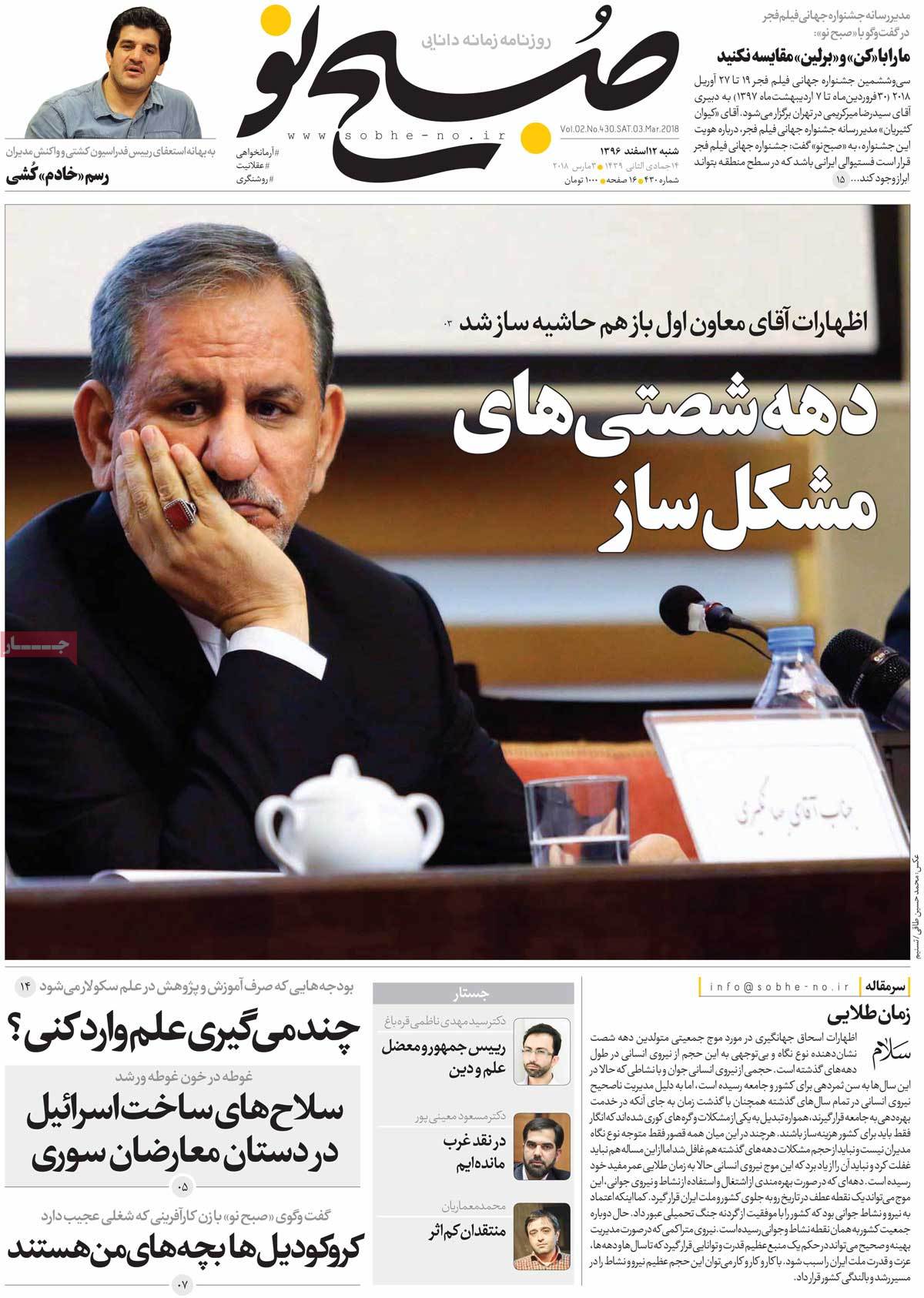
A Look at Iranian Newspaper Front Pages on March 3

“Iran FM’s Tour of Balkans to Boost Non-Oil Exports”

Iran FM’s Tour of Balkans to Boost Non-Oil Exports

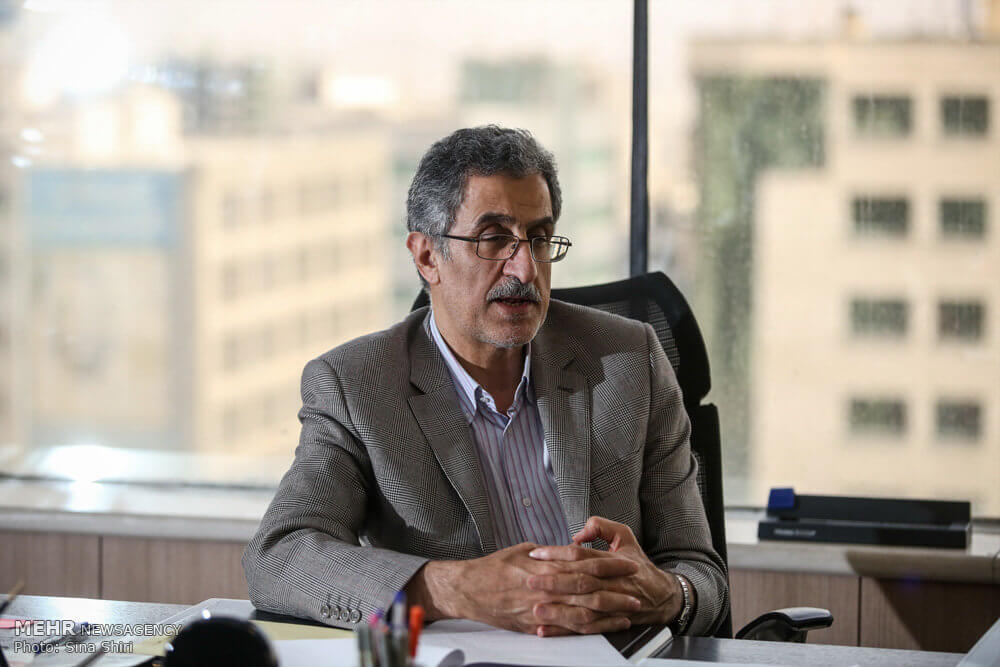
Masoud Khansari, the Chairman of Tehran Chamber of Commerce, believes that Iran will be able to significantly boost economic relations with the Balkans given the enormous potential for cooperation between the Islamic Republic and Eastern European states.

Zarif started his five-day tour of Eastern Europe and the Balkans on Monday, which took him to Serbia, Bulgaria, Croatia and Bosnia.

An economic delegation, including businessmen and entrepreneurs representing private sector firms active in various fields, particularly medical devices, electrical equipment and chemicals, were accompanying the top diplomat in the tour.

“Iran FM’s Tour of Balkans to Boost Non-Oil Exports”
Masoud Khansari, the Chairman of Tehran Chamber of Commerce

Khansari, who headed the delegation accompanying Zarif, told the Persian-language news agency Khabar Online that he is hopeful Iran and the four countries, particularly Serbia and Bulgaria, can restore the close trade ties they had a few decades ago.

The chairman said the trip, during which the Iranian economic delegation discussed potential partnerships with their European counterparts, could help boost mutual understanding between private sector firms and enable them to find opportunities for cooperation.

“Iran has many attractions for Balkan states,” Khansari said.

“These countries, which have been part of the eastern bloc, have smaller economies than western countries and are generally less concerned about (violating Washington’s anti-Iran) sanctions,” he said.

Iran’s trade with Europe was severely damaged in 2000s, mainly due to the its long-running nuclear dispute with the west, who was claiming Tehran’s nuclear program could have military applications.

The 2015 nuclear deal settled the dispute, by removing the UN and EU sanctions and part of the US embargos in return for confidence-building curbs on Tehran’s nuclear program.

However, the remaining US sanctions, imposed over non-nuclear pretexts, as well as the uncooperative stance of Washington, have prevented Iran from reaping all benefits it was entitled to under the two-year accord.

The controversial demand by President Donald Trump for renegotiation of the pact has been a major obstacle to normalization of Iran’s trade with Europe and Asia.

Trump has called the deal an “embarrassment”, vowing to “terminate” it unless Iran makes new concessions on its nuclear and missile programs, among others.