Wednesday, December 24, 2025
Home Blog Page 3677

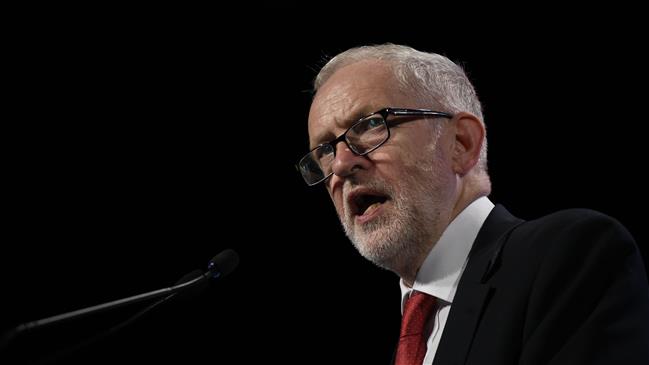
British PM Urged to Condemn Saudis’ Crimes ahead of Bin Salman’s Visit

The British opposition Labour Party leader said Tuesday that May should tell Crown Prince Mohammed bin Salman that Britain would stop providing arms to Riyadh.

Bin Salman’s three-day visit will begin with a lunch with Queen Elizabeth on Wednesday.

His stay in the UK will include two audiences with the British Royal family, a briefing with national security officials, and a visit to the prime minister’s country residence.

“Theresa May should use this visit to announce the UK will no longer supply arms to Saudi Arabia while the devastating Saudi-led bombing of Yemen continues and make clear Britain’s strong opposition to widespread human and civil rights abuses in Saudi Arabia,” Corbyn said.

Saudi Arabia and its partners launched a war on Yemen in March 2015 to reinstall its former Riyadh-allied government. The military aggression has so far killed over 13,600 Yemenis.

The war is being led by bin Salman, also Saudi Arabia’s defense minister, with the help of the US and the UK.

May’s government has remained defiant in the face of growing pressure to stop arms exports to Saudi Arabia, defending the sales amid evidence of war crimes and civilian deaths in Yemen.

The UK has increased its weapons sales by around 500 percent since the onset of the Saudi invasion, according to a report by The Independent.

The UK has, so far, sold more than six billion pounds of arms to Saudi Arabia.

The weapons sold by Britain, which has also been providing logistical and arms support for the bombardment, include precision-guided bombs.

“Time and time again, UK ministers have turned a blind eye to Saudi Arabia’s atrocious human rights record – barely mentioning the country’s crackdown on peaceful opposition figures, or the alarming prevalence of torture, unfair trials and grisly executions,” Amnesty International UK’s Director, Kate Allen, has said.
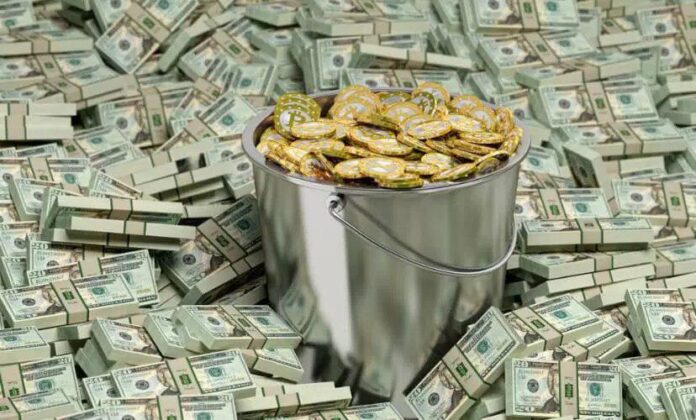
US Using Dollar as Economic Weapon against Other Countries: Iran

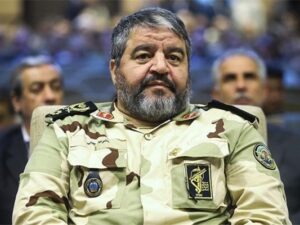
Head of the Iranian Passive Defence Organization Brigadier General Gholam-Reza Jalali has touched upon the establishment of a headquarters for economic war at the US Treasury.
“In this headquarters, a strategy has been defined in different forms and based on sanctions, and they have tried to designate the dollar as the pivot of economic transaction. For example, when Mr. Kerry was speaking in favour of the approval of the JCPOA at the US Congress, he said if the US didn’t approve the JCPOA, its most important weapon, i.e. the dollar, would be eliminated,” said the official, according to a Farsi report by Tasnim.

He said now the US Treasury and State Departments have focused their attentions on controlling the financial system of other countries.

US Using Dollar as Economic Weapon against Other Countries: Iran
Head of the Iranian Passive Defence Organization Brigadier General Gholam-Reza Jalali

He said the Americans’ strong point in the economic war is the use of the greenback.

“The Federal Reserve has officially announced that it has turned the dollar into a weapon in the economic war, and controls it through SWIFT,” he said.
The official then noted that Iran will probably get involved in an economic war.

“When the issue came up, two viewpoints emerged about it. One view regarded the outbreak of an economic war as likely, and the other was an optimistic viewpoint that maintained such a thing wouldn’t happen,” said the official.

Elsewhere in his remarks, he said the emergence of crypto-currencies is a major change in the monetary and banking system.

“In this system, there will be money laundering, financial offences and tax evasion due to a lack of supervision,” he said.
“Security challenges are the most important issue which will surface with the expansion of the electronic monetary system, and cyberspace will turn into a heaven for hackers, and no state body will be able to compensate for the losses and harm caused by that,” he said.
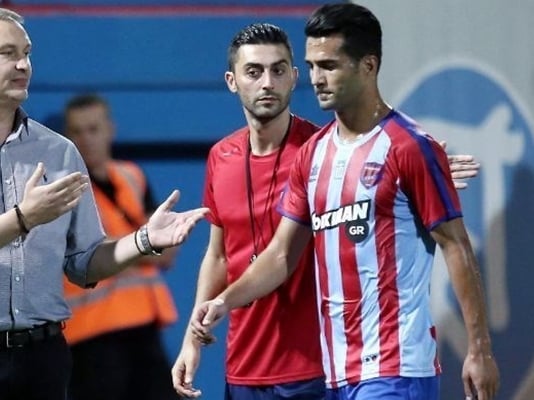
Iranian Midfielder Shojaei Closer to National Team More than Ever

Shojaei, who plays for the Greek club AEK Athens FC, was left out of the coach Carlos Queiroz’s team after violating an undeclared law in Iran which bans all Iranian athletes from playing against Israeli rivals.

Now the presence of Queiroz in Greece has sparked speculations about the return of Shojaei to the national football team, a Farsi report by Khabar Online said.

Queiroz’s Facebook post about Shojaei has also contributed to the speculations. In his post after watching directly the AEK and Olympiacos match in Greece, the coach wrote: Good job Masoud! You are the top player of Greece Super League.”

It seems Quiroz has good reasons to once again invite Shojaei to his team.

Nottingham Forest’s Ashkan Dejagah has undergone surgery on an injury and is understood to be facing up to two months on the sidelines. On the other hand, the 24-year-old Saman Ghoddos playing for Östersunds FK in the Swedish Allsvenskan is too young and has not yet managed to settle in the national team.

Today given the ongoing dispute in Iran’s wrestling federation over forcing athletes to forfeit matches against Israeli opponents, it seems Queiroz will face no strict opposition for inviting Shojaei to the national team.

Iran does not recognize Israel and forbids its athletes from competing against Israelis at international sports events.

In several interviews following his ban, Shojaei underlined that he was forced to play against the Israeli club.

Now eight months after being left out of Queiroz’s squad, Shojaei has become too popular among the Iranians and his return to the national team has turned into a public demand.

If invited to the national team, Shojaei would set a historical record because he will be the first Iranian football player who has appeared in world cups for three times.

Shojaei, 33, has represented the national Iranian football team over 70 times, including at World Cups and Asian Cups.

Top of Group A in Asia, Iran has already qualified for next year’s finals in Russia.

“Macron More Interested than Iran in Keeping Trump in JCPOA”

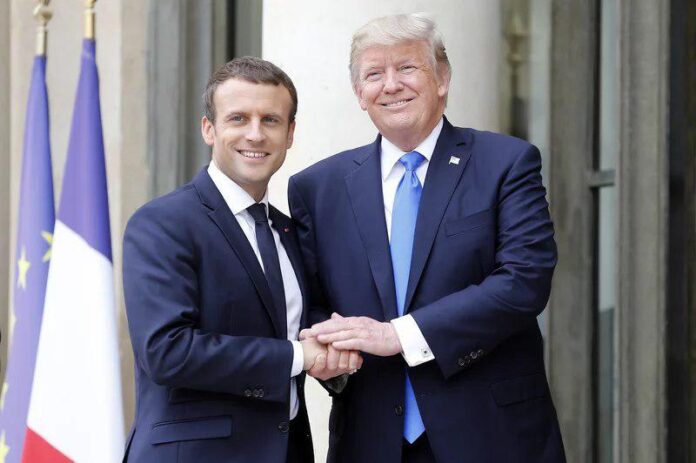
French President Emmanuel Macron welcomes US President Donald Trump prior to a meeting at the Elysee Presidential Palace on July 13, 2017 in Paris / Photo by Thierry Chesnot, Getty Images

Political commentator Nosratollah Tajik, in a recent article published by the Persian-language Khabar Online news website, has weighed in on France’s efforts to preserve the Iran nuclear deal by appeasing the US President and putting Iran under pressure.

Amid such efforts, the question is, are we edging closer to the implementation of a second Iranophobia project pushed by the issue of ballistic missiles, human rights issues, and so on? Is Iran going to give up and sit down for talks on issues demanded by Washington and some European states while the country has not enjoyed the tangible privileges of the JCPOA in economic, political and security fields?

Tajik’s opinion piece is a short reply to the two serious and elaborate questions mentioned above. The full text of the article follows:

France’s interest in having more interaction with Iran is mostly due to economic issues, not ensuring Iran’s political and security interests, and not even Paris’ admitting Iran’s regional role and accepting that Iran is entitled to enjoy the privileges of its regional investments. So, France’s role in Trump’s illogical stances on the JCPOA emanates from the aspirations of a young president who wants to take Iran to heaven by force! His interest in keeping Trump in the JCPOA seems to be more than that of Iran. Although Iran wouldn’t like the JCPOA to fail, Trump’s withdrawal from the international treaty won’t mean the end of the world, especially when he is a person who has not completely lived up to his commitments under the agreement. Trump has not only adopted negative positions, but has caused the spectre of uncertainty to loom large over the political and economic landscapes. He has also sabotaged certain efforts on some occasions. Therefore, Trump’s withdrawal from the JCPOA would be a response to his allies, namely Saudi Arabia and the Zionist regime of Israel, and in line with fulfilment of his election pledges on the one hand, and on the other it would be part of a game to gain concessions.

The JCPOA was Iran’s new approach in international transactions, and what ensured Iran that it could trust an agreement with the West was Europe’s presence from two perspectives.

1) Europe is the Middle East’s first security circle where Iran has interests, influence and investment. Moreover, European countries have a proper understanding of the consequences of unrest in that region.

2) Iran’s age-old distrust in the US as a country which neither has a long history of foreign relations nor has a proper understanding of the potentialities of, and the situation and challenges in the Middle East.

So, the Europeans should not be left alone, and both European countries and the European Union should play their roles in ensuring stability and security in the region.

In fact, the repercussions of insecurity in the Middle East will, in the first place, bear down on Europe, not the US, and this is a path to engage with Europe.

Many analysts expected that problems would emerge between Europe and the US from the outset of Trump’s coming to power. The same analysts believed it would be unlikely that the US and Europe would reach an agreement that would be against Iran’s interests as far as the JCPOA is concerned, but expected that Washington and Europe would see eye to eye in other areas such as human rights and missile issues by imposing some restrictions and sanctions. The point is that Europe wants the JCPOA and the US together, so it has to go both ways and settle for the golden mean at the end of the day.

Unfortunately, due to the lack of transparency in the positions adopted by world powers, there is uncertainty over the extent of the US and Europe’s demands and of the maximum pressure to bring Iran to the table to renegotiate the JCPOA or discuss other issues such as Iran’s missile program. Here, Iran should become more active and get closer to Europe and countries which are willing to work with the Islamic Republic.

Iran FM Says Israeli Occupation Won’t Last Long

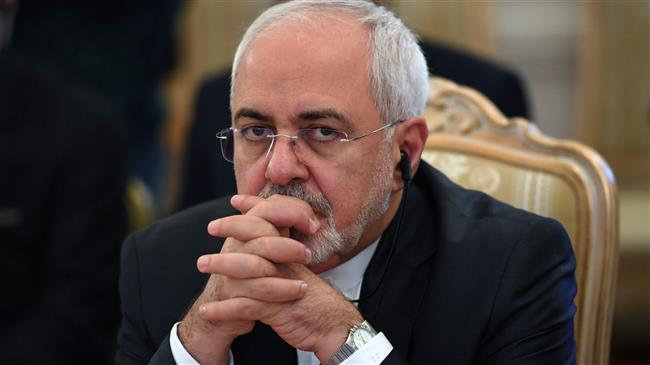
Zarif made the remarks via his official twitter account late on Tuesday in response to claims made by Israeli Prime Minister Benjamin Netanyahu who said Iran is responsible for “darkness descending” on the Middle East.

“Despite Netanyahu’s claims, the fact is that illegal occupation lies at the heart of most of the calamities in our region. Historically, occupying another’s land has never been sustainable. This occupation, too –and the apartheid system that perpetuates it– will not last long,” tweeted Zarif.

Earlier in the day, Netanyahu alleged that Iran is increasing its influence in the Middle East and seeks to dominate regional countries such as Syria and Yemen, Lebanon and Iraq.

“Iran is building an aggressive empire. Iran, Iraq, Syria, Lebanon, Gaza, Yemen, more to come,” he said in Washington on Tuesday while addressing the American Israel Public Affairs Committee (AIPAC).

He also claimed nuclear deal, officially known as the Joint Comprehensive Plan of Action (JCPOA), had made Tehran’s nuclear program more dangerous.

Netanyahu also hailed the US administration’s threat to withdraw from the 2015 nuclear deal, describing the agreement as a great threat to peace in the region. He claimed that Tehran is seeking to develop nuclear missiles.

Iran and the P5+1 countries – namely the US, Russia, China, France and Britain plus Germany – finalized the nuclear accord in July 2015 and started implementing it in January 2016. Under the deal, Iran undertook to apply certain limits to its nuclear program in exchange for the termination of all nuclear-related sanctions against Tehran.

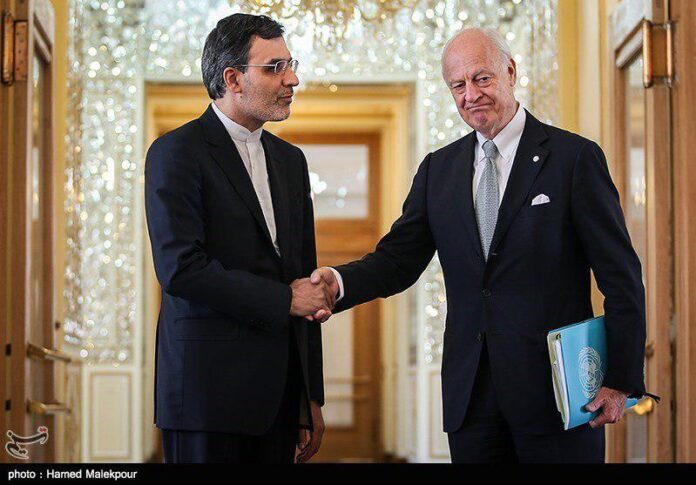
Iranian Diplomat, UN Envoy Discuss Syria Peace in Geneva

The Iranian diplomat, who arrived in the Swiss city on Monday, discussed the latest developments in Syria Peace Talks with Russia’s Sergei Vershinin and Turkey’s Sedat Önal. He also held negotiations with UN Special Envoy for Syria Staffan de Mistura.

During the bilateral, trilateral, and quadrilateral meetings, which lasted from 10 am to 6 pm on Tuesday, the parties focused on the process of restoring peace and tranquility to Syria, and exchanged views on the results of the Syrian National Dialogue Congress in Sochi as well as the forthcoming Astana Talks on Syria which is going to be held at the ministerial level between the three guarantor states.

The Iranian, Turkish, and Russian delegations and the UN special envoy for Syria further agreed that these quadrilateral talks continue to follow up on the outcome of the Astana Talks and the approvals of the Syrian National Dialogue Congress in Sochi so as to consolidate the constructive link between the Astana and Geneva negotiations.

Before his trip to Switzerland, Jaberi Ansari spent some time in Syria and held talks with high-ranking officials of the Arab country including President Bashar al-Assad.

Jaberi Ansari, who is Iran’s top negotiator at Syria Peace Talks, routinely holds talks with the envoys of Syria, Turkey, Russia, and the UN on the ways to find a resolution to the Syrian crisis. The latest round of such talks was held in Russia’s Sochi.

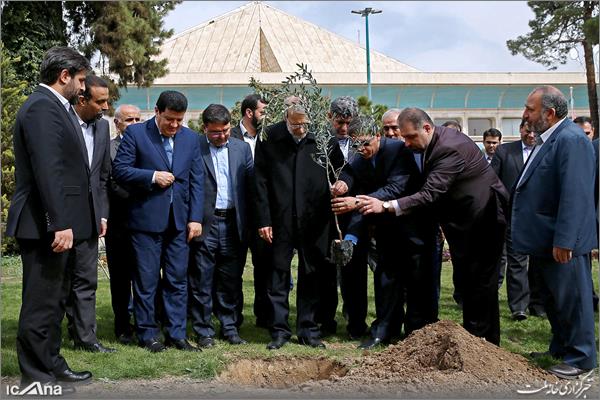
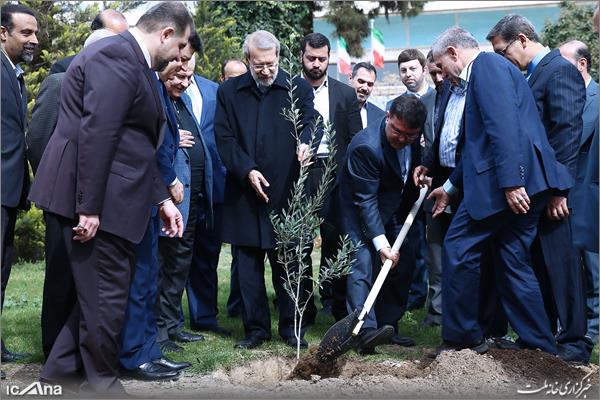
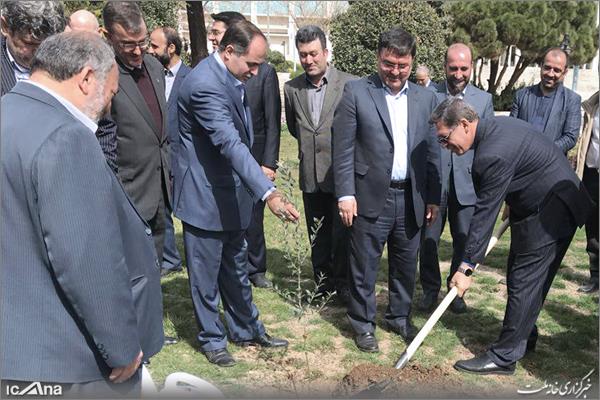
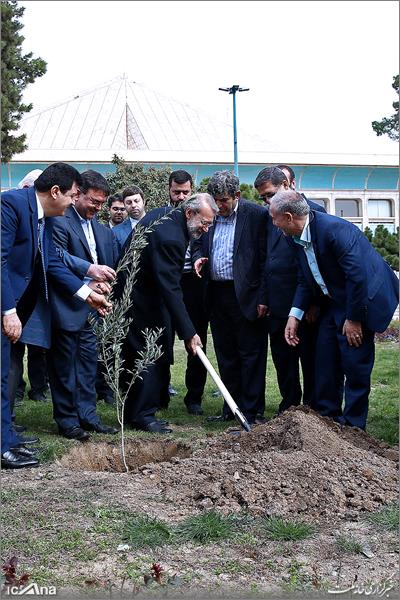
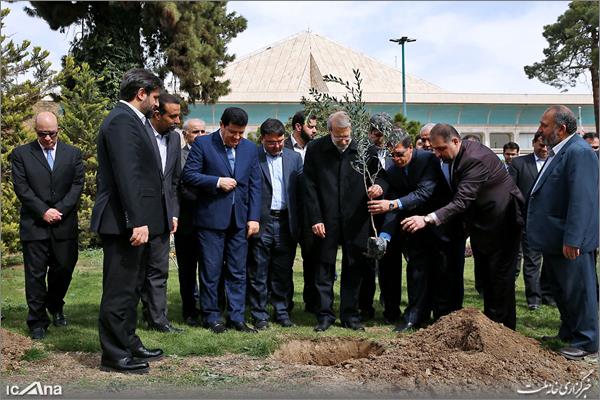
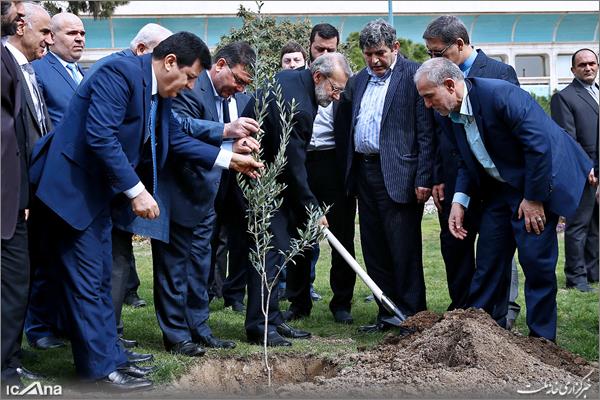
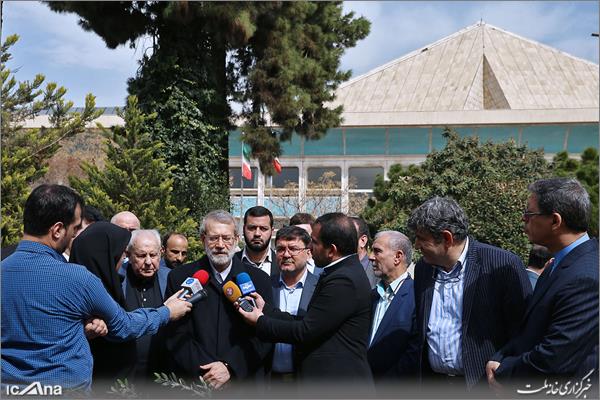
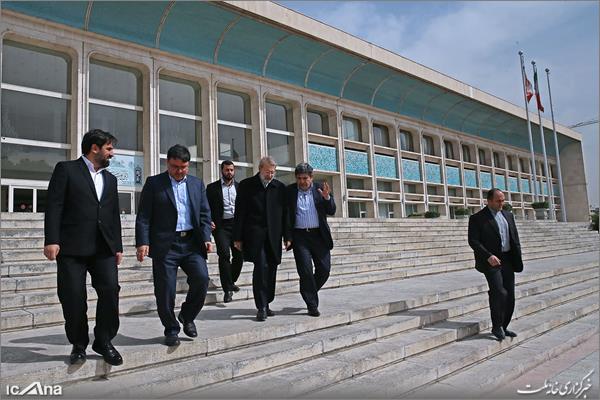
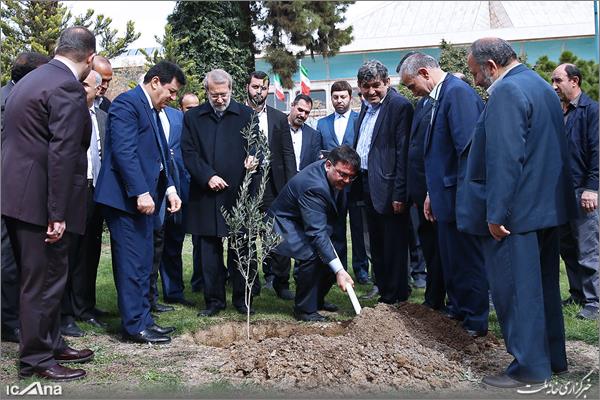
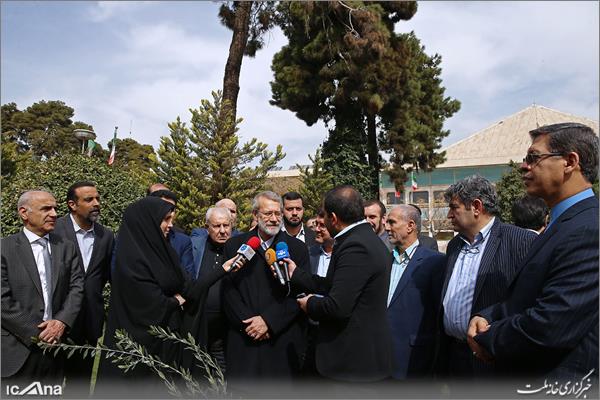
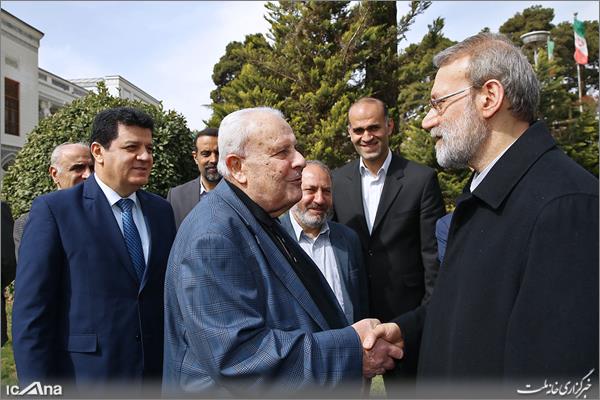
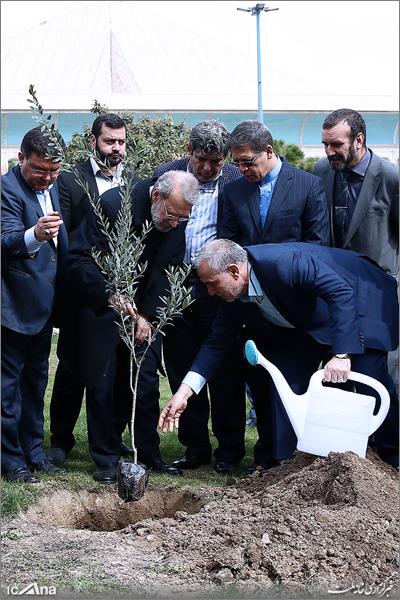
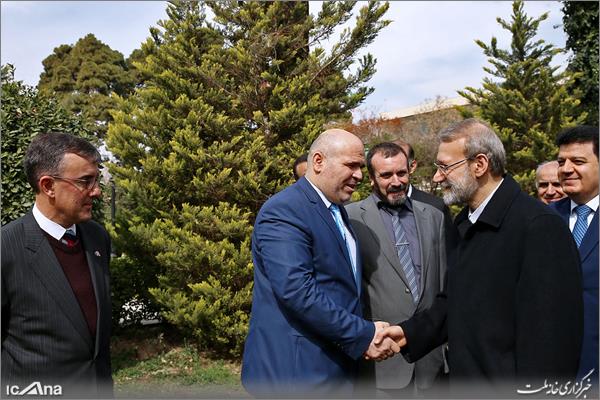
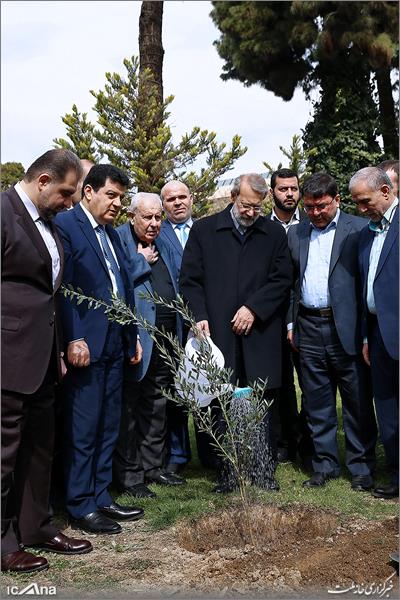
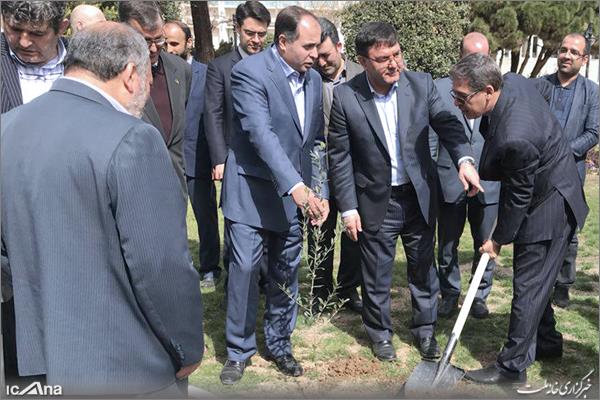
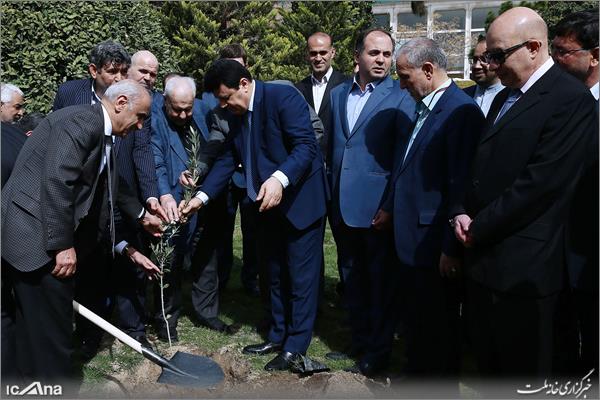
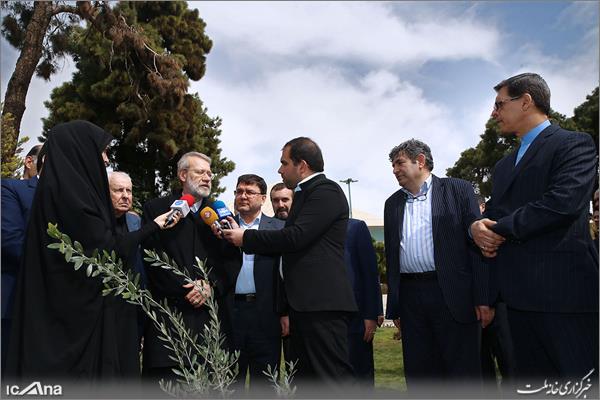
Iran’s Larijani Plants Olive Sapling as Sign of Peace on Arbour Day

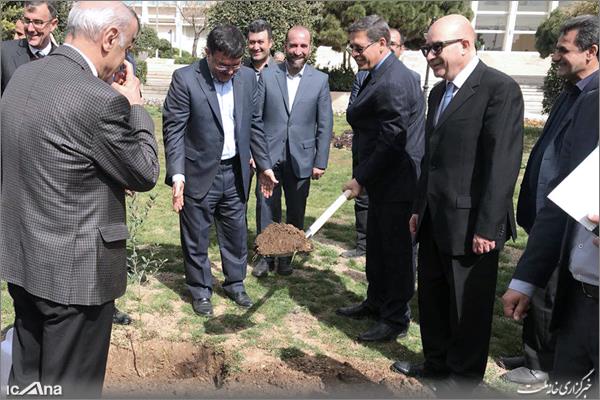
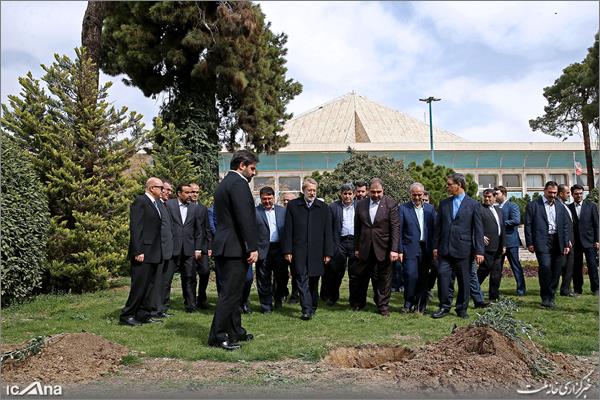
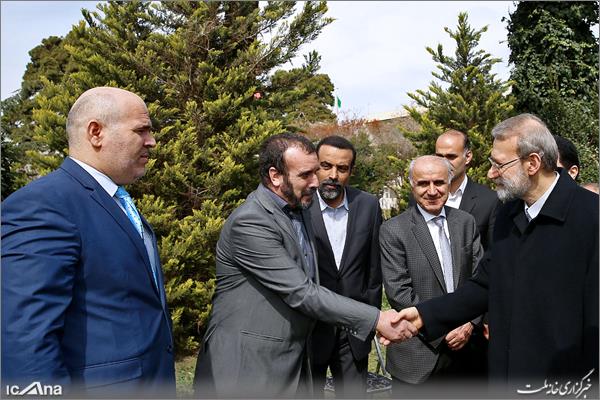
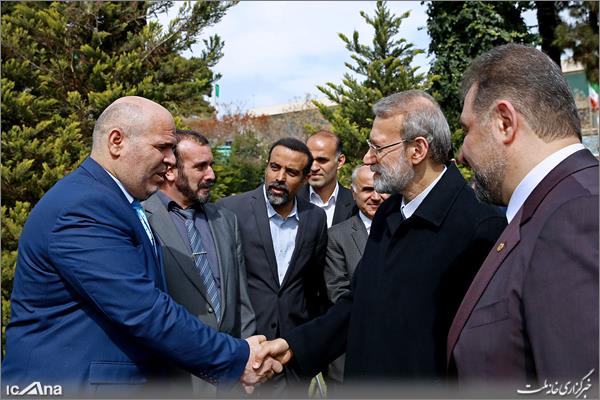
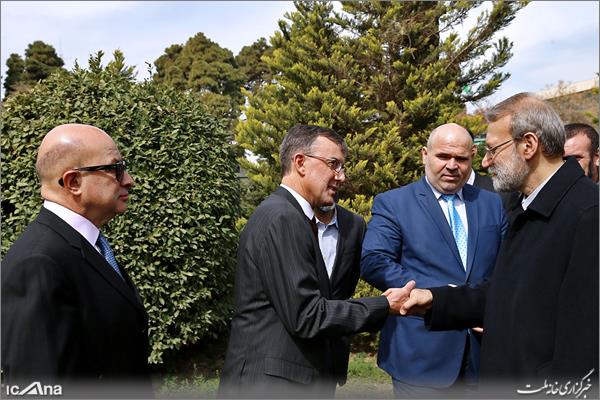
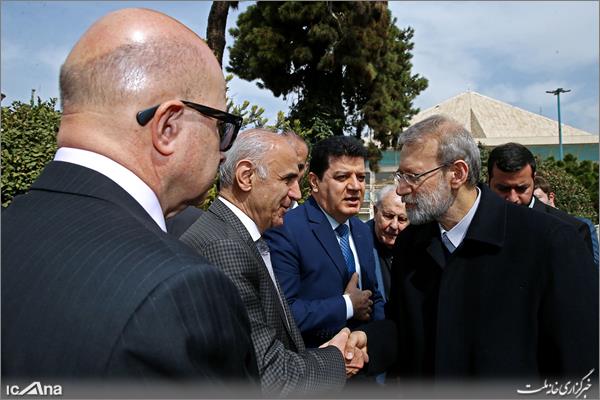
In a ceremony to mark the Arbour Day on March 6, Larijani planted the olive sapling as a symbol of peace and solidarity with the Palestinian people.

According to a Farsi report by ICANA, ambassadors of foreign countries, including Palestine, Syria, Australia, Algeria, Libya, Greece and Armenia, attended the ceremony.

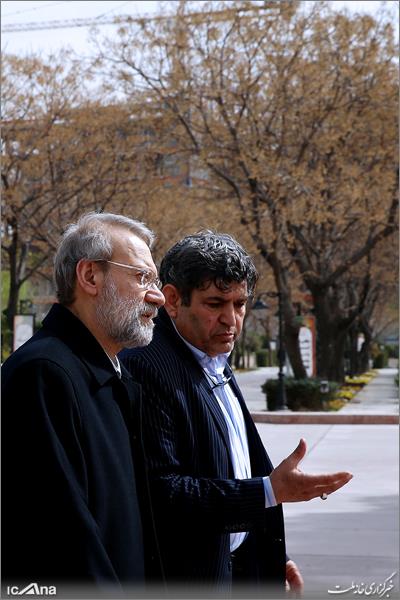
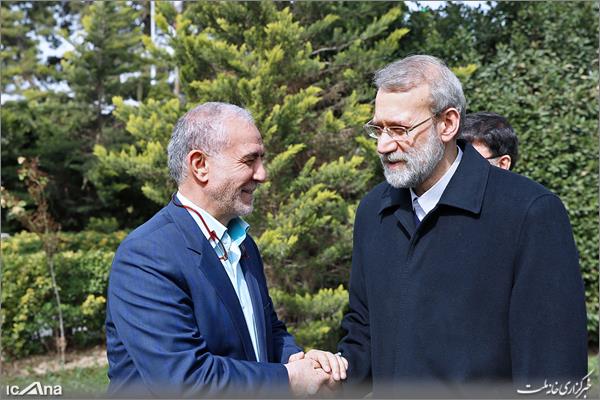
Here are the photos of the ceremony retrieved from ICANA:

Earlier in the day, Leader of Iran’s Islamic Revolution Ayatollah Khamenei and Iranian President Hassan Rouhani also planted some saplings to mark the day.

Every year, just before the Iranian New Year, millions of Iranians plant trees to mark the Natural Resources Week and hail the arrival of spring.

Iranian Lawmakers Advocate for Women’s Greater Social Participation

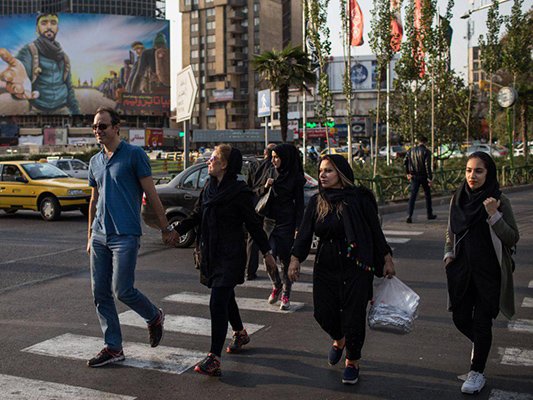
Women walk through Valisar Square in Tehran, Iran, Nov. 7, 2017 / File photo by Arash Khamooshi, The New York Times

The incumbent parliament has seen a surge in efforts to defend women’s role in the society, resulting from their unprecedented presence in the legislative body.

Women occupy 17 seats in this parliament, their highest number since the victory of the 1979 Islamic Revolution.

Activists hope the greater number of women in the parliament would positively affect women’s rights.

Soheila Jolodarzadeh, a veteran lawmaker affiliated to the reformist camp, says greater social participation of woman will help the society to develop faster, as they possess unique characteristics that makes them a perfect fit for some type of jobs.

“Today, more and more women have stepped outside their traditional roles to have more participation in the society,” she told the Persian-language IRNA on Monday.

Jolodarzadeh said women’s great patience and their superior skill in forming relationships with people makes them fit for various positions, particularly in the world of politics.

“Despite [considerable] opposition to the participation of woman in politics, [I believe] they are well capable of undertaking activities in this field,” she said.


More Employed Women Means Greater Health

Parvaneh Salahshouri, another parliamentarian affiliated with the reformist bloc, says greater participation of woman in the country’s workforce could enhance the levels of health and education among Iranian families.

Moreover, employed women could also bring up more successful children, as their work experience enables them to better handle family affairs and teach their children to be independent and responsible, she said.

Salahshouri, who heads the parliament’s women faction, said they have undertaken several measures to encourage women’s social participation, including proposing plans to provide female entrepreneurs with facilities for creating home jobs.

Although the gender gap in education has been bridged and women have a significant presence in schools and universities, their share in the job market is still small.

Iranian women’s participation rate in labour force is one of the lowest ones compared to many other countries.

Statistics show that participation of women in the labour market rose steadily in the 1997-2005 period, from 10% to 17%.

However, the rate declined in the 2005-2013 period, from 17% to 10%, under the two terms of Mahmoud Ahmadinejad.

But since 2013, when President Hassan Rouhani came to power, the rate has been growing.

According to a report published by the research centre of the Iranian Parliament on December 20, 2017, the participation rates of men and women labour force in the fiscal year 2016-17 were 64% and 14.9%, respectively.

39 Killed after Russian Transport Plane Crashes in Syria’s Latakia

32 Killed after Russian Transport Plane Crashes in Syria’s Latakia

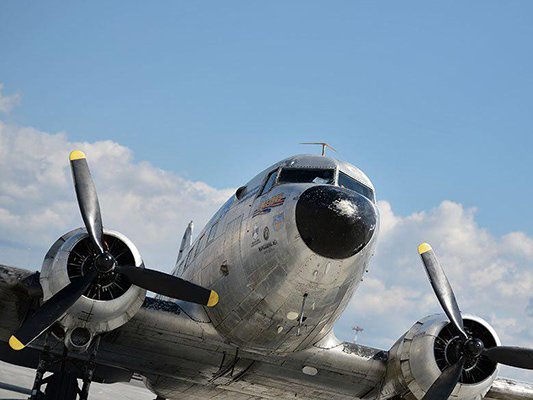
The incident took place at 3 pm on Tuesday when landing, according to the Russian ministry of defence. The plane hit the ground 500 meters short of the runway.

A technical malfunction was behind the crash, the ministry said, adding that the aircraft was not attacked.

An investigation into the incident is underway, Sputnik reported

This is not the first time that an An-26 has crashed in Syria. In January 2015, an aircraft operated by the Syrian armed forces crashed while landing at the besieged Abu al-Duhur military airport in the Idlib Governorate.

An-26 is a military transport aircraft, capable of carrying up to 38 people excluding the crew, and some 5,500 kilograms in cargo.

Iran, Russia Discuss Ways to Enhance Anti-Terror Cooperation

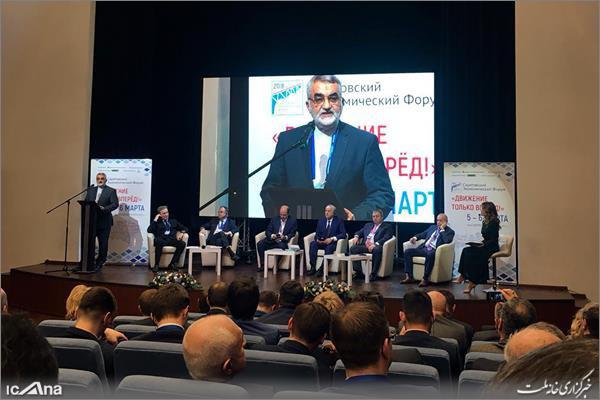
Senior Iranian lawmaker Alaeddin Boroujerdi addressing a conference in the Russian city of Saratov on March 5, 2018 / Photo retrieved from ICANA

The meeting was held between Chairman of the Iranian Parliament’s National Security and Foreign Policy Commission Alaeddin Boroujerdi and Russia’s Duma Speaker Vyacheslav Volodim on Tuesday.

Russia entered the Syria conflict in September 2015 by lending its air strength to the Syrian Army, joining Iran which was providing the anti-terror drive in Syria with advisory assistance since early months of the seven-year crisis.

Boroujerdi and Volodim also discussed the 2015 nuclear deal, whose future hangs in the balance in the wake of frequent threats by US President Donald Trump that Washington will “terminate” the two-year pact unless Iran agrees to make concessions on its nuclear, regional and missile activities.

Iran has vehemently rejected Trump’s calls for renegotiation of the pact, arguing the US threats are violations of the pact.

Russia is on the same page with Iran, stressing the need for all parties to the landmark deal to abide by their obligations.

The meeting between Iranian and Russian lawmakers was held on the sidelines of an economic conference in the port city of Saratov in southwestern Russia, which was started Monday and will end Wednesday, according to a Farsi report by IRIB News Agency.

The conference, called “Future of Regions: Development of Cooperation”, aims to allow participants to exchange views on ways of accelerating the development of regions, facilitating the establishment of trade relations among companies and businessmen, and developing solutions to economic problems of the regions.