Wednesday, December 24, 2025
Home Blog Page 3671

“Iran Has Enough Options If Other JCPOA Parties Withdraw”

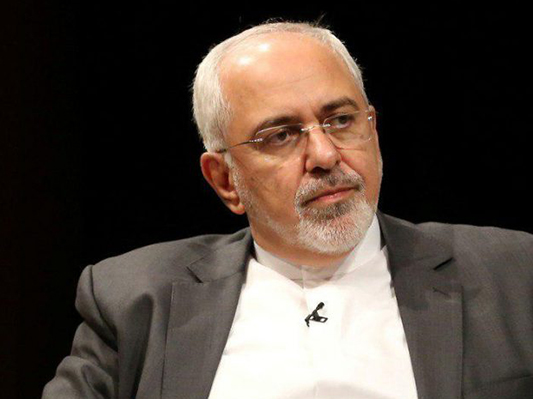
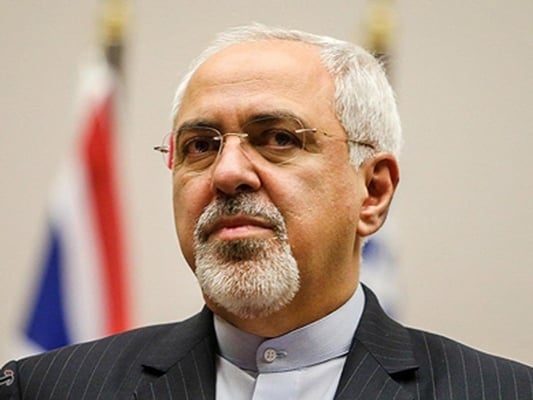
Iran’s top diplomat has stressed that the Islamic Republic has a duty to have all options in mind and be prepared for all scenarios as regards the nuclear deal between Tehran and world powers, also known as JCPOA.

In a recent interview with the Persian-language Shargh newspaper, Zarif said Tehran has no anxiety regarding the possible withdrawal of the US administration from the Iran deal, because “we believe Washington’s pullout from the JCPOA will lead to the United States’ isolation.”

What follows are highlights of the interview:

If you sit face to face with Zarif, you cannot talk about his popularity or compare him with iconic figures in history as the Iranian society’s passion for him has died down. Now, Zarif is a foreign minister at a sensitive juncture in history, a juncture which can wreck all the efforts he made during 18 months of nuclear talks, or which might somehow preserve those efforts one way or another.

Yes, we are speaking of the Iran nuclear deal known as the Joint Comprehensive Plan of Action (JCPOA), an agreement that has now fallen into the hands of anti-Iran radicals in the United States. Last week, we had an opportunity to hold our annual interview with Zarif, a diplomat who is careful about his words, words which the other side might turn into a new excuse. So, we cannot expect him to utter very different words.


If Other Side Opts to Leave JCPOA, Iran Has Enough Options

In diplomacy, we have a duty to have all options in mind and be prepared for all scenarios. Those who negotiated and crafted the JCPOA knew well that they should piece together every line of the deal with the assumption the other side cannot be trusted. Otherwise, the process would not have taken so long.

From the outset, the other side was trying to put a cap on our activities in the nuclear domain, so that Iran would not have any choice; but their efforts failed. We did not accept any restrictions for research and development in the nuclear field. Research and development was envisaged in the JCPOA based on a logical and scientific trend, which keeps moving forward.

If one day the other side decides to pull out of the JCPOA, or decides to deprive Iran of the benefits of the deal, thank God we have enough options to reciprocate, which will definitely be not pleasant for them. Last year, we monitored the situation carefully, and reported the events to Iranian authorities honestly and frankly. We had no anxiety because we believed Washington’s pullout from the JCPOA will lead to the United States’ isolation. Mr. Trump is the same person who, one year before he became president, said the first thing he would do would be to pull out of the JCPOA.

The reason why it has not happened is that Trump is concerned about his own isolation. Of course, that does not mean that he has implemented the JCPOA with honesty and goodwill. The United States’ malice has been clear in almost every action we have taken over the past year. We are not choosing to withdraw from the JCPOA. If it were our choice, we would not have wasted two years for negotiations.


Companies Fail to Supply Zarif’s Plane with Fuel

The story was that because of the [Iranian] President [Hassan Rouhani]’s trip to India, and my presence in Moscow, I had very little time to go Munich. They had referred to a couple of fueling companies to supply fuel for my flight. They said they had some considerations. And I think those considerations were based on the wrong information they had received, e.g. information on what company my plane belonged to and what services it used … so, they had some considerations.

We had very little time. Our embassy immediately referred to the German government, and the German government decided to seek help from the army. Many oil companies said they had not been contacted at all. As shown in a piece of news broadcast by BBC, the NOV, which is present there, said it had not been contacted at all.

Another firm said they would have sent fuel if the special form had been completed. All of these show that we did not have enough time. It was not even an issue that needed to be settled by me or the Foreign Ministry. Our Colleagues at the Iranian mission in Germany called us to see if they can settle the issue because it was very important for us to attend the Munich conference.

Instead of admitting that the attendance of the Islamic Republic of Iran’s foreign minister at the Munich security conference was so important that the German government had decided to turn to the military to get the issue settled, folks have turned the issue into a problem. In other words, they mostly try to hurt national pride than to reveal Washington’s breach of its commitments. Their weak and injudicious remarks unfortunately become front-page news in some newspapers, and one gets upset at their attempts to play with people’s pride and hope.


Drawing up Caspian Sea’s Legal Regime

As for the Caspian Sea, there are issues which are very significant for the littoral states, including for us. For instance, how to utilize the sea, its environment, and that countries crossing the Caspian Sea should be allowed to do so only with the flags of its coastal states. These are very important issues and all of them are related to our national interests.

We’ve said that we won’t allow an agreement to be signed which would be against Iran’s national interests, or that because we couldn’t reach agreement on all those issues, then we shouldn’t hold talks on the minimums which are necessary and important for us. This would amount to obstinacy in dealing with ourselves. We insisted that the convention should contain all topics and items that are important to us. We wanted to prevent them from making unilateral or bilateral decisions about territorial issues in the future.

As you know, when it comes to infrastructure, some bilateral decisions were made without them consulting us. But no one can make bilateral, unilateral or multilateral decisions, any more, about the other issues mentioned in the convention without us being present and without reaching consensus.

At the moment, the preliminary phases of drafting the convention have been arranged. We were not supposed to reach agreement on issues such as Caspian Sea resources after some unilateral actions were taken by certain countries. The drawing up of the convention has been on the agenda for 20 years now.

Some issues were brushed aside in the first one or two years, and now only fundamental issues regarding the Caspian Sea is on the agenda, issues such as how to utilize the sea, how vessels can ply across the sea, not allowing foreign ships to cross the sea, how far into the sea the military vessels of littoral states can go, These issues are important for our national interests.

Principles have also been defined for other issues such as the issue of the prime line, which is in line with our national interests and, in fact, takes Iran’s special geographical situation into account. We have clarified the framework of part of it which concerns the surface of the water, which should take shape with the agreement of all five littoral states. As for the seabed, talks are underway. Our positions are clear and we will act based on them and definitely we take our national interests into consideration. I repeat, no decision has been made in this regard and we should wait and see what the final decision will be.


Wednesday’s Lady; Traditional Doll Linked to Spring-Cleaning

The doll, named Chaharshanbe Khatun (Wednesday’s Lady), is associated with a New Year folk and less-practiced tradition which is related to the spring-cleaning.

Wednesday’s Lady; Traditional Doll Linked to Spring-CleaningPeople in Gilan believed in a fairy creature called Chaharshanbe Khatun who was dwelling in wells and came out to bless houses cleaned for spring on the last Wednesday of the year.
Designer of the doll Mojdeh Daneshpajouh said she became interested in the fairy story when she heard of it and decided to make a doll for it.

“There have been just stories and pictures of Chaharshanbe Khatun, so I decided to make a doll for the story when I heard it for the first time,” she said, as reported by ISNA.

Daneshpajouh said people believed the fairy in the story would fulfill their wishes if they do not get scared upon seeing her.

In some areas, she said, people would even braved the darkness at night to go out and call Khatun so that she appears to them and makes their wishes come true.

Wednesday’s Lady
Wednesday’s Lady

The doll would be interesting for those who are interested in folklore and like to get familiar with the face of a fairy that fulfills their wishes.

Chaharshanbe Khatun has been put on display at Tehran’s International Dolls Museum on Feb. 25 where the fairy behind the doll’s creation is narrated by its designer.


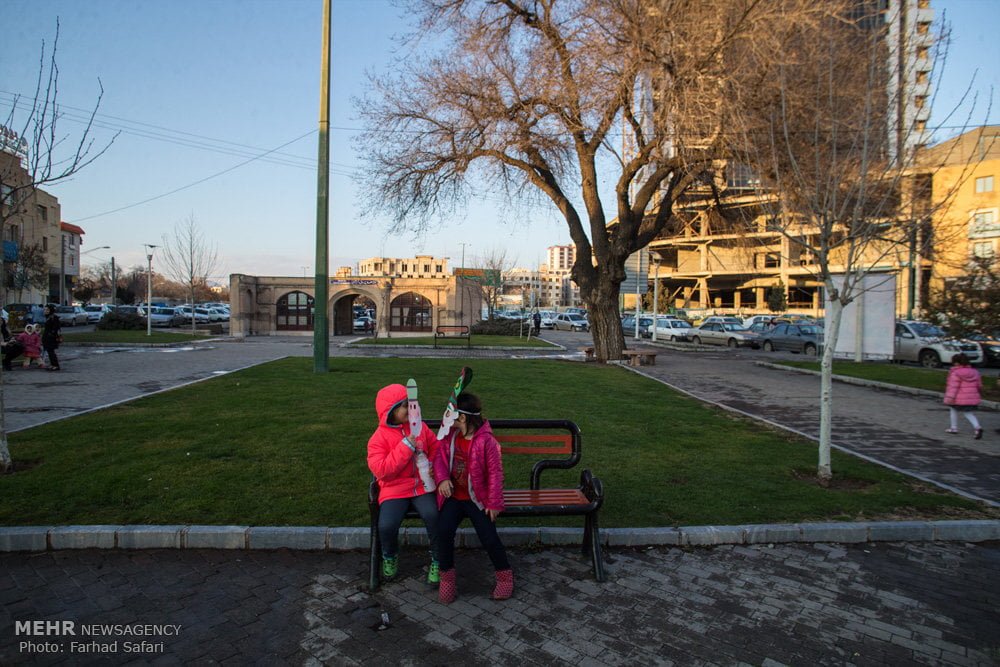
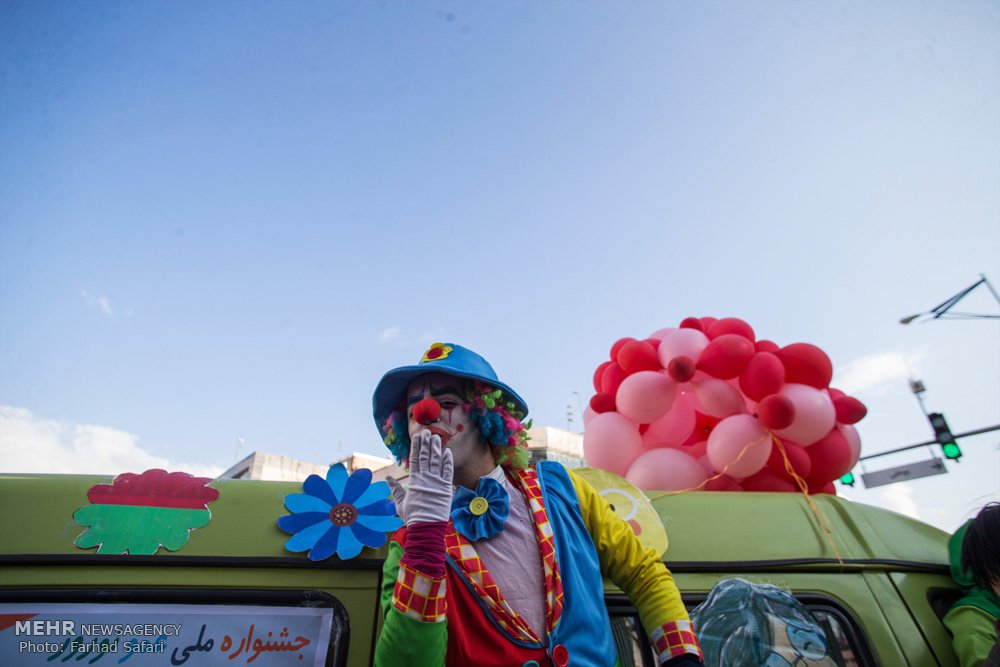
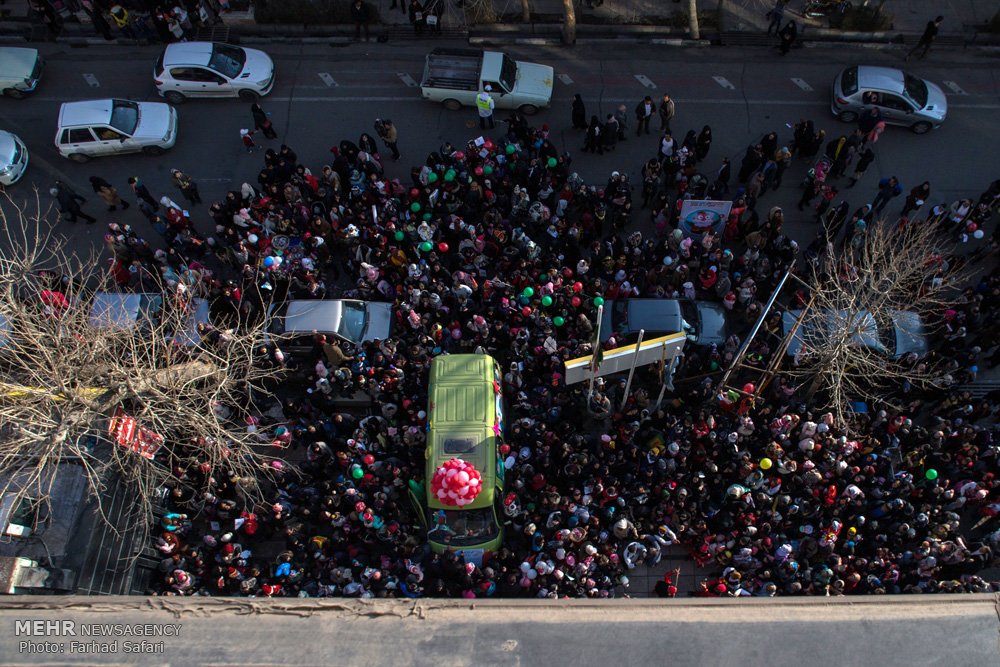
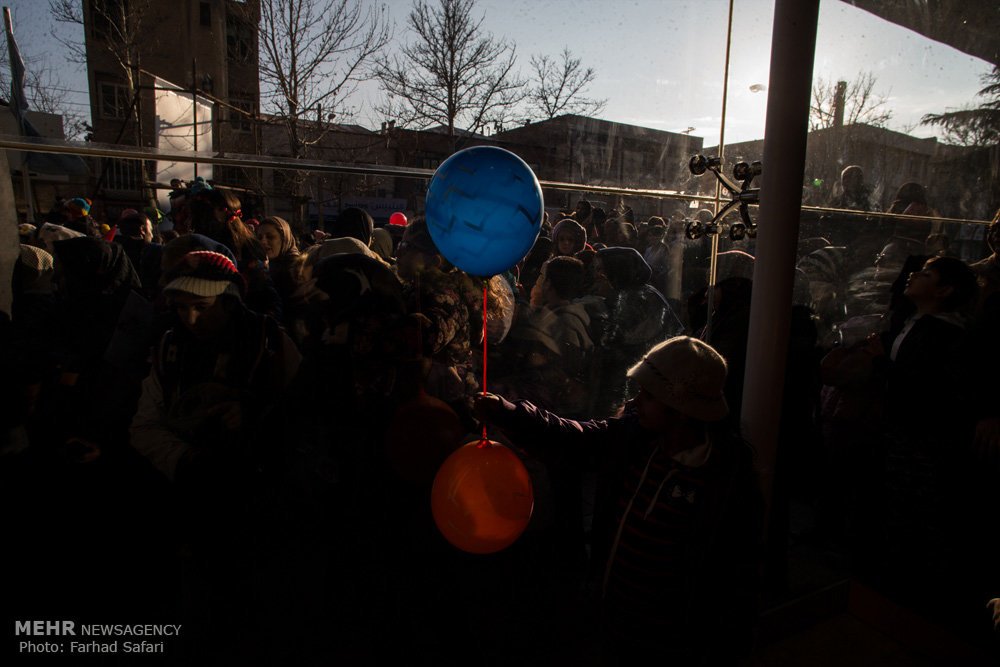
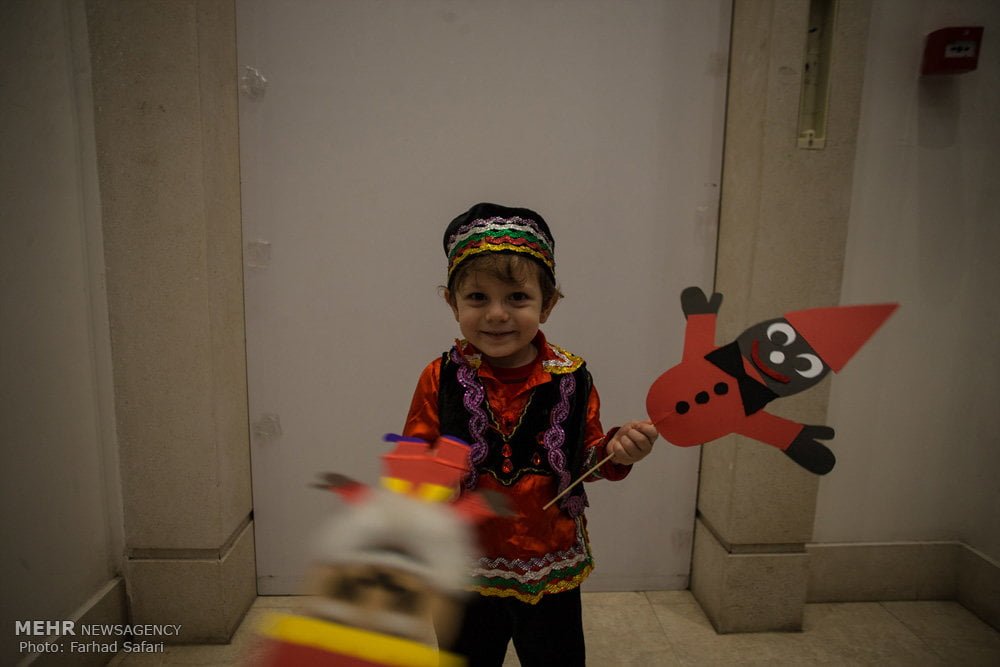
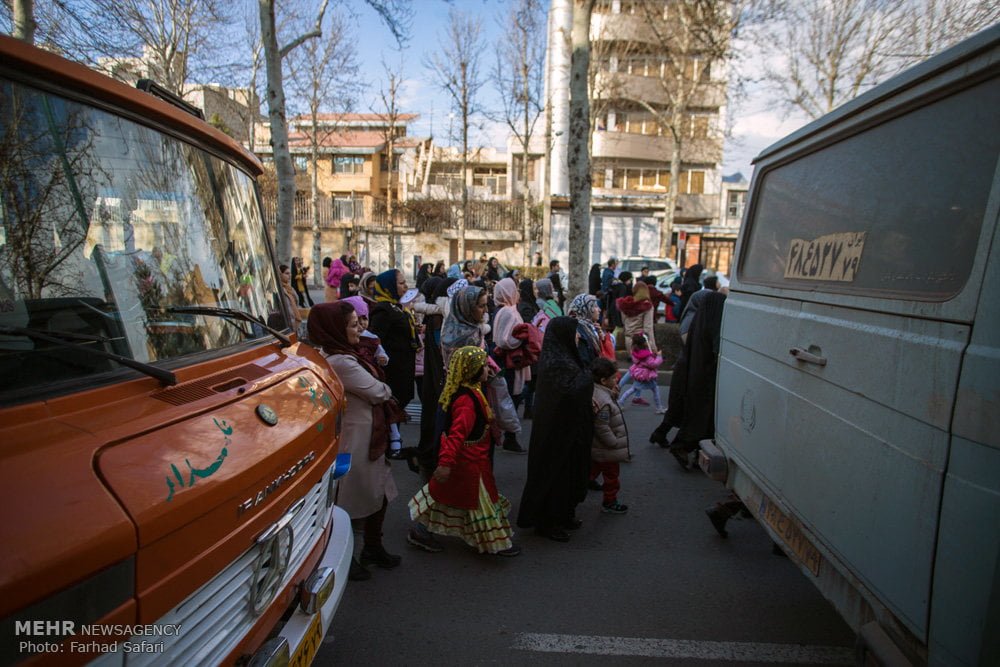
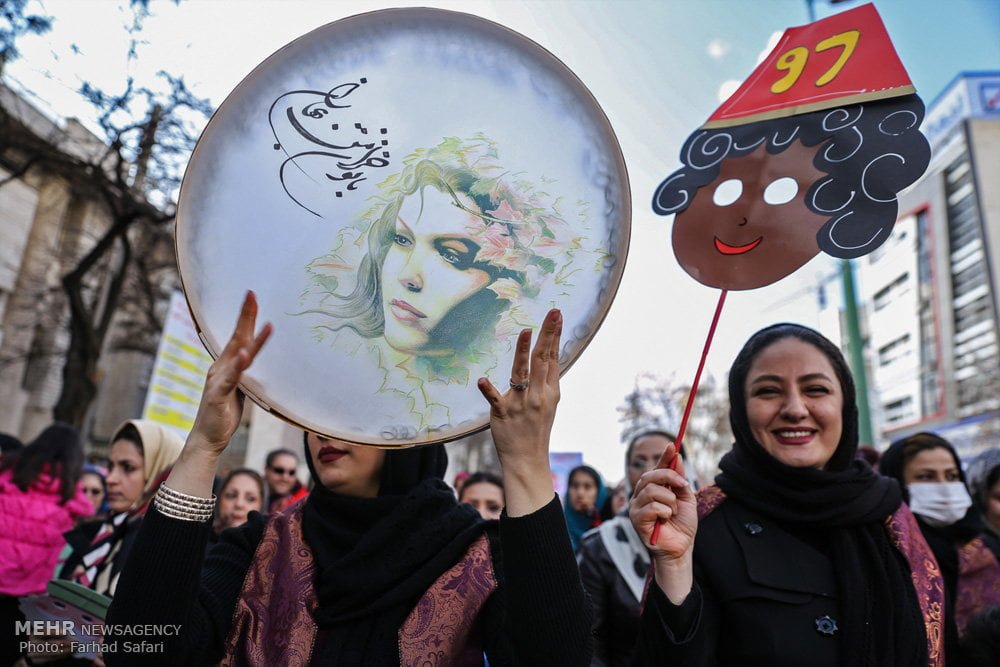
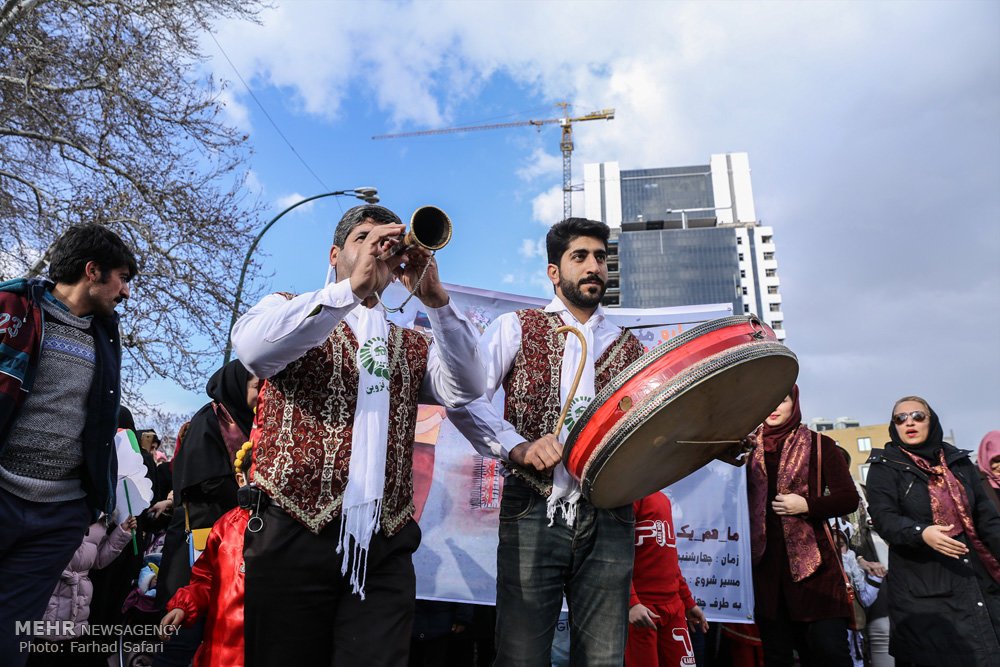
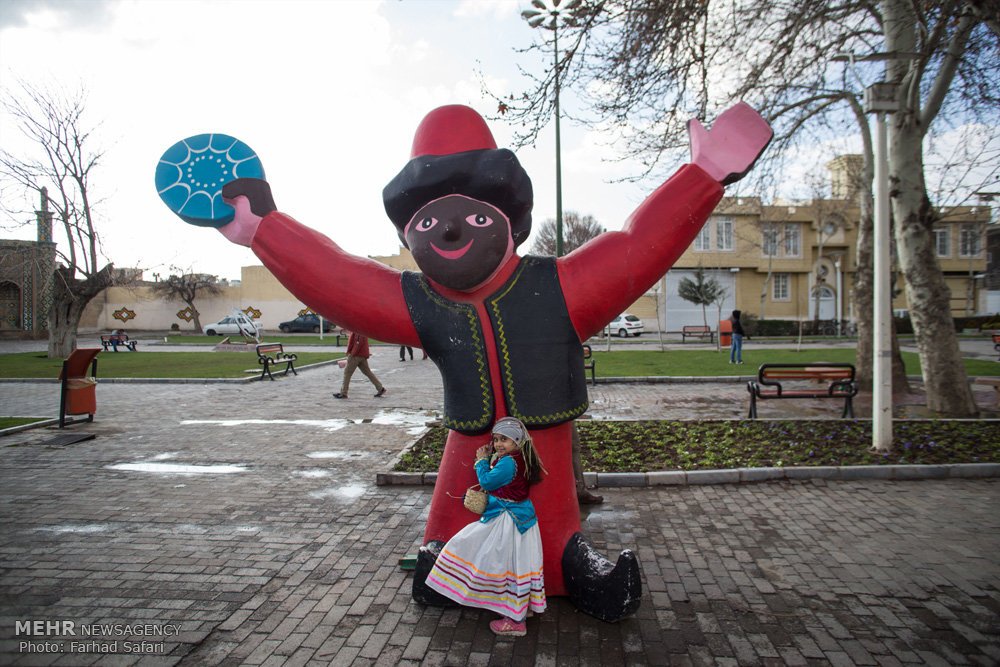
Amu Nowruz National Festival Held in Iran ahead of New Year

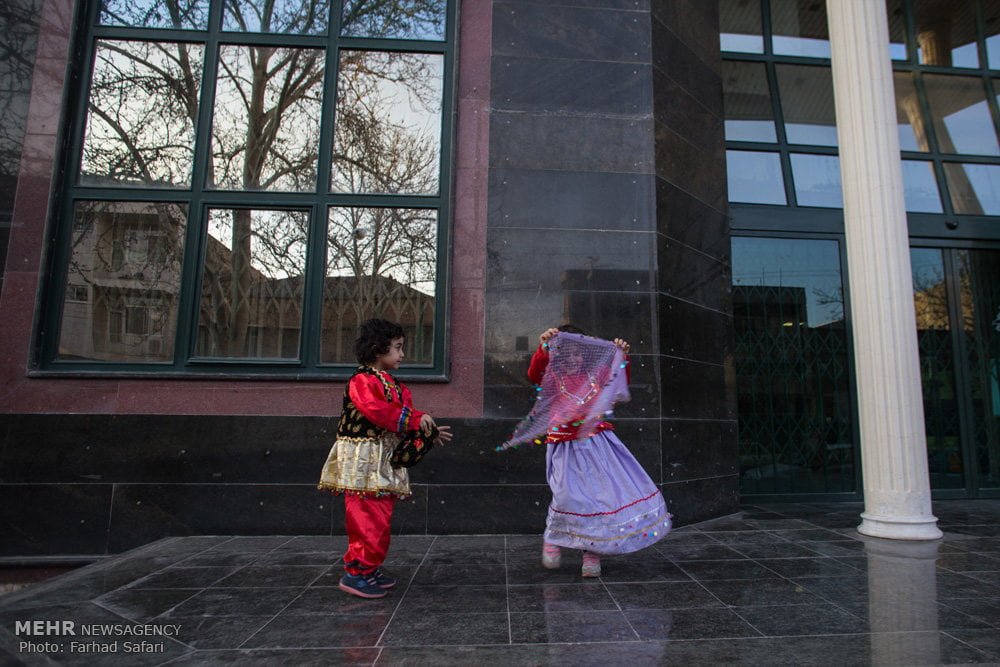
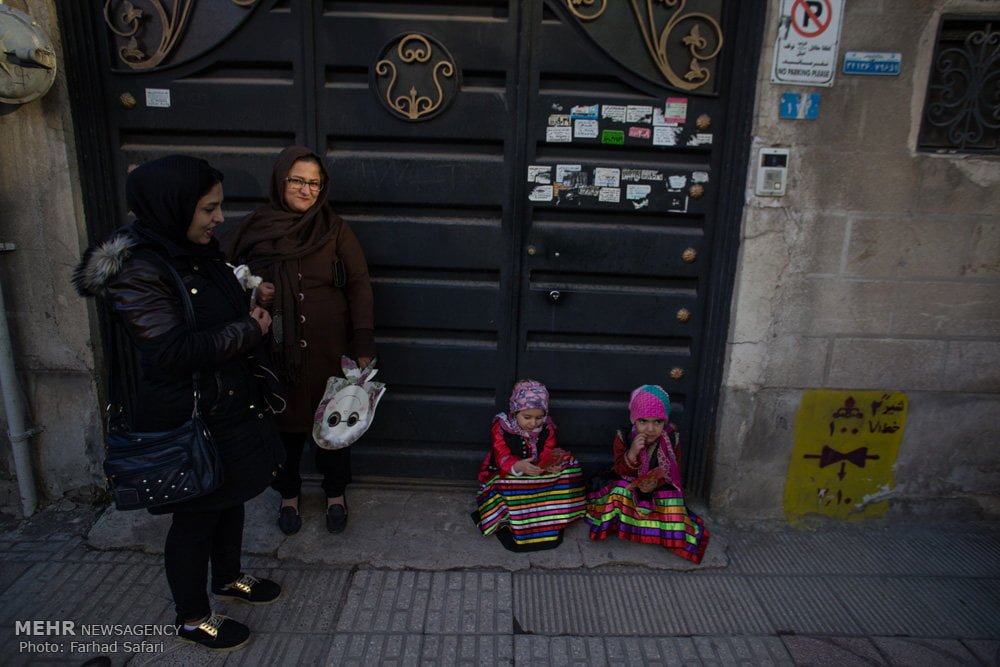
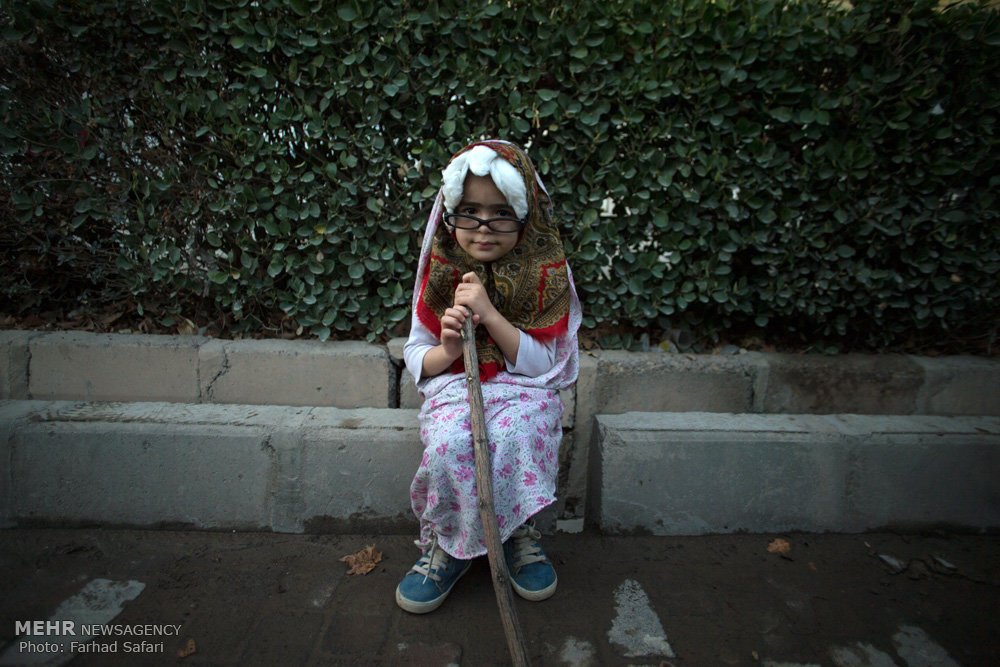
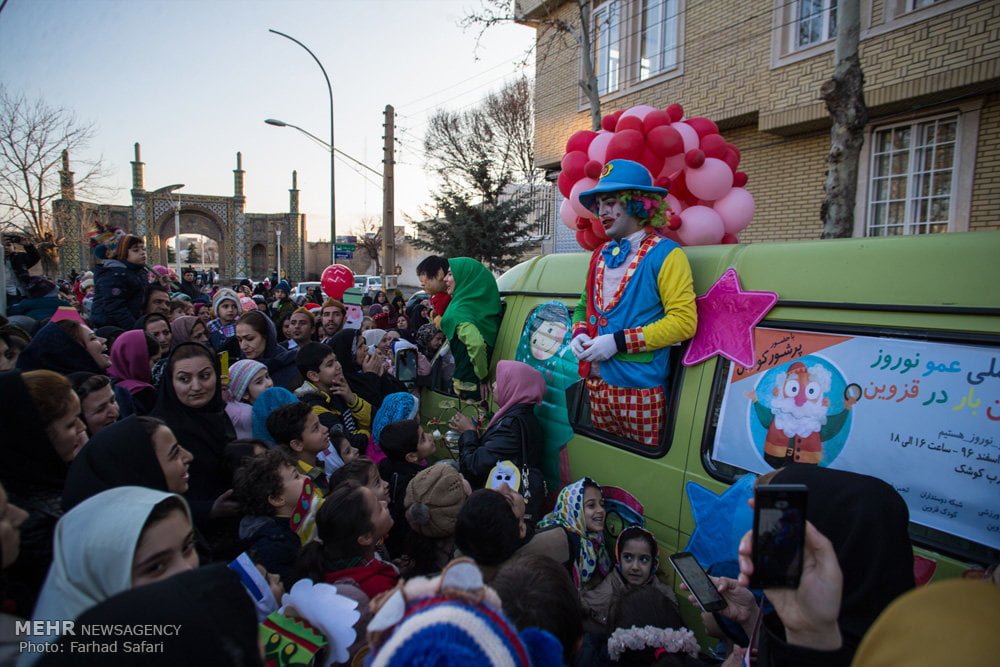
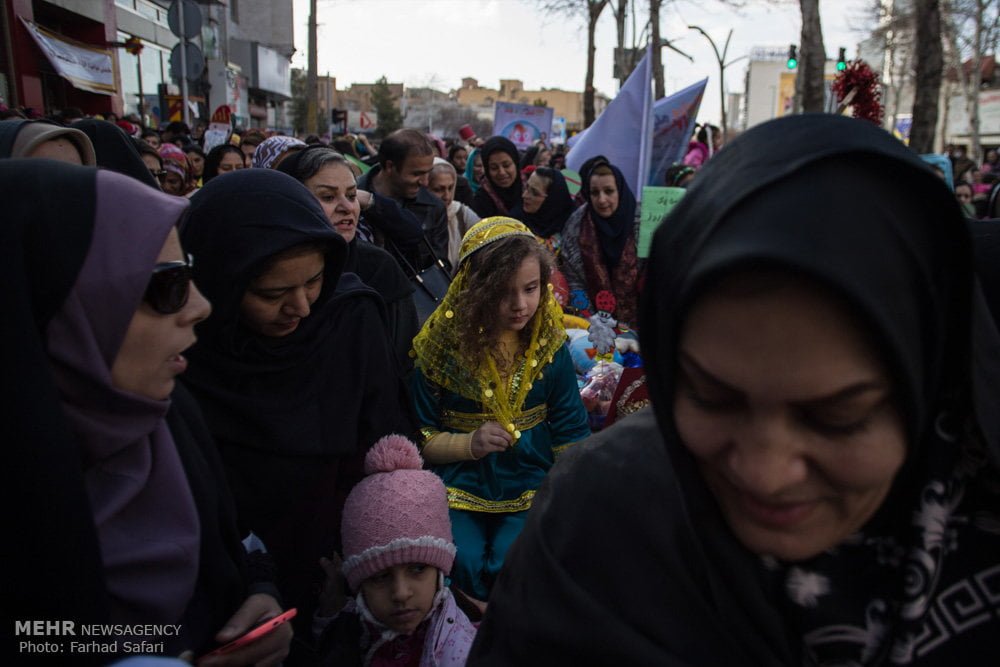
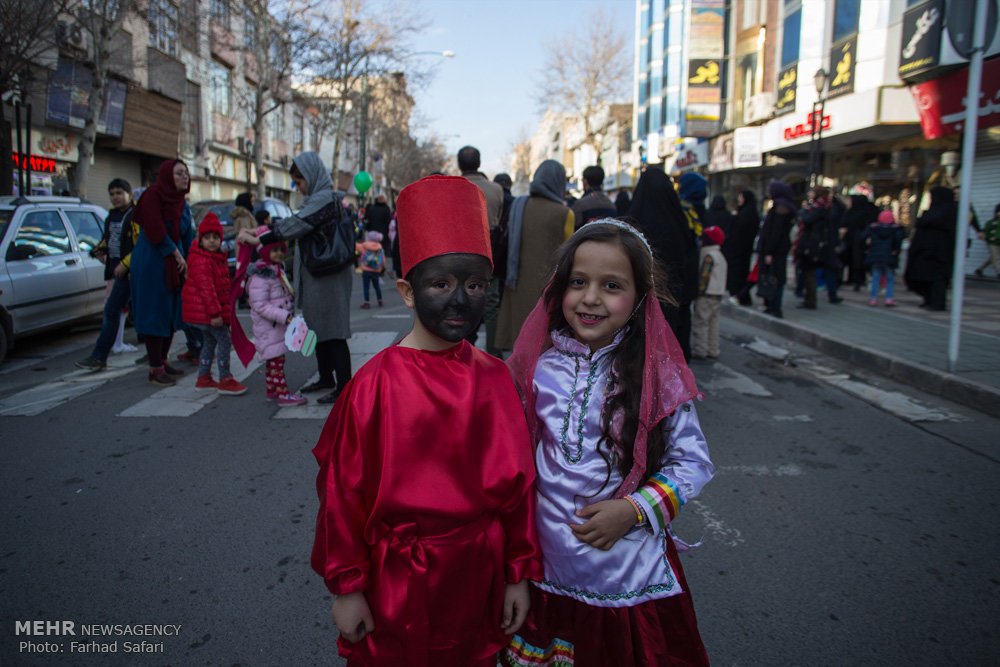
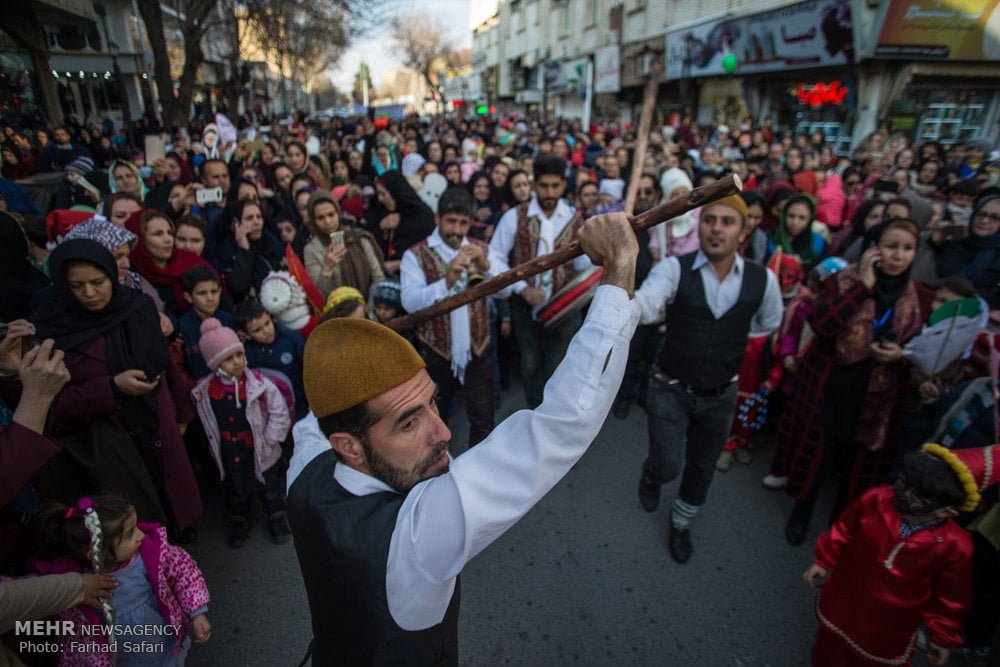
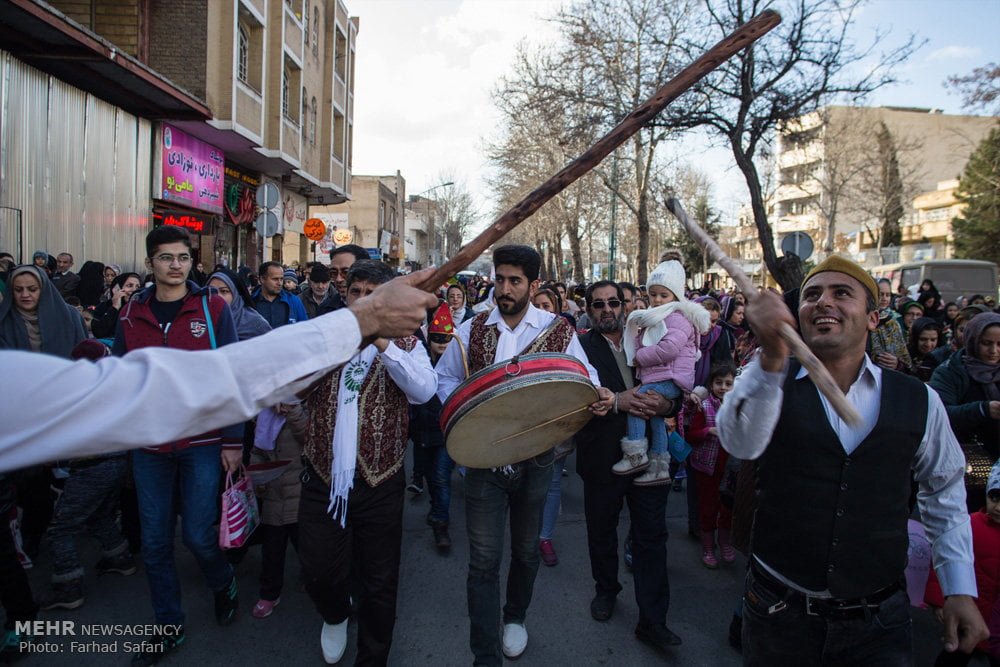
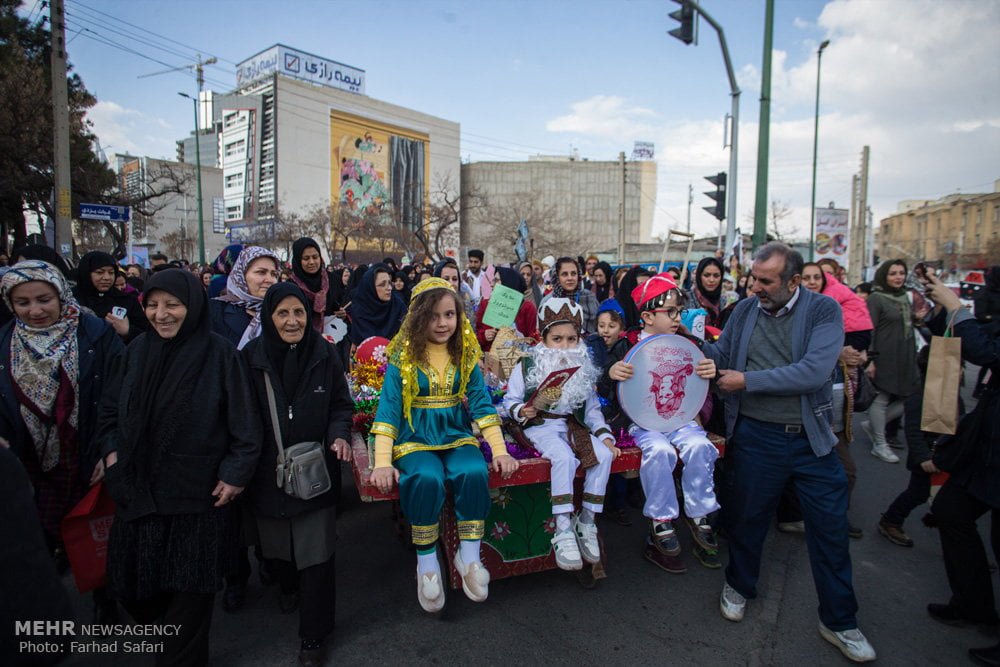
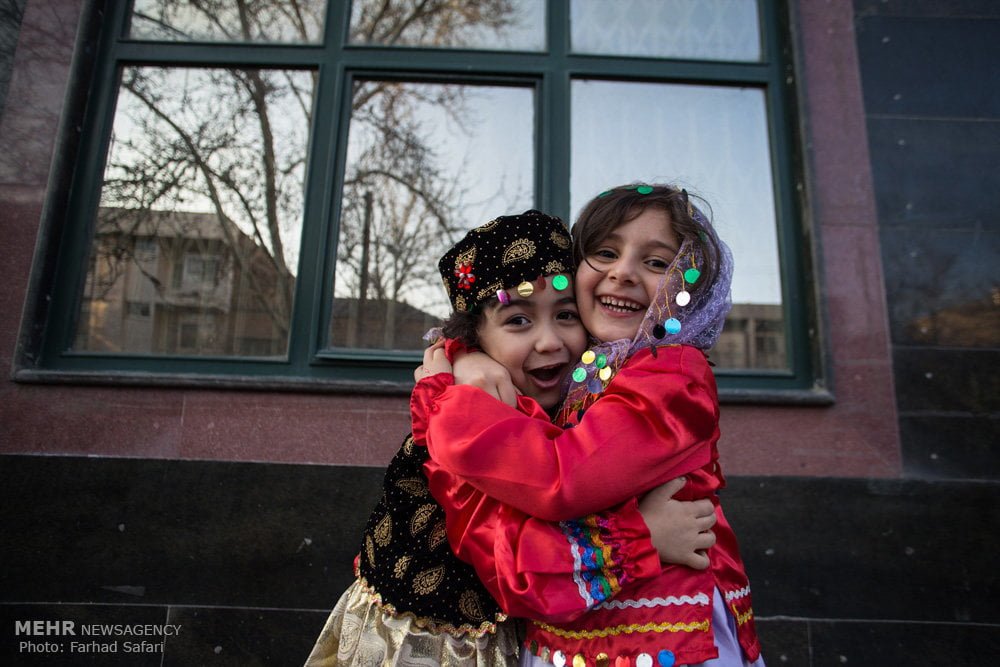
The festival is to revive ancient traditions and give information to the children about the rituals and traditions of the Persian New Year or Nowruz.

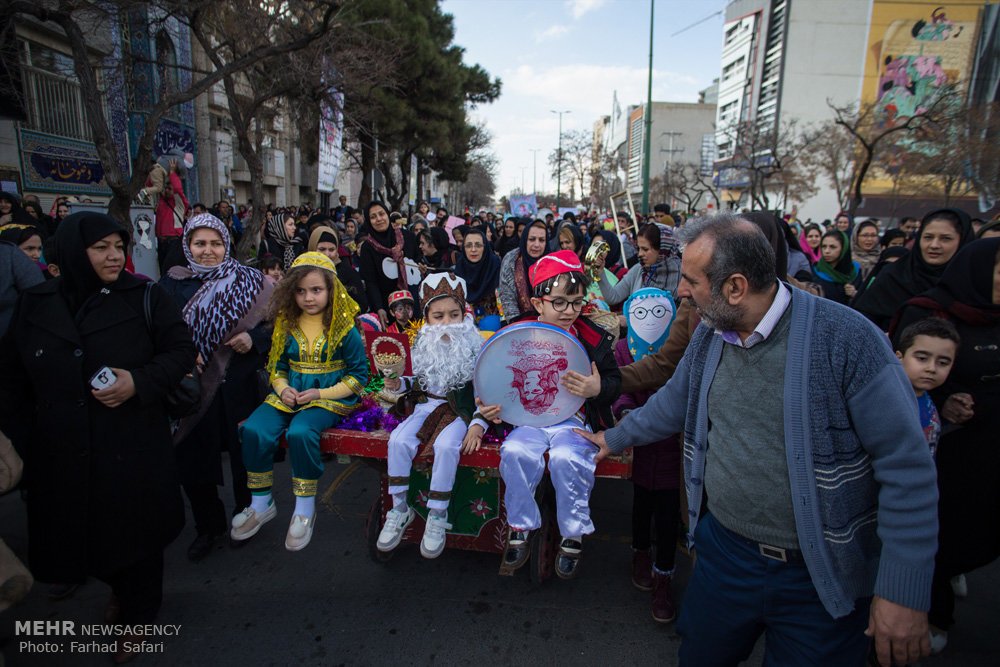
The festival is named after a fictional figure in Iranian folklore. According to the folklore, he appears annually at the beginning of spring, together with his companion Haji Firuz, to mark the beginning of Nowruz, the Iranian New Year.

On the eve of spring equinox, when the Iranian New Year is celebrated, Amu Nowruz brings children gifts, much like his Christian counterpart Santa Claus. He is the husband of Nane Sarma, who shares a traditional love story with him in which they can meet each other only once a year.
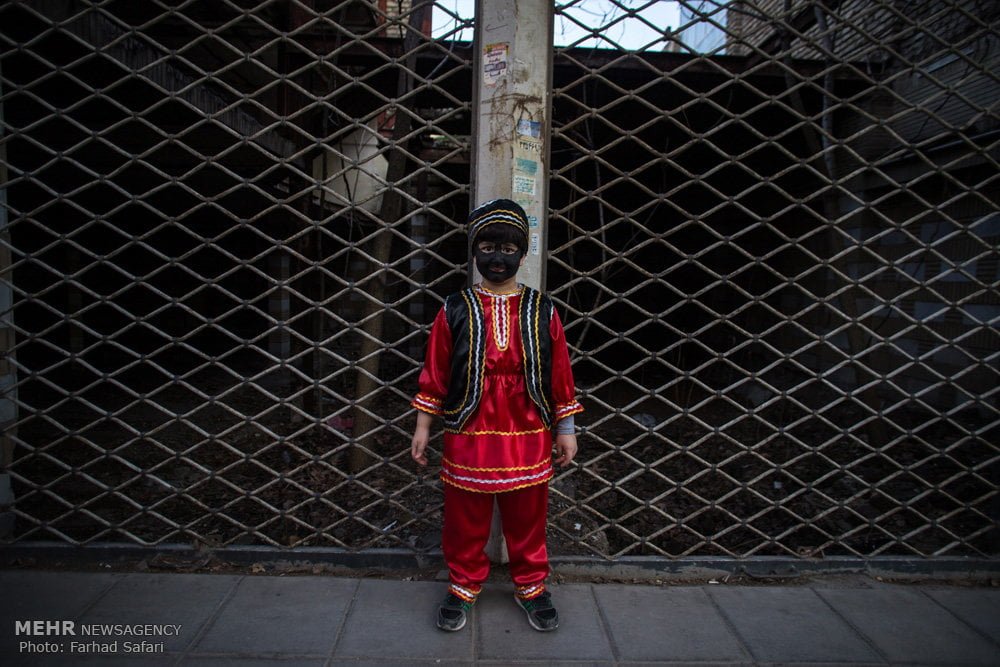
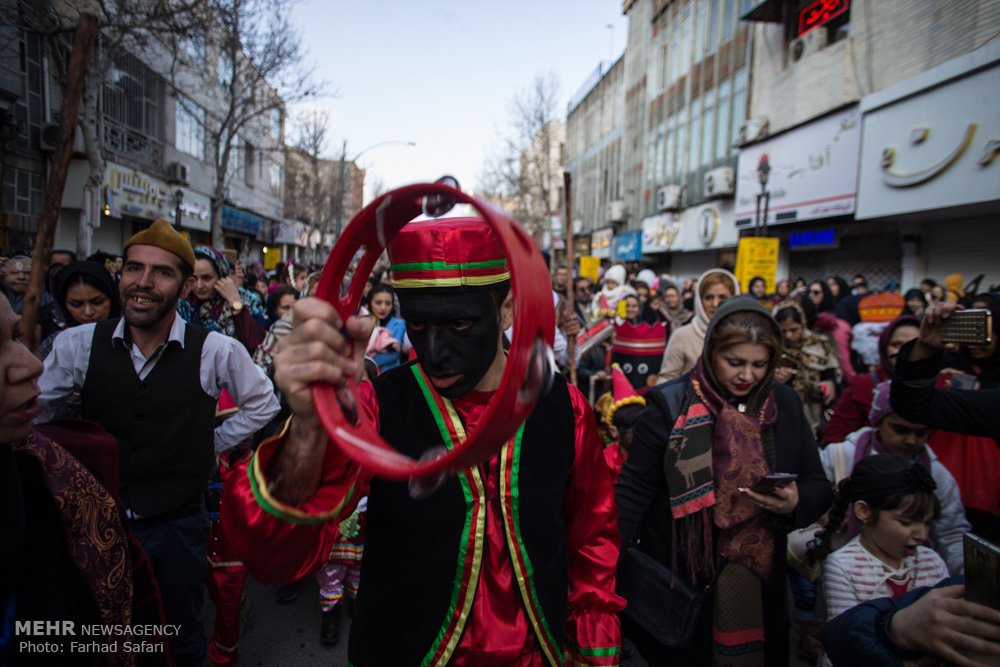
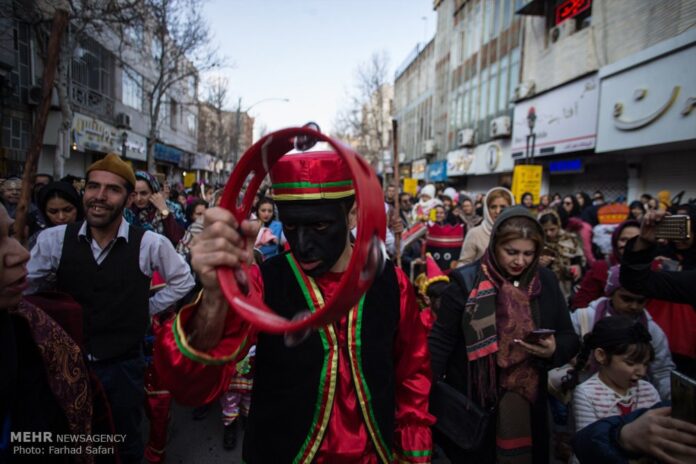
Amu Nowruz is characterized as an elderly silver-haired man who puts on a felt hat, and has a walking stick, a long cloak of blue canvas, a sash, a pair of thin-soled shoes, and a pair of linen trousers. He is a wise historical figure who passes the old story of Nowruz to the youth. Haji Firuz with a face covered in soot, and clad in bright red clothes and a felt hat plays a tambourine, dances, and demands gifts, while Amu Nowruz is the giver.
Following you can see Mehr News Agency’s photos of this festival:

Iran FM to Visit Azerbaijan, Kazakhstan

Iran FM to Visit Azerbaijan, Kazakhstan

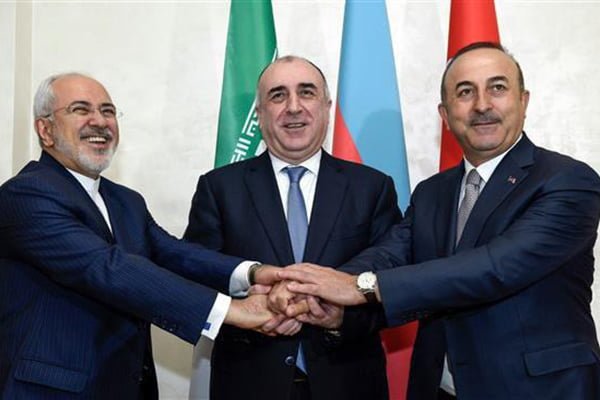
According to Foreign Ministry Spokesman Bahram Qassemi, Zarif will depart for Baku on Wednesday to attend a quadrilateral meeting with his counterparts from Azerbaijan, Turkey and Georgia.
After Baku, the foreign minister will have a trip to the Kazakh capital Astana to join a trilateral meeting with top Turkish and Russian diplomats Mevlut Cavusoglu and Sergei Lavrov as part of the Astana talks on Syria.

The talks will be held in line with the three countries’ efforts to pave the way for ending the nearly seven years of war in Syria.

The meeting will be held on March 16 “without observers or Syrian sides”, according to the Kazakh foreign ministry.

“Iran Will Help Saudi Arabia if It Comes under Aggression”

Mohammad Javad Zarif attended a press conference in Pakistan and answered the questions raised by the country’s media after making a speech at the Institute of Strategic Studies Islamabad (ISSI) while on a visit to Pakistan.


Iran-Saudi Arabia Ties

Questioned on whether Tehran has welcomed proposals to revive its relations with Riyadh, Zarif said, “If Saudi Arabia comes under whatever foreign aggression, Iran will be the first country to go into action to help that country.”

He then highlighted the importance of security and stability in the Middle East region.

“We believe the security and stability of neighbouring and regional countries is the same as the security and stability of the Islamic Republic of Iran,” he said.

The top diplomat expressed hope that Saudi Arabia would have the same feeling as Iran and be ready to settle the issues on which the two sides are divided.


Negotiating with Riyadh

Zarif went on to say that Tehran has announced its preparedness for negotiations with Riyadh.

“We have declared our readiness to begin talks with Saudi Arabia, and welcomed measures adopted by former Pakistani Prime Minister Nawaz Sharif to help the dialogue get underway,” Iran’s foreign minister added.

He then referred to the Saudis’ mindset regarding their relations with Iran.

“The problem is that the Saudis think it will be in their interest if the world thinks they are being threatened [by Iran],” said Zarif.

He said Riyadh and Tehran are both involved in regional developments.

“We believe we cannot separate Saudi Arabia from regional developments, but at the same time we believe the Islamic Republic of Iran cannot be separated from the regional developments, either,” he noted.


War in Iraq, Syria

Elsewhere in his remarks, Iran’s diplomacy chief elaborated on the irreparable damage and destruction caused by acts of terror in Iraq and Syria.

“Both Iran and Saudi Arabia can invest in the reconstruction of Iraq and Syria, and to that end, they should resolve their problems at the negotiating table,” Zarif underlined.

“There is no reason for animosity between us and Saudi Arabia, but we are telling them that they cannot ensure their security from beyond their borders,” Zarif said.


Iran-Pakistan Relations

On Tehran-Islamabad ties on the security front, the foreign minister said Iran will not allow anybody or any group to use its soil against Pakistan, and “we also believe that Pakistan, in turn, will not allow its soil to be used against Iran by terrorist elements.”


Future of JCPOA

Zarif also touched upon US President Donald Trump’s anti Iran measures regarding the JCPOA.

“The nuclear deal between Iran and the West is an international agreement, and if Trump wants to violate the agreement, it will definitely be isolated in the world,” he said.

“The US is not observing this international deal because it does not want the Islamic Republic of Iran to reap its benefits. Therefore, the US government is practically breaching the JCPOA,” the top diplomat said.

“We believe the EU should give a clear message to the Americans, and that would be: if they continue to violate the JCPOA or seek to change it, they will definitely face international isolation.”


Regional Cooperation & ISIS Threats

Zarif also answered a question about the threats made by the ISIS terror group.

“The presence of the ISIS Takfiri terrorist group in the region is jeopardizing the security of all countries,” he said.

“Bloody rivalries erupt between ISIS and the Taliban in Afghanistan every now and then, which can pose a challenge to the security of Pakistan, Iran, China and Russia in the region.”

Iran’s diplomacy chief then underscored the necessity of regional cooperation to ensure security.

“Regional and neighbouring countries should help restore security and stability to Afghanistan. We support any process of dialogue in Afghanistan, including the talks involving the Taliban,” Zarif underlined.

Iranian Ministers of Roads, Labour Survive Impeachment

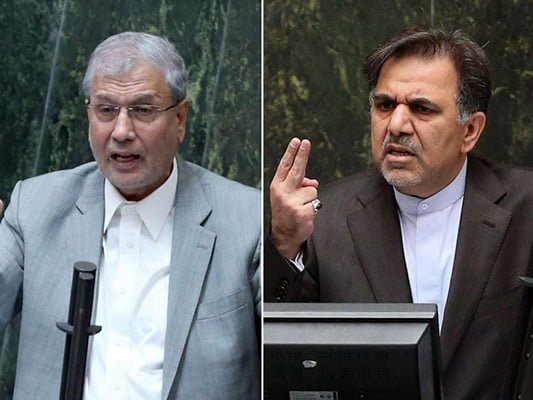
Rabi’ei attended an open session of the Iranian Parliament on Tuesday and defended his performance before the lawmakers. He finally managed to survive the impeachment by a hair’s breadth.

In the Tuesday session, Akhoundi also appeared in the Parliament to defend himself for the third time since he took the helm in August 2013. He had already survived two impeachment sessions.

He finally secured a vote of confidence as 152 lawmakers out of a total of 246 voted in favour of his reinstatement while 92 voted against and 2 abstained.

First Vice President Es’haq Jahangiri accompanied Rabi’ei and Akhoundi during the hearing at the legislature.

Rabi’ei has been under fire for the problems of labourers and pensioners as well as the incident that happened to Sanchi oil tanker. Akhoundi has also been a target of criticism in recent months, especially after the recent plane crash which killed 66 people.

Agriculture Minister Mahmoud Hojjati is also expected to attend a parliamentary session on Wednesday and defend his ministry’s performance before the MPs who have signed the call for his impeachment.

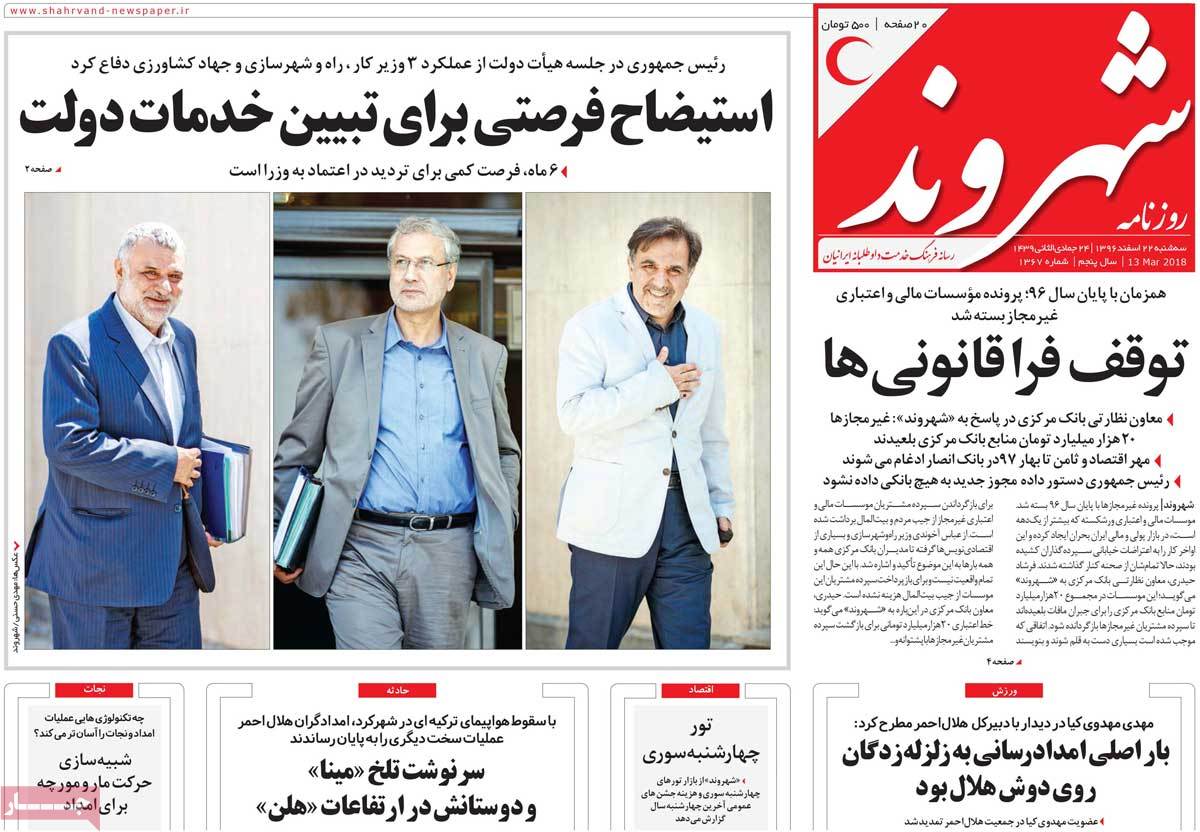
A Look at Iranian Newspaper Front Pages on March 13

A Look at Iranian Newspaper Front Pages on November 18

The issue of compulsory hijab and the women who intentionally remove their hijab in public was a top story today. Judiciary Chief Ayatollah Sadeq Amoli Larijani has warned such moves are against Islamic teachings, and thus prohibited.

Also a top story was the preliminary report on the causes of a recent plane crash in Iran’s Dena Mountain, which blames the pilot and the Airline for the tragic incident.

The impeachment of President Hassan Rouhani’s ministers of roads, labour, and agriculture also remained the story.

The above issues, as well as many more, are highlighted in the following headlines and top stories:


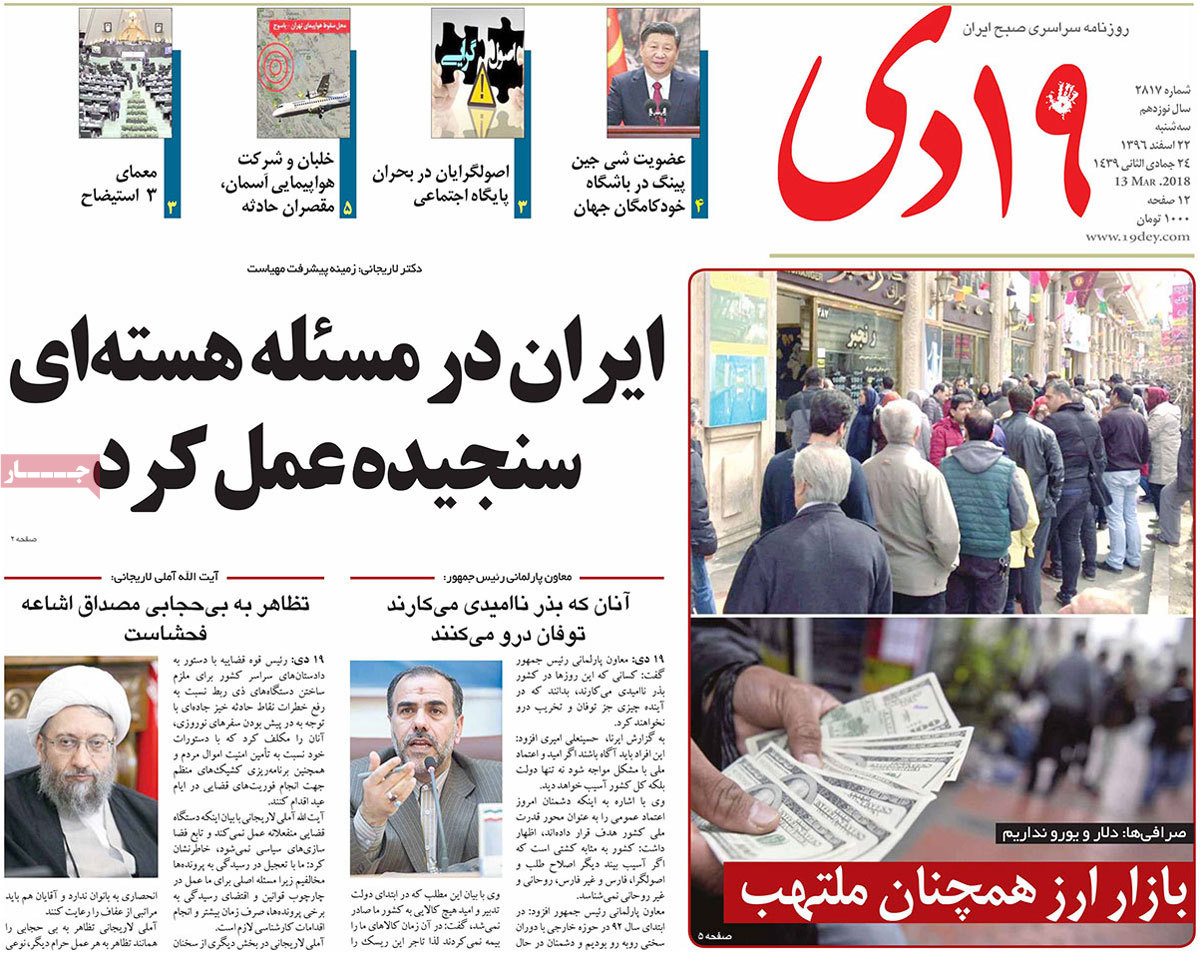
19 Dey:

  • Larijani: Iran Acted Reasonably on Nuclear Issue
  • Judiciary Chief: Showing Off One’s Hijab Removal Instance of Spreading Obscenity

A Look at Iranian Newspaper Front Pages on March 13


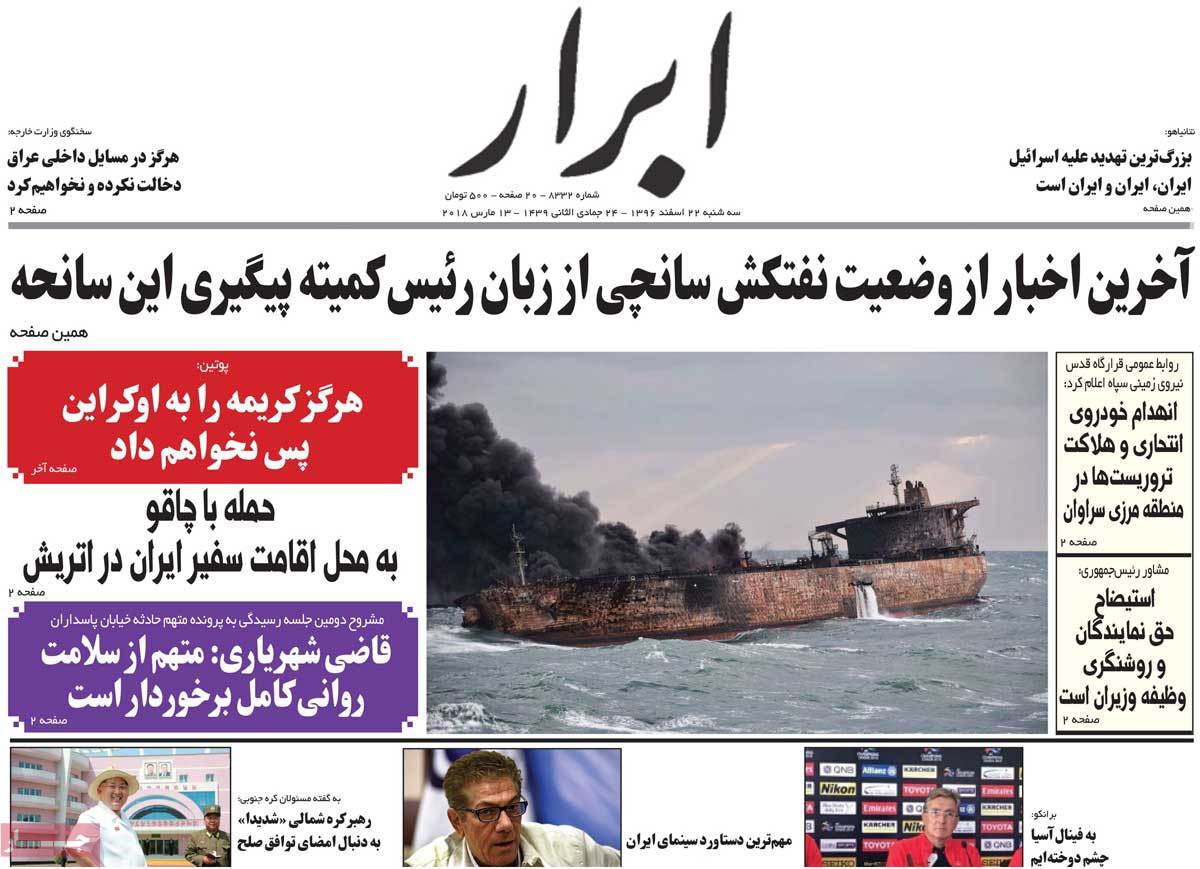
Abrar:

  • Latest Details about Sanchi Oil Tanker’s Situation
  • Putin: I’ll Never Return Crimea to Ukraine
  • Netanyahu: Iran, Iran, Iran Biggest Threat to Israel
  • Iran Foreign Ministry: We’ve Never Interfered in Iraq’s Internal Affairs, We’ll Never Do So

A Look at Iranian Newspaper Front Pages on March 13


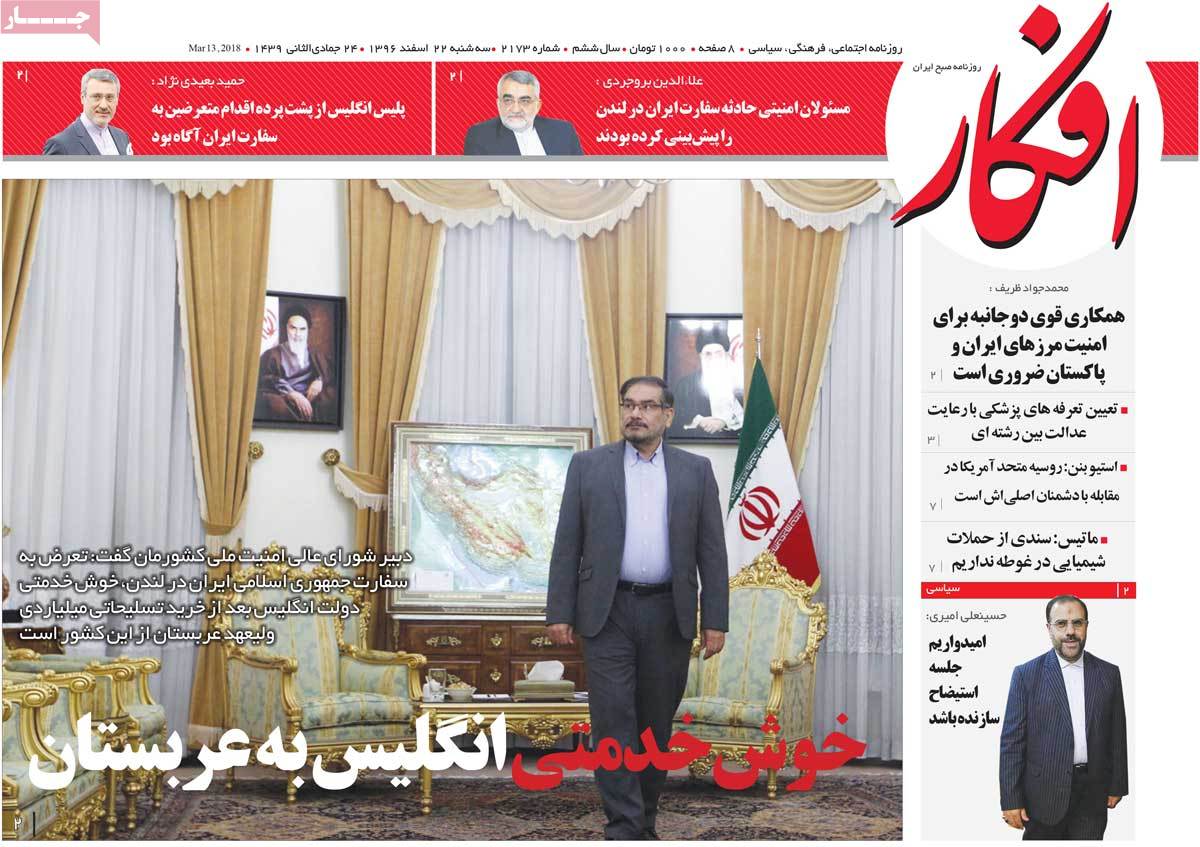
Afkar:

  • Senior Lawmaker: Security Officials Had Predicted Attack on Iran Embassy in London
  • Iran’s Top Security Official Says Attack on London Embassy UK’s Gift to Saudis

A Look at Iranian Newspaper Front Pages on March 13


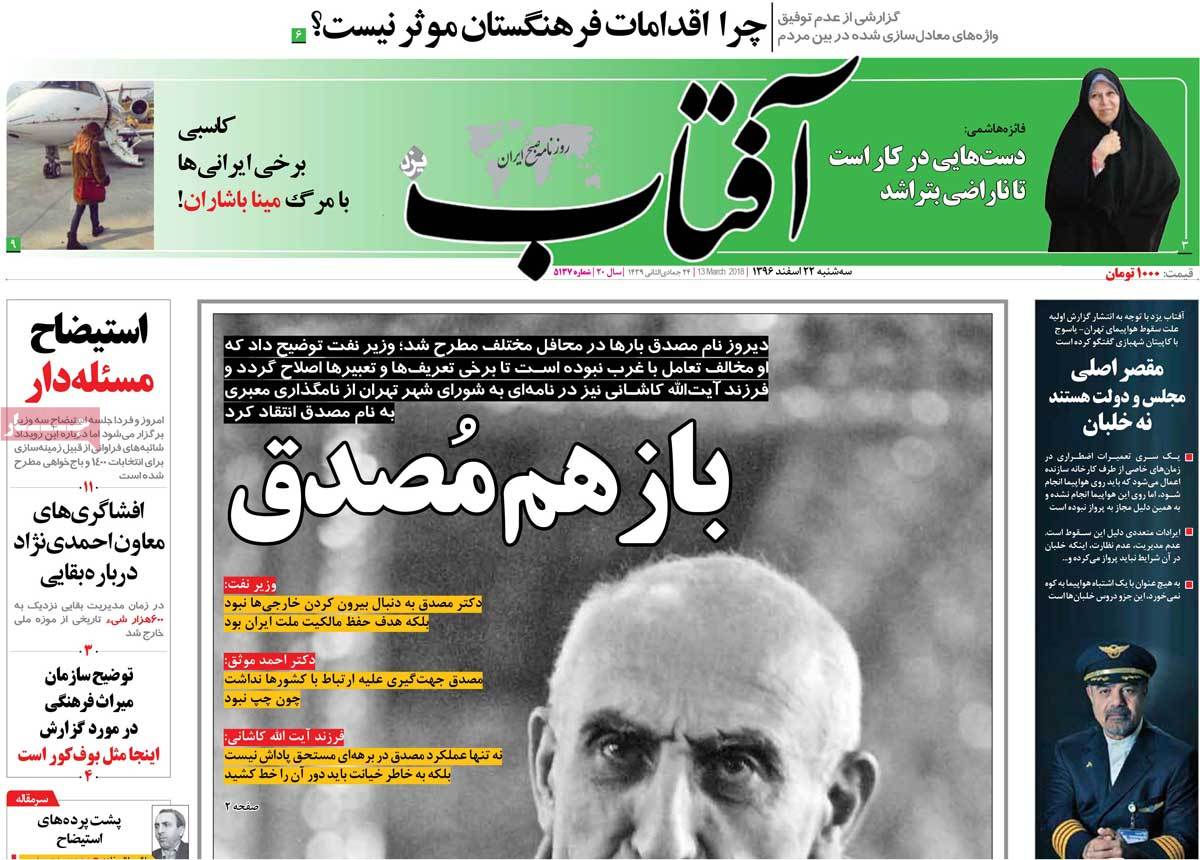
Aftab-e Yazd:

  • Ayatollah Rafsanjani’s Daughter: Some Elements Trying to Make People Hopeless

A Look at Iranian Newspaper Front Pages on March 13


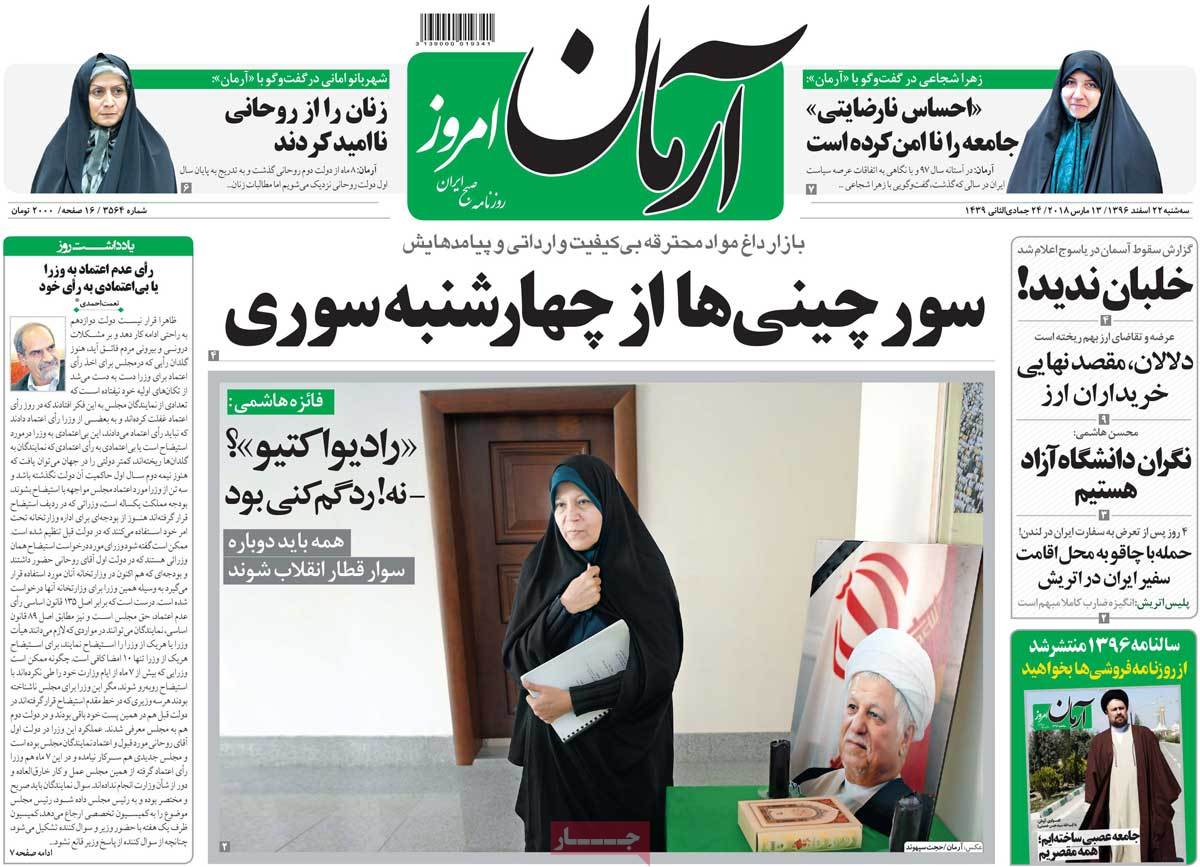
Arman-e Emrooz:

  • China’s Huge Profit Out of Chaharshanbeh Soori Festival in Iran
  • Lucrative Market of Low-Quality Fireworks Imported from China

A Look at Iranian Newspaper Front Pages on March 13


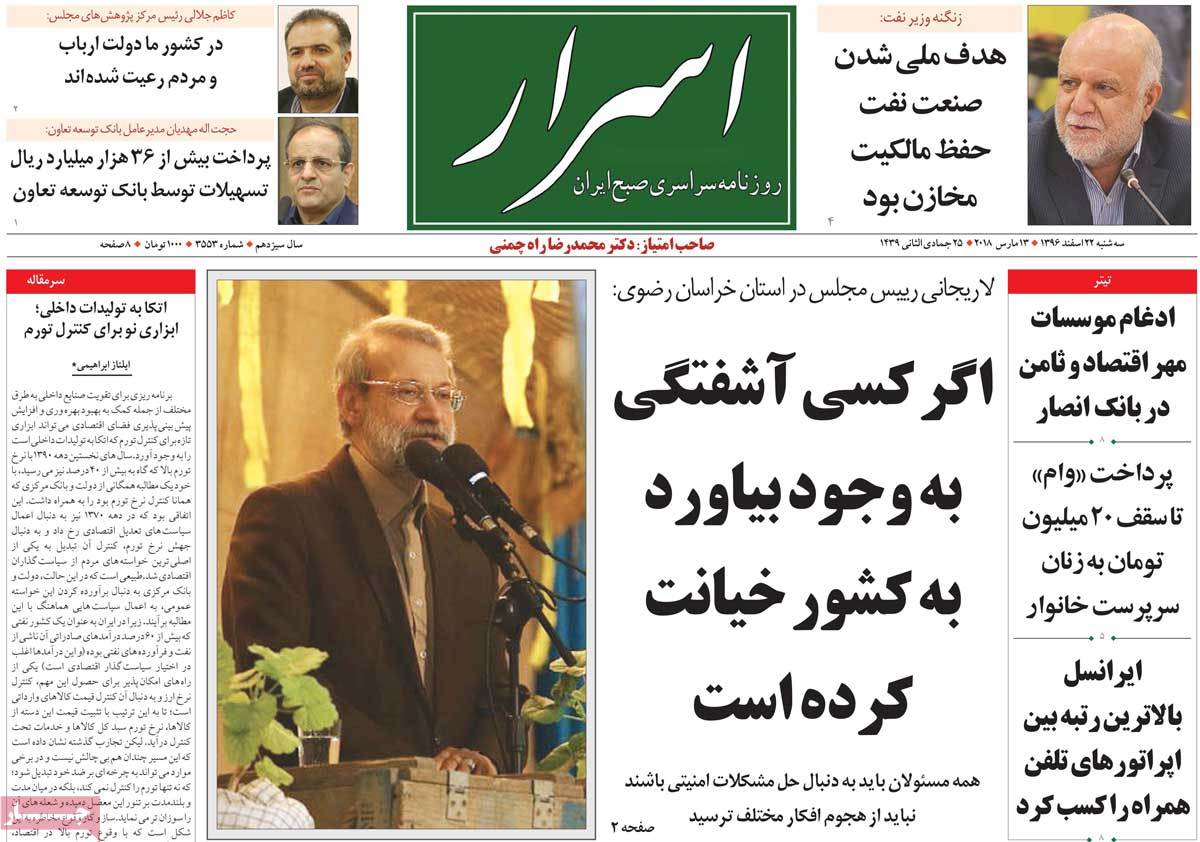
Asrar:

  • Nationalization of Iran’s Oil Was Aimed at Taking Control of Reservoirs
  • Larijani: Whoever Causes Chaos Has Betrayed the Country

A Look at Iranian Newspaper Front Pages on March 13


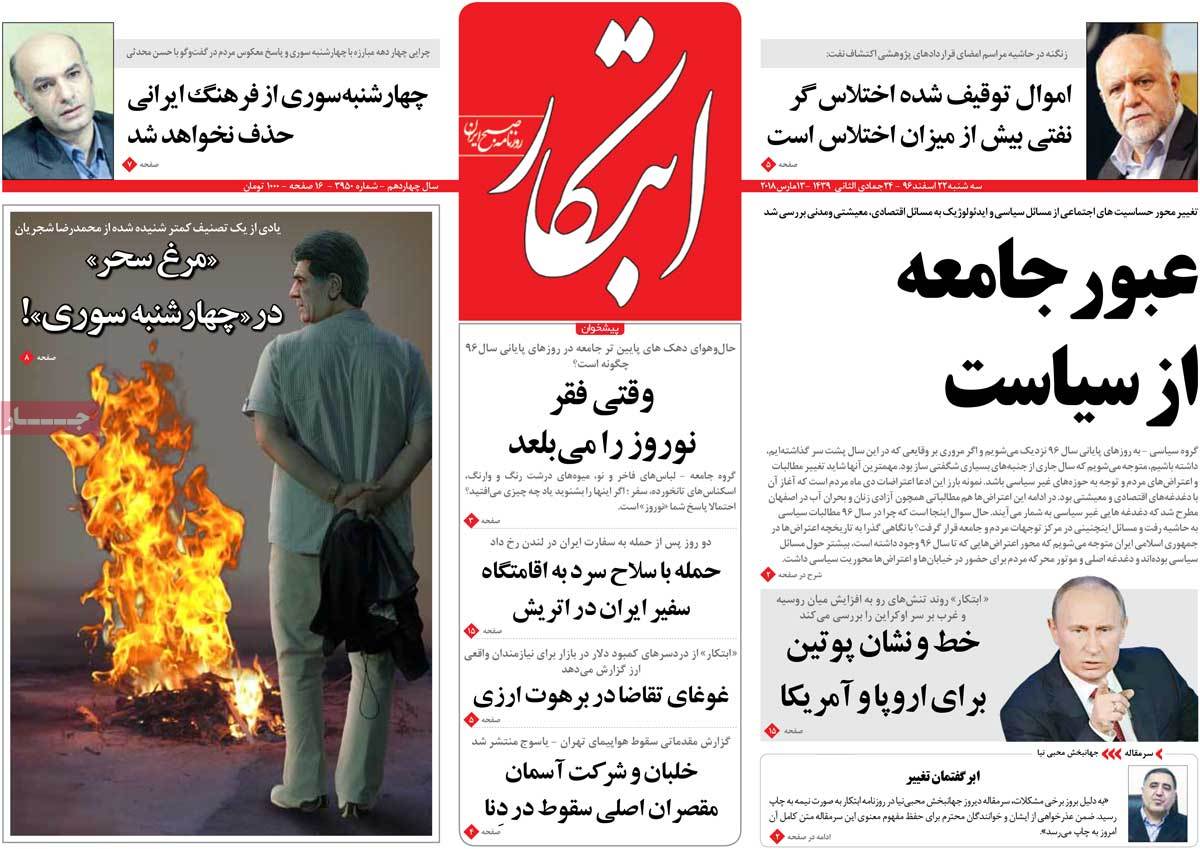
Ebtekar

  • Escalation of Tension between Russia, West over Ukraine
  • Pilot, Aseman Airlines to Blame for Crash of Yasuj Plane: Initial Report

A Look at Iranian Newspaper Front Pages on March 13


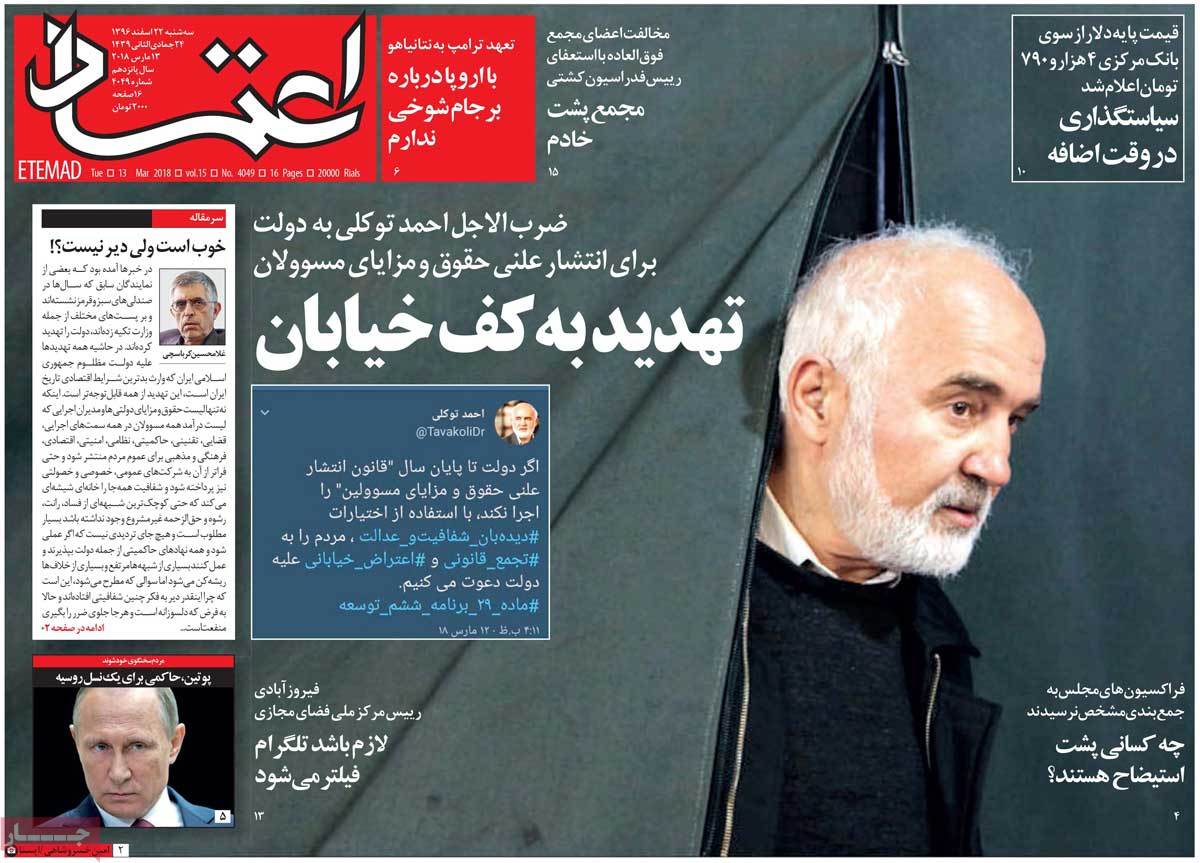
Etemad:

  • I Don’t Joke with Europe over Iran Nuclear Deal: Trump to Netanyahu
  • Telegram Can Be Blocked If Necessary: Official

A Look at Iranian Newspaper Front Pages on March 13


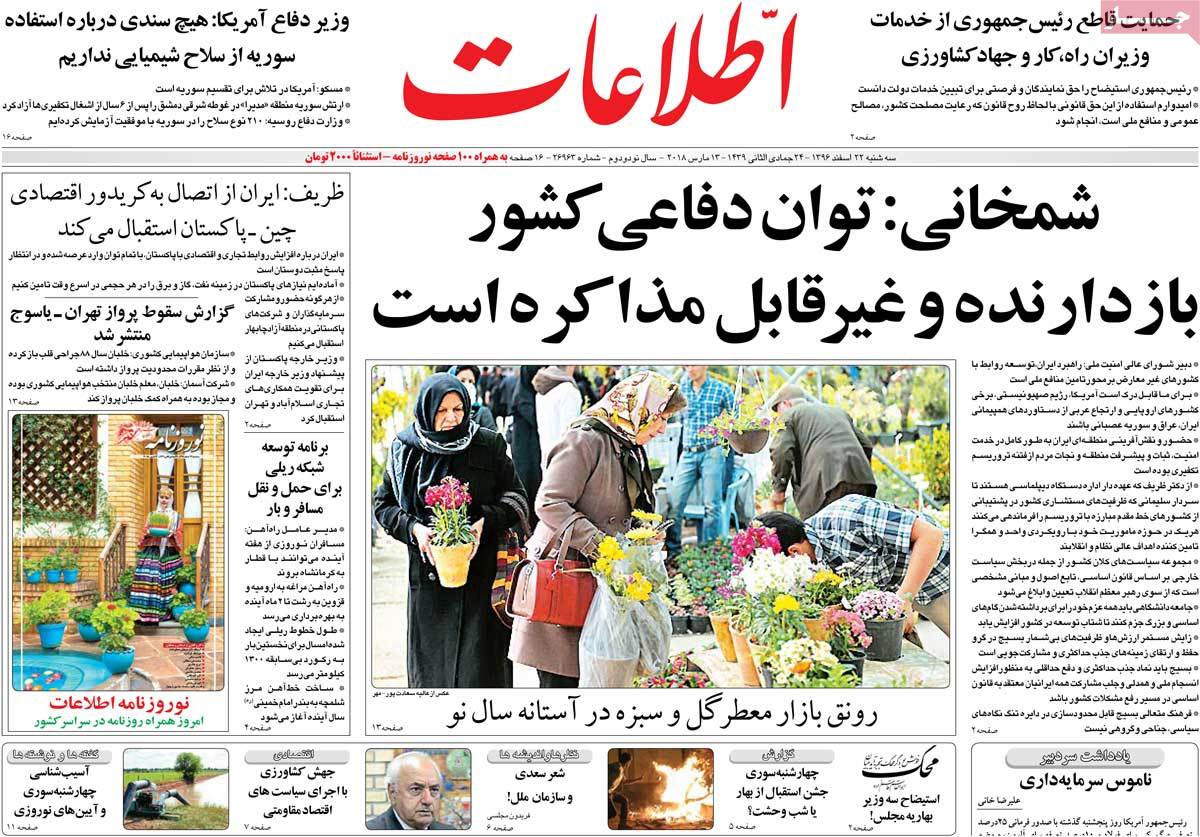
Ettela’at:

  • Shamkhani: Iran’s Defence Power Deterrent, Not Negotiable
  • US Defence Secretary: We Have No Document on Syria’s Use of Chemical Arms
  • Zarif: Iran Welcomes Joining China-Pakistan Economic Corridor
  • Flourishing Market of Flowers ahead of Persian New Year

A Look at Iranian Newspaper Front Pages on March 13


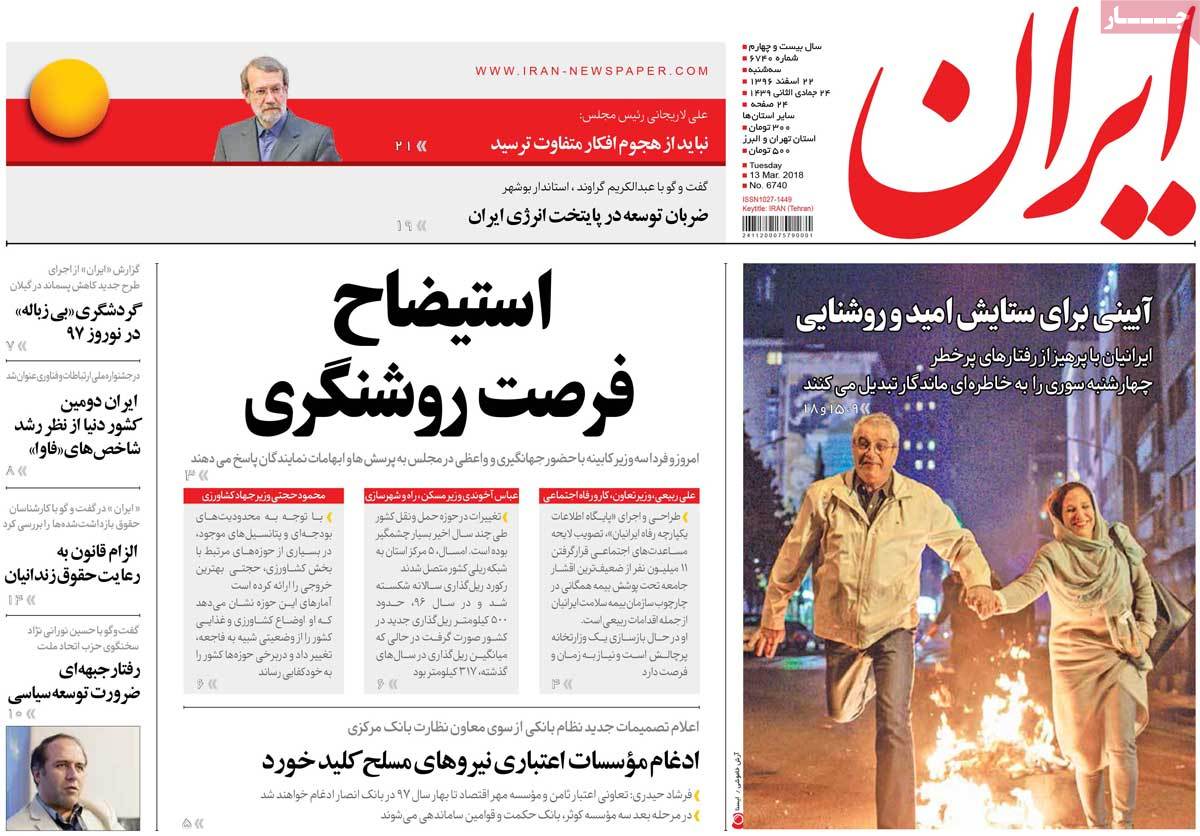
Iran:

  • Parliament Speaker: We Shouldn’t Be Afraid of Being Invaded by Different Opinions
  • Bushehr Governor-General: Heart of Iran’s Energy Capital Beating Well

A Look at Iranian Newspaper Front Pages on March 13


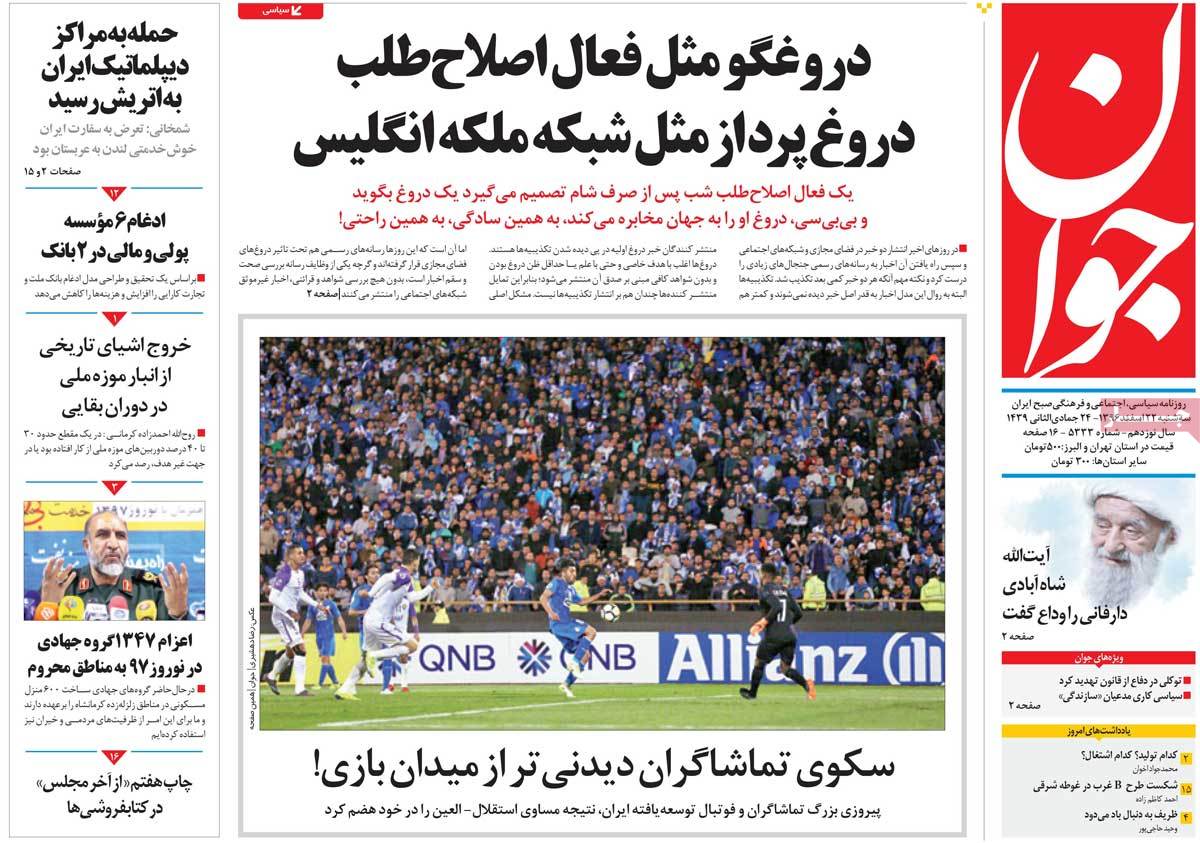
Javan:

  • Attack on Iran’s Diplomatic Buildings: This Time in Austria
  • Spectators More Spectacular than Football Match
  • Esteghlal’s Draw against Al Ain Overshadowed by Iran’s Developed Football, Grown-up Fans

A Look at Iranian Newspaper Front Pages on March 13


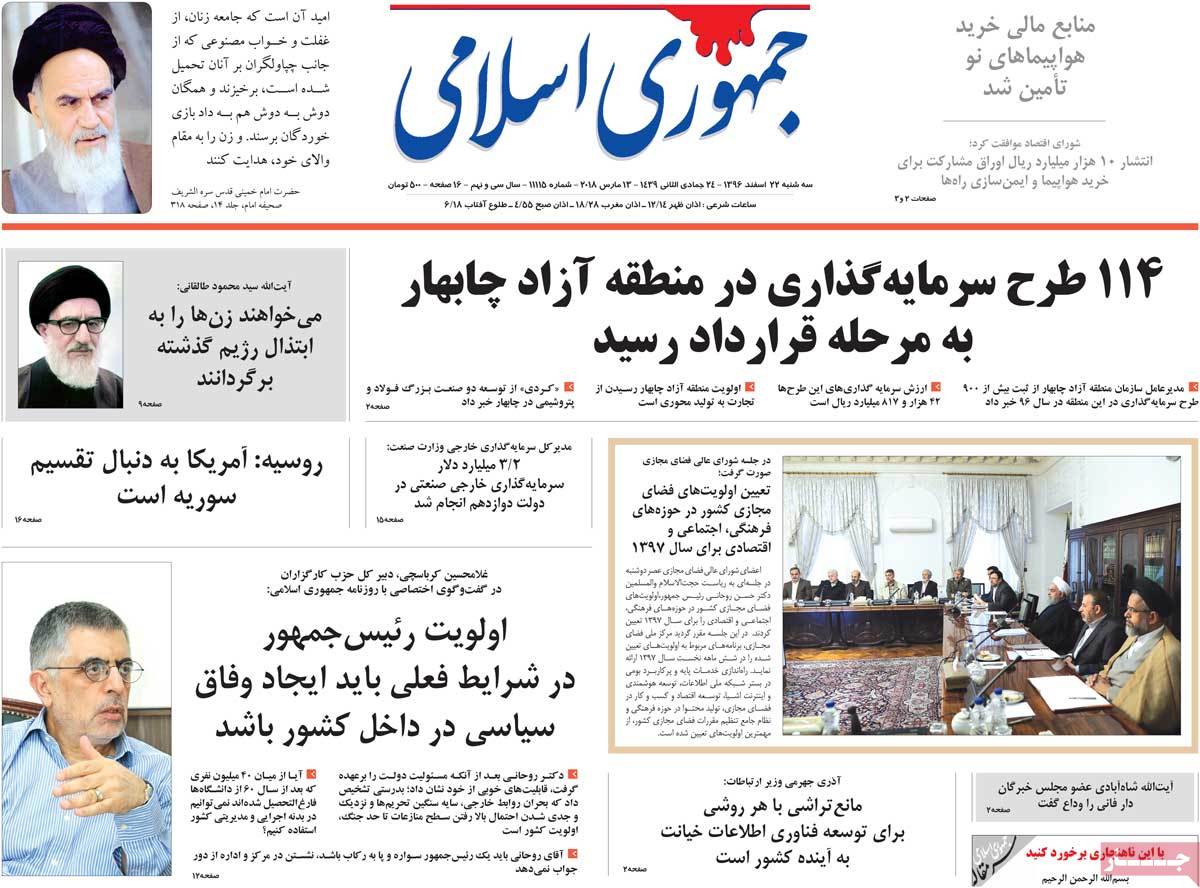
Jomhouri Eslami:

  • 114 Investment Plans in Chabahar Free Trade Zone at Contract Phase
  • Russia: US Seeks to Disintegrate Syria
  • Funds Provided for Purchase of New Planes by Issuing Bonds

A Look at Iranian Newspaper Front Pages on March 13


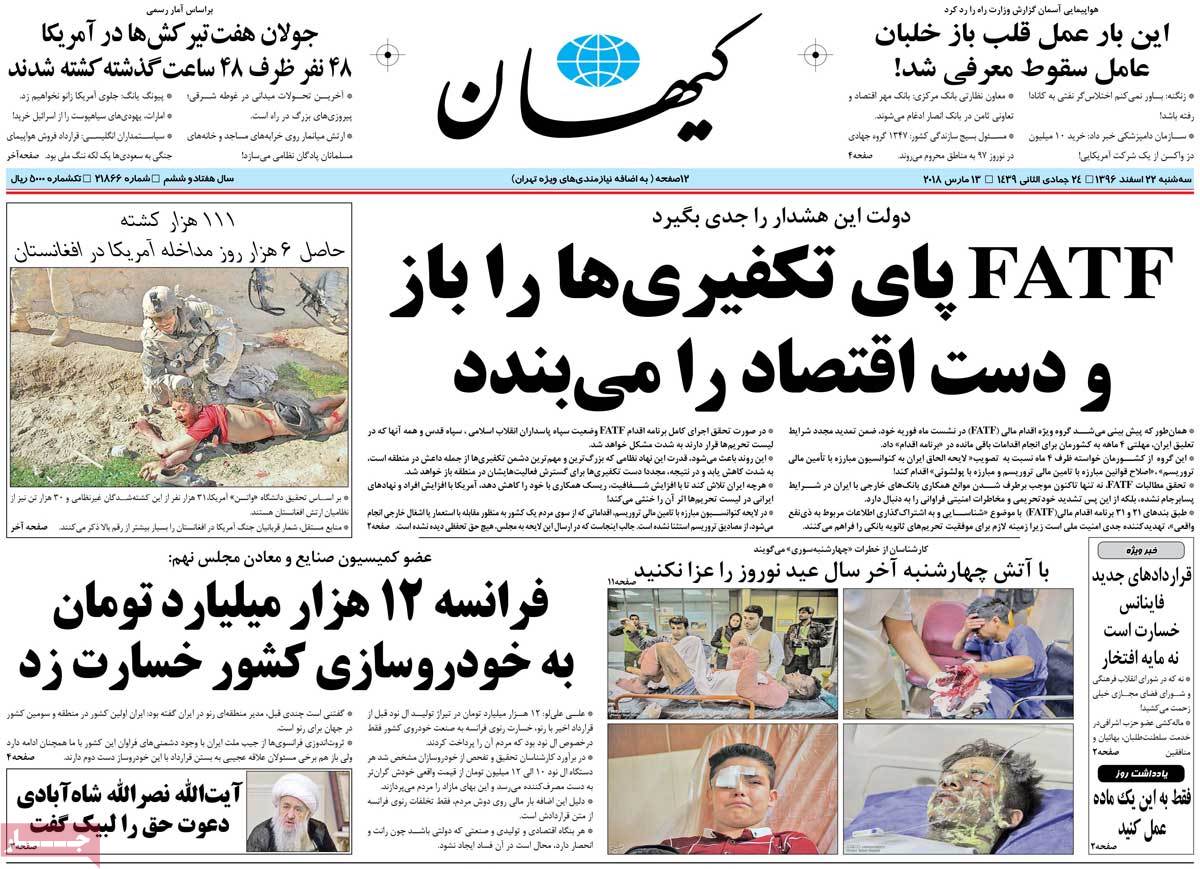
Kayhan:

  • Gov’t Must Beware: FATF to Give Way to Takfiris, Restrict Economy
  • 111,000 Deaths Result of 6,000 Days of US Interference in Afghanistan
  • Official Statistics Show 48 Shot Dead in Past 48 Hours: Free Operation of Gunmen
  • MP: France Caused $2.6 Billion in Damages to Iran’s Car Industry
  • This Time Plane Crashed Blamed on Pilot’s Heart Surgery!
  • Aseman Airlines Rejects Roads Ministry’s

A Look at Iranian Newspaper Front Pages on March 13


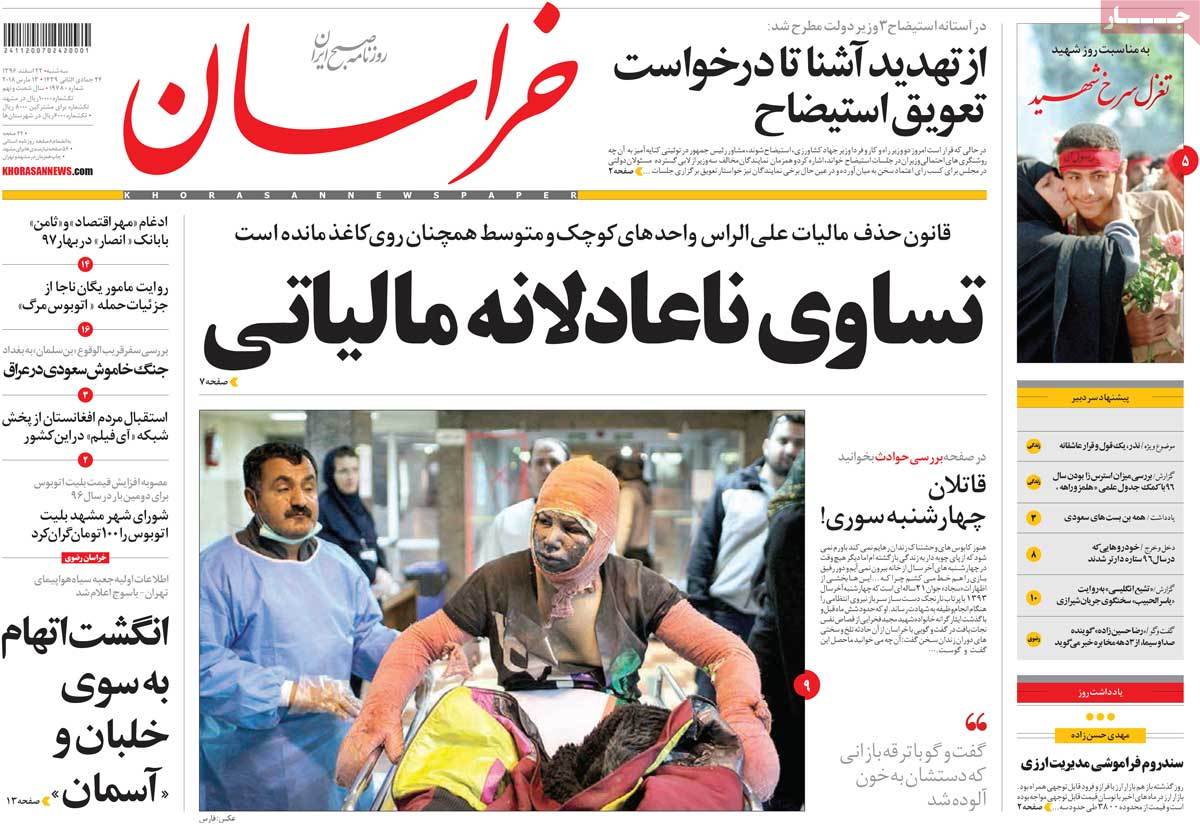
Khorasan:

  • All Controversies Surrounding Impeachment of 3 Ministers

A Look at Iranian Newspaper Front Pages on March 13


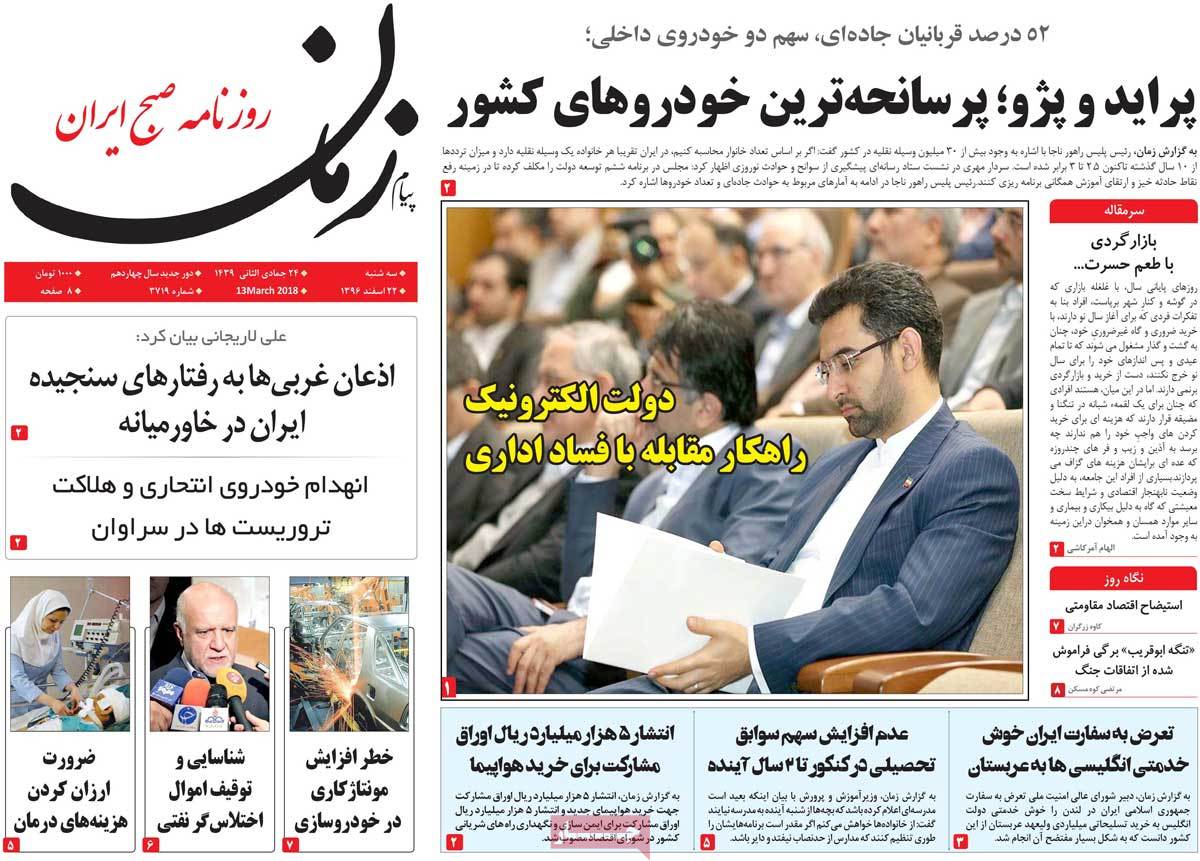
Payam-e Zaman:

  • ICT Minister: E-Government Key to Fighting Administrative Corruption
  • Larijani: Westerns Admit Iran Has Shown Sensible Behaviours in Mideast

A Look at Iranian Newspaper Front Pages on March 13


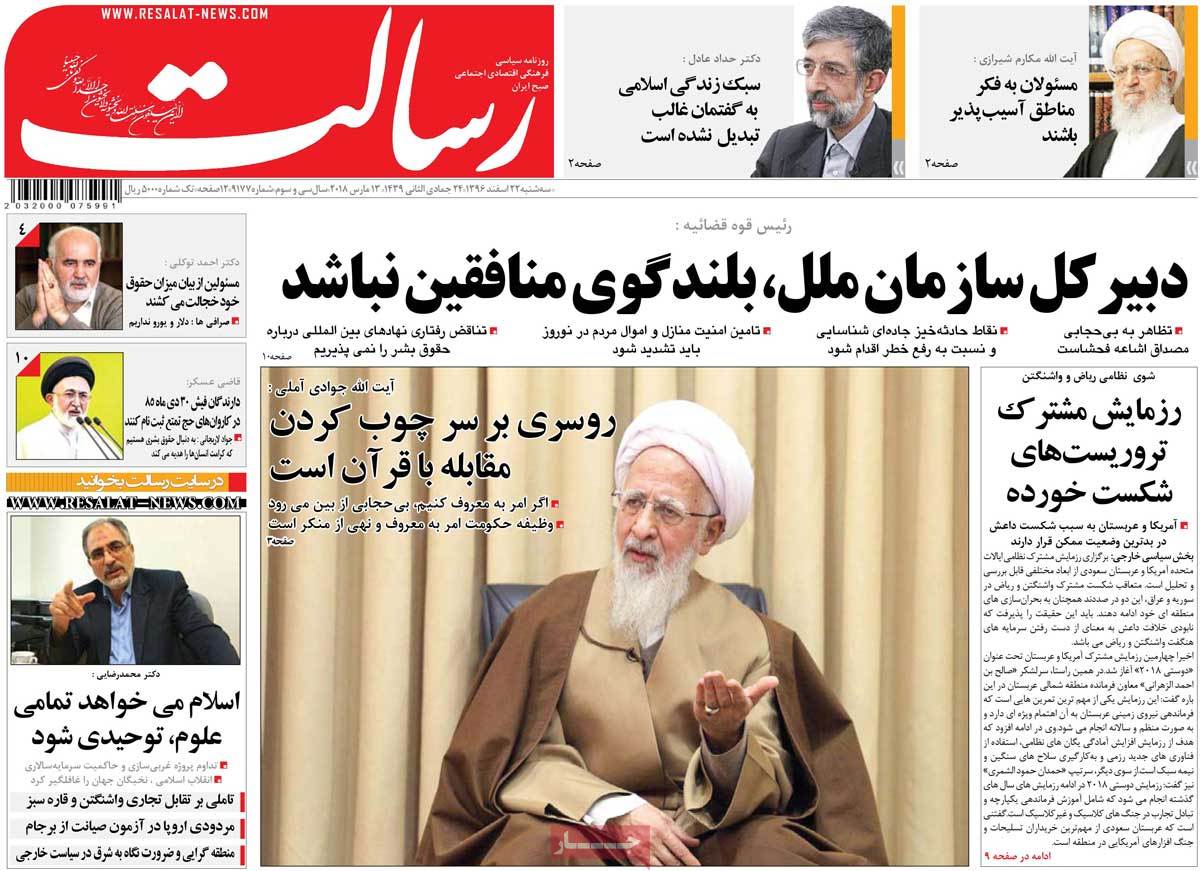
Resalat:

  • Judiciary Chief: UN Chief Shouldn’t Turn into Mouthpiece for MKO Terrorists
  • Ayatollah Javadi Amoli: Those Who Intentionally Remove Their Hijabs Fighting against Quran
  • Former Outspoken MP: Officials Embarrassed of Declaring Their Salaries

A Look at Iranian Newspaper Front Pages on March 13


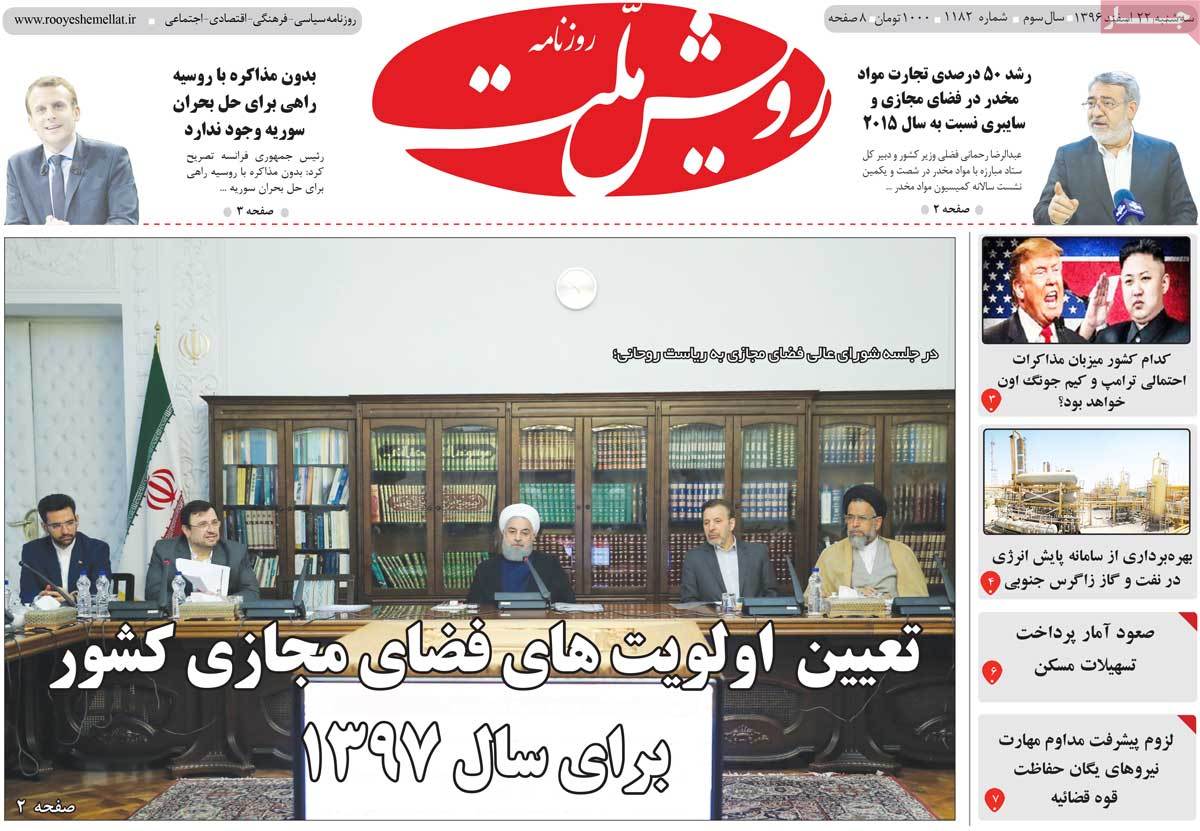
Rooyesh-e Mellat

  • Iran’s Cyber Priorities Announced for Next Year
  • Macron: No Way to Resolve Syria Crisis without Holding Talks with Syria

A Look at Iranian Newspaper Front Pages on March 13


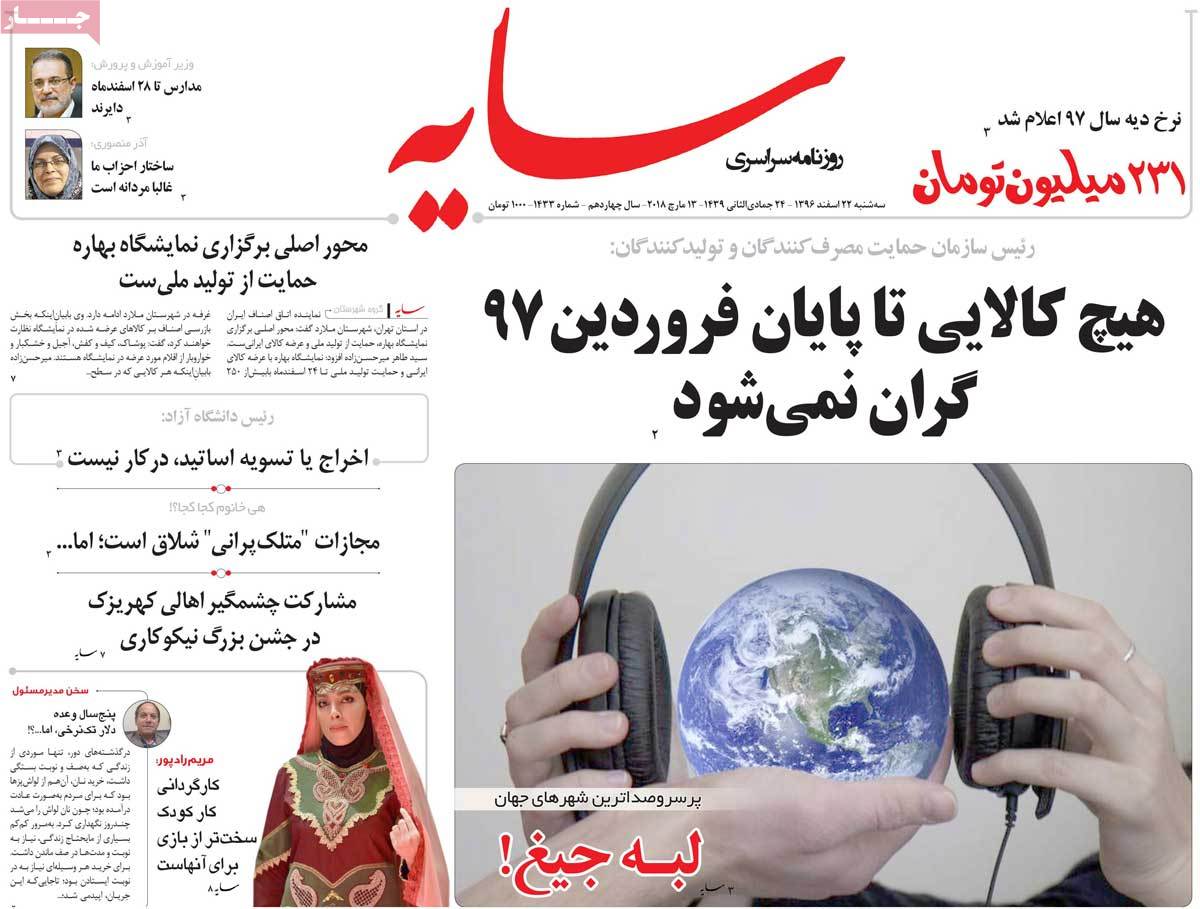
Sayeh:

  • No Price Hike until End of April: Official

A Look at Iranian Newspaper Front Pages on March 13


Shahrvand:

  • Bitter Fate of Mina and Her Friends in Helen Heights
  • A Report on Relief, Rescue Operation in Shahr-e Kord after Turkish Plane Crash

A Look at Iranian Newspaper Front Pages on March 13


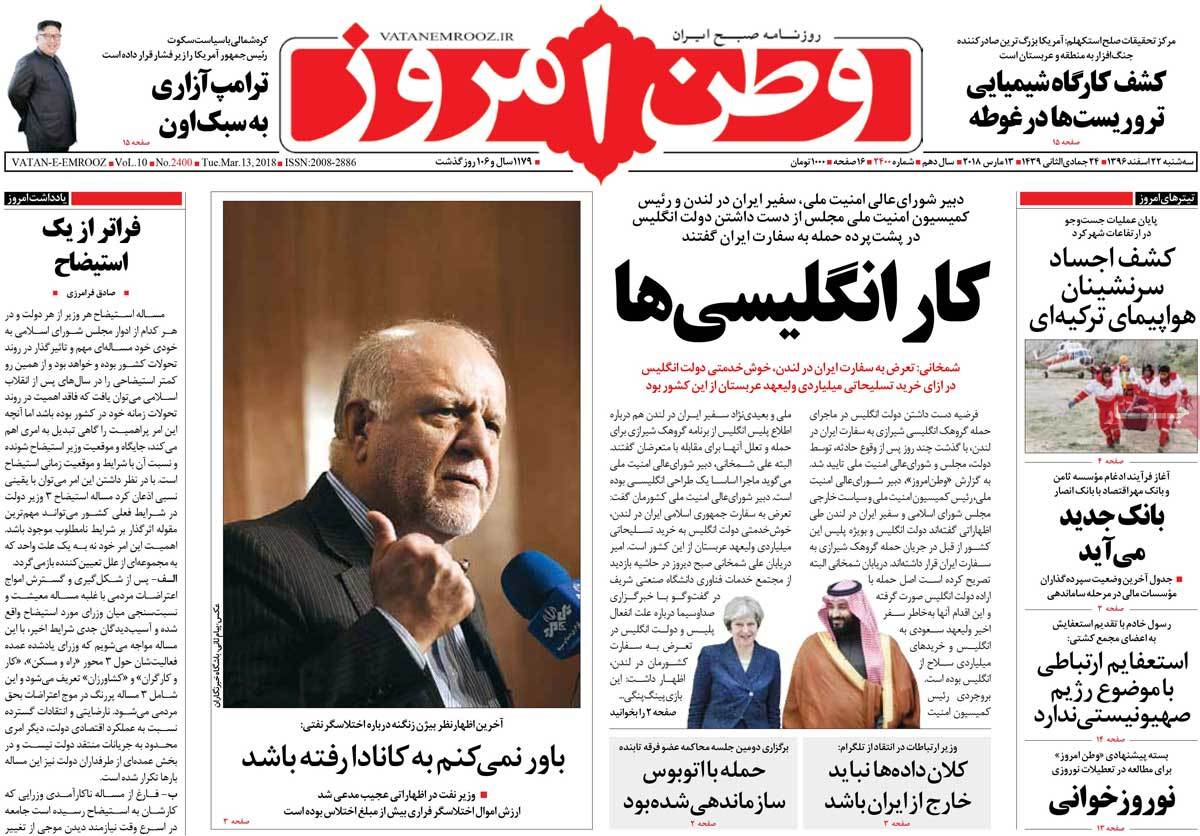
Vatan-e Emrooz:

  • Chemical Workshop of Terrorists Discovered in Ghouta
  • Stockholm Peace Research Centre: US Biggest Arms Exporter to Region, Saudi Arabia
  • North Korean Leader Has Put Trump under Pressure through His Silence

A Look at Iranian Newspaper Front Pages on March 13


Iran Offers Condolences to Bangladesh over Plane Crash

In a statement on Tuesday, Qassemi offered sympathy to the government and nation of Bangladesh and the bereaved families of victims of the tragic incident.

At least 49 people were killed on Monday when the passenger plane crashed in cloudy weather as it came in to land at an airport in the Nepalese capital Kathmandu, Bangladeshi officials have announced.

The US-Bangla Airlines plane carrying 67 passengers and four crew members slipped off the runway as it was landing and fell down a slope, sliding for about 300 metres before it stopped at a football pitch, leaving a trail of twisted metal, paper and luggage along the burnt grass.

Nepal has suffered a number of air disasters in recent years, dealing a blow to its tourist industry.

Its poor air safety record has been blamed largely on inadequate maintenance, inexperienced pilots and substandard management.

In early 2016, a twin otter turboprop aircraft hit a mountainside in Nepal, killing all 23 people on board.

Two days later, two pilots were killed when a small passenger plane crash-landed in the country’s hilly midwest.

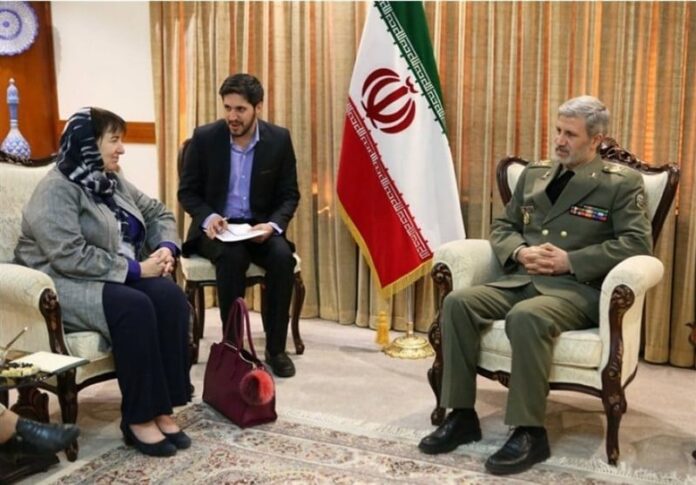
Foreign Interference, Main Cause of Regional Crises: Iran DM

Speaking in a Tuesday meeting with Susanna Terstal, the Netherlands’ ambassador to Iran, General Hatami said though parts of the chaos are deeply rooted in the regional issues, foreign powers play a leading role in fanning the flames of the Mideast crises.

“As US officials confessed, Washington established the ISIS terrorist group in the region and provided it with financial and military support by allocating $550m to keep them alive,” he was quoted as saying in a Farsi report by Fars News Agency.

He then referred to the ongoing humanitarian catastrophe in Yemen and called on the Netherlands as a non-permanent member of the United Nation Security Council as well as its permanent members to stop Saudi Arabia’s relentless war on the impoverished country and deaths of innocent civilians including women and children there.

General Hatami dismissed as ridiculous the US claims about Iran’s sending missile to Yemen and said amid the current all-out siege imposed on Yemen, sending even medicine and food aid to Yemen is near to impossible, let alone missiles.

“Such claims are levelled against the Islamic Republic of Iran to divert the international community’s attentions from the crimes underway in Yemen,” he said.

During the meeting, the Iranian top military commander also expressed the Islamic Republic’s interest in expanding its defence relations with the Netherlands saying the two sides have historical relations with each other.

He underlined the importance of defence capability in today’s world and added “today, with the eight-year experience of the war imposed by Iraq on Iran, we have come to this strategic conclusion that national security cannot be provided without defence capability and high deterrence power,” he said.

General Hatami also said the Islamic Republic of Iran has always respected the independence, territorial integrity and the national sovereignty of all states and noted, “We are mainly focused on strengthening our defence capability and deterrence.”

For her part, the ambassador of the Netherlands referred to the efforts underway to expand bilateral ties between Iran and the Netherlands and said her country is interested in enhancing its military ties with the Islamic Republic.

Terstal said the Netherlands is seeking peace and security across the world and added the government of the Netherlands attaches great significance to creating peace and stability and has adopted good measures to this effect.

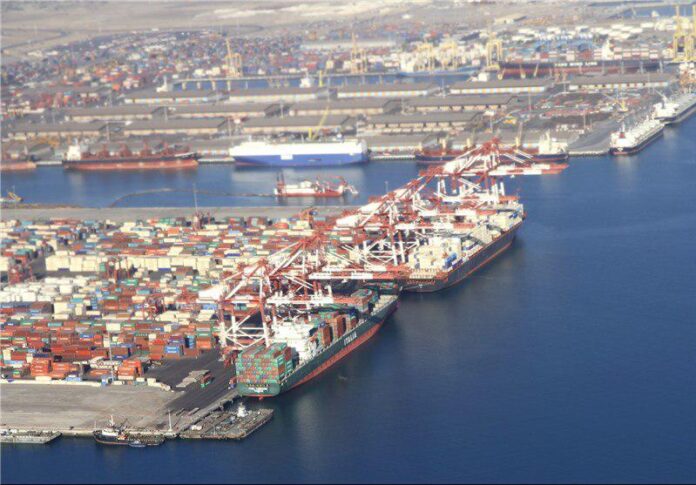
Chabahar, Gwadar Ports Great Chance for Iran-Pakistan Cooperation

Iran, India to Sign Preferential Trade Agreement Pact

The talks held Tuesday were part of Zarif’s meetings with Pakistani officials.

In the meeting, the Pakistani national security advisor touched upon the very good relations between Tehran and Islamabad. He said it is important for Iran and Pakistan to stand by one another and manage issues.

The top Iranian diplomat, in turn, said Tehran stands ready to further enhance relations and cooperation with Pakistan at all levels.

The two sides also welcomed closer cooperation to ensure security and further protect borders.

Among other topics on the agenda of the talks were the holding of security-consular commissions, tapping into the potential of Gwadar and Chabahar ports aimed at boosting economic cooperation between the two countries, ways of enhancing banking cooperation, putting the gas pipeline into operation, multilateral cooperation and regional issues, including fighting terrorism, especially the ISIS terror group.

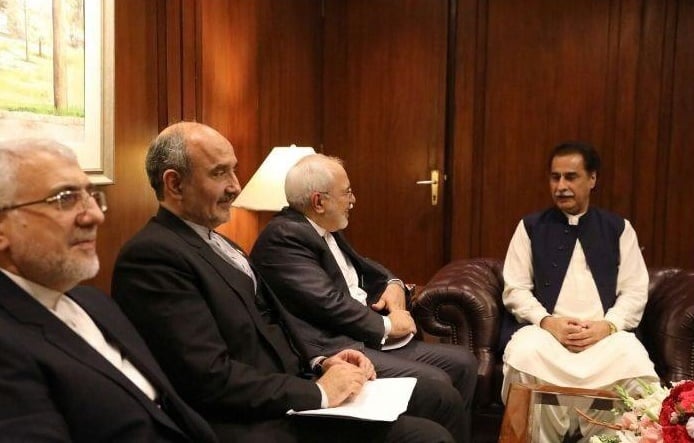
Zarif, who arrived in Islamabad on Sunday for a three-day visit, earlier held talks with the Speaker of Pakistan’s National Assembly Sardar Ayaz Sadiq.

During the Monday talks, the Pakistani official praised the close and good relations between Iran and Pakistan.

He described the last year’s meeting of parliament speakers of six countries in Islamabad including Iran and Pakistan as “very successful” and added the next meeting of the parliamentary heads will be held in Tehran.

He underlined Iran is not only a neighbour for Pakistan but a brother and friend state.

For his part, the Iranian foreign minister gave the warm regards of the speaker of the Iranian parliament to his Pakistani counterpart and called for further expansion of ties between Iran and Pakistan particularly in parliamentary field.

During the talks, the two sides also exchanged views on banking and security relations, regional issues particularly the crises in Syria and Yemen and multi-lateral cooperation.

Chabahar, Gwadar Ports Great Chance for Iran-Pakistan Cooperation