Saturday, December 27, 2025
Home Blog Page 3623

“Europe’s Interests in Danger If It Remains Indifferent to Trump Policies”

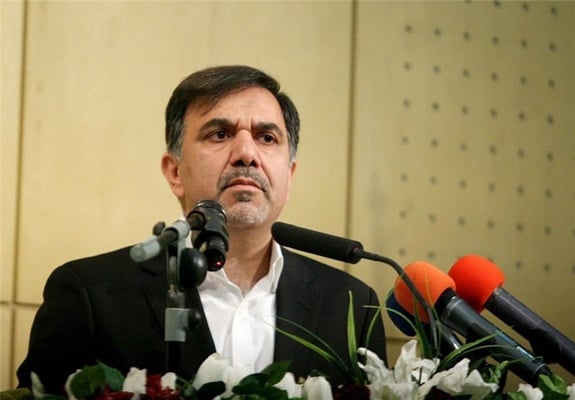
Addressing at the sixth Iran-EU banking conference on Saturday, Abbas Akhoundi, Iran’s minister of roads, housing and urban development, said, “We are at a point in history when Europe has a determining role in that it can push the world towards peace or [on the contrary] contribute to the expansion of war and unrest across the globe with one single mistake or not doing enough.”

He said the world is passing through a transition period at the moment.

“Undoubtedly, the world is undergoing a bipolar change at this juncture, and events have taken place in the world that have led to tugs of war which are too serious to be included in a diplomatic framework and dialogue,” he said.

“The developments unfolding amid this dialogue are tough and deep-rooted, and we cannot deny that and we cannot get past it with just a few diplomatic sentences,” he added.

He said some forces have emerged in the domain of the global power that are undeniable, adding a kind of “numbness” and “backwardness” can be seen in the United States’ role and status on the world stage.

“This comes as the US once regarded itself as the guardian, protector and base of a free world and the economy of market and a competitive economy; this can be seen well in the Cold War era,” said Akhoundi, who is also a member of Iran’s Money and Credit Council.

He said the Israeli regime is now doing risky actions.

“There is also a dubious power in the world, which belongs to Europe; it means, on the one hand, the volume of transactions and [trade] exchanges with the US, which takes place within the framework of a strategic alliance, cannot be overlooked easily and cannot be ignored overnight; on the other, it is completely clear to European intellectuals that what is being pursued by the American system will not lead to global development,” he said.

“I believe that although European scholars do not say this straightforwardly, Europe’s concern about the US behaviour is expressed in many articles,” he said.

“Of course, in the talks we have with the Europeans, they say the volume of Europe’s trade with the US is very high, but what is strategically important is that if Europe does not adopt a clear stance about the US, will it be able to keep benefiting from its current economic advantages?” the minister underlined.

He said if the current American system, as it is, further fuels insecurity, it will definitely wreck Europe’s current interests as well.

“Regarding this, we believe that we know our historical situation as well as political and economic geography more or less, though we have clear errors and weaknesses as well,” he said.

“Anyway, we are heir to an Iranian civilisation which is thousands of years old, and we have played a key role in forming this civilisation. Moreover, we have also contributed to the formation of the Islamic civilisation, so we are not a little-known nation in the world,” he noted.

Akhoundi said Iran is reviewing its role in the world, and although it may have some errors, it will find its place.

“In this regard, we remain committed to our agreements. Furthermore, Iran is a civilisation comprising different ethnic groups. So, we have been good at tolerance and adaptation and accepting the existence of one another,” he said.

“We are certainly a reliable partner for talks, and we accept that we need to play with international regulations; so, we understand that navigation and aviation are not possible without joining international contracts.”

He said the banking system is based on international regulations as well.

“Although there may be agreements that we have not joined, at the end of the day, we will solve problems in a regional and win-win dialogue,” the minister noted.

He then said peace can lay the groundwork for economic development.

“The point we are facing now is more fundamental than the banking issue; it means we should learn how to preserve peace in the region as a base for economic development. My understanding is that what the US is doing is not an economic move; rather, it is a dangerous return and an inappropriate move to sustain instability across the world, and, as a nation, we expect Europe to prevent a return to mercantilistic systems, and urge it not to think that it can safeguard its interests if it is indifferent towards that issue,” he said.
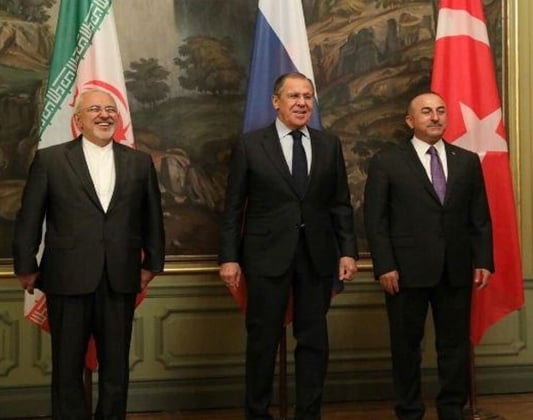
Iran FM Holds Talks with Russian, Turkish Counterparts

The meetings were held prior to a trilateral meeting among the three foreign ministers aimed at discussing the latest developments in Syria.

Zarif and Lavrov discussed various dimensions of bilateral relations and followed up on agreements made in a meeting of Iranian President Hassan Rouhani and Russian President Vladimir Putin in Turkish capital of Ankara early April.

According to a statement by the Iranian Foreign Ministry, the Iranian and Russian officials also talked about cooperation in the energy sector, the anti-terror fight against terrorism in the region, the legal regime of the Caspian Sea, the fate of the Iran nuclear deal, latest developments in Yemen and Syria, and progress of the Astana process.

Zarif and Cavusoglu also conferred on bilateral banking cooperation and international and regional issues, including the situation in Syria and the Astana process.

Later in the day, the three foreign ministers held a trilateral summit to discuss ways to end the Syria crisis. Zarif, Lavrov, and Cavusoglu issued a joint statement saying that they have agreed to increase joint efforts to help achieve “a lasting political settlement in Syria”.

The three states “agreed to increase joint efforts aimed at facilitating the achievement of a lasting political settlement in Syria envisaged by the UN Security Council resolution 2254 and through full use of multi-level mechanisms of the Astana format,” the top diplomats said in the joint statement.

The Astana process refers to crisis resolution talks, which have been underway in the Kazakh capital of Astana since late 2016, when the trio (Tehran, Moscow, Ankara) started working together to end the crisis in Syria.

Russia has been lending air support to Syria’s ground operations, while Iran offers military advisory assistance to the Syrian army. But Turkey supports militants fighting to bring down the government.

Moscow’s tripartite meeting comes as the Syrian government forces have made major gains against foreign-backed terrorists, pushing them out of their stronghold in the eastern Ghouta region near the capital Damascus.

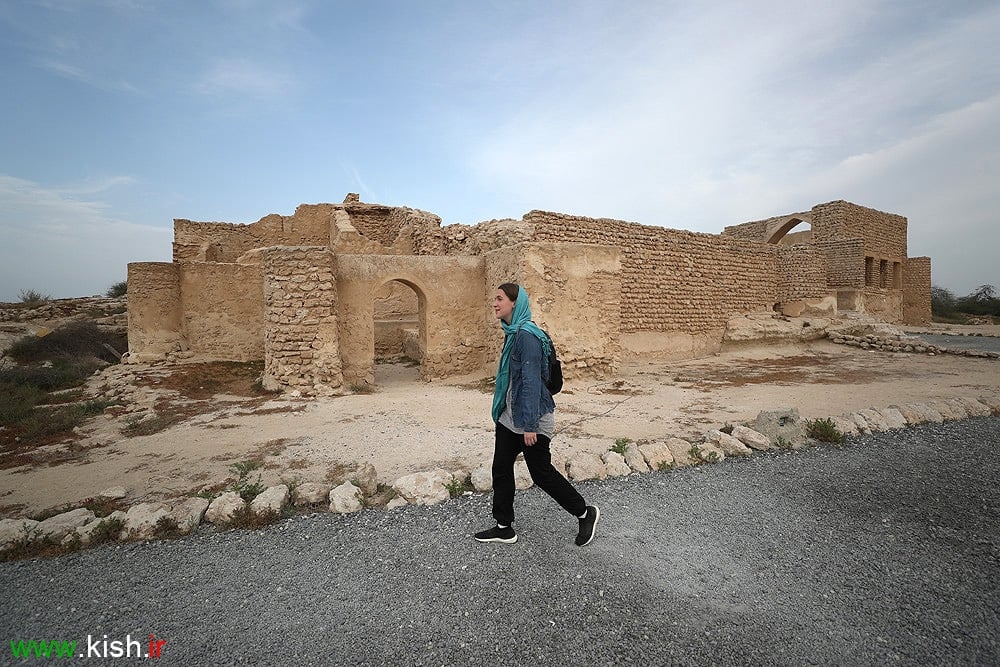
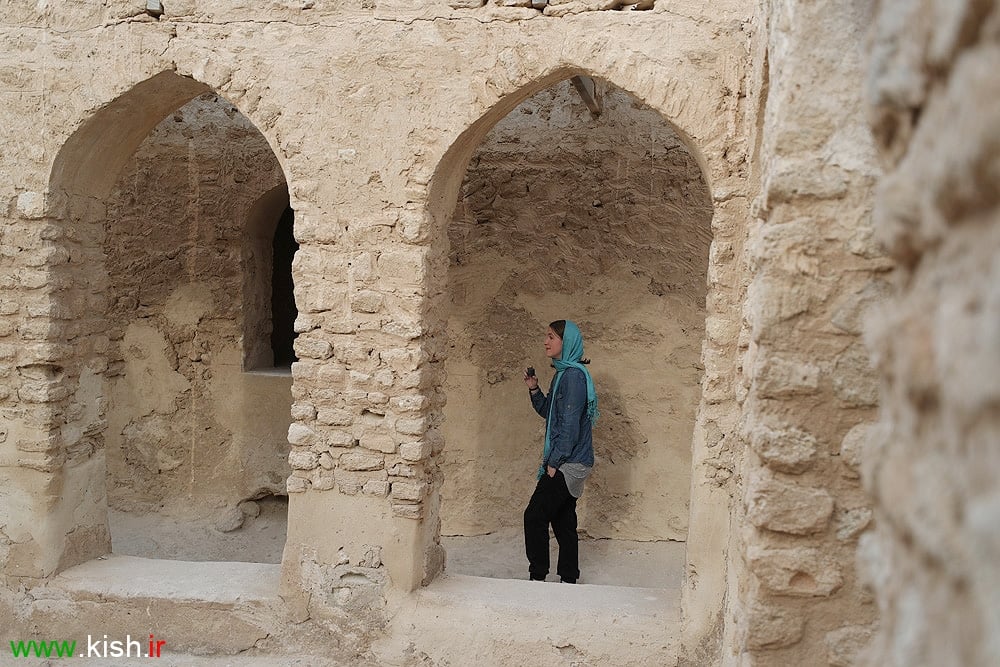
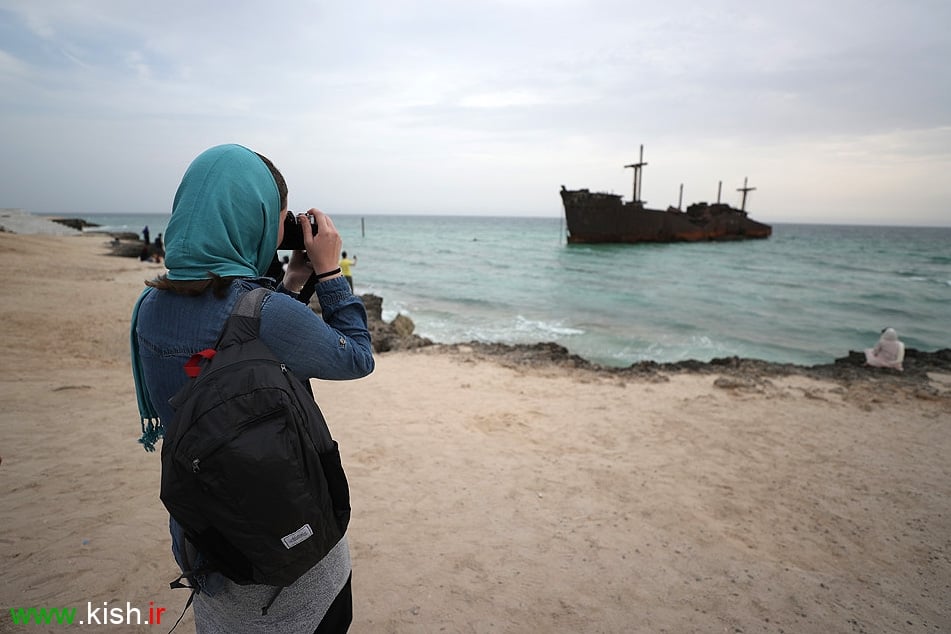
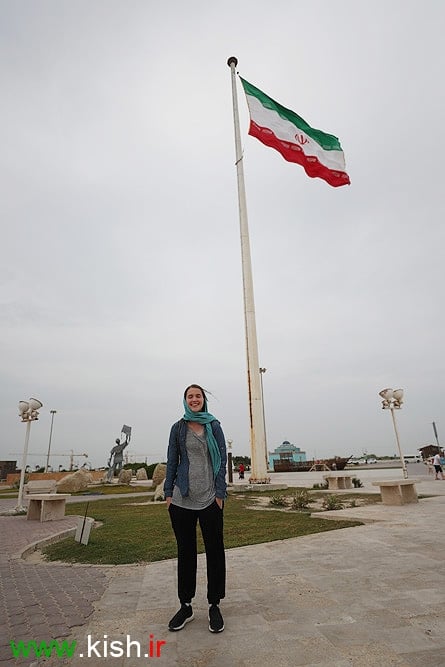
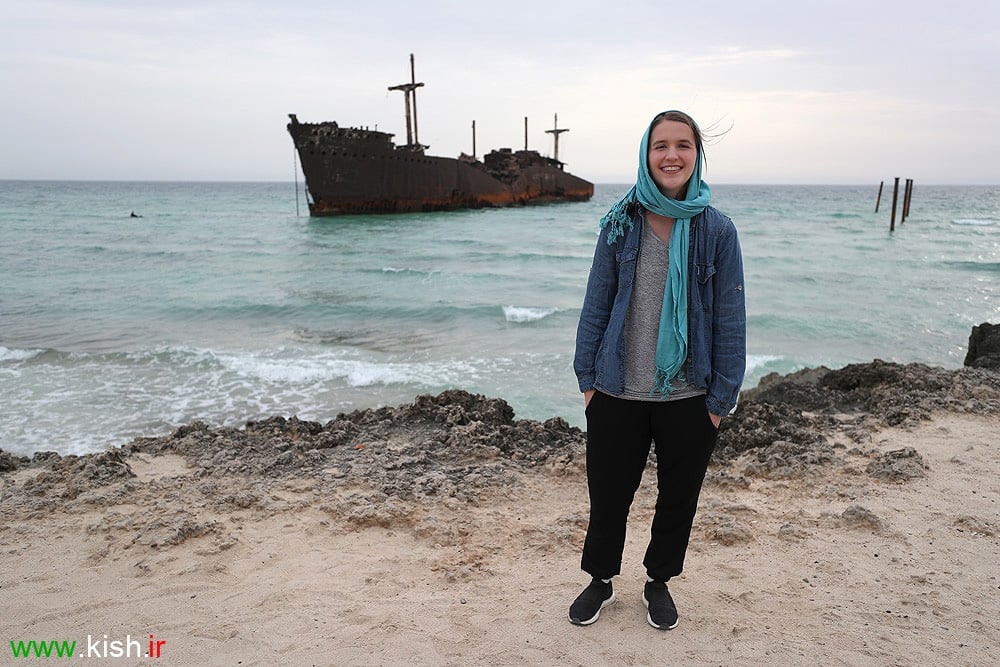
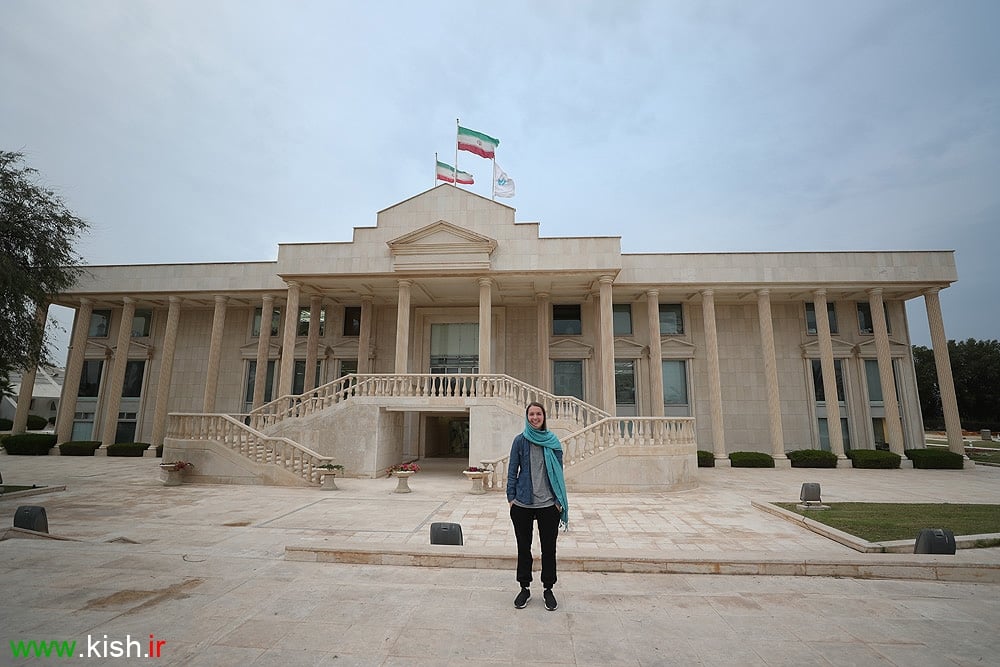
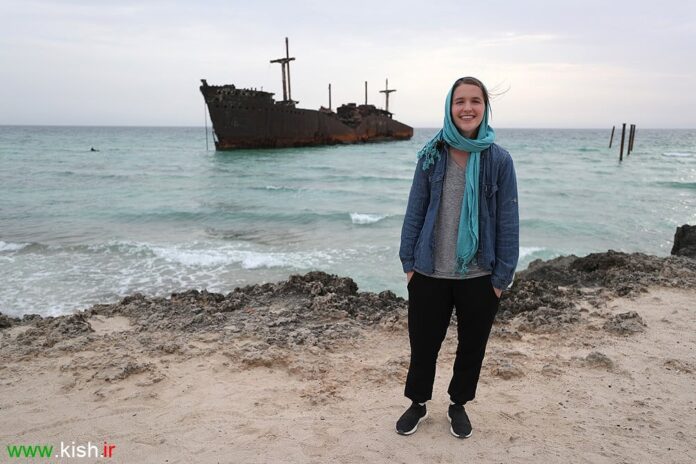
American Girl Visits Iran’s Kish Island as Part of Guinness Record Attempt

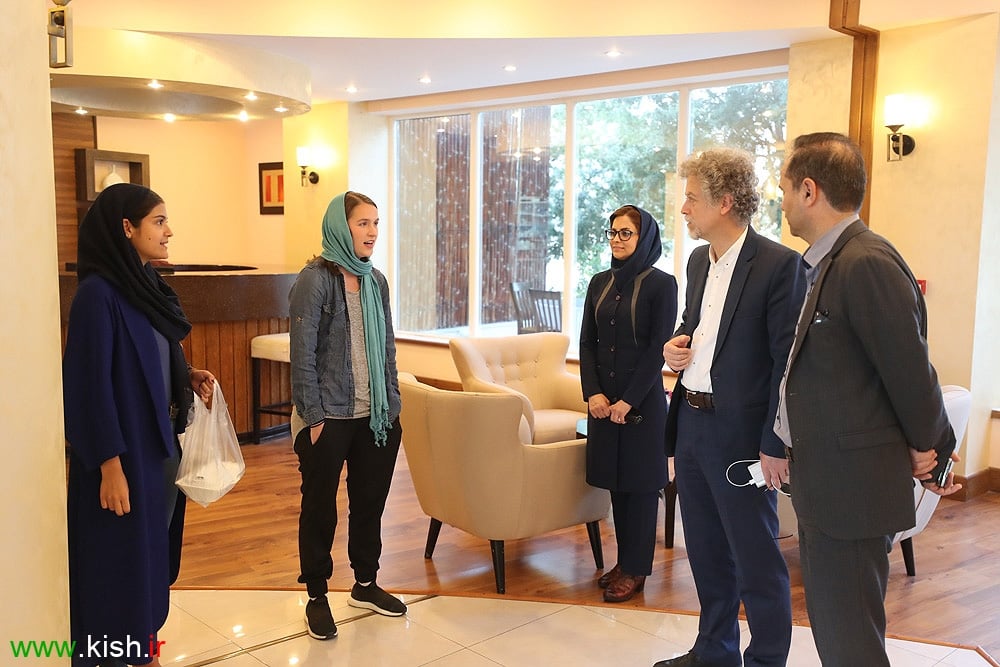
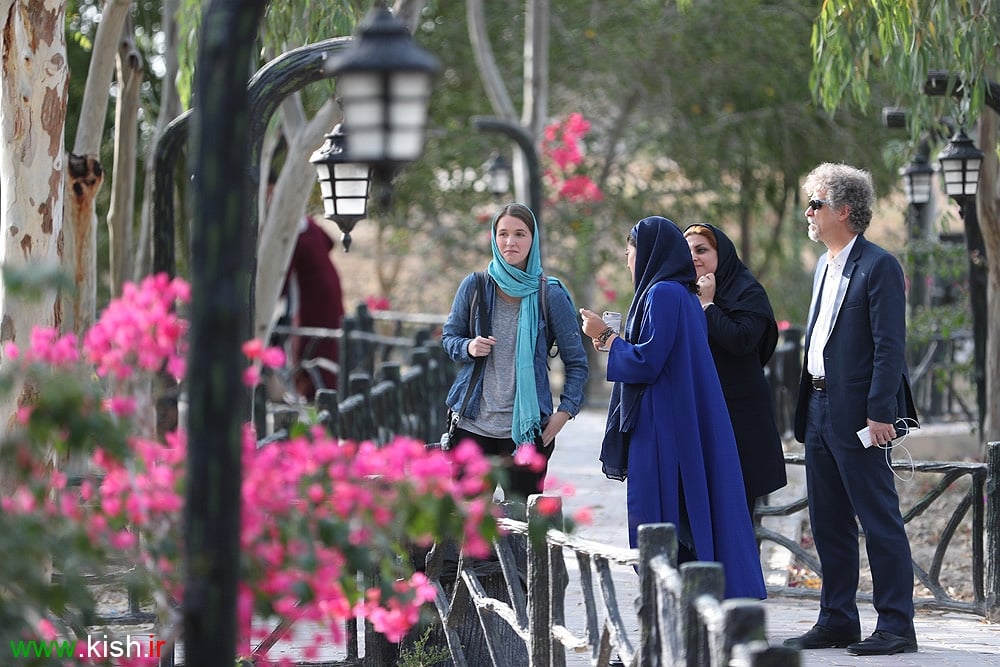
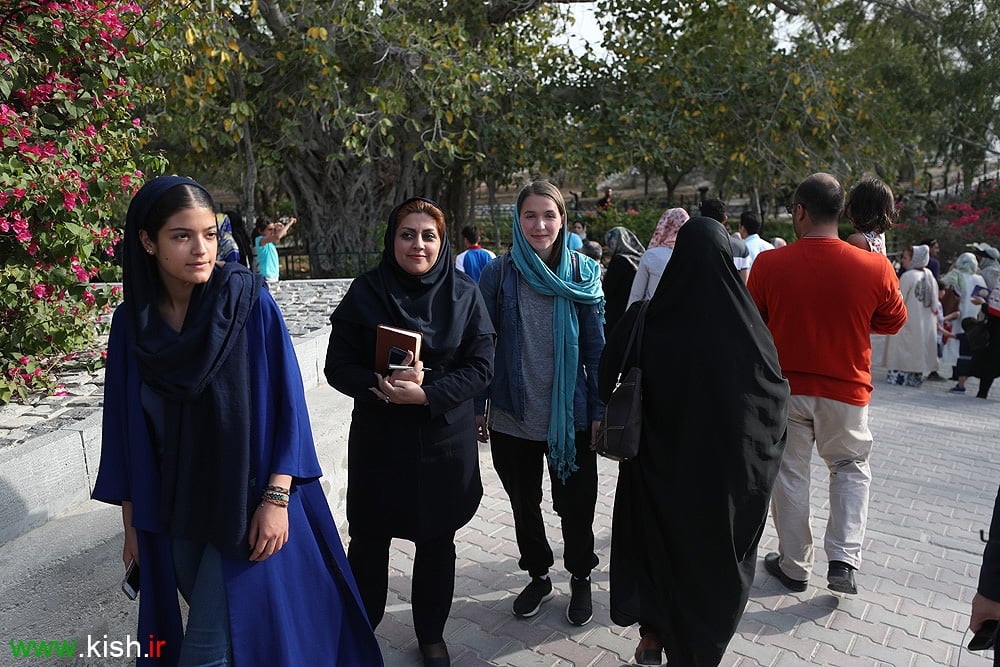
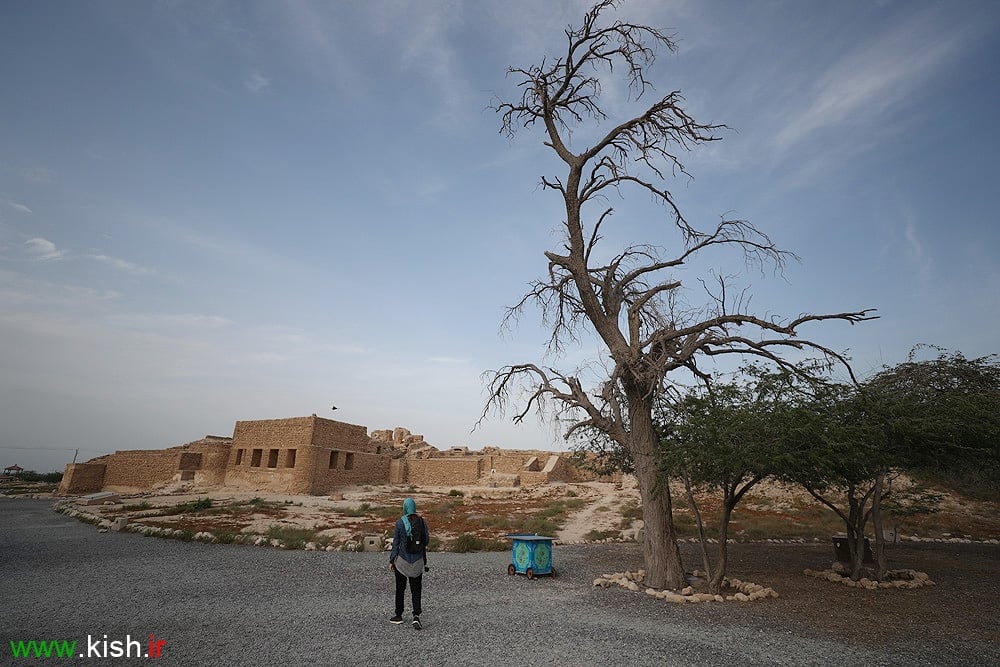
Taylor Demonbreun, 23, is on a mission to become the youngest and fastest person to visit all 195 of the world’s sovereign countries.

Demonbreun graduated from Vanderbilt University last May, with degrees in economics and public policy. After a semester abroad, however, she realized that she no longer wanted to become an investment banker, as she had originally intended.

Instead of spending her last semester in typical senior fashion, Demonbreun used every free minute to plan a record-breaking voyage around the world.

On June 1, less than a month after graduating, she set out for her first country on an attempt to break the Guinness World Record for fastest and youngest person to visit every country around the world. Since starting her journey in the Dominican Republic, Demonbreun has visited over 100 different countries from South America to Europe and Asia over the course of nine months.

Demonbreun blogs about her experience travelling at Trek With Taylor, as well as on Twitter and Instagram, and hopes to inspire other people to push beyond their comfort zones, explore new cultures and learn more about themselves in the process.

She hopes to finish the entire journey by September, but she has until December to finish the trip and still break two Guinness world records.

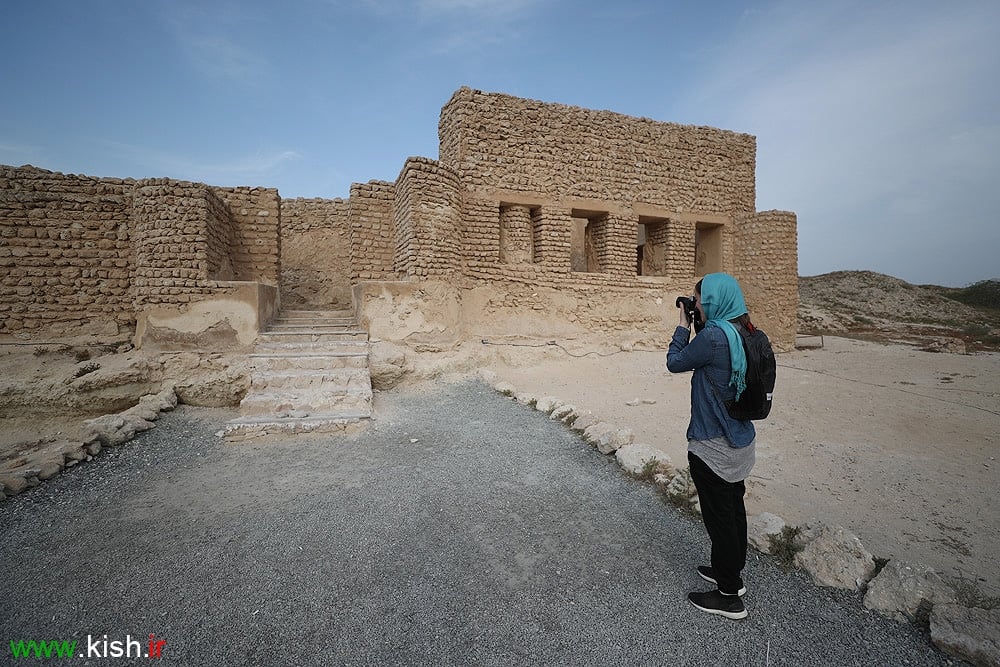
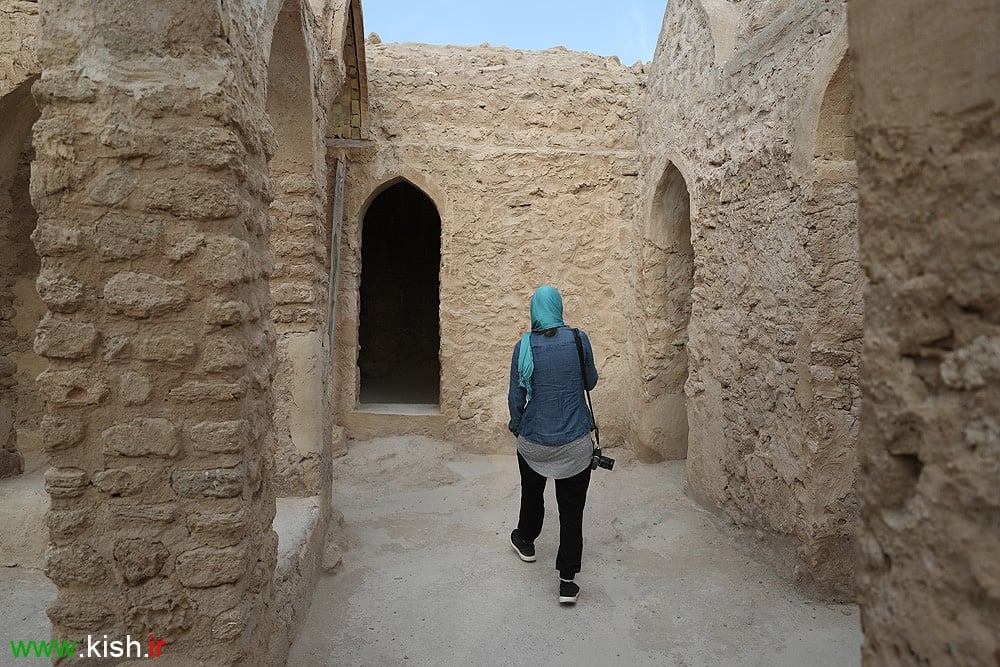
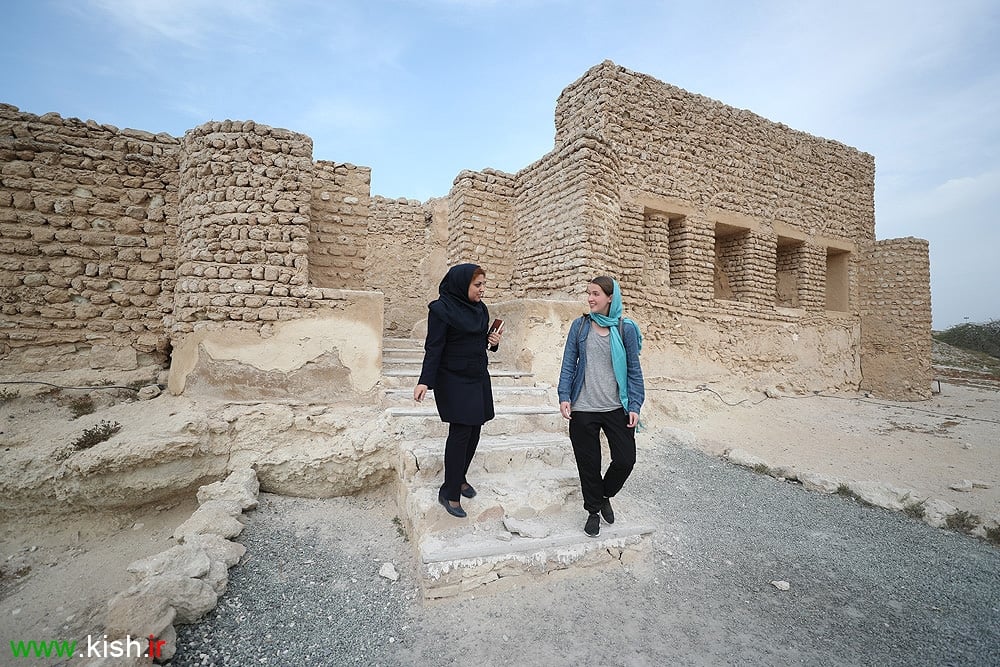
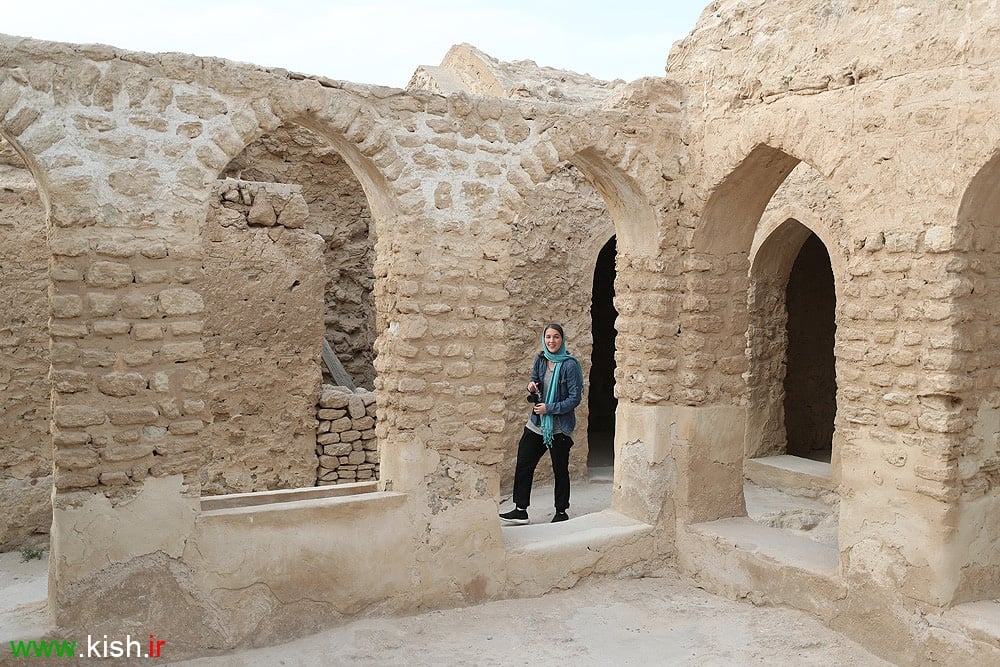
What follows are her photos in Kish Island retrieved from Tasnim News Agency:

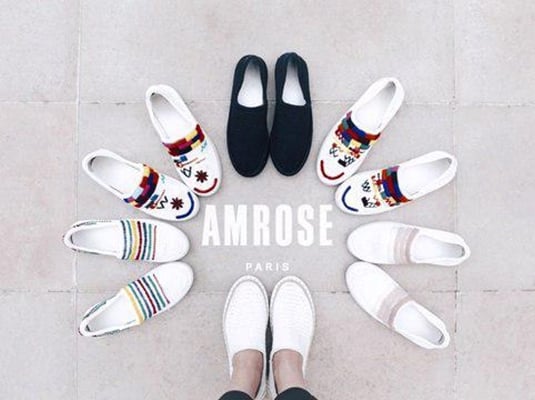
French Start-up Promoting Iranian Handmade Shoes “Giveh”

Iranian people have heard its name a lot, but few are ready to wear Giveh. Hence, this type of Iranian handicraft is common in a few parts of Iran, especially in rural areas of Kermanshah Province. Many others, however, use it for decorative applications.

A few years ago, the traditional rural shoes caught the attention of a French tourist visiting local markets across Iran.

The tourist, a young girl, found the shoes soft, comfortable and durable and then came up with an idea to launch a start-up to sell them across Europe.

The girl eventually put into action her idea a few months ago. She has helped revive a traditional craft in Iran and provide many Giveh-makers living in Iranian villages with a stable source of revenue.

In an exclusive interview with the Persian-language newspaper Hamshahri, Oceane Castanet, the founder of the French start-up Amrose, recounted the story of launching her start-up.


An Idea Not Taken Seriously

Castanet, who has been active in the fashion business for years, was amazed by the beauty of Giveh when she first saw it in Isfahan and Kurdistan provinces during her visit three years ago.

“All the shoes I had seen before that were made of either leather or wood. I had never seen people weaving shoes. Giveh was a unique and handmade shoe I had never seen before,” she said.

Castanet bought several pairs of Giveh and wore them all the time, even after returning to France.

French Start-up Promoting Iranian Handmade Shoes “Giveh” “I came up with an idea to launch a startup selling the shoes on the Internet. But many people underestimated the idea, saying Giveh is worn by villagers and foreigners won’t embrace it,” she said.
Castanet’s friends in France thought the shoes were super nice, but they were a little too rustic for the city.

However, one year ago, Castanet decided to abandon her previous career and dedicate herself to launching her Giveh start-up.

Castanet introduced her project on crowd-funding Internet portal Kickstarter.com and managed to gain the trust of visitors and raise enough funds to start her start-up.

Finally, Amrose started selling Giveh three months ago.


Selling the Story of Giveh

Castanet tried to make the shoes appealing by creating a story for each set of them, besides emphasising on their major selling points, being handmade and unique.

Each Giveh has its own design. There is also an identity card in the box of shoes containing their name, a painting and other things.

The Amrose founder says, “These stories are based on my experiences during my life or trips to Iran. One of the shoes is named ‘Shore of Seine River’, telling the story of my childhood. Another shoe is called ‘Isfahan’, telling the story of my visit to Isfahan, which changed my life.”

“These are all attractive for costumers and create added value,” she said.
 

Joint Cooperation of Iran, Portugal, France

Castanet supplies raw materials to female Giveh-makers in Kurdistan, Isfahan, Zahedan and Zanjan, and takes back the hand-woven shoes.

In the next stage, the shoes are transferred to Portugal, where their fitting is finalized at a cheap cost comparing to other parts of Europe.

“The total cost of production could be less if the shoes could be finalised inside Iran. But I’ve been unable to find such a workshop in Iran,” she said.

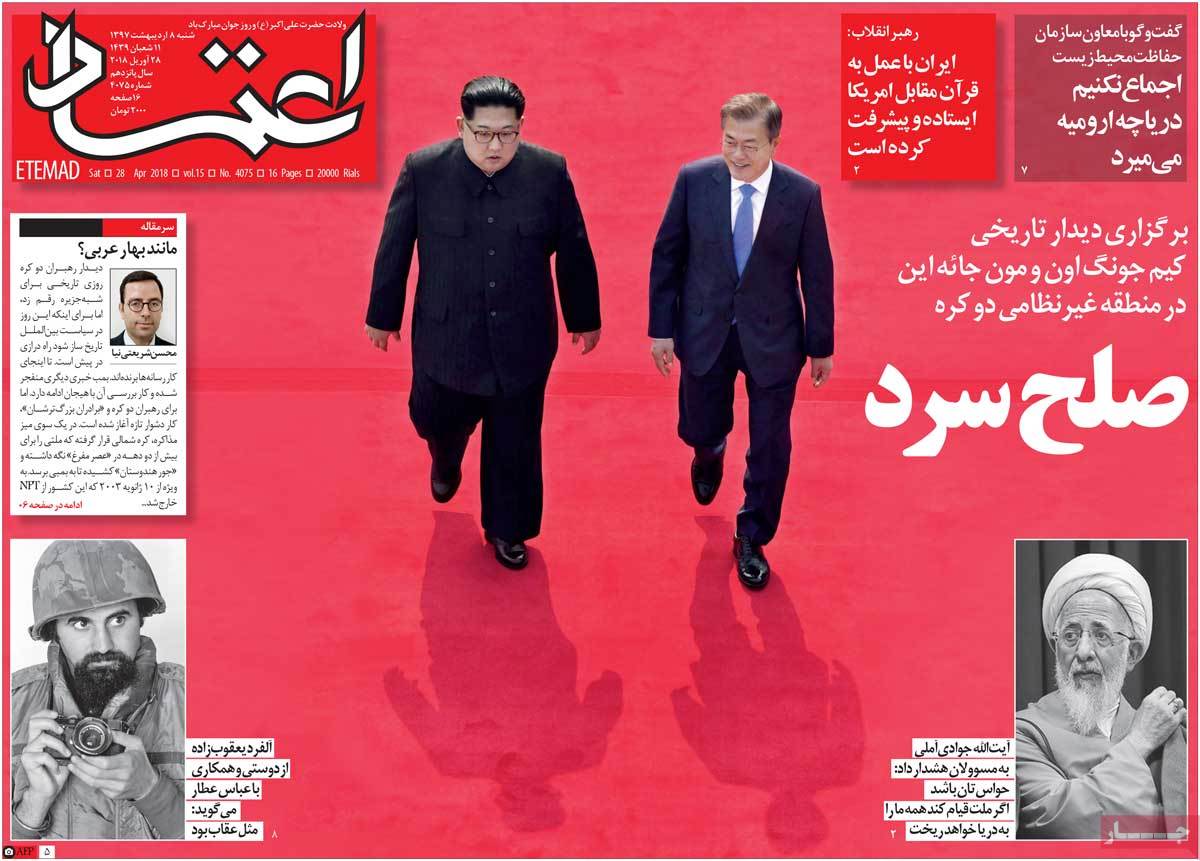
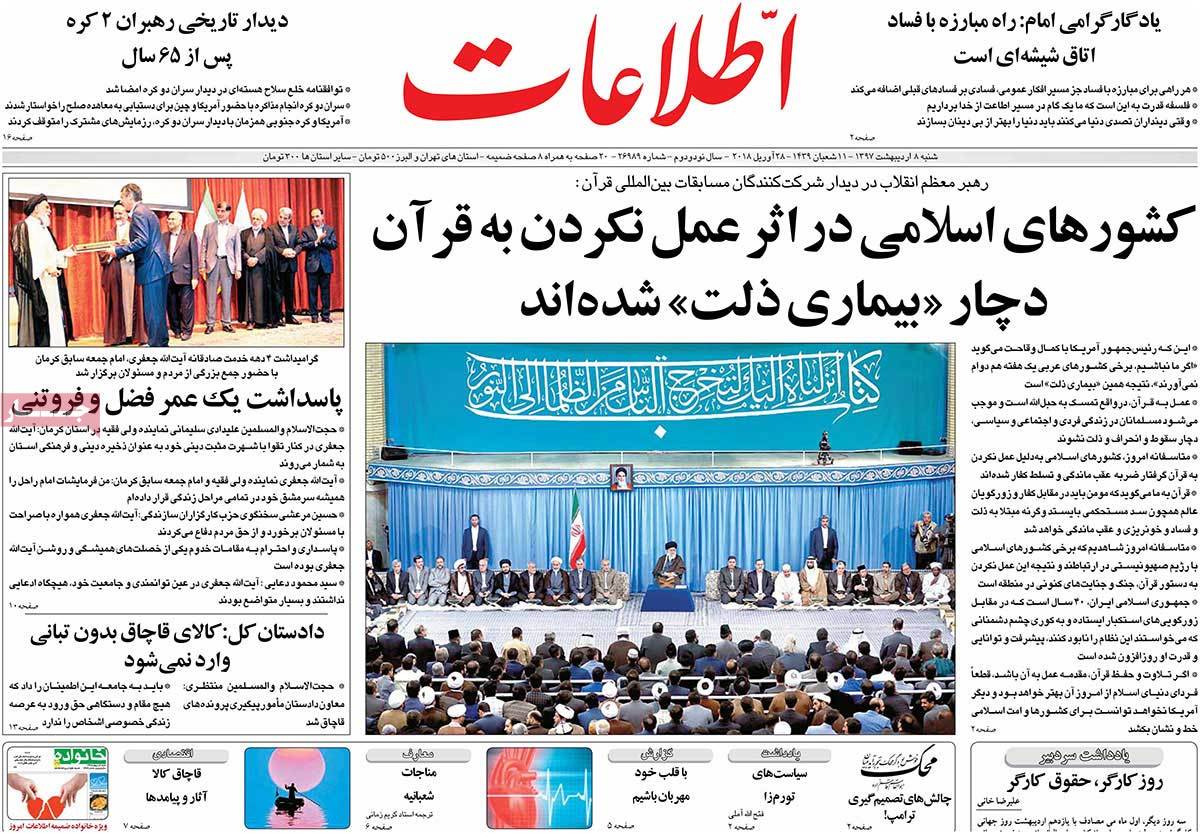
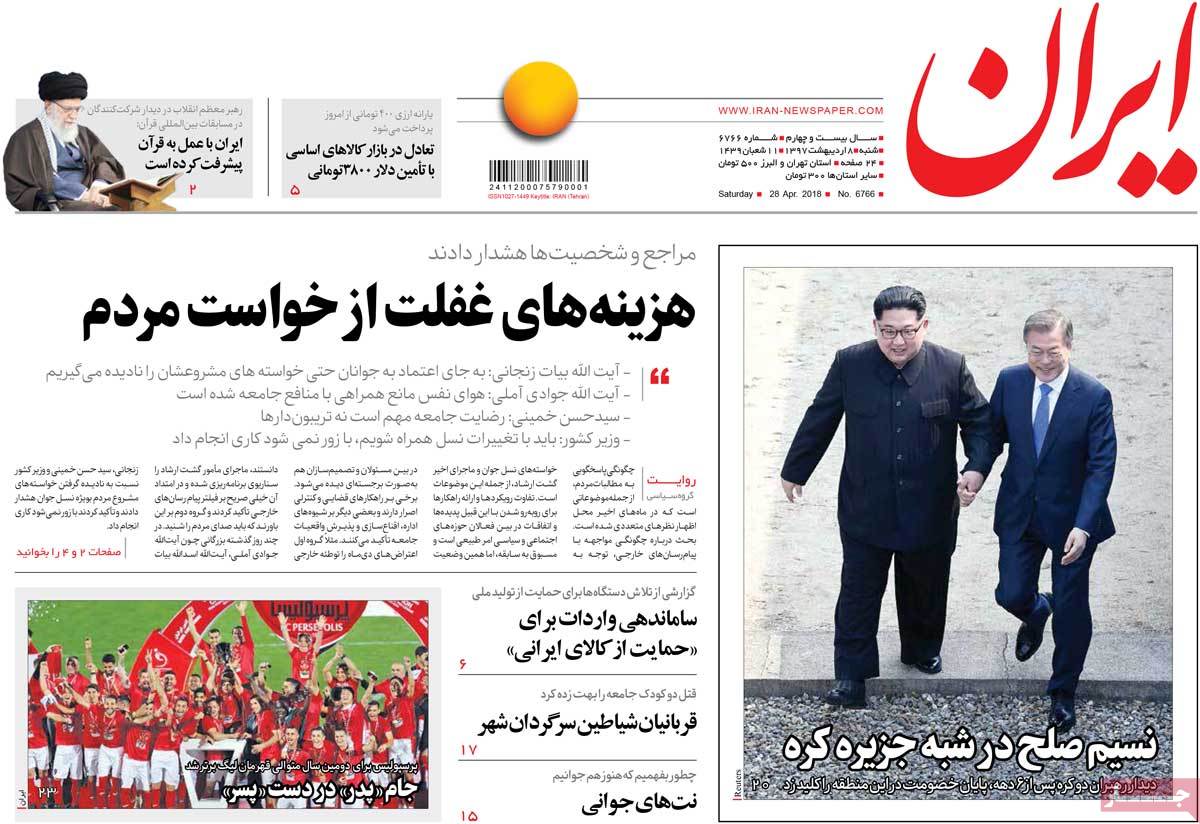
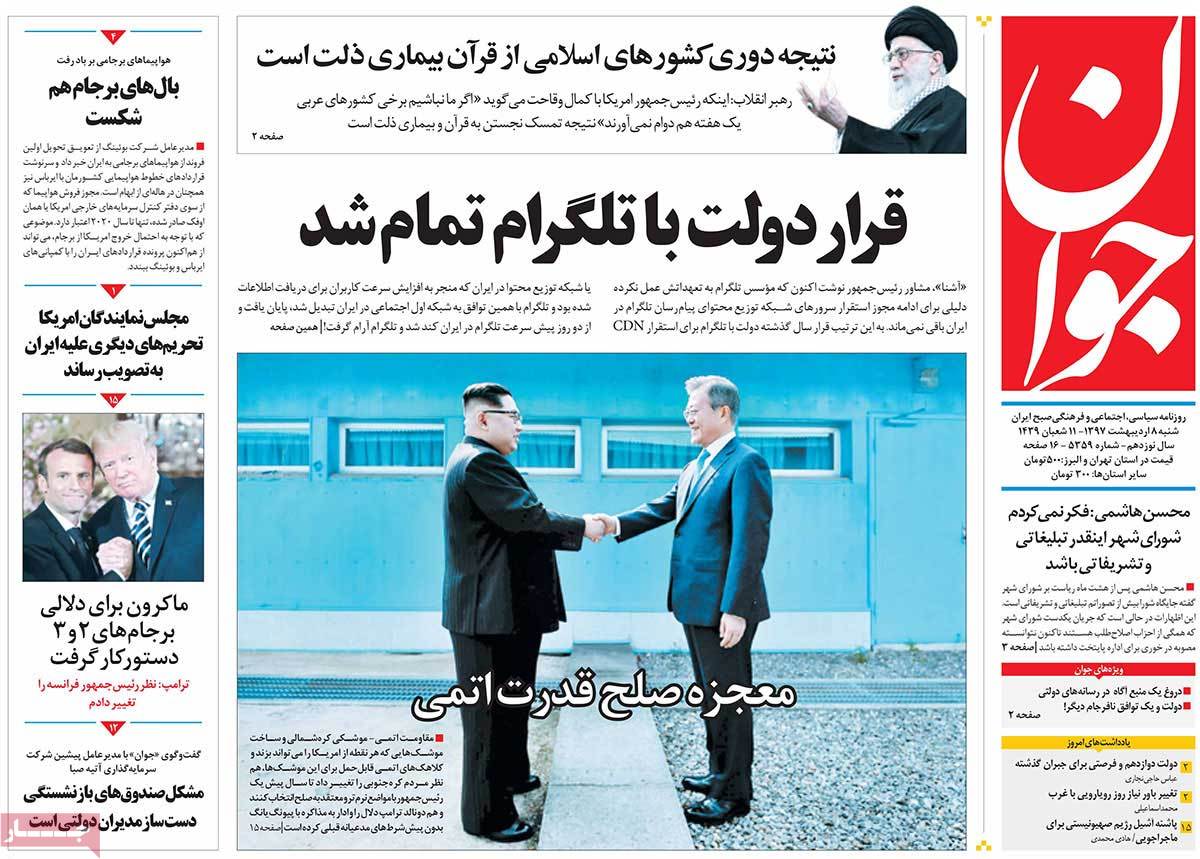
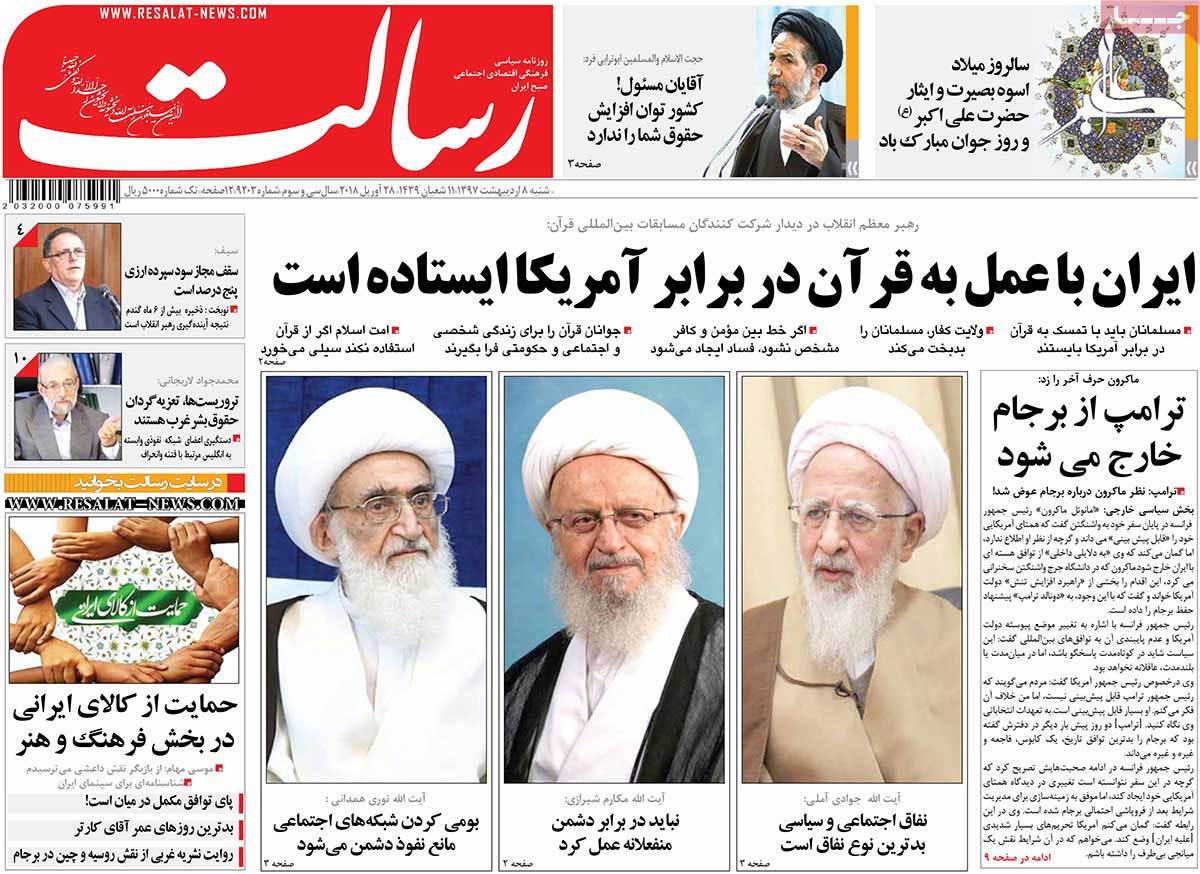
A Look at Iranian Newspaper Front Pages on April 28

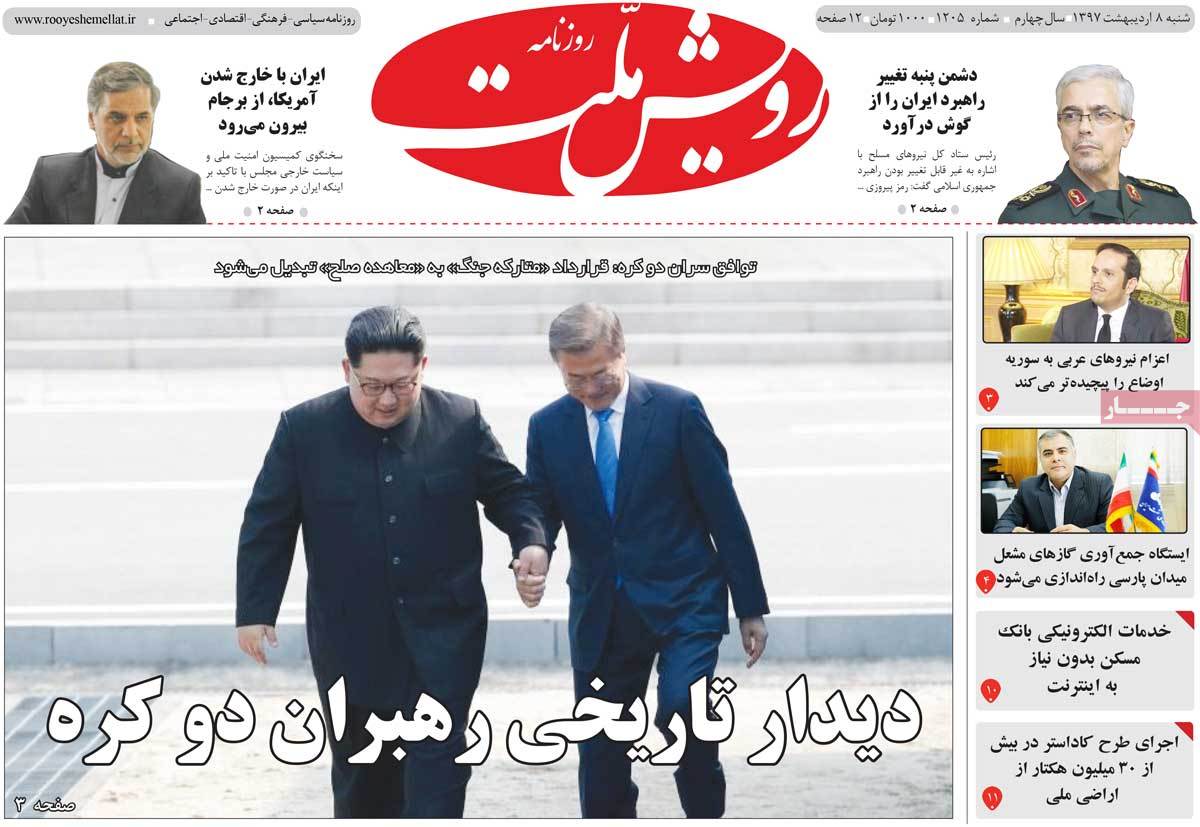
A Look at Iranian Newspaper Front Pages on November 19

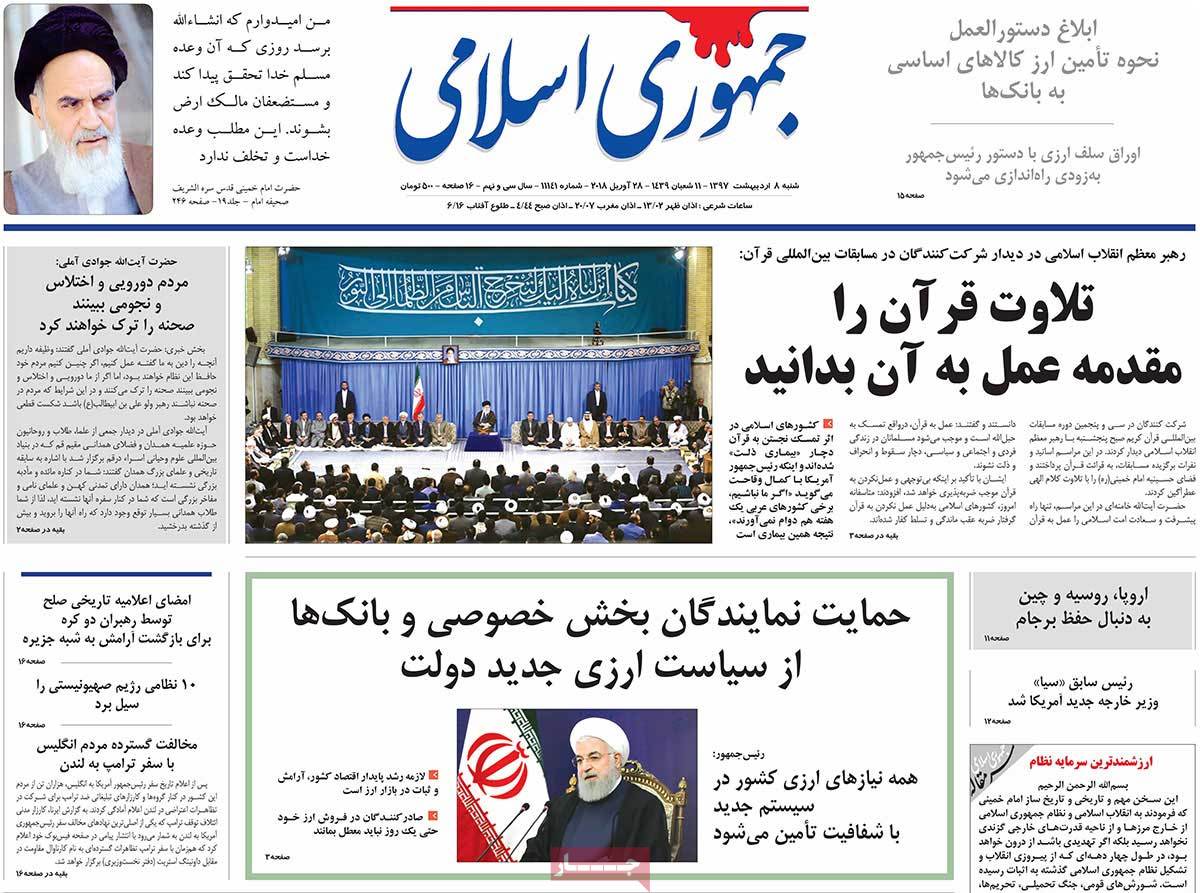
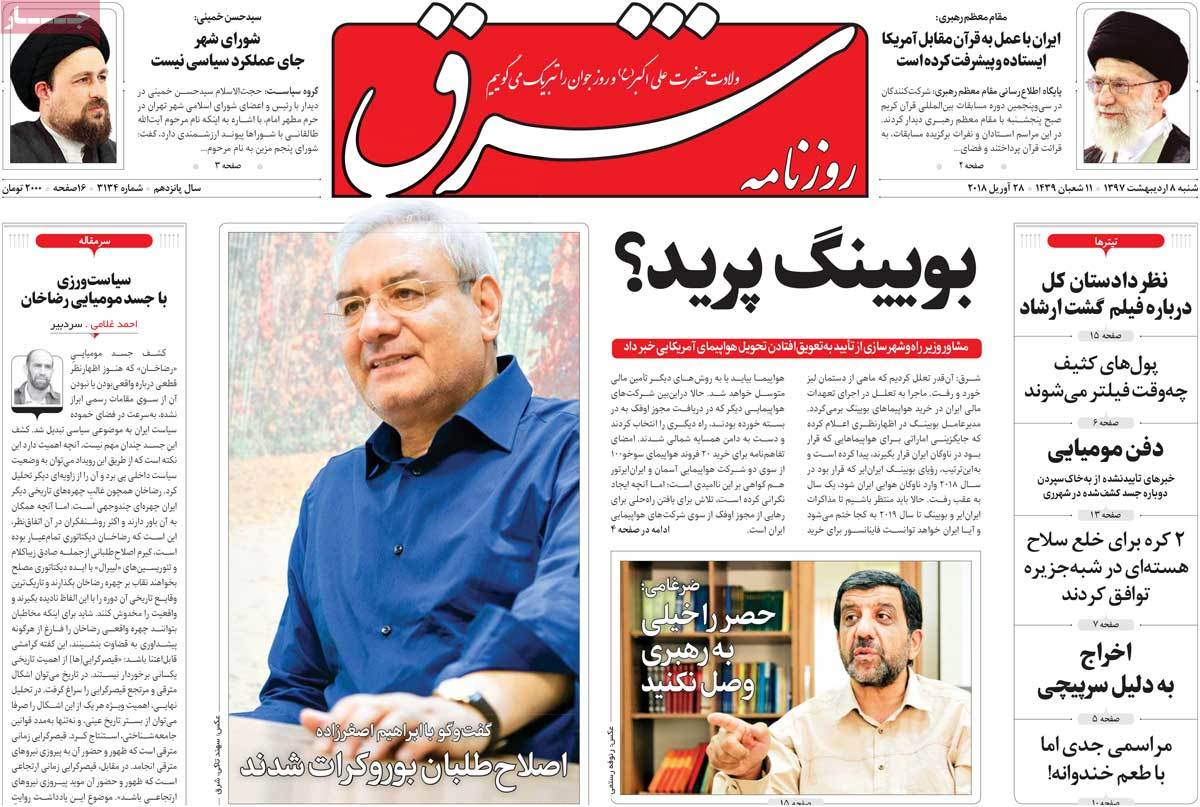
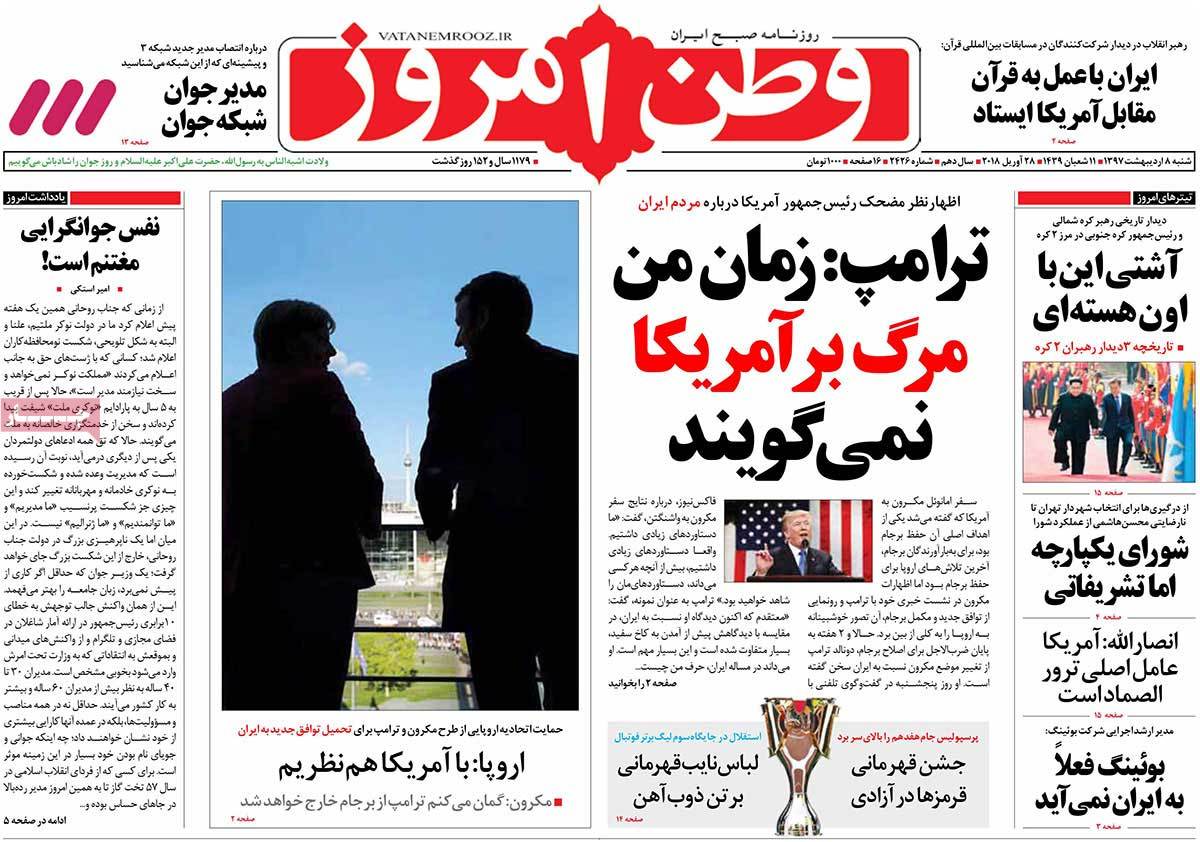
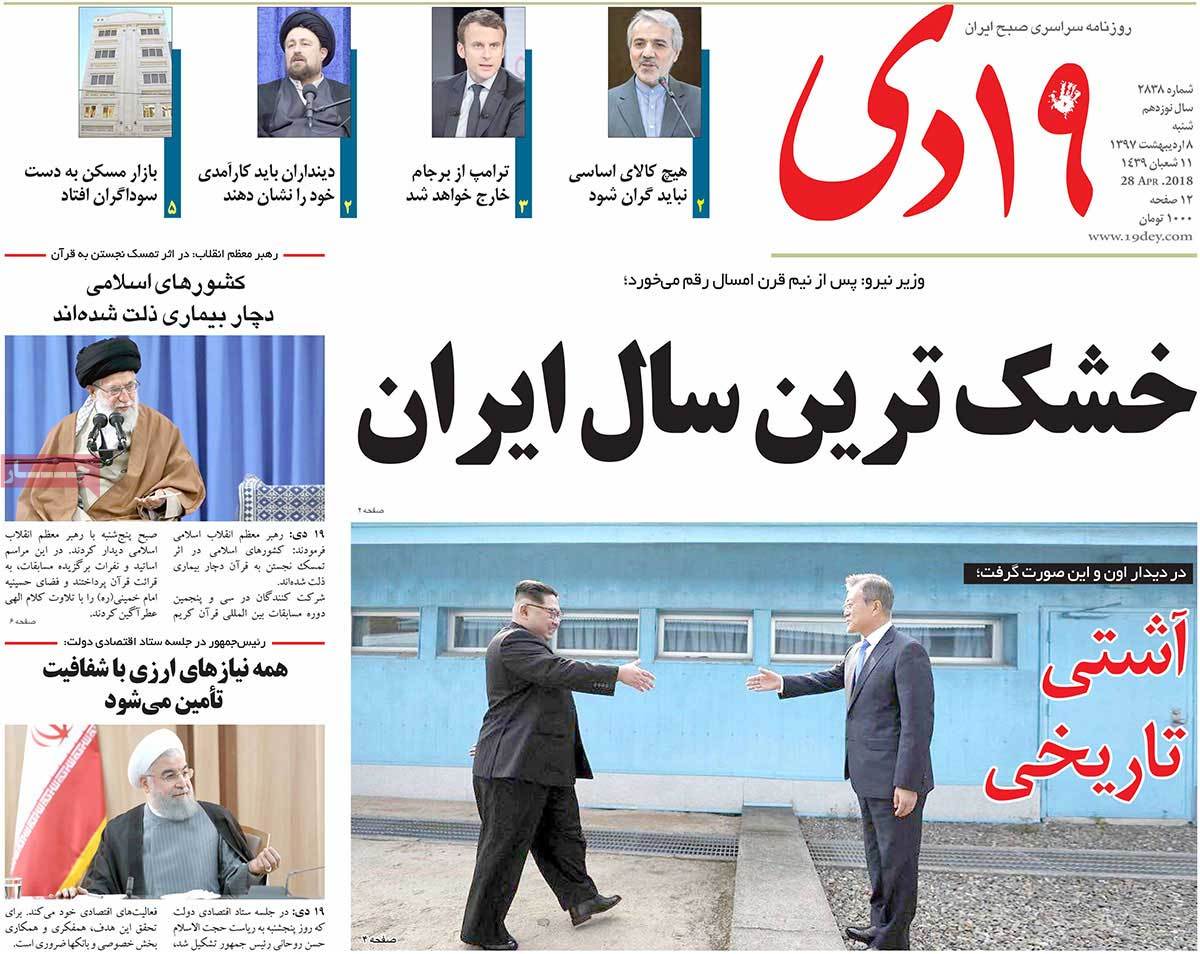
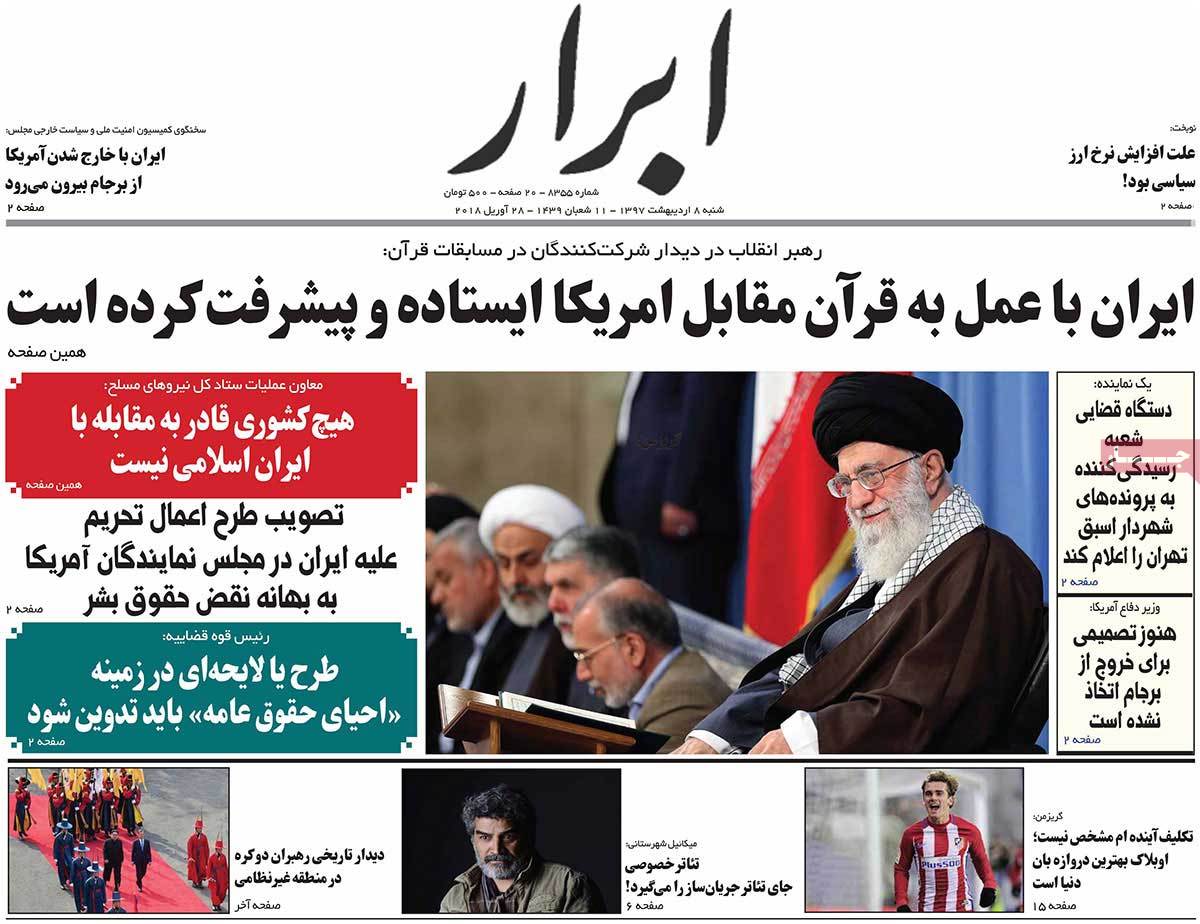
Many papers today covered the remarks made by the Leader of Iran’s Islamic Revolution Ayatollah Seyyed Ali Khamenei in a meeting with the participants of the International Quran Competition in Tehran.

The top story in several papers was the historic meeting between the North Korean Leader and the president of South Korea.

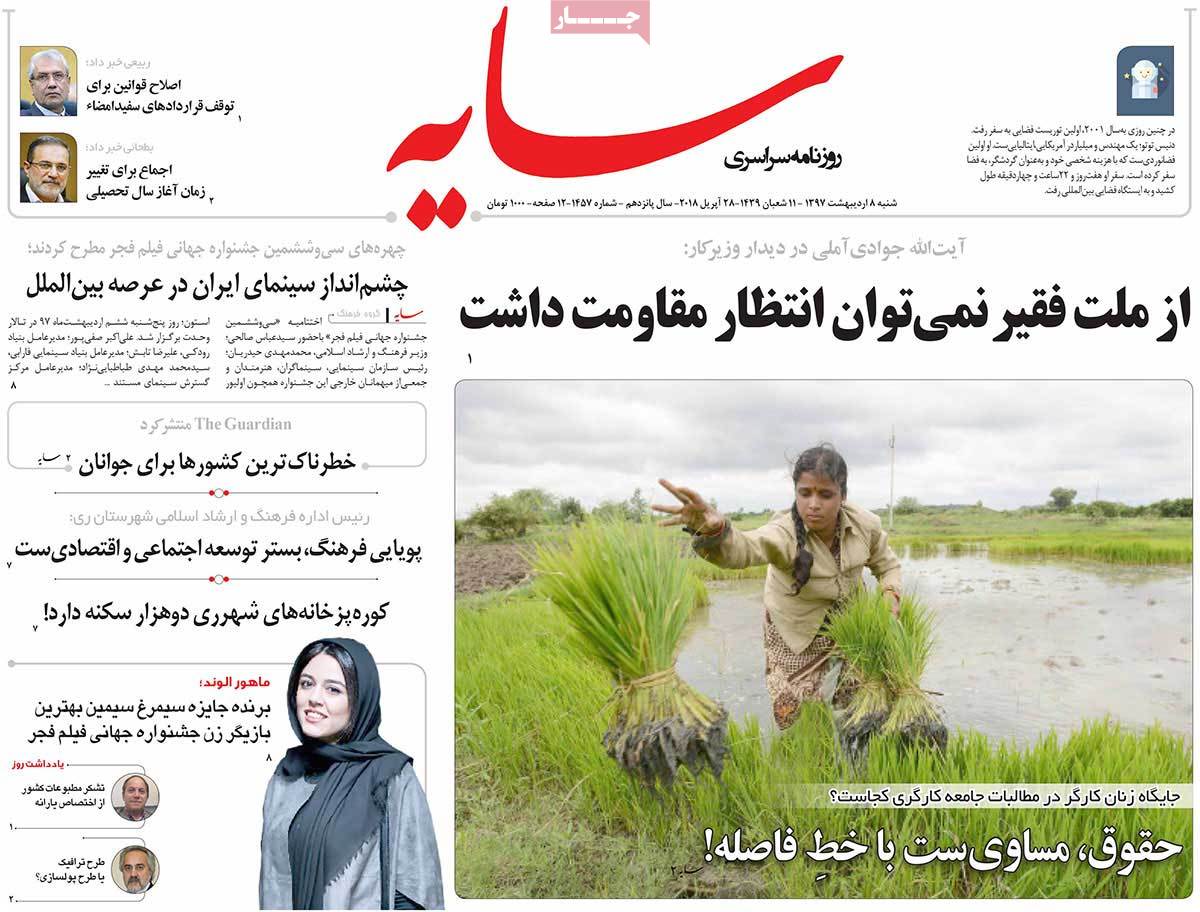
Warnings by top Shiite clerics like Ayatollah Javadi Amoli on the need for the government to pay attention to people’s demands also received great coverage today.

The above issues, as well as many more, are highlighted in the following headlines and top stories:


19 Dey:

  • Energy Minister: This Year to Be Iran’s Driest Year in 50 Years
  • Historic Reconciliation between North, South Korean Leaders

A Look at Iranian Newspaper Front Pages on April 28


Abrar:

  • Leader: Iran Has Stood against US, Progressed Based on Quran Teachings
  • US Defence Secretary: No Decision Taken Yet on US Withdrawal from Iran Deal

A Look at Iranian Newspaper Front Pages on April 28


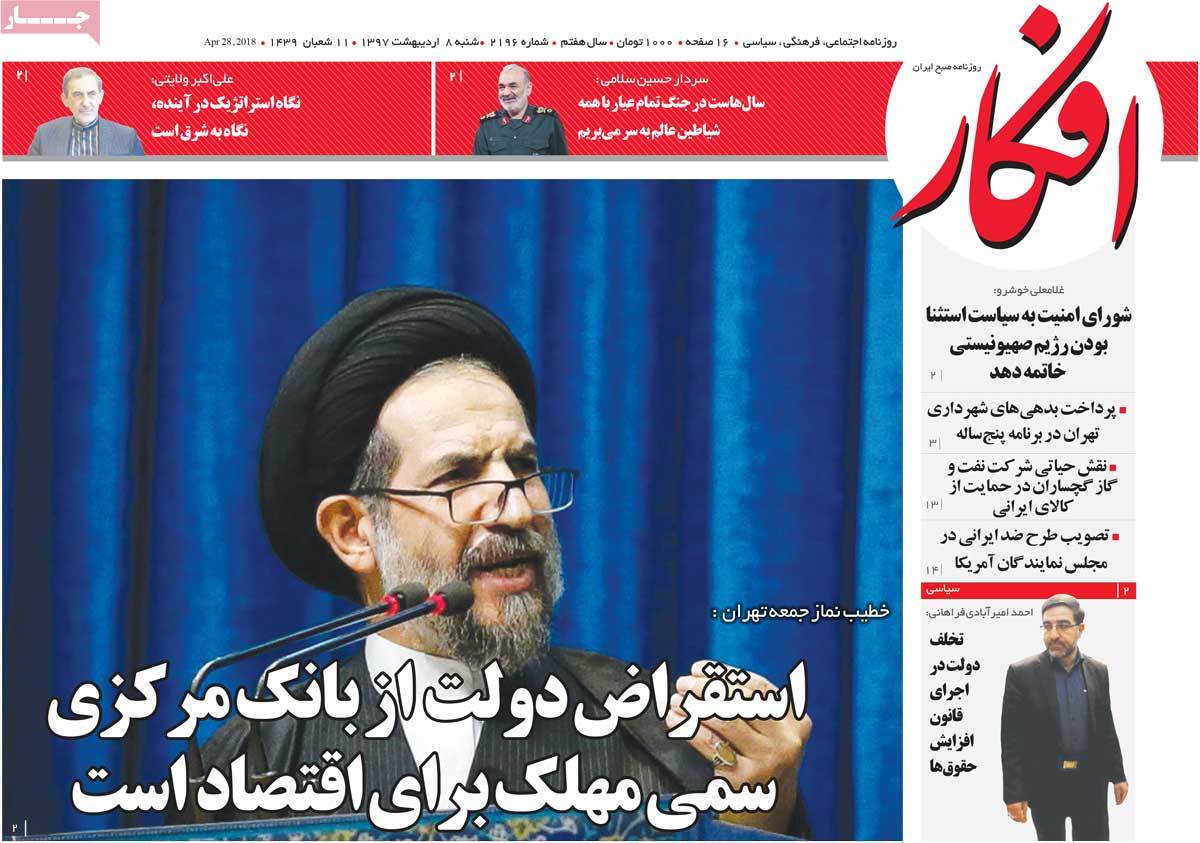
Afkar:

  • Cleric: Government’s Borrowing from Central Bank Deadly Poison for Economy

A Look at Iranian Newspaper Front Pages on April 28


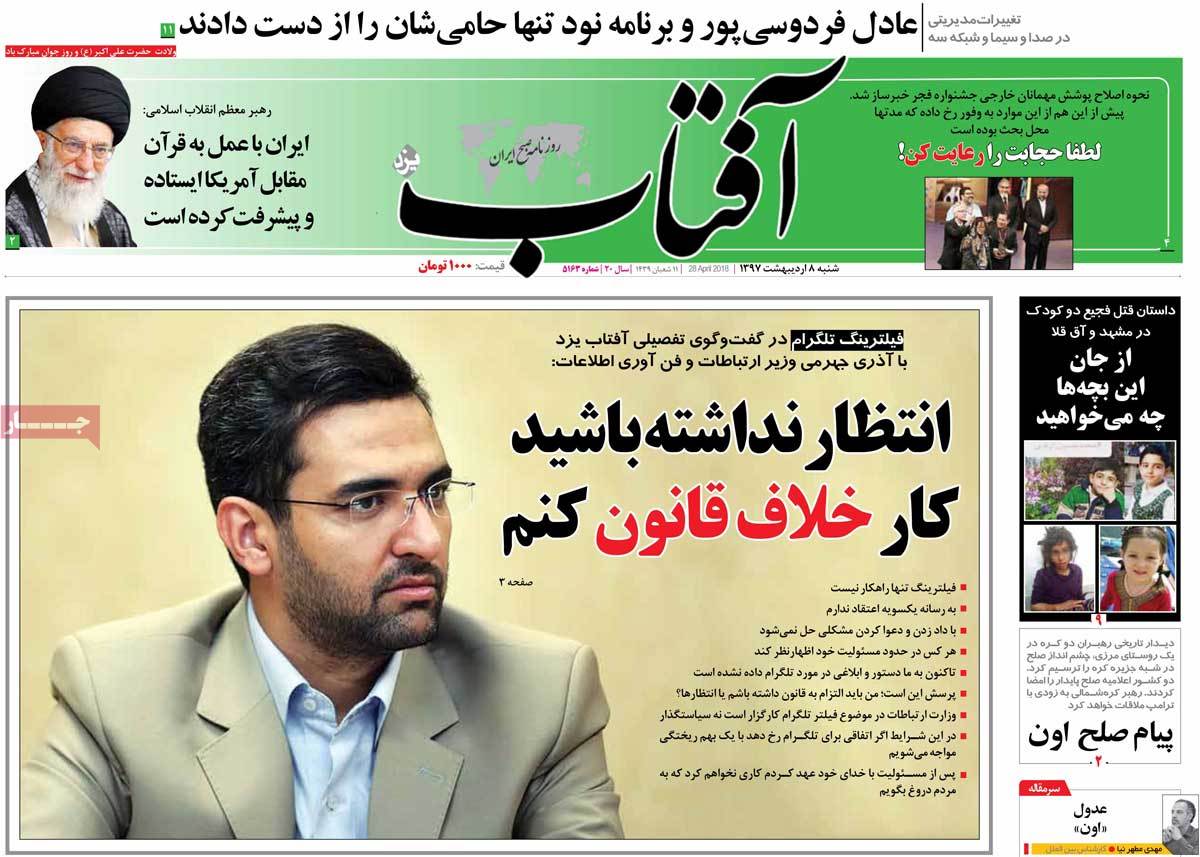
Aftab-e Yazd:

  • ICT Minister on Telegram Filtering: Don’t Expect Me to Do Anything Illegal

A Look at Iranian Newspaper Front Pages on April 28


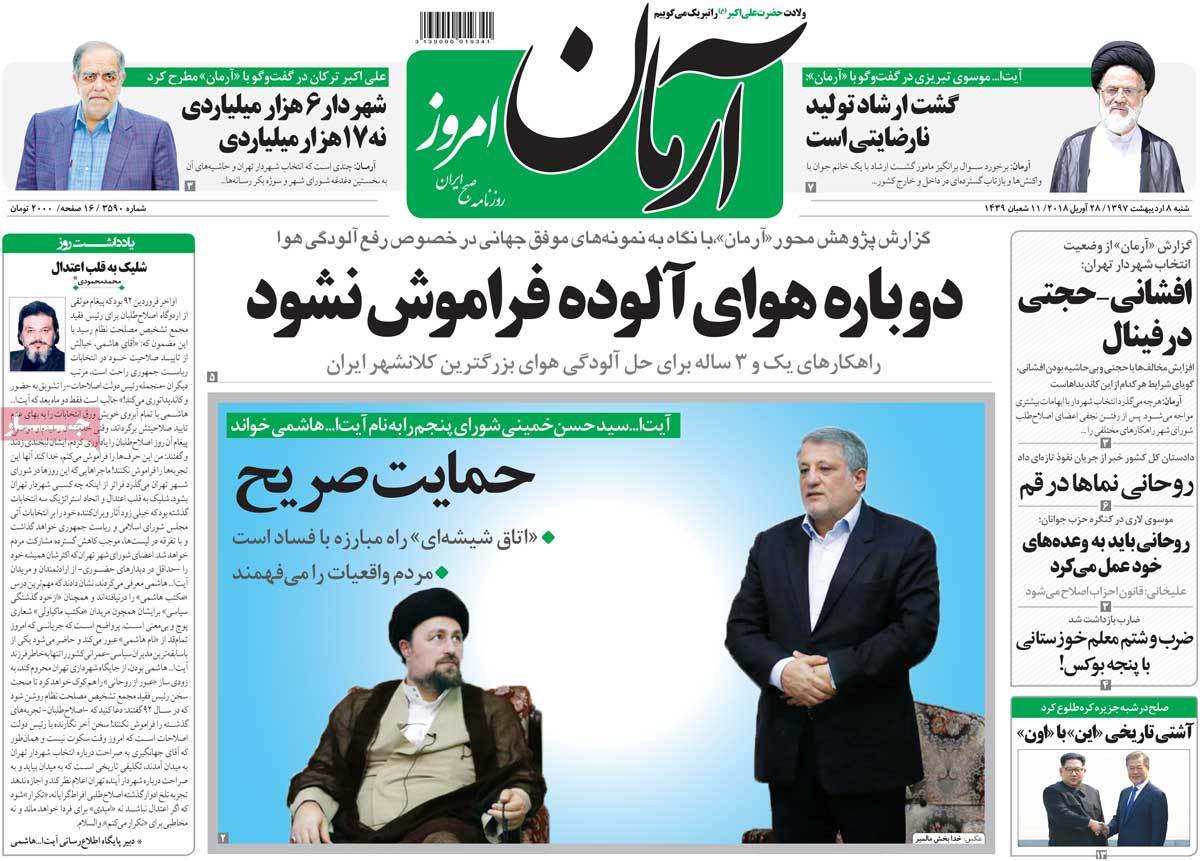
Arman-e Emrooz:

  • Transparency Best Way to Fight Corruption: Imam Khomeini’s Grandson

A Look at Iranian Newspaper Front Pages on April 28


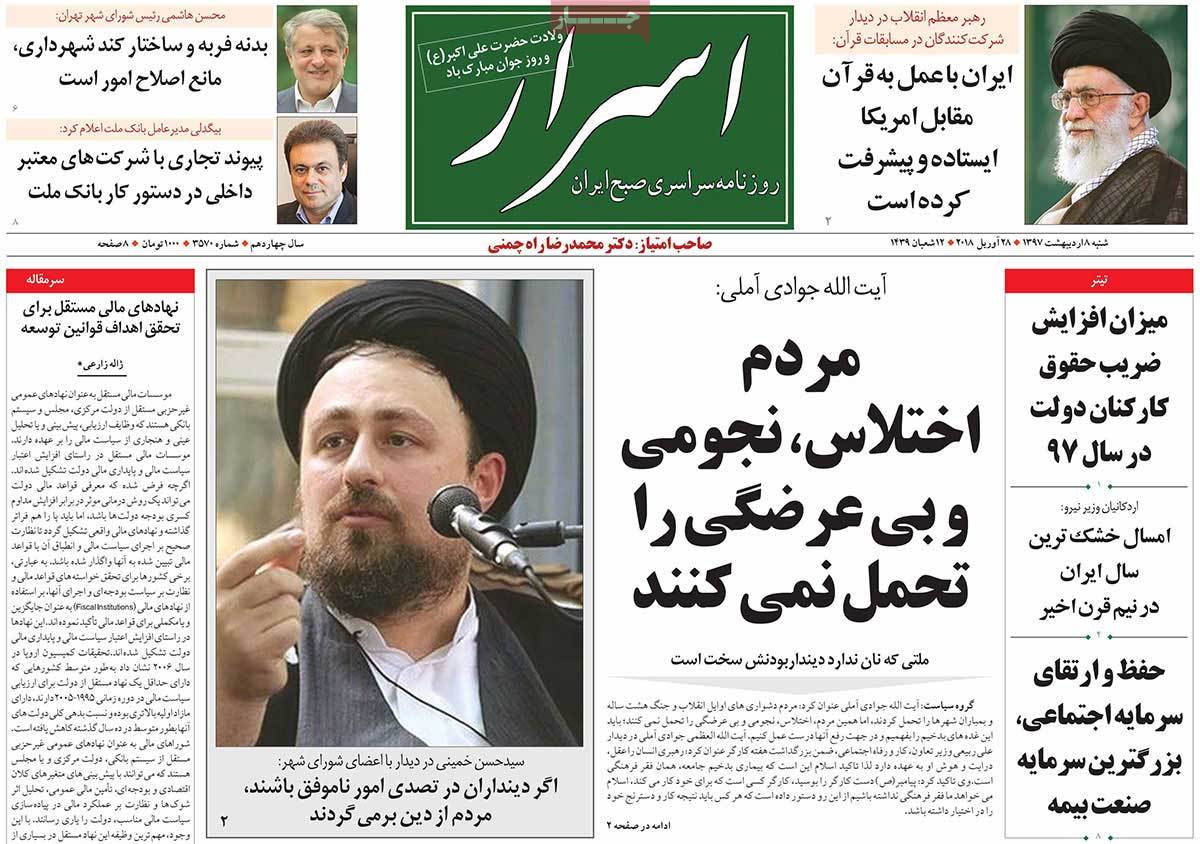
Asrar:

  • Ayatollah Javadi Amoli: People Not to Tolerate Embezzlement, Incompetence

A Look at Iranian Newspaper Front Pages on April 28


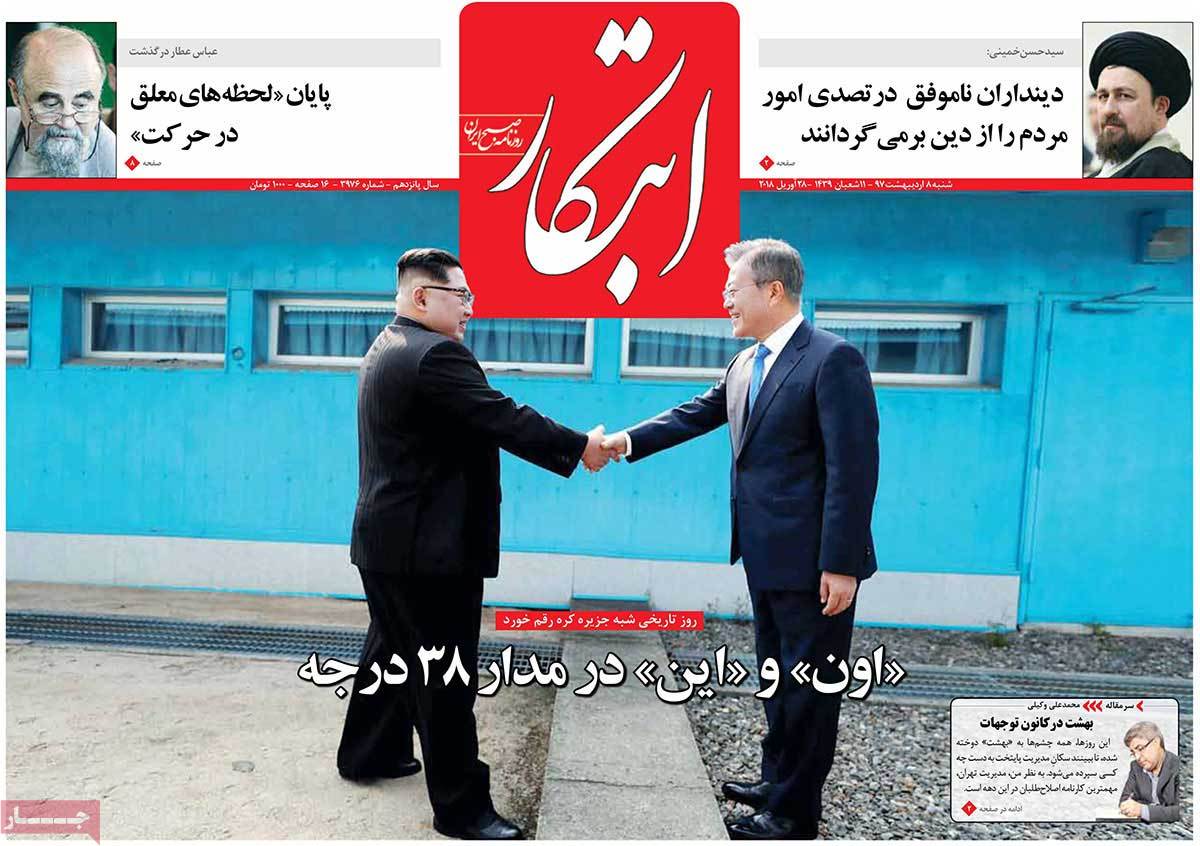
Ebtekar:

  • Historic Day in Korean Peninsula

A Look at Iranian Newspaper Front Pages on April 28


Etemad:

  • Deputy Head of Environment Dept.: Without Consensus, Lake Urmia Will Die

A Look at Iranian Newspaper Front Pages on April 28


Ettela’at:

  • Iran Leader: Muslim States Suffering from Humiliation Disease
  • Historic Meeting of North, South Korean Leaders after 65 Years

A Look at Iranian Newspaper Front Pages on April 28


Iran:

  • Top Clerics Warn about Consequences of Ignoring People’s Demands

A Look at Iranian Newspaper Front Pages on April 28


Javan:

  • Wings of Iran Nuclear Deal Broken
  • Planes Purchased on Virtue of JCPOA Now Gone
  • Iran Gov’t Ends Its Agreement with Telegram

A Look at Iranian Newspaper Front Pages on April 28


Jomhouri Eslami:

  • Banks, Private Sector Support Government’s New Forex Policy

A Look at Iranian Newspaper Front Pages on April 28


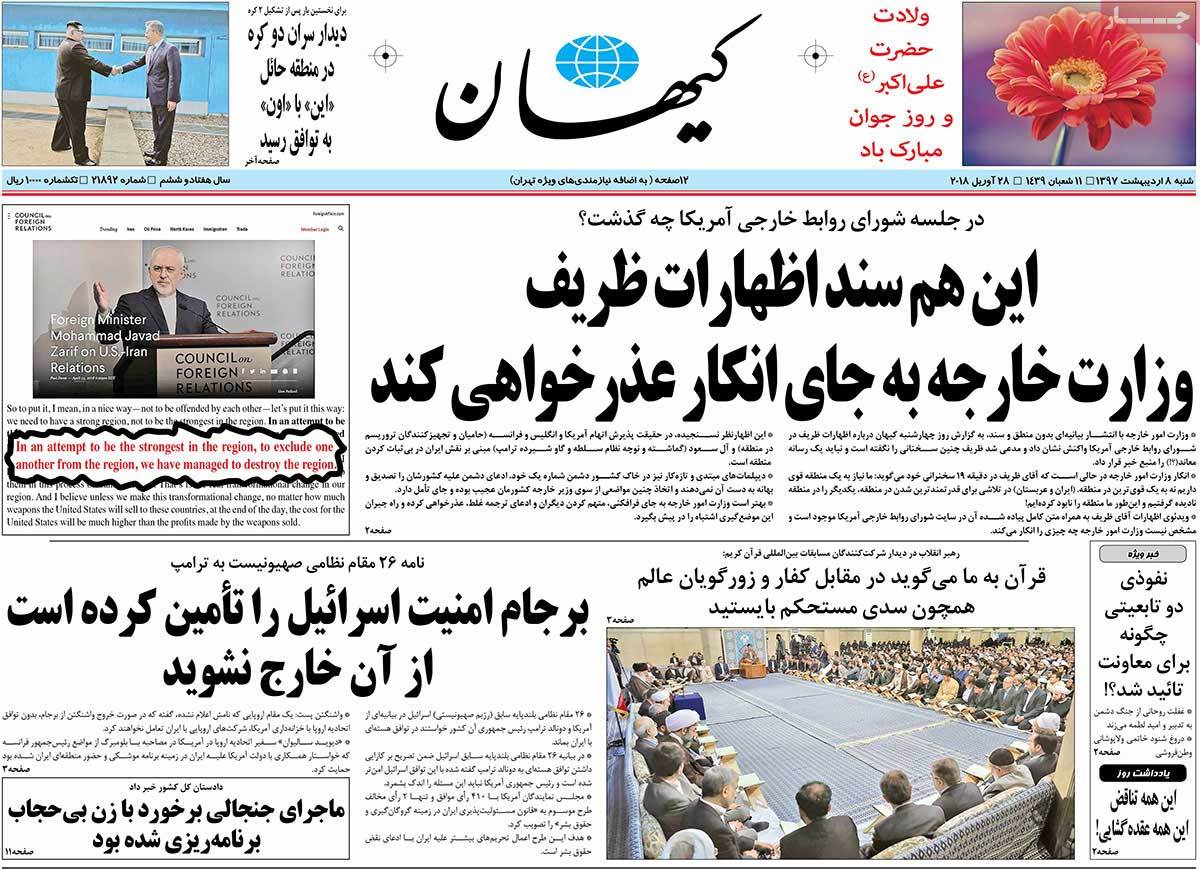
Kayhan:

  • What Happened in Council of Foreign Relations Meeting?
  • FM Zarif Must Apologize Instead of Denying Clear Evidence
  • 26 Zionist Military Officials to Trump: JCPOA Ensures Our Security; Don’t Pull Out of It!
  • Iran Leader: Quran Orders Us to Stand against Infidels, Bullies of the World

A Look at Iranian Newspaper Front Pages on April 28


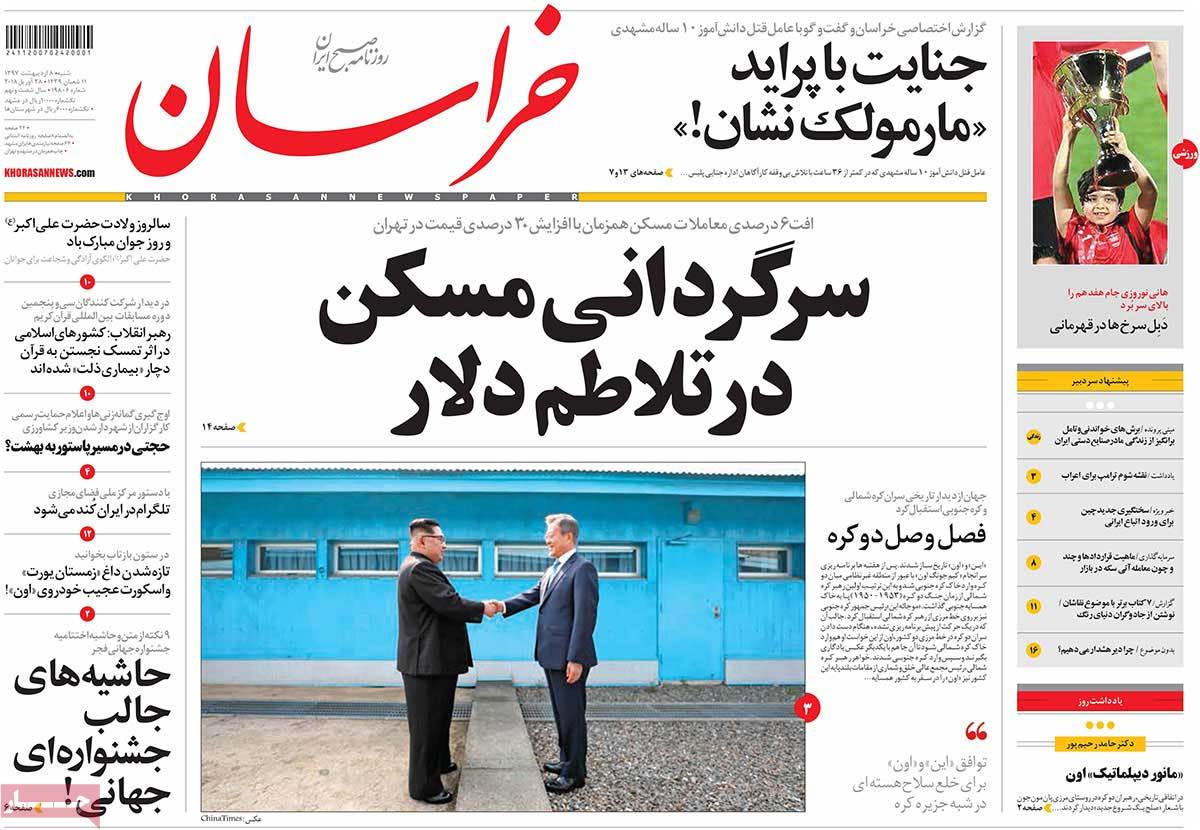
Khorasan:

  • Six Percent Decrease in Number of House Deals
  • 30% Hike in House Prices in Tehran

A Look at Iranian Newspaper Front Pages on April 28


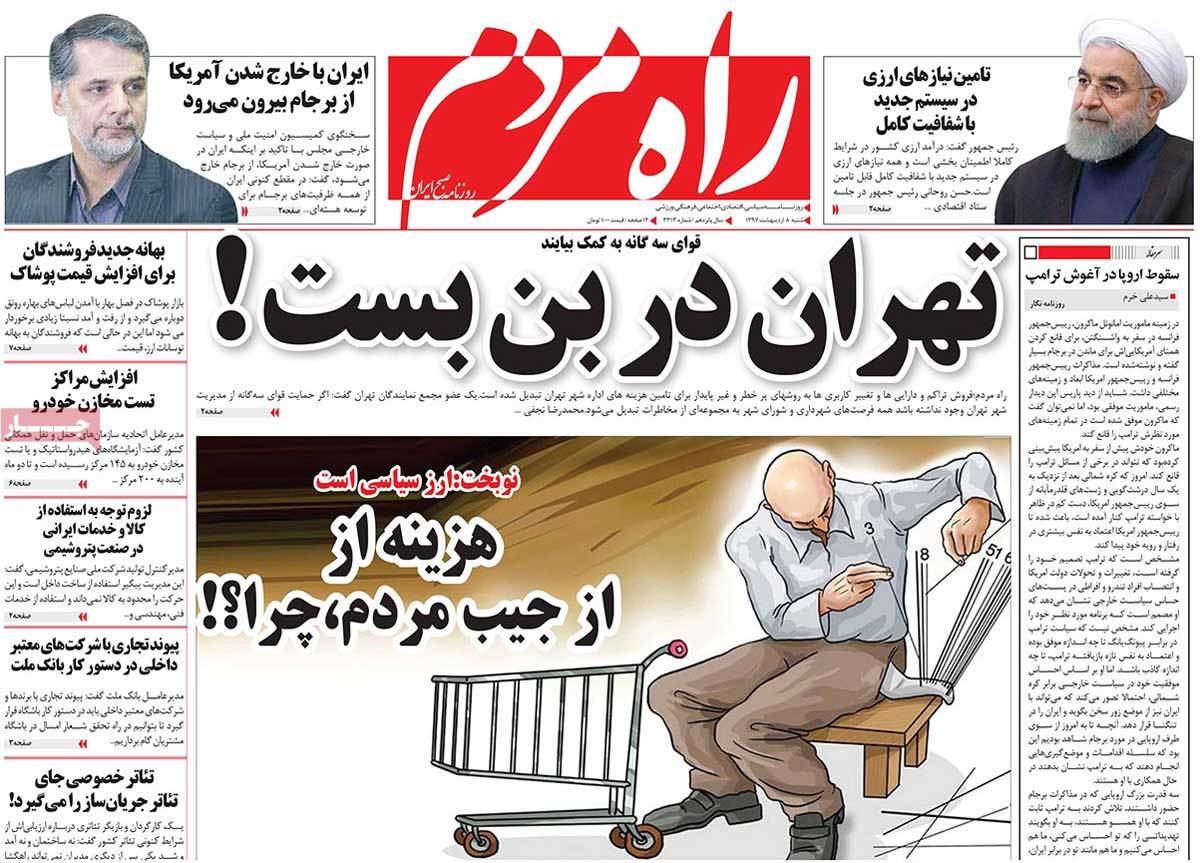
Rah-e Mardom:

  • MP: Iran to Pull Out of JCPOA If US Leaves It

A Look at Iranian Newspaper Front Pages on April 28


Resalat:

  • Dear Officials! The Country Cannot Increase Your Wages: Top Cleric

A Look at Iranian Newspaper Front Pages on April 28


Rooyesh-e Mellat:

  • Iran Top General: Enemies Well Understood Iran Won’t Change Its Strategy

A Look at Iranian Newspaper Front Pages on April 28


Sayeh:

  • Ayatollah Javadi Amoli: You Cannot Expect Poor Nation to Show Resistance

A Look at Iranian Newspaper Front Pages on April 28


Shargh:

  • Imam Khomeini’s Grandson: City Council No Place for Political Moves

A Look at Iranian Newspaper Front Pages on April 28


Vatan-e Emrooz:

  • US President’s Ridiculous Comments about Iranian People
  • Iranians Don’t Chant ‘Death to America’ during My Term in Office: Trump
  • Ansarullah: US Main Culprit behind Assassination of al-Samad

A Look at Iranian Newspaper Front Pages on April 28

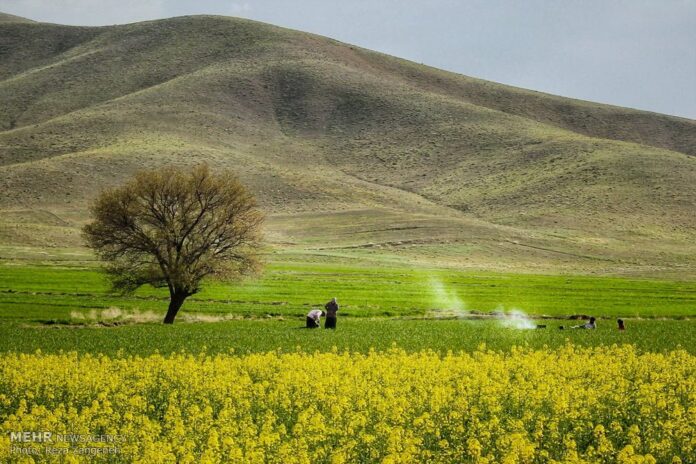
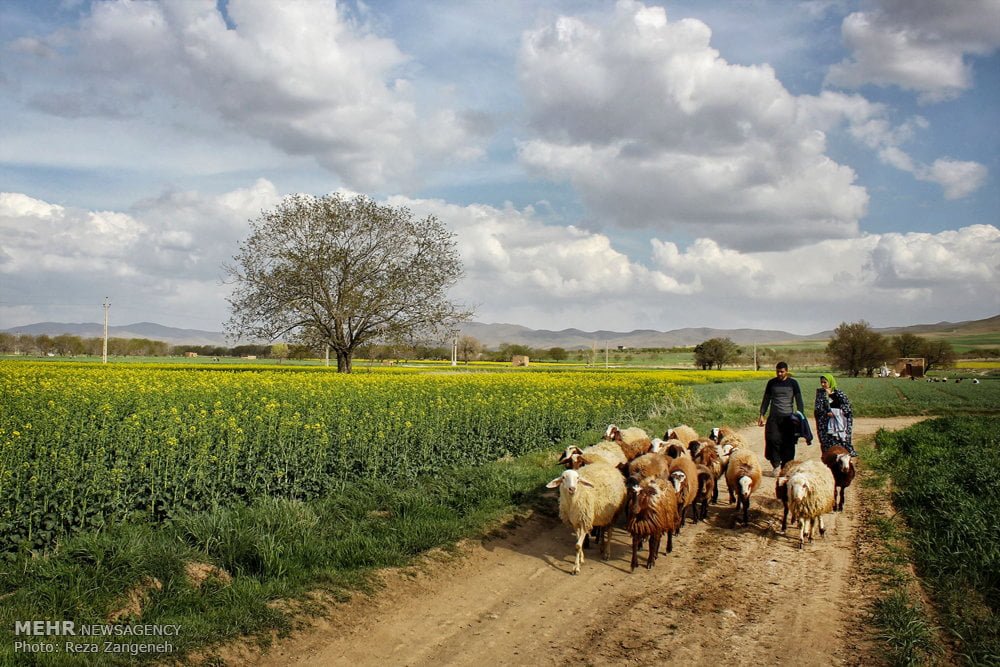
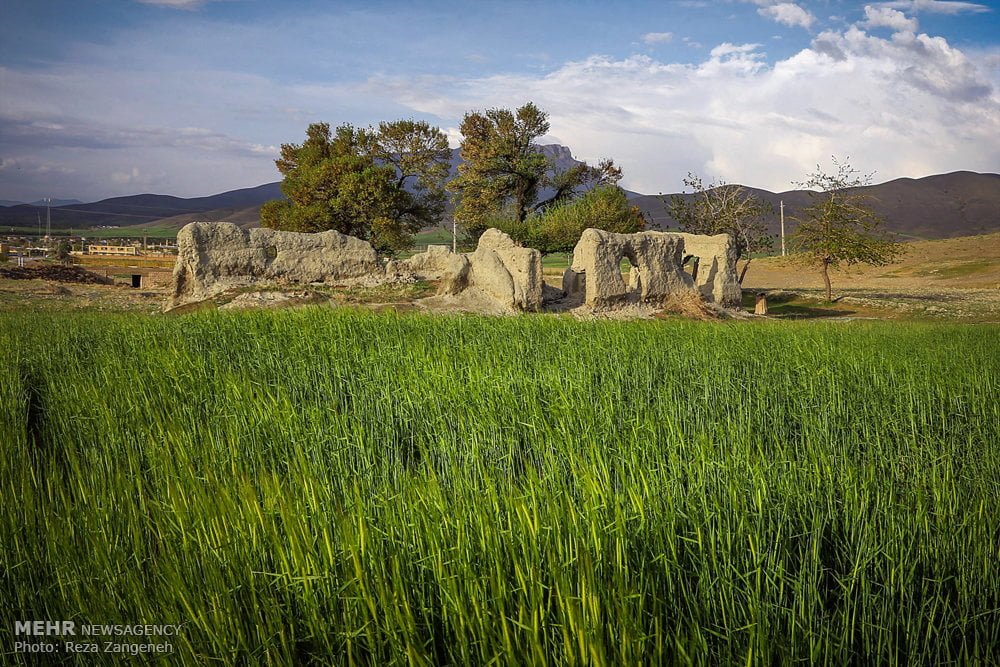
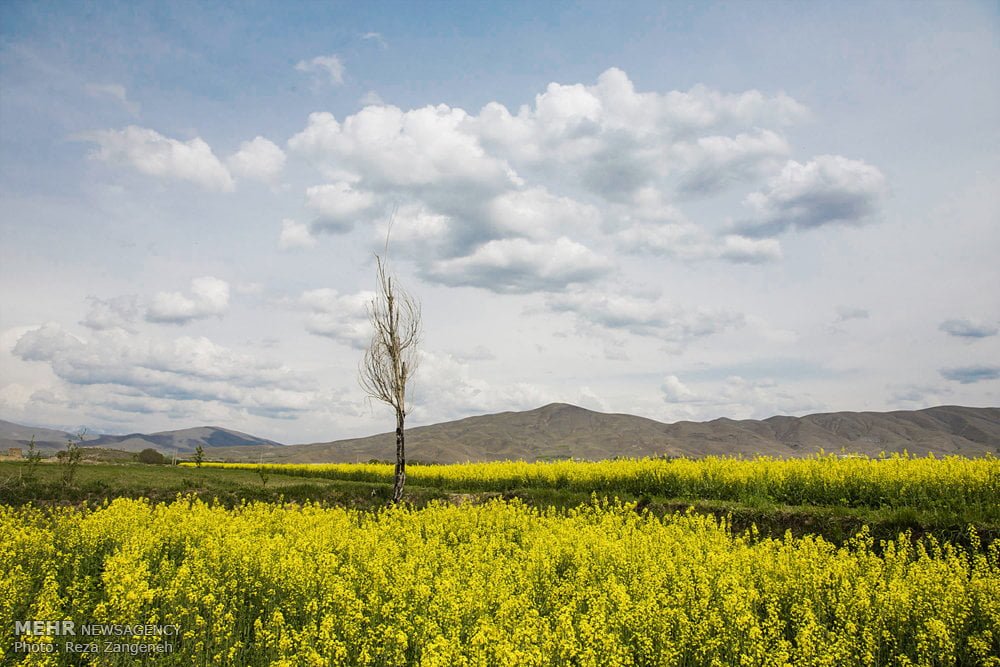
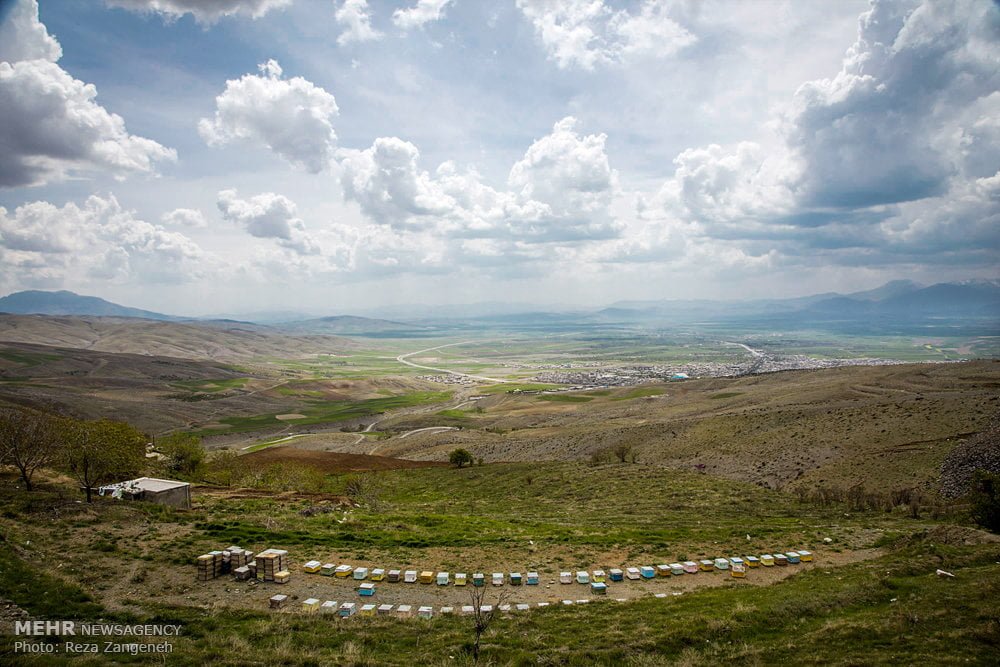
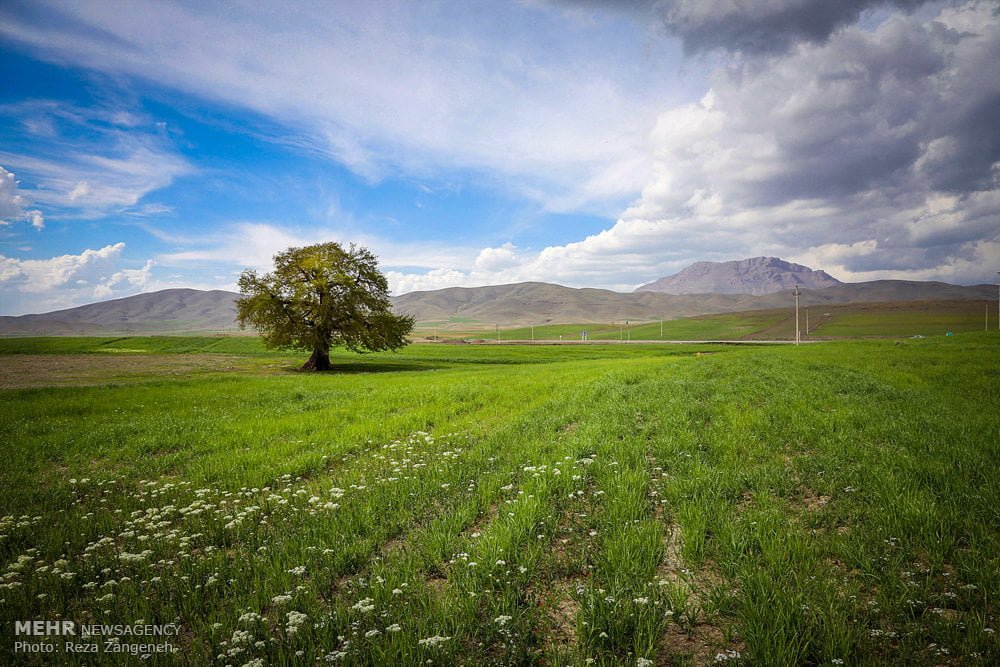
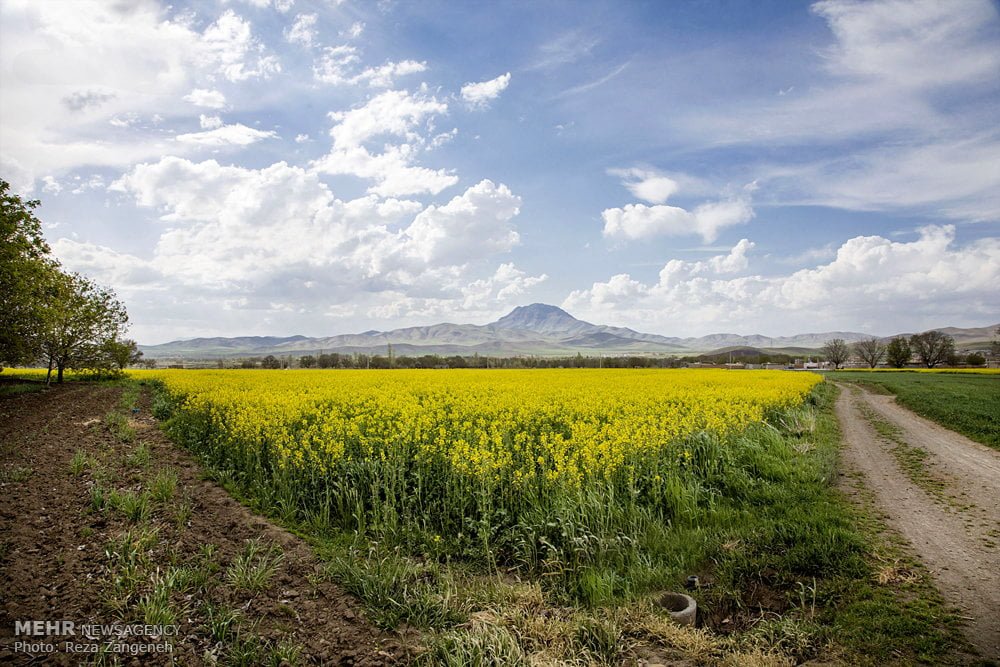
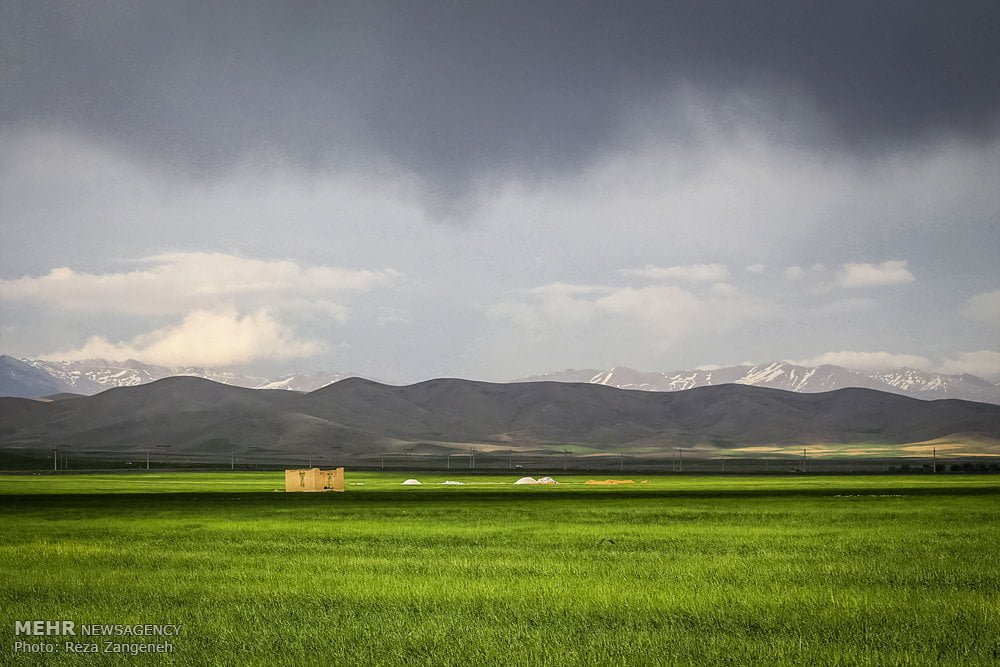
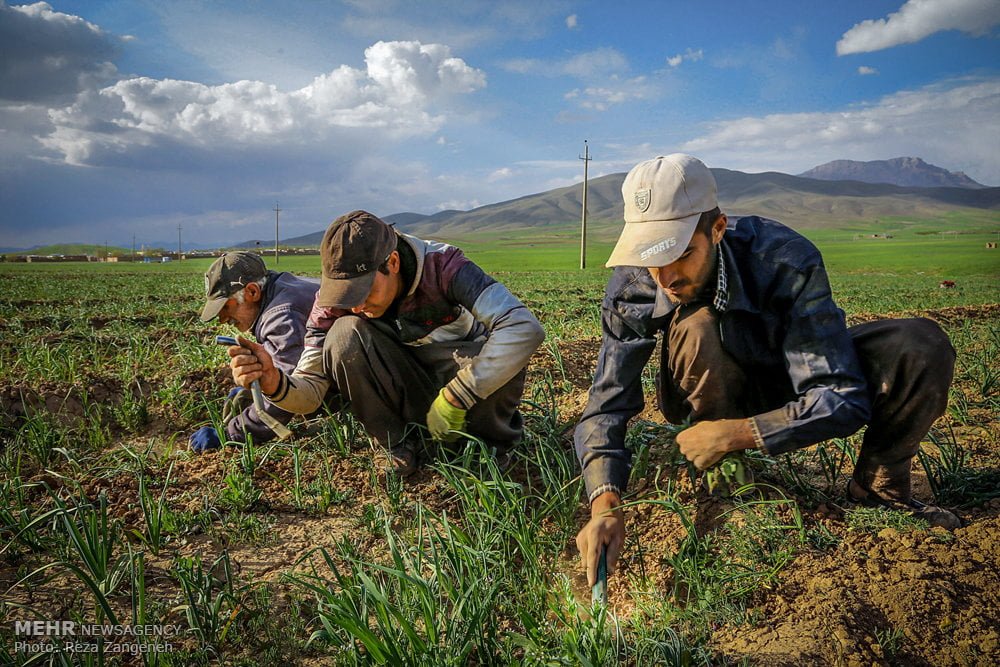
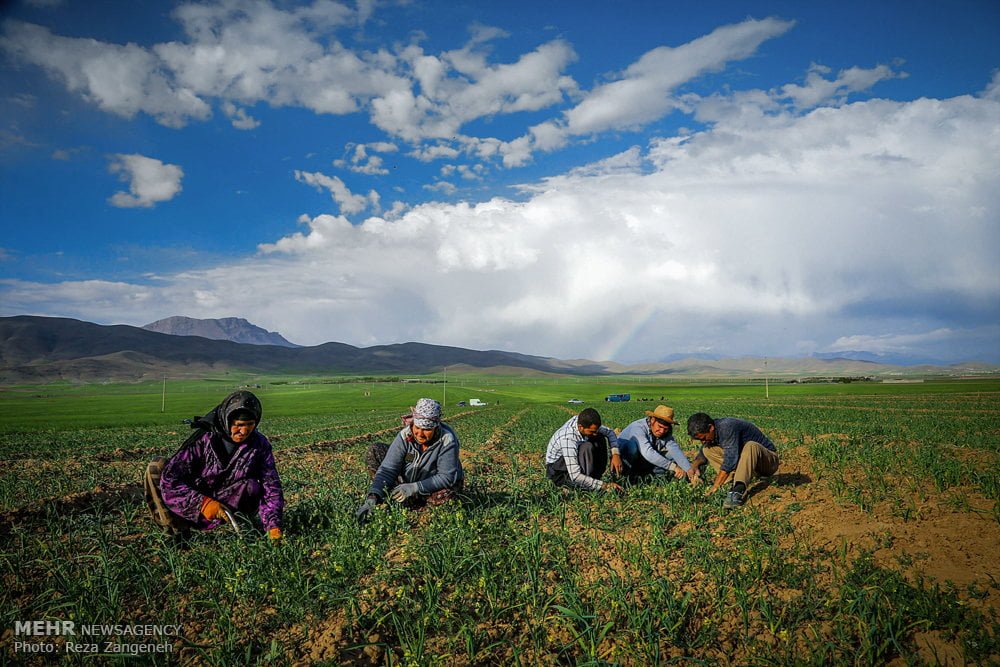
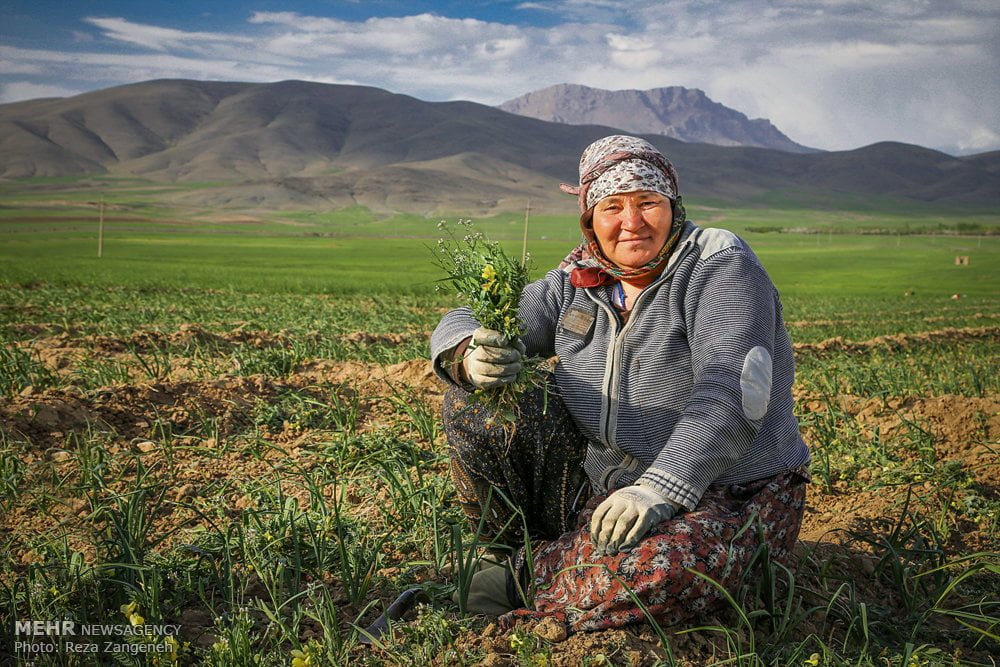
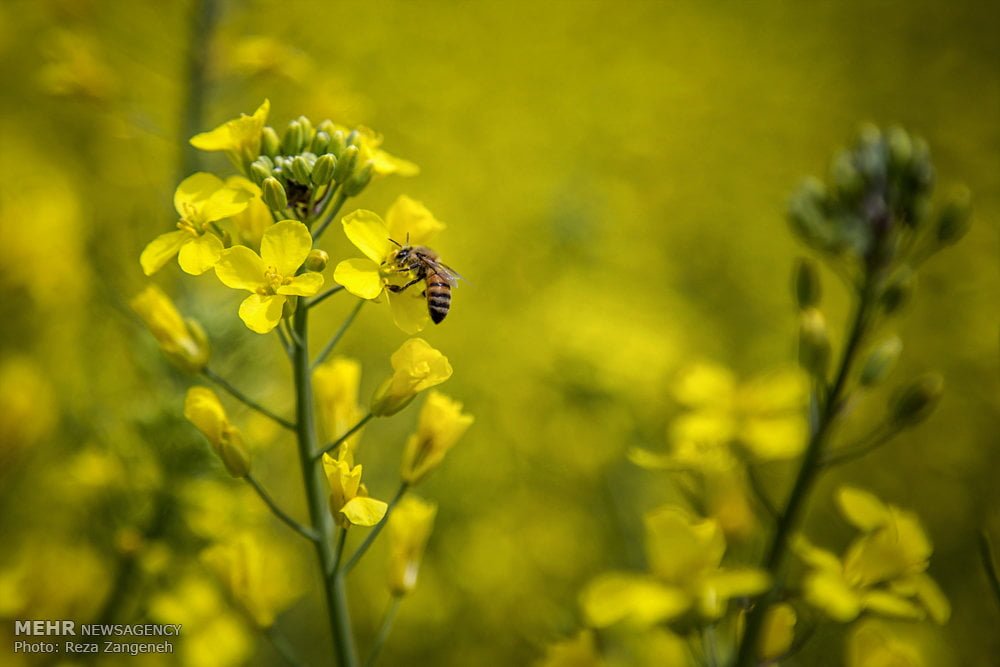
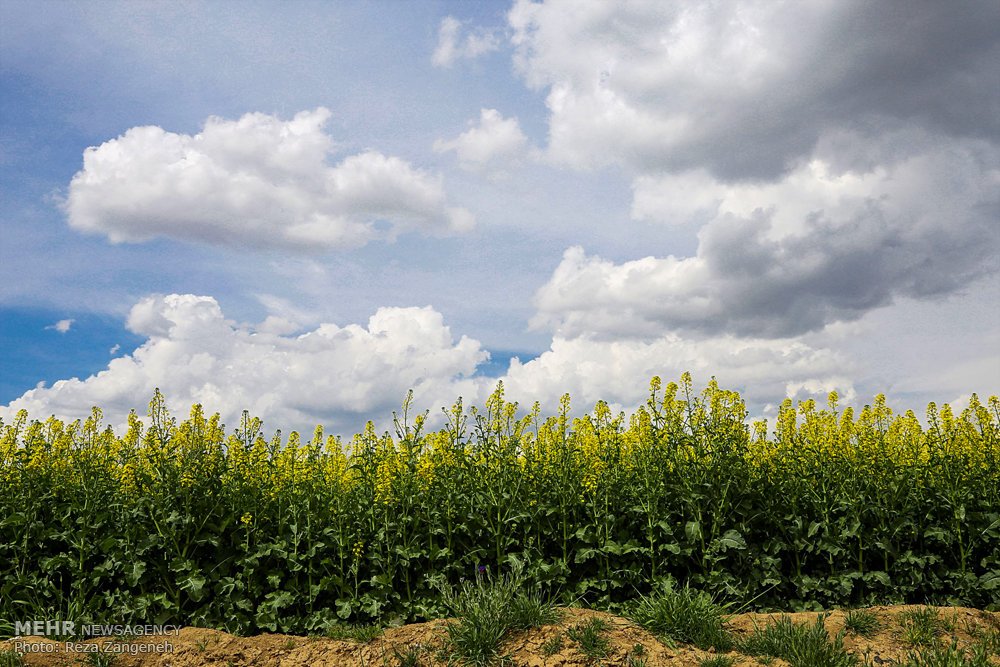
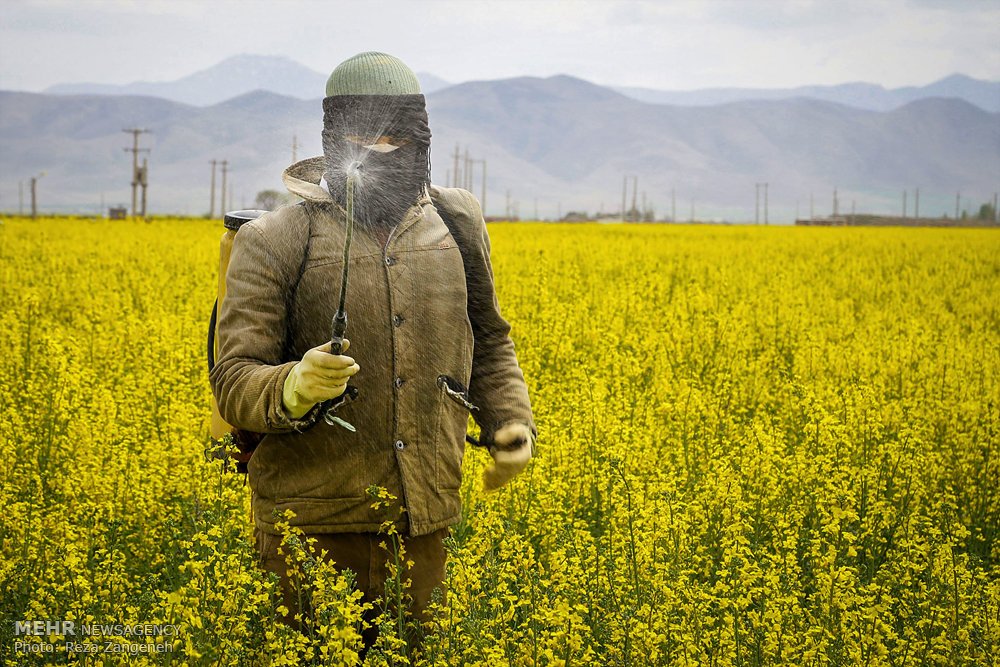
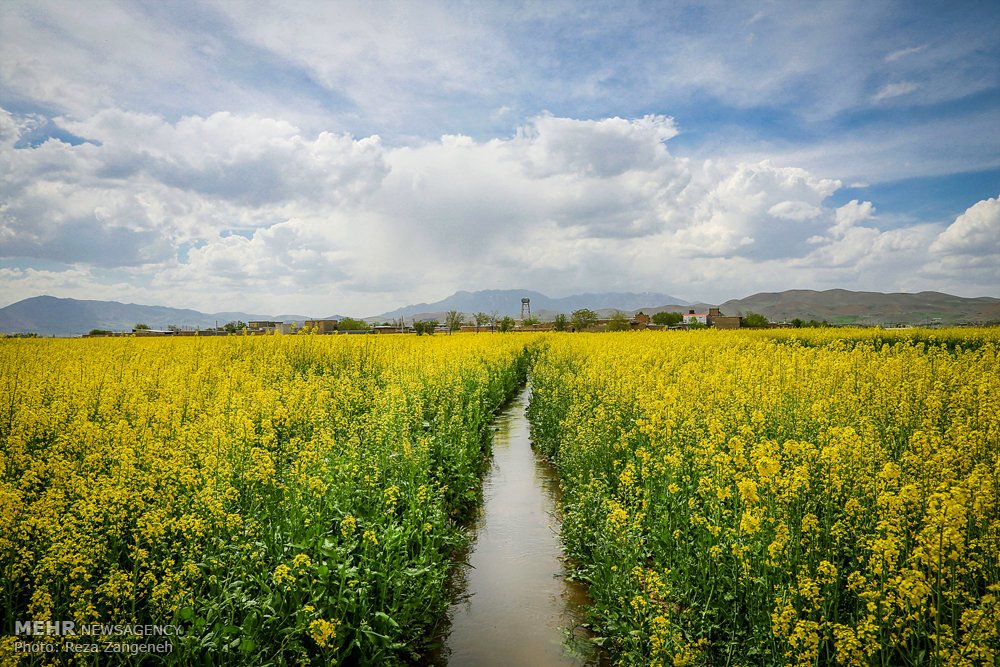
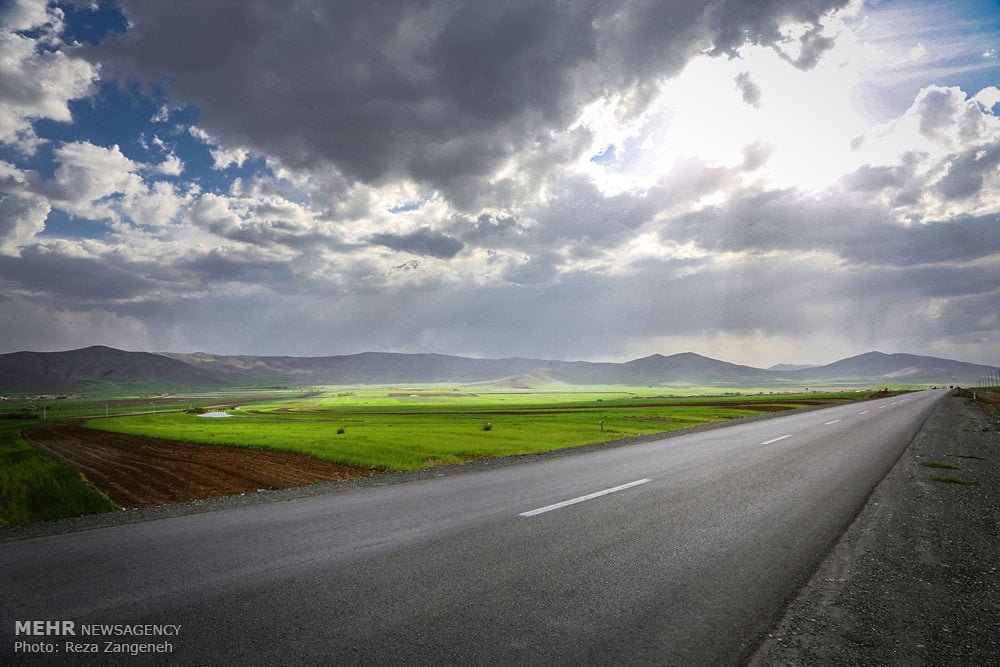
Iran’s Beauties in Photos: Farmlands of Tuyserkan

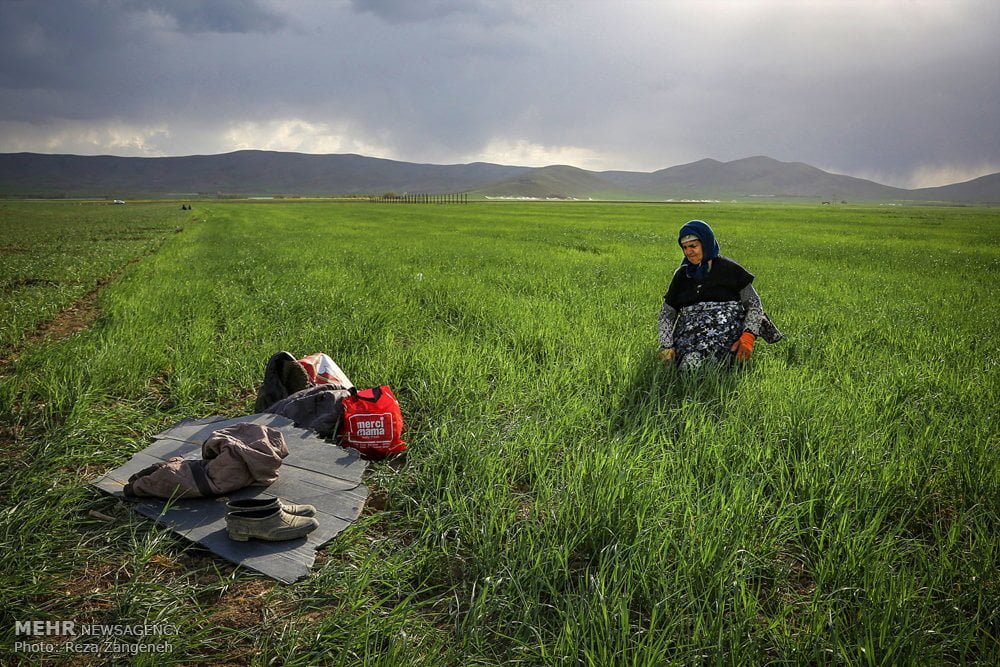
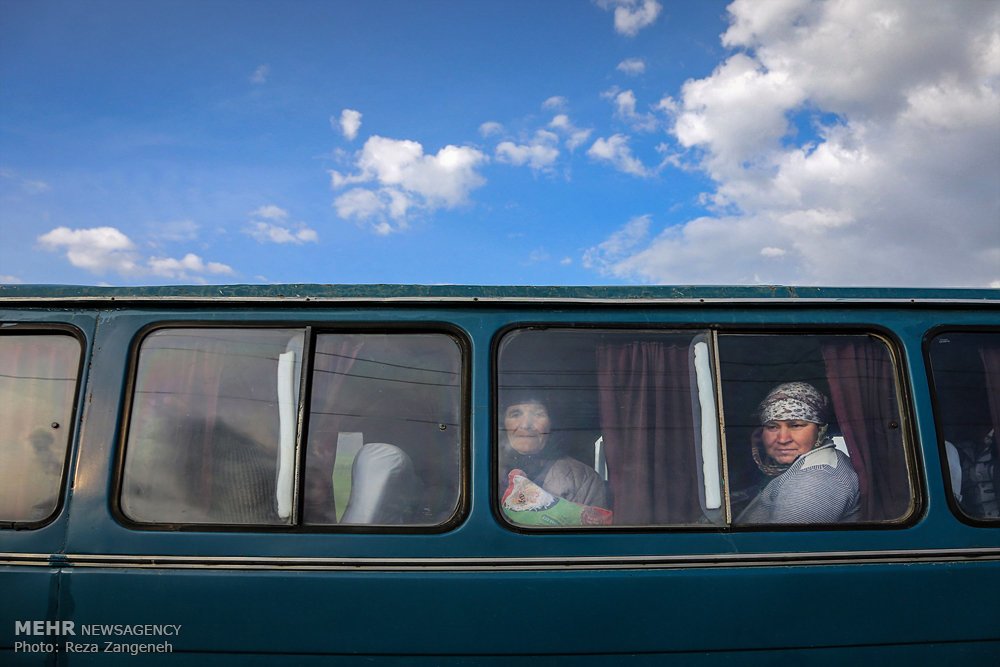
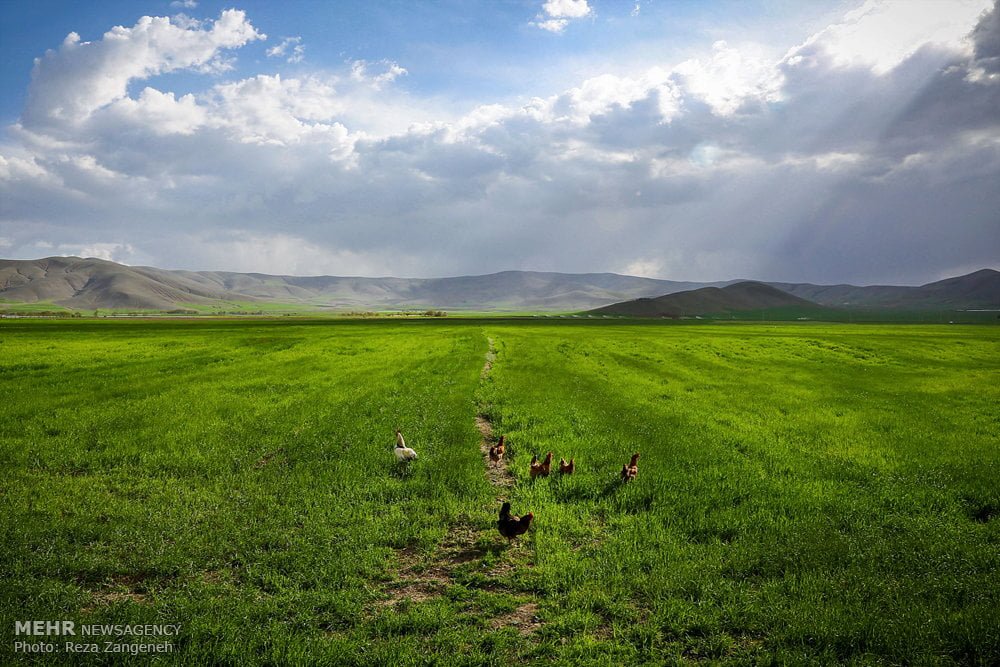
Faryazan is one of the largest of these villages. It is located 12 km away from the city of Tuyserkan. Farmlands of Faryazan, Moradabad and surrounding villages are quite suitable for growing crops such as wheat, canola, garlic and cucumber.

What follows are photos of the farmlands of this village retrieved from the Mehr News Agency:

Iran’s Qajar Era Films to Be Restored in France

The chief of Tehran’s Golestan Palace Museum says 21 films that were found at this palace 7 years ago will be sent to France in the next few months to be restored.

In an interview with the Persian-language Fars News Agency, Masoud Nosrati said the Golestan Palace consists of three important sections; one of which includes 4,500 manuscripts, of which several items have been registered in the World Heritage List.

“The other section contains 500,000 documents of the Qajar and Pahlavi eras. The Royal Album section is the third which includes films and photographs of the Qajar era,” added Nosrati.

“Last year, we tried to refurbish the above-mentioned films in Iran, but we did not succeed due to the lack of technology in the country.”

He further mentioned that some of the Qajar era films were sent to France for restoration in 2005 and 2006 and at present, 56 minutes of these films are available at the palace.

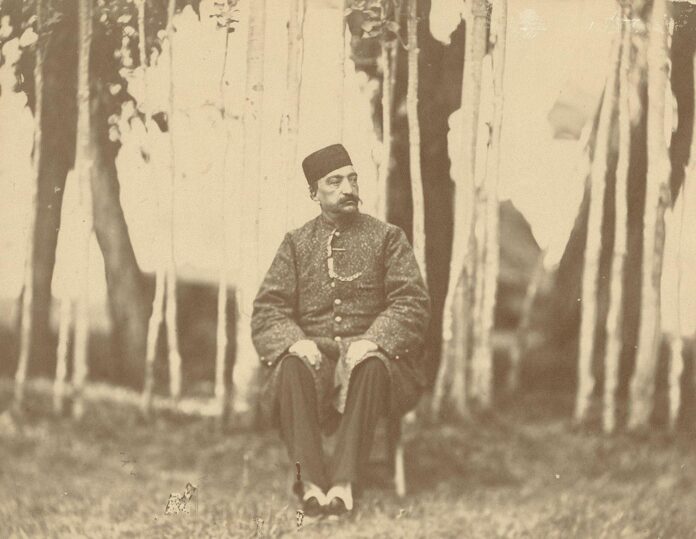
“During the Qajar period, as Naser al-Din Shah was very interested in the art of photography, he imported cameras and the photos taken are also available at Golestan Palace.”

Nasrati also underlined that the Golestan Palace photo collection contains 1,900 historical photographs, saying it is the second largest Royal Photo Album in the world after the British Royal Collection.

The Golestan Palace is one of the oldest historic monuments in Tehran. It was inscribed on UNESCO’s World Heritage List in 2013. For UNESCO, “it is a masterpiece of the Qajar era, embodying the successful integration of earlier Persian crafts and architecture with Western influences.”

The Qajar period is increasingly recognized as a time of significant change in the Iranian society. Western ideas and technology, introduced by diplomats, military and technical advisers, merchants, travellers and missionaries in 19th-century Iran, exercised great influence.

Firmly rooted in Persian tradition, Qajar art gives visual expression to the changes in 19th-century Iran, with architecture and the various techniques used in its decoration offering the most comprehensive illustration of this artistic period.

“N. Korean Leader Trying to Avoid Fate of Saddam, Gaddafi”

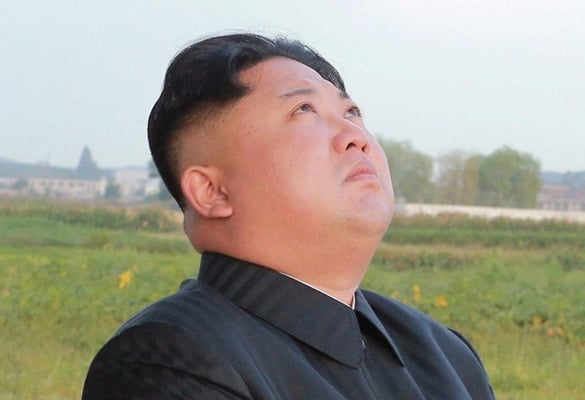
North Korean President Kim Jong-Un finally went to meet his South Korean counterpart Moon Jae-In for the first time and agreed to end the Korean War, 65 years after the last armistice. They agreed the Panmunjom declaration committing to seek “complete denuclearisation” of the peninsula.

Earlier, Kim had told Moon on the phone that he has abandoned Pyongyang’s nuclear program in order to avoid the “disastrous” fate that former Iraqi strongman Saddam Hussein and Libya’s ex-dictator Muammar Gaddafi underwent, Moon was reported by South Korean media as saying.

Based on the same report, Kim’s decision to stop tests of ballistic missiles as well as nuclear tests comes to prove his determination to forgo the country’s missile and nuclear programs.

Saddam Hussein was sentenced to death after he was tried in court in 2006. Muammar Gaddafi was also killed by his opponents during the Libya revolution in 2011. Both leaders lost their lives following foreign intervention by the US and its allies.

Official media had already announced that North Korea would suspend its nuclear and missile tests as of Saturday April 21, 2018, and would shut its nuclear tests site.

North Korea’s official news agency had quoted Kim as saying that his country no longer needed nuclear tests or the test-firing of intercontinental ballistic missiles (ICBMs) because he had already reached his nuclear weapons development objectives.

Mike Pompeo, the former CIA director and the secretary of state nominated by Trump, met Kim recently, setting the stage for a meeting between American and North Korean leaders.

Of course, other sea changes are in the offing in North Korea. The country is on course to further opening up the political and cultural climate in society.

Many have described Pyongyang’s recent measures as a sort of retreat in the face of Washington’s firm positions. Now the question is whether Kim has retreated because of the US pressure, or that he has learned lessons from the fate of doomed dictators.

Mehdi Motaharinia, an analyst of international issues, has, in an interview with the Persian-language Fararu website, weighed in on the issue.

“The world is on the brink of the emergence of a new order. The United States of America was seeking a unipolar world, but the world does not accept extensive hegemony and a unipolar globe after stepping into the 21st century and the expansion of communications. So, a line has to be drawn between the management of the world and leadership of the world,” he said.
“The US intends to assume the hegemonic leadership of the world, and this hegemonic leadership is, in fact, a security hegemony. Therefore, the US should be accepted as the security leader of the world by major powers,” the analyst added.

“Kim’s getting along with the US was undoubtedly prompted by China’s green light,” he noted.

“By giving the green light, China has accepted to set the stage for a final competition in the international system while retaining its intense rivalry with the US over various regional and international issues. The current trade war between China and the United States should also be analyzed within this framework,” he said.

“So, North Korea has now found out that if it wants to get into confrontation with the US, such a move would set the stage for Kim to suffer the same fate as Saddam Hussein and Gaddafi’s due to a lack of support by China,” he noted.

According to the analyst, Kim believes if he does not clinch a major deal with the Americans, he will have to pay a heavy price.

“Therefore, in order to avoid paying this heavy price, it has begun to retreat. In fact, from Kim’s perspective, this is the best thing to do in the worst situation he is in now,” the commentator noted.

The analyst was asked whether the North Korean Leader would have undergone the same fate as the doomed dictators if he hadn’t backed down from his position. In response, he answered, “I believe Libya and Iraq had special dossiers of their own. Every country has its own special situation and features, though it might have similarities with other countries as well. So, every government, country or geographical region should be reviewed in light of its own specific features.”

“Incontrovertibly, both Kim Jong-Un, as the leader of North Korea, and the US and their allies understand this issue very well. However, what became of Iraq and Syria could happen to North Korea as well,” he noted.

“What was regarded as US threats to Kim set the stage for his retreat,” said the analyst.

“Let’s not forget that Kim had threatened the US with an atomic attack. The Americans used the opportunity and described his threats as a challenge and tried to see the threat as an opportunity. So, the Americans managed to lay the groundwork for dispatching large numbers of military troops to the Korean peninsula,” he said.
“So, Kim Jong-Un’s threat was seen by the US as a challenge and muscle-flexing, not as a threat, and the US capitalized on the opportunity and increased the number of its military troops in the region.”

“Today, Kim Jong Un has realized that his threats have turned into an opportunity for the US. On the other hand, the US is working with China, Russia and its European allies to create a new uni-multipolar order based on compound hegemony. That means the US would assume the leadership of the world, but would divide the world into five major geographical regions and would hand over the security of each of those regions to a superpower, so that handling security will be coordinated with the US management of global security,” he said.
“The United States’ plan to create the world’s future order based on the theory of compound hegemony smacks of an attempt to create a uni-multipolar world in which the US will be the hegemon of global security and will take over the management of security in the world. On the other hand, Russia, China, Germany, France and Britain, despite being involved in intense competitions with the US, will accept to manage the security and future of the world in different geographical regions, and will fall into step with the US. Now, the United States seeks to have the security of East and Southeast Asia managed with an eye on China and through the cooperation of South Korea, Japan, and, in the future, North Korea. The US also wants India to make its presence felt in the process.”
Motaharinia also touched upon Kim’s trip to China.

“The trip is in line with the same plan. Kim Jong-Un travelled to China before announcing his retreat as well as a historic meeting with Trump, and received a green light from Beijing. Of course, this is just the beginning of the path, and more surprises might emerge on the way, and all players might break the rules of the game.”

Fajr Int’l Film Festival Wraps Up in Tehran

At the ceremony also attended by Iranian and international filmmakers and guests, winners of this edition were announced.

‘Aga’ by Milko Lazarov, a co-production from Bulgaria, Germany, France, won Best Film, while Cambodian documentary film director Rithy Panh won the Peace Award.

After the announcement, Oliver Stone was asked to come on the stage to present the award.

“My friend worked for a long period of time and in difficult conditions to make his motion picture. I’m honoured to present Rithy Panh with the Peace Award,” Stone said while presenting the award to the Cambodian documentary film director, MNA reported.

The list of winners is as follows:

International Competition (Cinema Salvation)

Best Film: Milko Lazarov, Aga (Bulgaria, Germany, France)

Best Director: Alexey German Jr., Dovlatov (Russia, Poland, Serbia)

Best Script: Ramtin Lavafi, Hattrick (Iran)

Best Actor: Leon Lucev, The Miner (Slovenia, Croatia)

Best Actress: Mahoor Alvand, Hattrick (Iran)

Special Jury Prize: Richard Kendrick, Cinematographer, Song of Granite (Ireland, Canada)

Best Short Film: Faith, Tatiana Fedorovskaya (Russia)

Special Mention: Mr. Deer, Mojtaba Mousavi (Iran)

The Cinema Salvation – International Competition Jury: Joanna Kos-Krauze (Poland), Milcho Manchevski (Macedonia), Dimitri Athanitis (Greece), Adoor Gopalakrishnan (India), Giovanni Spagnoletti (Italy), Mahmoud Kalari (Iran), Merila Zarei (Iran).

Asian Film Awards

Best Asian Film: Father and Son, Dung Ding Loung (Vietnam)

Best Asian Director: Maryam Bahrololumi, Patio (Iran)

Best Short Film: Pedavore, Mohammad Kart (Iran)

Eastern Vista – Panorama of Films from Asian and Islamic Countries Jury: Salome Demuria (Georgia), Suhan Pansha (Malaysia), Ahmet Boyagioglu (Turkey), Ammar Jamal (Iraq), Farhad Aslani (Iran)

Interfaith Award

Grain, Semih Kaplanoglu (Turkey, Germany, France, Sweden, Qatar)

Interfaith Competition Jury: Valerie De Marnhac (France), Thomas Kroll (Germany), Mohammad-Reza Zaeri (Iran)

NETPAC Prize

Hendi & Hormoz, Abbas Amini (Iran)

NETPAC Jury: Raman Chawla (India), Asif Rustamov (Azerbaijan), Habib Ahmadzadeh (Iran)

Best First Film Award

Dressage, Pooya Badkoobeh (Iran)

First Film Jury: Viera Langerova (Slovakia), Barmak Akram (Afghanistan), Mohammad Ali Bashe Ahangar (Iran)

Muhammad Al Ameen Award

Majid Majidi, Beyond the Clouds (India)

Peace Prize

Peace Prize for Lifetime Achievement: Rithy Panh (Cambodia)

Honorary Diploma: The Miner, Hanna Slack (Slovenia, Croatia)

With director Reza Mirkarimi at helm of 2018, Fajr Filmfest heralded stronger comebacks from Asia, Europe and Middle East. Whatever one says of Middle East cinema and its power rankings, the region’s best and most powerful showcase for cinema is, has been, and for all foreseeable time will be this festival, which runs in Charsou Cineplex and other venues in in the Iranian capital until April 27.

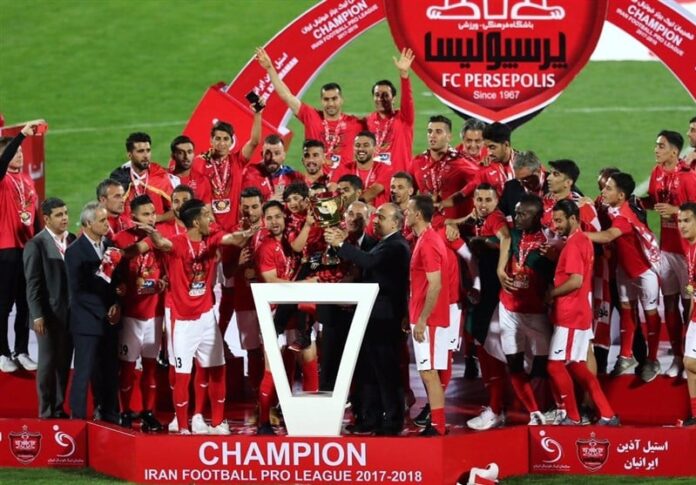
Persepolis FC Lifts Iran Pro League’s Title Trophy

On Friday, the Reds celebrated their 11th title in Iranian football league in Tehran’s Azadi Stadium.

Persepolis defeated Sepidrood 3-0 in the IPL last week.

Mohammad Ansari opened the scoring for Persepolis from a set-piece in the 31st minute.

Farshad Ahmadzadeh was on target in the 48th minute and Kamal Kamyabinia opened the goal with a header in the 87th minute.

Iranian Minister of Sports and Youth Affairs Masoud Soltanifar attended the celebration.

Earlier on the day, Zob Ahan became vice-champion after defeating already-relegated Naft Tehran at the Takhti Stadium.

Esteghlal finished in third place, defeating Sepahan 1-0 in Isfahan.

Ali Daei’s Saipa, who came fourth, beat Paykan 2-1, Tractor Sazi edged past Foolad in Ahvaz, Sanat Naft was held to a 3-3 draw by Esteghlal Khuzestan, Siahjamegan, who was relegated from IPL, lost to Pars Jonoubi 1-0 and Gostaresh Foolad played out a goalless draw by Padideh.