Tuesday, December 23, 2025
Home Blog Page 3617

“US-Saudi Partnership Stoking Instability, Insecurity in Region”
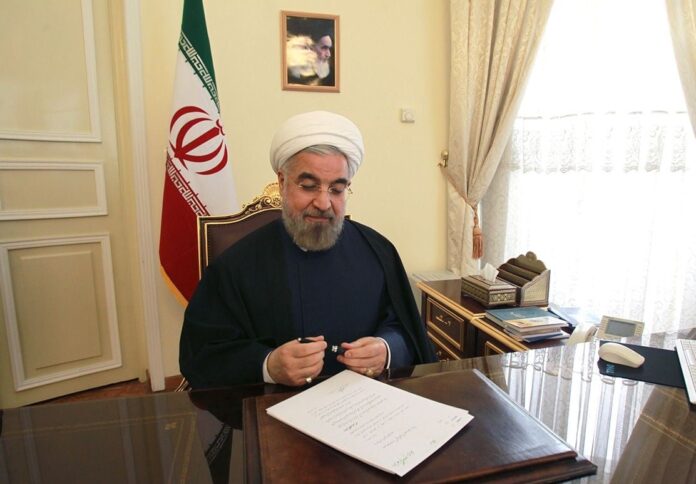
qassemi

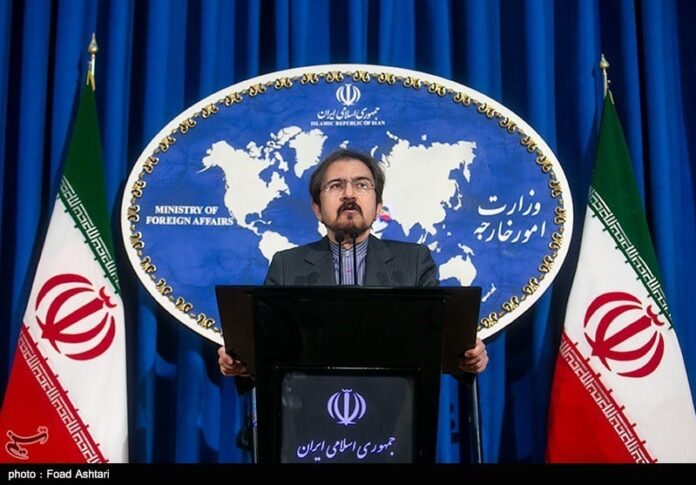
In a Monday statement, Bahram Qassemi rejected recent anti-Iran comments by US Secretary of State Mike Pompeo in a meeting with the Saudi foreign minister in Riyadh.

“What the US secretary of state describes as Washington’s partnership with Saudi Arabia is a partnership aimed at triggering instability and war as well as promoting arms races and extremism based on the adventurism of certain novice and bellicose Saudi politicians.”

“Such a move has, so far, had destructive consequences such as the perpetuation of violence, animosity and distrust among the regional countries as well as the creation of long-running crises, insecurity and instability in the region,” he said.

“As long as this unholy expansionist partnership exists, the regional nations will barely savour the taste of security and tranquility along with human and economic development.”

“The foreign ministers of the United States and Saudi Arabia will realize the meaning and outcome of their so-called partnership once they look at the deplorable humanitarian situation in Yemen and the extremism and terrorism in the region,” Qassemi added.

“What the US secretary of state has said about the Islamic Republic of Iran’s role and presence in some regional countries is just a rehash of baseless claims,” the spokesman said.

“The Islamic Republic of Iran’s advisory role in the two neighbouring countries comes at the request of their legitimate governments and is in line with fighting terrorism in the region, and this support will continue as long as the two governments need such help to combat terror,” Qassemi underlined.

He also touched upon the allegation that Iran is meddling in Yemen.

“The erroneous and false claim made again regarding Yemen is not true and is only aimed at deflecting the attention of the international public opinion from the crimes committed by Saudi Arabia in its aggression against Yemen. It is just a worthless claim geared to the perpetuation of Saudi Arabia’s warmongering, its aggression against Yemen, and the destructive and destabilising presence of foreign powers in the region.”

During his first tour of the Middle East as secretary of state, Pompeo rehashed false allegations against Iran and repeated Washington’s threat of quitting the Iran nuclear deal if the accord is not fixed.

Iran, Turkey to Integrate Bank Cards

This was announced during a meeting on Saturday between high-level representatives of Bank Melli Iran and Turkey’s Ziraat Bank, the official website of BMI reported.

“It has been decided that bank cards will be used between the two countries. Many Iranian and Turkish tourists travel between the two countries each year and using these cards can lead to the growth of tourism,” Mohammad Reza Hosseinzadeh, Bank Melli’s CEO, said.

Huseyin Aydin, CEO of Ziraat Bank who also heads Turkey’s association of state-owned banks, also put his support behind the scheme and said using integrated bank card systems can help the exchange of currencies and boost bilateral trade.”

According to a report published by the Hotel Association of Turkey, some 2.5 million Iranian tourists visited Turkey in 2017, making the country the top destination for Iranian holidaymakers. About 155,000 of the nearly 1.5 million foreigners who visited Turkey at the start of 2018 were Iranians.

The bank card integration scheme can prove immensely helpful, especially as Iran is still facing the repercussions of unifying its dual foreign exchange rates on April 10.

At present, foreign banknotes are scarce in Iran’s open market and travelers may legally get only up to €1,000 for foreign trips from authorized banks. Even that is uncertain as Central Bank of Iran Governor Valiollah Seif advised travelers to wait and postpone their trips until they can get their required hard currencies in the foreseeable future.

Turkey is not the only country being eyed for bank card integration. Iran’s similar scheme with Russia is undergoing trial and was supposed to be implemented by Dec. 10 after repeated promises, but it has been delayed again until further notice due to technical issues.

Iran is also negotiating bank card integration with Japan, Azerbaijan, Iraq, China and Oman.

During Saturday’s meeting, CEOs of Bank Melli and Ziraat Bank also discussed the currency swap deal that was formally agreed in October and designated their banks as agent banks. The first letter of credit using the national currencies of Iran and Turkey was opened on April 16 by BMI.

“Iranian and Turkish traders have welcomed the scheme,” Hosseinzadeh said.

Aydin announced that Turkey’s Economy Minister Nihat Zeybekci will travel to Iran in the near future and said that his bank is ready to fully cooperate with BMI as it has already formed technical committees in this regard.

Iran Not to Accept Anything beyond JCPOA, Rouhani Tells Macron

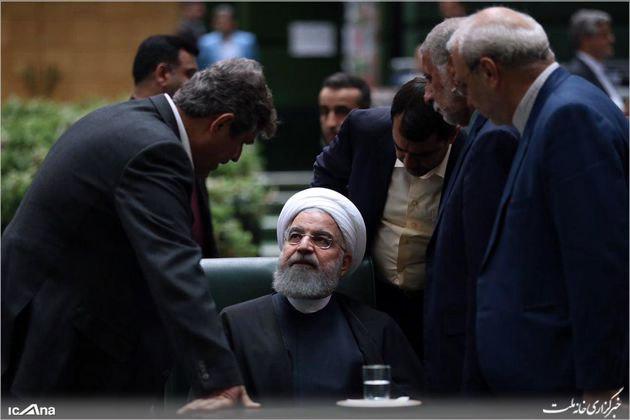
In a Sunday phone conversation with his French counterpart Emmanuel Macron, which lasted more than an hour, President Rouhani said the JCPOA has ensured regional security and cooperation.

Rouhani slammed the US for seeking to violate the JCPOA and said over the past few days, Iran has adopted highly significant economic decisions in banking and forex areas in response to the US possible pullout of the nuclear accord.

The Iranian president blasted the US stance towards the JCPOA over the past two years and said continuation of the stance is not acceptable for Iran anymore.

He reiterated that the JCPOA is non-negotiable and said Iran will not accept any further commitments beyond the nuclear deal.

Rouhani called the Iran nuclear deal a main basis for building trust between Iran and the west, and said, “Given high capacities for expansion of ties in various political, cultural, economic and regional areas, we are determined to strengthen our relations with France.”

The French president, for his part, called for further expansion of ties between Iran and France.

He then underlined that France and other European sides of the Iran nuclear deal support the JCPOA and added his country will remain in the deal resolutely.

Macron also called on the Iranian president to remain in the nuclear deal even if the US decides to pull out.

He then referred to the regional issues and said France has always been after a stable region and said the JCPOA can serve as a good model for resolving regional issues.

Iran State TV to Air Documentary on US-ISIS Cooperation

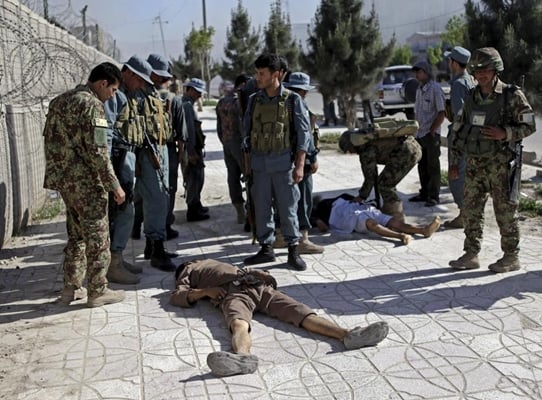
ISIS

Named Lord of War, the documentary provides its viewers with a new account of US support for terrorists in the region.

According to a report by the Persian-language news agency Young Journalist Club (YJC), the new documentary draws on rarely-seen videos to shed light on an undeniable fact about the US support for the ISIS terrorists.

The documentary is set to be broadcasted for the first time when the US begins to relocate its embassy from Tel Aviv to East Jerusalem Al-Quds.

Provided by the Resistance Front which has managed to penetrate into the US Command and Control in the region, the videos used in the documentary portray a vivid account of the fight against ISIS in Iraq and Syria.

The videos reveal how the US commanders provide ISIS with direct and indirect military and logistic support helping the terrorists to survive.

Lord of War is produced by Owj Arts and Media Organization which is a non-governmental media organization affiliated with the IRGC. It is active in launching propaganda campaigns, film production and distribution.

US has been accused repeatedly by Syria, Russia, Iran, Turkey and a number of other regional states of sponsoring terrorist groups in the region.

A study by Conflict Armament Research (CAR) said last year that sophisticated weapons the US and Saudi Arabia secretly provided for so-called moderate militants fighting the Syrian government quickly fell into the ISIS hands.

Iran Develops Its Own Digital Currency

Iran Develops Its Own Digital Currency

Iranian Minister of Communications and Information Technology Mohammad Javad Azari Jahromi says the Iranian cryptocurrency is being developed under a joint project involving the ministry’s ICT Research Institute, Central Bank of Iran’s Monetary and Banking Research Institute and the state-run Post Bank.

“Last week, in a joint meeting aimed at exploring the progress of the project, it was announced that the experimental model is ready,” he said, according to a report by the Persian-language Islamic Republic News Agency (IRNA).

The announcement came after the central bank last Sunday banned Iranian banks from dealing in foreign cryptocurrencies, including Bitcoin.

“Banks and credit institutions and currency exchanges should avoid any sale or purchase of these currencies or taking any action to promote them,” a central bank circular said, based on a ban on cryptocurrencies passed by Iran’s anti-money laundering body in December.

Cryptocurrencies’ underlying block-chain technology eliminates the need for a third party and allows for instant, irrevocable and secure transactions.

Iran joined the growing list of nations to crack down on cryptocurrencies, including India and Pakistan who made roughly similar moves in early April.

Azari Jahromi says the CBI ban does not cover home-grown digital currencies and it does not mean Iran will resist against cryptocurrencies, which could shape the future of finance world.

“The CBI ban on Bitcoin dealings was made out of concerns such as [it could lead to] foreign currency flight and that the [volatility in the crypto market] could lead people to lose their assets. But Bitcoin is not the one and only cryptocurrency,” the minister said.

Dozens of countries such as China, Russia, and Singapore have already developed their own digital currencies, as they address needs of consumer anonymity and transaction efficiency.


National Cryptocurrency Not in Conflict with Sharia

In a Farsi interview with banking news website IBENA on Friday, Azari Jahromi said the Iranian cryptocurrency will be backed by assets, so it will have no Sharia (Islamic rules) problems.

Iranian clerics have expressed concerns that doing business with virtual currencies could have problems, as Islamic Sharia believes money should hold real value or be backed by such assets.

The Iranian cryptocurrency will be backed by assets, just like the Malaysian cryptocurrency which is backed by gold and the Venezuelan one which is supported by oil, Azari Jahromi said.

Referring to reports by western media that Iran is developing cryptocurrencies as a means to circumvent financial sanctions by avoiding traditional financial avenues, the minister said, “All cryptocurrencies are capable of circumventing sanctions because they are not under supervision of the US financial regulatory body, and the national digital currencies are naturally capable of this.”

Both Venezuela and Iran are currently the targets of heavy sanctions imposed by the US.

Iran moved this month to formally unify its official and open market exchange rates and banned money changing outside of banks, after its currency rial plunged to an all-time low earlier this month.

Government officials described the sudden plunge as unnatural, suggesting it could be caused by an economic plot hatched by the US and its allies.

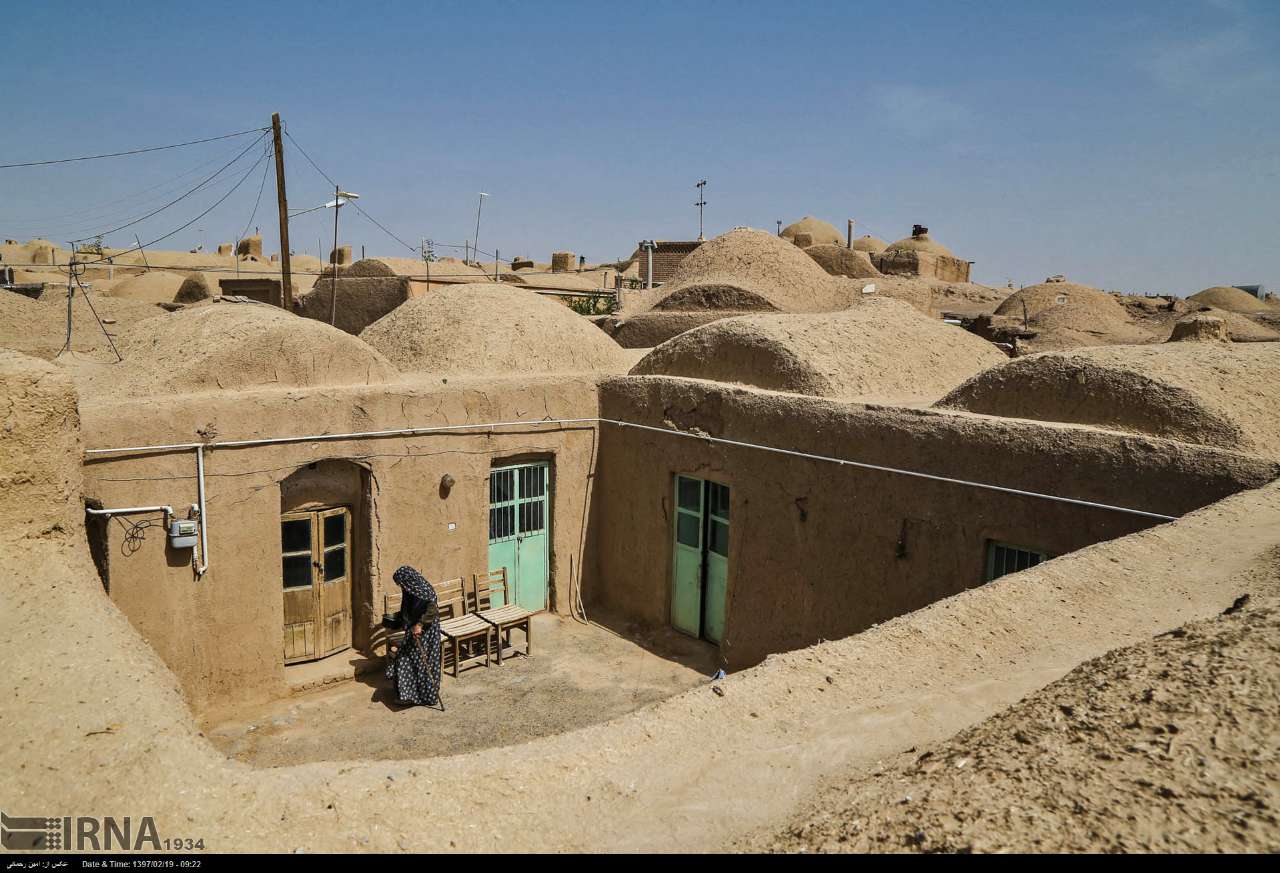
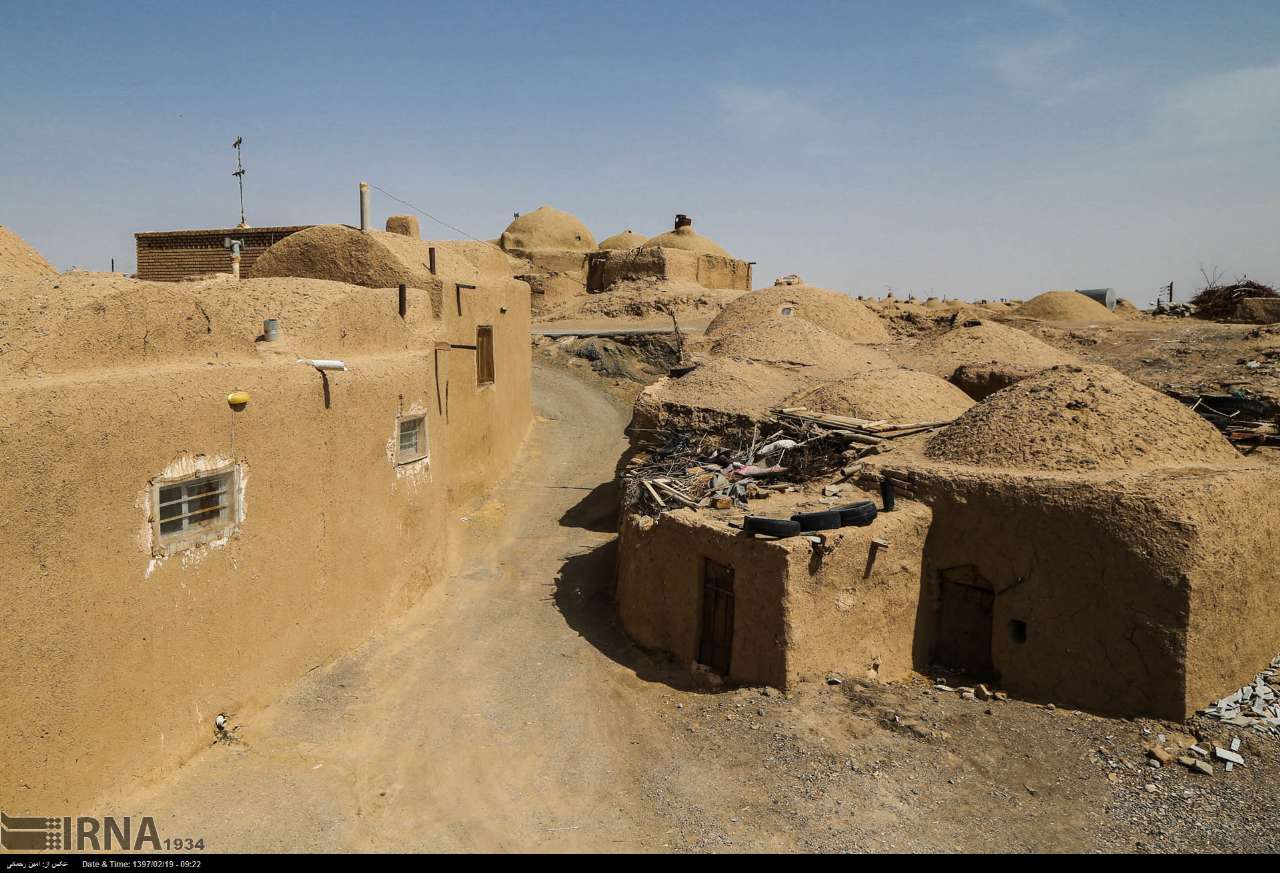
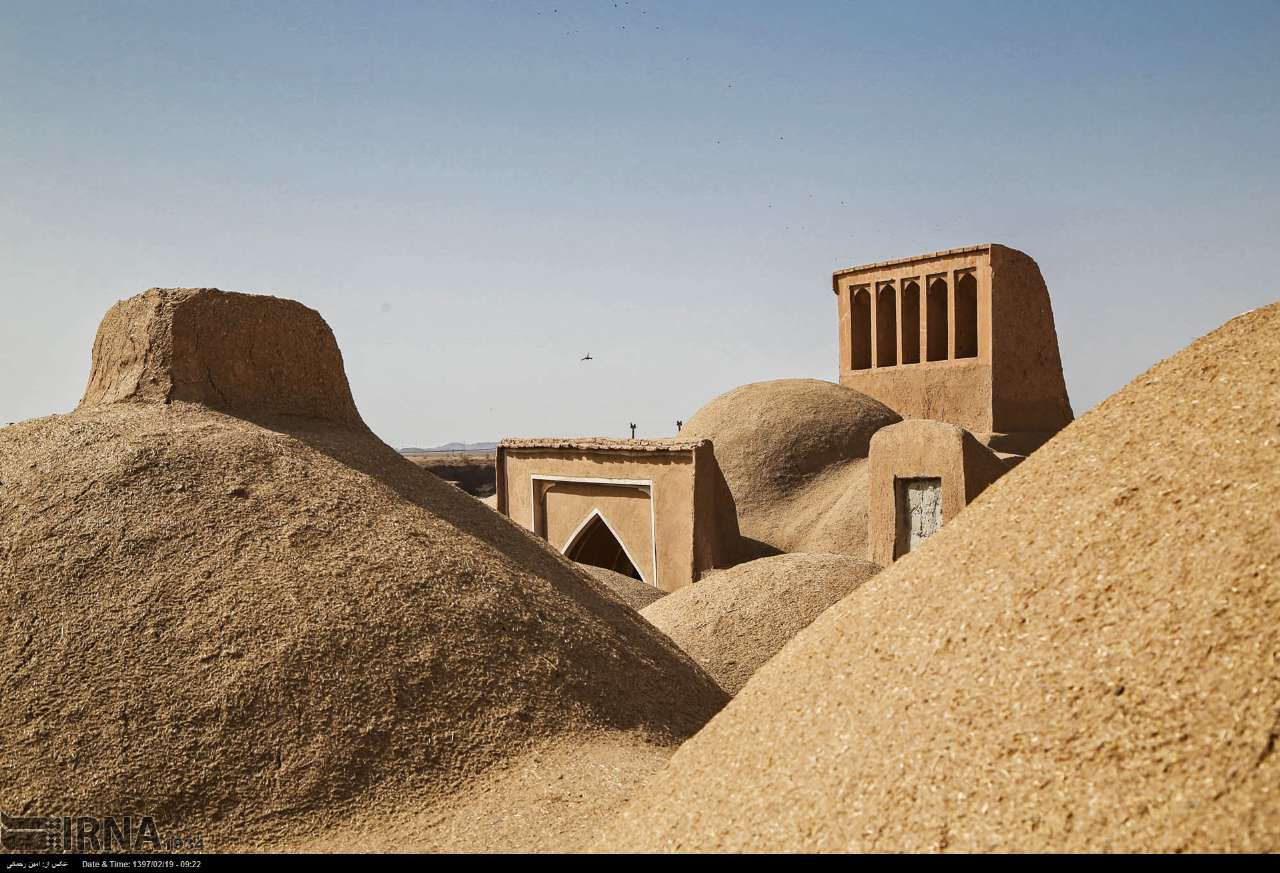
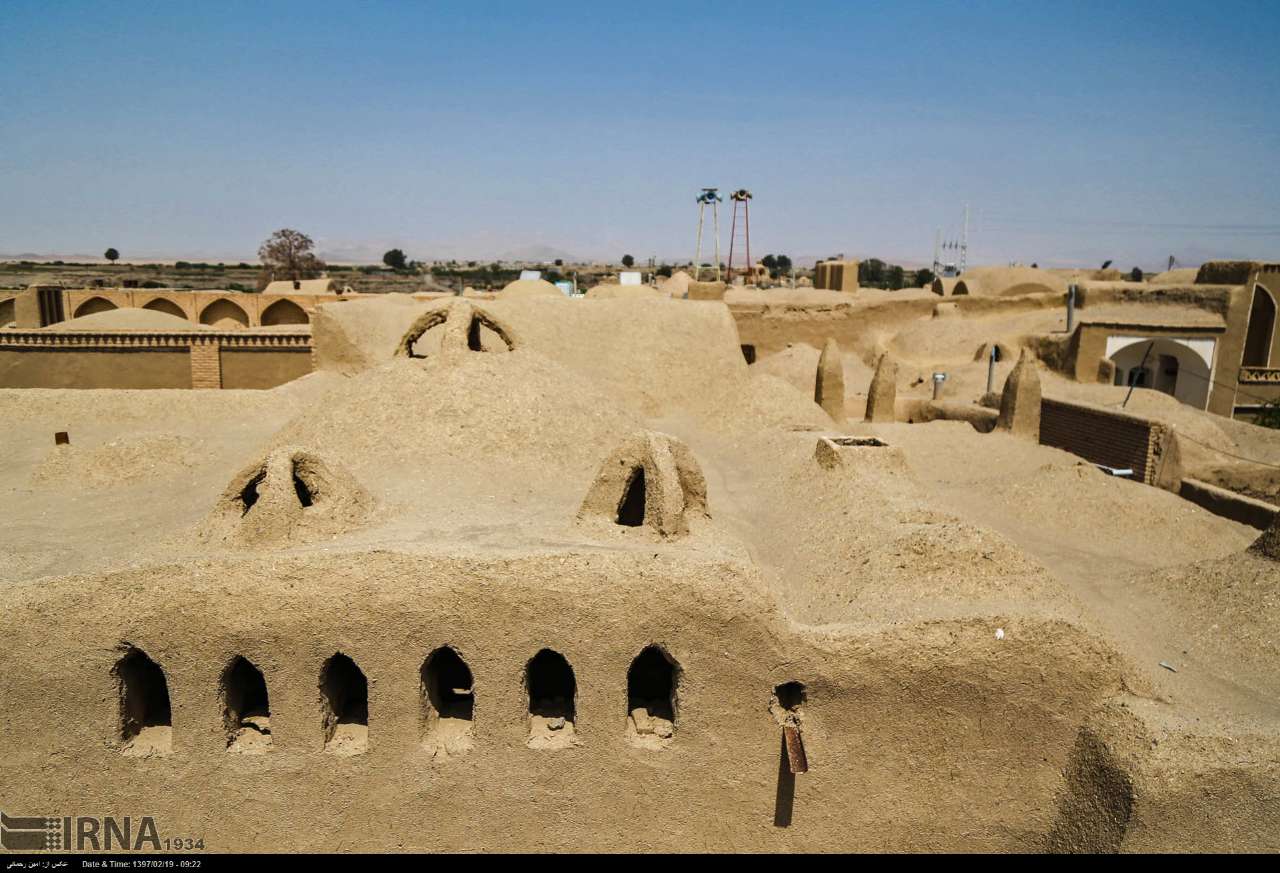
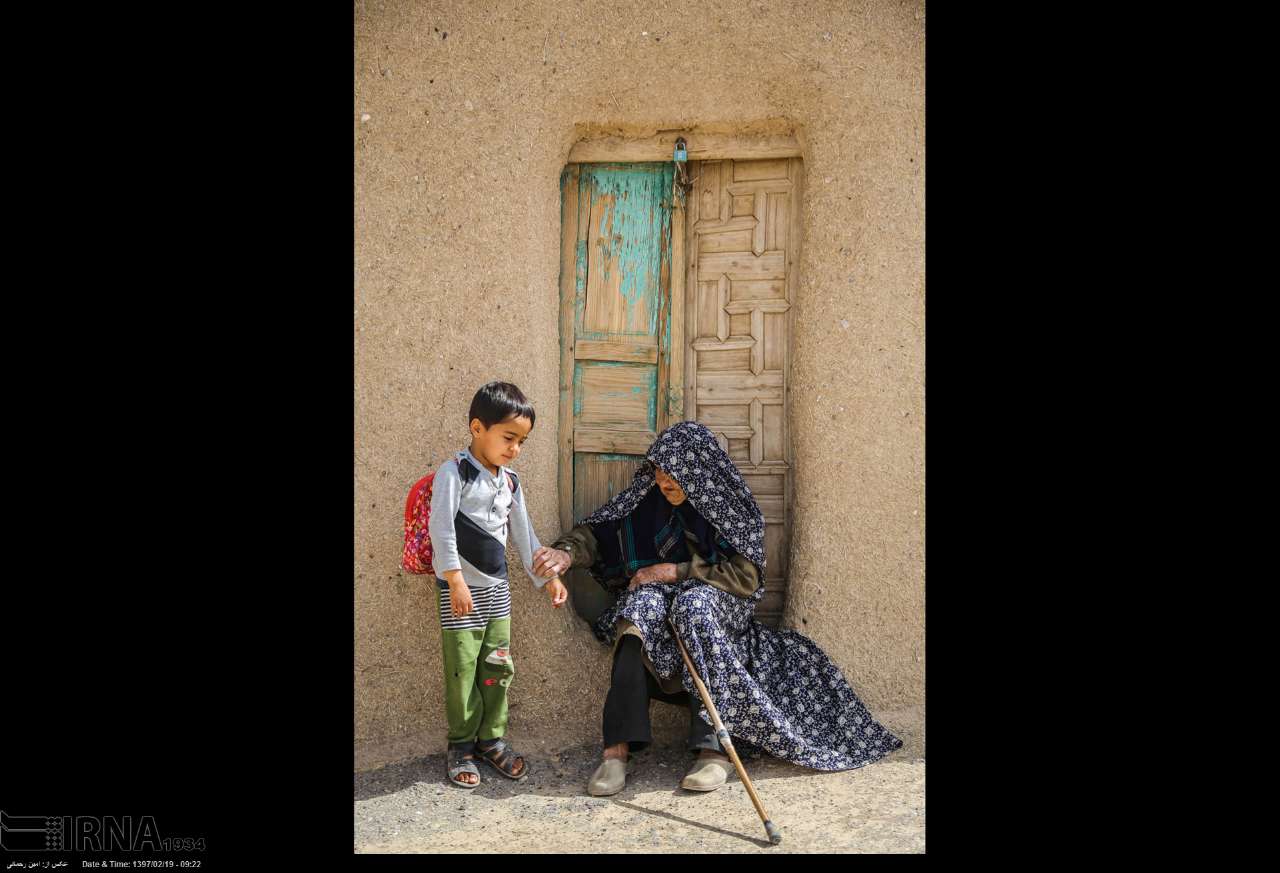
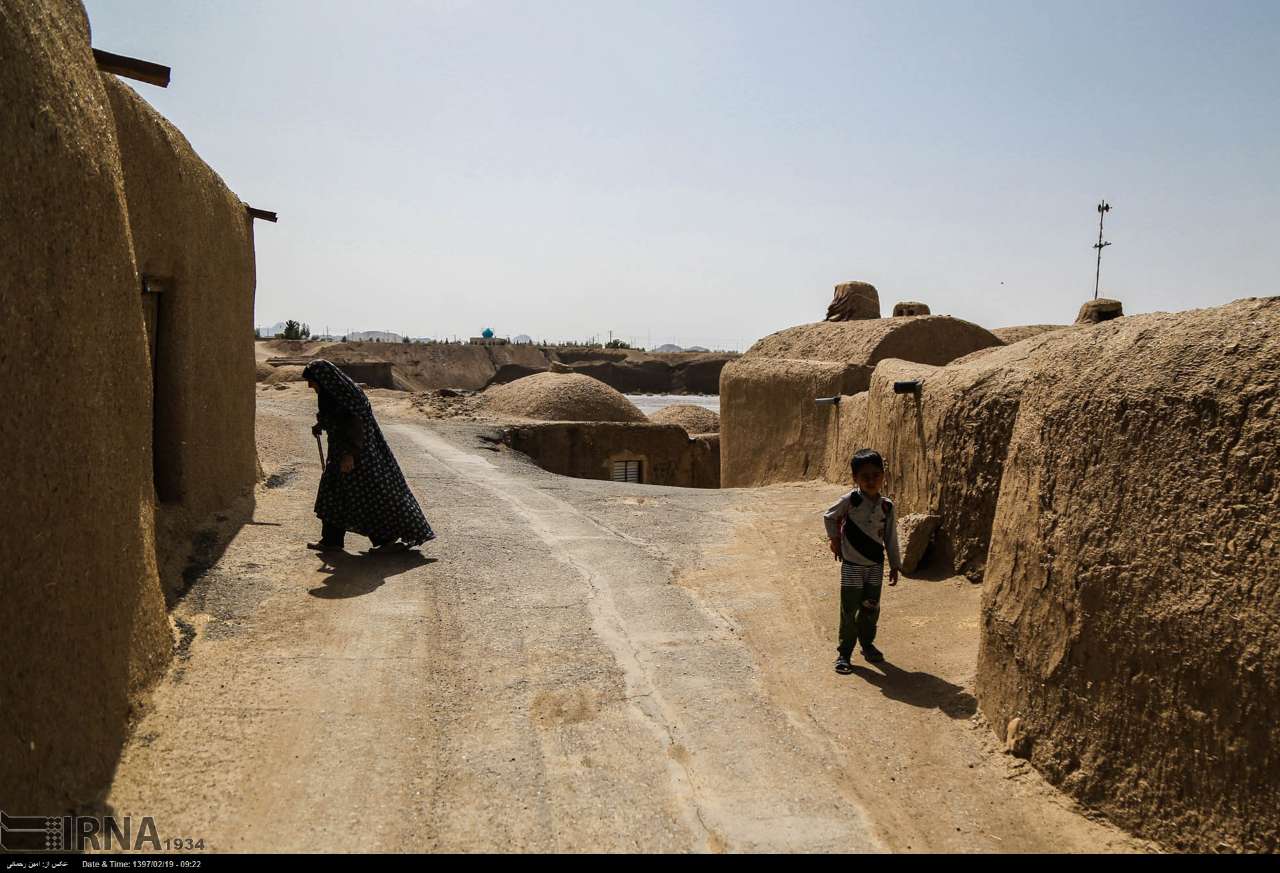
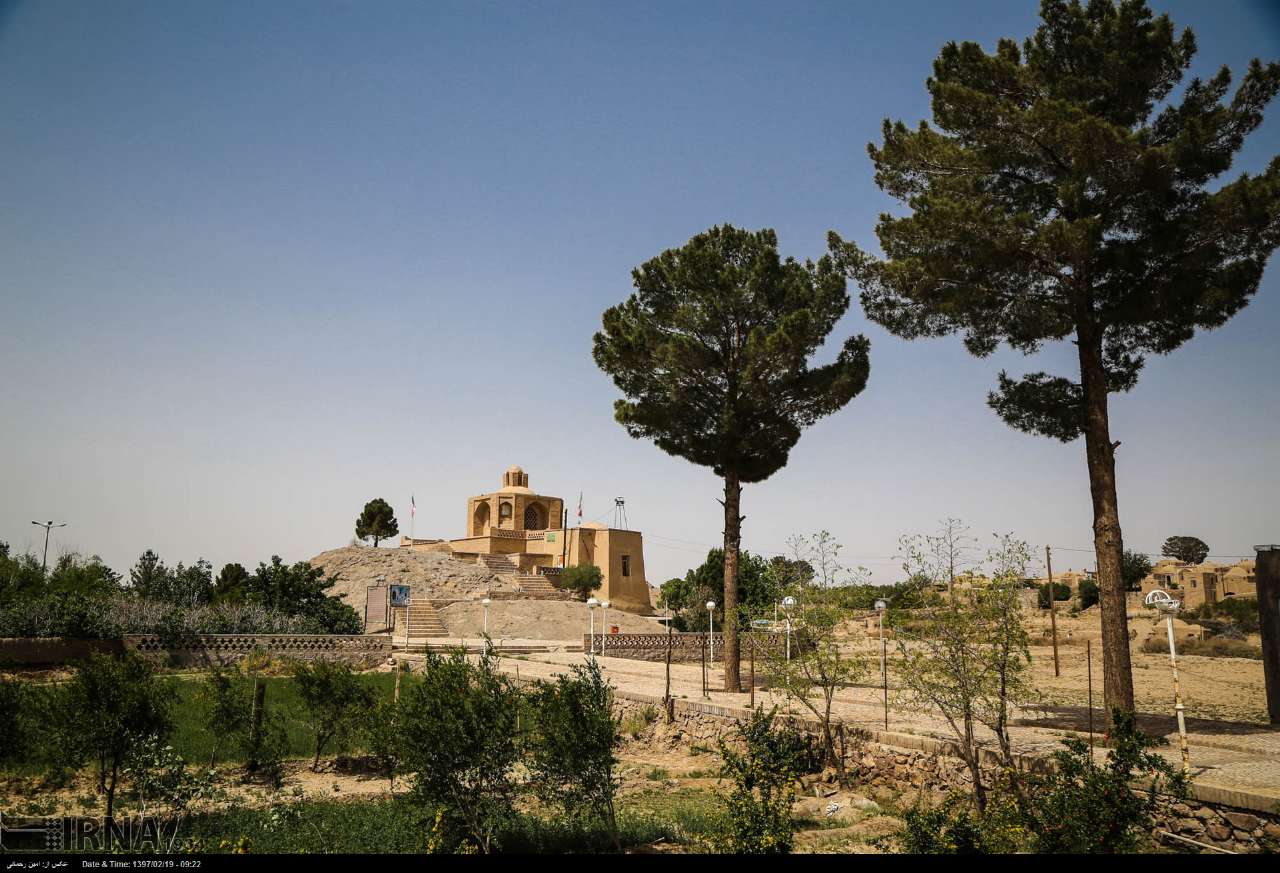
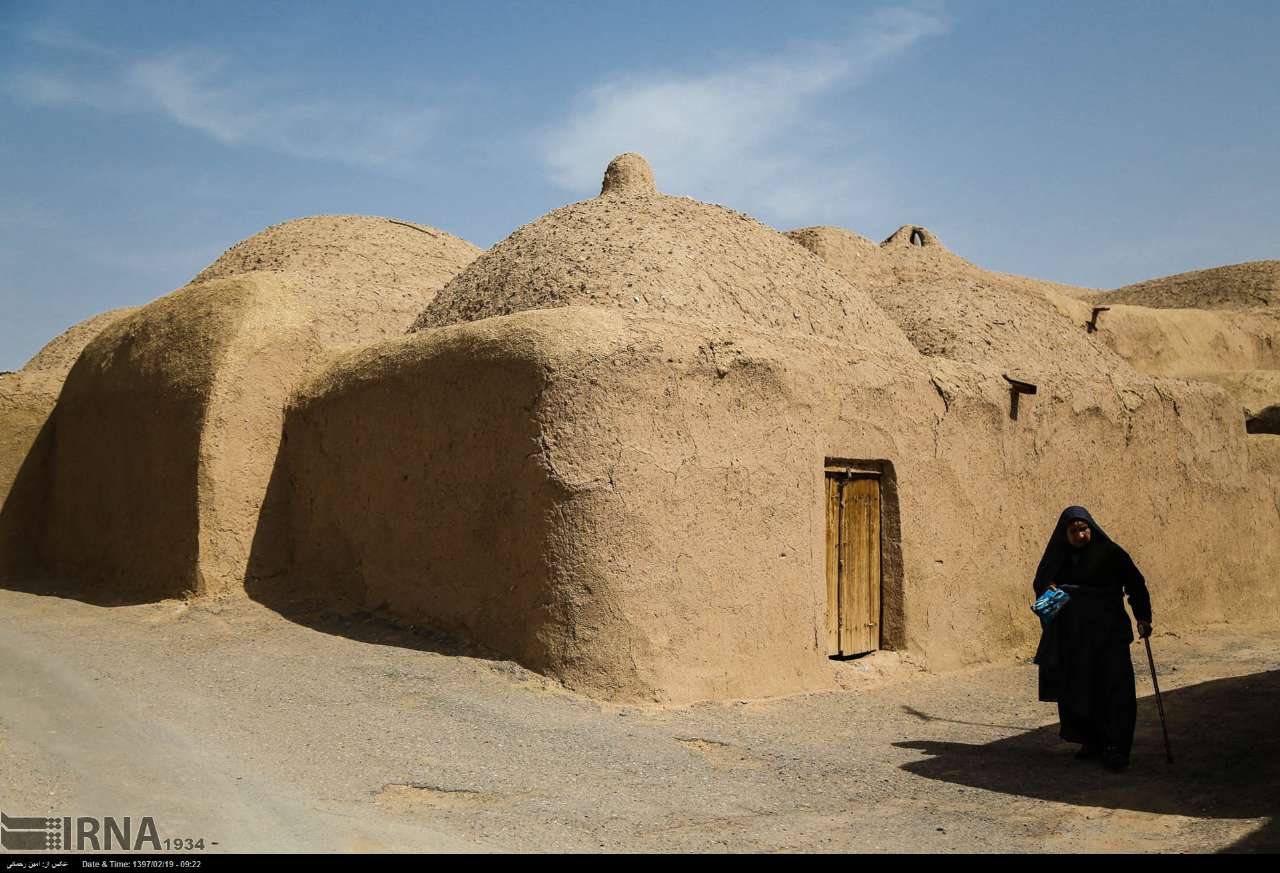
Sarbaz; The Little India Inside Iran

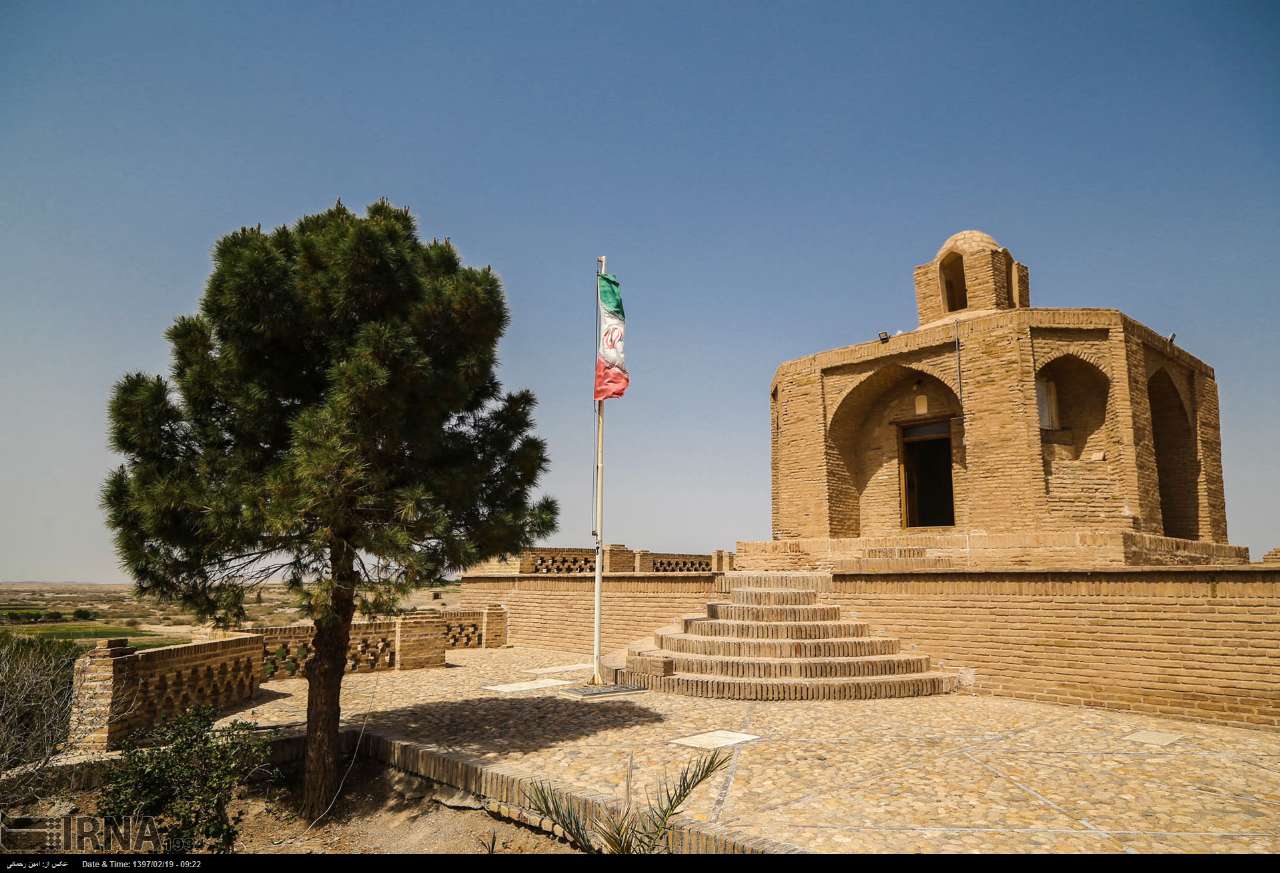
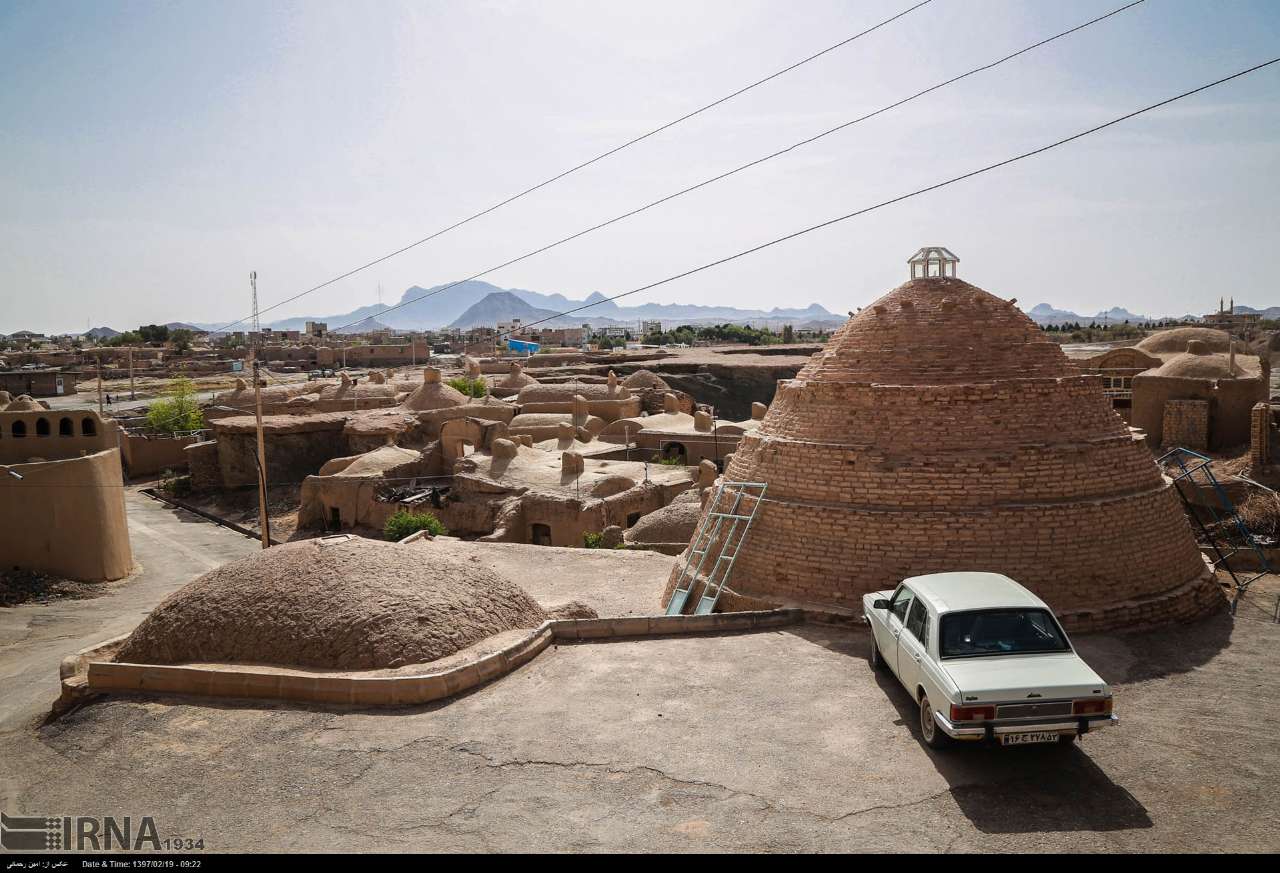
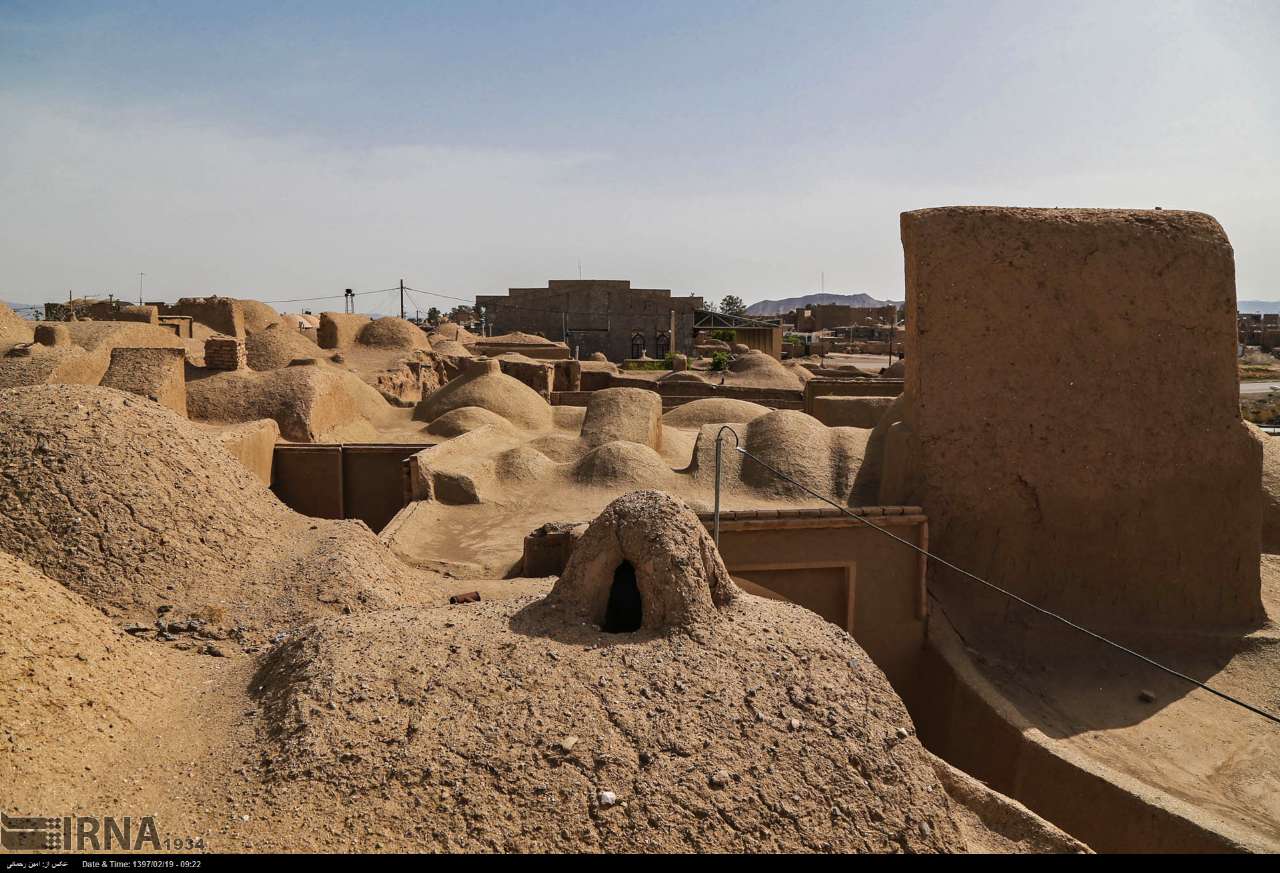
Sarbaz, one of the most beautiful cities in Sistan and Baluchestan, has a population of 186,165, the majority of whom live in rural areas along Sarbaz River.

When you enter the city, palm trees and grassy fields grab your attention as if a small paradise is built in the heart of the dry and underdeveloped province.

Sarbaz is very much similar to India when it comes to climate, food culture and clothing; therefore, it is widely known in Iran as the Little India and the City of 72 Nations.

The city’s weather in the coldest season of the year is quite like springtime, and you can rest in the shade of the palm trees.

The climate variability in Sarbaz provides conditions for planting and harvesting different fruits such as dates, tree melon, banana, jujube, mango, sapodilla, guava, and citrus types like lemon, orange, and mandarin.

The existence of green palm trees and rivers in Sarbaz make it a suitable habitat for breeding fish and crocodiles. The locals of Sarbaz call their dwarf crocodiles “Gando”.

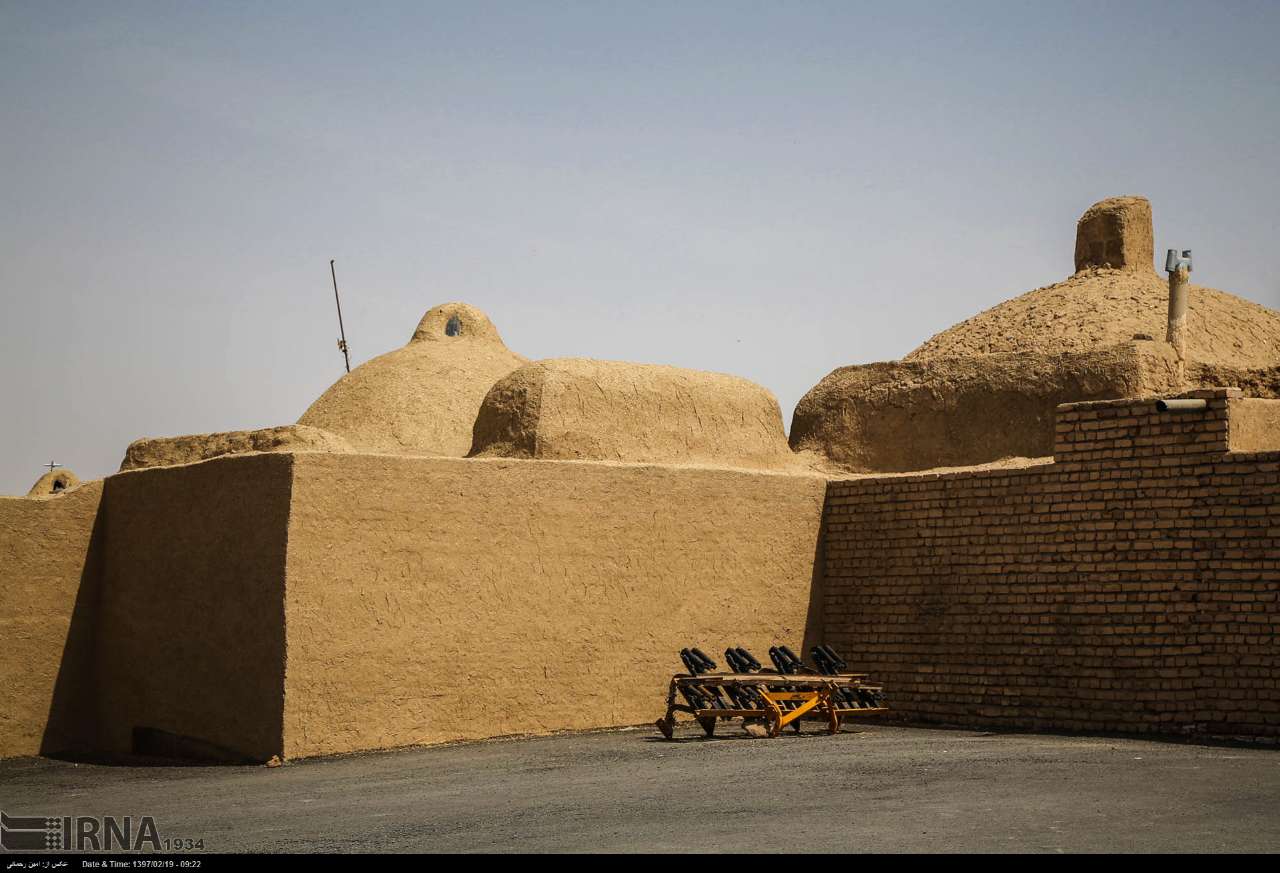
The use of traditional agricultural tools next to arts like needlework and architecture reflect the preservation of traditional values by the people of this city.

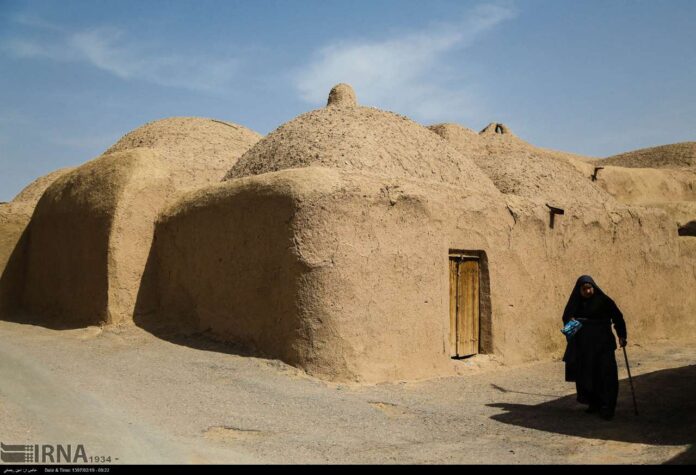
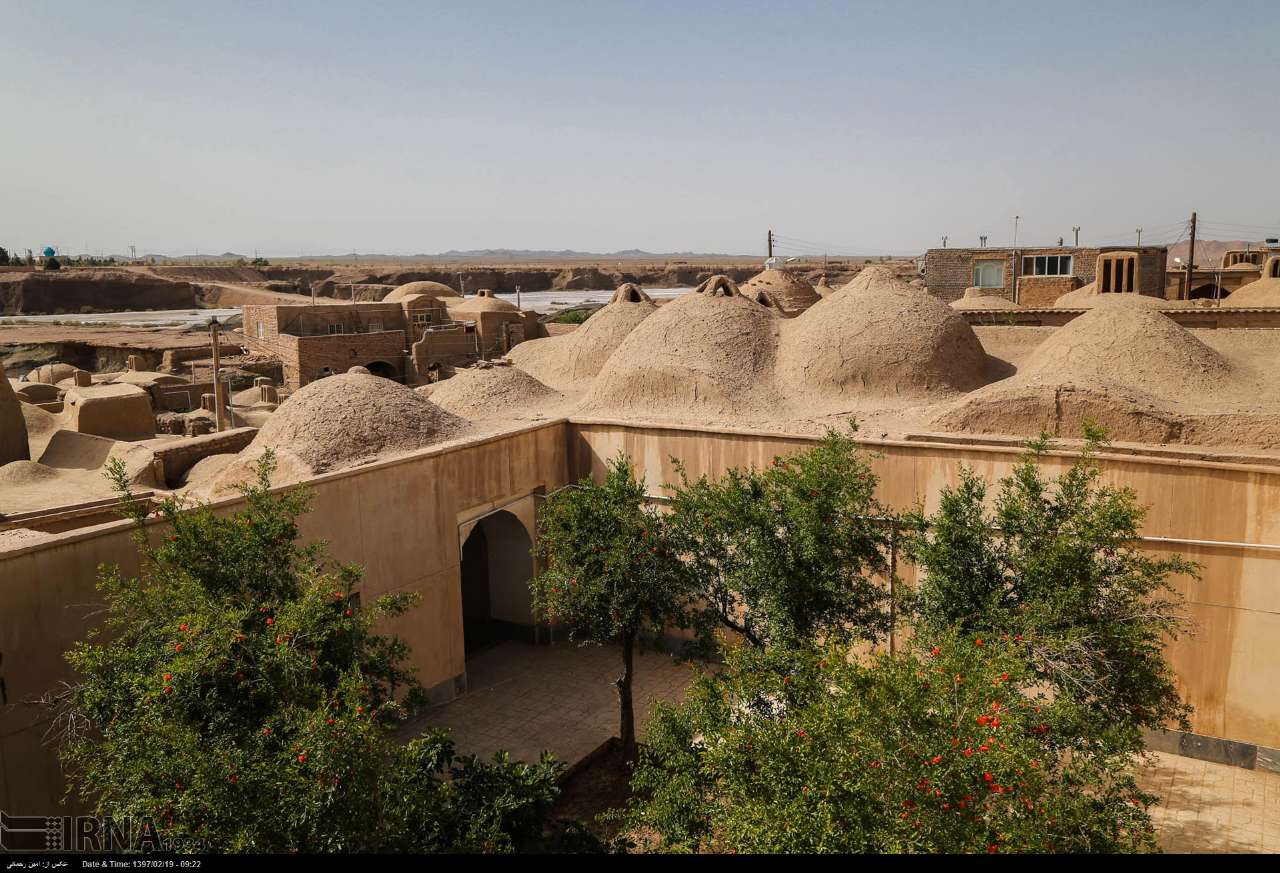
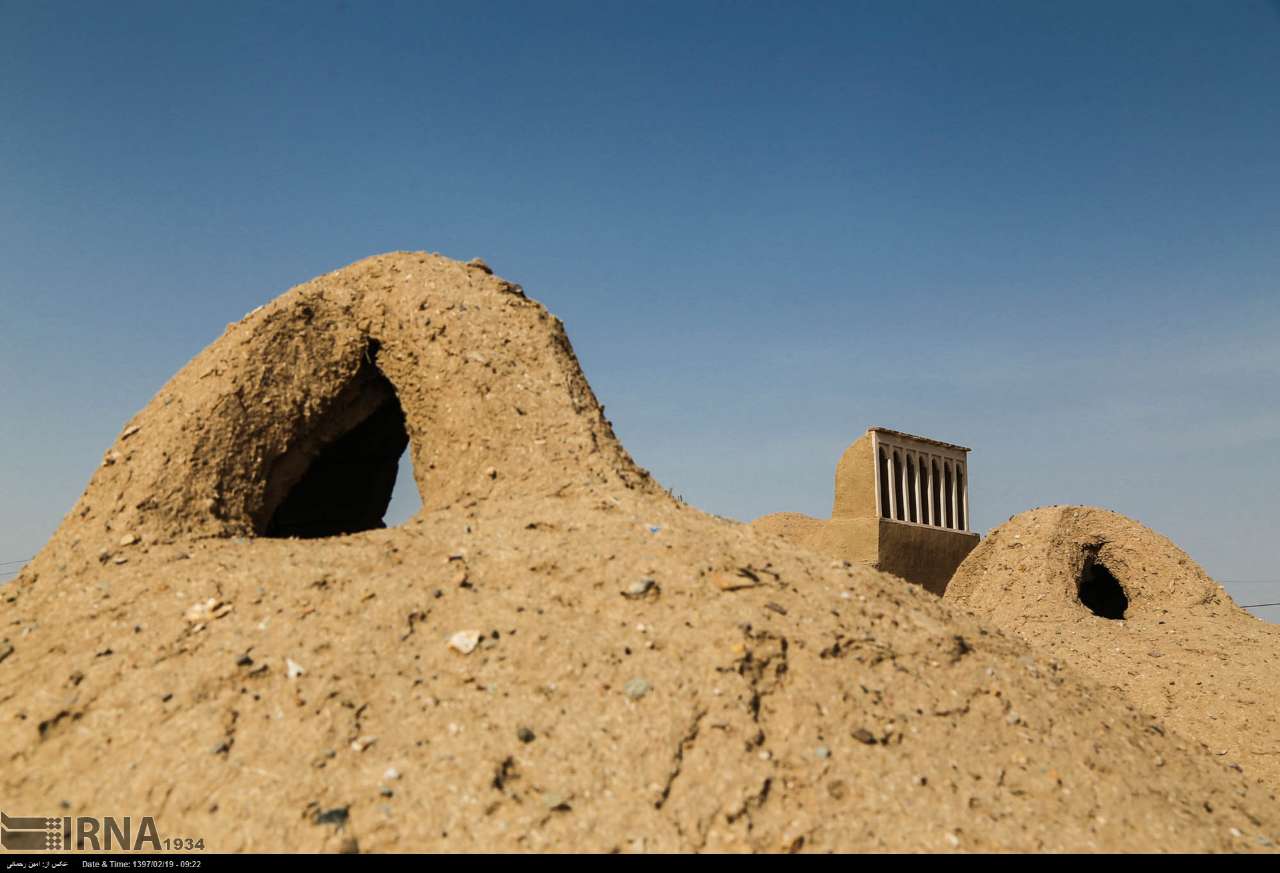
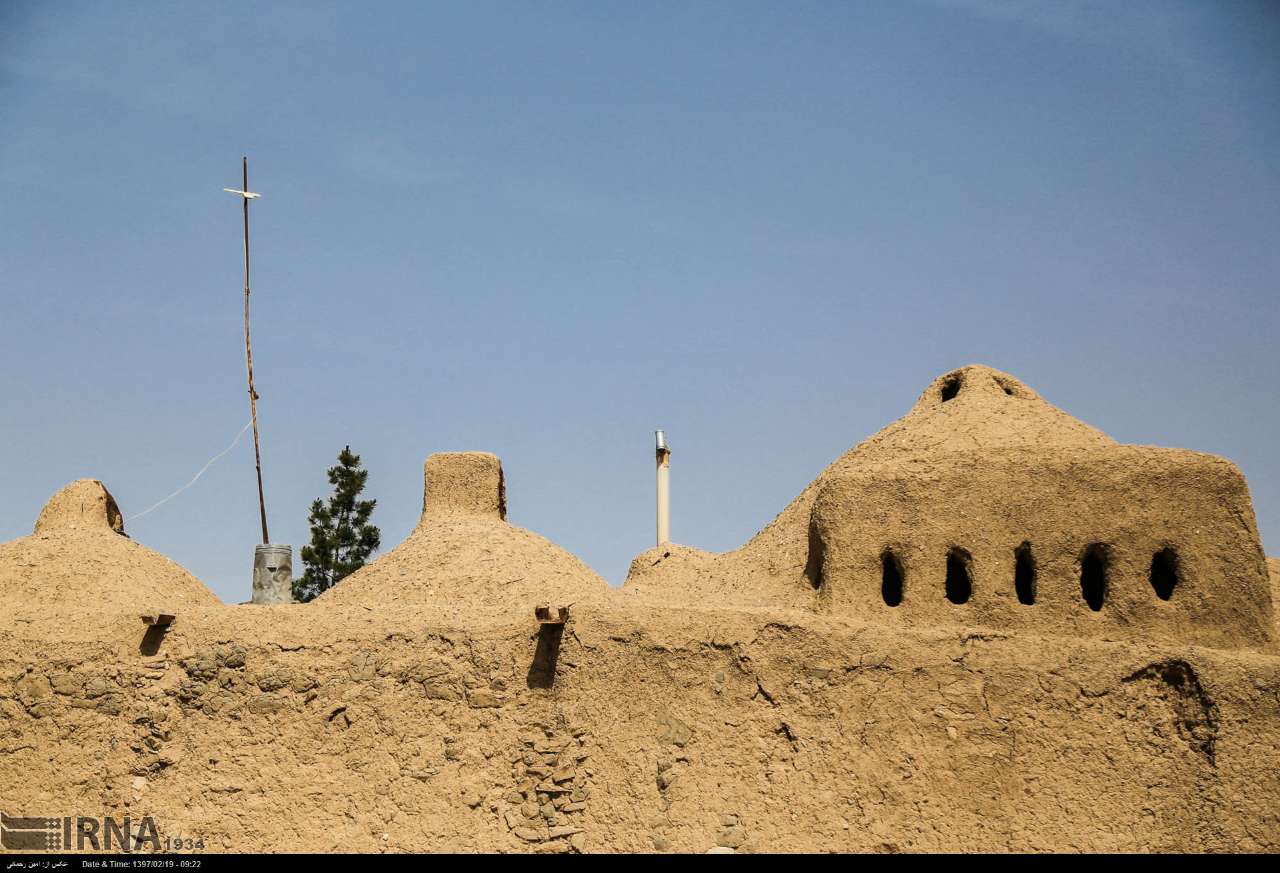
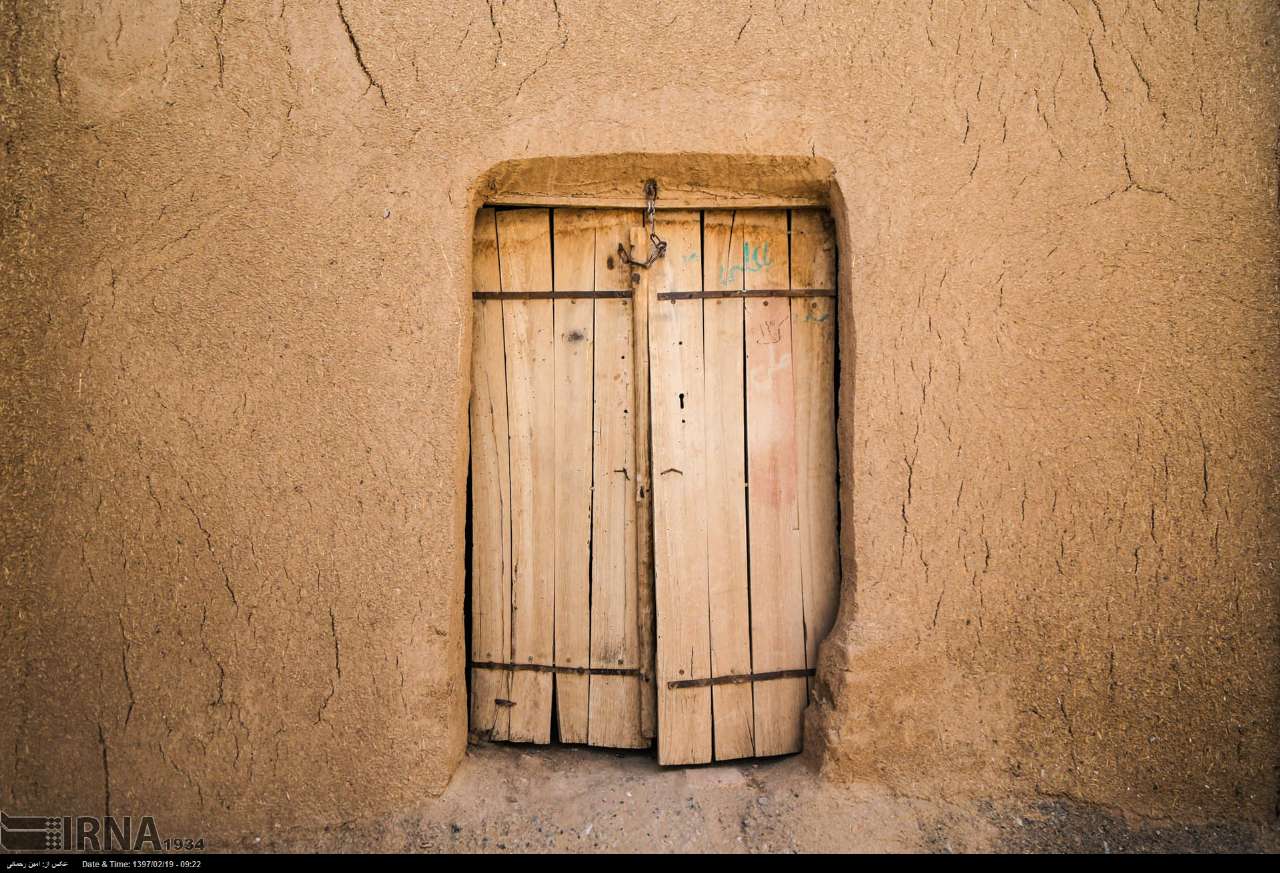
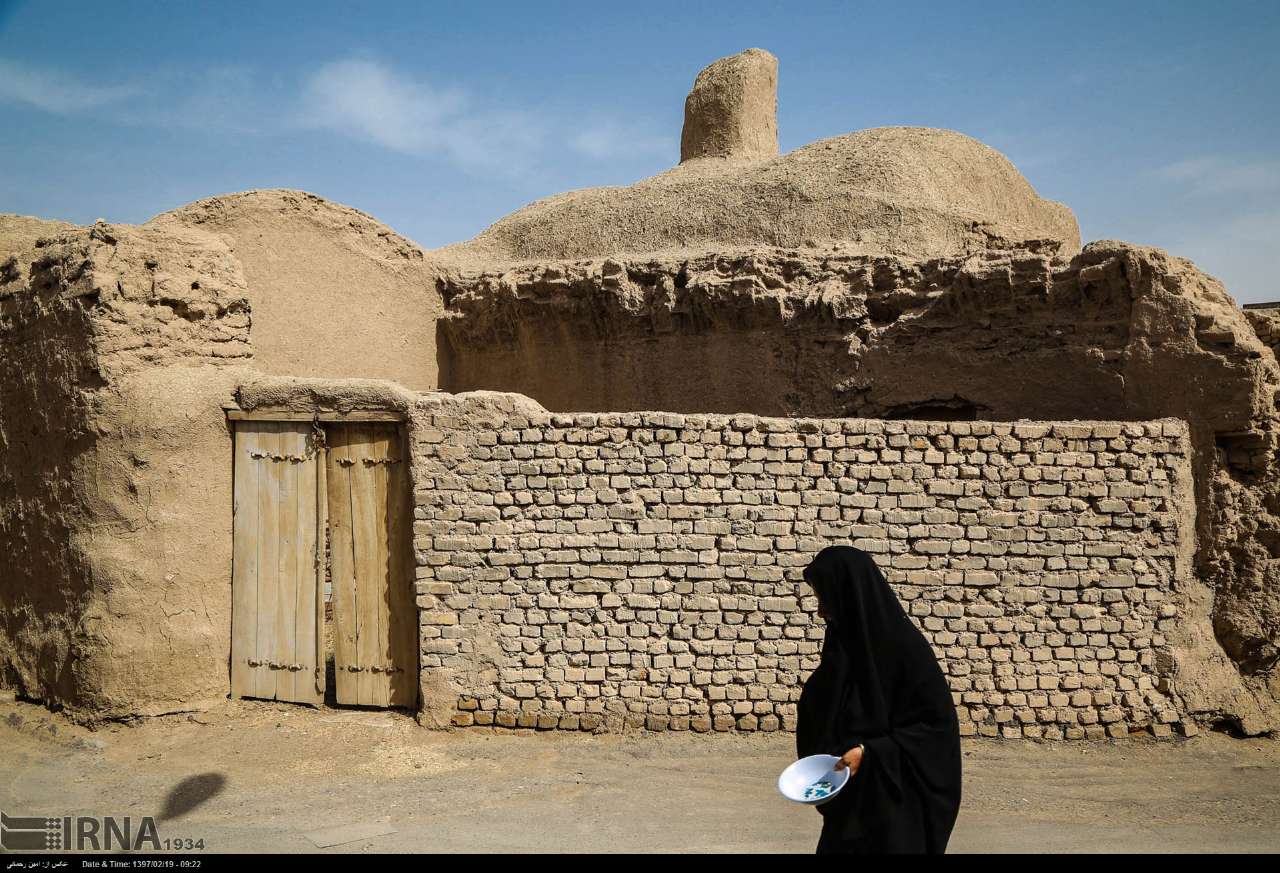
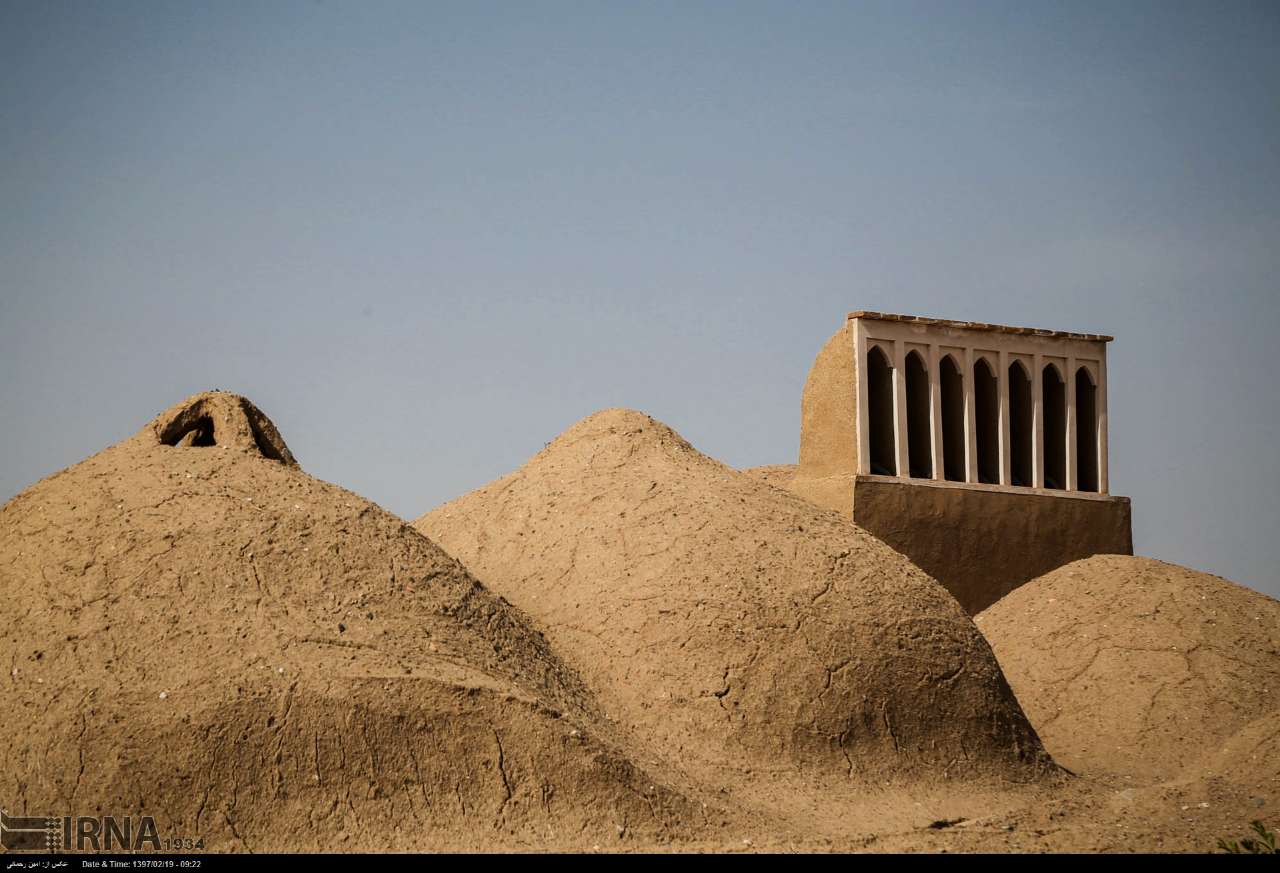
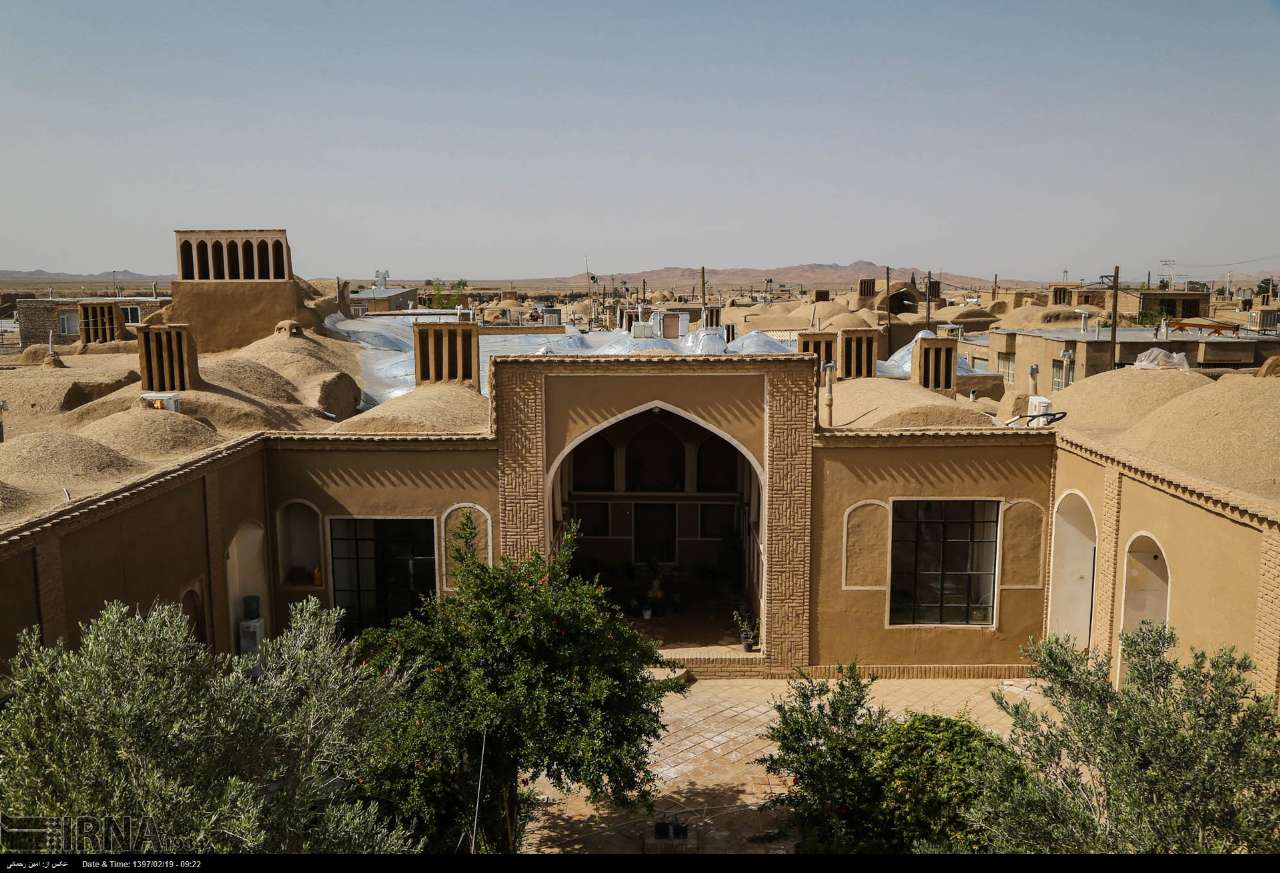
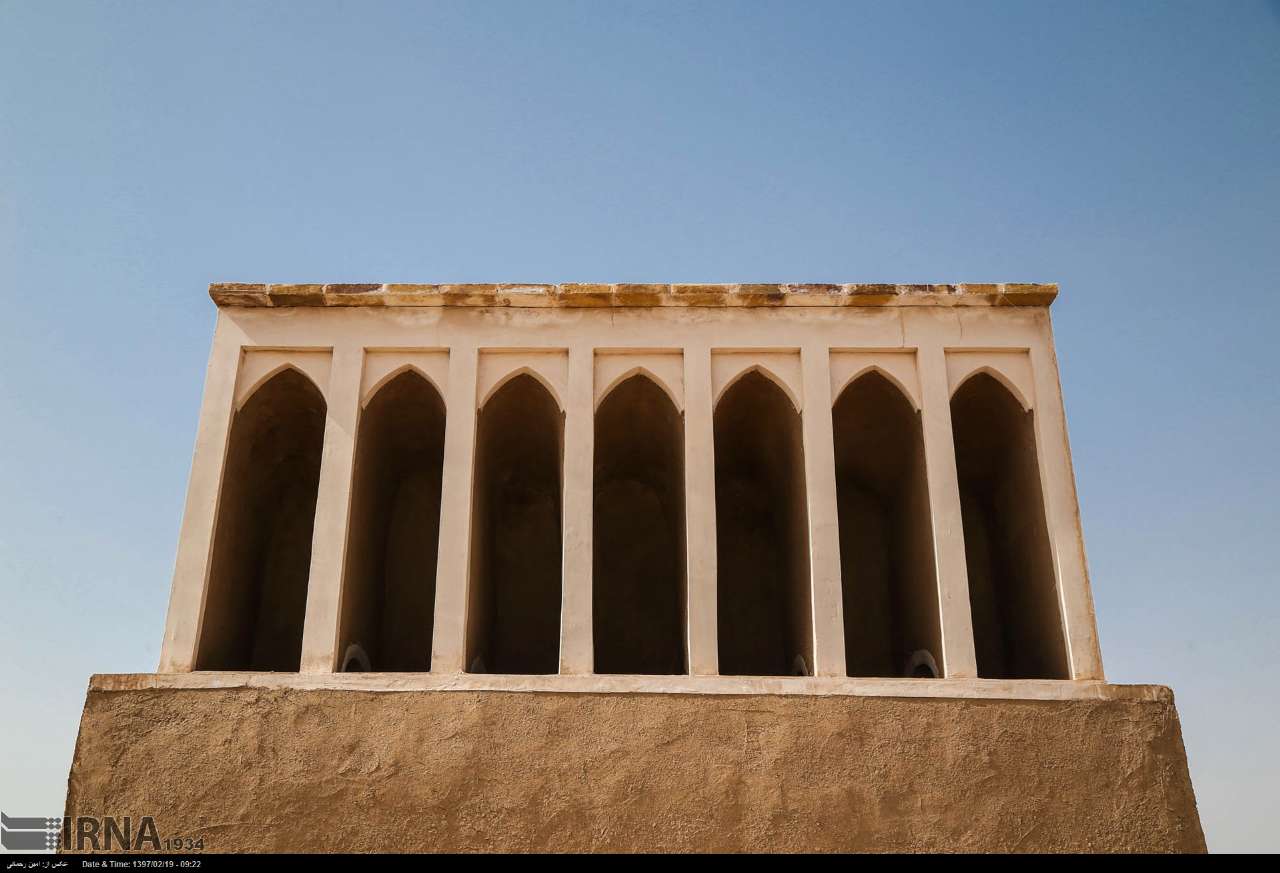
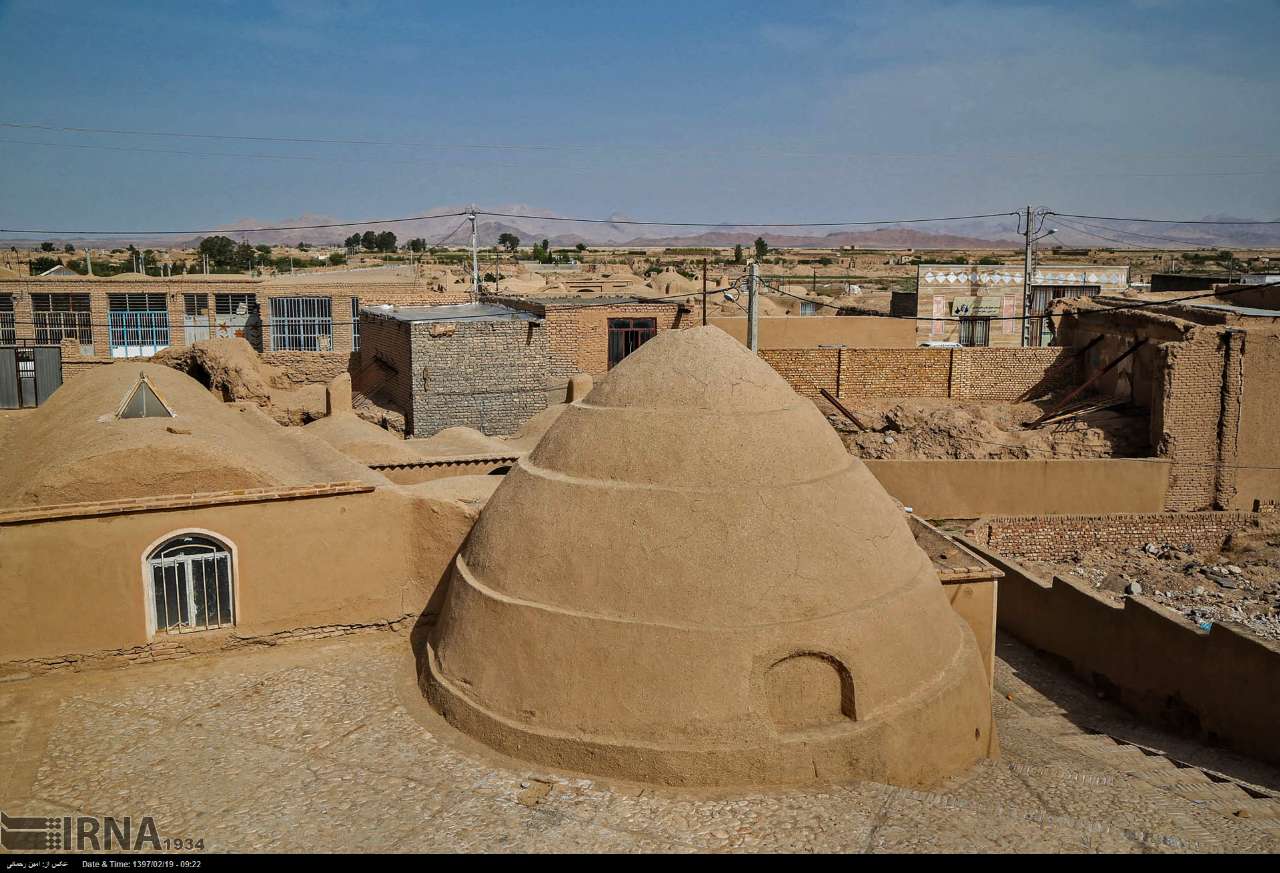
If you wish to see beautiful houses, special decorations and varied shapes on the exterior of the houses, travel to Sarbaz and see different traditional designs on the exterior walls of this region.

What follows are photos of the city retrieved from various sources:

Iran Says West Trying to Distort Name of ‘Persian’ Gulf

Ali Akbar Velayati, an advisor to Leader of the Islamic Revolution Ayatollah Seyyed Ali Khamenei, says any change in the name of the Persian Gulf will be a prelude to false claims of ownership on Iran’s territory.

Velayati made the comment in a ceremony to unveil the “Persian Gulf” book, reported the Persian-language Iranian Students’ News Agency (ISNA).

“We haven’t done enough regarding the Persian Gulf and other parts of Iran,” the Leader’s advisor noted.

“The story of the Persian Gulf and the wicked talk of changing its name by certain entities are, in my view, a transient issue and what is right will finally rule the day,” he said.

“In the items left behind by the [ancient] Greek and the maps they had drawn in accordance with the circumstance of the time, the words used are synonymous with the Persian Gulf,” Velayati said.

He underscored that it was the UK that initiated the move to change the name of the Persian Gulf, not in a bid to change it to the “Arab Gulf,” but to eliminate the word “Persian,” and that is why British media use the misnomer “Gulf” to refer to the body of water.

Velayati, however, noted that even the UN has stressed that the right phrase is “The Persian Gulf.”

“The reason why there is so much emphasis on using the name ‘The Persian Gulf’ is that changing the name is the preamble to changing the identity and ownership of, and creating false claims on Iran’s territorial integrity. So, the reason they use the false phrase ‘The Arabian Gulf’ is that they want it to take on a legal connotation,” he said.

“This is while our shores in the Persian Gulf along with all our islands there cover an area more than all of the shores belonging to the six Persian Gulf littoral countries combined,” he said.

He then put emphasis on the strategic importance of the Persian Gulf.

“From the viewpoint of geopolitics experts, anyone who dominates the Persian Gulf has, in fact, dominated the Indian Ocean.”

He said countries such as Saudi Arabia are the mouthpieces of the US and Israeli regime and other global hegemons.

Velayati said, “God willing, the name of Persian Gulf will remain the same forever.”

Tehran’s Cultural Heritage in Photos: Museum of War

Tehran’s Cultural Heritage in Photos: Museum of War

House of Teymourtash is located in Hor square in central Tehran and on a street called War Street. Weapons have been put on display for the public in this historic house; including the artillery donated by Russia after the Treaty of Turkmenchay.

The house belonged to Abdolhossein Teymourtash, the defence minister of deposed Pahlavi king Reza Shah, and then was converted into the War Museum. It was built in 1931 in two stories.


The house is an elegant monument with beautiful brickworks and artistic plasterworks.

The painted-glass door panels and the mirror-work ceiling are part of an army unit, and the cannon and prototypes of warships and military aircrafts have been put on show.

The War Museum was reopened to the public for the second consecutive year during Nowruz 2018.

What follows are photos of Museum of War retrieved from Tehran Picture Agency:

Enemies Trying to Make Iranians Disappointed: Rouhani

“One of the main conspiracies of the enemies against the Iranian nation is to create despair and disappointment regarding the future of the country,” he said during a ceremony to honor prominent workers in Tehran on Sunday.

He also stressed that the Islamic Revolution has entered its 40th year “in defiance of a man in America that has a hatred of Iran.”

“The man, who has recently taken a position in the US and is very foul-mouthed and has a hatred of Iran, began last year to say that the Islamic Republic of Iran would not see its 40th revolution anniversary,” the Iranian president said.

He further expressed hope that Iran will end the current year with more achievements and the revolution will enter its 41st year on February 2, 2019.

Back in March, anti-Iran hawk John Bolton was appointed as US President Donald Trump’s national security adviser.

In an opinion piece for The Wall Street Journal in January, Bolton wrote, “America’s declared policy should be ending Iran’s 1979 Islamic Revolution before its 40th anniversary.”

In a speech among members of the Mujahedin-e Khalq Organization (MKO) terrorist group last July, Bolton expressed hope that Iran’s government would be toppled “before 2019.”

The outcome of the Trump administration’s review of Iran policy should be that  the “1979 revolution will not last until its 40th birthday,” he added.

Iran VP Denies Washington Post’s Report on Her US Visits

On her Twitter page, Ebtekar rejected claims that she has travelled to New York after the Revolution.

“Misinformation or deliberate distortion of historical events; Washington Post using ambivalent title & photo to target an Iranian official. I officially announce that I have never entered the United States of America after the Islamic Revolution in 1979,” tweeted Ebtekar on Saturday.

Her response came in reaction to an article by Washington Post journalist Jason Rezaian, who suggested that Ebtekar has been to the US following the 1979 Islamic Revolution of Iran.

“A surprisingly large number of Iranian officials travel to New York each year for the UN General Assembly. Not only president Hassan Rouhani and foreign minister Mohammad Javad Zarif, but lower-profile ones such as Masoumeh Ebtekar, Rouhani’s vice president for women’s affairs,” wrote Rezaian in his article published by Washington Post on April 27.

Ebtekar was the spokesperson and translator of the Iranian students who, back in 1979, seized the former US Embassy in Tehran known as the Den of Espionage. Documents found at the building showed that the US was conducting spying activities there.

The students took dozens of American diplomats at the embassy hostage and held them for 444 days before they were released.