Saturday, December 27, 2025
Home Blog Page 3614

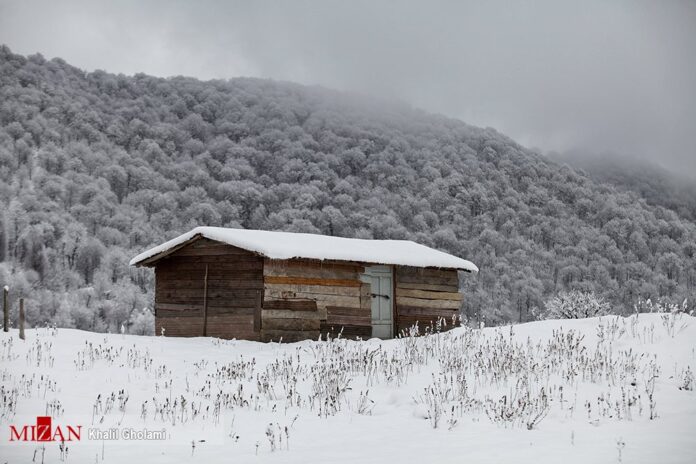
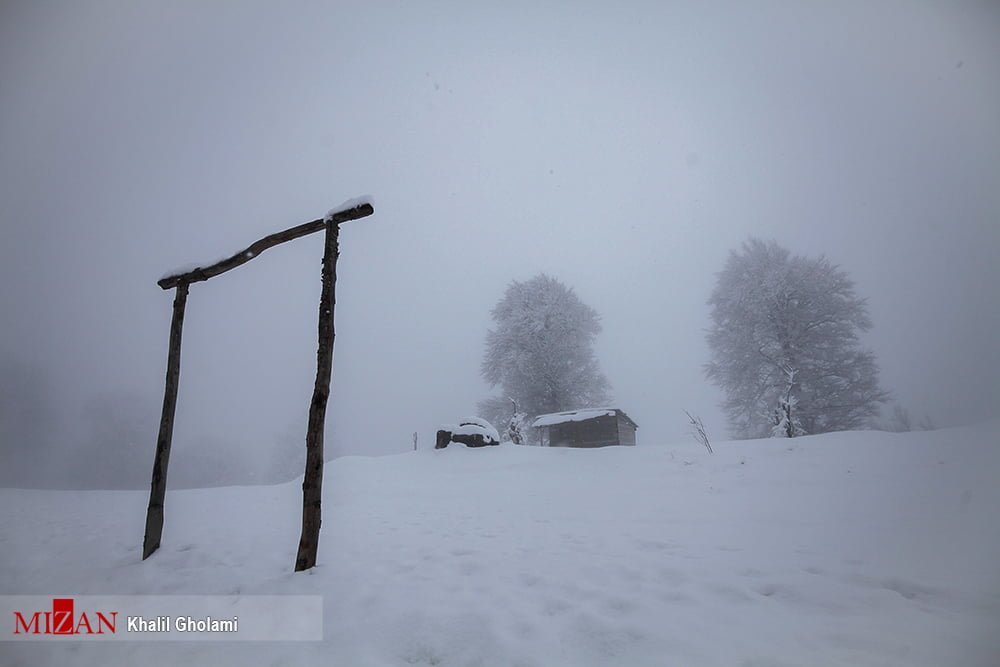
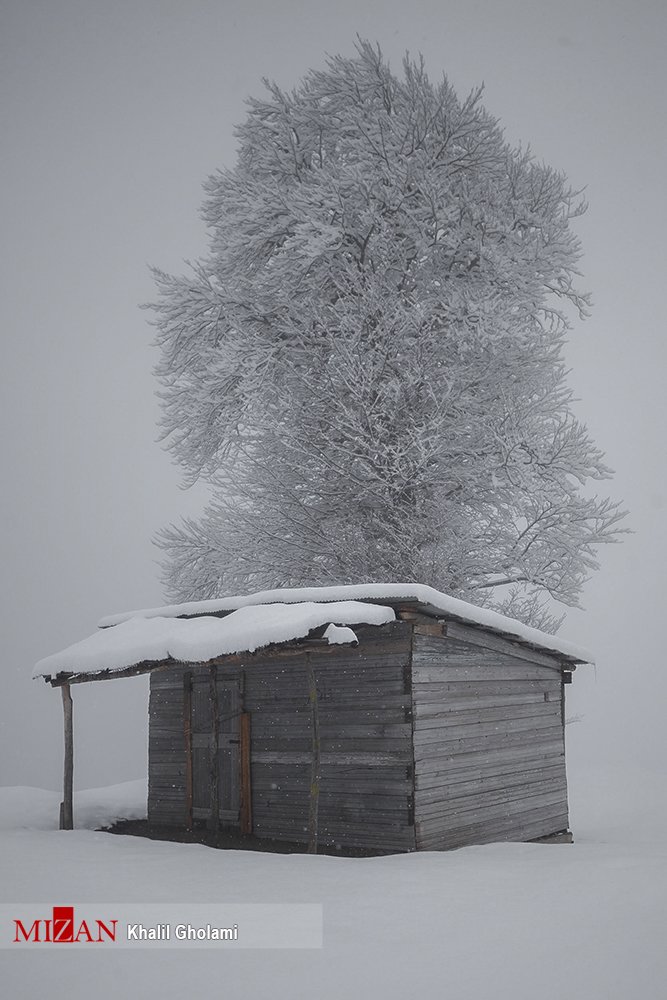
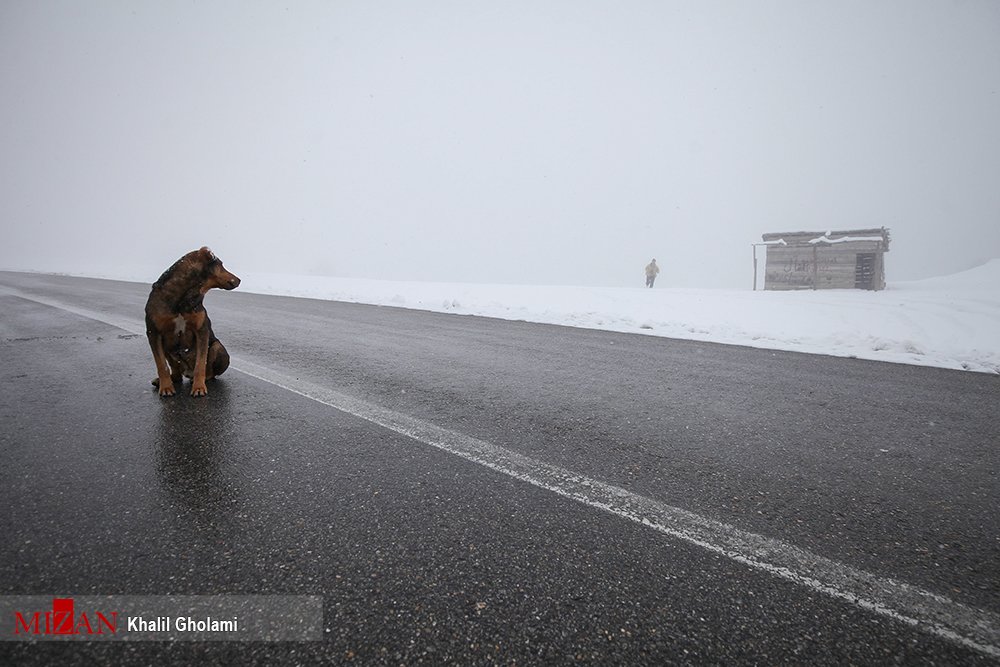
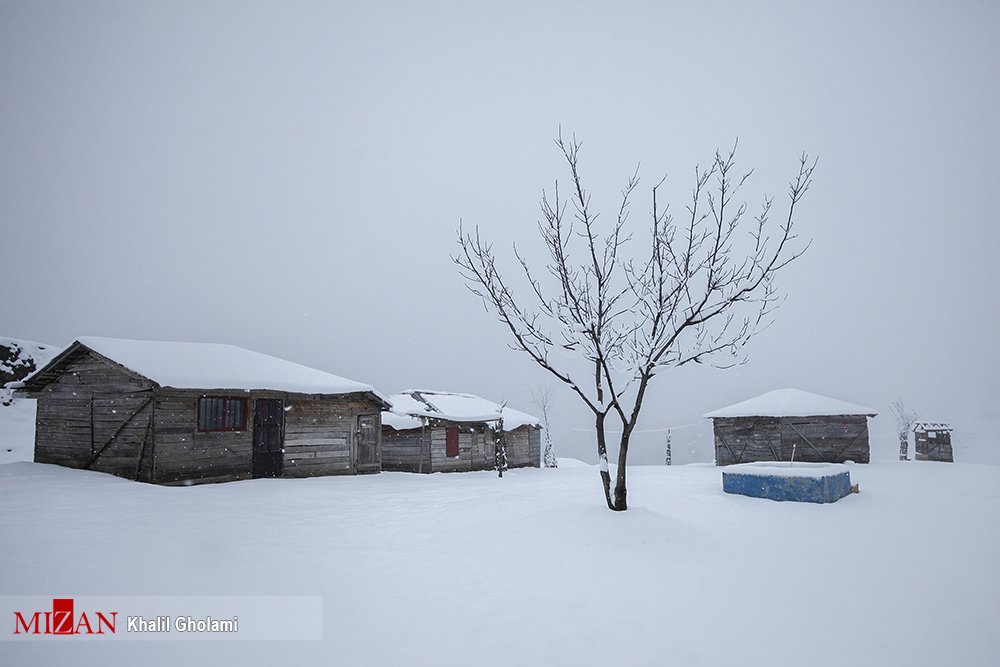
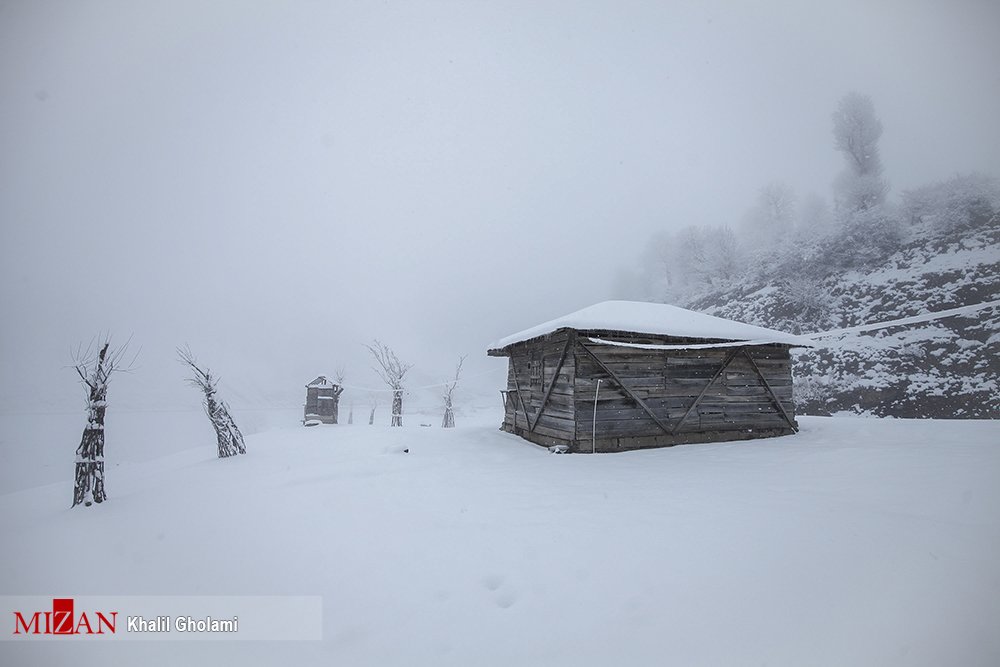
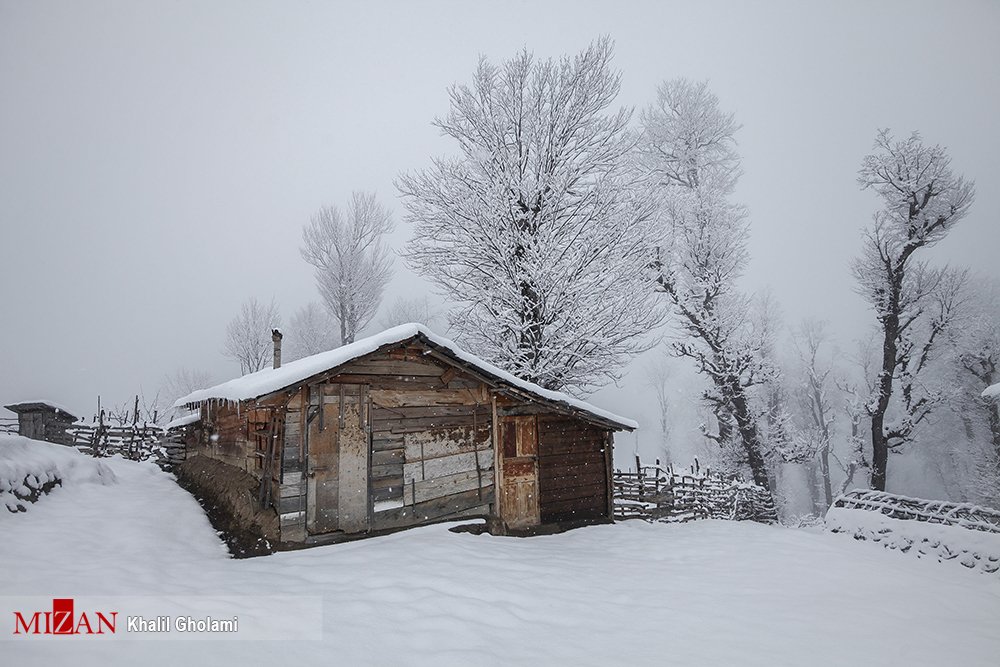
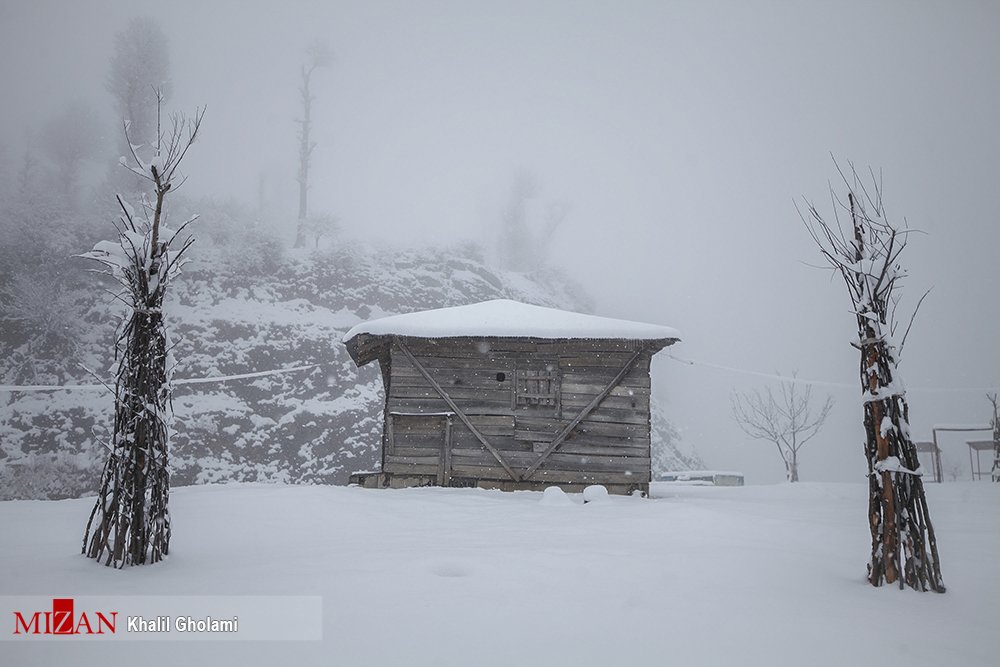
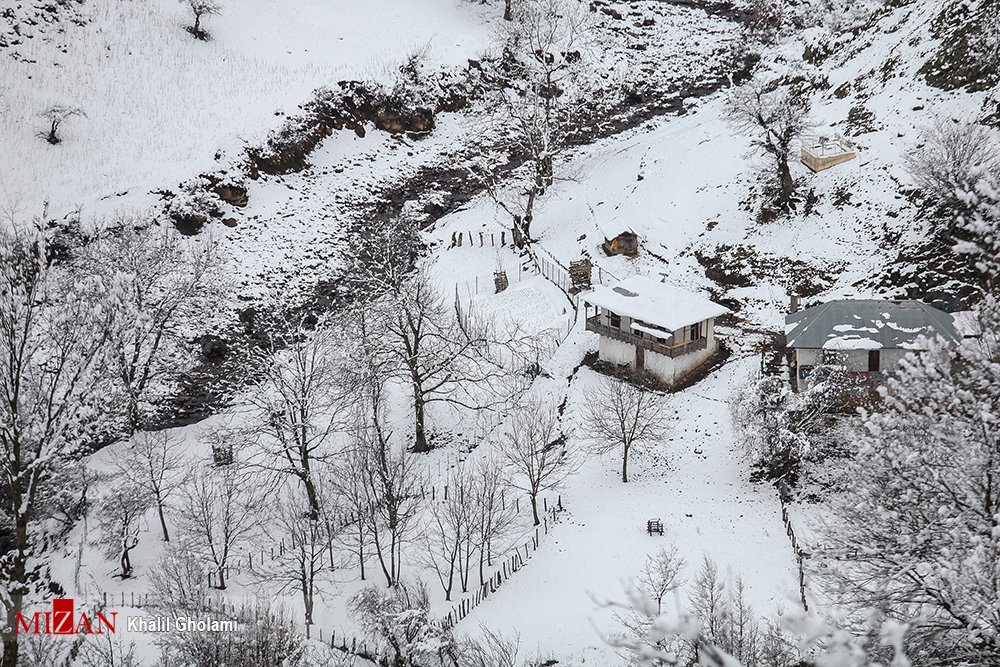
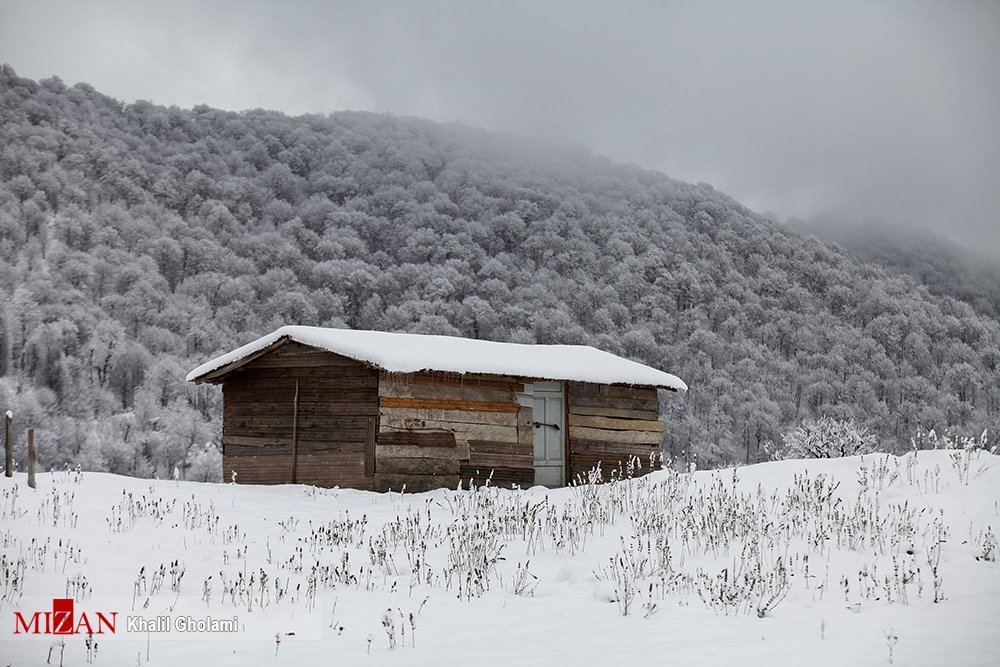
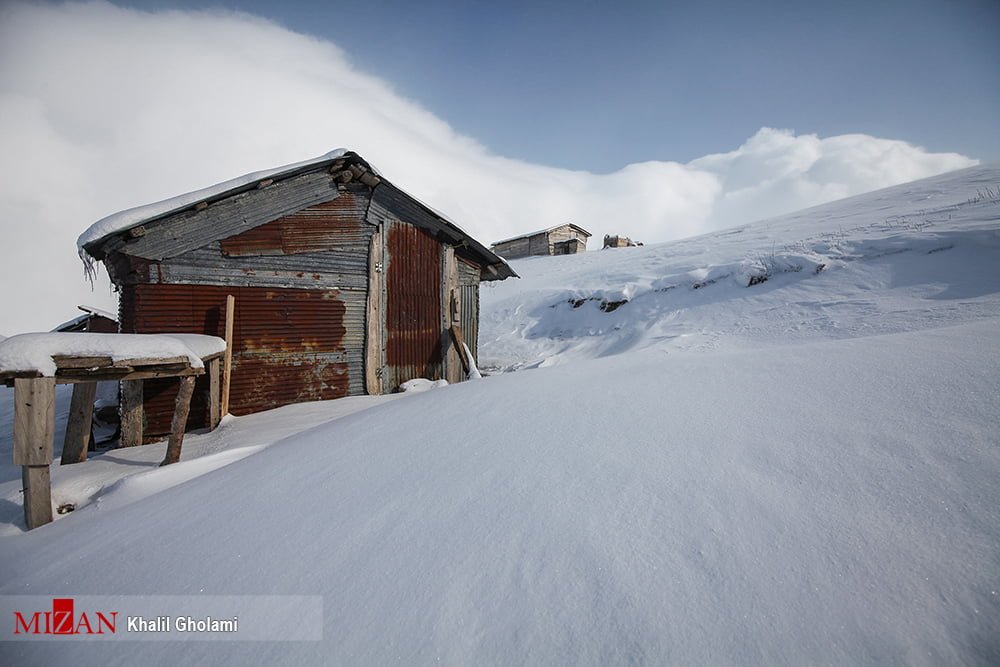
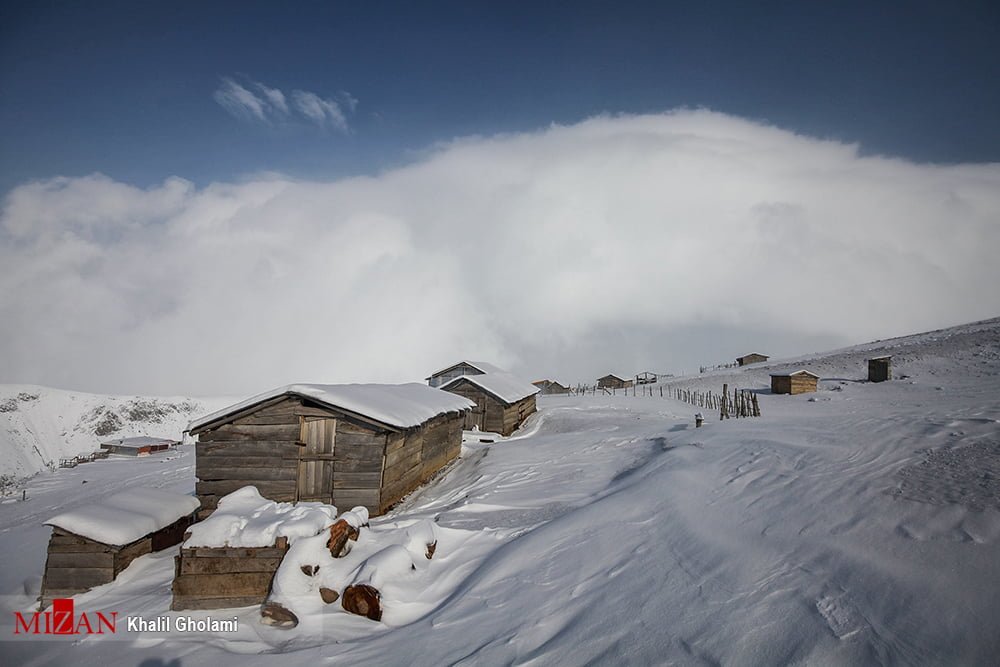
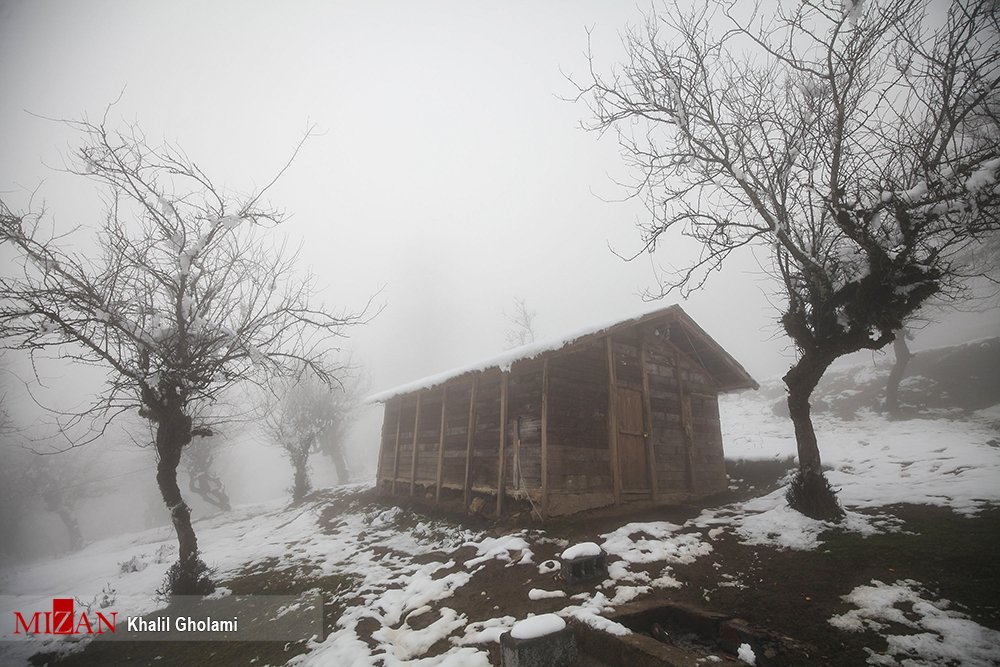
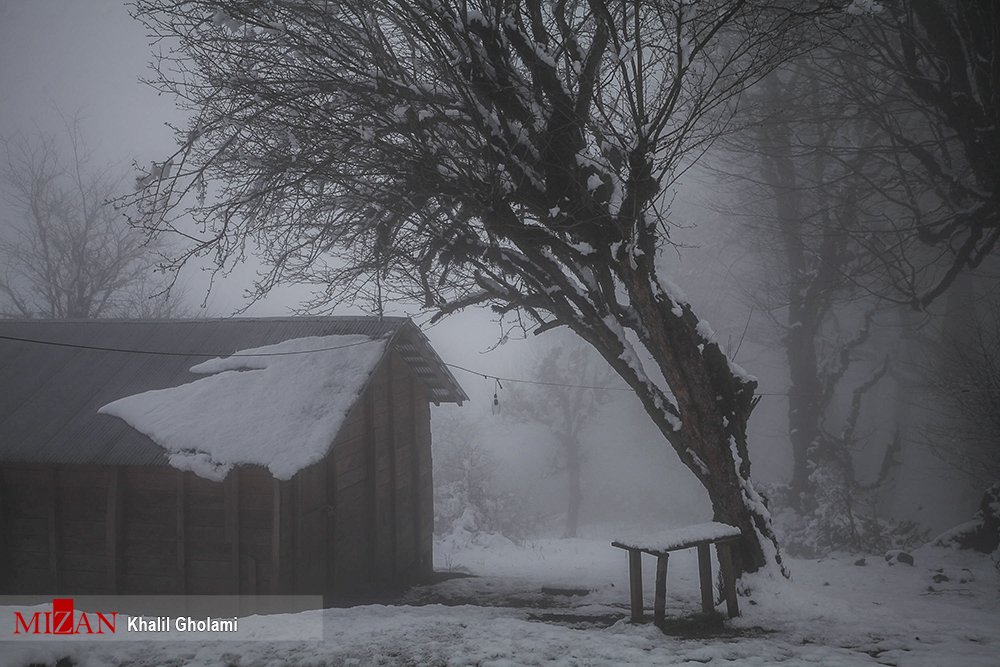
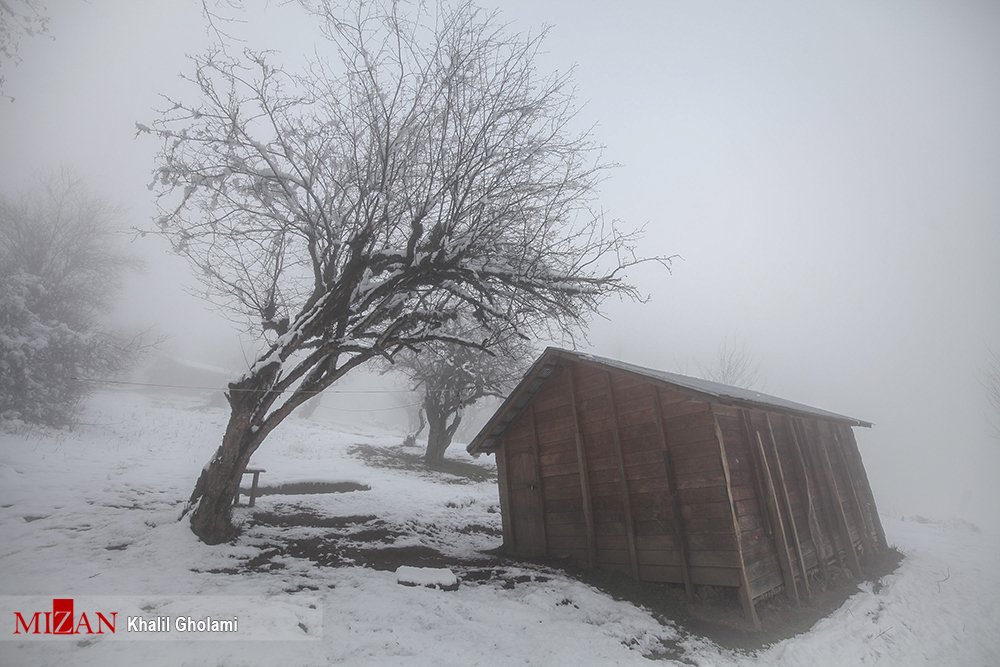
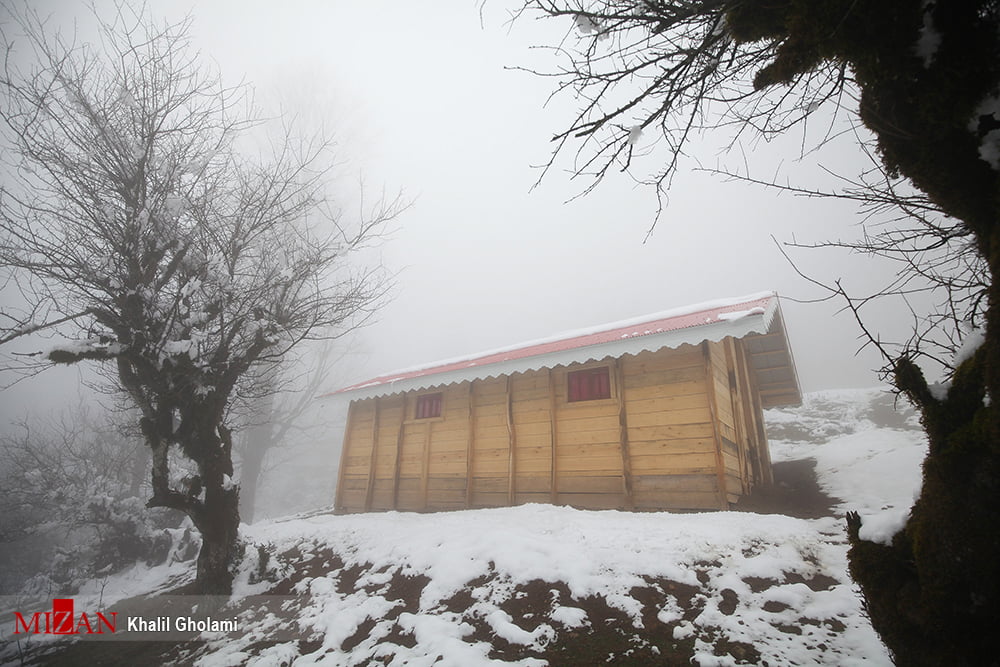
Iran’s Beauties in Photos: Talesh Cottages Covered by Snow

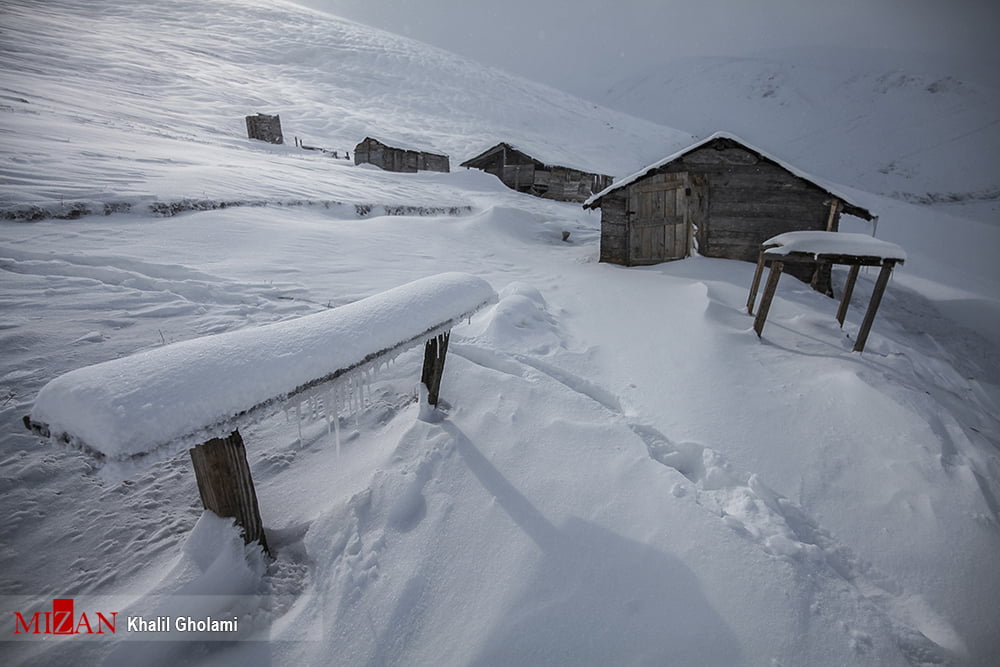
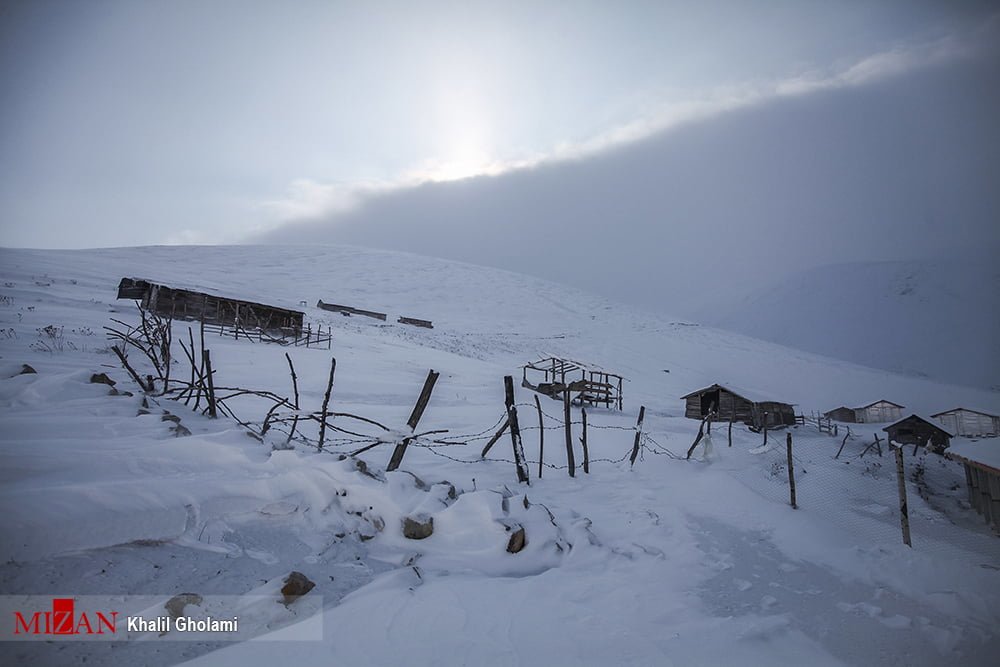
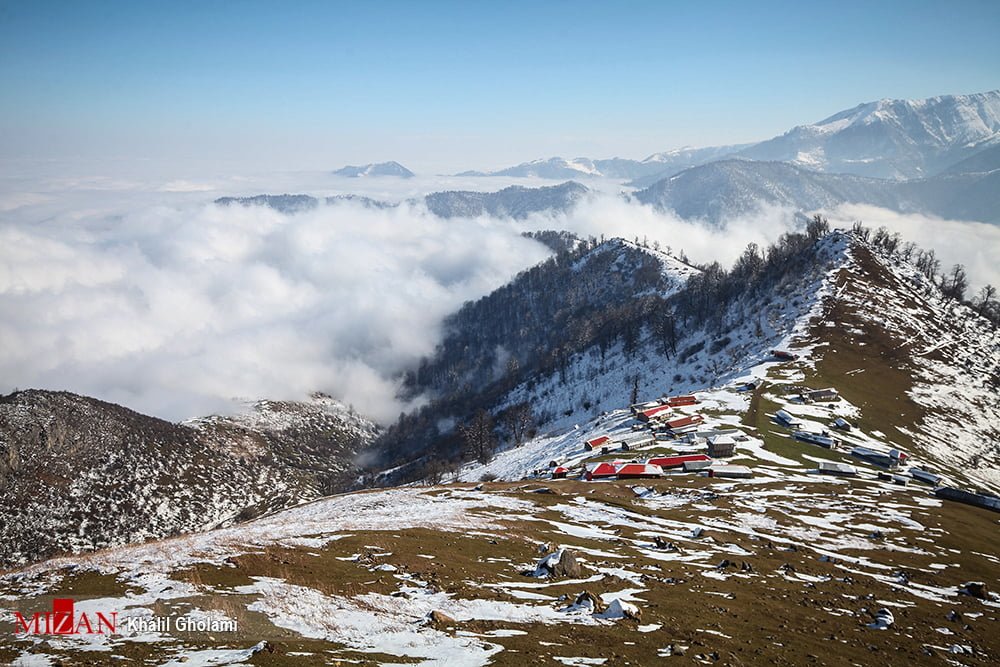
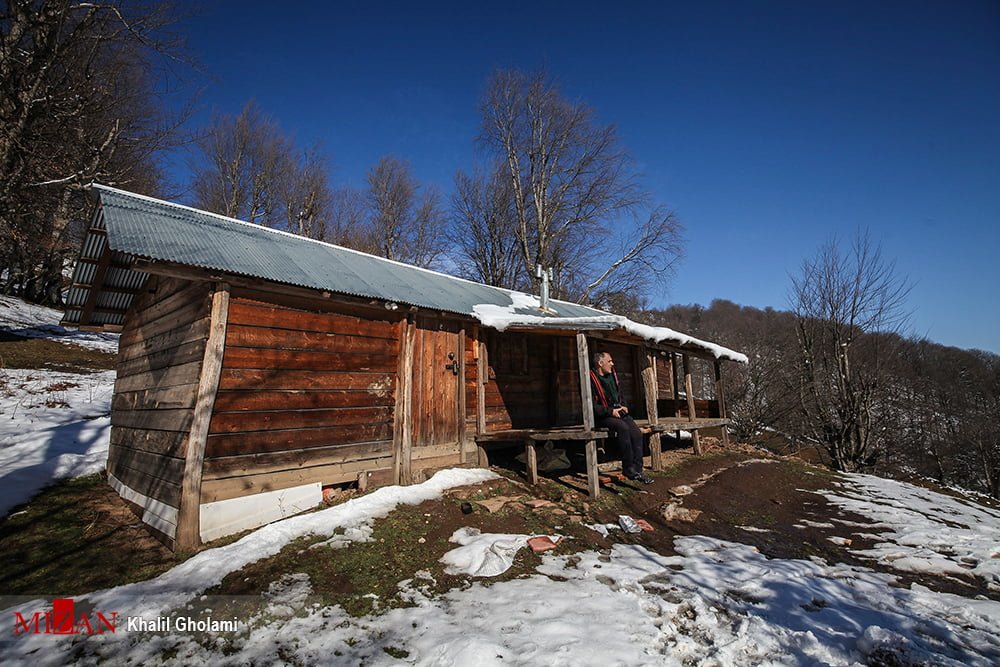
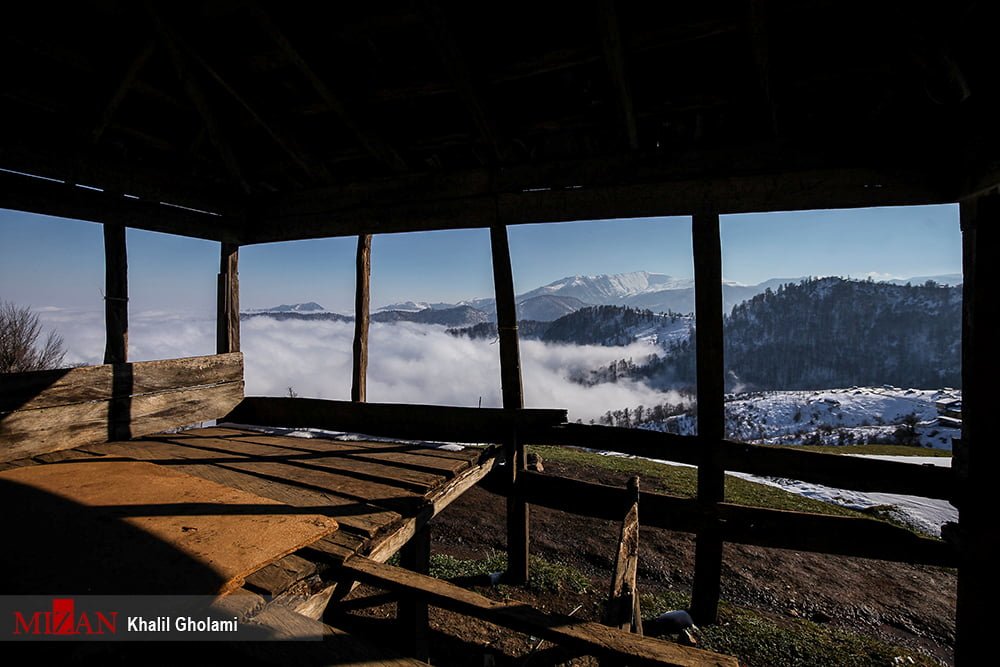
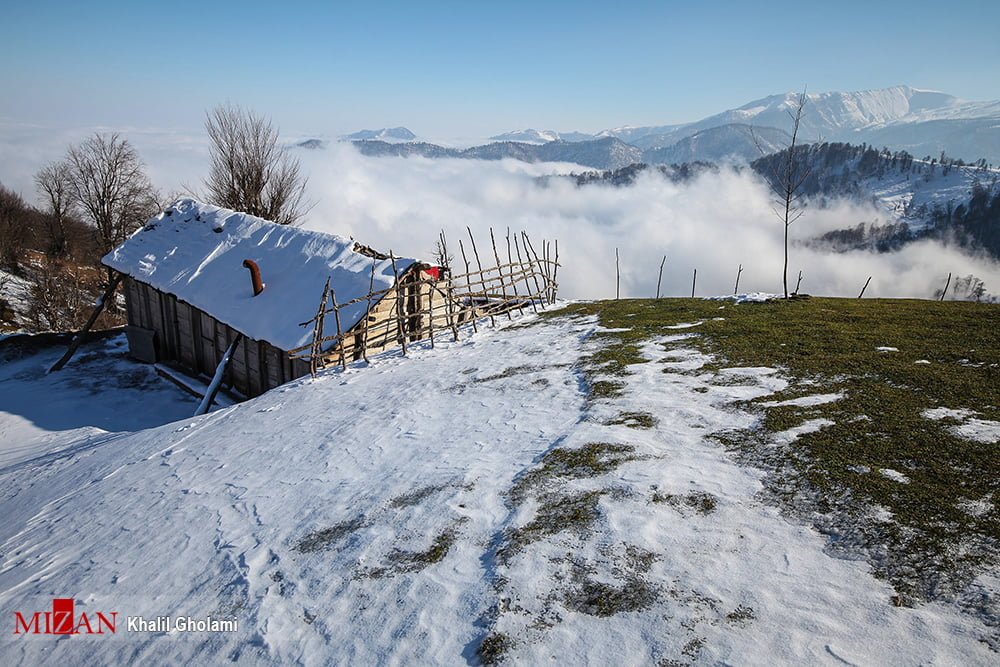
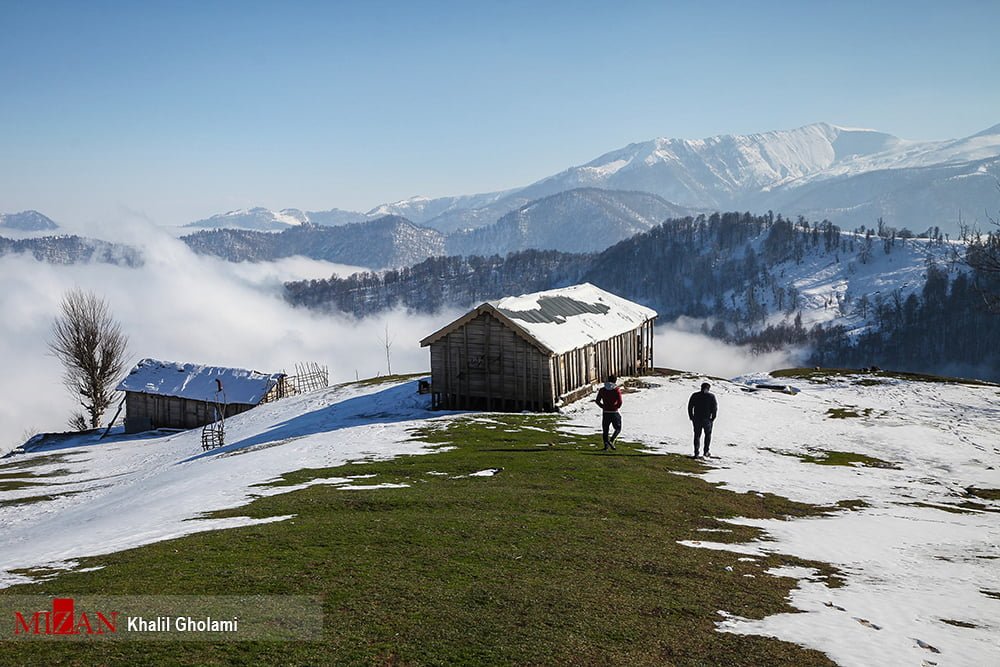
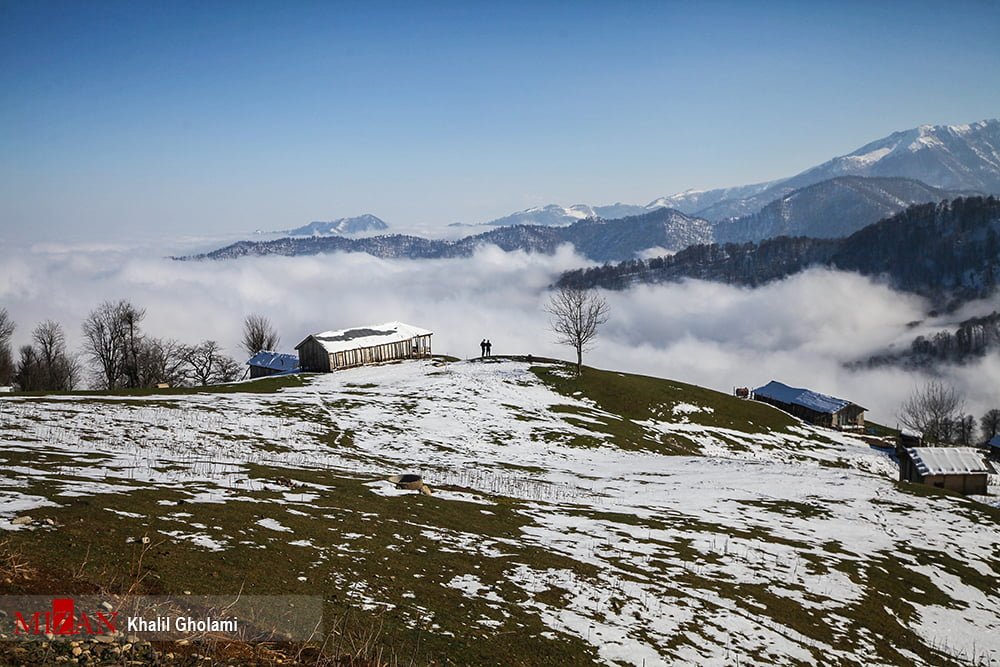
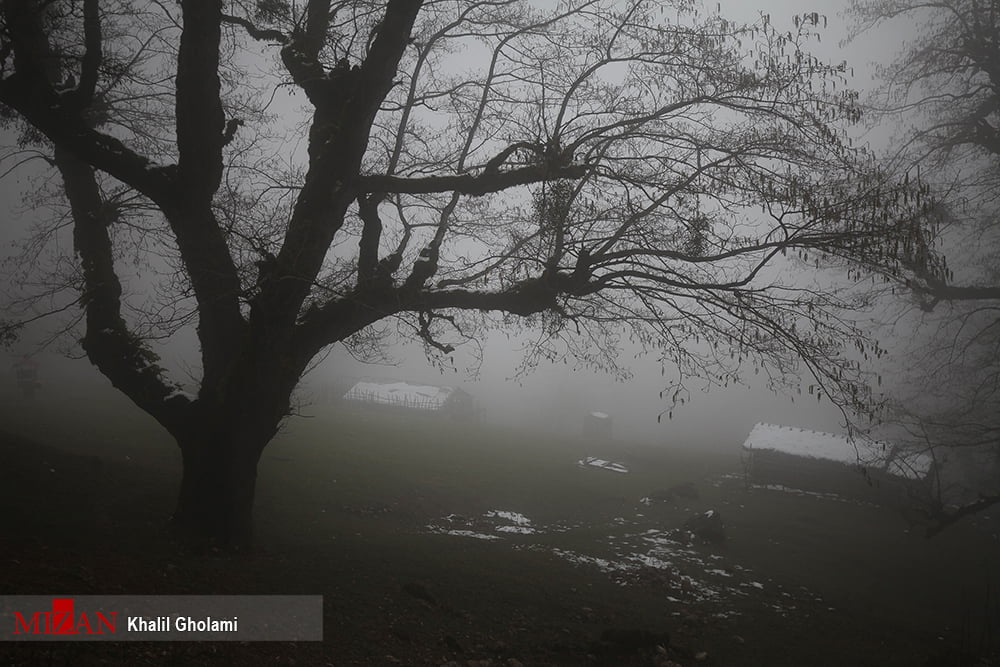
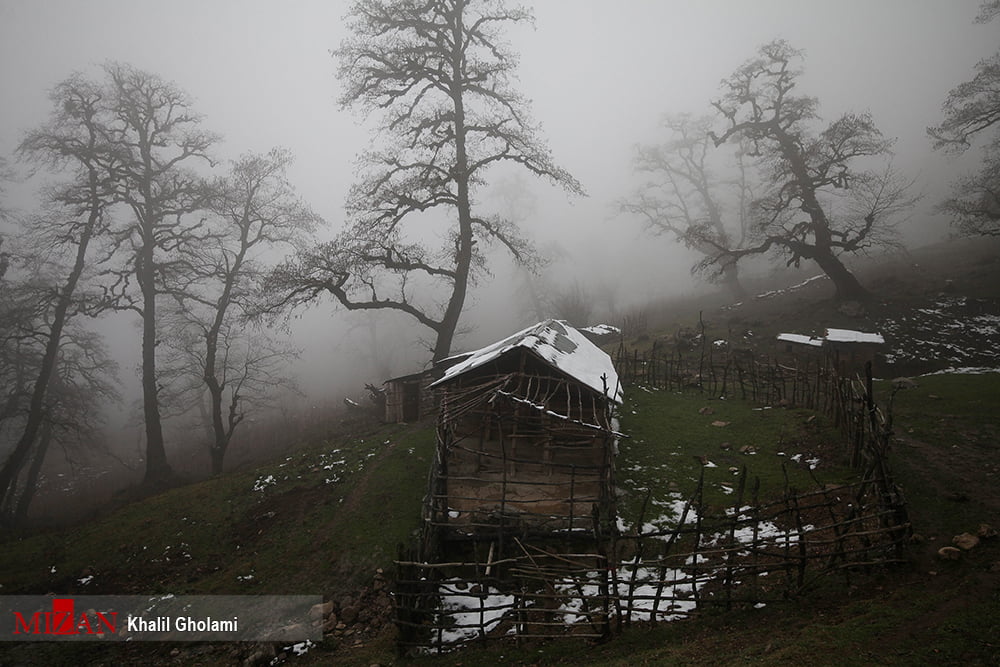
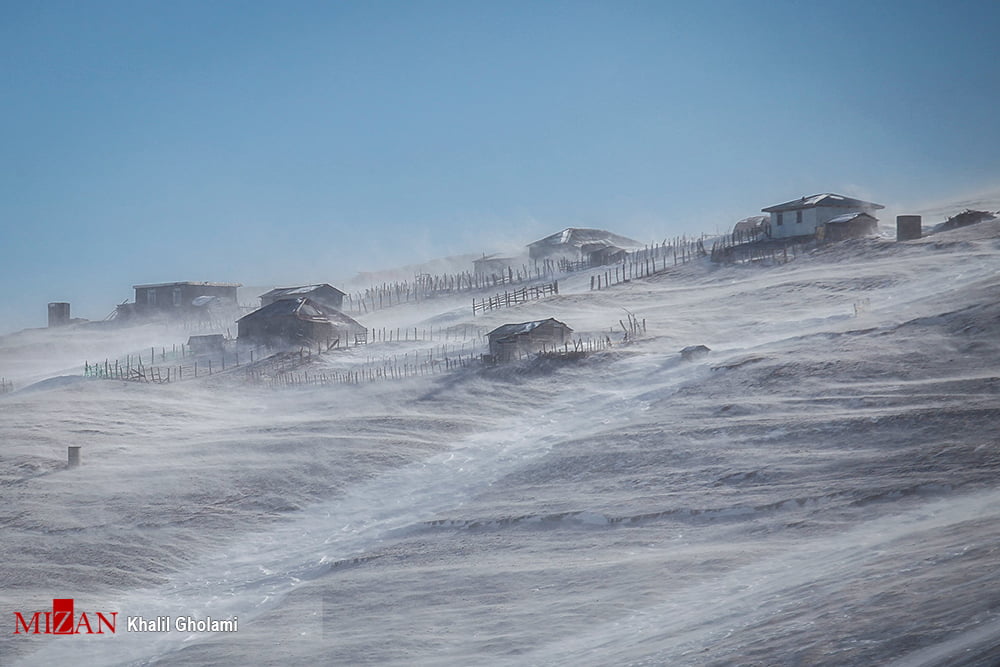
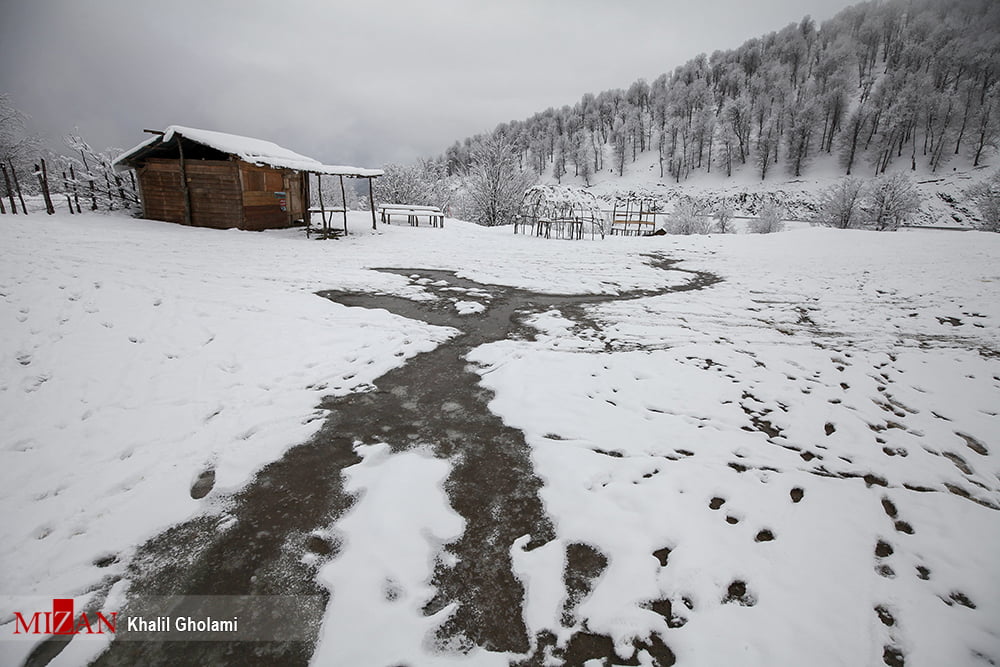
In the Talesh mountains, the snow is so deep for the villagers that most of them leave their wooden cottages in the winter due to the heavy snowfall and return home in late spring.

Talesh is located on the southwestern coast of the Caspian Sea. The county, covering an area of nearly 2,500 square kilometres, accounts for one-fourth of surface area of Gilan Province in northern Iran. Talesh has inland scenic areas in the Alborz mountain range, with intact natural habitats that are places for appreciating nature.

Here are photos of some of these cottages retrieved from Mizan News Agency:

No One Allowed to Hold Talks over Iran’s Defence Capabilities: IRGC

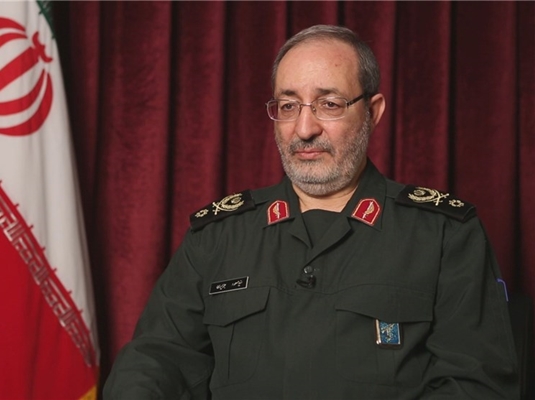
Spokesman for the Iranian Armed Forces Brigadier General Massoud Jazayeri said that the Islamic Republic’s defence capabilities will continue without any interruption, and foreigners will not be allowed to interfere in the case.

According to a Farsi report by Fars News Agency, he made the remarks in reaction to some reports and claims by the US and some European leaders about the missile power of the Islamic Republic of Iran.

“In the current situation, as the hegemonic regimes are making threats against the Islamic Republic of Iran or conducting war crimes in the region, the task of the armed forces is to enhance defence capabilities in all fields, including missile systems.”

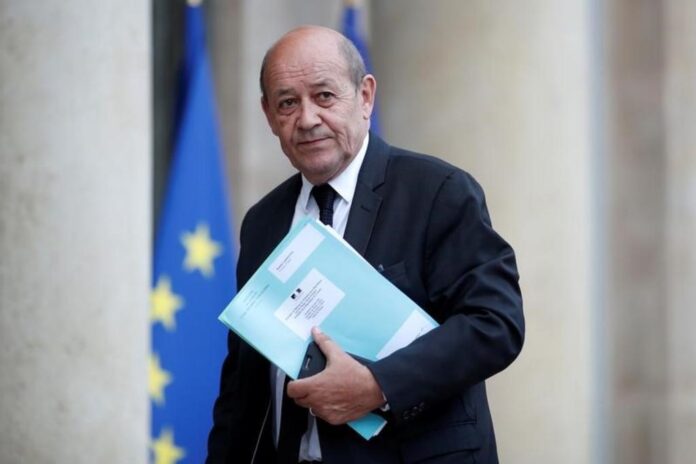
Jazayeri’s comments came as French Minister of Europe and Foreign Affairs Jean-Yves Le Drian was in Tehran to hold talks with Iranian officials over different issues. Some reports say Iran’s role in the region, the country’s missile program, and saving nuclear deal from Donald Trump threats were on the agenda.

Nuclear Deal Breakdown to Be Matter of Regret for All Parties: Rouhani

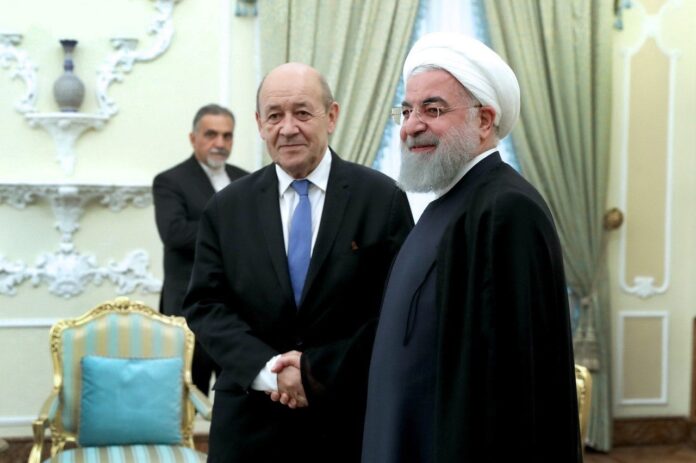
Speaking in a Monday meeting with France’s Minister of Europe and Foreign Affairs Jean-Yves Le Drian, Rouhani noted that the Joint Comprehensive Plan of Action (JCPOA) is a test for all negotiating parties.

“Remaining committed to the accord would prove to the world that the negotiation and diplomacy is the best way to solve problems, but the collapse of the deal means that political talks are a waste of time,” he said.

Rouhani stressed that all the negotiating parties must adhere to their commitments regarding the deal underlining that Iran will never be the first party to violate the agreement and believes that this deal is effective in developing regional and international collaborations, and also in creating stability, bringing peace, and building trust.

The Iranian president further mentioned that Iran and France share the same vision on the JCPOA and both countries believe it must be maintained.

“Fortunately, today, via the nuclear deal a suitable environment has been created for the development of mutual relations and collaborations. We must move towards achieving the common goals and interests of the two nations in this direction.”

The President also referred to the historical and friendly ties between Tehran and Paris in various fields including trade, economy, industry, agriculture, culture, transportation and energy saying that the two governments are determined to establish and strengthen mutual friendly ties.

“There are no limits for the Islamic Republic of Iran to develop and boost relations and collaborations with France.”

Pointing to the necessity of mutual cooperation between Iran and France on regional stability and security, Iran’s president said, “France and the Islamic Republic of Iran have played a positive role in resolving the recent problems in Lebanon, and should collaborate in keeping peace in this country and preparing the grounds for an election that brings about political vitality and stability in the country.”

Rouhani said the security of the Persian Gulf is an issue of significance for the region. Pointing to the Yemen crisis, he added, “It is an international and humanitarian responsibility to do our best for the sake of Yemeni people who are suffering from bombardments, diseases and many [other] troubles.”

He noted that these efforts must be made towards the implementation of a ceasefire, ending the war, stopping the massacre of the Yemenis, and also sending of humanitarian aid.

Referring to Syria’s problems and the pains suffered by its people, Rouhani underscored that the Islamic Republic of Iran has been present in Syria at the request of the Syrian government to fight terrorism, but it has not been completely eradicated, and it still threatens other countries.

Rouhani further said that the fight for the complete elimination of terrorism and helping the Syrians is a high priority for Iran and France in the region.

“There is no way but to strengthen the central government in Damascus to resolve the Syrian crisis.”

For his part, Le Drian emphasized his country’s respect for the JCPOA and Paris’s interest in maintaining the nuclear deal.

“The IAEA reports indicate that the Islamic Republic is fully committed to its obligations, and France will do its utmost to preserve the nuclear agreement.”

Le Drian also pointed out that Tehran-Paris economic and trade ties have increased dramatically within the past two years right after the nuclear agreement.

“We are interested in the development and boosting of relations in all fields with the Islamic Republic of Iran. To this end, France has considered some ways to facilitate the expansion of mutual economic cooperation in order to boost the trade dynamism established between the two countries,” added Le Drian.

He further mentioned that the EU considers the nuclear deal with Iran as a fundamental document that promotes regional stability and security.

“Iran and France can work together to promote regional stability and security, in particular to prevent humanitarian catastrophes in the region and to solve regional crises.”

“We are willing to cooperate and consult with Iran as a friendly country on all topics of interest,” concluded France’s Minister of Europe and Foreign Affairs.

Earlier in the day Le Drian held separate meetings with the Secretary of Iran’s Supreme National Security Council (SNSC), Ali Shamkhani, and Foreign Minister Mohammad Javad Zarif.

France Committed to Iran Nuclear Deal despite US Pressure: FM

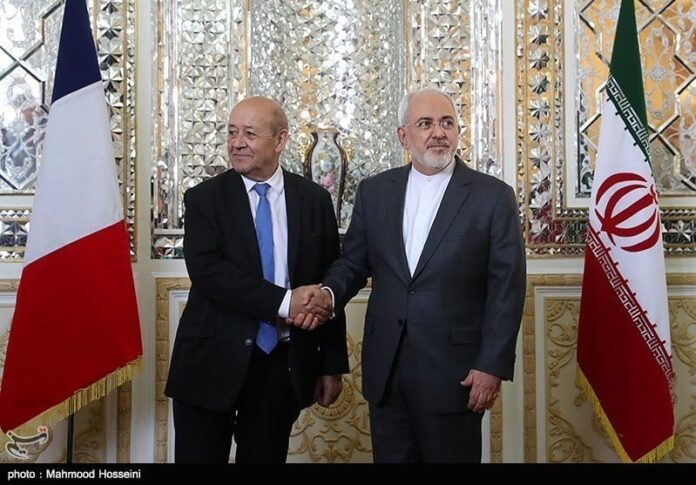
In a Monday meeting with Iranian Foreign Minister Mohammad Javad Zarif in Tehran, the French foreign minister once again expressed his country’s decision to respect, preserve and implement the JCPOA .

“France firmly believes that the JCPOA must be implemented. To this effect, we have adopted several broad measures including investing in Iran’s automotive industry and energy projects. We have also opened a special line of credit for commercial cooperation with Iran and investment in joint projects,” he said.

The French foreign minister also referred to France’s will to keep its deep and friendly relations with Iran and added Europe, especially France, is committed to and interested in the implementation of the JCPOA despite the US pressure.

“We have already adopted appropriate measures in banking relations and the French companies’ investment in Iran has grown enormously following the nuclear deal,” he said, adding that export guarantees and lines of credit are among the main signs of the investments made so far,” he noted.

For his part, the Iranian foreign minister praised France and other European sides’ principled stance towards the JCPOA but at the same time criticized some European officials for their remarks about and behaviours towards the nuclear deal and also being swayed by the US when it comes to the JCPOA.

“As a multi-lateral deal which came to fruition through the joint efforts of several sides including the European states, the JCPOA has been prone to illogical and politically-motivated tricks of the US,” he said.

The Iranian foreign minister noted that the International Atomic Energy Agency (IAEA) has confirmed in ten reports Iran’s commitment to the JCPOA, adding the Europe can play a more constructive role in preserving this international achievement.

“The Europe should completely fulfill its commitments under the deal and at the same time put pressure on the US to remain committed to it. It should not allow the US to press ahead with its illogical and illegal demands along with violation of the deal and efforts to hamper its implementation,” he said.

The Iranian foreign minister said preserving the international diplomatic achievement is equally important for all involved sides and added lip-services is not enough.

“If the international community is to satisfy only one side of the deal to remain in it, this is Iran which should be satisfied not the US because the latter has not only principally hampered the implementation of the deal but also pressurized the EU into not fulfilling its commitments,” he said.
During the talks, the foreign ministers of Iran and France also exchanged views on regional developments particularly those of Syria and Yemen.

Telegram Messaging App Back in Iran after Going Down

telegram

Reports say Telegram was inaccessible for users in Europe, the Middle East, and North Africa.

Telegram spokesperson said “Some of our users in Europe and the MENA region are currently experiencing connection issues,” adding that “Please hang on, we have all hands on deck to bring you back soon!”

For a brief review of Iran’s achievements in various fields of science and technology, check the book “Science and Technology in Iran: A Brief Review

Telegram Messenger’s account on Twitter said in a post that “Europe is back online! Sorry to have kept you waiting. If you’re in Iran hang on just a little longer, back soon too.”

Iranian people account for nearly 40 million users of Telegram in the world.

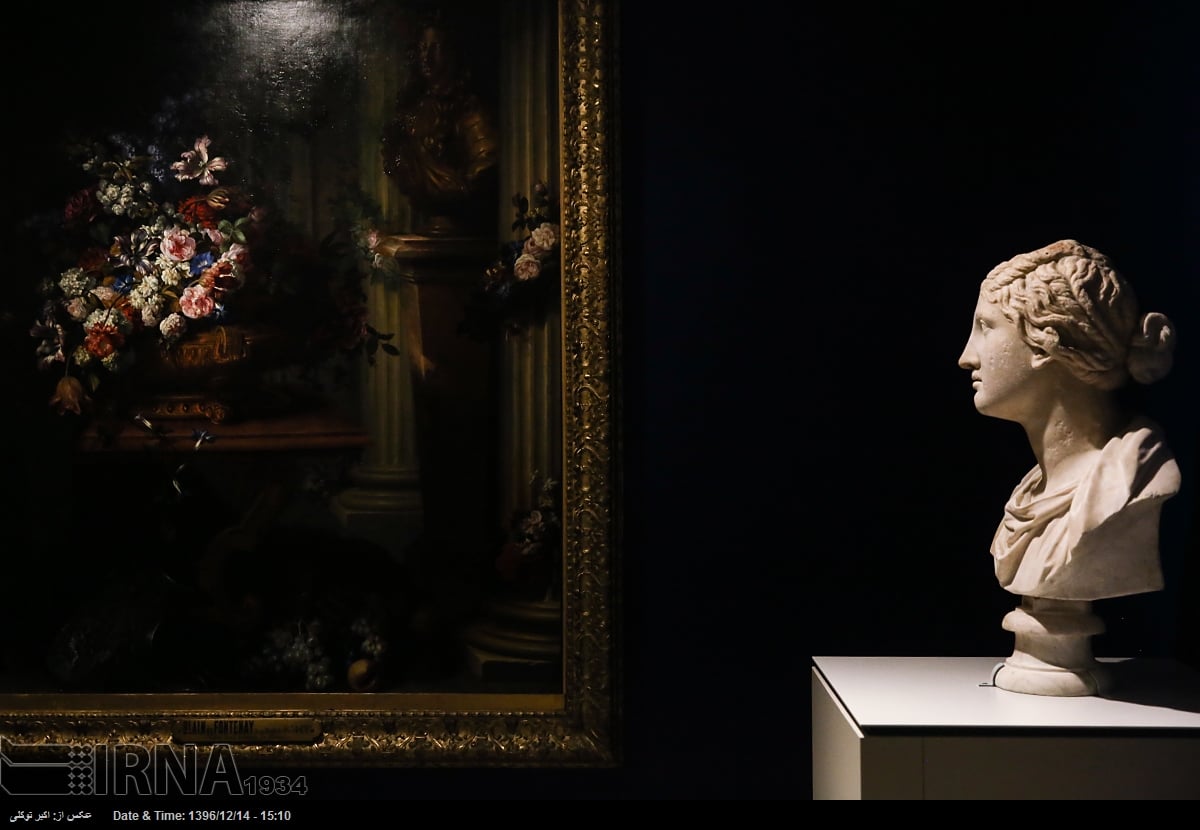
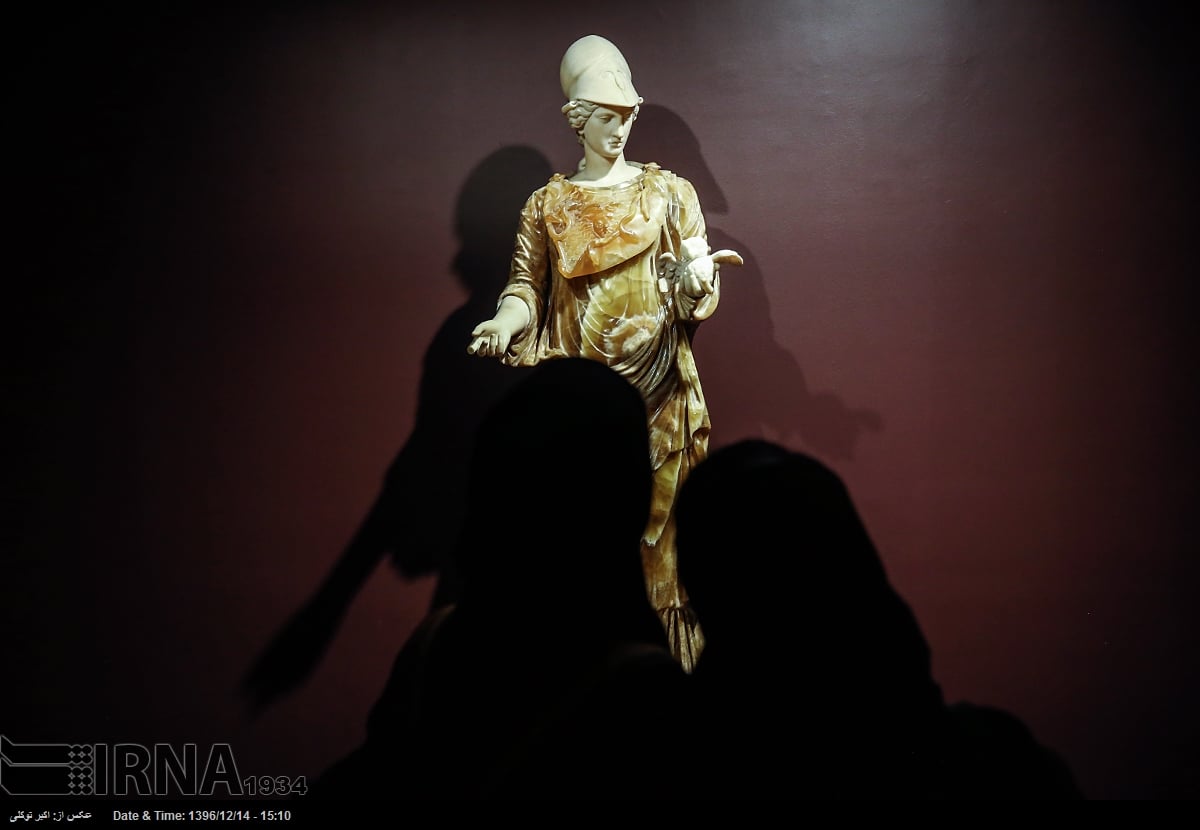
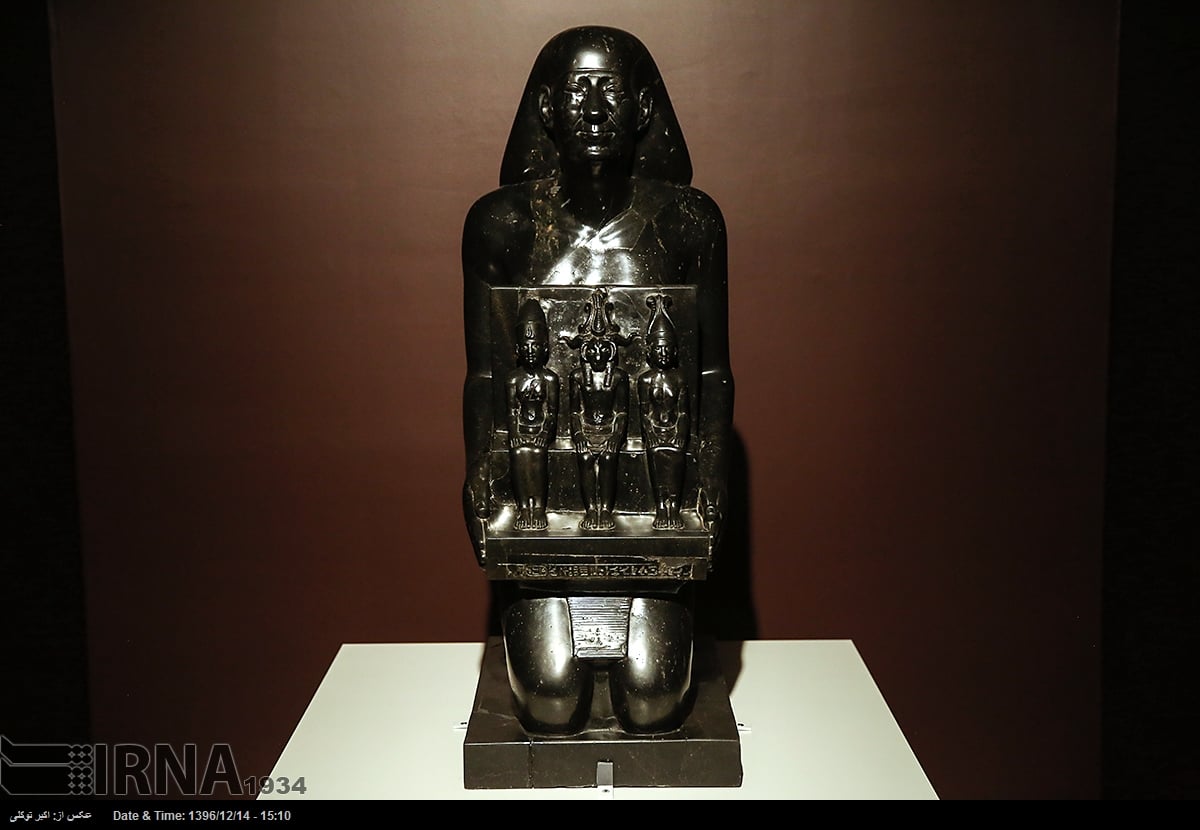
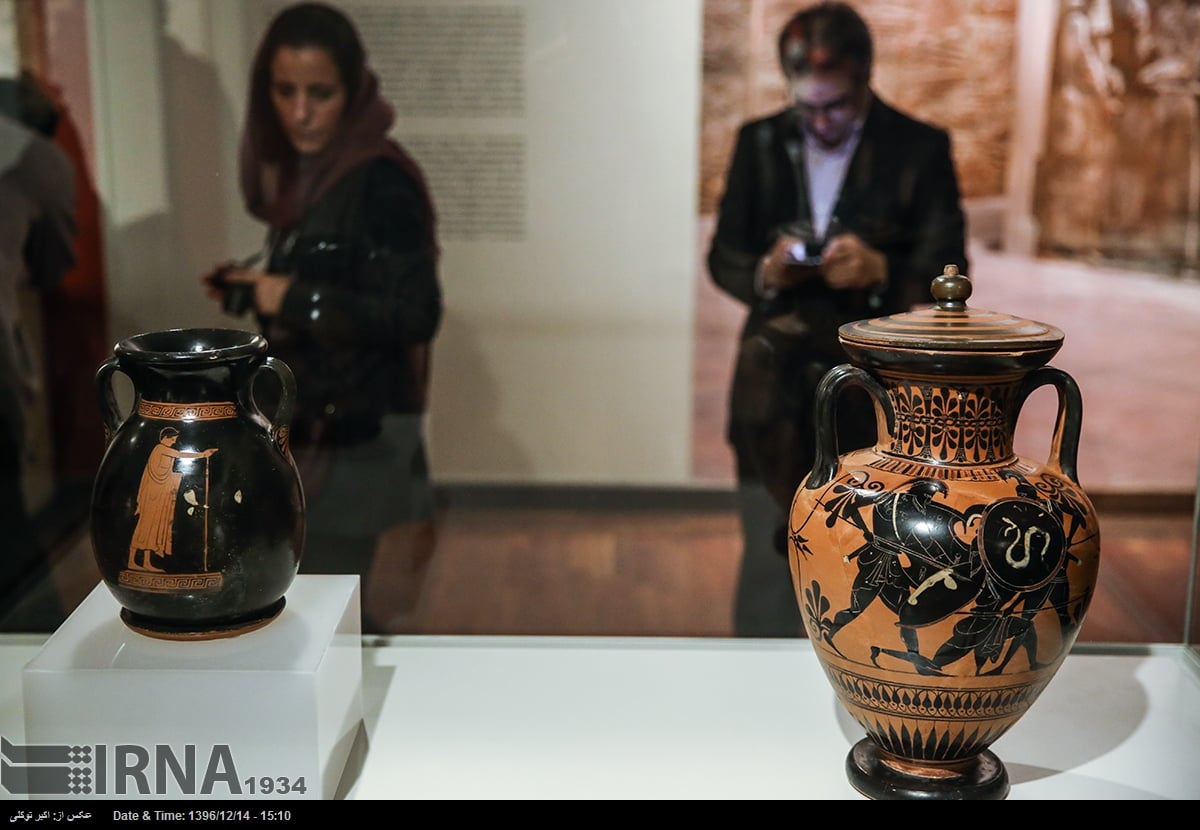
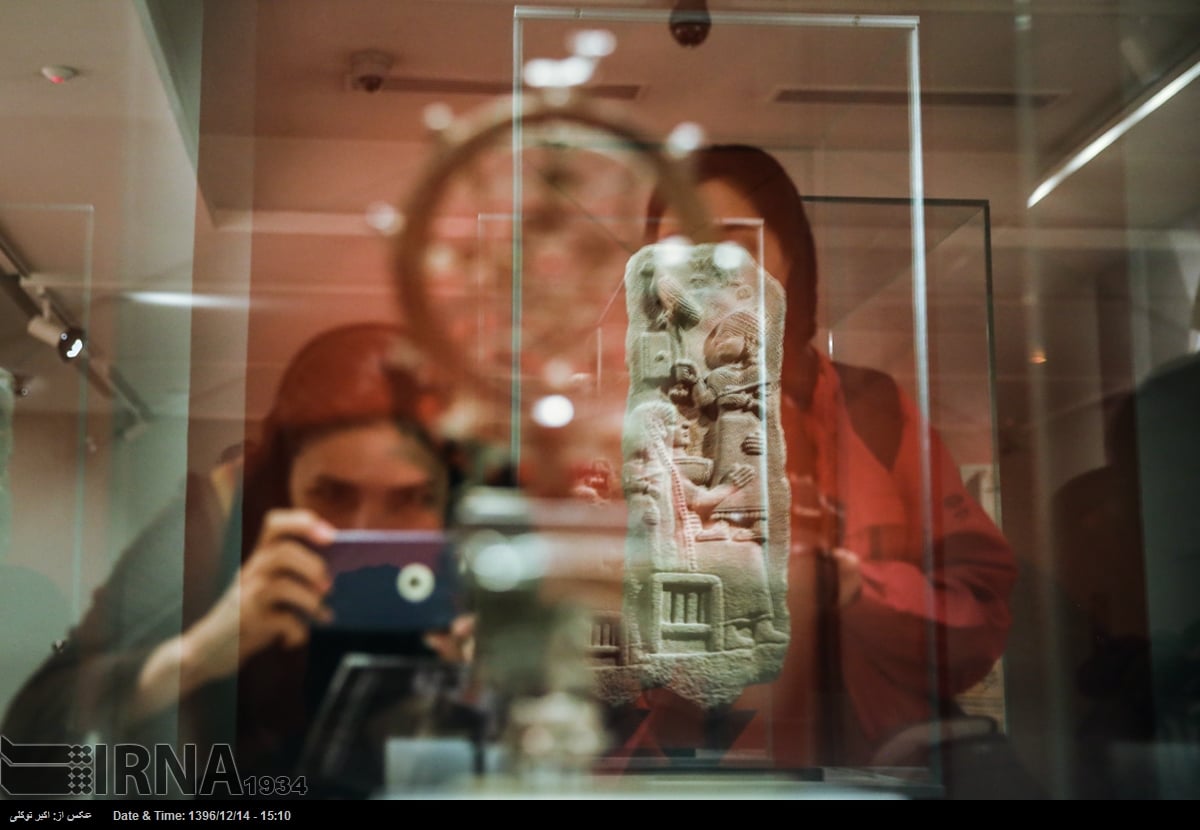
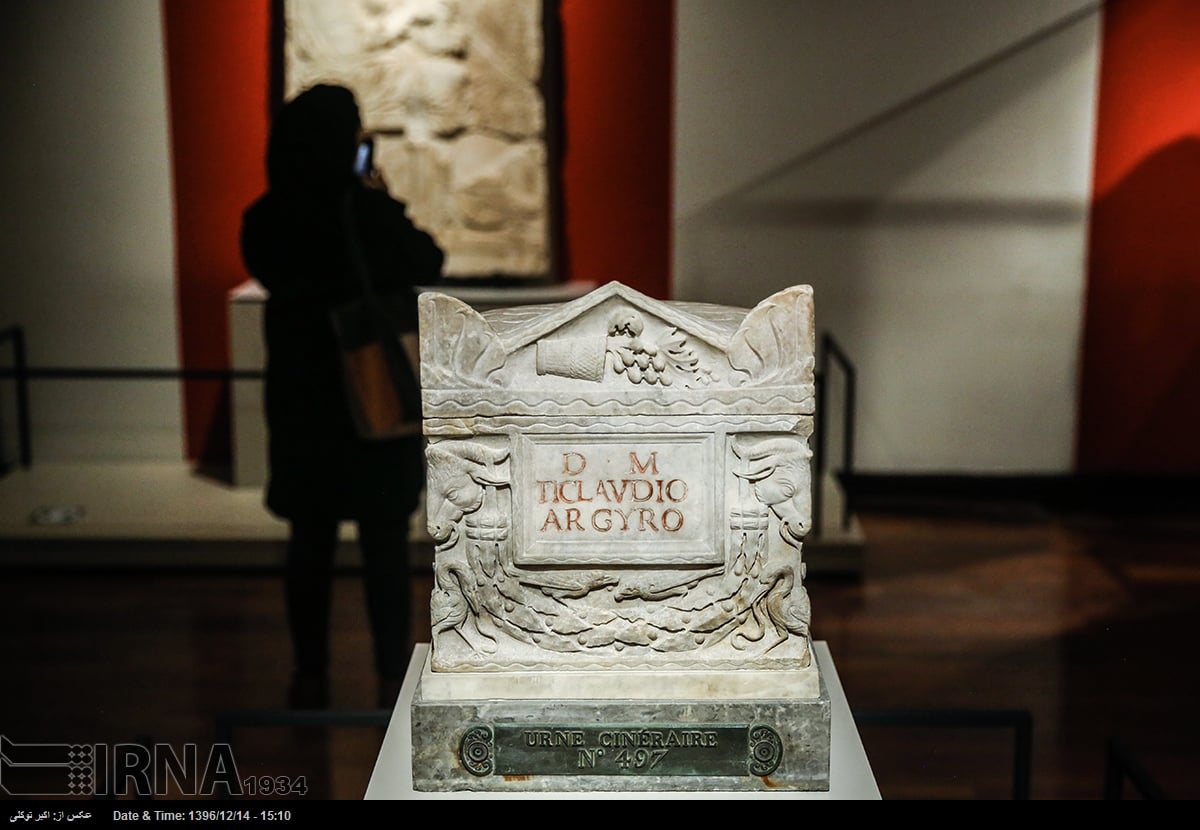
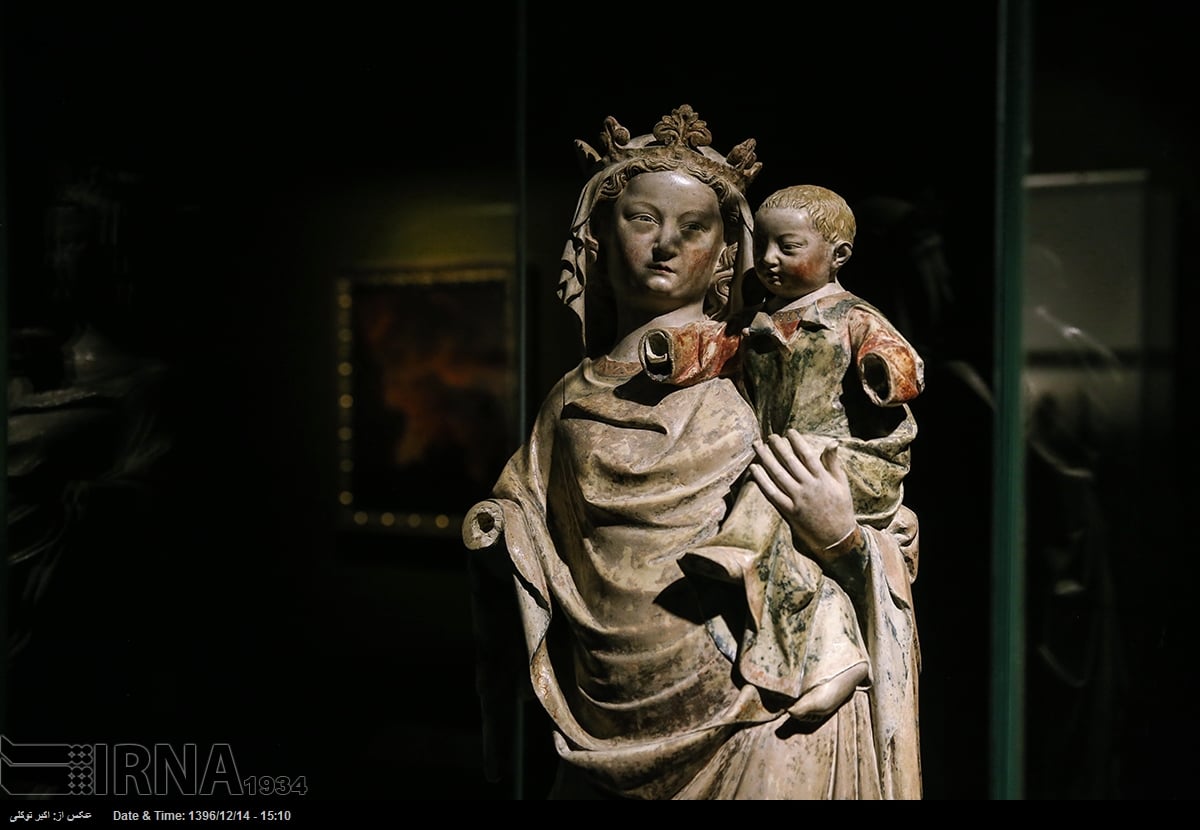
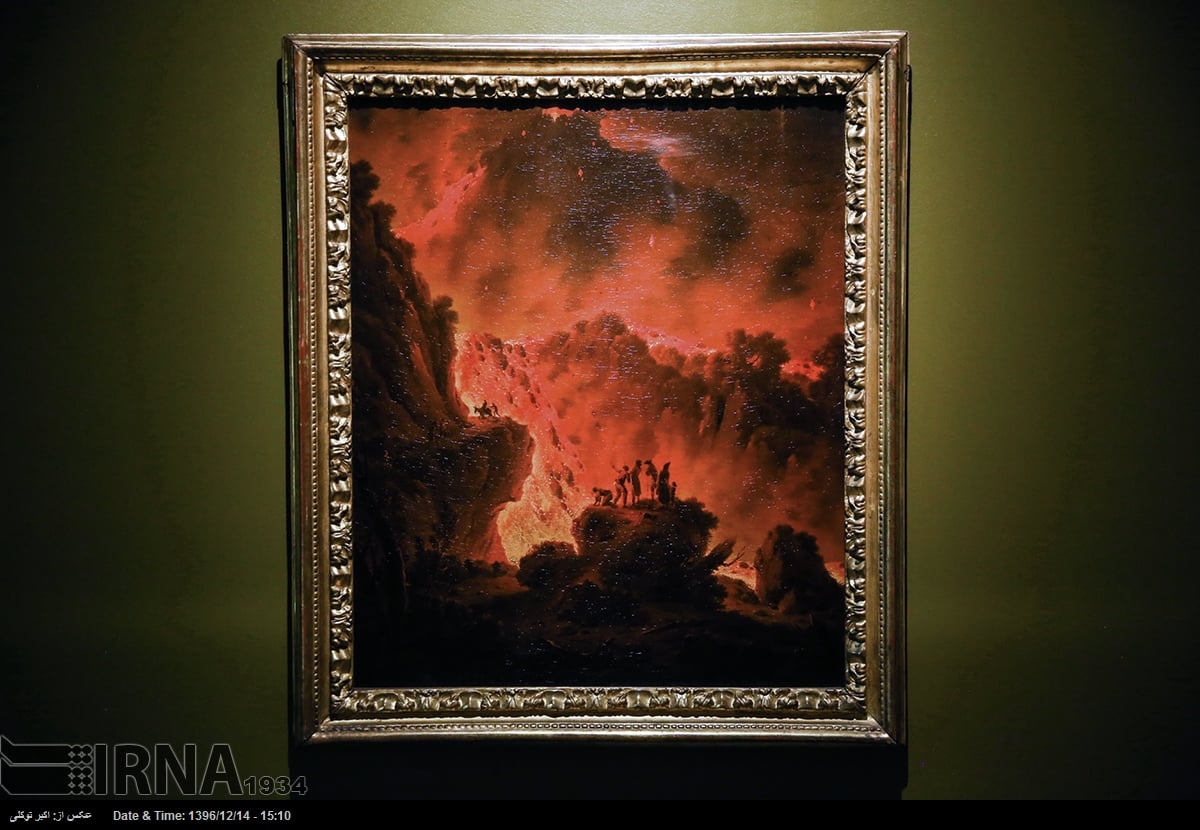
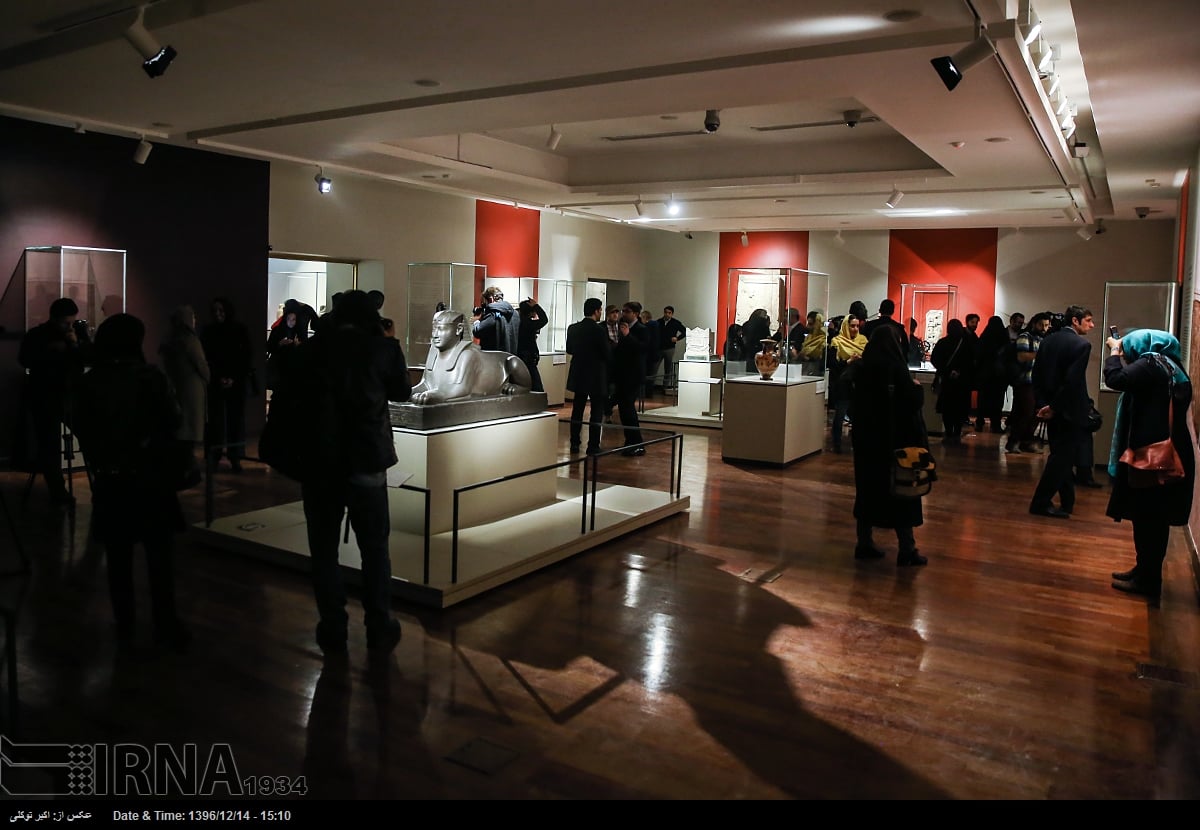
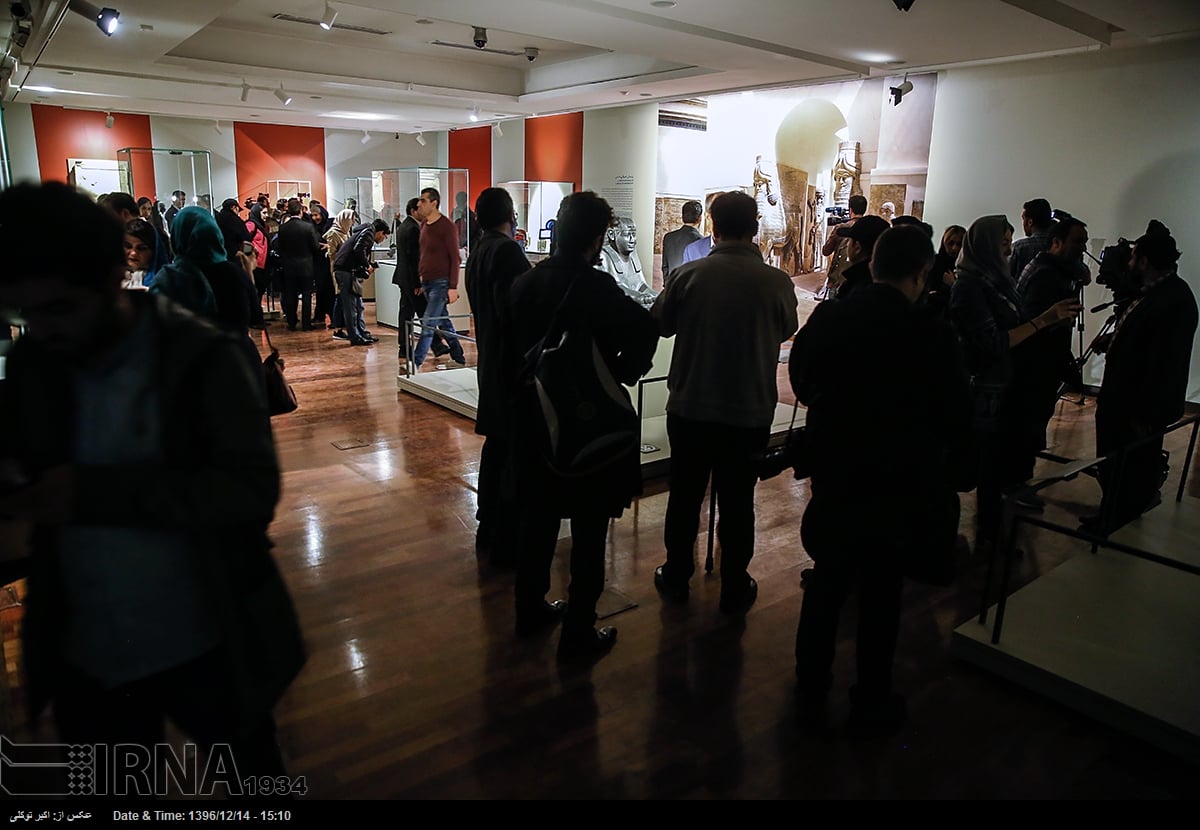
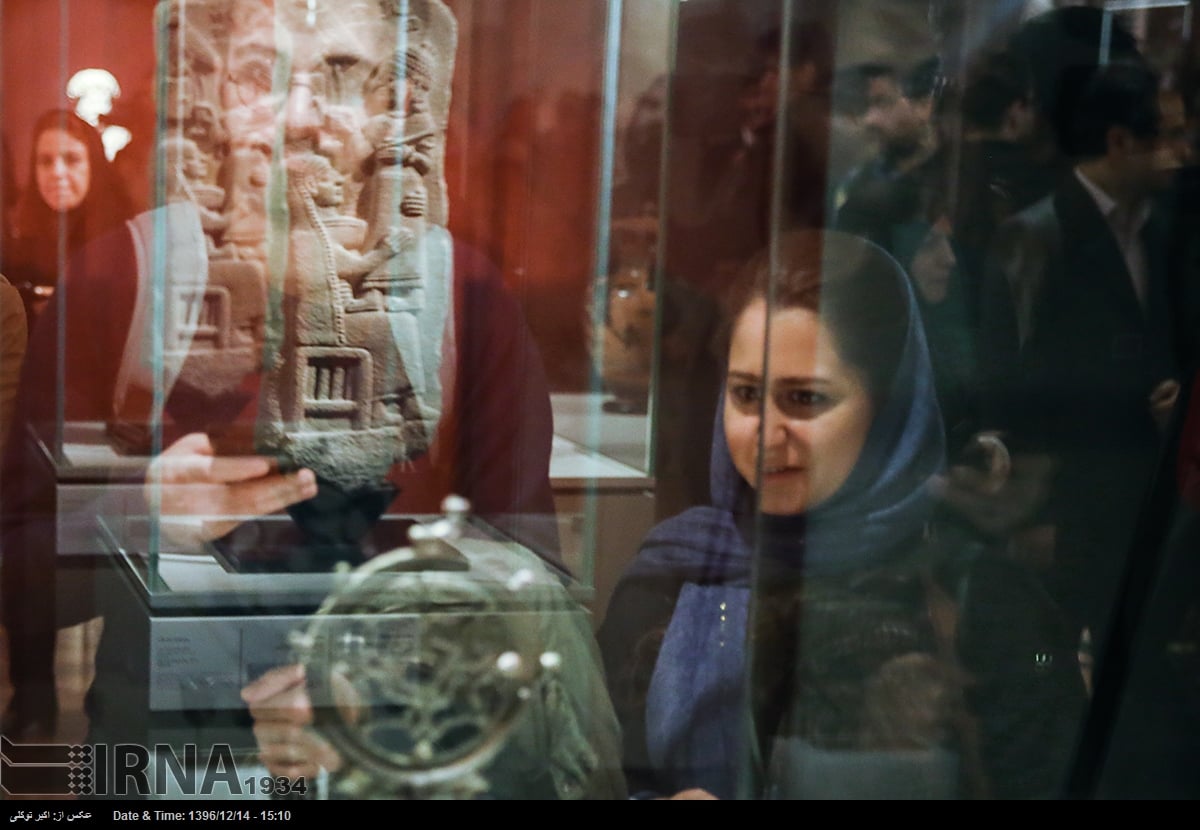
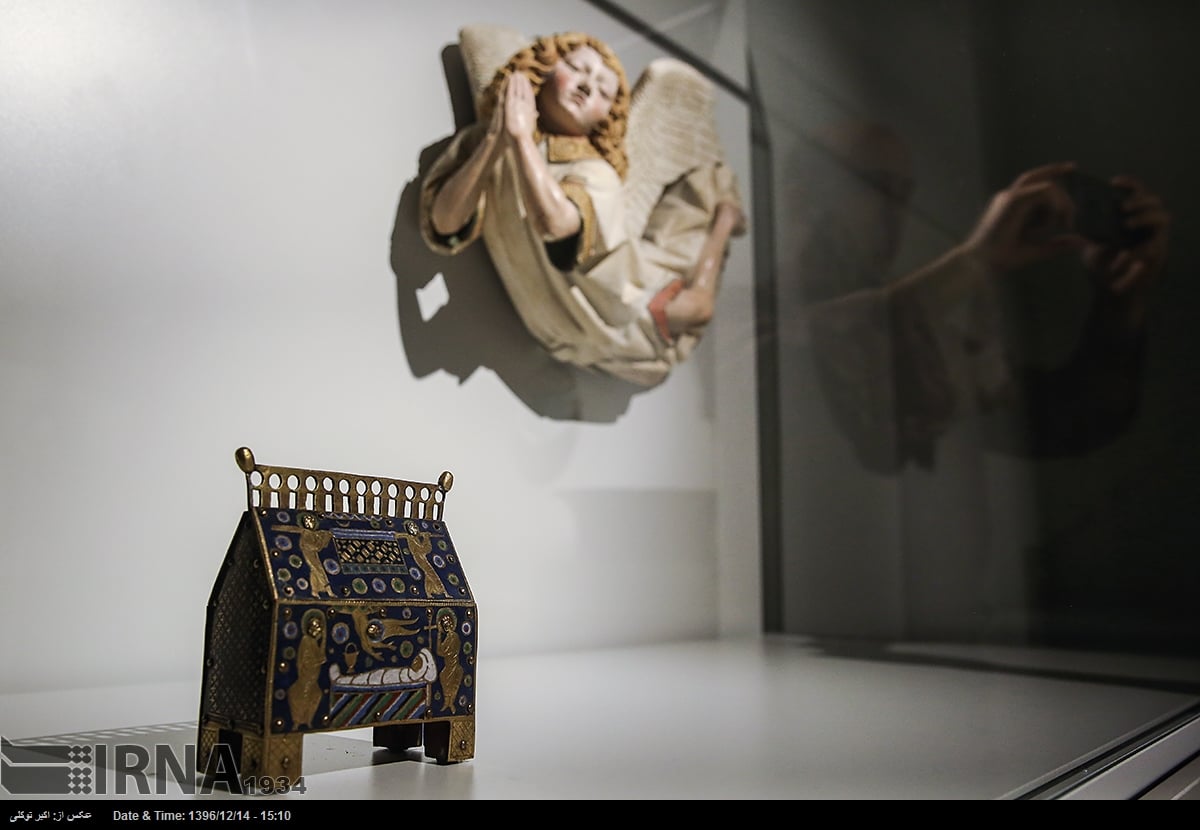
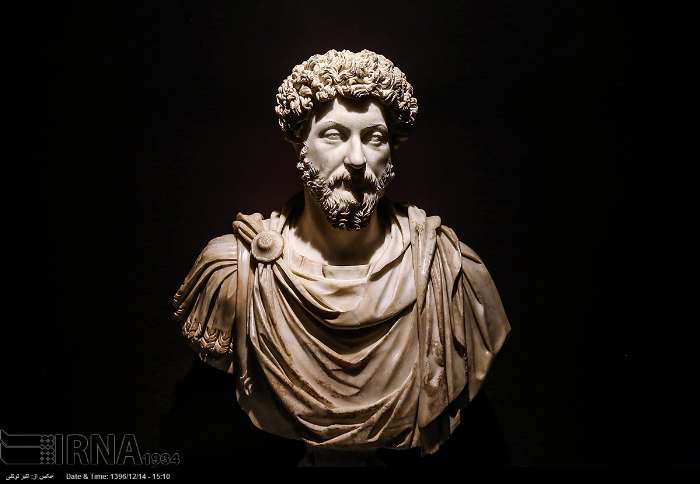
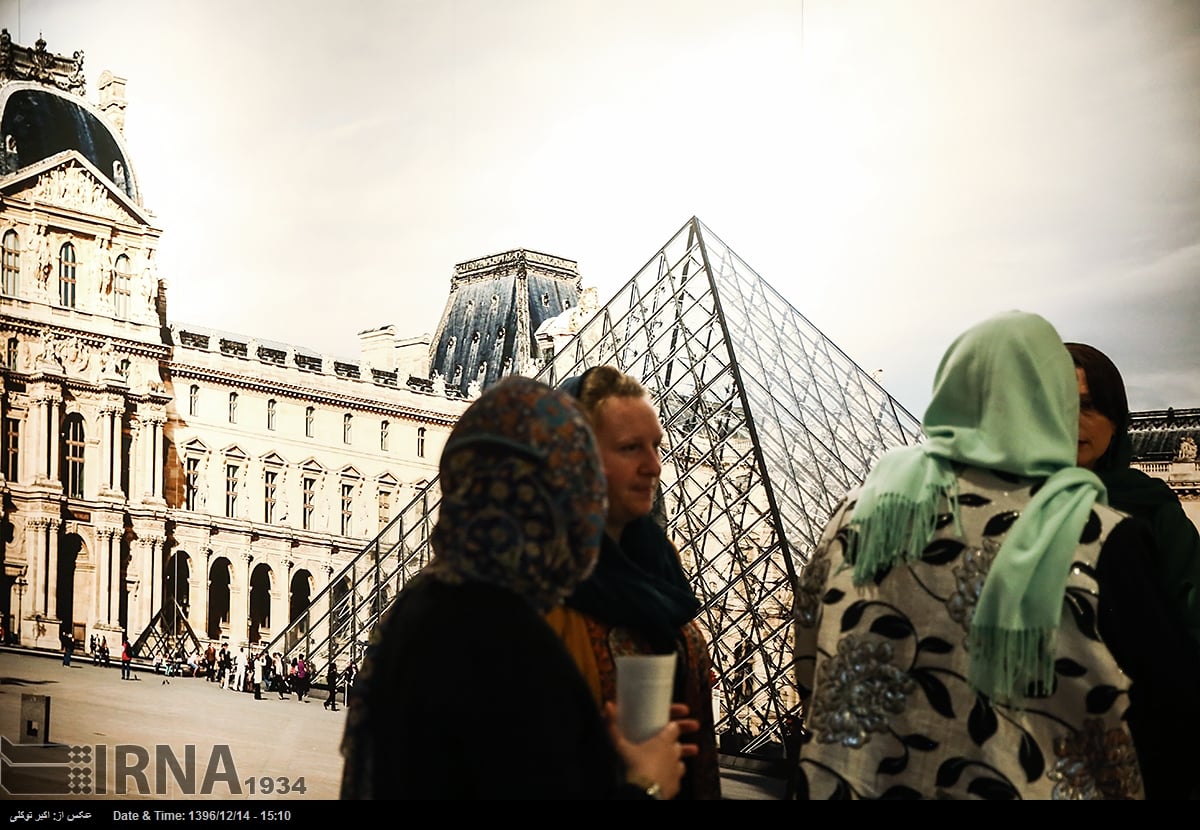
Exhibition of Louvre Museum’s Items Opens in Tehran

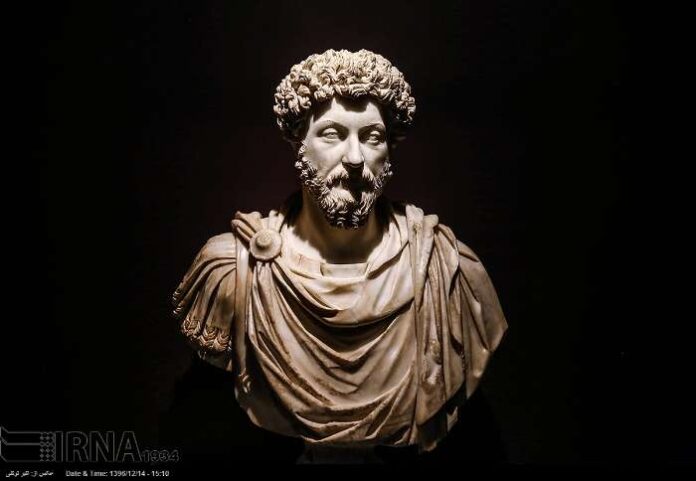
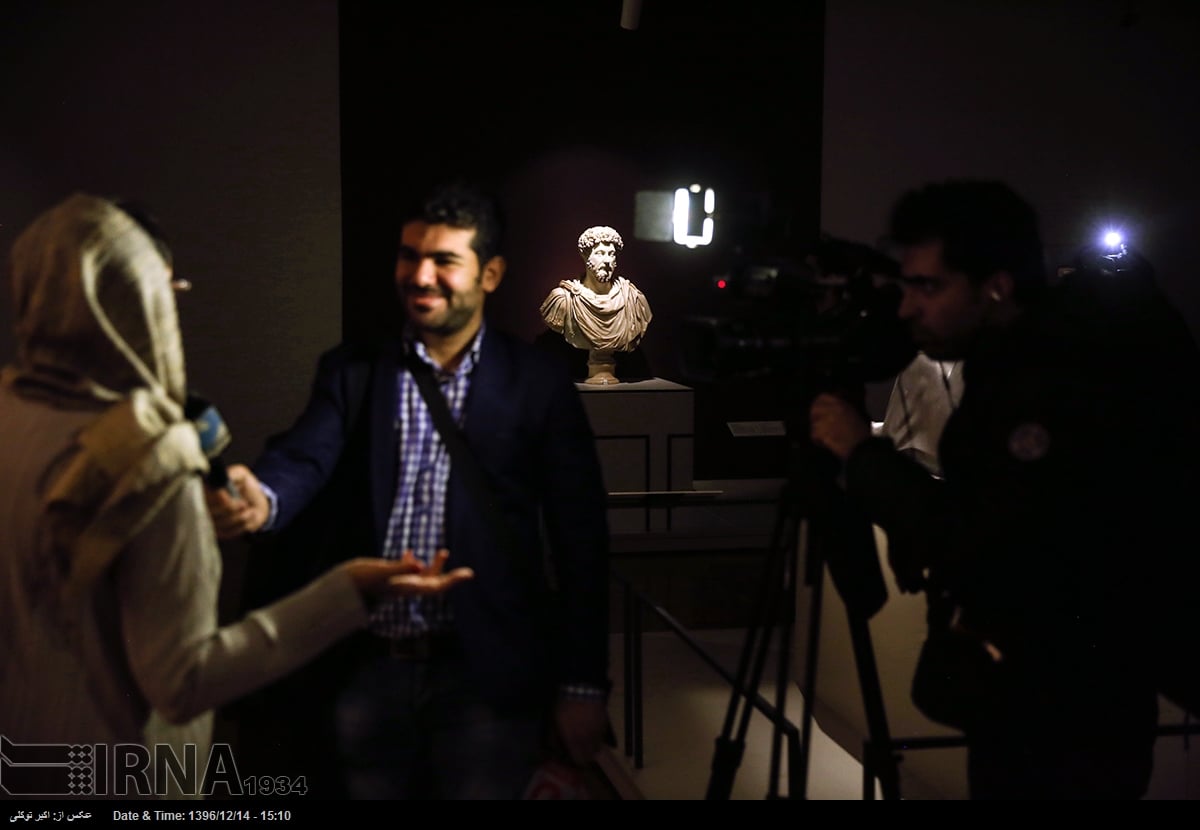
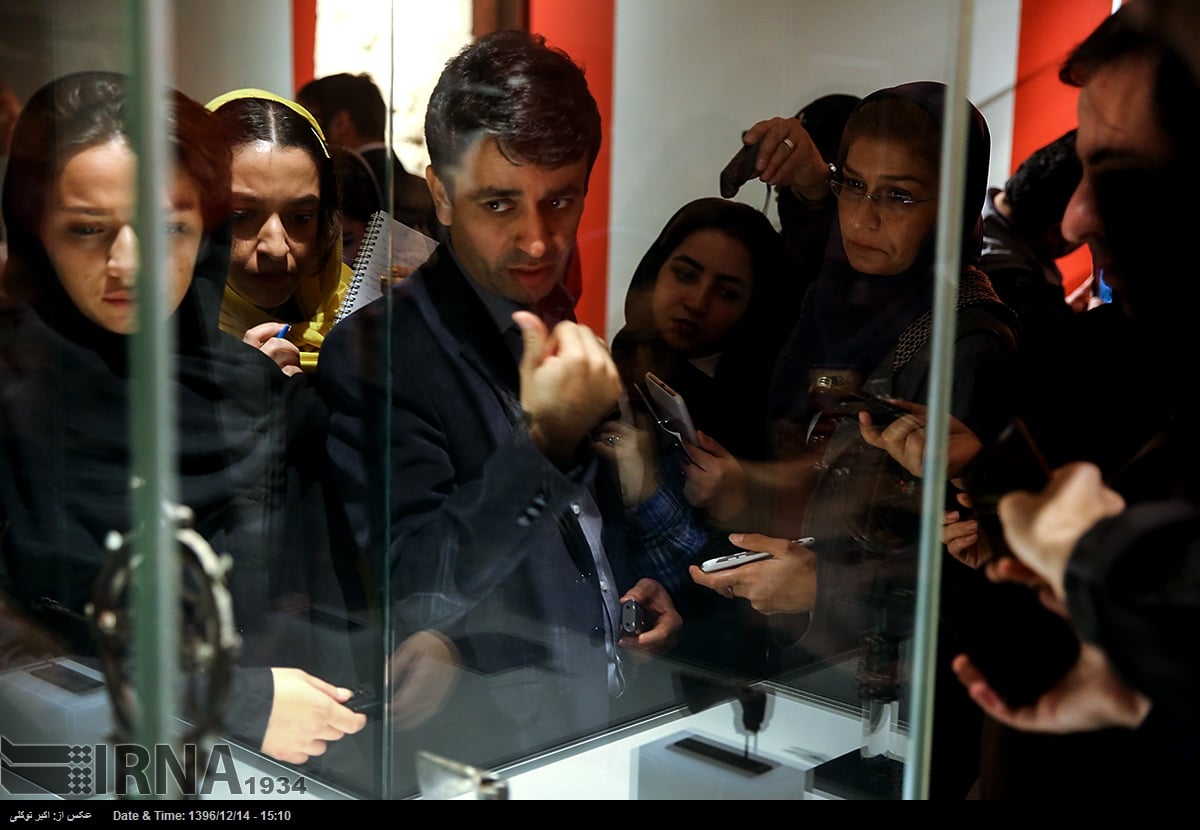
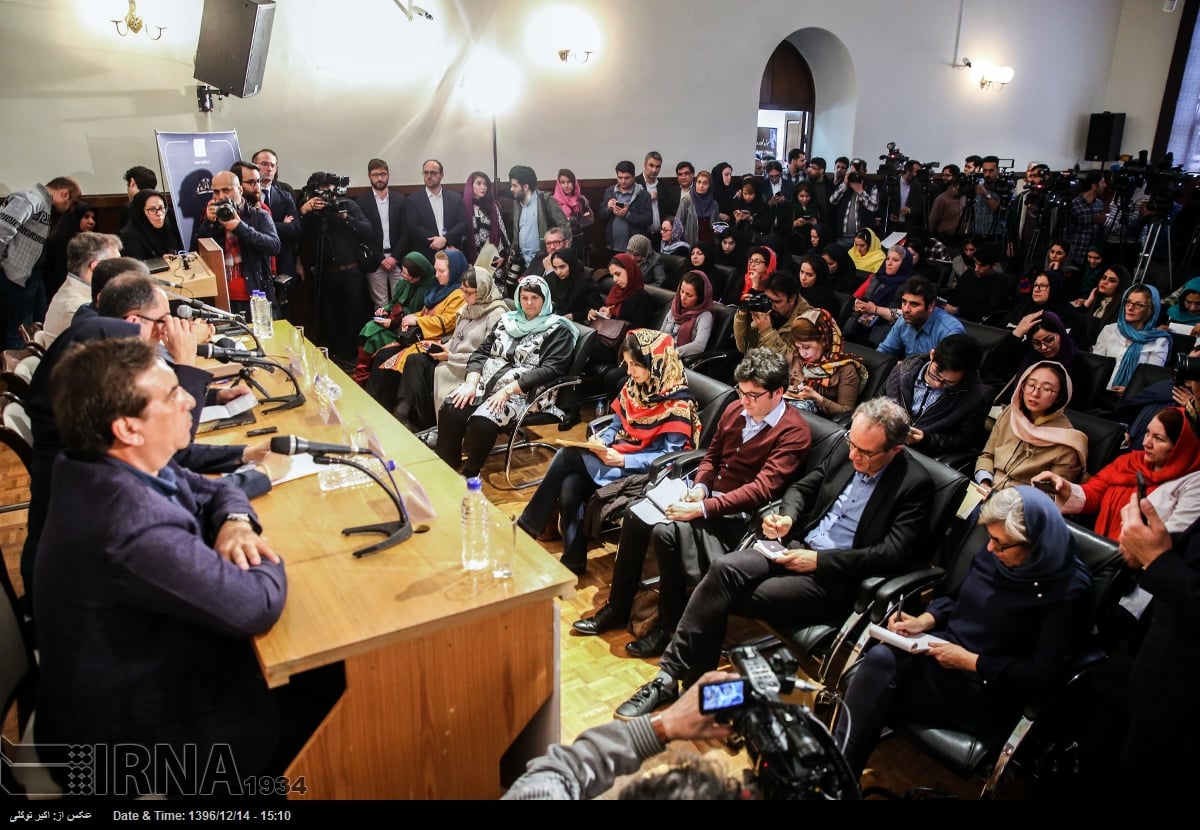
Speaking in a press conference Monday ahead of a ceremony to open the exhibition, the president of Louvre Museum Jean-Luc Martinez said the Tehran exhibition of the Louvre currently underway is the result of agreement between Iranian and French presidents in 2016.

“In the Louver Museum, two departments have been allocated to the antiquities of the Iranian civilization, and the managers of the two departments have come to Tehran, too,” said Martinez.

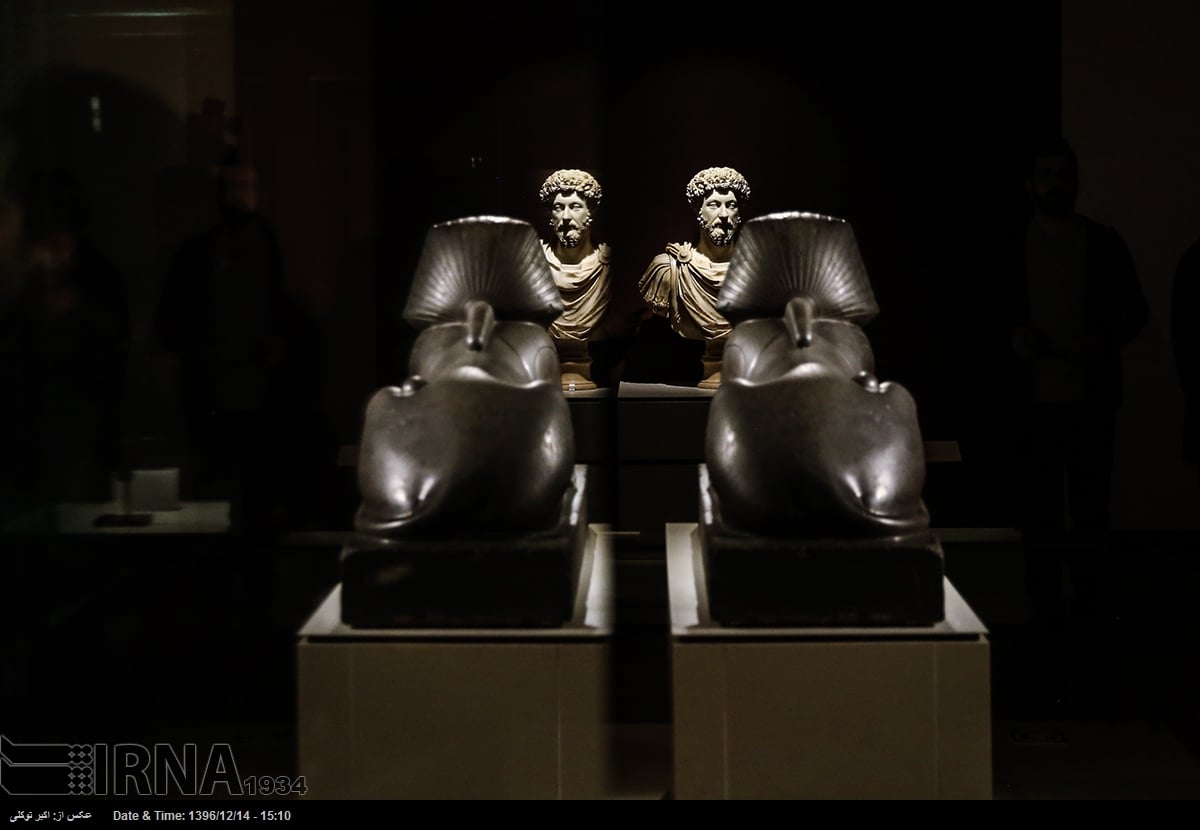
He said relics belonging to Ancient Egypt, Rome and Mesopotamia as well as French royal items have been showcased at the Tehran exhibition.

He further noted that Iran has contributed heavily to the formation of Europe’s current civilization.

The French official recalled that Iran’s National Museum building was designed and constructed by French architect André Godard.

He said agreements were signed between Iran and France in the 19th century to conduct archaeological excavations, according to a report by the Persian-language Islamic Republic News Agency (IRNA).

The director of the Louvre underlined that Tehran allowed France back in 1984 to carry out archaeological excavations in Iran.

He said French experts continued their archaeological work in the Iranian city of Neyshabour between 2004 and 2010.

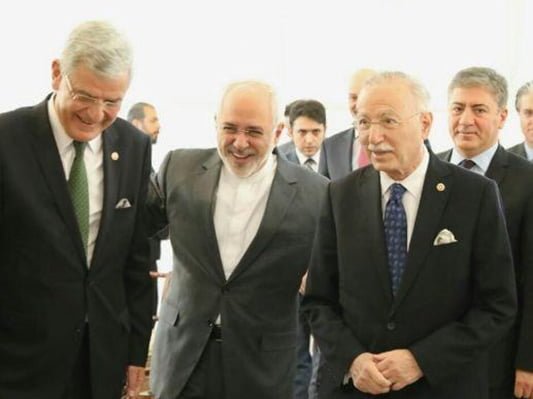
Iran, Turkey Discuss Bilateral, Regional Issues in Tehran

During the Monday meeting, the two sides exchanged views on bilateral issues and regional developments especially those of Syria, Iraq and Afghanistan. They also called for continuation of Astana Talks over Syria crisis as well as fight against terror.

The issue of Palestine and the US move to recognize Jerusalem al-Quds as the capital of Israel was also discussed during the talks.

Zarif said Iran and Turkey have already established good cooperation in all fields and called for further strengthening of the ties particularly in parliamentary field.

For his part, the Turkish lawmaker expressed his satisfaction over visiting Iran and extended his country’s appreciation of Iran’s principled stance to condemn the 2016 Turkish coup attempt.


Iran Slams Europe’s Policy towards US Regarding JCPOA

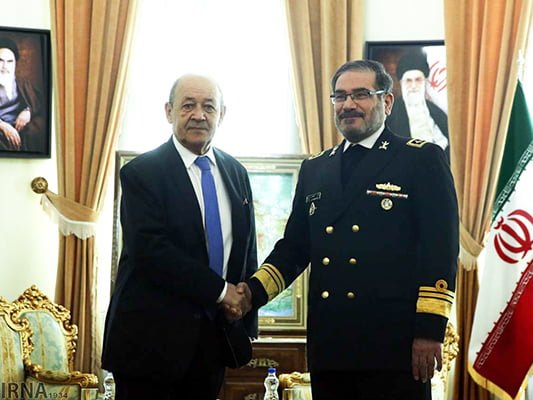
Speaking in a Monday meeting with France’s Minister of Europe and Foreign Affairs Jean-Yves Le Drian in Tehran, Shamkhani stressed that the European parties should accelerate meeting their commitments regarding the nuclear deal.

“Failure of the nuclear agreement will lead to the failure of the credibility of international deals and the logic of dialogue to resolve global issues,” pointed out the senior Iranian official.

Referring to the efforts made by the Islamic Republic of Iran in its fight against terrorism in Iraq and Syria, he emphasized that if it was not for the costly fight of Tehran against terrorism, it could turn into an uncontrollable crisis that could spill insecurity and instability over in Europe, including France.

Shamkhani also referred to the presence and the free activities of anti-Iran terrorist groups in France and said, “The failure of Paris to stand against the terrorist groups that were involved in the assassination of thousands of innocent people in our country is in contradiction to France’s international responsibility of fight against terrorism.”

“This [France’s failure] will certainly not help the development of relations between the two countries,” he added.

Shamkhani further noted that Iran’s expansion of defence capabilities, especially the country’s missile power, is an inevitable necessity in the way of implementing the country’s deterrence policy.

Iran’s defence capability has not been a threat to any country and its development, without being influenced by the political components, is part of the country’s security needs in the face of potential threats.”

Regarding the recent UN Security Council resolution proposed by some European countries on Yemen, Shamkhani said it was disappointing and showed the indifference of Western countries to genocide and human rights abuses in Yemen and the humanitarian disasters in the impoverished country.

“Closing one’s eyes on the blockade of the innocent and defenceless Yemeni people, and indifference to the widespread outbreak of famine and illness in this country has led to the supposition that there is a preference for the economic benefits gained from supporting Saudi Arabia and the UAE,” he added.

Talking about the Syrian crisis, the Iranian official said if the trend of supporting armed terrorists would be stopped and the Syrian-Syrian negotiations would be followed up, stability and peace will return to this country.

The Iranian official further welcomed the expansion of bilateral political and economic ties and called for the removal of the remaining obstacles in the way of banking transactions after the nuclear accord saying that the logic of any international agreement is that all parties and the international community protect it.

He noted that asking one side to remain committed and being indifferent to the breach of obligations by the other side is not acceptable.

For his part, Le Drian said he is pleased with making the visit to the Islamic Republic and meeting with the high-ranking officials of the country.

“We are well familiar with the history, power and capabilities of the Islamic Republic of Iran, and believe that in the post-JCPOA era, the prospects of political and economic relations between Iran and France is very promising,” added Le Drian.

He also appreciated the active role of the Islamic Republic of Iran regarding the nuclear agreement and Tehran’s fulfillment of its commitments.

“The French government, while emphasizing the need for the signatories to comply with their commitments, believes the positions of the United States weakens this international agreement and Paris disagrees with it,” noted the French official.

Le Drian further mentioned that new strategies will be announced soon in order to facilitate financial and banking ties between Iran and France.

The two sides conferred on ways to expand bilateral relations and exchanged views on regional issues and international security as well.

Le Drian arrived in Tehran Sunday night. He will meet and negotiate with his Iranian counterpart and President Hassan Rouhani as well.


Iran Calls China, Russia Its Priorities for Cooperation

Alaeddin Boroujerdi, the chairman of the Iranian Parliament’s National Security and Foreign Policy Commission, referred to Russia and China as Tehran’s priorities for international cooperation, adding that the Western countries led by the US, who at the recent UN Security Council meeting tried to adopt a resolution against Iran, should not expect the country to continue its friendship unilaterally.

Speaking to IRIB News Agency in a Farsi interview in Russia, he said the policy of the Islamic Republic of Iran after the nuclear deal is to boost ties with European countries, but it is not supposed to be a one-way friendship while they continue their ill-treatments.

Boroujerdi and his accompanying delegation, who have travelled to Russian Federation to participate in an economic conference in the southwestern city of Saratov, arrived at the Vnukovo international airport of Moscow on Sunday and then headed to Saratov after a brief stop.

The delegation’s trip has been made at the invitation of the chairman of Russia’s Duma.

The purpose of this conference is to serve as a venue for exchange of views about the developments of regions and establishing economic relations between participating companies, traders and investors.

Participating delegates will discuss issues like digital economy, improvement of business conditions, market development for agricultural products, growth of technology in industrial complexes, and development of tourism.

French FM Starts Tense Talks in Tehran amid Public Protests

The top French diplomat was greeted by a group of protesters as his flight touched down at Tehran’s Mehrabad airport mid-night Sunday.

The protesters carried placards which read “Iran is not Libya,” in an apparent reference to France’s role in NATO’s bombing of the African country and the ouster of Muammar Gaddafi.

Ahead of his visit, Le Drian said Iran should address “concerns” over its ballistic missile program or risk new sanctions.

“There are ballistic programs of missiles that can reach several thousand kilometers which are not compatible with UN Security Council resolutions and exceed the sole need of defending Iran’s borders,” he told the Journal du Dimanche newspaper. “If not tackled head-on, this country risks new sanctions.”

Le Drian is to hold meetings with President Hassan Rouhani and Foreign Minister Mohammad Javad Zarif.

Iran’s Foreign Ministry has said that it is expecting “frank” negotiations.

“We certainly have to have absolutely frank talks with the French foreign minister regarding the JCPOA,” ministry spokesman Bahram Qassemi said, referring to the Joint Comprehensive Plan of Action or the 2015 nuclear deal with Iran.

President Donald Trump has set a May 12 ultimatum for the European signatories to change the agreement. Otherwise, the US will withdraw from the deal.

In an interview published Monday, Zarif criticized the European Union for pursuing an extremist policy with Tehran in order to keep Washington in the agreement.

“In order to keep the United States in the Iran nuclear deal, European countries are suffering from extremism and this will ultimately undermine Europe’s policy,” he told Tehran-based Etemad daily.

Zarif stressed that Iran cannot be pushed around and warned that “any action to satisfy the party that has most violated the nuclear agreement is useless.”

“At present, two groups have violated the nuclear deal: the United States and Europe. The Americans because of Washington’s policy and the Europeans because of the US policy,” he said.

“The Europeans, because of the policy of the US could not meet their commitments, especially in the banking sector. Therefore these two groups are not in a position to set conditions for the country that has fully implemented its commitments,” the minister added.

Britain, France and Germany are reportedly working with US officials to draw up a strategy to “improve” the Iran nuclear deal in return for Trump keeping the pact alive.

Iranian officials have stressed that the country will not accept any change to the deal. Iran’s armed forces spokesman said Saturday there could be no talks on the country’s missile program without the West’s destruction of its own nuclear weapons and long-range missiles first.

“The condition for negotiations on Iran’s missiles is the destruction of America’s and Europe’s nuclear weapons and long-range missiles,” Brigadier General Masoud Jazayeri told the official IRNA news agency.

Another outstanding issue is Iran’s role in the Middle East and the West’s wish to pressure Islamic Republic into stopping its support for the Syrian government.

French President Emmanuel Macron on Sunday asked Rouhani to put pressure on the Syrian government to end its operations against terrorist-held eastern Ghouta region on Damascus suburbs.

France also expects Iran to make a “constructive contribution” to solving crises in the Middle East, a French presidency statement said.

In their phone conversation, the two presidents agreed to work together in the coming days with the United Nations, Syria and other countries involved, to improve the situation for civilians and make a ceasefire effective, it added.

One key common area between Iran and the European countries is their determination to keep the nuclear agreement alive.

During his stay, Le Drian is also expected to discuss bilateral ties.

In 2017, France was Iran’s second biggest trade partner in the European Union. According to the French Treasury, Iran’s trade exchanges with France stood at €3.8 billion last year.

Since the lifting of the sanctions in January 2016, French automakers have piled into Iran’s resurgent market, helping turn around a period of slipping sales which occurred when they left the country in 2012.

Also, France’s oil and gas company Total has signed an agreement worth $4.8 billion for the development of South Pars Phase 11.