Friday, December 26, 2025
Home Blog Page 3610

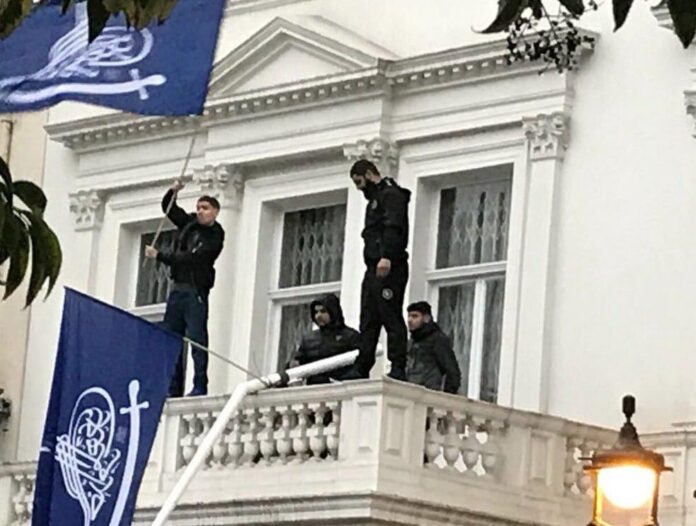
Attackers Storm Iran’s Embassy in London

According to Hamid Baeidinejad, they were advocates of the so-called Shirazi cult. They brought down the Iranian flag, raised their group’s flag on the roof and chanted slogans against Iranian authorities.

They also cursed Prophet Mohammad’s wife Aisha, her father Abu Bakr, as well as Osman and Omar, two of Prophet Mohammad’s companions, who are highly-respected figures in Sunni Islam. They were seen brandishing sticks and machetes as they stormed the building. Police were present at the scene.

The assailants reportedly demanded the freedom of detained Seyyed Hussein Shirazi, the son of  Iraqi religious figure Ayatollah Shirazi.

Footage of the incident was aired live on some anti-revolutionary channels.


Latest:

Iran Embassy Raid Over: UK Apologizes, Arrests All Assailants

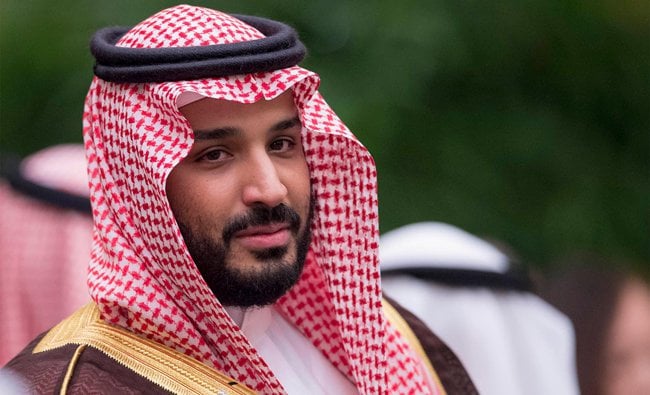
Bin Salman Main Evil in Middle East: Iranian Politician

Amir Abdollahian said that Bin Salman himself has become the main evil of the region.

According to a Farsi report by Entekhab website, the former deputy foreign minister wrote in a post on Twitter, “While Bin Salman is calling Iran and Turkey ‘axis of evil’, he is turning into the main devil of the region and ardent advocate of terrorism and war crimes against oppressed people of Yemen, Bahrain, Iraq, Lebanon, Syria, to name but a few.”

The Iranian official’s comments came as an Egyptian newspaper quoted Bin Salman as describing Turkey as part of a “triangle of evil” along with Iran and hardline Islamist groups.

The Saudi prince also accused Turkey of trying to reinstate the Islamic Caliphate, abolished nearly a century ago when the Ottoman Empire collapsed.

Al-Shorouk newspaper quoted Salman as saying “the contemporary triangle of evil comprises Iran, Turkey and extremist religious groups.”

Bin Salman spoke to Egyptian newspaper editors during a visit to Cairo, on his first foreign trip since becoming heir to the oil-rich monarchy last year.

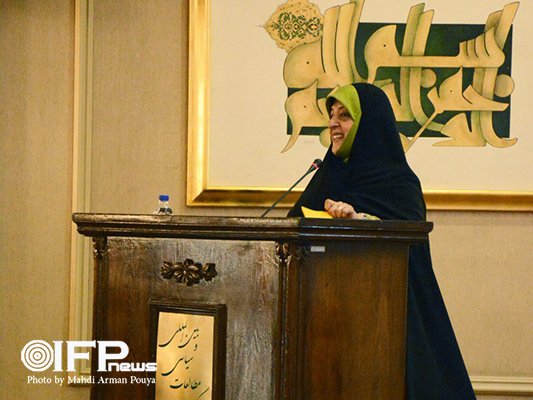
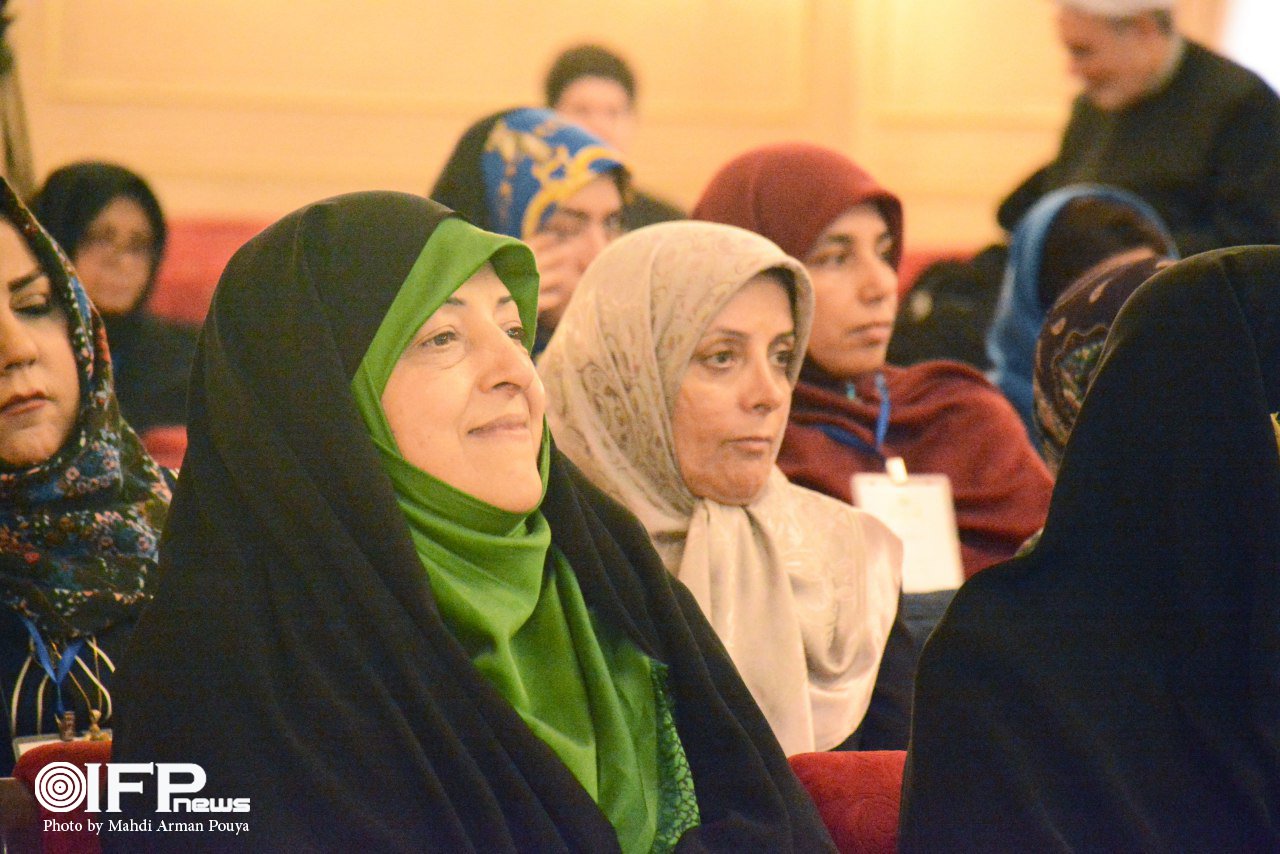
Iranian VP Calls for Formation of Global Network against Violence

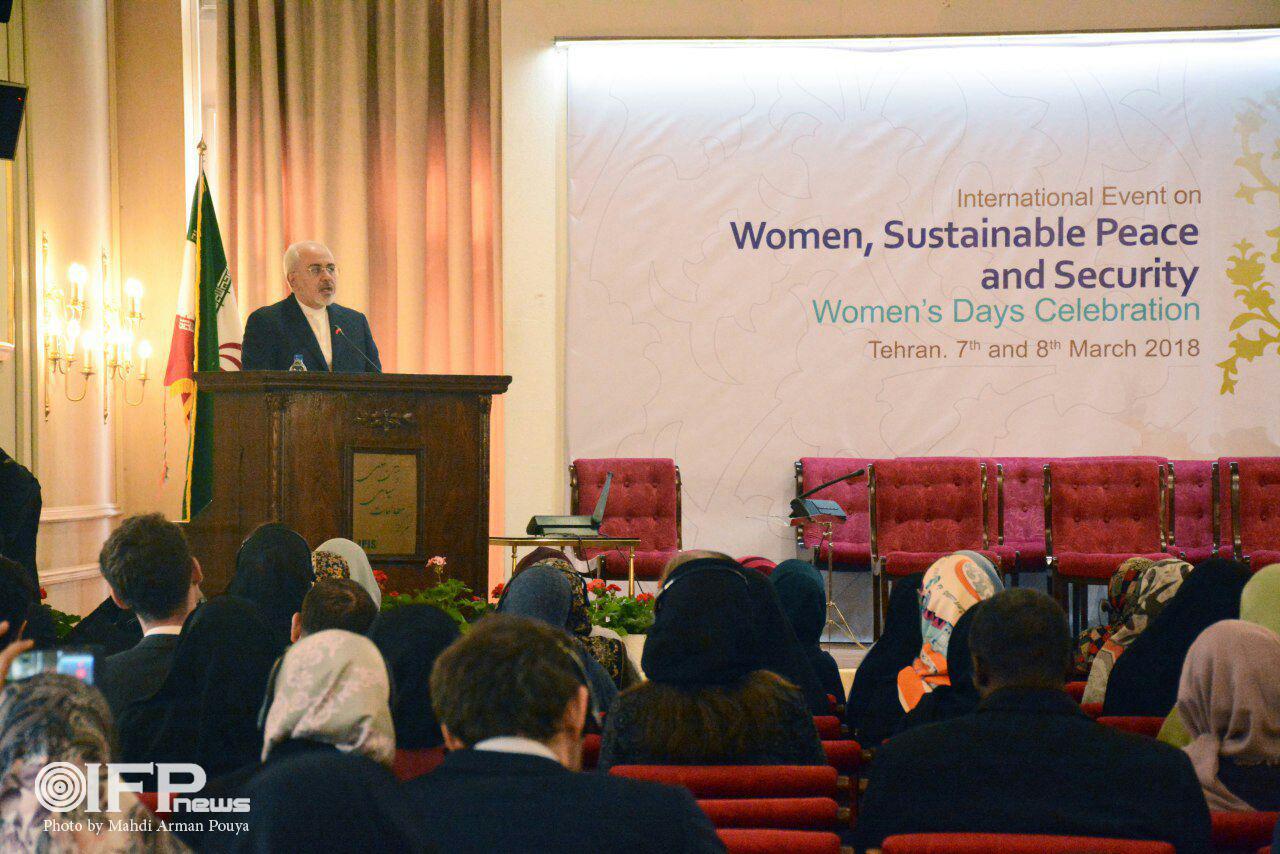
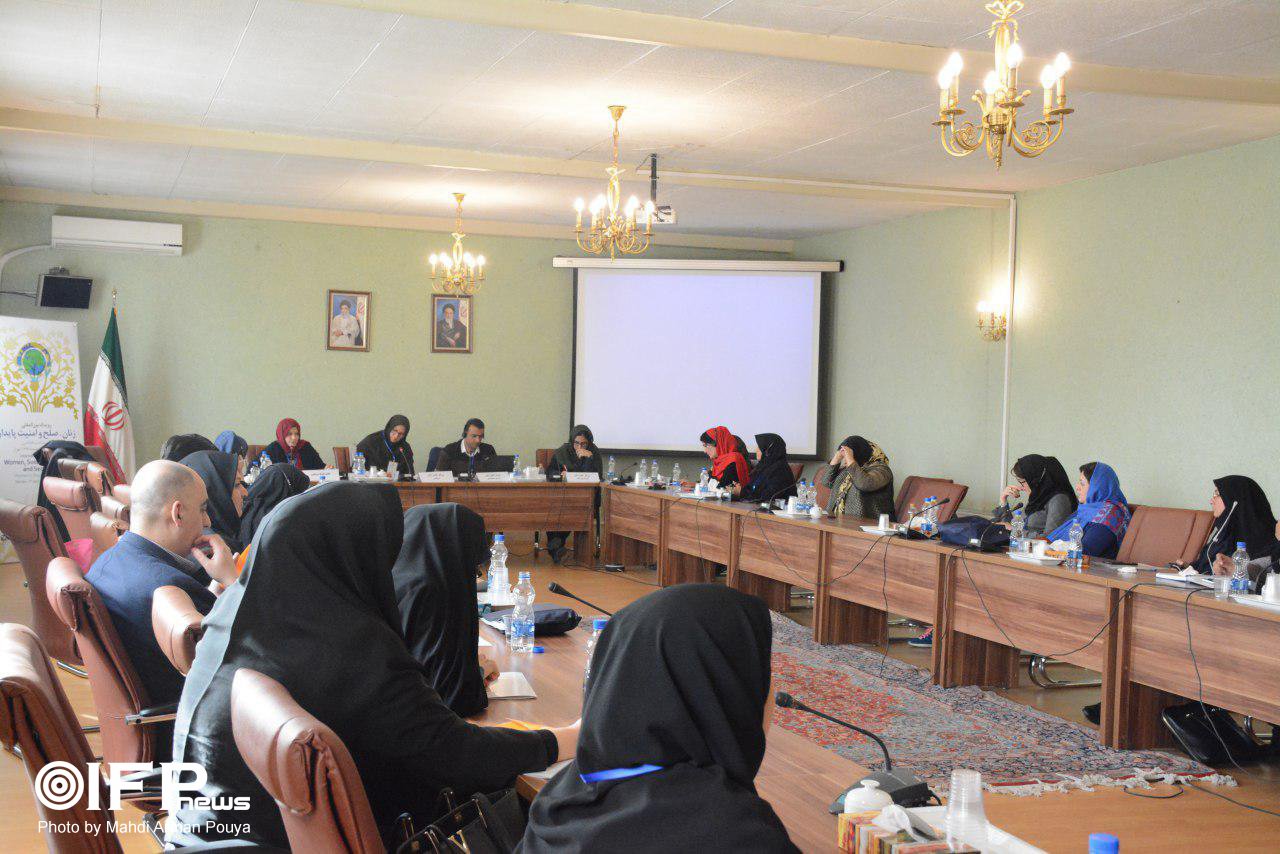
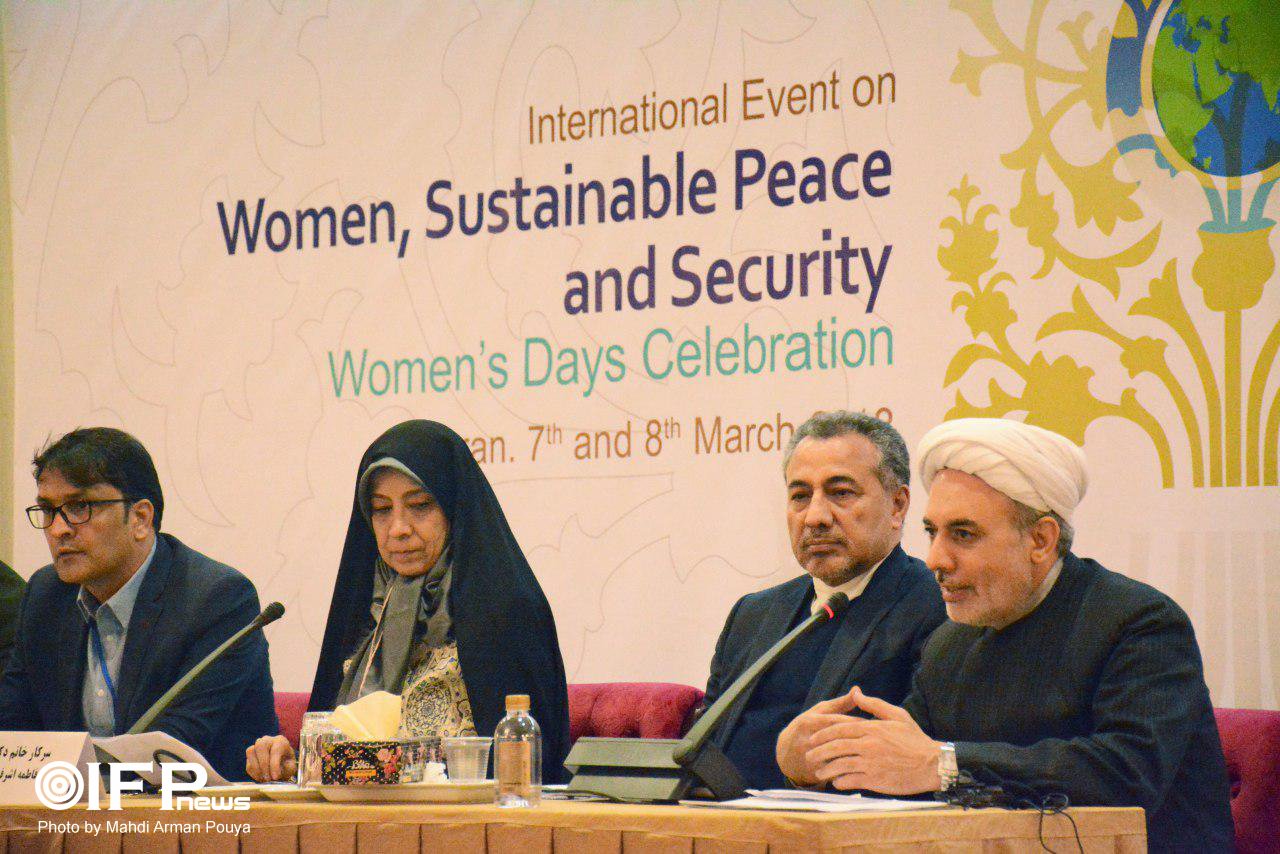
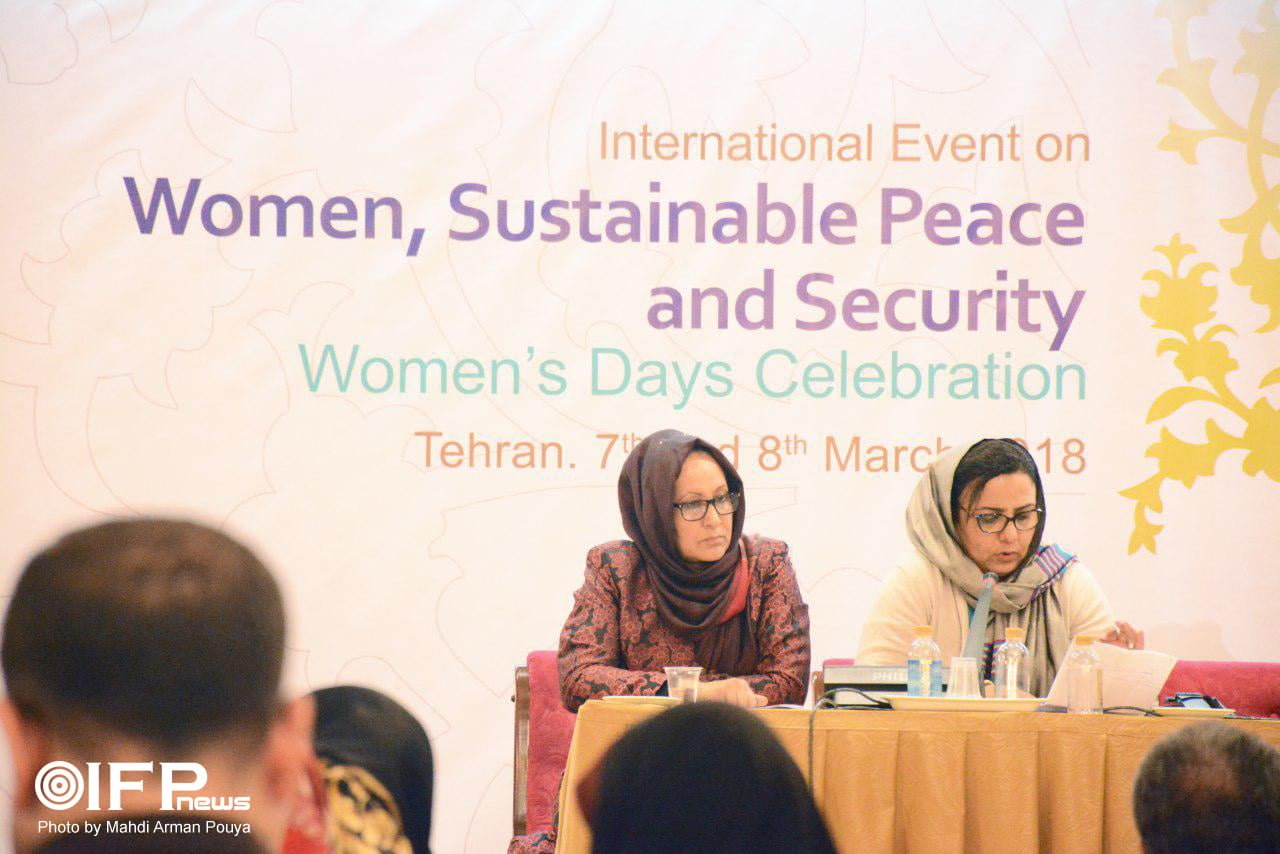
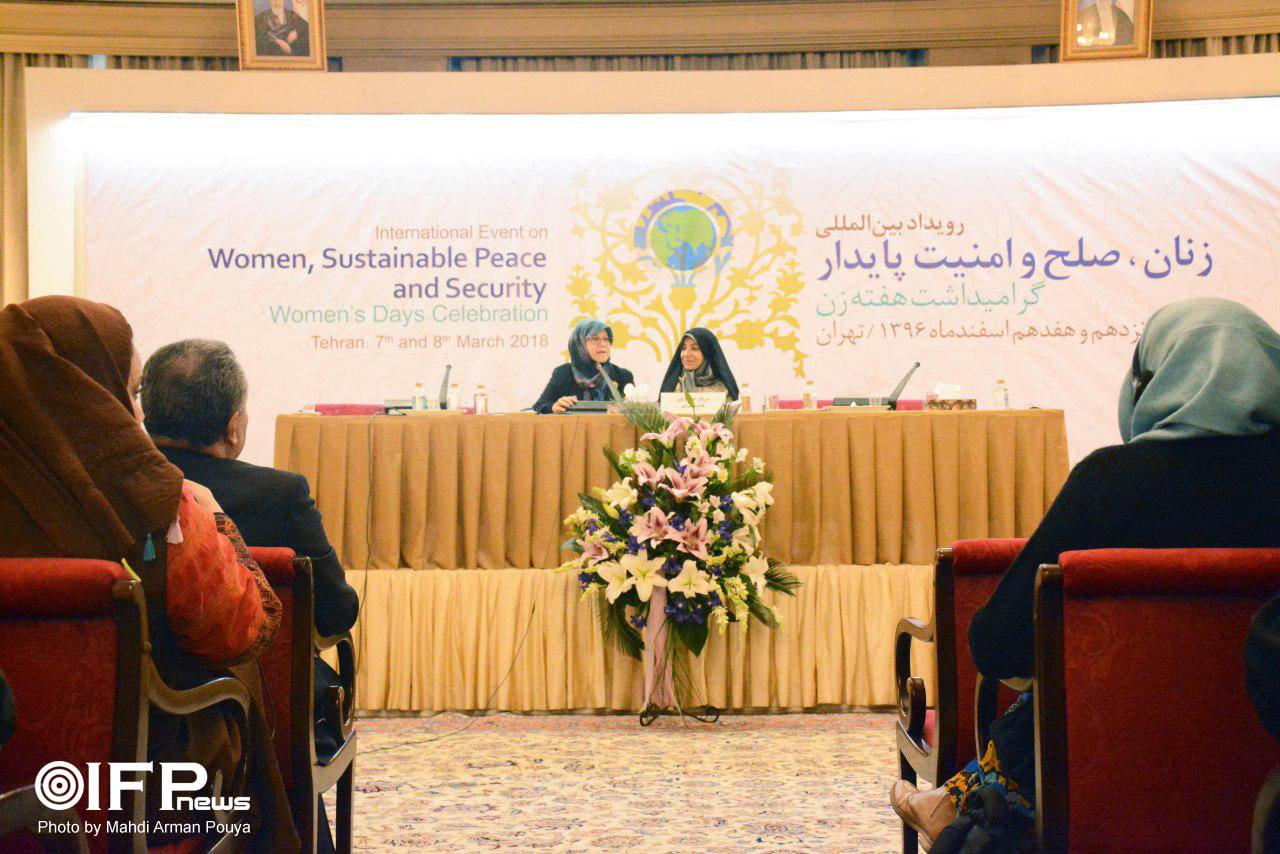
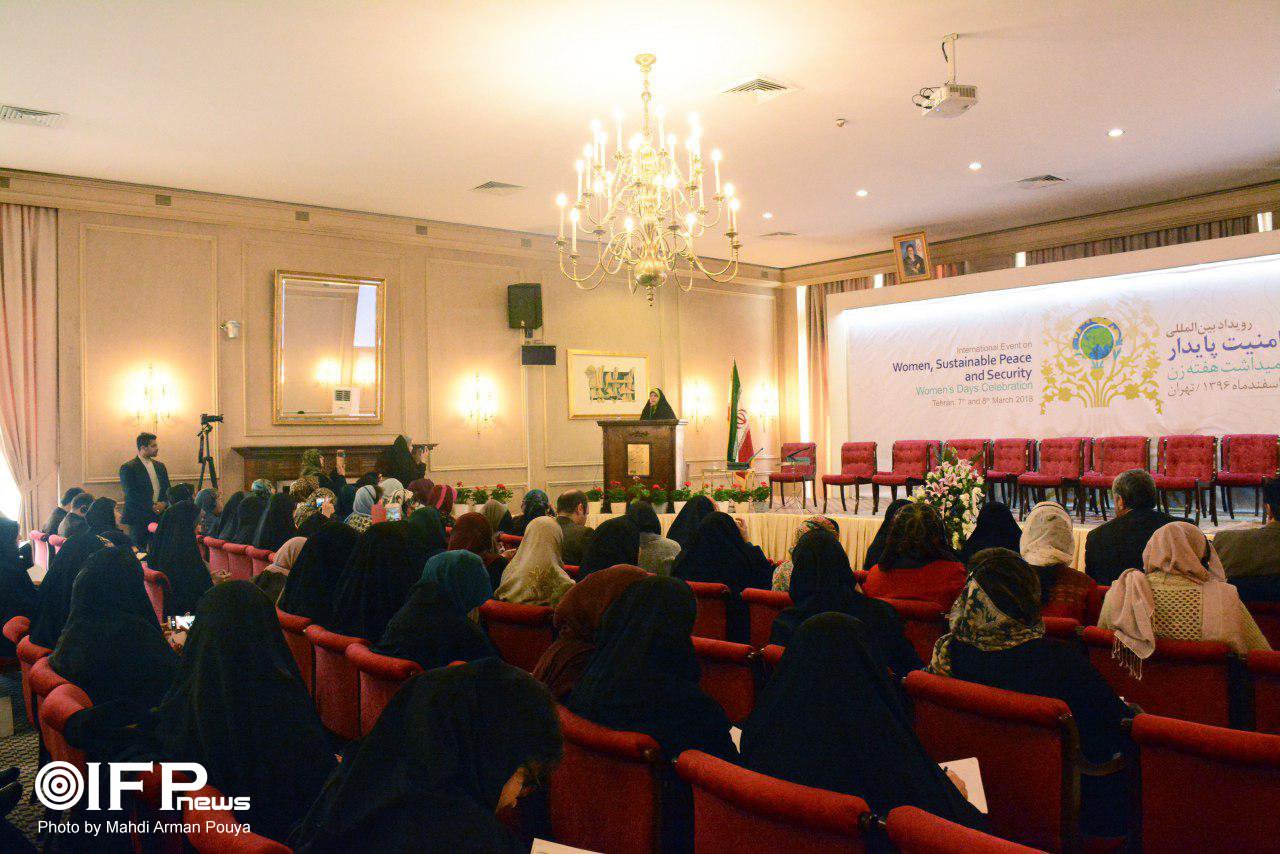
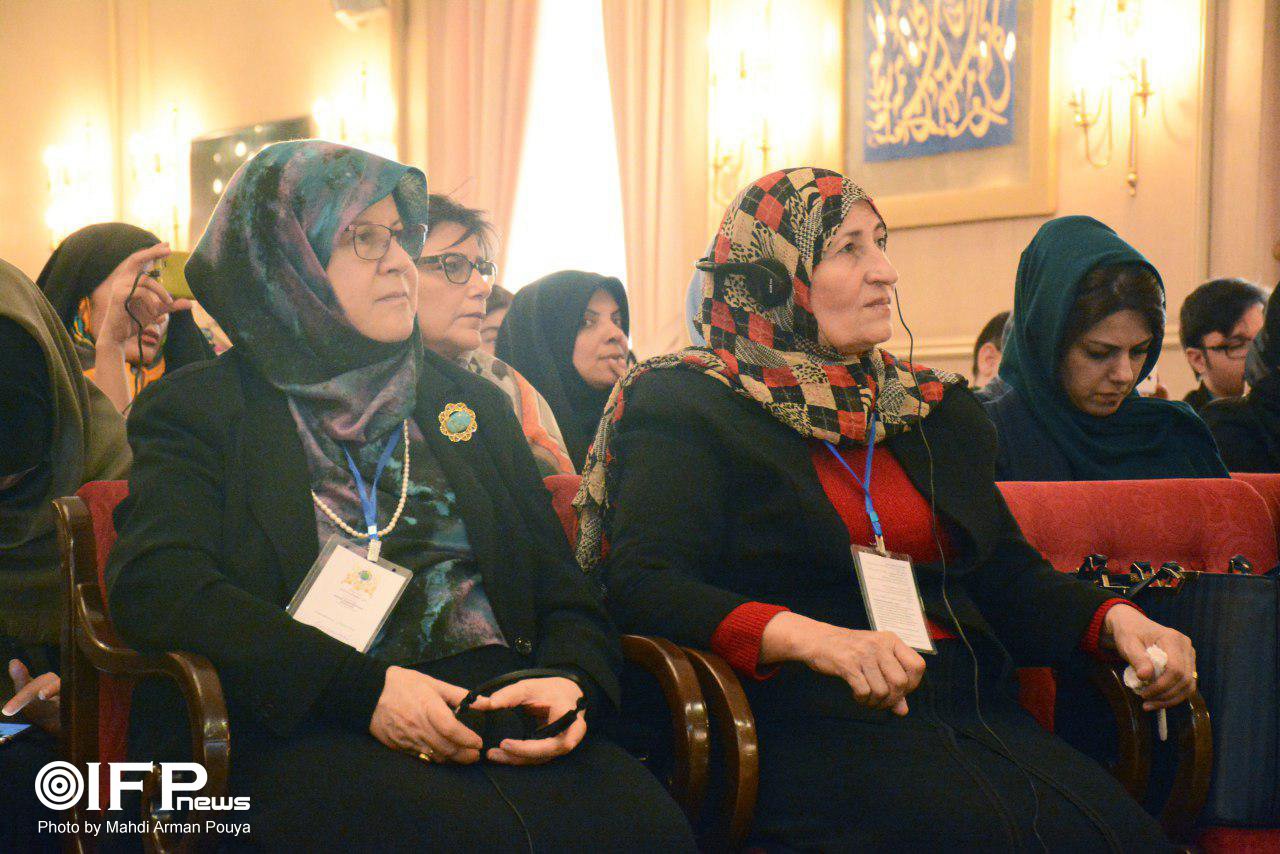
Ebtekar, who was addressing the closing ceremony of International Event on “Women, Sustainable Peace and Security” in Tehran, pointed to the coincidence of the International Women’s Day (March 8) and the Women’s Day in the Islamic Republic of Iran (March 9) and described it as an “exceptional opportunity for all of us to promote the culture of peace and understanding among our societies.”

“We are facing major existential threats to life and planet Earth today; one is war, aggression, violence, terrorism and we see it every day. We hear it on the news. Or many of us have lived through it,” she noted.
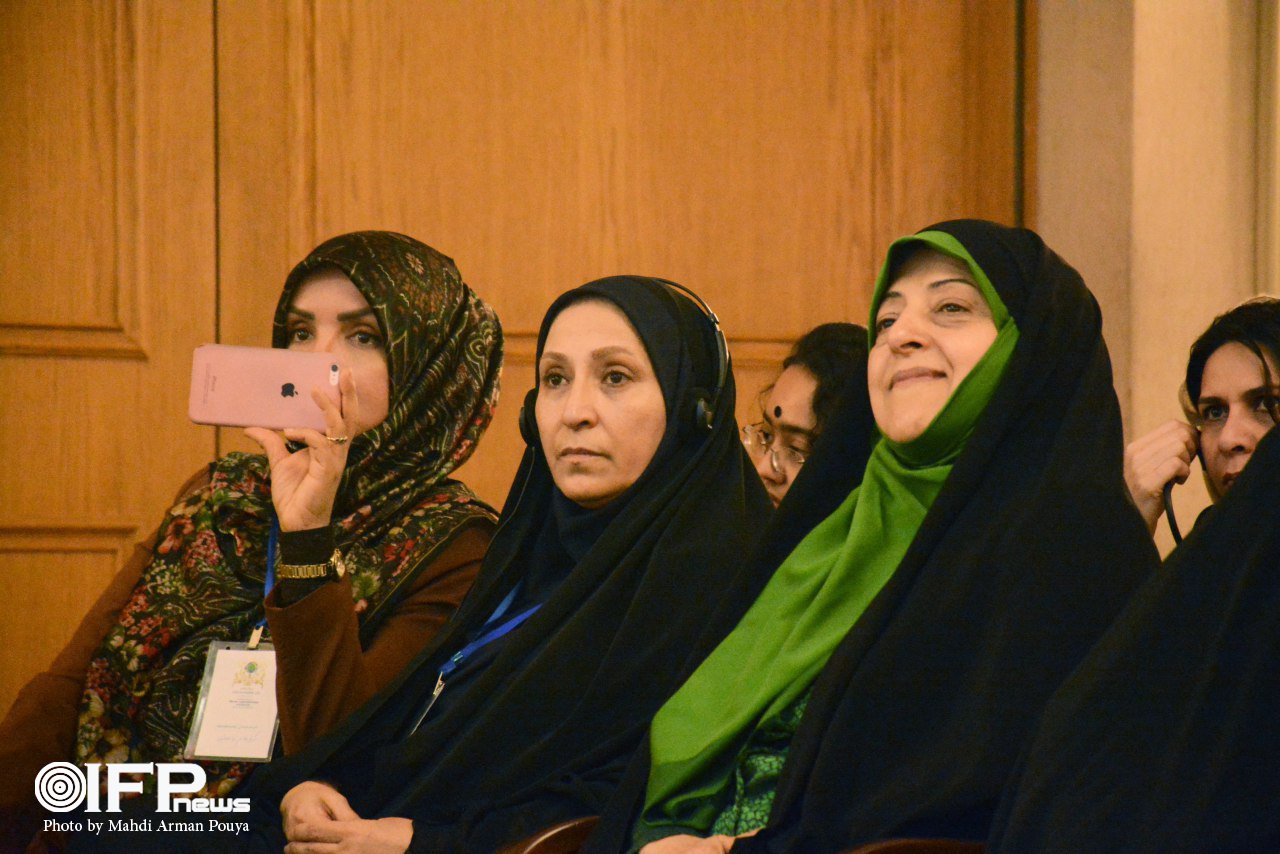
Iranian VP Calls for Formation of Global Network against Violence“The other is an existential threat to the essence of life, the war against nature, and the war against life on planet Earth,” she went on to say.

The Iranian VP said “both of these existential threats are now on the table and are issues that have been taken up by the international community and by local governments, by NGOs, and by people.”

She said it is very important to address these issues on a concept of peace and security in general and in a more conceptual and theoretical dimension as well to tackle the root causes of violence, terrorism, and insecurity.

Ebtekar noted that peace seems to have become more elusive than ever in Asia, Africa, and many parts of the world, including our region.

“Women, men, and children are suffering and nature is suffering as well at the hands of the powers that are intervening,” she said, adding that aggression, terrorism, violence, and extremism are all the different forms of violence that we face today.

Ebtekar noted that our actions are rooted in our beliefs and worldview. “If there is violence, extremism and war, it is rooted in certain worldviews, beliefs, mentalities and a selfish materialistic approach.”

“We see this materialistic and selfish approach on women as well and violence against women,” she noted, adding that this is not just limited to instances of war and aggression.

“Now you see violence against women in many societies; we even see this trend in Western societies. Today there is a ‘Me Too’ campaign against sexual harassment and you see it in film festivals and other occasions that there is a worldwide campaign to protect against sexual harassment in the workplace.”

Ebtekar stressed that if we need to promote peace and security in today’s world, we need to start from our hearts, minds, mentality, and our approach.

“We need to bring that change in the way that we manage the world, in our approach on global affairs. We need to prevent the mentality that brings an assault against human, nature, the existential threats that we face in today’s world.”

“This is the message that our session today brings, that we need a peace of mind and soul inside our souls and spirits. We need that peace to be able to promote peace and security in today’s world. We need to ensure that there is collaboration among nations to promote peace,” she went on to say.
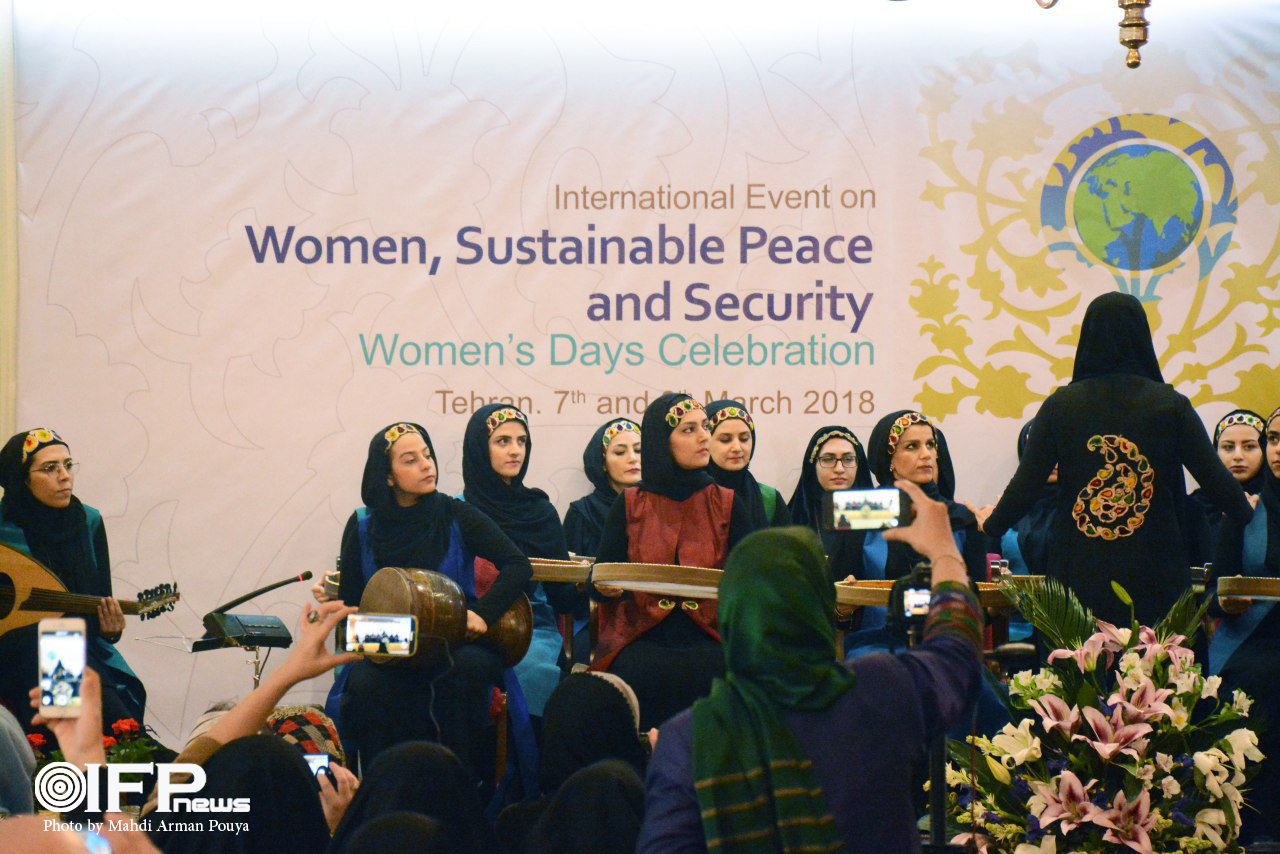
Iranian VP Calls for Formation of Global Network against Violence

The Iranian officials said “we need to ensure that there is understanding among nations at the international level.”

Then she referred to the UN Security Council Resolution 1325 as a very important resolution, and rhetorically asked, “But how well has it been actually implemented? How many women do we have in decision-making levels, on issues related to conflict resolution, at the national level, how well have we been able to engage women?”

“And at the level of civil society, have we been able to promote enough awareness among the civil society and then to engage the civil society in the processes of peace-making and to promote a spirit of both confronting violence and promoting peace and understanding?”

She further noted that Iran is a very diverse society in terms of the ethnic and religious groups. It is also very diverse in terms of the artistic and traditional culture.

However, she added, in spite of the diversity, we are also a very peaceful society; we have our own challenges and ups and downs like any other society, and we also have our principles.

Ebtekar referred to the peaceful coexistence of different ethnic groups and religious denominations in the country, and said they are living together in peace and prosperity.

She said currently the government has a very serious policy on empowerment and promoting the status and the rights of the women and family.
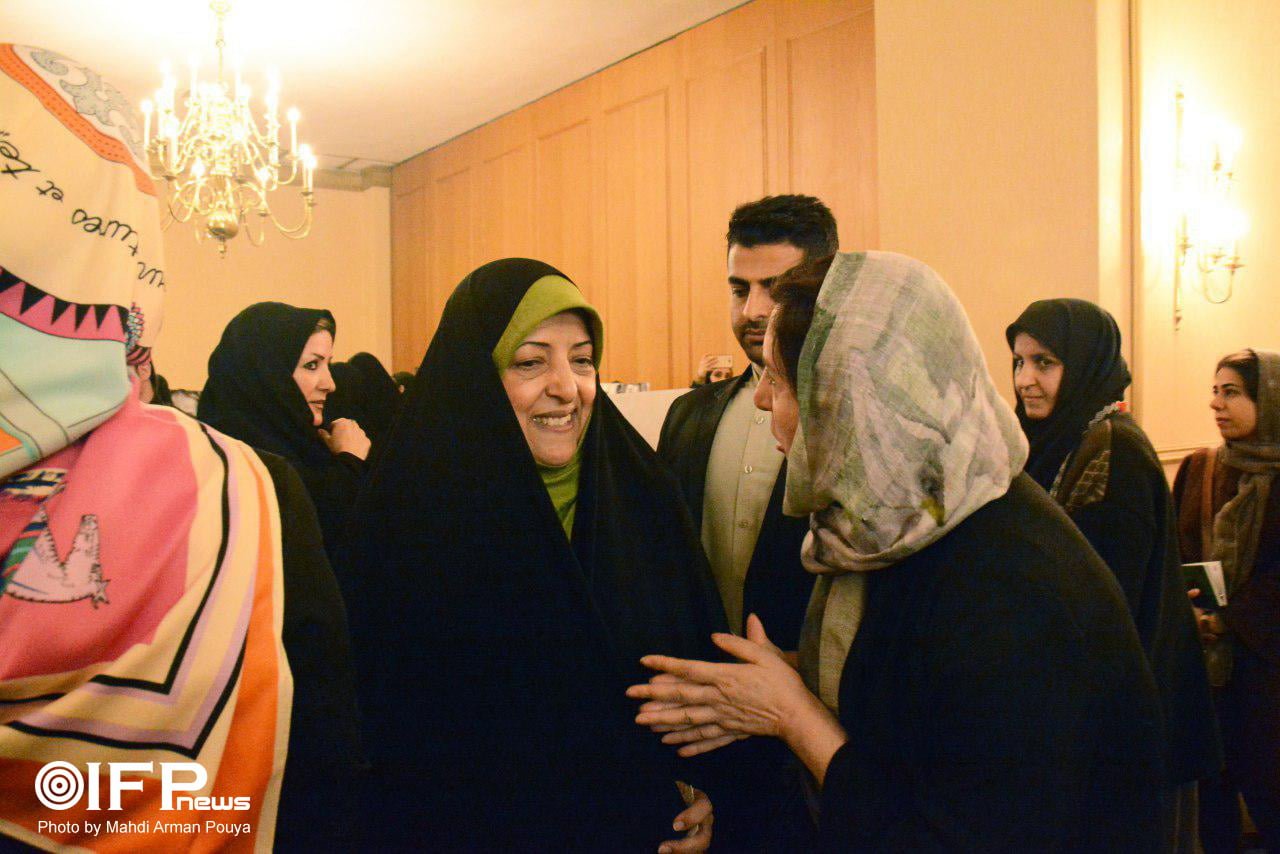
Iranian VP Calls for Formation of Global Network against Violence“As regards promoting peace and security, the family has a very important role; the family in all parts of the world today faces serious challenges. We believe that a dialogue entitled a ‘National Family Dialogue’ needs to be established and we have started this in 11 of our 31 provinces.”

“We also need an inter-generational dialogue with our young generation in terms of both promoting the importance of family and also promoting the spirit of peace, understanding and compassion among the society and also giving a voice to the young generation, hearing their concerns and issues.”

She also said there is an important project underway in the Vice-Presidency for Women and Family Affairs on promoting social resilience. “Social resilience is an important indicator in cases of both natural disasters and conflicts, social hazards and elements which any society might have.”

“This is also a policy that we are promoting; we have a campaign and nationwide workshops and educational schemes on social resilience. We believe social resilience could be a solution to many of the social ailments that we have in our society and could serve as an example for other societies as well.”

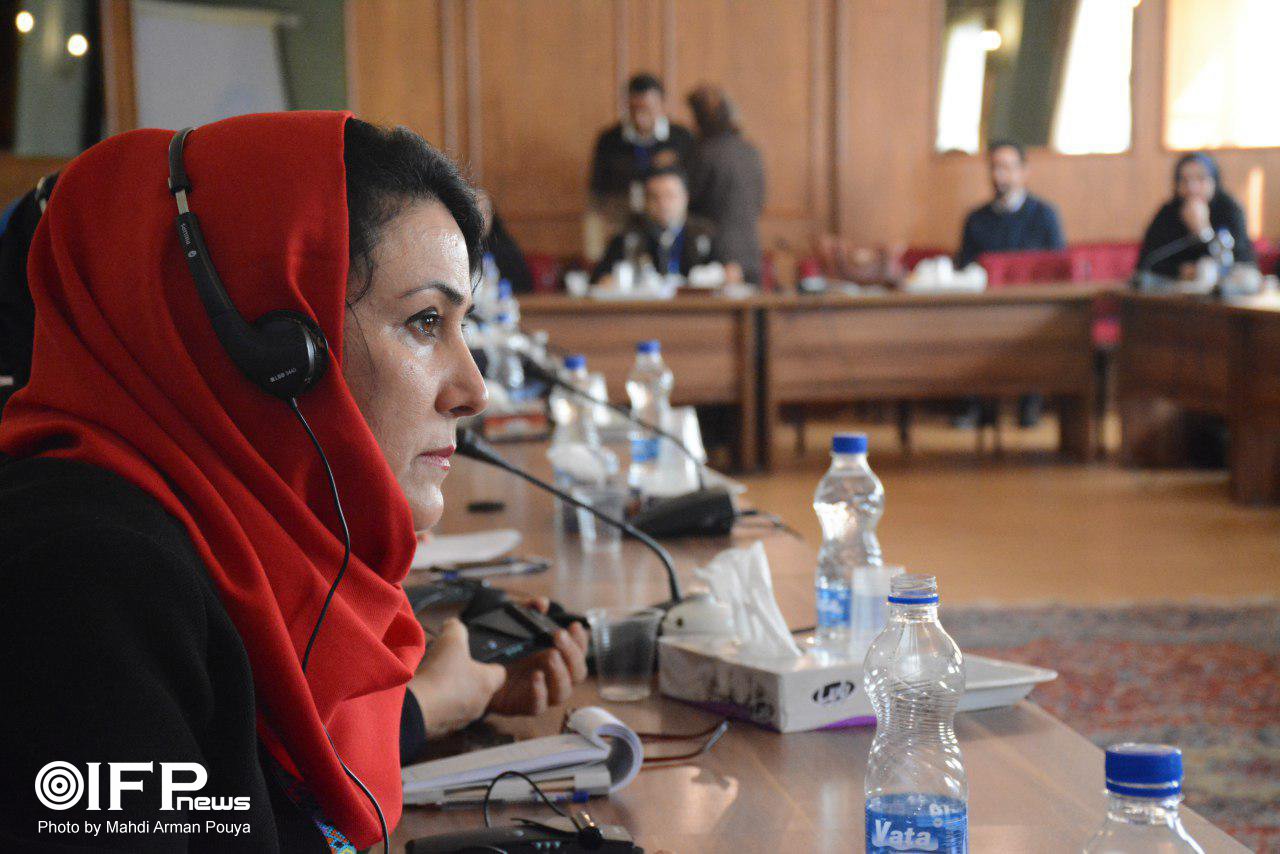
She further pointed to the expert panels held on Wednesday with the participation of several Iranian and foreign activists, lawyers, and academics, and said many examples of women’s sufferings were discussed in the panels.

“During the Wednesday panels, the issues of war, violence and the importance of peace and security were discussed,” she noted.

“The sessions that we had yesterday and today and this event can be a starting point for a campaign and a network among governments, parliaments, NGOs, and women activists to promote peace and security not only in this region but at the international level and also to work in terms of awareness and influencing policy at the global, international, regional and national levels,” she added.

Ebtekar said she looks forward to establishing that network particularly among different nations and countries that were attending the session and also among the NGOs, diplomatic communities.
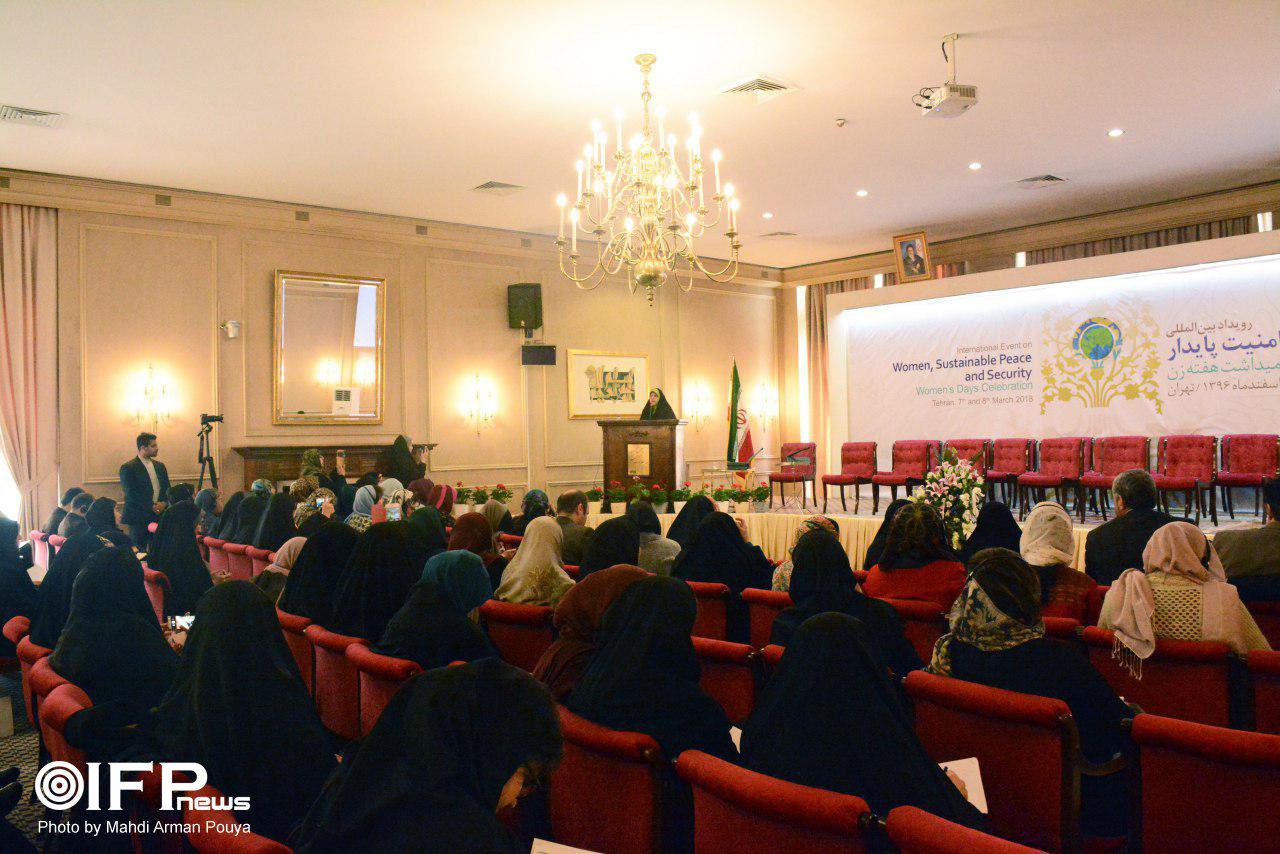
Iranian VP Calls for Formation of Global Network against Violence“We hope that we can maintain this approach and establish a network and move ahead and maybe influence the region.”

“What has been done in the past two days is that you have heard the voice of those who have suffered during war; the women, the children, and the people of the world; and that you have worked on ways and methods in which we can promote peace and security.”

“You have been the voice of the voiceless here and I hope that this could be a positive step forward in terms of promoting peace and security in today’s world,” she concluded.

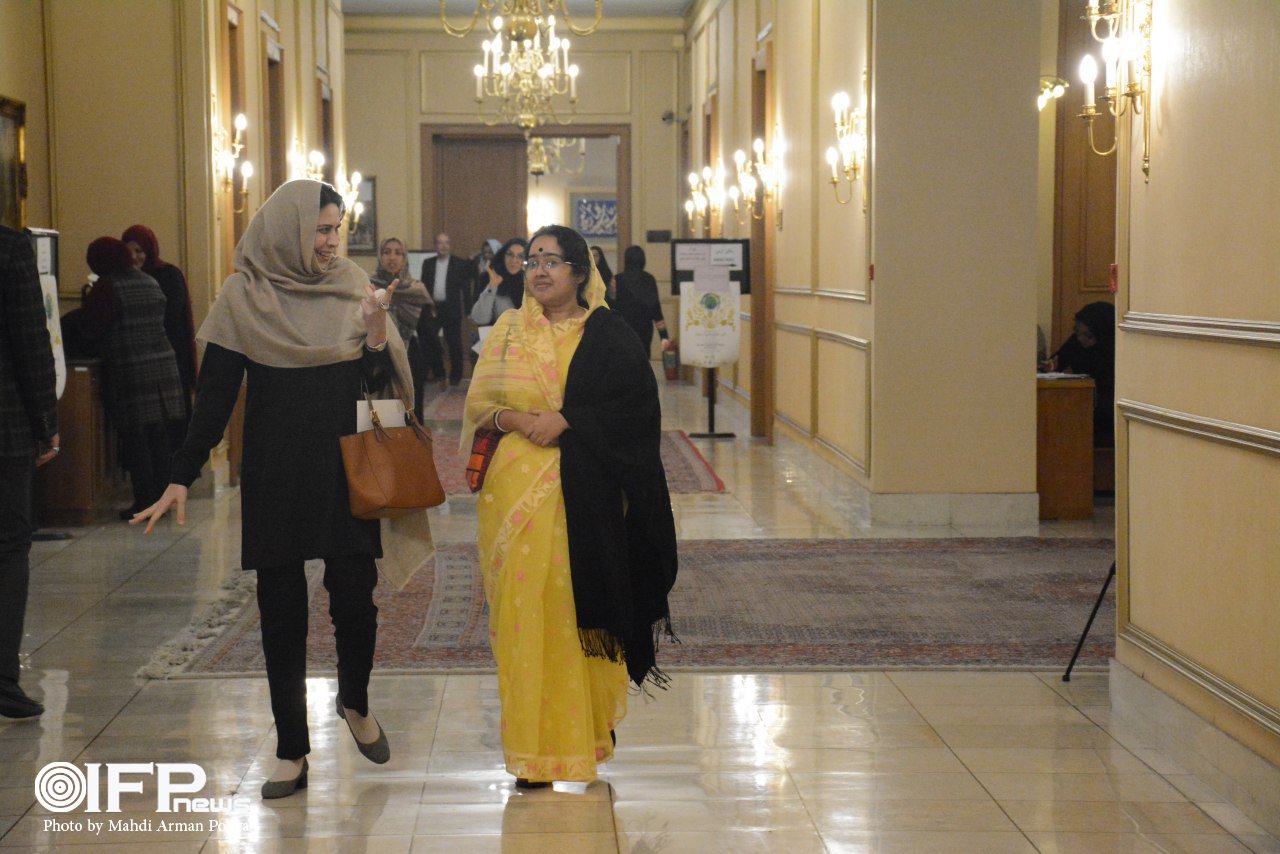
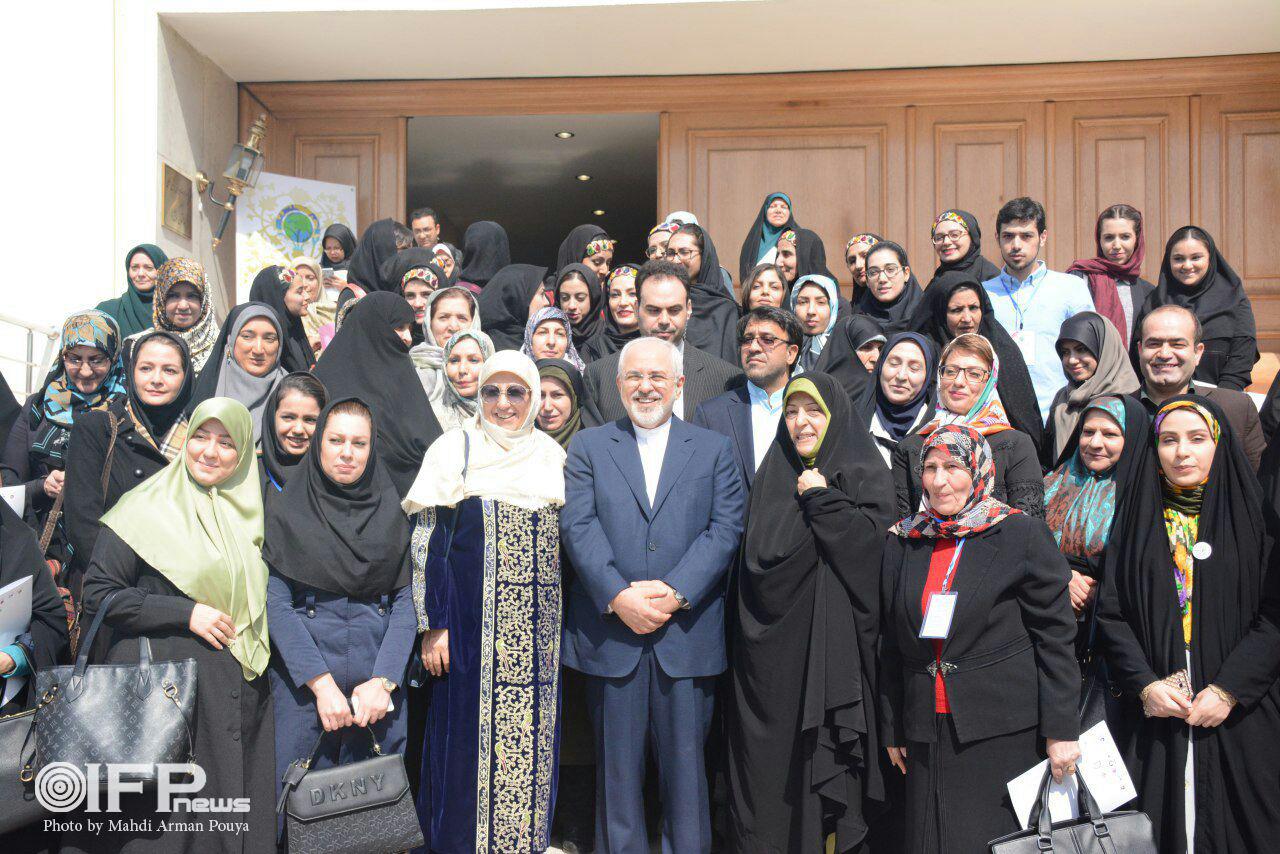
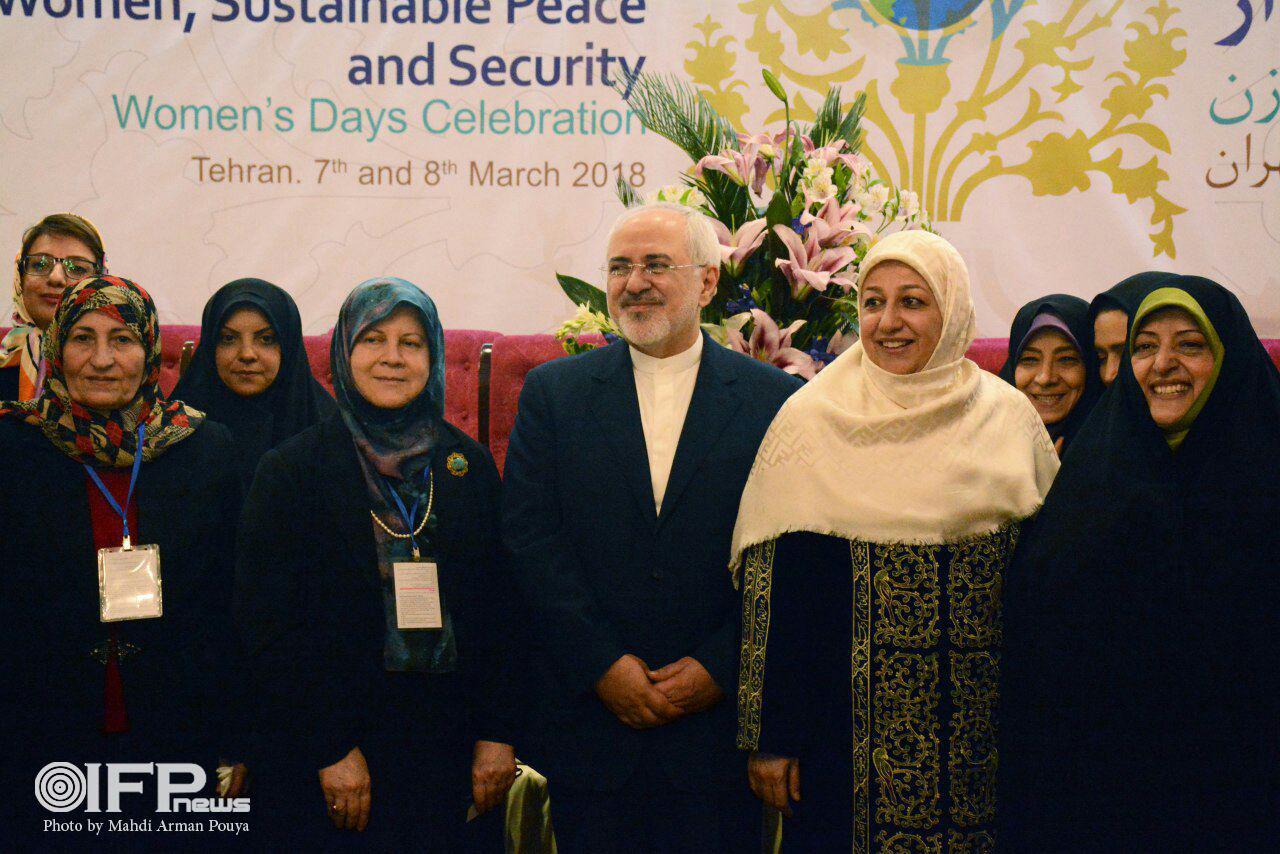
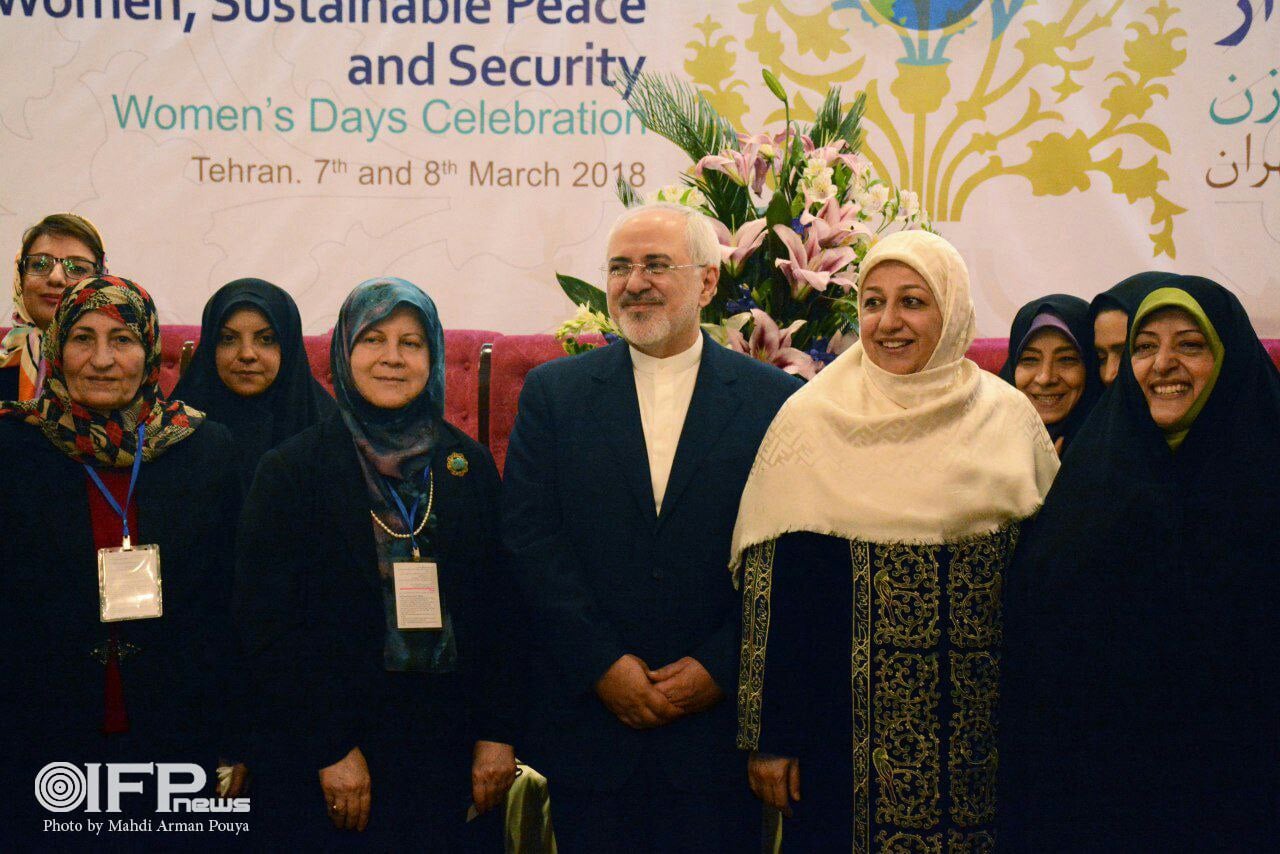
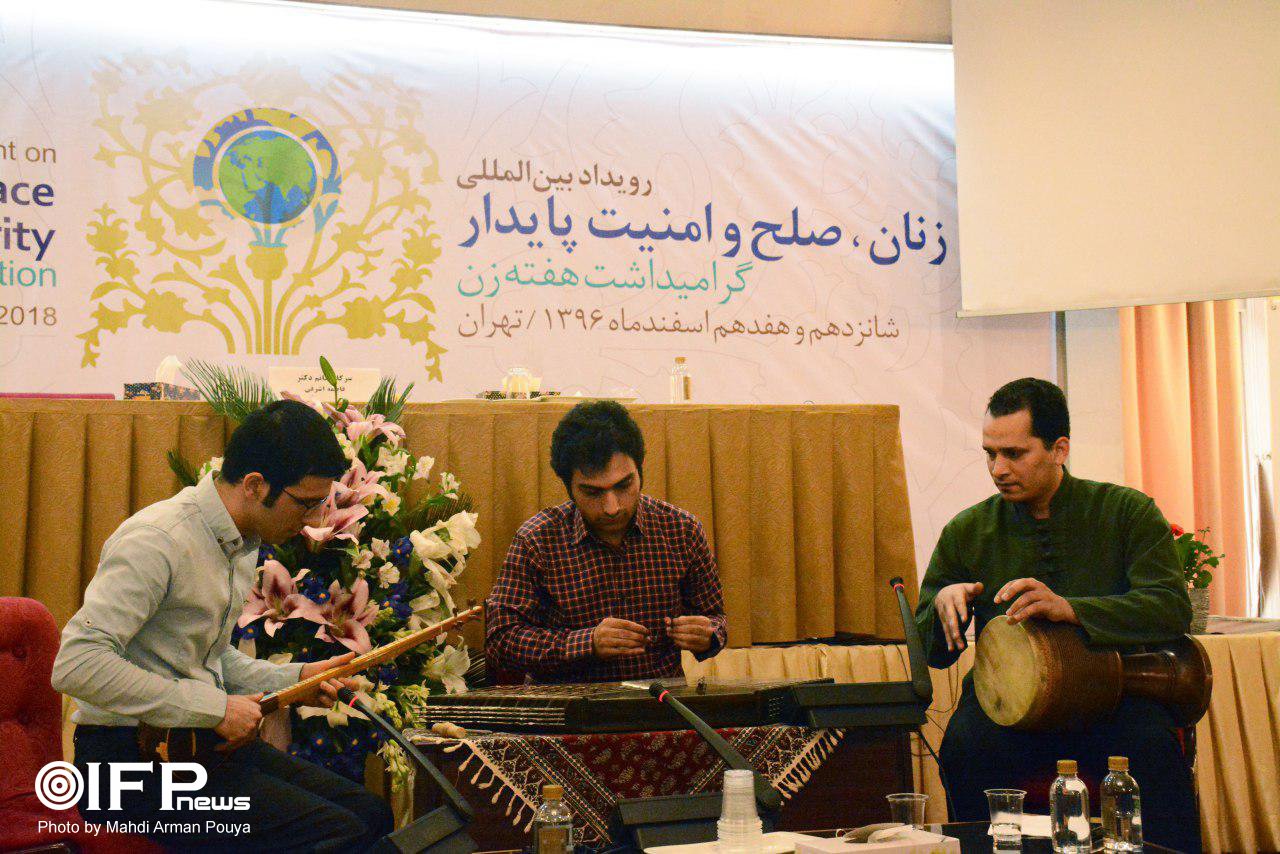
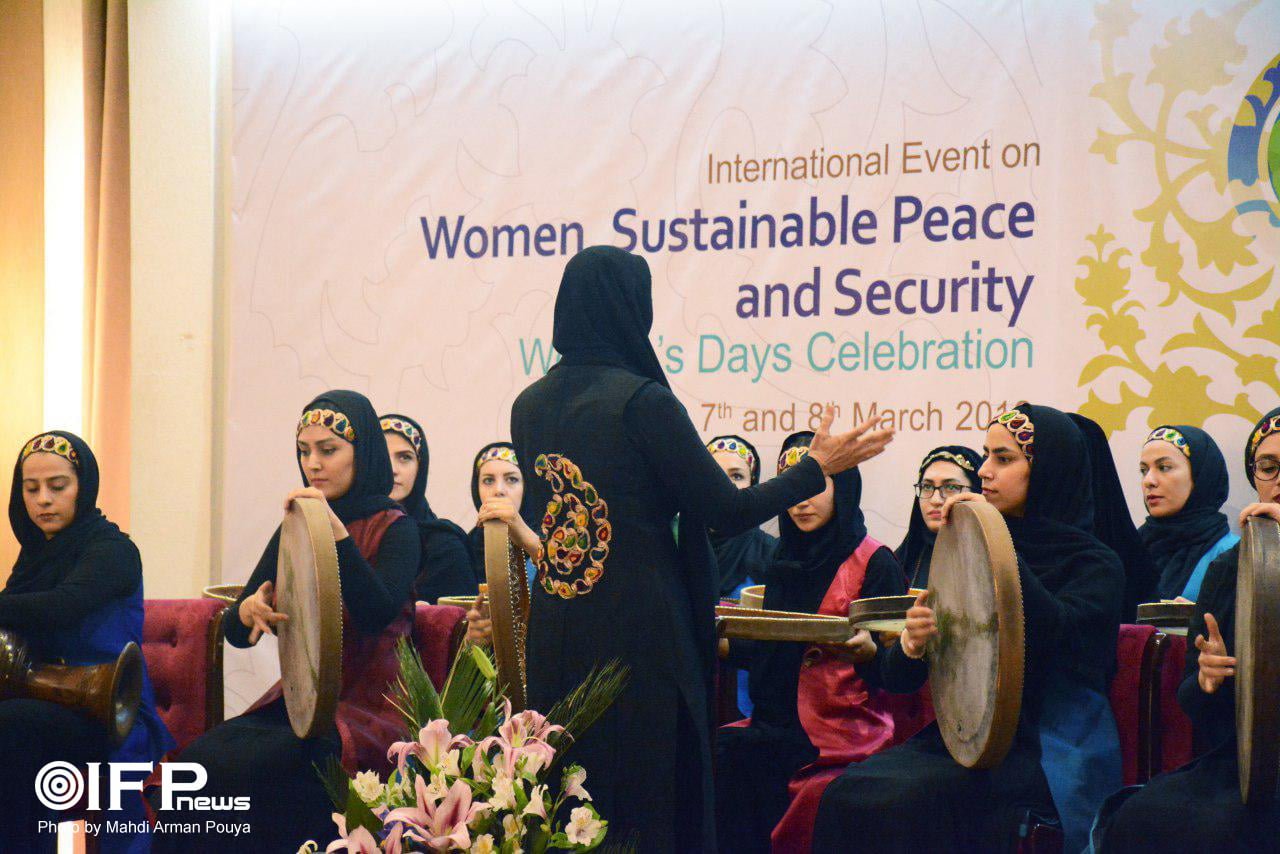
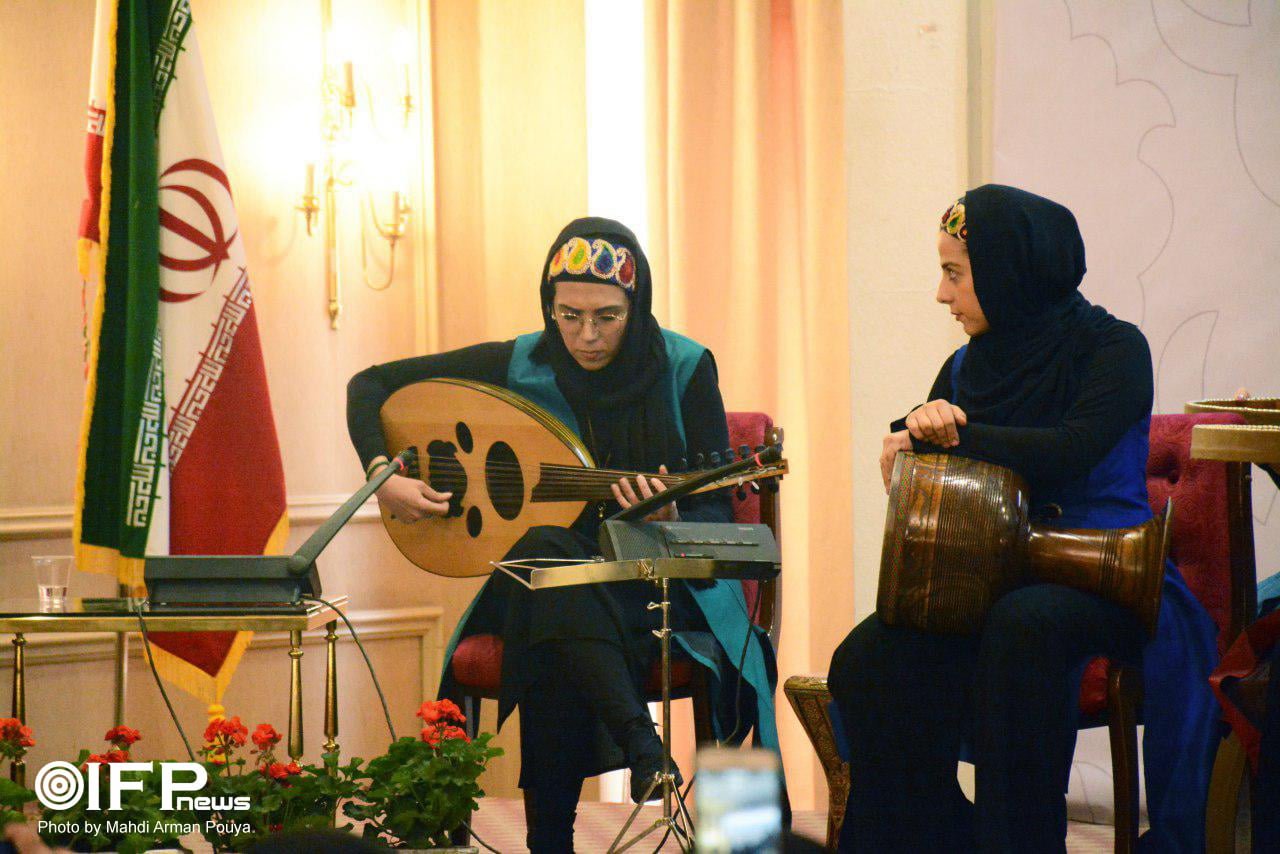
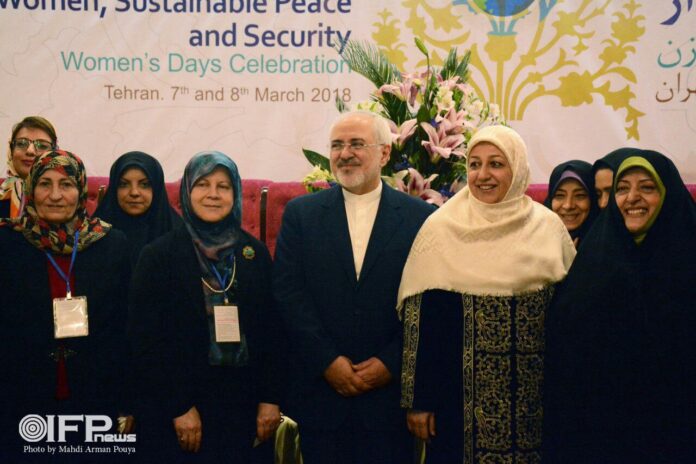
The two-day International Event on “Women, Sustainable Peace and Security” wrapped up on Thursday in a ceremony also attended by Foreign Minister Mohammad Javad Zarif.

The event was organized by Vice-Presidency for Women and Family Affairs, and was aimed at creating “an opportunity to learn from valuable experiences of women in the region and pave the way for effective action towards realization of sustainable peace.”

It was also aimed at eliminating gender-based violence that is being used as a weapon of war against women and girls, and last but not least to reform attitudes that have exacerbated violent extremism and shamelessly abused faith and religion as inspiration and a basis for violence.

Iran Condemns Kabul Terrorist Attack

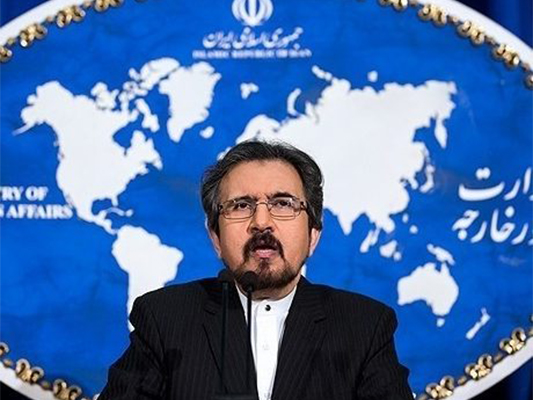
In a statement on Friday, Foreign Ministry Spokesman Bahram Qassemi condemned the attack, and offered condolences to the nation and government of Afghanistan.

He also expressed sympathy with the bereaved families of the victims.

A suicide bomber blew himself up near a mosque in the Afghan capital, Kabul, on Friday, killing at least nine people in an attack on a crowd.

Several other civilians were also wounded when the bomber was stopped at a security checkpoint in the Mosalla-e Mazar area in Kabul, said an interior ministry spokesman.

The suicide bomber blew himself up while trying to enter a gathering commemorating the anniversary of the death of Abdul Ali Mazari, a former Afghan leader who was killed by the Taliban in 1995.

There was no immediate claim of responsibility, but Kabul has seen a spate of deadly attacks carried out by both the Taliban and ISIS in recent months.

Iran Rejects as “Worthless” Arab Quartet’s Statement

In a Thursday statement, Foreign Ministry Spokesman Bahram Qassemi said the anti-Iran allegations raised in the statement are completely worthless and do not follow any kind of logic, and these countries have basically no right to comment on such matters.

“According to numerous and repeated reports by the International Atomic Energy Agency (IAEA), Iran has fully complied with its obligations [under the JCPOA],” he noted, adding that the country will remain committed to the accord as long as it serves the Islamic Republic’s interests.

Qassemi highlighted Iran’s constructive role in the stability and security of the region, adding that the countries responsible for the aggression against Yemen and creating a humanitarian disaster there as well as the development of terrorism and extremism in the region must stop putting the blame on others.

They should also stop their destructive role in creating more crisis in the region, Qassemi said, stressing that such moves are aimed at making the Zionist regime delighted.
“These states must at the same time realize that the Iranophobic policy does not work anymore,” he added.

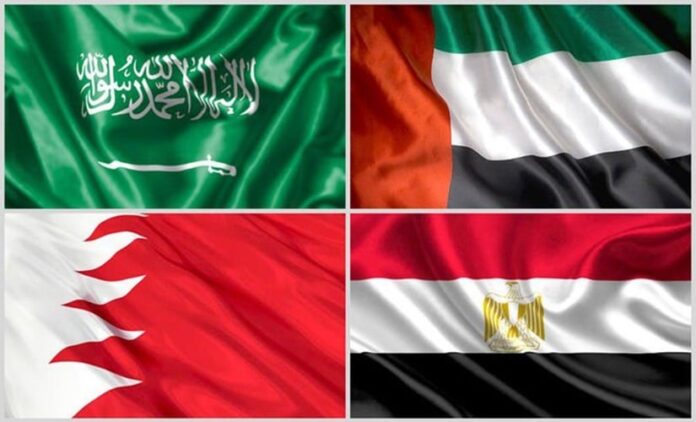
Qassemi’s reaction came after the Arab Ministerial Quartet Committee on Wednesday accused Iran of interfering in Arab countries’ internal affairs.
In a statement after the meeting in Cairo, the committee, which is made up of Egypt, Saudi Arabia, the United Arab Emirates and Bahrain, decried “the provocative statements by the Iranian officials against the Arab countries.”

It urged Iran to halt backing terrorists in some Arab countries, which cause chaos in the region and threaten the Arab national security.
It further condemned what it called “Iran’s support for the terrorist operations in Arab countries” and the launch of ballistic missiles from the Yemeni territories towards Saudi Arabia, describing it as a violation of the United Nations Security Council resolutions.

However, Iran has always dismissed these accusations, saying it always seeks good relations with its Arab neighbours.

Women at Front Line of Fight against Violence: Iran FM

Addressing the “International Event on Women, Sustainable Peace and Security” held on Thursday in Tehran, Zarif underlined that women can be the standard-bearers of building a new thought, a new attitude and a new viewpoint based on kindness and compassion.

“Women are the epitome of kindness and signs of God’s love and compassion; for all of us, mothers are symbols of kindness and can spread this kindness across the world,” Zarif said during the event, which marked the Women’s Day.

“Women should never allow the mothers of Srebrenica to be forgotten, mothers who witnessed the brutal killings of their children, brothers and fathers in front of the eyes of the international community and UN peace-keeping troops. These signs of violence should be introduced to the world by women, so that such events will not be allowed to be repeated,” said Zarif.

He said one’s security should not lead to others’ insecurity. The top diplomat noted that if violence against women is tolerated today, then “we will have to tolerate genocide tomorrow.”

“We should understand that if we accept the culture of violence, elimination and hate, we will have to witness extremism as well. We will have to see the culture of victimization.”

Zarif said if the culture of indifference towards deadly and dangerous weapons is accepted, then “we will have to witness murder in cities.”

Iran’s foreign minister said the culture of violence, persecution and tyranny against women and children knows no borders.

“We should not allow violence, oppression and discrimination to be promoted against half of the Islamic community, i.e. women, in the name of the Great Prophet of Islam.”

He also noted that the culture of discrimination, hate and violence in society, the region and the world should not be allowed to supersede the culture of kindness, love and equality.

The international event was held on Wednesday and Thursday in Tehran, marking both the International Women’s Day (March 8) and the Women’s Day in the Islamic Republic, which coincides with the birthday anniversary of Prophet Muhammad’s daughter Fatimah.

UK, US Support for Saudis Threat to Stability of Entire Mideast: Iran

In a statement on Thursday, Qassemi condemned London’s “irresponsible” move to echo Riyadh’s anti-Iran allegations.

“It is ironic that British officials take such stances and make such statements against Iran in meetings with the officials of a country like Saudi Arabia, which has invaded Yemen, caused a humanitarian disaster there, and committed war crimes in the country,” he noted.

“For years, Saudi Arabia has been the main source, promoter, and sponsor of extremism, terrorism, and warmongering in the Middle East and the world,” he went on to say.

Qassemi noted that the political support and the arms provided by the UK and some other countries like the US for Saudi Arabia are threats against the security, peace, and stability of the entire region.

“Such moves by the UK (echoing Saudi Arabia’s allegations) will make the European country’s responsibility for the creation, exacerbation, and continuation of crises in Western Asia heavier, and make it more difficult, costly, and time-consuming to achieve peace and [ensure] cooperation among regional states,” Qassemi said.

“All countries in the world, including the UK, and the international community in general, are expected to put Riyadh under pressure and hold it accountable to stop its war and bloodshed in Yemen and end the export of extremist and terrorist ideologies,” he noted, adding that they should not trade global peace and security for their short-term economic gains.

Qassemi’s comments came after Saudi Foreign Minister Adel al-Jubeir said his country agreed with Britain on the need to deter Iran and stop its “support for terrorism.”

British Foreign Secretary Boris Johnson, for his part, claimed that the Islamic Republic was destabilizing the region and playing a destructive and dangerous role in Yemen.

Johnson and Al-Jubeir made the comments during a joint press conference in London on Wednesday, on the sidelines of Saudi Crown Prince Mohammed bin Salman’s visit.

The visit has been strongly condemned by thousands of protesters in various parts of the UK, who held protest rallies to slam the Arab country’s war crimes in Yemen.

Iran’s Regional Presence None of US, Europe’s Business: Leader

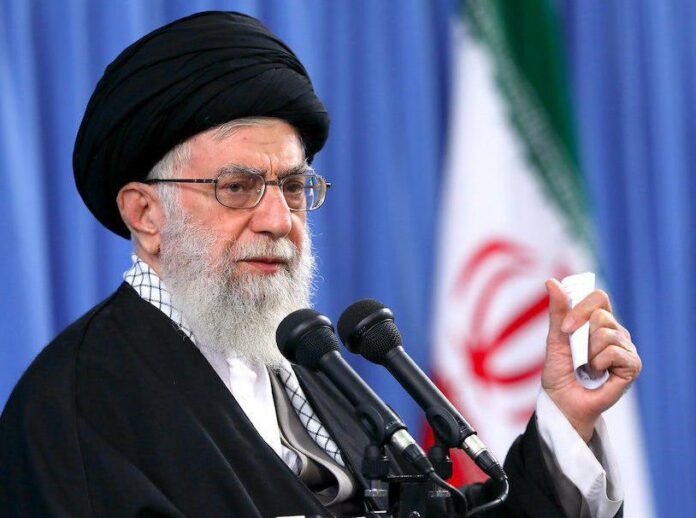
Ayatollah Seyyed Ali Khamenei

Ayatollah Seyyed Ali Khamenei said Tehran will only sit down for talks with regional governments regarding its presence in the region.

“While the United States has an evil and seditious presence everywhere, it keeps creating uncertainty over Iran’s presence in the [Middle East] region. Do we have to get permission from the US for our presence in our own region?” the Leader said in a Thursday gathering in Tehran.

“Should we hold talks with the regional governments or with you (the US) over our presence in the region?” Ayatollah Khamenei asked rhetorically.

“Whenever we want to be present in the US, then we’ll hold talks with you!”

Ayatollah Khamenei also responded to European officials expressing willingness to negotiate with Iran over its presence in the region, and stressed the same point he emphasized regarding the US.

“This issue is none of your business. Is it our region or yours? What are you doing in our region? We make arrangements with the nations in the region, we have done so, we have moved forward and we will keep moving forward,” he said.

Iran, Turkey Vow to Do Their Best to Save Syrian Lives in Eastern Ghouta

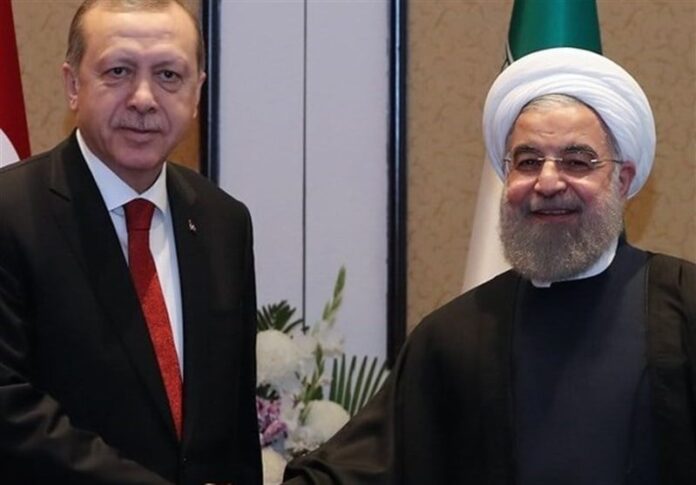
“All of us should make efforts to prevent a humanitarian catastrophe in Eastern Ghouta,” Rouhani told Erdogan on the phone on Wednesday afternoon.

“Tehran and Ankara have a heavy duty to save the people of Syria, especially those in Eastern Ghouta,” he added.

The Iranian president further called on Turkey to use its influence to prevent terrorists’ mortar attacks on Damascus from Eastern Ghouta and help to secure a safe exit route for civilians to leave the besieged district.

Erdogan, for his part, described the situation in Eastern Ghouta as a tragedy and said Iran and Turkey as two Muslim countries in the region should try their hardest to end the tragedy.

In the past few weeks, Eastern Ghouta, which is home to some 400,000 people near Damascus, has witnessed renewed violence with terrorists mounting repeated mortar attacks on the Syrian capital in the face of an imminent rout.

Iranian MP Calls for Removal of Ban on Playing against Israeli Athletes

Mostafa Kavakebian, a reformist member of the Iranian Parliament’s National Security and Foreign Policy Commission, made the remarks in reaction to the ongoing dispute in the Iranian Wrestling Federation over forcing athletes to forfeit matches against Israeli opponents. The dispute has been raging on following the abrupt resignation of the federation head Rasoul Khadem in protest against the policy.

“I’m in partial agreement with Khadem’s statements saying that we should resolve the issue once and for all,” he was quoted as saying in a Farsi interview with the Asr-e Iran website.

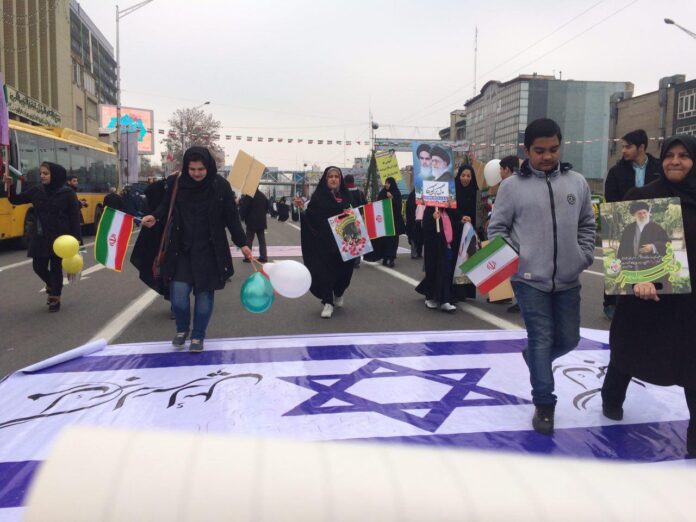
Iran does not recognize Israel and forbids its athletes from competing against Israelis at international sports events.

Kavakebian, however, says no sportsman in the world retreats from competing against their rivals from any country at international matches because such behaviours violate the international law.

“We should first change the attitudes of our people on playing against the individuals or teams affiliated with the Zionist regime and have them come to this realization that playing against them does not necessarily mean the recognition of Israel. Then we can simply play against them on the one hand and say ‘down with Israel’ on the other hand,” he noted.

The Iranian lawmaker said today even the Palestinian sportsmen play against their Israeli opponents and added, “Unfortunately we have made playing against Israeli rivals a taboo in our society and wrongly maintained that playing against them means recognition of the Israeli regime.”

He then referred to the problems created so far for Iran’s sports due to the policy and said the government should pay tribute to the Iranian sportsmen who sacrifice their professional career to observe the policy.

“But instead of this, we should provide an appropriate ground for our sportsmen to bring honour for Iranian nation,” the lawmaker added.