Thursday, December 25, 2025
Home Blog Page 3591

Iran, Turkmenistan Sign 13 MoUs to Strengthen Bonds of Friendship

The MoUs were signed by high-level delegatesfrom the two sides in a meeting between Iranian President Hassan Rouhani and his Turkmen counterpart GurbangulyBerdimuhamedow in Turkmenistan’s capital of Ashgabat on Tuesday.

The agreements cover collaboration in various fields, including political, cultural, trade, industrial, agricultural, sports and academic.

Speaking in the meeting, Rouhani said he was pleased to announce the two sides hold “very constructive and valuable” talks and made “good decisions” in line with the interests of the two nations.

The Iranian president said the volume of bilateral trade is not satisfactory, hence the two gas-rich countries will work to exploit capacities for energy cooperation.

“Thanks to their location, Iran and Turkmenistan could act as gateways for high seas and Central Asia and facilitate transit of goods in the region,” Rouhani said, adding the two governments have also decided to work to remove obstacles to closer transit collaboration.

“With transit-related problems solved, the ground will be prepared for closer cooperation between the two countries and their private sectors,” Rouhani said.

Rouhani said the two sides also discussed regional and international issues of mutual concern.

“We talked about fighting terrorism, ways of promoting stability in the region and humanitarian efforts. Overall, valuable agreements were signed that could further enhance bilateral cooperation.


Brotherly Atmosphere

The Turkmen president said the Tuesday talks were held in a “brotherly atmosphere”, expressing hope the agreements signed will provide the two nations with significant benefits.

“Strengthening Iran-Turkmenistan friendship is of high importance for us,” he said.

A joint statement by the two countries said they are determined to boost ties in all spheres.

The statement said Rouhani has invited his Turkmen counterpart to pay a visit to Tehran, which has been accepted by Berdimuhamedow.

Rouhani started a two-day visit to the Central Asian country on Tuesday.

The presidentwas on the first leg of a tour of neighboring countries that will also take him to Azerbaijan.

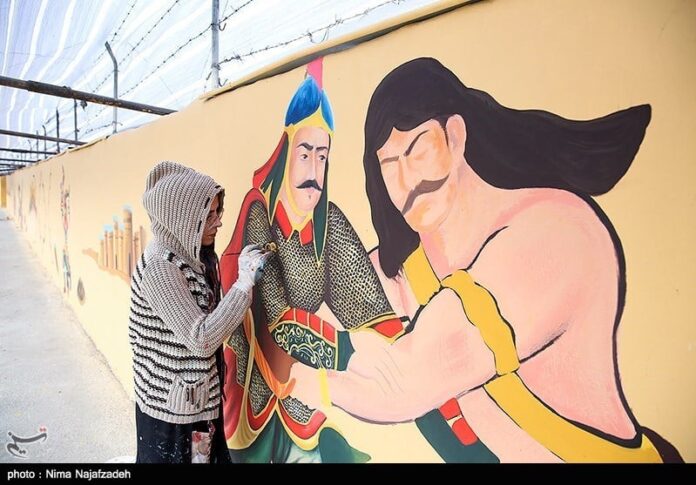
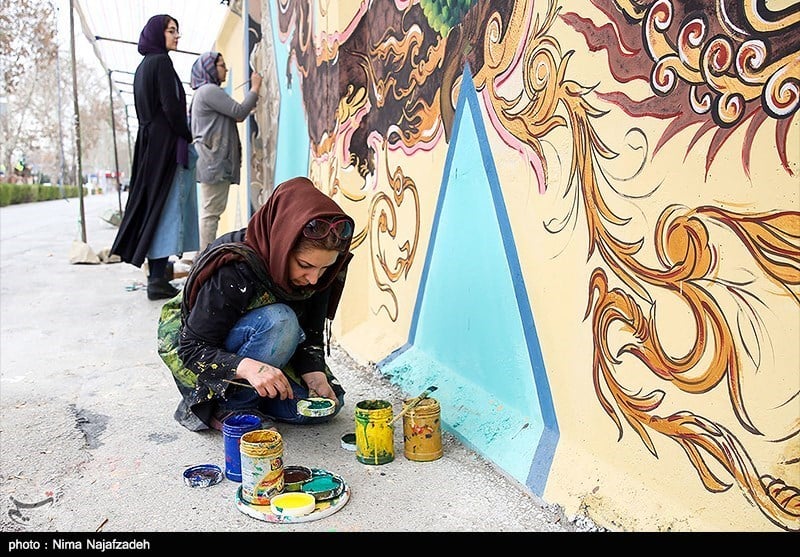
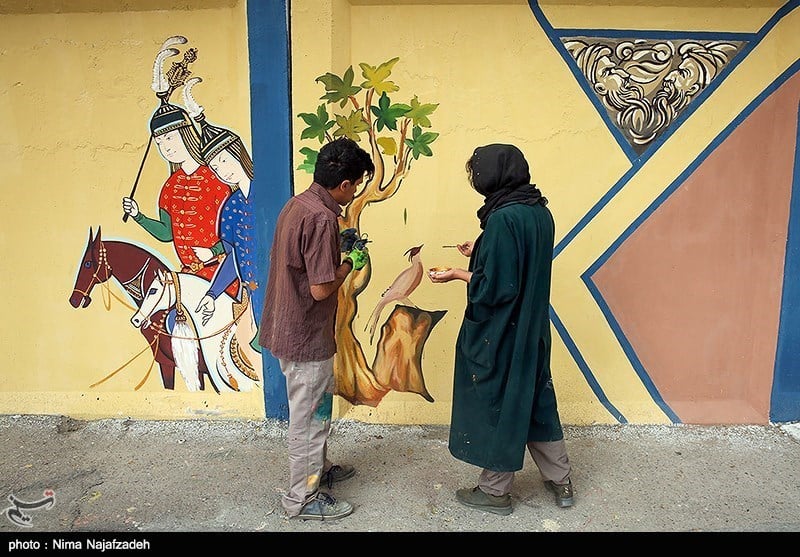
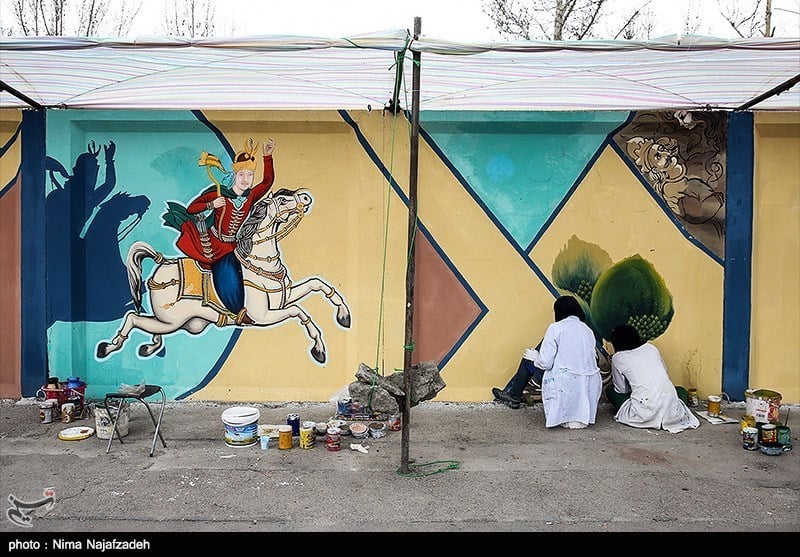
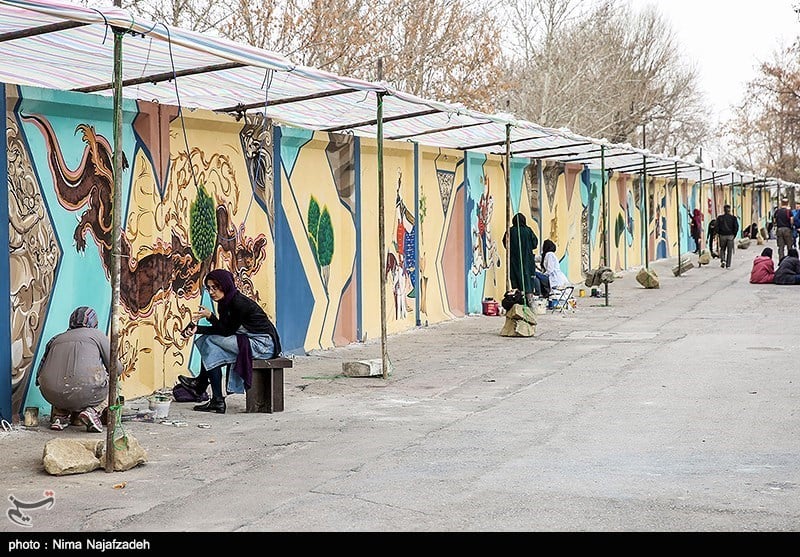
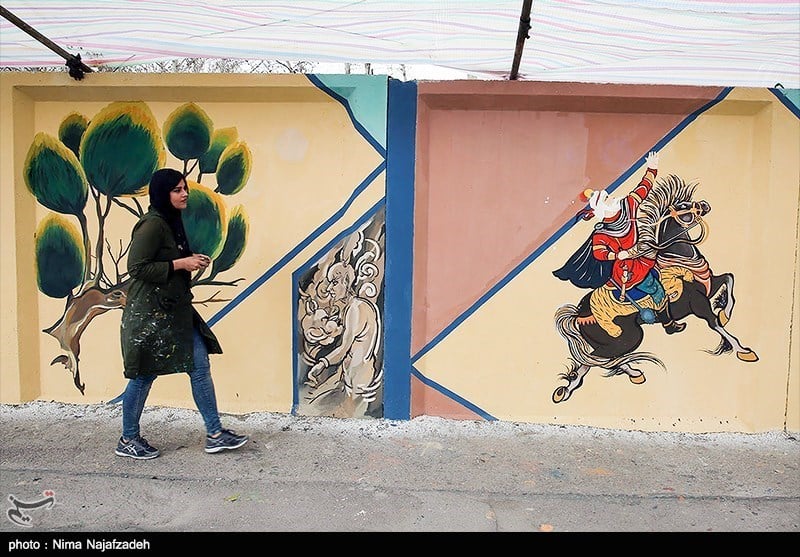
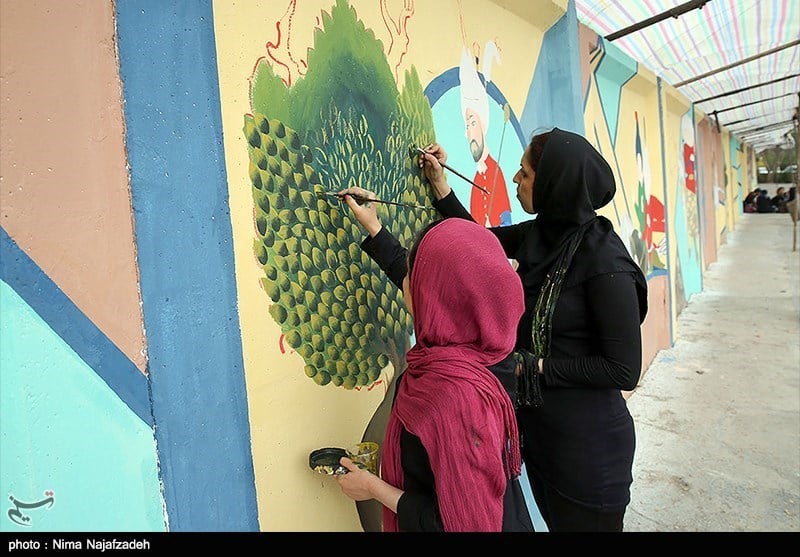
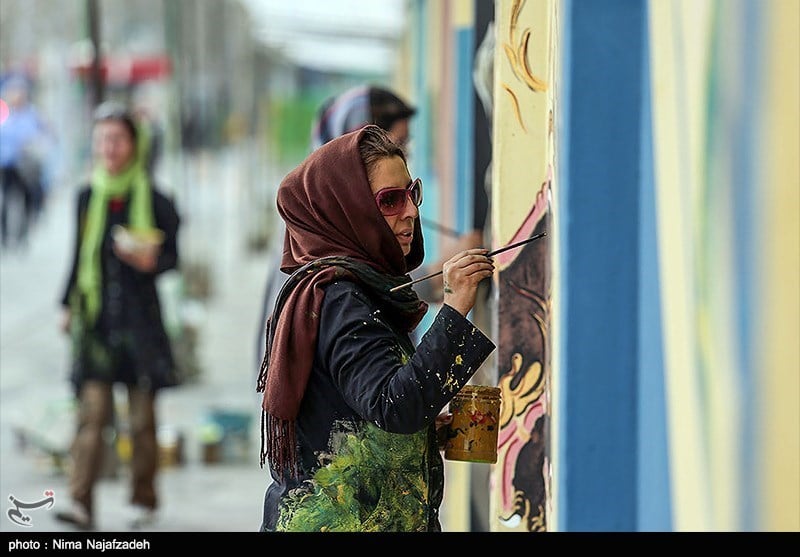
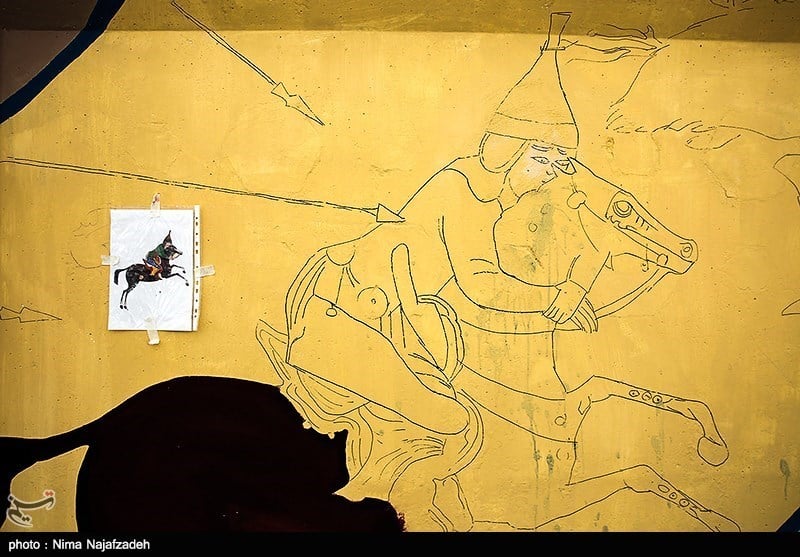
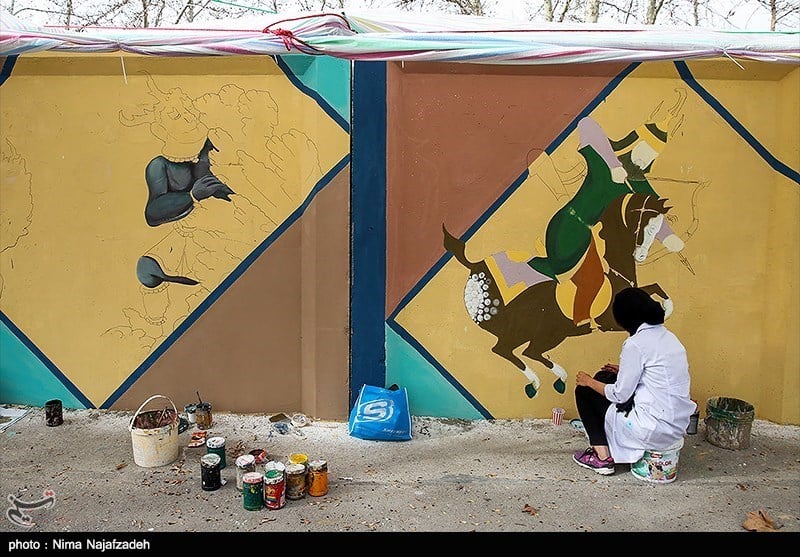
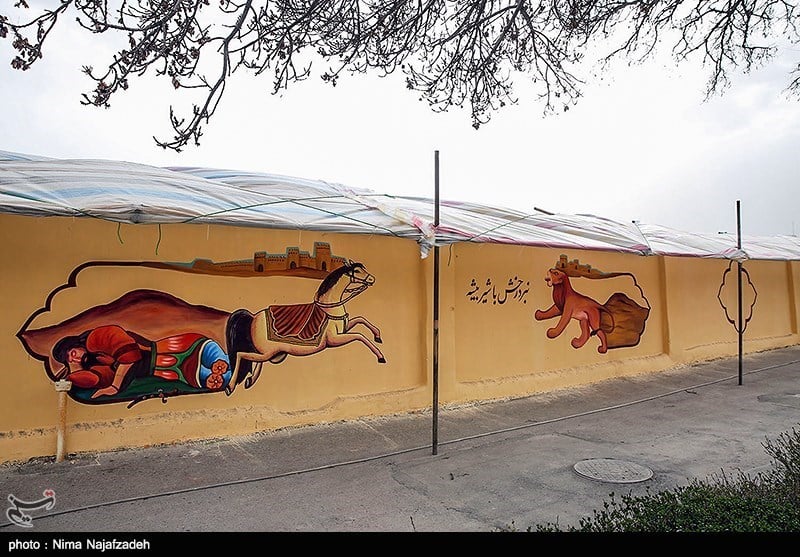
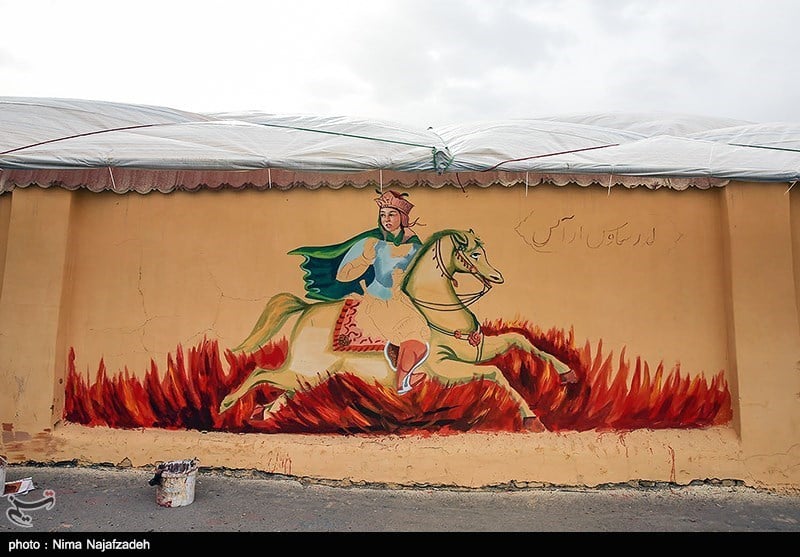
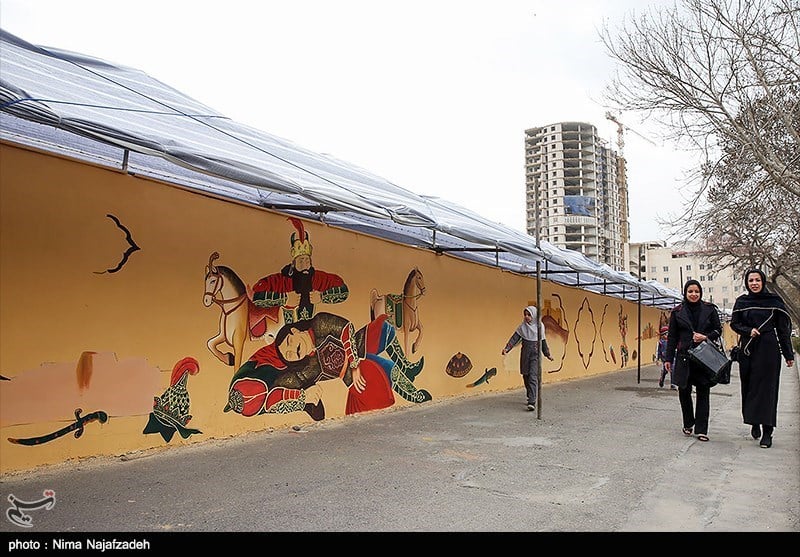
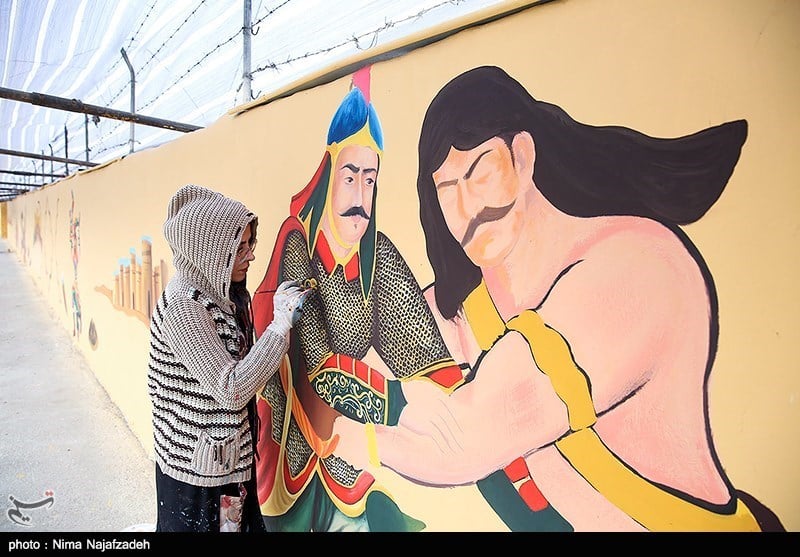
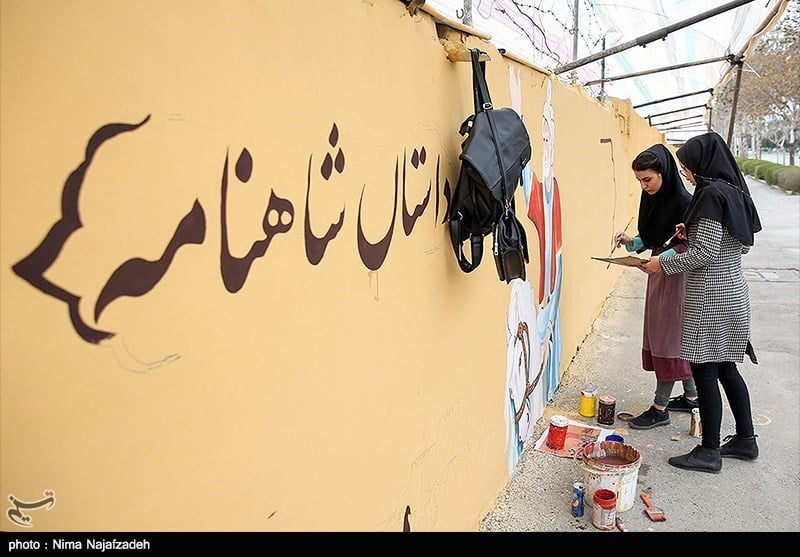
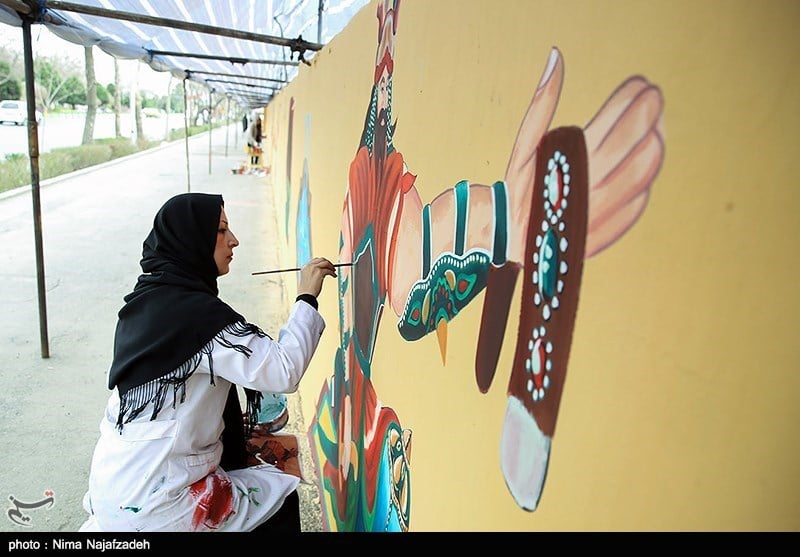
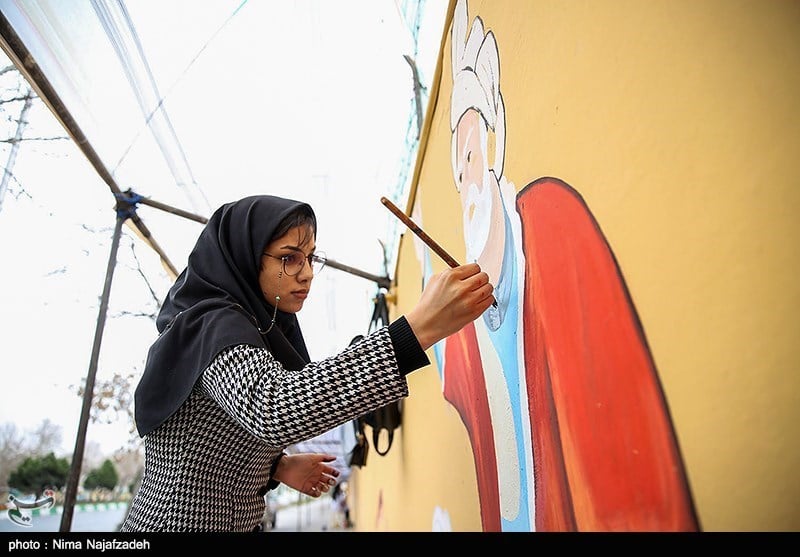
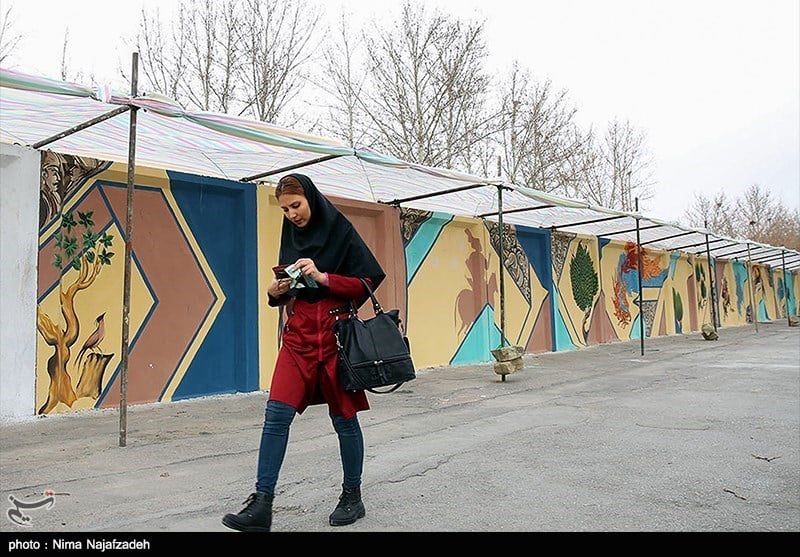
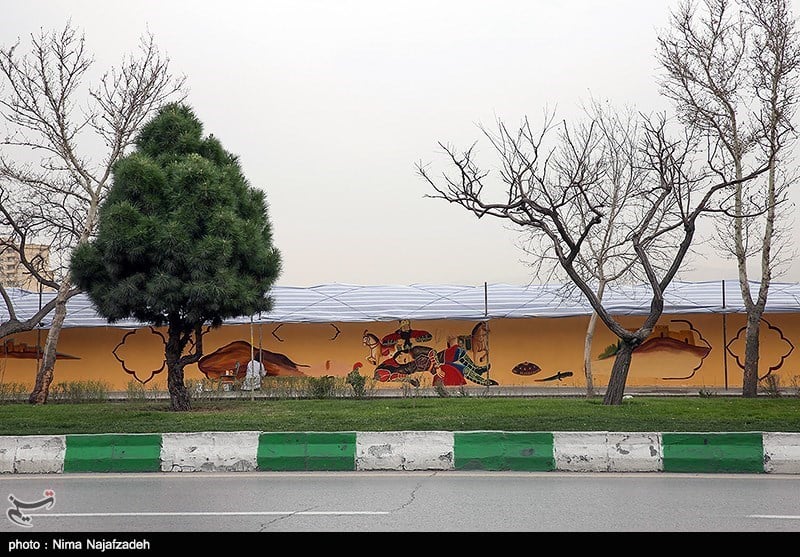
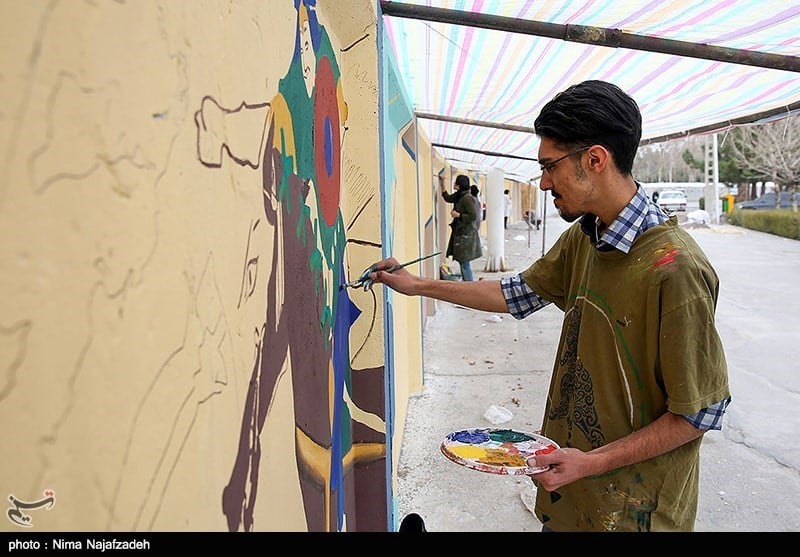
Mashhad’s Ferdowsi Boulevard Decorated with Shahnameh Murals

The Shahnameh, “The Book of Kings”, is a long epic poem written by the Persian poet Ferdowsi between c. 977 and 1010 CE and is the national epic of Greater Iran.

What follows are Tasnim’s photos of the Shahnameh murals in Mashhad’s Ferdowsi boulevard:

“Riyadh’s Iran Accusation Aimed at Covering up Own Crimes in Yemen”

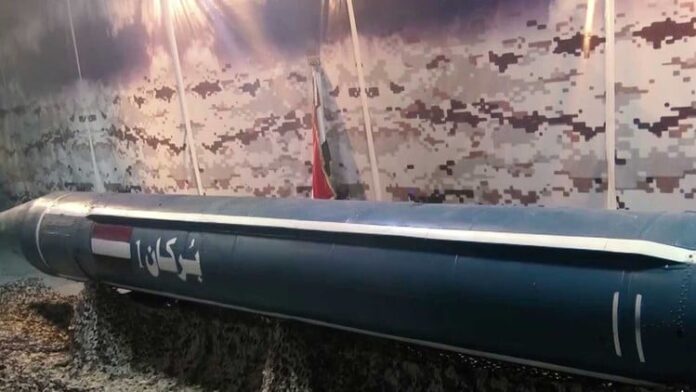
Brigadier General Yadollah Javani, who serves with the Islamic Revolution Guards Corps (IRGC), said such allegations are aimed at deflecting public attention from the crimes that Riyadh is committing against Yemenis.

“In fact, the Saudis have committed heinous crimes and launched aggression against oppressed Yemeni people over the past couple of years with the help of the Americans, Zionists and some other reactionary states in the [Middle East] region,” said generalJavani, the deputy IRGC commander for political affairs.

“So, in order to divert the regional and world nations’ attention from their crimes, they (Saudi officials) make some claims, including the accusation that Iran is sending weapons to the Yemeni nation and reinforcing the Ansarullah Movement by supplying it with arms,” said the top military official.

He said everyone knows that the ways through which weaponry can be sent to Yemen are blocked as Saudi Arabia has put the Yemeni nation under a full blockade.

“On the other hand, by making such claims, Saudi Arabia seeks to cover up its failures in Yemen,” he noted.

The top general said the Yemeni nation has come under military aggression, and hence, it is resisting the aggressors.

He said Yemen is relying on its youth and domestic potential, and “can make aggressors dreadfully sorry, and Saudi Arabia is extremely worried about such a future.”

General Javani underlined that Saudi Arabia first though it was dealing with just a group of people; however, Riyadh is seeing that it is the “Yemeni nation” that is standing up to the Saudi Aggression.

“The Yemeni nation has managed to develop defence tools, including the missile power, with reliance on its domestic capabilities, and this is something that Saudi Arabia would have never even thought could happen,” he said.

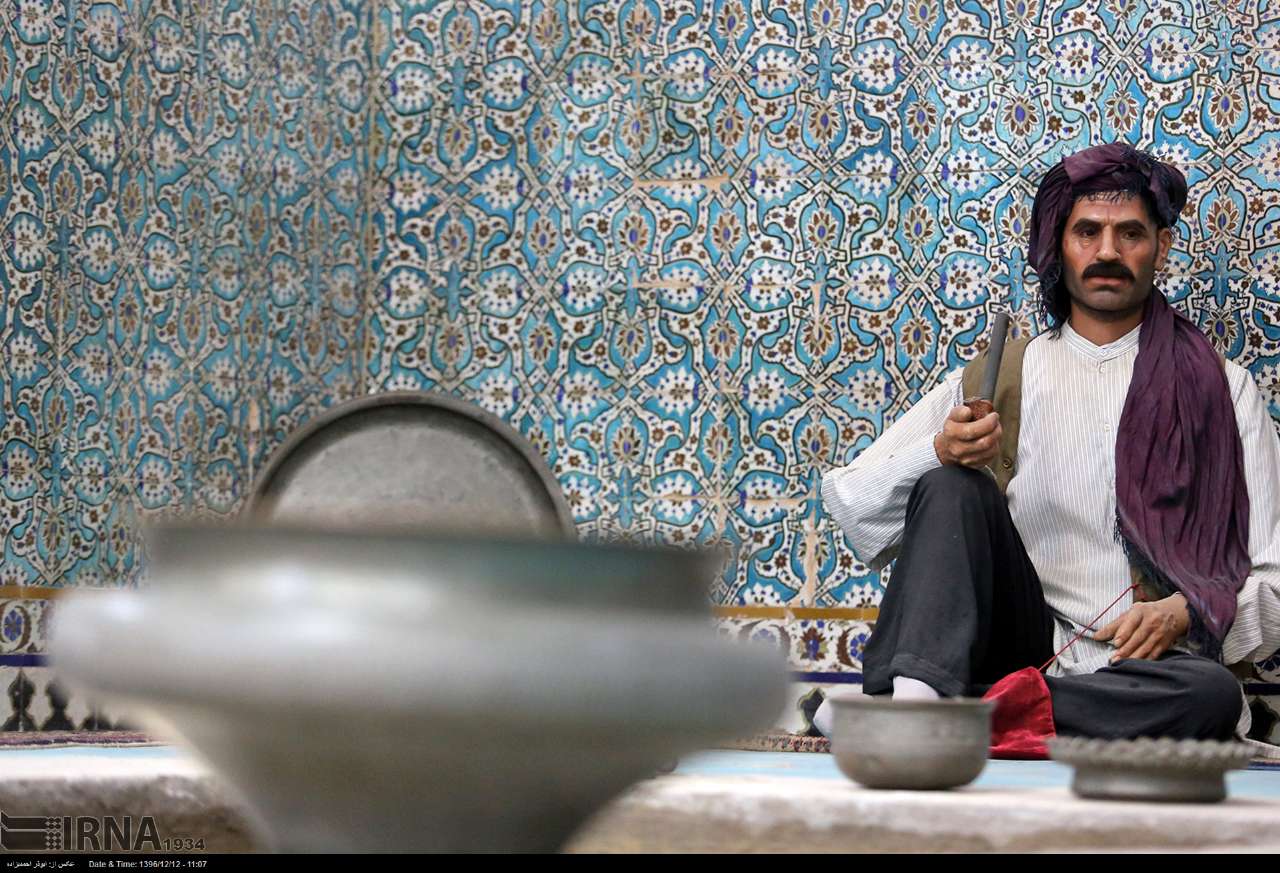
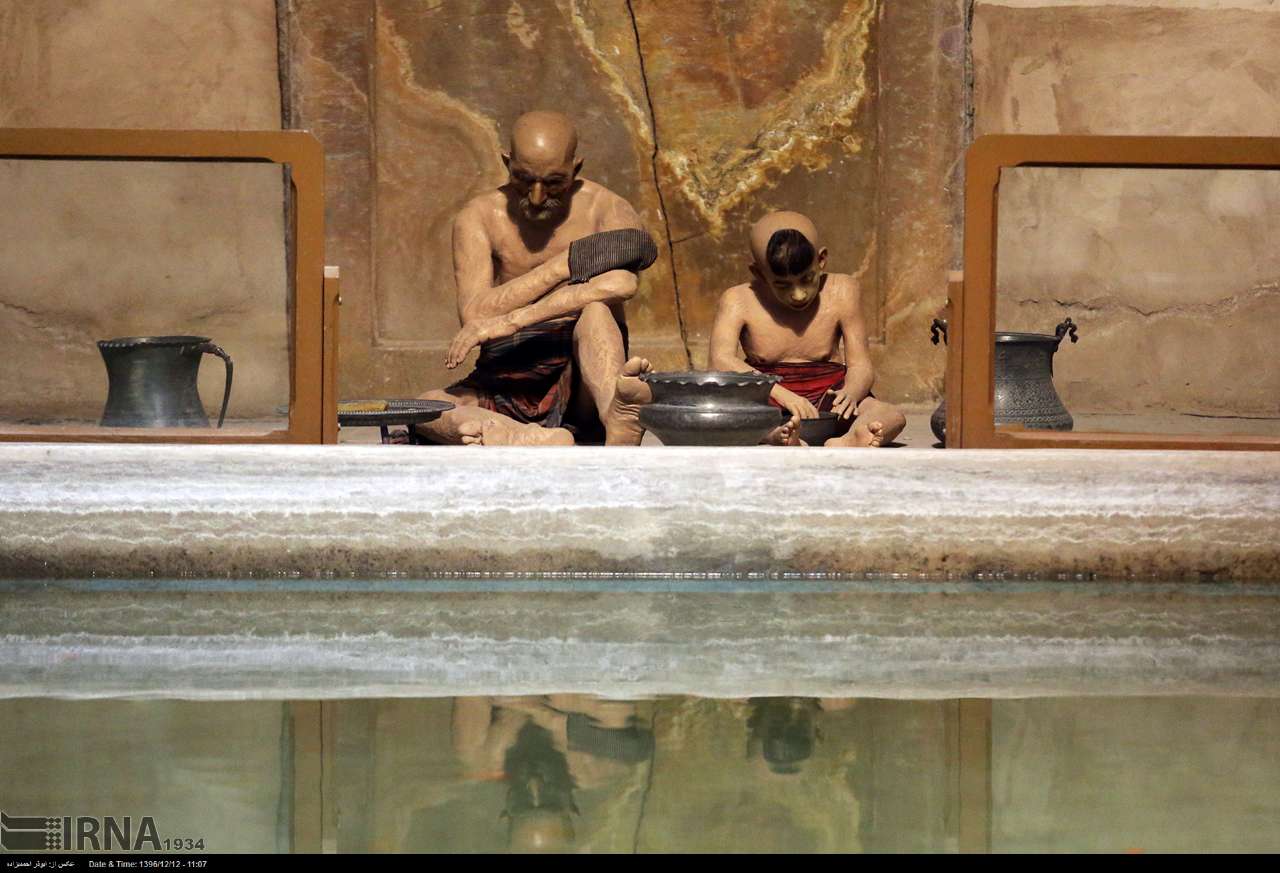
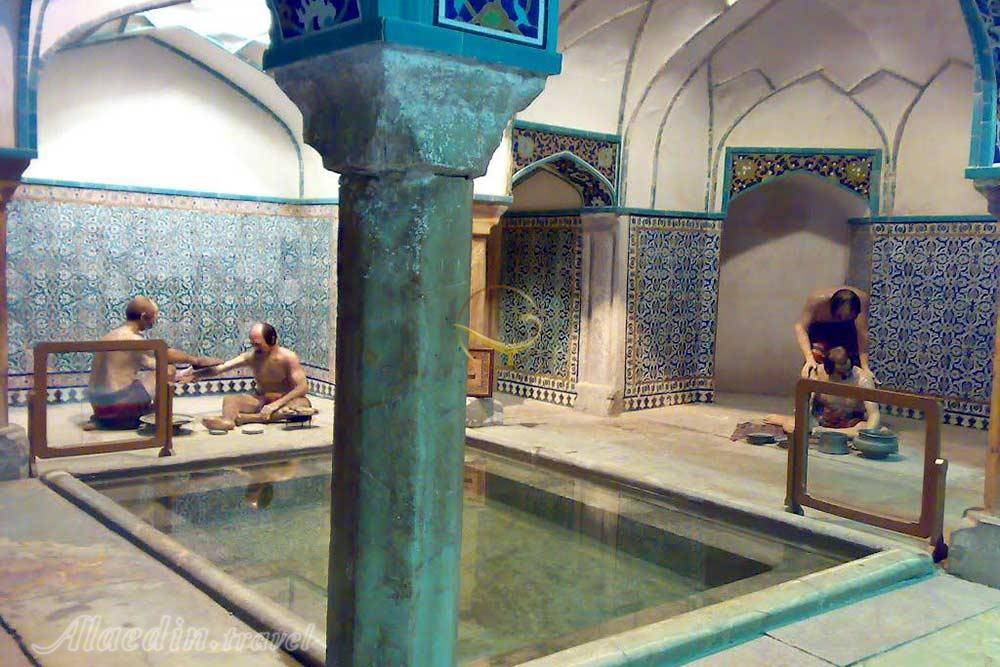
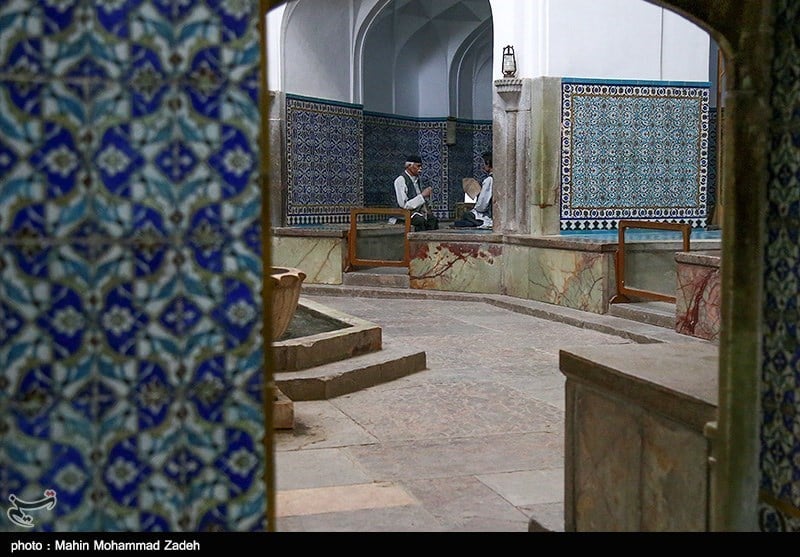
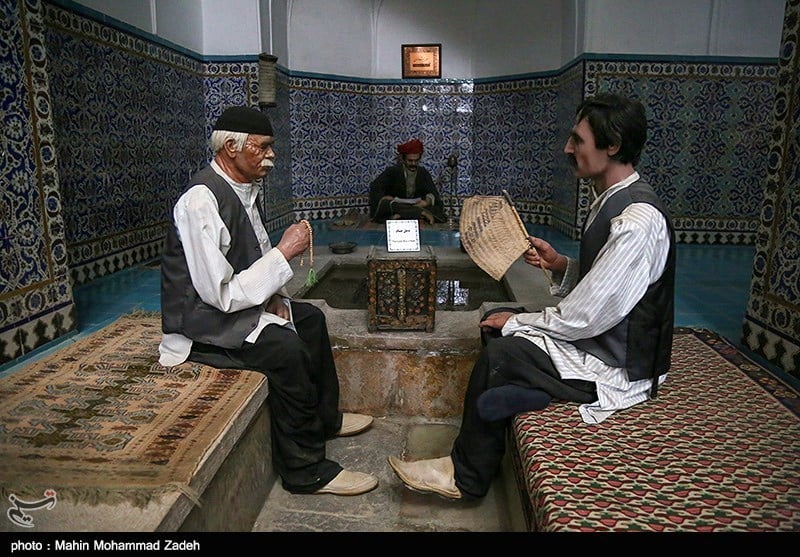
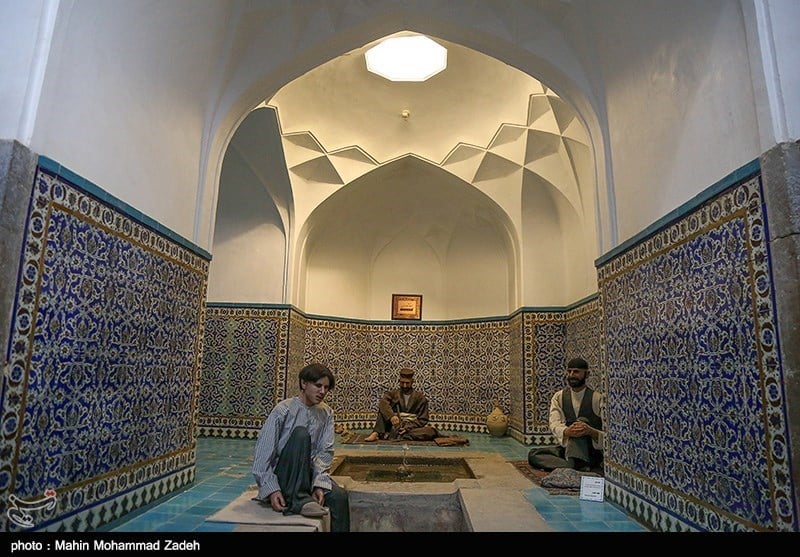
Glory of Persian Architecture in Ganjali Khan Bath

Ganjali Khan Bathhouse, Kerman, Iran

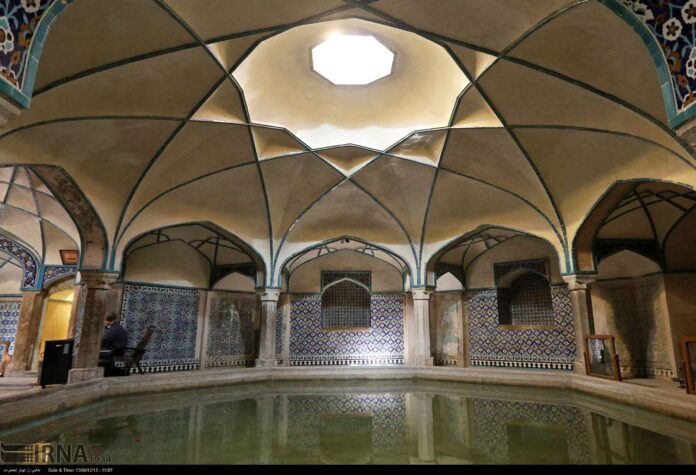
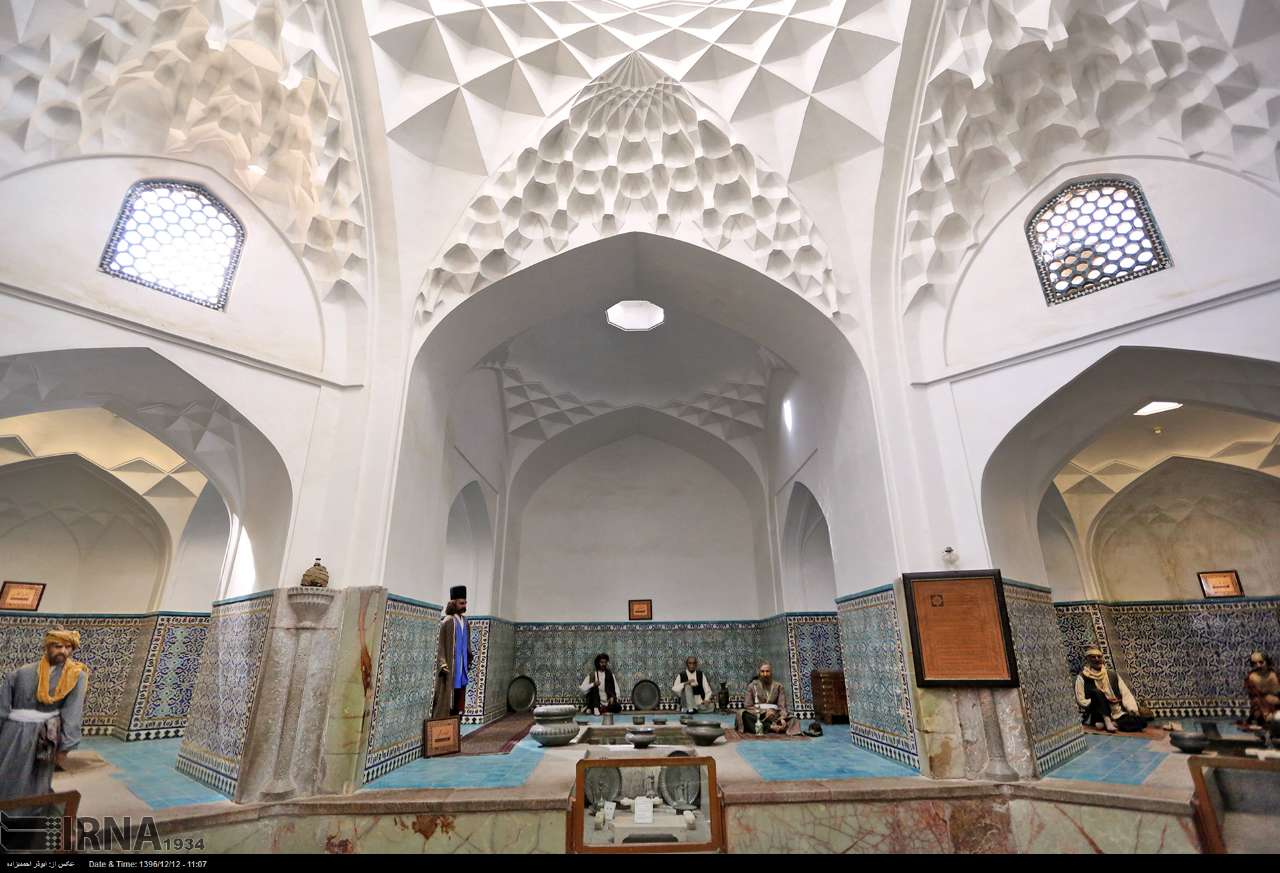
The Ganjali Khan Complex is a Safavid-era building complex, located in the old centre of Kerman. The complex is composed of a school, a square, a caravanserai, a bathhouse, an Ab Anbar (water reservoir), a mint, a mosque and a bazaar.

The Complex- and bathhouse- was built by Ganjali Khan who governed Kerman, Sistan and Kandahar provinces. Its construction lasted from 1596 to 1621, under Safavid Shah Abbas I. The architect of the complex was Mohammad Soltani from the city of Yazd.

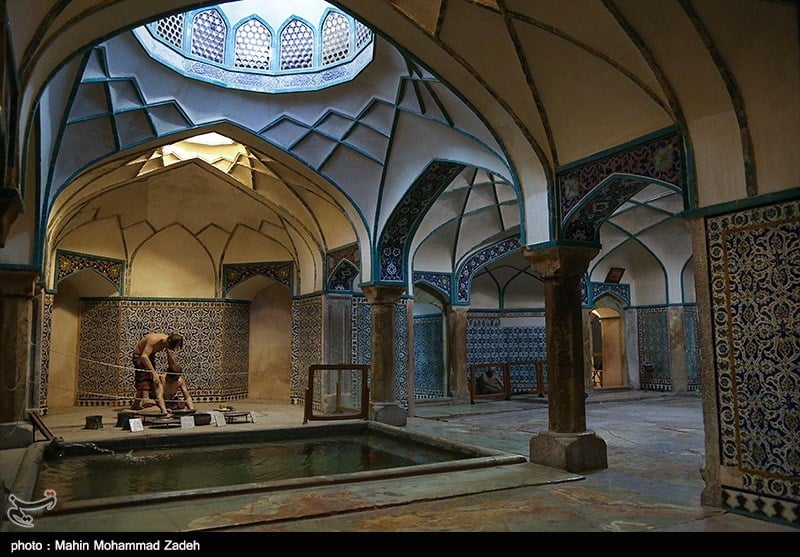
Built in 1631, the Ganjali bathhouse is located on the southern side of Ganjali Square. The entrance of the building is painted with ornaments of the Safavid era. An interesting feature of the bathhouse’s architectural finish is that the sculptured stones of the ceiling are matched with those of the flooring.

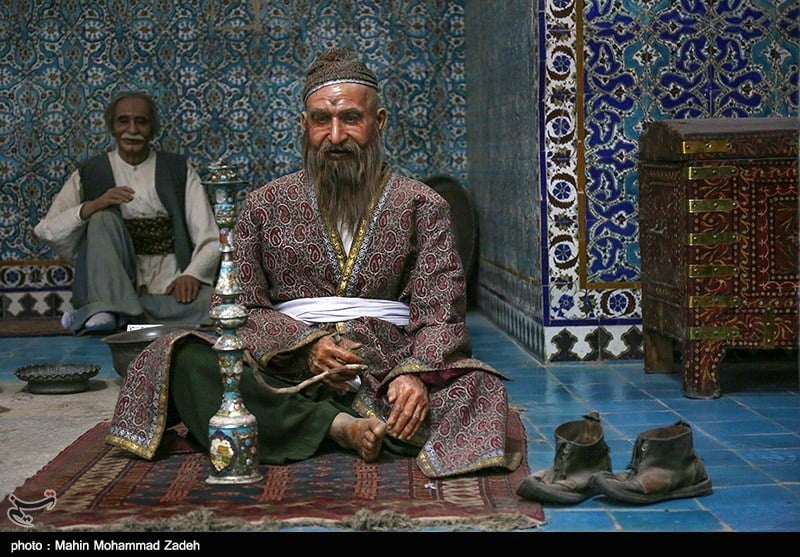
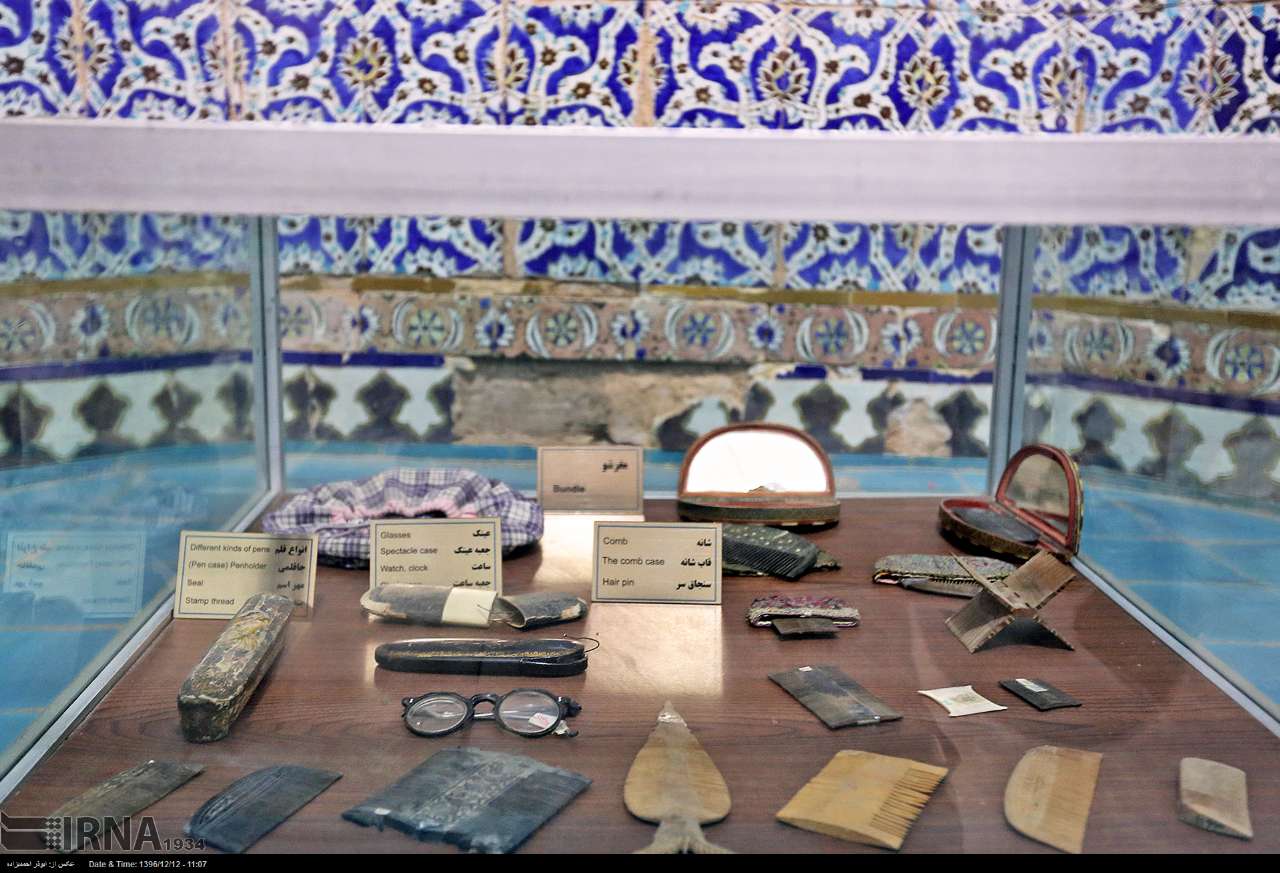
This Persian bath is composed of a disrobing room, cold room and hot room, all covered with domes carried on squinches. The Ganjali Baths are unique works of architecture decorated with exquisite tile works, paintings, stuccos, and arches. The bathhouse was converted into an anthropological museum in 1971.

What follows are the photos of the complex and Persian bath retrieved from IRNA and Tasnim:

UK Responsible for War Crimes in Yemen: Iran

Amnesty International activists march with replica missiles during a protest against UK arms sales to Saudi Arabia in London / Photo by Chris Ratcliffe, Getty Image

In a Monday statement, Qassemi dismissed as baseless the accusations raised in the joint statement issued by the UK foreign secretary and international development secretary on Iran’s supply of weapons to Yemen.

He said London has been selling weapons to the aggressive states, providing them with logistic and information support,and playing a role in the anti-human siege on Yemenis, and is thusdirectly responsible for the war crimes in Yemen over the past three years.

The spokesman then underlined that the UK is not in a position to accuse others and “it is better for the country to immediately put an end to its opportunistic and self-interest seeking approach in the blind war on Yemen instead of evading its responsibility towards the imposed war on the innocent and oppressed nation of Yemen and deceiving others about its role in the war.”

Qassemi said if the UK is sincere about finding a political solution to the Yemen crisis, it is better to urge the big purchasers of the UK-made weapons in the Saudi-led coalition to stop their warand lift the brutal siege on the people of Yemen and pave the way for holding the Yemeni-Yemeni talks.

The spokesman of Iran’s Foreign Ministry also underlined that it is completely clear for the world’s public opinion that the war crimes in Yemen are carried out through the US and UK-made weapons.

“By playing a blame game and levelling baseless accusations against other states, the UKcannot deny its role in providing weapons for the Arab coalition’s war crimes in Yemen,” he said.

He then referred to the four-article plan of the Islamic Republic of Iran for Yemen crisis and said since the beginning of the Arab coalition’s military invasionof Yemen, Iran has always underlined that finding a political solution is the only way out of the crisis.

“[Through the past three years], we have not only attempted to pave the way for a ceasefire in Yemen but also announced repeatedly our readiness to find a political solution agreed by all conflicting sides in Yemen war,” he concluded.

Iran Foreign Ministry Rejects Claims It Promotes Imports

Iran Condemns Bahrain’s Plan to Normalize Relations with Israel

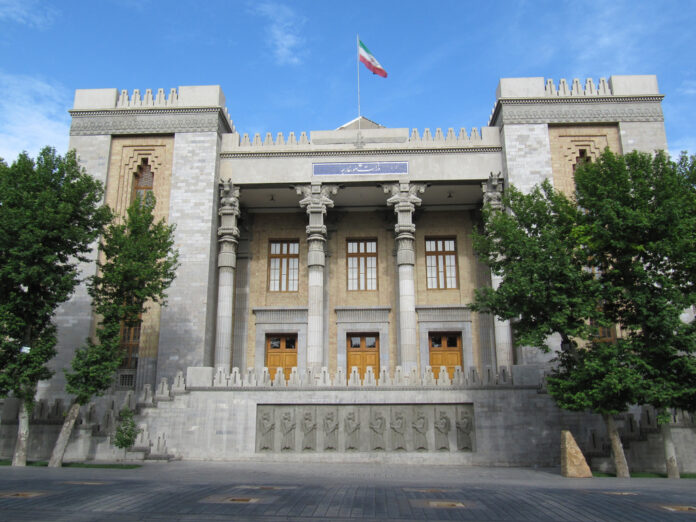
In a statement on Monday, the Foreign Ministry said it take various measures to boost the economy, national production and export of goods and services, in line with its agenda.

“Among the foreign ministry’s duties are making efforts to attract foreign investment, conclude economic agreements including double taxation avoidance agreements and mutual investment agreements, transfer high technologies and exchange economic, trade, industrial and agricultural delegations,” the statement wrote.

The foreign ministry said it also works towards facilitating the import of capital goods, intermediate goods and raw materials that are indispensable for improving the Iranian economy and exports.

“It’s obvious that the economic activities of the Foreign Ministry and embassies are in line with the country’s macroeconomic policies, particularly the comprehensive strategy of resistance economy,” it said.

Pointing to an interview published by Tasnim News Agency, the statement said a claim made in the interview that Iran’s embassies are merely working to boost imports is incorrect.

The statement said the interviewee can provide any credible documents proving the claim to the Foreign Ministry, as the body is one of the most transparent and responsive bodies across the country and is ready to check the information and act on them if necessary.

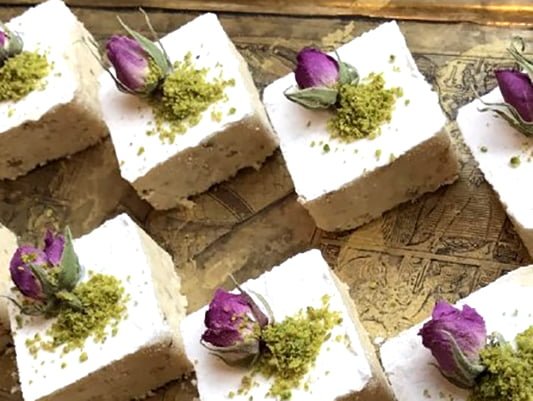
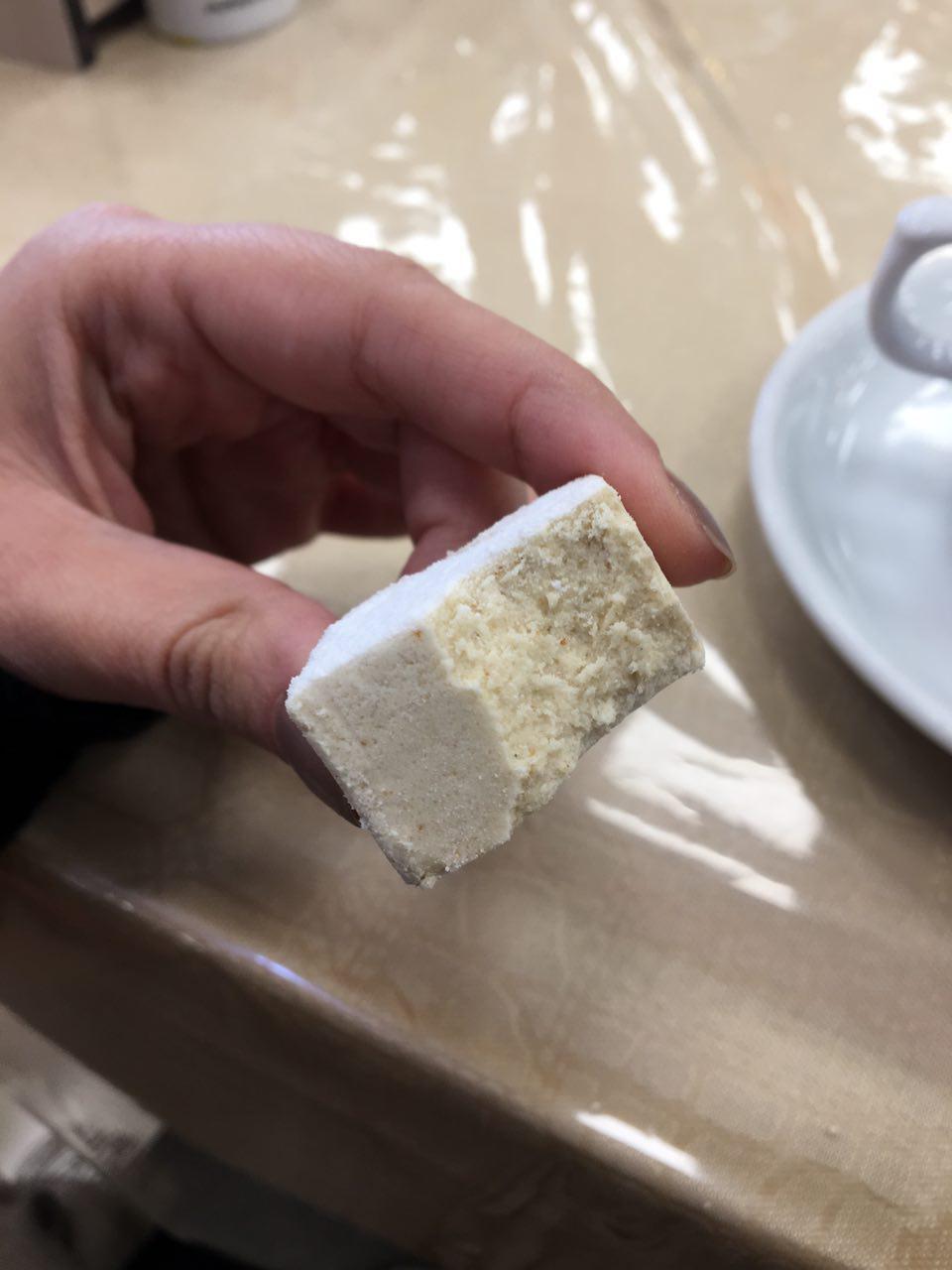
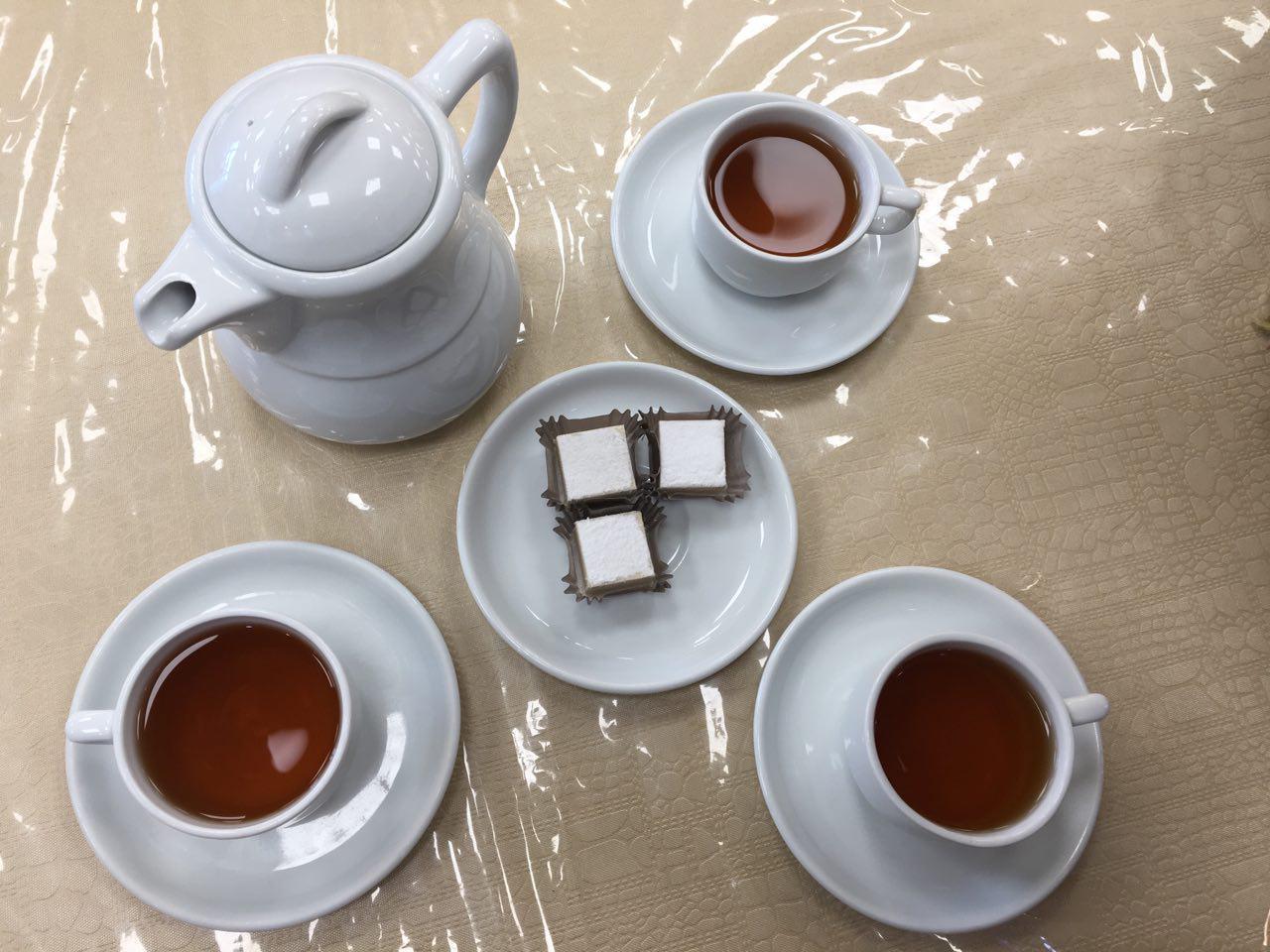
Ginger Halva; A Yummy Traditional Iranian Confection

Ginger Halva; A Yummy Traditional Iranian Confection

This type of halva, which is usually served with tea after meals, is harder than the typical kind of Halva. Flour, butter, oil, ginger, cardamom, powdered sugar and powdered walnut are usually used to make this type of halva, which is put into square-shaped moulds.

It is interesting to know that in most restaurants in Tabriz, they serve tea and halva free of charge after the meal.

Ginger Halva; A Yummy Traditional Iranian ConfectionIngredients

Flour: 2 cupfuls

Powdered sugar: 1.5 cupfuls

Powdered walnut: 100gr

Butter: 150gr

Powdered ginger: 4 spoonfuls

Powdered cardamom: 4 cupfuls


Recipe

Put the flour into a casserole and put it on mild heat. Keep mixing the flour with a wooden spoon until it is roasted and begins to smell good. Then remove the flour from the oven and sieve it.

Put the sieved flour in the casserole again and add butter. Sauté it until the butter is completely absorbed by the flour. Then remove the casserole from the heat, add powdered cardamom and powdered walnut, and mix them.

Let the mixture cool down a little bit (the flour should not be too hot, so that the powdered sugar will not melt and the halva will get crispy). Then sieve the powdered sugar onto it and mix them. Put the mixed materials in a dish or mould and press them down with the back of a spoon or by hand.

Sprinkle powdered sugar and shredded pistachios on it and cut it into squares or diamonds. Put the dish in the fridge until the halva becomes cold and hard. Then serve it with tea (This type of halva is very crispy and melts in your mouth)

 Ginger Halva; A Yummy Traditional Iranian Confection

Comment: You may add saffron to the halva to make it taste the same. You may also garnish the halva with liquid chocolate.

German Ambassador’s Passion for Iranian Culture Makes Headlines

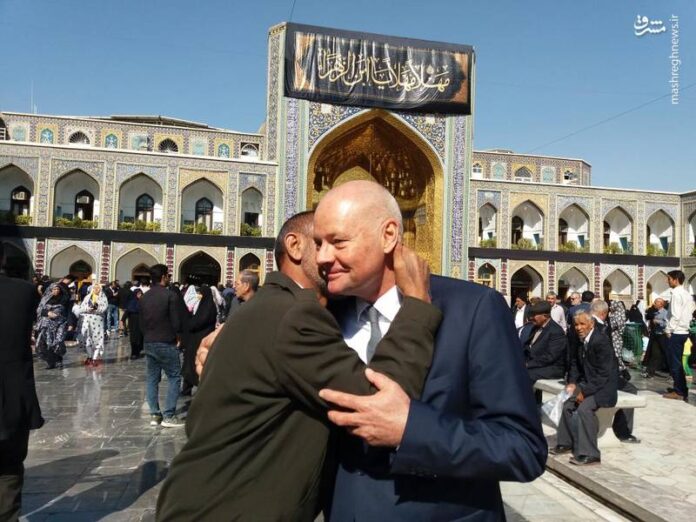
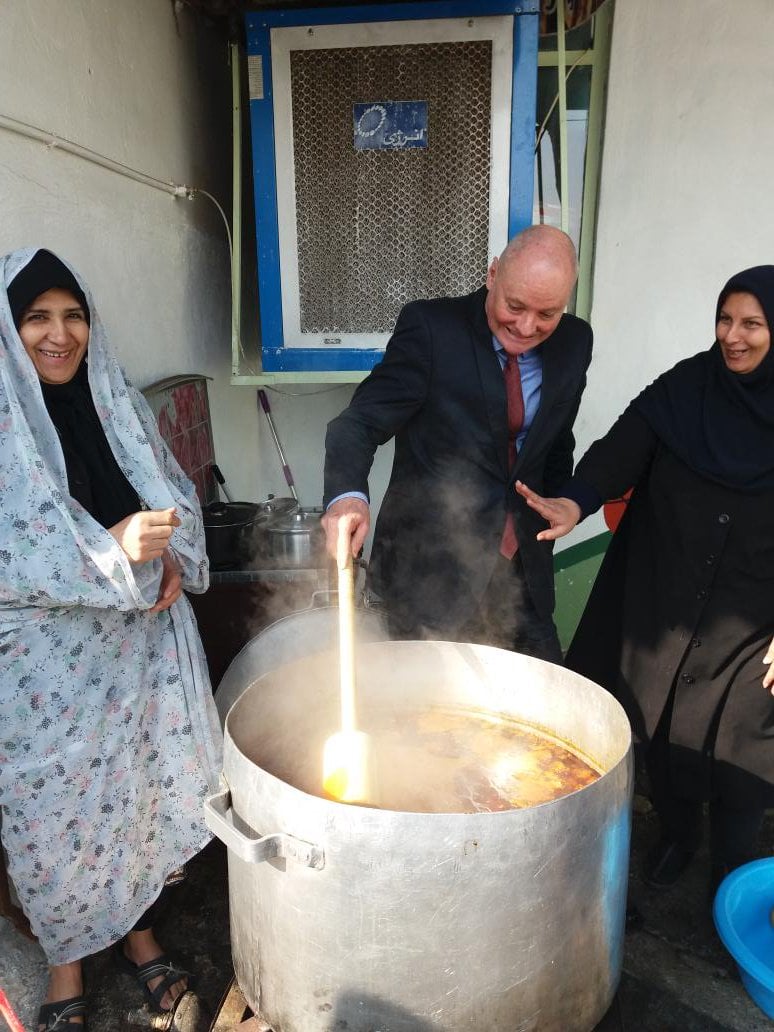
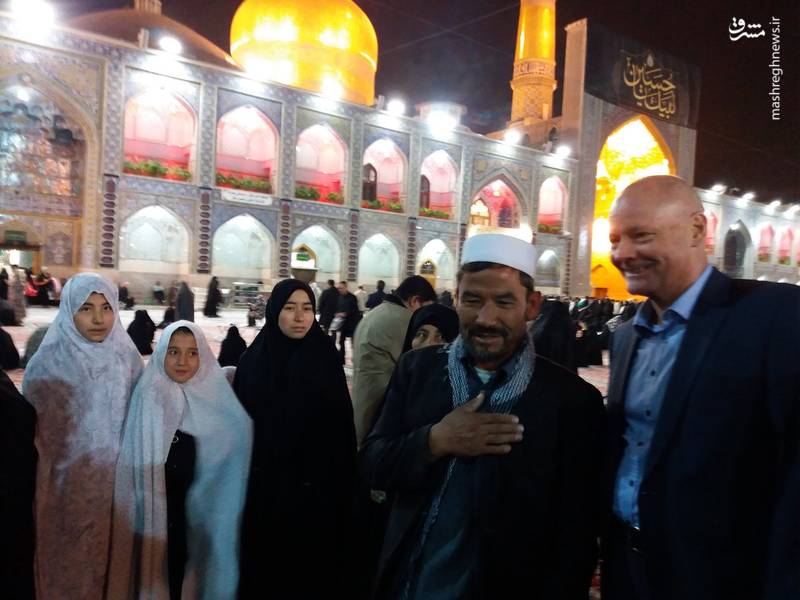
The German diplomat rubs shoulders with Iranian people and rides in pick-ups with them. Klor-Berchtold’s interest in the traditions, customs and religious teachings of Muslims becomes a motive from him to visit the Imam Reza holy shrine. He also attends the training sessions of the Tehran football powerhouse Esteghlal. He even stands behind the ball and scores a goal! He has a passion for the poems of renowned Iranian poet Hafez. By taking a glance at the ambassador’s Twitter page, we see him enthusiastically taking part in a food festival in the city of Zanjan. Then we learn that the pleasant taste of Iranian foods, including Abgoosht (the Persian broth), has aroused his interest to go to cooking classes.

He loves the Iranian culture and civilization, and admits that diplomacy should be at the service of the people. He is also active is social media. He has been the highest profile ambassador on social media in recent months. The Persian-language Shahrvand newspaper has conducted an interview with the top German diplomat. The highlights of the interview follow:

German Ambassador’s Passion for Iranian Culture Makes Headlines

Introduce yourself. How many diplomats were serving as German ambassadors to Iran before you?

I’m Klor-Berchtold. I’ve studied law. I served as a civil and criminal judge for a few years, which was instrumental in shaping my character and way of thinking.

At the end of 2016, I presented my credentials to President Hassan Rouhani. Since then, I have been trying to boost dialogue between the two countries. I’m very well familiar with this region as well as its potential and problems because I used to serve as the German ambassador to Yemen and consul general to Israel and occupied Palestinian territories. I believe in dialogue and the adoption of measures that would build confidence and the fact that all political crises can be settled peacefully with willpower and determination. I was also in charge of the Vienna office of the secretary general of the Organization for Security and Co-operation in Europe to end the Cold War.
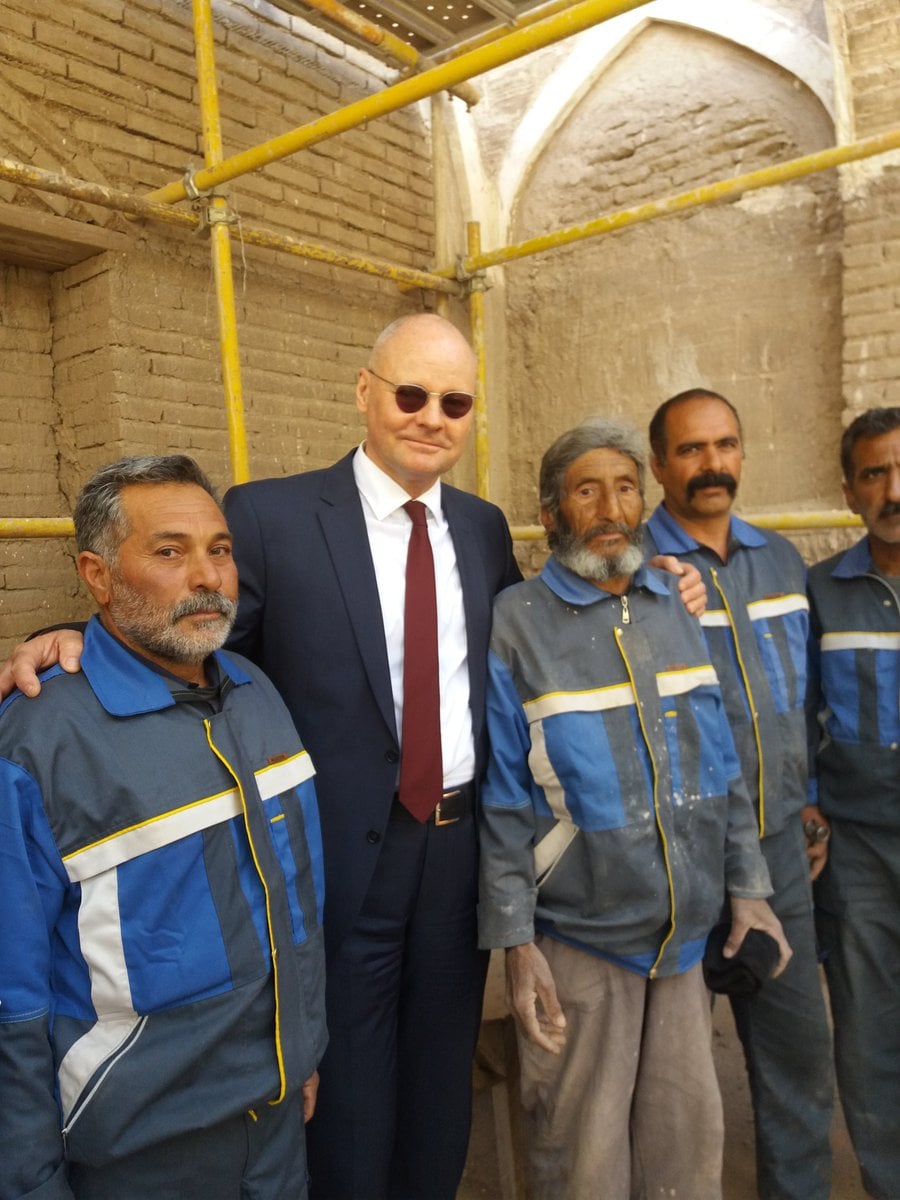
German Ambassador’s Passion for Iranian Culture Makes HeadlinesWhy are you interested in rubbing shoulders with people?

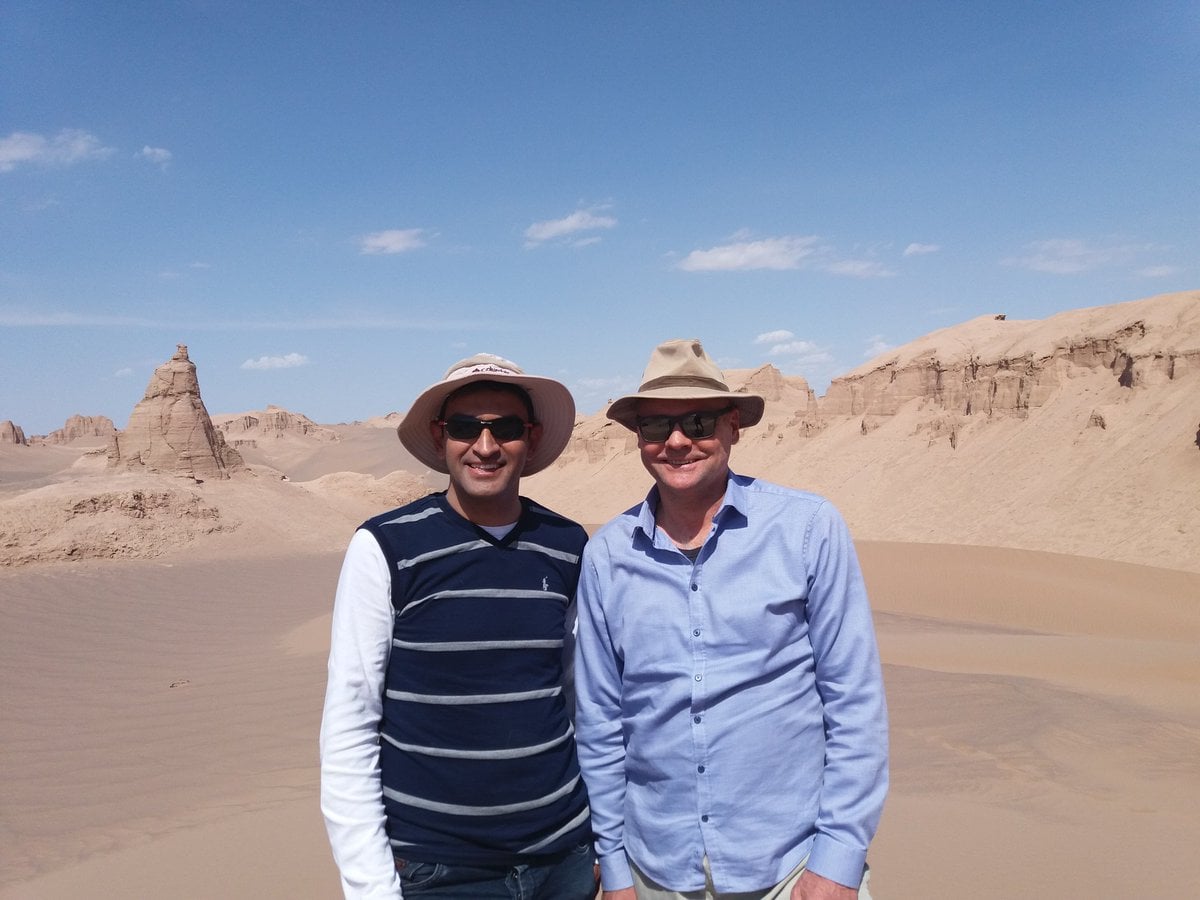
I believe diplomacy should be at the service of the people, and that’s why I use social media. It is important for me to see how people react to my work and activities. I like talking to people – people like me and you – whether they are in the streets, cooking broth, stuck in traffic, grazing sheep, or in the desert. It is only through these experiences that one will be able to get a more precise understanding of Iran and Iranians.


Can you speak Persian?

I’ll do my best. I have a vocabulary notebook in my car, and learn a few new words every time I get stuck in traffic. I enjoy finding the similarities between the Persian and German languages, and sometimes insert paragraphs in Persian into my speeches.
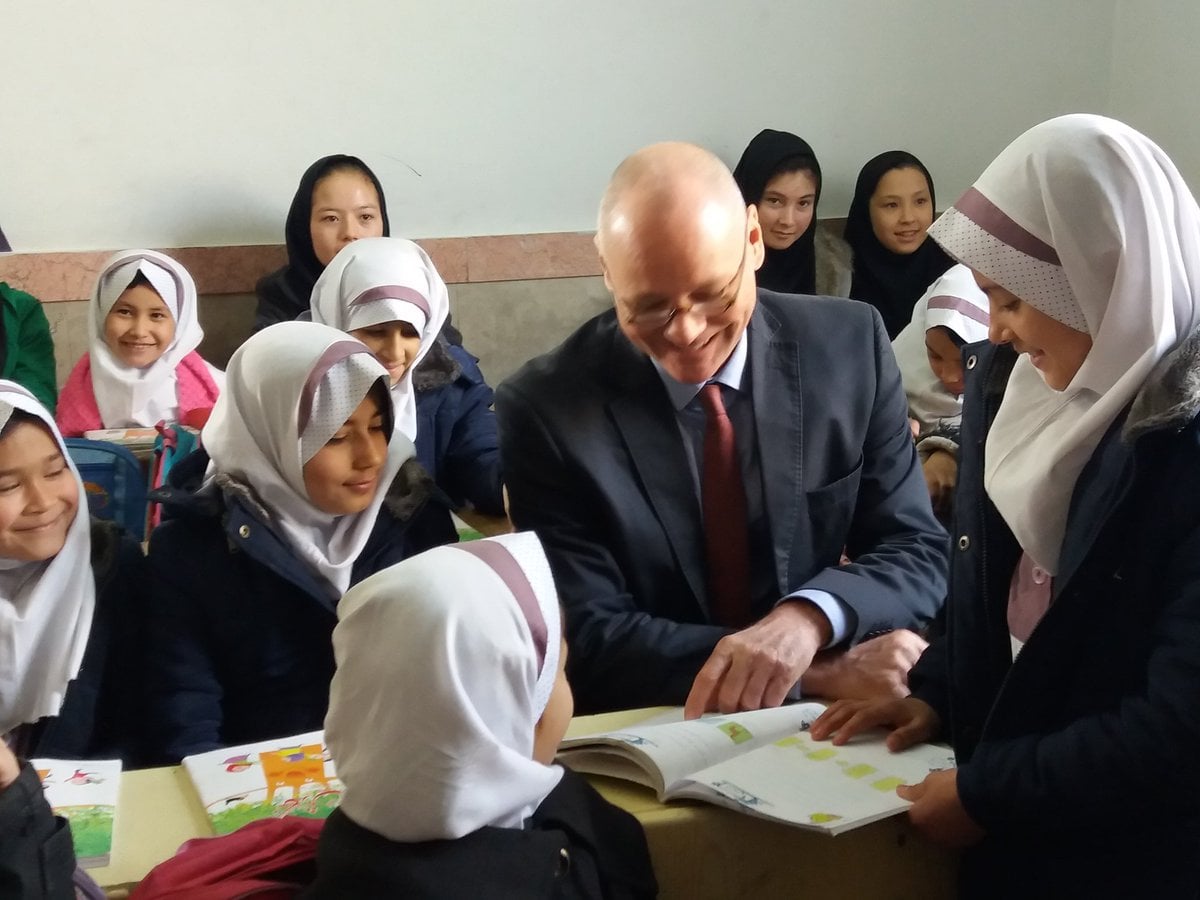
German Ambassador’s Passion for Iranian Culture Makes Headlines


Do you know Iranian poets?

In Iran, everybody has his/her own favourite poet, and always has a couplet ready to recite for every occasion. This is beautiful! Great German poet Goethe dedicated himself to Hafez. His masterpiece West–östlicher Divan (West-Eastern Diwan) is an example of the West’s curiosity toward the East and shows mutual cultural respect. I have learned from Goethe, and I’d like to study Hafez’s works as well.
 

German Ambassador’s Passion for Iranian Culture Makes Headlines


Are there similarities or differences between the Iranian and German cultures? Where are they more noticeable?

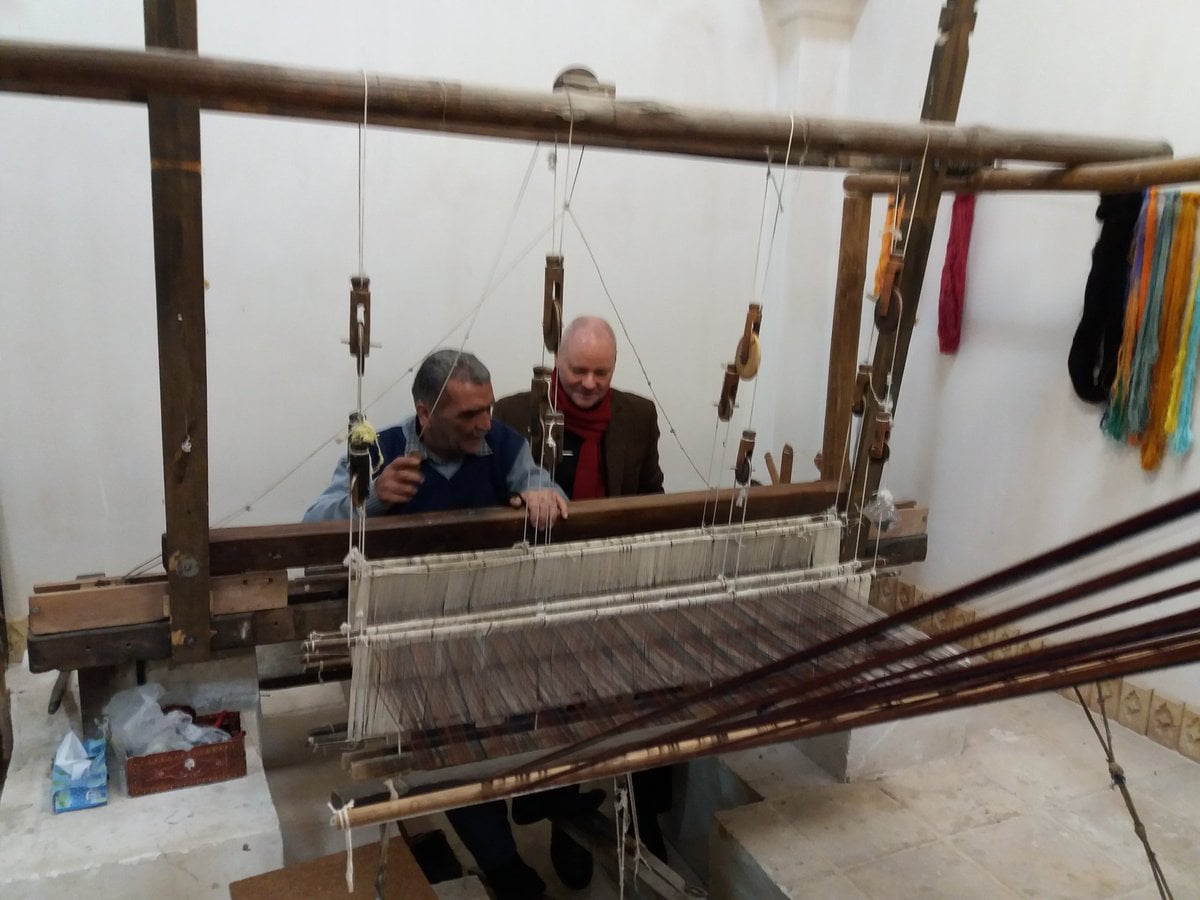
Iranians and Germans are curious about the world around them. They travel a lot and travel with enthusiasm. This curiosity and readiness to have new experiences leads to the richness of the character and thought, and guarantees peaceful coexistence and mutual respect.

Iranians and Germans are gourmands. There are similarities in the music domain, too. Both Germans and Iranians like electronic music. I became really happy when I saw the German Schiller music band was warmly welcomed in Tehran. The biggest cultural difference between Iranians and Germans is in the way they look at religion.
German Ambassador’s Passion for Iranian Culture Makes Headlines


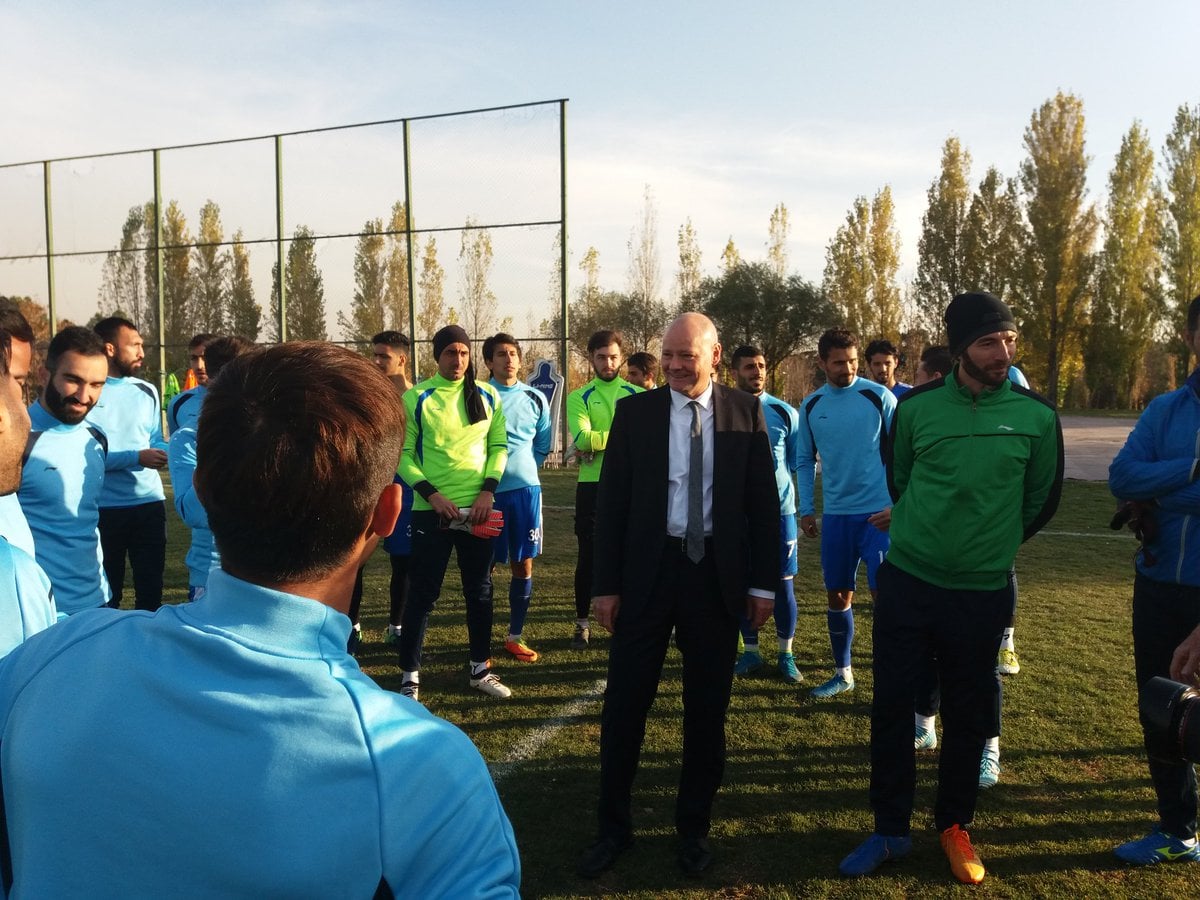
You attended the training session of the Esteghlal team recently. Why did you go there? What do you think of the team? What sports other than football are you interested in?

Esteghlal has recruited Winfried Schafer, a successful German football coach. As the ambassador, I needed to visit him. Of course, I visited the Persepolis team, too. I also visited other teams, for example those in Mashhad, Tabriz, … . Some time ago, I converted a penalty as former goalkeeper of Iran’s national team Mehdi Rahmati was in the goal. I became very happy and I shared it on Twitter. When I was face-to-face with the renowned Iranian goalkeeper, we both had a good time.
German Ambassador’s Passion for Iranian Culture Makes Headlines


You have posted a photo of yours on Twitter and announced that you are willing to attend cooking classes. Is your interest because of the good taste of Iranian foods?

In Germany, too, we have special and different kinds of food. Each region has its own foods, as is the case in Iran. What we have in common is that we both enjoy eating food with family and friends.
German Ambassador’s Passion for Iranian Culture Makes Headlines


Which Iranian cities have you visited? Which is your favourite city?

There are many towns and regions which are cultural treasure troves. I’m especially interested in Yazd, which was registered on UNESCO’s List of Heritage Sites last year. I’m impressed by the desert as much as I am by the mountains of Iran, not to mention the cultural hubs of Iran such as Isfahan, Shiraz as well as Kashan with its famous Fin Garden.
German Ambassador’s Passion for Iranian Culture Makes Headlines


How does the German ambassador spend holidays?

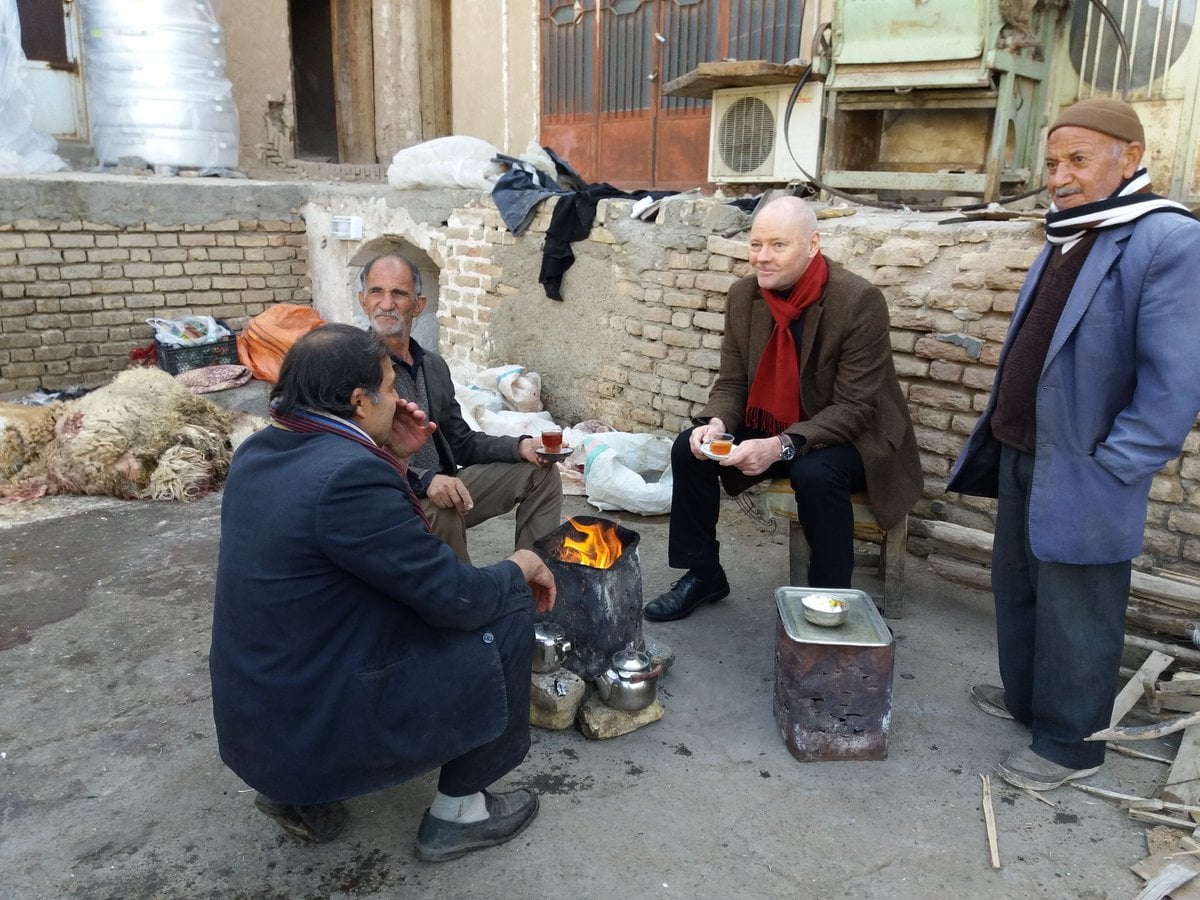
On official holidays, I try to tour the country if possible to get more familiar with it. I wouldn’t like to get stuck in traffic, so I usually drive out of town. I’m interested to talk to people when I’m filling up my car’s fuel tank, shopping, eating a snack on the street or drinking tea at a teahouse. If the weather is not favourable, I play the piano or read a few lines of Hafez’s poems and try to figure out from what perspective he saw the world at the time.

German Ambassador’s Passion for Iranian Culture Makes Headlines


Saudi-led Bloc Wants Qatar to Abandon World Cup Hosting to Lift Blockade

“They have asked us to give up organising the World Cup to have the boycott against Qatar lifted. They said if Doha wants to show its willingness to find a solution and lift the embargo, it must abandon the hosting of 2022 FIFA World Cup,” said Qatari Attorney General Ali bin Fetais al Marri in an interview with the Spanish newspaper ABC, Qatar Tribune news website reported on Saturday.

Saudi Arabia, the UAE, Egypt and Bahrain imposed a blockade on the peninsular nation last June.
When asked if there was a way out of the Persian Gulf crisis, Marri said,”I don’t see any signs of a breakthrough. Today, none of these countries shows signs of wanting a dialogue to solve problems.”
“I do not see any reason for the blockade other than envy. Why do the Qataris have more liberties than we have, why are they richer if Saudi Arabia is a country with more wealth? Why did Qatar get a chance to host the 2022 football World Cup?”

The bloc has made several conditions for lifting its land, air and sea blockade against Qatar, notably asking Doha to end support for groups such as Egypt’s Muslim Brotherhood, which they regard as terrorist, and restrict ties with Tehran.

Qatar has denied the allegations and rejected the Saudi-led demands as an attempt to impose guardianship on the kingdom.

Mediation attempts led by countries such as Kuwait and the US have failed to make headway toward settling the crisis.

Iran Says Respects Result of Iraqi Parliamentary Elections

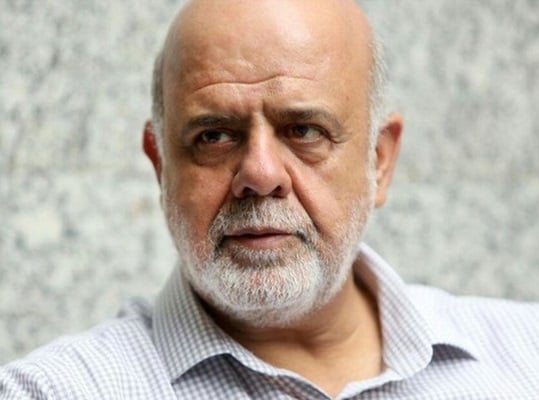
“All Iraqi parties are our brothers and Iran wants a free, competitive and popular election that leads to a strong government,” said IrajMasjedi in a local conference in the Iraqi city of Najaf on Sunday.

Iraq will hold parliamentary elections on May 12, which will decide the prime minister who will lead the country for the next four years.

Among top contenders for the premiership post,a position reserved to the Shiite majority, are incumbent Premier Haider al-Abadi and former prime minister Nuri al-Maliki.

According to a Farsi report by IRNA, Masjedi expressed hope the Iraqi nation will maintain its unity, describing separatism as a big threat to the country’s progress and development.

The ambassador said Iran is ready to help facilitate dialogue among Iraqi parties, as it is the only solution to divisions among them.