Thursday, December 25, 2025
Home Blog Page 3590

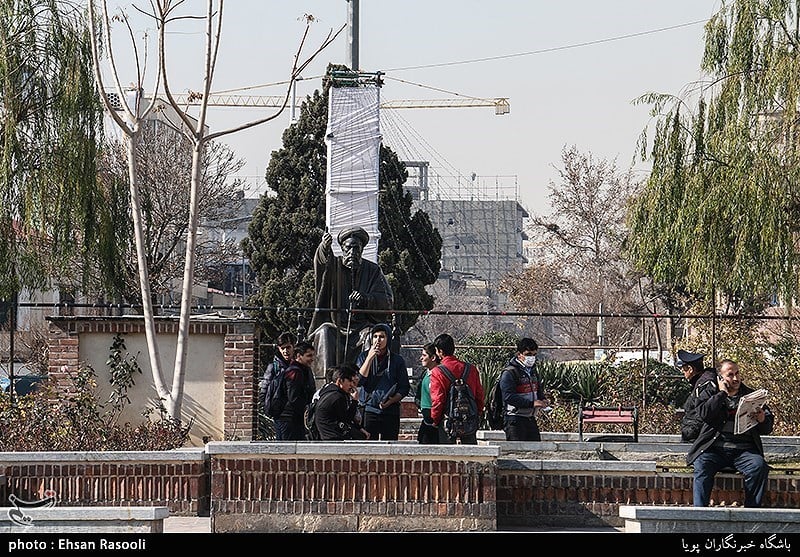
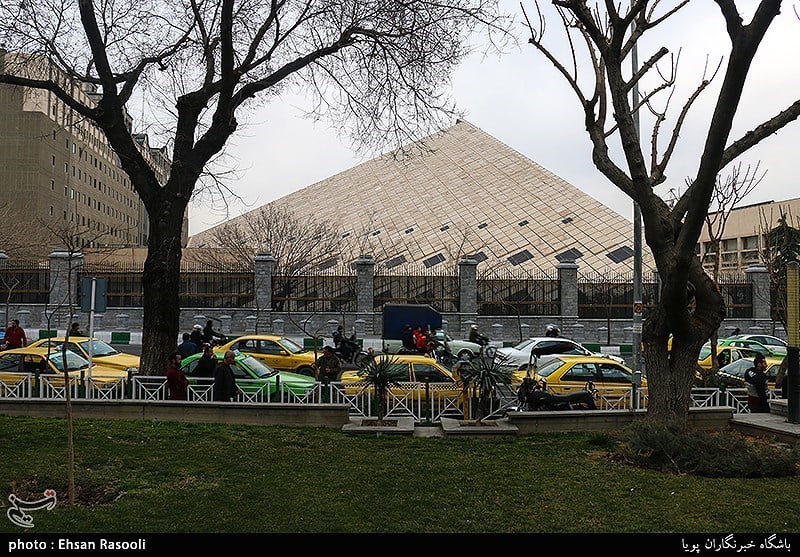
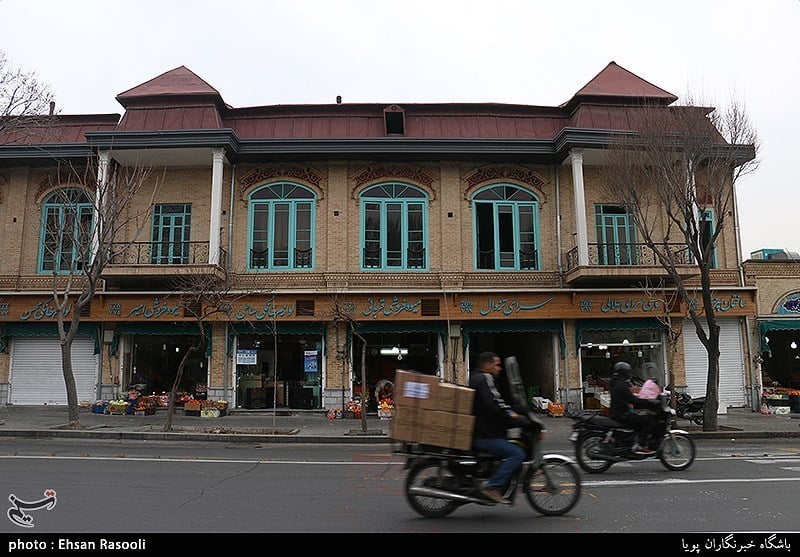
Tehran History Summarized in Baharestan Neighbourhood

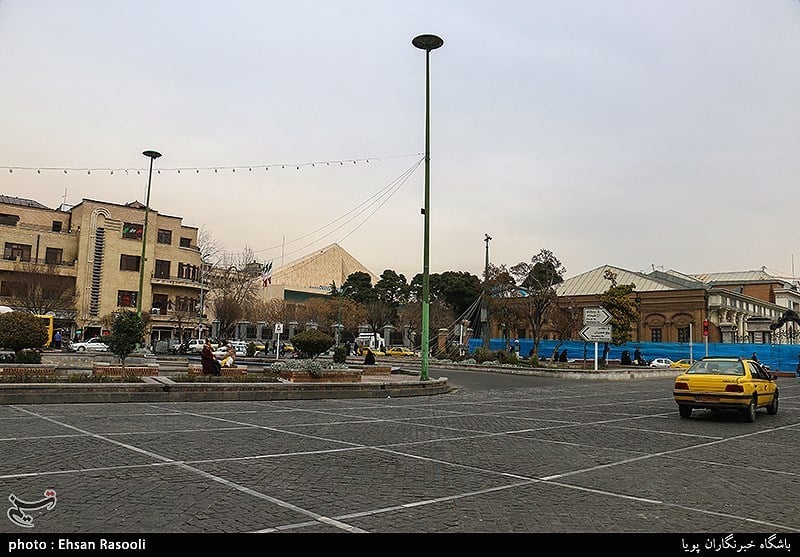
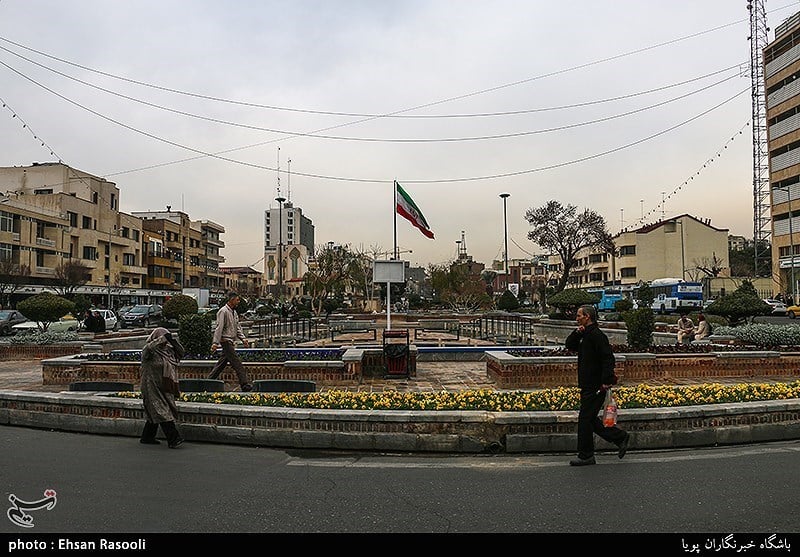
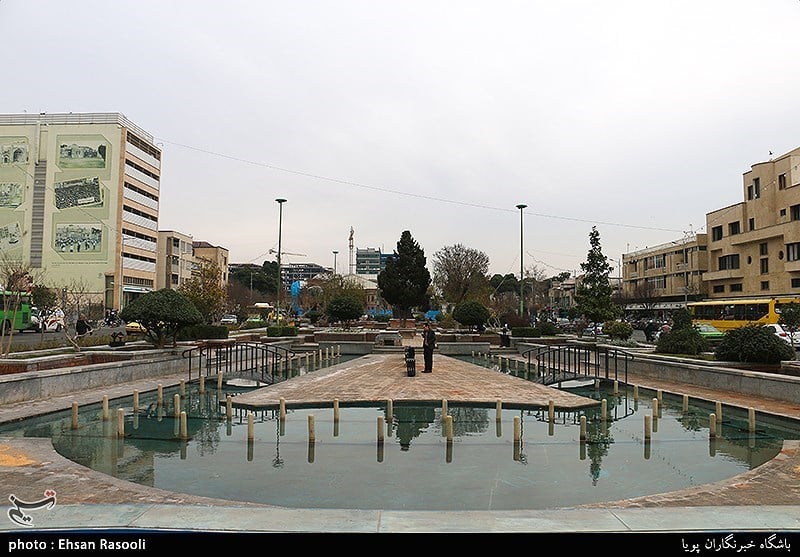
Baharestan Square

Baharestan square is host to several buildings and monuments witness to major events in Tehran history; particularly the National Consultative Assembly, the Old Iranian parliament building, and also the new Iranian parliament.

According to a Farsi report by Tasnim News Agency, the square has witnessed some of the most important political developments in the contemporary Iran.

Among them is the establishment of the National Consultative Assembly during the Constitutional Revolution in 1906, which made Iran the first Asian country with a democratic legislative parliament.

Other big developments are the assassination of Mirza Ali-Asghar Khan Atabak, the former prime minister of Iran, in 1907, the bombardment of the assembly by the Russian Colonel Vladimir Liakhov in 1908, and the 1953 coup against the democratically-elected Prime Minister Mohammad Mosaddeq.

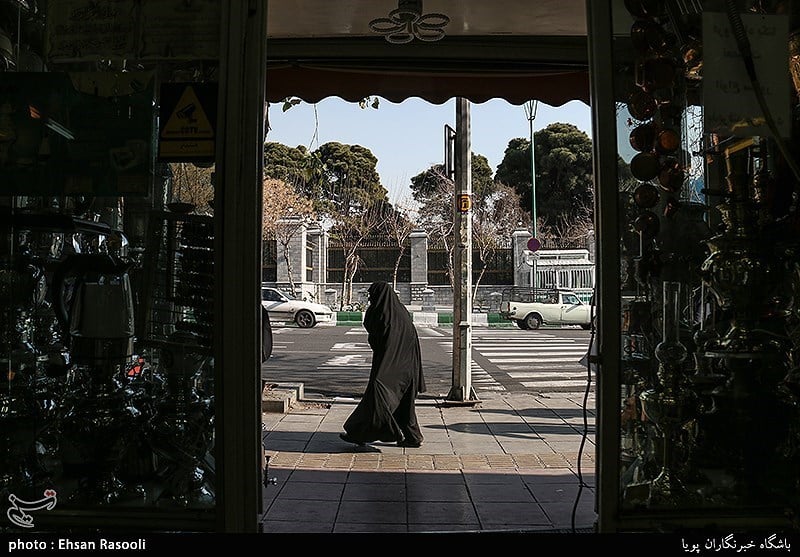
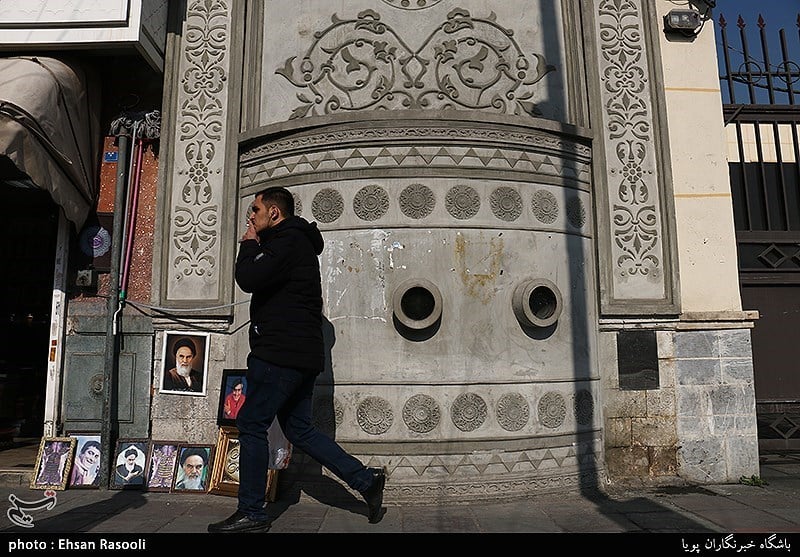
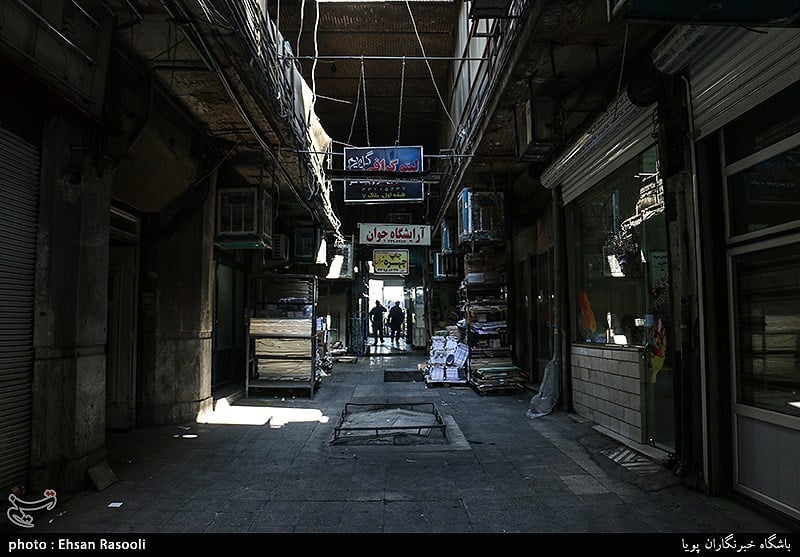
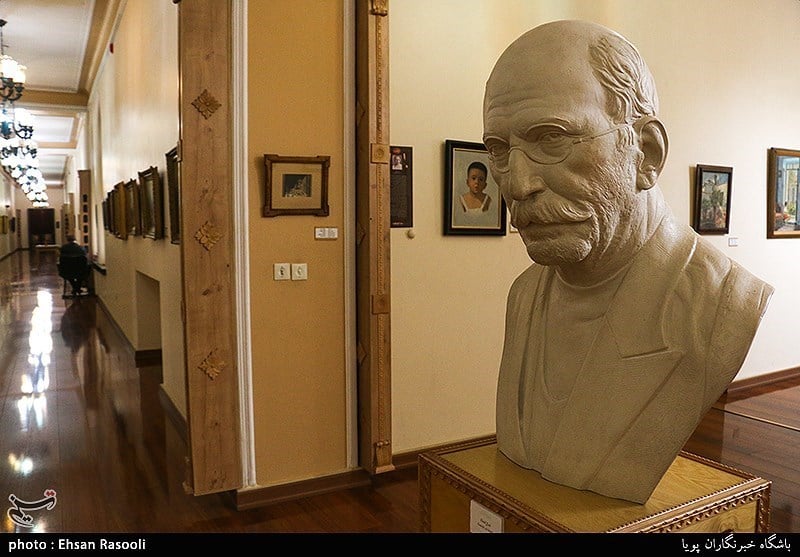
What follows are Tasnim‘s photos of Baharestan neighbourhood:
 

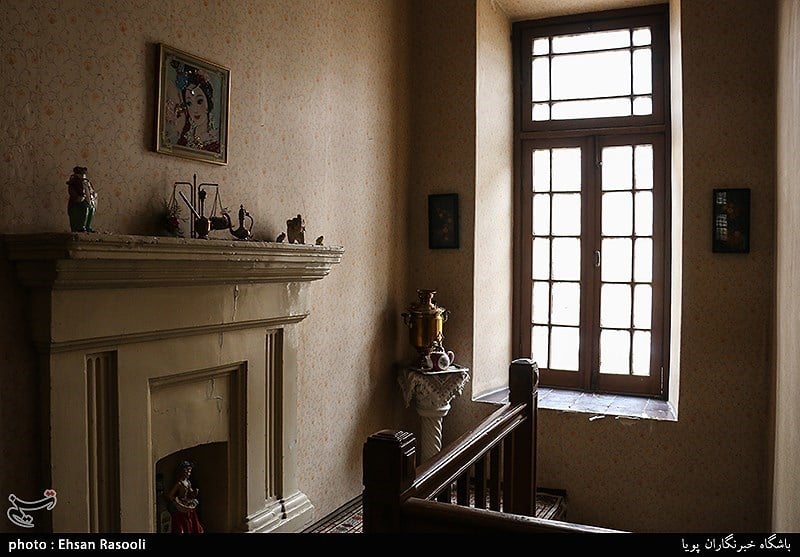
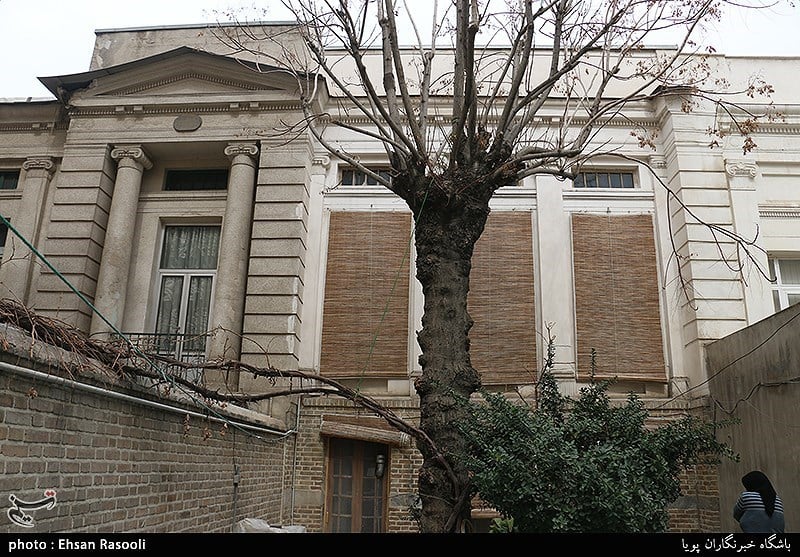
Parvin Etesami’s House

Among other important monuments located near the square is the house of Parvin Etesami, the most renowned Iranian female poet.

Her poetry is themed upon social, humanitarian and mystical concepts, and contains no allusions to romantic love or feminine sentiments.

The historic house, estimated to be 80 years old, has been registered as a national monument.


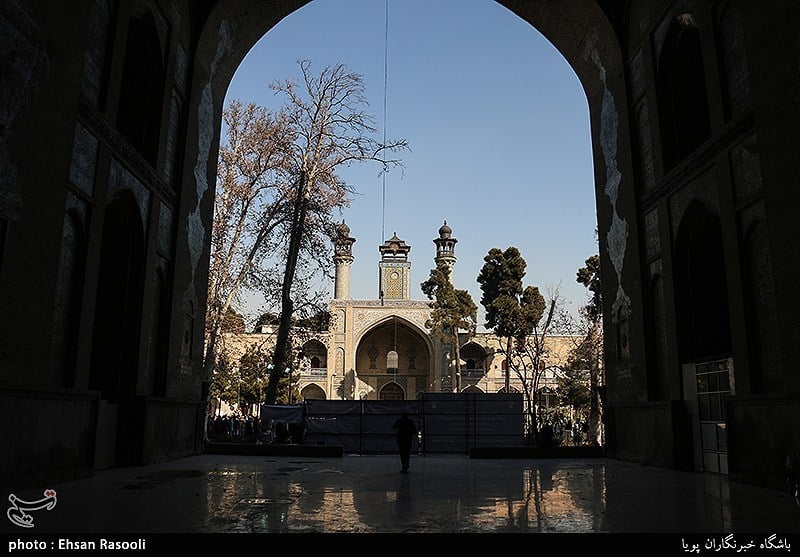
Sepahsalar Mosque

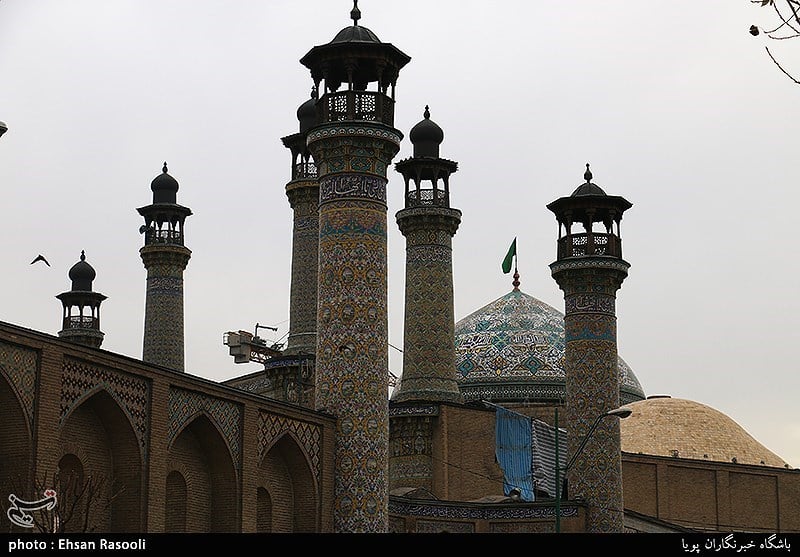
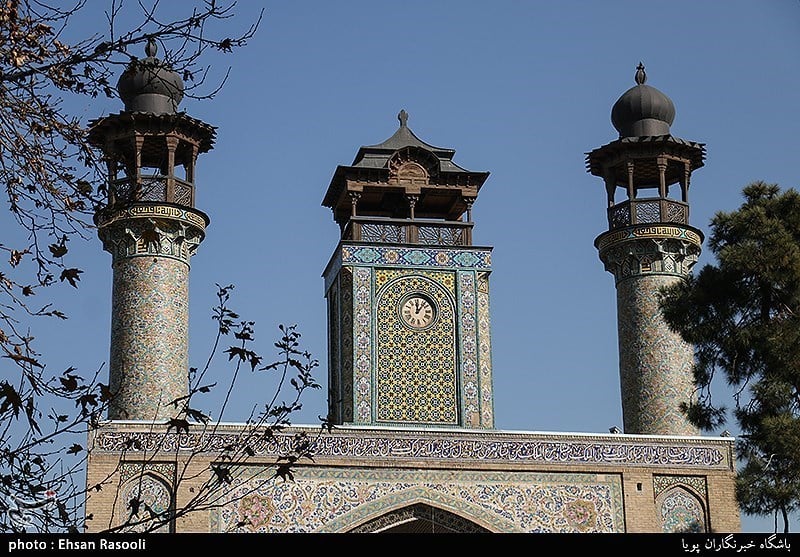
The Sepahsalar Mosque, also called Ayatollah Motahari Mosque, is one of the oldest and biggest mosques in Tehran and one of the most prestigious Islamic monuments in Iran.

The mosque, which is accompanied by a seminary with the same name, is located at the south-eastern part of Baharestan Square next to the parliament compound.

The mosque is a combination of sophisticated Persian architecture and that of Istanbul’s legendary mosques.
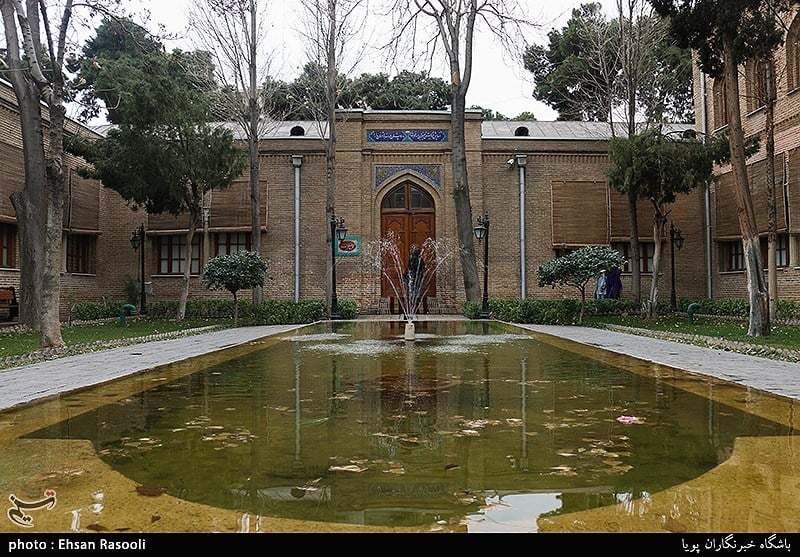
Negarestan Garden

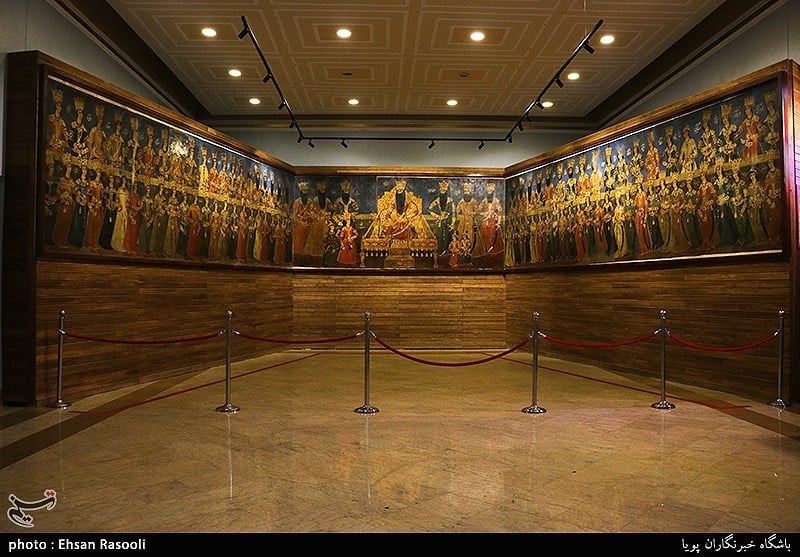
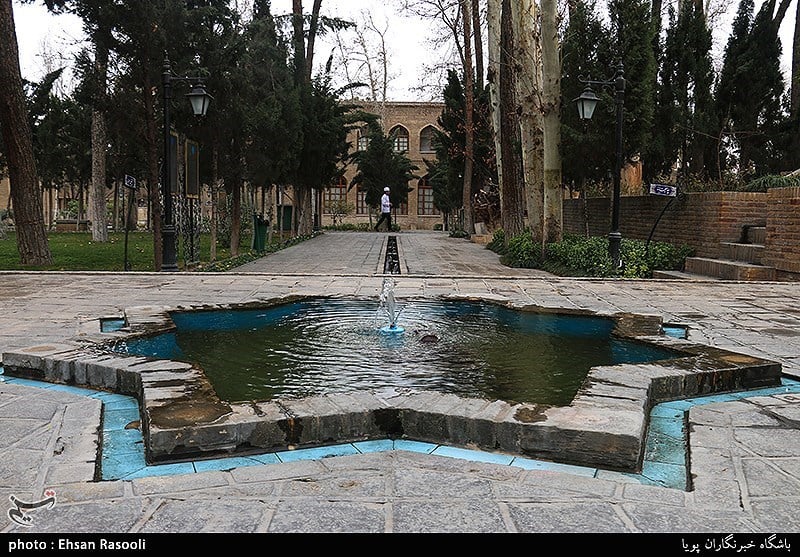
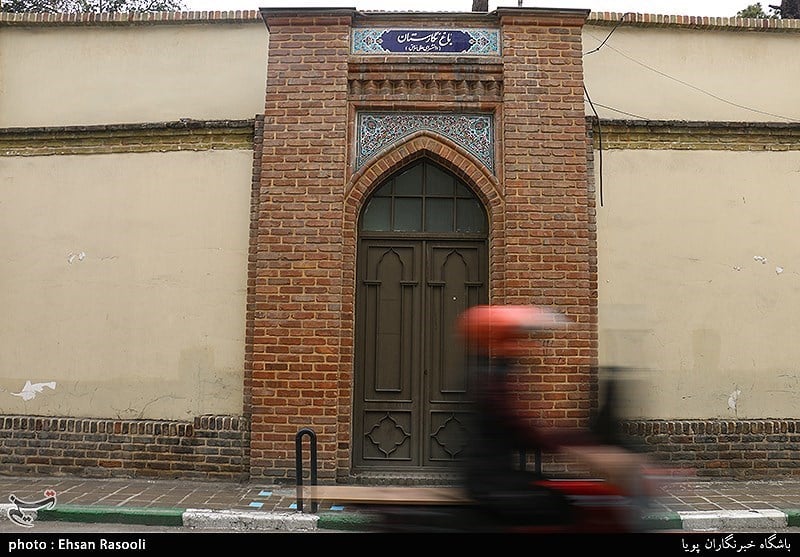
The Negarestan Garden-Museum, a Qajar era monument in the north of the Baharestan Square, was built as a summer residence for Fathali Shah in 1807.

One of the most important collections kept in the museum is a wall painting called “Line for Saluting Fathali Shah“. It is one of the best and most valuable examples of such Qajar paintings.

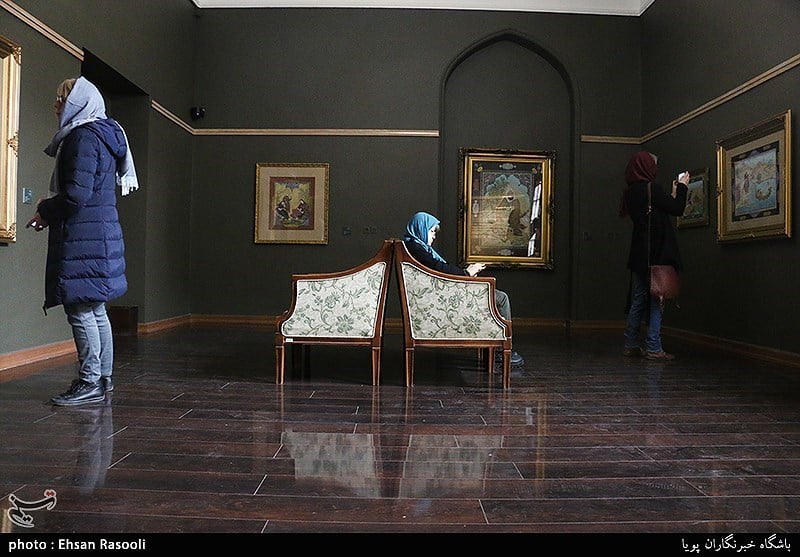
The garden is host to several museums, including the Kamal-ol-Molk School museum, which displays works of Qajar era painter Mohammad Ghaffari and his students.

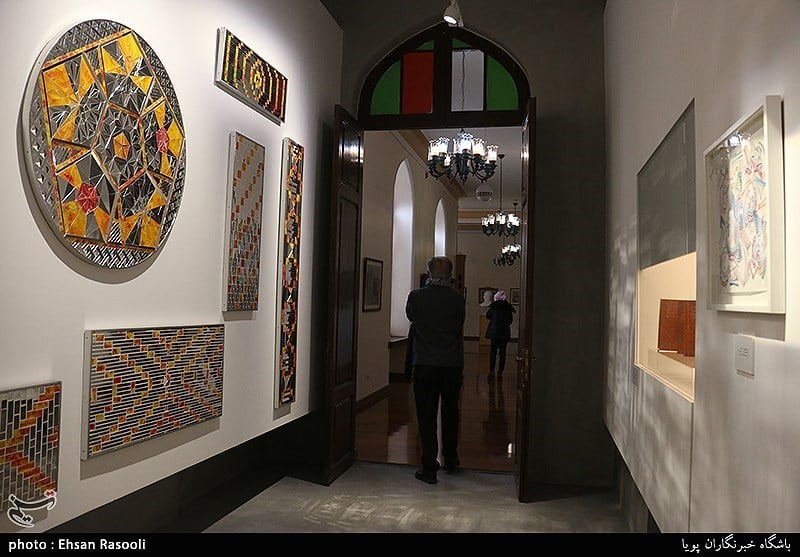
There is also the Monir museum, the first Iranian museum devoted to a woman artist that showcases the works of the 93-year-old artist Monir Shahroudi Farmanfarmaian, who is known for her mirror mosaics and geometric drawings.

 

Massoudieh Mansion

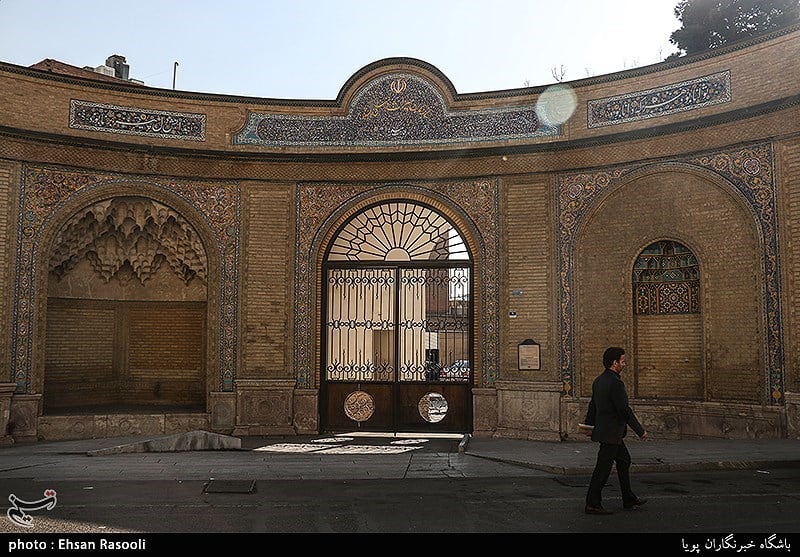
The Massoudieh Mansion was built in 1879 by the order of the Qajar prince Massoud Mirza, the son of Nasereddin Shah and the governor of Isfahan, as his residence in the capital.

The complex consists of five buildings: the forum, restaurant, spring house, Seyyed Javadi mansion, and the Moshir-ol-Molk mansion.

It is decorated with beautiful stucco, ceramics, calligraphy, graffiti and in general very exquisite decorations.
Massoudieh Mansion, Baharestan, Tehran
Massoudieh Mansion


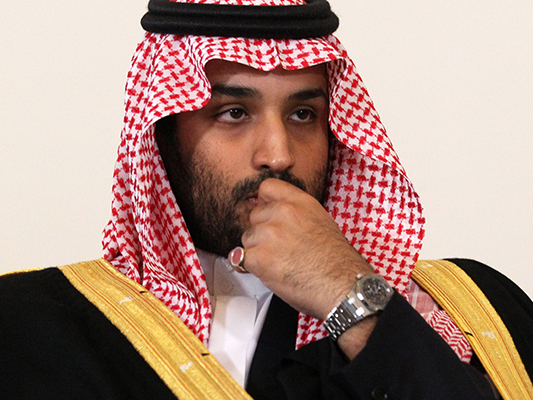
Riyadh Spreading Wahhabism at West’s Request: Crown Prince

As analysts view Wahhabism as the main source of Takfiri ideology of some terrorist groups like ISIS, the Saudi crown prince has admitted that his country is spreading Wahhabism at the request of its western allies.

“Investments in mosques and madrassas overseas were rooted in the Cold War, when allies asked Saudi Arabia to use its resources to prevent inroads in Muslim countries by the Soviet Union,” he was quoted as saying in an interview with Washington Post.

Successive Saudi governments lost track of the effort, he said, and now “we have to get it all back.”

He went on to say funding now comes largely from Saudi-based “foundations”, rather than from the government.

During the interview, he also touched on Islam and his interpretation of the religion.

“I believe Islam is sensible, Islam is simple, and people are trying to hijack it,” he said.

Bin Salman said lengthy discussions with clerics have been positive and are “why we have more allies in the religious establishment, day by day.”

On his reform efforts at home, including giving women the right to drive and have more rights outside the home, the crown prince said he has worked hard to convince conservative religious leaders such restrictions are not part of Islamic doctrine.

Elsewhere in the interview, the Saudi crown prince said it would be “really insane” for him to trade classified information with presidential son-in-law and White House adviser Jared Kushner, or to try to use Kushner to promote Saudi aims within the Trump administration.

Bin Salman denied US media reports that he had claimed Kushner was “in his pocket,” or that, when the two met in Riyadh in October, he had sought or received a green light from Kushner for massive arrests of allegedly corrupt members of the royal family and Saudi businessmen that took place in the kingdom shortly afterward, Washington Post wrote.

He also said Saudi Arabia owns about 5 percent of world’s uranium reserves adding “if we don’t use it, it’s like telling us don’t use oil.”

Bin Salman then talked about the prospects for economic growth in the Middle East, saying it could be “the next Europe” if a series of problems can be resolved.

He described the US move to recognize Jerusalem al-Quds as Israel’s capital as “painful” and added the move has made a deal under US auspices far more difficult.

N. Korean Leader in Beijing Pledges Denuclearization: China

After two days of speculation, China and North Korea both confirmed that Kim had traveled to Beijing and met Xi during what China called an unofficial visit from Sunday to Wednesday.

The visit was Kim’s first known trip outside North Korea since he assumed power in 2011 and is believed by analysts to serve as preparation for upcoming summits with South Korea and the United States.

North Korea’s KCNA news agency made no mention of Kim’s pledge to denuclearize, or his anticipated meeting with US President Donald Trump that is planned for some time in May.

China has traditionally been secretive North Korea’s closest ally but ties have been frayed by its pursuit of nuclear weapons and China’s backing of tough UN sanctions in response.

China’s Foreign Ministry cited Kim in a lengthy statement as telling Xi the situation on the Korean peninsula was starting to improve because North Korea had taken the initiative to ease tension and put forward proposals for talks.

“It is our consistent stand to be committed to denuclearization on the peninsula, in accordance with the will of late President Kim Il Sung and late General Secretary Kim Jong Il,” Kim Jong Un said, according to the ministry, Reuters reported.

North Korea is willing to talk with the United States and hold a summit between the two countries, he said.

“The issue of denuclearization of the Korean Peninsula can be resolved, if South Korea and the United States respond to our efforts with goodwill, create an atmosphere of peace and stability while taking progressive and synchronous measures for the realization of peace,” Kim said.

‘NUCLEAR UMBRELLA’

Kim Jong Un’s predecessors, grandfather Kim Il Sung and father Kim Jong Il, both promised not to pursue nuclear weapons but secretly maintained programs to develop them, culminating in the North’s first nuclear test in 2006 under Kim Jong Il.

The North had said in previous, failed talks aimed at dismantling its nuclear program it could consider giving up its arsenal if the United States removed its troops from South Korea and withdrew its so-called nuclear umbrella of deterrence from South Korea and Japan.

Many analysts and former negotiators believe this still constitutes North Korea’s stance on denuclearization of the Korean peninsula and remain deeply skeptical Kim is willing to give up the weapons his family has been developing for decades.

At first wrapped in secrecy, the announcement of Kim Jong Un’s visit soon became the third-most discussed topic on China’s Weibo microblogging site, although many state media outlets blocked their comments sections.

Widely read Chinese state-run newspaper the Global Times praised the meeting as proving wrong naysayers about Beijing-Pyongyang relations.
“China and North Korea maintaining their friendly relations provides a positive force for the whole region and promotes strategic stability in northeast Asia,” it said in an editorial.

Kim’s appearance in Beijing involved almost all the trappings of a state visit, complete with an honor guard and banquet at Beijing’s Great Hall of the People.

Kim and Xi also met at the Diaoyutai State Guest House, where Kim Il Sung planted a tree in 1959 that still stands.

State television showed pictures of the two men chatting and Kim’s wife, Ri Sol Ju, getting a warm welcome from Xi’s wife, Peng Liyuan.

TRUMP BRIEFED

China briefed Trump on Kim’s visit and the communication included a personal message from Xi to Trump, the White House said in a statement.

“The United States remains in close contact with our allies South Korea and Japan. We see this development as further evidence that our campaign of maximum pressure is creating the appropriate atmosphere for dialogue with North Korea,” it said.

Analysts said the meeting strengthened North Korea’s position ahead of any meeting with Trump by aligning Beijing and Pyongyang while reassuring China it was not being sidelined in any negotiations.
“It seems that North Korea is not ready to deal with the United States without support and help from its longtime ally China,” said Han Suk-hee, professor of Chinese Studies at South Korea’s Yonsei University.

A top Chinese diplomat, Politburo member Yang Jiechi, will brief officials, including President Moon Jae-in, in Seoul on Thursday about the Beijing talks, the presidential office in Seoul said.

Kim told a banquet hosted by Xi the visit was intended to “maintain our great friendship and continue and develop our bilateral ties at a time of rapid developments on the Korean peninsula”, according to KCNA.

Xi had accepted an invitation “with pleasure” from him to visit North Korea, KCNA said.

China made no mention of Xi accepting an invitation.

China had largely sat on the sidelines as North Korea improved relations with South Korea recently, raising worry in Beijing that it was no longer a central player in the North Korean issue, reinforced by Trump’s subsequent announcement of his proposed meeting with Kim Jong Un in May.

“China is North Korea’s lifeline, so the notion, from a Chinese perspective, that Kim Jong Un could have had these other two meetings before meeting with Xi Jinping, I think the Chinese just thought that is not going to happen,” said Paul Haenle, director of the Carnegie–Tsinghua Center in Beijing and the former White House representative to North Korea denuclearization talks from 2007-2009.

Improving ties between North Korea and China would be a positive sign before summits involving the two Koreas and the United States, a senior South Korean official said on Tuesday.

Iran Beats Algeria in FIFA World Cup Warm-up

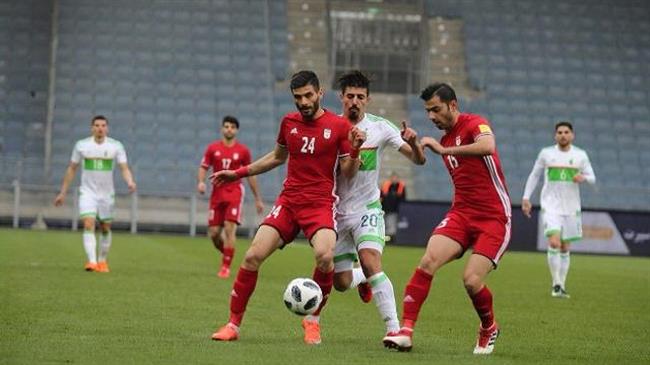
On Tuesday evening, Team Melli beat the Fennecs 2-1 at the Liebenauer Stadium, sponsored as the Merkur-Arena, in the Austrian city of Graz. The match gave the Iranian footballers some competitive testing before starting their World Cup campaign against Morocco, which has the same style of football as that of Algeria.

Iranian professional footballer Sardar Azmoun found the back of the net with a header in the 11th minute, before Mehdi Taremi, who plays for the Qatari al-Gharafa Football Club, scored another goal eight minutes later to make it 2-0.

Algeria’s 27-year-old center-back Farouk Chafai pulled a goal back in the 56th minute with a header.

During the official 2018 FIFA World Cup draw ceremony at Kremlin State Palace in the Russian capital city of Moscow on December 1, Team Melli joined the Portugal national football team, nicknamed A Selecção, Spain’s La Furia Roja and Atlas Lions of Morocco in the preliminary round of the tournament.

The host nation, Saudi Arabia, Egypt and Uruguay form Group A in the upcoming quadrennial international sports event.

France is drawn in Group C, and is pitted against Australia, Peru and Denmark.

Argentina, Iceland, Croatia and Nigeria are drawn in Group D.

Group E consists of Brazil, Switzerland, Costa Rica and Serbia.

While the 2014 FIFA World Cup champion Germany, Mexico, Sweden and South Korea shape Group F, Belgium, Panama, Tunisia and England are in Group G.

Group H has Poland, Senegal, Colombia and Japan.

The 2018 FIFA World Cup will take place from June 14 to July 15. Russia will open the event against Saudi Arabia in a Group A fixture at Moscow’s Luzhniki Stadium.

A total of 64 matches will be played in 12 venues located in 11 cities.

Iran will start its World Cup campaign against Morocco at Krestovsky Stadium in Saint Petersburg, Russia, on June 15.

Foreign Troops’ Pullout Precursor to Peace in Afghanistan: Iran

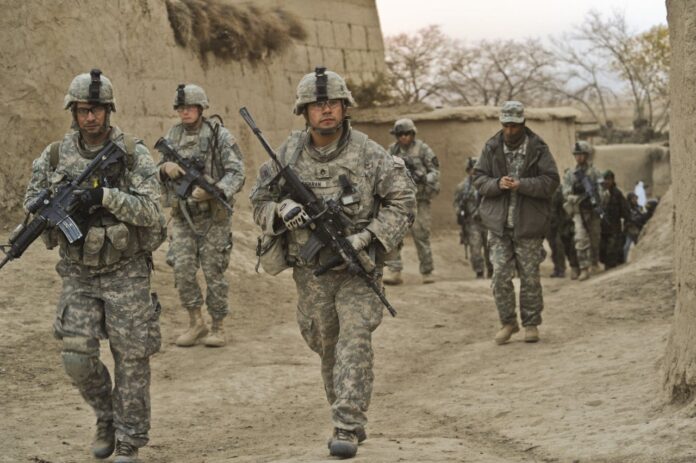
Addressing a conference on peace in Afghanistan held in the Uzbek capital of Tashkent, Deputy Foreign Minister Seyyed Abbas Araqchi said war in Afghanistan is the fallout from the presence of foreign military troops in the country.

He said a military approach to settle the Afghanistan issue has failed in the past and will be a nonstarter in the future as well. The top official said the withdrawal of foreign forces from Afghanistan would be the preamble to moving towards peace in the country.

Araqchi, who was attending the conference at the head of a delegation, welcomed the Afghan president’s recent initiative to invite armed opposition to take part in peace negotiations, describing the move as a positive step.

Araqchi called on warring sides to sit down for talks to work out a political solution to the problems facing the country.

He also expressed Iran’s readiness to help the Afghan government promote the peace trend in the country.

The Tashkent Conference on Afghanistan, focusing on peace, security cooperation and regional connectivity was held Tuesday, March 27, 2018, bringing together the presidents of Uzbekistan and Afghanistan as well as delegates from 25 countries and regional and international organisations.
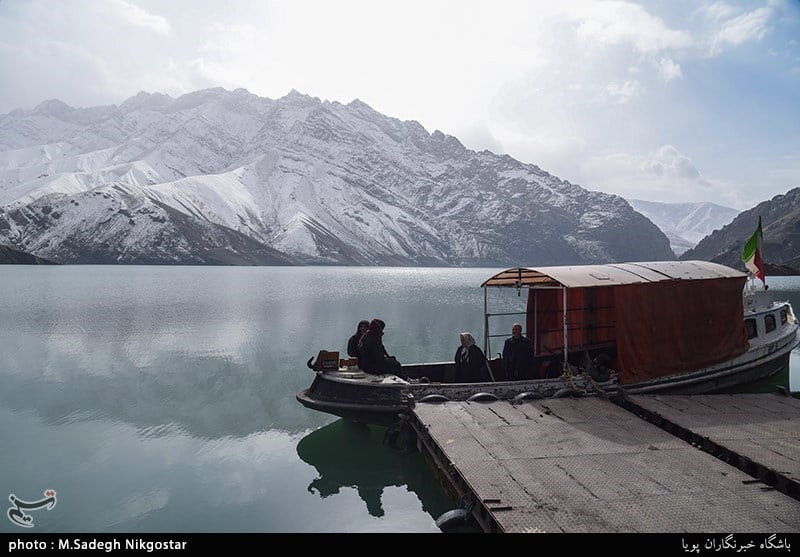
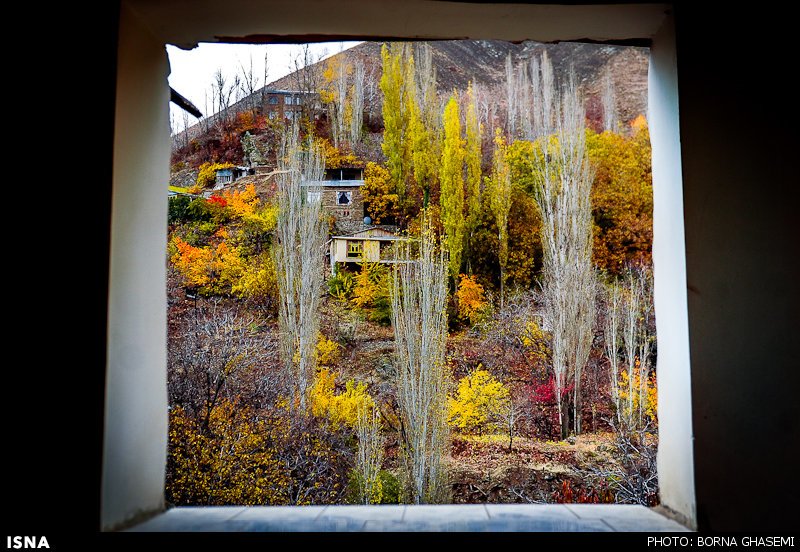
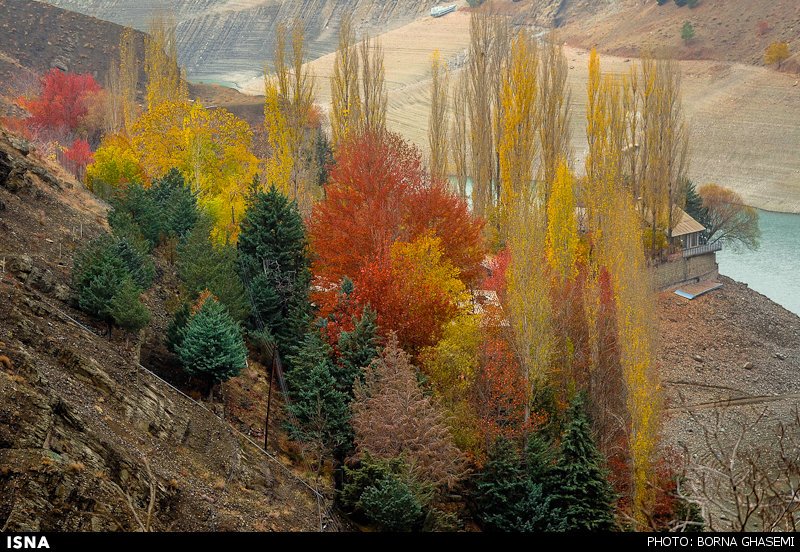
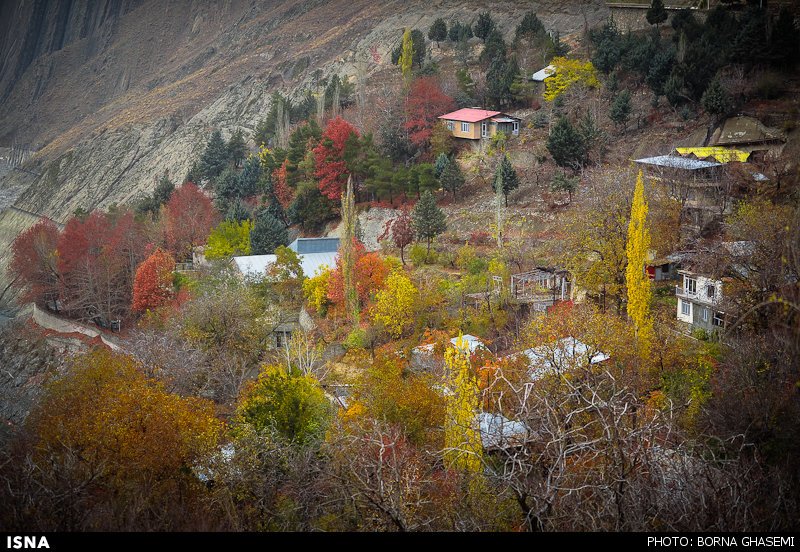
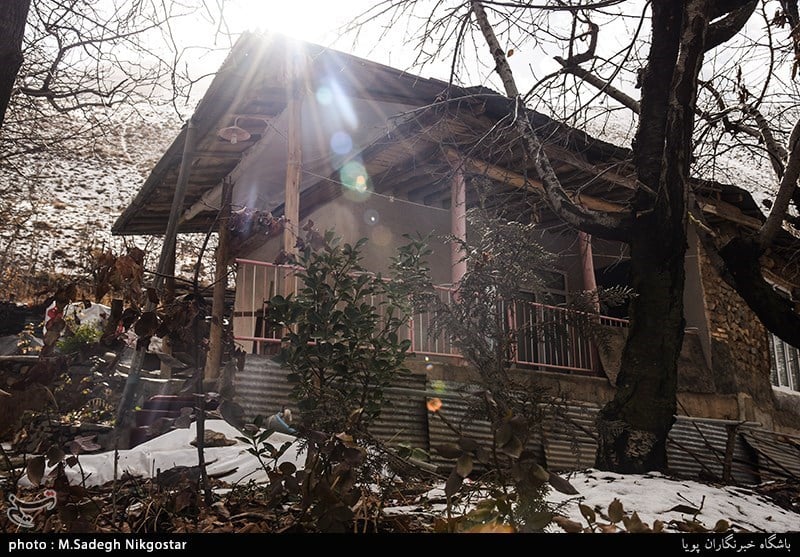
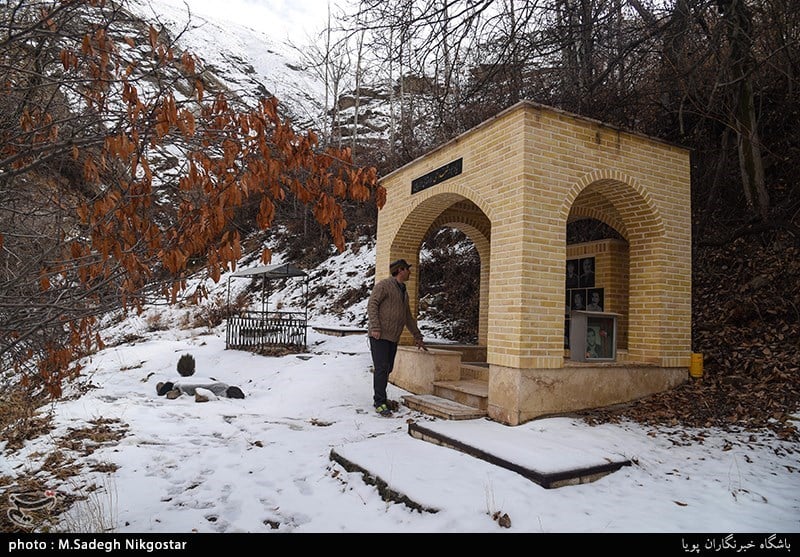
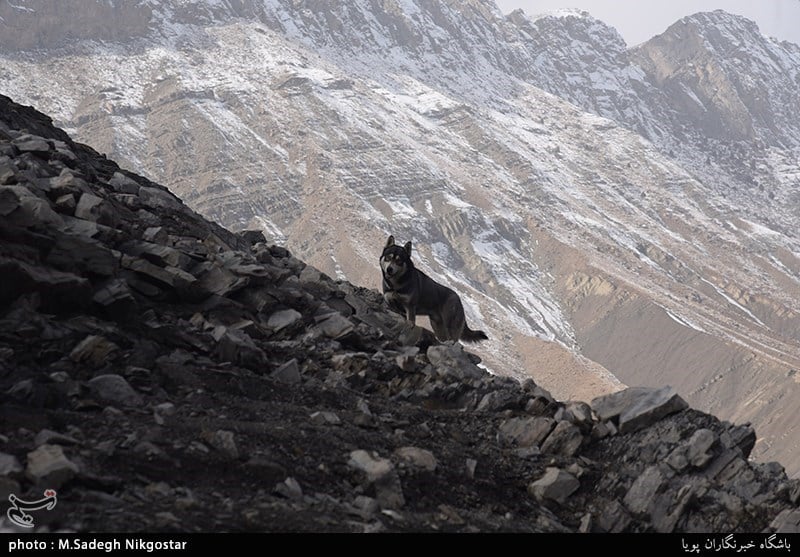
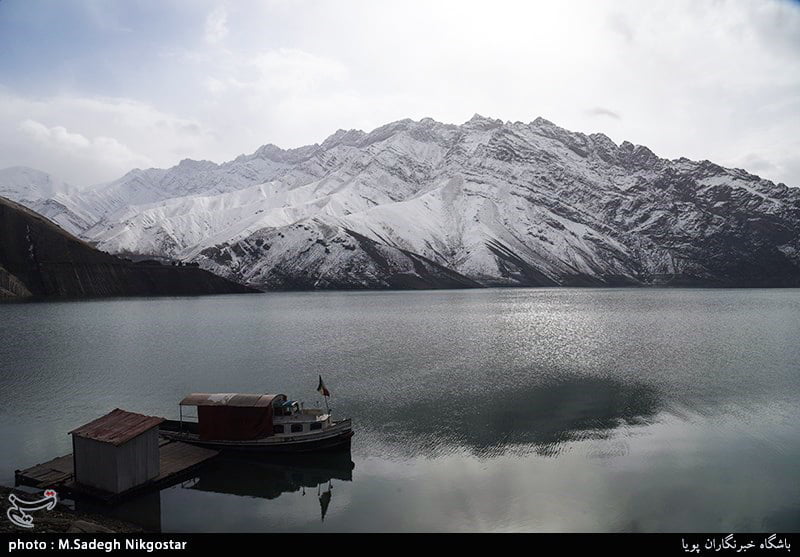
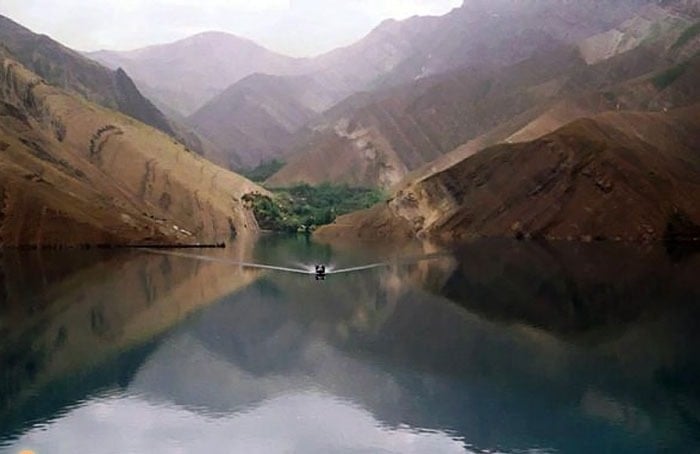
Varian; A Virgin Village with No Landline, Electricity

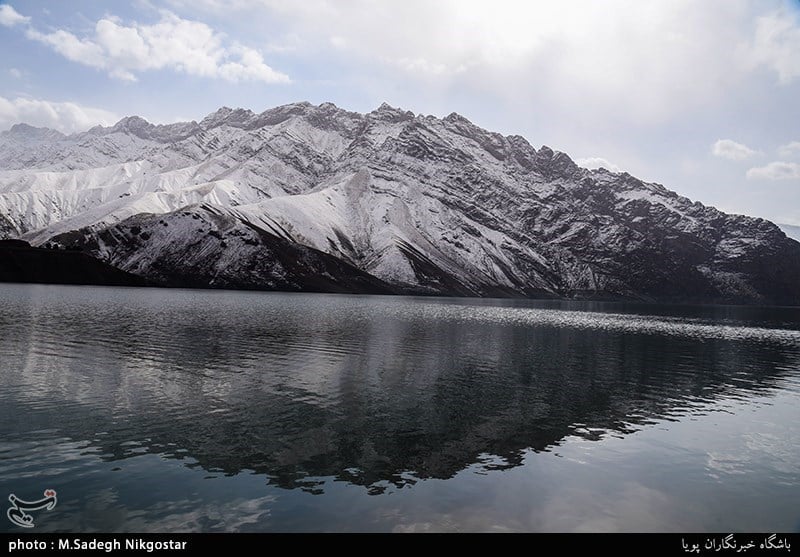
The village is divided into two historical periods; the period before the Karaj Dam construction and the era after the emergence of the dam.

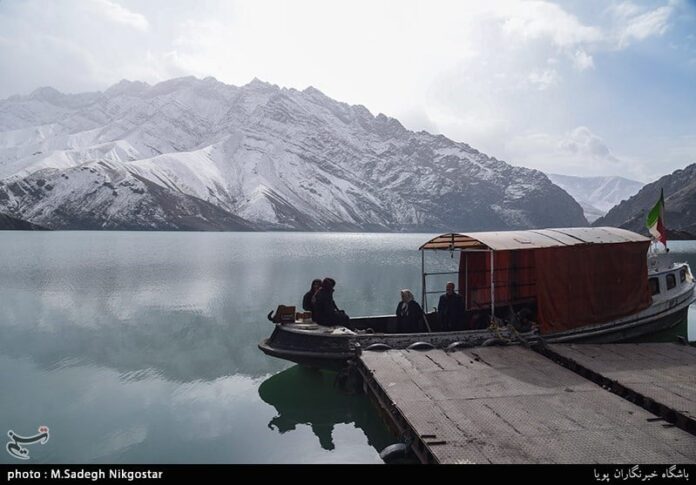
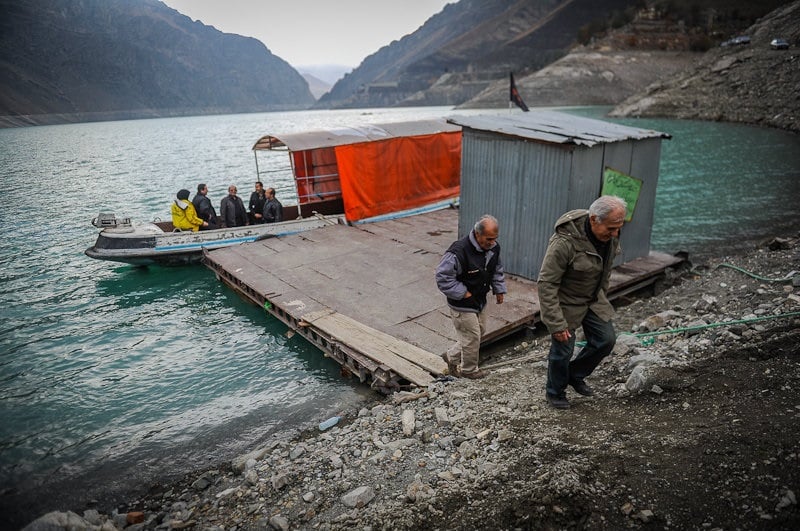
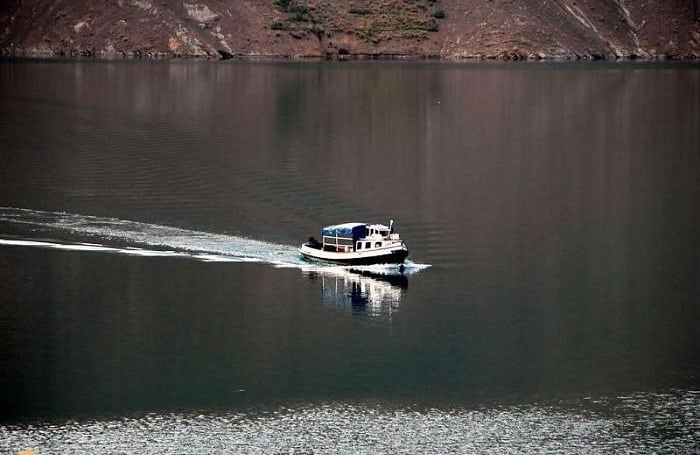
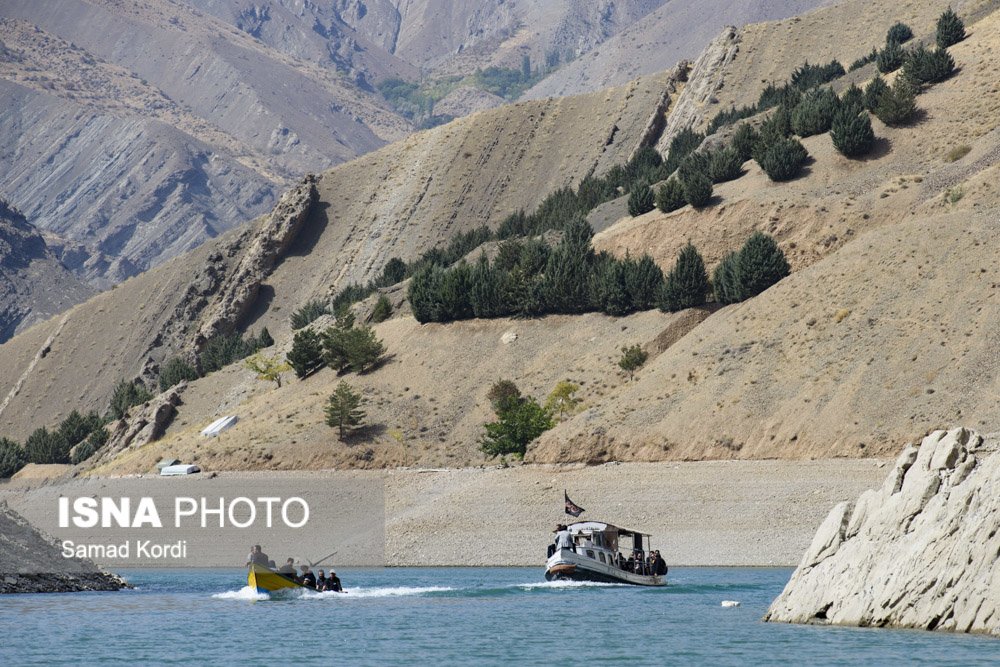
The old Varian, which is now largely under water, was roughly like a city, and every kind of food products were produced there. The village also had some roads. However, after the construction of the dam in 1961, a number of gardens of the Varian inhabitants came to be located on the eastern edge of the dam, where no one could have access to them except using boats.

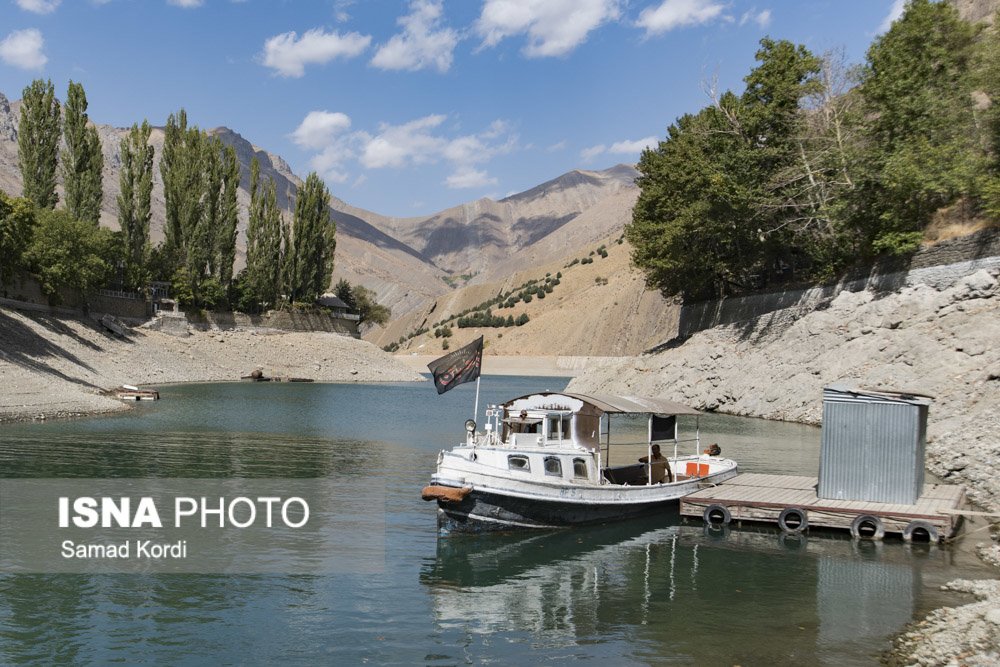
The same gardens make up the present-day Varian, and as such, the modern-day Varian is considered as the only water village in Iran, because the only way to access it is possible by boats.

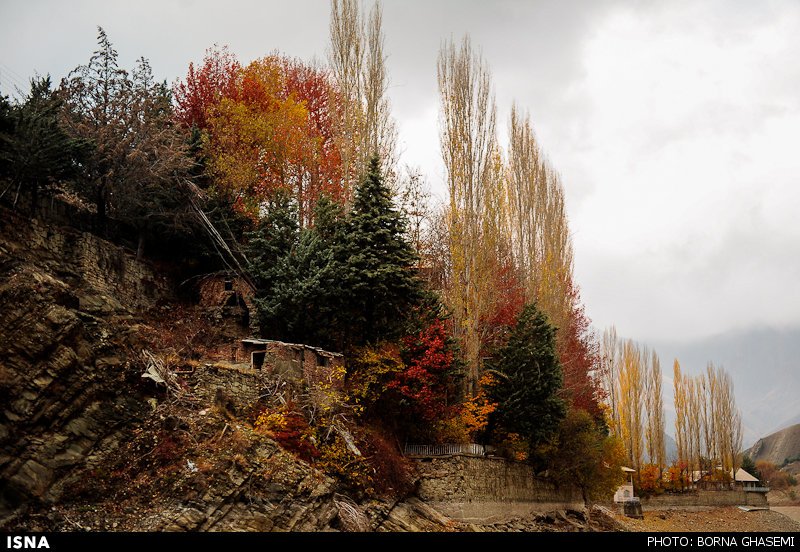
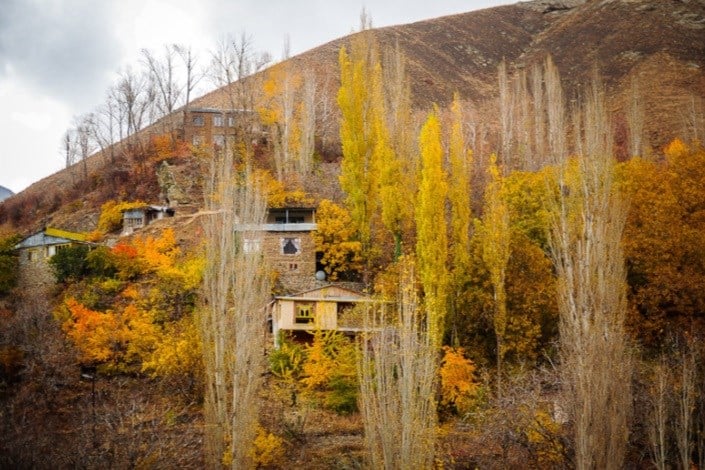
Varian is the only village located next to the Karaj dam with no roads. As there is no landline and electricity, the village has remained intact and protected from anti-environment activities.

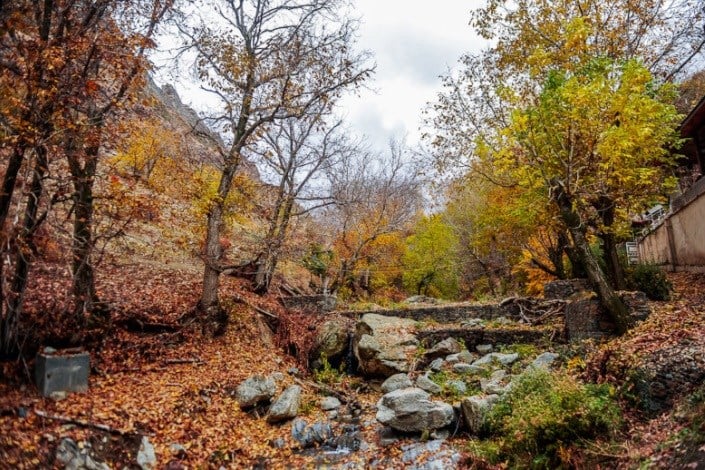
The village is one of the natural and mountainous attractions of Alborz province. At the 2016 census, its population was 39 people in 15 families.

What follows are the photos of this virgin village retrieved from various sources:

Saudis’ Defeats in Yemen Prove Riyadh No Big Regional Power: Iran

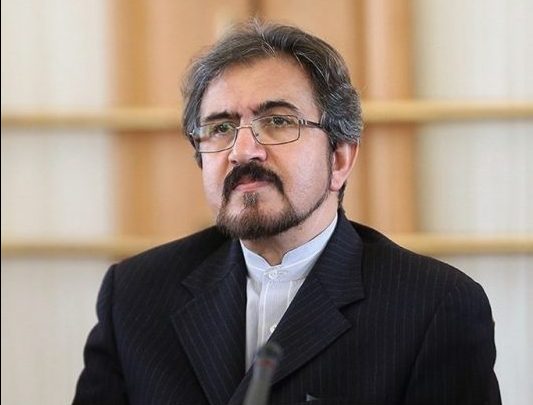
In a Tuesday statement, Qassemi said Saudi Arabia is not big enough or in a position and situation to translate its delusions and fancies into reality.

In a reaction to the measures adopted and statements made by the Saudi officials on the third anniversary of Yemen war, Qassemi said by levelling baseless, absurd and unsubstantiated accusations against others, the Saudis are seeking to cover up their back-to-back failures in achieving field victory in the war on the Yemeni nation despite being equipped with a huge collection of cutting-edge weaponry worth tens of billions of dollars.

“The reality is that the Saudis and their allies have faced the resistance of Yemeni people and experienced a scandalous defeat in the unfair war on impoverished nation,” he said.

Qassemi also referred to the threatening statements of a Saudi military commander about Iran and said it goes without saying that such warmongering and irresponsible statements can be followed up legally and internationally.

The spokesman also said the least lesson that the Saudi officials were expected to learn from their war on the innocent people of Yemen was to leave behind their hallucinations about being a great power as well as their fancies and come to the sense that they cannot establish power and security through purchasing weapons and costly imported security.

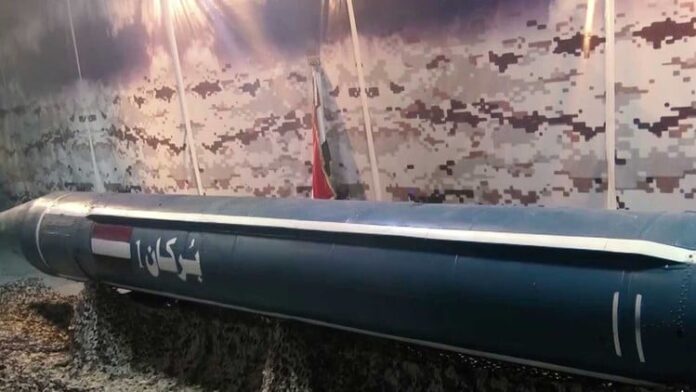
The Saudi-led coalition accusesIran of supplying missiles to Yemenis. The coalition’s Spokesman Colonel Turki al-Malki said the coalition reserved the right to respond to Iran “at the appropriate time and manner”, under international law and within the framework of the United Nations, to protect Saudi Arabia.

On the eve of the third anniversary of the war in Yemen, Yemeni army backed by Ansarullah Movement unleashed their biggest barrage of ballistic missiles so far in the conflict.

Saudi defence officials say that all of the missiles were successfully intercepted, but that falling debris killed one Egyptian. The Houthis claim that is a lie, and that some of the missiles did hit the intended targets.

On March 26, 2015 Saudi Arabia along with 10 of its regional allies, and with the blessing of the United States launched an indefinite military operation in Yemen in a bid to restore Saudi-allied former President Abd-Rabbu Mansour Hadi. Since then thousands of Yemenis most of them civilians have been killed.

Iran, Turkmenistan Sign 13 MoUs to Strengthen Bonds of Friendship

The MoUs were signed by high-level delegatesfrom the two sides in a meeting between Iranian President Hassan Rouhani and his Turkmen counterpart GurbangulyBerdimuhamedow in Turkmenistan’s capital of Ashgabat on Tuesday.

The agreements cover collaboration in various fields, including political, cultural, trade, industrial, agricultural, sports and academic.

Speaking in the meeting, Rouhani said he was pleased to announce the two sides hold “very constructive and valuable” talks and made “good decisions” in line with the interests of the two nations.

The Iranian president said the volume of bilateral trade is not satisfactory, hence the two gas-rich countries will work to exploit capacities for energy cooperation.

“Thanks to their location, Iran and Turkmenistan could act as gateways for high seas and Central Asia and facilitate transit of goods in the region,” Rouhani said, adding the two governments have also decided to work to remove obstacles to closer transit collaboration.

“With transit-related problems solved, the ground will be prepared for closer cooperation between the two countries and their private sectors,” Rouhani said.

Rouhani said the two sides also discussed regional and international issues of mutual concern.

“We talked about fighting terrorism, ways of promoting stability in the region and humanitarian efforts. Overall, valuable agreements were signed that could further enhance bilateral cooperation.
 

Brotherly Atmosphere

The Turkmen president said the Tuesday talks were held in a “brotherly atmosphere”, expressing hope the agreements signed will provide the two nations with significant benefits.

“Strengthening Iran-Turkmenistan friendship is of high importance for us,” he said.

A joint statement by the two countries said they are determined to boost ties in all spheres.

The statement said Rouhani has invited his Turkmen counterpart to pay a visit to Tehran, which has been accepted by Berdimuhamedow.

Rouhani started a two-day visit to the Central Asian country on Tuesday.

The presidentwas on the first leg of a tour of neighboring countries that will also take him to Azerbaijan.

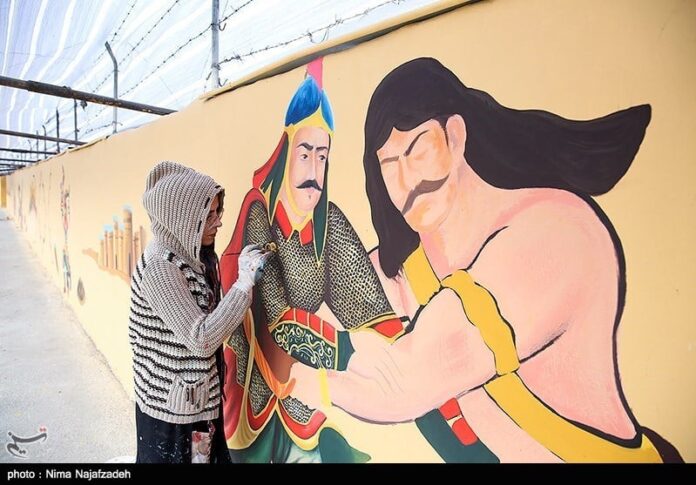
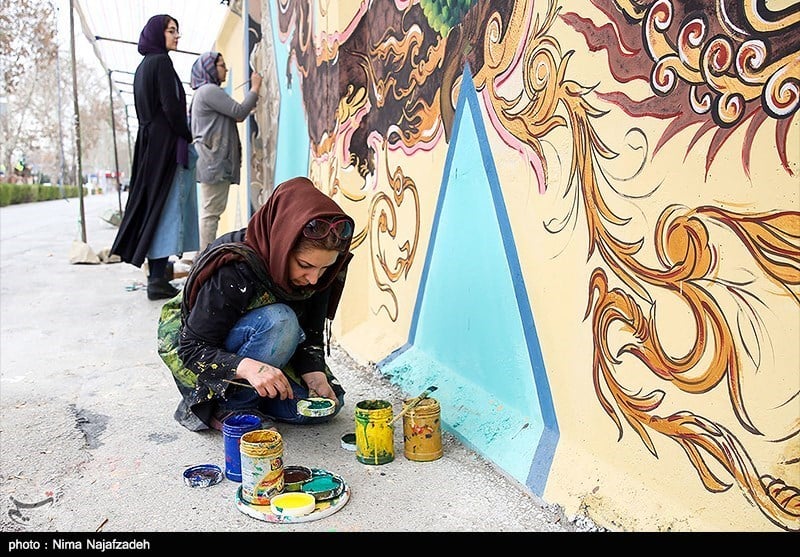
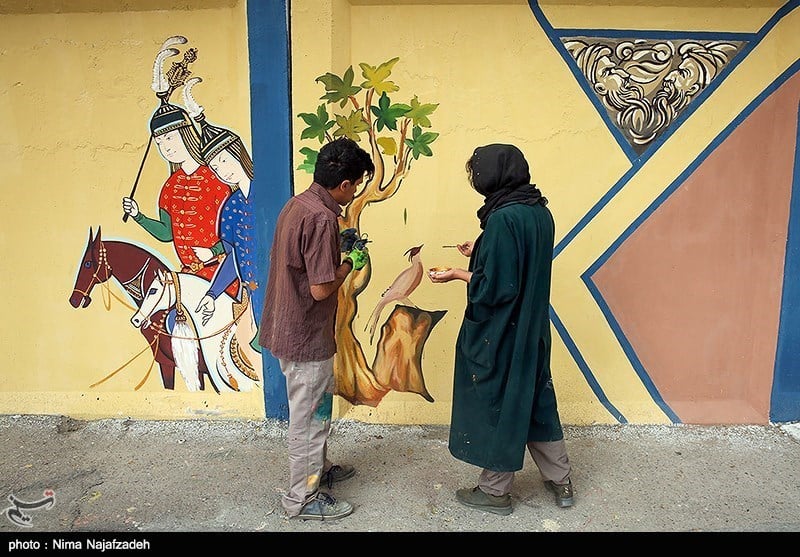
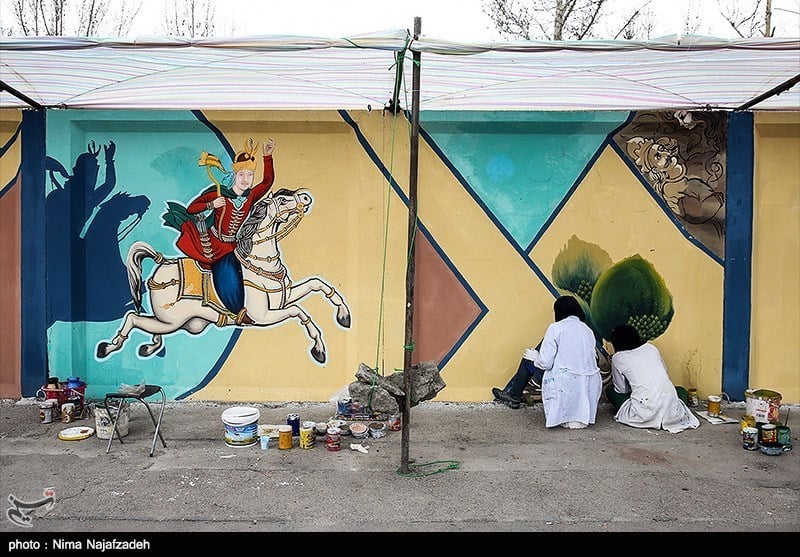
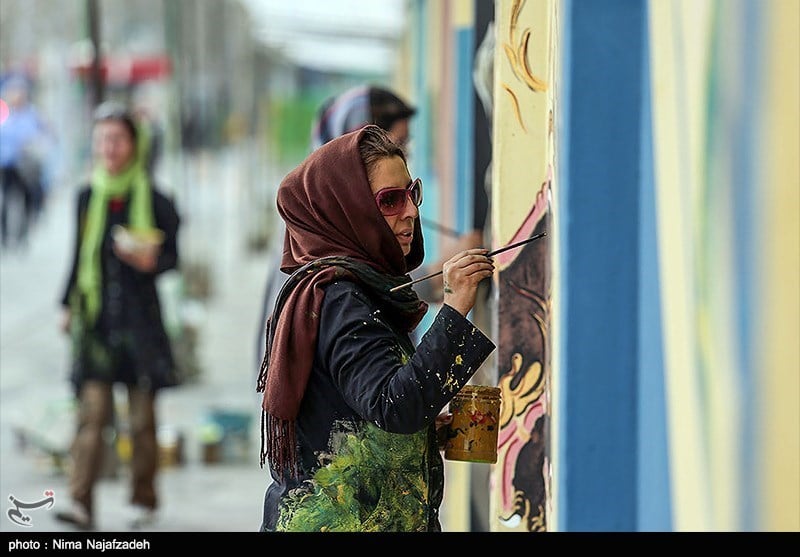
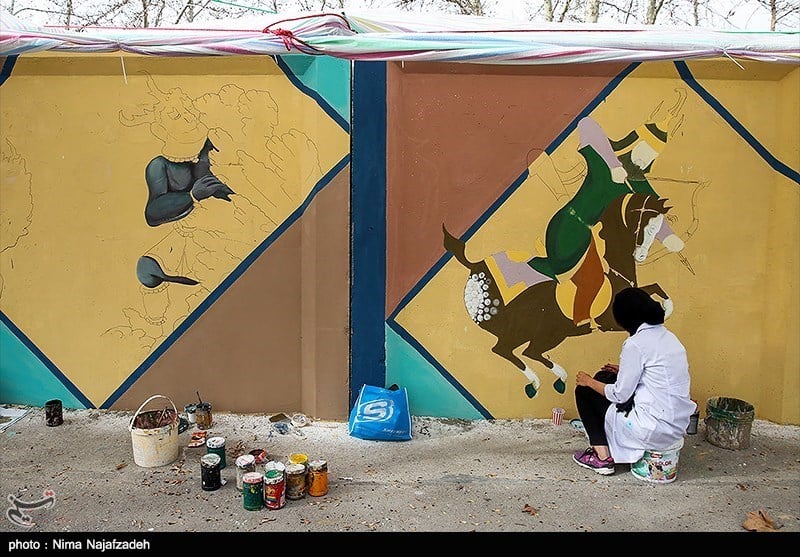
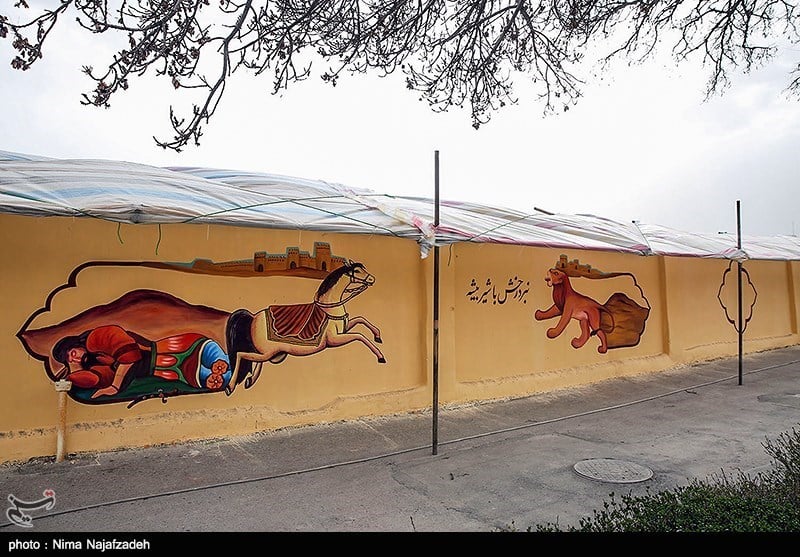
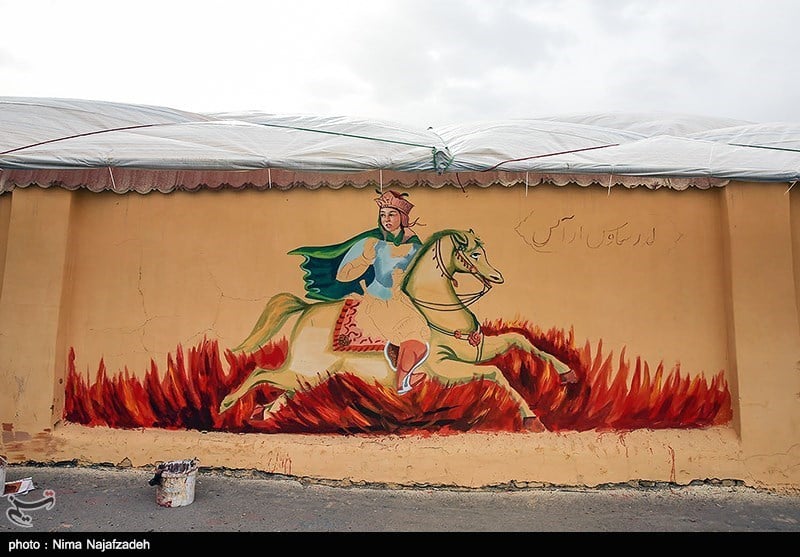
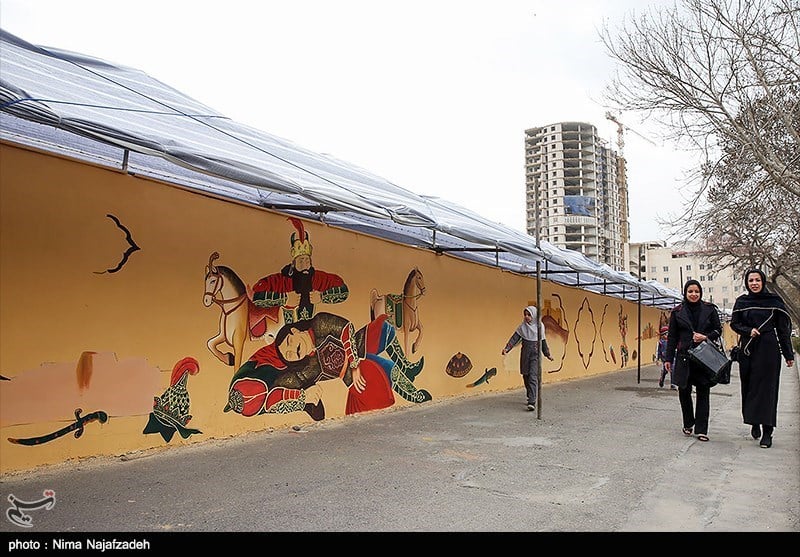
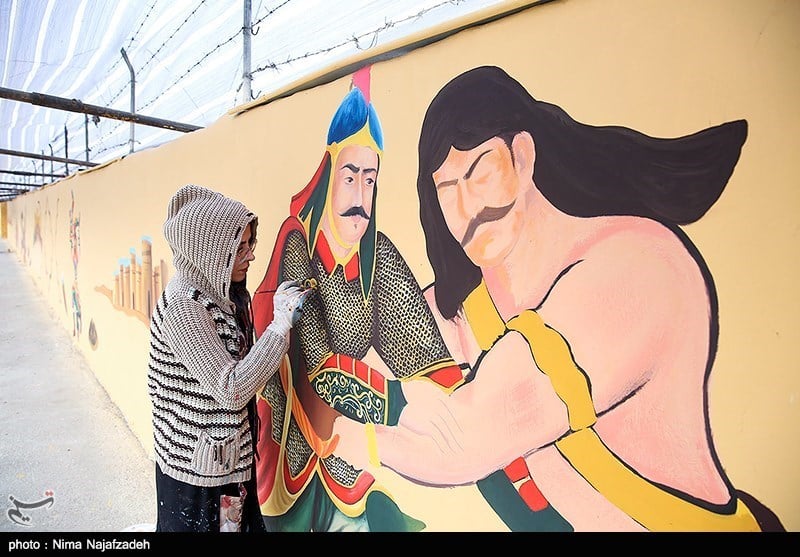
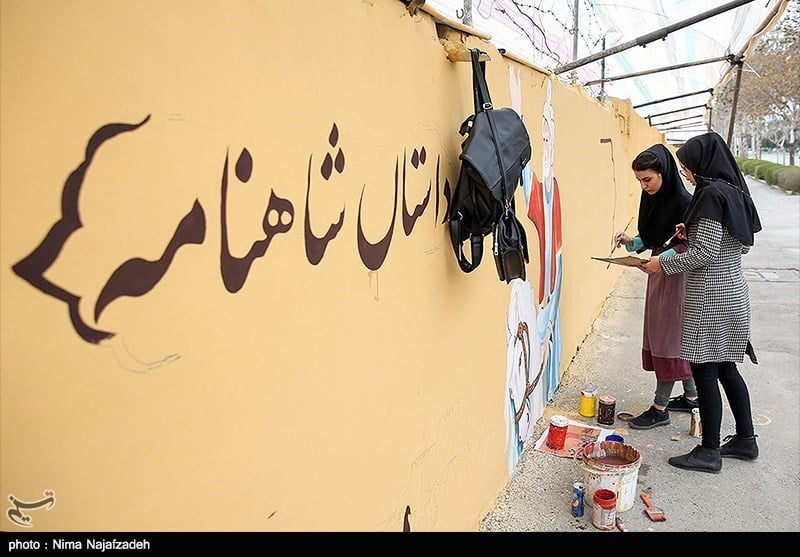
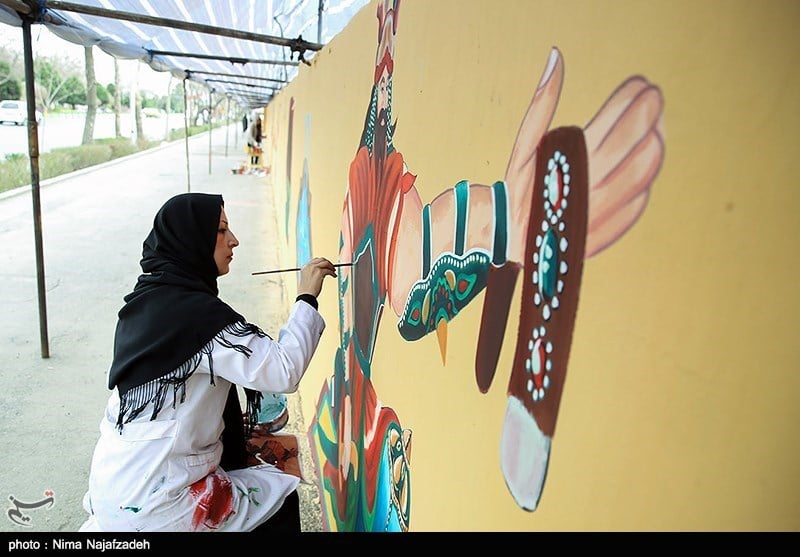
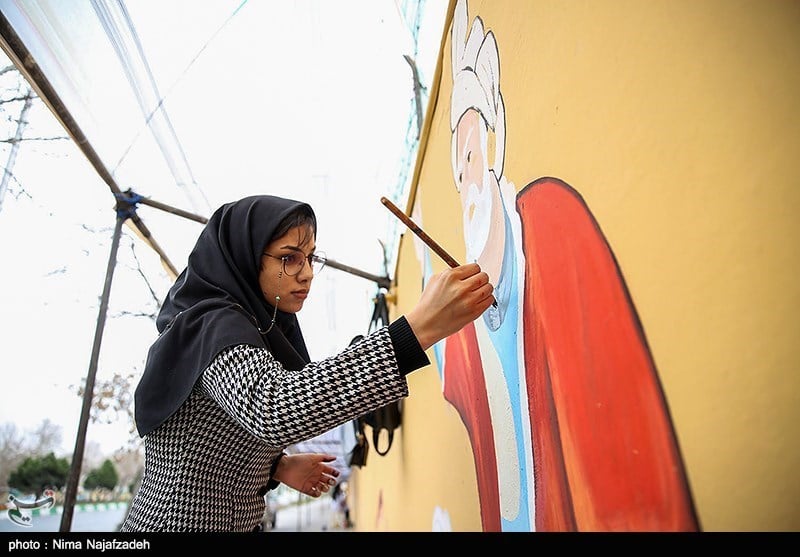
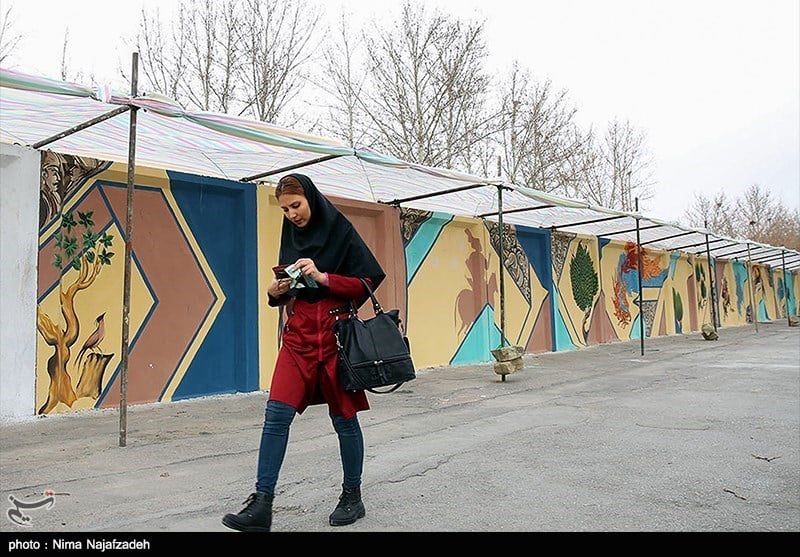
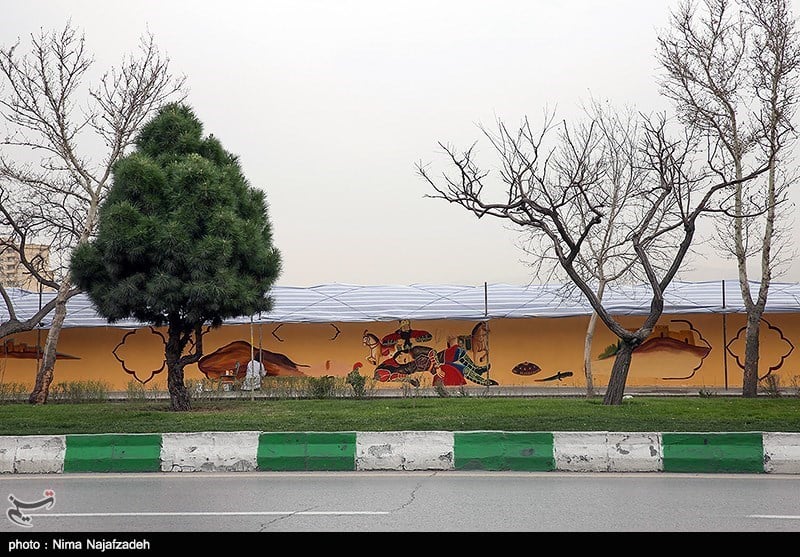
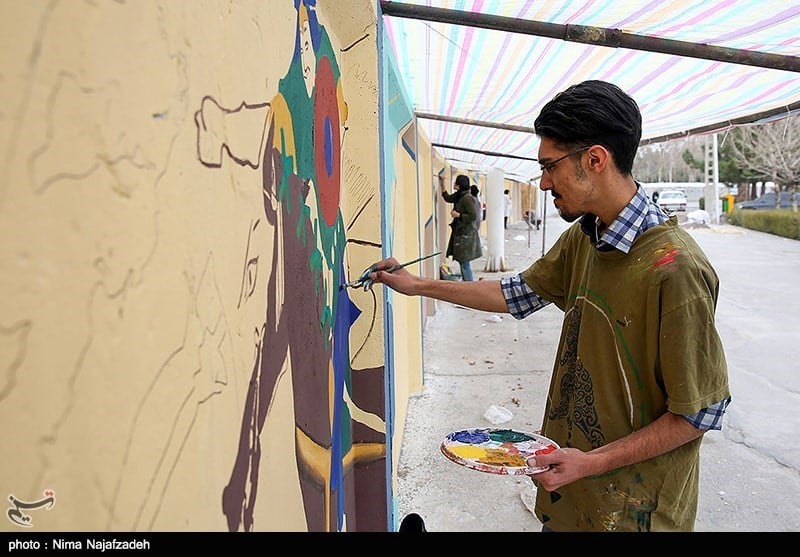
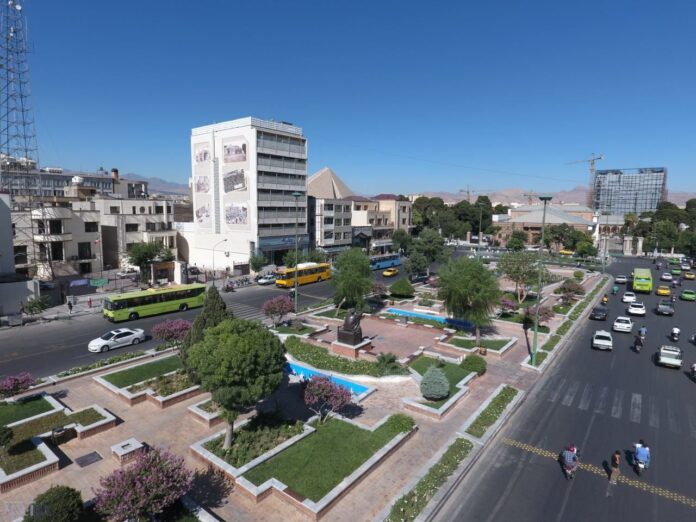
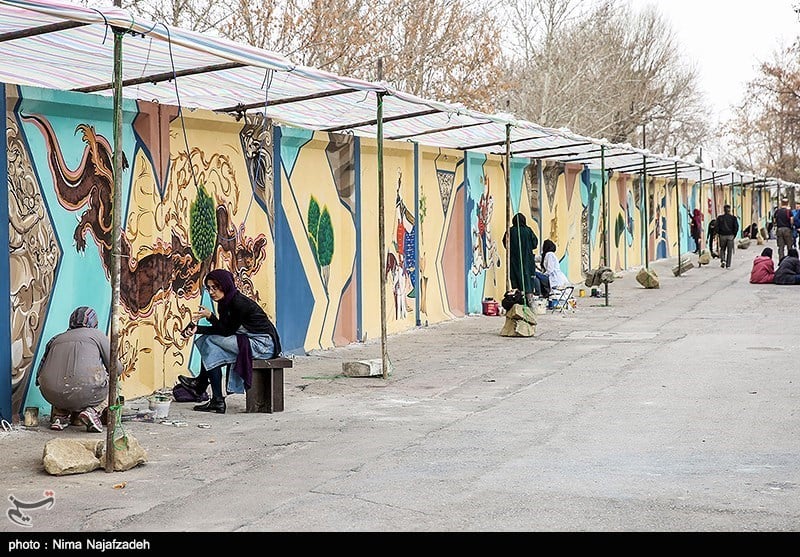
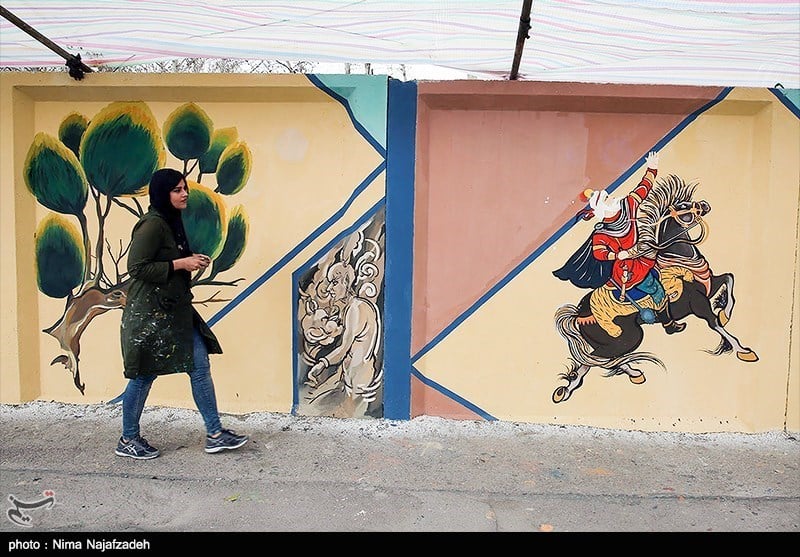
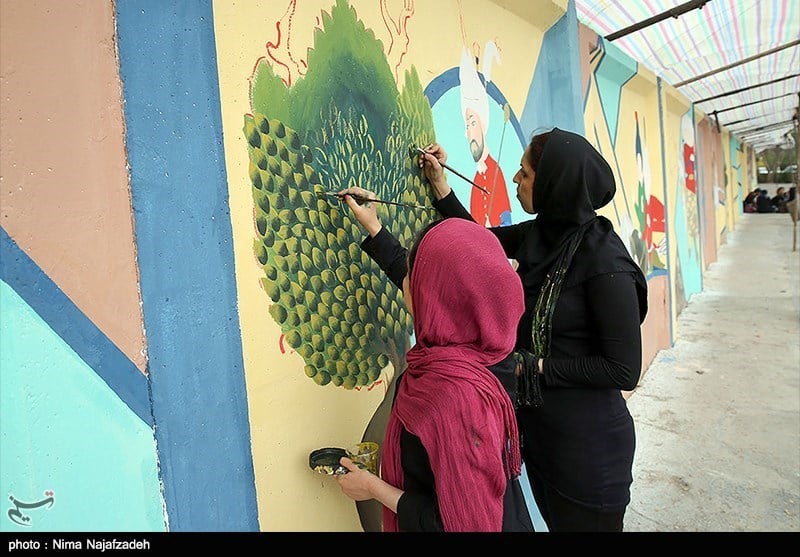
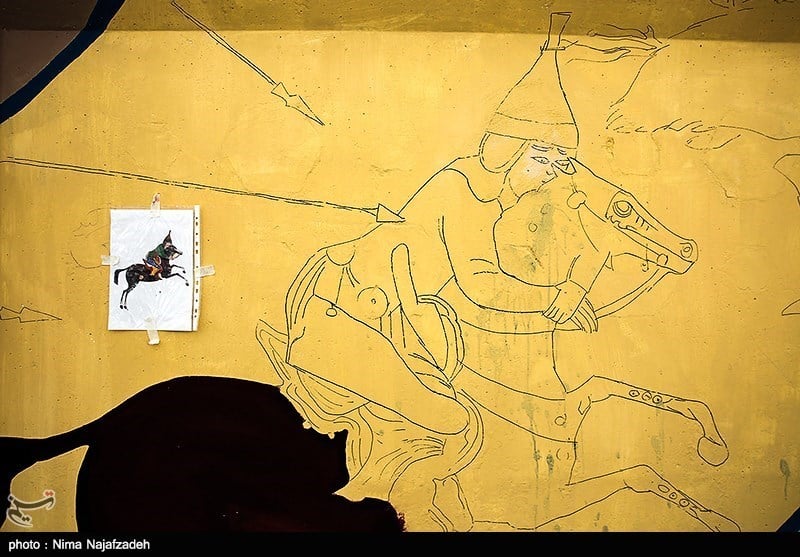
Mashhad’s Ferdowsi Boulevard Decorated with Shahnameh Murals

The Shahnameh, “The Book of Kings”, is a long epic poem written by the Persian poet Ferdowsi between c. 977 and 1010 CE and is the national epic of Greater Iran.

What follows are Tasnim’s photos of the Shahnameh murals in Mashhad’s Ferdowsi boulevard:

“Riyadh’s Iran Accusation Aimed at Covering up Own Crimes in Yemen”

Brigadier General Yadollah Javani, who serves with the Islamic Revolution Guards Corps (IRGC), said such allegations are aimed at deflecting public attention from the crimes that Riyadh is committing against Yemenis.

“In fact, the Saudis have committed heinous crimes and launched aggression against oppressed Yemeni people over the past couple of years with the help of the Americans, Zionists and some other reactionary states in the [Middle East] region,” said generalJavani, the deputy IRGC commander for political affairs.

“So, in order to divert the regional and world nations’ attention from their crimes, they (Saudi officials) make some claims, including the accusation that Iran is sending weapons to the Yemeni nation and reinforcing the Ansarullah Movement by supplying it with arms,” said the top military official.

He said everyone knows that the ways through which weaponry can be sent to Yemen are blocked as Saudi Arabia has put the Yemeni nation under a full blockade.

“On the other hand, by making such claims, Saudi Arabia seeks to cover up its failures in Yemen,” he noted.

The top general said the Yemeni nation has come under military aggression, and hence, it is resisting the aggressors.

He said Yemen is relying on its youth and domestic potential, and “can make aggressors dreadfully sorry, and Saudi Arabia is extremely worried about such a future.”

General Javani underlined that Saudi Arabia first though it was dealing with just a group of people; however, Riyadh is seeing that it is the “Yemeni nation” that is standing up to the Saudi Aggression.

“The Yemeni nation has managed to develop defence tools, including the missile power, with reliance on its domestic capabilities, and this is something that Saudi Arabia would have never even thought could happen,” he said.