Thursday, January 1, 2026
Home Blog Page 354

Top scholars say Israel committing genocide in Gaza: Dutch investigation

Gaza War

The paper interviewed seven renowned genocide researchers from six countries, all of whom described the Israeli campaign in Gaza as genocidal. Many said their peers in the field share this assessment.

“Can I name someone whose work I respect who does not think it is genocide? No, there is no counterargument that takes into account all the evidence,” Israeli researcher Raz Segal told NRC.

Professor Ugur Umit Ungor of the University of Amsterdam and NIOD Institute for War, Holocaust and Genocide Studies said that while there are certainly researchers who say it is not genocide, “I don’t know them”.

The Dutch paper reviewed 25 recent academic articles published in the Journal of Genocide Research, the field’s leading journal, and found that “all eight academics from the field of genocide studies see genocide or at least genocidal violence in Gaza”.

“And that is remarkable for a field in which there is no clarity about what genocide itself exactly is,” it noted.

Leading human rights organisations have also reached the conclusion that Israel is committing genocide. In December 2024, Amnesty International became the first major organisation to conclude that Israel had committed genocide during its war on Gaza, while Human Rights Watch more conservatively concluded that “genocidal acts” had been committed.

Francesca Albanese, the UN’s top expert on Palestine, authored two reports last year suggesting that genocide was taking place in Gaza.

Genocide studies as a discipline does not treat the issue as a binary, the NRC report said. Rather than asking whether genocide has happened or not, scholars see it as a gradual process.

Ungor compares it to a “dimmer switch” rather than an on-off light.

“Contrary to public opinion, leading genocide researchers are surprisingly unanimous: the Benjamin Netanyahu government, they say, is in that process – according to the majority, even in its final stages,” the investigation concluded. “That is why most researchers no longer speak only of ‘genocidal violence’, but of ‘genocide’.”

The report noted that even researchers who had previously hesitated to use the term have since changed their position, such as Shmuel Lederman of the Open University of Israel. It also referred to the opinion of Canadian international law scholar William Schabas that Israel is committing genocide, although he is considered otherwise conservative with genocide labelling. In an interview with Middle East Eye last month, Schabas said Israel’s campaign in Gaza was “absolutely” a genocide.

“There’s nothing comparable in recent history,” said Schabas. “The borders are closed, the people have nowhere to go, and they’re destroying have made life essentially impossible in Gaza.

“We see that combined with the ambition, expressed sometimes very openly by both Trump and Netanyahu, and by the Israelis, to reconfigure Gaza as some sort of eastern Mediterranean Riviera.”

Israel’s inaction following the January 2024 interim ruling by the International Court of Justice (ICJ) was a decisive factor in leading many scholars to conclude that its conduct in Gaza amounts to genocide, NRC reported.

The legally binding ruling ordered Israel to take immediate steps to prevent genocide by allowing aid into Gaza and stopping dehumanising rhetoric that incited the extermination of Palestinians.

Lederman initially opposed the use of the genocide label. However, following Prime Minister Benjamin Netanyahu’s dismissal of the ICJ’s ruling, the continued closure of land crossings to Gaza and a letter by 99 US health workers stating that the death toll in Gaza exceeded 100,000, he was convinced that Israel’s actions do in fact constitute genocide.

Melanie O’Brien, president of the International Association of Genocide Scholars, told NRC that Israel’s deliberate denial of food, water, shelter and sanitation was the key factor in her determination that the military campaign was a genocide.

For all scholars interviewed by NRC, what ultimately influenced their assessment was the holistic view of the situation, the totality of the conduct and the sum of all war crimes viewed together.

The scholars also refuted claims in western public debate that Israel’s military campaign is solely aimed at defeating Hamas, that there is no explicit plan to annihilate the population, that the entire Gaza population has not been killed, that the situation is unlike the Holocaust or that a legal ruling has yet to be issued.

They argued that these points reflect fundamental misunderstandings of how genocide is defined under international law. The Genocide Convention refers to the partial or complete destruction of a group, not solely its total eradication. For example, the killing of 8,000 Bosniak men in Srebrenica in 1995 is legally recognised as genocide, despite being smaller in scale than the Holocaust.

O’Brien noted that genocide is not dependent on judicial confirmation to be real. “It happens because it happens.”

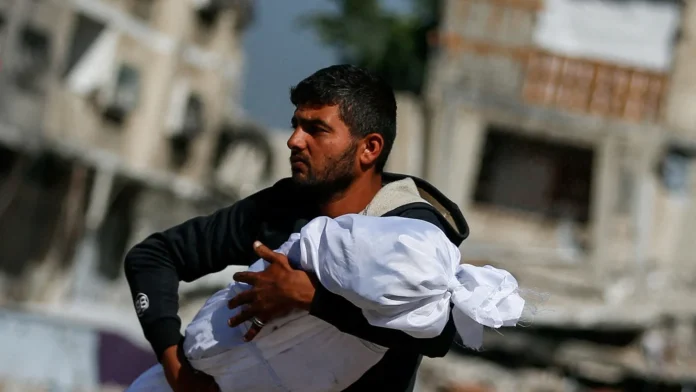
The backdrop to the investigation, NRC reported, is a devastating humanitarian crisis in Gaza. Nineteen months into Israel’s onslaught on the Palestinian enclave, at least 53,000 Palestinians have been killed – including more than 15,000 children – while a quarter of all babies are acutely malnourished amid Israel’s ban on humanitarian aid.
Iran sentences 7 over Shah Cheragh terror attack; 3 face death penalty

Shiraz Shah Cheragh Terror Attack

Seyyed Sadrallah Rajaei-Nasab, head of the Fars Province judiciary, stated on Sunday that the three individuals had played key roles in aiding the attackers, including providing weapons and ammunition. They were convicted of “assisting in corruption on earth” and also sentenced to 25 years in prison for “assisting in armed rebellion.”

Two other defendants, affiliated with the Daesh terror group, were sentenced to 15 and 10 years in prison respectively, based on their level of involvement.

Additionally, two female suspects received five-year prison sentences, which will be served under electronic monitoring with restrictions within a one-kilometer radius of their residence due to special circumstances.

The court proceedings began in March 2024. A separate case related to arms possession is ongoing in the Criminal Court of Fars Province. Some verdicts have been appealed and are under review by the Supreme Court.

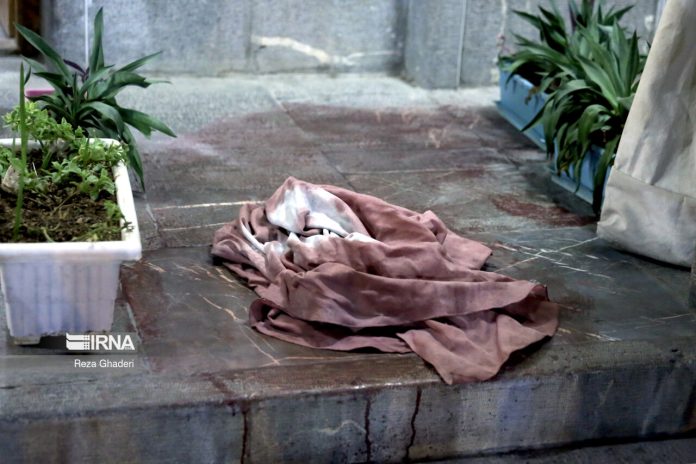
The Shah Cheragh shrine, located in Shiraz, was targeted in two separate attacks in 2022 and 2023. The main perpetrators were previously tried and executed.

In August 2023, a Tajik national carried out a violent attack at the shrine, opening fire and leaving two dead and seven wounded. Authorities swiftly apprehended the assailant and took him into custody.

The year before, another armed extremist stormed the shrine, murdering 15 worshippers, among them women and children, and injuring many others. Security forces engaged the attacker, wounding him before he later succumbed to his injuries in the hospital.

Iran FM: Palestine most urgent issue in region; Israel chronic threat

Abbas Araghchi

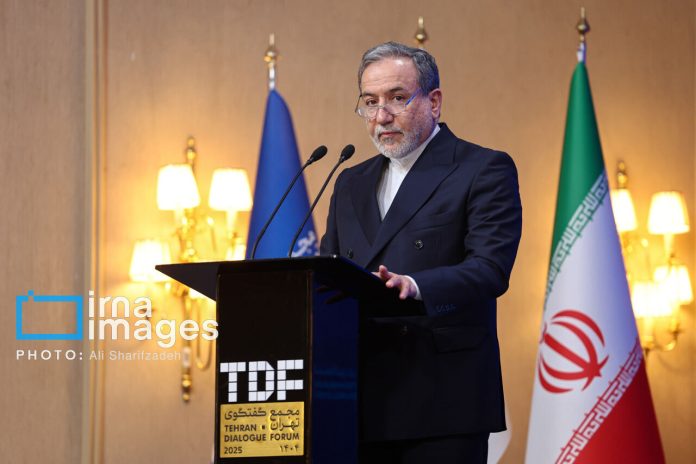
Speaking on Sunday at the Tehran Dialogue Forum, Seyed Abbas Araqchi said that since October 2023, over sixty thousand Palestinians have been killed in the Gaza Strip, many of whom were women and children. Millions have been displaced and are living under siege and in conditions of complete famine. It is regrettable that the world has failed to respond to this crime in a responsible and appropriate manner.

He stated that the Islamic Republic of Iran, in seeking to resolve the Palestinian crisis, calls for a national referendum with the participation of all indigenous inhabitants of Palestine—Muslims, Christians, and Jews—to decide on the future political system of the land.

Also referring to Iran’s nuclear program, Araqchi added that the Islamic Republic of Iran, as a party to the Nuclear Non-Proliferation Treaty (NPT), has never sought and will never seek nuclear weapons, based on its religious and ethical principles, and remains committed to the principle of not producing or using weapons of mass destruction.

He pointed out: “We have always sought to address the international community’s legitimate concerns about our nuclear program through engagement and transparency.”

The Foreign Minister, mentioning the indirect nuclear negotiations between Iran and the US, further stated that the Islamic Republic of Iran seeks a fair and balanced agreement—one that is formed within the framework of the NPT, fully respecting Iran’s nuclear rights, and objectively guarantees the comprehensive lifting of sanctions.

He said if Europe also demonstrates the necessary will to correct its past approach, Iran sees no obstacle to rebuilding mutual trust and expanding relations. Europe can play an effective role in the process of regional development and stability by adopting a responsible and constructive approach.

He emphasized that the Islamic Republic of Iran pursues its foreign policy along three key axes: maximum engagement with neighboring countries, expanding cooperation with emerging actors and Global South nations, and maintaining a balanced relationship with global power poles and blocs in both the East and the West.

Four Iranian men arrested on suspicion of preparing terror attack in UK freed

British Police

The four men – a 29-year-old arrested in Swindon, Wiltshire, a 46-year-old arrested in west London, a 29-year-old arrested in Stockport, Greater Manchester, and a 40-year-old arrested in Rochdale – were detained under the Terrorism Act.

After obtaining “various warrants of further detention”, all four were released from custody on Saturday, police said.

A fifth man, a 24-year-old arrested in Manchester, was detained under the Police and Criminal Evidence Act and previously released on bail, with conditions, to a date in May.

As part of the investigation, officers continue to carry out searches at a number of addresses in the Greater Manchester, London, Swindon and High Wycombe areas, police said.

Commander Dominic Murphy, head of the Met’s Counter Terrorism Command, said: “We made these arrests due to concerns about a suspected plot to target a specific premises.

“Since those arrests, detectives have been working to assess all the evidence we’ve gathered and to question the men. They are now being released from custody but our investigation remains active and is ongoing,” he added.
“We are working very closely with the premises we identified as the suspected target of the alleged plot, and we continue to provide them with support,” Murphy continued, noting, “This has been, and continues to be, a highly complex investigation, and we will not hesitate to take further action if we believe there is any imminent threat to the public.

“I would like to thank the public for their support and understanding – particularly in the areas and communities across the UK who have felt the direct impact of our activity. I’d like to ask people to remain vigilant and contact us if anything doesn’t look or feel right. Information from the public is crucial to our work.”

Fatal crash at Tehran’s Azadi racetrack sparks outcry over safety standards

On Friday, veteran motorsport photographer Hamidreza Darajati was killed after a race car veered off track and crashed into a guardrail designated as a “safe zone” for media personnel.

The incident occurred during a national event sanctioned by the Iranian Automobile and Motorcycle Federation.

According to federation official Ali Ghafoori-Ashtiani, the collision was “rare and unexpected,” marking the first fatal crash at the start line in 30 years.
He, however, acknowledged the infrastructure was substandard and said better barriers like concrete “New Jersey” blocks could have prevented the tragedy.

Former racing champion Laleh Seddigh, talking to Shargh Daily, criticized the poor track conditions, noting improperly installed crash cushions and inadequate guardrails, which failed to meet international safety norms.

“You can’t blame the driver. The real failure is in planning and infrastructure,” she said.

Investigations revealed the track was originally designed for karting, not high-speed racing. Experts question how such a venue passed safety approval and why no agency is accepting responsibility.

Despite a recent insurance policy covering the venue, critics argue prevention, not compensation, is the priority.

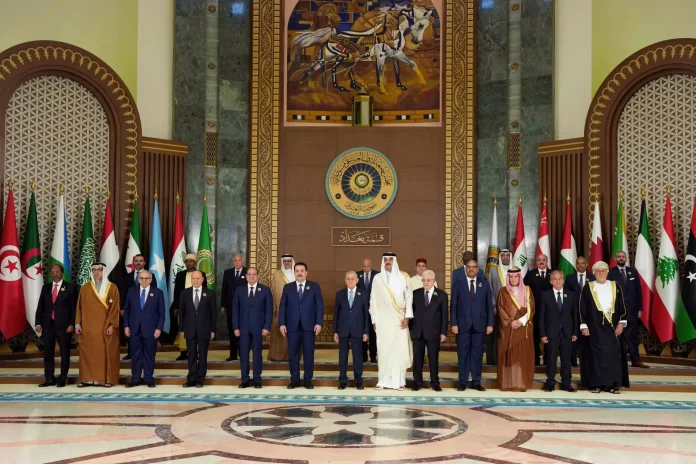
Arab Summit in Baghdad calls for urgent aid delivery to Gaza, condemns Israeli attacks on Syria

Arab Summit in Baghdad

“We urge the international community, especially influential nations, to fulfill their moral and legal responsibilities by exerting pressure to end the bloodshed and to ensure the unhindered delivery of urgent humanitarian aid to all affected areas in Gaza,” the summit’s final statement read.

The statement endorsed Palestinian President Mahmoud Abbas’s call to hold an international peace conference and called for the deployment of international peacekeeping forces in the occupied Palestinian territories until the two-state solution is implemented.

It included 32 clauses, the first 14 of which were dedicated to the Palestinian cause and the situation in Gaza amid the Israeli genocide.

The summit participants welcomed the establishment of an open-ended working group to follow up on the creation of a fund, in cooperation with the United Nations, to support approximately 40,000 orphaned children in Gaza, and to provide assistance and prosthetic limbs for thousands of the wounded—especially children who have lost their limbs.

No displacement of Palestinians

They also reiterated their firm rejection of “any form of displacement or forced transfer of the Palestinian people from their land, under any name, condition, or justification.”

The Arab leaders further condemned “the ongoing Israeli attacks on Syrian territory, violations of its sovereignty, and attempts to undermine and destroy its national capabilities. We call upon the international community and the UN Security Council to apply pressure to halt these attacks and to respect the sovereignty of nations.”​​​​​​​

The Arab leaders reaffirmed their continuous support for Lebanon “in facing challenges, maintaining its security, stability, and territorial integrity, and protecting its internationally recognized borders against any aggression or violation of its sovereignty.”

They called on Israel to carry out a “full, immediate, and unconditional withdrawal from Lebanese territory to its internationally recognized borders, to release prisoners detained during the last war, and to return to the terms of the 1949 Armistice Agreement between Lebanon and Israel.”

Yemen’s ‘sovereignty and unity’

Regarding Yemen, the Arab leaders expressed their “full solidarity” with the country in “preserving its sovereignty and unity.”

They also voiced support for “efforts to achieve stability and security in Yemen, end the state of war and division, and seek solutions through internal dialogue and the creation of conditions conducive to sovereignty and prosperity, while rejecting all forms of interference in its internal affairs.”

Sudan conflict

On Sudan, the summit participants stressed the “importance of finding a political solution to stop the conflict” in a way that “preserves its sovereignty, territorial integrity, and the safety of its people.”

They called on all Sudanese parties to “engage in crisis resolution initiatives such as the Jeddah Declaration and other relevant efforts.”

National dialogue in Libya

As for Libya, the leaders affirmed their “full support for resolving the crisis” through national dialogue “that preserves the unity of the state, fulfills the aspirations of its people, and achieves lasting stability,” while also stressing their “rejection of all forms of foreign interference in its internal affairs.”

Somalia’s unity

Regarding Somalia, they expressed support for the “unity of its territory and the establishment of security and stability through Arab countries’ contribution to strengthening its capabilities and enabling it to face current challenges, supporting its path toward sustainable development, and condemning all terrorist acts and activities targeting it.”

Nuke-free Mideast

The summit stressed the “need to establish a zone free of nuclear weapons and weapons of mass destruction in the Middle East.”

The participants condemned “all forms and patterns of terrorism and associated ideologies, as well as the terrorist acts and activities carried out by terrorist groups, particularly Daesh and al-Qaeda, and affiliated groups and individuals, which pose a real threat to the Arab region as a whole.”

Support for Iran-US talks

They also expressed support for Iran-US talks “to reach positive outcomes for the use of nuclear energy for peaceful purposes and to ensure that uranium enrichment levels are not raised beyond the needs of peaceful use,” praising the role of the Sultanate of Oman in facilitating these discussions.​​​​​​​

The 34th Arab League Summit began in Baghdad, with Israel’s war on Gaza dominating the talks besides other regional issues. It is Iraq’s fourth summit and first since 2012.

At least three killed as Syrian forces raid Daesh hideouts in Aleppo

Syrian Forces

The raids, launched by the General Security Department in coordination with the General Intelligence Service, targeted multiple Daesh sleeper cells operating across Aleppo, Syria’s Ministry of Interior said in a statement on Saturday.

One security officer was killed in the operation, it said.

Forces stormed the site and seized “explosive devices, an explosive vest and a number of General Security force uniforms”, the statement added.

The UK-based Syrian Observatory for Human Rights said the operation took place in Aleppo’s Haidariya district and that clashes also broke out in another neighbourhood.

Interim Syrian President Ahmed al-Sharaa, who assumed power in Damascus in December, has long opposed ISIL. His forces battled the group’s self-declared caliphate during the Syrian war.

US President Donald Trump met al-Sharaa this week in Saudi Arabia and described him as an “attractive guy with a very strong past”.

Following the meeting, Washington announced that it would lift sanctions on Syria – a major policy shift and boost for al-Sharaa’s transitional government.

Al-Sharaa seized power in Damascus in December after his forces toppled Bashar al-Assad in a lightning offensive. Al-Sharaa cut ties with al-Qaeda in 2016.

The recent operation comes just months after Syrian authorities said they had foiled an Daesh bombing plot near the Sayeda Zeinab shrine, a key pilgrimage site for Shia Muslims south of Damascus.

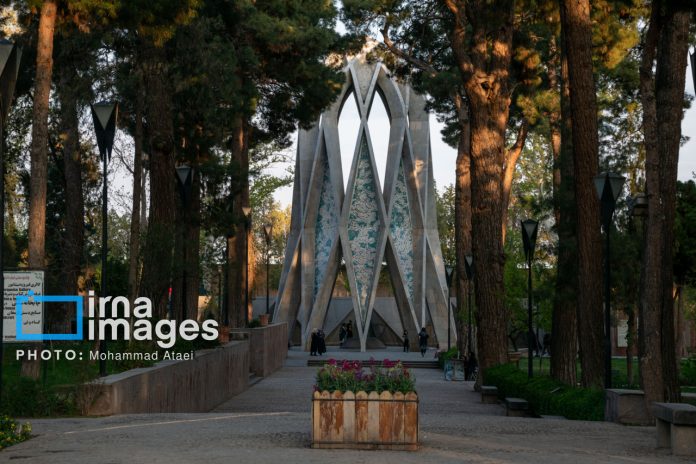
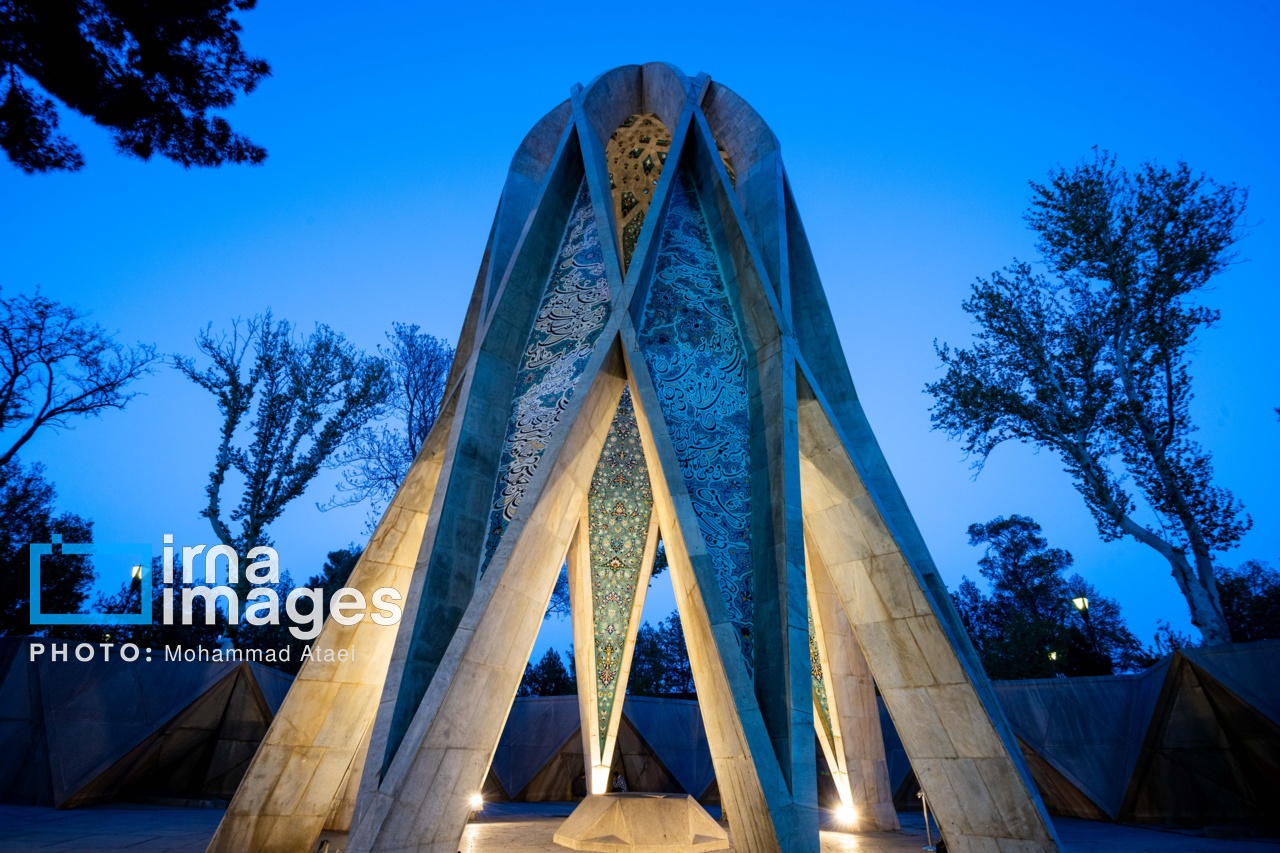
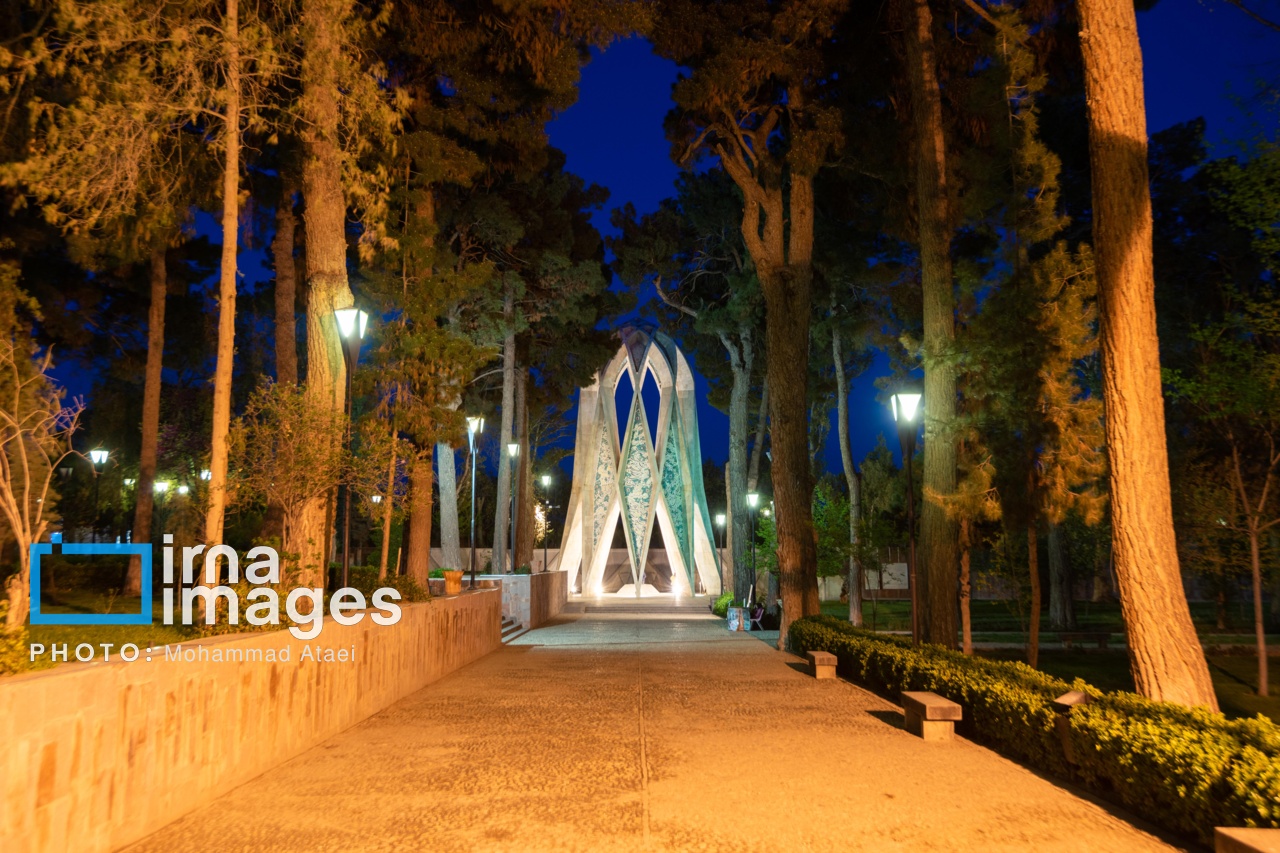
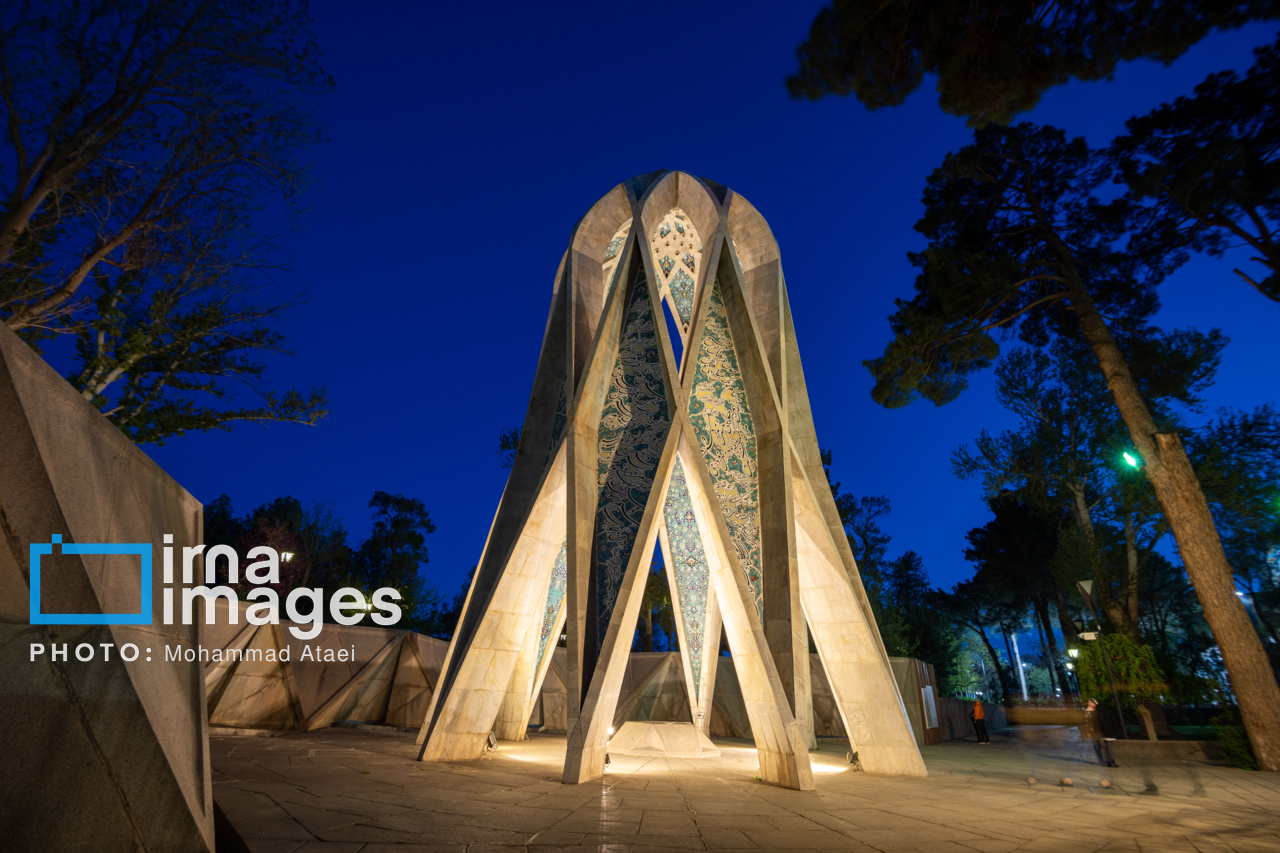
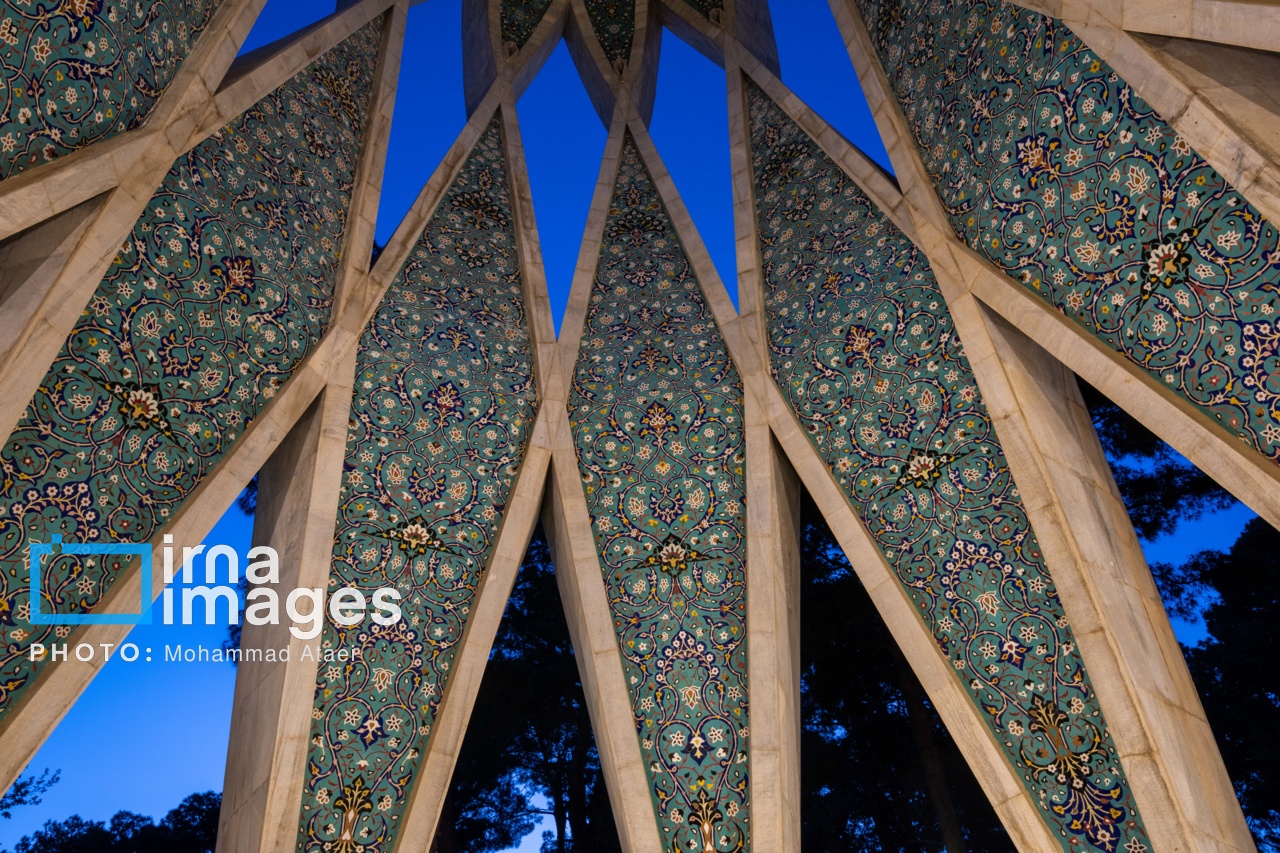
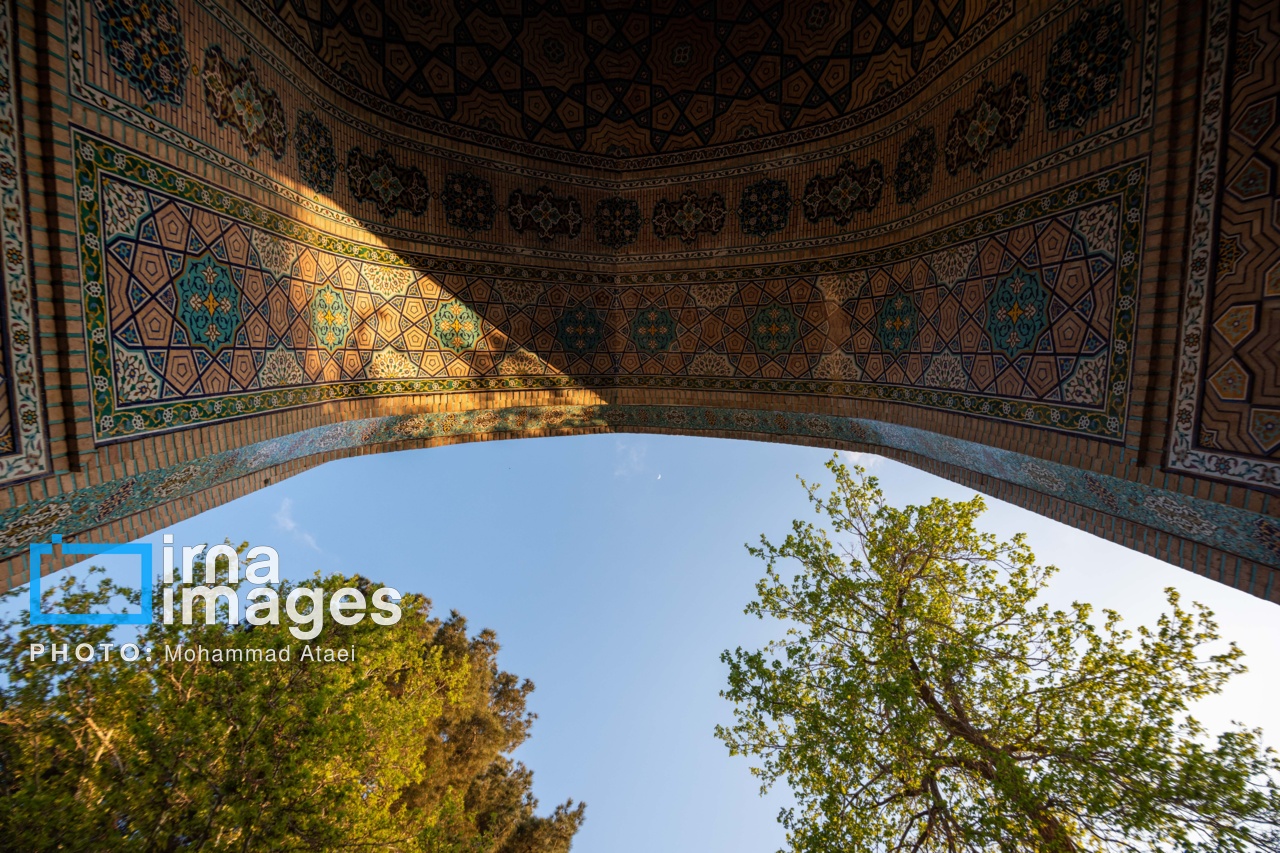
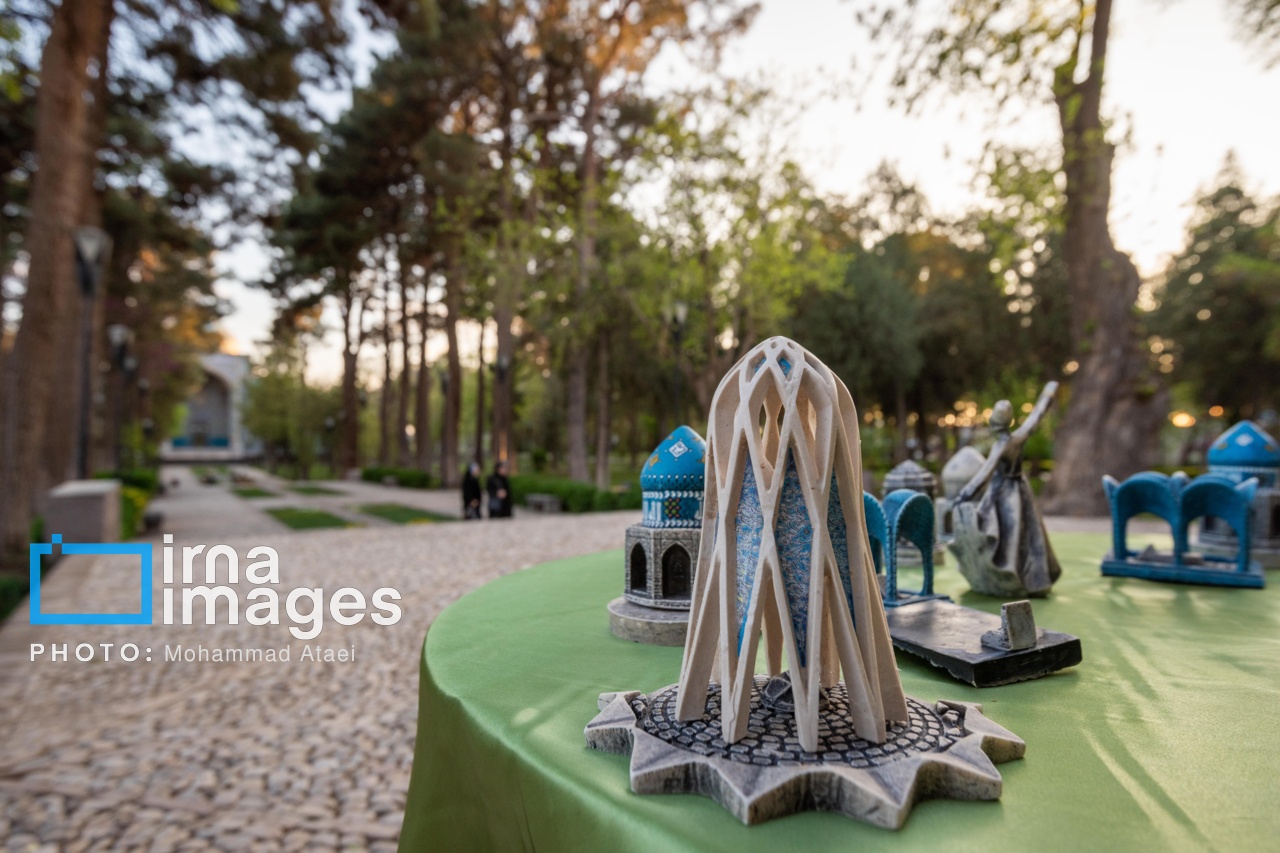
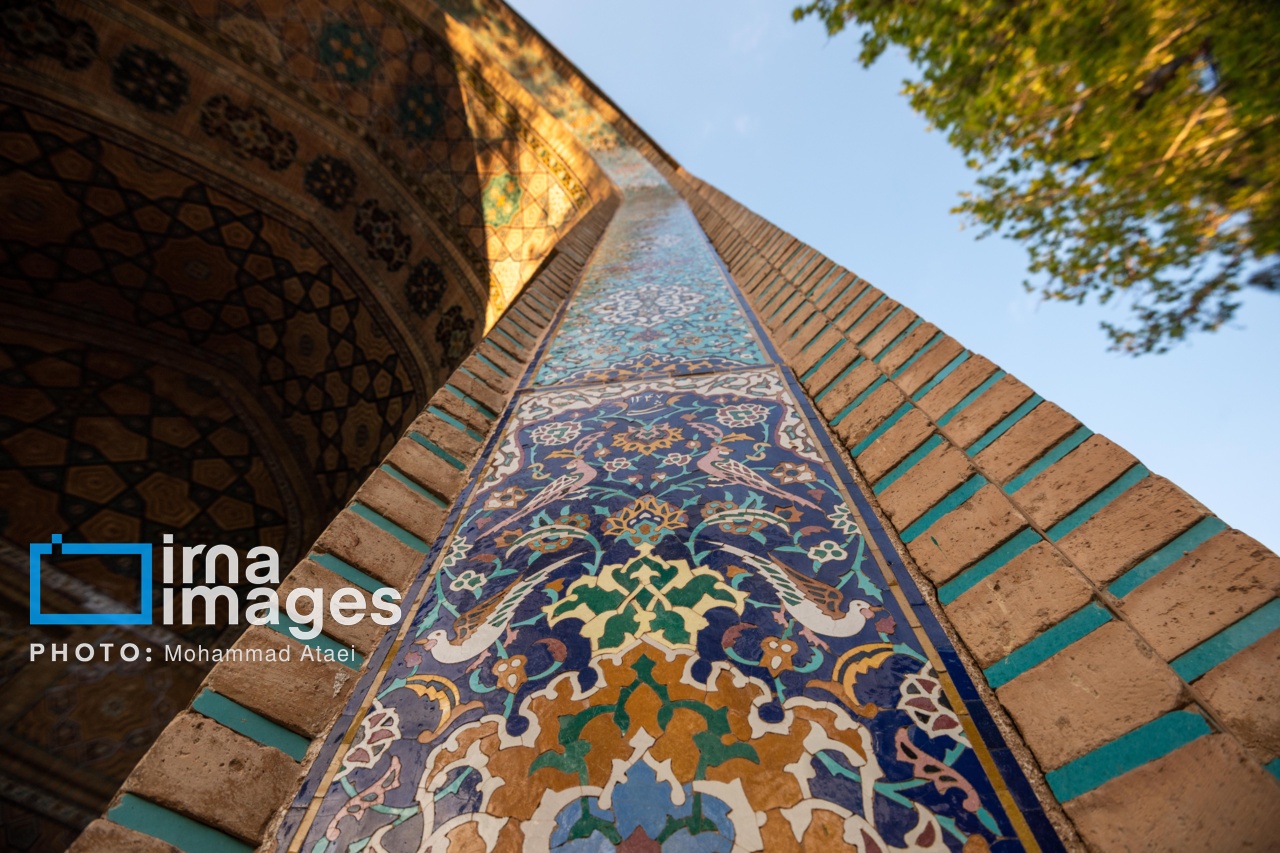
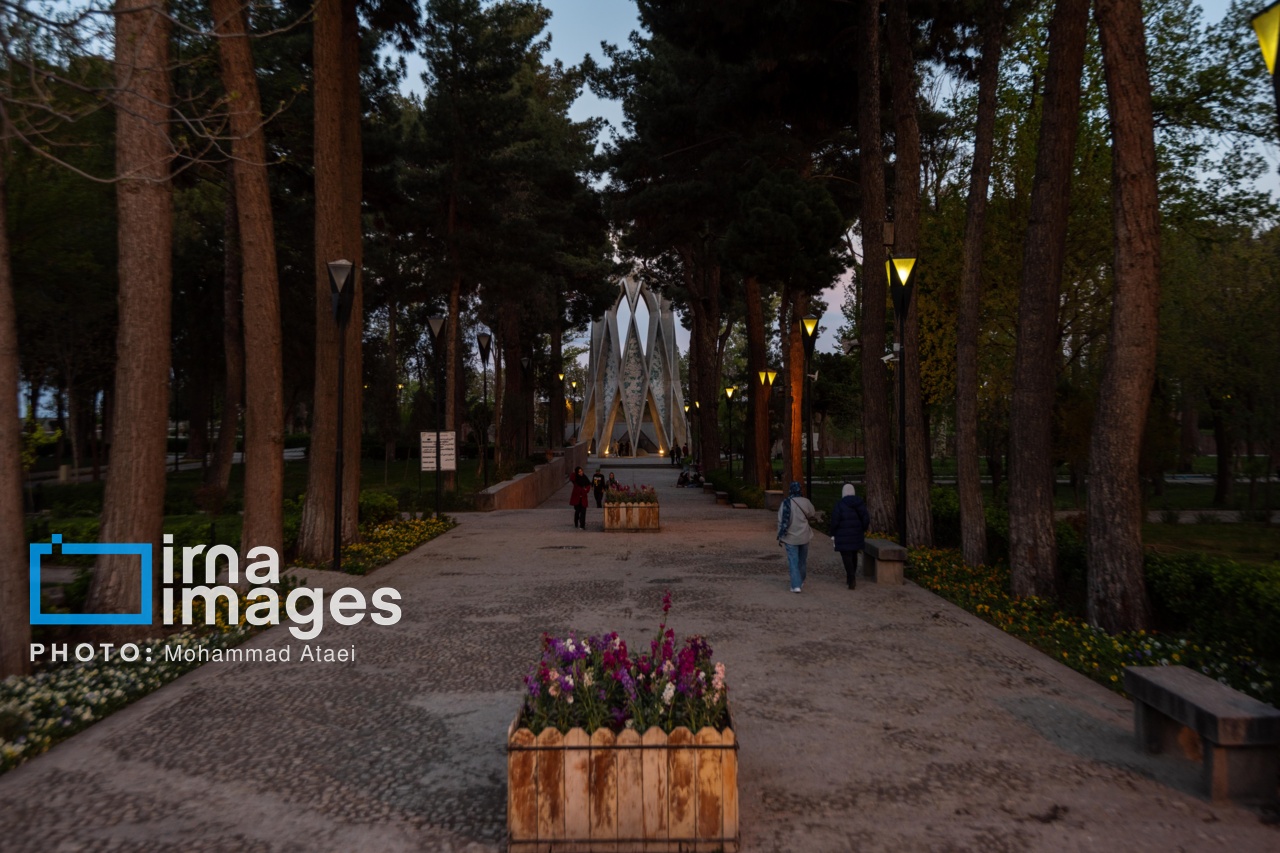
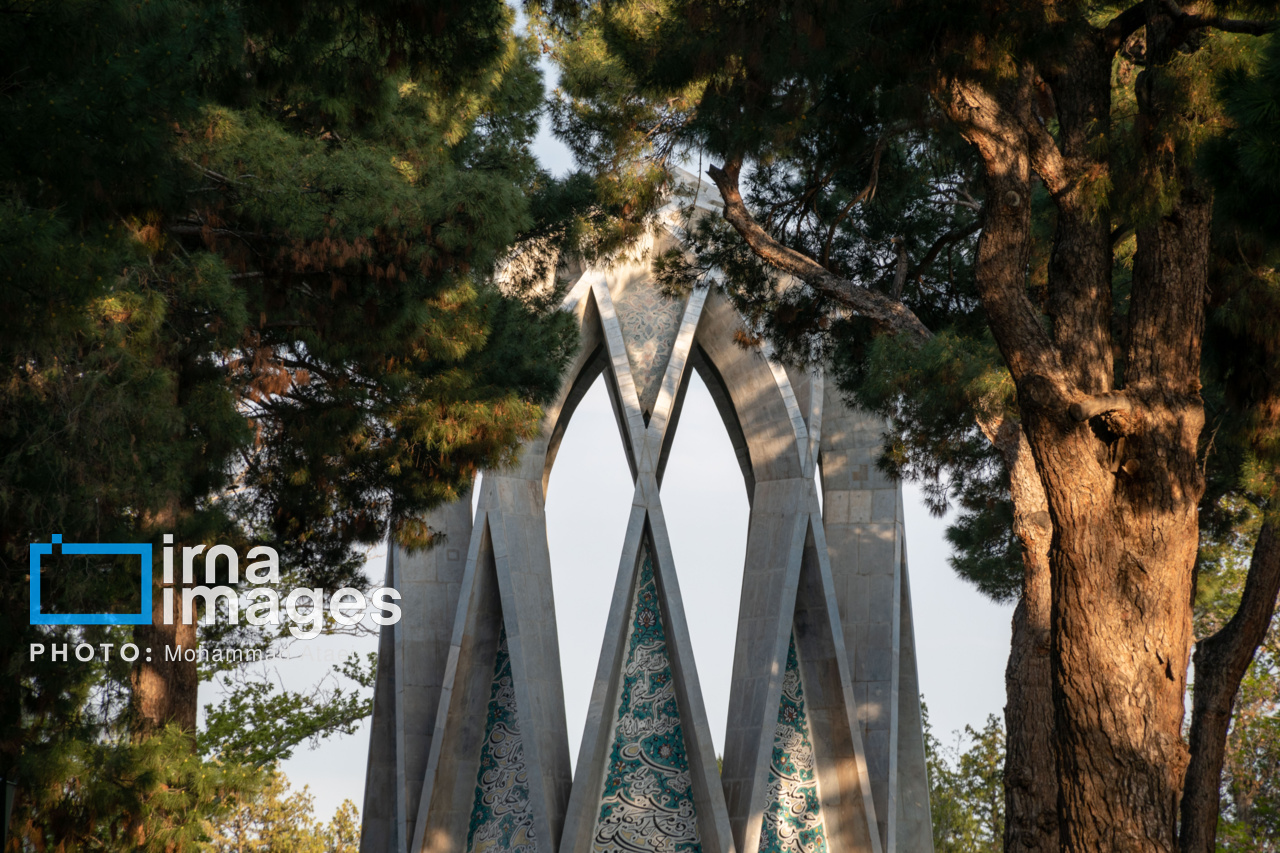
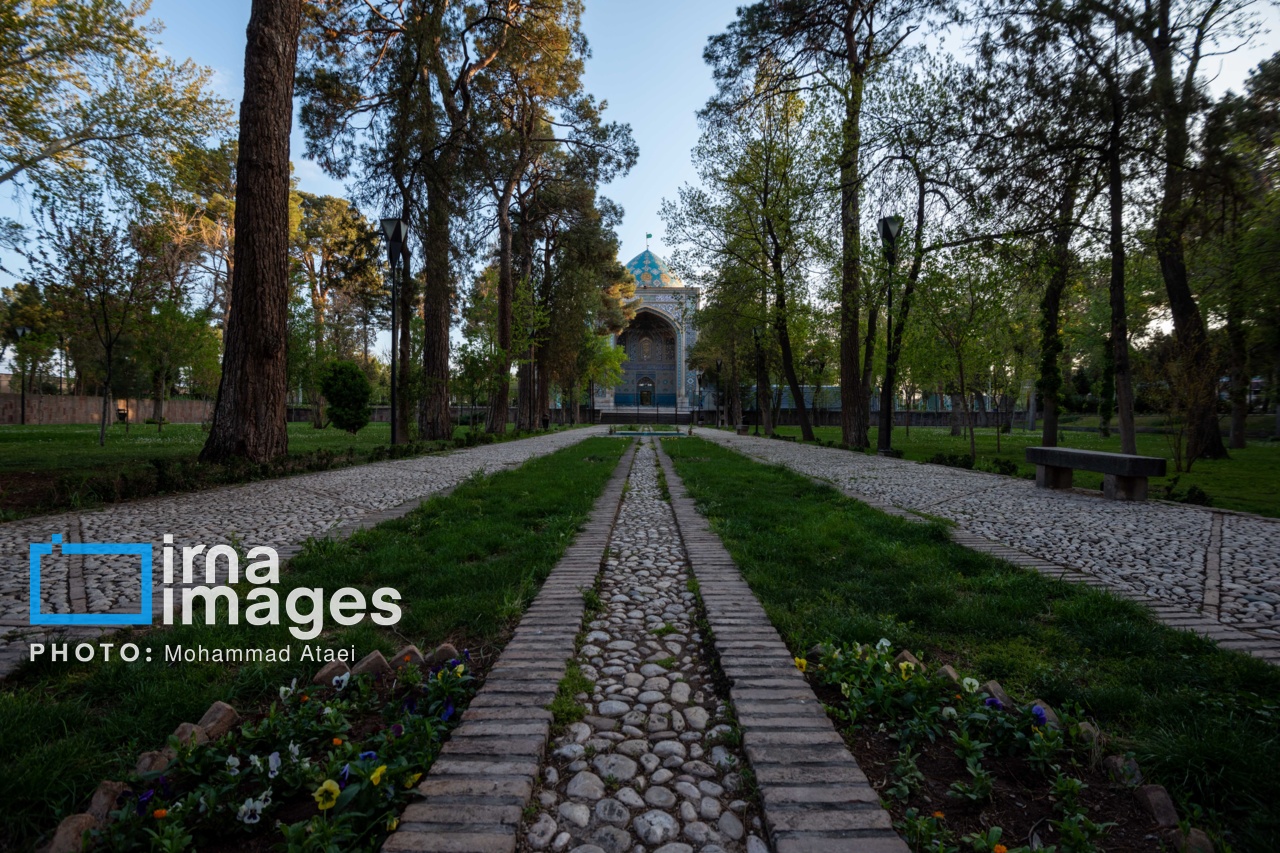
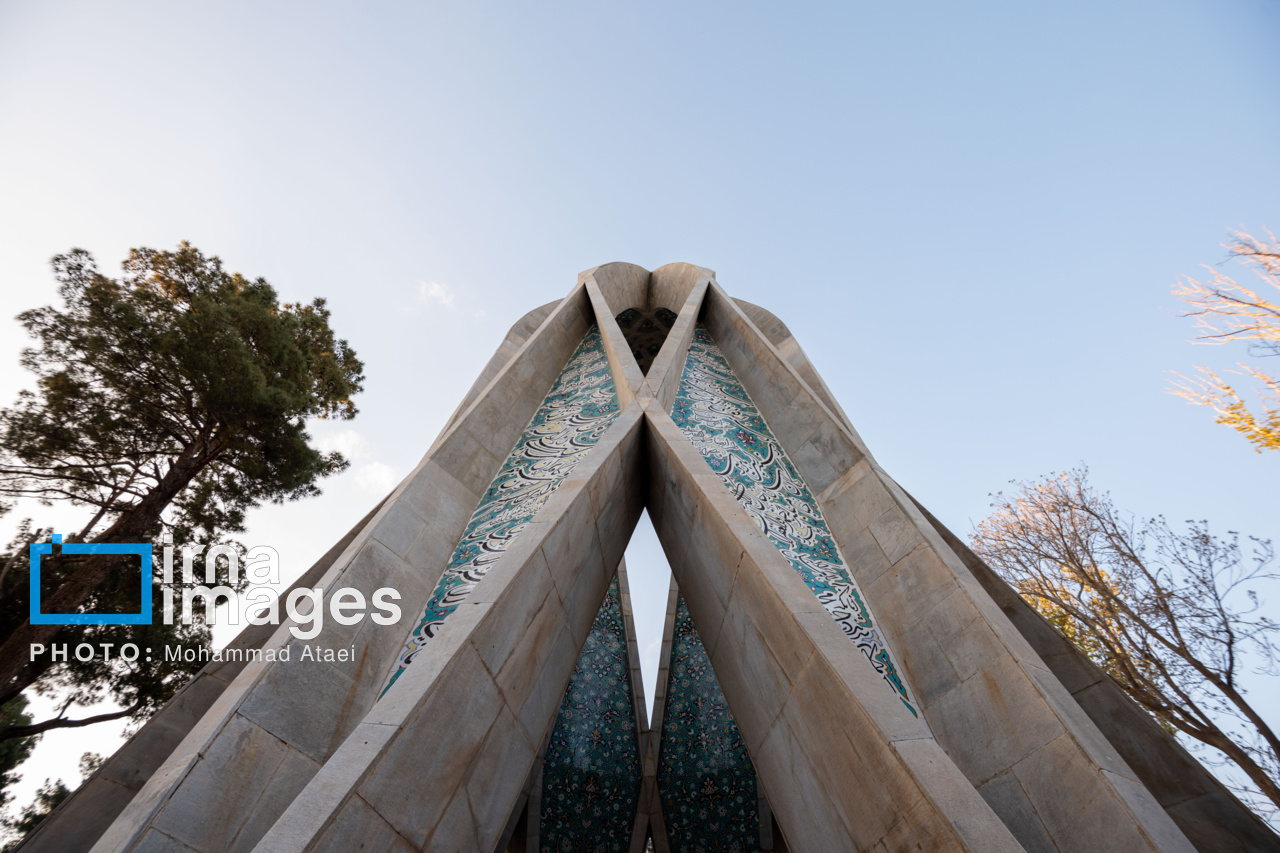
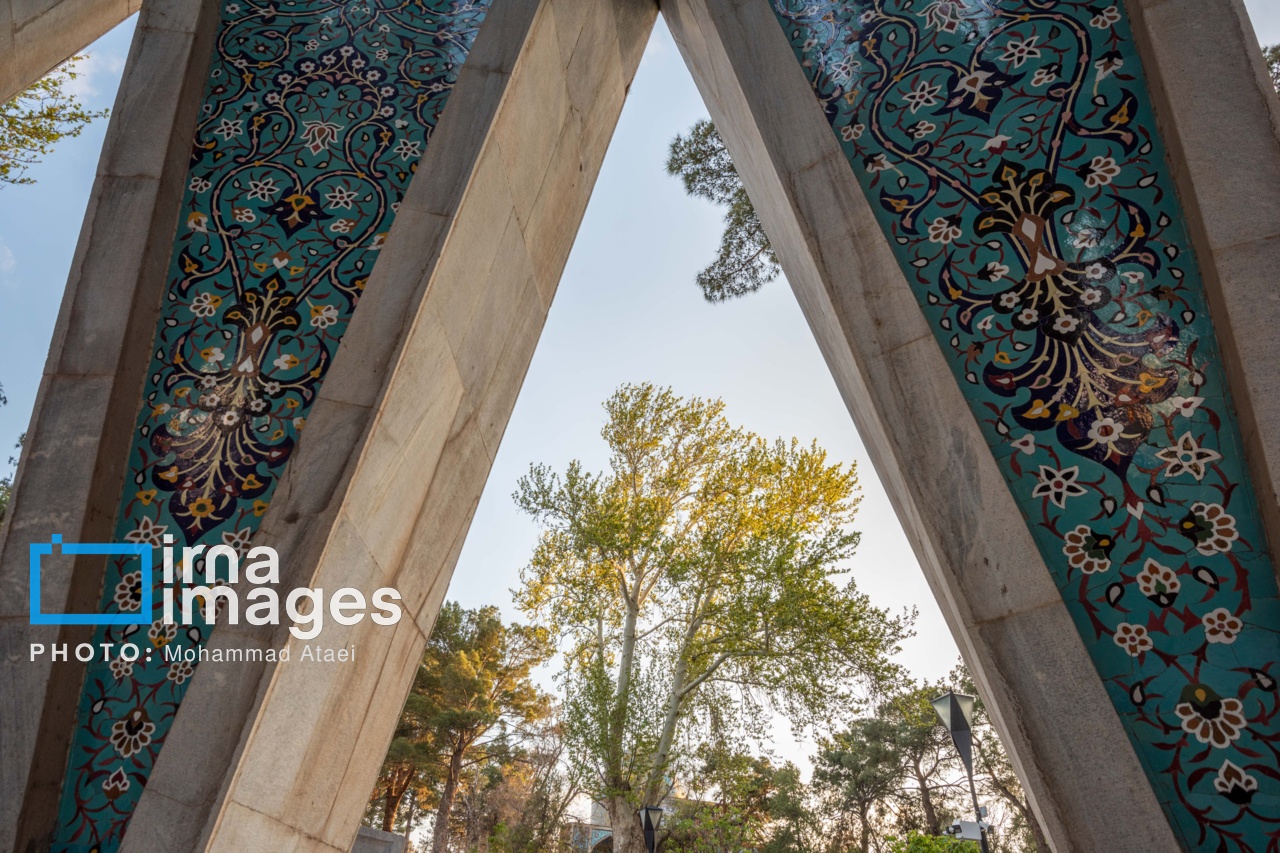
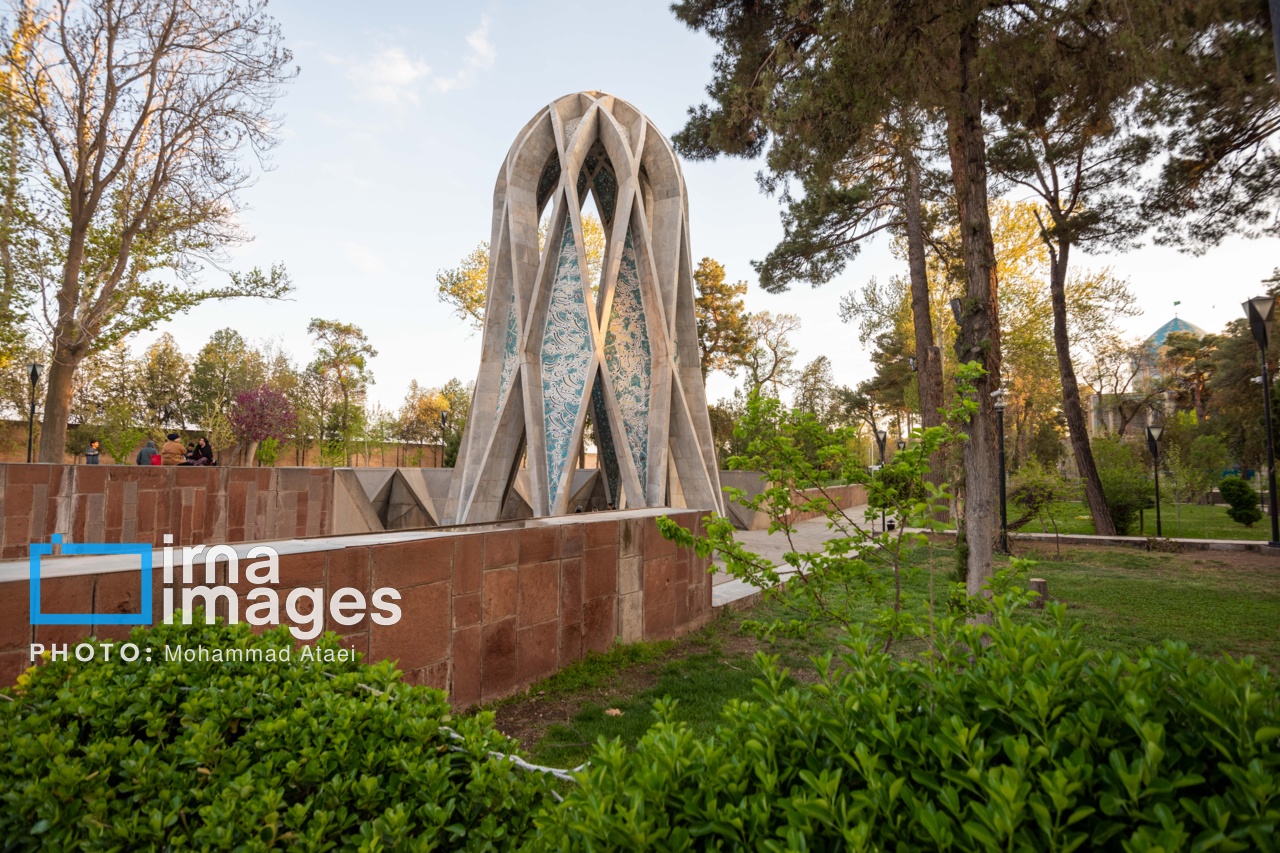
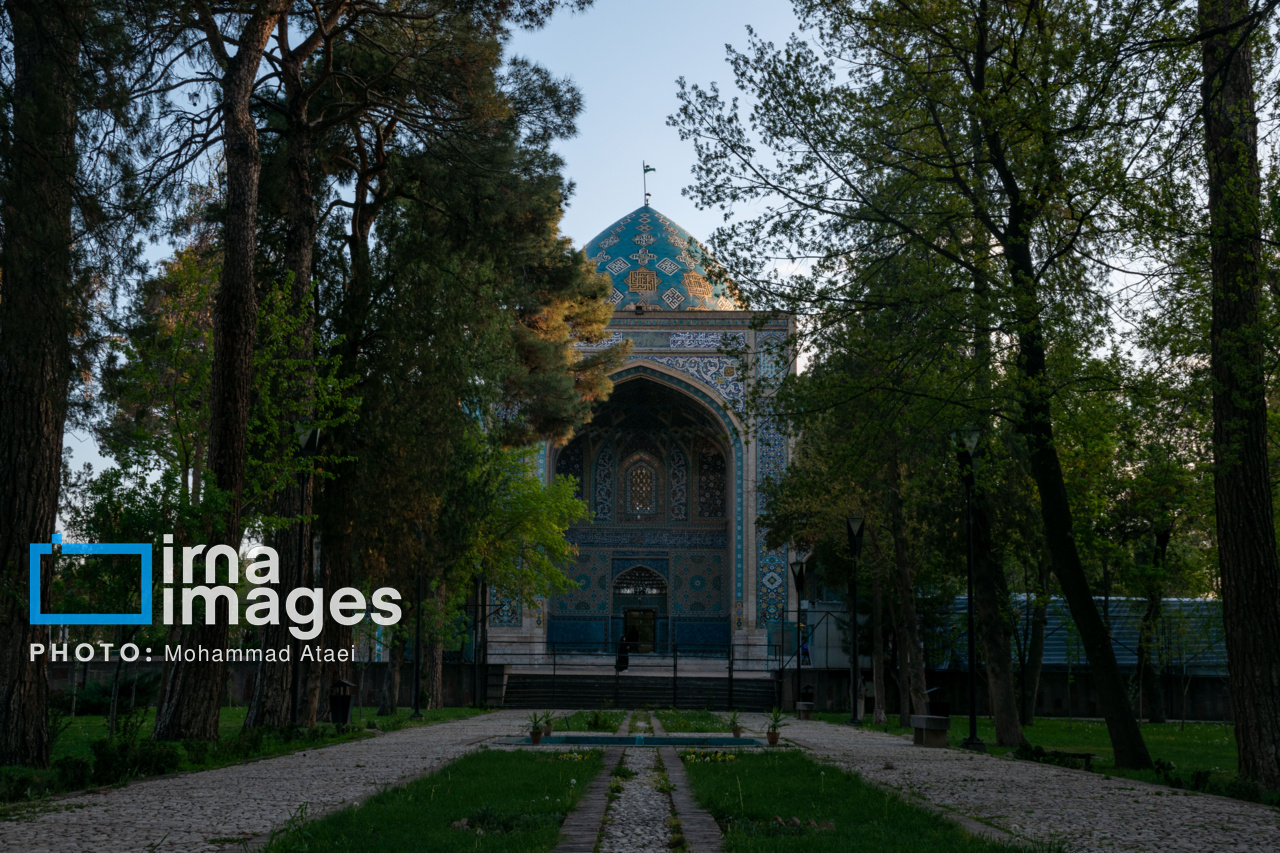
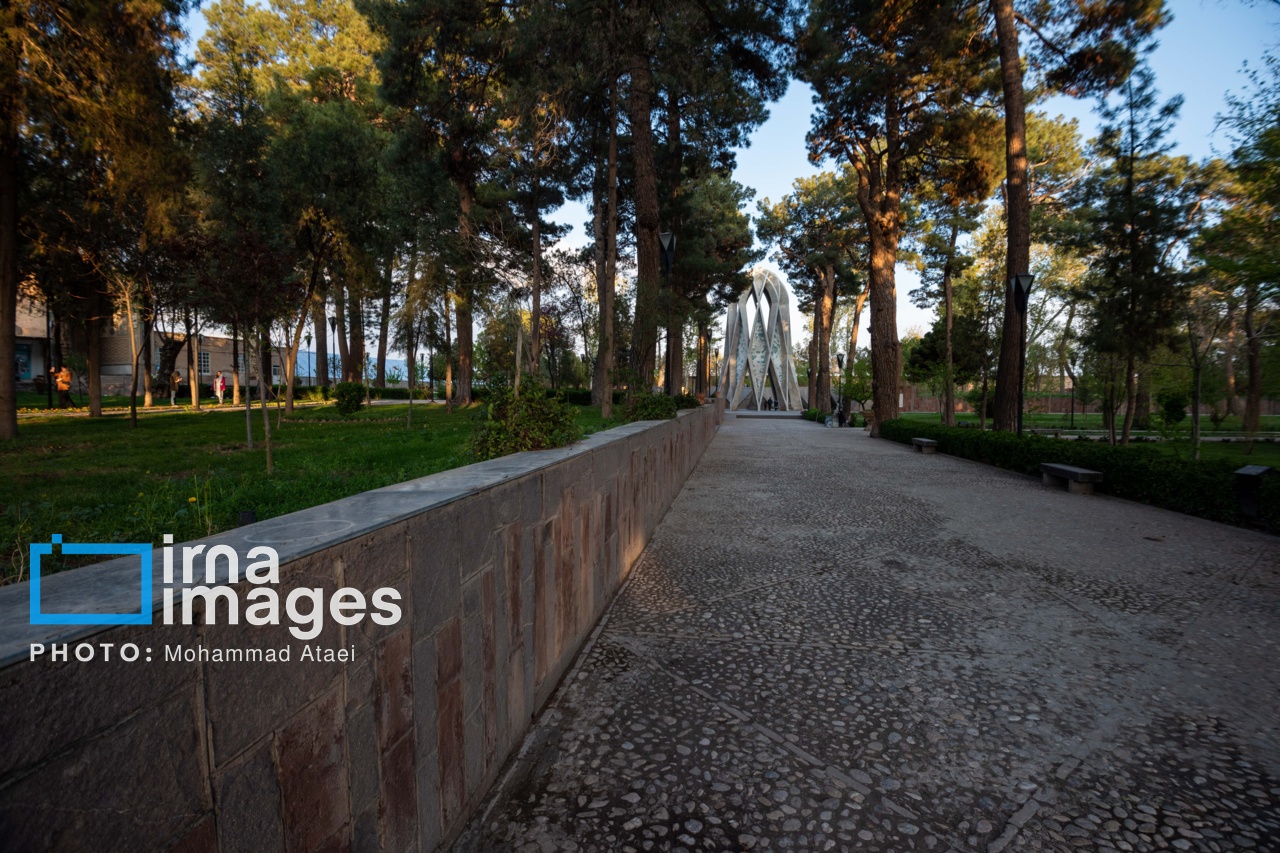
Iranians mark national day honoring towering polymath Omar Khayyam

Born on May 18, 1048 (28 Ordibehesht 427 in the Persian calendar) in the historic city of Nishapur, Khayyam was a philosopher, mathematician, astronomer, and poet of the Seljuk era.

Though his scientific achievements, especially in mathematics and astronomy, are considered superior to his literary contributions and  earned him the title “Hujjat al-Haqq” (The Proof of Truth), Khayyam is best known worldwide for his quatrains (Rubaiyat). His poetry, often meditative and philosophical, has gained enduring fame across cultures.

The global recognition of Khayyam’s poetry owes much to the 19th-century English translation by Edward FitzGerald, which introduced the Rubaiyat to the Western world and significantly boosted Khayyam’s literary reputation outside Iran.

Today, his verses are translated into most major languages and remain celebrated for their reflection on fate, existence, and the human condition.

More in pictures:

Pakistani PM thanks Iran for mediation in India-Pakistan ceasefire

Pezeshkian Sharif

He then praised the recent visit of Iran’s foreign minister to Islamabad, calling Tehran’s proposal for a truce a “constructive” and “effective” step toward de-escalation. The Pakistani prime minister spoke about the recent developments between his country and India. He stressed that while the two countries have fought three wars over past decades, none have resolved the core issues.

Sharif underscored that challenges such as the Kashmir dispute, terrorism, and other longstanding disagreements can only be resolved through dialogue and political solutions.

He further expressed hope to visit Tehran in the near future for direct talks on bilateral and regional matters. Pezeshkian for his part welcomed the Indian-Pakistan ceasefire and reiterated Iran’s consistent stance on such issues.

He said Iran believes that war and violence only deepen suffering and fail to address the root causes of disputes.

The Iranian president reaffirmed Tehran’s readiness to support peaceful dialogue and regional cooperation, underlining the Islamic Republic’s commitment to peace, stability, and constructive diplomacy. Pezeshkian also described terrorism as a major regional threat, calling for greater synergy, coordination, and solidarity among neighboring countries to effectively counter the phenomenon.

He welcomed the Pakistan prime minister’s decision to visit Tehran in the near future and voiced hope that the trip will would further strengthen bilateral ties and expand mutual cooperation.

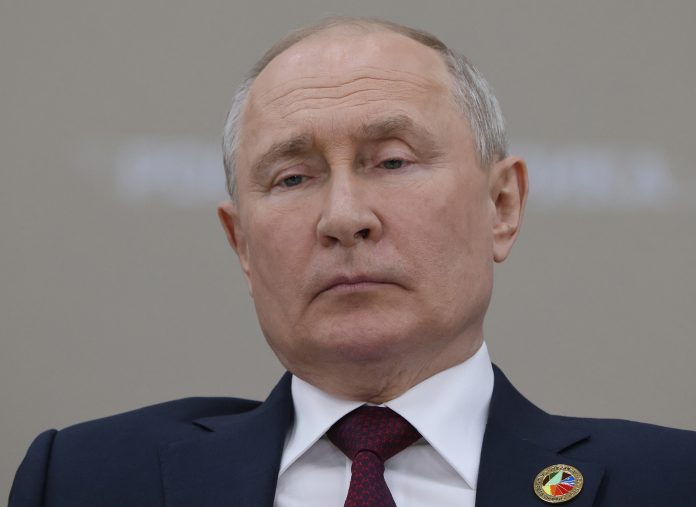
Moscow to host first Russia-Arab summit in October

Vldimir Putin

“I am confident that this meeting will contribute to the further strengthening of mutually beneficial, multifaceted cooperation between our countries and will help in finding ways to ensure peace, security, and stability in the Middle East and North Africa,” Interfax agency cited Putin as saying in the statement.

The Arab League, a regional organisation of Arab states in the Middle East and parts of Africa, has 22 member states who have pledged, among others, to cooperate on political, economic and military affairs in the region.

The reports came following a four-day trip by U.S. President Donald Trump through the Persian Gulf region this week, during which Washington announced it had secured several deals, including a $600 billion commitment by Saudi Arabia to invest in the U.S., $142 billion in arms sales to the kingdom, and an AI partnership with the United Arab Emirates.