Friday, December 26, 2025
Home Blog Page 3534

Iran Calls ‘Deal of the Century’ a Satanic Plot Doomed to Failure

Iran Calls 'Deal of the Century' a Satanic Plot Doomed to Failure

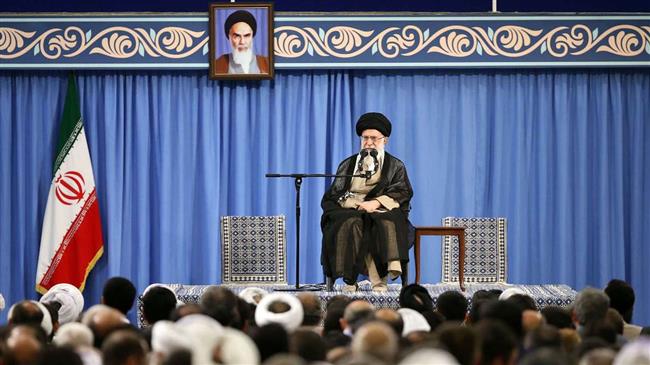
“The Americans have named their satanic policy on Palestine ‘the deal of the century’ but they should know that, by divine grace, this ‘deal of the century’ will never materialize,” Ayatollah Khamenei said on Monday.

According to an Israeli intelligence website, Trump has proposed to establish a Palestinian state with limited sovereignty over around half of the West Bank and Abu Dis as its capital.

Trump’s son-in-law and senior adviser Jared Kushner and Jason Greenblatt, his special adviser for international negotiations, are reportedly the main architects of the plan.

“To the dismay of the enemies, the Palestinian issue will not be forgotten and al-Quds will remain the Palestinian capital,” the Leader told a group of officials in charge of the annual Hajj pilgrimage.

Ayatollah Khamenei said the Palestinian people will stand against this “conspiracy,” and Muslim nations will support them.

“Of course, some Islamic governments, which have no belief in Islam, have become ready-to-die followers of the Americans out of foolishness, ignorance and temporal vanity,” the Leader said.

“But with divine grace, the Islamic Ummah and the Palestinian people will win over their enemies and will see the day when the roots of the fake Zionist regime will be ripped out of the Palestinian land,” he added.

Sources with access to Trump’s plan have told Israeli intelligence website DEBKAfile that a Palestinian state would be established with limited sovereignty across about half of the West Bank and all the Gaza Strip.

The besieged sliver of land, they said, would be integrated in the new state provided the Palestinian resistance movement Hamas agreed to give up its arms.

“Iran’s Power Cuts Not Linked with Paris Climate Agreement”

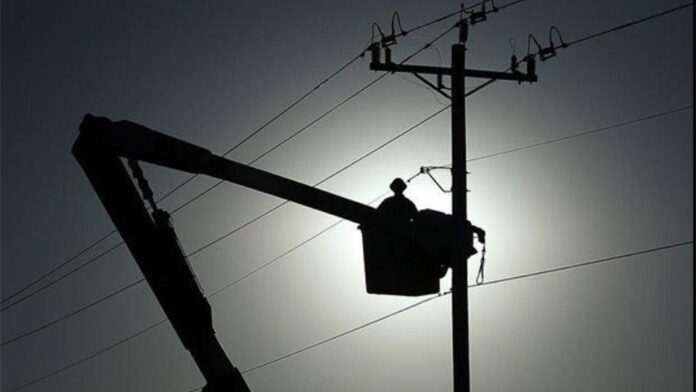
“These power cuts have nothing to do with the Paris climate deal,” Mohsen Tarztalab, the CEO of Thermal Power Plants Holding Company, told ISNA on Sunday.

Tarztalab said the Energy Ministry has plans to boost electricity production capacity by building fossil fuel power plants, but failure in boosting electricity production capacity is due to a lack of investment in the electricity industry, which partly results from the cheap price of power, and has nothing to do with Iran’s international obligations.

The official was responding to assertions by critics of the Rouhani government who linked the power cuts with the administration’s preparatory measures for implementing the Paris climate agreement.

In recent days, several cities in Iran including the capital Tehran have experienced rolling blackouts caused by a spike in demand for electricity in the summer heat.

Residents of Tehran, Kermanshah, Ardabil, and Isfahan are experiencing several hours without electricity on a daily basis.

Electricity shortage has forced the Iranian administration to change the working hours of the state bodies and non-governmental public institutes in Tehran, in a bid to save electricity.

Some officials have blamed a shortage of water to keep hydropower plants running, since the volume of water behind Iranian dams is significantly lower than usual on average.


Threat to Iranian Economy

Yasser Jebraeeli, a conservative expert of political economy, wrote in an article for Vatan-e Emrouz daily late last week that the power cuts do not result from the water shortage, as hydropower plants account for only 15% of the annual electricity production in the country.

Jebraeeli said the power shortage has its roots in the government’s failure to boost the country’s electricity production capacity.

During the eight-year tenure of former President Mahmoud Ahmadinejad, Jebraeeli said, the electricity production capacity rose by 71 percent, from 41,000 MW per year to 70,200 MW.

However, he added, under the incumbent president, this capacity has increased to 78,700 MW, showing just a 29 percent increase.

Jebraeeli said the decreased growth of Iran’s capacity to produce electricity could have resulted from the government’s will to fulfil obligations under Paris climate agreement.

Under the Paris agreement, which goes into effect in 2020, Iran has suggested it intends to mitigate its greenhouse gas emissions pledge in Paris from 4 to 12 percent in 2030.

The Guardian Council, Iran’s legislative watchdog, has so far rejected a parliament legislation needed for joining the deal.

Although the agreement has not been ratified yet and it has two years to go into effect, some government officials have talked about the need for Iran to make preparatory measures for implementing its obligations, Jebraeeli noted.

To do so, the government could have decided to stop building new fossil fuel power plants, as they are blamed as the main source of Iran’s greenhouse gases production.

Jebraeeli lamented that power shortages have so far caused big losses to the country’s economy and the continuation of this trend would curb Iran’s development.

Concluding his article, the expert called on the parliament to hold the government to account and ask it to clarify the reason behind the shortages.


Faulty Predictions

The comments come as other figures talk of other reasons for the frequent power outages.

Majid Namjou, a former energy minister serving under Ahmadinejad, told 90 Eghtesadi news website that the government has seemingly stopped developing Iran’s electricity production capacity based on a wrong prediction that the underperforming Iranian economy would curb demand for electricity and the government will be able to fulfil the country’s need.

Iran’s power demand hit a historic high of 55,400 MW in July, up from about 53,000 MW in the previous Iranian year (ended on March 21).

Iran Stresses Closer Cooperation with Pakistan to Ensure Regional Security

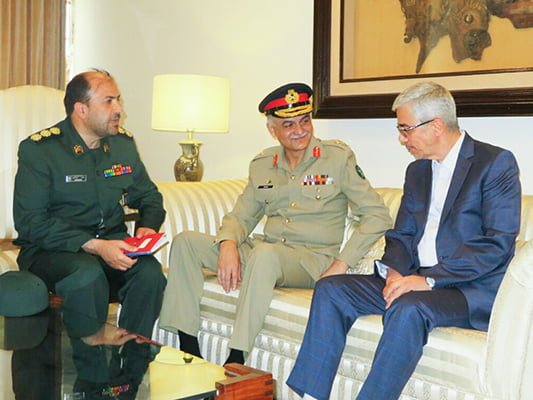
Major General Mohammad Baqeri, the chief of the General Staff of the Iranian Armed Forces, made the comment while on a trip to Islamabad.

He said the United States leads the countries seeking to create insecurity in the Middle East, adding countries such as Iran and Pakistan are duty-bound to work together closely to provide regional security.

He described Pakistan as one of the important neighbours of the Islamic Republic of Iran, saying Tehran attaches great importance to its relations with Islamabad, the IRIB News Agency reported.

The top general noted that Pakistan has always had as special status in Iran’s foreign policy. General Baqeri touched upon Tehran-Islamabad military ties in the past, and added, “It is necessary to boost these relations given the current circumstances in Southwest Asia as well as the developments unfolding in the region.”

General Bqeri is in Pakistan at the invitation of the Pakistan Army Chief General Qamar Javed Bajwa.

The Iranian top general earlier met with Pakistan’s military top brass, including General Javed Bajwa as well as Pakistan’s Chairman of the Joint Chiefs of Staff Committee General Zubair Mahamood Hayat.

In the meetings, the two sides discussed ways of enhancing regional security and boosting border and defense cooperation.

Tehran’s Int’l Airport Ready to Send 27,000 Hajj Pilgrims

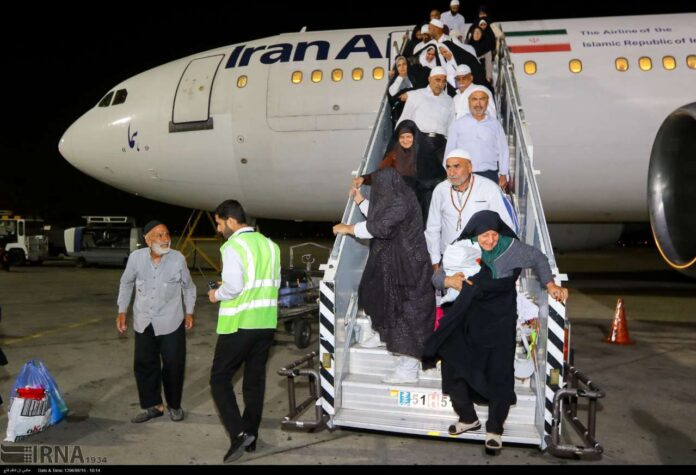
Ali Rostami, an assistant director of the airport, told IRNA on Sunday that according to schedules the departure of Iranian pilgrims will start at Imam Khomeini Airport as of July 18 and will continue until August 15.

The pilgrims will be returned to Iran between August 25 and September 15 from Jeddah Airport, he added.

Special routes and halls have been allocated to Hajj pilgrims, Rostami noted, adding that two airline companies of the Islamic Republic of Iran and Saudi Arabia will carry out 95 flights through Imam Khomeini airport for pilgrims of the provinces of Tehran, Semnan, Qazvin, Qom, Lorestan, Alborz, Markazi and the city of Kashan.

According to IRNA, Seyyed Mahdi Razavi, who is responsible for Hajj flights at the Iranian airports, earlier said the first Iranian flights to Saudi Arabia will be carried out from four airports in Ahvaz, Bushehr, Mashhad and Imam Khomeini airport in Tehran.

In addition to Imam Khomeini Airport, he added, the airports of Kerman, Hamedan, Yazd, Isfahan, Ahvaz, Bandar Abbas, Bushehr, Birjand, Rasht and Shiraz will be used by Iran Air and those of Oroumiyeh, Tabriz, Zahedan , Zanjan, Sari, Kermanshah, Gorgan, and Mashhad will be utilized by the Saudi airline to dispatch the Iranian pilgrims.

This year about 85,000 pilgrims from 19 airports in the country will head for Hajj rituals.

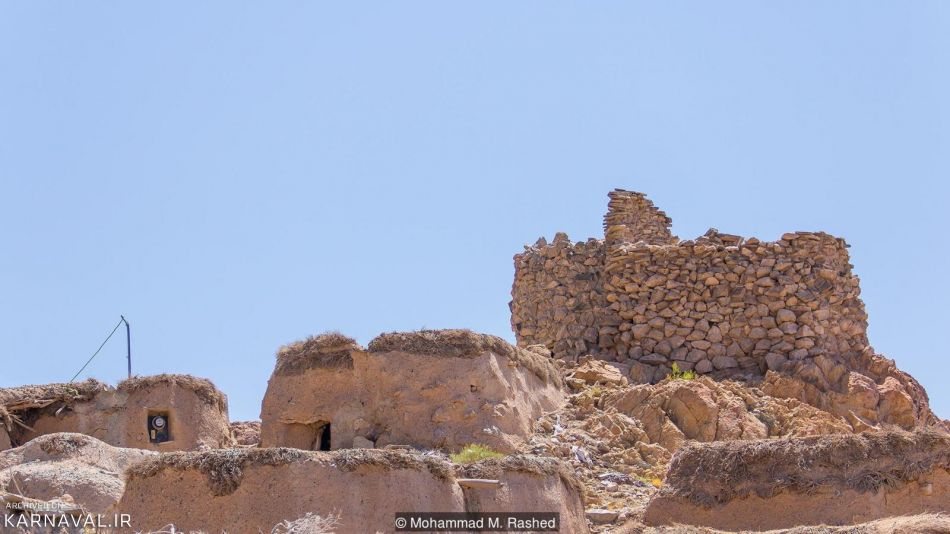
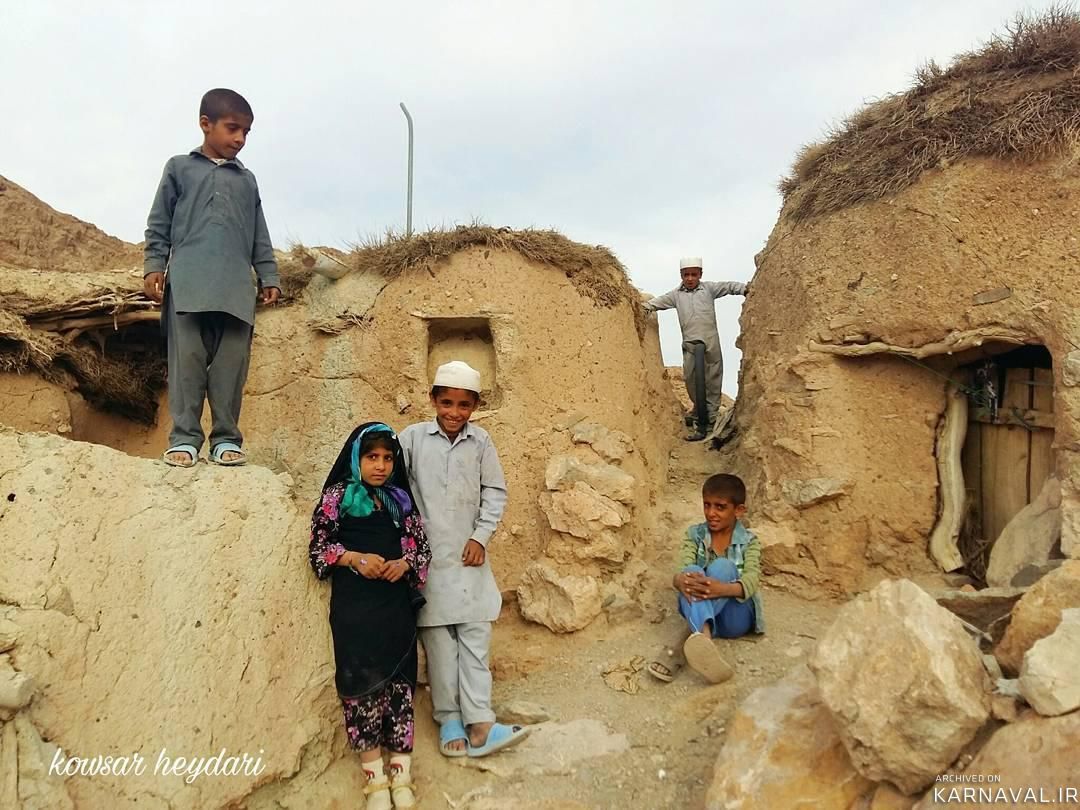
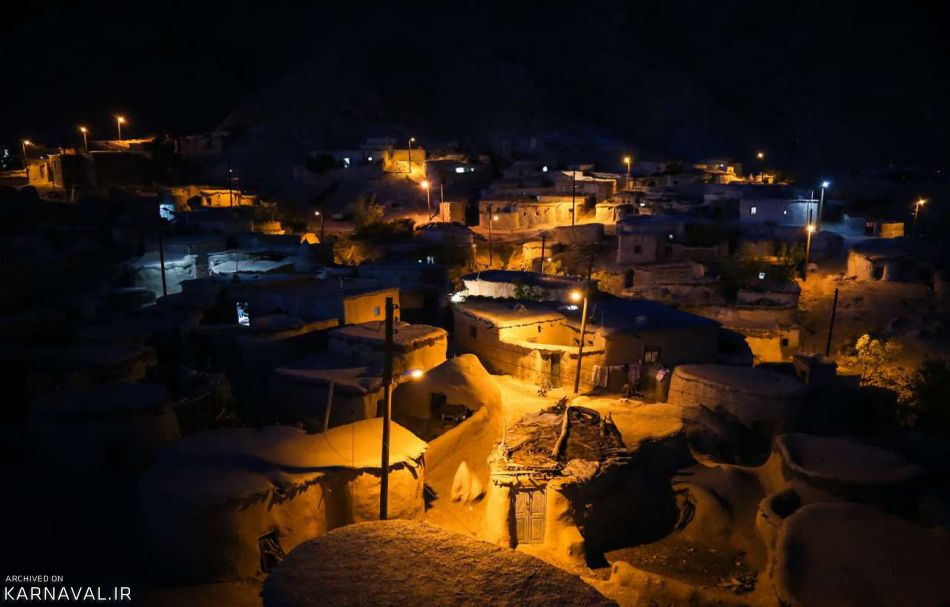
Makhunik Village; The Mysterious Land of Lilliputians

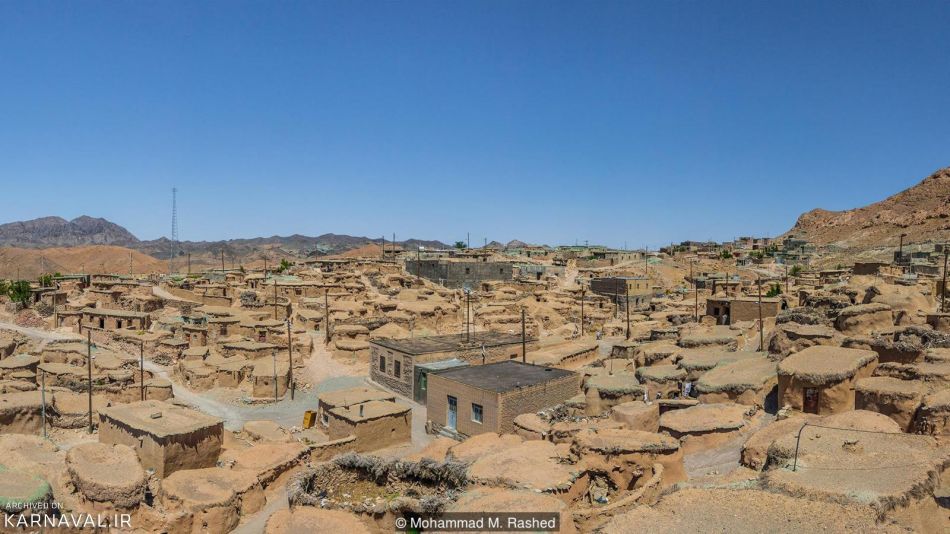
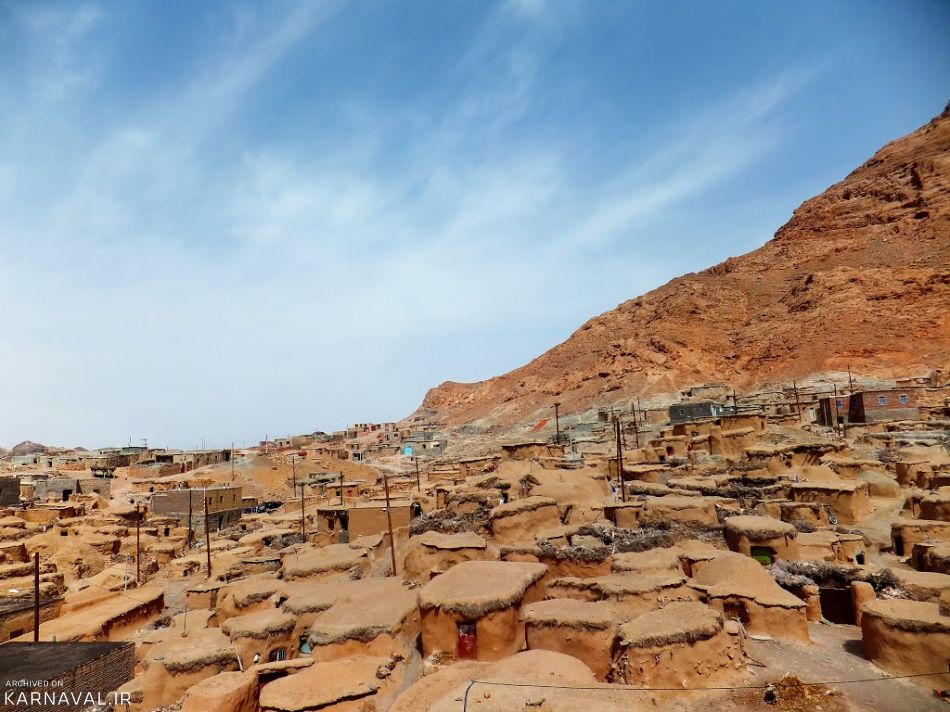
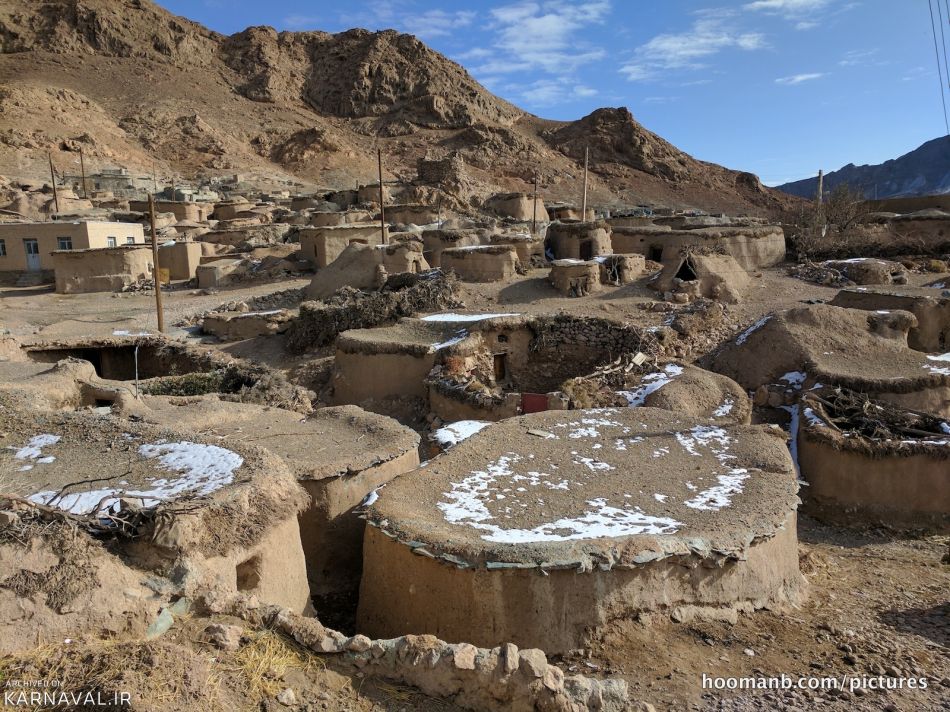
Located in Doreh rural district of Sarbisheh County, South Khorasan Province, Makhunik is widely known as one of the seven strange villages in the world.

Tourists visit the village to see the dwarf residents of the region. But this is not the only feature attracting the tourists. The village is also famous for its ancient-style architecture as well as its unique customs and culture. Makhunik was established 1,500 years ago. The interesting point is that the residents of Makhunik built their houses based on architectural styles that were common in the Neolithic Era.

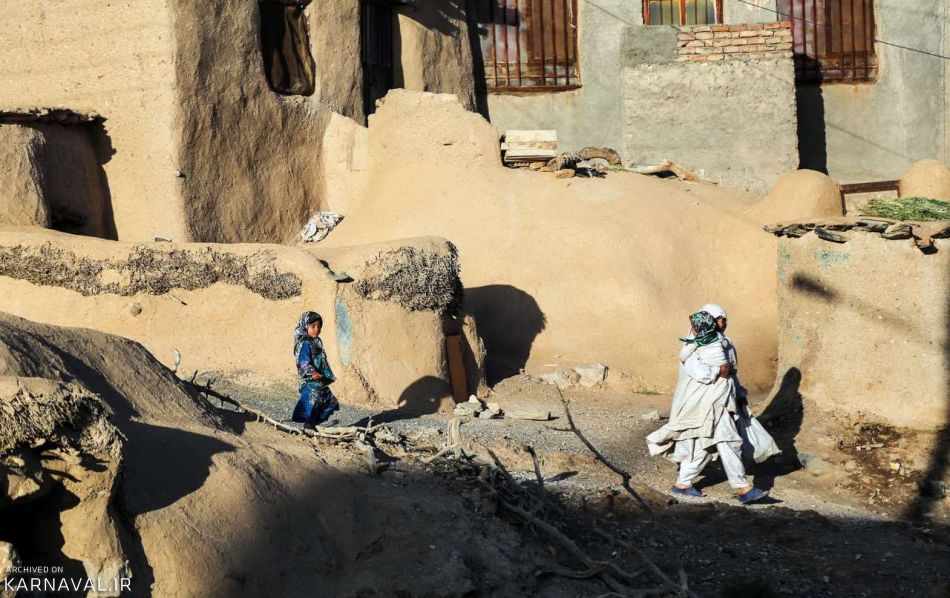
The residents of the village live mainly on pasturing their livestock. They also depend on agriculture to some extent. Most of their agricultural products include wheat, garlic, turnip, beetroot, carrot, tomato, onion and saffron. Some of the villagers work in a mine near Makhunik.

Makhunik Village; The Mysterious Land of Lilliputians

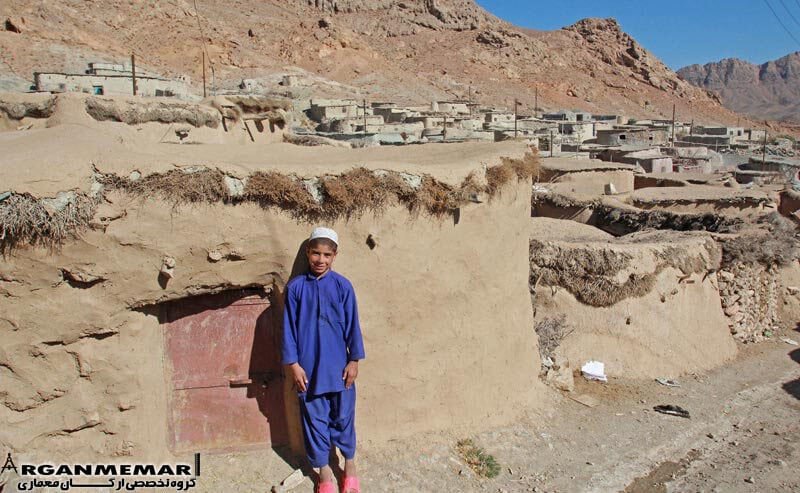
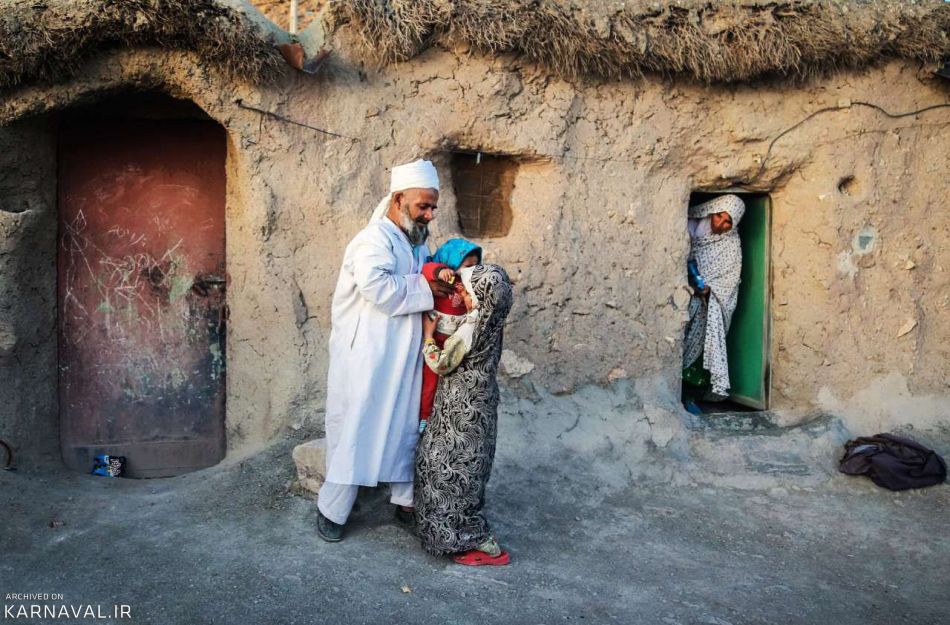
The most attractive feature of the village is its residents and the stories created about them. Makhunik residents are of Afghan descent and migrated to the region hundreds of years ago to establish a new life.  The tales created about the villagers are mainly based on two sources: Their short height and their homes established based on a unique architecture style.

Many reasons have been cited for it, but three of them seem to be more valid than others. Popularity of consanguineous marriages (which caused genes responsible for determining the person’s height to be passed among residents), lack of protein and vitamin in daily diet, and the mercury residues in drinking water (which was associated with nearby mines), are reasons for the alteration in physiques of residents.

It is said, however, that members of only one of the clans of Makhunik known as Gholam Mohammad- Reza Bakhsh clan suffer from short heights and the rest of the villagers enjoy normal heights. Reports say the clan members’ heights have gotten closer to the normal size through several generations after enjoying better nutrition and having intermarriages with other clan members.

Back in 2005, a mummified body measuring 25cm in length was found in the region. The discovery fuelled the belief that this remote corner of Iran, which consists of 13 villages including Makhunik, was once home to an ancient ‘City of Dwarfs’. Although experts said the mummy was actually a premature baby who died roughly 400 years ago. They also contended that previous generations of Makhunik residents were indeed shorter than usual.

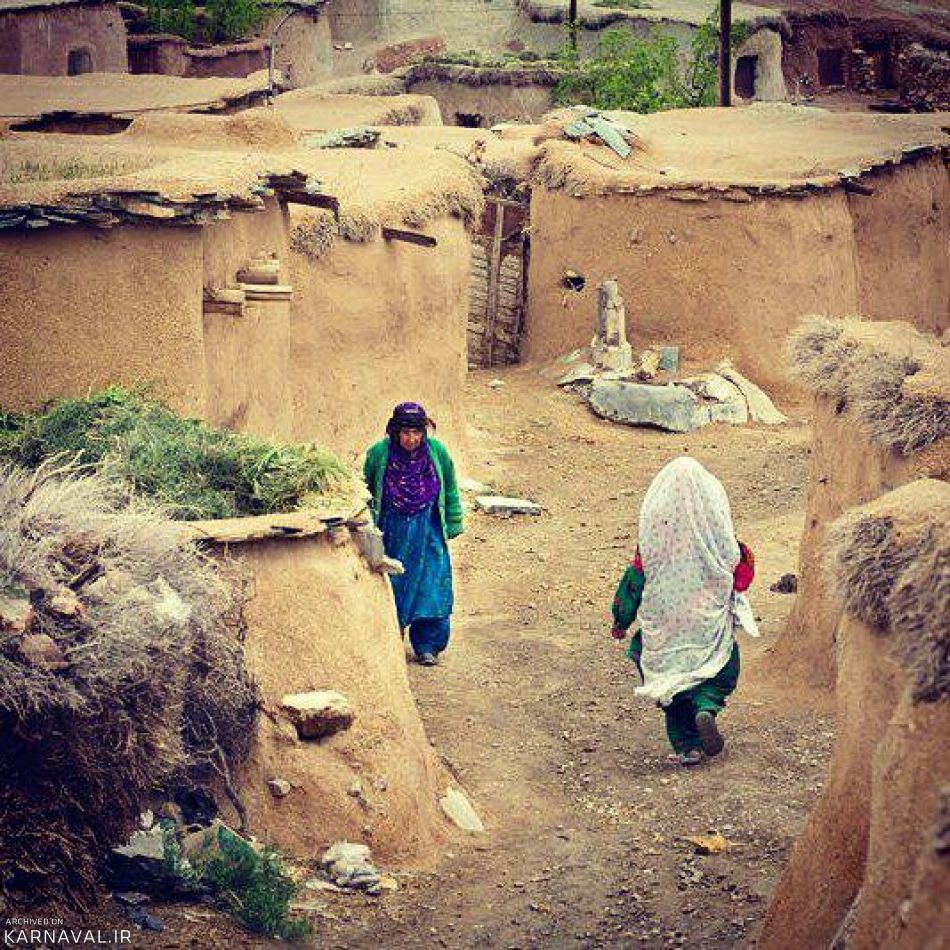
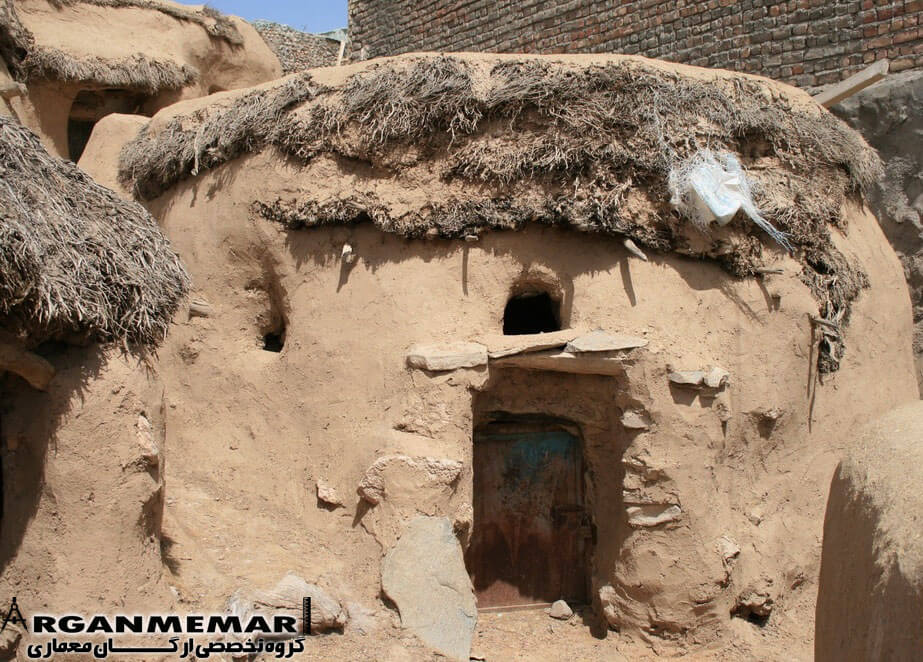
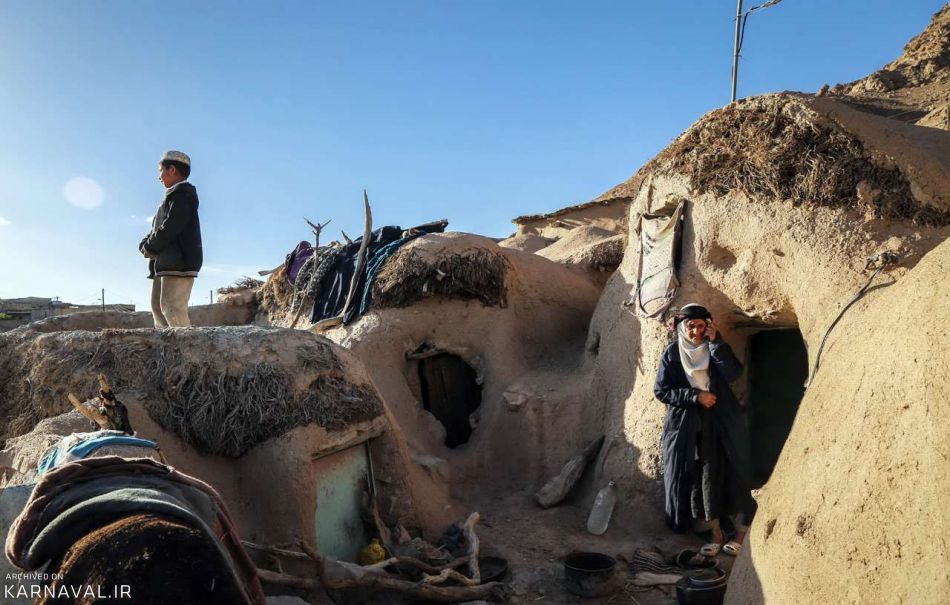
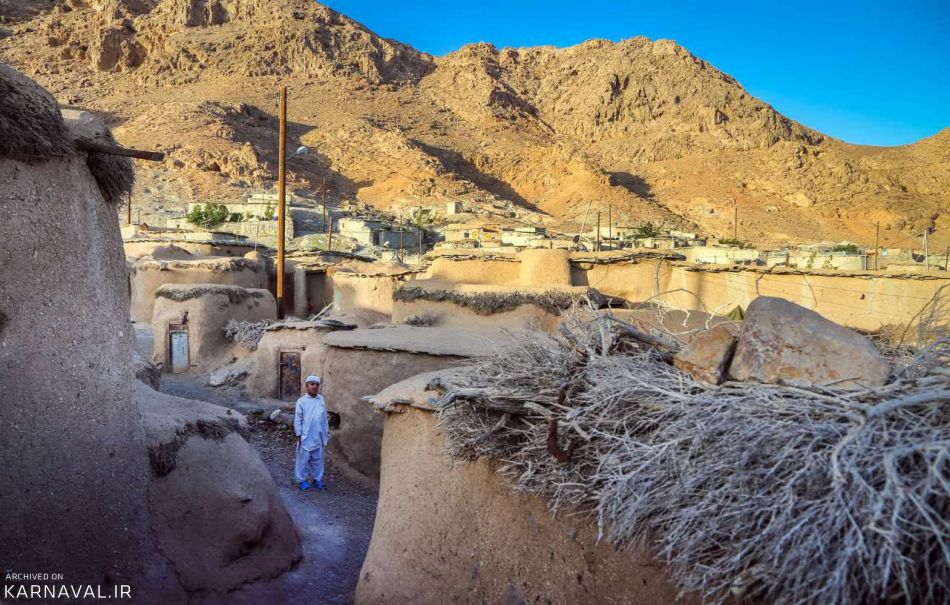
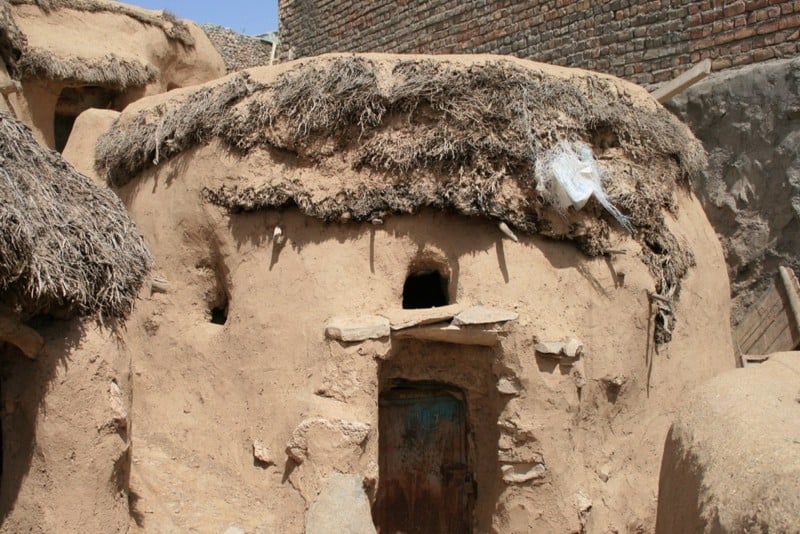
Makhunik Village; The Mysterious Land of LilliputiansThe second feature of the Makhunik village is its tiny homes with their strange architecture. If you duck through the narrow alleys of the village, you will see homes with very tiny walls and doors. One may wonder how on earth anyone could live in such tiny homes.
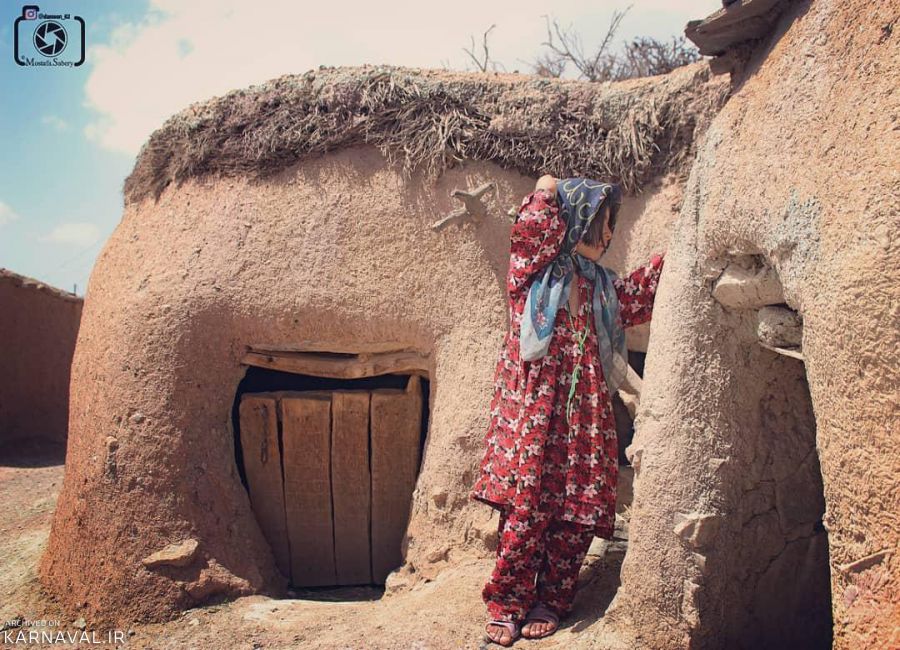
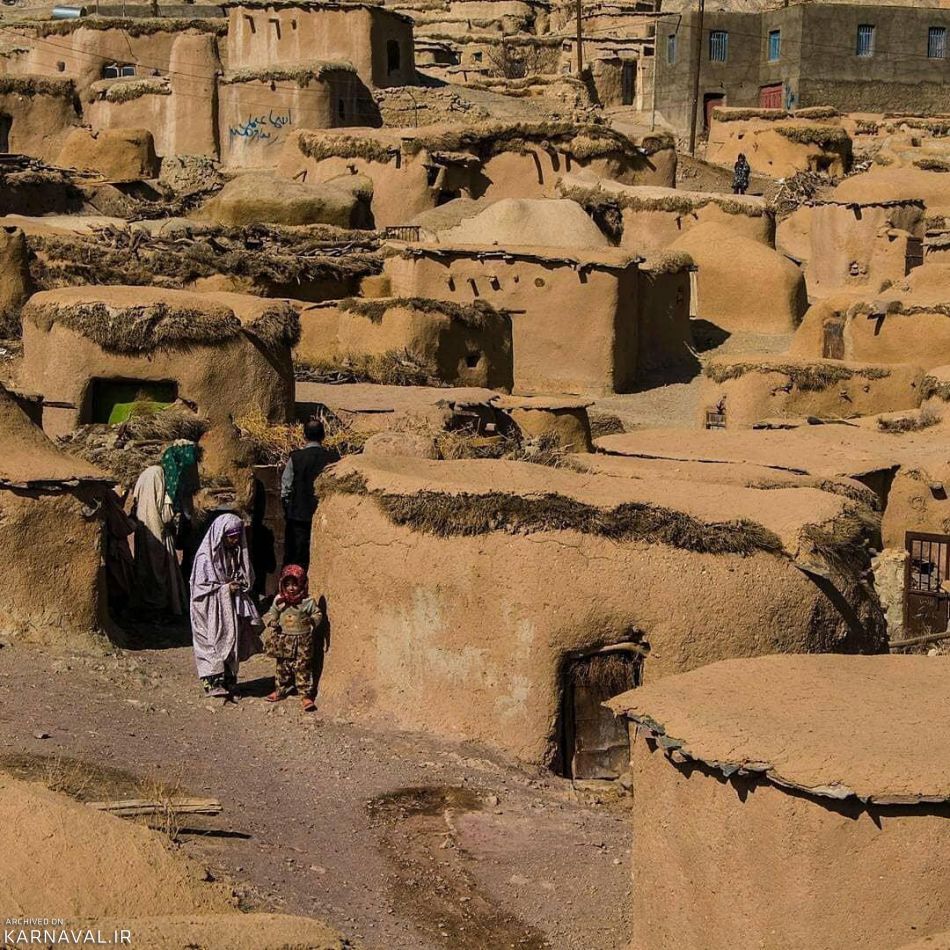
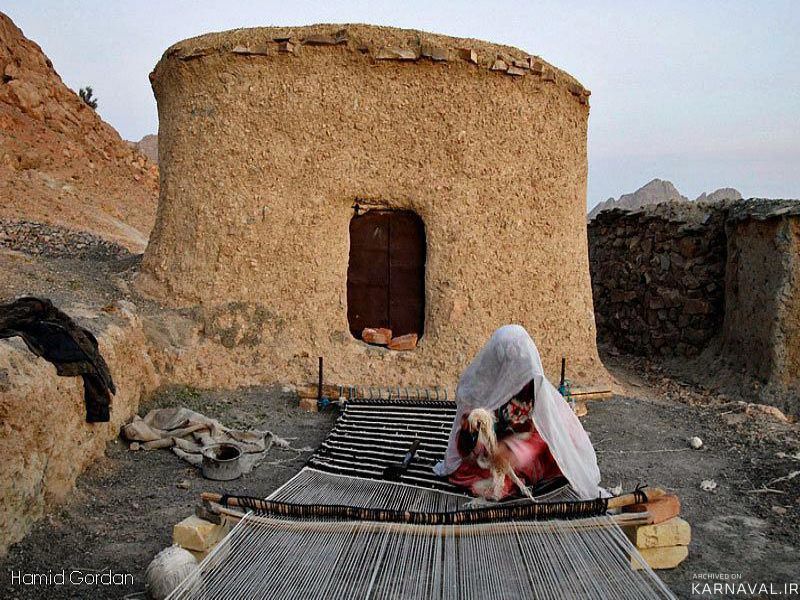
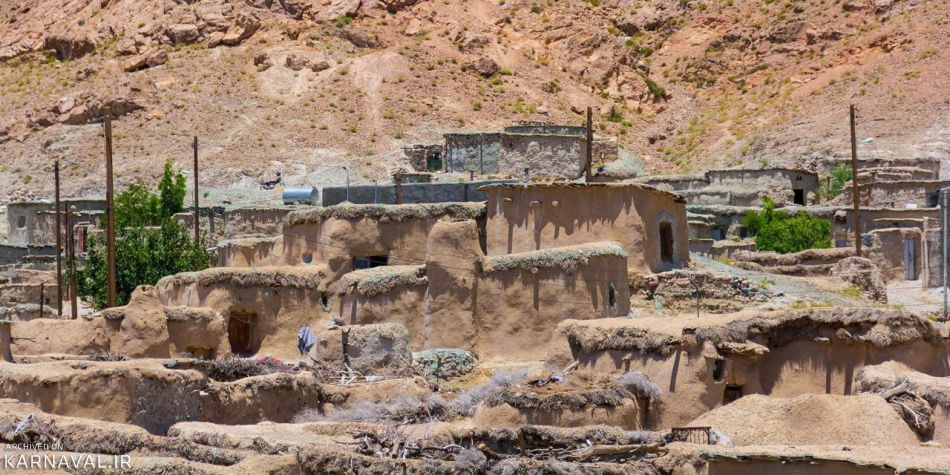
Of the roughly 200 stone and clay houses that make up the ancient village, 70 or 80 are exceptionally low, ranging between 1.5 and 2 metres – with the ceilings of some as low as 1.4m.

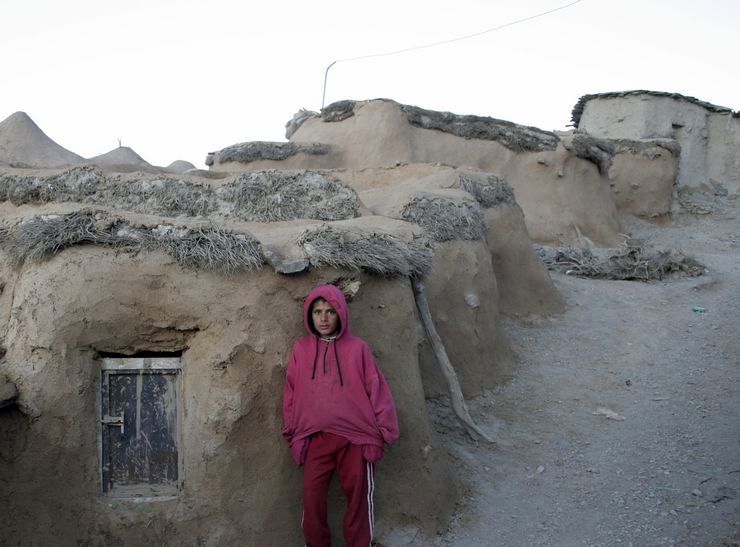
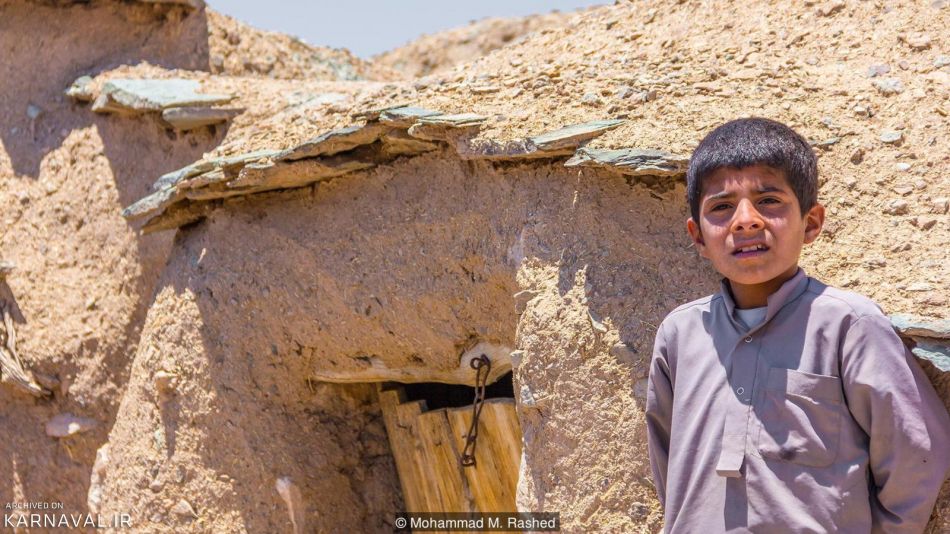
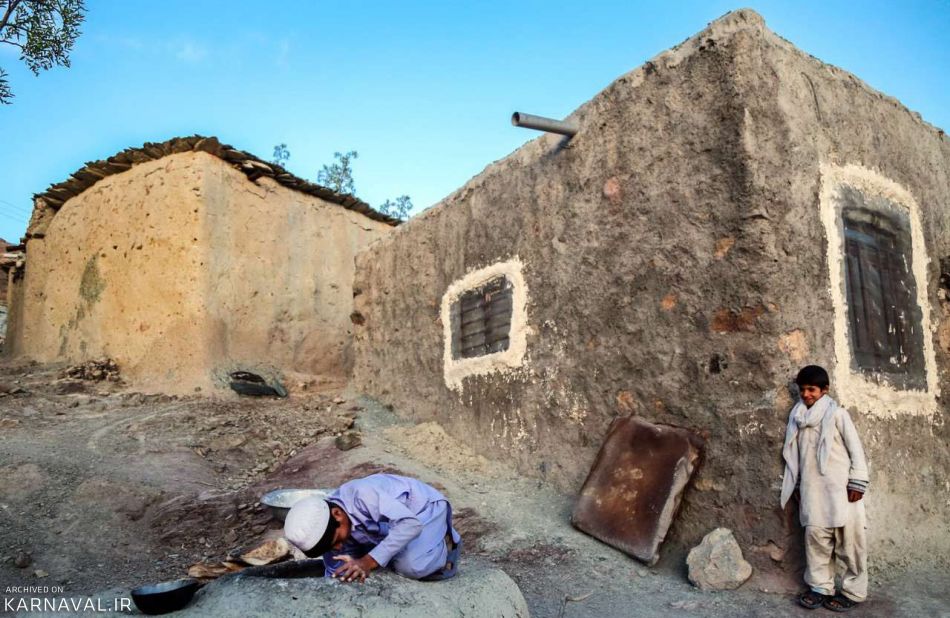
The homes have been erected on a hill in a cramped area lower than the earth level. With its floor about one meter into the earth, each home has a window as large as a human’s palm. The door of each home is too small and an ordinary man can hardly duck through even after bowing down. Made of stone, wood and clay, the homes were roughly 10 to 14sqm and consisted of the kandik (place for storing grain and wheat), a karshak (a clay stove for cooking) and a sleeping space.

Interestingly enough, each home accommodated a man with two or three wives and three to eight children. Meanwhile, there was a small living quarter known as the ‘sitting room’ for entertaining their guests.

The tiny homes have contributed to this belief that a group of Lilliputians used to live here but the reality on the ground speaks differently. One of the main reasons behind the villagers’ decision to erect the homes was protecting themselves against the cold weather. Firewood was scarce in the region and the residents had serious problems in warming their homes.

That’s why they had to construct homes as small as possible so that they could warm it up with their rare firewood. On the other hand, they made very small windows to prevent the cold weather from entering the homes. The tiny windows also allowed the day light into the homes. Most of the doors were located on the house’s southern side to let in more light and protect the home’s single room from strong winds.

Today, the residents of Makhunik have abandoned their ancient homes beginning to construct contemporary homes for living.

What follows are photos of the village retrieved from various sources:

“Iran to Use All Its Tools, Resources to Foil US’ Oil Plot”

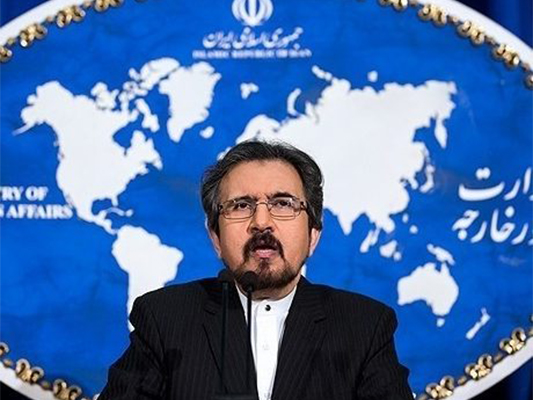
Qassemi said at a weekly press conference the US President Donald Trump’s dream of halting Iran’s crude oil sales will never come true.

“Mr Trump both talks a lot and dreams a lot,” said Qassemi.

He said experience shows that Washington’s ambition to halt Iran’s oil exports is impossible to achieve in today’s world.

He said Iran is in contact with all its political and economic partners plus all those which buy oil as well as non-oil goods from Iran.

“We will use all our tools and resources to foil the United States’ plots,” he said.

Elsewhere in his remarks, the spokesman referred to the package of proposals offered by Europe over the Iran nuclear deal.

He said Tehran is not satisfied with some parts of the package, and that Iran has asked the European countries to review and revise the package. Qassemi said Iran expects the European signatories to the JCPOA to put forward their revised proposals soon, but at the same time does not wait for Europe’s package to run the country’s affairs and economy.

The spokesman also said that following the United States’ unilateral withdrawal from the Iran nuclear deal, Tehran sent messages to other countries through its ambassadors and special envoys to clarify its position on the issue.

He also referred to a scheduled meeting between Trump and his Russian counterpart Vladimir Putin in Finland on Monday, saying Putin is not carrying any messages from Iran for Trump in that meeting.

Qassemi also touched upon a recent trip to Oman by Iranian Foreign Minister Mohammad Javad Zarif, saying there is nothing secret about that visit.

“Iran-US Clashes in Persian Gulf Decreased as Americans Realized Who’s in Charge”

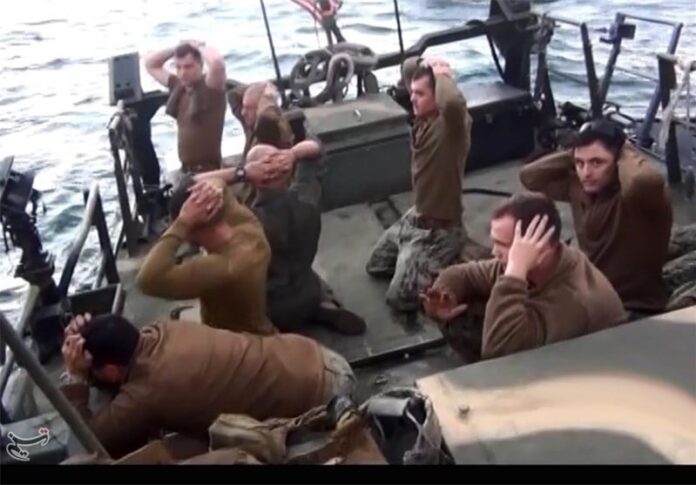
Brigadier General Ramezan Sharif told Iran’s Arabic-language Al-Kawthar TV on Monday that the IRGC vessels have been patrolling the Persian Gulf waters for many years and they continue to watch the behaviour of foreign ships and frequently caution them not to enter Iranian waters.

“We have had many of these encounters with US vessels, the last of which led to the arrest of US troopers, who were eventually released after the US apologized,” the spokesman said, referring to the arrest of ten US Navy sailors by Iranian guards in January 2016.

From that time on, the US forces have showed more respect for rules of the game and have been careful not to take provocative measures, Sharif said.

“The decrease in confrontations lies in the fact that they are now aware who is in charge. There have been no specific changes in the patrolling operations of IRGC’s naval forces,” he said.

On July 8, Trump tweeted that what he described as Iranian “harassment” of US ships has decreased since he took power in January 2017 and has eventually stopped in the second year of his administration.

The US president was referring to statistics by US navy on “dangerous encounters” between Iranian and US forces, which included 22 events in 2015, 36 in 2016, 14 in 2017 and zero in 2018.

The first two years were during the tenure of Trump’s predecessor Barack Obama.

Trump has been highly antagonistic towards Iran since coming to power, pulling the US out of the 2015 nuclear deal and pledging to impose the “highest level” of sanctions on Iran that could “destroy” its economy.

Iran recently vowed to block the strategic Strait of Hormuz, the passage between the Persian Gulf and the Gulf of Oman, if the US carries out its threat to cut down to zero Iran’s export of oil.

Iran Mulling over Use of Crypto-Currencies to Evade US Sanctions

bitcoin

Mohammad Reza Pour-Ebrahimi, the chairman of the Iranian Parliament’s Economic Commission, said digital currencies can serve as an important way to evade the US sanctions and get rid of dollar’s hegemony.

In an interview with Mizan News Agency, Pour-Ebrahimi said the Parliament’s Economic Commission will discuss the issue soon.

“Today, many countries like Russia, China and Brazil have already turned to mutual or multi-national money treaties which facilitate trade transactions,” he said.

One of the main priorities of the Iranian Parliament amid the current volatile economic situation is to deeply explore the issue of money treaties as a mechanism to evade the sanctions, he added.

As US’ economic sanctions on Iran loom, Iran’s currency faces inflation, with the rial having lost half of its value in recent months.

Tensions between Iran and the US have been on the rise since May 8, when the US withdrew from the Iran nuclear deal and threatened to impose the harshest economic sanctions on Iran, which will take effect on November.

“Turkey to Stand by Iran against US’ Illegitimate Sanctions”

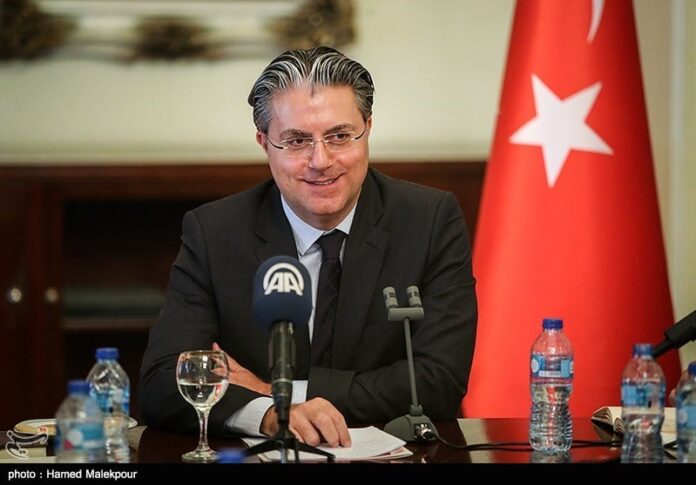
Reza Hakan Tekin told reporters on Sunday that Ankara has not yet received any message or demand from the US as to how Turkey is expected to behave regarding Washington’s sanctions on Iran. However, he added, a US delegation is scheduled to visit Turkey to express their requests.

Speaking in a press conference in Tehran, the top diplomat underlined that the United States has clearly announced what approach it is going to adopt vis-à-vis Iran. He said the White House intends to put all-out pressure on Iran in the economic domain.

Nevertheless, said the ambassador, US officials make contradictory remarks as well. For instance, he said, American authorities once said they intended to bring Iran’s oil exports to zero, but stated a few days later that there could be exceptions. He underlined that Turkey’s stance on US sanctions is crystal clear as Ankara regards the bans as illegal and fruitless.

Tekin said Turkey is standing by Iranian people in the face of sanctions, and stressed that Ankara and Tehran have extensive economic cooperation. Moreover, he said, Turkey and Iran are working together and have many common interests in political, defense and security arenas.

Tekin, who was speaking on the second anniversary of the abortive coup in Turkey, touched upon the mass arrests made in order to purge the Turkish society of elements working for opposition figure Fethullah Gülen. He said the arrests during which journalists are also apprehended are sometimes referred to as “crackdown” on people, but, as he added, the move is aimed at dealing with terrorists.

Tekin said Turkey once again thanks Iran for its unflinching support for Ankara in the very early hours after the failed coup. The top diplomat said Tehran never allowed “Gullen’s terrorist organization” to establish a base in Iran.

Elsewhere in his remarks, the Turkish ambassador touched upon Ankara’s strategy regarding Syria. He said Turkey was not a party to the talks on the establishment of a de-escalation zone in Syria and, hence, has no precise information in that regard and does not know whether or not the US and Russia have reached agreement on that. However, he noted, Turkey believes Idlib is very important. He said there is no military solution to the crisis in Syria, and he conflict should be resolved politically.

The top diplomat referred to the operations conducted by Turkish forces in al-Bab and Afrin in northern Syria against ISIS and PKK militants, saying Turkey has no plans for a permanent presence there.


Syria’s Robust Ties with Iran to Develop despite All Threats: Assad

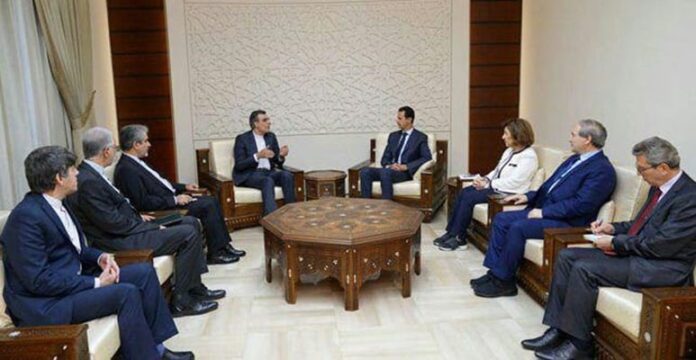
Assad made the remarks in a Sunday meeting with Hossein Jaberi Ansari, a senior assistant to Iranian Foreign Minister, who is on a tour of the Middle East as part of the trend of Astana talks.

During the meeting held in Damascus, the Syrian president touched upon some of the domestic and foreign threats facing robust relations between Tehran and Damascus over the past 40 years, and said the ties will continue to develop despite all threats.

The Syrian president underlined that during the war against Syria and Damascus’ fight on terrorism, strategic relations between Iran and Syria gained strength day by day, and these relations, which serve the interests of both sides and the region, will continue to develop at the highest level.

He also noted that victories over terrorists in vast parts of his country have set the stage for progress in the political trend and putting an end to the war on Syria.

Jaberi Ansari, in turn, referred to the latest developments in southern Syria and Syrian army regaining control of large parts of Dara’a and Quneitra provinces, and congratulated the Syrian people and government on the recent gains by Syrian troops.

The Iranian diplomat noted that it is necessary to manage political trends in order to end the crisis in Syria under the current circumstances and in tandem with the gains made on the ground in fighting terrorism. He also presented a report on the latest developments pertaining to the ongoing talks on the Syrian Constitutional Committee.

Jaberi Ansari also referred to the experience of four decades of successful relations and cooperation between the two countries as well as Iran’s backing for Syria in combating terrorism and foreign interference.

“In the most difficult phases over the past forty years, relations between the two countries have been growing, and will continue based on the common interests of both nations and the regional nations as well as the strategic viewpoints of both countries’ leaders,” said Jaberi Ansari.

The two sides also exchanged views on the latest developments on the ground in Syria as well as coordination between Tehran and Damascus at the current stage of negotiations aimed at bringing peace to the Arab country.

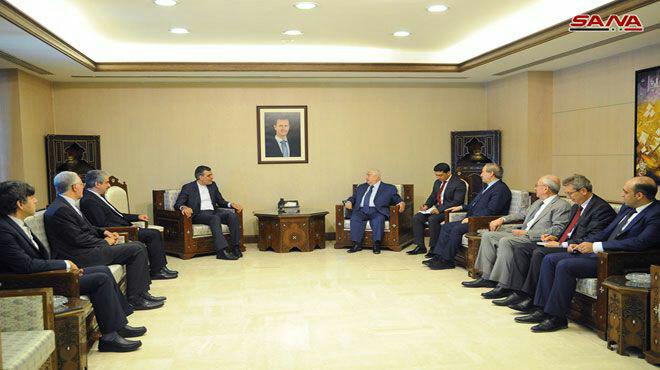
During his stay in Damascus, Jaberi Ansari also held talks with Syrian Foreign Minister Walid Muallem, during which the two sides discussed the latest political developments as well as issues related to the Syrian Constitutional Committee.

They also talked about an upcoming meeting which is due to be held in Geneva, Switzerland, between the three guarantor states of the Syria truce and the UN special envoy for Syria as well as the tenth round of Astana talks in the Russian city of Sochi.

The Iranian official also sat down with some other high-ranking Syrian authorities and discussed with them the latest developments on the ground in Syria as well as the country’s political developments. Also on the agenda of the talks were cases pertaining to a committee charged with swapping detainees.

The senior Iranian official leaves Damascus for Beirut tonight, winding up his day-long visit to Syria.

Syria’s Robust Ties with Iran to Develop despite All Threats: Assad