Friday, December 26, 2025
Home Blog Page 3529

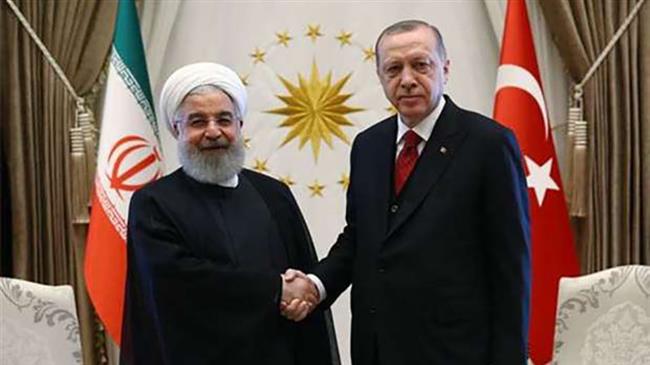
Turkey Working to Avoid Negative Impacts of US’ Sanctions on Iran

The ministry made the announcement in a statement on Friday after a US delegation of Treasury and State Department officials held talks with Turkish authorities in Ankara on upcoming Washington’s sanctions against Tehran.

US President Donald Trump announced on May 8 that Washington was walking away from a nuclear agreement, officially known as the Joint Comprehensive Plan of Action (JCPOA) signed between Iran and the P5+1 group of countries in 2015.

The US president also said that he planned to reinstate US nuclear sanctions on Iran and impose “the highest level” of economic bans on the Islamic Republic.

Under the JCPOA, Iran undertook to put limits on its nuclear program in exchange for the removal of nuclear-related sanctions imposed against Tehran.

The Turkish foreign ministry’s statement further emphasized that Iran was an important neighbor for Turkey and that Ankara would continue to monitor the US sanctions within this framework.

Washington has said it would be returning the sanctions in August and threatened the countries that maintain business with Iran despite the bans with “secondary sanctions.”

It has also warned countries against keeping up their crude purchases from Iran from November 4 onward.

Iranian Foreign Minister Mohammad Javad Zarif said on Monday that the Islamic Republic has lodged a complaint with the International Court of Justice (ICJ) over the United States’ “unlawful” move to re-impose “unilateral” sanctions against Tehran.

“Today Iran filed a complaint [with] @CIJ_ICJ to hold US accountable for its unlawful re-imposition of unilateral sanctions,” Zarif said in a post on his official Twitter account on Monday.

Late last month, however, Ankara said it remained determined to maintain trade ties with Iran.

Turkey’s Foreign Minister Mevlut Cavusoglu said on June 29 that his country remains determined to maintain trade ties with Iran.

“If the United States’ decisions are aimed at peace and stability, then we’ll support them, but we don’t have to follow every decision. Being allies doesn’t mean following every decision word for word,” Cavusoglu told the Turkish broadcaster NTV in an interview.

Iran has been Turkey’s leading supplier of crude oil for most of the past two decades, ceding first place to Iraq only for three years during the recent period of US sanctions.

Imports last year came to 11.493 million tonnes, or 44.6% of the total supply, at an average of 230,800 barrels per day (bpd), up 66% from the 6.939 million tonnes supplied in 2016, according to reports.

Iranian First Vice President Es’haq Jahangiri said on July 10 that the upcoming US move to re-impose sanctions on Iran will create “difficult conditions” for the country but the Islamic Republic will forcefully resist against the United States’ economic war.

“Given the enemy’s economic war, we will face new and difficult conditions and must stand against this war with full power,” Jahangiri said.

His remarks came a day after Russia’s Foreign Minister Sergei Lavrov said the three major European signatories to the landmark nuclear deal with Iran had agreed to establish trade ties with Iran independent of the US dollar.

Lavrov said the decision by France, Germany and Britain would mainly concern small and medium-sized companies.

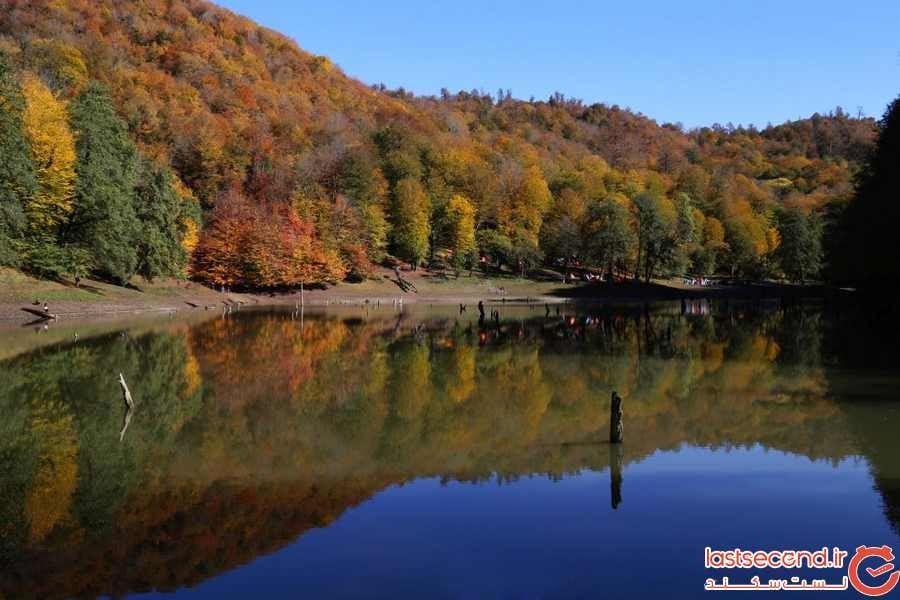
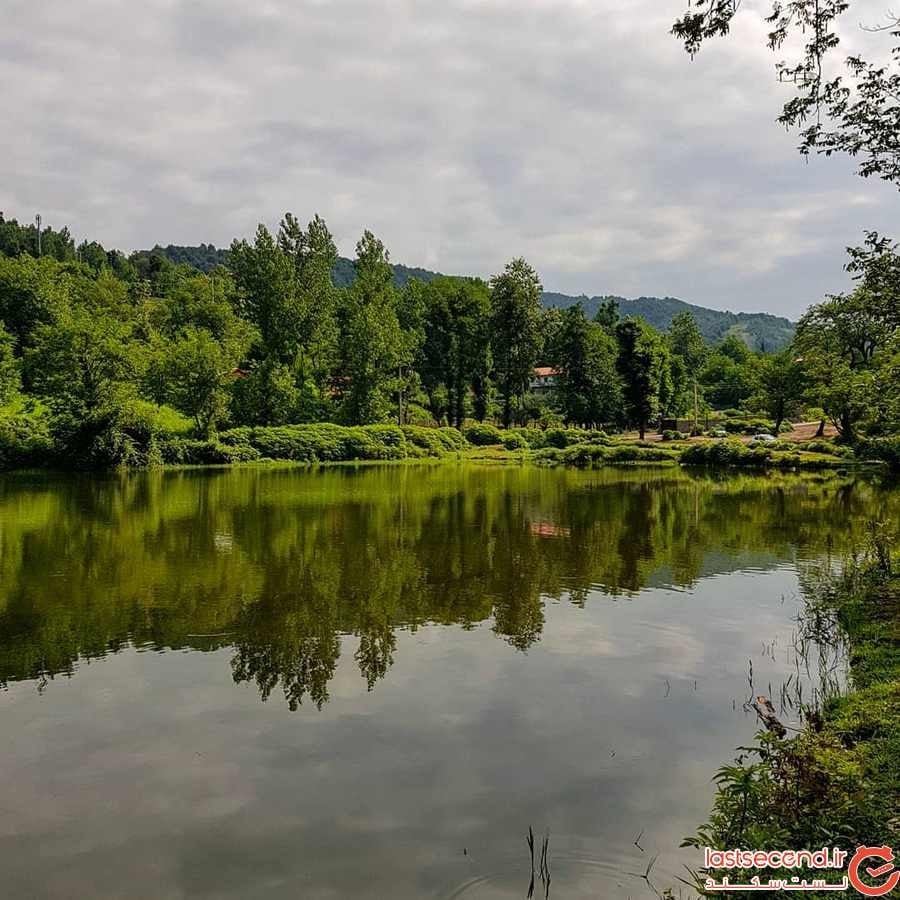
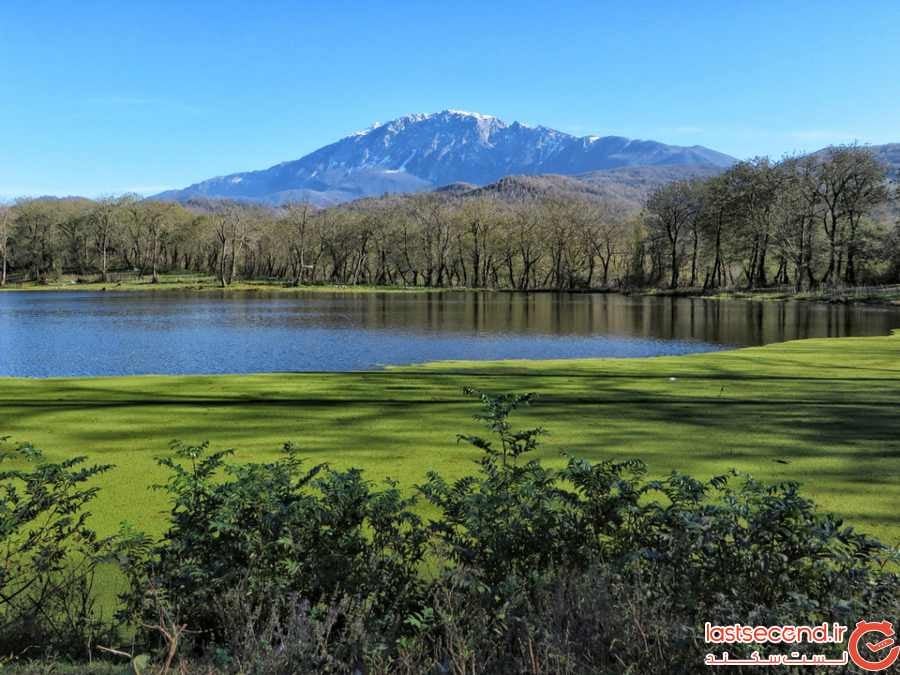
Iranian Lake Changes Colour throughout the Day!

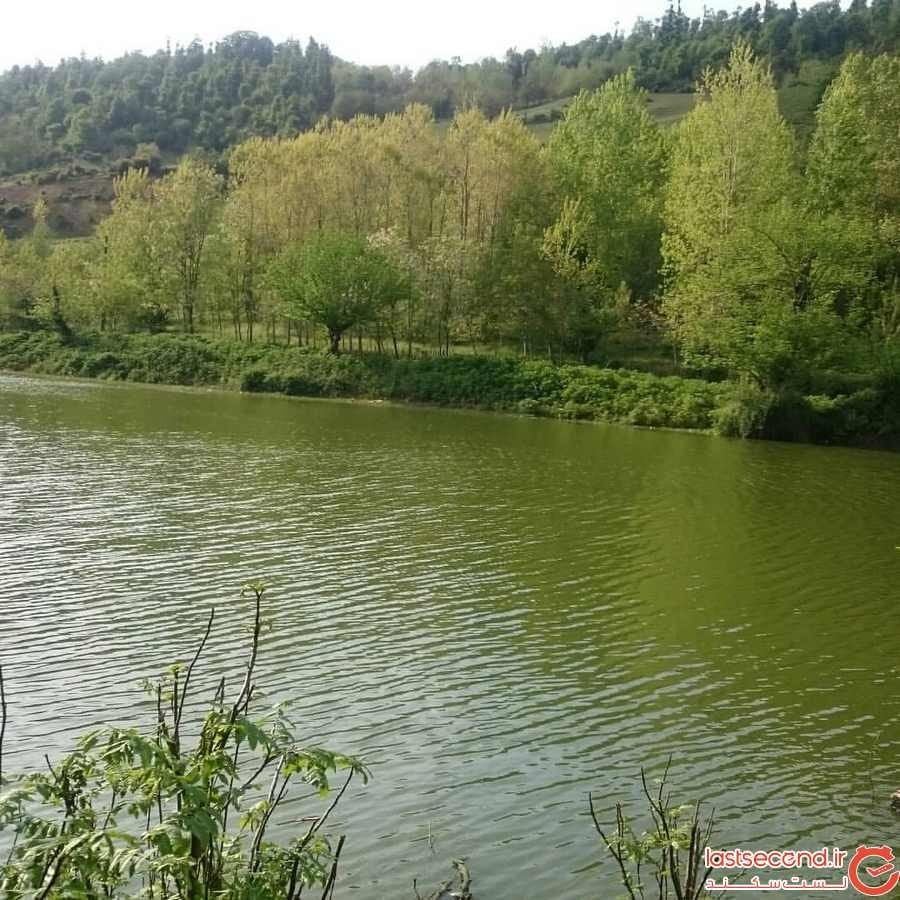
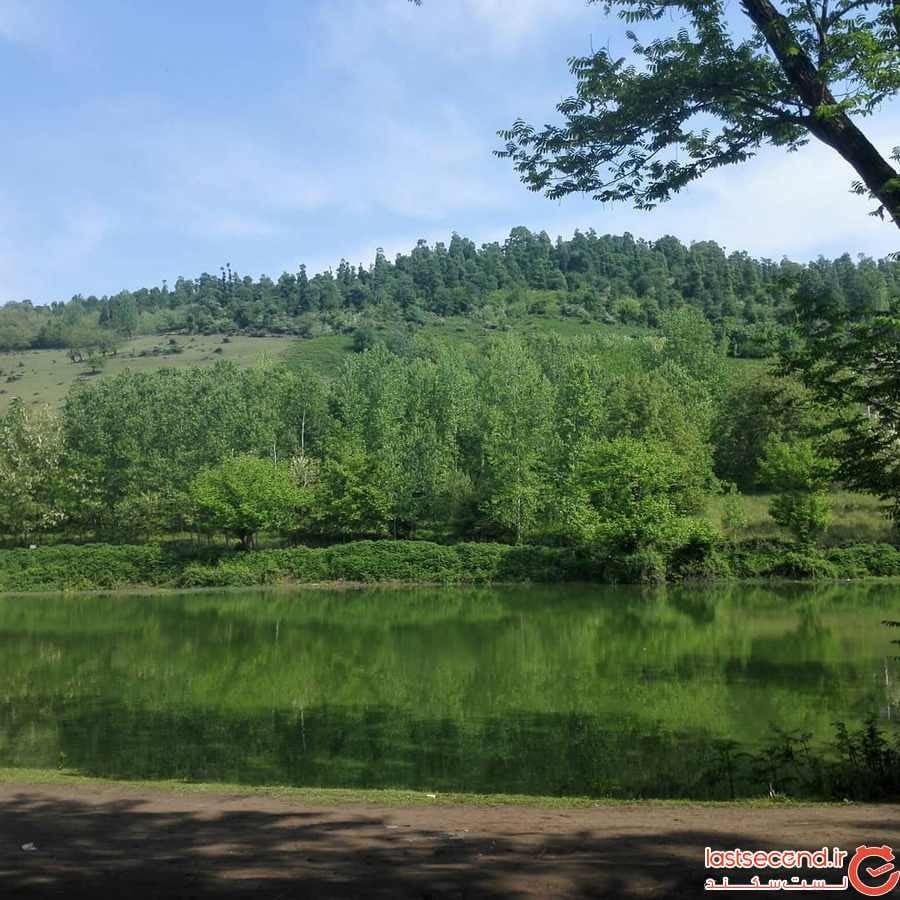
The naturally occurring phenomenon happens in Arous (Bride) Lake, located in Halimeh Jan village of Roudbar country.

The lake changes colours because of a type of green microalgae.

Before noon, the lake is green, like the jungle surrounding it, because the microalgae cover the surface of the water.

In the afternoon, as the wind starts blowing, microalgae go down and the lake becomes blue.

What follows are photos of the magnificent lake:

Iran Condemns Israel’s “Jewish Nation-State” Law as Racist

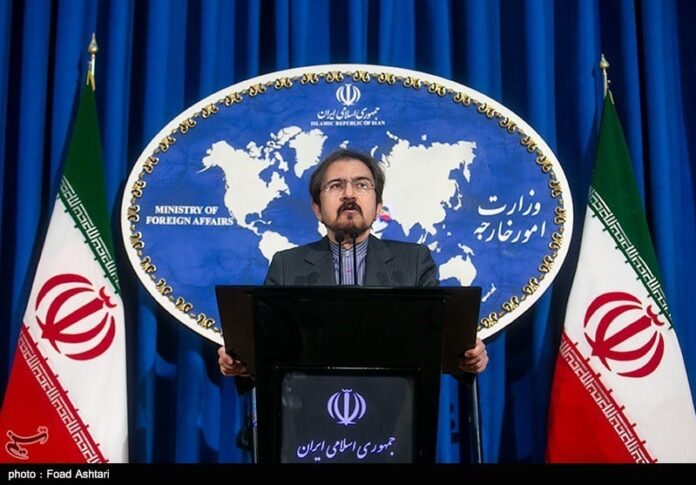
Bahram Qassemi

In a Friday statement, Qassemi said the legislation bears witness to the racist nature of the Tel Aviv regime.

“The illegitimate and racist Zionist regime [of Israel] was formed upon the occupation of Palestine and the massacre of its real owners, and the recent move by this regime’s parliament is yet another testimony to the racist nature and approach of this regime over the past 70 years,” said the spokesman.

He further lashed out at Washington for backing Israeli measures.

“The United States’ all-out support for the Zionist regime [of Israel] and the Trump administration’s move to relocate his country’s embassy to Jerusalem al-Quds as well as efforts by certain Arab countries to normalize their relations with the usurpers of Palestinian territories and failure to bring this regime to justice for violating international rules and regulations and killing oppressed Palestinian people on a daily basis have emboldened them to press ahead with their policy of Judaizing Palestine and ethnic cleansing, which will undoubtedly lead to further instability and insecurity in the region,” said the spokesman.

“Gone are the days of racism and Apartheid,” he noted, adding that “racism in occupied Palestine will be stamped out, too, thanks to the perseverance and resistance of Palestinian people as well as Muslim and freedom-seeking nations across the world.”

The Israeli legislation has been widely criticized. Palestinian Resistance Movement, Hamas, slammed the legislation, saying it legitimizes Israeli racism. The Palestinian Authority also condemned it as a declaration of war. Palestinian President Mahmoud Abbas said the law will not change the historical status of al-Quds as the eternal capital of Palestine. He added the legislation will not discourage Palestinians in their legitimate struggle to resist the Israeli occupation and establish their independent state. Abbas urged the international community to stop such laws which he described as racist. Turkey condemned the move as well, accusing Israeli officials of seeking an apartheid system. The European Union also voiced grave concern over the issue.

The Israeli legislation says only Jews have the right to self-determination. It does not recognize Arabic as an official language in the occupied territories, either.

“Trump Resolved to Destroy European Union”

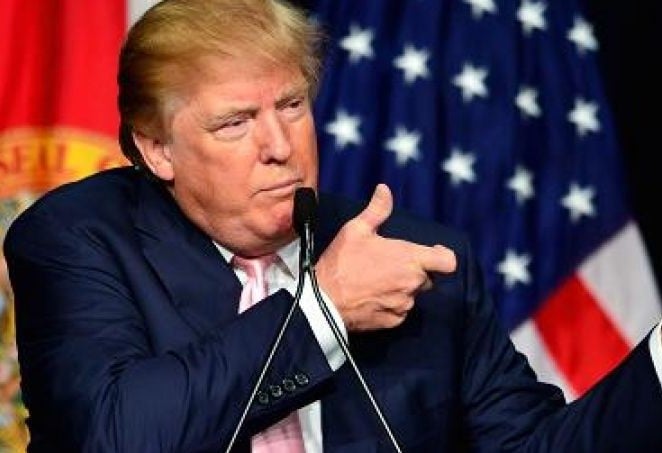
A recent opinion piece published by Jomhouri Eslami newspaper says US President Donald Trump wants Europe to follow Washington’s policies and it seems the EU has to tolerate and accept this humiliating manner, even at the cost of losing their independence.

What follows is the full text of the editorial:
The negative feedbacks of Donald Trump’s visit to Brussels, his participation in the NATO Summit and his trip to Britain, indeed destroyed the credibility of Trump’s America.

During Trump’s recent trips, almost no announcement of cooperation and agreement was made by either European or American leaders. But in practice, he faced serious, organized and widespread opposition that had never been experienced in the history of US-European relations, especially with the NATO.

Trump postponed his trip to Europe and in particular his visit to Britain several times, and eventually headed to Europe in a situation that no one was willing to warmly welcome the President of the United States.

The British people urged him to return home by launching massive demonstrations. They insisted that he must change his policies and stop creating tensions, racism, and humiliating manners in dealing with the other countries.

However, the extent of the protests against Trump had already been anticipated, and that was why he delayed his trip to Europe and in particular to Britain several times.

He did his utmost to find a better chance to be welcomed warmly, but at the end of the day, it was beyond reach.

The British government informed Trump that they were unable to welcome him in London and had to receive him in another place to be able to provide security for him and his companions within highly secure and protected areas.

Trump tried to travel to England at any cost so that people would not say he was dissuaded from his British trip for such matters. But the mass demonstrations in London showed well that even London is not a good place for an adventurer like Trump. Although Britain, in particular since World War II, has been considered as America’s closest ally in Europe and the world, England is not able to welcome Trump in London.

Prior to his trip to Britain, Trump was also completely isolated at the NATO Summit. Although he tried to put pressure on other parties to pay the US’ military expenses on the territory of NATO, he was faced with serious opposition and protests that made the NATO summit tense.

It’s so hard for America’s global diplomacy that Trump and his associates are not only confronted with Russia and China, but also have to challenge with their allies in the NATO. The US at the same time has waged war on the European Union, Canada, Mexico and even Britain as a follower of Washington’s policies in Europe.

During his visit to Brussels where the NATO Summit was held and also in Britain, Donald Trump constantly tried to stabilise himself in a position with a bunch of non-diplomatic and humiliating statements. But in practice, the results were totally vice versa, and it gave rise to a clear and unequivocal isolation for Trump’s America.Perhaps if it was possible for him and his assistants to foresee, they would have cancelled or delayed the journey to Europe.

The fact is that protesting against Trump is not due to his personality. It is the extreme views of Trump and his assistants which elicited such unified and unexpected response.

Trump has problem with the survival of the European Union and explicitly calls for the collapse of the European Union. He personally and formally supported the “Brexit” and has even criticised British Prime Minister Theresa May for her flexibility on the issue of leaving the European Union. He even welcomed and supported France’s exit from the EU, and encouraged the French people to join the supporters of Frexit.

Trump still hopes to see the collapse of the European Union and, in particular, the collapse and destruction of the “Euro” as the single European currency, which will ultimately resolve the growing problems of America by eliminating and marginalizing the economic rivals.

While Britain is on the way to get out of the European Union, and is dealing with the increasing adverse consequences of this painful exodus, Trump is not happy with it yet. With his apparent interference, even the British are humiliated by the United States.

Trump’s sarcastic literature against Theresa May and her government was so blatant and undiplomatic that infuriated the British media, parties and people.

During this trip, Trump even determined the future prime minister of Britain! He hailed the British Foreign Secretary, Boris Johnson, and said that he is very smart and capable to become a great prime minister.

The US president now introduces immigrants as the main problem for Europeans and calls for taking action against immigrants, which is in fact a form of intervention in European affairs and policies.

The situation is so dire that French President Emmanuel Macron, who at the start of Trump’s job claimed he would not allow the United States to be isolated, is now in the front line of opposition against Trump. He says that France and the European Union have no choice but to confront and deal seriously with the US’ economic and environmental policies, as well as Trump’s positions towards the NATO.

Europe feels that following Trump’s policies will result in its humiliation and dependence. The continuation of such policies has created new trends in US relations with its allies. Washington wants them to follow the US policies and it seems they have to endure and accept this humiliating manners, even at the cost of losing independence. This is the policy that aims to destroy the European Union and has turned Trump into the flag bearer of the collapse of the European Union!

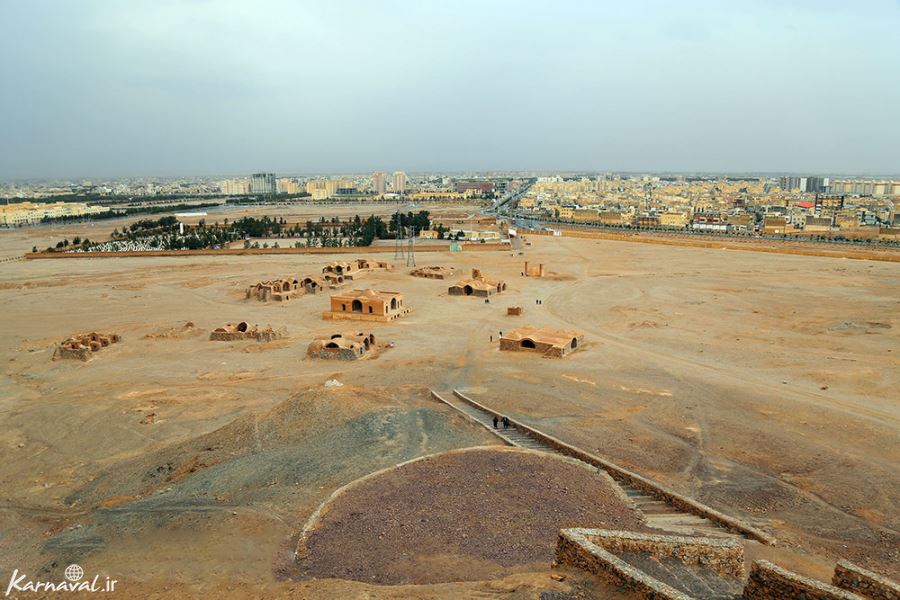
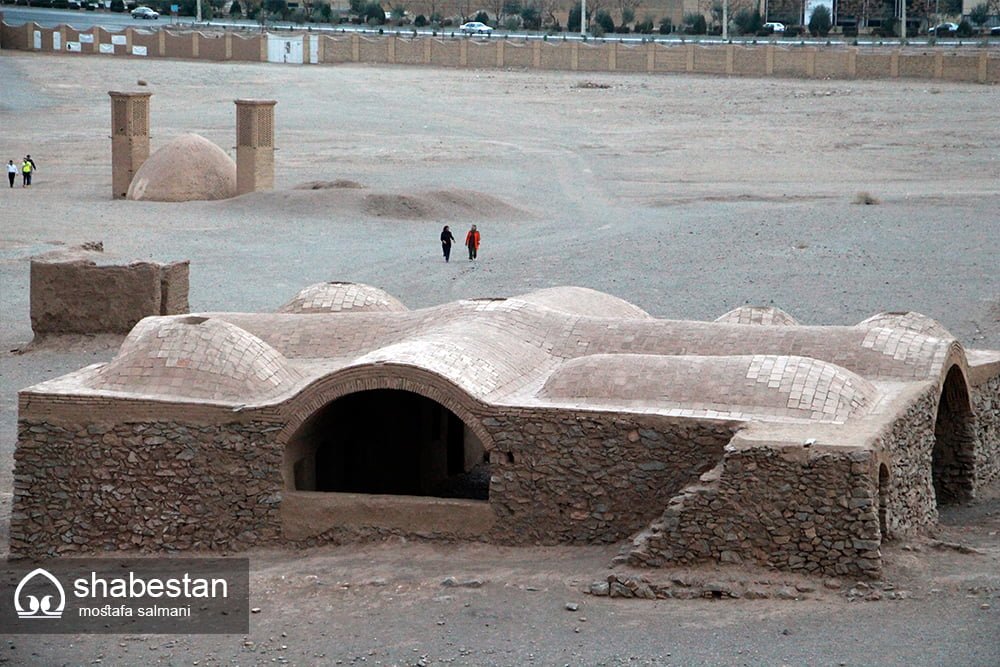
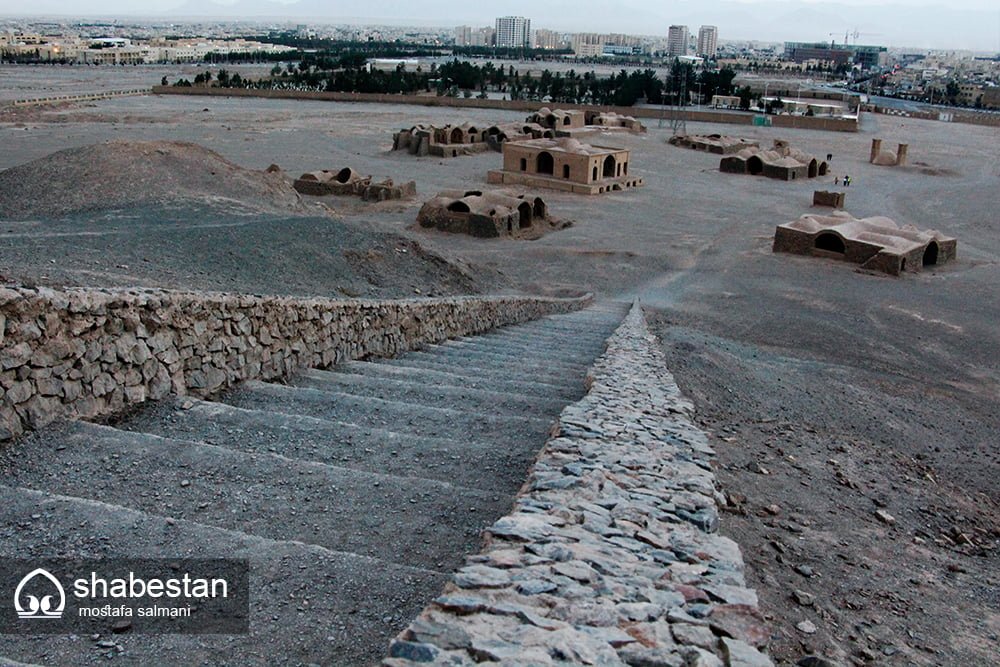
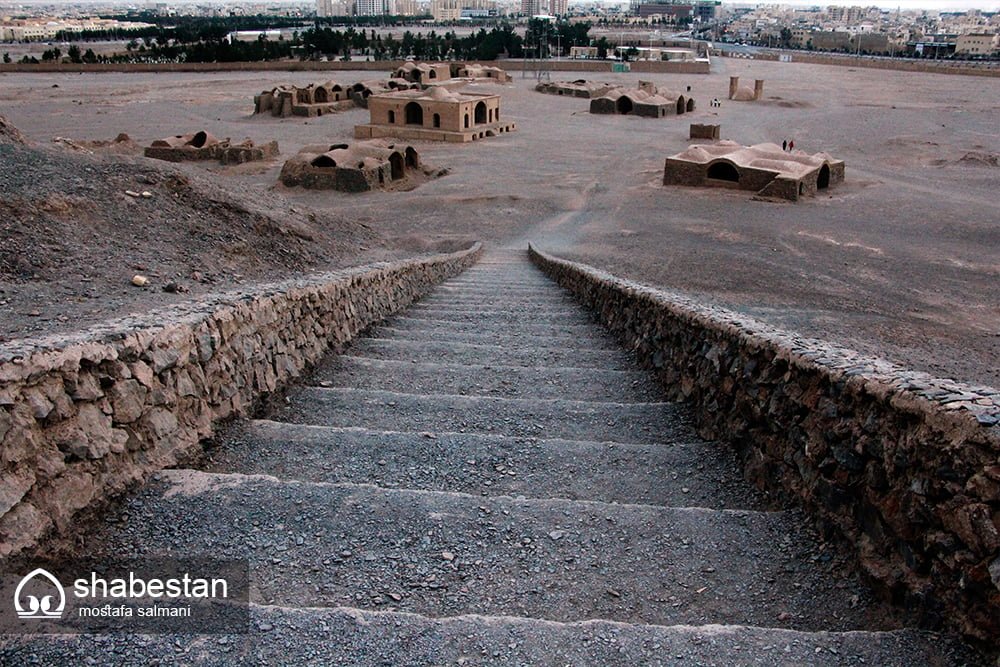
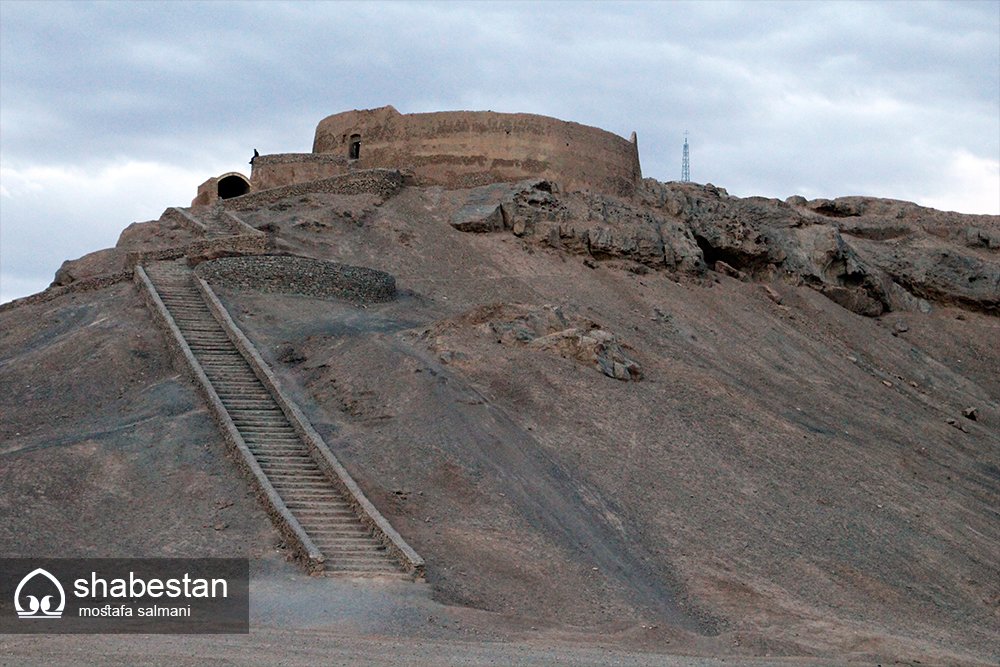
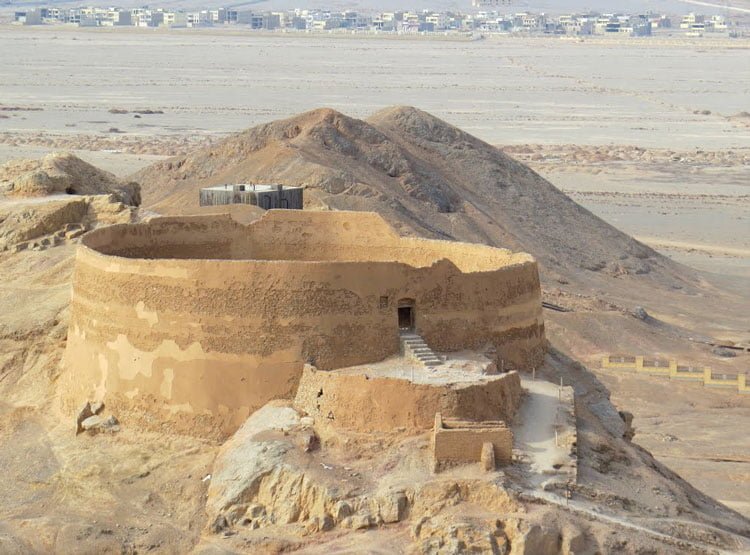
Sky Burial; Ancient Tradition of Iran’s Zoroastrians

Sky Burial; Ancient Tradition of Iran’s Zoroastrians

The burial traditions in historical periods are known through archaeological evidence and sacred texts like the Zoroastrians’ Avesta as well as Pahlavi texts.

With the recognition of the Zoroastrian religion in Iran, body burial was strictly prohibited and the only way to eliminate the corpses was to place the deceased in rows so their bodies would be feasted upon by birds of prey.

In a Zoroastrian religious text, which is a collection of religious rules and instructions, there are references to the ways to treat with the bodies of the dead. According to these texts, the dead should be put in structures known as dakhma to be feasted upon by birds of prey, because the burial or burning of the corpses would cause the sacred elements of water, soil, and fire to become dirty and it is forbidden to do so.

However, according to the researchers, even in Zoroastrian texts, there are indications that a significant number of people opposed the change in funeral practices, which resulted in penalties. Given that the time passed between the burial and the exhumation, only physical punishments were imposed on the perpetrators, which were practically subject to fines.

According to the findings, for a long time, it was generally thought that burial was more based on putting the corpse outdoor. But extensive scientific studies revealed that the Sassanids, in addition to the tradition of placing the body in the open air, used other burial practices. This can be interpreted in relation to religious communities within the Sassanid Empire and perhaps related to the class division of society in this era.

According to Samer Nazari, a graduate of archaeology at the Isfahan University of Art and his colleague, “the coexistence of religious communities including Christians, Jews, Manicheans, Buddhists and other religious sects in the Sassanid community is one of the main reasons for the diversity of burial practices in this era. At the end of the Shapur I era, the Zoroastrianism was the official religion of the country, but Manichean religion, along with other emerging sects should not be ignored. This comes as Buddhism was also spreading in the East, and Christianity and Judaism were expanding in the western regions.”

Sky Burial; Ancient Tradition of Iran’s ZoroastriansProhibiting Burial of Corpses to Keep Water, Soil Clean

Based on the available information, it is not possible to attribute the burial practices specifically to a particular group, but according to the teachings of the Zoroastrian School, we are aware of the prohibition of burying bodies for the purpose of keeping water and soil clean. Thus, the most dominant burial method during the Sassanid era was to put the deceased body in a dakhma, or towers of silence.

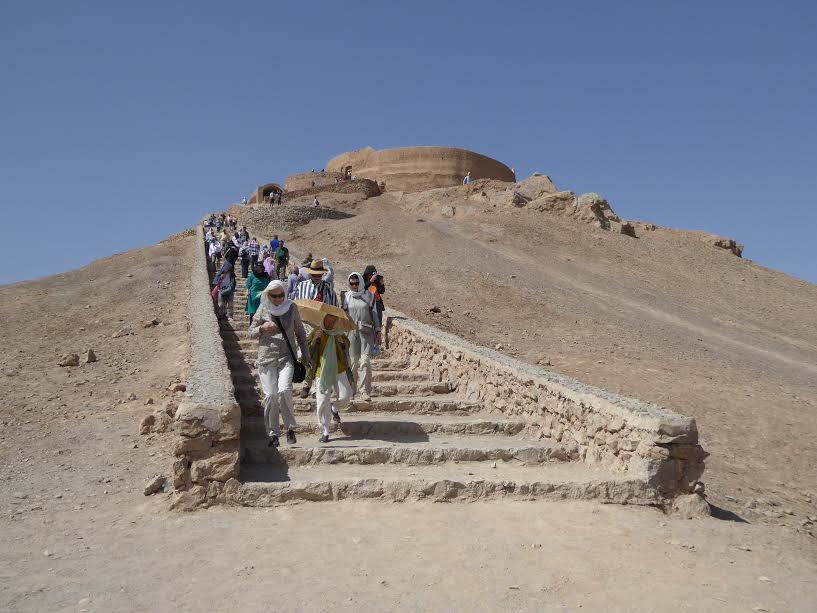
The dakhmas or towers of silence were common until Pahlavi era (20th century). At the time of Pahlavi, the dakhmas were shut down and turned into a burial chamber. But some of the dakhmas are registered as national heritage with domestic and foreign tourists visiting them. The most famous Zoroastrian dakhma is in Yazd province.

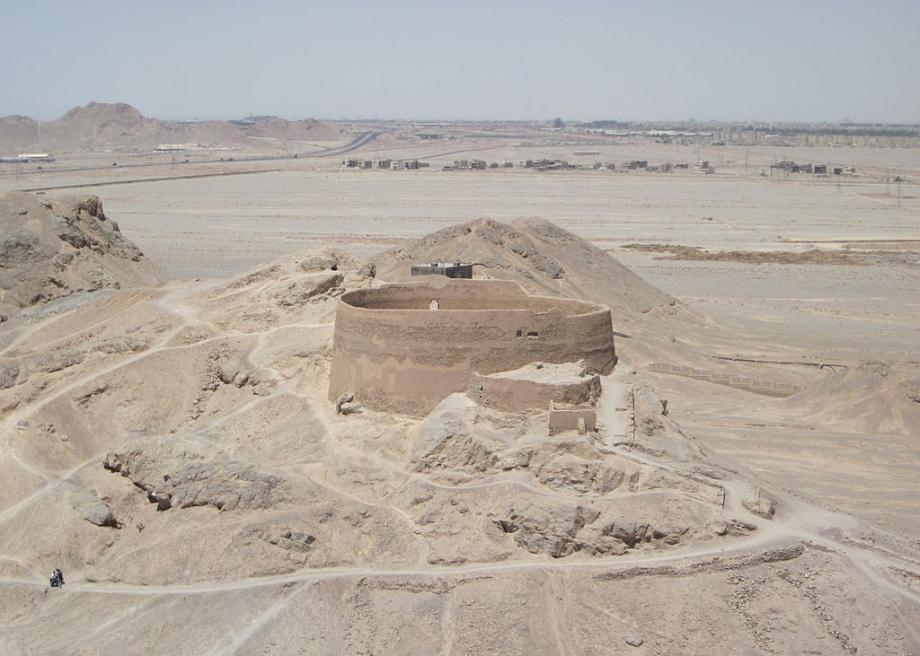
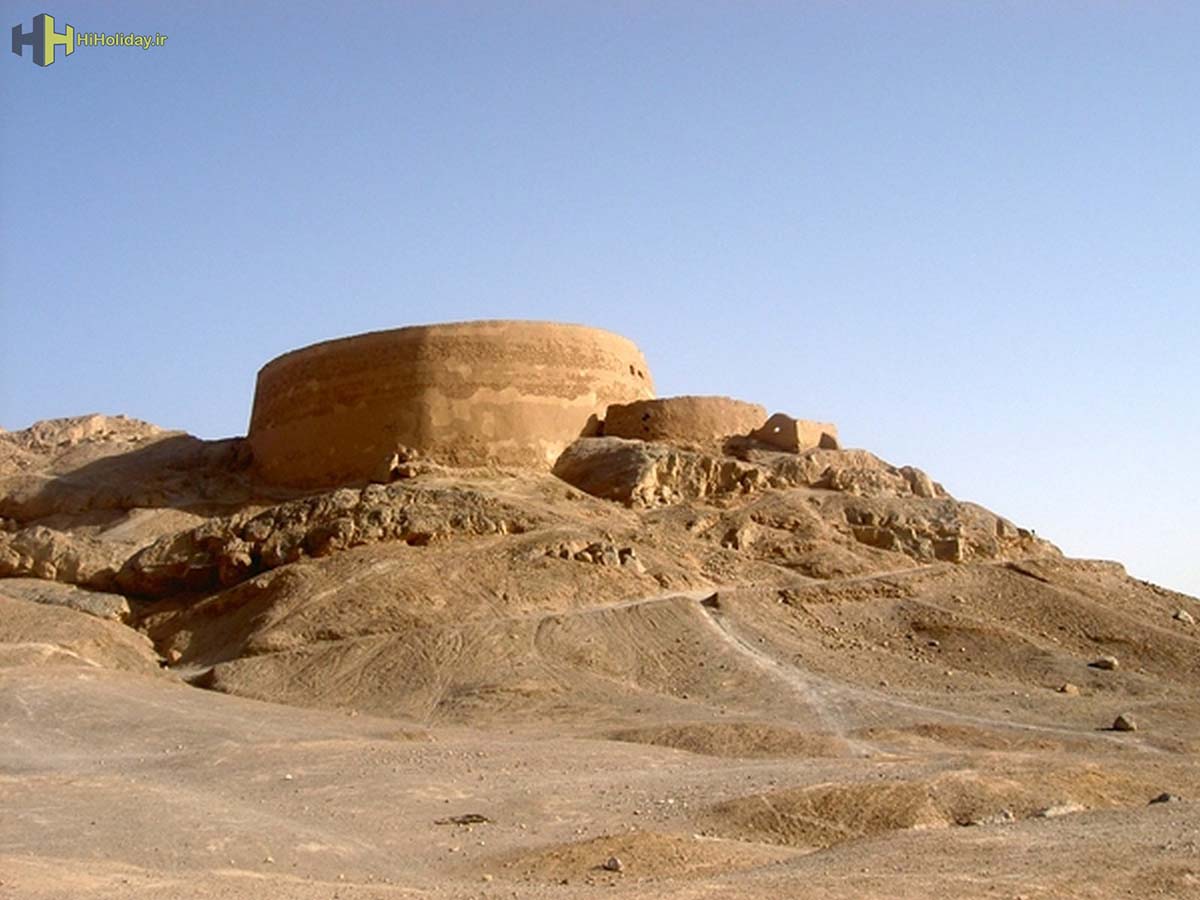
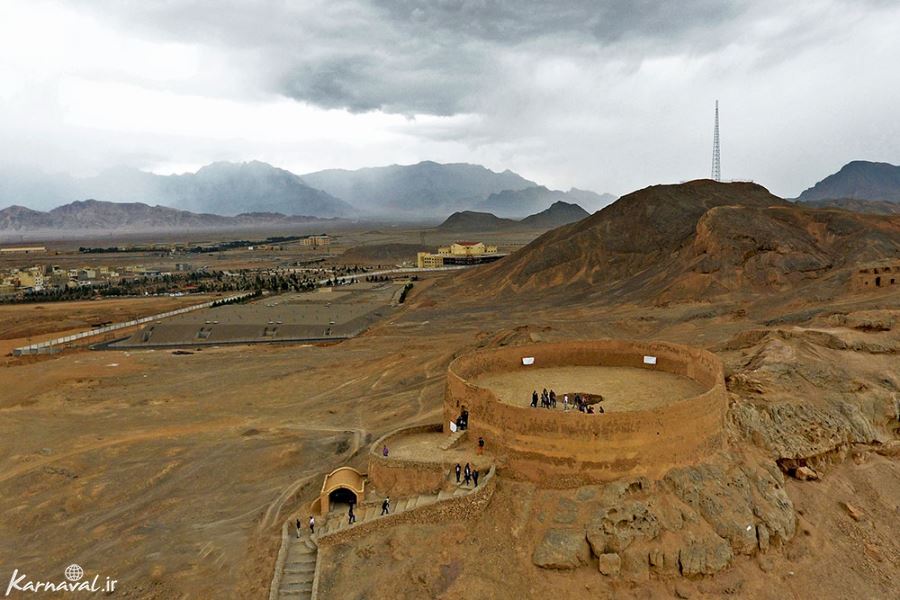
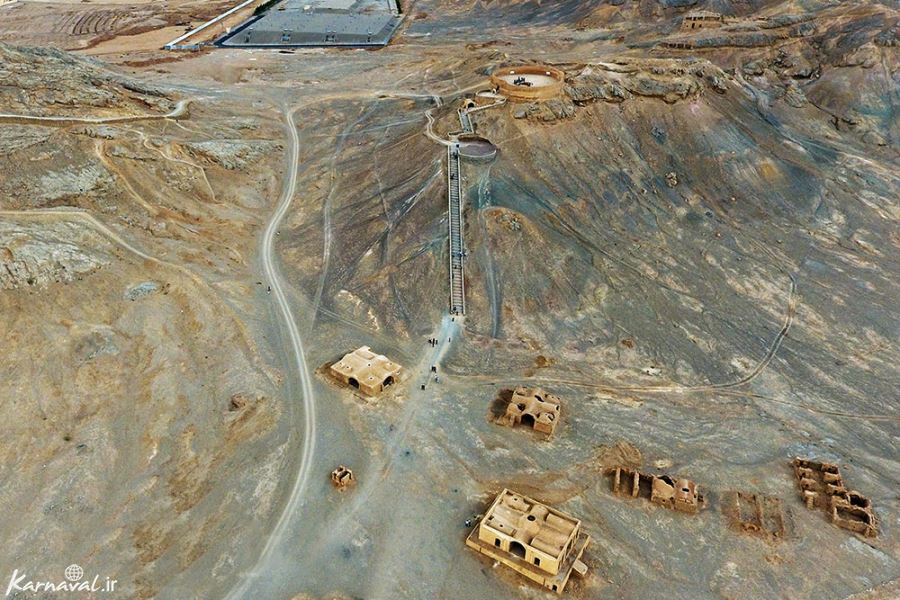
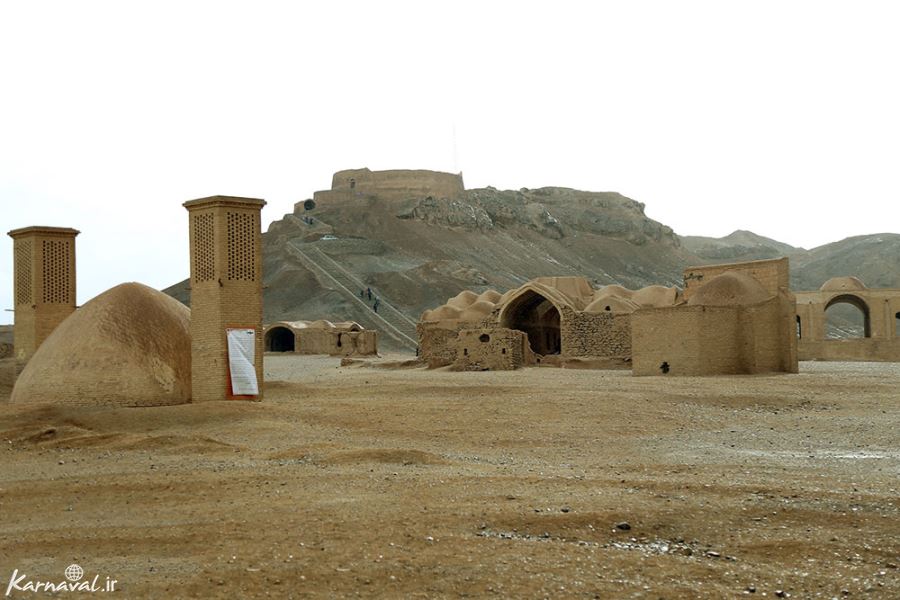
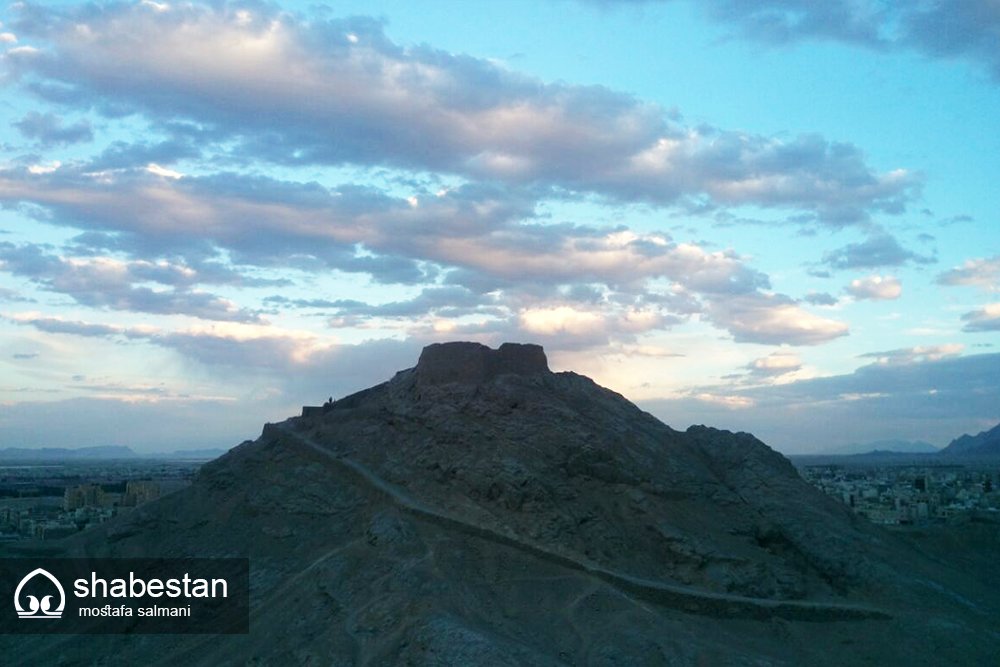
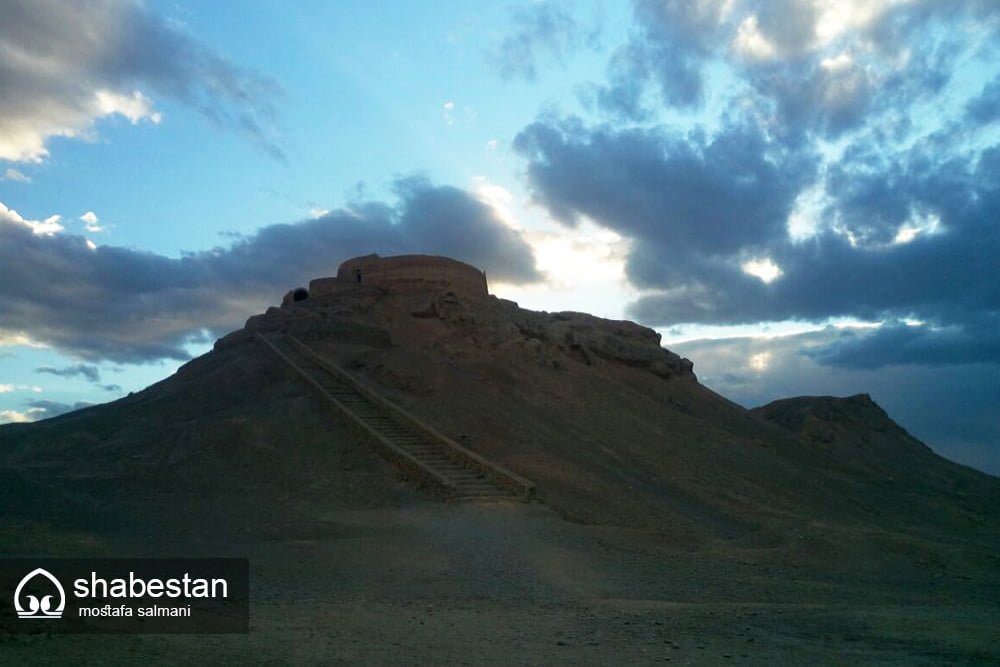
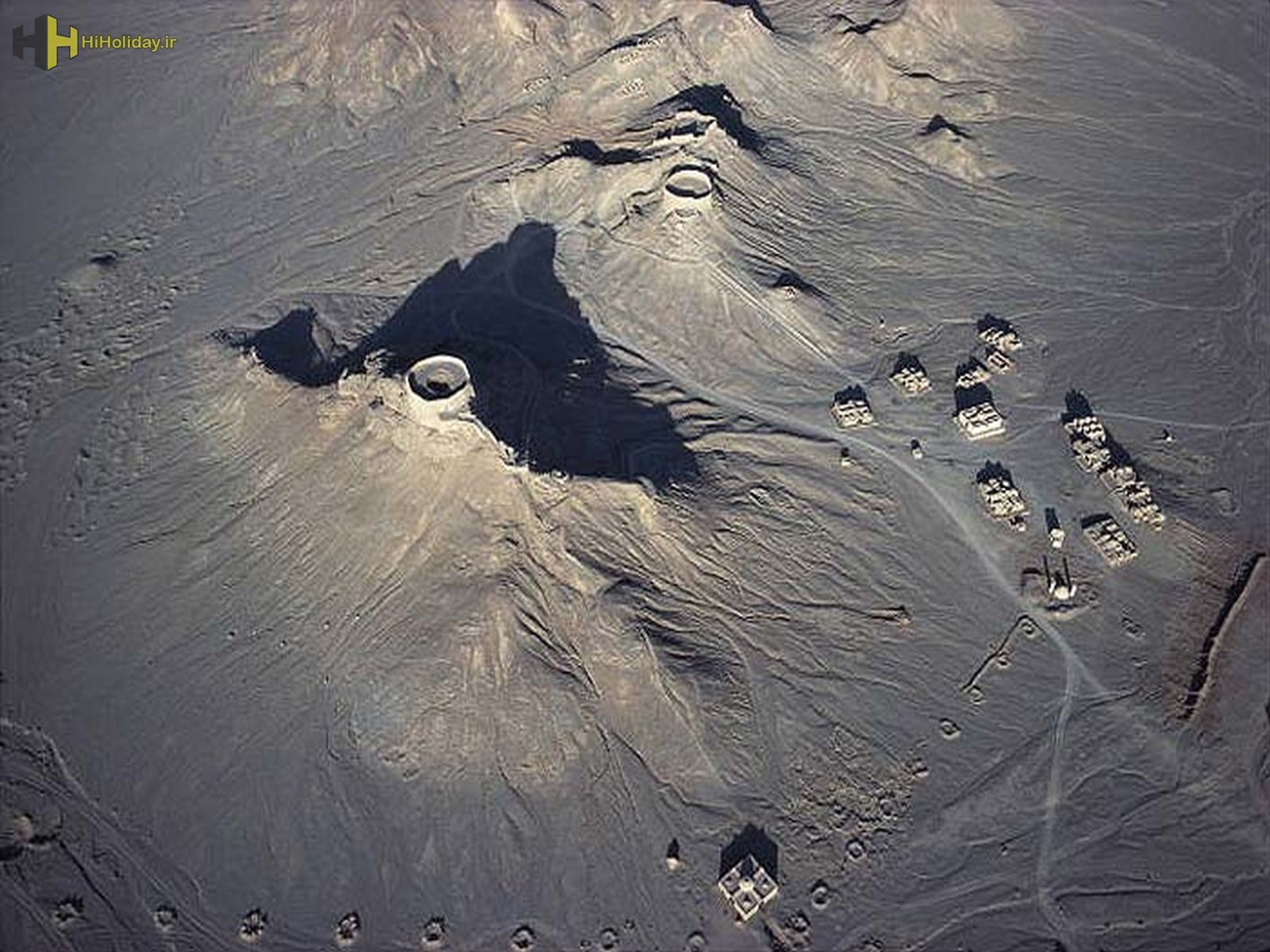
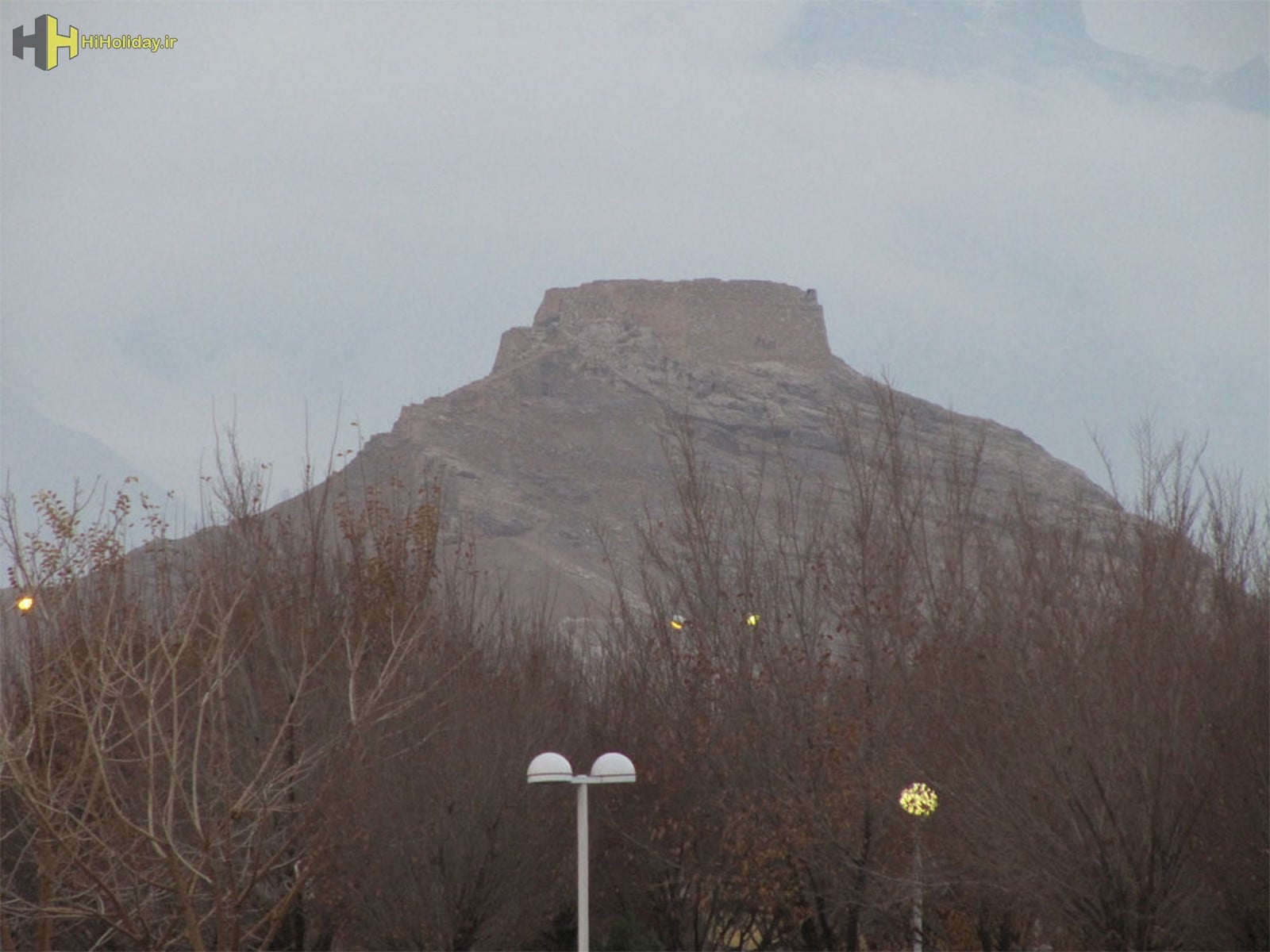
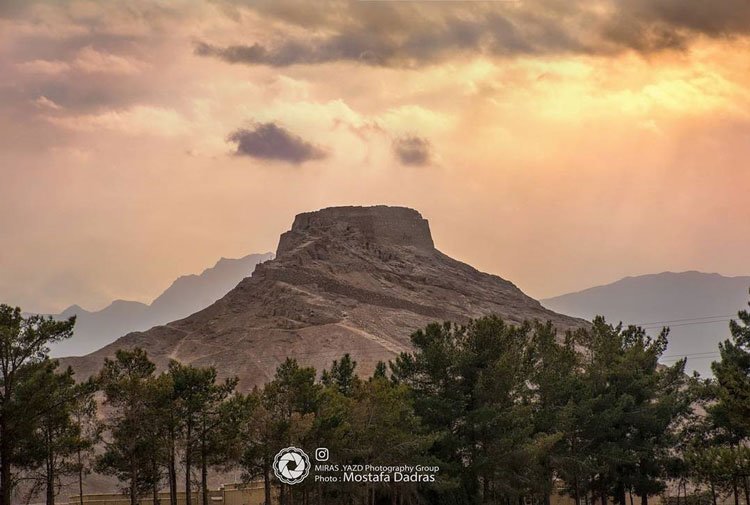
Zoroastrian dakhma is known as tower of silence. This dakhma is located 15 km south-east of Yazd near the Safaeiyeh area and on a low-altitude mountain called the mountain of the dakhma.

Although there are Zoroastrian dakhmas in Tehran, Kerman, Sirjan, Isfahan, Taft, Ashkezar, Ardakan, Fars province, etc., the dakhmas of Yazd have more visitors as they are located in the religious capital of Zoroastrianism close to the city and other monuments.


Zoroastrian Dakhma or Tower of Silence

In the past, the site had two dakhmas, which, according to historical documents and Zoroastrian words, both were used for a period of six months. One of these structures is the Maneckji Limji Hataria dakhma, or the Great Maneckji, which is located on the left.

Maneckji, known as Maneckji Sahib, travelled to Iran during the reign of Naser al-Din Shah Qajar, as the representative of “the Association for the Improvement of the Zoroastrian Conditions in Iran,” in order to reduce the pressure on Zoroastrians. Zoroastrians still owe their existence to his efforts.

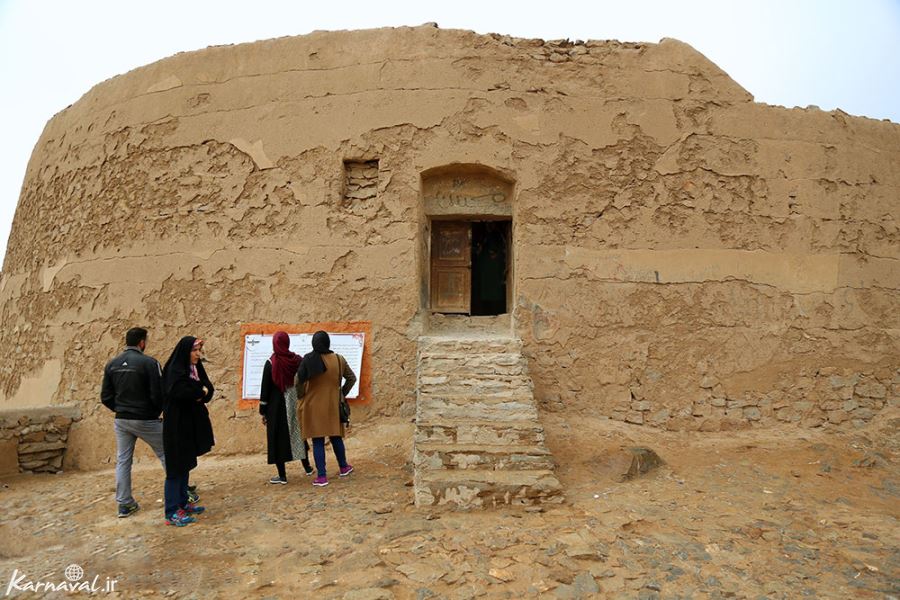
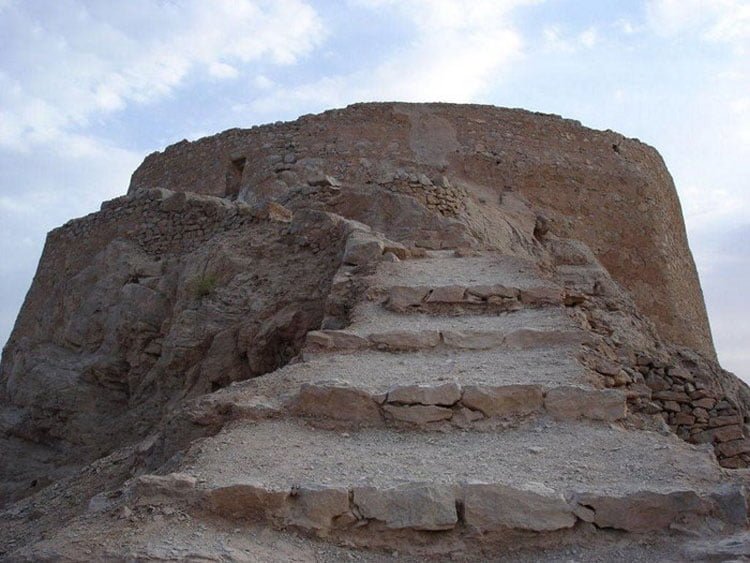
The second building is Golestan dakhma. During the Qajar period, the difficulty of passing through the mountainous road of the Maneckji caused problems for the burial of the corpses. That is why the Golestan dakhma was built in smaller dimensions. This dakhma could be seen 150 metres west of the Maneckji. The diameter of this dakhma is 25 metres and the height of the wall is 6 metres from the surface of the hill.

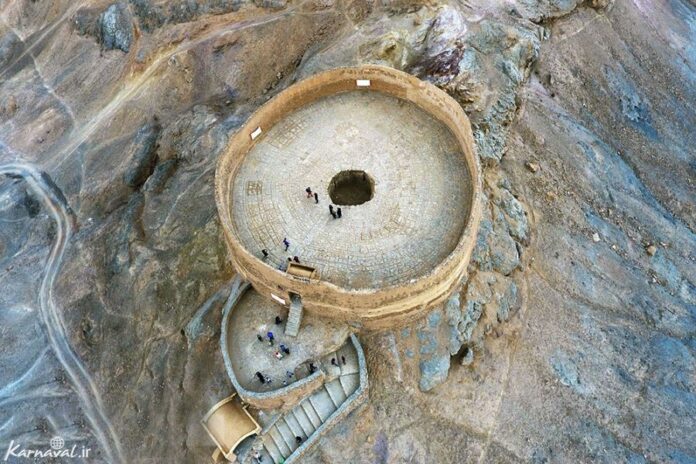
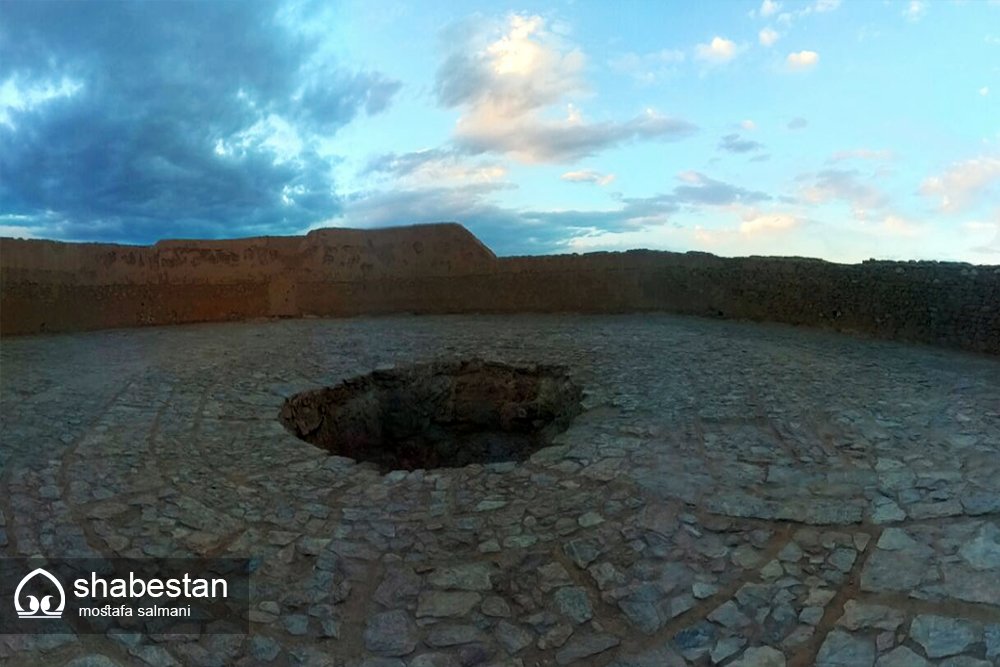
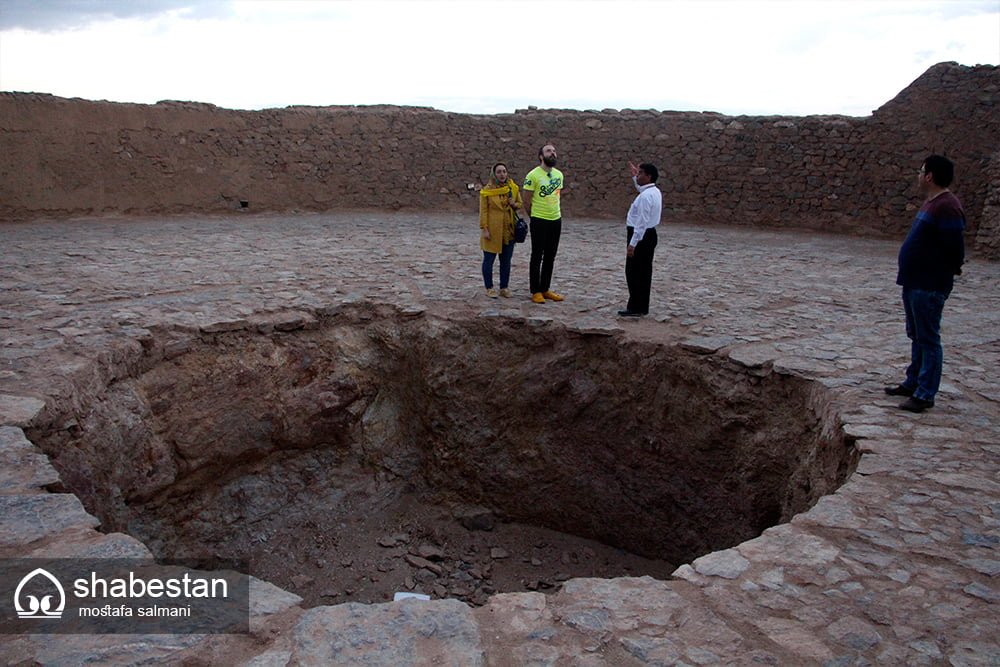
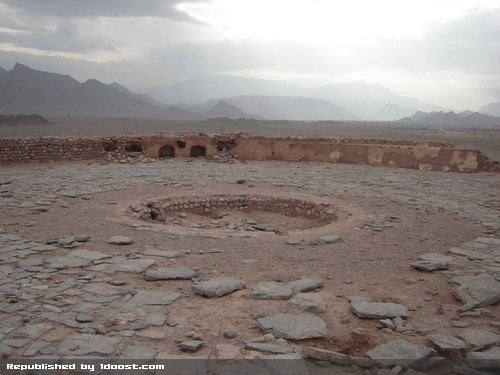
The inner surface of the Zoroastrian dakhmas is flat and rounded, all covered with large boulders and consists of three parts: feminine, masculine and childish. Perhaps it’s not bad to know that the end of the circle space, which is attached to the wall around the dakhma, is for the corpses of men, the middle part is for women and the inner circle is for children.

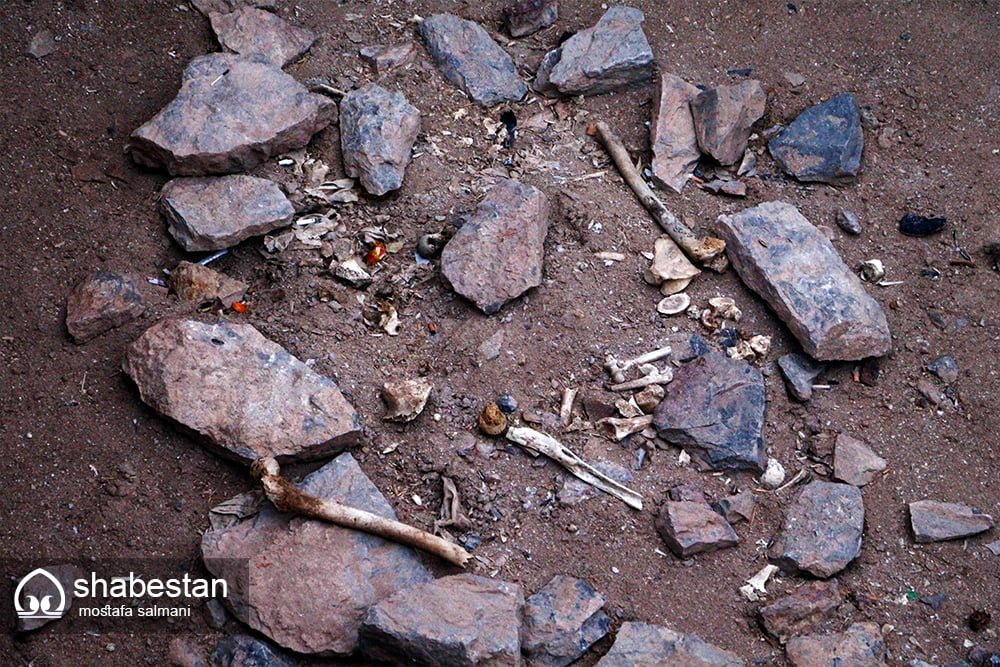
The bodies were placed on these slates according to their gender, and the birds of prey, especially vultures started to eat their flesh. After eating the flesh and becoming completely dry under the sun, the bones were poured into a well in the centre of the circle, called the bone well, to turn into dirt.

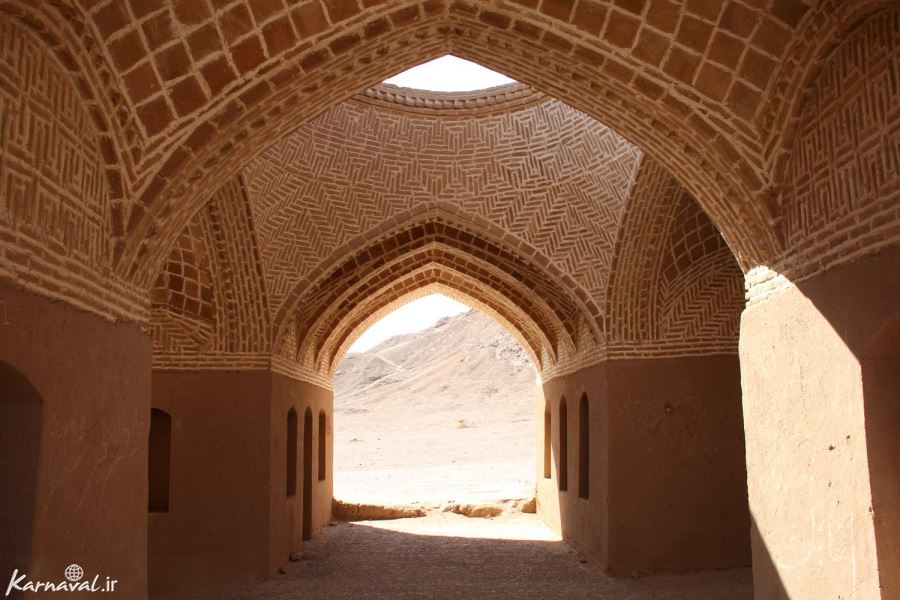
All burial practices from leaving the body inside the dakhma until its disappearance lasted about six months to one year. When the dead were placed inside the dakhma, it was customary to mourn, wearing white clothes for three days in ruined buildings next to the dakhmas known as “Khileh”.

Interestingly, in a documentary entitled “The Lovers Wind” made by the famous French director Albert Lamorisse in 1970, part of it was dedicated to the Zoroastrian dakhmas of Yazd. At that time, the dakhma was still open.

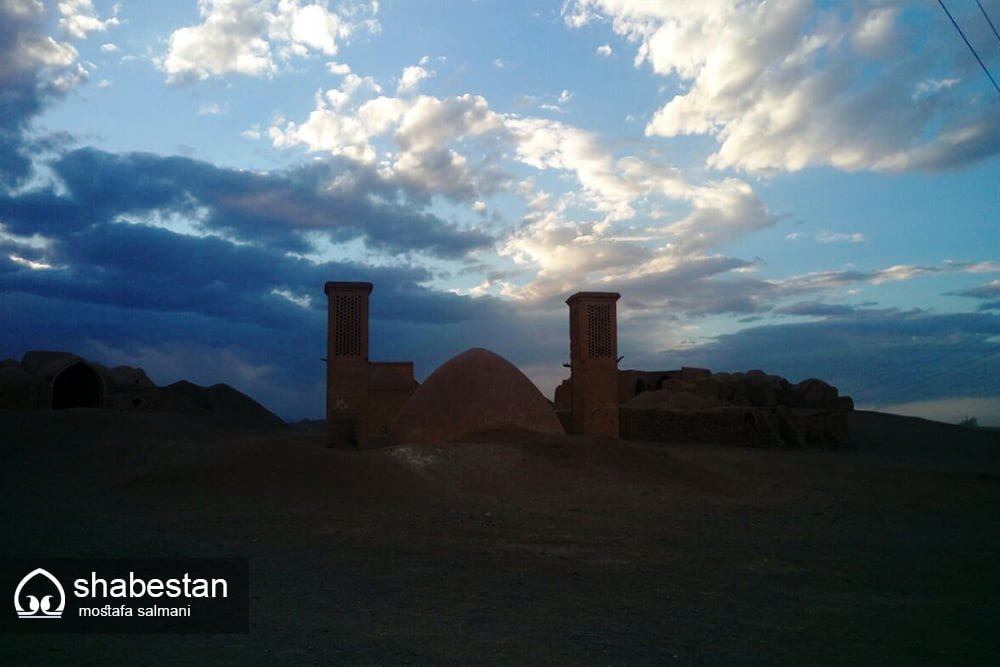
Below are photos of this Zoroastrian dakhma retrieved from retrieved from various source:

Europeans Make Ridiculous Offer on Buying Iran’s Oil: Report

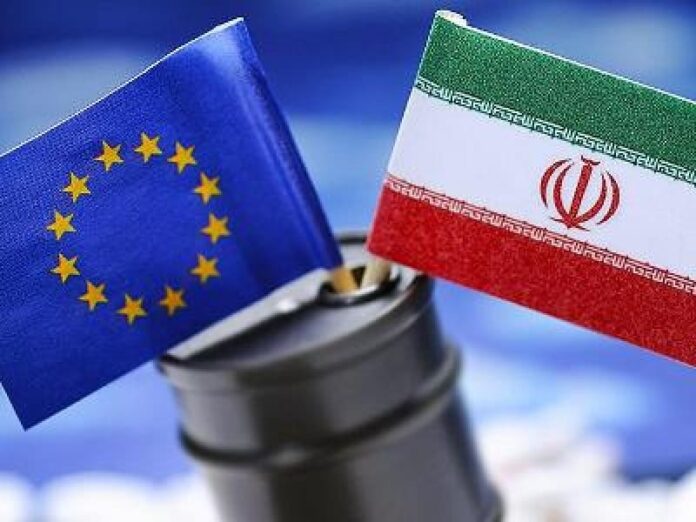
Conservative Fars News Agency claims that the Europeans failed to directly offer to purchase oil from Iran in a recent meeting with political Iranian officials; rather, they announced that Iran can export its petroleum via Russia by selling crude oil to the country, which will then export it to Europe.
Since the US withdrew from the Iran nuclear deal, officials at the Iranian foreign policy apparatus have been trying to move forward with the JCPOA European-style, and have held numerous rounds of talks with the Europeans on how to preserve the nuclear agreement, so that Iran will be able to sell oil to those countries.
Rumours abound that the Europeans have offered to buy one million barrels of crude form Iran per day provided that Tehran, too, pays attention to their illogical demands.
However, Fars News Agency has learned that the Europeans have apparently announced Iran can sell one million barrels per day of oil to Russia, which, in turn, will supply Iran’s oil to the market.
What the Europeans have put forward as a proposal is, in fact, one of the policies pursued by Iran in the previous years as well, and it has nothing to do with the Europeans and they have no right to interfere in that issue. Their proposal should be one which provides for the P4+1 countries to directly buy oil from Iran. The offer they have already made is, in fact, a nonstarter, and Iranian negotiators are expected to pay due regard to these issues.

Iran’s Oil Exports to Russia
The report suggests that two years ago, i.e. the time when the JCPOA was valid and in force, Iran and Russia agreed that Tehran export its petroleum to Russia under a long-term deal. Under the agreement, Iran would export 100,000 barrels of oil to Russia. In return, Russia would pay 50% of the price in the form of goods, and the remaining 50% in cash (in Euros). Based on the report, Iran has exported several oil consignments to Russia.
Interesting enough, before the agreement was reached in the form of a contract, Iran and Russia had already done the same thing in 2011 and 2012 without having an official contract. Under that agreement, Russia would buy part of Iran’s oil and export it as its own petroleum.
So, the Europeans are not entitled to make decisions about this old and strategic policy of Iran, and if they have a specific proposal about buying Iran’s oil, they should present it.

“Israel’s Claim of Stealing Iran’s Nuclear Data Laughably Absurd”

Alireza Miryousefi, a spokesman for Iran’s diplomatic mission to the United Nations, was responding to recent reports by The New York Times and other news outlets about the details of Mossad’s purported operation near the Iranian capital in the rather Hollywood-style scenario.

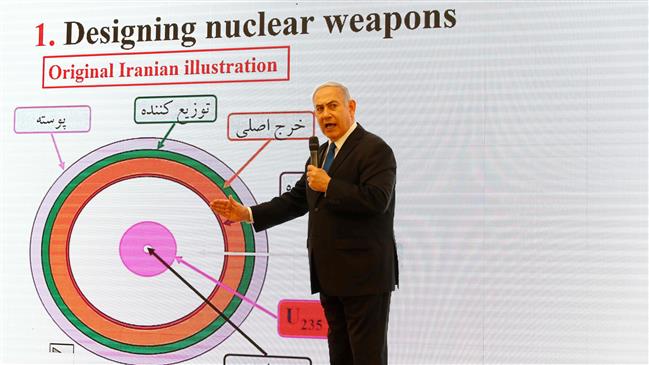
The scenario was initially unveiled by Israeli Prime Minister Benjamin Netanyahu, who is widely known to have a penchant for theatrics. Netanyahu went live on television in late April for yet another dubious show against Iran and put on display what he claimed to be records from a secret warehouse in Tehran.

Netanyahu claimed Israeli agents had managed to break into the warehouse in an overnight raid and bring back “half a ton of the material” consisting of 55,000 pages and another 55,000 files on 183 CDs.

The Israel premier’s vaudeville — which came only days before the US announced its withdrawal from the 2015 multilateral nuclear deal with Iran — was meant to persuade the world that Iran has been lying about its nuclear program, without providing even a single piece of evidence.

The New York Times published an article on July 15, in which it elaborated on the purported Mossad operation, which it claimed lasted for over six hours.

Reacting to the report, Miryousefi once again rejected Israel’s claims in a statement and said, “It’s almost as if they are trying to see what outlandish claims they can get a Western audience to believe.”

“Iran has always been clear that creating indiscriminate weapons of mass destruction is against what we stand for as a country, and the notion that Iran would abandon any kind of sensitive information in some random warehouse in Tehran is laughably absurd,” he added.

Netanyahu’s April 30 show was so cheaply theatrical that it was quickly held up to ridicule inside Iran and abroad, with observers raising serious questions about the purported Mossad raid.

Back then, Iranian Foreign Minister Mohammad Javad Zarif called the Israeli premier “the boy who can’t stop crying wolf is at it again,” recalling a similar anti-Iran rant by Netanyahu at the UN General Assembly in 2012– during which he used a cartoon bomb in an attempt to portray the Islamic Republic as a threat.

Deputy Foreign Minister Abbas Araqchi also said that Netanyahu was playing a baseless childish and naive game against Iran.

The Israeli leader was back then involved in an intense lobbying campaign aimed at dissuading Washington and the other parties to the Iran deal from supporting the landmark agreement, officially dubbed the Joint Comprehensive Plan of Action (JCPOA).

Except in the US, Netanyahu’s claims, however, fell on deaf ears.

Reacting to the show hours later, the EU’s foreign policy chief, Federica Mogherini, said on May 1 that Netanyahu’s presentation failed to question Tehran’s compliance with the 2015 nuclear deal and that any such claims should solely be assessed by the International Atomic Energy Agency (IAEA).

The IAEA — which uses strict mechanisms to monitor the technical aspect of the JCPOA’s implementation — has repeatedly confirmed Iran’s full commitment to its side of the bargain.

The latest New York Times piece comes as Iran and its other parties in the deal — Russia, China, France, Britain plus Germany — are engaged in a diplomatic process aimed at working out ways to keep the JCPOA in place despite Washington’s pullout in May.

“Russia to Do Its Best to Prevent Escalation of Iran-Israel Conflict”

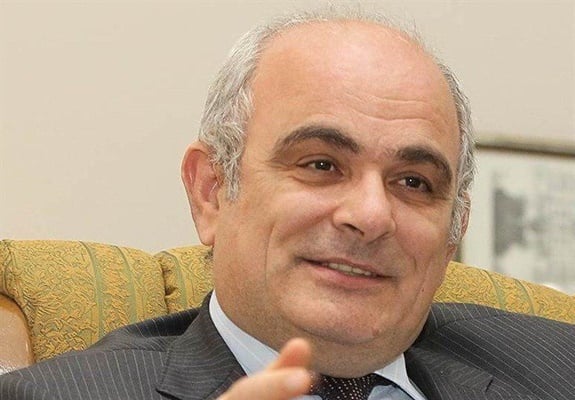
“Sometimes conflicts do arise, and we are naturally concerned about the possibility of a military confrontation between Iranian and Israeli forces in Syria,” Dzhagaryan told the Russian newspaper Kommersant on Wednesday.

“We do our best to prevent this. To prevent the escalation of conflict,” Dzhagaryan added.

His comments come as Ali Akbar Velayati, the special envoy of Iran’s Leader, and Israeli Prime Minister Benjamin Netanyahu both visited Moscow on the same day last week, and held separate meetings with Russian President Vladimir Putin, fuelling speculations that Moscow is trying to mediate between the two sides.

After Netanyahu’s meeting with Putin, diplomatic sources said that “Russia is acting to push Iranian forces from near the Syrian border” with Israel.

However, Dzhagaryan portrays a different reality: “Iran is not a country that you can put pressure on. This is a big state, pursuing an independent foreign policy. It is only possible to work with the Iranians through persuasion, whereas pressure is counterproductive.”

When asked to comment on Tehran’s role in resolving the Syrian conflict, Dzhagaryan recalled that Iran’s military presence in Syria is legitimate. “Just like the Russian military, the Iranians are there at the invitation of the legitimate Syrian government and are participating in the operation to eradicate terrorists.”

In response to the question of Russia’s continued consumption of Iranian oil after November despite threats from Washington, the ambassador said, “We do not recognize unilateral American sanctions, from our point of view, they are illegal.”

“Our trade and economic relations are developing quite dynamically. We have a number of large-scale projects, including the second and third stages of the Bushehr Nuclear Power Plant, the construction of four power units of the Sirik Thermal Power Plant and electrification of a railway stretch between Garmsar and Ince Burun. Despite threats from the US, today I see no obstacles for implementing these projects,” he said, adding that work on them continues in normal mode.

According to the Russian envoy, the Iranian authorities are doing their utmost to prevent the country’s isolation and any further negative trends in the national economy. “We are ready to provide assistance to Iran in that matter.”

“For us, Iran is a friendly country. We cooperate in various spheres, and in some of them, for example, in terms of ending the war in Syria and launching a full-fledged political settlement process, Iran is one of our key partners,” the diplomat concluded.

Saudi Plot to Blockade Iran Doomed to Fail: Arab Analyst

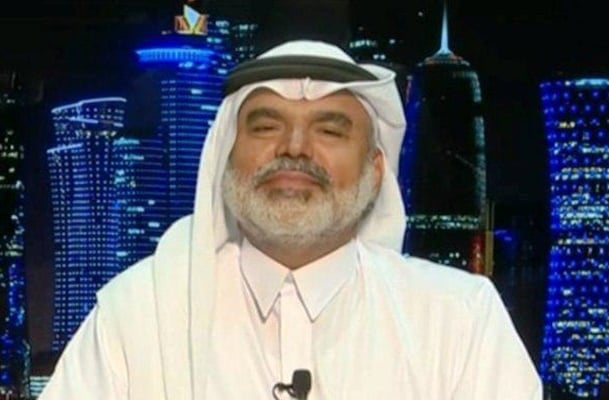
“How on earth Saudi Arabia wants to impose a blockade on a vast country like Iran while it is incapable of simply intercepting the missiles fired by Yemen’s Houthis,” Qatari analyst and professor of political sciences Ali Al-Hail said in a recent interview with Sputnik.

“Tehran tested Riyadh’s courage nearly a week ago by sending a number of its speed boats into Saudi Arabia’s territorial waters near the capital of the Arab country’s Eastern Province, but the only reaction Saudis showed was to file a lawsuit with the United Nations,” he was quoted as saying in a report by IRNA.

He then described the Islamic Republic of Iran as a country with great powers for coping with Saudi Arabia’s threats and said enjoying the ownership of the three islands of Abu Musa, Lesser Tunb and Greater Tunb, Iran is in full control of the strategic Strait of Hormuz, a waterway through which large oil tankers of the world regularly pass.

The Qatari analyst underlined that Iranians have invested about $500 billion in Dubai, the UAE, as well as other Persian Gulf states since long time ago. “The Islamic Republic has the backing of other regional states like Qatar, Kuwait and Oman. Meanwhile, it also has covert relations with Abu Dhabi officials.”

According to Al-Hail, Qatar will rush to support Iran as soon as Saudi Arabia or any other state decides to impose a blockade on the Islamic Republic as it did on Qatar.

The history of Iranian-Saudi ties since the victory of Iran’s 1979 Revolution hasn’t been smooth. The Riyadh policy has essentially been one of eying maximal regional influence by vying for hegemony.

This policy has been continually steered by a manufactured fear of an ever-increasing Iranian cultural supremacy and political superiority. During talks over the Iranian nuclear program, Riyadh spared no effort to derail it and proved more of a regional liability for the US, rather than a regional ally.

Putin’s Envoy Briefs Iran on Helsinki Meeting with Trump

In a meeting held in Tehran, Alexander Lavrentiev held talks with Saeed Iravani, the deputy secretary of the Iranian Supreme National Security Council for foreign policy and international security.

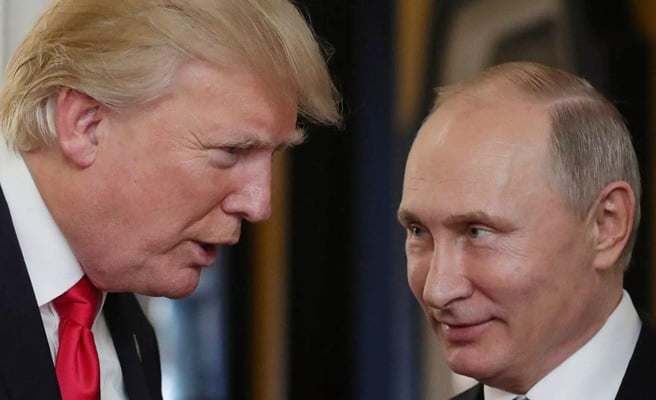
During the talks, the Russian representative presented a comprehensive report on the negotiations held in a recent summit between Trump and Putin.

The Russian official said Moscow has committed itself to supporting international agreements and urges countries to refrain from unilateralism and using economic and trade tools to impose their political will on other nations.

Lavrentiev touched upon the Kremlin’s transparent and firm position on the Iran nuclear deal, and said Russia regards the imposition of unilateral sanctions against Iran as a violation of this international agreement. He said the Russian president reminded Trump in their meeting that Washington’s sanctions are unconstructive and detrimental.

He expressed hope that continued talks by China, Russia and other European countries with the United States will make the White House change its stance with regards to unilateral policies. He also hoped that already agreed deals within the framework of the JCPOA will serve as the basis for further action.

He also stressed the need for Iran and Moscow to press ahead with their political and security cooperation in Syria.

He said the Russian government’s determination to continue joint work to combat terror has not been undermined, and the two countries will continue to move on the same path until stability and security are fully restored to Syria.

Iravani, in turn, expressed his gratitude to the Russian president for immediately sending a special envoy to Tehran, and described the move as a clear sign of both countries’ compliance with the rules of mutual cooperation and strategic collaboration.

“The Russian president’s fundamental and firm stances on the United States’ unilateralism and breach of promises show Russia’s commitment to international regulations and the logic of talks and understanding in order to tackle political and security challenges,” said the Iranian official.

Iravani appreciated Russia’s abidance by and support for the JCPOA as well as its non-stop efforts to [help] fulfil the commitments undertaken by other signatories to this international agreement.

“As stipulated in numerous reports of the International Atomic Energy Agency, the Islamic Republic of Iran has lived up to all of its obligations under the JCPOA and believes the continuation of this trend is contingent upon the securing of Iran’s legal rights and the fulfilment of the obligations undertaken by the other countries which are parties to the deal,” he said.

Elsewhere in his remarks, he touched upon the recent developments in Syria. He recalled the gains made by the Syrian army and popular forces in the south with the support of countries which are members of the anti-terror coalition.

“The recent achievements are a key step toward promoting the political process within the framework of the negotiations in Astana and Sochi,” he said.

He noted Iran believes it is very important to keep pursuing a political solution to the Syria crisis while boosting the trend of intra-Syrian talks, and supports efforts made in that regard.

Iravani noted the level of Tehran-Moscow cooperation shows the negative moves by the Israeli regime as well as its hit-and-run actions have no bearing on Iran-Russia cooperation, and that the two countries will continue to reinforce Syrian armed forces in the war on terror within the framework of the current coalition.