Thursday, December 25, 2025
Home Blog Page 3516

Iranian Lawmakers Summon President amid Economic Crisis

Parliament Speaker Ali Larijani announced that 80 lawmakers in the 290-chamber supported a motion that forces the president to stand in front of the lawmakers and respond to their questions in a major political blow to his prestige.

Article 88 of the Constitution states that whenever one-fourth of the parliamentarians sign on to a summons, the president must appear in the chamber within one month to answer the lawmakers’ questions.

The questioning will not automatically lead to his impeachment but it could prepare the ground for such a decision.

The summons comes as the country’s currency has plumbed to new depths in recent days, dropping to as much as 120,000 rials against the US dollar.

Larijani said the summons centres on five economic issues of “unsuccessful control of goods and currency smuggling, continued banking sanctions, inadequate measures in combating unemployment, years-long economic recession and steep rise in foreign currency rates and fall of the value of the country’s money.”

In May, the United States pulled out of a 2015 deal between world powers and Tehran, under which international sanctions were lifted in return for curbs on the Islamic Republic’s nuclear program.

Washington decided to re-impose sanctions upon its withdrawal. It has told other countries they must halt imports of the Iranian oil as of November 4 or face US financial measures.

The rial has lost about half of its value since April because of a weak economy, financial difficulties at local banks and heavy demand for dollars among Iranians who fear the effects of sanctions.

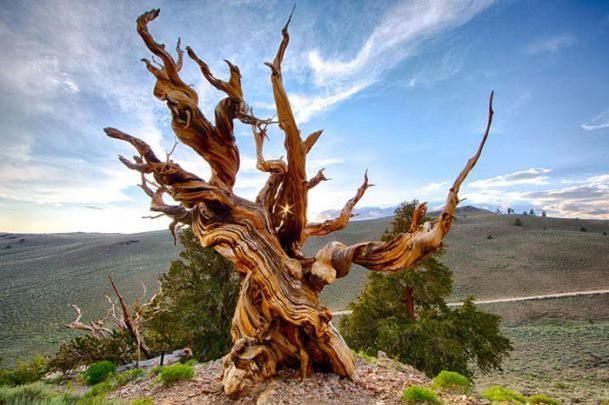
Iran Develops Device for Identifying Rotten Trees

Mohammad Hassan Borhanifar, the Dean of the Islamic Azad University of Alborz, said in an interview with Mehr News Agency that the researchers at this university have succeeded in inventing this machine.

He said the device identifies rotten trees that are likely to collapse, and thus their fall can be prevented so as to avoid financial losses for the people and the municipality.

“This device is attached to the tree and through the signals it receives, the decay rate of the tree will be determined. It shows how hard the tree is and how likely is its collapse.”

He added that the municipality of cities of Karaj and Rasht have welcomed the project, and the trees in these areas should be evaluated.

For a brief review of Iran’s achievements in various fields of science and technology, check the book “Science and Technology in Iran: A Brief Review

The foreign version of the device is very expensive, so using the domestic one can help the country save a huge amount of foreign currencies, underlined Borhanifar.

“This device has been made by Mehran Roohnia, the faculty member of agriculture department of Azad University of Alborz, and so far contracts have been signed to commercialize the plan,” he concluded.

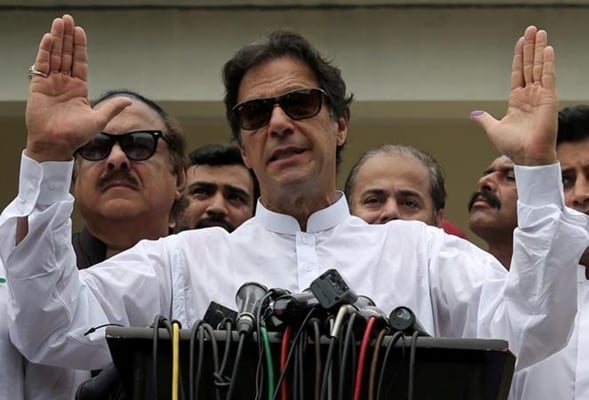
US, Saudis Worried about Imran Khan’s Victory in Pakistan: Expert

Senior Arab journalist Abdel Bari Atwan, the Editor-in-chief of Rai al-Youm, has written an opinion piece on the new political developments in Pakistan and its connection to the Middle East developments.

In this article, Atwan says that Saudi officials are seriously worried about the defeat of their allied party, the Muslim League, led by Nawaz Sharif in the Pakistani parliamentary election, and the victory of his stubborn rival, Imran Khan, a former cricket player who does not want to be friends with Saudi Arabia and opposes the Yemeni war; and at the same time is after strong ties with Iran.

Here is the full text of Atwan’s opinion piece originally published in Arabic:

Nawaz Sharif is now behind the bars on corruption charges, just like his other Saudi allies, including former Malaysian Prime Minister Najib Abdul Razak. Mahathir Mohammed after taking office as prime minister of Malaysia decided to withdraw all the Malaysian forces from the Saudi-led coalition in the war against Yemen. Imran Khan is also expected to do the same thing. He may withdraw from the coalition that the Saudi Crown Prince Mohammed bin Salman formed in 2015 with the participation of 41 countries to launch the war against Yemen.

Imran Khan, after leading his country’s national team to win the 1992 Cricket World Cup, received a Master’s degree in Economics from Oxford University in 1995. He and his party, Tehreek-e-Insaf (PTI) have been accused by the opposition parties of electoral fraud and turning results in his favour by involving the army. However, one should not forget that he is very popular because of his electoral program that seeks justice for the people of Pakistan through the establishment of an independent judiciary, respect for human rights, the rule of law and the fight against corruption.

In Pakistan, as in many Third World countries like Iraq, Syria, Algeria, Egypt and Turkey (before Erdogan), the army has a prominent role in maintaining the security and stability of the country and the election of leaders. It is enough to point out that the Pakistani army ruled for half of the life of this independent state. So, in the opinion of many Pakistani experts, the military’s support for Imran Khan, the future prime minister, will be the source of his power, not a weakness for him.

If Saudi Arabia and the United Arab Emirates are worried about Khan’s access to power in Pakistan, then the concerns of the United States, Britain and other European countries are greater. Because he is completely opposed to US policies in the Middle East, and strongly supports the cause of Palestinians and participated in many political activities that were held to condemn Israeli terrorism during his studies at Oxford University.

After retiring from sports and establishing the current political party (PTI), he continued this tendency, and even his first wife, Jemima Marcelle Goldsmith, who was a British woman, converted to Islam and followed this approach. She heavily criticised Israeli attacks on the Gaza Strip in her articles and published them in the Guardian.

Imran Khan has also harshly responded to offensive Twitter remarks against his country by US President Donald Trump. In a tweet, Trump said Washington had “foolishly given Pakistan more than $33 billion in aid over the last 15 years”, but Pakistan had in return given “safe haven to the terrorists we hunt in Afghanistan, with little help”. Imran Khan, in an angered response criticised Trump as “ignorant and ungrateful”. Khan accused the United States of pushing the Pakistani society towards extremism adding that “Our society became radicalised and polarised as we helped CIA create jihadi groups; then, a decade later, we tried to eliminate them as terrorists on US orders.”

The Saudi prince “Khalid bin Abdullah Al Saud” was among the most prominent figures in expressing Saudi Arabia’s concern over Khan’s victory. In his Twitter account, he described Imran Khan as a follower of Iran and a representative of the Iranian city of Qom in Islamabad, but he later removed this tweet.

Imran Khan, who is now working to form a coalition government and take an oath of office in mid-August, will try to change Pakistani policies completely if things go according to his will. As he has expressed his willingness to have good relations with India to hold meeting with India’s leader to resolve the Kashmir crisis, he has also vowed to work with President Ashraf Ghani on peace in Afghanistan, and establishing relations based on good neighbourly ties with Tehran. He also expressed his readiness to withdraw from the US coalition to fight against terrorism.

Saudi Arabia and the United Arab Emirates, as well as President Trump, are worried because the new Pakistani prime minister will never be a “puppet” like his predecessors, and would restore his country’s status as a major nuclear power in the region; a role that was ignored under corrupt prime ministers, the last of which was Nawaz Sharif. We have no choice but to wait and see what happens.

Iranians Will Never Let Officials Negotiate with Great Satan: IRGC Chief

“Iran is not North Korea to accept your call for holding negotiations,” General Jafari said in his open letter to Trump on Tuesday.

He also emphasised that neither Trump, nor his successors will not see the day when Iranian officials sit for talks with the US.

Here is the full text of General Jafari’s letter:

In the name of God, the most compassionate, the most merciful,

Mr Trump! Iran is not North Korea to accept your call for holding negotiations. Be informed that the people of Iran have strengthened their religion and faith with the revived Islam of Imam Khomeini (RA), and they have a lot of differences with peoples that are under hegemony. They will never allow authorities of the country to hold talks with the Great Satan.

The officials of the Islamic Republic of Iran have also known and experienced your demagogic scenarios. You are an unprofessional president who, instead of diplomacy and policy-making, has followed the same path of his past vulgar business, and is not familiar with the basics of struggles and liberalism of nations.

The former US presidents, either military or political, were much more informed than you, or learned that Iran and the Iranians could not be threatened as they get united against any kind of threat and pressure from foreigners.

Ask your experienced and fair-minded experts and thinkers in your country whether they basically accept these awkward games or even believe in the results you have been waiting for?

Our overt and covert information does not approve such a thing.

You will die and never see the day when the authorities of the Islamic Republic of Iran ask you to hold a meeting with them or receive permission from their nation to meet with you. You will not see that day. Keep sitting down in your “Black House” and keep having delusions of meeting with the Iranian authorities. Be informed that this is a dream which will remain unfulfilled until the end of your presidency. Even the US presidents after you will not see that day.

The government and the great nation of Iran would resist hand in hand until the final victory and ultimate defeat of the hegemonic system, by relying on the promises of God, its great leadership, the internal resources, the great divine resources and enduring your cruel and inhumane sanctions.

The Iranian commander’s comments came after Trump said on Monday he would be willing to meet Iranian leaders without preconditions to discuss how to improve ties after he pulled the United States out of the 2015 Iran nuclear deal.

“Iran Sanctions at Odds with Trump’s Call for Dialogue”

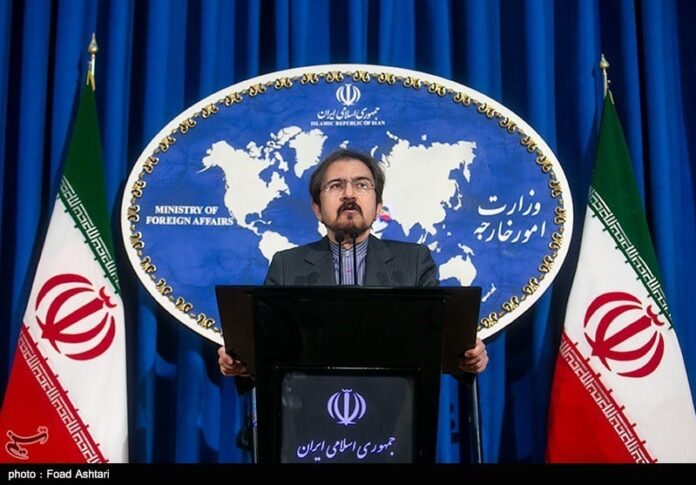
Bahram Qassemi

In response to IRNA’s question on Trump’s call for holding talks with Iran without any preconditions, Qassemi said, “We must make sure if the president of the US, after being frustrated with his useless war of words, has decided to change the way he talks and stop talking with the language of threat to the Iranian people.”

The Iranian official added that the remarks made by US Secretary of State shortly after Trump’s speech were indeed a sign of confusion and chaos in the US’ foreign policy.

“Mr Trump’s call for dialogue with Iran comes at a time when the US government, without any justification and in contravention of all international standards, has withdrawn from the Iran nuclear deal, and imposed its unfair sanctions on the Iranian people again.”

The Iranian spokesperson said the Islamic Republic of Iran has proved in practice that it believes in dialogue and logic, and if it accepts an obligation, it will adhere to it.

“But can Donald Tramp also make such a claim? Holding negotiations needs some conditions and requirements, no sign of which has been seen in the words and behaviour of Trump and his colleagues so far.”

“How can he prove to the Iranian people that his Monday night’s remarks showed his true will and were not demagogic?” asked Qassemi.

Trump’s call for dialogue with Iran comes as the US Treasury Department’s delegates go from one country to another to push them to stop economic and trade cooperation with Iran, he noted.

The Iranian spokesman said sanctions and pressure are at odds with holding dialogue, which requires mutual respect and adherence to international obligations.

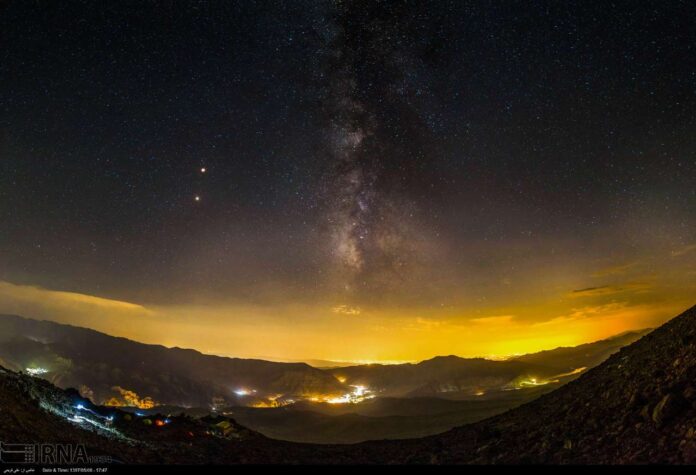
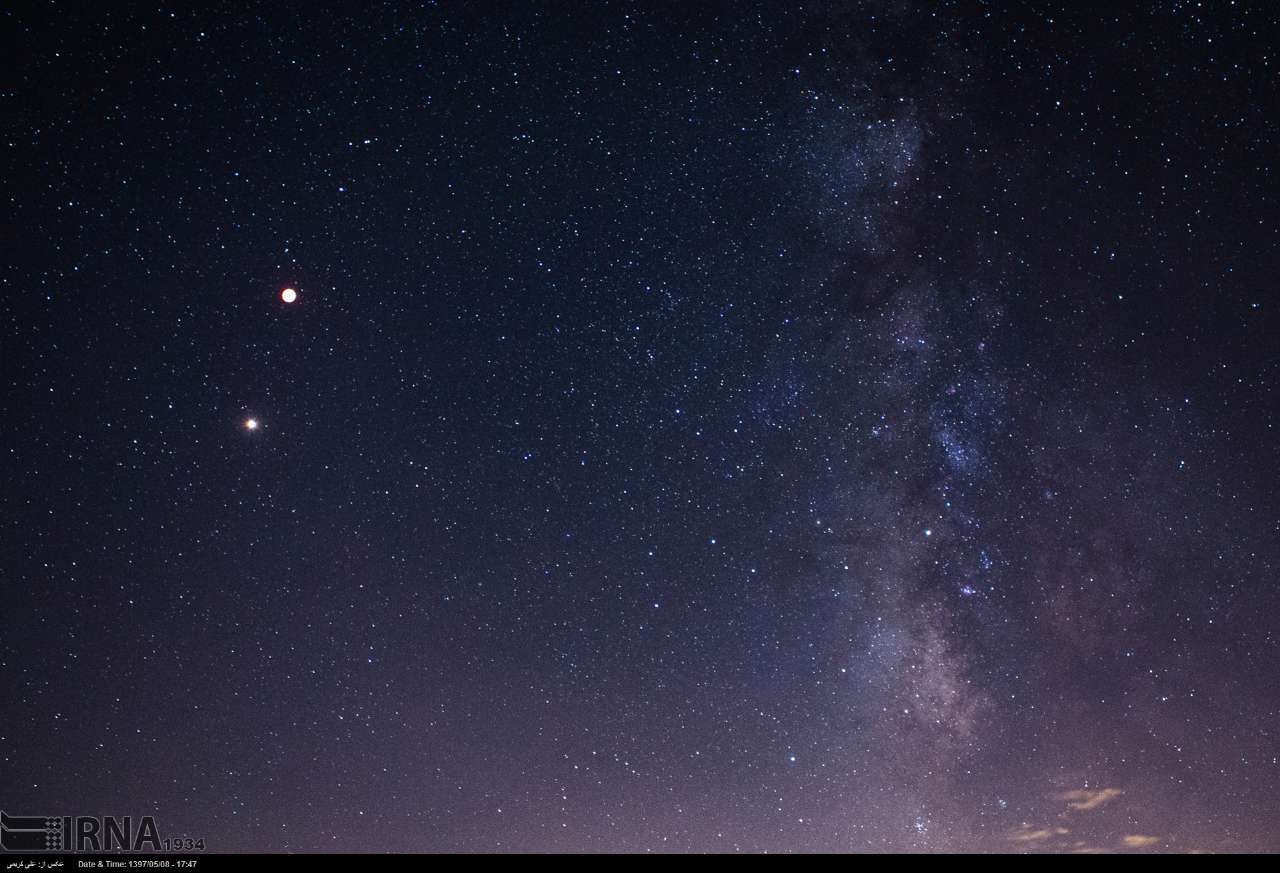
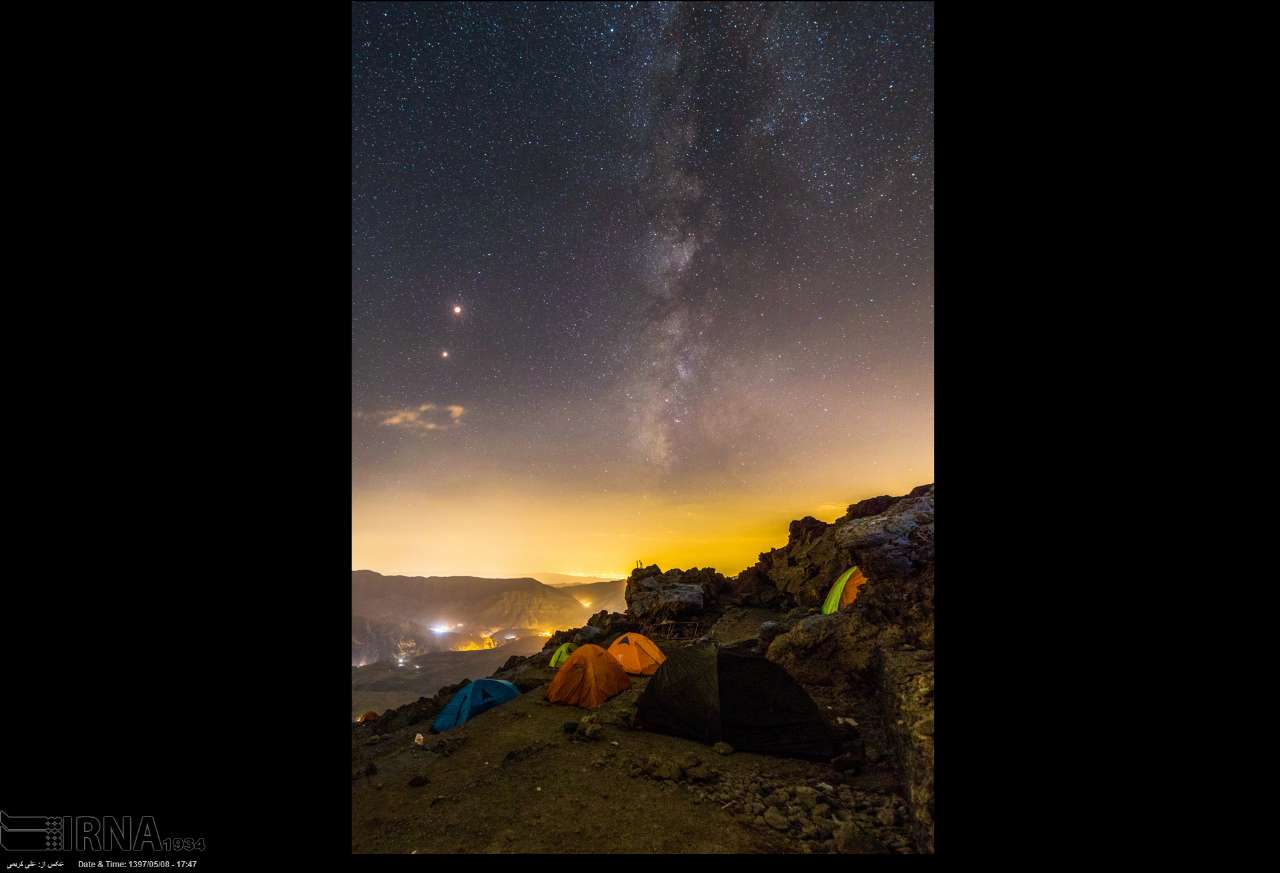
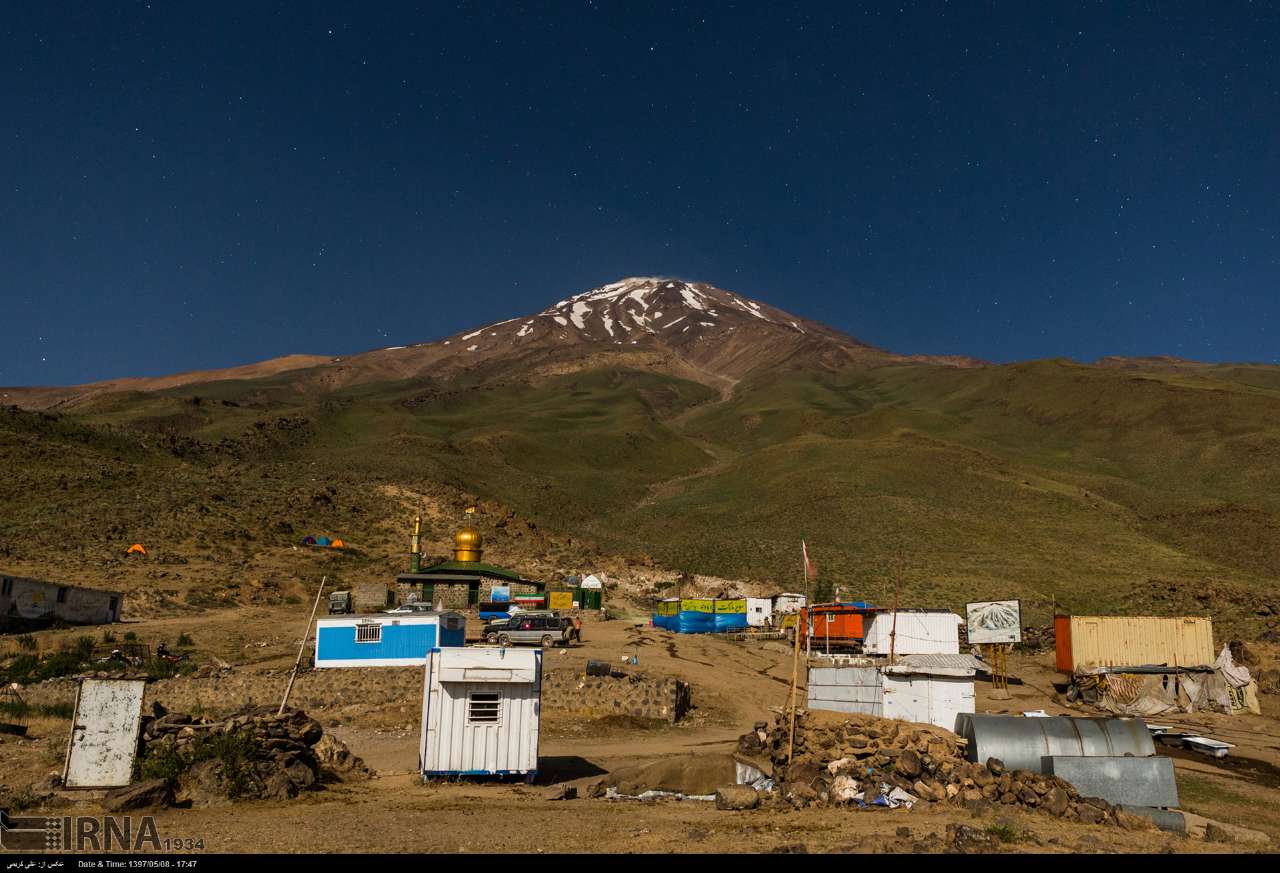
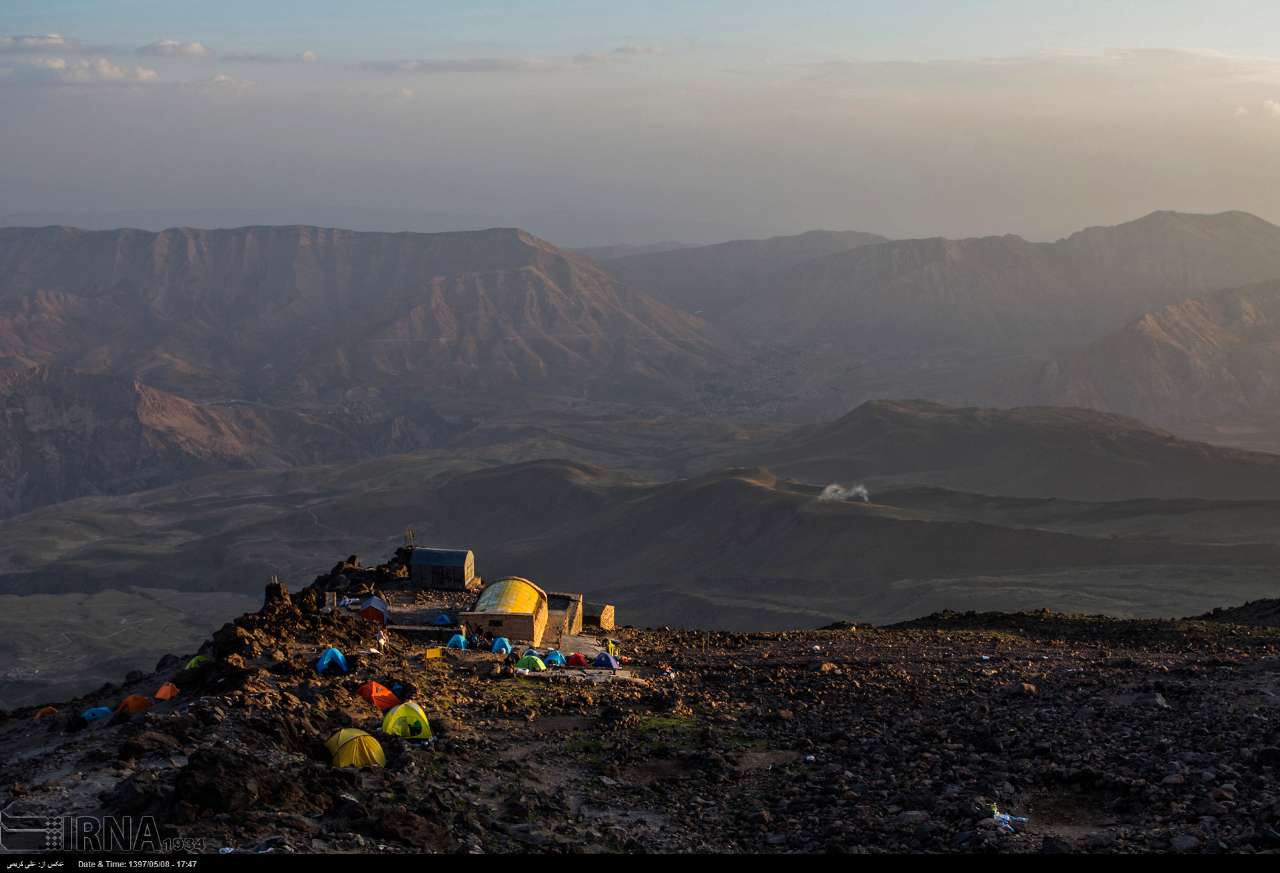
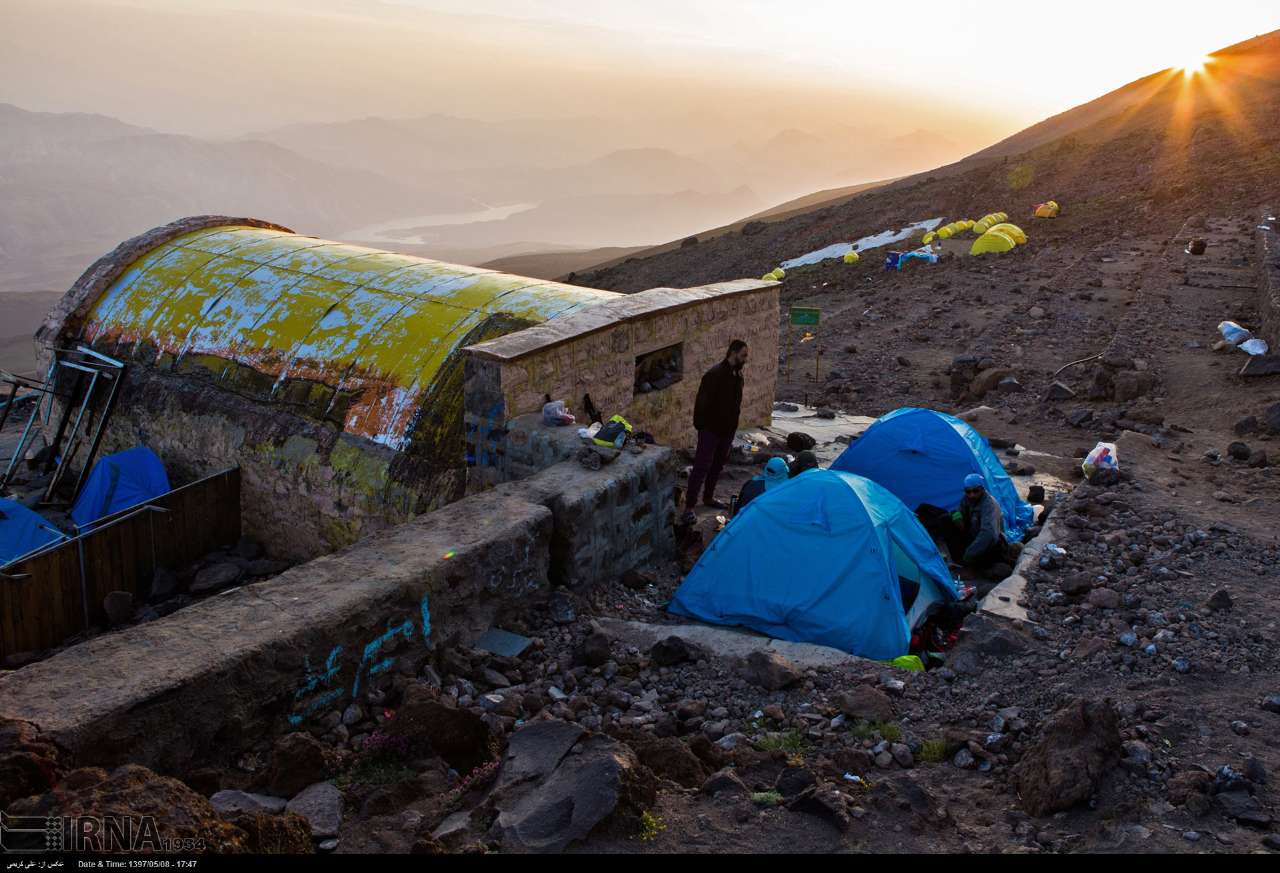
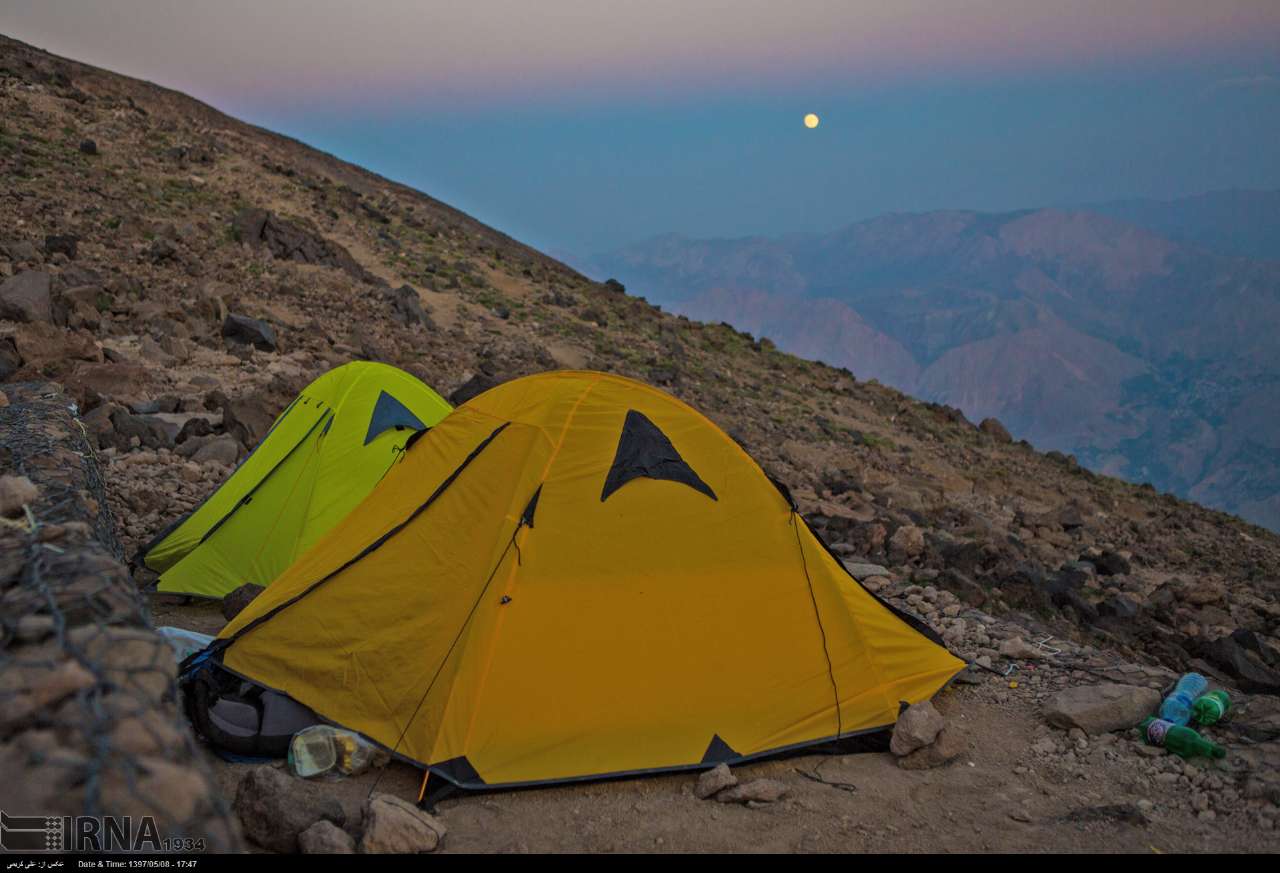
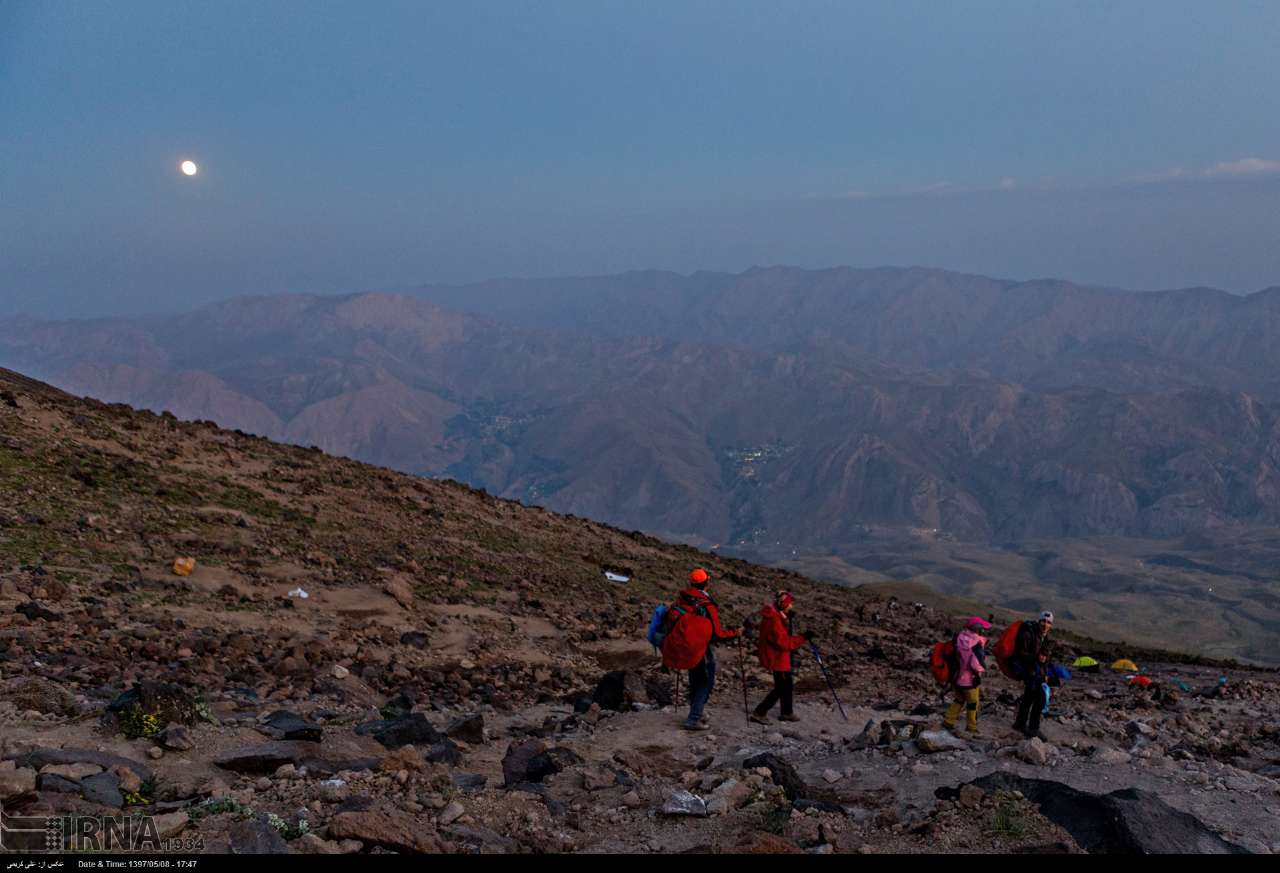
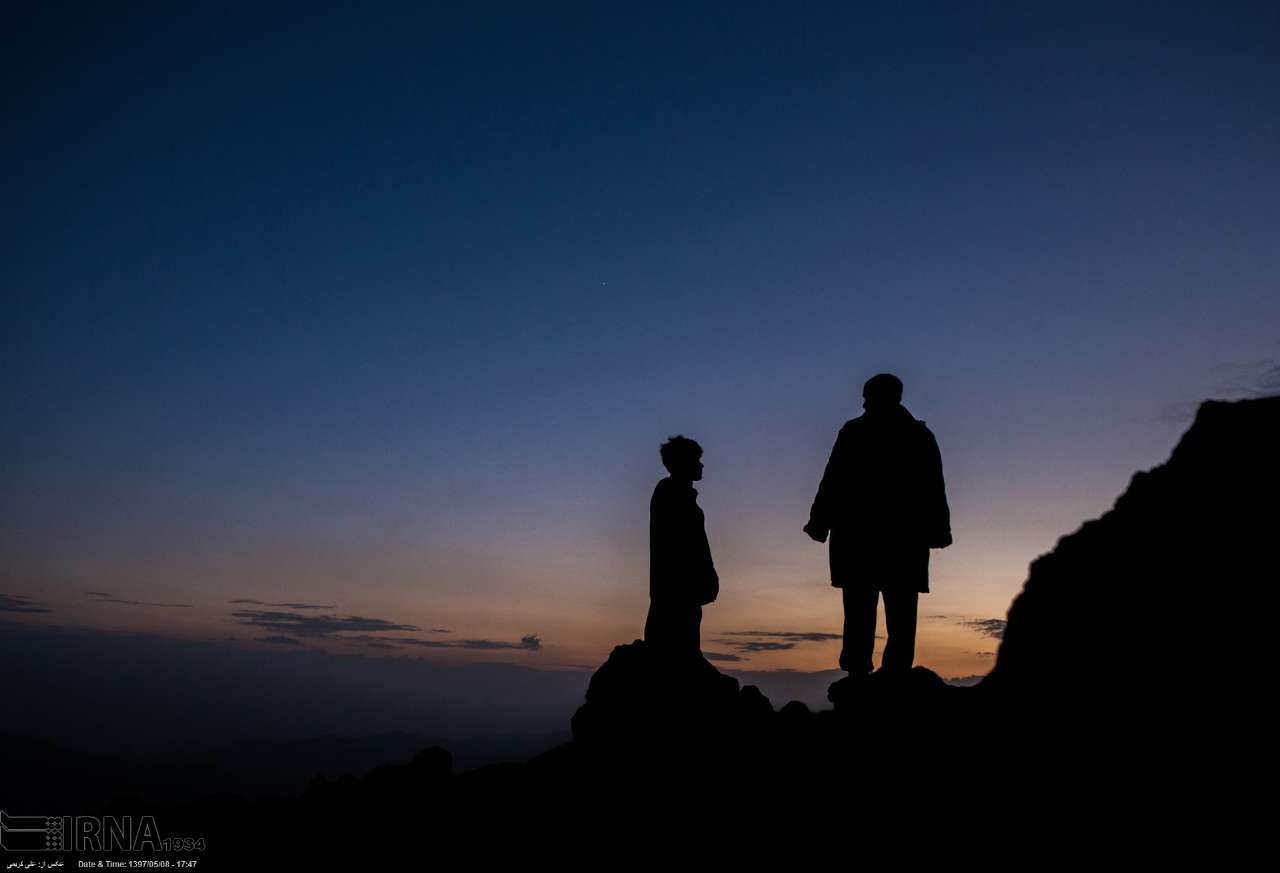
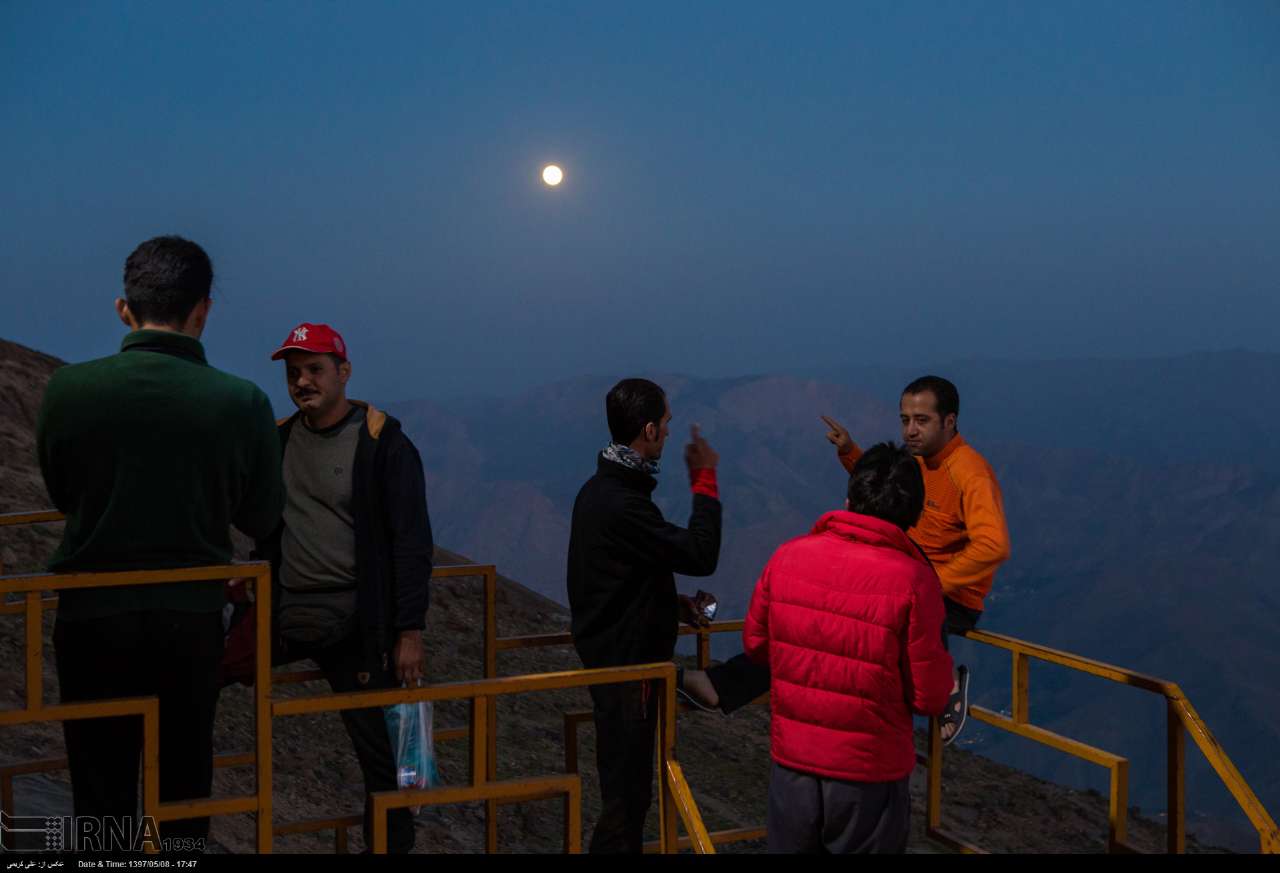
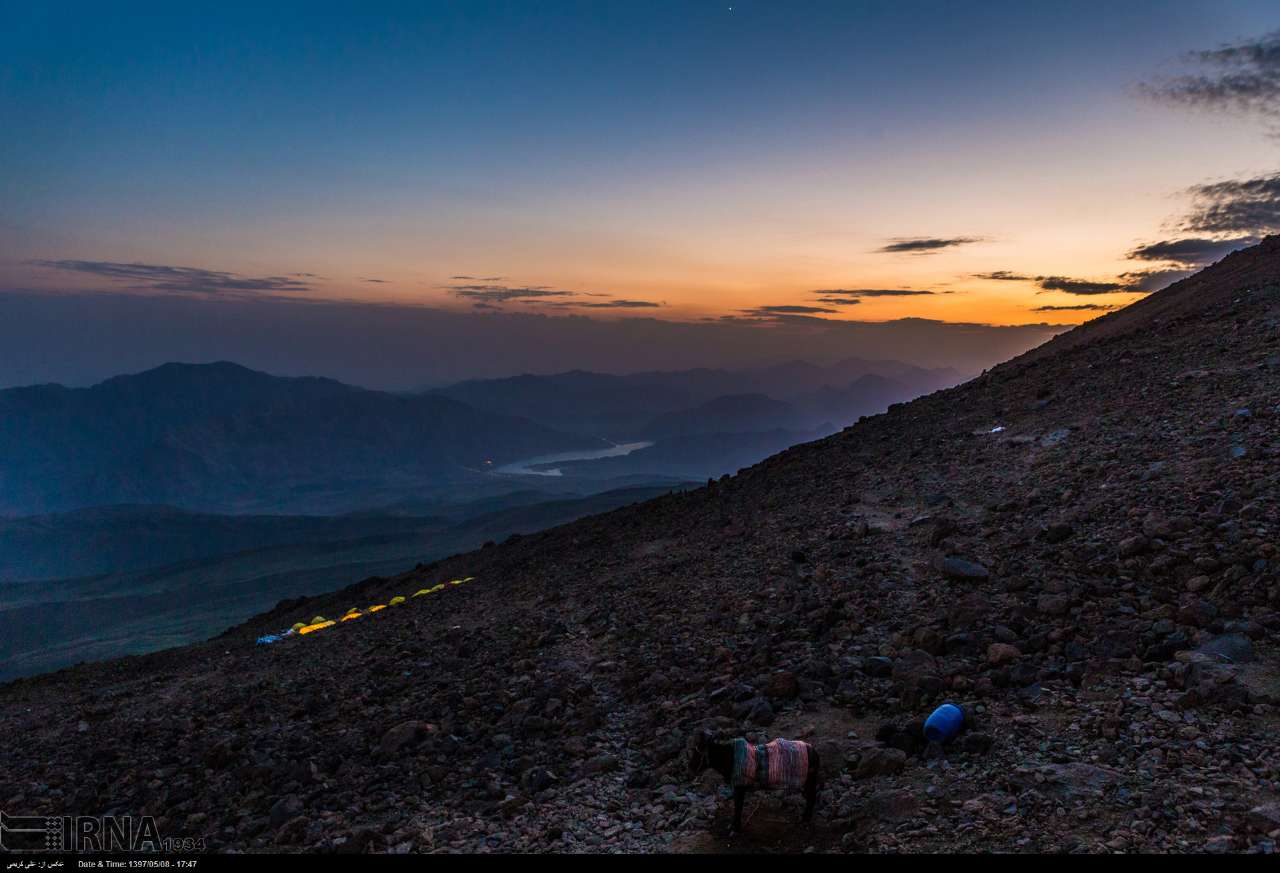
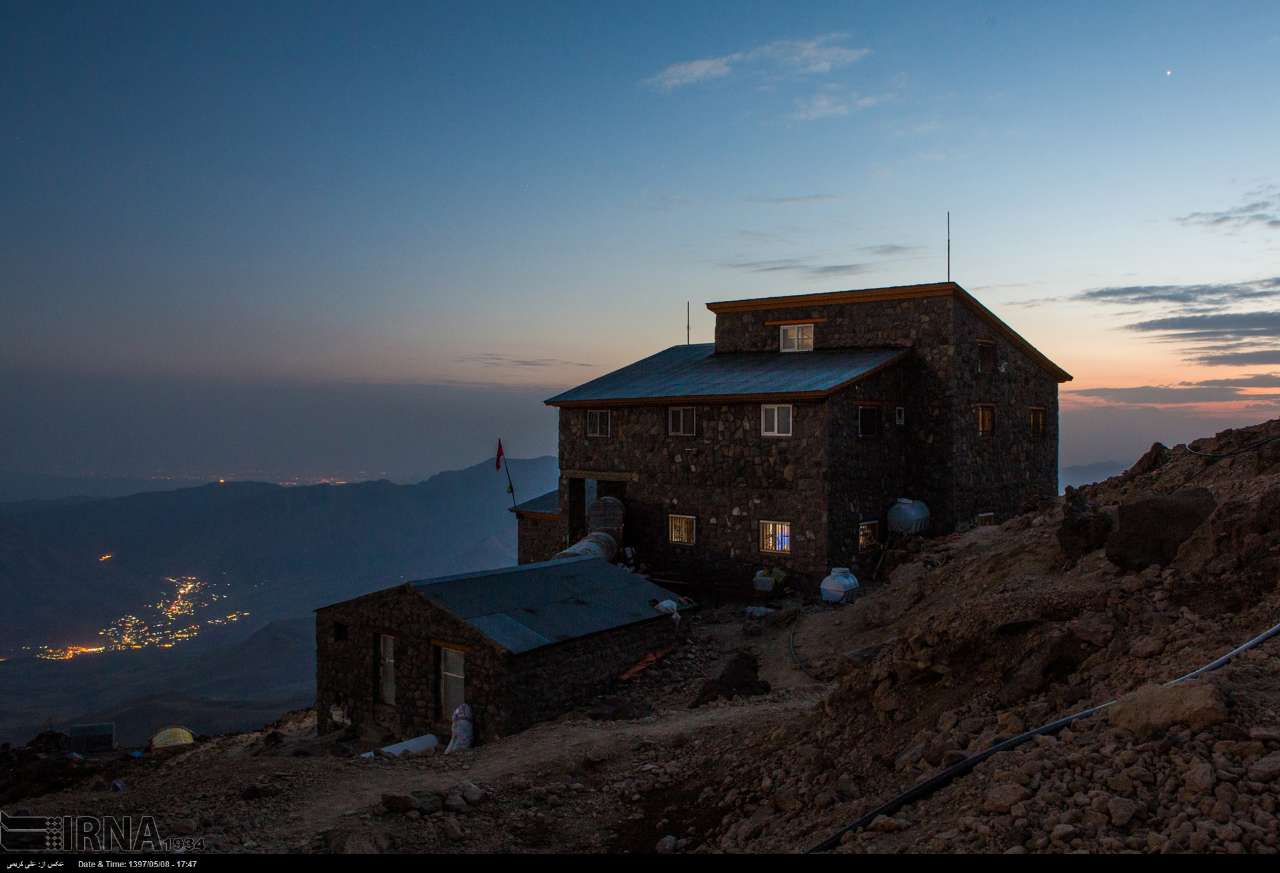
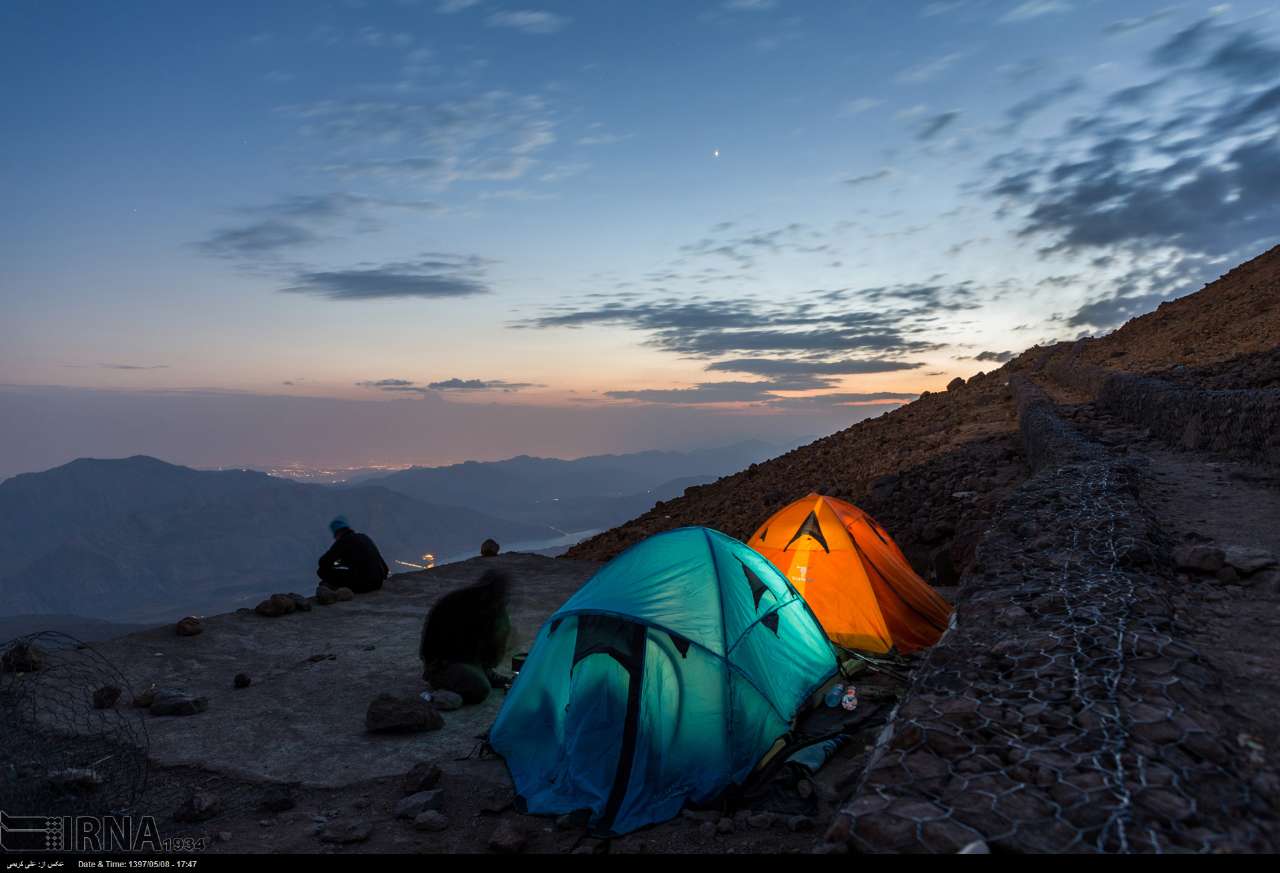
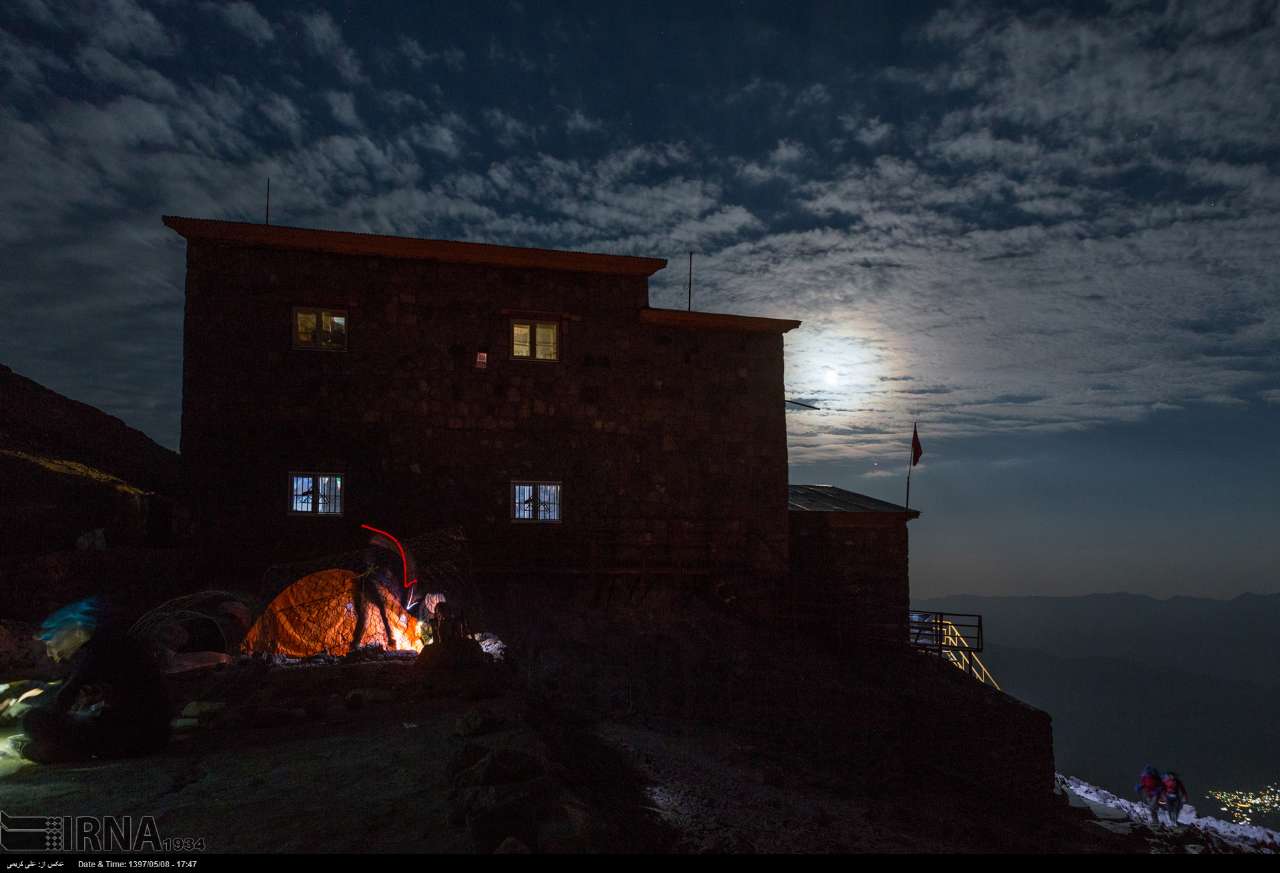
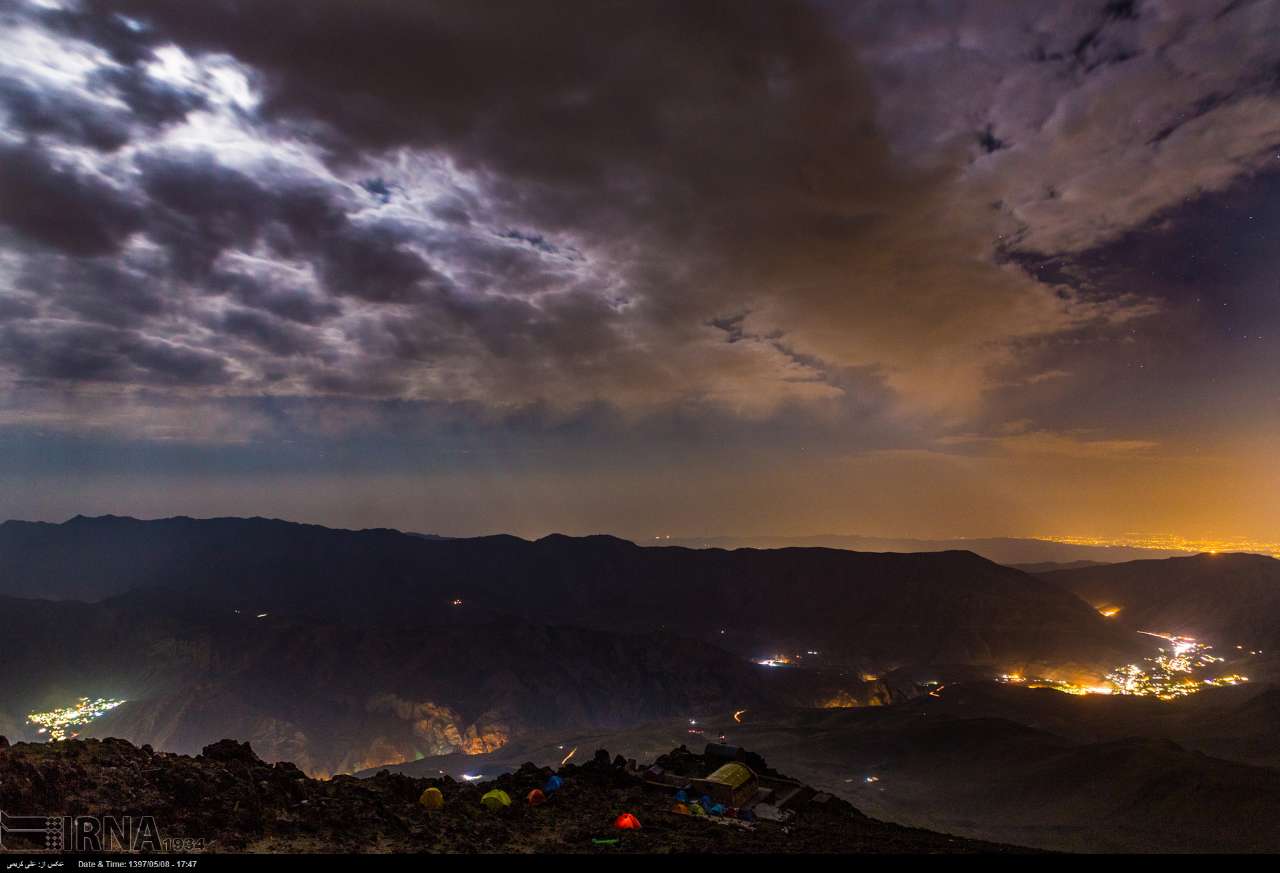
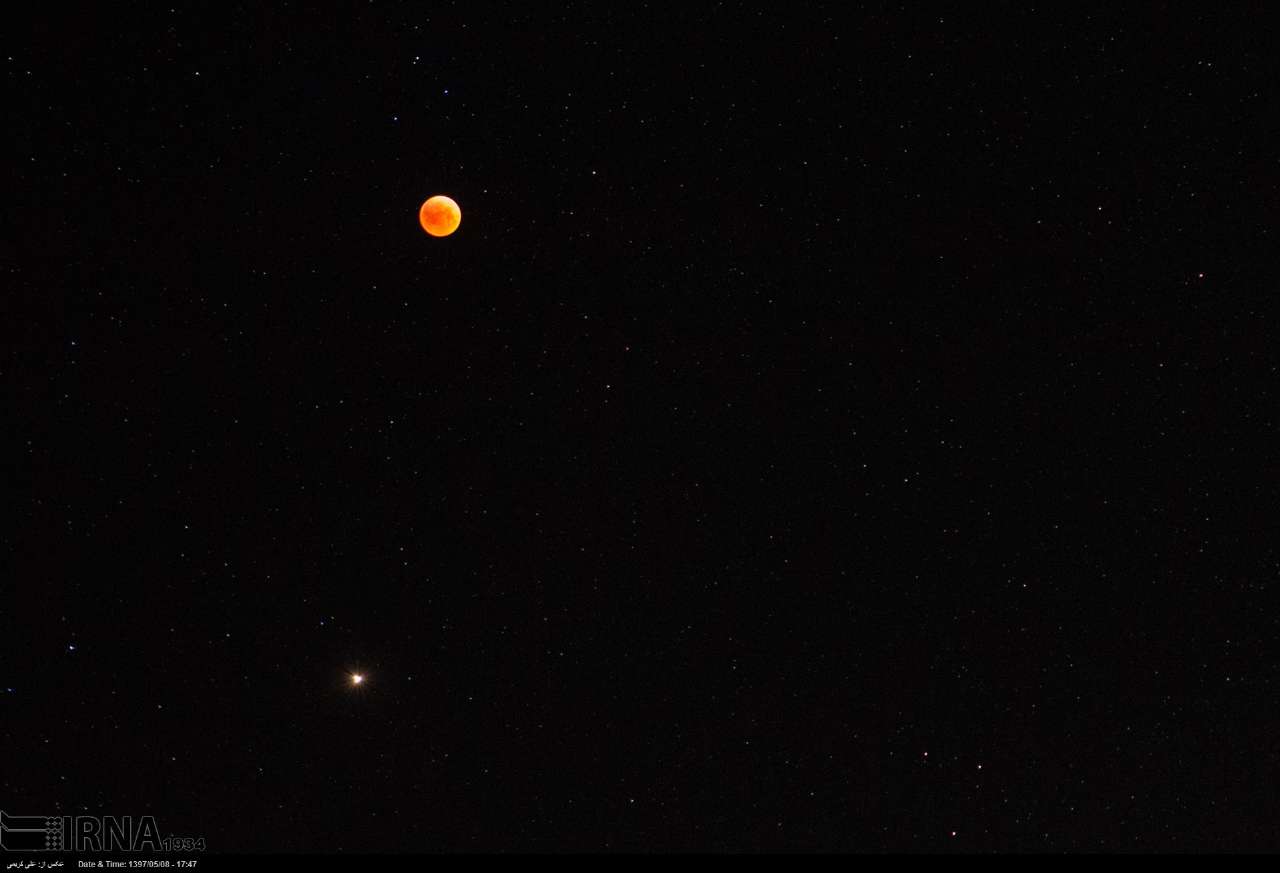
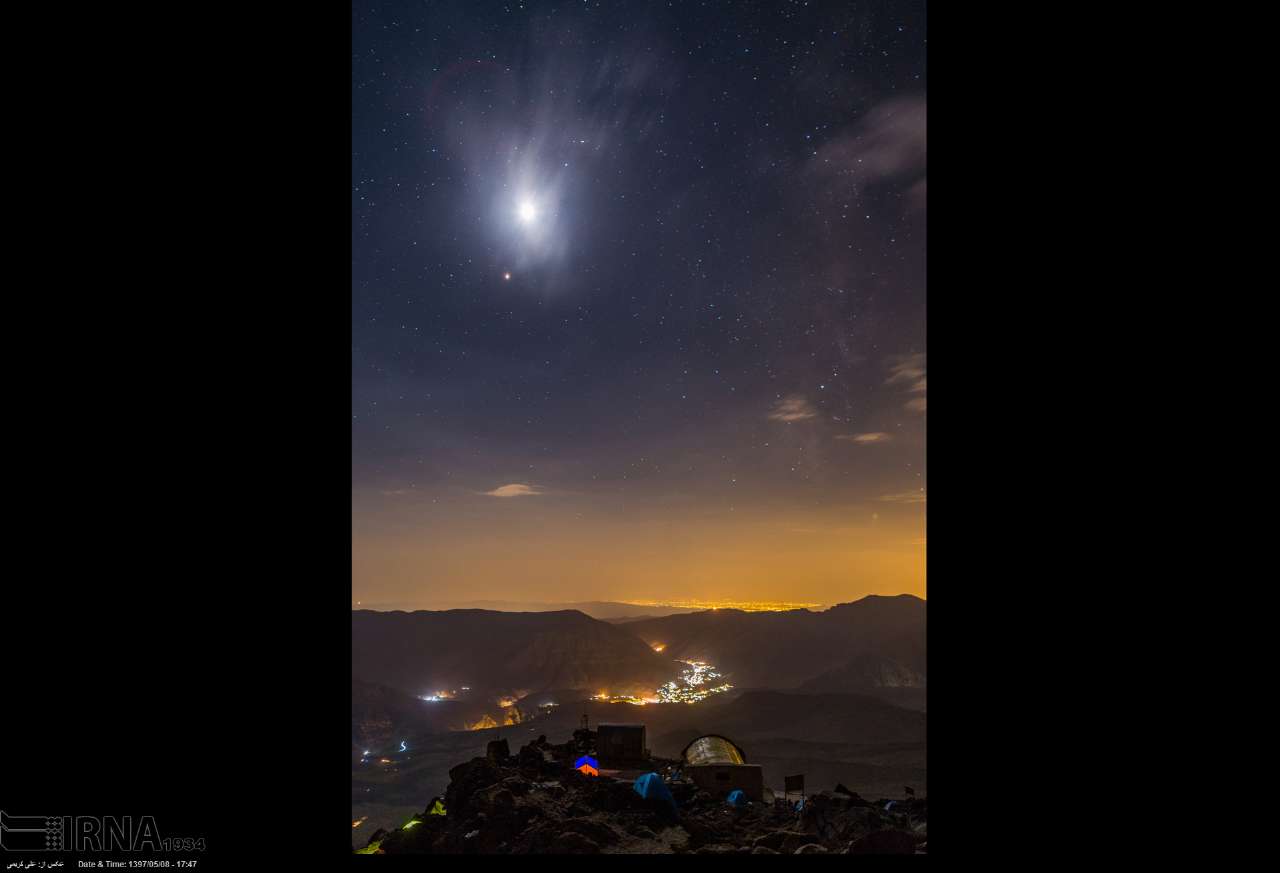
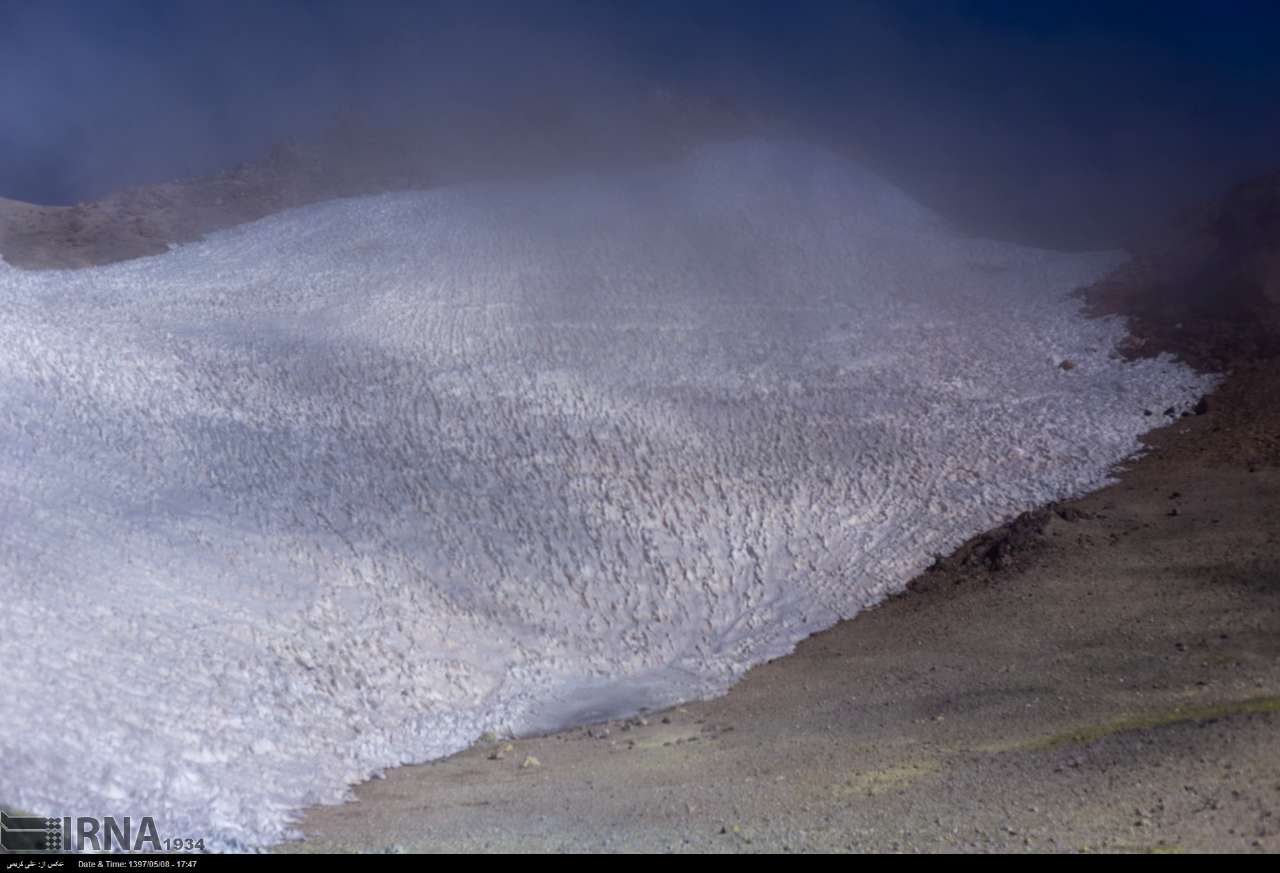
Moon Eclipse Catches Eyes in Mount Damavand

A mountain climbing team, who had been stationed at the altitude of 4,200 metres above the sea level on Friday evening, have taken beautiful photos of the Blood Moon at this altitude. The group ended their trip on Monday.

What follows are some of these photos retrieved from IRNA:


Iran Denies Omani FM Will Visit Tehran Friday

In response to ISNA’s question on Tuesday, the Iranian official said the report is false and does not have any real basis.

“No contact has been made so far through formal and diplomatic channels for making the required arrangements for this trip,” he added.

As the relations between Iran and Oman are friendly, he said, the visits of the officials of the two countries are common, and are carried out periodically and continuously at necessary times.

The news of these trips is also announced to the public at the proper time, he stated.

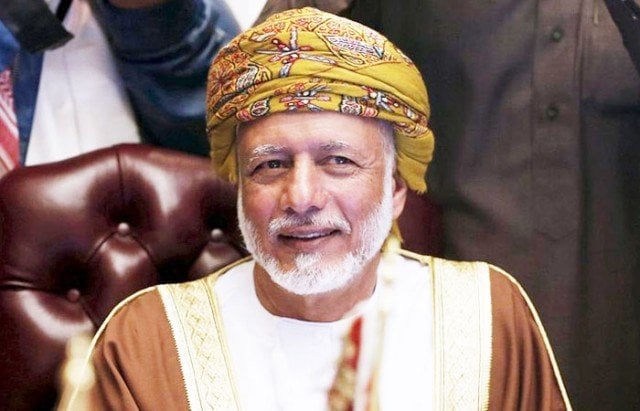
The Omani Foreign Minister recently met the US Secretary of Defence, Jim Mattis, at the Pentagon.

A couple of days ago some Arab media claimed that bin Alawi’s trip to Washington was aimed at reducing tensions between Iran and the US, especially when the Omani official’s trip to the US took place after his meeting with his Iranian counterpart Mohammad Javad Zarif.

Al-Arab Newspaper wrote on Sunday that like what happened in 2013 resulting in the signing of the Iran nuclear deal also known as the Joint Comprehensive Plan of Action (JCPOA), Bin Alawi’s tour of the US was to emphasise Muscat’s preparedness to mediate between Tehran and Washington.

This comes as Omani Foreign Ministry recently wrote on its Twitter page that both sides discussed security and regional issues and also developing ties.

Meanwhile, Bin Alawi announced on Tuesday that his country is ready to mediate between Iran and the US in case the two sides are ready.

“No Obstacle to Expansion of Sri Lanka’s Ties with Iran”

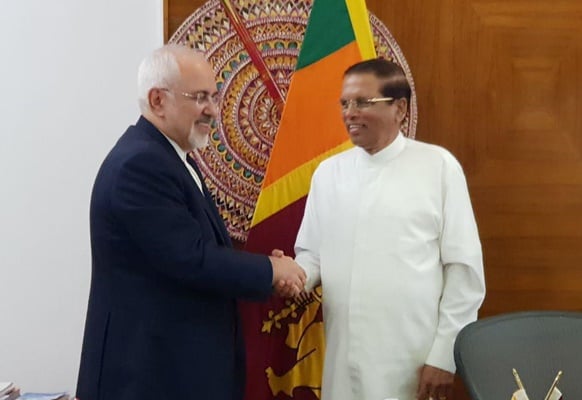
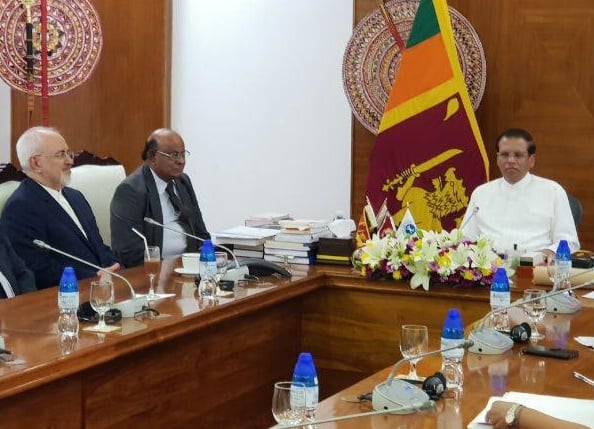
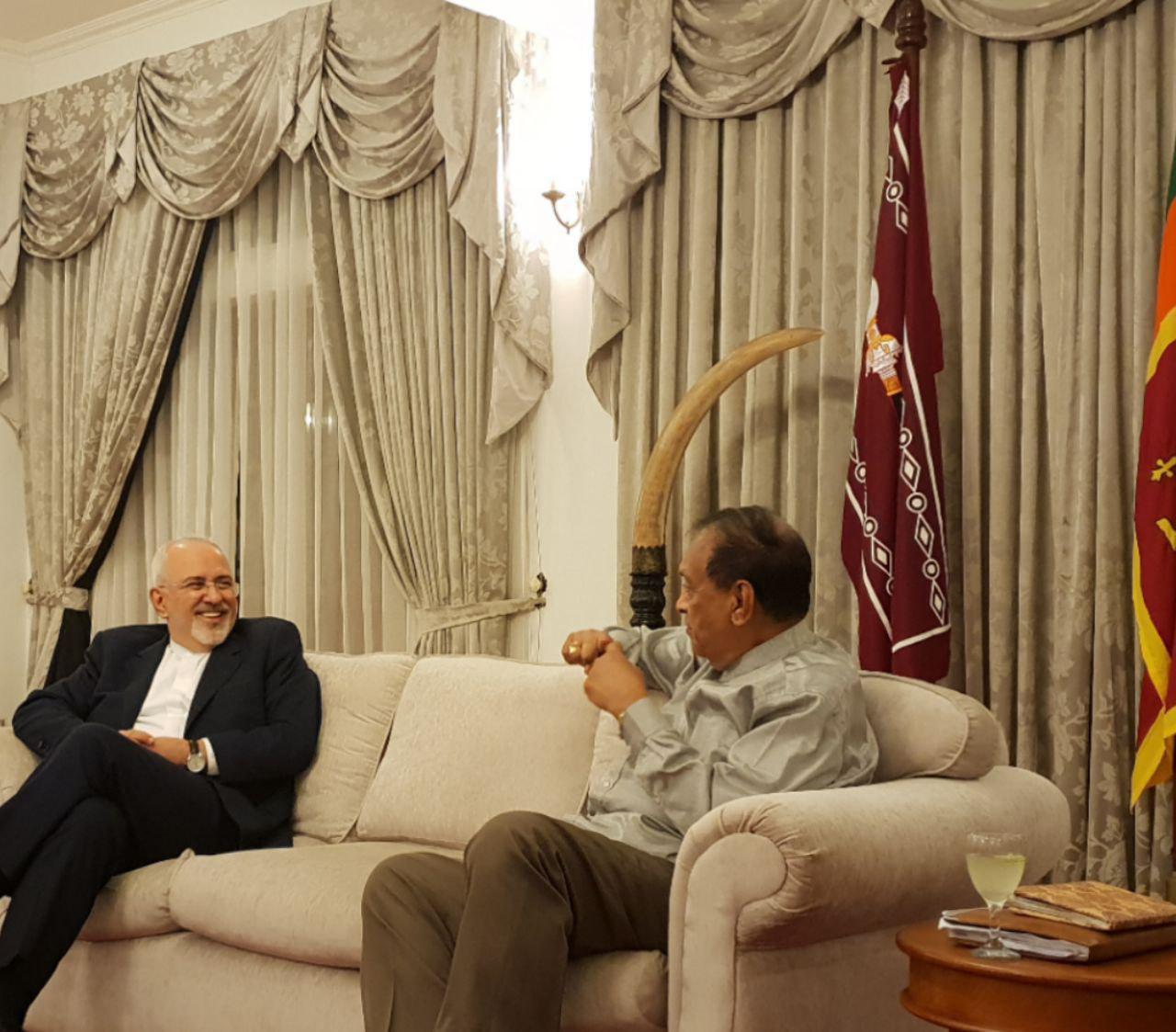
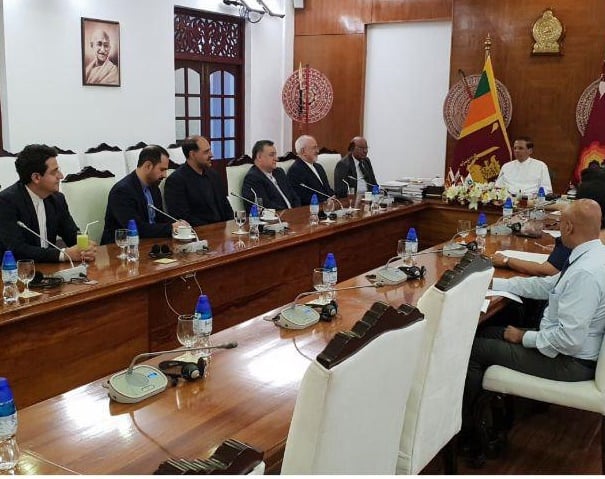
During the Tuesday talks, Sirisena highlighted the friendly and age-old relations between the two countries and described his trip to Iran in May as a constructive one.

He further underlined the grounds for further expansion of Tehran-Colombo cooperation in different fields, especially in the field of energy, and called for the strengthening of bilateral ties in international organizations.

“There is no obstacle in the way of expanding ties between the two countries,” he said.

Zarif, in turn, relayed greetings from President Hassan Rouhani to Sirisena, and told the Sri Lankan leader that Tehran is keen to enhance its cooperation with Colombo in all fields in line with the interests of both countries.

The Iranian top diplomat referred to the vast and diverse capacities for promotion of cooperation between the two sides, and called for continued interactions in the fields of energy, agriculture, and technical-engineering services.

Later in the day, Zarif also held talks with Karu Jayasuriya, the Speaker of the Parliament of Sri Lanka. In this meeting, Zarif and Jayasuriya emphasised the continuation, expansion and boosting of the two countries’ excellent relations in all fields, especially in the parliamentary field.

Zarif and his accompanying delegation attended the Sri Lankan Speaker’s banquet after this meeting.

“No Obstacle to Expansion of Sri Lanka’s Ties with Iran”

“No Obstacle to Expansion of Sri Lanka’s Ties with Iran”

“No Obstacle to Expansion of Sri Lanka’s Ties with Iran”

Iranian Officials Show Mixed Reactions to Trump’s Call for Talks

Trump, who has been highly antagonistic towards Iran since he came to power in January 2018, announced his readiness for talks with Iran for the second time in weeks on Monday.

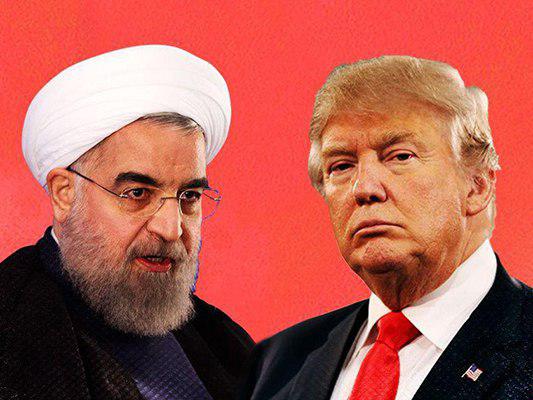
Trump said he would be willing to meet Iran’s President Hassan Rouhani and officials “any time” and “without preconditions” to discuss how to improve ties.

“I would meet with Iran if they wanted to meet,” Trump said Monday at a joint White House press conference with Italian Prime Minister Giuseppe Conte. “I don’t know if they are ready yet.”

“[If] They want to meet, I’ll meet. Any time they want. Good for the country. Good for them. Good for us. And good for the world,” he said.

The remarks raised eyebrows in Iran, who saw the US sending contradictory signals to Tehran.

Trump was making the remarks barely a week after he had threatened Iran that it would suffer untold “consequences,” in response to remarks by Rouhani that the US should not “play with the lion’s tail”.

Trump pulled the US out of the 2015 nuclear deal in May, and is set to re-impose full sanctions in two stages in August and November.

The US is also working to push the world to cut trade with Iran and stop purchasing the country’s oil.

Trump’s statement was soon corrected by US Secretary of State Mike Pompeo, who said he was on-board with the president’s invitation but raised several preconditions for talks with Tehran.

The US will enter into talks with Tehran “if the Iranians demonstrate a commitment to make fundamental changes in how they treat their own people, reduce their maligned behaviour,” he told CNBC on Monday.


Iran-US Talks Shouldn’t Be a Taboo

Heshmatollah Falahatpisheh, a senior Iranian lawmaker, has argued for talks between the two countries, saying a lack of communication between the two sides has never done any good to the two sides.

“Negotiations should not become a taboo in Iran-US ties,” Falahatpisheh told ICANA on Tuesday.

Striking a conciliatory tone towards the US, Falahatpisheh, the chairman of Parliament’s National Security and Foreign Policy Commission, said a military confrontation between Iran and the US is out of the question and the two sides should work to open diplomatic channels.

“Differences between Iran and the US are controlled by third parties. As long as there is no hotline between the two sides, Tehran and Washington’s national interests will be a toy in the hands of those who benefit from escalation of tension between the two powers,” he said.


Iran Shouldn’t Immediately Reject Trump’s Call for Talks

Ali-Akbar Nateq Noori, a veteran moderate politician and a member of Iran’s Expediency Council, also welcomed possible talks between the two sides, but said the decision is to be made by Iran’s Supreme National Security Council.

“We shouldn’t immediately reject the request, because they would then claim that Iran is after violence and war. However, we shouldn’t be overexcited about it either. The issue must be thoroughly considered by the country’s officials,” he noted.


Trump Needs to Respect Iran, JCPOA

This is while an advisor to the Iranian President said late Monday the US needed to reduce hostility towards Tehran and return to the nuclear deal before the two countries could start talks.

Pointing to Trump’s request for talks with his Iranian counterpart Hassan Rouhani during the UN General Assembly in 2017 which was made shortly after Trump delivered a scathing attack on Iran in his first UNGA speech, Aboutalebi said the US’ demand for talks should be accompanied with friendly gestures.

“… After the US withdrawal from JCPOA, there are talks about [holding a] meeting without pre-conditions. Those who believe in dialogue as a method for settling disputes among civilized nations must comply with its requirements,” he said.

“Respecting the great Iranian nation, easing hostilities, and the return of the US to JCPOA will pave the rocky path [to talks],” Aboutalebi said in a tweet on Monday.

Referring to the 2013 phone conversation between Rouhani and Trump’s predecessor, Barack Obama, Aboutalebi said Iran has showed its openness to talks in the past.

Obama and Rouhani spoke by telephone shortly after Tehran and Washington engaged in nuclear talks that led to the 2015 nuclear deal.

Aboutalebi said those talks were meant to be a confidence-building measure that prepares the ground for reaching an agreement by showing the two sides’ good will.

“JCPOA is an achievement of commitment to dialogue. It should be accepted,” he wrote.


Iran-US Talks Not Possible

However, the spokesman for Iran’s Foreign Ministry Bahram Qassemi suggested earlier on Monday, prior to Trump’s statement, that engaging in negotiations with the “current America” is next to impossible.

“With current America and these policies, there will definitely not be the possibility of dialogue and engagement, and the United States has shown that it is totally unreliable,” Qassemi said.

An Iranian government official announced earlier this month Trump has called Rouhani’s entourage during their visit to New York in September 2017 eight times, but to no avail.

This is while US officials have denied any such requests have been made by Trump.

Early this month, Trump said that he expects Iran to call him wanting to make a deal.

“Iran at some point will call me and ask for a deal, and we’ll make a deal,” he said. They are feeling “a lot of pain right now,” he added.

Iran Vows to Protect Syria’s Integrity, Sovereignty

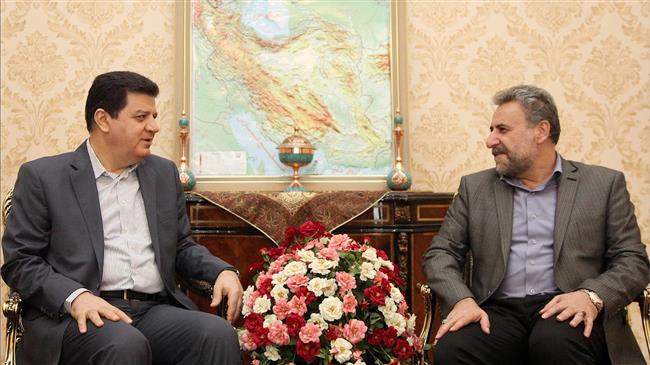
“The Zionist regime (of Israel) seeks a weak Syria and counters whatever leads to the strengthening of the Syrian nation and government,” Chairman of the Iranian Parliament’s Committee on National Security and Foreign Policy Heshmatollah Falahatpisheh said in a meeting with Syrian Ambassador to Tehran Adnan Mahmoud on Sunday.

He pointed to the US measures against Iran over the past four decades and said, “Since the first days after the victory of the Islamic Revolution, the US strategy was to weaken the [Islamic] Revolution and the Islamic Republic and has spared no efforts in this regard.”

The legislator added that the current threats posed by the US administration of President Donald Trump were nothing new for the Iranian nation.

The US president has stepped up his hostile rhetoric against Iran. Just last week, Trump threatened Iran with hardship “the likes of which few throughout history have ever suffered before.”

Trump’s pugnacious Twitter message in all capital letters came late on July 22 after Iranian President Hassan Rouhani warned his US counterpart not to “play with the lion’s tail.”

The Syrian ambassador, for his part, stressed the importance of bolstering relations in all fields and said the US and its allies want to wage an economic war due to their failures in the political arena.

Mahmoud also said the US and its regional mercenaries as well as all those who support terrorism for their own political objectives are liable for recent terrorist attacks in Syria.

The battle against terrorism in Syria is not different from anti-terror campaign across the Middle East, the Syrian diplomat pointed out.

A so-called monitor group has said that the death toll from a spate of attacks and bombings carried out by members of Daesh Takfiri terrorist group in Syria’s southwestern province of Sweida has surpassed 220.

The Britain-based Syrian Observatory for Human Rights, which is close to Syrian opposition, said last Wednesday that three attackers set off their explosive belts in Sweida city, located more than 100 kilometers southeast of the capital Damascus, as other blasts hit villages to the north and east. A fourth bomb explosion hit the city later.

The Lebanese Hezbollah resistance movement and Syrian President Bashar al-Assad on Thursday condemned deadly Daesh attacks in Sweida, saying such crimes are mere attempts to prop up the foreign-backed terrorists, which are suffering one defeat after another on the battlefield.