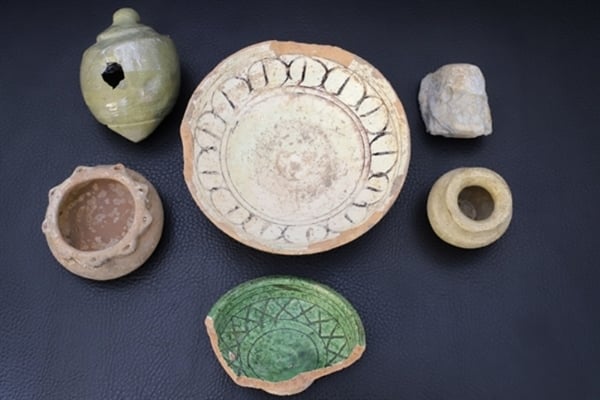
Abolfazl Aali, the director of the research office at the Cultural Heritage, Handicrafts and Tourism Department of Zanjan Province, said the discovered relics prove the old history of Zanjan.
Aali noted that the collection of pottery was found by a man whose house was destroyed in the old part of the city due to the rise of water.
The man has brought the relics to the Cultural Heritage Department of the city immediately after finding them, he noted.
In addition to the items found by the owner of this house, a structure has also been discovered at the site, he added.
“Initial studies show that the dishes belong to periods between 400 and 600 AH and the Seljuk era.”
He further noted that precise archaeological studies should be carried out on these containers, but what is certain is that they belong to the post-Islamic era.
He said that the potteries discovered in Zanjan prove the history of this city goes back to the time of Arab invasion of Iran, but the historical texts emphasise the older history of the city.
“These pieces and containers prove that the city of Zanjan had existed in the era of Islam, but no pre-Islamic era containers have been found yet.”
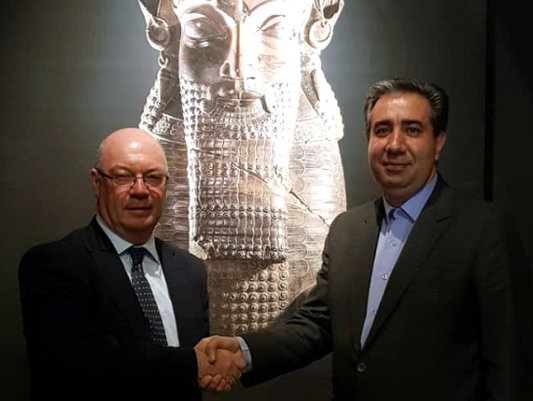
The deal was reached after the visit of Burt, British Ambassador to Tehran Rob Macaire, and their entourage to the National Museum of Iran.
Following the visit, the British delegation and the Iranian museum chief Nokandeh discussed the expansion of mutual ties in the field of museums and the importance of holding joint exhibitions to put Iranian and British works on show for the people of the host country.
At the meeting, Burt noted that he was a signatory to a license to transfer the Cyrus’s Charter to Iran and its display at the National Museum of Iran, highlighting the role of museums to promote bilateral relations between the two countries
For his part, Nokhandeh expressed hope that the British Foreign Office would play a special role in organising the forthcoming exhibition of the British Museum’s works in Tehran, and would assist the two museums in cultural diplomacy.
During the meeting, the British Ambassador also expressed his readiness for scientific cooperation in the field of museums and archaeology.
Burt arrived in Iran on Friday in the first visit to the Islamic Republic by a British minister since the withdrawal of US President Donald Trump from the 2015 nuclear deal.
On Saturday, he met with Iran’s Deputy Foreign Minister for Political Affairs Seyyed Abbas Araqchi to discuss the latest regional developments and bilateral economic ties.
They also exchanged views on the bilateral monetary arrangements in wake of the unilateral US sanctions.
During the Monday talks, the two sides underlined the need for Iran and Syria to develop their mutual cooperation in various fields, particularly in economy, in the aftermath of the resistance’s victory over terrorism.
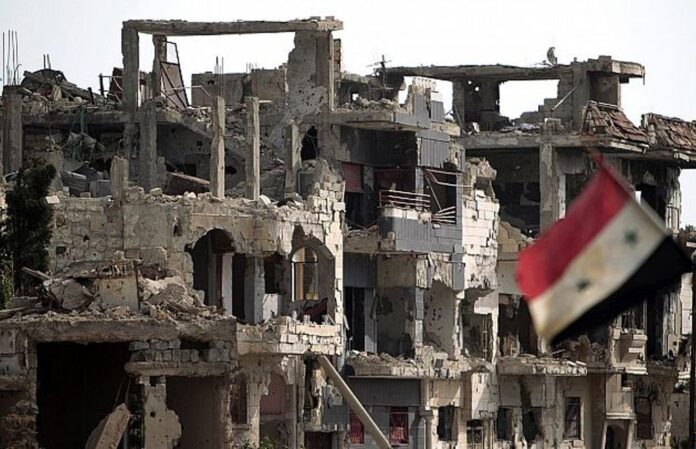
They also emphasised the active participation of Iranian companies in the reconstruction of the war-torn state.
The two officials further exchanged views on the most important issues of bilateral and regional ties, the need for the return of displaced people, and other topics of mutual interest.
Zarif and Assad asserted that Western countries would not be able to deter Iran and Syria from defending their principles, the interests of the two nations, and the security and stability of the entire region.
The two sides emphasized that Western policy of threat and pressure against Syria and Iran shows the West’s failure to achieve its goals in the Middle East.
The Syrian president and Iranian foreign minister hailed the current level of relations between the two countries in various fields and agreed to further continue consultations and coordination, particularly in the light of the rapidly-shifting regional and international issues.
They also discussed the latest developments in Syria and other regional countries as well as a planned summit of Iranian, Russian and Turkish presidents due to be held Friday in Tehran.
In a Monday meeting in Damascus, the Iranian foreign minister congratulated Khamis on the recent victories of the resistance front, saying that the people and government of Syria will move towards rebuilding their country following these victories.
FM Zarif hailed the holding of the Damascus reconstruction exhibition, describing it as a sign of a strong will to begin rebuilding the war-torn state.
Zarif also welcomed the idea of participation of Iranian private companies in the reconstruction of Syria underlining that this is the responsibility of the Iranian and Syrian embassies to facilitate the presence of Iranian private companies.
In turn, Prime Minister Khamis thanked the support of the Islamic Republic, stressing that with the participation and cooperation of friendly countries, especially the Islamic Republic of Iran and Russia as well as private companies, the process of reconstructing Syria would be continued.
He noted that Syria welcomes the participation of Iranian companies at the Damascus exhibition.
Furthermore, the two sides underlined the exchange of economic delegations and efforts to make the private sectors of the two countries closer.
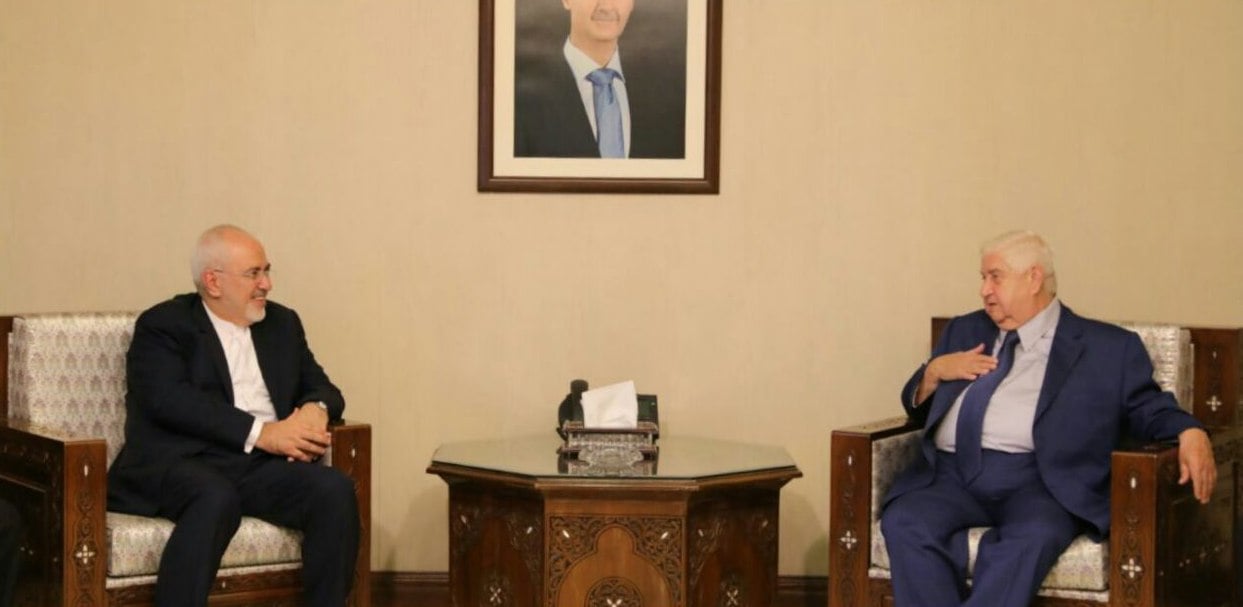
Earlier in the day, Zarif met with his Syrian counterpart Walid al-Muallem and discussed bilateral and regional issues with him.
During the talks, the two sides discussed bilateral issues, latest developments in Syria, the issue of refugees, and other regional affairs, and emphasised the continuation and strengthening of the Astana Talks on Syria.
They also exchanged views on increasing economic cooperation, the participation of Iranian companies in the reconstruction of Syria, cooperation with international organisations especially the United Nations, and the crisis in Yemen.
FM Zarif once again highlighted the support of the Islamic Republic of Iran for Syria in the fight against terrorist groups.
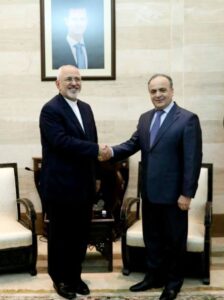
Iranian Foreign Minister Mohammad Javad Zarif holding talks with Syrian Prime Minister Imad Khamis in Damascus on September 3, 2018
The Iranian Foreign Minister further touched upon the importance of Astana Talks in pursuing the political resolution of crisis in Syria, stressing that the Friday meeting due to be held between Iran, Russia, and Turkey in Tehran will be aimed at following up the same issue.
For his part, al-Muallem expressed gratitude for the support of the Islamic Republic of Iran and called for continuation of assistance in the fight against terrorists.
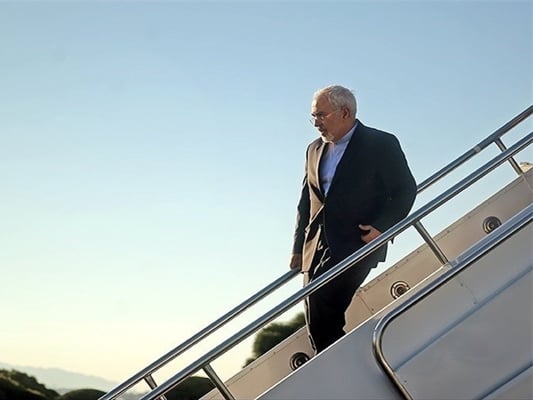
Zarif arrived in Damascus on Monday to discuss the latest developments with Syrian top officials including President Bashar al-Assad.
Iranian and Syrian foreign ministers holding talks in Damascus on September 3, 2018
In comments after arriving in Damascus on Monday, the top Iranian diplomat said he has visited Syria ahead of a trilateral summit in Tehran on peace in the Arab country.
“Syria’s territorial integrity must be preserved. All ethnicities and groups in Syria should begin the process of reconstruction within a single unit under the Syrian flag. All those displaced should return home, and the remnants of terrorists in the remaining regions of Idlib must be flushed out of those areas and the region (Idlib) must fall into the hands of Syrian people,” Zarif said.
The Iranian minister added that it is necessary to talk to the “Syrian friends” about the upcoming conference in Tehran in the pursuit of a lasting solution to peace in Syria through political approaches, like what the Astana process is looking for.
Zarif arrived in Damascus on Monday morning with a diplomatic delegation, a week after the Iranian defense minister travelled to the Arab country amid the Syrian army’s preparation for attacking Idlib, the last stronghold of terrorists in the north.
He is going to hold meetings with Syrian President Bashar al-Assad and Prime Minister Imad Khamis on Tehran-Damascus relations and the latest developments in Syria.
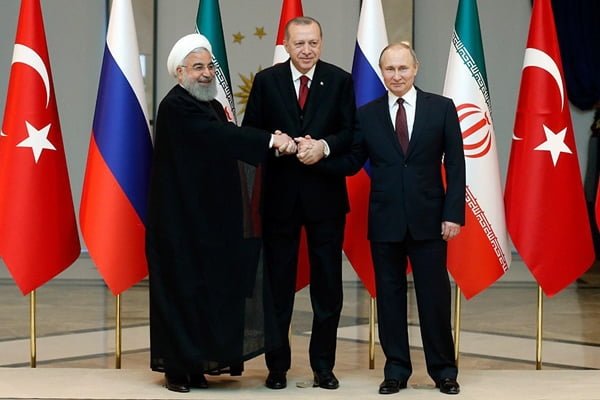
Meanwhile, Tehran will on Friday host a summit of the Iranian, Russia and Turkish presidents following several meetings between the three countries’ foreign ministers.
Iran, Russia and Turkey are known as the three guarantors of a ceasefire in Syria’s de-escalation zones.
Since the outbreak of war and foreign militancy in Syria in 2011, Iran has stood by the Syrian government and supported its people against terrorist groups, including Daesh (ISIL).
In recent months, the Syrian army has managed to liberate many of the areas occupied by terrorists and is preparing to launch an attack to recapture the northern city of Idlib.
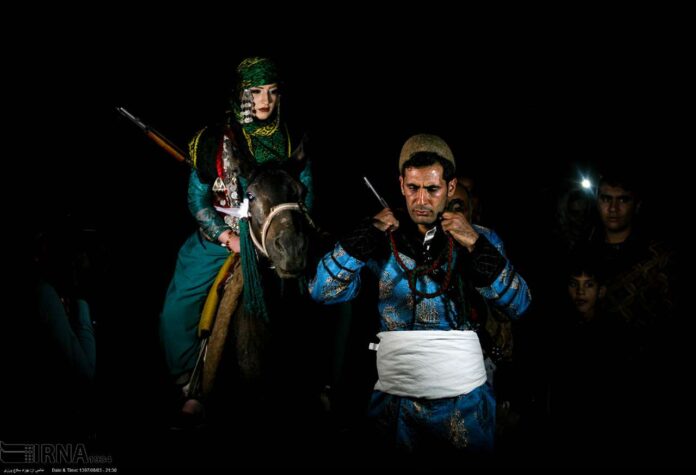
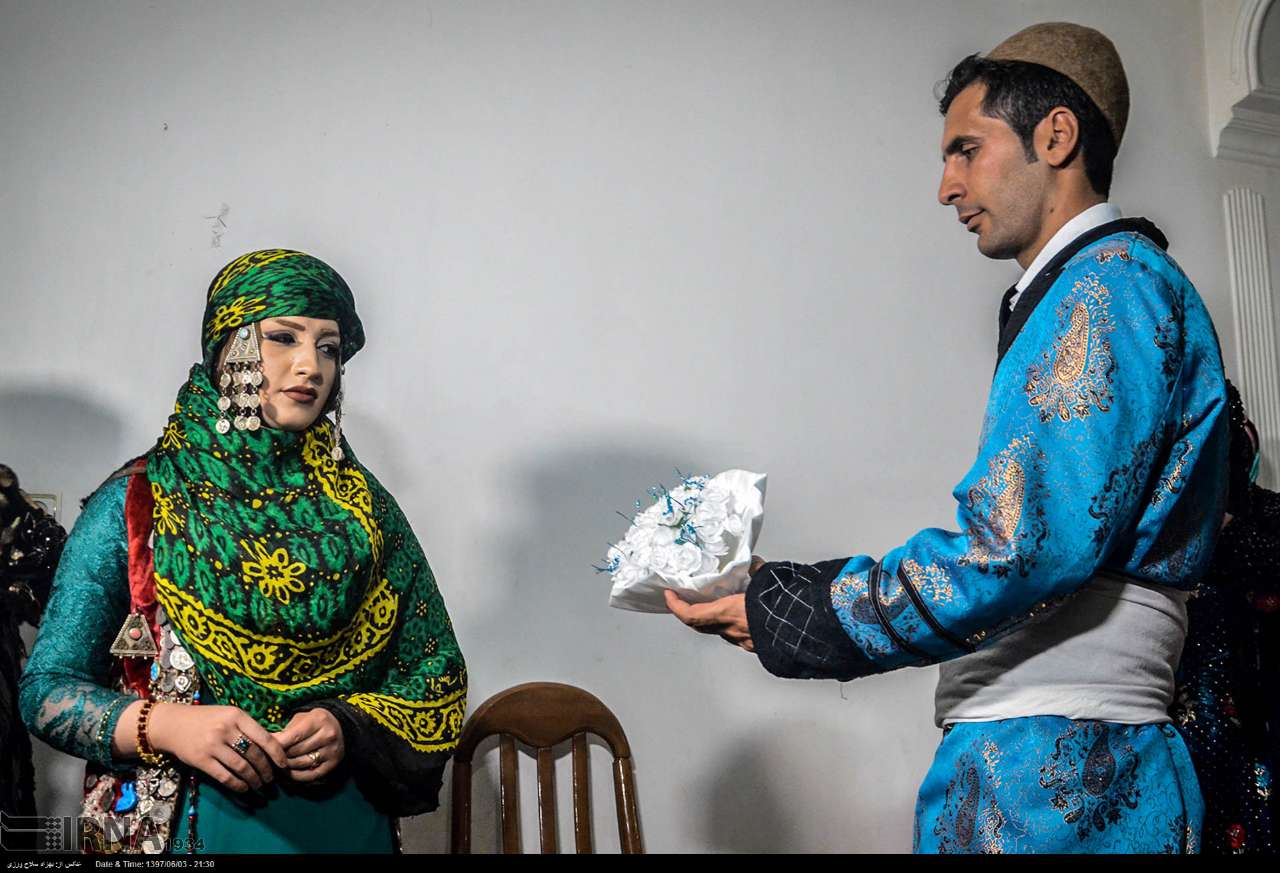
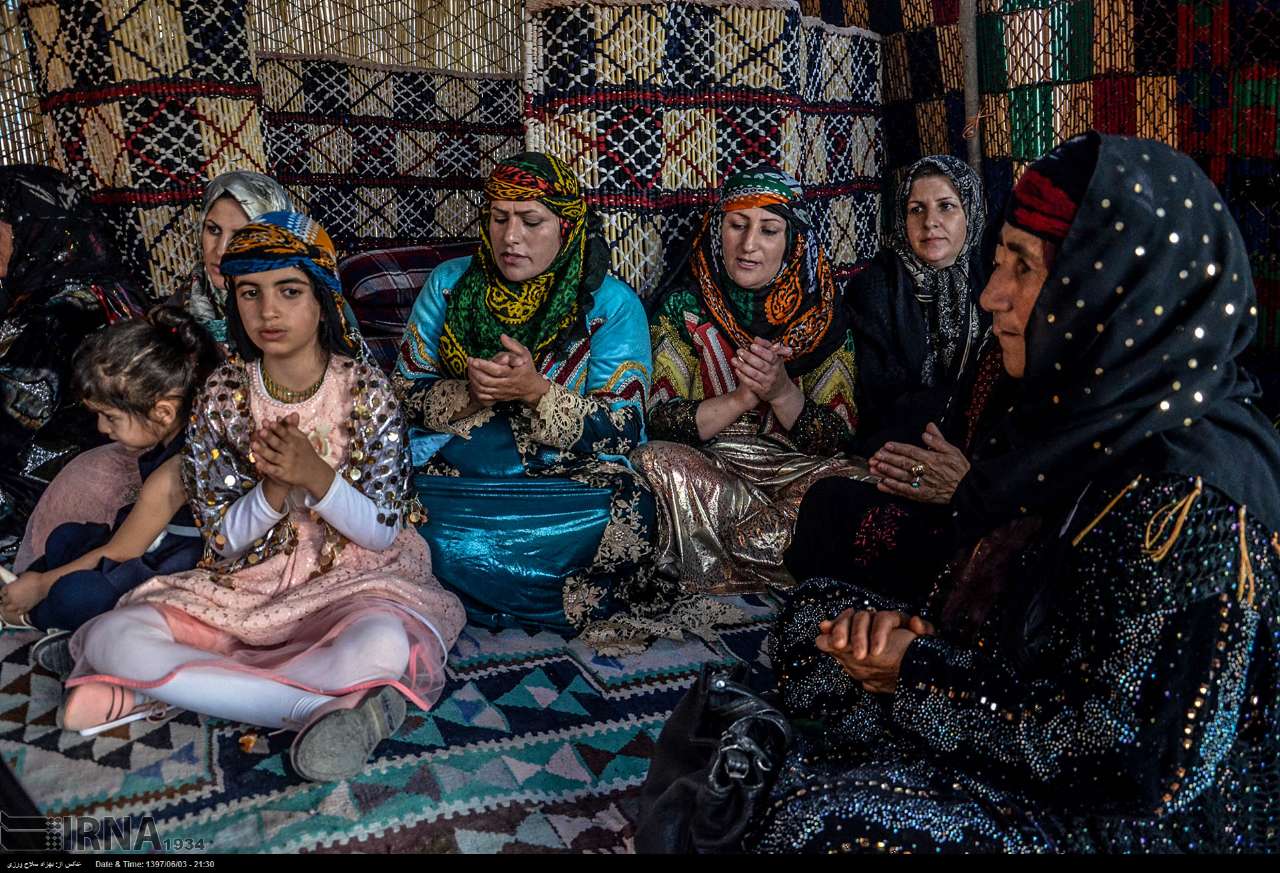
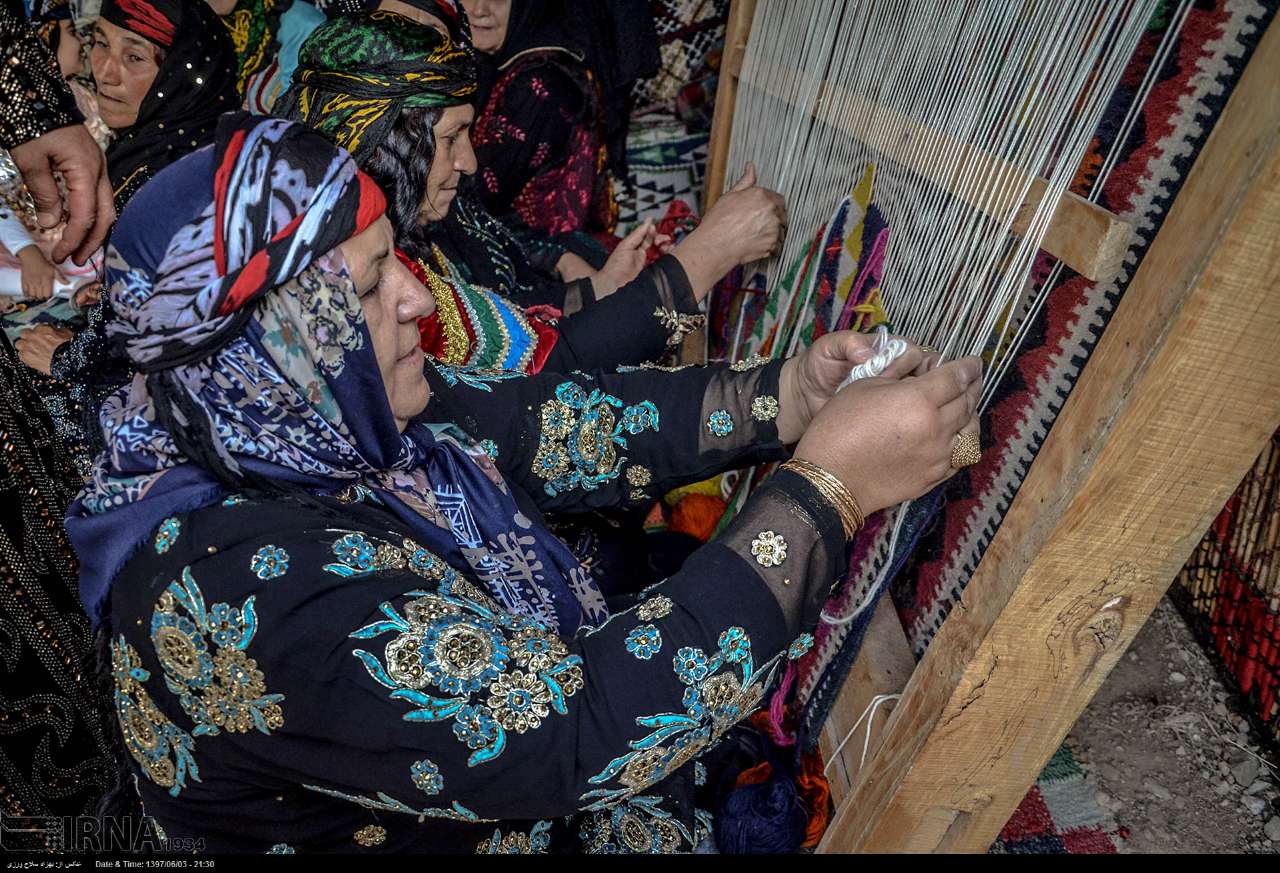
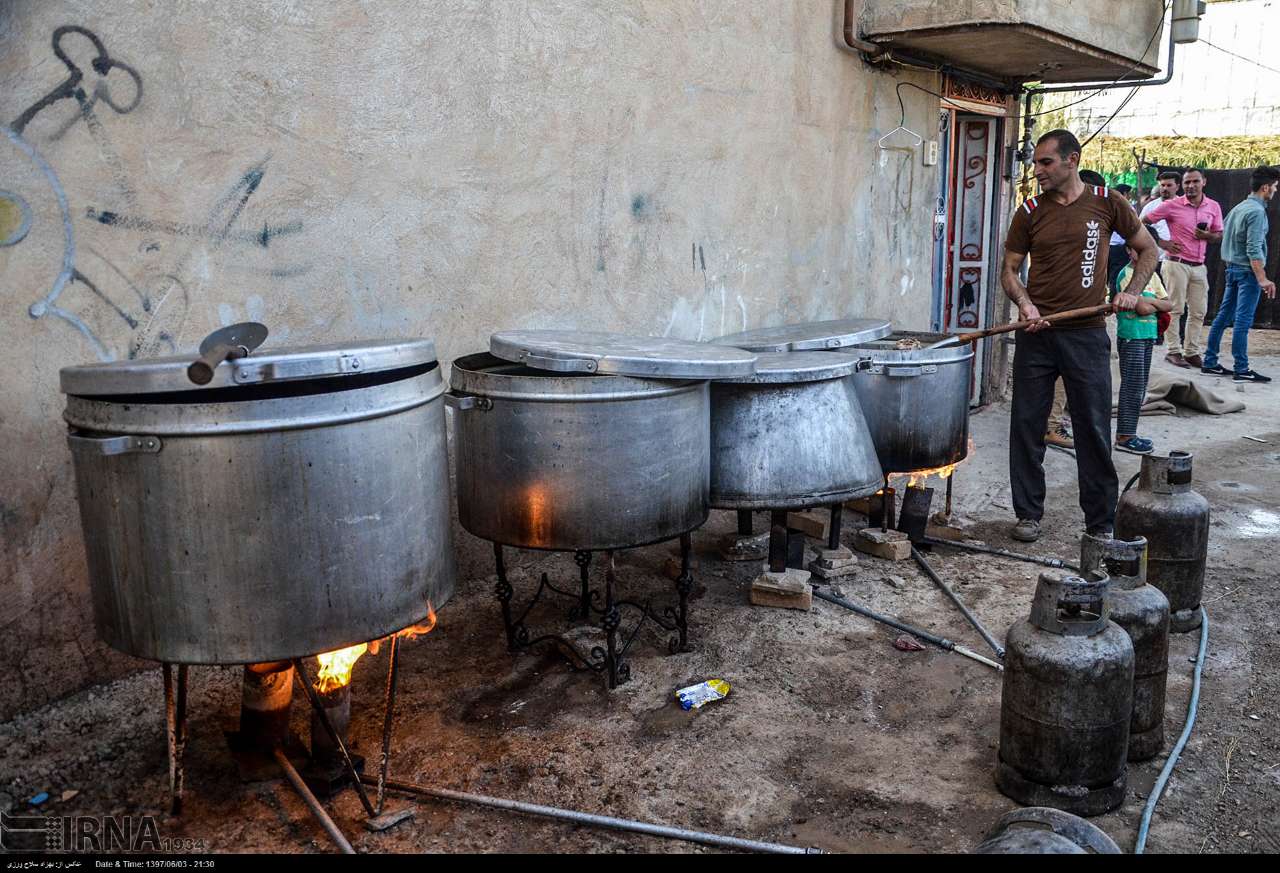
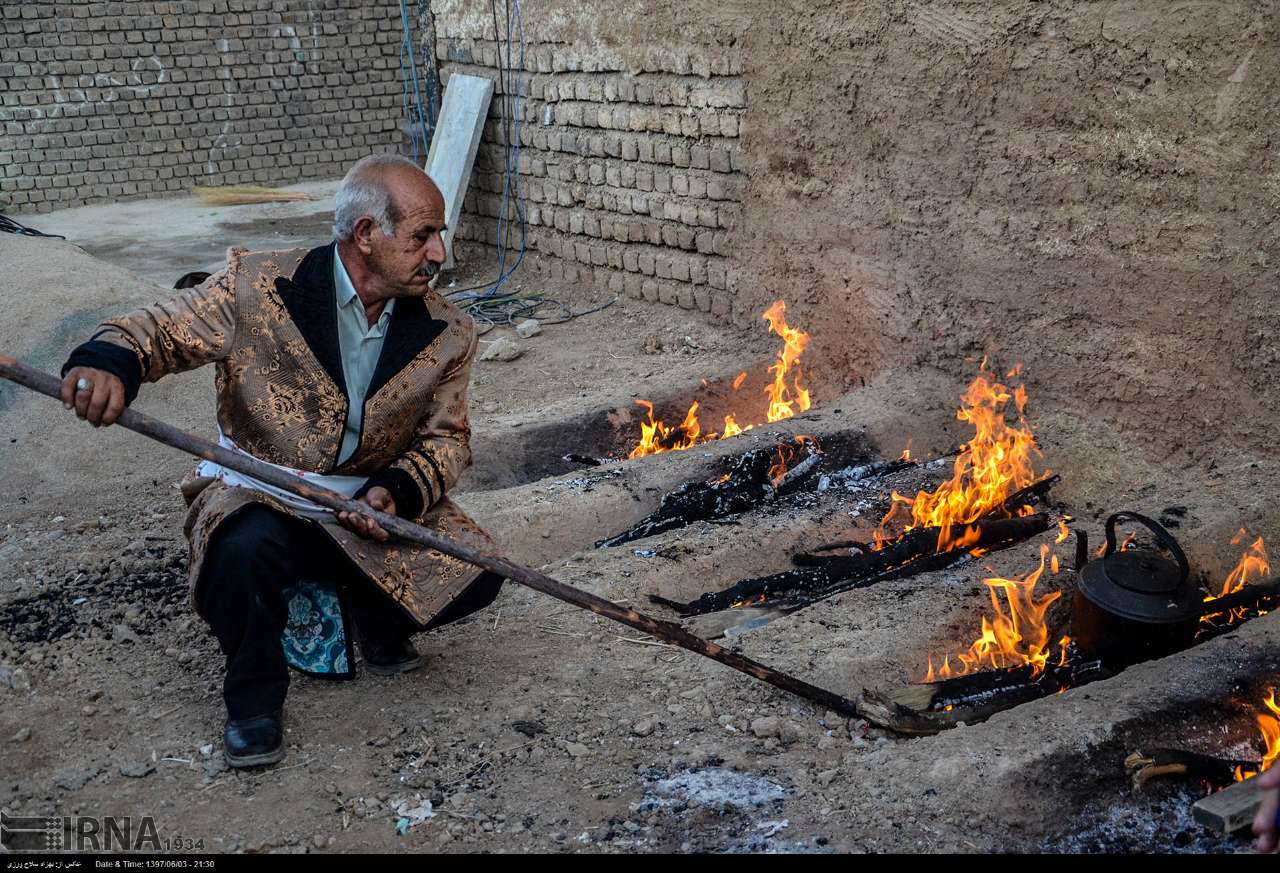
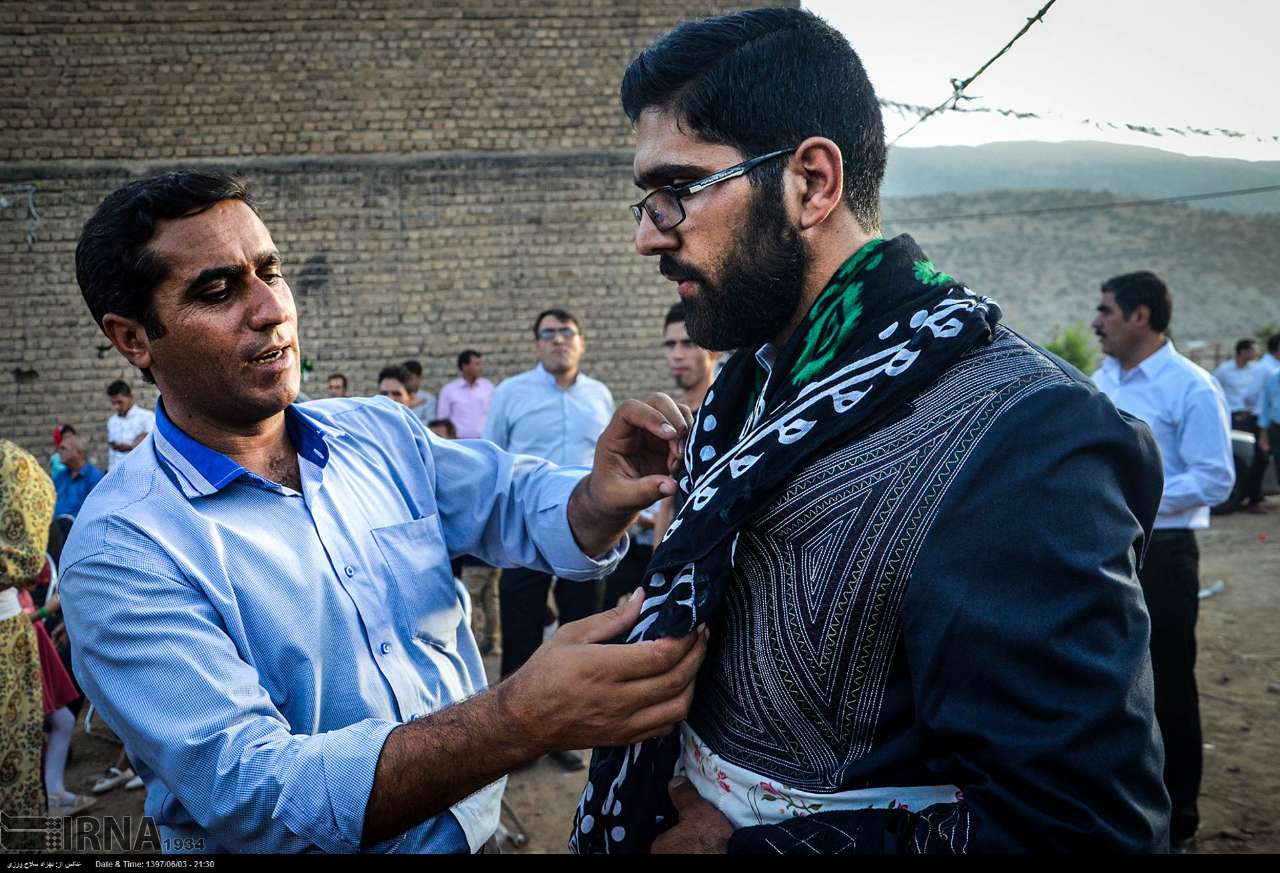
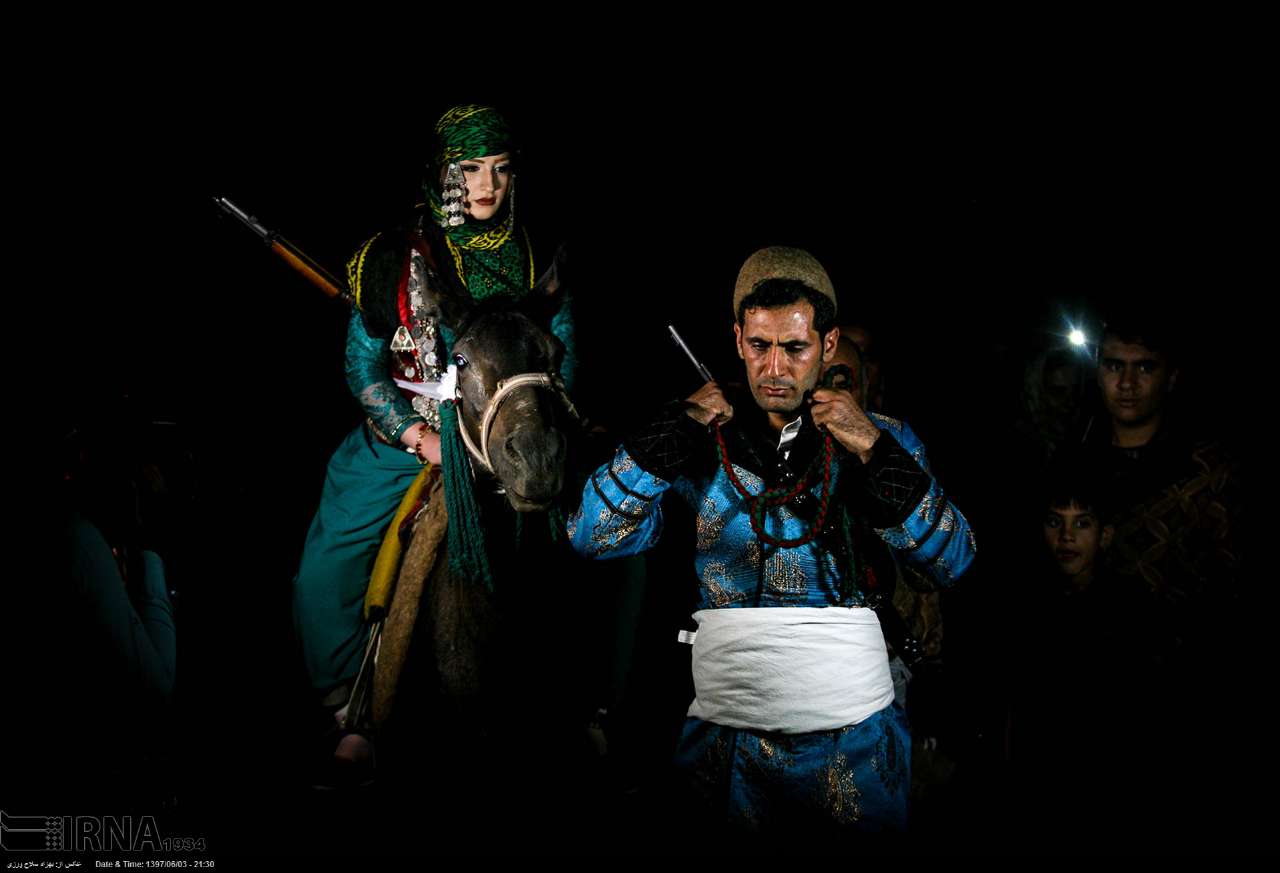
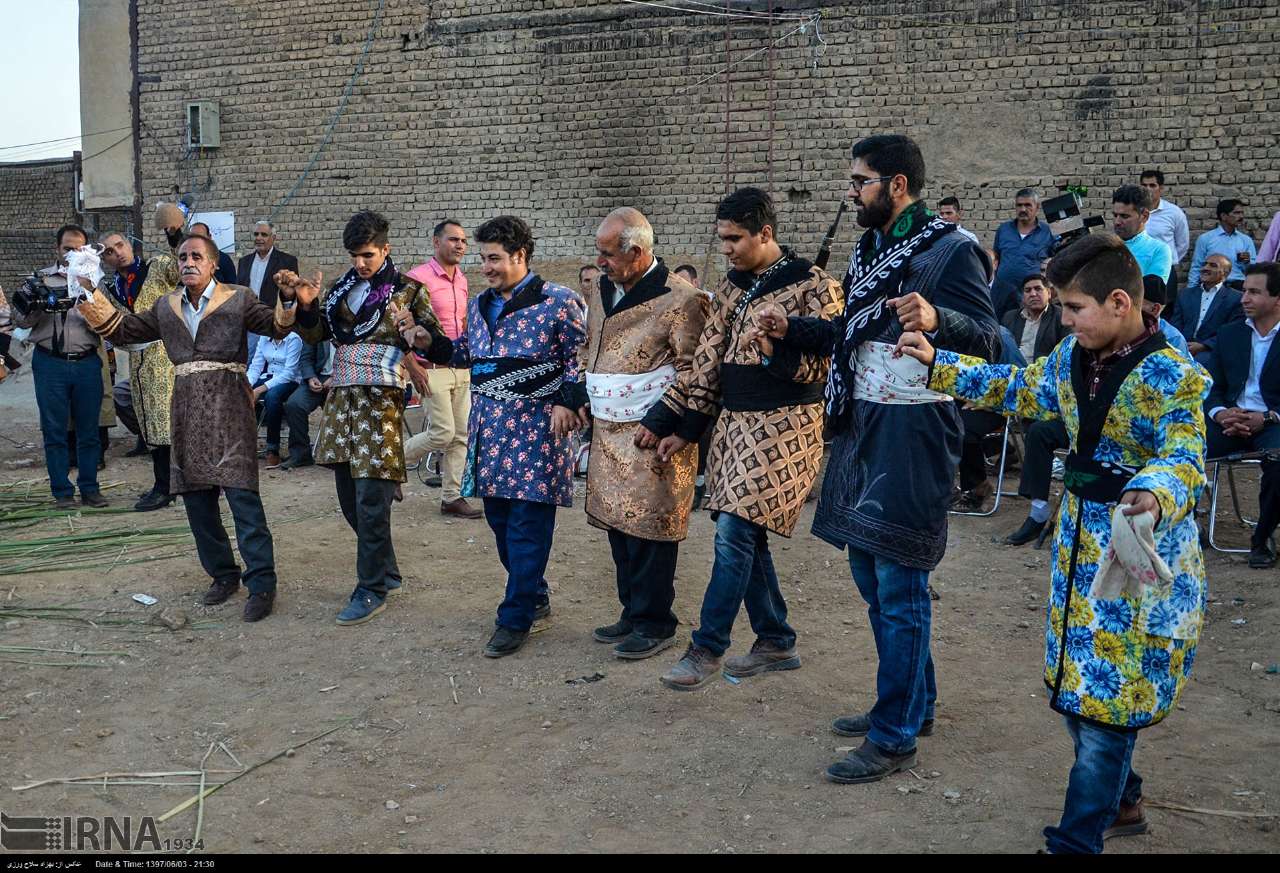
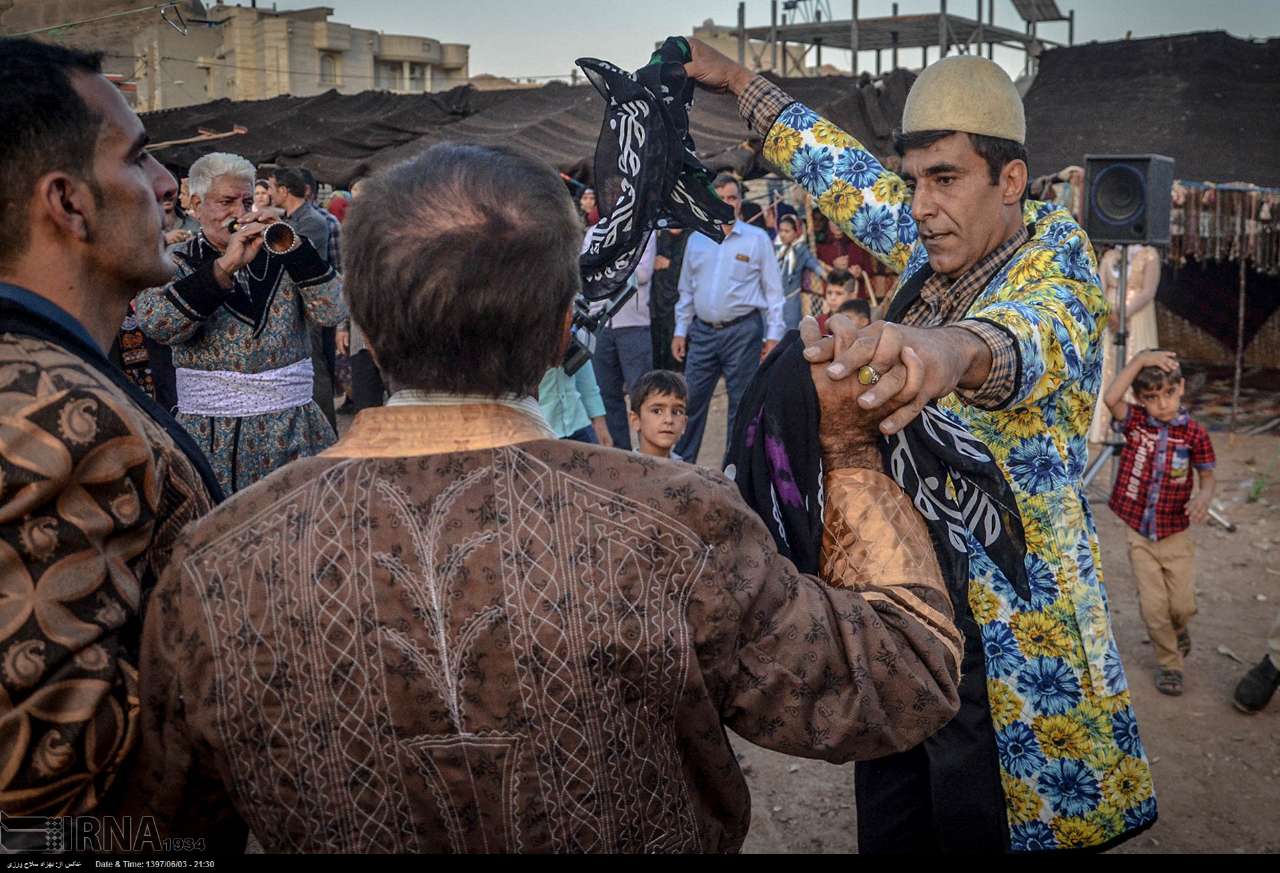
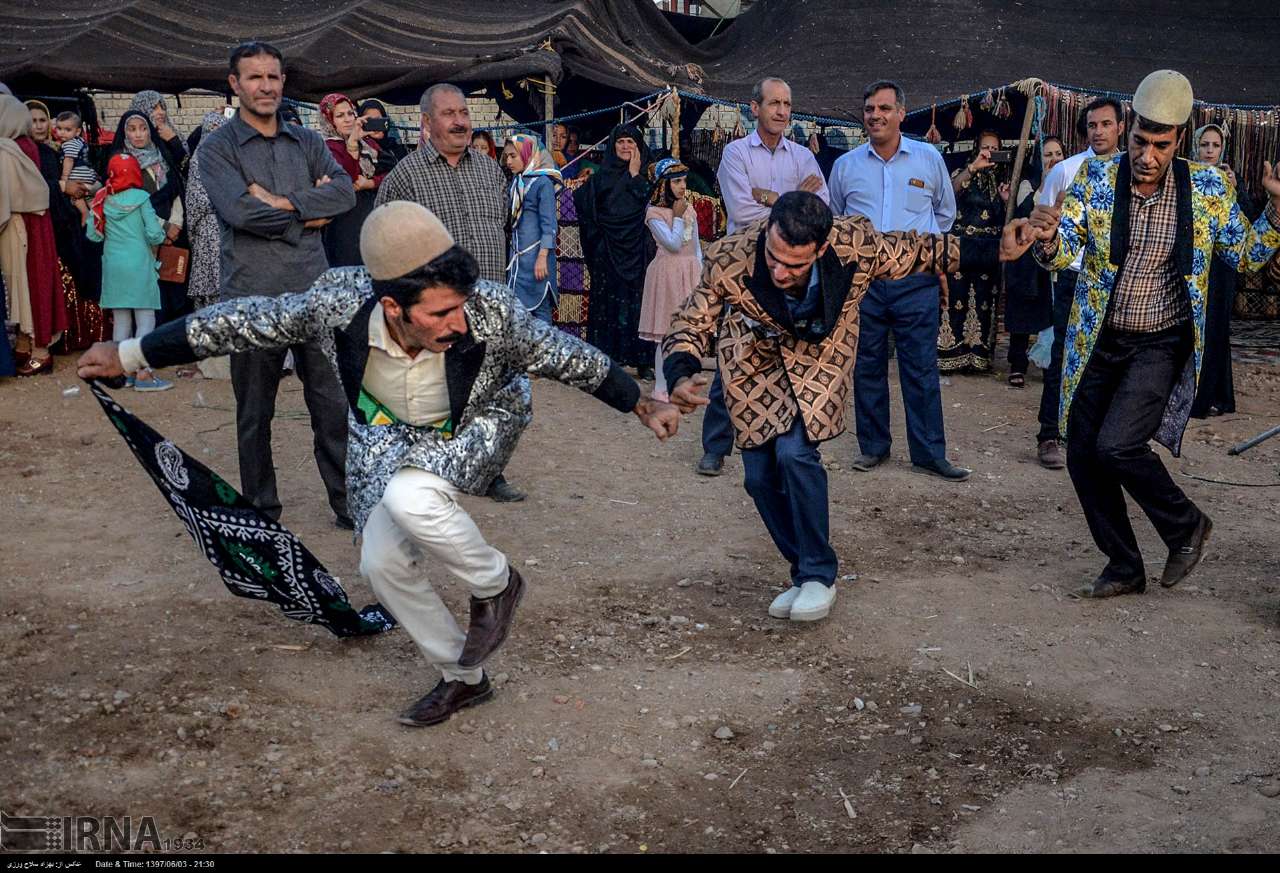
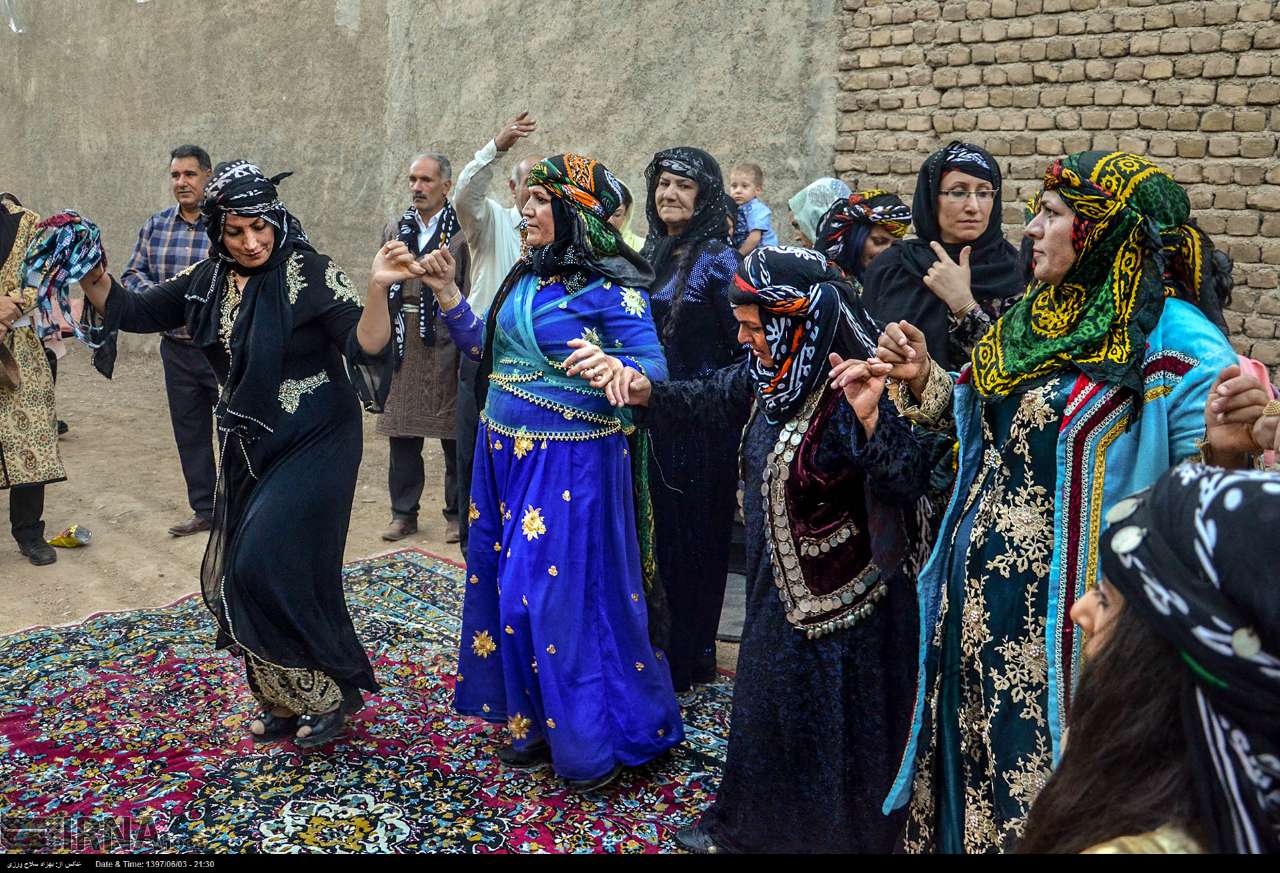
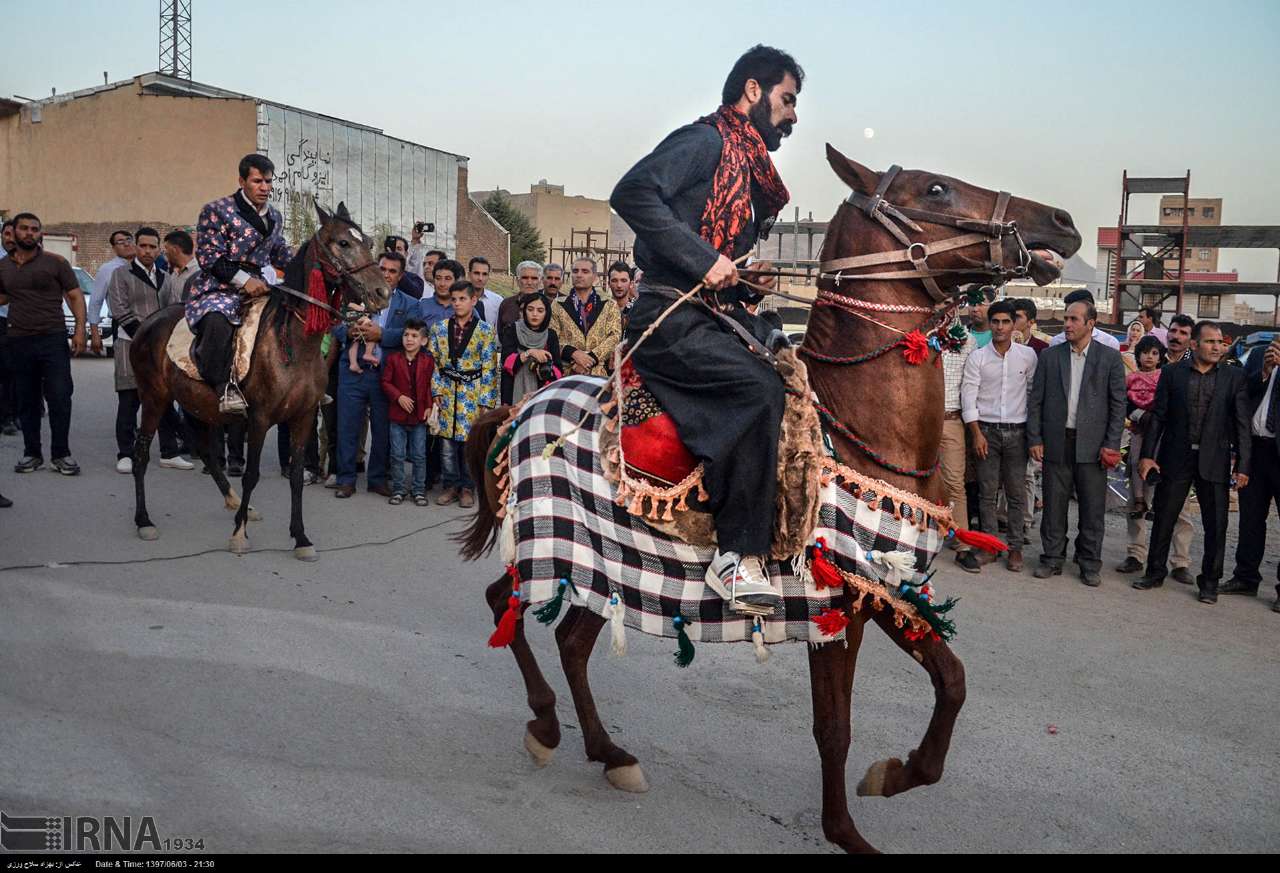
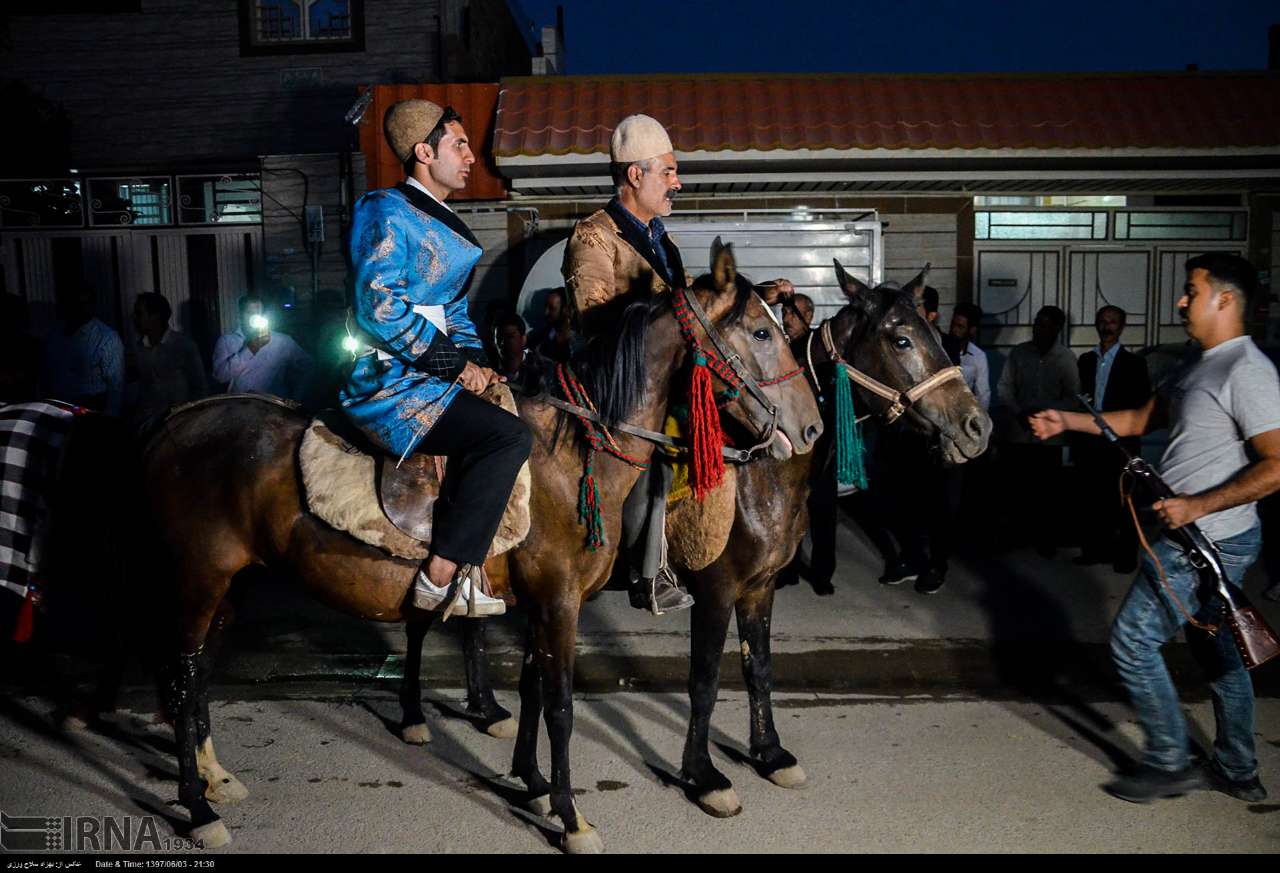
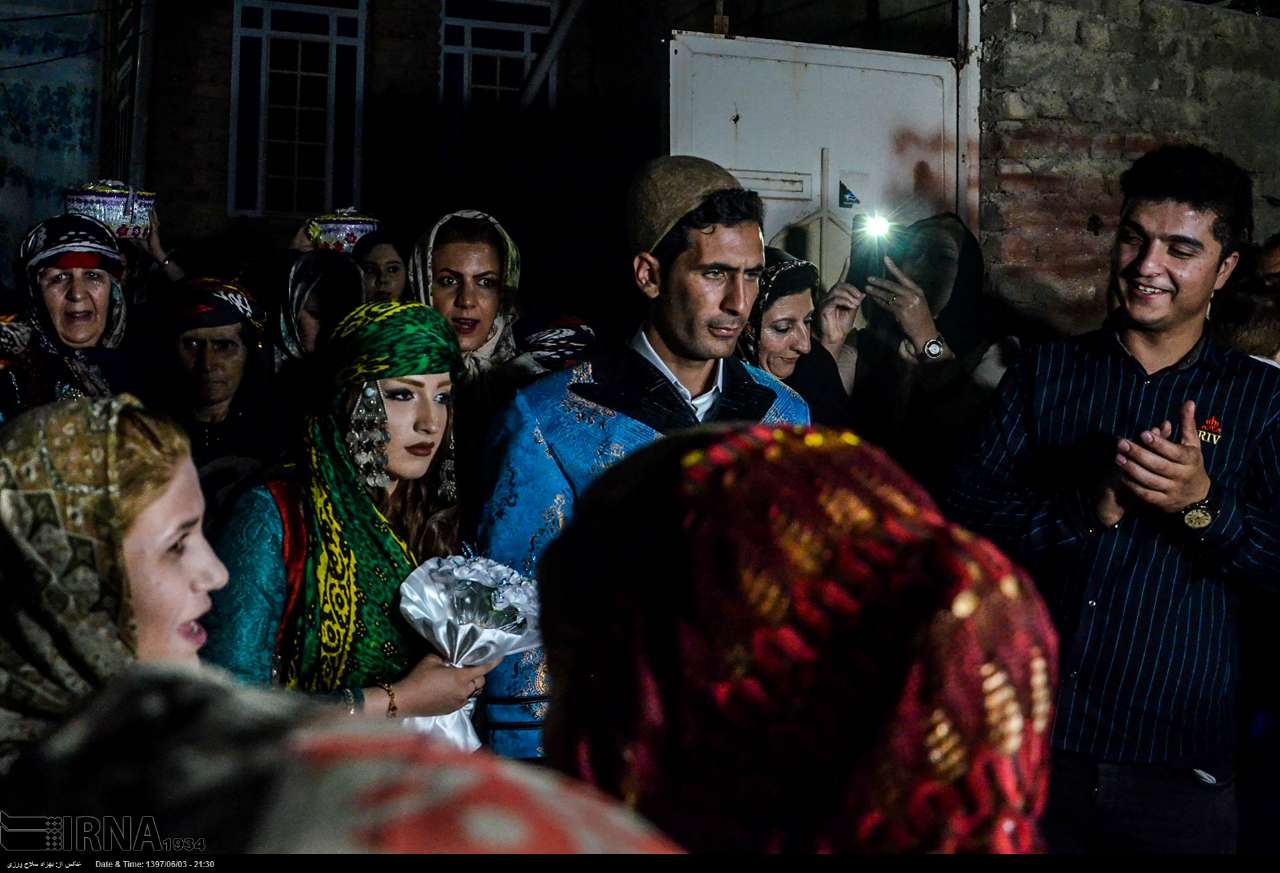
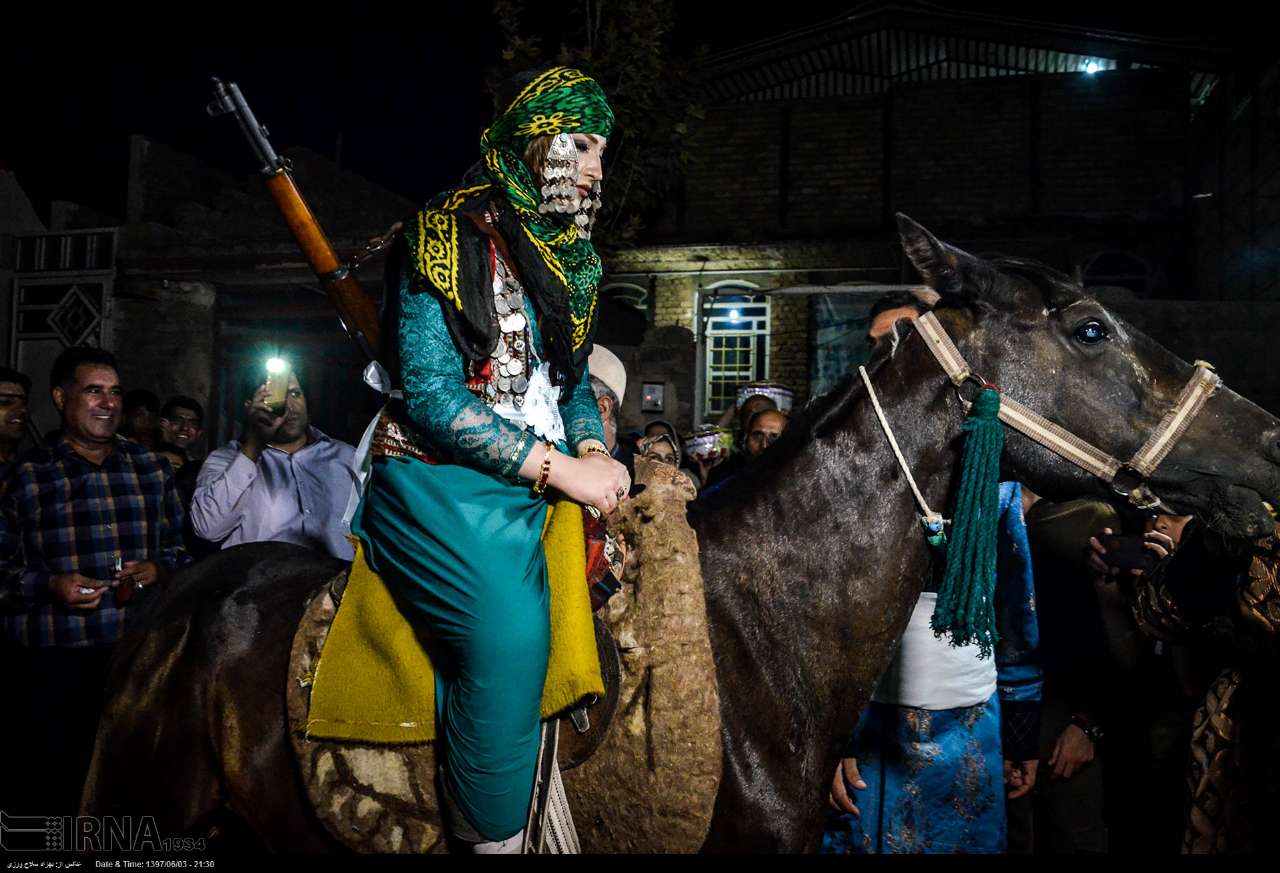
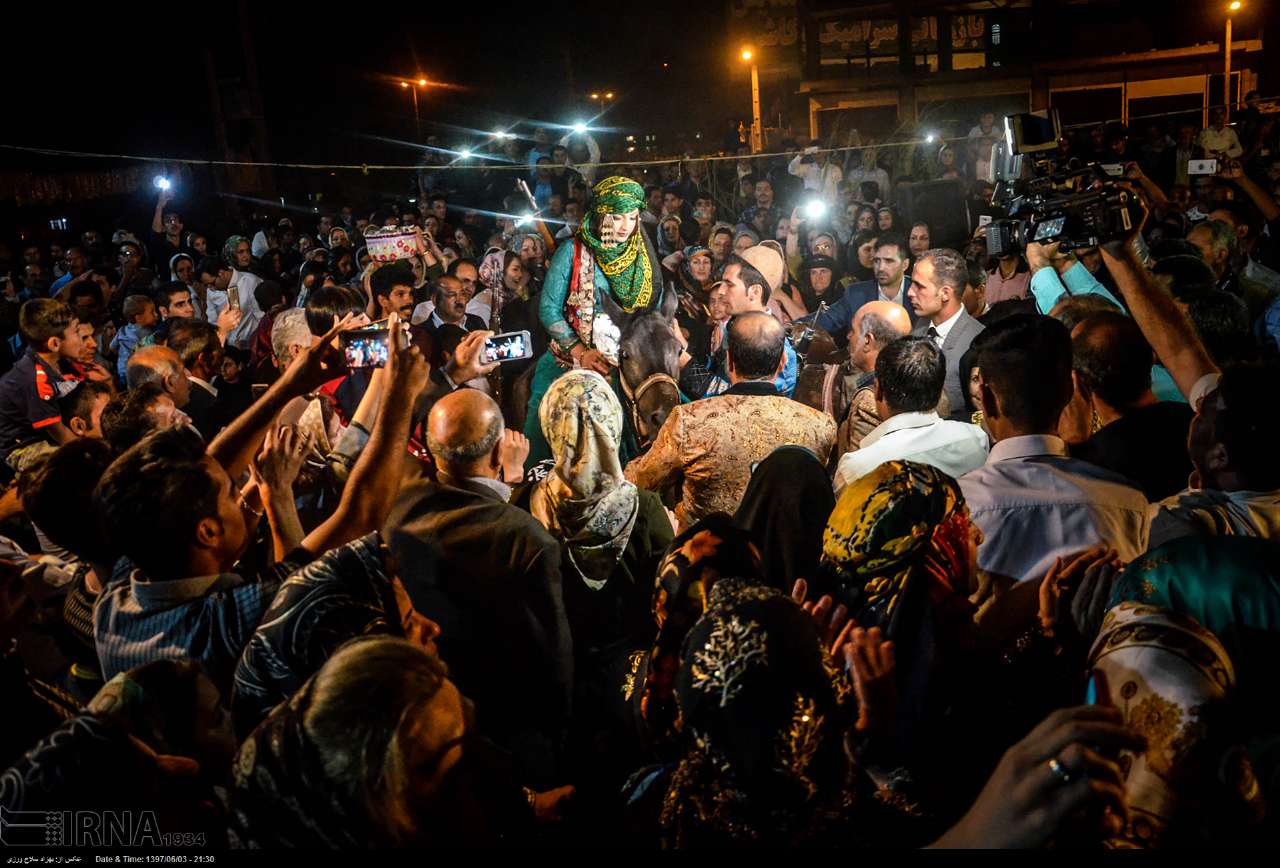
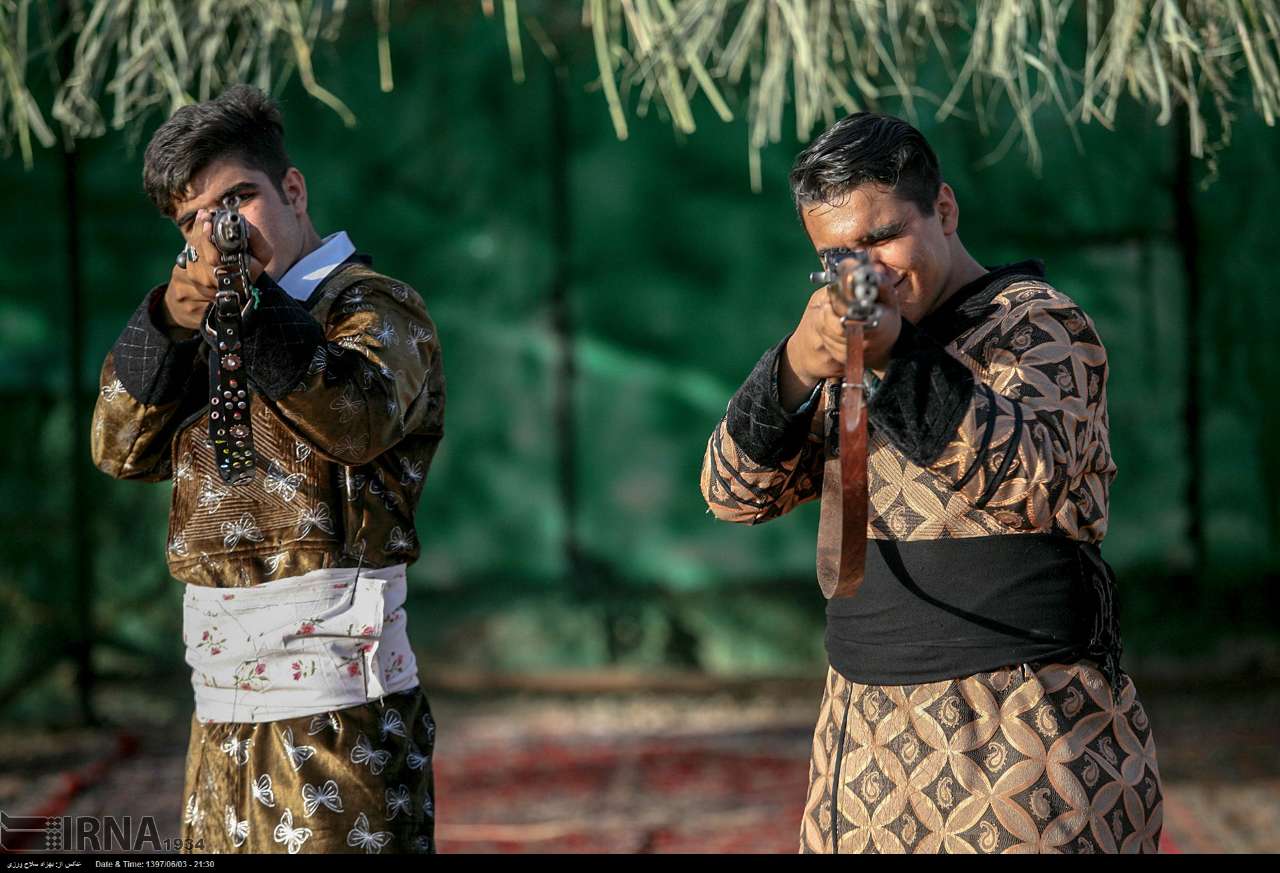
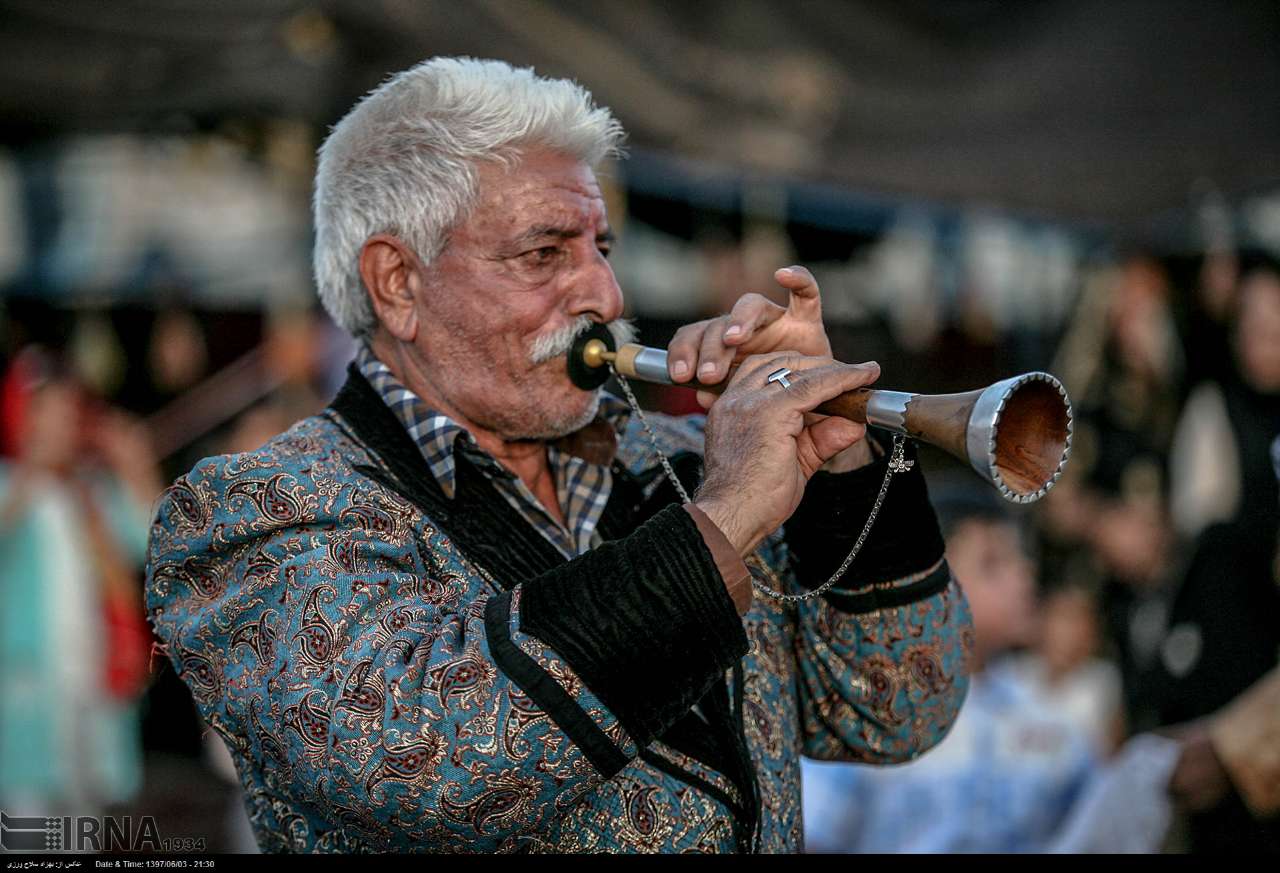
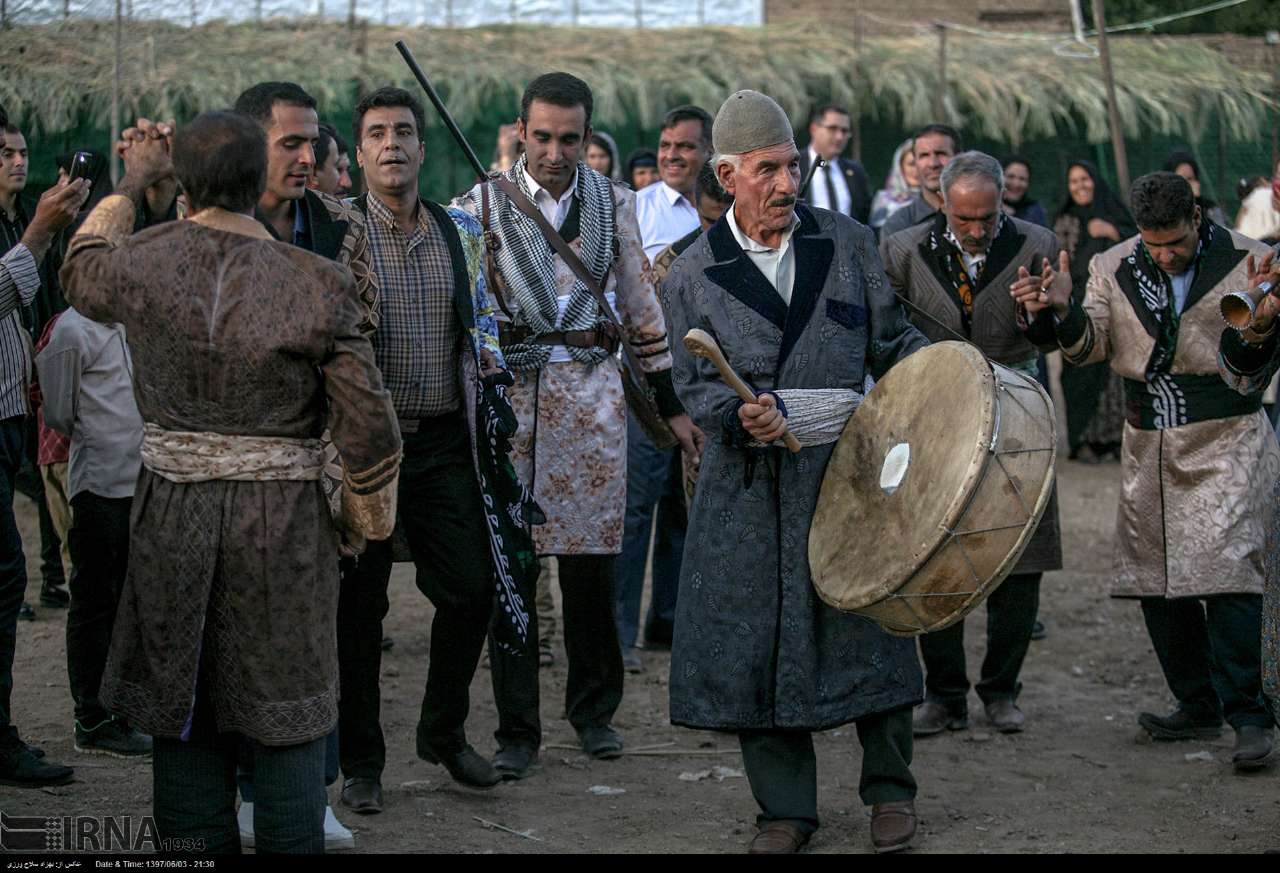
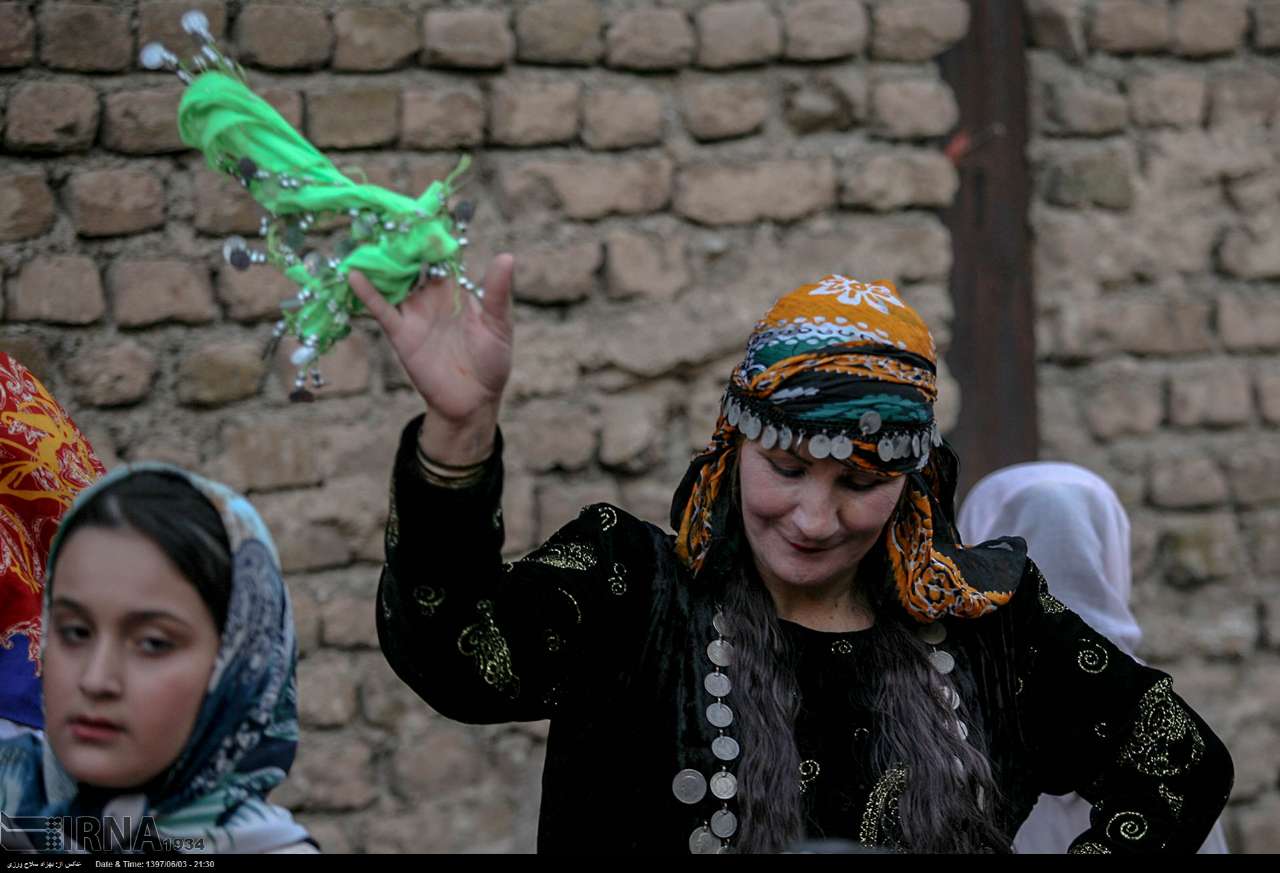
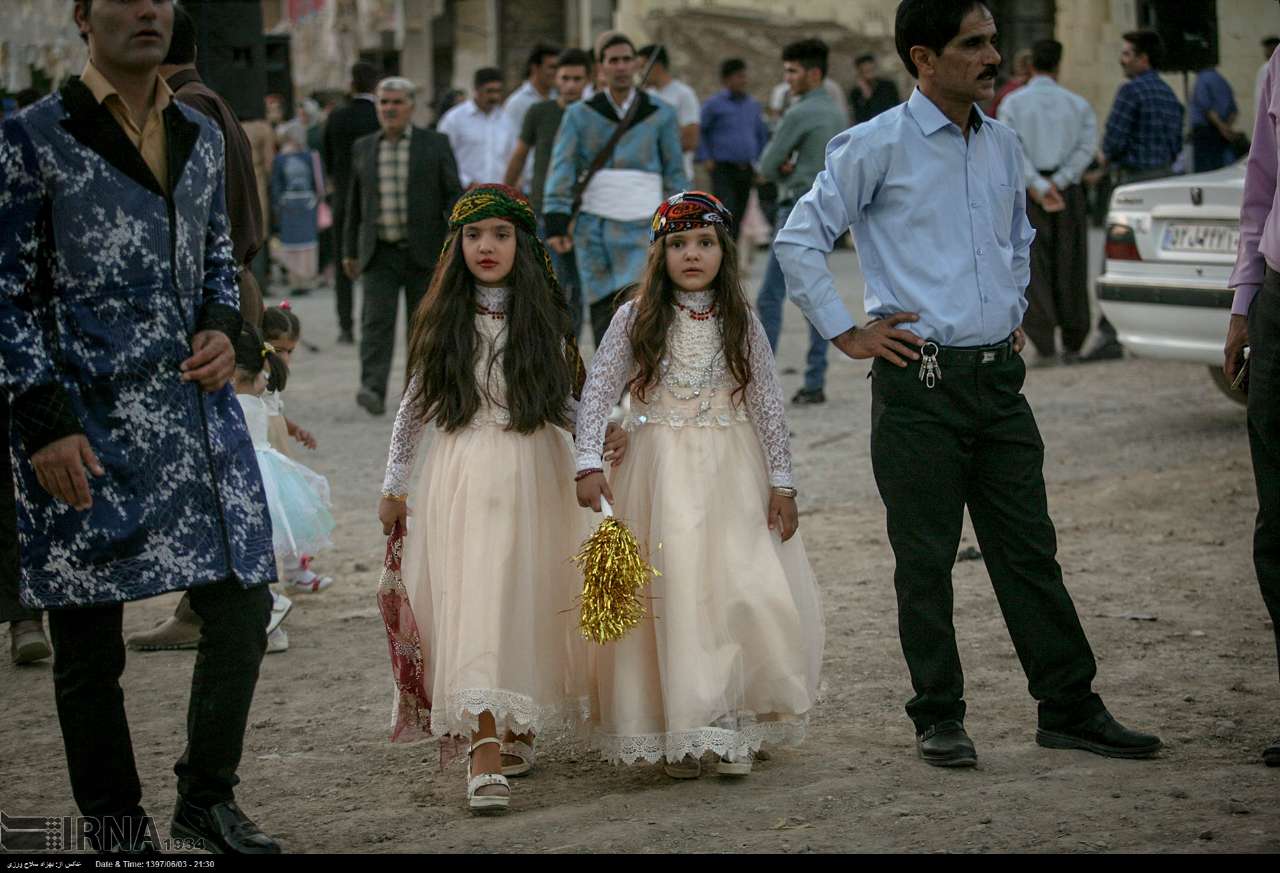
Although these ceremonies have been forgotten over time and replaced with fashionable parties, there are still couples who want to hold their wedding ceremony in the way their predecessors did.
What follows are IRNA’s photos of one of such weddings in Khorramabad, the capital of Lorestan:
Hossein Amir Abdollahian, an influential advisor to the Iranian Parliament Speaker, described the US move a “flagrant violation” of the rights of over five million Palestinian refugees.
Amir-Abdollahian warned the US against the consequences its pro-Israel move will have for Palestinians, saying Washington must be held accountable for repercussions of the move which is against humanity and human rights.
The advisor said the US won’t be able to deny Palestinians their right to return to their homeland.
“The US by no means is able to breach the Palestinian refugees’ right to return, which is a legitimate and well-known right, and the Palestinian nation will stand and resist until its legitimate right is restored,” he noted.
The US State Department said Friday the country is ending all funding to the UN agency tasked with supporting Palestinian refugees, describing the body as “irredeemably flawed.”
For nearly 70 years, the UNRWA has provided assistance to millions of Palestinian refugees in the occupied Palestinian territories, as well as Lebanon, Syria and Jordan.
But over the past year, the US government has made it clear it considers the work the organization does to be an obstacle in the protracted Palestinian-Israeli conflict.
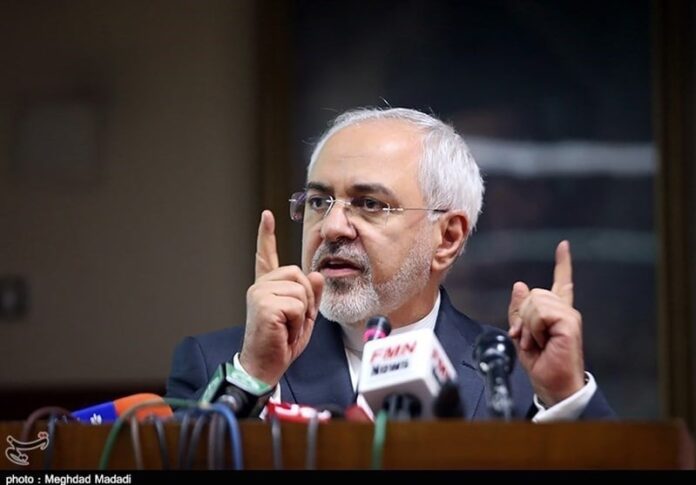
Speaking in his weekly press conference in Tehran, Foreign Ministry Spokesman Bahram Qassemi described the September 7 meeting between the three guarantors of the Syria peace process as a “big step towards peace, security and stability in Syria.”
Qassemi said it is not logical to assume such a meeting would resolve the long-standing Syria crisis, but political efforts are the only path forward to settling the conflict.
“I’m optimistic that this meeting will be successful and helpful for the region, the Syrian people and the fight against terrorism,” he said.
Qassemi said the three presidents will also discuss mutual relations and could hopefully reach agreements to boost trilateral cooperation.
The meeting between Hassan Rouhani of Iran, Recep Tayyip Erdogan of Turkey, and Vladimir Putin of Russia will be held in Tehran.
The trio have so far held several rounds of talks in Kazakhstan’s Astana and Russia’s Sochi to help ease the conflict as part of the Astana Process.
They have managed to sharply reduce violence in the country, thanks to measures including establishing de-escalation zones in the country.
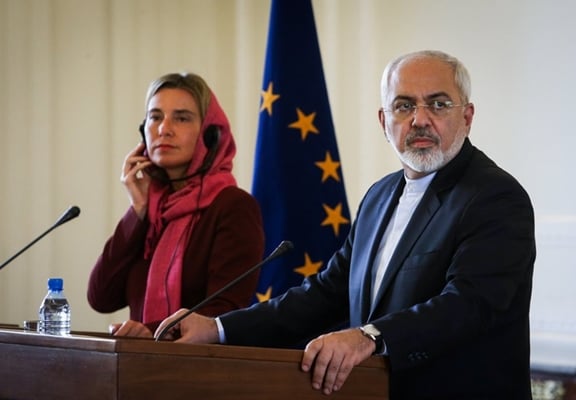
Speaking in a regular press briefing on Monday, Qassemi said Iran and the EU have discussed plans for financial, investment and industrial cooperation, among other fields.
“Europe has made offers but it has not yet finalized them, and Iran’s expectations have not been met either,” Qassemi said
The spokesman expressed hope Europe could in coming weeks “pass this big test successfully” and manage to satisfy the Islamic Republic.
Early May, the US walked out of the deal and since then is working to re-impose its sanctions on Tehran and push the world to cut trade with Iran.
Tehran has announced its continued commitment to the deal is conditional on EU’s binding guarantees assuring Iran its interests will be served if it remains in the deal.
The EU has offered Iran a support package to compensate for the US pullout, which obliges the European Investment Bank to support EU firms willing to enter Iranian markets, among other measures.
Iran has announced the package is acceptable at the macro level, but talks are underway between the two sides on details of the package.
Zarif entered Syria on Monday at the head of a political delegation upon an invitation by his Syrian counterpart Walid al-Muallem.
During his stay, Zarif will hold meetings with Syrian President Bashar al-Assad, Prime Minister Imad Khamis and Muallem to discuss latest developments in Syria and bilateral relations.
Upon arrival at Damascus airport, Zarif was welcomed by Syrian Deputy Foreign Minister Faisal Mekdad.
The Iranian top diplomat’s visit comes a week after Defence Minister Brigadier General Amir Hatami visited the country and signed several documents of cooperation, boosting defence ties between the two states.
Consultations between Tehran and Damascus come as the Syrian army is preparing to launch a full-scale attack on the militant-held Idlib province in north-western Syria.
On September 7, Tehran is going to host a key trilateral meeting between the presidents of Iran, Russia, and Turkey on the issue of Syria, particularly the Idlib offensive.