Wednesday, December 31, 2025
Home Blog Page 3509

Former UN Chief Kofi Annan Dies at 80

Annan died “peacefully” on Saturday after a short illness, the foundation named after him said on Saturday.
The former Ghanaian UN chief was the first black African to take up the role of the world’s top diplomat, serving from 1997 to 2006, BBC reported.

He later served as the UN special envoy for Syria, leading efforts to find a peaceful solution to the conflict.

In a statement announcing his death, the Kofi Annan Foundation described him as a “global statesman and deeply committed internationalist who fought throughout his life for a fairer and more peaceful world”.

“Wherever there was suffering or need, he reached out and touched many people with his deep compassion and empathy. He selflessly placed others first, radiating genuine kindness, warmth and brilliance in all he did.”

The diplomat, who was originally from Ghana, died in the Swiss city of Geneva, where he had been living for several years.

He was awarded the Nobel Peace Prize in 2001 for helping to revitalise the international body.

His tenure as UN secretary-general coincided with the Iraq War and the HIV/Aids pandemic.

Kofi Annan described his greatest achievement as the Millennium Development Goals which – for the first time – set global targets on issues such as poverty and child mortality.

Iran Offers Condolences on Death of Former Indian PM

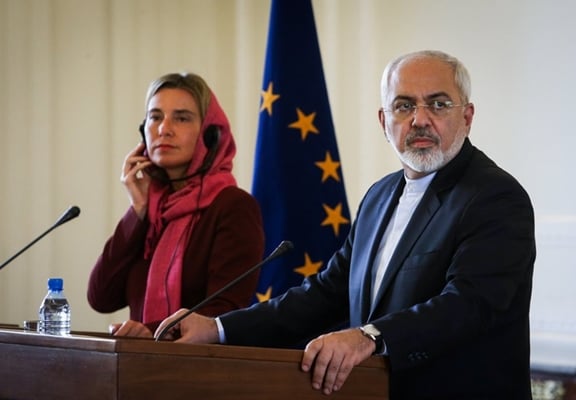
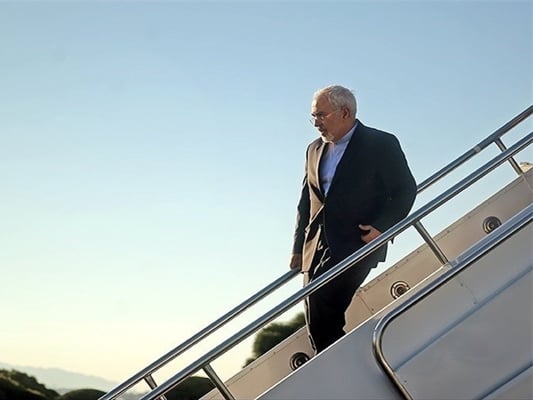
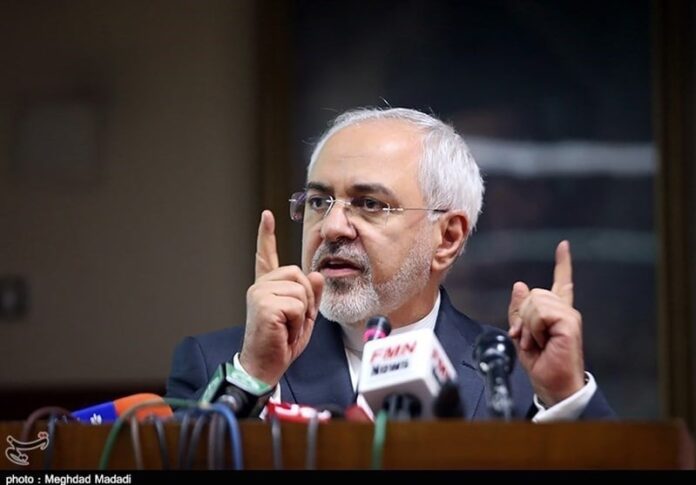
Mohammad Javad Zarif

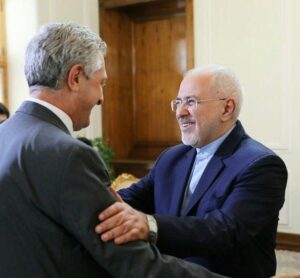
Zarif expressed his condolences in a Saturday message to his Indian counterpart Sushma Swaraj.

The former Indian prime minister died on Thursday at the age of 93 after a prolonged illness at Delhi’s All India Institute of Medical Science (AIIMS). Vajpayee, who had been ailing for long, retreated from active public life over the last decade following the deterioration of his health and remained restricted to his residence.

Vajpayee was an Indian politician who served three terms as the Prime Minister of India: first for a term of 13 days in 1996, then for a period of 13 months from 1998 to 1999, and finally, for a full term from 1999 to 2004.

He was conferred India’s highest civilian honour, the Bharat Ratna, by the President of India Pranab Mukherjee in 2015.The current government declared in 2014 that Vajpayee’s birthday, 25 December, would be marked as Good Governance Day.

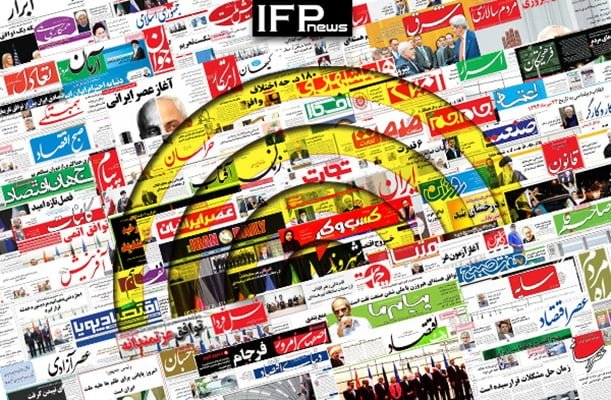
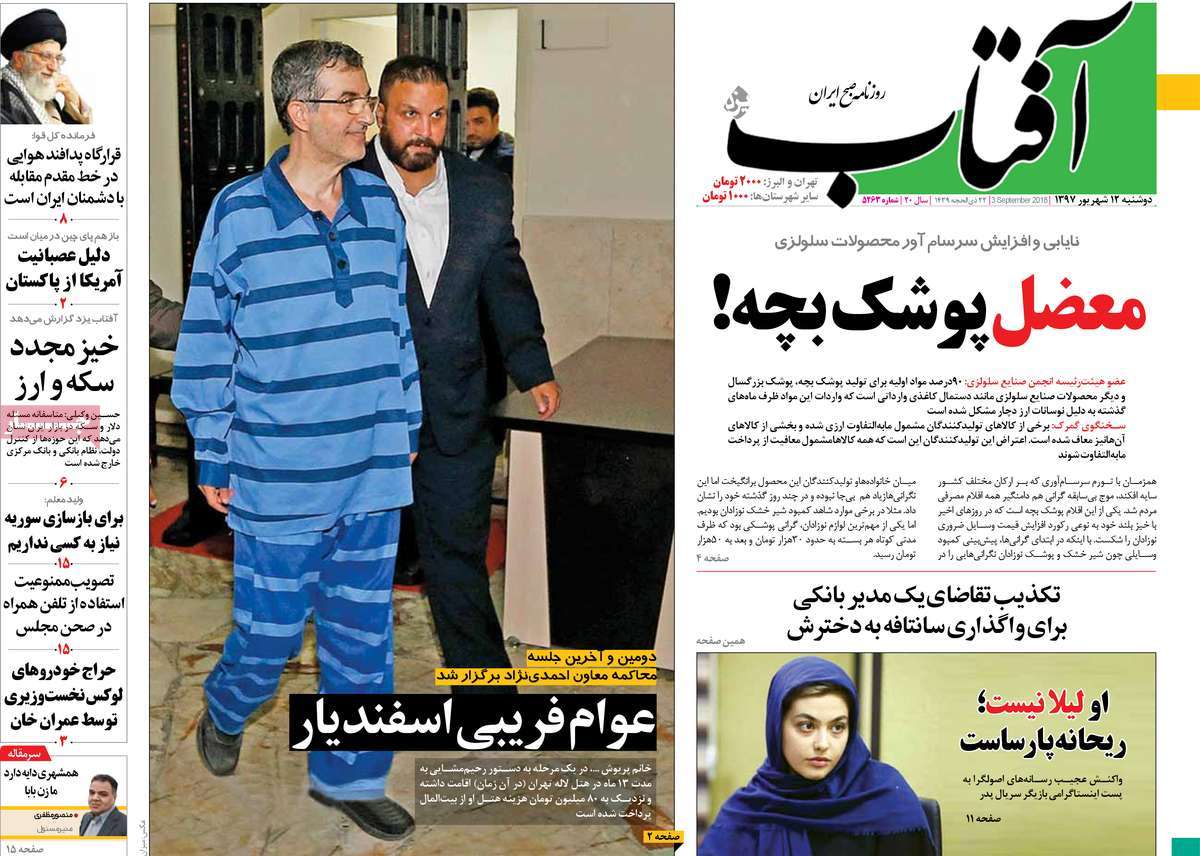
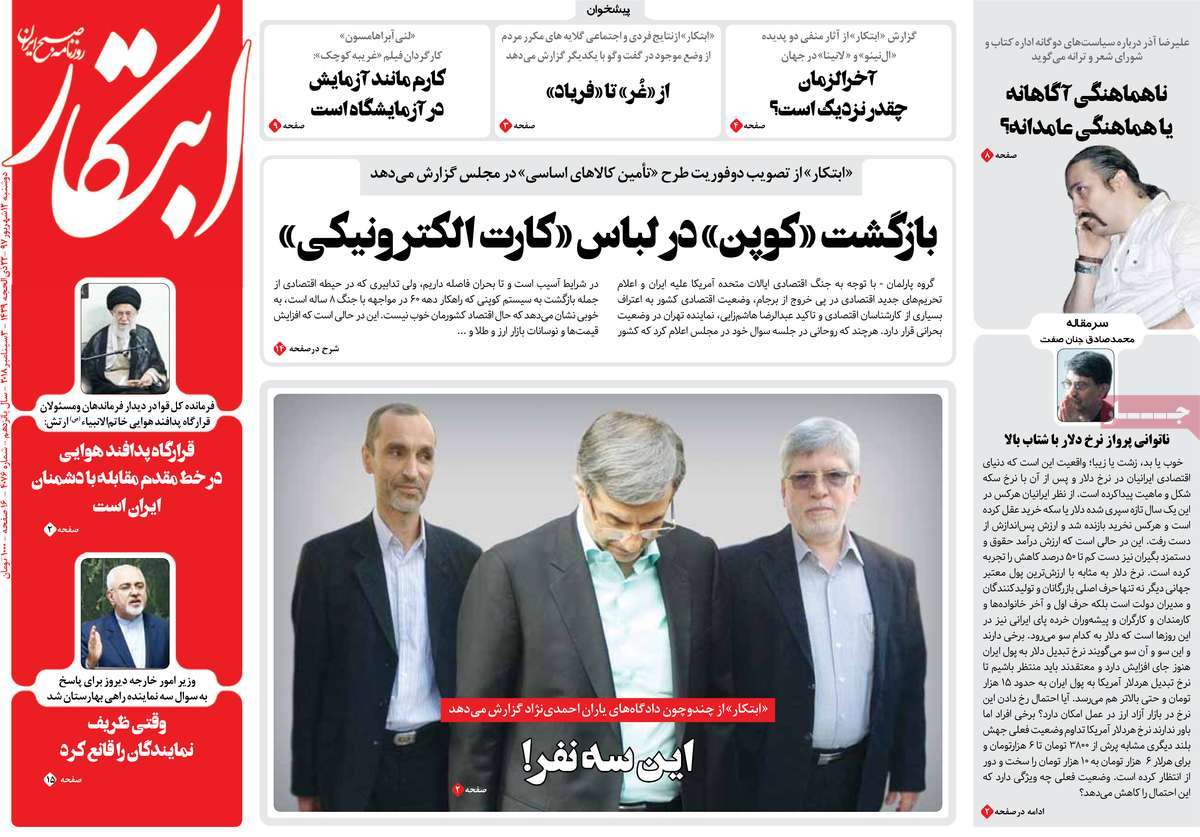
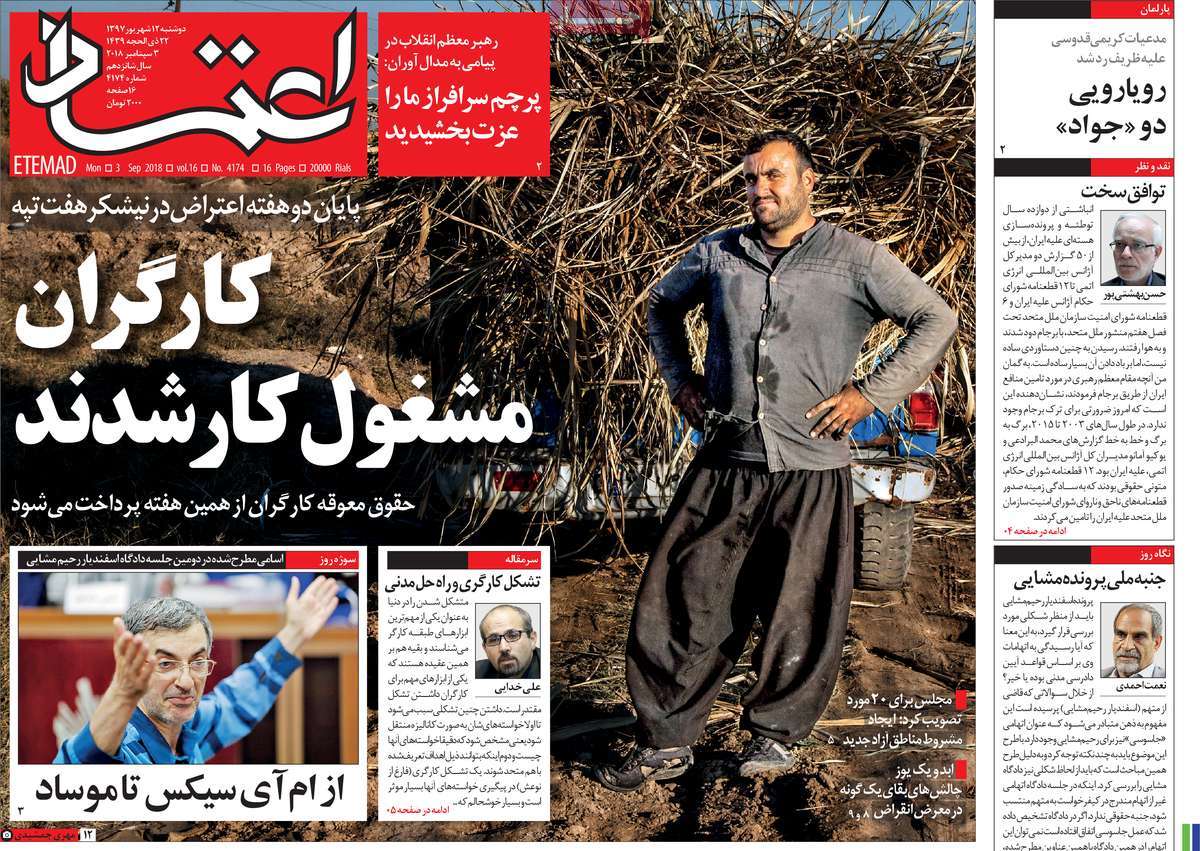
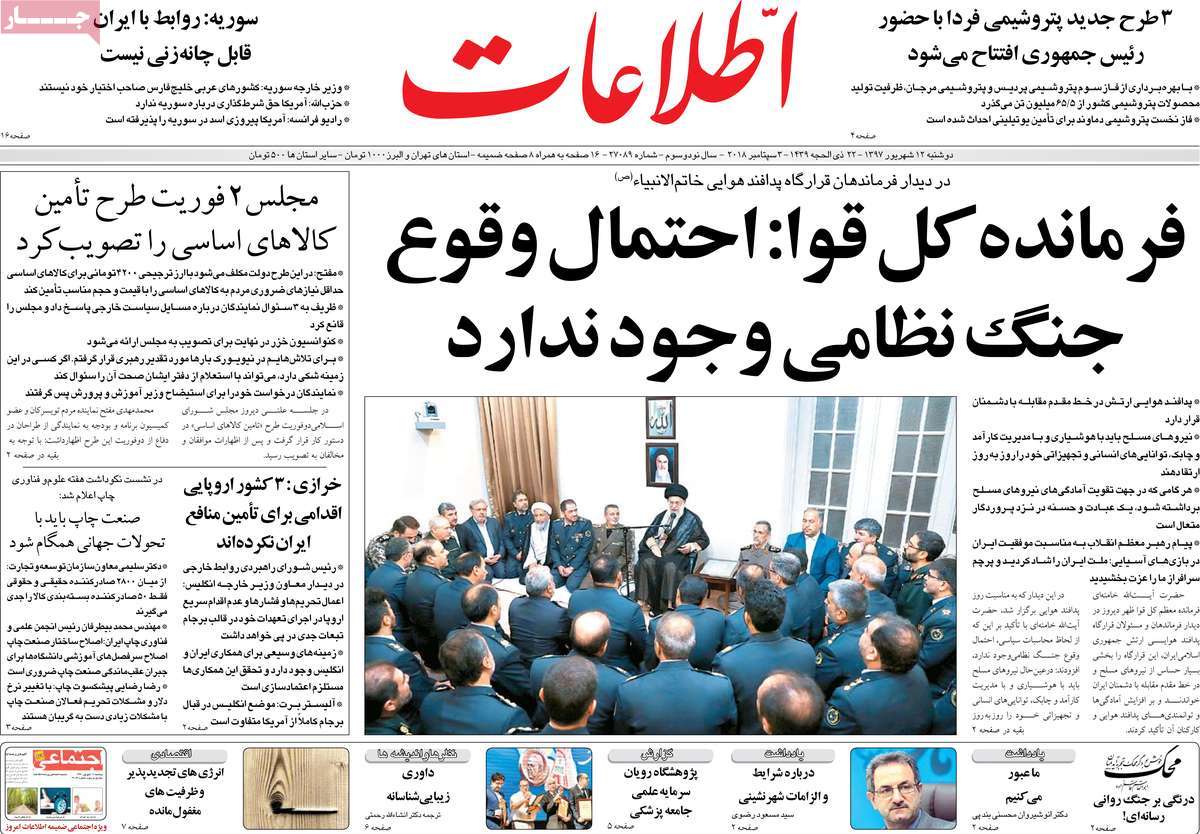
A Look at Iranian Newspaper Front Pages on August 18

A Look at Iranian Newspaper Front Pages on November 19

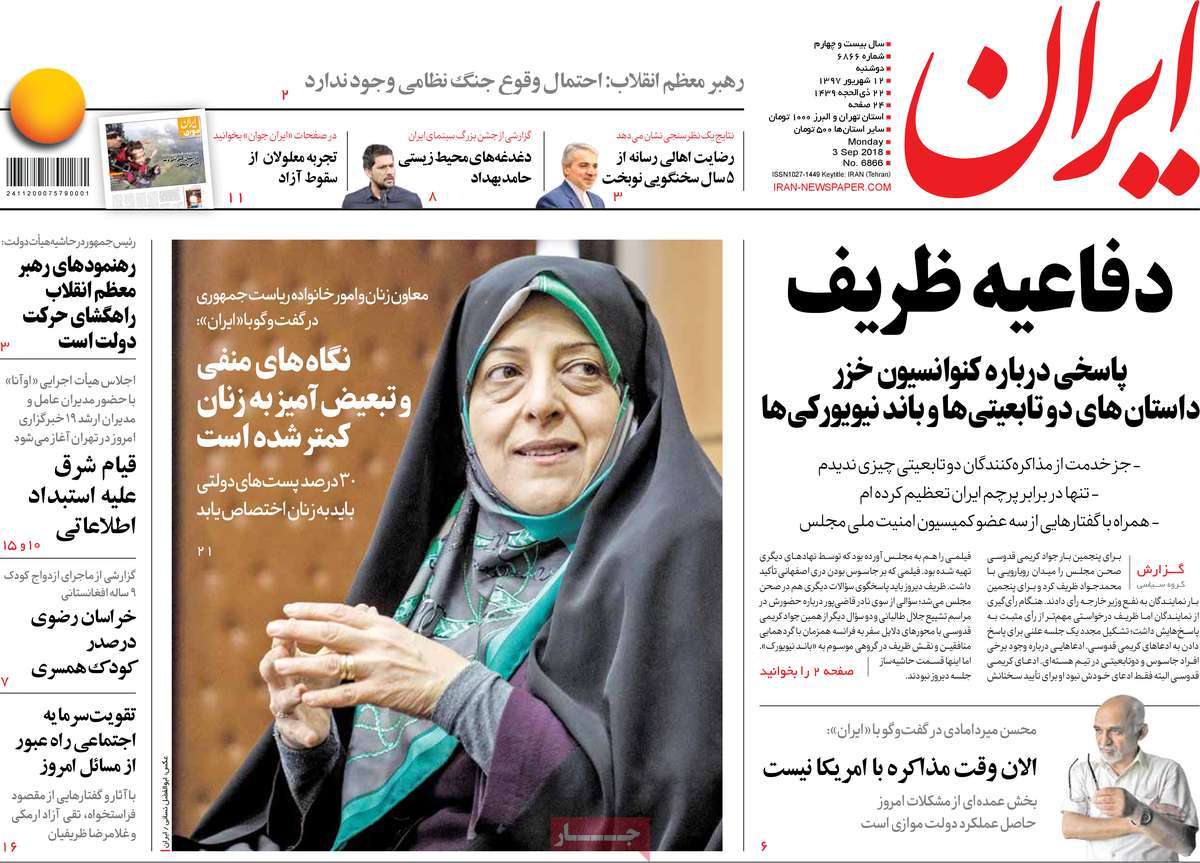
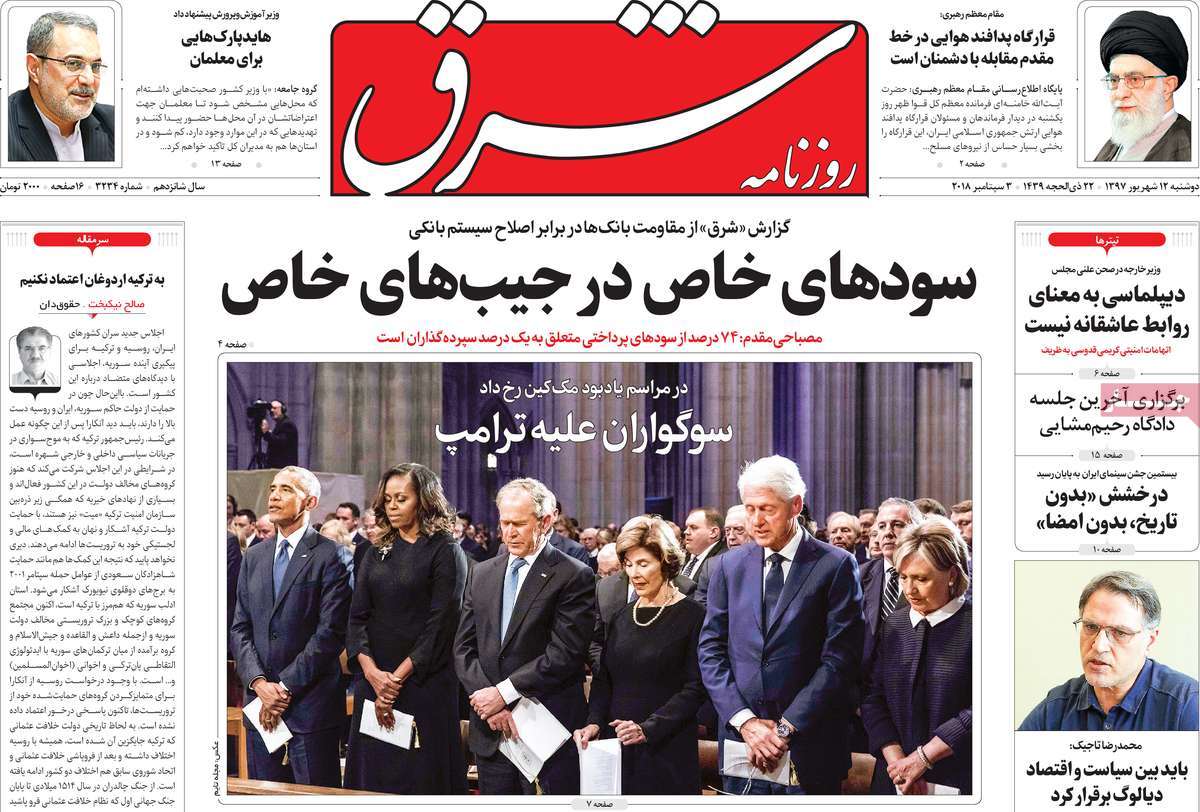
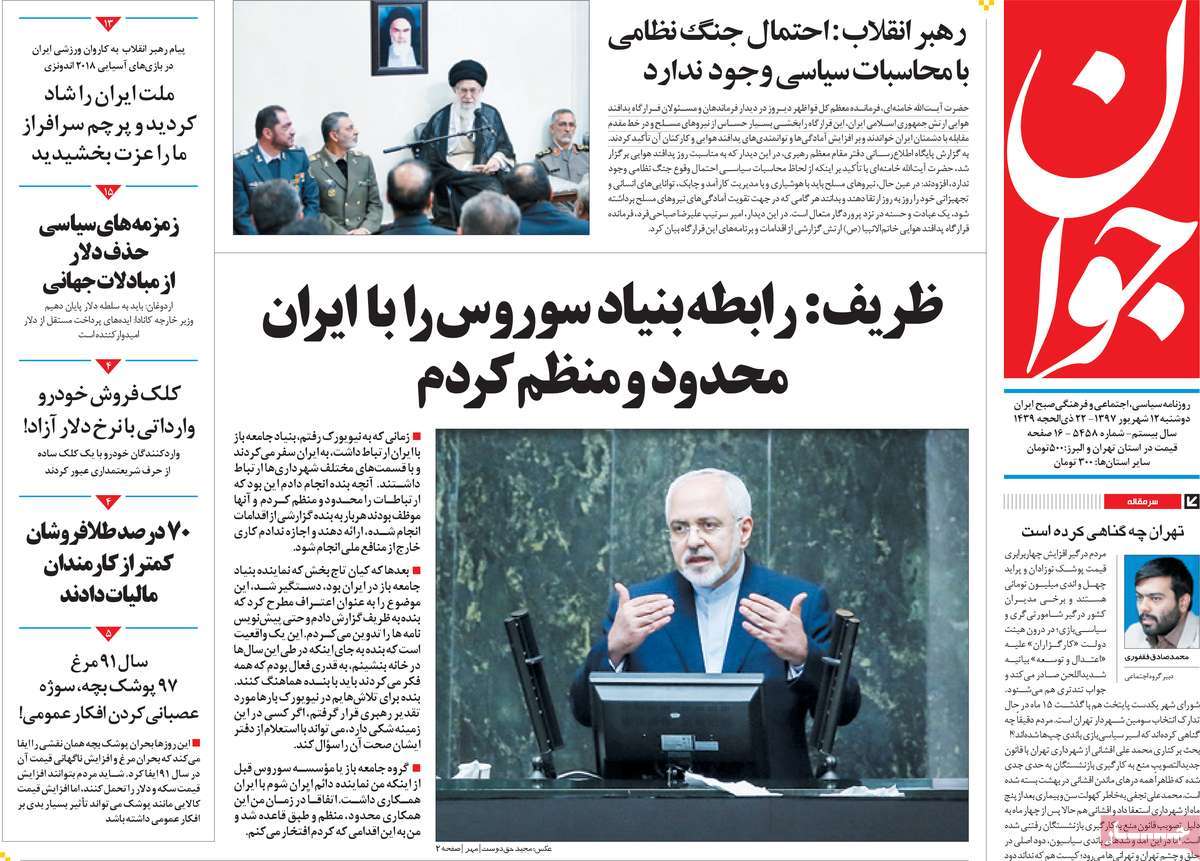
A top story in all papers today was the US Department of State’s move to form the ‘Iran Action Group’ in a bid to coordinate its anti-Iran hostile policies.

Several papers also covered the death of renowned Iranian actor Ezzatollah Entezami who died on Friday at the age of 94.

The above issues, as well as many more, are highlighted in the following headlines and top stories:


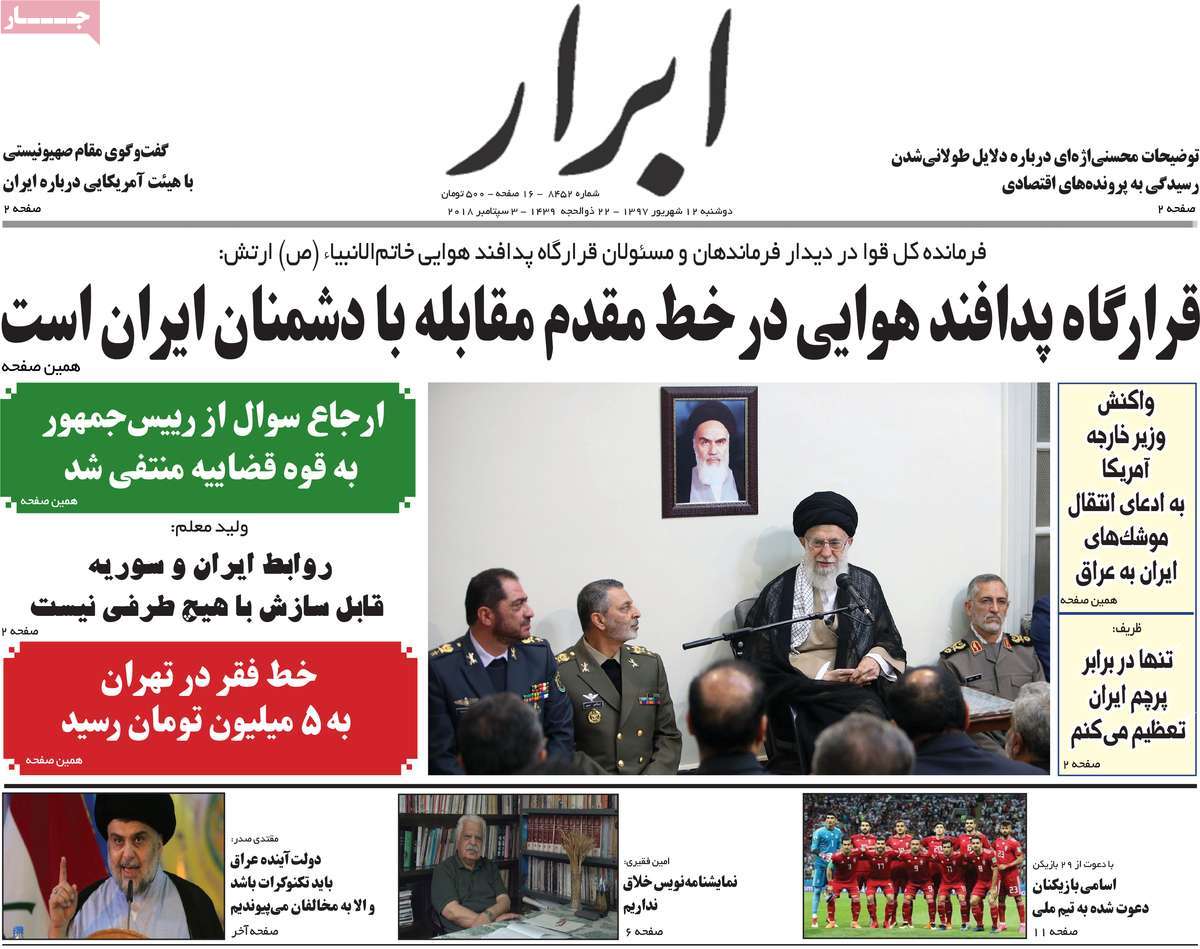
Abrar:

1- German Railway Firm Stops Cooperation with Iran

2- US Says It’s Open to Negotiation with Russia

A Look at Iranian Newspaper Front Pages on August 18


Abrar-e Eqtesadi:

1- Iran Exports $6 Billion Worth of Goods to Europe

A Look at Iranian Newspaper Front Pages on August 18


Afkar:

1- Trump and Tsunami in International Relations

  • Impact of US Sanctions on Different Countries in the World

2- China No Longer Interested in US’ Oil

A Look at Iranian Newspaper Front Pages on August 18


Aftab-e Yazd:

1- Story of Joint Article by 350 American Journalists

2- Experience of EU’s Support for Cuba against US Sanctions

3- Turkish Lira Recovers Its Value: Emir of Qatar Comes to Rescue of Turkey

A Look at Iranian Newspaper Front Pages on August 18


Arman-e Emrooz:

1- Hoor al-Azim Lagoon Still on Fire

2- Fluctuations in Tehran Stock Exchange Market Not Normal

A Look at Iranian Newspaper Front Pages on August 18


Ebtekar:

1- UN Trying to Convince Yemeni Sides to Attend Geneva Peace Talks

2- Once Again Dream of ‘City of Bicycles’: A Report on New Bike Plan in Tehran

3- Black Friday of Cinema: Renowned Actor Entezami, Filmmaker Dorri Pass Away

A Look at Iranian Newspaper Front Pages on August 18


Etemad:

1- Ezzatollah Entezami Dies at 94

2- US Creates ‘Iran Action Group’: End of US’ Gesture of Negotiation

A Look at Iranian Newspaper Front Pages on August 18


Ettela’at:

1- Interest Rates Increase to Encourage People to Deposit Their Money

2- ICT Minister: No Cell Phone Smuggled into Iran Anymore

3- 350 Reputable American Journalists Attack Trump

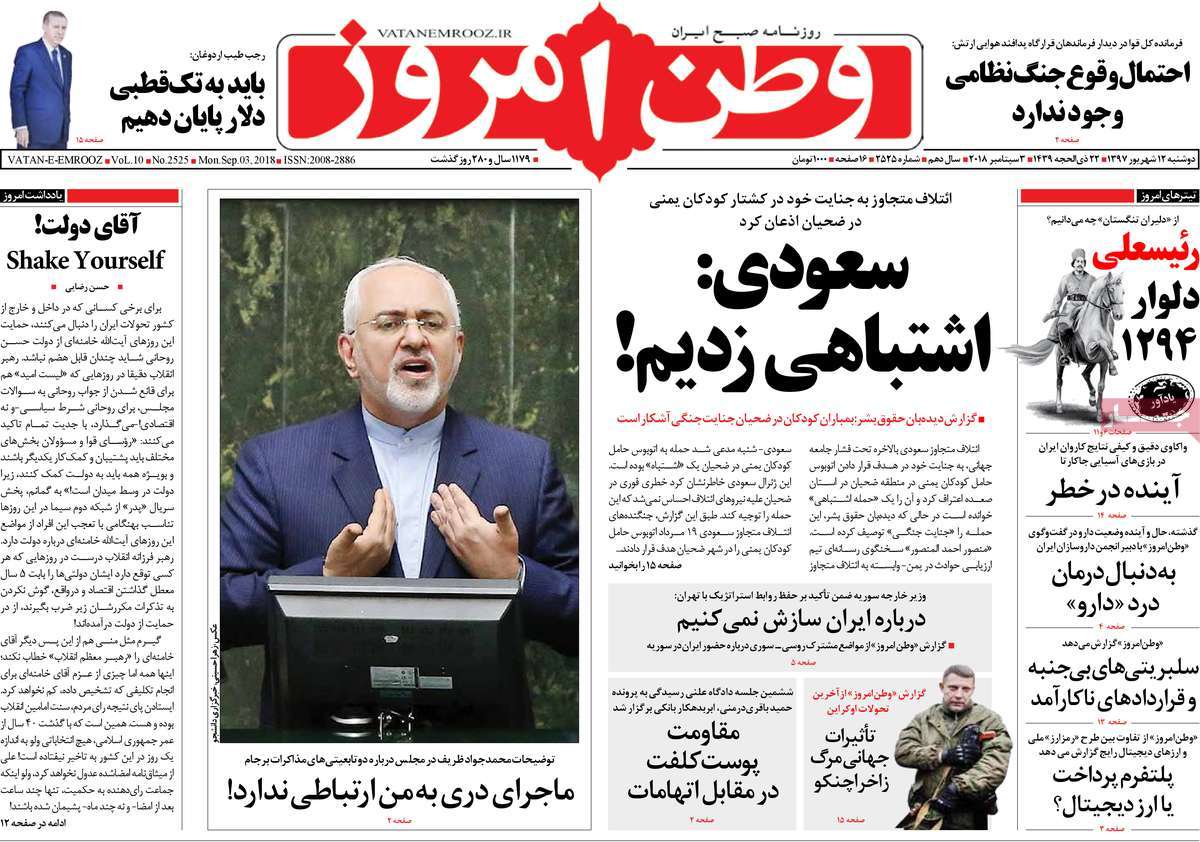
4- Zarif: 20% of Caspian Sea’s Resources Must Be Allocated to Iran

A Look at Iranian Newspaper Front Pages on August 18


Hamshahri:

1- Reformist Analyst Talks of US, Russia Strategies towards Iran

  • US Trying to Implement USSR Pattern in Iran
  • Iran’s Foreign Policy Needs Balance

A Look at Iranian Newspaper Front Pages on August 18


Hemayat:

1- North Korean Leader Slams US’ ‘Brigandish’ Sanctions

A Look at Iranian Newspaper Front Pages on August 18


Iran:

1- Iran’s Trade with EU Increases ahead of Sanctions

A Look at Iranian Newspaper Front Pages on August 18


Javan:

1- US’ Second Chamber of Economic War against Iran

A Look at Iranian Newspaper Front Pages on August 18


Jomhouri Eslami:

1- 55 Int’l Legal Organizations Call for Probe into Saudi Crime in Sa’ada

2- Zarif’s Response to Ambiguities Regarding Caspian Sea Convention

  • There’s No Article in This Convention that Harms Iran’s Territorial Integrity

A Look at Iranian Newspaper Front Pages on August 18


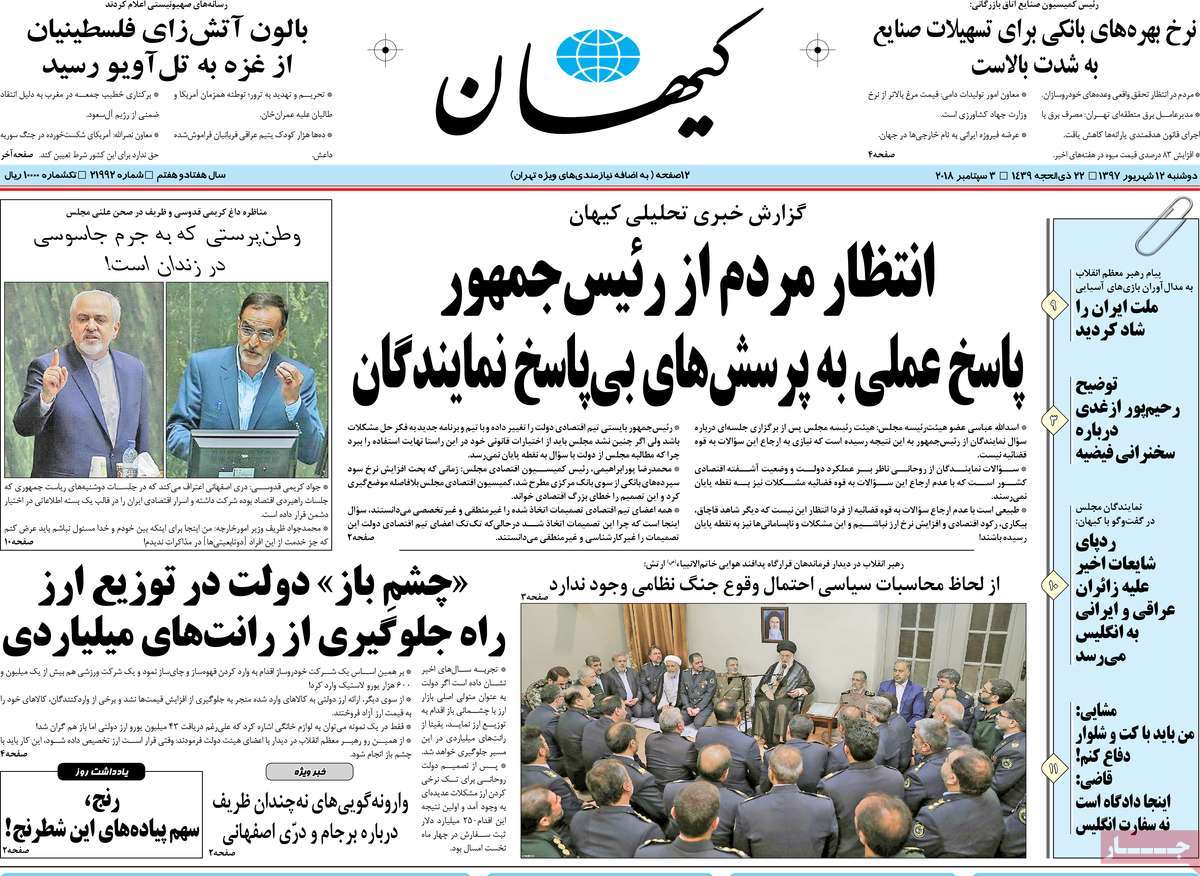
Kayhan:

1- US’ Reaction to Rouhani’s Message of Inaction: Forming Iran Action Group

2- Tunisian People Prevent Israeli Ship from Entering Their Waters

A Look at Iranian Newspaper Front Pages on August 18


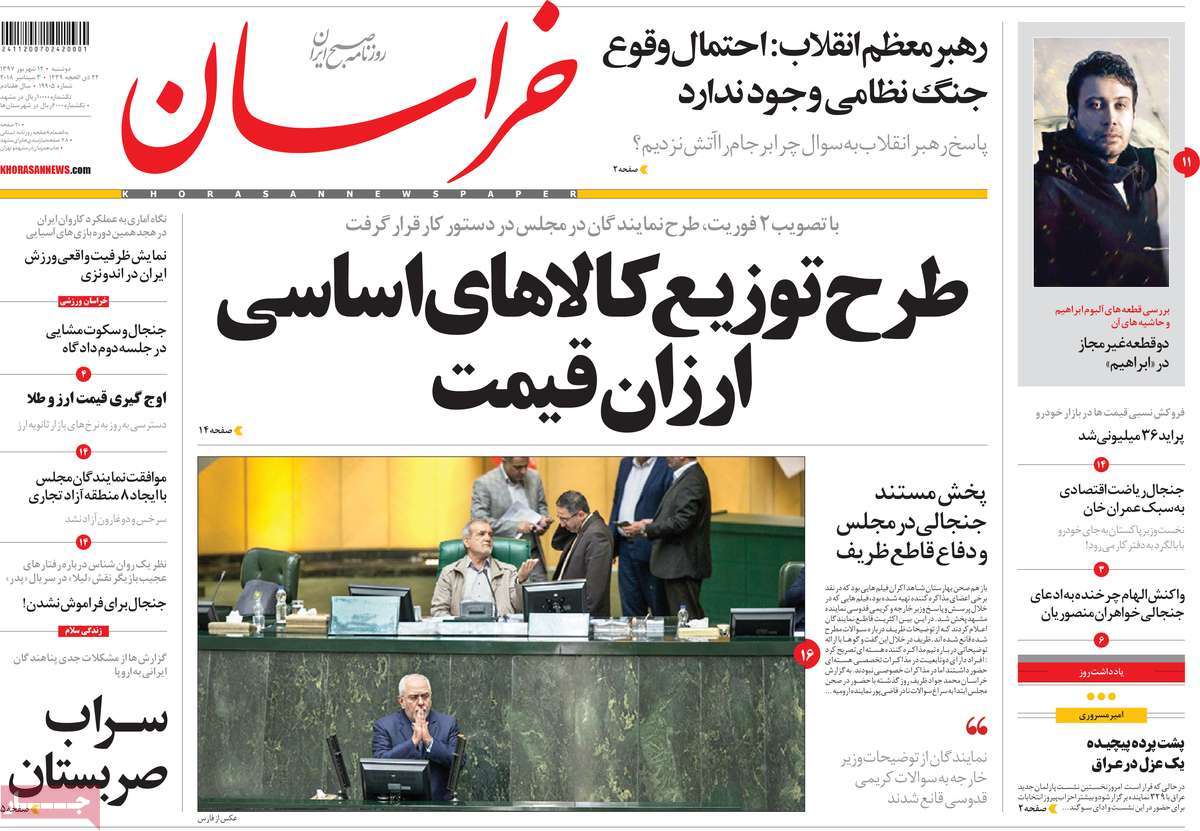
Khorasan:

1- Prosecutor-General: State TV to Broadcast Court Sessions of Economic Corruption Cases

A Look at Iranian Newspaper Front Pages on August 18


Sazandegi:

1- Iran’s Economy in Crisis but Not on Verge of Collapse

A Look at Iranian Newspaper Front Pages on August 18


Setareh Sobh:

1- Reuters Quoting American Official: Russia, US Reach Secret Deal on Iran’s Withdrawal from Syria

A Look at Iranian Newspaper Front Pages on August 18


Shargh:

1- Rouhani Offers Condolences on Death of Popular Actor Entezami

2- ICT Minister Talks of Iran’s Move towards Digitalization

A Look at Iranian Newspaper Front Pages on August 18


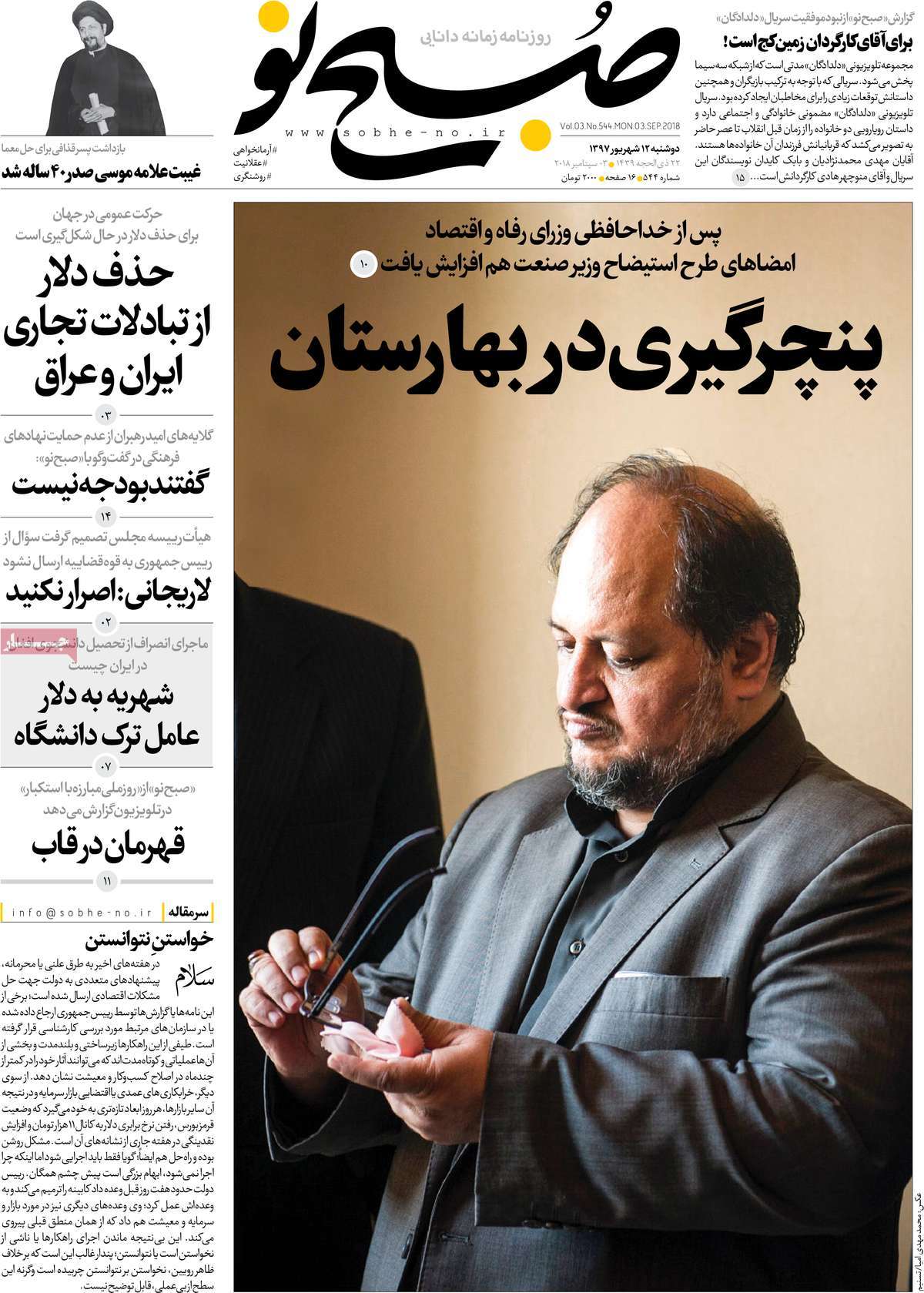
Sobh-e Now:

1- 40 Years of Futile Efforts by the US

2- Iranian Passengers Once Again Disrespected, This Time in Tbilisi Airport

A Look at Iranian Newspaper Front Pages on August 18

Iran Develops Bio-Sensor to Diagnose Alzheimer’s in Early Stages

The new device can measure the protein produced in the spinal fluid or blood serum of each individual, according to the researchers.

Hossein Helli, the head of the Iranian research team involved in the project, said the achievement was made under the patronage of Iran’s Vice-Presidency for Science and Technology and added the bio-sensor is capable of measuring the amyloid beta in the spinal fluid or blood serum in terms of quality and quantity.

“With this new technology, we can diagnose Alzheimer’s at its earlier stages of development. This provides the doctors with enough time to begin their treatment,” he noted.

According to Helli, the bio-sensor is an electro-chemical device which produces electronic signals when detecting amyloid beta in the body of patients.

“We can detect the exact amount of the protein based on the intensity of the signals produced by the device,” he said, a report by Fars News Agency said.

The Iranian researcher went on to say that the new bio-sensor is set to be mass produced in three types with each one based on a distinguished mechanism. “For the time being, one type has been made and works are underway to accomplish the process of mass producing other types.”

Helli said the Alzheimer’s is a very common disease in the world, but if diagnosed in its early stages, the disease can be treated completely.

For a brief review of Iran’s achievements in various fields of science and technology, check the book “Science and Technology in Iran: A Brief Review

The Alzheimer’s is a chronic neurodegenerative disease that usually starts slowly and worsens over time. It is the cause of 60–70% of cases of dementia. The most common early symptom is difficulty in remembering recent events (short-term memory loss).

As the disease advances, symptoms can include problems with language, disorientation (including easily getting lost), mood swings, loss of motivation, not managing self-care, and behavioural issues.

As a person’s condition declines, they often withdraw from family and society. Gradually, bodily functions are lost, ultimately leading to death. Although the speed of progression can vary, the typical life expectancy following diagnosis is three to nine years.

Iran to Unveil New Smart Air Defence System

In an address to a group of people in the northern city of Sari on Friday, Deputy Defence Minister Reza Mozaffari-Nia said Iran is no longer dependent on foreign powers in defence area.

“Our defence industry has entered a new phase and efforts are underway to develop a roadmap for Iran’s further defence development,” he was quoted as saying in a report by Mehr News Agency.

The Iranian defence official went on to say that turning defence industry into a knowledge-based industry is among the main targets of the Islamic Republic in the future.

“Before the Islamic Revolution in 1979, our defence industry was built on the West’s strategic goals,” he noted.

Mozaffari-Nia described Iran as one the most powerful Islamic countries at the international arena with significant defence capabilities in Western Asia.

He then referred to the latest developments in Iran’s defence industry and said today Iran’s defence industry has achieved self-sufficiency thanks to hard efforts of new innovative and revolutionary generation.

According to the Iranian official, the Islamic Republic has already managed to use its knowledge to develop stealth planes and unmanned aerial vehicles.

“Iran has made great progress in developing submarines and advanced torpedoes and light and heavy combat boats,” he noted.

The official then referred to the threats by the Zionist regime’s officials against the Islamic Republic and added the enemy knows it well that any attack on Iran will have dire consequences.

He underlined that the enemies are afraid of Iran’s missile industry and added the industry is non-negotiable.

Over the past years, Iran has made major breakthroughs in its defence sector and attained self-sufficiency in producing important military equipment and hardware.

The Islamic Republic says its military power poses no threat to other countries and is merely based on the doctrine of deterrence.

Iran Unveils Simulator System for Bell 206 Chopper

In a ceremony in Tehran on Saturday, Army Ground Force Commander Brigadier General Kiomars Heidari unveiled the upgraded version of Bell 206 simulator system mounted on a fixed skid.

The optimized system has been developed by local experts serving in the Army Ground Force’s Airborne Division.

Bell 206, a family of two-bladed helicopters, has been in service in the Iranian Army, Police and Emergency Medical Service for decades.

Due to the high cost of military flight training in actual circumstances, countries have focused efforts on developing simulators.

Iran is one of the region’s top countries in manufacturing advanced simulating systems.

Last month, Commander of Army Ground Force’s Airborne Division General Yousef Qorbani said Iran has the most powerful fleet of choppers in the Middle East.

Iranian military experts and technicians have in recent years made great headways in manufacturing a broad range of indigenous equipment, making the armed forces self-sufficient in the arms sphere.

In comments in February 2018, Leader of the Islamic Revolution Ayatollah Seyed Ali Khamenei called for efforts to maintain and boost Iran’s defense capabilities, hitting back at the enemies for disputing the country’s missile program.

“Without a moment of hesitation, the country must move to acquire whatever is necessary for defense, even if the whole world is opposed to it,” the Leader said.

Iran Sympathizes with India over Deadly Monsoon Rains

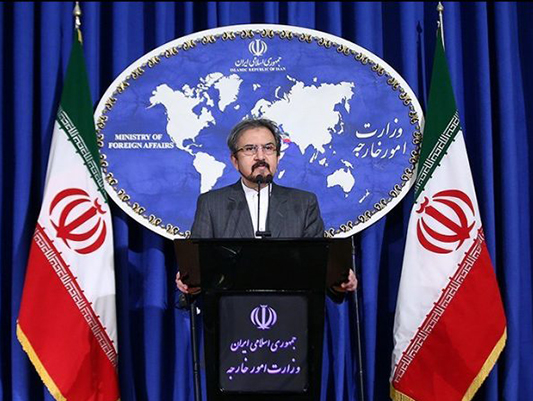
In a statement on Saturday, Qassemi offered sympathy to the Indian government and nation and the families of the victims over the tragic incident.

Seven states of India are scene to rains, floods and landslides during the monsoon season.

As many as 868 people have lost their lives so far, 247 of them in Kerala, India’s Home Ministry announced on Friday.

Russia to Send Second Batch of Nuclear Fuel to Iran

Russia to Send Second Batch of Nuclear Fuel to Iran
Photo of Tehran Research Reactor

Iran needs fuel stockpiles with enrichment levels of up to 20 percent for its Tehran Research Reactor. The first such shipment was delivered to Iran in 2017.

In a statement Friday, the Russian ministry said Moscow is committed to its obligations under the Iran nuclear deal and will work to keep the 2015 accord in place, IRNA reported.

The ministry stressed that Moscow will keep up cooperation with Tehran in specific areas for the peaceful use of atomic energy, adding that Russia’s Rosatom corporation is implementing a series of projects designed to ensure Russia’s compliance with the JCPOA.

The US pulled out of the nuclear pact in early May, saying the deal was an embarrassment to the US and it will seek negotiations with Tehran on a new deal.

Last week, Washington re-imposed sanctions on Iran’s automotive and metal industries, among others. The country will return sanctions on Iran’s oil industry and central bank early November.

Other parties to the nuclear pact, including Germany, Britain and France, have criticized the US’ move and are currently working to keep it in place.

“A Look at Chinese Cinema” in Iranian Capital

The event titled “A Look at Chinese Cinema” was inaugurated on Wednesday in a ceremony attended by a number of domestic and international guests at Cinematograph Hall of Iran’s Cinema Museum, Tehran.

In an address to the opening ceremony, the Cultural Attaché of Chinese embassy in Tehran, Wang Ching Chon, said since its beginning in the 19th century, cinema has turned into an international and popular art form which attracts lots of audiences across the globe, a report by IRNA said.

“Movies increase our knowledge about people’s lives in various countries and expands our understanding of different histories, cultures and traditions, bringing people from various races closer together,” he noted.

Touching on the purpose of organizing such an event in Iran, the Chinese official said the event is aimed at promoting cultural commonalities between Iran and China through the movie industry.

“Aftershock”, “Mountains May Depart” and “The Story of Three Cities” from the Chinese cinema were screened in at least six Iranian cities including Tehran, Shiraz, Tabriz, Kerman and Babol during the event.

He then elaborated on Aftershock movie and said the film revolves around a 7.8 magnitude quake which rocked a northern Chinese city in 1976, leaving at least 250,000 dead and irreparable damages.

“Years after the quake, the city of Tangshan has turned into a glorious industrial city,” he said.

Just like China, Iran is also a seismically active country, he added.

He also expressed hope that the movie could share China’s experiences with the Iranians when it comes to deadly quakes and other natural plights.


Iran, China to Expand Cooperation through Cinema

Jafar Sanei Moqaddam, one of the board members of Art and Experience Institute, then took the podium and elaborated on the Chinese cinema’s development plan.

“Over the recent years, China has made huge investments in its movie industry through building new movie theatres and producing greater number of films. This provided the Chinese with a chance to watch the latest movies produced in the world in their own country.”

He went on to say that China has managed to export its own culture to the world by screening its movies across the world.

Sanei Moqaddam then referred to the latest international success of Iranian cinema and added as a country with huge cultural achievements in cinema, Iran is interested in expanding its economic and cultural ties with China in this area.

“The aim could be fulfilled through holding movie weeks in Iran and China and launching joint movie productions between the two sides,” he noted.

The event is held as Iran plans to hold Serbia Movie Week from August 22 to 29 in Tehran, Shiraz and Tabriz. Meanwhile, 14 films from 14 countries are expected to be screened in seven Iranian cities from October 13 to 19.

Dorfak Ice Cave; Amazing Source of Water for Locals

The peak is located between the cities of Rudbar and Siahkal over the regions of Deylaman and Amarlu.

Dorfak is connected southwards to the mountains of Manjil and extends from the east and south-east to the Pishkouh Mountains and the Takht-e-Soleiman mountain range. It continues to the valley of Tonekabon County.

There is an ice cave with a length of 100 metres in this area, whose great length is probably a result of the last volcano eruptions off the Dorfak Peak.

Due to its geographic location, it is covered with snow throughout the year. The natural glacier of Dorfak Ice Cave is registered as a national heritage in Gilan province.

In the past, people from nearby villages carried ice from the cave with horses to the cities of Lahijan, Sangar and Rasht to resolve the shortage of cold water in the city.

Nowadays, the ice cave still supplies the drinking water of the people of the region. The nomads have built stone houses in the mountainous area, and bring out ice to provide water for their livestock.

Dorfak Cave is a rare natural glacier that, as an ecotourism attraction, attracts thousands of mountaineers and tourists each year.

Here are photos of the beautiful region retrieved from ILNA: