Monday, December 22, 2025
Home Blog Page 3479

Iran Downplays Western Media’s Fuss about Idlib Operation

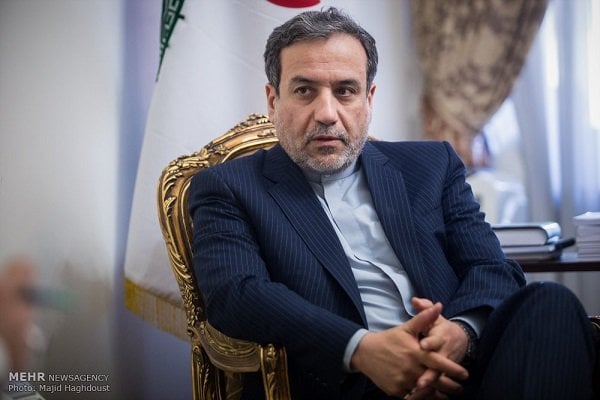
Speaking in an interview with the state TV on Tuesday, Araqchi said the situation is very sensitive in Syria’s Idlib, as hundreds of thousands of anti-government and Takfiri terrorists as well as civilians have gathered in the province.

Due to the large population of these regions, the terrorist groups have gathered there and are using people as human shields, he went on to say.

“Such a complicated situation needed to be considered at the highest level in the Astana Talks on Syria. Two previous meetings were held in Turkey and Russia, and then the Tehran meeting was scheduled,” he said, referring to an upcoming meeting of the presidents of Iran, Turkey, and Russia in Tehran on Friday.

“FM Mohammad Javad Zarif travelled to Syria on Monday to review the latest developments, with concrete plans and ideas that will hopefully end the fight against terrorism. God willing, we will be able to bring the political process, reconstruction and return of the refugees to a conclusion in Syria,” he noted.

Since the beginning of the Syrian crisis, he said, Westerners, especially the US, had a dubious and controversial attitude and helped the terrorists in many conflicts.

“Regarding the use of chemical weapons, which is an ambiguous issue, the prevailing view is that the terrorist groups did it, but we saw the West’s involvement as well.”

He said there are reports that chemicals were taken to Idlib by terrorists and could lead to a catastrophe; therefore, there was a need for consultations between the leaders of the three countries.

The senior diplomat also noted the fuss being made about Idlib at the moment is very much similar to the one we faced on Aleppo and Eastern Ghouta.

Araqchi was referring to accusations raised by Western countries and media that the Syrian army used chemical weapons in its operations to retake Aleppo Province and Eastern Ghouta.

Currently the Syrian army is preparing itself for a major offensive to retake the last terrorist stronghold, but it is facing the threat of being hit by the US and its allies if a chemical attack takes place in the province.

Russia and Syria say staging a false flag chemical attack has been in the works for some time by militants and British “special forces” in order to give the US a pretext to launch a new airstrike on the government.


Efforts to Minimize Humanitarian Costs

Iranian Foreign Minister Mohammad Javad Zarif says efforts are underway to drive terrorists out of Idlib with the least humanitarian cost.

He made the remarks on Tuesday after holding “very good” talks with senior Syrian authorities in Damascus.

The Iranian oficials’ statements came as on Tuesday night the Syrian and Russian fighter jets strongly targeted the positions of terrorist groups in the northwest of the Hama province and the western Idlib.

These attacks were in fact a preparation to wipe out the terrorists in the region.

Syria’s Moraseloun website reported that the massive airstrikes targeted the terrorist positions in the southern regions of Idlib.

Opposition media sources also reported that the Russian raids targeted dozens of sites in the countryside of Idlib and Al-Ghab plain, especially in Jisr al-Shughur, Jabal al-Zawiya, Mrouj, Al-Shagar, Harsh, and Sinjul, killing and injuring many terrorists.

The Russian Defence Ministry released a statement on Monday saying that three Syrian soldiers have been killed in the Idlib countryside, indicating that the start of Tuesday airstrikes was a reaction to this issue.

Earlier, US President Donald Trump said on his Twitter account that the military attack on Idlib would be “a grave humanitarian mistake” in which hundreds of thousands of people could be killed.
Iran’s Interior Minister in Iraq to Discuss Border Issues, Arba’een

Arbaeen-2016
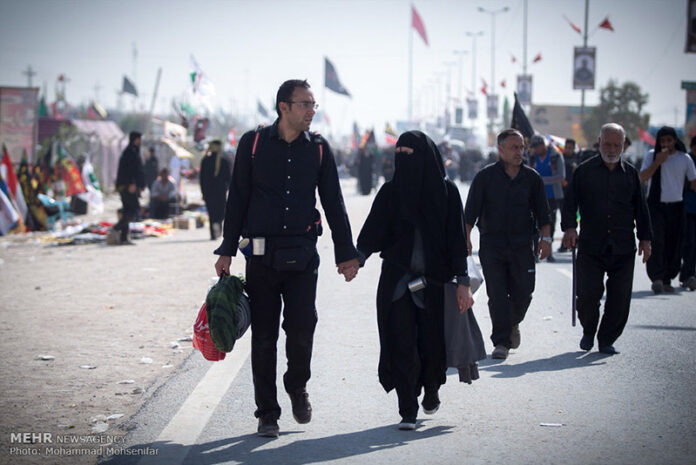
A group of Shiite pilgrims heading to the Iraqi city of Karbala on foot to attend the massive Arba'een religious gathering.

Rahmani Fazli entered the Iraqi capital at the head of a high-ranking political-security delegation Wednesday morning.

During his stay, the interior minister is to meet his Iraqi counterpart Qasim al-Araji, IRNA reported.
The two officials are to coordinate preparations for holding this year’s Arba’een pilgrimage.

Shiite pilgrims from Iran, Iraq and other Muslim countries converge on the Iraqi city of Karbala each year to commemorate and mourn Arba’een, the 40th day after for the martyrdom of Imam Hussein, a grandson of Prophet Mohammad, in the 7th century AD.

The ceremony has gained traction in recent years, with the number of pilgrims in last year’s ceremony estimated at 20 million.

Iran Rejects Claim of Transferring Arms Components to Lebanon

Qassemi made the remarks in reaction to the anti-Iran claims raised in a report by Fox News, saying that the publication of these types of false news has become commonplace in recent days and weeks.

In an interview with Al Alam News channel on Tuesday, he said such reports indicate an escalation of the psychological warfare against Iran by anti-Iran centres.

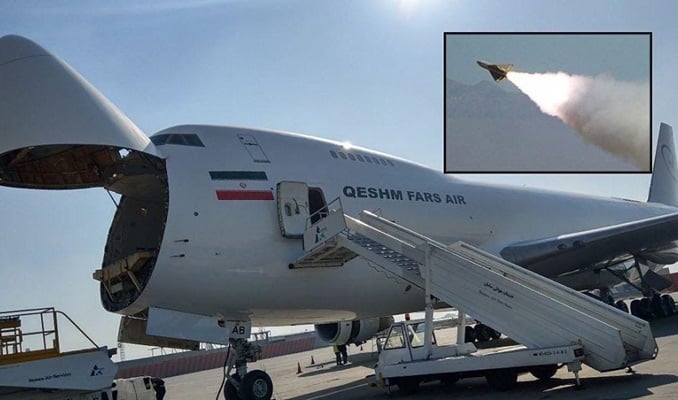
The report by Fox News claimed that sources have uncovered an Iranian civil aviation company is suspected of smuggling arms into Lebanon in order to support Hezbollah movement and Iranian weapons factories there.

Fox News claimed its sources have identified two unusual Qeshm Fars Air flights from Tehran to the international airport in Beirut during the past two months alleging that they carried components for manufacturing weapons inside Lebanon.

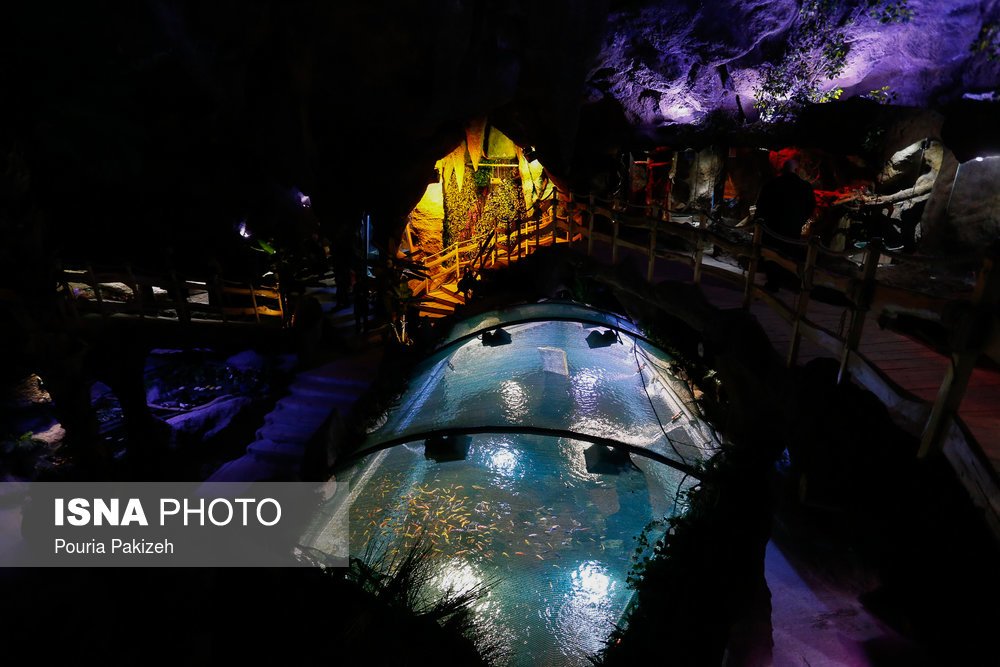
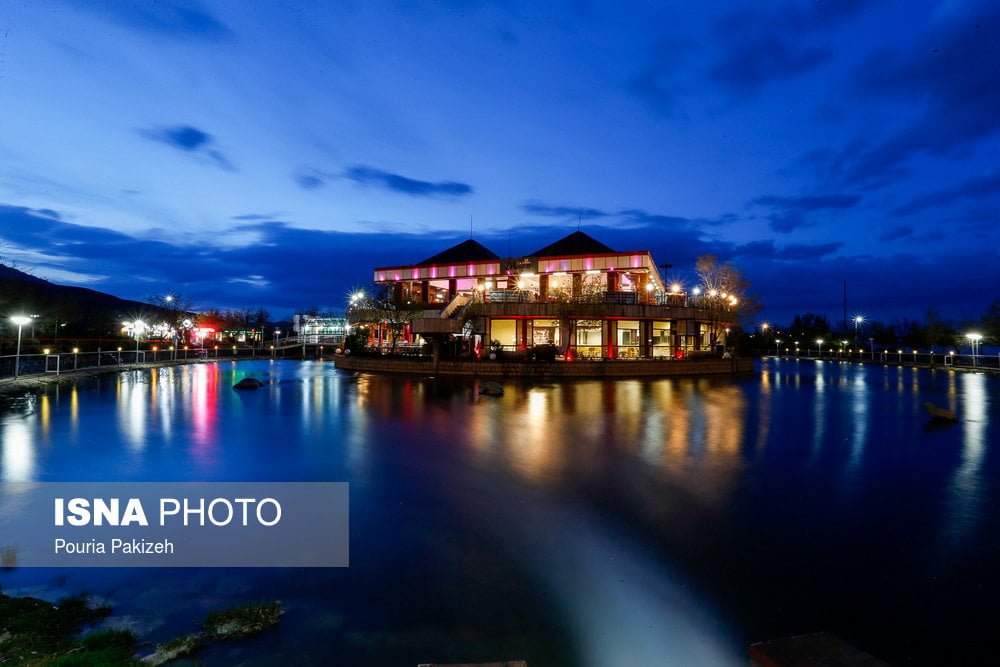
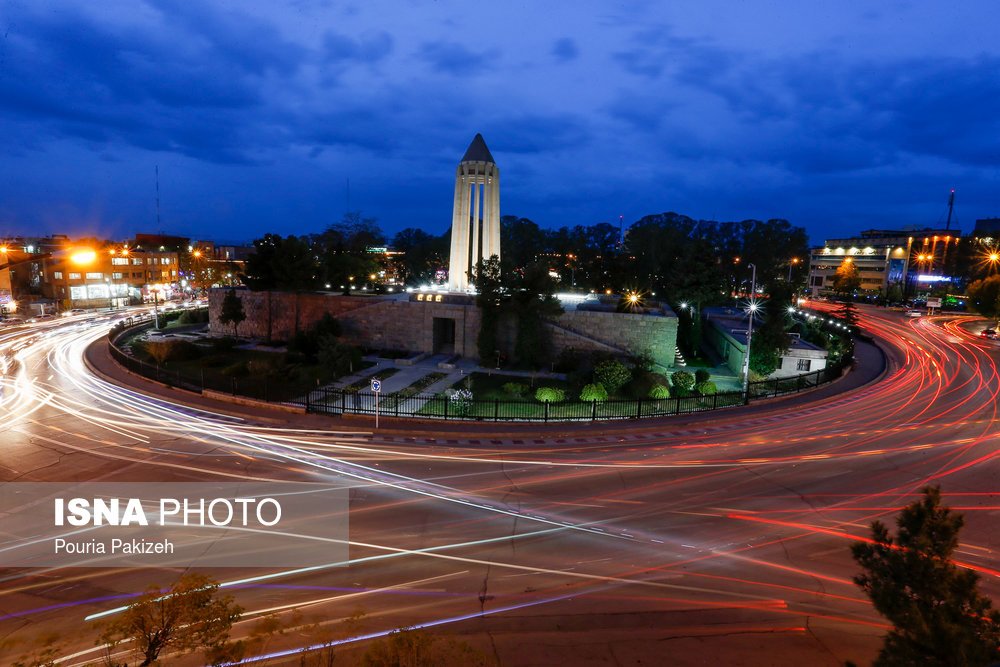
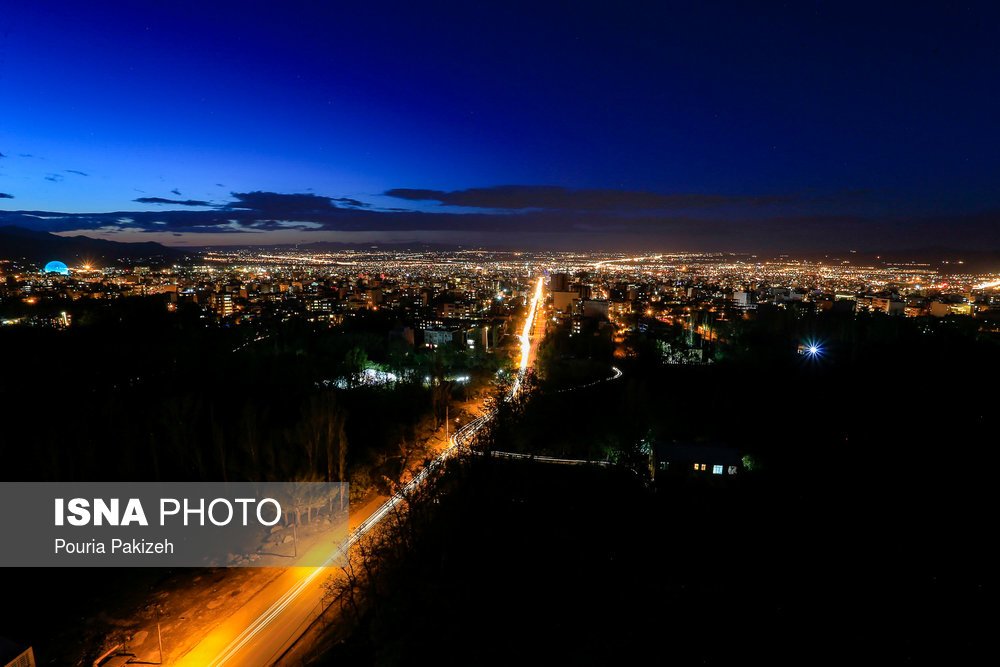
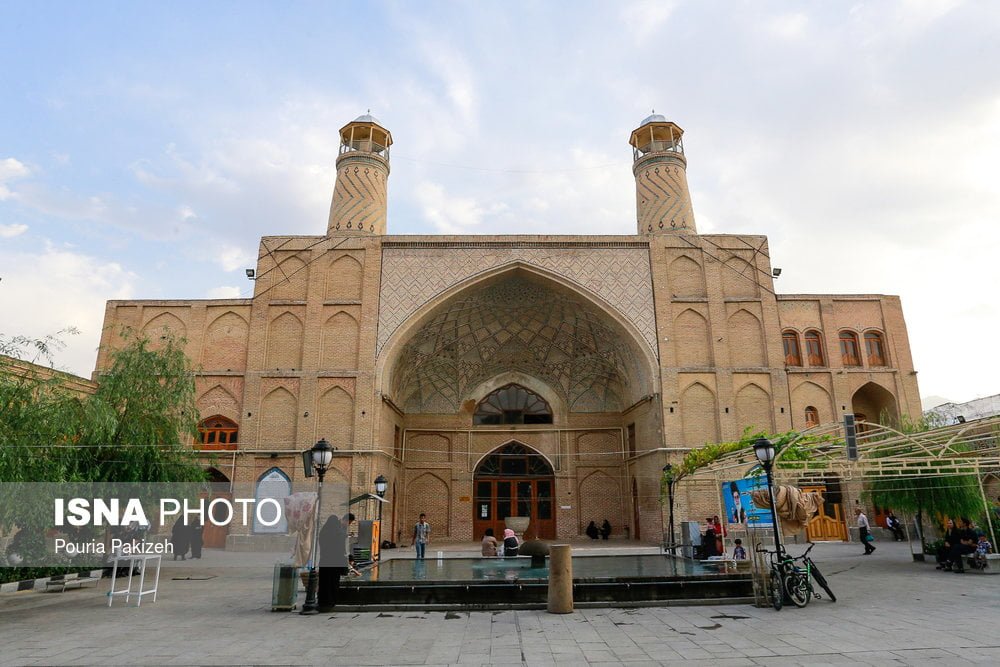
Iran’s Hamadan Picked as Asia’s Hub of Tourism in 2018

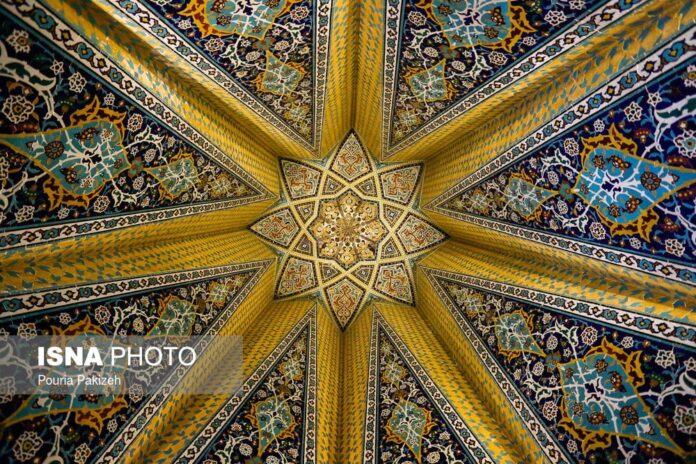
A view of the ceiling of the Baba Tahir Tomb

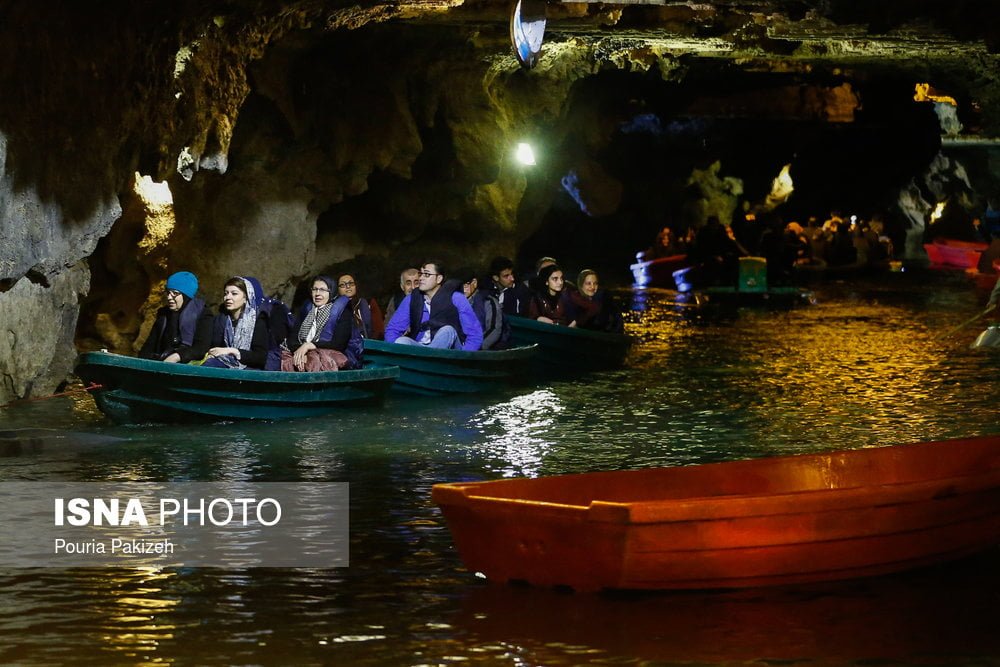
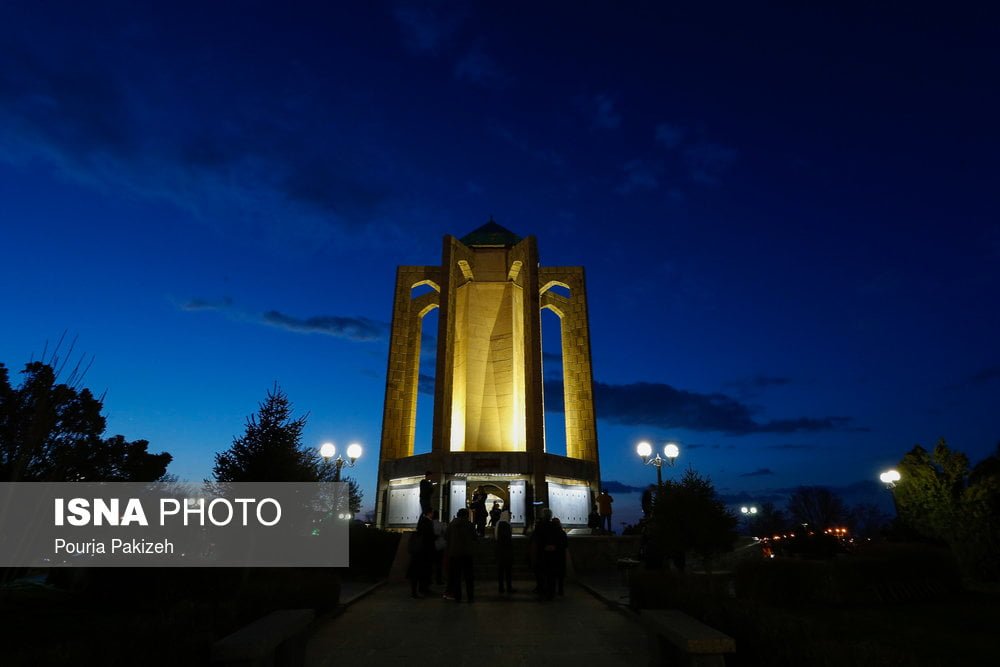
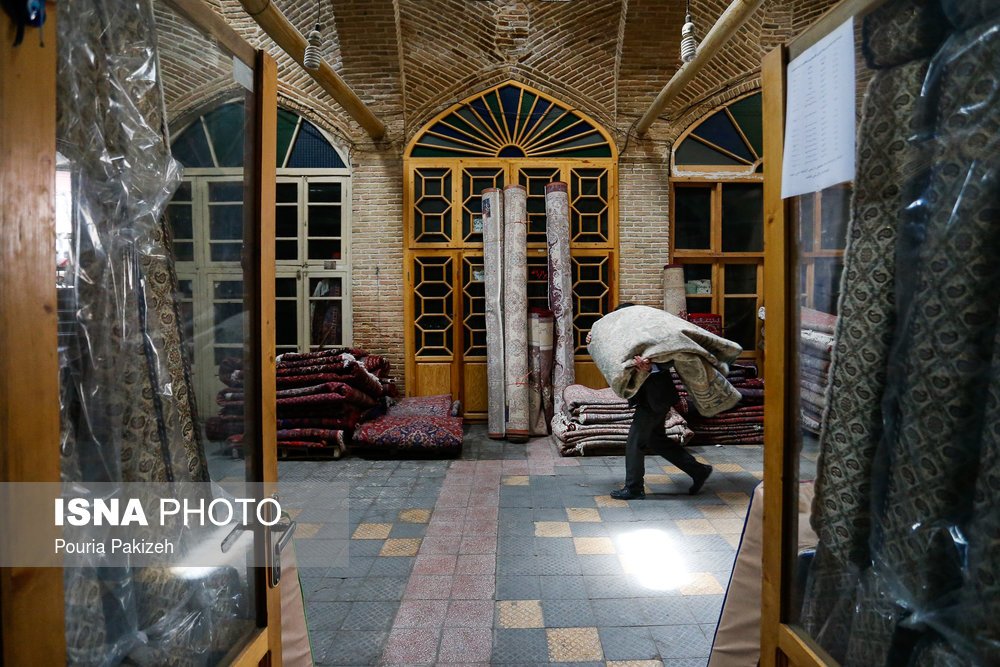
The Asia Cooperation Dialogue is Asia’s largest tourism institution comprising 34 members. The ACD’s conference of tourism ministers in Cambodia this year picked the Iranian city of Hamadan as the continent’s tourism hub in 2018 due to the enormous tourism potentialities the city enjoys.

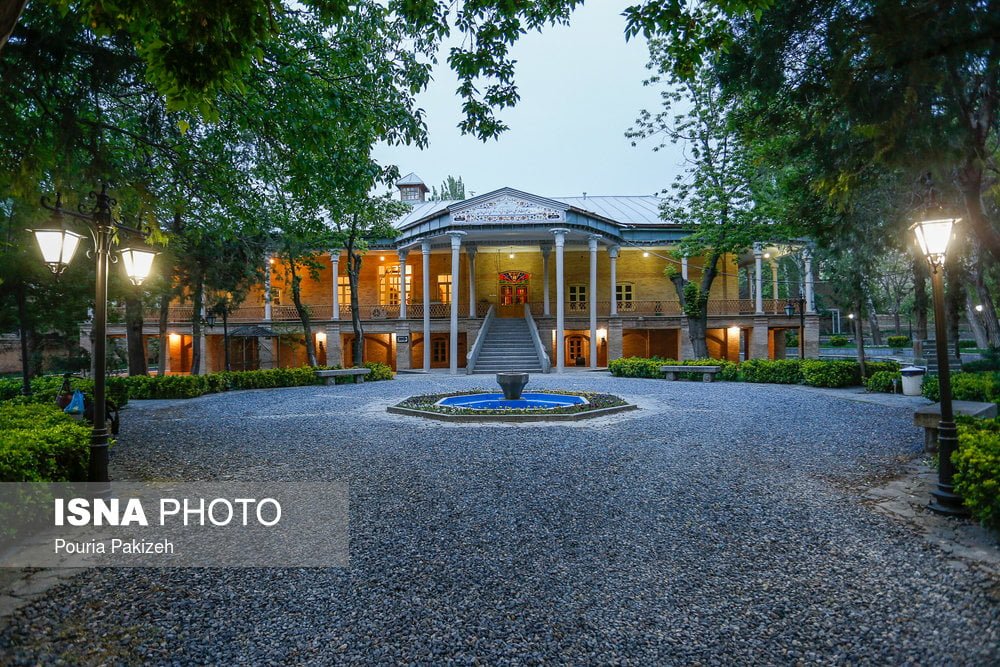
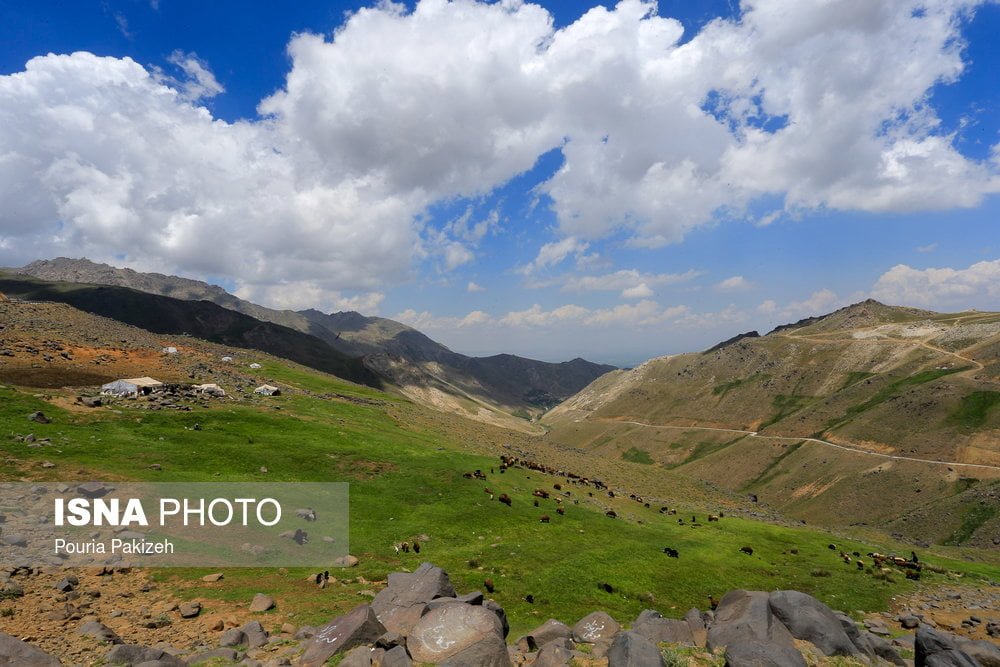
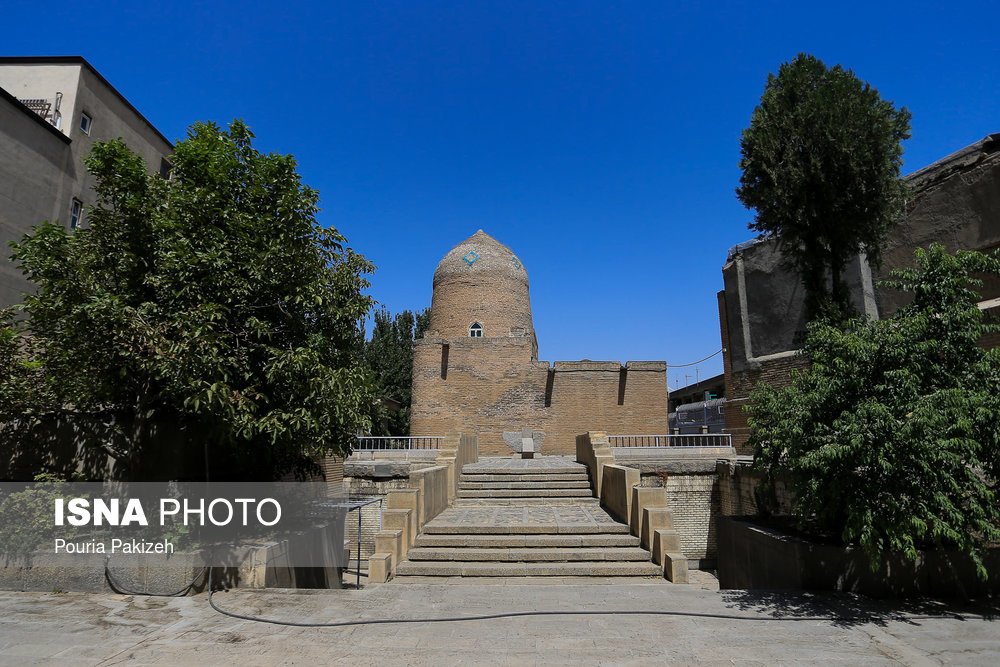
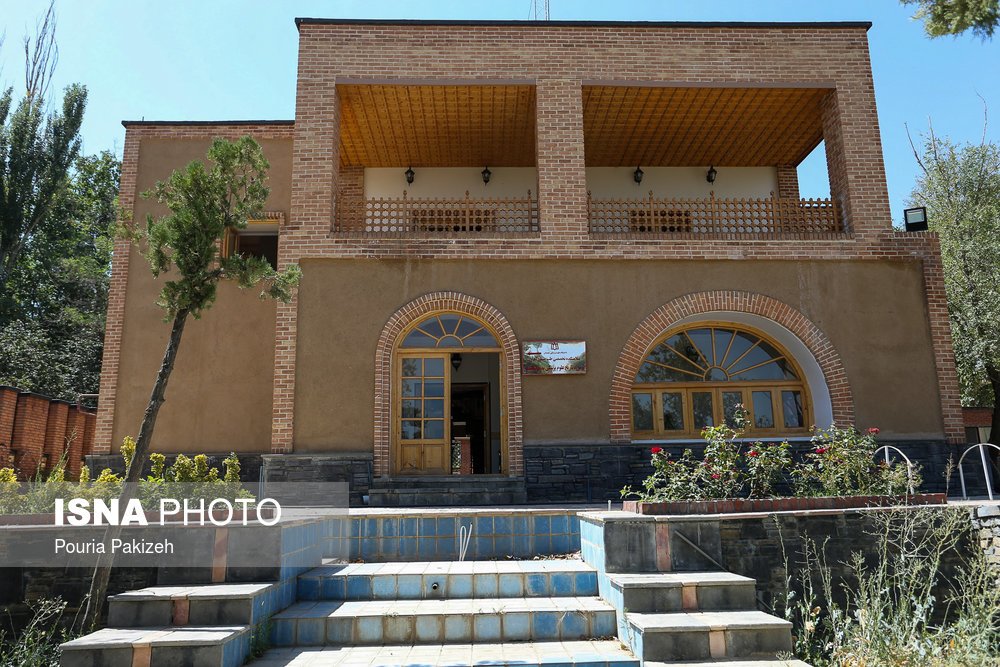
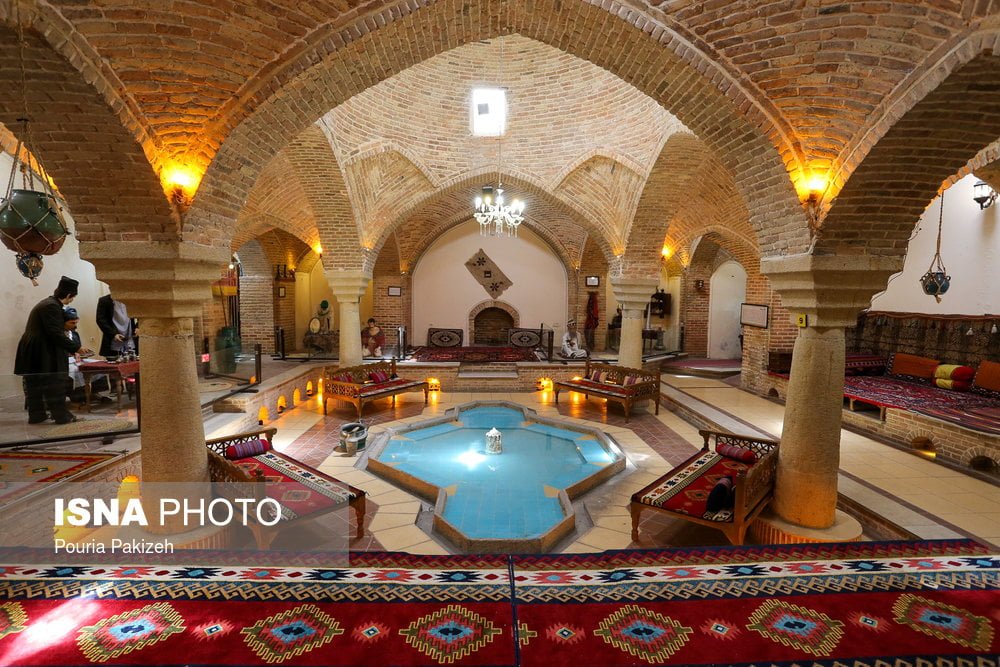
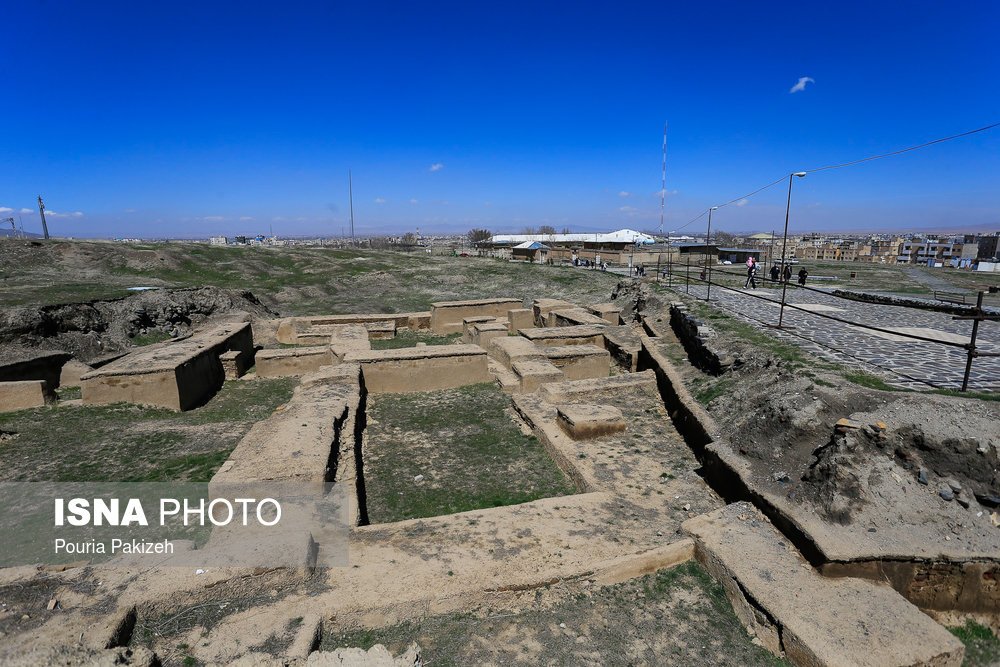
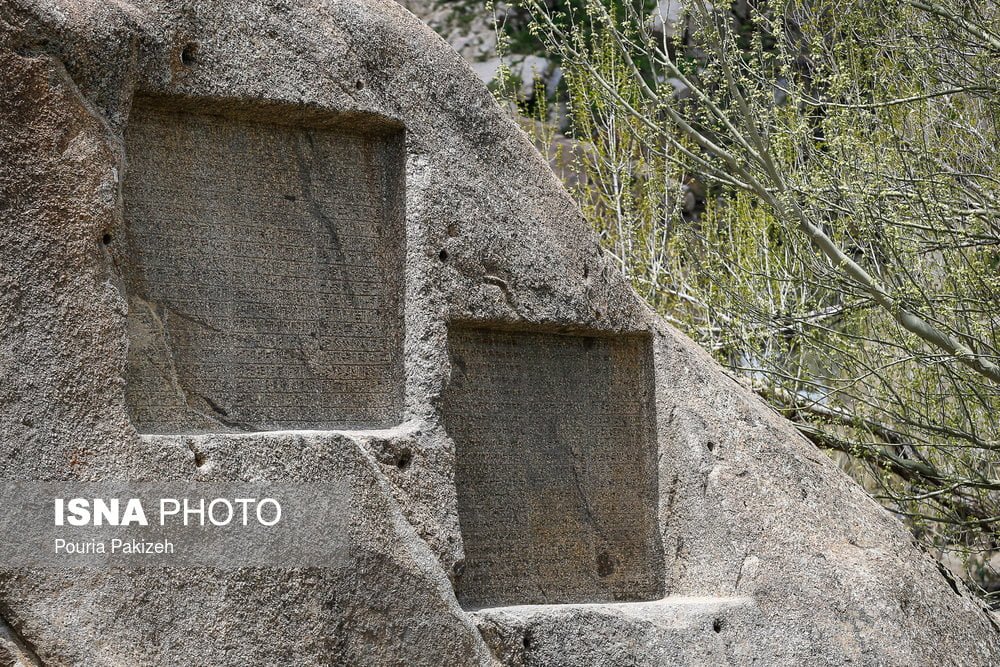
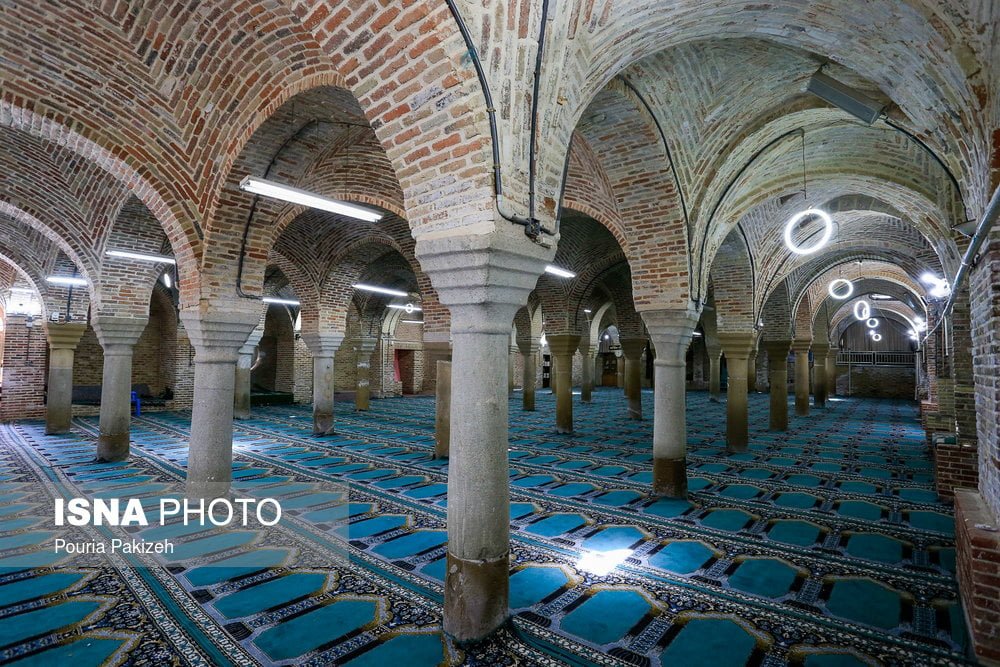
Hamadan’s tourism potential includes its Imam Square, the Hegmataneh (Ecbatana) historical site, the Pisa Hill, the Hajiabad Hill, the Baba Tahir Tomb, Avicenna’s Tomb, etc. Some archaeologists believe the city dates back to the Median era.

Below you will see a selection of photos of historical and tourist sites of Hamadan Province retrieved from ISNA.

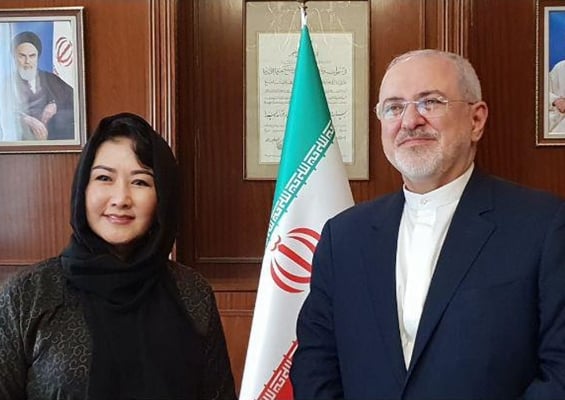
Iran, Mongolia Discuss Promotion of Ties in Tehran

During the Tuesday talks, the two sides called for strengthening of the currently good relations between Iran and Mongolia.

They also exchanged views on a number of issues including the visits of Mongolian officials to Tehran, expansion of parliamentarian relations and cooperation in various areas particularly in railway transportation, consular issues and animal husbandry.

The diplomats then held talks on holding a joint trade forum, increasing people-to-people contacts and expanding mutual exchanges in scientific, cultural, oil and energy fields as well as cooperation in international bodies.

Mongolia began to export meat to Iran last year as part of an agreement to ship 4,000 tonnes of lamb meat. Reports say with around 61 million livestock, Mongolia has the potential to become a major provider of meat to Iran.

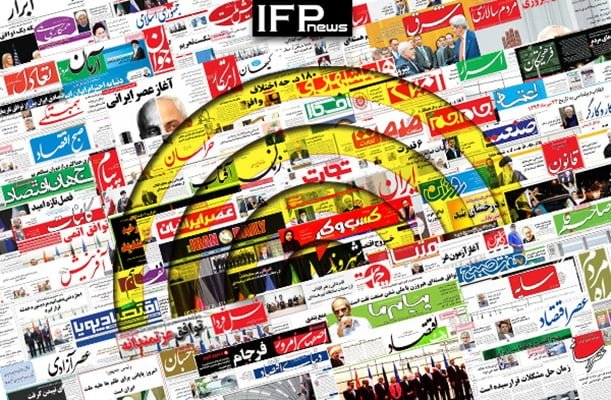
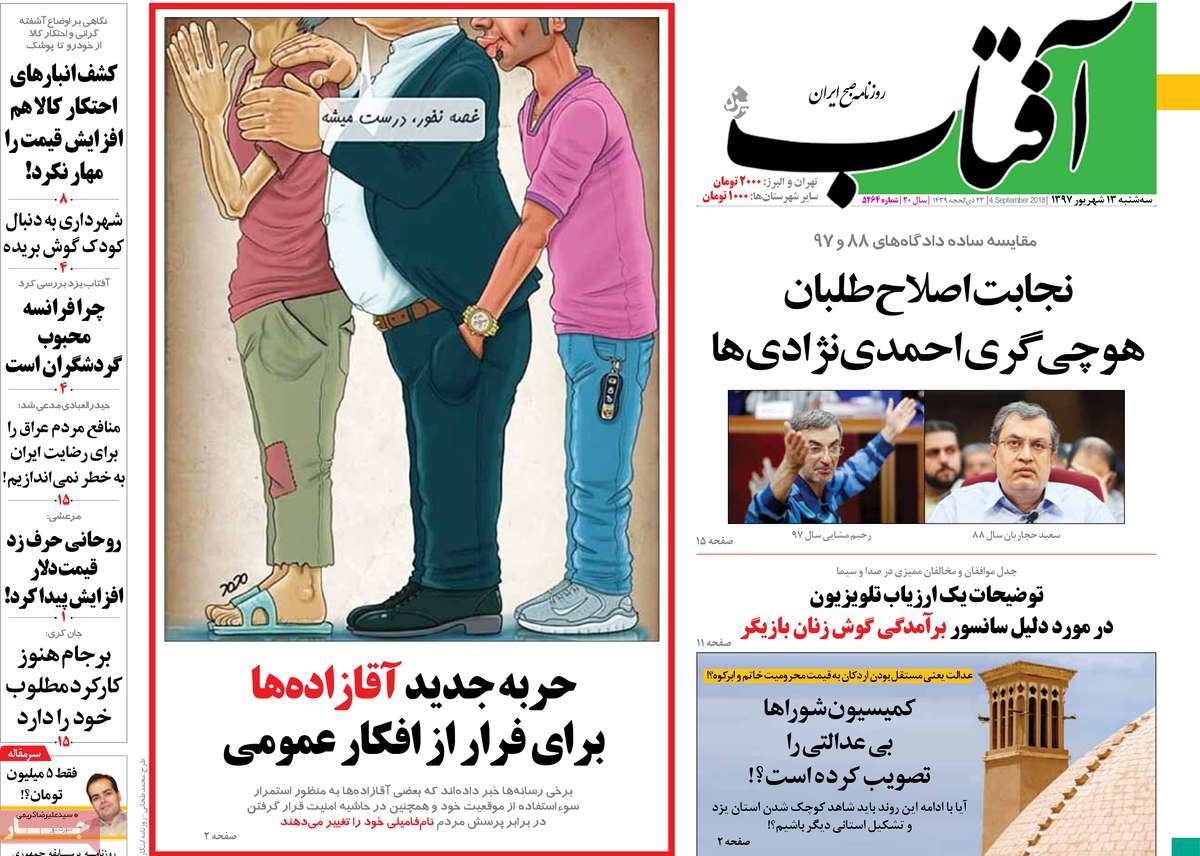
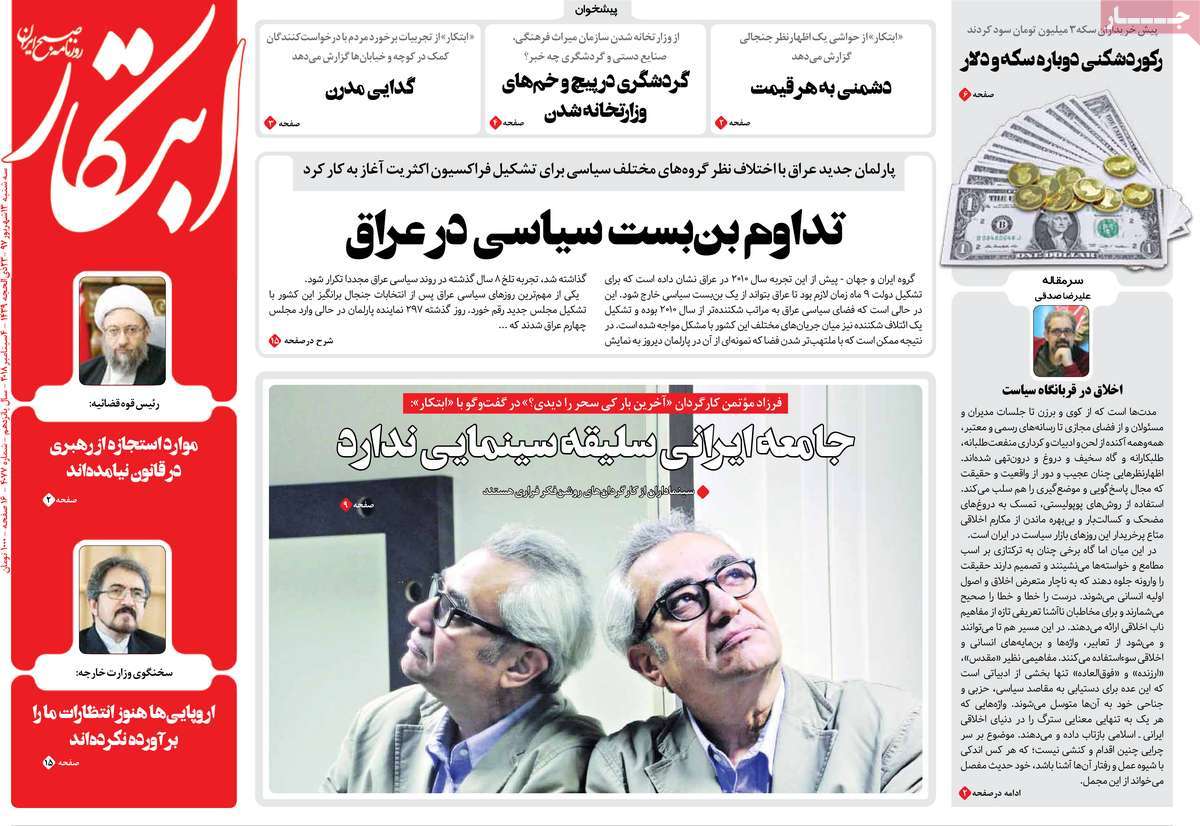
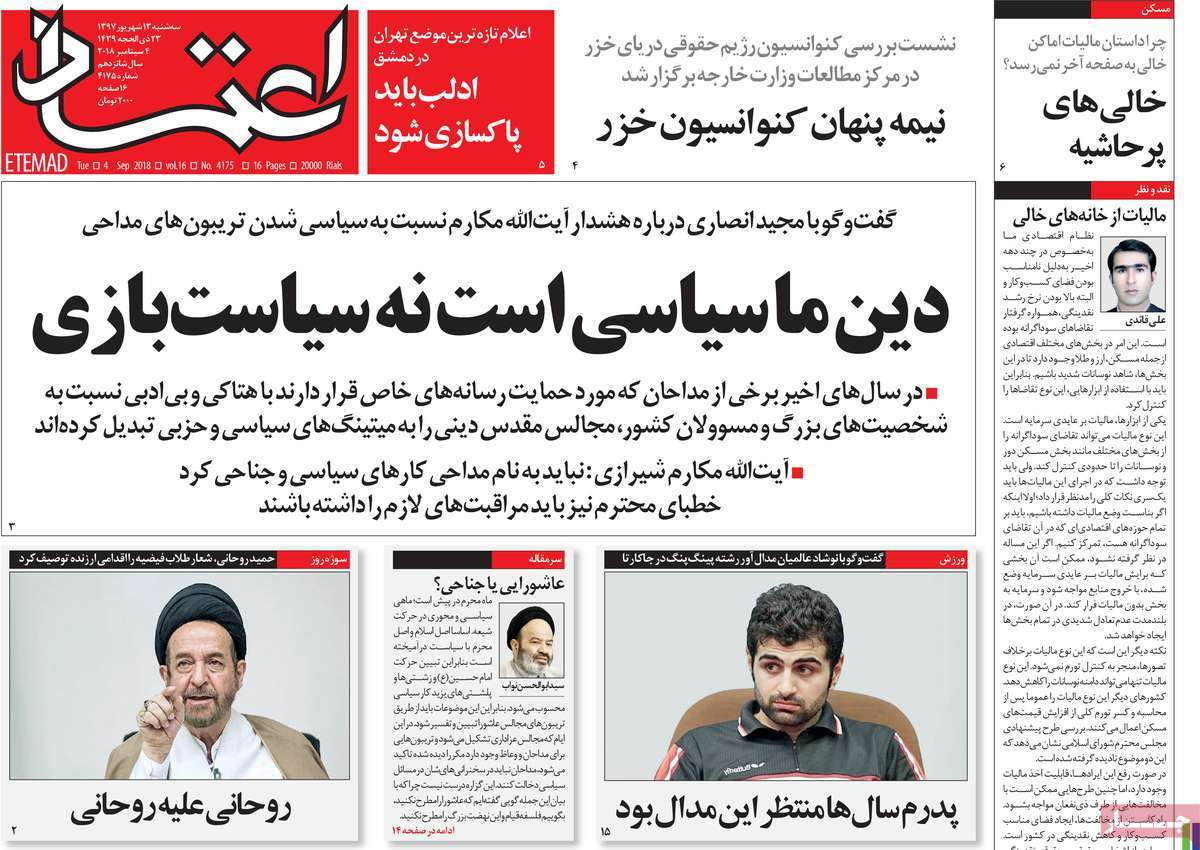
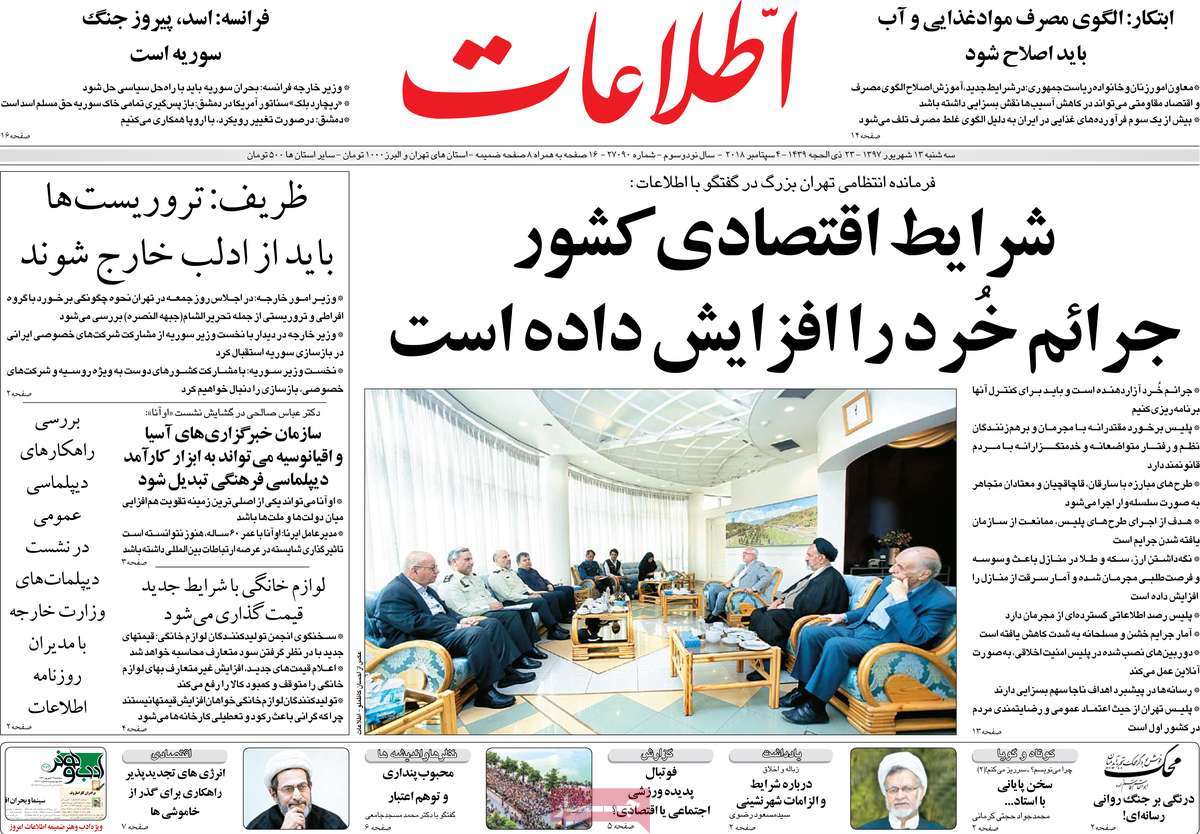
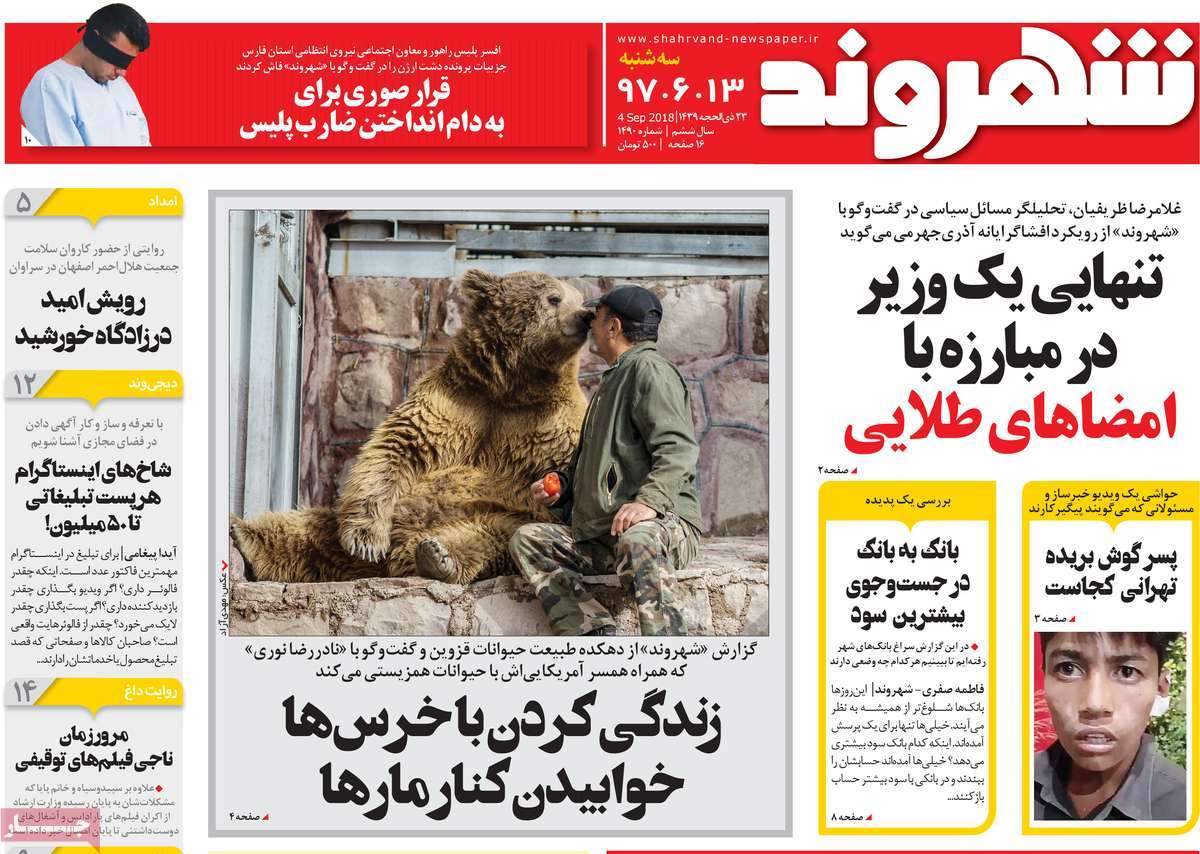
A Look at Iranian Newspaper Front Pages on September 4

A Look at Iranian Newspaper Front Pages on November 19

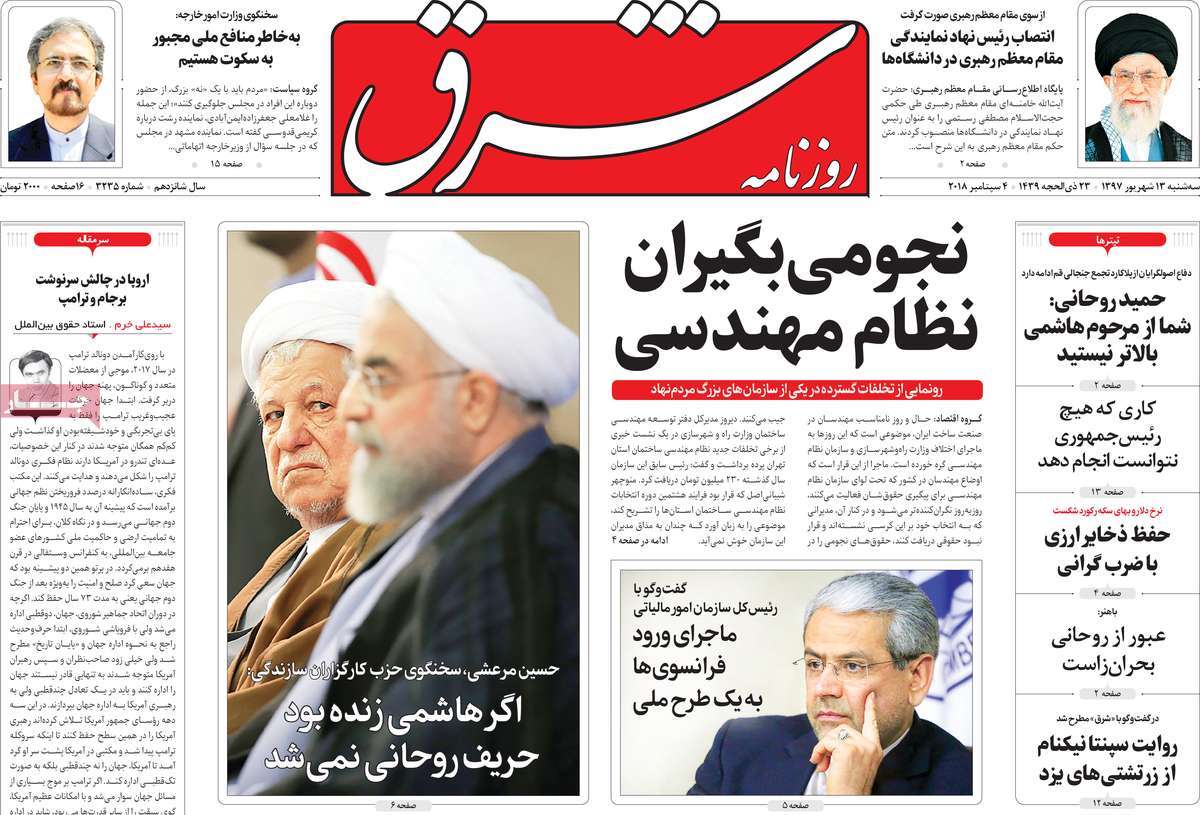
Iranian papers today widely covered the Iraqi Parliament’s failure to elect a new prime minister, and the remarks made by Iran’s Foreign Ministry Spokesman Bahram Qassemi about Tehran’s stance towards the formation of the new Iraqi government.

Comments made by Iranian Foreign Minister Mohammad Javad Zarif about the Syrian army’s upcoming operation to retake the north-western province of Idlib from militants also received great coverage.

Also a top story was the latest price hikes and the historic devaluation of the Iranian currency against the US dollar.

The above issues, as well as many more, are highlighted in the following headlines and top stories:


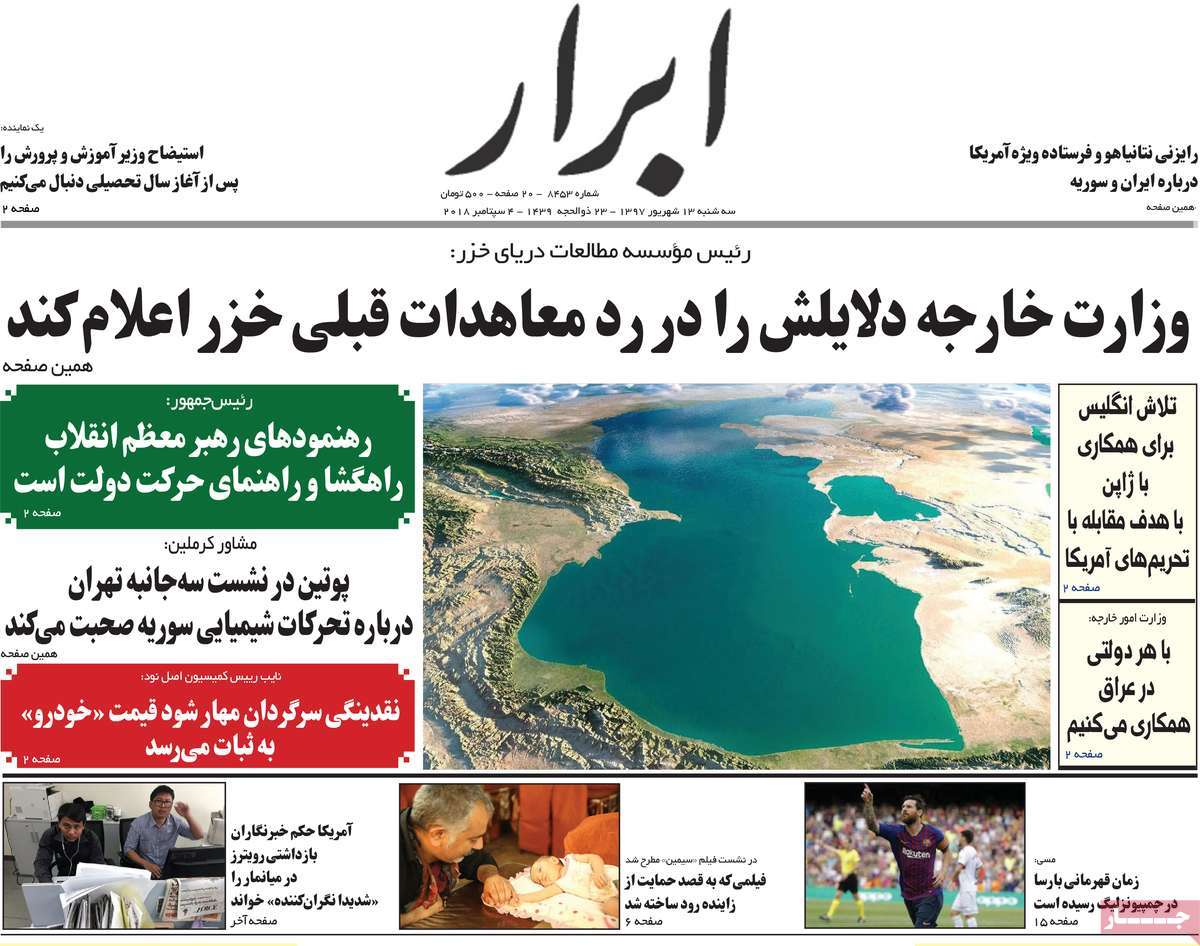
Abrar:

1- Netanyahu, US Special Envoy Discuss Iran, Syria

2- Iran to Work with Any Gov’t Formed in Iraq

3- UK Trying to Work with Japan in Countering US Sanctions on Iran

A Look at Iranian Newspaper Front Pages on September 4


Aftab-e Yazd:

1- Why France Is So Much Loved by Tourists?

2- Iraq PM: We Won’t Endanger Interests of Iraqi People for Iran’s Satisfaction!

3- Kerry: Iran Nuclear Deal Still Useful

A Look at Iranian Newspaper Front Pages on September 4


Ebtekar:

1- Continued Political Deadlock in Iraq

2- Europeans Have Yet to Meet Our Expectations: Iran

A Look at Iranian Newspaper Front Pages on September 4


Etemad:

1- Idlib Must Be Cleansed of Terrorists: Iran’s Latest Stance Declared in Damascus

2- Dark Side of Caspian Sea Convention

  • Iran Foreign Ministry Hosts Meeting to Discuss Legal Regime of Caspian Sea

A Look at Iranian Newspaper Front Pages on September 4


Ettela’at:

1- Tehran Police Chief: Minor Offences Increased Because of Economic Woes

2- France: Assad Winner of Syria War

A Look at Iranian Newspaper Front Pages on September 4


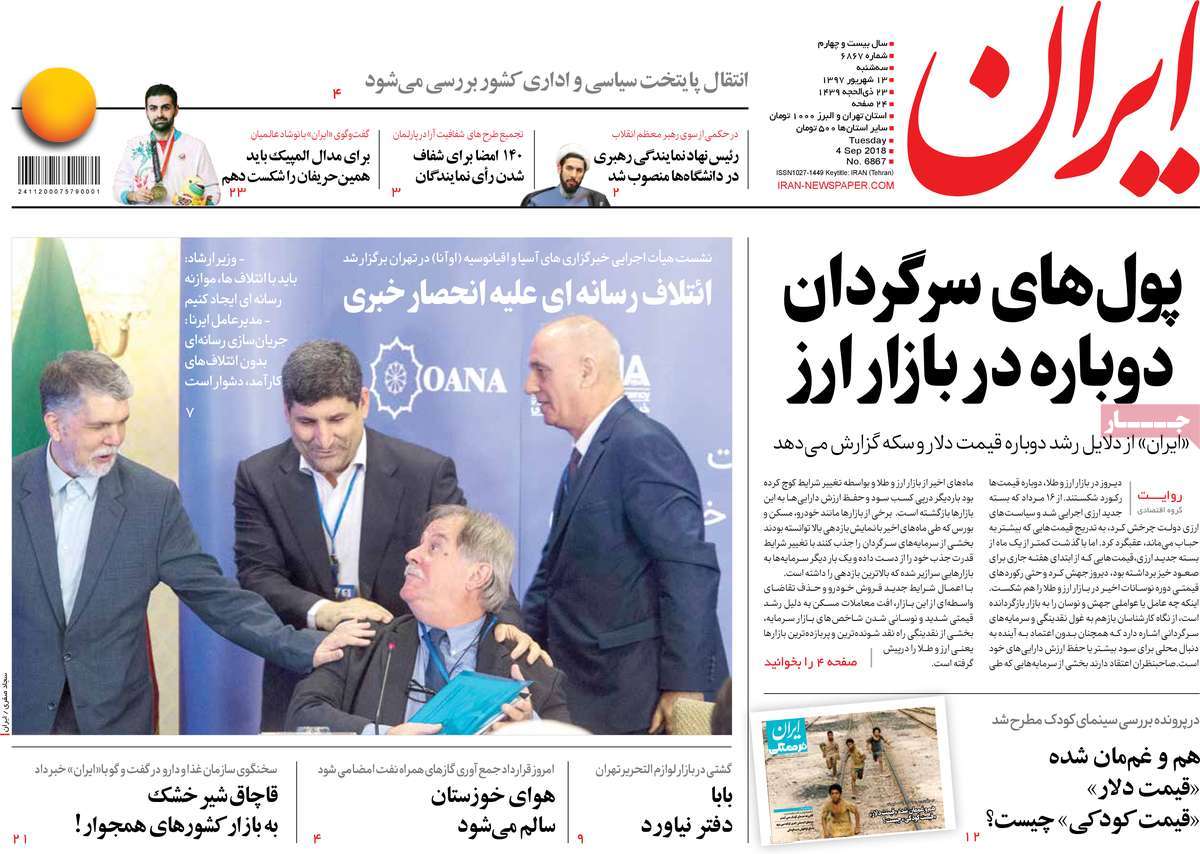
Iran:

1- Plan to Change Iran’s Political Capital under Investigation

2- Why Forex, Gold Coin Rates Are Going up Again?

3- Khuzestan’s Air to Become Clean

A Look at Iranian Newspaper Front Pages on September 4


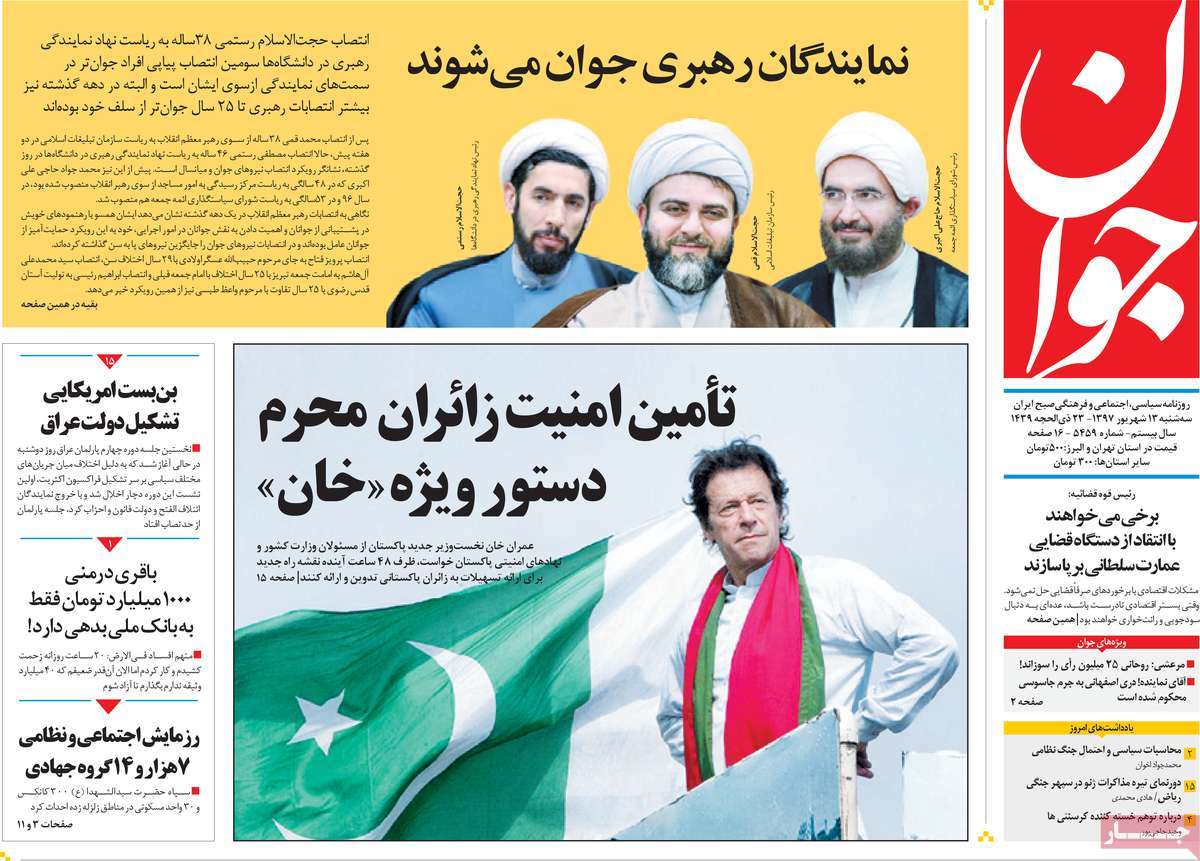
Javan:

1- American Deadlock of Forming New Iraqi Government

2- Imran Khan Orders Pakistani Officials to Provide Facilities for Pilgrims

A Look at Iranian Newspaper Front Pages on September 4


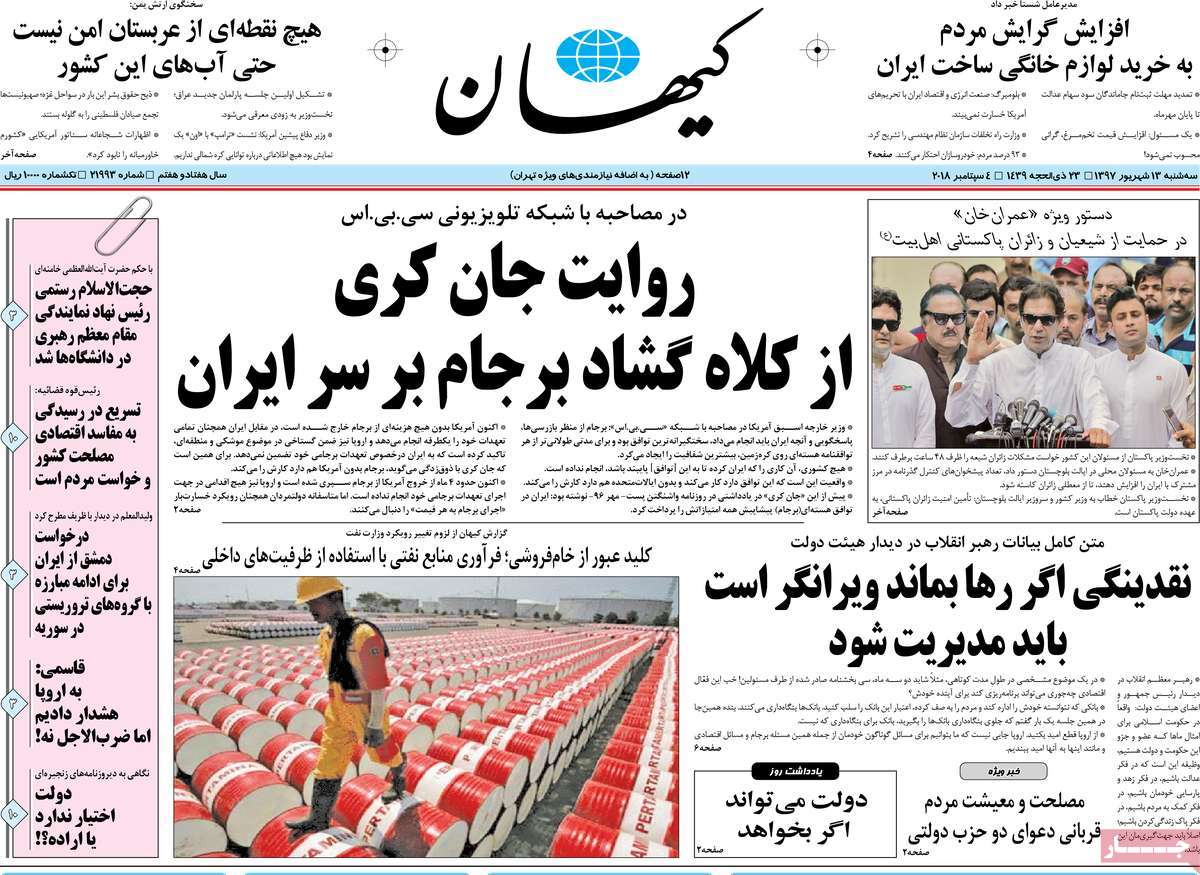
Kayhan:

1- Kerry Explains How Iran Deceived on JCPOA

2- Yemeni Army’s Spokesman: No Part of Saudi Arabia Safe, Even Its Waters

A Look at Iranian Newspaper Front Pages on September 4


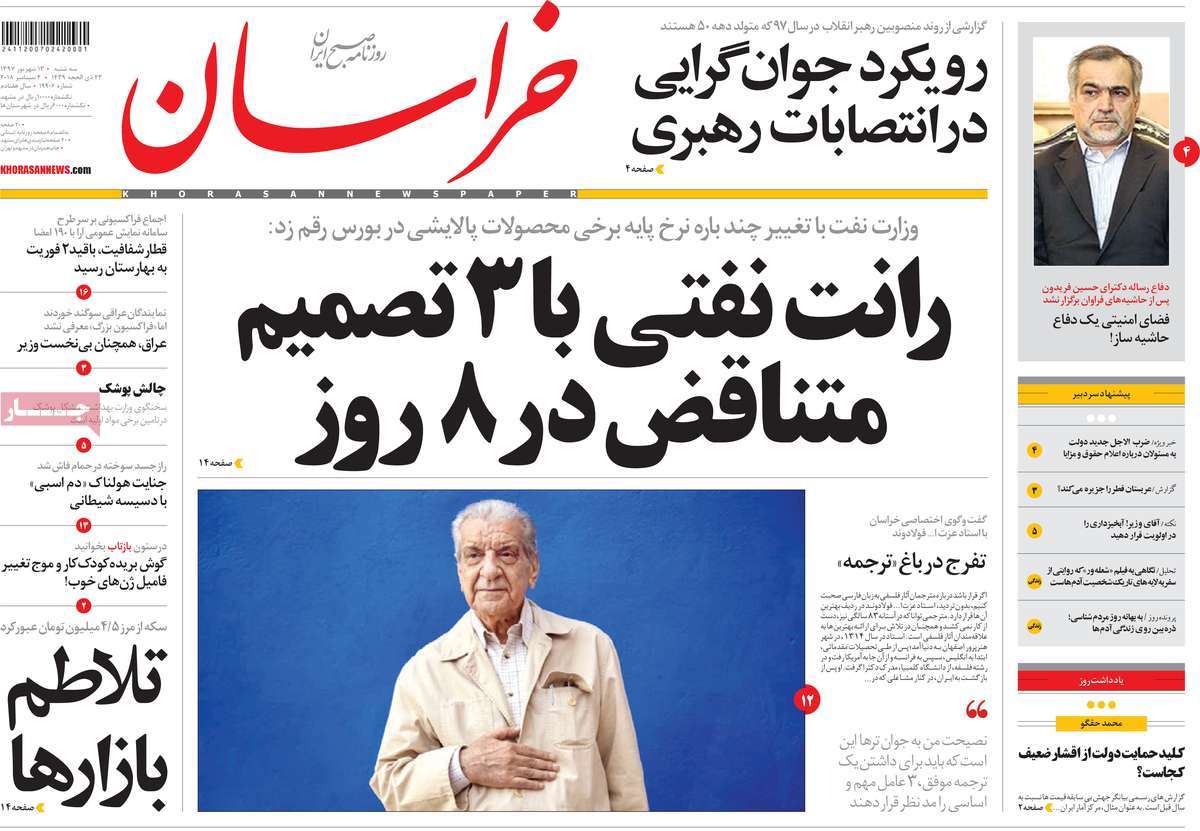
Khorasan:

1- Iran Leader Appointing Young People to Top Positions

2- Iraq Still without Prime Minister

A Look at Iranian Newspaper Front Pages on September 4


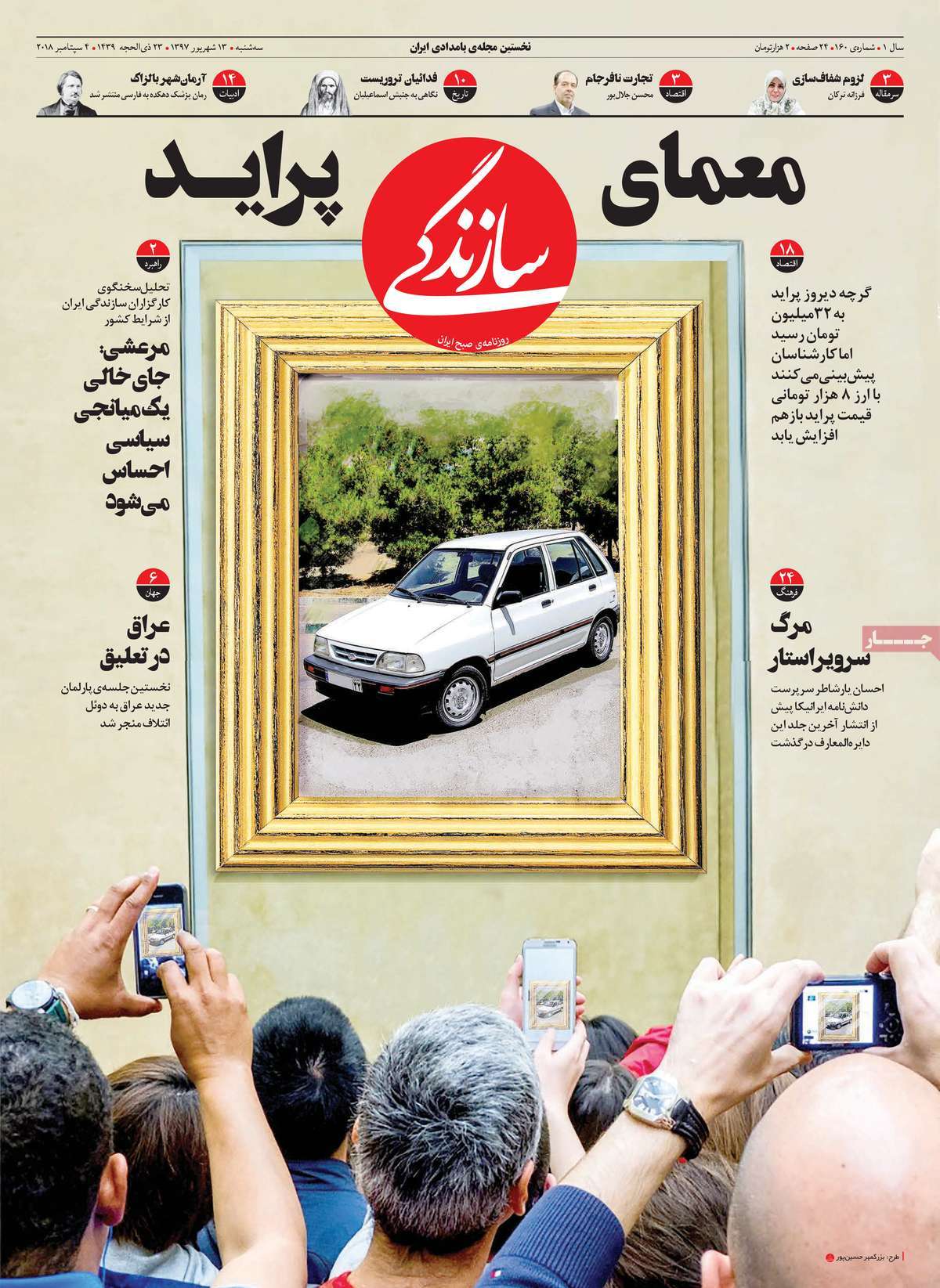
Sazandegi:

1- Iraq in Suspension: First Session f New Iraqi Parliament Leads to Duel of Coalitions

A Look at Iranian Newspaper Front Pages on September 4


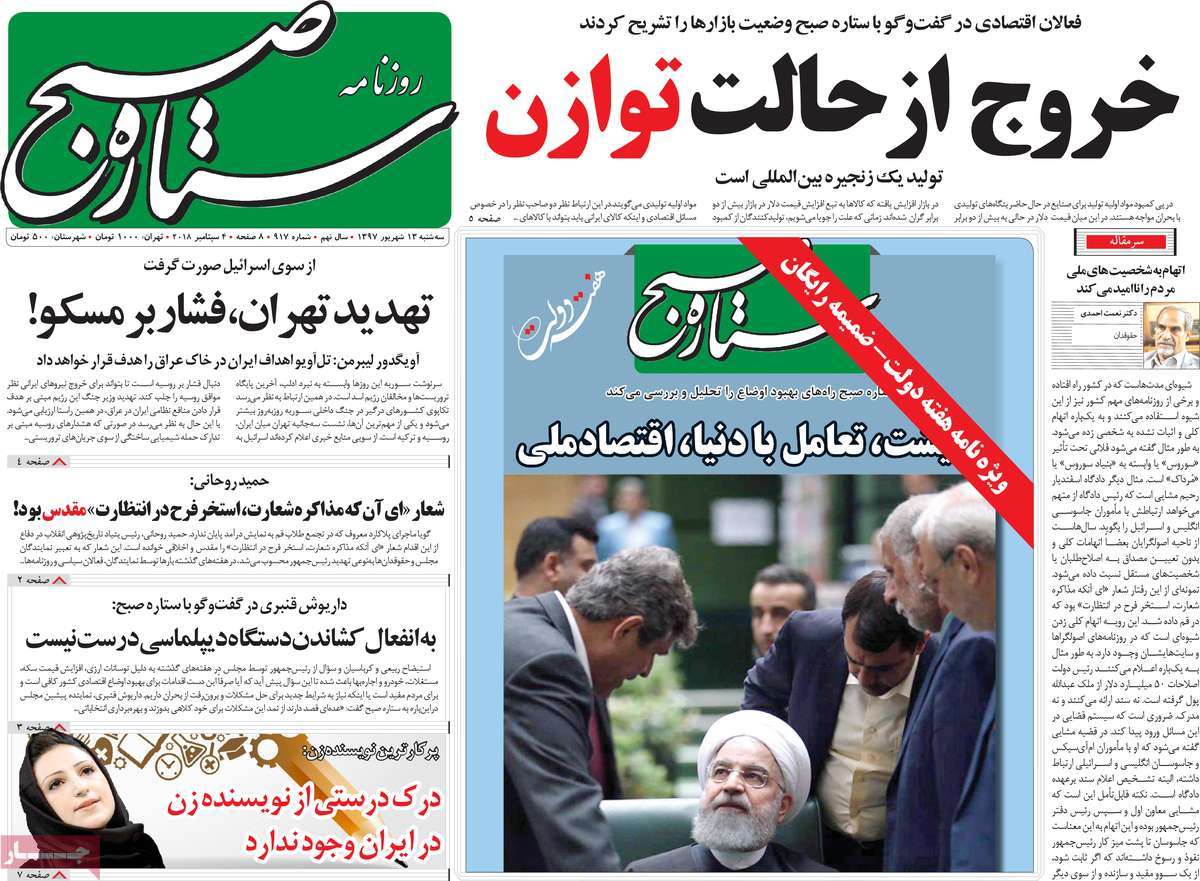
Setareh Sobh:

1- Israel Threatens Tehran, Puts Pressure on Russia!

A Look at Iranian Newspaper Front Pages on September 4


Shahrvand:

1- Where’s the Poor Boy Whose Ear Was Cut Off in Tehran?

  • Viral Video Implies Municipality Agents Have Cut Off Scavenger Boy
  • Officials Say Pursuing the Issue

2- Living with Bears, Sleeping with Snakes

  • Iranian Man, American Wife Coexist with Animals in Qazvin Village

A Look at Iranian Newspaper Front Pages on September 4


Shargh:

1- We Have to Keep Silent to Avoid Harming National Interests: Foreign Ministry

2- Europe in Challenge of JCPOA’s Fate, Trump

A Look at Iranian Newspaper Front Pages on September 4

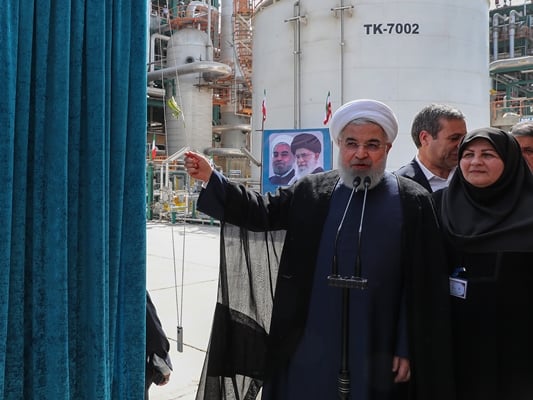
Rouhani Inaugurates Three Petchem Projects in Southern Iran

Among the projects was Marjan petrochemical plant in Phase 2 of South Pars Gas Field in Asalouyeh, which produces up to 1.6 million tonnes of methanol annually.

Other projects inaugurated in the presence of Rouhani were the third phase of Pardis Petrochemical Company and a power plant in Damavand Petrochemical Complex.

The new plans are expected to boost Iran’s capacity of producing petrochemical and polymer products from 62 million tonnes to 65.5 million tonnes.

The projects were reportedly completed at a cost of $570 million.

Asalouyeh is located on the shore of the Persian Gulf some 270 km southeast of the provincial capital of Bushehr.

It is best known for its South Pars, the world’s largest natural gas field that is shared between Iran and Qatar.

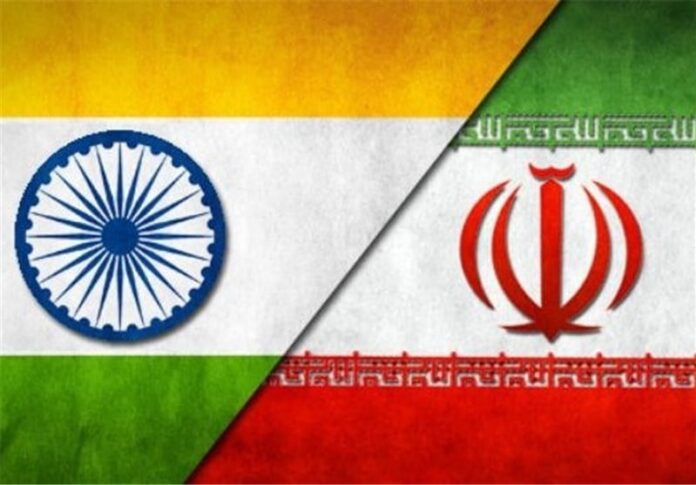
Indian Refiners Allowed to Import Crude Oil Using Iranian Tankers, Insurance

Iran, India Discuss US Unlawful Sanctions amid COVID-19 Pandemic

New Delhi’s attempt to keep Iranian oil flowing mirrors a step by China, where buyers are shifting nearly all their Iranian oil imports to vessels owned by the National Iranian Tanker Co.

The moves by the two top buyers of Iranian crude indicate that the Islamic Republic may not be fully cut off from global oil markets from November, when US sanctions against Tehran’s petroleum sector are due to start.

US President Donald Trump ordered the reimposition of economic curbs after withdrawing the United States from the 2015 nuclear deal between Iran and six world powers. No one trading with Iran will do business with America, he said.
“We have the same situation (as most Western shippers) because there is no cover, so we cannot go (to Iran),” an SCI official told Reuters.
New Delhi turned to the NITC fleet after most insurers and reinsurers had begun winding down services for Iran, wanting to avoid falling foul of the sanctions given their large exposure to the United States.

SCI had a contract until August to import Iranian oil for Mangalore Refinery and Petrochemicals Ltd, two sources familiar with the matter said.

Eurotankers, which had a deal with MRPL to import two Iranian oil cargoes every month, has also said it cannot undertake Iranian voyages from September, the sources said.

The sources spoke on condition of anonymity as they were not allowed to talk to the media about commercial deals.

“The shipping ministry has given refiners permission to buy Iranian oil on a CIF (cost, insurance and freight) basis,” a government source said.

Under a CIF arrangement, Iran would provide shipping and insurance, enabling Indian refiners to continue purchases of the country’s oil despite the non-availability of cover from Western insurers due to the restrictions imposed by Washington.

The move would benefit Indian Oil Corp, Bharat Petroleum Corp Ltd and MRPL, which plan to lift Iranian cargoes during the rest of the fiscal year ending on March 31.

India wants to continue buying oil from OPEC member Iran as Tehran is offering almost free shipping and an extended credit period.

State refiners, which drove India’s July imports of Iranian oil to a record 768,000 barrels per day, had planned to nearly double oil imports from Iran in 2018/19.

Unlike their private peers, India’s state-run refiners need government permission to import oil on a delivered, or CIF, basis. Federal policy requires them to favor Indian insurers and shippers by buying only on a free on board (FOB) basis.

The permission for CIF purchases applies only to existing annual contracts with Iran, the government source said.

SCI, Eurotankers, the shipping ministry, MRPL, IOC and BPCL did not respond to Reuters emails seeking comment.

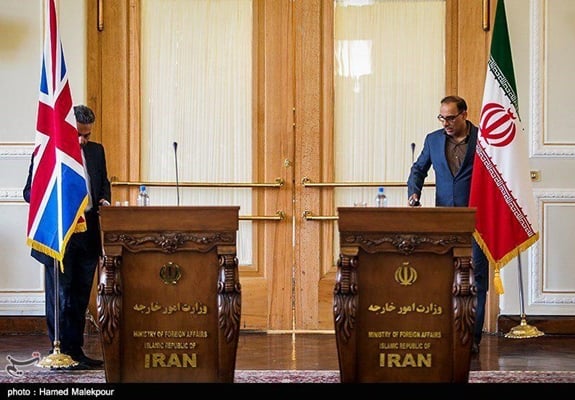
UK: Useful Talks Held with Iran on JCPOA, British-Iranian Prisoner

“I had useful conversations with Deputy Foreign Minister [Abbas] Araqchi on the nuclear deal and wider regional issues,” tweeted Alistair Burt, the UK Minister of State for the Middle East and North Africa.

Burt was in Iran on Saturday to hold a new round of high-level talks between Iran and the UK.

The two sides discussed ways of shoring up the 2015 nuclear deal, whose future hangs in the balance after US President Donald Trump pulled out of the accord early May.

Other signatories to the nuclear pact, including the UK, have opposed the US move and are working to convince Iran its interests will be protected if it remains in the accord.

“I also continued to press the case strongly on our dual national consular cases,” Burt said in his Tuesday tweet.

By consular cases, Burt was referring to the case of Nazanin Zaghari-Ratcliffe, a dual national who is serving a five-year jail sentence in Iran on the charge of covert propaganda efforts against the Islamic Republic.

Zaghari-Ratcliffe, claimed to be a charity worker affiliated with the London-based charity Thomson Reuters Foundation, was arrested in April 2016 just before taking the flight out of Iran.

Ancient Relics Found under Rubble of House Collapse in Iran

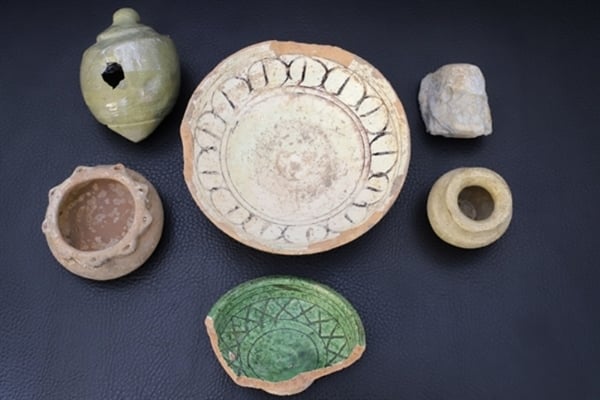
Abolfazl Aali, the director of the research office at the Cultural Heritage, Handicrafts and Tourism Department of Zanjan Province, said the discovered relics prove the old history of Zanjan.

Aali noted that the collection of pottery was found by a man whose house was destroyed in the old part of the city due to the rise of water.

The man has brought the relics to the Cultural Heritage Department of the city immediately after finding them, he noted.

In addition to the items found by the owner of this house, a structure has also been discovered at the site, he added.

“Initial studies show that the dishes belong to periods between 400 and 600 AH and the Seljuk era.”

He further noted that precise archaeological studies should be carried out on these containers, but what is certain is that they belong to the post-Islamic era.

He said that the potteries discovered in Zanjan prove the history of this city goes back to the time of Arab invasion of Iran, but the historical texts emphasise the older history of the city.

“These pieces and containers prove that the city of Zanjan had existed in the era of Islam, but no pre-Islamic era containers have been found yet.”