Sunday, April 12, 2026
Home Blog Page 3443

ECO Agrees to Allocate Seat to Iran’s Hamadan in Vienna

Mayor of Hamadan, which is home to the tomb of Persian polymath Avicenna, told a recent press conference held by the World Tourism Organisation (UNWTO) that a request for the seat had been sent to the ECO headquarters and it was approved by the body’s authorities.

Abbas Soufi added that the decision can introduce Hamadan as one of the top cultural cities of the world.

The ECO is a sub-division of the United Nations, Soufi said, adding that such international moves could be effective in the development and introduction of Hamadan.

He stressed that the UNWTO is the best place to introduce the tourist attractions of Hamadan as the capital of Iranian history and civilization to tourists around the world.

“We held meetings with the Austrian, Belgian, Swiss, Greek, Brazilian and Japanese ambassadors, and we held talks on developing the tourism industry in the province,” he mentioned.

Last week, Hamadan was registered at the World Tourism Organisation (UNWTO) as the world’s first city, and it could be effective in developing the tourism industry in this city, underlined Soufi.

Hamadan was also chosen as Asia’s hub of tourism in 2018 by the Asia Cooperation Dialogue (ACD).

“As Hamadan is a member of several international institutions, Hamadan International Development Cooperation Centre will be set up in the near future, which will be a hub of the management of these international institutions.”

The 40th World Tourism Organisation (UNWTO) forum will be hosted by Hamadan from November 12 to 14 with participation of different countries.

The Economic Cooperation Organisation or ECO is a Eurasian political and economic intergovernmental body which was founded in 1984 in Tehran by the leaders of Iran, Pakistan, and Turkey. It provides a platform to discuss ways to improve development and promote trade and investment opportunities. The objective is to establish a single market for goods and services, much like the European Union.
Iranian Art of Tobafi to Be Inscribed by World Crafts Council

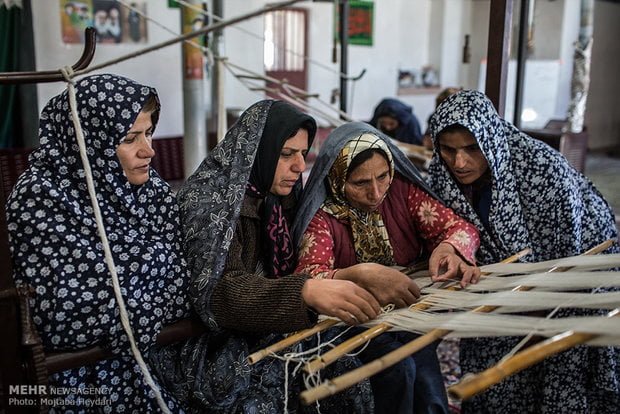
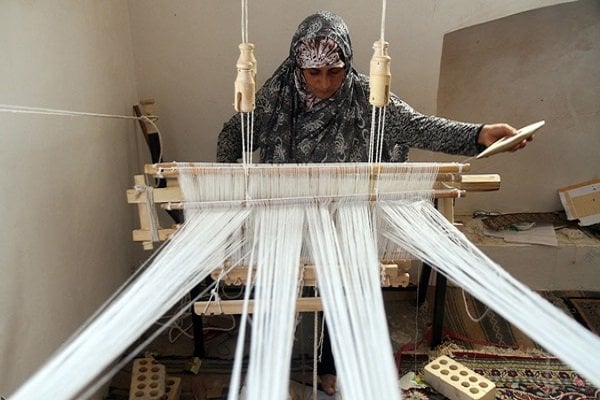
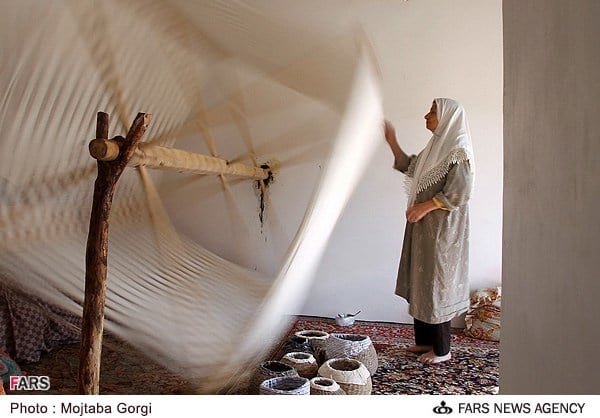
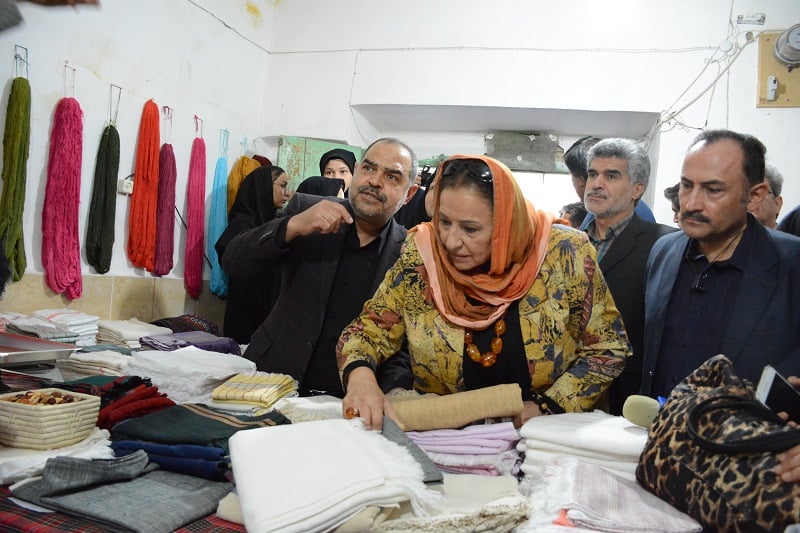
Three experts from the World Crafts Council, an affiliate of the United Nations Educational, Scientific and Cultural Organization (UNESCO), recently visited Tobafi workshops in Khorashad village of Birjand in South Khorasan province, eastern Iran, to take a closer look at the traditional art.

The team of experts included Kuwaiti head of the World Craft Council’s Asia Pacific Region (WCC-APR) Ghada Hijjawi-Qaddumi, Ahmed Saleh al-Farisi from Oman, and Vida Tohidi, and advisor to Iran’s top handicrafts official.

After visiting the workshops, Hijjawi-Qaddumi said the craft used to be made by men in the past, but now Iranian women have revived the precious art.

She praised the efforts made by Khorashad women to revive the art, and said the WCC team enjoyed the works done in this village.

The art has been revived thanks to the great efforts made, and its products are offered on international markets.

Iranian Art of Tobafi to Be Inscribed by World Crafts CouncilThe Tobafi art, as the only handicraft skill in the province, has been nominated to receive the originality seal from the country’s Ministry of Cultural Heritage and Tourism.
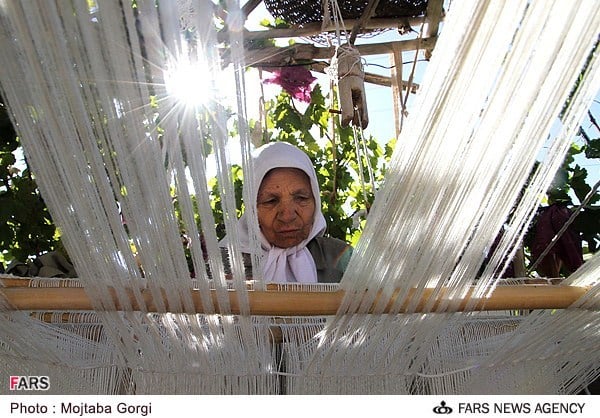
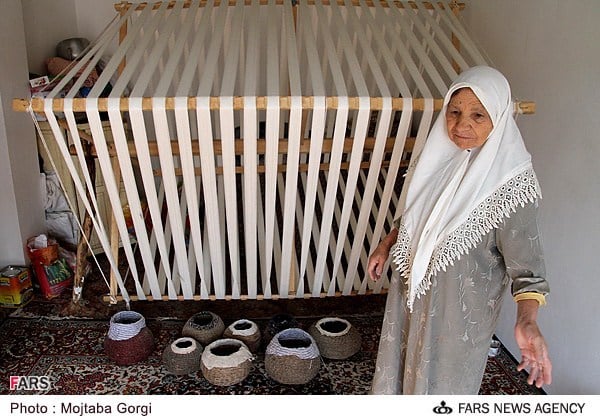
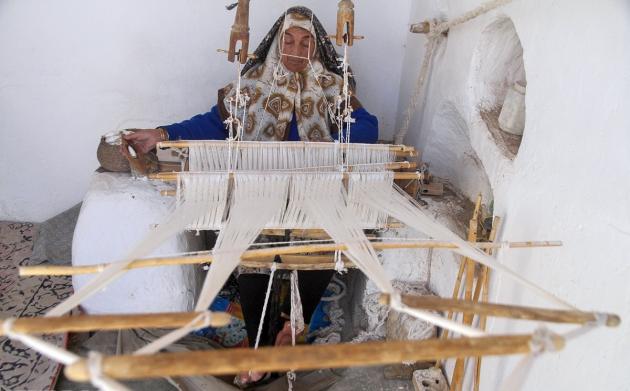
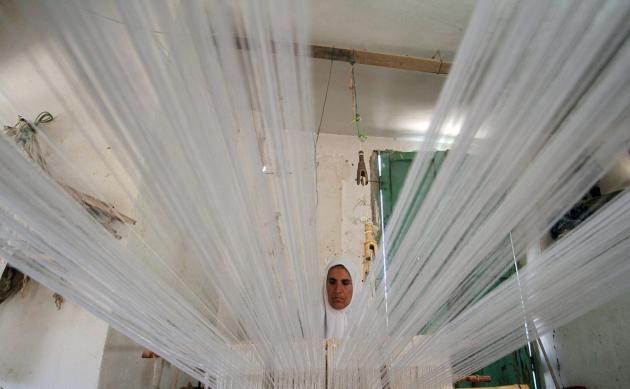
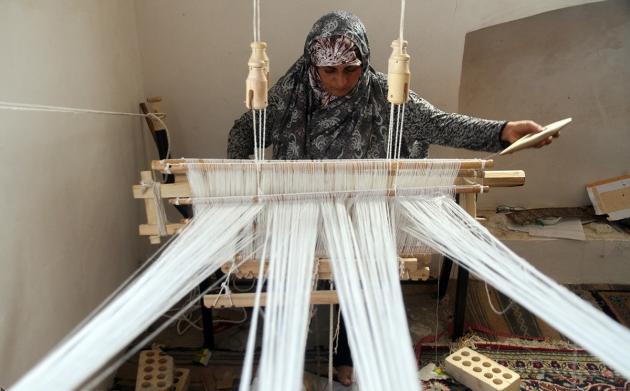
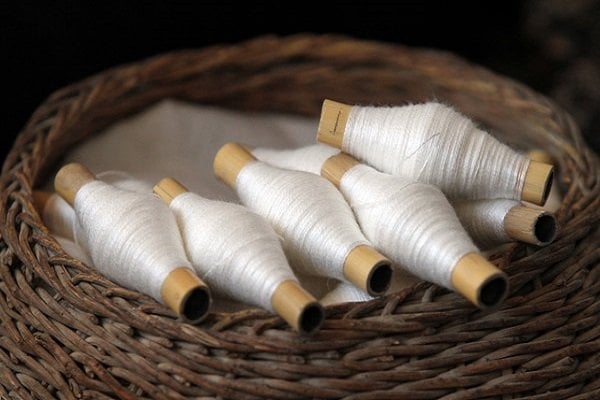
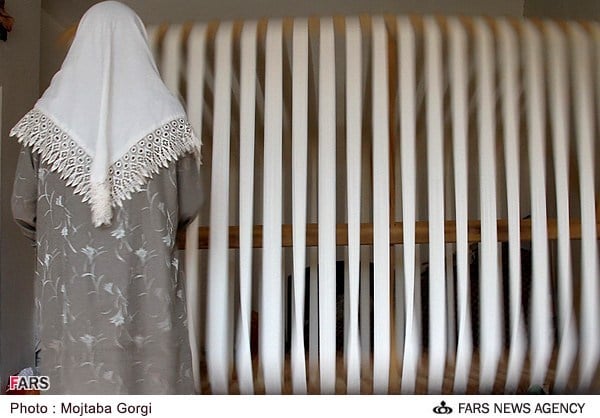
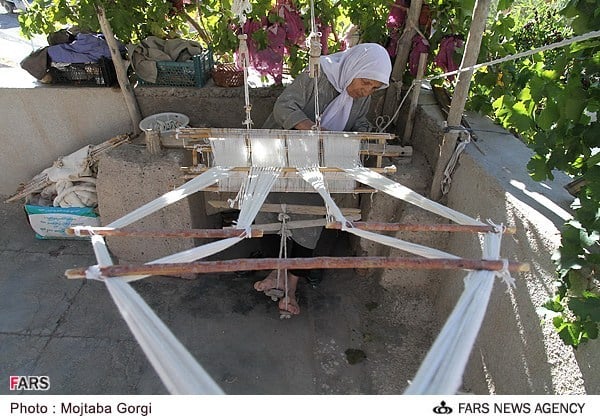
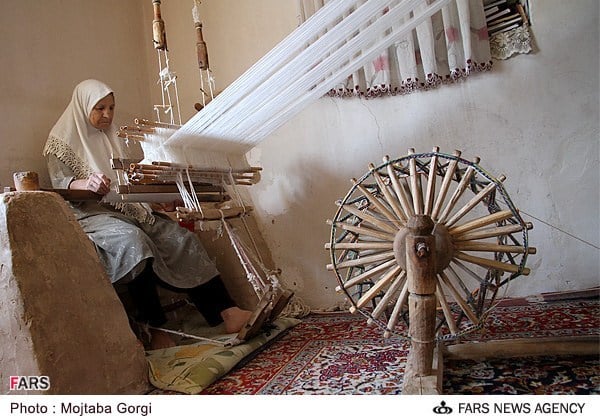
In order to weave fabric with the traditional Tobafi method, they first provide raw materials such as cotton, silk or wool. Then they spin them. Afterwards, they boil the spun thread and use flour to make the thread thicker. Then they use the fabric and the fabric-weaving machine to make the final product.
The revival of the traditional fabric-weaving art began in Khorashad, and now there are other artists in other towns who do fabric-weaving.

Iranian Art of Tobafi to Be Inscribed by World Crafts CouncilThe managing director of a women’s cooperatives company has been able to revive the 300-year-old art over the past 12 years and is now offering on the world market the handicrafts woven by folks in South Khorasan province.

Since the very first years of her activity, Fatemeh Zakerian has had a successful performance in exhibitions where traditional fabrics were offered.

“One sweet event happened at the New Year exhibition in Mashhad where businessmen from Dubai showed an interest in the traditional fabrics of South Khorasan. The businessmen saw the products in the exhibit and examined the quality of the goods. Then they bought 20 coloured shawls made from plant materials. After they became confident about the quality of the products, they ordered 300 shawls in different colours,” she said.

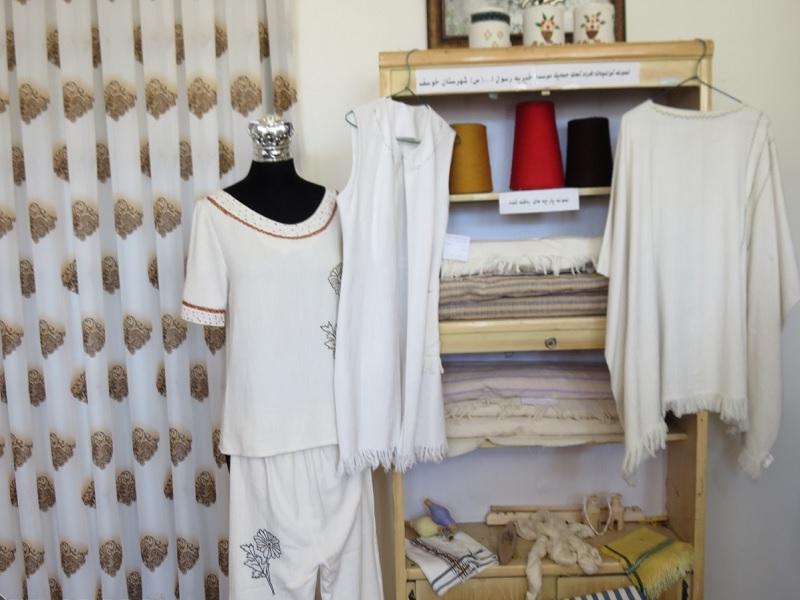
“These shawls are made from cotton thread and dyed using traditional methods with plant materials by members of the cooperatives company,” she said.

“Traditional dying is done using the skin of different types of crops such as walnut shell, onions, oranges, saffron, garlic and powdered stone,” she added.

One of the advantages of traditional fabrics in South Khorasan is that they are made with natural fibres and the only type of coloured cotton grown in the town of Khusf.

Chemical dye is not used to make traditional clothes in this town.

Governor of the town Mohammad Sahfi’ee says the only type of coloured cotton is grown in the town of Khusf, which is a unique feature of the area.

Another handicrafts and cultural heritage official also says the traditional towels made with this type of cotton are highly absorbent. This type of towel weaving has been registered on the List of National Cultural Heritage.

Zarif Rejects Concerns, Defends Iran Getting Out of FATF Blacklist

FATF’s Blacklisting of Iran; Threat or Opportunity?

Speaking in an interview with the state radio on Saturday, Mohammad Javad Zarif said the Supreme National Security Council has thoroughly examined the four bills proposed by the government to meet conditions set by the Financial Action Task Force (FATF) to get the country out of the body’s black list.

The SNSC has reached the conclusion that the process is harmless, Zarif noted.

His defence came as Iran’s adoption of standards set by the G7-created FATF has faced real obstacles in recent months, mainly over concerns among some officials that the move could endanger Iran’s national security interests.

Out of the four bills, only the first one has so far went into effect and the fate of other three is in limbo.

Last Sunday, the Guardian Council spokesman Abbas-Ali Kadkhodaei said the body had found “flaws and ambiguities” in the Combating the Financing of Terrorism (CFT) bill, which is the most important one of the three.

Two other bills, one on Iran’s accession to the United Nations Convention against Transnational Organized Crime, also known as Palermo Convention, and another on amending the country’s anti-money laundering law, have also been found to be problematic by the GC and the Expediency Council.

Meanwhile, the fourth bill, an amendment to the country’s law against financing terrorism, was approved by the Parliament and the Guardian Council, and signed into law by President Hassan Rouhani earlier this year.

Proponents of the FATF accession say the measure would smooth the path for Iran’s increased financial transactions with the world.


No Need for Suicide

Zarif said it is essential for Iran to meet FATF conditions, as Tehran needs to restore banking connections with the outside world at a time when the US seeks to bully Iran and isolate the country.

“We should not add to our problems, when Americans are working to create obstacles,” he said, citing an old Persian saying which says one should not commit suicide for the fear that he might be killed.

Asked about arguments that joining the FATF would make the country vulnerable to outside meddling and expose various institutions to terrorism accusations and extraterritorial penalties, Zarif said the US is not responsible for determining instances of terrorism under FATF.

Zarif said the FATF sees the UN Security Council as the sole body in charge of determining terrorist groups, and it is highly unlikely that the body declares Iran’s military forces and allied groups as terrorists.

“This won’t be a possibility if we work at the international level. On the other hand, we have no restrictions on exiting international conventions,” he added.


GC Insists CFT Bill Irrevocable

This is while the spokesman for the Guardian Council, the legislative watchdog, repeated on Saturday that he believes Iran won’t be able to join the CFT convention.

“Our assumption is that the bill is irrevocable and that’s why it is against national interests,” Kadkhodaei said in a regular presser in Tehran on Saturday.

The FATF announced last month once again it extends the deadline for Iran to complete reforms to meet conditions for getting out of the body’s black list until February.

FATF had previously given Tehran until October to bring its laws against money-laundering and funding of terrorism up to its guidelines.

Rouhani: US Bans Aimed at Pressurizing Iranian People

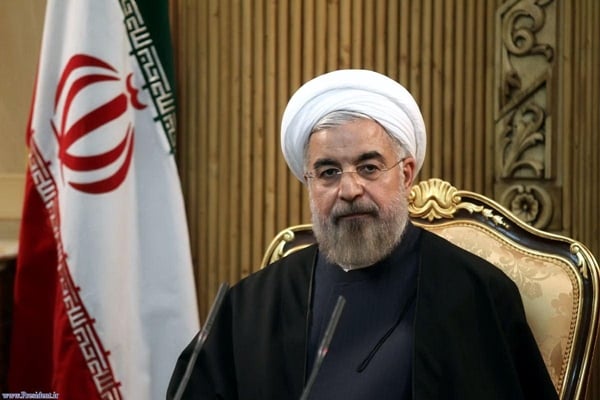
“The US claim that it does not seek to put pressure on the [Iranian] people and just wants to pressure the government and the Establishment is completely false and untrue, and they (US officials) themselves revealed this fact in their actions,” Rouhani said on Saturday.

He said the fresh round of US sanctions imposed on Iran on November 5, 2018, has had no bearing on Iran’s economy, as Washington had already made every effort against Iranian people, and it had nothing new to put forward in the new round of sanctions.

President Rouhani said the White House intends to launch a war of nerves against Iranian people.

He referred to the waivers granted by the US to Iran’s oil clients, and described it as a treat from its earlier positions.

He also pointed to the Trump administration’s move to exempt food, medicines and medical equipment from sanctions, and said the measure was taken under the pressure of public opinion, who harshly criticized the US for depriving the people from basic supplies.

Elsewhere in his remarks, Rouhani said the US has not been able to bring Iran’s oil exports to zero as it claimed it would.

“Recently, the Americans themselves confessed that they could not bring Iran’s oil exports to zero. Their argument was that if they brought Iran’s petroleum exports to zero, the oil price would rise to 150 dollars per barrel,” said the president.

The US has granted waivers to almost all key clients of Iran’s crude oil for fear of further hikes in oil prices. The countries exempted from the US sanctions on Iran’s oil exports include China, India, Greece, Italy, Taiwan, Japan, Turkey and South Korea, which together took in over 80 percent of Iran’s oil exports last year.

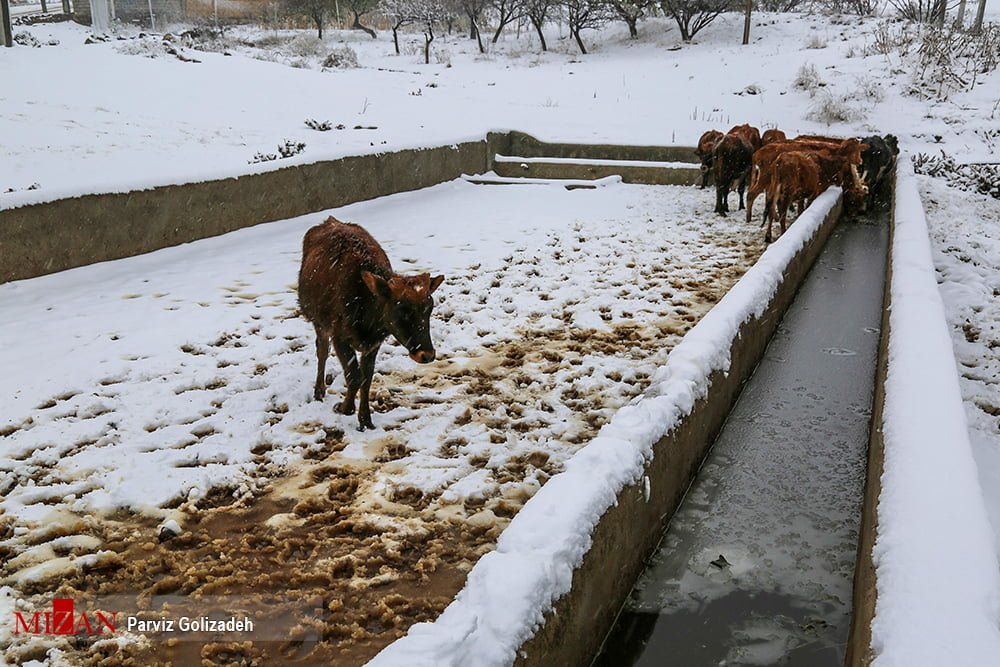
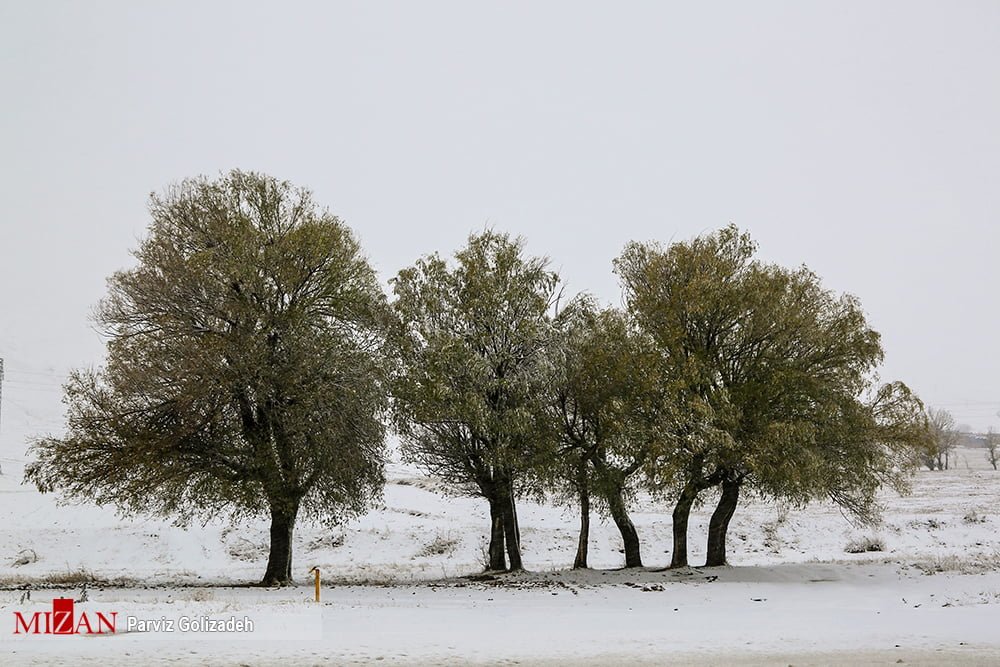
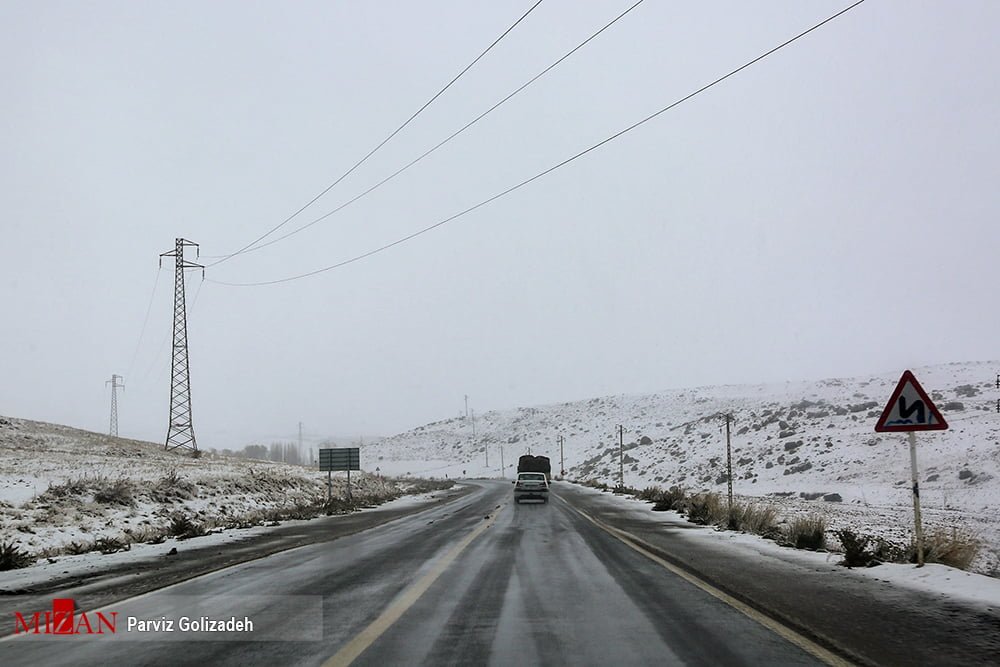
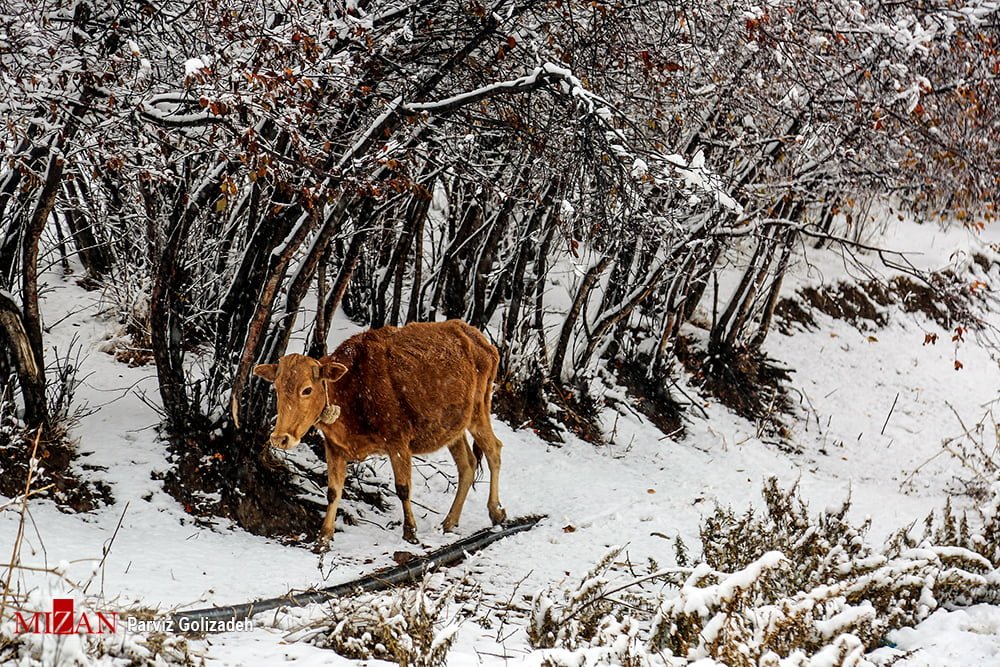
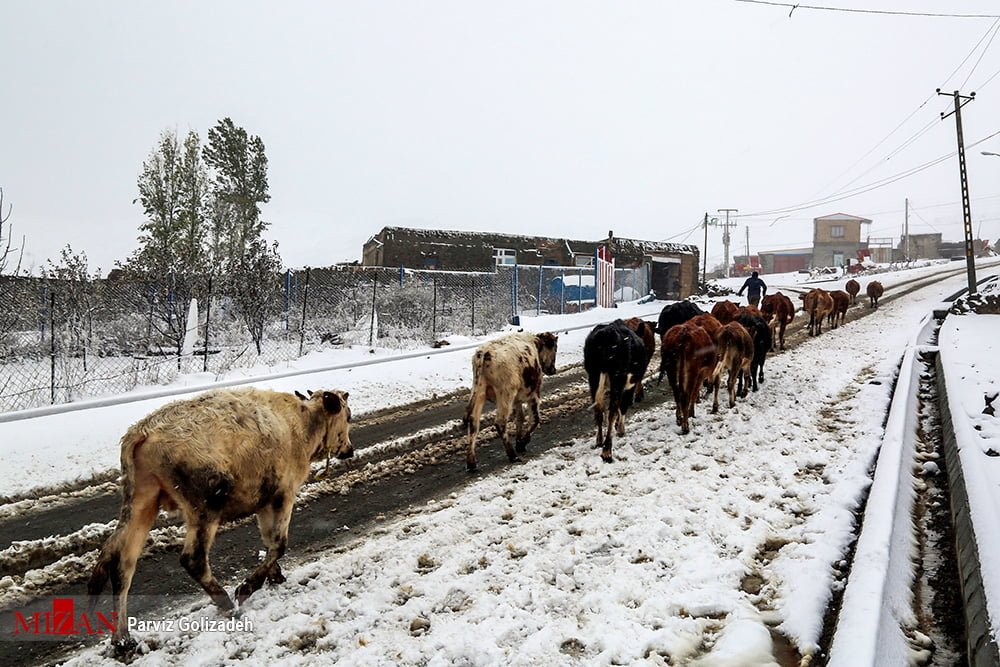
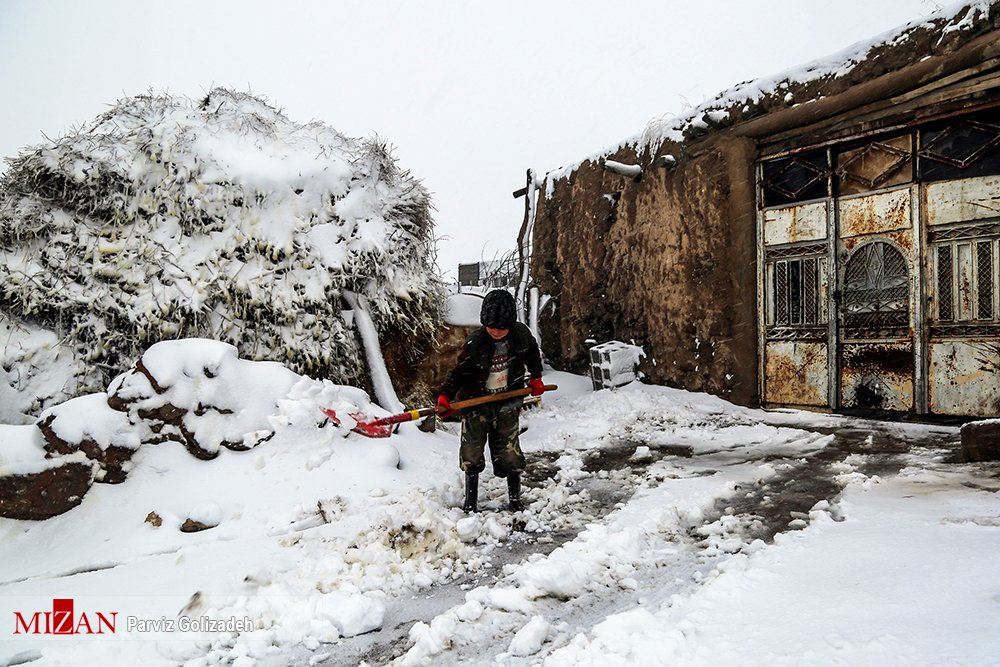
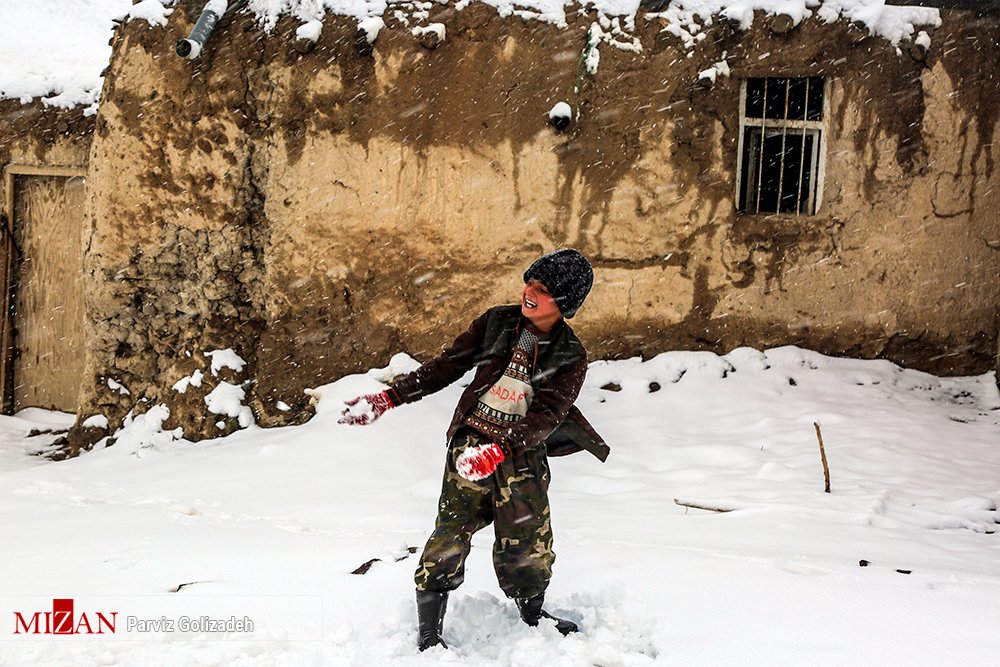
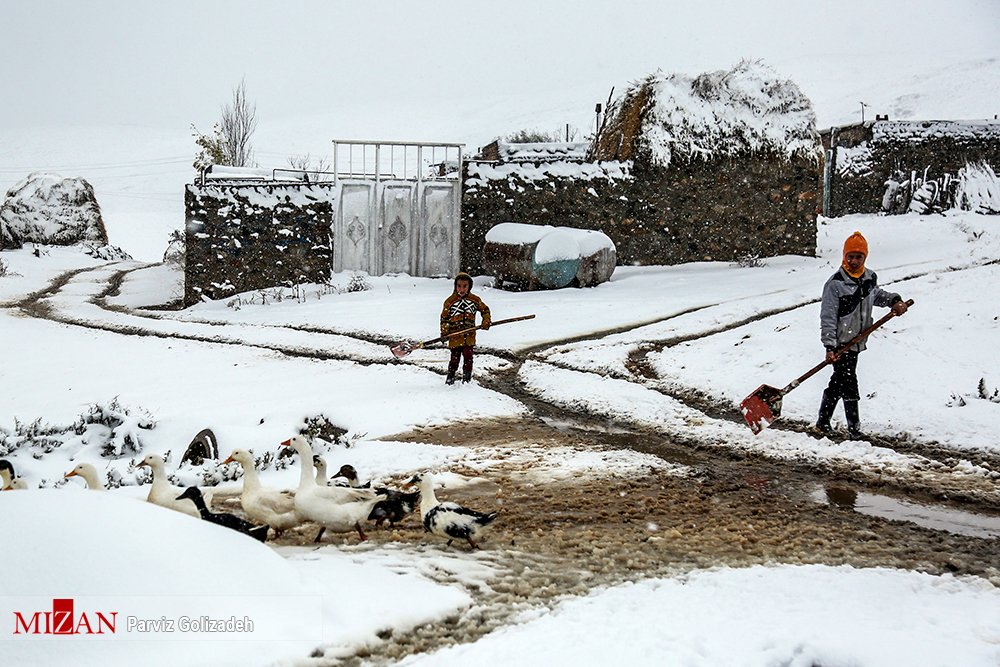
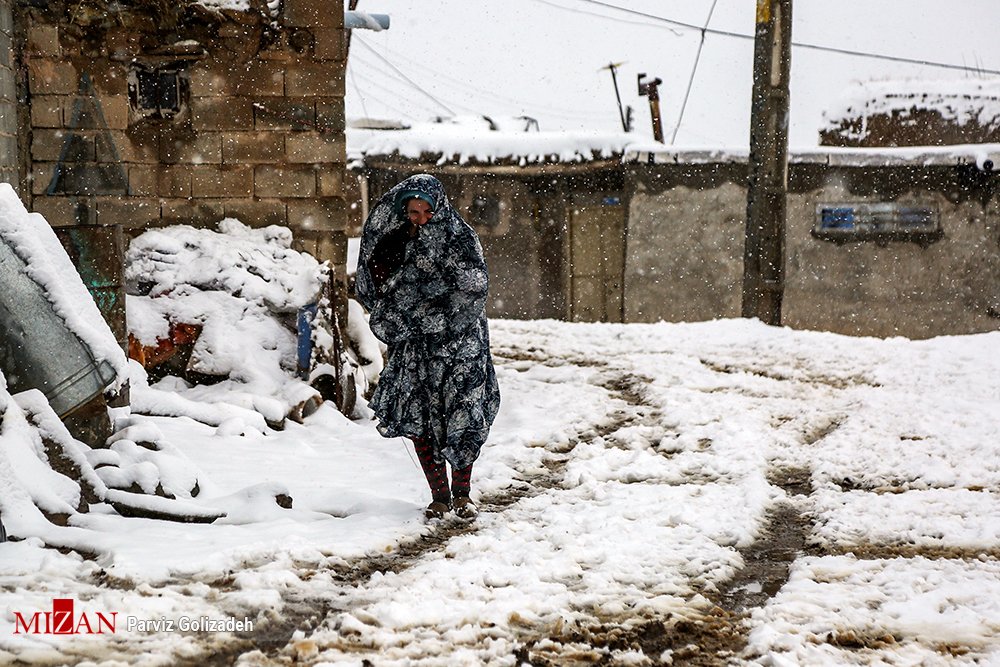
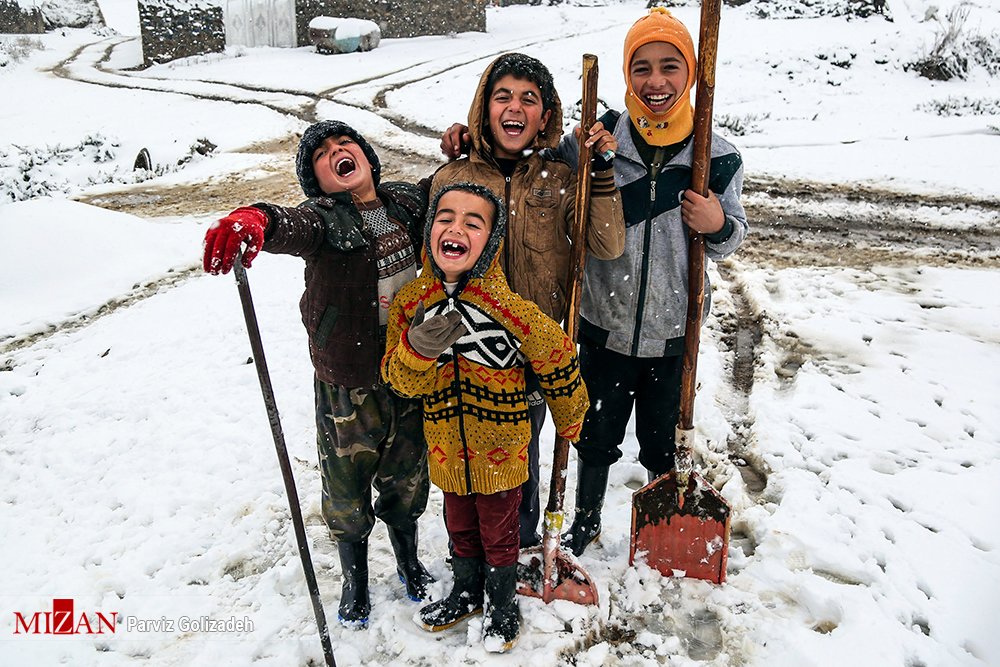
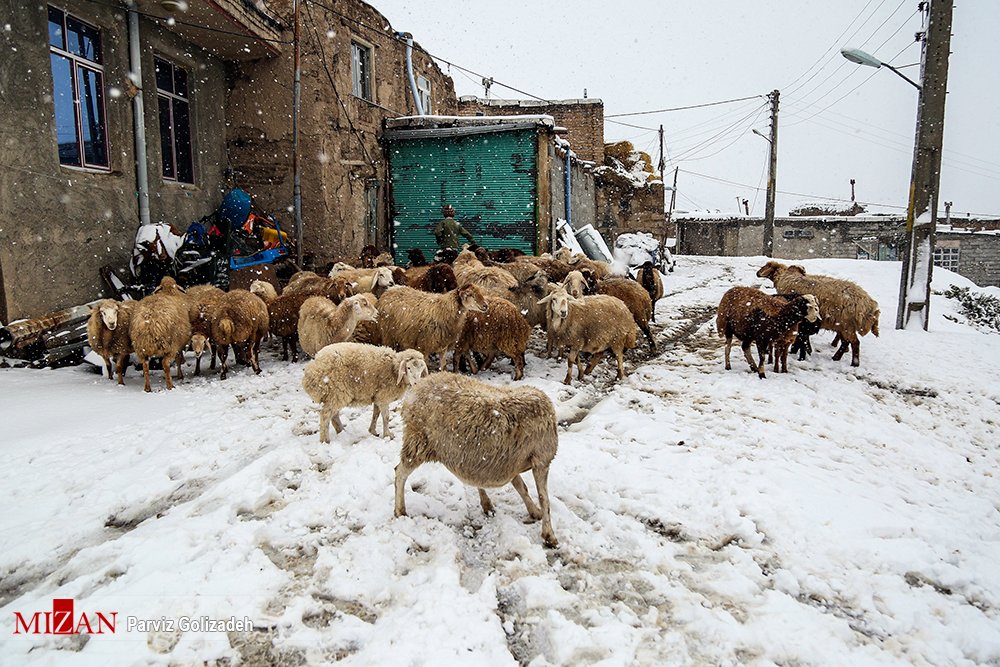
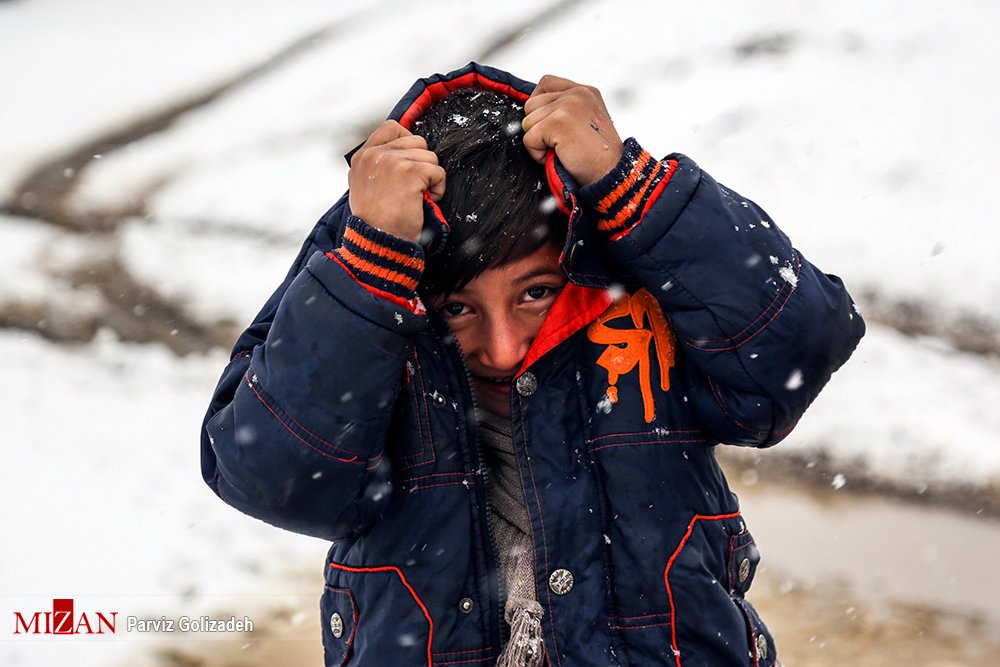
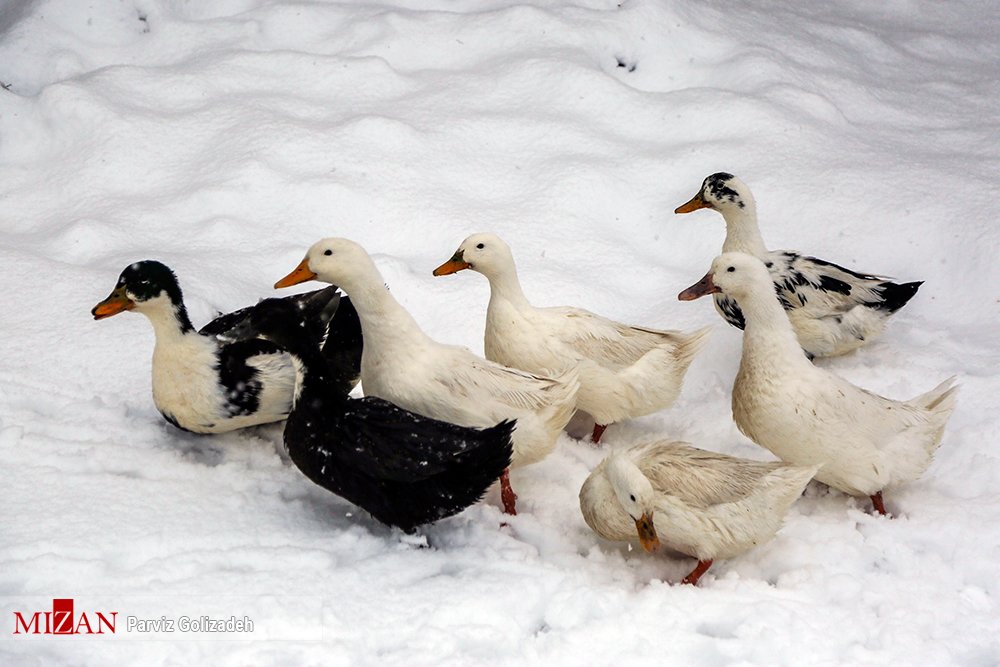
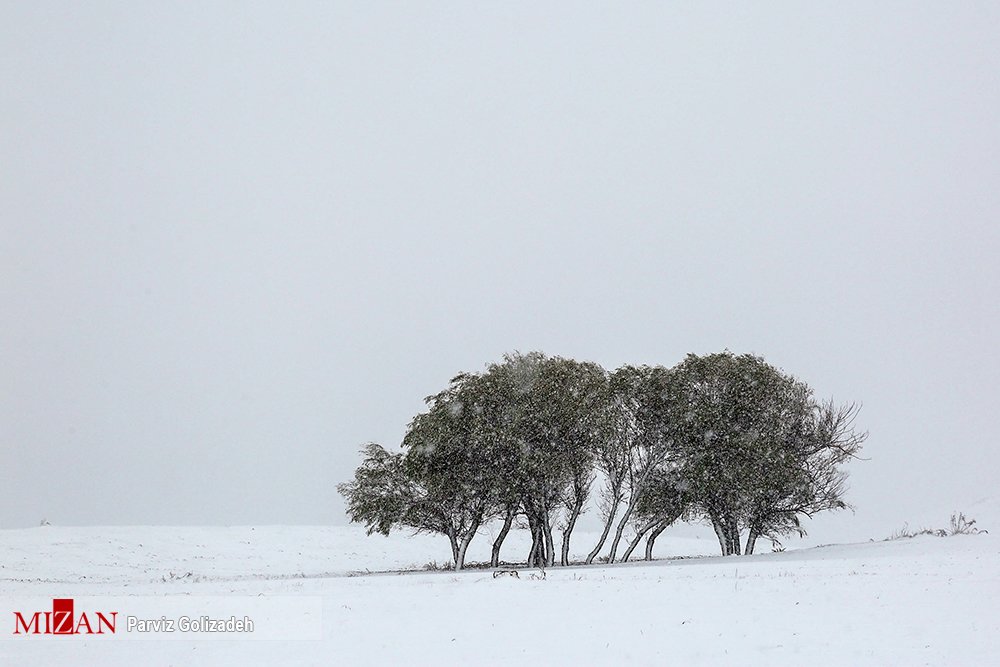
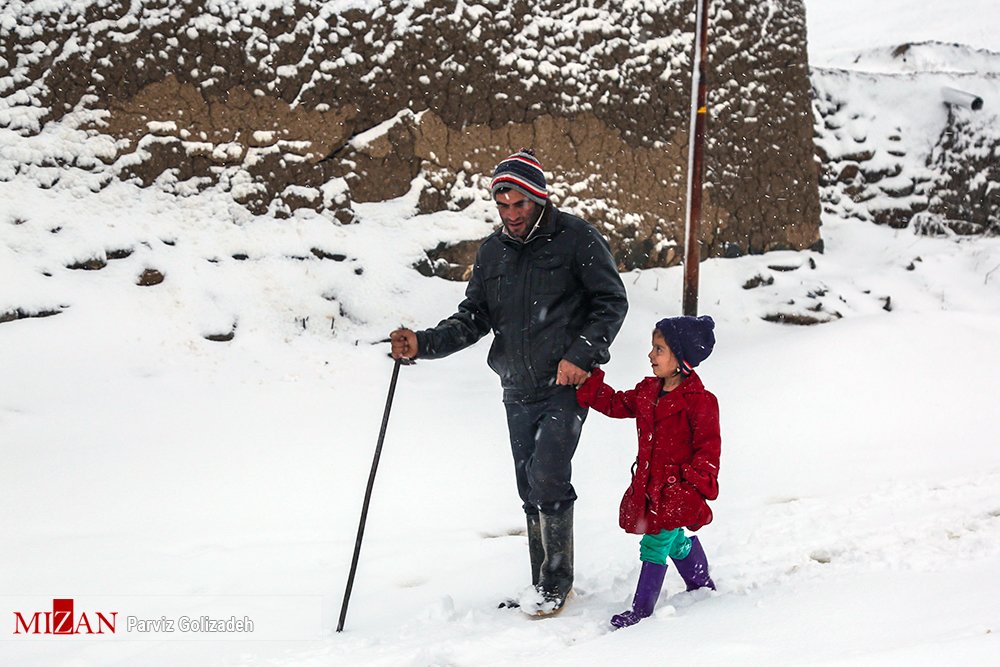
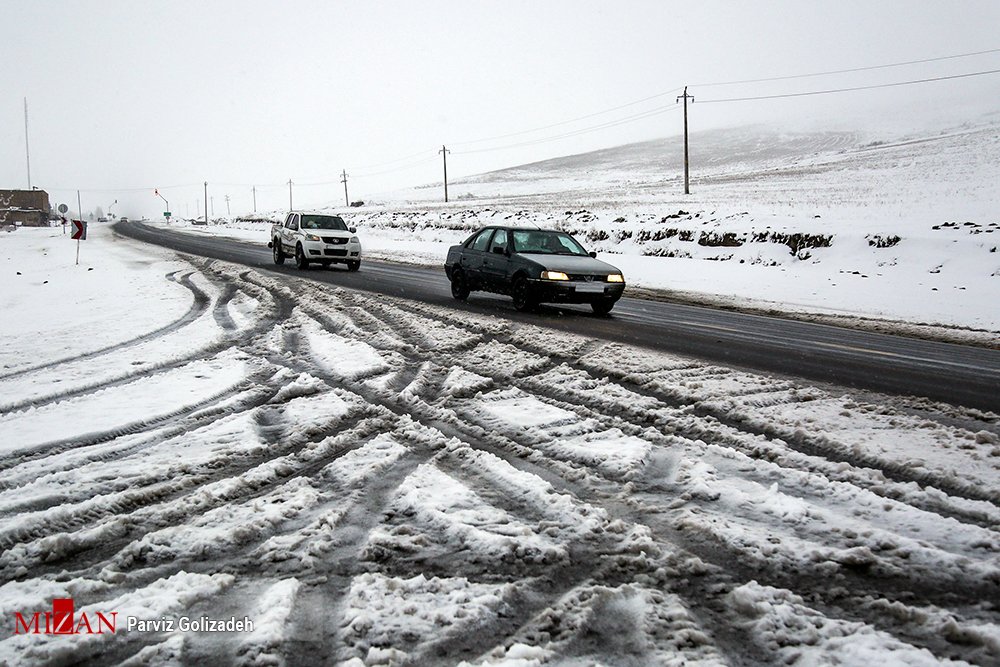
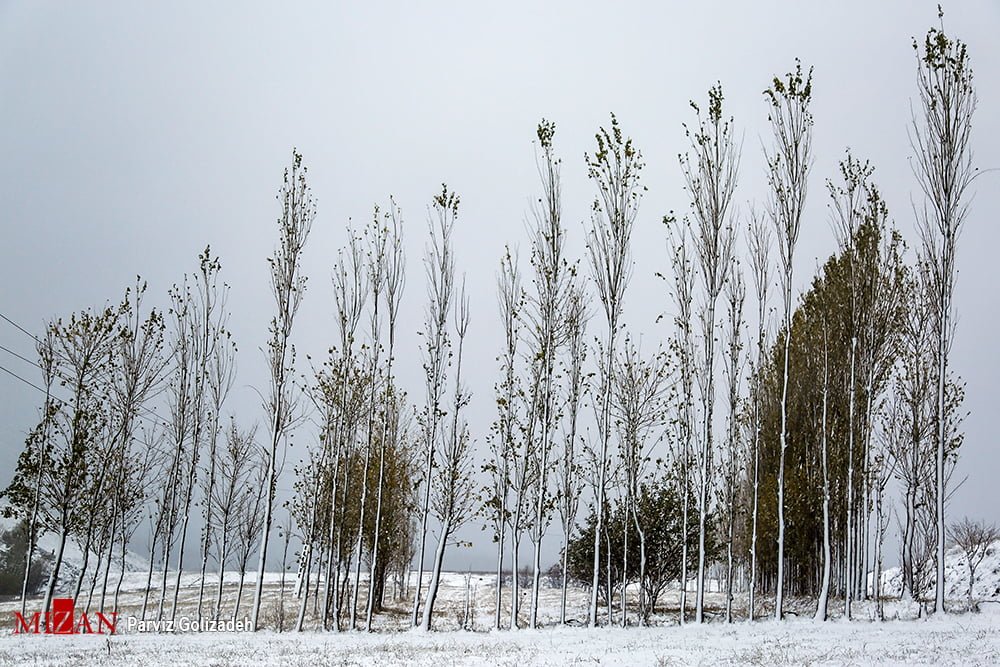
Iran’s Ahar Blanketed in Autumn Snow

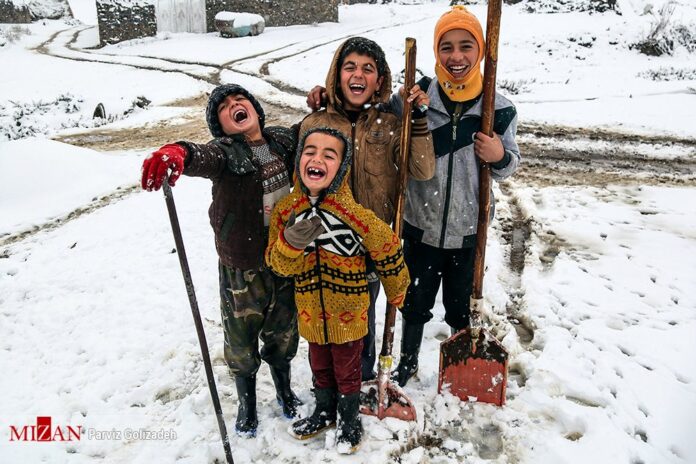
What follows are Mizan News Agency’s photos of the autumn snow in Ahar, located in East Azarbaijan Province, north-west of Iran:

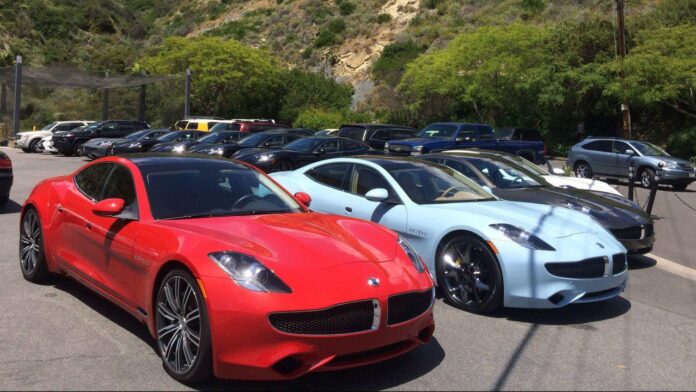
Three Girls Arrested in Tehran for Joyriding Luxury Cars

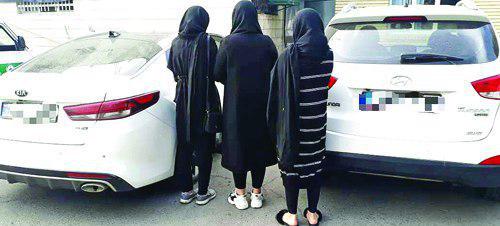
Head of a police station in southeastern Tehran said the girls were arrested after officers became suspicious of a luxury car and checked its record.

Having checked the records of the Kia Optima, the police found out that the car had been stolen days ago in northern Tehran.

The car owner says some days ago he picked up a girl in northeastern Tehran but she stole the car immediately after he got out of it for buying something.

Three Girls Arrested in Tehran for Joyriding Luxury CarsThe police also checked the record of a Hyundai Tucson vehicle and found out the vehicle had been stolen one week ago. The police called the owner who said his vehicle had been stolen in the same way.

During the investigations, the police came to the conclusion that the two vehicles had been stolen by three young girls between 18 and 20 years of age. So, the police began a massive operation to identity and arrest the suspects.

During the operation, the police found out that one of the girls lived in the same uptown area where the vehicles were stolen. The suspects were arrested immediately.

The girls confessed that they stole the vehicles only for fun and going for a joy ride to get familiar with more wealthy men on luxury cars.

Judiciary procedures are underway to put the girls on trial.

Iran Produces Anti-Cancer Drug to Neutralize US Sanctions

Iranian Health Ministry earlier announced that the anti-cancer drug called Busulfan cannot be provided for the patients in the country.

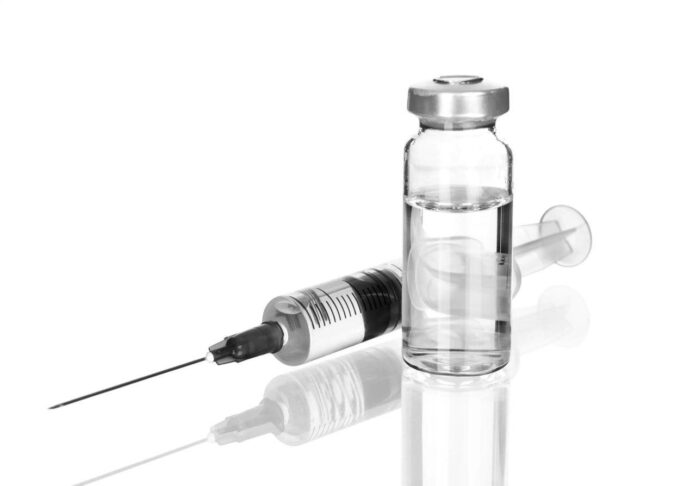
However, Dr Nader Norouzi, a faculty member at the Urmia University of Medical Sciences, has now succeeded in making the drug with a high degree of purity using a simple method.

According to ISNA, the drug, which is exclusively produced by the United States and France, is one of the most expensive anti-cancer medications, which can now be mass-produced inside Iran.

“The Ministry of Health asked the academic centres to produce a total of 160 essential medicines including Busulfan. Thank God after months of efforts, the drug, which is used to treat chronic Leukemia, was successfully produced,” said Dr Norouzi.

Dr Norouzi also said that the price of this drug last year was about 150 USD, but now the price can drop significantly while it is not just produced by some particular countries anymore; therefore, people should not worry about the drug at the time of sanctions.

For a more detailed review of Iran’s achievments in various fields of science and technology, check the book “Science and Technology in Iran: A Brief Review”, released by the Science and Technology Department of the Iranian President’s Office.

The US reinstated sanctions against Iran’s oil and banking industry on Monday, following its withdrawal from the 2015 nuclear deal and pledges that Washington will place maximum pressure on Iran.

Humanitarian supplies are formally exempted from sanctions, but the banking sanctions practically deter any kind of trade with Iran.

In 2011, the last time the US was tightening anti-Iran sanctions, Washington’s pressure led to severe shortages of life-saving medicines and food staples, as foreign banks and companies were avoiding transactions with Iran for fear of being penalized.

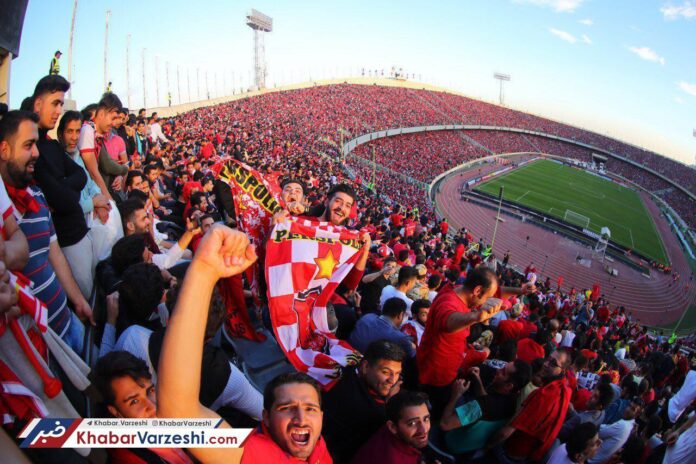
Persepolis vs Kashima Antlers Match Breaks ACL Final’s Attendance Record

According to the AFC Website, with tickets for the 78,116 capacity Azadi stadium nearly sold out, the 2018 final match is poised to pass the highest single match attendance set during the 2014 final.

In 2014, 63,763 attended the deciding leg between Saudi Arabia’s Al Hilal and Western Sydney Wanderers from Australia at the King Fahd International Stadium in Riyadh.

AFC President Shaikh Salman bin Ebrahim Al Khalifa said, “From across all platforms and competitions, we are witnessing new benchmarks in engagement in the Continent. For the second straight year, we will witness a new attendance record, which is a testament to our progress in realising our ambitions through the AFC’s Vision and Mission.”

The thrilling race to Asian club glory reaches its peak as Kashima and Persepolis set their sights on a historic maiden AFC Champions League trophy and a record prize purse of $USD4 million.

Despite losing to their Japanese opponents 2-0 in the first leg, the Iranian team will be counting on full-capacity home support to overhaul a two-goal deficit in the final.

Defying the odds and late home goals have become synonymous with Branko Ivankovic’s men this season, who have come from behind to win nearly all their knock-stage opponents, registering one of the tournament’s most memorable comebacks when they overturned a two-goal deficit against Qatar’s Al Duhail to progress into the semi-finals.

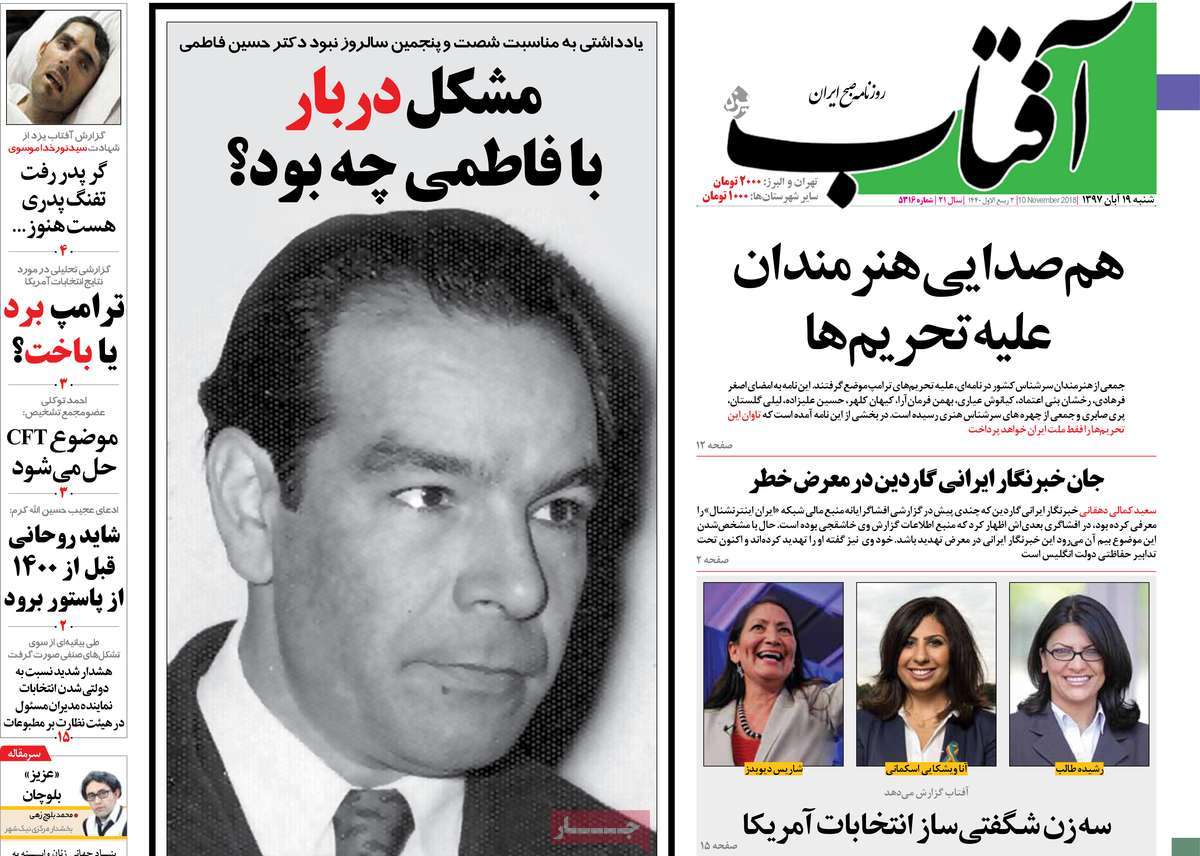
A Look at Iranian Newspaper Front Pages on November 10

A Look at Iranian Newspaper Front Pages on November 19

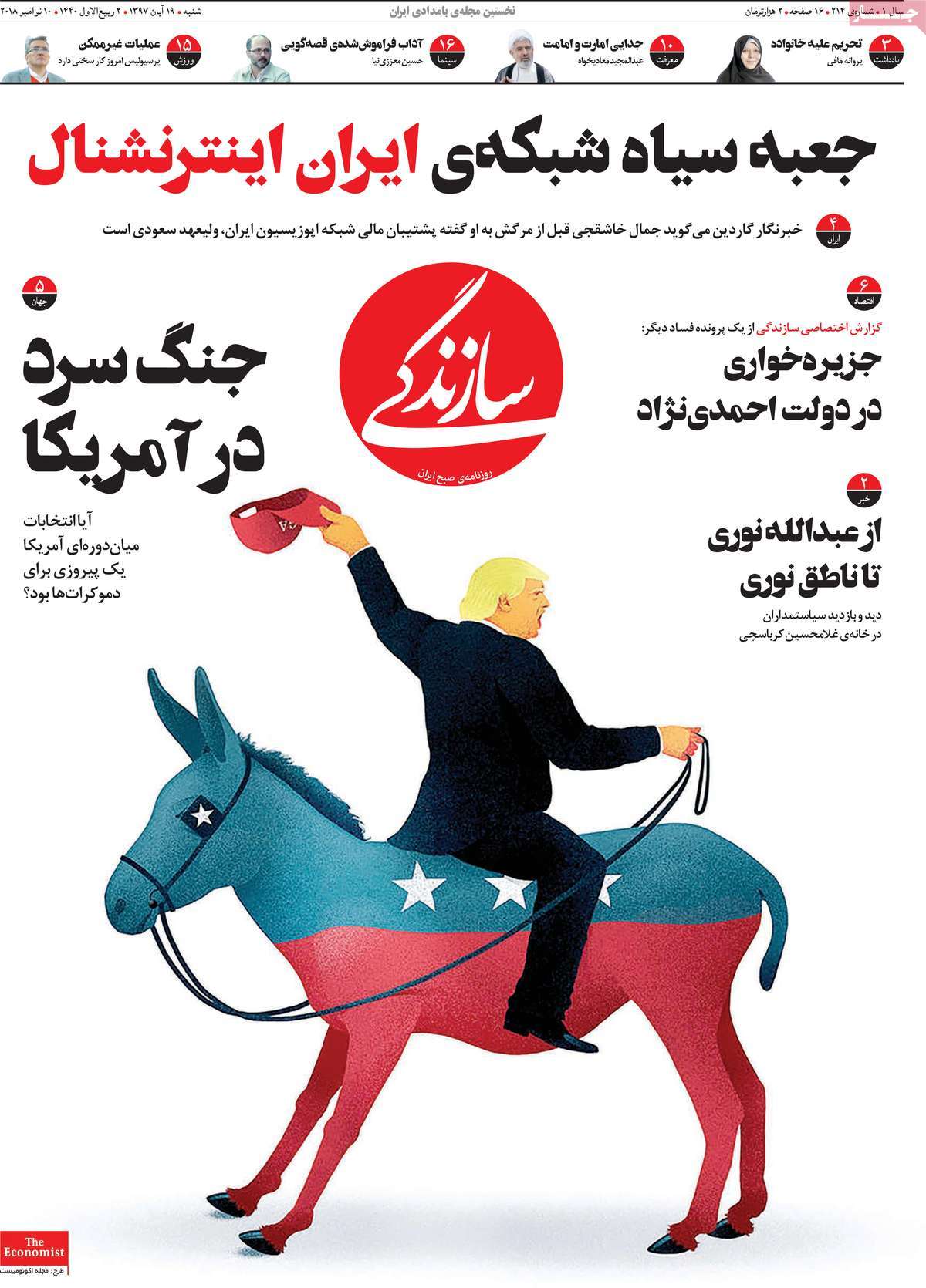
The top story in all papers today was a tweet by The Guardian’s Iranian correspondent Saeid Kamali Dehghan, in which he said Jamal Khashoggi, the slain Saudi journalist, had been killed for unveiling Saudi Crown Prince Mohammed bin Salman’s direct role in financing a UK-based anti-Iran TV channel, Iran International.

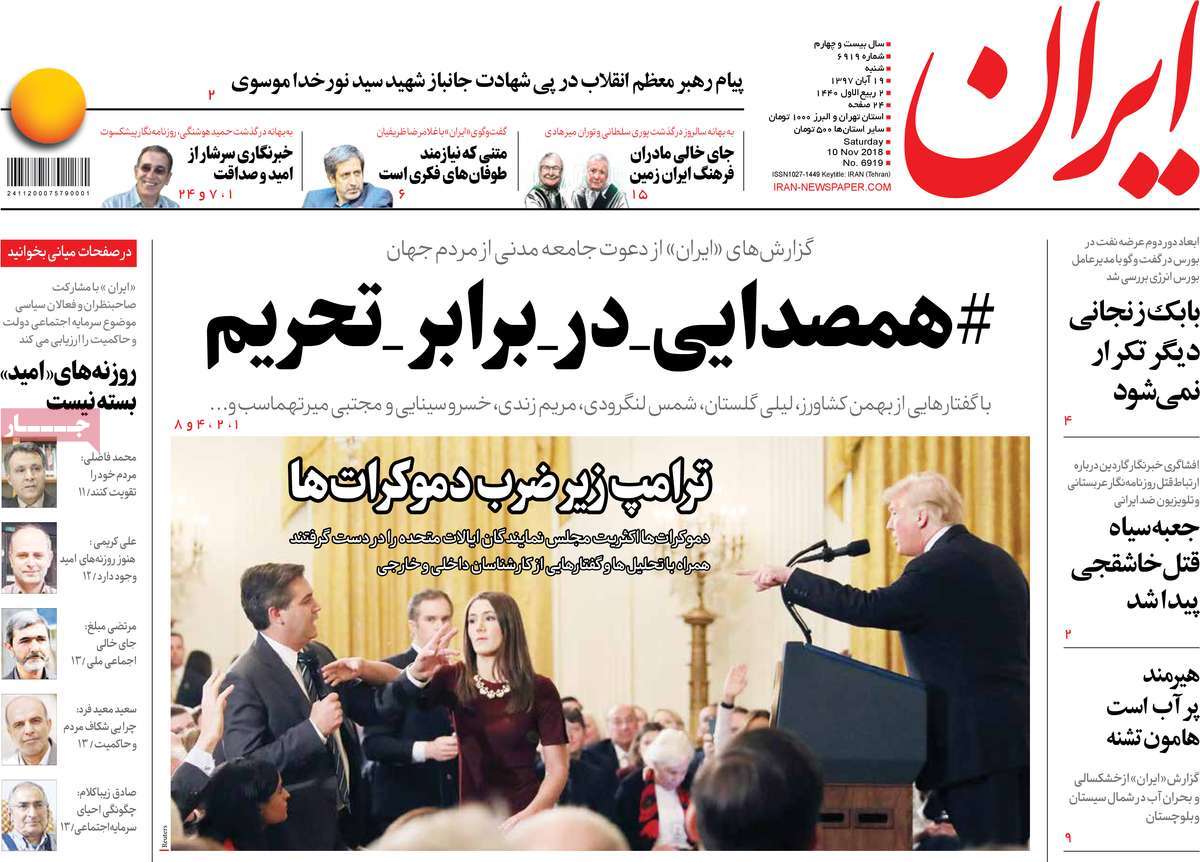
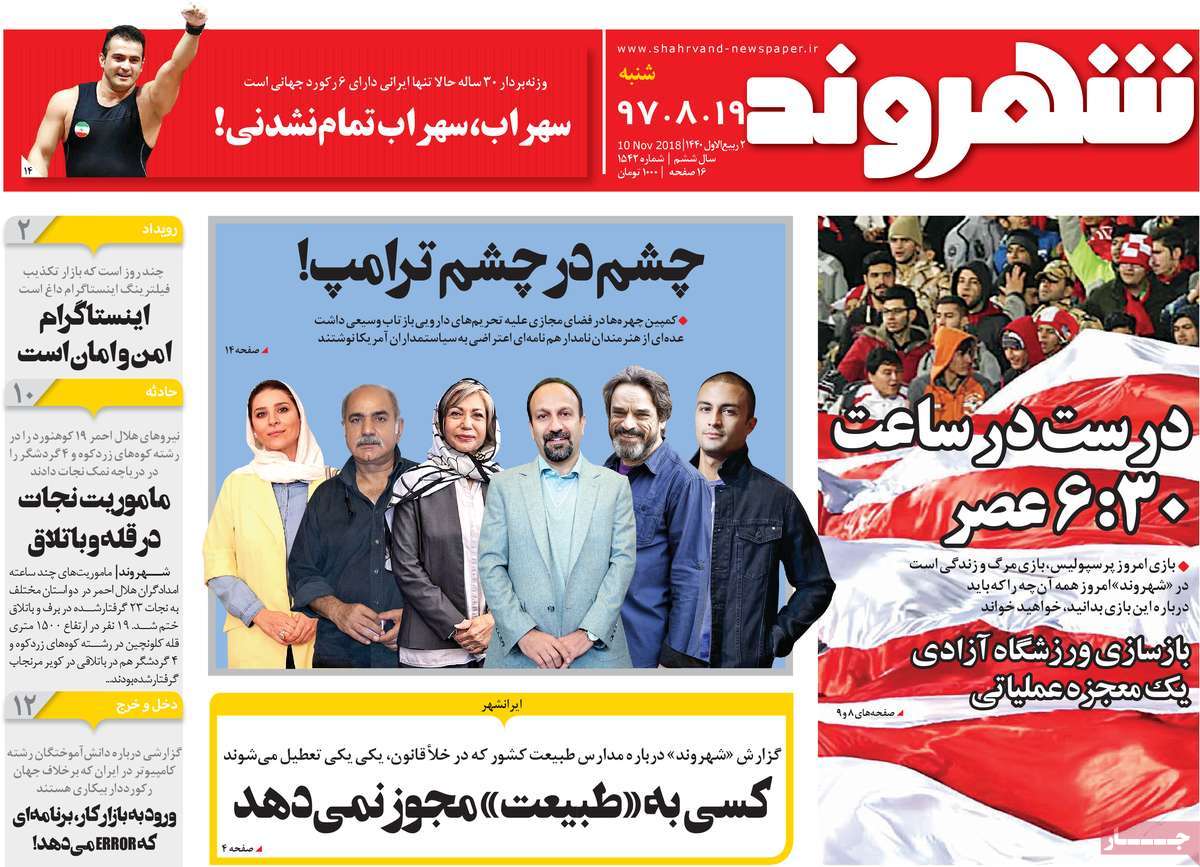
Also a top story was the ongoing reactions to the new round of US sanctions imposed on the Islamic Republic, particularly a social media campaign launched by a group of Iranian celebrities, urging the people of the world to condemn Trump’s anti-Iran bans.

The second leg of the final match of AFC Champions League between Iran’s Persepolis and Japan’s Kashima Antlers, due to be held in Tehran at 18:30, also received great coverage, as the Iranian capital has prepared itself for the big match.

The above issues, as well as many more, are highlighted in the following headlines and top stories:


Aftab-e Yazd:

1- Iranian Artists United against Sanctions

2- The Guardian’s Iranian Correspondent in Danger

3- Three Iranian Women Make History in US Elections

4- Did Trump Win or Lose US Elections?

A Look at Iranian Newspaper Front Pages on November 10


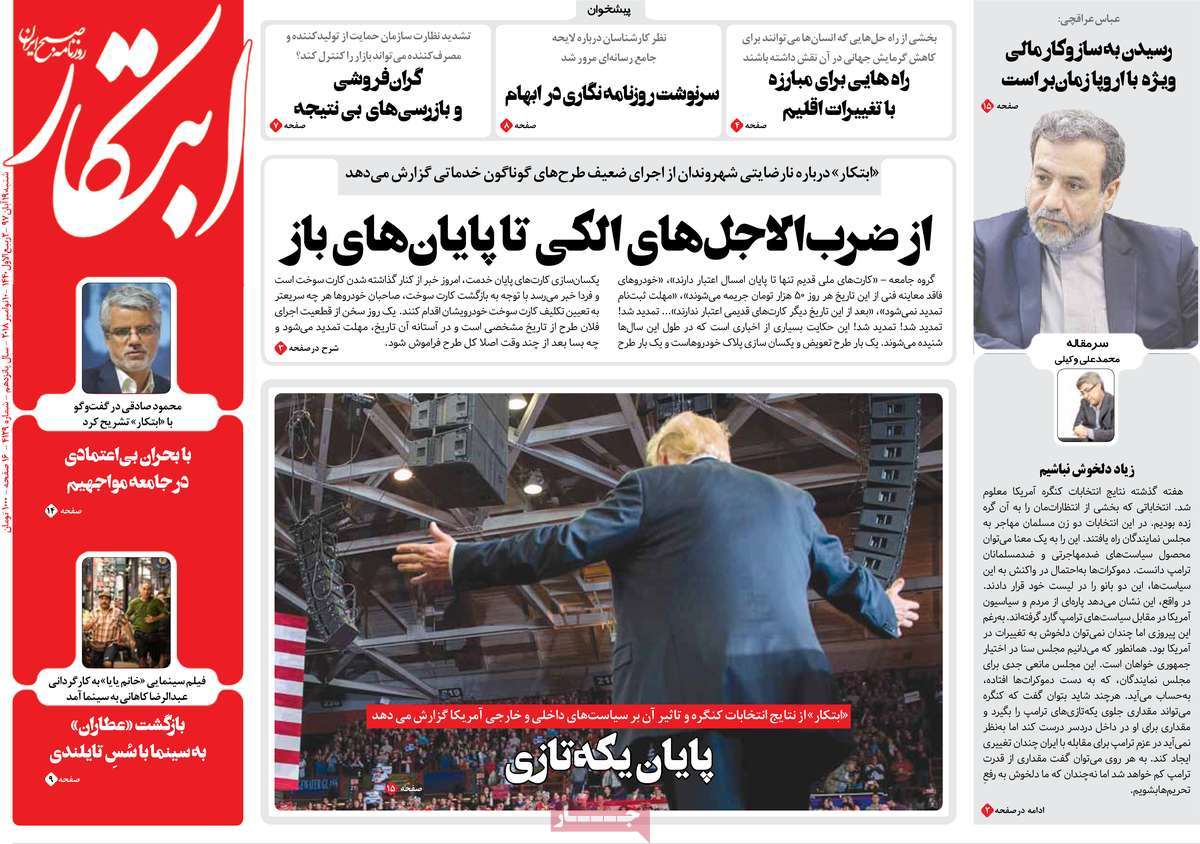
Ebtekar:

1- It Takes Time to Start Implementing Europe’s Special Payment Channel: Iran

2- We Shouldn’t Be Too Much Optimistic about Results of US Elections

A Look at Iranian Newspaper Front Pages on November 10


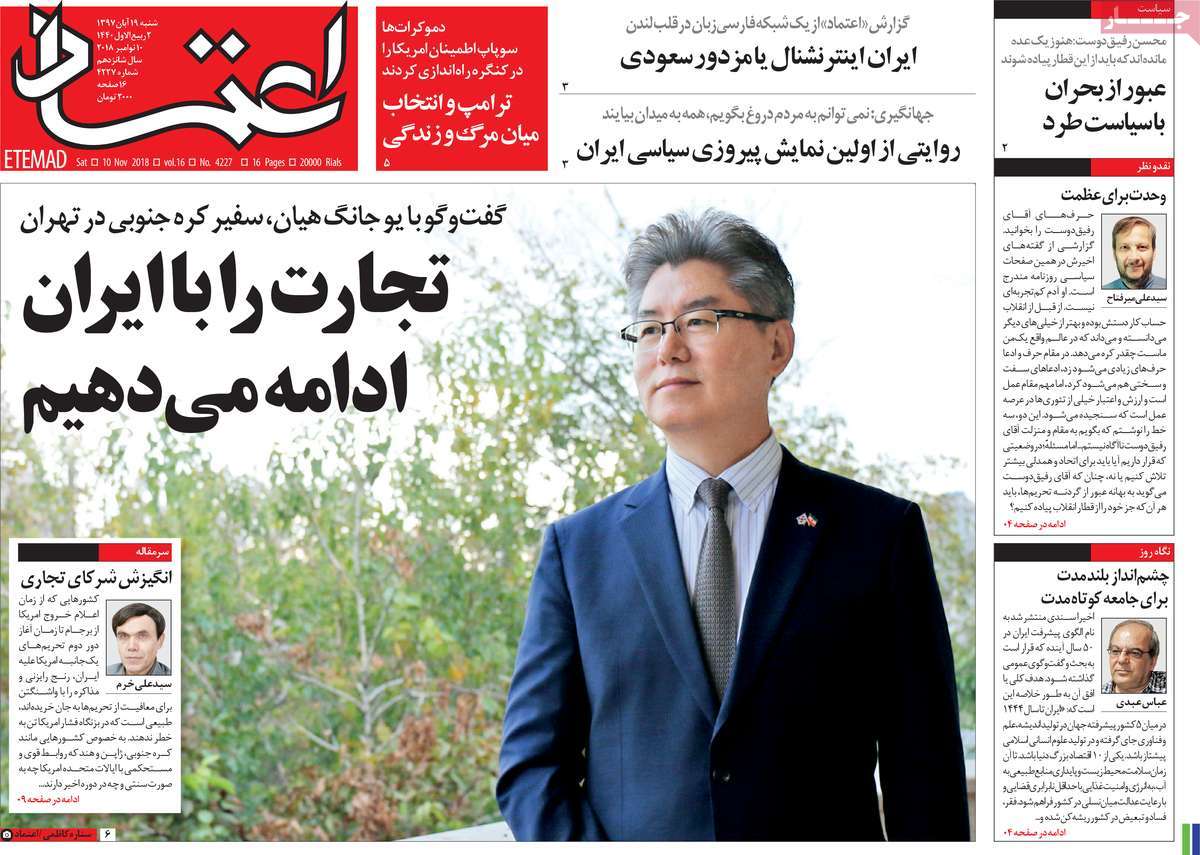
Etemad:

1- We’ll Continue Doing Business with Iran: South Korea Ambassador

2- Report on London-Based TV Channel: Iran International or Saudi Mercenary?

A Look at Iranian Newspaper Front Pages on November 10


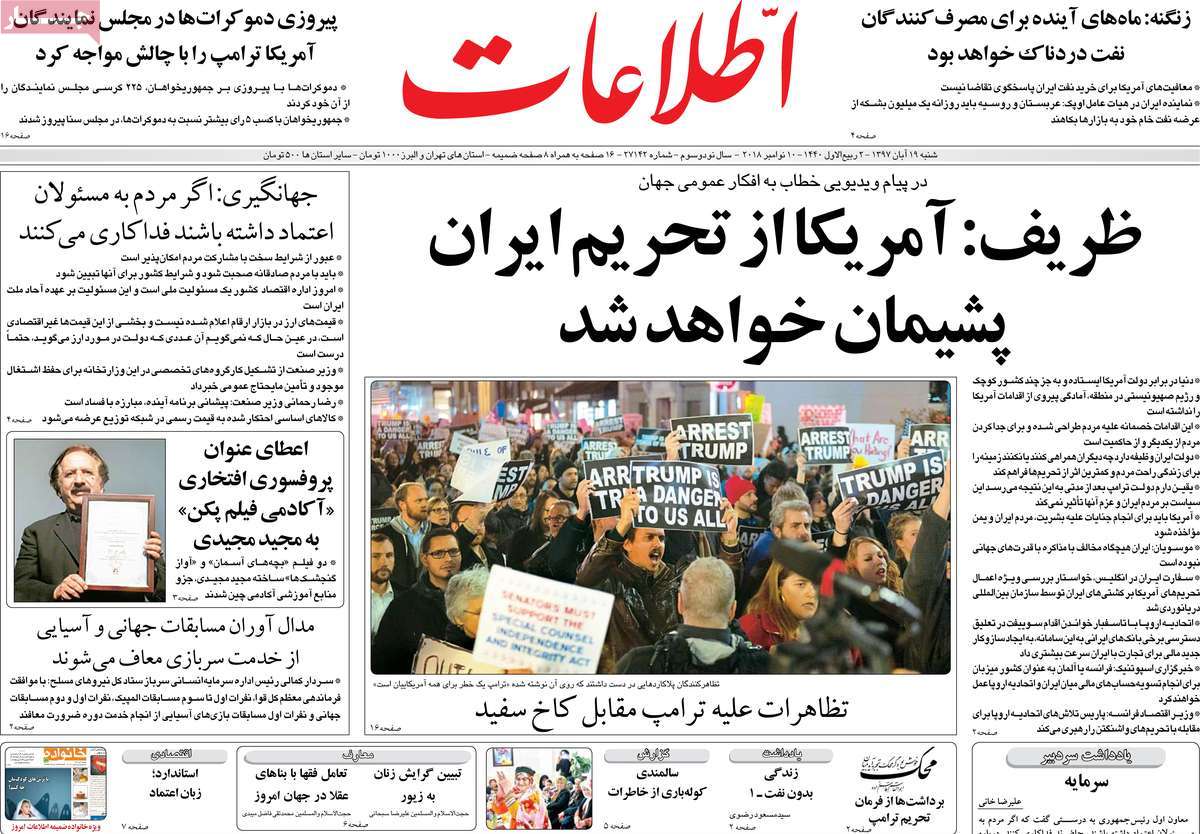
Ettela’at:

1- US to Regret Imposing Sanctions on Iran: Zarif

2- Beijing Film Academy Grants Honorary Professor Title to Majid Majidi

3- Coming Months to Be Painful for Oil Consumers: Iran

4- Trump Challenged by Democrats’ Win in US Elections

5- All Iranian Athletes Winning Asian, World Medals to Be Exempted from Military Service

A Look at Iranian Newspaper Front Pages on November 10


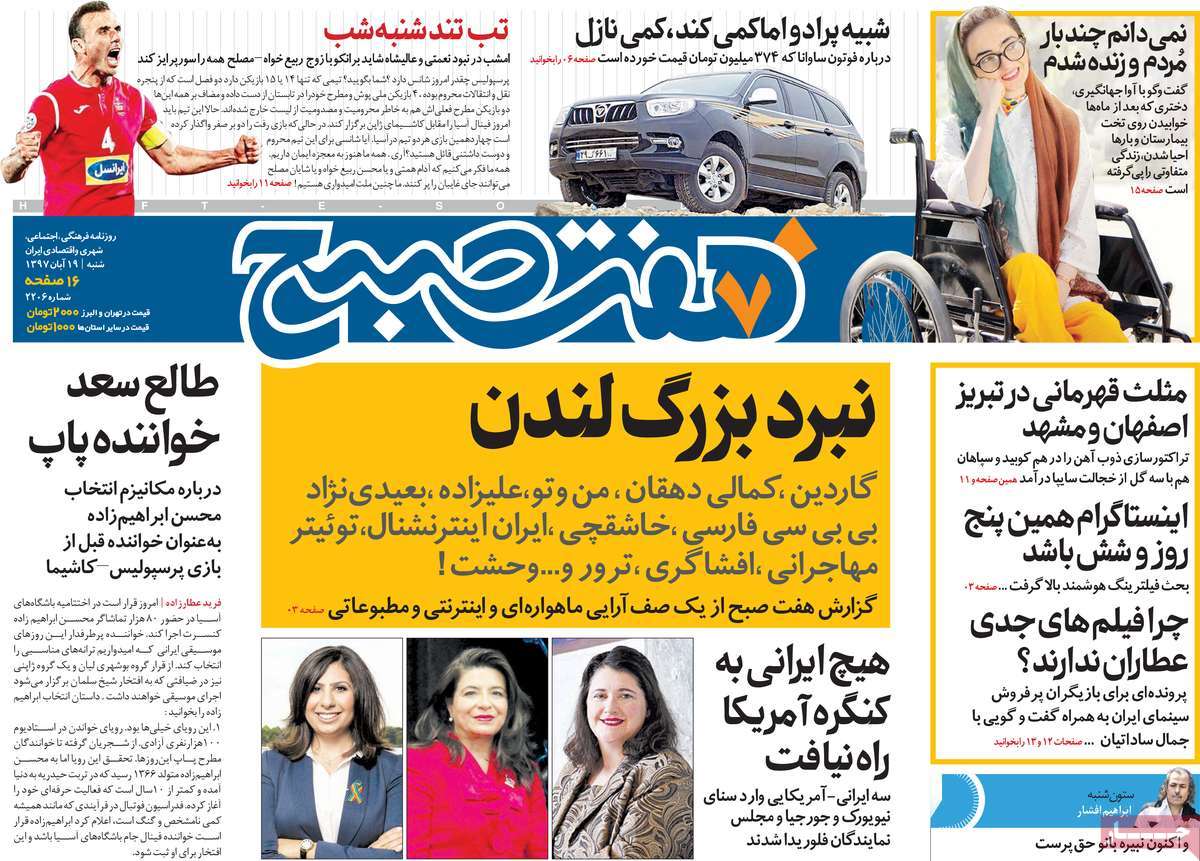
Haft-e Sobh:

1- Big Battle of London: Guardian, Kamali Dehghan, BBC Persian, Khashoggi, Iran Intl, Whistle-blowing

2- No Iranian in US Congress: Three Iranian-Americans Win State Seats

3- Hot Fever of Saturday Night: Persepolis vs Kashima

A Look at Iranian Newspaper Front Pages on November 10


Iran:

1- #Unison_against_Sanctions: Iran Civil Society Call for World’s Support

2- Democrats Win Majority of Seats in US House

3- Black Box of Khashoggi Found as Guardian Correspondent Discloses His Source

A Look at Iranian Newspaper Front Pages on November 10


Javan:

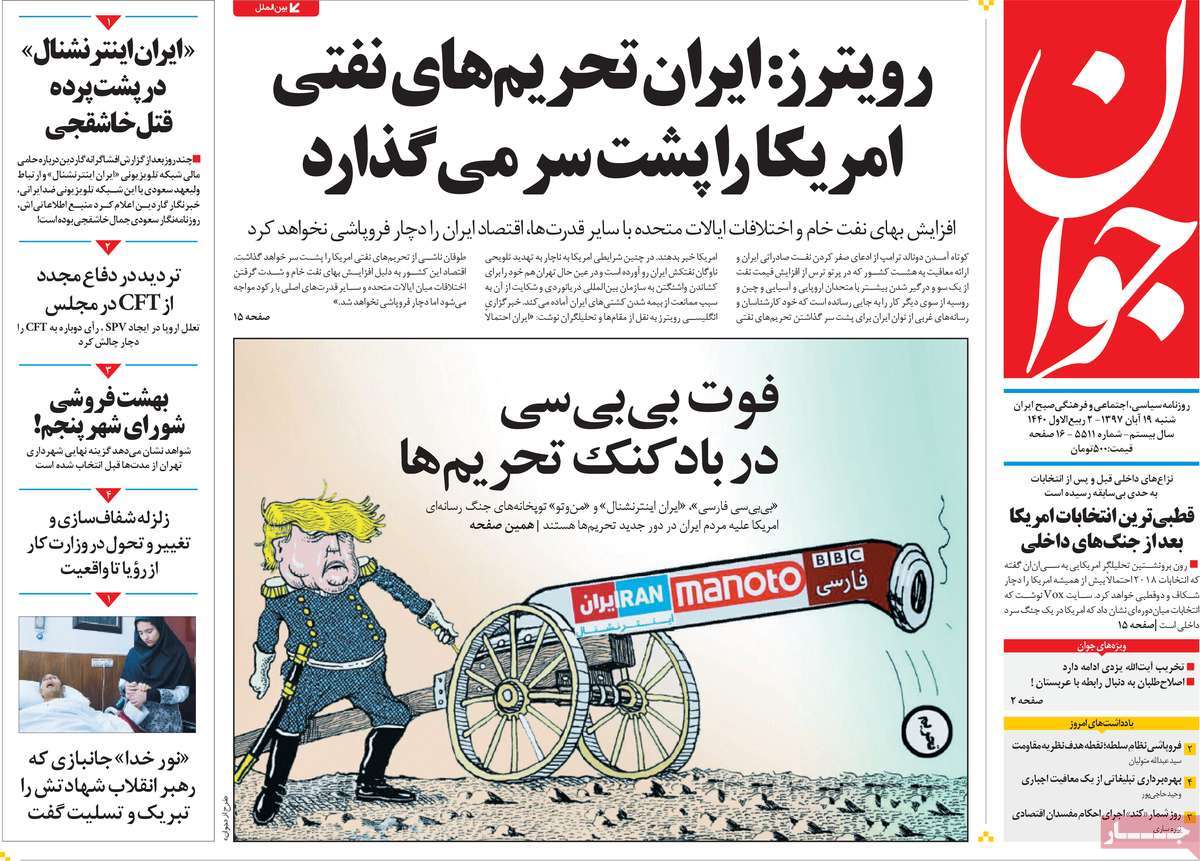
1- BBC Blowing Up Balloon of Sanctions

2- Reuters: Iran to Survive US Oil Sanctions

3- Iran Intl TV Channel behind Khashoggi’s Murder

A Look at Iranian Newspaper Front Pages on November 10


Jomhouri Eslami:

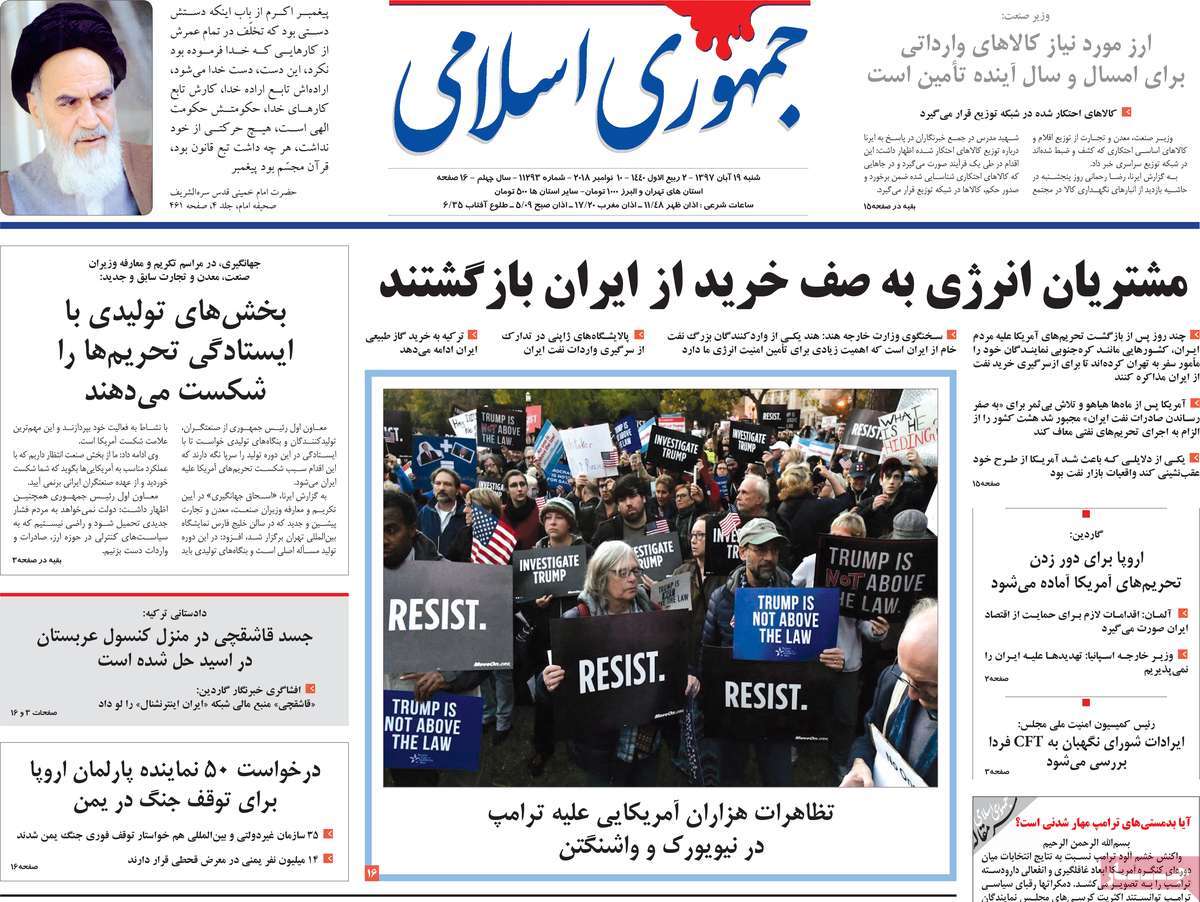
1- Energy Clients Back to Line of Buying Iran’s Crude Oil

2- Khashoggi’s Body Destroyed in Acid in Saudi Consul-General’s House

3- 50 European Lawmakers Call for Cessation of War in Yemen

4- Thousands of Americans Hold Rally against Trump in New York, Washington

5- Europe Preparing to Bypass US Sanctions: Guardian

A Look at Iranian Newspaper Front Pages on November 10


Kayhan:

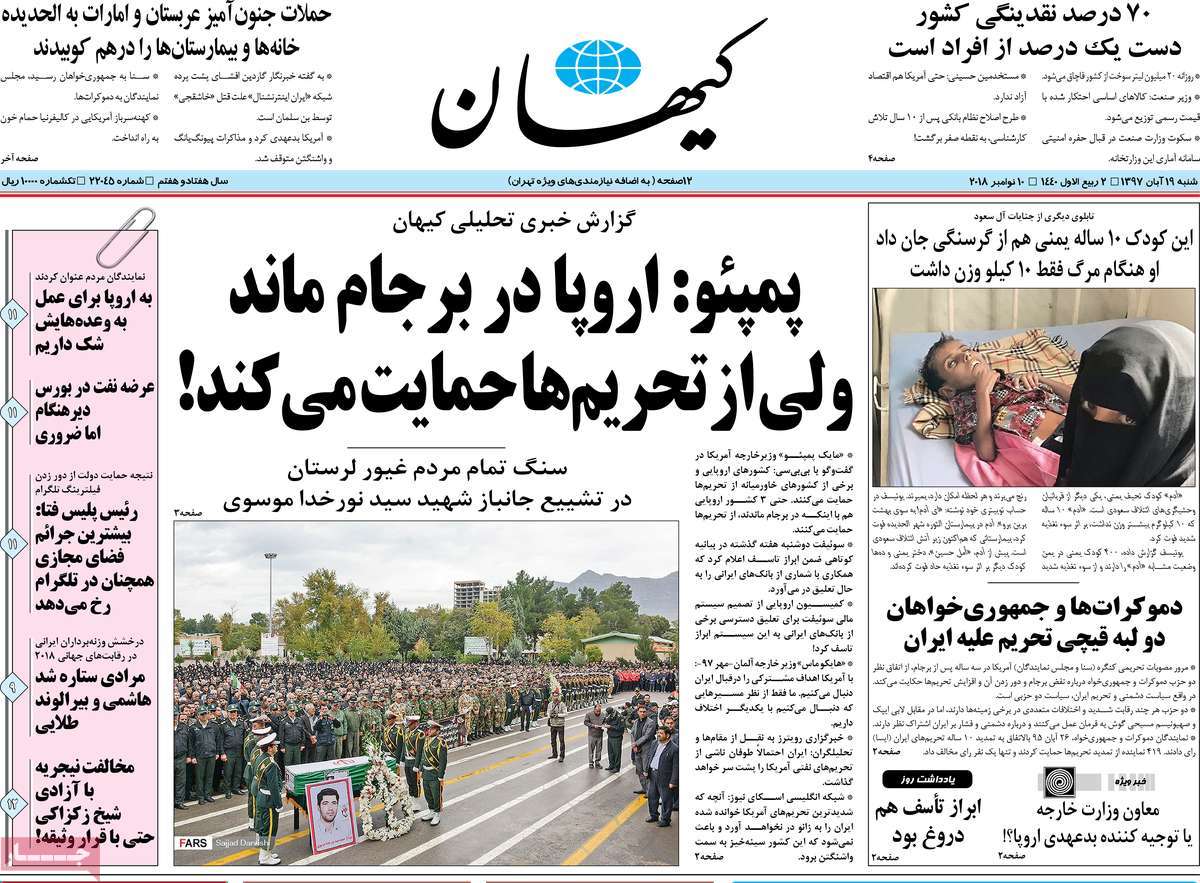
1- Pompeo: Europe Remained in JCPOA, but Will Support Sanctions!

2- Houses, Hospitals Pounded in Insane Saudi, Emirati Attacks on Hudaydah

3- Democrats, Republicans Two Blades of Scissors of Sanctions against Iran

A Look at Iranian Newspaper Front Pages on November 10


Sazandegi:

1- Black Box of Iran International TV Channel

* Khashoggi Had Revealed to Guardian Saudi Funding of Channel before Death

2- Cold War in US: Were Midterm Elections a Victory for Democrats?

A Look at Iranian Newspaper Front Pages on November 10


Shahrvand:

1- Right at 6:30 pm: AFC Champions League Final in Tehran

2- Iranian Celebrities Launch Campaign against Trump’s Sanctions

A Look at Iranian Newspaper Front Pages on November 10


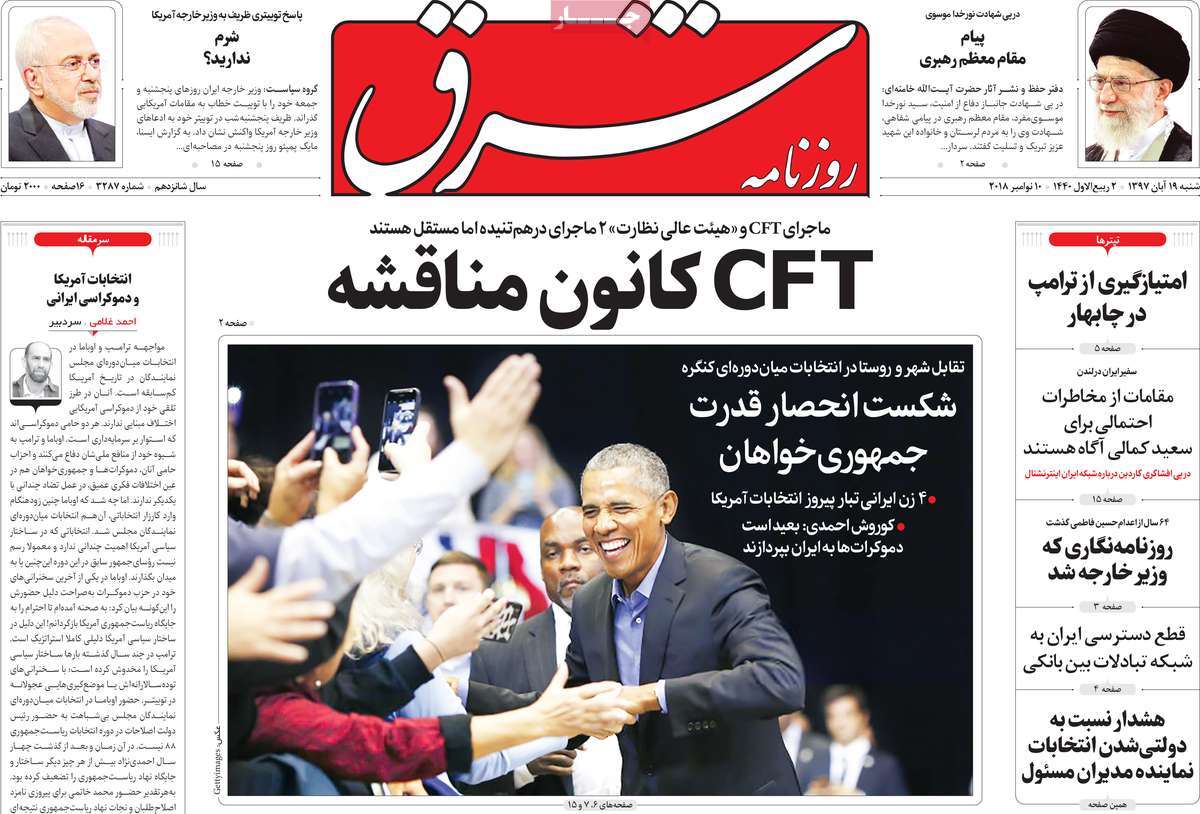
Shargh:

1- CFT a Source of Controversy among Legislation Bodies in Iran

2- Have You No Shame, Iran FM Asks Pompeo on Yemen

3- Gaining Concession from Trump in Chabahar

4- UK Authorities Aware of Possible Risks Threatening Iranian Correspondent: Envoy

A Look at Iranian Newspaper Front Pages on November 10


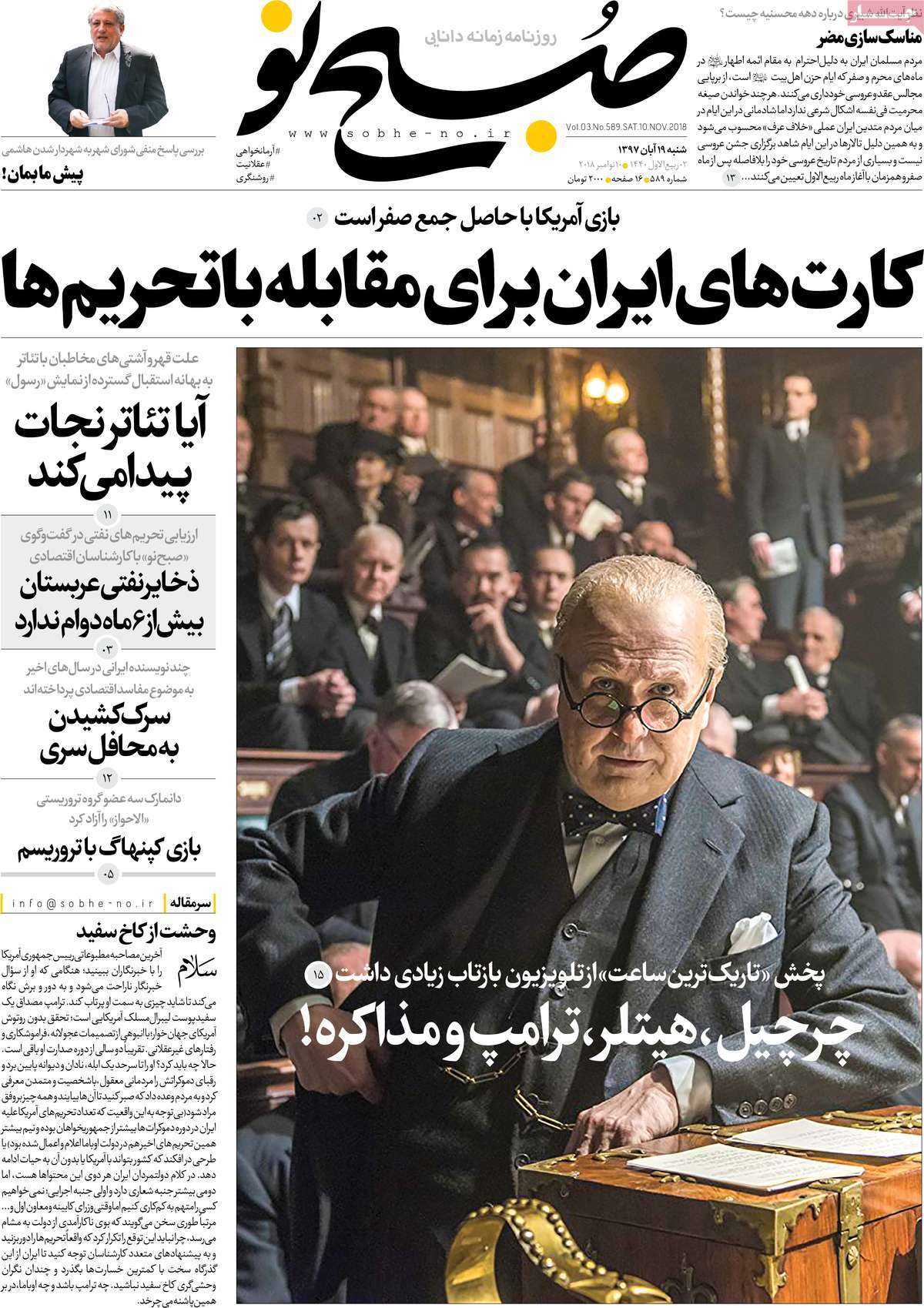
Sobh-e Now:

1- Churchill, Hitler, Trump, and Negotiation!

* Reactions to Darkest Hour Movie after It’s Broadcast by Iran’s State TV


A Look at Iranian Newspaper Front Pages on November 10

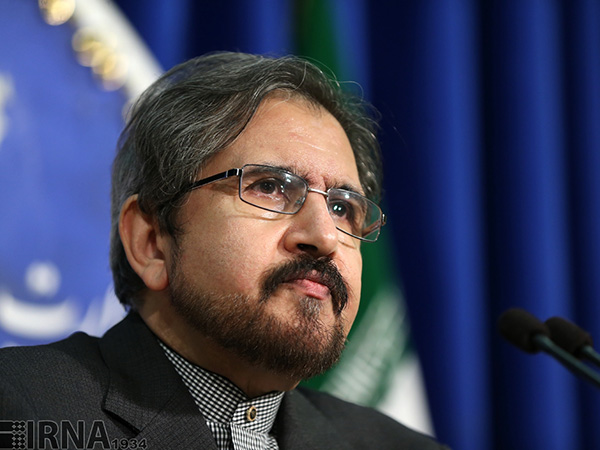
Iran Condemns Australia Terrorist Attack

In a Friday statement, Qassemi said making such hideous and inhumane moves indicates that the cancerous tumour of ISIS is beyond a terrorist group.

“ISIS is a terrorist and inhumane ideology that has spread among many parts of the world and attracted people from various cultures and societies around the globe thanks to years of intellectual, political, financial, and military support provided by certain countries,” he said.

Qassemi also noted that the only way to get rid of the ideology and save the mankind from such satanic thoughts is to really cut all the support offered to these terrorist groups and cults in order to eradicate them.

A man who set a car on fire and stabbed three people – one fatally – in Melbourne died in hospital after being shot by police.

Authorities now say they are treating the attack as a terror-related.

The attacker, 31, was shot after confronting officers on a busy city street, authorities said. He was taken into custody in a critical condition.

The two survivors are in hospital, neither are in a serious condition. The suspect has not been named.

Police said they were “not looking for anyone further at this early stage”.

The ISIS group said on Friday that one of its “fighters” was behind the attack, its Amaq news agency reported.