Saturday, January 3, 2026
Home Blog Page 3411

Iran to Start New Cloud Seeding Project

In comments on Saturday, Farid Golkar said his organization works in cooperation with the Islamic Revolution Guards Corps (IRGC) Aerospace Force to carry out cloud seeding projects across the country.

The operations will be performed with planes in the provinces of Yazd, Chaharmahal and Bakhtiari, Kohgiluye and Boyer-Ahmad, Isfahan, Khuzestan, Kerman and Fars, he added, saying drones will be flown for cloud seeding in the provinces of South Khorasan, East Azarbaijan and West Azarbaijan.

If financed, the project will include ground-based generators in the western province of Kermanshah, Golkar noted.

In January, IRGC Aerospace Force Commander Brigadier General Amir Ali Hajizadeh voiced readiness to help the Energy Ministry to carry out cloud seeding operations, saying his forces were at the Iranian nation’s service and would mobilize all equipment to help the administration.

It came after frequent droughts and low rainfall in Iran in last autumn forced the administration to opt for cloud seeding in the hope of squeezing more precipitation out of the atmosphere.

Cloud seeding originated in the US in the 1940s. The method generally used in the winter involves ground-based generators set at high elevations that are literally fired up to release plumes containing silver iodide crystals into storm clouds. When water vapor or droplets attach to the silver iodide crystal, latent heat is also released, and it increases cloud size and the duration of storms.

Global warming has forced many arid and semi-arid areas around the world, including Iran, to suffer from drought.

Iran DM Denies US Claim It’s Arming Yemen’s Houthis

“Today, Yemen has become a thorn in the eye of the Americans,” Brigadier General Hatami said in a speech on Saturday.

The Americans are falsely accusing Iran of supporting the Yemenis militarily and say that Iranians did not allow them to gain victory in Yemen, he said.

“They (the Americans) think the Yemeni people’s resistance is because of Iran’s support but our support is spiritual,” the defense minister stated.

What leads to victory is the spirit of resistance of the nations who are not willing to give in to the oppressions of the Americans, he added.

The Trump administration on Thursday accused Iran of stepping up violations of a UN ban on arms exports by sending rockets and other weaponry to Afghanistan and Yemen.

Yemen’s defenseless people have been under massive attacks by a coalition led by the Saudi regime for more than three-and-a-half years but Riyadh has reached none of its objectives in Yemen so far.

Since March 2015, Saudi Arabia and some of its Arab allies have been carrying out deadly airstrikes against the Houthi Ansarullah movement in an attempt to restore power to fugitive former president Abd Rabbuh Mansour Hadi, a close ally of Riyadh.

The Yemeni Ministry of Human Rights announced in a statement on March 25 that the war had left 600,000 civilians dead and injured until then. The war and the accompanying blockade have also caused famine across Yemen.

US Fails to Impose Its Will on OPCW Members: Iran

An undated photo of the headquarters of the Organization for the Prohibition of Chemical Weapons in The Hague, the Netherlands

The Fourth Review Conference of the Organization for the Prohibition of Chemical Weapons (OPCW) failed to ratify a document which had the consensus of all member states due to the US objection.

The conference held in The Hague on November 21-30 and presided over by El Salvador envoy to the OPCW fell short of finalizing the document despite having the approval of most member states.

Discussion on the final draft of the document was on the agenda of the conference and the document had achieved the consensus agreement of most member states despite some slight differences remaining among them.

Despite the rough consensus made earlier, the US representative at the OPCW slammed member states for their agreement with the membership of the Palestinian government in the organization as well as their silence towards western accusations against Syrian government over what is described as use of chemical weapons against civilians.

The American envoy underlined that the document should also include a new point giving the OPCW the authority to identify and accuse a country of using chemical weapons.

The US delegate then said the consensus on the agreement should not distract efforts to define use of chemical weapons by the organization. He also repeated some unfounded accusations against Russia, Syria, Iran and Venezuela and expressed his dissatisfaction with the draft document.

Following in his footsteps, delegates from some western states like Canada, France and Britain expressed their dissatisfaction with the document.

Even unofficial negotiations by the chairperson of the conference couldn’t convince the western states to approve the draft document.

In his address to the conference, Director General of the Department of International Peace and Security at the Iranian Ministry of Foreign Affairs, Reza Najafi, rejected the baseless accusations levelled by the US, saying Washington is hampering the conference’s efforts as the world’s biggest user of weapons of mass destruction and a leading violator of international regulations.

According to Najafi, the OPCW has set a good record over the past 20 years by working efficiently based on the principle of “Security for All”.

“Politicizing the OPCW operations in this conference and adopting factional policies in interpreting the organization’s regulations will create a dangerous division in the structure of the OPCW with final collapse of the world body in prospect,” he said.

The Iranian officials then underlined that the US can’t impose its will on the OPCW member states by manipulating the legal procedures of the organization.

”As the biggest user of weapons of mass destruction including chemical weapons and the main sponsor of such weapons for former Iraqi dictator and terrorist groups in the region, the US is not in a position to judge the member states,” he said.

Elsewhere, Najafi said with its destructive and divisive policies, the US has already violated its international pledges and thus lacks the credibility to cast doubt on the decisions made by the board of directors of the organization.

Najafi underlined that given the failure of the conference to achieve the goals on the agenda, the main issue lingering in mind is the future of the organization.

“As the main victim of chemical weapons, the Islamic Republic has always condemned any use of such weapons by anyone under any condition in any part of the world. We are committed to our pledges and withhold no efforts to create a world totally free from chemical weapons. We are completely prepared to establish constructive and multilateral cooperation with other member states. We should take lessons from the past and take steps towards a bright future.”

The official blamed the politically-motivated policies of certain western states to impose their desired points on the document and said these states are seeking to dictate their points to the organization.

“With such policies, they are creating divisions in the international body. This will only push the OPCW towards collapse if no preemptive measure is taken soon,” he noted.

Najafi also underlined the policy of the Islamic Republic of Iran to hold talks and find an appropriate way to resolve the current problems.

The Fourth Review Conference of the Organization for the Prohibition of Chemical Weapons ended without any tangible result.

Over 8,000 Rapid HIV Testing Centres Active in Iran

In a message on the occasion of World AIDS Day, Iranian Deputy Health Minister Alireza Raeisi said rapid HIV tests are going to be distributed at drug stores across the country in a bid to compensate for the slowness of the HIV diagnosis process.

The health official noted that increasing access to HIV detection tests is very important and the government is determined to detect the patients.

“We are going to distribute “Self-Test” and “Rapid Test” at drug stores throughout the country under a specific protocol and controlled condition. Accordingly, pharmacies will be trained to carry out the test.”

“If the test is not accurate, the possibility of negative result is high. So along with these tests, there should be an expert too,” he added.

Rapid test has been conducted on more than one million people in the country, which shows a 52% increase compared to 2016.

First off, the high-risk people have to be tested, he said.

So in the first step, he stated, the tests will be carried out mainly on those being treated in Methadone Maintenance Treatment (MMT) centres.

“There are currently more than 7,000 MMT centres that can be covered by HIV tests,” he went on to say.

“42 percent of these tests were conducted on pregnant women, and drug abusers account for 6% of the tests. This is not acceptable at all and its rate should be increased. 11% of the tests were performed in prisons, which is somewhat acceptable, but there is still room for improvement.”

He also expressed hope that there would be a prospect of a stronger will to fight HIV in the country.

“The most important thing we learned over the past 40 years is that education and information are the most important factors in preventing infectious diseases, including HIV,” he added.


60,000 HIV-Positive Patients Living in Iran

“We estimate that there are about 60,000 people infected with HIV in the country. At present, we have been able to identify less than half of this number, and those under treatment are about 14 to 15 thousand,” he said.

“Meanwhile, the virus level has been measured for 7,000 people and 5,700 people have responded well to the treatment,” he underlined.

Raeisi stressed that the ministry will also reward those who find a new case of HIV-infected patient.

“If we can find the newly infected person within 72 hours and treat him/her within 28 days, the disease will be controlled; otherwise, the person will be infected,” the official noted.


Screening Pregnant Women

The official underlined that there are about 1.5 million pregnant women each year, and they are among the target groups of HIV prevention and should be screened.

“Preventing the transmission of HIV from mother to baby is very important. This year, we expect the program be performed better than before.”

“We have begun a pilot study at 16 universities and the slums of the cities since 2014. At present, we are going to implement a mother-to-child HIV prevention program across the country.”

“By early 2017, over 570,000 pregnant women were monitored and we were able to find 113 HIV-positive cases. Fortunately, in 111 cases we could prevent HIV-positive births,” he said.


Four HIV Drug Resistance Labs Launched in Iran

“Fortunately, we set up four HIV drug resistance laboratories despite the US sanctions, and equipped 41 centres with the CD4 as well,” he noted.

One-third of HIV-infected people die of tuberculosis, and a person with HIV is highly susceptible to TB. For this reason, he said, we perform a tuberculosis test on them for free and also treat them free of charge.

At the same time, the launch of four mobile clinics in the country is very effective in providing services in deprived areas and increasing the prevention of new HIV cases.

Since 1988, December 1 is named as World AIDS Day. It is an international day dedicated to raising awareness of the AIDS pandemic caused by the spread of HIV infection. Government and health officials, NGOs, and individuals around the world observe the day, often with education on AIDS prevention and control.

World AIDS Day is one of the eight official global public health campaigns marked by the World Health Organization.

As of 2017, AIDS has killed between 28.9 and 41.5 million people across the globe. Estimates say 36.7 million people are also living with HIV. Thanks to recent improved access to antiretroviral treatment in many regions of the world, the death rate from AIDS has decreased.

Roloff Beny’s Precious Photo-Books Unveiled in Tehran

The books “Persia, Bridge of Turquoise” published in 1974 and “Iran, Elements of Destiny” published in 1978 are now on public display at the library. The books depict the relationship between Iranian people and introduces the country’s visitor sites and attractions.

The books were put on show following requests by visitors for displaying the autographed books available at Niavaran Complex.

The two books contain some of the most complete collections of images portraying the cultural features, lifestyles and diverse geographical climates in Iran. They contain photos of scenery, monuments, ancient sites, people and cultural symbols of Iran. They have been published both in Persian and English.

Roloff Beny’s Precious Photo-Books Unveiled in Tehran
Sahebqaraniyeh Palace; Recreation Centre of Iranian Kings

One of the unique features of the specialized library at Niavaran Complex which distinguishes its setting from that of other libraries and has turned it into a museum-library is the existence of a treasure trove of books donated by heads of state as well as well-known artists, poets and authors, including Parvin E’tesami, Alinaqi Vaziri, Manouchehr Atashi, John F. Kennedy, Walt Disney, Roloff Beny and many other prominent figures.

The specialized library was constructed back in 1976 in the northeast of the complex in a rather cozy area adjacent to the former residence of members of the Pahlavi dynasty.

The library contains two floors and a basement, with a built-up area of around 770 square metres.

The library was opened to public in 1993 on the occasion of International Museum Day.

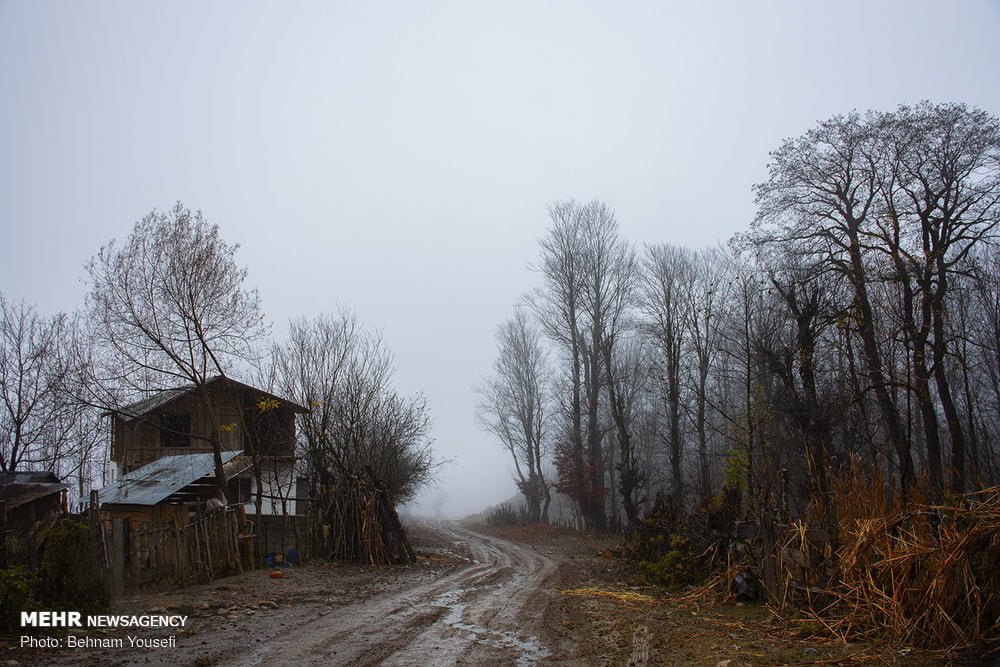
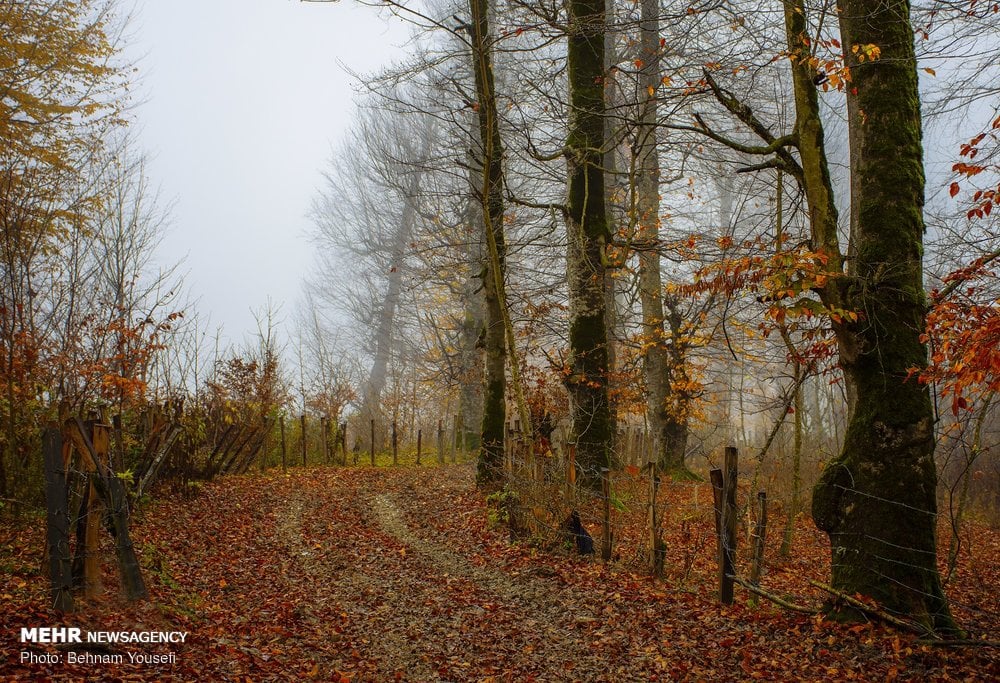
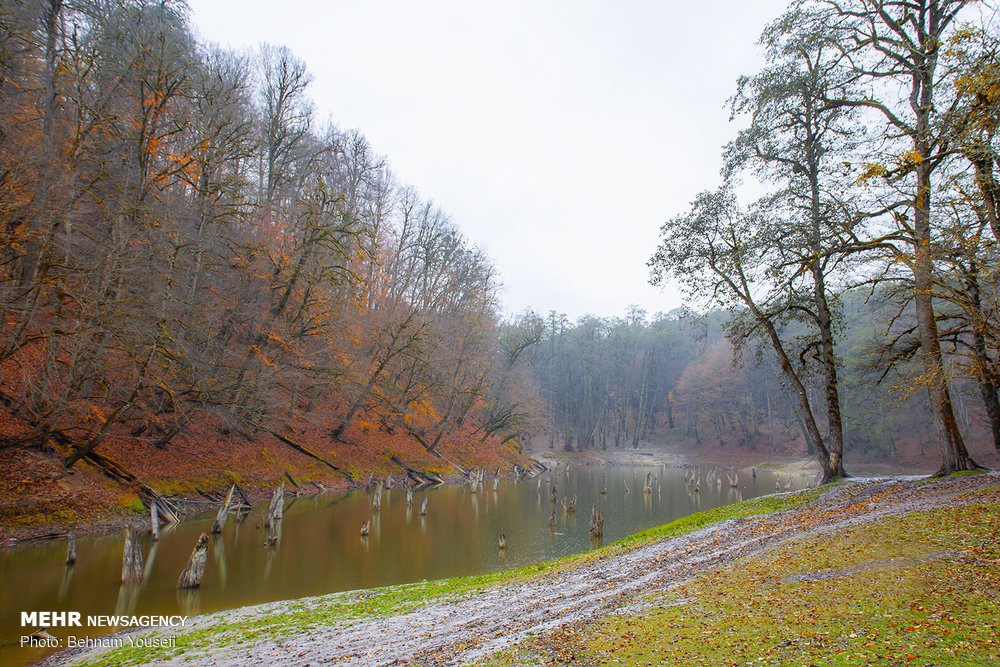
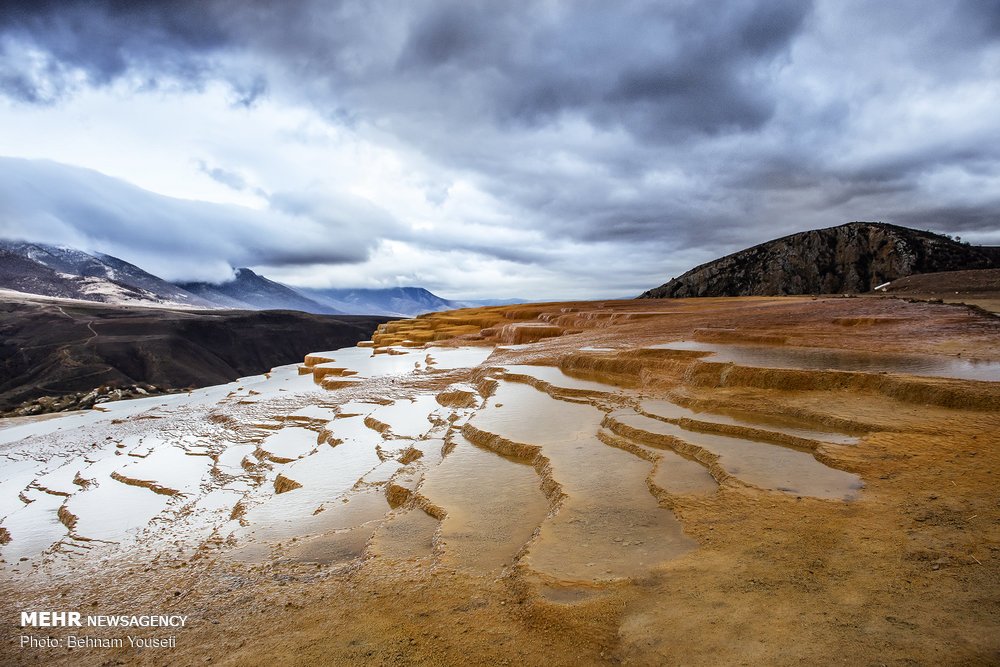
Magnificence of Autumn in Four Corners of Iran

Autumn in Shahr-e Kord

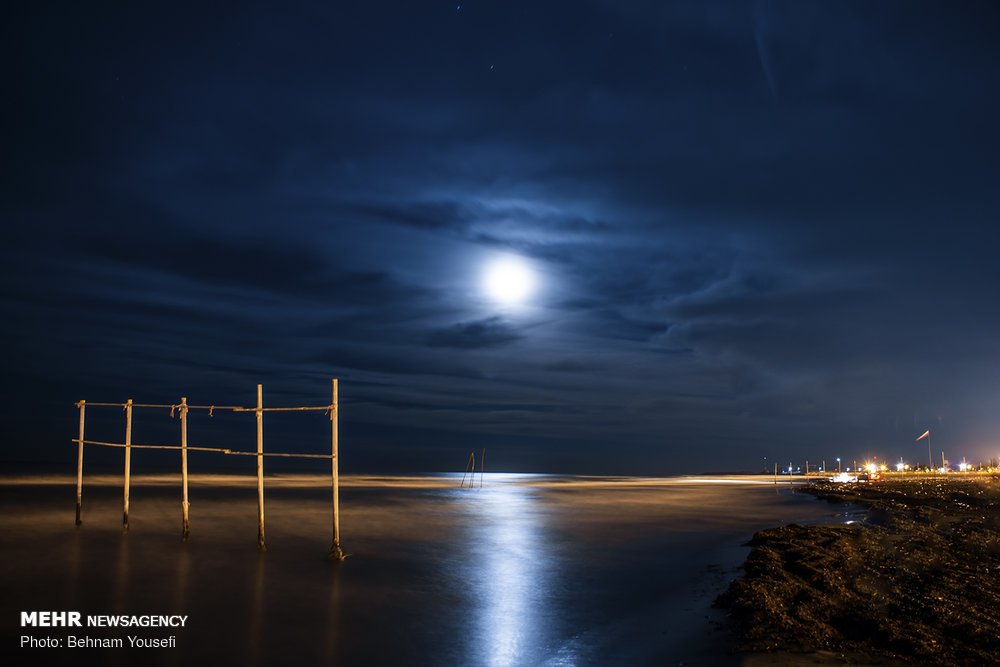
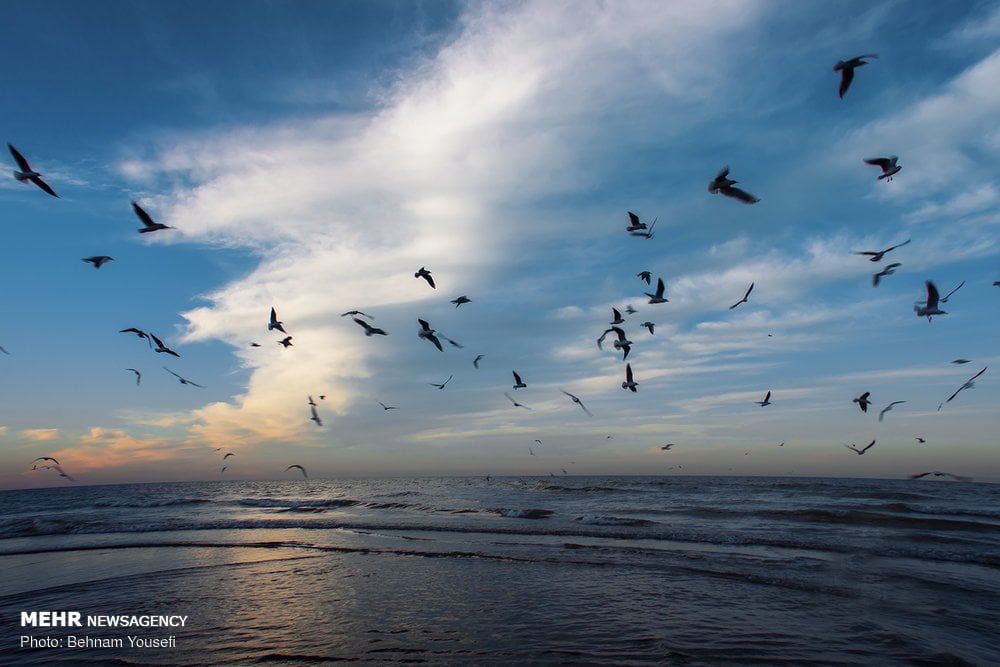
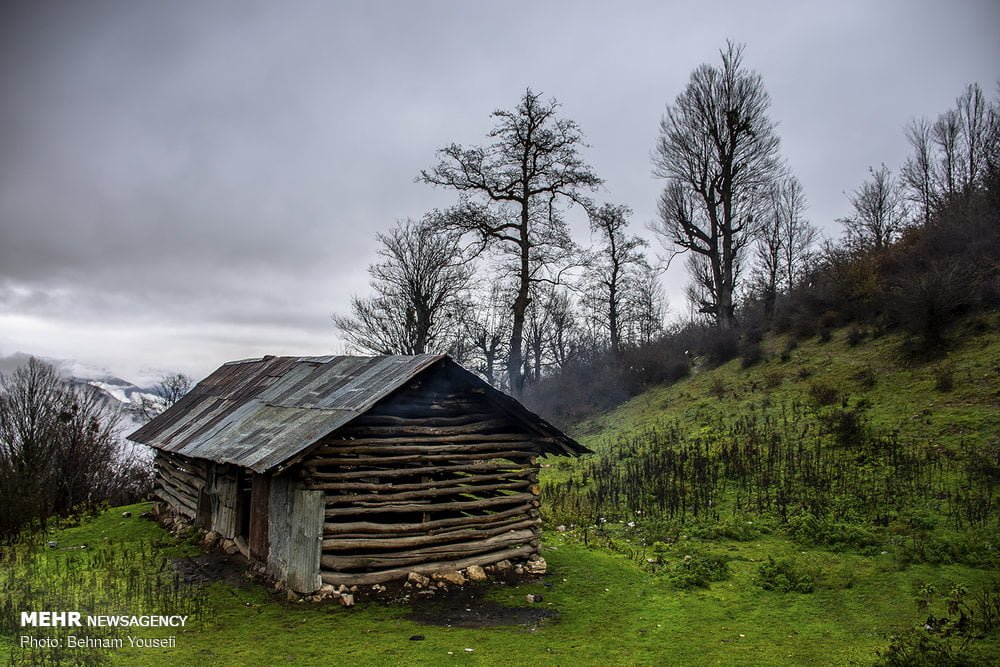
What follows are the beauties of autumn in various parts of Iran, including the city of Sanandaj in the western province of Kurdistan, Isfahan and the surrounding areas of Zayandeh Rud river in central Iran, Khulin Darreh village in the northern province of Golestan, Shahr-e-Kord in the western province of Chaharmahal and Bakhtiari, and Rudkhan Castle in northern province of Gilan.

The photos have been retrieved from IRNA, ILNA, Tasnim, and ISNA:

Iran’s Red Crescent Opens Company in Switzerland for Medicine Imports

Deputy Head of the Society for International Affairs Davoud Baqeri said through this new company the process of importing medicines to Iran would be facilitated.

The new US sanctions on Iran are having a chilling effect on foreign companies that help supply medicine and other medical products to the country.

While the US says it has not sanctioned the export of food and medicine to Iran, the ban on the banking sector is actually preventing Iran’s access to these vital resources and has put in danger the lives of many patients who are in urgent need of medicine and medical equipment

The Iranian Red Crescent official further referred to the Society’s international status and relations with other countries, stating that the Islamic Republic is a member of the governing body of the International Committee of Red Cross (ICRC) which has 20 member states that approve and monitor the laws.

“In fact, from each region five countries have been selected and Iran has been elected to the committee’s governing body for four years due to its special capabilities,” he said.

He went on to say that humanitarian activities and joint cooperation with Japan, China and South Korea are taking place, and the necessary measures have been taken in the area of knowledge transfer and transfer of experiences.

“We also have good contacts with Canada and Germany in training of cadaver dogs, and there has been a lot of cooperation in emergency care.”

Court in Hamburg Rules in Favour of Bank Melli Iran

The German telecoms company abruptly cut off phone and internet services for Bank Melli Iran and two other Iranian banks earlier this month for what it called doubts about their future solvency in the wake of the US sanctions on Iranian financial institutions.

In a preliminary injunction, the Hamburg district court ordered Deutsche Telekom to reactivate the services for Bank Melli, arguing that the justification was not sufficient for a termination without notice, especially as the bank has so far fulfilled its obligations and has sufficient resources, Der Spiegel reported Friday.

A court spokesman later confirmed the Spiegel report, telling the Deutsche Presse-Agentur (DPA) that the injunction had originally been issued on Tuesday.

Deutsche Telekom’s move to discontinue its services for Bank Melli came after the bank even offered to pay the bills for one year in advance.

Both Der Spiegel and the DPA questioned the company’s account, writing that the move to disconnect the banks was apparently based on concerns that its T-Mobile subsidiary could be penalized in the US for violating Washington’s sanctions against Iran.

Helmut Gottlieb, the director of the Hamburg-based Bank Melli, said it’s interesting that a state-owned company like Telekom is giving in to US President Donald Trump’s pressures, especially when neither the German government nor the European Union has issued its own sanctions against Iran.

In addition to Bank Melli, around three dozen companies with roots in Iran are said to be affected by Telekom’s move, including Bank Sepah in Frankfurt and the European-Iranian Trade Bank in Hamburg. Both of them, however, obtained injunctions against the termination of their telecom connections this week.

In an editorial published last Friday, German business newspaper Handelsblatt criticized the Deutsche Telekom’s move as “cynical.” It also accused the German government and central bank of “doing nothing” to ensure that Bank Melli can make legal payments to German institutions.

“Where is the help for German companies? Where is the defense of Germany’s sovereignty?” the German publication asked.

The Trump administration launched the second wave of sanctions against Iran on November 5, targeting Iran’s oil sales, its wider energy industry, shipping, banking, insurance and so on.

Meanwhile, the European Union is trying to create a mechanism to maintain banking channels with Iran in the face of US sanctions.

Diplomats already announced that the main EU powers – Germany, France and Britain – were trying to push ahead a plan to create a Special Purpose Vehicle (SPV) through which banking transactions with Iran could be carried out.

Kurds in Iran Hold ‘Bride of the Rain’ Festival

The Bride of the Rain, which is still held in some villages of Kurdistan province, is a ritual in which children sing a special song to pray for the rain.

Locally called “Bouke Baraneh”, the ritual was held a couple of days ago in the city of Sanandaj as a festival attended by various Kurdish groups.

“The festival was attended by local groups from Kurdistan, Kermanshah, Ilam, Qom, Lorestan, Markazi and Hamadan provinces,” said the director general of Kurdistan’s Institute for the Intellectual Development of Children and Young Adults.

He also said the participating groups brought with them over 500 small and large-sized dolls to perform rituals and do the traditional plays.

The ritual was registered as a world heritage by the United Nations Educational, Scientific and Cultural Organization (UNESCO) in 2014. It is still held in some areas during the time of drought or shortage of rain.

The ancient ritual in the Kurdish-populated areas is conducted based on a traditional mechanism and is aimed at warding off drought. A doll symbolizing the bride is used by the people as a medium to hold talks with God and raise the public morale during drought. The doll is made in the form of a cross. The ceremony is always attended by children particularly the girls.

As the name of the ritual reveals, the doll (locally called Bouke) provides a chance to bring together the children. The doll is usually made by a mother or grandmother.

The Bouke (the god of waters) is made of a large piece of wood covered by colorful cloths symbolizing beauty and purity.

Children particularly the girls begin to walk through alleys of their villages in 15 to 20-member groups behind the Bouke. Entering each home, they sing a special song saying “the bride needs water. She wants it for watering cereals. She wants egg. She wants the hairpins of eligible girls.”

Then one of the family members, particularly a mother or grandmother, begins to distribute some gifts including eggs, money or walnuts among the children. She also drops some water on the Bouke and attaches some hairpins to her cloths. Then the children of the home join the groups to visit other homes of the village.

The caravan of Bouke then pays a visit to the mosque or one of the religious sites of the village or goes to the cemetery in which some great religious figures are buried and collectively begin to pray for rain. Then they share the gifts among themselves and put the Bouke near a river or fountain.

The first festival of Bouke Baran was held on November 28 and 29 in Sanandaj with the goal of restoring traditional and ancient rituals and promoting them for the new generations.

Below you can see photos of the festival taken from Mehr News Agency:

Iran Unveils Mideast’s Most Advanced Destroyer

The warship joined the Iranian Naval Fleet in a ceremony attended by military top brass and naval troops of the Army on Saturday, December 1.

The homegrown destroyer has battle, defence and operational capabilities twice as good as those of the other Iranian-made Jamaran destroyer developed before.

Sahand has been designed and developed by experts at the Iranian Navy.

The radar-evading destroyer is equipped with modernized torpedoes, anti-aircraft batteries, anti-vessel cannons, surface-to-surface and surface-to-air missiles and a precision- defence system. Sahand’s operational range has increased, and it enjoys high maneuverability.

The destroyer is capable of plying across remote oceans and rough waters for 150 days nonstop backed by frigates.