Thursday, December 25, 2025
Home Blog Page 3376

Modern Methods Make It Easier to Treat Infertility in Men

Many couples around the world suffer from infertility problems. One of the reasons for this condition is infertility in men. Family background or the lifestyle may contribute to men’s infertility. Generally speaking, it is easier to treat infertility in men than in women once the cause of infertility is diagnosed.

If a couple have not used contraceptives and have had regular intercourse for one year since their marriage, and still cannot have children, they need to be examined with regards to infertility. Not to mention the problems that cause infertility in women such as ovulation and womb problems, hormone disorders and diseases, infertility in men can have numerous reasons. Among the reasons of infertility in men are childhood diseases such as surgeries on areas around testicles, testicles being positioned upper than the normal position, hormone disorders such as problems with the hypophysis or sex hormones, inadequate growth of testicles, genetic disorders such the small size of testicles, some chronic infections which affect the performance of testicles, taking certain drugs, certain infections with the reproductive system, long-running diseases marked by fever which affect spermatogenesis, obesity and tobacco use. People’s jobs can also contribute to their infertility. For example, men involved in fumigation jobs and constantly exposed to agents which are harmful to testicles such as pesticides, and bakers, who are always standing by hot ovens, may become infertile.


Common Treatments for Infertility in Men

– In vitro fertilization (IVF)

– Medicines (drugs are effective when men have slight to medium-severity problems)

– Intracytoplasmic sperm injection (ICSI) (in cases when the wife is less than 37 years old, the odds of becoming pregnant is 60% after four times of intracytoplasmic sperm injection, but the chances will drop to 20% if she is over 37 years of age)

For a more detailed review of Iran’s achievments in various fields of science and technology, check the book “Science and Technology in Iran: A Brief Review”, released by the Science and Technology Department of the Iranian President’s Office.

The ICSI method is very costly. This is while doctors should treat patients using methods that are simple, have the least number of side effects and are inexpensive. Among other measures to cure infertility are cutting down on smoking, refraining from drinking alcohol, reducing stress, reducing weight in obese men, reducing the heat around testicles and treating infections and testicular problems.


Foods Useful in Treating Infertility in Men

Brazilian nuts, meat and grains are good sources of selenium, which is necessary for the development of the reproductive system in men. Red meat, seafood, and brown rice contain zinc, which also contributes to fertility in men. Berries, avocado, peach and vegetables contain vitamins C and E, which help increase the number and activity of sperms.

Carrots, potatoes, mangoes, apricots and vegetables are rich in beta-Carotene, which is needed for full development of sperms.

At the moment, extremely modern methods are used to diagnose, prevent and treat infertility in men. These methods will hopefully be available to the general public in the near future.


Akhal-Teke; Most Expensive Horse in World

Akhal-Teke breed is among the most ancient and scarce breeds of graceful horses which are mainly brought up in Turkmenistan. Today, there are only 8,000 Akhal-Teke horses in the world, out of which about 1,000 are held in a training centre in the Turkmen capital of Ashgabat.

Each year, Turkmens mark the festival of Turkmen Horse on the last Sunday of April. The celebration was initiated by Turkmenistan’s President Gurbanguly Berdimuhamedow.

During the festival, the Turkmens cherish Akhal-Teke, a breed of horse with a long neck, small head and delicate mane and tail which can travel over 1,000 kilometres in less than a week. The horses are 147 to 163 cm in height with a distinctive metallic colour, which shines particularly during the daylight.

Akhal-Teke; Most Expensive Horse in World

In addition to their homeland Turkmenistan, Akhal-Teke horses are also brought up in Russia, Germany and many other European states. The horses are usually used for intermingling. They can also serve as sport horses for speed and endurance riding.

For a more detailed review of Iran’s achievments in various fields of science and technology, check the book “Science and Technology in Iran: A Brief Review”, released by the Science and Technology Department of the Iranian President’s Office.

Akhal-Teke horses are too expensive. Those dealing with the horses say the horses are highly resilient against harsh weather. Originally from Karakum Desert in central Asia, they are accustomed to highly dried weather. That’s why they are highly appropriate for endurance riding. But the horses are not good-tempered at all.

For years, humans have made efforts to selectively breed horses and other animals. Animal parentage is an important indicator for trades, sports, breeding, among others. The classical method was based on physical observation of specific traits in animals. Recently, breeders have turned to molecular biology techniques and use of DNA extraction for rapid and accurate parentage verification.

Iranian, Pakistani Top Generals Discuss Release of Abducted Border Guards

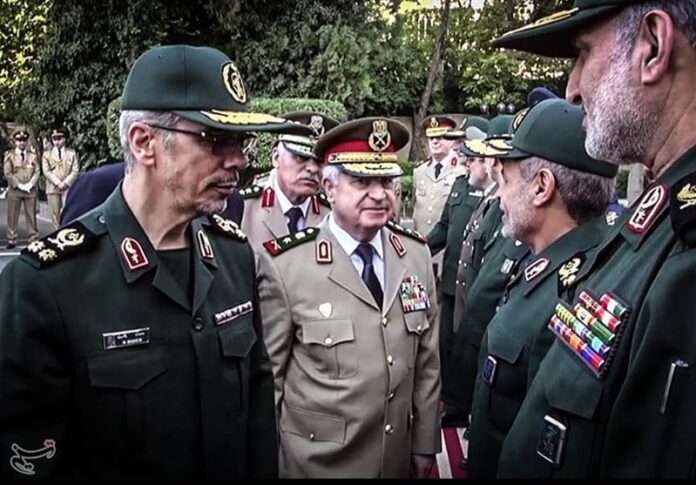
In a telephone conversation with Chief of Army Staff of the Pakistan Army General Qamar Javed Bajwa on Friday, Major General Baqeri reminded Islamabad of its duty to secure the release of the Iranian border guards who were abducted by the so-called Jaish-ul-Adl terrorist group at a border post southeast of Iran on Monday.

“Considering the bilateral agreements between the two countries’ Armed Forces on ensuing the security of common borders, we expect the Pakistani armed forces to take the necessary measures and push for the immediate release of the abducted (Iranian) soldiers and border guards,” the top Iranian commander said.

General Baqeri also urged Pakistan to increase the presence of security forces along the joint border with Iran to promote and stabilize security in those areas and prevent acts of terrorism.

For his part, the Pakistani general expressed regret over the abduction of Iranian forces, and pointing to the Pakistani army’s measures to chase and capture the hostage takers, expressed hope that the security forces would soon arrest the kidnappers and free the Iranian abductees.

Pakistani-based terrorists kidnapped 14 Iranian forces at a border post in Mirjaveh region in Iran’s southeastern province of Sistan and Balouchestan on October 15.

The Iranian military forces along the southeastern border areas are frequently attacked by terrorist groups coming from Afghanistan and Pakistan.

Tehran has frequently asked the two neighbors to step up security at the common border to prevent terrorist attacks on Iranian forces.

Effective DNA Extraction Method Helps Minimize Lab Costs

Over the recent years, biotechnology has witnessed a tremendous progress in a short span of time. Diagnosing various genetic diseases even before birth, determining kinship relations and identifying criminals through genetic tests are among the main developments achieved so far. But the list is much longer.

There are many knowledge-based companies in Iran involved in molecular genetics, biotechnology and other areas related to life sciences. At present, scientists can precisely diagnose pathogenic mutation through modern knowledge of biotechnology and identify various causes of genetic diseases. The new knowledge serves as a good opportunity to diagnose vectors or genetic diseases before birth.

Some of the main developments in this area include identifying defective genes, diagnosing diseases before birth, various types of genetic diseases, pregnancy syndrome, males’ sterility and determining relativity connections through genetic sciences.

Today, determining the racial authenticity of animals like horses is also deemed significant. At present, the process is carried out through scientific methods.

For a more detailed review of Iran’s achievements in various fields of science and technology, check the book “Science and Technology in Iran: A Brief Review”, released by the Science and Technology Department of the Iranian President’s Office.

Blood preservation cards which provide users with a chance to keep their blood and DNA for a long time, various types of cards for preserving saliva and amniotic fluid are the main products in this area.

Dr Zeinali, a faculty member at the Pasteur Institute of Iran and the founder of Kowsar knowledge-based company says, “Given the high amount of protein and low number of embryonic stem cells in amniotic fluid, extracting DNA from the fluid is hard and we need to use an appropriate method to do so. Extraction kit is a fast, precise and good method for extracting DNA from the fluid.”

So far, tens of various and efficient domestic medical equipment have been designed and developed by Iranian specialists and designers. The equipment can play a key role in creating an appropriate and clean area with the least amount of pollution.

With the progress made so far in molecular genetics, the scientist can minimize the time of costly laboratory tests and pave the way for further diagnoses.

Iran Develops High-Quality Nano-Filters

The Iranian company Behran Filter started its research activities in the field of nanotechnology to produce filters, and has been producing nano-filters for seven years now.

“In the past, the American Donaldson company produced these filters under its own license, and at the moment, there are many companies in the world that are producing these filters. However, we began to produce them domestically, i.e. we ourselves also produced the machinery to make these filters,” said Faqihi, the deputy managing director of Behran Filter.

“At the moment, having received the EN779 2013 certificate in producing gas turbine filters, we meet the needs of renowned Iranian companies such as South Pars, Damavand, Kerman and Abadan with regards to refining natural gas,” he said.

For a brief review of Iran’s achievements in various fields of science and technology, check the book “Science and Technology in Iran: A Brief Review

“We will soon receive more standards. The reason is that filter papers must have the nano-grade since 2012, so that we can pass the standards tests. These tests are mainly done in prestigious German firms, and so far, we have managed to pass all these tests,” he noted.

“The company has also had a good performance in practice and we are meeting 50% of the needs of power stations at the moment, and we are among the largest producers of power station filters” said Faqihi.

“This trend is growing because the advantages of nano-filters are becoming more and more evident day by day,” he said.

The deputy CEO went on to say that nano-filters are more durable and do not allow dust to pass through them, hence reducing the number of times that machinery need to be repaired. This improves the efficiency of the systems, whose parts are expensive, and increases energy production. On the other hand, the average drop in pressure is very low in equipment where nano-filters are used, resulting in an increase in the performance of the turbine. This high efficiency offsets the high costs of nano-filters.

“The quality of our products are high enough to compete with similar products made in the United States. The Iranian-made ones are cheaper, too, paving the way for competition on international markets. So, by the amelioration of economic relations with other countries, we hope to be able to export these products,” he said.

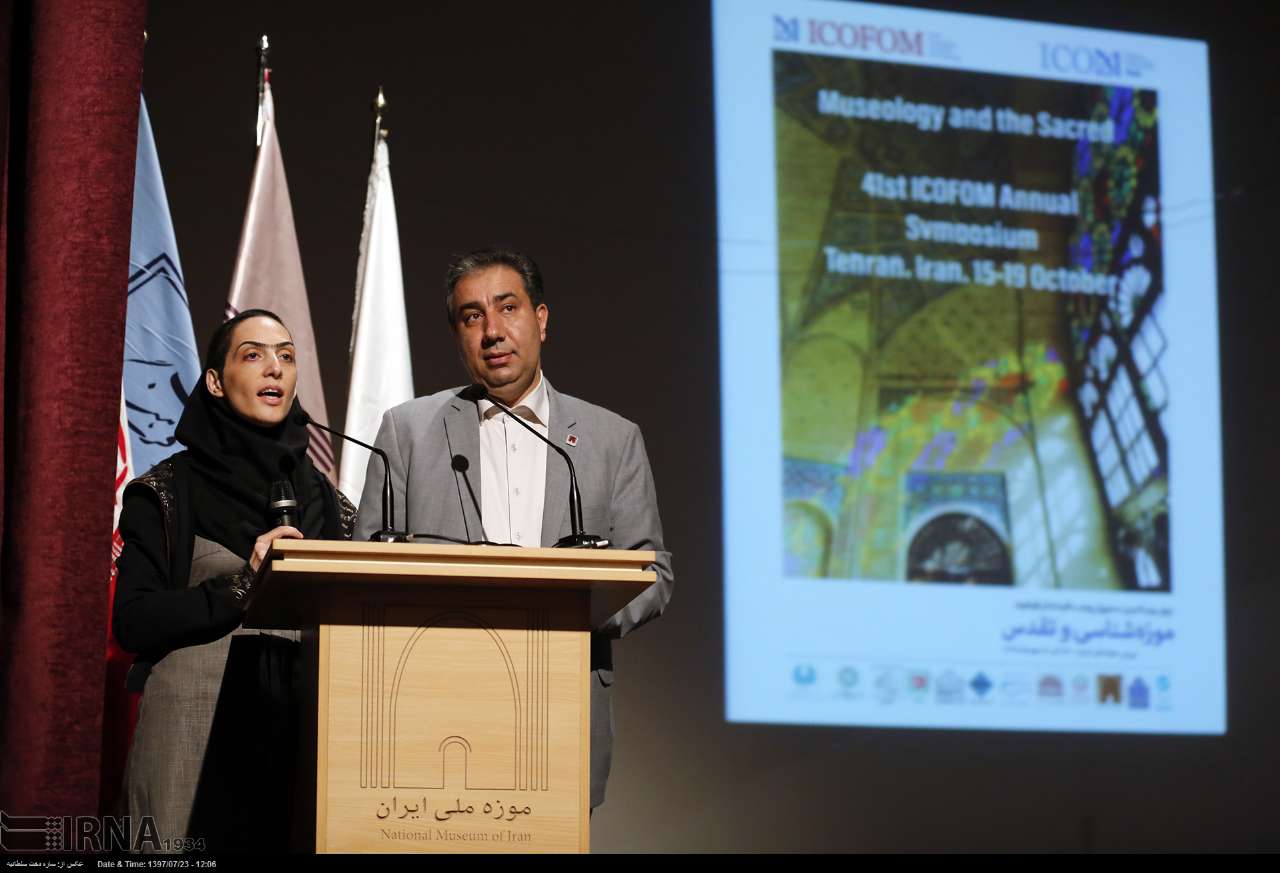
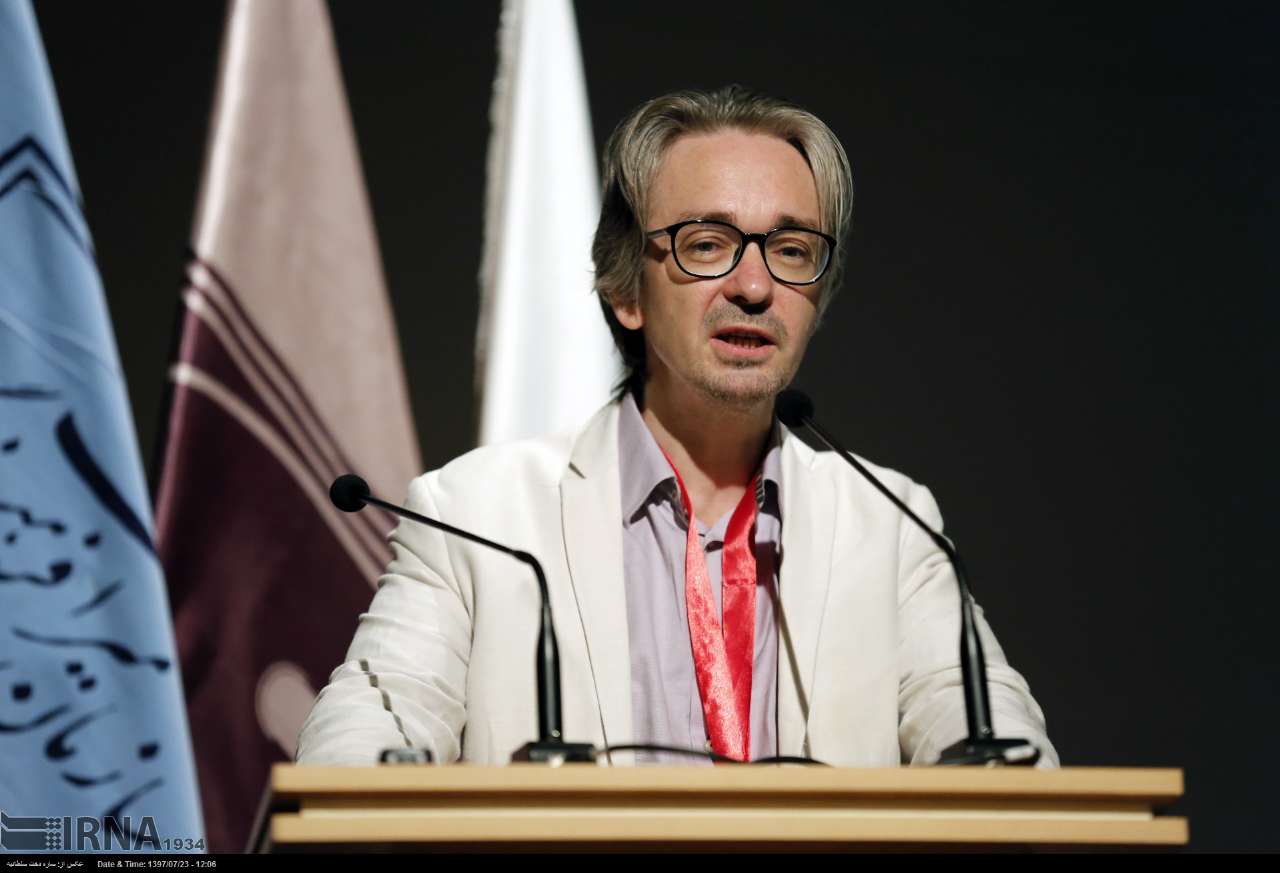
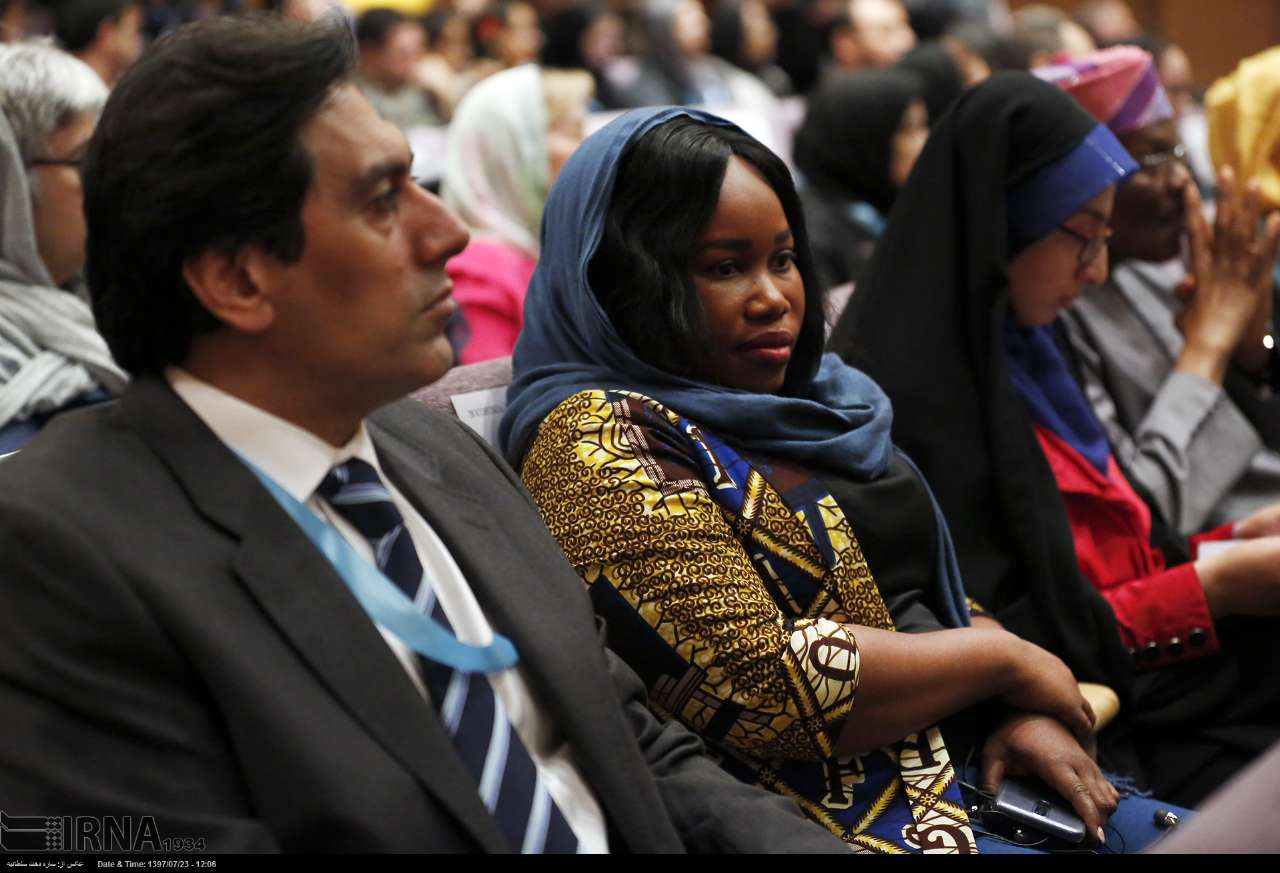
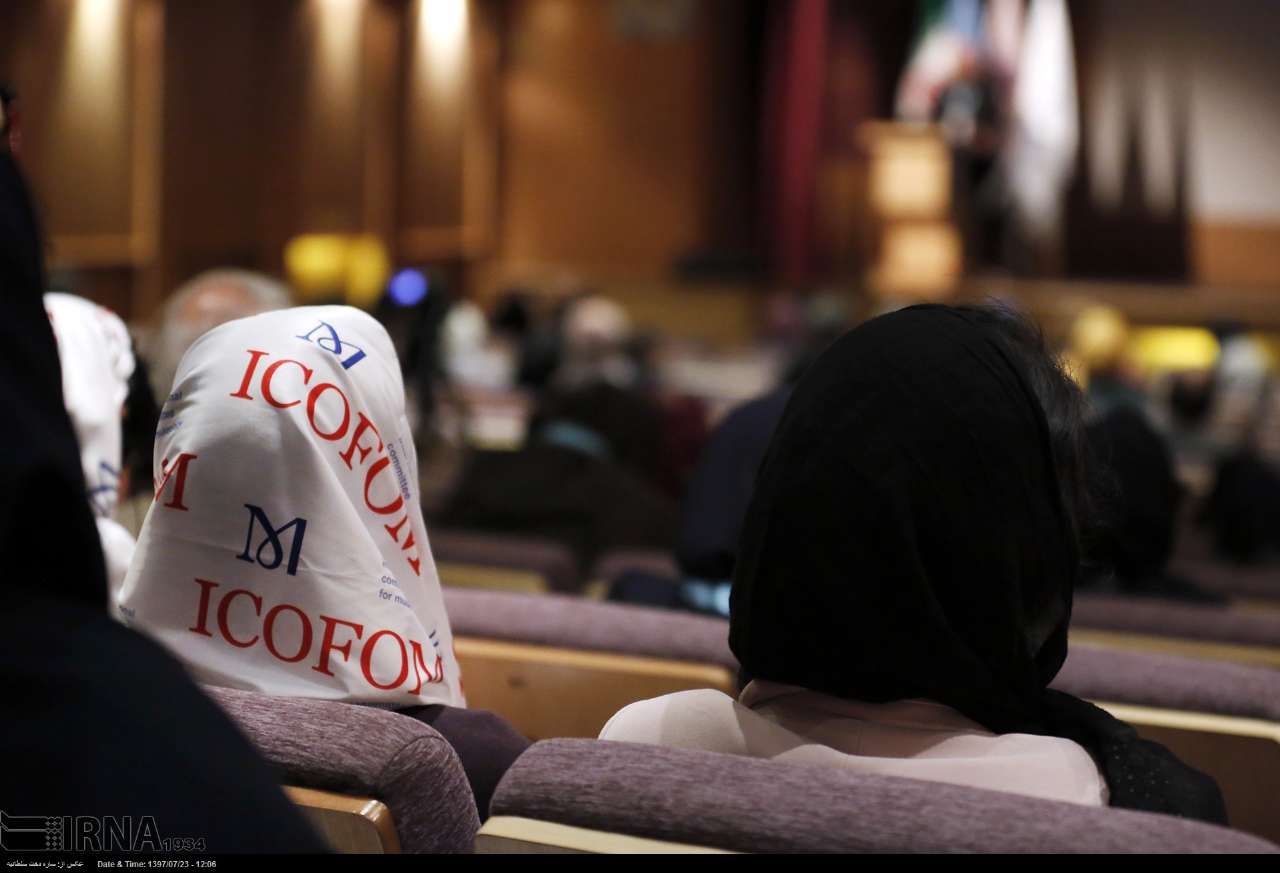
Iran’s National Museum Hosts ICOFOM Symposium

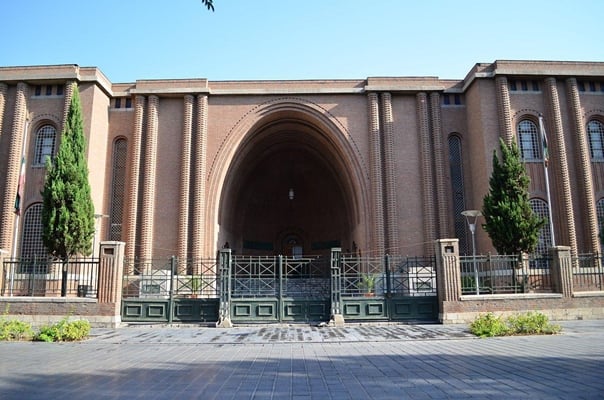
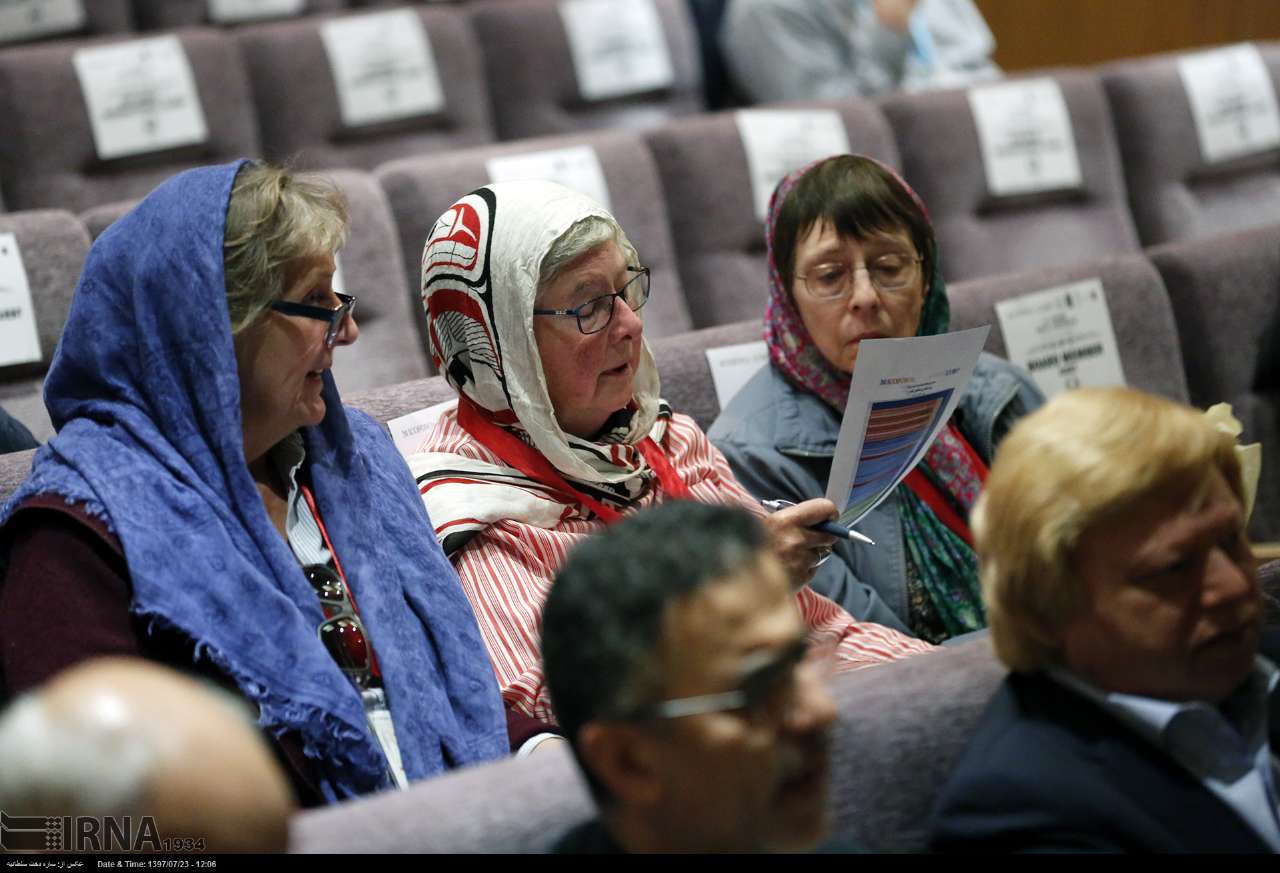
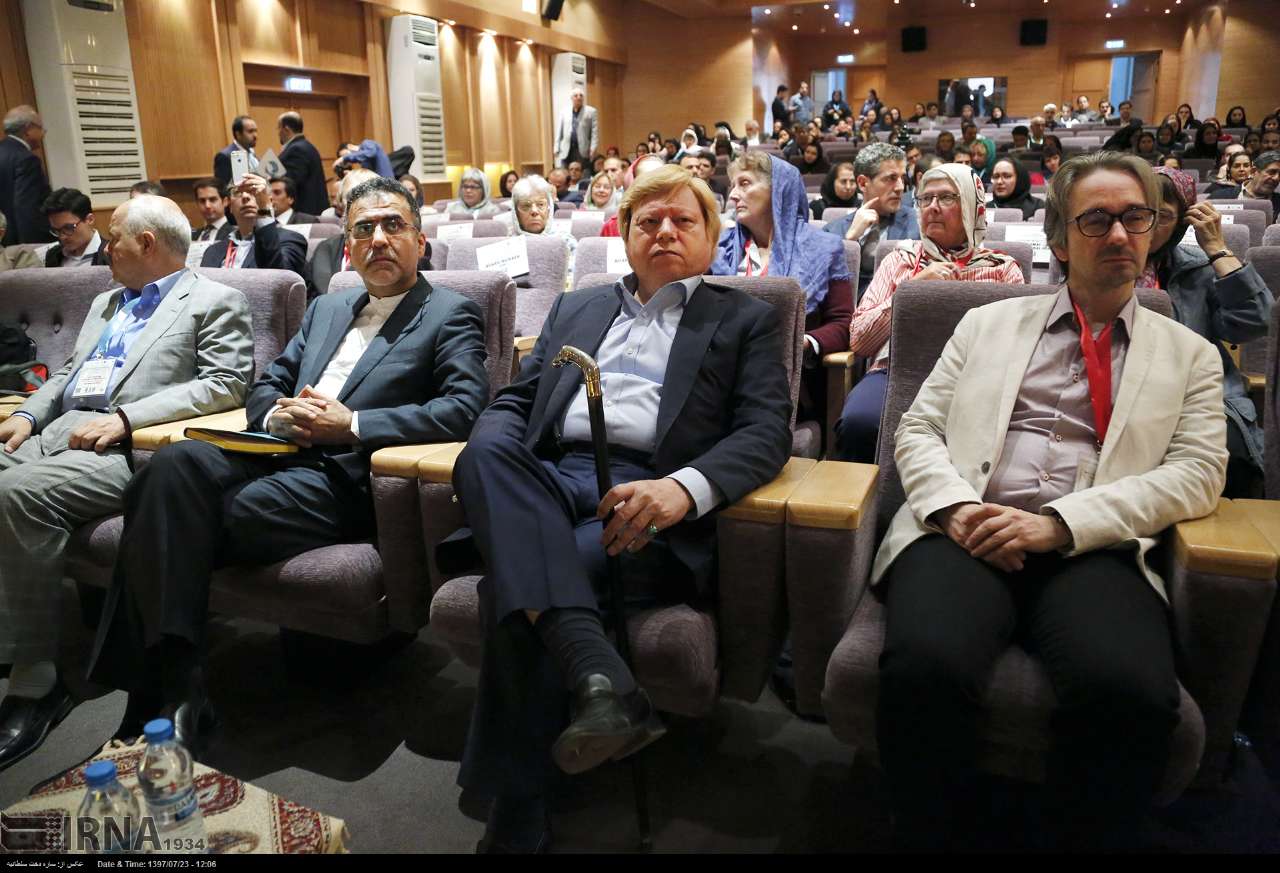
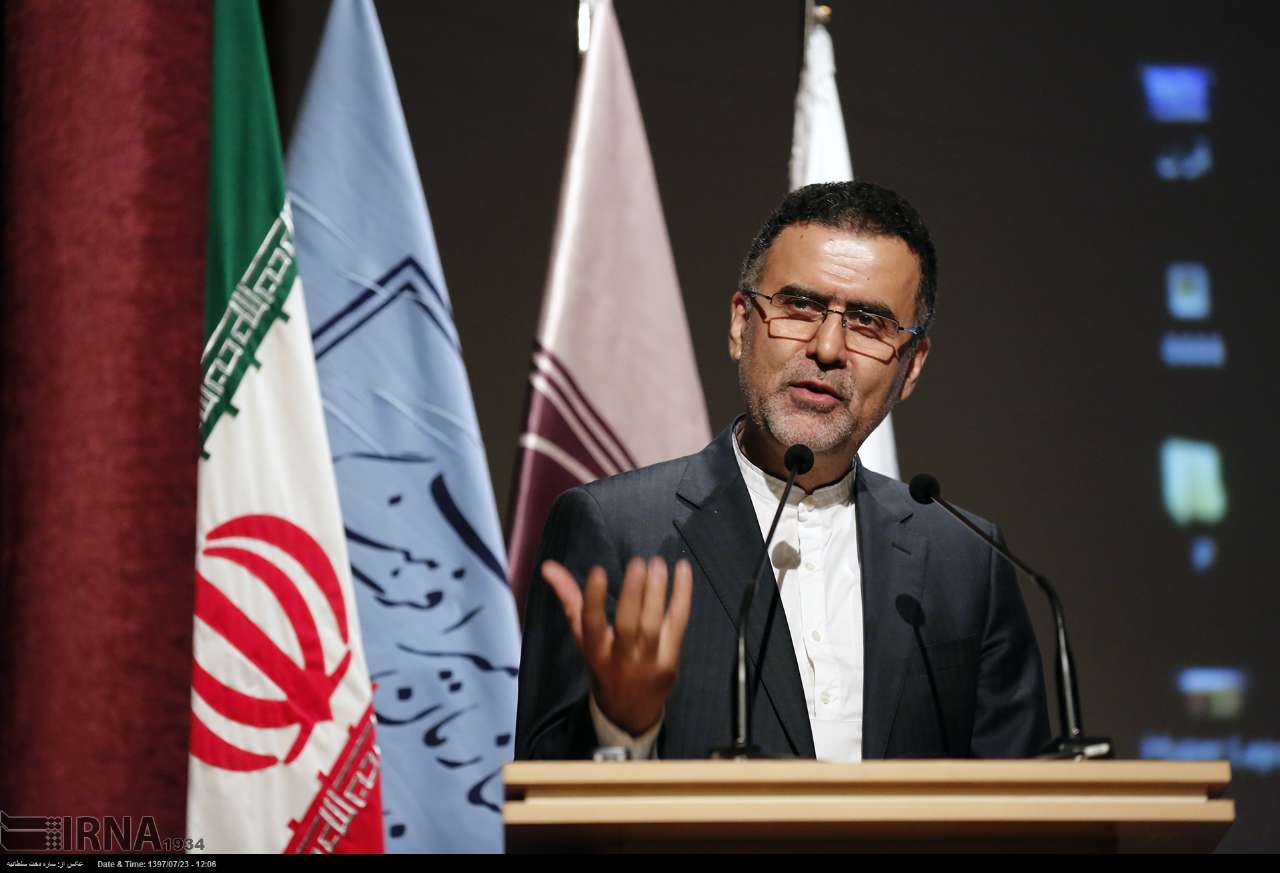
The ICOFOM’s 41st symposium was kicked off last Monday in the National Museum’s building in the Iranian capital, and wrapped up on Friday.

67 museologists from Iran and 37 others from various countries took part in the five-day event which was held with the main theme of ‘Museology and the Sacred’.

In an address to the event, Iranian ICOM official Seyyed Ahmad Mohit-Tabatabaei said based on an earlier agreement during a 2016 meeting of the International Council of Museums (ICOM) in Italy’s Milan, it was decided to hold the annual symposium of ICOFOM in Tehran.

“The decision was finalized in a meeting in Paris in 2017 and the preparations began since then,” he said.

Despite obstacles created over the past year by the US sanctions and amid the current difficult situation that Iran is gripped with, the ICOM put its weight behind the Islamic Republic to hold the symposium, he added.

According to Mohit-Tabatabaei, the symposium consists of various programs including a workshop and several lectures.

“The lectures mainly dealt with the main theme of the symposium that is museum and the sacred. Iran was chosen as the host of the event not only due to its Islamic and Shiite background but also its cultural diversity. Iran is also home to over 300 historical churches,” he noted.

Elaborating on the reasons behind choosing Iran’s National Museum as the host of the event, he said the museum is located along a street which is recognized as a culturally diverse street in the capital Tehran including holy sites like a mosques, churches and museums.

The museums located in the 30th Tir Street include Museums of Armenians, Abgineh Museum, Malek Museum, Museum of Peace, and the Ancient Iran Museum.

“The street is culturally highly significant. Walking through the street, you can visit churches and various museums from religious to scientific and conceptual areas.” he said.

Jebreil Nokandeh, Director of the National Museum, then took the podium and said the event could contribute further to our understanding of museums in Iran and expand the concept of museum across the world.

“Museums and museologists can bring people together and pave the way for cultural dialogue across the world,” he noted.

Founded in 1977, the ICOFOM is aimed at promoting research and theoretical thinking within the museum world. It addresses the study of the theoretical foundation that guides museum activities around the world or, more generally, the analysis of the different forms that museums can take.

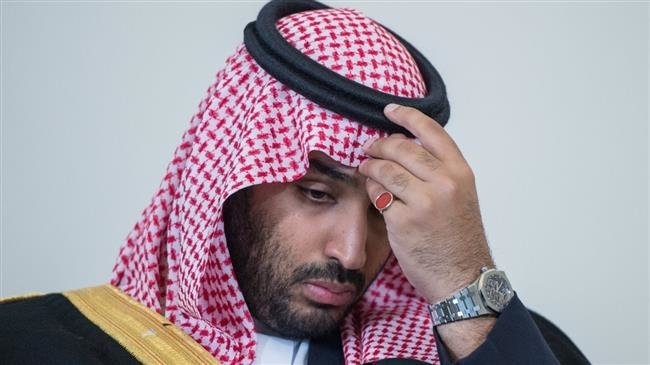
Saudi Arabia Finally Admits Khashoggi Killed in Istanbul Consulate

In a Friday announcement, Saudi Arabia said that the preliminary results of its investigation indicate Khashoggi had been killed in a “fight with people who met him in the Saudi consulate in Istanbul.”

According to Saudi state TV, the Kingdom has relieved Ahmad al-Assiri, a top general and close aide to Saudi Crown Prince Mohammed bin Salman, from his duties in the General Intelligence.

Saudi King Salman has also ordered the formation of a ministerial committee with the Saudi crown prince as head to restructure the General Intelligence Agency.

Reuters quoted a person familiar with the Saudi investigation of Khashoggi’s death as saying that no orders had been issued to kill or kidnap him, but there is standing order from the General Intelligence Presidency to bring critics back to the kingdom.

The source said orders were “aggressively interpreted” and subsequent instructions were “more and more unspecific” resulting in death and attempt to “cover it”.

It also noted that the Saudi consulate driver was among those who handed over the body of the dissident journalist to a “local cooperator”; however, it is not clear what has happened to the body.

The person familiar with the investigation also claimed bin Salman “had no knowledge of this specific operation”.

‘Faithful servant’

In addition to al-Assiri, Saudi Arabia also dismissed four other senior officials, including Saud al-Qahtani, a top adviser to the royal court.

Shortly after news of his arrest, users on Twitter found and reposted a 2017 tweet by al-Qahtani, in which he said, “You think I’m acting on my own? I’m just an employee and a faithful servant to my King and his royal highness the crown prince.”

Iran Sympathizes with India over Deadly Train Accident

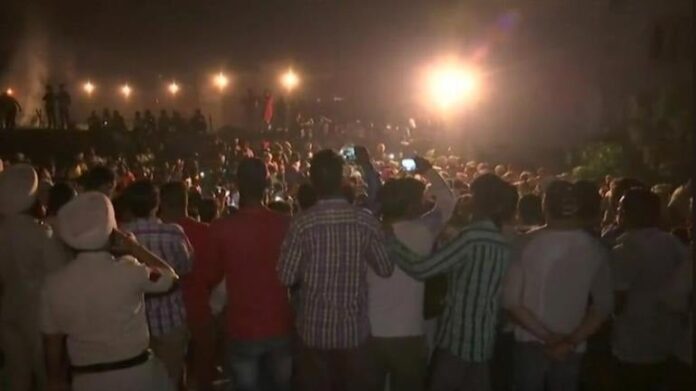
People gathering at the site of a train accident in Punjab's Amritsar on October 20, 2018. / Photo by ANI

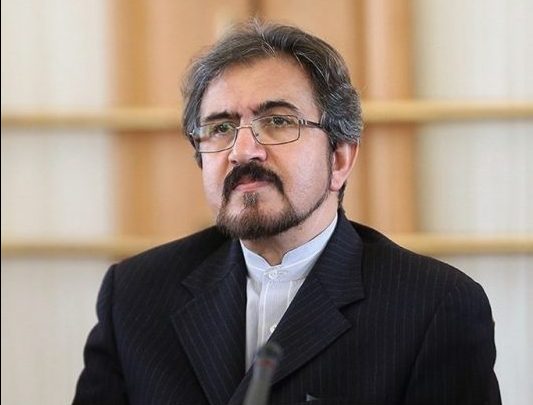
In a statement on Friday, Qassemi also offered sympathy to the Indian nation and government and the bereaved families of the victims.

At least 60 people were killed and 72 injured on Friday evening after a train ran into a crowd of Dussehra revellers who were watching the burning of Ravan’s effigy in Punjab’s Amritsar.

Many of them were busy recording the effigy going up in flames with their mobile phone cameras.

There was an outpouring of grief from across the country with the Dussehra mood turning sombre as India realised the scale of the tragedy.

The accident is said to be a result of administrative negligence and public apathy towards safety.

Iran Lauds FATF’s Deadline Extension as Diplomatic Victory

In a statement on Friday, Qassemi expressed satisfaction that a majority of FATF members were not influenced by political pressure of the US, which with the help of a few of its allies, the Zionist regime and Saudi Arabia, was misusing its temporary presidency over the body to return Iran to the body’s blacklist.

However, Qassemi censured parts of the FATF statement, which said Iran’s measures have not met full expectations.

The spokesman said FATF should avoid political motivations and just pay attention to technical dimensions.

“According to technical reports sent to the body, most of technical measures requested under Iran’s action plan have been completely implemented and the remaining will go into effect after legal process related to the three [parliamentary] bills were completed,” he said.

“Hence, the FATF meeting was expected to take into account these realities and avoid using some negative phrases in the statement,” he said.

Qassemi condemned the insistence of the US delegation that the body must refuse to extend the deadline for Iran, and said the approach results from the extremist and delusional policy of the White House.

The spokesman said the FATF basis for evaluating countries’ conditions has so far been their technical measures and the group’s decisions must not be influenced by political pressures of a country that has grown accustomed to bullying and brutality in the international scene.

“The US has shown it is not a trustworthy member of the international community as it takes unilateral moves to destroy all achievements of multilateralism. FATF members should consider this important issue when making future decisions,” he said.

The FATF announced Friday it once again extends the deadline for Iran to complete reforms to meet conditions for getting out of the body’s black list.

FATF had previously given Tehran until October to bring its laws against money-laundering and funding of terrorism up to its guidelines.

Iran’s parliament approved some new measures earlier this month to amend Iran’s law in compliance with FATF standards.

But not all the required pieces of legislation have so far gone into effect, as parliamentary enactments need to be approved by the Guardian Council before being signed into law.

FATF Extends Iran’s Deadline despite US Opposition

Foreign Ministry Condemns FATF’s Blacklisting of Iran

Following a regular meeting of its members on Friday, the Paris-based Financial Action Task Force said in a statement that it was disappointed with Tehran’s failure to implement a big part of the action plan.

The statement said Iran is expected to quickly take steps to make reforms to enhance the way it counters money laundering and financing of terrorism, Iranian media reported.

Iranian sources reported the US and a number of its allies, including Israel and Persian Gulf Arab states, have urged members not to extend the deadline and cancel suspension of counter-measures, which can go as far as limiting or even banning transactions with a country.

FATF had previously given Tehran until October to bring its laws against money-laundering and funding of terrorism up to its guidelines.

Iran’s parliament approved some new measures earlier this month to amend Iran’s law in compliance with FATF standards.

But not all the required pieces of legislation have so far went into effect, as parliamentary enactments need to be approved by the Guardian Council before becoming law.

Iran’s accession to FATF has been the subject of heated debates in recent months.

Opponents believe FATF would limit Iran’s ability to support allies in the region, some of whom recognized as terrorist entities by the US and some of its allies.

This is while proponents of Iran joining FATF fear Iran’s inclusion on the body’s blacklist could make it impossible to salvage the 2015 nuclear deal following the US withdrawal.

European countries have in recent weeks been working to create a special mechanism to facilitate trade with Iran, ignoring US calls to hamper economic relations with Tehran.