Tuesday, December 23, 2025
Home Blog Page 3346

Iran Raps UN Rights Resolution as “Political Charade”

The resolution adopted by the UN General Assembly’s Human Rights Committee was approved Thursday in a 85-30, with 68 abstentions. This means the resolution will most probably be approved by the 193-member world body when it comes up for voting next month.

Speaking ahead of voting on the Canadian draft resolution, Iran’s deputy ambassador to the UN Es’haq Al-e Habib said the countries sponsoring the measure have done everything in their power to “suppress or derail” Iranian people’s “century-long struggle… for the causes of human rights and democracy.”

“Orchestrating a military coup in 1953 against a democratically-elected government, unconditionally supporting a despotic ruler for the following two and half decades, supporting a war of aggression against Iranians during the 1980s, providing chemical weapons and reconnaissance to [former Iraqi dictator] Saddam to target Iranians, shutting down an Iranian passenger flight murdering all of its 290 passengers, colluding with renowned terrorist cults, and waging a full-fledged economic war against Iranians in defiance of Security Council resolution 2231 and the mandatory ruling of the International Court of Justice are only a few examples to recall,” he said.

“In fact, not a single day has passed since 1953 in which the same forces have not harmed and tortured Iranians,” Al-e Habib added.

The Iranian diplomat then proceeded to describe as “the greatest enemies” of human rights and democracy “those who conveniently abuse them against the nations and governments they dislike.”

Blasting the US and the West for imposing unilateral sanctions against Iran, Al-e Habib said such “sanctions of mass destruction” had killed more people around the world than all of the weapons of mass destruction “put together throughout history.”

“Weaponizing food and medicine against civilians has no other designation but crime against humanity,” he said. “Apparently, for self-proclaimed champions of human rights to reach their politicaltives even a whole nation can be murdeyred.

tives even a whole nation can be murdeyred.“
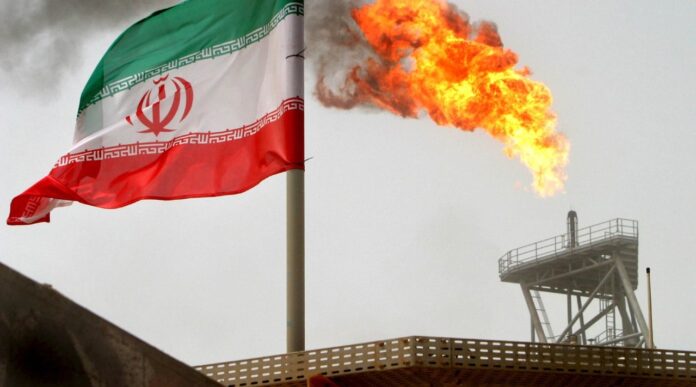
Iran Says Has Changed Oil Exports Pattern to Counter US Bans

Photo by Raheb Homavandi, Reuters

Chairman of the Iranian Parliament’s Economic Commission Mohammad-Reza Pour-Ebrahimi said Thursday “the pattern of Iran’s oil exports has undergone changes” by implementing a mechanism to offer crude oil in the Energy Bourse as a countermeasure against the latest US sanctions.

“Over the past 20 days, about one million barrels of our crude oil have been sold to private sector,” he noted, describing the mechanism as a significant initiative.

https://ifpnews.com/exclusive/iran-starts-direct-sale-of-crude-oil-through-energy-bourse/

He further noted that today the negative impact of US sanctions on Iran’s economy is just 20 percent and with appropriate plans, the Islamic Republic can cope with the situation and control the impacts.

“This time, the US has failed to gain a global consensus on imposing sanctions on the Islamic Republic,” he said.

He said the number of foreign investors willing to purchase Iran’s crude oil has increased over the past weeks despite the US bans.

Pour-Ebrahimi said the parliament’s Economic Commission has already established a sub-committee on sanctions, adding the Islamic Republic has great experiences in bypassing sanctions.

Today no international body has imposed sanctions on Iran, and the US has become isolated over its decision to put sanction on the Islamic Republic, he noted.

The Iranian lawmaker then referred to the Europeans’ plan to establish a financial mechanism to keep their trade ties with Iran in defiance of the US sanctions and said “though we can’t rely on the Europeans, they have already expressed their explicit objection to the US.”

He further described the US sanctions against Iran as hostile and added Iran’s oil exports have always been targeted by the enemies because the exports play a decisive role in Iran’s economy.

“Before the Islamic Revolution, about 70 percent of the government’s budget was provided by oil exports but today the figure has reduced to 30 percent,” he said.

Pour-Ebrahimi then referred to the joint oil reserves between Iran and some Arab states and said “if Iran doesn’t extract oil, the other sides will do so without any hesitation.”

He referred to the growing price of oil in the world and said under previous sanctions against Iran, the oil price reduced dramatically hampering the country’s economy, but this time the prices are high, giving some immunity to the Islamic Republic.

Outrageous Cosmetic Surgeries Becoming All the Rage in Iran

Each year, many people go for beauty surgeries in Iran. Based on the figures released by the Iranian Medical Society, cosmetic surgeries in the country have been on the rise since 2005, and the age of those undergoing such operations has dropped to 15.

But the surgeries are getting more and more outrageous every day.

Director of the Iranian Association of Plastic and Cosmetic Surgeons Mahmoud Abbasi says “implanting false irises and crystals into the eye, changing the colour of the eye permanently and outrageous surgeries such as the ‘cat’s eye,’ ‘donkey ear’ and the like are not legal.”

“Those who perform the so-called “donkey ear” and “cat’s eye” operations do not hold specialized academic degrees,” he added.

He has criticized the misleading advertisements designed to lure people into undergoing cosmetic surgeries.

“Unfortunately, some of these surgeries cause side effects which are not curable,” said Abbasi.

“In all such medical operations, it is the surgeon who bears the responsibility, and the patient’s consent before the operation does not revoke that responsibility,” he added.  

That means the physician is responsible for the operation one way or another, though it is necessary that lawmakers openly illegalize such surgeries and that stricter regulations be put in place with regards to such operations.

Some experts believe the reasons behind people showing an interest in unusual cosmetic surgeries is cultural backwardness. They believe obsessive people tend to go for such surgeries.

Outrageous Cosmetic Surgeries Becoming All the Rage in IranCat’s Eye, Donkey Ear Surgeons, Applicants Could Face Jail Term
A top parliamentarian has also confirmed news released by the Iranian Medical-Legal Association that emerging surgery types such as changing the colour of the eye and shape of ears are not considered legal and are subject to prosecution under the Islamic Penal Code.

“Basically, making changes to the shape of the body of the human as created [by God] is rejected in different religions; likewise, Sunnis and Christians regard such action as religiously forbidden and believe the creation by God should not be changed. It is stated in all religions that conducting such operations is forbidden,” said Hassan Norouzi, the spokesman for the Iranian Parliament’s Judicial and Legal Commission.

He also touched upon the penalty that such unconventional surgeries could carry under the Islamic Penal Code, and said conducting such operations will hurt public decency.

“The punishment for these individuals is determined based on the Islamic Penal Code which stipulates that ‘whoever openly pretends to be doing a forbidden action in public places which does not carry a penalty by nature, but hurts public decency, shall be served with a prison term of between 10 days to two months, or 74 strikes of lashes’,” he said.

Obsessive individuals who decide to make changes to their appearance by undergoing an unconventional surgery must refer to a competent court, which, in this case, is a family court, and hand over a petition, and undergo the operation by the court’s permission.

The lawmaker elaborated on what hurting public decency means as a result of unconventional surgeries.

“An individual may change his/her gender. i.e. a man may become a woman or vice versa, which definitely requires permission. Or a person may change his/her appearance to look like a dog or cat or monster, which are examples of hurting public decency and which carry a penalty of 10 months to two years behind bars or up to 74 strikes of lashes,” he said.

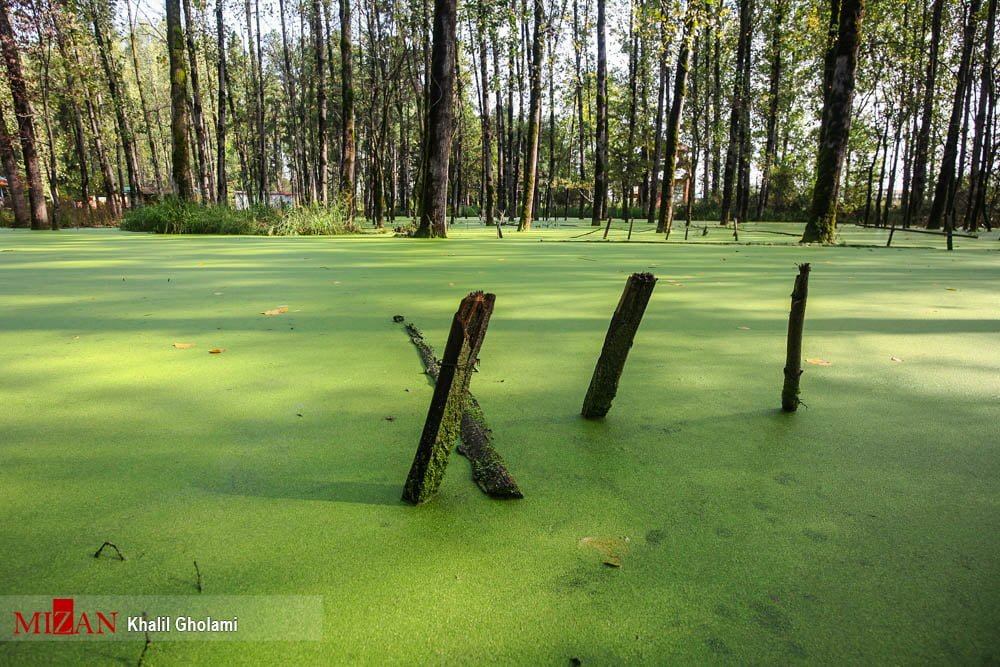
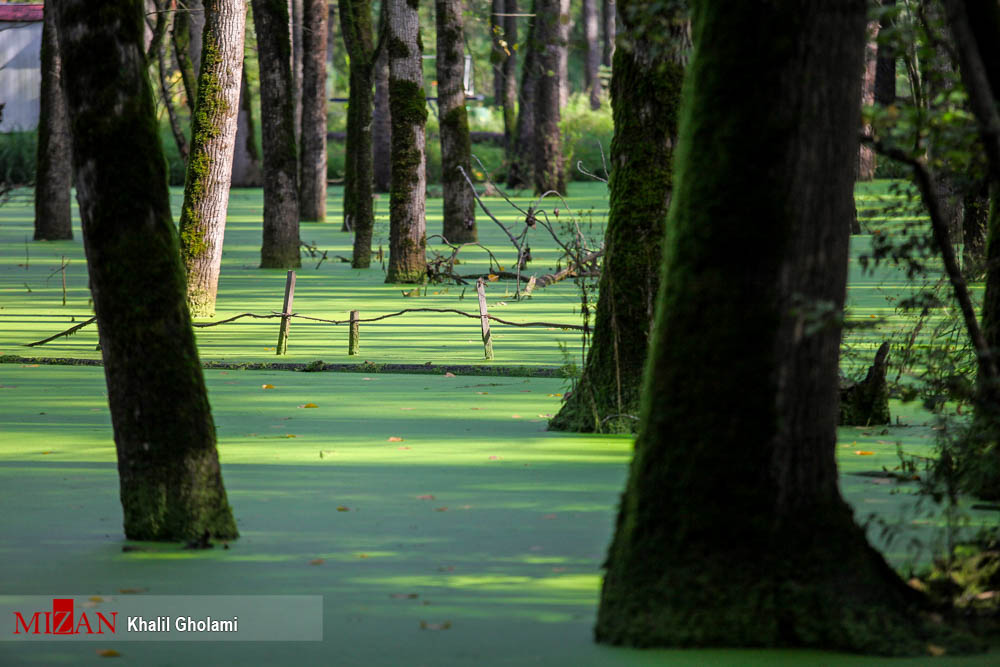
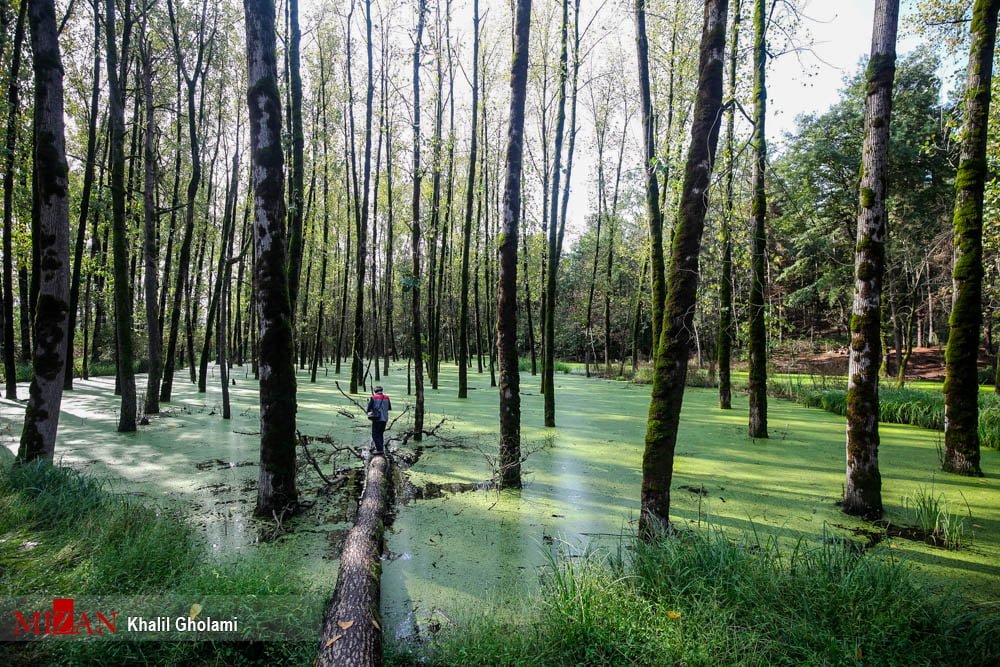
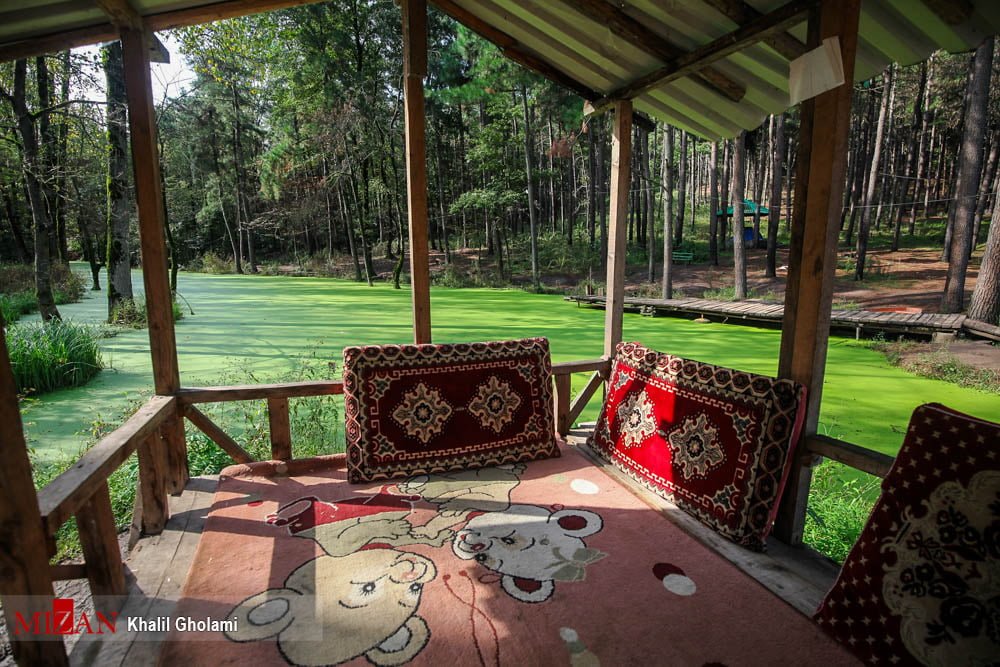
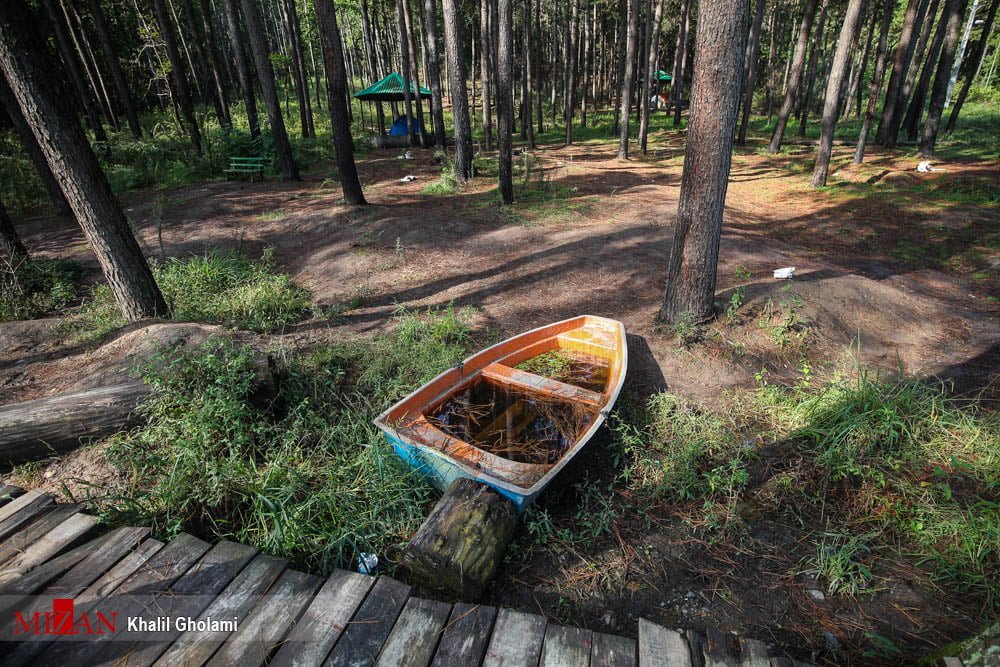
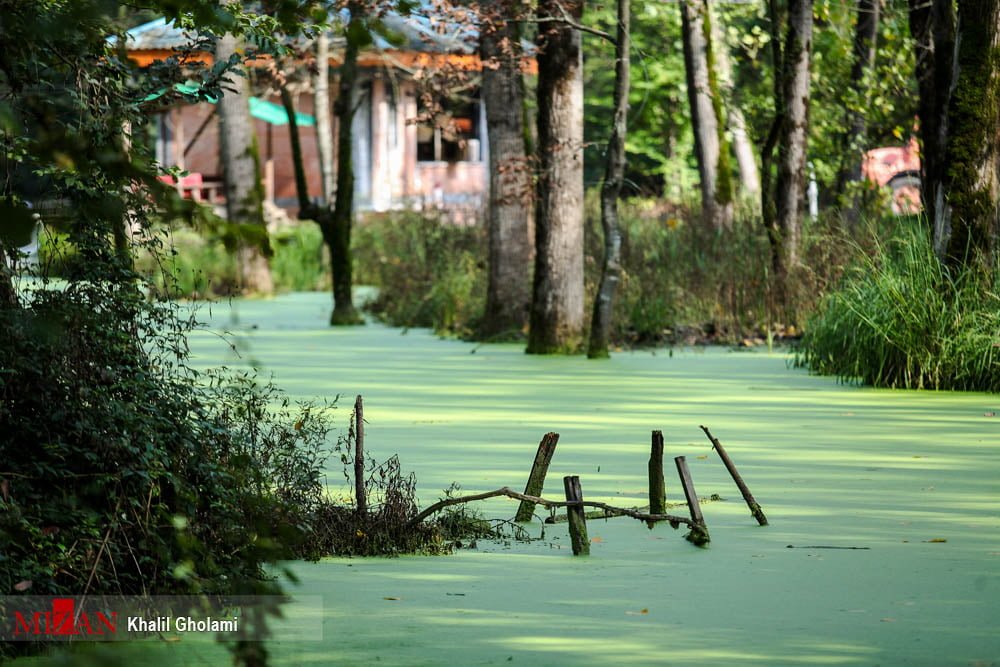
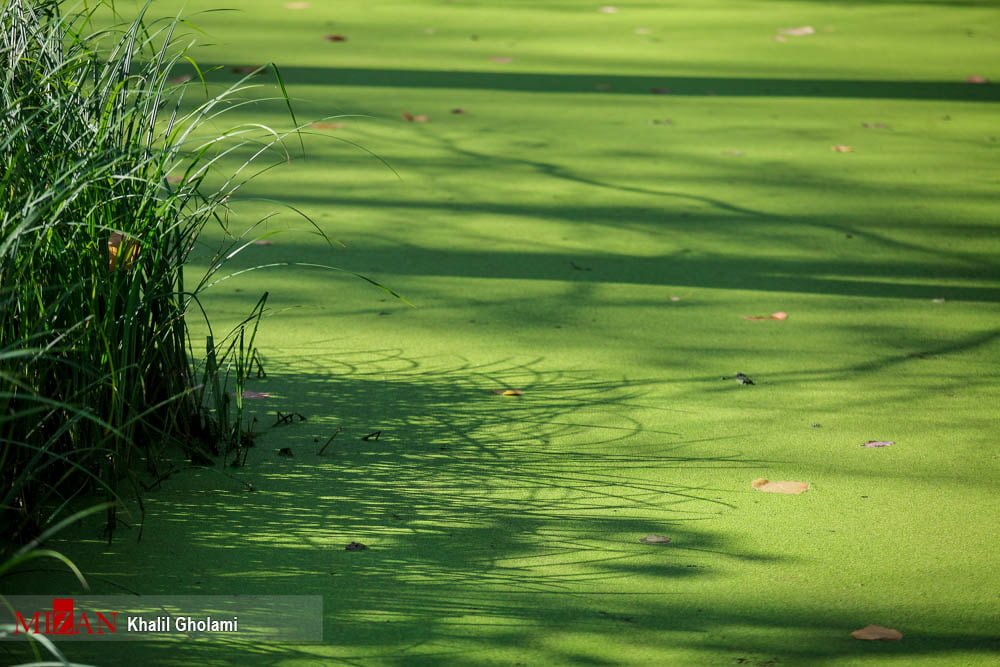
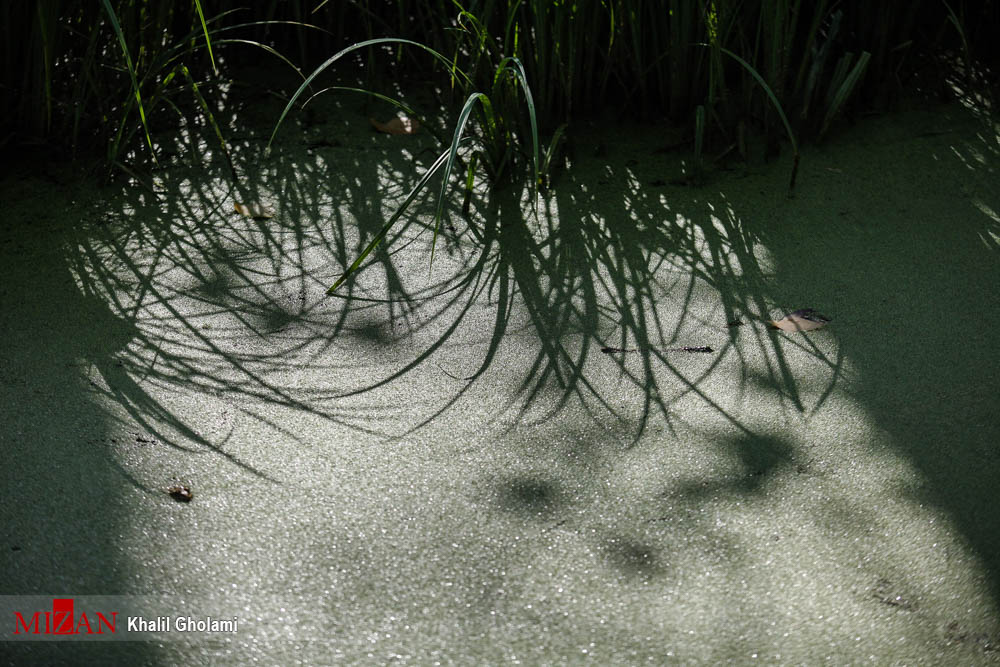
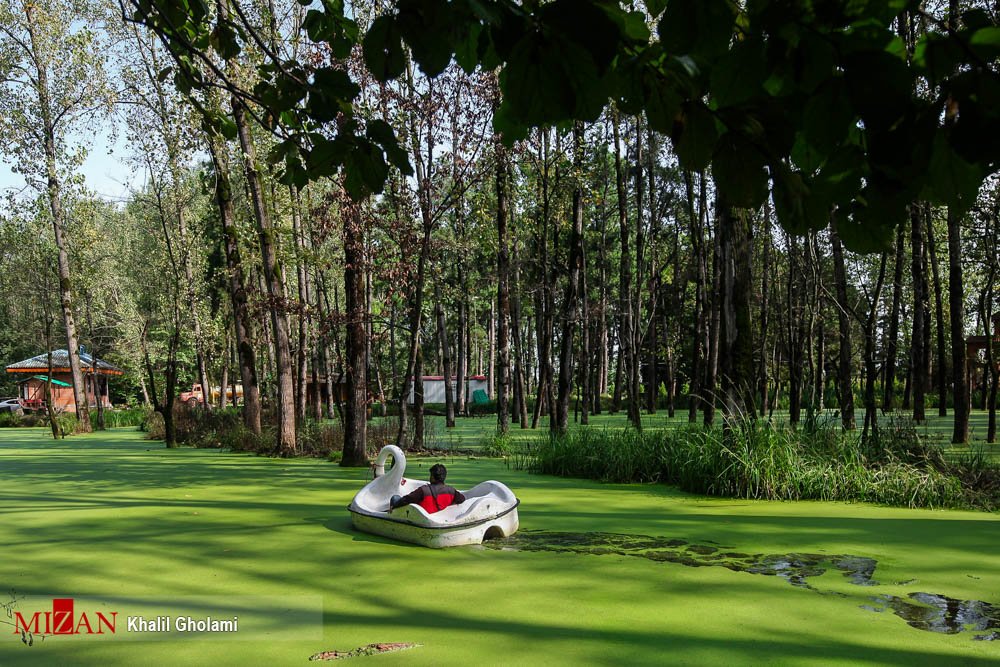
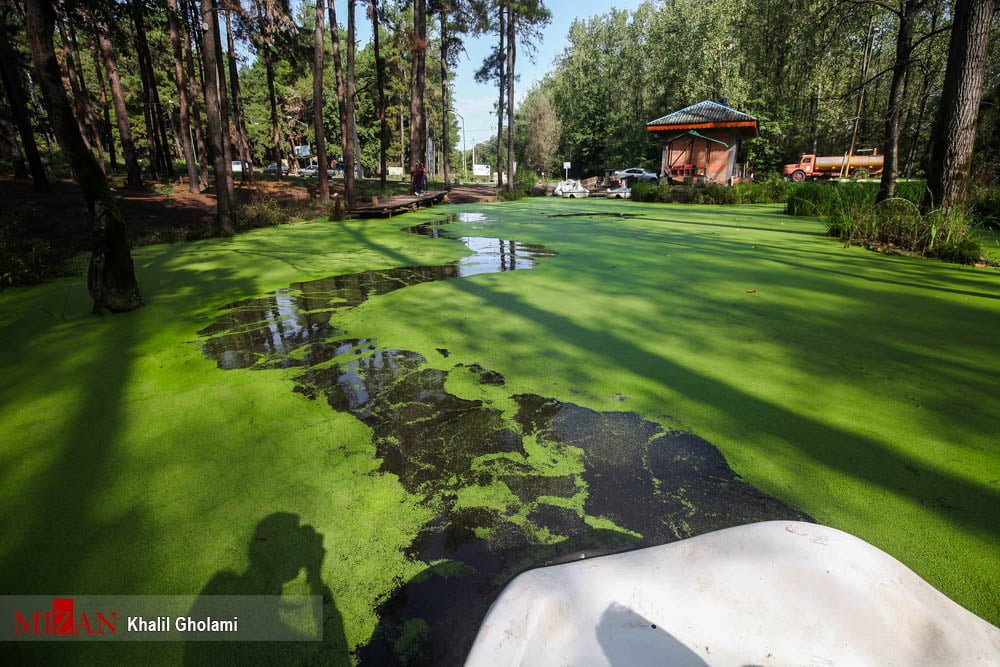
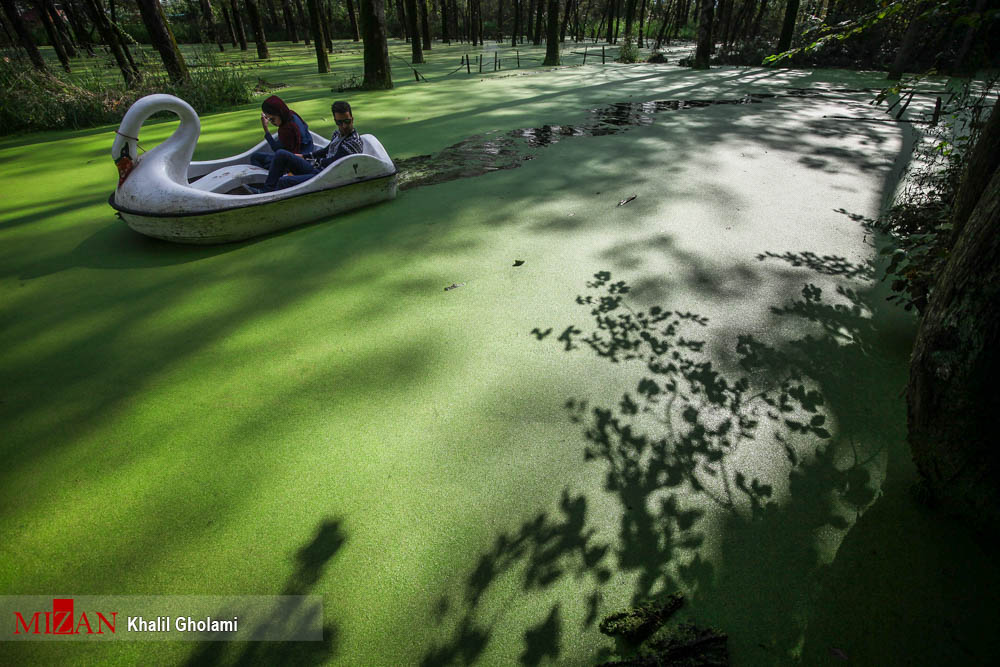
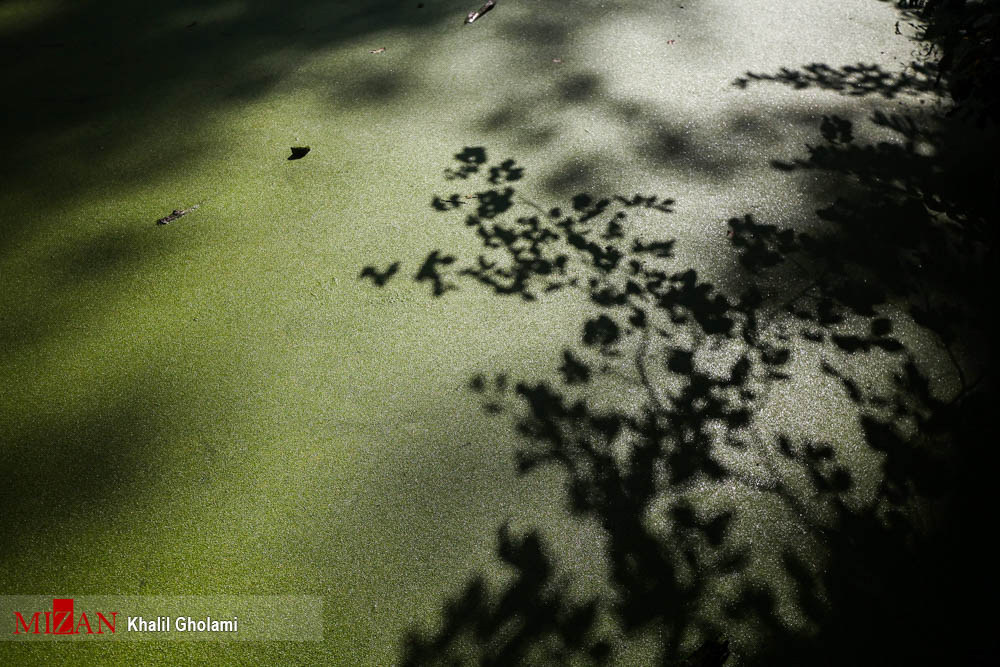
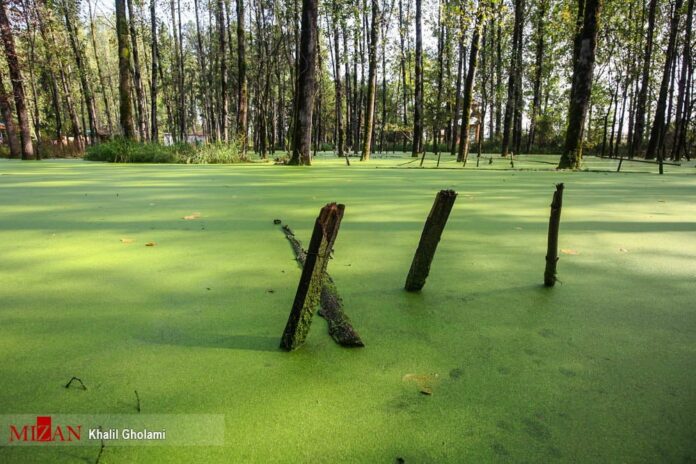
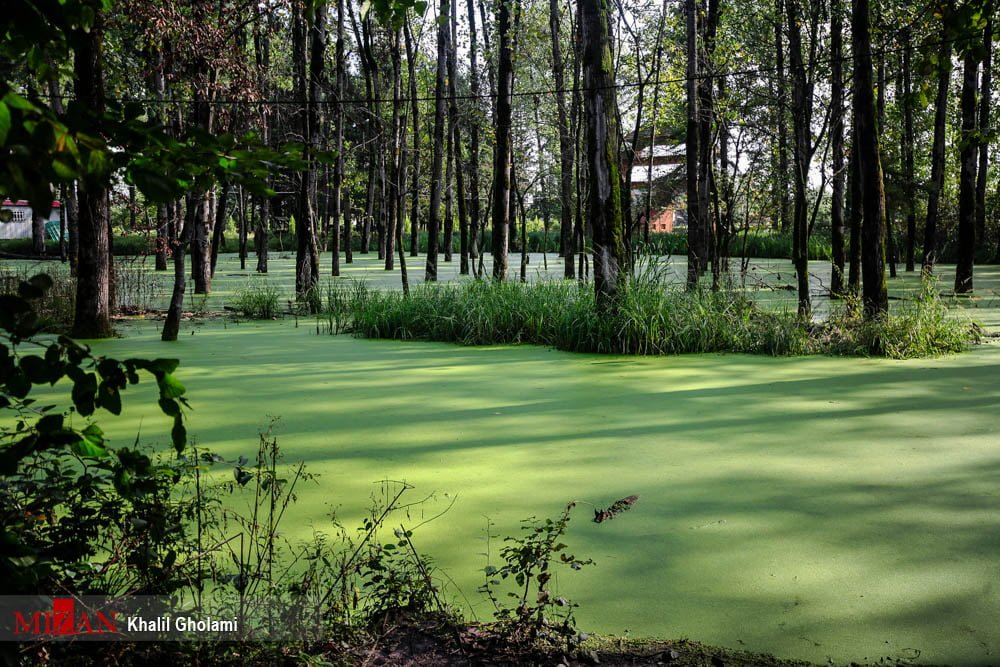
Iran’s Beauties in Photos: Saravan Swamp, Forest Park

The forest park, which lies at the western side of Rasht-Tehran freeway, is among the world’s unique forest parks in terms of hosting rare plant species.

The park is 6,700 km in length and about 2 km in width. Seventeen kilometres away from the northern city of Rasht, it stands about 50 to 250 metres above the sea level.

Due to the presence of rare plant species as well as its genetic reserves and splendid perspectives, the park enjoys a higher significance compared with other forest parks in Gilan province and is deemed as one of the major tourist attractions of the province.

The vegetation of the park is divided into two natural and planted sections. The natural section includes oak, hornbeam and fig trees along with alder, and the planted part is home to various types of pine and golden cedar.

Among other attractions of Saravan Forest Park one can refer to its rural heritage museum, which is the first of its kind in the region. With an architecture dating back to one hundred years ago, the museum reconstructs an ancient lifestyle in the region.

Below, you can see a collection of photos of the beautiful swamp and forest park of Saravan retrieved from Mizan News Agency:

Gold, Forex Rates Decrease in Iran despite US Sanctions

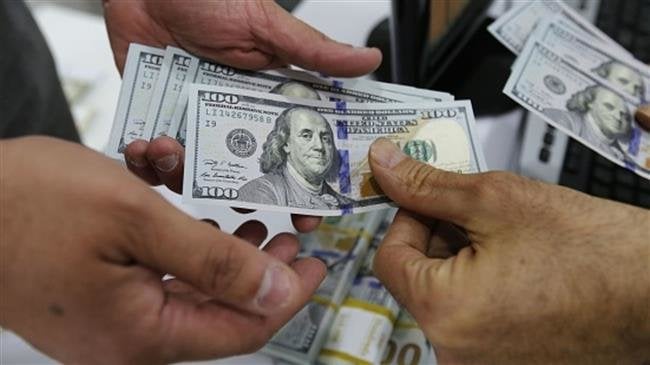
The prices of the US dollar against the Iranian Rial saw a decline of around 10 percent from the closing hours of trading on Saturday until Wednesday – the end of trading in the week.

The hard currency was traded at Rials 144,000 on Saturday, but withdrew to as low as Rials 130,000 on Wednesday, according figures provided by bonbast.com – a key platform that provides the average market figures.

The drop in the price of gold has been wider. The price of the precious metal saw a slide of at least 13 percent over the same period.

Each Emami gold coin – which has a purity rate of 90 percent and weighs 8.13 grams –

was traded at Rials 40 million at the end of trading of Wednesday, marking a decline of above 11 percent compared to Saturday when it was traded at Rials 45 million.

Also, the price of each gram of gold declined from Rials 0.68 million on Saturday to Rials 0.65 million on Wednesday, down around four percent.

The administration of US President Donald Trump launched the second wave of sanctions against Iran from November 5 in which a universal ban on the country’s oil exports is a primary objective.

US officials have already said the sanctions would be meant to bring down Iran’s oil exports to zero. However, Iranian officials have repeatedly rejected the feasibility of this, stressing that international consumers cannot afford to lose Iranian supplies.

Iran has even devised an initiative to sell its oil to individual buyers in face of US sanctions that ban states from purchasing the country’s crucial fuel.

The initiative enables Tehran to put its oil barrels up for the grabs through its Energy Bourse. So far, two rounds of auctions have been held during which a collective of at least 1.4 million barrels of oil have been sold to international clients.

On Wednesday, Iran’s President Hassan Rouhani said the “oppressive” US sanctions would only harm the Iranian people, giving assurances that the country will prevail over the restrictive measures and will continue to sell its oil.

“The Americans thought they could completely cut Iran’s oil exports, but they realized themselves in the days [ahead of the reimposition of the sanctions] that this is neither practical nor possible,” he told a cabinet meeting in Tehran on Wednesday, referring to the waivers the US has granted to major buyers of Iranian crude after the sanctions against Tehran snapped back into place on November 5.

Rouhani further emphasized that the US sanctions will fail to affect Iran’s oil sales, saying, “We have so many ways of selling oil, and that will render their sanctions ineffective.”

Iranian Diplomat in Italy to Pursue Efforts to Save Iran Deal

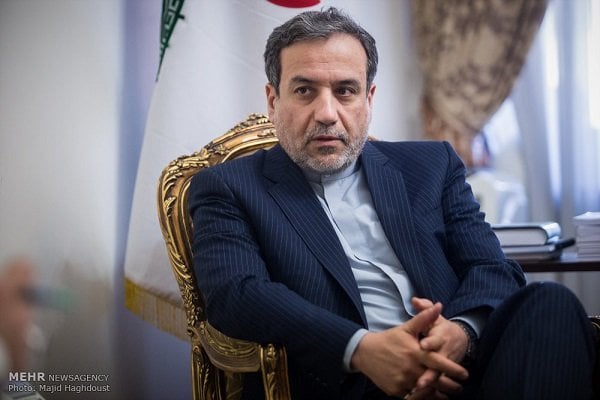
Araqchi told reporters on Thursday that “Tehran has fulfiled its obligations regarding the JCPOA, and reciprocally expects the European Union to fulfil its economic obligations on the basis of political commitments.”

The United States has violated the UN Security Council Resolution 2231, he said, adding that Washington has not only withdrawn from the nuclear agreement, but also encouraged other countries to violate this resolution.

“The JCPOA is a security and non-proliferation agreement, and the withdrawal of the United States from the deal has challenged the security of Europe, the region, and the international relations.”

Araqchi stressed that so far, the EU measures have not led to operational solutions.

The Iranian diplomat is scheduled to meet with several Italian officials and Vatican’s foreign minister during his one-day trip to Italy.

The EU proposed the mechanism to help protect the economic benefits for Iran from the 2015 nuclear agreement that the members of the Security Council plus Germany sealed with the country.

The SPV is a kind of clearing house that could be used to help match Iranian oil and gas exports against purchases of EU goods in an effective barter arrangement circumventing US sanctions, based on global use of the dollar for oil sales, Reuters wrote in its report.

It aims to dodge the global reach of the US financial system by using an EU intermediary to handle trade with Iran. It could ensure, for example, that Iranian oil bought by Europeans could be paid for with EU goods and services of the same value.

The administration of US President Donald Trump launched the second wave of sanctions against Iran from November 5 in which a universal ban on the country’s oil exports is a primary objective.

US officials have already said the sanctions would be meant to bring down Iran’s oil exports to zero. However, Iranian officials have repeatedly rejected the feasibility of this, stressing that international consumers cannot afford to lose Iranian supplies.

Gaza Truce Signals Palestinians Altered Balance of Power: Iran

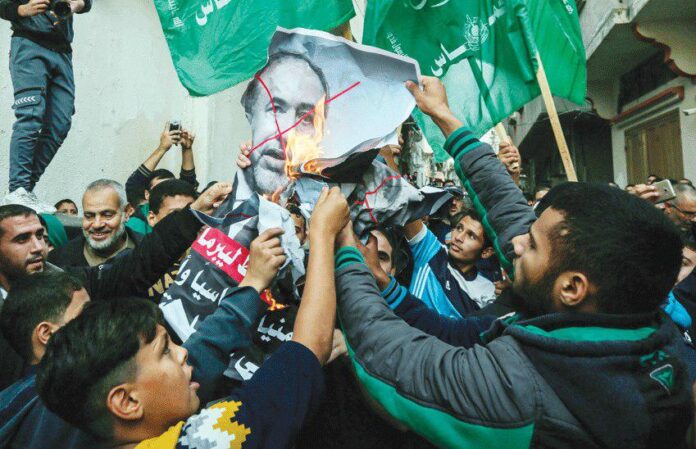
Palestinian demonstrators chant slogans on Nov. 14 before burning pictures of Israeli Minister Avigdor Lieberman in front of the house of Ismail Haniya, the head of the Palestinian resistance movement Hamas / Photo by AFP

“It’s early to talk about the recent victories of Palestinians … but there is no doubt that the balance of power has changed in Palestinians’ favour and they have won,” said Major General Yahya Rahim Safavi, a senior military advisor to Ayatollah Seyyed Ali Khamenei.

He was referring to latest escalation in Palestine that erupted late on Sunday, when Israel launched a botched raid in Gaza that killed several Palestinians, including one commander of the resistance movement Hamas.

Armed groups in Gaza on Monday fired over 400 rockets or mortar bombs at Israel, with Israel responding with dozens of air raids.

The ceasefire, announced Wednesday to end the worst violence between the two sides since the 2014 war, set off celebrations in Gaza City with hundreds of Palestinians taking to the streets to declare victory.

“The Zionist regime has vowed to provide security and prosperity to settlers, but now they cannot protect security of inhabitants of the occupied territories. Hundreds of missiles of the Islamic resistance are a big threat to the Zionist regime,” Rahim Safavi said.

“The resignation of [Avigdor] Lieberman, who believed no Arab should be present in the occupied territories, is a sign of the Zionist regime’s failure,” he said, referring to the Israeli minister of military forces who resigned on Wednesday and accused Benjamin Netanyahu of “surrendering to terror” by agreeing to a ceasefire with Hamas.

Rahim Safavi said the Islamic resistance front has spread to Lebanon, Syria, Iraq and Yemen and the occupied Palestine. Now Palestine has a deterrent power and create balance of power.

“I hope the Zionist regime will be wiped out in the region in 25 years,” he said, echoing famous remarks by Ayatollah Khamenei in 2015.

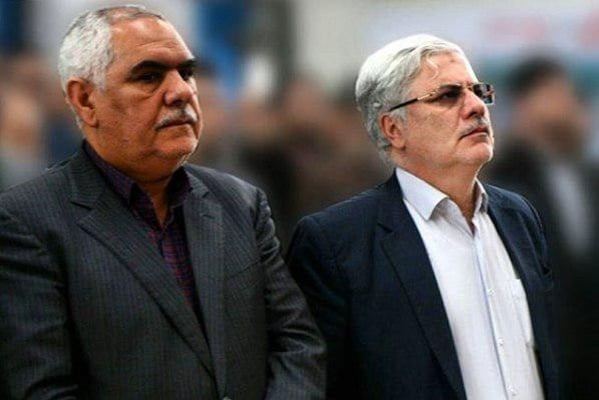
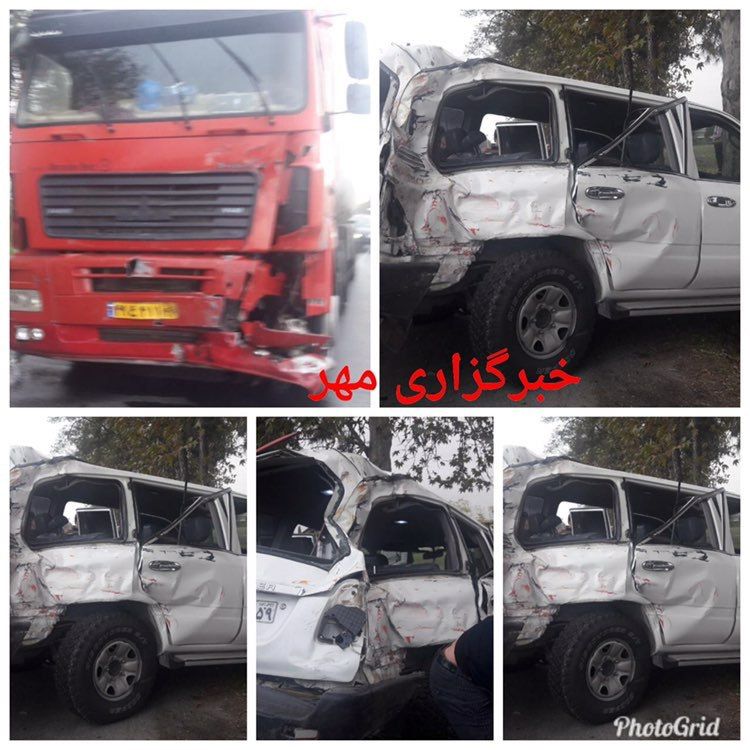
Two Top Iranian Officials Die in Car Crash

The two officials were on an official visit to Golestan province when the accident happened.

Despite the medial team’s efforts, the two officials succumbed to the injuries they had sustained in the car crash, media reports said.

At least three others were wounded in the crash. The two officials were accompanying Iran’s Minister of Labour and Welfare Mohammad Shariatmadari in the official visit.

Shriatmadari and provincial governor-general Seyyed Manaf Hasehmi had immediately arrived in Hakim Jorjani hospital to follow up closely the process of medical treatment of the officials.

Two Top Iranian Officials Die in Car CrashSocial Security Organization (SSO) is a social insurer organization in Iran which provides coverage of wage-earners and salaried workers as well as voluntary coverage of self-employed persons.
Iran to Give Indirect, Painful Response to Saudis: IRGC Chief

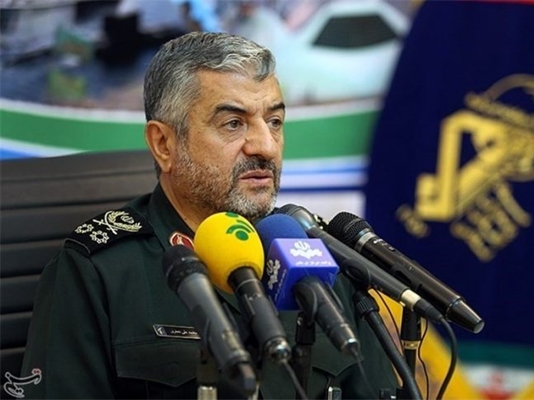
The Saudi regime is very angry with the moves of the Islamic Republic in the region as they have led to the awakening of the regional people, Major General Mohammad Ali Jafari said Thursday, speaking to reporters in the city of Qazvin.
“The Al Saud is really disappointed by Iran’s successes in the region, especially in Syria, Iraq and Lebanon, and tries to react with passive movements. The Saudi regime and the reactionaries received the response to many of their baseless remarks and will receive some soon,” General Jafari added.
These responses sometimes cannot be announced publicly, but will be painful, and cause more discomfort to them, he added.
The IRGC chief’s comments came after it was revealed that senior Saudi intelligence officials close to Crown Prince Mohammed bin Salman had held a series of meetings with a group of businessmen to discuss the potential use of private companies to assassinate Iranian General Qassem Soleimani and other officials, the New York Times reported Sunday.
According to the report, the businessmen, who also had intelligence backgrounds, considered giving $2 billion to the cause.

Iran to Deploy Peacekeeping Forces in Syria
Asked about the presence of Iranian forces in Syria, General Jafari stated that “all those who are present in Syria have volunteered to do so and are mostly advisors.”
“In light of the ongoing peace talks, the Syrian government has asked Iran to organise units as peace-keepers in Idlib and northwest of Aleppo,” he announced.
General Jafari highlighted that there are currently no conflicts in Syria and forces are to be deployed in limited numbers to carry out peacekeeping missions in the region.

Sanctions, US’ Last Resort against Iran
He also talked about Washington’s policies and said according to US officials and experts, the United States is on the decline.
“Americans resorted to various means to overthrow the Islamic Republic, but all of them were ineffective and did not succeed. Currently, they are using sanctions as their last resort to put pressure on Iran, like the eight-year war and imposition of political sanctions, but they will definitely fail.”
The Iranian top commander further mentioned that the threats of enemies continue in various areas; however, they strictly refrain from using the military option and war against Iran because it is to their detriment.
“The enemies’ sanctions are ineffective, and they cannot do anything. This is evident in their successive failures in their planning, and the analyses of US officials show that their boycotts against Iran would fail,” Jafari added.

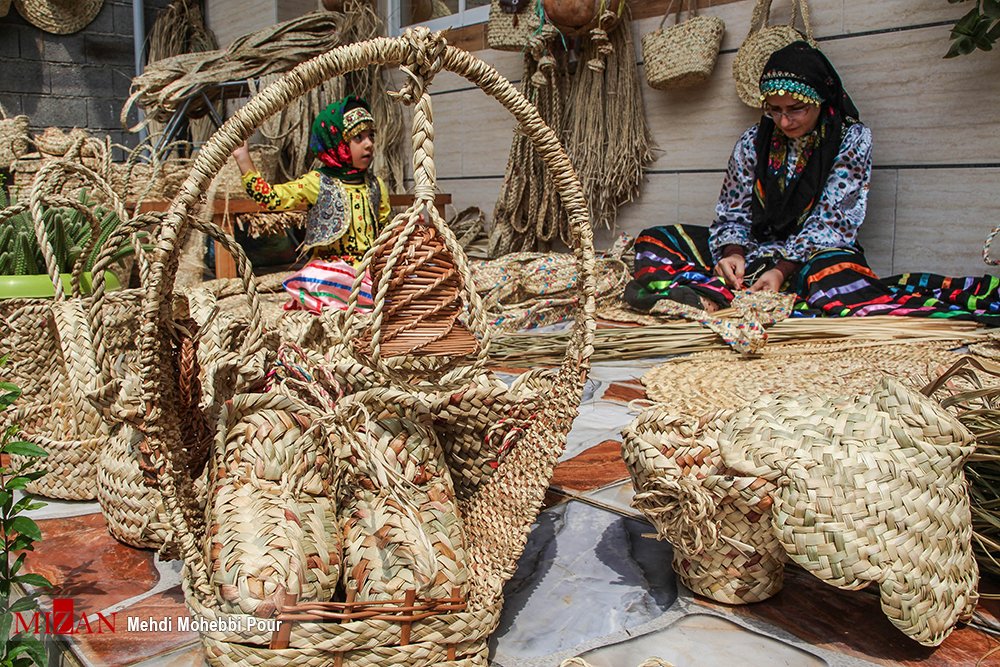
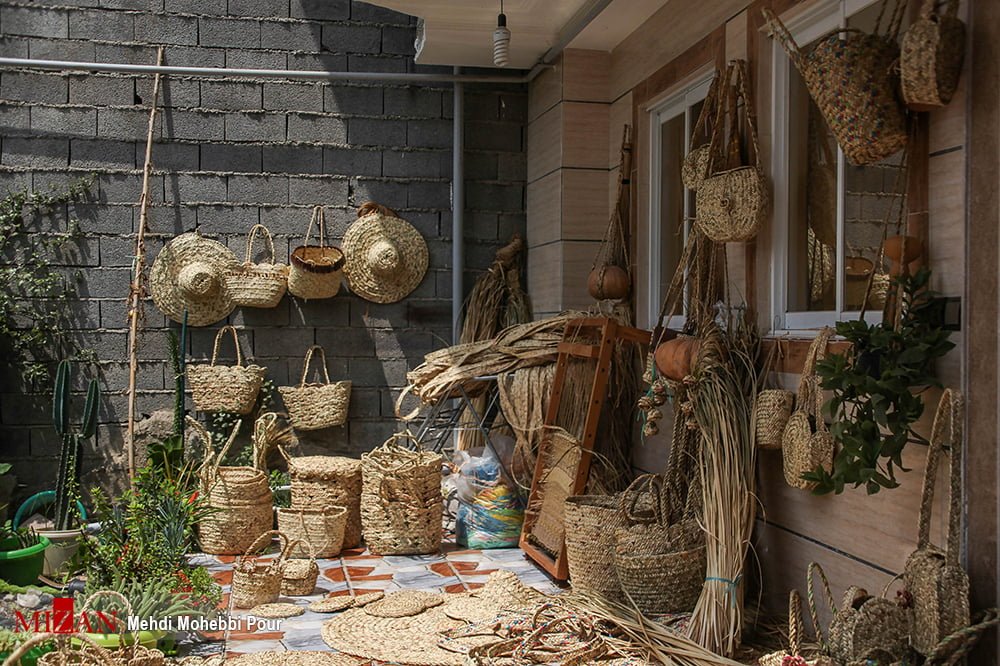
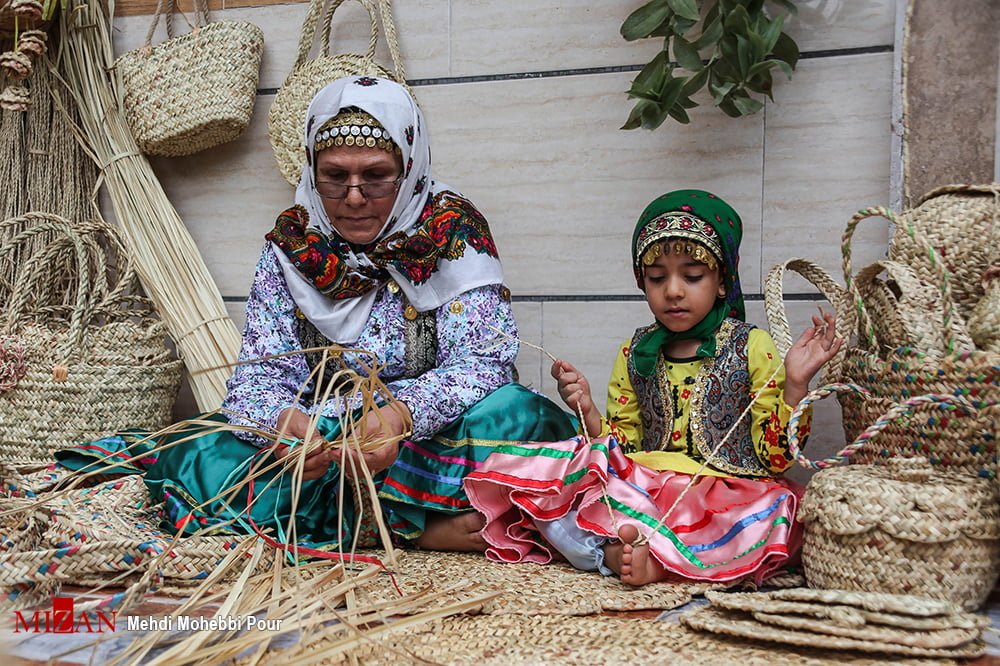
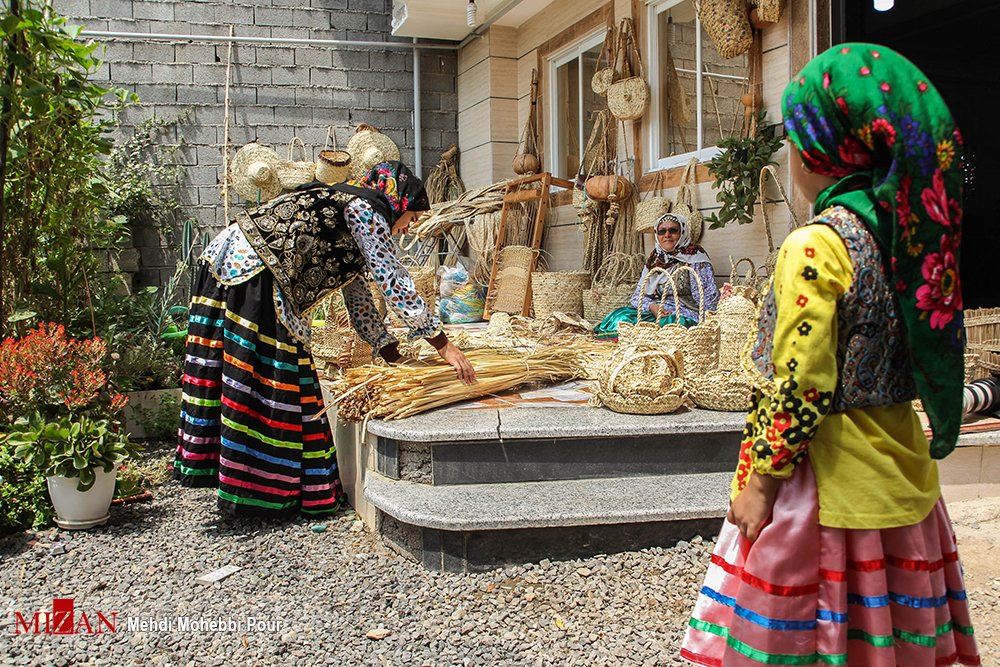
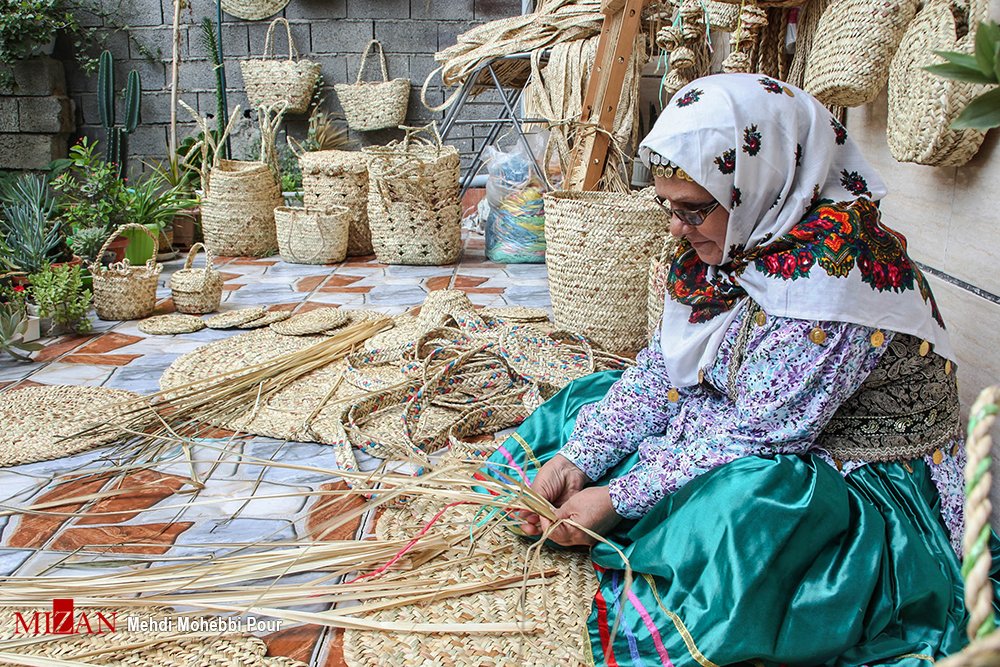
Mat Weaving Turns into Main Profession of Iranians in Mazandaran

Few samples found in Mesopotamia and Africa indicate that the people of these regions used straw and plants grown in the Mesopotamian swamps to build beds for themselves.

Iran, along with countries such as Japan, Korea and Mexico, is one of the 16 countries that make wicker and mat products.

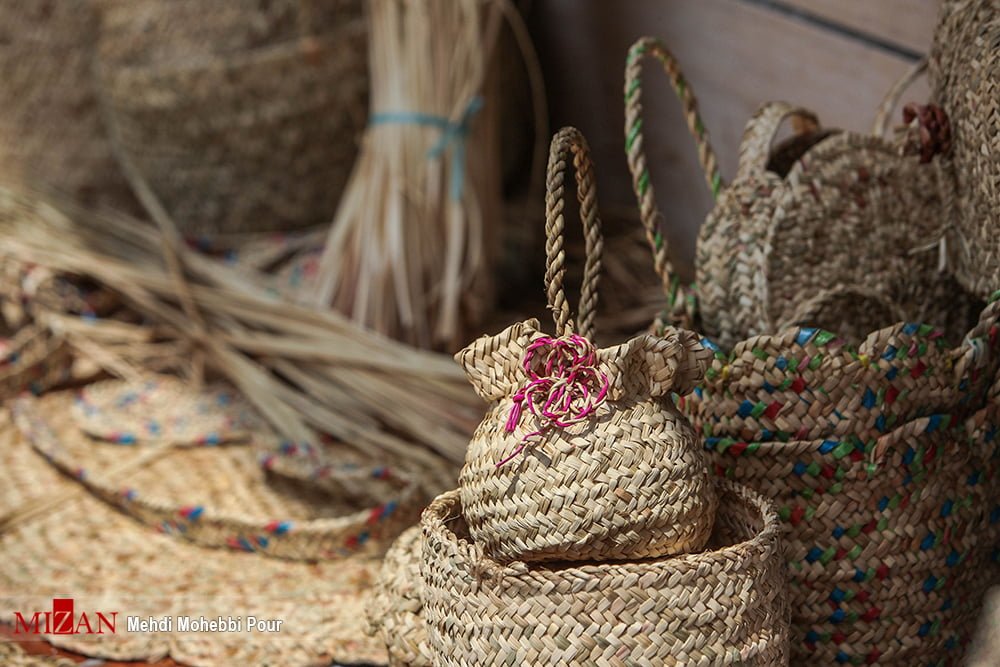
The historical background of these products in Iran shows that the ancient Iranians’ use of wicker was not just limited to mats and rugs. They also used the fibres to make containers.

Nowadays, wicker containers are found to be more welcomed by craftsmen.

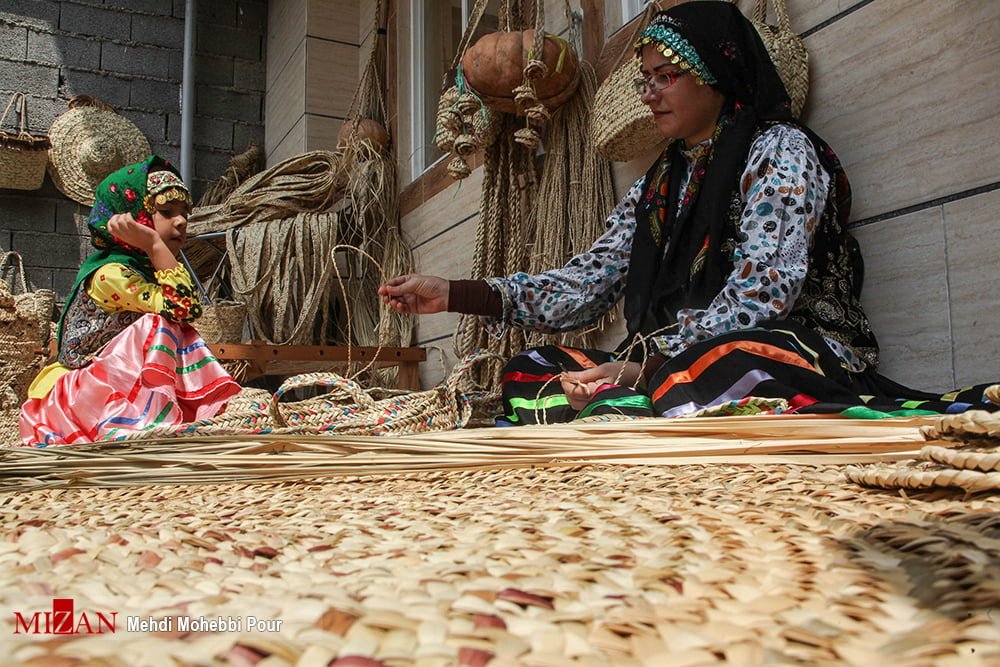
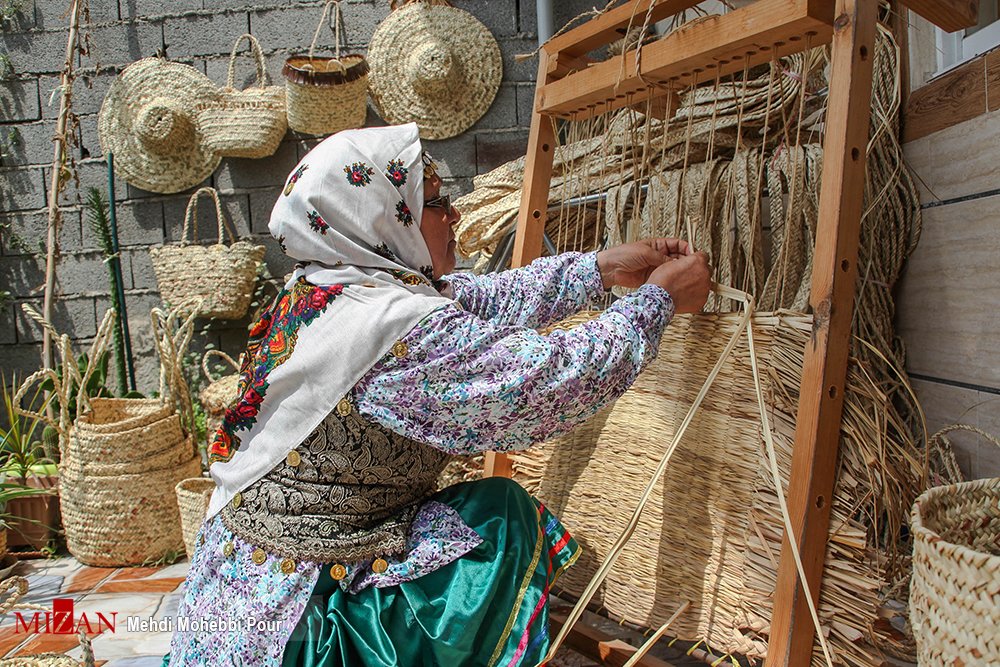
Today, Iranians weave mats and baskets in different parts of the country, especially in the north and south where there is access to palm leaves, wheat stalks, and straws.

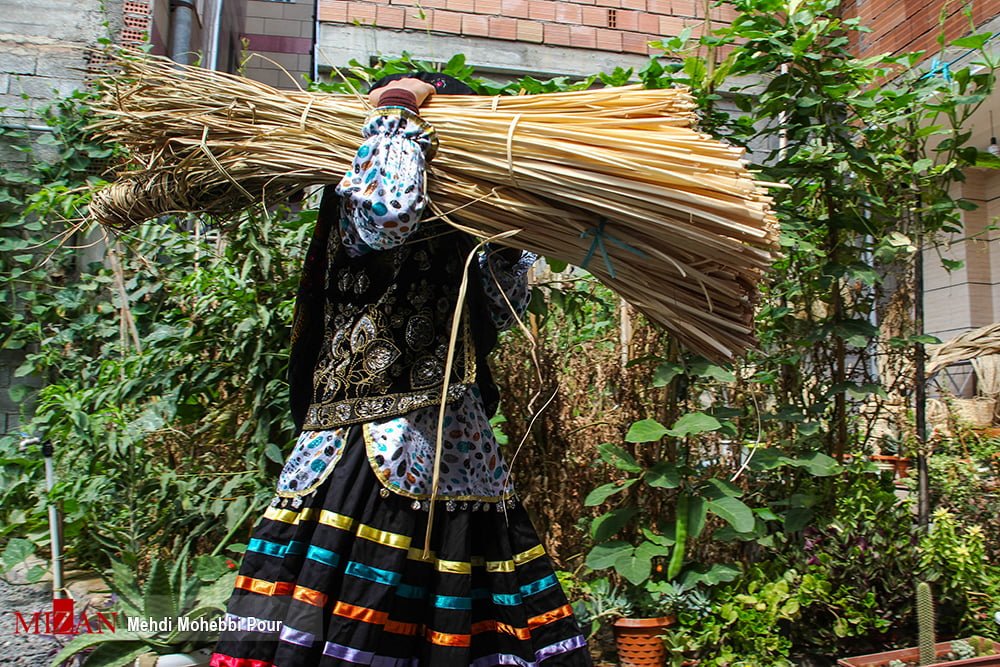
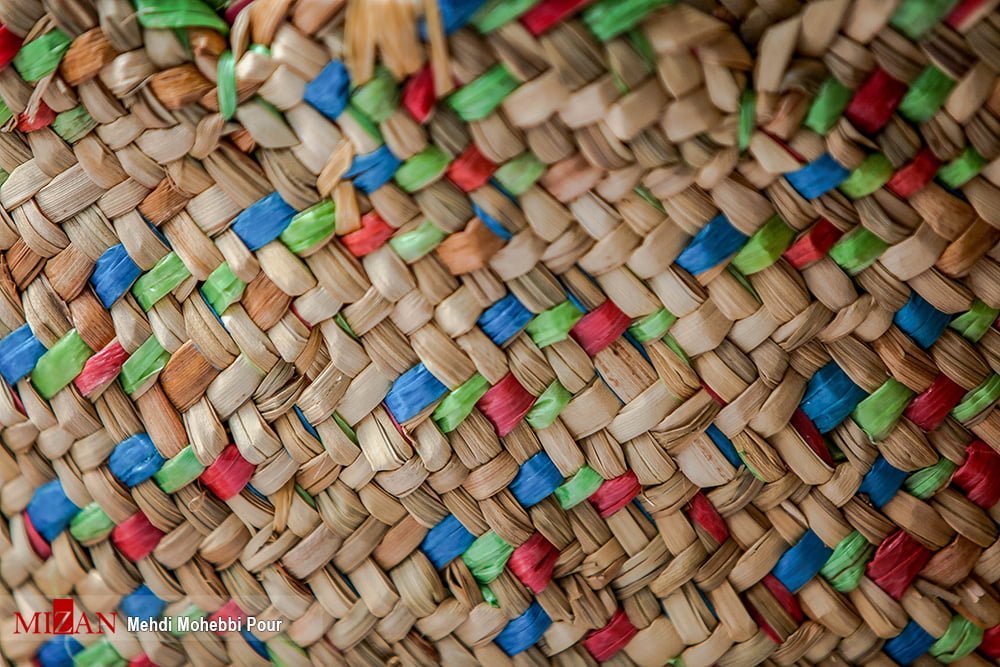
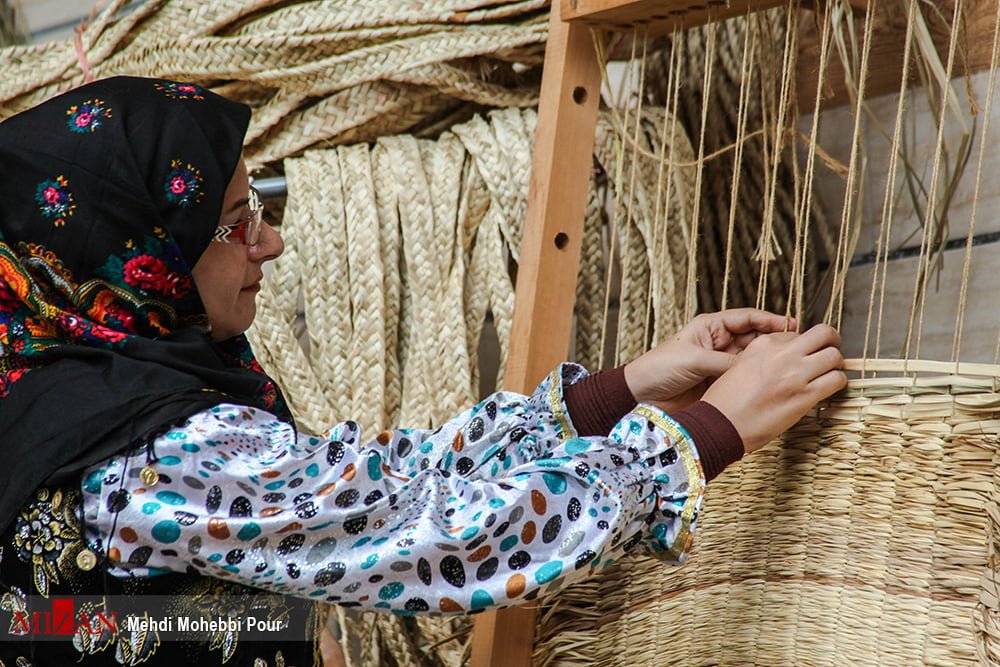
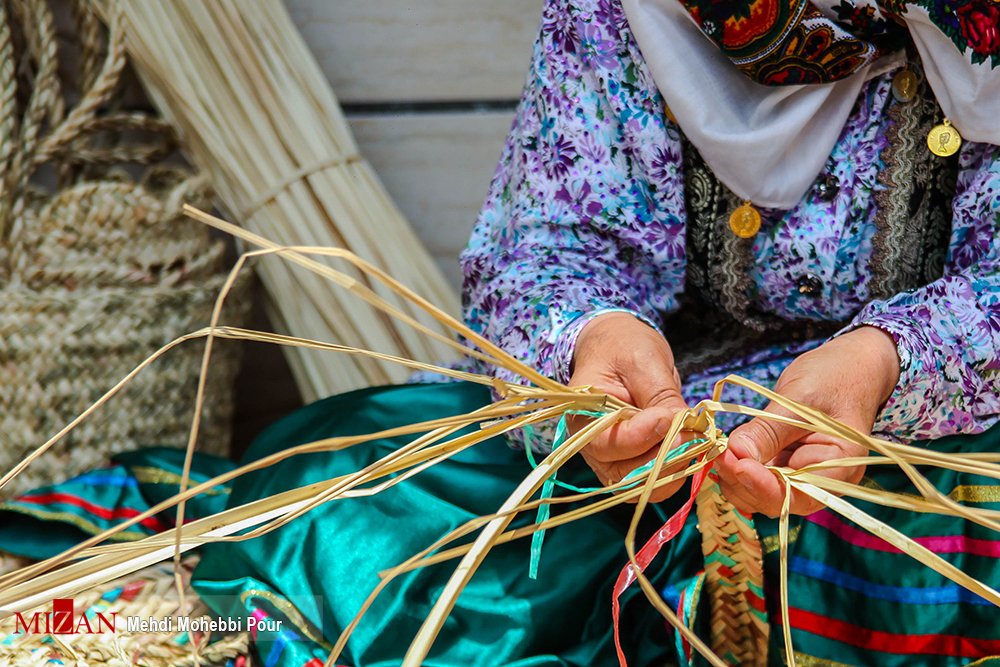
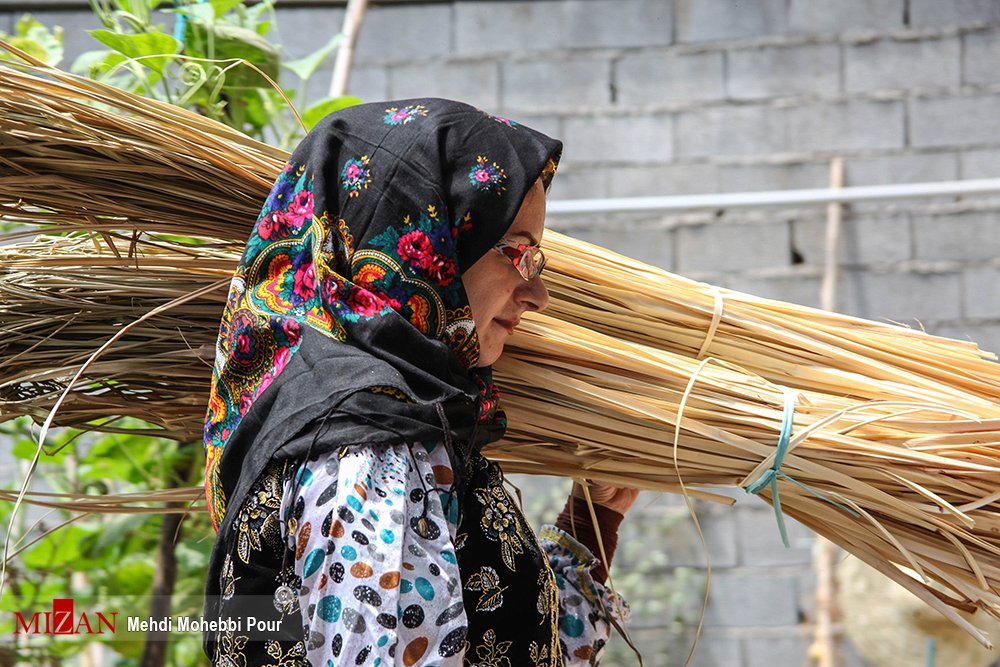
In the northern regions of Iran, especially in Mazandaran, people use rice stems and stems of reeds to weave wickers. Also, due to the considerable wicker production in these areas, they grow some special plants on their farms.

The cost of raw material is very low, but making the final product takes a lot of time and effort.

Jila Ahmad Amir-Aghaee, an expert in art and handicrafts at the Cultural Heritage, Handcraft and Tourism Department of Mazandaran province, says “Weaving mat and wickerwork has become a part of the arts and craftsmanship of every household for many years in some villages of Mazandaran.

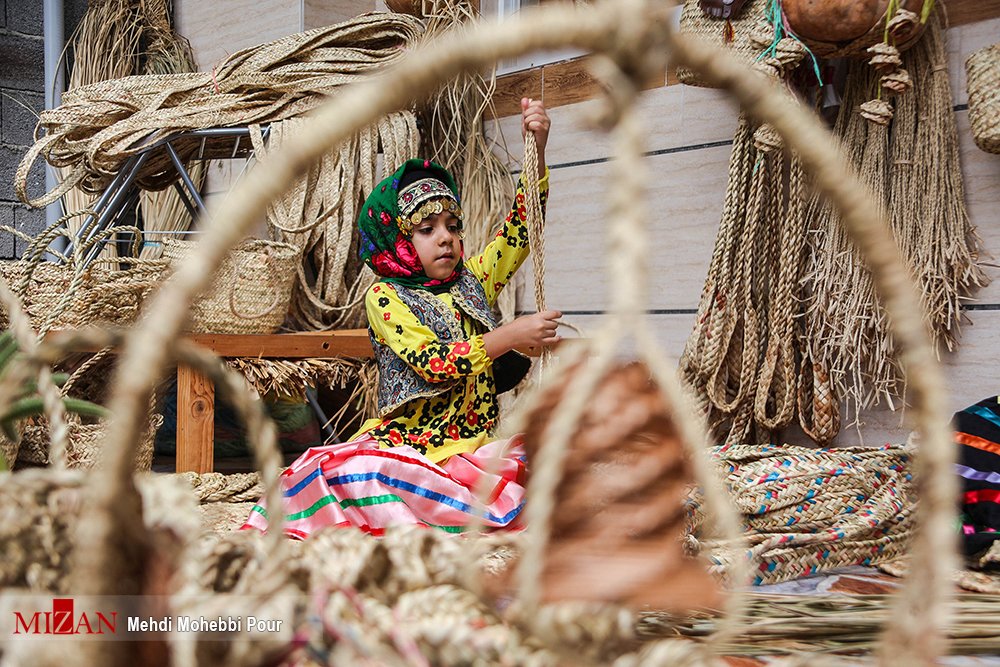
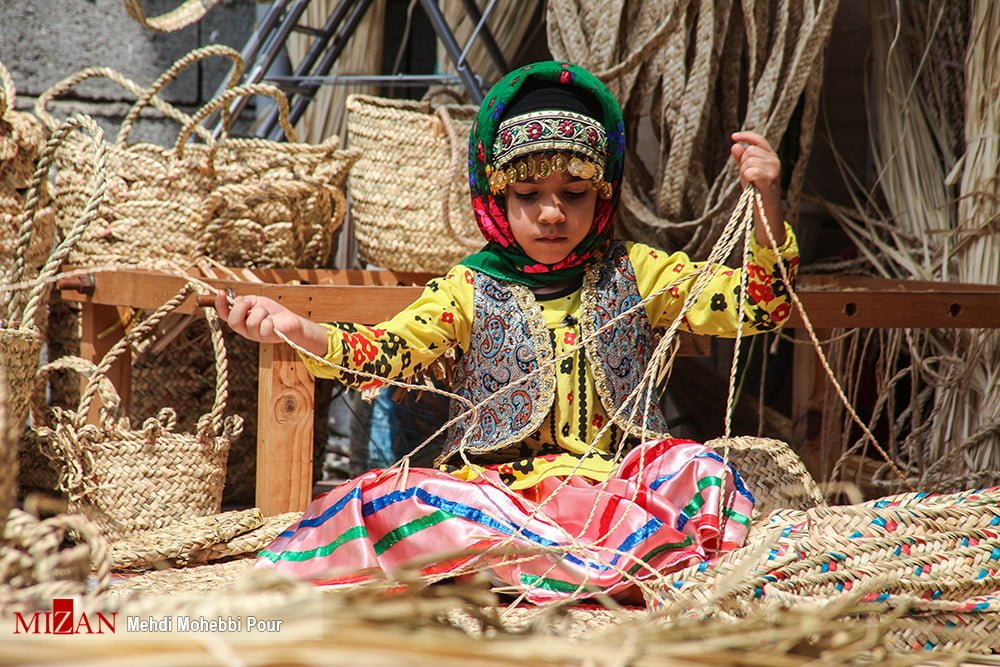
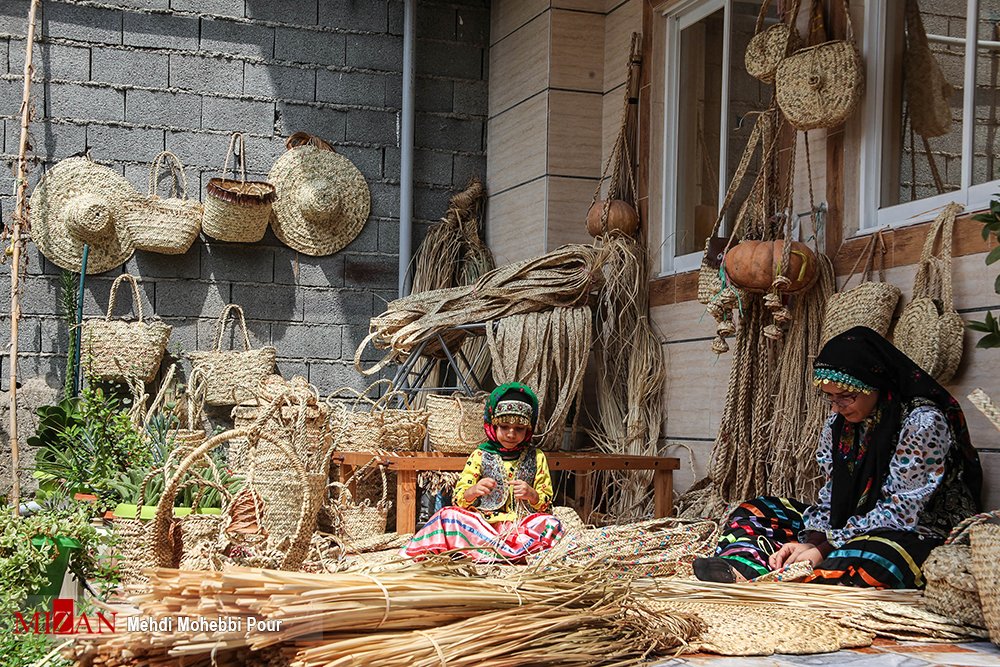
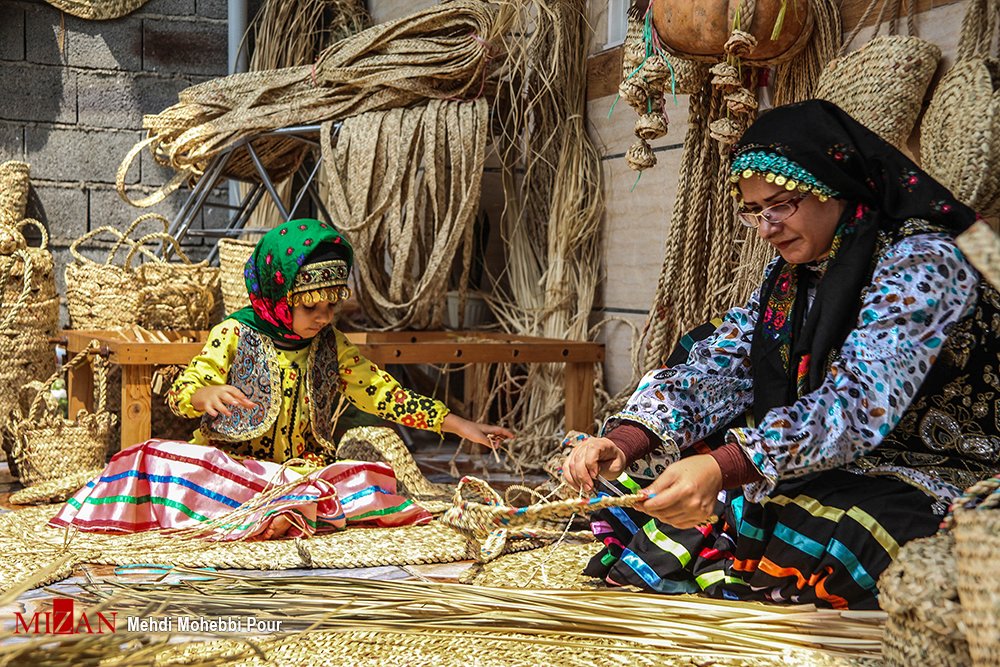
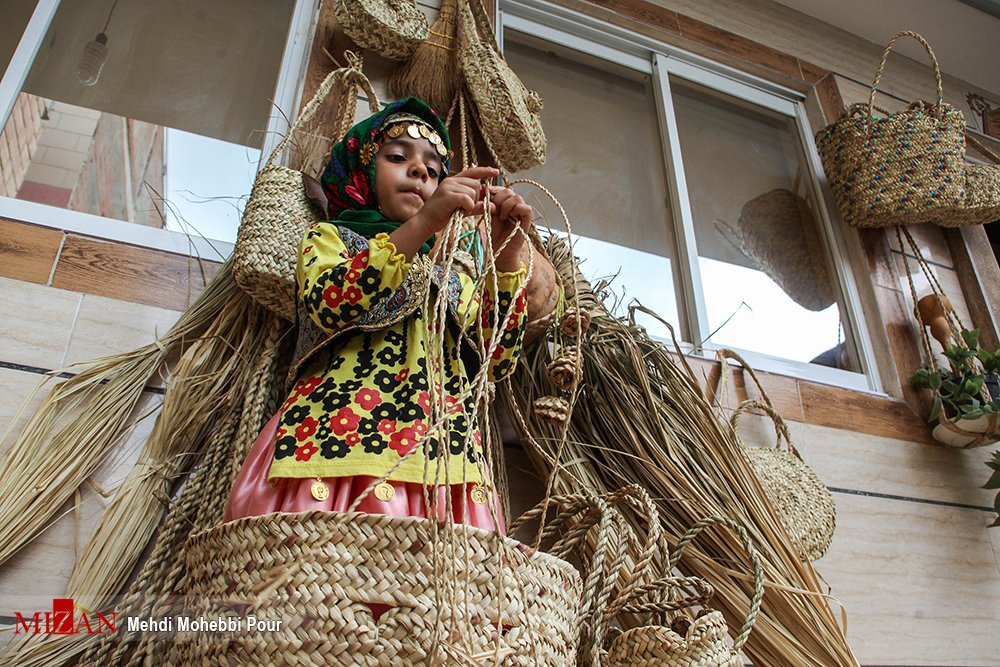
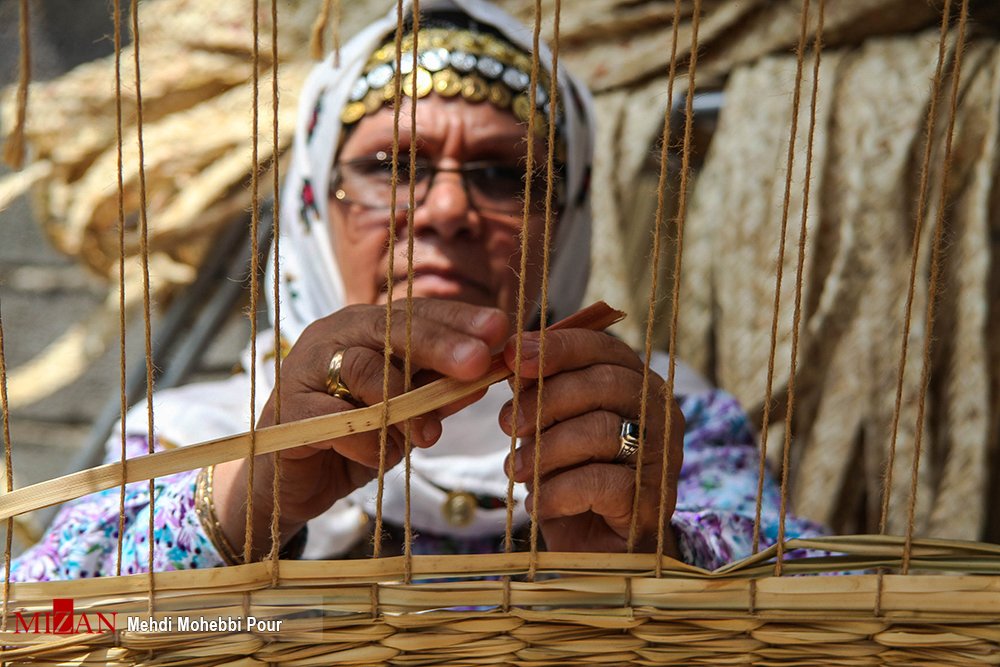
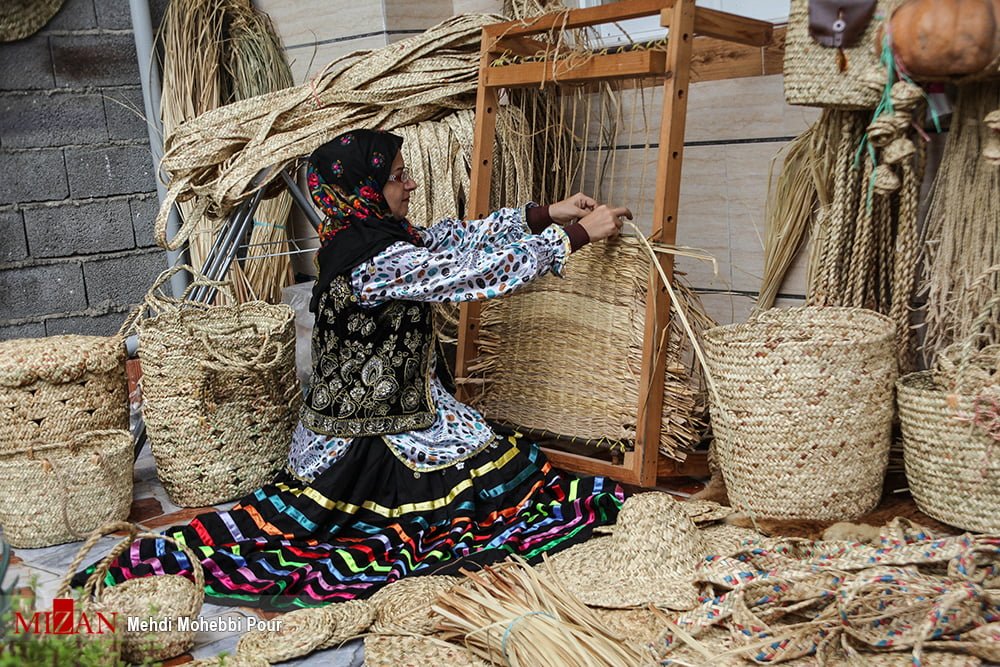
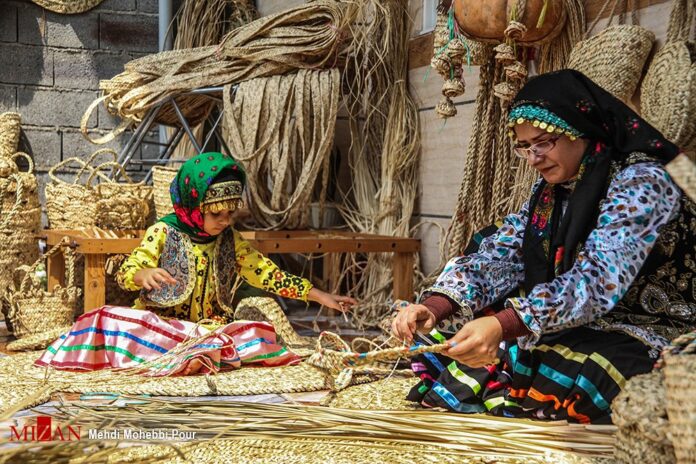
Sara Khatoon Babajanzadeh, who is known in the village by her nickname “Jeyran Khatoon”, has been in the profession for 42 years. Now, with the help of cultural heritage organisation, she has changed her ancestral profession to a thriving business.

“I got to know this art when I was a child. I learned this art from my parents in our village. In the early years, our only products were baskets and mats.”

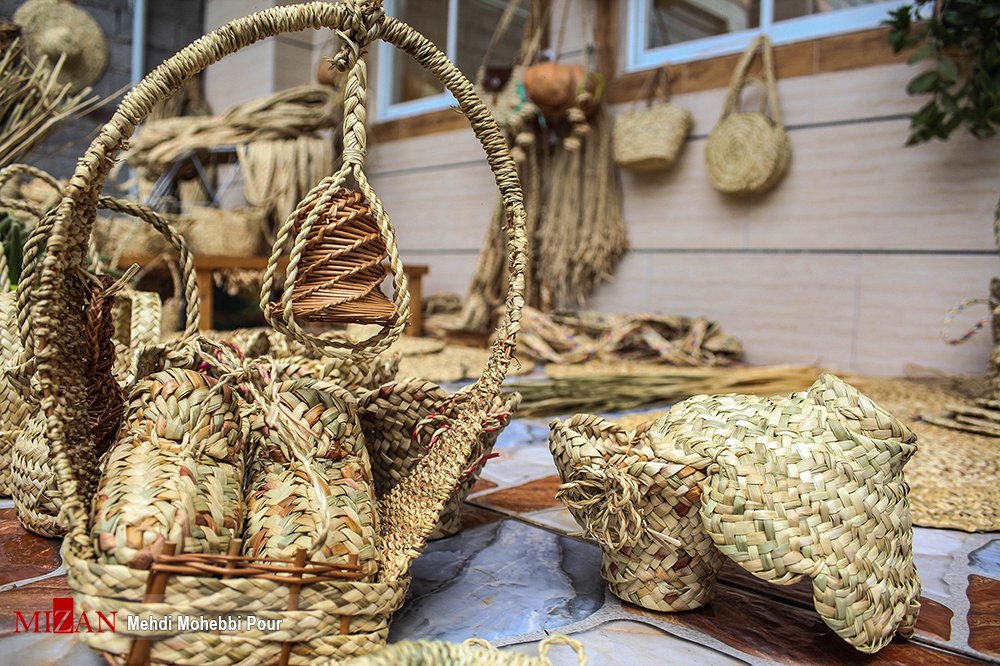
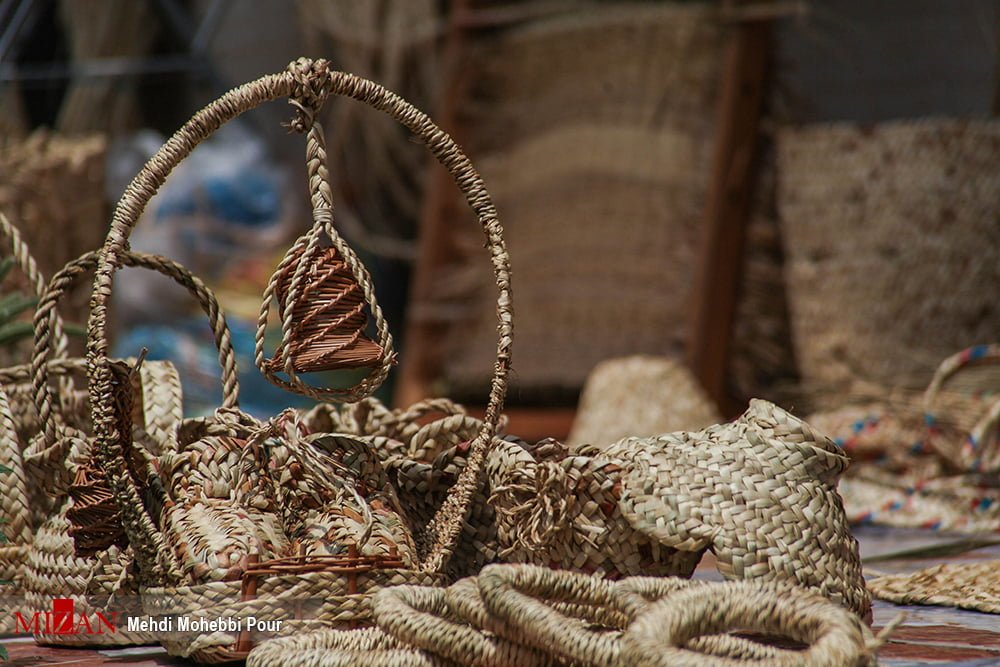
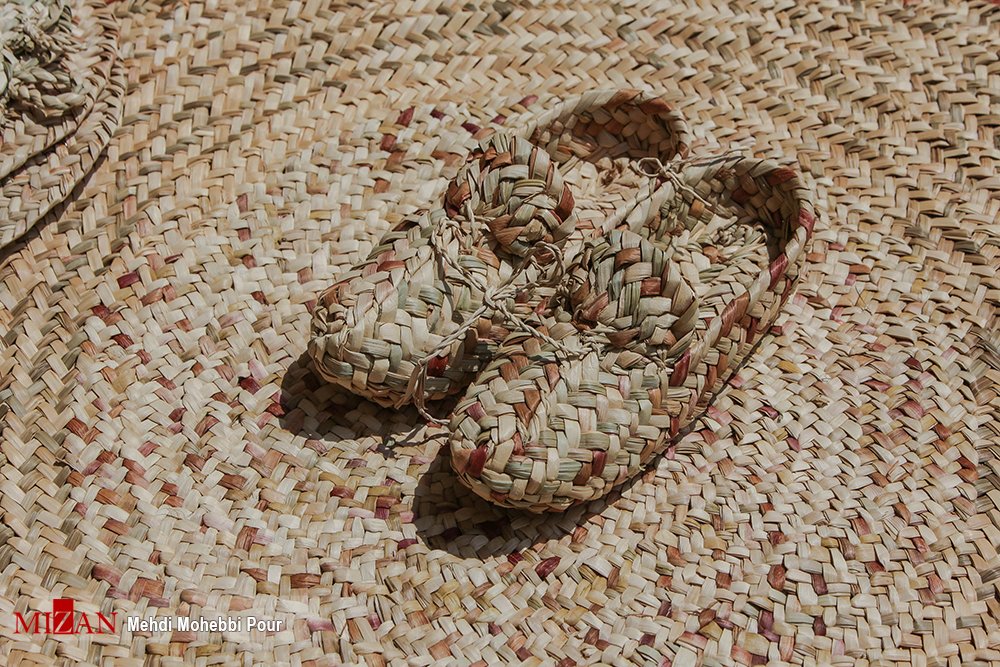
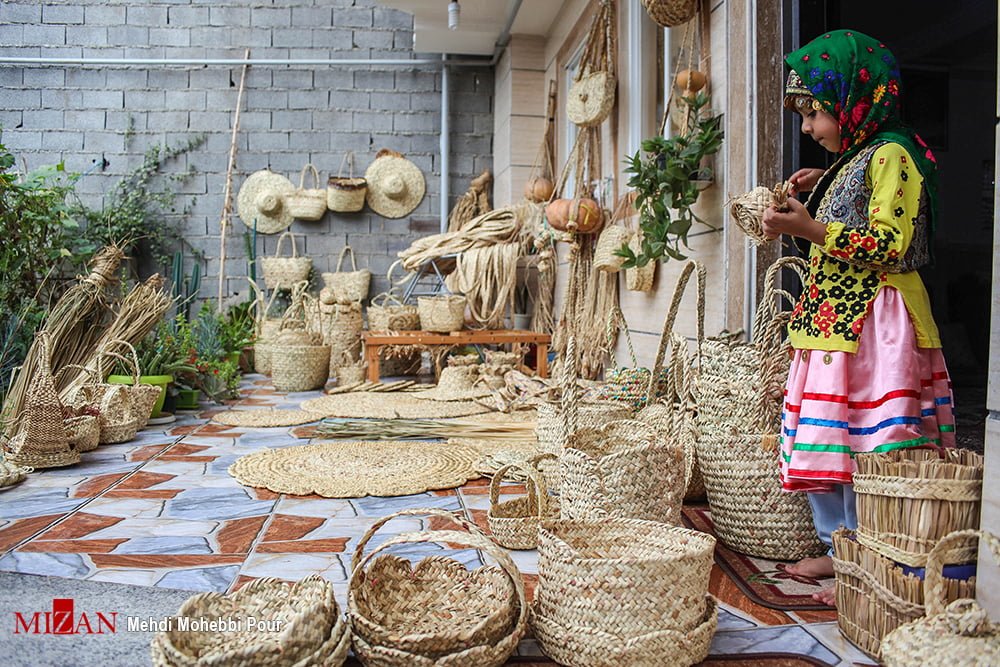
“However, over time I tried to create new and innovative products with new ideas. Products such as boots, Galesh and bridal baskets, etc., which were warmly received at various exhibitions,” she added.

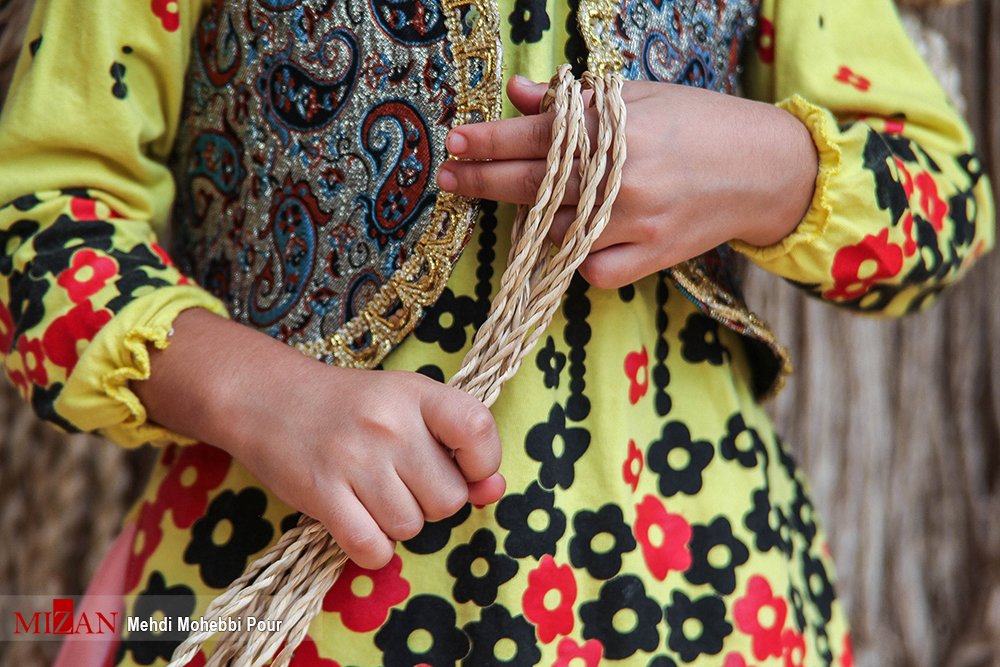
Following you can find photos of this Iranian woman and her products retrieved from Mizan Online: