Wednesday, April 8, 2026
Home Blog Page 3336

How to Unblock Websites without Browser Extensions

They call it “an abundance of caution.” The site might itself put geographic restrictions on who can view it.

Sometimes blocking gets in the way of important research. Sometimes it frustrates people in the USA who want to see the latest Doctor Who videos. Either way, there are techniques for getting around the restrictions. Accessing a site in a different way may circumvent blocking. Using a proxy for Web access is another approach. When it’s available, using a VPN such as Surfshark is a secure way to beat restrictions.

When options are restricted

Getting around blocking is more difficult when using someone else’s computer. An office computer may not let the user install software without an administrator’s help. The browser may be set up so that users can’t install their own extensions. It does make sense that these limitations exist; if careless users could download and run whatever they liked, computers would get infected with malware all the time.

Installing browser extensions just makes some users uncomfortable. There’s some inherent risk in having lots of extensions. Even legitimate, well-maintained ones can have security holes, and ones from less scrupulous publishers could spy on users. Failure to keep them updated could open up problems.

Fortunately, it isn’t necessary to install any software to regain access to blocked sites. The approaches may require some compromises, but one approach or another will work in most cases.

Accessing a site indirectly

A useful trick is to access a site through another site. This isn’t convenient for navigating among links, but it’s effective for viewing a single page.

One variant is to use a site that offers an image or PDF of any page. Sites like Web2PDFConvert.com and PDFCrowd.com not only lets you get a PDF file, as their names imply, but can also convert a page to a variety of image formats. Since the page request comes from the website and not the client computer, it might not be blocked.

Another approach is to use a translator, such as Google Translate or Microsoft Bing Translator. A user can give these sites a URL and have it translated into another familiar language. If the aim is to access foreign sites and understand what they’re saying, this kills two birds with one stone.

Access by IP address

The main downside of indirect access is that it doesn’t bring up an actual, fully usable version of the page. Other techniques can do better.

Every page on the Web has an IP address. The URL is simply a user-friendly way to get to it. A domain name service (DNS) translates domain names into URLs. Blocking is more often by domain name than by the underlying address. It’s best to use an unblocked computer to get it. A “ping” tool will return the IP address information for any site. Desktop or command line tools are available with all operating systems. Online tools, such as IPAddressGuide, provide the additional advantage of bypassing local blocking.

There are limitations to this approach, too. A server may host several domains, in which case it needs the actual domain name to resolve a request. SSL certificates are tied to domains, not IP addresses, so accessing an HTTPS site may require ignoring some warning messages. The technique will work some of the time but not always.

Access by proxy

Using a Web proxy will work more reliably than any of the preceding methods. It requires some setup, but unless the browser settings on a computer are locked down, it should be doable. A proxy is simply a service that relays requests so that they don’t appear to originate from the user’s computer.

Most browsers have settings that let the user send all requests through a proxy. The user has to specify the proxy with a domain or IP address, as well as the protocol it uses. The proxy could itself be blocked, of course. The best results come from picking one in a geographic location that is less likely to encounter blocking.

All traffic goes through the proxy, so picking one which is reliable is important. An untrustworthy one could collect personal information on its users or alter content as it passes through. Some proxies are reliable but painfully slow, simply because so many people use them.

Access by VPN

A virtual private network (VPN) is superficially similar to a proxy but offers far better security. With a VPN, all traffic is encrypted between the user’s machine and the exit point on the Internet. The local service provider can see all traffic going to and from a proxy, but a VPN hides all that information.

Setting up a VPN is more complicated than setting up a proxy. Sometimes it’s necessary to install client software. However, all major operating systems include some level of built-in support. If one of the supported protocols works, there’s no need to install any software. It may be necessary to install a certificate for access to the service. Having an administrative account is likely to be required.

Here is a brief summary of built-in VPN support on popular operating systems:

  • Windows 10 makes it easy to set up a VPN client. The software understands several tunneling protocols.
  • On MacOS, the Network settings under System Preferences include support for Mac VPN access. It can use a VPN settings file or manual entry.
  • The settings in iOS include VPN client configuration. Users with an iPhone or iPad can set it up without much trouble.
  • The VPN options built into Android are somewhat limited. It doesn’t support the latest protocols without an additional app. It will work with many networks, but security could be an issue.
  • On Linux, the options depend heavily on the distribution in use. Most distributions include some form of built-in VPN support.

Imagination overcomes limits

Even when downloading applications or browser extensions isn’t an option, there are many ways to try to access blocked sites. No one of them will work in every situation. With some imaginative experimentation, it’s possible to get around most limitations.
IAEA Once Again Confirms Iran’s Compliace with Nuclear Deal

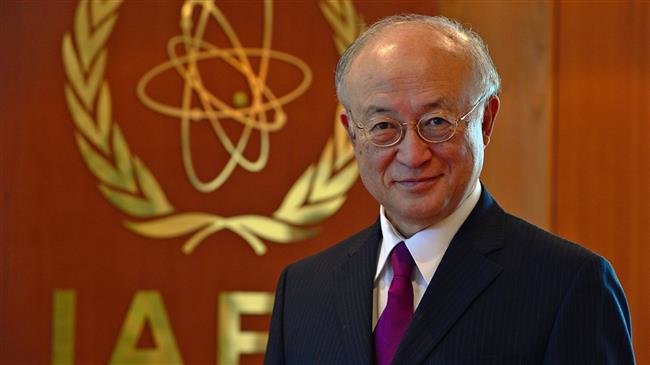
“Iran is implementing its nuclear-related commitments under the Joint Comprehensive Plan of Action,” the IAEA Director General Yukiya Amano said in his  introductory statement  to the IAEA’s Board of Governors in Vienna on Monday.

“It is essential that Iran continues to fully implement those commitments,” he added.

The IAEA chief noted that his report on verification and monitoring in Iran in light of United Nations Security Council Resolution 2231 (2015) covers relevant activities of the IAEA in the country in the last few months.

US President Donald Trump withdrew Washington in May from the landmark Iran nuclear agreement, reached between Iran and the P5+1 group of countries in 2015, and decided to re-impose unilateral sanctions against Tehran.

Under the deal, Iran undertook to put limits on its nuclear program in exchange for the removal of nuclear-related sanctions.
Amano further said in his statement that the IAEA would continue to verify the “non-diversion of nuclear material” declared by Iran under its Safeguards Agreement.

“Evaluations regarding the absence of undeclared nuclear material and activities in Iran continue,” he noted.

Amano also said the IAEA carefully examines all safeguards-relevant information about implementing verification activities in Iran, but emphasized that this analysis “normally takes time, and takes action when appropriate.”

“The agency undertakes analysis and takes action in an impartial, independent and objective manner, within the existing safeguards framework and in line with established safeguards practice,” he added.

In a quarterly report on Friday, the IAEA said Iran continues to observe the restrictions on its nuclear activities under the deal it signed with global powers.

Iran remained within caps on the level to which it can enrich uranium and its stock of enriched uranium in accordance with the JCPOA, the report by the UN nuclear agency said, even as the US re-imposed sanctions against Tehran.

Trump’s administration announced re-imposition of the “toughest” sanctions ever against Iran’s banking and energy sectors with the aim of cutting off the country’s oil sales and crucial exports.

Despite Washington’s withdrawal, Iran has not left the deal yet, but stressed that the remaining signatories to the agreement have to work to offset the negative impacts of the US pullout for Iran if they want Tehran to remain in it.

‘Tempted by Petrodollars, EU Taking Saudi Out of Terror Financing List’

Qassemi made the comments on Sunday in reaction to reports that the European Union is going to take Saudi Arabia out of the terror financing list.

“I do not know exactly how many EU member states are treading this path, but I know that some of them have started this process and have followed this path to save the Saudi government from this historic predicament,” he noted.

“Of course, Saudi Arabia’s petrodollars are tempting some of the European circles and centres that are working as lobby groups for Saudi Arabia. They are doing their best to save the face of Saudi Arabia which is accused of extremism and promotion of Takfiri terrorism in the region,” Qassemi noted.

“Past charges against Saudi Arabia and also the recent murder of a writer had a very bad effect on the world, public opinion, and the people, especially the elites and the media community.”

“The world’s public opinion was moving towards taking a more decisive approach towards this kind of non-wise behaviour that exists in Saudi Arabia. However, it seems that some European countries are trying to change the situation for whatever reason,” he added.

“At the end of the day, history is a good judge and time will tell that it is impossible to ignore the facts that are available everywhere in the world with any means or enticement. Today’s world is the world of communications and burst of information, and all news can be transmitted very quickly; therefore, many issues will not remain uncovered as before.”

How to Trade with an Islamic Account

The main features of an Islamic Account

What differentiates an Islamic account from a usual trading account is the fact that there are no swaps or roll-over charges applied to open positions overnight. Fundamentally, this product represents an innovative solution of brokerage companies to operate in accordance to the Islamic banking and finance movement that developed in the late 20th century, which aimed to position the Shariah law at the core of every financial activity done by Muslims.

While the features of an Islamic account might differ depending on the broker, all of them lack the financial instruments that are considered forbidden (haram) – such as swaps, margin trading, short-selling, futures, options, and forwards. However, most companies conceive accounts with an array of appealing characteristics that abide by the Shariah law. RCPro.com is a leading online investment firm that offers this account type which is fully compliant with the Islamic rules, while also carrying a solid set of benefits: no spread widening; no up-front commissions, re-quotes or hidden costs; 24/5 dedicated support from an Account Manager, free & instant access to all trading platforms, and the possibility to withdraw your finds in a super-fast way.

The Shariah Law

Sharia or the Islamic law is a religious law based primarily on the teachings from the Quran and the Hadith. The term sharīʿah refers to God’s time-tested divine law. The main principle applied to trading any financial market is in regard to interest: “Even though Allah has made buying and selling lawful, and interest unlawful.” (QS Al Baqara/The Cow: 275)

Here are the main financial endeavors prohibited by the scriptural teachings:

  • Gambling (maisir) or games of chance that involve money. Some think Forex trading falls into this category because it has a speculative nature, but currency trading isn’t a “game of chance”, but the world’s biggest and most liquid financial market.
  • Day trading is considered haram because it implies buying and selling financial instruments within the same trading day.
  • Options, futures and other derivatives are forbidden because they “contain excessive uncertainty (gharar).”
  • Short selling is also considered unlawful by some scholars because the trader is borrowing, not owning the asset.
  • Swaps (interest) are completely forbidden by law. They are derivatives contracts through which two counter parties exchange cash flows from two different financial instruments.

Where and how to trade with an Islamic account

While you don’t have to worry about the number of offers, there are other aspects you can’t neglect. RCPro broker is one of the online companies completely transparent about their services, fees and practices, but not many brokers are like this. For example, read carefully the description of the account, see if it advantages your trading strategy and if respects your beliefs. If you feel the information isn’t satisfying, most online brokers have a live chat option. Feel free to ask away!

The Islamic account is a great opportunity for Muslim traders to profit from the financial markets with a peaceful mind, while also complying with the Shariah law’s requirements. Thrive to make informed decisions and get the best out of each investment, the Islamic account is just as performant as any other account type.

Suspicious Votes in Iranian TV Opinion Poll Annulled

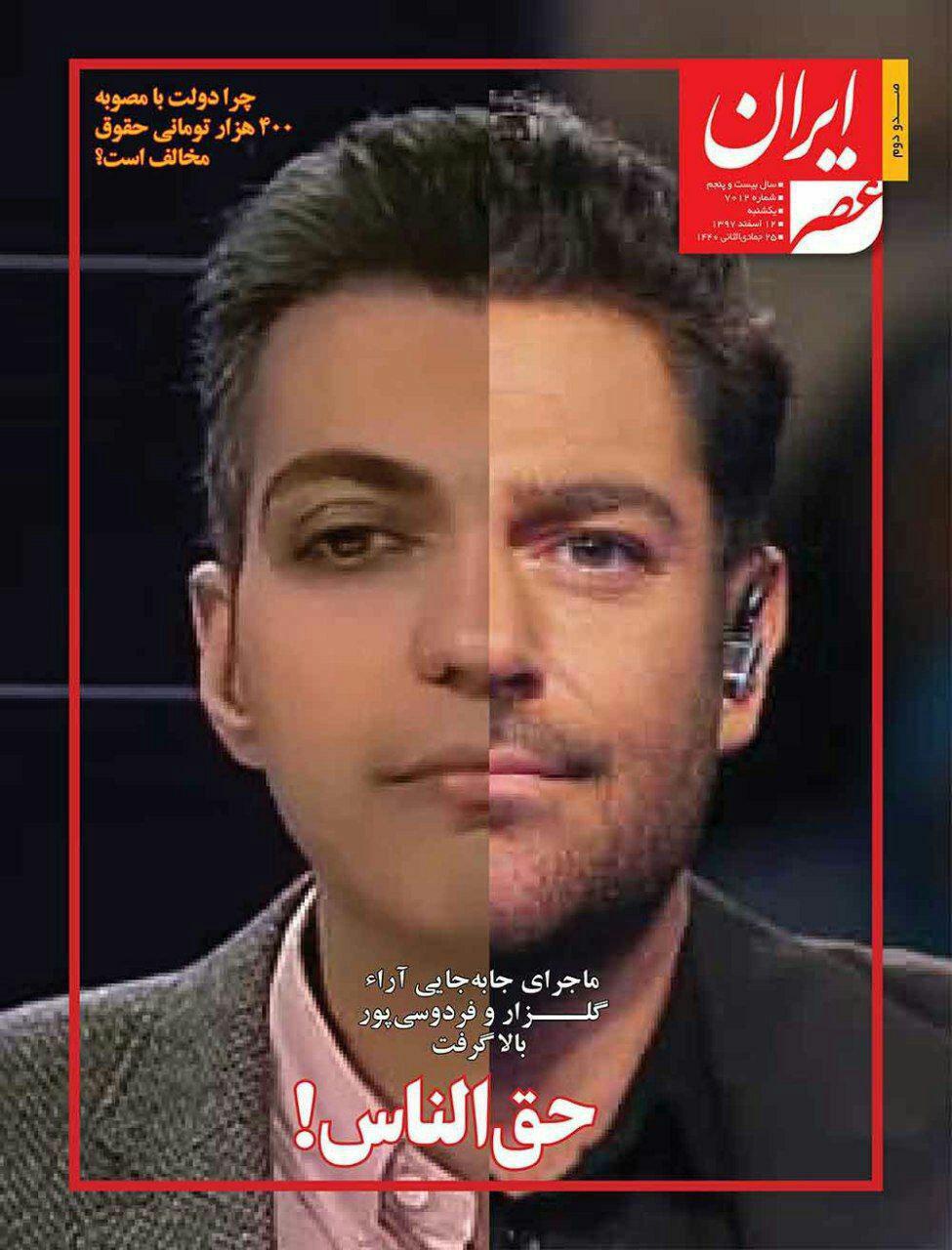
Photo of popular TV hosts Adel Ferdowsipour (left) and Mohammad-Reza Golzar (right)

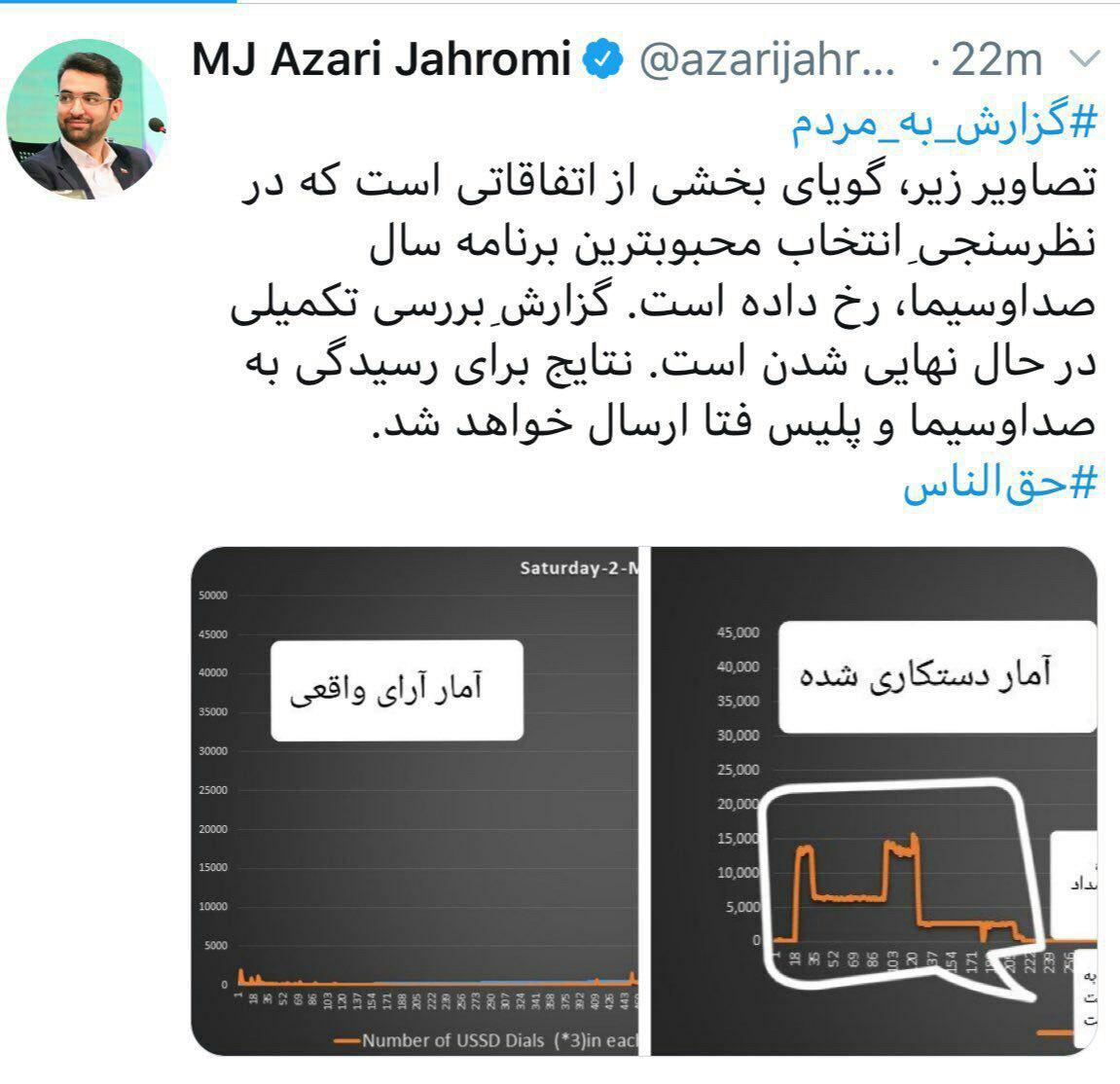
This comes as controversy still goes on over the alleged tampering of popular votes cast in support of the “Be the Winner” program, which is an Iranian version of Millionaire show.

There was so much hue and cry in media as well as extensive criticism by the general public on social media that officials in charge of the opinion poll accepted that a mistake had been made in the survey.

Suspicious Votes in Iranian TV Opinion Poll AnnulledPressure put on ICT Minister Mohammad Javad Azari Jahromi via Twitter made him publish figures which showed so many votes had suddenly been cast in favour of the quiz show in only 4 days.

Moreover, the unusually growing rise in the number of votes for the “Be the Winner” quiz show fuelled rumours that there had been attempts to sideline the popular sports program called Navad (90).

Some local papers even published satirical images of the hosts of the two programs, suggesting possible fraud in the public survey.

Now, people have the opportunity to once again vote for their most popular TV program to pick the most watched broadcast.

The Iranian Cyber Police and the Ministry of Information and Communications Technology have stepped in to handle the issue.

Navad is a very popular Iranian sports program which is well known in international sports centres as well. It always promotes the idea of fairness in sports arenas and is against using sports as a tool to achieve personal and political gains.

Its popular host, Adel Ferdowsipour, has long been known as a staunch critic of politicians’ interference in football, which is mainly aimed at winning people’s votes in elections.

The popular TV program has also fought against corruption in football, and that has occasionally put Ferdowsipour in front of senior Iranian officials and even TV executives; however, his popularity has kept the state broadcaster from shutting down his widely-viewed weekly program.

Suspicious Votes in Iranian TV Opinion Poll Annulled

Iran Leader Advises Rouhani Not to Waste Time with Europe

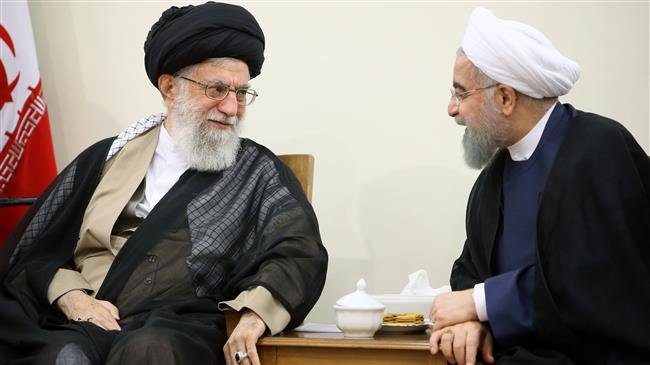
The video related to a private meeting between Ayatollah Khamenei and President Hassan Rouhani’s cabinet last July shows the Leader advising against tying Iran’s economy to Europe’s special payment channel.

Ayatollah Khamenei’s official website published the clip for the first time on Monday, revealing the Leader’s reservations about Europe’s bid to guard trade with Iran against US sanctions.
The US imposed new sanctions on the Islamic Republic after President Donald Trump abandoned the Joint Comprehensive Plan of Action (JCPOA) in May 2018.

The Europeans did not follow suit, trying instead to keep Iran in the agreement by promising incentives which generated new expectations in the government.

“One day we tied all of the country’s economic issues to the JCPOA and the JCPOA could not resolve our country’s economic issues or help us in any significant way,” the Leader says in the video.

The Leader also advises the government to avoid conditioning people to the European package. “Don’t make this a main issue; either the European package arrives or it doesn’t.”

“We have things to do in our country, we have potentials and these potentials need to materialize. Follow those potentials, don’t tie economic enhancement to something that is not in our control.”

After spending months discussing possible mechanisms to guarantee continued trade with Tehran, the Europeans last month unveiled the Instrument in Support of Trade Exchanges (INSTEX) with strings attached.

Senior Iranian officials have objected to Europe’s preconditions, which require Iran to join the FATF (the Financial Action Task Force) and start negotiations on its missile program before INSTEX enters into force.

In the meeting, the Leader hit out at European “malevolence” for dragging their feet on the payment channel until November, when the first round of US sanctions targeting Iran’s oil exports took effect.

“They are after this and such is their evil,” he stressed.

“I read in the paper that Trump has said ‘I encouraged [British Prime Minister Theresa] May to sustain pressure on Iran. [And she needed absolutely no encouragement] because she, in fact, also encourages me’ to be tough with Iran,” the Leader said. “That’s who they are and yet they call Mr. Rouhani to convey their respects.”

Trump made the remarks during a joint press conference with May at Chequers, the prime minister’s country estate in Buckinghamshire, England in July last year.

The Leader noted that Europe’s “evil nature” — as displayed by various European rulers in the past centuries — was not limited to its current policies.

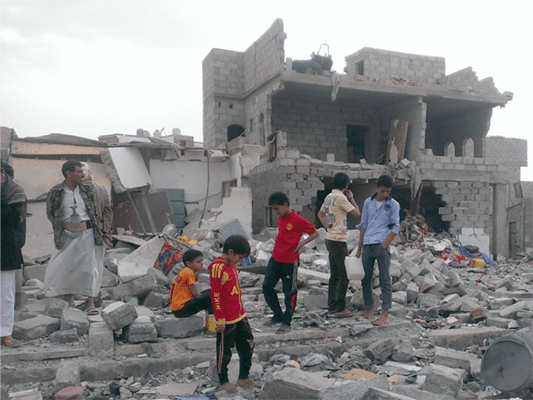
Iran Rejects Saudi Minister’s Claim on Yemen War Responsibility

“Al-Jubeir was forced to leave his [bad] habit at a certain period, and it was a very good move, but he is developing his habit again and is uttering irrelevant words against Iran,” added Qassemi.

The spokesperson said the disasters are caused by Jubeir’s government.

“These words are irrelevant and hackneyed, and these efforts to pin the blame on others cannot solve Saudis’ problems because universal truths are clear.”

Speaking at the two-day Abu Dhabi conference, which ended on March 2, al-Jubeir said “they were confronted with the war in Yemen and that Iran was still perpetuating its aggressive actions against Arab nations, which poses threat to peace and stability in the region.”

Sheikh Abdullah bin Zayed, Minister of Foreign Affairs and International Cooperation of the UAE opened the Organisation of Islamic Cooperation meeting in Abu Dhabi on Friday.

“We call on Iran to review its policies and non-interference in the affairs of states and stop the spread of chaos and sectarianism,” he said during his opening speech.

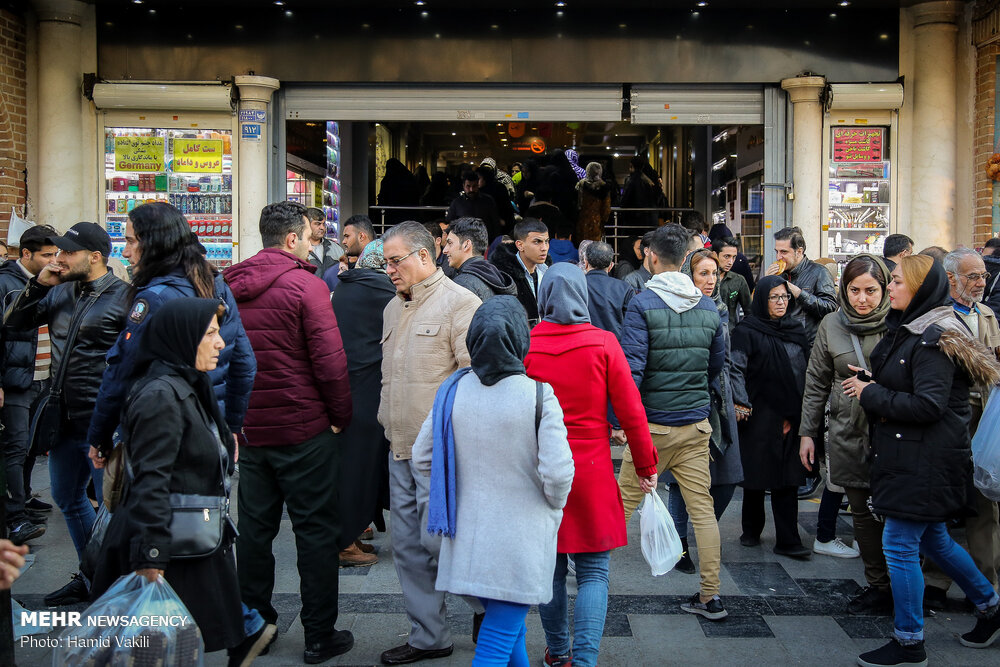
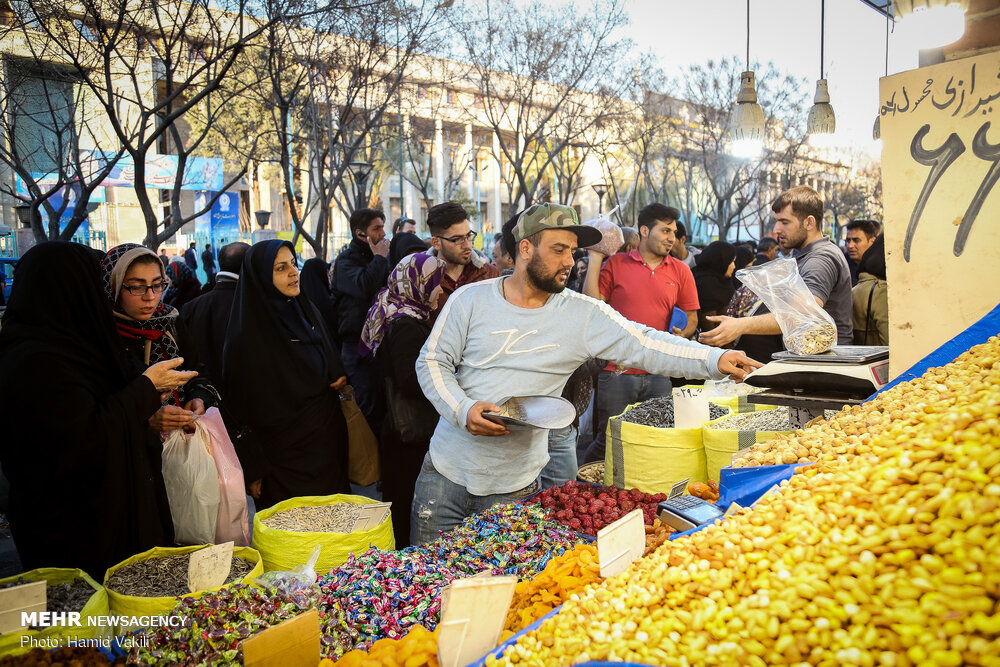
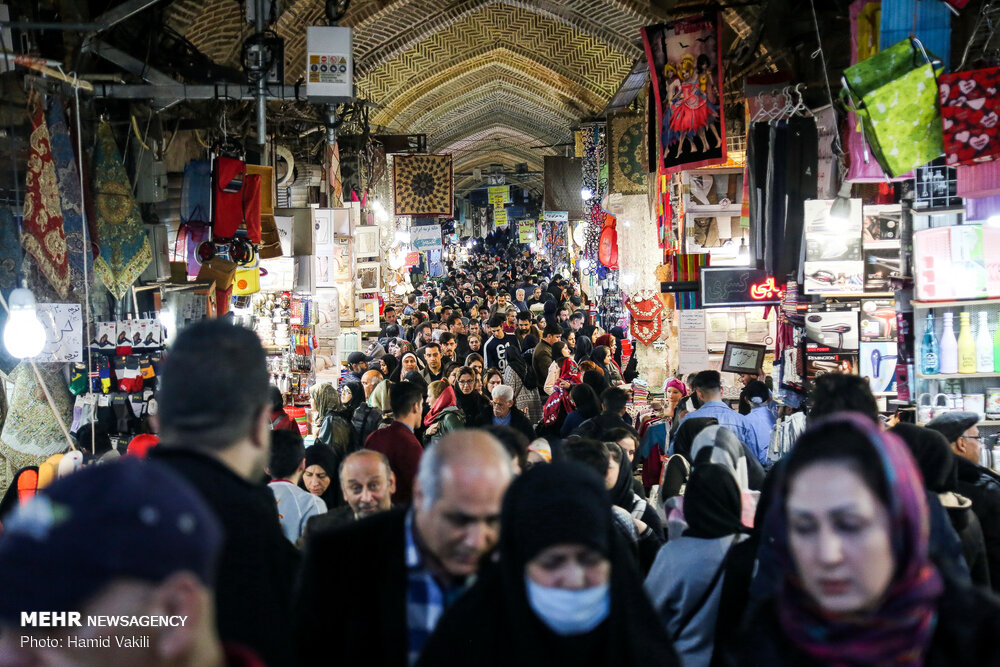
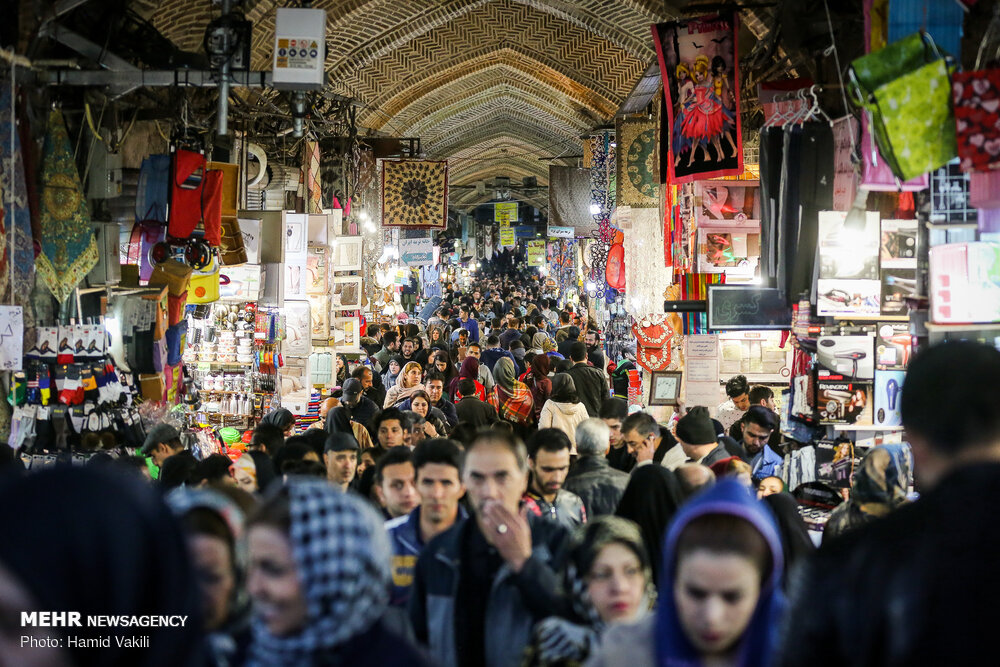
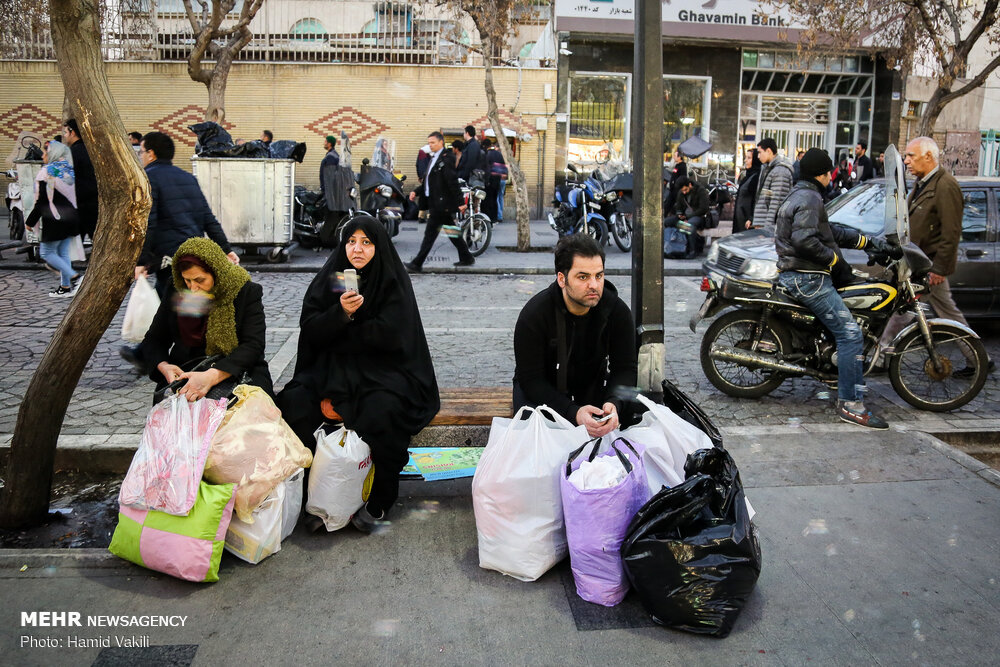
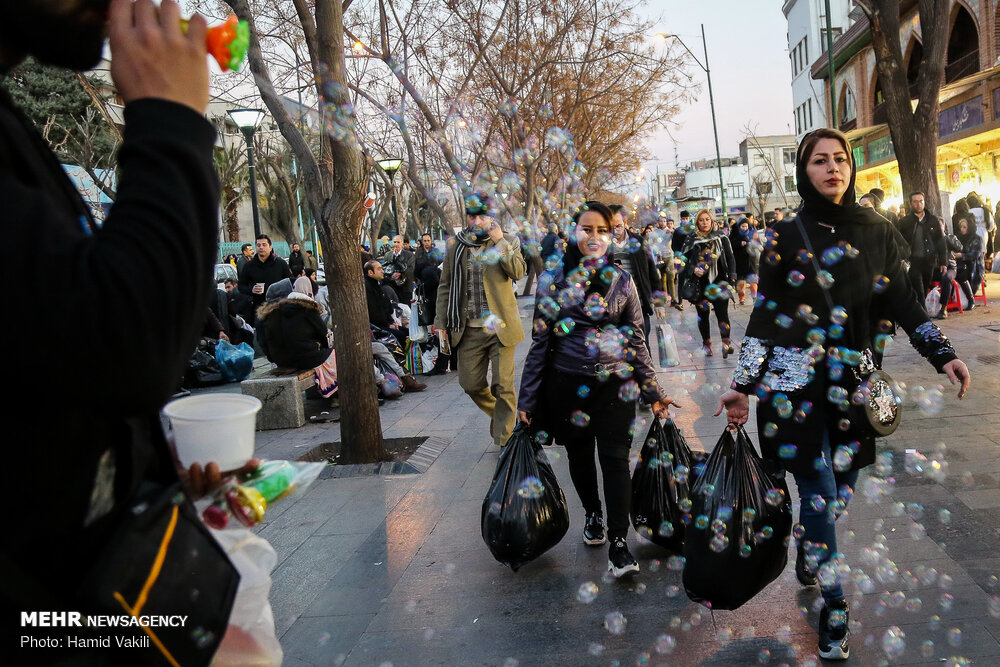
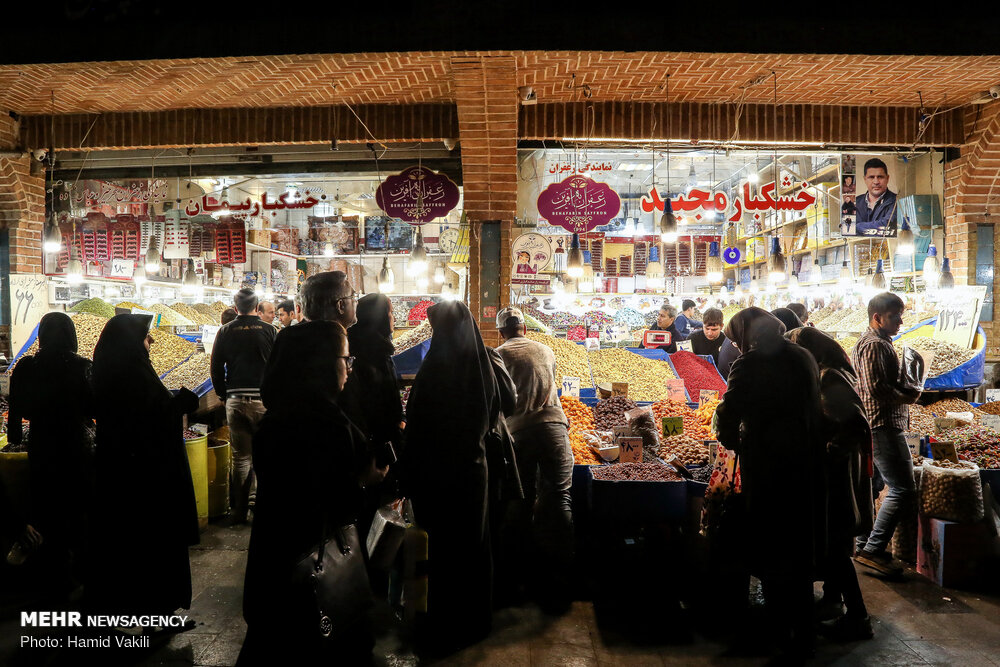
Iranians on Shopping Sprees in Run-up to New Year

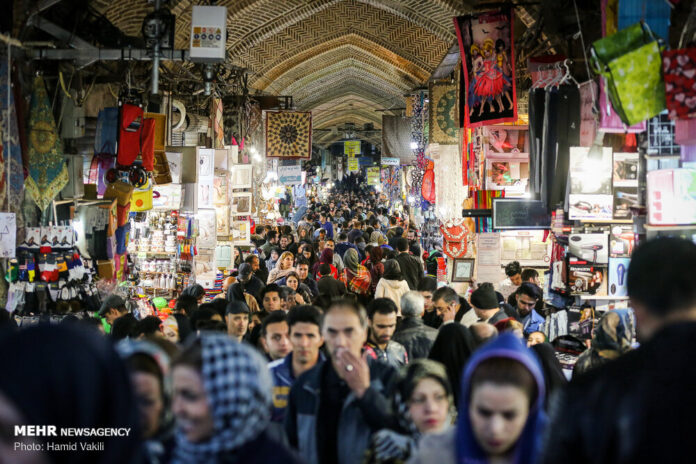
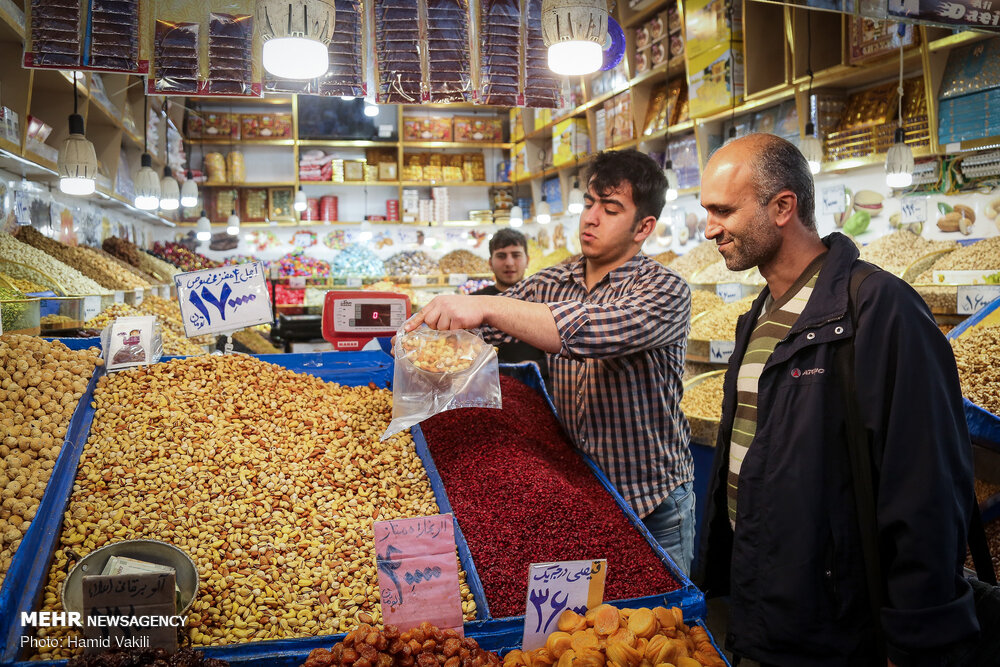
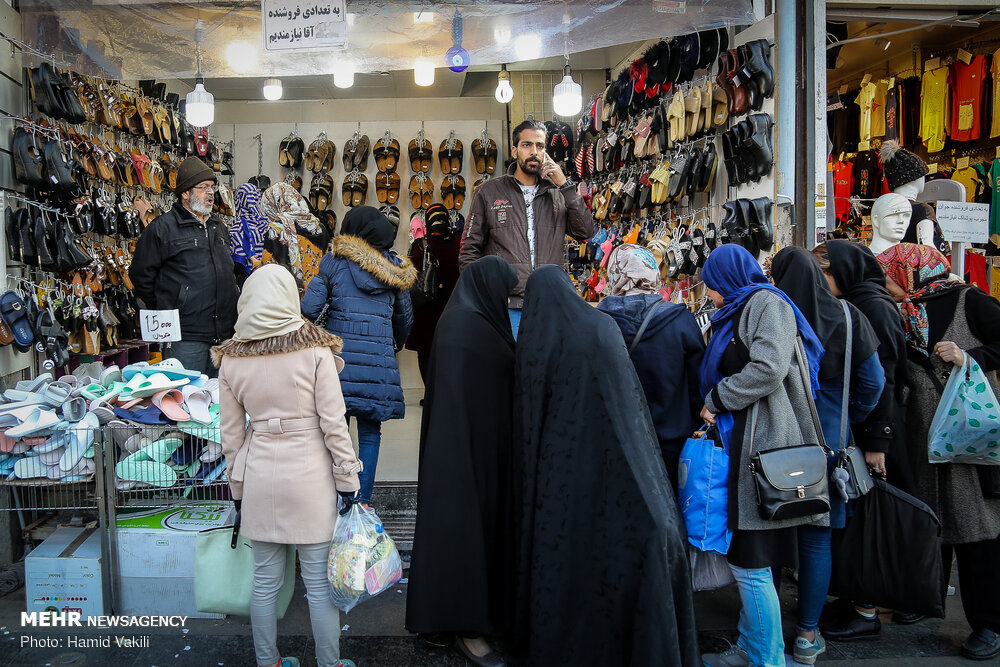
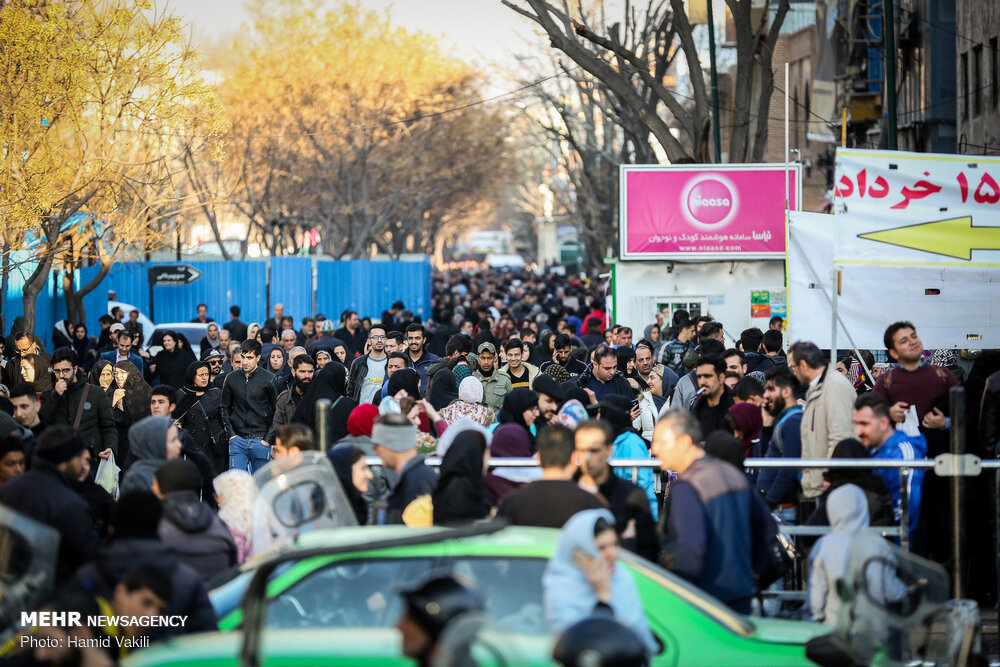
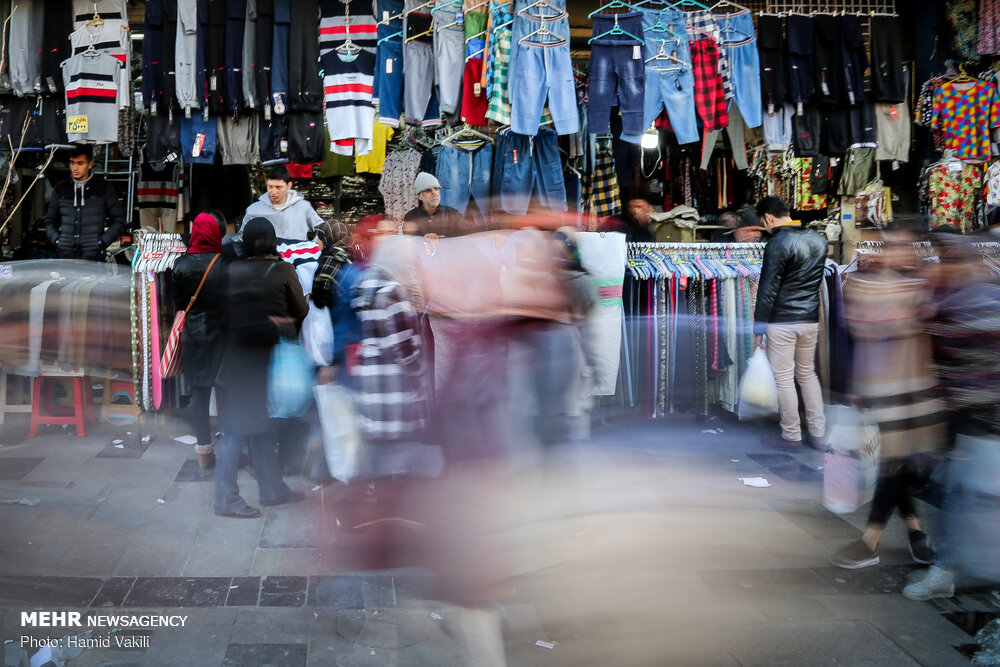
Iranian Markets Busy on the Eve of New Year

Nowruz, which marks the beginning of the Solar New Year, is almost two weeks away, and people across the nation are getting ready to welcome the joyous occasion.

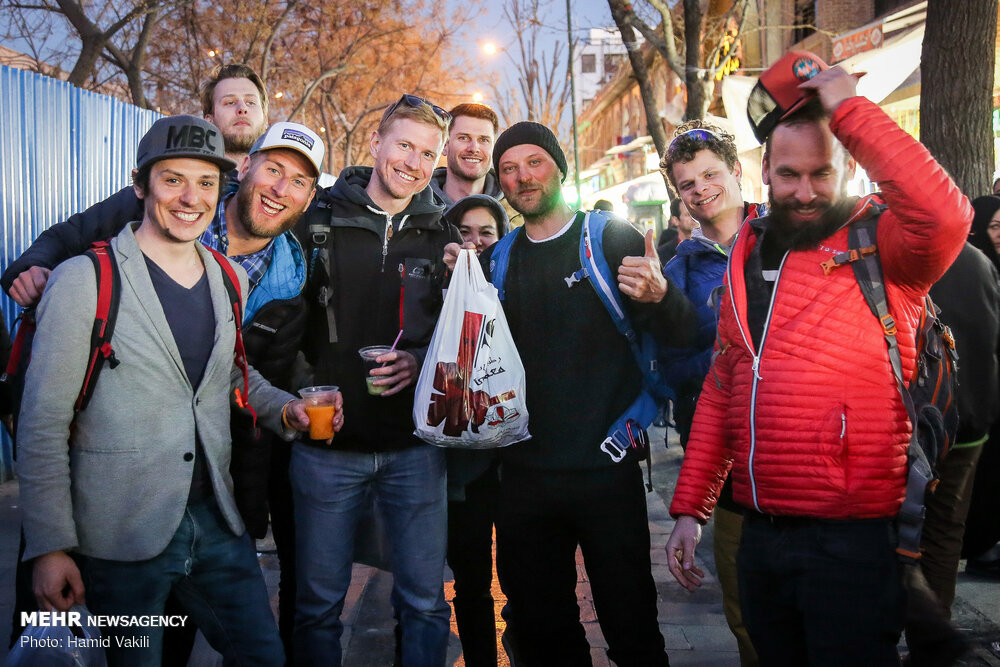
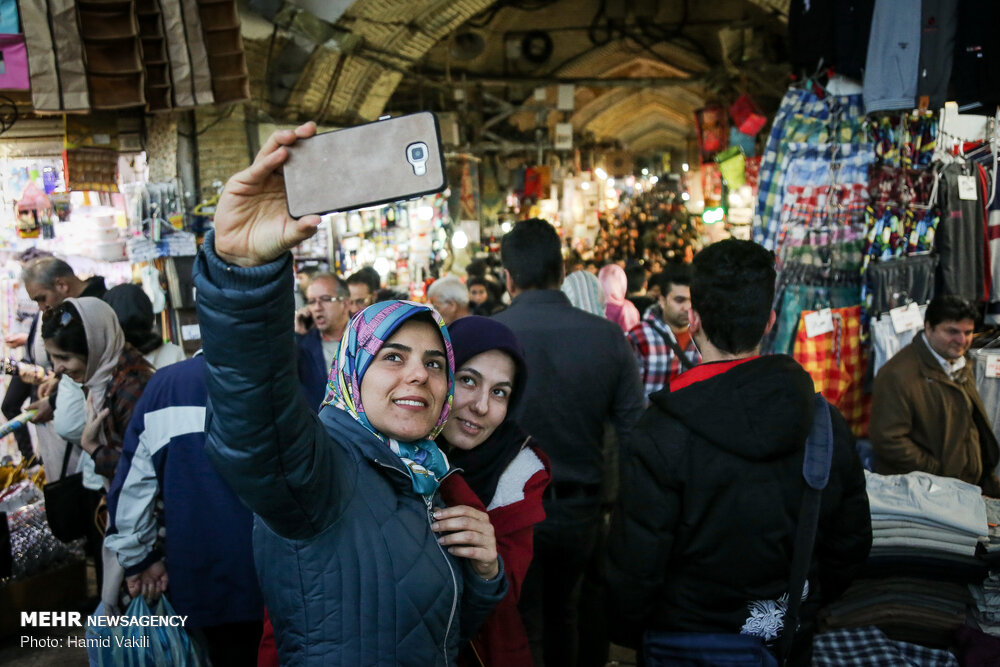
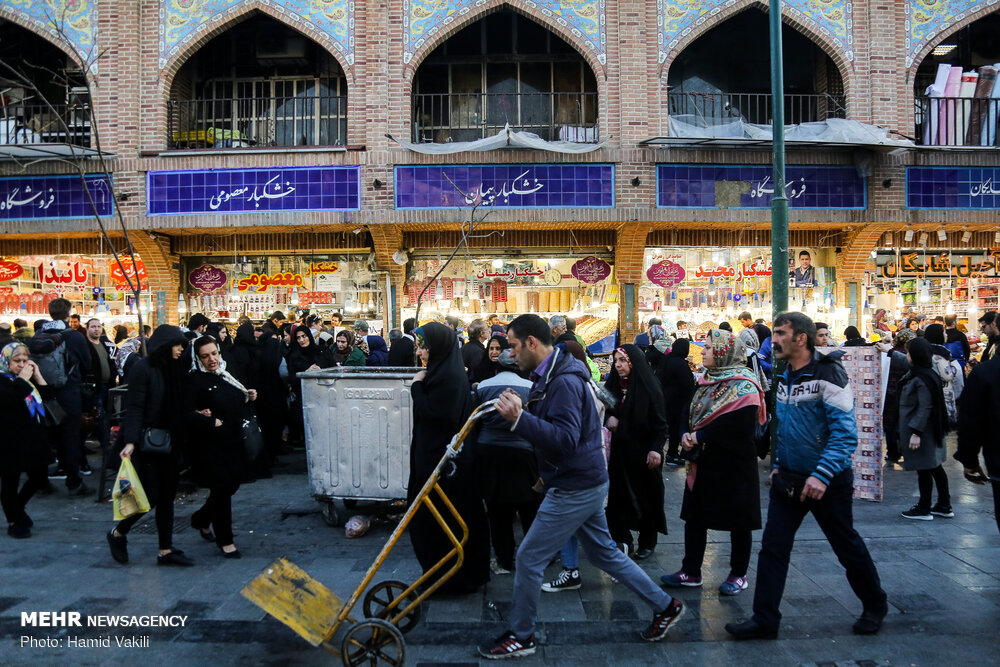
Accordingly, the Grand Bazaar of Tehran is seeing its busiest days thanks to the shopping fervour.

Each year, the shopping fever turns the bazaar into a tourist attraction for both domestic and foreign visitors.

The following are photos of the shopping spree courtesy of Mehr News Agency:

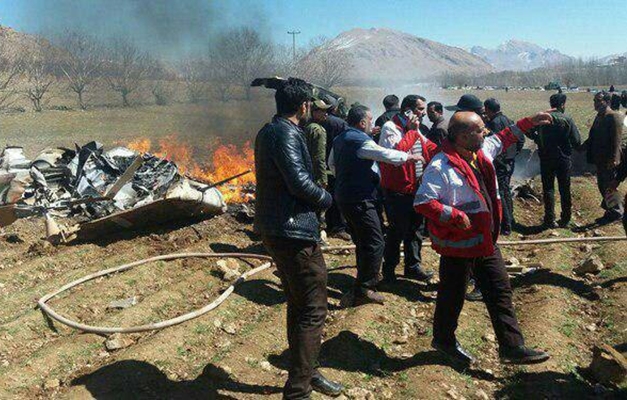
Five Killed after Chopper Crash in Southwestern Iran

The rescue helicopter crashed while heading to a village near Ardal in Chaharmahal and Bakhtiari province to transfer a patient.

The chopper crashed before accomplishing its mission and all the people aboard lost their lives when the aircraft caught fire.

An official at the crisis management centre of the province told Tasnim News Agency that the victims include three cabin crew and two emergency medical technicians.

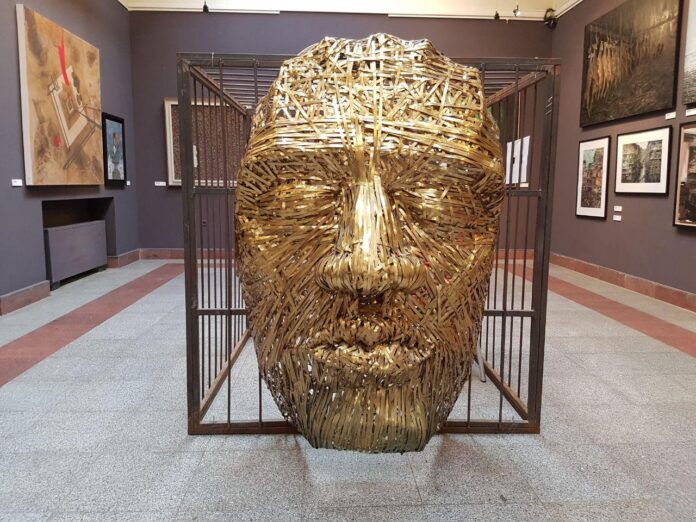
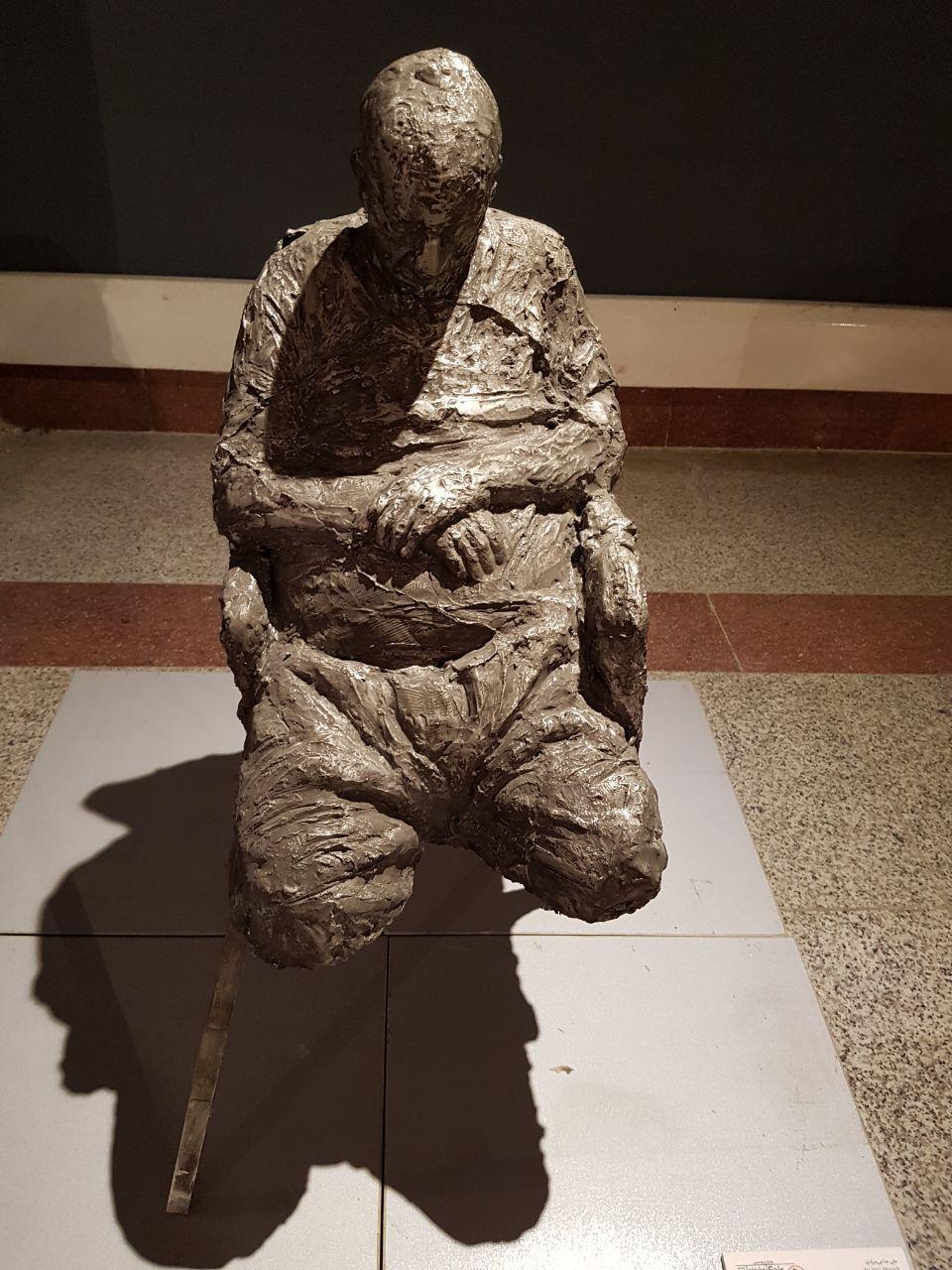
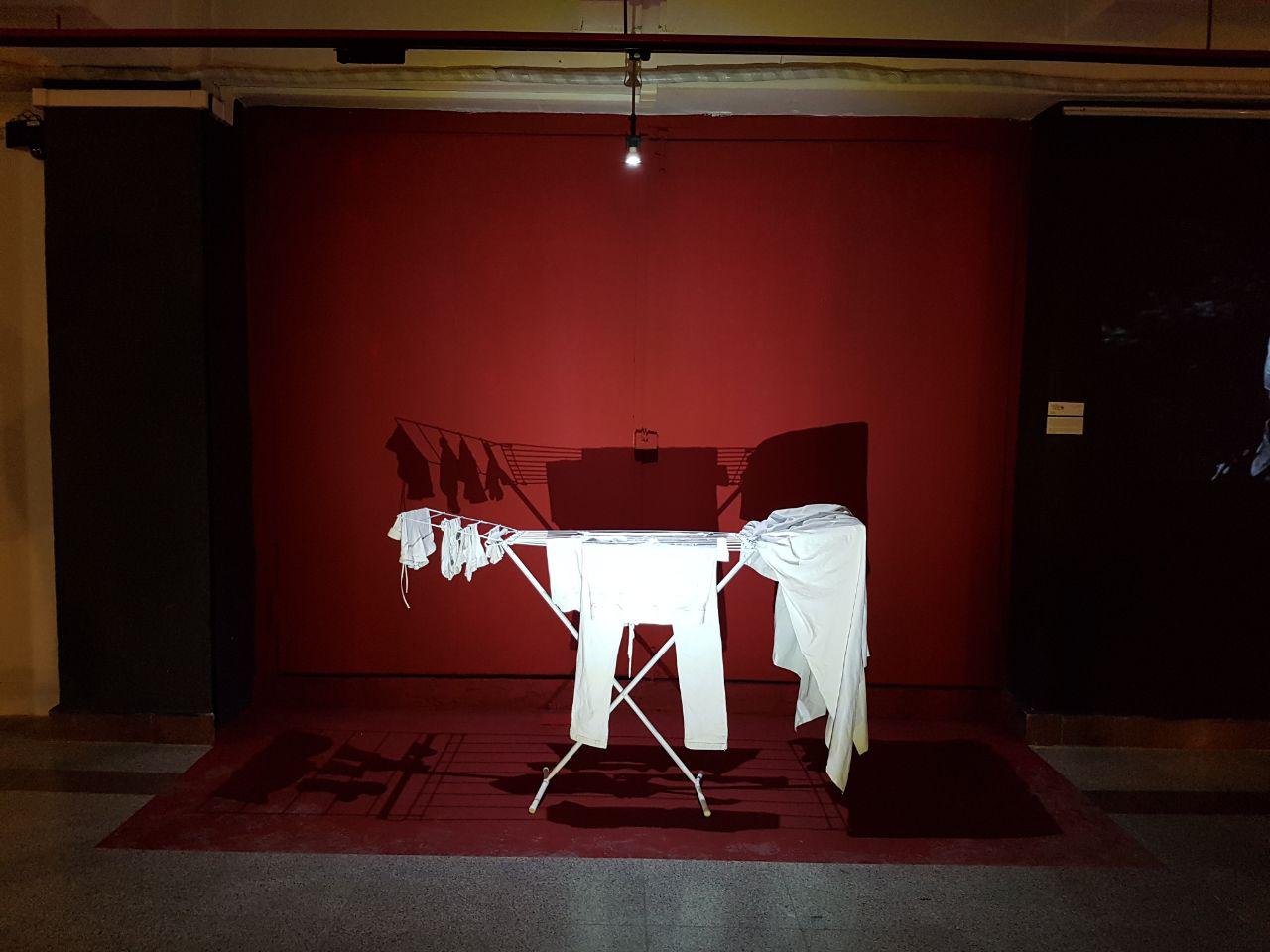
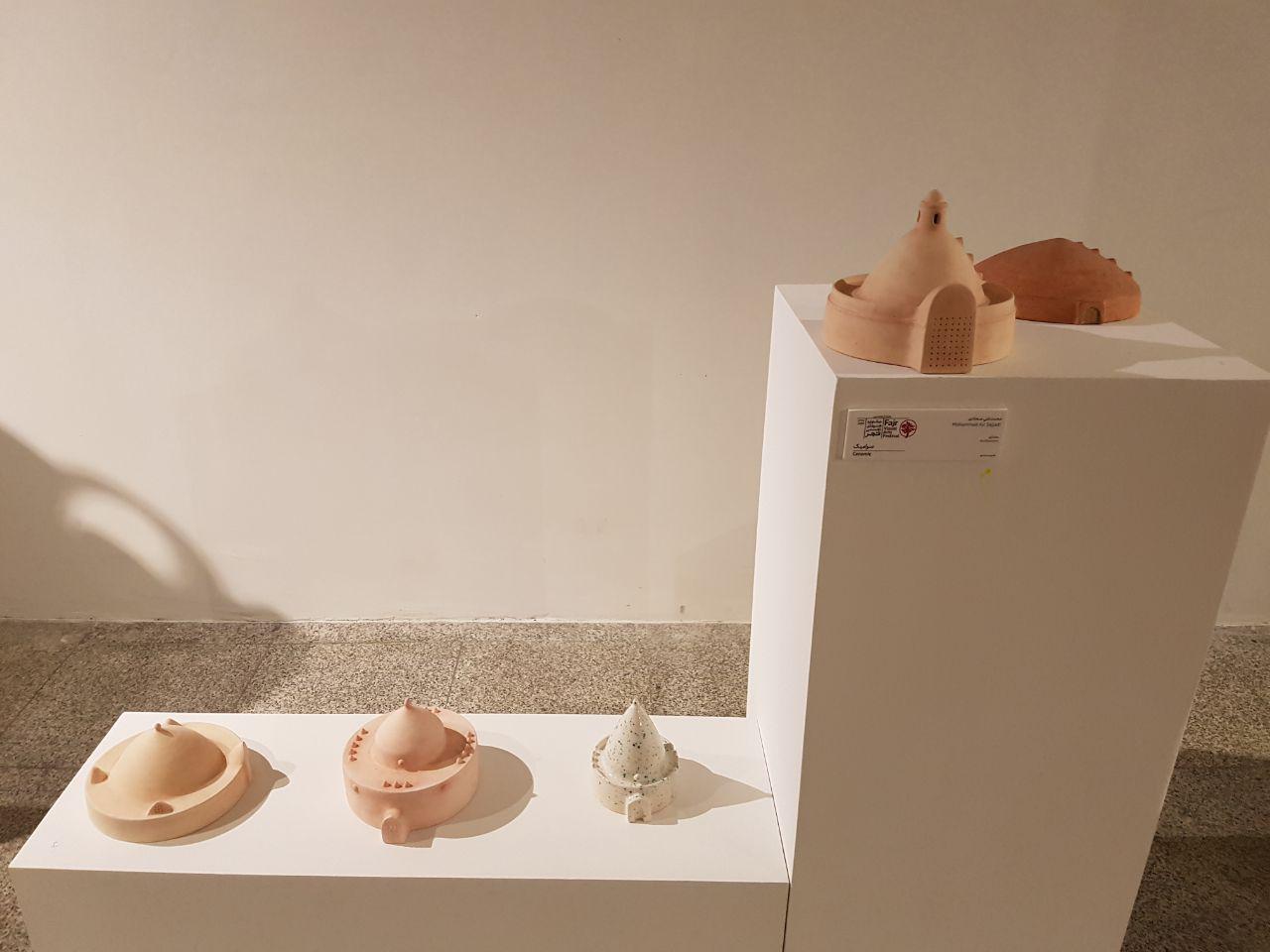
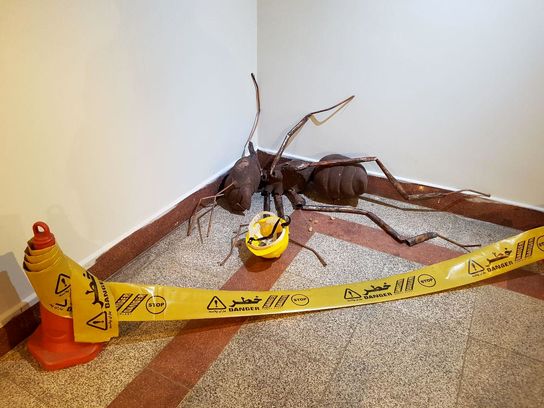
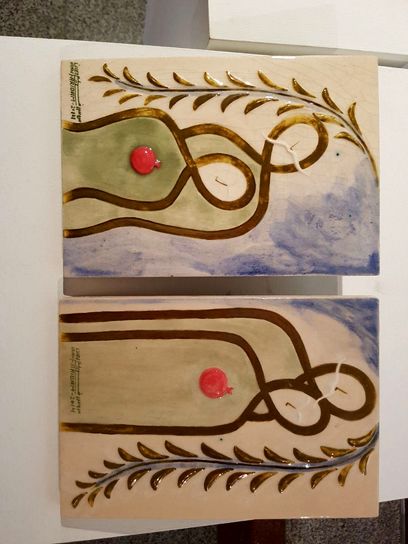
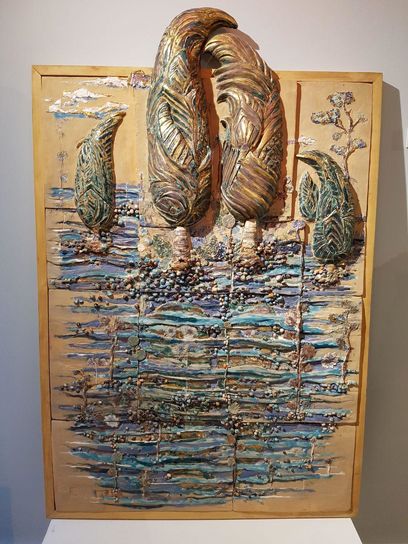
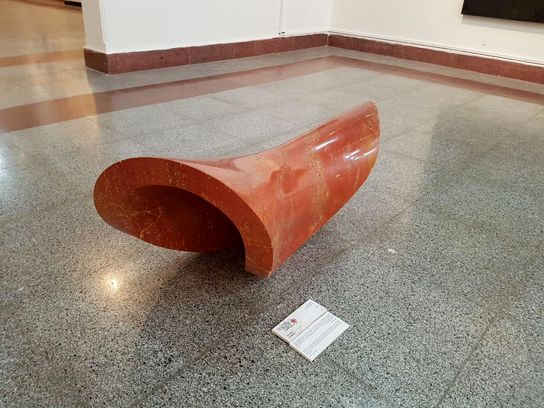
Fajr Festival Showcases Conceptual Ceramic Art

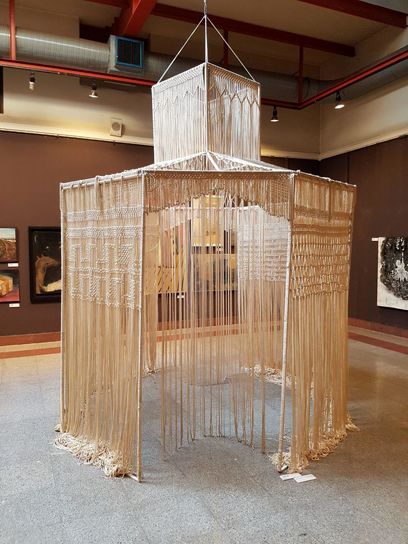
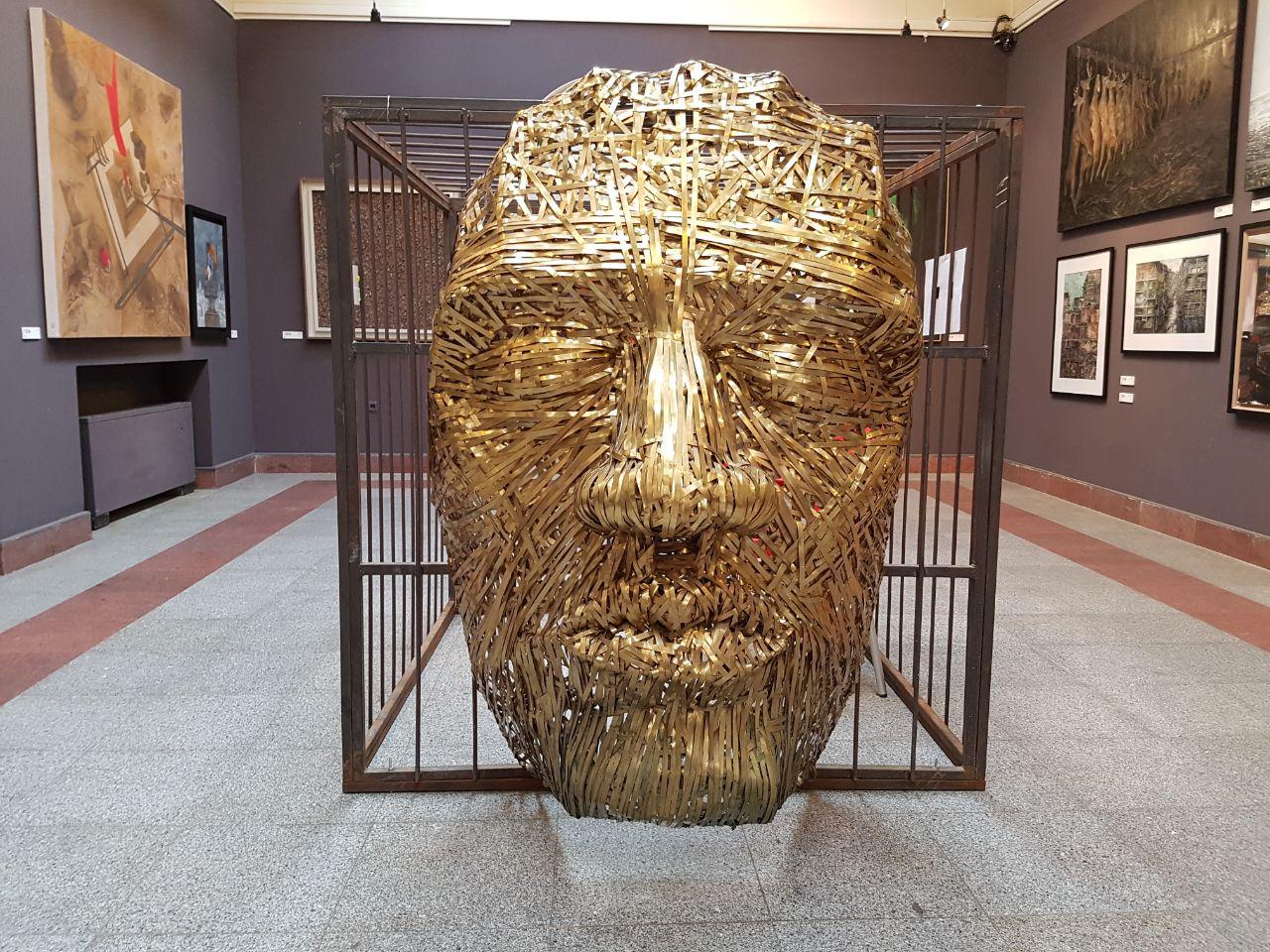
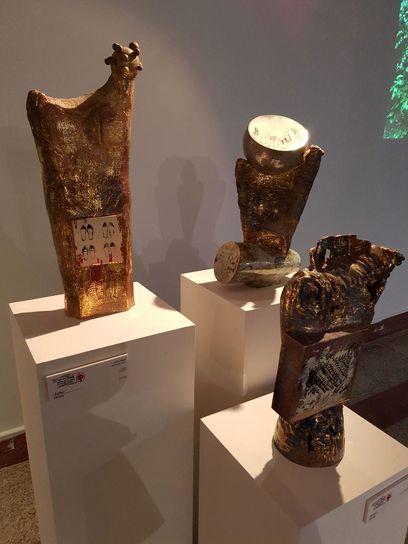
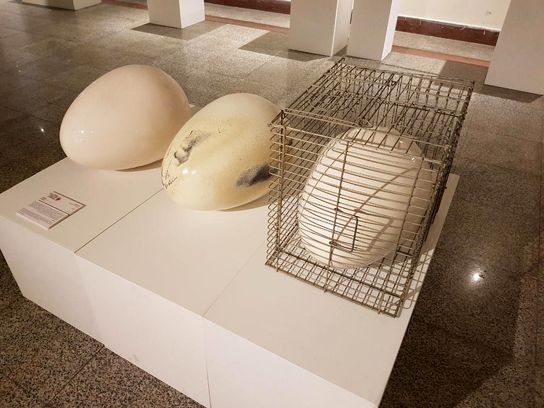
The works of art are put on show at the statue and ceramics section of the Fajr Visual Arts Festival.

Some 69 statues by 56 artists as well as works by ceramicists ate on show at the event.

The participating artists have displayed a whole range of works with different approaches and materials.
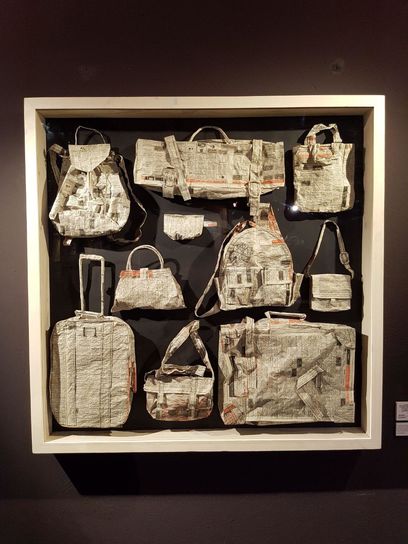
Some of the items on show have an ironic look at other arts such as the installation art and the conceptual art.

The following are pictures of the event courtesy of Honar Online: