Wednesday, April 8, 2026
Home Blog Page 3330

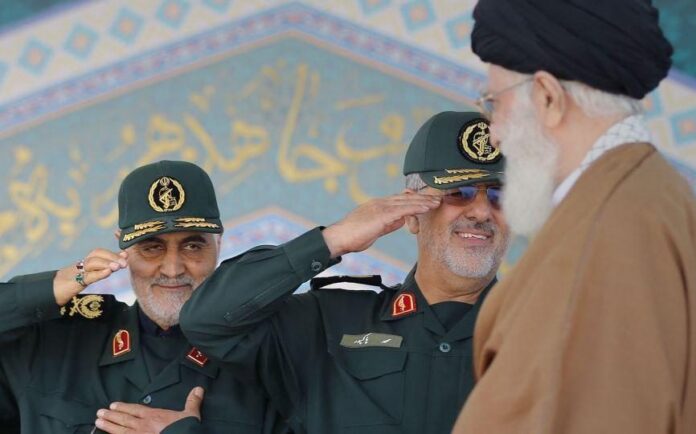
Gen. Soleimani Receives Iran’s Highest Military Order ‘Zulfaqar’

Gen. Soleimani Receives Iran’s Highest Military Order ‘Zulfaqar’
IRGC Quds Force Commander (left) received Iran's highest military order Zulfaqar from the Leader of Islamic Revolution Ayatollah Khamenei

The top general is the first Iranian official to receive the order following the establishment of the Islamic Republic in 1979.

Iranian Foreign Minister Mohammad Javad Zarif in a message on Monday congratulated General Soleimani on receiving the prestigious order.

He praised the top general’s efforts in fight against Takfiri terrorism and extremism in the region, adding that such efforts have prepared the grounds for creating a strong and stable region free from violence and radicalism.

General Soleimani is widely known as one of the most influential military commanders in the world.

The Washington-based magazine Foreign Policy recently put the name of General Soleimani on top of its 2019 list of Global Thinkers in the defence and security field.

A short write-up on the senior Iranian commander described him as the “public face of Iran’s response to US President Donald Trump’s threats.”

General Soleimani made headlines last July, when he delivered a blistering response to an all-caps tweet addressed to President Hassan Rouhani, in which Trump had issued a military threat against the Islamic Republic.

The IRGC commander is widely seen as a strategist and adviser in the counter-terrorism operations against Takfiri terrorists in Syria and Iraq.

The powerful general leads Iranian military advisers backing the national armies of Syria and Iraq in their fight against terrorism.

General Soleimani was present on the ground to supervise the decisive stages of Iran-backed operations against Daesh, which lost in late 2017 all the territories it had seized in Iraq and Syria.

He declared the end of Daesh’s territorial rule in a letter addressed to Leader of the Islamic Revolution Ayatollah Seyyed Ali Khamenei in November 2017. Ayatollah Khamenei had earlier described him as a “living martyr”.

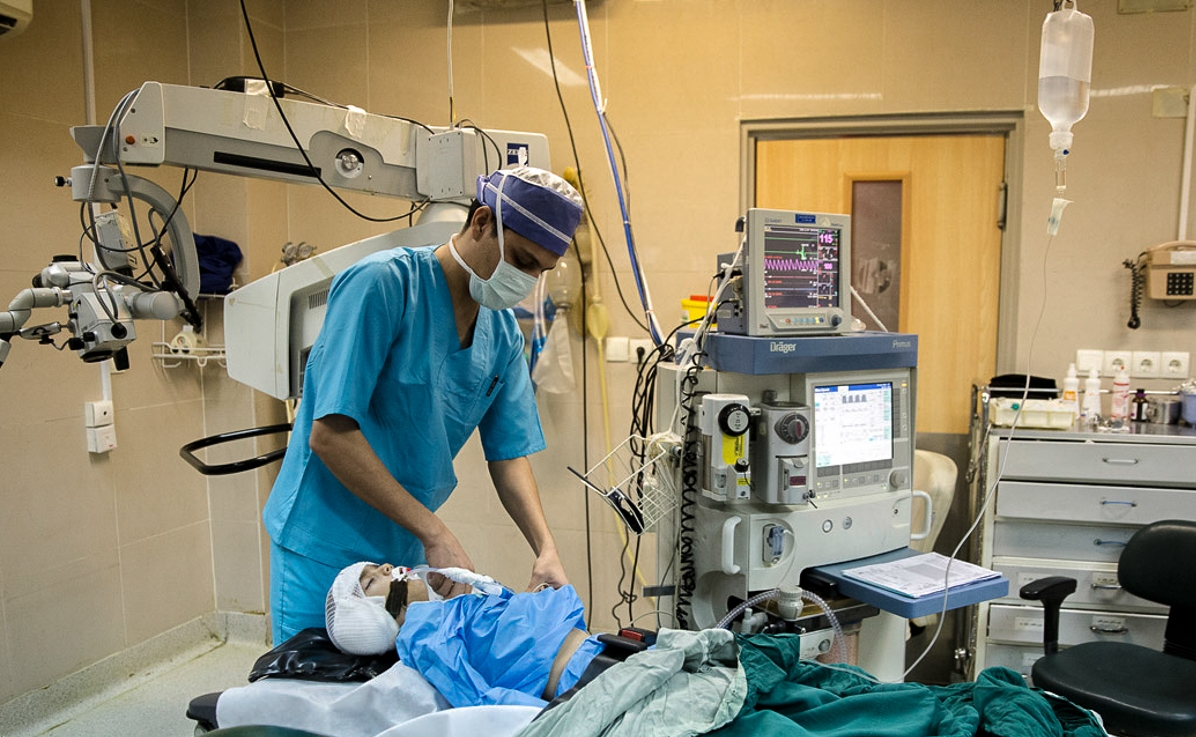
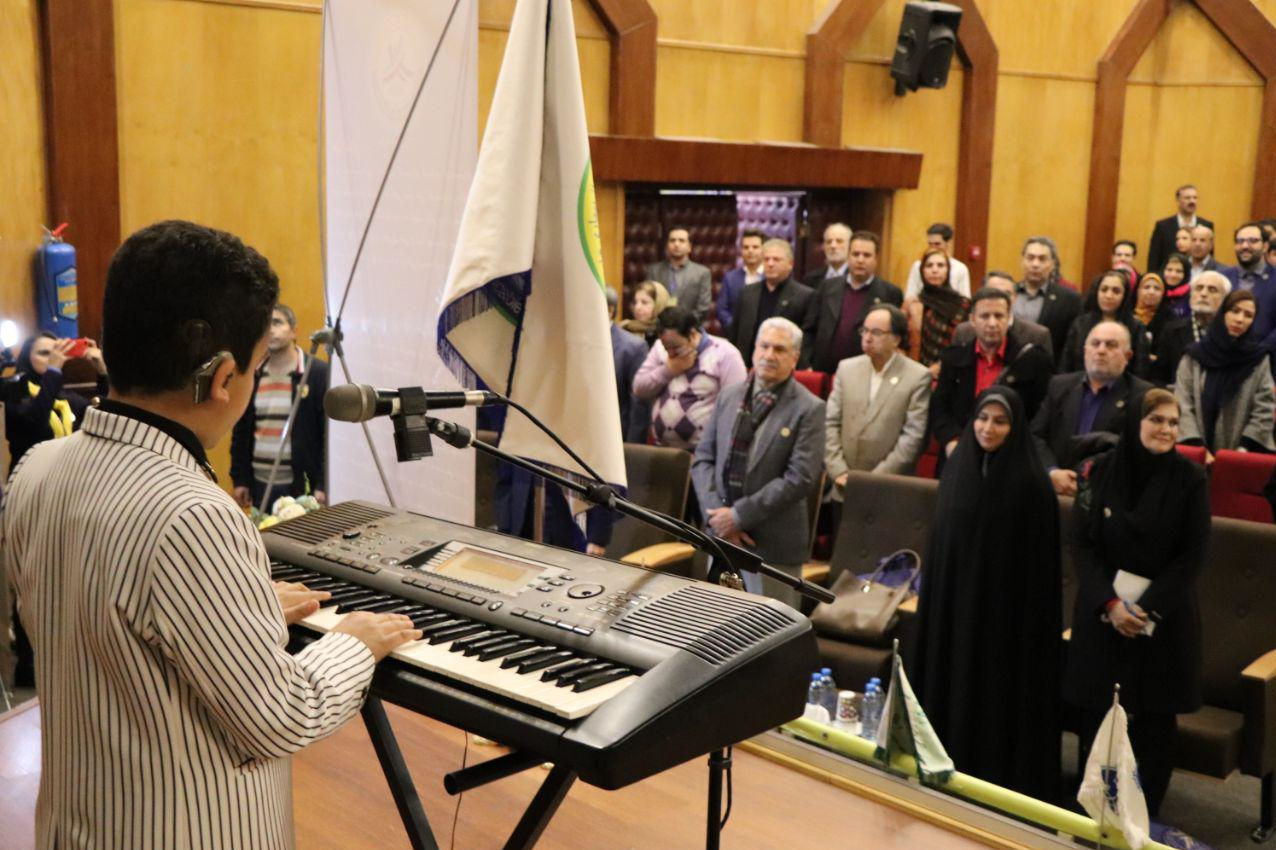
Iranian Charity Helping Hearing-Impaired Children

The Forgiveness charity has called on people to bring any hearing impaired kid to this centre from every part of the country.
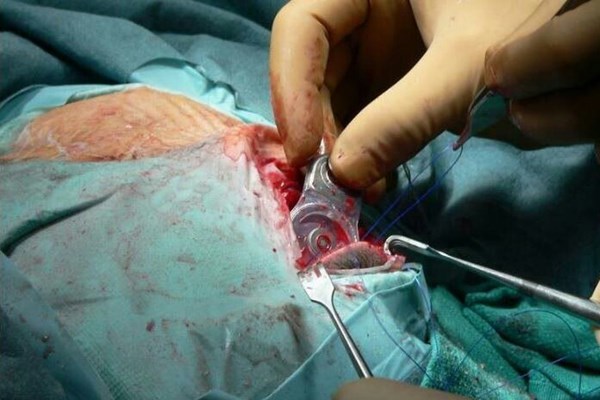
Dr Mohammad Taqi Khorsandi, a co-founder of the charity centre, has told Fars News Agency that “since two decades ago, with the advancement of medical science, children born deaf for genetic reasons are being treated with a cochlear implant surgery.”

However, he noted, this adds a huge amount of cost on the family, and as a result, many poor families put the treatment off due to the lack of money. “Therefore, the child is sacrificed and secluded forever and gets deprived of hearing.”

Iranian Charity Helping Hearing-Impaired ChildrenEvery year, 1,500 deaf children are born in Iran. Of these, 1,300 children are enabled through cochlear implant surgery. The first three years of life is a golden time for cochlear implant, and the cost of this surgery is about 5,000 USD. If the deaf children undergo surgery before the age of three, the government will pay 90% of the costs, and each family will pay 500 dollars. However, many families cannot pay even this money due to poverty. And after the age of 3, the child loses the golden opportunity to live like ordinary people, Khorsandi went on to say.

“Some families do not even have the ability to pay taxi fare from their remote villages to the city centre and the hospital, let alone paying the costs of surgery. Years ago, when we encountered such cases, we performed the surgery at our own expense, but after a while, with the cooperation of open-handed physicians, we decided to launch a charity centre for the hearing disabled kids.”

“Within two years, we raised surgery costs for 540 deaf children. There were also some parents in remote areas who did not even know that the cochlear implant can save their child. For this reason, the slogan of our charity is: Wherever you see a deaf kid, introduce him/her to Bakhshsesh.”

Iranian Charity Helping Hearing-Impaired ChildrenGenetic tests can prevent the birth of a deaf child, but these genetic tests cost a lot and many families cannot afford to pay or do not even know about such tests.

The charity centre’s officials say they have 11 cochlear implant centres across Iran, and a genetic advisor works at every centre at the cost of the organisation.

Families with a deaf kid or cousin marriages are more at risk and they can prevent the birth of a hearing impaired child by genetic testing prior to pregnancy. The cost of these genetic tests is paid by Bakhshesh Centre.

Iranian Charity Helping Hearing-Impaired ChildrenIn the past two years, genetic testing costs have been paid for 309 needy families and the birth of 309 deaf children was prevented. The cochlear implant surgery gives hearing ability back to the kids, but this is not the end. Servicing cochlear implant pieces’ costs 200 dollars annually; an amount that poses a serious challenge to needy families. Unfortunately, cochlear implants are imported from abroad, and Iran has not yet succeeded in localising them. Their parts need repair every year.

Moreover, economic conditions make things harder and unfortunately, the children of needy families, who cannot afford the costs of cochlear implant’s repair, cannot hear sounds and get nervous and aggressive.

In the past two years, Forgiveness Charity has paid the service costs of 2,013 cochlear implants to the needy families.

Forgiveness Charity Centre hopes that no hearing disabled child in Iran would be deprived of the pleasure of hearing because of poverty.

Iranian Charity Helping Hearing-Impaired Children

Iran Says Open to Any Initiative for Cooperation with Regional States

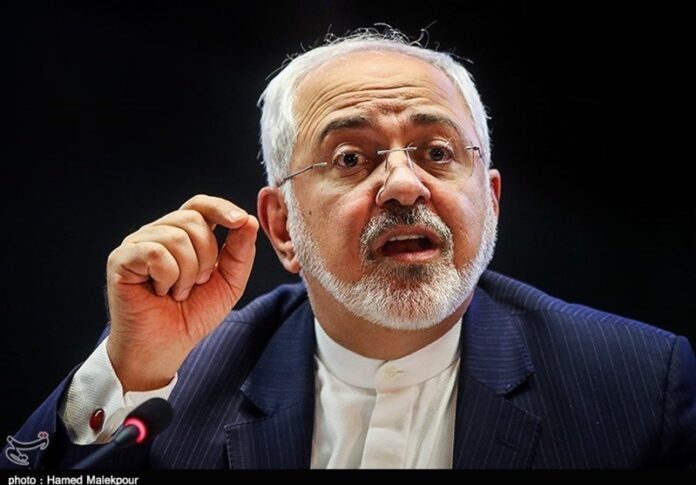
In an interview with Al Forat television network during a visit to Iraq, Zarif expressed Iran’s readiness to launch constructive dialogue with regional nations.

Asked about the idea proposed by Leader of Iraq’s National Wisdom Movement Seyed Ammar al-Hakim about regional talks involving Iran, Iraq, Turkey, Saudi Arabia and Egypt, Zarif said Iran welcomes any initiative for regional cooperation.

“We have a principle that regional cooperation must be inclusive and not against anybody. All countries in our region, namely the Persian Gulf states and other regional countries near us like Iraq, Egypt, Syria, and Jordan, should be part of such cooperation,” he added.

Welcoming the idea of formation of regional cooperation with all those states, Zarif underlined that such joint efforts should be a prelude to an inclusive from of cooperation with the presence of all countries.

Asked about the topics to be discussed during Iranian President Hassan Rouhani’s upcoming trip to Iraq, Zarif said the first priority of the visit is to strengthen relations between Tehran and Baghdad.

The Iranian foreign minister noted that discussions will be held during the presidential visit to boost interaction in the economic sector, transportation, railroad industry, oil industry, establishment of joint industrial districts, demarcation of common border, and dredging Arvand Rud border river.

The Iranian president is planned to travel to Iraq on March 11 for an official visit.

Heading a high-ranking delegation, he will be visiting the Arab country at the official invitation of Baghdad.

It will be Rouhani’s first official visit to Iraq during his tenure.

Last week, Iranian Deputy Foreign Minister Abbas Araqchi met with Prime Minister of Iraq Adil Abdul-Mahdi in Baghdad to make arrangements for Rouhani’s trip.

The Iranian president’s visit would come against the backdrop of Tehran’s efforts to boost its foreign trade in the US sanctions era.

Iraq’s foreign minister said recently that his country is “not obliged” to abide by sanctions imposed by the US against Iran and would be pursuing options to continue bilateral trade.

President of Iraq Barham Salih made a visit to Tehran in November 2018 with a ranking delegation for a series of political and economic talks.

Speaking at a joint press conference with his Iraqi counterpart at that time, Rouhani said the value of trade and economic interaction between Tehran and Baghdad stood at around $12 billion, adding that the two neighbors have the potential for a $20-billion trade target.

Last month, governors of the central banks of Iran and Iraq signed an agreement to develop a payment mechanism aimed at facilitating banking ties between the two neighboring countries.

According to governor of the Central Bank of Iran Abdolnaser Hemmati, Iran is going to open euro and dinar-based accounts to process transactions for trade in oil and gas.

Describing Iraq as Iran’s major partner, Hemmati said the two countries have agreed to make the banking ties much stronger.

He also stated that Iraqi companies can reciprocally open accounts in Iranian banks and conduct transactions in dinar.

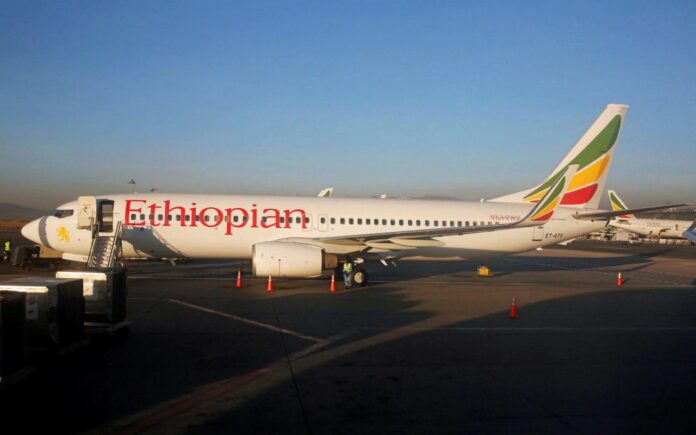
Iran Expresses Regret over Ethiopia Plane Crash

Ethiopia

In a Sunday statement, Qassemi offered condolences to the Ethiopian nation and government, particularly the bereaved families of the victims, over the tragic incident.

The Ethiopian Airlines passenger plane bound for Kenya crashed with 149 passengers and eight crew members on board.

An Ethiopian Airlines spokesman confirmed that the Boeing 737 plane had crashed on a routine flight from Ethiopia’s capital Addis Ababa to Nairobi on Sunday.

The plane took off at 8:38am (0638 GMT) from Bole International Airport and “lost contact” six minutes later near Bishoftu, a town some 37 miles southeast of Addis Ababa.

The airline said “search and rescue operations are in progress and we have no confirmed information about survivors or any possible casualties.”

It said the staff members were being sent to the scene of the crash to “do everything possible to assist the emergency services.” It also plans to set up a passenger information centre and a dedicated telephone number for family and friends of people who may have been on board the flight.

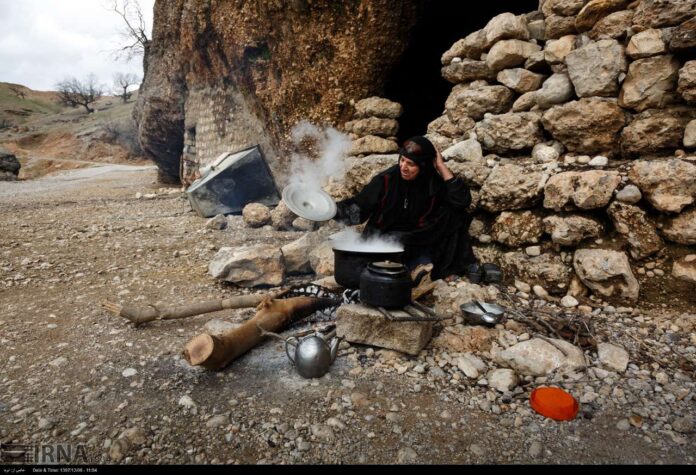
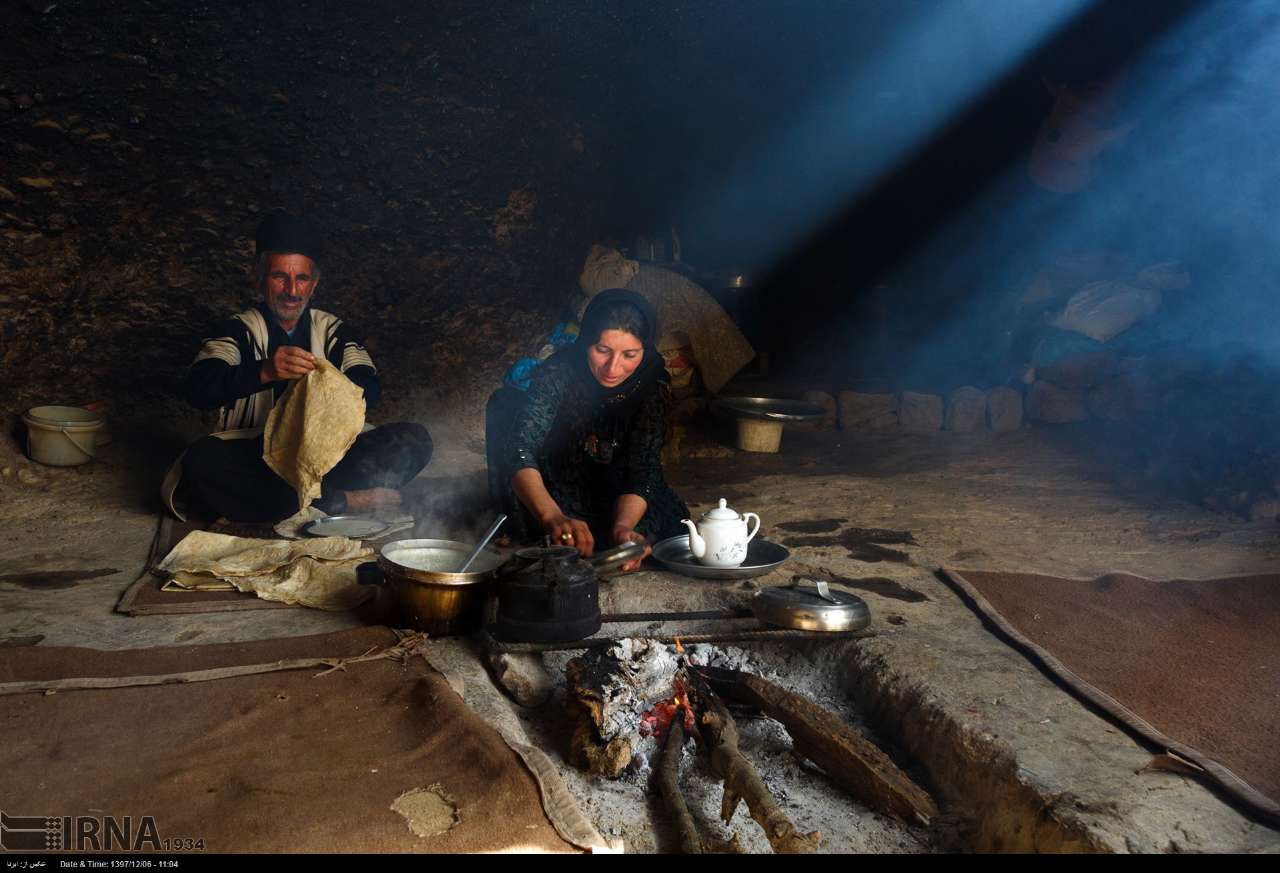
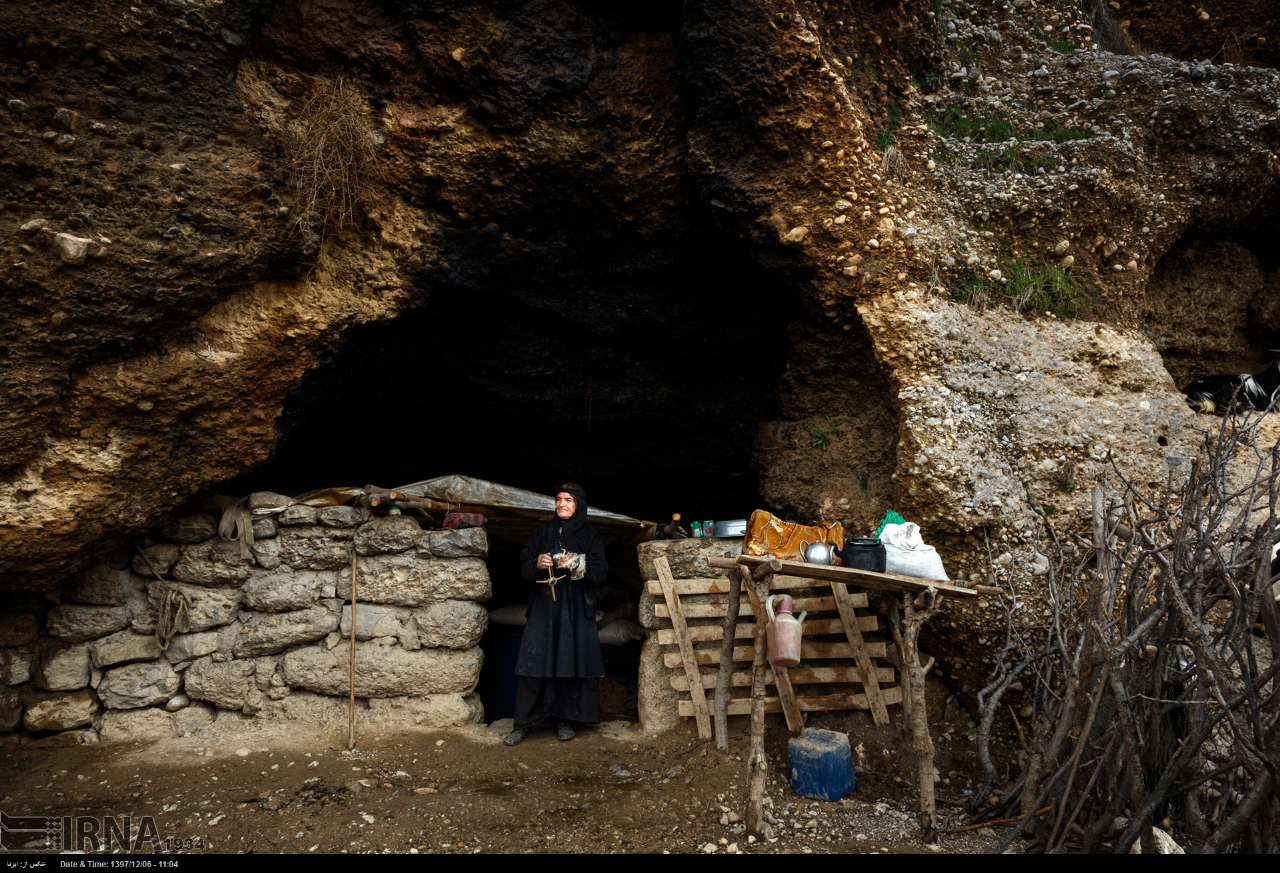
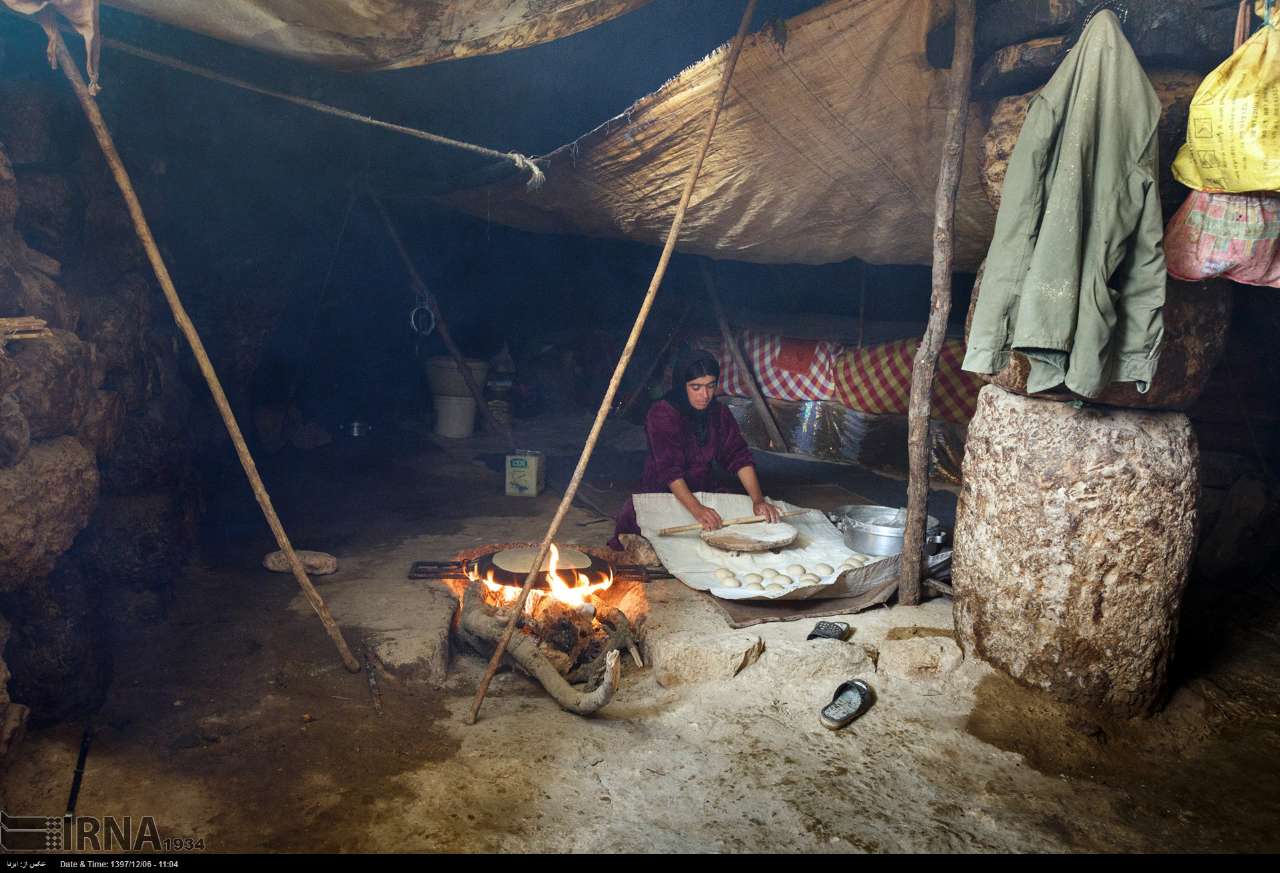
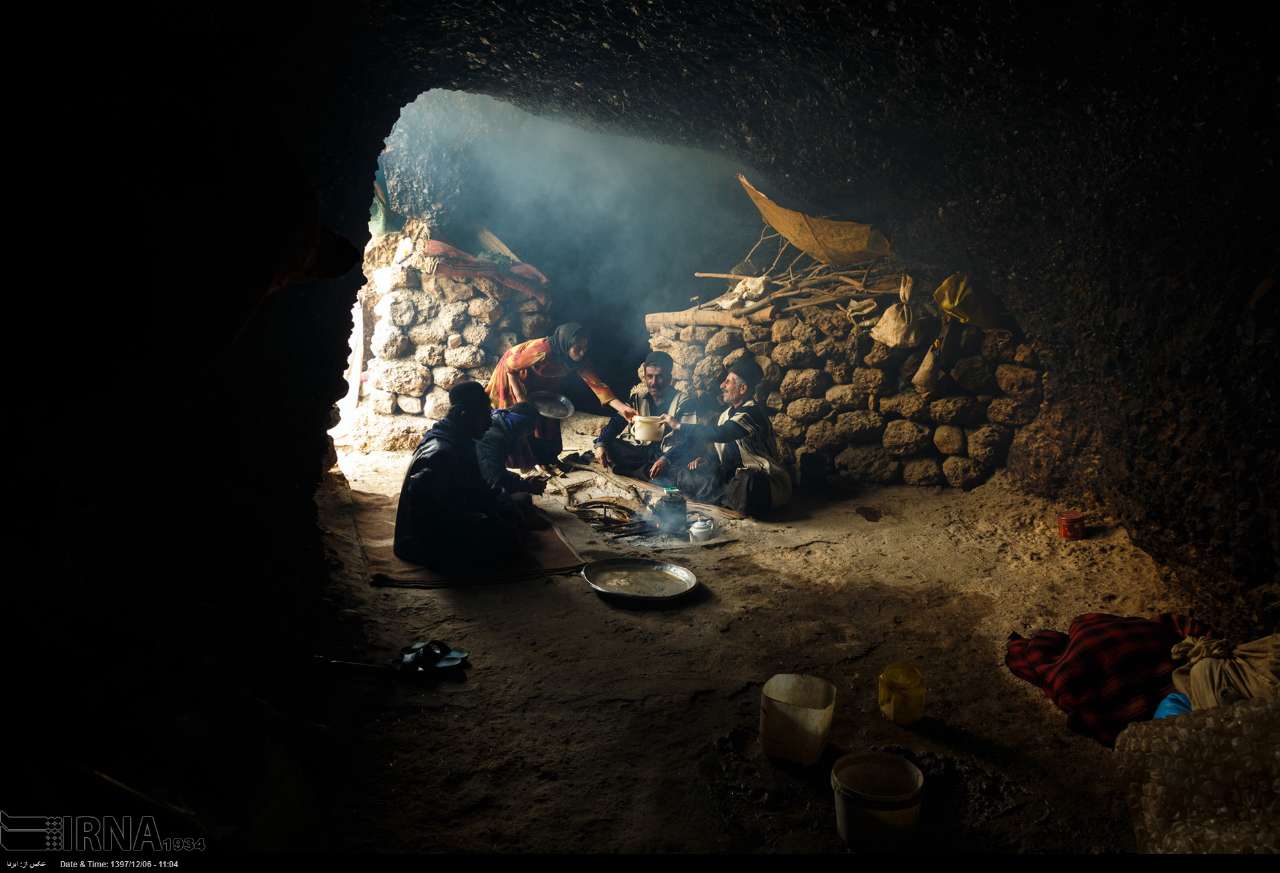
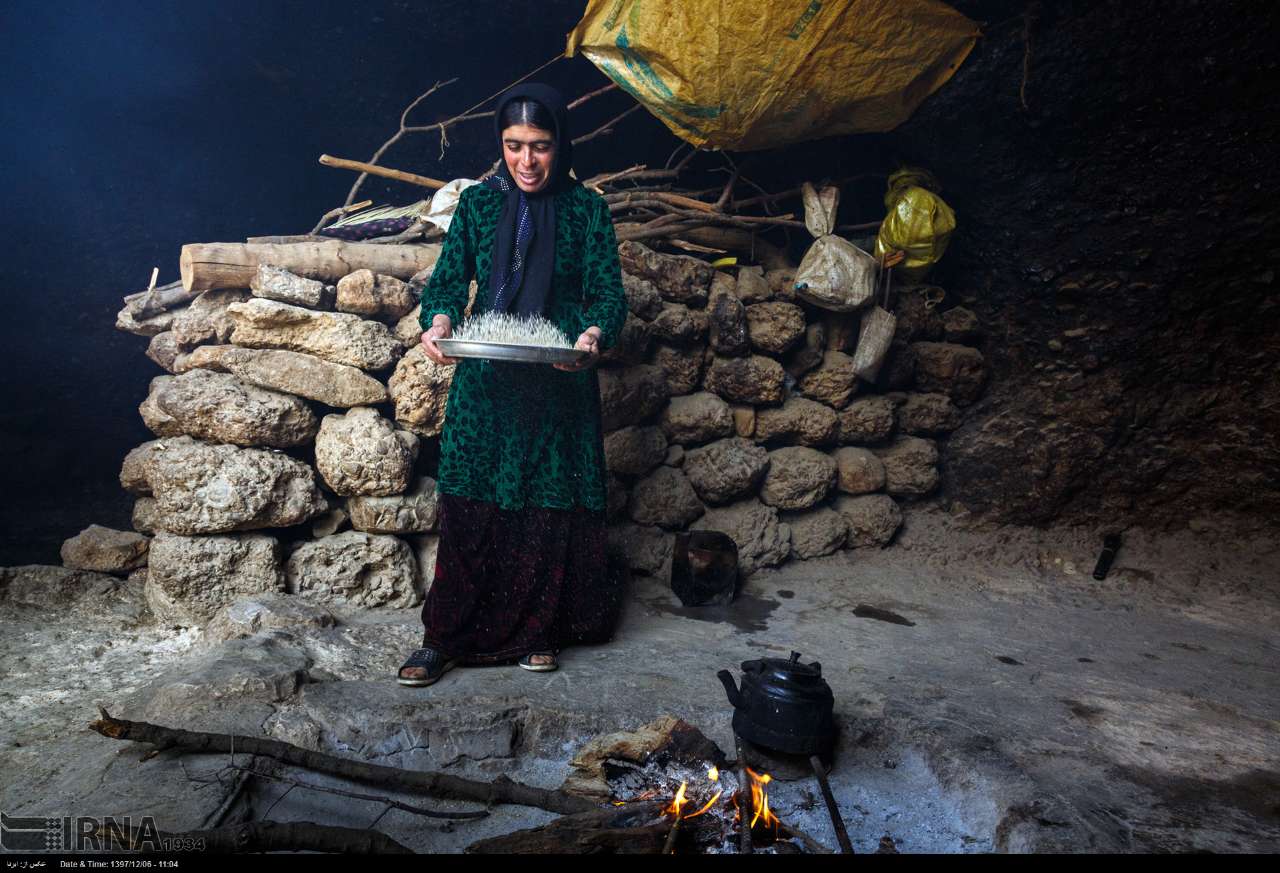
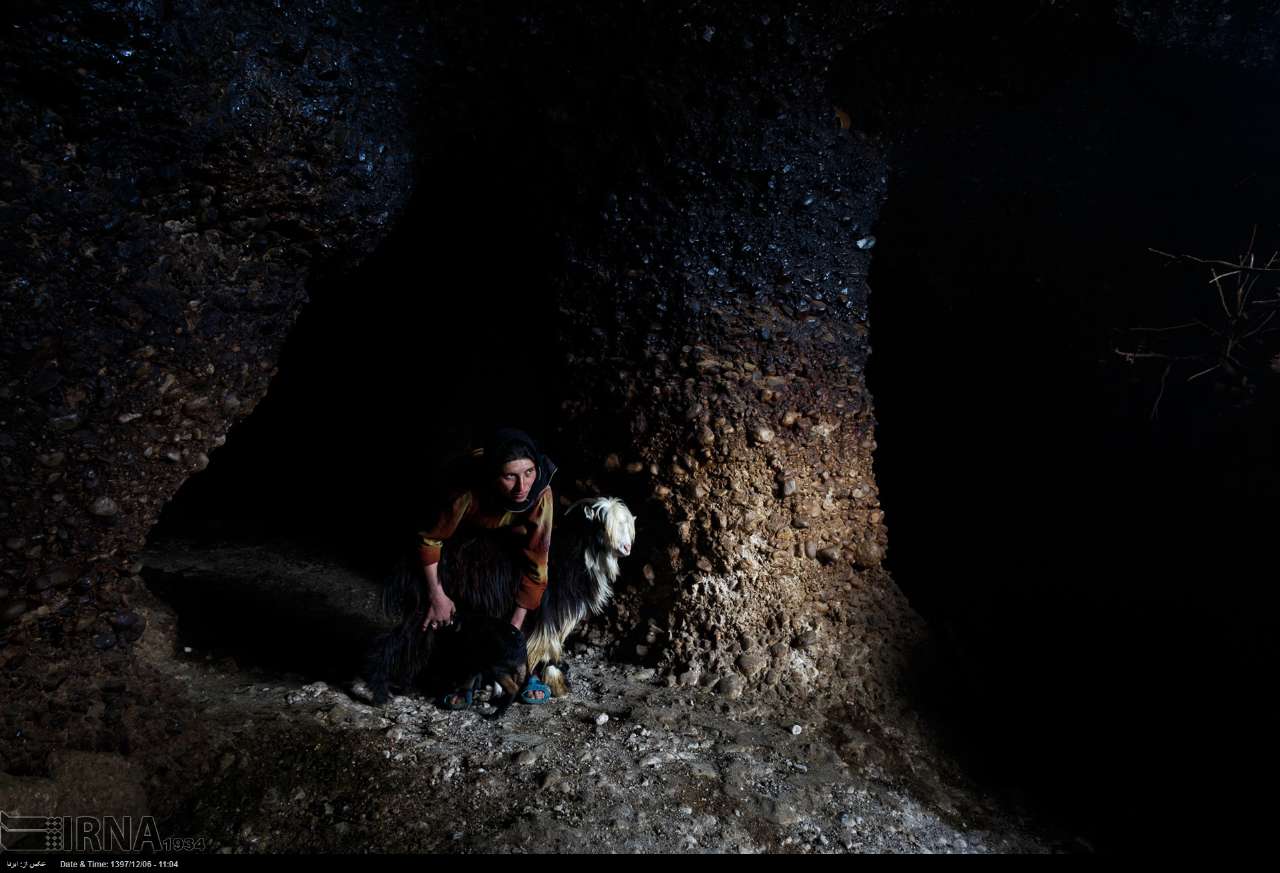
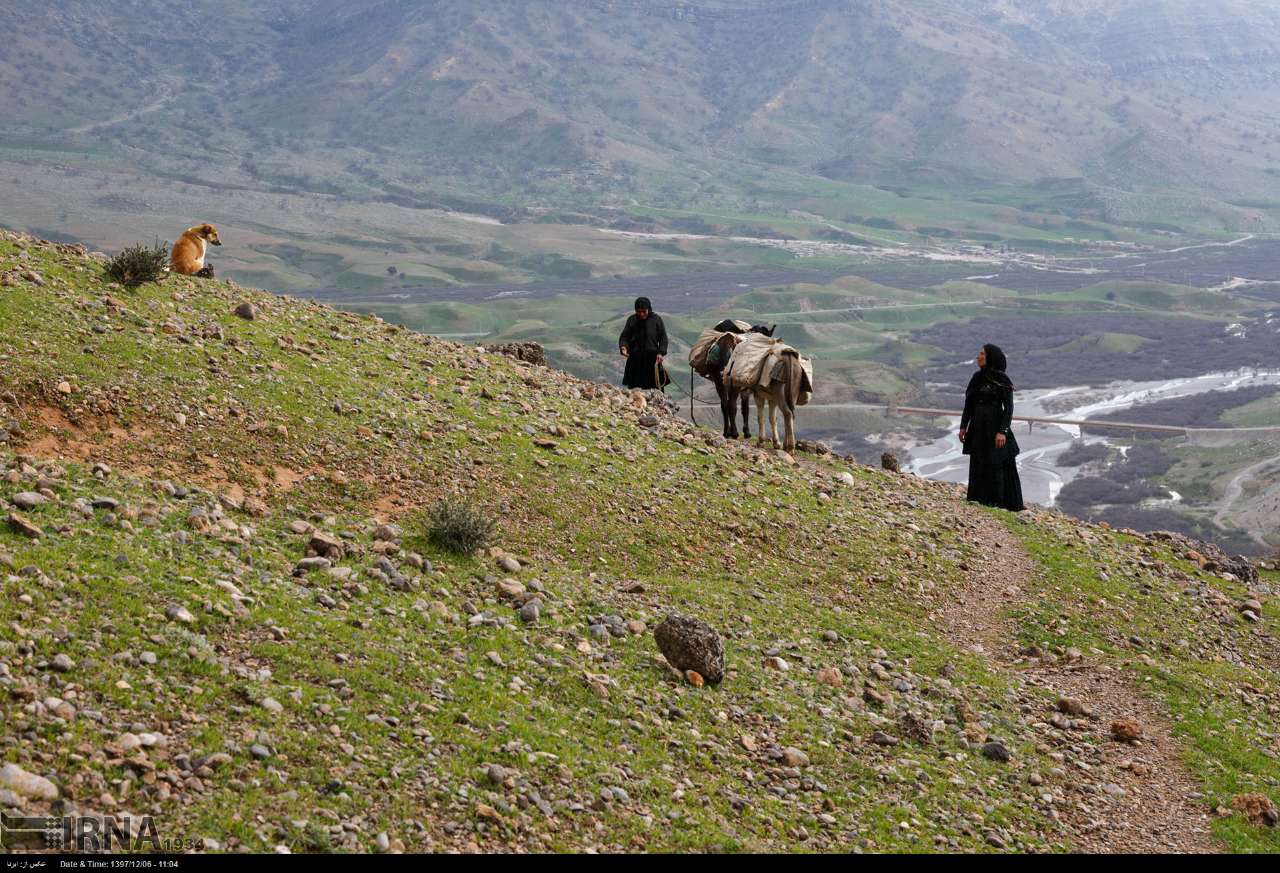
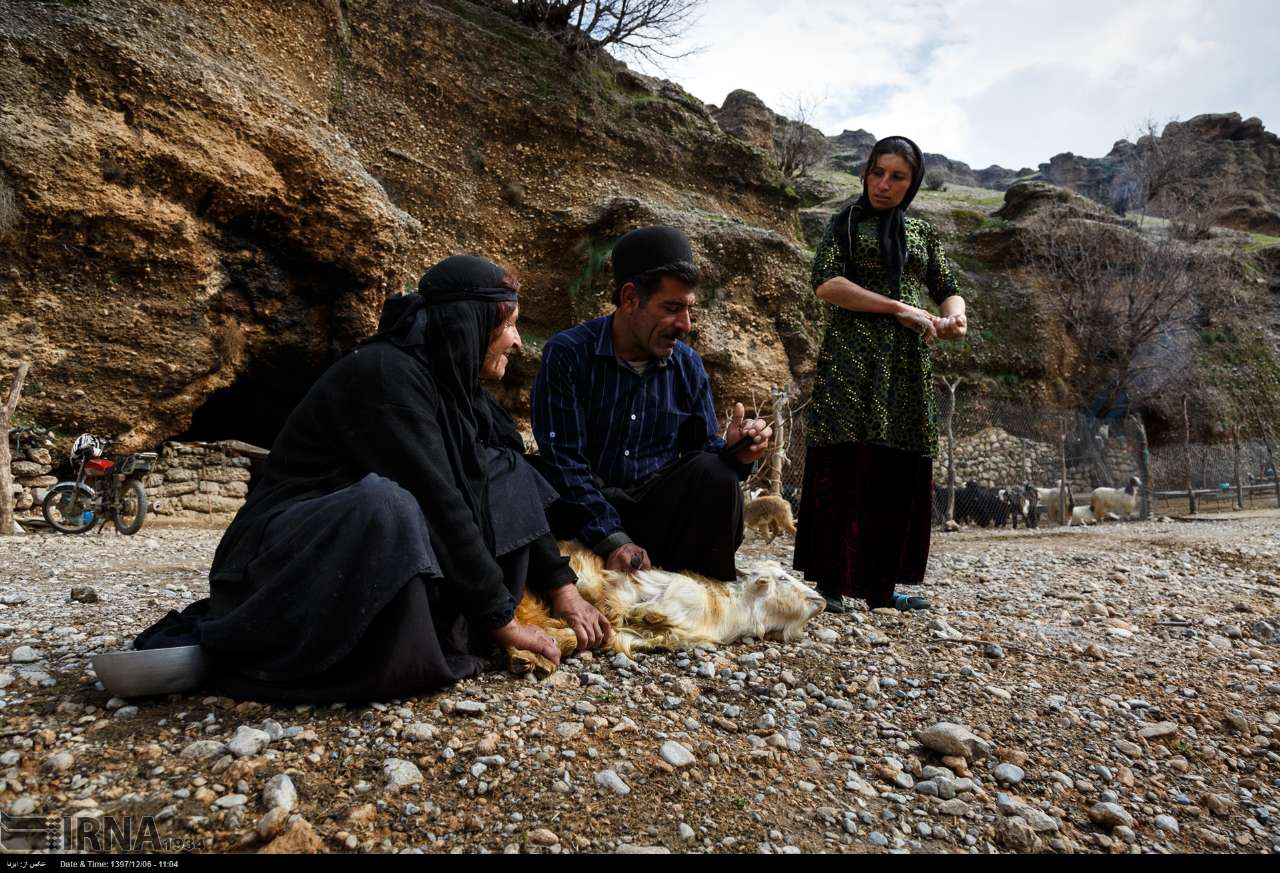
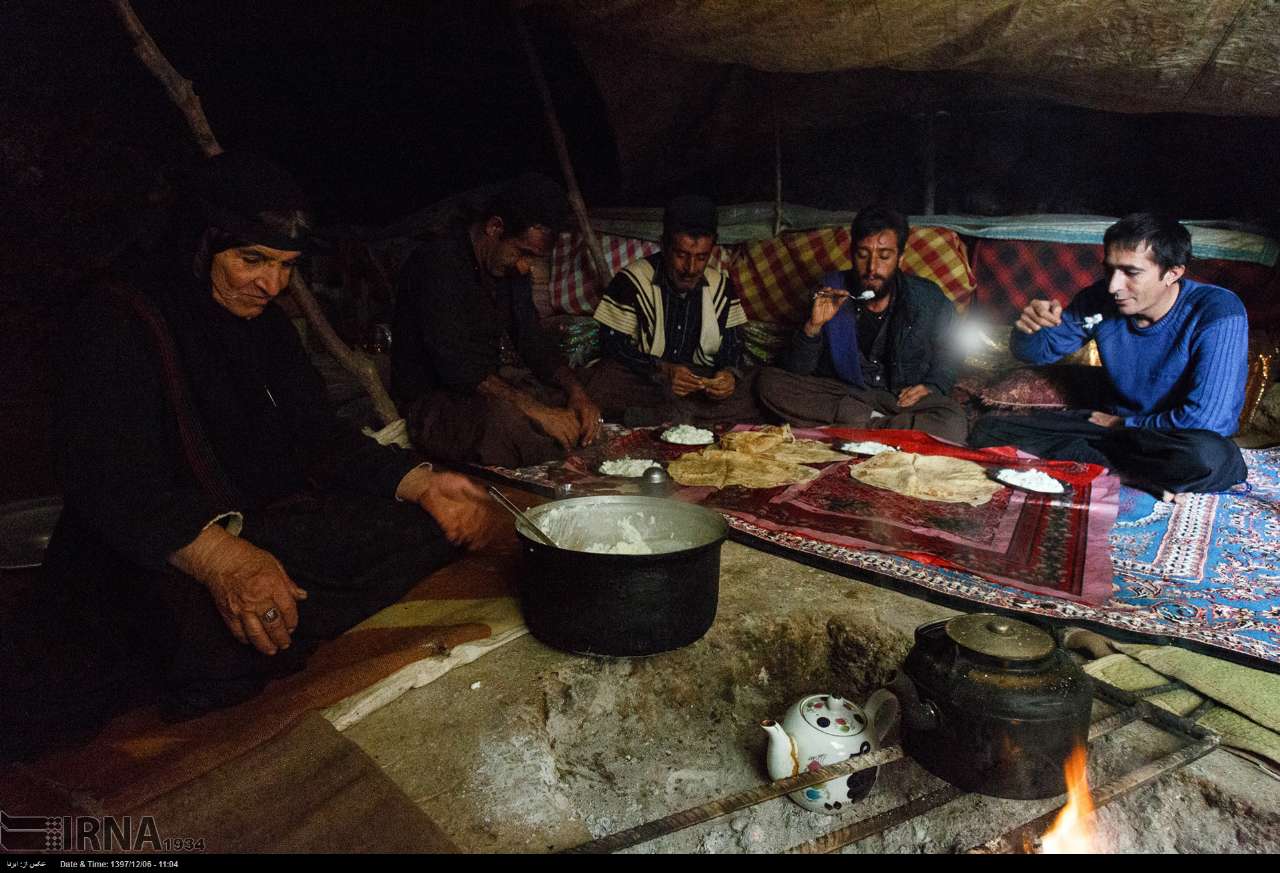
Two Families Living Primitive Life in Southern Iran

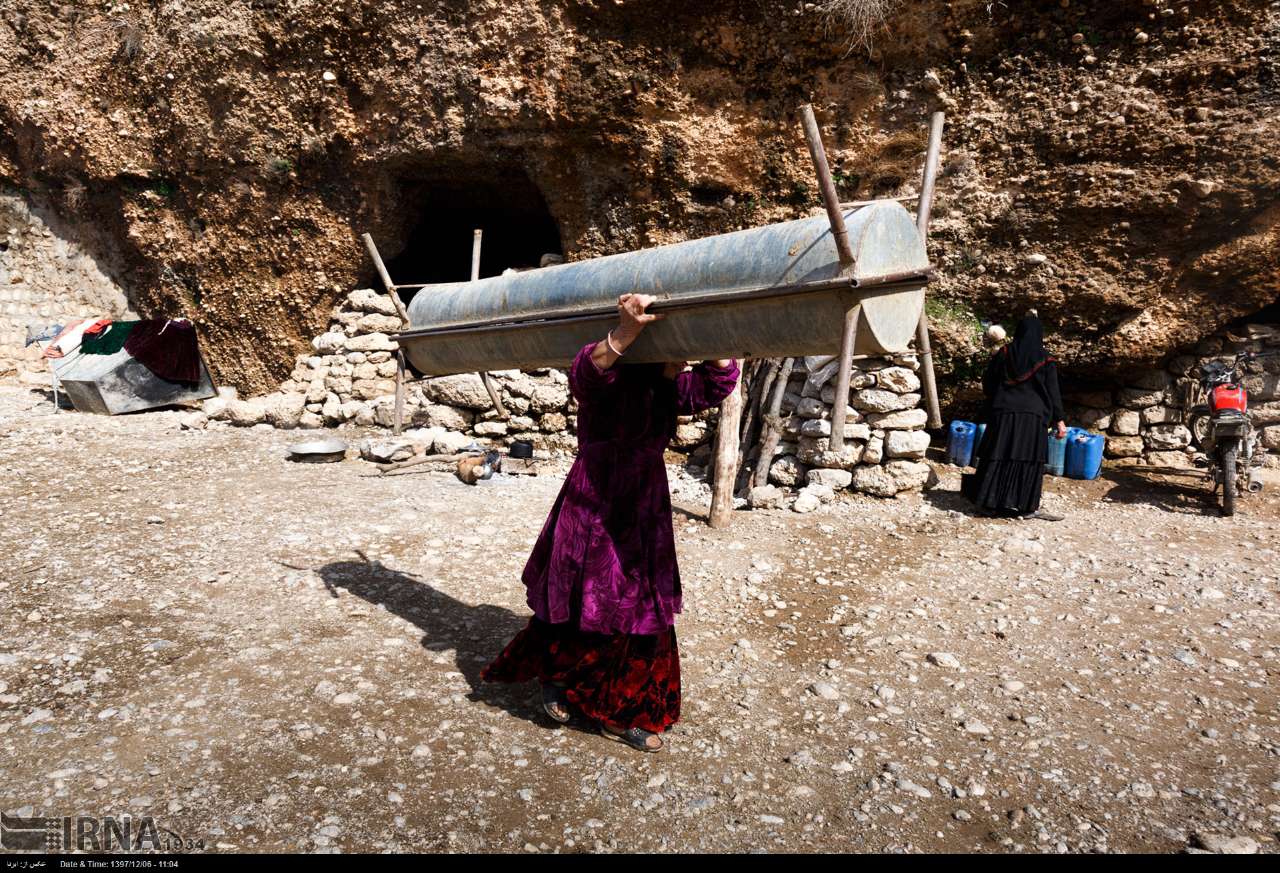
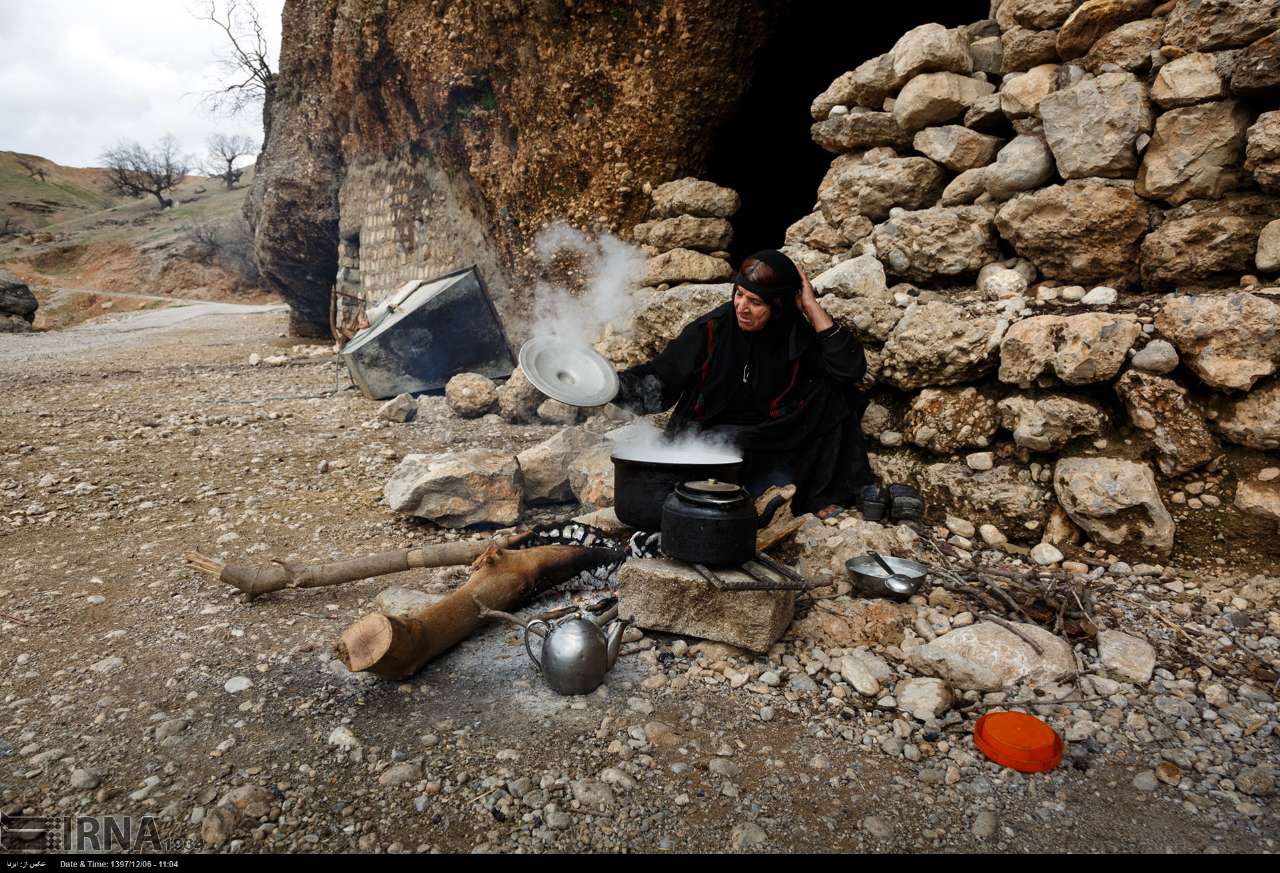
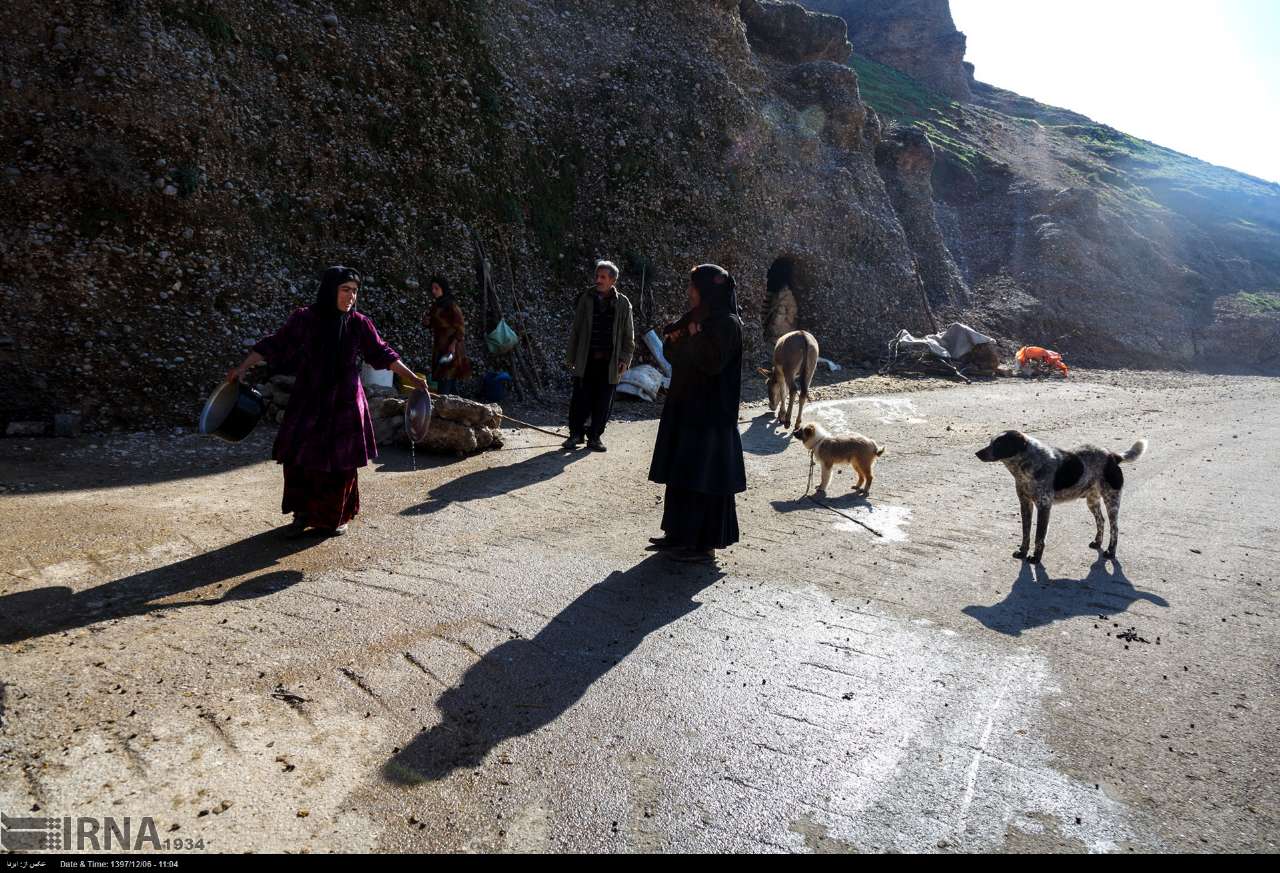
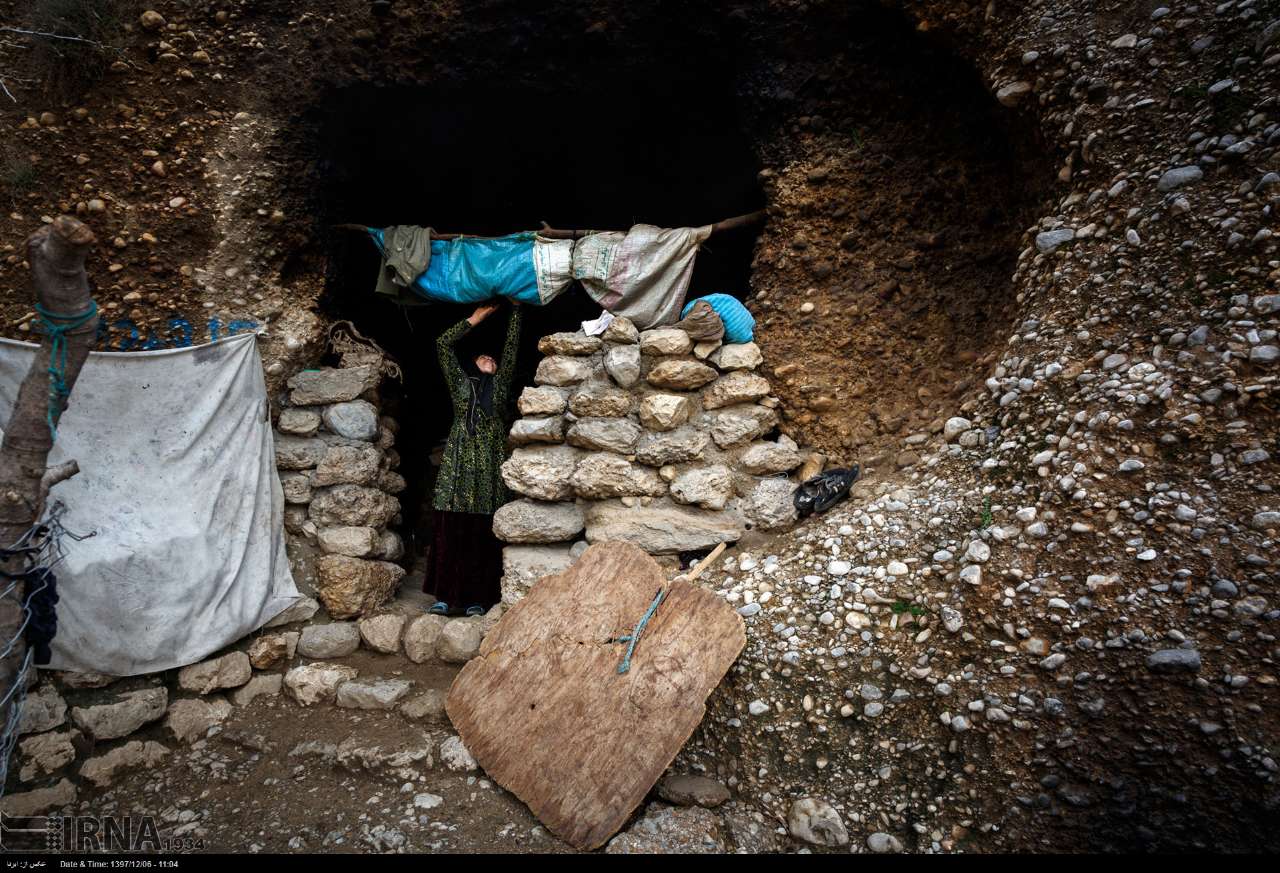
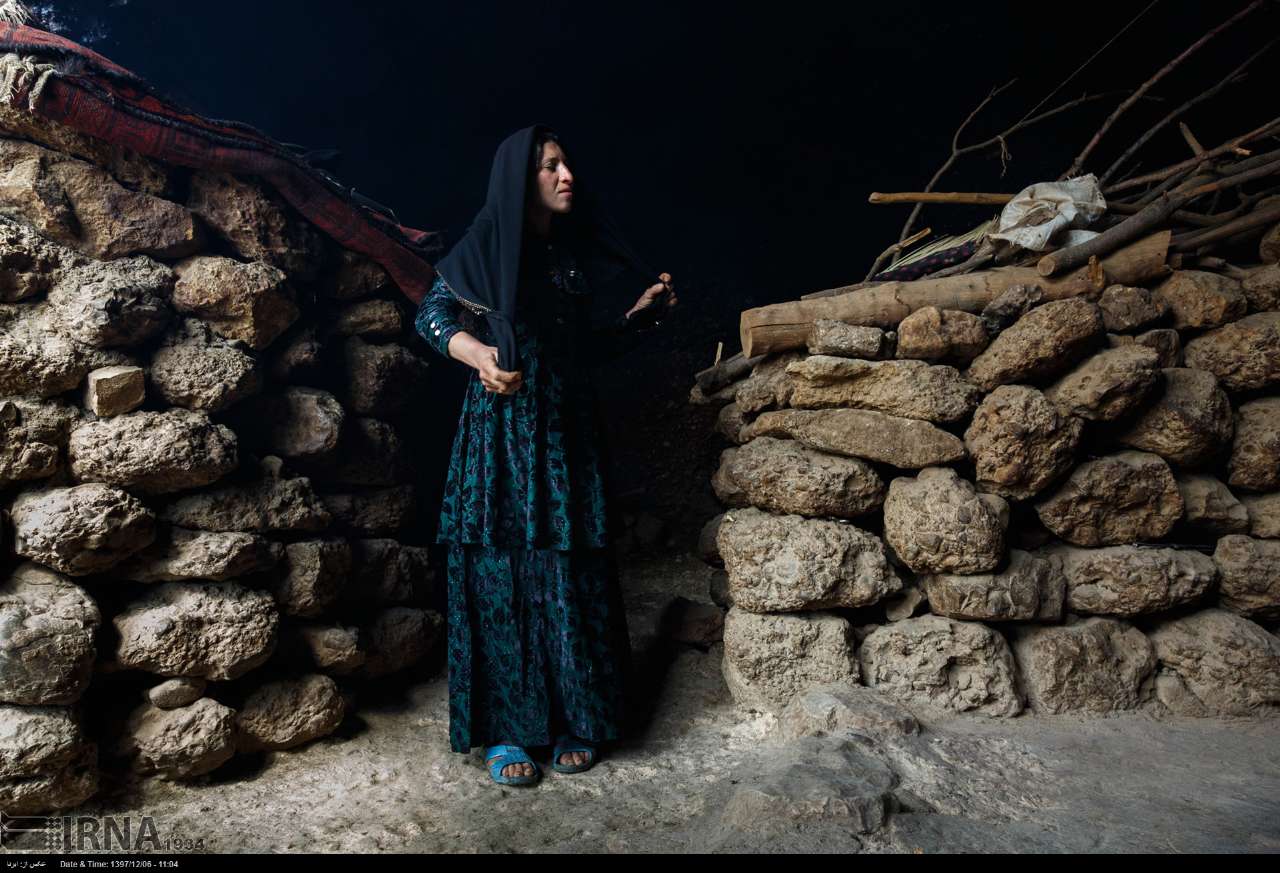
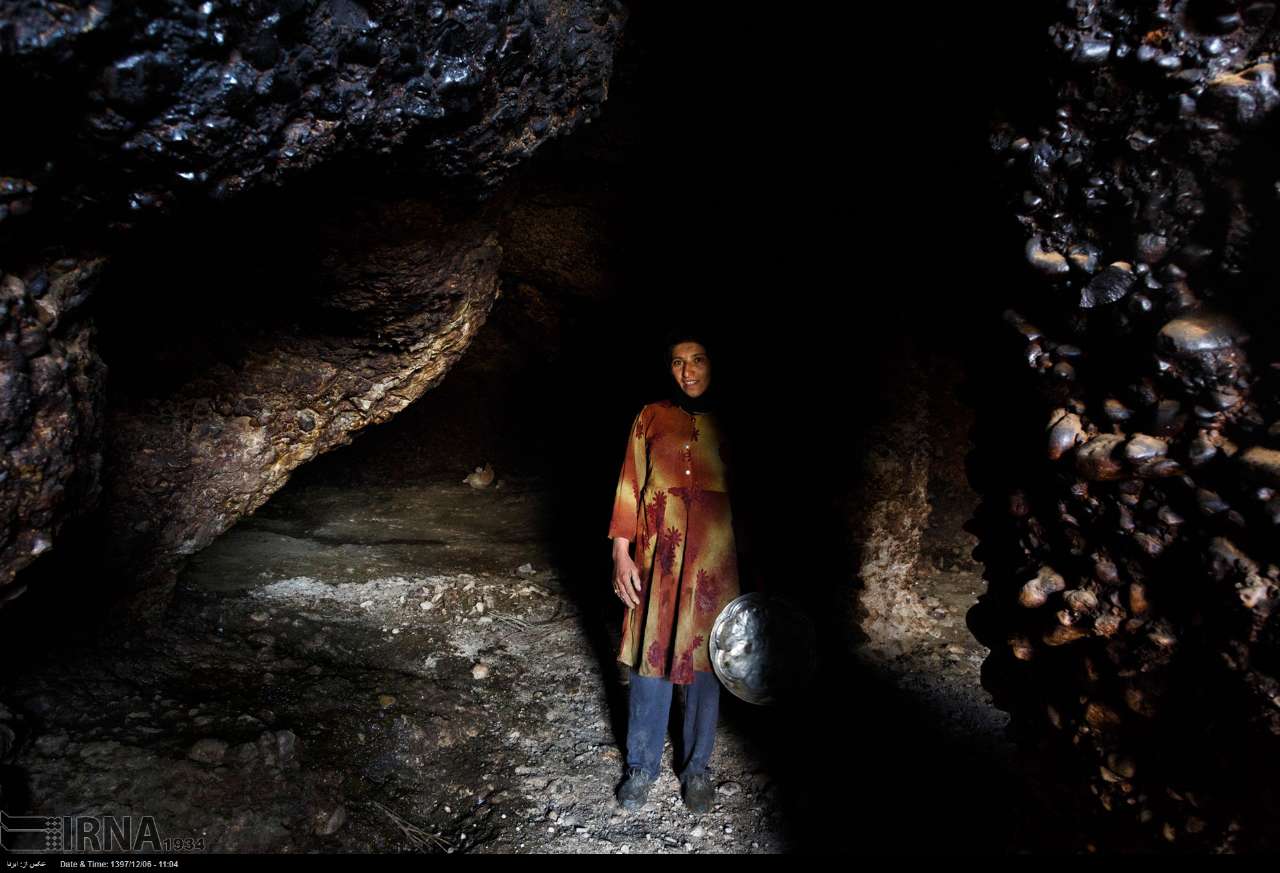
They live in caves dug on heights some 70 years ago by Janjal Qassemi, the ancestor of the two families, as a shelter for living. Years later, the construction of a road leading to a local village came as a blow to the lives of locals living nearby.

Accordingly, the government forbade any new construction activity in order to protect the environment.

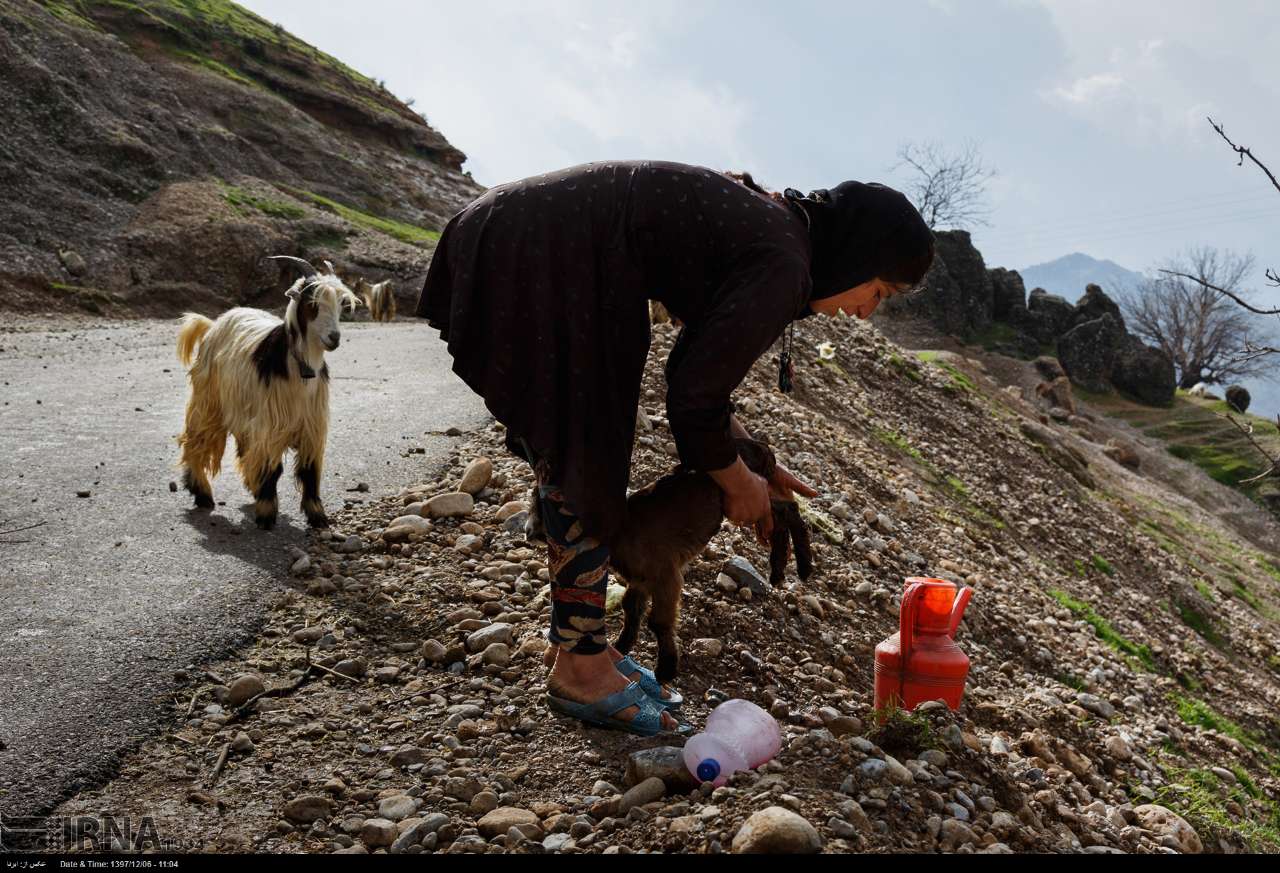
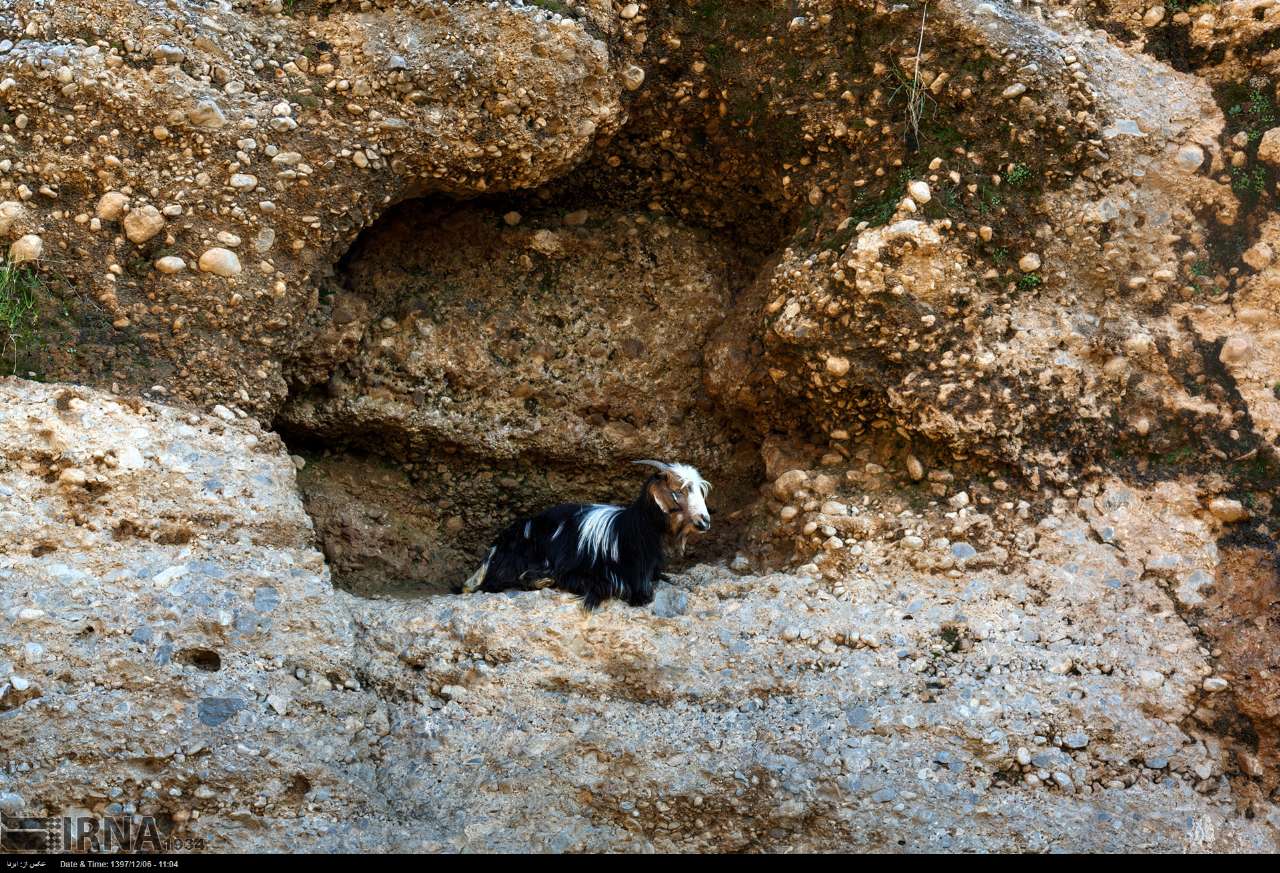
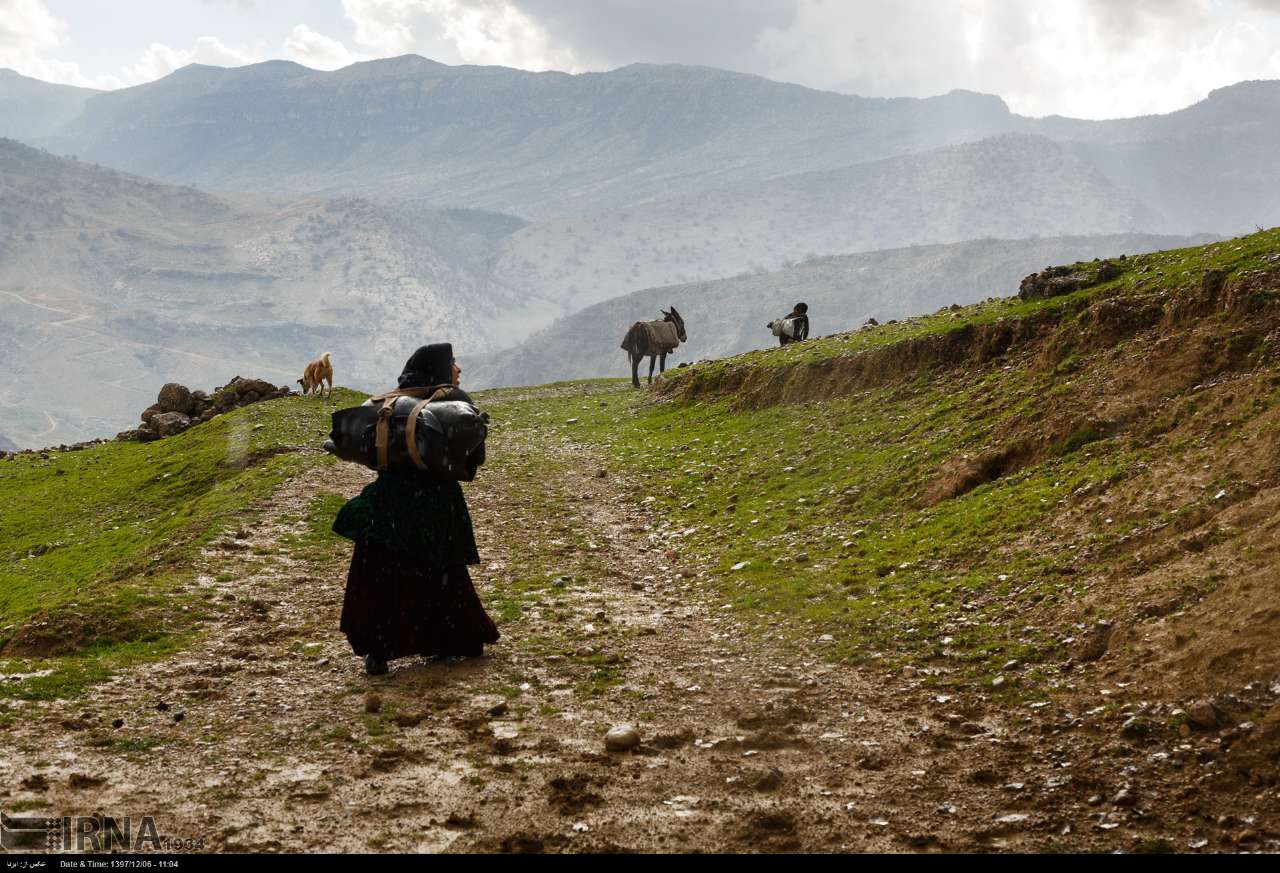
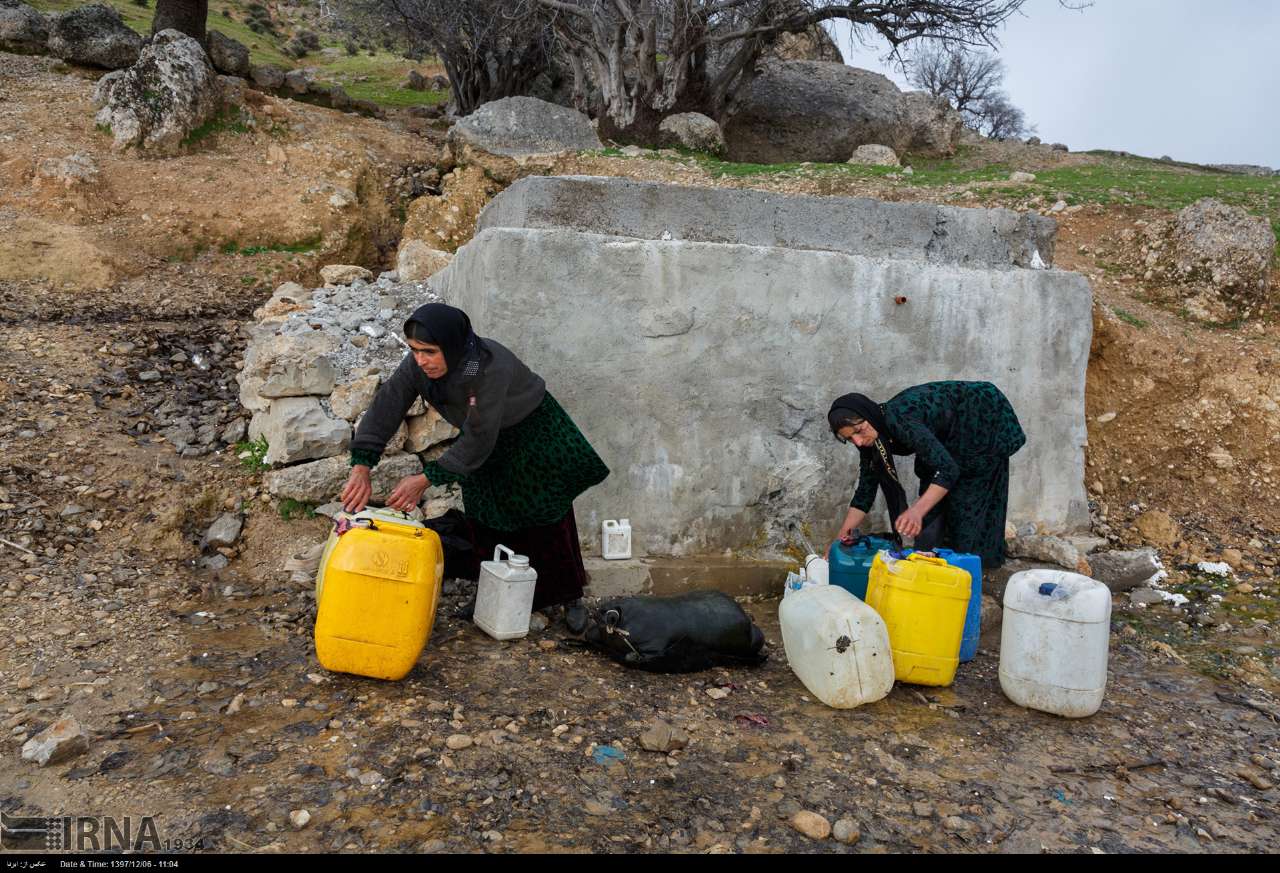
The two families, as the only survivors of their ancestors, continue to live like primitive men and try to preserve their forefathers’ land. They make their livelihoods through animal husbandry and hunting.

The equipment they have in the caves is sufficient to lead a simple life.

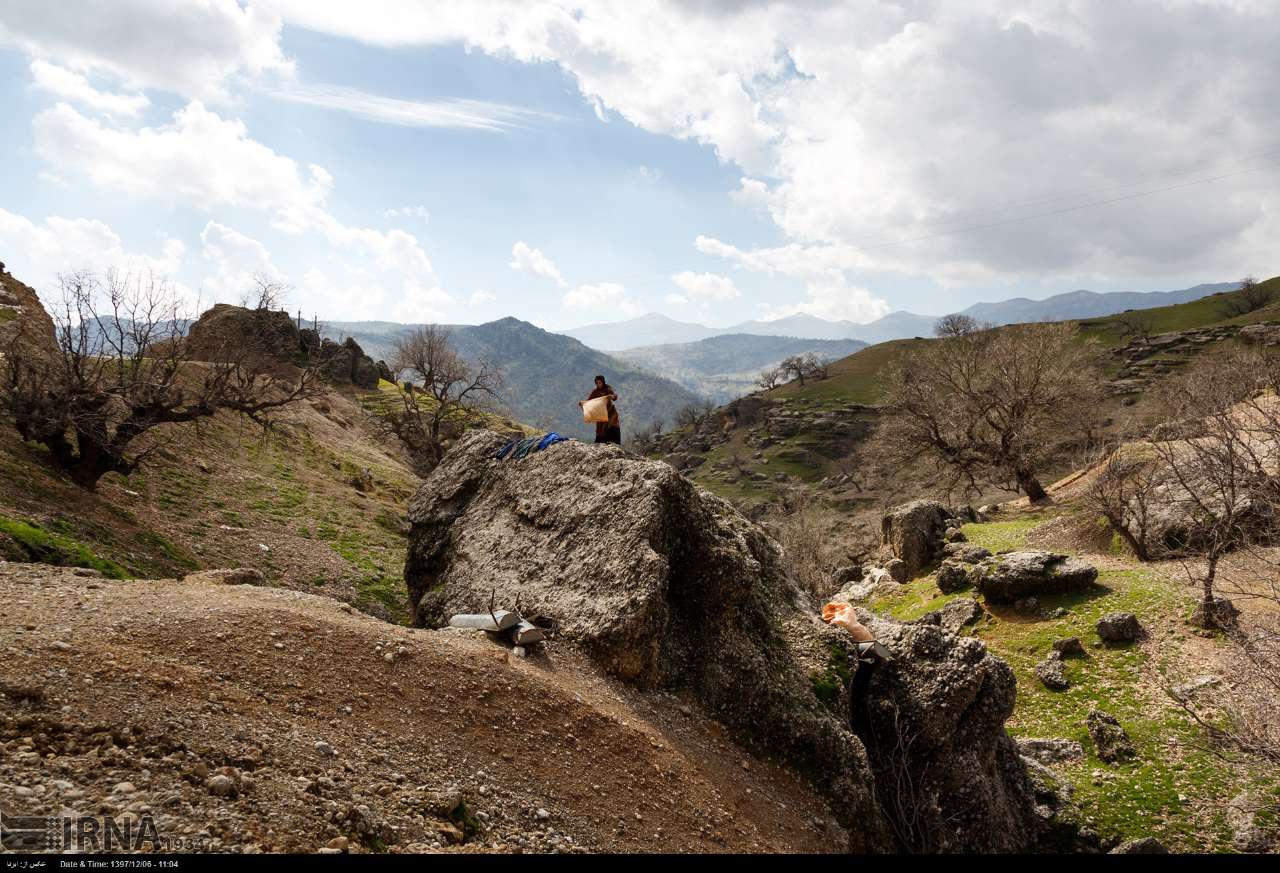
Andika is located in Khuzestan Province and literally means the land of wonderful mountains.

The following are images of the two families and their lifestyle, courtesy of IRNA.

Huge Embezzlement in Petchem Firm Hits Headlines in Iran

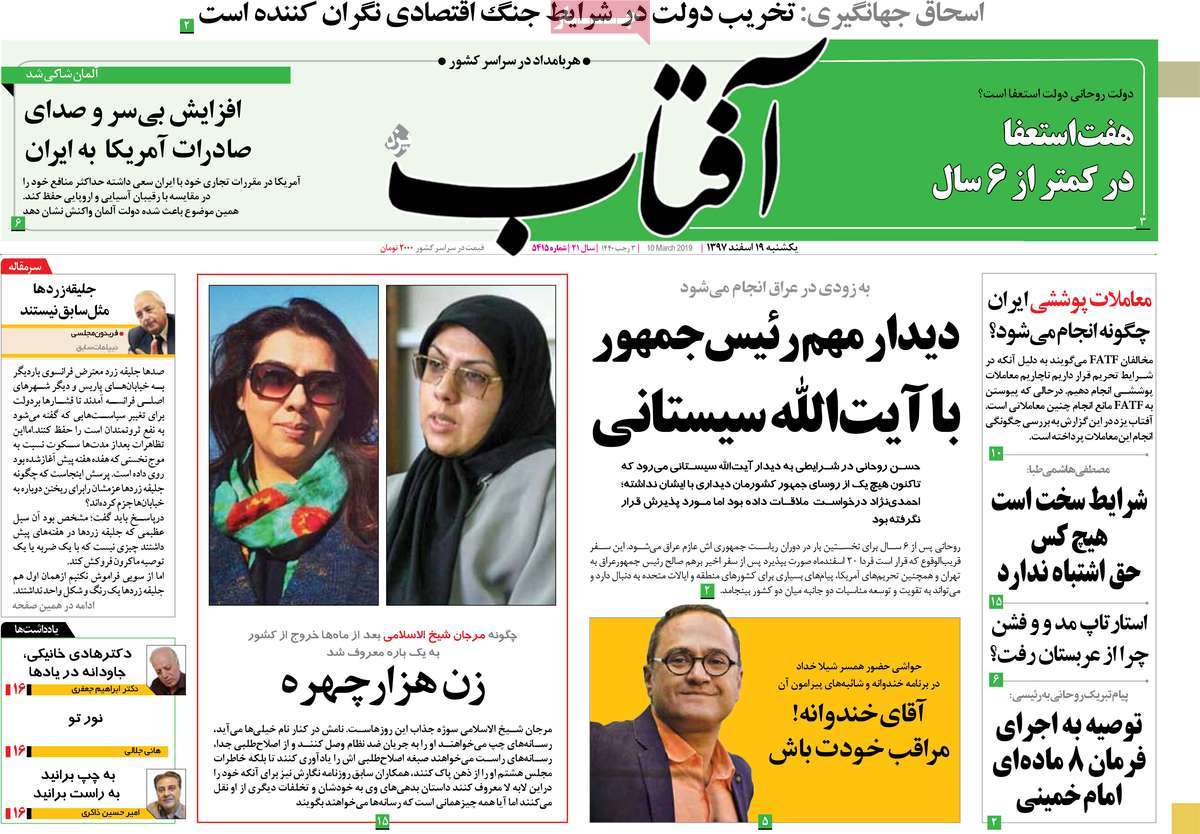
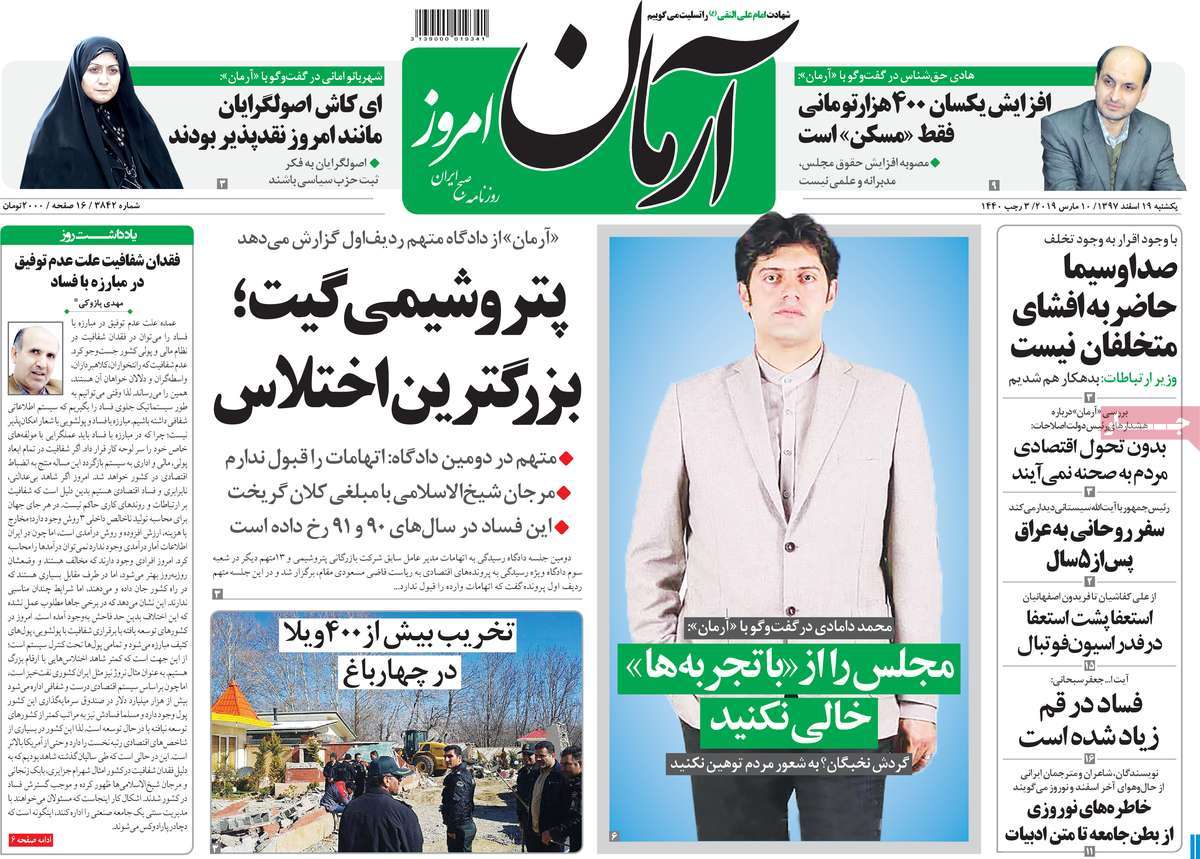
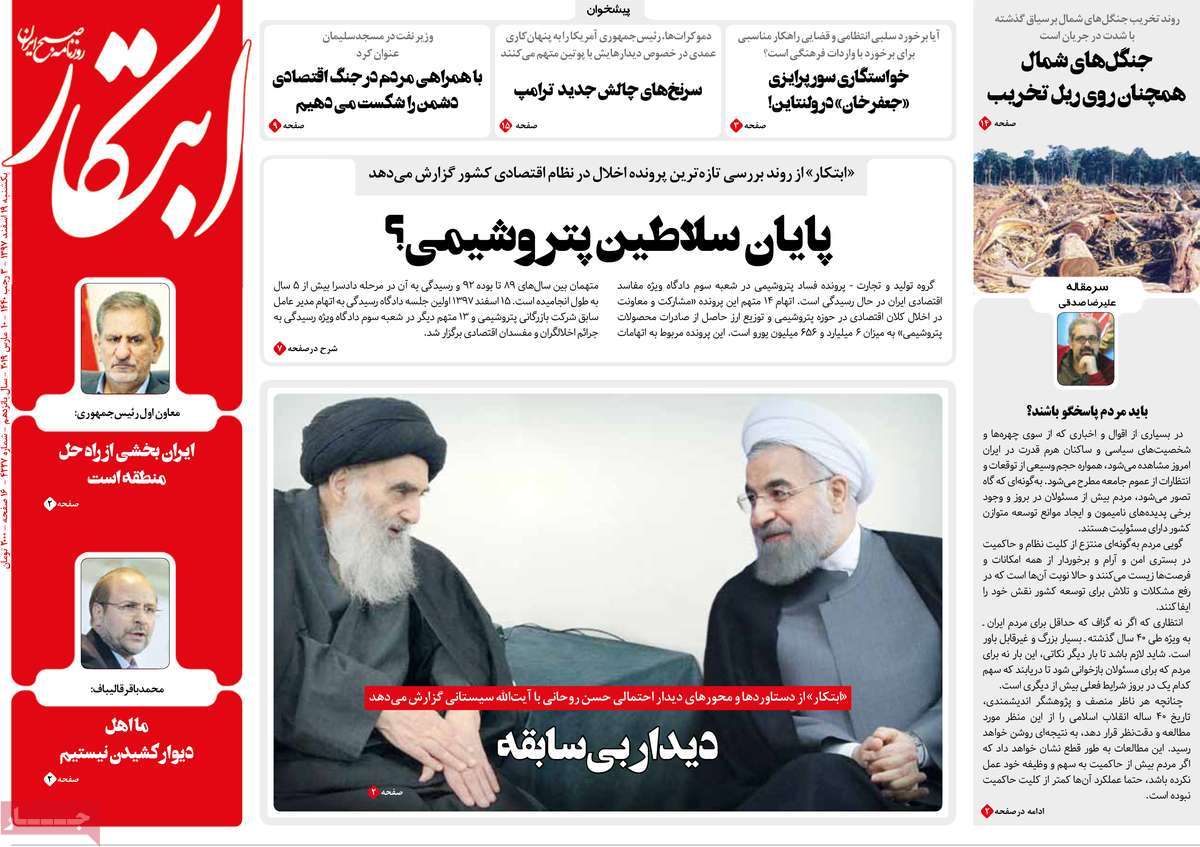
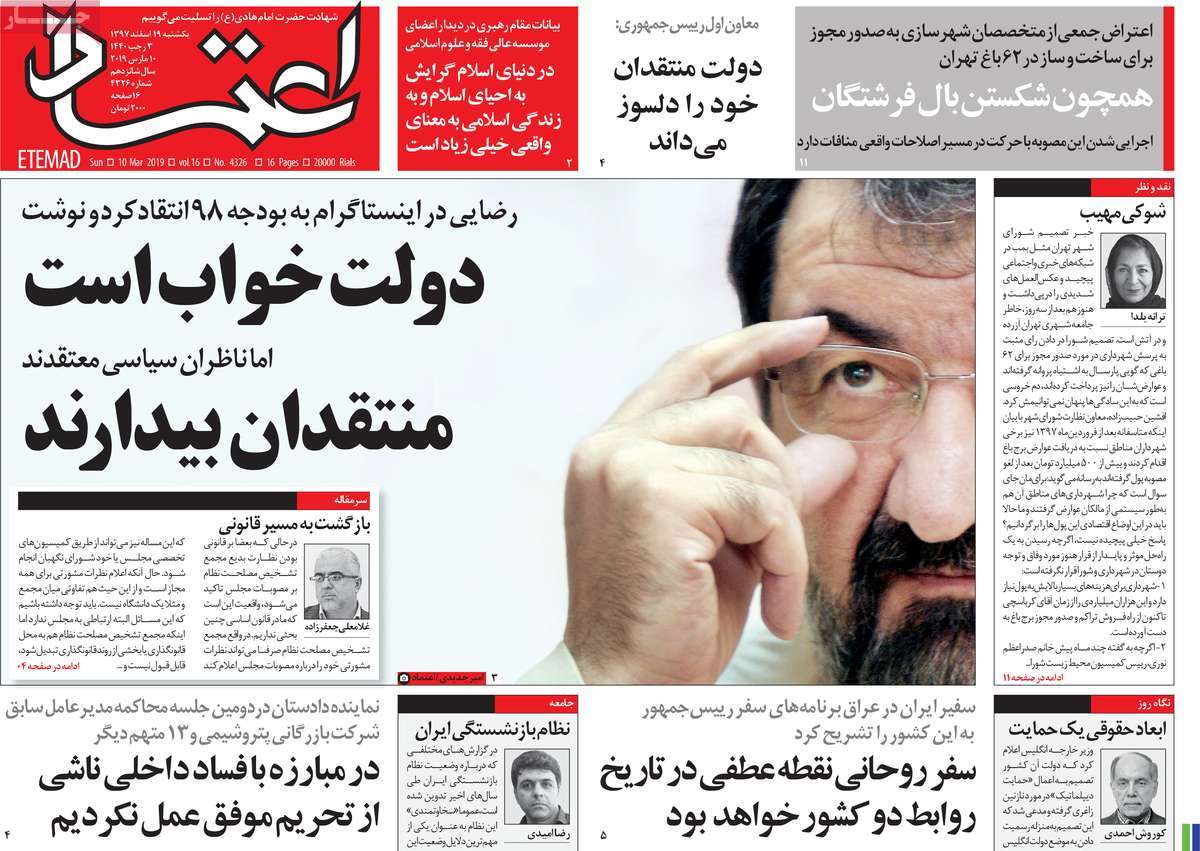
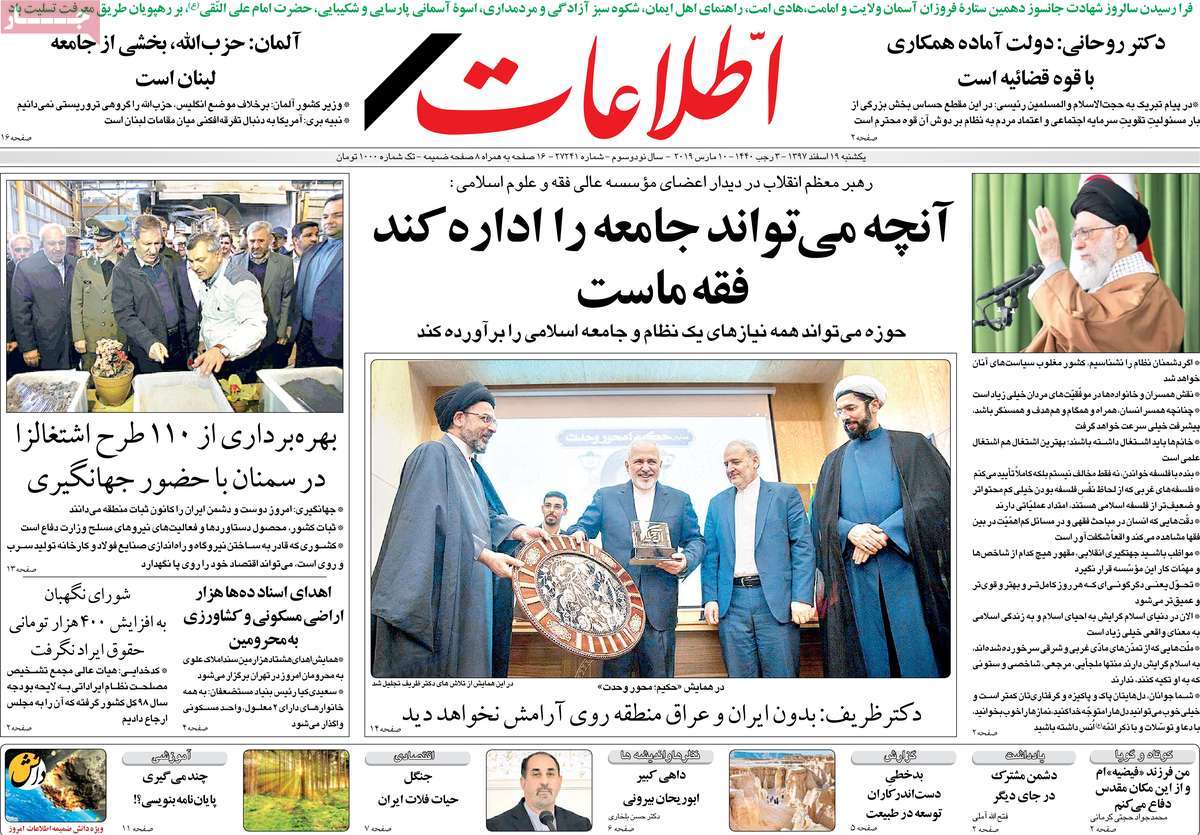
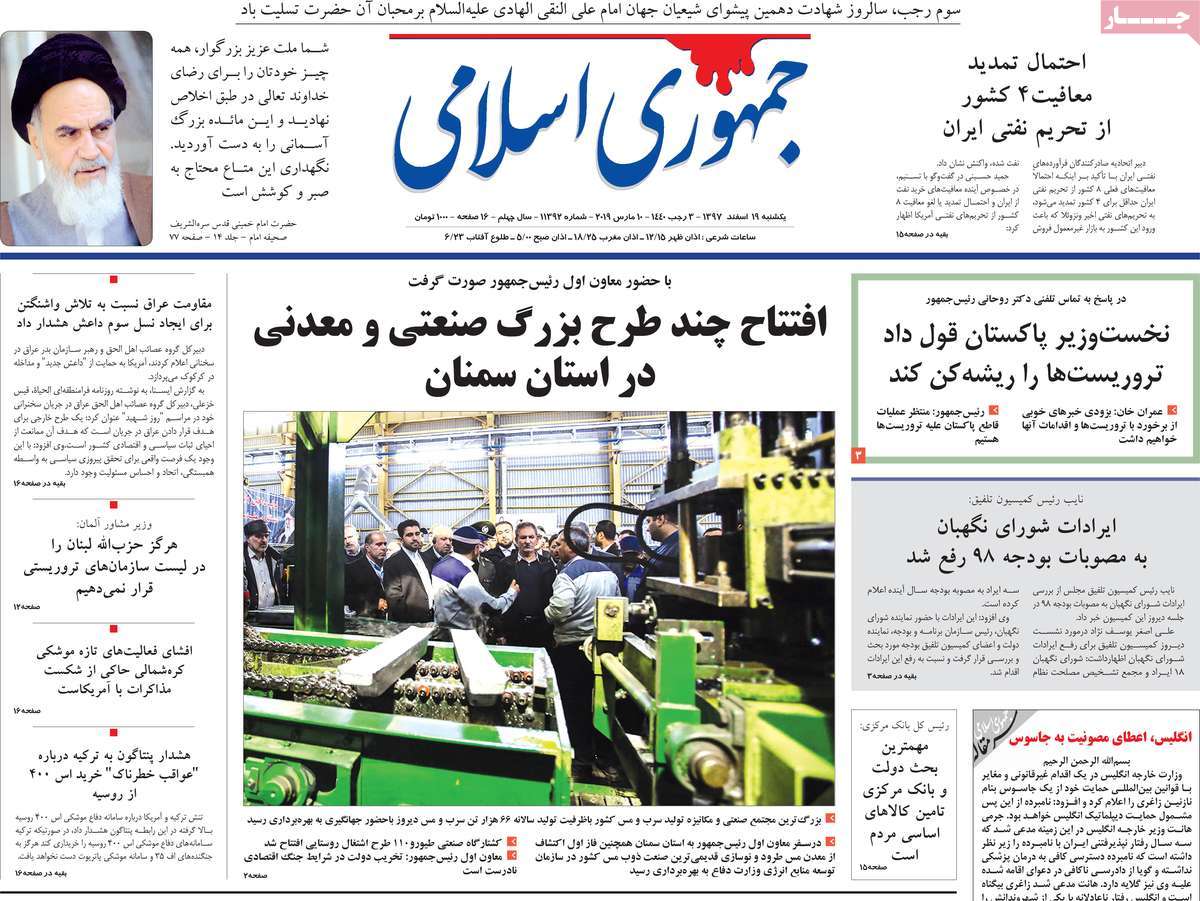
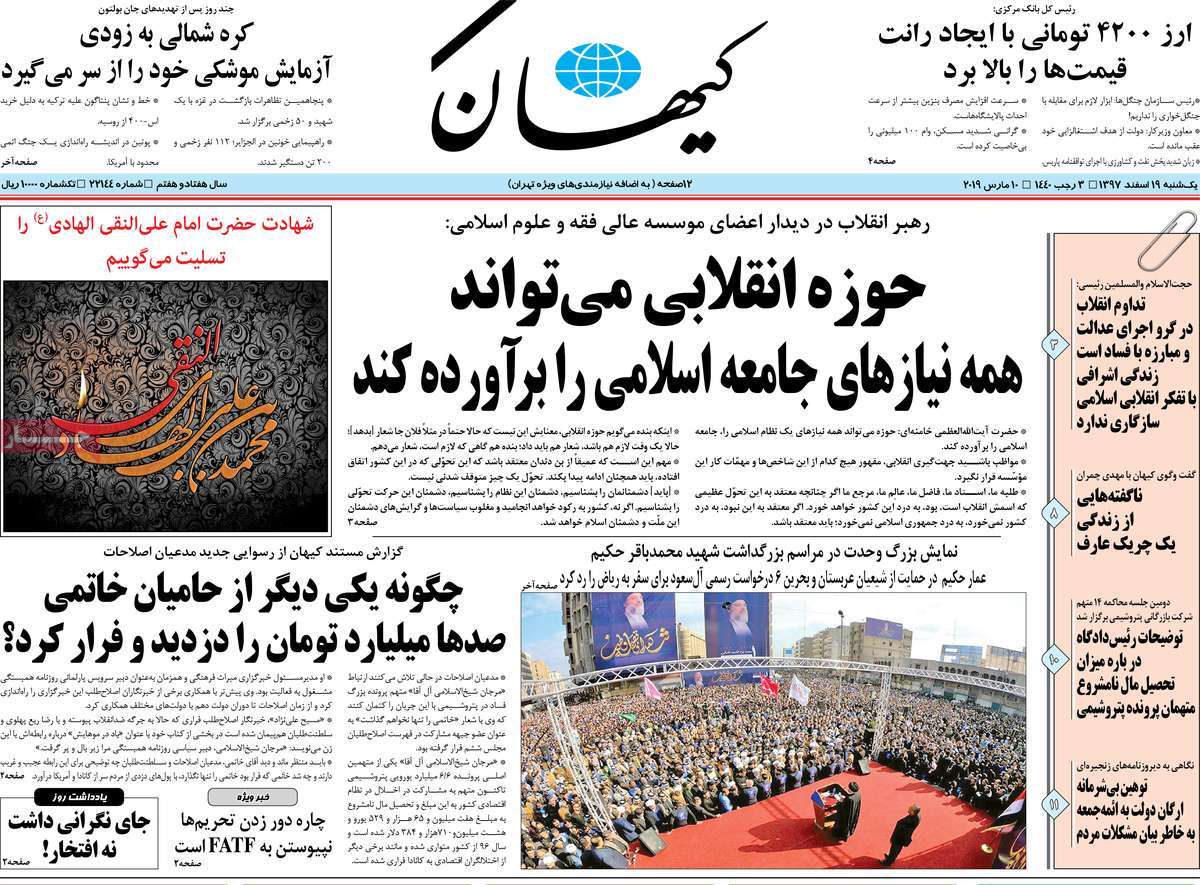
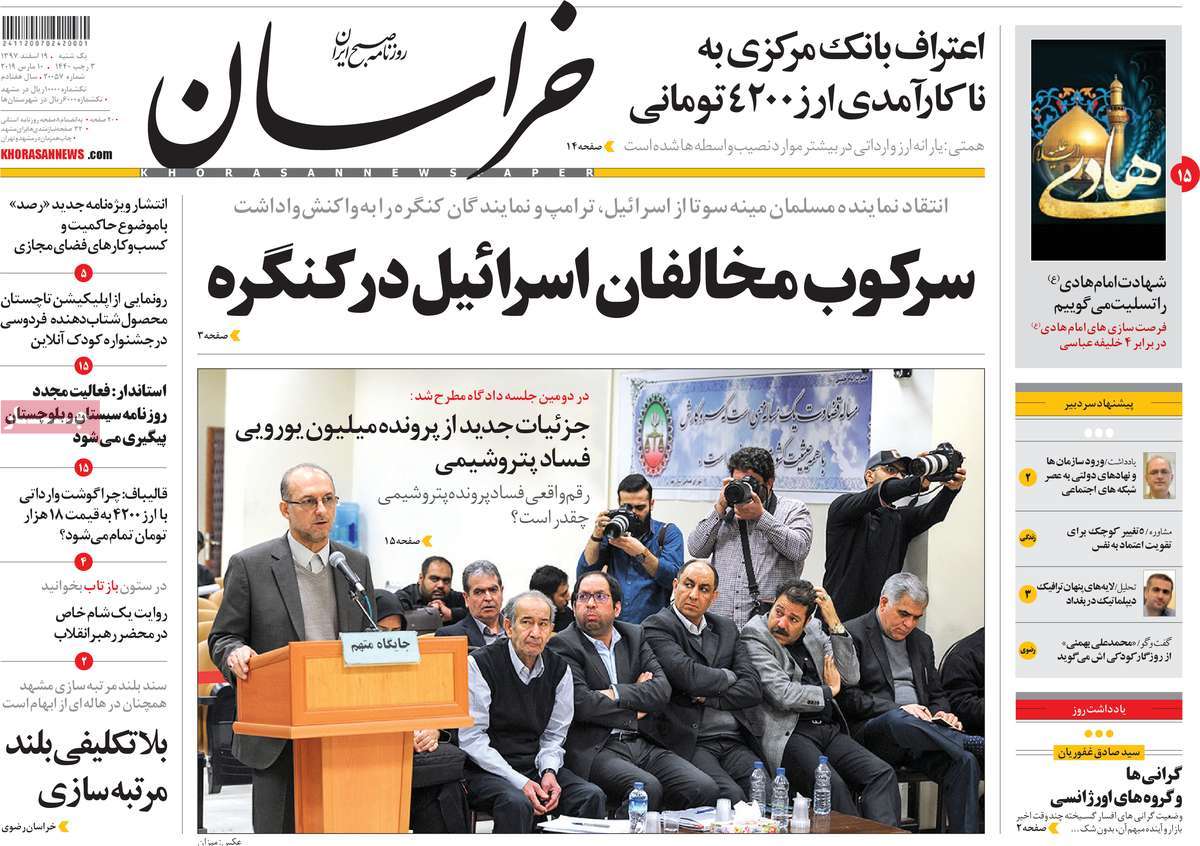
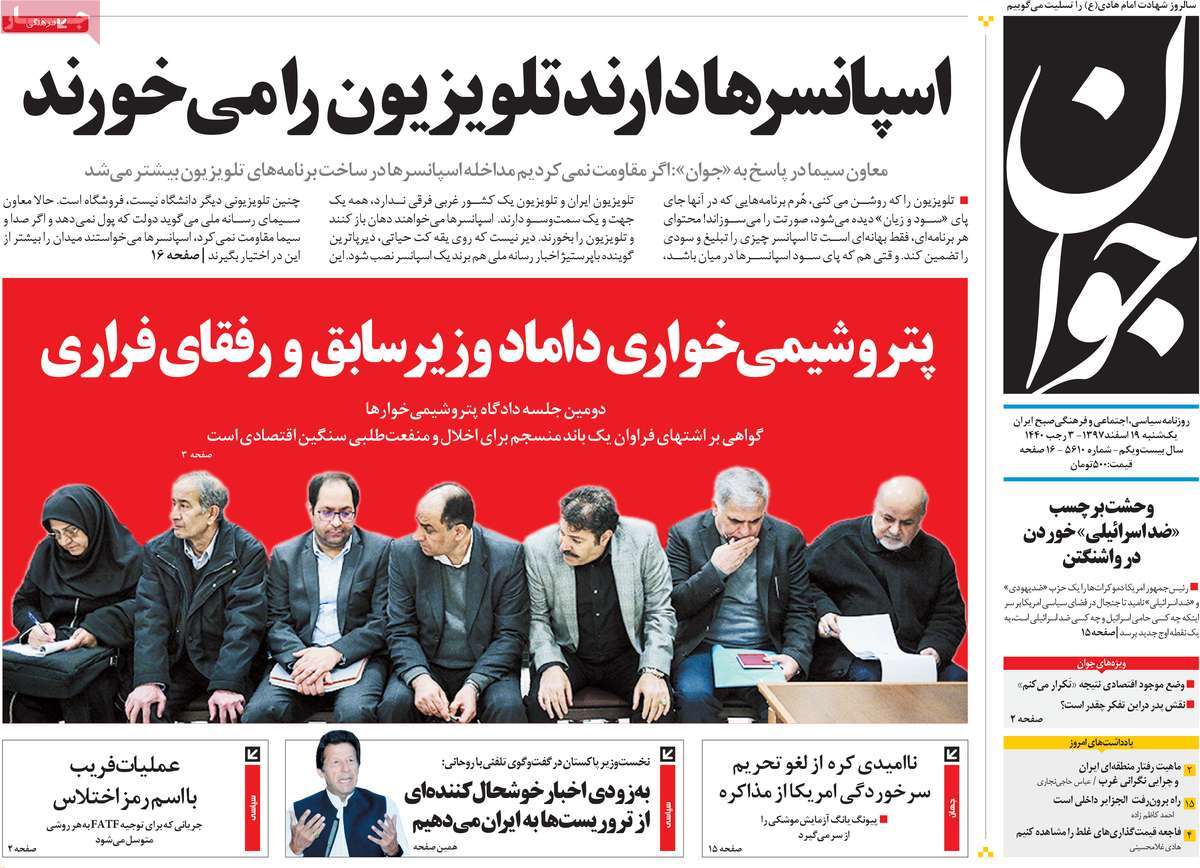
A Look at Iranian Newspaper Front Pages on November 19

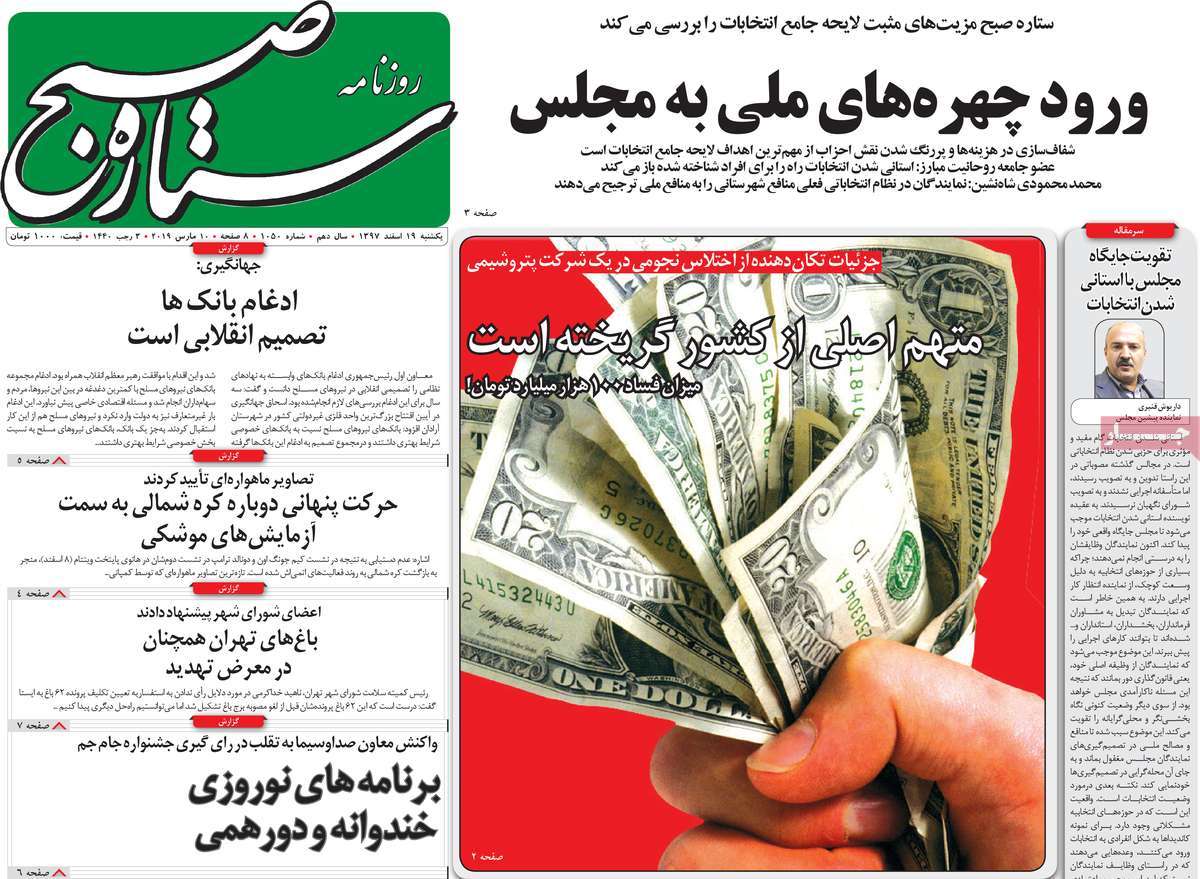
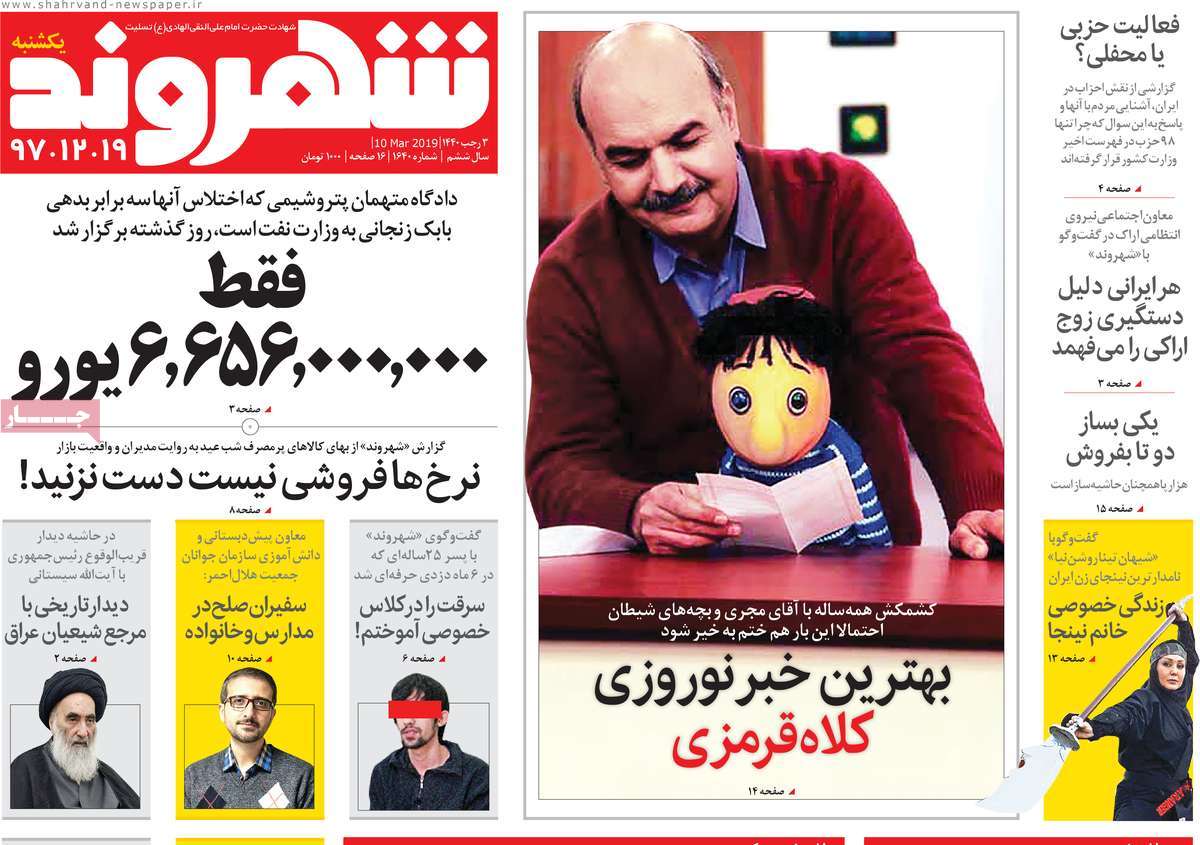
All Iranian papers today covered the biggest embezzlement case in Iran’s history. It took place in a petrochemical company, where €6.5 billion has been stolen by at least 13 embezzlers. Some of them have fled the country, and some are appearing in court sessions started yesterday.

Also a top story was the Monday visit of President Hassan Rouhani to Iraq, which is his first trip to the neighbouring country during his five years in office.

The above issues, as well as many more, are highlighted in the following headlines and top stories:


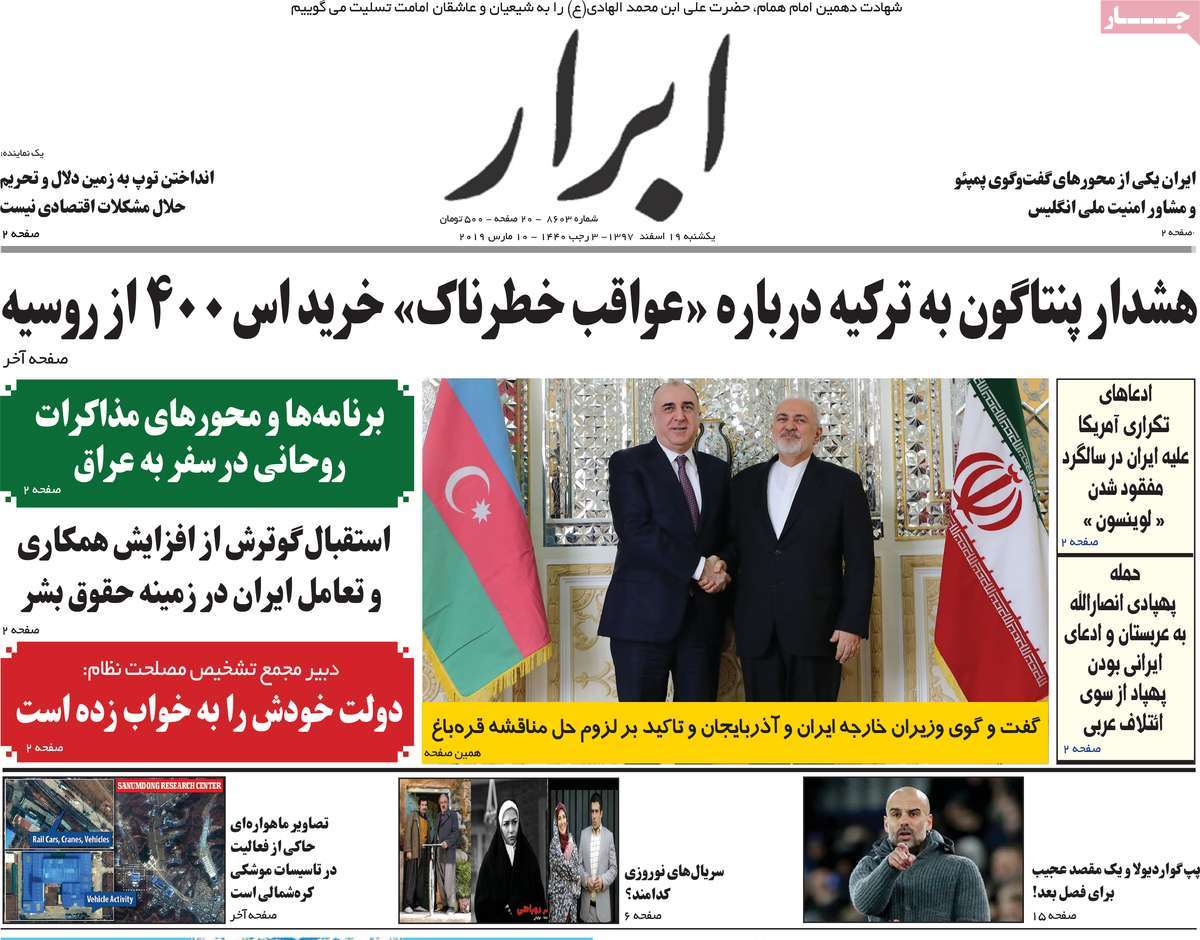
Abrar:

1- Pentagon Warns Turkey about ‘Dangerous Consequences’ of Buying S-400

2- Guterres Welcomes Increased Cooperation with Iran on Human Rights

Huge Embezzlement in Petchem Firm Hits Headlines in Iran


Aftab-e Yazd:

1- Silent Increase in US Exports to Iran

2- Yellow Vest Protesters Not Like Before [Editorial]

Huge Embezzlement in Petchem Firm Hits Headlines in Iran


Arman-e Emrooz:

1- Petchem-Gate, Biggest Case of Embezzlement in Iran’s History

2- Rouhani to Visit Iraq for First Time in 5 Years

Huge Embezzlement in Petchem Firm Hits Headlines in Iran


Ebtekar:

1- Unprecedented Meeting: Rouhani Will Likely Meet Ayatollah Sistani

2- First VP: Iran Part of Solution to Regional Crises

3- End of Petchem Sultans? Latest Embezzlement Case Revealed

Huge Embezzlement in Petchem Firm Hits Headlines in Iran


Etemad:

1- Rouhani’s First VP: Government Honours Its Critics

2- Iran Envoy to Iraq: Rouhani’s Visit Turning Point in History of Tehran-Baghdad Ties

Huge Embezzlement in Petchem Firm Hits Headlines in Iran


Ettela’at:

1- Iran Leader: Our Jurisprudence Is What Can Run Our Country

2- Zarif: No Peace in Region without Iran, Iraq

Huge Embezzlement in Petchem Firm Hits Headlines in Iran


Javan:

1- Former Minister’s Son-in-Law, His Fugitive Friends behind Petchem-Gate

2- Fear of Being Stigmatized as ‘Anti-Israel’ in Washington

3- Korea Disappointed about Removal of Sanctions; US Frustrated with Talks

Huge Embezzlement in Petchem Firm Hits Headlines in Iran


Jomhouri Eslami:

1- Four Countries Will Likely Be Exempted from Iran Oil Sanctions

2- Pakistani PM Vows to Eradicate Terrorists in Phone Talks with Rouhani

3- Iraqi Resistance Warns US against Trying to Create Third Generation of ISIS

Huge Embezzlement in Petchem Firm Hits Headlines in Iran


Kayhan:

1- N Korea Will Soon Resume Its Missile Activities

2- Refusing to Join FATF Solution to Bypassing Bans

Huge Embezzlement in Petchem Firm Hits Headlines in Iran


Khorasan:

1- Opponents of Israel Suppressed in US Congress

2- Central Bank Admits Policy of Distributing Official-Rate Currency Was Wrong

Huge Embezzlement in Petchem Firm Hits Headlines in Iran


Setareh Sobh:

1- Main Culprit behind Petchem Scandal Flees Iran

* Shocking Details of Astronomical Embezzlement in Petchem Firm

* 6.5 Billion Euro Worth of Corruption

2- VP: Merging Military Banks a Revolutionary Decision

Huge Embezzlement in Petchem Firm Hits Headlines in Iran


Shahrvand:

1- Just 6,665,000,000 Euros!

* Court Session Held for Petchem Embezzlement

2- Rouhani to Have Historic Meeting with Top Iraqi Shiite Cleric

Huge Embezzlement in Petchem Firm Hits Headlines in Iran


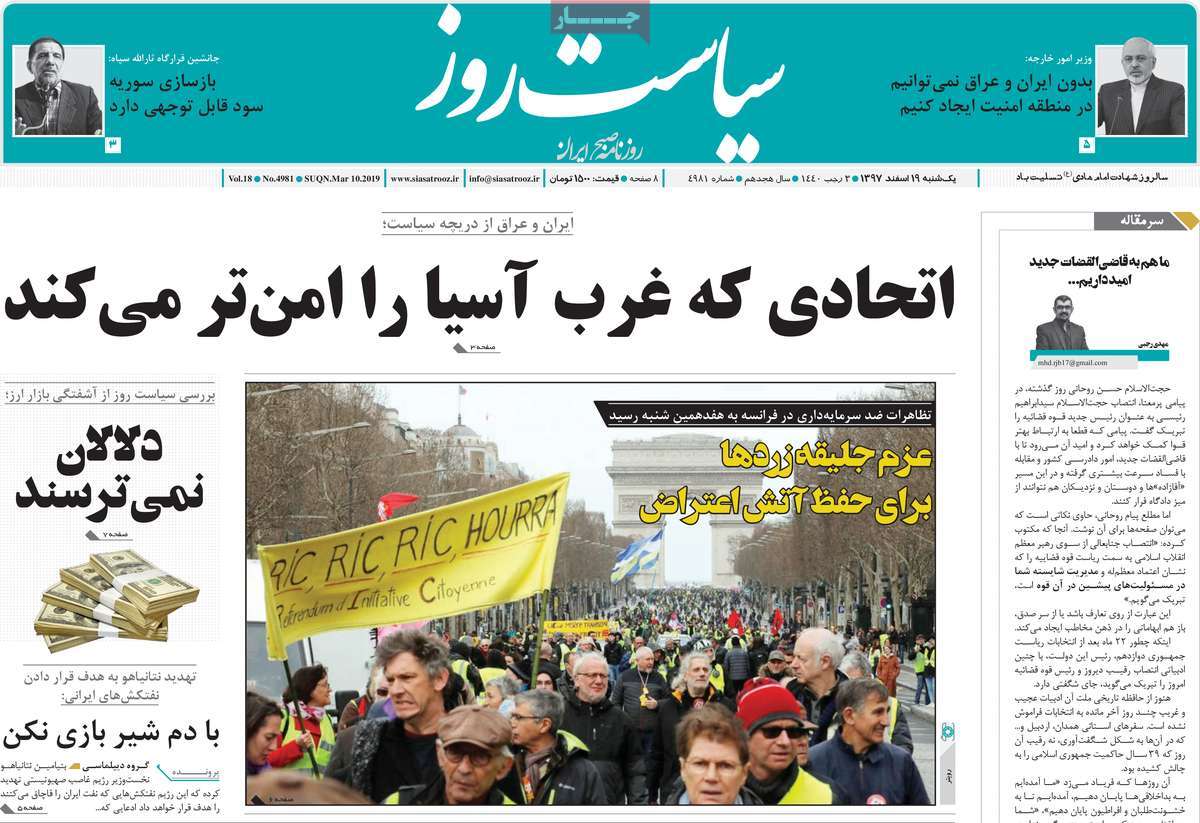
Siasat-e Rooz:

1- The Unity of Iran, Iraq to Make Western Asia More Secure

2- Yellow Vest Protesters Resolved to Keep Fire of Protests Aflame

Huge Embezzlement in Petchem Firm Hits Headlines in Iran


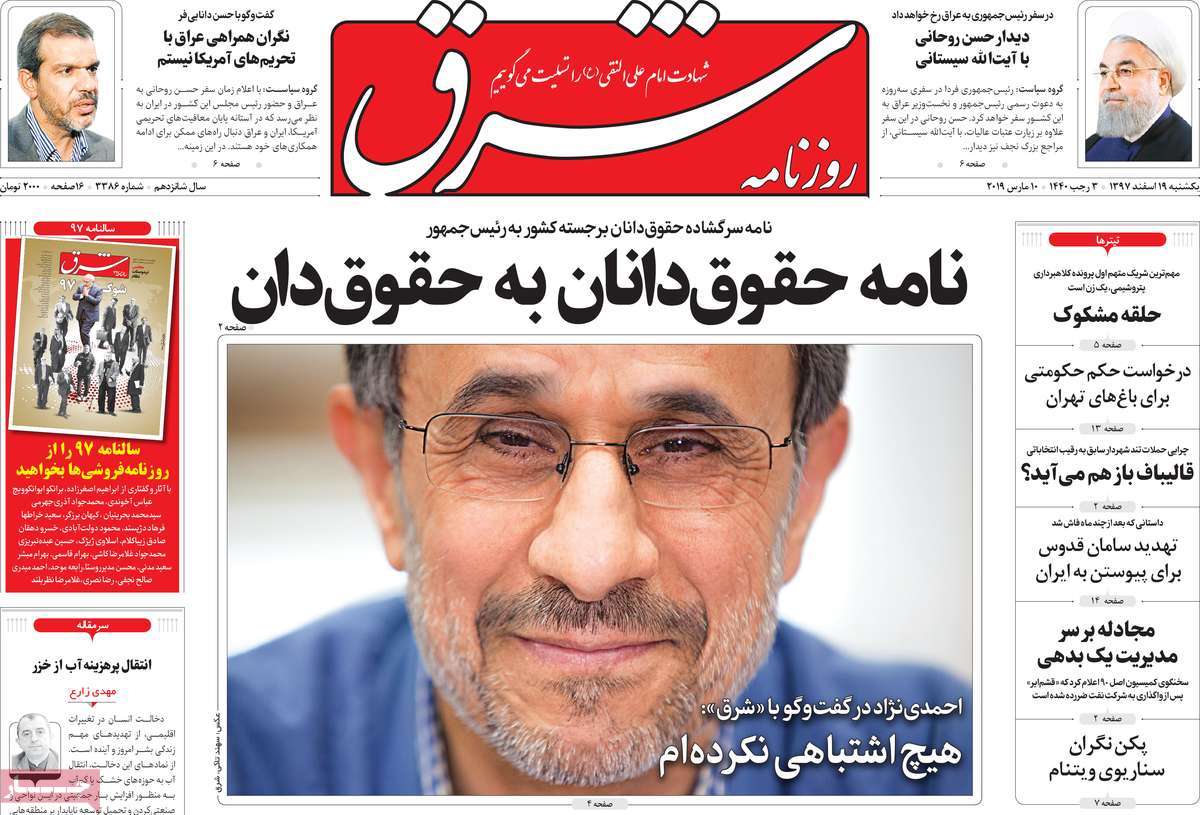
Shargh:

1- Rouhani to Meet with Grand Ayatollah Ali al-Sistani

2- We’re Not Worried about Iraq’s Cooperation with US Bans: Ex-Envoy

3- Costly Transfer of Water from Caspian Sea [Editorial]

4- Ahmadinejad: I Made No Mistake

Huge Embezzlement in Petchem Firm Hits Headlines in Iran

Iran Says Waiting for Pakistan’s Decisive Action against Terrorists

“The senior officials of Iran and Pakistan have a heavy duty to maintain and strengthen the friendly ties of the two nations and should not allow a handful of terrorists, who are the tools and means of other countries, sow the seeds of discord between Tehran and Islamabad,” Rouhani said.

He made the remarks in a Saturday phone conversation with Pakistani Prime Minister Imran Khan

He called for Pakistan’s decisive action against anti-Iran terrorists stressing that “we should not allow decades of friendship and fraternity between the two countries be affected by the actions of terrorist groups because we and you know who are funding them.”

We should not allow a third party to affect the ties between Iran and Pakistan, noted Rouhani.

“We are waiting for your decisive action against these terrorists,” Rouhani said, stating that the Islamic Republic is well aware where the terrorist groups that use Pakistan’s soil for terrorist attacks against the Iranian nation are based.

He further referred to the terrorist attack on the Khash-Zahedan road and the deaths of 27 Iranian border guards saying that “we are witnessing many moves by the terrorists who are unfortunately based in Pakistan, and we are fully prepared to work with the Pakistani army and government to help eliminate these terrorists because their presence is not in the interest of us, you and the region.”

The Iranian president also warned that the continuation of these terrorist acts can affect the ties between the two countries.

For his part, the Pakistani prime minister gave assurances that the Pakistani army and government would do their best to eliminate the terrorists and will not allow the terrorists to use the territory of the country against its neighbours, particularly the Iranian people.

Imran Khan expressed condolences over the killing of some Iranian soldiers in the attack on the Khash-Zahedan road stating that Islamabad is very close to the terrorists’ hideout. He said some good news about the terrorists and their action will be given to the Iranian side soon.

“It is in the interest of Pakistan not to allow terrorist groups to use its territory, and the Pakistani army is ready to confront the terrorists with more information provided by Iran,” highlighted Imran Khan.

He expressed hope that he will soon visit Iran because Islamabad is after expansion of ties with Tehran in all areas.

On February 13, a bomber slammed his booby-trapped vehicle into a bus carrying IRGC members in Sistan and Baluchestan province killing 27 of them.

The Pakistan-based Jaish ul-Adl Takfiri terrorist group claimed responsibility.

Several attacks by Pakistan-based terrorist groups have in the past targeted Iranian security forces. Tehran has always protested that Pakistan is not severe in confronting the terrorists.

However, the latest attack appeared to be the final straw, with several Iranian officials threatening that they are running out of patience with Islamabad.

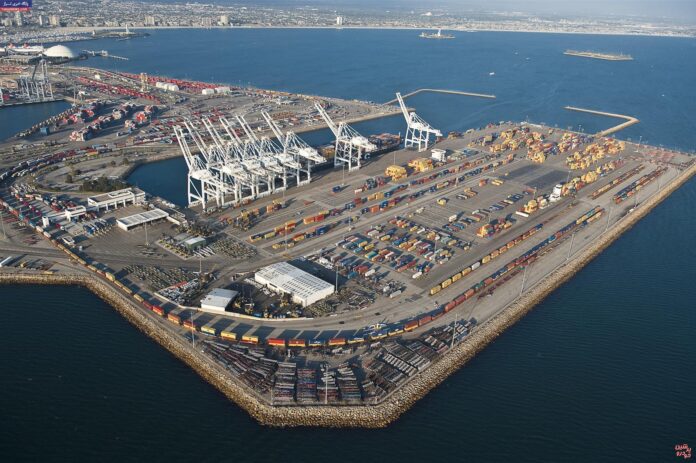
‘Chabahar Port Symbol of Iran-India Mutual Cooperation’

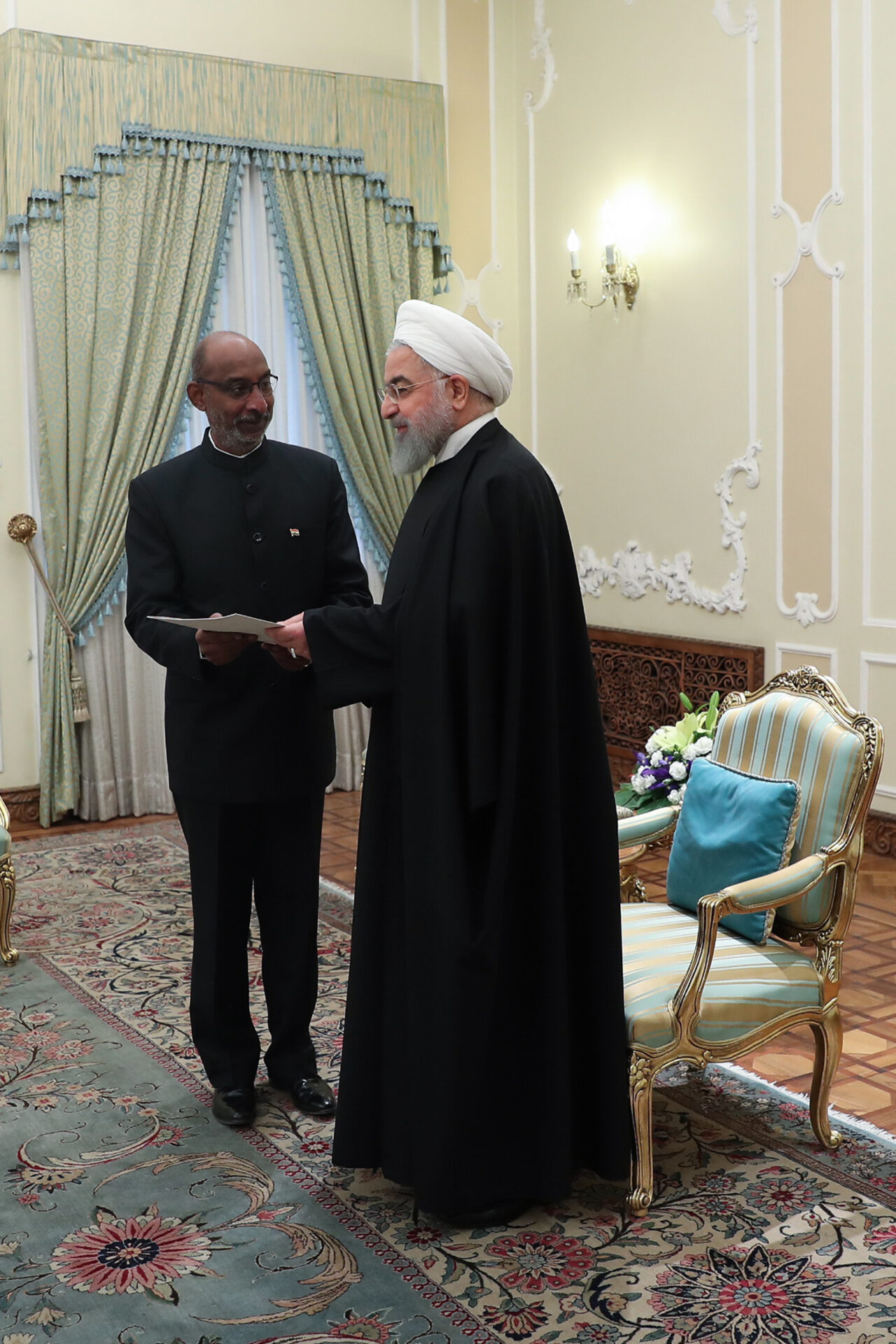
President Rouhani made the remarks on Saturday in a meeting with India’s new ambassador to Iran, Gaddam Dharmendra, after receiving his credentials.

He also said mutual ties between Iran and India are growing in all areas and underlined that Tehran attaches significance to deepening of its ties with New Delhi.

“The signs of the long-time mutual cooperation between Iran and India are visible across the two states and our today’s mission is preserving the current strengthened ties,” he said.

‘Chabahar Port Symbol of Iran-India Mutual Cooperation’President Rouhani also expressed satisfaction with the growing mutual ties between the two sides over the past years and referred to the achievements made during the recent visit of Indian Prime Minister Narendra Modi to Iran.

“The agreements made by Iran and India during the Indian PM’s visit to Iran particularly those made on Chabahar as well as the trilateral ones between Iran, Afghanistan and India are highly significant,” he said.

He referred to Chabahar as a symbol of cooperation between Iran and India and called for immediate implementation of the agreements made in energy areas.

The Iranian president said signing long-term agreements play a key role in deepening of the strategic ties between the two states.

He then described all regional states’ presence in fight against terrorism as urgent and expressed hope that New Delhi and Islamabad as two regional states should take steps in the direction of restoring peace and stability to the region.

President Rouhani expressed his country’s preparedness to expand ties with India in fight against terror and strengthening regional security.

For his part, India’s new ambassador to Iran delivered the Indian president and nation’s warm regards to the government and nation of Iran and underlined that his country is willing to expand further its ties with Iran in mutual areas.

Dharmendra underlined that mutual ties are moving forward fast in Chabahar and said so far good progresses have been made and use of national currency has further increased trade volume between the two nations.

He also called for further mutual cooperation between Iran and India in fight against terror.

No Power Capable of Dividing Iran, Iraq: Zarif

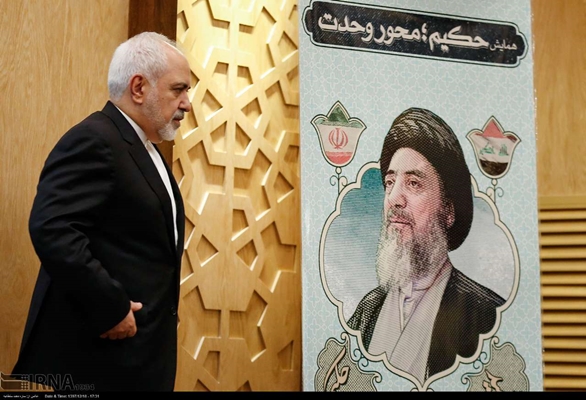
Zarif made the comments in a Saturday address to a conference entitled “Martyr Hakim; Axis of Unity”, which was held at the University of Tehran in commemoration of the late Iraqi Shiite cleric Ayatollah Mohammad Baqir al-Hakim.

The Iranian top diplomat referred to al-Hakim as a role model in Islamic ethics, saying that the cleric’s characteristics played a key role in the creation of today’s Iraq.

“If it wasn’t for Martyr Hakim’s characteristics, we would be facing a totally different Iraq today.”

According to the top diplomat, the groundwork laid by the late cleric in Iraq has ended up in today’s deep and institutionalized relations between Iran and Iraq.

“Today, we see that no power in the world is capable of separating the two nations from each other. The relations started with the [creation of] Badr organization in fight against [former Iraqi dictator] Saddam [Hussein] and continued until today with Hashd al-Shaabi (Popular Mobilization Units) [in fight against ISIS].”

“And we saw how the Iranian and Iraqi nations stood by each other in fight against Takfirism and terrorism,” he said.

The Iranian foreign minister said the cleric was martyred by the most corrupt individuals on the earth, namely the Takfirists.

“As a result of his martyrdom, the blood of Iranians and Iraqis was blended in fight against Takfirism, ISIS and [other] terrorist groups,” he said, adding that such unity will never allow any division between the two countries.

According to Zarif, Martyr Hakim prudently thwarted some highly dangerous plots hatched against the future of Iraq. “He managed to pass through the dangerous stage in Iraq’s history through his wisdom and tack.”

The Iranian top diplomat referred to his recent five-day visit to Iraq and said during the meetings he held with various Iraqi factions, he “wholeheartedly” felt that the two nations of Iran and Iraq are inseparable.

“Tonight I will depart for Iraq for the historic visit of President [Hassan] Rouhani to the neighbouring state and I’m sure the visit will reveal that the two nations serve as the beating heart of the region,” he said.

According to Zarif, without Iran and Iraq, the region will see no tranquility. “The two countries serve as the pillars of regional security and we hope that with the new initiatives adopted by Iraqi parties, we would be able to take a step forward.”

He once again praised Martyr Hakim and said the cleric was not only a Shaheed al-Mehraab (Martyr of Sanctuary) but also a Martyr of Unity.

“Today we see there are groups in Iraq made up of all religious and ethnic groups. In one of my visits to Iraq, I held talks with two alliances led by Ammar al-Hakim and our brothers in Badr [Organization].”

“In today’s Iraq, all groups from Shiites and Sunnis to Kurds, Turkmens and Christians have come together and this is a great victory for the unity in Iraq which Martyr Hakim had heralded,” he concluded.

Ayatollah Mohammad Baqir al-Hakim was a senior Iraqi Shiite cleric and the leader of the Supreme Council for Islamic Revolution in Iraq. He was assassinated in a bomb attack in Najaf in 2003.

Baku Sees No Obstacle to Enhanced Ties with Tehran: FM

Baku Sees No Obstacle to Enhanced Ties with Tehran: FM
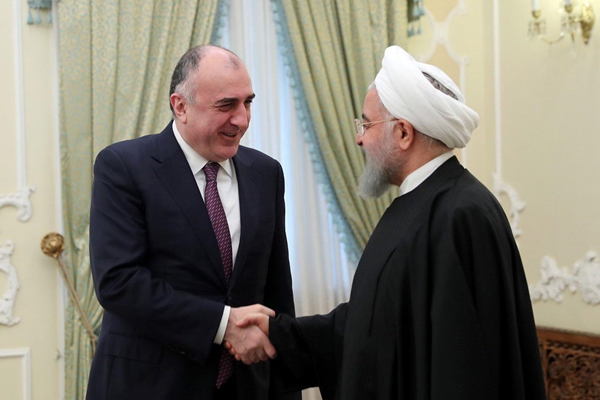
Iranian President Hassan Rouhani meets Azeri Foreign Minister Elmar Mammadyarov in Tehran on March 9, 2019 / Photo by president.ir

Azerbaijan’s top diplomat highlighted the brotherly and growing relations between Iran and Azerbaijan and said Baku sees no tangible obstacles in the way of strengthening its political, economic, cultural and social ties with Tehran.

“Iran and Azerbaijan have always sought to establish peace and stability in the region through their regional cooperation,” he said in a Saturday meeting with Iranian President Hassan Rouhani in Tehran.

Mammadyarov described as important the current relations between Iran and Azerbaijan in various areas including the Caspian Sea and various dams and power plants projects and said the two sides’ trade ties will expand further after the mentioned projects are accomplished.

He hailed as “strategic” the joint project to construct a railway between the Iranian city of Rasht and the Azeri city of Astara, which connects the Iran-Azerbaijan border to the Islamic Republic’s national railway

“The Rasht-Astara railway project is a strategic and significant regional project,” Mammadyarov said.

“Through the railway, Iranian, Russian and Azeri railway networks will become interconnected and the three states can reach the Black Sea through Georgia,” he said.

He also delivered an official invitation letter from Azeri President Ilham Aliyev to President Rouhani to attend the Non-Alliance Movement summit slated for next year in Baku.

President Rouhani, in turn, described Rasht-Astara railway project as a significant one, saying it is a long step in meeting regional as well as Iran and Azerbaijan common interests.

He also noted that Iran and Azerbaijan have already made agreements on constructing a number of dams and power plants.

The Iranian president said mutual relations between Iran and Azerbaijan are expanding in various areas, adding that significant projects are underway by the two states today.

Rouhani also expressed satisfaction with the growing ties between Iran and Azerbaijan and said the Iranian government is willing to expand its relations with the neighboring Azerbaijan in all areas.

He then referred to the urgency to expand cooperation between Iran, Azerbaijan and Russia and said there are various regional projects which could be implemented trilaterally.