Thursday, April 9, 2026
Home Blog Page 3326

‘US Biggest Violator of Iranian Nation’s Human Rights’

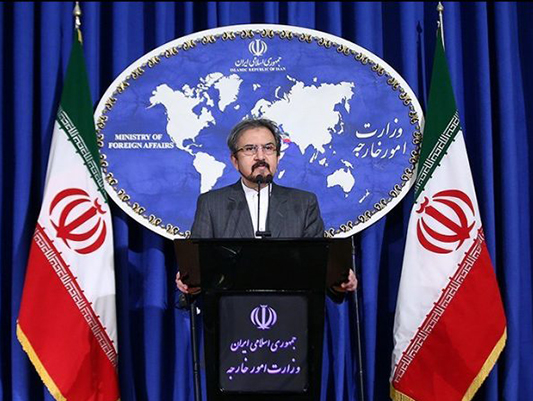
Bahram Qassemi

In a Thursday statement, Iranian Foreign Ministry Spokesman Bahram Qassemi said while the US administration has a dark record of violating human rights inside and outside of America, in its annual report, it has pointed the finger at the human rights situation of other countries.

“The US administration has always been criticized for violating human rights by many other governments, public opinion, international NGOs, human rights activists and figures, the United Nations and its special rapporteurs and even groups inside the US,” he said.

The points mentioned in the US’ report regarding the human rights situation of Iran are based on politically-motivated, biased and wrong analyses and interpretations of some human rights developments in Iran, Qassemi said.

“The US administration, with its dark and unacceptable human rights record, is definitely not qualified enough to address human rights situation in Iran,” he noted.

The spokesman also underlined that through its unilateralism and certain policies and behaviours which stand in stark violation of international human rights standards as well as its disregard of international court rulings, the human rights reports of the UN rapporteurs and representatives, the US administration keeps resorting to bullying, arrogant and deceitful policies to pursue its politically-motivated goals and exert pressure on independent states to undermine their stability, security and development.

Qassemi then referred to the unilateral sanctions imposed by Washington on the Iranian nation and said the US administration is the biggest violator of the Iranian nation’s human rights.

“By imposing its unilateral, illegal and extra-regional sanctions on Iran, the US administration has spared no effort to violate the human rights of Iranian individuals.”

“Defying all international rights, particularly the international documents on human rights, and disregarding international court rulings and the views of independent international rapporteurs and representatives on human rights, the US administration resentfully insists on stepping up the sanctions and massively and starkly violating the Iranian nation’s human rights,” he noted.

Among other cases of human rights violations by the US administration, one can refer to Washington’s unlimited support for the Zionist regime’s violation of Palestinians’ most basic human rights, arbitrary detention of reporters under completely harsh conditions, sale of various types of cutting-edge weapons to some of its regional allies in the Middle East and backing them in their efforts to destabilize the region and their neighbours, and support for continuation of war on Yemen and aggravating the human crisis in the country, he added.

“Sooner or later, the US administration should be held accountable for its crimes,” he concluded.

In its annual report on human rights in the world, the US State Department singled out Iran, Venezuela and China for what it described as human rights violations.

“The government’s human rights record remained extremely poor and worsened in several key areas,” the report said about human rights situation in Iran.

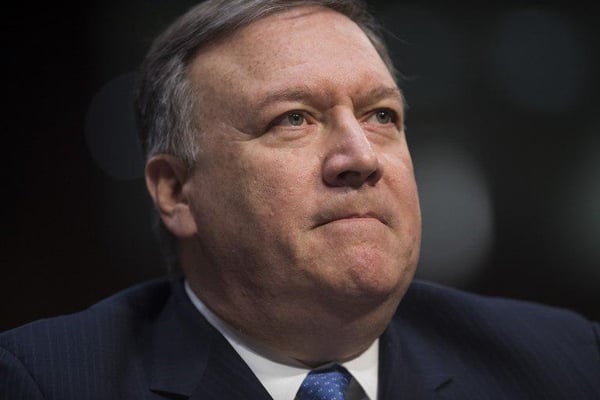
On Wednesday, Secretary of State Mike Pompeo alleged that last year, “the regime killed over 20 people and arrested thousands without due process just for protesting for their rights.”

US Officials Fabricate Accusations to Keep West Asia Tense: Iran

Qassemi made the remarks in reaction to the claims made by US Secretary of State Mike Pompeo on the sidelines of CERA Energy Week’s Conference in Texas on Iran-Iraq relations as well as the hackneyed and worthless allegations he made about Iran in a meeting with UN Secretary General Antonio Guterres.

“Relations between Iran and Iraq have been established with the [strong] will of two sides’ leaders and at the request of Iranian and Iraqi nations and are totally based on mutual respect and trust and common interests,” Qassemi said.

“Unlike the US’ usual meddlesome policies, neither Iran nor Iraq has sought to impose its own will and demands on the other side,” he said in a statement on Thursday.

The spokesman said Iran and Iraq have been neighbours for hundreds of years and will remain so for the next hundreds of years.

“The two sides’ leaders have decided to stand behind each other in hard times,” Qassemi said.

If such a decision and choice annoys American officials, he noted, that does not give them any right to use undiplomatic phrases and gross words when talking about Iran-Iraq ties as two independent states.

American officials make such comments out of their selfish habits and outrage, Qassemi said, adding, however, that Washington’s irritation with Tehran-Baghdad ties is “meaningless”.

The spokesman also referred to Pompeo’s worn-out and invalid remarks in his meeting with the UN secretary general, and said some American officials, influenced by the Zionist lobby groups in the US, have been using whatever in their power to bear animosity against Iran and launch anti-Iran propaganda.

“Instead of launching efforts to stop war in the Middle East, eradicate Takfiri terrorism within the borders of certain US allies, and adopt the policy of contributing to peace and stability in West Asia, the American officials make fabricated and unreal claims and accusations in a bid to preserve the status quo of West Asia and keep it a tense environment struggling with numerous and complicated and seemingly unresolvable crises,” he said.

According to Qassemi, the US has been increasing its arms sales to the region to further raise its revenues at the cost of the deaths of thousands of innocent people, destruction of infrastructure of certain regional states and fanning the flames of long-time and grueling crises among the regional states.

Migraine Treatment Now Possible with ‘Migraine Cut’ Spray

Migraine treatment is among important issues that have remained very complicated in the world of medicine. The methods used so far have generally been soothing rather than treating.

Aramesh Clinic was launched 13 years ago in Iran with the aim of treating migraines. The company has been helping migraine patients for more than a decade through aromatherapy.

After 12 years of therapeutic experience in this field and use of aromatherapy method, they changed the treatment method by producing “Migraine Cut” sprays, which have so far treated many patients inside Iran.

Migraine Treatment Now Possible with ‘Migraine Cut’ SprayThe CEO of the company, who himself suffered from migraine for 28 years, has dedicated his life to treating patients from Iran and other countries by running this migraine treatment clinic.

The company has been producing and marketing these migraine sprays for a year, so that more people can get rid of migraine pain at a very low cost.

Prior to the production of this spray, patients had to be exposed to humidifiers for 20 sessions; each time for 30 to 40 minutes. They were treated in a period of about one year at a very high cost.

These people, who sometimes came from other cities or countries, complained about the length of their treatment and high costs.

For a brief review of Iran’s achievements in various fields of science and technology, check the book “Science and Technology in Iran: A Brief Review

According to the Ministry of Health, 757 million drug units used to be sold in Iran during a single year to relieve headaches, as there are 9 million people suffering from migraine in the country. This led Iranian knowledge-based company Mim Daroo to think about mass production of migraine sprays.

“Before mass distribution of the spray, we distributed it among our clients in the clinic, and out of 300 patients, 81% stated that after 4 to 5 months the drug stopped their migraine headaches and turned them into ordinary headaches,” say the company officials.

As there is a call centre at the company, the patients who bought the spray were monitored at the beginning of consumption. Out of the 2,000 patients who took the drug, 79% reported that their pain has stopped.

There are chemical drugs in the US, India and several other countries to treat migraine which imposes a high cost on the patient. Therefore, Iran is the first country that manufactures non-chemical and inexpensive migraine medication.

A Look at Iranian Newspaper Front Pages on March 14

A Look at Iranian Newspaper Front Pages on November 19

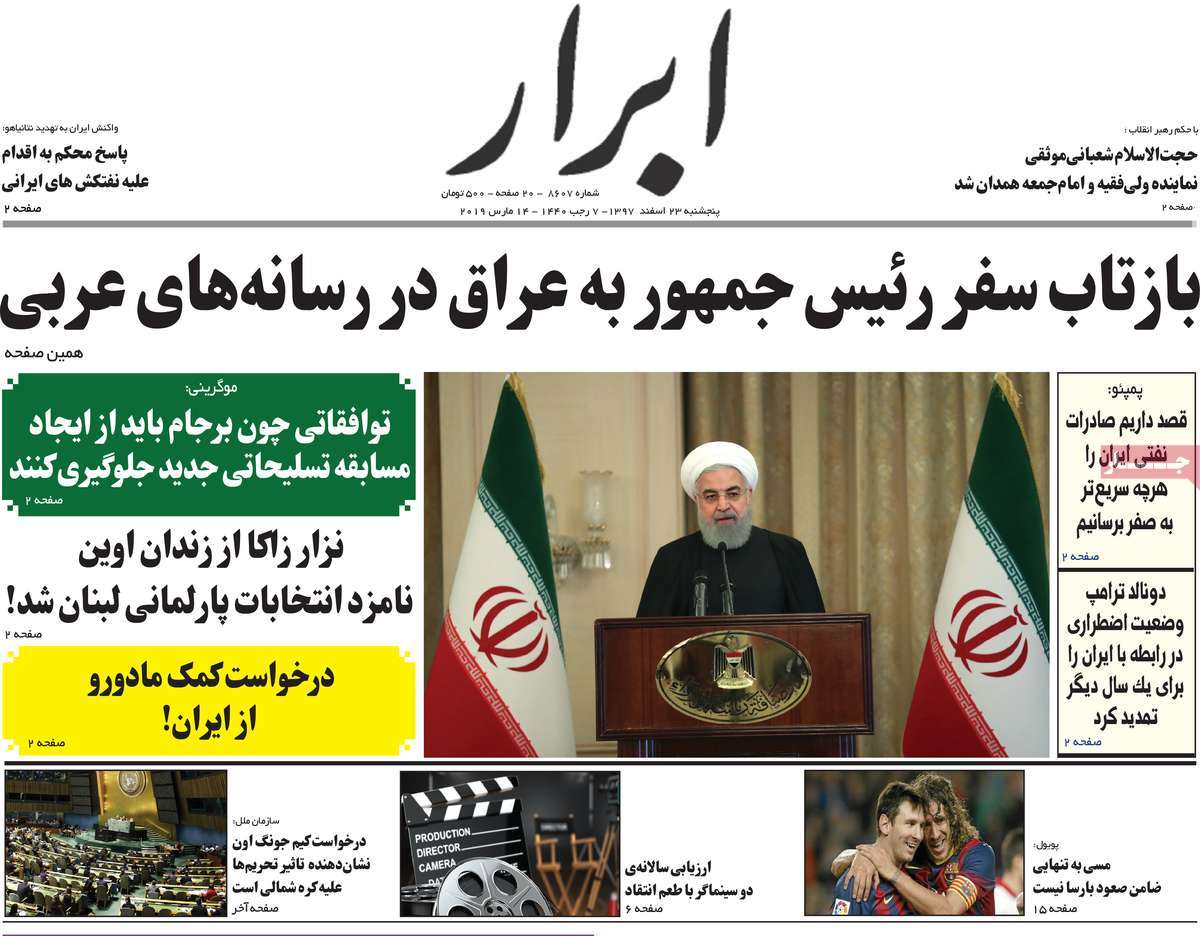
Abrar:

1- Iran’s Crushing Response to Bibi’s Threat against Iranian Oil Tankers

2- Iranian President’s Iraq Visit Widely Covered in Arab Media

3- Mogherini: Deals Like JCPOA Must Prevent New Arms Races

4- Pompeo: We Want to Cut Iran’s Oil Exports Down to Zero ASAP

5- Trump Extends Emergency State with Iran for another One-Year Period

A Look at Iranian Newspaper Front Pages on March 14


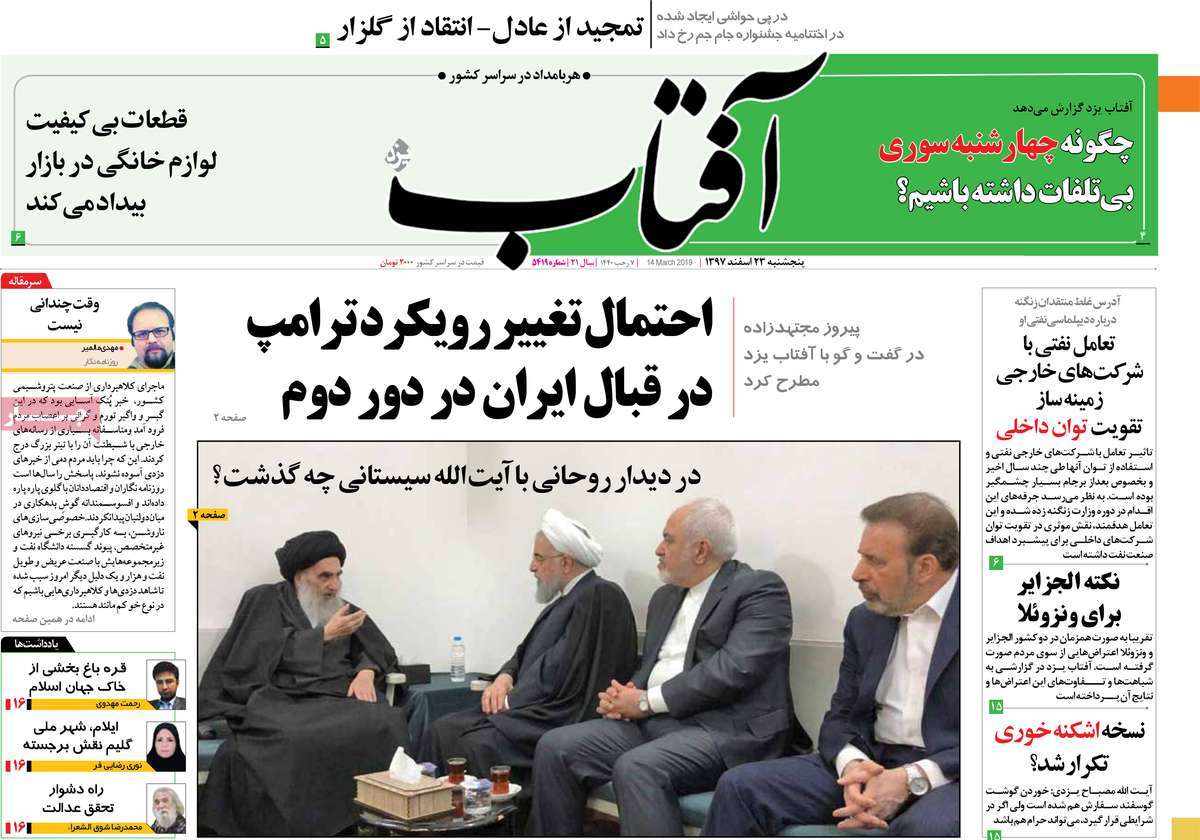
Aftab-e Yazd:

1- Trump May Change His Stance on Iran in His Second Term

2- Oil Interaction with Foreign Firms to Reinforce Domestic Power

A Look at Iranian Newspaper Front Pages on March 14


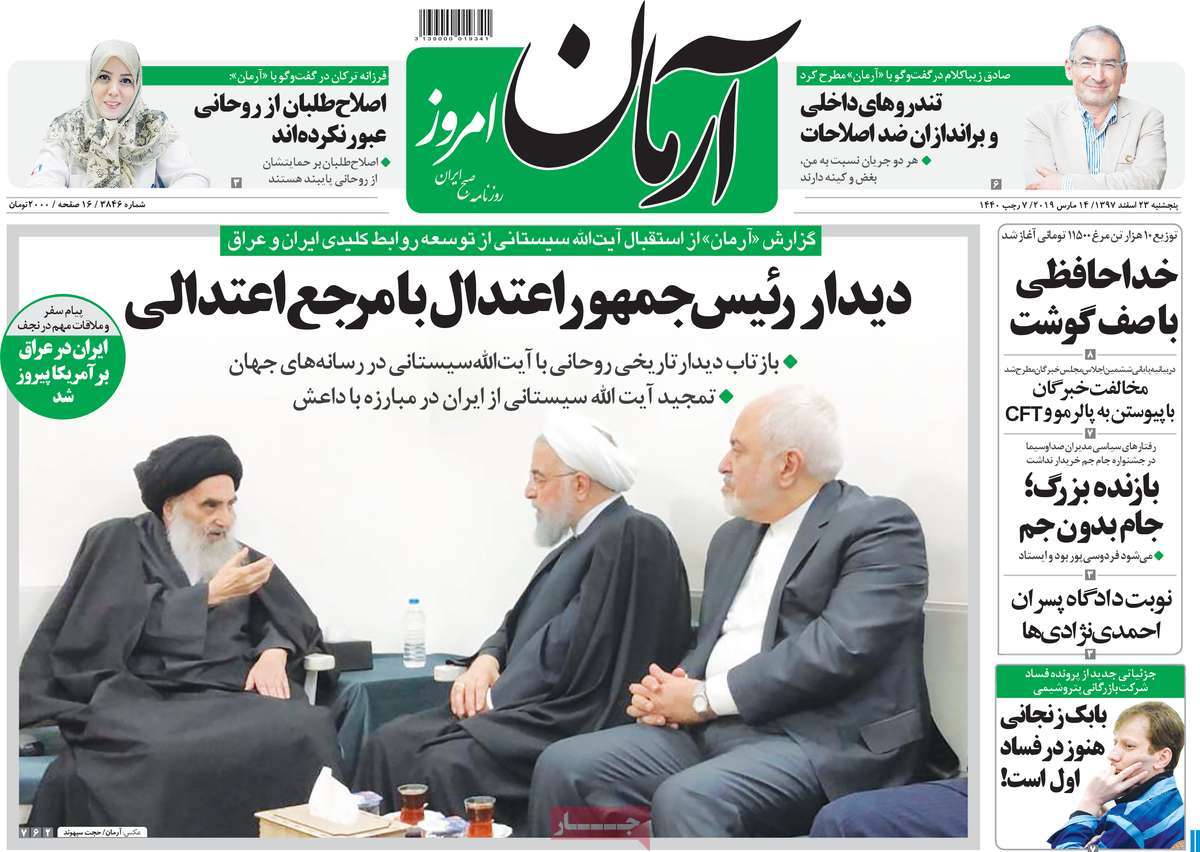
Arman-e Emrooz:

1- Assembly of Experts Opposed to FATF Accession

2- Moderate President Meets with Moderate Cleric

A Look at Iranian Newspaper Front Pages on March 14


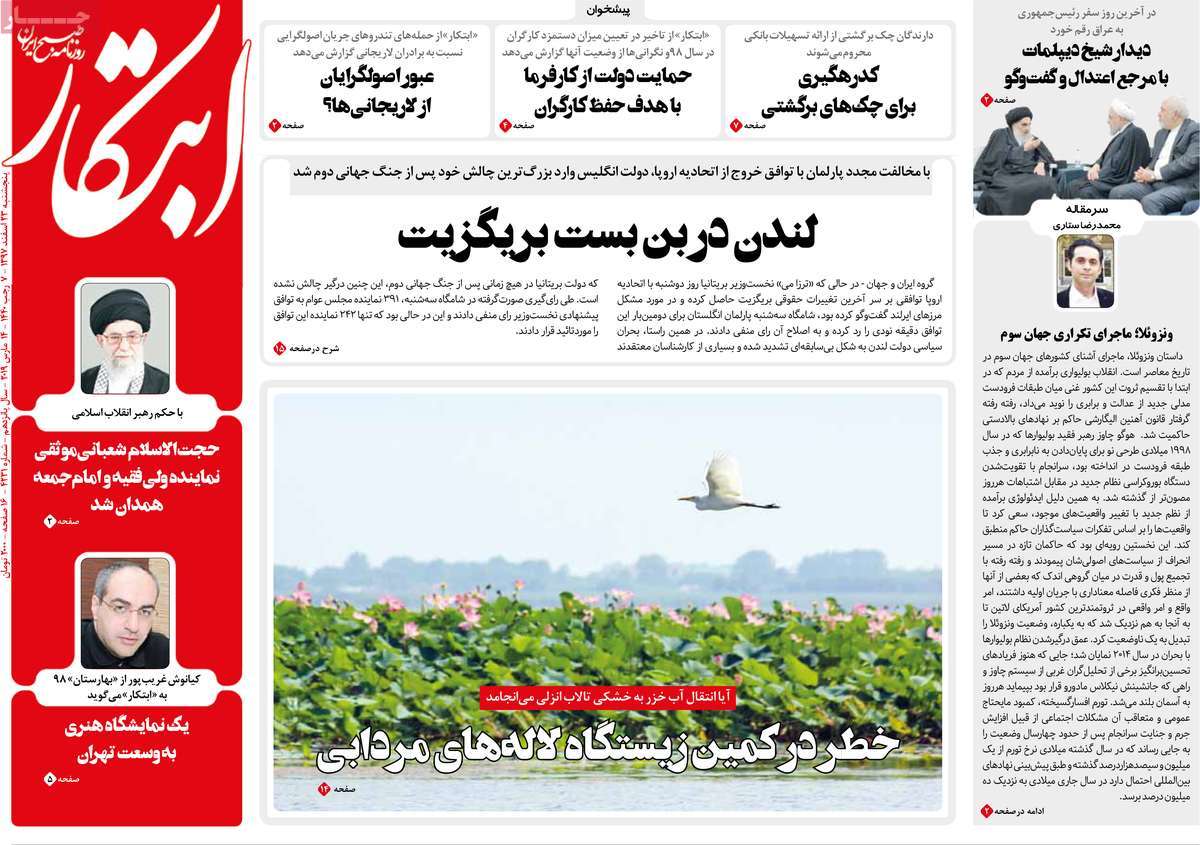
Ebtekar:

1- London in Brexit Deadlock

* UK Parliament Once Again Rejects Brexit Deal, Puts Britain in Biggest Post-WWII Challenge

A Look at Iranian Newspaper Front Pages on March 14


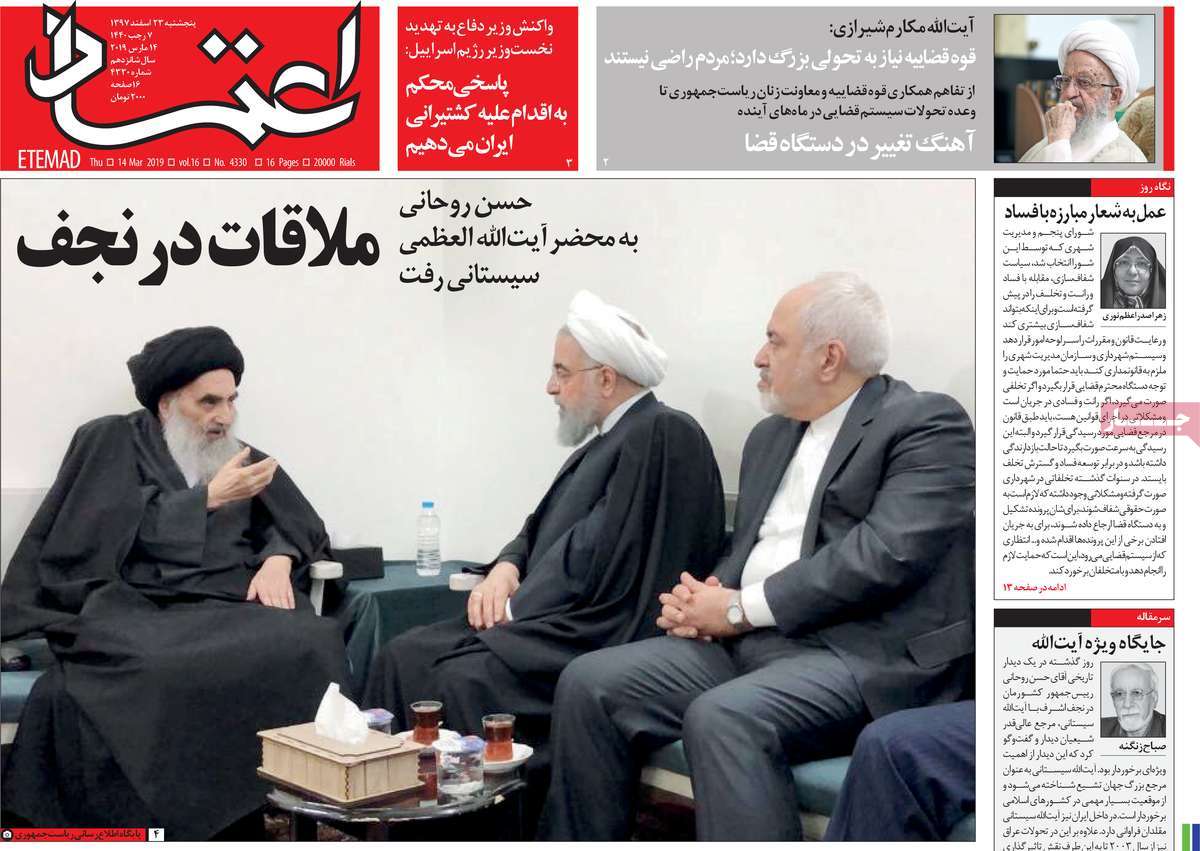
Etemad:

1- We’ll Give Firm Response to Move against Iran’s Shipping: DM

2- Meeting in Najaf: Rouhani Meets with Ayatollah Sistani

A Look at Iranian Newspaper Front Pages on March 14


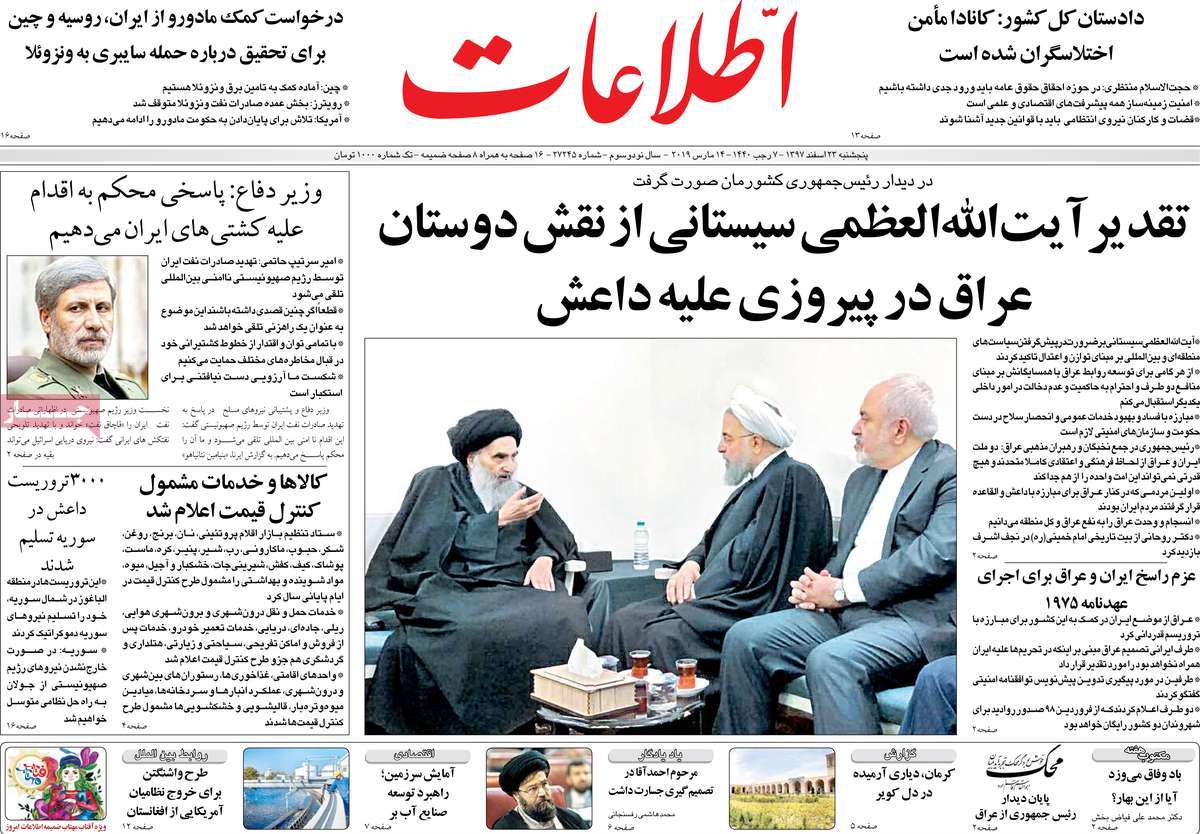
Ettela’at:

1- Prosecutor General: Canada Turned into Haven for Embezzlers

2- Ayatollah Sistani Praises Role of Iraq’s Friends in Fight against ISIS

3- Maduro Urges Iran, China, Russia to Help Prove into Cyber Attack on Venezuela

4- 3,000 ISIS Terrorists Surrender in Syria

A Look at Iranian Newspaper Front Pages on March 14


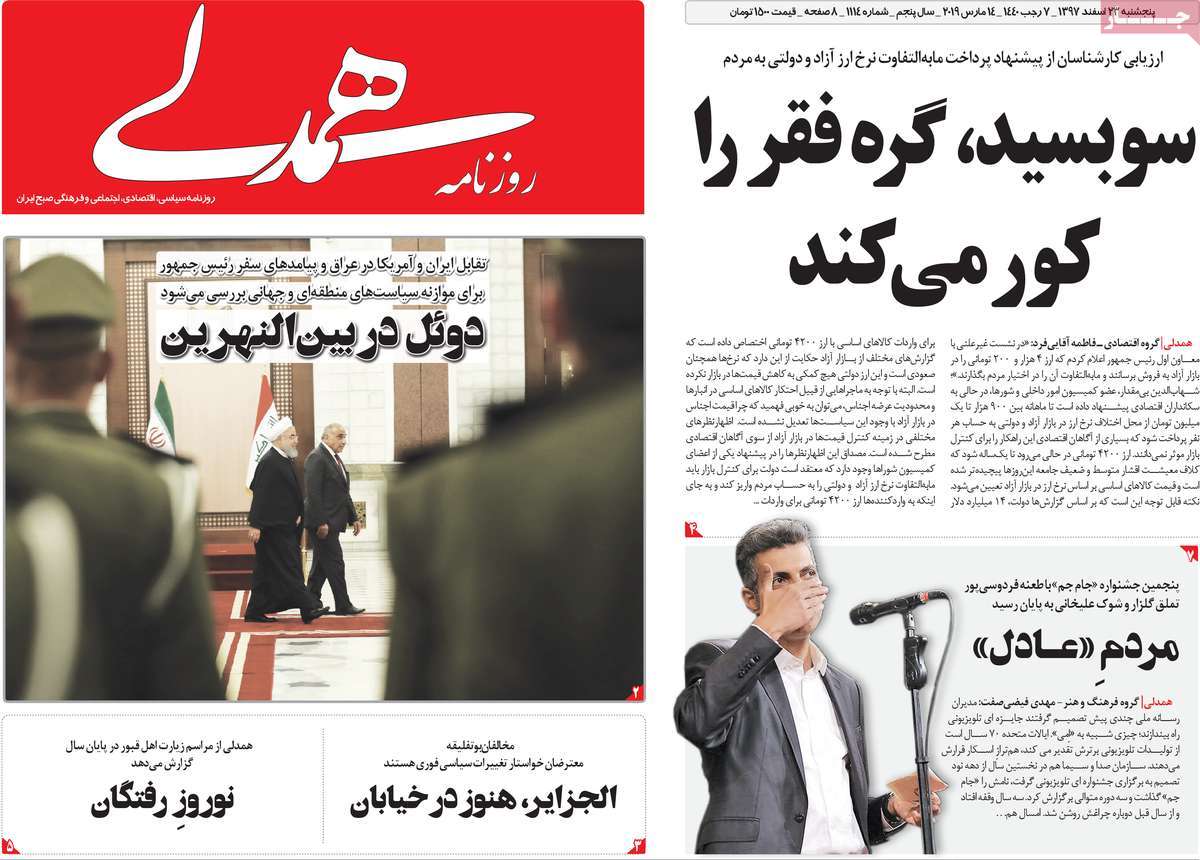
Hamdeli:

1- Duel in Mesopotamia: Iran-US Clash in Iraq

* Repercussions of Rouhani’s Iraq Visit for Regional, Global Balance

2- Algerians Still in Streets: Protesters Call for Immediate Reforms

A Look at Iranian Newspaper Front Pages on March 14


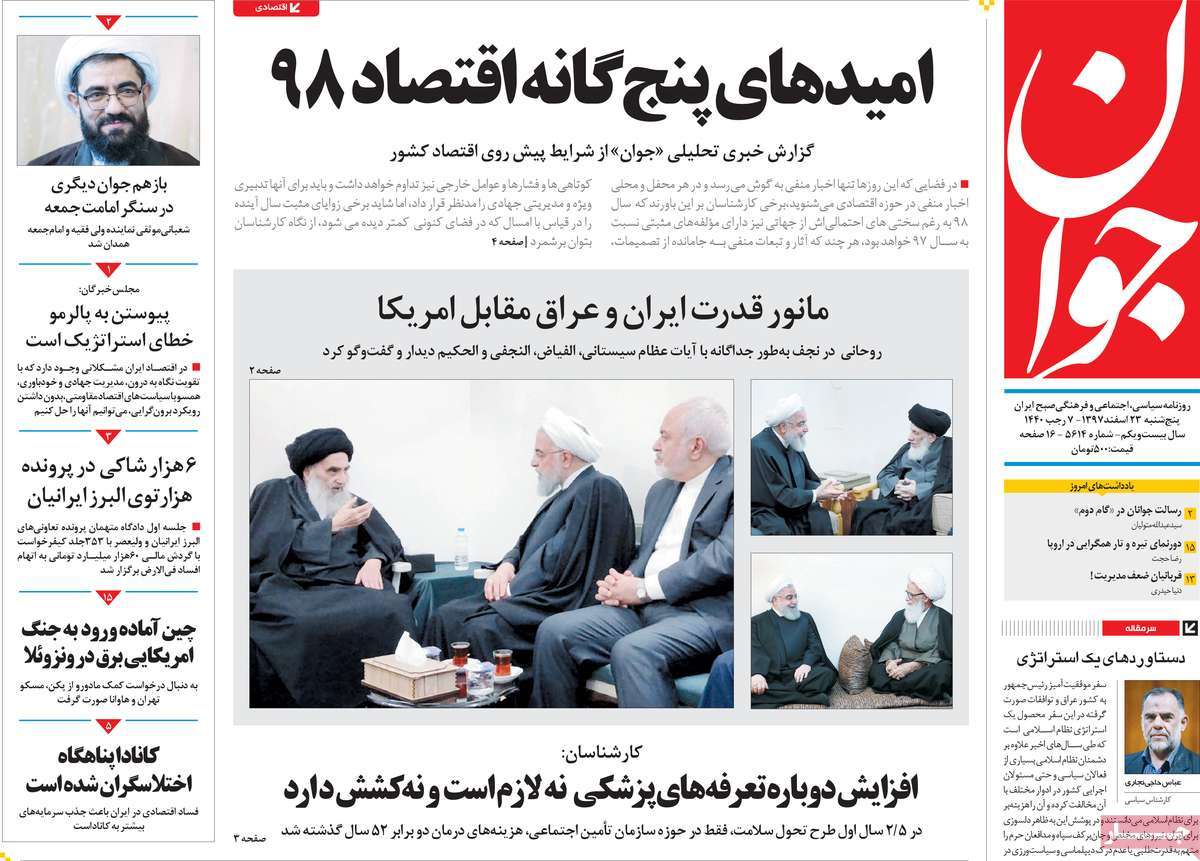
Javan:

1- Iran, Iraq Show Off Their Power to US: Rouhani Holds Separate Talks with Top Clerics in Najaf

2- China Ready to Enter into US’ Electricity War in Venezuela

A Look at Iranian Newspaper Front Pages on March 14


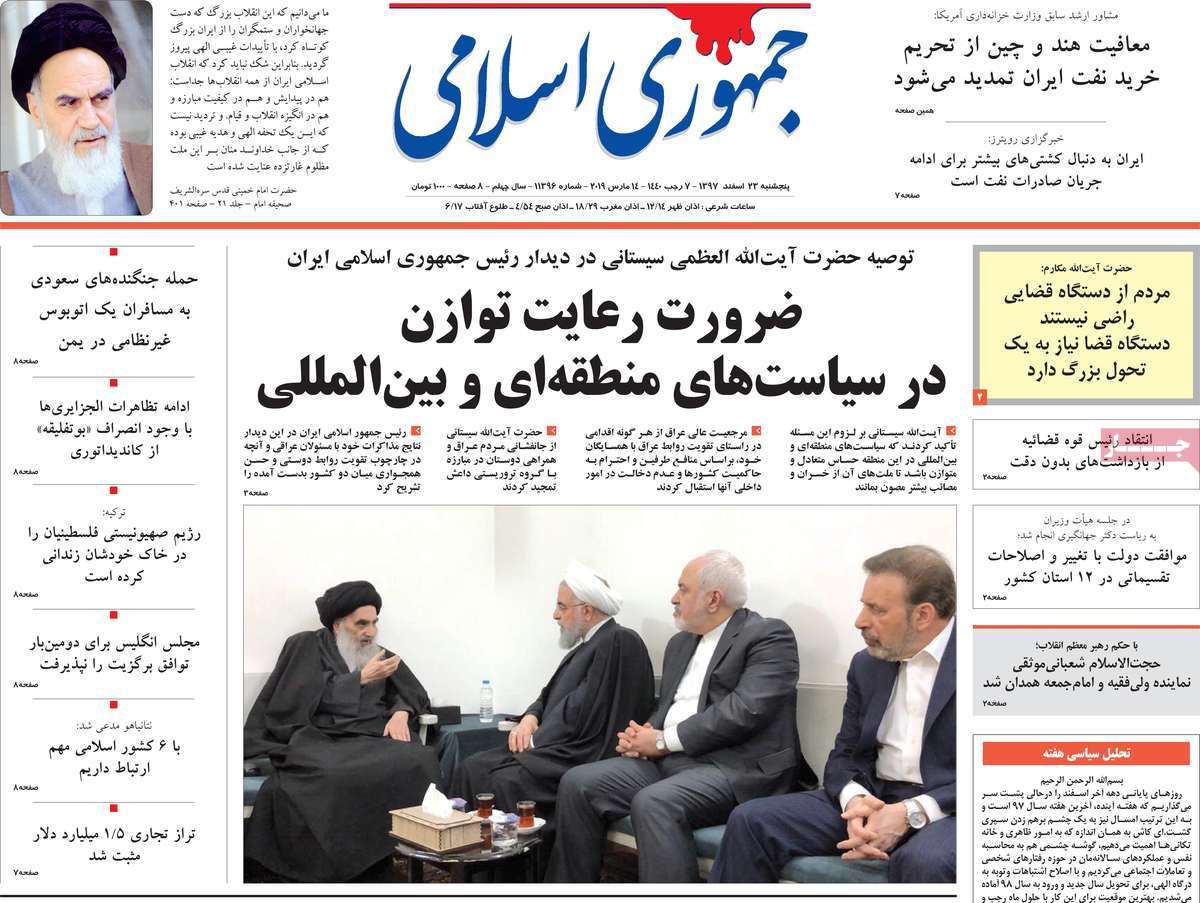
Jomhouri Eslami:

1- India, China to Be Exempted from US Bans on Iran Oil

2- Reuters: Iran Looking for More Ships to Keep Its Oil Exports Flowing

3- Saudi Fighter Jets Attack Civilian Bus in Yemen

4- Iran’s Trade Balance Stands at +$1.5 Billion

A Look at Iranian Newspaper Front Pages on March 14


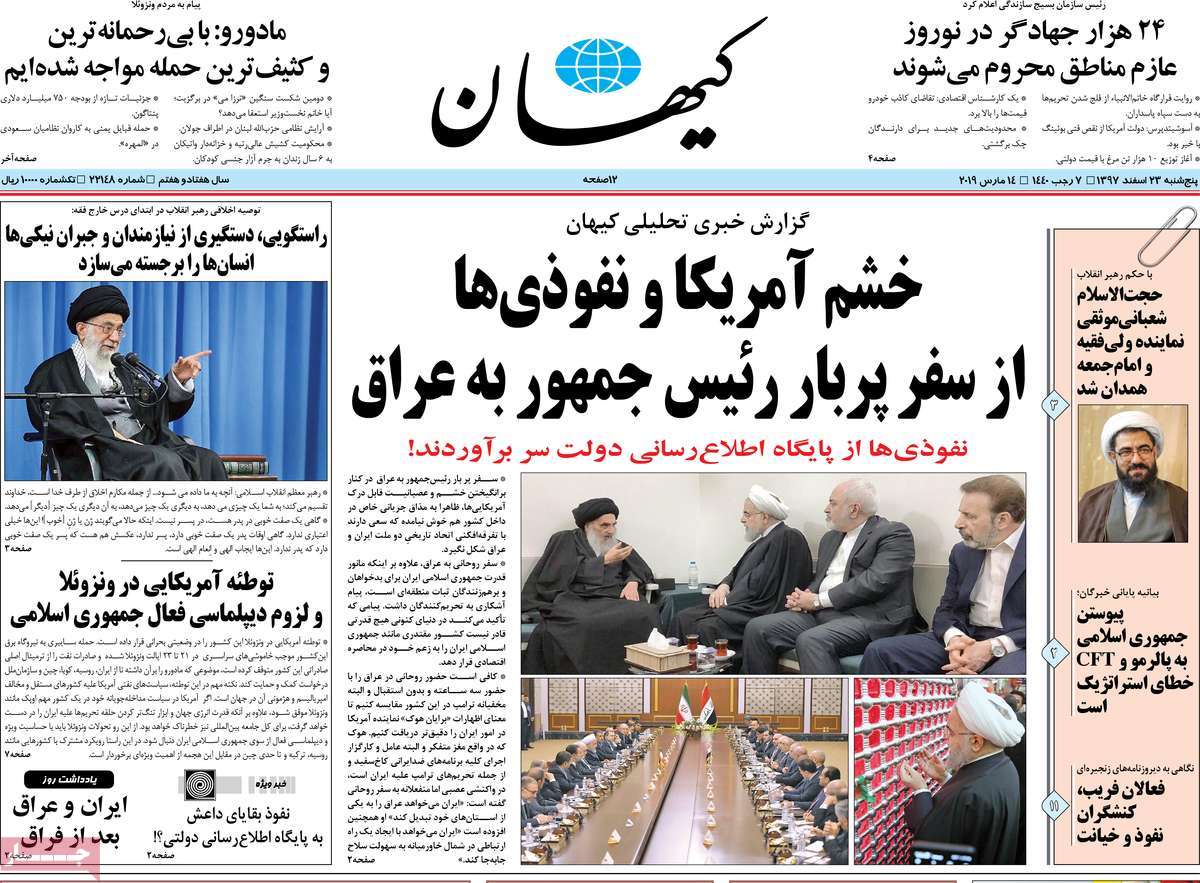
Kayhan:

1- US, Allies Inside Iran Outraged by Rouhani’s Fruitful Visit to Iraq

2- Maduro: We’re Faced with Most Brutal, Dirty Attack

3- Assembly of Experts: Iran’s Accession to Palermo Convention, CFT Strategic Mistake

A Look at Iranian Newspaper Front Pages on March 14


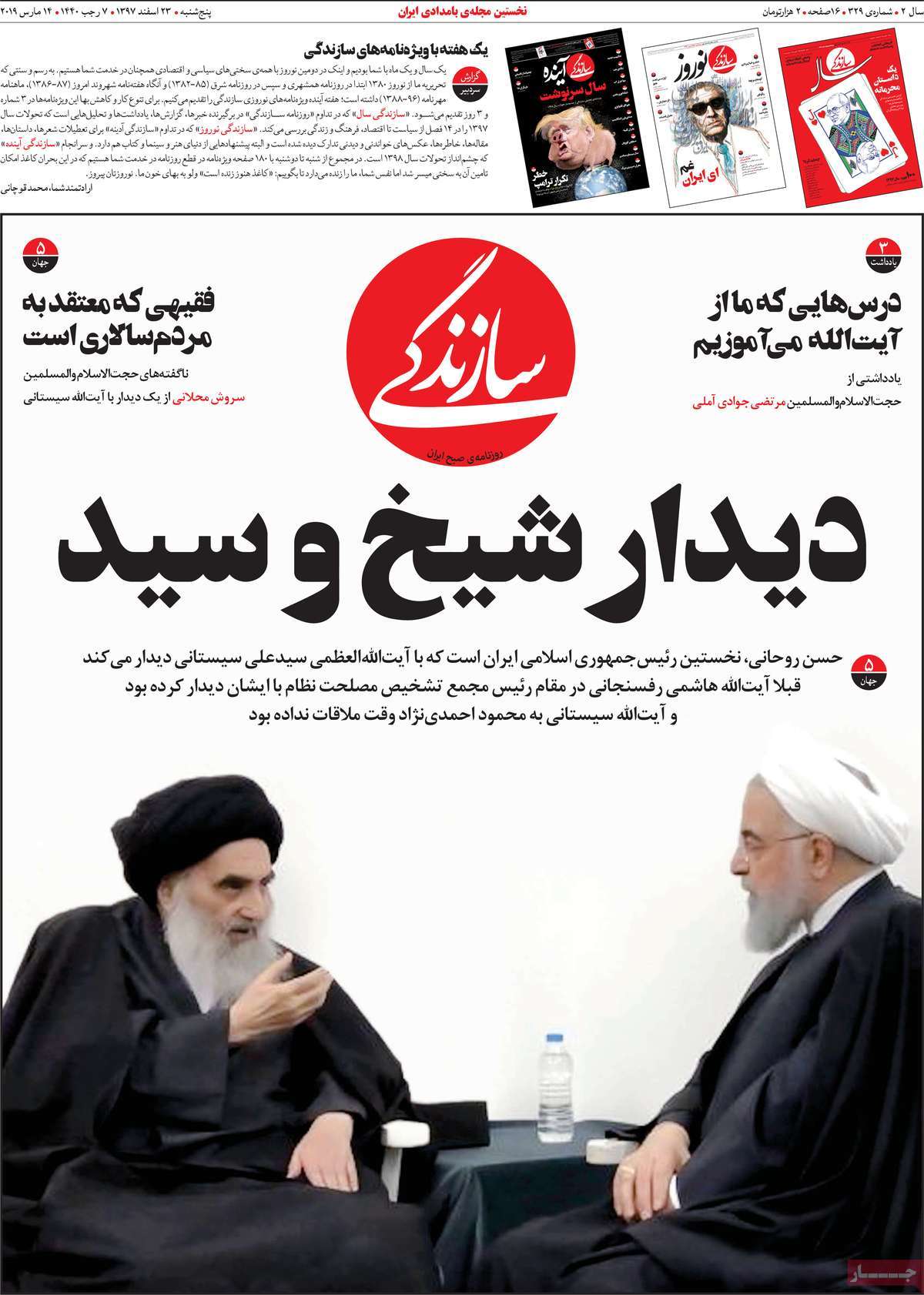
Sazandegi:

1- Sheikh, Seyyed Meet in Najaf

* Rouhani Becomes First Iranian President to Meet with Ayatollah Sistani

A Look at Iranian Newspaper Front Pages on March 14


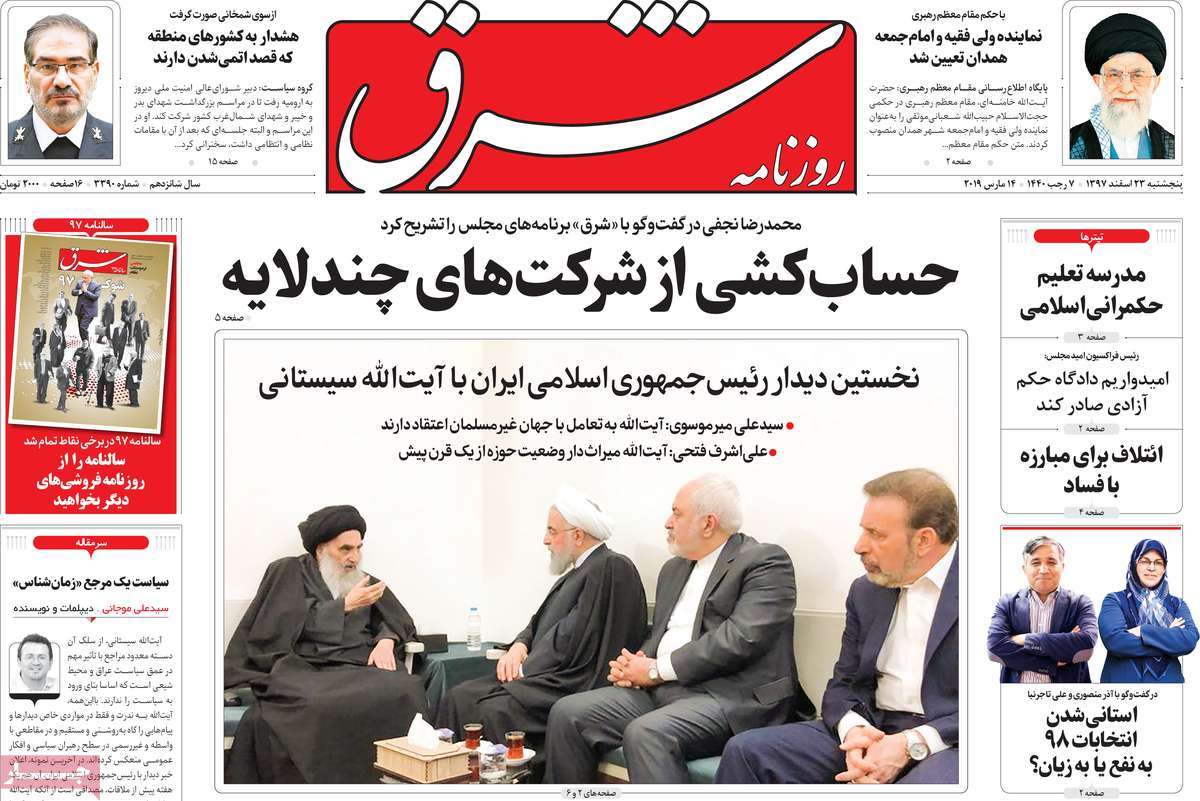
Shargh:

1- Iran’s Shamkhani Warns Regional Countries against Becoming Nuclear

A Look at Iranian Newspaper Front Pages on March 14

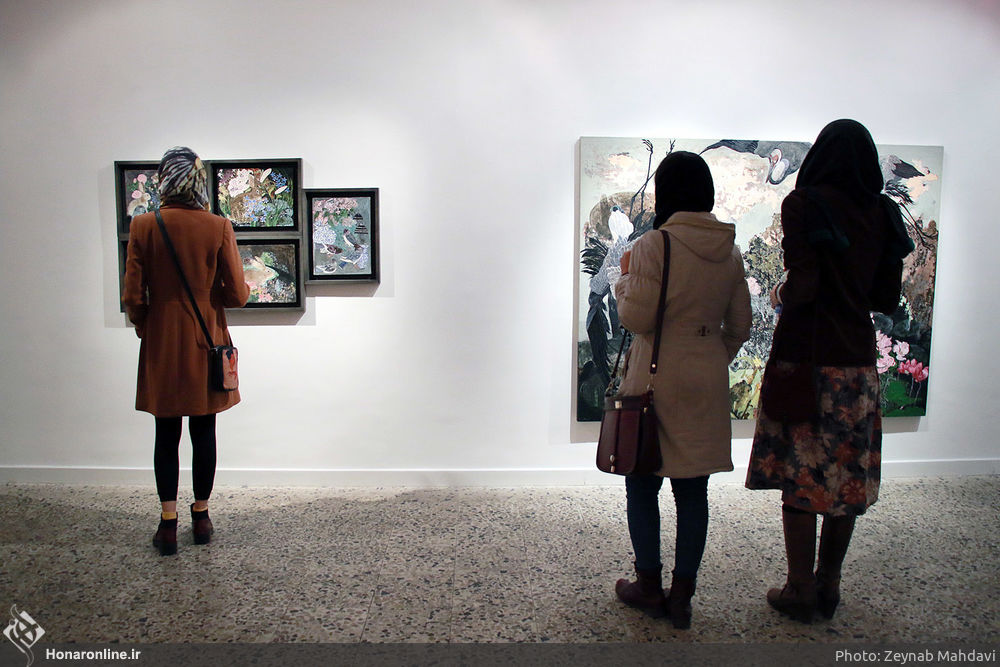
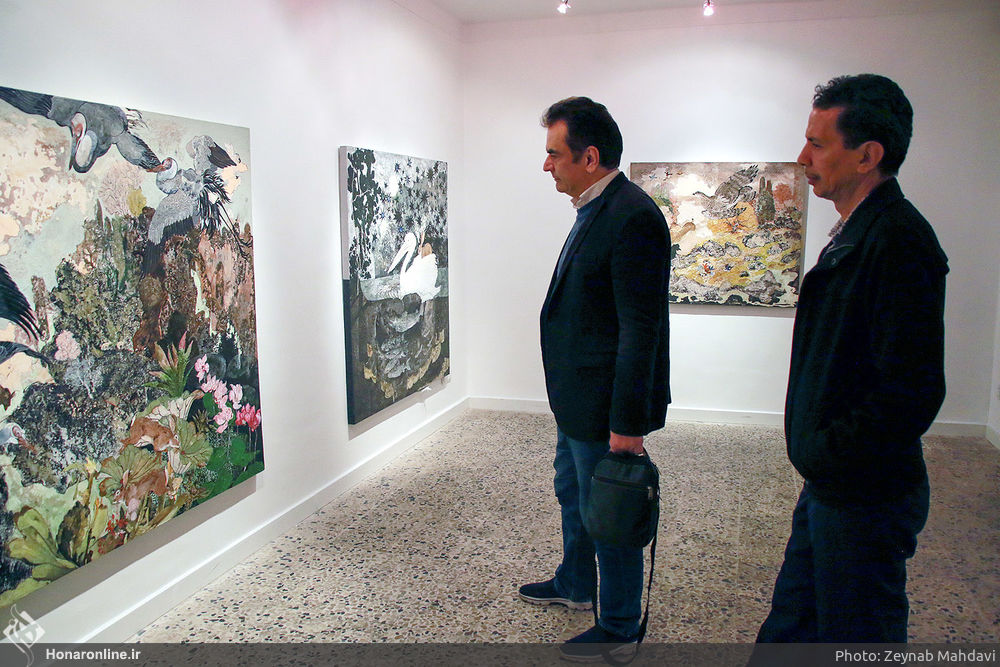
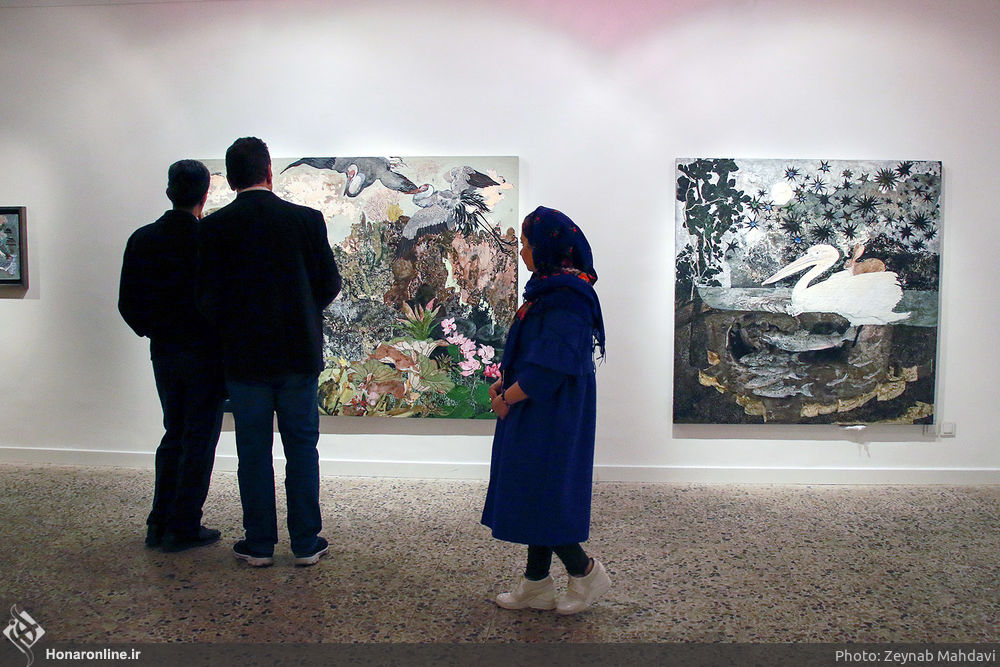
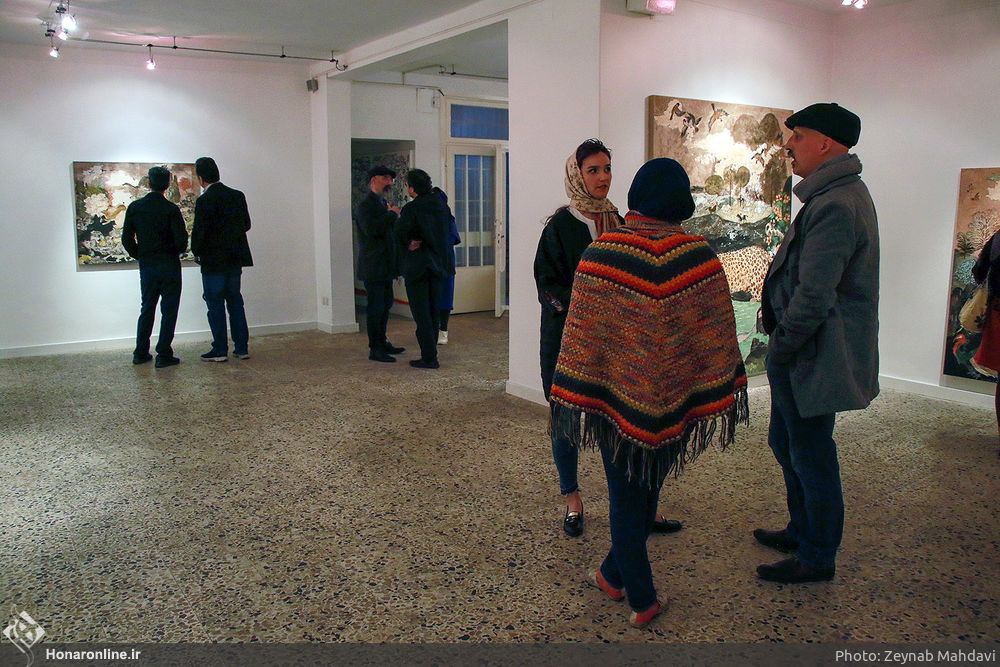
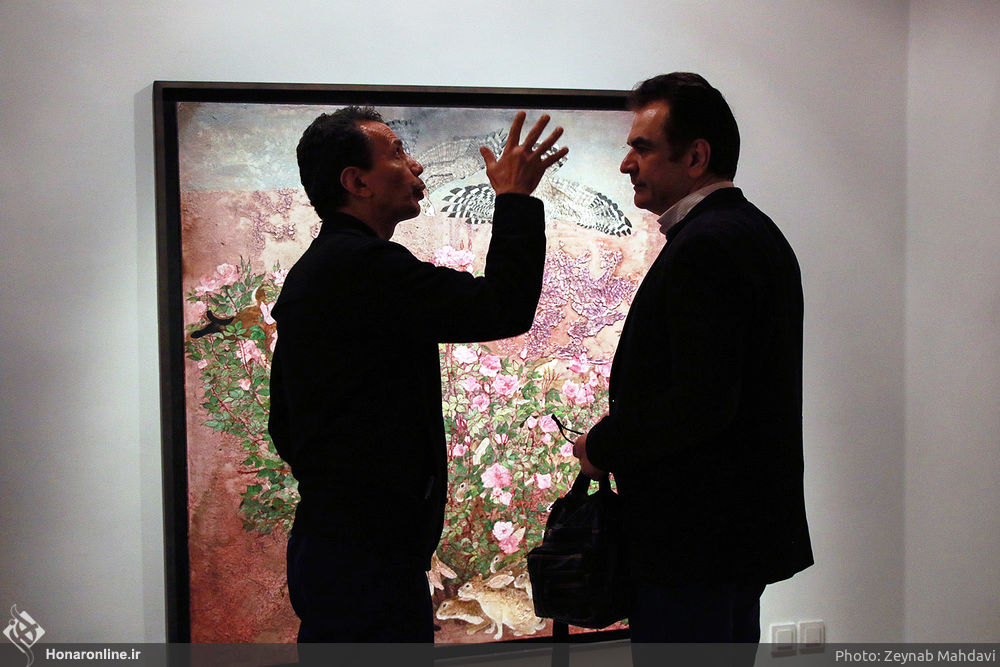
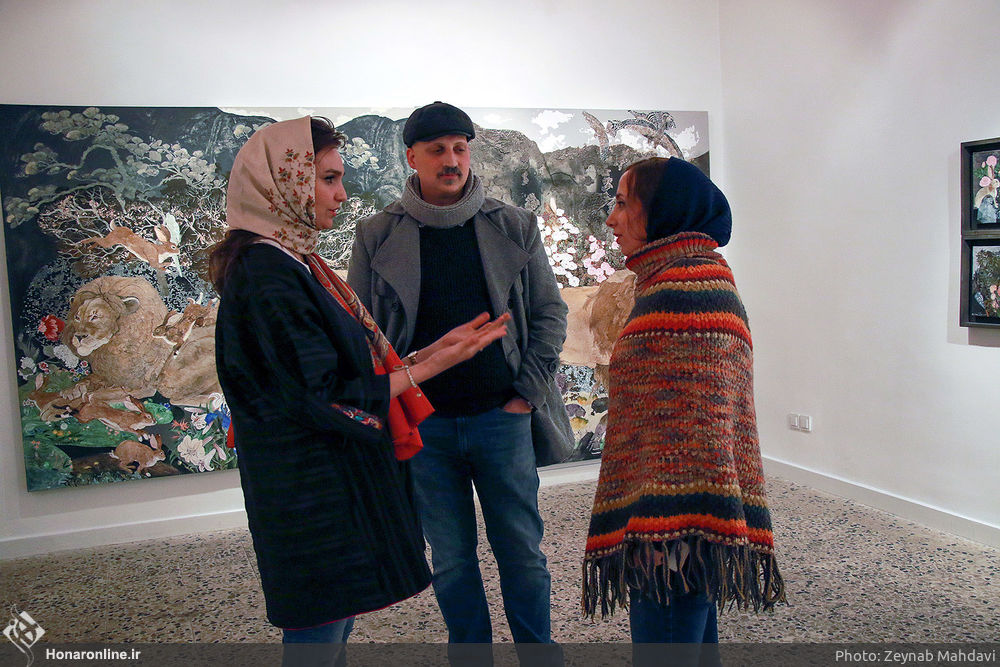
Tehran Hosts ‘Euphoric Garden’ Art Exhibition

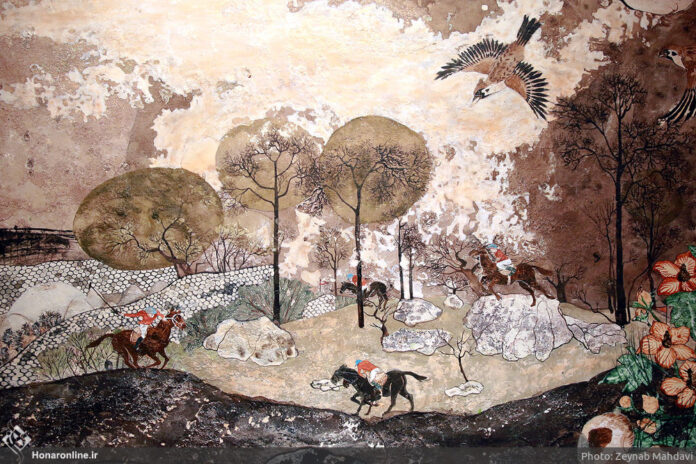
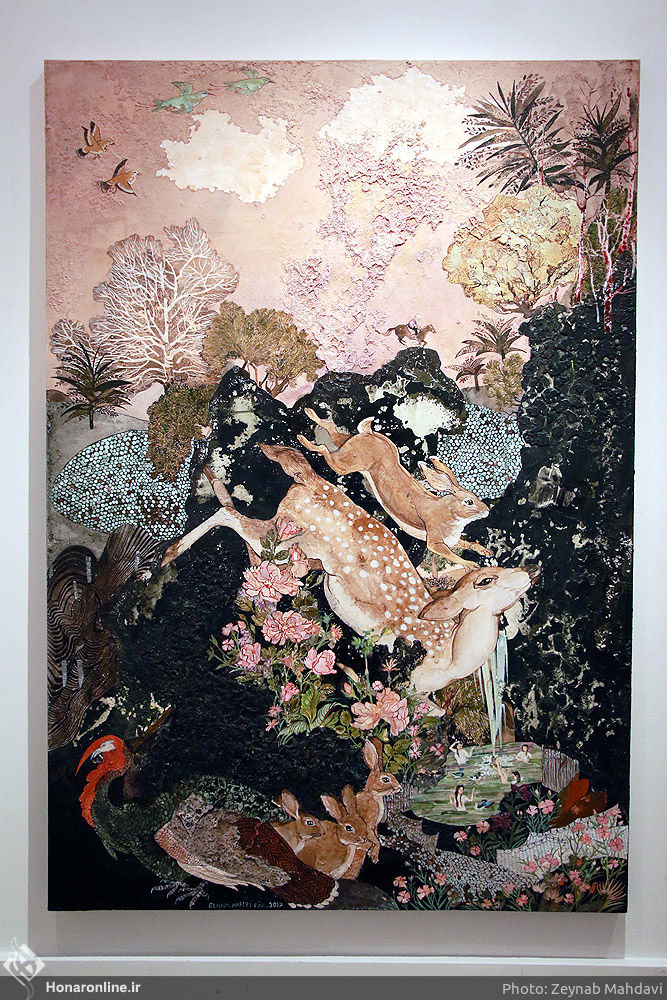
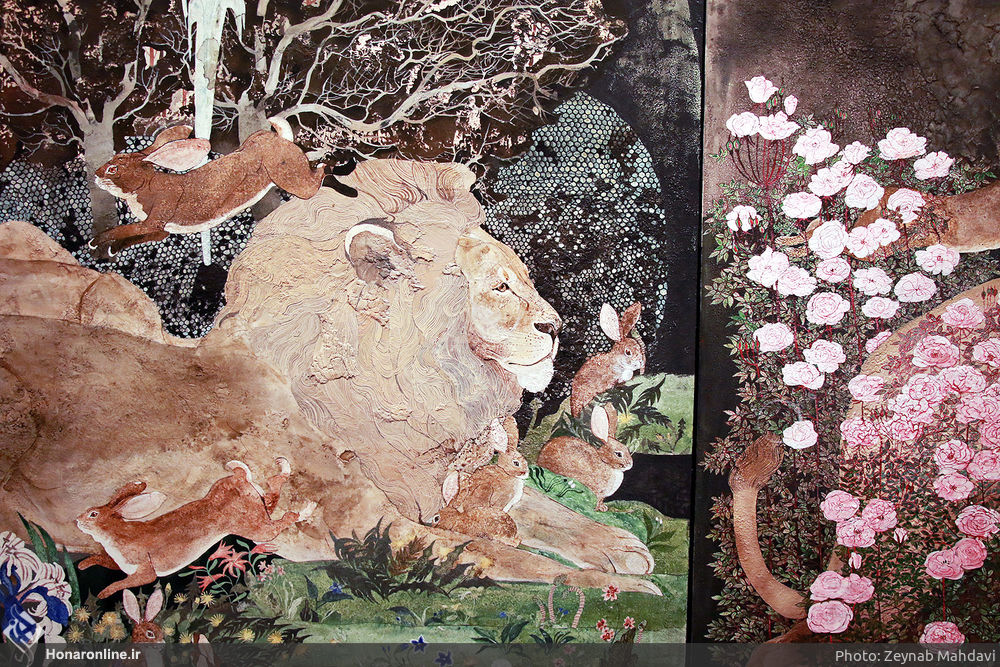
Nafisifar has elaborated on her paintings, particularly her use of nature and wildlife in these artworks.

“What I meant was that rabbits are like miracles, one minute they’re there and the next they’re gone. Rabbits are temporary and mysterious, just like euphoria,” says about her paintings.

“I have always loved plants and animals. Having a few pets and plants has always been part of my life. One of the things I’ve always enjoyed is to spend time in nature or urban landscapes because of the opportunities they provide for observing plant and animal life,” she tells IFP.

“I have always felt calm and euphoric in such places, and like an unquenchable desire, these spaces expand in my mind. They turn into imaginary gardens, secret gardens filled with various wild and tame animals, plants, trees, and flowers.”
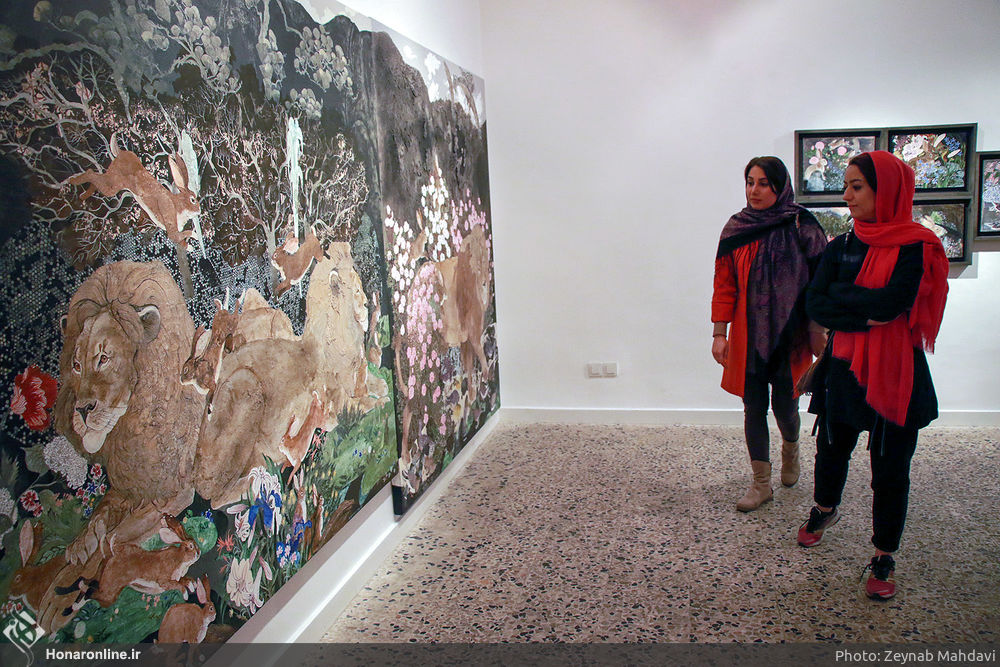
“In fact gardens are my way of imagining euphoria, an ideal subject matter to fantasize about. For the past five years I have been painting my imagination. The result of this experience is a collection, part of which is being exhibited here,” she adds.

“I am not sure if the choices I’ve made in these works are representative of my ideas regarding contemporary social, political, or cultural issues. I don’t consider my work to be symbolic or metaphoric, but perhaps some of the issues mentioned above have unconsciously found their way onto my canvas.”
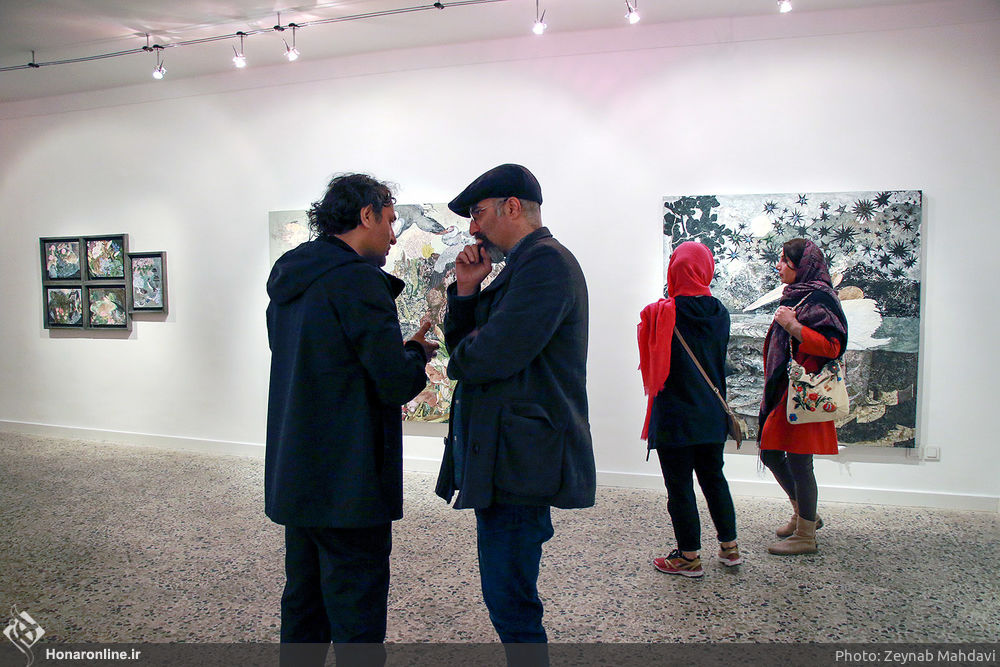
“These works gave me an opportunity to find a personal language for expressing topics I find interesting. Some of the sources behind my works were: the gardens of Shiraz, Kashan, Tehran, as well as Japanese Zen gardens; Iranian and Eastern museum pieces; pottery; and Iranian textiles and carpets,” she says.
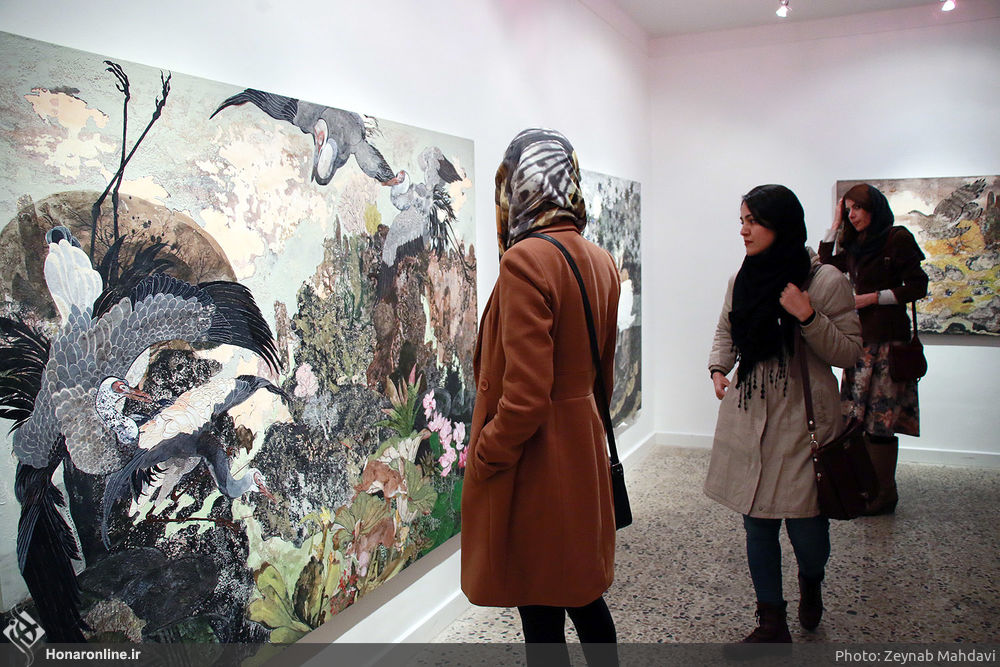
“Each of these pieces tells a made-up story that took shape over the process of creation. For me the creation of a work of art is time consuming, a process of creating the desired under layer and texture on the canvas, thinking about the subject matter and method of work, the act of painting and editing over and over again.”

“It is similar to a form of mental purification, perhaps in some ways similar to ancient middle-eastern intentions in practicing art. I find details as important as the entire work. In the process of creating these works I have attempted to only focus on the piece itself, as well as my personal sense of satisfaction,” says Elham Nafisifar.

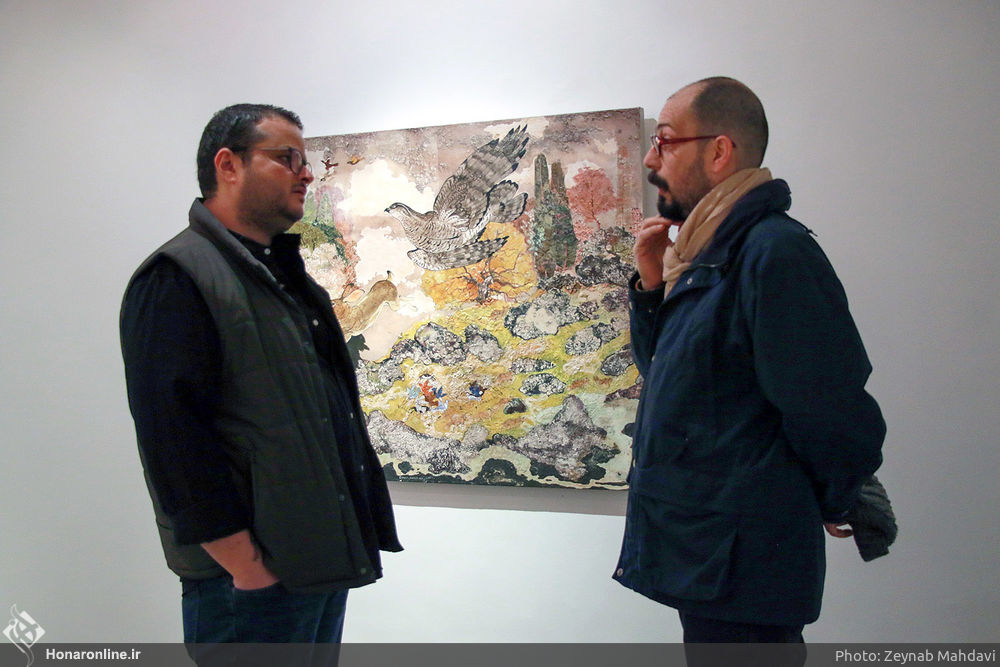
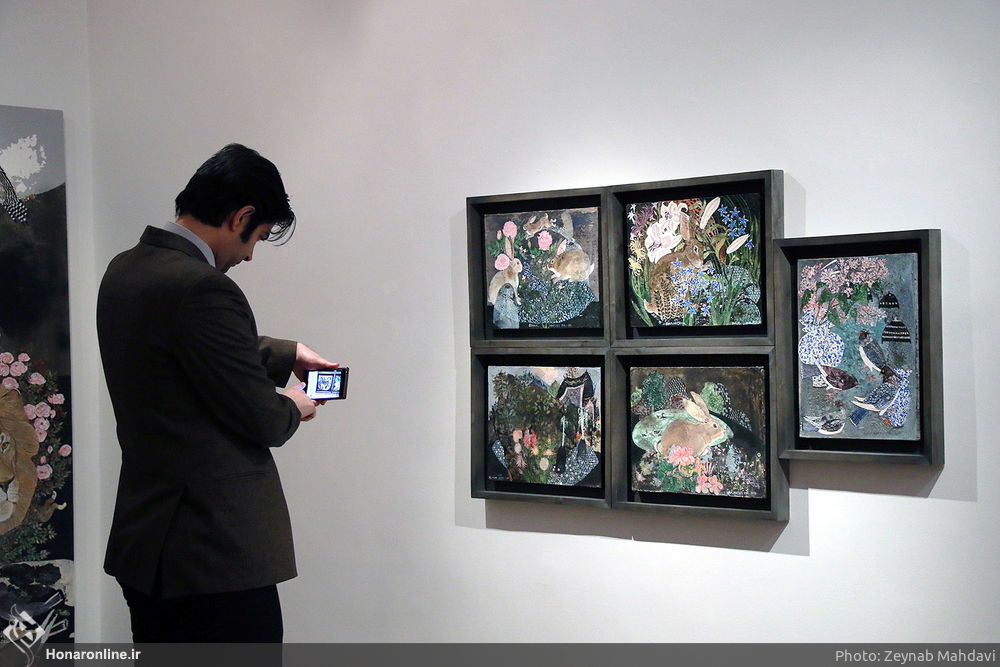
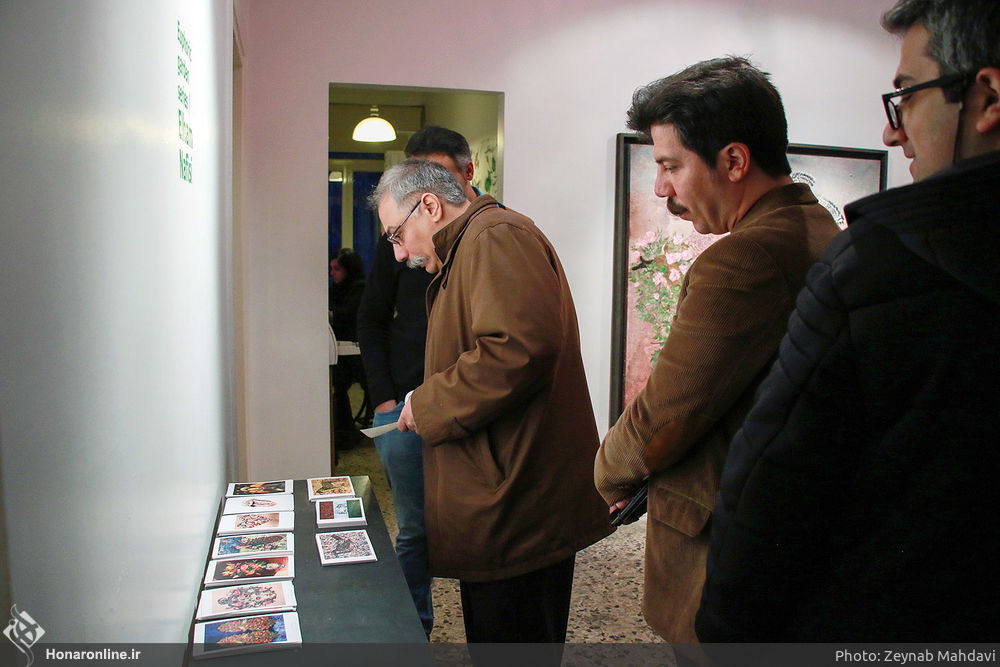
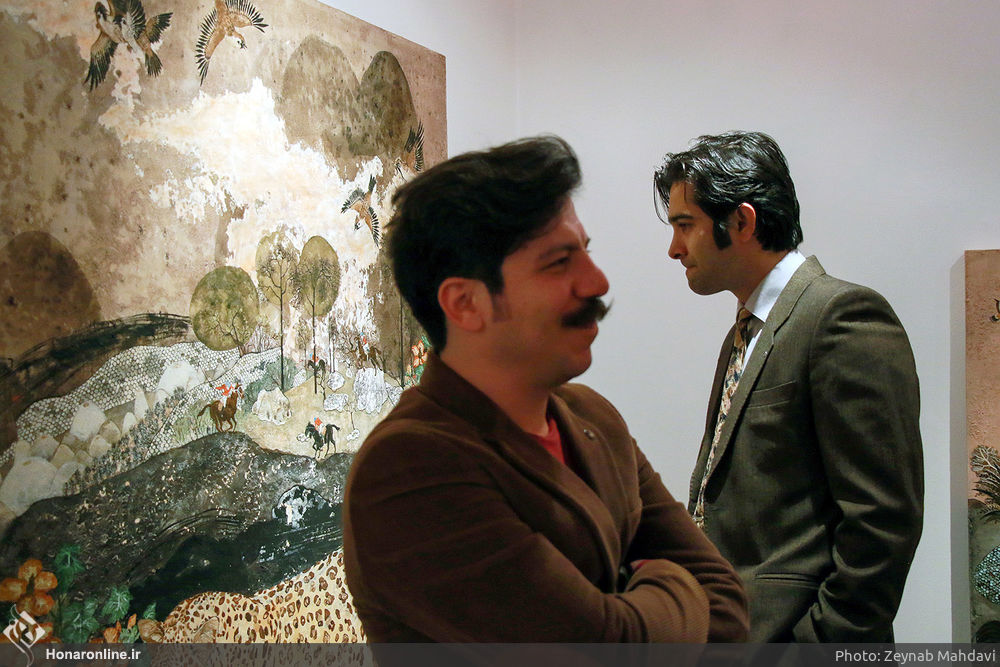
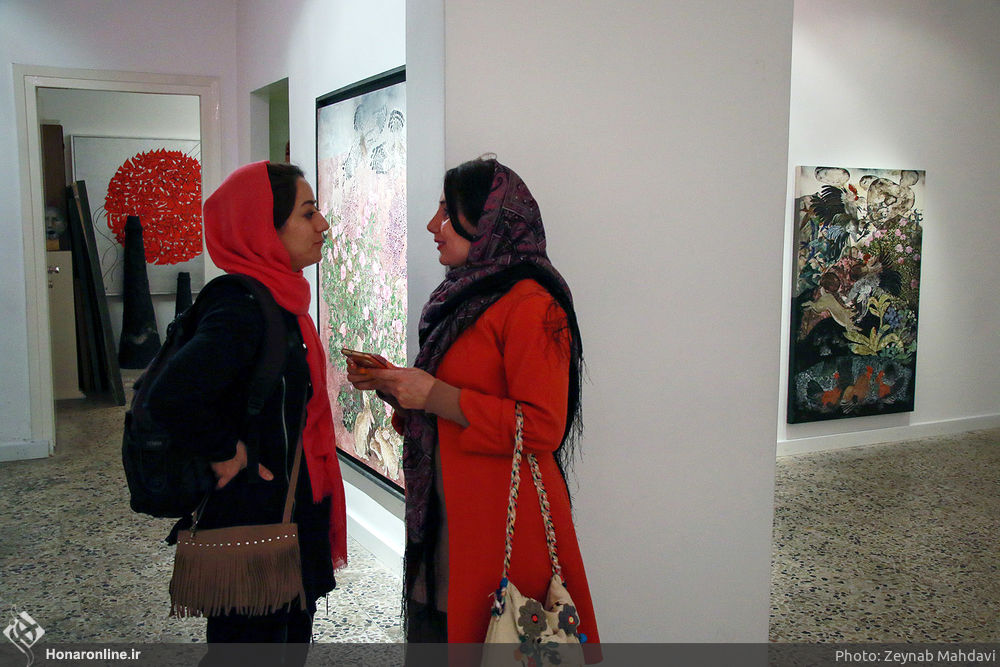
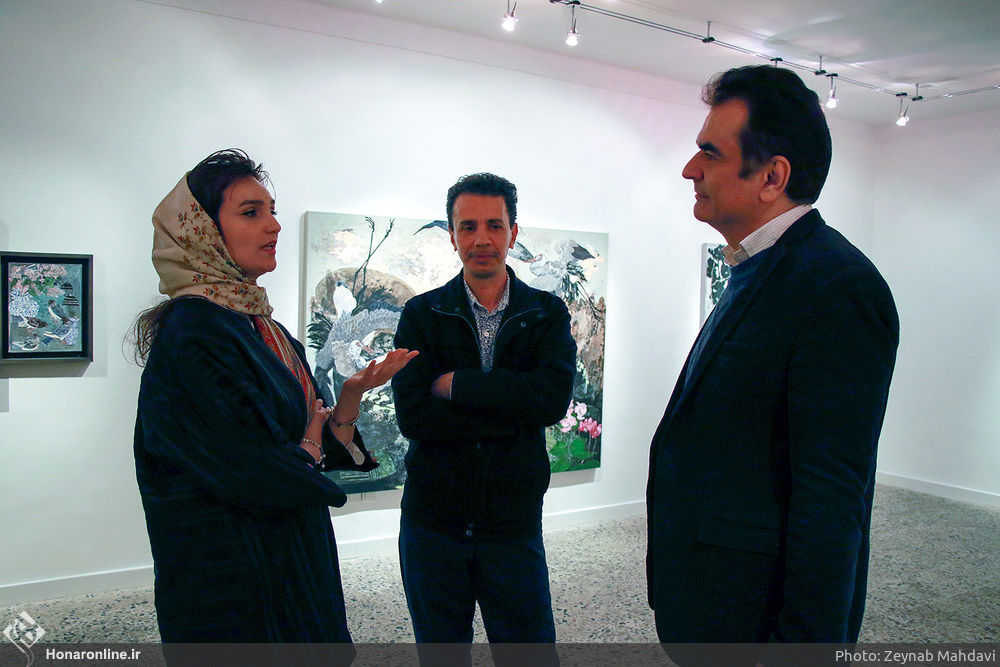
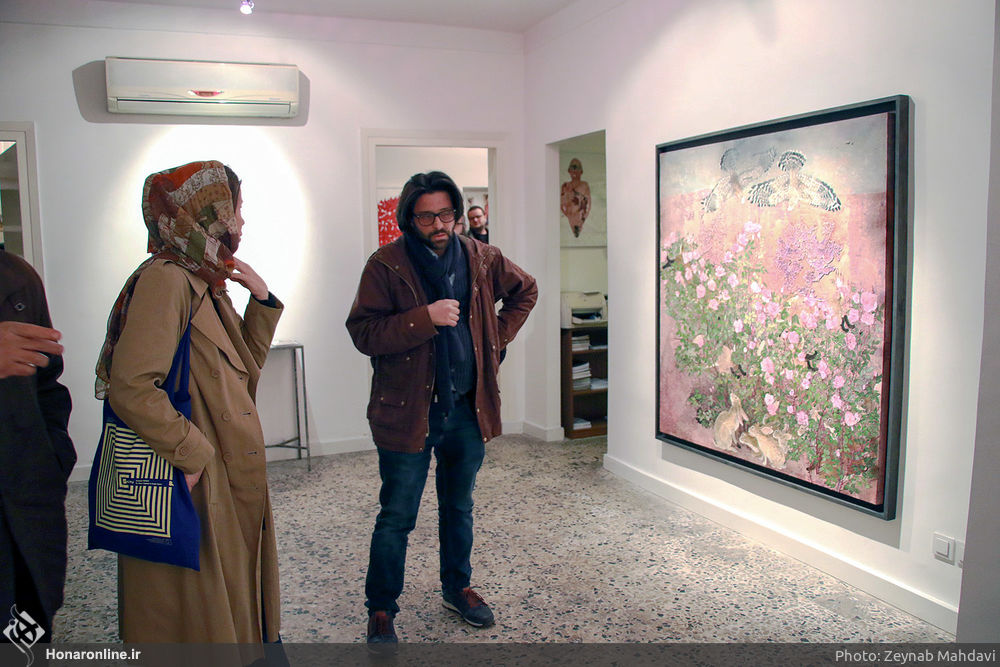
What follows are Honar Online’s photos of her exhibition which wrapped up on March 12, 2019 at Tehran’s Homa Gallery:

Women Entrepreneurs Shining in Iran despite Sanctions

Azadeh Sepasgozar is one of these ladies. She is a graduate of Computer Engineering and has been the Chief Executive Officer (CEO) of the Datis Company for 15 years now. She was chosen as the lady industrialist and businessperson of the year in Iran in 2010.

She is a young, successful and energetic lady who always has plans to achieve her goals. Sanctions imposed on Iran have not kept Azadeh and her team from pressing ahead with their activities, either. After graduation and entering the job market, she worked as a computer programmer for some time and worked on bar code systems. However, she decided to become self-employed. Hence, she started a company working in the field of computerizing systems.

“One of the jobs of our team was to transfer information through waves, which obviates the need for an operator,” she told IRNA.

Azadeh works with around 16 people directly or indirectly. She believes it is an innate feature to be an employer or an entrepreneur.

“Some people only like to become independent; that’s why they face defeat and fail very soon. The problem emanates from the fact that many individuals are not content with their jobs and only like to be managers, but the reality is that society needs all occupations,” she notes.

She says one needs “management” in order to become independent.

“It means you should manage all affairs and not retreat in times of crises and persevere through proper prudence. You should accept risks and sometimes make decisions on impulse,” she says.

“I write down my daily schedule on paper every day. I put a check mark next to the jobs done, and put off for the following day the jobs which are left to be done. This way, I have been able to make 70 percent of my wishes come true, but I have yet to go,” says Azadeh.

She says they have not remained unaffected by the sanctions.

“Our job has been affected due to the sanctions and high prices, and we have to buy the items we need for our projects at higher prices than before; however, we are trying to cut unnecessary costs in order to be able to keep going and continue our work,” she says.

“Sometimes my husband and I do as much work as three persons would normally do. I cannot say it is not hard, but will make every effort to maintain our company and employees,” she says.

She notes that they have work in an “operational” manner this year.

Azadeh also speaks of her private life.

“I enjoy cooking and always try to garnish the foods I cook and put them on the table. I go to parties at the weekend, or arrange to go on trips. I read books, watch TV and have a short rest. I don’t rest for a long time. I’m not that much interested in sleeping long hours and taking long rests. I prefer to go to the park with my husband and do some exercise instead. These things give me more energy,” says Azadeh.

When we ask her about what the reason behind her success is, she says, “I don’t look at controversies. I only look at my goal. I’m not affected by controversial and ironical statements and those who say I am a woman and I can’t …. In fact, I keep doing my job,” she says.

“I earn as much money as I need and try not to be lost in work,” She says.

“Fluctuations in [the exchange rate between the Rial and] the dollar naturally affect my work, too, but don’t bother myself and only make new plans to do my work under the new circumstances and at the same time live my life and do leisure activities as well,” says Azadeh.

“Maybe that is why we have been able to survive for 15 years now and not retreat,” she notes.

Due to her job, Azadeh has, so far, received many job offers from abroad as well, but she has not left her homeland. When asked why she has not left Iran, Azadeh says, “This is my home.”

“My family, father, mother, friends and fellow countrymen are here. It’s not only a matter of money,” she notes.

“No matter how hard it is, I try to succeed in my own home,” She says.

Back in 2016, Azadeh won an international women entrepreneurs award, but was not able to travel to France to receive it as she was unable to get a visa.

“Many of us are not satisfied with our situation, but we should rehearse to love ourselves, help each other and not give up trying,” she says.

Iran Publishes Satellite Images of Semnan’s Geomorphological Phenomena

Geomorphology is one of the branches of natural geosciences, which is concerned with recognising the forms and roughness of the earth’s crust. Its scope of study is the contact point between the lithosphere and the atmosphere.

On the one hand, geomorphology is affected by the internal forces of the earth, and on the other hand, external elements such as erosion which originate in the hydrosphere and atmosphere affect it.

For a brief review of Iran’s achievements in various fields of science and technology, check the book “Science and Technology in Iran: A Brief Review

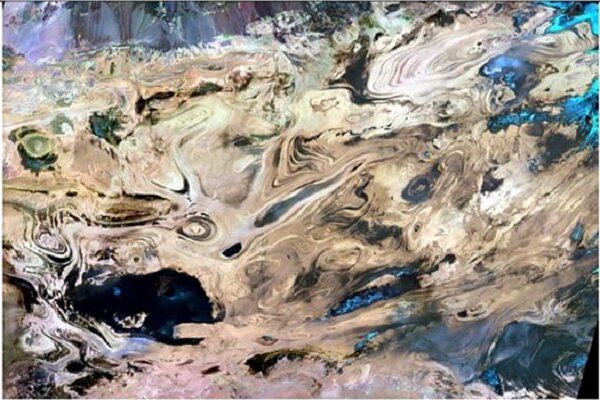
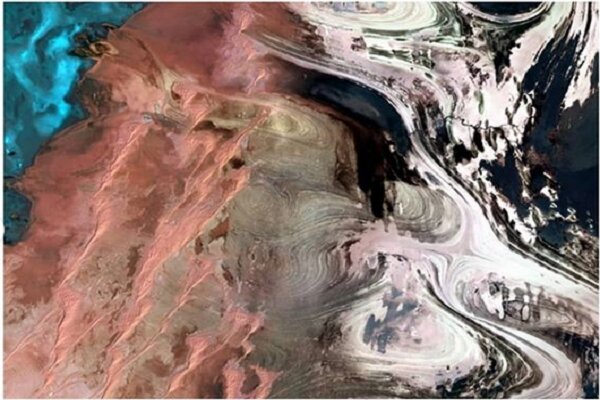
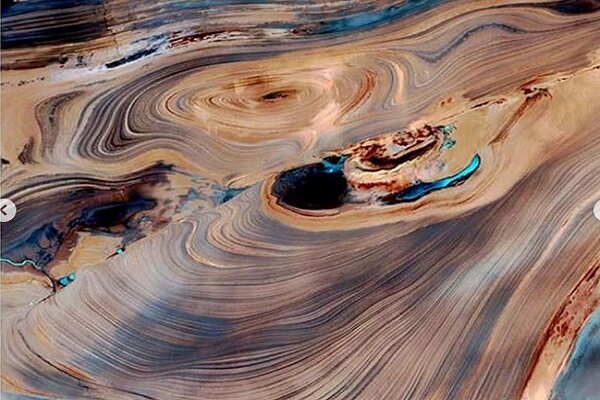
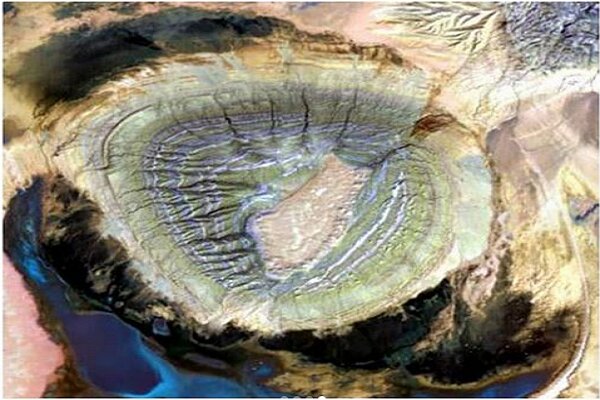
In these pictures, several geomorphologic phenomena such marsh salt, flat mud and salt domes with tectonic landforms could be seen.

In one of these images, one of the salt domes of Semnan province can be seen in Dasht-e Kavir. Salt domes are considered as tectonic geomorphologic phenomena. These structures are created due to the ductility of the salt and its movement to the surface of the earth which create beautiful scenes.

Iran: Some Regional States Developing Suspicious Nuclear Projects

Signs of US Decline Clearer Than Ever: Iran Official

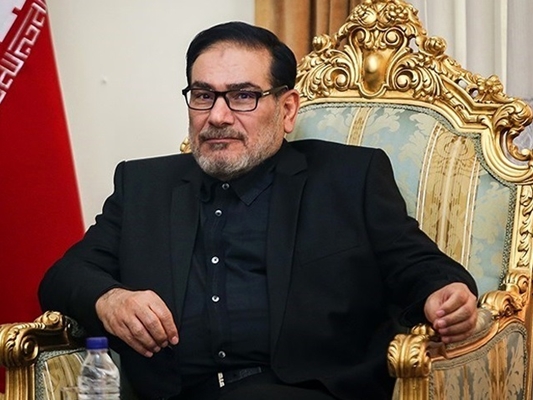
“Some countries in the region have put suspicious nuclear projects on their agenda, spending their petrodollars (on such projects),” Shamkhani said in a speech in the northwestern city of Oroumiyeh on Wednesday.

“Such moves can cause not only the region but also the world to face a threat and crisis worse than the threat of Takfiri terrorists and Daesh (ISIS or ISIL),” he added.

The top security official further emphasized that the emergence of such new threats will force Iran to adjust its strategy and meet the needs of the country’s Armed Forces based on the nature and geography of the new threats.

“We are constantly monitoring all movements of outsiders and some evil countries in the West Asia region, especially the abnormal actions of some regional countries whose dark history of supporting terrorist currents has been proved,” he went on to say.

While Shamkhani did not name any countries in his speech, he seems to have been referring to a proposed transfer of US nuclear technology to Saudi Arabia.

Last month, a US congressional report revealed that the United States is rushing to transfer “highly sensitive nuclear technology” to the kingdom, with President Donald Trump being “directly engaged” in the push.

The House of Representatives’ Oversight and Reform Committee released the 24-page report on February 19, listing the actions taken by the Trump administration in an attempt to win government support for American firms to construct nuclear power plants in Saudi Arabia, in what could increase the risk of spreading nuclear weapons technology.

The report is based on whistleblower accounts and documents showing communications between administration officials and nuclear power companies.

“Experts worry that transferring sensitive US nuclear technology could allow Saudi Arabia to produce nuclear weapons that contribute to the proliferation of nuclear arms throughout an already unstable Middle East,” said the report.

Iran Acquires Know-How to Build Radio Telescopes

Iran Acquires Know-How to Build Radio Telescopes

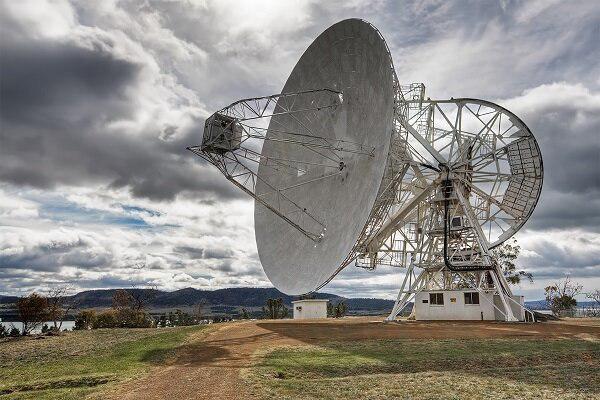
“Until now, we [in Iran] did not have an indigenous sample of the radio observatory in this class. Those we had were smaller, but now we have the ability to build radio telescopes of this size and we can build even more complicated and larger systems,” said Omid Shokoufa.

This Iranian scientist noted that the radio observatory is complementary to the optical observatory, and each of them is used for various purposes. This means that what this system can monitor is not measurable at the optical observatory.

For a brief review of Iran’s achievements in various fields of science and technology, check the book “Science and Technology in Iran: A Brief Review

The radio telescope system is a radio receiver that gets radio waves from various astronomical sources such as galaxies, nebulae and various objects.

A radio telescope is a specific antenna and radio receiver used to receive radio waves from astronomical radio sources in the sky. Radio telescopes are the main observing tool used in radio astronomy, which studies the frequency of the electromagnetic spectrum emitted by astronomical objects.

Radio telescopes are large parabolic antennas similar to those used in tracking satellites and space probes. They may be used individually or linked together in an array.

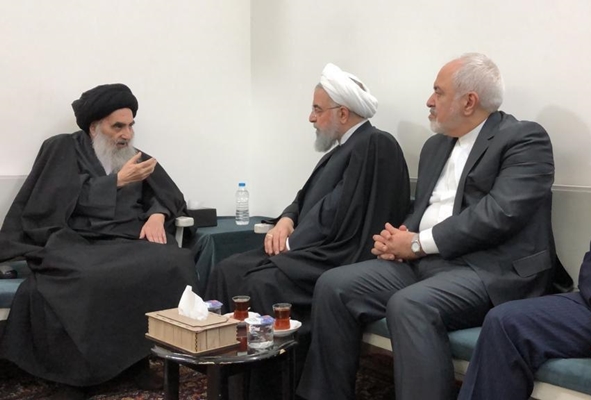
Iran President Meets with Ayatollah Sistani in Najaf

During the meeting, Ayatollah Sistani said he welcomes any initiative that would expand Iraq’s ties with its neighbours. He said the sovereignty of Iraq must be respected, and other states must avoid interfering in its internal affairs.

He called for balance and moderation in regional policies, and said, “Fight against corruption, improved services, and keeping arms in the hands of the government are the

most important priorities of Iraq.
The senior cleric also underlined the significance of keeping regional nations away from

disasters and collateral damages.
Rouhani, in turn, briefed the top cleric on the results of his talks with Iraqi officials.

The Iranian president met the top cleric after visiting the holy shrine of first Shiite Imam and Prophet Muhammad (PBUH)’s son-in-law, Imam Ali (AS) in Najaf.

During the rare meeting, Rouhani was accompanied by Foreign Minister Mohammad Javad Zarif, the president’s chief of staff Mahmoud Vaezi, and Iran’s ambassador to Baghdad Iraj Masjedi.

Ayatollah Sistani had earlier refused to meet Iranian presidents, and this is the first time he has accepted to hold talks with an Iranian president.

The top cleric is known as the spiritual leader of Iraqi Shiite Muslims and one of the most senior clerics in Shia Islam. His fatwas played a significant part in shaping Iraq’s political stage and eradicating ISIS.

In June 2014 – when the Takfiri ISIS terror group unleashed its campaign of destructive in Iraq – Grand Ayatollah Sistani called on his followers to rush to the national army’s help in the fight against the terrorist outfit.

The fatwa helped Shiite fighters, Sunni tribesmen as well as Christian and Izadi volunteers unite under the umbrella of the Popular Mobilization Units (PMU), commonly known as Hashd al-Sha’abi, to reverse ISIS’ gains and ultimately end the terror group’s territorial rule in Iraq in late 2017.