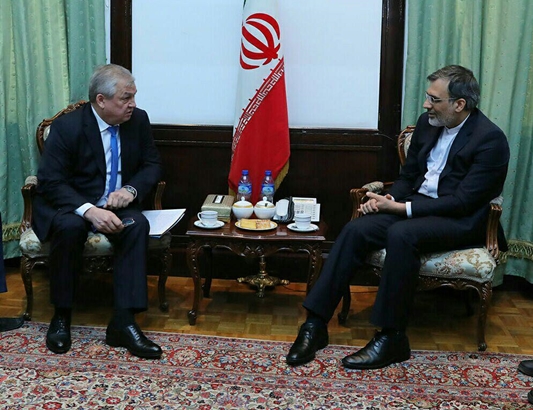
The Iranian official discussed the latest developments in Syria and the region in his meetings with Chinese Assistant Minister of Foreign Affairs Chen Xiaodong; the Russian president’s special envoy for Syria Alexander Lavrentiev; and the German foreign ministry’s director‑general for political affairs Philipp Ackermann.
In these separate meetings, which were held on Tuesday and Wednesday, various issues related to the Syria crisis were discussed, including the formation of the country’s constitutional committee, the fight against terrorism, preventing a humanitarian disaster from happening in Idlib, the reconstruction of Syria, and the return of displaced Syrians to their homeland.
The diplomats also agreed to continue these bilateral negotiations in the near future.
Over the past years, Iran and Russia have been respectively lending military advisory support and aerial backup to the Syrian military in its battle against militants and Takfiri terrorists. The foreign-backed groups started a campaign of bloodshed and destruction against the Arab country in 2011.
Iran, Russia and Turkey, known as the guarantor states of a ceasefire regime in Syria, have been mediating peace negotiations between representatives from the Damascus government and opposition groups in a series of talks held in the Kazakh capital of Astana and other places since January 2017.
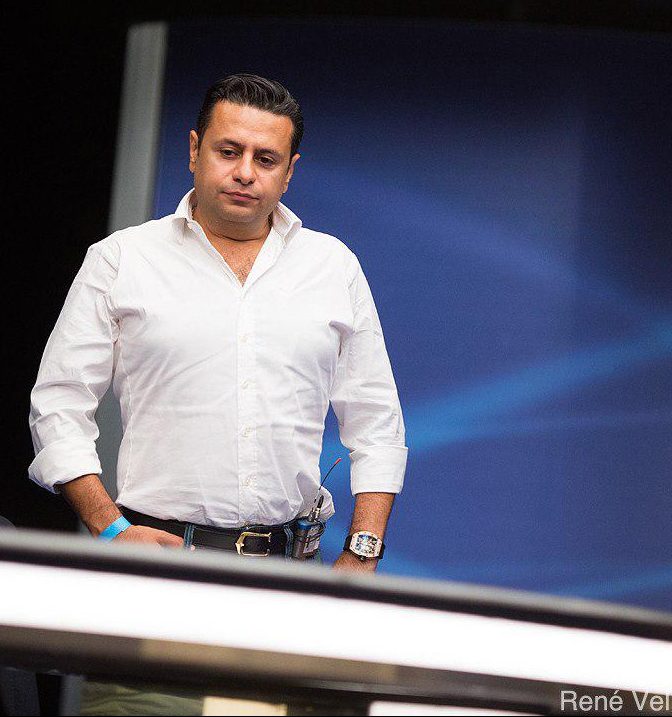
It’s surprising that an Iranian man could do so well at the tables given that there are no poker options readily available in Iran. But Fatehi isn’t your typical Iranian. The businessman turned poker pro got his start playing with friends as a teenager, learning several variations of the game from his close friend Farbod Goharbin. Then when based in Dubai, he honed his skills in online poker rooms before rekindling his love for the live game on a business trip to the Côte d’Azur (French Riviera).
On a whim, Fatehi entered a European Poker Tour (EPT) Super High-Roller event with a $112,000 buy-in. He joined 45 other players in the event, and by the final day, he was the chip leader facing off against seven seasoned pros of the game. Unfortunately for Fatehi, his run ended at the final table. He finished third, but still, he managed to walk away with an impressive $937,000.
He was an unknown player who showed 40+ seasoned pros on how to do it. And he was only getting started. But more on that later.
Always Ready with a Smile
Fatehi has become well-known in poker circles, not only for his impressive poker skills but also, his friendly demeanor. The man himself says that he is always this way, whether it’s with family or friends, doing business or playing poker. His positive attitude seems to rub off on his counterparts, and his opponents are often genuinely pleased to sit at the table with him.
Fatehi’s positivity is something that reflects well on his home country as well. As is often the case, there are many misconceptions about Iran, and it’s always pleasant to see an Iranian busting myths, proving that Iranians should be known for their hospitality. While gambling may be forbidden in our home nation, Fatehi’s popularity among the poker elite is welcome news.
The Super High Roller
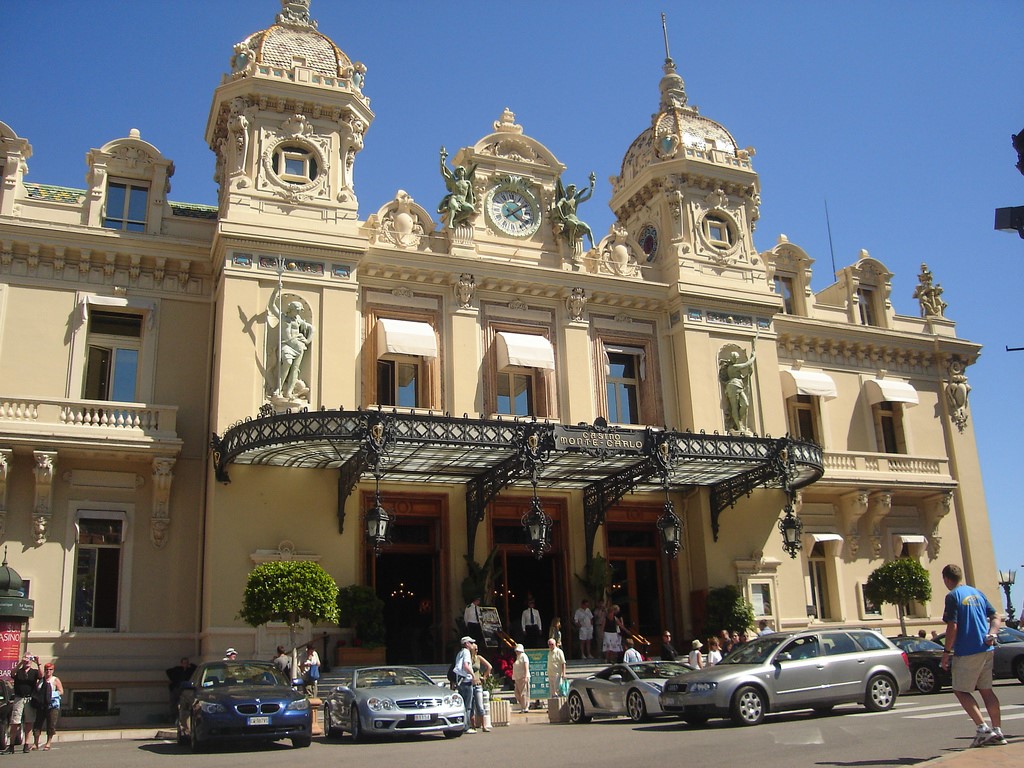
The Monte Carlo Casino where Fatehi made his splash.
We mentioned earlier that Fatehi’s first appearance was a Super High-Roller event in Monte Carlo, and there is a specific reason for that. Fatehi intentionally seeks out events with high buy-ins as he feels that these are the ones that attract the best players in the world. He wants to improve his skills by playing against the best, and the pressure of such a high buy-in only adds to the excitement.
Another Big Windfall
Since that event in Monte Carlo, Fatehi has continued to enter events on the European Poker Tour. He has made slow and steady progress in the money stakes by placing well, bringing home decent winnings in several events. In December of 2016, he took home $250,000 after playing in two events over two days. That’s not bad for a relative newcomer.
In 2017, he limited his action, not making much at the tables. He only entered four events, with 13th place his highest finish of the year. He still managed to earn short of $50,000 for his troubles, although with buy-ins and travel expenses, he likely barely broken even.
However, by 2018, he was back in form again. Two days in Cyprus earned him a first-place finish and $114,000. Then in April, he found himself back where it all began at the Super High-Roller event in Monte Carlo. He once again finished in third place, netting $816,000 for his troubles.
What the Future Holds
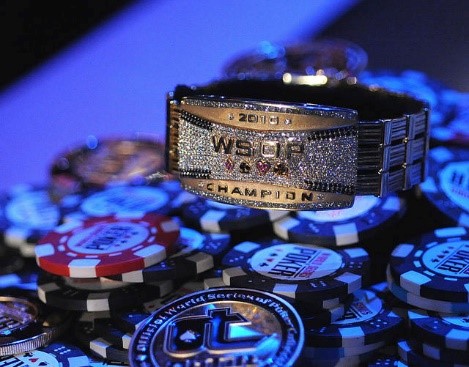
Fatehi’s goal: The World Series of Poker bracelet.
Fatehi has himself stated that he wants more Iranians to start playing poker and has encouraged all his friends and family to pick up the game. He feels that if he can do it, so can anyone, and while we appreciate his kind words, we reckon it takes a lot of skill to achieve the success Fatehi has. But his words aren’t lost on his fellow countrymen. Since he appeared on the circuit, there have been more Iranians entering events on the European Poker Tour than ever before.
For his part, Fatehi intends to remain on the European Poker Tour for now, but the World Series of Poker is on his radar. Unfortunately, travel and visa requirements make this a difficult undertaking, and so, he must make his mark in Europe. It’s a shame because we’d love to see how far he would make it in the world’s most famous poker event.
Fatehi is currently second behind Amir Vahedi in the all-time money list for Iranian poker players. Vahedi, a stalwart of the game, had career earnings of a little over $3.2 million before he sadly passed away in 2010. Vahedi is the only Iranian to win a bracelet at the World Series of Poker, obtaining his in the 2003 No Limit Hold ‘em event, an achievement that Fatehi would love to match.
Fatehi’s current career earnings are over $2.2 million, and he has only been in the game for under three years. Should he continue this upward trajectory, it’s hard to imagine him not taking over as the greatest and highest-earning Iranian poker player of all time. But that World Series of Poker bracelet could be a long way off, though.
The Super High-Roller event is right around the corner, and in his current form, Fatehi will expect a deep run in the event. Who knows, he might even win it this time. They do say the third time is a charm, yes? We know who we’ll cheer for anyway, and if he ever makes it to the U.S., we’re sure he’ll have lots of support in Vegas.
Have you ever heard about body recomposition? If you are a fitness enthusiast who is driven by focused goals, you probably have tried this. For those who are not aware of this technique, we will take you through what it is and how to achieve it effectively.
What Is Body Recomposition?
First of all, we need to understand what body composition is. It is the relationship between muscles, fat, bone and water that makes up a body. It is described in terms of percentage. Now, recomposition causes the body to lose fat and gain muscles at the same time. For most people, it is a complicated technique that can be confusing especially if you are a beginner. It is easy to focus on losing fat alone by cutting calories and exercising more. It is also easy to gain muscles because you only need to eat additional protein and lift weights more. But body recomposition requires a sensitive approach as we will discuss below.
Use of the Right Supplements
Supplements and steroids may be a scary topic for beginners. But there is no way you will avoid their use when your main goal is to achieve body recomposition. Experts in steroids like https://120kgs.org have some of the best legal steroids that burn fat and enhance your capability to lift more for improved muscle growth.
One thing to remember is that the loss of fat should occur almost proportionally to your muscle gains. So, the transformation must be very effective. Most of the supplements provide plenty of nutrients in greater amounts than the normal diet. However, abusing them can cause adverse health effects that will derail your goals eventually. For this reason, it is advisable to seek help from a medical expert.
Make a Perfect Meal Plan
For the body to be in perfect shape as you lose fat and gain muscles, the support of a proper diet is necessary. This means reducing calories to a level that will result in the depletion of fat stores while eating enough proteins to build muscle. It is highly recommended that one should consult a nutritionist to develop an ideal meal plan especially for the active training days of the week. If care is not observed, one could be causing more harm to the body over time.
Heavy and Compound Lifting
Exercise is a core pillar of recomposition for the body. For a person to lose body fat, she or he simply must work out more. Heavy lifting works better compared to cardio. Although all types of exercises are important, you should lift most of the time.
Additionally, fitness enthusiasts in this category will achieve better results in gaining more muscles when they spend more time engaged in weightlifting exercises. So, there is no compromise for those who want to experience recomposition.
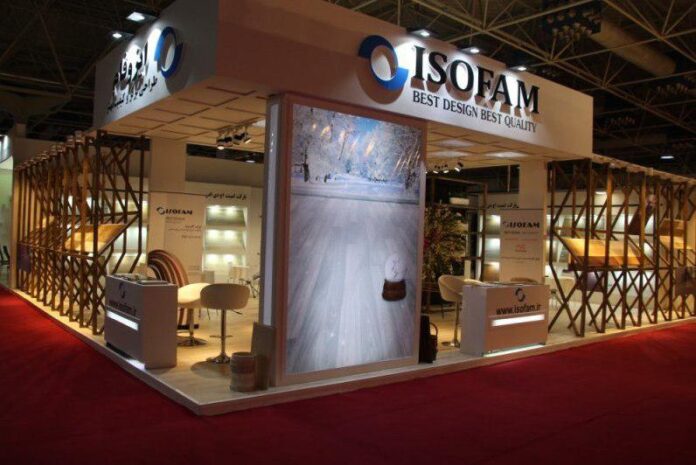
He began by introducing his company: Isofam was established in 1983 in Tehran with the aim of taking part in Iran’s development, as well as becoming a top firm in the field of construction. During the past decades, Isofam has established itself as a successful industrial construction complex, particularly in the wood industry. With an impressive presence in the industrial construction market, the company has taken major steps in line with Iran’s economic, industrial and construction programmes.
“Relying on a long history and considerable experience in the production of wood products such as MDF and melamine chipboard, Isofam carried out three projects of melamine resin paper impregnation, particle board compression and wood industry printing goods production in Shams Abad industrial zone. Isofam has been praised by the Iranian Ministry of Industry, Mine, and Trade as a top industrial company of the country,” he noted.
Asked about the company’s development plans in the current year, Yavari says, “Adopting a developmental outlook, Isofam has managed to accustom itself to recent global trends in business and technology. It has successfully implemented four design schemes by producing high-quality HDF laminate parquets, socket papers with natural, deep texture on MDF packs, PVC edging tapes, and high quality high gloss sheets.”
“Isofam’s goals are aligned with Iran’s economy of resistance which requires coping with the domestic market’s demands in order to cut the imports and prevent the outflow of currency. The company instead brings money in Iran by exporting its products to neighbouring countries; a great achievement not only for Isofam, but for Iran’s wood industry,” he added,
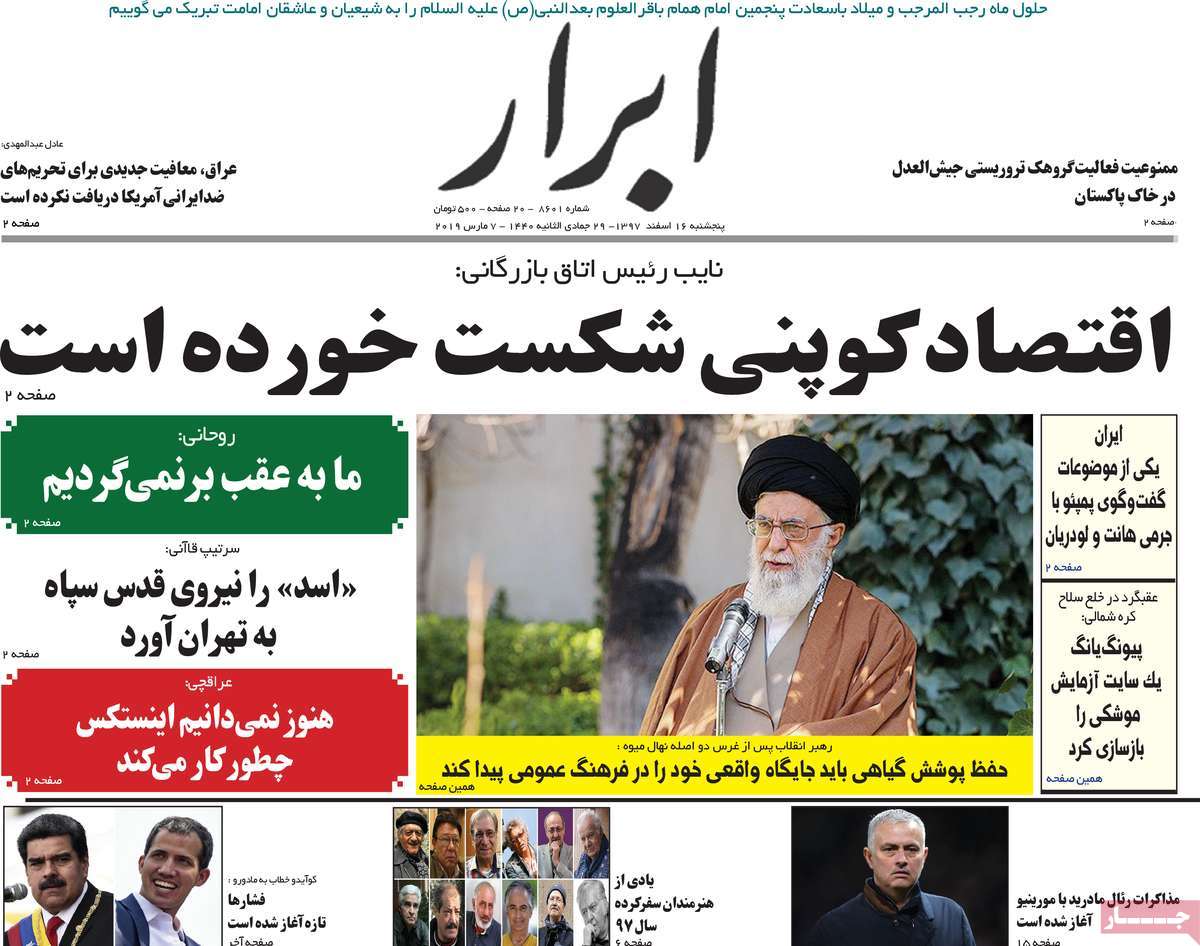
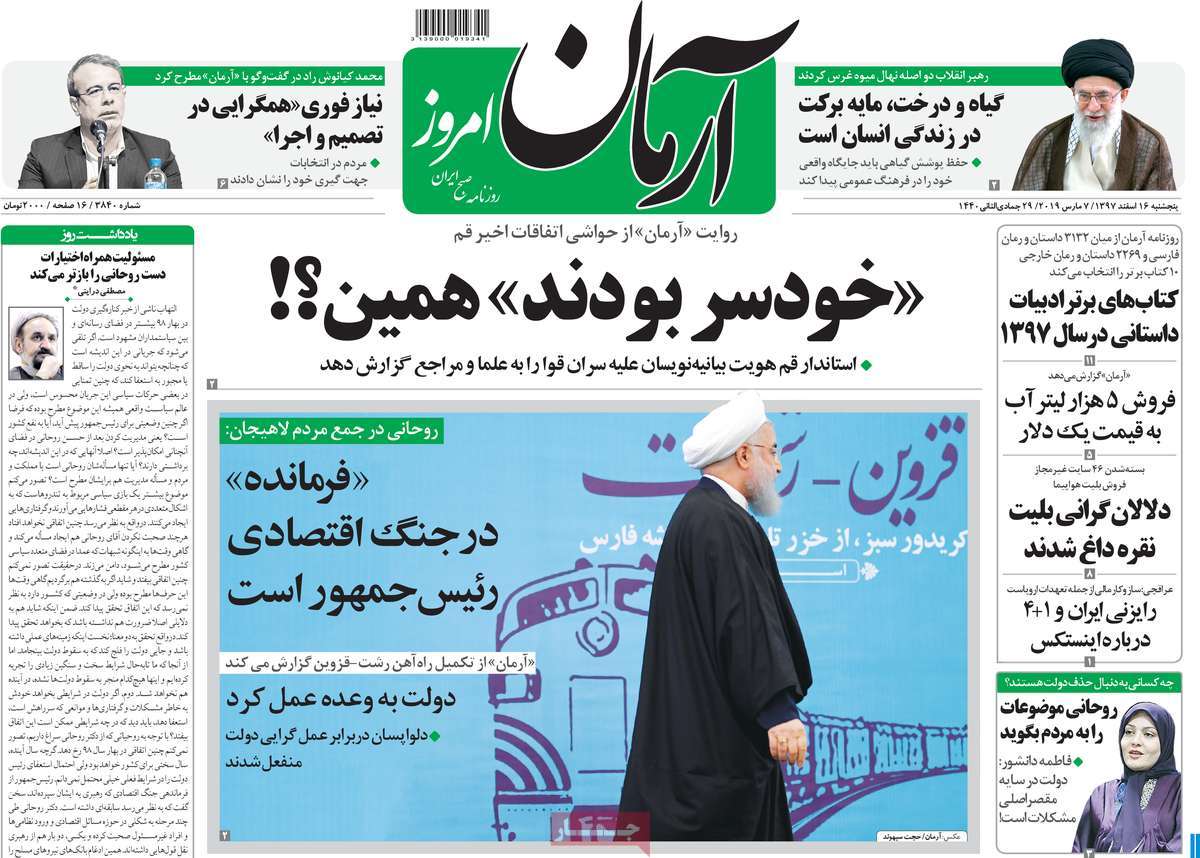
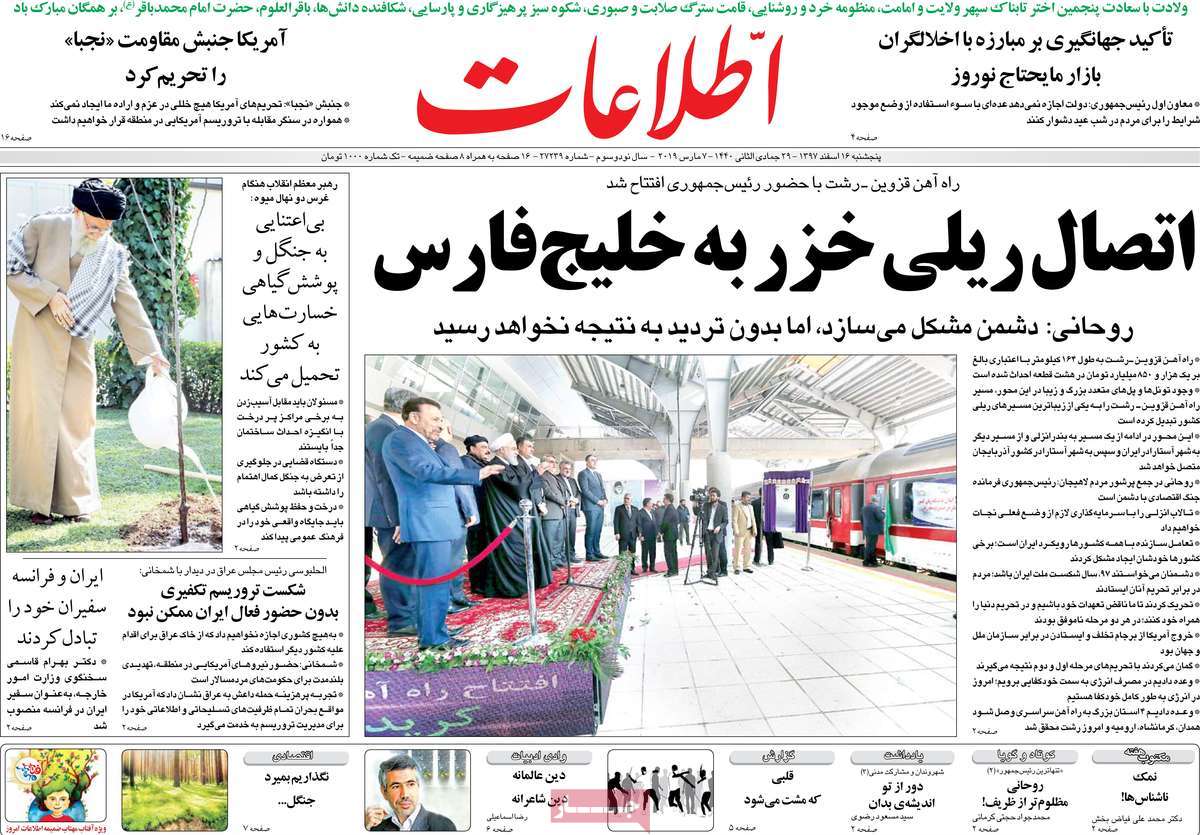
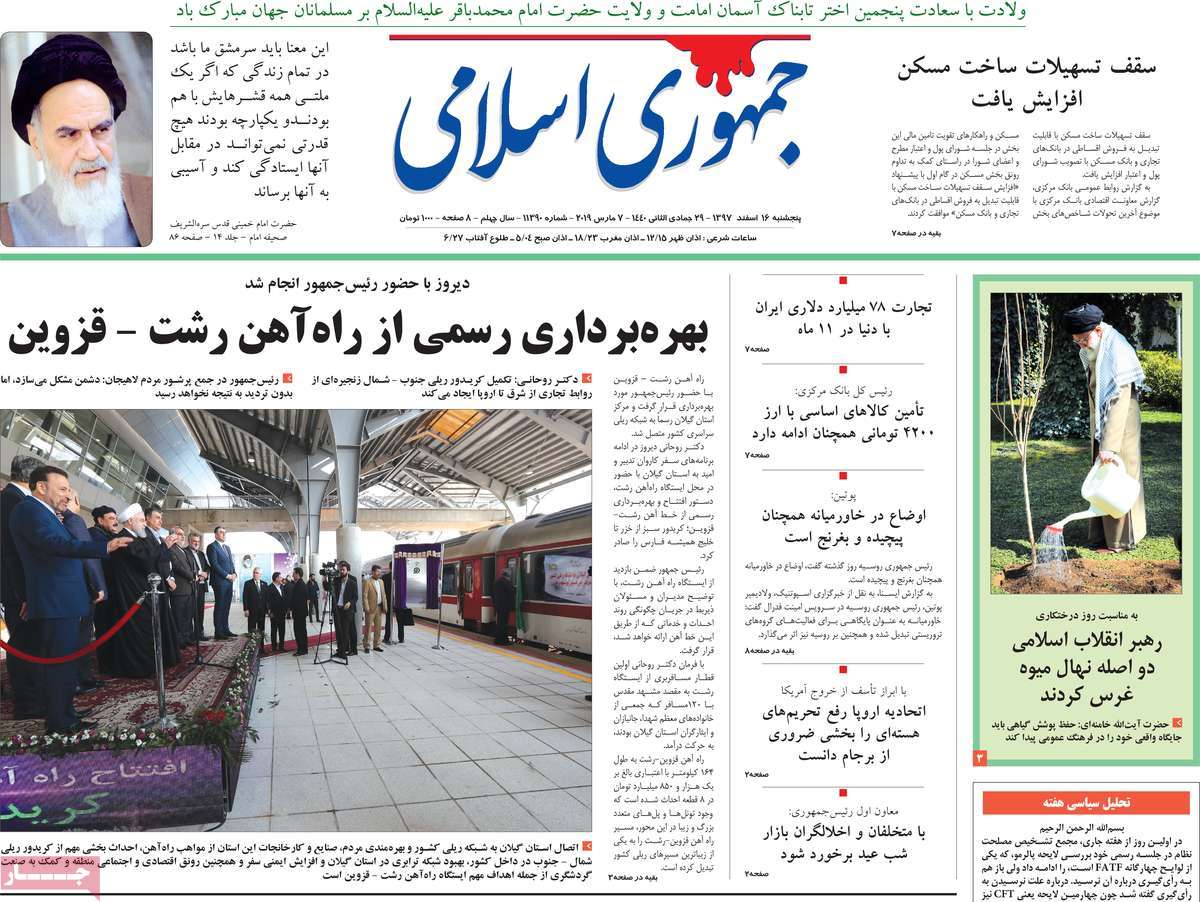
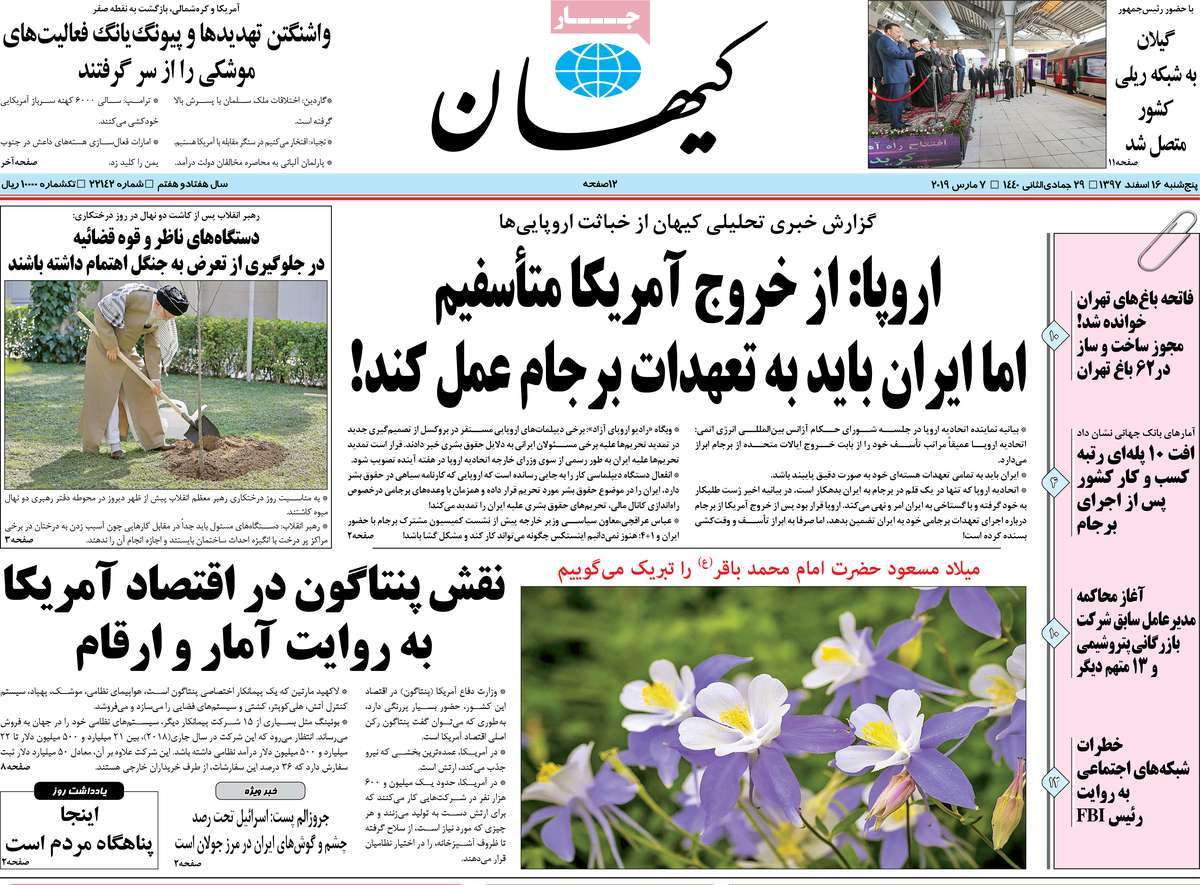
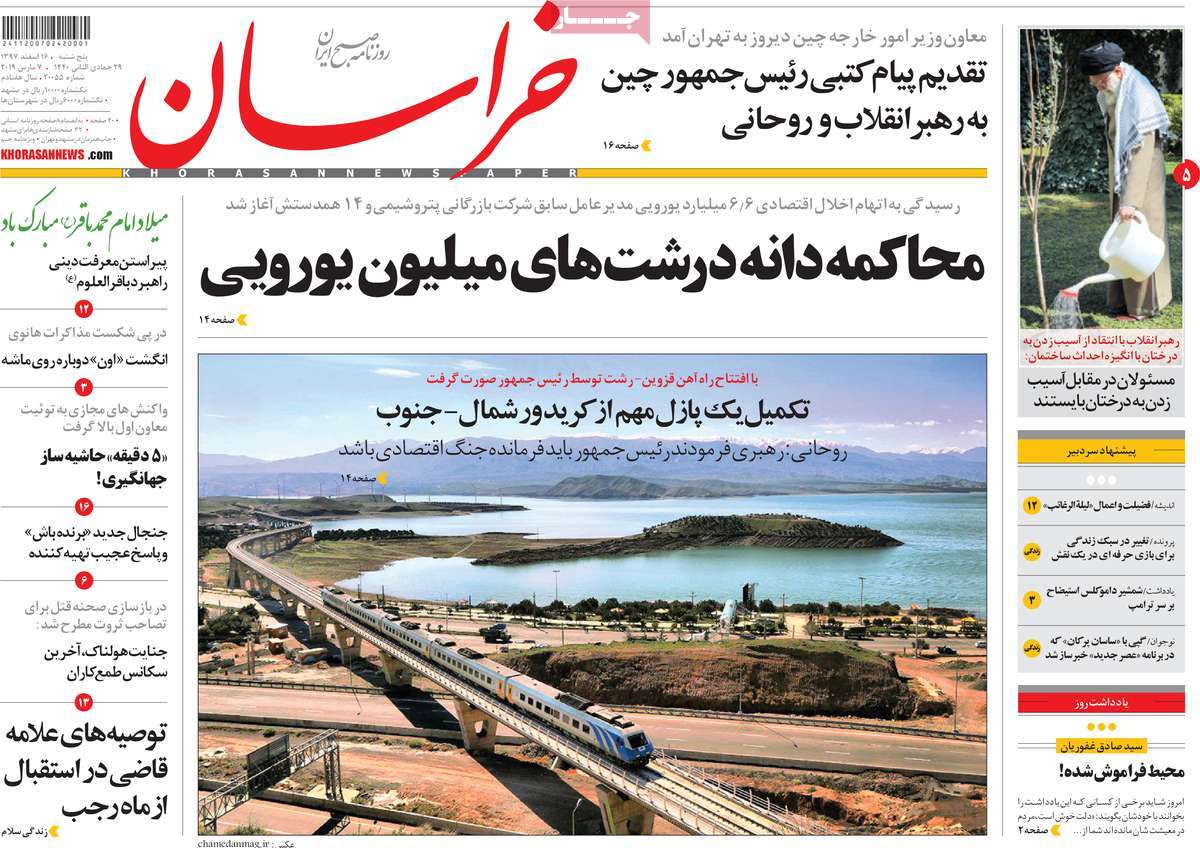
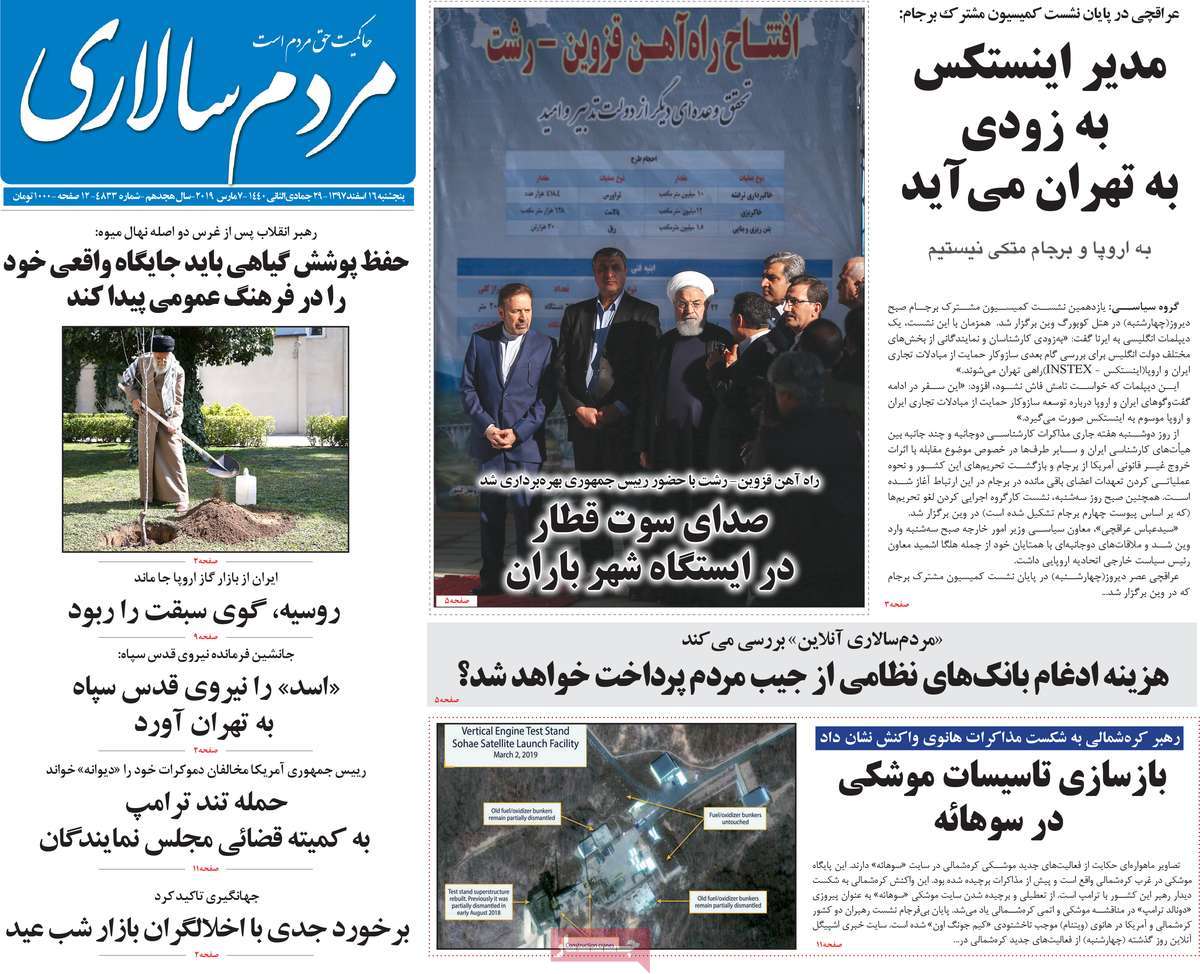
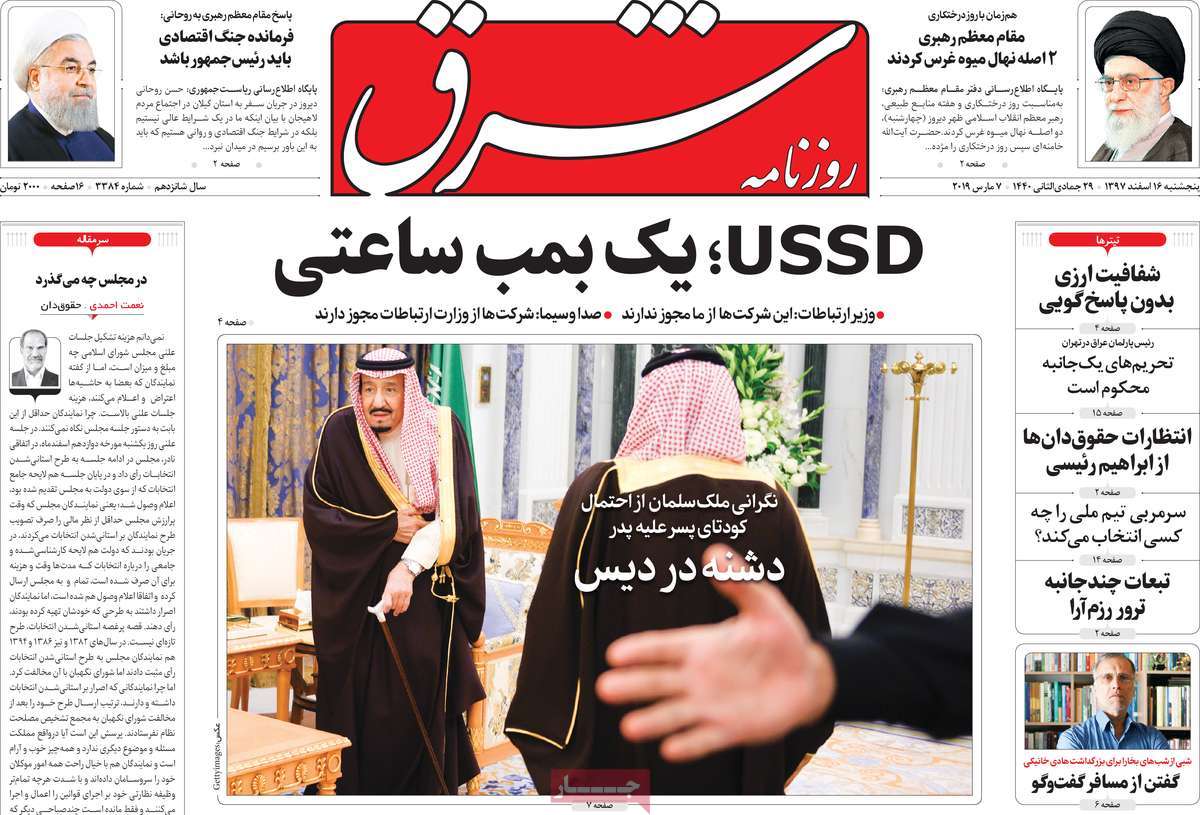
A top story in all papers today was the remarks made by the Leader of Iran’s Islamic Revolution Ayatollah Seyyed Ali Khamenei about the need for protecting vegetation, as he plantedtwo fruit trees on the occasion of National Arbour Day and National Week of Natural Resources.
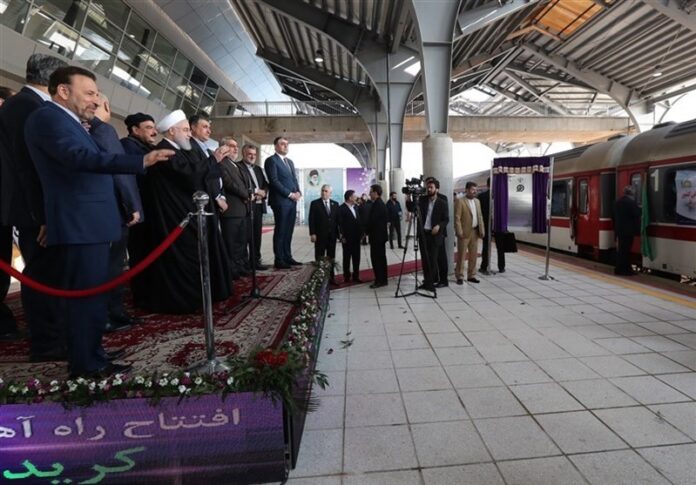
Also a top story was President Hassan Rouhani’s inaugurationof the strategic Qazvin-Rasht railway line, which connects northern Iran to the national railway as an important part of the North-South Corridor.
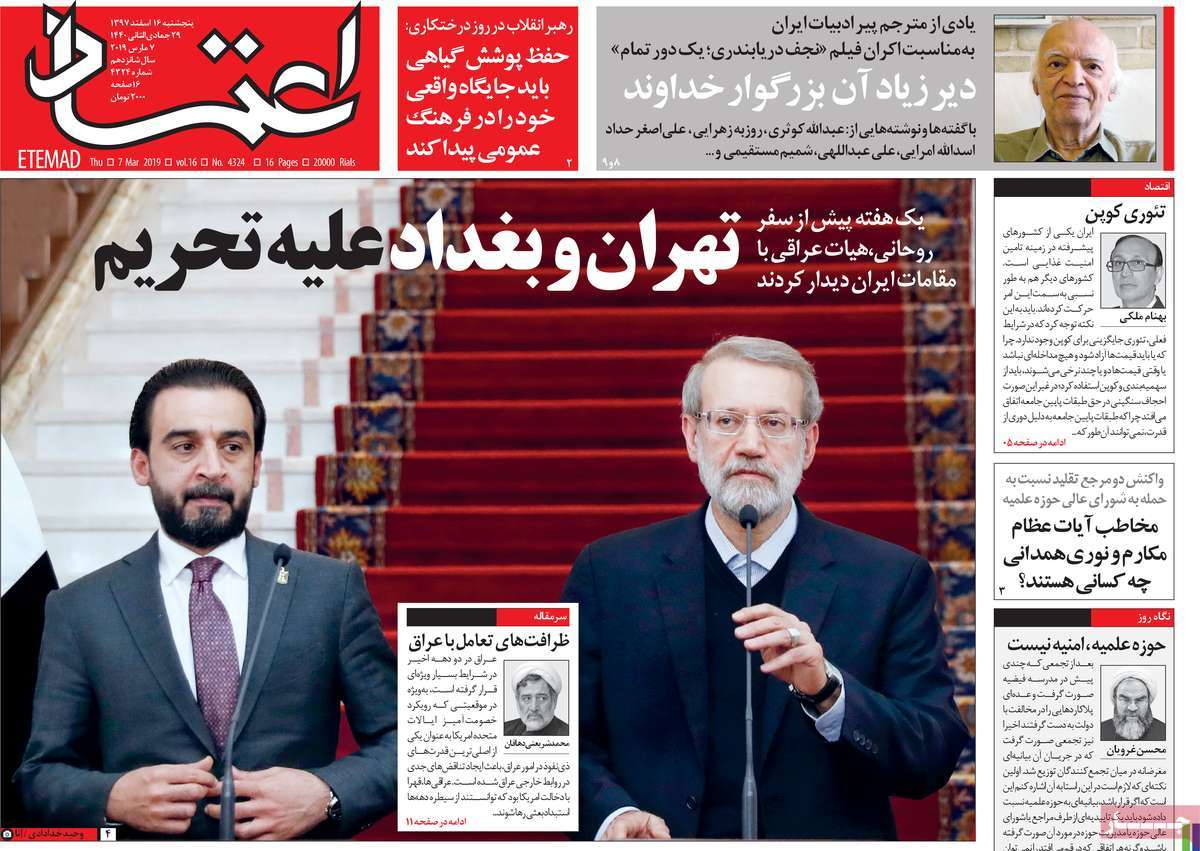
The visitof Iraqi Parliament Speaker Mohamed al-Halbousi to Tehran, and his meetingswith top Iranian officials also received great coverage.
The above issues, as well as many more, are highlighted in the following headlines and top stories:
Abrar:
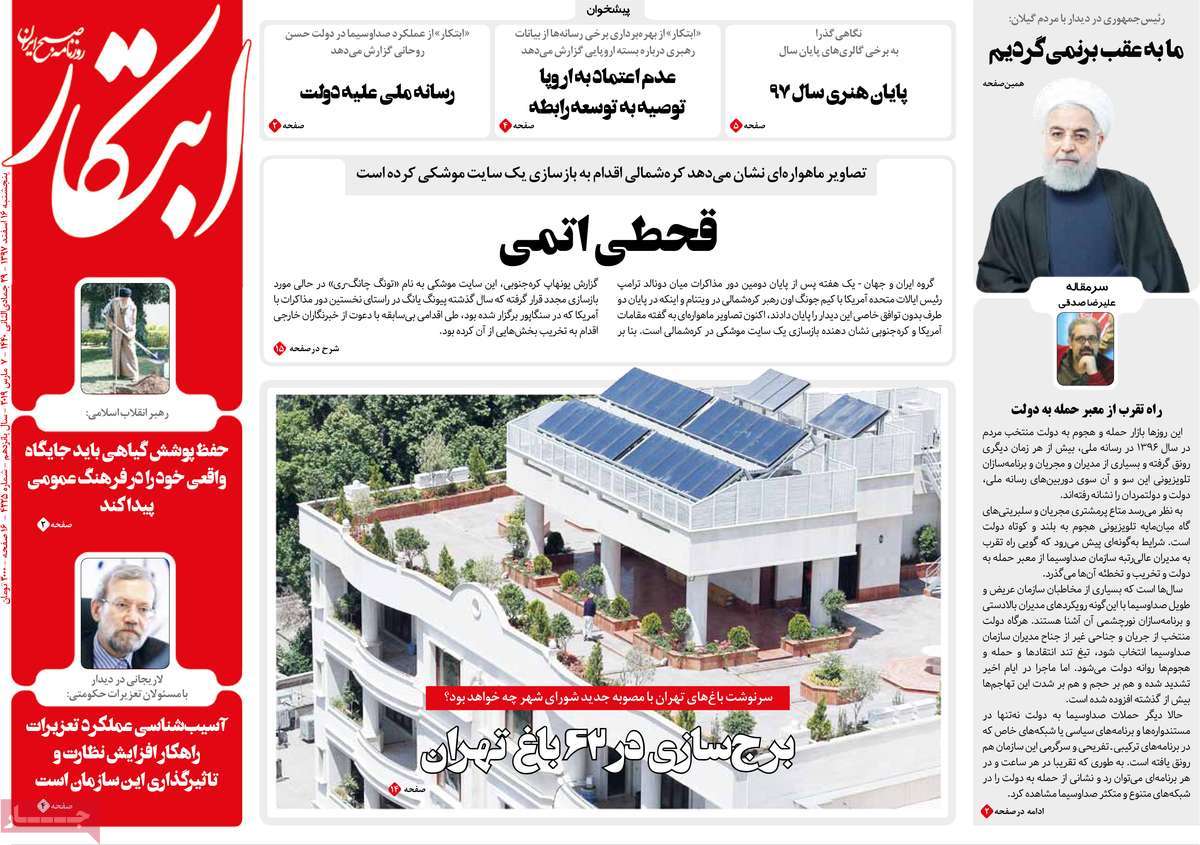
1- Pakistan BansOperation of Jaish al-Adl Terror Group in Its Soil
2- Iraq PM: Baghdad Has Not Received New Exemption for US Anti-Iran Sanctions
3- Rouhani: We Won’t Go Back
4- Araqchi: We Still Don’t Know How INSTEX Works
5- Iran Key Focus of Pompeo’s Talks with Hunt, Le Drian
Aftab-e Yazd:
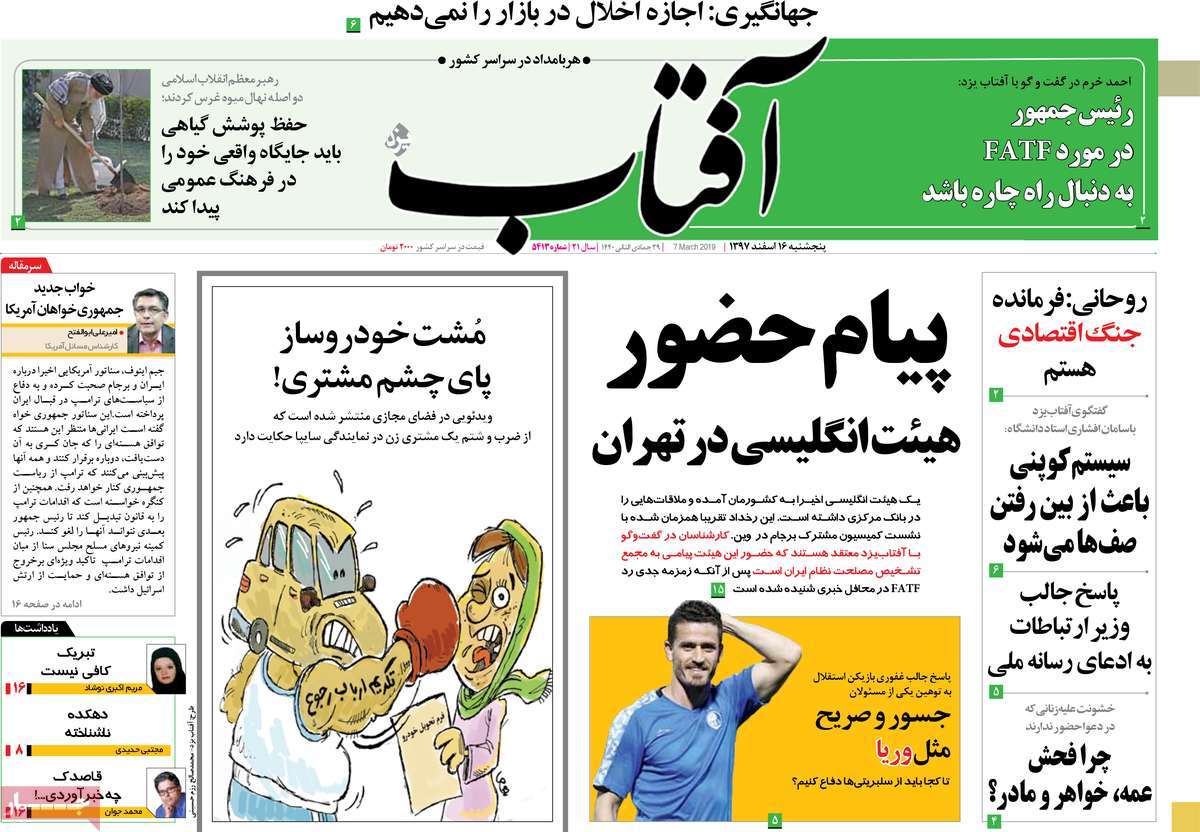
1- British Delegation Has Recently Visited Iran, Met Central Bank Officials
2- New Dream of US Republicans [Editorial]
Arman-e Emrooz:
1- Iran Leader Plants Two Fruit Trees
2- Rouhani: President Is the Country’s Commander during Economic War
3- Iran, P4+1 Hold Talks about INSTEX
Ebtekar:
1- Atomic Drought: Satellite Images Show N Korea Has Rebuilt One of Its Missile Sites
2- Rouhani: We Won’t Go Back
Etemad:
1- Tehran, Baghdad against Sanctions
Iraqi Delegation Meet Iranian Officials One Week before Rouhani’s Baghdad Visit
2- Iran Leader: Protecting Vegetation Must Become Part of Public Culture
Ettela’at:
1- Iran, France Exchange Ambassadors
2- Defeat of Takfiri Terrorism Not Possible without Iran: Iraq Parliament Speaker
3- Caspian Sea Connected to Persian Gulf through Railway
Jomhouri Eslami:
1- Rasht-Qazvin Railway Line Officially Inaugurated by Rouhani
2- Iran Had $78 Billion Worth of Trade with World in Past 11 Months
3- Putin: Situation in Mideast Still Complicated
4- EU Says Removing Nuclear-Related Bans Necessary Part of JCPOA
Kayhan:
1- Europe: We’re Sorry about US’ Withdrawal, but Iran Must Do Its JCPOA Commitments
2- Washington Resumes Making Threat, Pyongyang Resumes Missile Activities
Khorasan:
1- Rasht Connected to Iran’s Railway System as Important Part of North-South Corridor
2- Kim’s Finger on Trigger Again after Failure of Hanoi Talks
3- Chinese President’s Letterto Iran Leader, President
Mardom Salari:
1- INSTEX Chief to Visit Iran Soon: Araqchi
2- Russia Outpaces Others; Iran Left Out of Europe’s Gas Market
3- Trump’s Harsh Attack on US House’s Judicial Committee
Shargh:
1- Iran Leader Plants Two Fruit Trees on National Arbour Day
2- Ayatollah Khamenei’s Response to Rouhani: President Must Be Commander of Economic War
3- Iraq Parliament Speaker in Tehran: Unilateral Sanctions Condemned
4- King Salman Worried about Mohammed’s Possible Coup against Himself
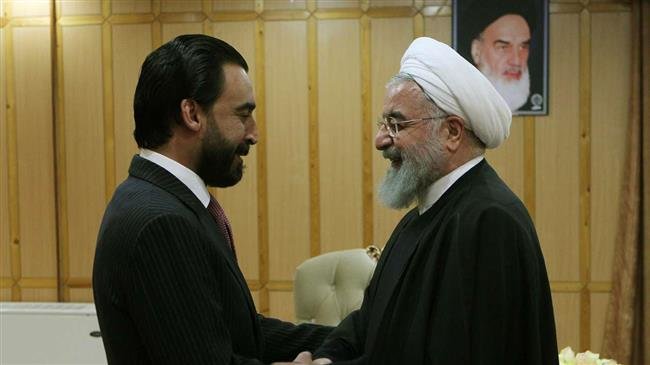
On Wednesday evening, Iranian President Hassan Rouhani received Iraqi Parliament Speaker Mohamed al-Halbousi on the sidelines of a visit to the northern Iranian Province of Gilan.
The two officials reaffirmed the resolve of their nations to further enhance cordial bilateral relations as well as cooperation in the battle against terrorism.
President Rouhani emphasized the significance of stability in neighboring Iraq, saying peace and security in both countries are intertwined.
He congratulated the Iraqi nation for defeating the “dangerous” Daesh terrorists and subsequently holding successful elections, stressing that the Islamic Republic “is ready to broaden bilateral cooperation in the areas of economy and infrastructure.”
The Iraqi speaker, in turn, stressed the need for stronger ties with its eastern neighbor, censuring the US’s campaign of economic pressure and sanctions against Iran.
Halbousi also thanked Iran for standing by the Iraqi nation in its fight against terrorism. On the back of Iran’s military advisory support, Iraqi armed forces managed to liberate their home country from Daesh, the world’s most notorious terror outfit, in late 2017.
He said Iraq believes closer cooperation with Iran strengthens regional stability.
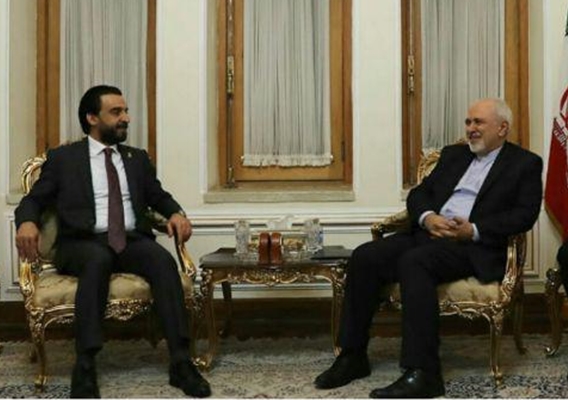
Earlier in the day, Halbousi sat down for talks with Iranian Foreign Minister Mohammad Javad Zarif in Tehran over issues of bilateral importance, among them President Rouhani’s upcoming official visit to Iraq.
The Iraqi parliament speaker also met with Iran’s top security official for talks on defense relations.
During that meeting, Ali Shamkhani, the secretary of Iran’s Supreme National Security Council, warned that the American military presence is posing security threats to the troubled region.
Referring to the futility of Washington’s military intervention in Iraq under the banner of fighting Daesh, Shamkhani said “experience showed the US is not only not ready to protect nations and governments against terrorists in times of crisis, but even employs all its logistical and intelligence resources to manage terrorism and use it as a tool” in the service of its own goals.
Halbousi, for his part, highlighted Iran’s significant role in establishing peace and security in the region, saying his country could not have defeated the terrorists without Iran’s help.
Accompanied by a delegation of ministers, the Iranian president opened Qazvin-Rasht railroad line at a ceremony in Rasht, capital of the northern province of Gilan.
The new track is a major section of a railroad line dubbed the ‘Green Corridor’, which connects the Caspian Sea to the Persian Gulf.
The railroad line, stretching 164 kilometers, would help save 20 million liters of fuel every year and provides employment for 1,865 people.
Qazvin-Rasht railroad line will be also extended to the port city of Anzali and further to the city of Astara in Iran and a border city with the same name in the Republic of Azerbaijan.
Iran has accelerated efforts in recent years to complete the sections of the international North-South Transport Corridor (NSTC) that pass through its territory.
The NSTC concept was formalized by India, Iran and Russia in 2000.
The long corridor connects India to Russia through Iran’s southeastern port city of Chabahar.
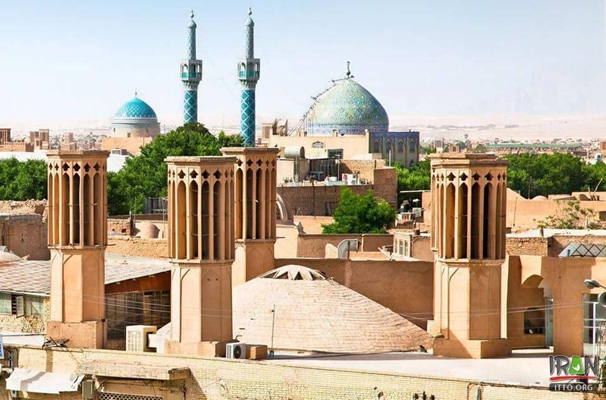
As part of this commitment, an international workshop was recently held in Yazd to introduce adobe architecture as a solution to the environmental challenges. This was the first time that Iran was hosting such a workshop.
The event was also attended by advisor to the General Manger of the International Centre for the Study of the Preservation and Restoration of Cultural Property known as ICCROM.
Mariana Corea, the chief of ICOMOS International Scientific Committees also was among the participants.
Representatives from 30 countries including the Philippines, Afghanistan, Lebanon, Kuwait, Jordan, Portugal, Algeria, Germany and Iran took part in the workshop.
In recent years, Iran has faced environmental problems in the building industry, and the solution that Yazd has set forth is adobe architecture.
The workshop was held to introduce the adobe architecture and sustainable structures and to examine its maintenance challenges.
Seyyed Mostafa Fatemi, Director of the Cultural Heritage Department of the province, in an interview with ISNA pointed to the importance of holding the first international workshop on adobe architecture saying that one of the most important features of the workshop was the presence of some of the most prominent international experts in the field of architecture which led to the transfer of experiences.
“Due to the rich background and the sustainable adobe architecture of Iran, our country is committed to and responsible for transferring its experiences in the field,” he went on to say.
Mohsen Abbasi Harofteh, the head of Cultural Heritage Base of Historical City of Yazd, says Iran and its government have given the UNESCO a commitment to continue constructing structures through adobe architecture.
“If we do not fulfil our obligations, we would be held accountable by international institutions. In other words, we cannot be benefited by the registration of our sites, but not be committed regarding its costs.”
Abbasi Harofteh also called adobe architecture one of the most enduring and environment-friendly architectures noting that a key challenge in the world today, which is serious in Iran, is the environmental issues of producing construction debris and the energy wasted for the construction industry.
However, adobe architecture is one of the alternatives to save environment, he concluded.
During the Wednesday meeting, the two sides described mutual relations between Iran and Iraq as strategic, and exchanged views on regional issues, ways to expand and strengthen bilateral ties and the upcoming significant visit of Iranian President Hassan Rouhani to Iraq.
Rouhani is set to start his first-ever official visit to Iraq as the Iranian president as of March 10.
Earlier, Zarif, his deputy Abbas Araqchi and head of Iran’s Central Bank Abdolnasser Hemmati made separate trips to the Arab country to prepare the grounds for the visit.
Last November, Iraqi president Barham Saleh had visited Iran.
In a Wednesday statement, Qassemi condemned the “inhumane move” and expressed sympathy with the government and nation of Afghanistan, particularly the families of the victims of the attack.
“Carrying out terrorist attacks against innocent people is the most inhumane method followed by terrorist groups to achieve their illegitimate political goals and privileges,” Qassemi said.
“We are sure that the nation of Afghanistan will stand behind their government and continue its move, in a more determined way than ever, to strengthen stability and security in the country,” he said.
Qassemi underlined that the Afghans have the backing of the Iranian government and nation in their efforts.
Earlier in the day, bomb explosions followed by a militant attack rocked Afghanistan’s Jalalabad, killing at least 16 people and wounding nine others.
Local officials say two bombers blew themselves up outside the office of a private construction firm near the city’s airport.
Then, three other militants stormed the company and opened fire on employees. Security forces rushed to the scene and gunned down the attackers. There’s no claim of responsibility for the assault. But Taliban militants and ISIS terrorists are both active in the region.