Thursday, April 9, 2026
Home Blog Page 3317

Is Online Dating Suitable for Long-Term Relationships?

They believe that it is destroying the base for building a long-term relationship. But in reality, the picture is different. Here are a few reasons why long-term relationships can still exist in the modern era of online dating:


The option to fall for the perfect one

Online dating apps are not killing the romance between two lovers. It is giving them an option to choose who they think is best in their life. According to recent reports, over 10% of adults in Paris are using online dating apps, and more than 40% are searching for their life partner in these platforms. Apps like LoveSita use a unique algorithm to find a match that shares similar characteristics between two people.

So, instead of being unsure of how the person is, you are already guided by a profile bio of your interests. This leads to finding suitable matches, and if the two like each other, the chances of a long-term relationship increase because they already know their personality traits.

Suppose you are looking for a dress online. You will shortlist your choices according to your favorite color and design of the dress you want. Your search will not be random and it takes less time to find the correct dress. The same concept applies to online dating. The app shortlists many potential matches according to your profile bio; you choose the profiles you like and the ones you don’t. If the ones you like also like you back, you got a match.

The chances are that there will be more than a single match, and that’s okay. This list works well in your favor. Once you have a final list of people you like, you can chat through the app and find the most suitable partner. Just because there are multiple matches and you are chatting with several people simultaneously doesn’t make you a cheater. This is how modern dating works. You keep searching for the right one until you stumble across that person with whom you have a deep emotional connection.


Spark a new romance

Traditional dating or marriage revolves around the idea that romantic love leads to a successful marriage that lasts forever. It ignores the possibility that romantic passion may dissolve over time. The duration of romance between couples tends to vary, but this doesn’t mean true love can’t last forever.

So, if the love wears down, and the romance shatters, what is the use of being in a relationship? There is no rule to keep it going, stretching it to a point where both of you are tired, and it hits a point where there is no returning from it. Instead, make the most of online dating sites and apps. If you are searching for true love, these out-of-the-box options may be the perfect solution. All you have to do is keep trying and not complain about your failed relationships in the past.
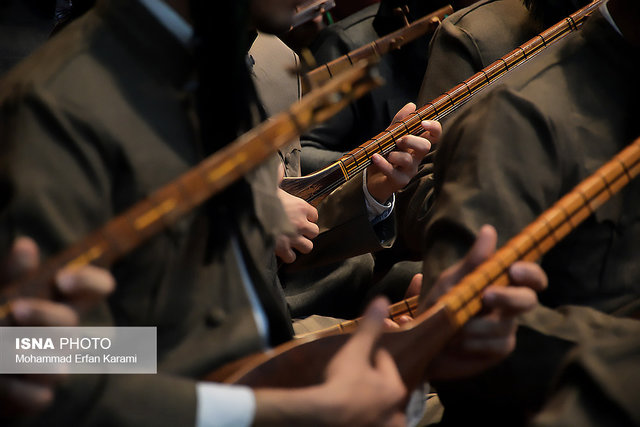
Fash Village; Hub of Musical Instrument Making in Iran

Fash Village; Hub of Musical Instrument Making in Iran

Fash, located in the central district of Kangavar county, is registered as the national village of Iranian traditional musical instruments.

Tanbur is one of the major traditional instruments which has been made in Fash since a long time ago.

Workshops of various types of musical instruments such as Tanbur, Tar, and Setar could be seen across the village.

Most people in this village, especially men and youths are busy with making traditional instruments and each family has its own workshop.

The first instrument maker in the village was a man called Yadollah Ashrafi. He was, in fact, a master of making musical instruments in the village, and all the villagers working in this field are considered to be his trainees. He passed away in 2007.

In addition to the musical life of this village, it has a very beautiful nature. The beautiful gardens and farms of the village are very spectacular with their tall plane and poplar trees.

One of the most important natural attractions of the village is a beautiful and magnificent mirage, located 17 km northwest of the city of Kangavar, which is surrounded by tall forest trees, and flowers. In 2003, it was registered as a national tourism site.

Here you can see photos of this village received from various sources:

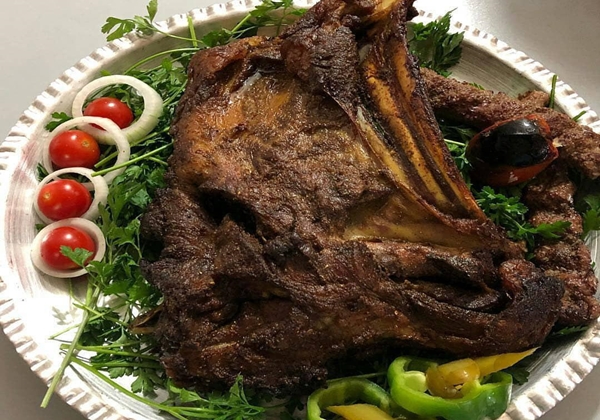
Tanoorcheh; A Mouth-Watering Iranian Food

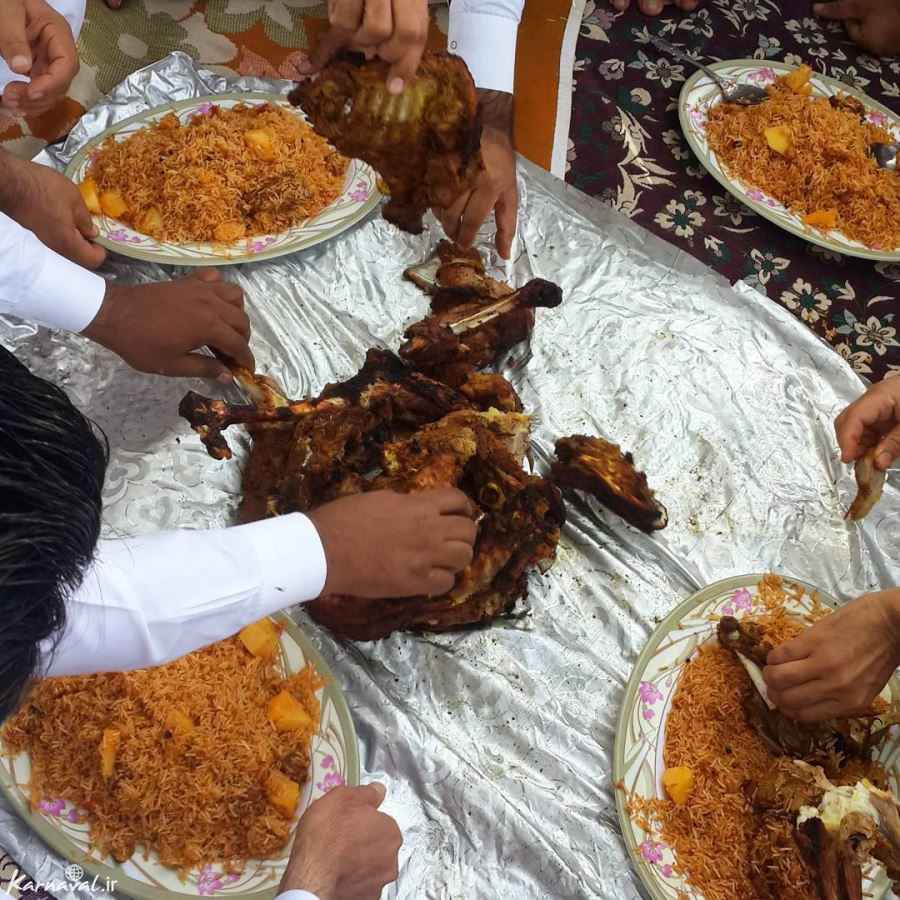
Tanoorcheh is indeed a kind of kebab which is cooked in two ways: skewered chopped lamb and whole lamb. Both are cooked in a tandoor.

First method:

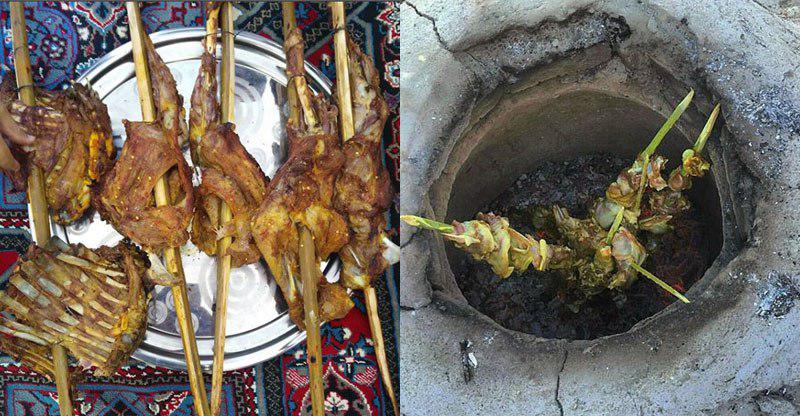
Tanoorcheh; A Mouth-Watering Iranian FoodMutton is chopped into large pieces each of which is skewered using a skewer made of palm tree wood. The skewers are put in the tandoor when the charcoal inside is hot an and red. If they prefer the mutton rare, they put a container of water on the charcoal inside the tandoor. Then they lay the skewers upright around the inner surface of the tandoor with one end inside the water container. This will cause the lamb to be steam-cooked as well. Afterwards, the top of the tandoor is covered with a tray or any other heat-resistant object, which itself is covered with a plaster of clay and straw.

Like all other tandoors, the tandoor used for cooking this food has a ventilation vent at the bottom to let air in. This can preserve the condition as it is for 45 minutes to one hour. Of course, the length of time depends on the skewered mutton. When cooked, Tanoorcheh is served alone or with rice.

Second Method:

A whole lamb is slaughtered and gutted. Then it is wrapped with heat resistant threat. Afterwards, it is put inside the tandoor with hot charcoal inside. Again, the top of the tandoor is covered with an object and a layer of clay and straw. Then you wait until the lamb is cooked through.
Tanoorcheh; A Mouth-Watering Iranian Food

Flooding in Iran’s Shiraz Kills 19, Injures Dozens

That was announced by the Health Ministry, which put the number of those injured in the province at 105 so far.

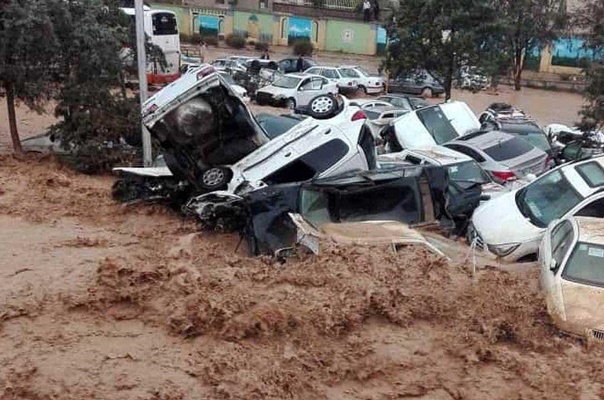
A number of vehicles entering or leaving Shiraz were also caught in the floods at the entrance to the city, which was the major contributor to the high death toll.

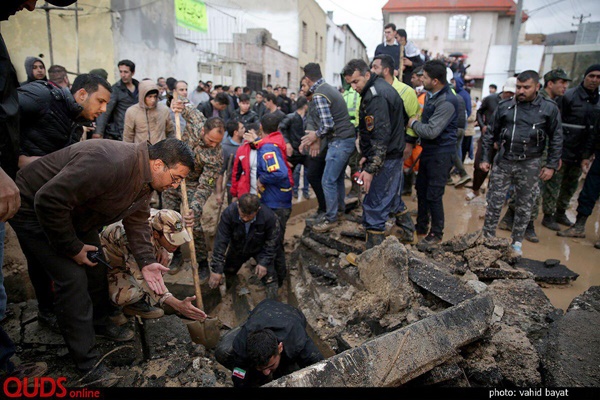
Personnel of emergency services including the Firefighting Department, Red Crescent Society, and the police immediately rushed to the help of the occupants.

Relief operations are going on in Shiraz. The provincial governor of Fars as well as the governor of Shiraz are on the scene to see for themselves the trend of relief work.

The Red Crescent Society is also on high alert to help flood-stricken victims.

Residents have been asked to avoid nonessential travel.

Meanwhile, armed forces as well as voluntary Basij personnel are contributing heavily to relief operations.

In the meantime, Iranian President Hassan Rouhani, in a message, expressed condolences on the deaths of a number of fellow countrymen in the floods.

He also instructed authorities to redouble their efforts to reach out to flood-stricken victims and soothe their sufferings.

He said the Cabinet will meet on Wednesday, March 27, to survey the damage inflicted on residents and to adopt the necessary decisions to indemnify flood victims.

The president also instructed the interior minister to immediately examine the causes behind the flash floods in Shiraz and present a report accordingly.

The deadly flood in Shiraz came a few days after heavy flooding in the northern Iranian provinces of Golestan and Mazandaran killed several people.

25 other parts of the country, especially Khuzestan and Lorestan provinces in west and south-west of Iran, are also on high alert.
Flooding in Iran’s Shiraz Kills 19, Injures Dozens

New Solar Cells Developed to Be Installed on Handbags

Sholeh Kazemifard, a graduate of Amir Kabir University of Technology in applied chemistry, is the director of the research centre where these new solar cells were developed.
She says silicon solar cells have been developed and expanded as the first devices for direct conversion of sunlight into electricity based on photovoltaic phenomena.

“These devices are very expensive because of the use of pure silicon. But in order to reduce the price, we have started to make solar cells based on light-sensitive compounds including non-silicon mineral compounds, organic colours and compounds such as polymers,” she told Mehr News Agency.

If the flexible model of these cells is made, they can be installed on bendable surfaces such as clothes and handbags, she added.

“For example, they can be installed on a handbag to supply the required power for personal belongings. They can charge a mobile phone or tablet without having to carry the charger.”

The samples made with applied laser pigments have been designed for the first time in the world, and thus their upgrade has also been studied by this research group.

“By changing the thickness of the solar cells and the applied pigment concentration we could produce 21 mA power. At the moment, as the solar cells system is a new technology around the world, any solar cell other than the silicon ones has not been mass produced,” she said.

“But the newly devised model can attract investment due to the high voltage and power,” she went on to say.

Kazemifard further mentioned the built-in cells have a light weight, and can be mass produced by using roll-to-roll techniques (like newspaper printing). Therefore, they do not require much space for mass production.

“Also, by changing the usual polymers and synthesizing new materials, we can reach higher voltages through affecting the conductive material bandgap. The applied pigments cover the visible and ultraviolet points and absorb high-energy photons in this area. Therefore, in addition to the transfer of charge, they transfer the energy.”

These cells are designed to be used in all places, including traffic signs, VMS boards, and traffic lights. They can supply power for mountainous regions and also telecommunications systems. They can provide power for factories located in the areas in which cabling is not cost-effective such as hard routes, etc.

The results of these research papers are published in international journals and presented at domestic and international conferences. The patent and certificate of the Industrial Research Organisation of Iran has been obtained for these achievements, added this researcher.

Among various sources of renewable energy like sunlight, wind, water and geothermal, solar energy is considered an important source for reducing dependence on fossil fuels and environmental pollution. That’s why researchers around the world are looking for practical and cost-effective ways to replace other energies with this one.

With the first largest gas reserves and the fourth oil reserves in the world, Iran is a global hydrocarbons giant. The Iranian policymakers, however, are very eager to develop renewable energies to increase energy security, reduce the country’s dependence on hydrocarbons, and realize its growth targets in electricity demand.

Iran’s topography is quite appropriate for renewables and that makes the fulfillment of these objectives pretty realistic and probable for the Iranian government.

Iran enjoys a great diversity in its climate and vast arid regions. The southern, northwestern and southeastern regions of Iran receive around 300 days of sun per year, and thus are uniquely suitable for solar energy production.

According to the data released by Iran’s Vice-Presidency for Science and Technology, the government has given particular priority to the country’s central regions, including Yazd, due to its climate and proximity to the national power grid.

Iran Urges End of Bloodshed on 4th Anniversary of Yemen War

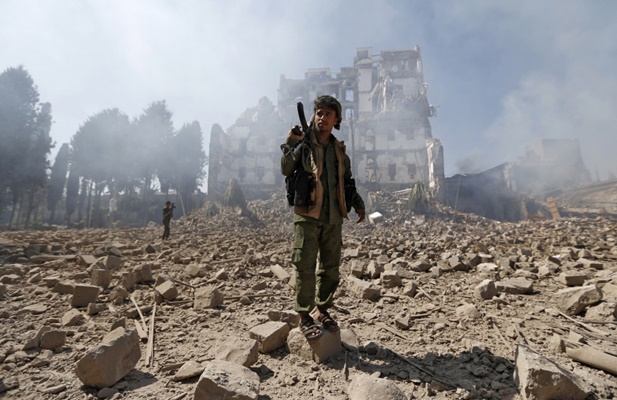
In a statement on Monday, the Iranian foreign ministry emphasised that after four years of bellicosity and futile war against the Yemeni people, officials and international organisations have admitted that over 24 million Yemenis need help and more than 15 million suffer from malnutrition at the beginning of the fifth year of the war.

“Millions of children are starving not because of crises and natural disasters, but for four years of war and its continuation amid the silence and indifference of the international community,” reads the statement.

It also states that the Islamic Republic of Iran, in line with its principled policy of finding a political solution to the Yemeni crisis and within the framework of the four-point plan that was presented by Iran’s foreign minister at the start of military aggression against Yemen, expressed its full support for a ceasefire and the removal of the cruel economic and humanitarian siege on Yemen.

“The Islamic Republic also calls for a political consensus between all Yemeni political parties that can meet the expectations of the people of the country. Tehran further calls on the international community to support efforts to reduce the suffering of the Yemeni people, especially children and women.”

“Throwing its weight again behind the Stockholm deal, the Islamic Republic of Iran’s foreign ministry calls on the countries that play a key role in Yemen’s crisis to make the necessary arrangements for full implementation of the agreements, hoping that the full implementation of the Stockholm agreements would serve as a first step towards the final resolution of the Yemeni crisis,” reads the statement.

On March 26, 2015, Saudi Arabia and some of its Arab allies started carrying out deadly airstrikes against the Houthi Ansarullah movement in an attempt to restore power to fugitive former president Abdrabbuh Mansour Hadi, an ally of Riyadh.

Official figures show that four years of Saudi war on Yemen have also shattered over half of the country’s healthcare sector; a move that led to high mortality rate, especially for those who have not been able to travel abroad for medical treatment.

Four years on, the Saudis and their allies in the war and their foreign mercenaries have become bogged down.

Houthis and their allies say they will remain steadfast in their resolve to fight off the enemy until the liberation of Yemen from the occupiers.

Historical Village of Fahraj: A Gem in Heart of Iran Deserts

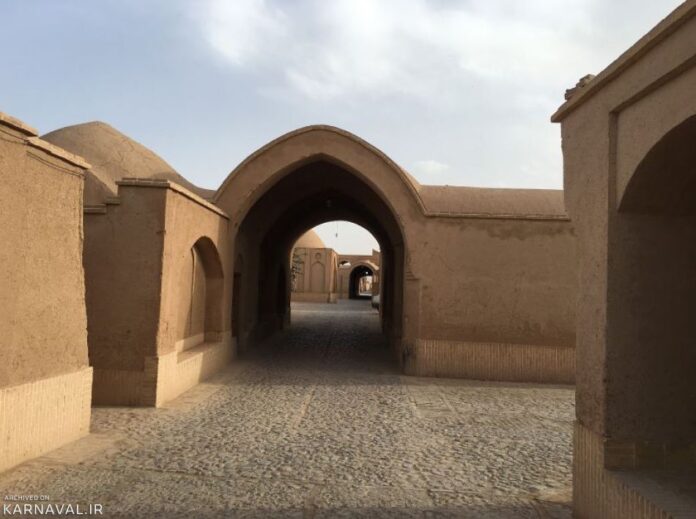
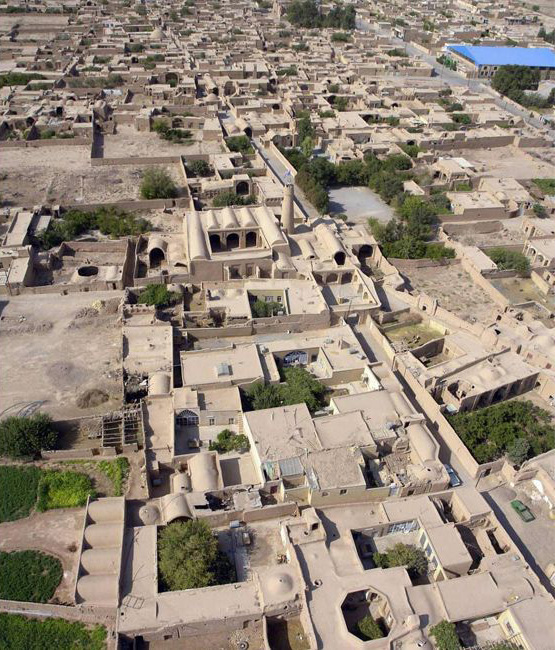
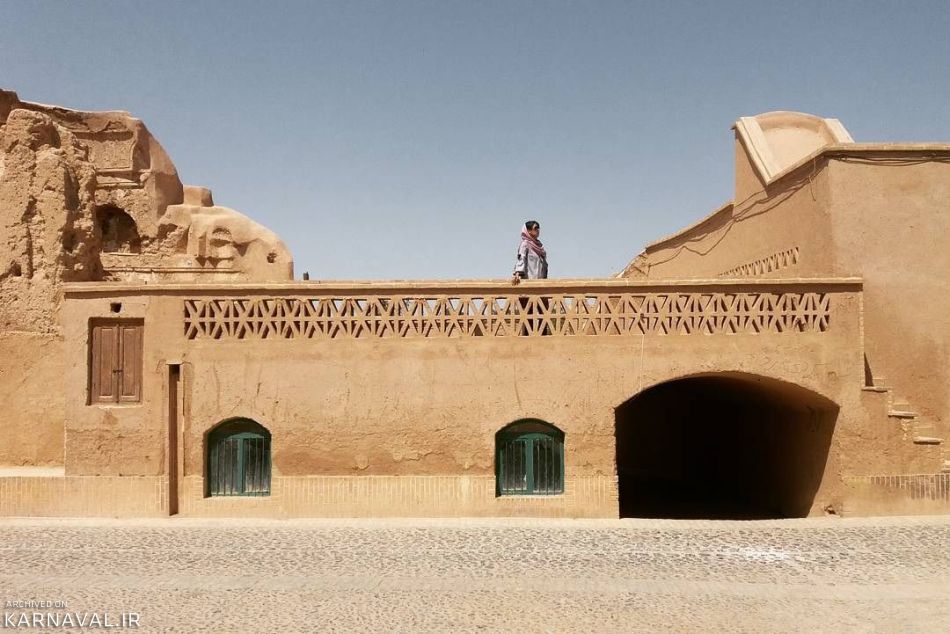
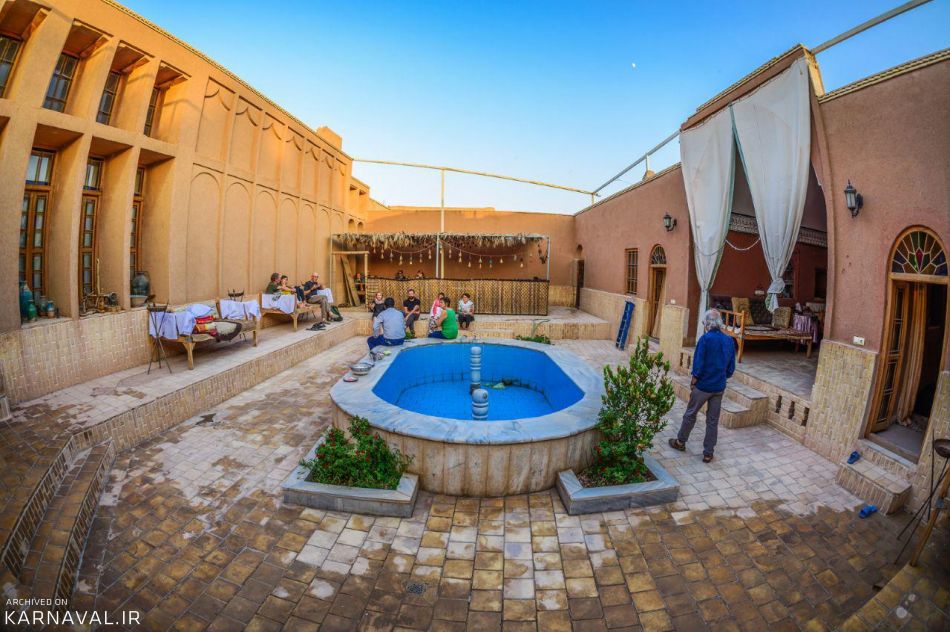
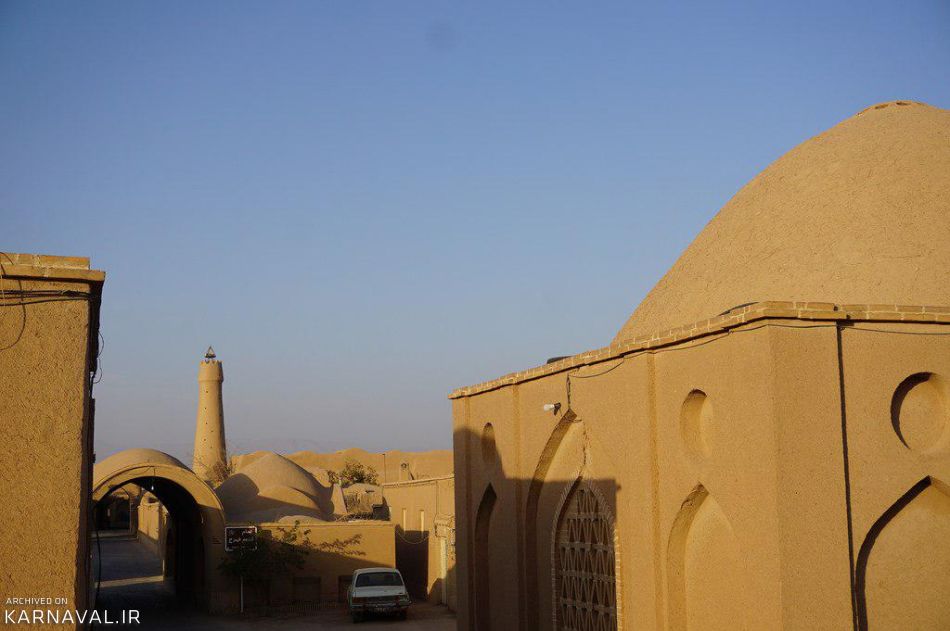
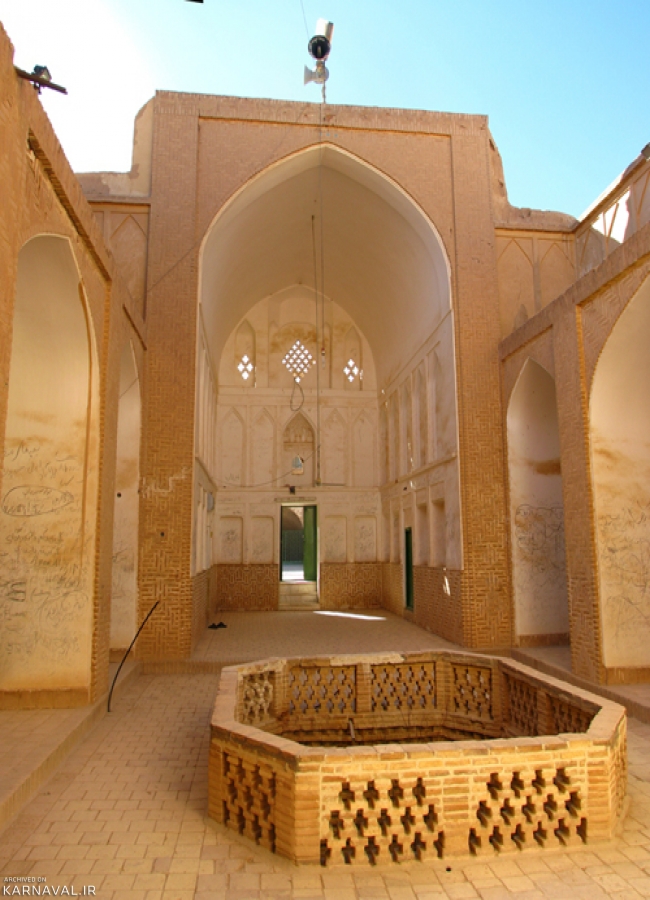
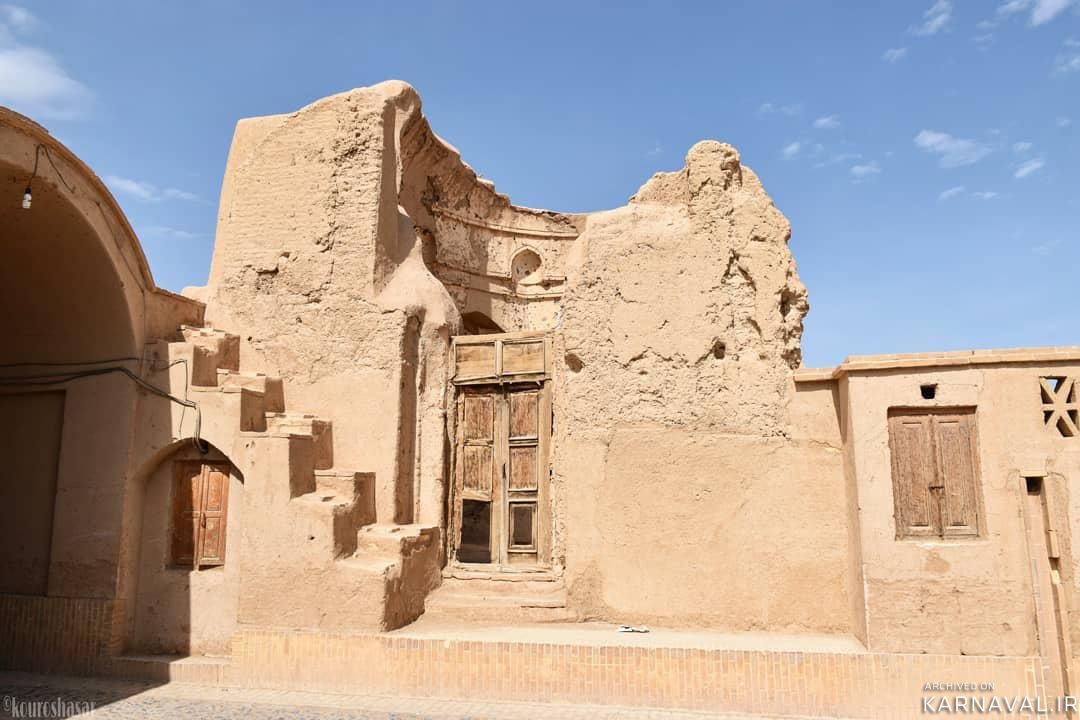
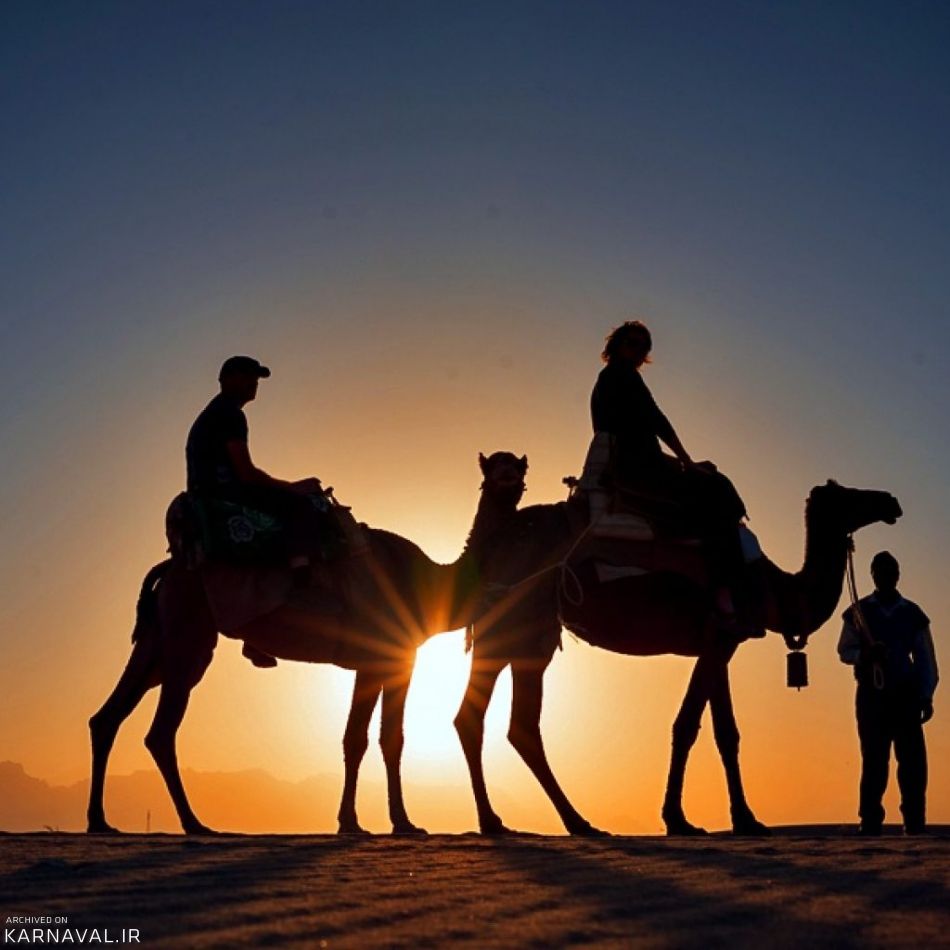
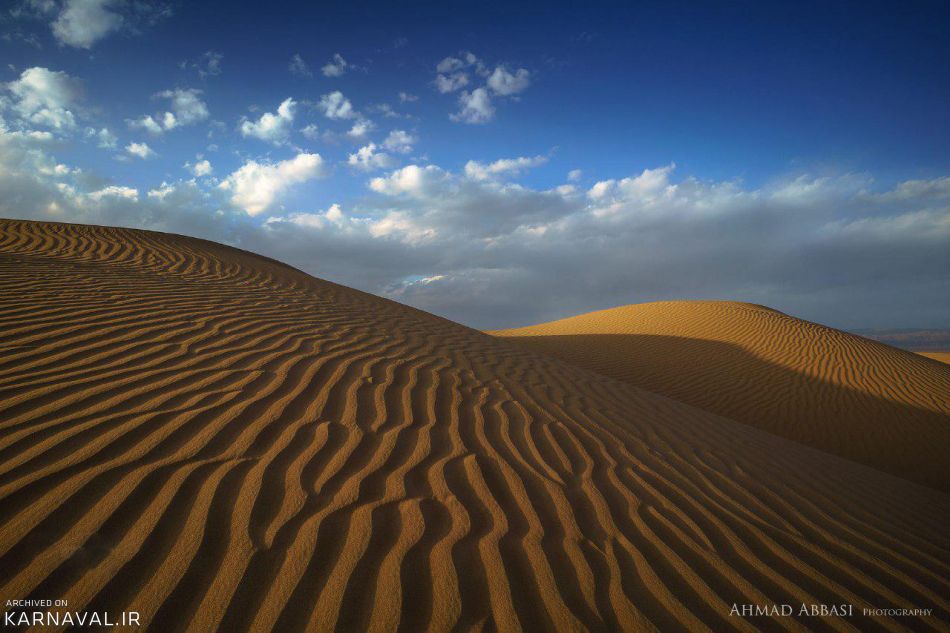
Houses in this village are built with clay, mud, bricks and iron. In Fahraj, you will find a variety of historical, cultural, and natural attractions. The desert camp of this village provides tourists with hours of exciting time.

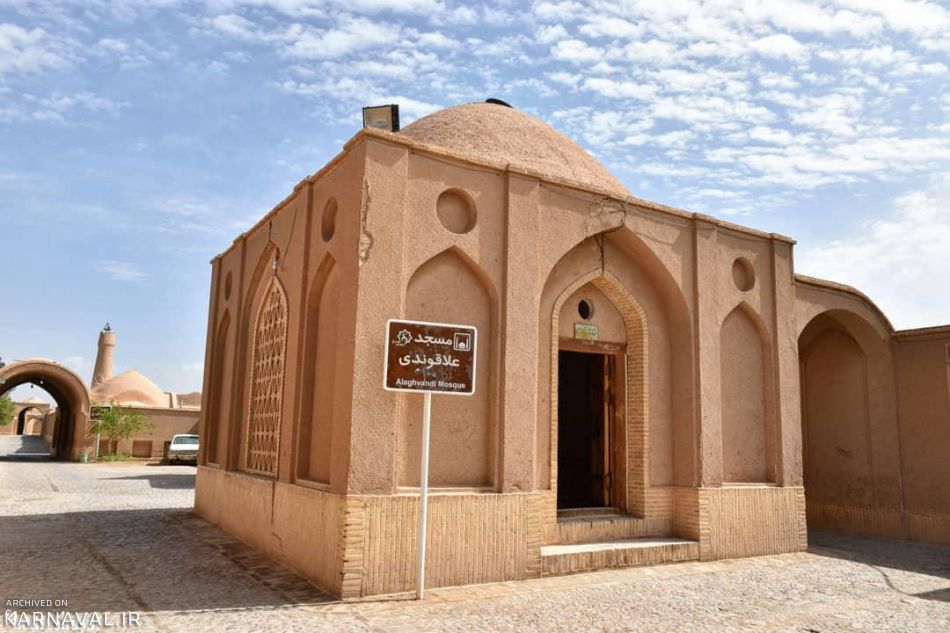
The mosque of this village is located in the centre of it and the old residential area is formed in linear style around it.

Historical Village of Fahraj: A Gem in Heart of Iran Deserts
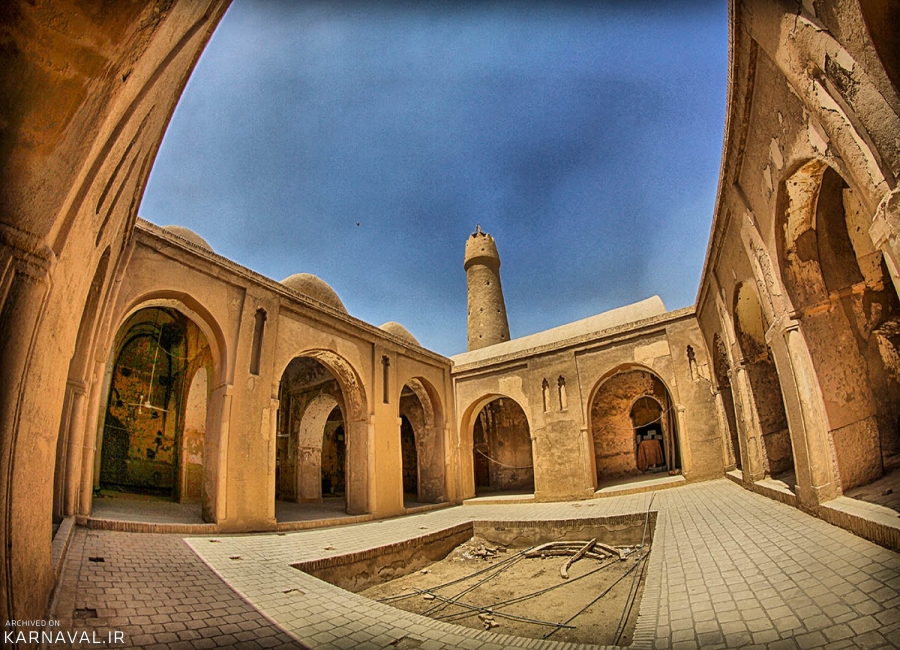
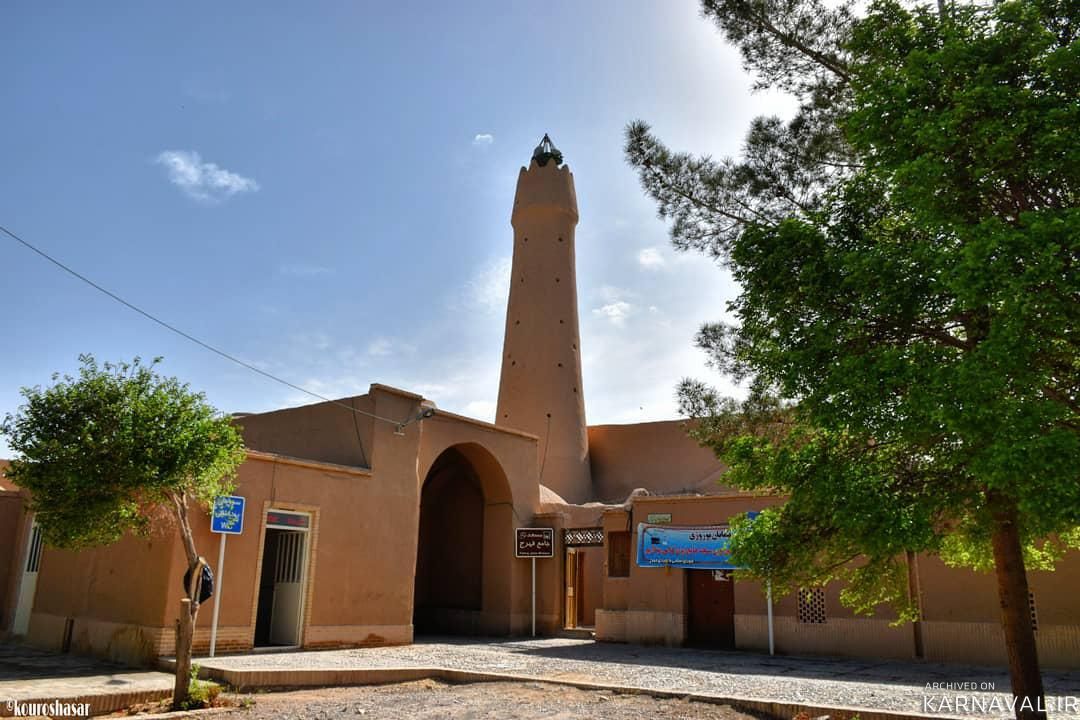
Fahraj Mosque in central Iran

The most striking attraction of this village is its mosque which is one of the oldest and first mosques in Iran after the advent of Islam. The mosque dates back to the first half of the first century AH.

The mosque is the only one in the Muslim world whose structure has not changed from the beginning. Prayers are still said at this ancient religious place.

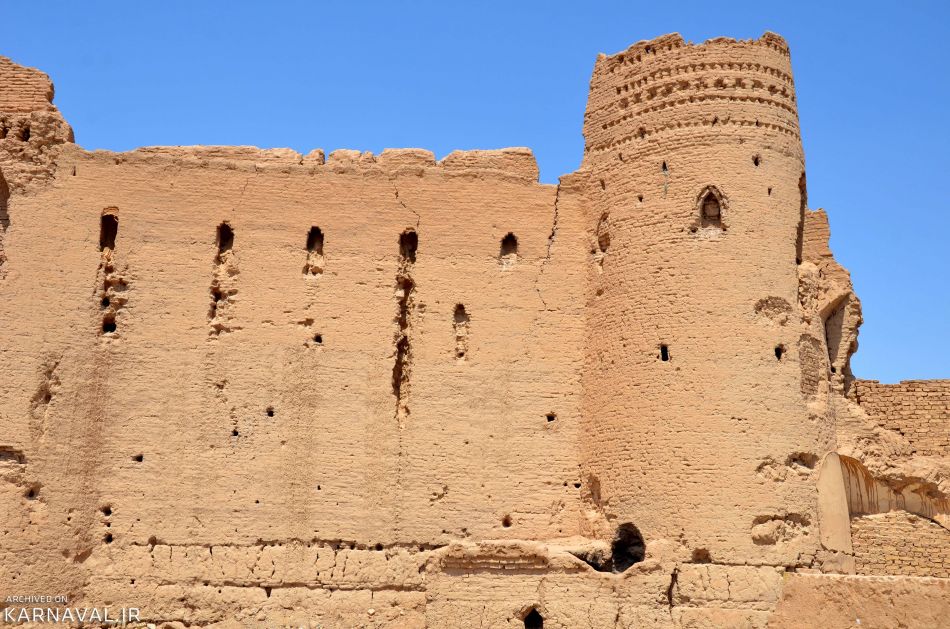
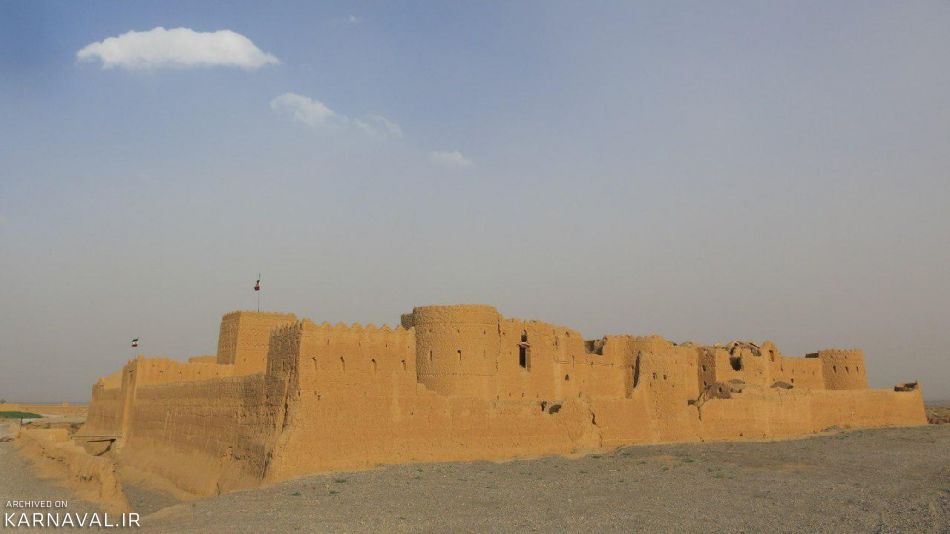
Fahraj also has a historical castle, whose facade and decorations date back to the 10th and 11th centuries AH, but there are signs of early days of Islam at the works and designs.

The castle has a four-sided plan, and the remains of four curved towers are seen in four corners. These towers have two floors and have special places to guard the castle.

Another historical attraction is Fahraj’s Hosseinieh water reservoir, which belongs to the Safavid and Afsharid eras. The original structure of this reservoir is ascribed to the pre-Islamic era, as it is believed the surrounding areas of the site were to hold water sanctuary celebrations.

Historical Village of Fahraj: A Gem in Heart of Iran DesertsOne of the other attractions of Fahraj is the Well of Forty Girls. These forty girls feared that they would be captured by the enemy’s armies; therefore, when they saw the enemy, they jumped one after the other into this well to escape the disgrace.

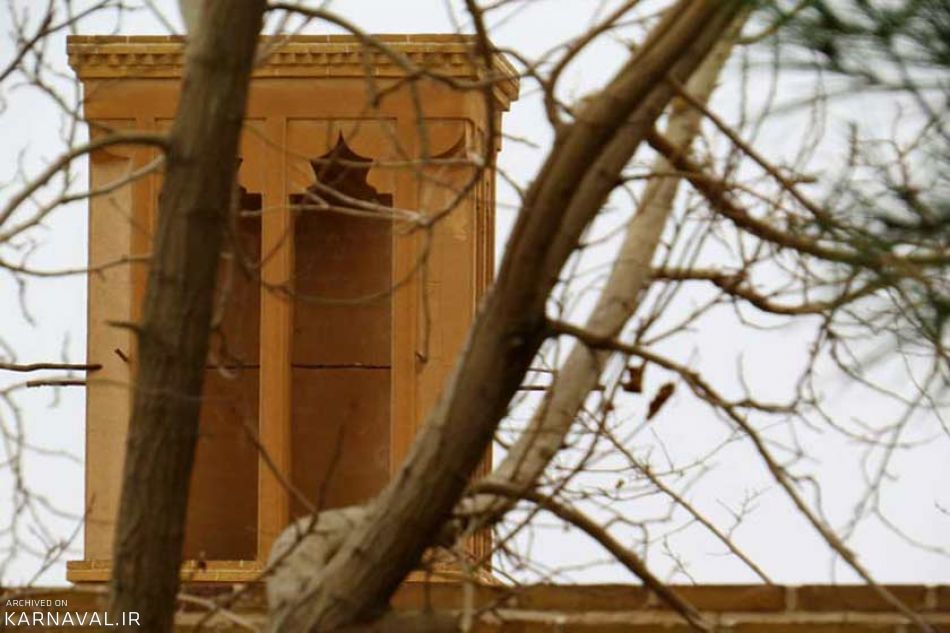
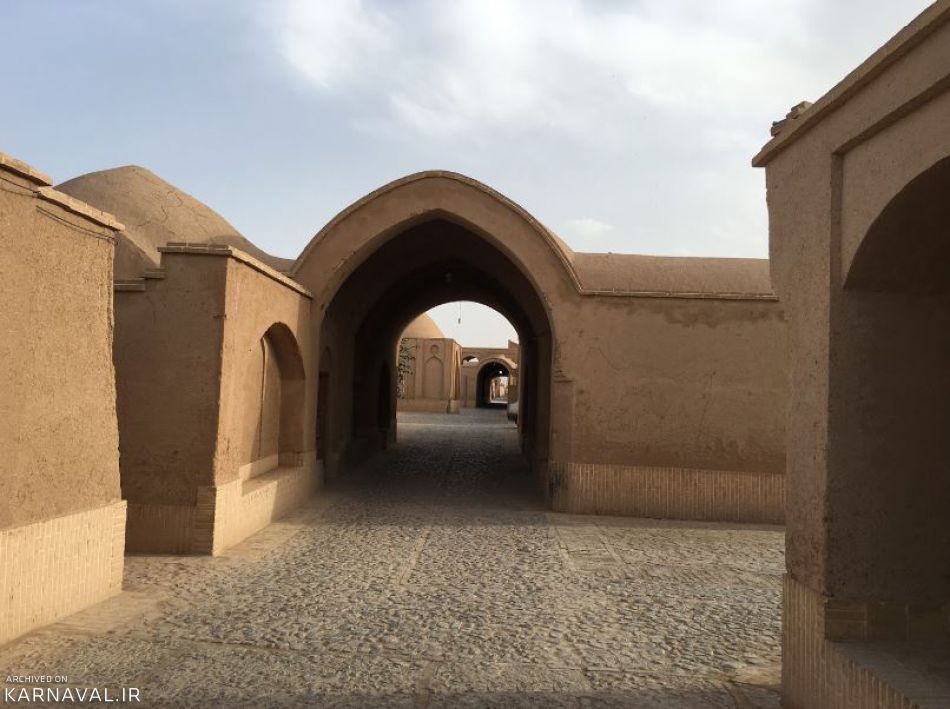
Like many other places in Yazd, Fahraj is full of sabats and wind-catchers. Sabats are roofed alleys that provide shade making the sightseeing of the residents and tourists easier despite the burning heat.

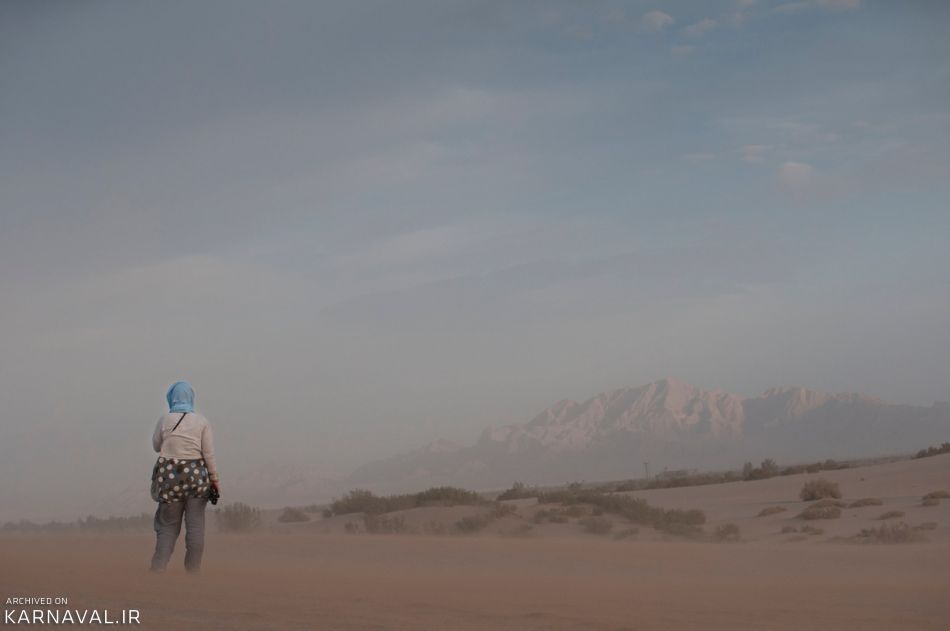
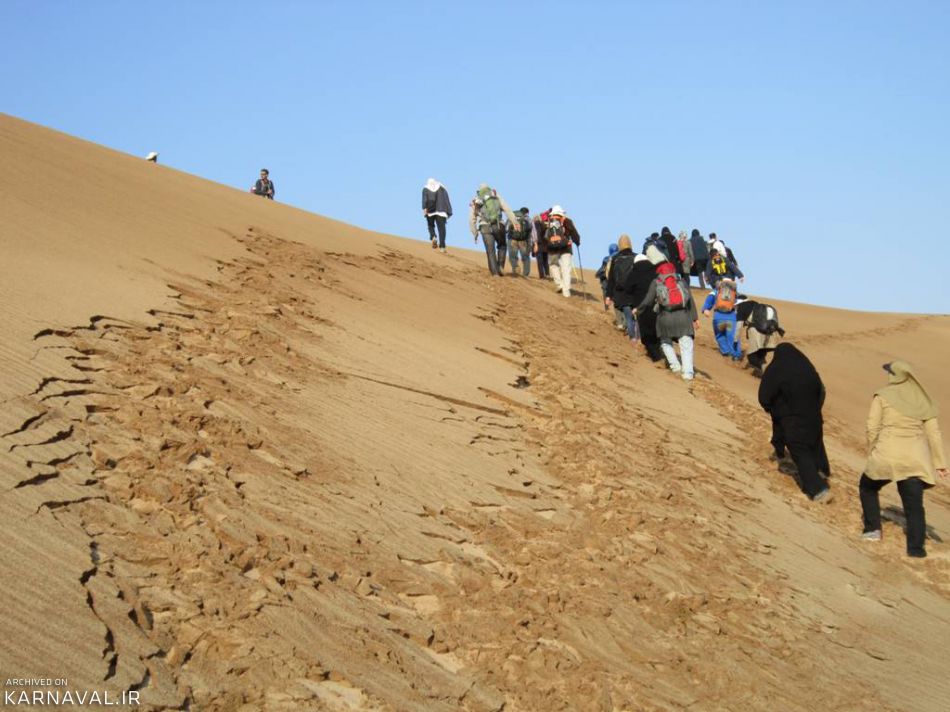
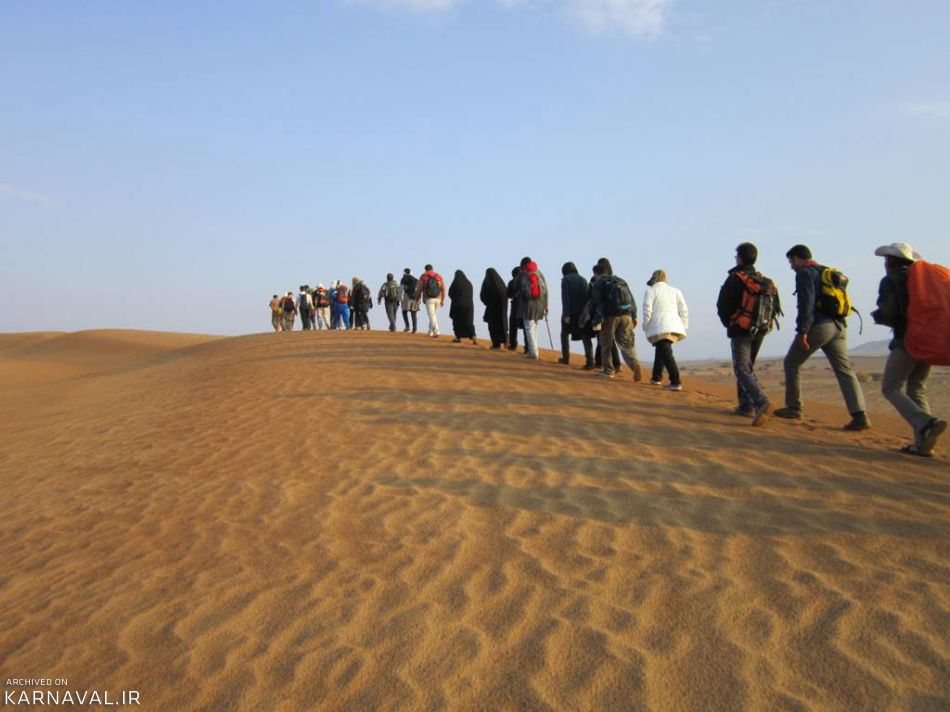
Excursion in the desert, taking photographs, watching the sky at night, buying souvenirs such as carpets, and eating local foods are among the other fascinations.

Along these, you can also enjoy hot and cold drinks from natural herbal plants.

Fahraj has a semi-arid climate. The area is very hot in summer, but it has a pleasant climate during the cold seasons. The best time to travel to Fahraj is late winter and early spring.

What follows are photos of this ancient village retrieved from various sources:

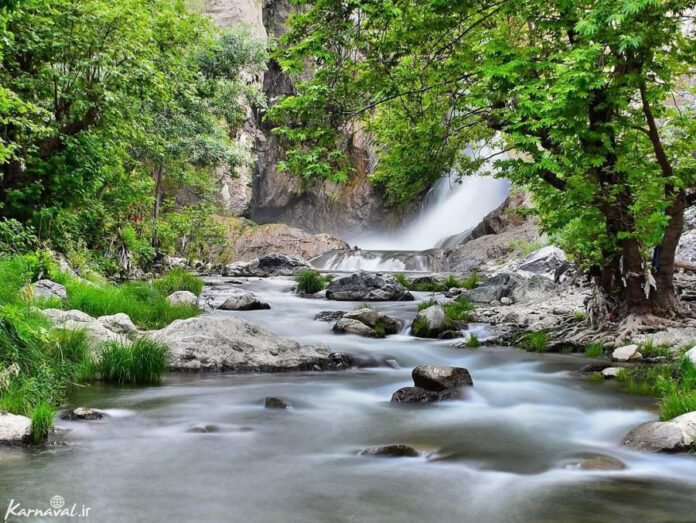
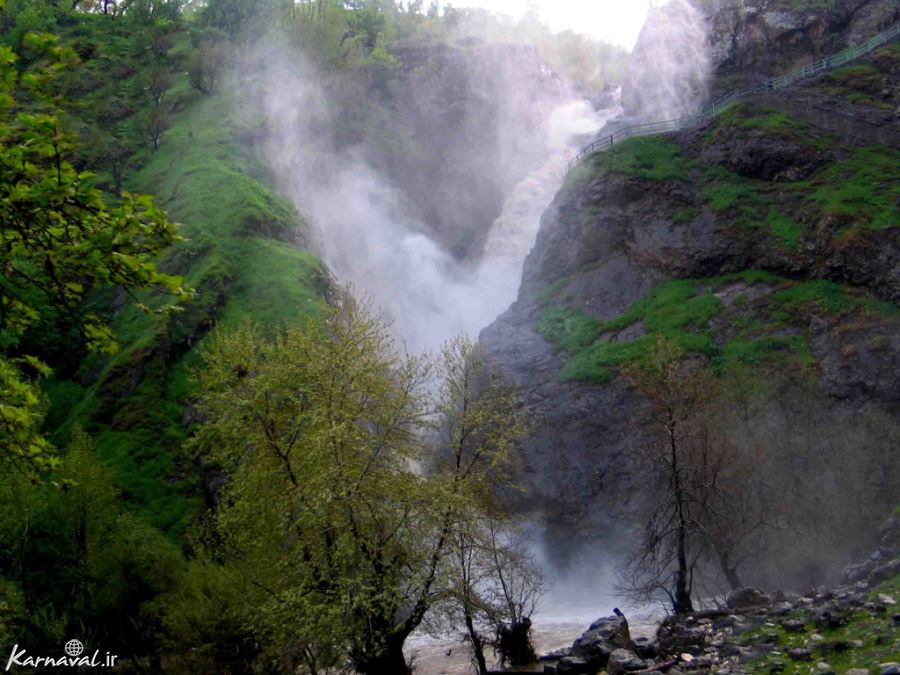
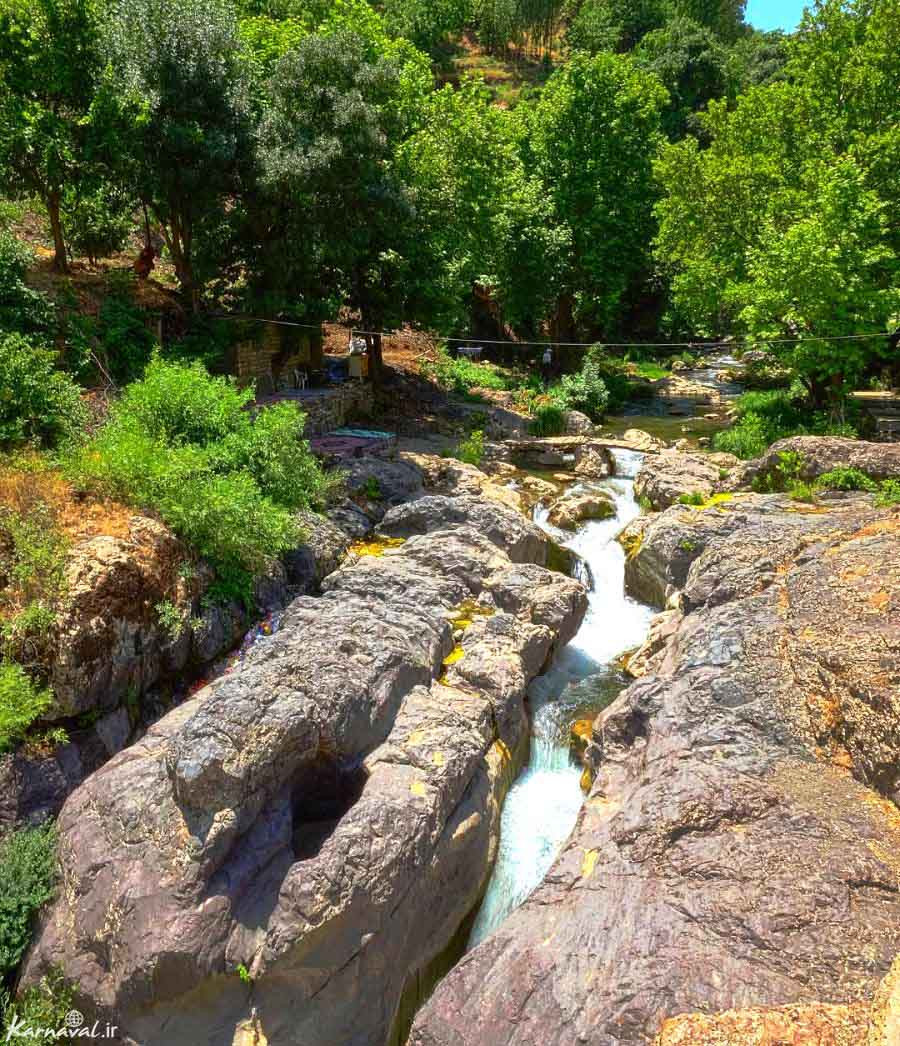
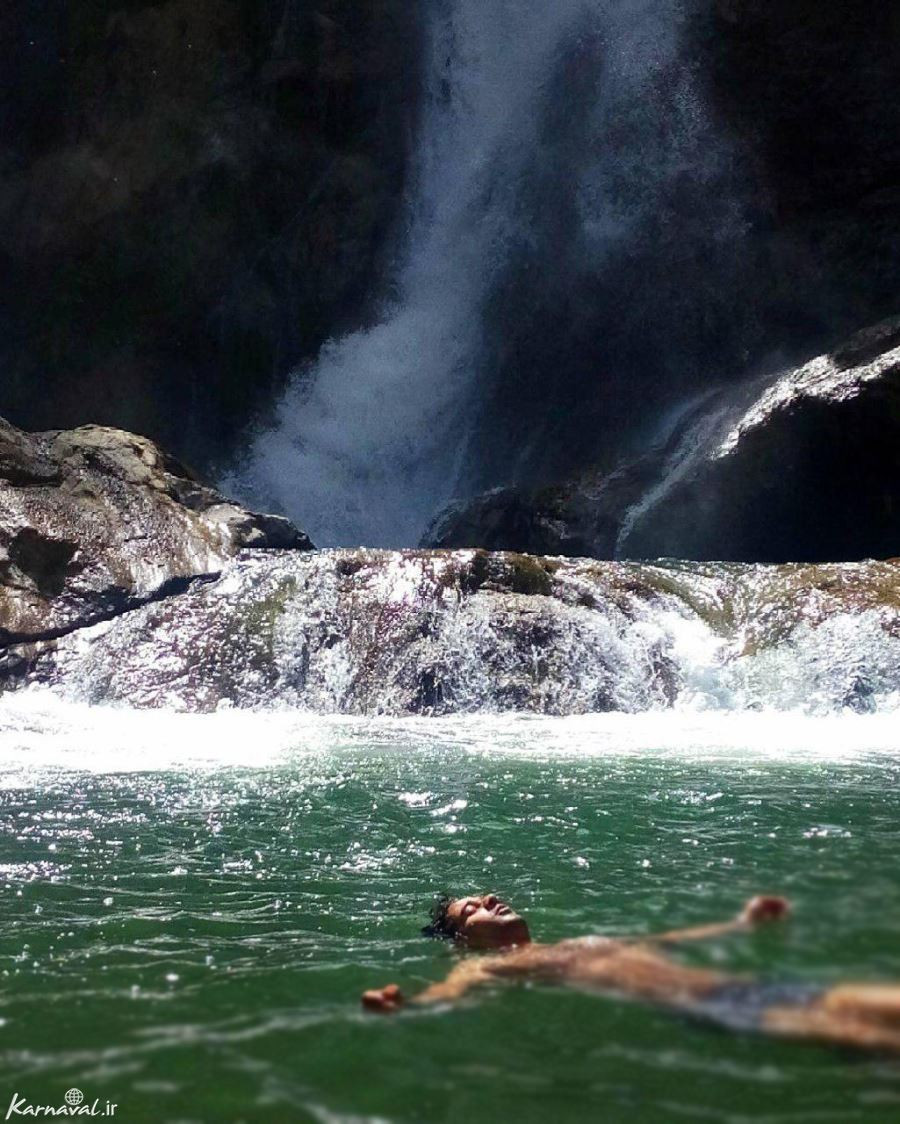
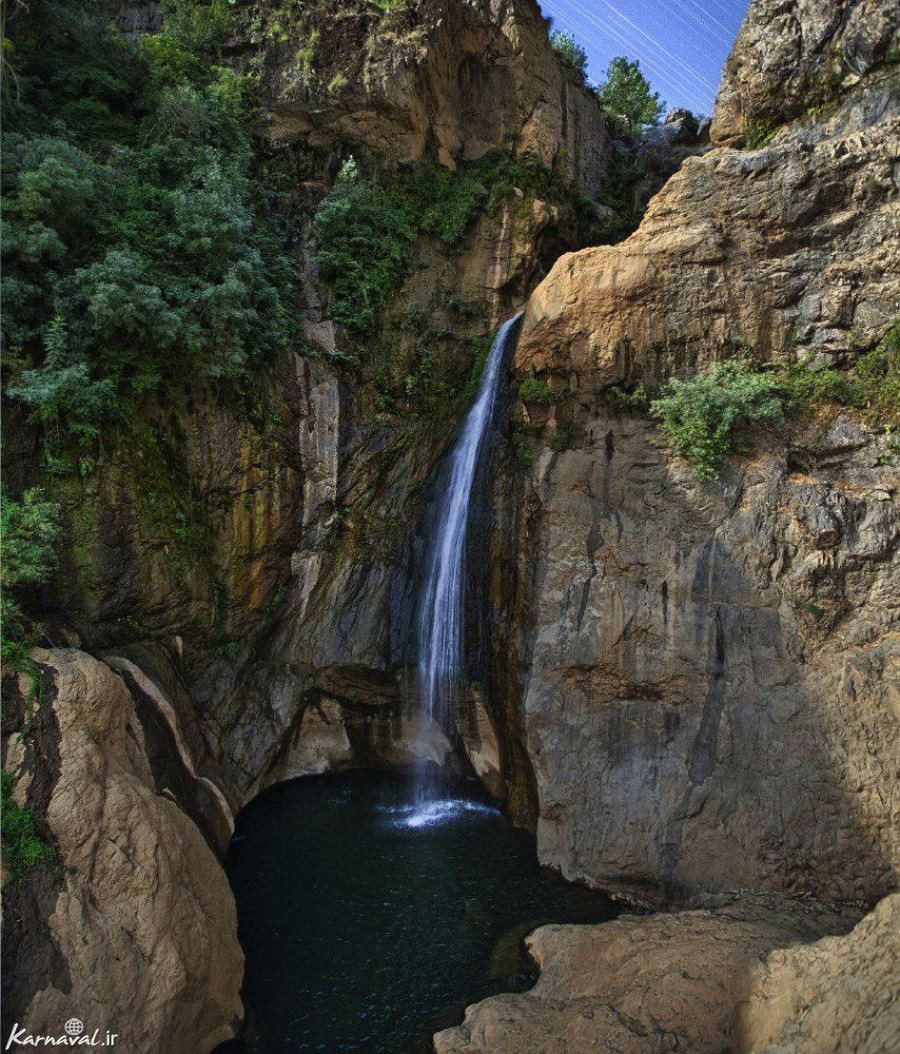
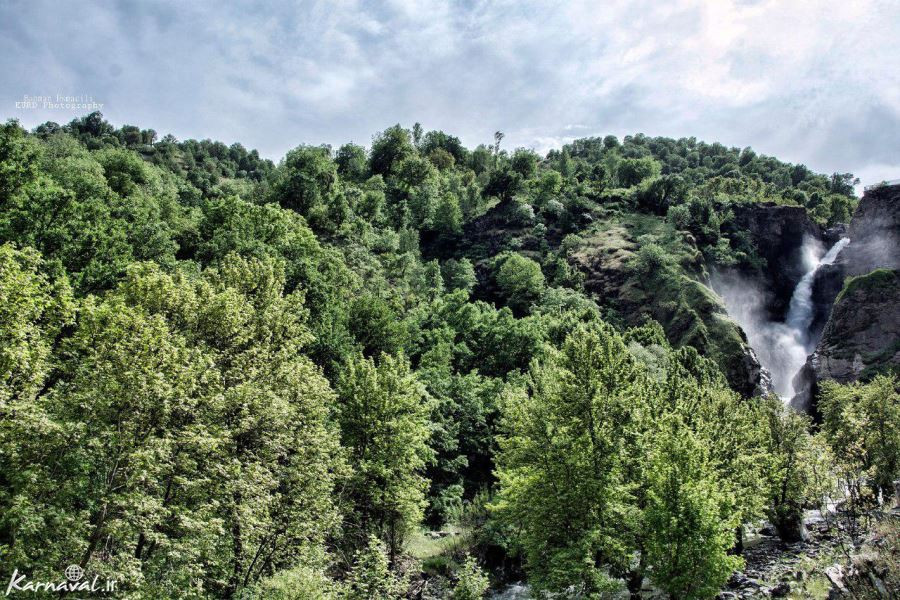
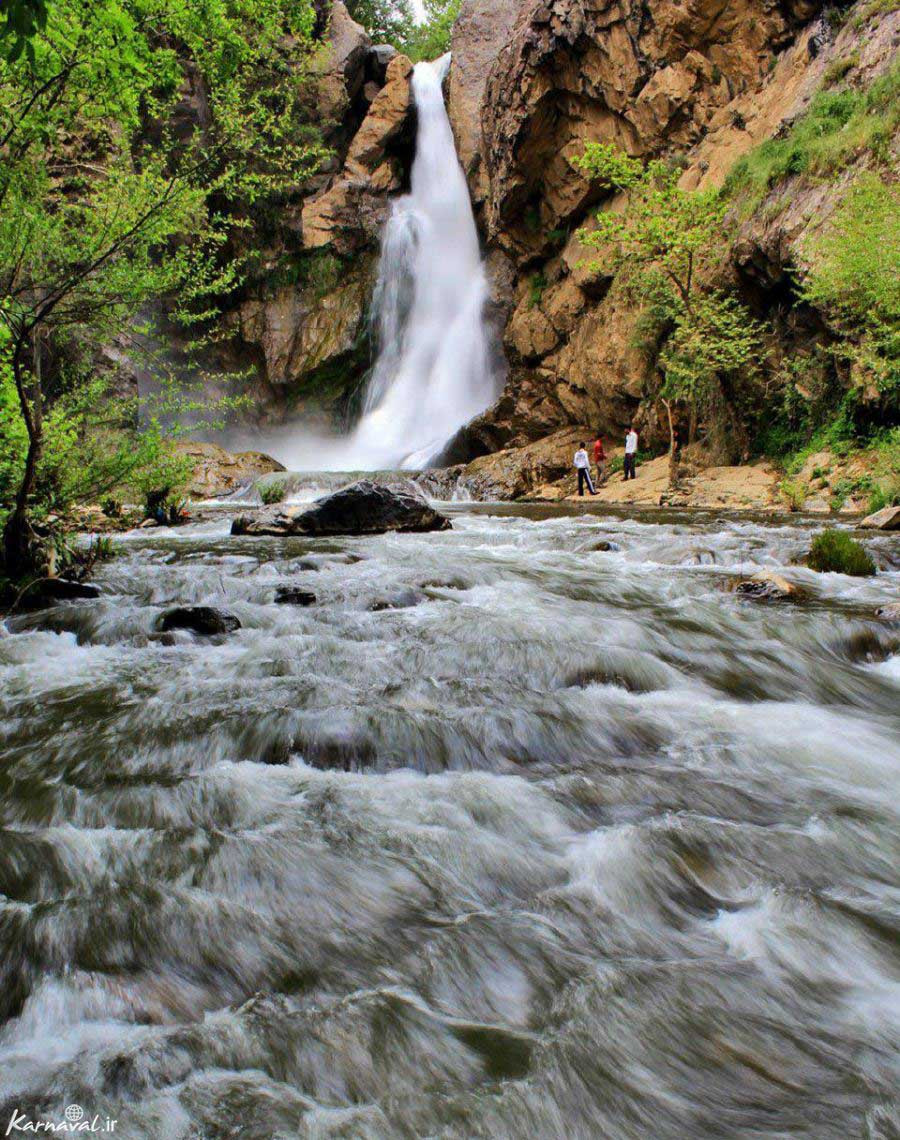
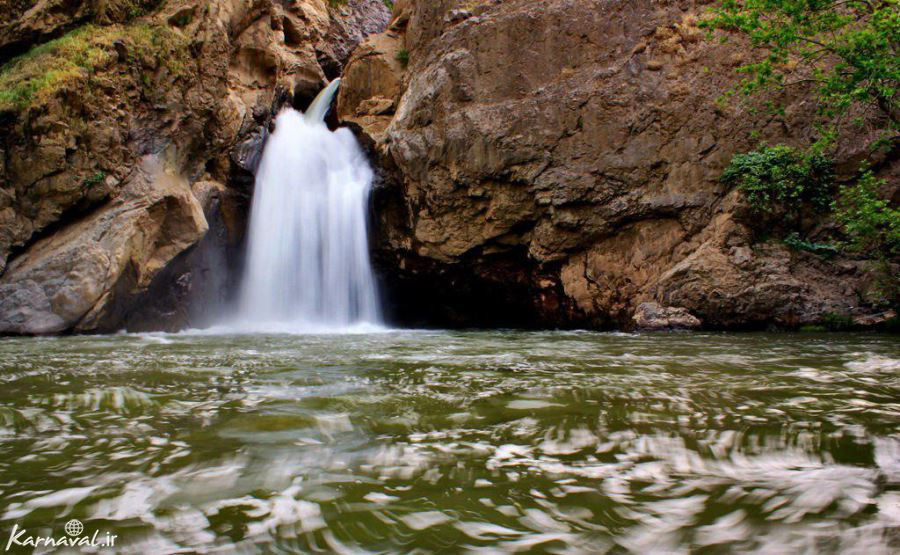
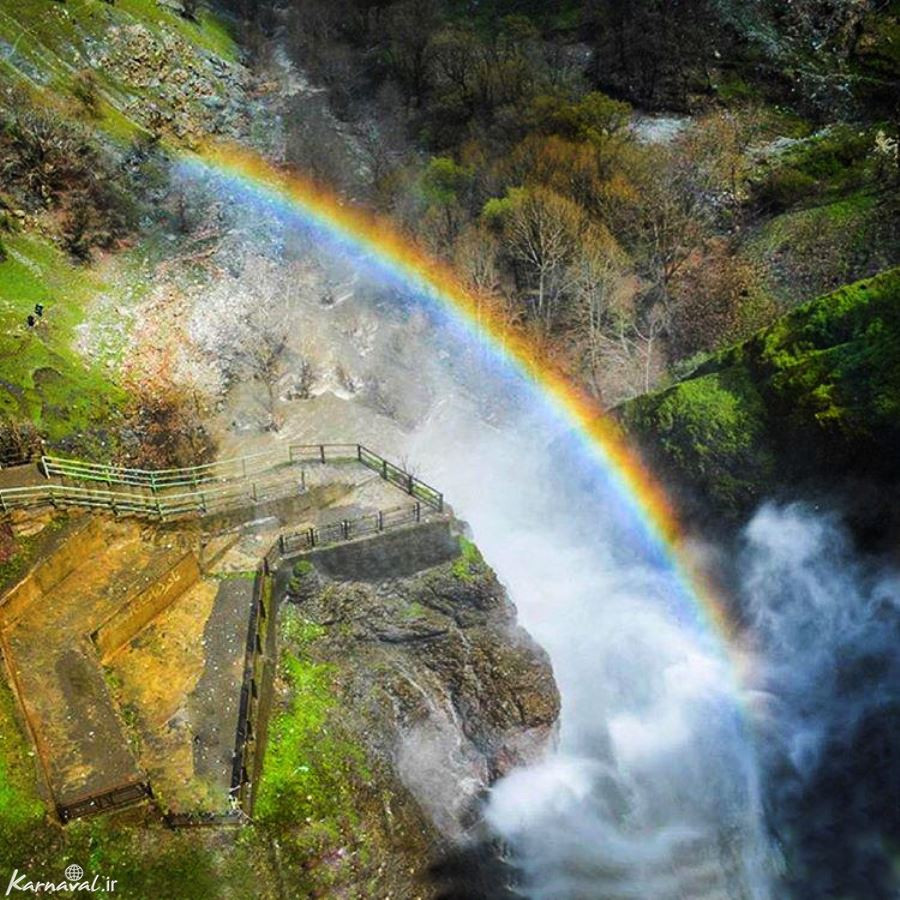
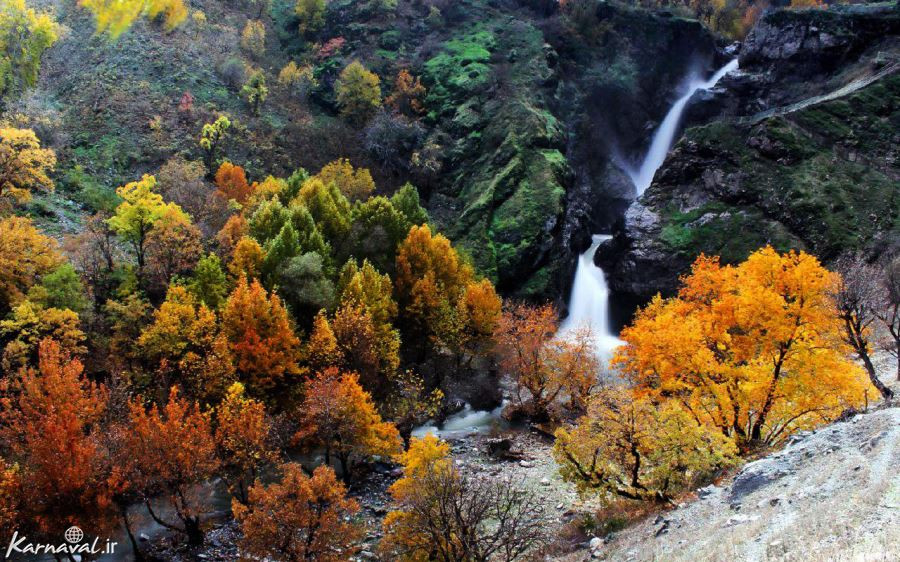
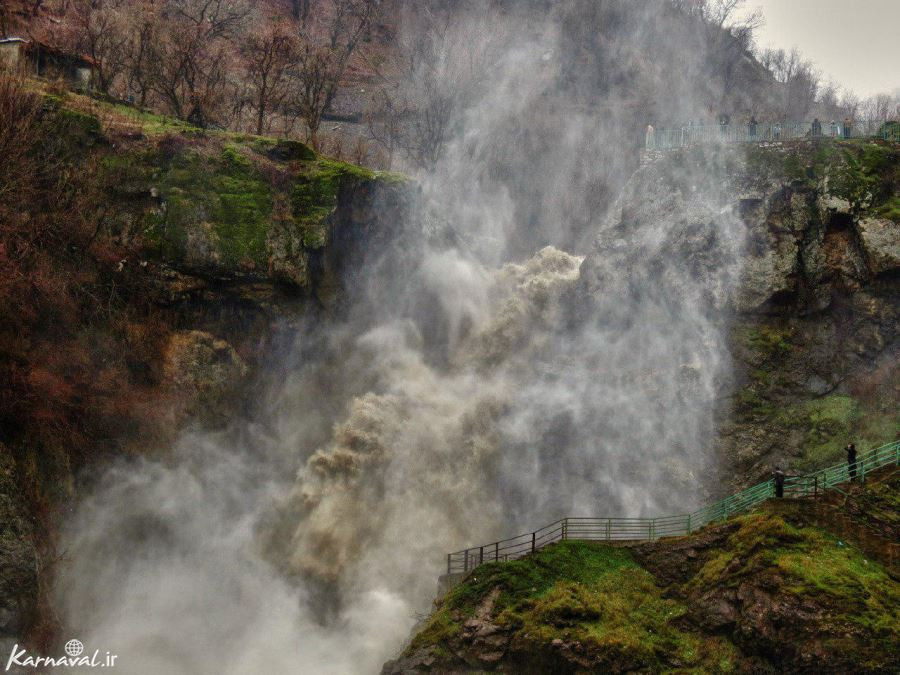
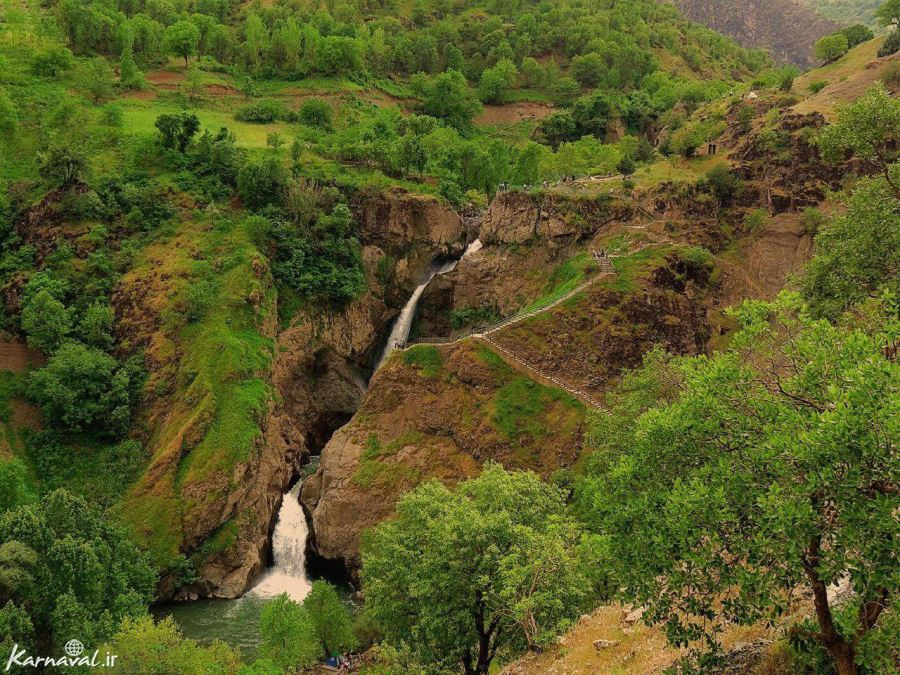
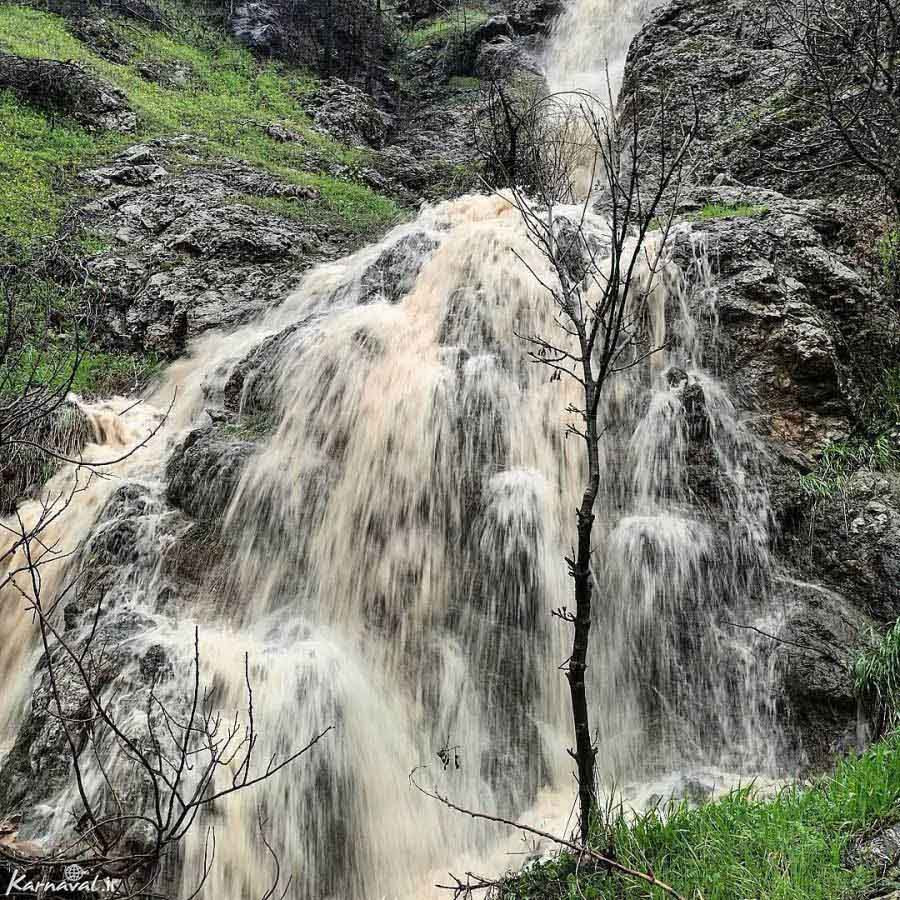
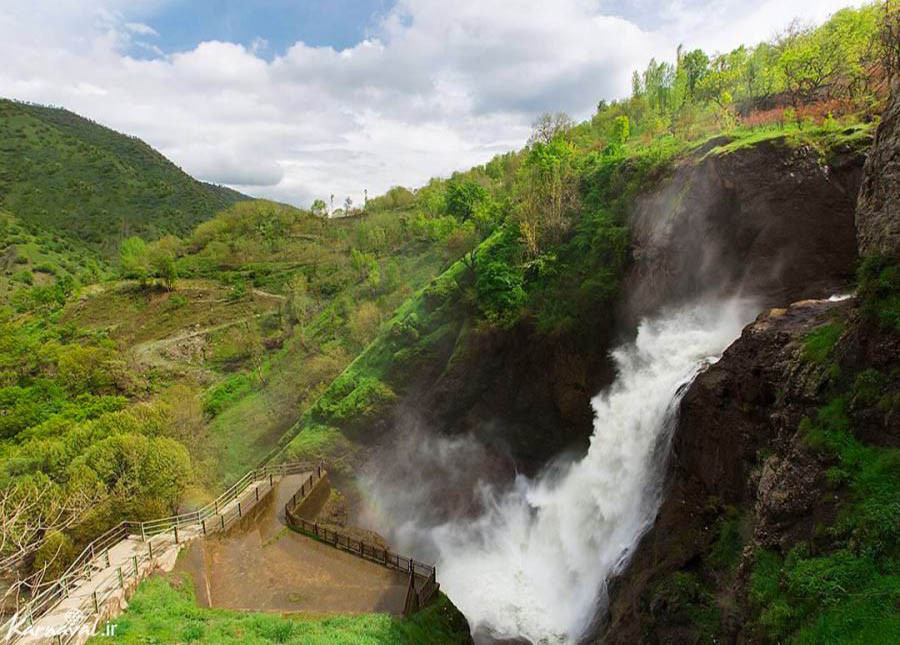
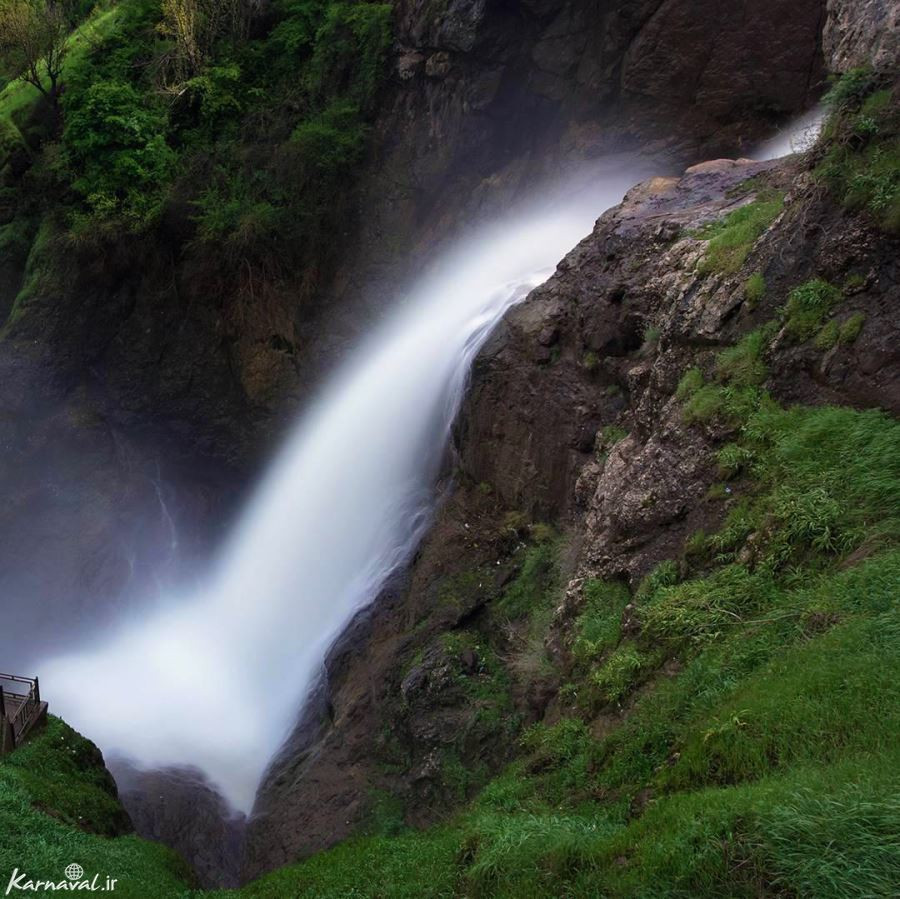
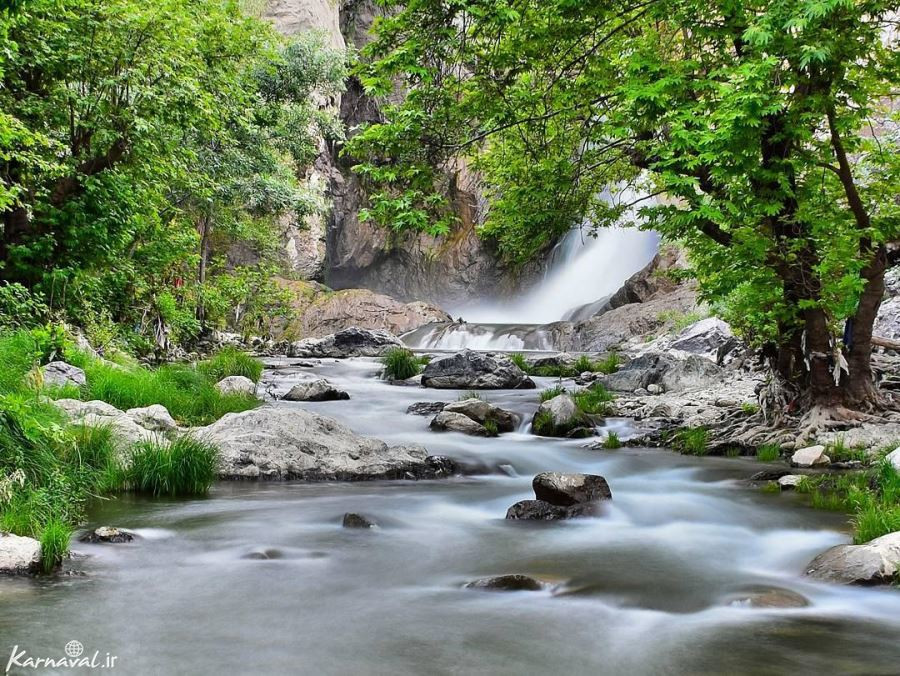
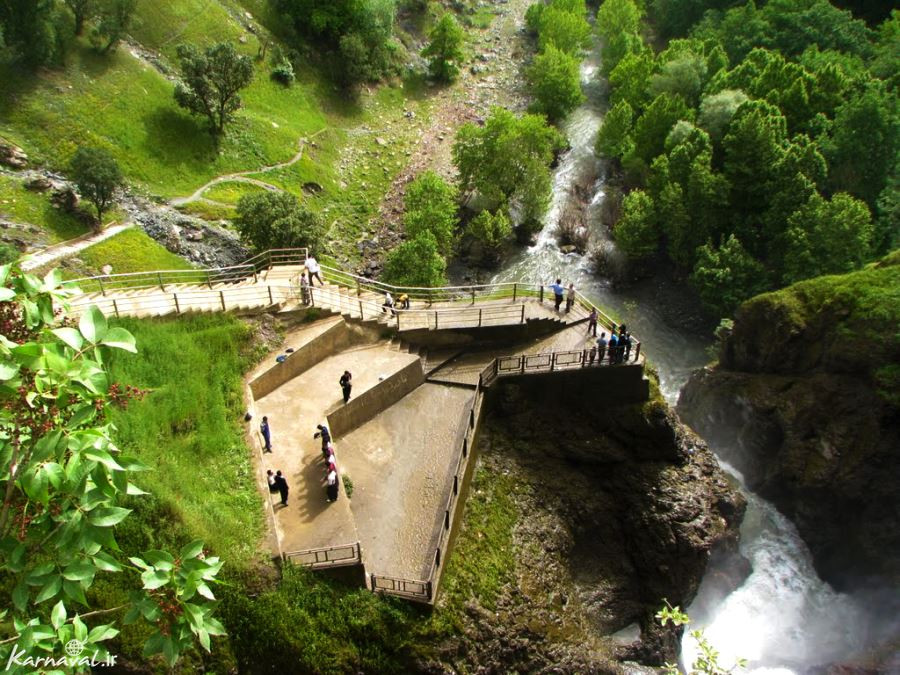
Iran’s Beauties in Photos: Shalmash Cascades

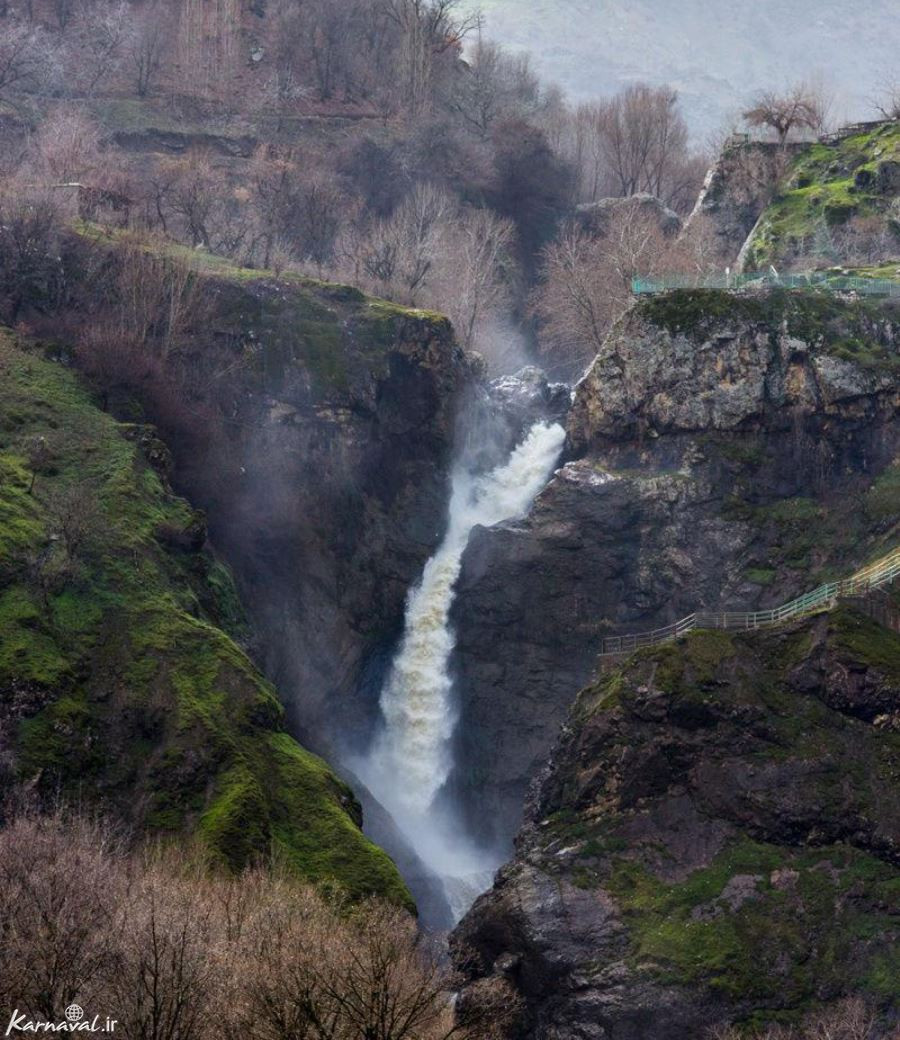
At first glance, it appears to be a single waterfall, but there are two other waterfalls hidden within it, making it beautiful and amazing.

Shalmash waterfall is one of the most important cascades in West Azarbaijan province and in the Kurdish city of Sardasht.

It is located next to forests near Sardasht and is considered the small branch of the Little Zab River.

In the Kurdish language, Shalmash means a large rock and it is called Shalmash due to the height and rocky mountains from which the cascade flows.

This waterfall, located 241 kilometres from Urmia, has beautiful and unique landscapes, and is one of the most beautiful natural attractions in West Azarbaijan province.

These three cascades are arranged one after the other. To see the next two cascades, visitors must move a rather large distance and enter a deep valley.

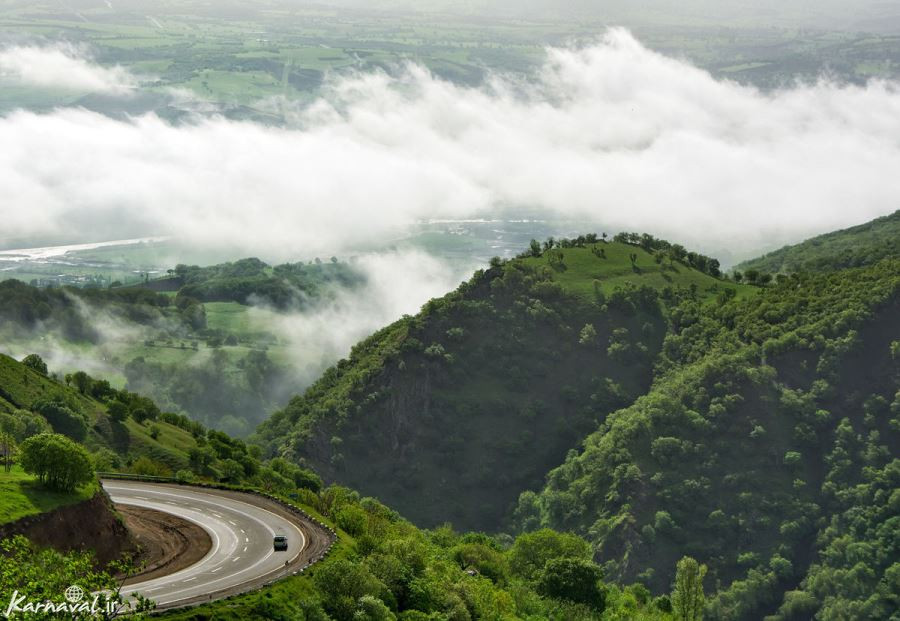
The region is home to oak, plane, pomegranate and walnut trees and is a good regional destination for tourists.

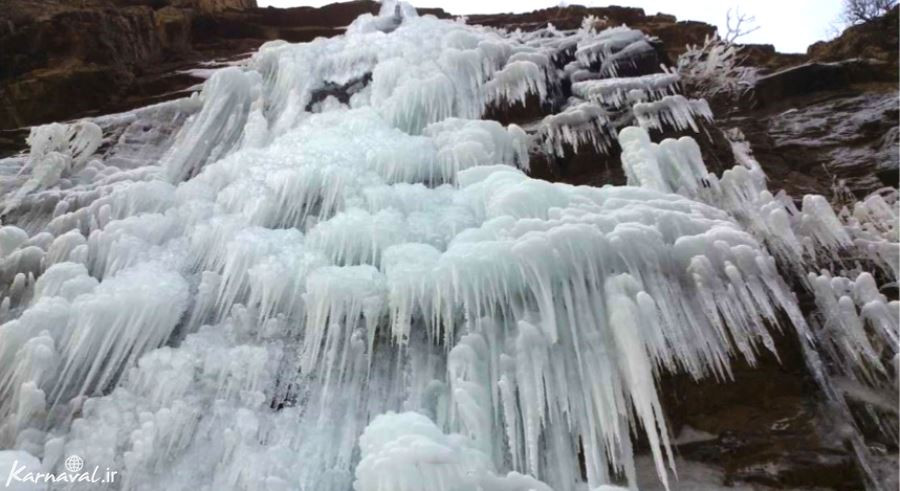
During the spring, this waterfall is filled with endless streams. The weather is cold until May, but it can be a good time to travel to the area from early May to mid-fall.

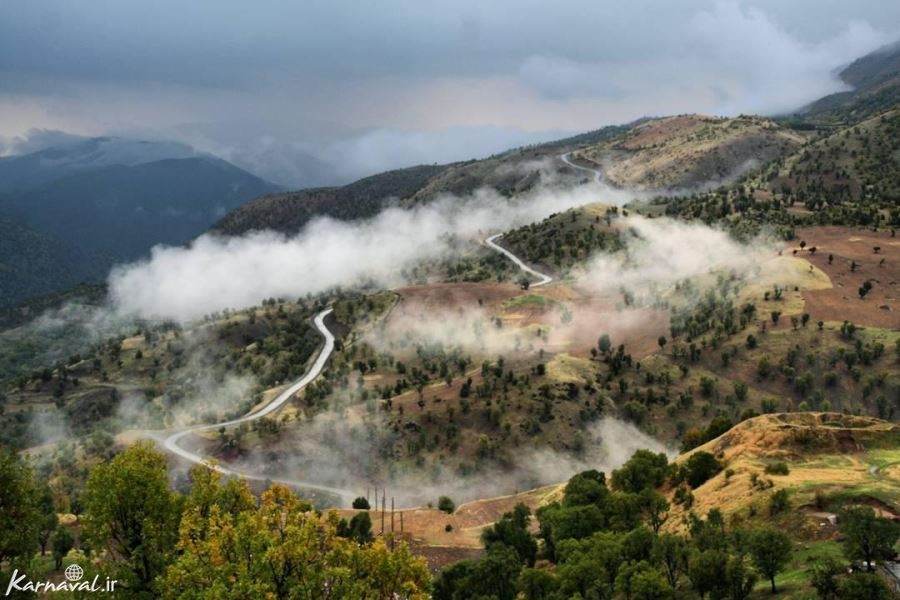
Below you can see photos of Shalmash waterfall retrieved from Karnaval.ir:

Iran Rejects Pompeo’s ‘Provocative’ Comments in Lebanon

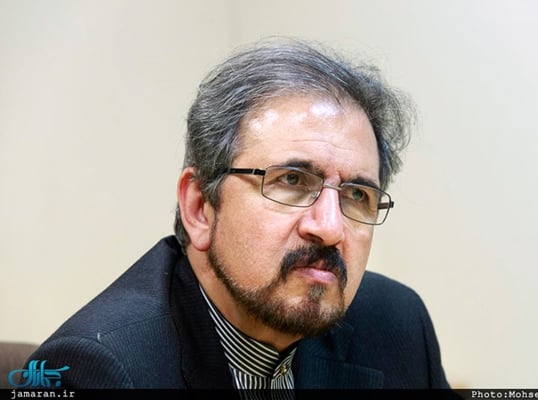
“The provocative, meddlesome, and undiplomatic remarks made by the US Secretary of State in Beirut once again revealed Washington’s patronizing attitude and behaviour towards other free and independent countries and freedom-seeking nations of the world,” Qassemi said in a statement on Sunday.

“Such stances and comments, on the one hand, stem from the failure of Washington’s destructive policies and excessive demands in the region, and on the other hand indicate the dissatisfaction and excessive outrage of the irrational rulers of the country over the popular solidarity and unity in Lebanon and the restoration of calm and stability in the Arab state, especially after the formation of its government,” Qassemi noted.

The Iranian spokesman pointed to Pompeo’s comments against the Lebanese resistance movement Hezbollah, and lashed out at him for making such “rude and unwise” remarks and raising “baseless, false, hackneyed, and futile” claims and accusations against a major political and legal part of Lebanon while he was visiting the Arab country.

Qassemi said Hezbollah enjoys the popular backing of a lion’s share of the Lebanese nation, and accounts for a major part of the pillars of the country’s government and parliament.

He further referred to Washington’s long-lasting policy of intimidating regional governments, and said, “Now that it has failed to realize its ominous goals in the sensitive region of the Middle East, the US is resorting to the worn-out, hackneyed, and outdated trick of intimidating and threatening others in a bid to impose its hegemonic policies and behaviour.”

In order to do that, he said, Washington not only creates sedition in ties between other countries, but also levels groundless accusations against others.

Qassemi pointed to the US government’s decision to relocate its embassy in Israel to the Holy Quds and recognize the fake Zionist regime’s sovereignty over the Golan Heights, which is a blatant violation of the internationally accepted norms, laws, and regulations, and said Pompeo has been sent to the region in line with the same decisions.

“These indicate that the US government, accompanied by a few of the regional countries, intends to implement new plots and provide as much support as possible for the usurpers of the Holy Quds while ignoring the violated rights of the Palestinian people through the so-called ‘Deal of the Century’,” he added.

“Given the necessity of maintaining stability and calm in the region, the Islamic Republic of Iran underlines the [need for] reinforcement of convergence and cooperation among regional countries in fight against the Zionist regime’s expansionism and aggressions and in campaign against terrorist groups,” Qassemi said.

“While respecting the government and nation of Lebanon and the independent will of the country, Iran stresses that it will tap into all its capacities in order to promote internal solidarity and unity in Lebanon, and to reinforce bilateral ties with the country in issues that are in the interest of the Iranian and Lebanese people,” he added.

Qassemi said Tehran “totally understands the US’ outrage over the praiseworthy performance and role of the resistance forces, the Hezbollah, and the wise people of the region, and all those who foiled the US’ new colonialist and ominous plots in the region.”

During his visit to Beirut, Pompeo urged Lebanon to pick a side, and especially expressed concern over the role of Hezbollah, a movement that is targeted by US sanctions but holds three cabinet posts in Lebanon.

“Lebanon and the Lebanese people face a choice: bravely move forward as an independent and proud nation or allow the dark ambitions of Iran and Hezbollah to dictate your future,” he said during a joint news conference with his Lebanese counterpart.

“The US will continue to use all peaceful means, everything at our disposal to choke off the financing, the smuggling the criminal network and the misuse of government positions and influence,” by Hezbollah, he said.

“We will not hesitate to call out those who actively and passively support those activities.”

His Lebanese counterpart, however, rejected Pompeo’s comments, and said “Hezbollah is a Lebanese party, not a terrorist group, and it enjoys a wide popular base.”

In an earlier meeting with Lebanese President Michel Aoun, Pompeo conveyed his worry over Hezbollah.

He stressed “the US government’s strong concerns over the role of Hezbollah and Iran in Lebanon and the region and the risks this poses to Lebanon’s security, stability, and prosperity,” US deputy spokesman Robert Palladino said.

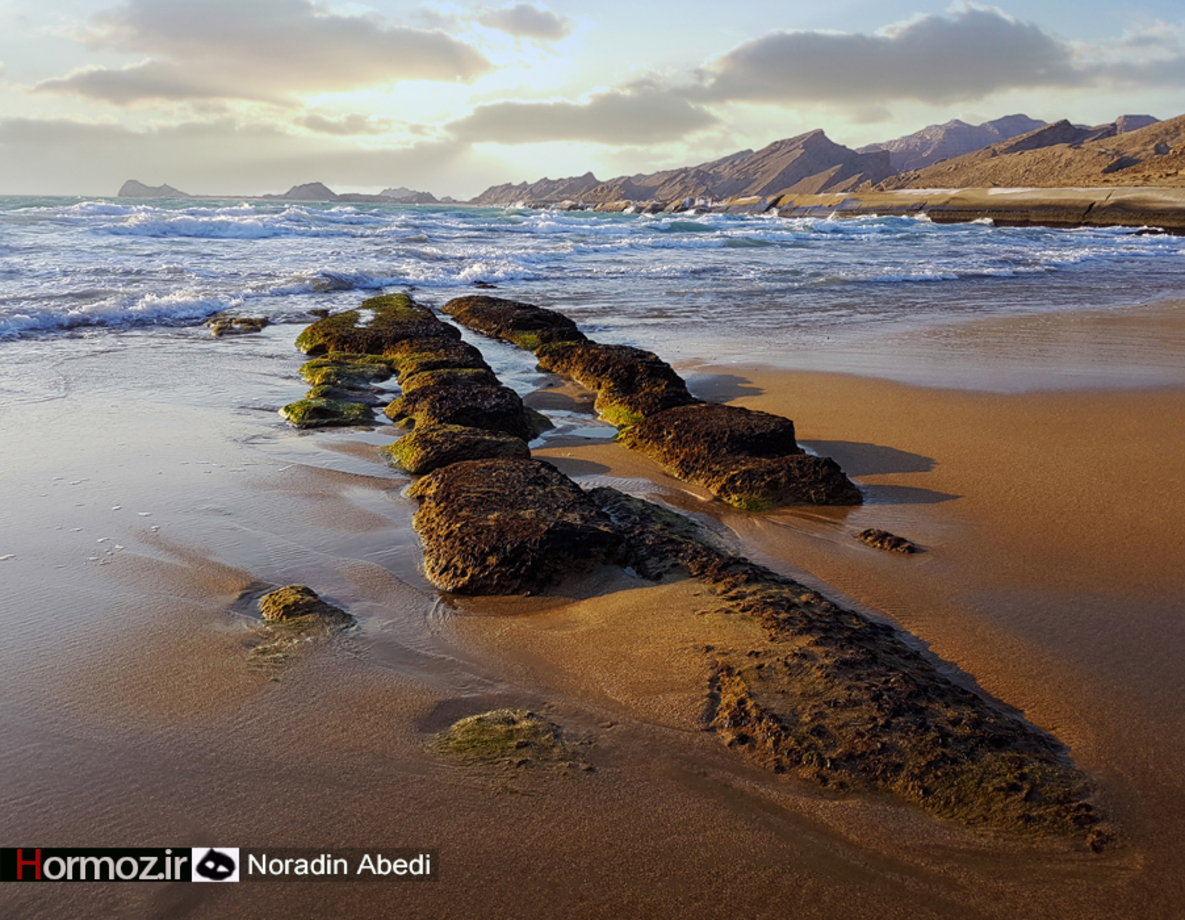
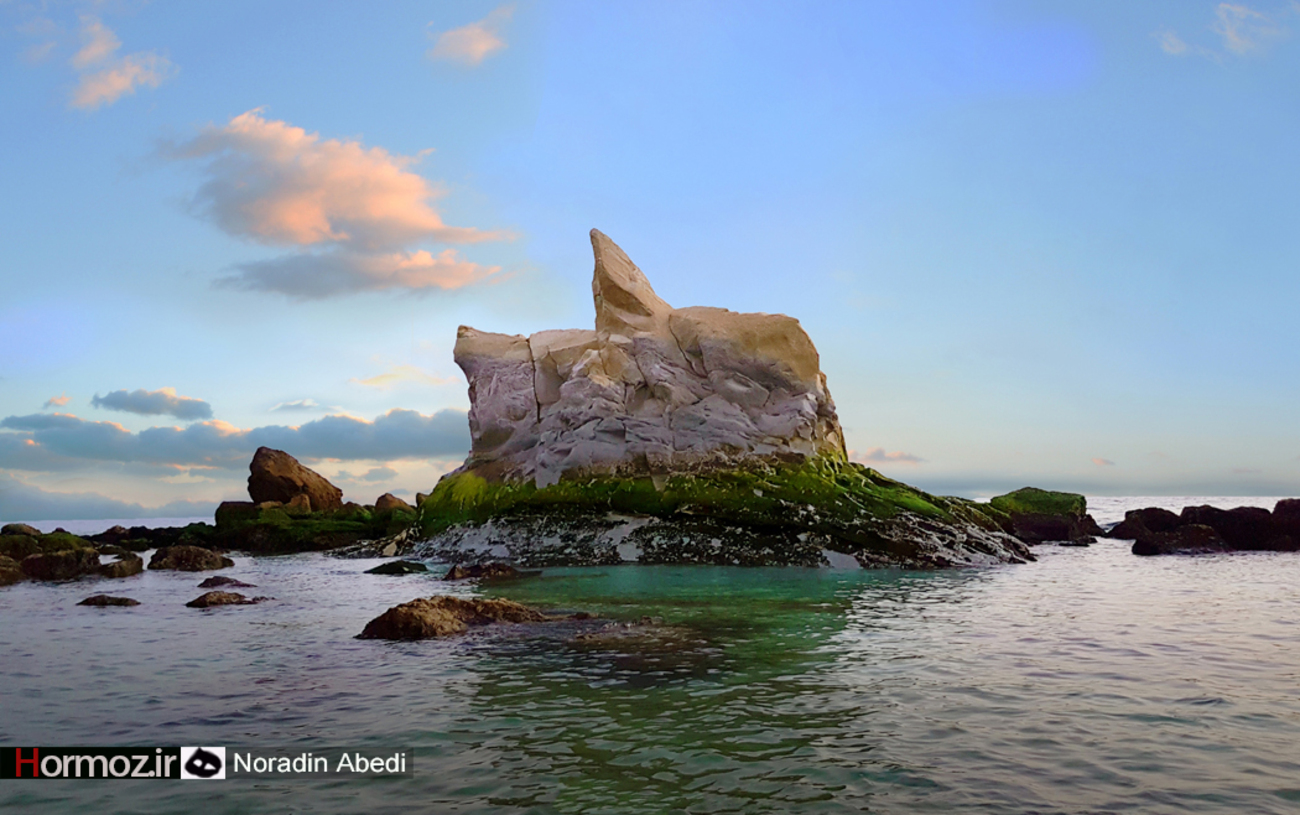
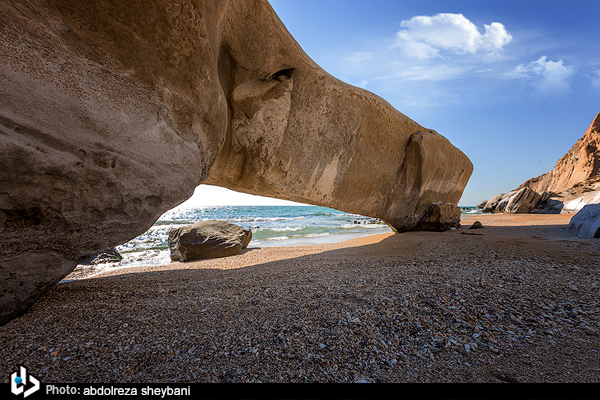
Beauty of Persian Gulf More Tangible at Parsian Coast

Beauty of Persian Gulf More Tangible at Parsian Coast

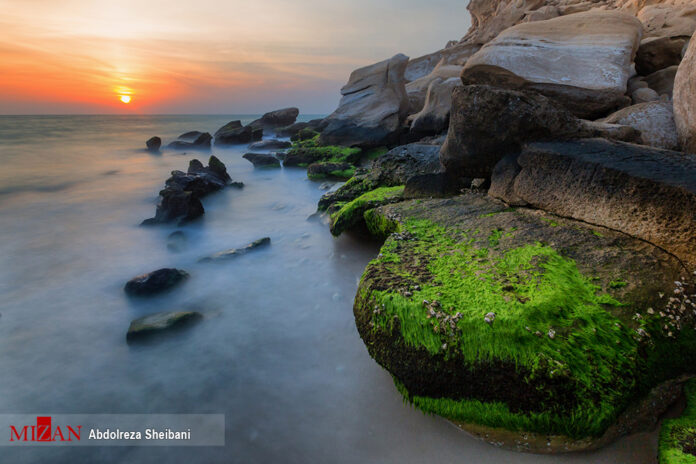
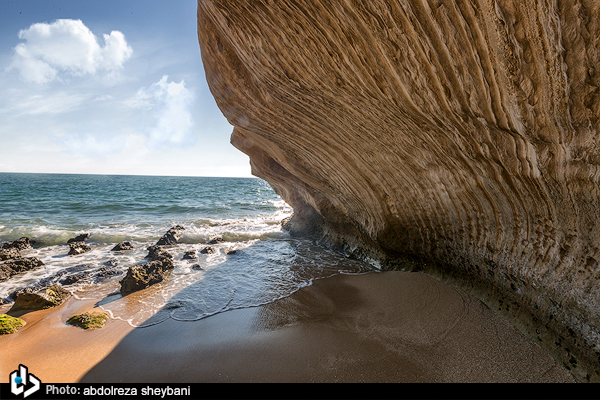
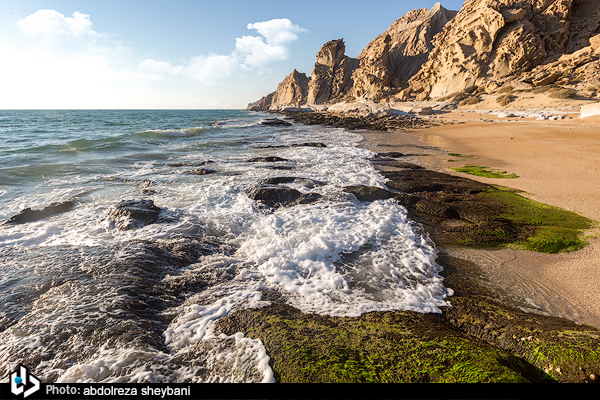
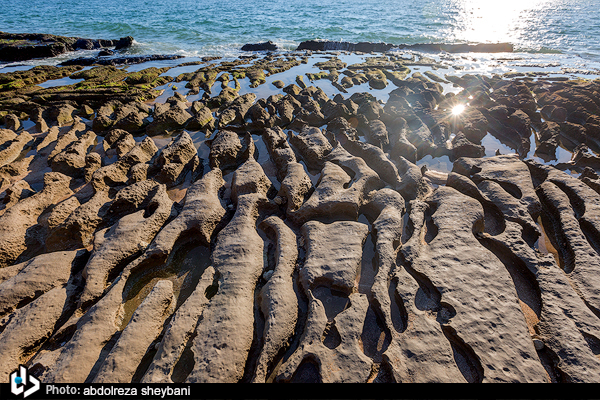
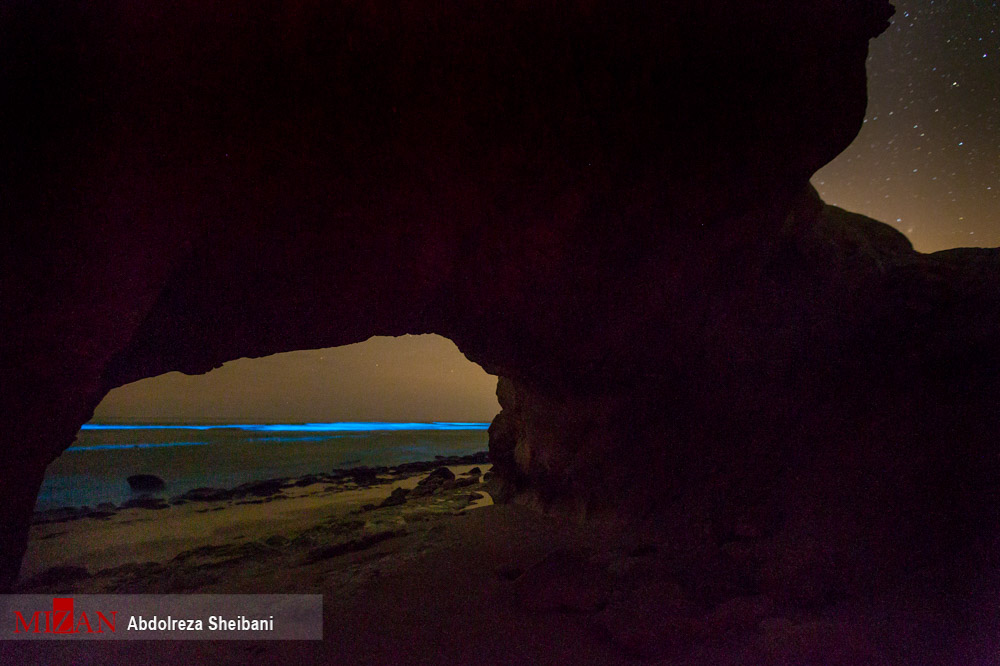
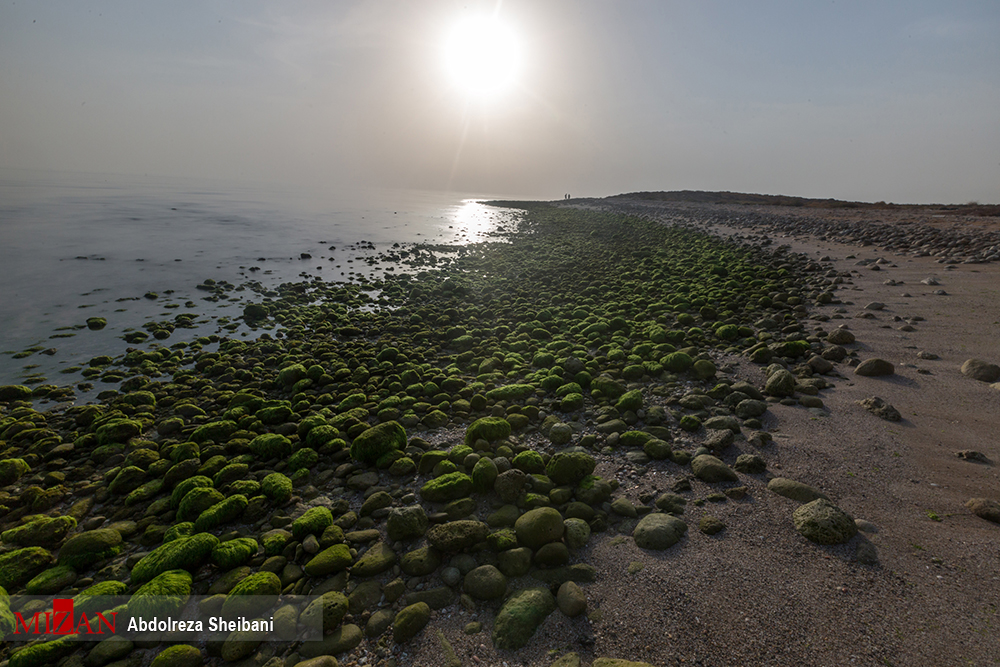
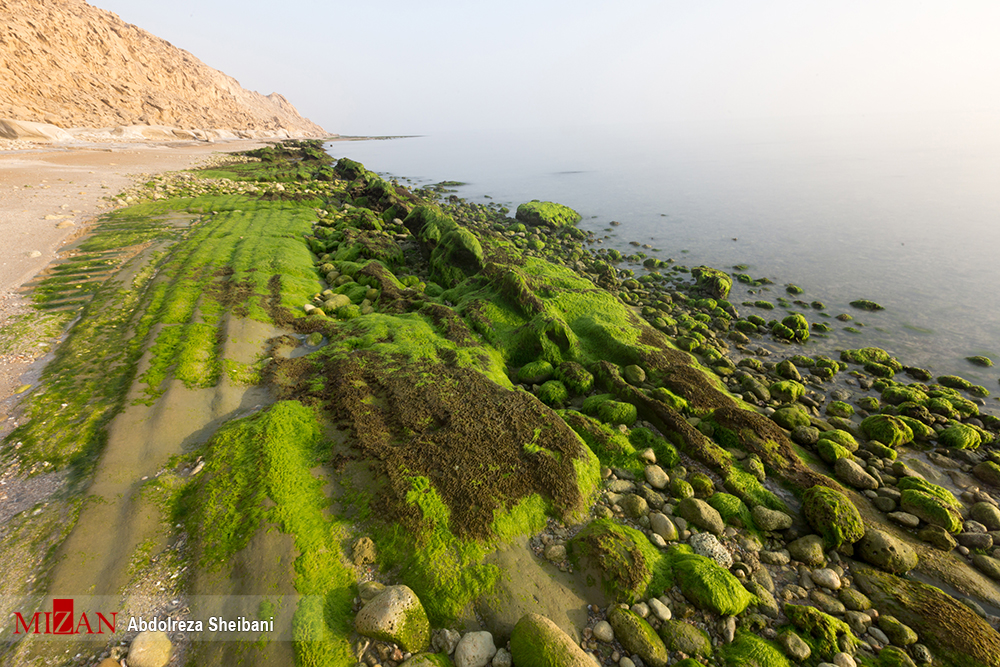
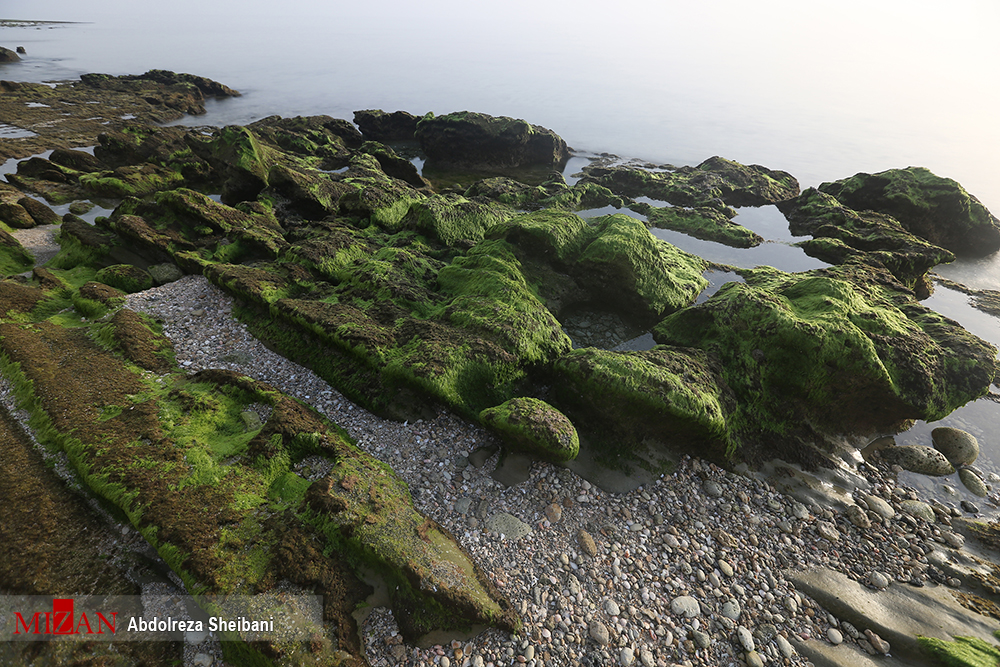
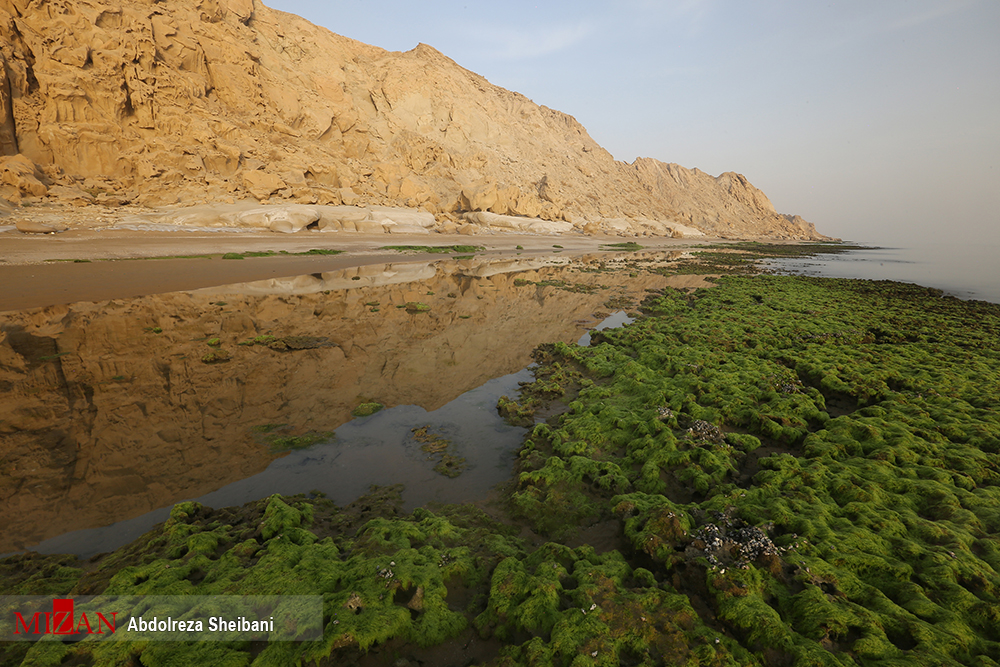
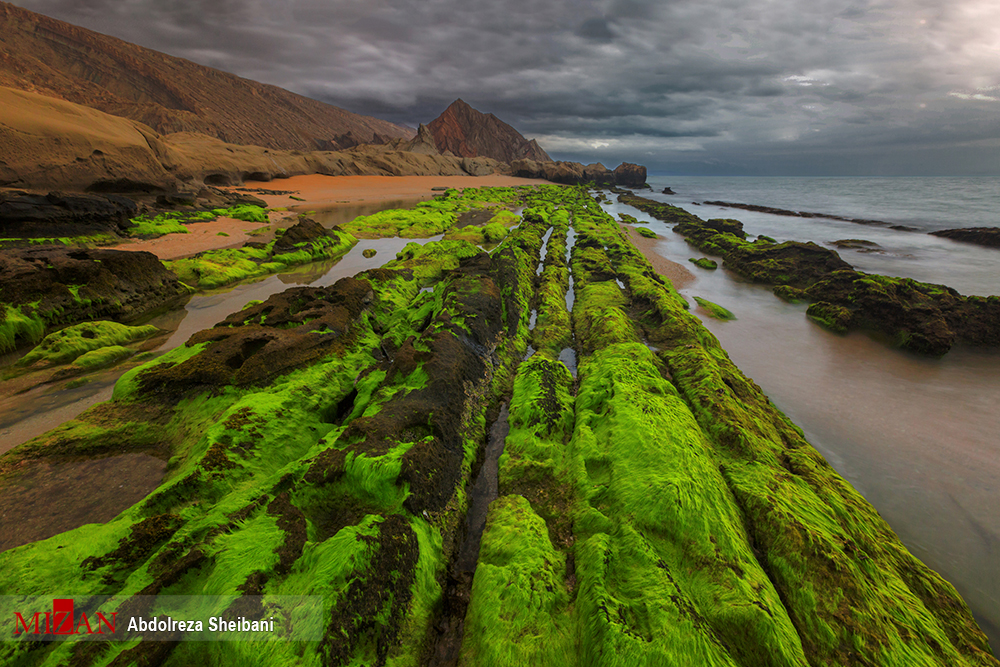
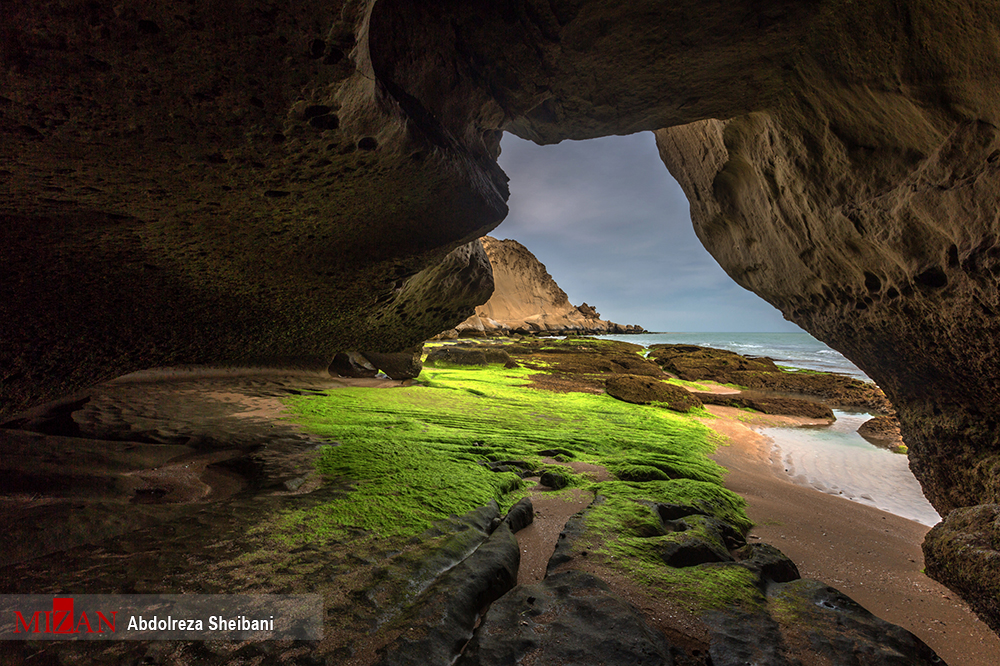
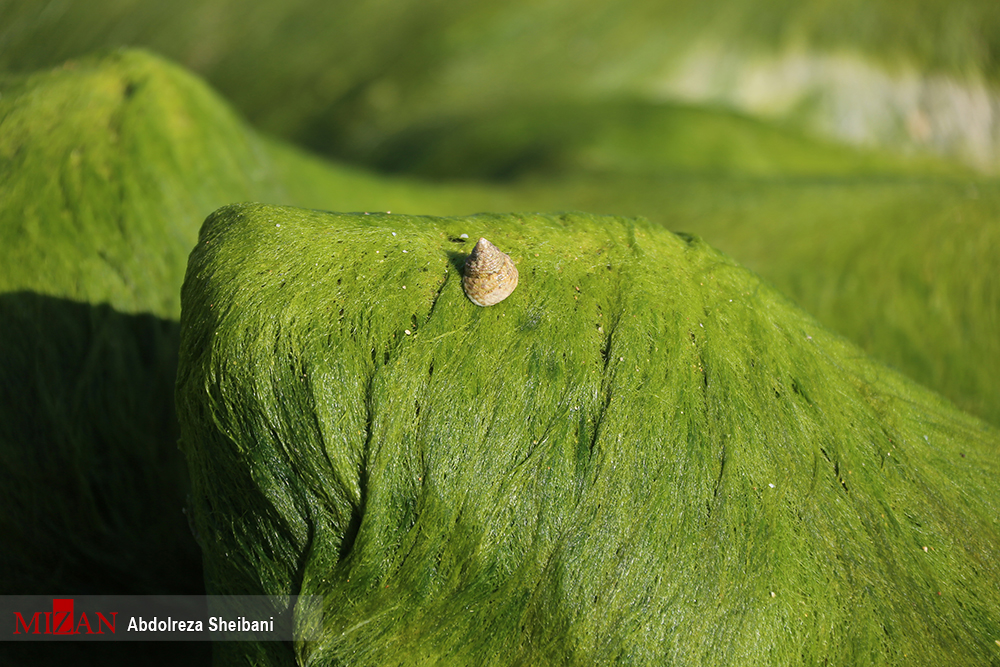
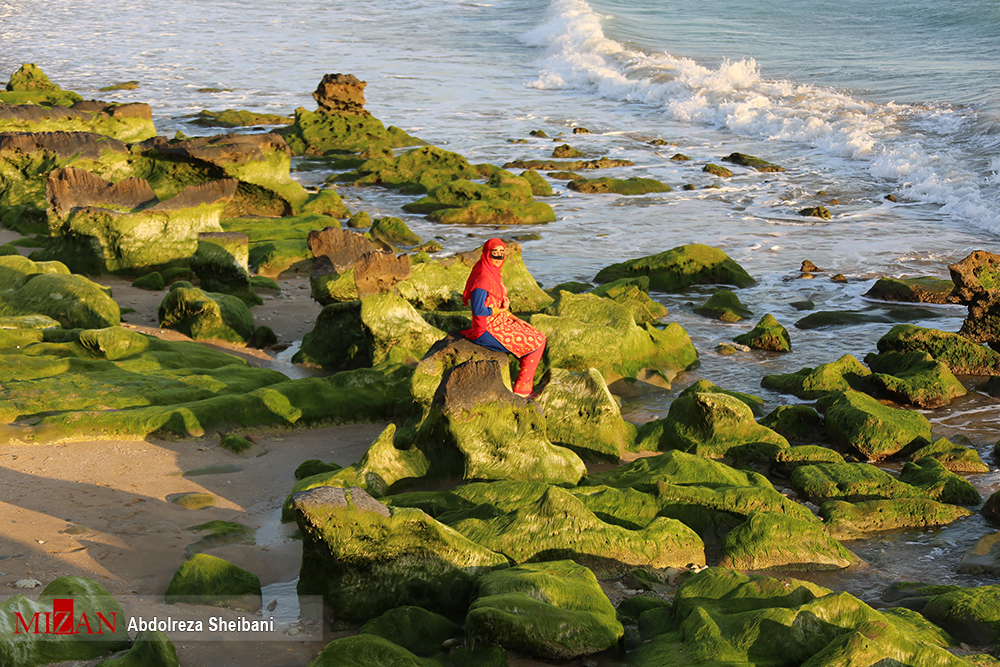
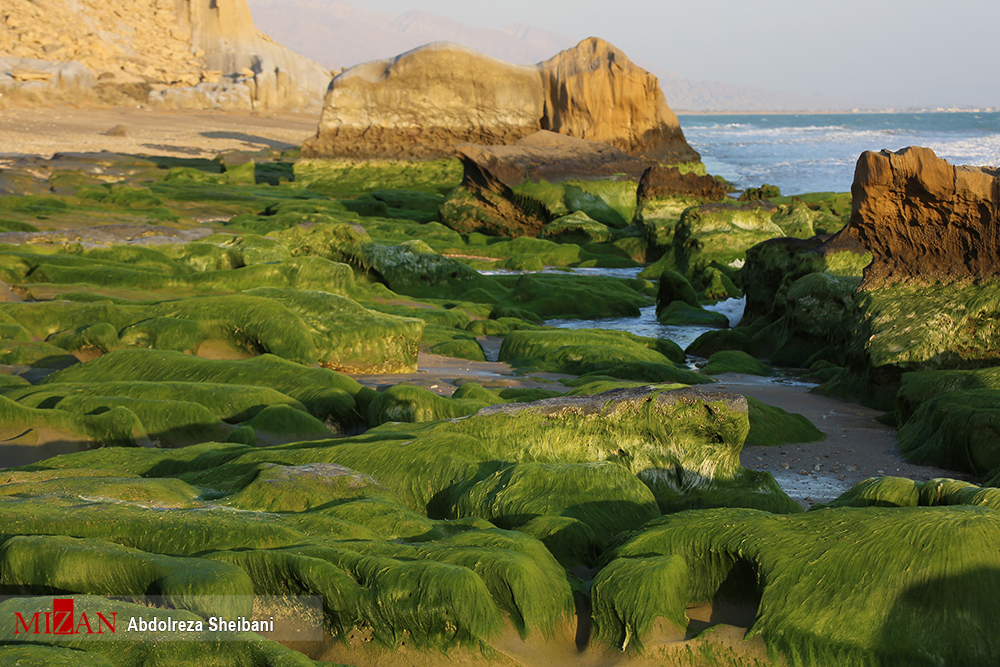
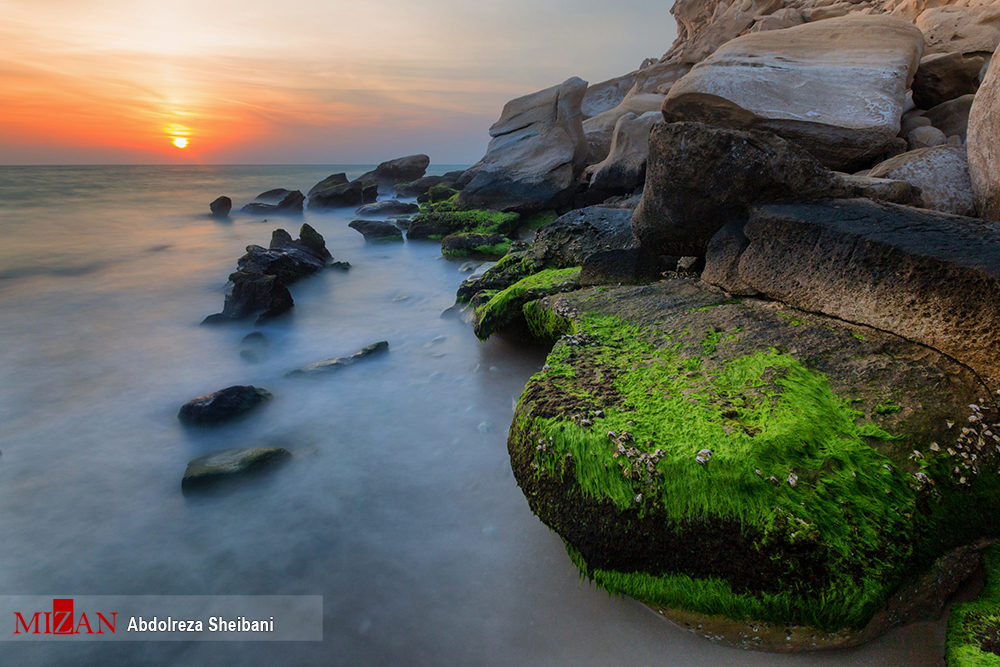
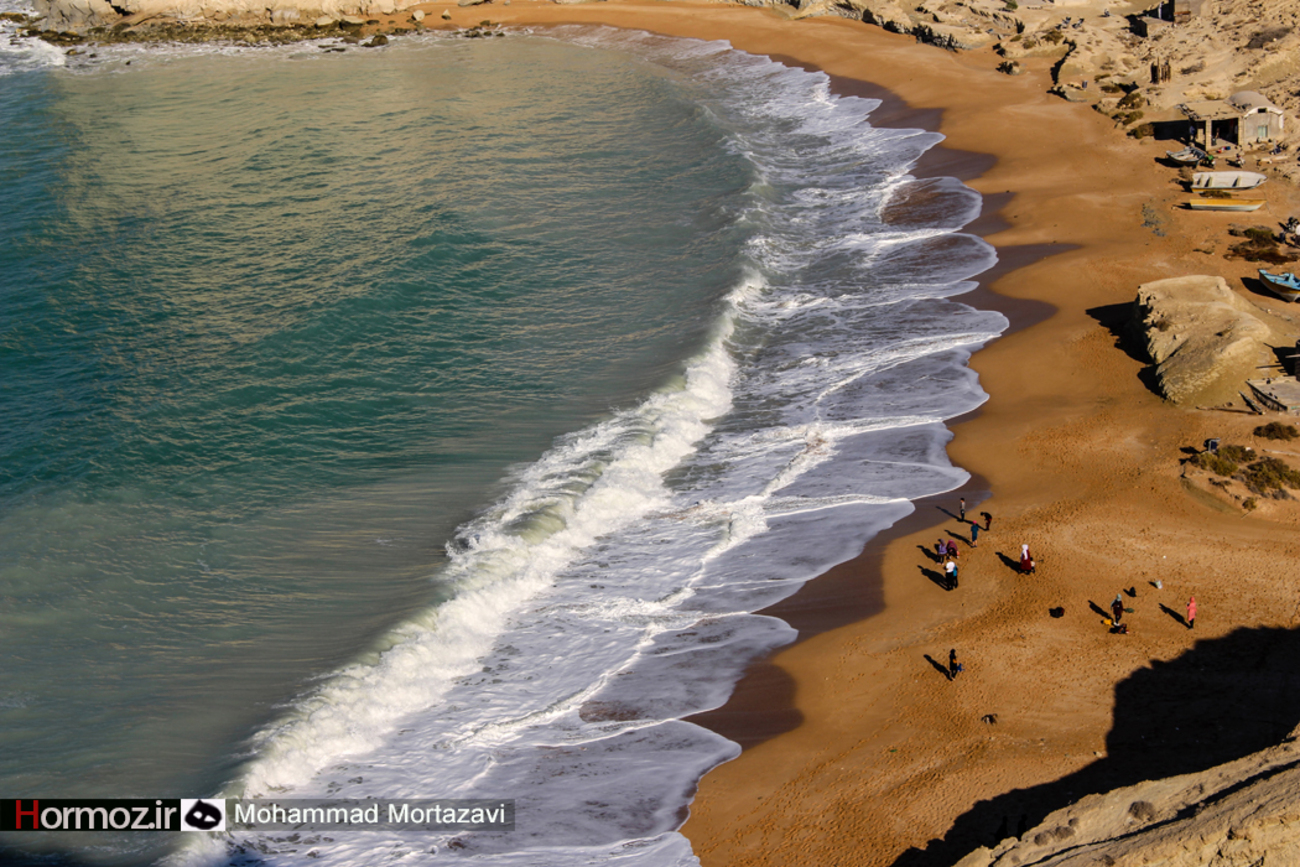
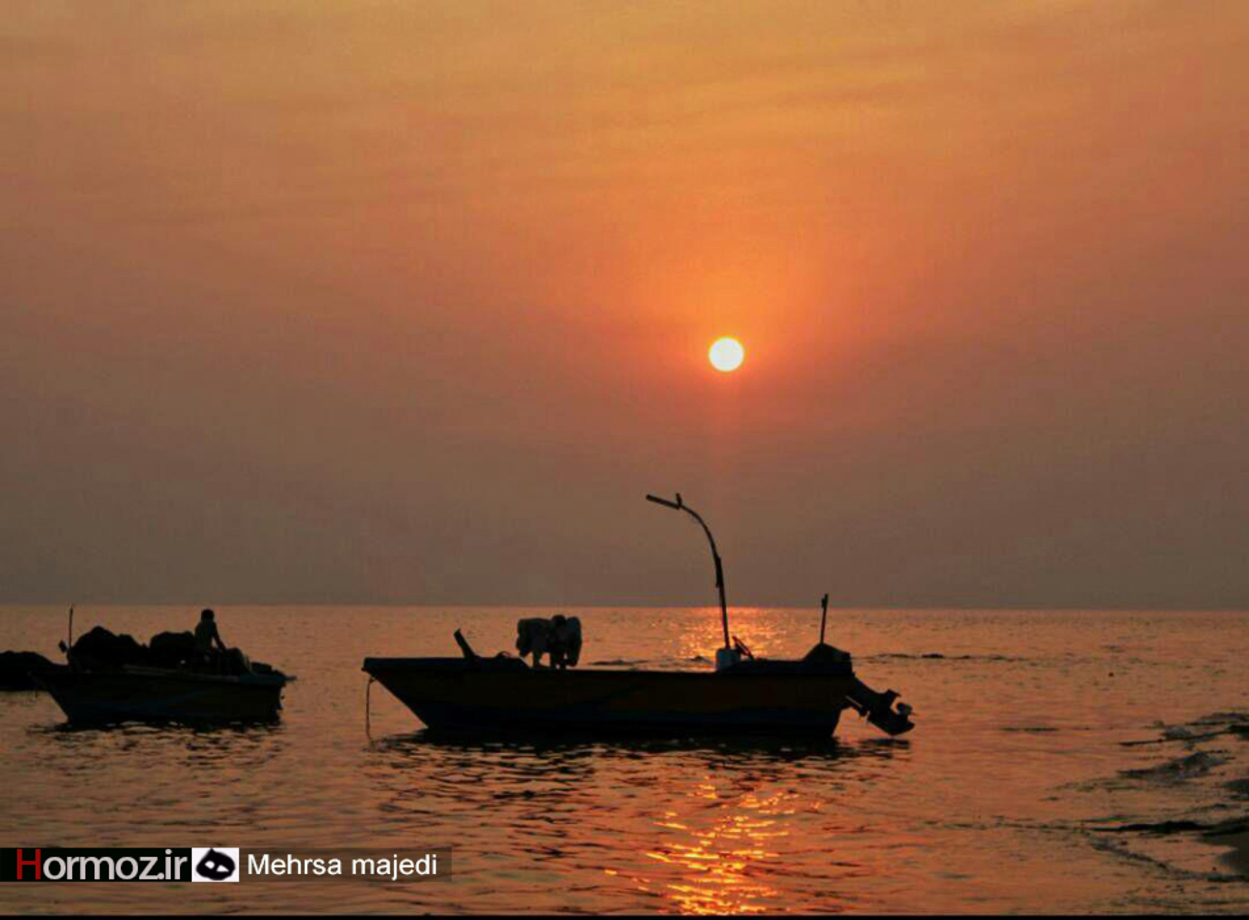
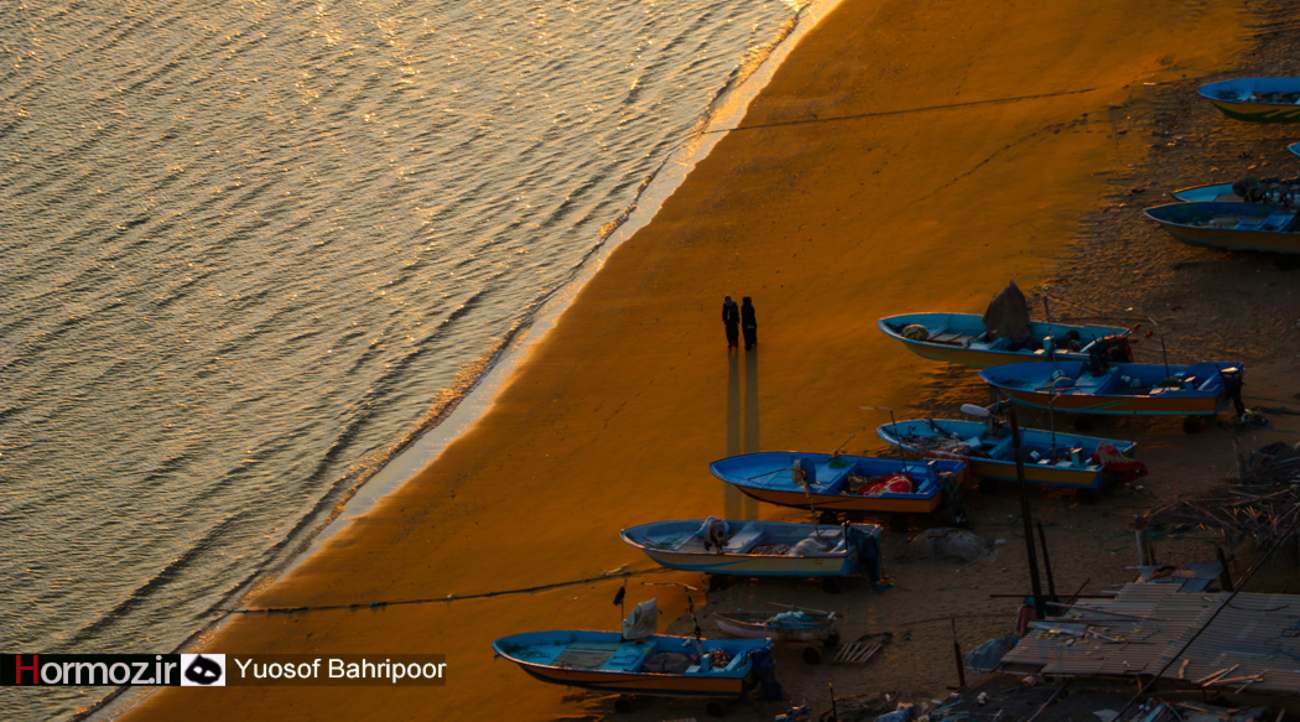
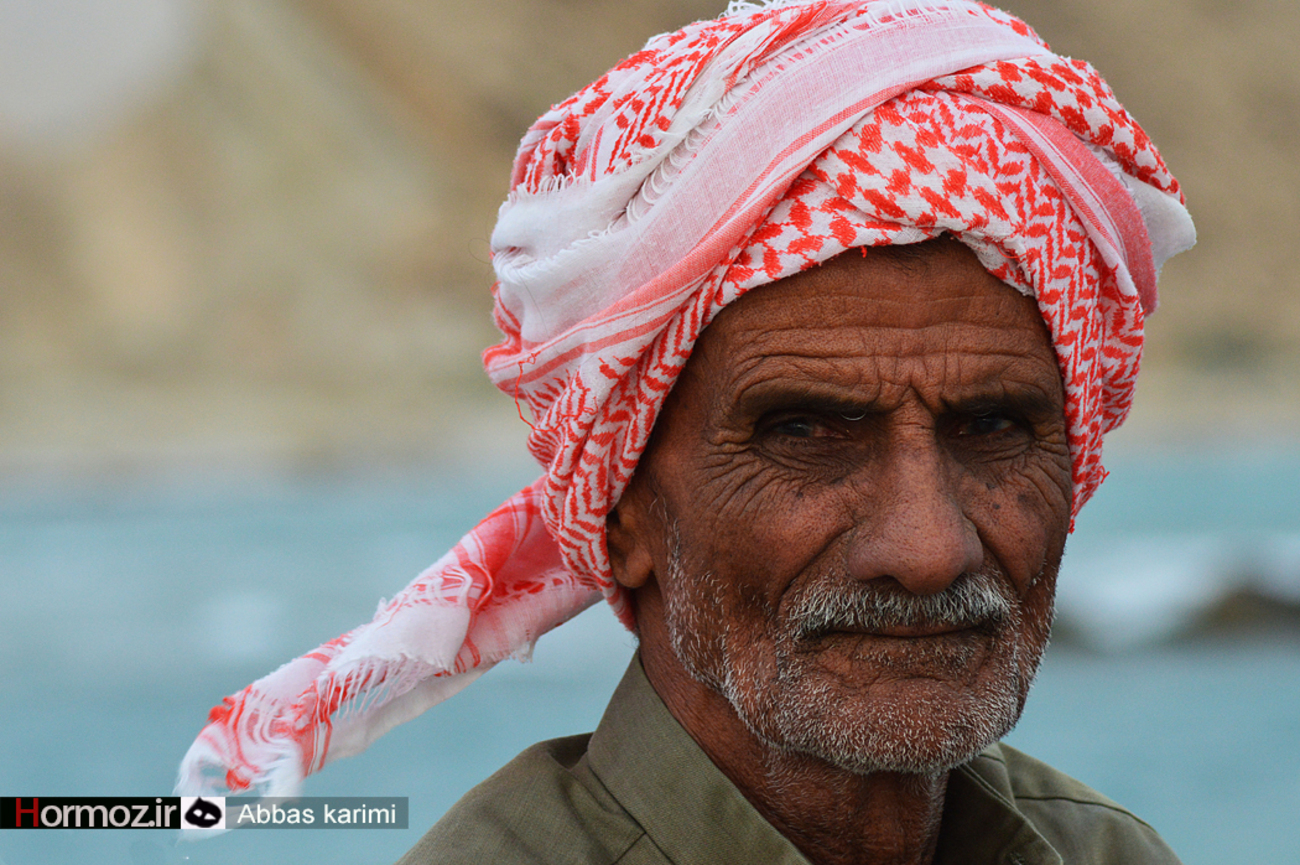
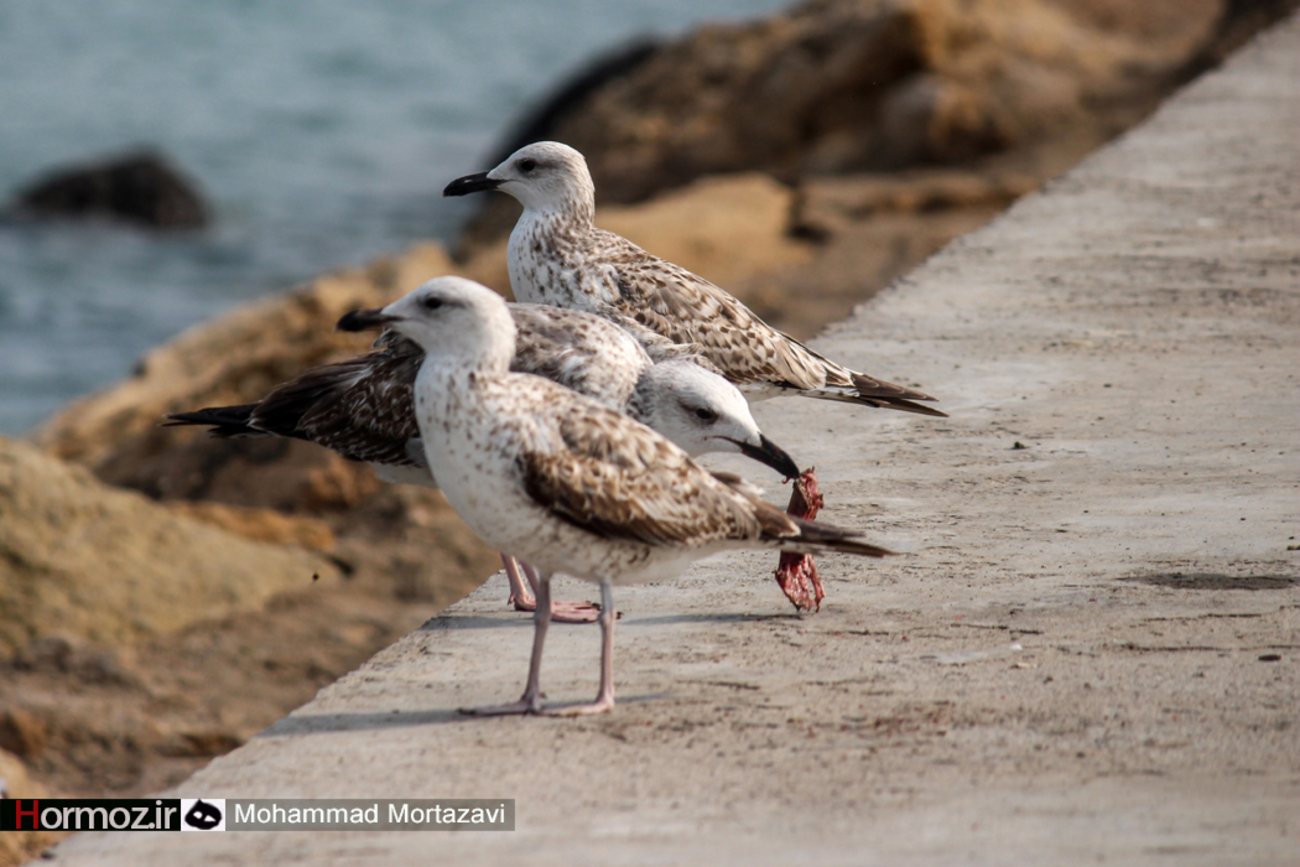
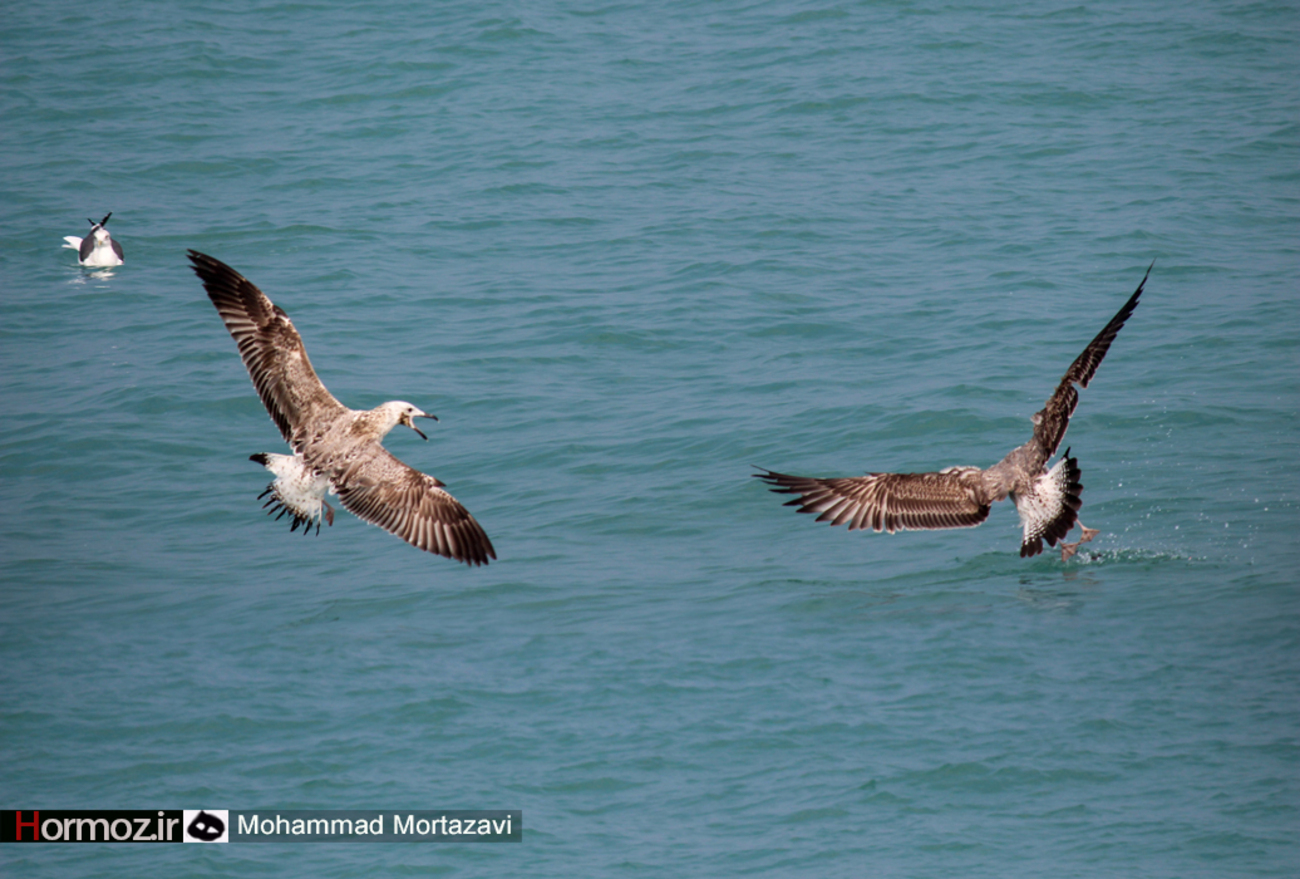
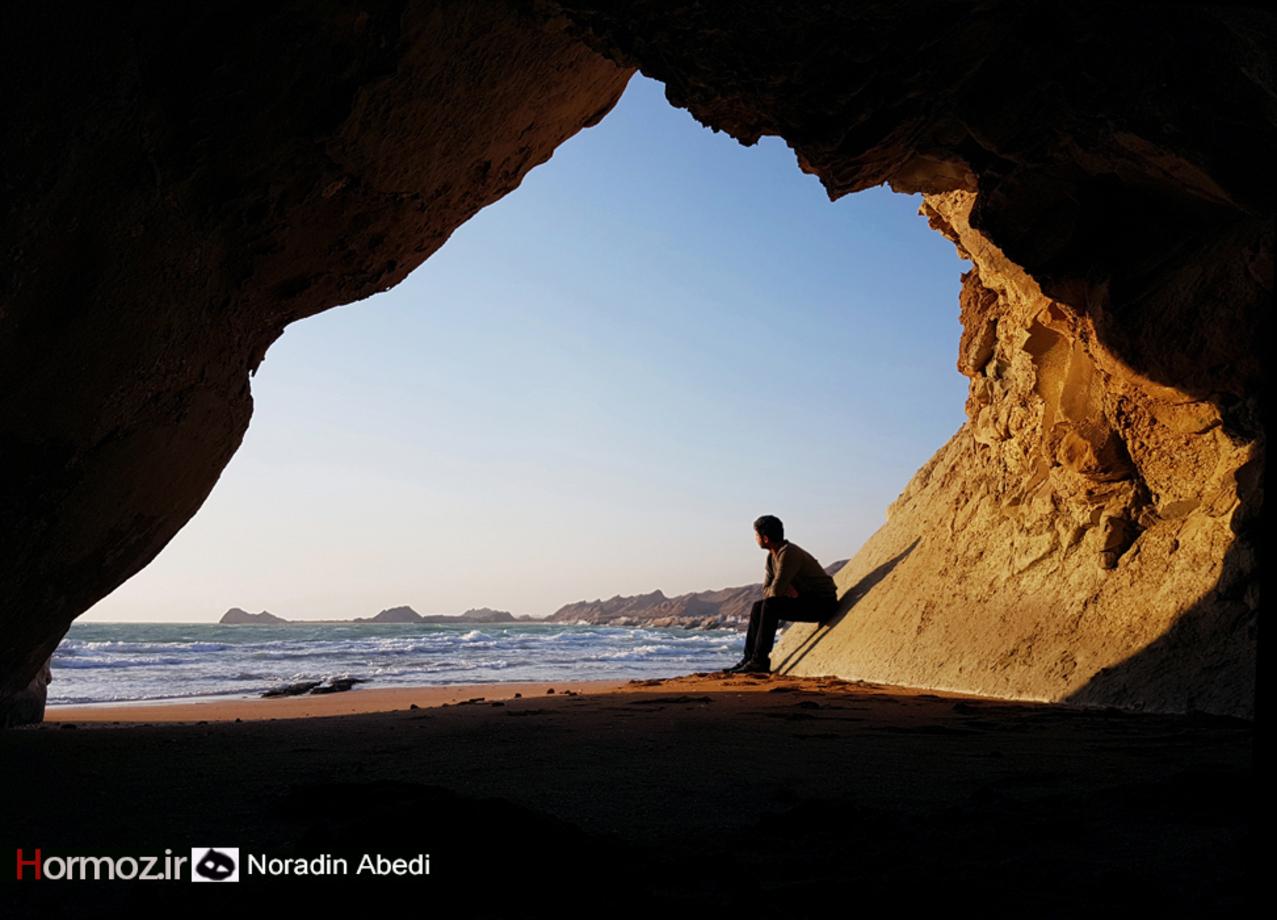
Parsian coast in the southern province of Hormozgan enjoys one of the most beautiful scenes along the Persian Gulf. The beach is totally intact and lives its original life along the Gulf.

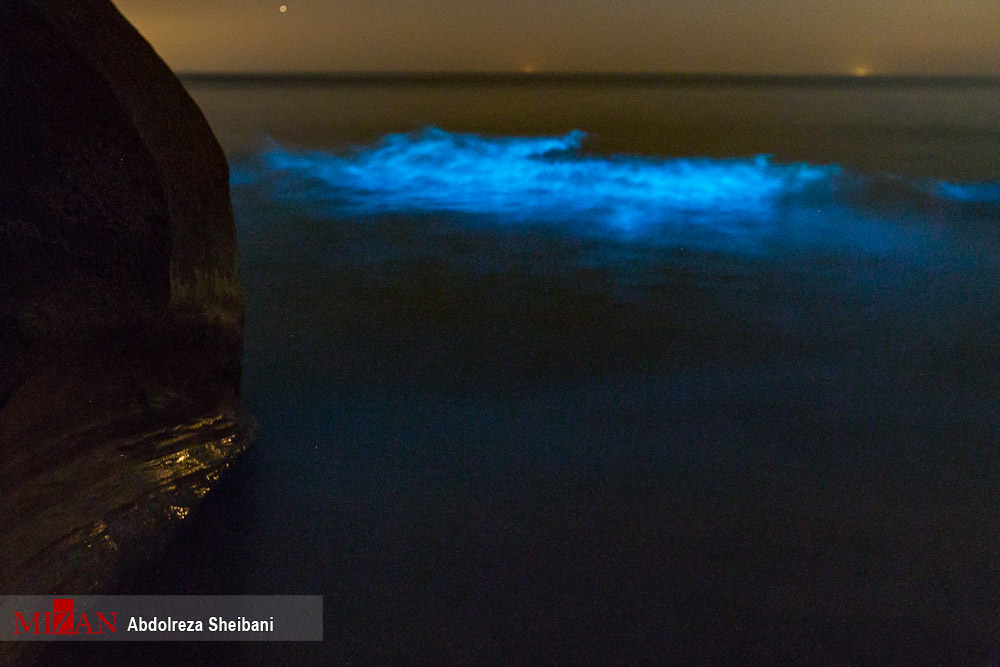
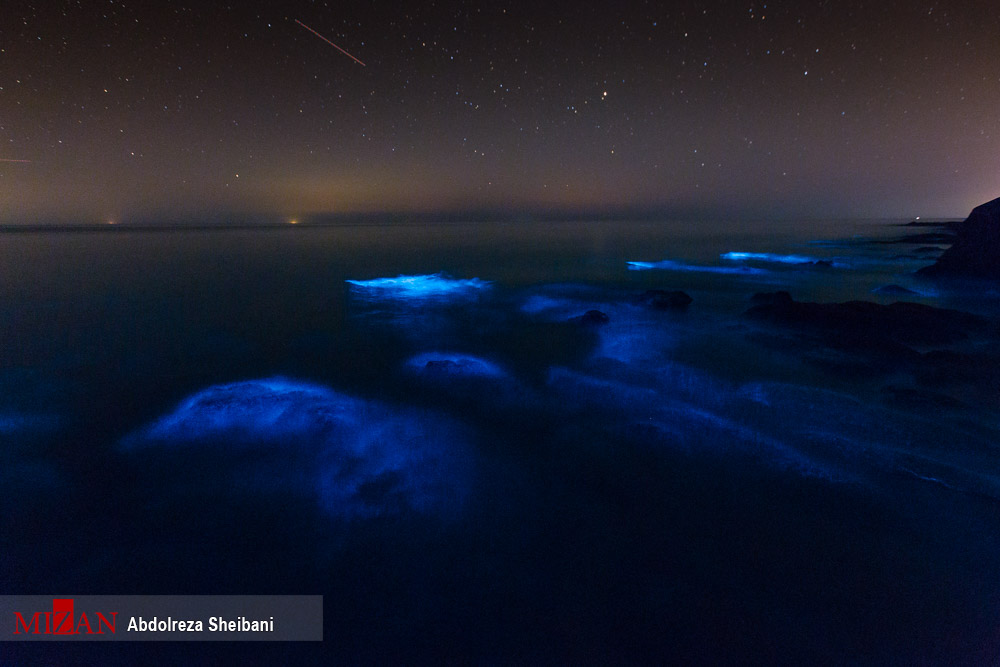
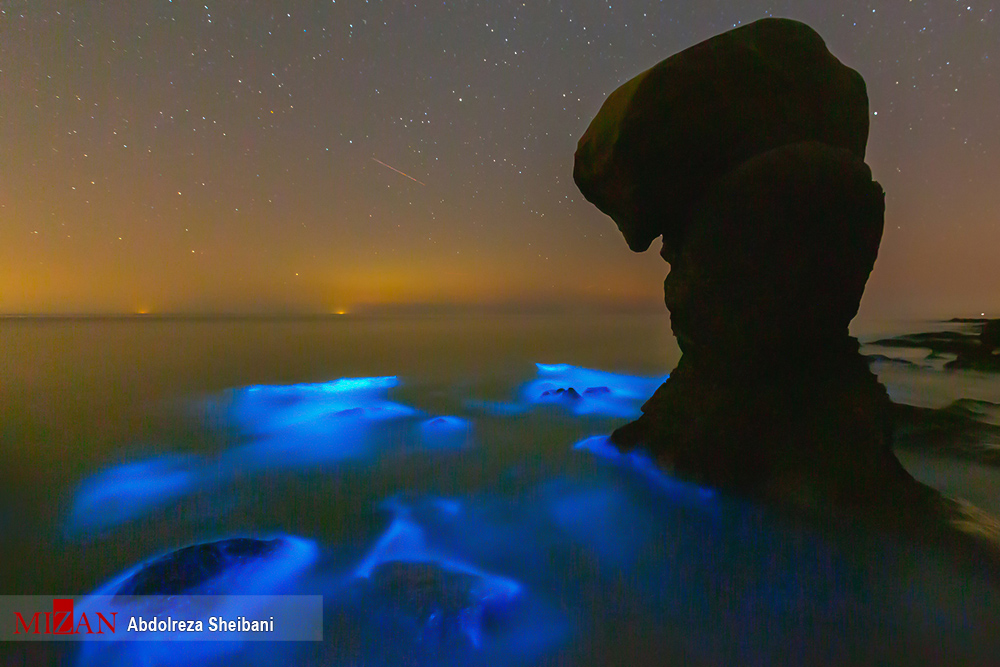
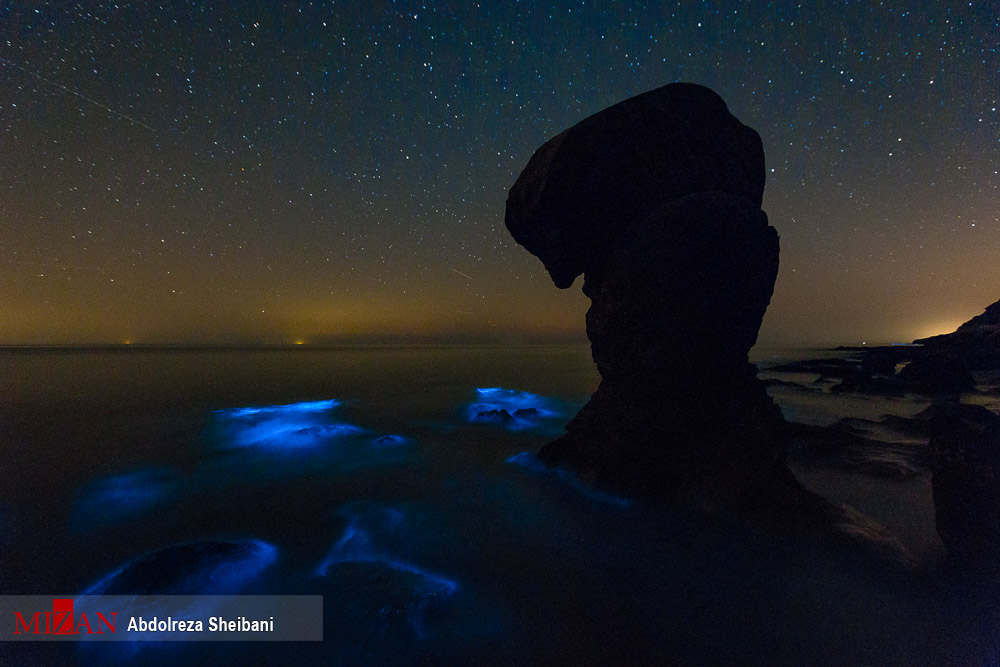
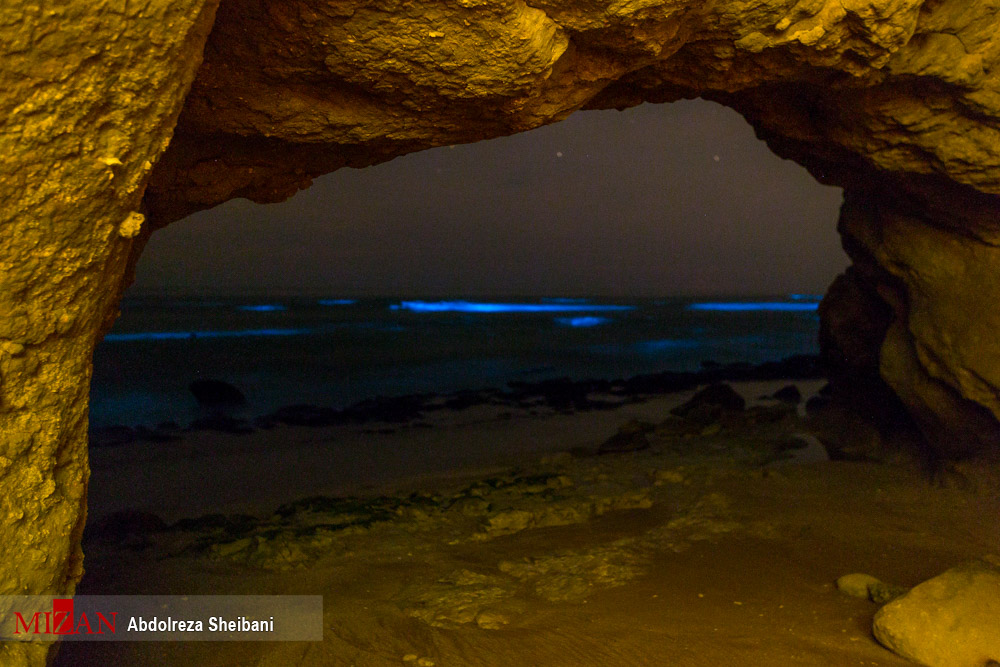
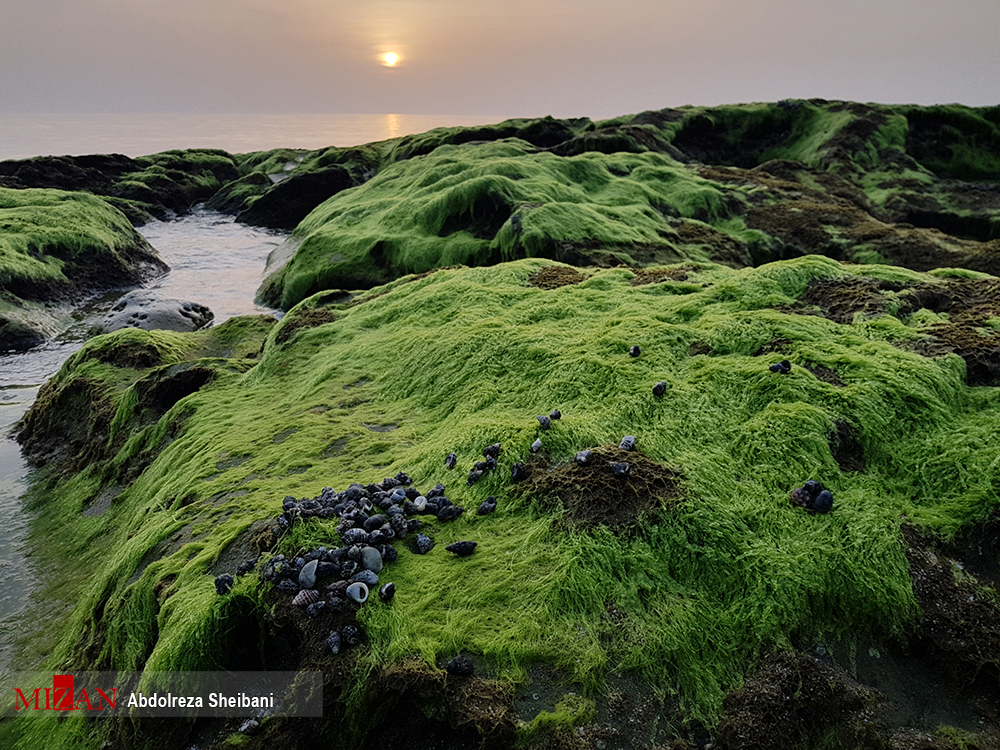
Parsian is among the areas which under the light of the Planktons turn into an amazing scene during the mentioned period of time each year. Planktons are some microscopic creatures living under the seas or oceans. They are highly important for the survival of the fish and corals. They emit beautiful lights during nights.

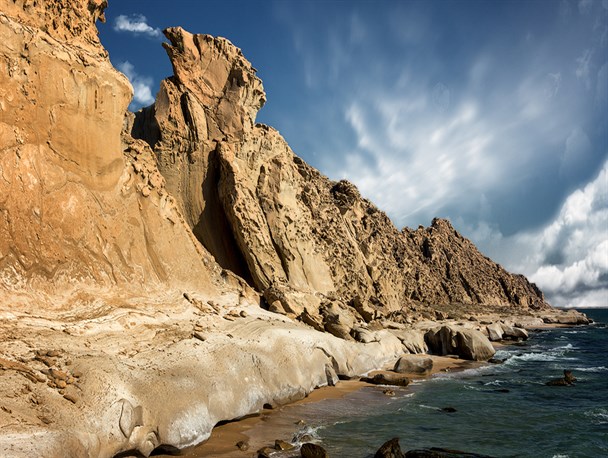
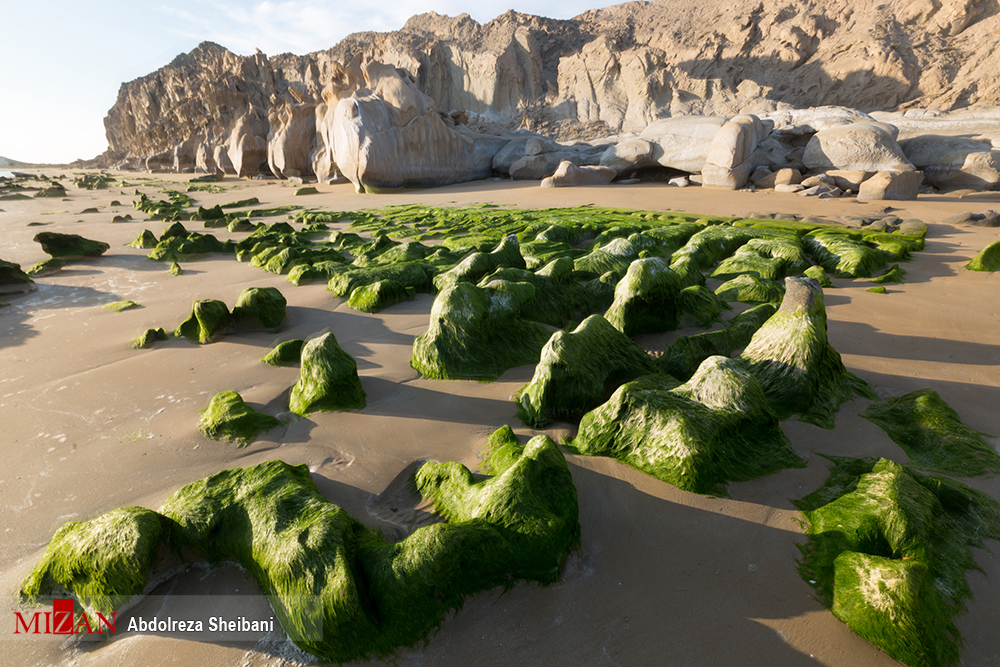
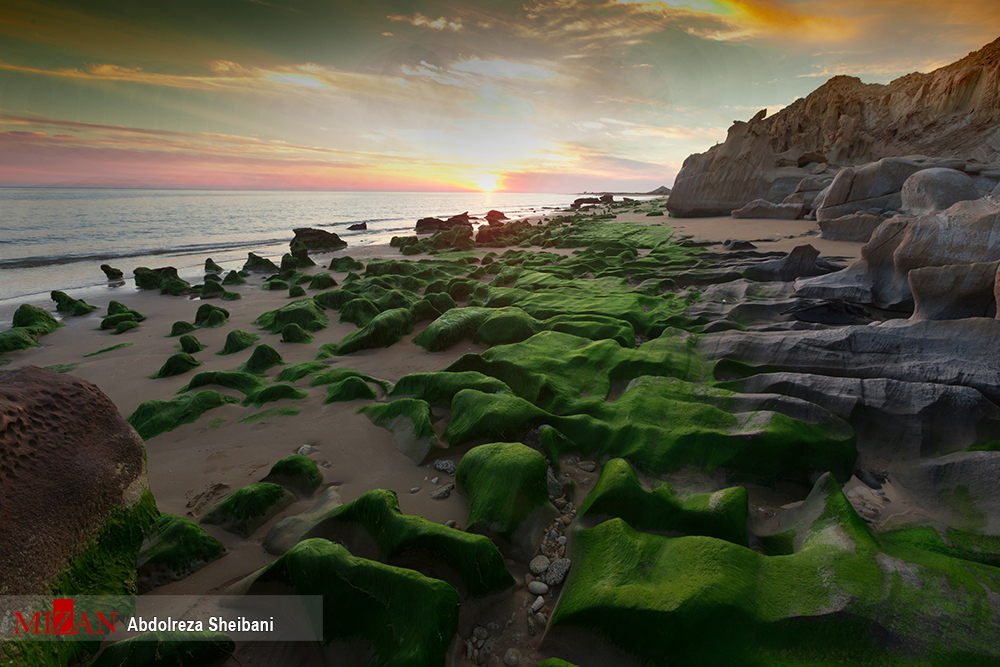
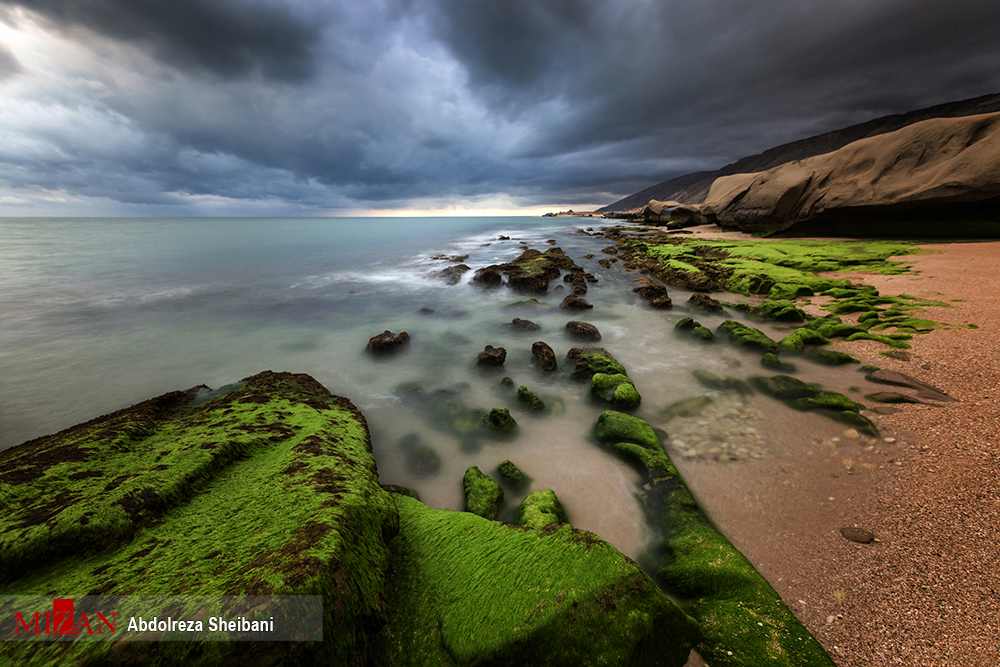
The short distance between the high mountains of Zagros and the shining sandy shores of the Persian Gulf is naturally decorated with green plants, smooth plains, sandy hills and high peaks.

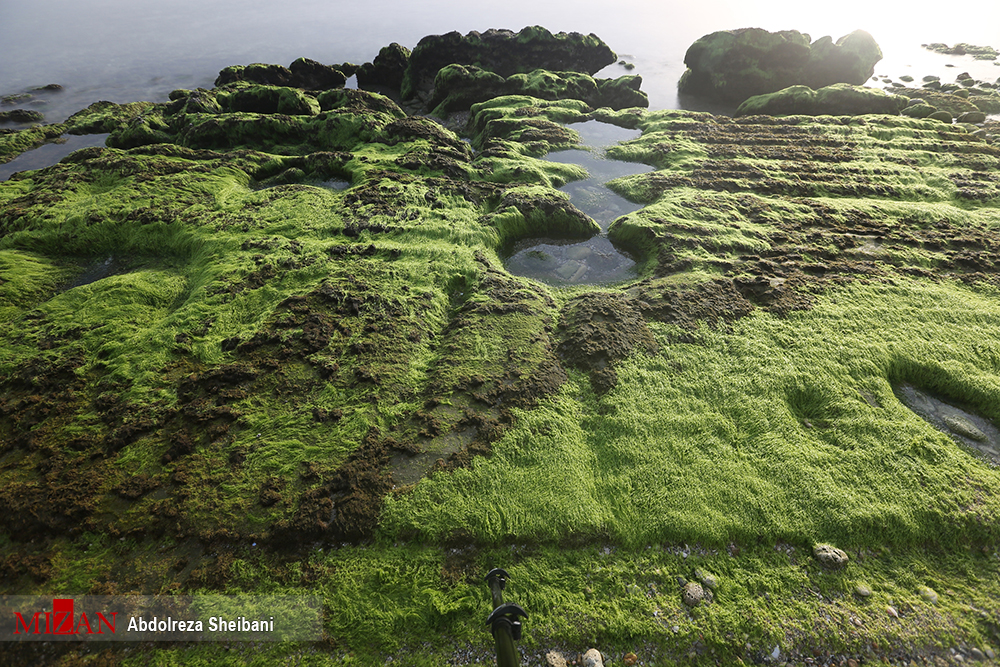
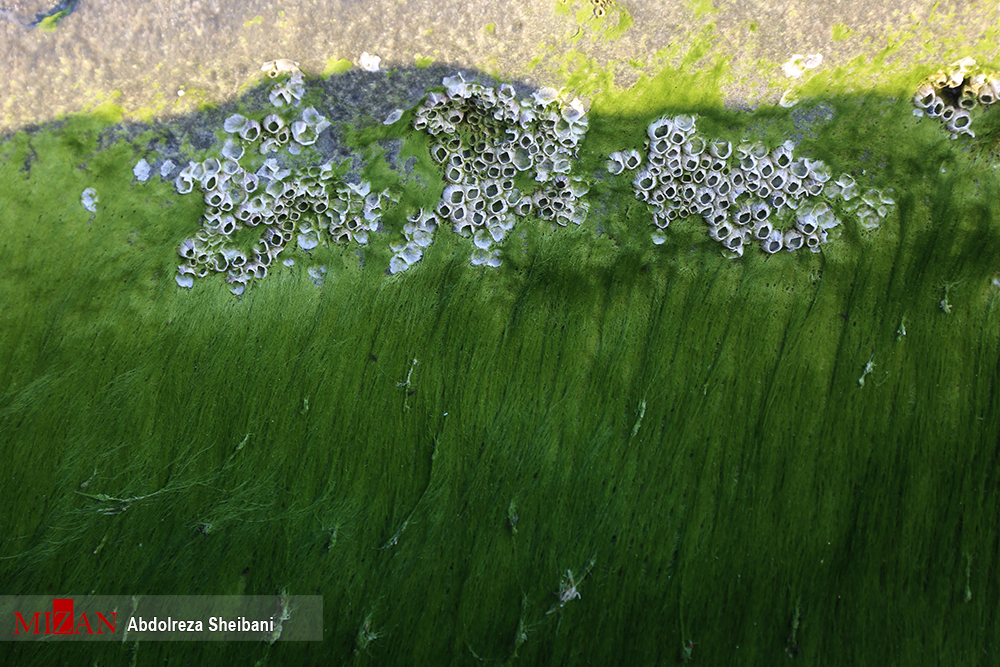
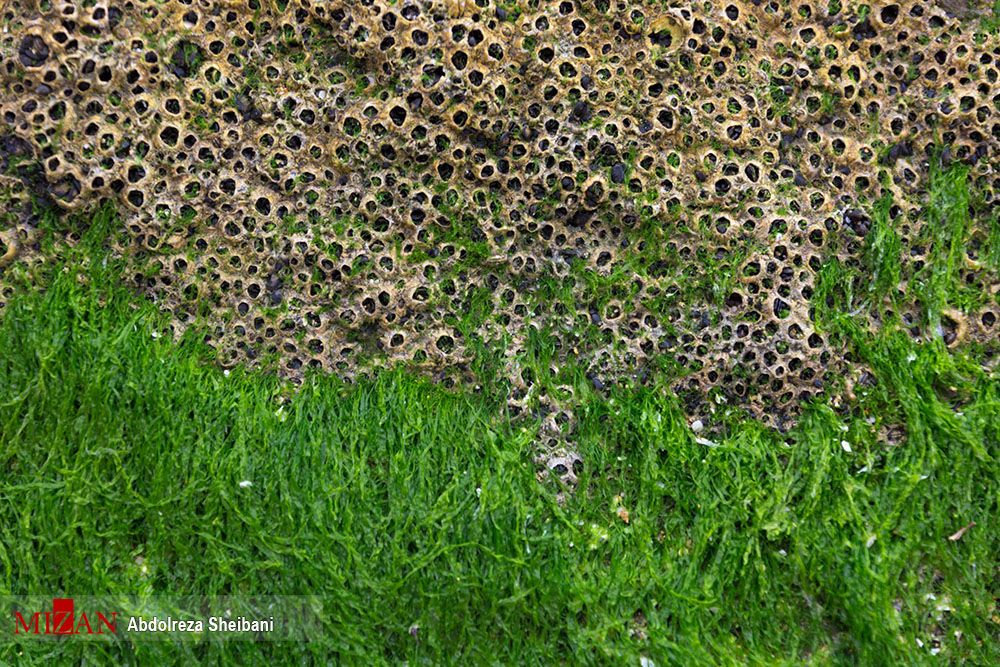
The green plants hide themselves under the water and then come out; attracting the attentions of tourists for hours with the ebb and flow of the water along the Persian Gulf.

The green plants remain there till mid-April and then gradually begin to die and disappear.

The beauty of the splendid and amazing nature of the area significantly increases during the early days of the new Persian Year with green gardens, farming lands, and plains as well as fountains, wandering hunters and signs of the traditional lifestyles of its residents.

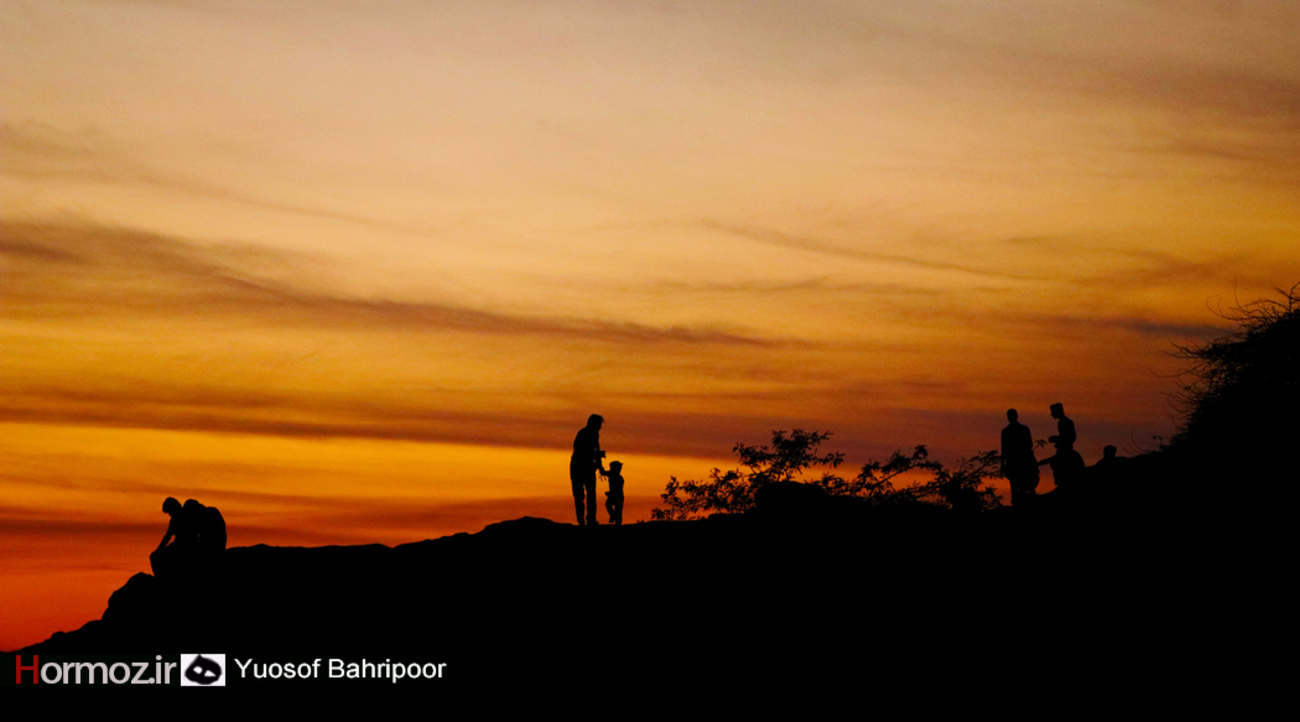
Below you can see photos of the beautiful coast of Parsian: