Thursday, April 9, 2026
Home Blog Page 3318

Iran Raps UN for Extending Human Rights Rapporteur’s Mandate

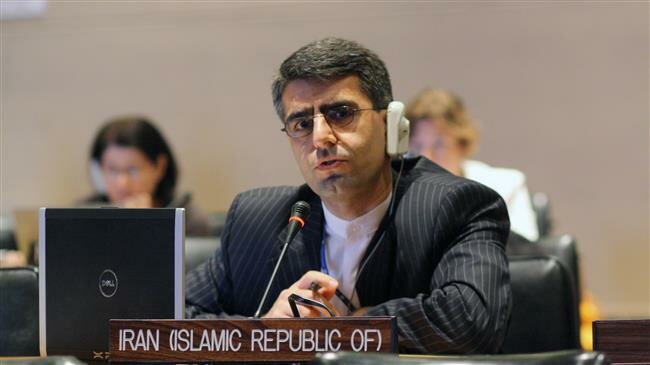
“The appointment of a special rapporteur on Iran is an unjust and unwarranted scheme initiated by certain states in pursuit of their politically-biased attitude against our nation,” Esmaeil Baghaei Hamaneh, the permanent representative of Iran to the United Nations Office in Geneva, said on Friday.

“It is no accident that those who have a long record of violating human rights and humanitarian law, including by wreaking havoc across our region by flooding it with weapons and by actively supporting terrorism and violent extremism, are among the main backers of this scheme,” he added.

During its 40th regular session of the United Nations Human Rights Council on Friday, the body’s members decided to extend the mandate of the special rapporteur for a further period of one year in a Sweden-drafted resolution on the situation of human rights in Iran, adopted by a vote of 22 in favor, seven against and 18 abstentions.

In a speech to the meeting, the Swedish representative Veronika Bard claimed that extending the mandate was aimed at improving the human rights situation in Iran amid concerns in this regard.

On July 6, 2018, Javaid Rehman was appointed as the third special rapporteur on the situation of human rights in the Islamic Republic of Iran since re-establishment of the mandate.

The Iranian diplomat further warned of the adverse consequences of the draft resolution L.15 and its ensuing mandate, saying they “could only contribute to bizarre clichés against Iran.”

“Rest assured such insincere moves could barely contribute to the promotion and protection of human rights,” Baghaei Hamaneh added.

He said it is disappointing that Sweden and a few other countries fixate on their “unconstructive and counterproductive” approach against Iran.

The Iranian diplomat emphasized that human rights cries of the draft resolution’s sponsors lack credit, good faith and moral ground as they remain indifferent to “systematic atrocities perpetrated by their allies in our region on a daily basis.”

They keep silent about “inhumane and unlawful” sanctions imposed by the United States, which is a violator of human rights on a large scale, he said.

“[The issue of] human rights is a common cause. The abuse of the human rights mechanisms against Iran compromises the sense of solidarity as an integral part of this lofty cause,” Baghaei Hamaneh said.

However, he emphasized that Iranian officials would not be distracted from serving the nation through such “adversarial maneuvers.”

He said Iran has a resolve to maintain its “constant progress in protection and promotion of human rights” and would also continue its engagement with the Office of the UN High Commissioner for Human Rights and other competent UN human rights mechanisms as well as with responsible states that value interaction and dialog.

He urges Sweden to “discontinue its harmful and extremely counterproductive pathway” and calls upon the Human Rights Council members to say No to this draft resolution.
Freed Border Guards Receive Hero’s Welcome in Tehran

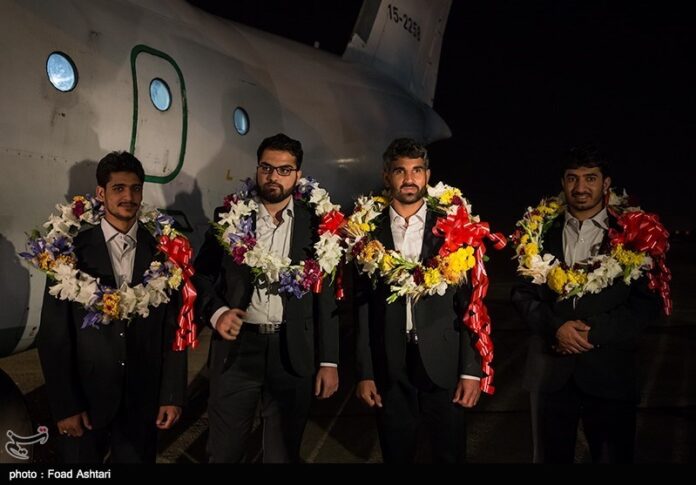
The four border guards arrived in Iran on Friday night and were warmly welcomed by a number of senior military officials, including Commander of the Islamic Revolution Guards Corps (IRGC) Ground Force Brigadier General Mohammad Pakpour.

Earlier on Thursday, the IRGC Spokesman had said that the force would deploy a plane to Pakistan on to repatriate the border guards.

On October 15, the so-called Jaish-ul-Adl terrorist group infiltrated the country from the Pakistani side of the border and took hostage 12 border guards, local Basij forces, and the Islamic Revolution Guards Corps (IRGC) members.

The IRGC Ground Force’s Quds Base said on that day that the local Basij forces and the border regiment forces stationed at the border post in Mirjaveh region in Iran’s southeastern province of Sistan and Balouchestan had been abducted after “acts of treason and collusion” involving an element or elements of the anti-Revolution groups who had infiltrated the country.

On November 22, the IRGC said five of the abductees returned home after consultations and interaction with Pakistan.

Iranian military forces along the southeastern border areas are frequently attacked by terrorist groups coming from Afghanistan and Pakistan.

Tehran has frequently asked the two neighbors to step up security at the common border to prevent terrorist attacks on Iranian forces.

Iran Increases IQ of 70 Million Children Using Iodized Salt

Dr. Fereydoun Azizi, the Chairperson of the Research Institute for Endocrine Sciences at Shahid Beheshti University of Medical Sciences, says the Islamic Republic began to add iodine to salt in 1989, and since then, the IQ of 70 million children has been boosted.

IQ is a total score derived from several standardized tests designed to assess human intelligence.

According to Azizi, estimates show the program has also managed to prevent the emergence of 30 million cases of goitre and about 15 million goitre surgeries so far.

Speaking to IRNA, he said if families use sea salt instead of iodized salt, they will likely suffer from the symptoms of iodine shortage which could lead to goitre and hamper their physical and mental growths.


6% of Iranian Students Suffering from Goitre

Azizi also said the number of Iranian school students suffering from goitre has decreased from 68 percent in 1987 to only 6 percent in the current year.

A goitre, or goitre, is a swelling in the neck resulting from an enlarged thyroid gland. It is associated with a thyroid that is not functioning properly. The thyroid gland, or simply the thyroid, is an endocrine gland in the neck producing two main hormones triiodothyronine (T3) and thyroxine (T4).

The hormones created by thyroid circulate in the body along with the blood and plays some key roles in controlling metabolism. Worldwide, over 90% of goitre cases are caused by iodine deficiency. The term is from the Latin gutteria.

Most goitres are of a benign nature. Some of the symptoms of the disease are as follows: swollen throat, sore throat, swallowing problem, cough, fatigue, breathing disorder, irregular heartbeat, Attention deficit hyperactivity disorder (ADHD), excessive sweating, heat sensitivity, hair loss, cold intolerance, constipation, temper change and weight gain.

Azizi cited goiter as one of the main diseases caused by iodine shortage and added since 1989, the government has begun to massively distribute iodized salt among people, decreasing the number of goiter cases significantly.

He went on to say that in addition to goiter, iodine shortage can also hamper the physical and mental progress of a person creating some neurotic problems for them.


Need for Iodine Doubles during Pregnancy

Elsewhere in his remarks, Dr. Azizi referred to the growing need for iodine during pregnancy and said the need doubles during the period; therefore, he said, pregnant women should take this issue seriously.

“We are trying to meet the needs through some comprehensive plans including Idophilic across the country,” he said.

He said today most provinces across Iran enjoy high capacities for diagnosing guitre and concluded, unlike in the past, patients suffering from the disease don’t need to travel to big cities like Tehran, Shiraz and Isfahan for treatment any more.

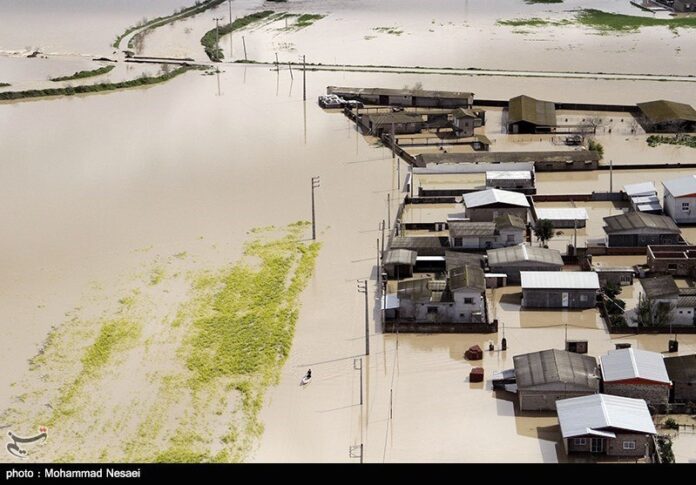
All Forces Mobilized as Floods Wreak Havoc on Northern Iran

At least five people, including two children, have been killed in the floods during the past few days.

“Unfortunately, two children have lost their lives since floods hit Golestan [province]. As weather conditions improve, work will be expedited to dispatch aid to the flood-stricken areas in the province,” said a deputy provincial governor.

According to the Red Crescent Society, at least 6200 flood-stricken residents have been housed in emergency shelters so far. Water was emptied out of around 9,000 inundated houses, and 280 vehicles were pulled out of water as well. Five-thousand blankets and carpets have also been distributed among locals.

This comes as First Vice President Es’haqJahangiri accompanied by a number of ministers traveled to the flood-affected areas on Saturday to get a first-hand account of the situation there.

During his visit, Jahangiri fired Manaf Hashemi, the governor-general of Golestan province, who was out of the country when the floods hit, and has not yet shown up. Ali Gharavi, the deputy of Hashemi, was appointed as acting governor-general.

Parliament Speaker Ali Larijani also travelled to flood-stricken areas to see for himself the situation on the ground.

Iranian Armed Forces, including the Islamic Revolution Guards Corps (IRGC), the army, the police, and the Basij voluntary forces, have also mobilized all their resources to send relief aid to flood-stricken areas.

Neighbouring provinces have mobilized their resources, too, to speed up relief efforts.

In the meantime, Leader of the Islamic Revolution Ayatollah Seyyed Ali Khamenei, in a message on Saturday night, expressed deep sorrow over the tragedy, urging people and public institutions to send aid to the affected areas.

The Leader also instructed Major General Mohammad Baqeri, the chairman of the General Staff of the Iranian Armed Forces, to mobilize more resources to expedite relief operations in flood-hit areas.  

Following the Leader’s order, the top general instructed all armed forces to mobilize their resources and send as much aid and assistance as they can to help flood victims. He also dispatched his deputy Major General Ataollah Salehi to the flood-stricken areas heading a team of military top brass in order to ensure coordination among various military and state authorities during relief work.

The reservoirs behind Golestan 2 and Boustan dams in northern Iran overflew a few days ago, causing a local river to burst its banks and deluge all nearby towns and villages.

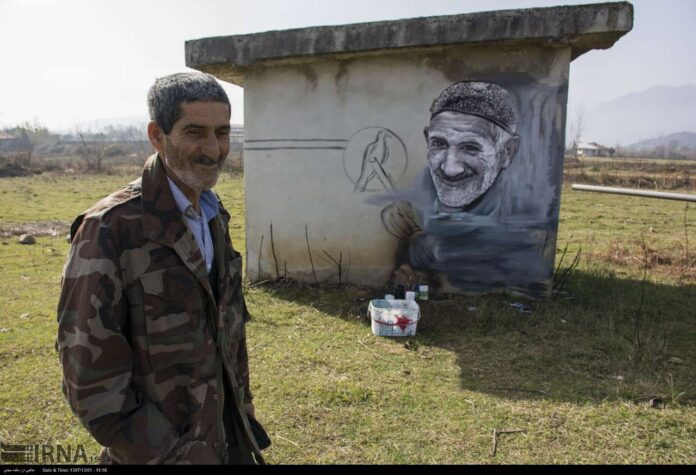
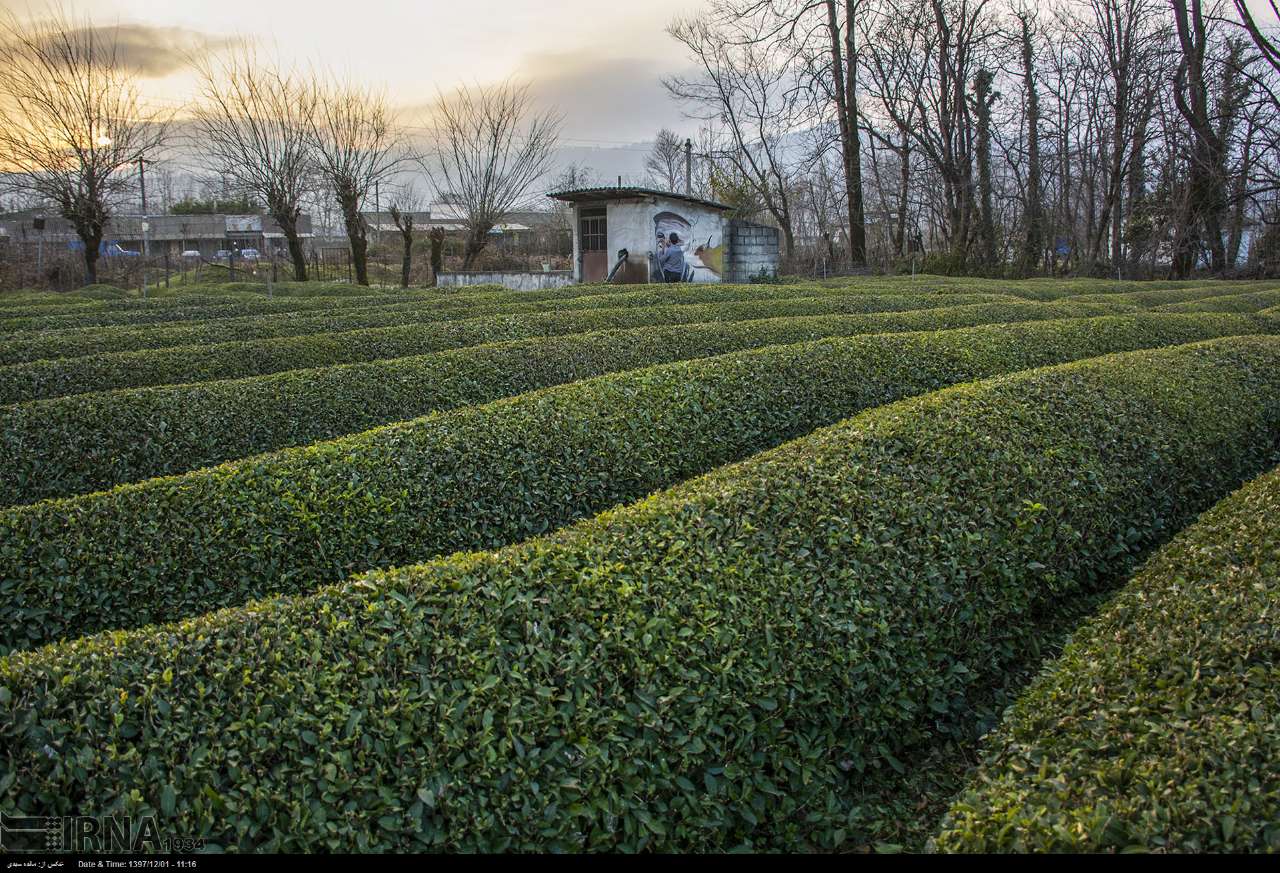
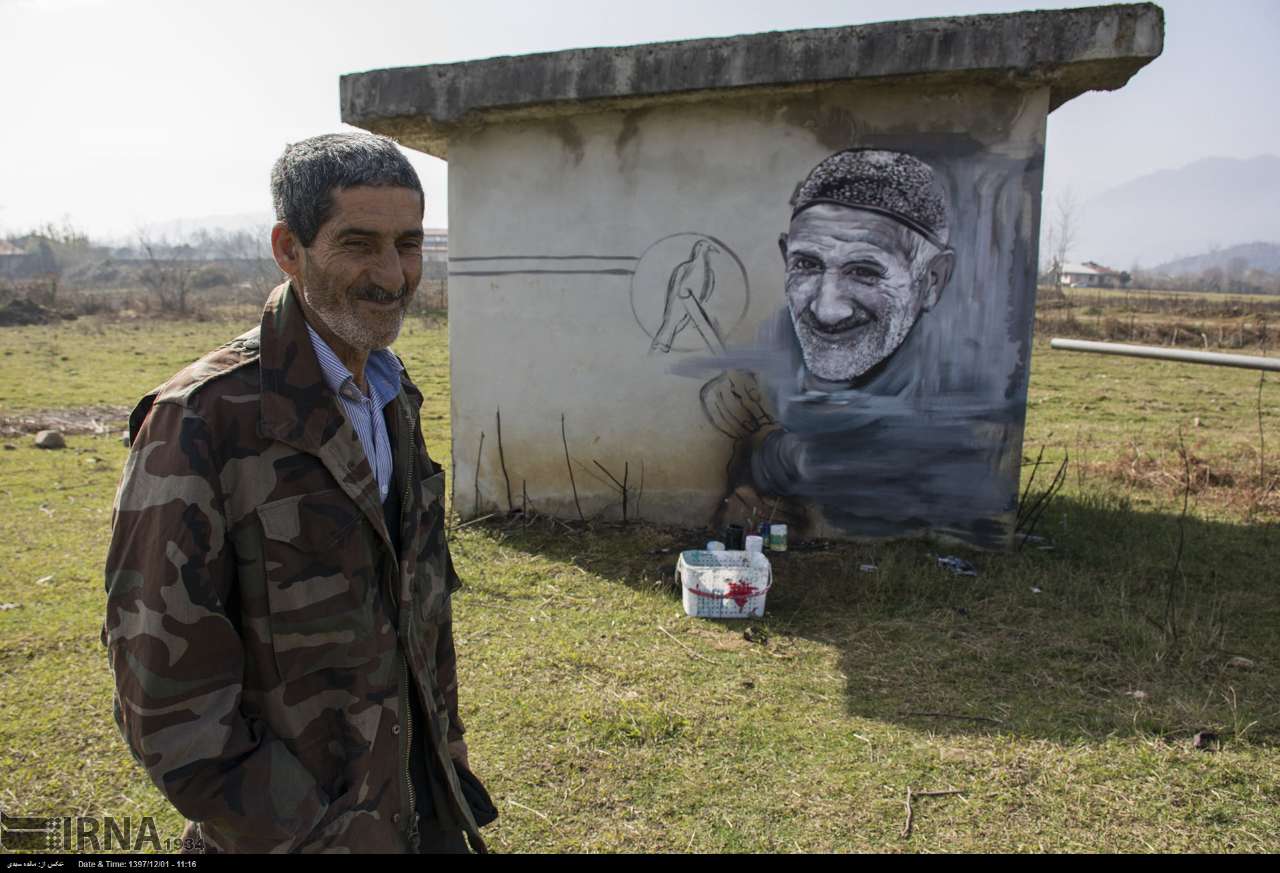
Oldsters Thrilled to See Their Portraits Painted on Village’s Walls

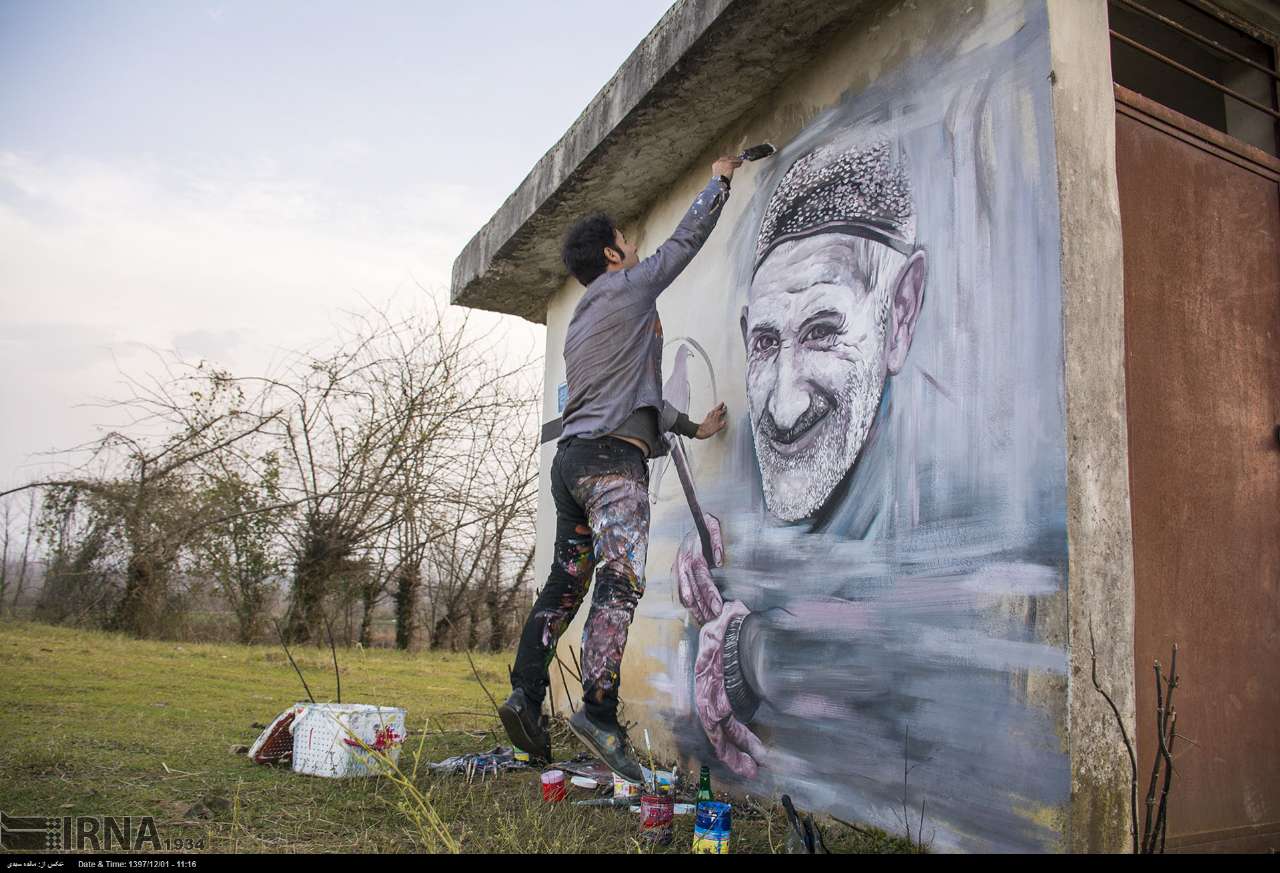
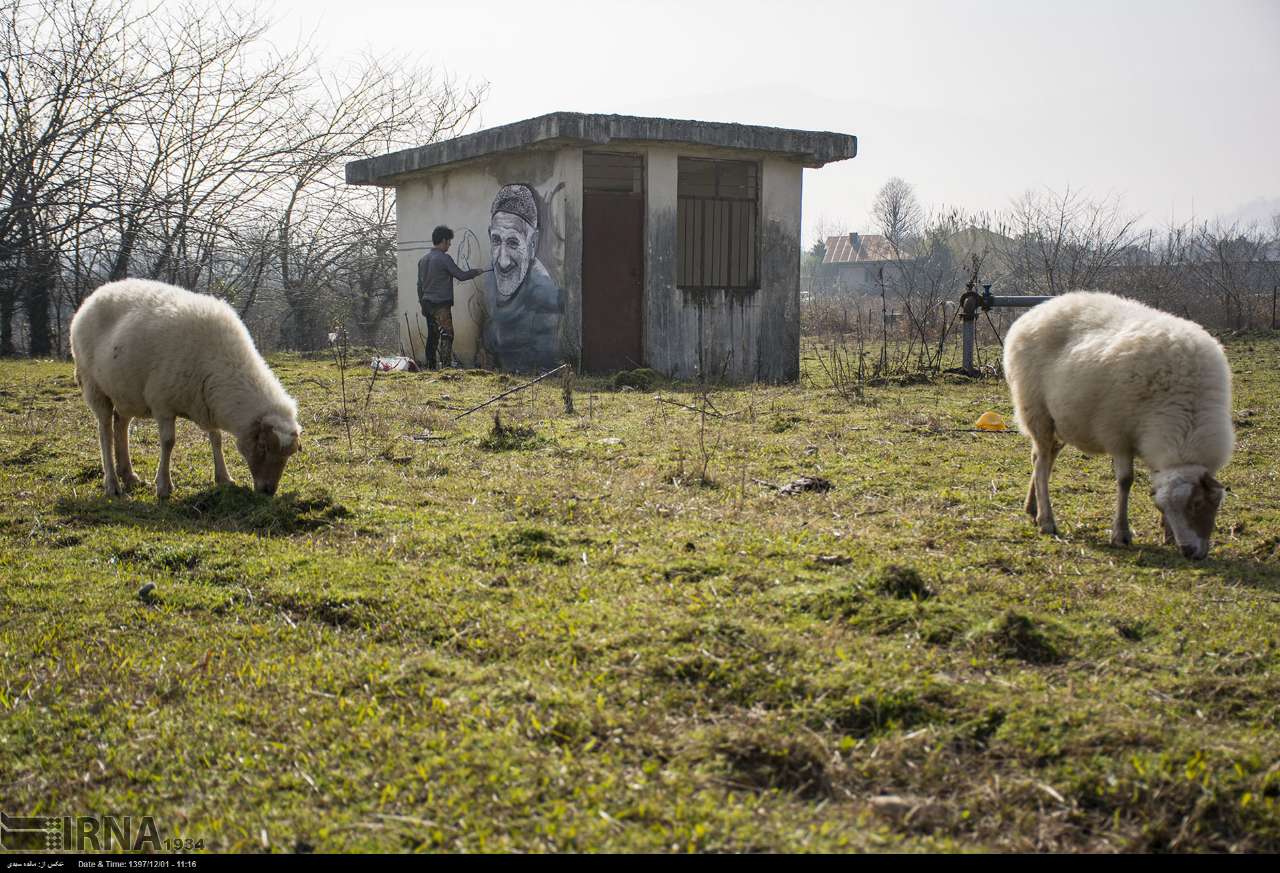
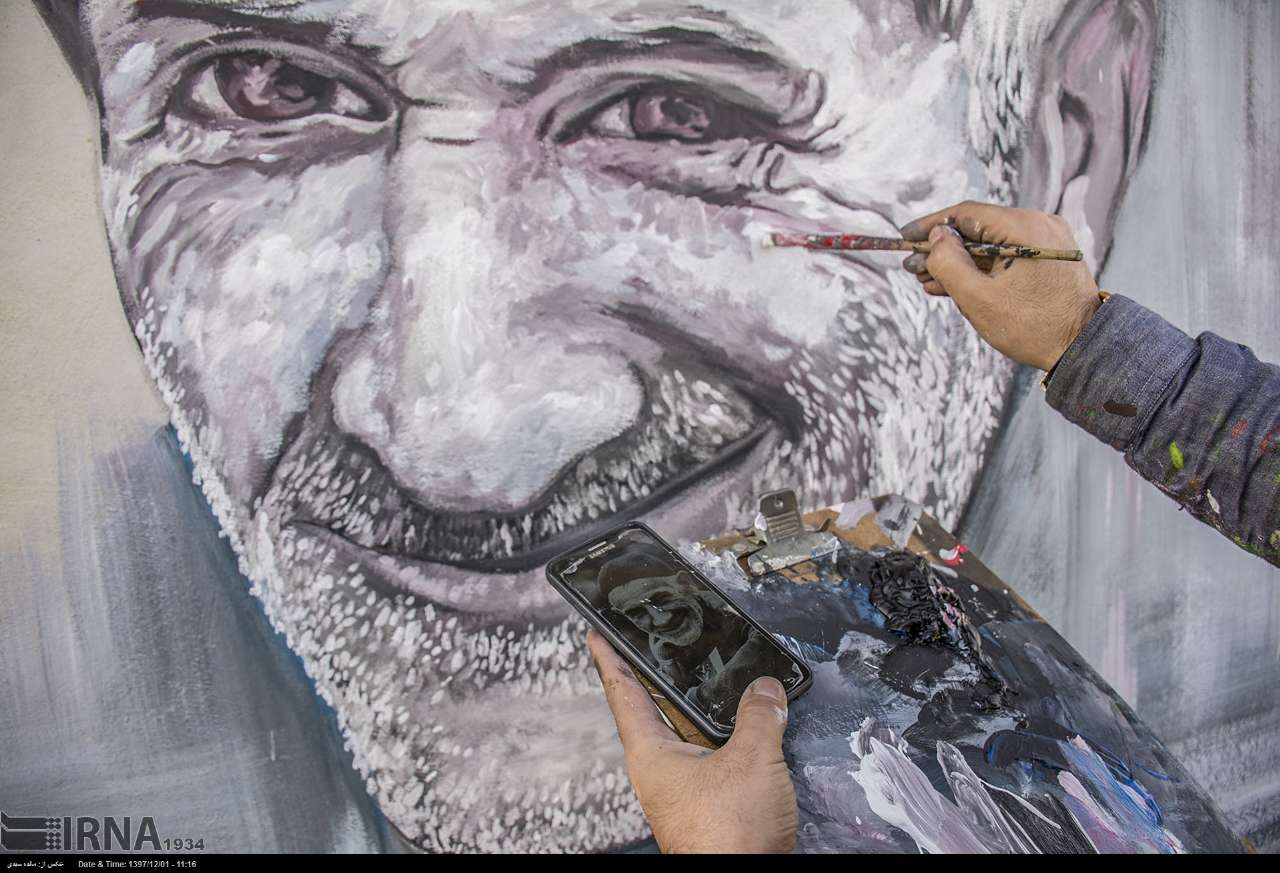
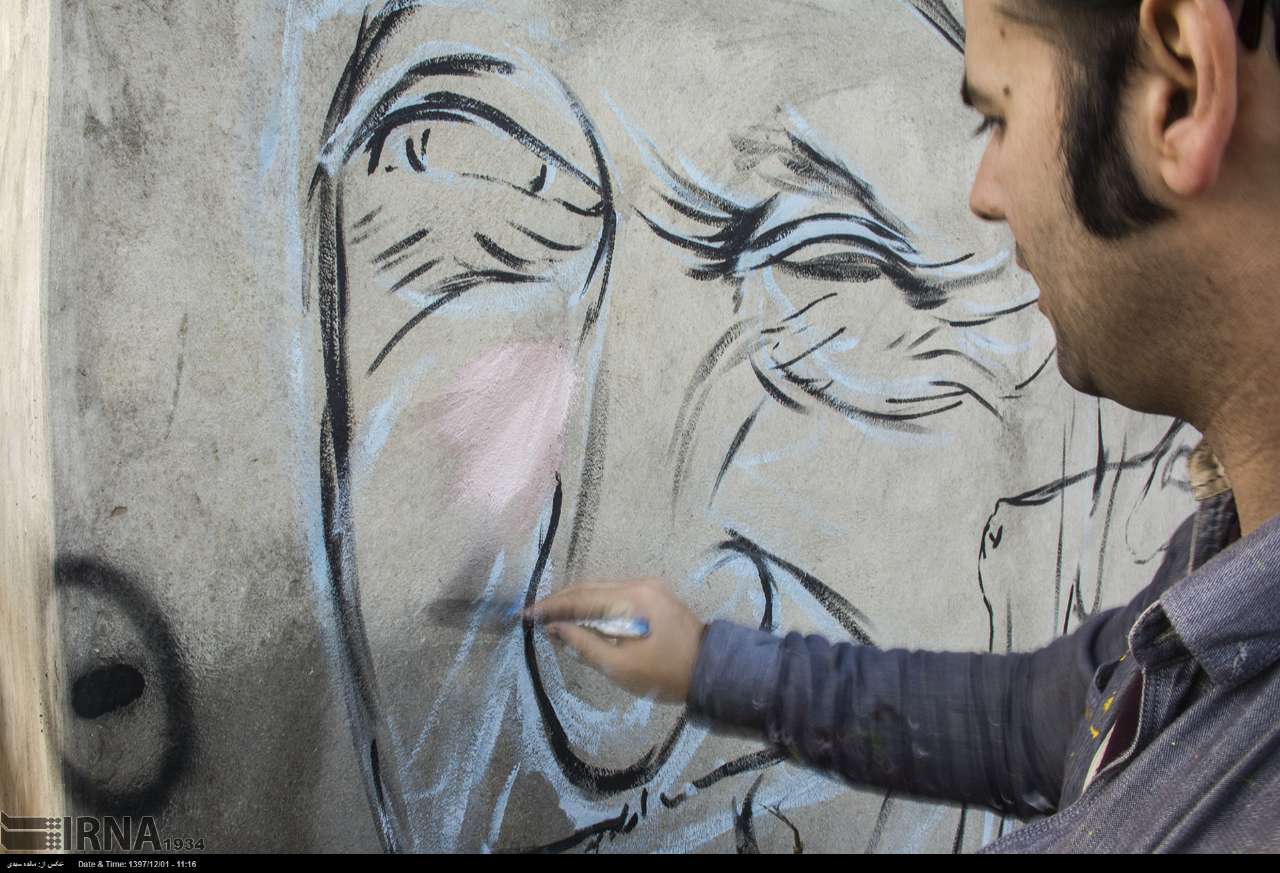
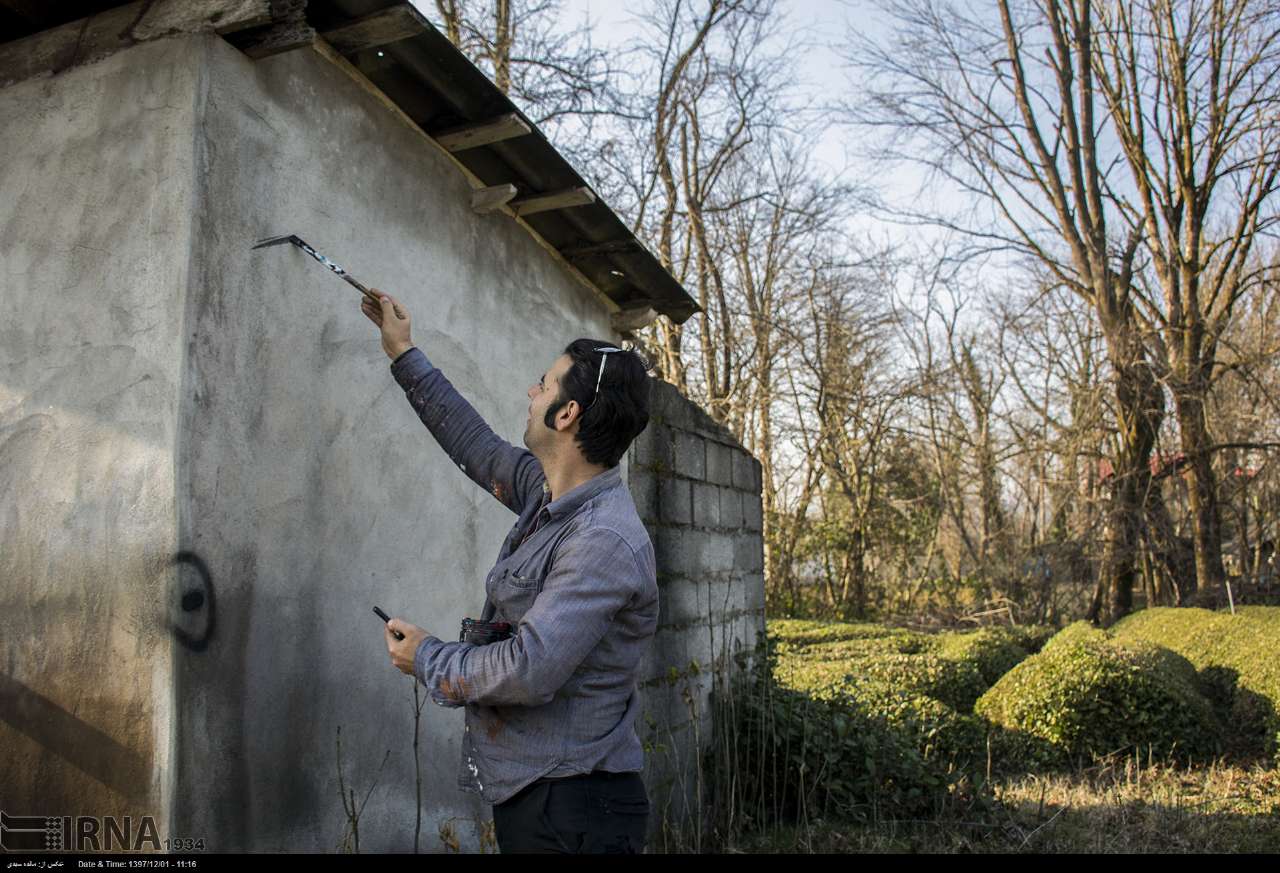
Sina Ramezani Moqaddam, together with the natives of villages in Gilan province, in particular those near Fouman and the surrounding towns, is drawing portraits of the old men and women of the same villages on the walls of the houses.

In this way, he says, the memory of their faces would be reflected on the walls for at least a few months.

Since childhood, Sina used to go with his father to visit the countryside. He was in close contact with the villagers which is why most of his urban works have a rural atmosphere.

He is planning to continue to paint on the walls in other villages of Iran in accordance with the customs of each village.

What follows are photos of some of his works retrieved from IRNA:

Rituals for Rain: Legacy of Drought in Eastern Iran

The culture of people in the eastern Iranian province of South Khorasan is littered with beliefs and customs which have their roots in the drought gripping this land. In fact, those beliefs and traditions emerged when residents saw they were defenceless in the face of the nature’s wrath.

The significant value of rain, especially for farmers and stockbreeders, has caused them to always have their eyes on the sky waiting for rain.

The ritual where locals requested rain in South Khorasan often had a religious touch. The rite featured people worshipping God Almighty and asking Him to send down rain. Special prayers were said in the ritual where people usually fasted for three days. They would say prayers led by Imams in the desert and under the sky, requesting God to give them rain.

“South Khorasan has always faced the issue of drought and a lack of rain. Since the past, rituals where people would pray for rain have been held, given the little rainfall in the province,” says Mofid Shateri, a university professor.

“Interesting customs and traditions in this province show that locals have always been longing for rain,” he says.

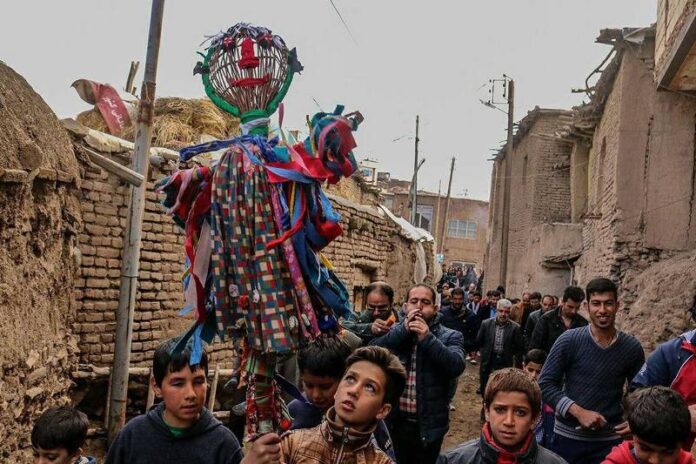
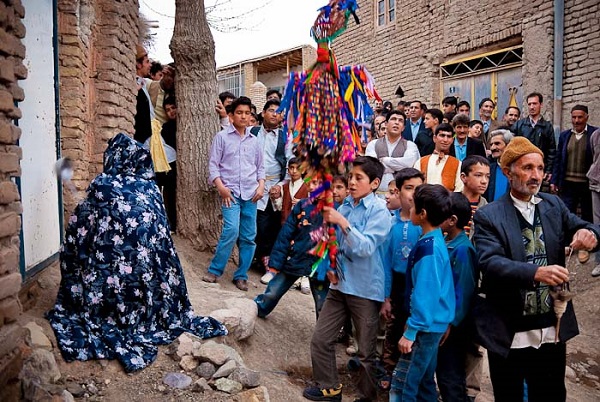
The academic noted the most important and interesting ritual where locals requested rain was called the “Ataloo Doll.”

“It has been years that this rite has not been performed, or is rarely held in some villages in the years marked by severe drought,” he says.

The following are some of the rituals where people would ask for rain.

Rituals for Rain: Legacy of Drought in Eastern IranAtaloo Mataloo: During the drought season, the youth would make a doll named “Ataloo Mataloo” out of wood and dress it in old and worn-out clothes. Then they would hold the doll in their hands and walk through alleys and usually sit down outside the homes of the wealthy and sang, in chorus, a rhythmic song asking for rain.
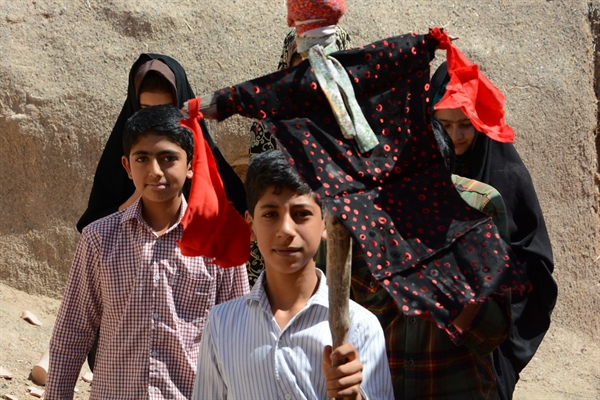
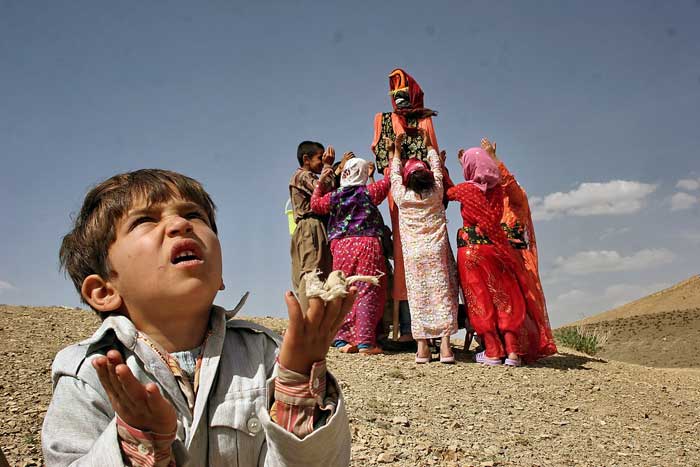
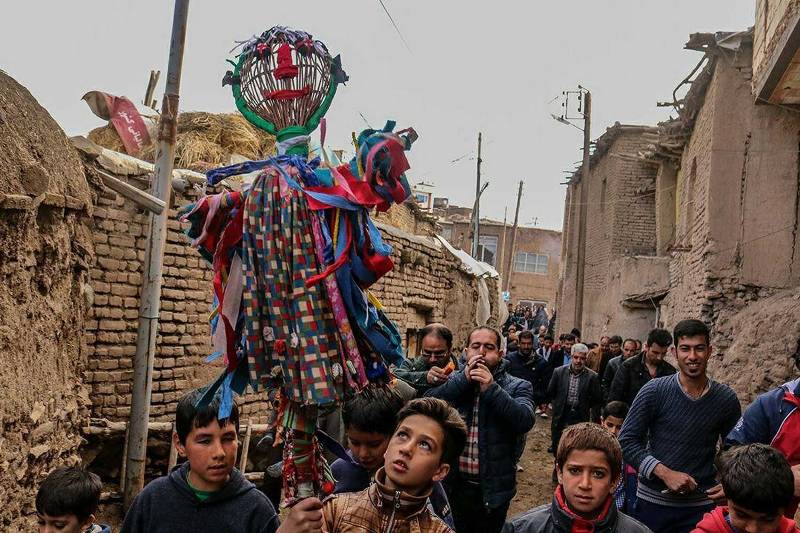
Ataloo Mataloo is one of special rain-asking rituals in South Khorasan province and has been registered on Iran’s National Intellectual Property List.

Darnak Darnakoo Rock: It is another ritual in South Khorasan whereby people would ask for rain. In this rite, locals would go to a ditch in their village during drought and pick up a rock inside the ditch. They would take the so-called “Darnak Darnakoo Rock” back to the village and believed the move would make it rain.

The Rain Prayer Mosque in Qaenat: The Qaen city located in the provincial country of Qaenat is home to an area named Farrokhabad Gate where the Rain Prayer Mosque is built. It has a very big underground water storage chamber. During the drought season, wheat would be collected from locals’ homes and brought to the chamber. Then they would cook meals and give them away as votive food while praying for rain.
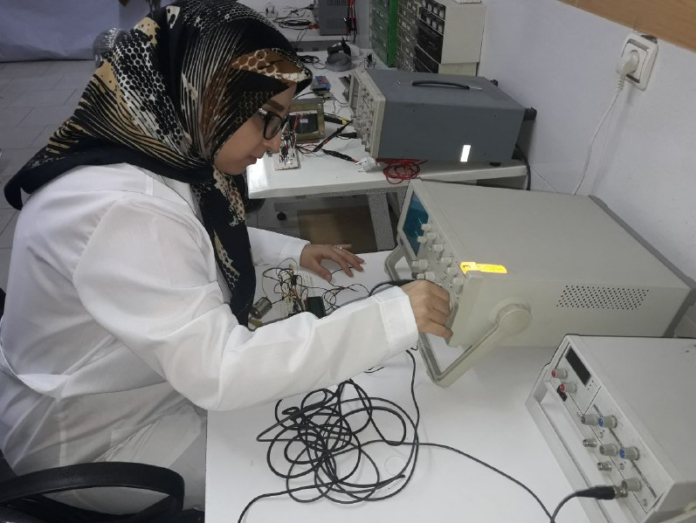
Currently, too, week-long prayers and worship rituals are held at this mosque during most years whereby people pray for rain.

Haft Fatemeh in Koreh Village in Qaenat: During the years when there is no rain, seven popular people whose names are Fatemeh are chosen. They should bring seven pebbles from seven springs. Then in a special ceremony, they would take the lead followed by other local women and walk toward a holy shrine in the vicinity of the village and sit around the mausoleum and recite prayers to the seven pebbles and cry. The rite possibly originates from the Old Testament which says women sobbed while sowing seeds and believed shedding tears would bring rain.

Iran Condoles with China over Chemical Plant Explosion

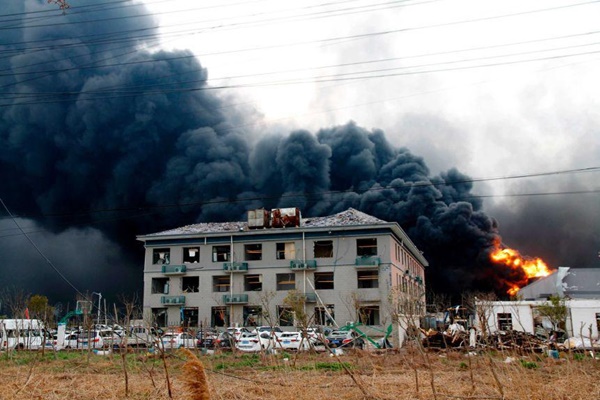
Fire burns at the site of a massive explosion in China / Photo by AP: Chinatopix

In a Saturday statement, Qassemi sympathized with the Chinese government and nation, and the survivors and families of the victims of the heartbreaking and tragic incident.

He also expressed hope that those wounded in the horrible accident would recover as soon as possible.

The death toll from a massive explosion at a chemical plant in eastern China has risen to at least 64, with hundreds of others injured, 90 of them seriously.

Rescuers pulled a survivor from rubble early on Saturday (local time), more than 24 hours after the blast at the factory, which had a long record of safety violations.

The number of deaths appeared likely to rise still further, with another 28 people still listed as missing, the official Xinhua News Agency reported.

Just 26 of those confirmed dead in Thursday’s explosion have been identified, it said.

The blast in an industrial park in the city of Yancheng, north of Shanghai, was one of China’s worst industrial accidents in recent years.

State-run television showed crushed cars, blown-out windows and workers leaving the factory with bloodied heads.

Women in Bushehr Make Delicious Breads to Welcome Nowruz

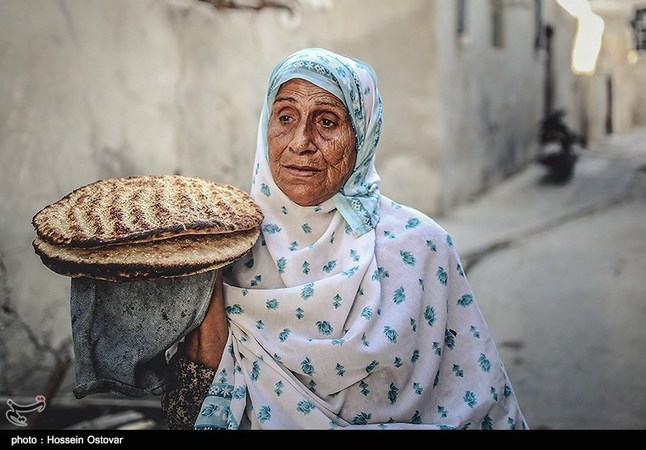
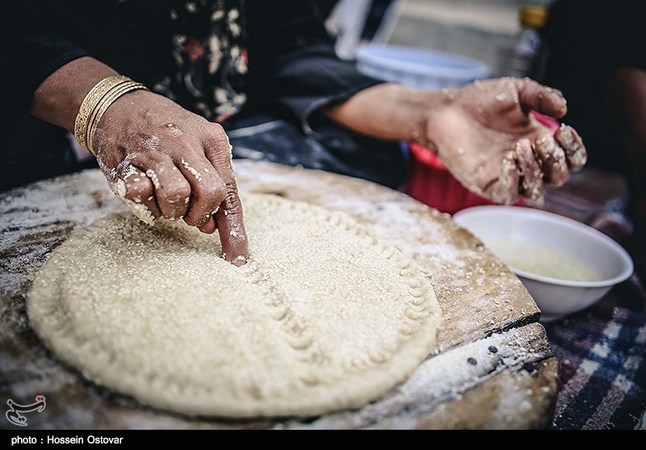
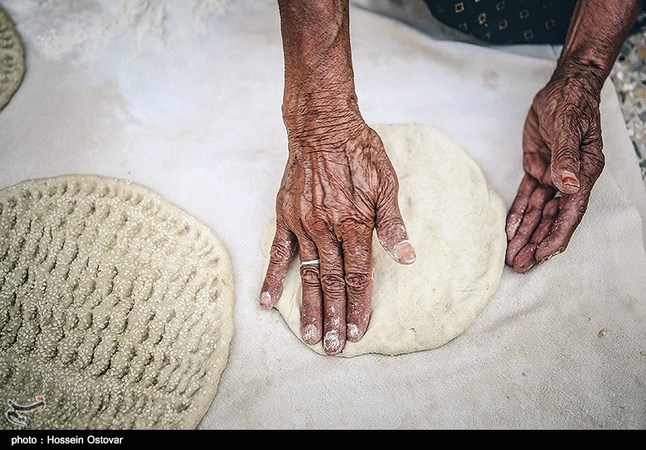
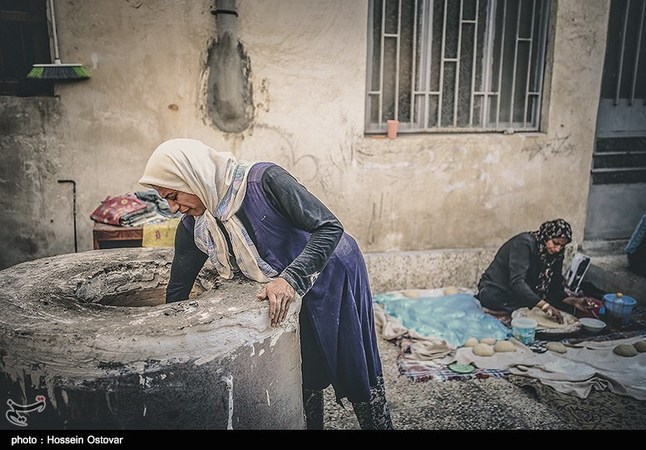
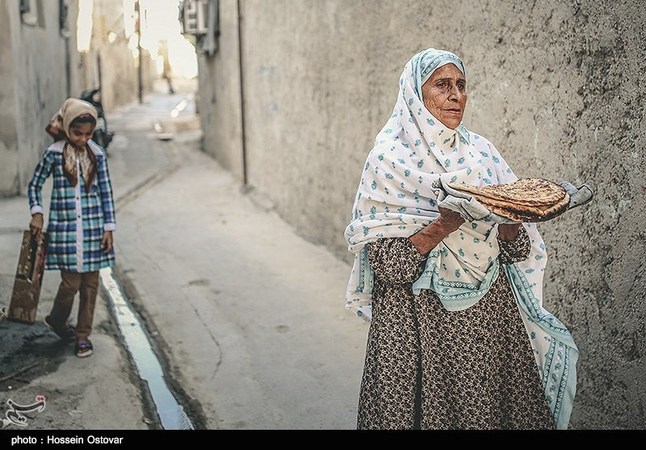
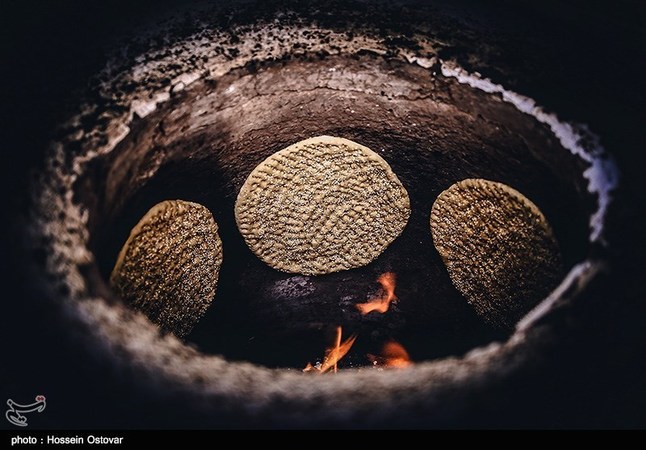
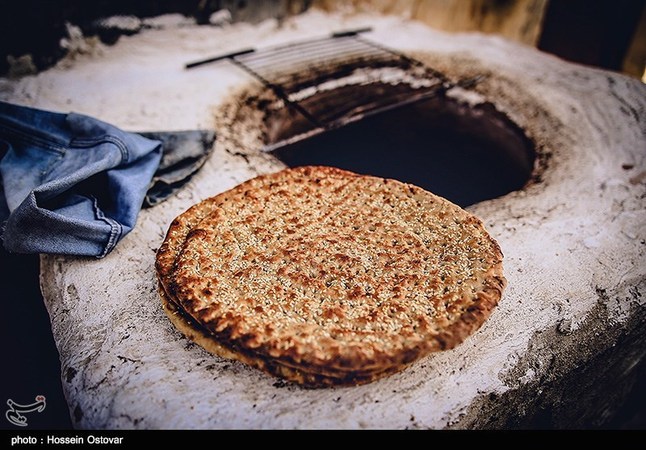
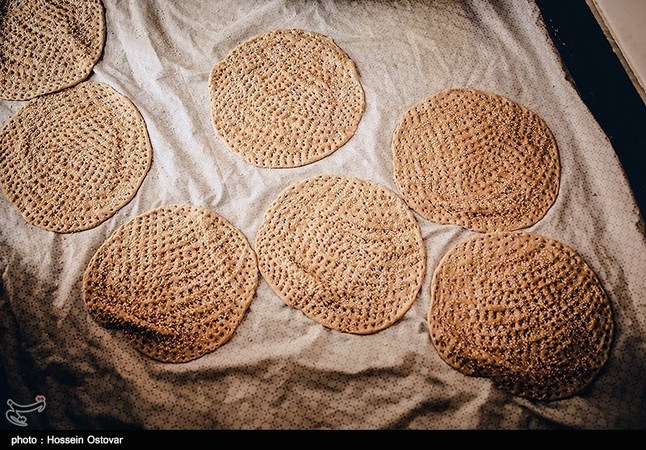
Two methods of baking bread are common in Bushehr: inside a tandoor and on a pan. The one cooked in a tandoor is thick and known as Gordeh. They spray sesame on the bread before putting it in the tandoor.

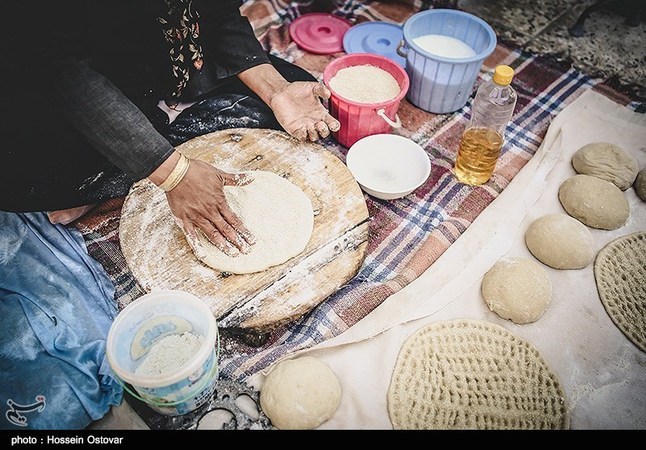
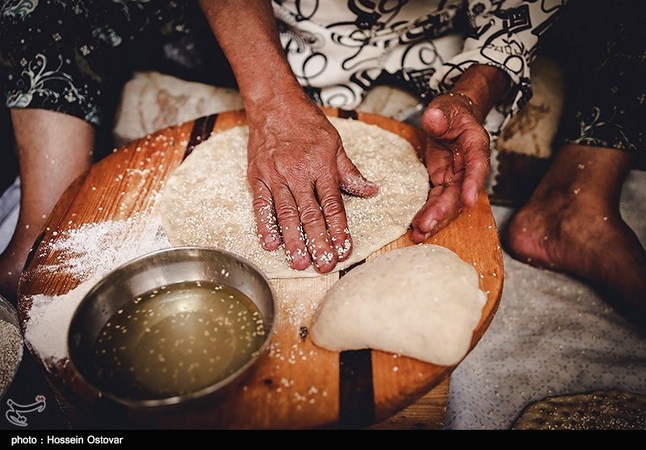
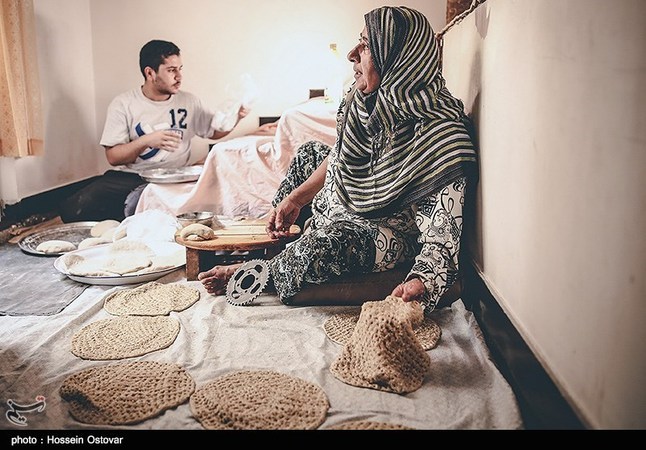
The bread baked on a pan is thin. It is spread out on a special board using a roller pin. Then it is put on the pan to be baked. This thin and dry bread comes in different types and can be preserved for months.

A smaller and soft type of bread is also baked on the pan. It is called Moshtak or Bolbol and usually used for breakfast.

Bushehr is also known for its local and traditional foods whose most important ingredients are fish, shrimps and dates. The traditional foods in Bushehr include fish fillet, shrimp fillet, grilled shrimps, shrimp-and-rice, etc. These are among the popular traditional foods that locals cook for their guests.

The following are Tasnim News Agency’s images of local women baking the traditional bread Gordeh in Bushehr province.

135mn-Year-Old Cave: A Mysterious Tourist Attraction in Iran

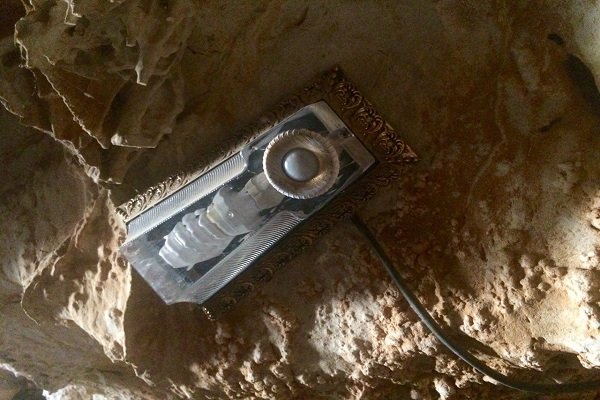
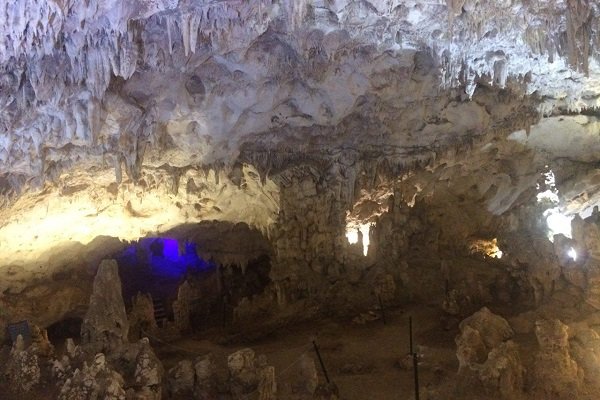
The Dah-Sheikh cave, which is 135 million years old, is located in the heart of the Dena mountains near a village in Kohgiluyeh and Boyer-Ahmad province. It is one of the 600 discovered caves in Iran, ranking second in terms of depth and size. The cave is estimated to be 6 kilometres deep. As the cave is so large, parts of it have not been explored yet.

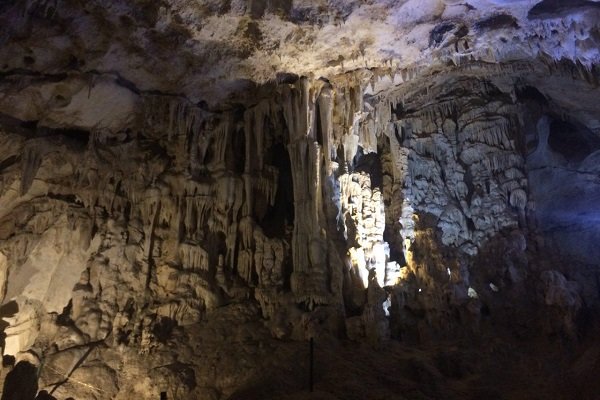
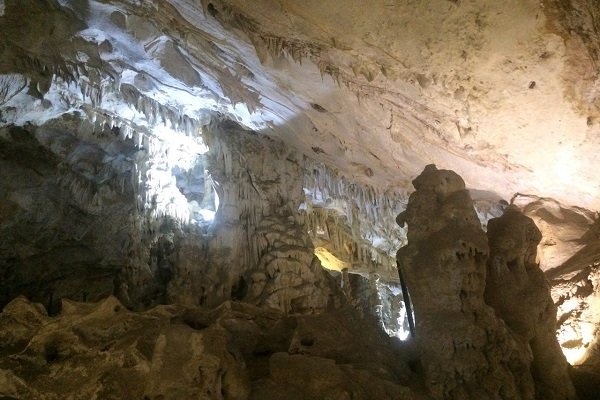
The cave dates back to the second geological era and is a completely natural lime cave. Rain and snowfall have created holes in the cave over the years. That has caused water to flow out of the holes, creating wonderful icicles and passageways.

There are no paintings on the walls, which indicates this place has remained intact for centuries. What is strange about this cave is that the weather inside is warm in winter and cold in summer. The mysterious warmth inside the cave during cold season is a puzzle not solved yet.

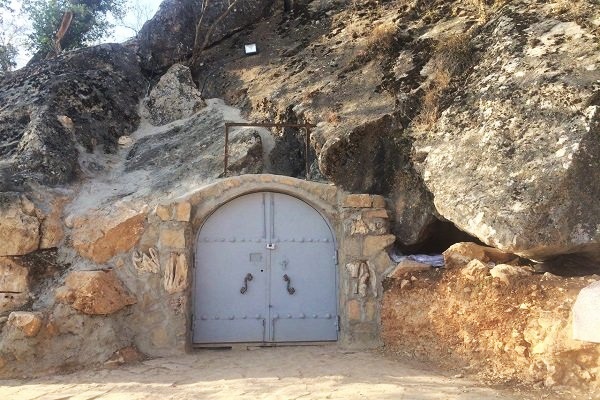
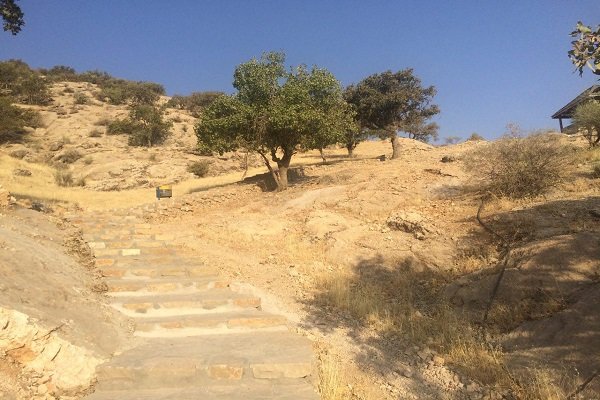
The entrance to the cave lies 1,670 metres above the sea level and is so small and dark that one needs to pass through it in a squatting position for five to six metres. The cave is up to seven metres high in some parts. One can find different types of beautiful lime icicles in its passageways.

The Dah-Sheikh cave is one of the caves where remains of humans, animals and clayware have been unearthed in archaelogocial excavations. This shows humans who existed during the emergence of Islam used to live in the cave.

The clayware items and bones discovered in the cave date back 135 million years old, which shows human beings chose to live in that colossal cave.

Archaeological studies show the discovered clayware dates back to the Achaemenid and Sassanid eras.

In some passageways of the cave, one may find insects like spiders, centipedes, cockroaches and beetles as well as birds and other animals such as bats, rats and different types of arthropods.

Iranian Couple Develops Technology for Rehab, Treatment of Joints

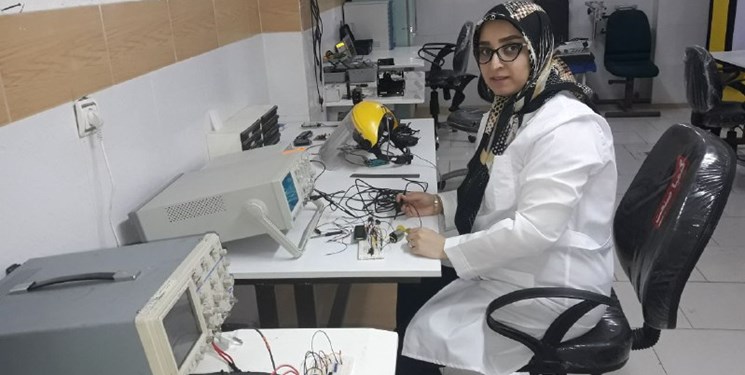
33-year-old Jafar Aqazadeh and his wife Zeinab Roshani have conducted research work at their own expense in a bid to meet their fellow countrymen’s needs amid the US sanctions. They are working on a number of technologies and research projects at the moment.

Jafar says the reason behind their success in developing new products is that they take people’s needs into account and work to meet their needs.

“We work on the priorities of people’s needs,” he told Fars News Agency.

“At the moment, we are conducting studies to produce good products in the field of treating special diseases such as multiple sclerosis (MS) and Parkinson’s disease,” he added.

Iranian Couple Develops Technology for Rehab, Treatment of Joints“We began our activities in 2008 in the form of a technology firm at a sci-tech park in East Azarbaijan province by producing several innovative products needed in the country in the domain of rehabilitation,” he said.

“We developed a product for that place. Then we began producing a sample physiotherapy and rehabilitation apparatus used to keep damaged knee and pelvis joints in constant motion, and we were able to offer the product on the market,” he said.

“Then we presented several knowledge-based products developed for shoulder and elbow joints,” said the researcher.

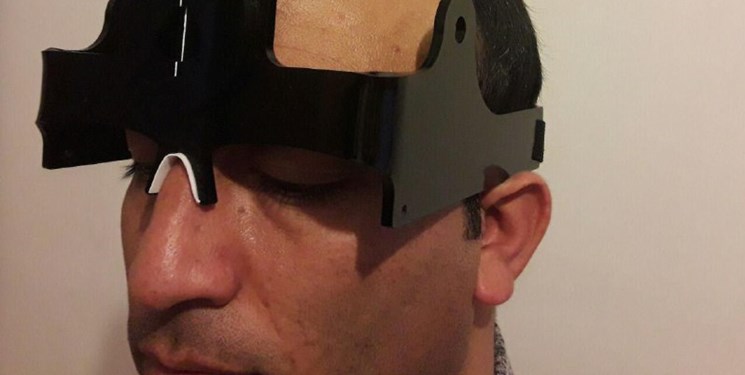
“We also presented an electronic wheelchair which works by controlling signals from the brain and the eye. We used a combination of the two to identify the directions of the wheelchair,” he said.

The wheelchair can be used for people with severed spinal cords but healthy brains, so that the brain can process and analyze the data, says the researcher.

“This wheelchair is connected to the user’s head via a wireless headset which is a trade module, and the received data is sent to the wheelchair via Bluetooth,” said the researcher.

He said no wires are used in the wheelchair because wires impede the wheelchair’s movement and the patient cannot move.

For a brief review of Iran’s achievements in various fields of science and technology, check the book “Science and Technology in Iran: A Brief Review

“We used a wireless headset which has a receiver that is installed in front of the eyes and controls eye movements and, this way, identifies the main directions. The headset detects the disabled person’s needs, analyzes them and meets them through a robotic structure installed on the wheelchair,” he says.

According to the researcher, another apparatus has also been developed to detect neck deviation by analyzing the degree of the deviation.

“It is an electro-goniometer whose samples we have already developed, and now we are in the designing stage,” says the researcher.

The measurement of the degree of the deviation of the neck used to be conducted manually, and there was no digital method to analyze it, he says.

“But this apparatus makes it possible to detect the degree of the deviation and administer the necessary treatment accordingly,” he said.

“Our next product is related to photography and phototherapy. It is used to make the skin young,” said the researcher.

“In cooperation with our research team at Tabriz University of Medical Sciences, we are developing samples in this project and receiving the required permits. This product has been warmly welcomed. Its industrial sample is ready and will be offered on the market,” he said.

Meanwhile, Zeinab Roshani touched upon the problems created by sanctions.

“There are impediments. They usually buy foreign goods and do not allow Iranian projects, which are of better quality as well, to be sold,” she said.

“But we have managed to sell the projects via collaboration with medical sciences centres,” she added.

“They are having good cooperation with us. We have also conducted a needs analysis for some medical centres and hospitals. We make products depending on the orders we take. We have avoided sanctions through our own efforts,” said the researcher.

Iranian Couple Develops Technology for Rehab, Treatment of Joints