Friday, December 19, 2025
Home Blog Page 3301

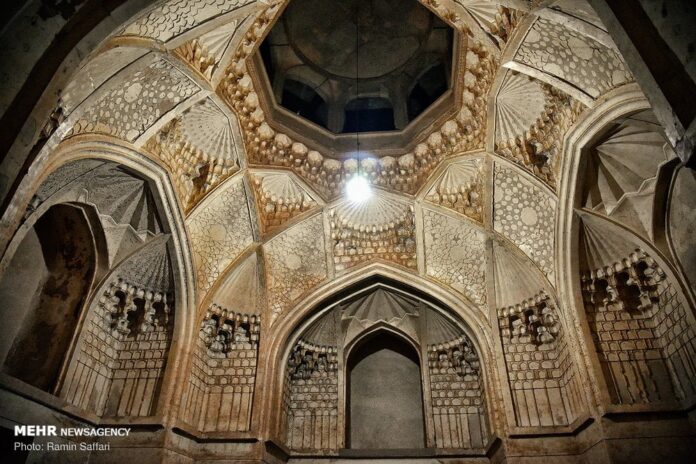
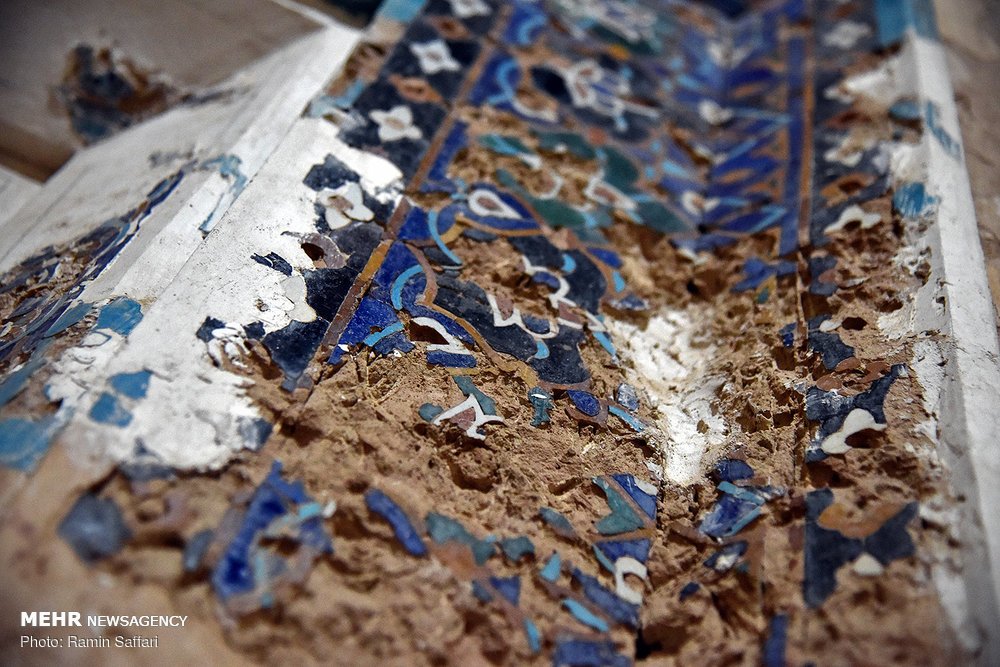
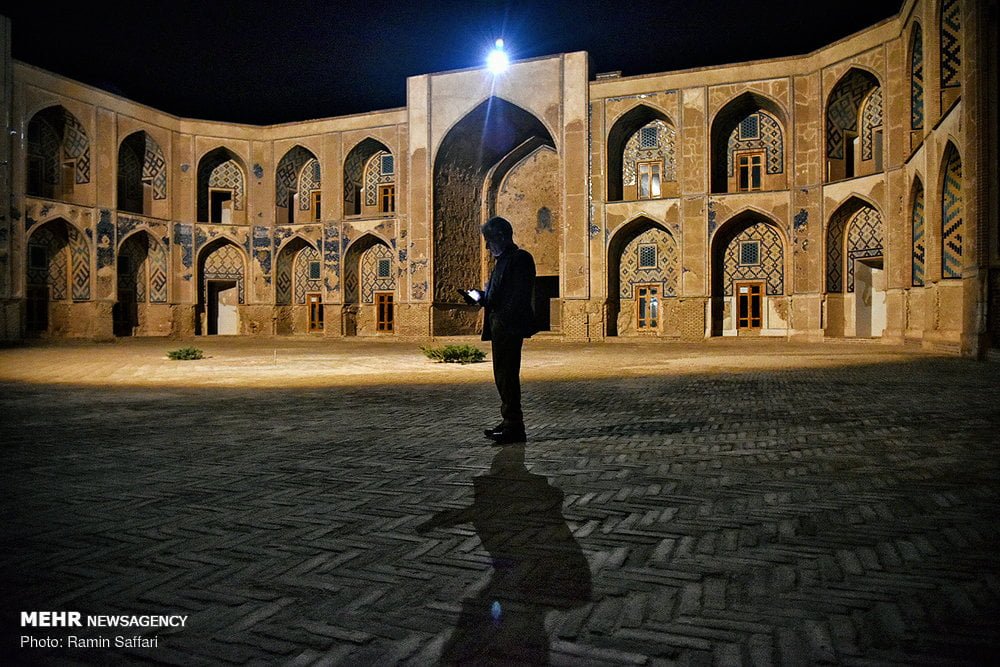
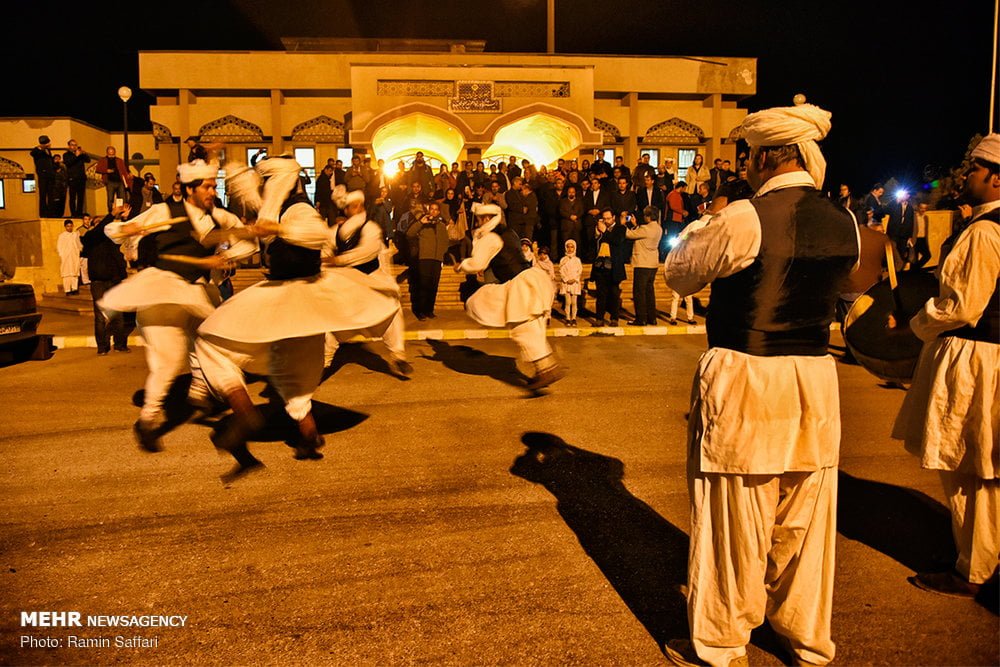
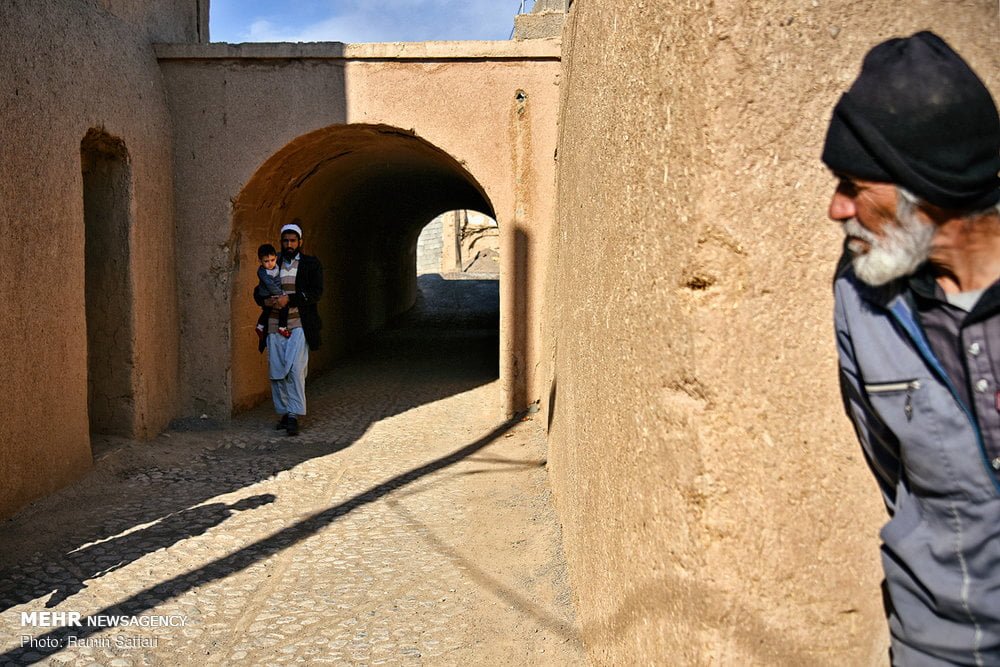
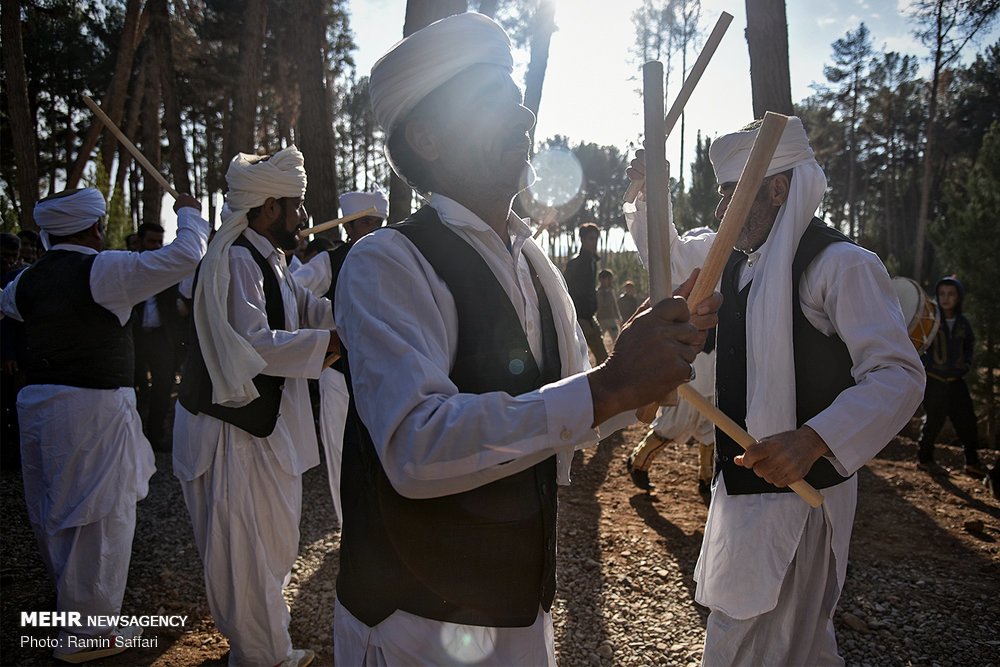
Iran’s Beauties in Photos: Ancient City of Khaf

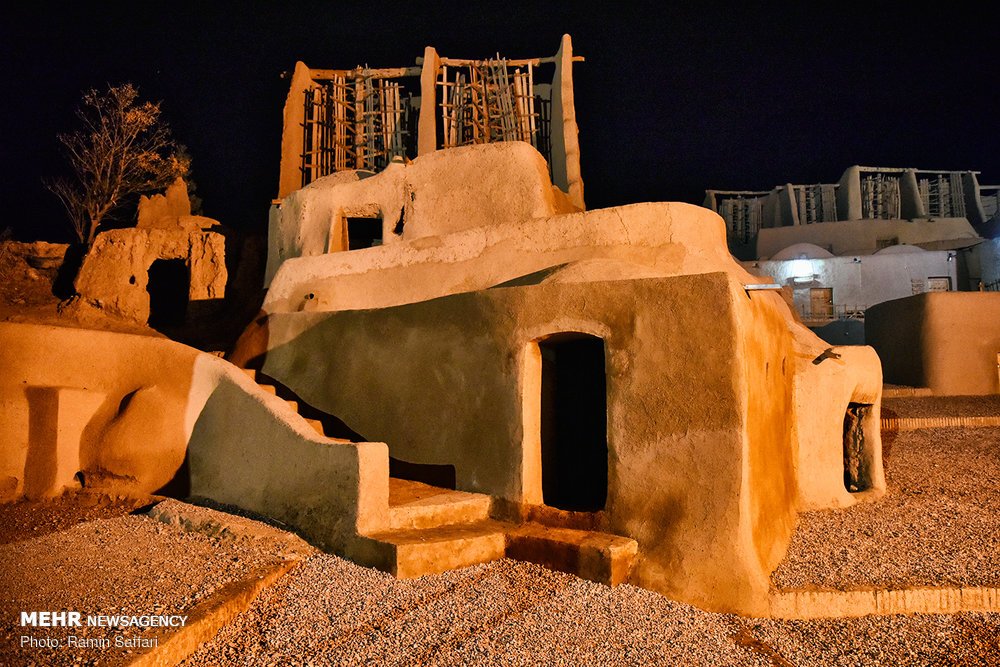
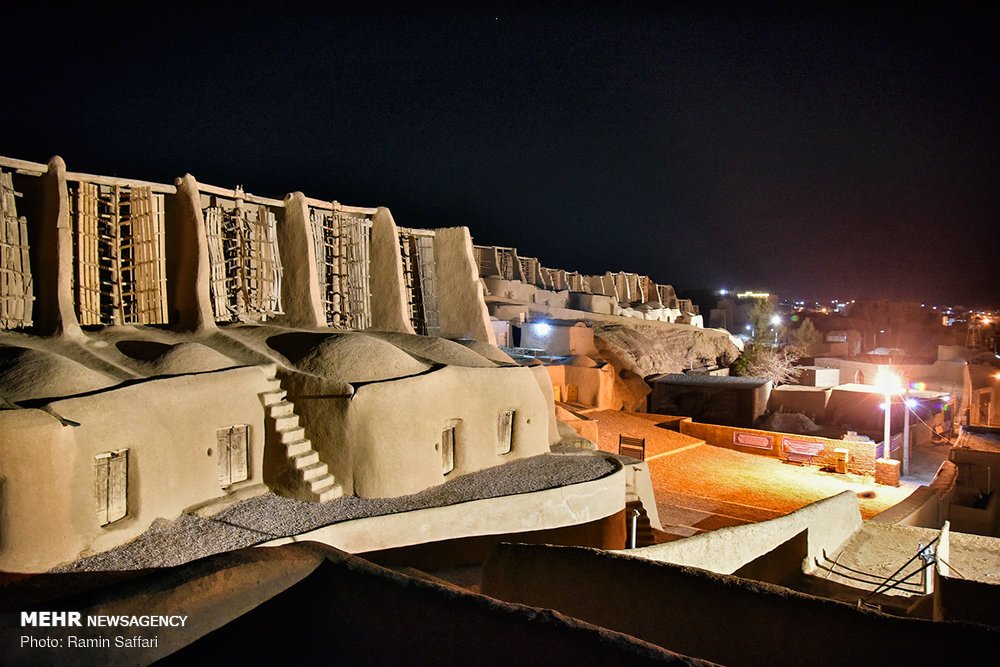
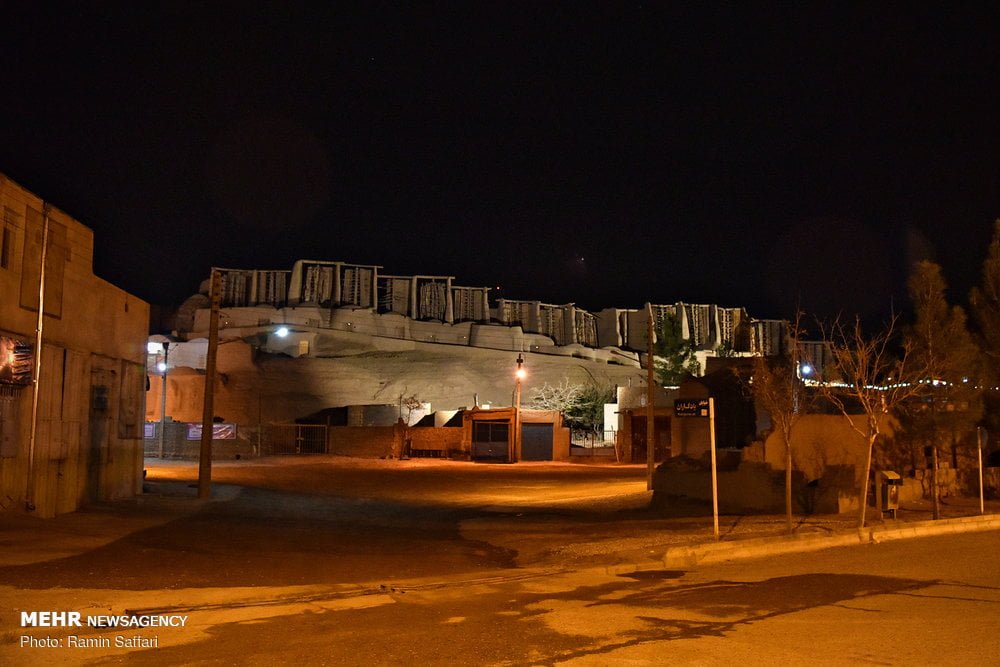
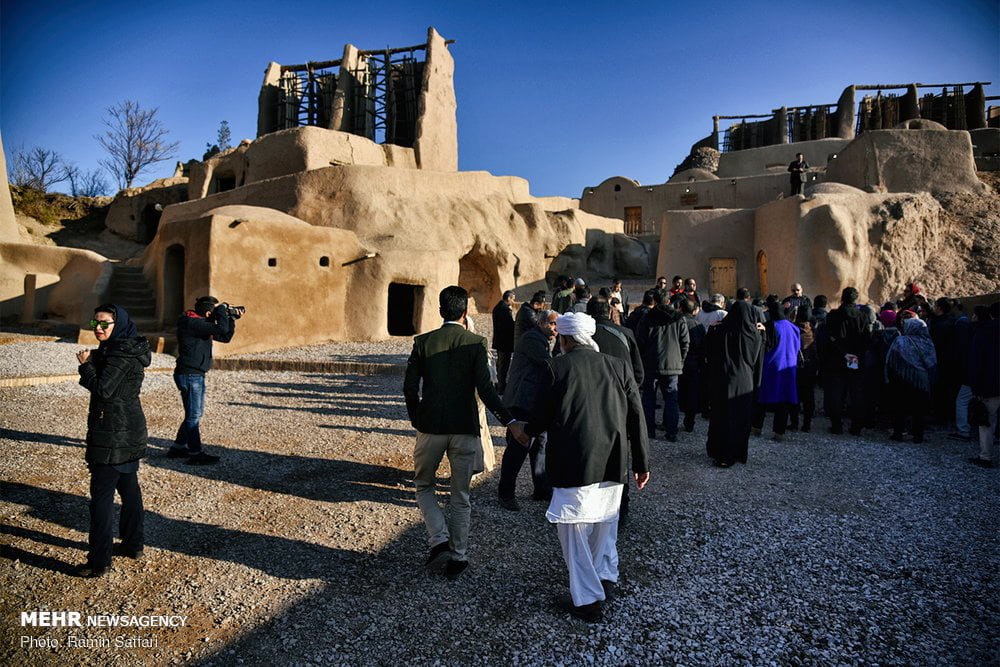
The city of Nashtifan, located in the south-east of Khaf near Qaen, has old windmills known as the Nashtifan windmills. They used to be powered by the 120-day winds of Sistan and Baluchestan province.

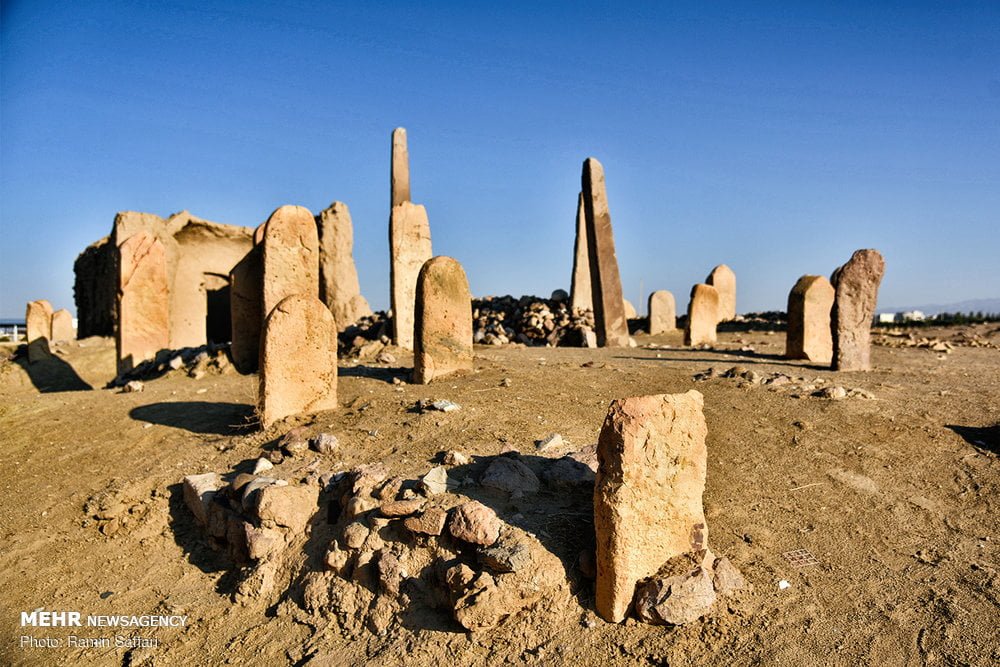
Among other attractions of Khaf are cemeteries that date back to the ancient Zoroastrian era.

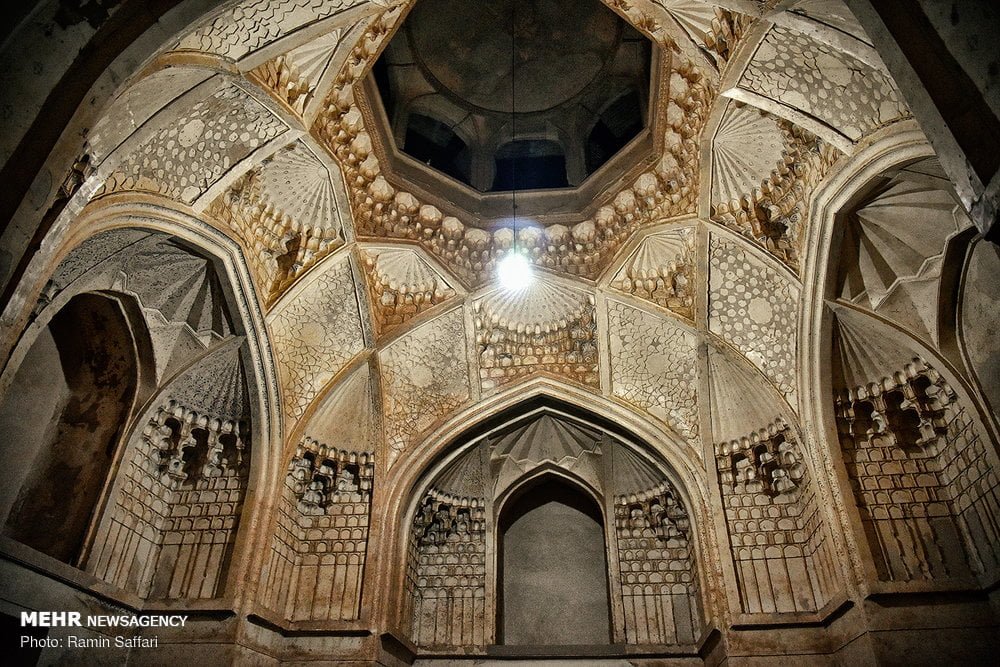
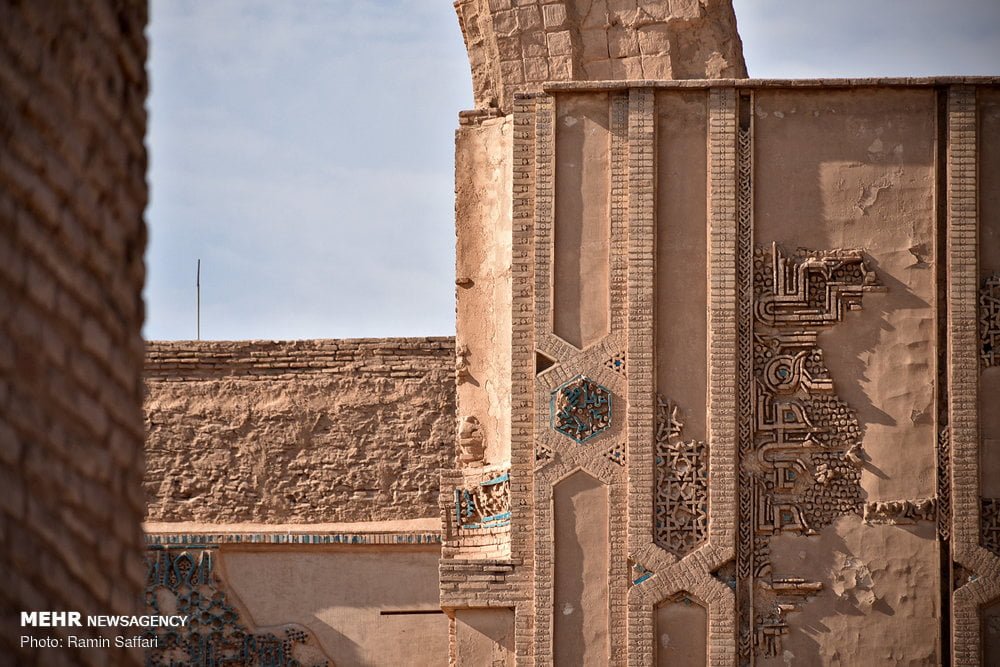
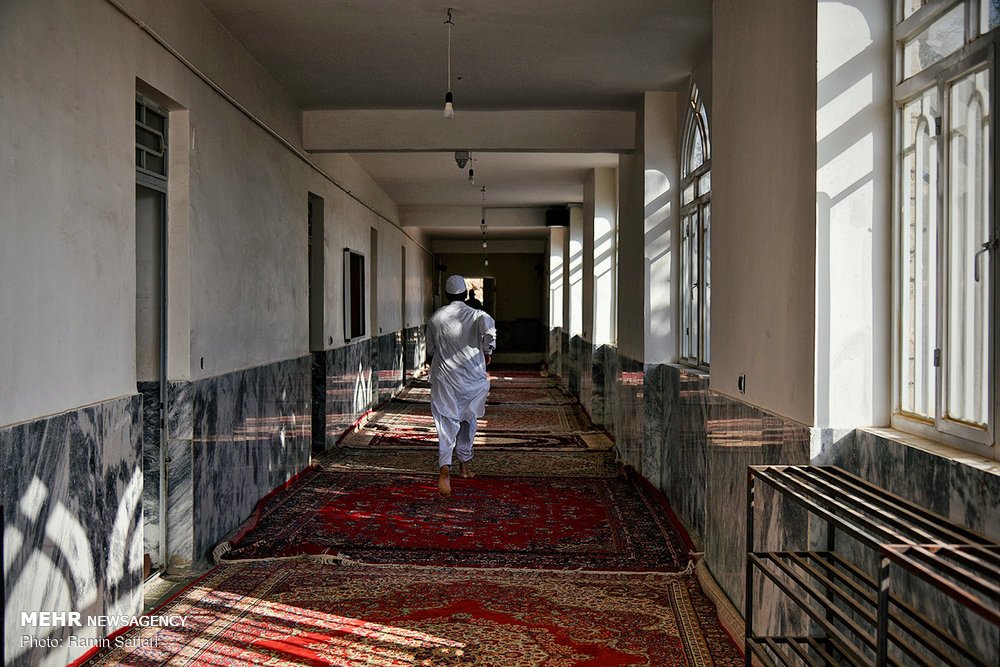
Malek Zozan mosque is the only brick building left from the ancient city of Zozan, a valuable memorial of this magnificent region.

Another tourist attraction of Khaf is Khargerd Qiasiyeh School, which is located near the village of Khargerd.

Iran to Continue Exporting Electricity to Iraq: Energy Minister

US Says Iraq Can Buy Energy from Iran

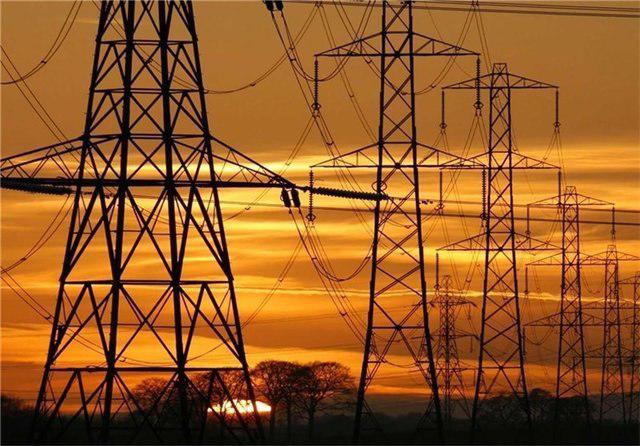
He said Tehran and Baghdad have established long-term cooperation to revive the power plant industry in Iraq.

“Iran and Iraq signed a deal on Friday (December 28) which will be remembered as a historic agreement in the history of Iraq’s power industry,” he was quoted as saying in a report by ISNA.

The Iranian minister then referred to intense and constructive talks between the two sides to achieve a framework for long-term cooperation to rebuild Iraq’s electricity industry.

“We will do our best to share our know-how and experiences with the Iraqis in the electricity industry, a vital infrastructure of the country,” he said.

Ardakanian said the project will significantly reduce electricity waste in Iraq’s power grid and further develop the country’s power plants.

“The agreement was made [thanks to] the will of the two sides’ leaders. During today’s meetings with the Iraqi president and prime minister, we mutually underlined the need for completing the project sooner,” he said.

Ardakanian expressed hope his Iraqi counterpart would visit Iran soon to explore ways of accelerating the project and sign a new contract for importing Iran’s electricity.

“Currently, over 65 percent of Iran’s energy is provided by the private sector. Naturally, our private sector will play a key role in implementing this deal,” he said.

According to Ardakanian, the Islamic Republic will establish close cooperation with the Iraqi firms in electricity and water areas.

“Hundreds of private sector firms active in manufacturing power plants’ machinery will start cooperation with their Iraqi counterparts,” he said.

US Artist: Emergency Landing in Iran Good Chance to Get to Know People

Around two weeks ago, Ms Dawnn Karen was on a Boeing 737 en route from Dubai to Norway when the plane had to make an emergency landing at an airport in the southern Iranian city of Shiraz due to a failure in one of engines.

The aircraft touched down at the airport with 170 passengers and 18 crew members on board. The passengers, including Karen, were housed in some hotels of Shiraz for a few hours until another plane arrives.

She is a clothing psychologist who has worked for various media outlets in more than 35 countries, notably New York Times. After watching the breaking news of the emergency landing is posted by the Twitter account of the Islamic Republic’s News Agency (IRNA), she enthusiastically announced her readiness to recount the story of her short stay in Shiraz.

US Artist: Emergency Landing in Iran Good Chance to Get to Know PeopleShe told IRNA that as an American in the city she had a very pleasant experience, thanking Iranians for their hospitality. Karen said she never allowed politics to affect her view on Iran and her first-hand experience of the country was totally different from the image portrayed by the Westerners.

Karen then mentioned a few examples of Iranians’ hospitality and kindness. She said she had asked Iranians to provide her with an Internet access so she could contact her family in the United States and inform them she was safe.

This American artist says she asked a Shirazi woman how to properly wear a shawl (hijab) and she taught him.

She said her unfortunate emergency landing in Iran ended up an opportunity for her.

She said it was a harrowing experience to see one of the plane’s engines stop working and the plane beginning to descend, but it was a chance for her to know about the philosophy behind Iranian women’s clothing, boosting her knowledge of the psychology of fashion.

Karen says as a fashion psychologist, she seeks to uncover hidden facts about people’s clothing, and this landing allowed her to get familiar with the Iranian culture of fashion.

A Look at Iranian Newspaper Front Pages on December 29

A Look at Iranian Newspaper Front Pages on November 19

The top story in all papers today was the dismissal of Saudi Foreign Minister Adel al-Jubeir as part of a major cabinet reshuffle in the Saudi kingdom.

Several papers also covered the return of regional Arab states to Syria, where they had closed their embassies seven years ago, but are now queuing up to resume their diplomatic missions.

The secret visit of US President Donald Trump to Iraq and the harsh reactions of Iraqi people and officials also received great coverage.

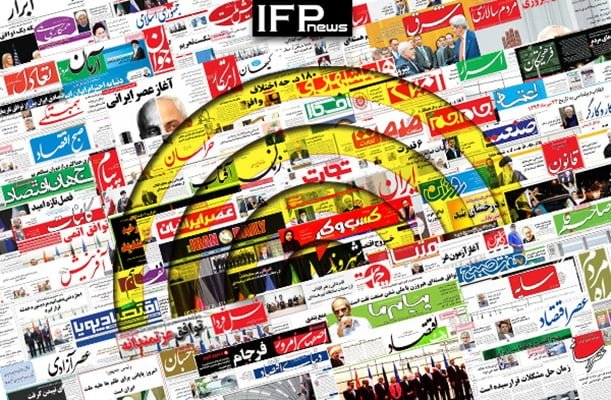
The above issues, as well as many more, are highlighted in the following headlines and top stories:


Aftab-e Yazd:

1- Khashoggi’s Murder to Have a Victim Bigger than Jubeir, Maybe Bin Salman!

A Look at Iranian Newspaper Front Pages on December 29


Arman-e Emrooz:

1- Possibility of Clash between Turkey, Syria

2- Secrets behind Trump’s Secret Visit to Iraq

A Look at Iranian Newspaper Front Pages on December 29


Ebtekar:

1- Jubeir Dismissed by King Salman after Obeying Dictator’s Orders

2- Unwanted Guest in Iraq

A Look at Iranian Newspaper Front Pages on December 29


Etemad:

1- Commander of Iranian Forces in Iraq War Sparks Controversy with His Tweet

* Gen. Mohsen Rezaei: Operation Karbala 4 Was to Deceive Enemy [the failed operation killed thousands of Iranian forces]

2- Victims of Crown Prince’s Survival

A Look at Iranian Newspaper Front Pages on December 29


Ettela’at:

1- Victory of Syrian People, Government: Reopening of Arab Embassies in Damascus

2- Baghdad Outraged by Trump’s Secret Visit to Iraq

3- Level [Quality] of Life in Iran Higher than Most Regional States: IRGC Chief

A Look at Iranian Newspaper Front Pages on December 29


Iran:

1- Game of Pawns [on Saudi FM’s dismissal]

2- Against Mafia of Iranian University Entrance Exam (Konkour)

A Look at Iranian Newspaper Front Pages on December 29


Javan:

1- 7-Trillion-Dollar Ticket of a Sneak Visit!

2- Arab Countries Queue Up for Returning to Syria

3- US Not to Leave Region; It’ll Just Change Its Role

A Look at Iranian Newspaper Front Pages on December 29


Jomhouri Eslami:

1- Iraqi MPs Call for Expulsion of US Military Forces

2- Iran’s Non-Oil Exports Up by 13%

3- Earthquake in Saudi Cabinet: FM, Some Other Ministers Dismissed

A Look at Iranian Newspaper Front Pages on December 29


Kayhan:

1- Trump Admits Defeat in Region: We Spent $7 Trillion, but We Still Have to Visit Iraq at Night in Secret Way

2- Ambassadors of Reactionary States of Region Returning to Damascus with Disgrace

3- Historic Meeting between Two Prominent Shiite Clerics: Sheikh Issa Qassim, Ayatollah Sistani

A Look at Iranian Newspaper Front Pages on December 29


Khorasan:

1- Competition for Returning to Syria

* UAE, Bahrain, Kuwait, and Egypt Decide to Resume Diplomatic Missions

2- 5,000 Standard Heaters to Be Distributed in Underdeveloped Province of Sistan and Baluchestan

A Look at Iranian Newspaper Front Pages on December 29


Shargh:

1- Iran Withdraws Its Forces from Iraq

2- Cabinet Reshuffle to Save Crown Prince

A Look at Iranian Newspaper Front Pages on December 29

Iran Welcomes Syrian Army’s Entry into Manbij

In a Friday statement, Qassemi said the Islamic Republic of Iran has always underlined the need to respect the national sovereignty and territorial integrity of Syria.

Iran views the hoisting of Syria’s national flag in Manbij as a significant step towards establishing the rule of Syria’s legitimate government across the country, he said.

Qassemi also noted that Tehran welcomes the move and considers it a new step towards resolving crisis in the Arab state.

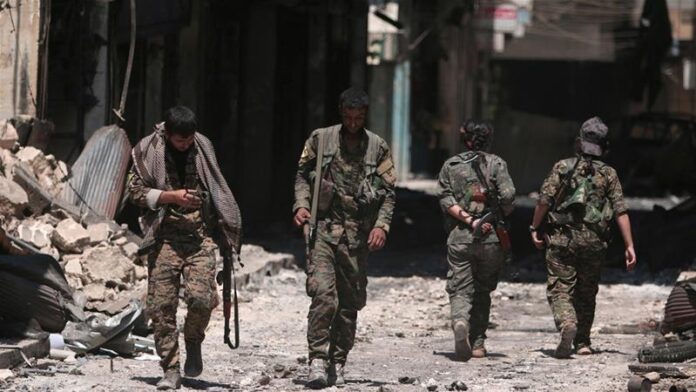
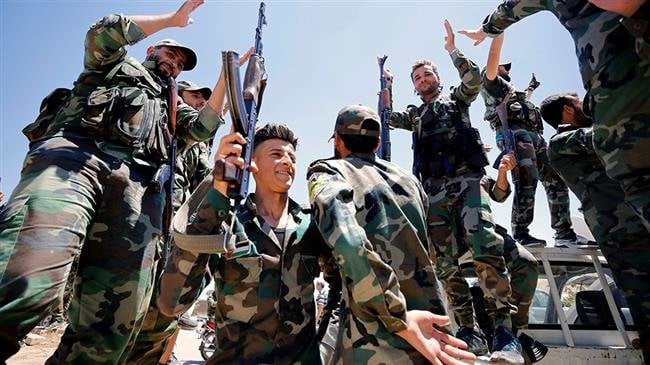
Syrian armed forces entered Manbij after Kurdish YPG militants urged the government in Damascus to protect them in the face of Turkish attacks. In a statement, the Syrian army said it guarantees full security for all Syrian citizens and others present in Manbij.

The army, which entered the Kurdish town after six years, said it is determined to defeat all invaders and called on Syrians to preserve the country’s sovereignty.

Syrian Army in Manbij to Protect Kurds from Turkey

The announcement came moments after the city’s residents asked the Syrian government to retake Manbij following a US pledge to withdraw troops from the Arab country.

The army said it would guarantee “full security for all Syrian citizens and others present in the area.”

Russia welcomed the development, with Kremlin spokesman Dmitry Peskov calling it a positive trend.

“Of course, this will help in stabilizing the situation. The enlargement of the zone under the control of government forces… is without doubt a positive trend,” he said.

State-run SANA news agency said the army raised the national flag in the city which is mainly populated by Syrian Kurds. It is not clear yet whether US troops, which had a base in Manbij, remain in place or have withdrawn.

The city was held by US-backed YPG militia which Turkey regards an offshoot of the outlawed Kurdistan Workers’ Party (PKK).

Turkey had been sending so-called Free Syrian Army (FSA) militants to Manbij in recent years, reportedly in preparation for an offensive to drive YPG fighters out of the city.

Turkish President Recep Tayyip Erdogan signaled earlier this month that a cross-border operation against the YPG would happen soon. Since 2016, Ankara has carried out two similar military operations in northern Syria.

Ankara has been assisting several militant groups fighting to topple the government of President Bashar al-Assad.

The country, however, has moderated its initial hostility toward the Syrian government and been working with Iran and Russia to restore peace to Syria within a framework known as the Astana peace process.

Earlier Friday, Russia’s Deputy Foreign Minister Mikhail Bogdanov said the presidents of the three countries, known as the guarantor states of ceasefire in Syria, are scheduled to meet in Moscow in early January.

“It’s our turn to host the summit… around the first week of the year. This will depend on the schedules of the presidents,” Bogdanov was cited as saying by Interfax news agency.

The Astana format – which has brought the parties to the Syria conflict to the negotiating table – has so far made numerous achievements both on the battlefield and the political stage.

The talks have helped significantly decrease the violence gripping Syria by creating for de-escalation zone there. They have also paved the way for the formation of a constitutional committee.

This is while a parallel UN-backed peace process in Geneva, Switzerland, has failed to deliver any breakthrough.

US Does Not Dare Mention Military Option against Iran: IRGC

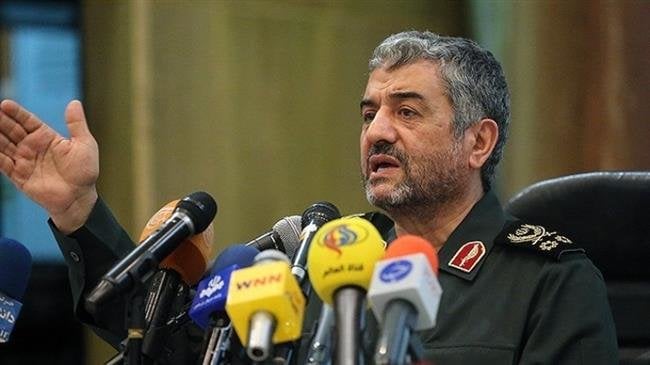
Speaking at a ceremony in Tehran on Thursday, Major General Mohammad Ali Ja’fari said Iran is no more facing a security threat in the light of its rising power.

“We have distanced ourselves from the security threat since many years ago and no superpower even dreams of aggression” against Iran while all of them “are extremely afraid of a conflict with Iran and its consequences,” the senior military commander said.

“When we compare the US power now with 40 years ago, we see that as put by the Leader [of the Islamic Revolution Ayatollah Seyyed Ali Khamenei] America is on the decline and today, they themselves confess to their weakness in the face of Iran. Iran is now so powerful that they do not dare mention the military option against Iran anymore,” the IRGC chief commander added.

Speaking in early November after the administration of US President Donald Trump decided to reinstate all US sanctions on Iran, which had been removed under the 2015 nuclear deal, known as the Joint Comprehensive Plan of Action (JCPOA), Ayatollah Khamenei said America’s power is on the decline and the country is much weaker today than it was 40 years ago.

“Many acclaimed American politicians believe that America’s soft war has been worn out,” the Leader said, adding, “Its hard power, namely America’s economic and military power, is also declining.”

Elsewhere in his remarks, the IRGC commander referred to the existing economic and management problems in the country, noting that although the Islamic Republic is currently engaged in an economic war with enemies, “the overall conditions in the country are not comparable to other regional countries.”

The latest remarks by the IRGC commander came only a few days after a senior Iranian commander said the country will never allow US warships to sail near its territorial waters.

Deputy Chief of Iran’s Army for Coordination Rear Admiral Habibollah Sayyari made the remarks in reaction to the return of US aircraft carrier USS John C. Stennis to the Persian Gulf on Friday after a long absence.

“The response of the Armed Forces and the Army of the Islamic Republic is that we will never allow them [US warships] to come near our territorial waters,” Sayyari said.

Coincident with the arrival of the US aircraft carrier, the IRGC held the main and final stage of massive exercises, dubbed the Great Prophet 12, in the Persian Gulf, launching an “offensive” component in Iran’s defensive strategy for the first time.

Iran has repeatedly warned that any act of trespassing on its territorial waters would be met with an immediate and befitting response.

Iran Acquires Knowledge of Sending Space Cargo to Orbit

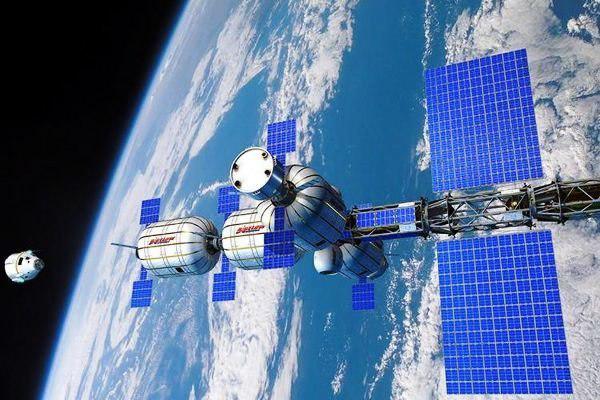
Designed and produced by Iran’s Space Research Centre, the new Orbit Transfer System is set to move satellites from low to medium (6,000 to 7,000 kilometers) earth orbits, Samimi said.

“A number of Iranian universities took part in the project. Amirkabir and Sharif universities cooperated respectively in the technology development and titanium structures and thruster control systems,” Samimi was quoted as saying in a report by Mehr news agency.

According to the Iranian official, the system serves as a significant step towards launching communication satellites into the orbit as well as transferring space cargo.

“Transferring space cargo to high Earth orbits is among the main technological development needs of our country,” he said, adding the achievement is totally homegrown.

Among the by-products of the project, he said, one can also refer to a number of technologies created for the first time in Iran including solid-propellant engine with a titanium body, a 3D Grain and 290 second special strike, titanium welding technology, orbit transfer system, thruster control and Lightband Separation technologies.

He also referred to the main features of the new system and said it can simultaneously run several satellite technologies to transfer space cargos to the orbit.

“The new system enjoys a strong propelled engine and a relatively low weight on the one hand and advanced control sub-systems on the other hand,” he noted.

Samimi said the new system is smart, and in case of any loss of connection with the earth, the central computer system begins to operate based on some pre-planned algorithms at an acceptable level of accuracy.

For a brief review of Iran’s achievements in various fields of science and technology, check the book “Science and Technology in Iran: A Brief Review

“The idea to design and develop the Orbit Transfer System was initiated in 2014. The first engineering model of the system was created in 2015 and unveiled in a ceremony by President Hassan Rouhani. It is now undergoing its final tests,” he said.

Elaborating on the tests the system has undergone, he said at the engineering phase, the system underwent 25 tests in terms of performance and environment resistance. It has already passed some environment tests like heat-vacuum, vibration, electromagnetic compatibility, shaft alignment and leakage tests. The whole system has already been assembled for quality tests.”

Performance tests of the system have been conducted at various temperature and vibrating conditions and other related tests have already been made by Iran’s Space Research Centre.

Iran FM Laments Europe Dragging Its Feet on JCPOA

Iran Blasts Europe’s ‘Disastrous’ Subservience to US

The Iranian minister said Iran’s hands are not tied on JCPOA and Iran will tread in alternative paths if it is disappointed with Europe.

“Following the US withdrawal from the accord, we have lots of options and we will use these options whenever it is within national interests,” he said, speaking in a recent interview with the Beirut-based Al-Mayadeen TV channel.

The Iranian minister said it is undesirable for Iran that Europeans have yet to fulfil their pledges, months after the US walked out of the pact.

“Europeans are slow in meeting their commitments under the nuclear deal. We won’t keep waiting unless they take practical steps,” ISNA quoted him as saying.

In May, the US walked out of the nuclear deal and since then it is working to restore its sanctions on Tehran and push the world to cut trade with Iran.

Tehran has announced its continued commitment to the deal is conditional on EU’s binding guarantees assuring Iran its interests will be served if it remains in the deal.

The EU has offered Iran a support package to compensate for the US pullout, which obliges the European Investment Bank to support EU firms willing to enter Iranian markets, and creates a special payment mechanism, known as Special Purpose Vehicle (SPV), to facilitate trade with Iran.

Iran has announced the package is acceptable at the macro level, but talks on the details of the package have led to nowhere after several months.

Trump’s Sneaky Visit to Iraq Disrespect for Its National Sovereignty: Iran

Iran Condemns Bahrain’s Plan to Normalize Relations with Israel

“As Mr Trump himself said in his address to the US military in Iraq’s Ein al-Asad … he is now forced to visit one of the regional countries in a totally secret way, or in other words in a ‘sneaky’ manner, and with tightest protective-security measures,” Qassemi said in a Friday statement.

This comes despite Washington’s growing interferences in regional affairs, thousands of billions of dollars it wasted, and the heavy and irrecoverable price paid by American people for the US’ illegal and illegitimate presence in the region, particularly in Iraq, he added.

Qassemi stressed that the visit has sparked the criticism of experts, indifference of Iraqi officials, and opposition of the Iraqi nation.

The spokesman then severely criticized Trump’s meddlesome and opportunist remarks in Iraq and said “regional governments and nations will never allow aggressive and despicable outsiders to sow seeds of division among them.”

According to Qassemi, it was the vigilant nations of the region – not the rapacious US and its staunch support of terrorism – which managed to suppress terrorist groups created, equipped and financed by the US and the Zionism.

The regional nations routed terrorists by understanding the situation in the right time and synergizing their material and spiritual powers, he noted.

Qassemi said undoubtedly all regional states will soon come to the conclusion that their region’s stability and security will only be achieved by relying on their domestic, regional and international resources and capacities.

“Foreign forces, sooner or later, will also have to leave the whole region,” he added.

The spokesman said it is better for Trump to have a serious and multilateral review of the developments of the world and the West Asia from the time he took office up to now.

A review of what he has said, what has happened, and what may happen in the future will perhaps teach Trump the required lessons, Qassemi noted.

Trump made his unannounced visit to al-Asad Airbase in Iraq’s Anbar province on Thursday causing heated controversy in Iraqi political circles.

He also commented on the possibility of using Iraq as a base for the United States to launch military operations in Syria have further enraged Iraqi statesmen.

As announced by the office, Trump was supposed to have a meeting with Abdul-Mahdi, but the meeting was called off due to “differences over how it should be held, and both sides, in a phone conversation, discussed the situation, especially the circumstances following Washington’s announcement that it would withdraw its troops from Syria.

Trump’s Snap Visit to Iraq Triggers Controversy