Friday, December 26, 2025
Home Blog Page 3257

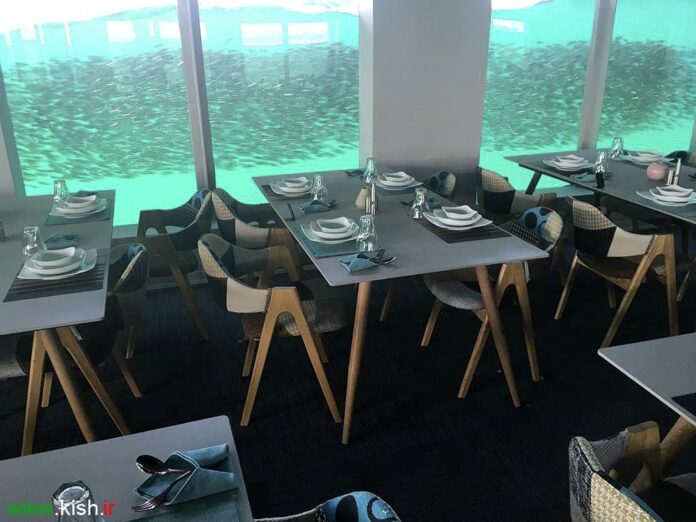
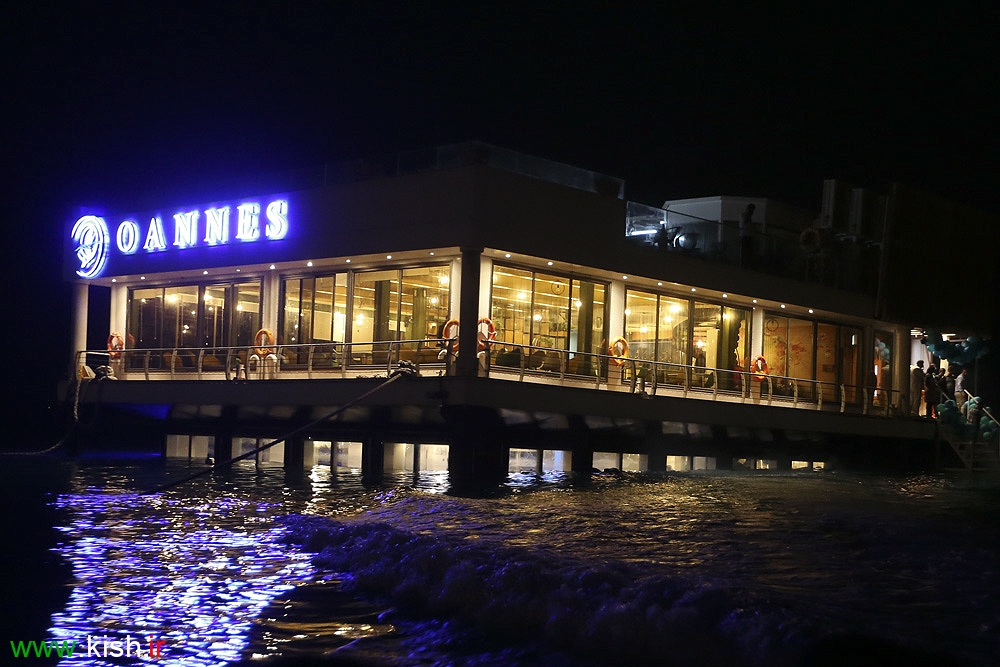
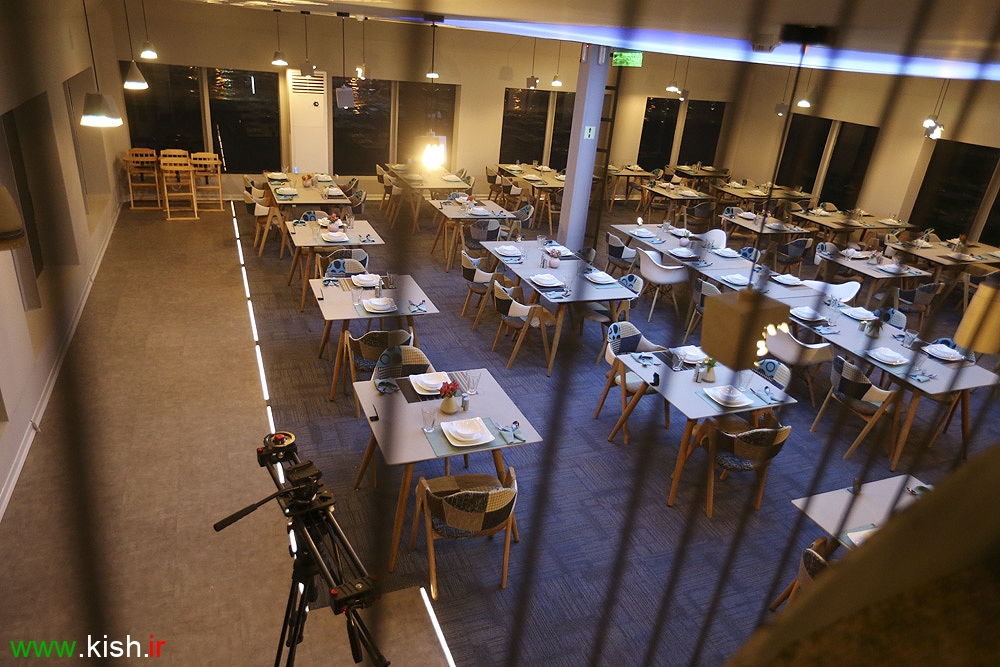
Iran Opens Its First Underwater Restaurant

The project was implemented in the Persian Gulf waters with the support of the Science and Technology Department of the Presidential Office.

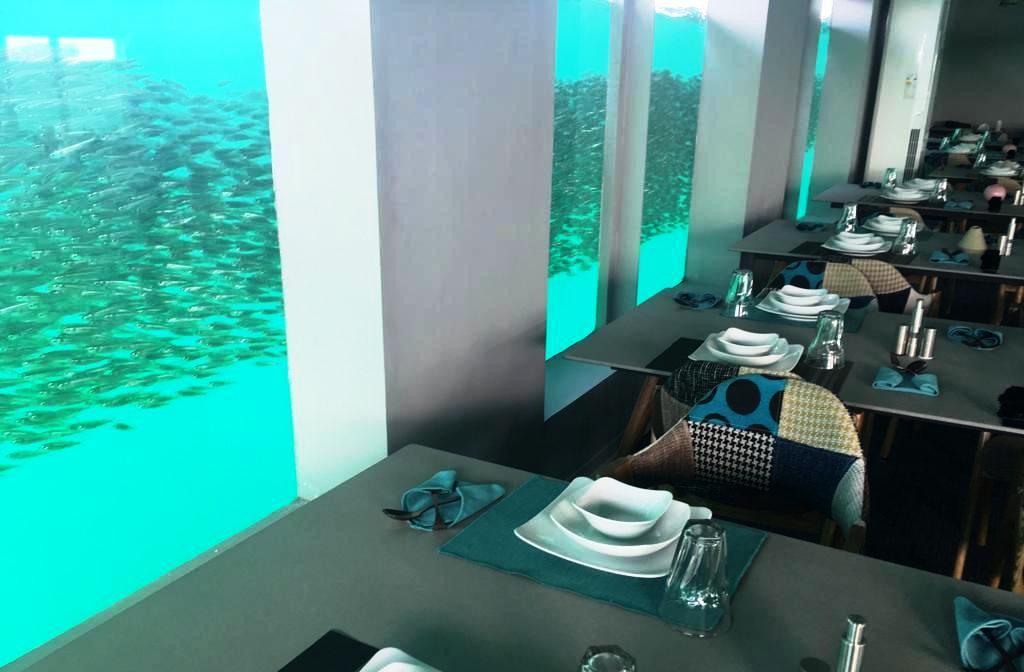
The restaurant is one of the world’s largest underwater restaurants designed as an independent floating structure using domestic and foreign experts as well as state-of-the-art technology.

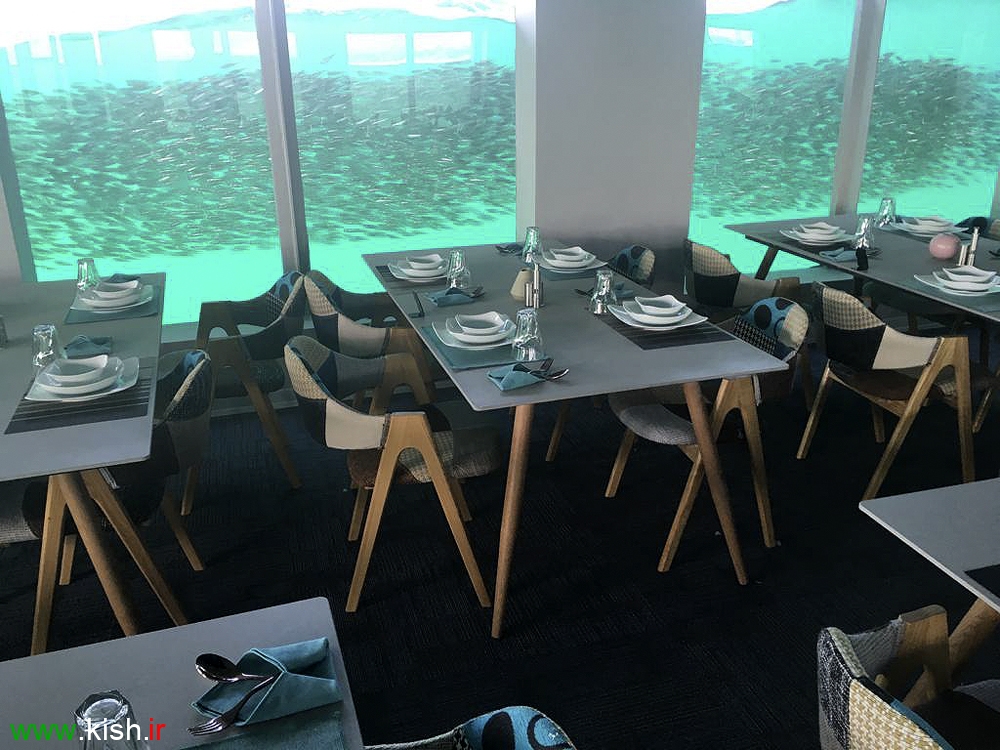
It includes one floor which enjoys the view of fabulous colourful fish, coral, shells, dolphins and turtles living in the Persian Gulf, making it an attractive environment for tourists.

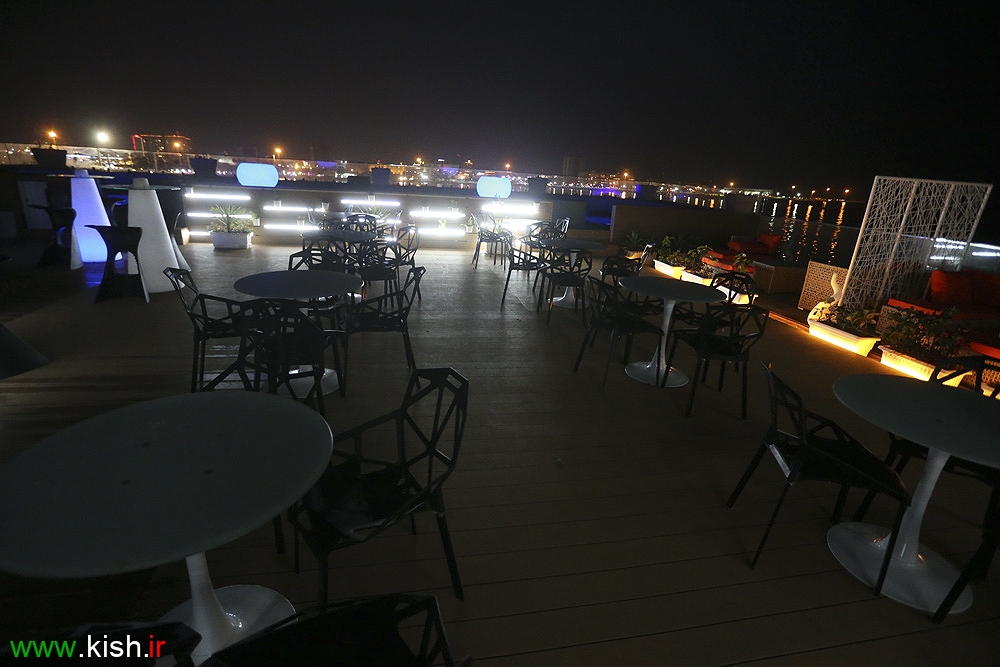
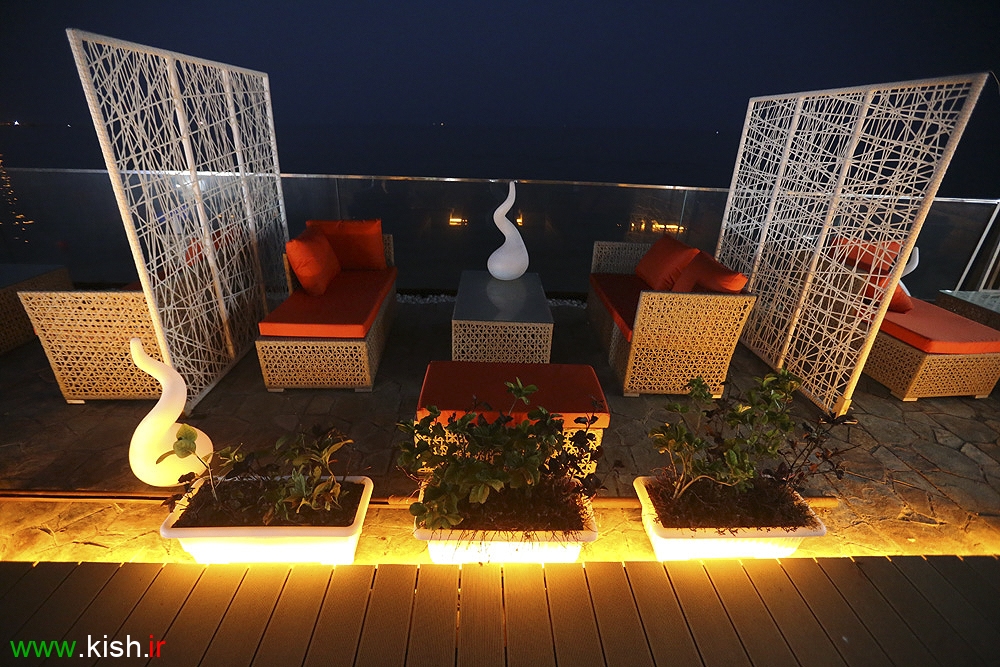
The restaurant also has some floors above water, which provide a beautiful atmosphere for visitors to sit down for a memorable meal.

The complex is Iran’s first international sea restaurant. It is also the first green roof in the country’s waters. This comes as similar restaurants which are smaller are up and running in East Asia.

For a brief review of Iran’s achievements in various fields of science and technology, check the book “Science and Technology in Iran: A Brief Review

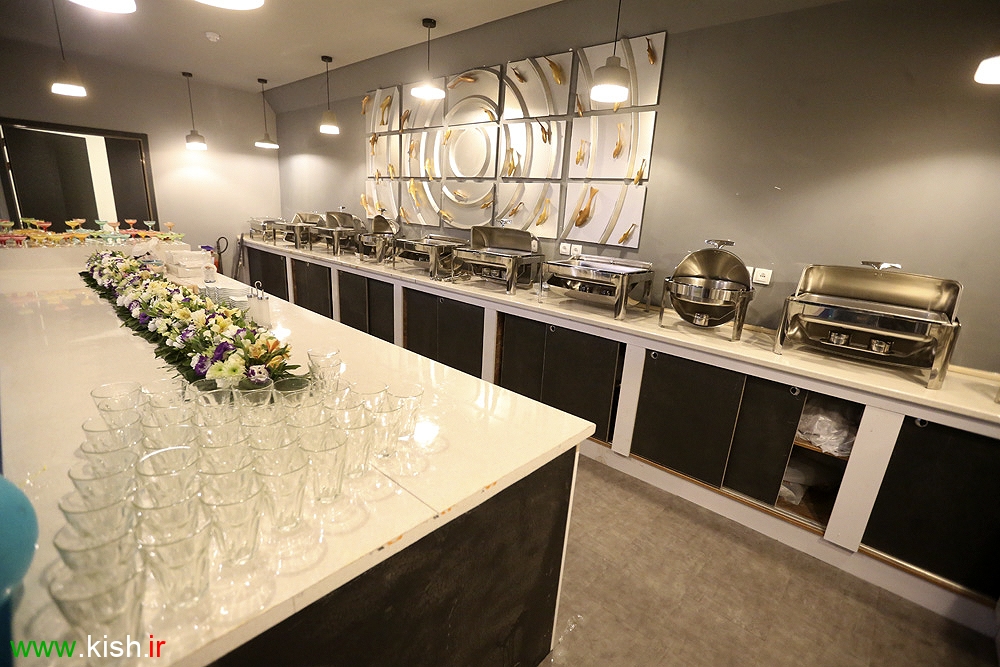
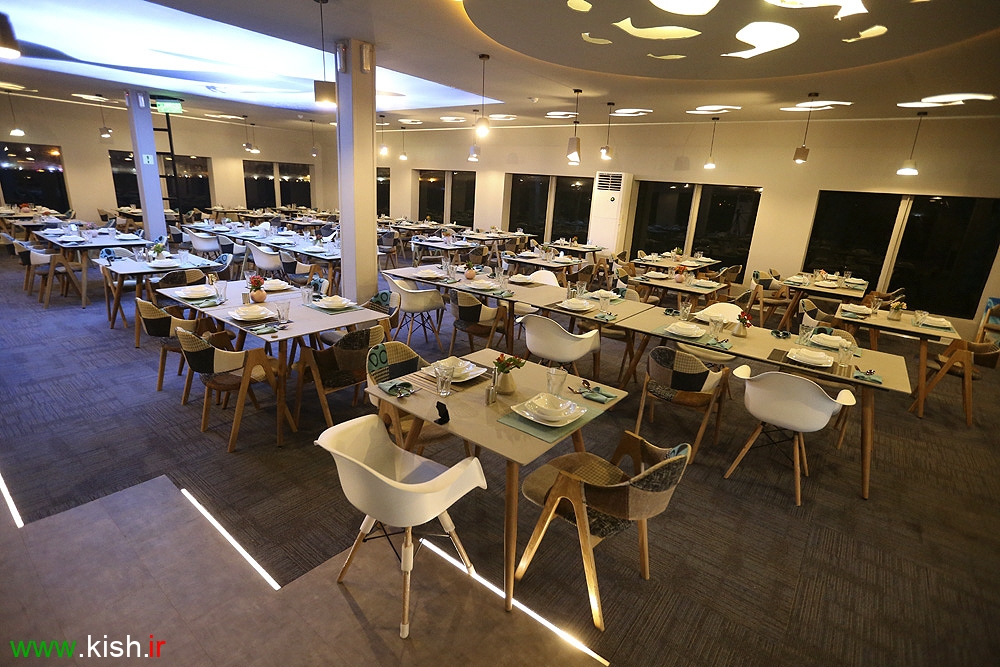
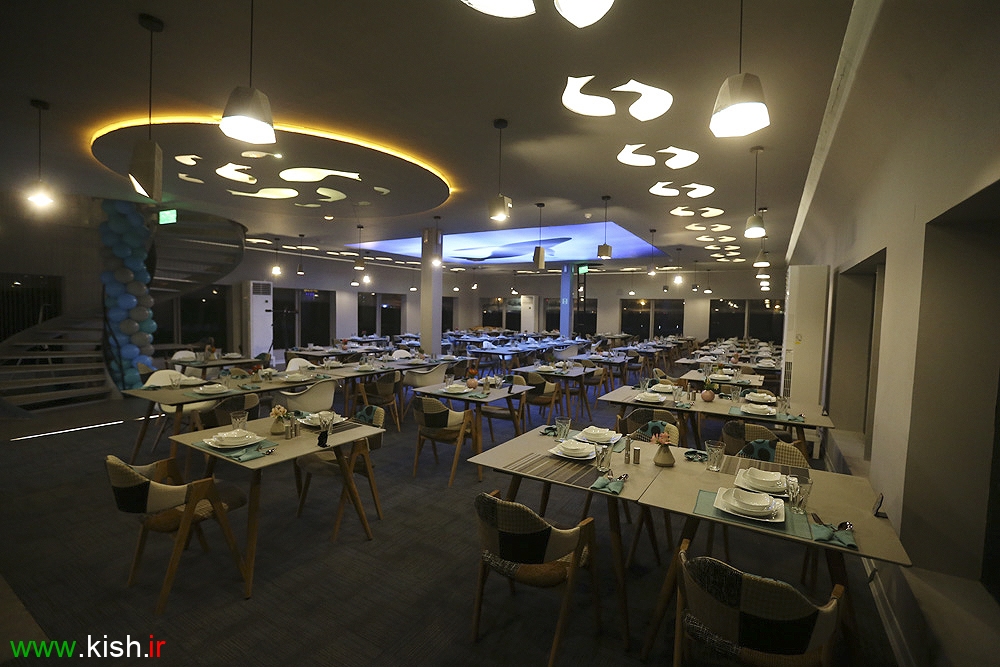
The floating restaurant in Iran is a major entertainment facility. The three-floor structure contains several restaurants and cafes. The underwater section of the structure has large windows which offer a picturesque view of the undersea world. Iranian, local and sea food is served at the restaurant.

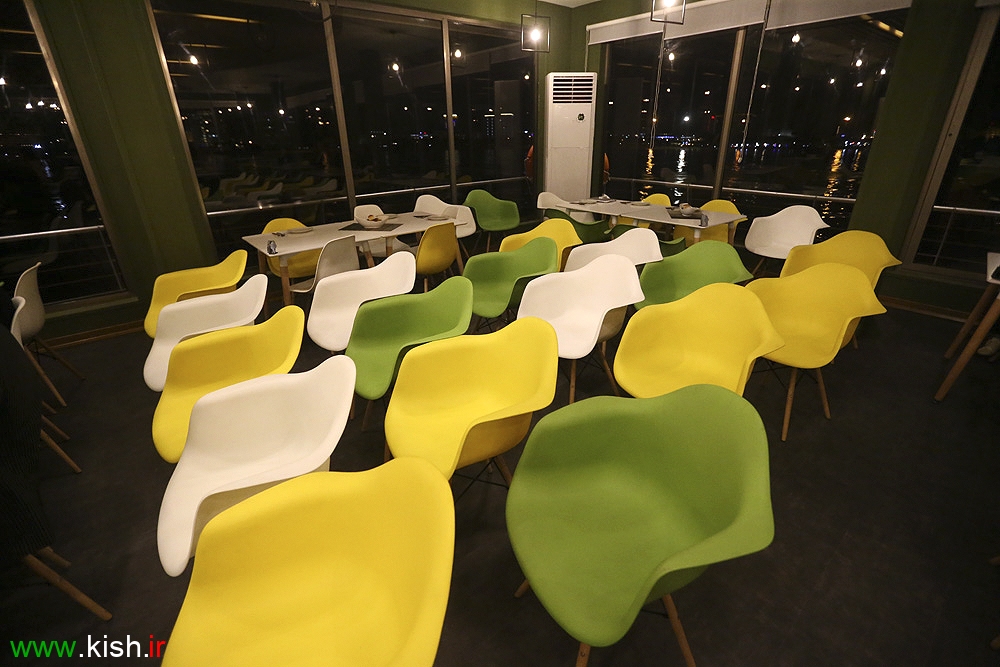
The floor above water has glass walls on all sides, offering visitors a unique view of the Persian Gulf. Exotic foods are also served there.

Tourists are taken to the restaurant with special boats. They can both enjoy the fabulous scenery under water and get a unique view of Kish Island and its nice coast from the floor above water.

Authorities say the project was completed by local experts and knowledge-based companies in four years’ time with the support of the Science and Technology Department of the Presidential Office.
Iran Says Will Continue Uranium Enrichment Based on JCPOA

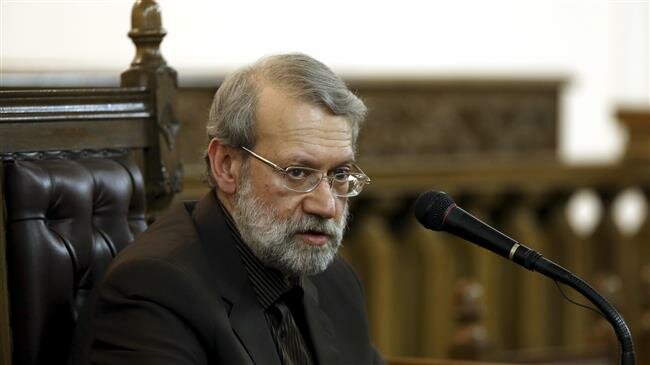
“Under the JCPOA (the nuclear accord, officially known as the Joint Comprehensive Plan of Action), Iran can produce heavy water… and based on the agreement, we have not carried out anything in violation of it,” Larijani said on Saturday.

“Therefore we will carry on with enrichment activity. You can either buy it or not,” he added.

The administration of US President Donald Trump on Friday imposed sanctions on Iran’s export of enriched uranium but at the same time renewed three key waivers that will allow its European allies, Russia and China to cooperate with the Islamic Republic on civil nuclear program.

“Any involvement in transferring enriched uranium out of Iran in exchange for natural uranium will now be exposed to sanctions. The United States has been clear that Iran must stop all proliferation-sensitive activities, including uranium enrichment, and we will not accept actions that support the continuation of such enrichment,” the State Department announced in a statement.

Under the JCPOA, Tehran is limited to keeping 300 kilograms of uranium enriched up to 3.67 percent. As part of the nuclear deal, Iran is allowed to sell any enriched uranium above that threshold on international markets in exchange for natural uranium, with Russia a key player.

The waivers, due to expire Saturday, are extended for 90 days, the State Department statement added.

In a quarterly report released in February, the International Atomic Energy Agency (IAEA) said Iran continued to comply with the restrictions on its nuclear activities under the JCPOA.

It added that Iran remained within caps on the level to which it can enrich uranium and complied with limitations on its stock of enriched uranium in accordance with the nuclear accord.

Trump withdrew Washington in May 2018 from the landmark Iran nuclear agreement, reached between Iran and the P5+1 group of countries, and decided to re-impose unilateral sanctions against Tehran.

Under the JCPOA, Iran undertook to put limits on its nuclear program in exchange for the removal of nuclear-related sanctions.

Elsewhere in his remarks, Larijani said certain countries were making efforts to create problems for Iran but reiterated that the Islamic Republic was playing a leading diplomatic role in the international scene.

“We know what they are doing, but we are not like some novice [countries] in the region and we will do nothing … that may lead to further chaos in the region,” the top Iranian parliamentarian said.

They have waged an all-out psychological warfare, piled up economic pressure against the Iranian nation and caused chaos in the international scene, he added, emphasizing that such efforts may bring about certain temporary benefits for them but would undermine their positions in the world.

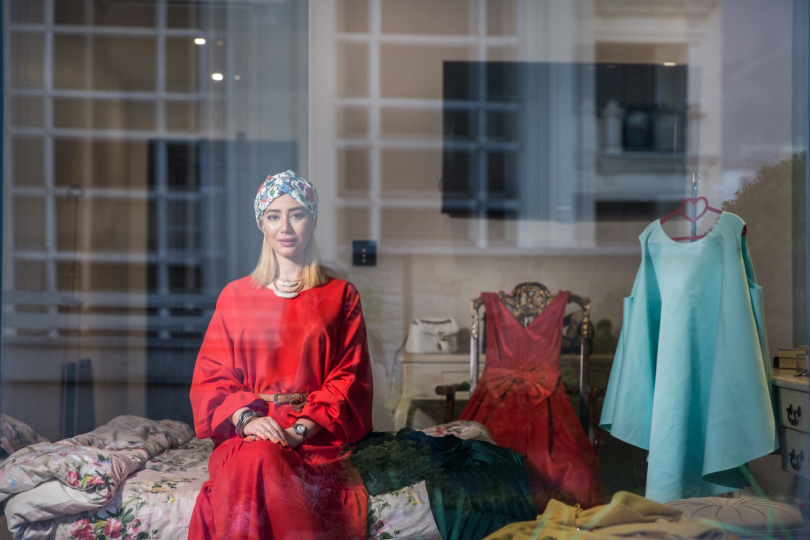
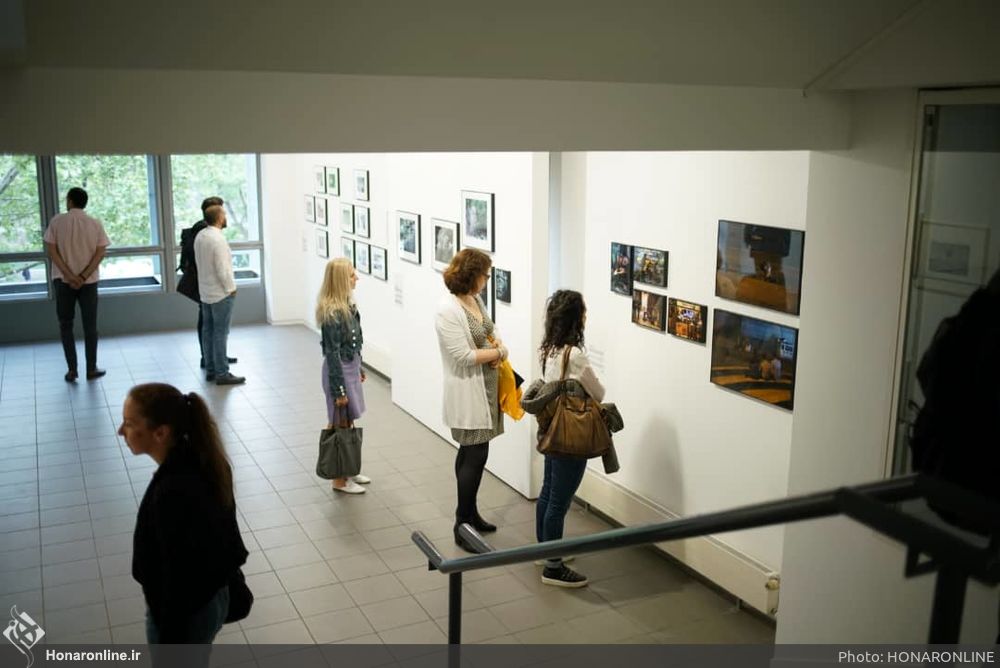
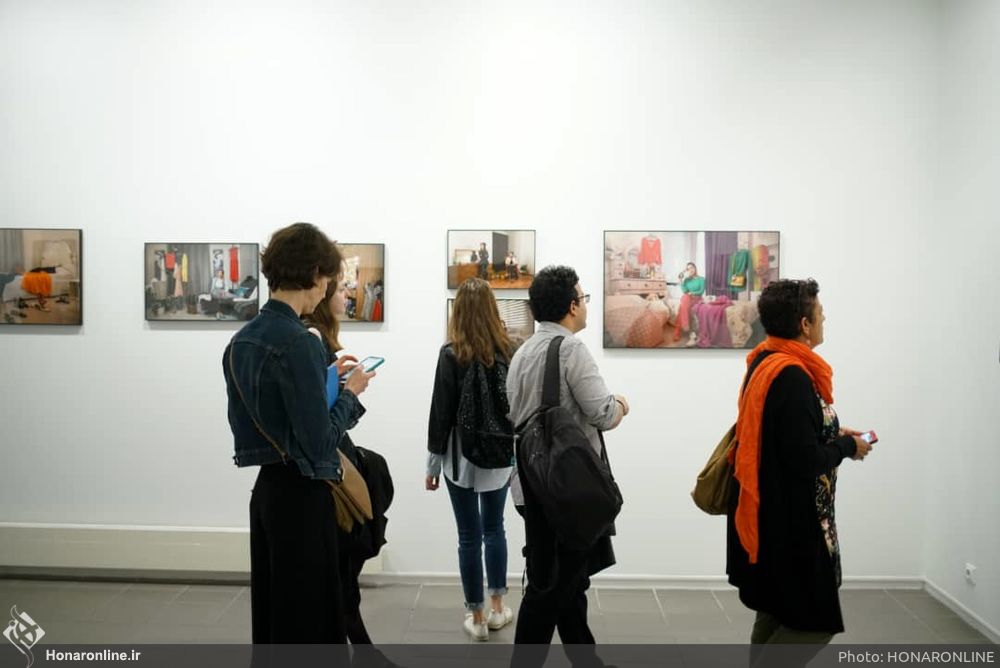
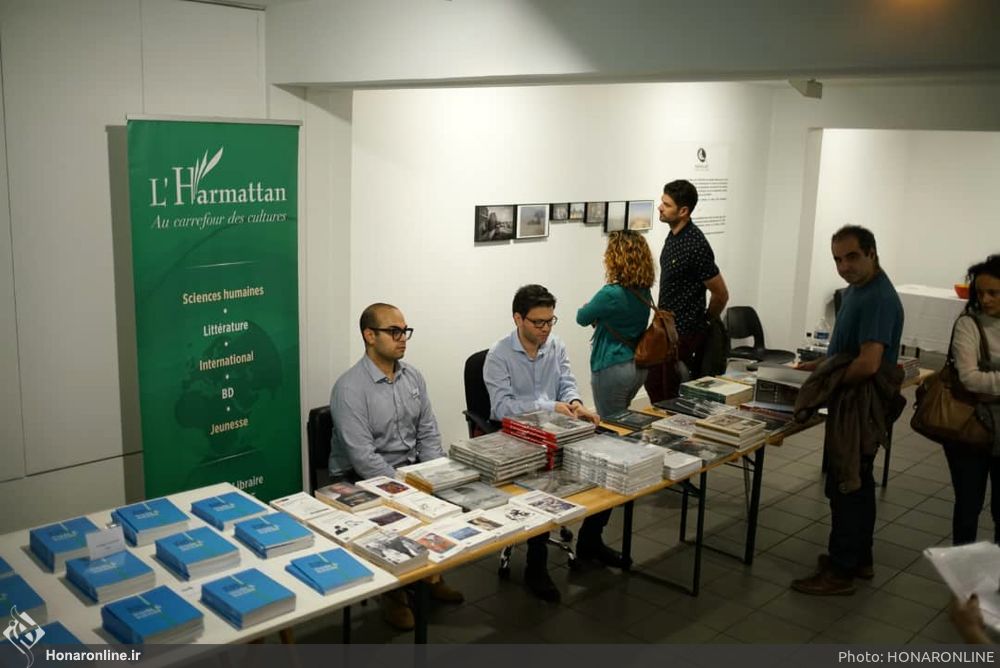
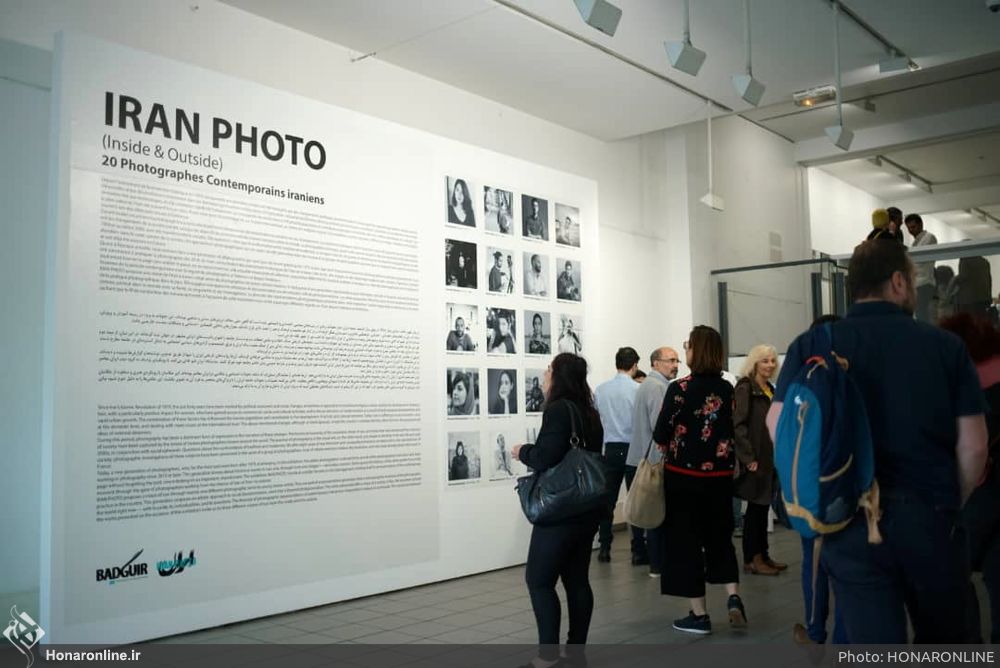
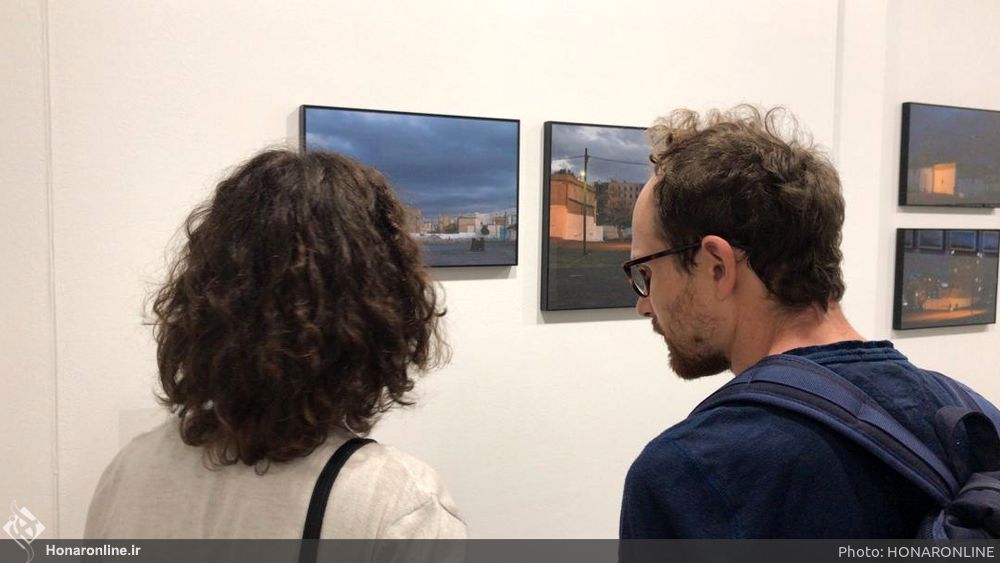
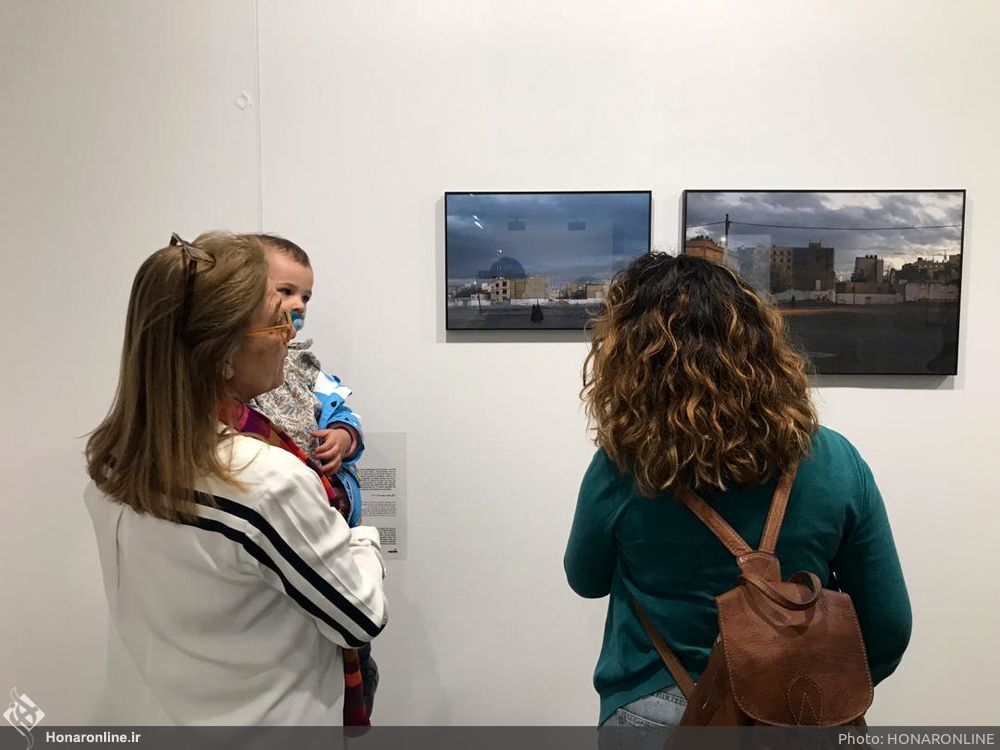
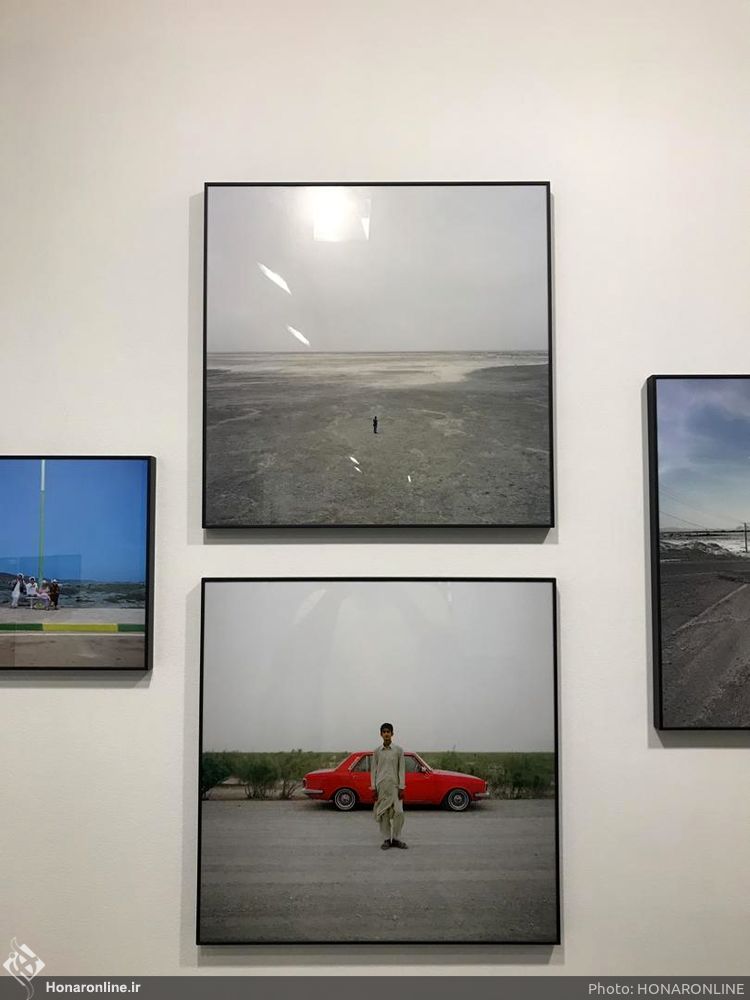
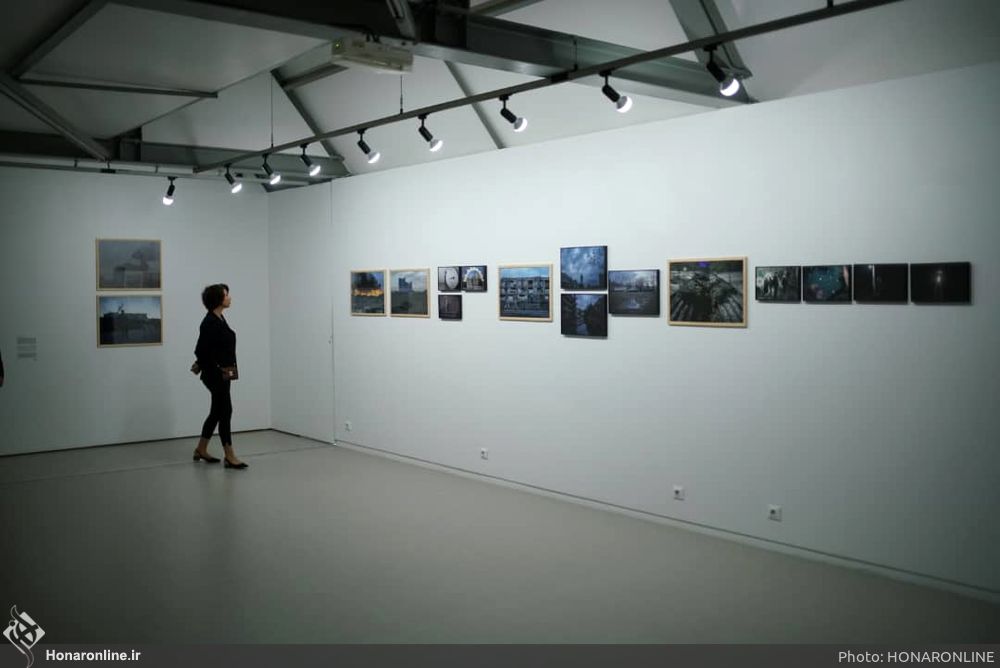
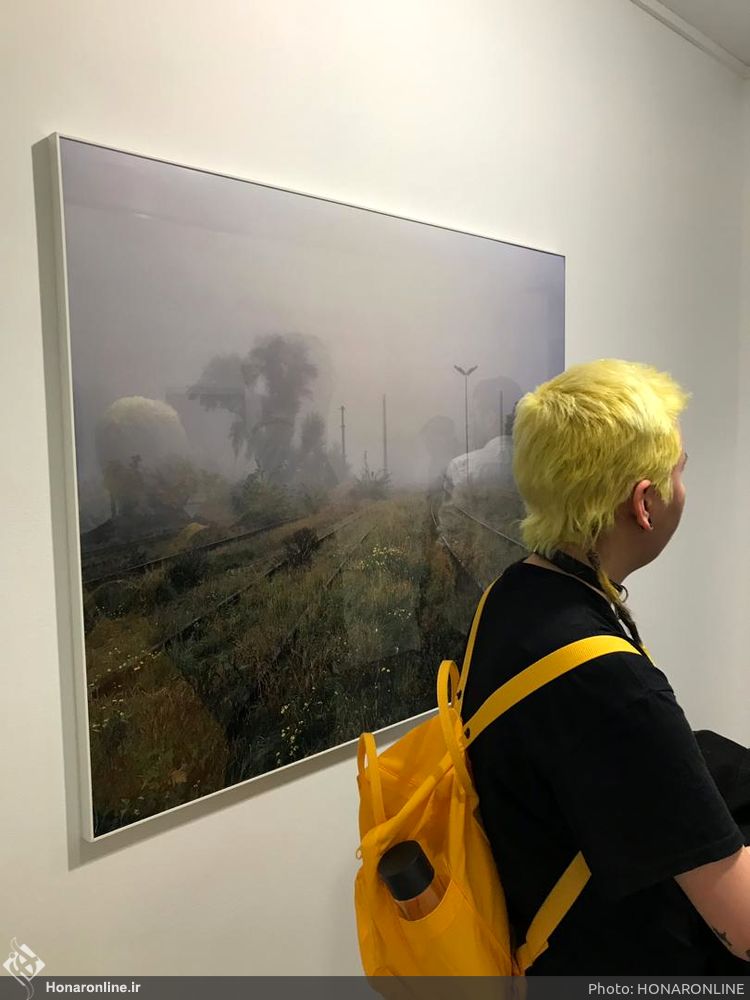
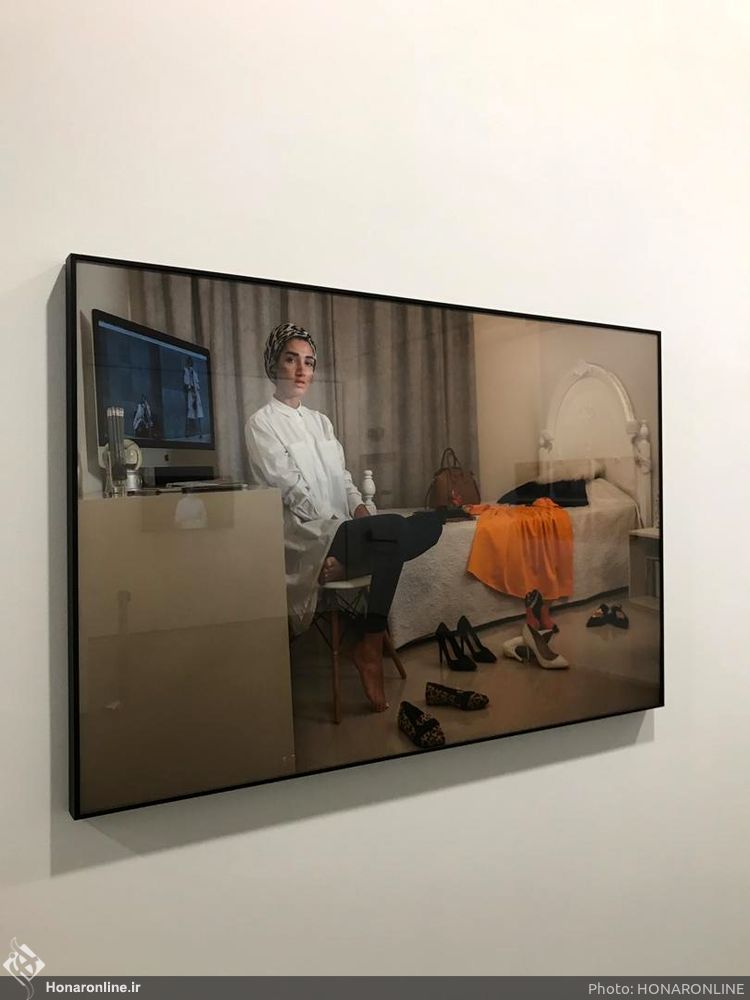
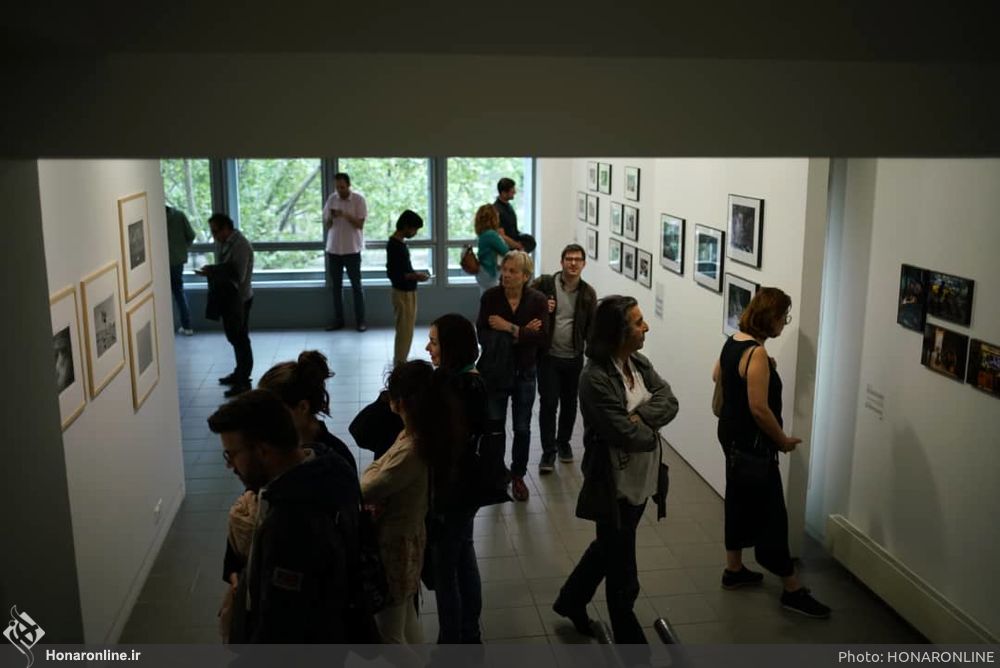
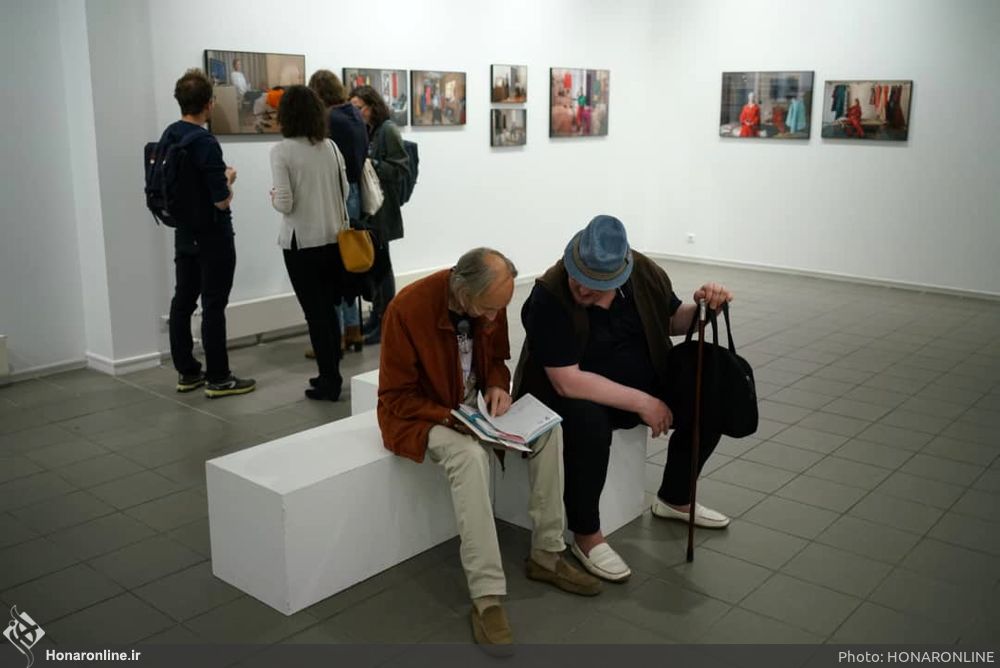
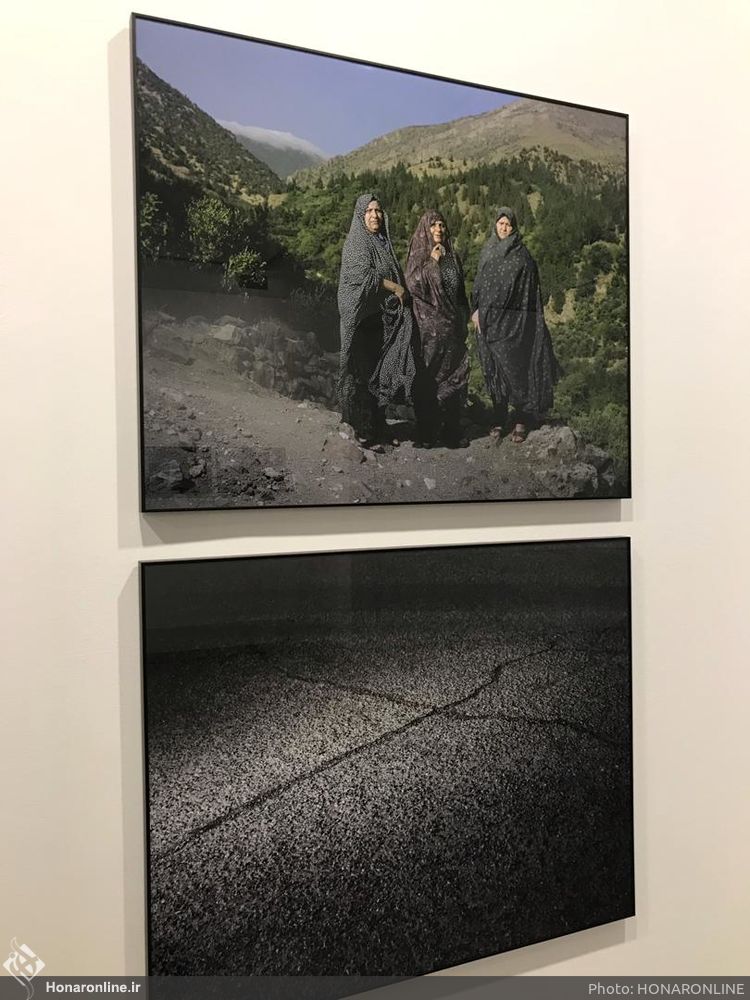
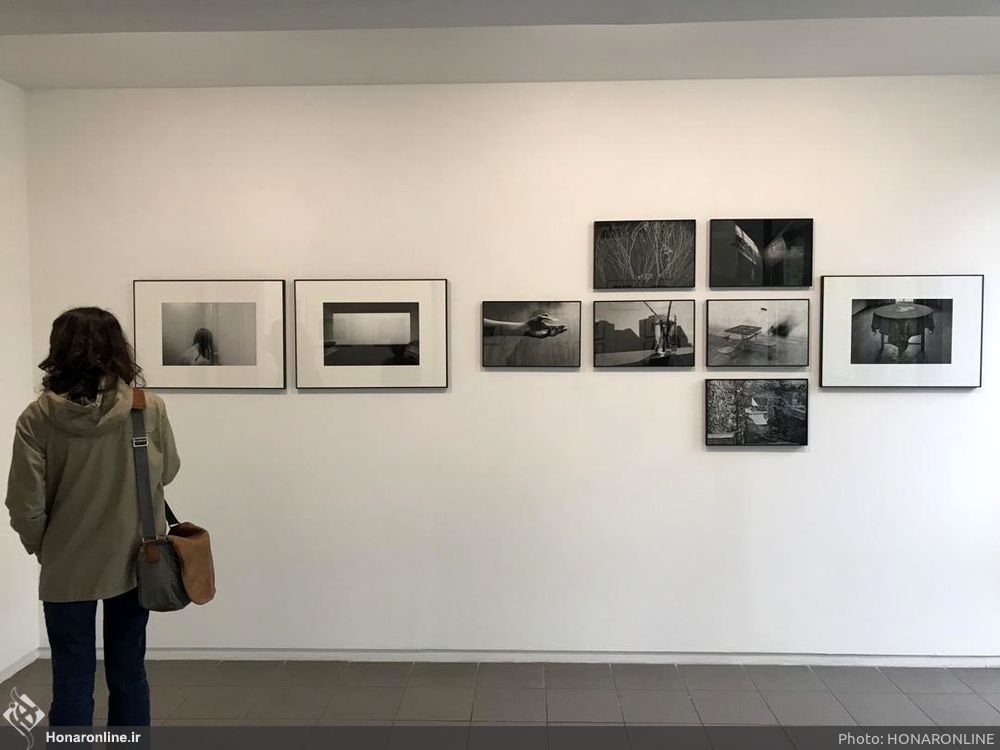
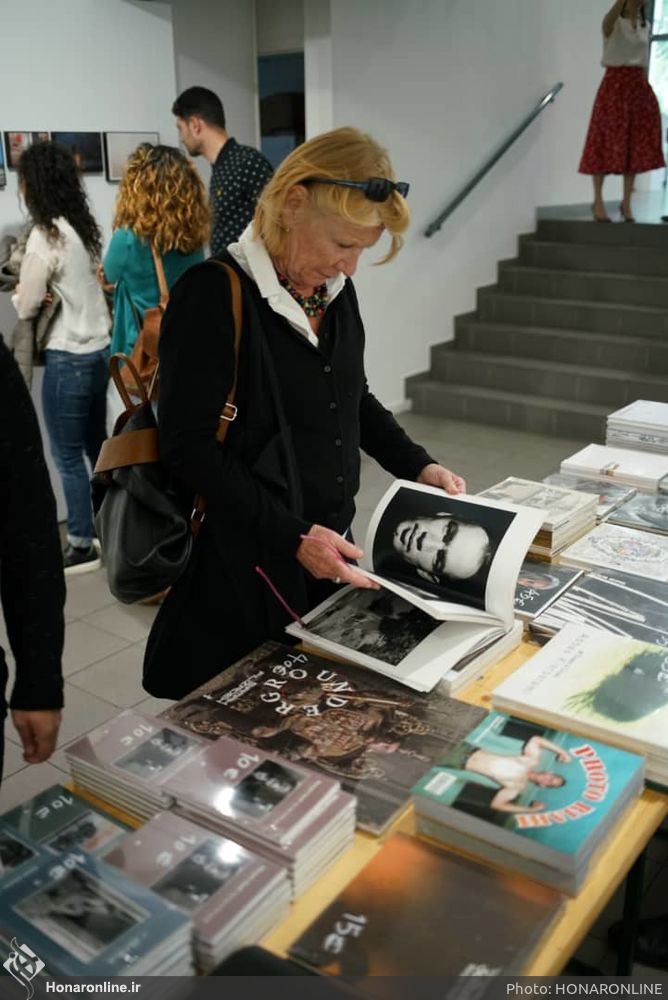
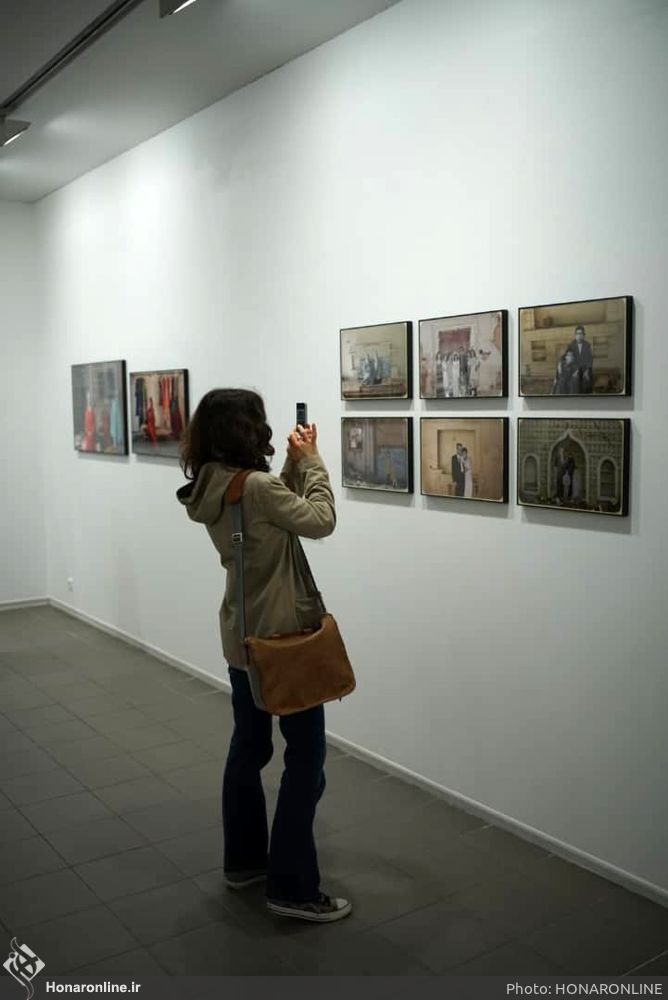
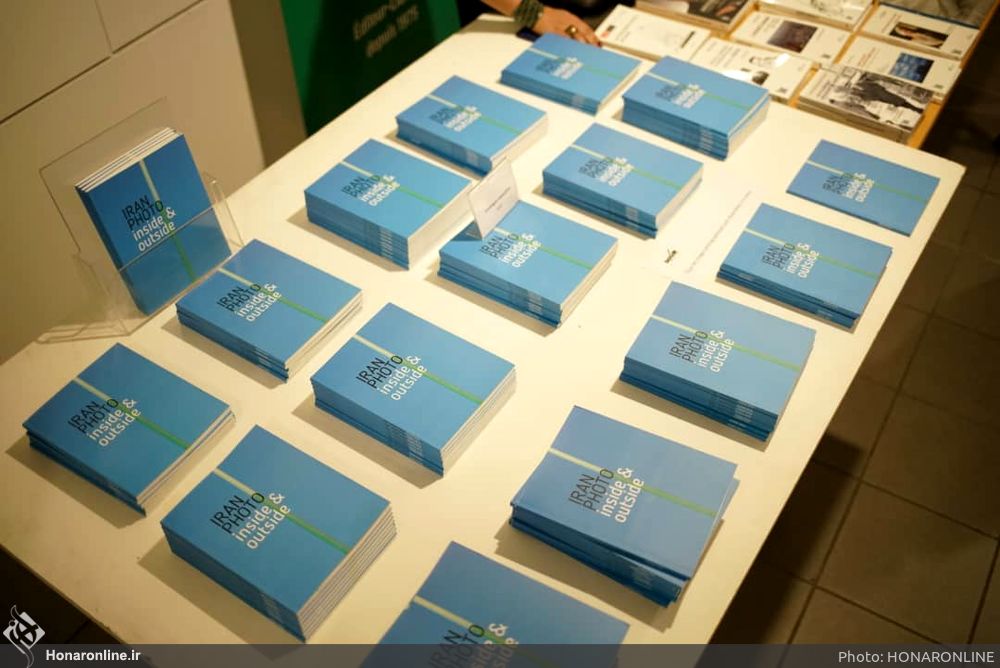
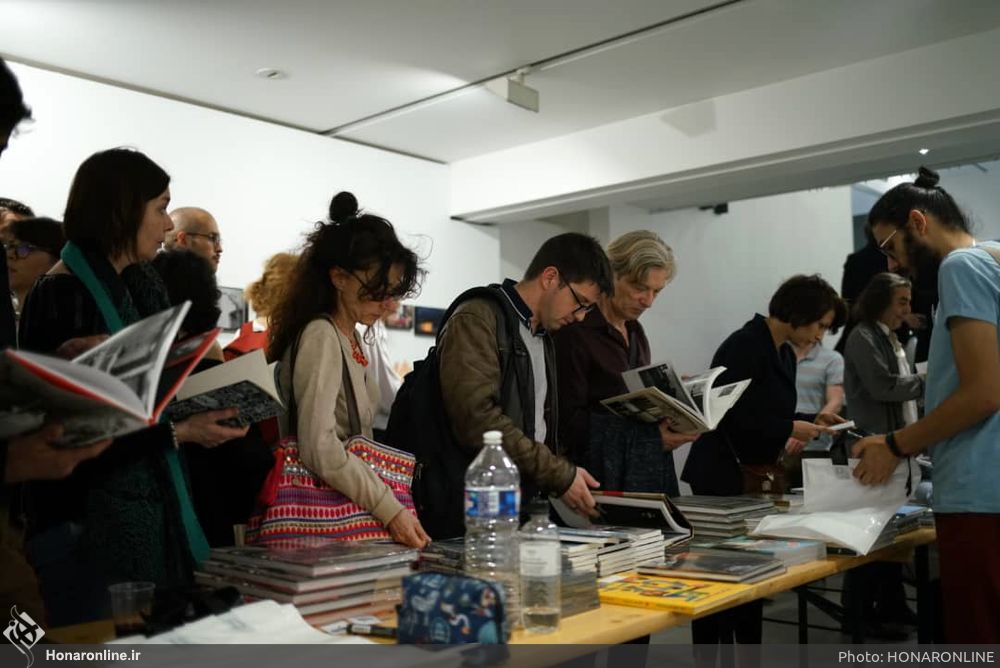
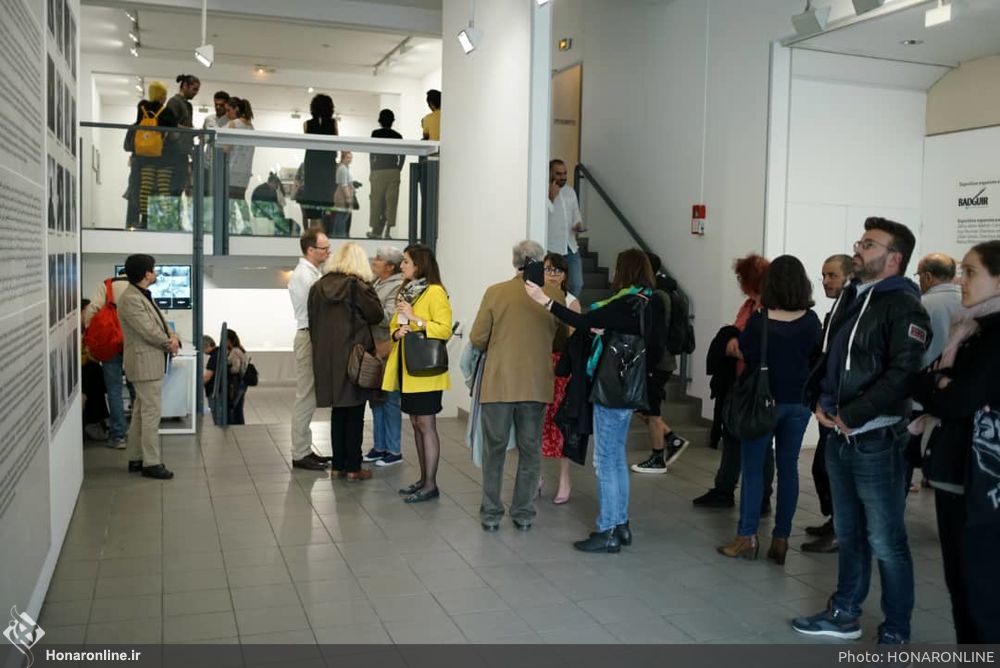
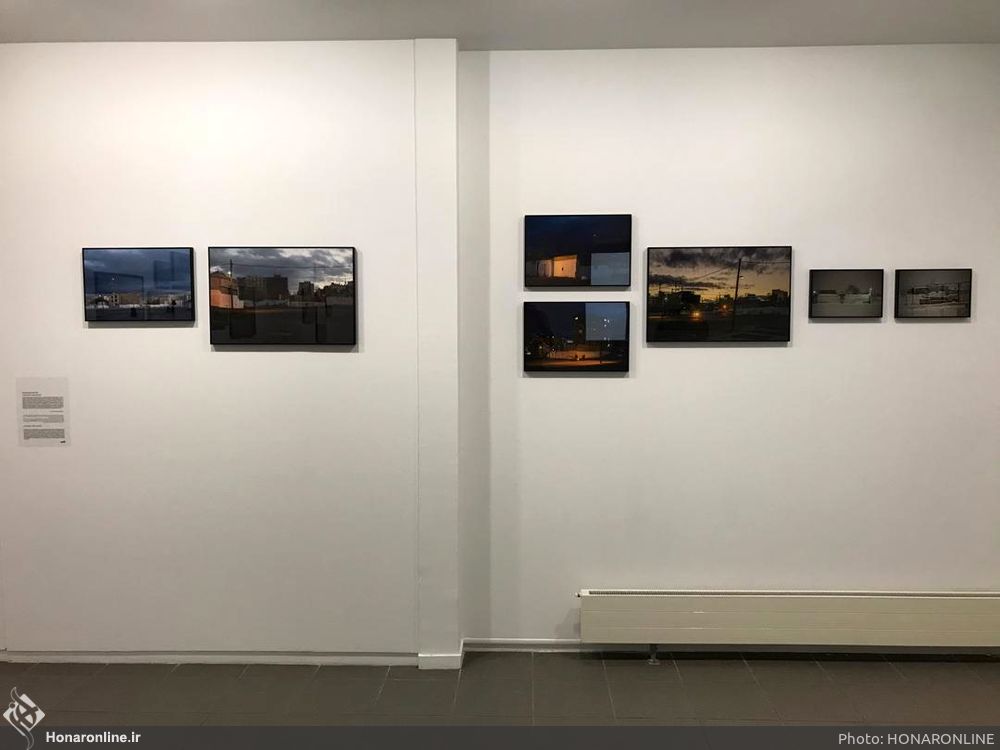
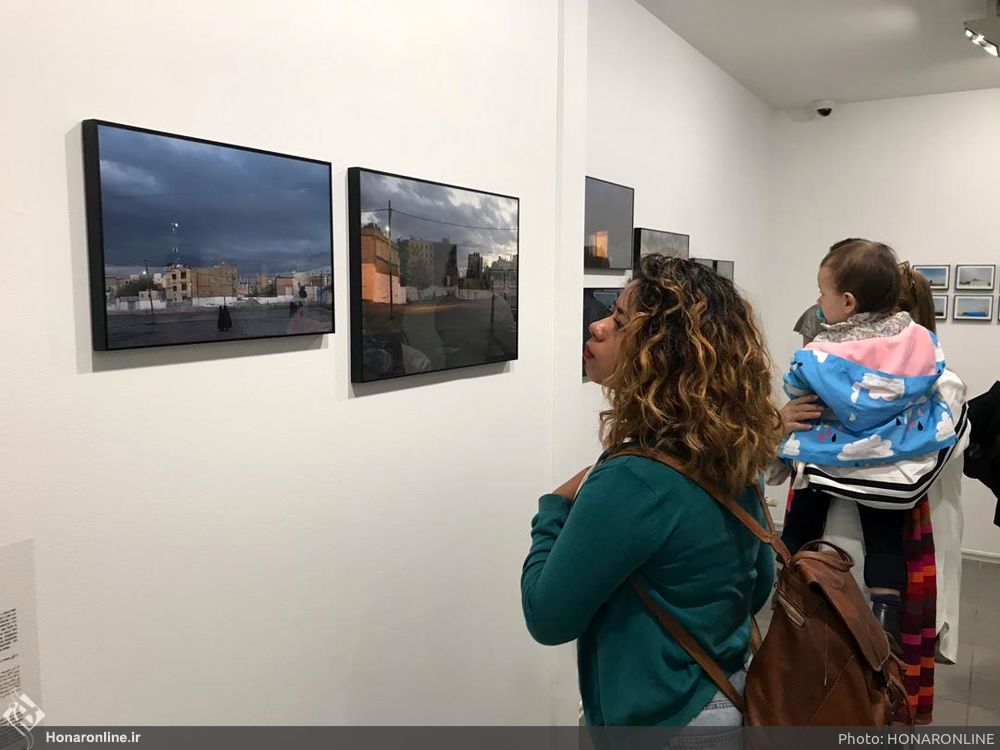
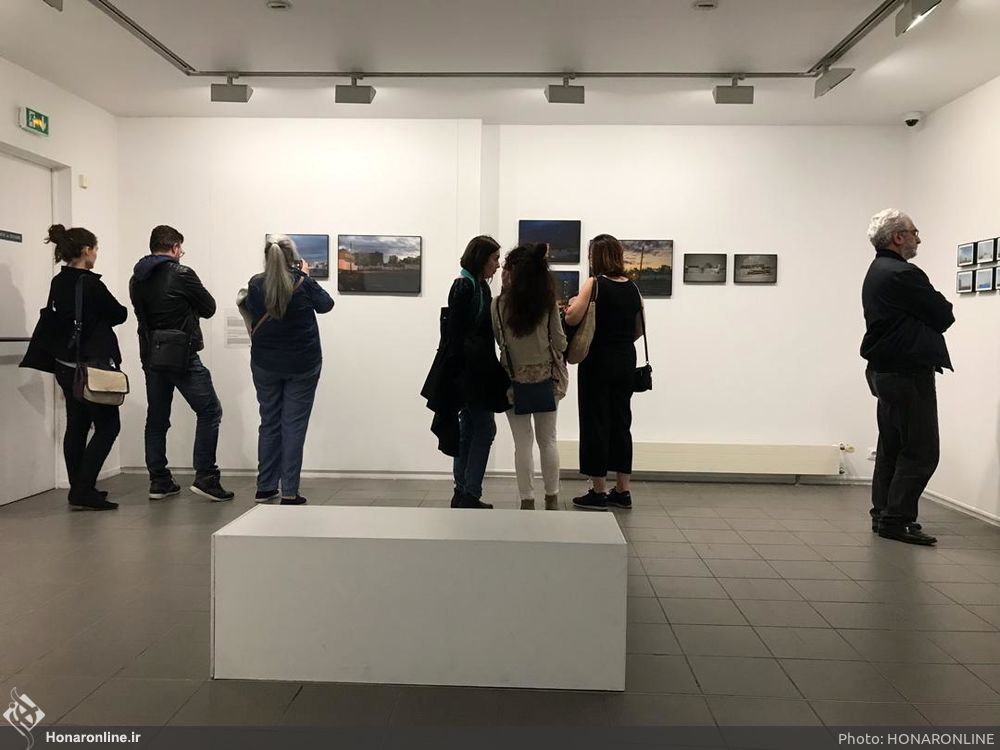
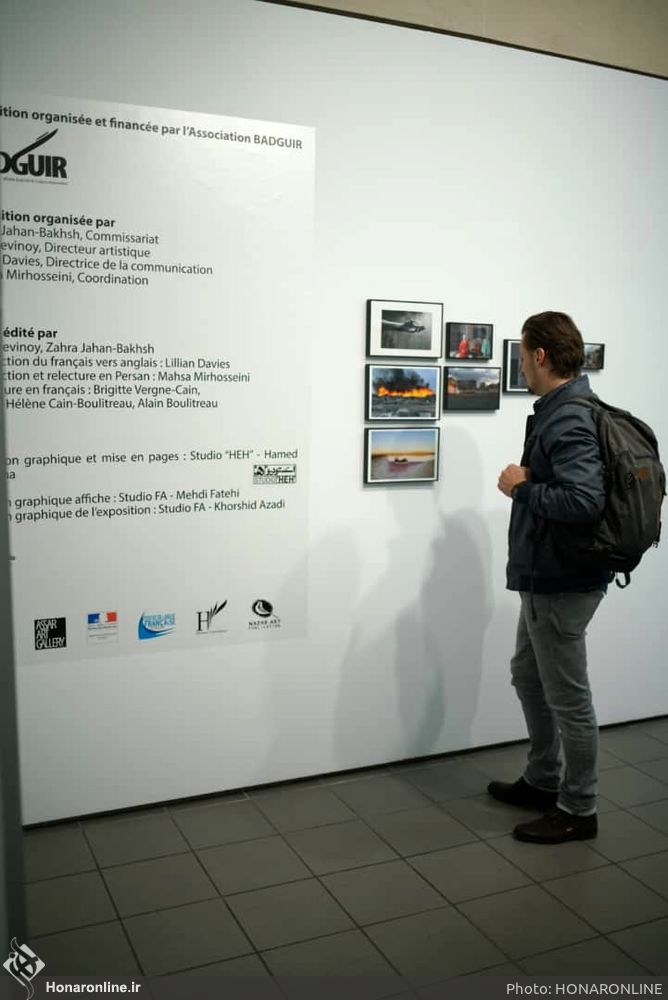
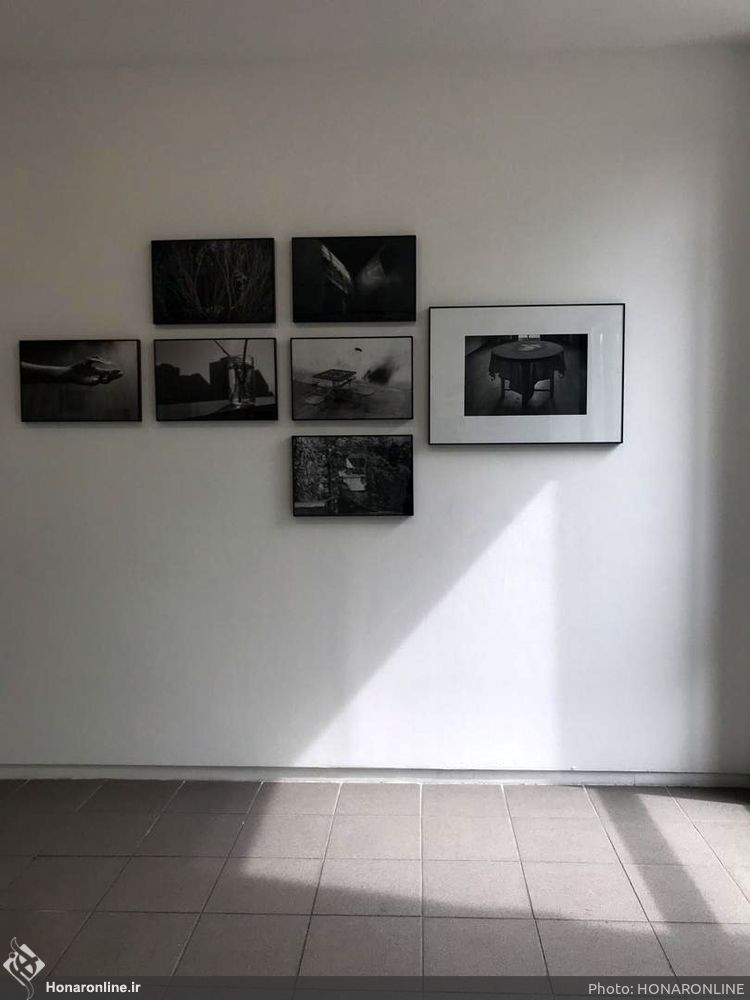
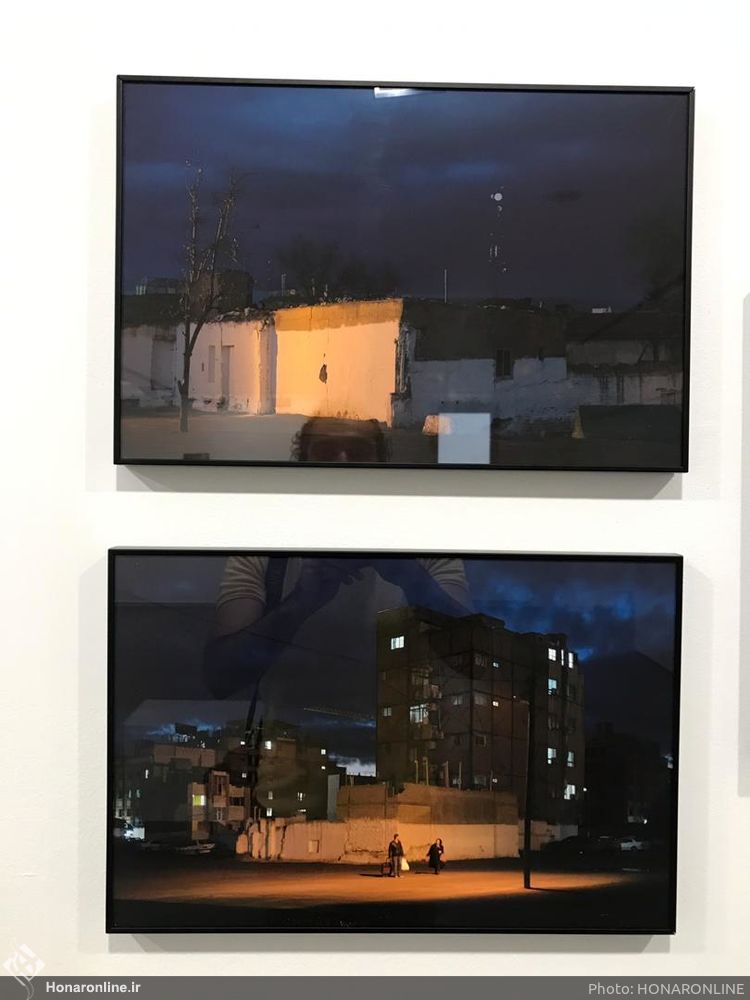
Paris Hosting ‘Iran Photo (Inside & Outside)’ Exhibition

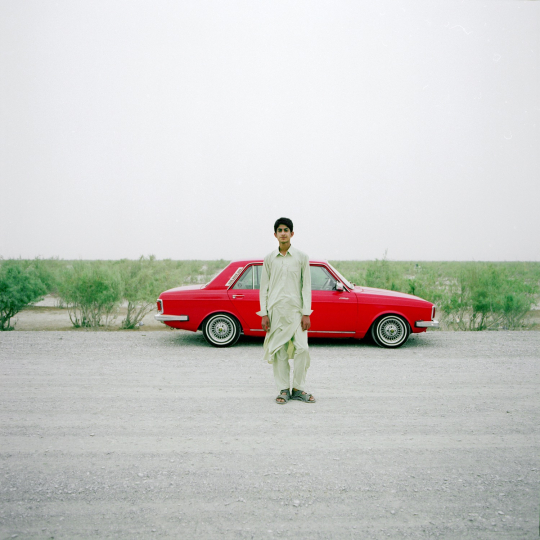
Photo by Mehdi Moradpour

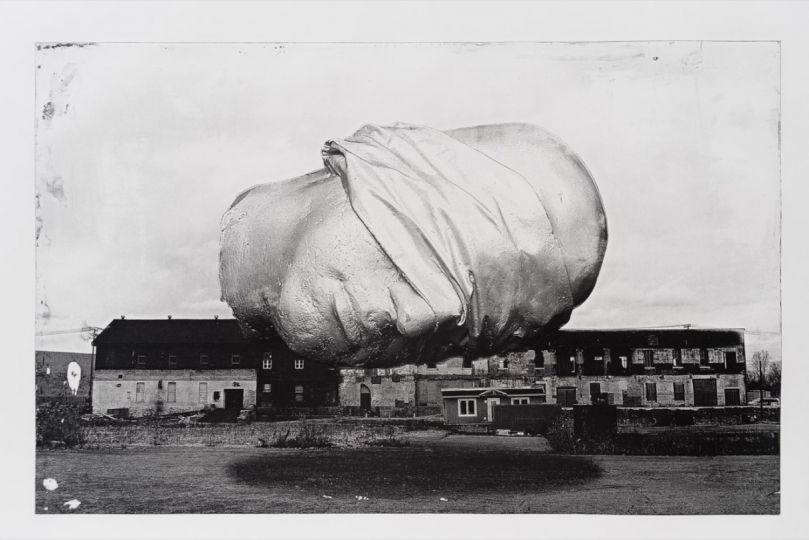
Organized by Badguir Middle East Art & Culture Association, the exhibition opened on April 23 and will remain open to visitors till May 7 at the Cité internationale des arts.

Like other countries, but in a different national and international context, the Iranian society has evolved and presents many faces that bear witness to many aspects, such as the increasing influence of women and unprecedented urban growth. The combination of these factors, and others, has contributed to the creation of artistic and cultural networks.

Photography has been a dominant form of expression in the narration of these changes. Today, a new generation of photographers, who, for the most part were born after 1979, is emerging in Iran. All of the photographers presented here are under forty. They are part of a representative generation that reveals the evolution of the photographic practice in their country.

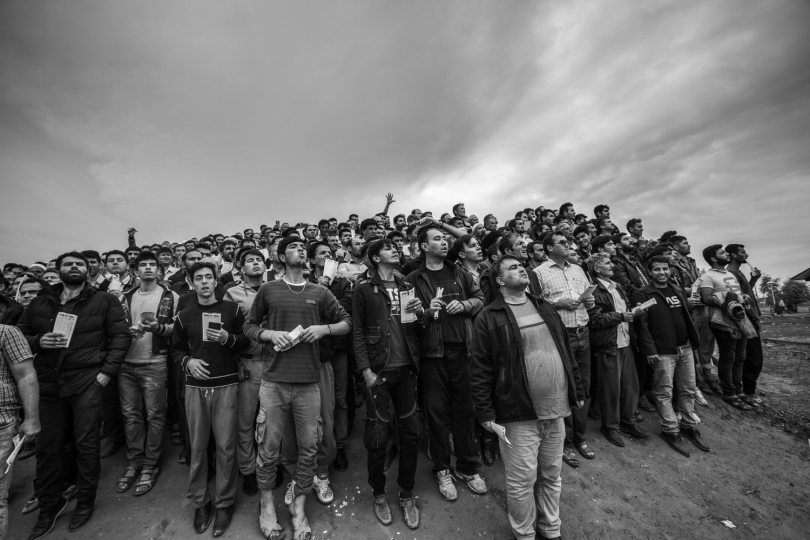
Their work reflects an artistic approach to social documentation, images that are beyond photojournalism. Through twenty different photographic series, Iran Photo offers a vision of a society in flux, like practically anywhere around the world right now—with its pride, its individualities, and its questions.

Photos by the following artists are on display in the event: Ghazal Amidi, Soha Asadi, Sadra Bagheri, Erfan Dadkhah, Hamed Farhangi, Milad Gorgin, Poulad Javaher Haqiqi, Mohsen Kaboli, Alireza Karamzadeh, Alborz Kazemi, Saba Khansari, Payam Mofidi, Marzieh Mohammadmiri, Sahar Mokhtari, Mehdi Moradpour, Sara Nirou-Bakhsh, Maryam Rahmanian, Mohsen Shahmardi, Sina Shiri and Negar Yaghmaian.

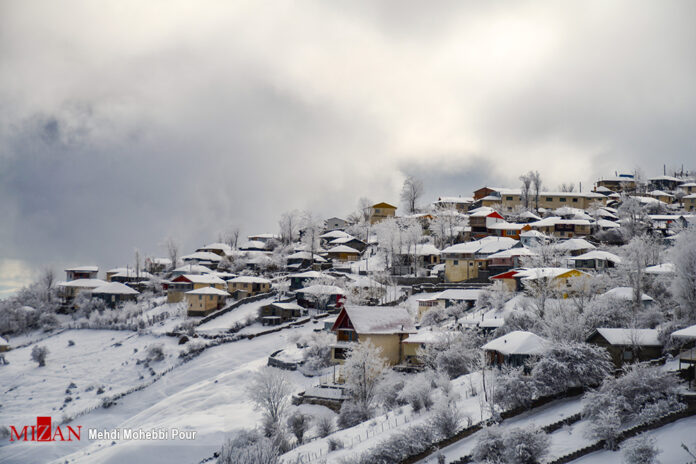
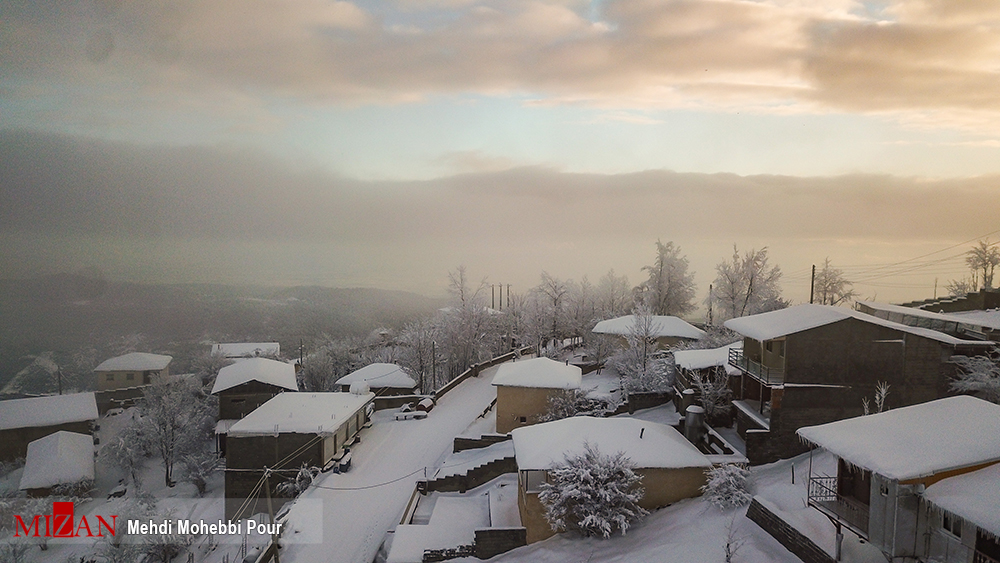
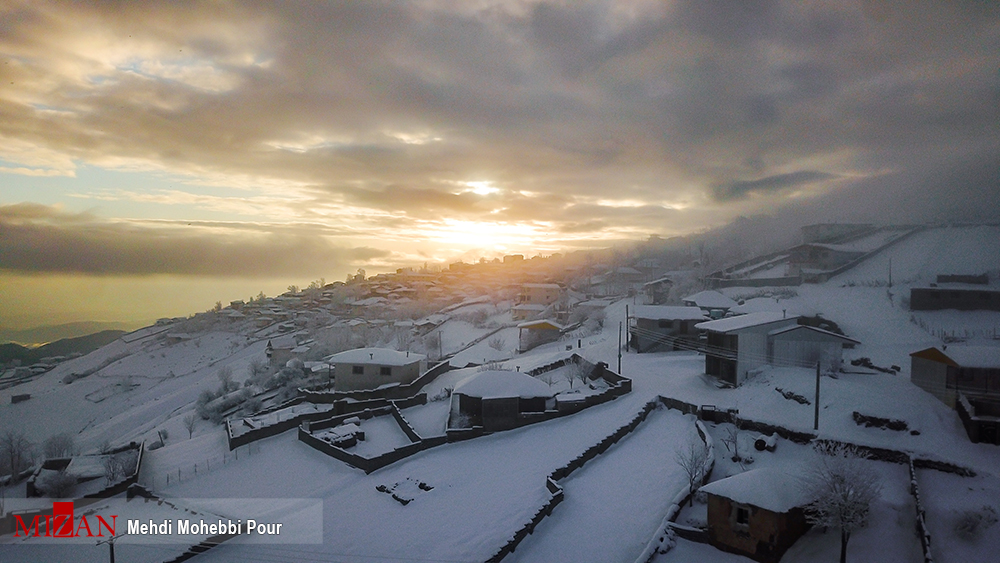
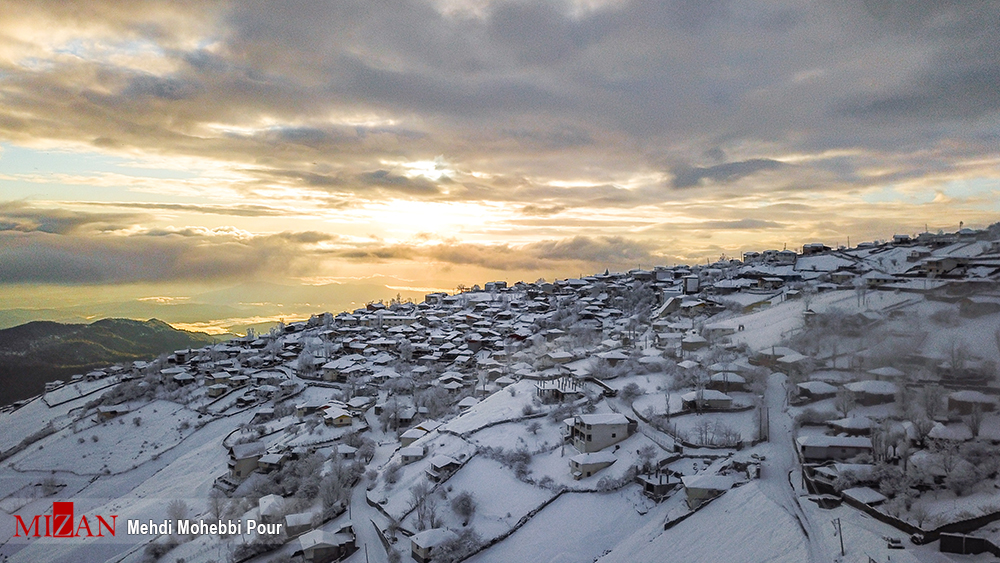
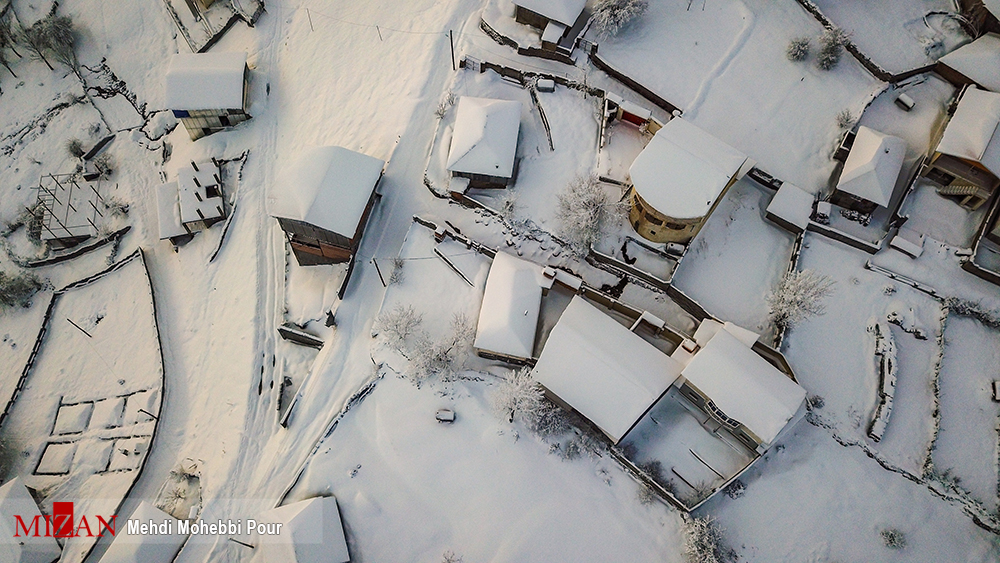
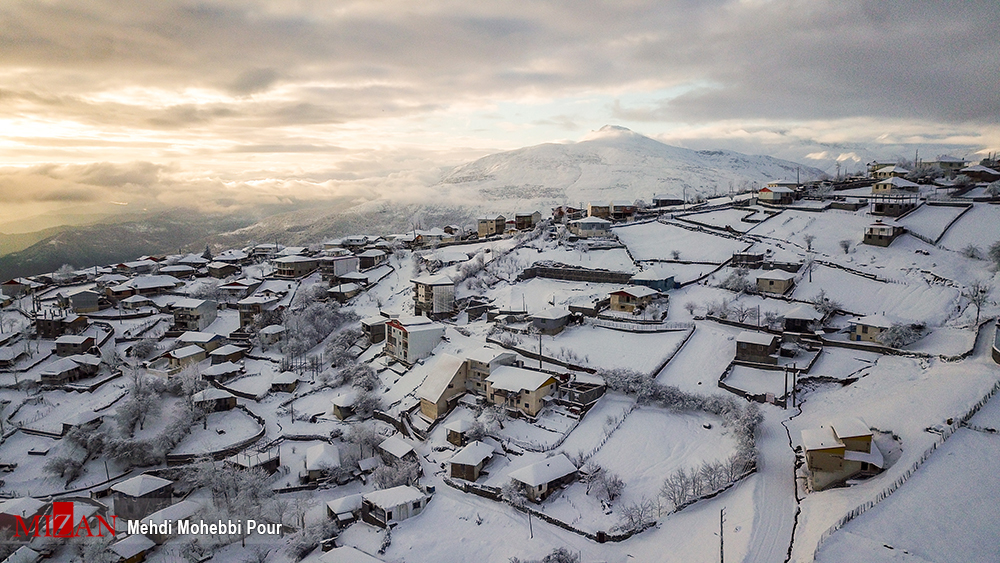
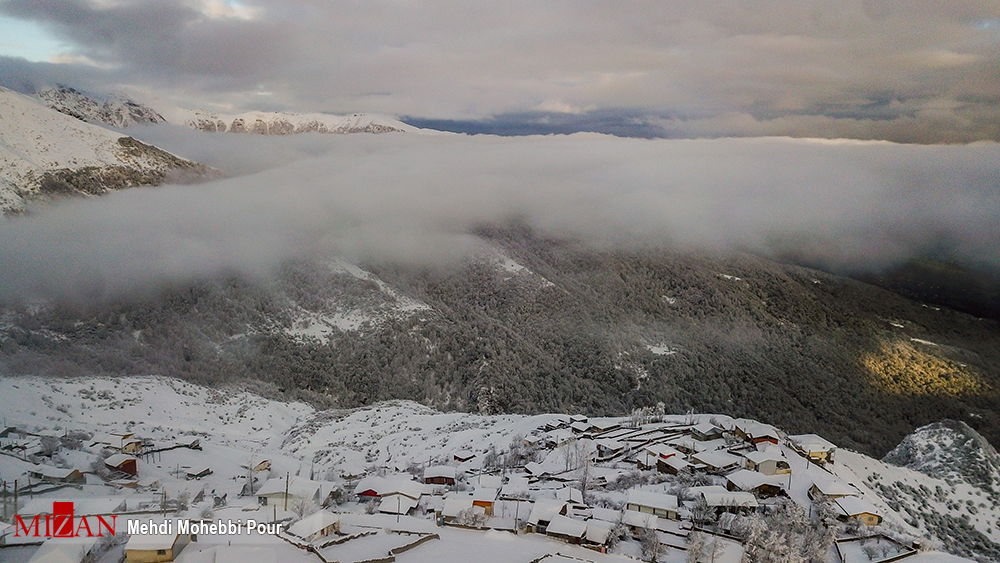
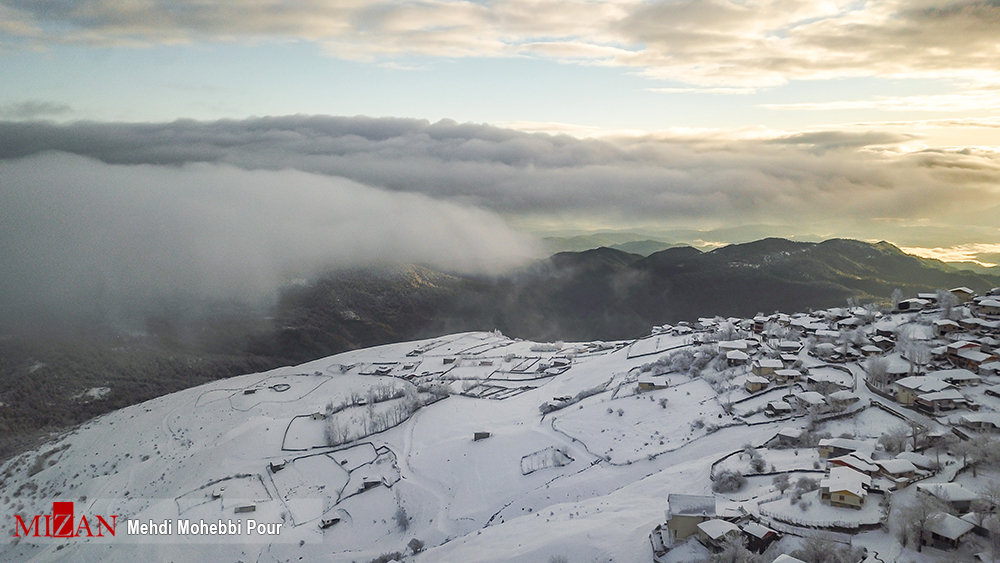
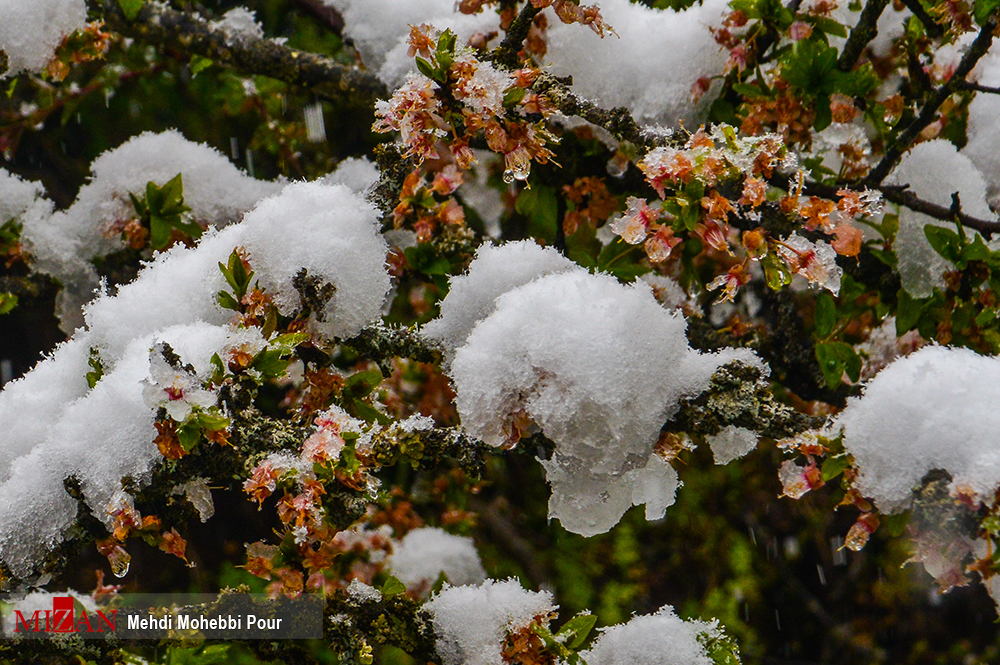
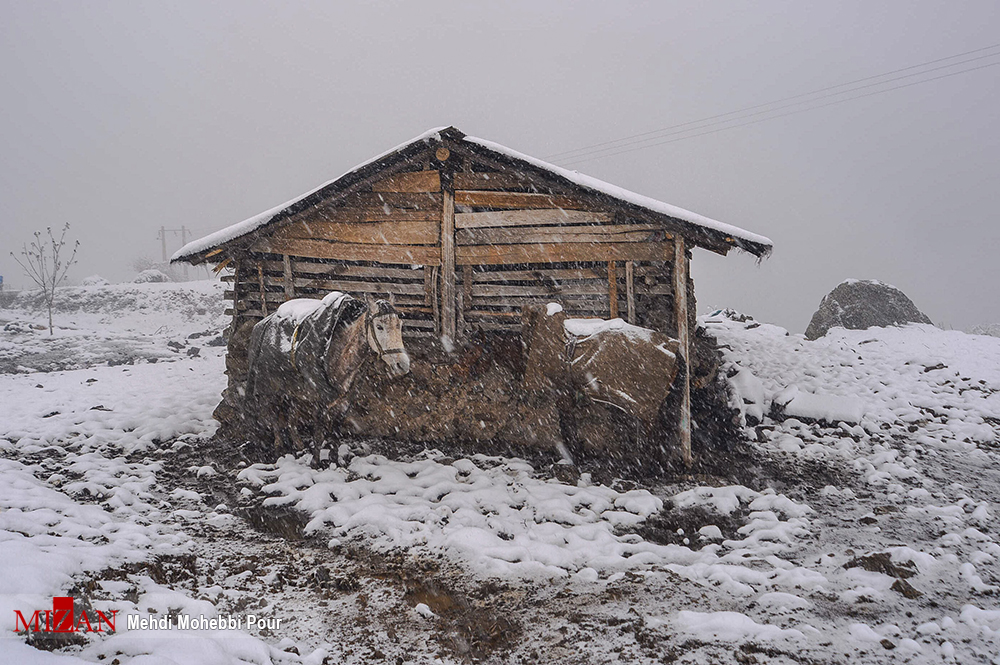
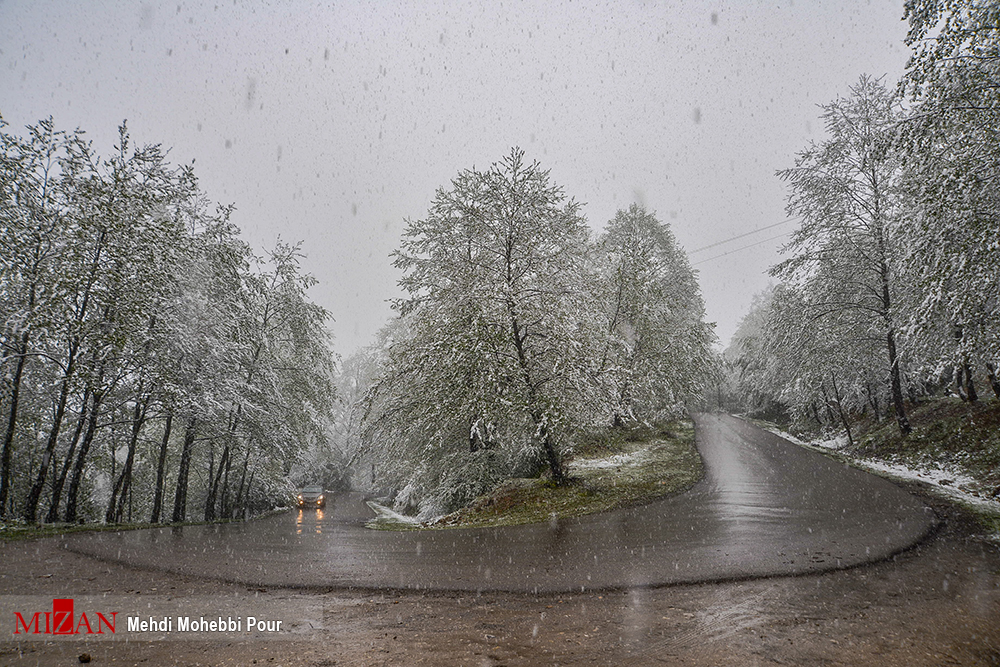
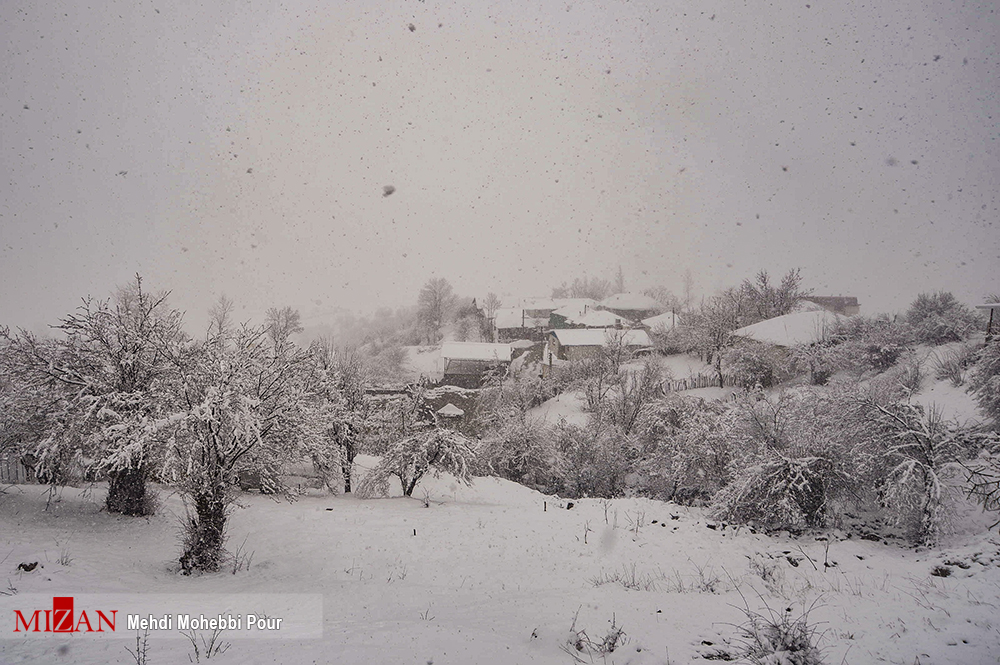
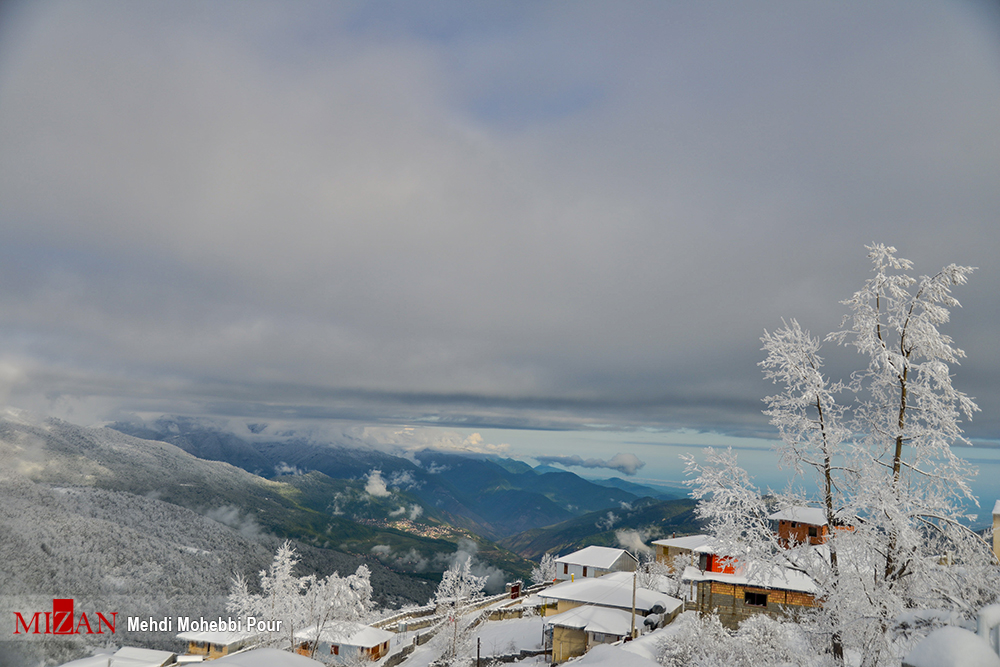
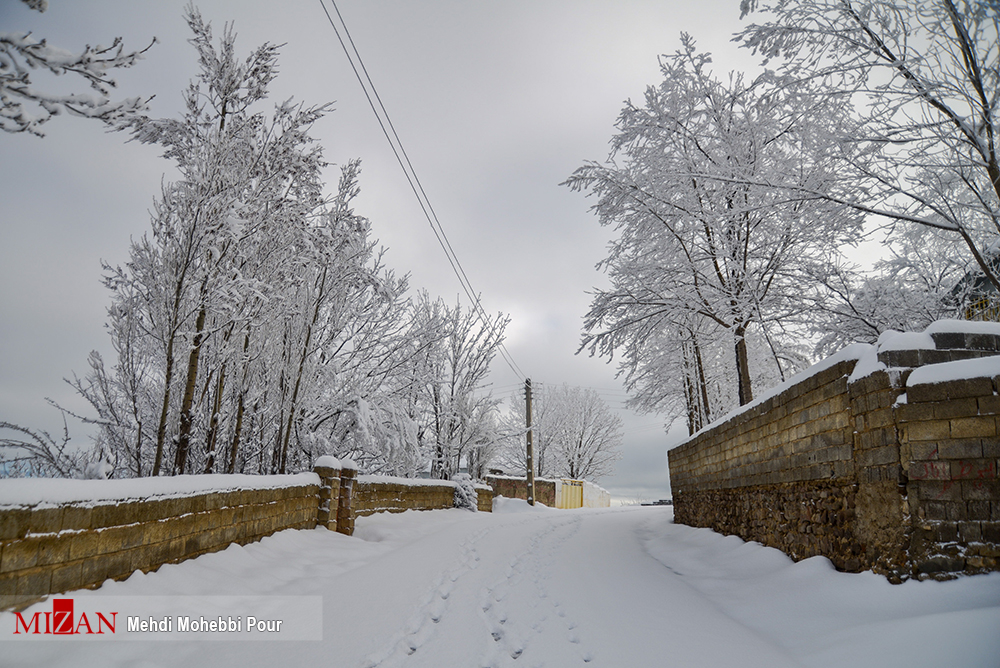
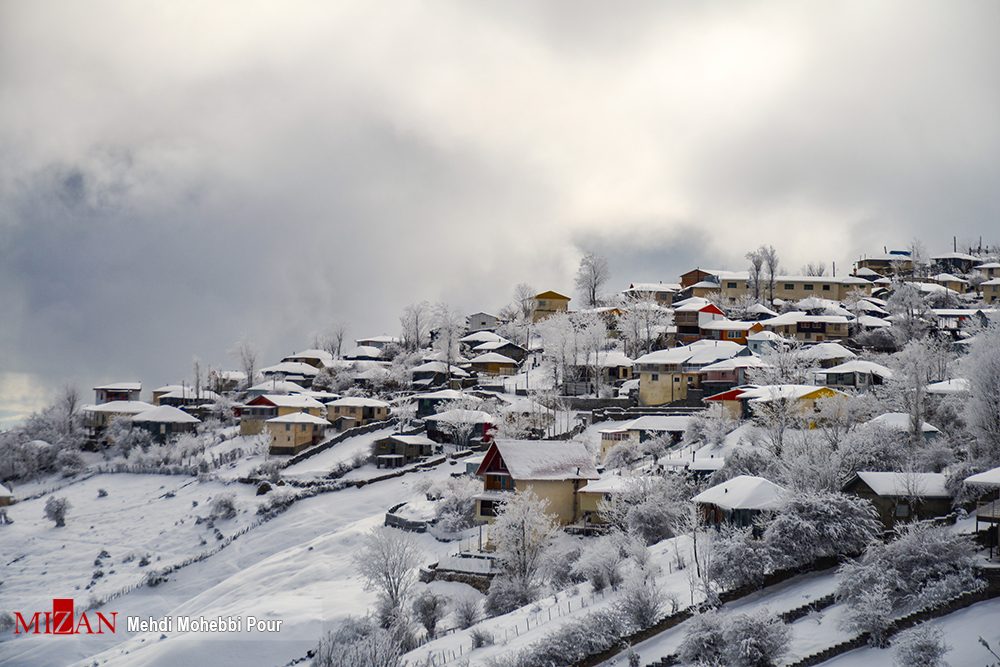
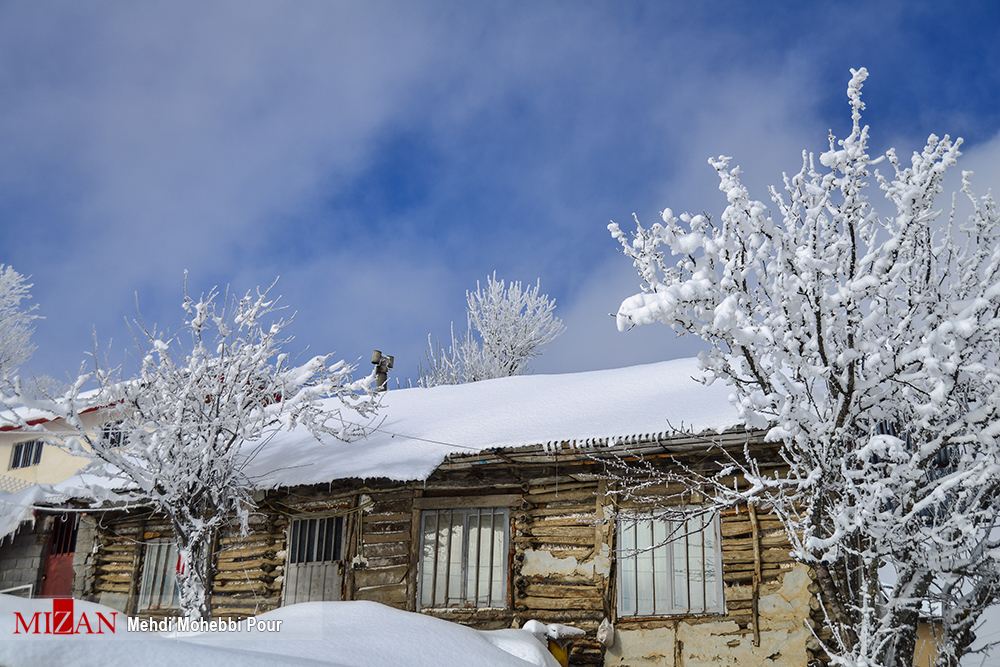
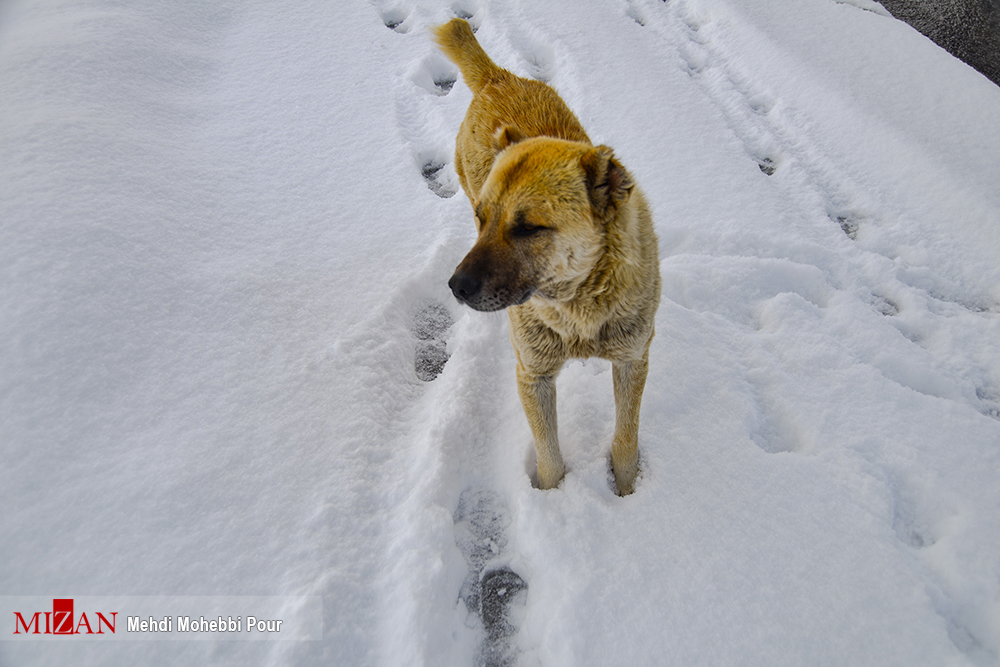
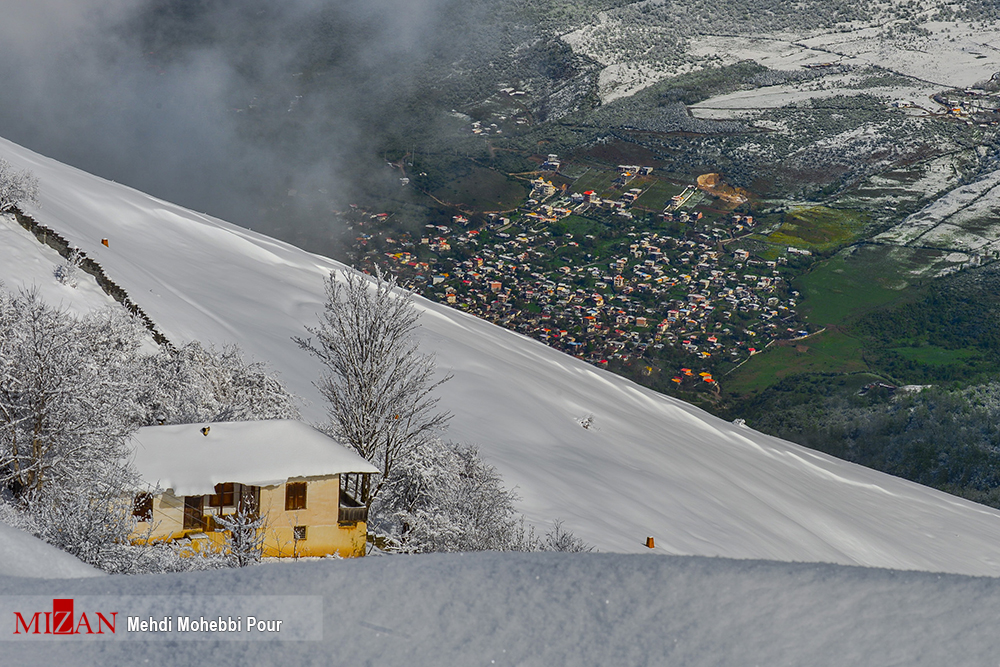
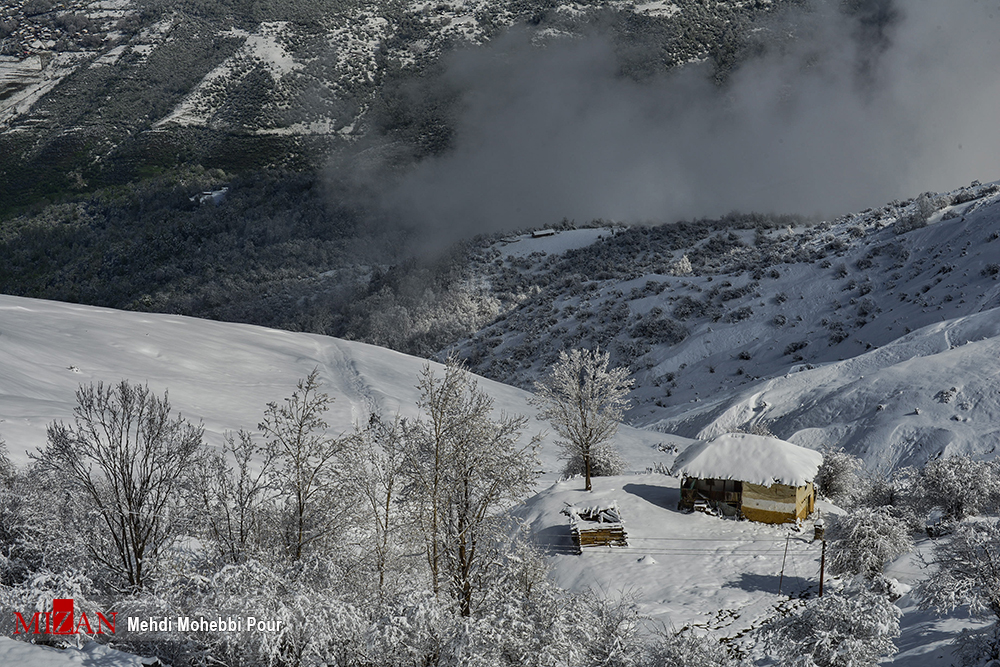
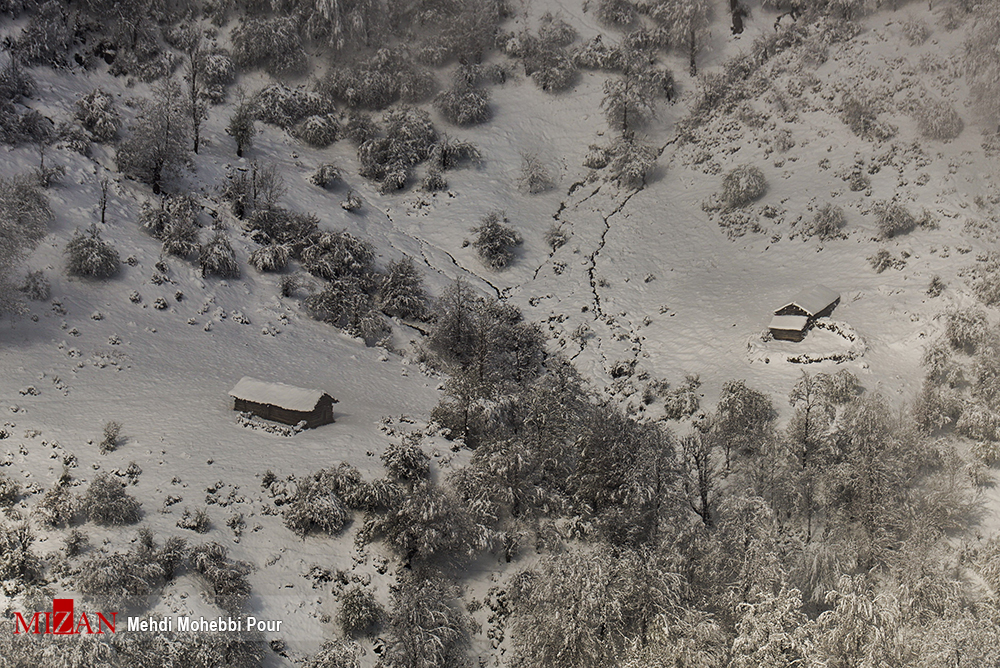
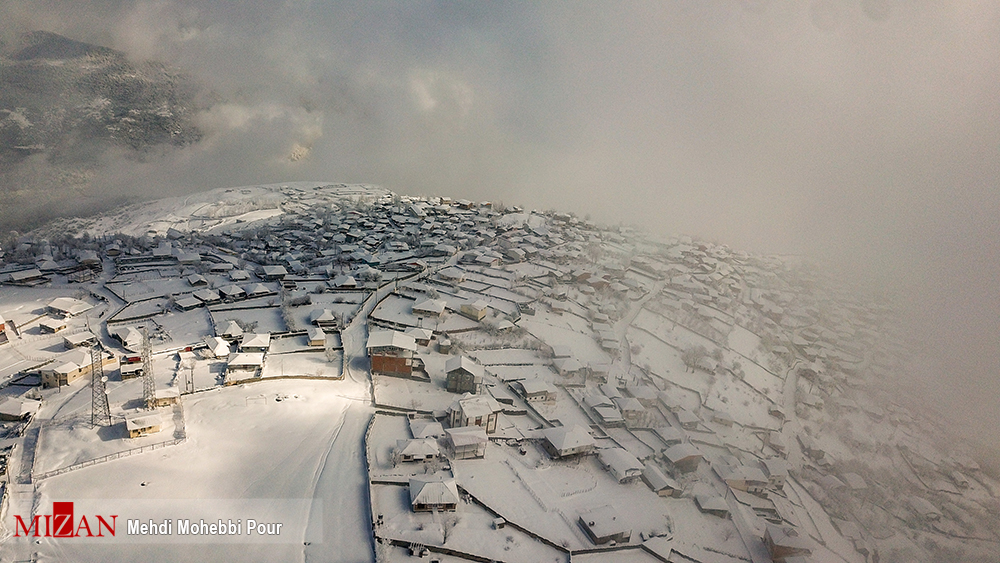
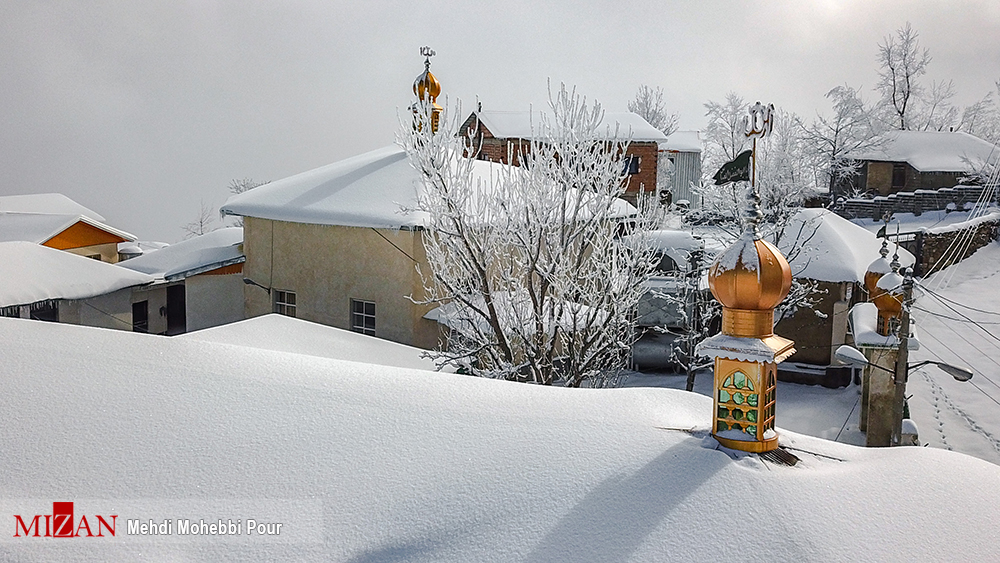
Filband Village Covered in Snow in Middle of Spring

This village is located at an altitude of about 2,300 metres above sea level on the eastern side of Mazandaran province in northern Iran.

Filband is known as the roof of the province. In this village, winter begins very soon and ends late.
The combination of high mountains and dense forests which pass through a large amount of white clouds has turned the village into a beautiful tourist destination.
The skies of Filband open up hidden and new aspects of nature to the tourists in the tranquillity of the clouds and the silence of nature.

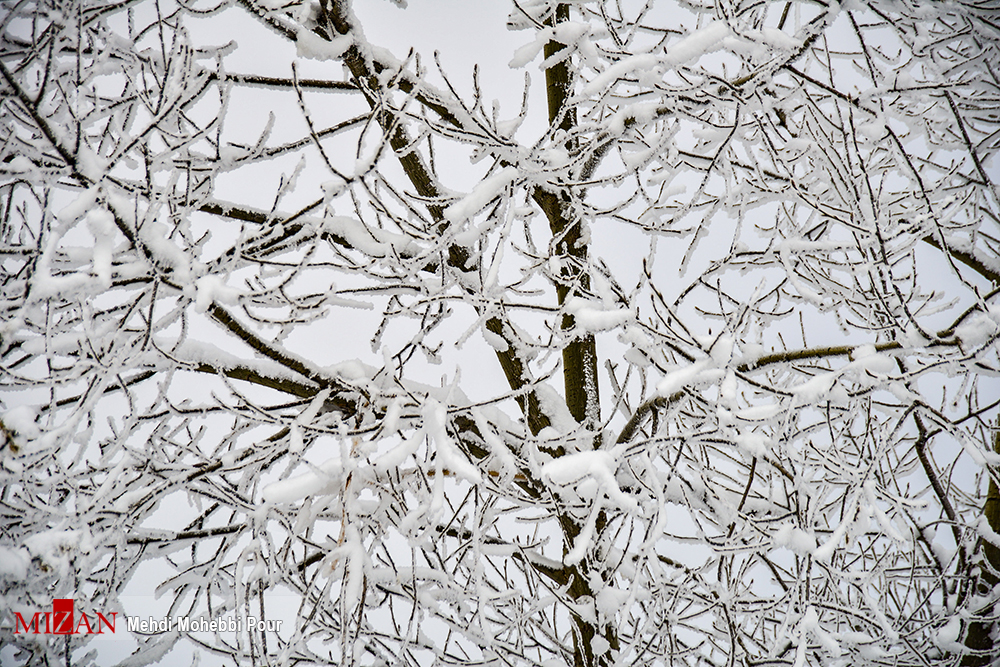
What follows are Mizan Online’s photos of the village:

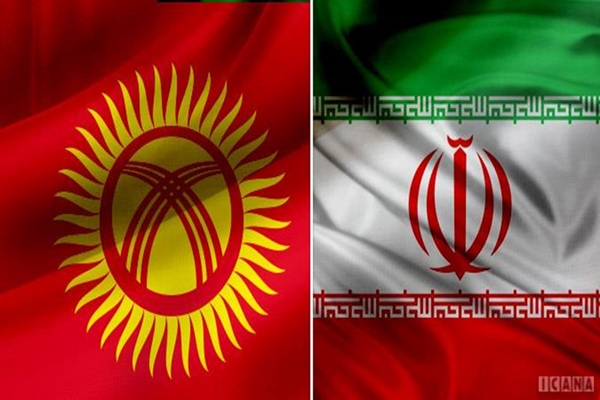
Tehran, Bishkek Hold 4th Round of Political Talks

Iran's President Calls for Closer Ties with Kyrgyzstan

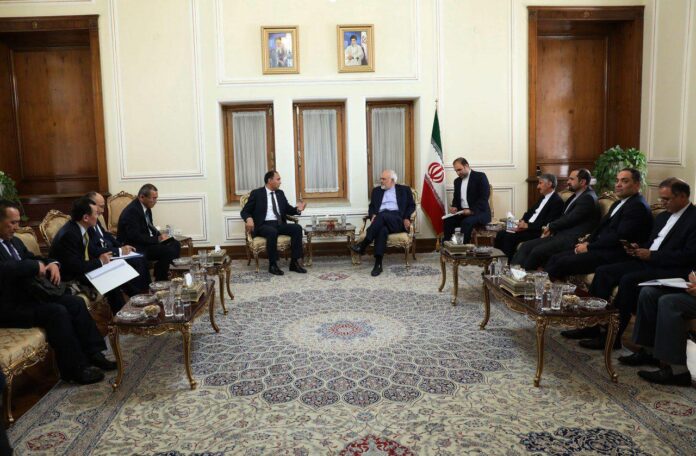
During the talks, a wide range of issues including cooperation at mutual, regional, and international levels were discussed and the two sides reached an agreement on the agenda of meetings between high-ranking officials of Iran and Kyrgyzstan during the current Iranian calendar year.

Holding the 12th meeting of the Iran-Kyrgyzstan Joint Economic Commission and the 8th consular meeting between the two states was also underlined by the two officials within the framework of the agreement.

Araqchi and Niazaliyev emphasized the need to implement the earlier agreements reached and the documents signed during the reciprocal visits of the Iranian and Kyrgyz presidents (the visit of former Kyrgyz President Almazbek Atambayev to Tehran in 2015 and the visit of Iranian President Hassan Rouhani to Bishkek in 2016).

They further called for taking advantage of all capacities for mutual cooperation as well as regional mechanisms including the Eurasian Economic Union to expand trade ties between the two sides.

Expanding transportation cooperation, facilitating visa issuance for drivers and launching direct flights between Iran and Kyrgyzstan are among the main priorities of the two sides, the Iranian and Kyrgyz diplomats said, calling for the removal of any obstacles in this way and speeding up the pace of cooperation in the abovementioned areas.

US Tells Iran It Has No Plan for Military Confrontation: Report

The report cites an informed source as saying there is no sign showing that the US is after a military confrontation with Iran.

“Interestingly enough, there are many signs revealing that the US is avoiding a military confrontation with Iran and is instead focused on economic and media war on the Islamic Republic,” a report by Tasnim news agency said

The report then talked of an official message by American high-ranking officials to their Iranian counterparts saying they won’t wage any war on Iran under any condition.

It also referred to the remarks by Iranian commanders on the need to be prepared in the face of a possible military attack by the enemies and said given the nature of their tasks, the Iranian commanders including those of the army and Islamic Revolution Guards Corps (IRGC) always talk about the need to get ready for possible threats.

“Such remarks are uttered due to the nature of their tasks. If a military commander doesn’t speak of the military preparedness, we should doubt his fitness for the post,” it noted.

The tensions between Iran and the US have intensified after the latter tightened its sanctions on the former. Many analysts view the tightening of sanctions as a prelude to a military attack. But there are many others who maintain that the US is not prepared to wage a new war in the region.

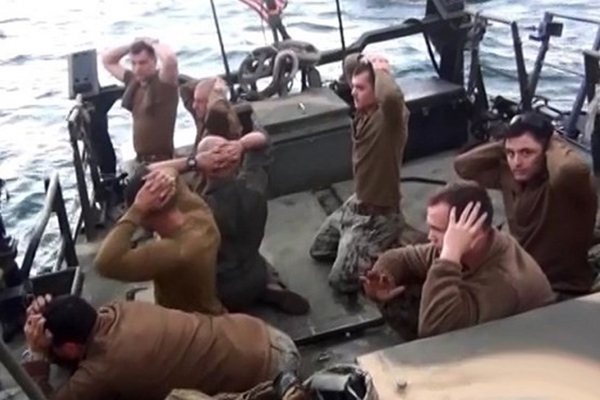
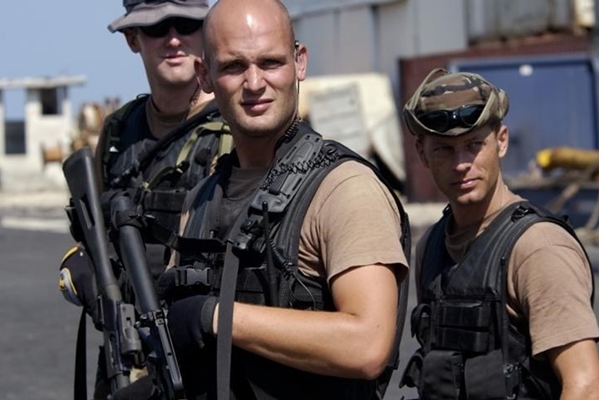
Last month, Iran’s Foreign Minister Says although he does not believe there will be a war between Iran and the US in the near future, certain events might ignite a confrontation. To give an example of the nature of such events, Zarif mentioned the detention of US marines by Iran’s IRGC forces in the Persian Gulf in January 2016.

Iran, Kyrgyzstan Discuss Expansion of Bilateral Ties

Mohammad Javad Zarif and Deputy Foreign Minister of Kyrgyzstan Nuran Niazaliyev

During the Saturday meeting, the two sides discussed transit cooperation and Iran’s important role and position in this regard.

They exchanged views on launching direct flights between the two states, the upcoming summit of the Shanghai Cooperation Organisation (SCO), and regional issues.

FM Zarif also emphasised the transit plans and the need for facilitation of visa issuance for truck drivers.

He further pointed to the special importance Iran attaches to peace, stability and democracy in the region.

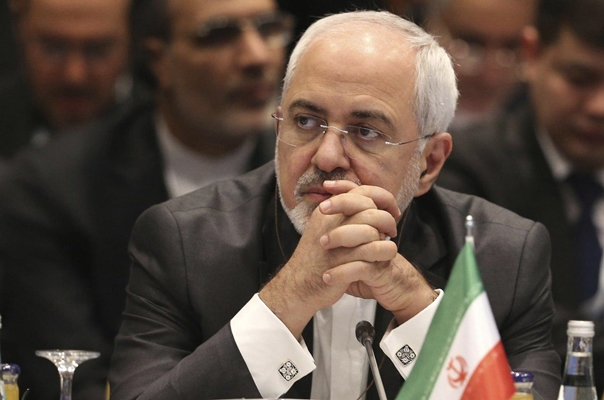
“Political talks between deputy foreign ministers of Iran and Kyrgyzstan were positive and had a great impact on the improvement of relations in various dimensions,” noted Zarif.

In turn, the Kyrgyz deputy foreign minister said, “We seek to strengthen and expand bilateral and international relations with the Islamic Republic of Iran.”

To this end, he added, the reciprocal visit of the officials of the two countries at different levels is on the agenda of Tehran and Bishkek.

Along with political and economic relations, the two sides also seek to develop their parliamentary cooperation, he added.

‘US Committing Genocide by Putting Maximum Pressure on Iran’

“The State Department and National Security Advisor John Bolton have said publicly that they want to apply as much pressure on the Iranian people as possible to convince them to accept their policies,” Zarif said in a recent interview with LobeLog.

“That also amounts to an open admission to attempt genocide because they want to deprive Iran,” he added.

“As Secretary of State Mike Pompeo said in his statement, Iran’s oil revenues have dropped to $10 billion in their estimate, not enough to get the food and medicine Iran needs to import from outside,” Zarif noted, adding that the US top diplomat is just trying, but not succeeding.

“So, in legal terminology, the State Department, the national security advisor, the president of the United States, and their accomplices are guilty of conspiracy to commit genocide,” he added.

“President Trump himself has said that he doesn’t want to start a war. I am not interpreting anything. He has made statements during and after the campaign that previous US wars in the region have been disastrous. That is why I believe that his advisers and those who have influence on him from the outside are pushing him in the direction that is conducive to greater tension and escalation and that is the reality of the situation,” Zarif noted.

“Netanyahu has said that he suggested to Trump to put the IRGC on the FTO (Foreign Terrorist Organization) list. President Trump, when he made the determination to not issue waivers, he announced that he had received assurances from Saudi Arabia and UAE that they would replace Iranian oil,” he said.

Zarif had earlier warned that the crown princes of Saudi Arabia and Abu Dhabi, the prime minister of Israel, and Trump’s national security advisor are dragging the US into a war with Iran.

Zarif referred to the four officials – Mohammed bin Salman, Mohammed bin Zayed Al Nahyan, Benjamin Netanyahu, and John Bolton – as the “B-Team”, saying that they are “at least” trying to “exercise regime change” in Iran.

“They have all shown an interest in dragging the United States into a conflict. I do not believe that President Trump wants to do that, I believe President Trump ran on a campaign promise of not bringing the United States into another war,” he said.

“But I believe President Trump’s intention to put pressure, the policy of maximum pressure on Iran in order to bring Iran to its knees so that we would succumb to pressure, is doomed to failure,” he added.

The Iranian top diplomat made the remarks in a rare interview with Donald Trump’s favourite news channel Fox News, whose full version is to be aired on Sunday, April 28.

Blackwater Begins Training ISIS Terrorists in Iraq: Lebanese Paper

Blackwater has moved American military equipment from Jordan to Iraq’s al-Anbar province, beginning to train ISIS terrorists in Ain al-Assad base.

The firm has resumed its operations in Iraq under a new name, reported the Lebanese Al-Akhbar daily.

“Under severe US pressure, the Iraqi Interior Ministry has allowed the Blackwater company in early 2018 to restart its activities in Iraq under a new name along with several other security firms,” the newspaper quoted a source close to US Chargé d’Affaires in Iraq Joey Hood as saying.

Blackwater resumed its work by moving American military hardware from Jordan to the west of al-Anbar province in full coordination with the Ain al-Assad base, reported the paper.

In recent days, around two thousand ISIS terrorists have reportedly arrived at the base where they are being trained by Blackwater.

According to the newspaper, trucks accompanied by American troops transferred ISIS elements to the base during clashes at the ISIS’s last bastion in Deir ez-Zor province in eastern Syria.

Iran to Host First International Gastronomy Festival

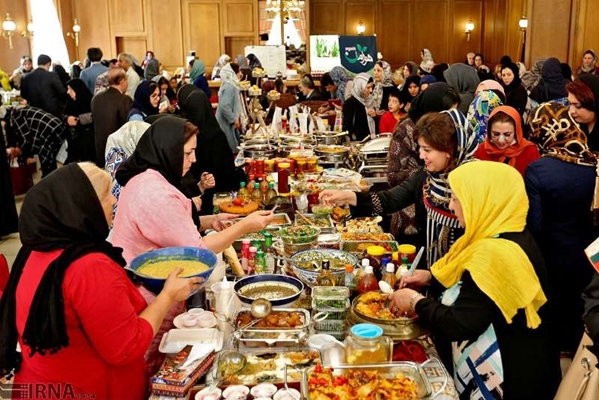
The official told reporters that the first edition of the Festival will be held on May 10-15 in the capital city Tehran.

“Food is not merely an organic product or a bio-chemic composition but a cultural element playing a role in the daily life of each member of a community,” he said.

Food serves as a common language among all nations just like language, he said, adding that cuisines can be used as a vehicle to exchange affections and excitements.

“So, food is an ideal product with high capacities to be used as a tourist attraction,” he said.

Iranian Foods Enjoy Curing Features

Offering a scientific approach to cuisine, commercializing the Iranian cuisine and promoting their curing features are among other goals of the international Gastronomy Festival, said Reza Eslami, director for tourism and handicrafts affairs at the Touring & Automobile Club of the Islamic Republic of Iran (TACI).

According to the official, the festival is set to be held at Tehran’s Milad Tower.

“A number of countries and some non-governmental organizations have been invited to take part in the festival,” he said.

The first edition of the Tehran International Gastronomy Festival is to be co-organized by Iran’s Cultural Heritage, Handicrafts and Tourism Organization; Foreign Ministry; Ministry of Culture and Islamic Guidance; the Cultural Institute of the Economic Cooperation Organization (ECO); and the Touring & Automobile Club of the Islamic Republic of Iran (TACI).