Friday, December 26, 2025
Home Blog Page 3258

All-Iranian X-Ray Machine Developed by Researchers

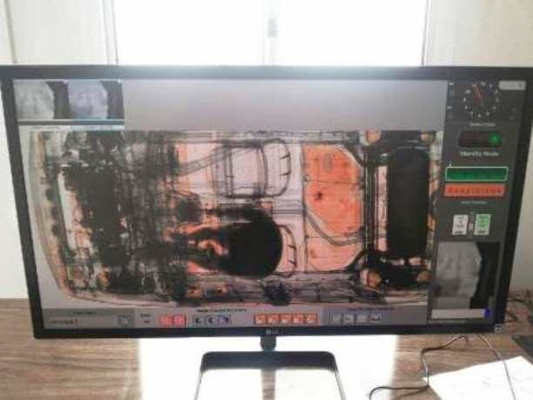
“Researchers at a knowledge-based company operating in the Isfahan Scientific and Research Township have managed to develop a container X-ray machine from A to Z using domestically-produced equipment,” said Mohammad-Hossein Beheshti, the head of the Centre for Major National Projects of the Science and Technology Department of the Presidential Office.

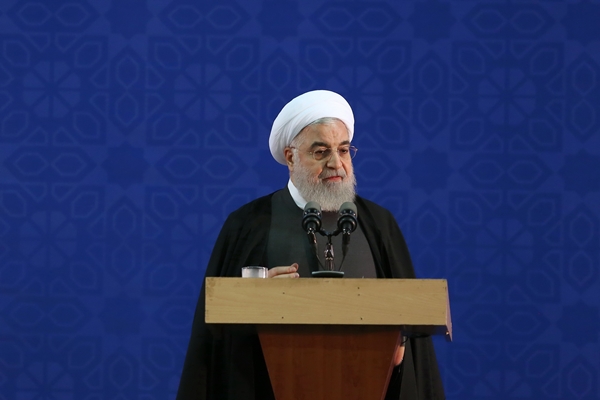
He said the apparatus was produced with the support of the department and was unveiled by President Hassan Rouhani in a ceremony marking National Nuclear Technology Day.

Speaking in an interview with Mehr News Agency, he said X-ray equipment used in Iran had been imported so far.

“This device is completely Iranian-made, and even the equipment used in it has been produced in the country; so, the [mass] production of the device can save the country’s foreign currency,” he said.

The researcher noted this equipment obviates the need to completely unload a truck in order to check the cargo.

“Rather, the truck passes through the [X-ray] machine, which shows up the contents inside,” he said.

He said now that the smuggling of goods and narcotics has become a key issue, the machine could be used to monitor vehicles crossing the border.

“This machine is installed over the truck at the customs where the cargo is scanned and authorities can tell whether or not the truck is carrying any special items based on the information shown on the monitor,” he said.

The researcher underlined that no other company in Iran has, so far, managed to produce a completely Iranian X-ray machine.

“Some of the equipment used by some companies [producing X-ray machines] are imported,” he said.

The researcher noted the Iranian version of the machine has less price than similar foreign-made devices, and hence, would be more economical.

He said the Scientific and Technological Department of the Presidential Office has sponsored the project and offered loans to those developing the device.

Beheshti noted that the necessary permits have been issued for the production of the X-ray machine.

“As this machine has radiation, the AEOI should issue the necessary permits for the device to be produced and handed over to police,” said the researcher.

He said the machine will not only be used to meet local needs, but will be exported as well.

The machine has been handed over to the Police Force with the permission of the Atomic Energy Organization of Iran (AEOI).

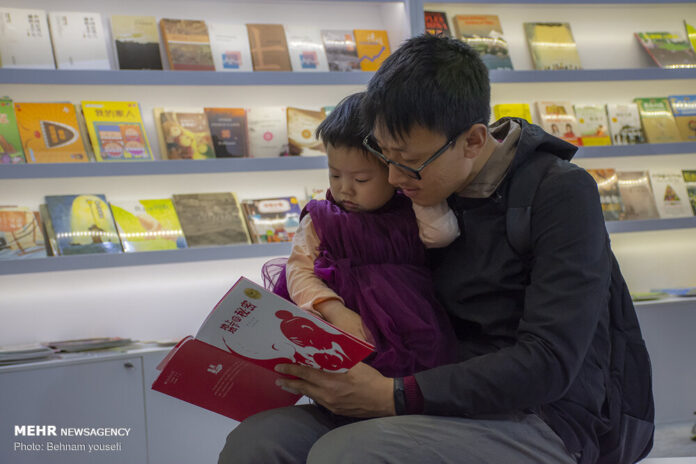
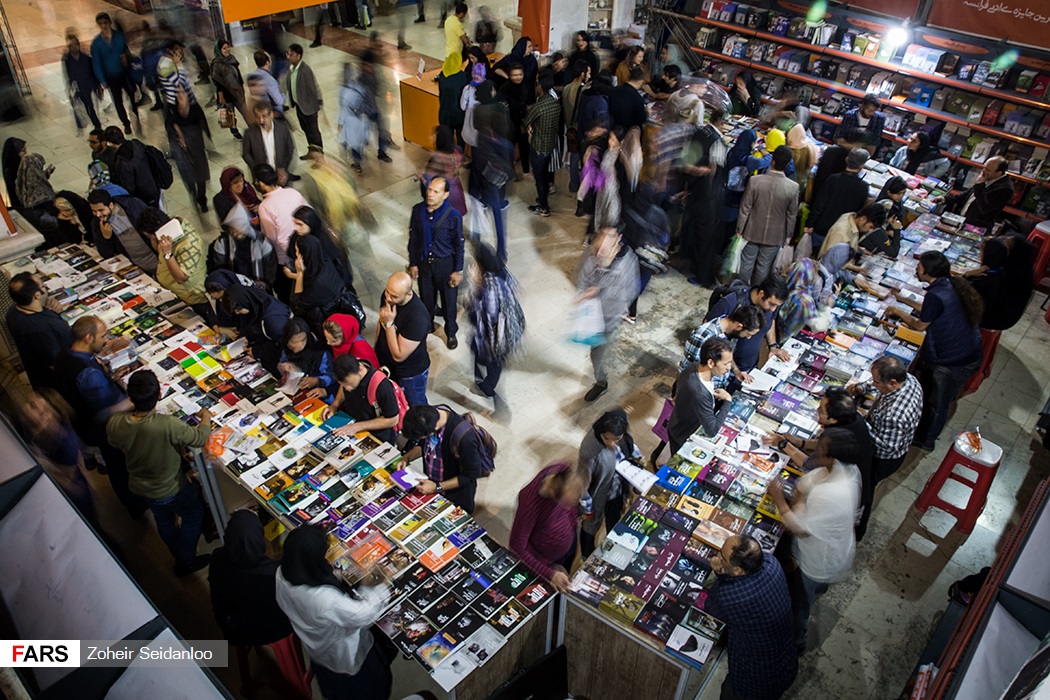
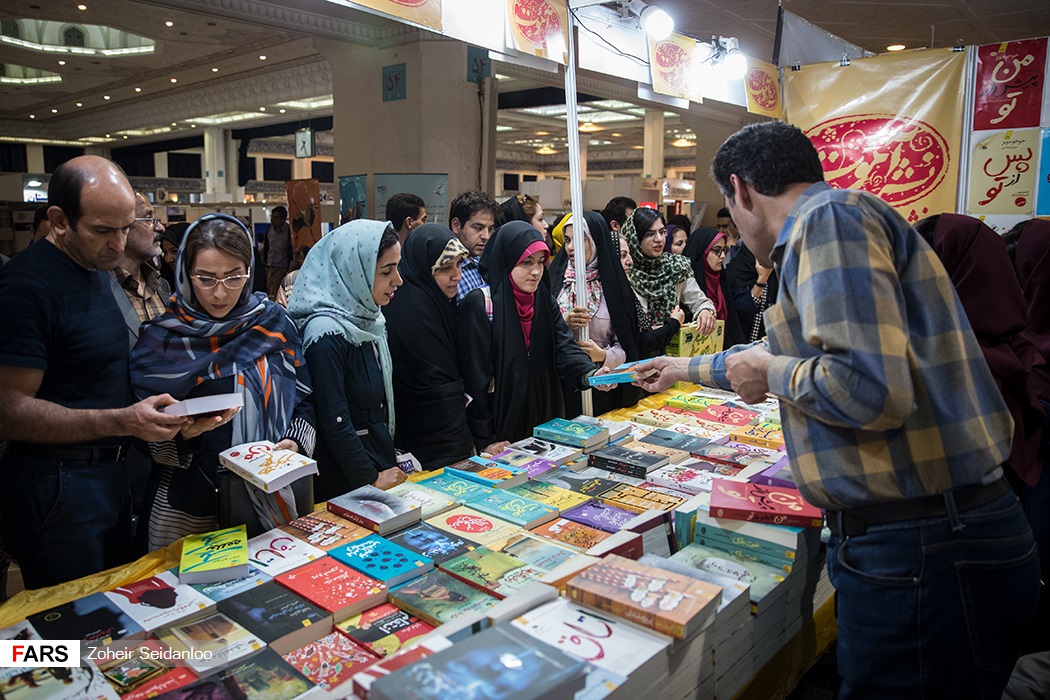
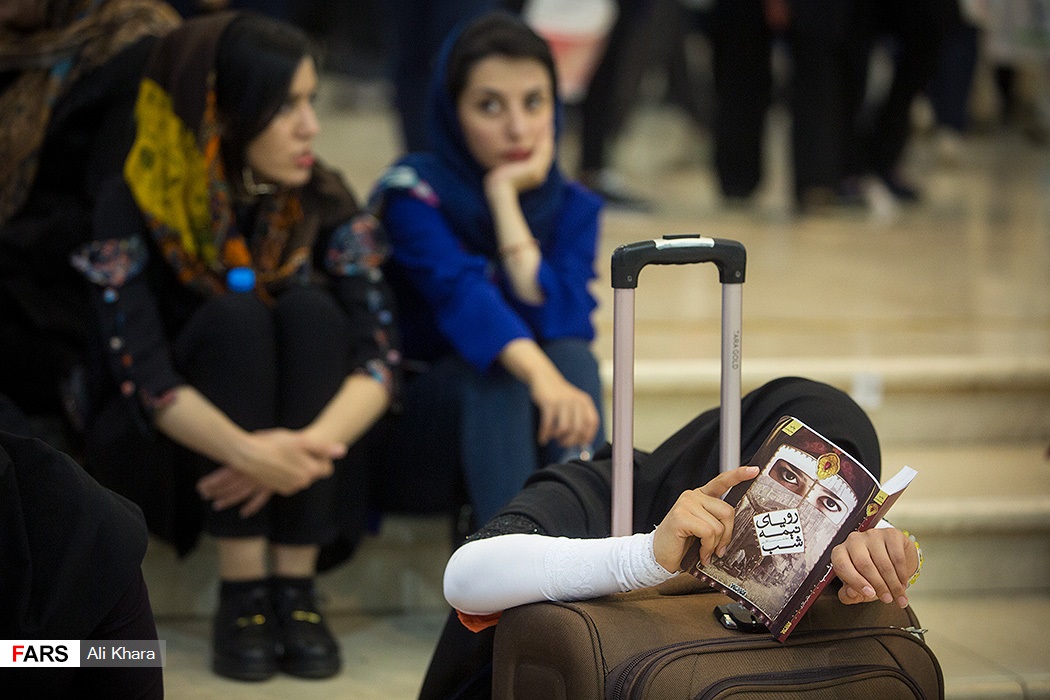
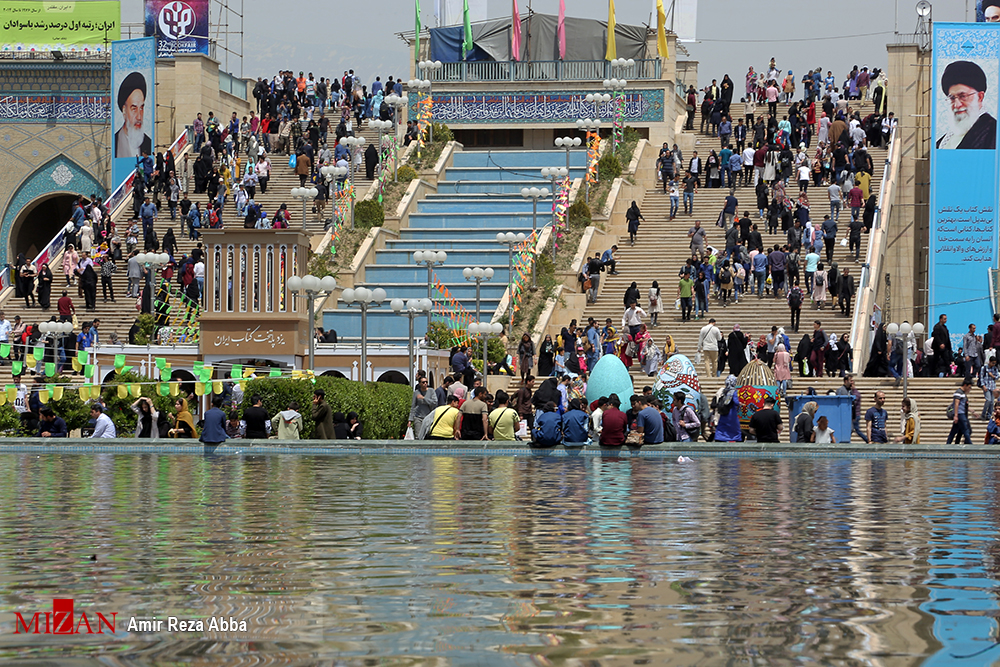
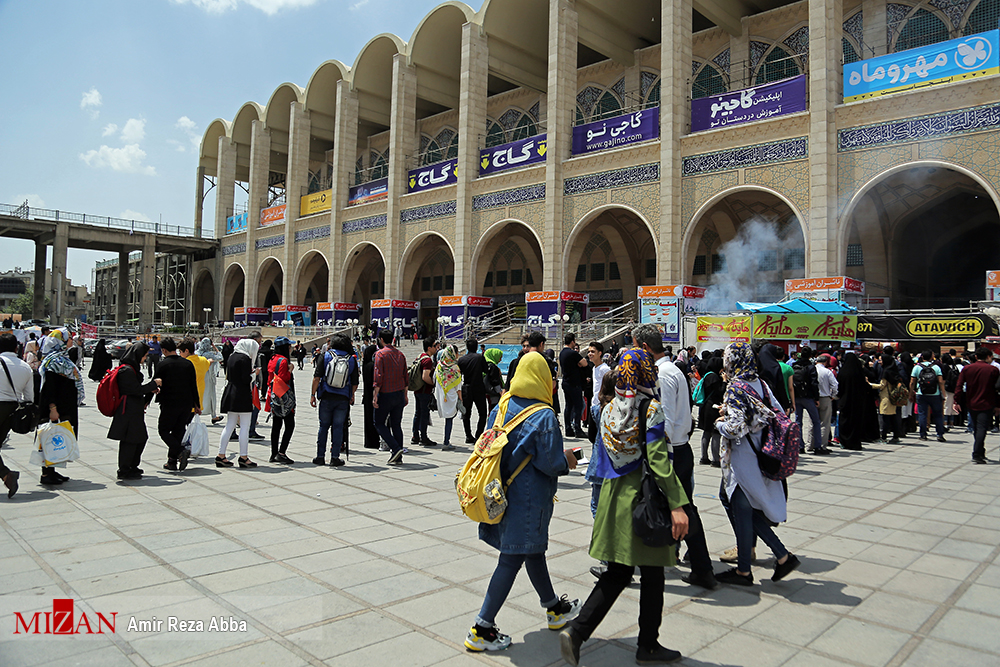
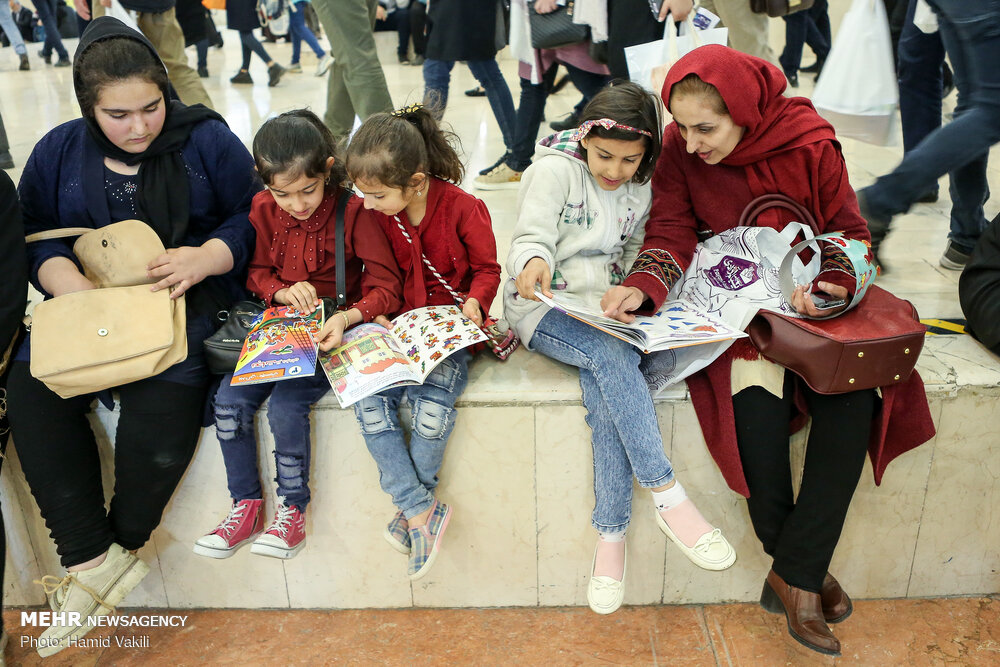
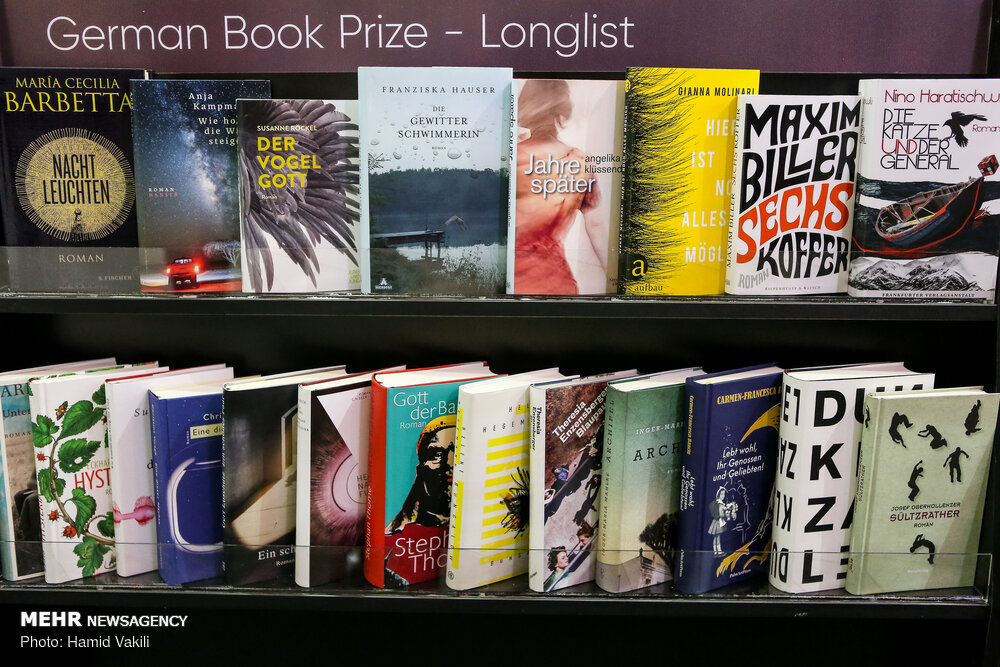
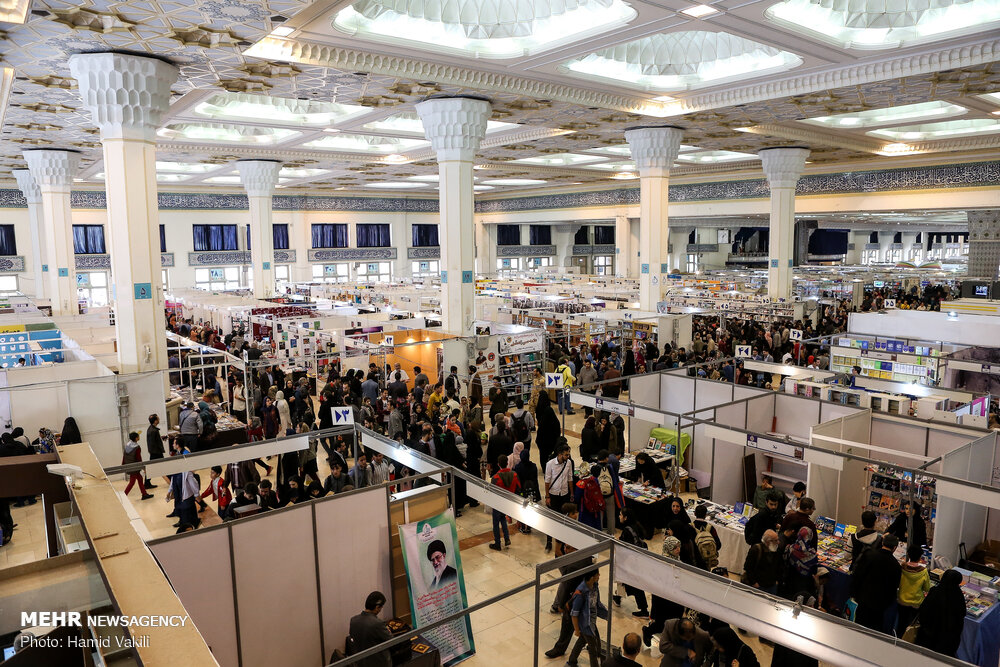
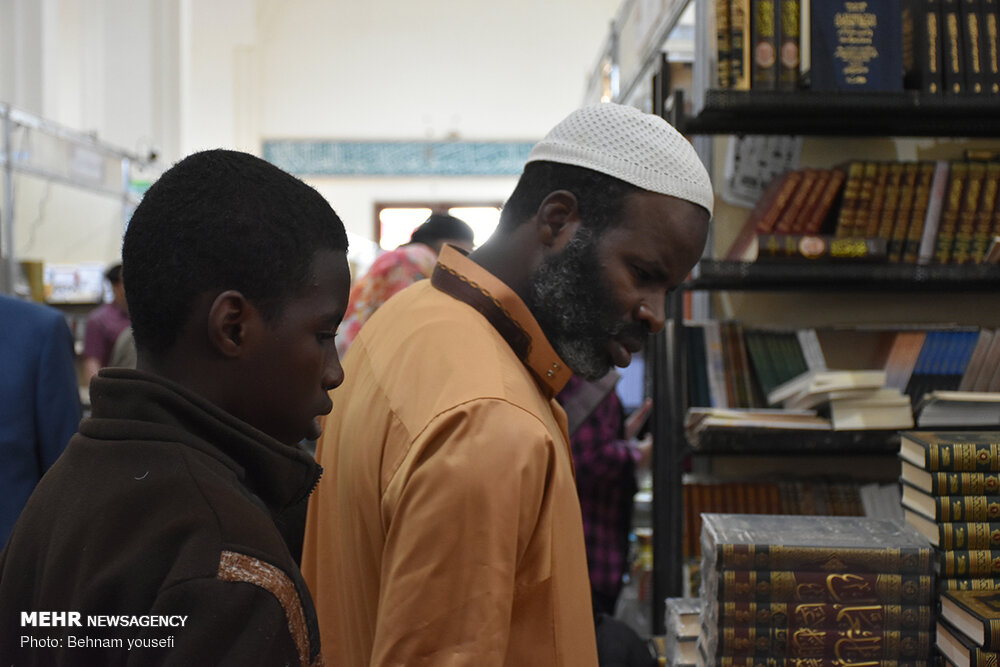
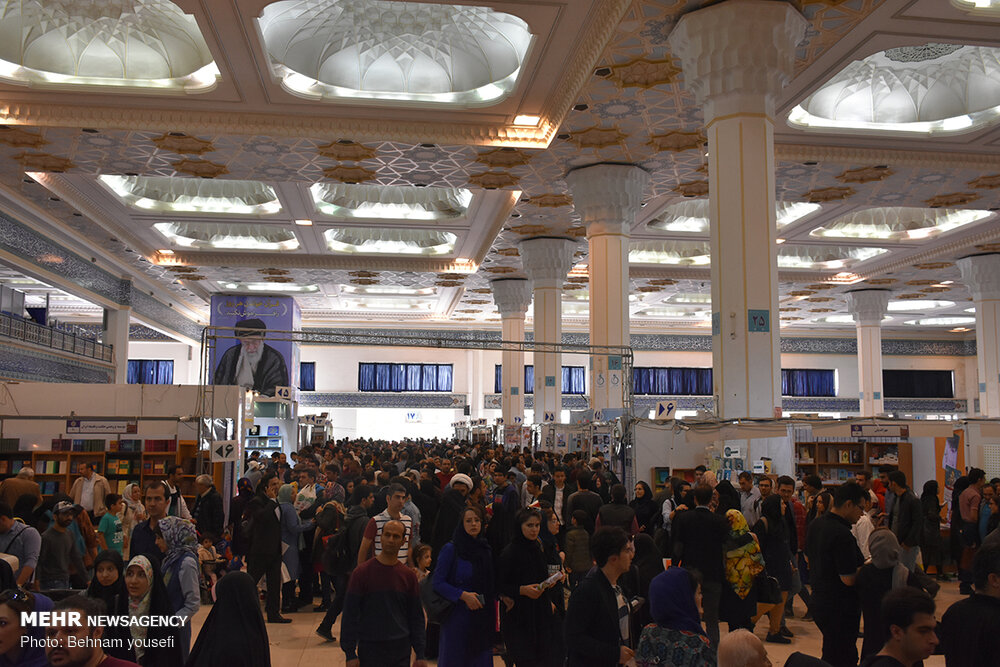
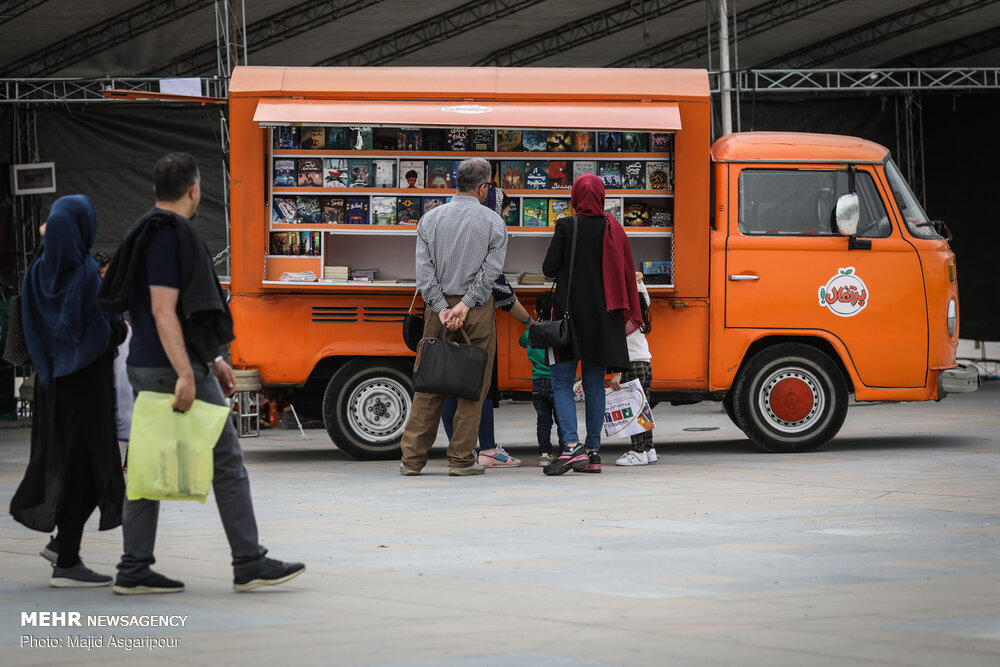
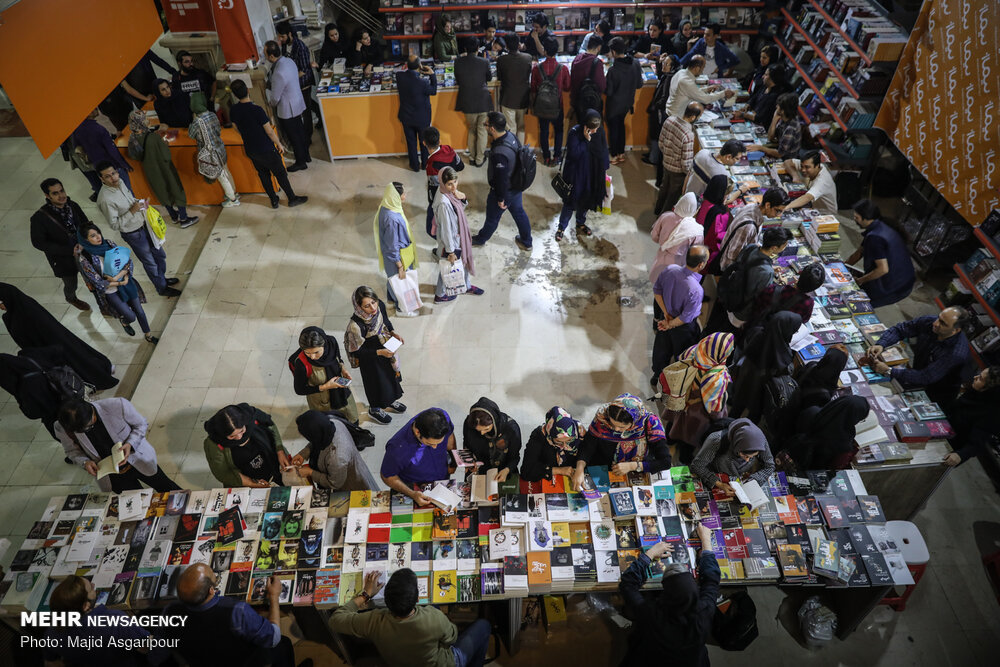
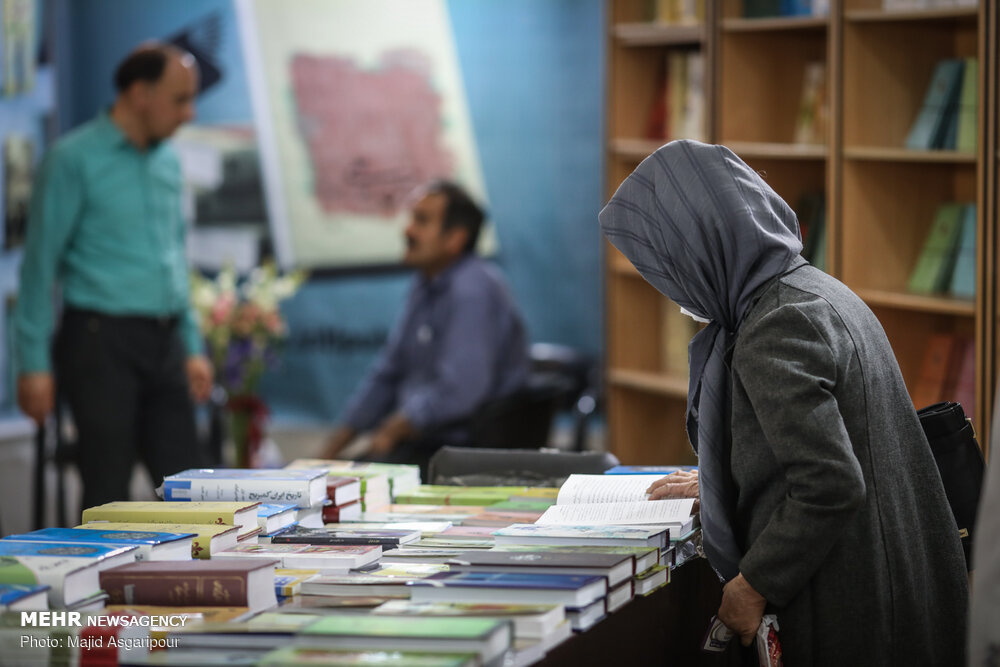
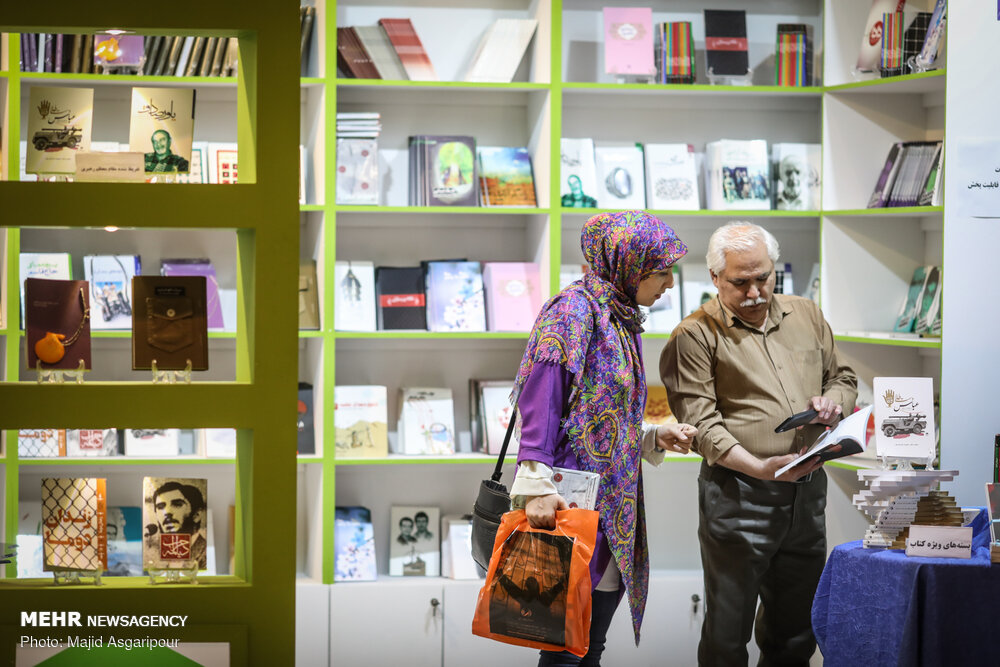
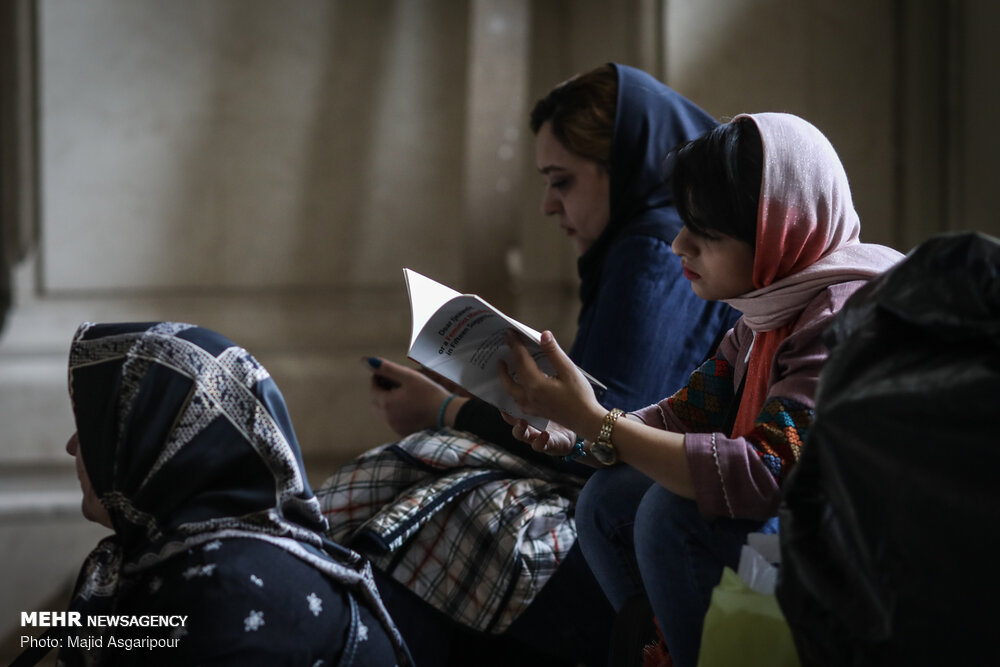
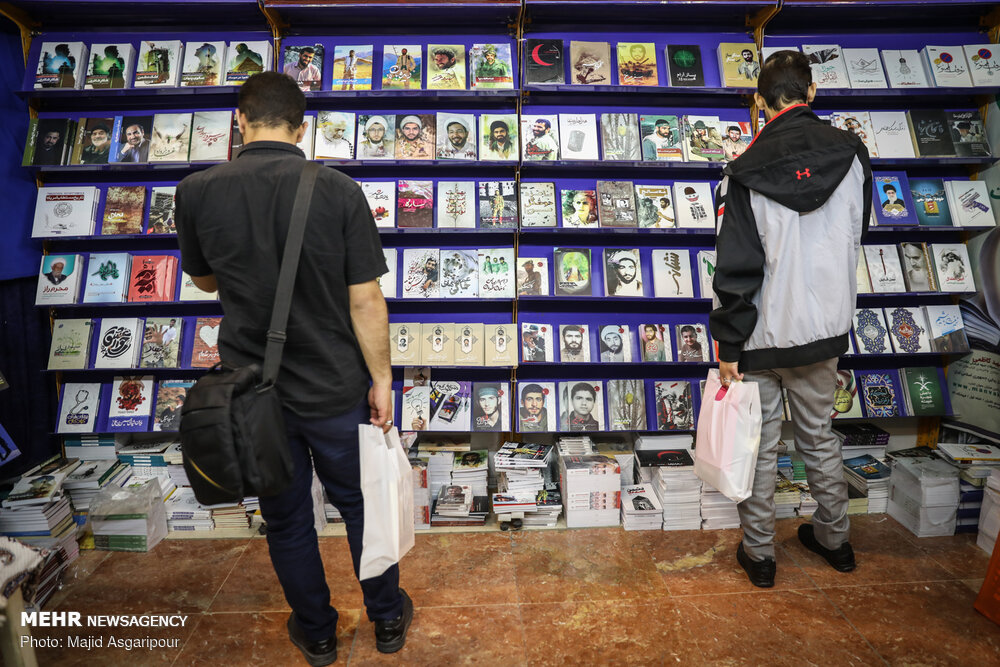
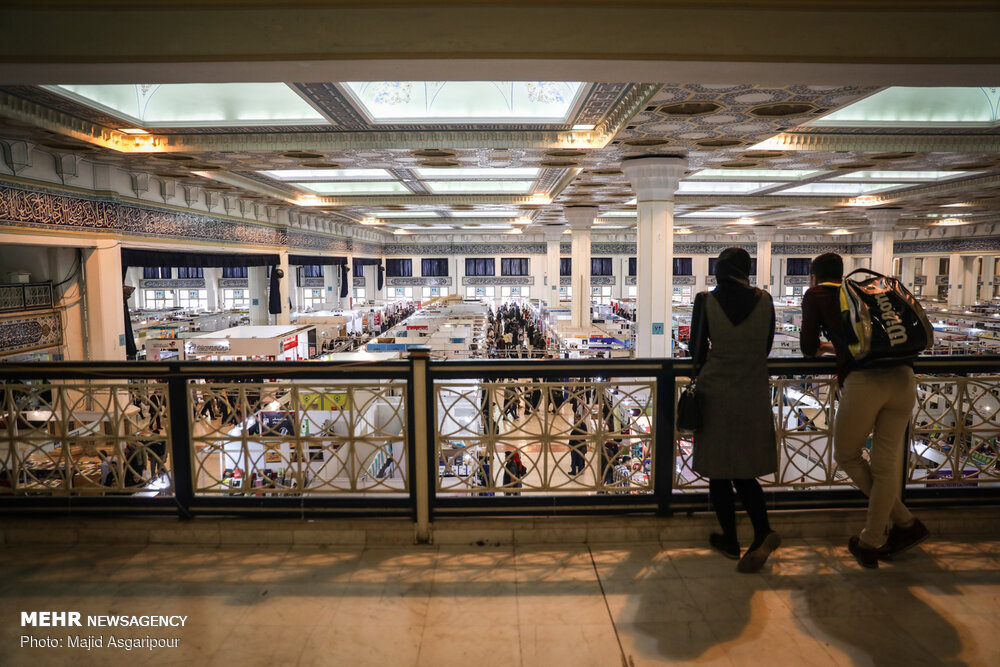
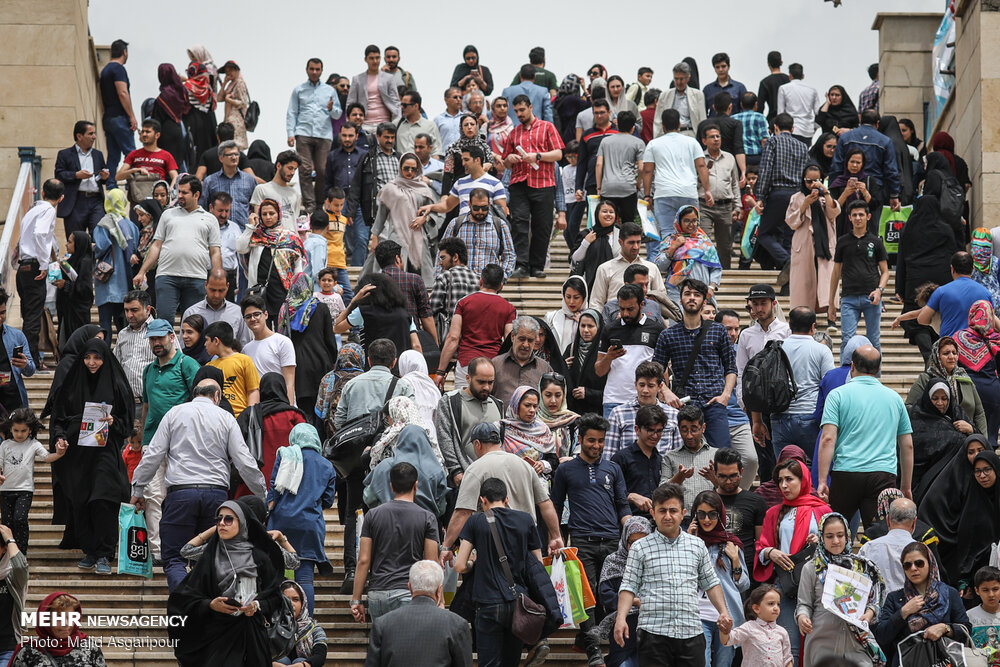
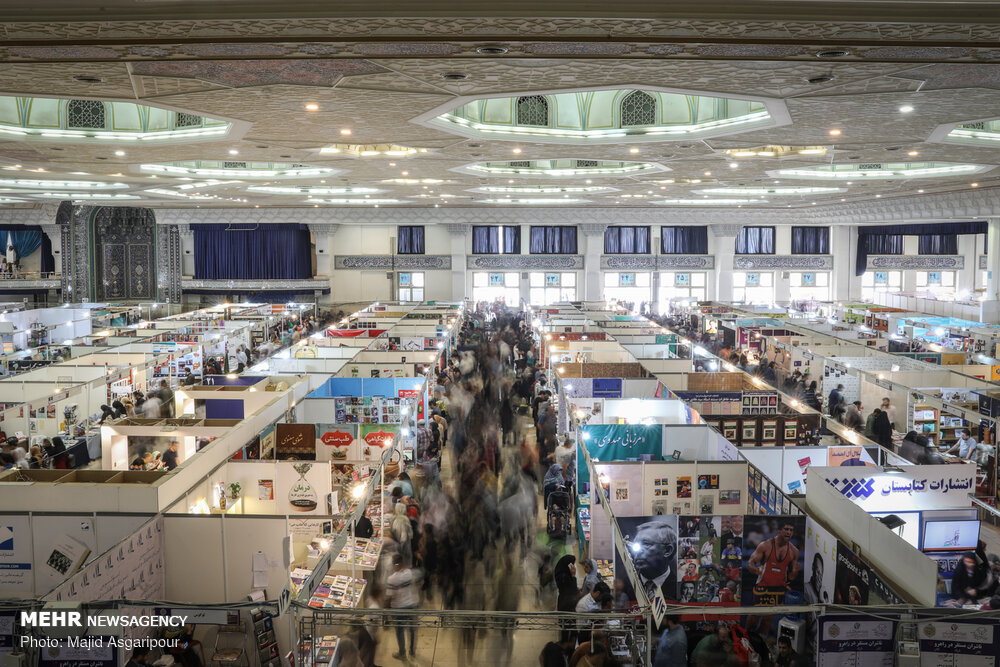
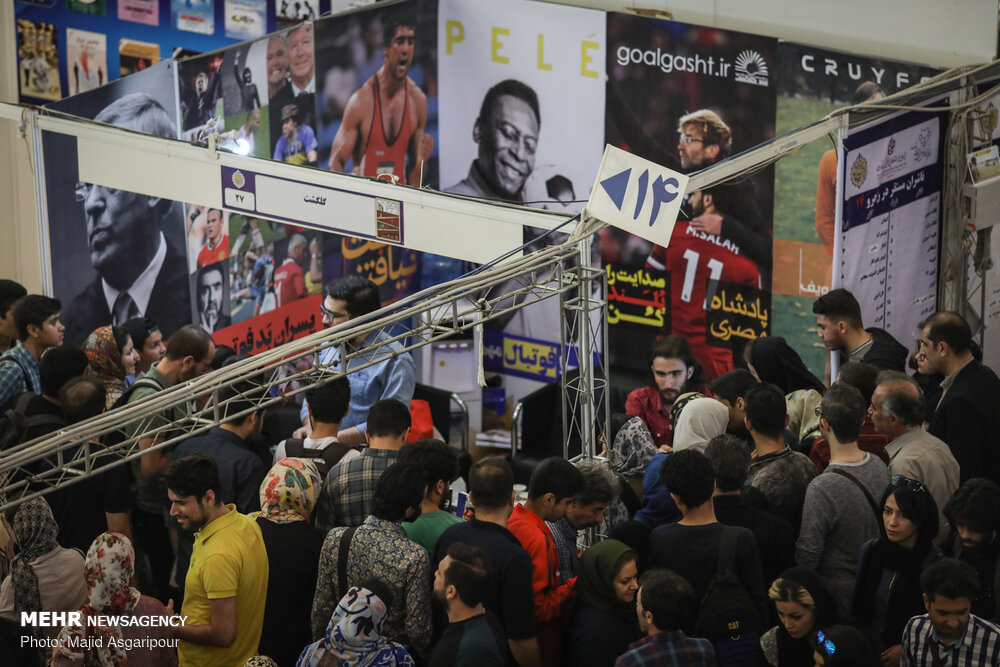
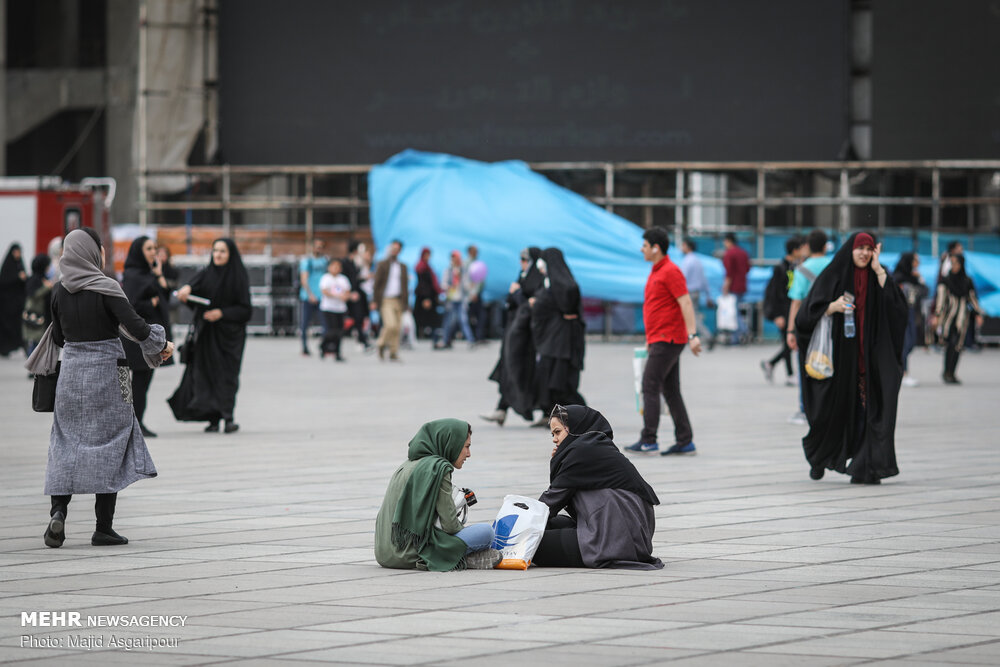
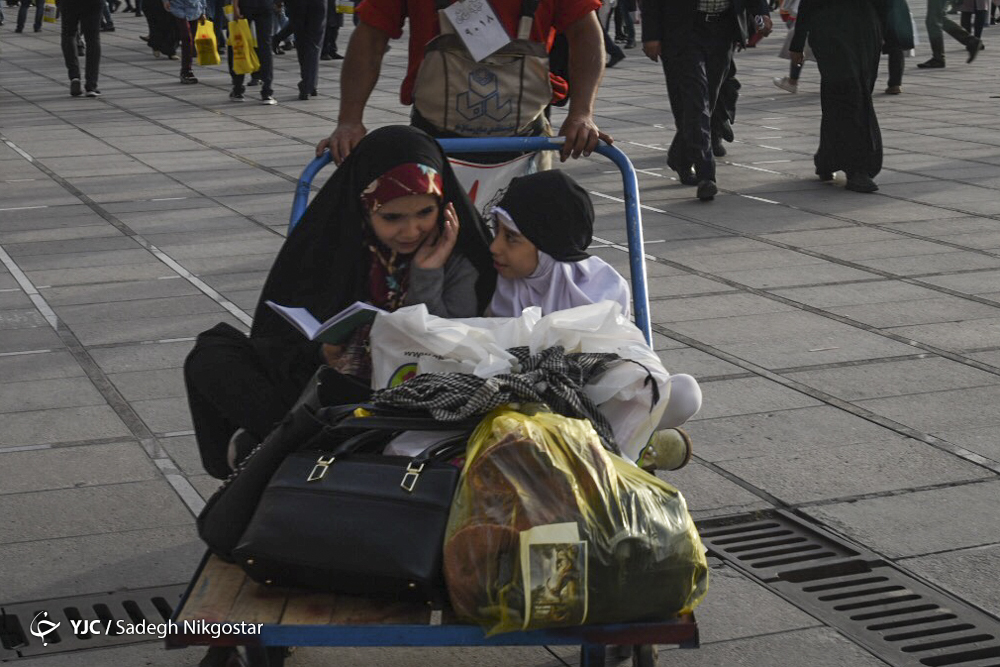
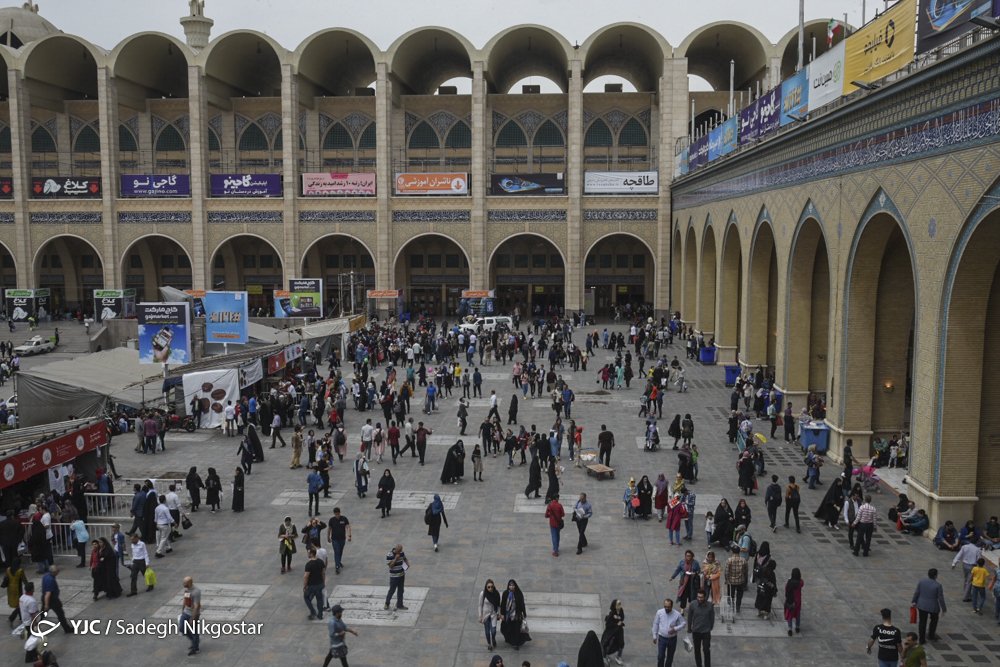
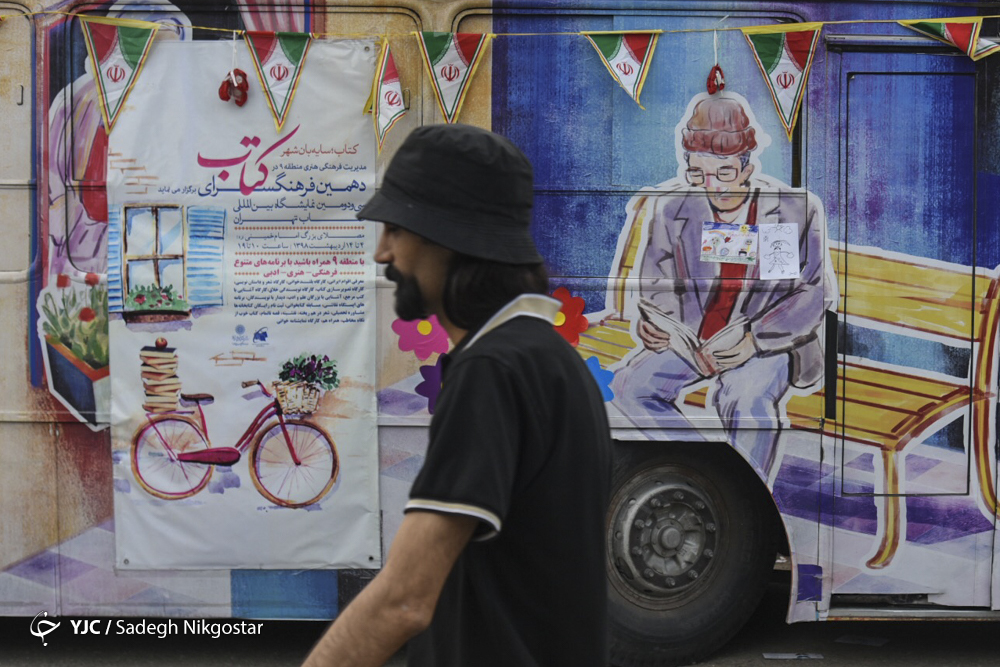
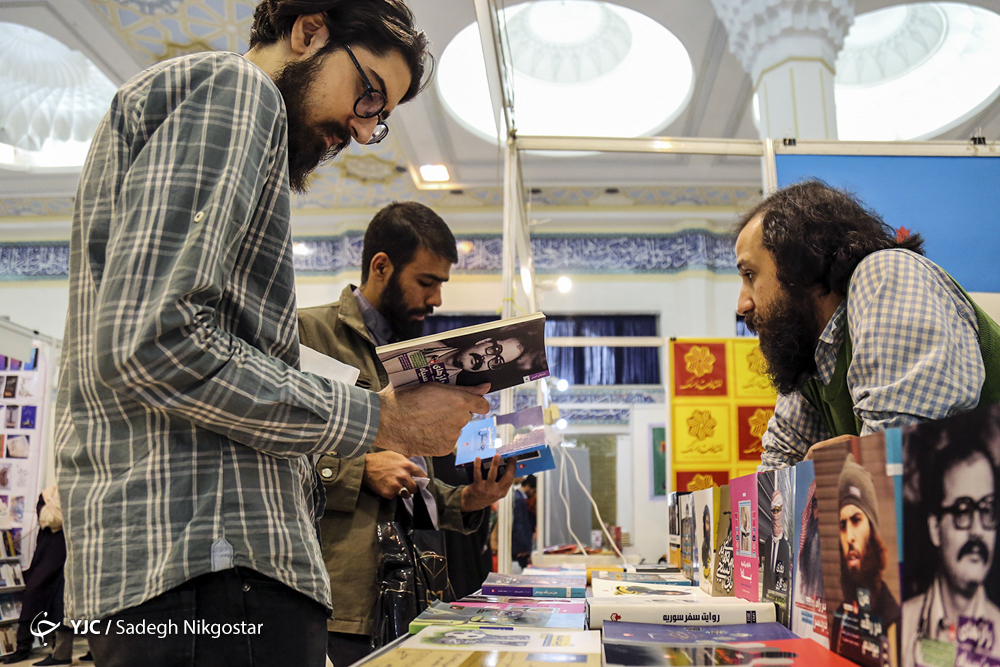
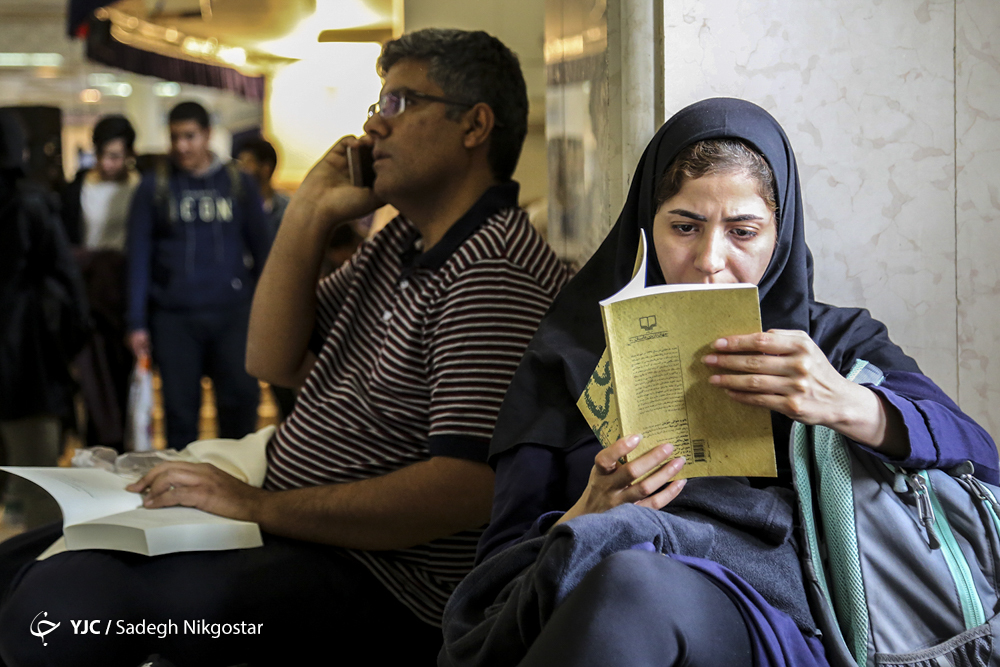
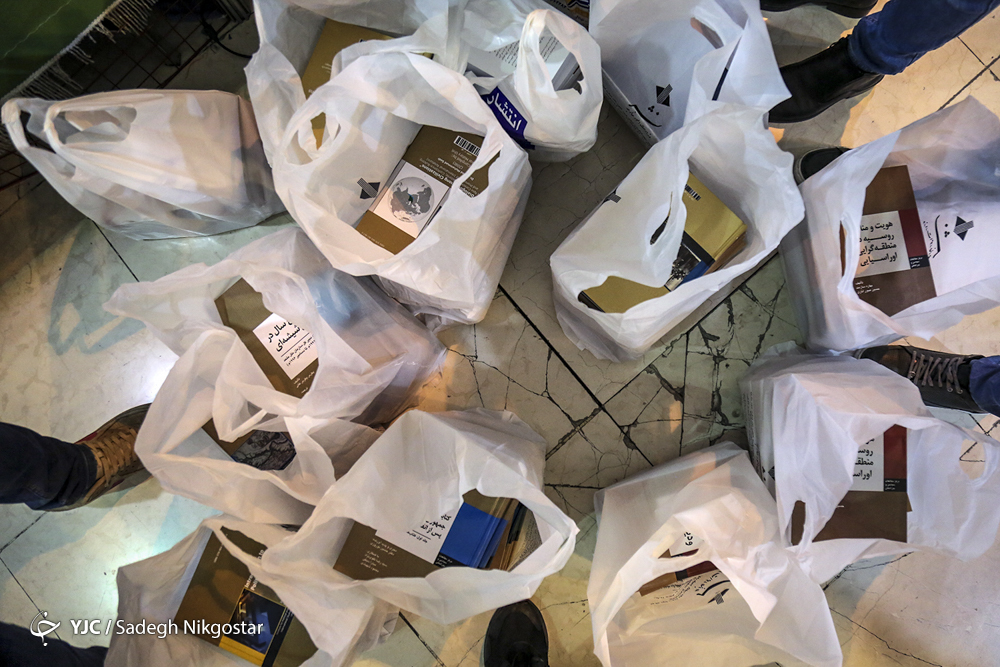
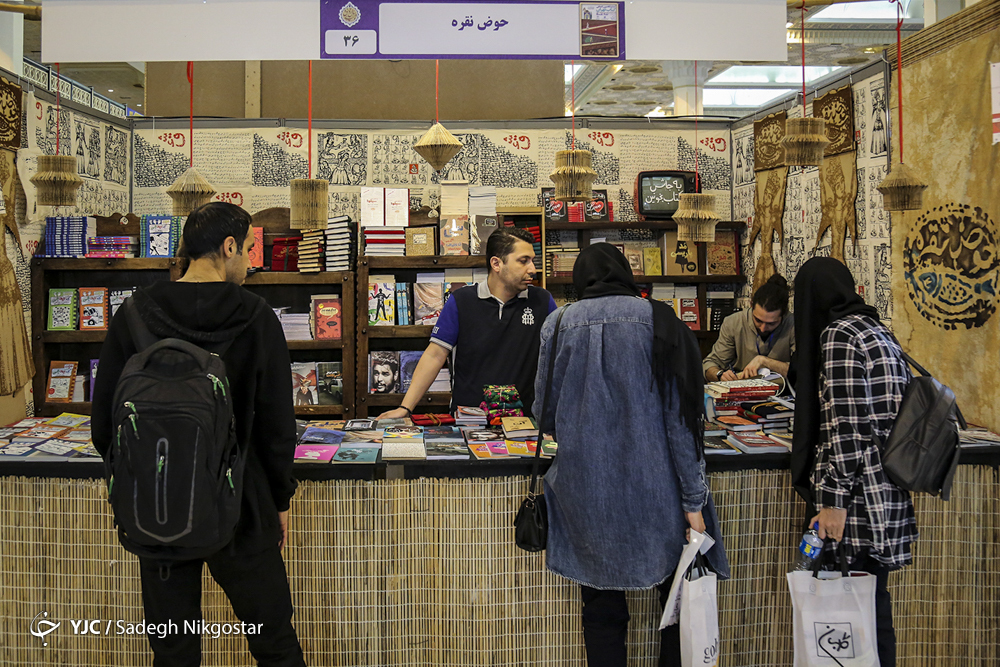
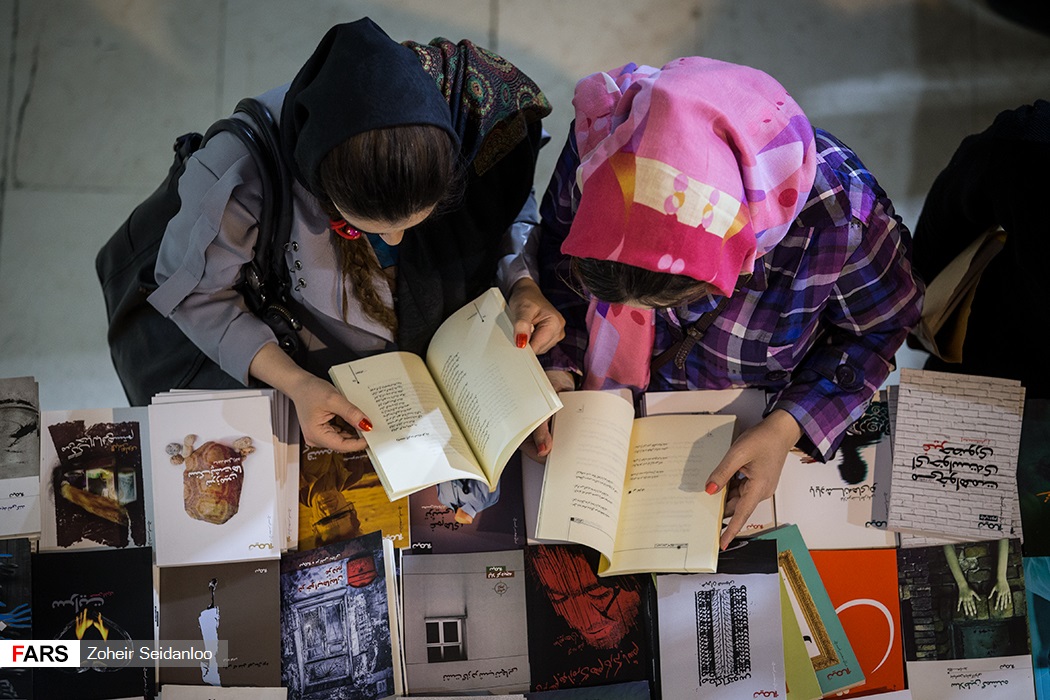
Final Day of Tehran International Book Fair in Photos

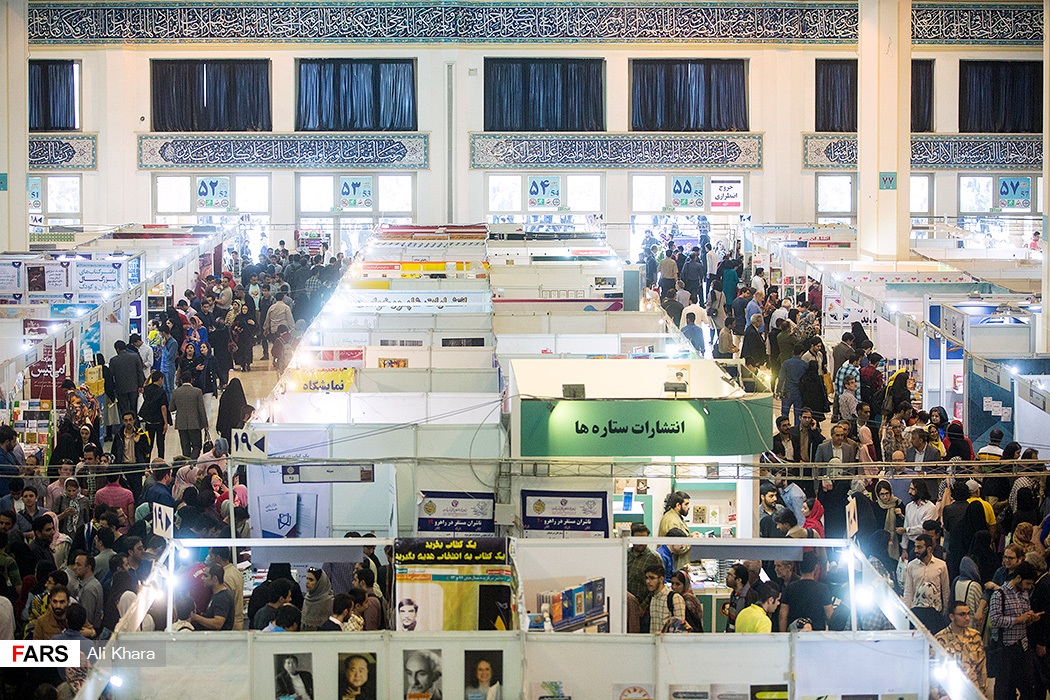
The fair was opened on April 23 with the motto of “Reading Is Ability” in a ceremony attended by high-ranking officials and foreign diplomats.

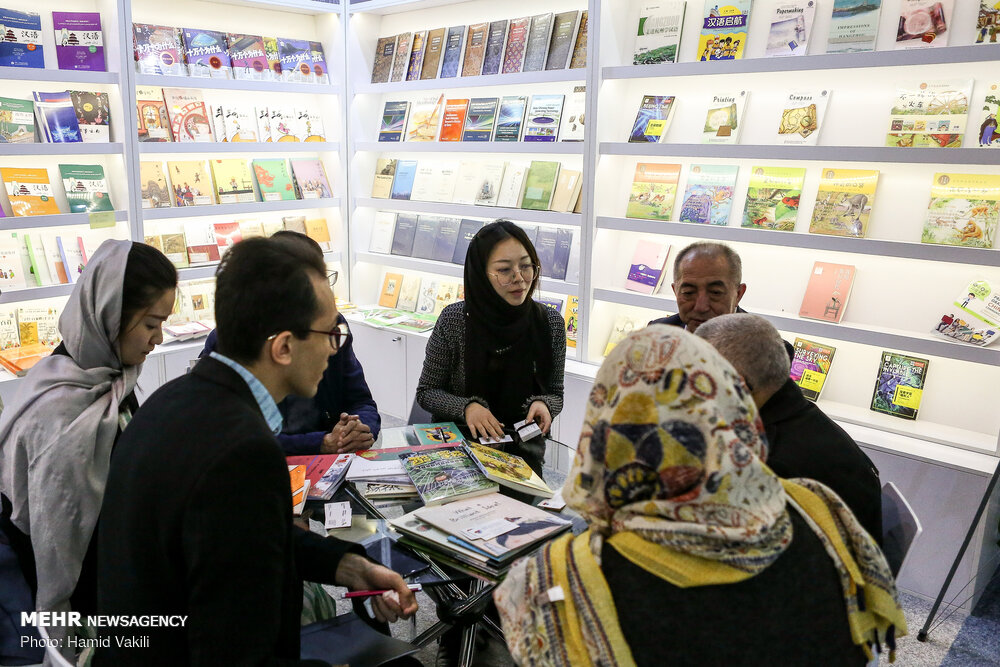
During the ten-day event, Iranian and foreign publishers held over 80 separate negotiations to buy and sell various books and exchange the copy rights of at least 20 books.

The negotiations were held with publishers from China, Germany, Italy, Azerbaijan, Turkey, Serbia, Armenia, Pakistan, India, Switzerland, Russia, Oman, Japan, Greece, Syria, Lebanon, Spain, Iraq, Afghanistan and Belgium.

Several rounds of talks were also held to introduce a number of Iranian writers and illustrators to foreign countries as part of a Grant Plan. Efforts were also made to promote Persian language across the globe.

The Grant plan is an initiative set forth by Iran’s Ministry of Culture and Islamic Guidance to promote Iranian and Islamic culture through offering financial support for the translation and publication of Iranian books. The plan was first unveiled at the 69th Frankfurt Book Fair last year.

This year’s Tehran Book Fair was also visited by heads of Baghdad and Doha book fairs. Among the special guests of the Tehran book fair, one can also refer to ambassadors and delegations from Croatia, South Korea, Japan, Germany and Austria.

Each year, on average 3,200 domestic and 800 foreign publishers take part in the event. The foreign publishers offer their materials mainly in English or Arabic; however, titles in French, German, Chinese, Korean or Japanese are also available.

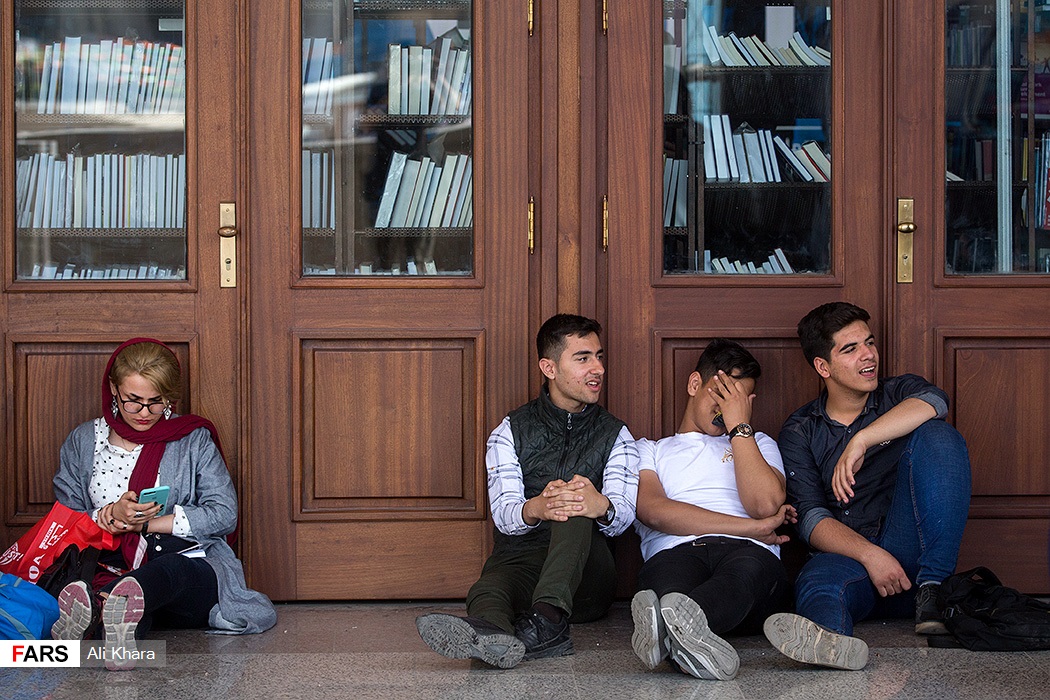
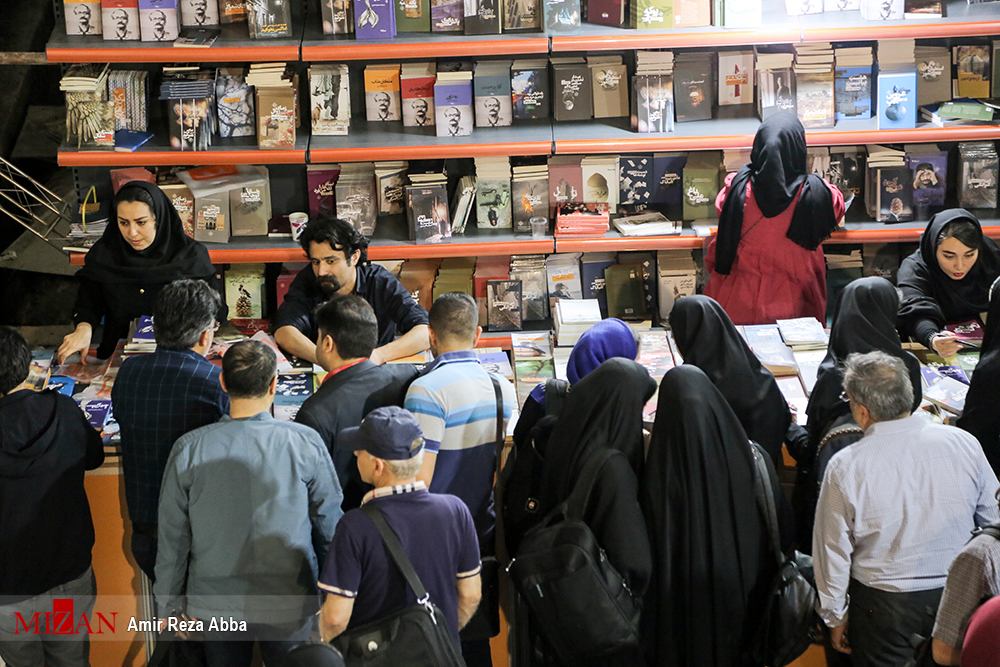
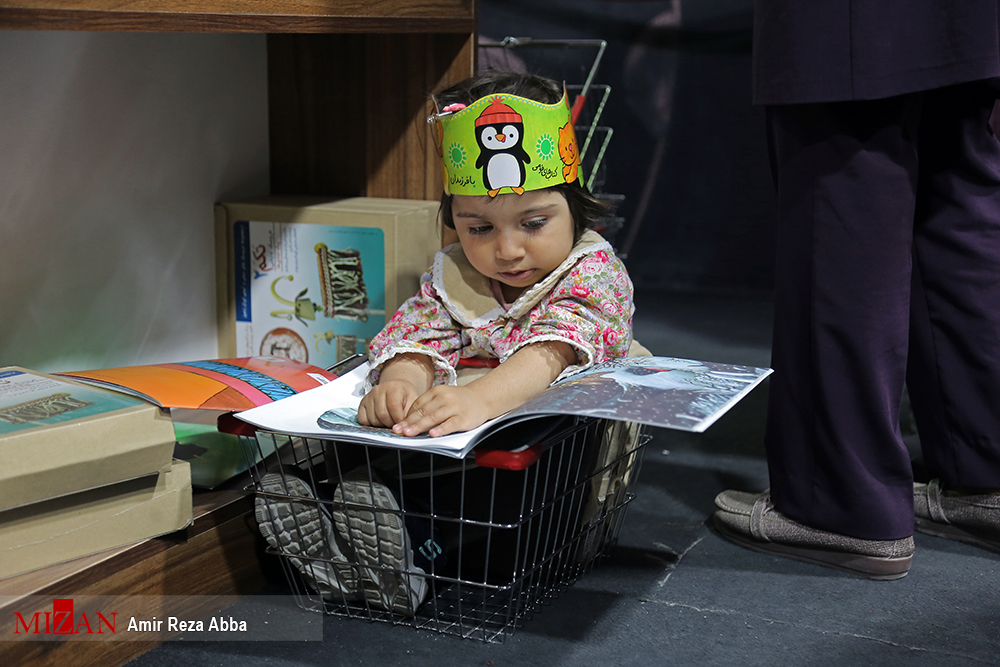
Below, you can see a series of photos of this year’s Fair retrieved from various news outlets.

US Seeking to Devaluate Iranian Currency: Rouhani

Hassan Rouhani - President of the Islamic Republic of Iran

Hassan Rouhani said the devaluation happens only when demand for the currency drops because its value rises otherwise.

“The Americans also seek to disrupt our forex-based transactions,” he said in a Saturday meeting in Tehran.

“We need to increase our forex revenues and reduce forex expenses,” the president noted.

He underlined Iran is no longer importing wheat, which means its forex expenses have dropped.

“We have been self-sufficient in wheat for four years now while we used to import 6 million tonnes of wheat at a certain point a time,” he said.

President Rouhani said Iran used to import 12 million litres of diesel and 6 million litres of gasoline.

“We have now joined countries which export diesel, and we have reached self-sufficiency in gasoline production, and if people economize [on gasoline], we will become an exporter of the product as well, which will save the country’s foreign currency,” said the president.

As for increasing the nation’s forex income, President Rouhani recalled that non-oil revenues hovered around some $43 million last year.

“Almost the same amount of forex income was earned from oil exports,” he added.

“They seek to decrease these two rates (Iran’s oil and non-oil earnings), and we should continue to sell petroleum and increase our production and exports in a bid to stand up to US conspiracies to prevent our oil sales,” President Rouhani said.

Elsewhere in his remarks, the president noted that the United States seeks to bring the Islamic Republic of Iran down by sowing discord in the country and pitting different groups against one another.

“Now, the situation in the country has rather improved with regards to this issue, but we have yet to go to reach the desired point,” he said.

“Unfortunately, some people don’t believe that we are engaged in political, economic and psychological wars with the US,” he said, adding everyone should come to realize that.

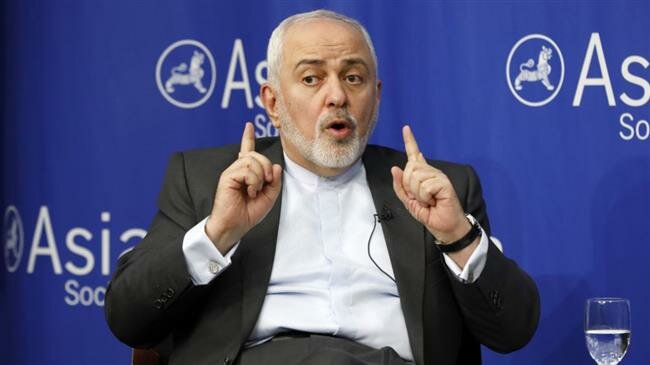
Iran-US War Not Imminent, but ‘Accidents’ Possible: Zarif

In a recent interview with the British online newspaper Independent at Iran’s Permanent Mission to the United Nations in New York, Zarif said although he did not think a war between Iran and the US was imminent, “accidents can happen” that then spiral into a “military conflict.”

In response to a question about the nature of such accidents, Zarif gave the example of a recent move by US President Donald Trump to put Iran’s Islamic Revolution Guards Corps (IRGC) on its blacklist of foreign “terrorist” organizations.

A lack of “vital communication” between the IRGC forces and ships going through the Persian Gulf and the Strait of Hormuz, a strategic waterway where most of the world’s oil exporters pass through, can easily lead to conflict.

The United States in April officially registered the IRGC as a “foreign terrorist organization,” according to a notice published on the website of the US Federal Register.

Iran’s Supreme National Security Council (SNSC) slammed the US government as “supporter of terrorism,” designating American forces in West Asia, known as the United States Central Command (CENTCOM), as a “terrorist organization.”

In a statement, the Iranian top security council said the designation came as a “reciprocal measure” against US President Trump’s “illegal and unwise” move to blacklist the IRGC as a foreign terrorist organization.

In a meeting with IRGC personnel and their family members in the capital Tehran, Leader of the Islamic Revolution Ayatollah Seyyed Ali Khamenei said the recent US decision is rooted in America’s “rancor” against the force, which has been in the forefront of the fight against enemies.

“The IRGC is the vanguard both on the field confronting the enemy on [Iranian] borders and even several thousand kilometers away [in Syria] as well as on the political battleground against the enemy,” the Leader said, adding that Americans hold a grudge against the force for that reason.

Also in his interview, the top Iranian diplomat mentioned an incident happened in the Persian Gulf in January 2016 when the IRGC naval forces arrested 10 US sailors after their patrol boats entered Iran’s territorial waters.

Zarif said that “a direct line of communication” between him and his US counterpart at the time John Kerry let the two top diplomats control the situation and secure the quick release of American sailors, adding that no such communication channel exists today.

“So a similar incident in the Persian Gulf could quickly get out of hand,” he said.

On January 13, 2016, the IRGC announced that ten US Marines, who had drifted into the country’s territorial waters in the Persian Gulf and had been taken into Iranian custody, had been released after Americans apologized for the incident.

When asked about Zarif’s interview with Fox News, the Iranian foreign minister said he wanted to reach out to Trump’s base in American mainstream “because it is important to speak to the other side sometimes”.

However, he noted that it was not his first interview with Fox and that he had talked to the channel years ago when he was Iran’s ambassador at the United Nations in New York.

In the interview with “FOX NEWS SUNDAY”, the top Iranian diplomat said all measures adopted by the administration of President Trump in dealing with Iran conveyed a message that “the United States is not reliable.”

A Look at Iranian Newspaper Front Pages on May 4

A Look at Iranian Newspaper Front Pages on November 19

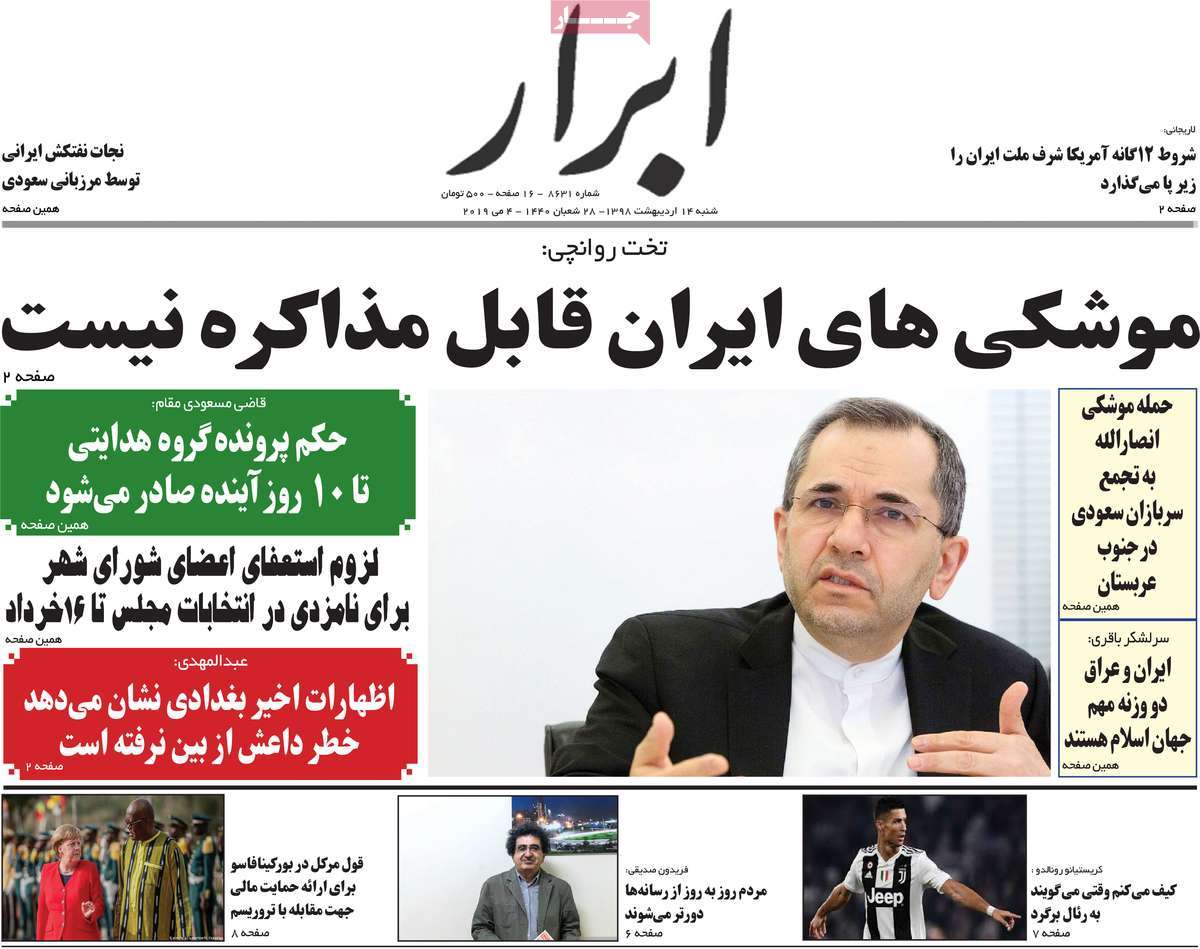
Abrar:

1- Takht-Ravanchi: Iran’s Missiles Not Negotiable

2- Iranian Oil Tanker Saved by Saudi Border Guard

3- Iran, Iraq Two Heavyweights of Muslim World: Top General

A Look at Iranian Newspaper Front Pages on May 4


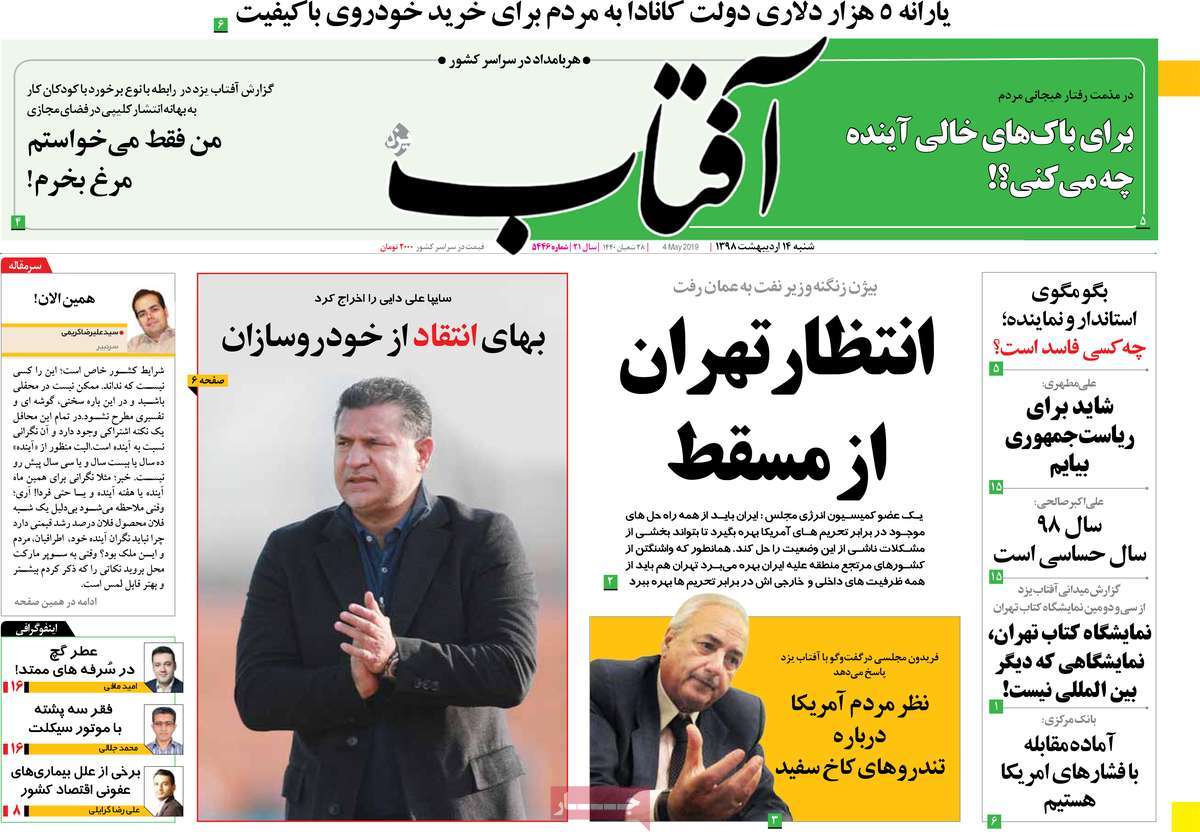
Aftab-e Yazd:

1- What American People Think about White House Radicals

2- Central Bank: We’re Ready to Counter US’ Pressures

3- Vice-Speaker Motahari: I May Run for President

A Look at Iranian Newspaper Front Pages on May 4


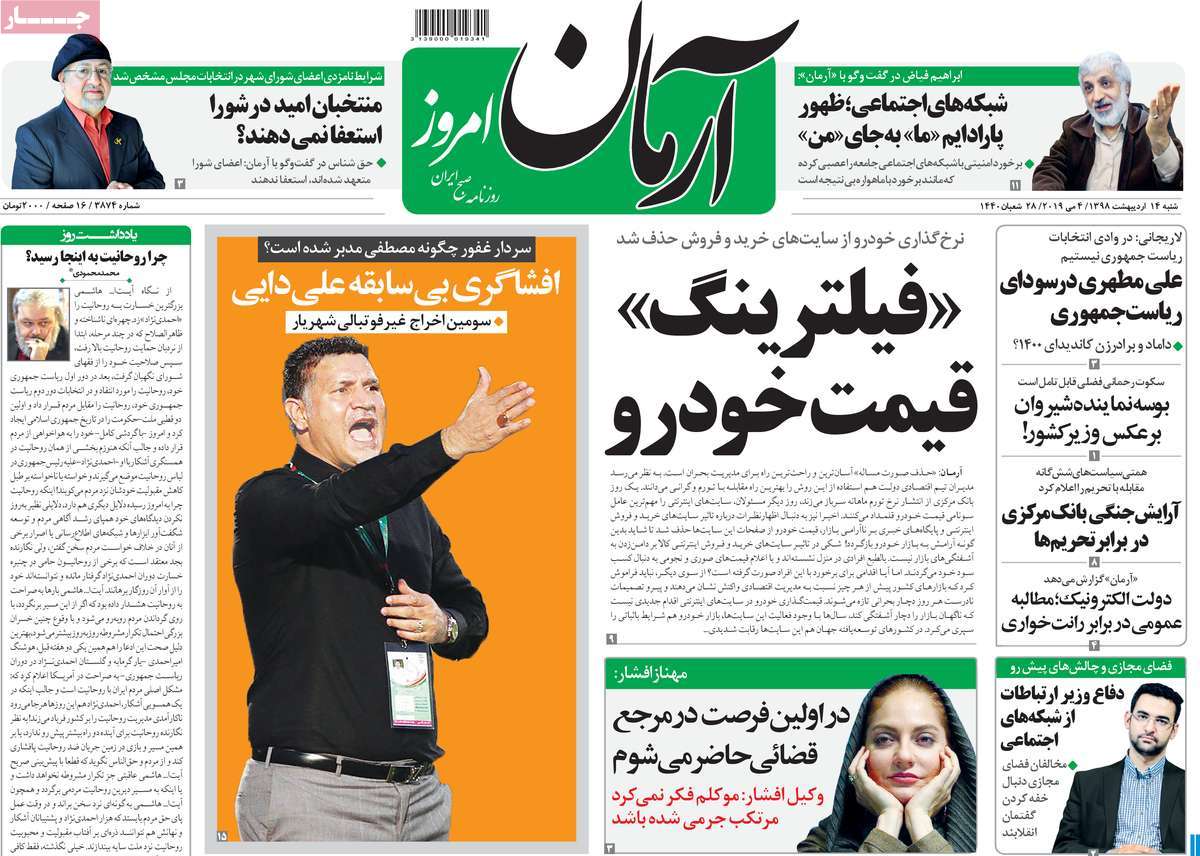
Arman-e Emrooz:

1- Ali Motahari Seeks to Run for President

2- Iran’s Central Bank on War Footing against Sanctions

3- ICT Minister Defends Social Media

A Look at Iranian Newspaper Front Pages on May 4


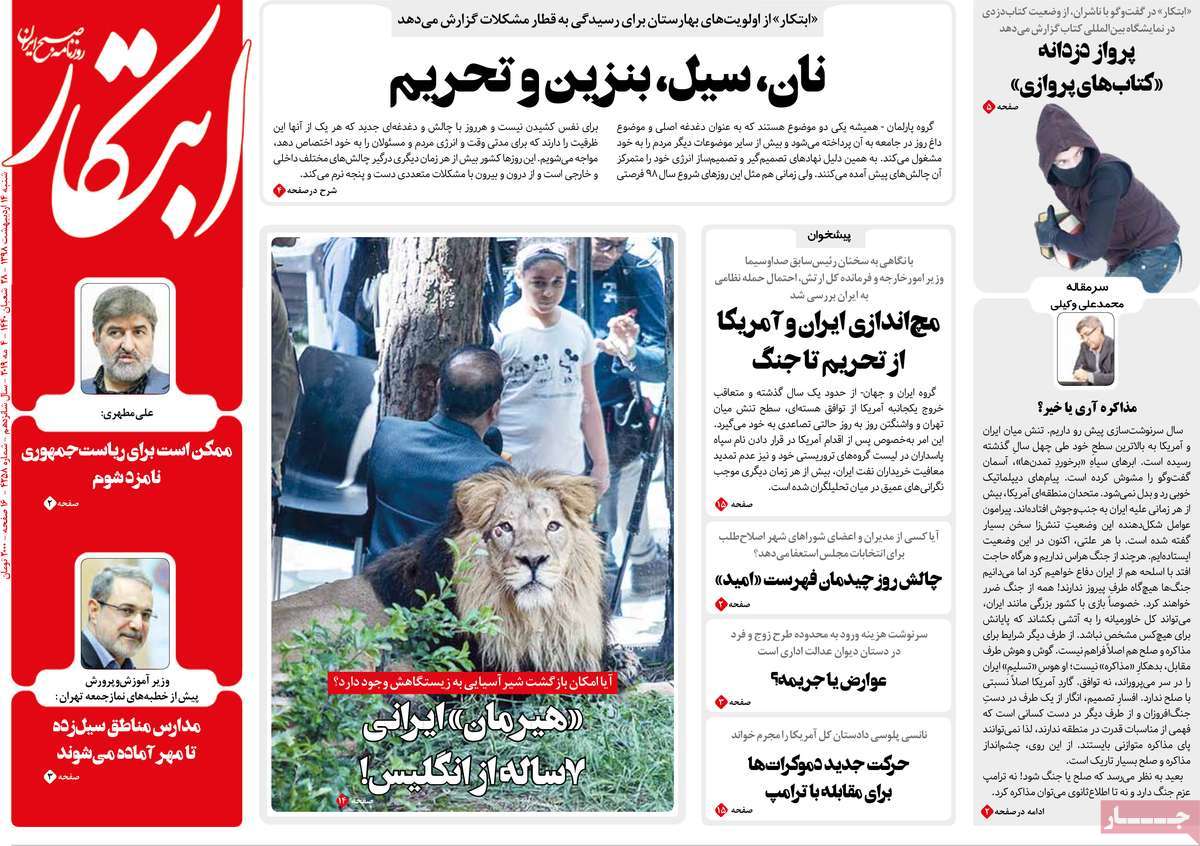
Ebtekar:

1- Bread, Flood, Petrol, Sanction: Parliament’s Priorities in Dealing with Livelihood Problems

2- Iran-US Fight, from Sanction to War

3- Democrats’ New Move to Counter Trump: Pelosi Calls US Attorney General a ‘Criminal’

A Look at Iranian Newspaper Front Pages on May 4


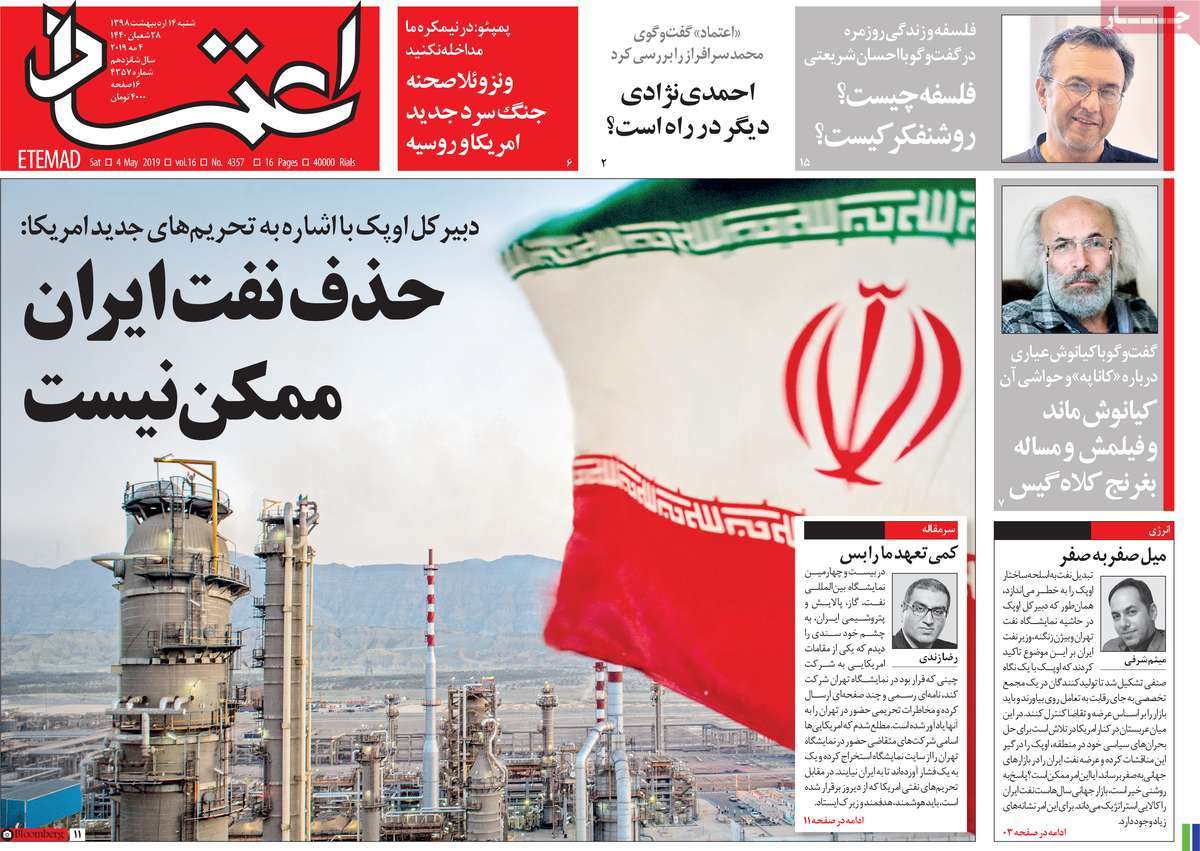
Etemad:

1- OPEC Secretary General: It’s Not Possible to Exclude Iran from Oil Market

2- Venezuela New Scene of US-Russia War

* Pompeo: Don’t Interfere in Our Hemisphere!

A Look at Iranian Newspaper Front Pages on May 4


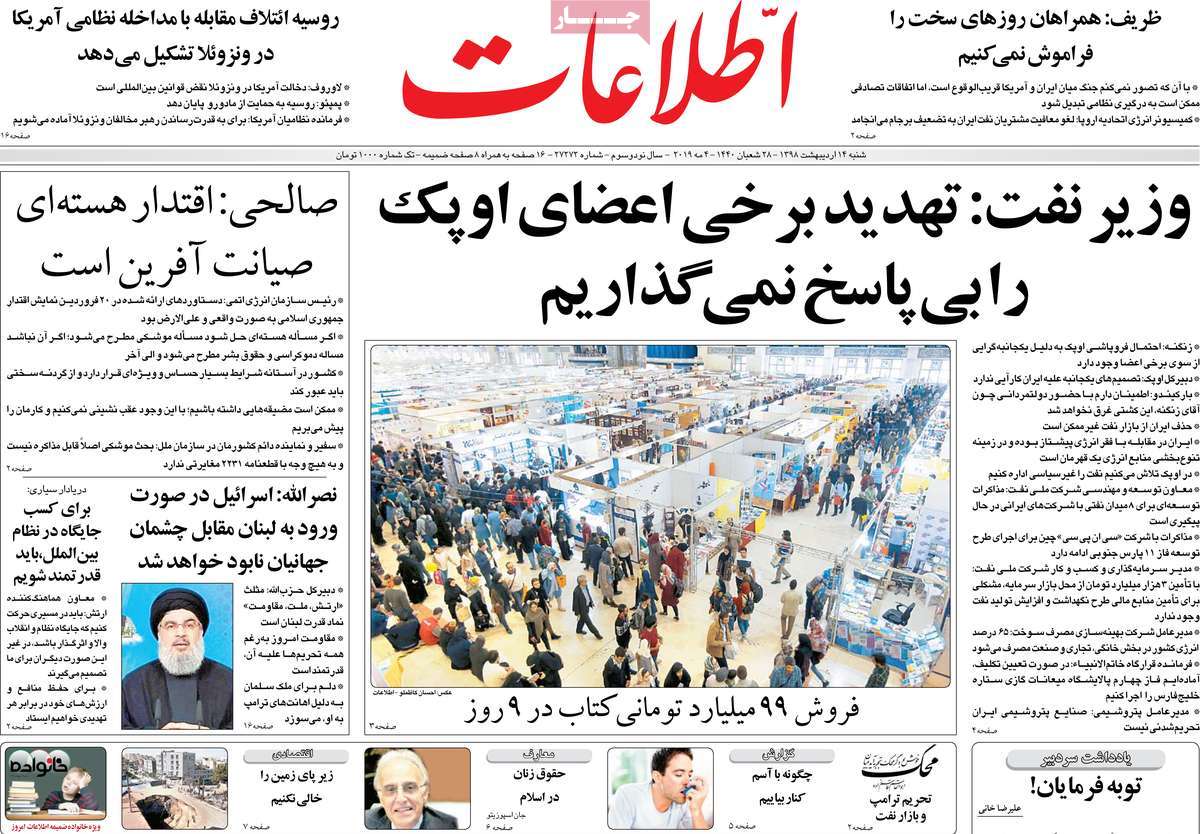
Ettela’at:

1- Oil Minister: We Won’t Leave Threats by Certain OPEC Members ‘Unanswered’

A Look at Iranian Newspaper Front Pages on May 4


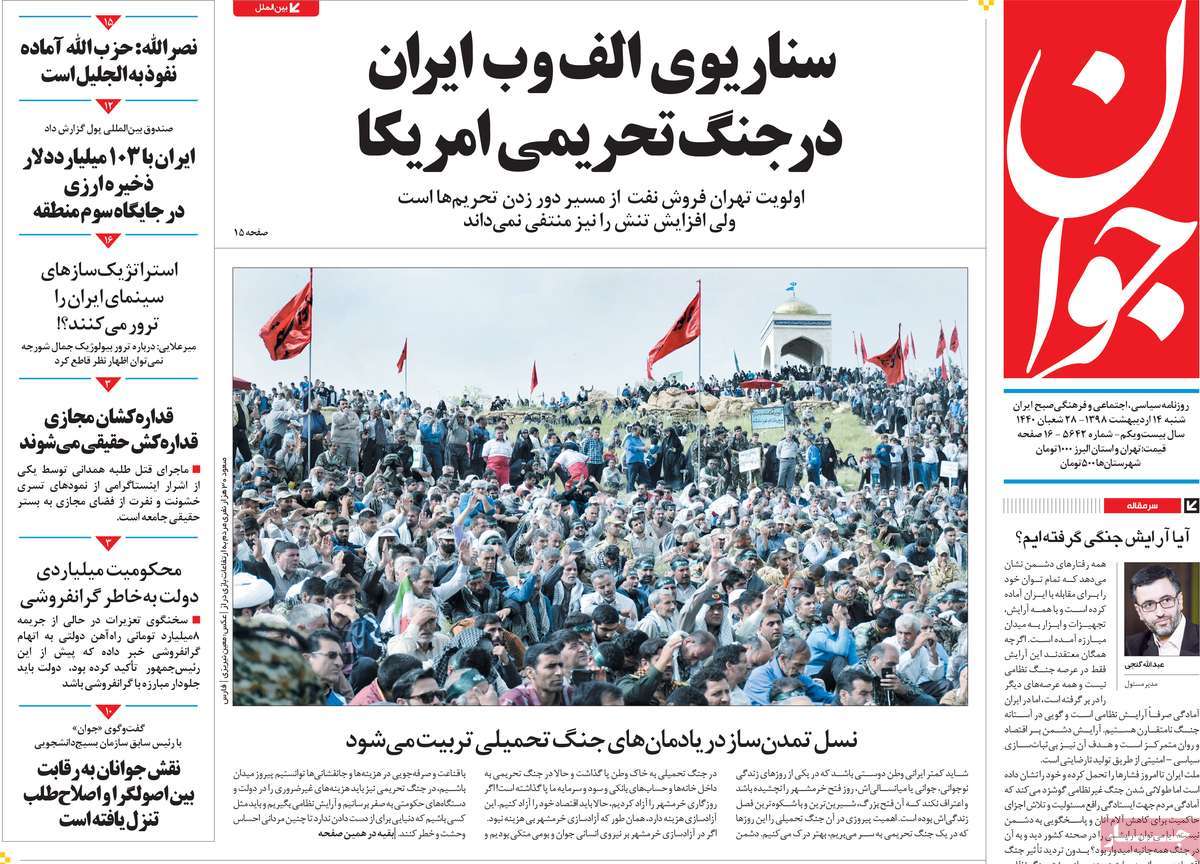
Javan:

1- Iran’s A and B Scenarios in Defeating US War of Sanctions

* Iran Prefers Bypassing Sanctions, but Escalation Not Impossible

2- Nasrallah: Hezbollah Ready to Infiltrate into Galilee

3- IMF: Iran Third Country in Region with $103 Billion Forex Reserves

A Look at Iranian Newspaper Front Pages on May 4


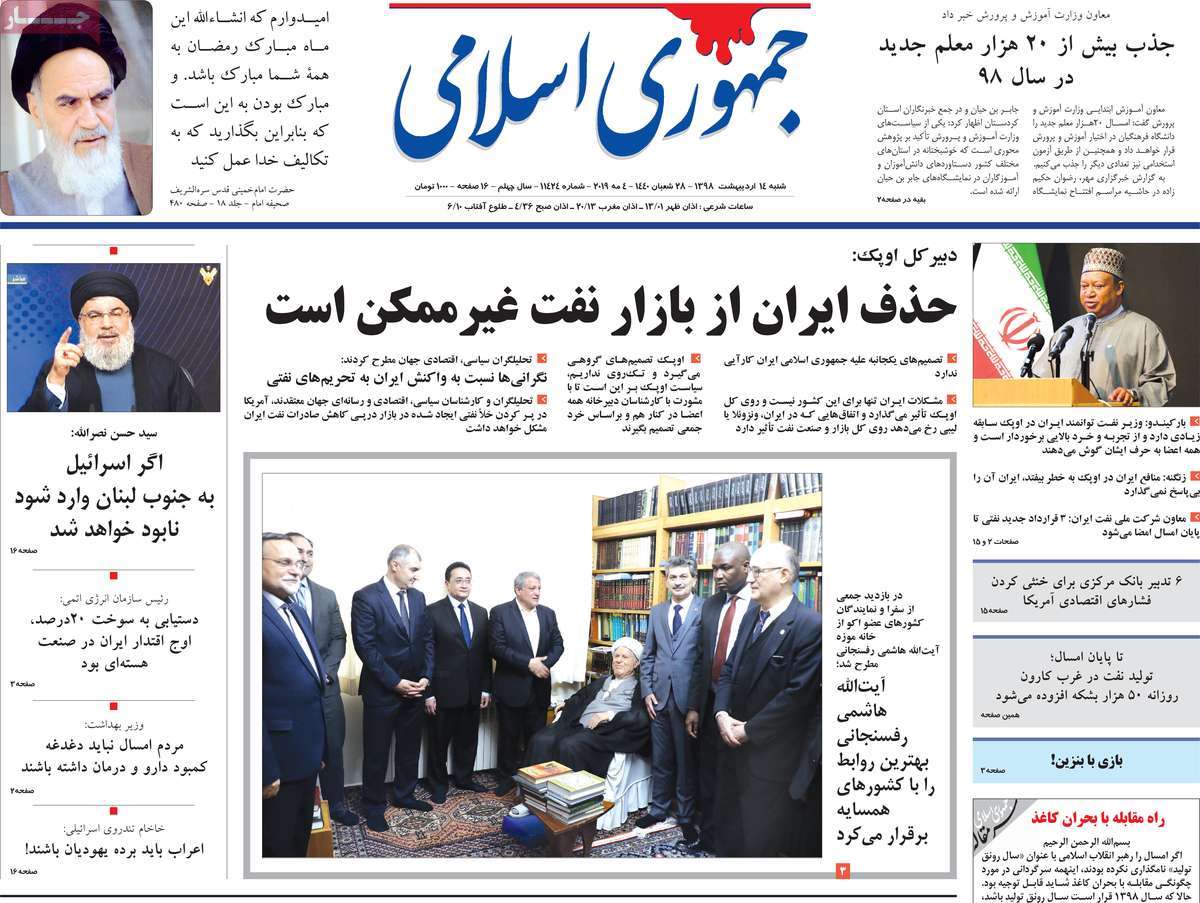
Jomhouri Eslami:

1- OPEC Chief: Unilateral Decisions against Iran Not to Work

2- Iran Nuclear Chief: We Showed Our Atomic Power by Achieving %20 Fuel

A Look at Iranian Newspaper Front Pages on May 4


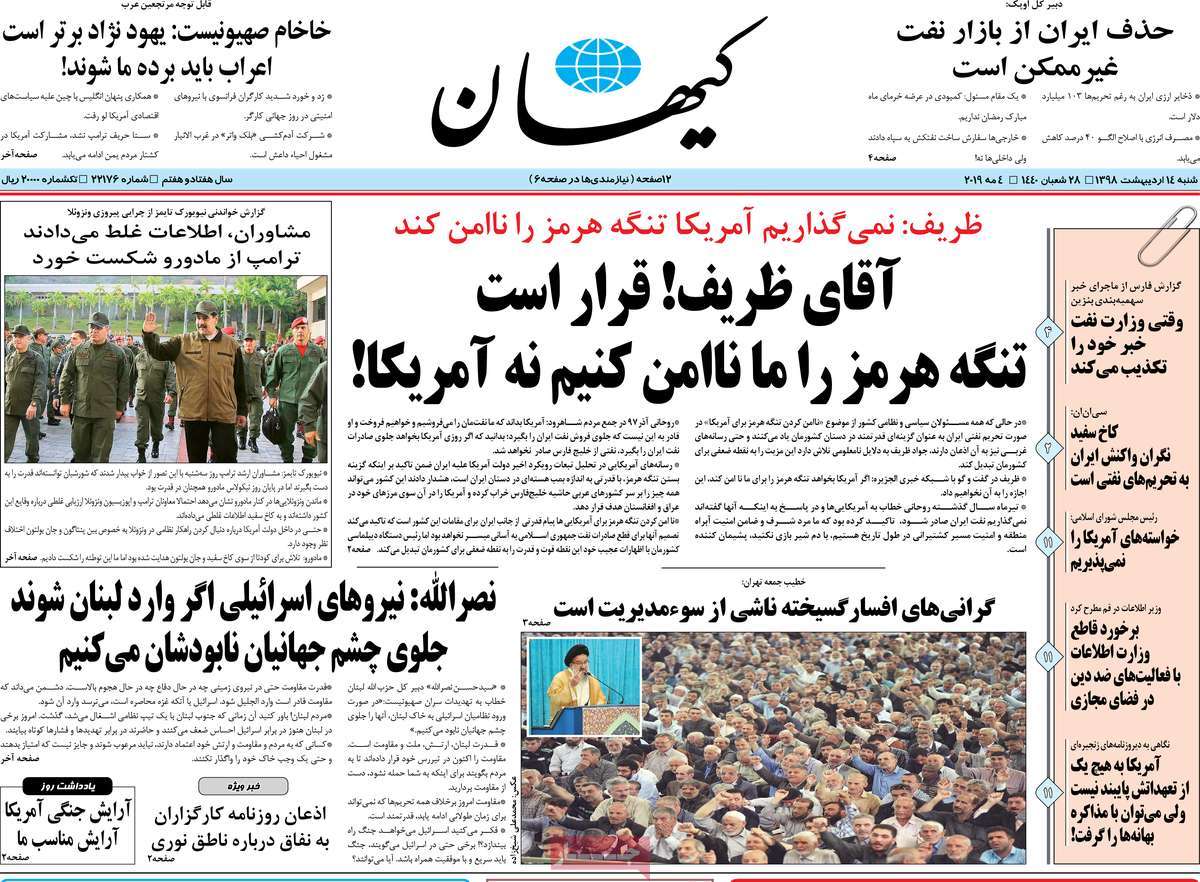
Kayhan:

1- Mr Zarif! Iran, Not US, Is the One to Make Hormuz Strait Insecure

* Zarif: We Won’t Let US Disrupt Security of Hormuz

2- Zionist Rabbi: Jewish Is Supreme Race, Arabs Should Be Our Slaves!


A Look at Iranian Newspaper Front Pages on May 4


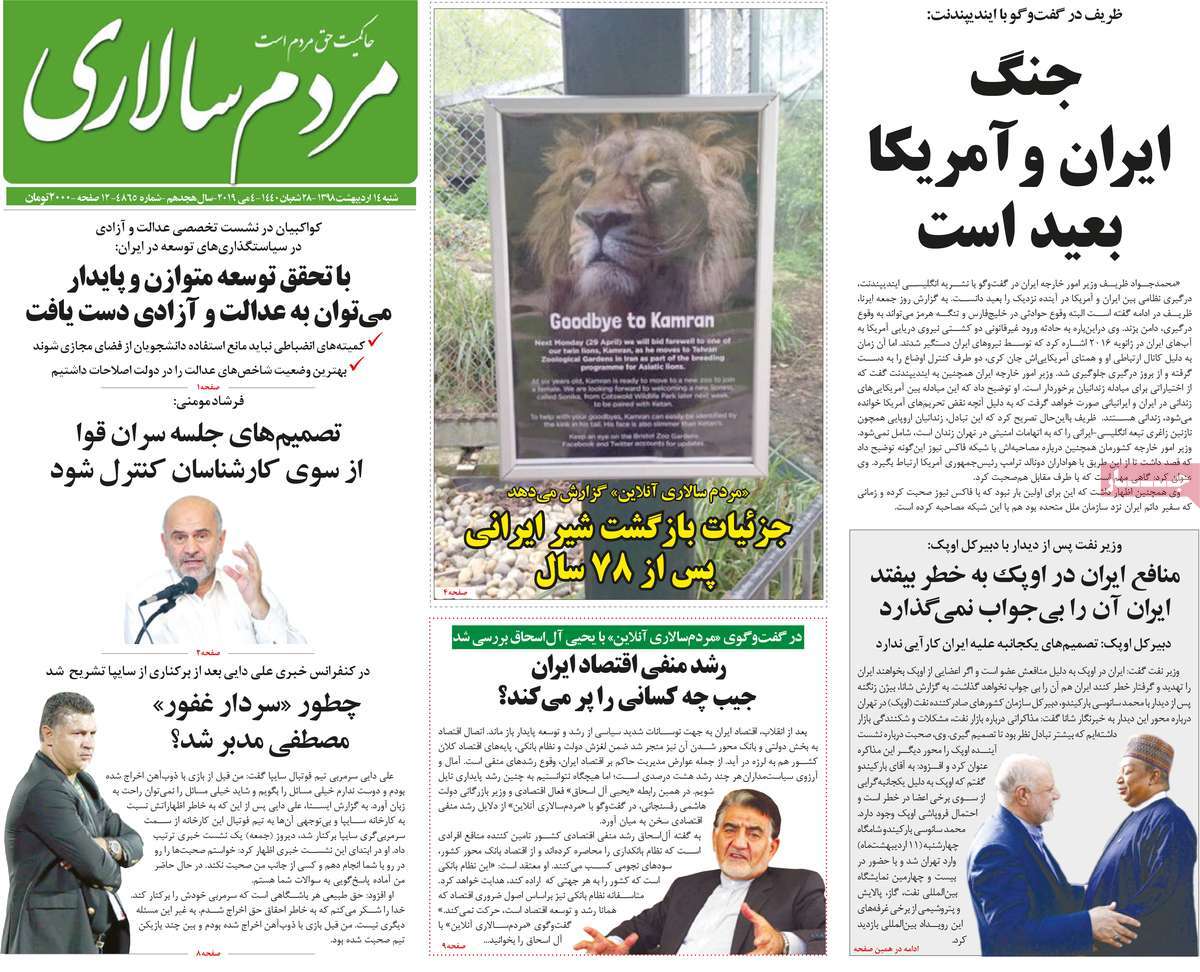
Mardom Salari:

1- Zarif to Independent: Iran-US War Unlikely

2- Oil Minister: Iran Not to Remain Silent If Its OPEC Interests Endangered

A Look at Iranian Newspaper Front Pages on May 4


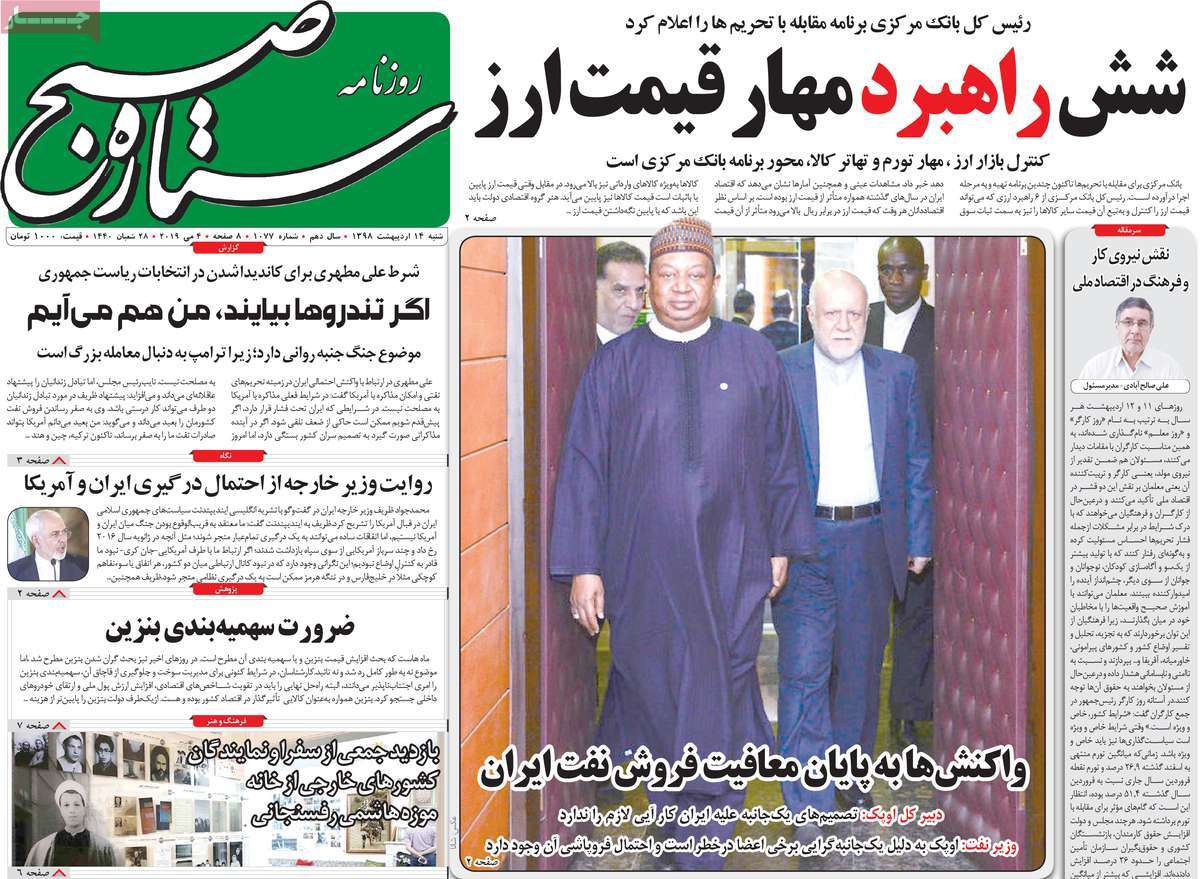
Setareh Sobh:

1- Reactions to End of Waivers for Iran’s Oil

2- Oil Minister: OPEC May Collapse Due to Certain Members’ Unilateralism

3- FM Zarif’s Account of Possible Clash between Iran, US

A Look at Iranian Newspaper Front Pages on May 4


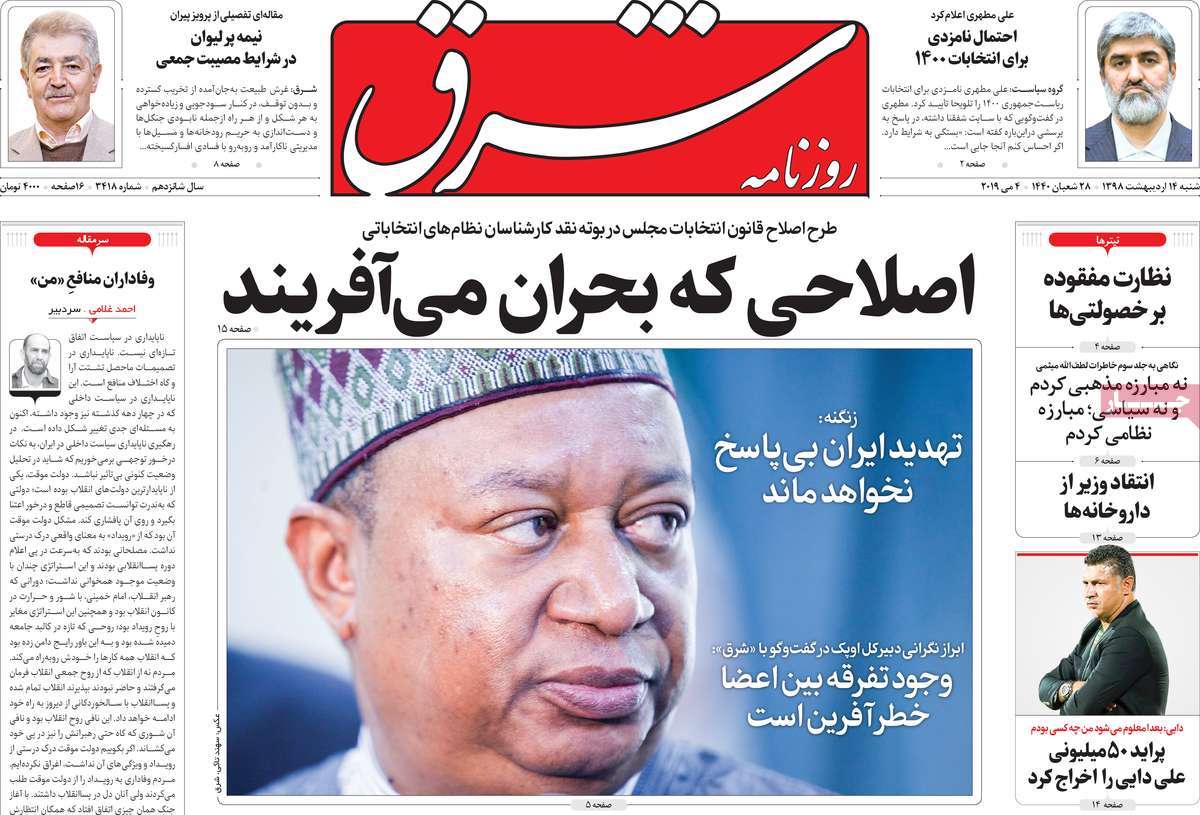
Shargh:

1- Oil Minister: Threat against Iran Not to Remain Unanswered

2- OPEC Chief Expresses Concern over Division among Members

A Look at Iranian Newspaper Front Pages on May 4

US Trying to Get Its Hands on Venezuela’s Oil: Iran

Iran Threatens to Reconsider Nuclear Cooperation with IAEA

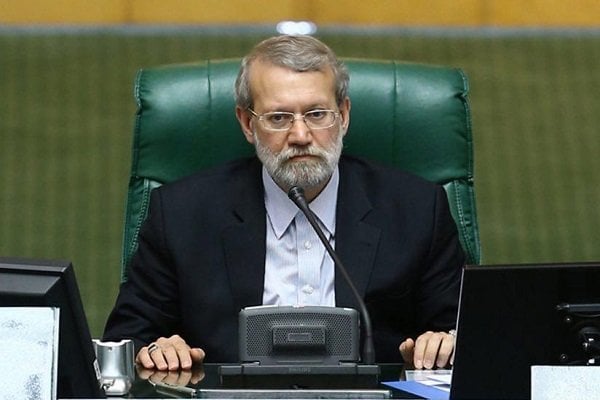
Ali Larijani said Washington is in control of oil resources in countries such as Saudi Arabia, and now wants to take possession of petroleum in other countries like Venezuela by triggering chaos there.

“The war they launched in Libya is aimed at [seizing] land and oil. That is why they triggered chaos in Libya’s political landscape. The same goes for Venezuela. Saudi Arabia’s oil is in the United States’ hands, but a few oil-rich regions, including Venezuela, are not under the United States’ control, that is why the US has created problems for them and has created unrest in that country,” said he top parliamentarian in a Saturday ceremony in Tehran.

“Many of the British American conflicts with Iran were over oil,” he said.

Larijani’s remarks come as Iran has condemned the recent attempts by the United States to stage a coup against the legitimate government of President Nicolas Maduro, who has been under pressure from US-backed opposition leader Juan Guaido to step down.

Elsewhere in his remarks, Larijani touched upon Washington’s sanctions on Iran.

“By imposing sanctions, the US puts pressure on Iran and puts forward issues such as human rights as well as missile and atomic issues, but the main reason [behind the sanctions] is something else,” he said.

Larinani said the US also had made plans to seize Iraqi oil, but failed to because of Iraqi people, and Washington “managed to get just a little of that.”

“At the moment, they have waged psychological warfare because they know when Iran’s oil is not sold, the country will face some problems, and that is why they have launched a war of nerves,” the speaker said.

“Saudi Arabia and the United Arab Emirates do not have the potential to increase their oil sales. If they had, they would,” he said.

The top parliamentarian said US President Donald Trump might be able to give Saudi Crown Prince Mohammed bin Salman assurances through psychological tactics temporarily.

“This psychological operation works for a few days, but later, oil shortage will begin, and they will face problems in the coming days and weeks,” he said.

Everything You Should Know about Iran’s Latest News

If you watch the news on a regular basis, you can pretty much guarantee that you’re going to hear something about Iran at some point or another. The country is always grabbing the headlines and the news is usually not good for it. Within this guide, you’re going to learn all about the latest news from the country of Iran.

Iran Energy Exports

Iran has always been a major producer in terms of the world’s energy sector. The country produces a significant amount of oil and this has made it a major player. Of course, the United States wants to stop that. This is why the American government has put together a plan to choke off Iran’s exports. This week, Trump’s administration stopped handing out waivers, which made it possible for certain countries to purchase Iranian crude oil. Earlier, the waivers were issued to prevent global supplies from dipping too fast and to stop oil prices from climbing too high.

It is believed that OPEC and Saudi Arabia will fill the void, but this remains to be seen. It is only a matter of time before gasoline prices soar through the roof. It has everything to do with Iran being shut out.

Sanctions

It should come as no surprise to learn that Iran has been sanctioned by the United States. In fact, the country seems to be under constant sanctions. Just recently, a new chart was unveiled detailing how the sanctions have crippled Iran’s economy. The sanctions have been negatively impacting Iran’s economy for the past few years. Those sanctions were imposed by the United States and many other countries. In 2015, the United States government under Obama struck a deal with Iranian President Hassan Rouhani to end the sanctions.

With Trump at the helm, the sanctions have returned and they’ve proven to be very hurtful. Obama’s deal with Iran saw the country’s GDP grow by more than 12%. The success the country saw has been reversed now. Iran is sliding towards a recession and many analysts believe that is going to come much sooner than previously expected.

Everything You Should Know about Iran's Latest NewsGambling

It is no secret that Iran has taken a hard stance against many activities. Gambling just happens to be one of them. Just recently, the Iranian government decided to shut down a quiz show due to gambling concerns. Why? Well, the government claimed that the game show’s games were too similar to gambling products. This resulted in the game show being taken off air. You might be able to enjoy real money pokies in other countries, but you’re going to have a tough time doing that in Iran.

In fact, you should probably avoid it. If you do not, you might get yourself into big trouble.

Tanker Break Down

The Iranian government has had a lot of trouble in recent months. First, it was announced that Trump would no longer give the country waivers. Now, it seems that an Iranian oil tanker has broken down. It was announced that the country’s oil tanker broker down off of the Coast of Saudi Arabia.

The country’s Happiness I oil tanker was carrying more than one million barrels of fuel oil when it malfunctioned in the Red Sea. State-run television in Saudi Arabia said that the country received a distress call from the ship about an engine failure and total loss of control. At the time, the vessel had 26 on the crew.

Preparing for an Attack

Just today, the commander of the Iranian army told his troops to be ready for an attack. It is highly unlikely that Iran is going to be attacked anytime soon. Nevertheless, this is a great way for the country to flex its muscle and gain attention from the international media. It may be a way for them to get back to the negotiation table with President Trump and his administration.

US Renews Nuclear Waivers Vital to Iran Deal Survival

Iran to Scale Back JCPOA Commitments ‘Step by Step’

Experts at think tanks close to US President Donald Trump first floated the idea of revoking waivers for international cooperation with Iran’s civilian nuclear program.

The idea soon reached the White House. Around a week ago, CNN quoted two informed sources as saying that Trump and his advisors would review the issue of lifting waivers for nuclear sanctions on Iran.

A state official and another informed source told CNN that authorities in the Trump administration had, in recent weeks, held meetings to study the rescission of all or some of the waivers, but that no decisions were made yet.

US National Security Advisor John Bolton was the main supporter of the revocation of waivers. Nevertheless, US Secretary of State Mike Pompeo and some officials at the United States’ departments of state and treasury were against the removal of sanctions exemptions, arguing that the move would impede the monitoring of Tehran’s nuclear program.

Now, a statement issued on Friday by the US State Department shows Pompeo and his team have managed to convince Trump to continue issuing the key waivers despite efforts by Bolton.

The three key waivers, which were due to expire Saturday, are extended for 90 days, and will allow European allies, Russia and China to cooperate with the Islamic Republic on civil nuclear program.

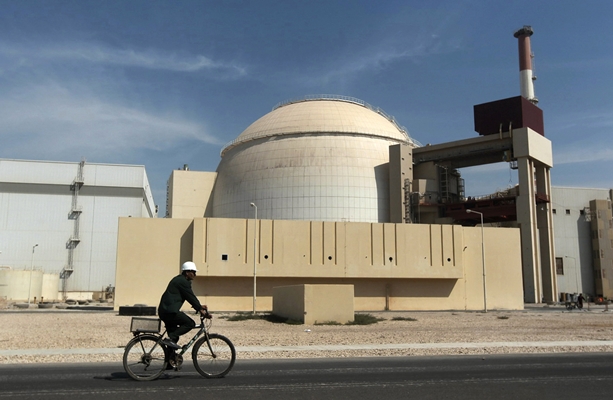
The waiver extensions pertain to the Bushehr nuclear power plant, the Fordow enrichment facility, the Arak nuclear complex and the Tehran Research Reactor, a senior US official said, on condition of anonymity.

Bolton and his associates were seeking to have permits for international cooperation at Iran’s Fordo and Arak nuclear facilities abrogated in order to prepare the ground for making new claims against Iran.

Should other members of the Iran nuclear deal and the International Atomic Energy Agency (IAEA) sever their connection with Fordo and Arak installations, it is obvious that radicals in Washington would say Iran has been involved in illegal nuclear activities in the above-mentioned facilities.

A former director for arms control and nonproliferation at the US National Security Council in the Trump administration believes those advocating the revocation of nuclear waivers want to undermine the Iran nuclear deal known as the Joint Comprehensive Plan of Action (JCPOA) and force Iran to withdraw from it. According to the ex-official, it seems supporters of the idea would like to urge Iran to pull out of the nuclear deal and make it difficult for the future administration to return to the agreement.

If Bolton, as the key person prodding Trump into repealing the waivers, could see his dream come true and waivers for nuclear sanctions on Iran were revoked, it would lead to harmful consequences with regards to cooperation in the field of research and development between Iran and leading countries in the nuclear industry.

In fact, the revocation of waivers would have sounded the death knell for the last advantage and achievement that Iran had gained from joining the Additional Protocol and allowing the IAEA to conduct overarching inspections of Iran’s nuclear facilities. If that happened, Iran was likely to withdraw from the JCPOA and resume its nuclear work without compliance with the considerations and conditions stipulated in the JCPOA.

The first consequence of the US government’s refusal to renew the waivers would be Iran and North Korea resuming nuclear cooperation. Accordingly, Iranian Foreign Minister Mohammad Javad Zarif’s upcoming trip to North Korea would be a wake-up call for Bolton and other radicals advocating the annulment of waivers related to scientific and technological cooperation on nuclear activities, so much so that the forthcoming visit could be regarded as a prelude to Iran’s pullout from the JCPOA.

However, the Trump administration’s decision to renew those waivers has for now frustrated Bolton and other warmongers in the US and the Middle East.

With the JCPOA continuing to survive on a wheelchair, and despite Iran’s failure to reap the economic benefits of the agreement due to the US sanctions, the extension of nuclear waivers will maintain the international community’s watch over the nuclear programs of Iran and North Korea, and thus prevent such warmongers as Bolton from fabricating pretexts for new wars.

New Sanctions on Uranium Exports

Despite the extension of nuclear waivers, Trump has imposed sanctions on Iran’s export of enriched uranium.

“Any involvement in transferring enriched uranium out of Iran in exchange for natural uranium will now be exposed to sanctions. The United States has been clear that Iran must stop all proliferation-sensitive activities, including uranium enrichment, and we will not accept actions that support the continuation of such enrichment,” the State Department announced in its statement.

Under Iran’s 2015 nuclear deal, known as the Joint Comprehensive Plan of Action (JCPOA), Tehran is limited to keeping 300 kilograms of uranium enriched up to 3.67 percent. As part of the JCPOA, Iran is allowed to sell any enriched uranium above that threshold on international markets in exchange for natural uranium, with Russia a key player.

‘Bahrain Must Know Its Place Before Threatening Iran’

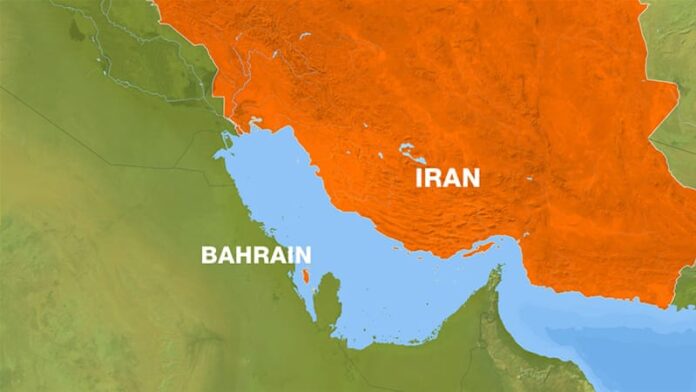
Iran and Bahrain

“The Islamic Republic of Iran underlines [the significance of] the security of the Strait of Hormuz as a lifeline for the supply and transit of global energy [demands], as long as the Iranian nation’s interests are secured through this important and vital strait,” Mousavi told the IRIB News Agency on Friday.
“However, out of benevolence and neighbourliness, Iran advises the officials of this tiny dependent country [Bahrain] to know their place when threatening those bigger than themselves,” he added.

According to a centuries-old Persian saying, Mousavi noted, a fly can never hunt down an eagle.

His comments came after Bahrain’s Foreign Minister Sheikh Khalid bin Ahmed Al Khalifa claimed Iran will not be allowed to shut the strategic Strait of Hormuz even for one day, warning that if it closes the corridor, it means it is “walking towards the abyss”.

In an interview with Asharq Al-Awsat in Paris, Sheikh Khalid noted that “the Islamic Republic made big mistakes when it interfered in the internal affairs of the regional countries and sent money, arms and militias.

“The nuclear deal the US withdrew from was the main cause of current situation. The JCPOA dealt with Iran’s nuclear program and did not consider the country’s ballistic program which was threatening us. The deal also left aside the policy of Iranian hegemony,” he added.

He said as these issues have not been resolved, Tehran felt free to keep on its practices, to such an extent that it is now threatening to shut the Strait of Hormuz, but it knows that the shutting means self-defeating.

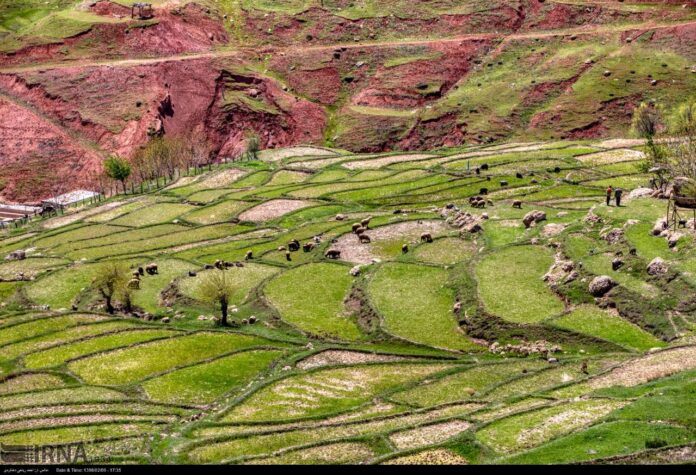
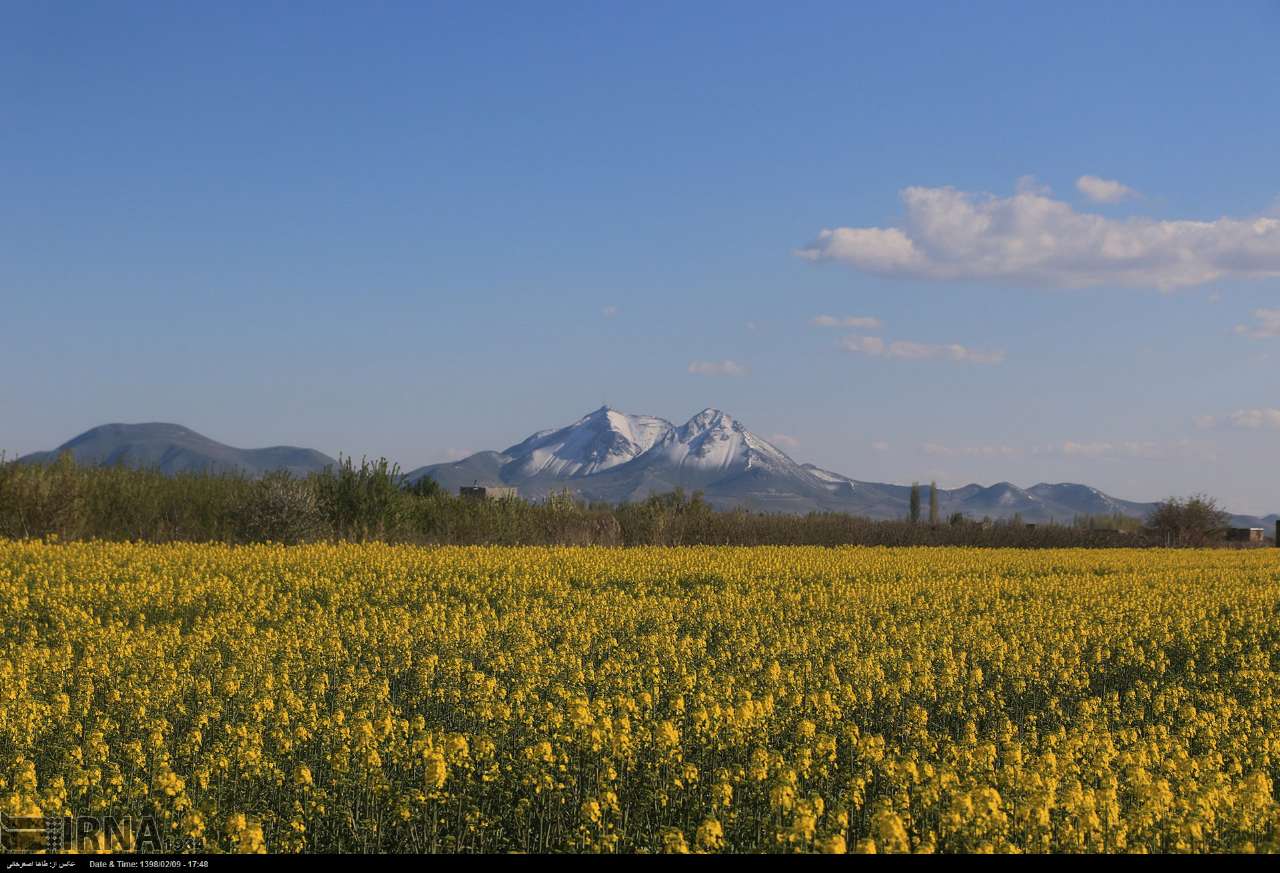
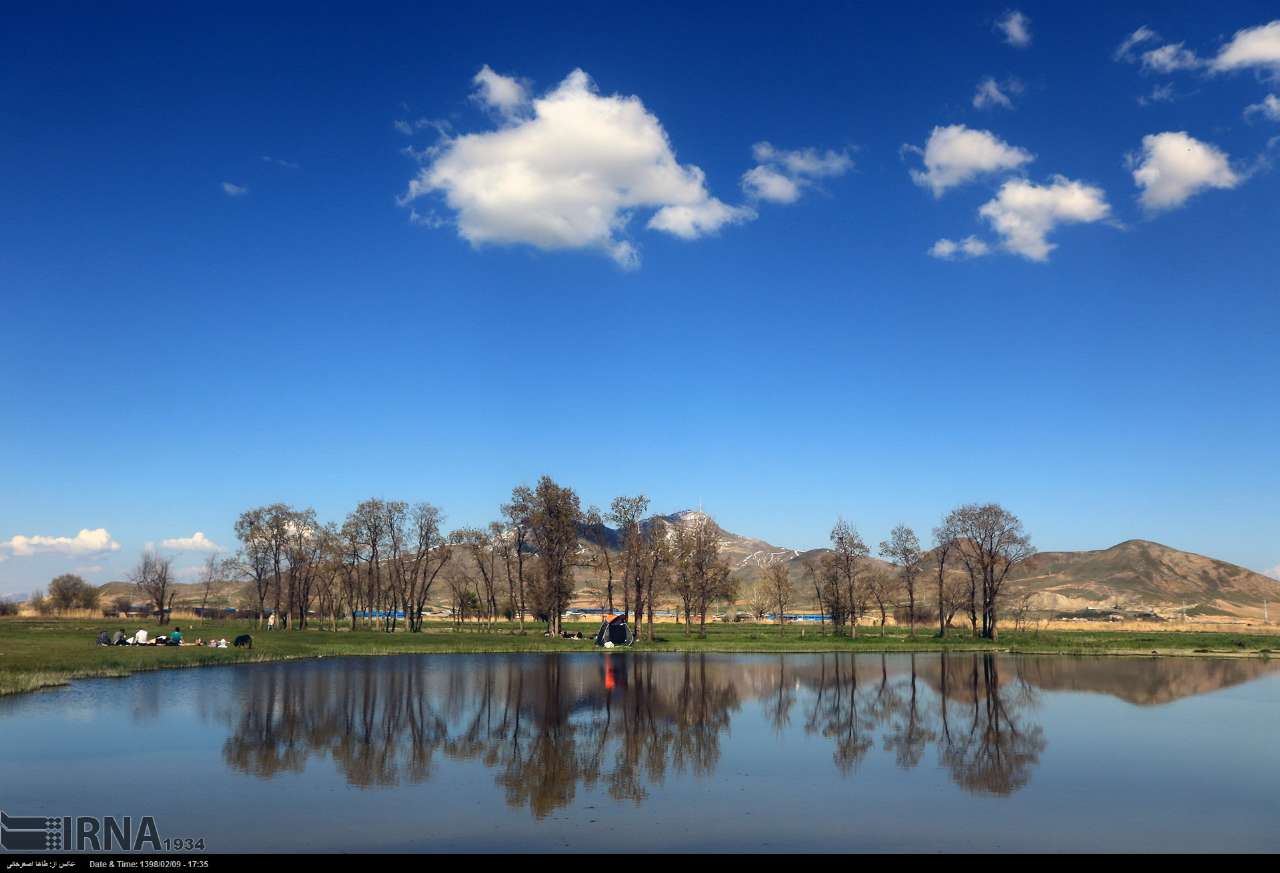
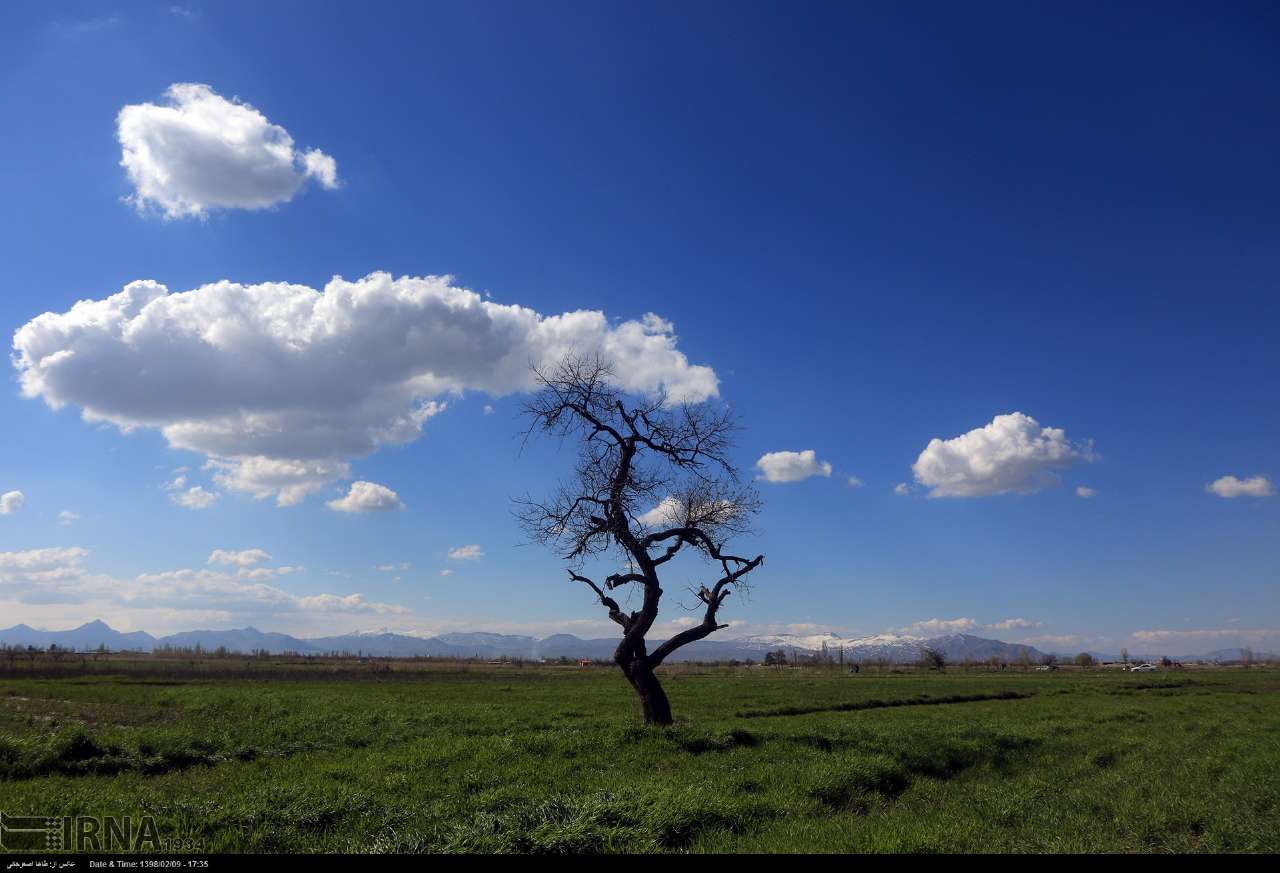
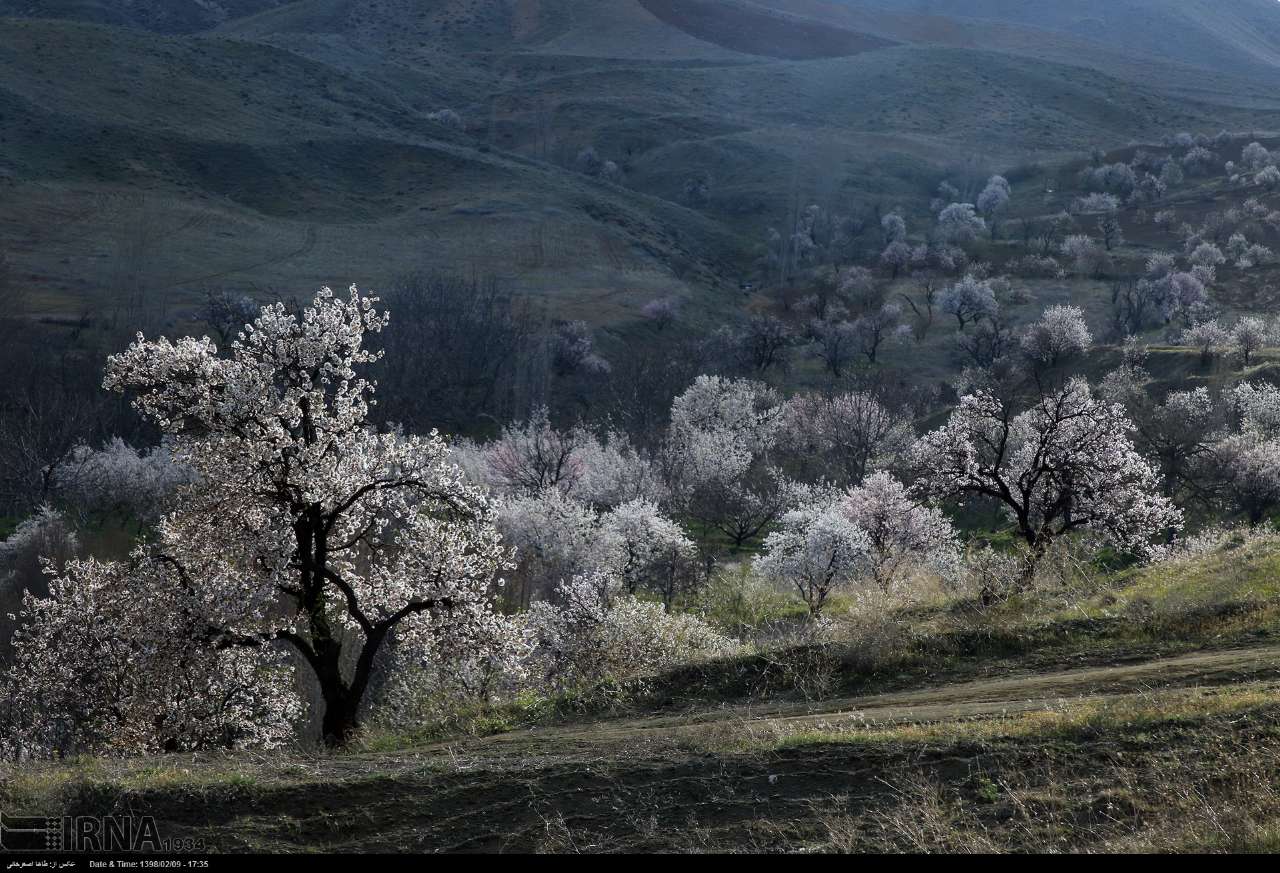
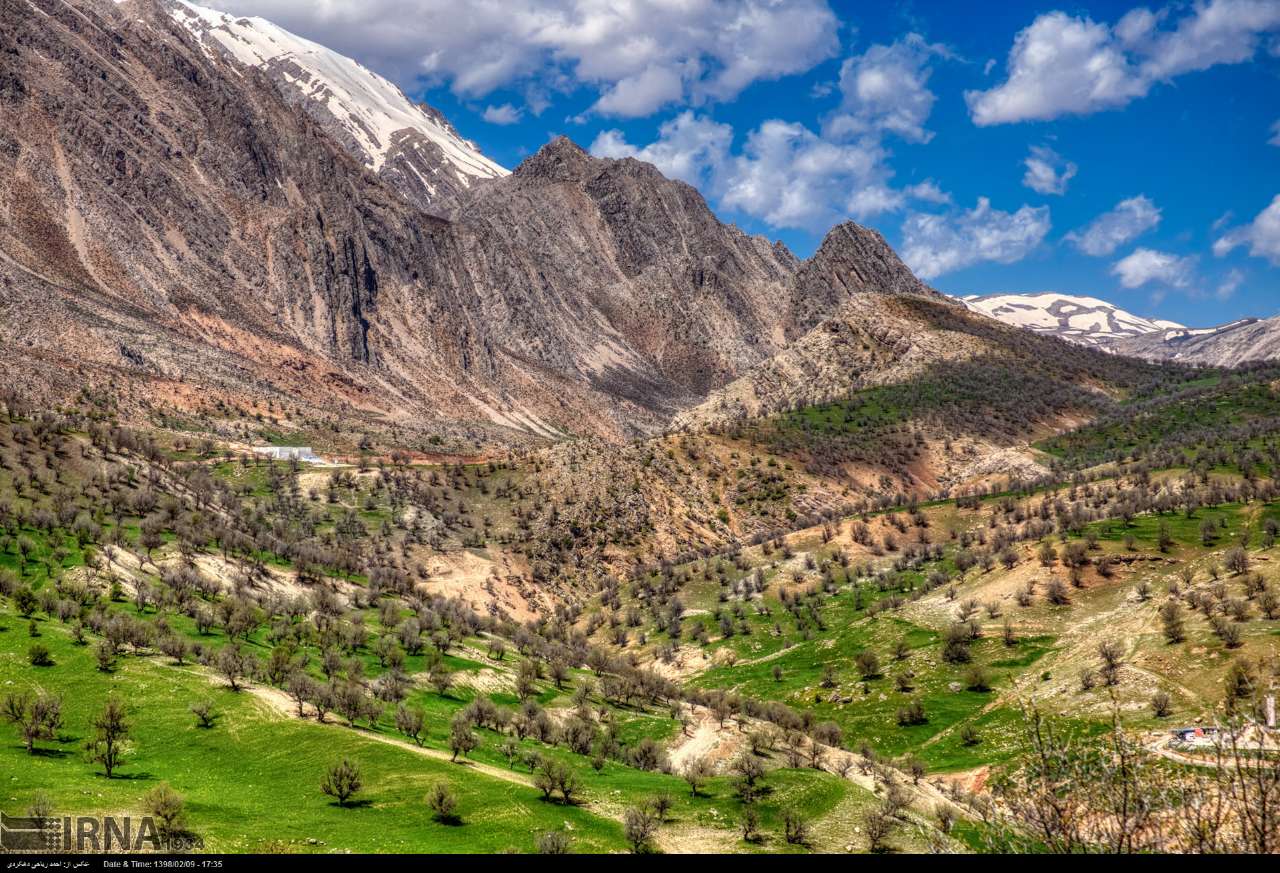
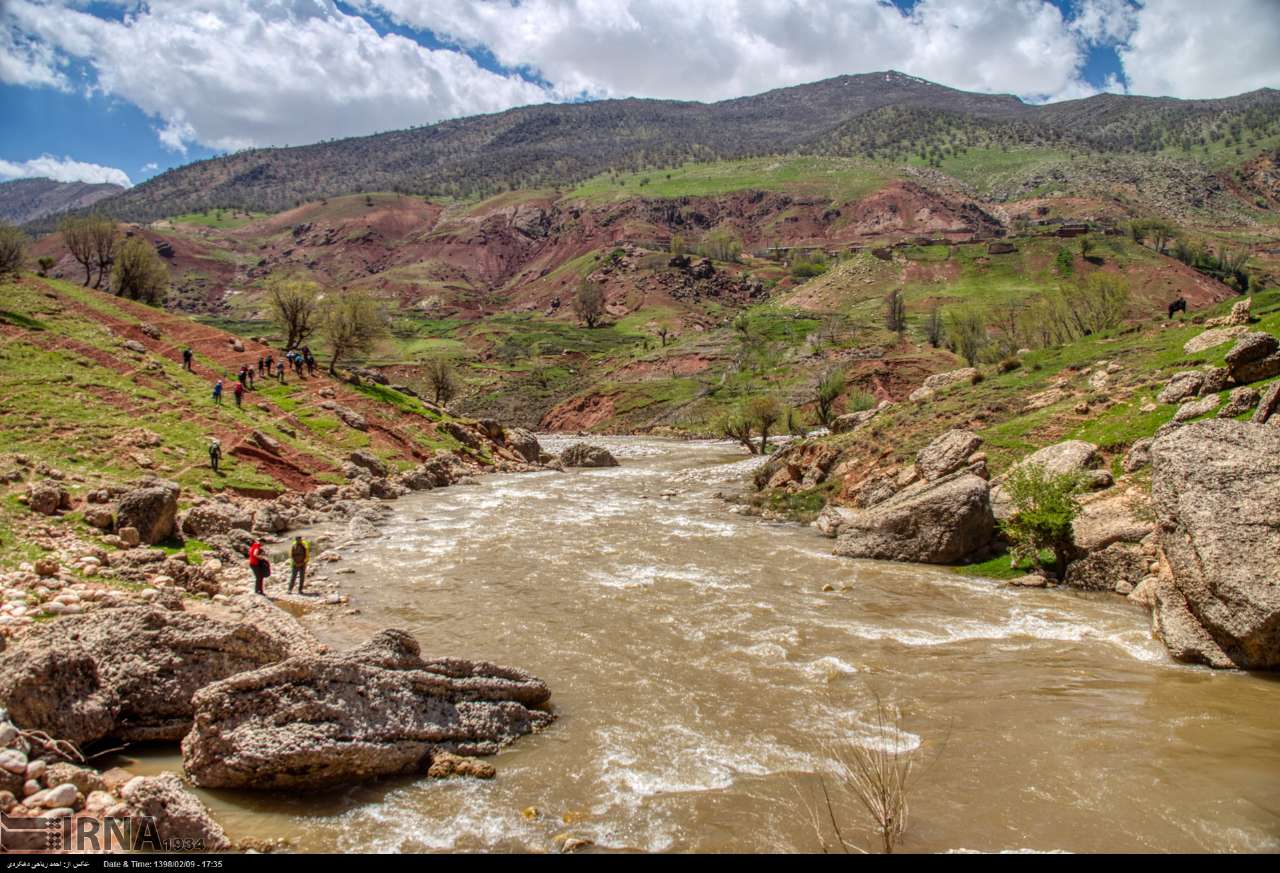
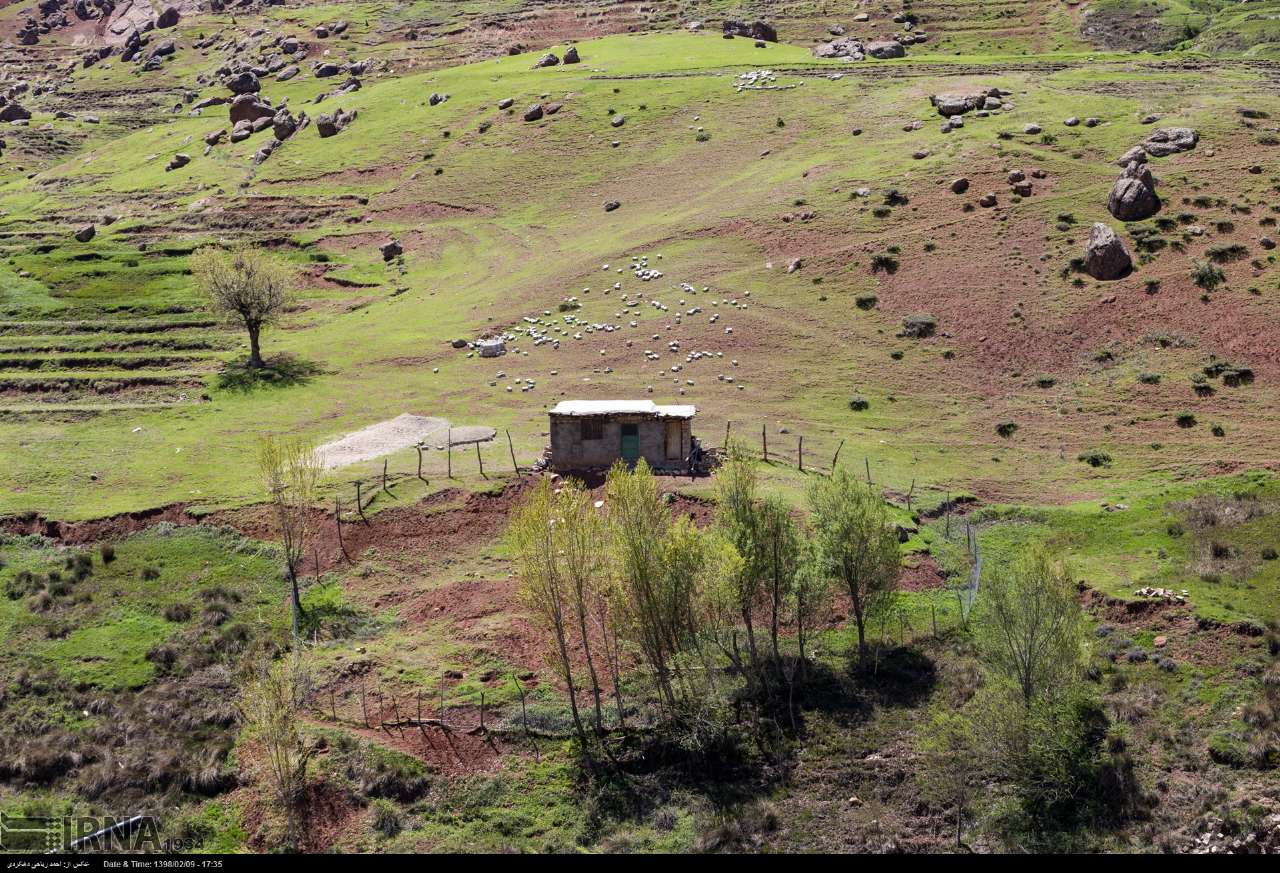
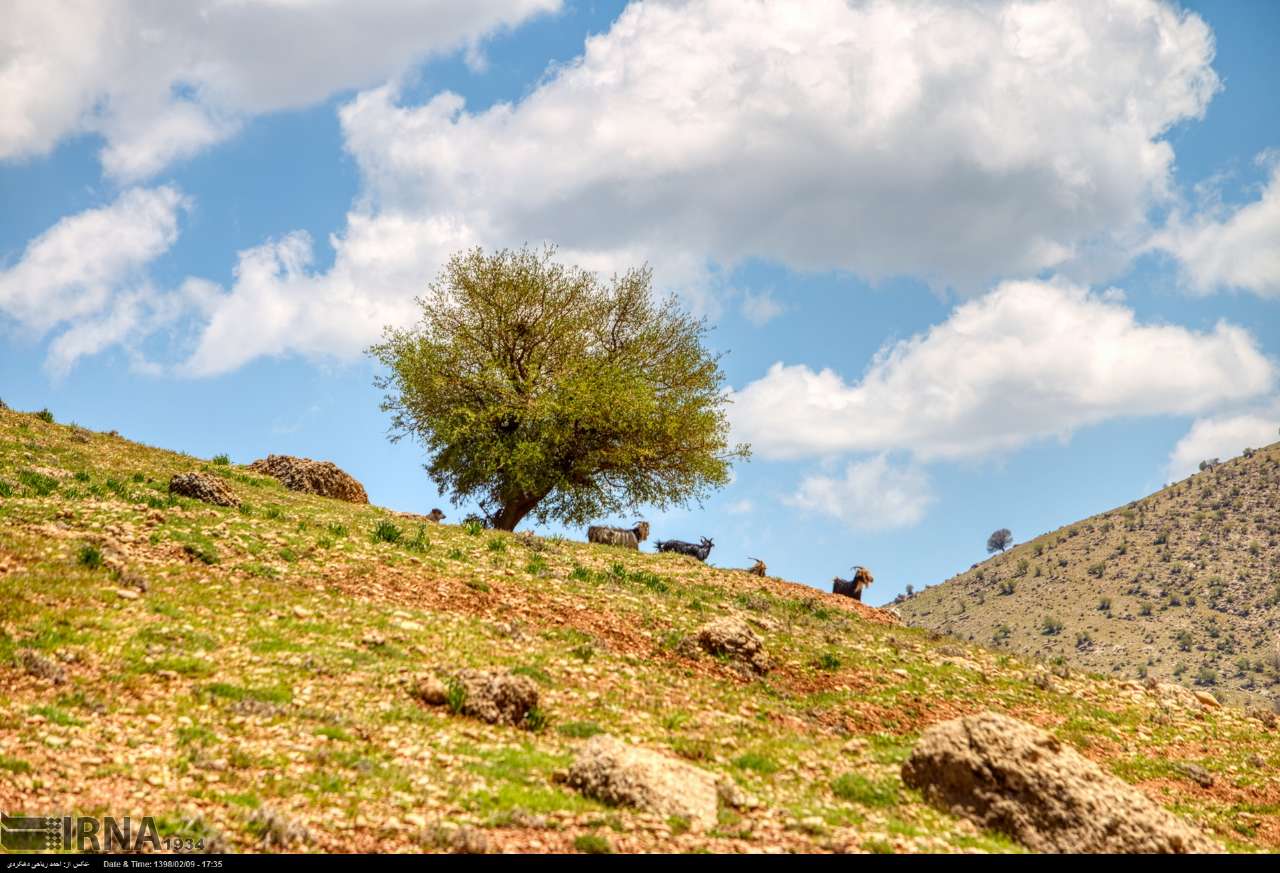
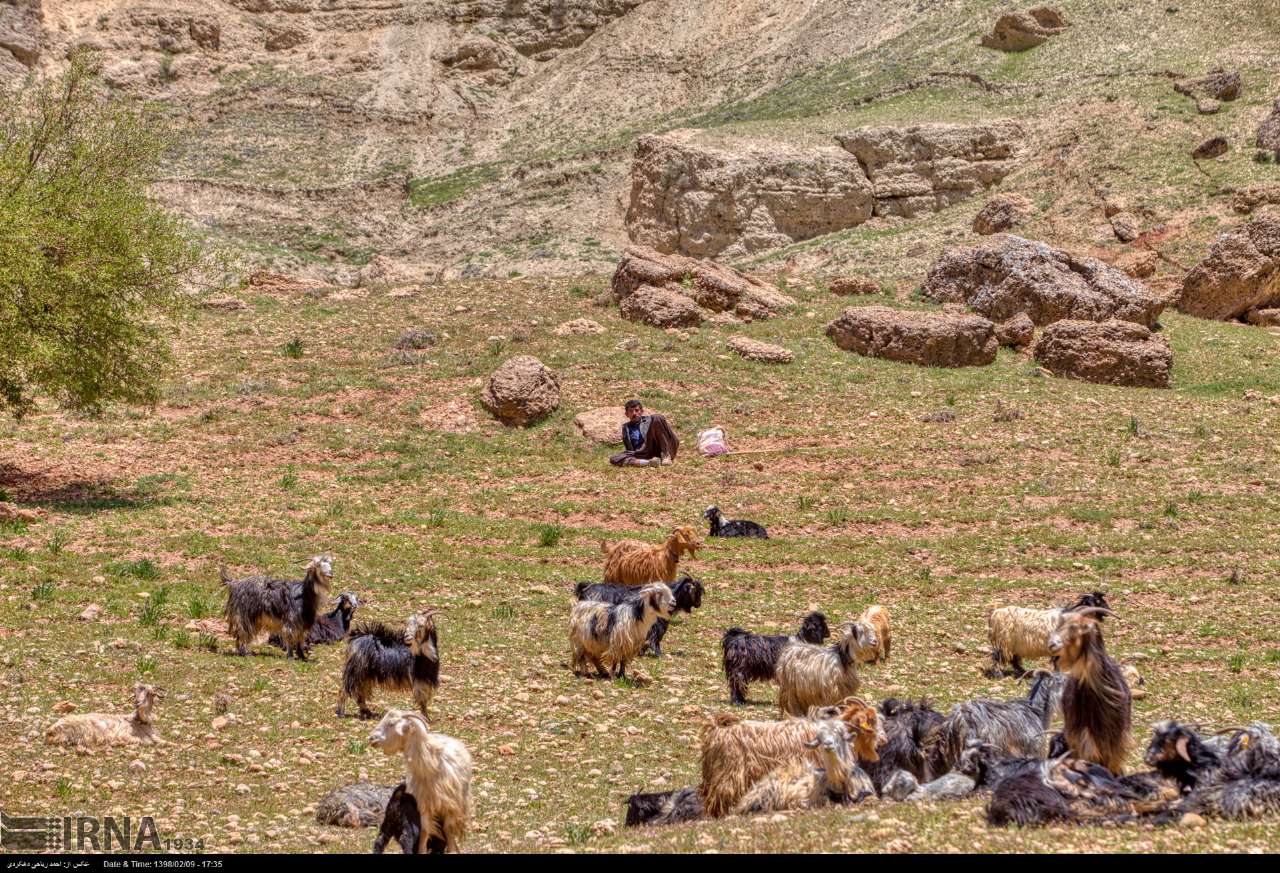
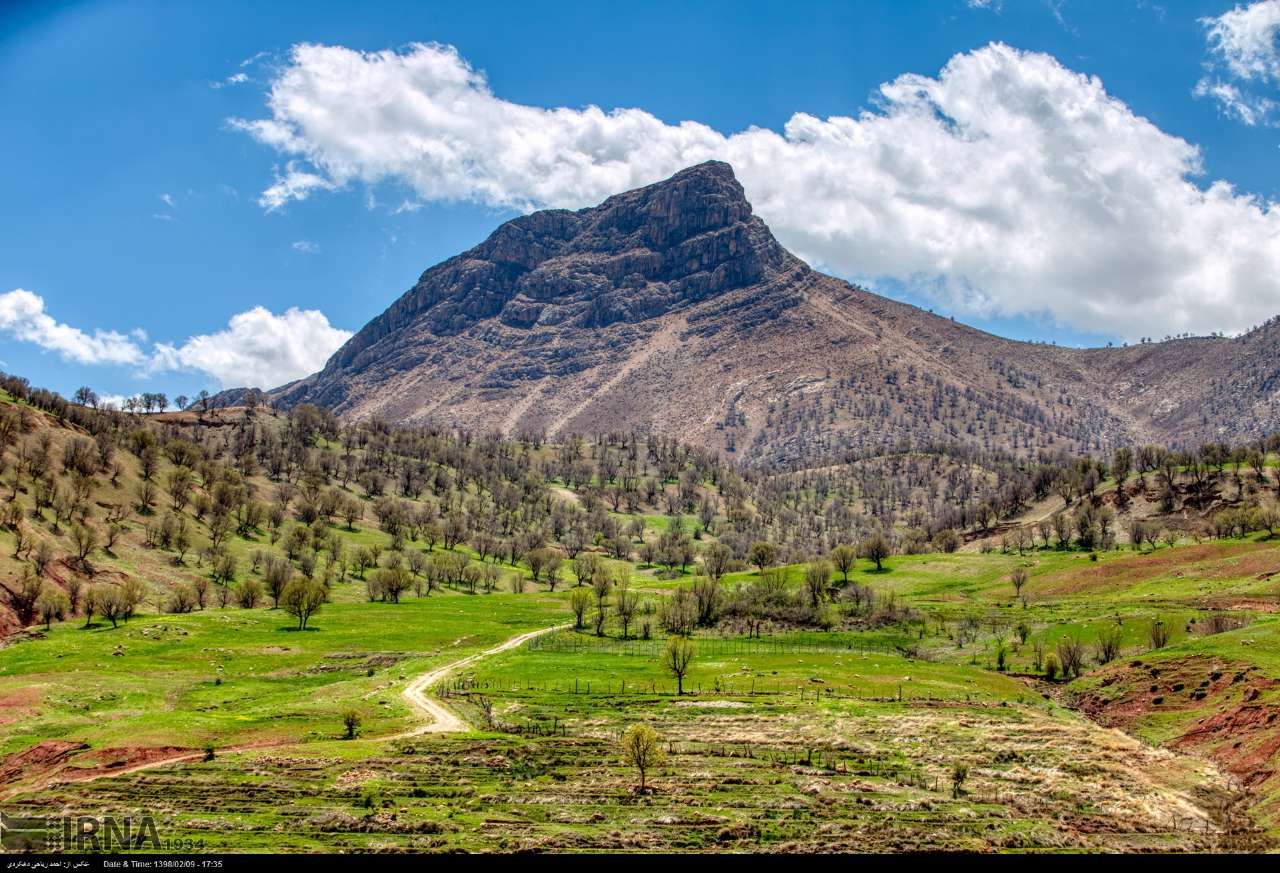
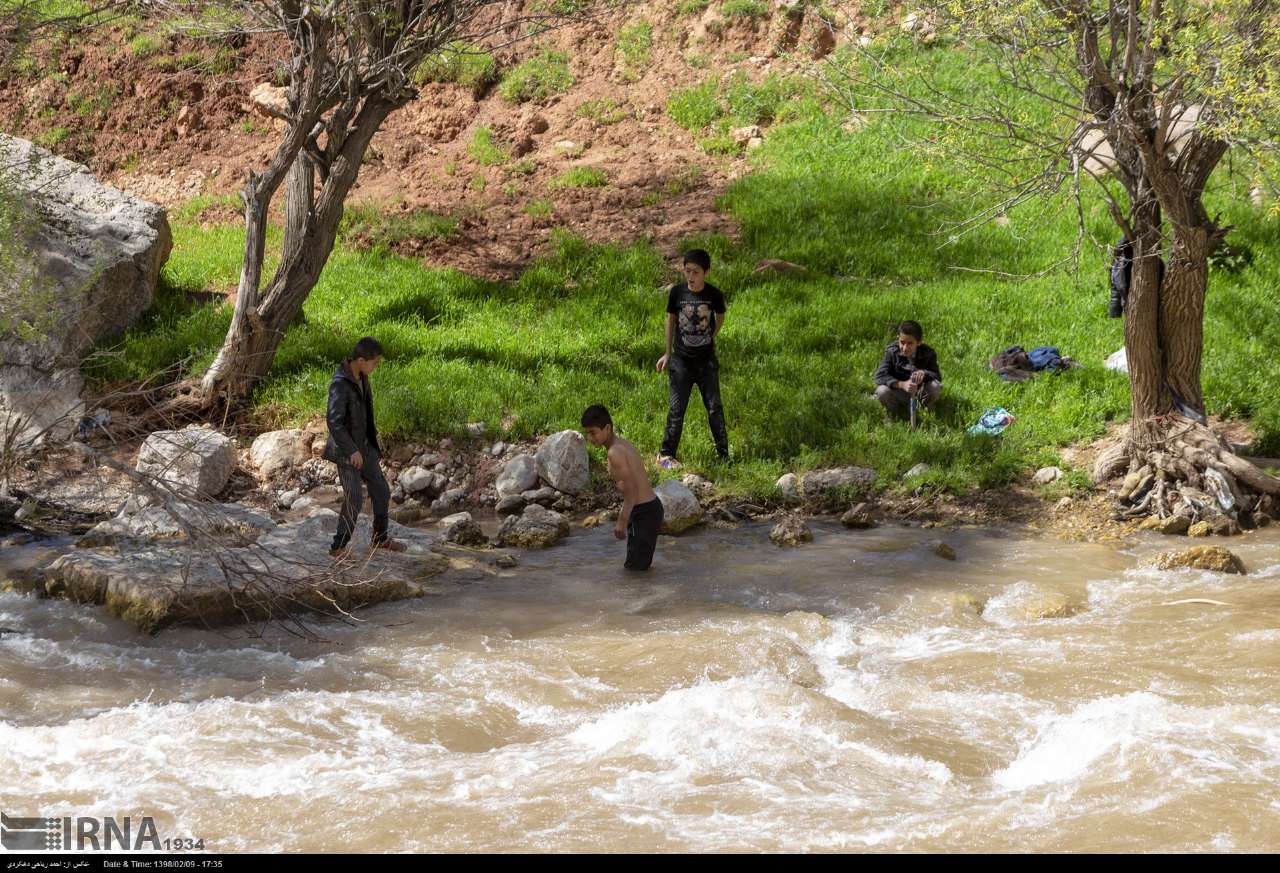
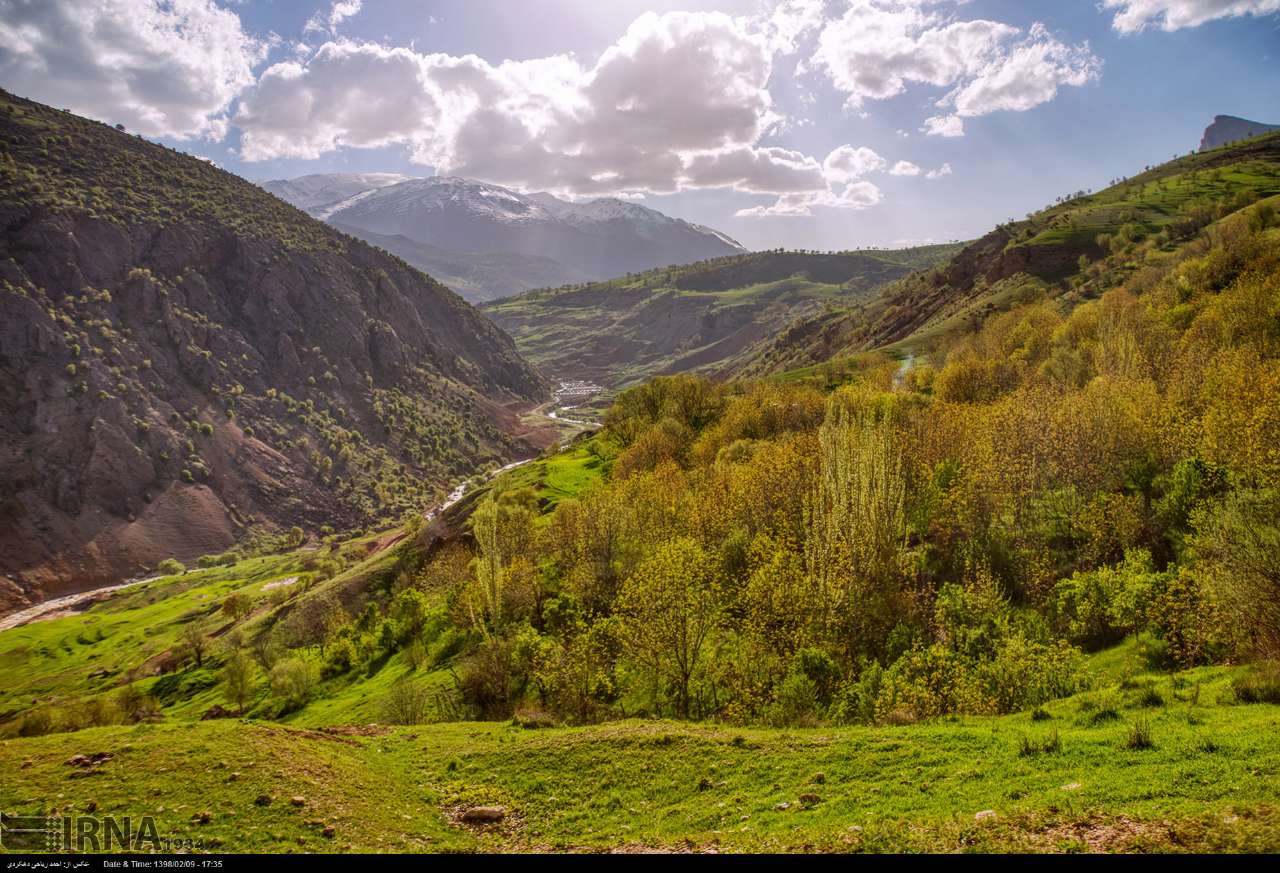
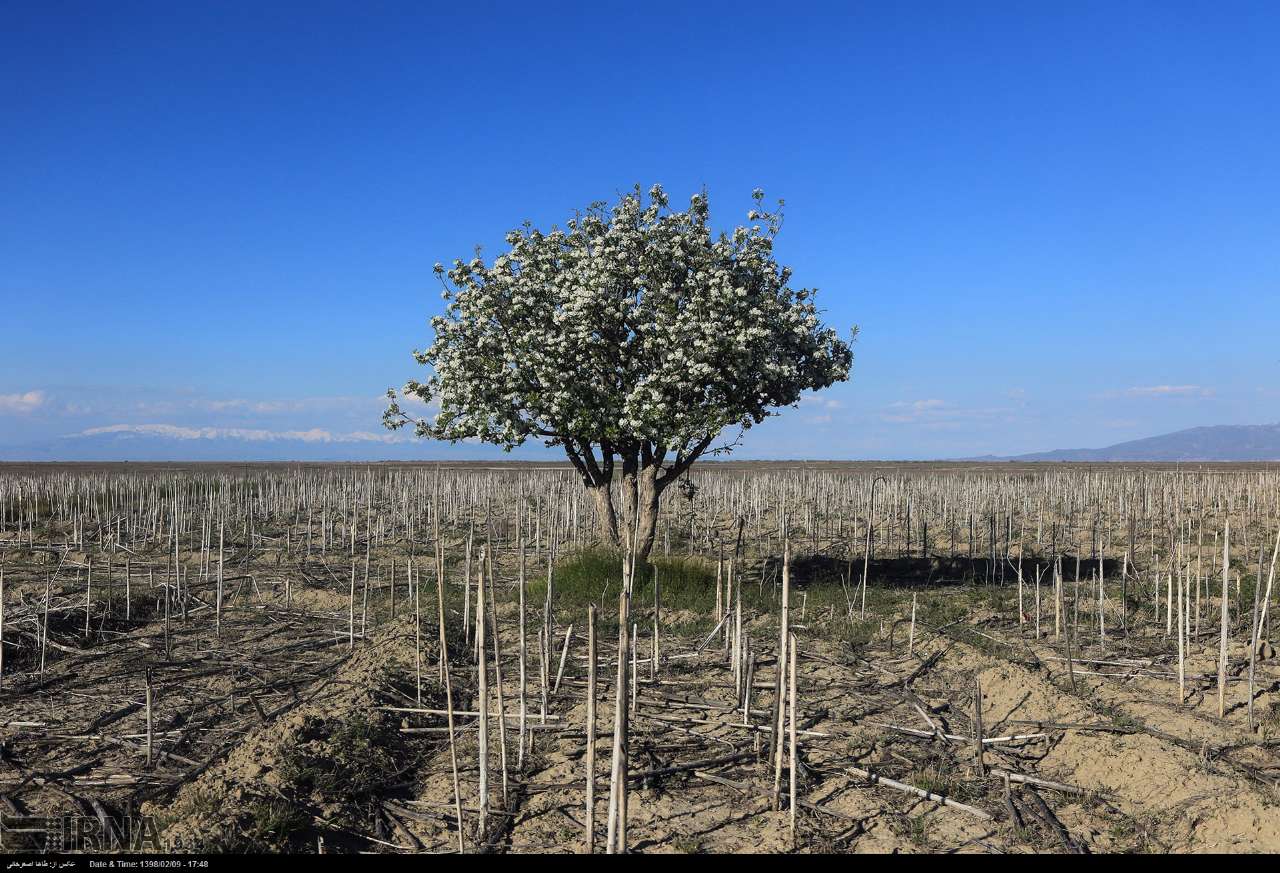
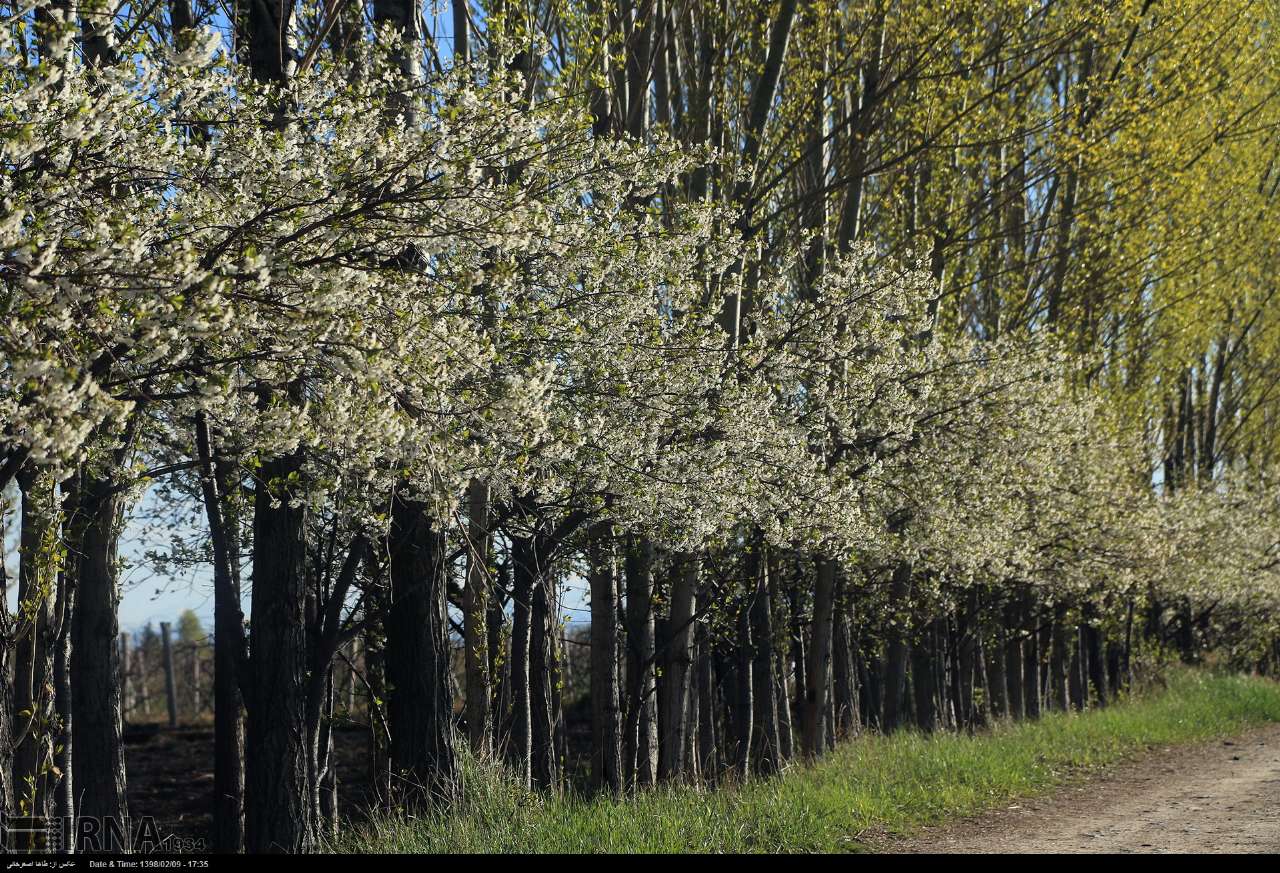
Iran’s Beauties in Photos: Spring in Western Areas

What follows are IRNA’s photos of the magnificent nature of the two provinces: