Monday, April 13, 2026
Home Blog Page 3255

Japan, EU Best Mediators between Iran, US: Ex-Official

Japan, EU Best Mediators between Iran, US: Ex-Official

Qassem Mohebali, the former Director General for Middle East Affairs at the Iranian Foreign Ministry, said many of the countries whose names are on the table as possible mediators between Tehran and Washington “only exchange messages.”

“These countries try to create a positive atmosphere to set the stage for Iran and US to return to a climate of diplomacy. These countries can, at most, have a status like that of Oman, Vietnam or Singapore,” he said in an interview with the Entekhab daily.

He also touched upon Iraq expressing its willingness to mediate between Iran and the United States.

“Before we see whether or not Iraq can act as an intermediary, we should take two points into consideration,” he said.

“First, the Iraqis would try to go for something in between in order to keep their country from being dragged into the challenge or row between Iran and the United States; that means they would try to take sides both with the US and Iran,” he said.

“So, regardless of what will happen, i.e., whether or not Iraq can serve as a mediator, they will try to follow a policy which will keep Iraq from getting involved in a possible conflict between Iran and the US,” he noted.

“This is a prudent policy by the Iraqis,” said the former official.

“They know that they need not only the US as well as its current administration, but also relations with Iran. So, they try to announce their neutrality in this way,” he said.

Trump Pursuing ‘No-Mediator’ Policy

The analyst added that the Trump administration has a policy of not accepting an intermediary.

“A number of countries only exchange messages and only try to create a positive atmosphere to make it possible for Iran and the US to return to a climate of diplomacy. This way, as with the issue of North Korea, they will be able to host negotiations like what happened in Singapore or Vietnam or, for example, between Iran and the United States in Muscat,” he noted.

“In fact, it does not mean that the above-mentioned countries are mediators; rather, it means that they will arrange a suitable time and place for talks,” he said.

Germany’s Situation is Different

Nevertheless, he said, maybe the situation of Germany is different, but other governments can have a status like that of Oman, Vietnam or Singapore.

Lack of Tension between Iran-US in Europe’s Interest

He then touched upon which country can be the best mediator between Iran and the US.

“We should choose the best mediator based on the policies and interests of those countries,” he said.

“In the JCPOA issue, it became clear that the EU’s interests lie in that no war happens in the region,” he noted.

“Europe does not benefit from tensions, either,” Mohebali added.

“So, the EU seeks to settle the issue between Iran and the US one way or another,” he said.

“It is unlikely that the easing of tensions between Iran and the US or the removal of Iran sanctions will be in the interests of the other parties,” said the ex-official.

China, Russia Not to be Good Mediators

He then discussed whether Beijing and Russia can be good intermediaries.

“Russia and China, for instance, benefit from this situation while trying to gain concessions from the United State by using Iran as a tool,” he said.

“But they (China and Russia) will not be good mediators because they don’t want the problem between Iran and the United States to be solved,” he further said.

“The solution of the Iran-US problems will change the situation in the region and ratchet up the pressure against them (Russia and China),” he added.

Japan, EU Best Mediators

He said only Japan and the European Union can serve as suitable intermediaries between Iran and the US. He noted Japan and the EU have cordial relations with Washington and do not benefit from a possible war, and any further escalation of the row between Iran and the US would be to their detriment.
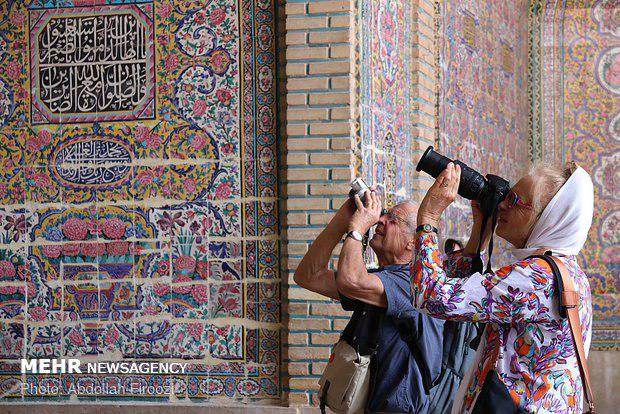
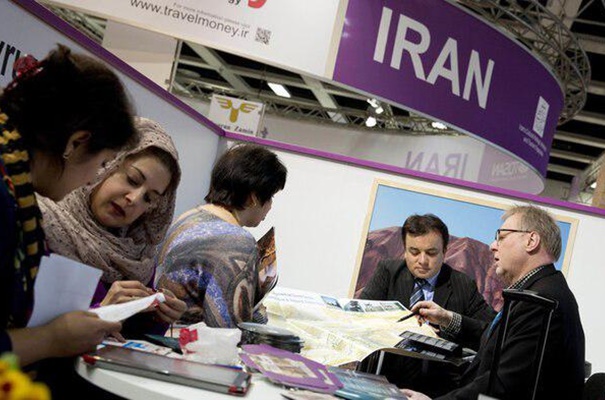
Iran Exempts Travel Agencies from VAT to Promote Tourism

Iran Exempts Travel Agencies from VAT to Promote Tourism

As of now these tours are considered as instances of service exports that bring foreign currency to the country, a report by Cultural Heritage, Handicrafts, and Tourism news (CHTN) said.

This decision was made upon a proposal by Vice President and Head of Cultural Heritage, Handcrafts and Tourism Organisation, Ali Asghar Mounesan.

In a letter, Mounesan had said, “The arrival of tourists in the country is one of the most important instances of service exports. Please find a solution to help this channel work in a situation that other channels for export of commodities are facing problems.”

Tourism in Iran is diverse, providing a range of activities from hiking and skiing in the Alborz and Zagros mountains, to beach holidays by the Persian Gulf in the south and the Caspian Sea in the north.

The Iranian government has been making concerted efforts to attract tourists to the various destinations in the country and arrivals have increased during the past few years. Kish Island alone attracts around 1 million visitors per year, the majority of whom are Iranian but the area also attracts many non-Iranian Muslims.

According to a report published by World Travel and Tourism Council in 2015 the size of Iran’s tourism industry is estimated as having the potential to create jobs for over one million people and rise by 4.1% to reach over 1,900,000 jobs in 2025.

German Companies Staying in Iran despite US Pressures

German Companies Staying in Iran despite US Pressures

Figures released by the German Chamber of Commerce and Industry indicate that German companies are still keen on being present in the Iranian market.

While in recent months the US has intensified its sanctions aimed at cutting off the cooperation of foreign companies with the Iranian market, the activity of the offices of dozens of German companies in Iran indicates that these companies are not paying attention to such sanctions.

Head of foreign trade at the German Chamber of Commerce and Industry Volker Trier says about 60 German companies are still cooperating with Iran.

He also said that the economic situation in Iran is very sensitive, and the US sanctions have affected most of the financial transactions of foreign companies with Iran.

According to official statistics, the amount of German exports to Iran during January-March this year was 339 million euros.

The most important items of German exports to Iran are machineries, mechanical appliances, laboratory and electronic installations, as well as industrial products, including optical and automotive products.

Economic relations between Germany and Iran have traditionally been close. Some 30 percent of Iran’s industrial infrastructure was produced in Germany.

In 2017, trade between Germany and Iran increased by 17 percent compared with 2016 to around 3.4 billion euros.

German exports to Iran were worth 3 billion euros, while German imports from Iran amounted to around 410 million euros. Germany was thus the largest EU exporter to Iran.

Park in St. Petersburg to Be Named after Iran’s Isfahan

Park in St. Petersburg to Be Named after Iran's Isfahan

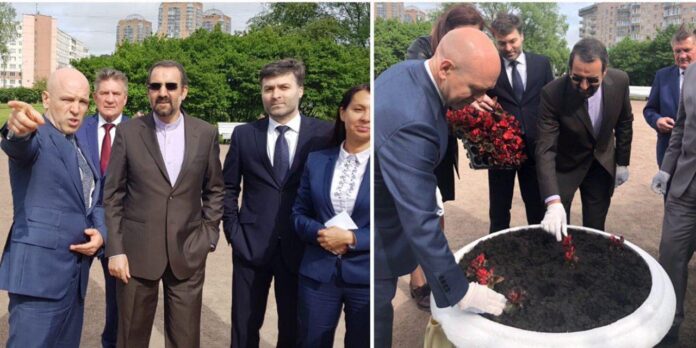
Iran’s ambassador to Russia Mahdi Sanaie and the mayor of one of the regions of St. Petersburg have visited a the 2-hectare green space in the city that will soon turn into ‘Isfahan Park’.

Isfahan Park Construction Project in St. Petersburg is one of the agreements between St. Petersburg and Isfahan municipalities.

St. Petersburg, the second largest city in Russia after Moscow, was built by Peter the Great in 1703. Since 1712 to 1918 it was the capital city of Russia.

Many historic sites of the city have been registered on the UNESCO World Heritage List.

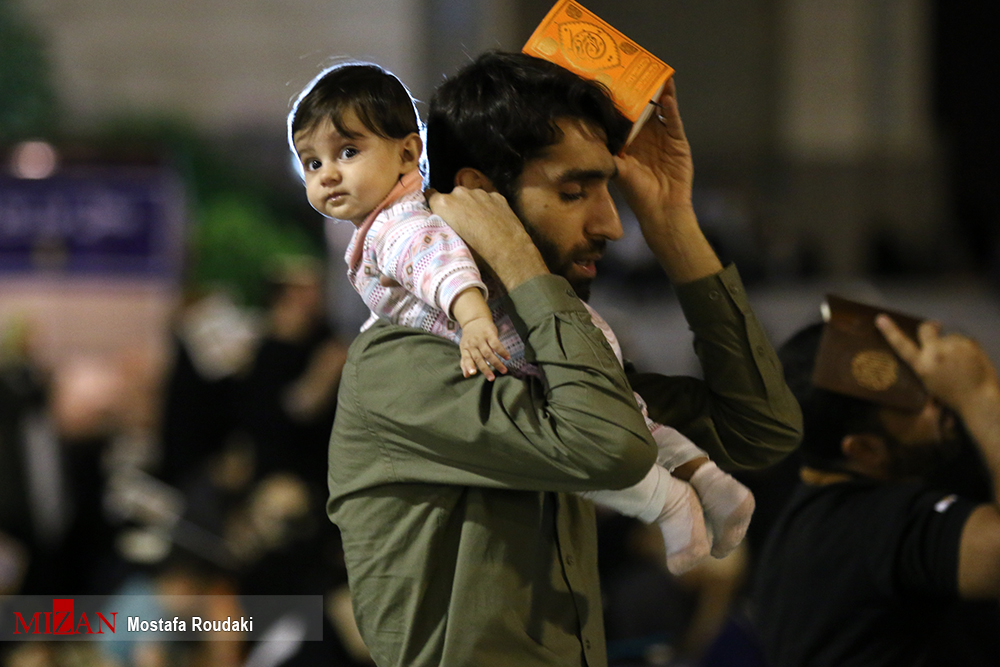
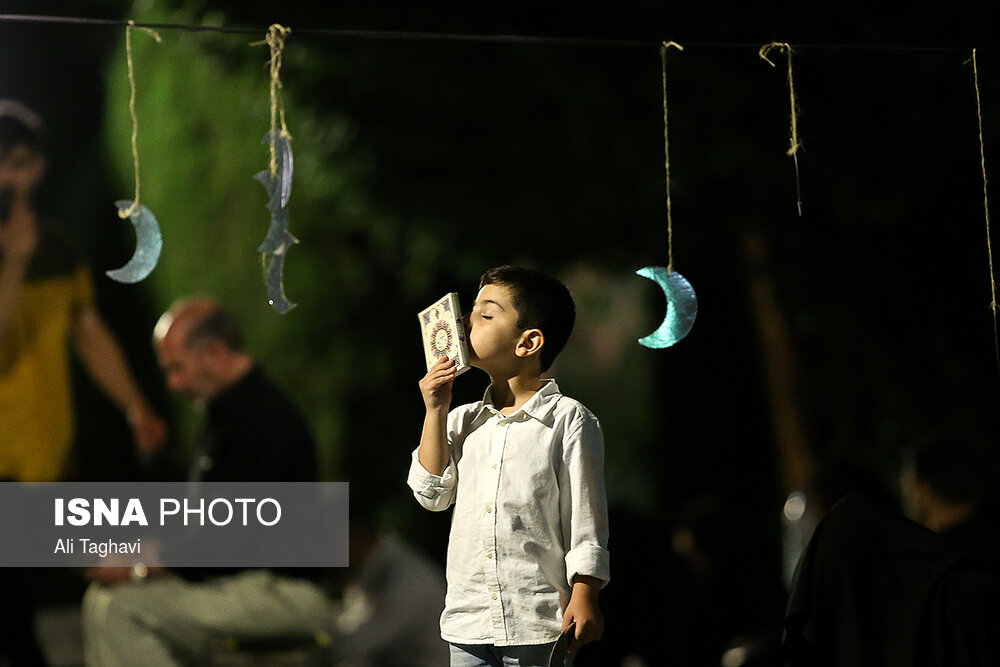
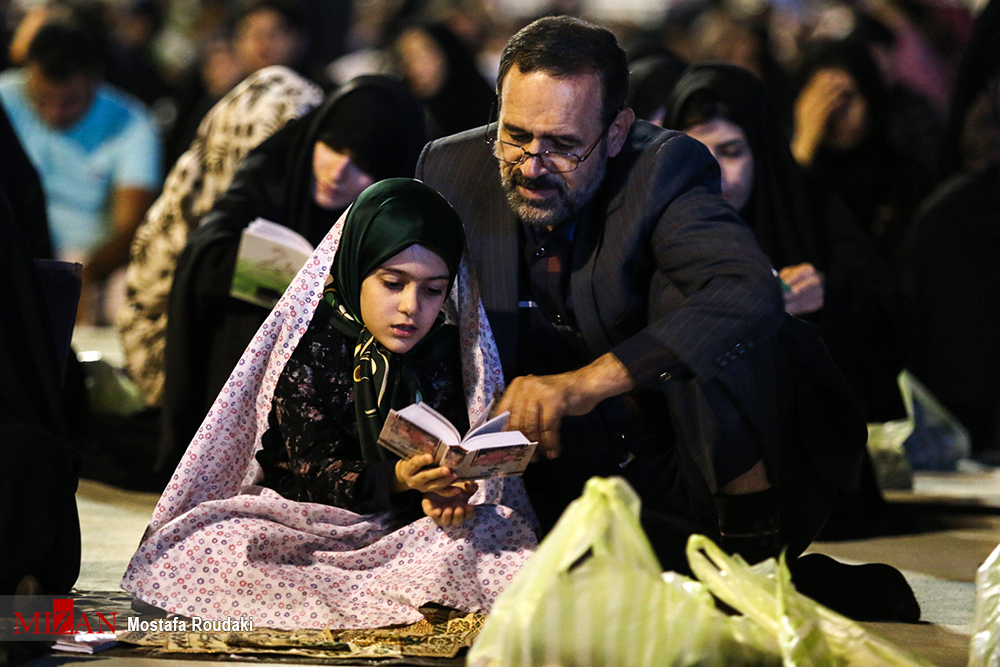
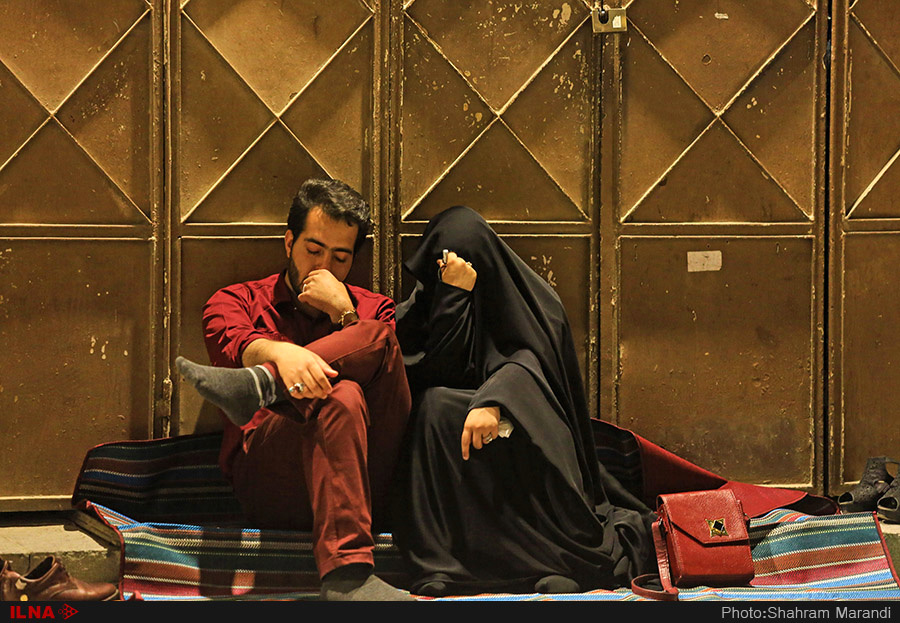
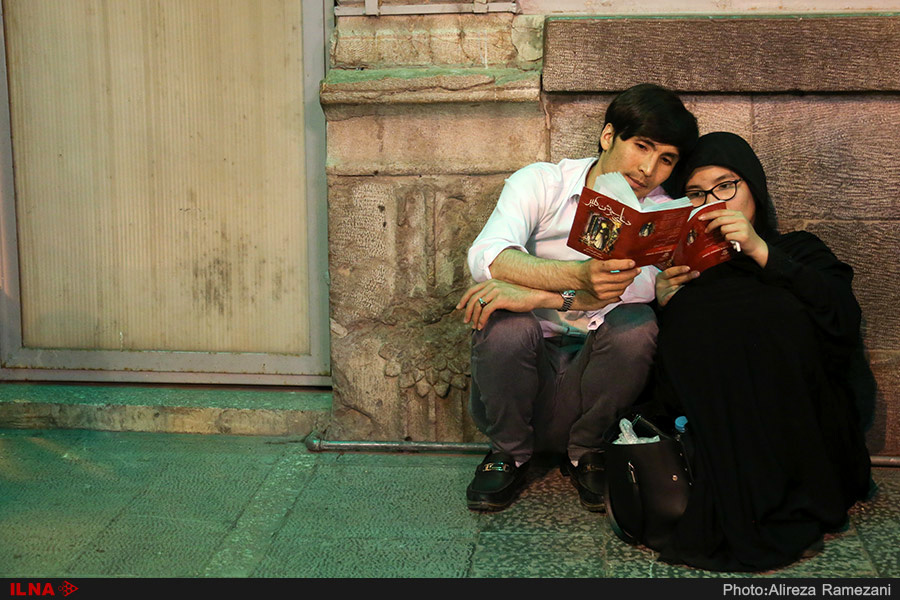
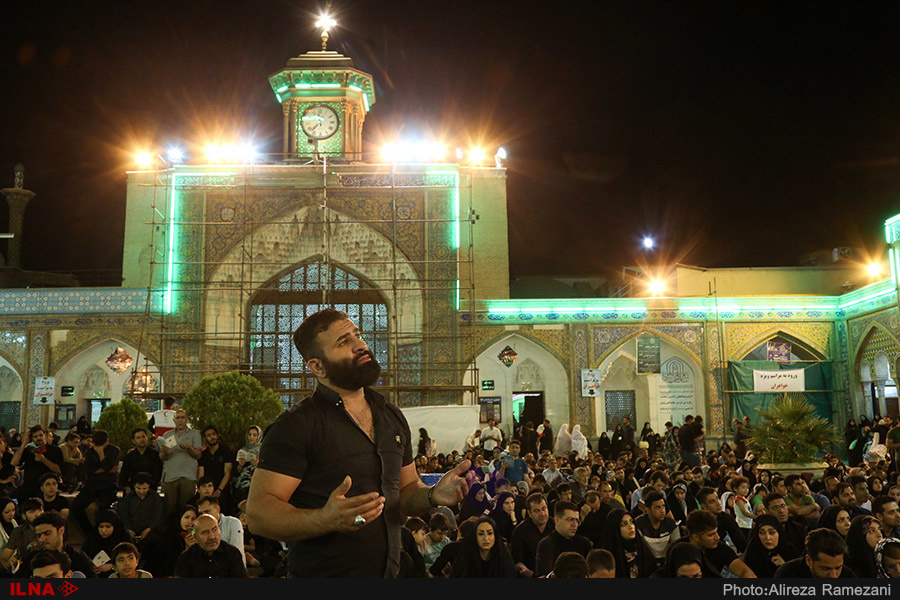
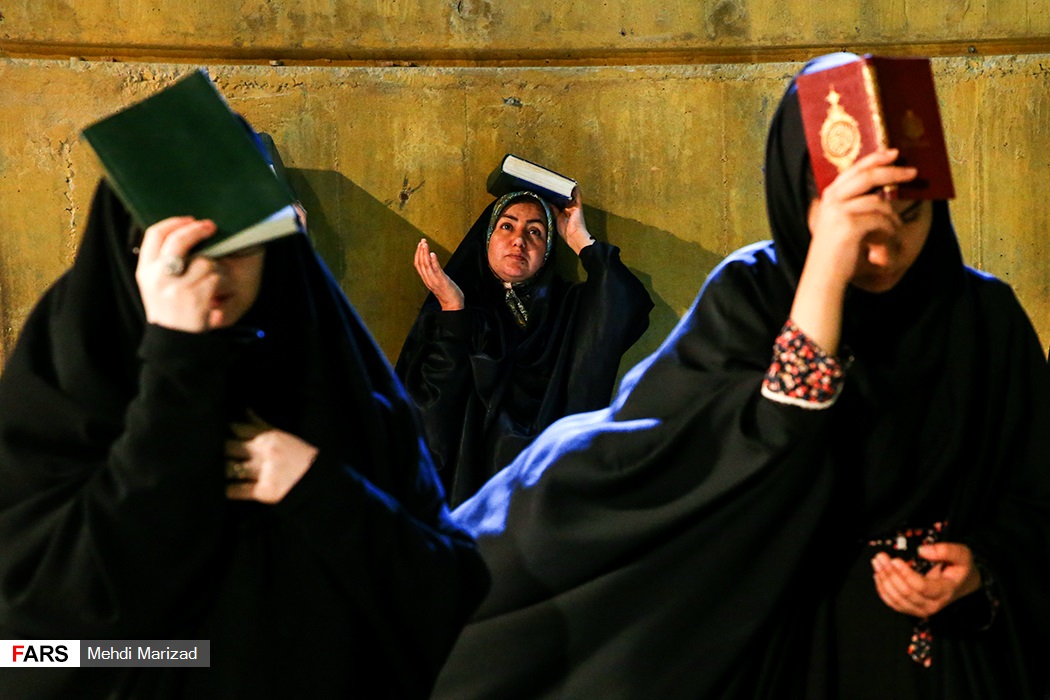
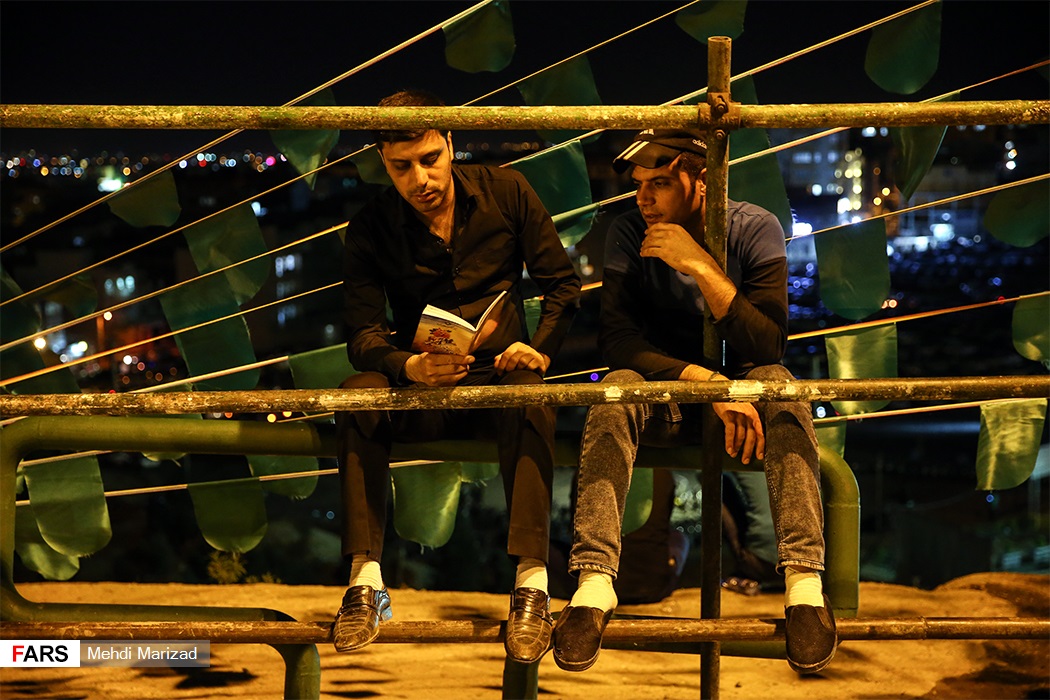
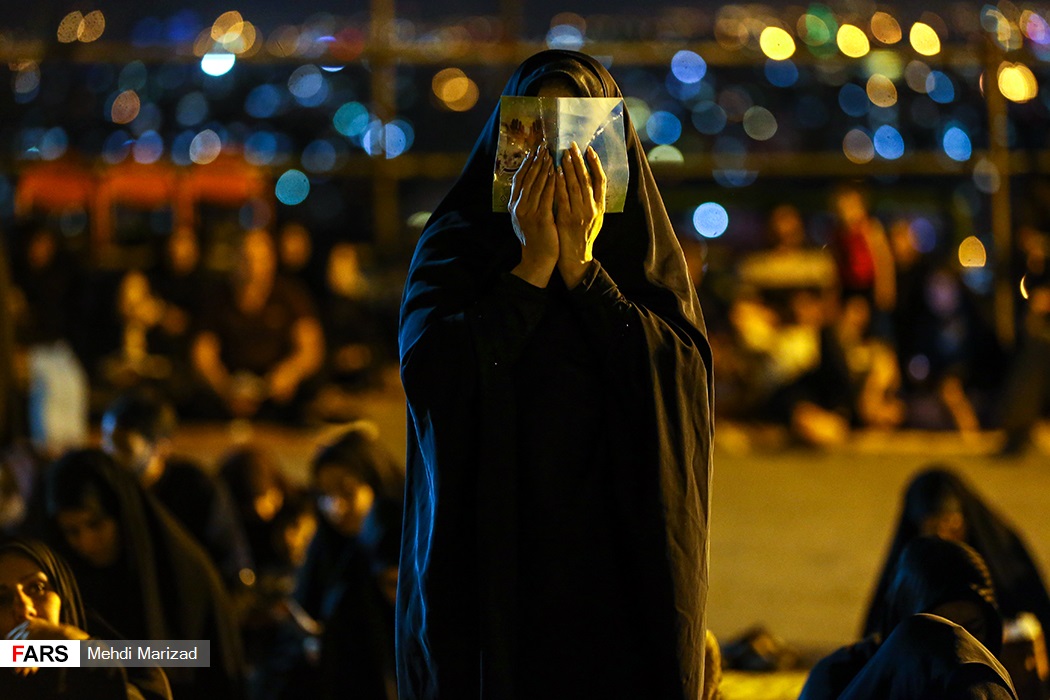
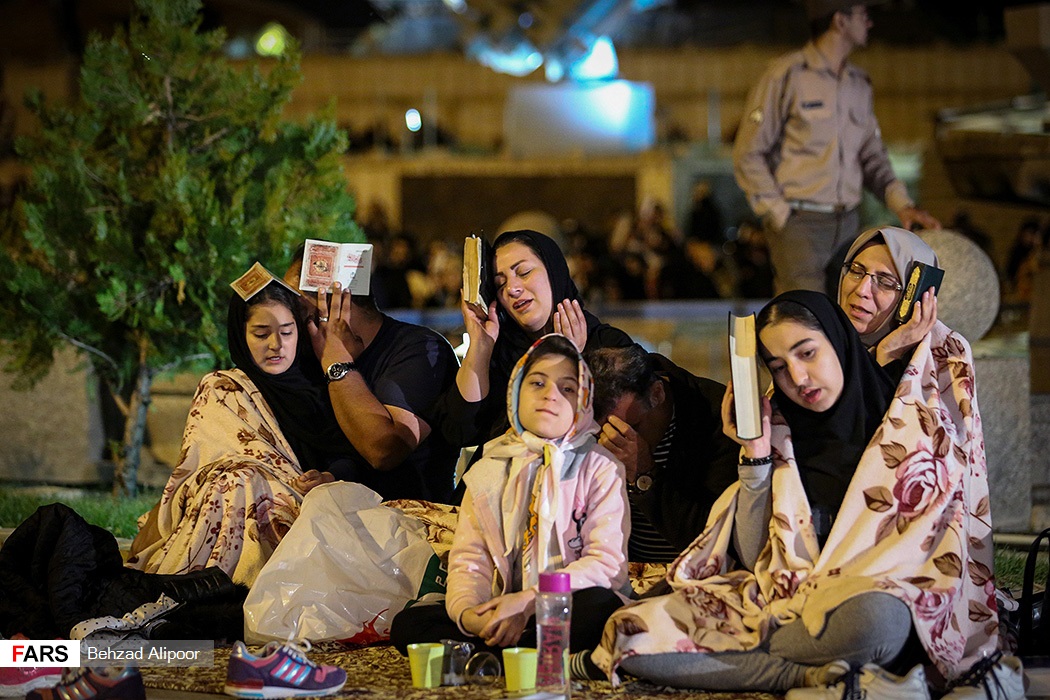
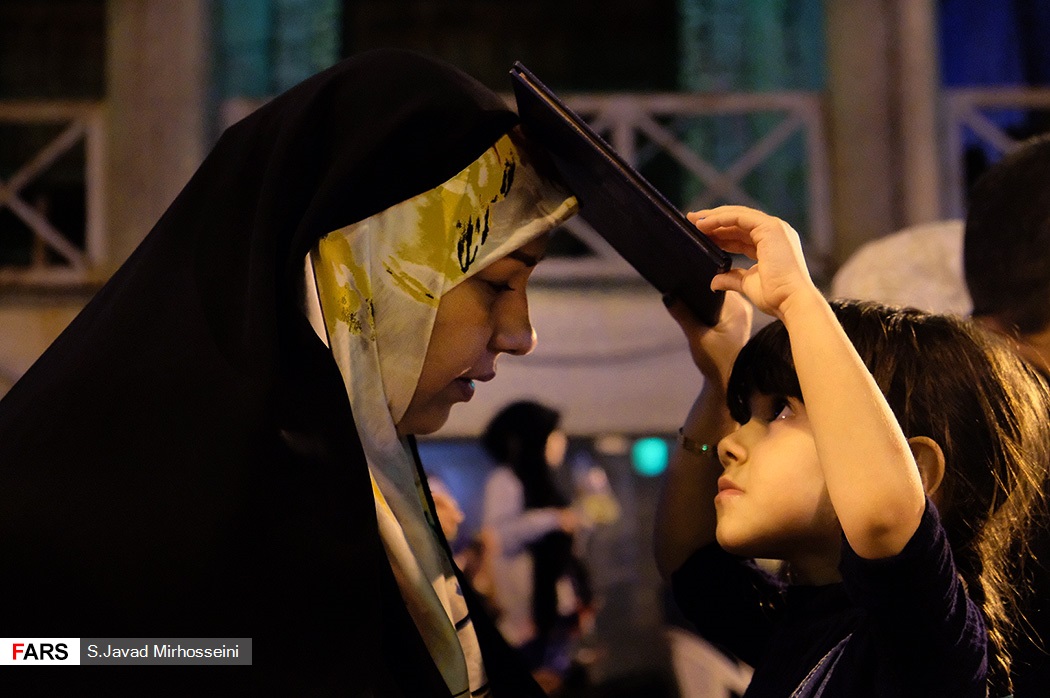
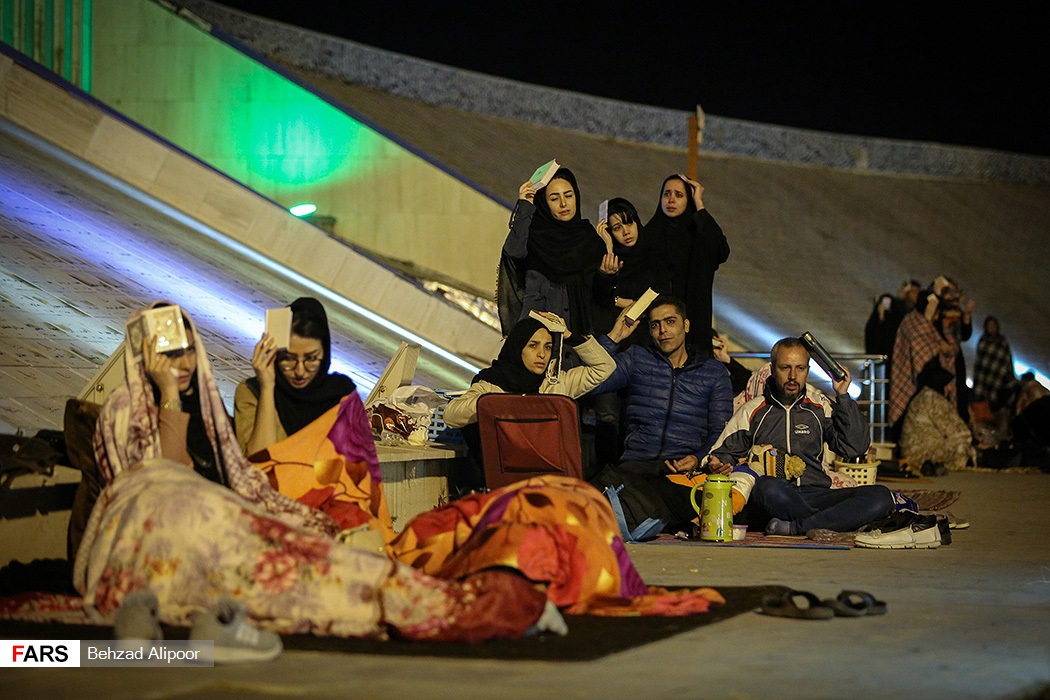
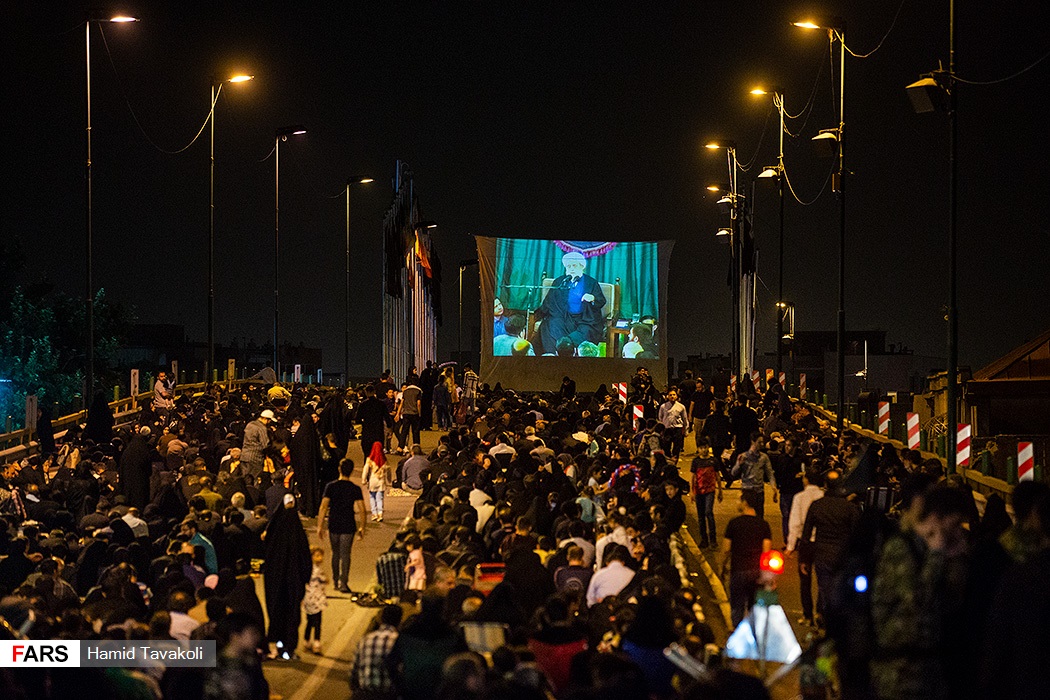
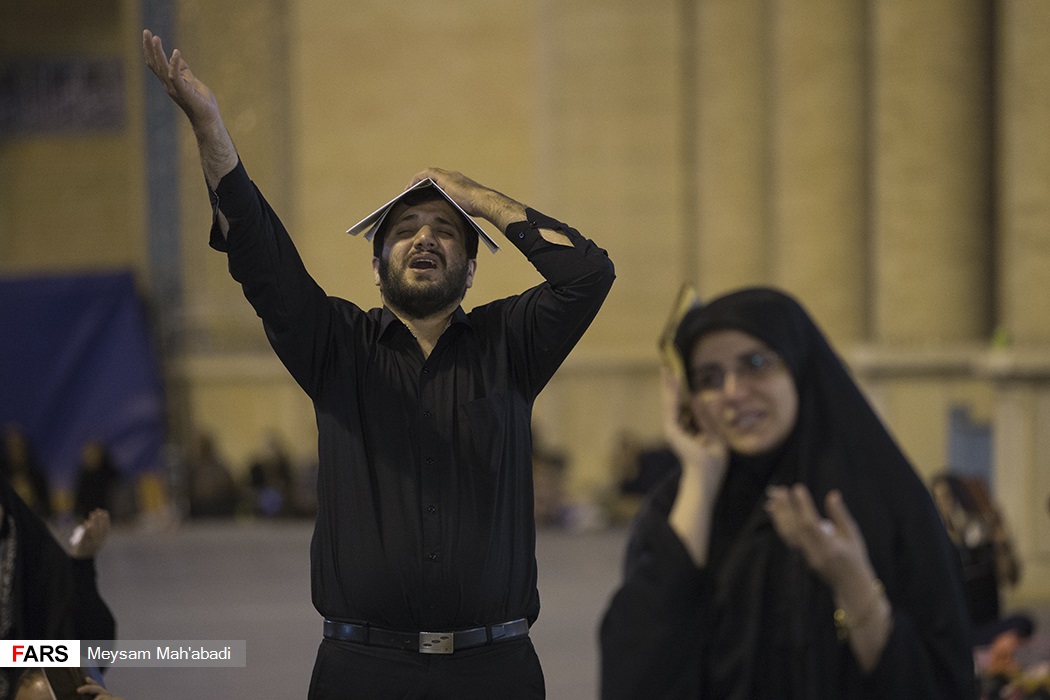
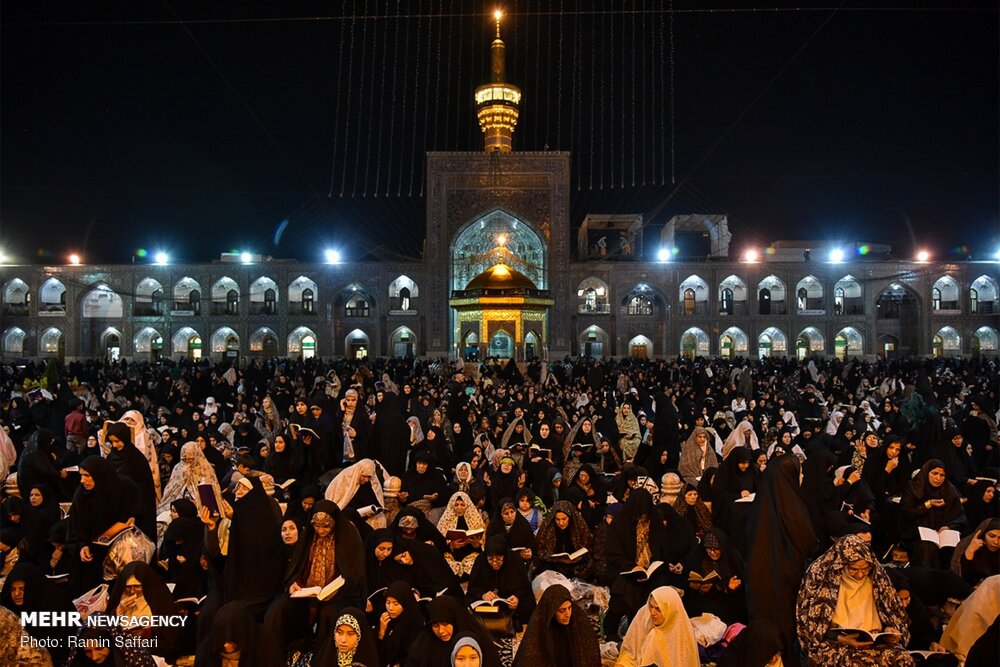
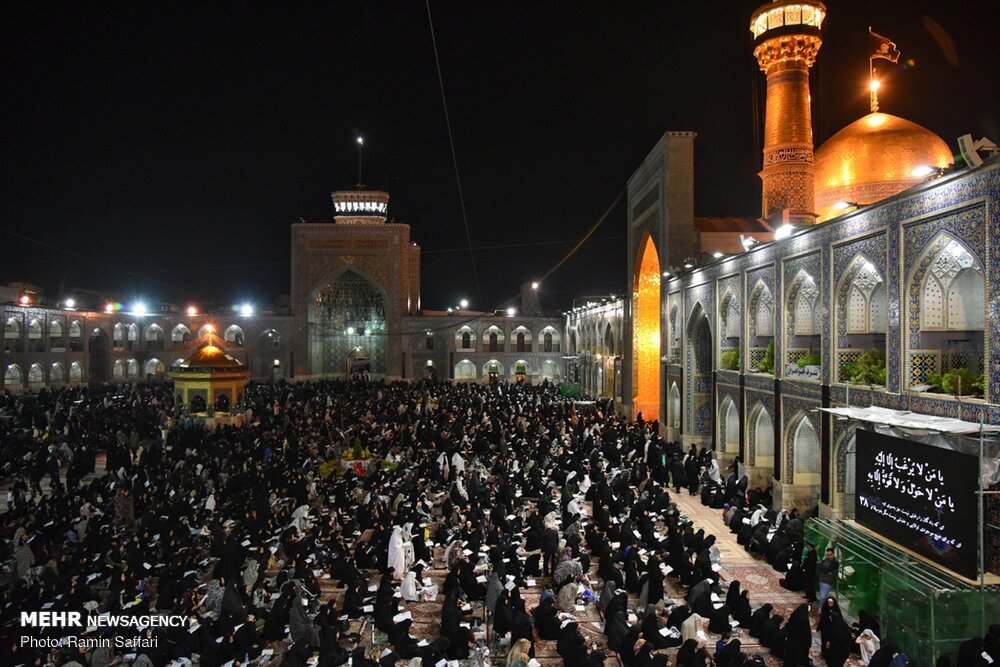
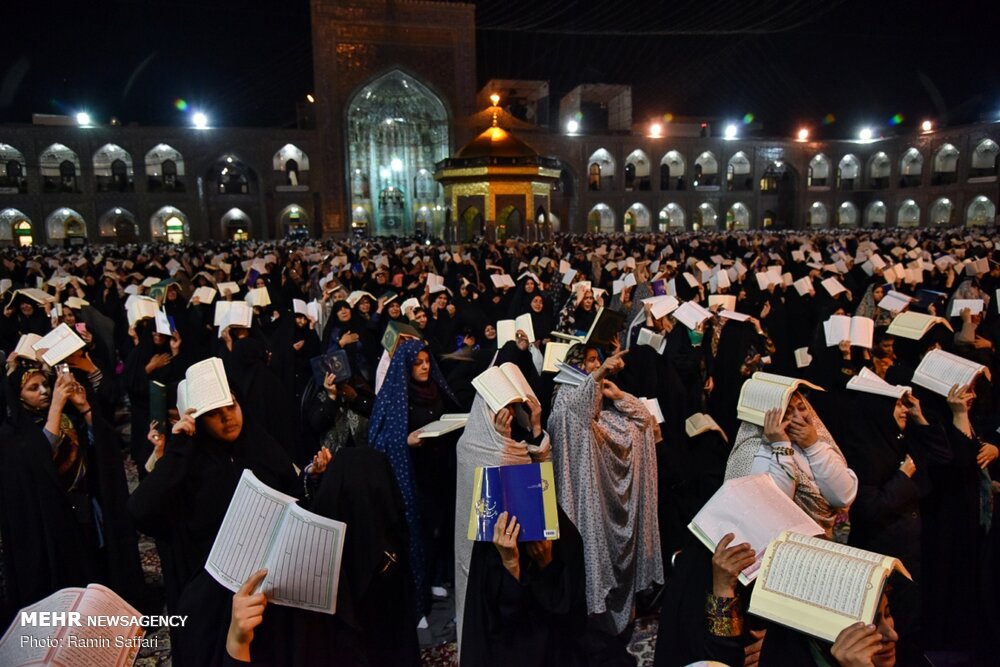
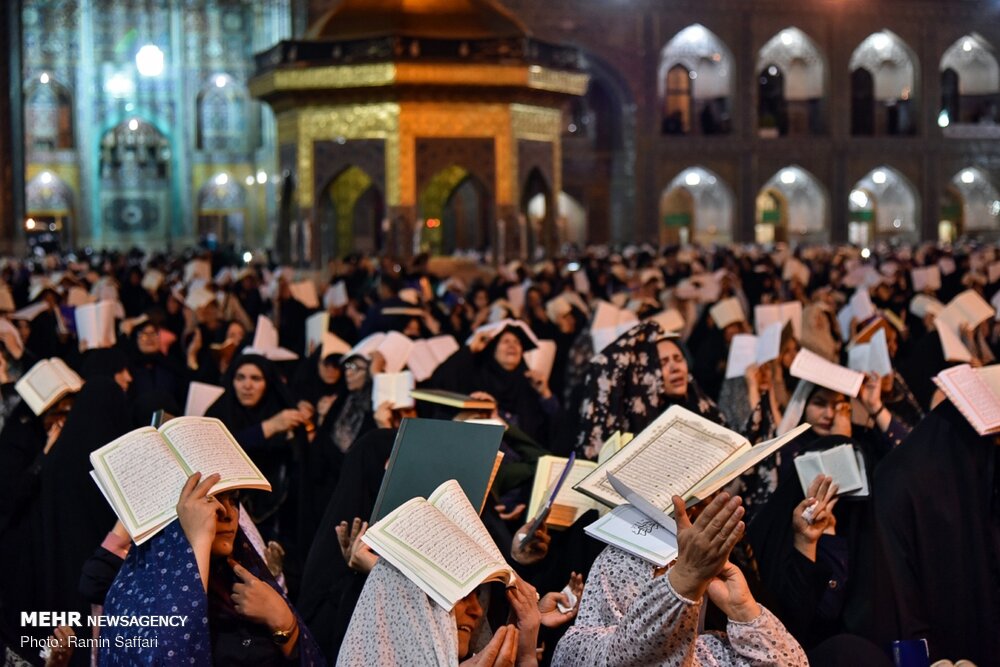
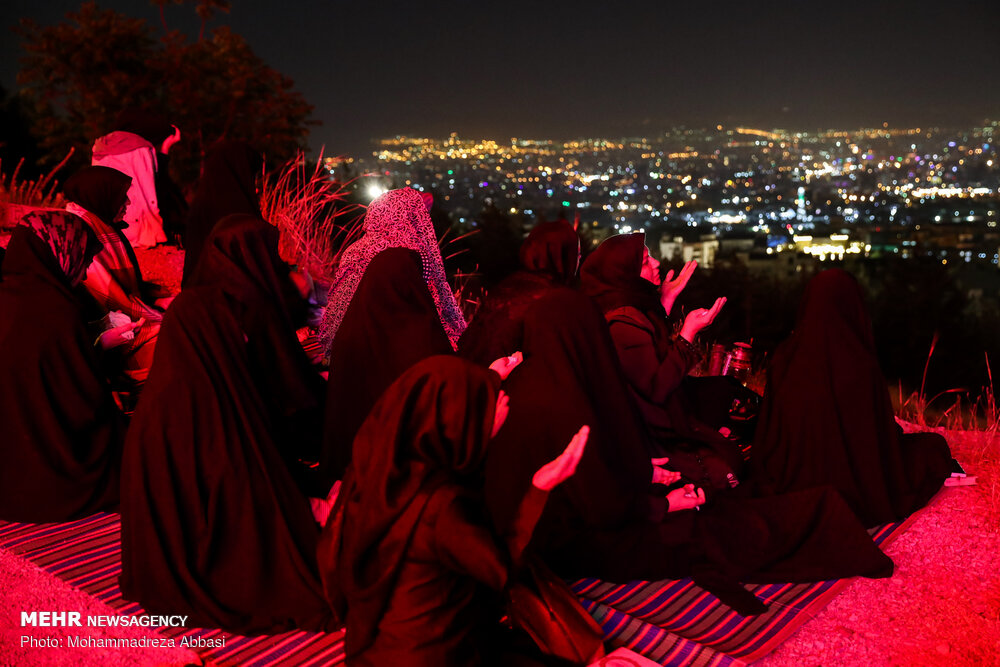
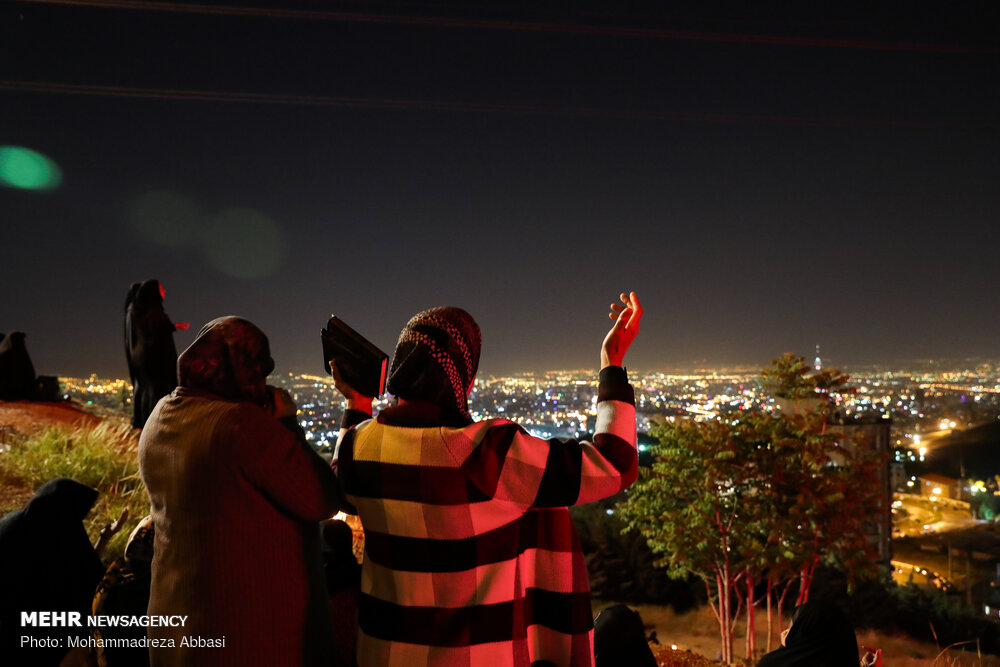
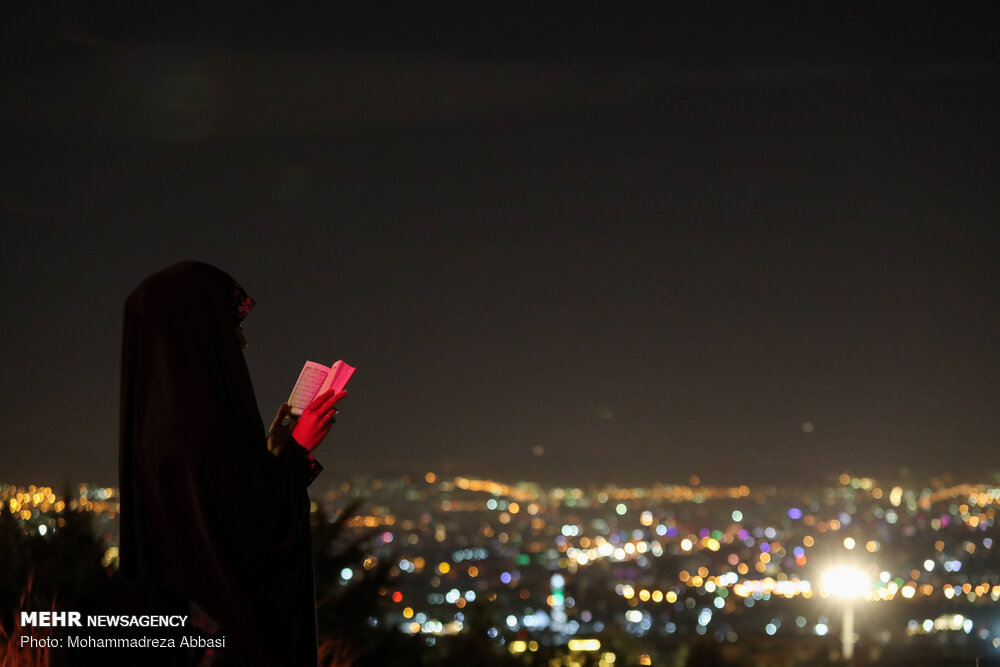
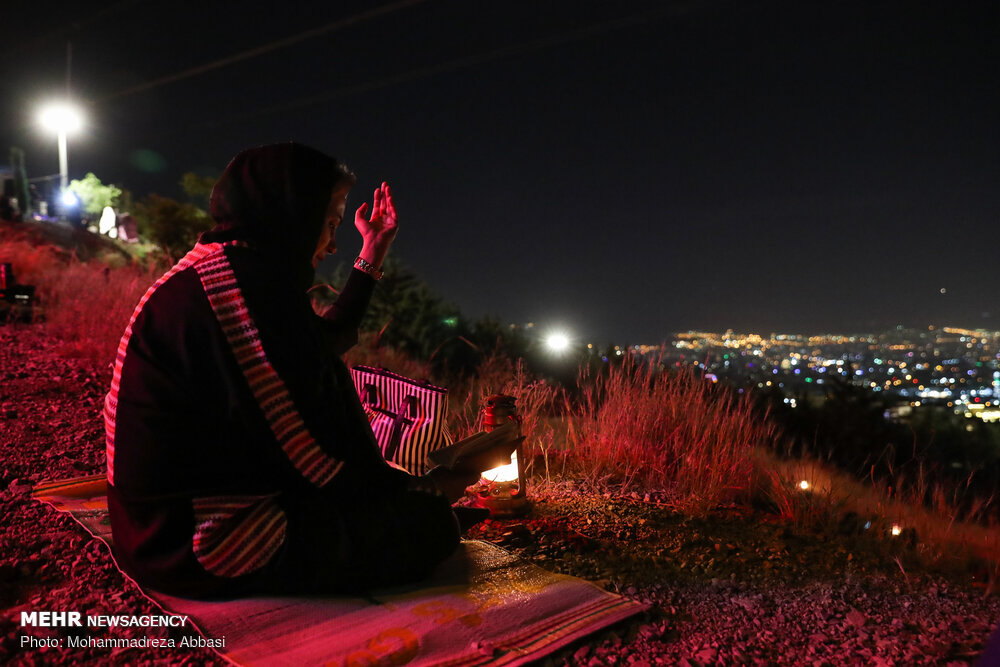
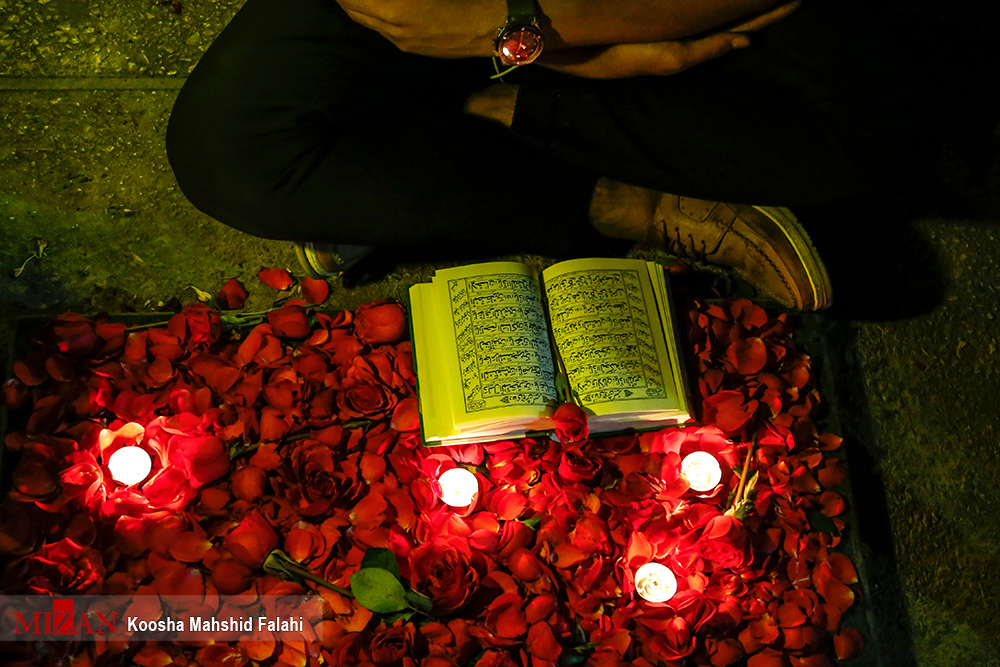
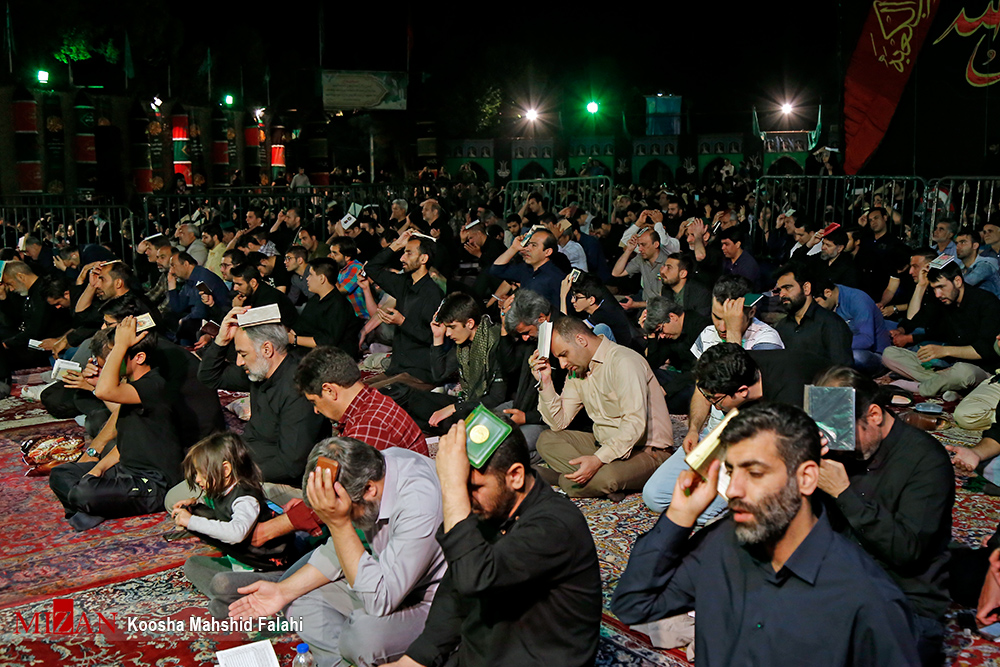
Iranian People Mark Laylat al-Qadr

Falling on 19th, 21st and 23rd of the holy month of Ramadan in the Islamic calendar, the night has been described by the holy Quran as highly significant and decisive. According to Quran, the religious value of the Laylat al-Qadr is over thousands of times much higher than other ordinary nights.

It is considered the most virtuous night of each year during which God forgives the sins of men and accepts their supplications. Meanwhile, angels descend from heaven and according to some Shiite religious accounts hand over a letter including the fate of the observers to Imam who has a central role in Islam.

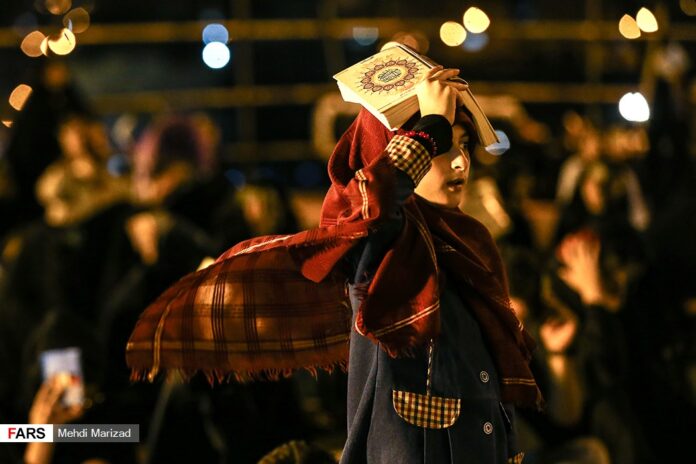
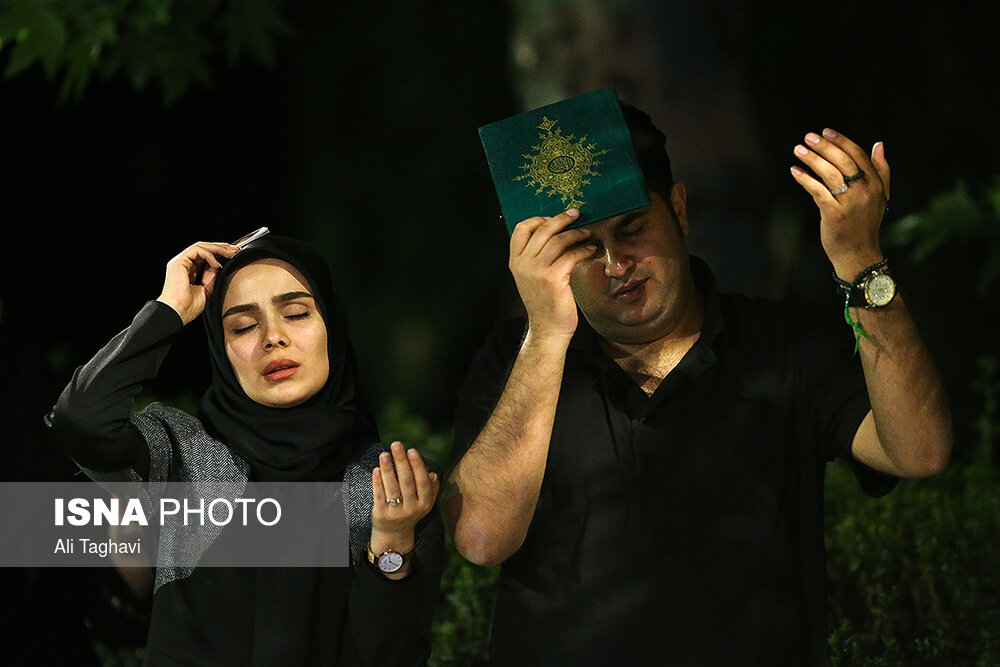
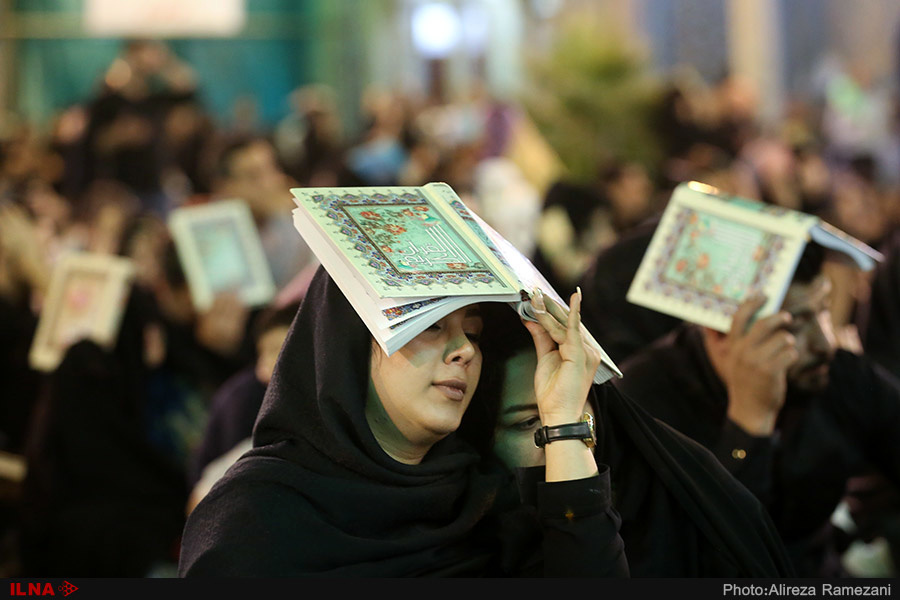
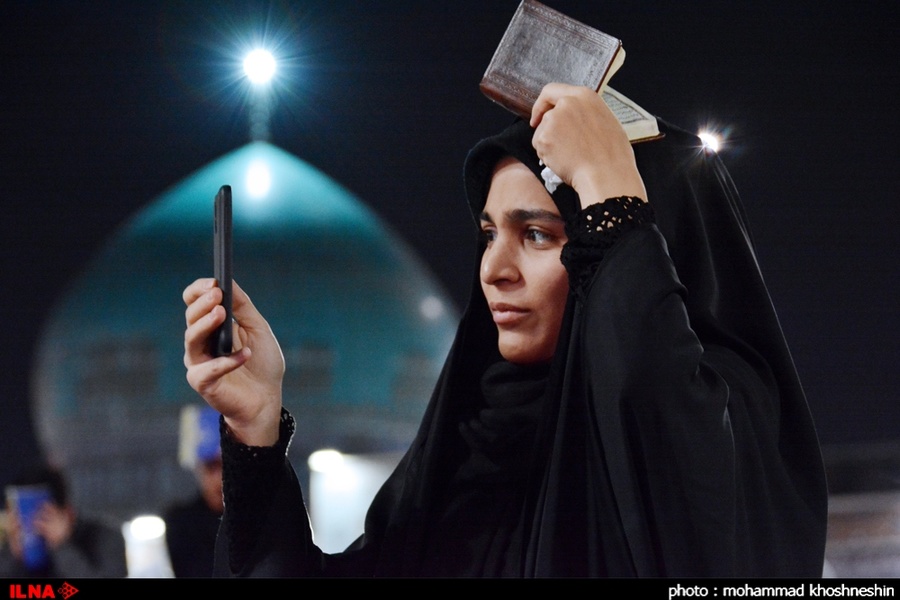
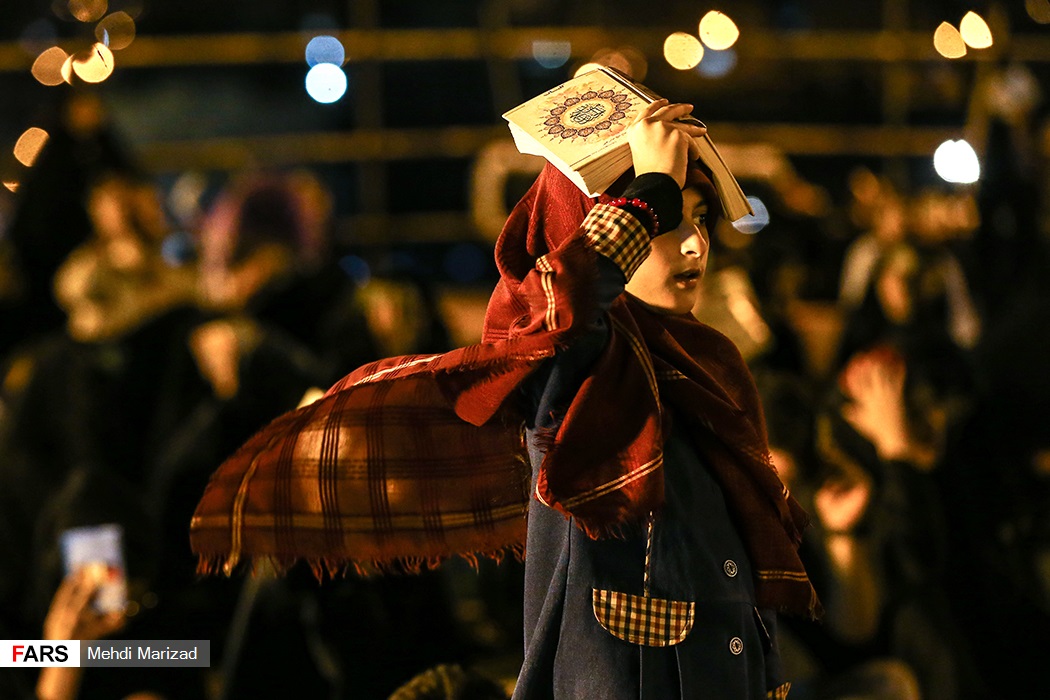
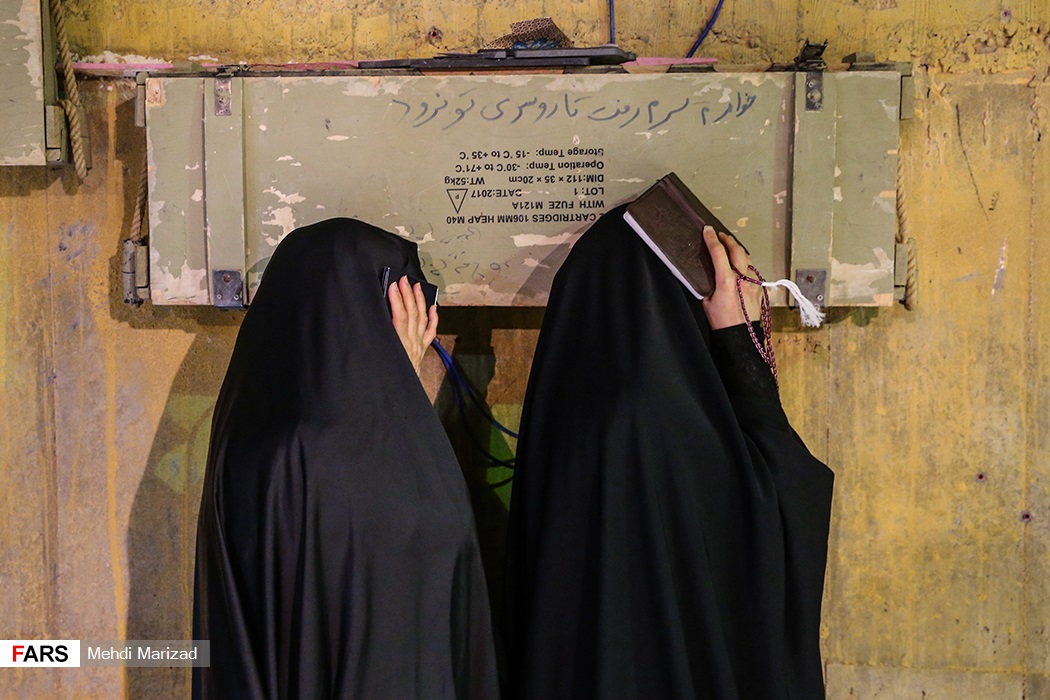
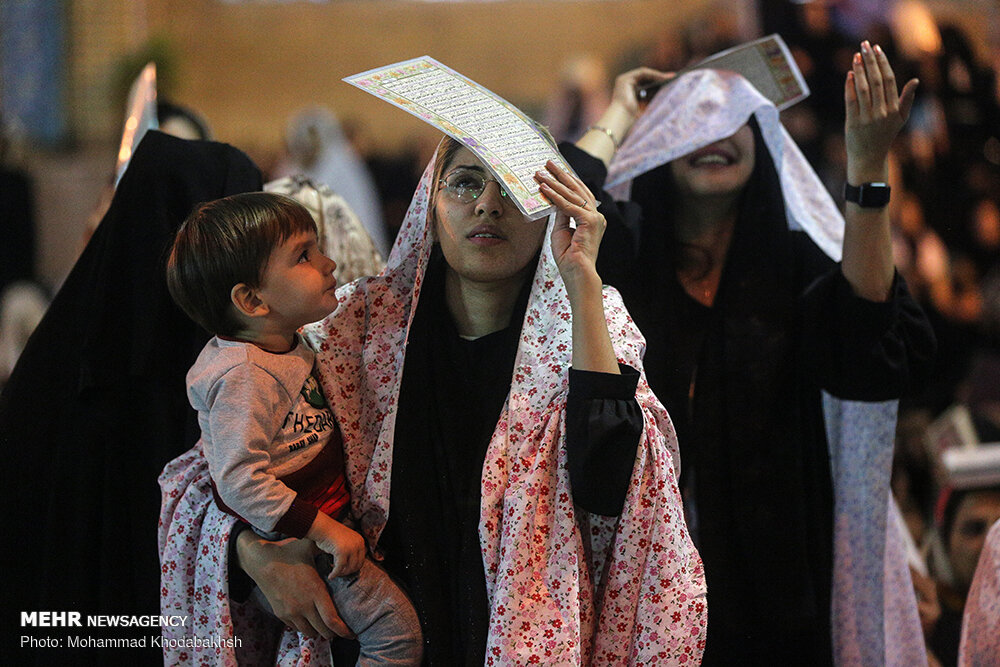
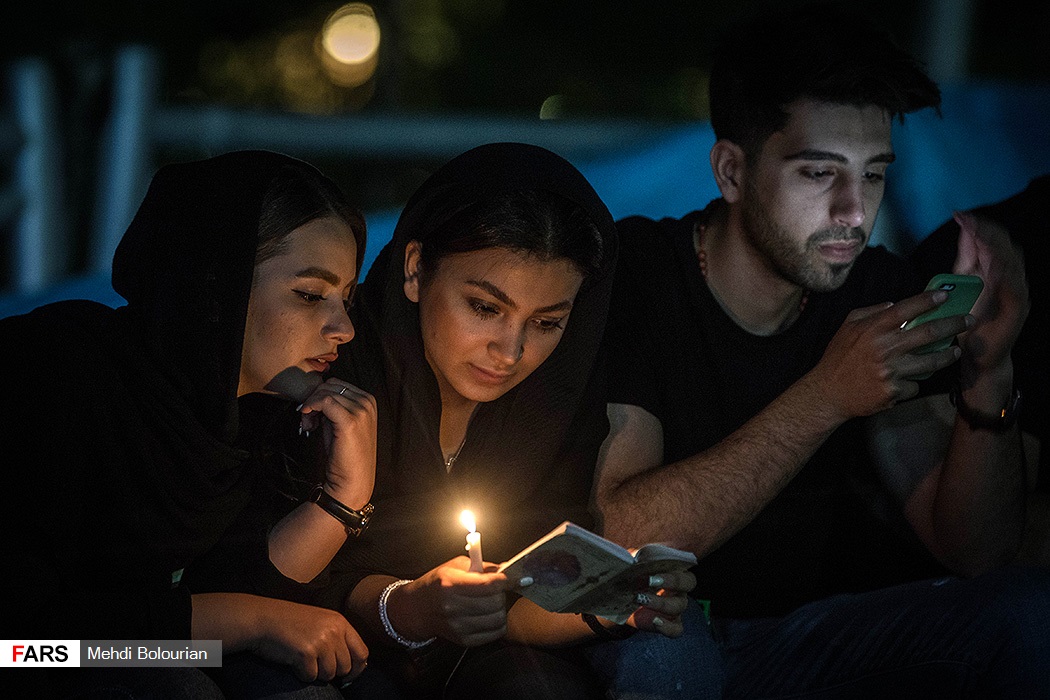
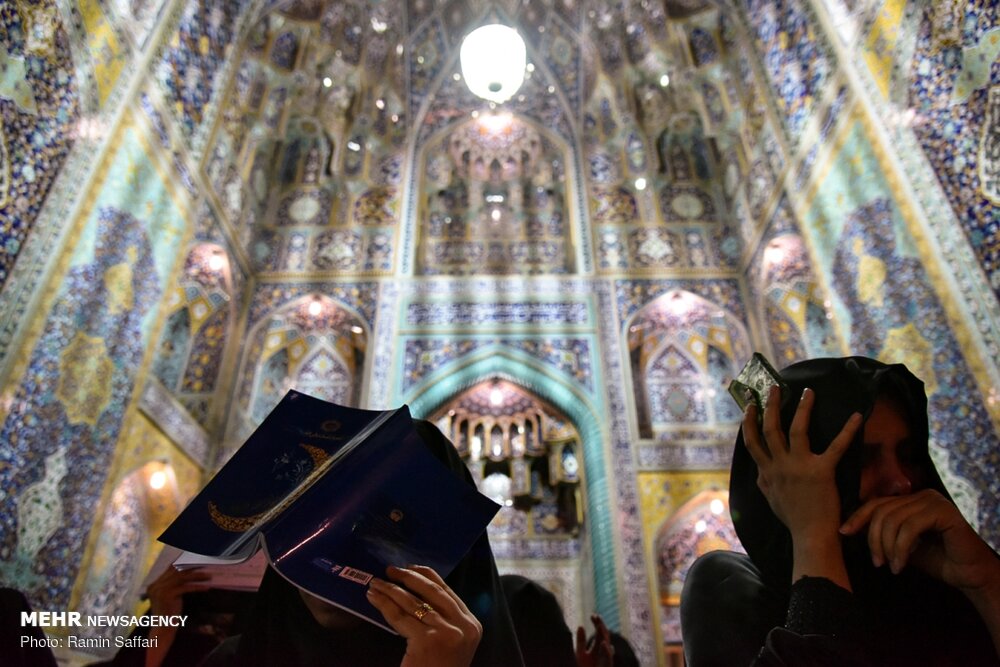
The rituals of this special night begin with reading out some verses of the holy Quran as well as saying some special prayers. Then, the observers put the holy Quran on their heads and call for supplication.

The second of the four nights coincides with the night when the first Shiite Imam, Ali Ibn Abi Talib, was martyred. He was the son-in-law of the Prophet Mohammad.

Imam Ali was appointed Caliph in 656 CE and ruled until 661 CE when he was struck in the head with a poisonous sword by Ibn Muljam on Ramadan 19th while he was saying his prayers in the Great Mosque of Kufa, in modern-day Iraq. The wound proved fatal and Imam Ali became a martyr two days later.

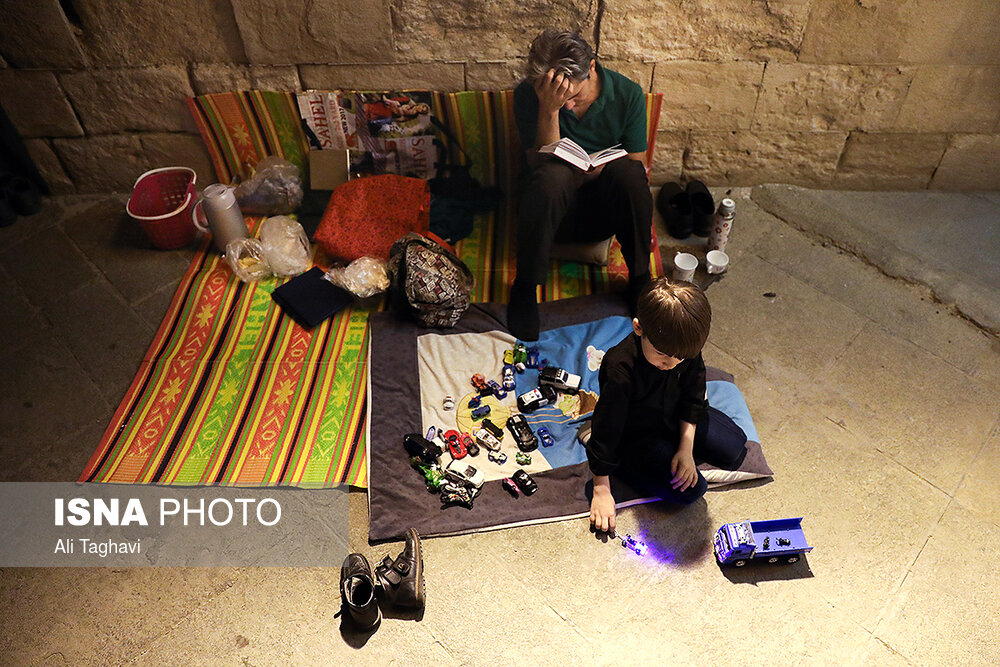
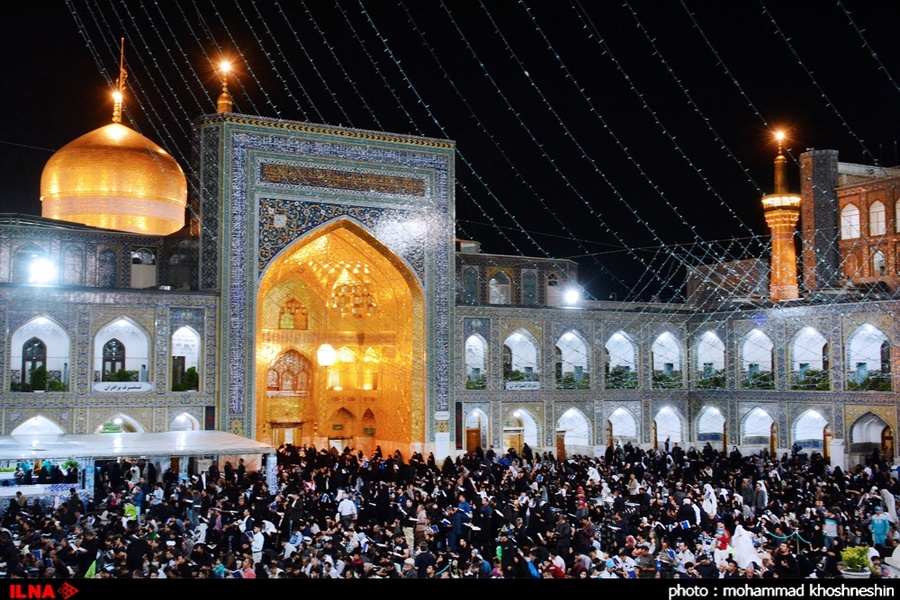
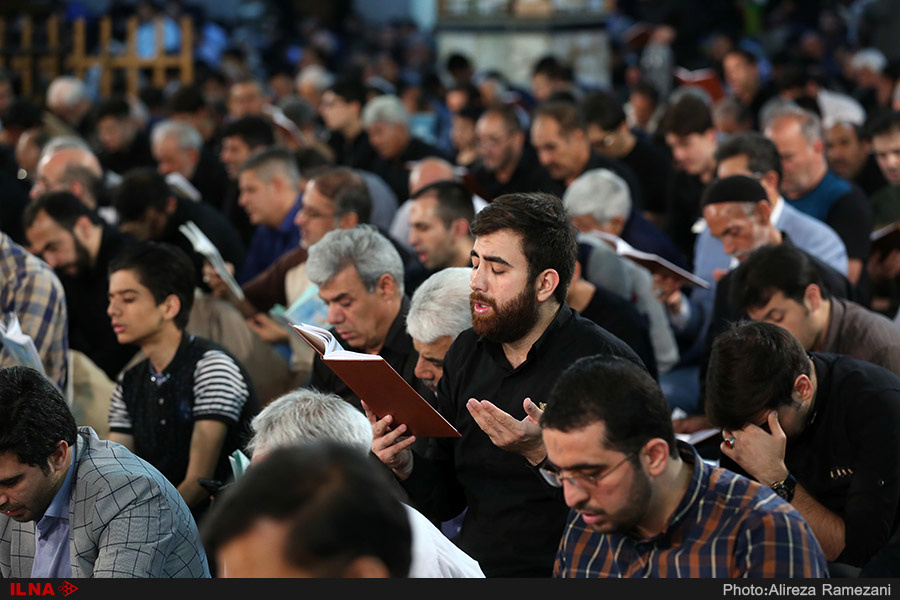
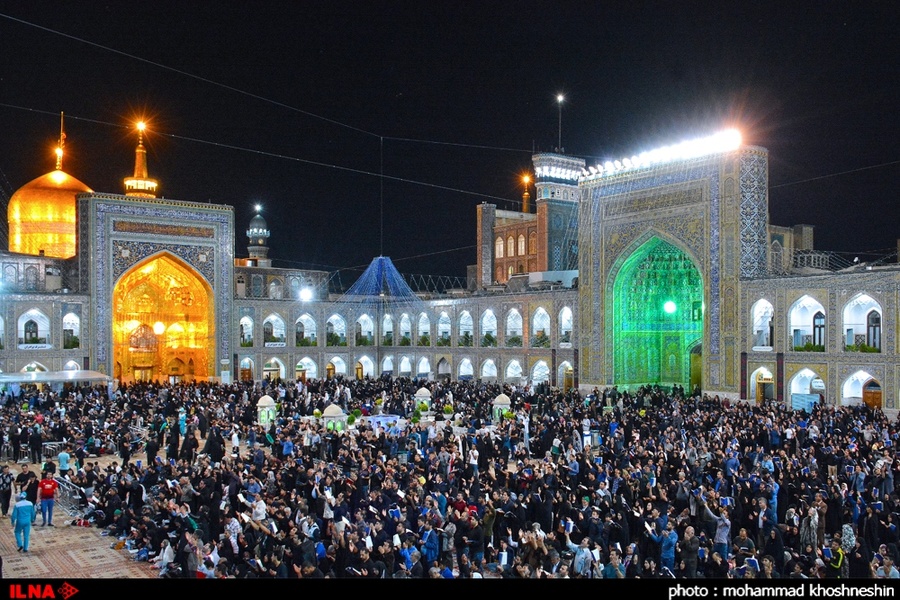
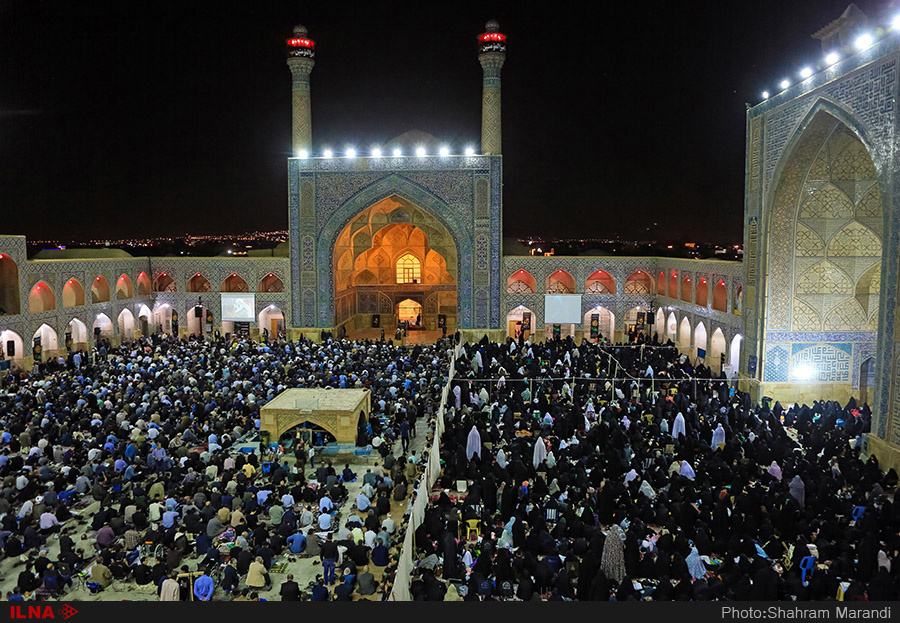
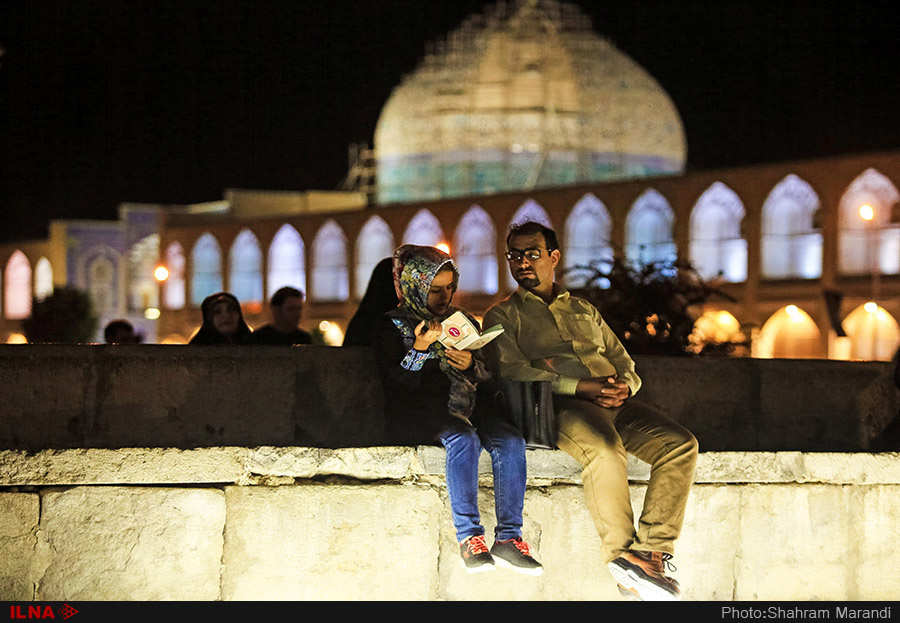
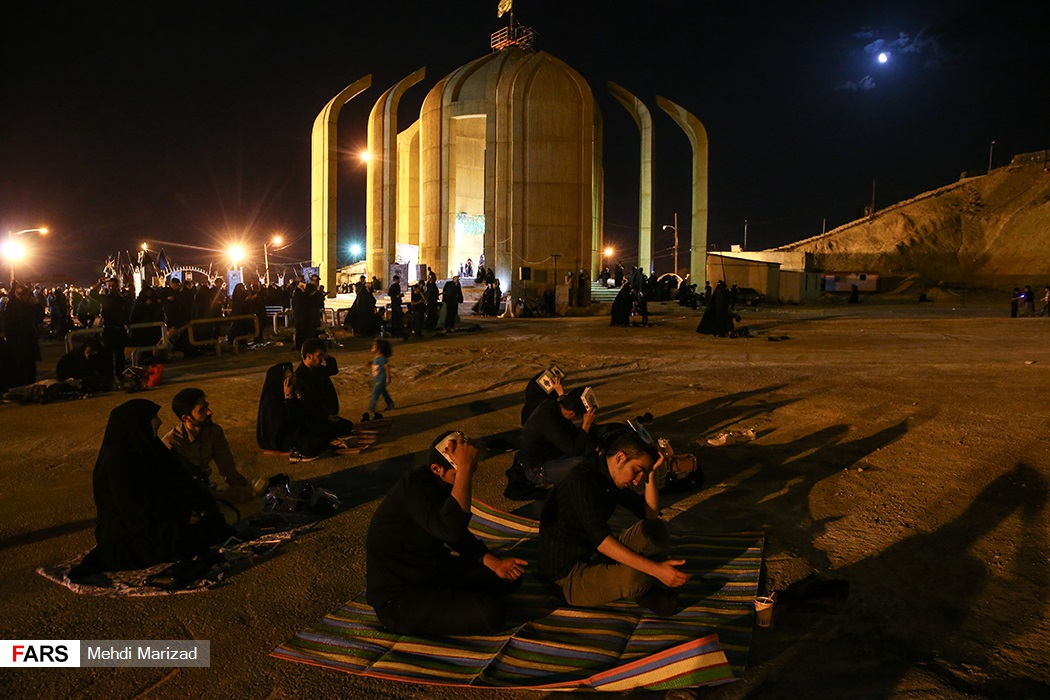
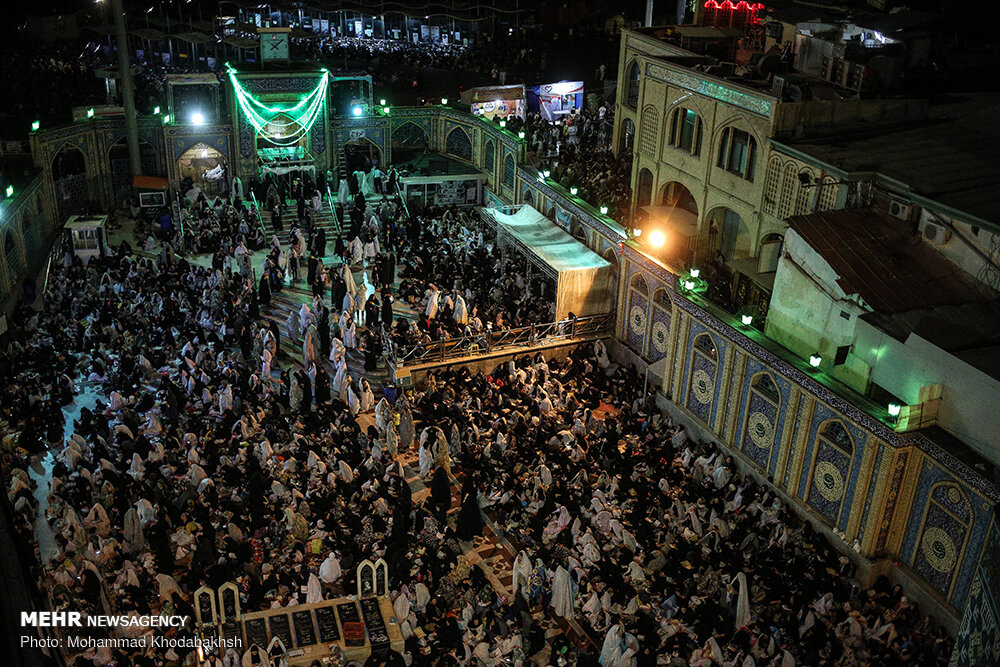
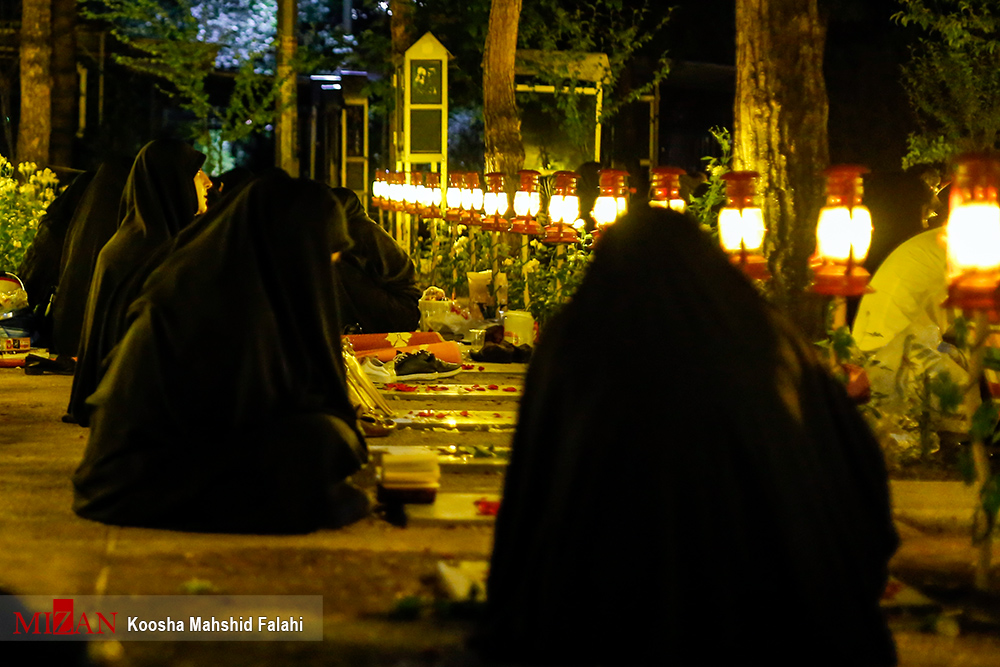
Iranians mark the dates both as Laylat al-Qadr and the martyrdom anniversary of Imam Ali. People in various Iranian cities come together in mosques and other religious sites to conduct the night’s special rituals.

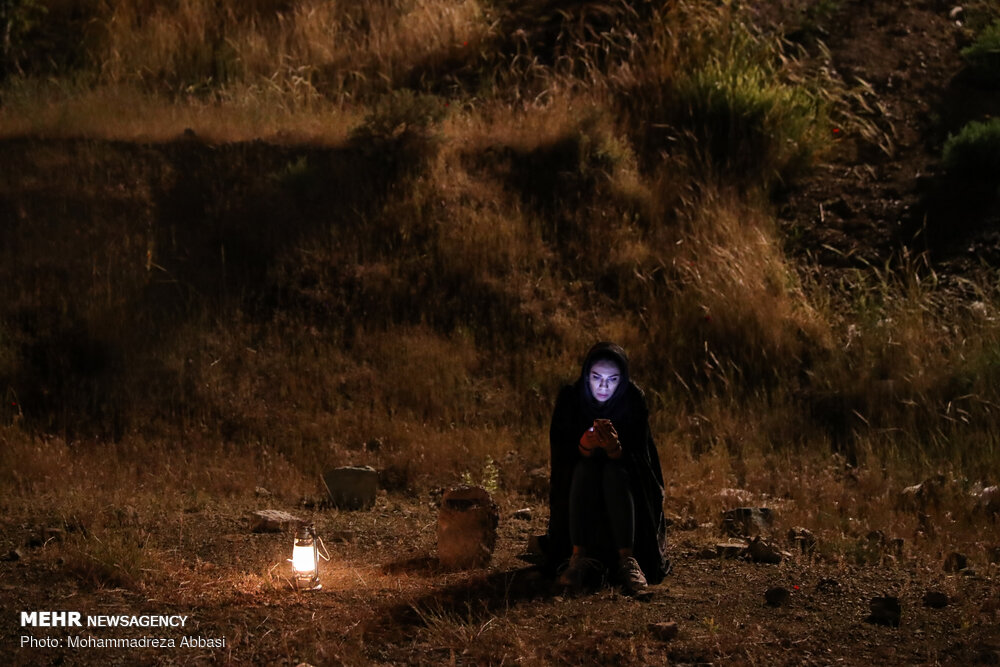
Below, you can see photos of the Laylat al-Qadr rituals in various parts of Iran retrieved from different news outlets.

While in Oman, Iranian Diplomat Rejects Talks with US

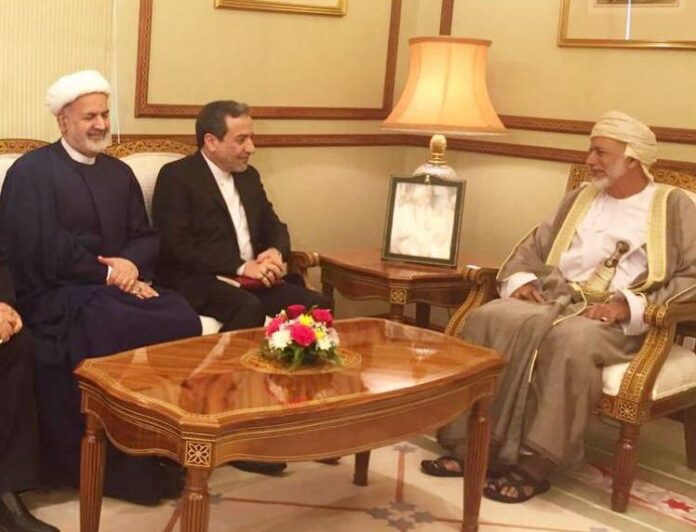
Abbas Araghchi deputy foreign minister of Iran met foreign minister of Oman in Muscat
Yusuf bin Alawi bin Abdullah, foreign minister of Oman (right) and Seyed Abbas Araghchi, deputy foreign minister of Iran (left)

Seyyed Abbas Araqchi made the remarks in a Sunday meeting with Yusuf bin Alawi bin Abdullah, the foreign minister of Oman, on the outset of his regional tour in Muscat.

During the Sunday meeting, which was held at the beginning of Seyyed Abbas Araqchi’s regional tour, the latest situation of the region and its developments were discussed.

Araqchi emphasised the importance of peace and security in the significant region of Persian Gulf. He also warned against the destructive policies of the United States and some of its allies in the region.

Rejecting any direct or indirect talks with the United States, he said, “The Islamic Republic of Iran is prepared to establish a balanced and constructive relationship with all the countries of the Persian Gulf region based on mutual respect and interests.”

The Islamic Republic does not want to increase tension in the region, Araqchi stressed, adding that peace and stability would be guaranteed in the region in case the sanctions are ended and all regional countries benefit from the interests of economic collaborations.

“Imposing sanctions against Iran is a failed experiment that has been tried many times before,” he went on to say.

For his part, the Omani minister touched upon the dangerous situation in the region and the need for all sides to show self-restraint. He also called for close consultations between the two countries.
During his stay in Muscat, Araqchi also discussed the latest status of bilateral relations and ways to expand them in all areas, in a separate meeting with Oman’s Deputy Minister Responsible for Foreign Affairs Badr Albusaidi.

Iran Says No Direct, Indirect Talks with US Underway

Seyyed Abbas Mousavi

“There are no direct or indirect talks between Iran and the US,” Mousavi said on Sunday.

Mousavi made the comments after the London-based Asharq al-Awsat newspaper said in a story on Saturday that Kuwait’s Deputy Foreign Minister Khaled Al-Jarallah has announced the launch of direct talks between Tehran and Washington.

Last week, Iranian President Hassan Rouhani roundly dismissed the idea of direct negotiations with the US under the current circumstances, stressing the need for resistance against an ongoing economic war waged by Washington.

Earlier this month, Leader of the Islamic Revolution Ayatollah Seyed Ali Khamenei underlined that there will be no military confrontation between Iran and the US as Washington is aware that it won’t be in its interest, adding that negotiation with the US is not on the Islamic Republic’s agenda either.

“The Iranian nation’s definite option will be resistance in the face of the US, and in this confrontation, the US would be forced into a retreat,” Ayatollah Khamenei said. “Neither we nor they, who know war will not be in their interest, are after war.”

State TV Channel Chief Sacked over Program Insulting to Sunnis

Logo of the Islamic Republic of Iran Broadcasting (IRIB)

President of the Islamic Republic of Iran Broadcasting (IRIB) Abdol-Ali Ali-Askari instructed Director of the IRIB’s TV Department Morteza Mirbaqeri to dismiss the manager of Channel 5 as well as the channel’s broadcast manager.

The decision was made after a eulogist, on the birthday anniversary of second Shiite Imam, Hassan ibn Ali (PBUH), insulted three of the four Muslim caliphs and one of the wives of Prophet Muhammad (PBUH).

Ali-Askari underlined that the centrerpiece of the IRIB’s policy has always been to respect the Islamic community.

“Given the negligence with regards to the sudden (live) broadcast of these words, which hurt the feelings of Sunni brothers, sisters and scholars, the manager of the channel and its broadcast manager must be fired immediately,” the IRIB president wrote in his instruction to the Director of the IRIB’s TV Department, which oversees the activities of Channel 5, one of several channels working under the department’s supervision.

Earlier in the day, the eulogist Ahad Qadami was summoned to a court in Tehran over the insult, which the Judiciary says was “intentional”. He was later released on bail.

Leader of the Islamic Revolution Ayatollah Seyyed Ali Khamenei has, time and again, underlined that the Sunni community and individuals revered by them, including Prophet Muhammad’s wife Aisha and Sunni caliphs who were contemporaries of Prophet Muhammad, must never be disrespected.

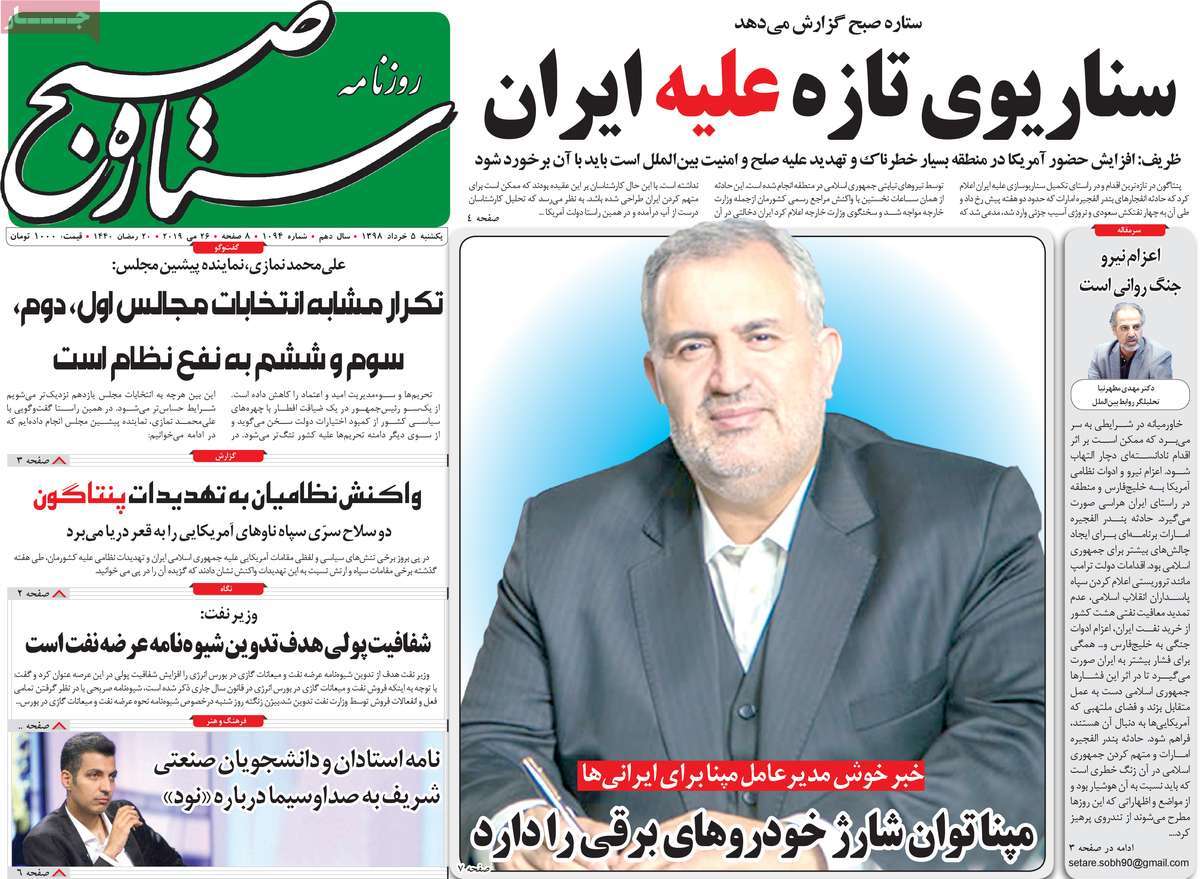
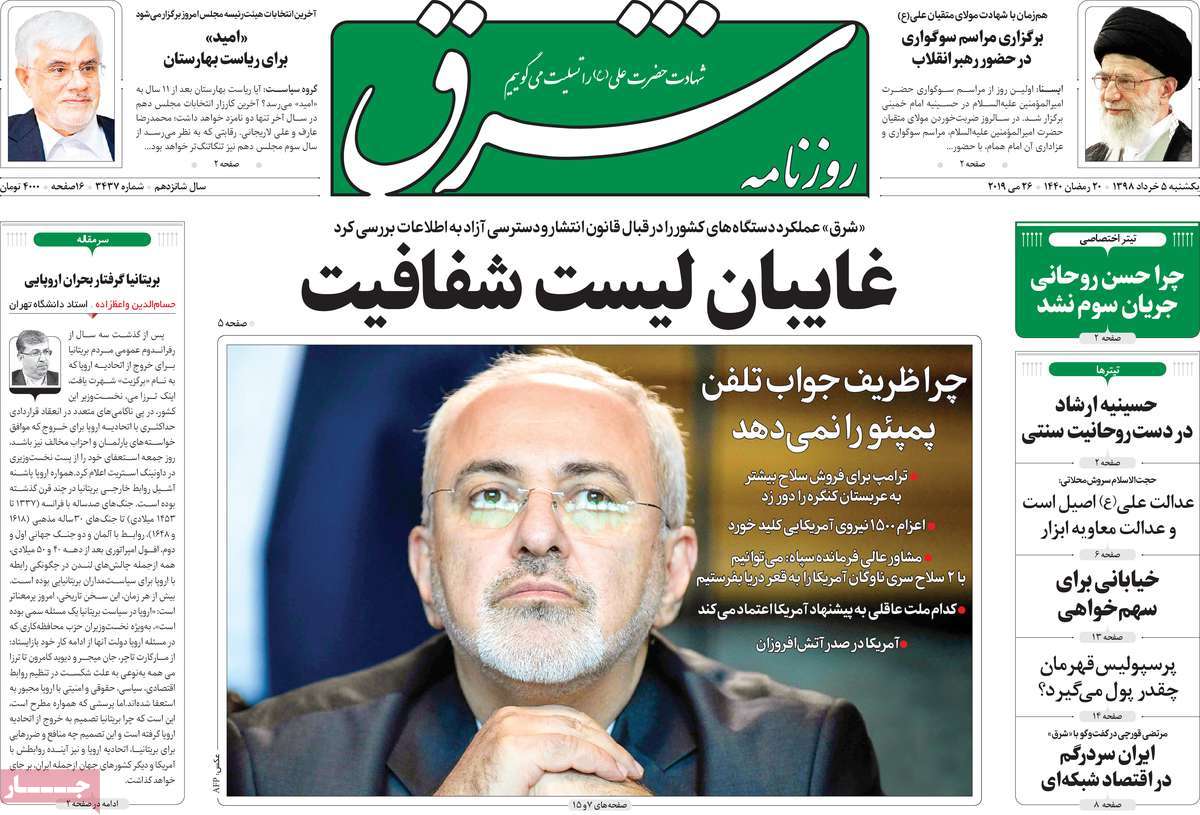
A Look at Iranian Newspaper Front Pages on May 26

A Look at Iranian Newspaper Front Pages on November 19

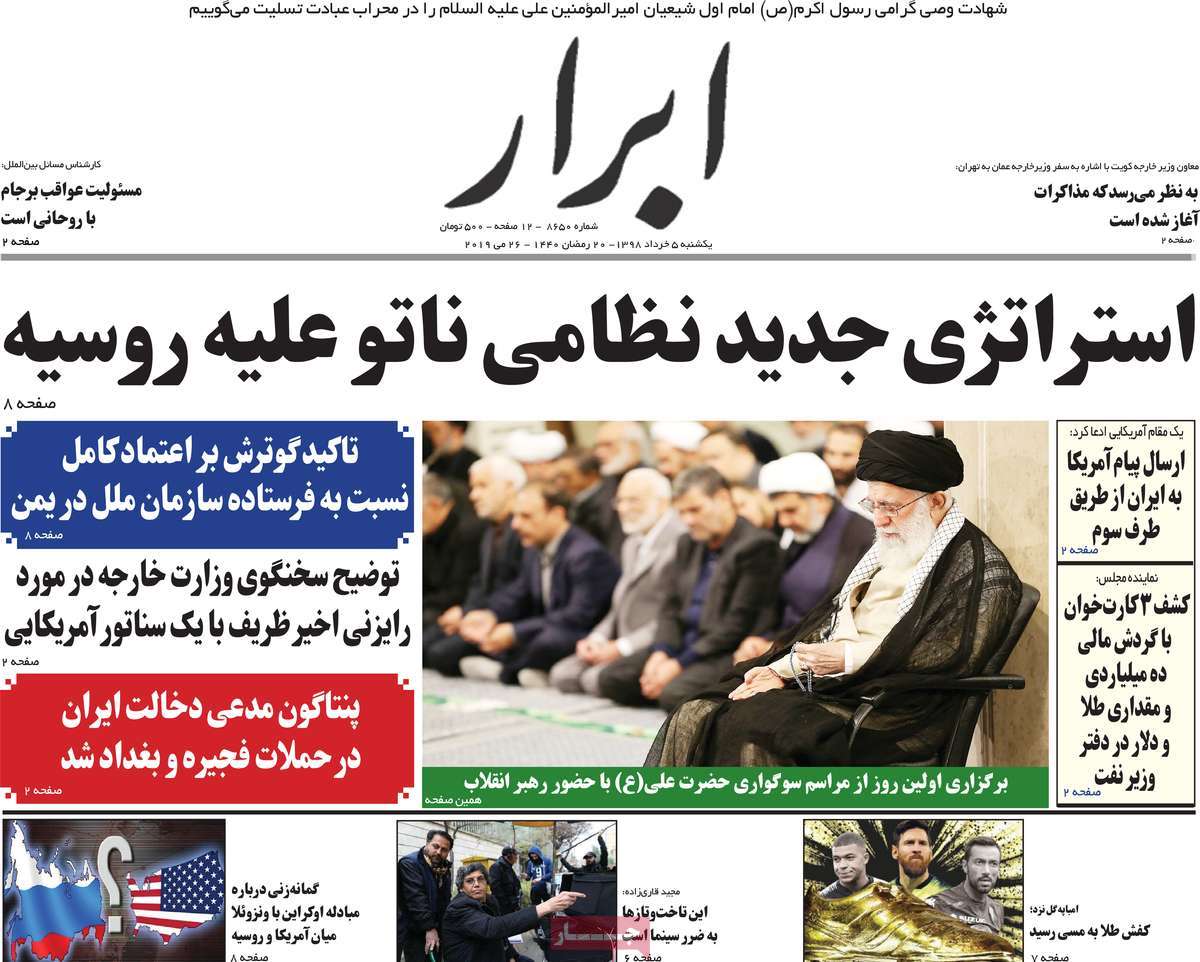
Abrar:

1- American Official: US’ Message Sent to Iran through Third Party

2- Pentagon Claims Iran Was Behind Fujairah, Baghdad Attacks

A Look at Iranian Newspaper Front Pages on May 26


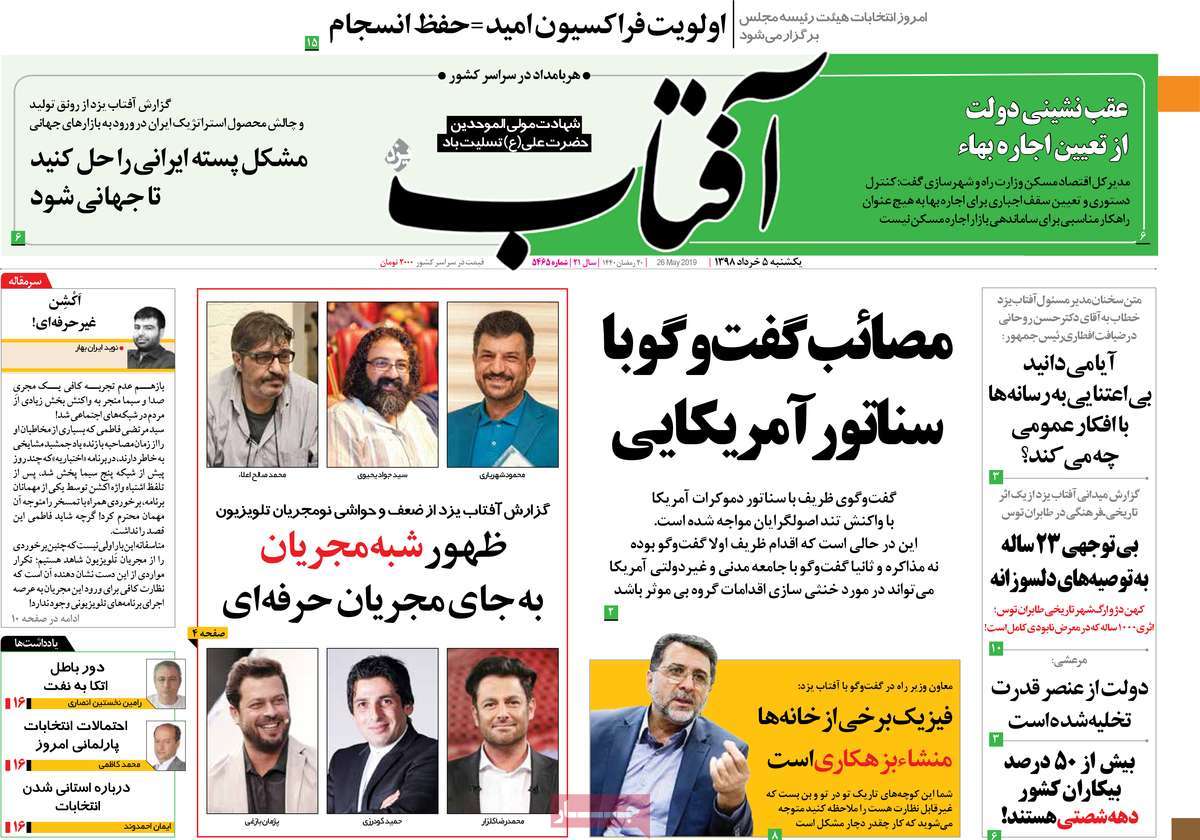
Aftab-e Yazd:

1- Troubles of Meeting with US Senator

* Conservatives Harshly React to Zarif’s Talks with Sen. Feinstein

A Look at Iranian Newspaper Front Pages on May 26


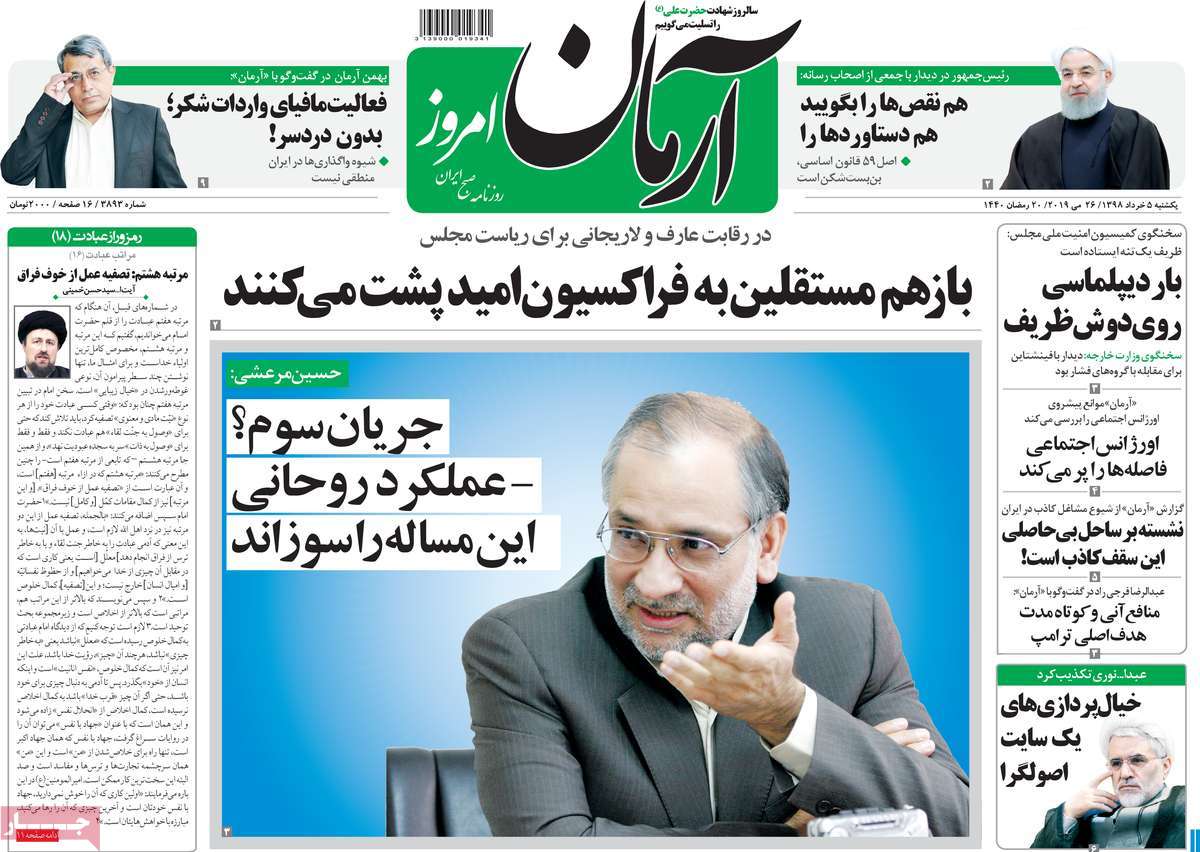
Arman-e Emrooz:

1- Burden of Diplomacy on Zarif’s Shoulders

A Look at Iranian Newspaper Front Pages on May 26


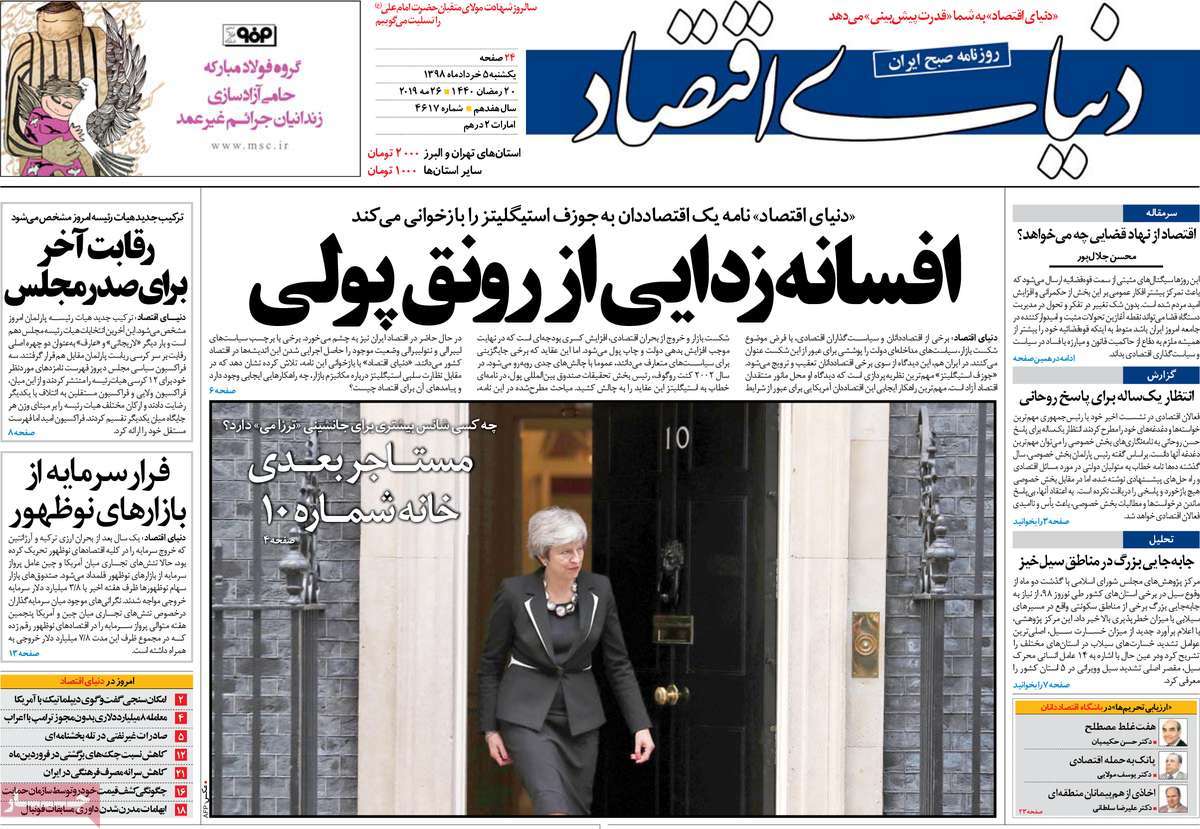
Donya-ye Eqtesad:

1- Who’s Next Tenant of House No. 10?

* Who’ll Replace Theresa May?

A Look at Iranian Newspaper Front Pages on May 26


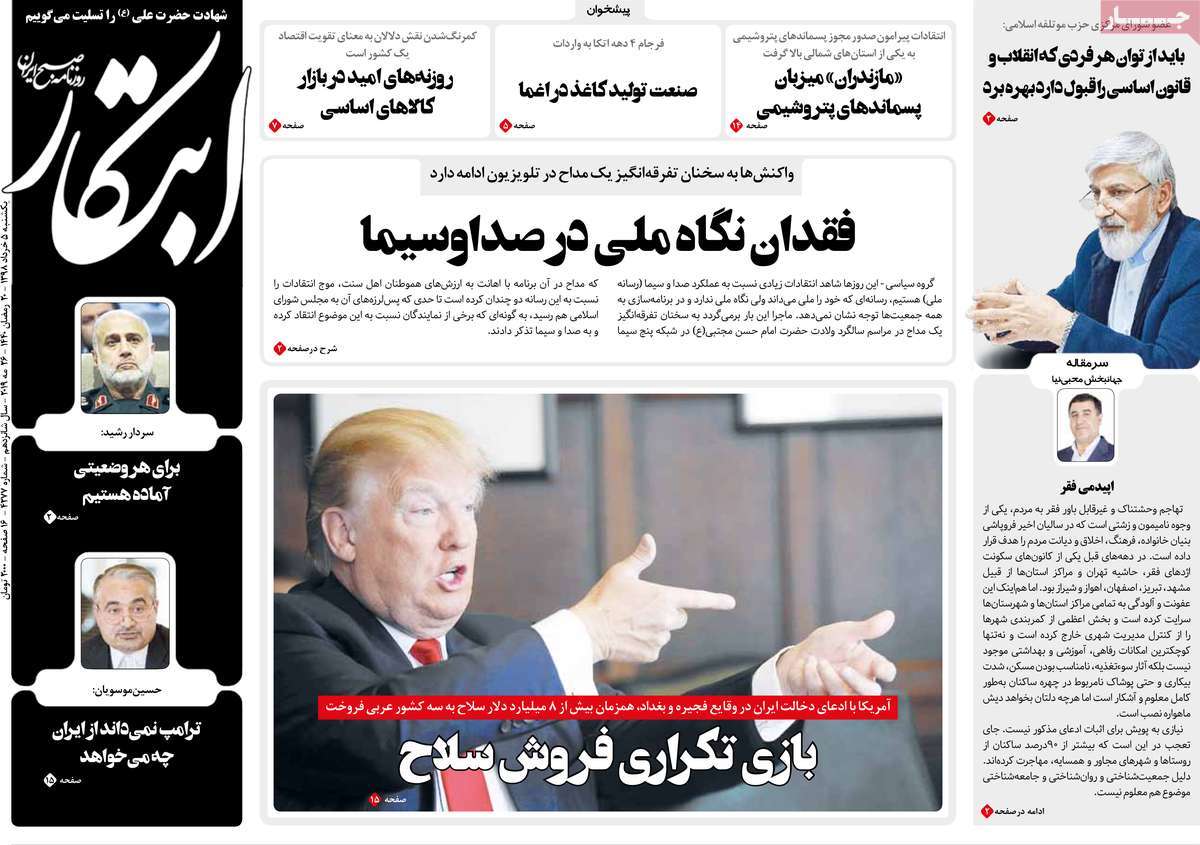
Ebtekar:

1- Worn-Out Game of Weapons Sale

* US Accuses Iran of Attacking Fujairah Vessels, Baghdad to Sell Weapons to Arabs

2- Mousavian: Trump Doesn’t Know What He Wants from Iran

A Look at Iranian Newspaper Front Pages on May 26


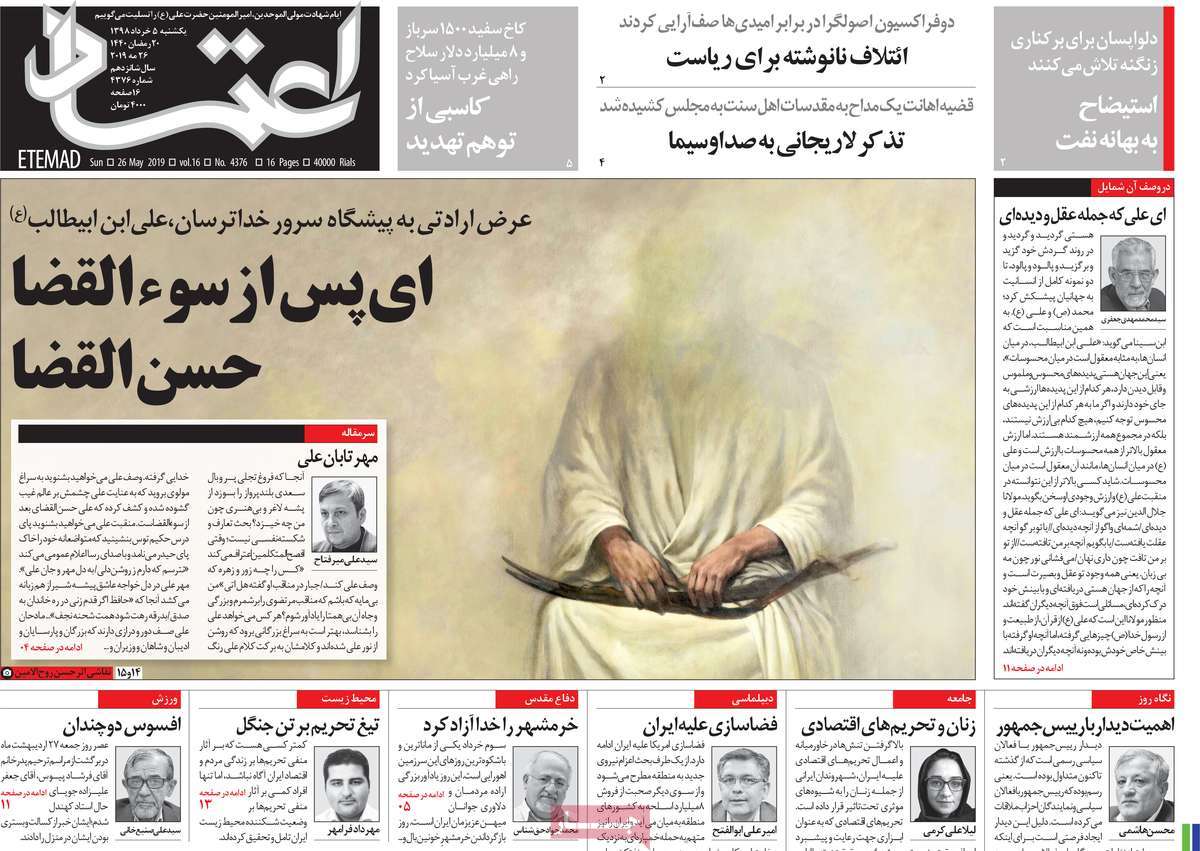
Etemad:

1- Making Money with Illusion of Threat

* White House Sends 1,500 Troops, $8 Billion to West Asia

A Look at Iranian Newspaper Front Pages on May 26


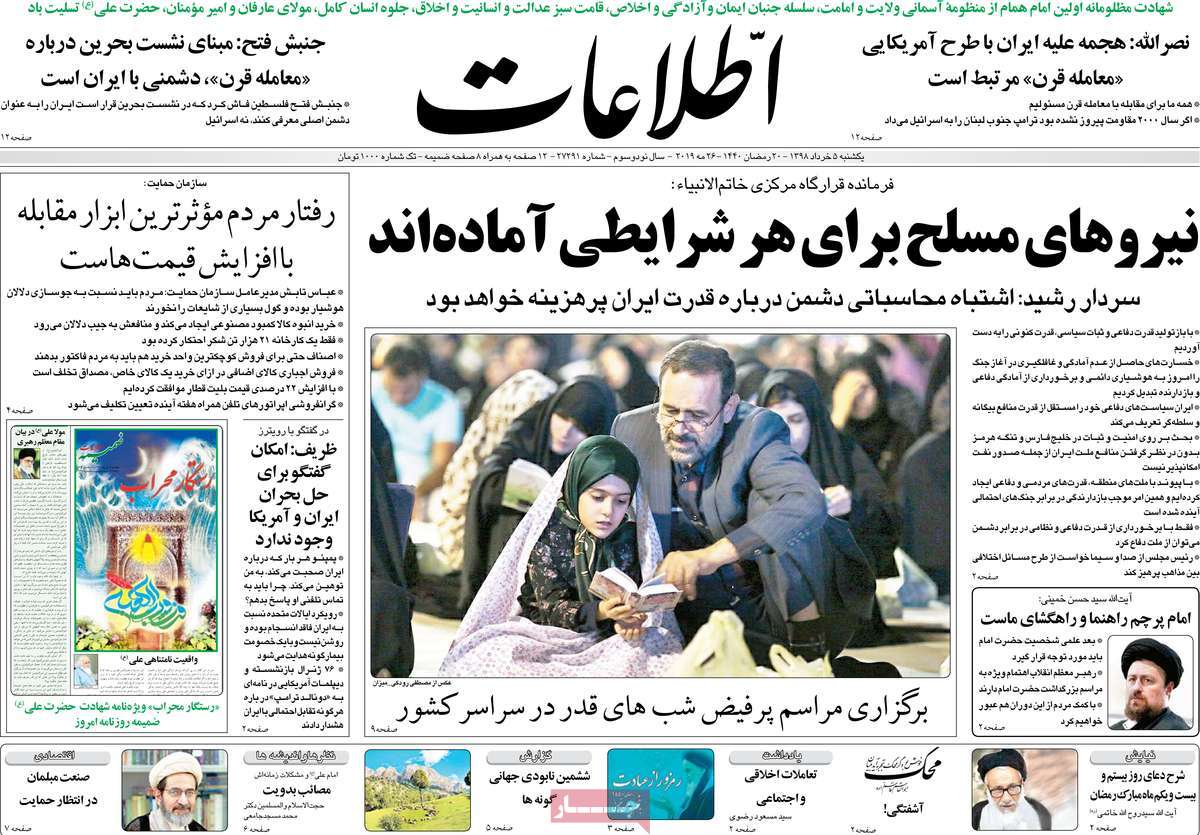
Ettela’at:

1- Khatam al-Anbiya Airbase Chief: Armed Forces Ready for Any Situation

2- Zarif to Reuters: Dialogue Not Possible for Resolving Iran-US Crisis

3- Nasrallah: Attacks on Iran Related to ‘Deal of Century’

A Look at Iranian Newspaper Front Pages on May 26


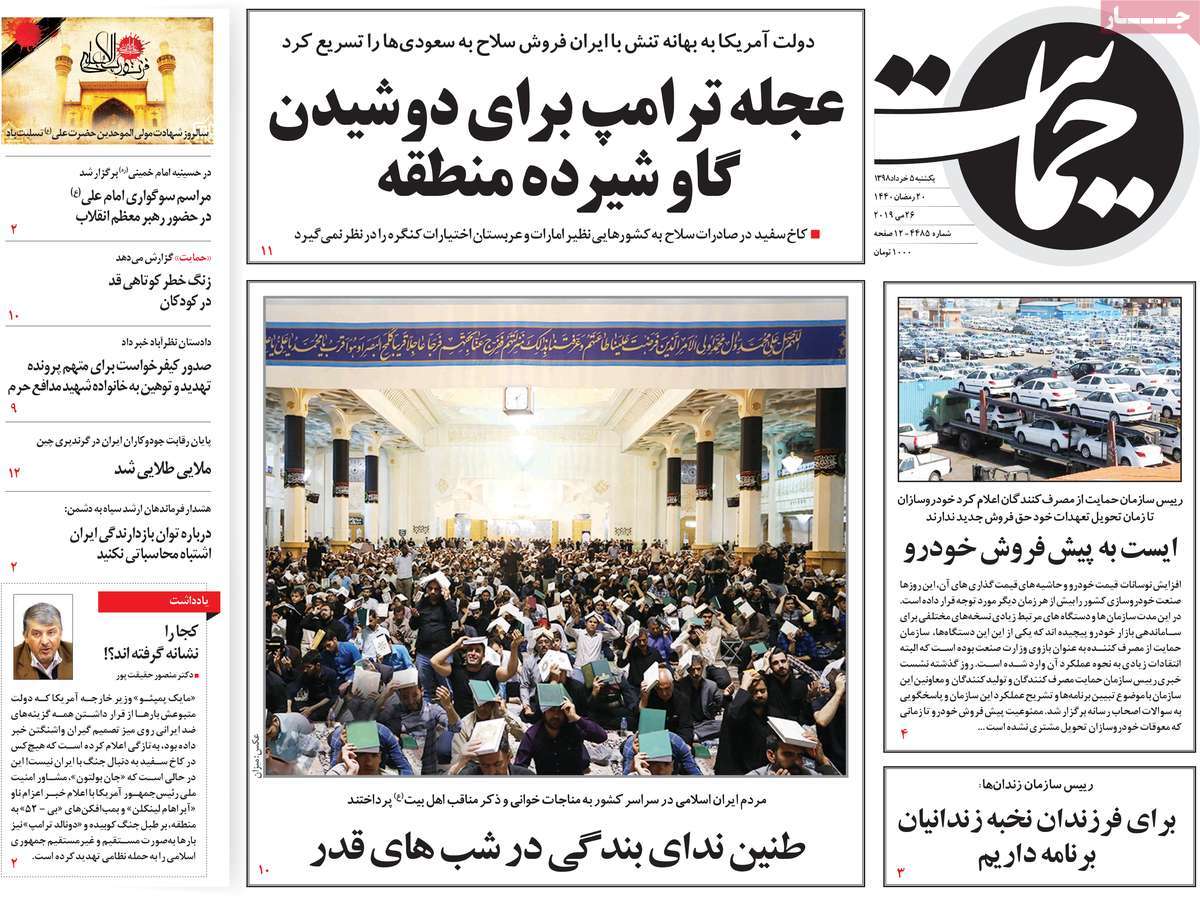
Hemayat:

1- Trump in a Hurry for Milking Region’s Milky Cow

* White House to Export Weapons to UAE, Saudi without Congress Approval

A Look at Iranian Newspaper Front Pages on May 26


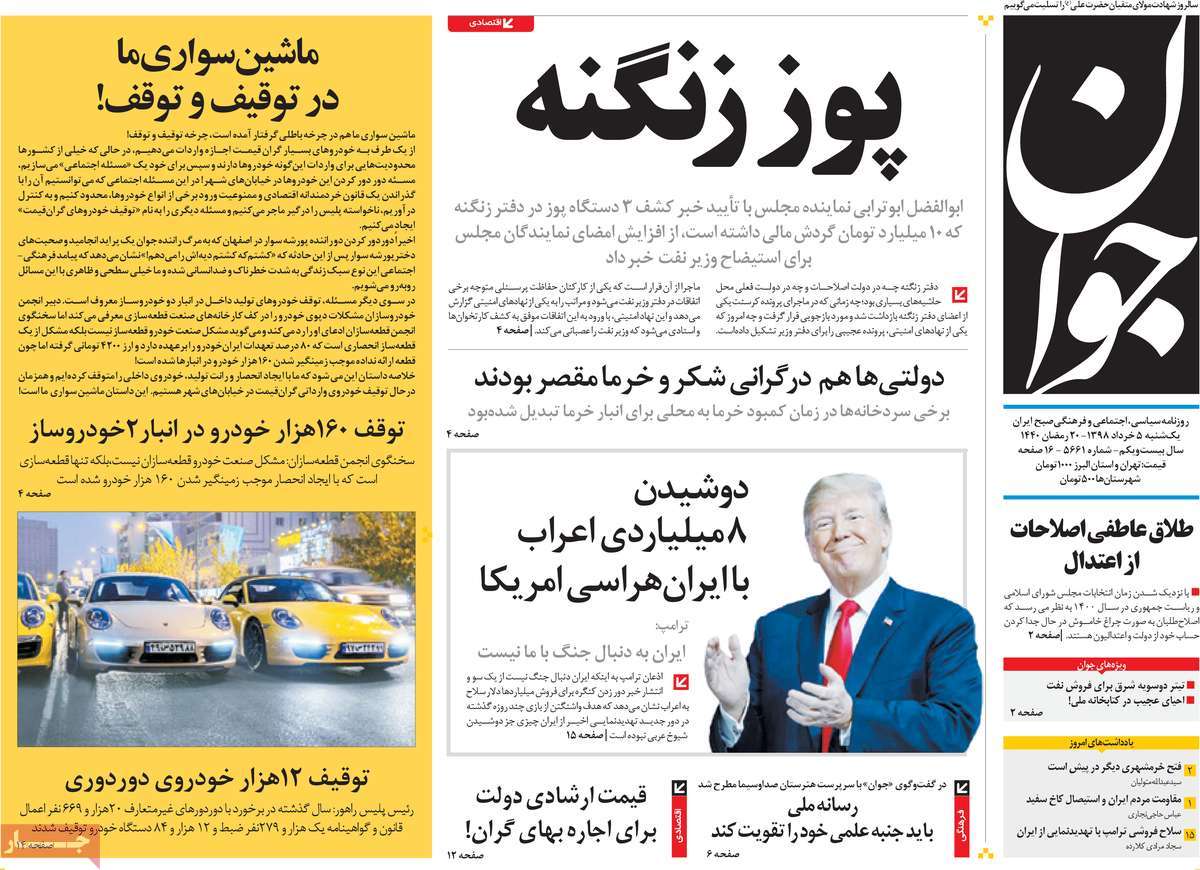
Javan:

1- Milking Arabs for as Much as $8 Billion through Iranophobia

* Trump: Iran Not after War with US

A Look at Iranian Newspaper Front Pages on May 26


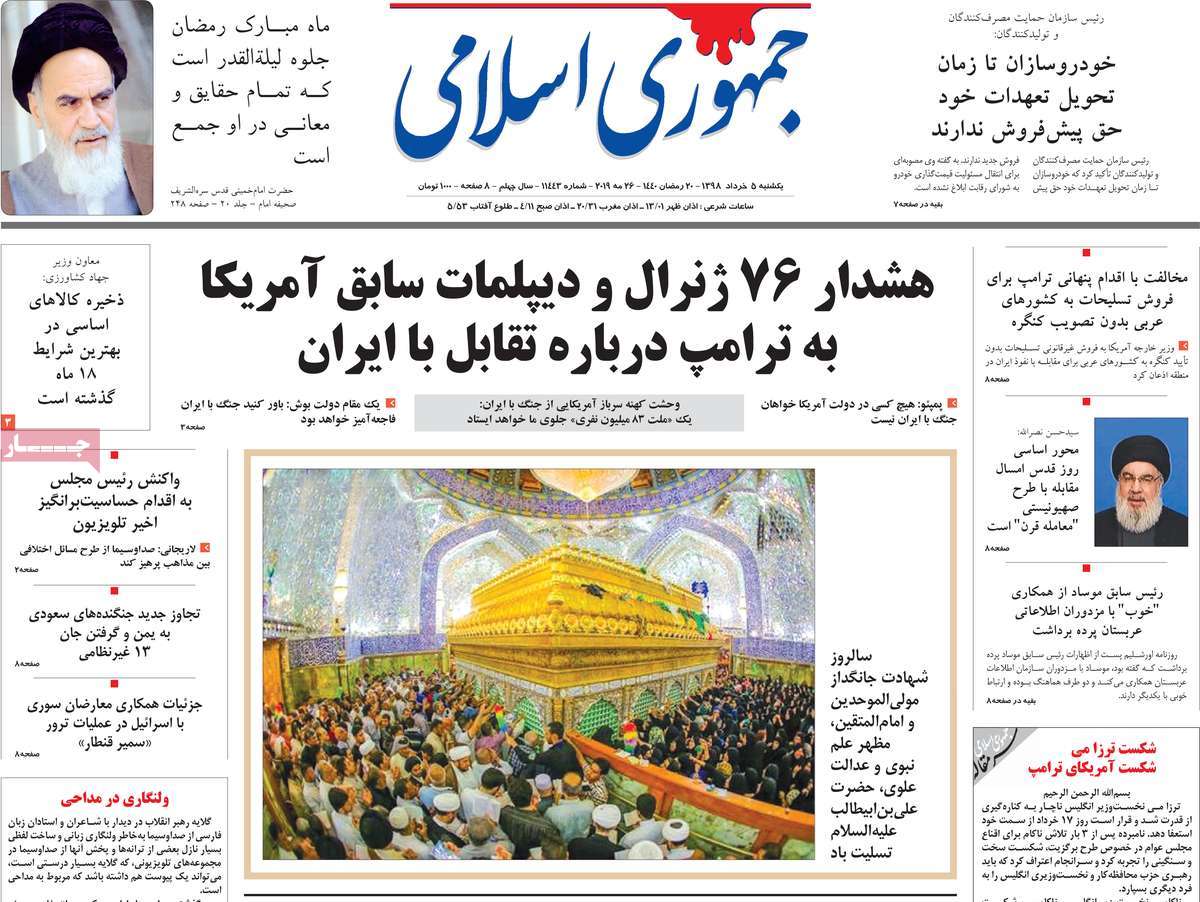
Jomhouri Eslami:

1- 76 Former US Generals, Diplomats Warns Trump against Clash with Iran

2- Failure of Theresa May, Failure of Trump’s America [Editorial]

A Look at Iranian Newspaper Front Pages on May 26


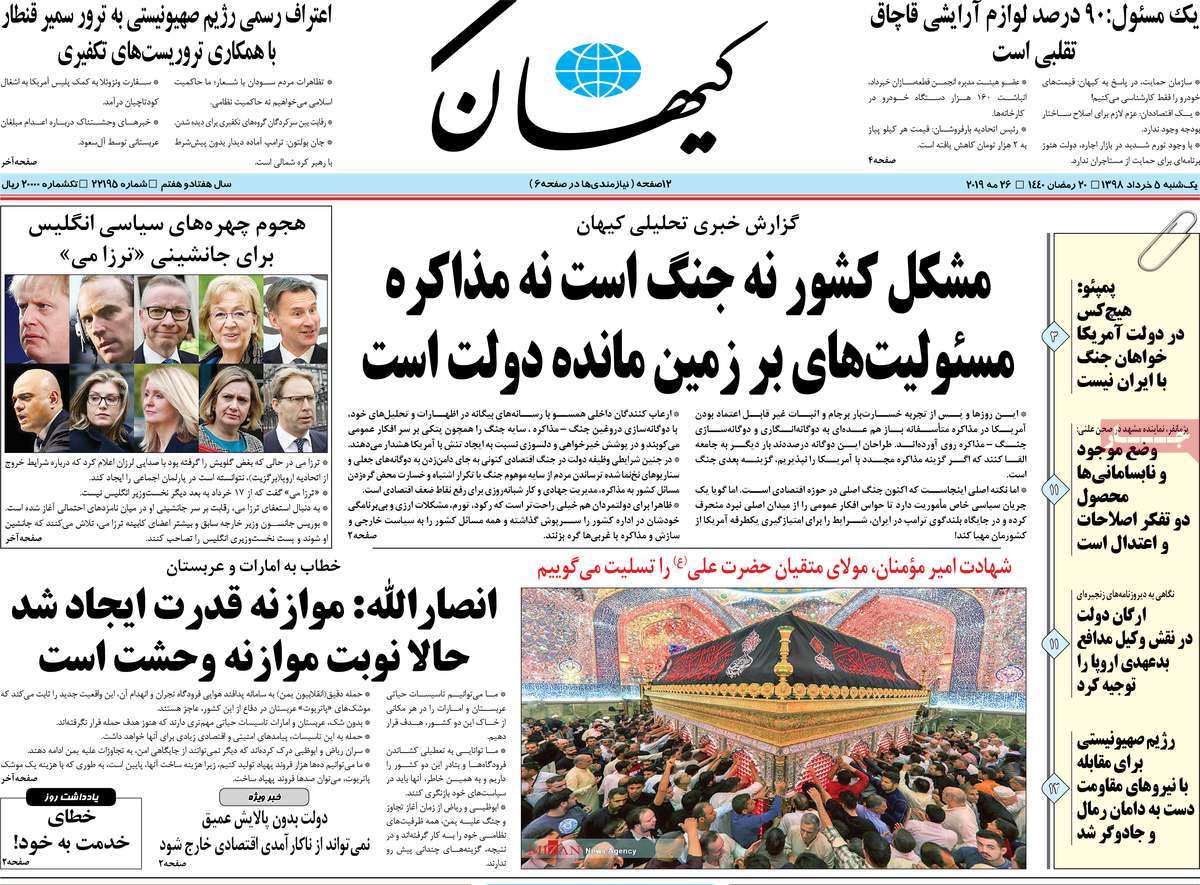
Kayhan:

1- War, Negotiation Not Iran’s Problems: Problem Is Government’s Unfinished Works

2- UK Political Figures Rush to Replace Theresa May

A Look at Iranian Newspaper Front Pages on May 26


Setareh Sobh:

1- New Scenario against Iran

* Zarif: US’ Increased Presence in Region Very Dangerous

2- Iranian General: Two Top Secret IRGC Weapons to Sink US Carriers

A Look at Iranian Newspaper Front Pages on May 26


Shargh:

1- Why Zarif Does Not Answer Pompeo’s Call

2- Britain Gripped by Europe Crisis [Editorial]

A Look at Iranian Newspaper Front Pages on May 26

Iran Says Ready to Sign Non-Aggression Treaty with Regional States

Iran Says Ready to Sign Non-Aggression Treaty with Regional States

Mohammad Javad Zarif made the comment in a joint press conference with his Iraqi counterpart Mohamed al-Hakim on Sunday.

“Tehran has already put forward different proposals to sign a non-aggression agreement with all countries in the Persian Gulf region, and these proposals are still on the table,” said the visiting Iranian foreign minister in Baghdad.

He said Iran is seeking “the best relations” with countries in the Persian Gulf region, and, to that end, welcomes any proposal to hold talks and ease tensions.

However, he underlined that Iran will firmly counter any efforts to launch a military or economic war against the Iranian nation.

“While breaking laws and trampling international resolutions underfoot, the US also forces other countries to abide by its unilateral actions through bullying,” said the top Iranian diplomat.

Zarif further slammed the European countries for failing to deliver on their commitments under the Iran nuclear deal known as the Joint Comprehensive Plan of Action (JCPOA).
“We want the European countries and other signatories to the JCPOA to fulfil their obligations under the JCPOA,” said Iran’s diplomacy chief.

He said the European countries have reneged on their commitments over the past three years with regards to taking practical steps and normalizing their economic relations with Iran.

“Their failure to breach the JCPOA has intensified over the past year,” said Zarif.

He also thanked the Iraqi government and nation’s support for the Iranian government and people at a time when the United States wants to exert economic pressure on Iran. He appreciated Iraq’s efforts to help iron out problems.

Zarif also described his talks with Iraqi authorities as constructive.

The Iranian foreign minister said he and his opposite number reviewed the trend of implementing the agreements reached during trips to Iran by the Iraqi president and prime minister and during Iranian President Hassan Rouhani’s trip to Baghdad.

Zarif noted Iran has begun practical steps toward implementing the agreements which, as he added, concern a whole range of areas, namely trade, road building, dredging the Arvand Rud river and constructing railway lines.

He also underlined the need for speeding up the trend of issuing visas for pilgrims, entrepreneurs and businesspeople.