Tuesday, January 13, 2026
Home Blog Page 3243

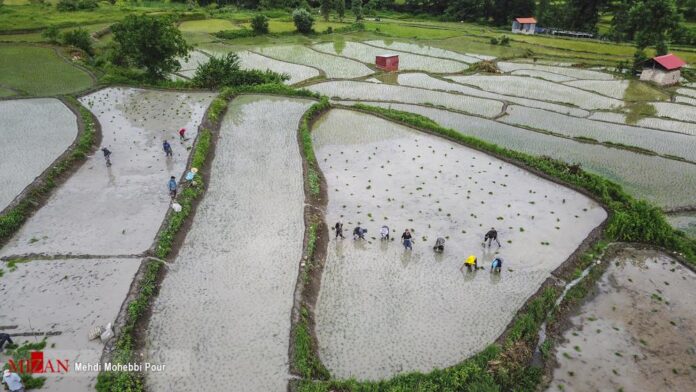
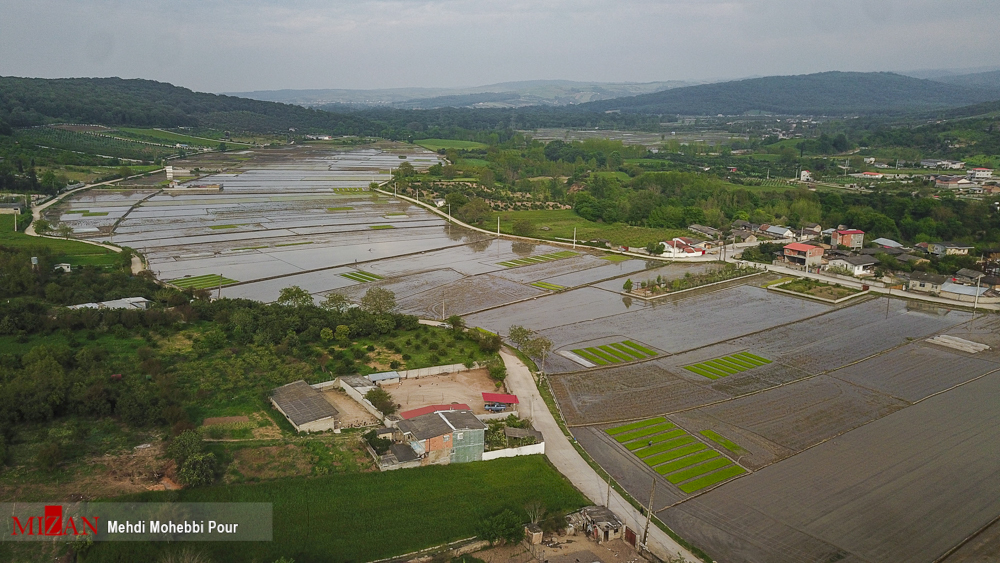
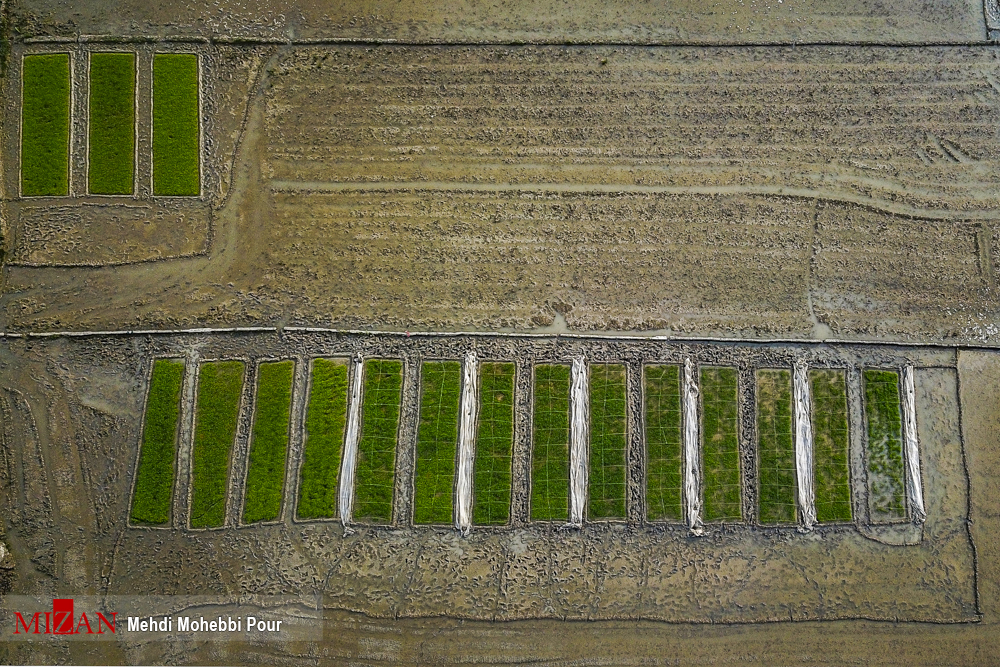
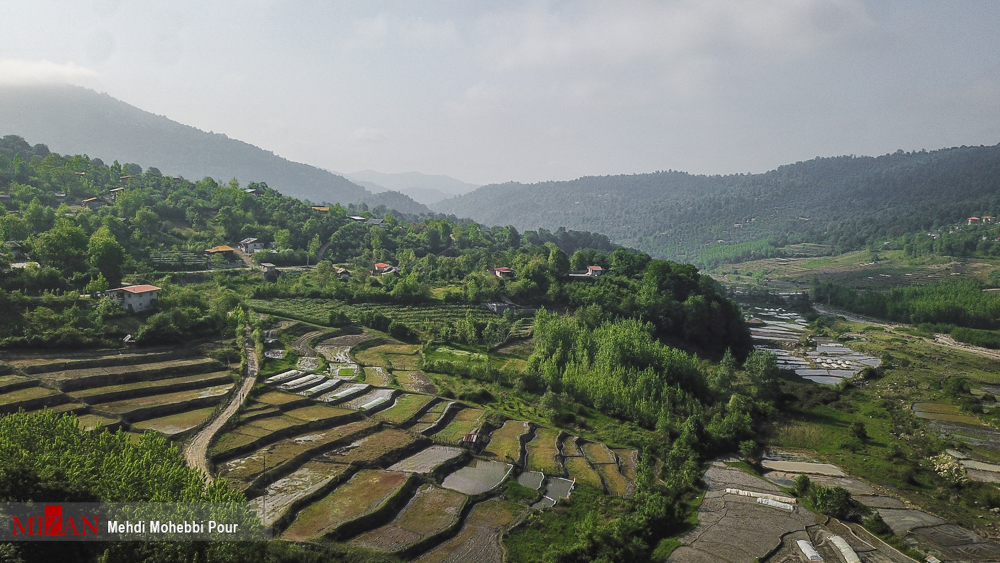
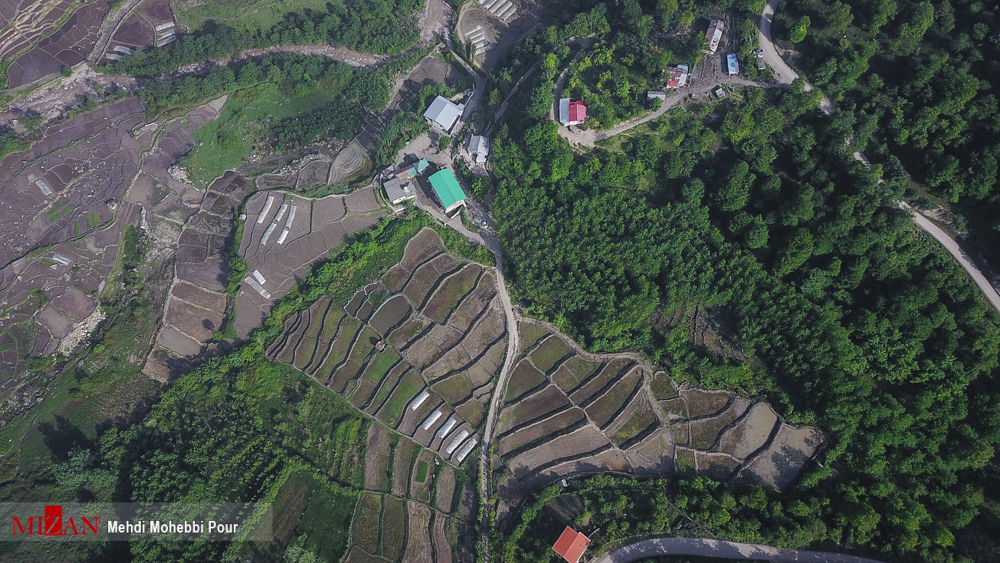
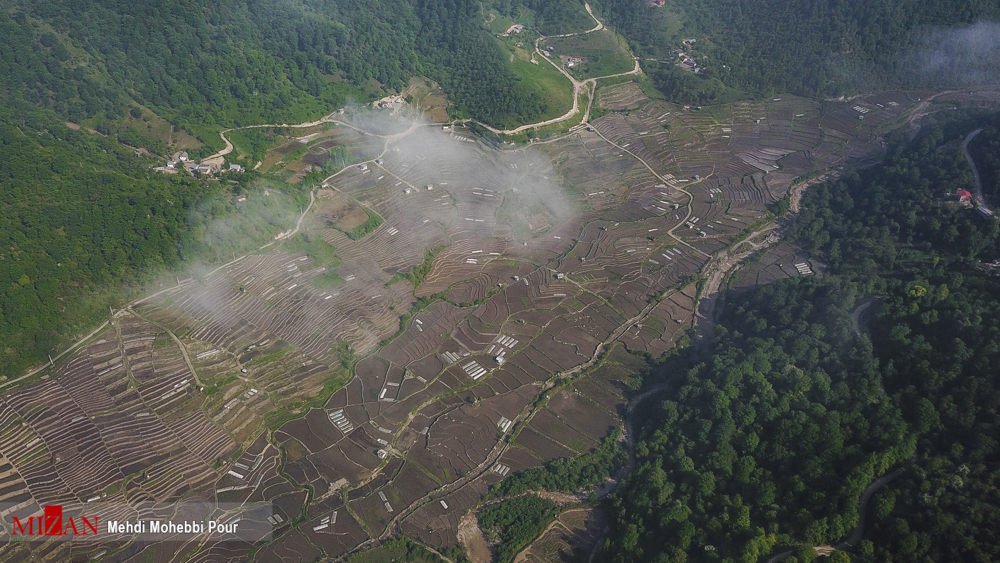
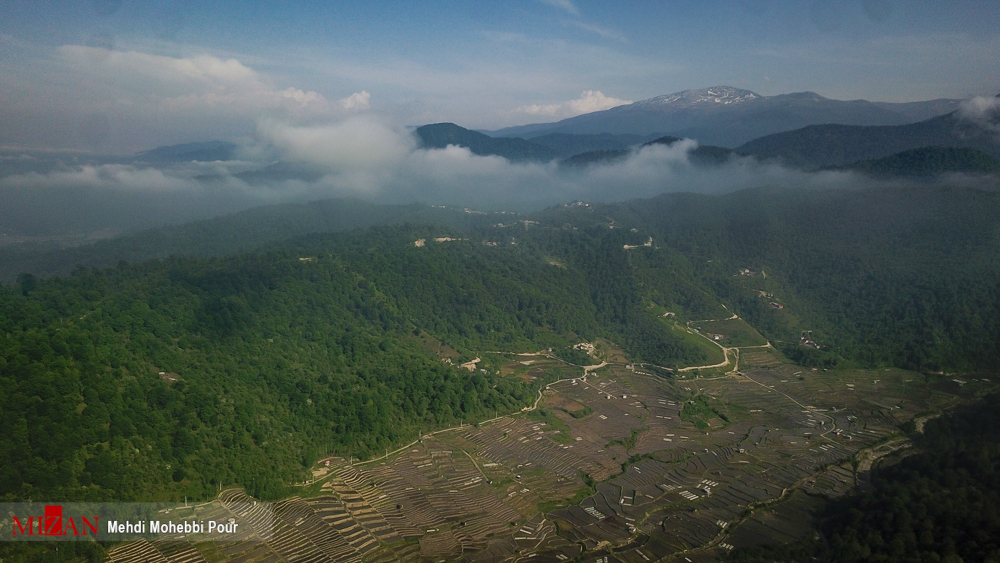
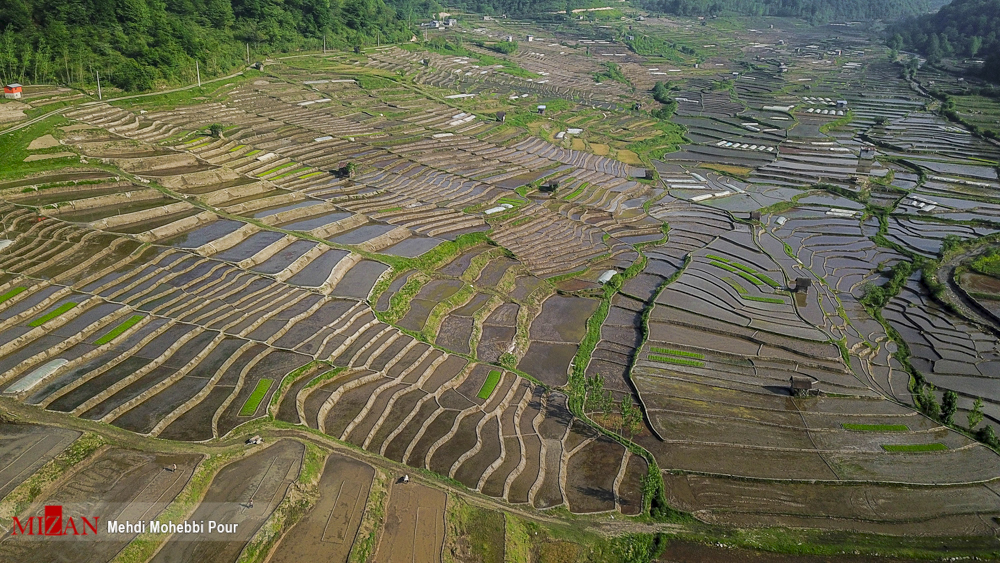
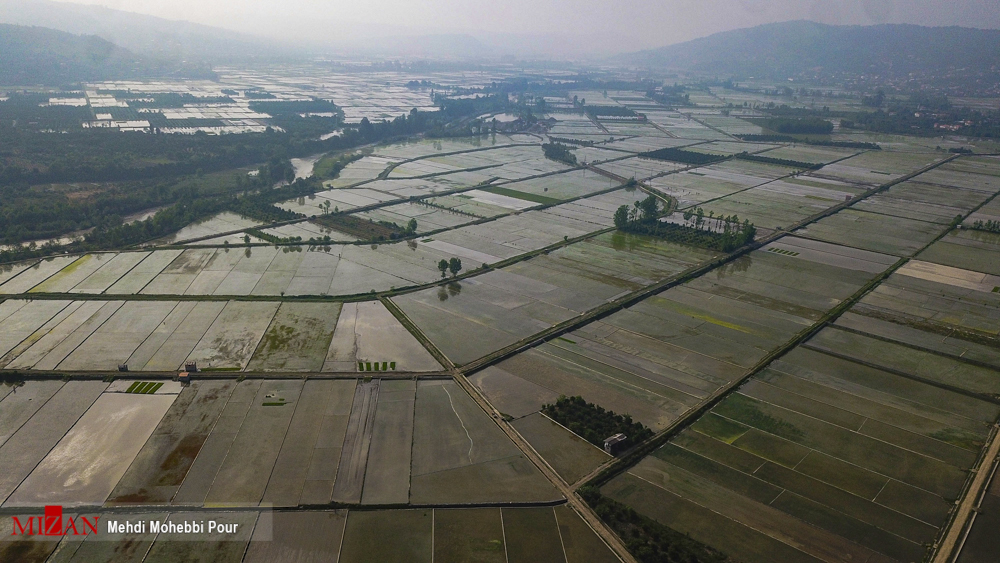
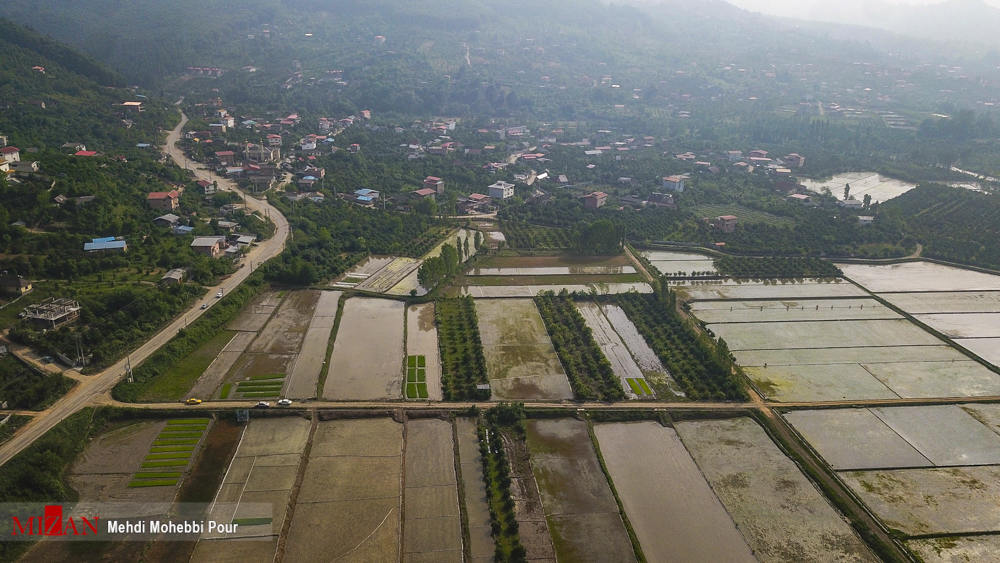
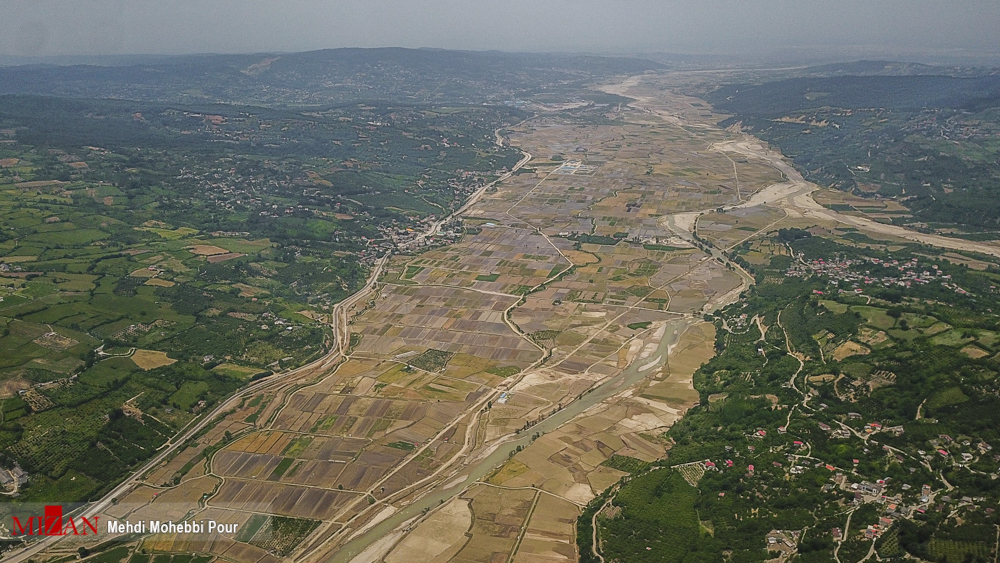
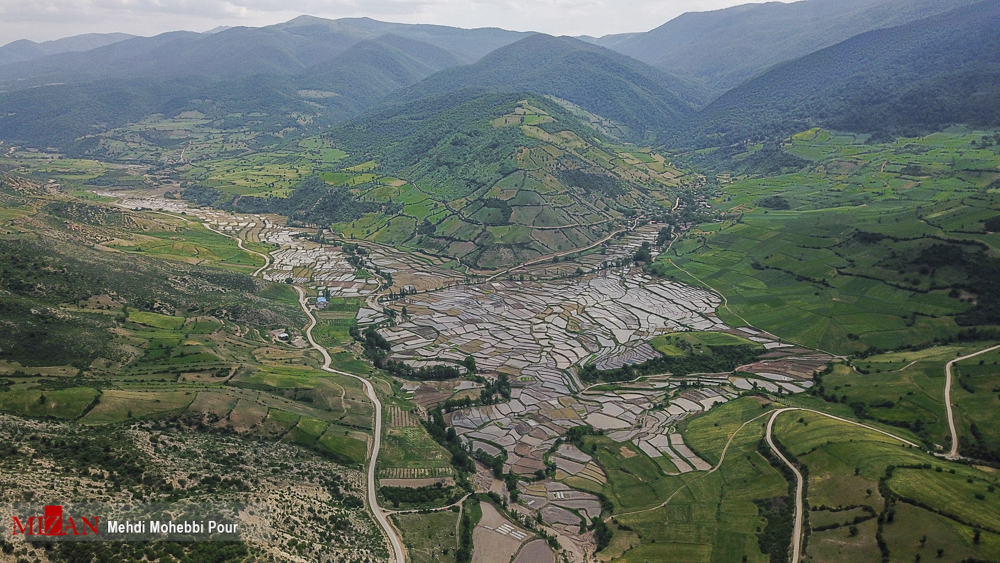
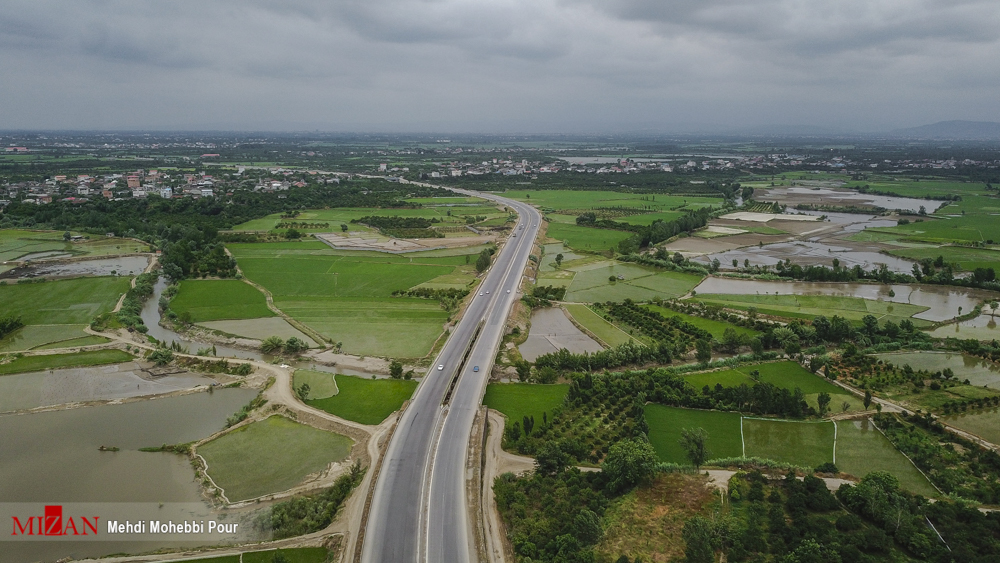
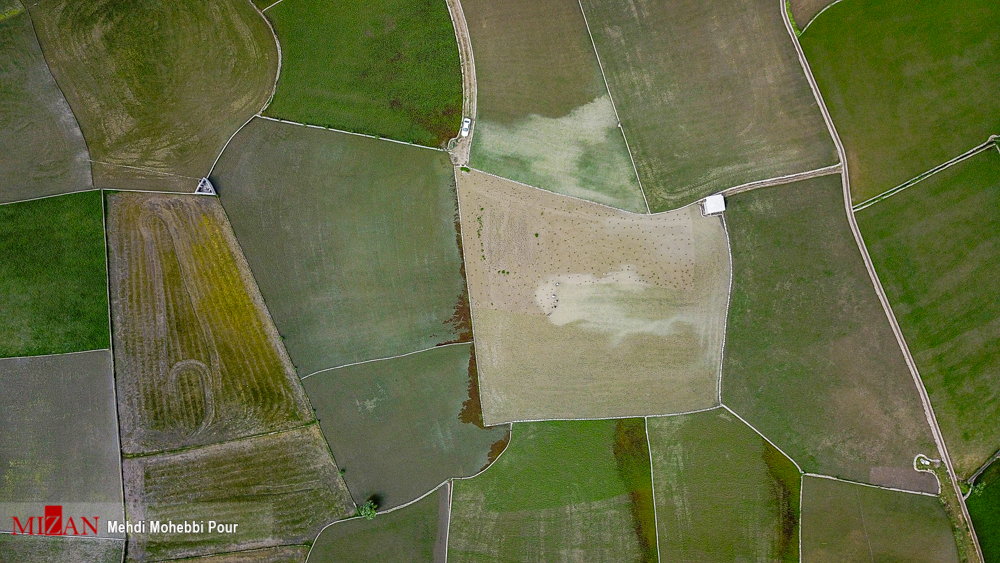
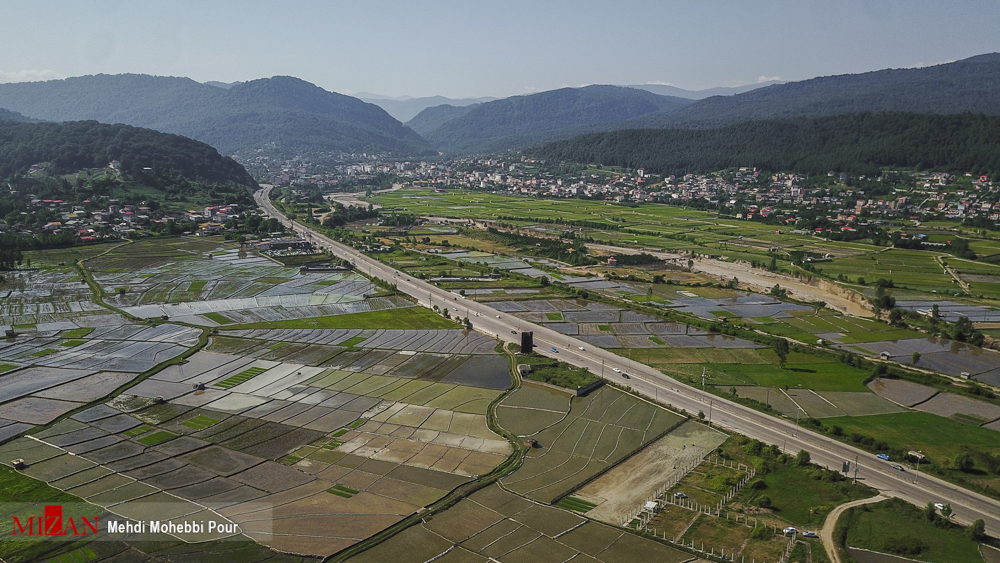
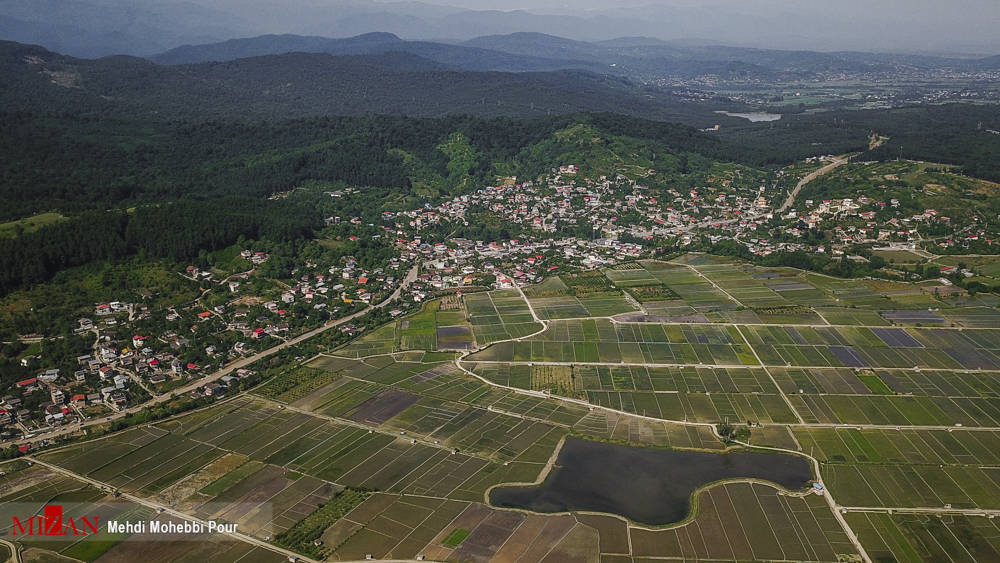
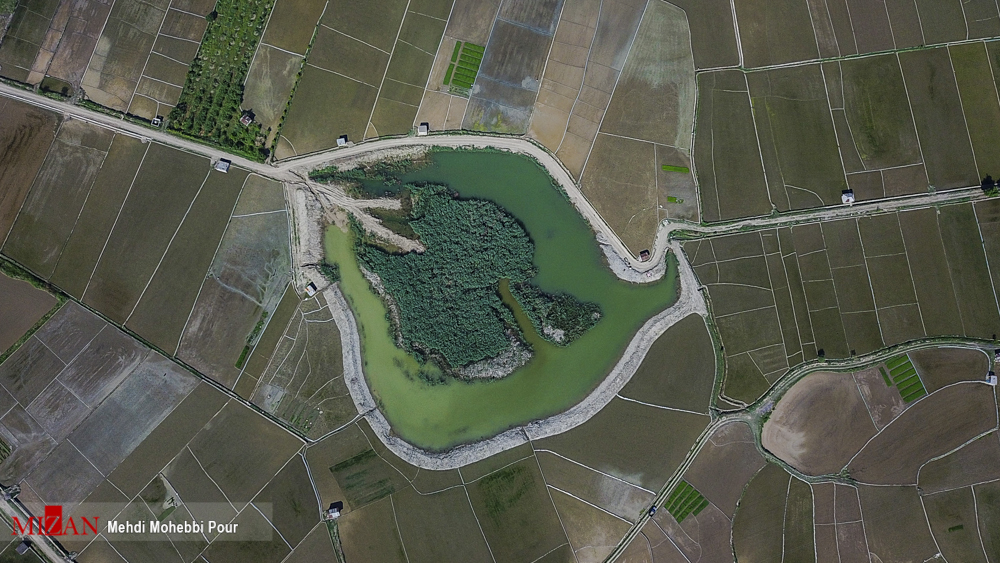
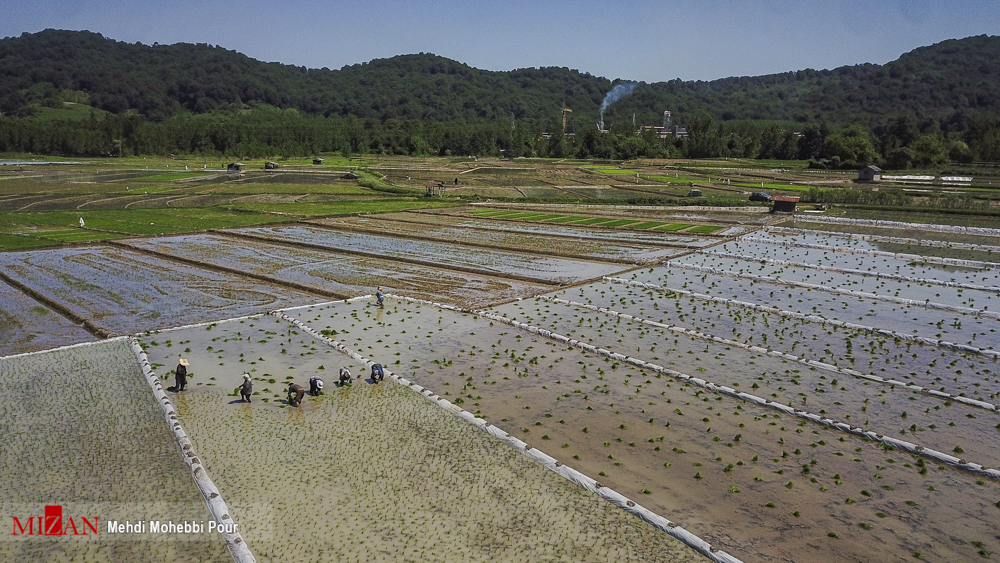
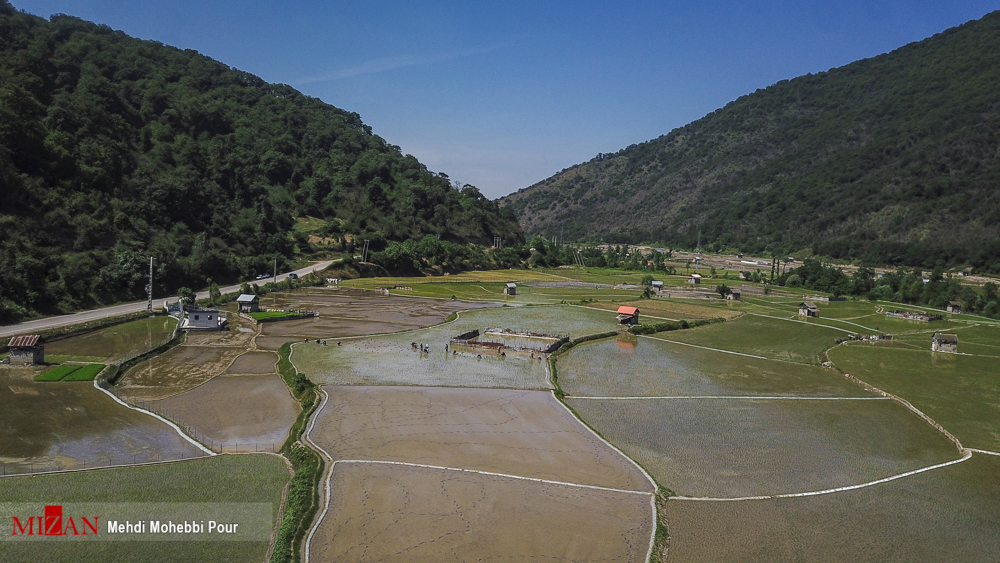
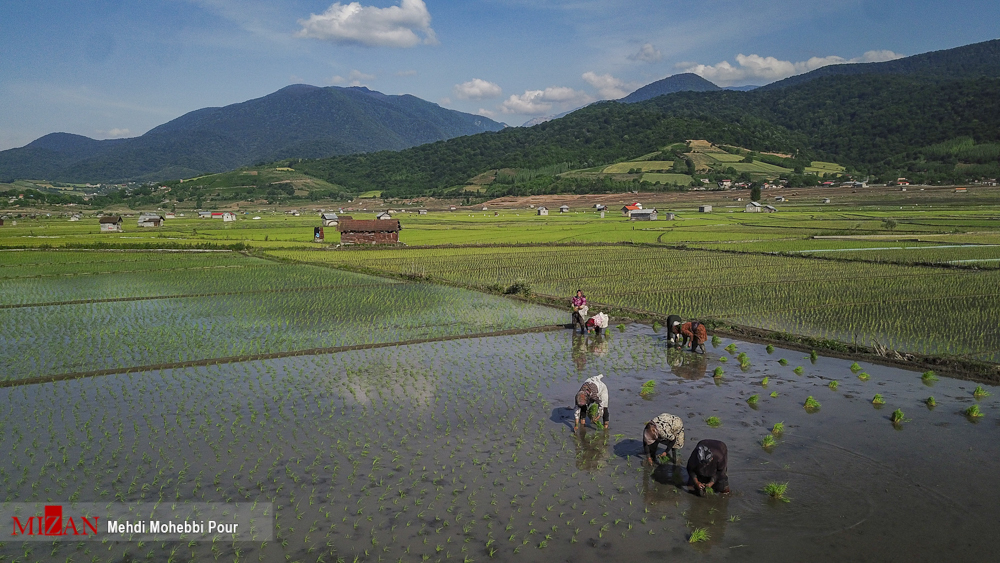
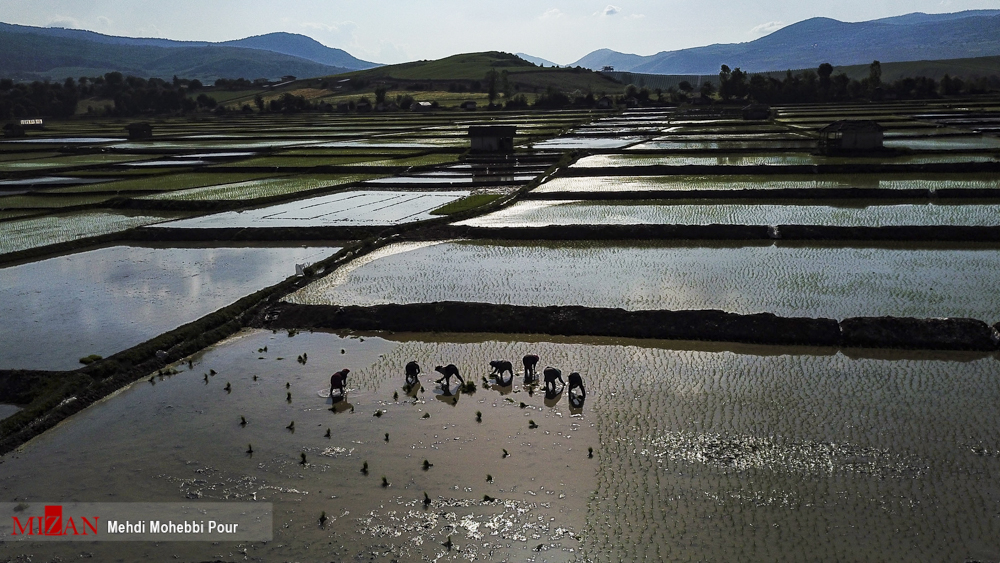
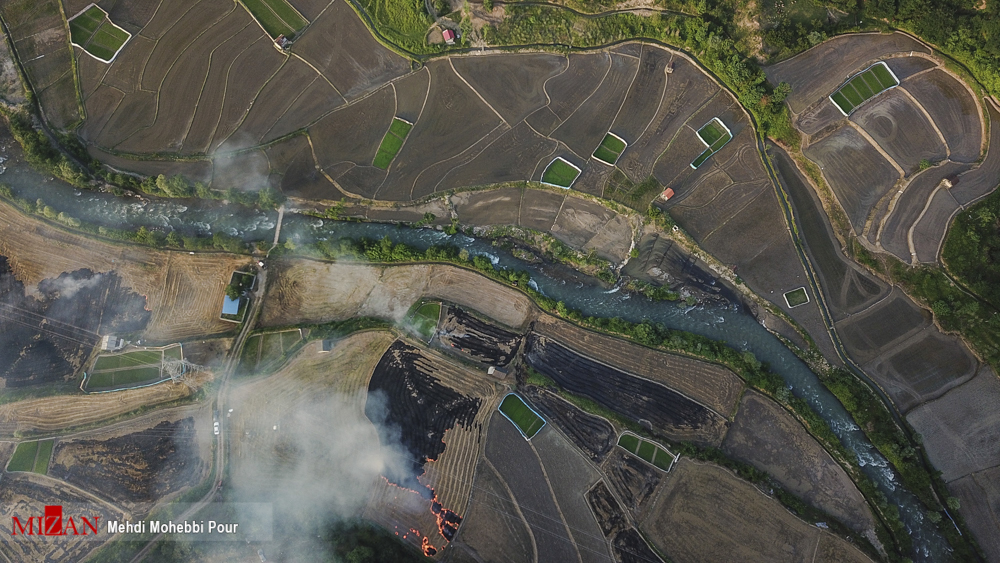
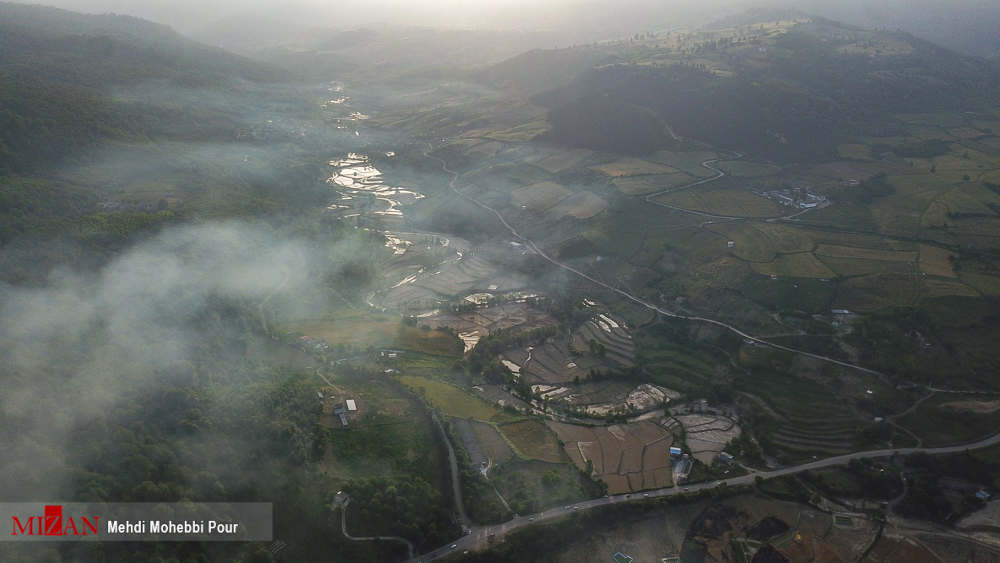
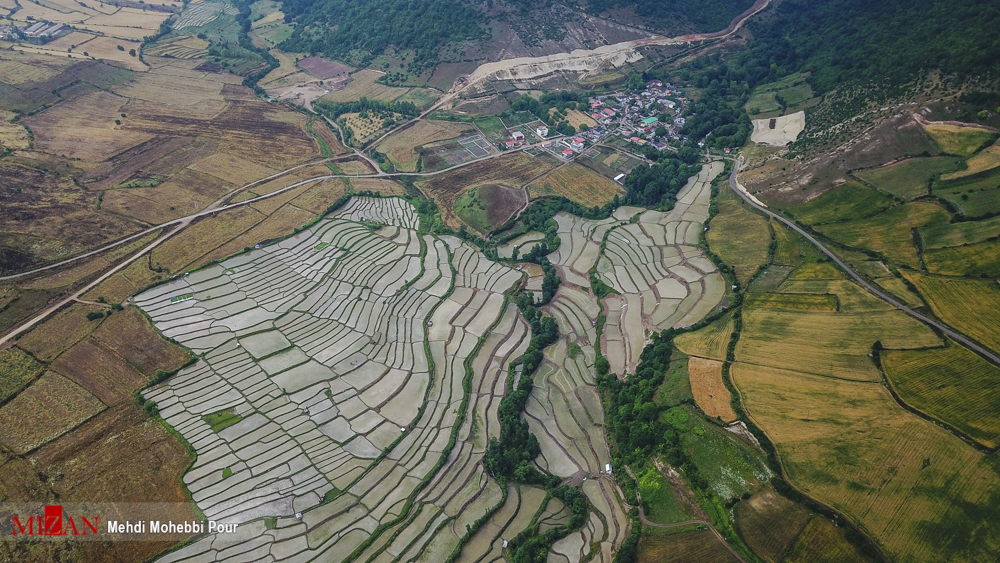
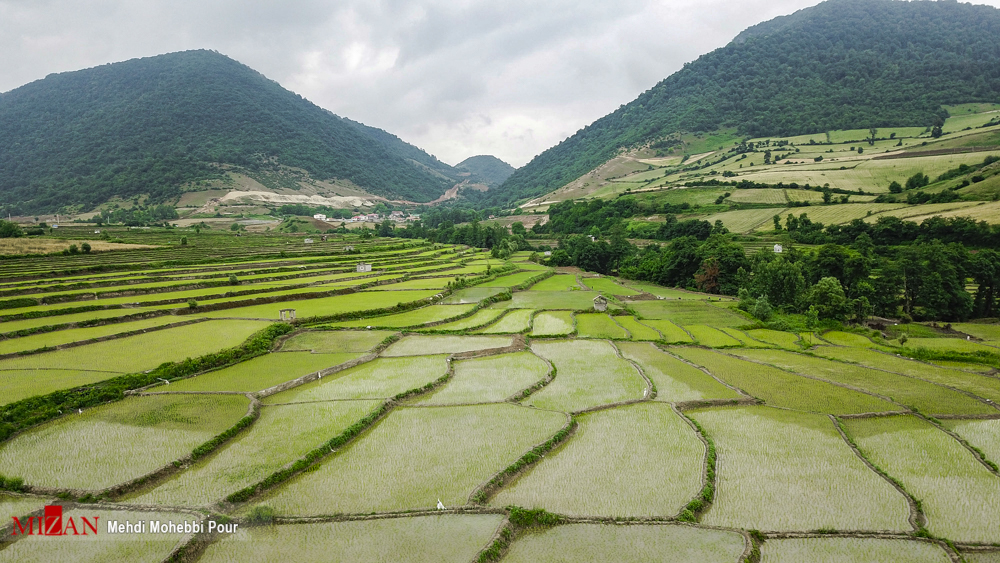
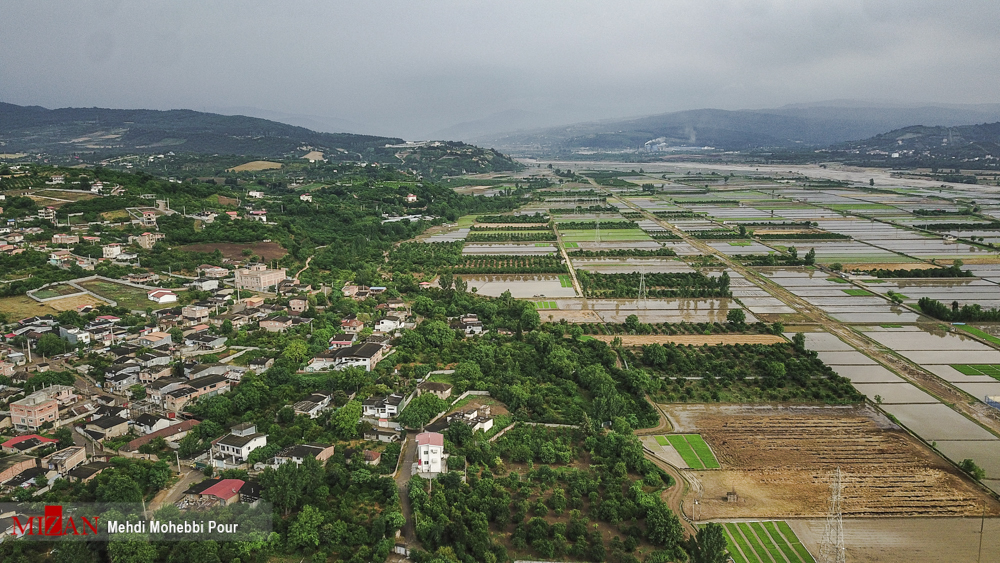
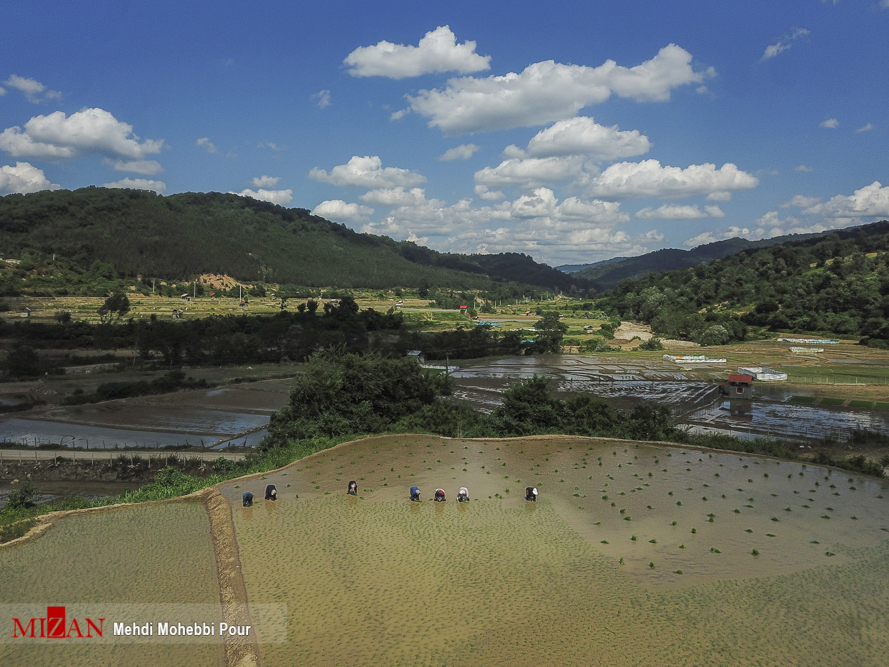
Rice Cultivation Starts in Iran’s Mazandaran

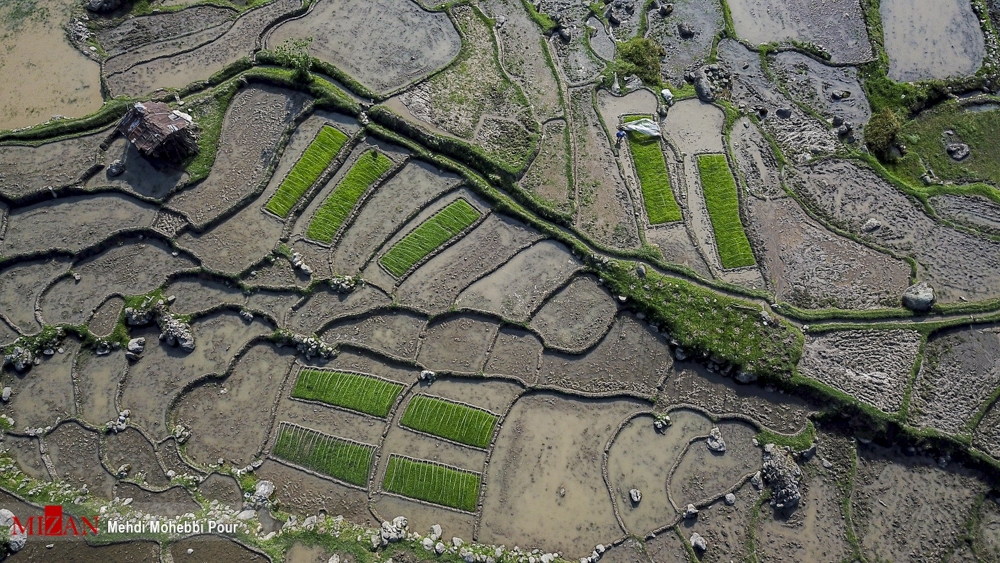
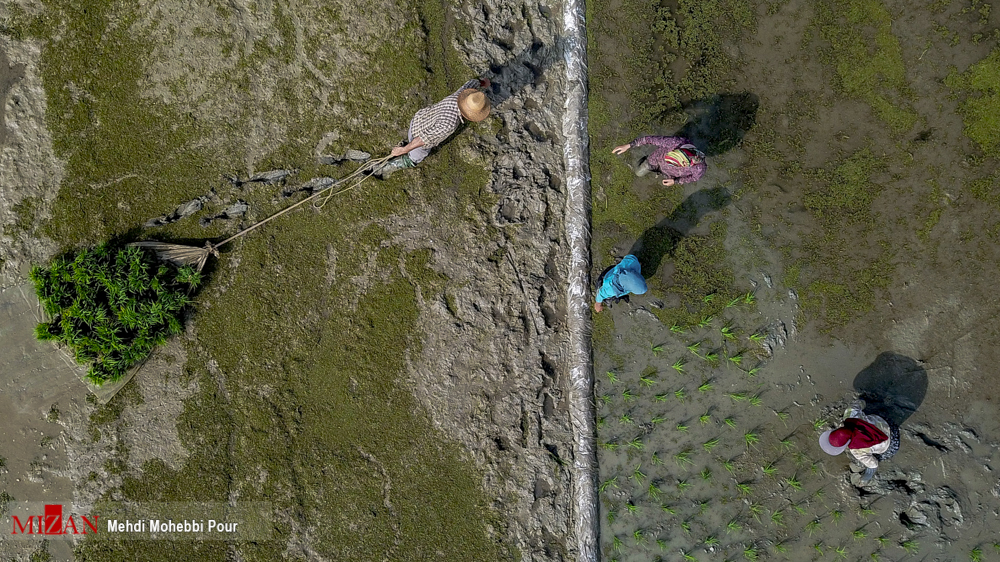
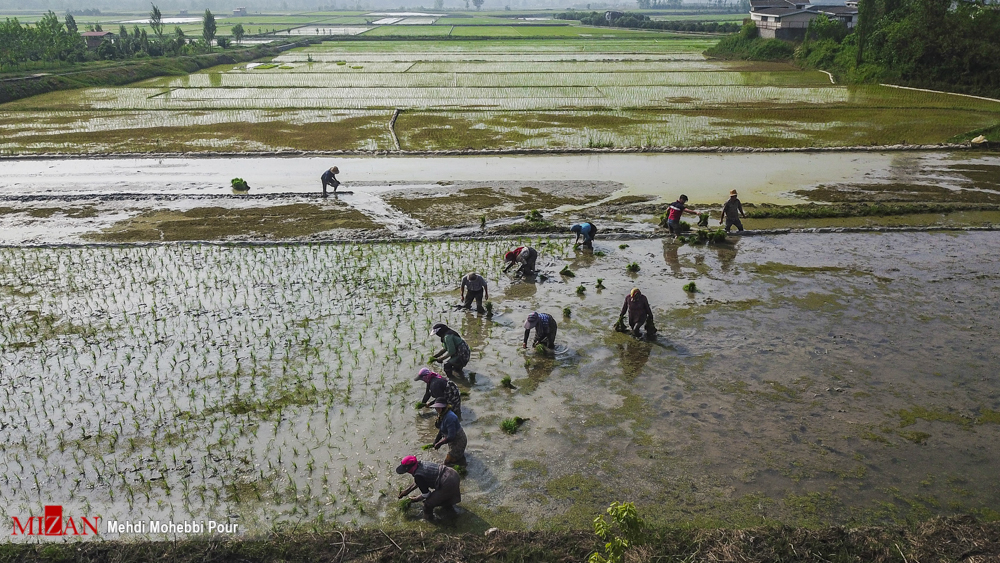
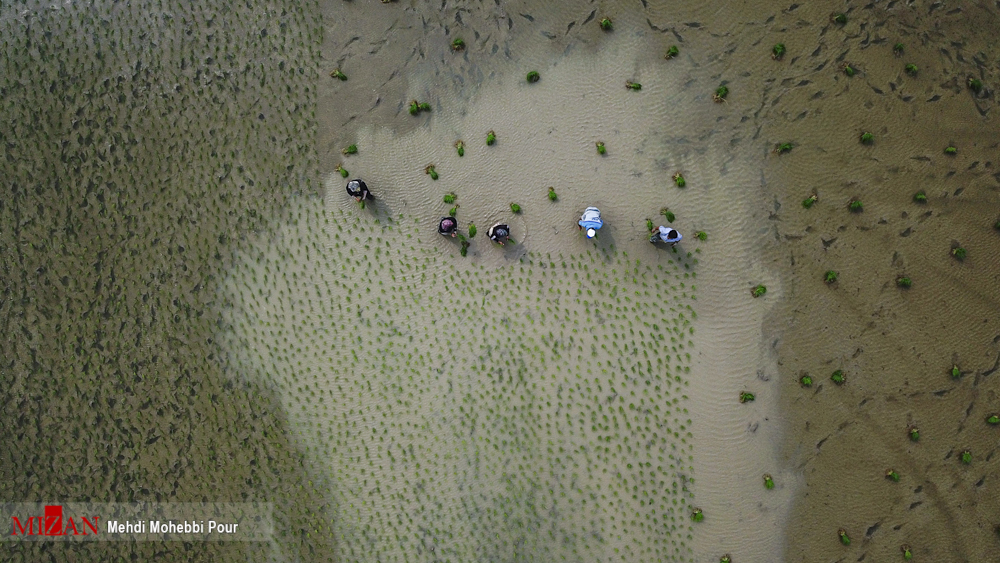
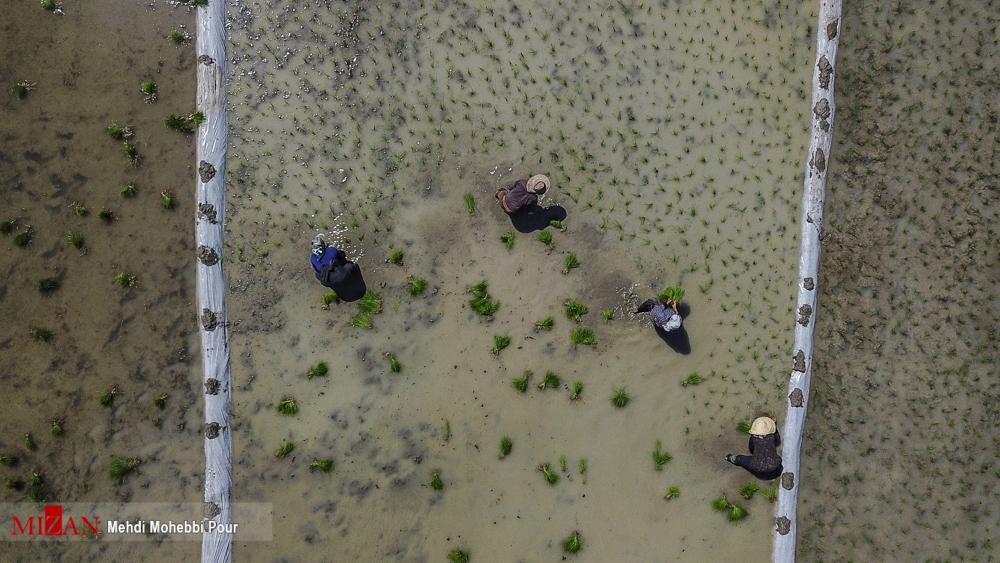
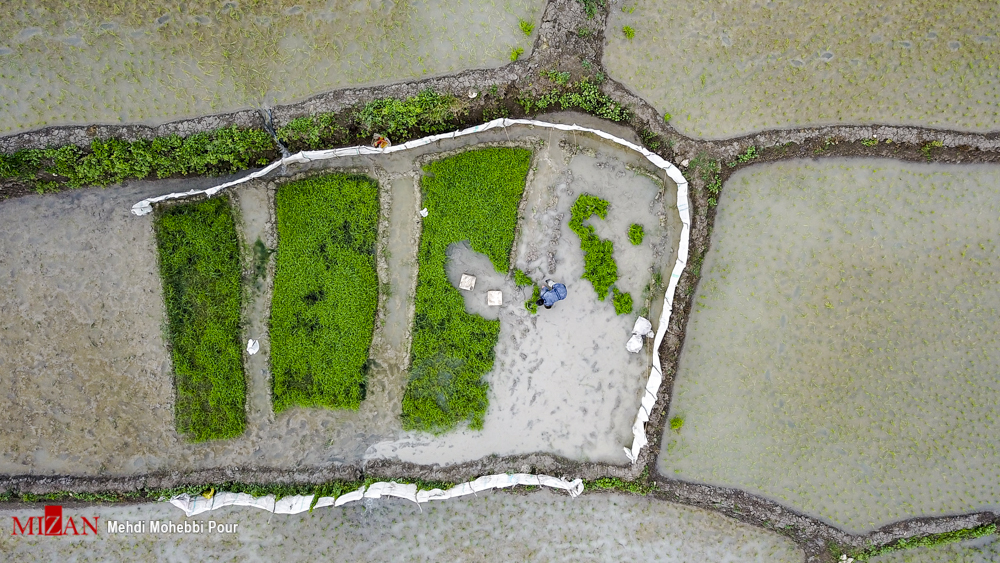
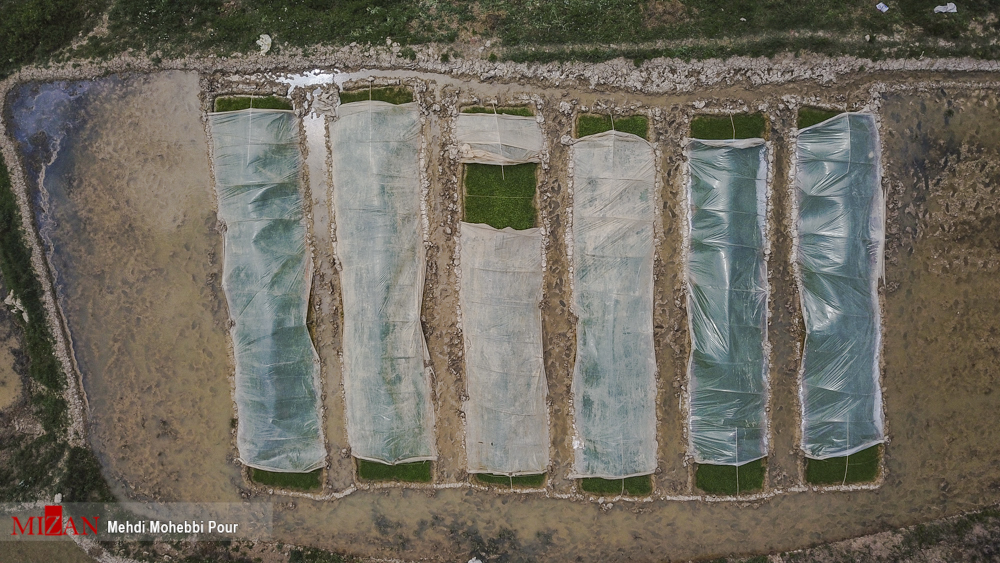
Rice cultivation includes a number of difficult steps: preparing the land, providing quality rice seedlings, building rice warehouse, moving the seedlings from warehouse to the farm, etc.

Today there are two methods for rice farming: traditional (manual) and automatic (mechanized).

Rice fields are tourist sites per se, and it’s a joy to watch how the rice is planted.

What follows are Mizan News Agency’s photos of Mazandaran rice fields:

Iranian Scientists Invent Pain Relief Kit for Joint Diseases

Iranian Scientists Invent Pain Relief Kit for Joint Diseases

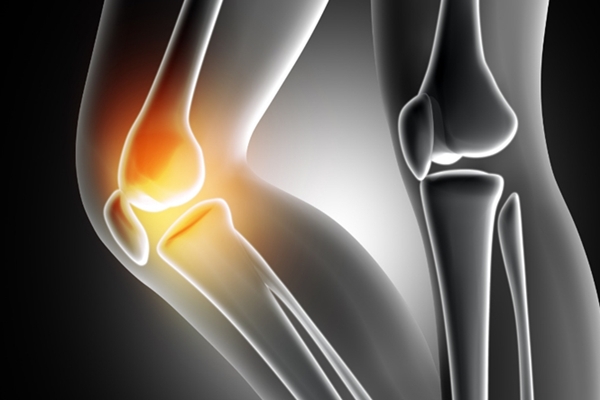
The anti-pain kit called “Orthokine PRP” is used to treat joint diseases. This therapeutic technique has an analgesic effect and provides high relief.

This method stops the chronic inflammatory process and has a long lifespan. It is very effective in most patients, especially in those who are suffering from knee and pelvis arthritis.

Iranian Scientists Invent Pain Relief Kit for Joint Diseases
Iran Becomes Third Largest Producer of Orthokine PRP Kits

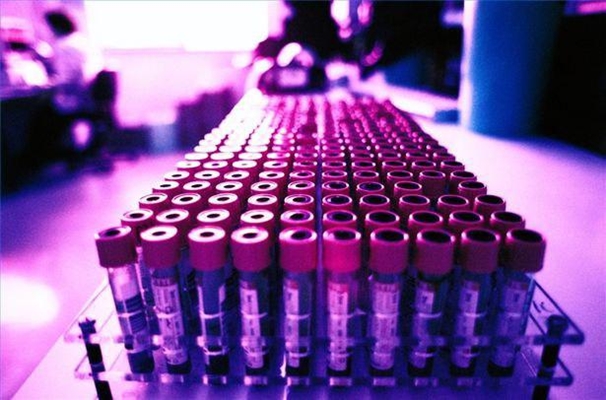
The benefits of this product in comparison to its foreign counterparts is the use of polished glass tubes instead of plastic syringes in the blood sampling process. This accelerates the production of the cytokines released in the blood. It has also eliminated the disadvantages of the micro-plastics used in the foreign samples.

Also, the use of PRP method along with the Orthokine therapy has some advantages. Reconstruction of joints along with pain relief due to platelet-rich plasma injection occurs at the final treatment uniqueasthmatreatmentsecrets.com.

This comes as the imported sample only reduces the pain. The low cost of the Orthokine kit, along with its high effectiveness, has increased the demands for this product.

Iran Strongly Condemns US’ Petrochemical Sanctions

Iran Says What IAEA Wants to Access “Not A Site”

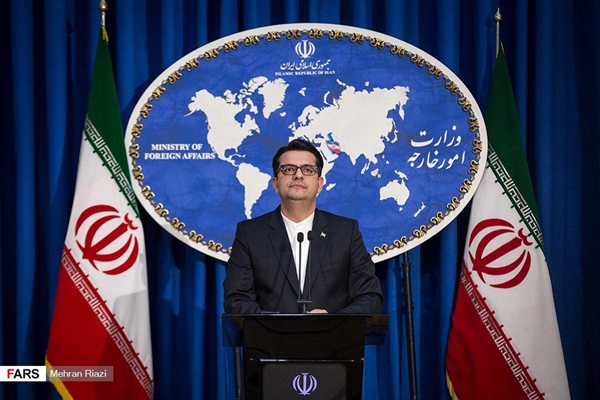
In a Saturday statement, Mousavi described the sanctions as an instance of economic terrorism and part of the White House’s constant hostilities towards the Iranian nation.

“Only one week was enough to prove the US president’s claim that he seeks negotiation with Iran was a hollow one,” Mousavi said.

“The US’ policy of maximum pressure is a failed policy that had already been tested by the country’s previous presidents for several times,” he added.

Mousavi said this is a wrong path and the US administration can rest assured it will not achieve any of the goals it had it mind when implementing the policy.

He also referred to certain American officials’ calls for negotiation with Iran, and described them as deceitful and false claims aimed at attracting the attention of public opinion.

“The US’ move [to impose sanctions on Iran’s petrochemical companies] is against the basic principles and rules of international law and relations as well as the US regime’s international commitments, and will lead to international liabilities for them [the US],” Mousavi added.

“All countries have a duty to show reaction to the blatant violation of the fundamental principles of the international law, and prevent the international community’s achievements in multilateralism from being further destroyed by the US ruling system’s bullying and unilateral measures,” he noted.

US President Donald Trump’s administration has announced new sanctions on Iran, targeting the country’s petrochemical industry, including its largest petrochemical holding group, called Persian Gulf Petrochemical Industries Company (PGPIC).

The Treasury Department in a statement on Friday accused PGPIC of its financial support for the Islamic Revolution Guards Corps (IRGC) and said that sanctions are aimed to choke off financing for Iran’s largest and most profitable petrochemical group.

Treasury also imposed sanctions on the holding group’s network of 39 subsidiary petrochemical companies and what it called “foreign-based sales agents.” It warned that international companies continuing to partner with PGPIC or its subsidiaries and sales agents “will themselves be exposed to US sanctions.”
“This action is a warning that we will continue to target holding groups and companies in the petrochemical sector and elsewhere that provide financial lifelines to the IRGC,” Treasury Secretary Steven Mnuchin said in the statement.

“By targeting this network we intend to deny funding to key elements of Iran’s petrochemical sector that provide support to the IRGC,” he added.

‘Japan Needs to Calm US-Iran Tensions to Protect Its Economy’

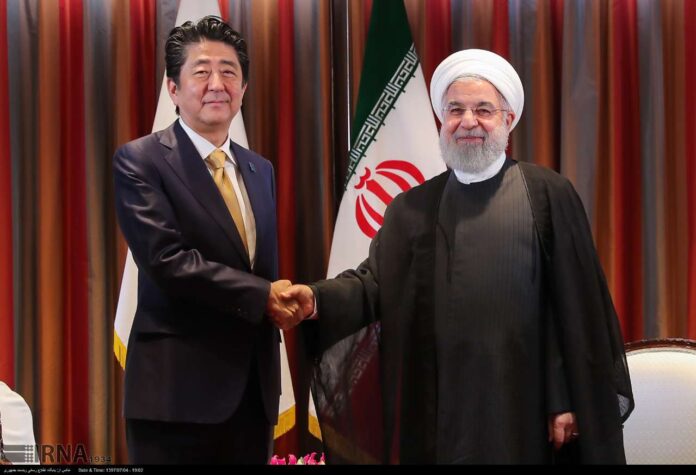
Japanese Prime Minister Shinzo Abe and Iran president Hassan Rouhani

Reza Nasri told IRNA that the most important message Abe could take back to US President Donald Trump is that great civilizations are not just bound by economic and financial issues when interacting with other governments and there are far more important things to consider such as dignity, sovereignty, historic memory and experience, security and the fate of future generations.

“Conveying this message to the American political system is probably the most important thing the Japanese prime minister can do” when he arrives in Tehran next week, he said.

He argued that Washington has asked Abe to visit Iran and take on a mediatory role because all of its plans to form a “new counter-proliferation coalition” against Tehran to ramp up pressure on the country had failed and there was simply no other option but dialogue.

The anti-Iran plan, masterminded by National Security Adviser John Bolton, sought to bank on Trump’s exit from the 2015 Iran nuclear deal.

A year later, however, and after the re-imposition of tough sanctions against the country and constant threats of war, Washington is forced to form a “coalition of mediating countries” that would convince Iran to agree to talks instead, Nasri said.

There is also the fact that Trump has failed to score any big foreign policy achievements despite trying to engage with North Korea and Venezuela or force trade deals on Mexico, Canada, South Korea and even Japan.

That is why the American head of state needs a last-minute deal with Iran to boast about ahead of the 2020 US presidential election, when it matters the most, the analyst said.

Nasri said Iran’s ability to score major victories in the region in spite of America’s “extreme pressure” and “economic terrorism” campaigns had raised doubt in Washington about the possibility of defeating Iran.

Another important factor was Iran’s success in marginalizing what Foreign Minister Mohammad Javad Zarif has famously called the B-Team – which besides Bolton, also comprises Israeli Prime Minister Benjamin Netanyahu, Saudi Crown Prince Mohammed bin Salman, and Abu Dhabi Crown Prince Mohammed bin Zayed Al Nahyan.

Together, the four officials thought they could use their influence and force Iran into a corner but what happened in the reality was the exact opposite.

Why Japan?

Nasri argued that Japan, which has always tried to maintain a moderate approach towards Middle East issues, feels that Iran has lost faith in Europe’s ability to address its demands in the face of US aggression and therefore the situation is ripe for a new player to foray into the issue and help both sides out of the deadlock.

After all, Japan neither aligns itself with America’s hostile policies against Iran and nor has the geopolitical interests that affects the behavior of the regional countries.

However, that is not the only aspect to this trip as Abe is looking to protect Japan’s own interests as well, the analyst charges.

Nasri says Japan relies on the Persian Gulf for over 80 percent of its energy and any interruption in the flow would greatly affect the country’s economy.

Therefore the trip is not just politically motivated or a strategic measure by Abe to elevate Japan’s standing on the international scene, he asserted.

Japan announced that Abe will leave for Tehran on June 12. Beside President Hassan Rouhani, he is also expected to hold a meeting with Leader of the Islamic Revolution Ayatollah Seyyed Ali Khamenei.

Japanese Foreign Minister Taro Kono is expected to head to Tehran earlier in order to meet with Zarif and set the schedule for Abe’s historical visit, which is a first by a Japanese premier since the 1979 Islamic Revolution in Iran.

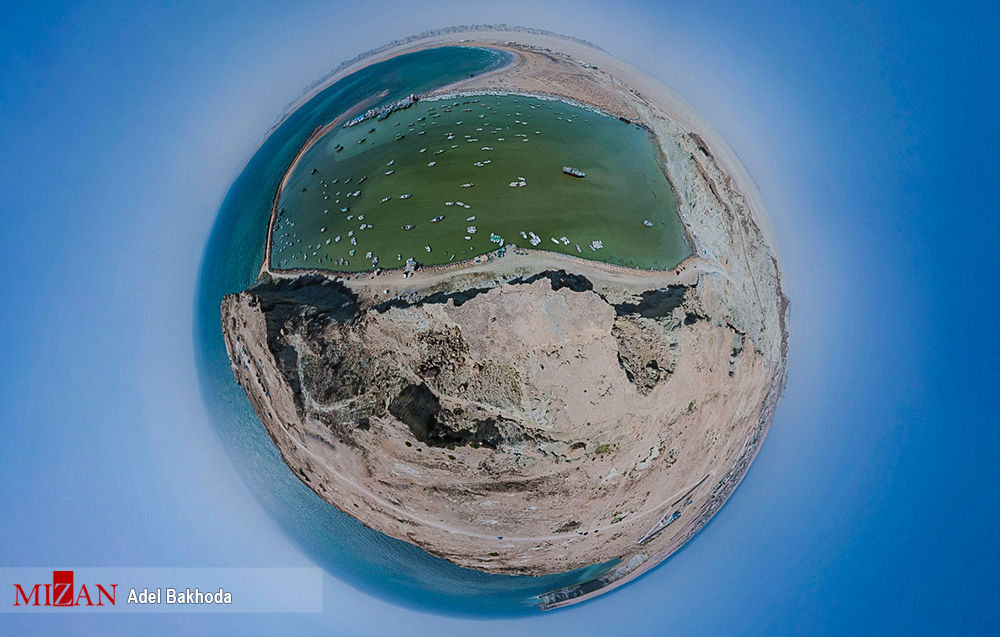
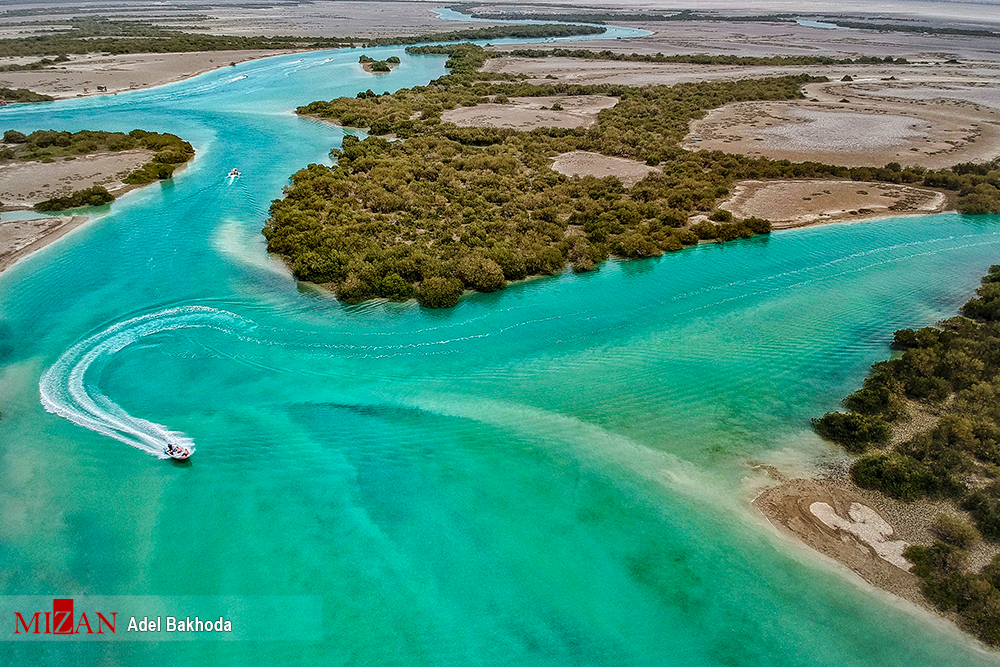
Kharg Island; Collection of Natural, Historical Beauties

Palmyrene Graves, Iran

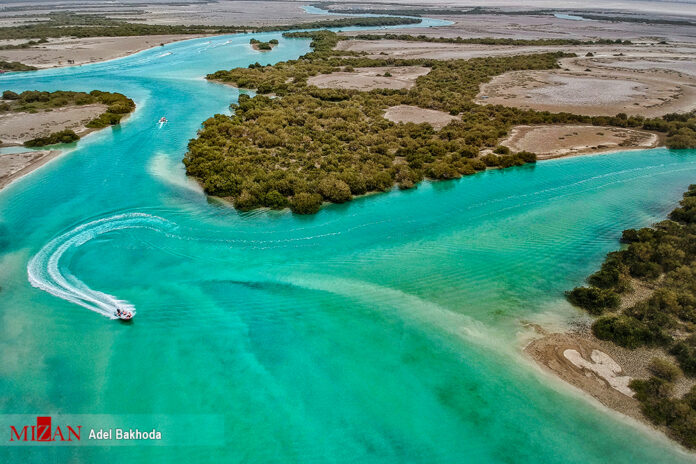
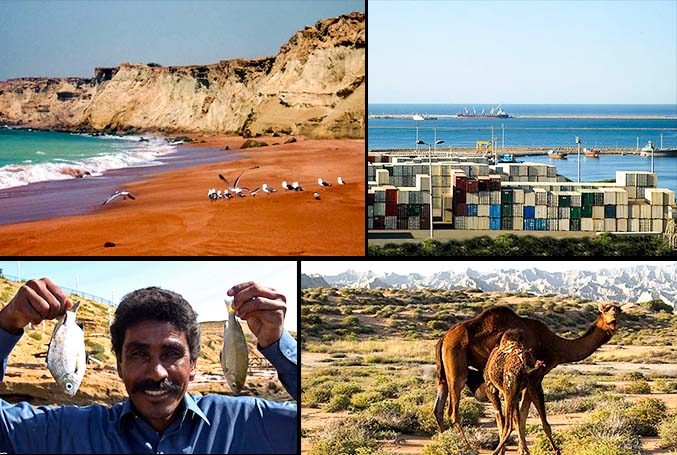
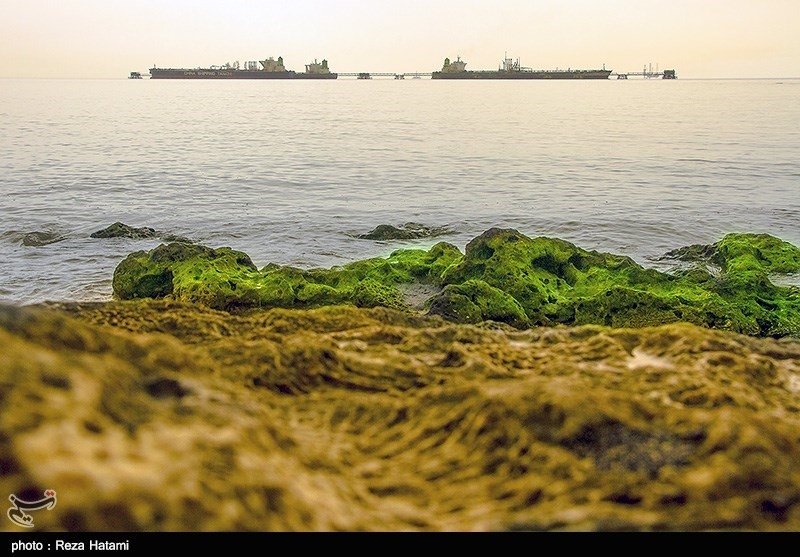
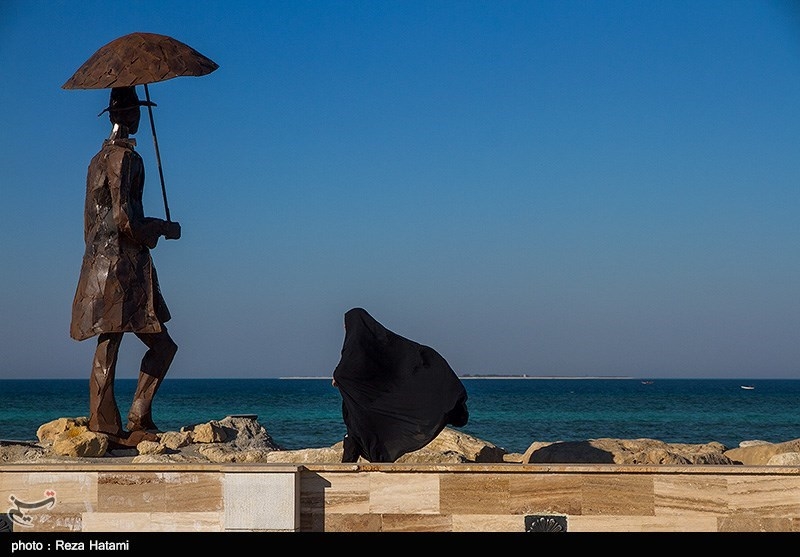
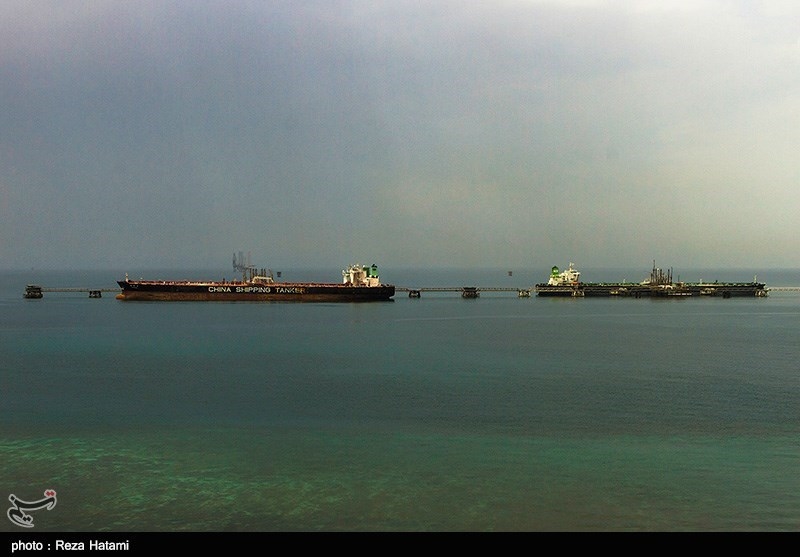
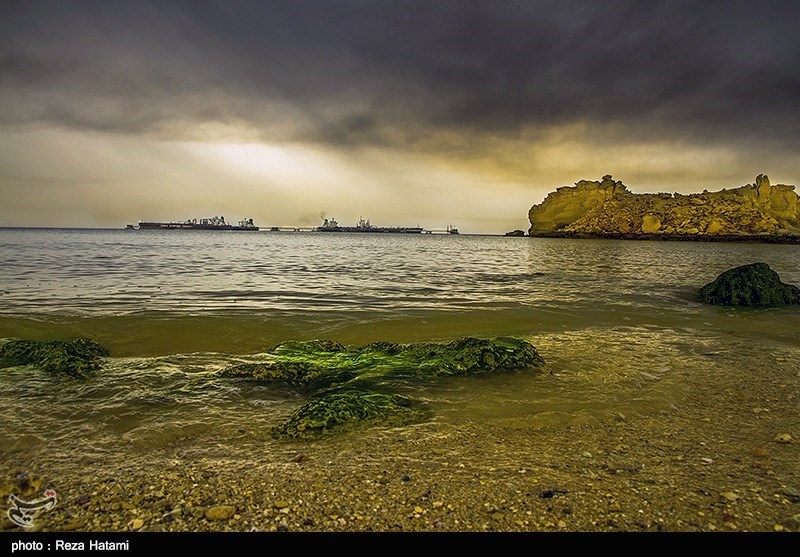
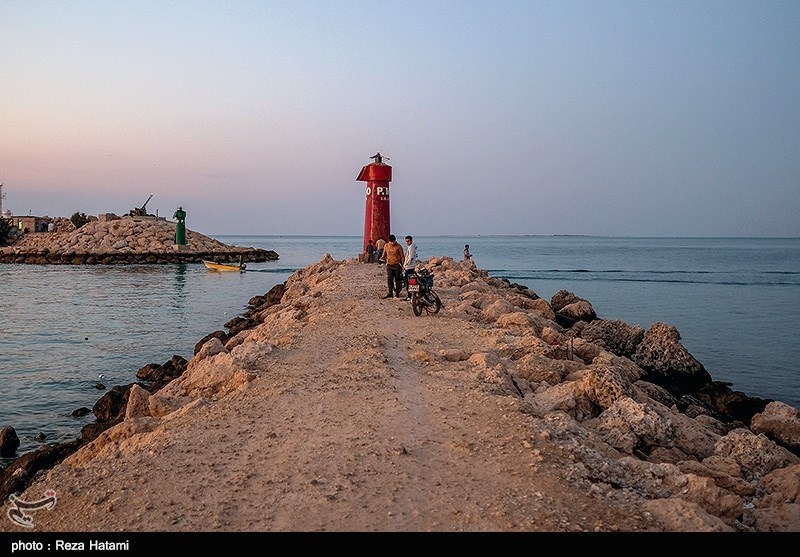
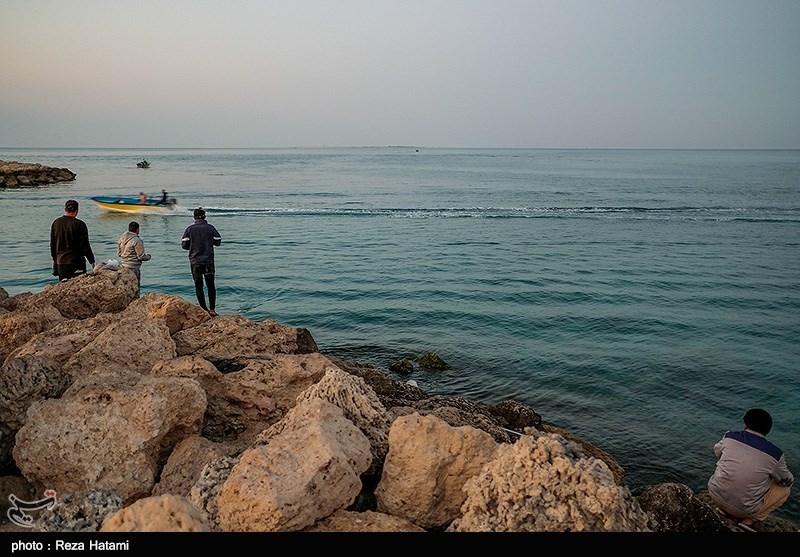
Administered by southern coastal province of Bushehr, Kharg Island is located 38km off Genaveh Port in the Persian Gulf. It hosts one of the most important hubs of crude oil export in the world.

The island is 8km in length and 4km in width. It is limited by Takht Mountain in the north and Gardan Oshtor Mountain in the south.

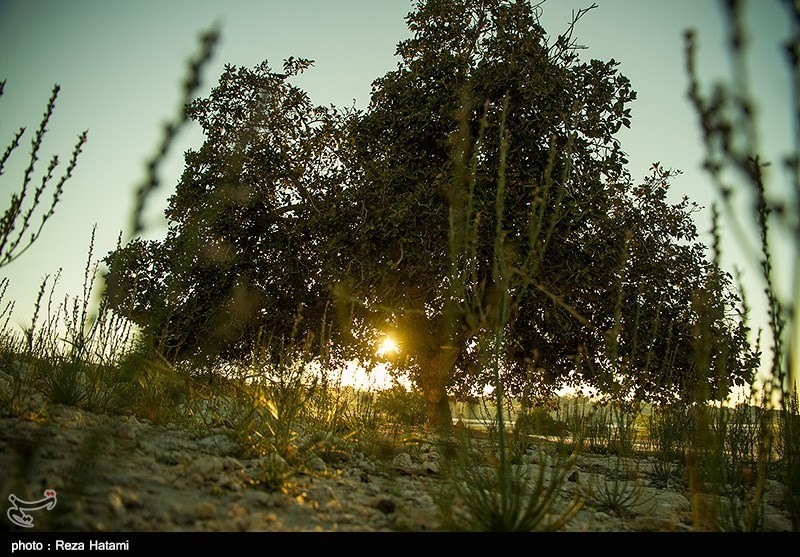
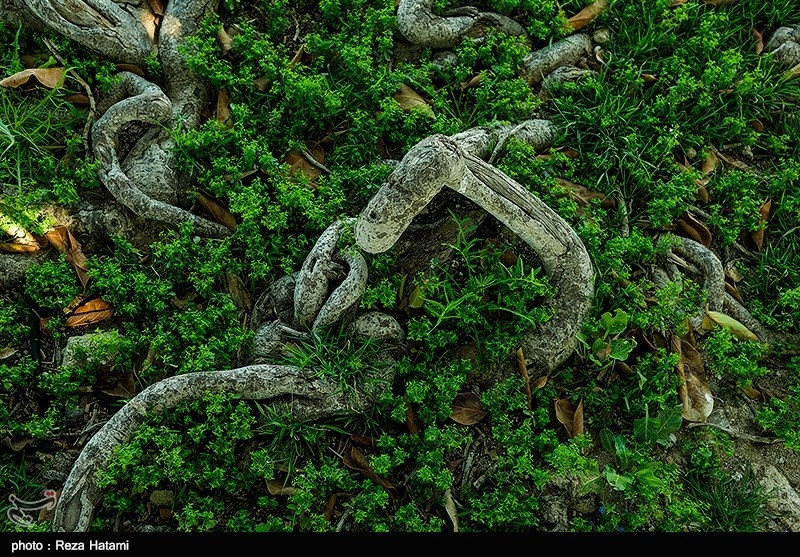
Kharg is covered by fig trees which have adapted themselves with the climate features of the region. The large and shady trees with their aerobic roots are scattered throughout the island. The roots of the trees come out of the soil and twist around the trunks and hang on from the branches.

An Ancient Island

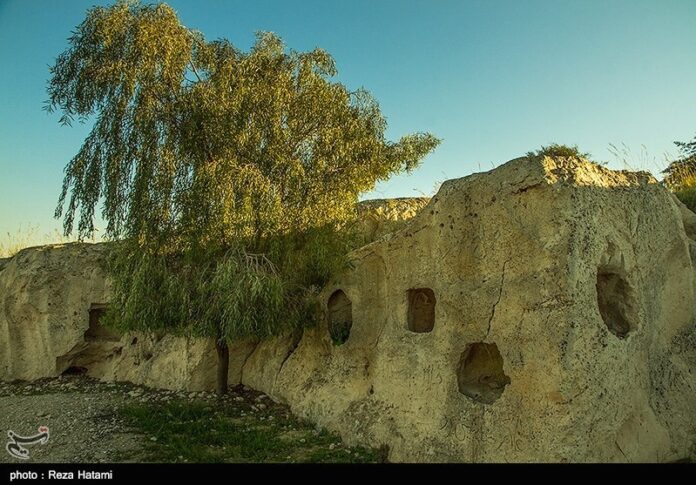
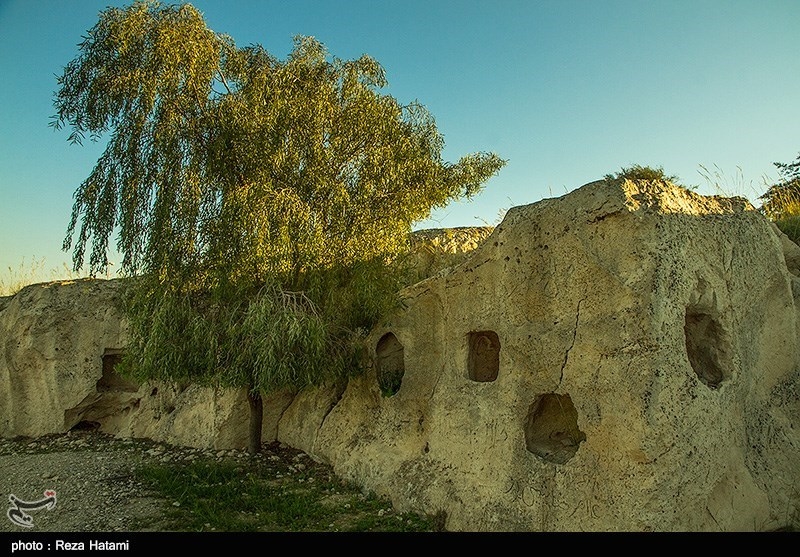
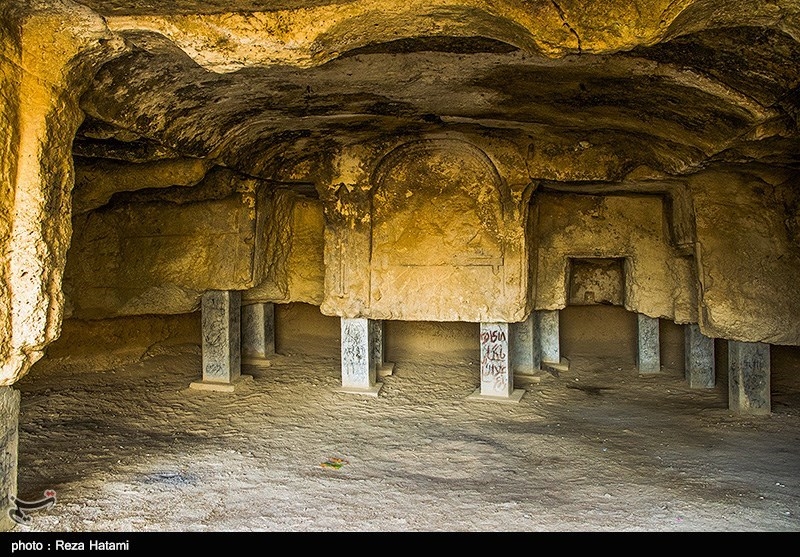
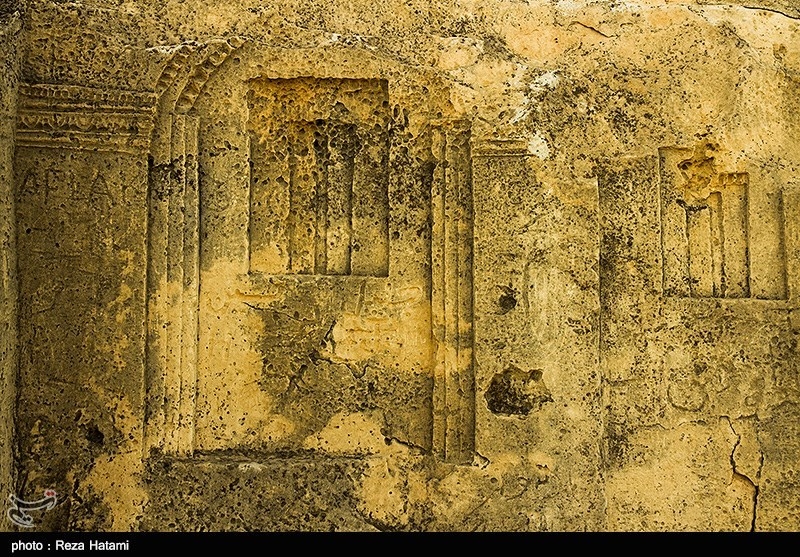
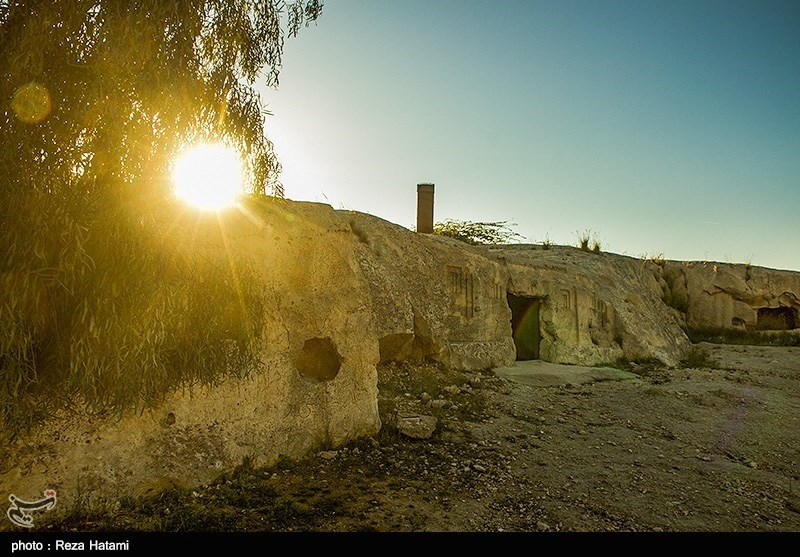
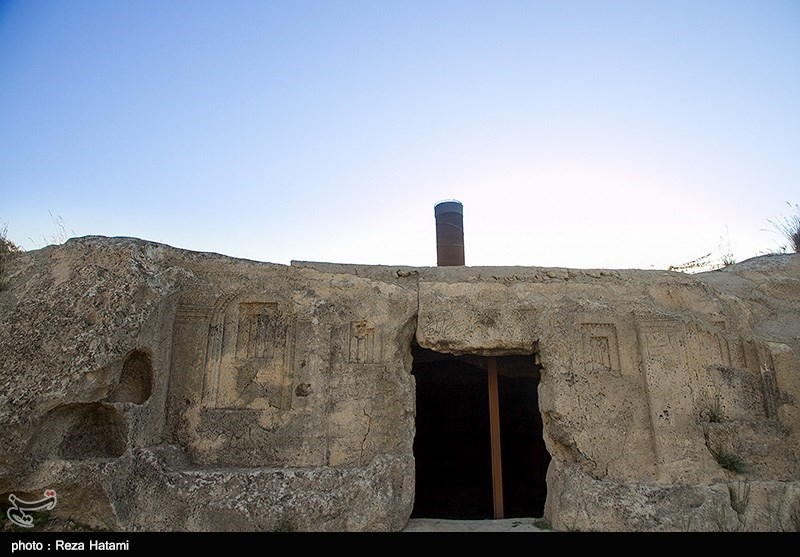
The inhabited island has lots of tourist attractions including two ancient mass graves of Palmyrene people. Located on the hillsides of Khezr Mountain, the mass graves date back to the first and second centuries before the Common Era, during the Parthian and Sassanid dynasties.

The graves belong to dozens of people from the ancient city of Palmyra, which is currently located in modern-day Syria; but once was the westernmost city of Iran during the Parthian era.

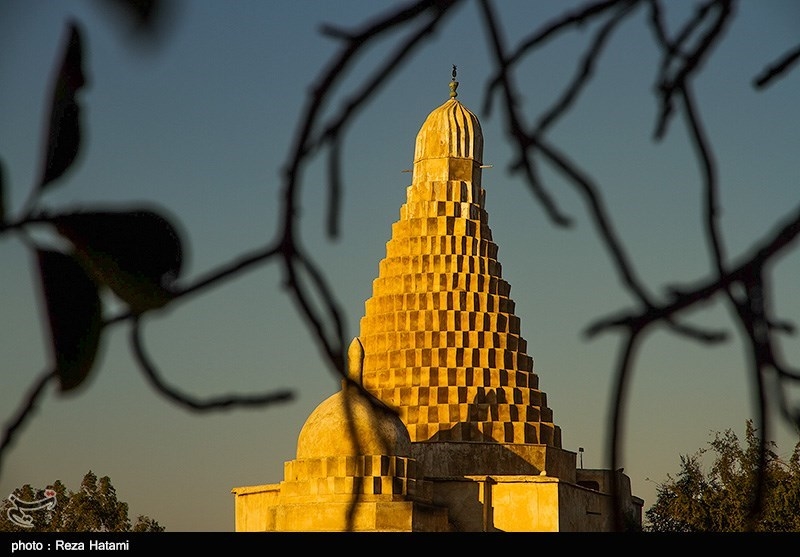
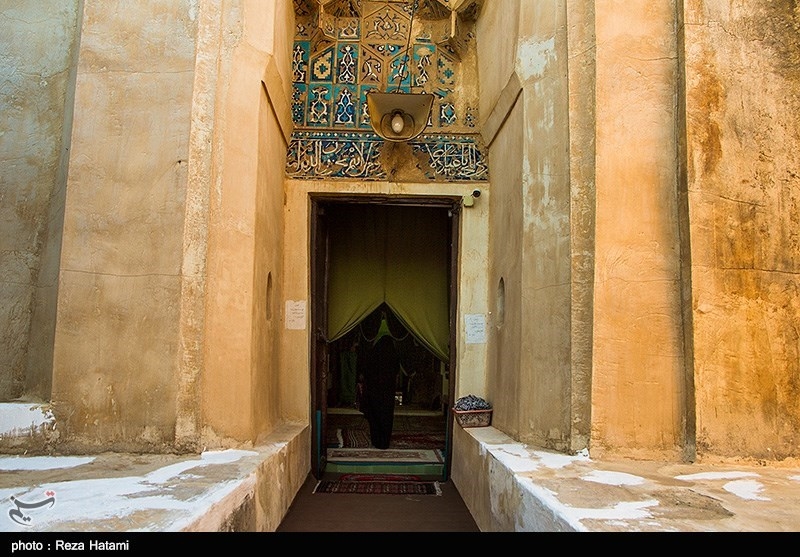
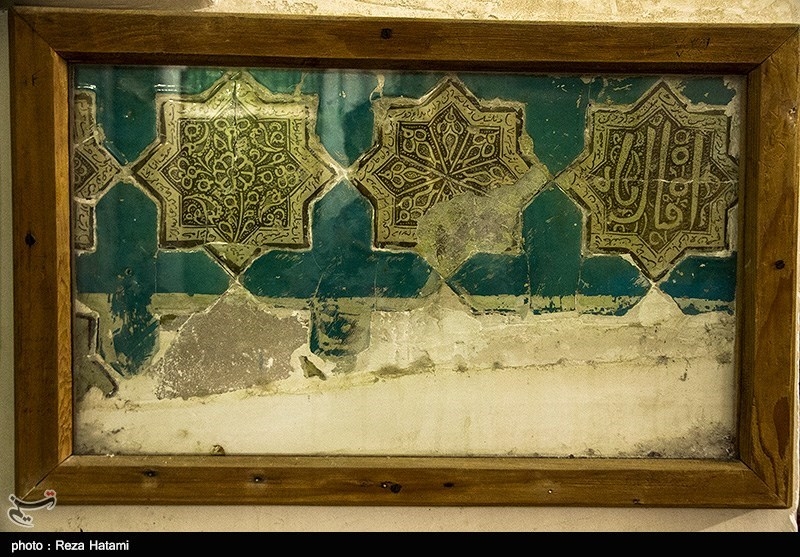
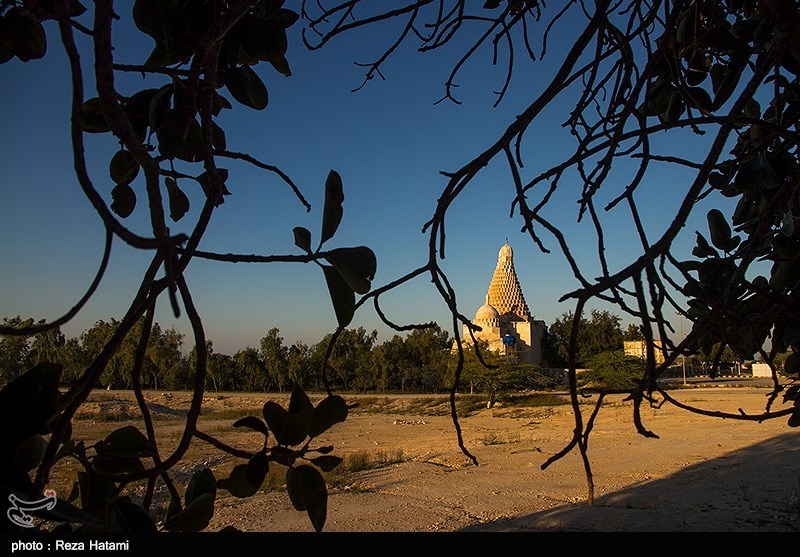
The Shrine of Imamzadeh Mir Mohammad Hanifeh is another valuable and important historic and cultural site of Kharg Island. Located in the southwestern part of the island, the shrine dates back to 1338 during Seljuq dynasty. With its pyramid domes as well as a small circular dome, the shrine’s beauty catches the eyes of every visitor. The interior space of the shrine is decorated with star and octagonal tiles.

Among other attractions of Kharg, one can refer to a 2,400-year-old inscription on a coral stone ground in Cuneiform, which says, ”I’ve created happiness in this dry and waterless territory by digging wells and Qanats.”
The inscription, which belongs to the Achaemenid era, serves as a document of Iran’s independence, and is said to be the first document on which the name Persian Gulf was written.

Unfortunately, about 11 years ago, unknown saboteurs damaged the inscription making 70 percent of its words unreadable.


Iran President to Visit Tajikistan amid Thaw in Relations

The Iranian president will travel to Dushanbe on June 14 to attend the 5th CICA summit at the invitation of his Tajik counterpart Emomali Rahmon.

According to Ministry of Foreign Affairs of the Republic of Tajikistan, Rouhani’s participation in the summit has been confirmed during Tajik Foreign Minister Sirodjidin Mukhriddin’s recent trip to Tehran.

Heading a diplomatic delegation, Mukhriddin visited Iran on May 31 and held talks with a number of senior Iranian officials.

In one of the meetings, the Tajik minister and his Iranian counterpart Mohammad Javad Zarif weighed plans to broaden the political and parliamentary cooperation between the two nations, strengthen the friendship groups, enhance economic interaction in the water, electricity and transportation sectors, hold political and consular consultations, expand the cultural and international cooperation within the framework of the United Nations Educational, Scientific and Cultural Organization (UNESCO), and combat extremism and terrorism.

The upcoming CICA summit in Dushanbe, slated for June 14 and 15, is expected to serve as a platform for discussing and resolving problems in Asia, as well as for promoting initiatives and finding effective mechanisms at a high level.

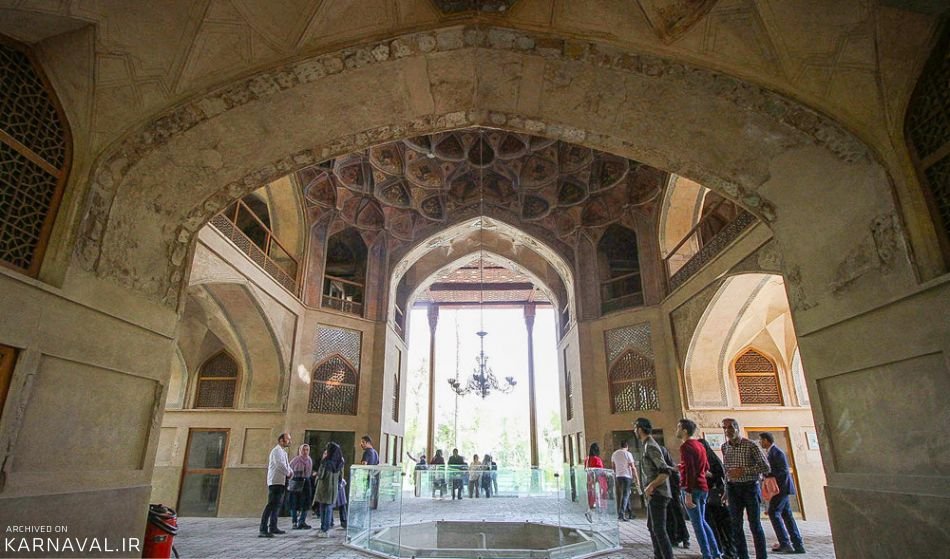
Hasht Behesht: World’s Most Beautiful Palace in Safavid Era

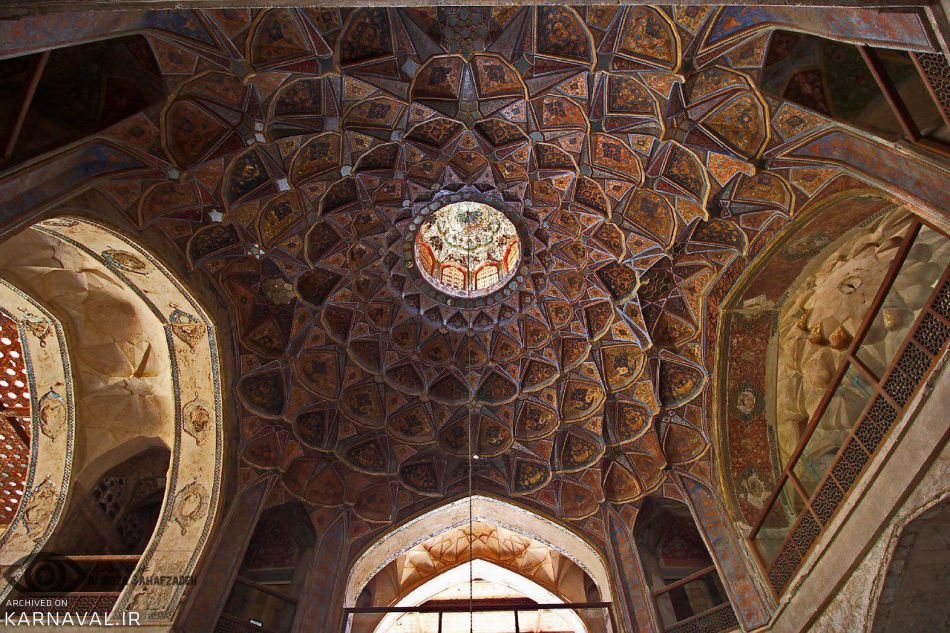
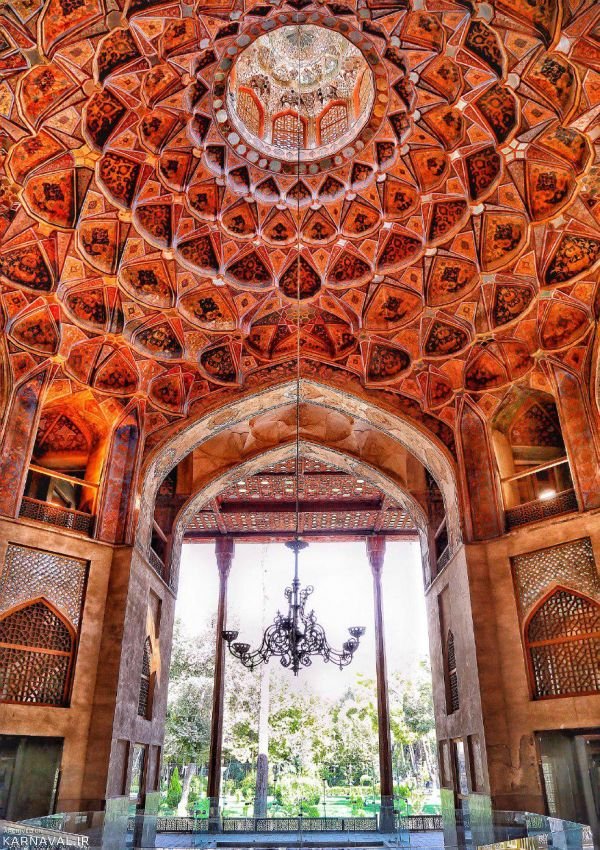
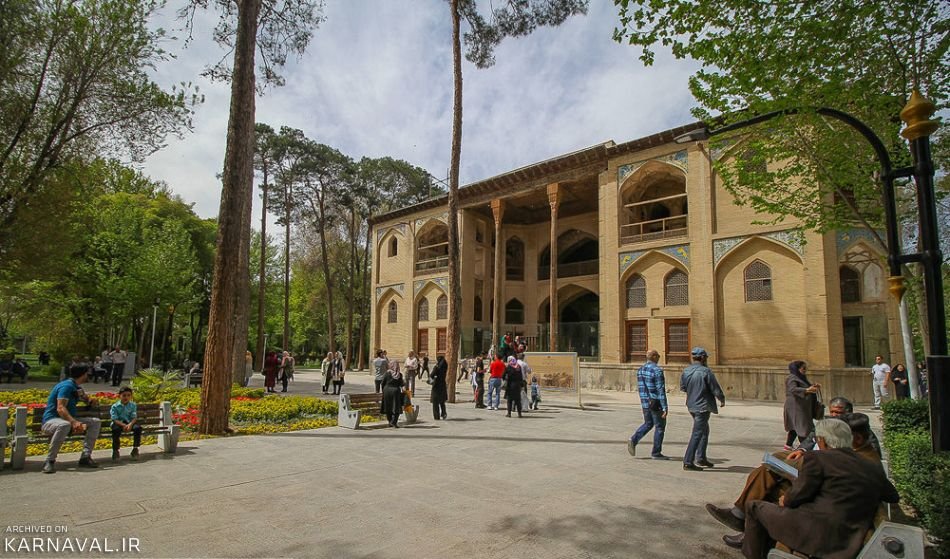
Beautiful Palace of Hasht Behesht, Iran

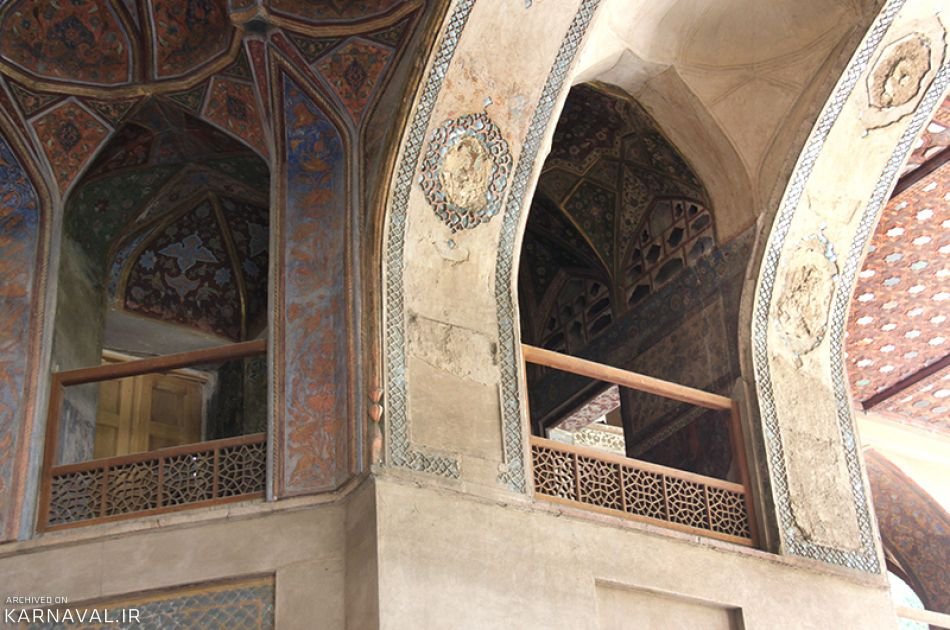
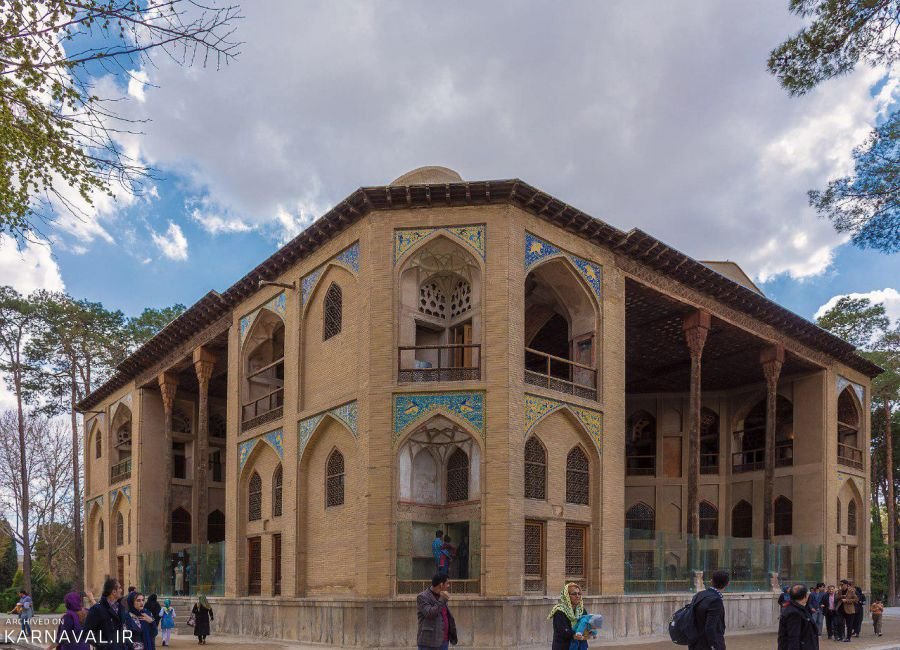
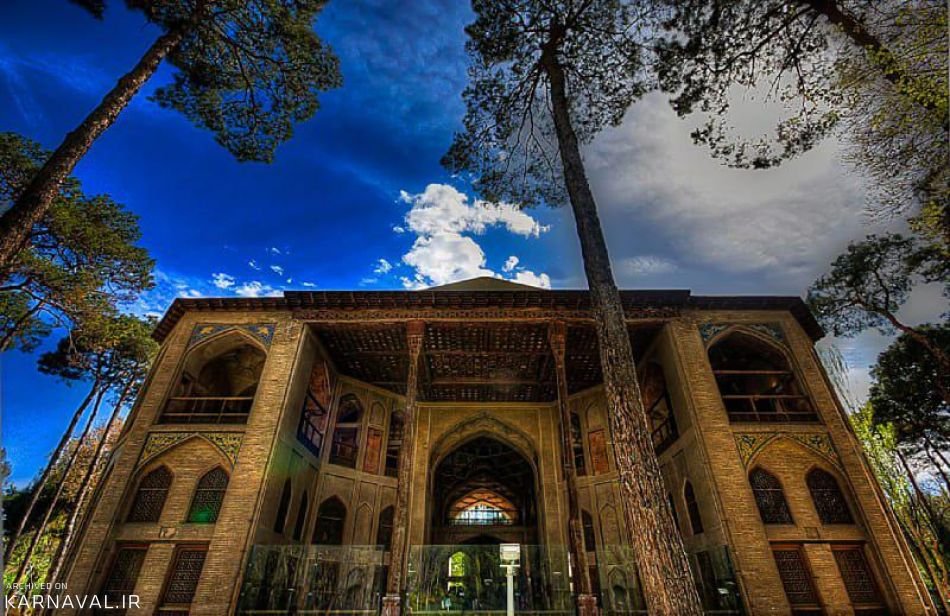
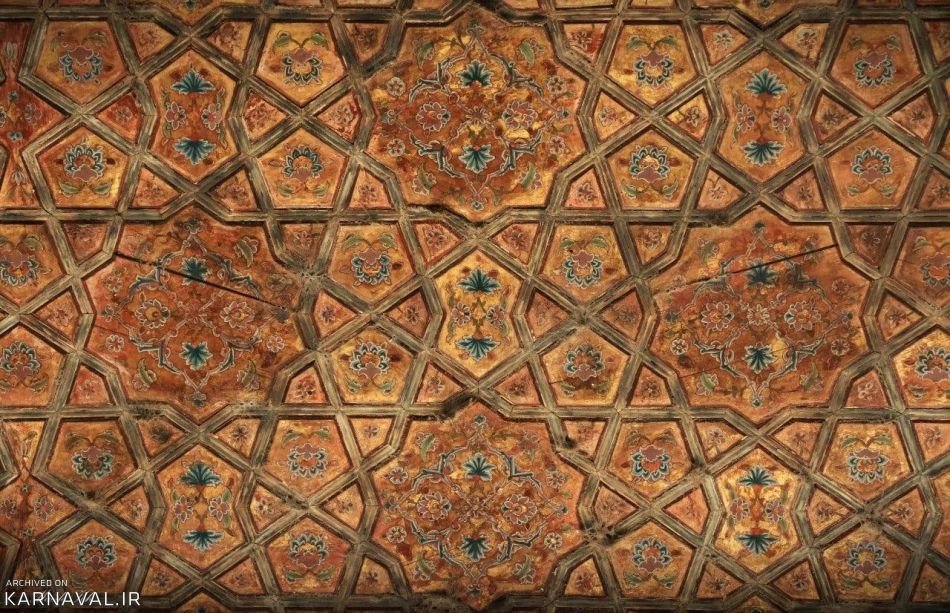
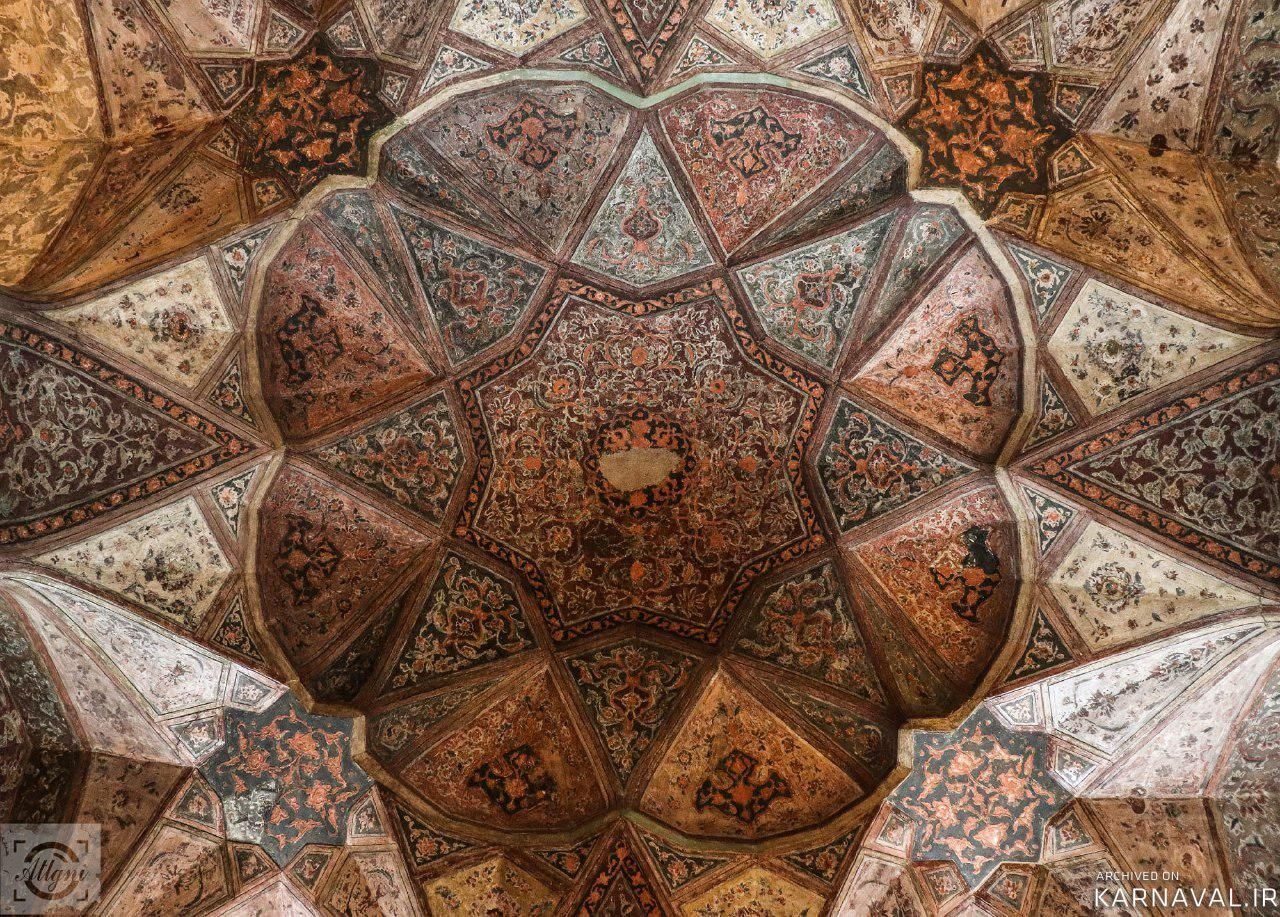
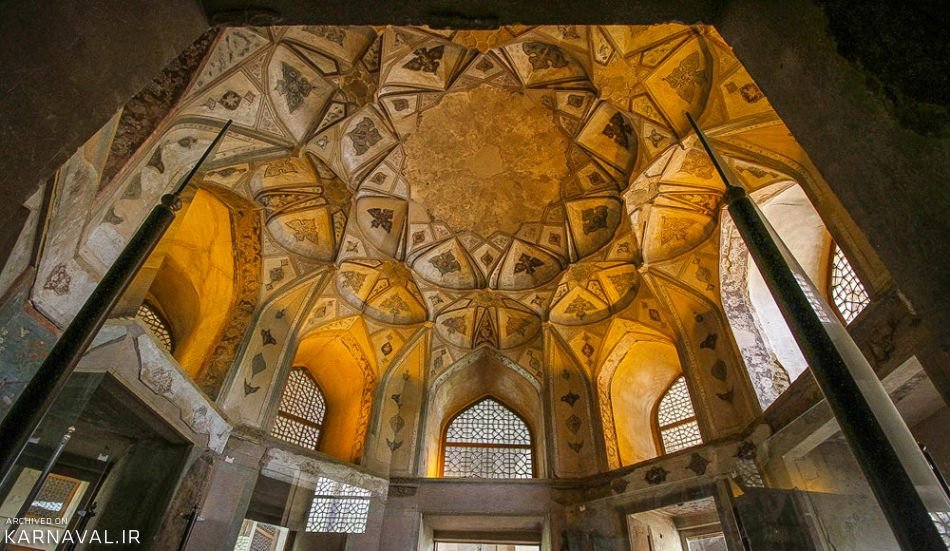
Hasht Behesht (literally Eight Paradises) is the only remaining site among numerous palaces once existed in the Charbagh region of Isfahan in the Safavid dynasty. Experts estimate that the site was built under Suleiman of Persia in 1669.

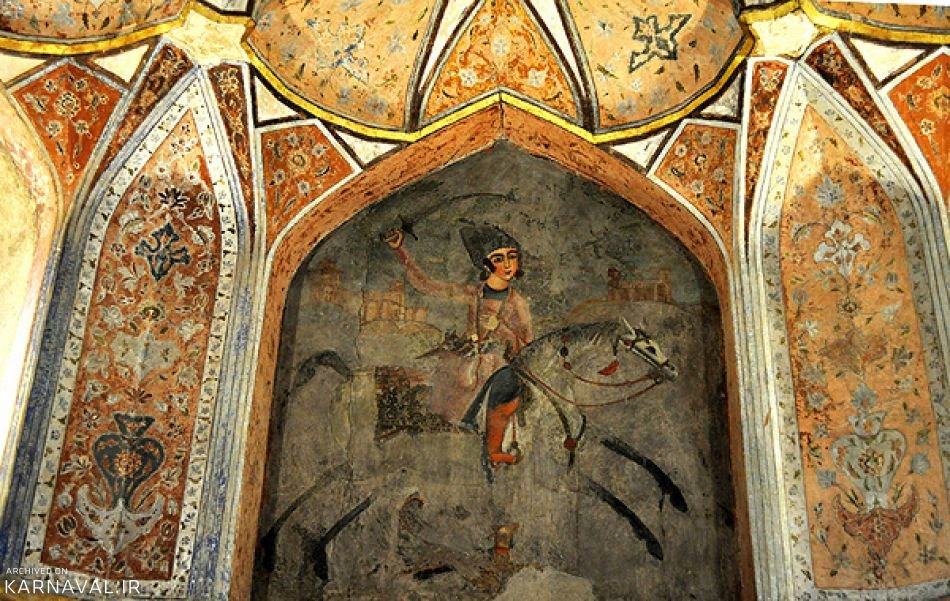
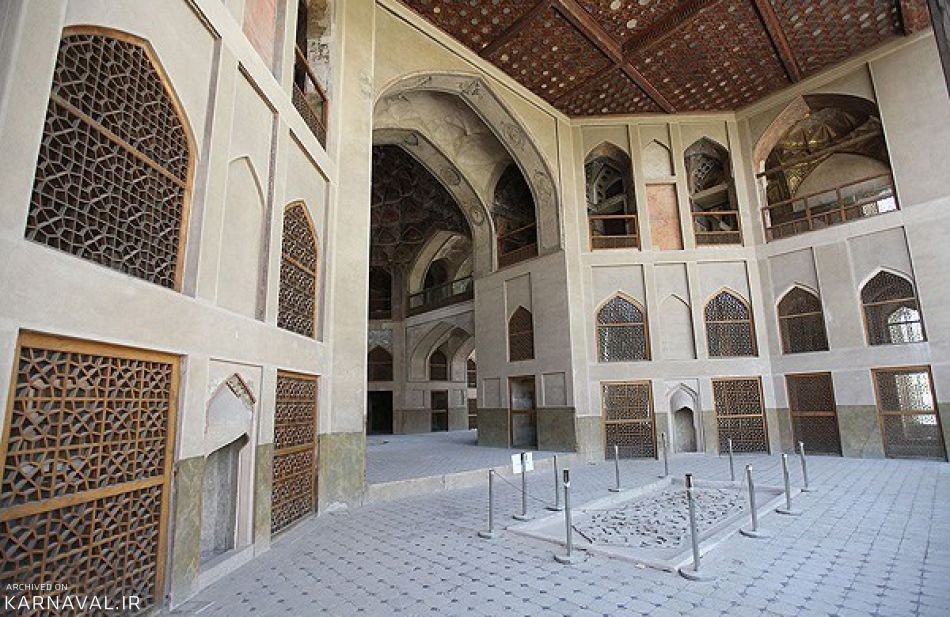
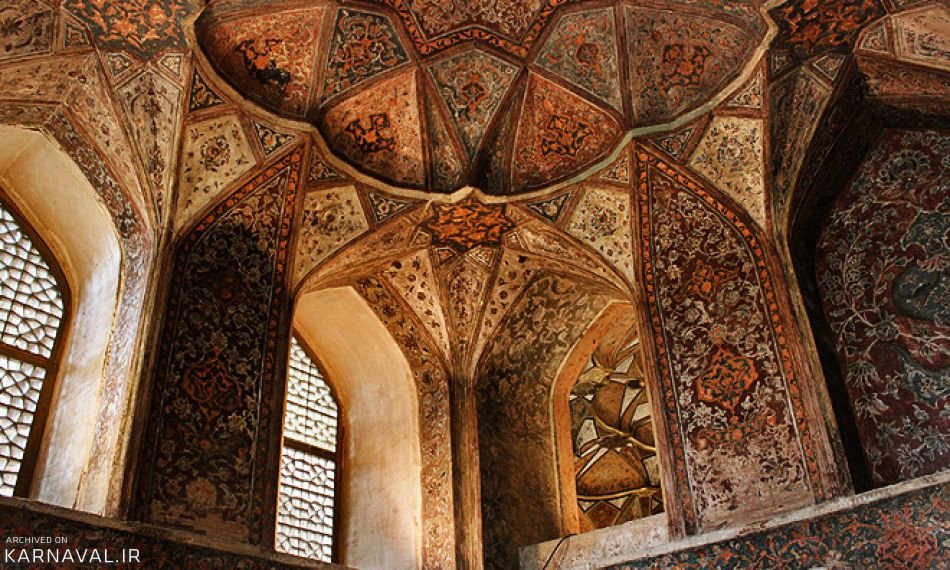
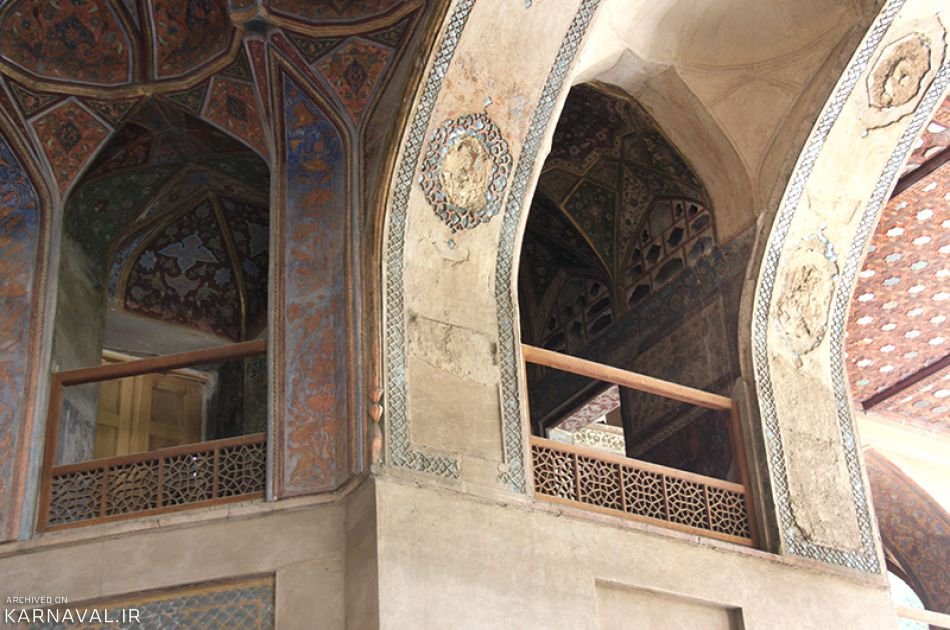
Hasht Behesht is an octagonal building with many rooms and highly spectacular decorations. The main feature of the historical palace is that it is surrounded by several halls. The special connection made between various spaces of the site has turned its architecture into a unique one.

With its numerous sections and spaces, Hasht Behesht palace serves as a remarkable feat of architecture with eye-catching decorations.

The explorers who visited the building during Safavid dynasty described it as a “heaven on earth”; and cited it as the most beautiful palace in the world compared with its counterparts in Europe.

The building underwent excessive changes at the hands of the Qajar dynasty. That’s the reason why most explorers have wrongly described it as a contemporary structure.

If you visit the palace today, you can no longer see the wooden fence and frames as well as the colourful glasses that once characterized Hasht Behesht. The deep changes include large parts of the building’s exterior as well. But despite all this, the palace remains among the most breathtaking historical buildings in Iran.

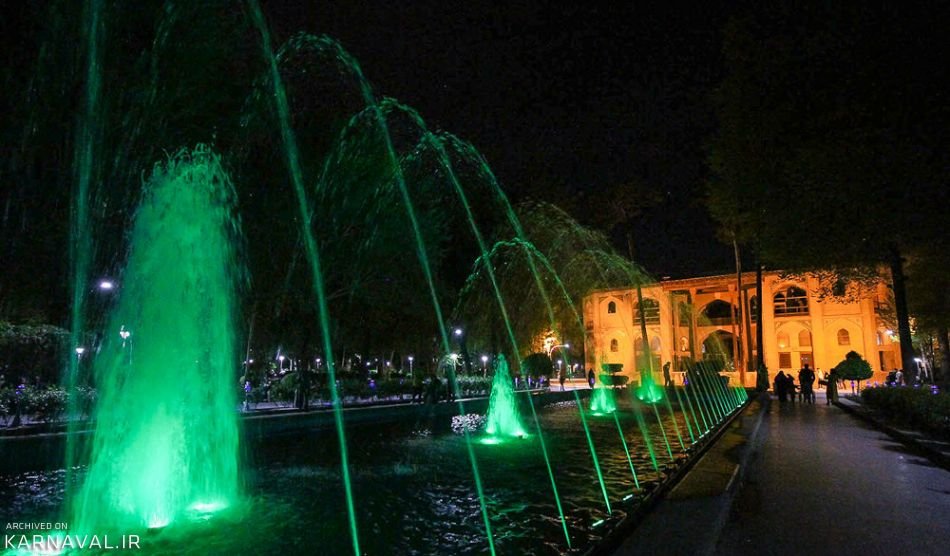
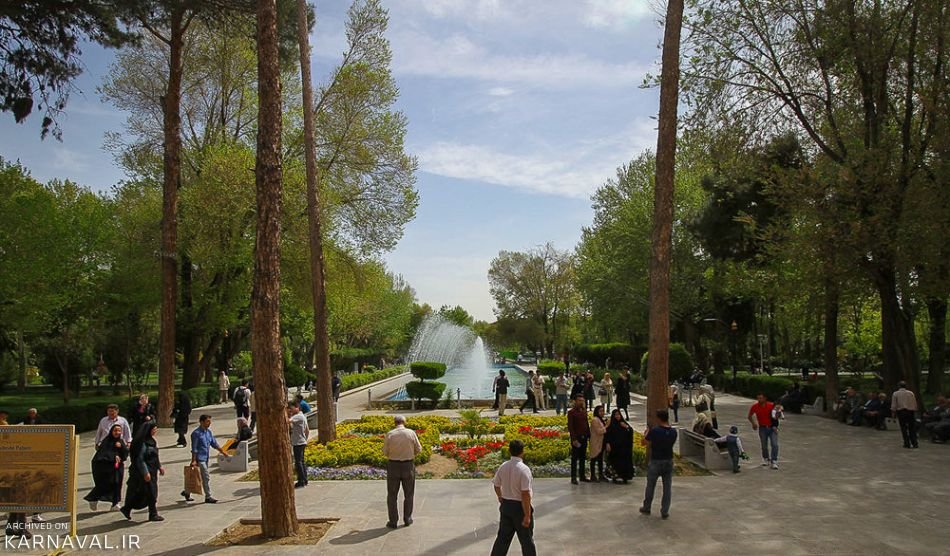
Below, you can see a collection of photos of this beautiful palace taken from Karnaval.ir website:


Iran Slams Macron’s Unconstructive Comments on JCPOA

Mousavi made the remarks on Friday in reaction Emmanuel Macron’s remarks in his meeting with US President Donald Trump.

“Despite [making] some remarks and [issuing] political statements, the European parties have failed so far to fulfil their commitments under the JCPOA and their obligations following the US’ illegal withdrawal from the agreement,” Mousavi said.
The Europeans, he added, have failed to prepare the grounds for Iran to fully benefit from the multilateral agreement.

“Under the current circumstances, their move to raise issues beyond the JCPOA will not only fail to help save the JCPOA, but will also pave the way for further distrust among the parties remaining in the 2015 agreement,” the spokesman said.

He also noted that such moves will take the US closer to the goal it pursued when leaving the Iran nuclear deal, which was nothing but its collapse.

Mousavi also rejected the hackneyed, contradictory, and groundless claims made by the US president, saying that such invalid allegations do not deserve a new reaction.

The Iranian spokesman’s comments came after Macron told Trump he doesn’t think Paris and Washington have differences over Iran.

“I think we do share the same objective on Iran,” the French leader said.

He listed four common priorities of the US and France in addressing Iranian behaviour moving forward: preventing Iran from getting a nuclear weapon, reducing Iran’s ballistic activity, containing Iran’s regional activity and establishing peace in the region. 

“All the other debates are about technicalities,” he said, calling for fresh negotiations to extend the terms of the JCPOA and to achieve those goals.

Trump also asserted on Thursday that sanctions imposed by the US after pulling out of the agreement have crippled Iran’s economy and left the nation in tatters.

“They’re doing very poorly as a nation,” he said. “They’re failing as a nation. And I don’t want them to fail as a nation. We can turn that around very quickly, but the sanctions have been extraordinary how powerful they’ve been, and other things. I understand they want to talk and if they want to talk that’s fine.”

German FM Due in Iran Monday

German Foreign minister Heiko Maas gives a joint press conference with President of Commission Jean Claude Juncker (unseen) after their bilateral meeting on April 13, 2018 at the EU headquarters in Brussels. / Photo by AFP

“During his one-day visit, the German top diplomat will hold talks with Foreign Minister Mohammad Javad Zarif and President Hassan Rouhani,” Mousavi said on Thursday.

“Bilateral relations between Iran and Germany, the most important regional and international issues, and the latest developments regarding the JCPOA (Joint Comprehensive Plan of Action) will be discussed in this trip,” he added.

Earlier, a German foreign ministry spokeswoman had declared that Maas will visit Iran as part of a three-country Middle East tour, during which he will explore options for preserving the Iran nuclear deal.

The trip, timed to coincide with the end of the Muslim festival of Ramadan, will take in Jordan, the United Arab Emirates as well as Tehran, ministry spokeswoman Maria Adebahr told a regular news conference on Thursday.

She added that the trip had been agreed and coordinated with Britain and France, both of which support the nuclear deal signed with Iran, and had also been discussed with Mike Pompeo, chief diplomat of the United States, which has repudiated the agreement.

During the visit, Maas will also be accompanied by Per Fischer, the German head of The Instrument in Support of Trade Exchanges (INSTEX), a special purpose vehicle established by the European Union to circumvent US sanctions and keep some semblance of business channels open to Iran.

Initiated with much fanfare, the special purpose vehicle has been relegated by the Europeans to handle food and medical trade which is theoretically not subject to US sanctions.

Germany, France, and the UK, however, have been struggling to operationalize it, raising serious doubts about their determination to compensate for last year’s unilateral US pullout from an international 2015 nuclear deal Iran.

Back on May 8, Iran stopped some commitments under the deal and notified the remaining signatories of the accord that unless they protect its economy from US sanctions within 60 days, Tehran will start enriching uranium at higher levels.

Chinese Bank ‘Kunlun’ Starts Work in Iran

In his twitter account, he wrote, “China’s Bank of Kunlun has announced that it will continue its banking transactions with the Islamic Republic of Iran by the end of the current year in 2019 only using Chinese unit of currency ‘yuan’ and with full observation of US sanctions with regard to the goods, real and legal entities, transport companies and bank.”

China’s Bank of Kunlun is the only Chinese bank that cooperates with the Islamic Republic of Iran, he added.